AB 1357: Children and Family Health Promotion Program.
- Session Year: 2015-2016
- House: Assembly
- Latest Version Date: 2015-04-29
Existing law provides various programs that prevent disease and promote health.
This bill, subject to specified exemptions, would impose a fee on every distributor, as defined, for the privilege of distributing in this state bottled sweetened beverages, at a rate of $0.02 per fluid ounce and for the privilege of distributing concentrate in this state, either as concentrate or as sweetened beverages derived from that concentrate, at the rate of $0.02 per fluid ounce of sweetened beverage to be produced from concentrate. The Board of Equalization would be responsible for administering and collecting the fee and registering the distributors upon whom the fee is imposed. These amounts would be deposited into the Children and Family Health Promotion Trust Fund, created by the bill. The bill would require moneys in the fund, upon appropriation by the Legislature, to be allocated to the State Department of Public Health, the State Department of Health Care Services, the Department of Education, and the Department of Food and Agriculture, as specified, for various purposes of statewide diabetes and childhood obesity treatment and prevention activities and programs, including awarding competitive grants to local governments, nonprofit organizations, school districts, and other entities for activities in support of the bills objectives. This bill would also authorize the State Public Health Officer, the Director of Health Care Services, the Superintendent of Public Instruction, and the Secretary of Food and Agriculture to establish regulations and provide procedural measures, to bring into effect those purposes.
This bill would require the State Department of Public Health, in consultation with the other participating departments, to prepare and adopt an annual program budget, as specified. The bill would establish the Children and Family Health Promotion Administration Account within the fund, to be used, upon appropriation by the Legislature, to reimburse expenditures by the State Department of Public Health in administering and implementing the activities required by the bill, and to repay specified loans from other funds.
This bill would make legislative findings and declarations relating to the consumption of sweetened beverages, diabetes, childhood obesity, and dental disease.
This bill would declare that it is to take effect immediately as an urgency statute.
Existing law provides various programs that prevent disease and promote health.
This bill would establish the Children and Family Health Promotion Program in the Department of Public Health. This bill would require the program to consist of a competitive grant process in which grants are awarded by the department to counties, cities, nonprofit organizations, community-based organizations, and licensed clinics that seek to invest in childhood obesity and diabetes prevention activities and oral health programs. The bill would authorize the department to award a grant to any entity that will use the grant to support programs that use educational, environmental, policy, and other public health approaches to achieve specified goals.
This bill would require the department to develop an application and application process for the program, and would provide that the program will be funded by moneys appropriated by the Legislature to the department for this purpose.
This bill would make legislative findings and declarations relating to the consumption of sweetened beverages, childhood obesity, and dental disease.
Existing law provides various programs that prevent disease and promote health.
This bill would establish the Children and Family Health Promotion Program in the Department of Public Health. This bill would require the program to consist of a competitive grant process in which grants are awarded by the department to counties, cities, nonprofit organizations, community-based organizations, and licensed clinics that seek to invest in childhood obesity and diabetes prevention activities and oral health programs. The bill would authorize the department to award a grant to any entity that will use the grant to support programs that use educational, environmental, policy, and other public health approaches to achieve specified goals.
This bill would require the department to develop an application and application process for the program, and would provide that the program will be funded by moneys appropriated by the Legislature to the department for this purpose.
This bill would make legislative findings and declarations relating to the consumption of sweetened beverages, childhood obesity, and dental disease.
Existing law provides various programs for the monitoring, treatment, and prevention of chronic disease in California, including heart disease, cancer, and amyotrophic lateral sclerosis (ALS).
This bill would state the intent of the Legislature to enact legislation that would address the public health crisis relating to the growing prevalence of preventable chronic disease.
Existing law provides various programs for the monitoring, treatment, and prevention of chronic disease in California, including heart disease, cancer, and amyotrophic lateral sclerosis (ALS).
This bill would state the intent of the Legislature to enact legislation that would address the public health crisis relating to the growing prevalence of preventable chronic disease.
The Legislature finds and declares all of the following:
(a)Over 2.3 million California adults report having been diagnosed with diabetes, representing one out of every 12 adult Californians. The vast majority of diabetes cases in California are type 2, representing 1.9 million adults.
(b)According to the State Department of Public Health, diabetes is the seventh leading cause of death in California, and has been determined to be the underlying cause of death for almost 8,000 people each year.
(c)Adults with type 2 diabetes more often have other health problems. One-half of adults with Type 2 diabetes also have hypertension. This rate of occurrence is twice as high as for those without diabetes. Adults with diabetes are also twice as likely to have cardiovascular disease than adults without diabetes.
(d)Adults with diabetes are 50 percent more likely to have arthritis than adults without diabetes. Over 40 percent of new cases of kidney failure are attributed to diabetes. New cases of kidney failure declined slightly from 2001 to 2007, but began to increase again after 2007.
(e)Hispanics, African Americans, Native Americans, and Asian/Pacific Islanders have higher prevalence of type 2 diabetes than non-Hispanic whites. Hispanics and African Americans have two times higher prevalence: 7 percent of non-Hispanic Whites have type 2 diabetes, compared with 12 percent of Latinos, 9 percent of Asian Americans, 14 percent of Pacific Islander Americans, 13 percent of African Americans, and 17.5 percent of Native American populations. If trends are not reversed, it is predicted that one in three children and nearly one-half of Latino and African American children born in the year 2000 will develop type 2 diabetes in their lifetime.
(f)The prevalence of obesity in the United States has increased dramatically over the past 30 years. In California, obesity rates have increased even more, rising from 8.9 percent in 1984 to 23.8 percent in 2011. Although no group has escaped the epidemic, low income and communities of color are disproportionately affected.
(g)The rate of children who are overweight has also increased dramatically in recent decades. In 2010, 38 percent of California children in grades 5, 7, and 9 were overweight or obese. Thirty-one of Californias 58 counties experienced an increase in childhood obesity from 2005 to 2010.
(h)In 2006, California overweight and obesity-related health costs were estimated at almost $21 billion.
(i) There is overwhelming evidence of the link between obesity, diabetes, and heart disease and the consumption of sweetened beverages, such as soft drinks, energy drinks, sweet teas, and sports drinks. California adults who drink a soda or more per day are 27 percent more likely to be overweight or obese, regardless of income or ethnicity.
(j)According to nutritional experts, sweetened beverages, such as soft drinks, energy drinks, sweet teas, and sports drinks, offer little or no nutritional value, but massive quantities of added sugars. A 20-ounce bottle of soda contains the equivalent of approximately 16 teaspoons of sugar. Yet, the American Heart Association recommends that Americans consume no more than five to nine teaspoons of sugar per day.
(k)Research shows that almost one-half of the extra calories Americans consume in their diet comes from sugar-sweetened beverages, with the average American drinking nearly 50 gallons of sugar-sweetened beverages a year, the equivalent of 39 pounds of extra sugar every year.
(l)Research shows that 41 percent of California children from 2 to 11 years of age, inclusive, and 62 percent of California teens from 12 to 17 years of age, inclusive, drink soda daily, and for every additional serving of sweetened beverage that a child consumes per day, the likelihood of the child becoming obese increases by 60 percent.
(m)Sugary drinks are a unique contributor to excess caloric consumption. A large body of research shows that calories from sugary drinks do not satisfy hunger the way calories from solid food or beverages containing fat or protein do, such as those containing milk and plant-based proteins. As a result, sugary beverages tend to add to the calories people consume rather than replace them.
(n)Dental caries (tooth decay) is the most common chronic childhood disease, experienced by more than two-thirds of Californias children. Children who frequently or excessively consume beverages high in sugar are at increased risk for dental caries. Untreated dental caries can lead to pain, infection, tooth loss, and in severe cases, even death.
(o)It is the intent of the Legislature, by adopting the Children and Family Health Promotion Trust Fund to diminish the human and economic costs of diabetes, obesity, heart disease, and dental disease in California. The fund is intended to create a dedicated revenue source for health, education, and wellness programs designed to prevent and treat obesity, diabetes, and heart and dental disease, and to reduce the burden of attendant health conditions that result from the overconsumption of sweetened beverages.
SEC. 2.Chapter 5 (commencing with Section 104895.50) is added to Part 3 of Division 103 of the Health and Safety Code, to read:5.Children and Family Health Promotion Program104895.50.The following definitions shall apply for purposes of this chapter:
(a)(1)Beverage for medical use means a beverage suitable for human consumption and manufactured for use as an oral nutritional therapy for persons who cannot absorb or metabolize dietary nutrients from food or beverages, or for use as an oral rehydration electrolyte solution for infants and children formulated to prevent or treat dehydration due to illness.
(2)Beverage for medical use includes a medical food. Consistent with Section 5(b)(3) of the Orphan Drug Act (Public Law 97-414; at 21 U.S.C. 360ee(b)(3)), medical food means a food that is formulated to be consumed or administered internally under the supervision of a physician and that is intended for the specific dietary management of a disease or condition for which distinctive nutritional requirements, based on recognized scientific principles, are established by medical evaluation.
(3)Beverage for medical use does not include drinks commonly referred to as sports drinks, or any other derivative or similar terms.
(b)Board means the State Board of Equalization.
(c)Bottle means any closed or sealed container, regardless of size or shape, including, without limitation, those made of glass, metal, paper, plastic, or any other material or combination of materials.
(d)Bottled sugar-sweetened beverage means any sugar-sweetened beverage contained in a bottle that is ready for consumption without further processing, such as dilution or carbonation.
(e)Caloric sweetener means any caloric substance suitable for human consumption that humans perceive as sweet, including, but not limited to, sucrose, fructose, glucose, fruit juice concentrate, or other sugars. Caloric sweetener excludes noncaloric sweeteners. For purposes of this definition, caloric means a substance that adds calories to the diet of a person who consumes that substance.
(f)Consumer means a person who purchases a sugar-sweetened beverage for consumption and not for sale to another.
(g)Distributor means any person, including a manufacturer or wholesale dealer, who receives, stores, manufactures, bottles, or distributes bottled sugar-sweetened beverages, syrups, or powders for sale to retailers doing business in the state, or any combination of these activities, whether or not that person also sells those products to consumers.
(h)Fund means the Children and Family Health Promotion Trust Fund.
(i)Milk means natural liquid milk, regardless of animal or plant source or butterfat content, natural milk concentrate, whether or not reconstituted, or dehydrated natural milk, whether or not reconstituted.
(j)Natural fruit juice means the original liquid resulting from the pressing of fruits, or the liquid resulting from the dilution with water of dehydrated natural fruit juice.
(k)Natural vegetable juice means the original liquid resulting from the pressing of vegetables, or the liquid resulting from the dilution with water of dehydrated natural vegetable juice.
(l)Noncaloric sweetener means any noncaloric substance suitable for human consumption that humans perceive as sweet, including, but not limited to, aspartame, acesulfame-K, neotame, saccharin, sucralose, and stevia. Noncaloric sweetener excludes caloric sweeteners. For purposes of this definition, noncaloric means a substance that contains fewer than five calories per serving.
(m)Person means a natural person, partnership, cooperative association, limited liability company, corporation, personal representative, receiver, trustee, assignee, or other legal entity.
(n)Place of business means any place where sugar-sweetened beverages, syrups, or powders are manufactured or received for sale in the state.
(o)Powder means any solid mixture of ingredients used in making, mixing, or compounding sugar-sweetened beverages by mixing the powder with one or more other ingredients, including, but not limited to, water, ice, syrup, simple syrup, fruits, vegetables, fruit juice, vegetable juice, or carbonation or other gas.
(p)Retailer means any person who sells or otherwise dispenses in the state a sugar-sweetened beverage to a consumer whether or not that person is also a distributor.
(q)Sale means the transfer of title or possession for valuable consideration, regardless of the manner by which the transfer is completed.
(r)State means the State of California.
(s)(1)Sugar-sweetened beverage means any nonalcoholic beverage, carbonated or noncarbonated, that is intended for human consumption and contains added caloric sweetener. As used in this subdivision, nonalcoholic beverage means any beverage that contains less than one-half of 1 percent alcohol per volume.
(2)Sugar-sweetened beverage does not include any of the following:
(A)Bottled sugar-sweetened beverages, syrups, and powders sold to the United States government and American Indian tribal governments.
(B)Bottled sugar-sweetened beverages, syrups, and powders sold by a distributor to another distributor that is registered pursuant to Section 104895.58, if the sales invoice clearly indicates that the sale is exempt. If the sale is to a person who is both a distributor and a retailer, the sale shall also be fee-exempt and the fee shall be paid when the purchasing distributor or retailer resells the product to a retailer or a consumer. This exemption does not apply to any other sale to a retailer.
(C)Beverages sweetened solely with noncaloric sweeteners.
(D)Beverages consisting of 100 percent natural fruit or vegetable juice, with no added caloric sweetener.
(E)Beverages in which milk, or soy, rice, or similar milk substitute, is the primary ingredient or the first listed ingredient on the label of the beverage.
(F)Beverages with fewer than five grams of added sugar or other caloric sweeteners per 12 ounces.
(G)Coffee or tea without added caloric sweetener.
(H)Infant formula.
(I)Beverages for medical use.
(J)Water without any caloric sweetener.
(t)Syrup means a liquid mixture of ingredients used in making, mixing, or compounding sugar-sweetened beverages using one or more other ingredients, including, but not limited to, water, ice, powder, simple syrup, fruits, vegetables, fruit juice, vegetable juice, carbonation, or other gas.
(u)Water includes nonflavored water, or water flavored with noncaloric natural fruit essence or natural flavor. The source of the water may be artesian, mineral, spring, or well. The type of water may also include carbonated, such as sparkling, club, or seltzer, and still, distilled, or purified, such as demineralized, deionized, or reverse osmosis.
104895.51.The Children and Family Health Promotion Trust Fund is hereby established in the State Treasury. The fund shall consist of all fees, interest, penalties, and other amounts collected pursuant to this chapter, less refunds and reimbursement for expenses incurred in the administration and collection of the fees.
(a)Fifty-one percent of the moneys in the fund shall be allocated to the State Department of Public Health. Amounts allocated for purposes of this subdivision shall be distributed equally, as follows:
(1) To administer a competitive grant program for county governments seeking to invest in childhood obesity and diabetes prevention activities.
(2)To administer a competitive grant program for nonprofit organizations and community based organizations seeking to invest in childhood obesity and diabetes prevention activities.
(3)The department may award a grant to any entity described in subparagraphs (A) and (B) that will use the grant to support programs that use educational, environmental, policy, and other public health approaches to achieve all of the following goals:
(A)To improve access to, and consumption of, healthy and affordable foods and beverages, and reduce access to, and consumption of, calorie-dense and nutrient-poor foods.
(B)To encourage physical activity and decrease sedentary behavior.
(C)To raise awareness about the importance of nutrition and physical activity in the prevention of childhood obesity and diabetes.
(4)To the departments Oral Health Program to support dental health programs.
(5)To administer a competitive grant program for licensed clinics to invest in childhood obesity and diabetes prevention and treatment activities, and childrens dental programs. Funding shall support programs that use educational and other public health approaches that raise awareness about the importance of nutrition and physical activity in the prevention of childhood obesity and diabetes.
(b)Four percent to the Expanded Access to Primary Care, Rural Health Services Development, Seasonal Agricultural Migratory Workers, and Indian Health programs in the State Department of Health Care Services. Funds shall be used to support clinic-based obesity and diabetes prevention and related disease management.
(c)Twenty-five percent to the Department of Education, to be distributed equally for the following purposes:
(1)To administer a competitive grant program for school districts for educational, environmental, policy, and other public health approaches that promote physical activity. The approaches funded pursuant to this paragraph may include improving or constructing school recreational facilities that are used for recess and physical education, providing continuing education training for physical education teachers, hiring qualified physical education teachers, and implementing Safe Routes to School programs.
(2)To administer a competitive grant program for school districts for educational, environmental, policy, and other public health approaches that promote nutrition. The approaches funded pursuant to this paragraph may include improving the quality and nutrition of school breakfasts, lunches, and snacks, and incorporating practical nutrition education into the curriculum.
(3)To the California Farm to School Program administered by the department.
(4)To administer a competitive grant program for school districts for ensuring access to clean drinking water throughout the schoolday, including, but not limited to, drinking fountains and water bottle refilling stations.
(d)Twenty percent to the Department of Food and Agriculture, to be distributed equally for the following purposes:
(1)To the Office of Farm to Fork for nutritious foods incentive programs.
(2)To administer a grant program to support producers of fresh fruits and vegetables and other specialty crops.
(e)(1)The State Department of Public Health shall develop an application and application process for the grant programs established pursuant to this section.
(2)Applicants interested in receiving a grant shall submit an application to the department responsible for the individual grant program.
(f)No more than seven percent of the funds received shall be used by any department for administrative costs.
(g)All moneys in the fund shall be allocated with priority given to communities exhibiting high prevalence of type 2 diabetes, as reported by the California Health Interview Survey (CHIS) conducted by the University of California, Los Angeles Center for Health Policy Research. Departments shall use the most current survey data available.
(h)Upon appropriation by the Legislature, all moneys in the fund shall be expended only for the purposes expressed in this chapter, and shall be used only to supplement existing levels of service. Moneys in the fund shall not supplant any federal, state, or local funding for existing levels of service.
(i)The State Public Health Officer, the Secretary of the Department of Food and Agriculture, the Director of Health Care Services, and the Superintendent of Public Instruction may coordinate to establish regulations and procedural measures necessary to effectuate the purposes of this chapter. The regulations may provide for specific programs to be funded consistent with the allocation of funds as set forth in this section. In establishing these regulations, the department shall give particular consideration to reducing the prevalence of diabetes, as identified by data from the CHIS.
(j)The California State Auditors office shall conduct periodic audits to ensure that the annual allocation to individual programs is awarded by the fund in a timely fashion consistent with the requirements of this chapter. The first audit shall be conducted no later than 24 months after the effective date of this section.
104895.52.(a)No later than July 1, 2016, the Director of the Department of Public Health shall appoint an advisory committee to provide input regarding the implementation of the program. The advisory committee shall be a purely advisory body and shall have no final decisionmaking authority with respect to the implementation of this chapter.
(b)The advisory committee shall be composed of at least seven members as follows:
(1)The State Department of Public Health, the Department of Food and Agriculture, the State Department of Health Care Services, and the State Department of Education each shall appoint at least one member, for a total of at least four members.
(2)The Governor, the Speaker of the Assembly, and the President pro Tempore of the Senate each shall appoint one member with expertise in childhood obesity and diabetes prevention, and experience in researching public health issues or evaluating public health programs related to diabetes, obesity, chronic disease prevention, and sugary drink consumption. At least one of those three members shall have experience with a community-based chronic disease prevention organization.
(c)The advisory committee shall conduct an annual study and submit a report to the Legislature and all relevant standing committees, regarding the process and outcome performance of the fund. The study and report may include, but need not be limited to, a review of how moneys in the fund were allocated, annual and longitudinal data on childhood obesity prevalence and incidence rates, data on childhood diabetes and incidence rates, and longitudinal information on sweetened beverage consumption rates across the state population. The report shall be submitted each year.
104895.53.(a)A health impact fee is hereby imposed on every distributor for the privilege of distributing bottled sweetened beverages and concentrate in the state, for deposit into the fund. The fees shall be calculated as follows:
(1)The fee on bottled sweetened beverages distributed in this state shall be two cents ($0.02) per fluid ounce.
(2)The fee on concentrates distributed in the state either as concentrate or as a sweetened beverage derived from that concentrate shall be equal to two cents ($0.02) per fluid ounce of sweetened beverage produced from that concentrate. For purposes of calculating the fee for concentrate, the volume of sweetened beverage to be produced from concentrate shall be the largest volume resulting from use of the concentrate according to any manufacturers instructions.
(b)In each transaction described in subdivision (a), the distributor shall include the following information on each receipt, invoice, or other form of accounting for the distribution of bottled sweetened beverages or concentrate:
(1)The name and address of the distributor.
(2)The name and address of the purchaser.
(3)The date of sale and invoice number.
(4)The kind, quantity, size, and capacity of packages of bottled sweetened beverages, sweetened beverages, or concentrate sold.
(5)The amount of fees due from the distributor on the sale of the bottled sweetened beverages, sweetened beverages, or concentrate.
(6)Any other information, as required by the board.
(c)The program shall develop reimbursement criteria to enable participating departments to recover administrative costs associated with collecting the charge.
(d)This section shall not preempt a city or county from enacting or enforcing an ordinance related to taxation of sugar-sweetened beverages if the ordinance is more stringent than this section.
104895.54.(a)(1)No later than July 1, 2016, and annually thereafter, the State Department of Public Health, in consultation with the State Department of Health Care Services, the Department of Education, and the Department of Food and Agriculture, shall commence preparation of a program budget for the following calendar year that includes all of the following information:
(A)Anticipated revenues and costs of implementing the program, including related programs, projects, contracts, and administrative expenses.
(B)A recommended funding level sufficient to cover the programs budgeted costs and to operate the program over a multiyear period in a prudent and responsible manner.
(C)The amount of the health impact fees, as described in Section 104895.53 and itemization of costs that the fees cover.
(2)The department shall adopt a final program budget for purposes of this chapter by October 1 of each year.
(b)The fund shall reimburse the department for administration and implementation costs the department incurs pursuant to this chapter, as provided in subdivision (c). The reimbursement shall not exceed the departments direct costs to implement and enforce this chapter.
(c)The department shall deposit all moneys submitted for reimbursement costs by the program into the Children and Family Health Promotion Administration Account, which is hereby established within the fund. Upon appropriation by the Legislature, moneys in the account shall be expended by the State Department of Public Health to administer and enforce this chapter, and to repay any outstanding loans made from other funds used to finance startup costs of the departments activities pursuant to this chapter.
104895.55.(a)The board shall administer and collect the fees imposed by this chapter pursuant to the Fee Collection Procedures Law (Part 30 (commencing with Section 55001)). For purposes of this chapter, the references in the Fee Collection Procedures Law to fee shall include the fees imposed by this chapter and references to feepayer shall include a person required to pay the fees imposed by this chapter.
(b)The board may prescribe, adopt, and enforce regulations relating to the administration and enforcement of this chapter, including, but not limited to, collections, reporting, refunds, and appeals.
(c)The board may adopt regulations to implement this chapter. The adoption, amendment, repeal, or readoption of a regulation authorized by this section is deemed to address an emergency, for purposes of Sections 11346.1 and 11349.6 of the Government Code, and the board is hereby exempted for this purpose from the requirements of subdivision (b) of Section 11346.1 of the Government Code.
104895.56.The fees imposed by this chapter are due and payable to the board on or before the last day of the first month following each calendar quarter.
104895.57.(a)On or before the last day of the first month following each calendar quarter, a return for the preceding calendar quarter shall be filed with the board using electronic media.
(b)The board may prescribe those forms and reporting requirements as are necessary to implement the fees, including, but not limited to, information regarding the total amount of bottled sweetened beverages and concentrate sold and the amount due.
(c)Returns shall be authenticated in a form or pursuant to methods prescribed by the board.
104895.58.Every distributor required to pay the fees imposed under this chapter shall register with the board. An application for registration shall be made upon a form prescribed by the board and shall set forth the name under which the applicant transacts or intends to transact business, the location or locations of each place of business, and any other information required by the board. An application for an account under this section shall be authenticated in a form, or pursuant to methods, prescribed by the board.
104895.59.The distribution of bottled sweetened beverages or concentrate by a distributor to either of the following persons shall be exempt from the fees imposed by this chapter:
(a)To a person when, pursuant to the contract of sale, the bottled sweetened beverages or concentrate shall be shipped, and are shipped, to a point outside of this state by the distributor by means of either of the following:
(1)Facilities operated by the distributor.
(2)Delivery by the distributor to a carrier, customs broker, or forwarding agent, whether hired by the purchaser or not, for shipment to the out-of-state point.
(b)To a person who is otherwise exempt from the taxation of that sale, use, or consumption under the Constitution of the United States, federal law or regulation, or the California Constitution.
104895.60.A distributor who has paid a fee, either directly to the state or to another distributor registered under this part, and makes a subsequent distribution of bottled sweetened beverages or concentrate may claim a credit on its return for the period in which the subsequent sale or distribution occurs.
SEC. 3.This act is an urgency statute necessary for the immediate preservation of the public peace, health, or safety within the meaning of Article IV of the Constitution and shall go into immediate effect. The facts constituting the necessity are:
In order to provide timely funding necessary to help mitigate the deleterious health effects that result from the overconsumption of sweetened beverages, including diabetes, heart disease, and oral decay, it is necessary for this act to take effect immediately.
SECTION 1.The Legislature finds and declares all of the following:
(a)Over 2.3 million California adults report having been diagnosed with diabetes, representing one out of every 12 adult Californians. The vast majority of diabetes cases in California are type 2, representing 1.9 million adults.
(b)According to the California Department of Public Health, diabetes is the seventh leading cause of death in California, and determined to be the underlying cause of death in almost 8,000 people each year. Diabetes may be underreported as a cause of death, and is a contributing factor to many deaths from heart disease and stroke.
(c)Adults with type 2 diabetes more often have other health problems. One out of every two adults with type 2 diabetes also has hypertension. This is two times higher than among those without diabetes. Adults with diabetes are also two times more likely to have cardiovascular disease than adults without diabetes.
(d)Hispanics, African Americans, Native Americans, and Asian/Pacific Islanders have higher prevalence of type 2 diabetes than non-Hispanic Whites. Hispanics and African Americans have two times higher prevalence: 7 percent of non-Hispanic Whites have type 2 diabetes, compared with 12 percent of Latinos, 9 percent of Asian Americans, 14 percent of Pacific Islander Americans, 13 percent of African Americans, and 17.5 percent of Native American populations.
(e)Type 2 diabetes, previously only seen among adults, is now increasing among children. If the current obesity trends are not reversed, it is predicted that one in three children and nearly one-half of Latino and African American children born in the year 2000 will develop type 2 diabetes in their lifetime. Research shows that overweight children have a much greater chance of being obese as adults, with all the health risks that entails. Heart disease is the leading cause of death in the United States, with diabetes as the seventh leading cause of death.
(f)There is overwhelming evidence of the link between obesity, diabetes, and heart disease and the consumption of sweetened beverages, such as soft drinks, energy drinks, sweet teas, and sports drinks. California adults who drink a soda or more per day are 27 percent more likely to be overweight or obese, regardless of income or ethnicity.
(g)The rate of children who are overweight has also increased dramatically in recent decades. After being relatively constant from the 1960s to the 1970s, the prevalence of overweight children has more than quadrupled among children between 6 and 11 years of age and nearly tripled among those between 12 and 19 years of age. In California in 2010, 38 percent of children in grades 5, 7, and 9 were overweight or obese. Thirty-one of Californias 58 counties experienced an increase in childhood overweight from 2005 to 2010.
(h)The obesity epidemic is of particular concern because obesity increases the risk of diabetes, heart disease, certain types of cancer, arthritis, asthma, and breathing problems. Depending on their level of obesity, from 60 percent to over 80 percent of obese adults have type 2 diabetes, high blood cholesterol, high blood pressure, or other related conditions. It has been reported that up to 60 percent of obese children 5 to 10 years of age have early signs of heart disease.
(i)According to nutritional experts, sweetened beverages, such as soft drinks, energy drinks, sweet teas, and sport drinks, offer little or no nutritional value, but massive quantities of added sugars. A 20-ounce bottle of soda contains the equivalent of approximately 16 teaspoons of sugar. Yet, the American Heart Association recommends that Americans consume no more than five to nine teaspoons of sugar per day.
(j)Research shows that almost one-half of the extra calories Americans consume in their diet comes from sugar sweetened beverages, with the average American drinking nearly 50 gallons of sugar-sweetened beverages a year, the equivalent of 39 pounds of extra sugar every year.
(k)Research shows that 41 percent of California children 2 to 11 years of age and 62 percent of California teens 12 to 17 years of age drink soda daily, and for every additional serving of sweetened beverage that a child consumes a day, the likelihood of the child becoming obese increases by 60 percent.
(l)The proportion of youth drinking at least one sugary beverage per day was highest among Latinos at 48 percent, significantly higher than among whites at 33 percent. African- American youth, at 43 percent, and multi-racial youth, at 46 percent, also had significantly higher consumption than whites.
(m)Dental caries (tooth decay) are the most common chronic childhood disease, experienced by more than two-thirds of Californias children. Children who frequently or excessively consume beverages high in sugar are at increased risk for dental caries. Untreated dental caries can lead to pain, infection, tooth loss, and in severe cases, even death. It can slow normal growth and development by restricting nutritional intake. Children who are missing teeth may have chewing problems that limit their food choices and result in nutritionally inadequate diets.
(n)It is the intent of the Legislature to create a program designed to prevent and treat obesity, diabetes, heart and dental disease and reduce the burden of attendant health conditions that result from the overconsumption of sweetened beverages.
SEC. 2.Chapter 5 (commencing with Section 104895.5) is added to Part 3 of Division 103 of the Health and Safety Code, to read:5.Children and Family Health Promotion Program104895.5.(a)The Children and Family Health Promotion Program is hereby established in the Department of Public Health.
(b)The program shall consist of a competitive grant process in which grants are awarded by the department to counties, cities, nonprofit organizations, community-based organizations, and clinics licensed pursuant to Chapter 1 (commencing with Section 1200) of Division 2 that seek to invest in childhood obesity and diabetes prevention activities and oral health programs.
(c)The department may award a grant to any entity described in subdivision (b) that will use the grant to support programs that use educational, environmental, policy, and other public health approaches to achieve all the following goals:
(1)Improve access to, and consumption of, healthy, safe, and affordable foods and beverages.
(2)Reduce access to, and consumption of, calorie-dense and nutrient-poor foods.
(3)Encourage physical activity and decrease sedentary behavior.
(4)Raise awareness about the importance of nutrition and physical activity to childhood obesity and diabetes prevention.
(d)The department shall develop an application and application process for the program.
(e)Applicants interested receiving a grant shall submit an application to the department.
(f)The program shall be funded by any moneys appropriated by the Legislature to the department for this purpose.
The Legislature finds and declares all of the following:
(a)Over 2.3 million California adults report having been diagnosed with diabetes, representing one out of every 12 adult Californians. The vast majority of diabetes cases in California are type 2, representing 1.9 million adults.
(b)According to the California Department of Public Health, diabetes is the seventh leading cause of death in California, and determined to be the underlying cause of death in almost 8,000 people each year. Diabetes may be underreported as a cause of death, and is a contributing factor to many deaths from heart disease and stroke.
(c)Adults with type 2 diabetes more often have other health problems. One out of every two adults with type 2 diabetes also has hypertension. This is two times higher than among those without diabetes. Adults with diabetes are also two times more likely to have cardiovascular disease than adults without diabetes.
(d)Hispanics, African Americans, Native Americans, and Asian/Pacific Islanders have higher prevalence of type 2 diabetes than non-Hispanic Whites. Hispanics and African Americans have two times higher prevalence: 7 percent of non-Hispanic Whites have type 2 diabetes, compared with 12 percent of Latinos, 9 percent of Asian Americans, 14 percent of Pacific Islander Americans, 13 percent of African Americans, and 17.5 percent of Native American populations.
(e)Type 2 diabetes, previously only seen among adults, is now increasing among children. If the current obesity trends are not reversed, it is predicted that one in three children and nearly one-half of Latino and African American children born in the year 2000 will develop type 2 diabetes in their lifetime. Research shows that overweight children have a much greater chance of being obese as adults, with all the health risks that entails. Heart disease is the leading cause of death in the United States, with diabetes as the seventh leading cause of death.
(f)There is overwhelming evidence of the link between obesity, diabetes, and heart disease and the consumption of sweetened beverages, such as soft drinks, energy drinks, sweet teas, and sports drinks. California adults who drink a soda or more per day are 27 percent more likely to be overweight or obese, regardless of income or ethnicity.
(g)The rate of children who are overweight has also increased dramatically in recent decades. After being relatively constant from the 1960s to the 1970s, the prevalence of overweight children has more than quadrupled among children between 6 and 11 years of age and nearly tripled among those between 12 and 19 years of age. In California in 2010, 38 percent of children in grades 5, 7, and 9 were overweight or obese. Thirty-one of Californias 58 counties experienced an increase in childhood overweight from 2005 to 2010.
(h)The obesity epidemic is of particular concern because obesity increases the risk of diabetes, heart disease, certain types of cancer, arthritis, asthma, and breathing problems. Depending on their level of obesity, from 60 percent to over 80 percent of obese adults have type 2 diabetes, high blood cholesterol, high blood pressure, or other related conditions. It has been reported that up to 60 percent of obese children 5 to 10 years of age have early signs of heart disease.
(i)According to nutritional experts, sweetened beverages, such as soft drinks, energy drinks, sweet teas, and sport drinks, offer little or no nutritional value, but massive quantities of added sugars. A 20-ounce bottle of soda contains the equivalent of approximately 16 teaspoons of sugar. Yet, the American Heart Association recommends that Americans consume no more than five to nine teaspoons of sugar per day.
(j)Research shows that almost one-half of the extra calories Americans consume in their diet comes from sugar sweetened beverages, with the average American drinking nearly 50 gallons of sugar-sweetened beverages a year, the equivalent of 39 pounds of extra sugar every year.
(k)Research shows that 41 percent of California children 2 to 11 years of age and 62 percent of California teens 12 to 17 years of age drink soda daily, and for every additional serving of sweetened beverage that a child consumes a day, the likelihood of the child becoming obese increases by 60 percent.
(l)The proportion of youth drinking at least one sugary beverage per day was highest among Latinos at 48 percent, significantly higher than among whites at 33 percent. African- American youth, at 43 percent, and multi-racial youth, at 46 percent, also had significantly higher consumption than whites.
(m)Dental caries (tooth decay) are the most common chronic childhood disease, experienced by more than two-thirds of Californias children. Children who frequently or excessively consume beverages high in sugar are at increased risk for dental caries. Untreated dental caries can lead to pain, infection, tooth loss, and in severe cases, even death. It can slow normal growth and development by restricting nutritional intake. Children who are missing teeth may have chewing problems that limit their food choices and result in nutritionally inadequate diets.
(n)It is the intent of the Legislature to create a program designed to prevent and treat obesity, diabetes, heart and dental disease and reduce the burden of attendant health conditions that result from the overconsumption of sweetened beverages.
SEC. 2.Chapter 5 (commencing with Section 104895.5) is added to Part 3 of Division 103 of the Health and Safety Code, to read:5.Children and Family Health Promotion Program104895.5.(a)The Children and Family Health Promotion Program is hereby established in the Department of Public Health.
(b)The program shall consist of a competitive grant process in which grants are awarded by the department to counties, cities, nonprofit organizations, community-based organizations, and clinics licensed pursuant to Chapter 1 (commencing with Section 1200) of Division 2 that seek to invest in childhood obesity and diabetes prevention activities and oral health programs.
(c)The department may award a grant to any entity described in subdivision (b) that will use the grant to support programs that use educational, environmental, policy, and other public health approaches to achieve all the following goals:
(1)Improve access to, and consumption of, healthy, safe, and affordable foods and beverages.
(2)Reduce access to, and consumption of, calorie-dense and nutrient-poor foods.
(3)Encourage physical activity and decrease sedentary behavior.
(4)Raise awareness about the importance of nutrition and physical activity to childhood obesity and diabetes prevention.
(d)The department shall develop an application and application process for the program.
(e)Applicants interested receiving a grant shall submit an application to the department.
(f)The program shall be funded by any moneys appropriated by the Legislature to the department for this purpose.
SECTION 1.It is the intent of the Legislature to enact legislation that would address the public health crisis relating to the growing prevalence of preventable chronic disease.
It is the intent of the Legislature to enact legislation that would address the public health crisis relating to the growing prevalence of preventable chronic disease.
|
Date
|
Status
|
|---|---|
| Feb 1, 2016 | From committee: Filed with the Chief Clerk pursuant to Joint Rule 56. |
| Jan 31, 2016 | Died pursuant to Article IV, Sec. 10(c) of the Constitution. |
| May 12, 2015 | In committee: Set, first hearing. Failed passage. Reconsideration granted. |
| May 5, 2015 | In committee: Hearing postponed by committee. |
| Apr 30, 2015 | Re-referred to Com. on HEALTH. |
| Apr 29, 2015 | Read second time and amended. |
| Apr 28, 2015 | From committee: Amend, and re-refer to Com. on HEALTH. (Ayes 12. Noes 1.) (April 28). |
| Apr 21, 2015 | In committee: Hearing postponed by committee. |
| Apr 6, 2015 | Re-referred to Com. on HEALTH. |
| Mar 26, 2015 | From committee chair, with author's amendments: Amend, and re-refer to Com. on HEALTH. Read second time and amended. |
| Mar 26, 2015 | Referred to Com. on HEALTH. |
| Mar 2, 2015 | Read first time. |
| Mar 1, 2015 | From printer. May be heard in committee March 31. |
| Feb 27, 2015 | Introduced. To print. |
|
Date
|
Description
|
Location
|
Votes
|
|
|---|---|---|---|---|
| May 12, 2015 | Reconsideration. | Assembly Standing Committee on Health |
Passed |
|
| May 12, 2015 | Do pass and be re-referred to the Committee on [Revenue and Taxation] | Assembly Standing Committee on Health |
Failed |
|
| Apr 28, 2015 | Amend, and re-refer to the Committee on [Health] | Assembly Standing Committee on Health |
Passed |
This list shows positions taken on this bill by organizations on the date displayed, which is linked to the original source.
Positions by individuals are not included.
AB 1357
Page 11
Date of Hearing: May 12, 2015
ASSEMBLY COMMITTEE ON HEALTH
Rob Bonta, Chair
AB 1357
(Bloom) – As Amended April 29, 2015
SUBJECT: Children and Family Health Promotion Program.
SUMMARY: Imposes a health promotion fee of $0.02 per fluid ounce on bottled sugar sweetened beverages (SSBs) and concentrates. Establishes the Children and Family Health Promotion Trust Fund (Fund) and allocates moneys from the Fund to various state departments for purposes of statewide diabetes and childhood obesity treatment and prevention activities and programs. Authorizes the Board of Equalization (BOE) to administer and collect the fee and deposit all fees, penalties, and interest collected under the law into the Fund. Contains an urgency clause to ensure that the provisions of this bill go into immediate effect upon enactment. Specifically, this bill:
Imposes a health impact fee on bottled sweetened beverages and concentrates in the state using the following formula:
Two cents ($0.02) per fluid ounce on bottled sweetened beverages; and,
Two cents ($0.02) per fluid ounce of sweetened beverages produced from concentrate, based on the largest volume resulting from the concentrate's use according to any manufacturer's instructions.
Establishes the Fund within the State Treasury. Specifies the allocation of funds, by percentage, to various entities as follows:
Fifty-one percent must be allocated to Department of Public Health (DPH), to be divided among the following activities:
A competitive grant program to county governments, nonprofit organizations, and community based organizations seeking to invest in childhood obesity and diabetes prevention activities. Requires funding to support programs that use educational, environmental, policy, and other public health approaches to achieve all the following goals: improve access to, and consumption of, healthy and affordable foods and beverages; reduce access to, and consumption of, calorie-dense and nutrient-poor foods; encourage physical activity and decrease sedentary behavior; and, raise awareness about the importance of nutrition and physical activity in the prevention of childhood obesity and diabetes;
A competitive grant program for licensed clinics to invest in childhood obesity and diabetes prevention and treatment activities, children's dental programs to support program that use education, and other public health approaches that raise awareness about the importance of nutrition and physical activity; and,
Dental health programs through the DPH Oral Health Program.
Twenty-five percent of funds must be allocated to the Department of Education (CDE), to be divided among the following activities:
A competitive grant program for school districts for educational, environmental, policy, and other public health approaches that promote physical activity, and nutrition, and ensure access to clean drinking water throughout the school day; and,
The CDE Farm to School Program.
Twenty percent of funds must be allocated to the Department of Food and Agriculture (DFA), for the purposes of supporting nutritious food incentives programs through the DFA Office of Farm to Fork and administering a competitive grant program to support producers of fresh fruits and vegetables and other specialty crops.
Four percent of funds must be allocated to the Department of Health Care Services (DHCS) Expanded Access to Primary Care, Rural Health Services Development, Seasonal Agricultural Migratory Workers, and Indian Health programs. Requires the funds to be used to support clinic-based obesity and diabetes prevention and related disease management.
Requires DPH to develop an application and process for the grant programs established pursuant to this section.
Requires that allocation of money from the fund give priority to communities exhibiting high prevalence of type 2 diabetes, as reported by the California Health Interview Survey (CHIS), using the most current survey data available.
Requires that funds in the Fund be expended only for purposes specified and to supplement existing levels of service. Prohibits any moneys from the Fund from supplanting current federal, state, or local funding for existing levels of service.
Authorizes the State Public Health Officer, the Secretary of DFA, the Director of DHCS, and the Superintendent of Public Instruction to coordinate to make rules and regulations to implement the fund allocation.
Requires the State Auditor to conduct periodic audits, starting no later than 24 months after the bill's effective date, to ensure annual allocation to individual programs is awarded in a timely fashion consistent with the requirements of this chapter.
Requires DPH, beginning July 1, 2016, to appoint an advisory committee to provide input regarding the implementation of the program. Specifies that the advisory committee must be a purely advisory body and must have no final decision making authority in implementing this bill. Requires the advisory committee to submit to the Legislature an annual report regarding the process and outcome performance of the Fund. Specifies that the committee will be composed of at least seven members as follows:
One member each from DPH, DFA, DHCS, and CDE; and,
One appointee each from the Governor, the Speaker of the Assembly and the President pro Tempore of the Senate. Requires the appointees to have expertise in childhood obesity and diabetes prevention, experience in researching public health issues or evaluating related public health programs, or experience with community-based chronic disease prevention organizations.
Requires, by July 1, 2016, DPH, in consultation with DHCS, CDE, and DFA to prepare an annual budget for the Children and Family Health Promotion Program, including anticipated revenues and costs of implementing the program, a recommended funding level to operate the program, and the amount of fees collected by the state. Requires DPH to adopt final program budget by October 1 of each year. Creates the Children and Family Health Promotion Administration Account, within the Fund, for the purposed of reimbursing DPH for administrative and implementation costs of the program.
Requires the BOE to administer and collect the fees under the Fee Collection Procedures Law. Allows the BOE to adopt regulations and prescribe reporting requirements necessary to implement the fee, including information regarding the total amount of bottled sweetened beverage and concentrate sold, and the amount of fee due.
Requires distributors required to pay the fees imposed to register with the BOE.
Requires fee payers to file with BOE a return on or before the last day of the calendar month following the calendar quarter, together with a remittance for the amount of fee due for that period.
Provides several definitions including , but not limited to, the following:
A "sugar-sweetened beverage" means a nonalcoholic beverage, carbonated or not, that contains added caloric sweetener. Specifies that SSBs do not include:
Beverages sweetened with noncaloric sweeteners;
Beverages sweetened with 100% natural fruit or vegetable juice;
Beverages in which whole milk (including plant based milk-substitutes) is the primary or first-listed ingredient;
Beverages with fewer than five grams of added sugar or other caloric sweeteners per 12 ounces;
Coffee or tea without added caloric sweetener;
Infant formula;
Beverages for medical use; and,
Water without any caloric sweetener.
EXISTING LAW:
Establishes DPH to protect and improve the health of communities through education, promotion of healthy lifestyles, and research for disease and injury prevention.
Establishes restrictions on the sale of certain beverages in schools by placing restrictions on the types of beverages allowed to be sold in elementary, middle, and junior high schools and high schools.
Establishes the BOE to collect California state sales and use tax, as well as fuel, alcohol, and tobacco taxes and fees that provide revenue for state government and essential funding for counties, cities, and special districts.
Imposes sales tax on the retail sale of tangible personal property. Imposes use tax on the storage, use, or other consumption of tangible personal property from any retailer. Requires the sale or use tax to be computed on the retailer's gross receipts or sales price, respectively, unless the law provides a specific exemption or exclusion. Provides an exemption for the sale of, and the storage, use, or other consumption of, food products for human consumption including, in part, all fruit juices, vegetable juices, and other beverages, including bottled water, but not to include carbonated beverages.
FISCAL EFFECT: This bill has not yet been analyzed by a fiscal committee.
COMMENTS:
PURPOSE OF THIS BILL. According to the author, this bill would establish the Children and Family Health Promotion Program. The program will administer a competitive grant process to provide counties, nonprofit organizations, community-based organizations, and licensed clinics to fund childhood diabetes and obesity prevention activities and oral health promotion programs. The program will also fund existing programs designed to increase access to California-grown healthy and fresh foods, encourage increased physical education in California’s public schools, and ensure access to clean drinking water.
The revenues from this bill will be used to help diminish the human and economic costs of diabetes, obesity, heart disease, and dental disease in California. The author asserts that diabetes alone adds an extra $1.6 billion every year to state hospitalization costs with the attendant increased cost in all of our public health programs - money which would be better invested in preventive health and education. Although the number of Californians with diabetes has increased significantly over the past decade, DPH received 22% less federal funding for diabetes prevention in fiscal year 2013-14. At a funding level of $0.03 per capita, California has the lowest per capita funding for diabetes prevention in the nation. The author states that California needs to step up its efforts to combat and prevent childhood obesity and diabetes and that there is a great need for a new program to fund more effective local prevention and treatment programs.
Obesity, DIABETES, and other chronic diseases. According to the Centers for Disease Control and Prevention, more than one-third of U.S. adults are obese, and approximately 12.5 million children and adolescents ages two to 19 years are obese. Research indicates a tripling in the youth obesity rate over the past three decades. While this increase has stabilized between the years 2005 and 2010, in 2010, 38% of public school children were overweight and obese. Overweight youth face increased risks for many serious detrimental health conditions that do not commonly occur during childhood, including high cholesterol and type 2 diabetes. Additionally, more than 80% of obese adolescents remain obese as adults. Obese children and teenagers also remain at greater risk for developing serious chronic diseases including type 2 diabetes, heart disease, high blood pressure, cancer and other health conditions including asthma, sleep apnea, and psychosocial effects such as decreased self-esteem. In one large study, 61% of overweight five to 10 year-olds already had at least one risk factor for heart disease, and 26% had two or more risk factors. An overweight adolescent has a 70% chance of being overweight or obese as an adult.
According to the September 2014 Burden of Diabetes in California
report by DPH, over 2.3 million California adults report having
been diagnosed with diabetes, representing one out of every 12 adult
Californians. The vast majority of diabetes cases in California are
type 2, representing 1.9 million adults. The prevalence increases
with age—one out of every six adult Californians aged 65 and above
have type 2 diabetes—and is higher among ethnic/racial minorities
and Californians with low education attainment and/or family income.
Compared with non-Hispanic whites, Hispanics and African Americans
have twice the prevalence of type 2 diabetes and are twice as likely
to die from their disease. Diabetes is the seventh leading cause of
death in California, and determined to be the underlying cause of
death in almost 8,000 people each year. As diabetes is a
contributing factor to many deaths from heart disease and stroke,
diabetes may be under-represented as a contributing cause of death.
THE ECONOMIC BURDEN. The last decade has witnessed a 32% rise in diabetes prevalence, affecting some 3.9 million people and costing upwards of $24 billion per year.
Overall health care spending on obesity continues to significantly burden the nation, however, and the most recent research data available estimate obesity-related health care costs at nearly $150 billion annually. According to the National Conference on State Legislatures, taxpayers fund about half of these costs, at approximately $60 billion, through Medicare and Medicaid. Recent research indicates that if obesity rates are reduced by as little as 5%, health care savings could exceed $29 billion. Childhood obesity also poses a national security challenge, as obesity has become one of the most common disqualifiers for military service; affecting 25% of those who apply to serve.
The medical costs and associated costs of diabetes jumped to $245 billion in 2012, meaning that the diabetes toll on the economy has increased by more than 40% since 2007, according to a recent report from the American Diabetes Association. The 2007 figures were $116 billion for diabetes and the indirect costs (disability, work loss, premature mortality) were $58 billion. According to the California Diabetes Program total health care and related costs for the treatment of diabetes in California are about $24.5 billion each year. Direct medical costs (e.g., hospitalizations, medical care, treatment, supplies) account for about $18.7 billion, with the other $5.8 billion including indirect costs such as disability payments, time lost from work, and premature death. The average annual treatment cost per case for diagnosed diabetes in the U.S. was nearly $10,000 in 2007. The economic burden of diabetes and prediabetes on the average person is estimated to be over $700 for every man, woman, and child — representing a hidden ‘tax’ paid by all through higher insurance premiums1.
CAUSE, CORRELATION, AND RISK. It is very difficult to scientifically prove a direct causal relationship between diet and disease in humans. In laboratory animal studies, a single variable can be changed while all others are held constant to determine a direct cause-and-effect relationship. It is nearly impossible to exert the same level of control in human dietary studies. However, while it may be impossible to completely eliminate alternate hypotheses, a causal relationship between the intake of added sugar and obesity is supported by strong epidemiological evidence. A meta-analysis published in the American Journal of Clinical Nutrition looked at 30 studies of sugary drink consumption published from 1966 to 2005 and found that sugary drink consumption was associated with weight gain and obesity. Another study concluded that sugary drinks are likely to account for at least 20% of the weight gained by Americans between 1977 and 2007. Numerous studies indicate that higher consumption of sugary drinks is associated with higher risk of weight gain and also with higher risk of developing type 2 diabetes.
EFFORTS TO REDUCE CALORIE CONSUMPTION. Along with increasing physical activity and providing nutritious food, reducing calories from all sources is a necessary component to reduce obesity and associated chronic health conditions. Research shows that people generally underestimate the number of calories in the foods they consume. A recent study asking participants to estimate the caloric content of nine restaurant entrées found that 90% underestimated the caloric content of less healthy items by an average of more than 600 calories. Controlling the intake of added sugars represents an important component of lifestyle management for weight control and maintenance. A recent report by the Institute of Medicine identified sugary drinks as the single largest contributor of calories and added sugars to the U.S. diet. The 2010 Dietary Guidelines for Americans, published every five years jointly by the U.S. Department of Health and Human Services and the U.S. Department of Agriculture, admonished individuals to reduce consumption of SSBs, recommended that adult Americans should eat a maximum of 10% of their daily calories from added sugars. In March 2015, the World Health Organization’s (WHO) new Guideline: Sugars Intake for Adults and Children recommends reduced intake of sugar throughout the life course. In both adults and children, the intake of sugar should be reduced to less than 10% of total energy intake. For a person who consumes 2,000 calories per day that means intake of added sugars should be limited to less than 30 grams (or two tablespoons). WHO found that a further reduction to below 5% of total energy intake would provide additional health benefits.
POLICY INTERVENTIONS AND UNHEALTHY PRODUCTS. Mounting evidence suggests that effectively curbing the obesity epidemic and reversing the upward trend will require comprehensive approaches across sectors involving public and private stakeholders at the local, state, and federal level. Many believe that the comprehensive approach must be similar to policy efforts previously employed to improve motor vehicle safety or curb usage of alcohol or tobacco. After passage of the California Tobacco Tax and Health Promotion Act of 1988 (Proposition 99), the state created the California Tobacco Control Program (CTCP), implemented a variety of grassroots efforts to educate consumers about the harmful effects of tobacco use, and passed several anti-tobacco laws, such as local and statewide policies to limit smoking in public places, prohibit the incidence of tobacco sales to minors, and restrictions on tobacco advertising; all designed to address smoking prevalence. California's early efforts have shaped best practices for comprehensive tobacco control efforts throughout the nation and the world. According to CTCP, these efforts have so far saved more than one million lives and over $86 billion in health care costs. While tobacco use continues to be pervasive and costly, California has been successful at significantly curbing the burden of tobacco use on California families, our health care system and our economy.
Since the early 1980s, a growing number of economists have examined
the impact of the price of alcoholic beverages on alcohol
consumption. Studies investigating such a relationship found that
alcohol prices were one factor influencing alcohol consumption among
youth and young adults. Other studies determined that increases in
the total price of alcohol can reduce drinking and driving and its
consequences among all age groups; lower the frequency of diseases,
injuries, and deaths related to alcohol use and abuse; and reduce
alcohol-related violence and other crime. A large body of research
supports the view that increases in the monetary prices of alcoholic
beverages, which can be achieved by raising federal, state, and local
alcohol taxes, significantly reduce alcohol consumption2.
POTENTIAL EFFECT OF SSB FEE. Over the past decade, states and localities have begun to consider taxing SSBs in order to generate revenue, reduce consumption of unhealthy beverages, and promote public health. According to a 2009 issue brief by the Robert Wood Johnson Foundation, emerging studies suggest that small taxes on SSBs are unlikely to affect obesity rates, but they can generate revenue that states can invest in improving public health. In addition, while there is only limited research on the impact of taxes on SSB consumption rates and related weight outcomes, existing research on the impact of prices on food-purchasing behaviors in general suggest that substantive taxes on SSBs could significantly affect consumption patterns and thereby have an impact on overweight and obesity rates.
In October 2013, Mexican President Enrique Peña Nieto approved a 1 peso (about $0.07) tax per liter of SSB, which national health experts saw as one antidote to Mexico’s alarming diabetes rates. The measure took effect January 1, 2014. A year later, preliminary data suggest consumption rates are falling, though it’s too early to say precisely how much. Mexico’s National Institute of Public Health earliest results suggest that in the first three months of 2014, purchases of sugary drinks dropped by 10% from the same period in 2013. Meanwhile purchases of untaxed drinks, like 100% fruit juice and milk, went up 7%, and purchases of bottled water went up 13%.
RECENT LOCAL EFFORTS. In November 2014, Berkeley, California became the first city in the nation to adopt a soda tax after 30 other cities and states around the country failed. Its Measure D levied a penny-per-ounce tax on sugar-sweetened drinks. Its revenues were not dedicated to any particular purpose, therefore needing only a simple majority vote to pass. It won the support of 75% of voters. In the same election, a similar measure in San Francisco failed, however. San Francisco's Proposition E would have levied $0.02 per-ounce tax, and it needed two-thirds of the votes to pass because it would have directed revenue to physical education and nutrition programs for children. Proposition E failed to secure two-thirds support, and only received a simple majority, 55%, of votes. The Berkeley Measure D soda tax went into effect on January 1, 2015.
SUPPORT. The American Heart Association, cosponsor of this bill, states that the adverse health effects of the overconsumption of SSBs are harming our communities, and its effects pose a significant economic burden on our state that requires urgent action. They further state that soda and other SSBs are the number one source of added sugar in the American diet, and are linked to increased risk of diabetes and other serious diseases such as heart and liver disease, obesity, and tooth decay. The Center for Science in the Public Interest and other supporters state that definitive scientific studies have concluded that SSB intake is a major cause of rising obesity rates. Most people consume nearly 300 more calories per day than 30 years ago and 43% of that caloric increase comes from the consumption of SSBs. Latino Coalition for a Healthy California, a cosponsor of this bill, states that the revenue generated by this fee will enable the state to improve access to healthy foods and invest in diabetes-related healthcare services and prevention in communities that are disproportionately impacted by type 2 diabetes and other diseases related to high sugar consumption.
OPPOSITION. The California League of Food Processors states that they understand and share the concerns about the nationwide problem with obesity, but do not believe that this bill is the right policy approach. The personal decision to purchase and consume a SSB should not be regulated by the Legislature through the imposition of new fees or taxes. Californians for Food and Beverage Choice state that singling out one group of products is discriminatory and will not reduce obesity or diabetes. Obesity and diabetes are complex health issues that have myriad contributing factors including genetics, physical activity, and calorie intake from all sources – not just beverages. As a result, it is unfair and inaccurate to portray SSBs as the main culprit. It needs to be made clear that obesity and related diseases, like diabetes, have multiple risk factors, including diet, genetics, age, and stress. Dealing with these health issues is more complicated than simply taxing a sub-set of beverages. The California-Nevada Beverage Association and others state that targeting a specific industry to pay for a problem that has multiple causes is short sighted and will impede economic growth and eliminate jobs in that industry. The business community consistently maintains that if a fee or tax is necessary, it should only be temporary and broad based so that the impact is minimized as it is shared by all instead of an individual business or industry.
RELATED LEGISLATION.
AB 572 (Beth Gaines) requires DPH to create a detailed diabetes action plan for the state, and to report the results of the plan to the Legislature biennially. Requirements include the development of a detailed budget blueprint identifying needs, costs, and resources required to implement the plan and a proposed budget for each action step, as well as policy recommendations for the prevention and treatment of diabetes. AB 572 is pending in the Assembly Appropriations Committee.
SB 203 (Monning), establishes the Sugar-Sweetened Beverages Safety Warning Act, to be administered by DPH, and requires a safety warning on all sealed SSB containers, as specified. Requires the warning label to be posted in a place that is easily visible at the point-of-purchase of an establishment where a beverage container is not filled by the consumer. SB 203 failed passage in the Senate Health Committee.
SCR 34 (Monning), proclaims the month of September 2015, and each year thereafter, as Childhood Obesity Awareness Month, and expresses the Legislature's support of various programs that work to reduce obesity among children, including those that increase access to affordable healthful foods and beverages and provide less access to high-calorie foods and SSBs. SCR 34 was approved by the Senate on April 16, 2015 with a vote of 29-4, and is currently pending action in the Assembly.
PREVIOUS LEGISLATION.
SB 1000 (Monning) of 2014 would have established the Sugar-Sweetened Beverages Safety Warning Act, to be administered by DPH, and required a safety warning on all sealed SSB containers. Would have required the warning label to be posted in a place that is easily visible at the point-of-purchase of an establishment where a beverage container is not filled by the consumer. SB 1000 failed passage in the Assembly Health Committee.
SB 622 (Monning) of 2013 would have imposed $0.01 per fluid ounce tax on bottled SSBs and concentrates. SB 622 was held on the Suspense File in the Senate Appropriations Committee.
AB 669 (Monning) of 2011 was similar to SB 622. AB 669 was held in the Assembly Revenue and Taxation Committee.
AB 2100 (Coto) of 2010 would have imposed a $0.01 per teaspoon of added sweetener tax on SSBs and concentrates. AB 2100 was held in the Assembly Revenue and Taxation Committee.
SB 1210 (Florez) of 2010, a similar measure to AB 2100, was placed on the former Senate Revenue and Taxation Committee’s Suspense File.
SB 1520 (Ortiz) of 2002 would have imposed an excise tax upon every distributor, manufacturer, or wholesale dealer at a rate of $2 per gallon of soft drink syrup or simple syrup, $0.21 per gallon of bottled soft drinks, and $0.21 per gallon of soft drink produced from powder. The soda tax provisions were removed from the April 29, 2002, version of the bill.
AB 105 (Moore) of 1983 would have imposed an excise tax on the distribution of nonalcoholic carbonated beverages, except carbonated water and carbonated fruit juice, at the rate of $0.07 per gallon. The provisions of that bill also included an excise tax on the distribution of nonalcoholic carbonated beverage syrup at the rate of $0.50 per gallon of liquid syrup. AB 105 also died in the Assembly Revenue and Taxation Committee.
SUGGESTED AMENDMENTS.
Technical amendment. On page 11, line 4, the following sentence should be corrected as follows:
Section 104895.51(i) In establishing these regulations, the
department departments shall give
particular consideration to reducing the prevalence of diabetes in
at-risk communities , as identified by data
from the CHIS.
Departments will need to collaborate with BOE to prepare program budget. As drafted, this bill requires DPH and the other departments to prepare an annual program budget, including the amount of fees that have been paid to BOE. The bill should specify that BOE will also coordinate with the departments to provide the necessary information for preparing the annual budget.
REGISTERED SUPPORT / OPPOSITION:
Support
American Heart Association / American
Stroke Association (cosponsor)
California Dental Association (cosponsor)
Latino Coalition for a Healthy California
(cosponsor)
ACCESS Women’s Health Justice
ACT for Women and Girls
AltaMed Health Services Corporation
Alturas Health
American Federation of State, County and
Municipal Employees, AFL-CIO
Asian Americans Advancing Justice - Los
Angeles
Asian Law Alliance
Asian Pacific Partners for Empowerment,
Advocacy, and Leadership
Black Women for Wellness
California Alliance of Boys & Girls Clubs
California Association of Environmental
Health Administrators
California Black Health Network
California Center for Public Health
Advocacy
California Chronic Care Coalition
California Food Policy Advocates
California Immigrant Policy Center
California Latinas for Reproductive Justice
California Pan-Ethnic Health Network
California Partnership
California Primary Care Association
California Rural Indian Health Board, Inc.
California Rural Legal Assistance
Foundation
Cal-Islanders Humanitarian Association
Center for Science in the Public Interest
Central Valley Partnership for Citizenship
Centro Binacional para el Desarrollo
Indígena Oaxaqueño - Fresno
Centro Binacional para el Desarrollo
Indígena Oaxaqueño - Greenfield
Centro Binacional para el Desarrollo
Indígena Oaxaqueño - Los Angeles
Chinese Progressive Association
Coalition for Humane Immigrant Rights of
Los Angeles
Community Alliance with Family Farmers
Community Clinic Association of Los
Angeles County
Consejo de Federaciones Mexicanas
County Health Executives Association of
California
Earth Mama Healing
El Camino Children and Family Services,
Inc.
El Quinto Sol de America
Farmer Veteran Coalition
Fresno Center for New Americans
Fresno Interdenominational Refugee
Ministries
Guam Communications Network
Having Our Say Coalition
Health Officers Association of California
Healthy and Active Before 5
Korean Community Center of the East Bay
Korean Resource Center
Latino Health Alliance
Libreria del Pueblo
Madera Coalition
Maternal and Child Health Access
Mexican American Legal Defense Fund
Mid-City CAN
National Council of La Raza
National Hmong American Farmers
Nile Sisters Development Initiative
North County Health Services
Orange County NAACP
Pacific Islander Cancer Survivors Network
PDI Surgery Center
Prevention Institute
Providence Health & Services Southern
California
Roots Community Health Center/Roots
Community Health Alliance
Roots of Change
Santa Clara County Board of Supervisors
San Ysidro Health Center
Saban Community Clinic
Services, Immigrant Rights, and Education
Network
South Asian Network
SSG/Pals for Health
Street Level Health Project
Sustainable Economic Enterprises of Los
Angeles
The Council of Mexican Federations
United Farm Workers
Vision y Compromiso
Young Invincibles
Opposition
American Beverage Association
Association of Food, Beverage, and
Consumer Products Companies
CalAsian Chamber of Commerce
California Attractions and Parks Association
California Chamber of Commerce
California Grocers Association
California League of Food Processors
California Restaurant Association
California Retailers Association
California Right to Life Committee, Inc.
California Taxpayers Association
California Teamsters Public Affairs Council
California-Nevada Beverage Association
Californians for Food and Beverage Choice
Howard Jarvis Taxpayers Association
IFA Franchising
Juice Products Association
Los Angeles County Business Federation
National Association of Theatre Owners of
California/Nevada
National Federation of Independent
Business
Analysis Prepared by: Dharia McGrew / HEALTH / (916) 319-2097
1 March 2012 fact sheet. California Diabetes Program, Diabetes Information Resource Center. www.caldiabetes.org
2 Chaloupka FJ, Grossman M, and Saffer H. 2002. The Effects of Price on Alcohol Consumption and Alcohol-Related Problems Alcohol Res Health. 2002;26(1):22-34.
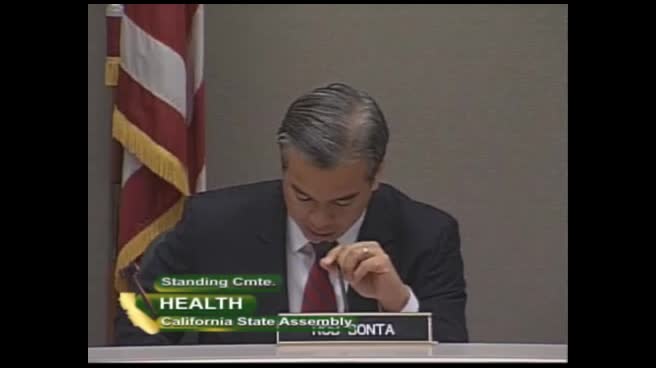
Bill Author