SB 636: Homeless youth: basic material needs assistance.
- Session Year: 2015-2016
- House: Senate
- Latest Version Date: 2016-01-04
Existing law establishes various public social services programs to provide protection, care, and assistance to the people of the state in need of those services, by providing appropriate aid and services to the needy and distressed. Existing law establishes homeless youth emergency service pilot projects in the Counties of Los Angeles, San Diego, Santa Clara, and San Francisco.
This bill would create the Homeless Youth Basic Material Needs Assistance Program. This bill would require that require, from moneys appropriated by the Legislature Legislature, as specified, for the purposes of the program be allocated proportionally by program, the State Department of Social Services to each county program based on the number of homeless youth in the county. The bill would authorize a county to establish the program or request the department to administer the program, in which case the department would be required to retain the countys proportional share of funds and directly administer a program in that county. The bill would authorize a county to join with one or more other counties for the purpose of pooling their respective allocations and establishing a program for those counties. establish and operate a Homeless Youth Basic Material Needs Assistance Program for homeless youth in California. The bill would require each program the department to solicit proposals from, and contract with, nonprofit organizations for the purpose of providing basic material needs assistance to homeless youth in the county or counties as directed by the entity administering the program. department. The bill would require contracted nonprofit organizations to, among other things, provide a minimum of 25% 100% matching funds, as specified. The bill would require each contracted nonprofit organization to prepare a report for the administering entity department including, among other information, the number of homeless youth assisted. The bill would require the department, require, after the program has been operating for 3 years, to issue each contracted nonprofit organization to issue and provide to the department, and the department to collect and issue, a report including, among other information, the number of homeless youth assisted each year, and a description of the assistance provided.
Existing law establishes various public social services programs to provide protection, care, and assistance to the people of the state in need of those services, by providing appropriate aid and services to the needy and distressed. Existing law establishes homeless youth emergency service pilot projects in the Counties of Los Angeles, San Diego, Santa Clara, and San Francisco.
This bill would create the Homeless Youth Basic Material Needs Assistance Program. This bill would require that moneys appropriated by the Legislature for the purposes of the program be allocated proportionally by the State Department of Social Services to each county program based on the number of homeless youth in the county. The bill would authorize a county to establish the program or request the department to administer the program, in which case the department would be required to retain the countys proportional share of funds and directly administer a program in that county. The bill would authorize a county to join with one or more other counties for the purpose of pooling their respective allocations and establishing a program for those counties. The bill would require each program to solicit proposals from, and contract with, nonprofit organizations for the purpose of providing basic material needs assistance to homeless youth in the county or counties as directed by the entity administering the program. The bill would require contracted nonprofit organizations to, among other things, provide a minimum of 25% matching funds, as specified. The bill would require each contracted nonprofit to prepare a report for the administering entity including, among other information, the number of homeless youth assisted. The bill would require the department, after the program has been operating for 3 years, to issue a report including, among other information, the number of homeless youth assisted each year, and a description of the assistance provided.
Existing law establishes various public social services programs to provide protection, care, and assistance to the people of the state in need of those services, by providing appropriate aid and services to the needy and distressed. Existing law establishes homeless youth emergency service pilot projects in the Counties of Los Angeles, San Diego, Santa Clara, and San Francisco.
This bill would create the Homeless Youth Basic Material Needs Assistance Program. This bill would require that moneys appropriated by the Legislature for the purposes of the program be allocated proportionally by the State Department of Social Services to each county program based on the number of homeless youth in the county. The bill would authorize a county to establish the program or request the department to administer the program, in which case the department would be required to retain the countys proportional share of funds and directly administer a program in that county. The bill would authorize a county to join with one or more other counties for the purpose of pooling their respective allocations and establishing a program for those counties. The bill would require each program to solicit proposals from, and contract with, nonprofit organizations for the purpose of providing basic material needs assistance to homeless youth in the county or counties as directed by the entity administering the program. The bill would require contracted nonprofit organizations to, among other things, provide a minimum of 25% matching funds, as specified.
The Legislature finds and declares
that it is the intent of the Legislature that funds appropriated by the Legislature for this program act not exceed an average allocation of twenty-five dollars and twenty cents ($25.20) per pupil, with the assumption of a participation rate of not more than 297,619 homeless youth, or the number from the most recent count of homeless youth, whichever is lesser. five million dollars ($5,000,000) each year.
SEC. 2.Chapter 6.1 (commencing with Section 13710) is added to Part 3 of Division 9 of the Welfare and Institutions Code, to read:6.1.Homeless Youth Basic Material Needs Assistance Program13710.This chapter shall be known, and may be cited, as the Homeless Youth Basic Material Needs Assistance Program.
13712.For purposes of this chapter, the following definitions apply:
(a)Additional material needs assistance means clothes, blankets, and access to shelter.
(b)Administering entity means one of the following:
(1)A county that elects to establish a program and does not join with another county as described in subdivision (b) of Section 13714.
(2)A county designated as the lead county, if two or more counties elect to establish a program jointly under subdivision (b) of Section 13714.
(3)The department, if a county declines to establish a program or requests the department to administer the program.
(c)
(a)Basic material needs assistance means school supplies, dental supplies and other hygienic products, shoes, socks, and underwear. This shall not include any electronic items except a data storage device that includes flash memory with an integrated Universal Serial Bus (USB) interface.
(d)
(b)Department means the State Department of Social Services.
(e)
(c)Homeless youth has the same meaning as that term is defined in Section 11434a of Title 42 of the United States Code.
(f)
(d)Nonprofit organization means a nonprofit corporation qualified to do business in California and qualified under Section 501(c)(3) of the federal Internal Revenue Code.
(g)
(e)Program means the Homeless Youth Basic Material Needs Assistance Program.
13714.(a)From moneys appropriated by the Legislature from the Temporary Assistance for Needy Families (TANF) block grant for the purpose of this chapter, the department shall allocate a proportional amount to each county program pursuant to this chapter based on that countys respective number of homeless youth. The moneys allocated to the county shall be used to establish and operate a Homeless Youth Basic Material Needs Assistance Program for homeless youth in that county. California.
(b)A county may join with one or more other counties for the purpose of pooling the allocations made to the counties under this section and establishing a program for those counties.
(c)If a county declines to establish a program or requests the department to administer the program, the department shall retain the countys proportional share of funds and shall directly administer a program for homeless youth in that county, including contracting with a nonprofit and performing all duties set forth in this chapter.
(b)No more than five million dollars ($5,000,000) shall be appropriated in a single year to fund this program. TANF funds appropriated to counties for the purposes of administrating the CalWORKs program, food assistance, or housing shall not be reallocated for purposes of this program. The program shall not provide vouchers, cash aid, or other forms of currency to homeless youth.
13716.Each administering entity The department shall do all of the following:
(a)Solicit proposals from nonprofit organizations for the purpose of providing basic material needs assistance to homeless youth in the manner directed by the administering entity, department, subject to the requirements imposed by this chapter.
(b)Select and contract with one or more nonprofit organizations to participate in the program based on the proposals solicited under subdivision (a). Selection of a nonprofit organization shall be based on the following criteria:
(1)Demonstrated ability to form partnerships with local educational agencies (LEAs).
(2)Demonstrated ability to provide basic material needs assistance to homeless or low-income youth by working with LEAs.
(3)Ability to work with the homeless liaison of each LEA pursuant to Section 11432(g)(1)(J)(ii) of Title 42 of the United States Code, or his or her LEA-employed designee.
(4)Demonstrated ability to generate additional matching funds or in-kind resources for similar programs.
(c)Require each nonprofit organization contracted under subdivision (b) to do all of the following:
(1)Notify the homeless liaison of a county office of education of the organizations intent to enter into new partnership agreements with the LEAs in that county.
(2)Form or maintain partnerships with LEAs for the purpose of providing basic material needs assistance to homeless youth.
(3)Notify the homeless liaison of a county office of education each time a basic material needs assistance program commences or is renewed.
(4)Provide basic material needs assistance to homeless youth, giving first priority to hygiene, dental, and school supply needs. A nonprofit organization may use other resources or demonstrated savings to provide additional material needs assistance.
(5)Provide at least a 25-percent 100-percent match for all moneys received from the administering entity department under this chapter. If the nonprofit organization provides in-kind materials toward the 25-percent 100-percent match, the value of the in-kind materials contributing to a 25-percent 100-percent match shall be verified by the donor of the materials and shall not exceed the market value of the materials if sold at retail. Any amounts provided by the nonprofit organization that exceed the 25-percent match constitute demonstrated savings that may be used in accordance with paragraph (4).
(6)Consult with the children and families commission of the county or counties each county served by the program to determine how to best provide basic material needs assistance to homeless youth from birth to five years of age, inclusive, if the administering entity department elects to include homeless youth of that age in its program.
(7)Following each distribution cycle, each contracted nonprofit shall prepare a report for the administering entity. department. The report shall include, but not be limited to, the following information:
(A)The number of homeless youth assisted.
(B)The locations of the distributions.
(C)The date or range of dates of distributions.
(D)Descriptions of the materials distributed.
(E)A letter from each LEA, shelter, or other partnering entity, verifying the information submitted pursuant to subparagraphs (A) through to (D), inclusive.
(F)Original Copies of original letters from all donors contributing any in-kind materials counting toward the required match.
13718.After three years of operation of the program, each contracted nonprofit shall issue and provide to the department, and the department shall issue collect and issue, a simplified report including the following information:
(a)The number of homeless youth assisted each year.
(b)A description of the assistance provided.
(c)The total match leveraged and the match leveraged by each county. leveraged, including the accounting of the match over the three-year period.
(d)A scanned or paper copy of the original letters from each LEA or other partner, as described in paragraph (7) of subdivision (c) of Section 13716.
(e)Any significant achievements in absenteeism reduction, improved academic outcomes, improved living or social outcomes, and any other significant improvements.
The Legislature finds and declares all of the following:
(a)During the 201314 academic year, 297,617 children and youth enrolled in local educational agencies in California were identified as homeless, as defined by the federal McKinney-Vento Homeless Assistance Act (42 U.S.C. Sec. 11301 et seq.). This population is several times more than that of any other state in the nation and equates to one homeless student in every classroom.
(b)This federal definition of homelessness is used by all public schools in the United States, the Head Start program, and special education, child nutrition, and other federal family and youth programs. It includes children and youth who lack a fixed, regular, and adequate nighttime residence, including those who live in shelters, transitional housing, cars, campgrounds, motels, or who share the housing of others temporarily due to loss of housing, economic hardship, or similar reasons.
(c)A significant barrier to success faced by homeless children and youth is access to basic materials including school supplies, shoes, hygienic and dental products, and other basic necessities. This and the accompanying low self-esteem lead to absenteeism and truancy, which prevents homeless youth from obtaining the education that is both their legal right and their best opportunity to escape poverty.
(d)According to numerous homeless liaisons throughout California that represent more than 70 percent of Californias homeless children and youth, the overwhelming majority of this population does not have their basic material needs met.
(e)The local control funding formula does not specifically address the unmet basic material needs of homeless children and youth.
(f)This act addresses this barrier to success by articulating a state policy framework to provide the most basic unmet material needs of homeless children and youth, while also utilizing matching resources and leveraging federal funds to ensure program stability and longevity. This act is designed to ensure that all homeless public school students have their basic material needs met so they can attend school on a more equal playing field with their peers.
(g)It that it is the intent of the Legislature that funds appropriated by the Legislature for this program not exceed an average allocation of twenty-five dollars and twenty cents ($25.20) per pupil, with the assumption of a participation rate of not more than 297,619 homeless youth, or the number from the most recent count of homeless youth, whichever is lesser.
SEC. 2.Chapter 6.1 (commencing with Section 13710) is added to Part 3 of Division 9 of the Welfare and Institutions Code, to read:6.1.Homeless Youth Basic Material Needs Assistance Program13710.This chapter shall be known, and may be cited, as the Homeless Youth Basic Material Needs Assistance Program.
13712.For purposes of this chapter, the following definitions apply:
(a)Additional material needs assistance means clothes, blankets, and access to shelter.
(b)Administering entity means one of the following:
(1)A county that elects to establish a program and does not join with another county as described in subdivision (b) of Section 13714.
(2)A county designated as the lead county, if two or more counties elect to establish a program jointly under subdivision (b) of Section 13714.
(3)The department, if a county declines to establish a program or requests the department to administer the program.
(c)Basic material needs assistance means school supplies, dental supplies and other hygienic products, shoes, socks, and underwear.
(d)Department means the State Department of Social Services.
(e)Homeless youth has the same meaning as that term is defined in Section 11434a of Title 42 of the United States Code.
(f)Nonprofit organization means a nonprofit corporation qualified to do business in California and qualified under Section 501(c)(3) of the federal Internal Revenue Code.
(g)Program means the Homeless Youth Basic Material Needs Assistance Program.
13714.(a)From moneys appropriated by the Legislature for the purpose of this chapter, the department shall allocate a proportional amount to each county program pursuant to this chapter based on that countys respective number of homeless youth. The moneys allocated to the county shall be used to establish and operate a Homeless Youth Basic Material Needs Assistance Program for homeless youth in that county.
(b)A county may join with one or more other counties for the purpose of pooling the allocations made to the counties under this section and establishing a program for those counties.
(c)If a county declines to establish a program or requests the department to administer the program, the department shall retain the countys proportional share of funds and shall directly administer a program for homeless youth in that county, including contracting with a nonprofit and performing all duties set forth in this chapter.
13716.Each administering entity shall do all of the following:
(a)Solicit proposals from nonprofit organizations for the purpose of providing basic material needs assistance to homeless youth in the manner directed by the administering entity, subject to the requirements imposed by this chapter.
(b)Select and contract with one or more nonprofit organizations to participate in the program based on the proposals solicited under subdivision (a). Selection of a nonprofit organization shall be based on the following criteria:
(1)Demonstrated ability to form partnerships with local educational agencies (LEAs).
(2)Demonstrated ability to provide basic material needs assistance to homeless or low-income youth by working with LEAs.
(3)Ability to work with the homeless liaison of each LEA pursuant to Section 11432(g)(1)(J)(ii) of Title 42 of the United States Code, or his or her LEA-employed designee.
(4)Demonstrated ability to generate additional matching funds or in-kind resources for similar programs.
(c)Require each nonprofit organization contracted under subdivision (b) to do all of the following:
(1)Notify the homeless liaison of a county office of education of the organizations intent to enter into new partnership agreements with the LEAs in that county.
(2)Form or maintain partnerships with LEAs for the purpose of providing basic material needs assistance to homeless youth.
(3)Notify the homeless liaison of a county office of education each time a basic material needs assistance program commences or is renewed.
(4)Provide basic material needs assistance to homeless youth, giving first priority to hygiene, dental, and school supply needs. A nonprofit organization may use other resources or demonstrated savings to provide additional material needs assistance.
(5)Provide at least a 25-percent match for all moneys received from the administering entity under this chapter. If the nonprofit organization provides in-kind materials toward the 25-percent match, the value of the in-kind materials contributing to a 25-percent match shall be verified by the donor of the materials and shall not exceed the market value of the materials if sold at retail. Any amounts provided by the nonprofit organization that exceed the 25-percent match constitute demonstrated savings that may be used in accordance with paragraph (4).
(6)Consult with the children and families commission of the county or counties served by the program to determine how to best provide basic material needs assistance to homeless youth from birth to five years of age, inclusive, if the administering entity elects to include homeless youth of that age in its program.
(7)Following each distribution cycle, each contracted nonprofit shall prepare a report for the administering entity. The report shall include, but not be limited to, the following information:
(A)The number of homeless youth assisted.
(B)The locations of the distributions.
(C)The date or range of dates of distributions.
(D)Descriptions of the materials distributed.
(E)A letter from each LEA, shelter, or other partnering entity, verifying the information submitted pursuant to subparagraphs (A) through (D), inclusive.
(F)Original letters from all donors contributing any in-kind materials counting toward the required match.
13718.After three years of operation of the program, the department shall issue a simplified report including the following information:
(a)The number of homeless youth assisted each year.
(b)A description of the assistance provided.
(c)The total match leveraged and the match leveraged by each county.
(d)A scanned or paper copy of the original letters from each LEA or other partner, as described in paragraph (7) of subdivision (c) of Section 13716.
(e)Any significant achievements in absenteeism reduction, improved academic outcomes, improved living or social outcomes, and any other significant improvements.
The Legislature finds and declares all of the following:
(a)During the 201314 academic year, 297,617 children and youth enrolled in local educational agencies in California were identified as homeless, as defined by the federal McKinney-Vento Homeless Assistance Act (42 U.S.C. Sec. 11301 et seq.). This population is several times more than that of any other state in the nation and equates to one homeless student in every classroom.
(b)The This federal definition of homelessness is used by all public schools in the United States, the Head Start program, and special education, child nutrition, and other federal family and youth programs. It includes children and youth who lack a fixed, regular, and adequate nighttime residence, including those who live in shelters, transitional housing, cars, campgrounds, motels, or who share the housing of others temporarily due to loss of housing, economic hardship, or similar reasons.
(c)A significant barrier to success faced by homeless children and youth is access to basic materials including school supplies, shoes, hygienic and dental products, and other basic necessities. This and the accompanying low self-esteem lead to absenteeism and truancy, which prevents homeless youth from obtaining the education that is both their legal right and their best opportunity to escape poverty.
(d)According to numerous homeless liaisons throughout California that represent more than 70 percent of Californias homeless children and youth, the overwhelming majority of this population does not have their basic material needs met.
(e)The local control funding formula does not specifically address the unmet basic material needs of homeless children and youth.
(f)This act addresses this barrier to success by articulating a state policy framework to provide the most basic unmet material needs of homeless children and youth, while also utilizing matching resources and leveraging federal funds to ensure program stability and longevity. This act is designed to ensure that all homeless public school students have their basic material needs met so they can attend school on a more equal playing field with their peers.
(g)It is the intent of the Legislature that funds appropriated by the Legislature for this program not exceed an average allocation of twenty-five dollars and twenty cents ($25.20) per pupil, with the assumption of a participation rate of not more than 297,619 homeless youth, or the number from the most recent count of homeless youth, whichever is lesser.
SEC. 2.Chapter 6.1 (commencing with Section 13710) is added to Part 3 of Division 9 of the Welfare and Institutions Code, to read:6.1.Homeless Youth Basic Material Needs Assistance Program13710.This chapter shall be known, and may be cited, as the Homeless Youth Basic Material Needs Assistance Program.
13712.For purposes of this chapter, the following definitions apply:
(a)Additional material needs assistance means clothes, blankets, and access to shelter.
(b)Administering entity means one of the following:
(1)A county that elects to establish a program and does not join with another county as described in subdivision (c) (b) of Section 13714.
(2)A county designated as the lead county, if two or more counties elect to establish a program jointly under subdivision (c) (b) of Section 13714.
(3)The department, if a county declines to establish a program or requests the department to administer the program.
(c)Basic material needs assistance means school supplies, dental supplies and other hygienic products, shoes, and socks. socks, and underwear.
(d)Department means the State Department of Social Services.
(e)Homeless youth has the same meaning as that term is defined in Section 11434a of Title 42 of the United States Code.
(f)Nonprofit organization means a nonprofit corporation qualified to do business in California and qualified under Section 501(c)(3) of the federal Internal Revenue Code.
(g)Program means the Homeless Youth Basic Material Needs Assistance Program.
13714.(a)From moneys appropriated by the Legislature for the purpose of this chapter, the department shall allocate a proportional amount to each county program pursuant to this chapter based on that countys respective number of homeless youth. The moneys allocated to the county shall be used to establish and operate a Homeless Youth Basic Material Needs Assistance Program for homeless youth in that county.
(b)A county may join with one or more other counties for the purpose of pooling the allocations made to the counties under this section and establishing a program for those counties.
(c)If a county declines to establish a program or requests the department to administer the program, the department shall retain the countys proportional share of funds and shall directly administer a program for homeless youth in that county, including the performance of contracting with a nonprofit and performing all duties set forth in this chapter.
13716.Each administering entity shall do all of the following:
(a)Solicit proposals from nonprofit organizations for the purpose of providing basic material needs assistance to homeless youth in the manner directed by the administering entity, subject to the requirements imposed by this chapter.
(b)Select and contract with one or more nonprofit organizations to participate in the program based on the proposals solicited under subdivision (a). Selection of a nonprofit organization shall be based on the following criteria:
(1)Demonstrated ability to form partnerships with local educational agencies (LEAs).
(2)Demonstrated ability to provide basic material needs assistance to homeless or low-income youth by working with LEAs.
(3)Ability to work with the homeless liaison of each LEA pursuant to Section 11432(g)(1)(J)(ii) of Title 42 of the United States Code, or his or her LEA-employed designee.
(4)Demonstrated ability to generate additional matching funds or in-kind resources for similar programs.
(c)Require each nonprofit organization contracted under subdivision (b) to do all of the following:
(1)Notify the homeless liaison of a county office of education of the organizations intent to enter into new partnership agreements with the LEAs in that county.
(2)Form or maintain partnerships with LEAs for the purpose of providing basic material needs assistance to homeless youth.
(3)Notify the homeless liaison of a county office of education each time a basic material needs assistance program commences or is renewed.
(4)Provide basic material needs assistance to homeless youth, giving first priority to hygiene, dental, and school supply needs. A nonprofit organization may use other resources or demonstrated savings to provide additional material needs assistance.
(5)Provide at least a 25-percent match for all moneys received from the administering entity under this chapter. If the nonprofit organization provides in-kind materials toward the 25-percent match, the value of the in-kind materials contributing to a 25-percent match shall be verified by the donor of the materials and shall not exceed the market value of the materials if sold at retail. Any amounts provided by the nonprofit organization that exceed the 25-percent match constitute demonstrated savings that may be used in accordance with paragraph (4).
(6)Consult with the children and families commission of the county or counties served by the program to determine how to best provide basic material needs assistance to homeless youth from birth to 5 five years of age, inclusive, if the administering entity elects to include homeless youth of that age in its program.
(7)Following each distribution cycle, each contracted nonprofit shall prepare a report for the administering entity. The report shall include, but not be limited to, the following information:
(A)The number of homeless youth assisted.
(B)The locations of the distributions.
(C)The date or range of dates of distributions.
(D)Descriptions of the materials distributed.
(E)A letter from each LEA, shelter, or other partnering entity, verifying the information submitted pursuant to subparagraphs (A) through (D), inclusive.
(F)Original letters from all donors contributing any in-kind materials counting toward the required match.
13718.After three years of operation of the program, the department shall issue a simplified report including the following information:
(a)The number of homeless youth assisted each year.
(b)A description of the assistance provided.
(c)The total match leveraged and the match leveraged by each county.
(d)A scanned or paper copy of the original letters from each LEA or other partner, as described in paragraph (7) of subdivision (c) of Section 13716.
(e)Any significant achievements in absenteeism reduction, improved academic outcomes, improved living or social outcomes, and any other significant improvements.
The Legislature finds and declares all of the following:
(a)During the 201314 academic year, 297,617 children and youth enrolled in local educational agencies in California were identified as homeless, as defined by the federal McKinney-Vento Homeless Assistance Act (42 U.S.C. Sec. 11301 et sec.). This population is several times more than that of any other state in the nation and equates to one homeless student in every classroom.
(b)The federal definition of homelessness is used by all public schools in the United States, the Head Start program, and special education, child nutrition, and other federal family and youth programs. It includes children and youth who lack a fixed, regular, and adequate nighttime residence, including those who live in shelters, transitional housing, cars, campgrounds, motels, or who share the housing of others temporarily due to loss of housing, economic hardship, or similar reasons.
(c)A significant barrier to success faced by homeless children and youth is access to basic materials including school supplies, shoes, hygienic and dental products, and other basic necessities. This and the accompanying low self-esteem lead to absenteeism and truancy, which prevents homeless youth from obtaining the education that is both their legal right and their best opportunity to escape poverty.
(d)According to numerous homeless liaisons throughout California that represent more than 70 percent of Californias homeless children and youth, the overwhelming majority of this population does not have their basic material needs met.
(e)The local control funding formula does not specifically address the unmet basic material needs of homeless children and youth.
(f)This act addresses this barrier to success by articulating a state policy framework to provide the most basic unmet material needs of homeless children and youth, while also utilizing matching resources and leveraging federal funds to ensure program stability and longevity. This act is designed to ensure that all homeless public school students have their basic material needs met so they can attend school on a more equal playing field with their peers.
SEC. 2.Chapter 6.1 (commencing with Section 13710) is added to Part 3 of Division 9 of the Welfare and Institutions Code, to read:6.1.Homeless Youth Basic Material Needs Assistance Program13710.This chapter shall be known, and may be cited, as the Homeless Youth Basic Material Needs Assistance Program.
13712.For purposes of this chapter, the following definitions apply:
(a)Additional material needs assistance means clothes, blankets, and access to shelter.
(b)Administering entity means one of the following:
(1)A county that elects to establish a program and does not join with another county as described in subdivision (c) of Section 13714.
(2)A county designated as the lead county, if two or more counties elect to establish a program jointly under subdivision (c) of Section 13714.
(3)The department, if a county declines to establish a program or requests the department to administer the program.
(c)Basic material needs assistance means school supplies, dental supplies and other hygienic products, shoes, and socks.
(d)Department means the State Department of Social Services.
(e)Homeless youth has the same meaning as that term is defined in Section 11434a of Title 42 of the United States Code.
(f)Nonprofit organization means a nonprofit corporation qualified to do business in California and qualified under Section 501(c)(3) of the federal Internal Revenue Code.
(g)Program means the Homeless Youth Basic Material Needs Assistance Program.
13714.(a)From moneys appropriated by the Legislature for the purpose of this chapter, the department shall allocate a proportional amount to each county program pursuant to this chapter based on that countys respective number of homeless youth. The moneys allocated to the county shall be used to establish and operate a Homeless Youth Basic Material Needs Assistance Program for homeless youth in that county.
(b)A county may join with one or more other counties for the purpose of pooling the allocations made to the counties under this section and establishing a program for those counties.
(c)If a county declines to establish a program or requests the department to administer the program, the department shall retain the countys proportional share of funds and shall directly administer a program for homeless youth in that county, including the performance of all duties set forth in this chapter.
13716.Each administering entity shall do all of the following:
(a)Solicit proposals from nonprofit organizations for the purpose of providing basic material needs assistance to homeless youth in the manner directed by the administering entity, subject to the requirements imposed by this chapter.
(b)Select and contract with one or more nonprofit organizations to participate in the program based on the proposals solicited under subdivision (a). Selection of a nonprofit organization shall be based on the following criteria:
(1)Demonstrated ability to form partnerships with local educational agencies (LEAs).
(2)Demonstrated ability to provide basic material needs assistance to homeless or low-income youth by working with LEAs.
(3)Ability to work with the homeless liaison of each LEA pursuant to Section 11432(g)(1)(J)(ii) of Title 42 of the United States Code, or his or her LEA-employed designee.
(4)Demonstrated ability to generate additional matching funds or in-kind resources for similar programs.
(c)Require each nonprofit organization contracted under subdivision (b) to do all of the following:
(1)Notify the homeless liaison of a county office of education of the organizations intent to enter into new partnership agreements with the LEAs in that county.
(2)Form or maintain partnerships with LEAs for the purpose of providing basic material needs assistance to homeless youth.
(3)Notify the homeless liaison of a county office of education each time a basic material needs assistance program commences or is renewed.
(4)Provide basic material needs assistance to homeless youth, giving first priority to hygiene, dental, and school supply needs. A nonprofit organization may use other resources or demonstrated savings to provide additional material needs assistance.
(5)Provide at least a 25-percent match for all moneys received from the administering entity under this chapter. If the nonprofit organization provides in-kind materials toward the 25-percent match, the value of the in-kind materials contributing to a 25-percent match shall be verified by the donor of the materials and shall not exceed the market value of the materials if sold at retail. Any amounts provided by the nonprofit organization that exceed the 25-percent match constitute demonstrated savings that may be used in accordance with paragraph (4).
(6)Consult with the children and families commission of the county or counties served by the program to determine how to best provide basic material needs assistance to homeless youth from birth to 5 years of age, inclusive, if the administering entity elects to include homeless youth of that age in its program.
|
Date
|
Status
|
|---|---|
| Feb 1, 2016 | Returned to Secretary of Senate pursuant to Joint Rule 56. |
| Jan 21, 2016 | January 21 hearing: Held in committee and under submission. |
| Jan 16, 2016 | Set for hearing January 21. |
| Jan 4, 2016 | From committee with author's amendments. Read second time and amended. Re-referred to Com. on APPR. |
| May 28, 2015 | May 28 hearing: Held in committee and under submission. |
| May 23, 2015 | Set for hearing May 28. |
| May 4, 2015 | May 4 hearing: Placed on APPR. suspense file. |
| Apr 28, 2015 | Set for hearing May 4. |
| Apr 23, 2015 | Read second time and amended. Re-referred to Com. on APPR. |
| Apr 22, 2015 | From committee: Do pass as amended and re-refer to Com. on APPR. with recommendation: To consent calendar. (Ayes 5. Noes 0. Page 727.) (April 21). |
| Apr 15, 2015 | Set for hearing April 21. |
| Apr 14, 2015 | April 14 hearing postponed by committee. |
| Apr 7, 2015 | From committee with author's amendments. Read second time and amended. Re-referred to Com. on HUMAN S. |
| Mar 17, 2015 | Set for hearing April 14. |
| Mar 12, 2015 | Referred to Com. on HUMAN S. |
| Mar 2, 2015 | Read first time. |
| Mar 2, 2015 | From printer. May be acted upon on or after April 1. |
| Feb 27, 2015 | Introduced. To Com. on RLS. for assignment. To print. |
|
Date
|
Description
|
Location
|
Votes
|
|
|---|---|---|---|---|
| May 4, 2015 | Placed on suspense file | Senate Standing Committee on Appropriations |
Passed |
|
| Apr 21, 2015 | Do pass as amended, but first amend, and re-refer to the Committee on [Appropriations] with the recommendation: To Consent Calendar | Senate Standing Committee on Human Services |
Passed |
This list shows positions taken on this bill by organizations on the date displayed, which is linked to the original source.
Positions by individuals are not included.
SB 636 (Liu) Page 4 of 4
SENATE COMMITTEE ON APPROPRIATIONS
Senator Ricardo Lara, Chair
2015 - 2016 Regular Session
SB 636 (Liu) - Homeless youth: basic material needs assistance
|
|
Version: April 23, 2015 |
Policy Vote: HUMAN S. 5 - 0 |
Urgency: No |
Mandate: No |
Hearing Date: May 4, 2015 |
Consultant: Jolie Onodera |
This bill meets the criteria for referral to the Suspense File.
Bill Summary:
SB 636 would create the Homeless Youth Basic Material Needs Assistance Program, which would require the Department of Social Services (DSS) to allocate moneys appropriated by the Legislature to counties electing to establish a program for the purposes of the statewide program. This bill would require the DSS to administer a program for a county declining to establish a program or requesting DSS to administer the program. This bill would also require the DSS to issue a report, as specified, three years after implementation of the program.
Fiscal Impact:
Major future cost pressure (General Fund) in the tens of millions of dollars annually to establish and administer programs in all counties. While the extent of potential costs would be at the discretion of the Legislature to appropriate, in order to provide even 25 percent of the 297,470 homeless K-12 youth (74,367) with less than $20 per month over the school year to assist with basic material needs would cost $17.8 million (General Fund).
Potentially significant ongoing administrative costs (General Fund) to DSS as the “administering entity” for counties declining to establish a program or requesting DSS administration. Costs would be dependent on the number of counties declining participation or requesting administration, which is unknown at this time, and the population of homeless youth in those specified counties.
One-time and ongoing costs potentially in excess of $100,000 (General Fund) to the DSS to review proposals and allocate funds to participating counties, to the extent monies are appropriated for this program, and generate the report.
Background:
Existing federal law under the McKinney-Vento Homeless Assistance Act, defines a homeless child or youth as one who lacks a fixed, regular, and adequate nighttime residence including:
Children and youths who are sharing the housing of other persons due to loss of housing, economic hardship, or a similar reason; are living in motels, hotels, trailer parks, or camping grounds due to the lack of alternative adequate accommodations; are living in emergency or transitional shelters; are abandoned in hospitals; or are awaiting foster care placement.
Children and youths who have a primary nighttime residence that is a public or private place not designed for or ordinarily used as a regular sleeping accommodation for human beings.
Children and youths who are living in cars, parks, public spaces, abandoned buildings, substandard housing, bus or train stations, or similar settings; and
Migratory children living in the circumstances described above.
(42 U.S.C. § 11434a.)
According to online data from kidsdata.org, there were 297,470 homeless school children in the 2013-14 educational year, with nearly a quarter of the youth living in Los Angeles County.
Under existing law pursuant to SB 761 (DeSaulnier) Chapter 365/2014, the Personal Income Tax Law authorizes an individual to contribute amounts in excess of his or her tax liability for the support of specified funds, including the School Supplies for Homeless Children (SSHC) Fund. Existing law requires the moneys deposited in the SSHC Fund to be allocated, upon appropriation by the Legislature, to the DSS for the sole purpose of assisting pupils in California pursuant to the federal McKinney-Vento Homeless Assistance Act by providing school supplies and health-related products to homeless children through competitive grant programs. The SSHC Fund was originally authorized by SB 1571 (DeSaulnier), Chapter 459/2012 to help provide essential school supplies to homeless children. In 2013, the SSHC Fund received $367,868 in valid contributions, and has received $276,891 in contributions this year.
This bill seeks to provide similar services to homeless youth through a direct appropriation rather than through voluntary tax contributions.
Proposed Law:
This bill would create the Homeless Youth Basic Material Needs Assistance Program, which would require the DSS to allocate moneys appropriated by the Legislature for the purposes of the statewide program. Specifically, this bill:
Includes uncodified legislative intent language describing the maximum level of funds to be appropriated for the program, as specified.
Defines “additional material needs assistance” as clothes, blankets, and access to shelter.
Defines “administering entity” as a county that elects to establish a program, counties that elect to establish a program jointly, or the DSS if a county declines to establish a program or requests DSS to administer the program.
Defines “homeless youth” as having the same meaning as the term defined in federal law under the McKinney-Vento Homeless Assistance Act.
Defines “basic material needs assistance” as school supplies, dental supplies, and other hygienic products, shoes, socks, and underwear.
From moneys appropriated by the Legislature for the program, requires DSS to allocate a proportional amount to each county program based on the county’s respective number of homeless youth.
Provides that moneys allocated to the county shall be used to establish and operate a Homeless Youth Basic Material Needs Assistance Program for the county.
Provides if a county declines to establish a program or requests DSS to administer the program, the DSS is to retain the county’s share of funds and is directly administer a program for homeless youth in that county, including contracting with a nonprofit and performing all duties specified in the bill.
Requires each administering entity to do all of the following:
Solicit proposals from nonprofit organizations for the purpose of providing basic material needs assistance to homeless youth in the manner directed by the administering entity, as specified.
Select and contract with one or more nonprofit organizations to participate in the program based on the proposals solicited. Selection to be based on various factors, including the nonprofit organization’s demonstrated ability to form partnerships with LEAs, demonstrated ability to generate additional matching funds or in-kind resources for similar programs.
Requires each nonprofit organization contracted to do all of the following:
Assist homeless youth through LEA partnerships.
Notify the homeless liaison of a county office of education each time a program commences or is renewed.
Provide basic material needs assistance to homeless youth, giving first priority to hygiene, dental, and school supply needs.
Authorizes a nonprofit to use other resources or demonstrated savings to provide additional material needs assistance.
Provide at least a 25 percent match for all moneys received from the administering entity. Specifies in-kind materials count toward the match, and any amounts provided by a nonprofit that exceed the 25-percent match constitute demonstrated savings that may be used to provide clothes, blankets, and access to shelter.
Consult with the children and families commission of the county, as specified.
Prepare a report for the administering entity, as specified.
Requires the DSS to issue a report after three years of operation of the program, to include the number of homeless youth assisted each year, a description of the assistance provided, the total match leveraged and the match leveraged by each county, copies of the original letters from each LEA, as specified, and any significant achievements in absenteeism reduction, improved academic outcomes, improved living or social outcomes, and any other significant improvements.
Prior Legislation:
AB 2591 (Weber) 2014 was substantially similar to this measure. This bill was held on the Suspense File of this Committee.
SB 761 (DeSaulnier) Chapter 365/2014 requires funds appropriated by the Legislature from the School Supplies for Homeless Children Fund to be allocated to the DSS instead of CDE for distribution to a tax-exempt nonprofit organization to provide school supplies and health-related products to partnering LEAs for distribution to homeless children. This bill requires a minimum 100 percent match for all funds received.
Staff Comments:
To the extent monies are appropriated by the Legislature for the statewide program, the DSS would incur one-time and ongoing costs (General Fund) of an unknown but potentially significant amount in excess of several hundred thousand dollars to review proposals, allocate funds to counties, administer the program for counties declining to establish a program or requesting DSS to administer the program, and to prepare and issue the required report.
This bill does not mandate an appropriation by the Legislature, but to the extent the Legislature appropriates funds for the purposes of this program in any one year, costs could potentially be in the millions of dollars to establish and administer programs in all counties. While the extent of potential costs would be at the discretion of the Legislature to appropriate, in order to provide even 25 percent of the 297,470 homeless K-12 youth (74,367) with less than $20 per month over the school year to assist with “basic material needs” would cost $17.8 million (General Fund).
-- END --
SB 636 (Liu) Page 7 of 7
SENATE COMMITTEE ON HUMAN SERVICES
Senator McGuire, Chair
2015 - 2016 Regular
Bill No: SB 636
Author: |
Liu |
||
Version: |
April 7, 2015 |
Hearing Date: |
April 21, 2015 |
Urgency: |
No |
Fiscal: |
Yes |
Consultant: |
Mareva Brown |
||
Subject: Homeless youth: basic material needs assistance
SUMMARY
This bill creates the Homeless Youth Basic Material Needs Assistance Program and requires that moneys appropriated by the Legislature be allocated proportionally to counties based on the number of homeless youth in each county. It authorizes a county either to establish the program or to request the California Department of Social Services (CDSS) to administer the county’s program, in which case CDSS would be required to directly administer the program in that county. The bill would permit counties to pool resources and jointly administer the program. The bill requires each county program to solicit proposals from, and contract with, nonprofit organizations providing basic material needs assistance to homeless youth as specified, and requires those nonprofit organizations to provide a minimum of 25 percent matching funds or in-kind services, as specified. The bill requires each contracted nonprofit to prepare a report on the program, as specified, and requires CDSS to issue a report after three years identifying the number of youth served, a description of assistance provided and to identify any significant achievements.
ABSTRACT
Existing law:
Establishes, in federal law, the McKinney-Vento Homeless Assistance Act, which provides federal funding for local homeless assistance projects. (42 USC § 11301, et seq.)
Includes in the McKinney-Vento Homeless Assistance Act, a definition of a homeless child or youth as one who lacks a fixed, regular, and adequate nighttime residence including:
Children and youth who are sharing the housing of other persons due to loss of housing, economic hardship, or a similar reason; are living in motels, hotels, trailer parks, or camping grounds due to the lack of alternative adequate accommodations; are living in emergency or transitional shelters; are abandoned in hospitals; or are awaiting foster care placement;
Children and youth who have a primary nighttime residence that is a public or private place not designed for or ordinarily used as a regular sleeping accommodation for human beings;
Children and youth who are living in cars, parks, public spaces, abandoned buildings, substandard housing, bus or train stations, or similar settings; and
Migratory children living in the circumstances described above. (42 USC § 11434a)
Establishes the United States Interagency Council on Homelessness to coordinate a federal response to homelessness and create a national partnership at every level of government and with the private sector to end homelessness. (42 USC § 11311)
States the intent of the Legislature that homeless youth are entitled to a meaningful opportunity to meet the challenging state pupil academic achievement standards to which all pupils are held. (EDC 48850(a)(1))
Requires each state educational agency, pursuant to the federal McKinney-Vento Homeless Assistance Act, to make sub-grants to local educational agencies (LEAs), as specified, for the purpose of facilitating the enrollment, attendance, and success in school of homeless children and youths. (42 U.S.C. § 11433)
Requires each state to submit to the federal government a plan to provide for the education of homeless children and youth, as specified. (42 U.S.C. § 11432(g))
Establishes in the state Treasury the School Supplies for Homeless Children Fund to receive personal income tax contributions to be distributed, in part, to the California Department of Education (CDE) to provide school supplies and health products to homeless children through a competitive grant program. (RTC 18895 et seq.)
This bill:
Makes a series of findings and declarations including:
During the 2013–14 academic year, 297,617 children and youth enrolled in local educational agencies in California were identified as homeless, as defined by the federal McKinney-Vento Homeless Assistance Act (42 U.S.C. Sec. 11301 et sec.). This population is several times more than that of any other state in the nation and equates to one homeless student in every classroom.
The federal definition of homelessness used by school, child nutrition and other programs includes children and youth who lack a fixed, regular, and adequate nighttime residence, including those who live in shelters, transitional housing, cars, campgrounds, motels, or who share the housing of others temporarily due to loss of housing, economic hardship, or similar reasons.
A significant barrier to success faced by homeless children and youth is access to basic materials including school supplies, shoes, hygienic and dental products, and other basic necessities. This and the accompanying low self-esteem lead to absenteeism and truancy, which prevents homeless youth from obtaining the education that is both their legal right and their best opportunity to escape poverty.
According to numerous homeless liaisons throughout California that represent more than 70 percent of California’s homeless children and youth, the overwhelming majority of this population does not have their basic material needs met.
The local control funding formula does not specifically address the unmet basic material needs of homeless children and youth.
This act addresses this barrier to success by articulating a state policy framework to provide the most basic unmet material needs of homeless children and youth, while also utilizing matching resources and leveraging federal funds to ensure program stability and longevity. This act is designed to ensure that all homeless public school students have their basic material needs met so they can attend school on a more equal playing field with their peers.
States Legislative intent that funds appropriated by the Legislature for this program not exceed an average allocation of twenty-five dollars and twenty cents ($25.20) per pupil, with the assumption of a participation rate of not more than 297,619 homeless youth, or the number from the most recent count of homeless youth, whichever is lesser.
Adds a new chapter to the Welfare and Institutions code commencing with Section 13710 entitled the Homeless Youth Basic Material Needs Assistance Program.
Establishes definitions, including the following:
“Additional material needs assistance” means clothes, blankets, and access to shelter, and “basic material needs assistance” means school supplies, dental supplies and other hygienic products, shoes, socks and underwear.
“Administering entity” means one of the following:
A county that elects to establish a program and does not join with another county, as defined.
A county designated as the lead county, if two or more counties elect to establish a program jointly.
CDSS, if a county declines to establish a program or requests the department to administer the program.
“Homeless youth” is defined as in federal statute, as specified; nonprofit organization means a nonprofit corporation qualified to do business in California and qualified under federal IRS code 501(c)(3).
Requires CDSS to allocate money appropriated by the Legislature to each county program in a proportionate amount based on the county’s respective number of homeless youth to establish and operate a Homeless Youth Basic Material Needs Assistance Program.
Permits a county to pool money and join with one or more other counties to establish and administer the program.
Requires CDSS to directly administer a program for homeless youth in any county that declines to establish a program or requests the department to administer the program, including contracting with a nonprofit organization, as specified.
Requires administering agencies to do the following:
Solicit proposals from nonprofit organizations to administer a basic material needs assistance program for homeless youth, as specified.
Select and contract with one or more nonprofit organizations to participate in the program and to base selection criteria upon the following:
Demonstrated ability to form partnerships with Local Educational Agencies (LEAs).
Demonstrated ability to provide basic material needs assistance to homeless or low-income youth by working with LEAs.
Ability to work with the homeless liaison of each LEA, as specified.
Demonstrated ability to generate additional matching funds or in-kind resources for similar programs.
Requires each contracted nonprofit organization to notify the homeless liaison of a county office of education of the contractor’s intent to enter into new partnership agreements or to renew an existing agreement with the LEAs in that county, and requires the contractor to form or maintain partnerships with LEAs for the purpose of providing basic material needs assistance to homeless youth,
Additionally, requires the contracted nonprofit organization to provide basic material needs assistance to homeless youth, giving first priority to hygiene, dental, and school supply needs. A nonprofit organization may use other resources or demonstrated savings to provide additional material needs assistance.
Requires the contracted nonprofit organization to provide at least a 25 percent match for all moneys received from the administering entity under this chapter.
Requires that, if the nonprofit organization provides in-kind materials toward the 25-percent match, the value of the in-kind materials contributing to a 25-percent match shall be verified by the donor of the materials and shall not exceed the market value of the materials if sold at retail. Any amounts provided by the nonprofit organization that exceed the 25-percent match constitute demonstrated savings, as defined.
Requires the contracted nonprofit organization to consult with the children and families commission of the county or counties served to determine how to best provide basic material needs assistance to homeless youth from birth to five years of age, if the administering entity elects to include homeless youth of that age in its program.
Requires each contracted nonprofit organization to prepare a report for the administering entity following each distribution cycle, which shall include, but not be limited to, the number of homeless youth assisted, location and dates of distributions. Additionally requires the report include a letter from each LEA, shelter, or other partnering entity, verifying this information and original letters from all donors contributing any in-kind materials counting toward the required match.
Requires that CDSS issue a simplified report after three years of operation of the program including the number of homeless youth assisted each year, a description of the assistance provided, a total leveraged match statewide and by each county and a scanned or paper copy of the original letters from each LEA, as specified.
Requires the CDSS report to include any significant achievements in absenteeism reduction, improved academic outcomes, improved living or social outcomes, and any other significant improvements.
FISCAL IMPACT
This bill has not been analyzed by fiscal committee. However, a Senate Appropriations Committee analysis of AB 2591 in 2014, which was substantially similar to this bill, indicated potential ongoing costs in excess of $100,000 (General Fund) for CDSS to review proposals and allocate funds to participating counties. Additionally, the analysis of AB 2591 projected major future cost pressure (General Fund) in the millions of dollars to establish and administer programs in participating counties. Based solely on the Legislative intent stated in this bill, the cost would cap at $7.5 million (General Fund) annually.
BACKGROUND AND DISCUSSION
Purpose of the bill:
According to the author, this bill addresses a significant barrier to success for homeless children and youth, namely access to basic materials such as school supplies, shoes, hygienic and dental products and other necessities. Lack of basic material needs accompanied by low self-esteem lead to absenteeism and truancy, which prevent homeless students from obtaining the education that is both their legal right and their best opportunity to escape poverty, the author writes.
By establishing the Homeless Youth Basic Material Needs Assistance Act, and using matching resources and leveraging federal funds to ensure resource stability and longevity, this bill will ensure that all children and youth identified as homeless in public schools have their basic material needs met so they can attend school on a more equal playing field with their peers, the author states.
Homelessness among children
Homeless children and families began to be discussed as a significant social problem in the mid-1980s, and the issue has grown steadily and seen increasing numbers of homeless children since then.1 Homeless families with children are 37 percent of the overall homeless population, according to data from the US Department of Housing and Urban Development. In 2013, more than 1.2 million public school children were homeless, an increase of roughly 25 percent from the 2009-10 school year, according to various U.S. Department of Education data sources. Overall, 2.5 million children experienced homelessness nationally in 2013 – or 1 in 30.
There were nearly 270,000 homeless school children in the 2013-14 educational year, according to federal data. State data from the prior year indicates nearly a quarter of them live in Los Angeles County. Of the state’s homeless children, more than 80 percent, or 224,161 children, were living in doubled-up situations, which include cohabitating with other families, "couch surfing," or living in a garage. Another 17,844 were living in shelters, 10,073 lived in motels and hotels, and 7,578 were unsheltered.
McKinney-Vento Homeless Assistance Act
The McKinney-Vento Homeless Assistance Act, passed in 1987, was the first significant piece of federal legislation to address homelessness. It provided funding for shelters, created an interagency council on homelessness to coordinate government nonprofit system efforts and addressed educational needs of homeless youth. The Act requires homeless children to be able to attend their school of origin, have free transportation to and from school, enroll in school even without all required paperwork, among other rights. It also requires school districts to appoint local educational liaisons for homeless children.
The Act defines homelessness more broadly than the previously used HUD definition. It includes individuals and families who lack a fixed, regular, and adequate nighttime residence, including those who live in shelters, transitional housing, cars, campgrounds, motels, or who share the housing of others temporarily due to loss of housing, economic hardship, or similar reasons.
Comparison to other states
The National Center on Family Homelessness at the American Institutes for Research created a report card on child homelessness, ranking states on the extent of homelessness adjusted for state population, child well-being, risk for child homelessness and state policy and planning efforts.
California ranked 48th overall, just above Mississippi and Alabama, respectively. It ranked 48th in the extent of child homelessness, just above New York and Kentucky, based on HUD data showing that nearly 530,000 children were homeless in California in 2012-13, an increase of 20,000 children from one year prior and of nearly 90,000 from two years earlier.
California also ranked second-to-last in policy and planning efforts, above only Wyoming. Despite positive marks for having a state housing trust fund, California continues to have poor access to housing for children and their families: Just 1,650 emergency shelter beds for families, 4,602 transitional housing units and 5,064 permanent supportive housing units statewide.
Effects on children
Researchers have found that the vast majority of homeless families are headed by a single mother with children under the age of 6. The families tended to move frequently, often staying in substandard housing and in dangerous neighborhoods, and were without transportation or adequate child care. Children experiencing homelessness were more often hungry, sick, and worried about whether they would eat or where they would sleep. Children often developed more slowly and struggled in school, repeating grades, missing school and dropping out at higher rates. Researchers found that mental health problems for homeless children were significantly worse than for similarly aged poor children.2
Related legislation
AB 2591 (Weber, 2014) was substantially similar to this bill, but did not include data reporting requirements.
SB 761 (DeSaulnier, Chapter 369, Statutes of 2014) required the state Department of Education to designate a tax-exempt, nonprofit organization to use the School Supplies for Homeless Children Fund to provide school supplies and health-related products to local education agencies for distribution to homeless children, and to provide a 100 percent match for all funds received.
SB 1571 (DeSaulnier, Chapter 459, Statutes of 2012), established the School Supplies for Homeless Children Fund and tax check off to provide school supplies to homeless children through a competitive grant program.
SB 608 (DeSaulnier, Chapter 307, Statutes of 2011), authorized the Prison Industry Authority to offer their goods and services for sale to nonprofit organizations that have entered into MOUs with LEAs if the products and services are provided to public school students at no cost to the students or their families.
COMMENTS
This bill is substantially similar to AB 2591 (Weber, 2014) which was held in the Senate Appropriations Committee. The author has narrowed the scope of the bill by clarifying the items included in the definition of material needs, requiring nonprofits and the state to report the numbers of children served and the supplies provided. It additionally requires the state to retain the funding of any county that elects not to participate in the program and to directly contract with nonprofits to run the program in that county. This version also increases the required match by contracted nonprofit organizations from 20 percent to 25 percent, but permits that match to be made by in-kind donations.
This bill additionally includes a series of findings and declarations which define the federal act and provide 2013-14 data, make various statements about the necessity of the bill and state Legislative intent to institute a $7.5 million cap on annual expenditures. Staff recommends the author amend this bill to remove unnecessary findings and declarations (a) through (f), retaining the Legislative fiscal intent in (g), as follows:
On page 2, delete lines 1 through 20. On page 3, delete lines 1 through 17.
POSITIONS
Support:
Ktocollege (Co-Sponsor)
California State PTA (Co-Sponsor)
California Catholic Conference
Oppose:
None.
-- END --
1 “America’s Youngest Outcasts, A Report Card on Child Homelessness,” American Institutes for Research, November 2014.
2 Ibid, p. 9-10
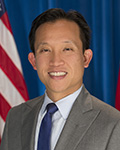
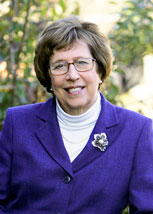
Bill Author