SB 672: Discovery: pharmacist review committees.
- Session Year: 2015-2016
- House: Senate
- Latest Version Date: 2015-09-04
Existing law exempts from discovery as evidence the proceedings and records of specified organized committees of health care professionals and review committees having the responsibility of evaluation and improvement of the quality of care.
This bill would extend this exemption, for purposes of civil proceedings only, to the proceedings and records of pharmacist organized committees and review committees, as described above.
Existing law exempts from discovery as evidence the proceedings and records of specified organized committees of health care professionals and review committees having the responsibility of evaluation and improvement of the quality of care.
This bill would extend this exemption, for purposes of civil proceedings only, to the proceedings and records of pharmacy pharmacist organized committees and review committees, as described above.
Existing law exempts from discovery as evidence the proceedings and records of specified organized committees of health care professionals and review committees having the responsibility of evaluation and improvement of the quality of care.
This bill would extend this exemption, for purposes of civil proceedings only, to the proceedings and records of pharmacy organized committees and review committees, as described above.
Existing law establishes the State Department of Public Health and sets forth its powers and duties, including, but not limited to, duties as State Registrar relating to the uniform administration of provisions relating to vital records and health statistics. Existing law requires the State Registrar, local registrar, or county recorder to, upon request and payment of the required fee, supply to an applicant a certified copy of the record of a birth, fetal death, death, marriage, or marriage dissolution registered with the official. Existing law authorizes the issuance of certain records without payment of the fee.
Existing law, on and after July 1, 2015, requires each local registrar or county recorder to issue, without a fee, a certified record of live birth to any person who can verify his or her status as a homeless person or a homeless child or youth, as defined.
This bill would make technical, nonsubstantive changes to those provisions.
(a)Neither the proceedings nor the records of organized committees of medical, medical-dental, podiatric, registered dietitian, psychological, marriage and family therapist, licensed clinical social worker, professional clinical counselor, pharmacist, or veterinary staffs in hospitals, or of a peer review body, as defined in Section 805 of the Business and Professions Code, having the responsibility of evaluation and improvement of the quality of care rendered in the hospital, or for that peer review body, or medical or dental review or dental hygienist review or chiropractic review or podiatric review or registered dietitian review or pharmacist review or veterinary review or acupuncturist review committees of local medical, dental, dental hygienist, podiatric, dietetic, pharmacy, veterinary, acupuncture, or chiropractic societies, marriage and family therapist, licensed clinical social worker, professional clinical counselor, or psychological review committees of state or local marriage and family therapist, state or local licensed clinical social worker, state or local licensed professional clinical counselor, or state or local psychological associations or societies having the responsibility of evaluation and improvement of the quality of care, shall be subject to discovery.
(b)Except as hereinafter provided, a person in attendance at a meeting of any of the committees described in subdivision (a) shall not be required to testify as to what transpired at that meeting.
(c)The prohibition relating to discovery or testimony does not apply to the statements made by a person in attendance at a meeting of any of the committees described in subdivision (a) if that person is a party to an action or proceeding the subject matter of which was reviewed at that meeting, or to a person requesting hospital staff privileges, or in an action against an insurance carrier alleging bad faith by the carrier in refusing to accept a settlement offer within the policy limits.
(d)The prohibitions in this section do not apply to medical, dental, dental hygienist, podiatric, dietetic, psychological, marriage and family therapist, licensed clinical social worker, professional clinical counselor, pharmacist, veterinary, acupuncture, or chiropractic society committees that exceed 10 percent of the membership of the society, nor to any of those committees if any person serves upon the committee when his or her own conduct or practice is being reviewed.
(e)The amendments made to this section by Chapter 1081 of the Statutes of 1983, or at the 1985 portion of the 198586 Regular Session of the Legislature, at the 1990 portion of the 198990 Regular Session of the Legislature, at the 2000 portion of the 19992000 Regular Session of the Legislature, or at the 2011 portion of the 201112 Regular Session of the Legislature, or at the 2015 portion of the 201516 Regular Session of the Legislature, do not exclude the discovery or use of relevant evidence in a criminal action.
(a)Neither the proceedings nor the records of organized committees of medical, medical-dental, podiatric, registered dietitian, psychological, marriage and family therapist, licensed clinical social worker, professional clinical counselor, pharmacy, pharmacist, or veterinary staffs in hospitals, or of a peer review body, as defined in Section 805 of the Business and Professions Code, having the responsibility of evaluation and improvement of the quality of care rendered in the hospital, or for that peer review body, or medical or dental review or dental hygienist review or chiropractic review or podiatric review or registered dietitian review or pharmacist review or veterinary review or acupuncturist review committees of local medical, dental, dental hygienist, podiatric, dietetic, pharmacy, veterinary, acupuncture, or chiropractic societies, marriage and family therapist, licensed clinical social worker, professional clinical counselor, or psychological review committees of state or local marriage and family therapist, state or local licensed clinical social worker, state or local licensed professional clinical counselor, or state or local psychological associations or societies having the responsibility of evaluation and improvement of the quality of care, shall be subject to discovery.
(b)Except as hereinafter provided, a person in attendance at a meeting of any of the committees described in subdivision (a) shall not be required to testify as to what transpired at that meeting.
(c)The prohibition relating to discovery or testimony does not apply to the statements made by a person in attendance at a meeting of any of the committees described in subdivision (a) if that person is a party to an action or proceeding the subject matter of which was reviewed at that meeting, or to a person requesting hospital staff privileges, or in an action against an insurance carrier alleging bad faith by the carrier in refusing to accept a settlement offer within the policy limits.
(d)The prohibitions in this section do not apply to medical, dental, dental hygienist, podiatric, dietetic, psychological, marriage and family therapist, licensed clinical social worker, professional clinical counselor, pharmacy, pharmacist, veterinary, acupuncture, or chiropractic society committees that exceed 10 percent of the membership of the society, nor to any of those committees if any person serves upon the committee when his or her own conduct or practice is being reviewed.
(e)The amendments made to this section by Chapter 1081 of the Statutes of 1983, or at the 1985 portion of the 198586 Regular Session of the Legislature, at the 1990 portion of the 198990 Regular Session of the Legislature, at the 2000 portion of the 19992000 Regular Session of the Legislature, or at the 2011 portion of the 201112 Regular Session of the Legislature, or at the 2015 portion of the 201516 Regular Session of the Legislature, do not exclude the discovery or use of relevant evidence in a criminal action.
(a)Neither the proceedings nor the records of organized committees of medical, medical-dental, podiatric, registered dietitian, psychological, marriage and family therapist, licensed clinical social worker, professional clinical counselor, pharmacy, or veterinary staffs in hospitals, or of a peer review body, as defined in Section 805 of the Business and Professions Code, having the responsibility of evaluation and improvement of the quality of care rendered in the hospital, or for that peer review body, or medical or dental review or dental hygienist review or chiropractic review or podiatric review or registered dietitian review or pharmacist review or veterinary review or acupuncturist review committees of local medical, dental, dental hygienist, podiatric, dietetic, pharmacy, veterinary, acupuncture, or chiropractic societies, marriage and family therapist, licensed clinical social worker, professional clinical counselor, or psychological review committees of state or local marriage and family therapist, state or local licensed clinical social worker, state or local licensed professional clinical counselor, or state or local psychological associations or societies having the responsibility of evaluation and improvement of the quality of care, shall be subject to discovery.
(b)Except as hereinafter provided, no a person in attendance at a meeting of any of those the committees described in subdivision (a) shall not be required to testify as to what transpired at that meeting.
(c)The prohibition relating to discovery or testimony does not apply to the statements made by any a person in attendance at a meeting of any of those the committees who described in subdivision (a) if that person is a party to an action or proceeding the subject matter of which was reviewed at that meeting, or to any a person requesting hospital staff privileges, or in any an action against an insurance carrier alleging bad faith by the carrier in refusing to accept a settlement offer within the policy limits.
(d)The prohibitions in this section do not apply to medical, dental, dental hygienist, podiatric, dietetic, psychological, marriage and family therapist, licensed clinical social worker, professional clinical counselor, pharmacy, veterinary, acupuncture, or chiropractic society committees that exceed 10 percent of the membership of the society, nor to any of those committees if any person serves upon the committee when his or her own conduct or practice is being reviewed.
(e)The amendments made to this section by Chapter 1081 of the Statutes of 1983, or at the 1985 portion of the 198586 Regular Session of the Legislature, at the 1990 portion of the 198990 Regular Session of the Legislature, at the 2000 portion of the 19992000 Regular Session of the Legislature, or at the 2011 portion of the 201112 Regular Session of the Legislature, or at the 2015 portion of the 201516 Regular Session of the Legislature, do not exclude the discovery or use of relevant evidence in a criminal action.
SECTION 1.Section 103577 of the Health and Safety Code is amended to read:103577.(a)On or after July 1, 2015, each local registrar or county recorder shall, without a fee, issue a certified record of live birth to any person who can verify his or her status as a homeless person or a homeless child or youth. A homeless services provider that has knowledge of a persons housing status shall verify a persons status for the purposes of this subdivision. In accordance with all other application requirements set forth in Section 103526, a request for a certified record of live birth made pursuant to this subdivision shall be made by a homeless person or a homeless child or youth on behalf of themselves, or by any person lawfully entitled to request a certified record of live birth on behalf of a child, if the child has been verified as a homeless person or a homeless child or youth pursuant to this section. A person applying for a certified record of live birth under this subdivision is entitled to one birth record, per application, for each eligible person verified as a homeless person or a homeless child or youth. For purposes of this subdivision, an affidavit developed pursuant to subdivision (b) shall constitute sufficient verification that a person is a homeless person or a homeless child or youth. A person applying for a certified record of live birth under this subdivision shall not be charged a fee for verification of his or her eligibility.
(b)The State Department of Public Health shall develop an affidavit attesting to an applicants status as a homeless person or homeless child or youth. For purposes of this section, the affidavit shall not be deemed complete unless it is signed by both the person making a request for a certified record of live birth pursuant to subdivision (a) and a homeless services provider who has knowledge of the applicants housing status.
(c)Notwithstanding the rulemaking provisions of the Administrative Procedure Act (Chapter 3.5 (commencing with Section 11340) of Part 1 of Division 3 of Title 2 of the Government Code), the department may implement and administer this section through an all-county letter or similar instructions from the director or State Registrar without taking regulatory action.
(d)For the purposes of this section, the following definitions apply:
(1)A homeless child or youth has the same meaning as the definition of homeless children and youths as set forth in the federal McKinney-Vento Homeless Assistance Act (42 U.S.C. Sec. 11301 et seq.).
(2)A homeless person has the same meaning as the definition of that term set forth in the federal McKinney-Vento Homeless Assistance Act (42 U.S.C. Sec. 11301 et seq.).
(3)A homeless services provider includes all of the following individuals or entities:
(A)A governmental or nonprofit agency receiving federal, state, or county or municipal funding to provide services to a homeless person or homeless child or youth, or that is otherwise sanctioned to provide those services by a local homeless continuum of care organization.
(B)An attorney licensed to practice law in this state.
(C)A local educational agency liaison for homeless children and youth, as designated pursuant to Section 11432(g)(1)(J)(ii) of Title 42 of the United States Code, or a school social worker.
(D)A human services provider or public social services provider funded by the State of California to provide homeless children or youth services, health services, mental or behavioral health services, substance use disorder services, or public assistance or employment services.
(E)A law enforcement officer designated as a liaison to the homeless population by a local police department or sheriffs department within the state.
(a)On or after July 1, 2015, each local registrar or county recorder shall, without a fee, issue a certified record of live birth to any person who can verify his or her status as a homeless person or a homeless child or youth. A homeless services provider that has knowledge of a persons housing status shall verify a persons status for the purposes of this subdivision. In accordance with all other application requirements as set forth in Section 103526, a request for a certified record of live birth made pursuant to this subdivision shall be made by a homeless person or a homeless child or youth on behalf of themselves, or by any person lawfully entitled to request a certified record of live birth on behalf of a child, if the child has been verified as a homeless person or a homeless child or youth pursuant to this section. A person applying for a certified record of live birth under this subdivision is entitled to one birth record, per application, for each eligible person verified as a homeless person or a homeless child or youth. For purposes of this subdivision, an affidavit developed pursuant to subdivision (b) shall constitute sufficient verification that a person is a homeless person or a homeless child or youth. A person applying for a certified record of live birth under this subdivision shall not be charged a fee for verification of his or her eligibility.
(b)The State Department of Public Health shall develop an affidavit attesting to an applicants status as a homeless person or homeless child or youth. For purposes of this section, the affidavit shall not be deemed complete unless it is signed by both the person making a request for a certified record of live birth pursuant to subdivision (a) and a homeless services provider that who has knowledge of the applicants housing status.
(c)Notwithstanding the rulemaking provisions of the Administrative Procedure Act (Chapter 3.5 (commencing with Section 11340) of Part 1 of Division 3 of Title 2 of the Government Code), the department may implement and administer this section through an all-county letter or similar instructions from the director or State Registrar without taking regulatory action.
(d)For the purposes of this section, the following definitions apply:
(1)A homeless child or youth has the same meaning as the definition of homeless children and youths as set forth in the federal McKinney-Vento Homeless Assistance Act (42 U.S.C. Sec. 11301 et seq.).
(2)A homeless person has the same meaning as the definition of that term set forth in the federal McKinney-Vento Homeless Assistance Act (42 U.S.C. Sec. 11301 et seq.).
(3)A homeless services provider includes all of the following individuals or entities:
(A)A governmental or nonprofit agency receiving federal, state, or county or municipal funding to provide services to a homeless person or homeless child or youth, or that is otherwise sanctioned to provide those services by a local homeless continuum of care organization.
(B)An attorney licensed to practice law in this state.
(C)A local educational agency liaison for homeless children and youth designated as such youth, as designated pursuant to Section 11432(g)(1)(J)(ii) of Title 42 of the United States Code, or a school social worker.
(D)A human services provider or public social services provider funded by the State of California to provide homeless children or youth services, health services, mental or behavioral health services, substance use disorder services, or public assistance or employment services.
(E)A law enforcement officer designated as a liaison to the homeless population by a local police department or sheriffs department within the state.
|
Date
|
Status
|
|---|---|
| Sep 4, 2015 | Chaptered by Secretary of State. Chapter 274, Statutes of 2015. |
| Sep 4, 2015 | Approved by the Governor. |
| Aug 28, 2015 | Enrolled and presented to the Governor at 3:45 p.m. |
| Aug 27, 2015 | Read third time. Passed. (Ayes 78. Noes 0. Page 2633.) Ordered to the Senate. |
| Aug 27, 2015 | In Senate. Ordered to engrossing and enrolling. |
| Aug 27, 2015 | Read third time. Passed. Ordered to the Senate. |
| Aug 24, 2015 | Ordered to third reading. |
| Aug 24, 2015 | From inactive file. |
| Aug 20, 2015 | Notice of intention to remove from inactive file given by Assembly Member Holden. |
| Jun 25, 2015 | Ordered to inactive file on request of Assembly Member Holden. |
| Jun 19, 2015 | From consent calendar on motion of Assembly Member Holden. |
| Jun 17, 2015 | Read second time. Ordered to consent calendar. |
| Jun 16, 2015 | From committee: Do pass. Ordered to consent calendar. (Ayes 10. Noes 0.) (June 16). |
| Jun 1, 2015 | Referred to Com. on JUD. |
| May 18, 2015 | In Assembly. Read first time. Held at Desk. |
| May 18, 2015 | Read third time. Passed. (Ayes 36. Noes 0. Page 1025.) Ordered to the Assembly. |
| May 18, 2015 | Read third time. Passed. (Ayes 36. Noes 0.) Ordered to the Assembly. |
| May 13, 2015 | Read second time and amended. Ordered to third reading. |
| May 12, 2015 | From committee: Do pass as amended. (Ayes 7. Noes 0. Page 921.) (May 5). |
| May 12, 2015 | From committee: Do pass as amended. (Ayes 7. Noes 0.) (May 5). |
| Apr 24, 2015 | Set for hearing May 5. |
| Apr 16, 2015 | Re-referred to Com. on JUD. |
| Apr 6, 2015 | From committee with author's amendments. Read second time and amended. Re-referred to Com. on RLS. |
| Mar 12, 2015 | Referred to Com. on RLS. |
| Mar 2, 2015 | Read first time. |
| Mar 2, 2015 | From printer. May be acted upon on or after April 1. |
| Feb 27, 2015 | Introduced. To Com. on RLS. for assignment. To print. |
|
Date
|
Description
|
Location
|
Votes
|
|
|---|---|---|---|---|
| Aug 27, 2015 | SB 672 Hernandez Senate Third Reading By STONE | Assembly Floor |
Passed |
|
| Jun 16, 2015 | Do pass. To Consent Calendar. | Assembly Standing Committee on Judiciary |
Passed |
|
| May 18, 2015 | Senate 3rd Reading SB672 Hernandez | Senate Floor |
Passed |
|
| May 5, 2015 | Do pass as amended | Senate Standing Committee on Judiciary |
Passed |
This list shows positions taken on this bill by organizations on the date displayed, which is linked to the original source.
Positions by individuals are not included.
SB 672
Page 2
SENATE THIRD READING
SB 672
(Hernandez)
As Amended May 13, 2015
Majority vote
SENATE VOTE: 36-0
Committee |
Votes |
Ayes |
Noes |
Judiciary |
10-0 |
Mark Stone, Wagner, Alejo, Chau, Chiu, Gallagher, Cristina Garcia, Holden, Maienschein, O'Donnell |
|
SUMMARY: Adds "pharmacist" to the existing list of medical professionals whose peer review proceedings and records are exempt from civil discovery and required testimony.
EXISTING LAW:
Exempts from civil discovery requests the peer review proceedings and records of various medical professionals. Specifies that any person in attendance at a meeting of any of these organized committees shall not be required to testify as to what transpired at that meeting.
Specifies that the prohibition against discovery and testimony as to peer review records and proceedings does not apply to the statements of a person at a peer review meeting if that person is a party to an action or proceeding, the subject matter of which was reviewed at the meeting, or to a person requesting staff privileges, or in an action against an insurance carrier alleging bad faith by the carrier in refusing to accept a settlement offer within the policy limits.
Requires a pharmacy, as defined, to establish a quality assurance program that shall, at a minimum, document medication errors attributable, in whole or in part, to the pharmacy or its personnel. Specifies that records generated for and maintained as a component of a pharmacy's ongoing quality assurance program shall be considered peer review documents and not subject to discovery in any arbitration, civil, or other proceeding, except as provided.
Defines "peer review," for purposes of the healing arts, to mean a process by which a peer review body reviews basic qualifications, staff privileges, employment, medical outcomes, or professional conduct of medical professionals in order to make recommendations for quality improvement or education; determine whether a medical professional may continue to practice, or determine the parameters of that practice; assess and improve the quality of care rendered in a health care facility, clinic, or other setting providing medical services; or to engage in other activities, as specified. Requires the medical chief of staff, executive officer, medical director or other administrator of a peer review body to file a report with the appropriate licensing board, as specified.
FISCAL EFFECT: None
COMMENTS: Existing law provides for the establishment of peer review committees in order to evaluate the performance of licensed medical professionals, assess and improve the quality of medical care, and, if necessary, determine whether a medical professional may continue to practice. Medical peer review bodies must submit reports to their appropriate licensing boards whenever taking disciplinary action, including the denial of staff privileges or employment to a medical professional.
Because an effective peer review process is essential to patient safety and quality of care, the Legislature has exempted medical peer review records from the usual rules governing the discovery and admissibility of evidence in litigation. Evidence Code Section 1157, in particular, expressly exempts from discovery the peer review proceedings and records of many different medical professionals: doctors, dentists, podiatrists, dieticians, psychologists, marriage and family therapists, clinical social workers, veterinarians, chiropractors, and acupuncturists, among others. Evidence Code Section 1157 also specifies that any person in attendance at a meeting of any of these organized committees cannot be required to testify as to what transpired at that meeting. The policy rationale for exempting medical peer review records and not compelling testimony from peer review participants is to encourage maximum candor in the evaluation of medical professionals. However, pharmacists are notably absent from the list of medical professionals currently covered by Evidence Code Section 1157.
This non-controversial bill would add pharmacists to the list of medical professionals whose peer review records are exempt from discovery requests. Although pharmacists are not among the medical professionals listed in the existing provisions of the Evidence Code, their peer review and quality control records are already exempted from discovery requests under provisions of the Business and Professions (B&P) Code. However, the B&P Code provisions only apply to pharmacists who practice in a "pharmacy," which is generally defined as the physical premises of a licensed pharmacy. The B&P Code provisions do not apply, therefore, to other pharmacists – especially certified "advanced practice pharmacists" – who work outside of a pharmacy in a hospital or clinical setting, often in collaboration with other health care providers. Because board recognition of "advanced practice pharmacists" came about relatively recently, with the enactment of SB 493 (Roger Hernández), Chapter 469, Statutes of 2013, the provisions of the B&P Code Section (that has not been amended since it was enacted in 2000) exempting pharmacy peer review records, do not apply to them. Peer review records relating to advanced practice pharmacists, therefore, are protected by neither the provisions of the B&P Code, nor the Evidence Code. This bill sensibly addresses this gap by simply adding pharmacists – whether advanced practice pharmacists or those practicing in a traditional pharmacy – to the list of medical professionals whose peer review records are generally exempted from discovery and whose testimony cannot be compelled under the Evidence Code.
Analysis Prepared by: Thomas Clark / JUD. / (916) 319-2334 FN: 0001020
SB 672
Page 4
Date of Hearing: June 16, 2015
ASSEMBLY COMMITTEE ON JUDICIARY
Mark Stone, Chair
SB 672
(Hernandez) – As Amended May 13, 2015
PROPOSED CONSENT
SENATE VOTE: 36-0
SUBJECT: Discovery: pharmacist review committees
KEY ISSUE: Should peer review records of pharmacists be exempt from discovery requests in the same manner that peer review records of other medical professionals are currently exempt?
SYNOPSIS
This non-controversial bill would add pharmacists to the list of medical professionals whose peer review records are exempt from discovery requests under the Evidence Code. The rationale for exempting medical peer review records from discovery requests is to encourage maximum candor in the evaluation of medical professionals. The exemption does not, as a general rule, apply to the statements of any person who is a party to an action pertaining to the subject matter of the peer review. Although pharmacists are not among the medical professionals listed in the relevant provisions of the Evidence Code, their peer review and quality control records are nonetheless similarly exempt from discovery requests under provisions of the Business & Professions (B&P) Code. However, the B&P Code provisions only apply to pharmacists who practice in a pharmacy, generally defined as the physical premises of a licensed pharmacy. The B&P Code provisions do not apply, therefore, to pharmacists who work in other settings, including "advanced practice pharmacists" who work outside of a pharmacy in a hospital or clinic, often in collaboration with other health care providers. Because board recognition of "advanced practice pharmacists" only came about in 2013, the provisions of the B&P Code exempting peer review records of pharmacists who work in pharmacies from discovery requests (which have not been amended since they were enacted in 2000) do not account for those pharmacists who work in other settings. This bill would sensibly address this situation by simply adding pharmacists – whether advanced practice pharmacists or those practicing in a traditional pharmacy – to the list of medical professionals whose peer review records are generally exempted from discovery under the Evidence Code. This bill is sponsored by the California Pharmacists Association and supported by the University of California and the California Society of Health-System Pharmacists. There is no known opposition to this bill, which passed off the Senate Floor by a 36-0 vote.
SUMMARY: Adds "pharmacist" to the existing list of medical professionals whose peer review proceedings and records are exempt from civil discovery and required testimony.
EXISTING LAW:
Exempts from civil discovery requests the proceedings and records of committees of medical, medical-dental, podiatric, registered dietitian, psychological, marriage and family therapist, licensed clinical social worker, professional clinical counselor, or veterinary staffs in hospitals, or of a peer review body having the responsibility of evaluation and improvement of the quality of care rendered in the hospital, or for any medical, dental, dental hygienist, podiatric, dietetic, veterinary, acupuncture, or chiropractic societies, marriage and family therapist, licensed clinical social worker, professional clinical counselor, or psychological review committees, as specified. Specifies that any person in attendance at a meeting of any of these organized committees shall not be required to testify as to what transpired at that meeting. (Evidence Code Section 1157 (a)-(b).)
Specifies that the prohibition against discovery and testimony as to peer review records and proceedings does not apply to the statements of a person at a peer review meeting if that person is a party to an action or proceeding, the subject matter of which was reviewed at the meeting, or to a person requesting staff privileges, or in an action against an insurance carrier alleging bad faith by the carrier in refusing to accept a settlement offer within the policy limits. (Evidence Code Section 1157 (c).)
Specifies that the prohibition against discovery and testimony does not apply to medical, dental, dental hygienist, podiatric, dietetic, psychological, marriage and family therapist, licensed clinical social worker, professional clinical counselor, veterinary, acupuncture, or chiropractic society committees that exceed 10 percent of the membership of the society, nor to any of those committees if any person serves upon the committee when his or her own conduct or practice is being reviewed. (Evidence Code Section 1157 (d).)
Requires a pharmacy, as defined, to establish a quality assurance program that shall, at a minimum, document medication errors attributable, in whole or in part, to the pharmacy or its personnel. Specifies that records generated for and maintained as a component of a pharmacy’s ongoing quality assurance program shall be considered peer review documents and not subject to discovery in any arbitration, civil, or other proceeding, except as provided. (Business & Professions Code Section 4125.)
Defines "peer review," for purposes of the healing arts, to mean a process by which a peer review body reviews basic qualifications, staff privileges, employment, medical outcomes, or professional conduct of medical professionals in order to make recommendations for quality improvement or education; determine whether a medical professional may continue to practice, or determine the parameters of that practice; assess and improve the quality of care rendered in a health care facility, clinic, or other setting providing medical services; or to engage in other activities, as specified. Requires the medical chief of staff, executive officer, medical director or other administrator of a peer review body to file a report with the appropriate licensing board, as specified. (Business & Professions Code Section 805.)
FISCAL EFFECT: As currently in print this bill is keyed non-fiscal.
COMMENTS: Existing law provides for the establishment of peer review committees in order to evaluate the performance of licensed medical professionals, assess and improve the quality of medical care, and, if necessary, determine whether a medical professional may continue to practice. Medical peer review bodies must submit reports to their appropriate licensing boards whenever taking disciplinary action, including the denial of staff privileges or employment to a medical professional.
Because an effective peer review process is essential to patient safety and quality of care, the Legislature has exempted medical peer review records from the usual rules governing the discovery and admissibility of evidence in litigation. Section 1157 of the Evidence Code, in particular, expressly exempts from discovery the peer review proceedings and records of many different medical professionals: doctors, dentists, podiatrists, dieticians, psychologists, marriage and family therapists, clinical social workers, veterinarians, chiropractors, and acupuncturists, among others. Section 1157 also specifies that any person in attendance at a meeting of any of these organized committees cannot be required to testify as to what transpired at that meeting. The policy rationale for exempting medical peer review records and not compelling testimony from peer review participants is to encourage maximum candor in the evaluation of medical professionals. However, pharmacists are notably absent from the list of medical professionals currently covered by Section 1157.
This non-controversial bill would add pharmacists to the list of medical professionals whose peer review records are exempt from discovery requests. Although pharmacists are not among the medical professionals listed in the existing provisions of the Evidence Code, their peer review and quality control records are already exempted from discovery requests under provisions of the Business & Professions (B&P) Code. However, the B&P provisions only apply to pharmacists who practice in a "pharmacy," which is generally defined as the physical premises of a licensed pharmacy. The B&P provisions do not apply, therefore, to other pharmacists – especially certified "advanced practice pharmacists" – who work outside of a pharmacy in a hospital or clinical setting, often in collaboration with other health care providers. Because board recognition of "advanced practice pharmacists" came about relatively recently, with the enactment of SB 493 (Hernández, Chapter 469, Stats. of 2013), the provisions of the B&P Code Section (that has not been amended since it was enacted in 2000) exempting pharmacy peer review records, do not apply to them. Peer review records relating to advanced practice pharmacists, therefore, are protected by neither the provisions of the B&P Code, nor the Evidence Code. SB 672 sensibly addresses this gap by simply adding pharmacists – whether advanced practice pharmacists or those practicing in a traditional pharmacy – to the list of medical professionals whose peer review records are generally exempted from discovery and whose testimony cannot be compelled under the Evidence Code.
ARGUMENTS IN SUPPORT: According to the California Society of Health-System Pharmacists (CSHSP), while existing law protects from discovery peer review records for a variety of healthcare professionals, pharmacists practicing in hospitals are not afforded that same protection. CSHSP believes that SB 672 is "a commonsense bill that will remedy an oversight in the law and will help encourage additional pharmacist involvement in the medical peer review process."
The University of California (UC), which operates seventeen health-professional schools, including two schools of pharmacy and five academic medical centers, supports this bill. UC argues that "records associated with pharmacist peer review should be given the same protection as other professionals' records," and it believes that SB 672 will provide necessary "legal protections for pharmacists that participate in medical peer review programs in a hospital or clinical setting."
Recent Related Legislation: SB 493 (Chapter 469, Statutes of 2013), among other things, established California State Board of Pharmacy recognition of an "advanced practice pharmacist," as defined, and authorized advanced practice pharmacists to perform certain functions both within or outside of a licensed pharmacy.
REGISTERED SUPPORT / OPPOSITION:
Support
California Pharmacists Association (sponsor)
California Society of Health-System Pharmacists
University of California
Opposition
None on file
Analysis Prepared by: Thomas Clark / JUD. / (916) 319-2334
SB 672
Page 6
|
Office of Senate Floor Analyses (916) 651-1520 Fax: (916) 327-4478 |
THIRD READING
Bill No: SB 672
Amended: 5/13/15
SENATE JUDICIARY COMMITTEE: 7-0, 5/5/15
AYES: Jackson, Moorlach, Anderson, Hertzberg, Leno, Monning, Wieckowski
SUBJECT: Discovery: pharmacy review committees
SOURCE: California Pharmacists Association
DIGEST: This bill adds pharmacists to the Evidence Code’s list of organized medical committees and peer review bodies whose proceedings and records are currently exempt from discovery in civil litigation.
Existing law:
Requires organized committees and peer review committees of these health care professionals to report to the professional licensing board whenever a disciplinary action is taken against a member.
Requires every pharmacy to establish a quality assurance program that must, at a minimum, document medication errors attributable, in whole or in part, to the pharmacy or its personnel and provides that the purpose of the quality assurance program is to assess errors that occur in the pharmacy in dispensing or furnishing prescription medications so that the pharmacy may take appropriate action to prevent a recurrence.
Provides that records generated for and maintained as a component of a pharmacy’s ongoing quality assurance program shall be considered peer review documents and not subject to discovery in any arbitration, civil, or other proceeding, except that such privilege does not prevent review of a pharmacy’s quality assurance program and records maintained as part of that system by the board as necessary to protect the public health and safety or if fraud is alleged by a government agency with jurisdiction over the pharmacy. Additionally, this protection does not affect the discoverability of any records not solely generated for and maintained as a component of a pharmacy’s ongoing quality assurance program.
Defines “pharmacy” to mean an area, place, or premises licensed by the board in which the profession of pharmacy is practiced and where prescriptions are compounded. “Pharmacy” includes, but is not limited to, any area, place, or premises described in a license issued by the board wherein controlled substances, dangerous drugs, or dangerous devices are stored, possessed, prepared, manufactured, derived, compounded, or repackaged, and from which the controlled substances, dangerous drugs, or dangerous devices are furnished, sold, or dispensed at retail.
Defines “advanced practice pharmacist” to mean a licensed pharmacist who has been recognized as an advanced practice pharmacist by the board, pursuant to specified law. A board-recognized advanced practice pharmacist is entitled to practice advanced practice pharmacy within or outside of a licensed pharmacy, as specified. Advance practice pharmacists are authorized to:
Perform patient assessments;
Order and interpret drug therapy-related tests;
Refer patients to other health care providers;
Participate in the evaluation and management of diseases and health conditions in collaboration with other health care providers; and
Initiate, adjust, or discontinue drug therapy in a specified manner.
Exempts from discovery the proceedings and records of organized committees of medical, medical-dental, podiatric, registered dietitian, psychological, marriage and family therapist, licensed clinical social worker, professional clinical counselor, or veterinary staffs in hospitals or of their peer review committees that have the responsibility of evaluation and improvement of the quality of care.
Provides that, except as otherwise provided, no person in attendance at a meeting of any of those committees shall be required to testify as to what transpired at that meeting. Provides that the prohibition relating to discovery or testimony does not apply to the statements made by any person in attendance at a meeting of any of those committees who is a party to an action or proceeding the subject matter of which was reviewed at that meeting, or to any person requesting hospital staff privileges, or in any action against an insurance carrier alleging bad faith by the carrier in refusing to accept a settlement offer within the policy limits.
Provides that the prohibitions against testimony and discovery above do not apply to medical, dental, dental hygienist, podiatric, dietetic, psychological, marriage and family therapist, licensed clinical social worker, professional clinical counselor, veterinary, acupuncture, or chiropractic society committees that exceed 10% of the membership of the society, nor to any of those committees if any person serves upon the committee when his or her own conduct or practice is being reviewed.
This bill:
Exempts from discovery the proceedings and records of organized committees of pharmacists, and exempts from testimony any person in attendance at a meeting of a pharmacist committee, unless one of the existing law exemptions applies.
Makes other technical or conforming changes.
Background
Under existing law, Section 805 of the Business and Professions Code, the healing arts professions and mental health professions have instituted a peer review body which reviews basic qualifications, staff privileges, employment, medical outcomes, or professional conduct of the license holders. The purpose of these peer review bodies is to make recommendations to improve the quality of service and if necessary to improve the educational aspects of licensure.
To ensure the effectiveness of these proceedings and thereby to arguably elevate the quality of in-hospital medical practice, Section 1157 of the Evidence Code exempts the proceedings and records of organized committees of medical, medical-dental, podiatric, registered dietitian, psychological, marriage and family therapist, licensed clinical social worker, professional clinical counselor, or veterinary staffs in hospitals or their “Section 805” peer review committees that have the responsibility of evaluation and improvement of the quality of care from discovery. It also prohibits any person in attendance at a meeting of any of these committees from being required to testify as to what transpired at the meeting, except in limited circumstances (such as where the person is a party to an action or proceeding the subject matter of which was reviewed at that meeting). As such, this section reflects a policy that favors ensuring confidentiality for staff in order to encourage their candor in peer review proceedings over the policy in favor of ensuring access of litigants to evidence produced by those peer review bodies. The public policy underlining the enactment of Evidence Code Section 1157 was expressed by the court in Matchett v. Superior Court (1974) 40 Cal.App.3d 623. In that case, the court stated that:
. . . the quality of in-hospital medical care depends heavily upon the (peer review) committee members’ frankness in evaluating their associates’ medical skills. . . although composed of volunteer professionals, these committees are affected with a strong element of public interest. . .
California law recognizes this public interest by endowing the practitioner-members of the hospital staff committees without measure of immunity from damage claims arising from committees activities. Evidence Code section 1157 expresses a legislative judgment that the public interest in medical staff candor extends beyond damage immunity and requires a degree of confidentiality. . . Section 1157 was enacted upon the theory that external access to peer investigations conducted by staff committees stifles candor and inhibits objectivity. It evinces a legislative judgment that the quality of in-hospital medical practice will be elevated by armoring staff inquiries with a measure of confidentiality.
This confidentiality exacts a social cost because it impairs malpractice plaintiffs’ access to evidence. In a damage suit for in-hospital malpractice against doctor or hospital or both, unavailability of recorded evidence of incompetence might seriously jeopardize or even prevent the plaintiff’s recovery. Section 1157 represents a legislative choice between competing public concerns. It embraces the goal of medical staff candor at the cost of impairing plaintiffs’ access to evidence. (Id. at 629 (internal citation and footnotes omitted).)
Separate from Section 1157, the Business and Professions Code requires every pharmacy to establish a quality assurance program that must, at a minimum, document medication errors attributable, in whole or in part, to the pharmacy or its personnel. The stated purpose of this quality assurance program is to assess errors that occur in the pharmacy in dispensing or furnishing prescription medications so that the pharmacy may take appropriate action to prevent a recurrence. While this section does not prohibit testimony in similar fashion as Evidence Code Section 1157, it does provide that any records generated for and maintained as a component of a pharmacy’s ongoing quality assurance program shall be considered peer review documents and not subject to discovery in any arbitration, civil, or other proceeding, except as otherwise specified. (See Bus. & Prof. Code Sec. 4125.) Thus, largely, pharmacy peer review committees have, until recently, shared similar protections as those professions listed under Evidence Code Section 1157.
Notably, in 2013, SB 493 (Hernandez, Chapter 469, Statutes of 2013) established board recognition for an advanced practice pharmacist, as defined, and in doing so authorized additional functions that an advanced practice pharmacist could undertake, such as performing patient assessments and participating in the evaluation and management of diseases and health conditions in collaboration with other health care providers. Insofar as those pharmacists are not operating in a “traditional” pharmacy setting and are able to engage in advanced functions, it appears that the discovery and testimony protections of existing law may not apply to peer review committees involving these pharmacists. Because these pharmacists are not otherwise listed under Section 1157 of the Evidence Code either, records or proceedings activities of any peer review bodies involving advance practice pharmacists could be discoverable.
Accordingly, this bill seeks to protect documents and proceedings of peer review committees involving these pharmacists from discovery in civil litigation. It also generally protects any person in attendance at a meeting of such a committee against testifying as to what transpired at that meeting.
Comment
As stated by the author:
Existing law protects from discovery the proceedings and records of peer review bodies for numerous health care professionals (Evidence Code [Sec.] 1157).
Outpatient community pharmacies are currently required to have peer review programs and the records associated with pharmacist review are protected from discovery (Business and Professions Code [Sec.] 4125). However, this protection does not apply for pharmacists participating in peer review outside of a pharmacy, such as through a hospital or clinic.
Since pharmacists are not listed in Evidence Code Section 1157, the proceedings and records of pharmacist peer review are not protected by this section.
This bill would add pharmacists to the list of health care professions whose peer review proceedings and records are protected from discovery under Evidence Code Section 1157.
FISCAL EFFECT: Appropriation: No Fiscal Com.: No Local: No
California Pharmacists Association (source)
California Society of Health-System Pharmacists
OPPOSITION: (Verified 5/13/15)
None received
Prepared by: Ronak Daylami / JUD. / (916) 651-4113
5/13/15 17:26:30
**** END ****
SB 672 (Hernandez)
Page 7 of 7
Senator Hannah-Beth Jackson, Chair
2015 - 2016 Regular Session
SB 672 (Hernandez)
Version: April 6, 2015
Hearing Date: May 5, 2015
Fiscal: No
Urgency: No
RD
SUBJECT
Discovery: pharmacy review committees
DESCRIPTION
This bill would add pharmacists to the list of organized medical committees and peer review bodies whose proceedings and records are currently exempt from discovery in civil litigation.
BACKGROUND
Under existing law, Section 805 of the Business and Professions Code, the healing arts professions and mental health professions have instituted a peer review body which reviews basic qualifications, staff privileges, employment, medical outcomes, or professional conduct of the license holders. The purpose of these peer review bodies is to make recommendations to improve the quality of service and if necessary to improve the educational aspects of licensure.
To ensure the effectiveness of these proceedings and thereby to arguably elevate the quality of in-hospital medical practice, Section 1157 of the Evidence Code exempts the proceedings and records of organized committees of medical, medical-dental, podiatric, registered dietitian, psychological, marriage and family therapist, licensed clinical social worker, professional clinical counselor, or veterinary staffs in hospitals or their “Section 805” peer review committees that have the responsibility of evaluation and improvement of the quality of care from discovery. It also prohibits any person in attendance at a meeting of any of these committees from being required to testify as to what transpired at the meeting, except in limited circumstances (such as where the person is a party to an action or proceeding the subject matter of which was reviewed at that meeting). As such, this section reflects a policy that favors ensuring confidentiality for staff in order to encourage their candor in peer review proceedings over the policy in favor of ensuring access of litigants to evidence produced by those peer review bodies. The public policy underlining the enactment of Evidence Code Section 1157 was expressed by the court in Matchett v. Superior Court (1974) 40 Cal.App.3d 623. In that case, the court stated that:
. . . the quality of in-hospital medical care depends heavily upon the (peer review) committee members’ frankness in evaluating their associates’ medical skills. . . although composed of volunteer professionals, these committees are affected with a strong element of public interest. . .
California law recognizes this public interest by endowing the practitioner-members of the hospital staff committees without measure of immunity from damage claims arising from committees activities. Evidence Code section 1157 expresses a legislative judgment that the public interest in medical staff candor extends beyond damage immunity and requires a degree of confidentiality. . . Section 1157 was enacted upon the theory that external access to peer investigations conducted by staff committees stifles candor and inhibits objectivity. It evinces a legislative judgment that the quality of in-hospital medical practice will be elevated by armoring staff inquiries with a measure of confidentiality.
This confidentiality exacts a social cost because it impairs malpractice plaintiffs’ access to evidence. In a damage suit for in-hospital malpractice against doctor or hospital or both, unavailability of recorded evidence of incompetence might seriously jeopardize or even prevent the plaintiff’s recovery. Section 1157 represents a legislative choice between competing public concerns. It embraces the goal of medical staff candor at the cost of impairing plaintiffs’ access to evidence. (Id. at 629 (internal citation and footnotes omitted).)
Separate from Section 1157, the Business and Professions Code requires every pharmacy to establish a quality assurance program that must, at a minimum, document medication errors attributable, in whole or in part, to the pharmacy or its personnel. The stated purpose of this quality assurance program is to assess errors that occur in the pharmacy in dispensing or furnishing prescription medications so that the pharmacy may take appropriate action to prevent a recurrence. While this section does not prohibit testimony in similar fashion as Evidence Code Section 1157, it does provide that any records generated for and maintained as a component of a pharmacy’s ongoing quality assurance program shall be considered peer review documents and not subject to discovery in any arbitration, civil, or other proceeding, except as otherwise specified. (See Bus. & Prof. Code Sec. 4125.) Thus, largely, pharmacy peer review committees have, until recently, shared similar protections as those professions listed under Evidence Code Section 1157.
Notably, in 2013, SB 493 (Hernandez, Ch. 469, Stats. 2013) established board recognition for an advanced practice pharmacist, as defined, and in doing so authorized additional functions that an advanced practice pharmacist could undertake, such as performing patient assessments and participating in the evaluation and management of diseases and health conditions in collaboration with other health care providers. Insofar as those pharmacists are not operating in a “traditional” pharmacy setting and are able to engage in advanced functions, it appears that the discovery and testimony protections of existing law may not apply to peer review committees involving these pharmacists. Because these pharmacists are not otherwise listed under Section 1157 of the Evidence Code either, records or proceedings activities of any peer review bodies involving advance practice pharmacists could be discoverable.
Accordingly, this bill seeks to protect documents and proceedings of peer review committees involving these pharmacists from discovery in civil litigation. It would also generally protect any person in attendance at a meeting of such a committee against testifying as to what transpired at that meeting.
CHANGES TO EXISTING LAW
Existing law requires organized committees and peer review committees of these health care professionals to report to the professional licensing board whenever a disciplinary action is taken against a member. (Bus. & Prof. Code Sec. 805.)
Existing law requires every pharmacy to establish a quality assurance program that must, at a minimum, document medication errors attributable, in whole or in part, to the pharmacy or its personnel. Existing law provides that the purpose of the quality assurance program is to assess errors that occur in the pharmacy in dispensing or furnishing prescription medications so that the pharmacy may take appropriate action to prevent a recurrence. (Bus. & Prof. Code Sec. 4125(a).)
Existing law provides that records generated for and maintained as a component of a pharmacy’s ongoing quality assurance program shall be considered peer review documents and not subject to discovery in any arbitration, civil, or other proceeding, except that such privilege does not prevent review of a pharmacy’s quality assurance program and records maintained as part of that system by the board as necessary to protect the public health and safety or if fraud is alleged by a government agency with jurisdiction over the pharmacy. Additionally, this protection does not affect the discoverability of any records not solely generated for and maintained as a component of a pharmacy’s ongoing quality assurance program. (Bus. & Prof. Code Sec. 4125(b).)
Existing law defines “pharmacy” to mean an area, place, or premises licensed by the board in which the profession of pharmacy is practiced and where prescriptions are compounded. “Pharmacy” includes, but is not limited to, any area, place, or premises described in a license issued by the board wherein controlled substances, dangerous drugs, or dangerous devices are stored, possessed, prepared, manufactured, derived, compounded, or repackaged, and from which the controlled substances, dangerous drugs, or dangerous devices are furnished, sold, or dispensed at retail. (Bus. & Prof. Code Sec. 4037(a).)
Existing law defines “advanced practice pharmacist” to mean a licensed pharmacist who has been recognized as an advanced practice pharmacist by the board, pursuant to specified law. A board-recognized advanced practice pharmacist is entitled to practice advanced practice pharmacy within or outside of a licensed pharmacy, as specified. (Bus. & Prof. Code Sec. 4016.5.) Existing law authorizes advance practice pharmacists to:
perform patient assessments;
order and interpret drug therapy-related tests;
refer patients to other health care providers;
participate in the evaluation and management of diseases and health conditions in collaboration with other health care providers; and
initiate, adjust, or discontinue drug therapy in a specified manner. (Bus. & Prof. Code Sec. 4052.6(a).)
Existing law exempts from discovery the proceedings and records of organized committees of medical, medical-dental, podiatric, registered dietitian, psychological, marriage and family therapist, licensed clinical social worker, professional clinical counselor, or veterinary staffs in hospitals or of their peer review committees that have the responsibility of evaluation and improvement of the quality of care. (Evid. Code Sec. 1157(a).)
Existing law provides that, except as otherwise provided, no person in attendance at a meeting of any of those committees shall be required to testify as to what transpired at that meeting. Existing law provides that the prohibition relating to discovery or testimony does not apply to the statements made by any person in attendance at a meeting of any of those committees who is a party to an action or proceeding the subject matter of which was reviewed at that meeting, or to any person requesting hospital staff privileges, or in any action against an insurance carrier alleging bad faith by the carrier in refusing to accept a settlement offer within the policy limits. (Evid. Code Sec. 1157(b), (c).)
Existing law also provides that the prohibitions against testimony and discovery above do not apply to medical, dental, dental hygienist, podiatric, dietetic, psychological, marriage and family therapist, licensed clinical social worker, professional clinical counselor, veterinary, acupuncture, or chiropractic society committees that exceed 10 percent of the membership of the society, nor to any of those committees if any person serves upon the committee when his or her own conduct or practice is being reviewed. (Evid. Code Sec. 1157(d).)
This bill would additionally exempt from discovery the proceedings and records of organized committees of pharmacists, and would exempt from testimony any person in attendance at a meeting of a pharmacy committee, unless one of the existing law exemptions applies.
This bill would make other technical or conforming changes.
COMMENT
1. Stated need for the bill
According to the author:
Existing law protects from discovery the proceedings and records of peer review bodies for numerous health care professionals (Evidence Code [Sec.] 1157).
Outpatient community pharmacies are currently required to have peer review programs and the records associated with pharmacist review are protected from discovery (Business and Professions Code [Sec.] 4125). However, this protection does not apply for pharmacists participating in peer review outside of a pharmacy, such as through a hospital or clinic.
Since pharmacists are not listed in Evidence Code Section 1157, the proceedings and records of pharmacist peer review are not protected by this section.
This bill would add pharmacists to the list of health care professions whose peer review proceedings and records are protected from discovery under Evidence Code Section 1157.
2. Evidence Code Section 1157: policy choice exempting peer review committee activities from discovery
The Evidence Code provides that the proceedings and records of various professions conducting peer review are not subject to discovery. This exemption from discovery originally applied to physicians, dentists, podiatrists, dietitians, and veterinarians, until 1985, when SB 328 (Presley, Ch. 725, Stats. 1985) added psychologists to the list. In 1994, SB 1279 (Torres, Ch. 815, Stats. 1994) added acupuncturists; in 2000, AB 2374 (Lempert, Ch. 136, Stats. 2000) added marriage and family therapists and licensed clinical social workers; and in 2011, SB 146 (Wyland, Ch. 381, Stat. 2011) added professional clinical counselors. This bill would now add pharmacists.
As discussed in the Background, Evidence Code Section 1157 was originally enacted to encourage self-policing on the part of the professions named. By assuring witnesses appearing before the peer review committees that their testimony will not be disclosed in litigation, it was hoped that candid assessments and objectivity would be encouraged.
While pharmacists are not currently listed among the professions whose peer review bodies share protection under Section 1157, the Business and Professions Code also provides that records generated for and maintained as a component of a pharmacy’s ongoing quality assurance program shall be considered peer review documents and not subject to discovery in any arbitration, civil, or other proceeding, except as specified. (See Bus. & Prof. Code Sec. 4125.) As explained by the author, this protection is for outpatient community pharmacy peer review programs only; “[p]harmacists practicing in hospitals participate in peer review along with other health care professionals but are not listed among the health care professionals whose peer review records are protected [from discovery].” To effectively expand that protection to all pharmacists, this bill would amend Evidence Code Section 1157 to add pharmacists to the list of professionals whose ethics committees and peer review bodies are protected from discovery and testimony.
According to the sponsor, the California Pharmacists Association (CPhA):
The records associated with pharmacist peer review should be given the same protections as other professionals’ records. . . . Pharmacists provide patient care that optimizes medication therapy and promotes health, wellness, and disease prevention. In addition to practicing in outpatient community pharmacies, pharmacists practice in hospitals, clinics, long-term care facilities, and other healthcare settings.
Outpatient community pharmacies are currently required to have peer review programs and the records associated with pharmacist review are protected from discovery (Business and Professions Code [Sec.] 4125). However, this protection does not apply to pharmacists participating in peer review outside of a pharmacy, such as through a hospital or clinic. Since pharmacists are not listed in Evidence Code [Sec.] 1157, the proceedings and records of pharmacist peer review are not protected by this section.
Pharmacists want certainty of legal protection in order to engage in honest communication and disclosure during a peer review process. . . .
Thus, without certainty that the legal protection of Evidence Code Section 1157 will apply to these pharmacists as well, CPhA believes that pharmacists may not engage in clinical peer review going forward, making it more difficult to continue developing the highest quality of care for patients. This bill would provide that certainty and, in doing so, seeks to ensure higher quality of care for consumers by way of promoting the candor of pharmacists in peer review proceedings.
3. Clarifying technical amendments
The following amendments would make clarifying and technical changes to ensure that this bill has the intended effect of applying discovery protections to organized committees of all pharmacists and not just those operating in a pharmacy.
Suggested amendments:
On page 2, line 6 and line 15, strike “pharmacy” and insert “pharmacist”
On page 3, line 3, strike “pharmacy” and insert “pharmacist”
Support: None Known
Opposition: None Known
HISTORY
Source: California Pharmacists Association
Related Pending Legislation: None Known
Prior Legislation:
SB 493 (Hernandez, Ch. 469, Stats. 2013) See Background.
SB 146 (Wyland, Ch. 381, Stats. 2011) See Comment 2.
SB 150 (Figueroa, 2001) would have created additional exceptions to the general prohibition against discovery of the proceedings or recordings of organized committees or peer review bodies of specified professions, and the general prohibition against testimony of any person in attendance at a meeting thereof. That bill died in this Committee.
AB 2374 (Lempert, Ch. 136, Stats. 2000) See Comment 2.
SB 1279 (Ch. 815, Stats. 1994) See Comment 2.
**************
Discussed in Hearing
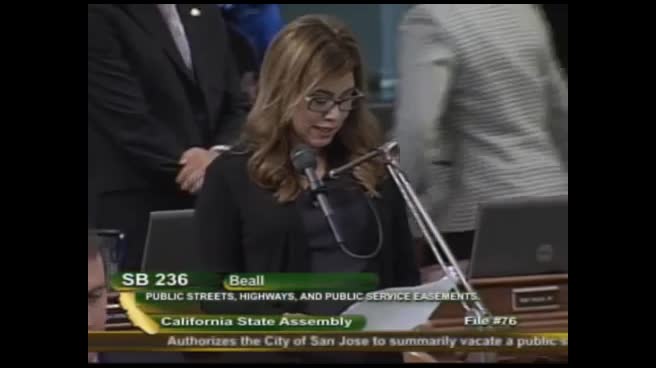 1MIN
Assembly Floor
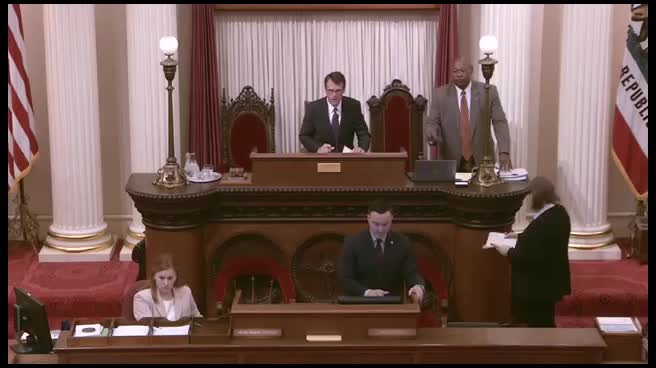 1MIN
Senate Floor
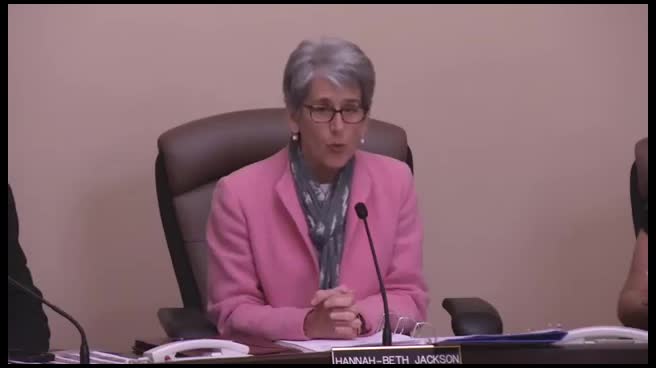 10MIN
Senate Standing Committee on Judiciary
Bill Author
Bill Co-Author(s):