SB 730: Railroads: movement of freight: trains or light engines: crew size.
- Session Year: 2015-2016
- House: Senate
- Latest Version Date: 2015-09-08
The existing Federal Railroad Safety Act (FRSA) authorizes the Secretary of Transportation to prescribe regulations and issue orders for railroad safety and requires the Secretary of Homeland Security, when prescribing a security regulation or issuing a security order that affects the safety of railroad operations, to consult with the Secretary of Transportation. The FRSA provides that to the extent practicable, laws, regulations, and orders related to railroad safety and security are required to be nationally uniform, but authorizes a state to adopt or continue in force a law, regulation, or order related to railroad safety or security until the Secretary of Transportation (with respect to railroad safety matters), or the Secretary of Homeland Security (with respect to railroad security matters), prescribes a regulation or issues an order covering the subject matter of the state requirement.
Under existing law, the Public Utilities Commission has enforcement authority over specified provisions relating to safeguards on railroads. Under existing law, a violation of those specified provisions is a crime.
This bill would prohibit, on and after February 1, 2016, a train or light engine used in connection with the movement of freight, as specified, from being operated unless it has a crew consisting of at least 2 individuals. The bill would authorize the Public Utilities Commission to assess civil penalties against any person who willfully violates this provision, as specified.
Because a violation of these provisions would be a crime, the bill would impose a state-mandated local program.
The California Constitution requires the state to reimburse local agencies and school districts for certain costs mandated by the state. Statutory provisions establish procedures for making that reimbursement.
This bill would provide that no reimbursement is required by this act for a specified reason.
(a)Effective February 1, 2016, a train or light engine used in connection with the movement of freight shall not be operated unless it has a crew consisting of at least two individuals.
(b)For purposes of this section, the term train or light engine used in connection with the movement of freight shall not include hostler service or utility employees.
(c)The Public Utilities Commission may assess civil penalties against any person who willfully violates this section, according to the following schedule:
(1)A civil penalty of two hundred fifty dollars ($250) to one thousand dollars ($1,000) for the first violation.
(2)A civil penalty of one thousand dollars ($1,000) to five thousand dollars ($5,000) for the second violation within a three-year period.
(3)A civil penalty of five thousand dollars ($5,000) to ten thousand dollars ($10,000) for the third violation and each subsequent violation within a three-year period.
(d)The remedies available to the commission pursuant to this section are nonexclusive and do not limit the remedies available under all other laws or pursuant to contract.
SEC. 2.No reimbursement is required by this act pursuant to Section 6 of Article XIIIB of the California Constitution because the only costs that may be incurred by a local agency or school district will be incurred because this act creates a new crime or infraction, eliminates a crime or infraction, or changes the penalty for a crime or infraction, within the meaning of Section 17556 of the Government Code, or changes the definition of a crime within the meaning of Section 6 of Article XIIIB of the California Constitution.
|
Date
|
Status
|
|---|---|
| Sep 8, 2015 | Chaptered by Secretary of State. Chapter 283, Statutes of 2015. |
| Sep 8, 2015 | Approved by the Governor. |
| Aug 26, 2015 | Enrolled and presented to the Governor at 4:30 p.m. |
| Aug 20, 2015 | Read third time. Passed. (Ayes 51. Noes 28. Page 2531.) Ordered to the Senate. |
| Aug 20, 2015 | In Senate. Ordered to engrossing and enrolling. |
| Aug 20, 2015 | Read third time. Passed. Ordered to the Senate. |
| Jul 16, 2015 | Read second time. Ordered to third reading. |
| Jul 15, 2015 | From committee: Do pass. (Ayes 11. Noes 5.) (July 15). |
| Jul 9, 2015 | From committee: Do pass and re-refer to Com. on APPR. (Ayes 5. Noes 2.) (July 8). Re-referred to Com. on APPR. |
| Jun 15, 2015 | Re-referred to Com. on L. & E. pursuant to Assembly Rule 96. |
| Jun 4, 2015 | Referred to Coms. on TRANS. and U. & C. |
| May 7, 2015 | In Assembly. Read first time. Held at Desk. |
| May 7, 2015 | Read third time. Passed. (Ayes 23. Noes 11. Page 930.) Ordered to the Assembly. |
| May 7, 2015 | Read third time. Passed. (Ayes 23. Noes 11.) Ordered to the Assembly. |
| May 5, 2015 | Read second time. Ordered to third reading. |
| May 4, 2015 | From committee: Be ordered to second reading pursuant to Senate Rule 28.8. |
| Apr 24, 2015 | Set for hearing May 4. |
| Apr 22, 2015 | From committee: Do pass and re-refer to Com. on APPR. (Ayes 4. Noes 1. Page 729.) (April 22). Re-referred to Com. on APPR. |
| Apr 9, 2015 | Set for hearing April 22. |
| Apr 8, 2015 | April 8 hearing postponed by committee. |
| Mar 27, 2015 | Set for hearing April 8. |
| Mar 19, 2015 | Referred to Com. on L. & I.R. |
| Mar 2, 2015 | Read first time. |
| Mar 2, 2015 | From printer. May be acted upon on or after April 1. |
| Feb 27, 2015 | Introduced. To Com. on RLS. for assignment. To print. |
|
Date
|
Description
|
Location
|
Votes
|
|
|---|---|---|---|---|
| Aug 20, 2015 | SB 730 Wolk Senate Third Reading By THURMOND | Assembly Floor |
Passed |
|
| Jul 15, 2015 | Do pass. | Assembly Standing Committee on Appropriations |
Passed |
|
| Jul 8, 2015 | Do pass and be re-referred to the Committee on [Appropriations] | Assembly Standing Committee on Labor and Employment |
Passed |
|
| May 7, 2015 | Senate 3rd Reading SB730 Wolk | Senate Floor |
Passed |
|
| Apr 22, 2015 | Do pass, but first be re-referred to the Committee on [Appropriations] | Senate Standing Committee on Labor and Industrial Relations |
Passed |
This list shows positions taken on this bill by organizations on the date displayed, which is linked to the original source.
Positions by individuals are not included.
SB 730
Page 2
SENATE THIRD READING
SB 730
(Wolk)
As Introduced February 27, 2015
Majority vote
SENATE VOTE: 23-11
Committee |
Votes |
Ayes |
Noes |
Labor |
5-2 |
Roger Hernández, Chu, Low, McCarty, Thurmond |
Harper, Patterson |
Appropriations |
11-5 |
Gomez, Bloom, Bonta, Calderon, Daly, Eggman, Eduardo Garcia, Quirk, Rendon, Weber, Wood |
Bigelow, Chang, Gallagher, Jones, Wagner |
SUMMARY: Prohibits a freight train from being operated in California unless it has a crew consisting of at least two individuals, as specified. Specifically, this bill:
Prohibits, effective February 1, 2016, a train or light engine used in connection with the movement of freight from being operated unless it has a crew consisting if at least two individuals.
Provides that this prohibition shall not include hostler service or utility employees.
Authorizes the California Public Utilities Commission (CPUC) to assess civil penalties against any person who willfully violates this bill, according to the following schedule:
A civil penalty of $250 to $1,000 for the first violation.
A civil penalty of $1,000 to $5,000 for a second violation within a three-year period.
A civil penalty of $5,000 to $10,000 for a third violation and each subsequent violation within a three-year period.
Provides that the remedies available to the CPUC are nonexclusive and do not limit the remedies available under all other laws or pursuant to contract.
FISCAL EFFECT: According to the Assembly Appropriations Committee, this bill will result in minor and absorbable costs to the CPUC related to enforcement. The CPUC indicates enforcement would be incorporated into existing inspections.
COMMENTS: This bill is sponsored by the Brotherhood of Locomotive Engineers and Trainmen, International Brotherhood of Teamsters and is supported by the United Transportation Union. According to the author, this bill protects communities by requiring trains and light engines carrying freight within California to be operated with an adequate crew size for both public safety reasons and the protection of railroad workers.
Advanced technology has made the railroads safer; however, supporters argue that nothing can replace an extra set of eyes and ears when trains drive through populated areas. A single operator in an emergency situation cannot properly assess the situation, secure the train, and notify police, fire and other necessary officials in a timely manner. Finally, supporters state that the federal government and other states are grappling with how to increase railroad safety and 14 states have introduced minimum crew legislation this year.
Additionally, supports note that the CPUC has voted unanimously to support this bill, stating that requiring two-person crews is a straightforward way of ensuring two qualified crew members continue to operate freight trains in California until such time as the rules and practices of safe operation may be updated for safer operation with smaller crews. According to the CPUC, of all the industries subject to CPUC oversight (energy, water, telecommunications, and transportation) rail accidents result in the greatest number of fatalities each year.
The California Railroad Industry opposes this bill because it will unnecessarily and unreasonably interfere with the ability of railroad management and union leaders to fully bargain over the best and safest crew size for each assignment in California. They argue that state legislation that attempts to alter terms of collective bargaining agreements would harm the process and would permanently undermine the principle of labor and management cooperation that underpins the Railway Labor Act. They also contend that this bill would violate Proposition 17 (the Railroad Anti-Featherbedding Act of 1964), which was an initiative measure approved by the voters at the statewide general election of November 3, 1964.
Opponents argue that, historically, safety and technology improvements have been a primary catalyst for negotiations related to crew size. As a result of these improvements, rail labor and rail management have agreed to reductions in crew size from as many as five persons in the 1980s to two persons on most territories operating today. They argue that these reductions in crew size were achieved without compromise to safety as witnessed by a decline in rail employee injuries, train accident and grade crossing collision rates by 79% or more. Hazardous material accidents rates are down 91%.
Analysis Prepared by: Ben Ebbink / L. & E. / (916) 319-2091 FN: 0001232
Date of Hearing: July 15, 2015
ASSEMBLY COMMITTEE ON APPROPRIATIONS
Jimmy Gomez, Chair
SB 730
(Wolk) – As Introduced February 27, 2015
Policy Committee: |
Labor |
Vote: |
5 - 2 |
|
|
|
|
|
|
|
|
Urgency: No State Mandated Local Program: Yes Reimbursable: No
SUMMARY:
This bill prohibits, starting February 1, 2016, a train or light engine used in connection with the movement of freight from being operated unless it has a crew consisting of at least two individuals. Specifically, this bill:
Specifies that this prohibition shall not include hostler service or utility employees.
Authorizes the California Public Utilities Commission (CPUC) to assess civil penalties against any person who willfully violates this bill, according to the following schedule:
A civil penalty of $250 to $1,000 for the first violation.
A civil penalty of $1,000 to $5,000 for a second violation within a three-year period.
A civil penalty of $5,000 to $10,000 for a third violation and each subsequent violation within a three-year period.
Provides that the remedies available to the CPUC are nonexclusive and do not limit the remedies available under all other laws or pursuant to contract.
FISCAL EFFECT:
Minor and absorbable costs to the CPUC related to enforcement of this measure. The CPUC indicates enforcement would be incorporated into existing inspections.
COMMENTS:
Purpose. Current state law makes no provisions for the minimum size of railroad crews, nor has the Federal Railroad Administration adopted any regulations covering railroad crew size. According to the author, in recent years railroad companies have reduced the size of crews on trains to one person. Requiring two pairs of eyes and ears at the head of every freight engine ensures communication and safety redundancy, as well as operational efficiency.
The Brotherhood of Locomotive Engineers & Trainmen, International Brotherhood of Teamsters is sponsoring this bill to provide safer operations by reducing the risk that arises from relying on a single individual. According to the Teamsters, this bill is designed to maintain the status quo in freight operations in this state, as the overwhelming majority of trains operated in the United States run with a two person crew. Despite that fact, however, the sponosrs are concerned with intention of the railroad industry is to move to one person crews.
Background. This bill is in part a response to the July 2013 Lac-Megantic tragedy. In that accident, a train crewed by only one person was left on a grade above Lac-Mégantic, Quebec. The crew member failed to secure enough hand breaks properly before retiring for the night. Later that night, the train rolled uncontrolled down the grade and crashed and exploded killing 47 people.
Following this incident, the U.S. Department of Transportation convened an advisory committee and announced its intention to issue a proposed rule requiring two-person train crews on crude oil trains, and establishing minimum crew size standards for most main line freight and passenger rail operations. The Federal Railroad Administration has not yet adopted regulations related to minimum crew size.
Opposition. The California Railroad Industry oppose this bill stating it would place limitations on collective bargaining agreements. According the opposition, historically, safety and technology improvements have been a primary catalyst for negotiations related to crew size. They note rail labor and rail management have agreed to reductions in crew size from as many as five persons in the 1980s to two persons on most territories operating today. Additionally, opponents argue that the collectively bargained crew size also provides the parties with flexibility to address needs that arise from advancements in technology, design, and planning. The railroads are not asking for one-person crews at this time; however, they are opposing this legislation so that if safe operating practices and technology make single person crews viable in the future, then that option is not foreclosed in California.
Prior legislation. SB 200 (O'Connell) of 1999 was similar, but not identical, to this bill. SB 200 would have provided that a common carrier may run freight or work trains only if it employs on that train at least two persons, one of whom is a railroad trainman, as defined.
Opposition to SB 200 questioned the legality of the measure and potential conflict with Labor Code section 6900.5 enacted by Proposition 17 of 1964 (The Railroad Anti-Featherbedding Act). The purpose of Proposition 17 was "the elimination of excess firemen and brakesmen on diesel powered freight trains." A Legislative Counsel opinion stated that Proposition 17 "contemplated an end to state regulation of the size of train crews in favor of setting the size of train crews through the collective bargaining process. Opponents argued that Proposition 17 could be amended or repealed by statute, only by submission of a measure to the electors. SB 200 ultimately failed passage on the floor of the Assembly.
These legal issues raised under SB 200 continue to be raised by the opposition today. Sponsors of this bill argue, however, that the Federal Arbitration Award 282 of 1963 addressed excess "firemen and brakemen" on freight trains. The intent of Proposition 17 and Labor Code section 6900.5 was to give full effect to that award. That award did not cover conductors and therefore does not preclude the state from enacting a crew size law that deals with that particular type of personnel.
Analysis Prepared by: Misty Feusahrens / APPR. / (916) 319-2081
SB 730
Page 8
Date of Hearing: July 8, 2015
ASSEMBLY COMMITTEE ON LABOR AND EMPLOYMENT
Roger Hernández, Chair
SB 730
(Wolk) – As Introduced February 27, 2015
SENATE VOTE: 23-11
SUBJECT: Railroads: movement of freight: trains or light engines: crew size.
SUMMARY: Prohibits a freight train from being operated in California unless it has a crew consisting of at least two individuals, as specified. Specifically, this bill:
Prohibits, effective February 1, 2016, a train or light engine used in connection with the movement of freight from being operated unless it has a crew consisting if at least two individuals.
Provides that this prohibition shall not include hostler service or utility employees.
Authorizes the California Public Utilities Commission (CPUC) to assess civil penalties against any person who willfully violates this bill, according to the following schedule:
A civil penalty of $250 to $1,000 for the first violation.
A civil penalty of $1,000 to $5,000 for a second violation within a three-year period.
A civil penalty of $5,000 to $10,000 for a third violation and each subsequent violation within a three-year period.
Provides that the remedies available to the CPUC are nonexclusive and do not limit the remedies available under all other laws or pursuant to contract.
FISCAL EFFECT: According to the Senate Appropriations Committee, pursuant to Senate Rule 28.8, negligible state costs.
COMMENTS: This bill is sponsored by the Brotherhood of Locomotive Engineers & Trainmen, International Brotherhood of Teamsters and is supported by the United Transportation Union. According to the author, this bill protects communities by requiring trains and light engines carrying freight within California to be operated with an adequate crew size for both public safety reasons and the protection of railroad workers. The author states:
"Today's freight trains carry extremely dangerous materials that may pose significant health and safety risks to communities and the environment in the case of an accident. On any given day, a freight train may be carrying crude oil, ethanol, metam sodium (a water-soluble pesticide) or aqueous hydrazine (a toxic chemical used in jet fuel) in California. Freight trains carrying these materials have been involved in or have been the cause of accidents, derailments and explosions.
Heightened concern over crew size stems from the tragic July 6 derailment of a Montreal, Maine & Atlantic (MM&A) fuel train in Lac Mégantic, Quebec, which killed 47 and destroyed the center of the town, and other incidents of which a single person operation has been found to be wholly or partially the cause. A single operator in an emergency situation cannot properly assess the situation, secure the train, and notify police, fire and other necessary officials in a timely manner.
Current state law makes no provisions for the minimum size of railroad crews, nor has the Federal Railroad Administration adopted any regulations covering railroad crew size. In recent years railroad companies have reduced the size of crews on trains to one person. Requiring two pairs of eyes and ears at the head of every freight engine ensures communication and safety redundancy, as well as operational efficiency. This standard provides safer operations through our communities by reducing the risk that arises from relying on a single individual."
The California Public Utilities Commission (CPUC) and Railroad Operations and Safety
The CPUC is the state agency charged with ensuring the safety of freight railroads, inter-city and commuter railroads, and highway-railroad crossings. The CPUC performs these railroad safety responsibilities through the Railroad Operations and Safety Branch (ROSB) of the Safety & Enforcement Division.
ROSB’s mission is to ensure that California communities and railroad employees are protected from unsafe practices on freight and passenger railroads by enforcing state and federal rail safety rules, regulations, and inspection efforts; and by carrying out proactive assessments of potential risks before they create dangerous conditions.
ROSB personnel investigate rail accidents and safety related complaints, and recommend safety improvements to the CPUC, railroads, and the federal government, as appropriate. In addition to enforcing the California Public Utilities Code and CPUC General Orders, ROSB inspectors enforce Federal Railroad Administration (FRA) regulations in a state/federal enforcement partnership. According to the CPUC Web site, ROSB currently has 45 certified inspector positions that are FRA-certified and are divided into the FRA's five railroad subject areas described below:
Operating Practices – enforcing regulations for main, branch and yard train operations, including hours of service, carrier operating rules, employee qualification guidelines, and carrier training and testing programs to enforce compliance with railroad occupational safety and health standards, accident and personal injury reporting requirements, and other requirements.
Track – enforcing regulations for track construction, maintenance and inspections.
Signal & Train Control – enforce safety rules on signal system construction, maintenance and inspection activities.
Motive Power & Equipment – enforce safety rules on locomotives, freight and passenger rail cars, air brakes, and other safety appliances maintenance and inspection activities.
Hazardous Materials – enforcing regulations for rail movements of hazardous materials, such as petroleum and chemical products; and inspection of hazardous materials shippers.
Railroad Safety Statistics
According to the U.S. Department of Transportation Federal Railroad Administration, the nation has had two straight years of record-breaking safety performance, along with significant reductions in all types of accidents since Fiscal Year 2008. (Safety Fact Sheet, February 2014.) Overall, the FRA found that human factor caused accidents were down by 38 percent, track defects down by 37 percent, and equipment defects down by 41 percent.
In California, the CPUC reported the following activities in its 2013-14 Annual Railroad Safety Activity Report:
Performed 3,692 inspections and follow-up inspections to monitor the railroads’ compliance and remedial actions;
Identified 11,445 federal regulation non-compliance defects (which are notices to railroads of an existing issue – railroads are directed to replace, repair or remove the defects. Violations exist when the defects are not remediated or conditions are so that they warrant a civil penalty and immediate remedial action);
Completed 349 CPUC General Orders (GO) that identified 938 defects;
Recommended 259 violations of FRA regulations;
Cited 11 violations of state regulations; and,
Responded to and resolved 28 informal safety complaints.
The Lac-Mégantic Canada Incident and Response
The author and sponsor of the bill reference a 2013 Canadian incident as highlighting the need for this bill. The Senate floor analysis of this bill describes that incident as follows:
"On July 6, 2013, there was a derailment of an unattended Montreal, Maine and Atlantic Railway freight train containing crude oil in Lac-Mégantic, Quebec, Canada. In this accident, the train had been operated by one person who failed to secure the hand brakes properly before retiring for the night. The train rolled down the grade uncontrollably and crashed and exploded killing 47 people.
In response to this tragic incident, the U.S. Department of Transportation created three Railroad Safety Advisory Committee (RSAC) Working Groups – Appropriate Train Crew Size, Securement, and Hazardous Materials Issues. The RSAC held emergency meetings to evaluate and consider wide-ranging proposals to enhance railroad safety including the safe shipment of crude oil by rail. On April 9, 2014, following deliberations of the working groups, the U.S. Department of Transportation’s FRA announced its intention to issue a proposed rule requiring two-person train crews on crude oil trains and establishing minimum crew size standards for most main line freight and passenger rail operations. According to the FRA Administrator Joseph C. Szabo, “We believe that safety is enhanced with the use of a multiple person crew—safety dictates that you never allow a single point of failure. Ensuring that trains are adequately staffed for the type of service operated is a critically important to ensure safety redundancy.” The FRA has not yet adopted regulations for implementation of this minimum crew size rule.
Existing California law has no minimum size of railroad crew requirements. Similar to the federal efforts on the issue, this bill prohibits, on and after February 1, 2016, a train or light engine used in connection with the movement of freight, as specified, from being operated unless it has a crew consisting of at least two individuals. According to the FRSA, it is the policy of Congress that rail safety regulations be nationally uniform to whatever extent practicable. However, a state is permitted to continue to regulate with respect to any rail safety matter until such time as the Secretary of the U.S. Department of Transportation issues a rule covering the same subject matter. Also, a state is permitted to adopt additional or more stringent standards than the federal standards if the state rule does not create an undue burden on interstate commerce, is not incompatible with federal standards, and is necessary to eliminate or reduce local safety hazards (FRSA of 1970)."
Similar Efforts at the State and Federal Levels
In addition to the pending two-person train crew rule at the federal level, there are several states that have either implemented or are considering similar requirements. In the State of Wisconsin, no person operating or controlling any railroad, as defined, may allow the operation of any railroad train or locomotive unless it has a crew of at least two individuals. That law goes even further by requiring that one of the individuals be a certified railroad locomotive engineer and imposes penalties for violations ($25-$100 for a first offense, $100-$500 for a 2nd offense within three years, and $500-$1,000 for a 3rd offence within three years). Two-person railroad crew legislation is also pending in other states including Washington, Nebraska, Minnesota, Wyoming, Iowa, Utah and North Dakota.
Wisconsin – Case Seeking Invalidation of "Two-Person Crew"
On July 23, 1999, the U.S. Court of Appeals, Seventh Circuit made a decision in the case of Burlington Northern and Santa Fe Railway Company, Soo Line Railroad Company, Union Pacific Railroad Company, and Wisconsin Central Ltd. vs. Attorney General, et al of Wisconsin and the United Transportation Union. The railroads brought action against Wisconsin Attorney General and district attorneys seeking invalidation of Wisconsin’s “two-person crew” statute because FRA regulations allegedly preempted safety concerns. The court held that crew qualification requirements were preempted by federal law but held that two-person crews were not.
PROPOSITION 17 OF 1964 AND LABOR CODE SECTION 6900.5
Proposition 17 (the Railroad Anti-Featherbedding Act of 1964) was an initiative measure approved by the voters at the statewide general election of November 3, 1964. Among other things, Proposition 17 added Section 6900.5 of the Labor Code to read as follows:
"It is the policy of the people of the State of California that featherbedding practices in the railroad industry should be eliminated and that national settlement of labor controversies relating to the manning of trains should be made effective in California. Accordingly the award of the Federal Arbitration Board No. 282 appointed by President John F. Kennedy pursuant to Congressional Public Law 88-108 of August 28, 1963, providing for the elimination of excess firemen and brakemen on diesel powered freight trains, or awards made pursuant thereto, shall be made effective in this State. Said award was the culmination of the proceedings originating with the Presidential Railroad Commission which was appointed by President Dwight D. Eisenhower at the request of both railroad labor and management and reported to President Kennedy on February 26, 1962.
Nothing contained in the laws of this State or in any order of any regulatory agency of this State shall prevent a common carrier by railroad from manning its trains in accordance with said award, in accordance with any federal legislation or awards pursuant thereto, or in accordance with any agreement between a railroad company and its employees or their representatives."
SB 200 of 1999 and Arguments Regarding Proposition 17
SB 200 (O'Connell) of 1999 was similar, but not identical, to this bill. SB 200 would have provided that a common carrier may run freight or work trains only if it employs on that train at least two persons, one of whom is a railroad trainman, as defined.
The legislative history of SB 200 indicates that there was disagreement between the supporters and opponents of that bill regarding whether such a legislative proposal was superseded by Proposition 17 and Labor Code Section 6900.5.
At the time, opponents of SB 200 obtained a Legislative Counsel opinion that concluded that Section 6900.5 precludes the Legislature from enacting a statute that supersedes the provisions of a collective bargaining agreement regulating the crew size of railroad trains. That opinion stated, in relevant part, as follows:
"[T]he plain language of Section 6900.5, as added by Proposition 17, states that nothing in the laws of this state shall prevent a railroad from manning its trains in accordance with any agreement between a railroad company and its employees or their representatives. The ballot arguments in favor of the initiative measure specify that the measure repeals outmoded featherbedding laws and makes possible genuine collective bargaining procedures. The ballot arguments against the measure specify that passage of the measure would mean a complete surrender of all of California's regulatory powers governing the manning of freight rains, giving the railroads a free hand to establish work rules as they see fit. The ballot arguments against the measure further state that the measure would prohibit California from ever enacting any legislation in the future to regulate the size of train crews for public safety purposes.
Thus, based on the ballot arguments both in favor of and against Proposition 17, as well as the language of Proposition 17, as expressed in Section 6900.5, the measure contemplated an end to state regulation of the size of train crews in favor of setting the size of train crews through the collective bargaining process…
…In light of the foregoing, it is our opinion that Section 6900.5 of the Labor Code precludes the Legislature from enacting a statute that supersedes the provisions of a collective bargaining agreement regulating the crewing of railroad trains."
However, counsel for the sponsor of SB 200 provided a legal analysis which disagreed with the Legislative Counsel opinion, arguing that it went too far in concluding that Proposition 17 "contemplated an end to state regulation of the size of train crews." The sponsor's legal analysis concluded that:
"Section 6900.5 was placed into the Labor Code to simply codify the provisions of Arbitration Board No. 282 (Award). The Award did not end state regulation of railroad crew size. It only eliminated, from state statute, those sections of law with which it was in conflict. Section 6900.5 cannot have any ability to do anything other than what the Award provided. The Award eliminated excess firemen and brakemen from train crews, nothing else."
The sponsor's legal analysis also noted that the crew size and composition statutes which were repealed by Proposition 17 related to the subject matter and were in conflict with the provisions of the federal arbitration award. Notably, Proposition 17 left intact several Labor Code provisions (such as Sections 6901, 6902, and 6904) which regulate crew size and composition on passenger, mail and express trains. They argued that each of these statutes predated Proposition 17 and were neither repealed nor amended by it.
Therefore, the legal analysis concludes that, "These surviving statutes, which were unaffected by Proposition 17, demonstrate that the state's regulatory power continues, even as to regulation of the size of train crews, so long as this regulatory power does not conflict with the Award. Thus, the key point made by Legislative Counsel that the state may not regulate the size of train crews is patently wrong. At the very least the argument is too all-encompassing."
The legislative analysis of SB 200 did not resolve the issue, but did state:
"It should be noted that the Legislative Counsel opinion noted by opponents of the bill did not specifically address the question of whether or not SB 200 conflicts with Proposition 17 or Section 6900.5 of the Labor Code. Instead, the opinion looks generally at whether the Legislature can enact a statute that supersedes the provisions of a collective bargaining agreement regulating the crewing of railroad trains.
The bill, if enacted, may face a court challenge based on the provisions of Proposition 17 (Labor Code Section 6900.5)."
SB 200 ultimately failed passage on the Assembly floor.
Sponsor/Opponent Arguments Related to This Bill and Proposition 17
As this bill is similar to SB 200, it is no surprise that supporters and opponents of this bill make similar arguments regarding the impact of Proposition 17 and Labor Code Section 6900.5 on the Legislature's ability to pass this bill.
Opponents of this bill state that it overrides the federal collective bargaining process embodied in Proposition 17 and will unnecessarily and unreasonably interfere with the ability of railroad management and union leaders to fully bargain over the best and safest crew size for each assignment. Therefore, they contend that the bill is prohibited by Proposition 17. With respect to the argument regarding Labor Code provisions that Proposition 17 did not repeal, opponents contend that these provisions of law would be repealed by implication, and have not already been struck down merely because those sections are obsolete and have not been challenged in court. They argue that one such provision (Labor Code section 6906(b)) was in fact determined to be repealed by implication in Burlington Northern and Santa Fe Railway, et al., v. Public Utilities Commission, 112 Cal. App. 4th 881 (2003). ("Enforcement of section 6906(b) has the effect of preventing the railroads from manning its trains in accordance with collective bargaining agreements, which are based on the lack of a need for brakemen. Accordingly, enforcement of section 6906(b) violates the Anti-Featherbedding Law. As the later-enacted statute, the Anti-Featherbedding Law prevails and we must conclude that section 6906(b) has been repealed by implication.")
However, the sponsor of this bill argues that the Federal Arbitration Award 282 of 1963 addressed excess firemen and brakemen on freight trains. The intent of Proposition 17 and Labor Code section 6900.5 was to give full effect to that award. That award did not cover conductors and therefore does not preclude the state from enacting a crew size law that deals with that particular type of personnel. Moreover, the sponsor contends that, even reading Labor Code Section 6900.5 in the broadest manner possible, it does not preclude the enactment of this bill. Section 6900.5 specifies that the state cannot prevent a common carrier from manning its trains pursuant to the aforementioned award, in accordance with any federal legislation or awards pursuant thereto, "or in accordance with any agreement between railroad company and its employees or their representatives." The sponsor contends that this bill would only be invalid if it conflicts with an existing federal arbitration award, federal law, or collective bargaining agreement, which it does not.
ARGUMENTS IN SUPPORT
According to the California Teamsters Public Affairs Council:
"This bill is designed to maintain the status quo in freight operations in this state, as the overwhelming majority of trains operated in the United States run with a two person crew. Despite that fact, however, it is clear that the intention of the railroad industry is to move to one person crews. If this were just about staffing, that would be one thing, but this is about public safety. Freight trains are often miles long and carry many kinds of hazardous and toxic materials. As such, an accident can be devastating and deadly. What happens when something happens to the engineer on a single person crew while the train is operating at a high rate of speed through a densely populated area? The answer is that you have an uncontrolled weapon of mass destruction. We already know that fatigue is a major issue in the industry. Why wouldn't we want another crew member there to ensure that someone being overworked and tired isn't the cause of a major human and environmental disaster?"
Advanced technology has made the railroads safer; however, supporters argue that nothing can replace an extra set of eyes and ears when trains drive through populated areas. A single operator in an emergency situation cannot properly assess the situation, secure the train, and notify police, fire and other necessary officials in a timely manner. Finally, supporters state that the federal government and other states are grappling with how to increase railroad safety and 14 states have introduced minimum crew legislation this year.
Additionally, supports note that the CPUC has voted unanimously to support this bill, stating that requiring two-person crews is a straightforward way of ensuring two qualified crew members continue to operate freight trains in California until such time as the rules and practices of safe operation may be updated for safer operation with smaller crews. According to the CPUC, of all the industries subject to CPUC oversight (energy, water, telecommunications, and transportation) rail accidents result in the greatest number of fatalities each year.
ARGUMENTS IN OPPOSITION
The California Railroad Industry opposes this bill because it will unnecessarily and unreasonably interfere with the ability of railroad management and union leaders to fully bargain over the best and safest crew size for each assignment in California. They argue that state legislation that attempts to alter terms of collective bargaining agreements would harm the process and would permanently undermine the principle of labor and management cooperation that underpins the Railway Labor Act.
Opponents argue that, historically, safety and technology improvements have been a primary catalyst for negotiations related to crew size. As a result of these improvements, rail labor and rail management have agreed to reductions in crew size from as many as five persons in the 1980s to two persons on most territories operating today. They argue that these reductions in crew size were achieved without compromise to safety as witnessed by a decline in rail employee injuries, train accident and grade crossing collision rates by 79 percent or more. Hazardous material accidents rates are down 91 percent.
Additionally, opponents argue that the collectively bargained crew size also provides the parties with flexibility to address needs that arise from advancements in technology, design, and planning. The railroads are not asking for one-person crews at this time; however, they are opposing this legislation so that if safe operating practices and technology make single person crews viable in the future, then that option is not foreclosed in California. Opponents point to Positive Train Control, which is designed to automatically stop a train before certain accidents caused by human error can occur, as a contemporary example of pursuing such technological advancements.
REGISTERED SUPPORT / OPPOSITION:
Support
Brotherhood of Locomotive Engineers & Trainmen, International Brotherhood of Teamsters
California Labor Federation, AFL-CIO
California Public
Utilities Commission
California Teamsters Public Affairs Council
United Transportation Union
Opposition
BNSF Railway Company
California Railroad Industry
California Short Line Railroad Association
Union Pacific Railroad Company
Analysis Prepared by: Ben Ebbink / L. & E. / (916) 319-2091
SB 730
Page 8
|
Office of Senate Floor Analyses (916) 651-1520 Fax: (916) 327-4478 |
THIRD READING
Bill No: SB 730
Introduced: 2/27/15
SENATE LABOR & IND. REL. COMMITTEE: 4-1, 4/22/15
AYES: Mendoza, Jackson, Leno, Mitchell
NOES: Stone
SENATE APPROPRIATIONS COMMITTEE: Senate Rule 28.8
SUBJECT: Railroads: movement of freight: trains or light engines: crew size
SOURCE: Brotherhood of Locomotive Engineers & Trainmen, International Brotherhood of Teamsters
DIGEST: This bill 1) prohibits a train or light engine used in connection with the movement of freight, as specified, from being operated in California unless it has a crew consisting of at least two individuals, and 2) authorizes the California Public Utilities Commission (CPUC) to assess civil penalties for willful violations of this provision.
Existing federal law:
Authorizes, under the Federal Railroad Safety Act (FRSA), the Secretary of Transportation to prescribe regulations and issue orders for all areas of railroad safety (supplementing existing rail safety statues and regulations) and to conduct necessary research, development, testing, evaluation, and training.
Provides that, under the FRSA, to the extent practicable, laws, regulations, and orders related to railroad safety and security are required to be nationally uniform, but authorizes a state to adopt or continue to enforce a law, regulation, or order related to railroad safety or security until the Secretary of Transportation (with respect to railroad safety matters), or the Secretary of Homeland Security (with respect to railroad security matters), prescribes a regulation or issues an order covering the subject matter of the state requirement.
Existing state law:
Provides that the Division of Occupational Safety and Health (also known as Cal/OSHA) has jurisdiction over, among other things, the occupational safety and health of employees of rail rapid transit systems, electric interurban railroads, or street railroads and the safety and health of railroad employees employed in offices and in shops devoted to the construction, maintenance or repair of railroad equipment.
Provides that the CPUC is the agency charged with ensuring the safety of freight railroads, inter-city and commuter railroads, and highway-railroad crossings in the State of California. The CPUC performs these railroad safety responsibilities through the Railroad Operations and Safety Branch (ROSB) of the Safety & Enforcement Division.
This bill:
Prohibits, on and after February 1, 2016, a train or light engine used in connection with the movement of freight, as specified, from being operated unless it has a crew consisting of at least two individuals.
Authorizes the CPUC to assess civil penalties against any person who willfully violates this provision according to the following schedule:
$250 to $1,000 dollars for the first violation;
$1,000 to $5,000 dollars for the second violation within a three-year period; and
$5,000 to $10,000 for the third violation and each subsequent violation within a three-year period.
Background
Railroad operations and safety. The CPUC performs railroad safety responsibilities through the ROSB of the Safety & Enforcement Division. ROSB’s mission is to ensure that California communities and railroad employees are protected from unsafe practices on freight and passenger railroads by enforcing state and federal rail safety rules, regulations, and inspection efforts; and by carrying out proactive assessments of potential risks before they create dangerous conditions.
ROSB personnel investigate rail accidents and safety related complaints, and recommend safety improvements to the CPUC, railroads, and the federal government as appropriate. In addition to enforcing the California Public Utilities Code and CPUC General Orders, ROSB inspectors enforce Federal Railroad Administration (FRA) regulations in a state/federal enforcement partnership. According to the CPUC Web site, ROSB currently has 45 certified inspector positions that are FRA-certified and are divided into the FRA's five railroad subject areas described below:
Operating Practices – enforcing regulations for main, branch and yard train operations, including hours of service, carrier operating rules, employee qualification guidelines, and carrier training and testing programs to enforce compliance with railroad occupational safety and health standards, accident and personal injury reporting requirements, and other requirements.
Track – enforcing regulations for track construction, maintenance and inspections.
Signal & Train Control – enforce safety rules on signal system construction, maintenance and inspection activities.
Motive Power & Equipment – enforce safety rules on locomotives, freight and passenger rail cars, air brakes, and other safety appliances maintenance and inspection activities.
Hazardous Materials – enforcing regulations for rail movements of hazardous materials, such as petroleum and chemical products; and inspection of hazardous materials shippers.
Railroad safety statistics. According to the U.S. Department of Transportation –FRA, the nation has had two straight years of record-breaking safety performance, along with significant reductions in all types of accidents since Fiscal Year 2008. (Safety Fact Sheet, February 2014.) Overall, the FRA found that human factor caused accidents were down by 38%, track defects down by 37% ,and equipment defects down by 41%.
In California, the CPUC reported the following activities in its 2013-14 Annual Railroad Safety Activity Report:
Performed 3,692 inspections and follow-up inspections to monitor the railroads’ compliance and remedial actions;
Identified 11,445 federal regulation non-compliance defects (which are notices to railroads of an existing issue – railroads are directed to replace, repair or remove the defects. Violations exist when the defects are not remediated or conditions are so that they warrant a civil penalty and immediate remedial action);
Completed 349 CPUC General Orders (GO) that identified 938 defects;
Recommended 259 violations of FRA regulations;
Cited 11 violations of state regulations; and,
Responded to and resolved 28 informal safety complaints.
The CPUC Office of Rail Safety can assess penalties depending on the violation.
For violations of federal railroad safety regulations, ROSB railroad safety
inspectors make recommendations to the FRA for the assessment of penalties. A
railroad issued such a citation may accept the fine imposed or contest it through a
process of appeal.
The Lac-Mégantic Canada Incident. On July 6, 2013, there was a derailment of an unattended Montreal, Maine and Atlantic Railway freight train containing crude oil in Lac-Mégantic, Quebec, Canada. In this accident, the train had been operated by one person who failed to secure the hand brakes properly before retiring for the night. The train rolled down the grade uncontrollably and crashed and exploded killing 47 people.
In response to this tragic incident, the U.S. Department of Transportation created three Railroad Safety Advisory Committee (RSAC) Working Groups – Appropriate Train Crew Size, Securement, and Hazardous Materials Issues. The RSAC held emergency meetings to evaluate and consider wide-ranging proposals to enhance railroad safety including the safe shipment of crude oil by rail. On April 9, 2014, following deliberations of the working groups, the U.S. Department of Transportation’s FRA announced its intention to issue a proposed rule requiring two-person train crews on crude oil trains and establishing minimum crew size standards for most main line freight and passenger rail operations. According to the FRA Administrator Joseph C. Szabo, “We believe that safety is enhanced with the use of a multiple person crew—safety dictates that you never allow a single point of failure. Ensuring that trains are adequately staffed for the type of service operated is a critically important to ensure safety redundancy.” The FRA has not yet adopted regulations for implementation of this minimum crew size rule.
Existing California law has no minimum size of railroad crew requirements. Similar to the federal efforts on the issue, this bill prohibits, on and after February 1, 2016, a train or light engine used in connection with the movement of freight, as specified, from being operated unless it has a crew consisting of at least two individuals. According to the FRSA, it is the policy of Congress that rail safety regulations be nationally uniform to whatever extent practicable. However, a state is permitted to continue to regulate with respect to any rail safety matter until such time as the Secretary of the U.S. Department of Transportation issues a rule covering the same subject matter. Also, a state is permitted to adopt additional or more stringent standards than the federal standards if the state rule does not create an undue burden on interstate commerce, is not incompatible with federal standards, and is necessary to eliminate or reduce local safety hazards (FRSA of 1970).
Similar efforts at the state and national level. In addition to the pending two-person train crew rule at the federal level, there are several states that have either implemented or are considering similar requirements. In the State of Wisconsin no person operating or controlling any railroad, as defined, may allow the operation of any railroad train or locomotive unless it has a crew of at least two individuals. It goes even further by requiring that one of the individuals be a certified railroad locomotive engineer and imposing penalties for violations ($25-100 for a first offense, $100-500 for a 2nd offense within three years, and $500-1000 for a 3rd offence within three years). Two-person railroad crew legislation is also pending in other states including Washington, Nebraska, Minnesota, Wyoming, Iowa, Utah and North Dakota.
Wisconsin – case seeking invalidation of “two-person crew.” On July 23, 1999, the U.S. Court of Appeals, Seventh Circuit made a decision in the case of Burlington Northern and Santa Fe Railway Company, Soo Line Railroad Company, Union Pacific Railroad Company, and Wisconsin Central Ltd. vs. Attorney General, et al of Wisconsin and the United Transportation Union. The railroads brought action against Wisconsin Attorney General and district attorneys seeking invalidation of Wisconsin’s “two-person crew” statute because FRA regulations allegedly preempted same safety concerns. The court held that crew qualification requirements were preempted by federal law but held that two-person crews were not.
Prior Legislation
SB 200 (O’Connell, 1999) would have provided that a common carrier may run freight or work trains only if it employs on that train at least two persons, one of whom is a railroad trainman, as defined. The bill would have also made violations of this requirement a misdemeanor. SB 200 died in the Assembly.
FISCAL EFFECT: Appropriation: No Fiscal Com.: Yes Local: Yes
Brotherhood of Locomotive Engineers & Trainmen, International Brotherhood of Teamsters
California Labor Federation, AFL-CIO
California
Public Utilities Commission
California Teamsters Public Affairs Council
United Transportation Union
OPPOSITION: (Verified 4/22/15)
BNSF Railway Company
California Railroad Industry
California Short Line Railroad Association
Union Pacific Railroad Company
ARGUMENTS IN SUPPORT: According to the author, SB 730 protects communities by requiring trains and light engines carrying freight within California to be operated with an adequate crew size for both public safety reasons and the protection of railroad workers. According to proponents, this bill is designed to maintain the status quo in freight operations in this state, as the overwhelming majority of trains operated in the U.S. run with a two person crew. Despite that fact, however, they argue that it is clear that the intention of the railroad industry is to move to a one person crew. The shift to one-person crews raises safety concerns, especially in light of accidents involving the transport of hazardous materials through urban areas such as the derailment of a fuel train, run by a one-man crew, in Quebec in 2013 which killed 47 people, along with several other destructive derailments of fuel trains in the U.S.
Proponents argue that if this were just about staffing, that would be one thing, but this is about public safety. Freight trains are longer, heavier and have more hazardous, toxic, dangerous and explosive materials being hauled than ever before. As such, an accident can be devastating and deadly. Proponents argue that every effort should be made to minimize the exposure and impact of this danger to the general public.
Advanced technology has made the railroads safer; however, proponents argue that nothing can replace an extra set of eyes and ears when trains drive through populated areas. A single operator in an emergency situation cannot properly assess the situation, secure the train, and notify police, fire and other necessary officials in a timely manner. Lastly, proponents state that the federal government and other states are grappling with how to increase railroad safety and 14 states have introduced minimum crew legislation this year.
Additionally, the CPUC has voted unanimously to support SB 730 stating that requiring two-person crews is a straightforward way of ensuring two qualified crew members continue to operate freight trains in California until such time as the rules and practices of safe operation may be updated for safer operation with smaller crews. According to the CPUC, of all the industries subject to CPUC oversight (energy, water, telecommunications, and transportation) rail accidents result in the greatest number of fatalities each year.
ARGUMENTS IN OPPOSITION: The California Railroad Industry opposes this bill because it will unnecessarily and unreasonably interfere with the ability of railroad management and union leaders to fully bargain over the best and safest crew size for each assignment in California. They argue that state legislation that attempts to alter terms of collective bargaining agreements would harm the process and would permanently undermine the principle of labor and management cooperation that underpins the Railway Labor Act.
Opponents argue that, historically, safety and technology improvements have been a primary catalyst for negotiations related to crew size. As a result of these improvements, rail labor and rail management have agreed to reductions in crew size from as many as five persons in the 1980s to two persons on most territories operating today. They argue that these reductions in crew size were achieved without compromise to safety as witnessed by a decline in rail employee injuries, train accident and grade crossing collision rates by 79 percent or more. Hazardous material accidents rates are down 91 percent.
Additionally, opponents argue that the collectively bargained crew size also provides the parties with flexibility to address needs that arise from advancements in technology, design, and planning. The railroads are not asking for one-person crews at this time, however, they are opposing this legislation so that if safe operating practices and technology make single person crews viable in the future, then that option is not foreclosed in California. Opponents point to Positive Train Control, which is designed to automatically stop a train before certain accidents caused by human error can occur, as a contemporary example of pursuing such technological advancements.
Prepared by: Alma Perez / L. & I.R. / (916) 651-1556
5/6/15 17:02:31
**** END ****
SB 730 (Wolk) Page 6 of 6
SENATE COMMITTEE ON LABOR AND INDUSTRIAL RELATIONS
Senator Tony Mendoza, Chair
2015 - 2016 Regular
Bill No: SB 730 Hearing Date: April 22, 2015
Author: |
Wolk |
||
Version: |
February 27, 2015 |
||
Urgency: |
No |
Fiscal: |
Yes |
Consultant: |
Alma Perez-Schwab |
||
Subject: Railroads: movement of freight: trains or light engines: crew size
KEY ISSUES
Should the Legislature prohibit a train or light engine used for the movement of freight to be operated in California unless it has a crew of at least 2 individuals?
Should the Legislature authorize the Public Utilities Commission to assess civil penalties against any person who willfully violates this 2 person crew requirement?
ANALYSIS
Under existing law, the Division of Occupational Safety and Health (also known as Cal/OSHA) has jurisdiction over, among other things, the occupational safety and health of employees of rail rapid transit systems, electric interurban railroads, or street railroads and the safety and health of railroad employees employed in offices and in shops devoted to the construction, maintenance or repair of railroad equipment. (Labor Code §6800)
The existing Federal Railroad Safety Act (FRSA) authorizes the Secretary of Transportation to prescribe regulations and issue orders for all areas of railroad safety (supplementing existing rail safety statues and regulations) and to conduct necessary research, development, testing, evaluation, and training. The FRSA provides that to the extent practicable, laws, regulations, and orders related to railroad safety and security are required to be nationally uniform, but authorizes a state to adopt or continue to enforce a law, regulation, or order related to railroad safety or security until the Secretary of Transportation (with respect to railroad safety matters), or the Secretary of Homeland Security (with respect to railroad security matters), prescribes a regulation or issues an order covering the subject matter of the state requirement.
Under existing law, the California Public Utilities Commission (CPUC) is the agency charged with ensuring the safety of freight railroads, inter-city and commuter railroads, and highway-railroad crossings in the State of California. The CPUC performs these railroad safety responsibilities through the Railroad Operations and Safety Branch (ROSB) of the Safety & Enforcement Division.
This Bill would prohibit, on and after February 1, 2016, a train or light engine used in connection with the movement of freight, as specified, from being operated unless it has a crew consisting of at least two individuals. Additionally, the bill would authorize the Public Utilities Commission to assess civil penalties against any person who willfully violates this provision according to the following schedule:
$250 to $1,000 dollars for the first violation;
$1,000 to $5,000 dollars for the second violation within a three-year period; and
$5,000 to $10,000 for the third violation and each subsequent violation within a three-year period.
COMMENTS
1. Background on Railroad Operations and Safety:
The California Public Utilities Commission performs railroad safety responsibilities through the Railroad Operations and Safety Branch (ROSB) of the Safety & Enforcement Division. ROSB’s mission is to ensure that California communities and railroad employees are protected from unsafe practices on freight and passenger railroads by enforcing state and federal rail safety rules, regulations, and inspection efforts; and by carrying out proactive assessments of potential risks before they create dangerous conditions.
ROSB personnel investigate rail accidents and safety related complaints, and recommend safety improvements to the Commission, railroads, and the federal government as appropriate. In addition to enforcing California state Public Utilities Code and CPUC General Orders, ROSB inspectors enforce Federal Railroad Administration (FRA) regulations in a state/federal enforcement partnership. According to the CPUC website, ROSB currently has 45 certified inspector positions that are FRA-certified and are divided into the FRA's five railroad subject areas described below:
Operating Practices – enforcing regulations for main, branch and yard train operations, including hours of service, carrier operating rules, employee qualification guidelines, and carrier training and testing programs to enforce compliance with railroad occupational safety and health standards, accident and personal injury reporting requirements, and other requirements.
Track – enforcing regulations for track construction, maintenance and inspections.
Signal & Train Control – enforce safety rules on signal system construction, maintenance and inspection activities.
Motive Power & Equipment – enforce safety rules on locomotives, freight and passenger rail cars, air brakes, and other safety appliances maintenance and inspection activities.
Hazardous Materials – enforcing regulations for rail movements of hazardous materials, such as petroleum and chemical products; and inspection of hazardous materials shippers.
2. Railroad Safety Statistics:
According to the U.S. Department of Transportation – Federal Railroad Administrator, the nation has had two straight years of record-breaking safety performance, along with significant reductions in all types of accidents since FY 2008. (Safety Fact Sheet, February 2014) Overall, the FRA found that human factor caused accidents were down by 38%, track defects down by 37% and equipment defects down by 41%.
In California, the CPUC reported the following activities in its 2013-14 Annual Railroad Safety Activity Report:
Performed 3,692 inspections and follow-up inspections to monitor the railroads’ compliance and remedial actions;
Identified 11,445 federal regulation non-compliance defects (which are notices to railroads of an existing issue – railroads are directed to replace, repair or remove the defects. Violations exist when the defects are not remediated or conditions are so that they warrant a civil penalty and immediate remedial action);
Completed 349 CPUC General Orders (GO) reports that identified 938 defects;
Recommended 259 violations of FRA regulations;
Cited 11 violations of state regulations, and;
Responded to and resolved 28 informal safety complaints.
The CPUC Office of Rail Safety can assess penalties depending on the violation. For violations of federal railroad safety regulations, ROSB railroad safety inspectors make recommendations to the FRA for the assessment of penalties. A railroad issued such a citation may accept the fine imposed or contest it through a process of appeal.
3. Need for this bill?
On July 6, 2013, there was a derailment of an unattended Montreal, Maine and Atlantic Railway freight train containing crude oil in Lac-Mégantic, Quebec, Canada. In this accident, the train had been operated by one person who failed to secure the hand brakes properly before retiring for the night. The train rolled down the grade uncontrollably and crashed and exploded killing 47 people.
In response to this tragic incident, the U.S. Department of Transportation created three Railroad Safety Advisory Committee (RSAC) Working Groups – Appropriate Train Crew Size, Securement, and Hazardous Materials Issues. The RSAC held emergency meetings to evaluate and consider wide-ranging proposals to enhance railroad safety including the safe shipment of crude oil by rail. On April 9, 2014, following deliberations of the working groups, the U.S. Department of Transportation’s Federal Railroad Administration (FRA) announced its intention to issue a proposed rule requiring two-person train crews on crude oil trains and establishing minimum crew size standards for most main line freight and passenger rail operations. According to the FRA Administrator Joseph C. Szabo, “We believe that safety is enhanced with the use of a multiple person crew—safety dictates that you never allow a single point of failure. Ensuring that trains are adequately staffed for the type of service operated is a critically important to ensure safety redundancy.” The FRA has not yet adopted regulations for implementation of this minimum crew size rule.
Existing California law has no minimum size of railroad crew requirements. Similar to the federal efforts on the issue, this bill would prohibit, on and after February 1, 2016, a train or light engine used in connection with the movement of freight, as specified, from being operated unless it has a crew consisting of at least 2 individuals. According to the Federal Railroad Safety Act, it is the policy of Congress that rail safety regulations be nationally uniform to whatever extent practicable. However, a state is permitted to continue to regulate with respect to any rail safety matter until such time as the Secretary of the U.S. Department of Transportation issues a rule covering the same subject matter. Also, a state is permitted to adopt additional or more stringent standards than the federal standards if the state rule does not create an undue burden on interstate commerce, is not incompatible with federal standards, and is necessary to eliminate or reduce local safety hazards (Federal Railroad Safety Act of 1970).
4. Similar Efforts at the State and National Level:
In addition to the pending two-person train crew rule at the federal level, there are several states that have either implemented or are considering similar requirements. In the State of Wisconsin no person operating or controlling any railroad, as defined, may allow the operation of any railroad train or locomotive unless it has a crew of at least 2 individuals. It goes even further by requiring that one of the individuals be a certified railroad locomotive engineer and imposing penalties for violations ($25-100 for a first offense, $100-500 for a 2nd offense within 3 years, and $500-1000 for a 3rd offence within 3 years). Two-person railroad crew legislation is also pending in other states including Washington, Nebraska, Minnesota, Wyoming, Iowa, Utah and North Dakota.
5. Wisconsin – case seeking invalidation of “two-person crew”:
On July 23, 1999, the United States Court of Appeals, Seventh Circuit made a decision in the case of Burlington Northern and Santa Fe Railway Company, Soo Line Railroad Company, Union Pacific Railroad Company, and Wisconsin Central Ltd. vs. Attorney General, et al of Wisconsin and the United Transportation Union. The railroads brought action against Wisconsin Attorney General and district attorneys seeking invalidation of Wisconsin’s “two-person crew” statute because Federal Railroad Administration (FRA) regulations allegedly preempted same safety concerns. The court held that crew qualification requirements were preempted by federal law but held that its requirement for two-person crews was not.
According to a February 5, 2014 bill report for HB 2718 by the House Committee on Labor & Workforce Development, “The court held that the state law was preempted with regard to crew size on two types of train operations, “holstering” and “helping,” because the FRA had essentially approved, in an order, one-person crew size for those types of operations. However, the court held that the state statute was not preempted with regard to crew size when it came to “over-the-road” operations, which involve hauling train cars between terminals.”
6. Proponent Arguments:
According to the author, SB 730 would protect communities by requiring trains and light engines carrying freight within California to be operated with an adequate crew size for both public safety reasons and the protection of railroad workers. According to proponents, this bill is designed to maintain the status quo in freight operations in this state, as the overwhelming majority of trains operated in the United States run with a two person crew. Despite that fact, however, they argue that it is clear that the intention of the railroad industry is to move to a one person crew. The shift to one-person crews raises safety concerns, especially in light of accidents involving the transport of hazardous materials through urban areas such as the derailment of a fuel train, run by a one-man crew, in Quebec in 2013 which killed 47 people, along with several other destructive derailments of fuel trains in the U.S.
Proponents argue that if this were just about staffing, that would be one thing, but this is about public safety. Freight trains are longer, heavier and have more hazardous, toxic, dangerous and explosive materials being hauled than ever before. As such, an accident can be devastating and deadly. Proponents argue that every effort should be made to minimize the exposure and impact of this danger to the general public.
Advanced technology has made the railroads safer; however, proponents argue that nothing can replace an extra set of eyes and ears when trains drive through populated areas. A single operator in an emergency situation cannot properly assess the situation, secure the train, and notify police, fire and other necessary officials in a timely manner. The author believes that requiring two pairs of eyes and ears at the head of every freight engine ensures communication and safety redundancy, as well as operational efficiency. Lastly, proponents state that the federal government and other states are grappling with how to increase railroad safety and 14 states have introduced minimum crew legislation this year.
Additionally, the California Public Utilities Commission has voted unanimously to support SB 730 stating that requiring two-person crews is a straightforward way of ensuring two qualified crew members continue to operate freight trains in California until such time as the rules and practices of safe operation may be updated for safer operation with smaller crews. According to the CPUC, of all the industries subject to CPUC oversight (energy, water, telecommunications, and transportation) rail accidents result in the greatest number of fatalities each year.
7. Opponent Arguments:
According to the California Railroad Industry, they oppose this bill because it will unnecessarily and unreasonably interfere with the ability of railroad management and union leaders to fully bargain over the best and safest crew size for each assignment in California. They argue that state legislation that attempts to alter terms of collective bargaining agreements would harm the process and would permanently undermine the principle of labor and management cooperation that underpins the Railway Labor Act.
Opponents argue that, historically, safety and technology improvements have been a primary catalyst for negotiations related to crew size. As a result of these improvements, rail labor and rail management have agreed to reductions in crew size from as many as five persons in the 1980’s to two persons on most territories operating today. They argue that these reductions in crew size were achieved without compromise to safety as witnessed by a decline in rail employee injuries, train accident and grade crossing collision rates by 79 percent or more. Hazardous material accidents rates are down 91 percent.
Additionally, opponents argue that the collectively bargained crew size also provides the parties with flexibility to address needs that arise from advancements in technology, design and planning. The railroads are not asking for one-person crews at this time, however, they are opposing this legislation so that if safe operating practices and technology make single person crews viable in the future, then that option is not foreclosed in California. Opponents point to Positive Train Control, which is designed to automatically stop a train before certain accidents caused by human error can occur, as a contemporary example of pursuing such technological advancements. According to opponents, safety records suggest these operations are safe and there is no need to increase crew size.
Further, opponents ask for consideration of comparable scenarios such as trucks that haul on public roadways many of the same commodities also transported by railroads, and yet the trucking industry is not required to have two-person crews. Additionally, they argue that appropriate crew size is currently being addressed at the Federal level and that crew size agreements have been, and absent legislative interference, will continue to be, negotiated by representatives of both rail management and labor who know and understand the details of railroad operations including various safety requirements and ramifications.
8. Prior Legislation:
SB 200 (O’Connell) of 1999: Died in the Assembly
SB 200 would have provided that a common carrier may run freight or work trains only if it employs on that train at least 2 persons, one of whom is a railroad trainman, as defined. The bill would have also made violations of this requirement a misdemeanor.
SUPPORT
Brotherhood of Locomotive Engineers & Trainmen, International Brotherhood of Teamsters
California Labor Federation, AFL-CIO
California Public Utilities Commission (CPUC)
California Teamsters Public Affairs Council
United Transportation Union
OPPOSITION
BNSF Railway Company
California Short Line Railroad Association
Union Pacific Railroad Company
-- END --
SB 730 (Wolk) Page 6 of 6
SENATE COMMITTEE ON LABOR AND INDUSTRIAL RELATIONS
Senator Tony Mendoza, Chair
2015 - 2016 Regular
Bill No: SB 730 Hearing Date: April 8, 2015
Author: |
Wolk |
||
Version: |
February 27, 2015 |
||
Urgency: |
No |
Fiscal: |
Yes |
Consultant: |
Alma Perez-Schwab |
||
Subject: Railroads: movement of freight: trains or light engines: crew size
KEY ISSUE
Should the Legislature prohibit a train or light engine used for the movement of freight to be operated in California unless it has a crew of at least 2 individuals?
Should the Legislature authorize the Public Utilities Commission to assess civil penalties against any person who willfully violates this 2 person crew requirement?
ANALYSIS
Under existing law, the Division of Occupational Safety and Health (also known as Cal/OSHA) has jurisdiction over, among other things, the occupational safety and health of employees of rail rapid transit systems, electric interurban railroads, or street railroads and the safety and health of railroad employees employed in offices and in shops devoted to the construction, maintenance or repair of railroad equipment. (Labor Code §6800)
The existing Federal Railroad Safety Act (FRSA) authorizes the Secretary of Transportation to prescribe regulations and issue orders for all areas of railroad safety (supplementing existing rail safety statues and regulations) and to conduct necessary research, development, testing, evaluation, and training. The FRSA provides that to the extent practicable, laws, regulations, and orders related to railroad safety and security are required to be nationally uniform, but authorizes a state to adopt or continue to enforce a law, regulation, or order related to railroad safety or security until the Secretary of Transportation (with respect to railroad safety matters), or the Secretary of Homeland Security (with respect to railroad security matters), prescribes a regulation or issues an order covering the subject matter of the state requirement.
Under existing law, the California Public Utilities Commission (CPUC) is the agency charged with ensuring the safety of freight railroads, inter-city and commuter railroads, and highway-railroad crossings in the State of California. The CPUC performs these railroad safety responsibilities through the Railroad Operations and Safety Branch (ROSB) of the Safety & Enforcement Division.
This Bill would prohibit, on and after February 1, 2016, a train or light engine used in connection with the movement of freight, as specified, from being operated unless it has a crew consisting of at least two individuals. Additionally, the bill would authorize the Public Utilities Commission to assess civil penalties against any person who willfully violates this provision according to the following schedule:
$250 to $1,000 dollars for the first violation;
$1,000 to $5,000 dollars for the second violation within a three-year period; and
$5,000 to $10,000 for the third violation and each subsequent violation within a three-year period.
COMMENTS
1. Background on Railroad Operations and Safety:
The California Public Utilities Commission performs railroad safety responsibilities through the Railroad Operations and Safety Branch (ROSB) of the Safety & Enforcement Division. ROSB’s mission is to ensure that California communities and railroad employees are protected from unsafe practices on freight and passenger railroads by enforcing state and federal rail safety rules, regulations, and inspection efforts; and by carrying out proactive assessments of potential risks before they create dangerous conditions.
ROSB personnel investigate rail accidents and safety related complaints, and recommend safety improvements to the Commission, railroads, and the federal government as appropriate. In addition to enforcing California state Public Utilities Code and CPUC General Orders, ROSB inspectors enforce Federal Railroad Administration (FRA) regulations in a state/federal enforcement partnership. According to the CPUC website, ROSB currently has 45 certified inspector positions that are FRA-certified and are divided into the FRA's five railroad subject areas described below:
Operating Practices – enforcing regulations for main, branch and yard train operations, including hours of service, carrier operating rules, employee qualification guidelines, and carrier training and testing programs to enforce compliance with railroad occupational safety and health standards, accident and personal injury reporting requirements, and other requirements.
Track – enforcing regulations for track construction, maintenance and inspections.
Signal & Train Control – enforce safety rules on signal system construction, maintenance and inspection activities.
Motive Power & Equipment – enforce safety rules on locomotives, freight and passenger rail cars, air brakes, and other safety appliances maintenance and inspection activities.
Hazardous Materials – enforcing regulations for rail movements of hazardous materials, such as petroleum and chemical products; and inspection of hazardous materials shippers.
2. Railroad Safety Statistics:
According to the U.S. Department of Transportation – Federal Railroad Administrator, the nation has had two straight years of record-breaking safety performance, along with significant reductions in all types of accidents since FY 2008. (Safety Fact Sheet, February 2014) Overall, the FRA found that human factor caused accidents were down by 38%, track defects down by 37% and equipment defects down by 41%.
In California, the CPUC reported the following activities in its 2013-14 Annual Railroad Safety Activity Report:
Performed 3,692 inspections and follow-up inspections to monitor the railroads’ compliance and remedial actions;
Identified 11,445 federal regulation non-compliance defects (which are notices to railroads of an existing issue – railroads are directed to replace, repair or remove the defects. Violations exist when the defects are not remediated or conditions are so that they warrant a civil penalty and immediate remedial action);
Completed 349 CPUC General Orders (GO) reports that identified 938 defects;
Recommended 259 violations of FRA regulations;
Cited 11 violations of state regulations, and;
Responded to and resolved 28 informal safety complaints.
The CPUC Office of Rail Safety can assess penalties depending on the violation. For violations of federal railroad safety regulations, ROSB railroad safety inspectors make recommendations to the FRA for the assessment of penalties. A railroad issued such a citation may accept the fine imposed or contest it through a process of appeal.
3. Need for this bill?
On July 6, 2013, there was a derailment of an unattended Montreal, Maine and Atlantic Railway freight train containing crude oil in Lac-Mégantic, Quebec, Canada. In response to this tragic incident, the U.S. Department of Transportation created three Railroad Safety Advisory Committee (RSAC) Working Groups – Appropriate Train Crew Size, Securement, and Hazardous Materials Issues. The RSAC held emergency meetings to evaluate and consider wide-ranging proposals to enhance railroad safety including the safe shipment of crude oil by rail. On April 9, 2014, following deliberations of the working groups, the U.S. Department of Transportation’s Federal Railroad Administration (FRA) announced its intention to issue a proposed rule requiring two-person train crews on crude oil trains and establishing minimum crew size standards for most main line freight and passenger rail operations. According to the FRA Administrator Joseph C. Szabo, “We believe that safety is enhanced with the use of a multiple person crew—safety dictates that you never allow a single point of failure. Ensuring that trains are adequately staffed for the type of service operated is a critically important to ensure safety redundancy.” The FRA has not yet adopted regulations for implementation of this minimum crew size rule.
Existing California law has no minimum size of railroad crew requirements. Similar to the federal efforts on the issue, this bill would prohibit, on and after February 1, 2016, a train or light engine used in connection with the movement of freight, as specified, from being operated unless it has a crew consisting of at least 2 individuals. According to the Federal Railroad Safety Act, it is the policy of Congress that rail safety regulations be nationally uniform to whatever extent practicable. However, a state is permitted to continue to regulate with respect to any rail safety matter until such time as the Secretary of the U.S. Department of Transportation issues a rule covering the same subject matter. Also, a state is permitted to adopt additional or more stringent standards than the federal standards if the state rule does not create an undue burden on interstate commerce, is not incompatible with federal standards, and is necessary to eliminate or reduce local safety hazards (Federal Railroad Safety Act of 1970).
4. Similar Efforts at the State and National Level:
In addition to the pending two-person train crew rule at the federal level, there are several states that have either implemented or are considering similar requirements. In the State of Wisconsin no person operating or controlling any railroad, as defined, may allow the operation of any railroad train or locomotive unless it has a crew of at least 2 individuals. It goes even further by requiring that one of the individuals be a certified railroad locomotive engineer and imposing penalties for violations ($25-100 for a first offense, $100-500 for a 2nd offense within 3 years, and $500-1000 for a 3rd offence within 3 years). Two-person railroad crew legislation is also pending in other states including Washington, Nebraska, Minnesota, Wyoming, Iowa, Utah and North Dakota.
5. Staff Comment:
According to the CPUC website, ROSB currently has 45 certified inspector positions that are FRA-certified and are responsible for the enforcement of laws and regulations pertaining to operating practices, track safety, signal & train control, motive power & equipment, and the movement of hazardous materials. This bill would prohibit a train or light engine used in connection with the movement of freight from being operated unless it has a crew consisting of at least 2 individuals and would authorize the CPUC to assess civil penalties against any person who willfully violates this crew requirement. Given the limited number of inspectors at the ROSB and the crossing by railroads of various state borders (of states that may or may not have this 2 person crew requirement) while en route, it is unclear how this requirement would be enforced.
6. Proponent Arguments:
According to the author, SB 730 would protect communities by requiring trains and light engines carrying freight within California to be operated with an adequate crew size for both public safety reasons and the protection of railroad workers. According to proponents, this bill is designed to maintain the status quo in freight operations in this state, as the overwhelming majority of trains operated in the United States run with a two person crew. Despite that fact, however, they argue that it is clear that the intention of the railroad industry is to move to a one person crew. The shift to one-person crews raises safety concerns, especially in light of accidents involving the transport of hazardous materials through urban areas such as the derailment of a fuel train, run by a one-man crew, in Quebec in 2013 which killed 47 people, along with several other destructive derailments of fuel trains in the U.S.
Proponents argue that if this were just about staffing, that would be one thing, but this is about public safety. Freight trains are longer, heavier and have more hazardous, toxic, dangerous and explosive materials being hauled than ever before. As such, an accident can be devastating and deadly. Proponents argue that every effort should be made to minimize the exposure and impact of this danger to the general public.
Advanced technology has made the railroads safer; however, proponents argue that nothing can replace an extra set of eyes and ears when trains drive through populated areas. A single operator in an emergency situation cannot properly assess the situation, secure the train, and notify police, fire and other necessary officials in a timely manner. The author believes that requiring two pairs of eyes and ears at the head of every freight engine ensures communication and safety redundancy, as well as operational efficiency. Lastly, proponents state that the federal government and other states are grappling with how to increase railroad safety and 14 states have introduced minimum crew legislation this year.
7. Opponent Arguments:
According to the California Railroad Industry, they oppose this bill because it will unnecessarily and unreasonably interfere with the ability of railroad management and union leaders to fully bargain over the best and safest crew size for each assignment in California. They argue that state legislation that attempts to alter terms of collective bargaining agreements would harm the process and would permanently undermine the principle of labor and management cooperation that underpins the Railway Labor Act.
Opponents argue that, historically, safety and technology improvements have been a primary catalyst for negotiations related to crew size. As a result of these improvements, rail labor and rail management have agreed to reductions in crew size from as many as five persons in the 1980’s to two persons on most territories operating today. They argue that these reductions in crew size were achieved without compromise to safety as witnessed by a decline in rail employee injuries, train accident and grade crossing collision rates by 79 percent or more. Hazardous material accidents rates are down 91 percent.
Additionally, opponents argue that the collectively bargained crew size also provides the parties with flexibility to address needs that arise from advancements in technology, design and planning. The railroads are not asking for one-person crews at this time, however, they are opposing this legislation so that if safe operating practices and technology make single person crews viable in the future, then that option is not foreclosed in California. Opponents point to Positive Train Control, which is designed to automatically stop a train before certain accidents caused by human error can occur, as a contemporary example of pursuing such technological advancements. According to opponents, safety records suggest these operations are safe and there is no need to increase crew size.
Further, opponents ask for consideration of comparable scenarios such as trucks that haul on public roadways many of the same commodities also transported by railroads, and yet the trucking industry is not required to have two-person crews. Additionally, they argue that appropriate crew size is currently being addressed at the Federal level and that crew size agreements have been, and absent legislative interference, will continue to be, negotiated by representatives of both rail management and labor who know and understand the details of railroad operations including various safety requirements and ramifications.
8. Prior Legislation:
SB 200 (O’Connell) of 1999: Died in the Assembly
SB 200 would have provided that a common carrier may run freight or work trains only if it employs on that train at least 2 persons, one of whom is a railroad trainman, as defined. The bill would have also made violations of this requirement a misdemeanor.
SUPPORT
Brotherhood of Locomotive Engineers & Trainmen, International Brotherhood of Teamsters
California Labor Federation, AFL-CIO
California Teamsters Public Affairs Council
United Transportation Union
OPPOSITION
BNSF Railway Company
California Short Line Railroad Association
Union Pacific Railroad Company
-- END --
Discussed in Hearing
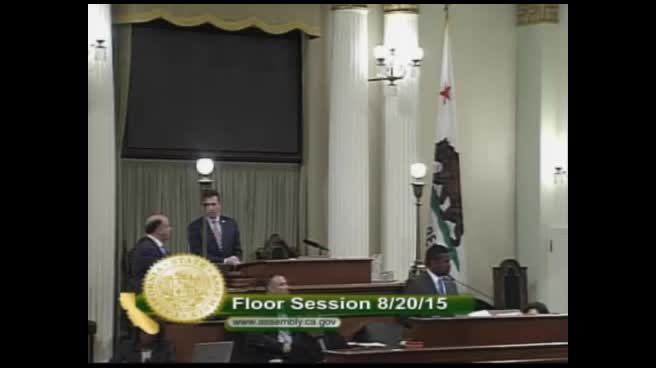 3MIN
Assembly Floor
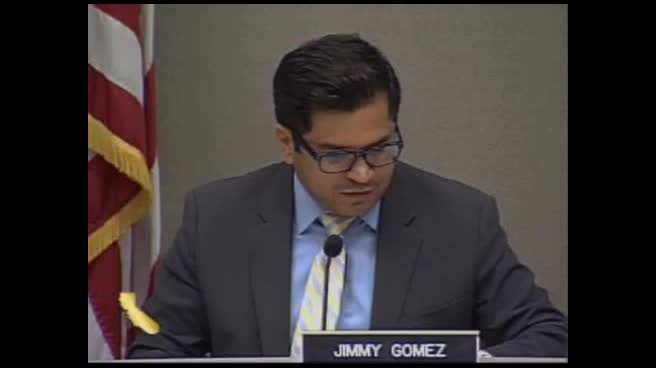 6MIN
Assembly Standing Committee on Appropriations
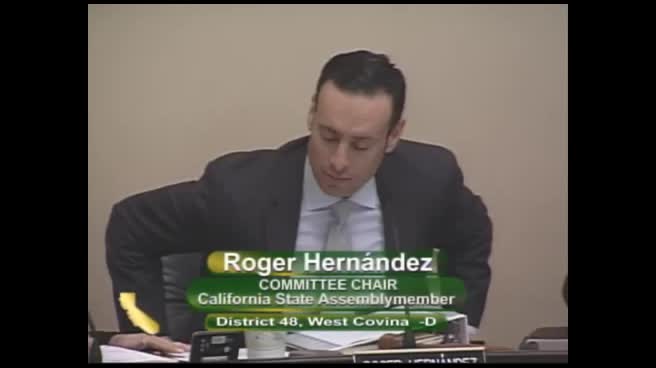 39MIN
Assembly Standing Committee on Labor and Employment
 5MIN
Senate Floor
Bill Author
Bill Co-Author(s):