AB 1407: Family law: protective orders: wireless telephone numbers.
- Session Year: 2015-2016
- House: Assembly
- Latest Version Date: 2015-10-01
Existing law authorizes a court to issue an ex parte protective order enjoining a party from engaging in specified acts against another party, including, among other things, threatening or harassing that party. Existing law also authorizes a court to include these protective orders and other orders in a judgment entered in specified proceedings, including, among others, a proceeding for the dissolution of marriage. A violation of these court orders constitutes contempt of court, which is punishable as a misdemeanor.
This bill would, commencing July 1, 2016, additionally authorize a court, after notice and a hearing, to issue an order directing a wireless telephone service provider to transfer the billing responsibility and rights to a wireless telephone number or numbers to a requesting party. The bill would require that order to be a separate order directed to the wireless telephone service provider that lists the name and billing telephone number of the accountholder, the name and contact information of the person to whom the number or numbers will be transferred, and each number to be transferred to that person. The bill would require, upon transfer of billing responsibility for and rights to a wireless telephone number or numbers, the requesting party to assume all financial responsibility for the transferred wireless telephone number or numbers, monthly service costs, and costs for any mobile device associated with the wireless telephone number or numbers. The bill would not affect the ability of the court to apportion the assets and debts of the parties as provided for in law, or the ability to determine the temporary use, possession, and control of personal property, as specified. The bill would prohibit a cause of action against a wireless telephone service provider, its officers, employees, or agents, for actions taken in accordance with the terms of the court order. The bill would require the Judicial Council to, on or before July 1, 2016, develop any forms or rules necessary to effectuate these provisions.
By expanding the scope of an existing crime, the bill would impose a state-mandated local program.
The California Constitution requires the state to reimburse local agencies and school districts for certain costs mandated by the state. Statutory provisions establish procedures for making that reimbursement.
This bill would provide that no reimbursement is required by this act for a specified reason.
Existing law authorizes a court to issue an ex parte protective order enjoining a party from engaging in specified acts against another party, including, among other things, threatening or harassing that party. Existing law also authorizes a court to include these protective orders and other orders in a judgment entered in specified proceedings, including, among others, a proceeding for the dissolution of marriage. A violation of these court orders constitutes contempt of court, which is punishable as a misdemeanor.
This bill would, commencing July 1, 2016, additionally authorize a court, after notice and a hearing, to issue an order directing a wireless telephone service provider to transfer the billing responsibility and rights to a wireless telephone number or numbers to a requesting party. The bill would require that order to be a separate order directed to the wireless telephone service provider that lists the name and billing telephone number of the accountholder, the name and contact information of the person to whom the number or numbers will be transferred, and each number to be transferred to that person. The bill would require, upon transfer of billing responsibility for and rights to a wireless telephone number, the requesting party to assume all financial responsibility for the transferred wireless telephone number, monthly service costs, and costs for any mobile device associated with the wireless telephone number. The bill would prohibit a cause of action against a wireless telephone service provider, its officers, employees, or agents, for actions taken in accordance with the terms of the court order. The bill would require the Judicial Council to, on or before July 1, 2016, develop any forms or rules necessary to effectuate these provisions.
By expanding the scope of an existing crime, the bill would impose a state-mandated local program.
The California Constitution requires the state to reimburse local agencies and school districts for certain costs mandated by the state. Statutory provisions establish procedures for making that reimbursement.
This bill would provide that no reimbursement is required by this act for a specified reason.
Existing law authorizes a court to issue an ex parte protective order enjoining a party from engaging in specified acts against another party, including, among other things, threatening or harassing that party. Existing law also authorizes a court to include these protective orders and other orders in a judgment entered in specified proceedings, including, among others, a proceeding for the dissolution of marriage. A violation of these court orders constitutes contempt of court, which is punishable as a misdemeanor.
This bill would, commencing July 1, 2016, additionally authorize a court, during the pendency of specified proceedings, or in a judgment entered in those specified proceedings, after notice and a hearing, to issue an order directing a wireless telephone service provider to transfer the billing responsibility and rights to a wireless telephone number or numbers to a requesting party. The bill would require that order to be a separate order directed to the wireless telephone service provider that lists the name and billing telephone number of the accountholder, the name and contact information of the person to whom the number or numbers will be transferred, and each number to be transferred to that person. The bill would require, upon transfer of billing responsibility for and rights to a wireless telephone number, the requesting party to assume all financial responsibility for the transferred wireless telephone number, monthly service costs, and costs for any mobile device associated with the wireless telephone number. The bill would prohibit a cause of action against a wireless telephone service provider, its officers, employees, or agents, for actions taken in accordance with the terms of the court order. The bill would require the Judicial Council to, on or before July 1, 2016, develop any forms or rules necessary to effectuate these provisions.
By expanding the scope of an existing crime, the bill would impose a state-mandated local program.
The California Constitution requires the state to reimburse local agencies and school districts for certain costs mandated by the state. Statutory provisions establish procedures for making that reimbursement.
This bill would provide that no reimbursement is required by this act for a specified reason.
Existing law authorizes a court to issue an ex parte protective order enjoining a party from engaging in specified acts against another party, including, among other things, threatening or harassing that party. Existing law also authorizes a court to include these protective orders and other orders in a judgment entered in specified proceedings, including, among others, a proceeding for the dissolution of marriage. A violation of these court orders constitutes contempt of court, which is punishable as a misdemeanor.
This bill would would, commencing July 1, 2016, additionally authorize a court, during the pendency of specified proceedings, or in a judgment entered in those specified proceedings, to issue an order requiring directing a wireless telephone service provider to transfer the billing responsibility and rights to a wireless telephone number or numbers to a petitioner. requesting party. The bill would require that order to be a separate order directed to the wireless telephone service provider that lists the name and billing telephone number of the accountholder, the name and contact information of the person to whom the number or numbers will be transferred, and each number to be transferred to that person. The bill would require, upon transfer of billing responsibility for and rights to a wireless telephone number, the costs associated with the wireless telephone number to be removed from the respondents bill and be billed to the petitioner. number, the requesting party to assume all financial responsibility for the transferred wireless telephone number, monthly service costs, and costs for any mobile device associated with the wireless telephone number. The bill would prohibit a cause of action against a wireless telephone service provider, its officers, employees, or agents, for actions taken related to the transfer of billing responsibility and rights to a wireless telephone number or numbers in accordance with the terms of the court order. The bill would require the Judicial Council to, on or before July 1, 2016, develop any forms or rules necessary to effectuate these provisions.
By expanding the scope of an existing crime, the bill would impose a state-mandated local program.
The California Constitution requires the state to reimburse local agencies and school districts for certain costs mandated by the state. Statutory provisions establish procedures for making that reimbursement.
This bill would provide that no reimbursement is required by this act for a specified reason.
Existing law authorizes a court to issue an ex parte protective order enjoining a party from engaging in specified acts against another party, including, among other things, threatening or harassing that party. Existing law also authorizes a court to include these protective orders and other orders in a judgment entered in specified proceedings, including, among others, a proceeding for the dissolution of marriage. A violation of these court orders constitutes contempt of court, which is punishable as a misdemeanor.
This bill would additionally authorize a court, during the pendency of specified proceedings, or in a judgment entered in those specified proceedings, to issue an order requiring a wireless telephone service provider to transfer the billing responsibility and rights to a wireless telephone number or numbers to a petitioner. The bill would require that order to be a separate order directed to the wireless telephone service provider that lists the name and billing telephone number of the accountholder, the name of the person to whom the number or numbers will be transferred, and each number to be transferred to that person. The bill would require, upon transfer of billing responsibility for and rights to a wireless telephone number, the costs associated with the wireless telephone number to be removed from the respondents bill and be billed to the petitioner. The bill would prohibit a cause of action against a wireless telephone service provider, its officers, employees, or agents, for actions taken related to the transfer of billing responsibility and rights to a wireless telephone number or numbers in accordance with the terms of the court order.
By expanding the scope of an existing crime, the bill would impose a state-mandated local program.
The California Constitution requires the state to reimburse local agencies and school districts for certain costs mandated by the state. Statutory provisions establish procedures for making that reimbursement.
This bill would provide that no reimbursement is required by this act for a specified reason.
Existing law requires each party to a proceeding for dissolution of marriage or legal separation of the parties to serve on the other party a preliminary declaration of disclosure of assets, as specified, either concurrently with the petition for dissolution, or within 60 days of filing the petition.
This bill would clarify that the petitioner is required to serve the preliminary declaration of disclosure either concurrently with the petition for dissolution or legal separation or within 60 days of filing the petition.
The Legislature finds and declares all of the following:
(a)For many victims of domestic violence, a wireless telephone is their lifeline to the community resources, life-saving services, and support network they need to leave their batterer and abusive environment. For the majority of victims, shelter in a confidential safe house is a last resort, and, in fact, unnecessary. Victims are going about their lives, working, and taking care of their children, as they are making plans and determining their next steps to safely leave their abuser. Many victims are able to access counseling services and obtain legal assistance, such as securing a restraining order, without entering into a safe house. For these victims, a wireless telephone serves as a critical tool for making appointments and communicating with their advocates.
(b)Allowing a victim of domestic violence to retain the use of an existing wireless telephone number and access to the contacts and other information that may be contained in an existing wireless telephone is important for both the safety and emotional support of the victim. This can be a problem if the domestic violence victim is not the accountholder for the wireless telephone, as only an accountholder has the authority to release the telephone number or numbers contained in the account.
(c)According to a Wall Street Journal article, in 2011 just under 71 percent of households had a landline in the home, down from a little more than 96 percent of households 15 years earlier. Cellular telephone ownership among adults reached 89 percent in 2011, up from approximately 36 percent in 1998.
(d)A 2014 National Public Radio Survey of 72 shelters in large cities and smaller towns across the nation found that 85 percent of the shelters worked directly with victims whose abusers tracked the victims using GPS. Seventy-five percent of the shelters worked with victims whose abusers eavesdropped on their conversations remotely by using hidden mobile applications.
SEC. 2.Section 6347 is added to the Family Code, to read:6347.(a)Commencing July 1, 2016, in order to ensure that the requesting party can maintain an existing wireless telephone number, and the wireless numbers of any minor children in the care of the requesting party, the court may issue an order, after notice and a hearing, directing a wireless telephone service provider to transfer the billing responsibility for and rights to the wireless telephone number or numbers to the requesting party, if the requesting party is not the accountholder.
(b)(1)The order transferring billing responsibility for and rights to the wireless telephone number or numbers to a requesting party shall be a separate order that is directed to the wireless telephone service provider. The order shall list the name and billing telephone number of the accountholder, the name and contact information of the person to whom the telephone number or numbers will be transferred, and each telephone number to be transferred to that person. The court shall ensure that the contact information of the requesting party is not provided to the accountholder in proceedings held pursuant to Division 10 (commencing with Section 6200).
(2)The order shall be served on the wireless service providers agent for service of process listed with the Secretary of State.
(3)Where the wireless service provider cannot operationally or technically effectuate the order due to certain circumstances, including, but not limited to, any of the following, the wireless service provider shall notify the requesting party within 72 hours of receipt of the order:
(A)When the accountholder has already terminated the account.
(B)When differences in network technology prevent the functionality of a device on the network.
(C)When there are geographic or other limitations on network or service availability.
(c)(1)Upon transfer of billing responsibility for and rights to a wireless telephone number or numbers to a requesting party pursuant to subdivision (b) by a wireless telephone service provider, the requesting party shall assume all financial responsibility for the transferred wireless telephone number or numbers, monthly service costs, and costs for any mobile device associated with the wireless telephone number or numbers.
(2)This section shall not preclude a wireless service provider from applying any routine and customary requirements for account establishment to the requesting party as part of this transfer of billing responsibility for a wireless telephone number or numbers and any devices attached to that number or numbers, including, but not limited to, identification, financial information, and customer preferences.
(d)This section shall not affect the ability of the court to apportion the assets and debts of the parties as provided for in law, or the ability to determine the temporary use, possession, and control of personal property pursuant to Sections 6324 and 6340.
(e)No cause of action shall lie against any wireless telephone service provider, its officers, employees, or agents, for actions taken in accordance with the terms of a court order issued pursuant to this section.
(f)The Judicial Council shall, on or before July 1, 2016, develop any forms or rules necessary to effectuate this section.
SEC. 3.No reimbursement is required by this act pursuant to Section 6 of Article XIIIB of the California Constitution because the only costs that may be incurred by a local agency or school district will be incurred because this act creates a new crime or infraction, eliminates a crime or infraction, or changes the penalty for a crime or infraction, within the meaning of Section 17556 of the Government Code, or changes the definition of a crime within the meaning of Section 6 of Article XIIIB of the California Constitution.
The Legislature finds and declares all of the following:
(a)For many victims of domestic violence, a wireless telephone is their lifeline to the community resources, life-saving services, and support network they need to leave their batterer and abusive environment. For the majority of victims, shelter in a confidential safe house is a last resort, and, in fact, unnecessary. Victims are going about their lives, working, and taking care of their children, as they are making plans and determining their next steps to safely leave their abuser. Many victims are able to access counseling services and obtain legal assistance, such as securing a restraining order, without entering into a safe house. For these victims, a wireless telephone serves as a critical tool for making appointments and communicating with their advocates.
(b)Allowing a victim of domestic violence to retain the use of an existing wireless telephone number and access to the contacts and other information that may be contained in an existing wireless telephone is important for both the safety and emotional support of the victim. This can be a problem if the domestic violence victim is not the accountholder for the wireless telephone, as only an accountholder has the authority to release the telephone number or numbers contained in the account.
(c)According to a Wall Street Journal article, in 2011 just under 71 percent of households had a landline in the home, down from a little more than 96 percent of households 15 years earlier. Cellular telephone ownership among adults reached 89 percent in 2011, up from approximately 36 percent in 1998.
(d)A 2014 National Public Radio Survey of 72 shelters in large cities and smaller towns across the nation found that 85 percent of the shelters worked directly with victims whose abusers tracked the victims using GPS. Seventy-five percent of the shelters worked with victims whose abusers eavesdropped on their conversations remotely by using hidden mobile applications.
SEC. 2.Section 6347 is added to the Family Code, to read:6347.(a)Commencing July 1, 2016, in order to ensure that the requesting party can maintain an existing wireless telephone number, and the wireless numbers of any minor children in the care of the requesting party, the court may issue an order, after notice and a hearing hearing, directing a wireless telephone service provider to transfer the billing responsibility for and rights to the wireless telephone number or numbers to the requesting party, if the requesting party is not the accountholder.
(b)(1)The order transferring billing responsibility for and rights to the wireless telephone number or numbers to a requesting party shall be a separate order that is directed to the wireless telephone service provider. The order shall list the name and billing telephone number of the accountholder, the name and contact information of the person to whom the telephone number or numbers will be transferred, and each telephone number to be transferred to that person. The court shall ensure that the contact information of the requesting party is not provided to the accountholder in proceedings held pursuant to Division 10 (commencing with Section 6200).
(2)The order shall be served on the wireless service providers agent for service of process listed with the Secretary of State.
(3)Where the wireless service provider cannot operationally or technically effectuate the order due to certain circumstances, including, but not limited to, any of the following, the wireless service provider shall notify the requesting party within 72 hours of receipt of the order:
(A)When the accountholder has already terminated the account.
(B)When differences in network technology prevent the functionality of a device on the network.
(C)When there are geographic or other limitations on network or service availability.
(c)(1)Upon transfer of billing responsibility for and rights to a wireless telephone number or numbers to a requesting party pursuant to subdivision (b) by a wireless telephone service provider, the requesting party shall assume all financial responsibility for the transferred wireless telephone number, number or numbers, monthly service costs, and costs for any mobile device associated with the wireless telephone number. number or numbers.
(2)This section shall not preclude a wireless service provider from applying any routine and customary requirements for account establishment to the requesting party as part of this transfer of billing responsibility for a wireless telephone number or numbers and any devices attached to that number, number or numbers, including, but not limited to, identification, financial information, and customer preferences.
(d)This section shall not affect the ability of the court to apportion the assets and debts of the parties as provided for in law. law, or the ability to determine the temporary use, possession, and control of personal property pursuant to Sections 6324 and 6340.
(e)No cause of action shall lie against any wireless telephone service provider, its officers, employees, or agents, for actions taken in accordance with the terms of a court order issued pursuant to this section.
(f)The Judicial Council shall, on or before July 1, 2016, develop any forms or rules necessary to effectuate this section.
SEC. 3.No reimbursement is required by this act pursuant to Section 6 of Article XIIIB of the California Constitution because the only costs that may be incurred by a local agency or school district will be incurred because this act creates a new crime or infraction, eliminates a crime or infraction, or changes the penalty for a crime or infraction, within the meaning of Section 17556 of the Government Code, or changes the definition of a crime within the meaning of Section 6 of Article XIIIB of the California Constitution.
The Legislature finds and declares all of the following:
(a)For many victims of domestic violence, a wireless telephone is their lifeline to the community resources, life-saving services, and support network they need to leave their batterer and abusive environment. For the majority of victims, shelter in a confidential safehouse safe house is a last resort, and, in fact, unnecessary. Victims are going about their lives, working, and taking care of their children, as they are making plans and determining their next steps to safely leave their abuser. Many victims are able to access counseling services and obtain legal assistance, such as securing a restraining order, without entering into a safehouse. safe house. For these victims, a wireless telephone serves as a critical tool for making appointments and communicating with their advocates.
(b)Allowing a victim of domestic violence to retain the use of an existing wireless telephone number and access to the contacts and other information that may be contained in an existing wireless telephone is important for both the safety and emotional support of the victim. This can be a problem if the domestic violence victim is not the accountholder for the wireless telephone, as only an accountholder has the authority to release the telephone number or numbers contained in the account.
(c)According to a Wall Street Journal article, in 2011 just under 71 percent of households had a landline in the home, down from a little more than 96 percent of households 15 years earlier. Cellular telephone ownership among adults reached 89 percent in 2011, up from approximately 36 percent in 1998.
(d)A 2014 National Public Radio Survey of 72 shelters in large cities and smaller towns across the nation found that 85 percent of the shelters worked directly with victims whose abusers tracked the victims using GPS. Seventy-five percent of the shelters worked with victims whose abusers eavesdropped on their conversations remotely by using hidden mobile applications.
SEC. 2.Section 6347 is added to the Family Code, to read:6347.(a)Commencing July 1, 2016, in order to ensure that the requesting party can maintain an existing wireless telephone number, and the wireless numbers of any minor children in the care of the requesting party, the court may issue an order, after notice and a hearing directing a wireless telephone service provider to transfer the billing responsibility for and rights to the wireless telephone number or numbers to the requesting party, if the requesting party is not the accountholder.
(b)(1)The order transferring billing responsibility for and rights to the wireless telephone number or numbers to a requesting party shall be a separate order that is directed to the wireless telephone service provider. The order shall list the name and billing telephone number of the accountholder, the name and contact information of the person to whom the telephone number or numbers will be transferred, and each telephone number to be transferred to that person. The court shall ensure that the contact information of the requesting party is not provided to the accountholder in proceedings held pursuant to Division 10 (commencing with Section 6200).
(2)The order shall be served on the wireless service providers agent for service of process listed with the Secretary of State.
(3)Where the wireless service provider cannot operationally or technically effectuate the order due to certain circumstances, including, but not limited to, any of the following, the wireless service provider shall notify the requesting party within 72 hours of receipt of the order:
(A)When the accountholder has already terminated the account.
(B)When differences in network technology prevent the functionality of a device on the network.
(C)When there are geographic or other limitations on network or service availability.
(c)(1)Upon transfer of billing responsibility for and rights to a wireless telephone number to a requesting party pursuant to subdivision (b) by a wireless telephone service provider, the requesting party shall assume all financial responsibility for the transferred wireless telephone number, monthly service costs, and costs for any mobile device associated with the wireless telephone number.
(2)This section shall not preclude a wireless service provider from applying any routine and customary requirements for account establishment to the requesting party as part of this transfer of billing responsibility for a wireless telephone number and any devices attached to that number, including, but not limited to, identification, financial information information, and customer preferences.
(d)This section shall not affect the ability of the court to apportion the assets and debts of the parties as provided for in law.
(e)No cause of action shall lie against any wireless telephone service provider, its officers, employees, or agents, for actions taken in accordance with the terms of a court order issued pursuant to this section.
(f)The Judicial Council shall, on or before July 1, 2016, develop any forms or rules necessary to effectuate this section.
SEC. 3.No reimbursement is required by this act pursuant to Section 6 of Article XIIIB of the California Constitution because the only costs that may be incurred by a local agency or school district will be incurred because this act creates a new crime or infraction, eliminates a crime or infraction, or changes the penalty for a crime or infraction, within the meaning of Section 17556 of the Government Code, or changes the definition of a crime within the meaning of Section 6 of Article XIIIB of the California Constitution.
The Legislature finds and declares all of the following:
(a)For many victims of domestic violence, a wireless telephone is their lifeline to the community resources, life-saving services, and support network they need to leave their batterer and abusive environment. For the majority of victims, shelter in a confidential safehouse is a last resort, and, in fact, unnecessary. Victims are going about their lives, working, and taking care of their children, as they are making plans and determining their next steps to safely leave their abuser. Many victims are able to access counseling services and obtain legal assistance, such as securing a restraining order, without entering into a safehouse. For these victims, a wireless telephone serves as a critical tool for making appointments and communicating with their advocates.
(b)Allowing a victim of domestic violence to retain the use of an existing wireless telephone number and access to the contacts and other information that may be contained in an existing wireless telephone is important for both the safety and emotional support of the victim. This can be a problem if the domestic violence victim is not the accountholder for the wireless telephone, as only an accountholder has the authority to release the telephone number or numbers contained in the account.
(c)According to a Wall Street Journal article, in 2011 just under 71 percent of households had a landline in the home, down from a little more than 96 percent of households 15 years earlier. Cellular telephone ownership among adults reached 89 percent in 2011, up from approximately 36 percent in 1998.
(d)When two parties are divorced, for safety reasons, a custodial parent may need to monitor a childs cellular telephone. This practice would be impossible when the accountholder for the wireless telephone is not the custodial parent.
SEC. 2.Part 8 (commencing with Section 296) is added to Division 2 of the Family Code, to read:8.Wireless Telephone Numbers296. SEC. 2.Section 6347 is added to the Family Code, to read:6347.(a)Commencing July 1, 2016, in order to ensure that the requesting party can maintain an existing wireless telephone number, and the wireless numbers of any minor children in the care of the requesting party, the court may issue an order, after a noticed motion and hearing during the pendency of a proceeding described in subdivision (f), or include an order in a judgment in a proceeding described in subdivision (f), notice and a hearing directing a wireless telephone service provider to transfer the billing responsibility for and rights to the wireless telephone number or numbers to the requesting party, if the requesting party is not the accountholder.
(b)(1)The order transferring billing responsibility for and rights to the wireless telephone number or numbers to a requesting party shall be a separate order that is directed to the wireless telephone service provider. The order shall list the name and billing telephone number of the accountholder, the name and contact information of the person to whom the telephone number or numbers will be transferred, and each telephone number to be transferred to that person. The court shall ensure that the contact information of the requesting party is not provided to the accountholder in proceedings held pursuant to Division 10 (commencing with Section 6200).
(2)The order shall be served on the wireless service providers agent for service of process listed with the Secretary of State.
(3)Whenever it is impossible for Where the wireless service provider to cannot operationally or technically effectuate the order due to certain circumstances, including, but not limited to, any of the following, the wireless service provider shall notify the requesting party within 72 hours of receipt of the order:
(A)When the accountholder has already terminated the account.
(B)When differences in network technology prevent the functionality of a device on the network.
(C)When there are geographic or other limitations on network or service availability.
(c)(1)Upon transfer of billing responsibility for and rights to a wireless telephone number to a requesting party pursuant to subdivision (b) by a wireless telephone service provider, the requesting party shall assume all financial responsibility for the transferred wireless telephone number, monthly service costs, and costs for any mobile device associated with the wireless telephone number.
(2)This section shall not preclude a wireless service provider from applying any routine and customary requirements for account establishment to the requesting party as part of this transfer of billing responsibility for a wireless telephone number and any devices attached to that number, including, but not limited to, identification, financial information and customer preferences, except that the wireless service provider shall not charge the requesting party with any initiation or start-up fee. preferences.
(d)This section shall not affect the ability of the court to apportion the assets and debts of the parties as provided for in law.
(e)No cause of action shall lie against any wireless telephone service provider, its officers, employees, or agents, for actions taken in accordance with the terms of a court order issued pursuant to this section.
(f)This section applies to proceedings held pursuant to any of the following:
(1)Division 6 (commencing with Section 2000).
(2)Division 8 (commencing with Section 3000).
(3)Division 10 (commencing with Section 6200).
(g)
(f)The Judicial Council shall, on or before July 1, 2016, develop any forms or rules necessary to effectuate this section.
SEC. 3.No reimbursement is required by this act pursuant to Section 6 of Article XIIIB of the California Constitution because the only costs that may be incurred by a local agency or school district will be incurred because this act creates a new crime or infraction, eliminates a crime or infraction, or changes the penalty for a crime or infraction, within the meaning of Section 17556 of the Government Code, or changes the definition of a crime within the meaning of Section 6 of Article XIIIB of the California Constitution.
The Legislature finds and declares all of the following:
(a)For many victims of domestic violence, a wireless telephone is their lifeline to the community resources, life-saving services, and support network they need to leave their batterer and abusive environment. For the majority of victims, shelter in a confidential safehouse is a last resort, and, in fact, unnecessary. Victims are going about their lives, working, and taking care of their children, as they are making plans and determining their next steps to safely leave their abuser. Many victims are able to access counseling services and obtain legal assistance, such as securing a restraining order, without entering into a safehouse. For these victims, a wireless telephone serves as a critical tool for making appointments and communicating with their advocates.
(a)
(b)Allowing a victim of domestic violence to retain the use of an existing wireless telephone number and access to the contacts and other information that may be contained in an existing wireless telephone is important for both the safety and emotional support of the victim. This can be a problem if the domestic violence victim is not the accountholder for the wireless telephone, as only an accountholder has the authority to release the telephone number or numbers contained in the account.
(b)
(c)According to a Wall Street Journal article, in 2011 just under 71 percent of households had a landline in the home, down from a little more than 96 percent of households 15 years earlier. Cellular telephone ownership among adults reached 89 percent in 2011, up from approximately 36 percent in 1998.
(c)
(d)When two parties are divorced, for safety reasons, a custodial parent may need to monitor a childs cellular telephone. This practice would be impossible where when the accountholder for the wireless telephone is not the custodial parent.
SEC. 2.Part 8 (commencing with Section 296) is added to Division 2 of the Family Code, to read:8.Wireless Telephone Numbers296.(a)In Commencing July 1, 2016, in order to ensure that the petitioner requesting party can maintain an existing wireless telephone number, and the wireless numbers of any minor children in the care of the petitioner, requesting party, the court may issue an order order, after a noticed motion and hearing during the pendency of a proceeding described in subdivision (f), or include an order in a judgment in a proceeding described in subdivision (f), requiring directing a wireless telephone service provider to transfer the billing responsibility for and rights to the wireless telephone number or numbers to the petitioner, requesting party, if the petitioner requesting party is not the accountholder.
(b)(1)The order transferring billing responsibility for and rights to the wireless telephone number or numbers to a petitioner requesting party shall be a separate order that is directed to the wireless telephone service provider. The order shall list the name and billing telephone number of the accountholder, the name and contact information of the person to whom the telephone number or numbers will be transferred, and each telephone number to be transferred to that person. The court shall ensure that the contact information of the requesting party is not provided to the accountholder in proceedings held pursuant to Division 10 (commencing with Section 6200).
(2)The order shall be served on the wireless service providers agent for service of process listed with the Secretary of State.
(3)Whenever it is impossible for the wireless service provider to operationally or technically effectuate the order due to certain circumstances, including, but not limited to, any of the following, the wireless service provider shall notify the requesting party within 72 hours of receipt of the order:
(A)When the accountholder has already terminated the account.
(B)When differences in network technology prevent the functionality of a device on the network.
(C)When there are geographic or other limitations on network or service availability.
(c)(1)Upon transfer of billing responsibility for and rights to a wireless telephone number to a requesting party pursuant to subdivision (a) (b) by a wireless telephone service provider, the costs associated with the wireless telephone number, including, but not limited to, monthly service fees and the cost of a mobile device associated with the wireless telephone number, shall be removed from the respondents bill and shall be billed to the petitioner. The petitioner shall be responsible for the payment of those costs. requesting party shall assume all financial responsibility for the transferred wireless telephone number, monthly service costs, and costs for any mobile device associated with the wireless telephone number.
(2)This section shall not preclude a wireless service provider from applying any routine and customary requirements for account establishment to the requesting party as part of this transfer of billing responsibility for a wireless telephone number and any devices attached to that number, including, but not limited to, identification, financial information and customer preferences, except that the wireless service provider shall not charge the requesting party with any initiation or start-up fee.
(d)This section shall not affect the ability of the court to apportion the assets and debts of the parties as provided for in law.
(e)A No cause of action shall not lie against any wireless telephone service provider, its officers, employees, or agents, for actions taken that are related to the transfer of the billing responsibility for and rights to the wireless telephone number or numbers in accordance with the terms of a court order issued pursuant to this section.
(f)This section applies to proceedings held pursuant to any of the following:
(1)Division 6 (commencing with Section 2000).
(2)Division 8 (commencing with Section 3000).
(3)Division 10 (commencing with Section 6200).
(g)The Judicial Council shall, on or before July 1, 2016, develop any forms or rules necessary to effectuate this section.
SEC. 3.No reimbursement is required by this act pursuant to Section 6 of Article XIIIB of the California Constitution because the only costs that may be incurred by a local agency or school district will be incurred because this act creates a new crime or infraction, eliminates a crime or infraction, or changes the penalty for a crime or infraction, within the meaning of Section 17556 of the Government Code, or changes the definition of a crime within the meaning of Section 6 of Article XIIIB of the California Constitution.
The Legislature finds and declares all of the following:
(a)Allowing a victim of domestic violence to retain the use of an existing wireless telephone number and access to the contacts and other information that may be contained in an existing wireless telephone is important for both the safety and emotional support of the victim. This can be a problem if the domestic violence victim is not the accountholder for the wireless telephone, as only an accountholder has the authority to release the telephone number or numbers contained in the account.
(b)According to a Wall Street Journal article, in 2011 just under 71 percent of households had a landline in the home, down from a little more than 96 percent of households 15 years earlier. Cellular telephone ownership among adults reached 89 percent in 2011, up from approximately 36 percent in 1998.
(c)When two parties are divorced, for safety reasons, a custodial parent may need to monitor a childs cellular telephone. This practice would be impossible where the accountholder for the wireless telephone is not the custodial parent.
SEC. 2.Part 8 (commencing with Section 296) is added to Division 2 of the Family Code, to read:8.Wireless Telephone Numbers296.(a)In order to ensure that the petitioner can maintain an existing wireless telephone number, and the wireless numbers of any minor children in the care of the petitioner, the court may issue an order during the pendency of a proceeding described in subdivision (f), or include an order in a judgment in a proceeding described in subdivision (f), requiring a wireless telephone service provider to transfer the billing responsibility and rights to the wireless telephone number or numbers to the petitioner, if the petitioner is not the accountholder.
(b)The order transferring billing responsibility for and rights to the wireless telephone number or numbers to a petitioner shall be a separate order that is directed to the wireless telephone service provider. The order shall list the name and billing telephone number of the accountholder, the name of the person to whom the telephone number or numbers will be transferred, and each telephone number to be transferred to that person.
(c)Upon transfer of billing responsibility for and rights to a wireless telephone number pursuant to subdivision (a) by a wireless telephone service provider, the costs associated with the wireless telephone number, including, but not limited to, monthly service fees and the cost of a mobile device associated with the wireless telephone number, shall be removed from the respondents bill and shall be billed to the petitioner. The petitioner shall be responsible for the payment of those costs.
(d)This section shall not affect the ability of the court to apportion the assets and debts of the parties as provided for in law.
(e)A cause of action shall not lie against any wireless telephone service provider, its officers, employees, or agents, for actions taken that are related to the transfer of the billing responsibility for and rights to the wireless telephone number or numbers in accordance with the terms of a court order issued pursuant to this section.
(f)This section applies to proceedings held pursuant to any of the following:
(1)Division 6 (commencing with Section 2000).
(2)Division 8 (commencing with Section 3000).
(3)Division 10 (commencing with Section 6200).
SEC. 3.No reimbursement is required by this act pursuant to Section 6 of Article XIIIB of the California Constitution because the only costs that may be incurred by a local agency or school district will be incurred because this act creates a new crime or infraction, eliminates a crime or infraction, or changes the penalty for a crime or infraction, within the meaning of Section 17556 of the Government Code, or changes the definition of a crime within the meaning of Section 6 of Article XIIIB of the California Constitution.
SECTION 1.Section 2104 of the Family Code is amended to read:2104.(a)Except by court order for good cause, as provided in Section 2107, in the time period set forth in subdivision (f), each party shall serve on the other party a preliminary declaration of disclosure, executed under penalty of perjury on a form prescribed by the Judicial Council. The commission of perjury on the preliminary declaration of disclosure may be grounds for setting aside the judgment, or any part or parts thereof, pursuant to Chapter 10 (commencing with Section 2120), in addition to any and all other remedies, civil or criminal, that otherwise are available under law for the commission of perjury. The preliminary declaration of disclosure shall include all tax returns filed by the declarant within the two years prior to the date that the party served the declaration.
(b)The preliminary declaration of disclosure shall not be filed with the court, except on court order. However, the parties shall file proof of service of the preliminary declaration of disclosure with the court.
(c)The preliminary declaration of disclosure shall set forth with sufficient particularity, that a person of reasonable and ordinary intelligence can ascertain, all of the following:
(1)The identity of all assets in which the declarant has or may have an interest and all liabilities for which the declarant is or may be liable, regardless of the characterization of the asset or liability as community, quasi-community, or separate.
(2)The declarants percentage of ownership in each asset and percentage of obligation for each liability where property is not solely owned by one or both of the parties. The preliminary declaration may also set forth the declarants characterization of each asset or liability.
(d)A declarant may amend his or her preliminary declaration of disclosure without leave of the court. Proof of service of any amendment shall be filed with the court.
(e)Along with the preliminary declaration of disclosure, each party shall provide the other party with a completed income and expense declaration unless an income and expense declaration has already been provided and is current and valid.
(f)The petitioner shall serve the other party with the preliminary declaration of disclosure either concurrently with the petition for dissolution or legal separation, or within 60 days of filing the petition. The respondent shall serve the other party with the preliminary declaration of disclosure either concurrently with the response to the petition, or within 60 days of filing the response. The time periods specified in this subdivision may be extended by written agreement of the parties or by court order.
(a)Except by court order for good cause, as provided in Section 2107, in the time period set forth in subdivision (f), each party shall serve on the other party a preliminary declaration of disclosure, executed under penalty of perjury on a form prescribed by the Judicial Council. The commission of perjury on the preliminary declaration of disclosure may be grounds for setting aside the judgment, or any part or parts thereof, pursuant to Chapter 10 (commencing with Section 2120), in addition to any and all other remedies, civil or criminal, that otherwise are available under law for the commission of perjury. The preliminary declaration of disclosure shall include all tax returns filed by the declarant within the two years prior to the date that the party served the declaration.
(b)The preliminary declaration of disclosure shall not be filed with the court, except on court order. However, the parties shall file proof of service of the preliminary declaration of disclosure with the court.
(c)The preliminary declaration of disclosure shall set forth with sufficient particularity, that a person of reasonable and ordinary intelligence can ascertain, all of the following:
(1)The identity of all assets in which the declarant has or may have an interest and all liabilities for which the declarant is or may be liable, regardless of the characterization of the asset or liability as community, quasi-community, or separate.
(2)The declarants percentage of ownership in each asset and percentage of obligation for each liability where property is not solely owned by one or both of the parties. The preliminary declaration may also set forth the declarants characterization of each asset or liability.
(d)A declarant may amend his or her preliminary declaration of disclosure without leave of the court. Proof of service of any amendment shall be filed with the court.
(e)Along with the preliminary declaration of disclosure, each party shall provide the other party with a completed income and expense declaration unless an income and expense declaration has already been provided and is current and valid.
(f)The petitioner shall serve the other party with the preliminary declaration of disclosure either concurrently with the petition for dissolution, dissolution or legal separation, or within 60 days of filing the petition. The respondent shall serve the other party with the preliminary declaration of disclosure either concurrently with the response to the petition, or within 60 days of filing the response. The time periods specified in this subdivision may be extended by written agreement of the parties or by court order.
|
Date
|
Status
|
|---|---|
| Oct 1, 2015 | Approved by the Governor. |
| Oct 1, 2015 | Chaptered by Secretary of State - Chapter 415, Statutes of 2015. |
| Sep 1, 2015 | Enrolled and presented to the Governor at 4 p.m. |
| Aug 24, 2015 | Senate amendments concurred in. To Engrossing and Enrolling. (Ayes 79. Noes 0. Page 2563.). |
| Aug 24, 2015 | Senate amendments concurred in. To Engrossing and Enrolling. |
| Aug 20, 2015 | In Assembly. Concurrence in Senate amendments pending. May be considered on or after August 22 pursuant to Assembly Rule 77. |
| Aug 20, 2015 | Read third time. Passed. Ordered to the Assembly. (Ayes 38. Noes 0. Page 2119.). |
| Aug 20, 2015 | Read third time. Passed. Ordered to the Assembly. |
| Aug 18, 2015 | Read second time. Ordered to Consent Calendar. |
| Aug 17, 2015 | From committee: Be placed on second reading file pursuant to Senate Rule 28.8 and ordered to consent calendar. |
| Jul 6, 2015 | Read second time and amended. Re-referred to Com. on APPR. |
| Jul 2, 2015 | From committee: Amend, and do pass as amended and re-refer to Com. on APPR. with recommendation: To Consent Calendar. (Ayes 7. Noes 0.) (June 30). |
| Jun 11, 2015 | Referred to Com. on JUD. |
| Jun 2, 2015 | In Senate. Read first time. To Com. on RLS. for assignment. |
| Jun 2, 2015 | Read third time. Passed. Ordered to the Senate. (Ayes 78. Noes 0. Page 1817.) |
| Jun 2, 2015 | Read third time. Passed. Ordered to the Senate. |
| May 28, 2015 | Read second time. Ordered to Consent Calendar. |
| May 27, 2015 | From committee: Do pass. To Consent Calendar. (Ayes 17. Noes 0.) (May 27). |
| May 22, 2015 | Re-referred to Com. on APPR. |
| May 21, 2015 | From committee chair, with author's amendments: Amend, and re-refer to Com. on APPR. Read second time and amended. |
| May 4, 2015 | Re-referred to Com. on APPR. |
| Apr 30, 2015 | Read second time and amended. |
| Apr 29, 2015 | From committee: Amend, and do pass as amended and re-refer to Com. on APPR. (Ayes 10. Noes 0.) (April 28). |
| Apr 23, 2015 | Re-referred to Com. on JUD. |
| Apr 22, 2015 | From committee chair, with author's amendments: Amend, and re-refer to Com. on JUD. Read second time and amended. |
| Apr 15, 2015 | In committee: Hearing postponed by committee. |
| Apr 14, 2015 | Re-referred to Com. on JUD. |
| Apr 13, 2015 | From committee chair, with author's amendments: Amend, and re-refer to Com. on JUD. Read second time and amended. |
| Mar 26, 2015 | Referred to Com. on JUD. |
| Mar 2, 2015 | Read first time. |
| Mar 1, 2015 | From printer. May be heard in committee March 31. |
| Feb 27, 2015 | Introduced. To print. |
|
Date
|
Description
|
Location
|
Votes
|
|
|---|---|---|---|---|
| Aug 24, 2015 | AB 1407 ATKINS Concurrence in Senate Amendments | Assembly Floor |
Passed |
|
| Aug 20, 2015 | Consent Calendar 2nd AB1407 Atkins | Senate Floor |
Passed |
|
| Jun 30, 2015 | Do pass as amended, but first amend, and re-refer to the Committee on [Appropriations] with the recommendation: To Consent Calendar | Senate Standing Committee on Judiciary |
Passed |
|
| Jun 2, 2015 | AB 1407 ATKINS Consent Calendar Second Day Regular Session | Assembly Floor |
Passed |
|
| May 27, 2015 | Do pass. To Consent Calendar. | Assembly Standing Committee on Appropriations |
Passed |
|
| Apr 28, 2015 | Do pass as amended and be re-referred to the Committee on [Appropriations] | Assembly Standing Committee on Judiciary |
Passed |
This list shows positions taken on this bill by organizations on the date displayed, which is linked to the original source.
Positions by individuals are not included.
AB 1407
Page 3
CONCURRENCE IN SENATE AMENDMENTS
AB 1407
(Atkins)
As Amended July 6, 2015
Majority vote
ASSEMBLY: |
78-0 |
(June 2, 2015) |
SENATE: |
38-0 |
(August 20, 2015) |
Original Committee Reference: JUD.
SUMMARY: Effective July 1, 2016, allows a court in a domestic violence proceeding, to direct a wireless telephone service provider (wireless provider) to transfer wireless phone numbers and devices. Specifically, this bill:
Allows a court, beginning July 1, 2016, in any Domestic Violence Prevention Act proceeding, after notice and a hearing, to issue an order directing a wireless telephone service provider to transfer billing responsibility and rights to a wireless phone number(s) to a requesting party, if the requesting party is not the accountholder. Requires that the order be made to the wireless provider, served as specified, and contain specified information.
Requires the wireless provider, when it cannot operationally or technically effectuate the order, to notify the requesting party within 72 hours. Provides examples of such circumstances, including where the accountholder has already terminated service, where there are differences in network technology that prevent functionality of the device, and where there are geographic or other limitations on network or service availability.
Provides that a wireless provider, as part of the transfer of billing responsibility, is not precluded from applying to the requesting party any routine and customary requirements for account establishment, including but not limited to identification, financial information and customer preferences.
Clarifies that this bill does not affect the court's ability to apportion assets and debts or its ability to determine the temporary use, possession and control of personal property, as specified.
Provides that no cause of action will lie against any wireless provider for actions taken in accordance with a court order issued pursuant to 1) above.
Requires the Judicial Council, by July 1, 2016, to develop any necessary forms or rules.
The Senate amendments clarify that this bill does not affect the court's ability to determine the temporary use, possession and control of personal property.
EXISTING LAW allows a court under the Domestic Violence Protective Act (DVPA), after notice and a hearing to, among other things, issue a restraining order, exclude the restrained party from a dwelling, make custody determinations, order a party to pay child support, and order the restrained party to participate in a batterer's program.
FISCAL EFFECT: According to the Senate Appropriations Committee, pursuant to Senate Rule 28.8, negligible state costs.
COMMENTS: Today, nearly everyone has a cell phone and that phone provides critical access to family, friends, and support services. Often one person is the accountholder for all phones in the household, but if that accountholder is also a batterer, he or she can use that status to control the victim's cell phone, monitor calls and track the victim's whereabouts. This bill seeks to better support victims of domestic violence by allowing a court to direct the wireless service provider to give them control over their own phones and their children's phones.
Allowing Victims of Domestic Violence and Their Children to Keep Their Own Phones Provides Them With Important, Real World Protections. Like all phones, cell phones, allow the user to call family and friends and, if necessary, make emergency calls. But cell phones, particularly smart phones, do so much more than old landlines. They store the user's address books, often without any backup, whether electronic or hard copy. They enable texting, and if they are smart phones, they allow email communication and full Internet access. A cell phone's GPS (Global Positioning System) also lets the user locate the nearest police station, hospital or ATM machine. Without access to their cells phones, individuals may have difficulty keeping in touch with family and friends, be unable to quickly locate support services in their area, and unable to easily find their way to those services.
Allowing domestic violence victims to keep their phone provides them with important protections. First, in an emergency situation, they can use their phone to call the police. Second, they can use their phone to stay in touch with family and friends, even if they are forced to flee on short notice. This will help ensure they have a support network, which is so critical for those escaping abuse. They can also use their phone to find community resources and secure safe housing, as well as potential new job opportunities.
Additionally, if the phone is not transferred, the accountholder may be able to discover with whom the victim has been communicating. Moreover, the accountholder can relatively easily track the location of the victim in real time through the phone's GPS, and stalk him or her with impunity. While there are multiple ways to physically and electronically monitor a person's location, being the legal owner of a phone allows for greater possible abuse. Transferring the phone to the victim will better protect him or her from electronic monitoring.
Process Outlined in the Bill Protects Parties' Rights. Under the process set forth in this bill, as proposed to be amended, a party to a DVPA action can, through a noticed motion and hearing, petition for separation of the party's telephone number(s) and device(s) from the accountholder. By preventing use of this new order at the temporary restraining order stage, this bill ensures that the accountholder will have full notice and an opportunity to be heard. If the court chooses to issue the transfer directive to the wireless provider, the requesting party is required to serve the wireless provider agent for service of process listed with the California Secretary of State. That order must include the contact information for the requesting party, but, in order to shield the victim's information from the abuser, that contact information cannot be provided to the accountholder.
In addition, this bill makes clear that upon transfer of billing responsibility, all costs for the phones transferred, including monthly service fees and costs of the mobile devices associated with the transferred phone numbers, must be removed from the accountholder's bill and billed to the requesting party, who will then be responsible for the payment of those costs.
This Bill Also Protects Wireless Phone Service Providers. While wireless telephone service providers may have an obligation to comply with a court order directing division of phones, they are protected from practical, financial and legal concerns in several key ways. First, and foremost, this bill establishes immunity to suit for any action that the wireless provider, or its officers, employees or agents, may take "in accordance with the terms of" an order to transfer billing responsibility and rights for the telephone numbers and devices. Thus, wireless providers are broadly protected against litigation by the accountholder, the requesting party, or anyone else. Second, this bill allows a wireless provider to not comply with a court directive to transfer phones if the company cannot "operationally or technically effectuate the order." Third, this bill makes clear that the requesting party is responsible for all financial costs of the phone, including monthly service costs and any costs associated with the phones themselves. As a result of these protections in this bill, the wireless service providers should be protected from any negative consequences of these transfers and may even end up ahead with additional customers.
Analysis Prepared by: Leora Gershenzon / JUD. / (916) 319-2334 FN: 0001378
AB 1407
Page 4
|
Office of Senate Floor Analyses (916) 651-1520 Fax: (916) 327-4478 |
CONSENT
Bill No: AB 1407
Amended: 7/6/15 in Senate
SENATE JUDICIARY COMMITTEE: 7-0, 6/30/15
AYES: Jackson, Moorlach, Anderson, Hertzberg, Leno, Monning, Wieckowski
SENATE APPROPRIATIONS COMMITTEE: Senate Rule 28.8
ASSEMBLY FLOOR: 78-0, 6/2/15 (Consent) - See last page for vote
SUBJECT: Family law: protective orders: wireless telephone numbers
SOURCE: Women Escaping a Violent Environment
DIGEST: This bill authorizes a court, beginning July 1, 2016, after notice and a hearing, to issue a domestic violence restraining order directing a wireless telephone service provider to transfer the billing responsibility and rights to a wireless telephone number to a requesting party and requires that the requesting party assume all financial responsibility for the transferred telephone number, monthly service costs, and costs for any mobile device associated with the telephone number. This bill also prohibits a cause of action against a wireless telephone service provider, its officers, employees, or agents, for actions taken in accordance with the terms of the court order, and requires the Judicial Council to, on or before July 1, 2016, develop any forms or rules necessary to effectuate these provisions.
Existing law:
Authorizes the court under the Domestic Violence Prevention Act (DVPA), to issue an ex parte restraining order enjoining a party from assault or harassment, specified behavior, obtaining the address or location of the protected party, and/or determining the temporary use, possession, and control of real or personal property. (Fam. Code Secs. 6320 et. seq., 6324, 6340 et. seq.)
Allows a court, after notice and a hearing, to issue any restraining order described above, or an order excluding the restrained party from a dwelling, making custody determinations, ordering a party to pay child support, ordering the restrained party to participate in a batterer’s program, for up to five years. (Fam. Code Secs. 6340 et seq.)
This bill:
Authorizes a court, beginning July 1, 2016, in a DVPA proceeding after notice and a hearing, to issue an order directing a wireless telephone service provider (service provider) to transfer billing responsibility and rights to a wireless telephone number(s) to a requesting party, if the requesting party is not the accountholder.
Requires that the order be made to the service provider, as specified, and contain specified information.
Requires the service provider, when it cannot operationally or technically effectuate the order, to notify the requesting party within 72 hours.
Provides that a service provider, as part of the transfer of billing responsibility, is not precluded from applying any routine and customary requirements for account establishment, including, but not limited to, identification, financial information and customer preferences, to the requesting party.
Provides that no cause of action will lie against any wireless provider for actions taken in accordance with a court order issued pursuant to the provisions above.
Requires the Judicial Council, by July 1, 2016, to develop any necessary forms or rules necessary to effectuate the above provisions.
Background
Survivors of domestic violence who are planning to leave their abusers, or those who have already escaped and wish to start a new life, often rely on cellular phones to plan a transition and communicate with supportive family, friends, or other community resources. However, with the development of smart phones and new technology, abusers have begun using cell phones to determine a victim’s location, behavior, and plans in a variety of ways, including using a location service on family plans, installing spyware on the phone, monitoring phone activity through phone bills, installing applications that provide location information about the victim’s phone, monitoring recent calls and text messages and electronic mail, and Internet Web browsing history.
Seeking to better protect survivors of domestic violence and their children, this bill allows a court in a domestic violence proceeding, to direct a wireless telephone service provider to transfer billing responsibility and rights for a wireless telephone number to a requesting party.
FISCAL EFFECT: Appropriation: No Fiscal Com.: Yes Local: Yes
Women Escaping a Violent Environment (source)
AT&T
California Catholic Conference
California College and University Police Chiefs Association
California District Attorneys Association
California Judges Association
California Public Defenders Association
California State Lodge, Fraternal Order of Police
Family Violence Appellate Project
Immigration Center for Women and Children
Legal Aid Society of Orange County
Legal Aid Society of San Diego
Legal Services of Northern California
Long Beach Police Officers Association
Los Angeles County Professional Peace Officers Association
Sacramento County Deputy Sheriffs Association
Santa Ana Police Officers Association
Sprint
T-Mobile
Verizon
OPPOSITION: (Verified 8/17/15)
None received
ARGUMENTS IN SUPPORT: Women Escaping a Violent Environment (WEAVE), sponsor, writes in support:
This bill is necessary for several reasons. First, it halts GPS tracking and stalking of a domestic violence victim. When the abuser is the accountholder, he has access to information about the victim’s movements and the ability to review call activity, he or she can continue to harass and track the victim. Second, it will prevent the accountholder from controlling the account and suspending service, which interferes with the victim’s ability to use this lifeline to community resources, life-saving services, and support network they need to leave their abuser.
ASSEMBLY FLOOR: 78-0, 6/2/15
AYES: Achadjian, Alejo, Travis Allen, Baker, Bigelow, Bloom, Bonilla, Bonta, Brough, Brown, Burke, Calderon, Campos, Chang, Chau, Chiu, Chu, Cooley, Cooper, Dababneh, Dahle, Daly, Dodd, Eggman, Frazier, Beth Gaines, Gallagher, Cristina Garcia, Eduardo Garcia, Gatto, Gipson, Gomez, Gonzalez, Gordon, Gray, Hadley, Harper, Roger Hernández, Holden, Irwin, Jones, Jones-Sawyer, Kim, Lackey, Levine, Linder, Lopez, Low, Maienschein, Mathis, Mayes, McCarty, Medina, Melendez, Mullin, Nazarian, Obernolte, O'Donnell, Olsen, Patterson, Perea, Quirk, Rendon, Ridley-Thomas, Rodriguez, Salas, Santiago, Steinorth, Mark Stone, Thurmond, Ting, Wagner, Waldron, Weber, Wilk, Williams, Wood, Atkins
NO VOTE RECORDED: Chávez, Grove
Prepared by: Nichole Rapier / JUD. / (916) 651-4113
8/18/15 17:18:23
**** END ****
AB 1407 (Atkins)
Page 7 of 7
Senator Hannah-Beth Jackson, Chair
2015-2016 Regular Session
AB 1407 (Atkins)
Version: May 21, 2015
Hearing Date: June 30, 2015
Fiscal: Yes
Urgency: No
NR
SUBJECT
Family law: protective orders: wireless telephone numbers
DESCRIPTION
This bill would, beginning July 1, 2016, authorize a court, after notice and a hearing, to issue a domestic violence restraining order directing a wireless telephone service provider to transfer the billing responsibility and rights to a wireless telephone number to a requesting party.
This bill would require that, upon transfer of billing responsibility, the requesting party assume all financial responsibility for the transferred telephone number, monthly service costs, and costs for any mobile device associated with the telephone number.
This bill would prohibit a cause of action against a wireless telephone service provider, its officers, employees, or agents, for actions taken in accordance with the terms of the court order, and would require the Judicial Council to, on or before July 1, 2016, develop any forms or rules necessary to effectuate these provisions.
BACKGROUND
Despite numerous beneficial legislative measures, domestic violence remains a significant problem, affecting an estimated one in four families. “Abuse” under the Domestic Violence Prevention Act encompasses a number of different actions, including: (1) physically hurting or trying to hurt someone; (2) sexual assault; (3) making someone reasonably afraid that they or someone else are about to be seriously hurt; (4) harassing, stalking, or threatening someone; (5) disturbing someone’s peace; or (6) destroying someone’s personal property. A court may issue a temporary restraining order to immediately protect a party for up to a few weeks, and after notice and a hearing where the respondent has had an opportunity to address the allegations against him or her, the court may enjoin an abuser from specified behavior for up to five years.
Survivors planning to leave their abusers, or those who have already escaped and wish to start a new life, often rely on cellular phones to plan a transition and communicate with supportive family, friends, or other community resources. However, with the development of smart phones and new technology, abusers have begun using cell phones to determine a victim’s location, behavior, and plans in a variety of ways, including using a location service on family plans, installing spyware on the phone, monitoring phone activity through phone bills, installing applications that provide location information about the victim’s phone, monitoring recent calls and text messages and electronic mail, and Internet Web browsing history.
Seeking to better protect survivors of domestic violence and their children, this bill would allow a court in a domestic violence proceeding, to direct a wireless telephone service provider to transfer billing responsibility and rights for a wireless telephone number to a requesting party.
CHANGES TO EXISTING LAW
Existing law authorizes the court under the Domestic Violence Prevention Act (DVPA), to issue an ex parte restraining order enjoining a party from assault or harassment, specified behavior, obtaining the address or location of the protected party, and/or determining the temporary use, possession, and control of real or personal property. (Fam. Code Secs. 6320 et. seq., 6324, 6340 et. seq.)
Existing law allows a court, after notice and a hearing, to issue any restraining order described above, or an order excluding the restrained party from a dwelling, making custody determinations, ordering a party to pay child support, ordering the restrained party to participate in a batterer’s program, for up to five years. (Fam. Code Secs. 6340 et seq.)
This bill would authorize a court, beginning July 1, 2016, in a Domestic Violence Prevention Act proceeding after notice and a hearing, to issue an order directing a wireless telephone service provider (service provider) to transfer billing responsibility and rights to a wireless telephone number(s) to a requesting party, if the requesting party is not the accountholder.
This bill would require that the order be made to the service provider, as specified, and contain specified information.
This bill would require the service provider, when it cannot operationally or technically effectuate the order, to notify the requesting party within 72 hours.
This bill would provide that a service provider, as part of the transfer of billing responsibility, is not precluded from applying any routine and customary requirements for account establishment, including but not limited to identification, financial information and customer preferences, to the requesting party.
This bill would provide that no cause of action will lie against any wireless provider for actions taken in accordance with a court order issued pursuant to the provisions above.
This bill would require the Judicial Council, by July 1, 2016, to develop any necessary forms or rules necessary to effectuate the above provisions.
This bill would include Legislative intent language.
COMMENT
Stated need for the bill
According to the author:
Current law provides no mechanism for victims of domestic violence to retain their wireless telephone number and device in these instances where the victim is not the wireless telephone accountholder. Allowing these individuals to retain the use of an existing wireless telephone number and access to their contacts and other information stored within the phone is important to the their safety and emotional support.
Additional protections for victims of domestic violence
In a domestic violence proceeding, existing law authorizes a court to restrain a party from certain acts including harassing, striking, stalking, threatening, or contacting a protected party. This bill would additionally authorize a court, as part of a domestic violence proceeding, to order a wireless telephone provider to transfer a wireless number and billing responsibility to a requesting party who is not an accountholder. Women Escaping a Violent Environment (WEAVE), sponsor, writes in support:
This bill is necessary for several reasons. First, it halts GPS tracking and stalking of a domestic violence victim. When the abuser is the accountholder, he has access to information about the victim’s movements and the ability to review call activity, he or she can continue to harass and track the victim. Second, it will prevent the accountholder from controlling the account and suspending service, which interferes with the victim’s ability to use this lifeline to community resources, life-saving services, and support network they need to leave their abuser.
WEAVE additionally explains that the practical effect of this bill will be to enable judges to separate a single wireless contract into two contracts, by transferring the rights and responsibilities to a new contract holder, the protected party.
Ability of court to order transfer of actual device to protected party
Depending on type, domestic violence protective orders may last days, weeks, years, or even permanently. Temporary restraining orders (TROs) are filed with the court and become effective upon receiving a judge’s signature and being served on the batterer. TROs may be granted ex parte, without formal notice to, or presence of the batterer, and are generally issued or denied on the date of application. (Fam. Code Sec. 6326.) TROs are normally effective for 21 days or until a hearing on the matter. After proper notice and hearing, a restraining order may be granted for up to five years, subject to future modification. Existing law also authorizes a court to issue an order, either ex parte or after notice and a hearing, determining the temporary use, possession and control of personal property, which would arguably include a wireless device, used by a survivor, but paid for and held in a batterer’s name.
Accordingly, under existing law, a court may transfer a wireless device to a protected party, thereby ensuring that a protected party would have access to all of the information held in that physical device, including her contacts and photos. While possession of the actual device partially ensures that some information will not be available to the batterer, the batterer may still be able to look up various information about the person’s activity or calls. In support, the California College and University Police Chiefs Association writes:
This is a critically important bill for victims of domestic violence. Currently a domestic violence victim who is in a shared family plane wireless telephone contract where the abuser is the primary accountholder has to go through unreasonable disruption just to keep in telephone contact with their own support system. Our members have way too much contact with persons escaping a domestic violence situation and this bill will go a long way towards assuring a domestic violence victim’s safety and emotional support.
To ensure that the survivor is fully protected, it is important that victims understand that possession of a wireless device alone does not necessarily ensure that the contract has been separated, thereby creating the protections discussed above. Accordingly, a victim can request possession of the phone (existing law) and under this bill would be able to also request a separation of the contract, thereby preventing a batterer from tracking a survivor’s call, text, or location history.
However, to ensure that victims and their representatives are aware that a wireless device is arguably personal property which a court may determine temporary possession of, the author may wish to amend the bill to incorporate the specific code provision granting the court this authority.
Suggested amendment:
(d) This section shall not affect the ability of the court to apportion the assets and debts of the parties as provided for in law, or the ability to determine the temporary use, possession, and control of personal property pursuant to sections 6324 and 6340.
Protects rights of respondent and interests of wireless providers
This bill would authorize a court, only after a noticed hearing, to order a wireless provider to transfer a number, including the billing responsibilities and rights, to a requesting party.
Rights of accountholder
By only authorizing a court to order the transfer of a wireless number only after a noticed hearing, this bill would ensure that the accountholder will have an opportunity to defend the allegations against him or her before the court orders the modification of a personal contract. In addition, this bill requires that upon the transfer of a phone number to a requesting party, the requesting party shall assume all financial responsibility for monthly service costs and costs for any mobile device associated with the wireless telephone number.
Staff notes that the responsibility for “costs for any mobile device associated with the wireless telephone number” arguably refers to a device that has, for some reason, not been paid for in full. It may be under an installment plan, leased, or under some other arrangement. The ability of the court to determine the possession and use of a device that is owned outright by the accountholder is provided for under existing law. (See Comment 2 above.)
Interests of wireless providers
While this bill would create an obligation for wireless providers to comply with a court order directing the division of wireless numbers under one contract, providers would be protected from practical, financial, and legal concerns in several ways. First, the bill would provide an immunity for any action that a wireless provider, takes “in accordance with the terms of” an order to transfer billing responsibility and rights for a telephone number, which would protect the provider from an action filed by the accountholder for breach of contract. Secondly, the bill would allow a wireless provider to not comply with a court order to transfer phones if the company cannot “operationally or technically effectuate the order,” in which case the provider would be required to notify the requesting party within 72 hours. Examples of possible noncompliance circumstances under this bill include where the accountholder has already terminated service, where differences in technology prevent the device from functioning on the network, and where there are geographic or other limitations on network or service availability.
Finally, the bill makes clear that the requesting party is responsible for all monthly service costs and any costs associated with a device itself, and would allow a wireless provider to require the requesting party to apply for a new account for the phone(s) like any new customer. If the requesting party does not have the credit worthiness to get a typical monthly service plan, he or she may have to switch to a prepaid plan.
Support: AT&T; California Catholic Conference; California College and University Police Chiefs Association; California District Attorneys Association; California Judges Association; California Public Defenders Association; California State Lodge, Fraternal Order of Police; Immigration Center for Women and Children; Legal Aid Society of Orange County; Legal Services of Northern California; Legal Aid Society of San Diego; Long Beach Police Officers Association; Los Angeles County Professional Peace Officers Association; Sacramento County Deputy Sheriffs Association; Santa Ana Police Officers Association; Sprint; T-Mobile; Verizon
Opposition: None Known
HISTORY
Source: Women Escaping a Violent Environment (WEAVE)
Related Pending Legislation: None known.
Prior Legislation: SB 1158 (Yee, 2014) was similar to this bill. It was never set for hearing.
Prior Vote:
Assembly Floor (Ayes 78, Noes 0)
Assembly Appropriations Committee (Ayes 17, Noes 0)
Assembly Judiciary Committee (Ayes 10, Noes 0)
**************
AB 1407
Page 2
Date of Hearing: May 27, 2015
ASSEMBLY COMMITTEE ON APPROPRIATIONS
Jimmy Gomez, Chair
AB 1407
(Atkins) – As Amended May 21, 2015
Policy Committee: |
Judiciary |
Vote: |
10 - 0 |
|
|
|
|
|
|
|
|
Urgency: No State Mandated Local Program: Yes Reimbursable: No
SUMMARY:
This bill, effective July 1, 2016, allows a court in a domestic violence proceeding, to direct a wireless telephone service provider (wireless provider) to transfer wireless phone numbers and devices. Specifically, this bill:
Allows a court, beginning July 1, 2016, in any Domestic Violence Prevention Act proceeding, after notice and a hearing, to issue an order directing a wireless telephone service provider to transfer billing responsibility and rights to a wireless phone number(s) to a requesting party, if the requesting party is not the accountholder. Requires that the order be made to the wireless provider, served as specified, and contain specified information.
Requires the wireless provider, when it cannot operationally or technically effectuate the order, to notify the requesting party within 72 hours.
Provides that a wireless provider, as part of the transfer of billing responsibility, is not precluded from applying to the requesting party any routine and customary requirements for account establishment, including but not limited to identification, financial information and customer preferences.
Provides that no cause of action will lie against any wireless provider for actions taken in accordance with a court order issued pursuant to #1), above.
Requires the Judicial Council, by July 1, 2016, to develop any necessary forms or rules.
FISCAL EFFECT:
Minor and absorbable costs to the Judicial Council to develop forms or rules.
COMMENTS:
Purpose. Cell phones provide critical access to family, friends, and support services. Often one person is the accountholder for all phones in the household, but if that accountholder is also a batterer, he or she can use that status to control the victim's cell phone, monitor calls and track the victim's whereabouts. This bill seeks to better support victims of domestic violence by allowing a court to direct the wireless service provider to give them control over their own phones and their children's phones.
The author states, “Current law provides no mechanism for victims of domestic violence . . . to break a wireless telephone shared family plan contract when the abuser . . . is the primary accountholder. Allowing these individuals to retain use of an existing wireless telephone number and access to their contacts and other information stored within the phone is important to the individual's safety and emotional support.”
Background. Like all phones, cell phones, allow the user to call family and friends and, if necessary, make emergency calls. Cell phones, particularly smart phones, also store the user's address books, often without any backup, and they enable texting, and if they are smart phones, they allow email communication and full Internet access. A cell phone's GPS also lets the user locate nearby services.
A phone’s accountholder may be able to track with whom a user is communicating and can relatively easily track the location of the user in real time through the phone's GPS. While there are multiple ways to physically and electronically monitor a person's location, being the legal owner of a phone allows for greater possible access and potential abuse.
Transferring the phone to the victim, if they are not the accountholder, will better protect him or her from electronic monitoring, and will allow continued access to their support network and emergency services.
Analysis Prepared by: Jennifer Swenson / APPR. / (916) 319-2081
AB 1407
Page 6
Date of Hearing: April 28, 2015
ASSEMBLY COMMITTEE ON JUDICIARY
Mark Stone, Chair
AB 1407
(Atkins) – As Amended April 22, 2015
As Proposed to be Amended
SUBJECT: DOMESTIC VIOLENCE: DIVISION OF WIRELESS TELEPHONE PLANS
KEY ISSUE: IN ORDER TO BETTER SUPPORT AND PROTECT VICTIMS OF DOMESTIC VIOLENCE AS THEY LEAVE THEIR ABUSERS, SHOULD THESE VICTIMS, THROUGH A DISCRETIONARY COURT ORDER TO THE WIRELESS SERVICE PROVIDER, BE ABLE TO KEEP THEIR CELL PHONES AND THEIR CHILDREN'S CELL PHONES, EVEN IF THEIR ABUSER HOLDS THE ACCOUNT WITH THE WIRELESS PROVIDER?
SYNOPSIS
Today, nearly everyone has a cell phone and that phone provides critical access to family, friends and support services. Often one person is the accountholder for all phones in the household, but if the accountholder is also a batterer, he or she can use that status to control the victim's cell phone, monitor calls and track the victim's whereabouts. Sponsored by WEAVE, this bill seeks to better support victims of domestic violence by allowing a court to direct the wireless service provider to give them control over their own phones and their children's phones. This bill is supported by, among others, the California Judges Association, the California Catholic Conference, law enforcement groups, legal aid organizations, and the major wireless service providers. There is no known opposition.
SUMMARY: Effective July 1, 2016, allows a court in a domestic violence proceeding, to direct a wireless telephone service provider (wireless provider) to transfer wireless phone numbers and devices. Specifically, this bill:
Allows a court, beginning July 1, 2016, in any Domestic Violence Prevention Act proceeding, after notice and a hearing, to issue an order directing a wireless telephone service provider to transfer billing responsibility and rights to a wireless phone number(s) to a requesting party, if the requesting party is not the accountholder. Requires that the order be made to the wireless provider, served as specified, and contain specified information.
Requires the wireless provider, when it cannot operationally or technically effectuate the order, to notify the requesting party within 72 hours. Provides examples of such circumstances, including where the accountholder has already terminated service, where there are differences in network technology that prevent functionality of the device, and where there are geographic or other limitations on network or service availability.
Provides that a wireless provider, as part of the transfer of billing responsibility, is not precluded from applying to the requesting party any routine and customary requirements for account establishment, including but not limited to identification, financial information and customer preferences.
Provides that no cause of action will lie against any wireless provider for actions taken in accordance with a court order issued pursuant to #1), above.
Requires the Judicial Council, by July 1, 2016, to develop any necessary forms or rules.
Declares legislative intent that: a) for many victims of domestic violence their cell phone is their lifeline to community resources, life-saving services and their support network; and b) allowing victims of domestic violence to retain an existing wireless phone number and access to contact and other information contained in that phone is important for the safety and emotional support of the victim, which could be a problem if the victim is not the accountholder for the cell phone.
EXISTING LAW allows a court under the Domestic Violence Protective Act (DVPA), after notice and a hearing to, among other things, issue a restraining order, exclude the restrained party from a dwelling, make custody determinations, order a party to pay child support, and order the restrained party to participate in a batterer's program. (Family Code Sections 6340 et seq.)
FISCAL EFFECT: As currently in print this billed is keyed fiscal.
COMMENTS: Today, nearly everyone has a cell phone and that phone provides critical access to family, friends, and support services. Often one person is the accountholder for all phones in the household, but if that accountholder is also a batterer, he or she can use that status to control the victim's cell phone, monitor calls and track the victim's whereabouts. This bill seeks to better support victims of domestic violence by allowing a court to direct the wireless service provider to give them control over their own phones and their children's phones. In support of the bill, the author writes:
Current law provides no mechanism for victims of domestic violence . . . to break a wireless telephone shared family plan contract when the abuser . . . is the primary accountholder. Allowing these individuals to retain use of an existing wireless telephone number and access to their contacts and other information stored within the phone is important to the individual's safety and emotional support.
Sponsor WEAVE adds:
This bill is necessary for several reasons. First it halts GPS tracking and stalking of a domestic violence victim. When the abuser is the account holder he has access to information about the victim's movements and the ability to review call activity he or she can continue to harass and track the victim. Second it will prevent the account holder from controlling the account and suspending service which interferes with the victim's ability to use this lifeline to the community resources, life-saving services and support network they need to leave their abuser.
For many victims who are preparing to leave their abusive relationships their cell phone is a vital tool. With it they are able to communicate with their support network, access the internet in privacy and determine their next steps to safely leave their abuser. Access to their phone ensures that they are able to make appointments, find safe shelter and communicate with counselors or legal advocates.
Assembly Bill 1407 would resolve this safety concern by allowing the court to issue an order directing the wireless carrier to separate the contract, this eliminating the ability of the perpetrator to identify the whereabouts of the victim. Assembly Bill 1407 protects victims and their children and decreases the stress of changes that occur during disruption or relocation of families due to domestic violence.
Domestic Violence Remains a Serious and Widespread Problem for Victims and Families Across California. Domestic violence is a serious criminal justice and public health problem most often perpetrated against women. (Extent, Nature and Consequences of Intimate Partner Violence: Findings from the National Violence against Women Survey, U.S. Department of Justice (2001).) Domestic violence continues to be a significant problem in California. In 2005, the Attorney General's Task Force on Domestic Violence reported that:
The health consequences of physical and psychological domestic violence can be significant and long lasting, for both victims and their children. . . . A study by the California Department of Health Services of women's health issues found that nearly six percent of women, or about 620,000 women per year, experienced violence or physical abuse by their intimate partners. Women living in households where children are present experienced domestic violence at much higher rates than women living in households without children: domestic violence occurred in more than 436,000 households per year in which children were present, potentially exposing approximately 916,000 children to violence in their homes every year.
(Report to the California Attorney General from the Task Force on Local Criminal Justice Response to Domestic Violence, Keeping the Promise: Victim Safety and Batterer Accountability (June 2005) (footnotes omitted).)
Allowing Victims of Domestic Violence and Their Children to Keep Their Own Phones Provides Them With Important, Real World Protections. Like all phones, cell phones, allow the user to call family and friends and, if necessary, make emergency calls. But cell phones, particularly smart phones, do so much more than old landlines. They store the user's address books, often without any backup, whether electronic or hard copy. They enable texting, and if they are smart phones, they allow email communication and full Internet access. A cell phone's GPS also lets the user locate the nearest police station, hospital or ATM machine. Without access to their cells phones, individuals may have difficulty keeping in touch with family and friends, be unable to quickly locate support services in their area, and unable to easily find their way to those services.
Allowing domestic violence victims to keep their phone provides them with important protections. First, in an emergency situation, they can use their phone to call the police. Second, they can use their phone to stay in touch with family and friends, even if they are forced to flee on short notice. This will help ensure they have a support network, which is so critical for those escaping abuse. They can also use their phone to find community resources and secure safe housing, as well as potential new job opportunities.
Additionally, if the phone is not transferred, the accountholder may be able to discover with whom the victim has been communicating. Moreover, the accountholder can relatively easily track the location of the victim in real time through the phone's GPS, and stalk him or her with impunity. While there are multiple ways to physically and electronically monitor a person's location, being the legal owner of a phone allows for greater possible abuse. Transferring the phone to the victim will better protect him or her from electronic monitoring.
Parties to Dissolution and Child Custody Cases Could Also Benefit by Being Able to Keep Their Phones and Their Children's Phones. This bill, as currently in print, covers not only domestic violence cases but also dissolution and child custody cases. However, as proposed to be amended, this bill will only apply to domestic violence cases. With this narrowing of the bill, the author ensures that those most vulnerable individuals – domestic violence survivors finding the courage to leave a potentially life threatening situations and their children – are protected. It should also reduce costs and ease any burden on telephone companies.
However, this amendment may leave some families without legal recourse. Courts, as part of a dissolution case, have the ability to divide property and a court, in a dissolution case, could order the accountholder spouse to transfer phones and phone numbers to the other spouse. However, that order is not one made directly to the wireless service provider and could, in some instances, prove difficult to enforce. Moreover, a custody case can also arise under the Uniform Parentage Act, and not as part of a dissolution case. For those families, the court may make custody and child support orders, but has no ability to divide the parents' property. Thus, if the noncustodial parent is the accountholder and chooses not to cooperate, the custodial parent may not be able to take his or her phone and his or her children's phones.
Process Outlined in the Bill Protects Parties Rights. Under the process set forth in the bill, as proposed to be amended, a party to a DVPA action can, through a noticed motion and hearing, petition for separation of the party's telephone number(s) and device(s) from the accountholder. By preventing use of this new order at the temporary restraining order stage, this bill ensures that the accountholder will have full notice and an opportunity to be heard. If the court chooses to issue the transfer directive to the wireless provider, the requesting party is required to serve the wireless provider agent for service of process listed with the California Secretary of State. That order must include the contact information for the requesting party, but, in order to shield the victim's information from the abuser, that contact information cannot be provided to the accountholder.
In addition, the bill makes clear that upon transfer of billing responsibility, all costs for the phones transferred, including monthly service fees and costs of the mobile devices associated with the transferred phone numbers, must be removed from the accountholder’s bill and billed to the requesting party, who will then be responsible for the payment of those costs.
This Bill Also Protects Wireless Phone Service Providers. While wireless telephone service providers may have an obligation to comply with a court order directing division of phones, they are protected from practical, financial and legal concerns in several key ways. First, and foremost, the bill establishes immunity to suit for any action that the wireless provider, or its officers, employees or agents, may take "in accordance with the terms of" an order to transfer billing responsibility and rights for the telephone numbers and devices. Thus, wireless providers are broadly protected against litigation by the accountholder, the requesting party, or anyone else.
Second and as proposed to be amended, the bill allows a wireless provider to not comply with a court directive to transfer phones if the company cannot "operationally or technically effectuate the order." In these circumstances, the provider is still required to notify the requesting party within 72 hours that the company cannot comply with the court directive. The bill provides examples of these possible noncompliance circumstances, including where the accountholder has already terminated service, where differences in technology prevent the device from functioning on the phone network, and where there are geographic or other limitations on network or service availability. While the bill as amended no longer includes the word "impossible," it still makes clear that a wireless provider can only not follow the court order if the provider cannot, because of strictly operational or technical reasons, comply.
Third, the bill makes clear that the requesting party is responsible for all financial costs of the phone, including monthly service costs and any costs associated with the phones themselves. While the order directs the phone company to make the transfer, the requesting party must still apply for a new account for the phone(s) like any new customer. If the requesting party does not have the credit worthiness to get a typical monthly service plan, he or she may have to switch to a prepaid plan. Moreover, as proposed to be amended and in order to comply with federal preemption concerns, the wireless provider is not in any way limited from any fees that it may charge to the requesting party.
As a result of these protections in the bill, the wireless service providers should be protected from any negative consequences of these transfers and may even end up ahead with additional customers.
ARGUMENTS IN SUPPORT: Writing in support of the bill, the California Judges Association states that "it is important that a victim be allowed to retain access to her or his existing wireless telephone number and other information or contacts that are associated with that number in a manner that does not put the victim at risk for contact via billing address or other information contained within the account information, and that allows the victim to sever that number from an existing shared plan."
Legal Service of Northern California notes that some of its clients have been unable to access their cell phones because they were not the accountholders: "This has limited clients' ability to communicate with us as their lawyers and with social service providers with whom communication is necessary to obtain vital benefits and services. This limited ability to communicate has delayed services only because of limited access to telephone service."
The California Catholic Conference and law enforcement groups add that this bill is vital to an individual's safety and provides them with much needed emotional support.
REGISTERED SUPPORT / OPPOSITION:
Support
WEAVE (sponsor)
AT&T
California Catholic Conference
California College and University Police Chiefs Association
California Judges Association
California Public Defenders Association
California State
Lodge, Fraternal Order of Police
Legal Services of Northern
California
Legal Aid Society of San Diego
Long Beach Police Officers Association
Los Angeles County Professional Peace Officers Association
Sacramento County Deputy Sheriffs’ Association
Santa Ana Police Officers Association
Sprint
T-Mobile
Verizon
Opposition
None on file
Analysis Prepared by: Leora Gershenzon / JUD. / (916) 319-2334
Discussed in Hearing
View Older Hearings
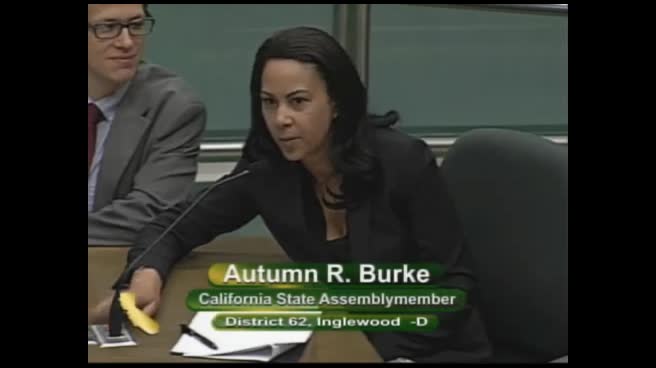
Bill Author

Bill Co-Author(s):







