SB 877: Reporting and tracking of violent deaths.
- Session Year: 2015-2016
- House: Senate
- Latest Version Date: 2016-09-27
Existing law establishes the State Department of Public Health, which is responsible for various programs relating to the health and safety of people in the state, including licensing health facilities, regulating food and drug safety, and monitoring and preventing communicable and chronic diseases.
This bill would, to the extent that funding is appropriated by the Legislature or available through private funds in each fiscal year, require the department to establish and maintain the California Electronic Violent Death Reporting System. The bill would further require the department to collect data on violent deaths, as specified, and to post on the departments Internet Web site a summary and analysis of the collected data. The bill would authorize the department to enter into a contract, grant, or other agreement with a local agency to collect certain data, within the agencys own jurisdiction or through other local agencies, as specified, and would authorize the department to apply for grants to implement these provisions. The bill would, to the extent that funding is available for this purpose, authorize a law enforcement agency to report to the department data on the circumstances surrounding all violent deaths from investigative reports and laboratory toxicology reports to be used by the department for the limited purpose of conducting public health surveillance and epidemiology. The bill would also make related legislative findings and declarations.
Existing law establishes the State Department of Public Health, which is responsible for various programs relating to the health and safety of people in the state, including licensing health facilities, regulating food and drug safety, and monitoring and preventing communicable and chronic diseases.
This bill would, to the extent that funding is appropriated by the Legislature or available through private funds in each fiscal year, require the department to establish and maintain the California Electronic Violent Death Reporting System. The bill would further require the department to collect data on violent deaths, as specified, and enter into contracts, grants, or other agreements with one or more local agencies and to post on the departments Internet Web site a summary and analysis of the collected data. The bill would authorize the department to enter into a contract, grant, or other agreement with a local agency to collect certain data, within the agencys own jurisdiction or through other local agencies, as specified, and would authorize the department to apply for grants grants to implement these provisions. The bill would, to the extent that funding is available for this purpose, authorize a law enforcement agency to report to the department data on the circumstances surrounding all violent deaths from investigative reports and laboratory toxicology reports to be used by the department for the limited purpose of conducting public health surveillance and epidemiology. The bill would also make related legislative findings and declarations.
Existing law establishes the State Department of Public Health, which is responsible for various programs relating to the health and safety of people in the state, including licensing health facilities, regulating food and drug safety, and monitoring and preventing communicable and chronic diseases.
This bill would would, to the extent that funding is appropriated by the Legislature or available through private funds in each fiscal year, require the department to establish and maintain the California Electronic Violent Death Reporting System. The bill would further require the department to collect data on violent deaths, as specified, and contract with counties enter into contracts, grants, or other agreements with one or more local agencies to collect certain data, and would authorize the department to apply for grants to implement these provisions. The bill would, to the extent that funding is available for this purpose, authorize a law enforcement agency to report to the department data on the circumstances surrounding all violent deaths from investigative reports and laboratory toxicology reports to be used by the department for the limited purpose of conducting public health surveillance and epidemiology. The bill would also make related legislative findings and declarations.
Existing law establishes the State Department of Public Health, which is responsible for various programs relating to the health and safety of people in the state, including licensing health facilities, regulating food and drug safety, and monitoring and preventing communicable and chronic diseases.
This bill would require the department to establish and maintain the California Electronic Violent Death Reporting System. The bill would further require the department to collect data on violent deaths, as specified, and contract with counties to collect certain data, and would authorize the department to apply for grants to implement these provisions. The bill would also make related legislative findings and declarations.
The Legislature finds and declares all of the following:
(a)Information and data regarding violent deaths can help provide states and communities with a clearer understanding of violent deaths and therefore lead to better prevention of violent deaths.
(b)According to the federal Centers for Disease Control and Prevention (CDC), in the United States, violence accounts for approximately 56,000 deaths annually. Violent deaths result from the intentional use of physical force or power against oneself, another person, or a group or community, and include suicide, homicide, and legal intervention deaths. Violence adversely affects all Americans, not only through premature death, but also through medical costs and lost productivity.
(c)The CDC further notes that the cost of these deaths totaled $47.2 billion: $47 billion in work loss costs and $215 million in medical treatment.
(d)In 2002, the National Violent Death Reporting System (NVDRS) was established as a surveillance system that pulls together data on violent deaths. NVDRS collects information from death certificates, coroner or medical examiner reports, police reports, and crime laboratories.
(e)NVDRS data inform decisionmakers and program planners about the magnitude, trends, and characteristics of violent deaths in a particular state or community so appropriate prevention efforts can be identified and implemented, and the data facilitate the evaluation of state-based prevention programs and strategies.
(f)According to NVDRS, a national system will allow the CDC to provide information for every state to inform their prevention efforts. It will also ensure enhanced information on the national scope of the problem of violent deaths is available to monitor and track trends and to inform national efforts.
SEC. 2.Article 3 (commencing with Section 131230) is added to Chapter 2 of Part 1 of Division 112 of the Health and Safety Code, to read:3.Electronic Violent Death Reporting System131230.(a)To the extent that funding is appropriated by the Legislature or available through private funds in each fiscal year, the department shall establish and maintain the California Electronic Violent Death Reporting System.
(b)The department shall collect data on violent deaths as reported from data sources, including, but not limited to, death certificates, law enforcement reports, and coroner or medical examiner reports. The department shall post on its Internet Web site a summary and analysis of the collected data.
(c)(1)The department may enter into a contract, grant, or other agreement with a local agency to collect the data specified in subdivision (b) within the agencys jurisdiction.
(2)(A)The department may enter into a contract, grant, or other agreement with a local agency to collect the data specified in subdivision (b) from other local agencies if the following conditions are met:
(i)The local agency entering into the agreement agrees to collect the data from the other local agencies.
(ii)The local agency entering into the agreement is not responsible for reporting to the department data that have not been made available by the other local agencies.
(B)The other local agencies described in subparagraph (A) may also enter into their own agreements with the department pursuant to paragraph (1).
(3)The data collected pursuant to paragraph (1) or (2) shall be limited to data that the local agency entering into the agreement or the other local agencies are authorized to collect within their respective jurisdictions.
(4)A local agency entering into an agreement pursuant to paragraph (1) or (2) shall collect data based on existing or new data elements required by the California Electronic Violent Death Reporting System only to the extent that resources are made available.
(d)To the extent that funding is available for this purpose, a law enforcement agency may report to the department data on the circumstances surrounding all violent deaths from investigative reports and, if available, laboratory toxicology reports to be used by the department for the limited purpose of conducting public health surveillance and epidemiology. Aggregate data shall be public, but individual identifying information shall remain confidential. The collected data shall be based on the data elements of the federal Centers for Disease Control and Preventions National Violent Death Reporting System.
(e)The department may apply for grants provided under the National Violent Death Reporting System for purposes of implementing this section.
(f)The department may accept private or foundation moneys to implement this section.
(g)This section does not limit data sources that the department may collect, which may include any public agency document that may contain data on violent deaths.
131231.For purposes of this article, violent death means a death resulting from the use of physical force or power against oneself, another person, or a group or community, and includes, but is not limited to, homicide, suicide, legal intervention deaths, unintentional firearm deaths, and undetermined intent deaths.
The Legislature finds and declares all of the following:
(a)Information and data regarding violent deaths can help provide states and communities with a clearer understanding of violent deaths and therefore lead to better prevention of violent deaths.
(b)According to the federal Centers for Disease Control and Prevention (CDC), in the United States, violence accounts for approximately 56,000 deaths annually. Violent deaths result from the intentional use of physical force or power against oneself, another person, or a group or community, and include suicide, homicide, and legal intervention deaths. Violence adversely affects all Americans, not only through premature death, but also through medical costs and lost productivity.
(c)The CDC further notes that the cost of these deaths totaled $47.2 billion: $47 billion in work loss costs and $215 million in medical treatment.
(d)In 2002, the National Violent Death Reporting System (NVDRS) was established as a surveillance system that pulls together data on violent deaths. NVDRS collects information from death certificates, coroner or medical examiner reports, police reports, and crime laboratories.
(e)NVDRS data informs inform decisionmakers and program planners about the magnitude, trends, and characteristics of violent deaths in a particular state or community so appropriate prevention efforts can be identified and implemented, and the data facilitates facilitate the evaluation of state-based prevention programs and strategies.
(f)According to NVDRS, a national system will allow the CDC to provide information for every state to inform their prevention efforts. It will also ensure enhanced information on the national scope of the problem of violent deaths is available to monitor and track trends and to inform national efforts.
SEC. 2.Article 3 (commencing with Section 131230) is added to Chapter 2 of Part 1 of Division 112 of the Health and Safety Code, to read:3.Electronic Violent Death Reporting System131230.(a)To the extent that funding is appropriated by the Legislature or available through private funds in each fiscal year, the department shall establish and maintain the California Electronic Violent Death Reporting System.
(b)The department shall collect data on violent deaths as reported from data sources, including, but not limited to, death certificates, law enforcement reports, and coroner or medical examiner reports. The department shall post on its Internet Web site a summary and analysis of the collected data.
(c)(1)The department shall enter into contracts, grants, or other agreements with one or more local agencies may enter into a contract, grant, or other agreement with a local agency to collect the data specified in subdivision (b). (b) within the agencys jurisdiction.
(2)(A)The department may enter into a contract, grant, or other agreement with a local agency to collect the data specified in subdivision (b) from other local agencies if the following conditions are met:
(i)The local agency entering into the agreement agrees to collect the data from the other local agencies.
(ii)The local agency entering into the agreement is not responsible for reporting to the department data that have not been made available by the other local agencies.
(B)The other local agencies described in subparagraph (A) may also enter into their own agreements with the department pursuant to paragraph (1).
(3)The data collected pursuant to paragraph (1) or (2) shall be limited to data that the local agency entering into the agreement or the other local agencies are authorized to collect within their respective jurisdictions.
(4)A local agency entering into an agreement pursuant to paragraph (1) or (2) shall collect data based on existing or new data elements required by the California Electronic Violent Death Reporting System only to the extent that resources are made available.
(d)To the extent that funding is available for this purpose, a law enforcement agency may report to the department data on the circumstances surrounding all violent deaths from investigative reports and, if available, laboratory toxicology reports to be used by the department for the limited purpose of conducting public health surveillance and epidemiology. Aggregate data shall be public, but individual identifying information shall remain confidential. The collected data shall be based on the data elements of the federal Centers for Disease Control and Preventions National Violent Death Reporting System.
(e)The department may apply for grants provided under the National Violent Death Reporting System for purposes of implementing this section.
(f)The department may accept private or foundation moneys to implement this section.
(g)This section does not limit data sources that the department may collect, which may include any public agency document that may contain data on violent deaths.
131231.For purposes of this article, violent death means a death resulting from the use of physical force or power against oneself, another person, or a group or community, and includes, but is not limited to, homicide, suicide, legal intervention deaths, unintentional firearm deaths, and undetermined intent deaths.
The Legislature finds and declares all of the following:
(a)Information and data regarding violent deaths can help provide states and communities with a clearer understanding of violent deaths and therefore lead to better prevention of violent deaths.
(b)According to the federal Centers for Disease Control and Prevention (CDC), in the United States, violence accounts for approximately 56,000 deaths annually. Violent deaths result from the intentional use of physical force or power against oneself, another person, or a group or community, and include suicide, homicide, and legal intervention deaths. Violence adversely affects all Americans, not only through premature death, but also through medical costs and lost productivity.
(c)The CDC further notes that the cost of these deaths totaled $47.2 billion: $47 billion in work loss costs and $215 million in medical treatment.
(d)In 2002, the National Violent Death Reporting System (NVDRS) was established as a surveillance system that pulls together data on violent deaths. NVDRS collects information from death certificates, coroner or medical examiner reports, police reports, and crime laboratories.
(e)NVDRS data informs decisionmakers and program planners about the magnitude, trends, and characteristics of violent deaths in a particular state or community so appropriate prevention efforts can be identified and implemented, and the data facilitates the evaluation of state-based prevention programs and strategies.
(f)According to NVDRS, a national system will allow the CDC to provide information for every state to inform their prevention efforts. It will also ensure enhanced information on the national scope of the problem of violent deaths is available to monitor and track trends and to inform national efforts.
SEC. 2.Article 3 (commencing with Section 131230) is added to Chapter 2 of Part 1 of Division 112 of the Health and Safety Code, to read:3.Electronic Violent Death Reporting System131230.(a)The To the extent that funding is appropriated by the Legislature or available through private funds in each fiscal year, the department shall establish and maintain the California Electronic Violent Death Reporting System.
(b)The department shall collect data on violent deaths as reported from data sources, including, but not limited to, death certificates, law enforcement reports, and coroner or medical examiner reports. reports. The department shall post on its Internet Web site a summary and analysis of the collected data.
(c)The department shall contract with counties enter into contracts, grants, or other agreements with one or more local agencies to collect the data specified in subdivision (b).
(d)To the extent that funding is available for this purpose, a law enforcement agency may report to the department data on the circumstances surrounding all violent deaths from investigative reports and, if available, laboratory toxicology reports to be used by the department for the limited purpose of conducting public health surveillance and epidemiology. Aggregate data shall be public, but individual identifying information shall remain confidential. The collected data shall be based on the data elements of the federal Centers for Disease Control and Preventions National Violent Death Reporting System.
(d)
(e)The department may apply for grants provided under the National Violent Death Reporting System of the federal Centers for Disease Control and Prevention for purposes of implementing this section.
(e)
(f)The department may accept private or foundation moneys to implement this section.
(f)
(g)This section does not limit data sources that the department may collect, which may include any public agency document that may contain data on violent deaths.
131231.For purposes of this article, violent death means a death resulting from the use of physical force or power against oneself, another person, or a group or community, and includes, but is not limited to, homicide, suicide, legal intervention deaths, unintentional firearm deaths, and undetermined intent deaths.
The Legislature finds and declares all of the following:
(a)Information and data regarding violent deaths can help provide states and communities with a clearer understanding of violent deaths and therefore lead to better prevention of violent deaths.
(b)According to the federal Centers for Disease Control and Prevention (CDC), in the United States, violence accounts for approximately 51,000 56,000 deaths annually. Violent deaths result from the intentional use of physical force or power against oneself, another person, or a group or community, and include suicide, homicide, and legal intervention deaths. Violence adversely affects all Americans, not only through premature death, but also through medical costs and lost productivity.
(c)The CDC further notes that the cost of these deaths totaled $47.2 billion: $47 billion in work loss costs and $215 million in medical treatment.
(d)In 2002, the National Violent Death Reporting System (NVDRS) was established as a surveillance system that pulls together data on violent deaths. NVDRS collects information from death certificates, coroner or medical examiner reports, police reports, and crime laboratories.
(e)NVDRS data informs decisionmakers and program planners about the magnitude, trends, and characteristics of violent deaths in a particular state or community so appropriate prevention efforts can be identified and implemented, and the data facilitates the evaluation of state-based prevention programs and strategies.
(f)According to NVDRS, a national system will allow the CDC to provide information for every state to inform their prevention efforts. It will also ensure enhanced information on the national scope of the problem of violent deaths is available to monitor and track trends and to inform national efforts.
SEC. 2.Article 3 (commencing with Section 131230) is added to Chapter 2 of Part 1 of Division 112 of the Health and Safety Code, to read:3.Electronic Violent Death Reporting System131230.(a)The department shall establish and maintain the California Electronic Violent Death Reporting System.
(b)The department shall collect data on violent deaths as reported from data sources, including, but not limited to, death certificates, law enforcement reports, and coroner or medical examiner reports.
(c)The department shall contract with counties to collect the data specified in subdivision (b).
(d)The department may apply for grants provided under the National Violent Death Reporting System of the federal Centers for Disease Control and Prevention for purposes of implementing this section.
(e)The department may accept private or foundation moneys to implement this section.
(f)This section does not limit data sources that the department may collect, which may include any public agency document that may contain data on violent deaths.
The Legislature finds and declares all of the following:
(a)Information and data regarding violent deaths can help provide states and communities with a clearer understanding of violent deaths and therefore lead to better prevention of violent deaths.
(b)According to the federal Centers for Disease Control and Prevention (CDC), in the United States, violence accounts for approximately 51,000 deaths annually. Violent deaths result from the intentional use of physical force or power against oneself, another person, or a group or community, and include suicide, homicide, and legal intervention deaths. Violence adversely affects all Americans, not only through premature death, but also through medical costs and lost productivity.
(c)The CDC further notes that the cost of these deaths totaled $47.2 billion: $47 billion in work loss costs and $215 million in medical treatment.
(d)In 2002, the National Violent Death Reporting System (NVDRS) was established as a surveillance system that pulls together data on violent deaths. NVDRS collects information from death certificates, coroner or medical examiner reports, police reports, and crime laboratories.
(e)NVDRS data informs decisionmakers and program planners about the magnitude, trends, and characteristics of violent deaths in a particular state or community so appropriate prevention efforts can be identified and implemented, and the data facilitates the evaluation of state-based prevention programs and strategies.
(f)According to NVDRS, a national system will allow the CDC to provide information for every state to inform their prevention efforts. It will also ensure enhanced information on the national scope of the problem of violent deaths is available to monitor and track trends and to inform national efforts.
SEC. 2.Article 3 (commencing with Section 131230) is added to Chapter 2 of Part 1 of Division 112 of the Health and Safety Code, to read:3.Electronic Violent Death Reporting System131230.(a)The department shall establish and maintain the California Electronic Violent Death Reporting System.
(b)The department shall collect data on violent deaths as reported from data sources, including, but not limited to, death certificates, law enforcement reports, and coroner or medical examiner reports.
(c)The department shall contract with counties to collect the data specified in subdivision (b).
(d)The department may apply for grants provided under the National Violent Death Reporting System of the federal Centers for Disease Control and Prevention for purposes of implementing this section.
(e)The department may accept private or foundation moneys to implement this section.
(f)This section does not limit data sources that the department may collect, which may include any public agency document that may contain data on violent deaths.
|
Date
|
Status
|
|---|---|
| Aug 30, 2016 | Enrolled and presented to the Governor at 1:30 p.m. |
| Aug 25, 2016 | Assembly amendments concurred in. (Ayes 29. Noes 10. Page 5426.) Ordered to engrossing and enrolling. |
| Aug 25, 2016 | Assembly amendments concurred in. (Ayes 29. Noes 10.) Ordered to engrossing and enrolling. |
| Aug 23, 2016 | Read third time. Passed. (Ayes 63. Noes 15. Page 6081.) Ordered to the Senate. |
| Aug 23, 2016 | In Senate. Concurrence in Assembly amendments pending. |
| Aug 23, 2016 | Read third time. Passed. Ordered to the Senate. |
| Aug 18, 2016 | Ordered to third reading. |
| Aug 18, 2016 | Read third time and amended. |
| Aug 15, 2016 | Read second time. Ordered to third reading. |
| Aug 12, 2016 | From committee: Do pass. (Ayes 15. Noes 4.) (August 11). |
| Aug 3, 2016 | August 3 set for first hearing. Placed on APPR. suspense file. |
| Jun 29, 2016 | From committee with author's amendments. Read second time and amended. Re-referred to Com. on APPR. |
| Jun 29, 2016 | From committee: Do pass and re-refer to Com. on APPR. (Ayes 16. Noes 0.) (June 28). Re-referred to Com. on APPR. |
| Jun 9, 2016 | Referred to Com. on HEALTH. |
| Jun 2, 2016 | In Assembly. Read first time. Held at Desk. |
| Jun 1, 2016 | Read third time. Passed. (Ayes 28. Noes 6. Page 4113.) Ordered to the Assembly. |
| Jun 1, 2016 | Reconsideration granted. (Ayes 39. Noes 0. Page 4113.) |
| Jun 1, 2016 | Read third time. Passed. (Ayes 27. Noes 10. Page 4085.) Ordered to the Assembly. |
| Jun 1, 2016 | Read third time. Passed. (Ayes 28. Noes 6.) Ordered to the Assembly. |
| Jun 1, 2016 | Reconsideration granted. (Ayes 39. Noes 0.) |
| Jun 1, 2016 | Motion to reconsider made by Senator Pan. |
| Jun 1, 2016 | Read third time. Passed. (Ayes 27. Noes 10.) Ordered to the Assembly. |
| May 27, 2016 | From committee: Do pass. (Ayes 5. Noes 2. Page 3998.) (May 27). |
| May 27, 2016 | Read second time. Ordered to third reading. |
| May 27, 2016 | From committee: Do pass. (Ayes 5. Noes 2.) (May 27). |
| May 20, 2016 | Set for hearing May 27. |
| May 2, 2016 | May 2 hearing: Placed on APPR. suspense file. |
| Apr 22, 2016 | Set for hearing May 2. |
| Apr 14, 2016 | From committee: Do pass and re-refer to Com. on APPR. (Ayes 7. Noes 2. Page 3558.) (April 13). Re-referred to Com. on APPR. |
| Apr 14, 2016 | From committee: Do pass and re-refer to Com. on APPR. (Ayes 7. Noes 2.) (April 13). Re-referred to Com. on APPR. |
| Mar 17, 2016 | Set for hearing April 13. |
| Feb 18, 2016 | From committee with author's amendments. Read second time and amended. Re-referred to Com. on HEALTH. |
| Jan 28, 2016 | Referred to Com. on HEALTH. |
| Jan 19, 2016 | From printer. May be acted upon on or after February 18. |
| Jan 15, 2016 | Introduced. Read first time. To Com. on RLS. for assignment. To print. |
|
Date
|
Description
|
Location
|
Votes
|
|
|---|---|---|---|---|
| Aug 25, 2016 | Unfinished Business SB877 Pan Concurrence | Senate Floor |
Passed |
|
| Aug 23, 2016 | SB 877 Pan Senate Third Reading By BROWN | Assembly Floor |
Passed |
|
| Aug 11, 2016 | Do pass. | Assembly Standing Committee on Appropriations |
Passed |
|
| Jun 28, 2016 | Do pass and be re-referred to the Committee on [Appropriations] | Assembly Standing Committee on Health |
Passed |
|
| Jun 1, 2016 | Senate 3rd Reading SB877 Pan | Senate Floor |
Passed |
|
| Jun 1, 2016 | Senate 3rd Reading SB877 Pan Reconsider | Senate Floor |
Passed |
|
| Jun 1, 2016 | Senate 3rd Reading SB877 Pan | Senate Floor |
Passed |
|
| May 27, 2016 | Do pass | Senate Standing Committee on Appropriations |
Passed |
|
| May 2, 2016 | Placed on suspense file | Senate Standing Committee on Appropriations |
Passed |
|
| Apr 13, 2016 | Do pass, but first be re-referred to the Committee on [Appropriations] | Senate Standing Committee on Health |
Passed |
This list shows positions taken on this bill by organizations on the date displayed, which is linked to the original source.
Positions by individuals are not included.
Office of Senate Floor Analyses (916) 651-1520 Fax: (916) 327-4478 | SB |
UNFINISHED BUSINESS
Bill No: SB 877
:
SENATE HEALTH COMMITTEE: 7-2, 4/13/16
AYES: Hernandez, Hall, Mitchell, Monning, Pan, Roth, Wolk
NOES: Nguyen, Nielsen
SENATE APPROPRIATIONS COMMITTEE: 5-2, 5/27/16
AYES: Lara, Beall, Hill, McGuire, Mendoza
NOES: Bates, Nielsen
SENATE FLOOR: 28-6, 6/1/16
AYES: Allen, Beall, Block, Cannella, De León, Galgiani, Glazer, Hall, Hancock, Hernandez, Hertzberg, Hill, Hueso, Jackson, Lara, Leno, Leyva, Liu, McGuire, Mendoza, Mitchell, Monning, Moorlach, Nguyen, Pan, Roth, Wieckowski, Wolk
NOES: Bates, Berryhill, Fuller, Huff, Nielsen, Vidak
NO VOTE RECORDED: Anderson, Gaines, Morrell, Pavley, Runner, Stone
ASSEMBLY FLOOR: 63-15, 8/23/16 - See last page for vote
SOURCE: American Federation of State, County, and Municipal Employees
Union of American Physicians and Dentist
DIGEST: This bill requires the State Department of Public Health (DPH) to establish and maintain the California Electronic Violent Death Reporting System (CalEVDRS) and to collect data on violent deaths, as specified.
Assembly Amendments (1) require DPH to post a summary and analysis of the collected data on their Web site; (2) permit law enforcement agencies, to the extent that funding is available, to report to DPH data on the circumstances surrounding all violent deaths from investigative reports and, if available, laboratory toxicology reports to be used by DPH for the limited purpose of conducting public health surveillance and epidemiology. Require aggregate data to be public, but individual identifying information to remain confidential. Require the collected data to be based on the data elements of the National Violent Death Reporting System (NVDRS) of the federal Centers for Disease Control and Prevention (CDC); (3) define “violent death” as a death resulting from the use of physical force or power against oneself, another person, or a group or community, and include, but is not limited to, homicide, suicide, legal intervention deaths, unintentional firearm deaths, and undetermined intent deaths; (4) require DPH to enter into a contract, grant or other agreement with local agencies, rather than counties, to collect the data. Permit DPH to enter into such an agreement with a local agency to collect the data from other local agencies if specified conditions are met; (5) require the data collected to be limited to data that local agencies are authorized to collect within their respective jurisdictions; and (6) require local agencies entering into an agreement to collect data based on existing or new data elements required by CalEVDRS only to the extent that resources are made available.
Existing law:
- Establishes DPH, which is responsible for various programs relating to the health and safety of people in the state, including licensing health facilities, regulating food and drug safety, and monitoring and preventing communicable and chronic diseases.
- Requires DPH to maintain birth, death, fetal death, still birth, marriage and divorce records.
This bill:
- Requires DPH to establish and maintain the CalEVDRS and to collect data on violent deaths, as defined and as reported from data sources, including, but not limited to, death certificates, law enforcement reports, and coroner or medical examiner reports. Requires DPH to contract with local agencies to collect this data. Permits DPH to enter into such an agreement with a local agency to collect the data from other local agencies if specified conditions are met.
- Permits law enforcement agencies, to the extent that funding is available, to report to DPH data on the circumstances surrounding all violent deaths from investigative reports and, if available, laboratory toxicology reports to be used by DPH for the limited purpose of conducting public health surveillance and epidemiology. Requires aggregate data to be public, but individual identifying information to remain confidential. Requires the collected data to be based on the data elements of the NVDRS.
- Requires the data collected to be limited to data that local agencies are authorized to collect within their respective jurisdictions.
- Requires local agencies entering into an agreement to collect data based on existing or new data elements required by CalEVDRS only to the extent that resources are made available.
- Permits DPH to apply for grants provided under NVDRS and to accept private or foundation moneys to implement this bill.
- Specifies that this bill does not limit data sources that DPH is permitted to collect, which may include any public agency document that may contain data on violent deaths.
Background
According to the CDC, violence is a public health problem that affects individuals, families, and communities throughout the US. More than 56,000 Americans died because of homicide or suicide in 2011, and violent deaths cost the U.S. an estimated $107 billion in medical care and lost productivity every year. According to the CDC, violence can be prevented, and accurate information about it is key to directing, designing, implementing, and evaluating prevention efforts.
- NVDRS. According to the CDC, NVDRS is a state-based surveillance system that, since 2002, links data from law enforcement, coroners and medical examiners, vital statistics, and crime laboratories to assist each participating state in designing and implementing tailored prevention and intervention efforts. NVDRS provides data on violence trends at national and regional levels; each state can access all of these important data elements from one central database. States that are funded for NVDRS operate under a cooperative agreement with CDC to whom all violent deaths are voluntarily reported. NVDRS funded six states initially, and in 2014 the CDC received funding to expand the system to a total of 32 states, illustrated in the map below:

According to the CDC, the goal is to eventually include all 50 states, all U.S. territories, and the District of Columbia in the system. Descriptive data can be accessed free of charge from a Web-based system, which goes beyond providing basic information, such as race, sex, and age, and also provides comprehensive details on circumstances surrounding the violent death. More detailed data from the NVDRS Restricted Access Database (RAD) is available by request for users meeting certain eligibility criteria. The NVDRS RAD is available for public health research via a data sharing agreement that places restrictions on how, when, and by whom the data may be used.
- CalEVDRS. According to DPH, from 2005 through 2010, California was one of 17 states participating in NVDRS. Under NVDRS, DPH contracted with county health departments to collect data on violent deaths from four data sources – death certificates, coroner/medical examiner records, law enforcement reports, and crime laboratory records. During its four years of data collection, the DPH compiled detailed information on circumstances of more than 11,000 violent deaths, including homicides and suicides in Alameda, Kern, Los Angeles, Monterey, Riverside, Sacramento, San Francisco, San Joaquin, San Mateo, Santa Clara, Shasta Solano, Stanislaus and Yolo counties, which encompassed approximately 57% of the state's total suicides and two-thirds of all homicides at the time. According to DPH, due to its size, decentralized government, privacy concerns and lack of resources among law enforcement agencies, California was unable to obtain law enforcement and crime lab records required by NVDRS and could not reapply for funding. However, DPH realized this incompatibility early on in the NVDRS grant and, in its commitment to expand the program statewide, secured funding to develop CalEVDRS. CalEVDRS took advantage of California’s Electronic Death Registration System (CA-EDRS), which permits counties to file death certificates. Using funds from the David and Lucile Packard Foundation, DPH created a violent death supplement to death certificates in CA-EDRS, which captures information from coroners on violent death. To ensure a smooth transition from NVDRS, CalEVDRS data elements were created according to NVDRS specifications. The California Wellness Foundation provided additional funding to reimburse coroners for completing this supplement. Because detailed data were not available from law enforcement, summary homicide data from the California Department of Justice’s Supplementary Homicide Reports were linked to provide as much information as possible. Once funding was ended, resources and staffing to support local data collection and manage the state level program were lost. According to DPH, only Los Angeles County has been able to continue to participate in Cal-EVDRS consistently across time.
- Future NVDRS funding. DPH applied for the NVDRS funds in 2014 and although it had a passing score, DPH did not receive funding because CDC did not have enough funding to support all passing scores. CDC has issued a new Funding Opportunity Announcement for which DPH intends to apply. The CDC requirements have been substantively changed to make large states more competitive (i.e., phasing in more cases over time; not all 6,000 California violent deaths per year have to be included), so California is likely to be competitive.
Comments
Author’s statement. According to the author, “violence is a threat to public health and proper data could be used to prevent violent deaths. In 1975 a national database tracking detailed information on car deaths in the nation helped decrease and prevent car fatalities. The data did not get rid of cars but made them safer. SB 877 will do the same thing. Re-creating CalEVDRS allows us to do research on how we can best prevent violent deaths. It shows us what is working and what is not. We cannot prevent these types of deaths if we do not understand what is driving them. SB 877 lets us make smarter decisions so we can prevent violence.”
FISCAL EFFECT: Appropriation: Fiscal Com.: Local:
According to the Assembly Appropriations Committee, DPH received a tentative award of funding on July 13, 2016 through the CDC in order to resume participation in the NVDRS. The actual funding amount is not able to be released until the award is official. Assuming funds are appropriated or available through private sources:
- Ongoing costs of $460,000 per year for staff to oversee contracts with counties and law enforcement organizations, analyze data, and prepare reports (General Fund (GF or potentially federal/private funds, if available).
- Ongoing costs of $300,000 for payments to counties and law enforcement agencies to reimburse counties and law enforcement agencies who would provide information to DPH for entry into the tracking system (GF or potentially federal/private funds, if available). Previously, DPH provided reimbursement to local government agencies to reimburse them for the time needed to provide information to DPH.
- DPH has an existing database that was used for such reporting – however, to the extent reinstating the program requires any upgrade, expansion, or ongoing maintenance of CalEVDRS, there could be unknown, likely minor information technology costs (GF or potentially federal/private funds, if available).
American Federation of State, County, and Municipal Employees (co-source)
Union of American Physicians and Dentist (co-source)
American Academy of Pediatrics, California
American Foundation for Suicide Prevention Center
California Academy of Family Physician
Child Abuse Prevention Center
Health Officers Association of California
National Alliance on Mental Illness
National Association of Social Workers
Physicians for Social Responsibility
Physicians for Social Responsibility, San Francisco
OPPOSITION: (Verified 8/23/16)
None received
ARGUMENTS IN SUPPORT: The Union of American Physicians and Dentists and the American Federation of State, County, and Municipal Employees, write that this bill will help better understand the circumstances and risk factors that lead to violent deaths in California through the use of innovative, efficient data collection from the richest data sources on violent deaths. The American Academy of Pediatrics, California states that in order to address this highly preventable public health crisis, it is essential to understand the personal, familial, and community conditions and behaviors that contribute to violent childhood death. The American Foundation for Suicide Prevention Center writes that to design effective violence prevention strategies, an essential first step is to ensure the availability of complete, accurate and timely information, particularly with regard to populations at risk and the circumstances and predisposing factors that contribute to deaths from violence, and that by linking this data, CalEVDRS can reveal new insights into the prevention of violent deaths, insights that can be used by state public health officials to better target their prevention activities. Physicians for Social Responsibility writes that California claims to be a national leader in violence prevention, and in order to make that claim, it is imperative that the state collect complete data on the circumstances of violent deaths and share that data with NVDRS. The National Association of Social Workers writes that “we cannot prevent violent deaths if we do not understand what is driving them.”
ASSEMBLY FLOOR: 63-15, 8/23/16
AYES: Achadjian, Alejo, Arambula, Atkins, Baker, Bloom, Bonilla, Bonta, Brown, Burke, Calderon, Campos, Chang, Chau, Chávez, Chiu, Chu, Cooley, Cooper, Dababneh, Daly, Dodd, Eggman, Frazier, Cristina Garcia, Eduardo Garcia, Gatto, Gipson, Gomez, Gonzalez, Gordon, Gray, Roger Hernández, Holden, Irwin, Jones-Sawyer, Lackey, Levine, Linder, Lopez, Low, Maienschein, McCarty, Medina, Mullin, Nazarian, Obernolte, O'Donnell, Olsen, Quirk, Ridley-Thomas, Rodriguez, Salas, Santiago, Steinorth, Mark Stone, Thurmond, Ting, Waldron, Weber, Williams, Wood, Rendon
NOES: Travis Allen, Bigelow, Brough, Dahle, Beth Gaines, Gallagher, Grove, Harper, Jones, Mathis, Mayes, Melendez, Patterson, Wagner, Wilk
NO VOTE RECORDED: Hadley, Kim
8/23/16 20:14:27
**** END ****
SENATE THIRD READING
STR Bill Id:SB 877
Author:(Pan)
As Amended Ver:June 29, 2016
Majority vote
SENATE VOTE: 28-6
Committee | Votes | Ayes | Noes |
Health | 16-0 | Wood, Maienschein, Bonilla, Burke, Campos, Chiu, Gomez, Roger Hernández, Lackey, Nazarian, Olsen, Ridley-Thomas, Rodriguez, Santiago, McCarty, Waldron | |
Appropriations | 15-4 | Gonzalez, Bloom, Bonilla, Bonta, Calderon, Daly, Eggman, Eduardo Garcia, Holden, Obernolte, Quirk, Santiago, Weber, Wood, McCarty | Bigelow, Gallagher, Jones, Wagner |
SUMMARY: Requires the Department of Public Health (DPH) to establish and maintain the California Electronic Violent Death Reporting System (CalEVDRS) and to collect data on violent deaths, as specified; requires DPH to contract with counties to collect data, as specified; and, permits DPH to apply for federal, private or foundation grants and moneys to implement CalEVDRS.
FISCAL EFFECT: According to the Assembly Appropriations Committee, DPH received a tentative award of funding on July 13, 2016 through Centers for Disease Control and Prevention (CDC) in order to resume participation in the National Violent Death Reporting System (NVDRS). The actual funding amount is not able to be released until the award is official. Assuming funds are appropriated or available through private sources:
- Ongoing costs of $460,000 per year for staff to oversee contracts with counties and law enforcement organizations, analyze data, and prepare reports (General Fund (GF or potentially federal/private funds, if available).
- Ongoing costs of $300,000 for payments to counties and law enforcement agencies to reimburse counties and law enforcement agencies who would provide information to DPH for entry into the tracking system (GF or potentially federal/private funds, if available). Previously, DPH provided reimbursement to local government agencies to reimburse them for the time needed to provide information to DPH.
- DPH has an existing database that was used for such reporting—however, to the extent reinstating the program requires any upgrade, expansion, or ongoing maintenance of CalEVDRS, there could be unknown, likely minor information technology costs (GF or potentially federal/private funds, if available).
COMMENTS: According to the author, violence is a threat to public health and proper data could be used to prevent violent deaths. In 1975 a national database tracking detailed information on car deaths in the nation helped decrease and prevent car fatalities. The data did not get rid of cars but made them safer; this bill will do the same thing. Re-creating CalEVDRS allows us to do research on how we can best prevent violent deaths. It shows us what is working and what is not. We cannot prevent these types of deaths if we do not understand what is driving them. This bill lets us make smarter decisions so we can prevent violence.
In 2014, more than 42,000 people died by suicide and homicide claimed another 16,000 people. Homicide was the third leading cause of death among one to four year olds and 15-34 year olds. As of June 19, 2016, 6,211 Americans have died due to gun violence.
- National Violent Death Reporting System. In 2002, the NVDRS was established at the CDC as a surveillance system that collects data on violent deaths from participating states. NVDRS collects information from death certificates, coroner or medical examiner reports, police reports, and crime laboratories. The goal of NVDRS is to gain a better understanding of violence, upon which to base the development of effective public health strategies that prevent violent injuries and fatalities. NVDRS accomplishes this by: informing decision makers and program planners about the magnitude trends, and characteristics of violent deaths so that appropriate prevention efforts can be put into place; and, facilitating the evaluation of state-based prevention programs and strategies. In 2008, the U.S. Congress appropriated more than $3.2 million for CDC to continue funding the implementation of NVDRS in 17 states. Currently, states participating in the NVDRS include: Alaska, Colorado, Georgia, Kentucky, Maryland, Massachusetts, New Jersey, Oklahoma, Oregon, Utah, Virginia, and Wisconsin. Historically, participation in the NVDRS has been a costly and difficult undertaking and therefore has seen little participation by large states.
- CalEVDRS. From 2005 to 2008, California was one of the 17 states participating in the NVDRS. The California Violent Death Reporting System (CalVDRS) was established to collect data from the City of Oakland, City and County of San Francisco, and Santa Clara County. CalVDRS eventually expanded in 2006-07 to include data collection from the counties of Los Angeles, Riverside, Alameda, and Shasta. During these years, DPH contracted with county health departments to collect data on violent deaths from four data sources: death certificates; coroner/medical examiner records; police reports; and, crime laboratory records. During its four years of data collection, DPH compiled detailed information on the circumstances of more than 10,000 violent deaths, including homicides and suicides. Participation of Alameda, Los Angeles, Riverside, San Francisco, Santa Clara, and Shasta Counties in the system meant that DPH had valuable information on approximately half of the state's violent deaths during this time. Unfortunately, due to its size, decentralized government, privacy concerns, and lack of resources among law enforcement agencies, California was unable to obtain law enforcement records required by NVDRS and could not reapply for funding. As a result, DPH developed CalEVDRS, and with the creation of the Electronic Death Registration System in 2005, allowed counties to file death certificates online instead of mailing paper forms, DPH was able to capture information from coroners on violent death. In 2010, 14 counties were contributing data to the system, which operated with funding from the California Wellness Foundation, funding that has since expired.
- Federal Funding. In response to the Sandy Hook Elementary School shootings in Newtown, Connecticut, President Obama unveiled his plan called "Now is the Time" which calls for public health research on gun violence. Now is the Time states that the country needs better data to help Americans better understand how and when firearms are used in violent deaths and to inform future research and prevention strategies. The President's 2014 budget included $30 million in new funding to track gun violence and to research strategies that might prevent it. Specifically, $20 million of these funds is appropriated for the NVDRS to allow the CDC to expand the system to all 50 states and the District of Columbia. DPH confirms that the U.S. Congress has approved increased funding for the NVDRS and the CDC has begun implementing simplifications and other reforms to make it easier for large states to participate. DPH is in the process of applying for a new CDC grant in order to resume participation in the NVDRS, which, if successful, would begin in September of this year.
The CDC grants vary in funding level based on the percentage of violent death cases on which a state will be able to collect data. California has already demonstrated that it can collect data on approximately 50% of California's cases with 14 counties participating. DPH estimates that data could be collected on 90 to100% of the state's cases with 35-40 counties participating. The CDC funding is based on a per case cost estimate of approximately $27.50, and DPH explains that this might be based on the smaller states that participate in NVDRS, however it does not accurately reflect actual data collection costs in California, which they estimate at approximately $50 per case. While DPH cannot predict the level of funding that the CDC will grant California, if any, it is estimated that at most the CDC funding could cover approximately 33% to 50% of the costs of a fully-developed statewide active surveillance system that covers close to 100% of California's violent death cases.
The Union of American Physicians and Dentists and the American Federation of State, County, and Municipal Employees, sponsors of this bill, state that this bill will help better understand the circumstances and risk factors that lead to violent deaths in California through the use of innovative, efficient data collection from the richest data sources on violent deaths. The American Academy of Pediatrics, California states that in order to address this highly preventable public health crisis, it is essential to understand the personal, familial, and community conditions and behaviors that contribute to violent childhood death. The American Foundation for Suicide Prevention writes that to design effective violence prevention strategies, an essential first step is to ensure the availability of complete, accurate and timely information, particularly with regard to populations at risk and the circumstances and predisposing factors that contribute to deaths from violence, and that by linking this data, CalEVDRS can reveal new insights into the prevention of violent deaths, insights that can be used by state public health officials to better target prevention activities. Physicians for Social Responsibility writes that California claims to be a national leader in violence prevention, and in order to make that claim, it is imperative that the state collect complete data on the circumstances of violent deaths and share that data with NVDRS. The National Association of Social Workers writes that "we cannot prevent violent deaths if we do not understand what is driving them."
Analysis Prepared by: Paula Villescaz / HEALTH / (916) 319-2097 FN: 0004042
SENATE THIRD READING
STR Bill Id:SB 877
Author:(Pan)
As Amended Ver:August 18, 2016
Majority vote
SENATE VOTE: 28-6
Committee | Votes | Ayes | Noes |
Health | 16-0 | Wood, Maienschein, Bonilla, Burke, Campos, Chiu, Gomez, Roger Hernández, Lackey, Nazarian, Olsen, Ridley-Thomas, Rodriguez, Santiago, McCarty, Waldron | |
Appropriations | 15-4 | Gonzalez, Bloom, Bonilla, Bonta, Calderon, Daly, Eggman, Eduardo Garcia, Holden, Obernolte, Quirk, Santiago, Weber, Wood, McCarty | Bigelow, Gallagher, Jones, Wagner |
SUMMARY: Requires the Department of Public Health (DPH) to establish and maintain the California Electronic Violent Death Reporting System (CalEVDRS) and to collect data on violent deaths, as specified; permits DPH to enter into a contract, grant, or other agreement with a local agency to collect data on violent deaths as reported from data sources, as specified; permits local agencies to enter into their own agreements with DPH to meet data collection requirements; and, permits DPH to apply for federal, private, or foundation grants and moneys to implement CalEVDRS.
FISCAL EFFECT: According to the Assembly Appropriations Committee, DPH received a tentative award of funding on July 13, 2016 through Centers for Disease Control and Prevention (CDC) in order to resume participation in the National Violent Death Reporting System (NVDRS). The actual funding amount is not able to be released until the award is official. Assuming funds are appropriated or available through private sources:
- Ongoing costs of $460,000 per year for staff to oversee contracts with counties and law enforcement organizations, analyze data, and prepare reports (General Fund (GF or potentially federal/private funds, if available).
- Ongoing costs of $300,000 for payments to counties and law enforcement agencies to reimburse counties and law enforcement agencies who would provide information to DPH for entry into the tracking system (GF or potentially federal/private funds, if available). Previously, DPH provided reimbursement to local government agencies to reimburse them for the time needed to provide information to DPH.
- DPH has an existing database that was used for such reporting – however, to the extent reinstating the program requires any upgrade, expansion, or ongoing maintenance of CalEVDRS, there could be unknown, likely minor information technology costs (GF or potentially federal/private funds, if available).
COMMENTS: According to the author, violence is a threat to public health and proper data could be used to prevent violent deaths. In 1975 a national database tracking detailed information on car deaths in the nation helped decrease and prevent car fatalities. The data did not get rid of cars but made them safer; this bill will do the same thing. Re-creating CalEVDRS allows us to do research on how we can best prevent violent deaths. It shows us what is working and what is not. We cannot prevent these types of deaths if we do not understand what is driving them. This bill lets us make smarter decisions so we can prevent violence.
In 2014, more than 42,000 people died by suicide and homicide claimed another 16,000 people. Homicide was the third leading cause of death among one to four year olds and 15-34 year olds. As of June 19, 2016, 6,211 Americans have died due to gun violence.
- National Violent Death Reporting System. In 2002, the NVDRS was established at the CDC as a surveillance system that collects data on violent deaths from participating states. NVDRS collects information from death certificates, coroner or medical examiner reports, police reports, and crime laboratories. The goal of NVDRS is to gain a better understanding of violence, upon which to base the development of effective public health strategies that prevent violent injuries and fatalities. NVDRS accomplishes this by: informing decision makers and program planners about the magnitude trends, and characteristics of violent deaths so that appropriate prevention efforts can be put into place; and, facilitating the evaluation of state-based prevention programs and strategies. In 2008, the United States (U.S.) Congress appropriated more than $3.2 million for CDC to continue funding the implementation of NVDRS in 17 states. Currently, states participating in the NVDRS include: Alaska, Colorado, Georgia, Kentucky, Maryland, Massachusetts, New Jersey, Oklahoma, Oregon, Utah, Virginia, and Wisconsin. Historically, participation in the NVDRS has been a costly and difficult undertaking and therefore has seen little participation by large states.
- CalEVDRS. From 2005 to 2008, California was one of the 17 states participating in the NVDRS. The California Violent Death Reporting System (CalVDRS) was established to collect data from the City of Oakland, City and County of San Francisco, and Santa Clara County. CalVDRS eventually expanded in 2006-07 to include data collection from the counties of Los Angeles, Riverside, Alameda, and Shasta. During these years, DPH contracted with county health departments to collect data on violent deaths from four data sources: death certificates; coroner/medical examiner records; police reports; and, crime laboratory records. During its four years of data collection, DPH compiled detailed information on the circumstances of more than 10,000 violent deaths, including homicides and suicides. Participation of Alameda, Los Angeles, Riverside, San Francisco, Santa Clara, and Shasta Counties in the system meant that DPH had valuable information on approximately half of the state's violent deaths during this time. Unfortunately, due to its size, decentralized government, privacy concerns, and lack of resources among law enforcement agencies, California was unable to obtain law enforcement records required by NVDRS and could not reapply for funding. As a result, DPH developed CalEVDRS, and with the creation of the Electronic Death Registration System in 2005, allowed counties to file death certificates online instead of mailing paper forms, DPH was able to capture information from coroners on violent death. In 2010, 14 counties were contributing data to the system, which operated with funding from the California Wellness Foundation, funding that has since expired.
- Federal Funding. In response to the Sandy Hook Elementary School shootings in Newtown, Connecticut, President Obama unveiled his plan called "Now is the Time" which calls for public health research on gun violence. Now is the Time states that the country needs better data to help Americans better understand how and when firearms are used in violent deaths and to inform future research and prevention strategies. The President's 2014 budget included $30 million in new funding to track gun violence and to research strategies that might prevent it. Specifically, $20 million of these funds is appropriated for the NVDRS to allow the CDC to expand the system to all 50 states and the District of Columbia. DPH confirms that the U.S. Congress has approved increased funding for the NVDRS and the CDC has begun implementing simplifications and other reforms to make it easier for large states to participate. DPH is in the process of applying for a new CDC grant in order to resume participation in the NVDRS, which, if successful, would begin in September of this year.
The CDC grants vary in funding level based on the percentage of violent death cases on which a state will be able to collect data. California has already demonstrated that it can collect data on approximately 50% of California's cases with 14 counties participating. DPH estimates that data could be collected on 90 to100% of the state's cases with 35-40 counties participating. The CDC funding is based on a per case cost estimate of approximately $27.50, and DPH explains that this might be based on the smaller states that participate in NVDRS, however it does not accurately reflect actual data collection costs in California, which they estimate at approximately $50 per case. While DPH cannot predict the level of funding that the CDC will grant California, if any, it is estimated that at most the CDC funding could cover approximately 33% to 50% of the costs of a fully-developed statewide active surveillance system that covers close to 100% of California's violent death cases.
The Union of American Physicians and Dentists and the American Federation of State, County, and Municipal Employees, sponsors of this bill, state that this bill will help better understand the circumstances and risk factors that lead to violent deaths in California through the use of innovative, efficient data collection from the richest data sources on violent deaths. The American Academy of Pediatrics, California states that in order to address this highly preventable public health crisis, it is essential to understand the personal, familial, and community conditions and behaviors that contribute to violent childhood death. The American Foundation for Suicide Prevention writes that to design effective violence prevention strategies, an essential first step is to ensure the availability of complete, accurate and timely information, particularly with regard to populations at risk and the circumstances and predisposing factors that contribute to deaths from violence, and that by linking this data, CalEVDRS can reveal new insights into the prevention of violent deaths, insights that can be used by state public health officials to better target prevention activities. Physicians for Social Responsibility writes that California claims to be a national leader in violence prevention, and in order to make that claim, it is imperative that the state collect complete data on the circumstances of violent deaths and share that data with NVDRS. The National Association of Social Workers writes that "we cannot prevent violent deaths if we do not understand what is driving them."
Analysis Prepared by: Paula Villescaz / HEALTH / (916) 319-2097 FN: 0004493
Date of Hearing: August 3, 2016
ASSEMBLY COMMITTEE ON APPROPRIATIONS
Lorena Gonzalez, Chair
SBPCA Bill Id:SB 877
Author:(Pan) – As Amended Ver:June 29, 2016
Policy Committee: | Health | Vote: | 16 - 0 |
Urgency: No State Mandated Local Program: No Reimbursable: Yes
SUMMARY:
This bill requires the California Department of Public Health (CDPH) to establish and maintain an electronic system for tracking and reporting on violent deaths, to the extent that funding is appropriated by the Legislature or available through private funds in each fiscal year.
It also authorizes CDPH to apply for grants provided under the National Violent Death Reporting System (NVDRS), and to accept private or foundation moneys to implement this section.
FISCAL EFFECT:
CDPH received a tentative award of funding on July 13, 2016, through Centers for Disease Control and Prevention (CDC) in order to resume participation in the NVDRS. The actual funding amount is not able to be released until the award is official. Assuming funds are appropriated or available through private sources:
- Ongoing costs of $460,000 per year for staff to oversee contracts with counties and law enforcement organizations, analyze data, and prepare reports (GF or potentially federal/private funds, if available).
- Ongoing costs of $300,000 for payments to counties and law enforcement agencies to reimburse counties and law enforcement agencies who would provide information to DPH for entry into the tracking system (GF or potentially federal/private funds, if available). Previously, CDPH provided reimbursement to local government agencies to reimburse them for the time needed to provide information to CDPH.
- CDPH has an existing database that was used for such reporting. However, to the extent reinstating the program requires any upgrade, expansion, or ongoing maintenance of the California Electronic Violent Death Reporting System (Cal-EVDRS),there could be unknown, likely minor information technology costs (GF or potentially federal/private funds, if available).
COMMENTS:
- Purpose. According to the author, violence is a threat to public health and proper data could be used to prevent violent deaths. In 1975 a national database tracking detailed information on car deaths in the nation helped decrease and prevent car fatalities. This bill intends to do the same thing with other types of fatal incidents. The author notes re-creating a California database allows for research on how to best prevent violent deaths, and that we cannot prevent violent deaths if we do not understand what is driving them.
- Background. The National Violent Death Reporting System (NVDRS) is a federal database in which states participate on a voluntary basis. NVDRS is a population-based active surveillance system that provides a complete census of violent deaths that occur in U.S. states where funding has been provided. It combines data from multiple sources, including medical examiners, coroners, law enforcement, crime labs, and death certificates.
From 2005 to 2008, California was one of 17 states funded to participate in the national system. During these years, the state collected data from certain cities and counties that represented about half of the state's violent deaths. Eventually, difficulty and expense of meeting the terms required by NVDRS led to California's inability to reapply for federal funding, and California's participation ended in 2008. Some states are still federally funded to participate in the database, and operate under a cooperative agreement with CDC to whom all violent deaths are voluntarily reported. In 2014, CDC expanded the system to a total of 32 states. The goal is to eventually expand it nationwide.
- Related Budget Action. The 2016 State Budget includes $5 million for the creation of a research center on firearm violence at the University of California.
Analysis Prepared by: Lisa Murawski / APPR. / (916) 319-2081
Date of Hearing: June 28, 2016
ASSEMBLY COMMITTEE ON HEALTH
Jim Wood, Chair
SBPCA Bill Id:SB 877
Author:(Pan) – As Amended Ver:February 18, 2016
SENATE VOTE: 28-6
SUBJECT: Reporting and tracking of violent deaths.
SUMMARY: Requires the Department of Public Health (DPH) to establish and maintain the California Electronic Violent Death Reporting System (CalEVDRS) and to collect data on violent deaths, as specified; requires DPH to contract with counties to collect data, as specified; and, permits DPH to apply for federal, private or foundation grants and moneys to implement CalEVDRS.
EXISTING LAW:
- Establishes DPH, which is responsible for various programs relating to the health and safety of people in the state, including licensing health facilities, regulating food and drug safety, and monitoring and preventing communicable and chronic diseases.
- Requires the registration of each live birth, fetal death, death, and marriage that occurs in the state.
- Requires that deaths be registered with the local registrar of births and deaths in the district in which the death was officially pronounced or the body was found, within eight calendar days after death and prior to any disposition of the human remains.
- Requires DPH, on or before January 1, 2005, to implement an Internet-based electronic death registration system for the creation, storage, and transfer of death registration information.
FISCAL EFFECT: According to the Senate Appropriations Committee:
- Ongoing costs of $460,000 per year for staff to oversee contracts with counties and law enforcement organizations, analyze data, and prepare reports (General Fund (GF) or federal funds (FF)).
- Ongoing costs of $300,000 for payments to counties and law enforcement agencies to reimburse counties and law enforcement agencies who would provide information to DPH for entry into the tracking system (GF or FF). Previously, DPH provided reimbursement to local government agencies to reimburse them for the time needed to provide information to DPH.
COMMENTS:
- PURPOSE OF THIS BILL. According to the author, violence is a threat to public health and proper data could be used to prevent violent deaths. In 1975 a national database tracking detailed information on car deaths in the nation helped decrease and prevent car fatalities. The data did not get rid of cars but made them safer; this bill will do the same thing. Re-creating CalEVDRS allows us to do research on how we can best prevent violent deaths. It shows us what is working and what is not. We cannot prevent these types of deaths if we do not understand what is driving them. This bill lets us make smarter decisions so we can prevent violence.
- BACKGROUND. In 2014, more than 42,000 people died by suicide and homicide claimed another 16,000 people. Homicide was the third leading cause of death among one to four year olds and 15-34 year olds. As of June 19, 2016, 6,211 Americans have died due to gun violence.
- National Violent Death Reporting System (NVDRS). In 2002, the NVDRS was established at the federal Centers for Disease Control and Prevention (CDC) as a surveillance system that collects data on violent deaths from participating states. NVDRS collects information from death certificates, coroner or medical examiner reports, police reports, and crime laboratories. The goal of NVDRS is to gain a better understanding of violence, upon which to base the development of effective public health strategies that prevent violent injuries and fatalities. NVDRS accomplishes this by: informing decision makers and program planners about the magnitude trends, and characteristics of violent deaths so that appropriate prevention efforts can be put into place; and, facilitating the evaluation of state-based prevention programs and strategies. In 2008, the U.S. Congress appropriated more than $3.2 million for CDC to continue funding the implementation of NVDRS in 17 states. Currently, states participating in the NVDRS include: Alaska, Colorado, Georgia, Kentucky, Maryland, Massachusetts, New Jersey, Oklahoma, Oregon, Utah, Virginia, and Wisconsin. Historically, participation in the NVDRS has been a costly and difficult undertaking and therefore has seen little participation by large states.
- CalEVDRS. From 2005 to 2008, California was one of the 17 states participating in the NVDRS. The California Violent Death Reporting System (CalVDRS) was established to collect data from the City of Oakland, City and County of San Francisco, and Santa Clara County. CalVDRS eventually expanded in 2006-07 to include data collection from the counties of Los Angeles, Riverside, Alameda, and Shasta. During these years, DPH contracted with county health departments to collect data on violent deaths from four data sources: death certificates; coroner/medical examiner records; police reports; and, crime laboratory records. During its four years of data collection, DPH compiled detailed information on the circumstances of more than 10,000 violent deaths, including homicides and suicides. Participation of Alameda, Los Angeles, Riverside, San Francisco, Santa Clara, and Shasta Counties in the system meant that DPH had valuable information on approximately half of the state's violent deaths during this time. Unfortunately, due to its size, decentralized government, privacy concerns, and lack of resources among law enforcement agencies, California was unable to obtain law enforcement records required by NVDRS and could not reapply for funding. As a result, DPH developed CalEVDRS, and with the creation of the Electronic Death Registration System in 2005, allowed counties to file death certificates online instead of mailing paper forms, DPH was able to capture information from coroners on violent death. In 2010, 14 counties were contributing data to the system, which operated with funding from the California Wellness Foundation, funding that has since expired.
- Federal Funding. In response to the Sandy Hook Elementary School shootings in Newtown, Connecticut, President Obama unveiled his plan called "Now is the Time" which calls for public health research on gun violence. Now is the Time states that the country needs better data to help Americans better understand how and when firearms are used in violent deaths and to inform future research and prevention strategies. The President's 2014 budget included $30 million in new funding to track gun violence and to research strategies that might prevent it. Specifically, $20 million of these funds is appropriated for the NVDRS to allow the CDC to expand the system to all 50 states and the District of Columbia. DPH confirms that the U.S. Congress has approved increased funding for the NVDRS and the CDC has begun implementing simplifications and other reforms to make it easier for large states to participate. DPH is in the process of applying for a new CDC grant in order to resume participation in the NVDRS, which, if successful, would begin in September of this year.
The CDC grants vary in funding level based on the percentage of violent death cases on which a state will be able to collect data. California has already demonstrated that it can collect data on approximately 50% of California's cases with 14 counties participating. DPH estimates that data could be collected on 90 to100% of the state's cases with 35-40 counties participating. The CDC funding is based on a per case cost estimate of approximately $27.50, and DPH explains that this might be based on the smaller states that participate in NVDRS, however it does not accurately reflect actual data collection costs in California, which they estimate at approximately $50 per case. While DPH cannot predict the level of funding that the CDC will grant California, if any, it is estimated that at most the CDC funding could cover approximately 33% to 50% of the costs of a fully-developed statewide active surveillance system that covers close to 100% of California's violent death cases.
- University of California (UC) Gun Violence Prevention Research Center. The 2016 State Budget includes $5 million for the creation of a first-in-the-nation research center on firearm violence. The funds will be used to further the work of the currently existing UC Davis Violence Prevention Research Program (VPRP), a multi-disciplinary program of research and policy development focused on the causes, consequences, and prevention of violence.
- SUPPORT. The Union of American Physicians and Dentists and the American Federation of State, County, and Municipal Employees, sponsors of this bill, state that this bill will help better understand the circumstances and risk factors that lead to violent deaths in California through the use of innovative, efficient data collection from the richest data sources on violent deaths. The American Academy of Pediatrics, California states that in order to address this highly preventable public health crisis, it is essential to understand the personal, familial, and community conditions and behaviors that contribute to violent childhood death. The American Foundation for Suicide Prevention writes that to design effective violence prevention strategies, an essential first step is to ensure the availability of complete, accurate and timely information, particularly with regard to populations at risk and the circumstances and predisposing factors that contribute to deaths from violence, and that by linking this data, CalEVDRS can reveal new insights into the prevention of violent deaths, insights that can be used by state public health officials to better target prevention activities. Physicians for Social Responsibility writes that California claims to be a national leader in violence prevention, and in order to make that claim, it is imperative that the state collect complete data on the circumstances of violent deaths and share that data with NVDRS. The National Association of Social Workers writes that “we cannot prevent violent deaths if we do not understand what is driving them.”
- RELATED LEGISLATION. SB 1006 (Wolk) would request that the UC Regents establish the California Firearm Violence Research Center for purposes of conducting research related to firearm violence and its prevention. SB 1006 is pending in the Assembly Higher Education Committee.
- PREVIOUS LEGISLATION.
- AB 540 (Pan) of 2013 was substantially similar to this bill. AB 540 was held in the Senate Appropriations Committee.
- AB 2250 (Nation), Chapter 587, Statutes of 2002, requires the State Department of Health Services (now Department of Health Care Services) to implement an Internet-based electronic death registration system on or before January 1, 2005.
REGISTERED SUPPORT / OPPOSITION:
Support
American Federation of State, County, and Municipal Employees (co-sponsor)
Union of American Physicians and Dentists (co-sponsor )
American Academy of Pediatrics, California
American Foundation for Suicide Prevention
California Academy of Family Physicians
Child Abuse Prevention Center
Health Officers Association of California
NAMI California
National Association of Social Workers
Physicians for Social Responsibility, Sacramento Chapter
San Francisco Bay Area Physicians for Social Responsibility
Opposition
None on file.
Analysis Prepared by: Paula Villescaz / HEALTH / (916) 319-2097
Office of Senate Floor Analyses (916) 651-1520 Fax: (916) 327-4478 | SB 877 |
THIRD READING
Bill No: SB 877
Amended: 2/18/16
SENATE HEALTH COMMITTEE: 7-2, 4/13/16
AYES: Hernandez, Hall, Mitchell, Monning, Pan, Roth, Wolk
NOES: Nguyen, Nielsen
SENATE APPROPRIATIONS COMMITTEE: 5-2, 5/27/16
AYES: Lara, Beall, Hill, McGuire, Mendoza
NOES: Bates, Nielsen
SUBJECT: Reporting and tracking of violent deaths
SOURCE: American Federation of State, County, and Municipal Employees
Union of American Physicians and Dentists
DIGEST: This bill requires the State Department of Public Health (DPH) to establish and maintain the California Electronic Violent Death Reporting System (CalEVDRS) and to collect data on violent deaths, as specified.
Existing law:
- Establishes DPH, which is responsible for various programs relating to the health and safety of people in the state, including licensing health facilities, regulating food and drug safety, and monitoring and preventing communicable and chronic diseases.
- Requires DPH to maintain birth, death, fetal death, still birth, marriage and divorce records.
This bill:
- Requires DPH to establish and maintain the CalEVDRS and to collect data on violent deaths as reported from data sources, including, but not limited to, death certificates, law enforcement reports, and coroner or medical examiner reports. Requires DPH to contract with counties to collect this data.
- Permits DPH to apply for grants provided under the National Violent Death Reporting System (NVDRS) of the federal Centers for Disease Control and Prevention (CDC) and to accept private or foundation moneys to implement this bill.
- Specifies that this bill does not limit data sources that DPH is permitted to collect, which may include any public agency document that may contain data on violent deaths.
Comments
- Author’s statement. According to the author, “violence is a threat to public health and proper data could be used to prevent violent deaths. In 1975 a national database tracking detailed information on car deaths in the nation helped decrease and prevent car fatalities. The data did not get rid of cars but made them safer. SB 877 will do the same thing. Re-creating CalEVDRS allows us to do research on how we can best prevent violent deaths. It shows us what is working and what is not. We cannot prevent these types of deaths if we do not understand what is driving them. SB 877 lets us make smarter decisions so we can prevent violence.”
- Background. According to the CDC, violence is a public health problem that affects individuals, families, and communities throughout the US. More than 56,000 Americans died because of homicide or suicide in 2011, and violent deaths cost the U.S. an estimated $107 billion in medical care and lost productivity every year. According to the CDC, violence can be prevented, and accurate information about it is key to directing, designing, implementing, and evaluating prevention efforts.
- NVDRS. According to the CDC, NVDRS is a state-based surveillance system that, since 2002, links data from law enforcement, coroners and medical examiners, vital statistics, and crime laboratories to assist each participating state in designing and implementing tailored prevention and intervention efforts. NVDRS provides data on violence trends at national and regional levels; each state can access all of these important data elements from one central database. States that are funded for NVDRS operate under a cooperative agreement with CDC to whom all violent deaths are voluntarily reported. NVDRS funded six states initially, and in 2014 the CDC received funding to expand the system to a total of 32 states, illustrated in the map below:
According to the CDC, the goal is to eventually include all 50 states, all U.S. territories, and the District of Columbia in the system. Descriptive data can be accessed free of charge from a web-based system, which goes beyond providing basic information, such as race, sex, and age, and also provides comprehensive details on circumstances surrounding the violent death. More detailed data from the NVDRS Restricted Access Database (RAD) is available by request for users meeting certain eligibility criteria. The NVDRS RAD is available for public health research via a data sharing agreement that places restrictions on how, when, and by whom the data may be used.
- CalEVDRS. According to DPH, from 2005 through 2010, California was one of 17 states participating in NVDRS. Under NVDRS, DPH contracted with county health departments to collect data on violent deaths from four data sources – death certificates, coroner/medical examiner records, law enforcement reports, and crime laboratory records. During its four years of data collection, the DPH compiled detailed information on circumstances of more than 11,000 violent deaths, including homicides and suicides in Alameda, Kern, Los Angeles, Monterey, Riverside, Sacramento, San Francisco, San Joaquin, San Mateo, Santa Clara, Shasta Solano, Stanislaus and Yolo counties, which encompassed approximately 57% of the state's total suicides and two-thirds of all homicides at the time. According to DPH, due to its size, decentralized government, privacy concerns and lack of resources among law enforcement agencies, California was unable to obtain law enforcement and crime lab records required by NVDRS and could not reapply for funding. However, DPH realized this incompatibility early on in the NVDRS grant and, in its commitment to expand the program statewide, secured funding to develop CalEVDRS. CalEVDRS took advantage of California’s Electronic Death Registration System (CA-EDRS), which permits counties to file death certificates. Using funds from the David and Lucile Packard Foundation, DPH created a violent death supplement to death certificates in CA-EDRS, which captures information from coroners on violent death. To ensure a smooth transition from NVDRS, CalEVDRS data elements were created according to NVDRS specifications. The California Wellness Foundation provided additional funding to reimburse coroners for completing this supplement. Because detailed data were not available from law enforcement, summary homicide data from the California Department of Justice’s Supplementary Homicide Reports (SHR) were linked to provide as much information as possible. Once funding was ended, resources and staffing to support local data collection and manage the state level program were lost. According to DPH, only Los Angeles County has been able to continue to participate in Cal-EVDRS consistently across time.
- Future NVDRS funding. DPH applied for the NVDRS funds in 2014 and although it had a passing score, DPH did not receive funding because CDC did not have enough funding to support all passing scores. CDC has issued a new Funding Opportunity Announcement for which DPH intends to apply. The CDC requirements have been substantively changed to make large states more competitive (i.e., phasing in more cases over time; not all 6,000 California violent deaths per year have to be included), so California is likely to be competitive.
Prior Legislation
AB 540 (Pan, 2013) was substantially similar to this bill. AB 540 was held on suspense the in Senate Appropriations Committee.
FISCAL EFFECT: Appropriation: No Fiscal Com.: Yes Local: No
According to the Senate Appropriations Committee:
- Ongoing costs of $460,000 per year for staff to oversee contracts with counties and law enforcement organizations, analyze data, and prepare reports (General Fund or federal funds).
- Ongoing costs of $300,000 for payments to counties and law enforcement agencies to reimburse counties and law enforcement agencies who would provide information to DPH for entry into the tracking system (General Fund or federal funds). Previously, DPH provided reimbursement to local government agencies to reimburse them for the time needed to provide information to DPH.
American Federation of State, County, and Municipal Employees (co-source)
Union of American Physicians and Dentists (co-source)
American Academy of Pediatrics, California
American Foundation for Suicide Prevention
Child Abuse Prevention Center
National Association of Social Workers
Physicians for Social Responsibility
OPPOSITION: (Verified 5/27/16)
None received
ARGUMENTS IN SUPPORT: The Union of American Physicians and Dentists and the American Federation of State, County, and Municipal Employees, write that this bill will help better understand the circumstances and risk factors that lead to violent deaths in California through the use of innovative, efficient data collection from the richest data sources on violent deaths. The American Academy of Pediatrics, California states that in order to address this highly preventable public health crisis, it is essential to understand the personal, familial, and community conditions and behaviors that contribute to violent childhood death. The American Foundation for Suicide Prevention writes that to design effective violence prevention strategies, an essential first step is to ensure the availability of complete, accurate and timely information, particularly with regard to populations at risk and the circumstances and predisposing factors that contribute to deaths from violence, and that by linking this data, CalEVDRS can reveal new insights into the prevention of violent deaths, insights that can be used by state public health officials to better target their prevention activities. Physicians for Social Responsibility writes that California claims to be a national leader in violence prevention, and in order to make that claim, it is imperative that the state collect complete data on the circumstances of violent deaths and share that data with NVDRS. The National Association of Social Workers writes that “we cannot prevent violent deaths if we do not understand what is driving them.”
Prepared by: Melanie Moreno / HEALTH /
5/28/16 16:50:06
**** END ****
SENATE COMMITTEE ON APPROPRIATIONS
Senator Ricardo Lara, Chair
2015 - 2016 Regular Session
SB 877 (Pan) - Reporting and tracking of violent deaths
Version: February 18, 2016 | Policy Vote: HEALTH 7 - 2 |
Urgency: No | Mandate: No |
Hearing Date: May 2, 2016 | Consultant: Brendan McCarthy |
This bill meets the criteria for referral to the Suspense File.
Bill Summary:
SB 877 would require the Department of Public Health to establish and maintain an electronic system for tracking and reporting on violent deaths.
Fiscal Impact:
- Ongoing costs of $460,000 per year for staff to oversee contracts with counties and law enforcement organizations, analyze data, and prepare reports (General Fund or federal funds).
- Ongoing costs of $300,000 for payments to counties and law enforcement agencies to reimburse counties and law enforcement agencies who would provide information to the Department of Public Health for entry into the tracking system (General Fund or federal funds). Previously, the Department of Public Health provided reimbursement to local government agencies to reimburse them for the time needed to provide information to the Department.
Background:
Under current law, marriages, births, and deaths must be registered with local governments. Current law requires the Department of Public Health to operate a system to track death registrations.
From 2005 to 2010, the state participated in a federal program to collect data regarding violent deaths from law enforcement agencies, coroners, crime laboratories, and other entities. Initially, California received federal funding to participate in the program and used a federally-developed system for tracking violent deaths. However, the Department of Public Health was unable to get access to information from law enforcement agencies across the state. Due to this inability to operate a state-wide system, the Department was unable to reapply for federal funding. The Department then received foundation funding to operate a California-only system, however that system was limited in that it did not have detailed information from law enforcement agencies. Upon expiration of the foundation grant, the Department stopped actively collecting information from local agencies.
Proposed Law:
SB 877 would require the Department of Public Health to establish and maintain an electronic system for tracking and reporting on violent deaths.
Specific provisions of the bill would:
- Require the Department to establish and maintain the California Electronic Violent Death Reporting System;
- Require the Department to collect data on violent deaths from specified sources, including local law enforcement reports;
- Authorize the Department to apply for federal grant funds to implement the bill and authorize the Department to accept private or foundation funds.
Related Legislation:
AB 540 (2013) was substantially similar to this bill. That bill was held on this committee’s Suspense File.
Staff Comments:
The Department of Public Health indicates that it intends to apply for the next round of federal participation in the national program. The new federal grant guidelines have been relaxed in relation to past guidelines and therefore the state may have a better chance of receiving federal funding than in the prior grant funding round. It is not known at this time whether any future federal funding would be sufficient for the Department to provide funding to counties and local law enforcement agencies to encourage participation. If the Department is not able to secure federal funding, there are no other sources of funding identified to pay for the costs of the bill other than the General Fund.
-- END --
SENATE COMMITTEE ON HEALTH
Senator Ed Hernandez, O.D., Chair
BILL NO: SB 877
AUTHOR: | Pan | ||
VERSION: | February 18, 2016 | ||
HEARING DATE: | April 13, 2016 | ||
CONSULTANT: | Melanie Moreno | ||
SUBJECT: Reporting and tracking of violent deaths
SUMMARY:
- Requires DPH to establish and maintain the California Electronic Violent Death Reporting System and to collect data on violent deaths, as specified.
Existing law:
- Establishes the State Department of Public Health (DPH), which is responsible for various programs relating to the health and safety of people in the state, including licensing health facilities, regulating food and drug safety, and monitoring and preventing communicable and chronic diseases.
- Requires DPH to maintain birth, death, fetal death, still birth, marriage and divorce records.
This bill:
- Requires DPH to establish and maintain the California Electronic Violent Death Reporting System (CalEVDRS) and to collect data on violent deaths as reported from data sources, including, but not limited to, death certificates, law enforcement reports, and coroner or medical examiner reports. Requires DPH to contract with counties to collect this data.
- Permits DPH to apply for grants provided under the National Violent Death Reporting System (NVDRS) of the federal Centers for Disease Control and Prevention (CDC) and to accept private or foundation moneys to implement this bill.
- Specifies that this bill does not limit data sources that DPH is permitted to collect, which may include any public agency document that may contain data on violent deaths.
FISCAL EFFECT:
This bill has not been analyzed by a fiscal committee.
COMMENTS:
- Author’s statement. According to the author, violence is a threat to public health and proper data could be used to prevent violent deaths. In 1975 a national database tracking detailed information on car deaths in the nation helped decrease and prevent car fatalities. The data did not get rid of cars but made them safer. SB 877 will do the same thing. Re-creating CalEVDRS allows us to do research on how we can best prevent violent deaths. It shows us what is working and what is not. We cannot prevent these types of deaths if we do not understand what is driving them. SB 877 lets us make smarter decisions so we can prevent violence.
- Background. According to the CDC, violence is a public health problem that affects individuals, families, and communities throughout the US. More than 56,000 Americans died because of homicide or suicide in 2011, and violent deaths cost the US an estimated $107 billion in medical care and lost productivity every year. According to the CDC, violence can be prevented, and accurate information about it is key to directing, designing, implementing, and evaluating prevention efforts.
- NVDRS. According to the CDC, NVDRS is a state-based surveillance system that, since 2002, links data from law enforcement, coroners and medical examiners, vital statistics, and crime laboratories to assist each participating state in designing and implementing tailored prevention and intervention efforts. NVDRS provides data on violence trends at national and regional levels; each state can access all of these important data elements from one central database. States that are funded for NVDRS operate under a cooperative agreement with CDC to whom all violent deaths are voluntarily reported. NVDRS funded six states initially, and in 2014 the CDC received funding to expand the system to a total of 32 states, illustrated in the map below:
According to the CDC, the goal is to eventually include all 50 states, all U.S. territories, and the District of Columbia in the system. Descriptive data can be accessed free of charge from a web-based system, which goes beyond providing basic information, such as race, sex, and age, and also provides comprehensive details on circumstances surrounding the violent death. More detailed data from the NVDRS Restricted Access Database (RAD) is available by request for users meeting certain eligibility criteria. The NVDRS RAD is available for public health research via a data sharing agreement that places restrictions on how, when, and by whom the data may be used.
- CalEVDRS. According to DPH, from 2005 through 2010, California was one of 17 states participating in NVDRS. Under NVDRS, DPH contracted with county health departments to collect data on violent deaths from four data sources – death certificates, coroner/medical examiner records, law enforcement reports, and crime laboratory records. During its four years of data collection, the DPH compiled detailed information on circumstances of more than 11,000 violent deaths, including homicides and suicides in Alameda, Kern, Los Angeles, Monterey, Riverside, Sacramento, San Francisco, San Joaquin, San Mateo, Santa Clara, Shasta Solano, Stanislaus and Yolo counties, which encompassed approximately 57% of the state's total suicides and two-thirds of all homicides at the time. According to CDPH, due to its size, decentralized government, privacy concerns and lack of resources among law enforcement agencies, California was unable to obtain law enforcement and crime lab records required by NVDRS and could not reapply for funding. However, DPH realized this incompatibility early on in the NVDRS grant and, in its commitment to expand the program statewide, secured funding to develop CalEVDRS. CalEVDRS took advantage of California’s Electronic Death Registration System (CA-EDRS), which permits counties to file death certificates. Using funds from the David and Lucile Packard Foundation, DPH created a violent death supplement to death certificates in CA-EDRS, which captures information from coroners on violent death. To ensure a smooth transition from NVDRS, CalEVDRS data elements were created according to NVDRS specifications. The California Wellness Foundation provided additional funding to reimburse coroners for completing this supplement. Because detailed data were not available from law enforcement, summary homicide data from the California Department of Justice’s Supplementary Homicide Reports (SHR) were linked to provide as much information as possible. Once funding was ended, resources and staffing to support local data collection and manage the state level program were lost. According to DPH, only Los Angeles County has been able to continue to participate in Cal-EVDRS consistently across time.
- Future NVDRS funding. DPH applied for the NVDRS funds in 2014 and although it had a passing score, DPH did not receive funding because CDC did not have enough funding to support all passing scores. CDC has issued a new Funding Opportunity Announcement for which DPH intends to apply. The CDC requirements have been substantively changed to make large states more competitive (i.e., phasing in more cases over time; not all 6,000 California violent deaths per year have to be included), so California is likely to be competitive.
- Previous legislation. AB 540 (Pan) of 2013 was substantially similar to this bill. AB 540 was held on suspense in Senate Appropriations Committee.
- Support. The Union of American Physicians and Dentists and the American Federation of State, County, and Municipal Employees, write that this bill will help better understand the circumstances and risk factors that lead to violent deaths in California through the use of innovative, efficient data collection from the richest data sources on violent deaths. The American Academy of Pediatrics, California states that in order to address this highly preventable public health crisis, it is essential to understand the personal, familial, and community conditions and behaviors that contribute to violent childhood death. The American Foundation for Suicide Prevention writes that to design effective violence prevention strategies, an essential first step is to ensure the availability of complete, accurate and timely information, particularly with regard to populations at risk and the circumstances and predisposing factors that contribute to deaths from violence, and that by linking this data, CalEVDRS can reveal new insights into the prevention of violent deaths, insights that can be used by state public health officials to better target their prevention activities. Physicians for Social Responsibility writes that California claims to be a national leader in violence prevention, and in order to make that claim, it is imperative that the state collect complete data on the circumstances of violent deaths and share that data with NVDRS. The National Association of Social Workers writes that we cannot prevent violent deaths if we do not understand what is driving them.
SUPPORT AND OPPOSITION:
Support: Union of American Physicians and Dentists (sponsor)
American Federation of State, County, and Municipal Employees (sponsor)
American Academy of Pediatrics, California
American Foundation for Suicide Prevention
Child Abuse Prevention Center
National Association of Social Workers
Physicians for Social Responsibility
Oppose: None received
-- END --
Discussed in Hearing
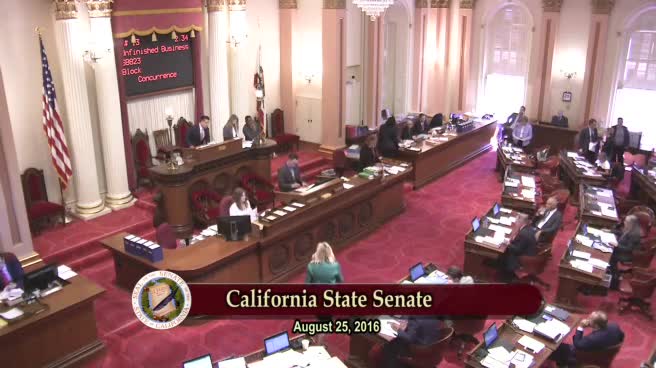 1MIN
Senate Floor
 2MIN
Assembly Floor
 1MIN
Assembly Floor
 12MIN
Assembly Standing Committee on Health
 3MIN
Senate Floor
 7MIN
Senate Floor
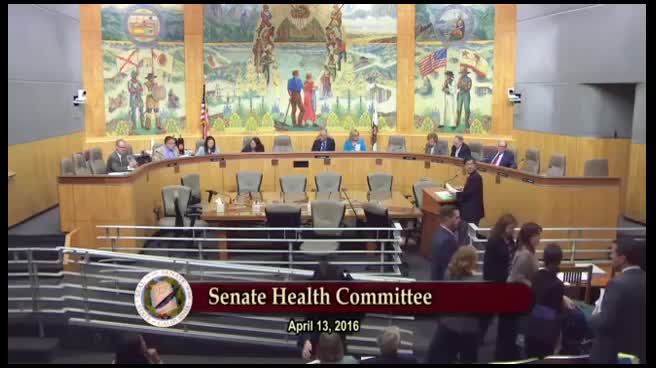 4MIN
Senate Standing Committee on Health
Bill Author