SB 906: Public postsecondary education: priority enrollment systems.
- Session Year: 2015-2016
- House: Senate
- Latest Version Date: 2016-09-21
(1)Existing law requires the California State University and each community college district, and requests the University of California, with respect to each campus in their respective jurisdictions that administers a priority enrollment system, to grant priority for registration for enrollment to foster youth or former foster youth, as defined. Existing law repeals these requirements on January 1, 2017.
This bill would revise the definition of foster youth or former foster youth for these provisions. This bill would extend the operation of these provisions indefinitely. By extending the operation of requirements relating to student eligibility for priority registration at community college districts, the bill would impose a state-mandated local program.
(2)Existing law requires each community college district, with respect to each campus in its jurisdiction that administers a priority enrollment system, to grant priority for registration for enrollment to students in the Community College Extended Opportunity Programs and Services program and to disabled students who are determined to be eligible for disabled student programs and services, as provided. Existing law repeals these requirements on January 1, 2017.
This bill would extend the operation of those provisions indefinitely. By extending the operation of requirements relating to student eligibility for priority registration at community college districts, the bill would impose a state-mandated local program.
(3)This bill would incorporate additional changes in Section 66025.9 of the Education Code, proposed by AB 801, to be operative only if AB 801 and this bill are both chaptered and become effective on or before January 1, 2017, and this bill is chaptered last.
(4)The California Constitution requires the state to reimburse local agencies and school districts for certain costs mandated by the state. Statutory provisions establish procedures for making that reimbursement.
This bill would provide that, if the Commission on State Mandates determines that the bill contains costs mandated by the state, reimbursement for those costs shall be made pursuant to these statutory provisions.
(1)Existing law requires the California State University and each community college district, and requests the University of California, with respect to each campus in their respective jurisdictions that administers a priority enrollment system, to grant priority for registration for enrollment to foster youth or former foster youth, as defined. Existing law repeals these requirements on January 1, 2017.
This bill would revise the definition of foster youth or former foster youth for these provisions. This bill would extend the operation of these provisions indefinitely. By extending the operation of requirements relating to student eligibility for priority registration at community college districts, the bill would impose a state-mandated local program.
(2)Existing law requires each community college district, with respect to each campus in its jurisdiction that administers a priority enrollment system, to grant priority for registration for enrollment to students in the Community College Extended Opportunity Programs and Services program and to disabled students who are determined to be eligible for disabled student programs and services, as provided. Existing law repeals these requirements on January 1, 2017.
This bill would extend the operation of those provisions indefinitely. By extending the operation of requirements relating to student eligibility for priority registration at community college districts, the bill would impose a state-mandated local program.
(3)This bill would incorporate additional changes in Section 66025.9 of the Education Code, proposed by AB 801, to be operative only if AB 801 and this bill are both chaptered and become effective on or before January 1, 2017, and this bill is chaptered last.
(3)
(4)The California Constitution requires the state to reimburse local agencies and school districts for certain costs mandated by the state. Statutory provisions establish procedures for making that reimbursement.
This bill would provide that, if the Commission on State Mandates determines that the bill contains costs mandated by the state, reimbursement for those costs shall be made pursuant to these statutory provisions.
(1)Existing law requires the California State University and each community college district, and requests the University of California, with respect to each campus in their respective jurisdictions that administers a priority enrollment system, to grant priority for registration for enrollment to foster youth or former foster youth, as defined. Existing law repeals these requirements on January 1, 2017.
This bill would revise the definition of foster youth or former foster youth for these provisions. This bill would extend the operation of these provisions indefinitely. By extending the operation of requirements relating to student eligibility for priority registration at community college districts, the bill would impose a state-mandated local program.
(2)Existing law requires each community college district, with respect to each campus in its jurisdiction that administers a priority enrollment system, to grant priority for registration for enrollment to students in the Community College Extended Opportunity Programs and Services program and to disabled students who are determined to be eligible for disabled student programs and services, as provided. Existing law repeals these requirements on January 1, 2017.
This bill would extend the operation of those provisions indefinitely. By extending the operation of requirements relating to student eligibility for priority registration at community college districts, the bill would impose a state-mandated local program.
(3)The California Constitution requires the state to reimburse local agencies and school districts for certain costs mandated by the state. Statutory provisions establish procedures for making that reimbursement.
This bill would provide that, if the Commission on State Mandates determines that the bill contains costs mandated by the state, reimbursement for those costs shall be made pursuant to these statutory provisions.
(a)The California State University and each community college district shall, and the University of California is requested to, with respect to each campus in their respective jurisdictions that administers a priority enrollment system, grant priority in that system for registration for enrollment to a foster youth or former foster youth.
(b)For purposes of this section, foster youth or former foster youth means a person in California whose dependency was established or continued by the court on or after the youths 16th birthday and who is no older than 25 years of age at the commencement of the academic year.
SEC. 1.5.Section 66025.9 of the Education Code is amended to read:66025.9.(a)The California State University and each community college district shall, and the University of California is requested to, with respect to each campus in their respective jurisdictions that administers a priority enrollment system, grant priority in that system for registration for enrollment to a foster youth or former foster youth or, until January 1, 2020, homeless youth.
(b)For purposes of this section:
(1)Foster youth and former foster youth means a person in California whose dependency was established or continued by the court on or after the youths 16th birthday and who is no older than 25 years of age at the commencement of the academic year.
(2)Homeless youth means a student under 25 years of age, who has been verified at any time during the 24 months immediately preceding the receipt of his or her application for admission by a postsecondary educational institution that is a qualifying institution pursuant to Section 69432.7, as a homeless child or youth, as defined in subsection (2) of Section 725 of the federal McKinney-Vento Homeless Assistance Act (42 U.S.C. Sec. 11434a(2)), by at least one of the following:
(i)A homeless services provider, as that term is defined in paragraph (3) of subdivision (d) of Section 103577 of the Health and Safety Code.
(ii)The director of a federal TRIO program or Gaining Early Awareness and Readiness for Undergraduate Programs program, or a designee of that director.
(iii)A financial aid administrator for an institution of higher education.
(c)For purposes of this section, a student who is verified as a homeless youth as defined in paragraph (2) of subdivision (b) shall retain that status for a period of six years from the date of admission to the postsecondary educational institution.
SEC. 2.Section 66025.91 of the Education Code is amended to read:66025.91.Each community college district, with respect to each campus in its jurisdiction that administers a priority enrollment system, shall grant priority registration for enrollment to students in the Community College Extended Opportunity Programs and Services program, pursuant to Article 8 (commencing with Section 69640) of Chapter 2 of Part 42, and disabled students, within the meaning of the federal Americans with Disabilities Act of 1990 (42 U.S.C. Sec. 12101 et seq.), who are determined to be eligible for disabled student programs and services pursuant to Chapter 14 (commencing with Section 67300) and Section 84850.
SEC. 3.Section 1.5 of this bill incorporates amendments to Section 66025.9 of the Education Code proposed by both this bill and Assembly Bill 801. It shall only become operative if (1) both bills are enacted and become effective on or before January 1, 2017, (2) each bill amends Section 66025.9 of the Education Code, and (3) this bill is enacted after Assembly Bill 801, in which case Section 1 of this bill shall not become operative.
SEC. 4.If the Commission on State Mandates determines that this act contains costs mandated by the state, reimbursement to local agencies and school districts for those costs shall be made pursuant to Part 7 (commencing with Section 17500) of Division 4 of Title 2 of the Government Code.
(a)The California State University and each community college district shall, and the University of California is requested to, with respect to each campus in their respective jurisdictions that administers a priority enrollment system, grant priority in that system for registration for enrollment to a foster youth or former foster youth.
(b)For purposes of this section, foster youth or former foster youth means a person in California whose dependency was established or continued by the court on or after the youths 16th birthday and who is no older than 25 years of age at the commencement of the academic year.
SEC. 1.5.Section 66025.9 of the Education Code is amended to read:66025.9.(a)The California State University and each community college district shall, and the University of California is requested to, with respect to each campus in their respective jurisdictions that administers a priority enrollment system, grant priority in that system for registration for enrollment to a foster youth or former foster youth. youth or, until January 1, 2020, homeless youth.
(b)For purposes of this section, foster section:
(1)Foster youth and former foster youth means a person who is currently in foster care, and former foster youth means a person who is an emancipated foster youth and who is up to 24 years of age. in California whose dependency was established or continued by the court on or after the youths 16th birthday and who is no older than 25 years of age at the commencement of the academic year.
(2)Homeless youth means a student under 25 years of age, who has been verified at any time during the 24 months immediately preceding the receipt of his or her application for admission by a postsecondary educational institution that is a qualifying institution pursuant to Section 69432.7, as a homeless child or youth, as defined in subsection (2) of Section 725 of the federal McKinney-Vento Homeless Assistance Act (42 U.S.C. Sec. 11434a(2)), by at least one of the following:
(i)A homeless services provider, as that term is defined in paragraph (3) of subdivision (d) of Section 103577 of the Health and Safety Code.
(ii)The director of a federal TRIO program or Gaining Early Awareness and Readiness for Undergraduate Programs program, or a designee of that director.
(iii)A financial aid administrator for an institution of higher education.
(c)For purposes of this section, a student who is verified as a homeless youth as defined in paragraph (2) of subdivision (b) shall retain that status for a period of six years from the date of admission to the postsecondary educational institution.
(c)This section shall remain in effect only until January 1, 2017, and as of that date is repealed, unless a later enacted statute, that is enacted before January 1, 2017, deletes or extends that date.
SEC. 2.Section 66025.91 of the Education Code is amended to read:66025.91.Each community college district, with respect to each campus in its jurisdiction that administers a priority enrollment system, shall grant priority registration for enrollment to students in the Community College Extended Opportunity Programs and Services program, pursuant to Article 8 (commencing with Section 69640) of Chapter 2 of Part 42, and disabled students, within the meaning of the federal Americans with Disabilities Act of 1990 (42 U.S.C. Sec. 12101 et seq.), who are determined to be eligible for disabled student programs and services pursuant to Chapter 14 (commencing with Section 67300) and Section 84850.
SEC. 3.Section 1.5 of this bill incorporates amendments to Section 66025.9 of the Education Code proposed by both this bill and Assembly Bill 801. It shall only become operative if (1) both bills are enacted and become effective on or before January 1, 2017, (2) each bill amends Section 66025.9 of the Education Code, and (3) this bill is enacted after Assembly Bill 801, in which case Section 1 of this bill shall not become operative.
SEC. 3.SEC. 4.If the Commission on State Mandates determines that this act contains costs mandated by the state, reimbursement to local agencies and school districts for those costs shall be made pursuant to Part 7 (commencing with Section 17500) of Division 4 of Title 2 of the Government Code.
(a)The California State University and each community college district shall, and the University of California is requested to, with respect to each campus in their respective jurisdictions that administers a priority enrollment system, grant priority in that system for registration for enrollment to a foster youth or former foster youth.
(b)For purposes of this section, foster youth or former foster youth means a person in California whose dependency was established or continued by the court on or after the youths 16th birthday and who is no older than 25 years of age at the commencement of the academic year.
SEC. 2.Section 66025.91 of the Education Code is amended to read:66025.91.Each community college district, with respect to each campus in its jurisdiction that administers a priority enrollment system, shall grant priority registration for enrollment to students in the Community College Extended Opportunity Programs and Services program, pursuant to Article 8 (commencing with Section 69640), 69640) of Chapter 2 of Part 42, and disabled students, within the meaning of the federal Americans with Disabilities Act of 1990 (42 U.S.C. Sec. 12101 et seq.), who are determined to be eligible for disabled student programs and services pursuant to Chapter 14 (commencing with Section 67300) and Section 84850.
SEC. 3.If the Commission on State Mandates determines that this act contains costs mandated by the state, reimbursement to local agencies and school districts for those costs shall be made pursuant to Part 7 (commencing with Section 17500) of Division 4 of Title 2 of the Government Code.
(a)The California State University and each community college district shall, and the University of California is requested to, with respect to each campus in their respective jurisdictions that administers a priority enrollment system, grant priority in that system for registration for enrollment to a foster youth or former foster youth.
(b)For purposes of this section, foster youth or former foster youth means a person who is currently in foster care, and former foster youth means a person who is an emancipated foster youth and who is up to 24 years of age. in California whose dependency was established or continued by the court on or after the youths 16th birthday and who is no older than 25 years of age at the commencement of the academic year.
(c)This section shall remain in effect only until January 1, 2017, and as of that date is repealed, unless a later enacted statute, that is enacted before January 1, 2017, deletes or extends that date.
SEC. 2.Section 66025.91 of the Education Code is amended to read:66025.91.(a)Each community college district, with respect to each campus in its jurisdiction that administers a priority enrollment system, shall grant priority registration for enrollment to students in the Community College Extended Opportunity Programs and Services program, pursuant to Article 8 (commencing with Section 69640), and disabled students, within the meaning of the federal Americans with Disabilities Act of 1990 (42 U.S.C. Sec. 12101 et seq.), who are determined to be eligible for disabled student programs and services pursuant to Chapter 14 (commencing with Section 67300) and Section 84850.
(b)This section shall remain in effect only until January 1, 2017, and as of that date is repealed, unless a later enacted statute, that is enacted before January 1, 2017, deletes or extends that date.
SEC. 3.If the Commission on State Mandates determines that this act contains costs mandated by the state, reimbursement to local agencies and school districts for those costs shall be made pursuant to Part 7 (commencing with Section 17500) of Division 4 of Title 2 of the Government Code.
|
Date
|
Status
|
|---|---|
| Aug 30, 2016 | Enrolled and presented to the Governor at 1:30 p.m. |
| Aug 25, 2016 | Assembly amendments concurred in. (Ayes 39. Noes 0. Page 5426.) Ordered to engrossing and enrolling. |
| Aug 25, 2016 | Assembly amendments concurred in. (Ayes 39. Noes 0.) Ordered to engrossing and enrolling. |
| Aug 23, 2016 | Read third time. Passed. (Ayes 77. Noes 1. Page 6091.) Ordered to the Senate. |
| Aug 23, 2016 | In Senate. Concurrence in Assembly amendments pending. |
| Aug 23, 2016 | Read third time. Passed. Ordered to the Senate. |
| Aug 18, 2016 | Ordered to third reading. |
| Aug 18, 2016 | Read third time and amended. |
| Aug 15, 2016 | Ordered to third reading. |
| Aug 15, 2016 | Action rescinded whereby the bill was read a third time, passed and ordered to the Senate. |
| Aug 15, 2016 | In Assembly. Held at Desk. |
| Aug 15, 2016 | Ordered to the Assembly. |
| Aug 11, 2016 | Read third time. Passed. (Ayes 78. Noes 0. Page 5778.) Ordered to the Senate. |
| Aug 11, 2016 | In Senate. Concurrence in Assembly amendments pending. |
| Aug 11, 2016 | Read third time. Passed. Ordered to the Senate. |
| Aug 4, 2016 | Read second time. Ordered to consent calendar. |
| Aug 3, 2016 | From committee: Do pass. Ordered to consent calendar. (Ayes 20. Noes 0.) (August 3). |
| Jun 29, 2016 | From committee: Do pass and re-refer to Com. on APPR. (Ayes 7. Noes 0.) (June 28). Re-referred to Com. on APPR. |
| Jun 15, 2016 | From committee: Do pass and re-refer to Com. on HUM. S. (Ayes 13. Noes 0.) (June 14). Re-referred to Com. on HUM. S. |
| May 19, 2016 | From committee with author's amendments. Read second time and amended. Re-referred to Com. on HIGHER ED. |
| May 5, 2016 | Referred to Coms. on HIGHER ED. and HUM. S. |
| Apr 14, 2016 | Read third time. Passed. (Ayes 38. Noes 0. Page 3535.) Ordered to the Assembly. |
| Apr 14, 2016 | In Assembly. Read first time. Held at Desk. |
| Apr 14, 2016 | Read third time. Passed. (Ayes 38. Noes 0.) Ordered to the Assembly. |
| Apr 12, 2016 | Read second time. Ordered to third reading. |
| Apr 11, 2016 | From committee: Be ordered to second reading pursuant to Senate Rule 28.8. |
| Apr 1, 2016 | Set for hearing April 11. |
| Mar 9, 2016 | From committee: Do pass and re-refer to Com. on APPR. (Ayes 8. Noes 0. Page 3200.) (March 9). Re-referred to Com. on APPR. |
| Mar 9, 2016 | From committee: Do pass and re-refer to Com. on APPR. (Ayes 8. Noes 0.) (March 9). Re-referred to Com. on APPR. |
| Feb 25, 2016 | Set for hearing March 9. |
| Feb 4, 2016 | Referred to Com. on ED. |
| Jan 26, 2016 | From printer. May be acted upon on or after February 25. |
| Jan 25, 2016 | Introduced. Read first time. To Com. on RLS. for assignment. To print. |
|
Date
|
Description
|
Location
|
Votes
|
|
|---|---|---|---|---|
| Aug 25, 2016 | Unfinished Business SB906 Beall Concurrence | Senate Floor |
Passed |
|
| Aug 23, 2016 | SB 906 Beall Senate Third Reading By GORDON | Assembly Floor |
Passed |
|
| Aug 11, 2016 | SB 906 Beall Consent Calendar Second Day Regular Session | Assembly Floor |
Passed |
|
| Aug 3, 2016 | Do pass. To Consent Calendar. | Assembly Standing Committee on Appropriations |
Passed |
|
| Jun 28, 2016 | Do pass and be re-referred to the Committee on [Appropriations] | Assembly Standing Committee on Human Services |
Passed |
|
| Jun 14, 2016 | Do pass and be re-referred to the Committee on [Human Services] | Assembly Standing Committee on Higher Education |
Passed |
|
| Apr 14, 2016 | Senate 3rd Reading SB906 Beall | Senate Floor |
Passed |
|
| Mar 9, 2016 | Do pass, but first be re-referred to the Committee on [Appropriations] | Senate Standing Committee on Education |
Passed |
This list shows positions taken on this bill by organizations on the date displayed, which is linked to the original source.
Positions by individuals are not included.
Office of Senate Floor Analyses (916) 651-1520 Fax: (916) 327-4478 | SB |
UNFINISHED BUSINESS
Bill No: SB 906
:
SENATE EDUCATION COMMITTEE: 8-0, 3/9/16
AYES: Liu, Block, Hancock, Leyva, Mendoza, Monning, Pan, Vidak
NO VOTE RECORDED: Runner
SENATE APPROPRIATIONS COMMITTEE: Senate Rule 28.8
SENATE FLOOR: 38-0, 4/14/16
AYES: Allen, Anderson, Bates, Beall, Berryhill, Block, Cannella, De León, Fuller, Gaines, Galgiani, Glazer, Hall, Hancock, Hernandez, Hertzberg, Hill, Hueso, Huff, Jackson, Lara, Leno, Leyva, Liu, Mendoza, Mitchell, Monning, Moorlach, Morrell, Nguyen, Nielsen, Pan, Pavley, Roth, Stone, Vidak, Wieckowski, Wolk
NO VOTE RECORDED: McGuire, Runner
ASSEMBLY FLOOR: 77-1, 8/23/16 - See last page for vote
SOURCE: John Burton Foundation
DIGEST: This bill conforms the definition of “foster youth or former foster youth,” for the purposes of priority registration at the University of California (UC), the California State University (CSU), and the California Community Colleges (CCC), to existing state higher education program definitions, deletes the sunset on the extension of priority registration to foster youth or former foster youth, and deletes the sunset on the extension of priority registration to Extended Opportunity Programs and Services (EOPS) students and Disabled Student Programs and Services (DSPS) students at the California Community Colleges.
Assembly Amendments add double-jointing language to avoid chaptering issues and make a technical change relative to a cross-reference.
Existing law:
- Requires, if the institution administers a priority enrollment system for registration, that the CSU and each CCC district, and requests that the UC, grant priority enrollment, to any current or former foster youth, and repeals these provisions on January 1, 2017. (EC § 66025.9)
- Establishes the Community College EOPS to extend opportunities for community college education to all who may profit regardless of economic, social and educational status, and to encourage local community colleges to identify students affected by economic, language, and social disadvantages and encourage their enrollment and achievement of their educational objectives and goals. The Board of Governors is required to adopt regulations with the objective that the EOPS programs include qualified counseling staff, facilitation of transfer, and enrollment in courses necessary to develop successful study skills, as specified. Current law also authorizes local community college governing boards to provide services that may include loans or grants for living costs, student fees, and transportation costs and also scholarships, work-experience and job placement programs. (EC § 69640 - § 69656)
- Requires each CCC district that administers a priority enrollment system for registration to grant priority registration for enrollment to students in the EOPS program and to disabled students, as specified, and repeals these provisions on January 1, 2017. (EC § 66025.91)
This bill:
- Redefines “foster youth or former foster youth,” for purposes of priority registration at California’s public higher education segments, to conform to definitions consistent with the California Chaffee Foster Youth Grant program and the community colleges Cooperating Agencies Foster Youth Educational Support Program. More specifically, these students are defined as those who meet both the following criteria:
- Dependency was established or continued by the court on or after the youth’s 16th birthday.
- Are no older than 25 years of age at the commencement of the academic year.
- Deletes the sunset on the requirement (and in the case of the UC, the request) that the CSU and each CCC district grant priority registration for enrollment to a foster youth or former foster youth, thereby permanently extending this priority for these students.
- Deletes the sunset on the extension of priority registration to Extended Opportunity Programs and Services students and disabled students at the CCCs, thereby permanently extending registration priority to these students.
- Includes double-jointing language to avoid chaptering issues with AB 801 (Bloom).
Comments
Existing community college enrollment priority categories. Existing law extends registration priority to foster youth and to EOPS students and DSPS students at the community colleges until January 1, 2017. In addition, existing law grants priority enrollment registration to any member or former member of the Armed Forces, as specified.
Enrollment policies related to the implementation of the system’s Student Success Initiative have also been implemented. The Legislature has provided significant funding for the Student Services Support Program established by SB 1425 (Lowenthal, Chapter 624, Statutes of 2013) to provide targeted services such as orientation, assessment, and counseling and advising to assist students with the development of education plans. The Board of Governors have implemented a number of related regulatory and administrative changes, including the provision of higher enrollment priority to students who have participated in these targeted services. Districts are also now required to notify students that accumulating 100 degree applicable units or being on academic or progress probation for two consecutive terms will result in the loss of enrollment priority.
AB 595 (Gomez, Chapter 704 Statutes of 2013), among other things, established the Legislature’s intent that any student who receives priority registration for enrollment (which would include veterans, EOPS students, foster youth, and DSPS students) shall comply with the requirements of the Student Success Initiative. These provisions were adopted in order to ensure that the enrollment priorities supported, and did not undermine, statutory and regulatory efforts to ensure the development of statewide strategies and to incentivize student behaviors that result in student success.
According to the sponsor, it is the expectation that students granted priority enrollment by the provisions of this bill will comply with EC §66602.95 which clarifies that any student who receives priority registration shall participate in SSSP programs and services including orientation, assessment, counseling, and the development of an education plan, among other things.
FISCAL EFFECT: Appropriation: Fiscal Com.: Local:
According to the Assembly Appropriations Committee, any costs for the segments to continue offering priority registration to the specified student cohorts will be minor and absorbable. Of the 2.3 million students enrolled in the CCC for
2014-15, about 76,000 were EOPS students, 121,000 were DSPS students, and 15,000 were foster youth or former foster youth.
John Burton Foundation (source)
OPPOSITION: (Verified 8/23/16)
None received
ASSEMBLY FLOOR: 77-1, 8/23/16
AYES: Achadjian, Alejo, Arambula, Atkins, Baker, Bigelow, Bloom, Bonilla, Bonta, Brown, Burke, Calderon, Campos, Chang, Chau, Chávez, Chiu, Chu, Cooley, Cooper, Dababneh, Dahle, Daly, Dodd, Eggman, Frazier, Gallagher, Cristina Garcia, Eduardo Garcia, Gatto, Gipson, Gomez, Gonzalez, Gordon, Gray, Grove, Hadley, Harper, Roger Hernández, Holden, Irwin, Jones, Jones-Sawyer, Kim, Lackey, Levine, Linder, Lopez, Low, Maienschein, Mathis, Mayes, McCarty, Medina, Melendez, Mullin, Nazarian, Obernolte, O'Donnell, Olsen, Patterson, Quirk, Ridley-Thomas, Rodriguez, Salas, Santiago, Steinorth, Mark Stone, Thurmond, Ting, Wagner, Waldron, Weber, Wilk, Williams, Wood, Rendon
NOES: Travis Allen
NO VOTE RECORDED: Brough, Beth Gaines
8/23/16 19:54:37
**** END ****
SENATE THIRD READING
STR Bill Id:
Author:()
As Amended Ver:
Majority vote
SENATE VOTE: 38-0
Committee | Votes | Ayes | Noes |
Higher Education | 13-0 | Medina, Baker, Bloom, Chávez, Irwin, Jones-Sawyer, Levine, Linder, Low, Olsen, Santiago, Weber, Williams | |
Human Services | 7-0 | Bonilla, Grove, Arambula, Lopez, Maienschein, Mark Stone, Thurmond | |
Appropriations | 20-0 | Gonzalez, Bigelow, Bloom, Bonilla, Bonta, Calderon, Chang, Daly, Eggman, Gallagher, Eduardo Garcia, Holden, Jones, Obernolte, Quirk, Santiago, Wagner, Weber, Wood, Chau |
SUMMARY: Conforms the definition of "foster youth or former foster youth," for the purposes of priority registration at the University of California (UC), the California State University (CSU), and the California Community Colleges (CCC), to existing state higher education program definitions; deletes the sunset on the extension of priority registration to foster youth or former foster youth; and, deletes the sunset on the extension of priority registration to Extended Opportunity Programs and Services (EOPS) students and Disabled Student Programs and Services (DSPS) students at the CCC.
EXISTING LAW:
- Requires, if the postsecondary institution administers a priority enrollment system for registration, that the CSU and each CCC district, and requests that the UC, grant priority enrollment, to any current or former foster youth, and repeals these provisions on January 1, 2017 (Education Code (EC) Section 66025.9).
- Requires each CCC district that administers a priority enrollment system for registration to grant priority registration for enrollment to students in the EOPS program and to disabled students, as specified, and repeals these provisions on January 1, 2017 (EC Section 66025.91)
- Establishes the CCC EOPS to extend opportunities for community college education to all who may profit regardless of economic, social and educational status, and to encourage local community colleges to identify students affected by economic, language, and social disadvantages and encourage their enrollment and achievement of their educational objectives and goals. Requires the CCC Board of Governors (BOG) to adopt regulations with the objective that the EOPS programs include qualified counseling staff, facilitation of transfer, and enrollment in courses necessary to develop successful study skills, as specified. Authorizes local community college governing boards to provide services that may include loans or grants for living costs, student fees, and transportation costs and also scholarships, work-experience and job placement programs (EC Sections 69640 - 69656).
FISCAL EFFECT: According to the Assembly Appropriations Committee, any costs for the segments to continue offering priority registration to the specified student cohorts will be minor and absorbable.
COMMENTS: Background on DSPS and EOPS. Disabled Student Programs and Services provide support services, specialized instruction and accommodations to students with a disability, allowing them to fully participate and benefit from an equitable college experience. The overall mission of DSPS is to provide exemplary instruction, support services and access to students with disabilities. DSPS will support students with disabilities in educationally related activities consistent with the mission and vision of the institution and in compliance with federal and state laws.
Extended Opportunity Programs and Services, a state funded program, was created to enable low income, educationally disadvantaged students "affected by language, social, and economic handicaps" to achieve a college education (SB 164, (Alquist), Chapter 1579, Statutes of 1969). EOPS works to help students succeed by providing educational opportunities, encouragement, and support services. Students are eligible for EOPS if all of the following requirements are met:
- Student is a California resident;
- Student qualifies for the CCC BOG Tuition Fee Waiver (A or B) through the Financial Aid Office;
- Student is enrolled full-time (12 or more units);
- Student has completed less than 60 degree applicable college units; and,
- Student is educationally disadvantaged as determined by EOPS.
Foster Youth. According to the Foundation for California Community Colleges, each year, approximately 4,000 of California's foster youth turn 18 and become independent, many without the necessary skills to support themselves. Special programs are needed in order to support foster students' academic and emotional needs; helping to set them up for success in college and beyond.
According to a 2013 study by the Center for Social Services and Research that measured the academic achievement of foster youth, students with disabilities, and low-income students, the research found that said groups, "fared significantly worse than the general population in a range of areas, including, the percentage who initially enter community college and persist one year." Additionally, the Center found that by age 26, each of these student populations is much less likely to hold a post-secondary education degree. For foster youth, 6% will hold a degree, 10% of low-income students will hold a degree, and 29% of students with a disability will hold a degree. To note, approximately half of the population that is not low-income, disabled, or in foster care, hold a degree.
Current law allows for these student populations to receive college priority registration; however, this priority will end on January 1, 2017. This measure calls for the removal of the sunset.
Need for this measure. According to the author, the eligibility for priority registration for foster youth applies to those students who were in foster care on or after their 18th birthday and under age 23. The author contends that this measure "removes the sunset date for the three categories of students to allow colleges to continue the priority registration process and also changes the eligibility criteria for foster youth to align with other existing programs."
To note, currently, foster youth are eligible for priority registration if they were in foster care on or after their 18th birthday and under age 23. Under this measure, foster youth would be eligible for priority registration if they were in foster care on or after their 16th birthday, and were under age 26.
The author argues that, "By removing the sunset, colleges will be able to continue to grant priority registration for foster youth, low-income, and disabled students, so it enables them to register for courses before the larger student population. Priority registration would allow them to secure required courses, shorten the time to degree completion and reduce financial aid utilization. In regards to changing the definition of foster youth, these youth are already at a disadvantage and have encountered many challenges throughout their lives. These students can't afford to have another barrier placed upon them. Many foster youth have shown success based on the offering of priority registration and additional support services."
How many? CCC. The annual 2014-15 systemwide enrolled count of EOPS students was 75,776; 121,410 DSPS students, and 15,227 foster youth out of approximately 2.3 million CCC students.
CSU. The annual 2014-15 systemwide number of enrolled foster youth is not available. According to the CSU Chancellor's Office, foster youth data is not collected at the systemwide level. Additionally, the data is all self-identified at the campus level.
UC. According to the UC Office of the President, foster youth self-identify on the UC admissions application. The Fall 2015 systemwide number of enrolled foster youth was 1,587.
Related legislation. AB 2506 (Thurmond) of the current legislative session, which is awaiting a hearing in the Senate Education Committee, would, among others, address the low rates of college persistence and completion among foster youth in the state, by requiring the California Student Aid Commission to provide a Chafee Educational and Training Voucher to qualified students attending qualifying institutions.
AB 595 (Gomez), Chapter 704, Statutes of 2013, required a community college district that administers a priority enrollment system to grant priority registration for enrollment to students in the EOPS programs and to disabled students, as defined; and also established the Legislature's intent that any student who receives priority registration for enrollment shall comply with the requirements of the Student Success Initiative.
AB 2133 (Blumenfield), Chapter 400, Statutes of 2012, required a veteran to use his/her four years of priority enrollment at the UC, CSU, and CCC within 15 years of leaving active duty; and, required that veterans receiving priority enrollment comply with the requirements of the Student Success Act of 2012.
AB 194 (Beall), Chapter 458, Statutes of 2011, until July 1, 2017, required a community college district to grant priority enrollment for registration to any current or former foster youth, if the institution already administers a priority enrollment system, and repeals these provisions on January 1, 2017.
SB 813 (Committee on Veteran Affairs), Chapter 375, Statutes of 2011, extended the time frame for eligibility for priority enrollment for veterans at the UC, CSU, and CCC from two years to four years.
SB 272 (Runner), Chapter 356, Statutes of 2007, extended priority enrollment at the UC, CSU and CCC for a veteran who is a resident of California and who has received an honorable discharge, a general discharge, or an other than honorable discharge for any academic term attended at one of these institutions within two years of leaving state or federal active duty, if the institution already administered a priority enrollment system.
Analysis Prepared by: Jeanice Warden / HIGHER ED. / (916) 319-3960 FN: 0004263
SENATE THIRD READING
STR Bill Id:SB 906
Author:(Beall)
As Amended Ver:August 18, 2016
Majority vote
SENATE VOTE: 38-0
Committee | Votes | Ayes | Noes |
Higher Education | 13-0 | Medina, Baker, Bloom, Chávez, Irwin, Jones-Sawyer, Levine, Linder, Low, Olsen, Santiago, Weber, Williams | |
Human Services | 7-0 | Bonilla, Grove, Arambula, Lopez, Maienschein, Mark Stone, Thurmond | |
Appropriations | 20-0 | Gonzalez, Bigelow, Bloom, Bonilla, Bonta, Calderon, Chang, Daly, Eggman, Gallagher, Eduardo Garcia, Holden, Jones, Obernolte, Quirk, Santiago, Wagner, Weber, Wood, Chau |
SUMMARY: Conforms the definition of "foster youth or former foster youth," for the purposes of priority registration at the University of California (UC), the California State University (CSU), and the California Community Colleges (CCC), to existing state higher education program definitions; deletes the sunset on the extension of priority registration to foster youth or former foster youth; and, deletes the sunset on the extension of priority registration to Extended Opportunity Programs and Services (EOPS) students and Disabled Student Programs and Services (DSPS) students at the CCC; and, double-joints this measure to AB 801 (Bloom).
EXISTING LAW:
- Requires, if the postsecondary institution administers a priority enrollment system for registration, that the CSU and each CCC district, and requests that the UC, grant priority enrollment, to any current or former foster youth, and repeals these provisions on January 1, 2017 (Education Code (EC) Section 66025.9).
- Requires each CCC district that administers a priority enrollment system for registration to grant priority registration for enrollment to students in the EOPS program and to disabled students, as specified, and repeals these provisions on January 1, 2017 (EC Section 66025.91)
- Establishes the CCC EOPS to extend opportunities for community college education to all who may profit regardless of economic, social and educational status, and to encourage local community colleges to identify students affected by economic, language, and social disadvantages and encourage their enrollment and achievement of their educational objectives and goals. Requires the CCC Board of Governors (BOG) to adopt regulations with the objective that the EOPS programs include qualified counseling staff, facilitation of transfer, and enrollment in courses necessary to develop successful study skills, as specified. Authorizes local community college governing boards to provide services that may include loans or grants for living costs, student fees, and transportation costs and also scholarships, work-experience and job placement programs (EC Sections 69640 to 69656).
FISCAL EFFECT: According to the Senate Appropriations Committee, pursuant to Senate Rule 28.8, negligible state costs.
COMMENTS: Background on DSPS and EOPS. Disabled Student Programs and Services provide support services, specialized instruction and accommodations to students with a disability, allowing them to fully participate and benefit from an equitable college experience. The overall mission of DSPS is to provide exemplary instruction, support services and access to students with disabilities. DSPS will support students with disabilities in educationally related activities consistent with the mission and vision of the institution and in compliance with federal and state laws.
Extended Opportunity Programs and Services, a state funded program, was created to enable low income, educationally disadvantaged students "affected by language, social, and economic handicaps" to achieve a college education (SB 164 (Alquist), Chapter 1579, Statutes of 1969). EOPS works to help students succeed by providing educational opportunities, encouragement, and support services. Students are eligible for EOPS if all of the following requirements are met:
- Student is a California resident;
- Student qualifies for the CCC BOG Tuition Fee Waiver (A or B) through the Financial Aid Office;
- Student is enrolled full-time (12 or more units);
- Student has completed less than 60 degree applicable college units; and,
- Student is educationally disadvantaged as determined by EOPS.
Foster Youth. According to the Foundation for California Community Colleges, each year, approximately 4,000 of California's foster youth turn 18 and become independent, many without the necessary skills to support themselves. Special programs are needed in order to support foster students' academic and emotional needs; helping to set them up for success in college and beyond.
According to a 2013 study by the Center for Social Services and Research that measured the academic achievement of foster youth, students with disabilities, and low-income students, the research found that said groups, "fared significantly worse than the general population in a range of areas, including, the percentage who initially enter community college and persist one year." Additionally, the Center found that by age 26, each of these student populations is much less likely to hold a post-secondary education degree. For foster youth, 6% will hold a degree, 10% of low-income students will hold a degree, and 29% of students with a disability will hold a degree. To note, approximately half of the population that is not low-income, disabled, or in foster care, hold a degree.
Current law allows for these student populations to receive college priority registration; however, this priority will end on January 1, 2017. This measure calls for the removal of the sunset.
Need for this measure. According to the author, the eligibility for priority registration for foster youth applies to those students who were in foster care on or after their 18th birthday and under age 23. The author contends that this measure "removes the sunset date for the three categories of students to allow colleges to continue the priority registration process and also changes the eligibility criteria for foster youth to align with other existing programs."
To note, currently, foster youth are eligible for priority registration if they were in foster care on or after their 18th birthday and under age 23. Under this measure, foster youth would be eligible for priority registration if they were in foster care on or after their 16th birthday, and were under age 26.
The author argues that, "By removing the sunset, colleges will be able to continue to grant priority registration for foster youth, low-income, and disabled students, so it enables them to register for courses before the larger student population. Priority registration would allow them to secure required courses, shorten the time to degree completion and reduce financial aid utilization. In regards to changing the definition of foster youth, these youth are already at a disadvantage and have encountered many challenges throughout their lives. These students can't afford to have another barrier placed upon them. Many foster youth have shown success based on the offering of priority registration and additional support services."
How many? CCC. The annual 2014-15 systemwide enrolled count of EOPS students was 75,776; 121,410 DSPS students, and 15,227 foster youth out of approximately 2.3 million CCC students.
CSU. The annual 2014-15 systemwide number of enrolled foster youth is not available. According to the CSU Chancellor's Office, foster youth data is not collected at the systemwide level. Additionally, the data is all self-identified at the campus level.
UC. According to the UC Office of the President, foster youth self-identify on the UC admissions application. The Fall 2015 systemwide number of enrolled foster youth was 1,587.
Related legislation. AB 2506 (Thurmond) of the current legislative session, which is awaiting a hearing in the Senate Education Committee, would, among others, address the low rates of college persistence and completion among foster youth in the state, by requiring the California Student Aid Commission to provide a Chafee Educational and Training Voucher to qualified students attending qualifying institutions.
AB 595 (Gomez), Chapter 704, Statutes of 2013, required a community college district that administers a priority enrollment system to grant priority registration for enrollment to students in the EOPS programs and to disabled students, as defined; and also established the Legislature's intent that any student who receives priority registration for enrollment shall comply with the requirements of the Student Success Initiative.
AB 2133 (Blumenfield), Chapter 400, Statutes of 2012, required a veteran to use his/her four years of priority enrollment at the UC, CSU, and CCC within 15 years of leaving active duty; and, required that veterans receiving priority enrollment comply with the requirements of the Student Success Act of 2012.
AB 194 (Beall), Chapter 458, Statutes of 2011, until July 1, 2017, required a community college district to grant priority enrollment for registration to any current or former foster youth, if the institution already administers a priority enrollment system, and repeals these provisions on January 1, 2017.
SB 813 (Committee on Veteran Affairs), Chapter 375, Statutes of 2011, extended the time frame for eligibility for priority enrollment for veterans at the UC, CSU, and CCC from two years to four years.
SB 272 (Runner), Chapter 356, Statutes of 2007, extended priority enrollment at the UC, CSU and CCC for a veteran who is a resident of California and who has received an honorable discharge, a general discharge, or an other than honorable discharge for any academic term attended at one of these institutions within two years of leaving state or federal active duty, if the institution already administered a priority enrollment system.
Analysis Prepared by: Jeanice Warden / HIGHER ED. / (916) 319-3960 FN: 0004303
Office of Senate Floor Analyses (916) 651-1520 Fax: (916) 327-4478 | SB |
UNFINISHED BUSINESS
Bill No: SB 906
:
SENATE EDUCATION COMMITTEE: 8-0, 3/9/16
AYES: Liu, Block, Hancock, Leyva, Mendoza, Monning, Pan, Vidak
NO VOTE RECORDED: Runner
SENATE APPROPRIATIONS COMMITTEE: Senate Rule 28.8
SENATE FLOOR: 38-0, 4/14/16
AYES: Allen, Anderson, Bates, Beall, Berryhill, Block, Cannella, De León, Fuller, Gaines, Galgiani, Glazer, Hall, Hancock, Hernandez, Hertzberg, Hill, Hueso, Huff, Jackson, Lara, Leno, Leyva, Liu, Mendoza, Mitchell, Monning, Moorlach, Morrell, Nguyen, Nielsen, Pan, Pavley, Roth, Stone, Vidak, Wieckowski, Wolk
NO VOTE RECORDED: McGuire, Runner
ASSEMBLY FLOOR: 78-0, 8/11/16 (Consent) - See last page for vote
SOURCE: John Burton Foundation
DIGEST: This bill conforms the definition of “foster youth or former foster youth,” for the purposes of priority registration at the University of California (UC), the California State University (CSU), and the California Community Colleges (CCC), to existing state higher education program definitions, deletes the sunset on the extension of priority registration to foster youth or former foster youth, and deletes the sunset on the extension of priority registration to Extended Opportunity Programs and Services (EOPS) students and Disabled Student Programs and Services (DSPS) students at the California Community Colleges.
Assembly Amendments make a technical change relative to a cross-reference.
Existing law:
- Requires, if the institution administers a priority enrollment system for registration, that the CSU and each CCC district, and requests that the UC, grant priority enrollment, to any current or former foster youth, and repeals these provisions on January 1, 2017. (EC § 66025.9)
- Establishes the Community College EOPS to extend opportunities for community college education to all who may profit regardless of economic, social and educational status, and to encourage local community colleges to identify students affected by economic, language, and social disadvantages and encourage their enrollment and achievement of their educational objectives and goals. The Board of Governors is required to adopt regulations with the objective that the EOPS programs include qualified counseling staff, facilitation of transfer, and enrollment in courses necessary to develop successful study skills, as specified. Current law also authorizes local community college governing boards to provide services that may include loans or grants for living costs, student fees, and transportation costs and also scholarships, work-experience and job placement programs. (EC § 69640 - § 69656)
- Requires each CCC district that administers a priority enrollment system for registration to grant priority registration for enrollment to students in the EOPS program and to disabled students, as specified, and repeals these provisions on January 1, 2017. (EC § 66025.91)
This bill:
- Redefines “foster youth or former foster youth,” for purposes of priority registration at California’s public higher education segments, to conform to definitions consistent with the California Chaffee Foster Youth Grant program and the community colleges Cooperating Agencies Foster Youth Educational Support Program. More specifically, these students are defined as those who meet both the following criteria:
- Dependency was established or continued by the court on or after the youth’s 16th birthday.
- Are no older than 25 years of age at the commencement of the academic year.
- Deletes the sunset on the requirement (and in the case of the UC, the request) that the CSU and each CCC district grant priority registration for enrollment to a foster youth or former foster youth, thereby permanently extending this priority for these students.
- Deletes the sunset on the extension of priority registration to Extended Opportunity Programs and Services students and disabled students at the California Community Colleges, thereby permanently extending registration priority to these students.
Comments
Existing community college enrollment priority categories. Existing law extends registration priority to foster youth and to EOPS students and DSPS students at the community colleges until January 1, 2017. In addition, existing law grants priority enrollment registration to any member or former member of the Armed Forces, as specified.
Enrollment policies related to the implementation of the system’s Student Success Initiative have also been implemented. The Legislature has provided significant funding for the Student Services Support Program established by SB 1425 (Lowenthal, Chapter 624, Statutes of 2013) to provide targeted services such as orientation, assessment, and counseling and advising to assist students with the development of education plans. The Board of Governors have implemented a number of related regulatory and administrative changes, including the provision of higher enrollment priority to students who have participated in these targeted services. Districts are also now required to notify students that accumulating 100 degree applicable units or being on academic or progress probation for two consecutive terms will result in the loss of enrollment priority.
AB 595 (Gomez, Chapter 704 Statutes of 2013), among other things, established the Legislature’s intent that any student who receives priority registration for enrollment (which would include veterans, EOPS students, foster youth, and DSPS students) shall comply with the requirements of the Student Success Initiative. These provisions were adopted in order to ensure that the enrollment priorities supported, and did not undermine, statutory and regulatory efforts to ensure the development of statewide strategies and to incentivize student behaviors that result in student success.
According to the sponsor, it is the expectation that students granted priority enrollment by the provisions of this bill will comply with EC §66602.95 which clarifies that any student who receives priority registration shall participate in SSSP programs and services including orientation, assessment, counseling, and the development of an education plan, among other things.
FISCAL EFFECT: Appropriation: Fiscal Com.: Local:
According to the Assembly Appropriations Committee, any costs for the segments to continue offering priority registration to the specified student cohorts will be minor and absorbable. Of the 2.3 million students enrolled in the CCC for
2014-15, about 76,000 were EOPS students, 121,000 were DSPS students, and 15,000 were foster youth or former foster youth.
John Burton Foundation (source)
Board of Governors of the California Community Colleges
California Community Colleges Extended Opportunity Program and Services Association
Faculty Association of California Community Colleges
Imperial Valley Regional Occupational Program
OPPOSITION: (Verified 8/12/16)
None received
ASSEMBLY FLOOR: 78-0, 8/11/16
AYES: Achadjian, Alejo, Travis Allen, Arambula, Atkins, Baker, Bigelow, Bloom, Bonilla, Bonta, Brough, Brown, Burke, Calderon, Campos, Chang, Chau, Chávez, Chiu, Chu, Cooley, Cooper, Dababneh, Dahle, Daly, Dodd, Eggman, Frazier, Beth Gaines, Gallagher, Cristina Garcia, Eduardo Garcia, Gatto, Gipson, Gomez, Gonzalez, Gordon, Gray, Grove, Hadley, Harper, Holden, Irwin, Jones, Jones-Sawyer, Kim, Lackey, Levine, Linder, Lopez, Maienschein, Mathis, Mayes, McCarty, Medina, Melendez, Mullin, Nazarian, Obernolte, O'Donnell, Olsen, Patterson, Quirk, Ridley-Thomas, Rodriguez, Salas, Santiago, Steinorth, Mark Stone, Thurmond, Ting, Wagner, Waldron, Weber, Wilk, Williams, Wood, Rendon
NO VOTE RECORDED: Roger Hernández, Low
8/13/16 13:31:22
**** END ****
Office of Senate Floor Analyses (916) 651-1520 Fax: (916) 327-4478 | SB |
UNFINISHED BUSINESS
Bill No: SB 906
:
SENATE EDUCATION COMMITTEE: 8-0, 3/9/16
AYES: Liu, Block, Hancock, Leyva, Mendoza, Monning, Pan, Vidak
NO VOTE RECORDED: Runner
SENATE APPROPRIATIONS COMMITTEE: Senate Rule 28.8
SENATE FLOOR: 38-0, 4/14/16
AYES: Allen, Anderson, Bates, Beall, Berryhill, Block, Cannella, De León, Fuller, Gaines, Galgiani, Glazer, Hall, Hancock, Hernandez, Hertzberg, Hill, Hueso, Huff, Jackson, Lara, Leno, Leyva, Liu, Mendoza, Mitchell, Monning, Moorlach, Morrell, Nguyen, Nielsen, Pan, Pavley, Roth, Stone, Vidak, Wieckowski, Wolk
NO VOTE RECORDED: McGuire, Runner
ASSEMBLY FLOOR: 78-0, 8/11/16 (Consent) - See last page for vote
SOURCE: John Burton Foundation
DIGEST: This bill conforms the definition of “foster youth or former foster youth,” for the purposes of priority registration at the University of California (UC), the California State University (CSU), and the California Community Colleges (CCC), to existing state higher education program definitions, deletes the sunset on the extension of priority registration to foster youth or former foster youth, and deletes the sunset on the extension of priority registration to Extended Opportunity Programs and Services (EOPS) students and Disabled Student Programs and Services (DSPS) students at the California Community Colleges.
Assembly Amendments make a technical change relative to a cross-reference.
Existing law:
- Requires, if the institution administers a priority enrollment system for registration, that the CSU and each CCC district, and requests that the UC, grant priority enrollment, to any current or former foster youth, and repeals these provisions on January 1, 2017. (EC § 66025.9)
- Establishes the Community College EOPS to extend opportunities for community college education to all who may profit regardless of economic, social and educational status, and to encourage local community colleges to identify students affected by economic, language, and social disadvantages and encourage their enrollment and achievement of their educational objectives and goals. The Board of Governors is required to adopt regulations with the objective that the EOPS programs include qualified counseling staff, facilitation of transfer, and enrollment in courses necessary to develop successful study skills, as specified. Current law also authorizes local community college governing boards to provide services that may include loans or grants for living costs, student fees, and transportation costs and also scholarships, work-experience and job placement programs. (EC § 69640 - § 69656)
- Requires each CCC district that administers a priority enrollment system for registration to grant priority registration for enrollment to students in the EOPS program and to disabled students, as specified, and repeals these provisions on January 1, 2017. (EC § 66025.91)
This bill:
- Redefines “foster youth or former foster youth,” for purposes of priority registration at California’s public higher education segments, to conform to definitions consistent with the California Chaffee Foster Youth Grant program and the community colleges Cooperating Agencies Foster Youth Educational Support Program. More specifically, these students are defined as those who meet both the following criteria:
- Dependency was established or continued by the court on or after the youth’s 16th birthday.
- Are no older than 25 years of age at the commencement of the academic year.
- Deletes the sunset on the requirement (and in the case of the UC, the request) that the CSU and each CCC district grant priority registration for enrollment to a foster youth or former foster youth, thereby permanently extending this priority for these students.
- Deletes the sunset on the extension of priority registration to Extended Opportunity Programs and Services students and disabled students at the California Community Colleges, thereby permanently extending registration priority to these students.
Comments
Existing community college enrollment priority categories. Existing law extends registration priority to foster youth and to EOPS students and DSPS students at the community colleges until January 1, 2017. In addition, existing law grants priority enrollment registration to any member or former member of the Armed Forces, as specified.
Enrollment policies related to the implementation of the system’s Student Success Initiative have also been implemented. The Legislature has provided significant funding for the Student Services Support Program established by SB 1425 (Lowenthal, Chapter 624, Statutes of 2013) to provide targeted services such as orientation, assessment, and counseling and advising to assist students with the development of education plans. The Board of Governors have implemented a number of related regulatory and administrative changes, including the provision of higher enrollment priority to students who have participated in these targeted services. Districts are also now required to notify students that accumulating 100 degree applicable units or being on academic or progress probation for two consecutive terms will result in the loss of enrollment priority.
AB 595 (Gomez, Chapter 704 Statutes of 2013), among other things, established the Legislature’s intent that any student who receives priority registration for enrollment (which would include veterans, EOPS students, foster youth, and DSPS students) shall comply with the requirements of the Student Success Initiative. These provisions were adopted in order to ensure that the enrollment priorities supported, and did not undermine, statutory and regulatory efforts to ensure the development of statewide strategies and to incentivize student behaviors that result in student success.
According to the sponsor, it is the expectation that students granted priority enrollment by the provisions of this bill will comply with EC §66602.95 which clarifies that any student who receives priority registration shall participate in SSSP programs and services including orientation, assessment, counseling, and the development of an education plan, among other things.
FISCAL EFFECT: Appropriation: Fiscal Com.: Local:
According to the Assembly Appropriations Committee, any costs for the segments to continue offering priority registration to the specified student cohorts will be minor and absorbable. Of the 2.3 million students enrolled in the CCC for
2014-15, about 76,000 were EOPS students, 121,000 were DSPS students, and 15,000 were foster youth or former foster youth.
John Burton Foundation (source)
Imperial Valley Regional Occupational Program
OPPOSITION: (Verified 8/11/16)
None received
ASSEMBLY FLOOR: 78-0, 8/11/16
AYES: Achadjian, Alejo, Travis Allen, Arambula, Atkins, Baker, Bigelow, Bloom, Bonilla, Bonta, Brough, Brown, Burke, Calderon, Campos, Chang, Chau, Chávez, Chiu, Chu, Cooley, Cooper, Dababneh, Dahle, Daly, Dodd, Eggman, Frazier, Beth Gaines, Gallagher, Cristina Garcia, Eduardo Garcia, Gatto, Gipson, Gomez, Gonzalez, Gordon, Gray, Grove, Hadley, Harper, Holden, Irwin, Jones, Jones-Sawyer, Kim, Lackey, Levine, Linder, Lopez, Maienschein, Mathis, Mayes, McCarty, Medina, Melendez, Mullin, Nazarian, Obernolte, O'Donnell, Olsen, Patterson, Quirk, Ridley-Thomas, Rodriguez, Salas, Santiago, Steinorth, Mark Stone, Thurmond, Ting, Wagner, Waldron, Weber, Wilk, Williams, Wood, Rendon
NO VOTE RECORDED: Roger Hernández, Low
8/12/16 13:23:58
**** END ****
Date of Hearing: August 3, 2016
ASSEMBLY COMMITTEE ON APPROPRIATIONS
Lorena Gonzalez, Chair
SBPCA Bill Id:SB 906
Author:(Beall) – As Amended Ver:May 19, 2016
Policy Committee: | Higher Education | Vote: | 13 - 0 |
Human Services | 7 - 0 | ||
|
|
Urgency: No State Mandated Local Program: Yes Reimbursable: Yes
SUMMARY:
This bill:
- Modifies the definition of "foster youth or former foster youth," for the purposes of priority registration at the University of California (UC), the California State University (CSU), and the California Community Colleges (CCC), to include a student under age 26 instead of under age 24, and deletes the January 1, 2017 sunset on priority registration for foster youth or former foster youth
- Repeals the January 1, 2017 sunset on provisions providing priority registration at the CCC to Extended Opportunity Programs and Services (EOPS) students, and Disabled Student Programs and Services (DSPS) students.
FISCAL EFFECT:
Any costs for the segments to continue offering priority registration to the specified student cohorts will be minor and absorbable. Of the 2.3 million students enrolled in the CCC for 2014-15, about 76,000 were EOPS students, 121,000 were DSPS students, and 15,000 were foster youth or former foster youth.
COMMENTS:
- Background. DSPS provides support services, specialized instruction and accommodations to students with a disability, allowing them to fully participate and benefit from an equitable college experience. EOPS enables low income, educationally disadvantaged students "affected by language, social, and economic handicaps" to achieve a college education by providing educational opportunities, encouragement, and support services. According to the Foundation for California Community Colleges, each year, approximately 4,000 of California's foster youth turn 18 and become independent, many without the necessary skills to support themselves.
A 2013 study by the Center for Social Services and Research measuring the academic achievement of foster youth, students with disabilities, and low-income students, found that these groups, "fared significantly worse than the general population in a range of areas, including, the percentage who initially enter community college and persist one year." Additionally, the Center found that by age 26, each of these student populations is much less likely to hold a post-secondary education degree.
- Purpose. The author contends that this measure "removes the sunset date for the three categories of students to allow colleges to continue the priority registration process and also changes the eligibility criteria for foster youth to align with other existing programs. By removing the sunset, colleges will be able to continue to grant priority registration for foster youth, low-income, and disabled students, so it enables them to register for courses before the larger student population. Priority registration would allow them to secure required courses, shorten the time to degree completion and reduce financial aid utilization. In regards to changing the definition of foster youth, these youth are already at a disadvantage and have encountered many challenges throughout their lives. These students can’t afford to have another barrier placed upon them. Many foster youth have shown success based on the offering of priority registration and additional support services."
- Prior Legislation. AB 595 (Gomez), Chapter 704, Statutes of 2013, established priority registration for EOPS and DSPS students until January 1, 2017. AB 194 (Beall), Chapter 458, Statutes of 2011, established priority registration for current and former foster youth until January 1, 2017.
Analysis Prepared by: Chuck Nicol / APPR. / (916) 319-2081
Date of Hearing: June 28, 2016
ASSEMBLY COMMITTEE ON HUMAN SERVICES
Susan Bonilla, Chair
SBPCA Bill Id:SB 906
Author:(Beall) – As Amended Ver:May 19, 2016
SENATE VOTE: 38-0
SUBJECT: Public postsecondary education: priority enrollment systems
SUMMARY: Clarifies the definition of “foster youth or former foster youth” for purposes of priority registration at the University of California (UC), California State University (CSU), and California Community Colleges (CCC), and repeals the sunset date of January 1, 2017, for the provision of priority registration to foster youth and former foster youth, and to students in the Extended Opportunity Programs and Services (EOPS) and eligible for Disabled Student Programs and Services (DSPS) at the CCC, as specified.
EXISTING LAW:
- Requires for the CSU and each CCC district, and requests for the UC, if a postsecondary institution administers a priority enrollment system for registration, that priority enrollment be granted to any current or former foster youth, and repeals these provisions on January 1, 2017. (EDC 66025.9)
- Requires each CCC district that administers a priority enrollment system for registration to grant priority registration for enrollment to students in the Extended Opportunity Programs and Services (EOPS) program and to students with disabilities, as specified, and repeals these provisions on January 1, 2017. (EDC 66025.91)
- Establishes the CCC EOPS to extend opportunities for community college education to all who may profit regardless of economic, social and educational status, and to encourage local community colleges to identify students affected by economic, language, and social disadvantages and encourage their enrollment and achievement of their educational objectives and goals. (EDC 69640 et seq.)
- Requires the CCC Board of Governors (BOG) to adopt regulations with the objective that the EOPS programs include qualified counseling staff, facilitation of transfer, and enrollment in courses necessary to develop successful study skills, as specified. Authorizes local community college governing boards to provide services that may include loans or grants for living costs, student fees, and transportation costs and also scholarships, work-experience and job placement programs. (EDC 69640 et seq.)
FISCAL EFFECT: According to the Senate Appropriations Committee, pursuant to Senate Rule 28.8, this bill may result in negligible state costs.
COMMENTS:
Child Welfare Services: The purpose of California’s Child Welfare Services (CWS) system is to protect children from abuse and neglect and provide for their health and safety. When children are identified as being at risk of abuse, neglect or abandonment, county juvenile courts hold legal jurisdiction and children are served by the CWS system through the appointment of a social worker. There are currently over 62,000 children and youth in California’s child welfare system; over 14,000 of these youths are between the ages of 16 and 20.
Educating California’s foster youth: California’s public school system can play a vital role in ensuring that children in the child welfare system receive the foundation needed to find academic success, and the positive outcomes associated with an education, later in life. According to a 2013 study conducted by the Stuart Foundation entitled “At Greater Risk, California Foster Youth and the Path from High School to College,” only 45% of foster youth completed high school, compared to 53% of similarly disadvantaged youth and 79% of the general student population. Likewise, 43% of foster youth enrolled in a community college, compared to 46% of similarly disadvantaged youth and 59% of the general student population.
It is also important to note the difference in demographics between foster youth and the general youth population. According to the Stuart Foundation study, nearly a quarter of foster youth had a disability, compared to 10% of the general youth population; one-third of foster youth were of African-American descent compared to 10% of the general student population; and more than half of foster youth (56%) were girls, though girls make up one-half of general population youth. Similarly, foster youth in California were more likely to attend schools with low performance rankings; about half of foster youth attended schools in the bottom 30% of the school performance distribution based on California’s Academic Performance Index (API). Based on additional research, the study concluded that foster youth are less likely than other disadvantaged youth to complete high school, enroll in community college, or remain in community college for a second year. Status as a foster youth was directly correlated with a youth’s low rate of high school completion and lower rates of community college enrollment and persistence.
The study also found that by the age of 26, foster youth, students with disabilities, and low-income students were much less likely to hold a post-secondary education degree. Only 6% of foster youth, 10% of low-income students, and 29% of students with disabilities will ever hold a degree. By comparison, half of the population that is not low-income, living with disabilities, or in foster care, hold a degree.
Priority enrollment: While 70% of California foster youth express a desire to go to college, approximately 20% of foster youth attend college and only 2-3% of those youth actually graduate. Successful completion of a college degree depends on a variety of factors, but arguably the most important factor is ensuring that students are able to enroll in the classes they need. Many students experience the frustration of attempting to enroll in core classes, only to find that all available positions in the classes are filled within a matter of minutes. According to the National Center for Youth Law, in 2012 it was estimated that between 1,500 and 3,000 college students who were foster youth between the ages of 18 and 22 utilized priority registration on college campuses. This service is vital for youth who lack an existing support system and are forced to navigate the intricacies of collegiate life on their own.
Extended Opportunity Programs and Services (EOPS): The CCC system administers the EOPS program on its campuses and seeks to encourage the enrollment, retention, and transfer of students who face barriers due to language, social, economic and educational disadvantages. EOPS also seeks to facilitate the successful completion of student goals and objectives while in college by offering academic and support counseling, financial aid and other support services that extend beyond the traditional services offered on college campuses. Students are eligible for EOPS if they meet certain criteria, including financial and education requirements. Approximately 75,776 students were EOPS students in 2014-15.
Disabled Student Programs and Services (DSPS): The DSPS program was created to provide support services, specialized instruction, and educational accommodations to students with disabilities so that they can participate as fully and benefit as equitably from the college experience as their peers without disabilities. A Student Educational Contract (SEC) is developed for each student which links a student’s goals, curriculum program, and academic accommodations to his or her specific disability-related educational limitation. Approximately 121,410 DSPS students were enrolled in the CCC system during the 2014-15 school year.
Need for this bill: According to the author’s office, “A 2013 study by the Center for Social Services Research measured the academic achievement of foster youth, students with disabilities and low-income students, and found that these groups fared significantly worse than the general population in a range of areas, including the percentage who initially enter community college and persist one year. By age 26, each of these student populations is much less likely to hold a post-secondary education degree. For foster youth, 6 percent will hold a college degree, 10% of low-income students and 29% of students with a disability, as compared to half of the population that is not low-income, disabled or in foster care. Priority registration enables students to register for courses before the larger student population, thereby allowing them to secure required courses, shorten the time to degree completion and reduce financial aid utilization. We know priority registration works. According to a November 2015 survey, 7,879 foster youth utilized priority registration in the 2014-15 academic year. Similarly high levels of utilization have been reported for low-income students and students with disabilities. This bill ensures that our most vulnerable students receive the opportunity to secure their courses and strive for college completion.”
PRIOR AND RELATED LEGISLATION
AB 2506 (Thurmond), 2016, would, among others, address the low rates of college persistence and completion among foster youth in the state, by requiring the California Student Aid Commission to provide a Chafee Educational and Training Voucher to qualified students attending qualifying institutions. This bill is awaiting hearing in the Senate Education Committee.
AB 595 (Gomez), Chapter 704, Statutes of 2013, required a community college district that administers a priority enrollment system to grant priority registration for enrollment to students in the EOPS programs and to disabled students, as defined; it also established the Legislature’s intent that any student who receives priority registration for enrollment shall comply with the requirements of the Student Success Initiative.
AB 2133 (Blumenfield), Chapter 400, Statutes of 2012, required a veteran to use his/her four years of priority enrollment at the UC, CSU, and CCC within 15 years of leaving active duty; and, required that veterans receiving priority enrollment comply with the requirements of the Student Success Act of 2012.
AB 194 (Beall), Chapter 458, Statutes of 2011, until July 1, 2017, required a community college district to grant priority enrollment for registration to any current or former foster youth, if the institution already administered a priority enrollment system, and repealed these provisions on January 1, 2017.
SB 813 (Committee on Veteran Affairs), Chapter 375, Statutes of 2011, extended the time frame for eligibility for priority enrollment for veterans at the UC, CSU, and CCC from two years to four years.
SB 272 (Runner), Chapter 356, Statutes of 2007, extended priority enrollment at the UC, CSU, and CCC for a veteran who is a resident of California and who has received an honorable discharge, a general discharge, or an other than honorable discharge for any academic term attended at one of these institutions within two years of leaving state or federal active duty, if the institution already administered a priority enrollment system.
SECOND COMMITTEE OF REFERENCE. This bill was previously heard in the Assembly Higher Education Committee on June 14, 2016, and was approved on a 13-0 vote.
REGISTERED SUPPORT / OPPOSITION:
Support
Board of Governors of the California Community Colleges - sponsor
CA Community Colleges Extended Opportunity Programs & Services Assoc.– co-sponsor
John Burton Foundation - sponsor
Alameda County Office of Education
American Academy of Pediatrics
CA Association for Postsecondary Education and Disability
Cabrillo College’s Foster Youth Independence Program
California Alliance of Child and Family Services
California Faculty Association
California Federation of Teachers
California State Association of Counties
California State Student Association
California State University, Chico
California State University, Fresno, Renaissance Scholars Program
California State University, Fullerton, Guardian Scholar Program
California State University, Los Angeles, Educational Opportunity Program (EOP)
California State University, Monterey Bay, Guardian Scholar Program
California State University, San Marcos
California Teachers Association
CCC Student Financial Aid Administrators Association
Centennial High School
Cerritos College, Leaders Involved in Creating Change (LINC) Program
Children Now
College of the Canyons, Foster Youth Program
College of the Siskiyous, Foster Youth Success Program
County of San Bernardino
Cuymaca College Unlimited Potential! Program (UP!)
David & Margaret Youth and Family Services
Disability Rights California
East Bay Children's Law Offices
EOPS and foster youth at Cerritos College
Faculty Association of California Community Colleges
Family Care Network Inc.
Feather River College
First Place For Youth
Foothill-De Anza Community College District
Foster Care Counts
Guardian Scholars at Pierce College
Hillsides
Imperial Valley Regional Occupational Program
Inspiring Scholars of Butte-Glenn Community College
Junior League of Orange County, Inc. (42 signatures)
Junior League of San Diego
Junior Leagues of California
Kamali’i Foster Family Agency
Larkin Street Youth Services
Los Angeles Area Chamber of Commerce
Los Rios Community College District
Mission College
National Association of Social Workers, CA Chapter
Norco College
Orange Coast College
Peacock Acres
Peralta Community College District
Reedley College
San Bernardino Valley College, Guardian Scholars
San Diego Community College District
San Joaquin County Independent Living Program
Santa Barbara Community College, Guardian Scholors
Shasta College
Smith Renaissance Society at UC Santa Cruz
Solano Community College
South Orange County Community College District
The Arc and United Cerebral Palsy Collaboration
The Campaign for College Opportunity
University of California
VOICES Youth Centers of California
Walden Family Services
Western Center on Law and Poverty
Youth and Family Services YMCA of Santa Barbara
Opposition
None on file.
Analysis Prepared by: Kelsy Castillo / HUM. S. / (916) 319-2089
Date of Hearing: June 14, 2016
ASSEMBLY COMMITTEE ON HIGHER EDUCATION
Jose Medina, Chair
SBPCA Bill Id:SB 906
Author:(Beall) – As Amended Ver:May 19, 2016
[Note: This bill is doubled referred to the Assembly Human Services Committee and will be heard as it relates to issues under its jurisdiction.]
SENATE VOTE: 38-0
SUBJECT: Public postsecondary education: priority enrollment systems.
SUMMARY: Conforms the definition of "foster youth or former foster youth," for the purposes of priority registration at the University of California (UC), the California State University (CSU), and the California Community Colleges (CCC), to existing state higher education program definitions; deletes the sunset on the extension of priority registration to foster youth or former foster youth; and, deletes the sunset on the extension of priority registration to Extended Opportunity Programs and Services (EOPS) students and Disabled Student Programs and Services (DSPS) students at the CCC.
EXISTING LAW:
- Requires, if the postsecondary institution administers a priority enrollment system for registration, that the CSU and each CCC district, and requests that the UC, grant priority enrollment, to any current or former foster youth, and repeals these provisions on January 1, 2017 (Education Code (EC) Section 66025.9).
- Requires each CCC district that administers a priority enrollment system for registration to grant priority registration for enrollment to students in the EOPS program and to disabled students, as specified, and repeals these provisions on January 1, 2017 (EC Section 66025.91)
- Establishes the CCC EOPS to extend opportunities for community college education to all who may profit regardless of economic, social and educational status, and to encourage local community colleges to identify students affected by economic, language, and social disadvantages and encourage their enrollment and achievement of their educational objectives and goals. Requires the CCC Board of Governors (BOG) to adopt regulations with the objective that the EOPS programs include qualified counseling staff, facilitation of transfer, and enrollment in courses necessary to develop successful study skills, as specified. Authorizes local community college governing boards to provide services that may include loans or grants for living costs, student fees, and transportation costs and also scholarships, work-experience and job placement programs (EC Sections 69640 - 69656).
FISCAL EFFECT: According to the Senate Appropriations Committee, pursuant to Senate Rule 28.8, negligible state costs.
COMMENTS: Background on DSPS and EOPS. Disabled Student Programs and Services provide support services, specialized instruction and accommodations to students with a disability, allowing them to fully participate and benefit from an equitable college experience. The overall mission of DSPS is to provide exemplary instruction, support services and access to students with disabilities. DSPS will support students with disabilities in educationally related activities consistent with the mission and vision of the institution and in compliance with federal and state laws.
Extended Opportunity Programs and Services, a state funded program, was created to enable low income, educationally disadvantaged students "affected by language, social, and economic handicaps" to achieve a college education (SB 164, Alquist, Chapter 1579, Statutes of 1969). EOPS works to help students succeed by providing educational opportunities, encouragement, and support services. Students are eligible for EOPS if all of the following requirements are met:
- Student is a California resident;
- Student qualifies for the CCC BOG Tuition Fee Waiver (A or B) through the Financial Aid Office;
- Student is enrolled full-time (12 or more units);
- Student has completed less than 60 degree applicable college units; and,
- Student is educationally disadvantaged as determined by EOPS.
Foster Youth. According to the Foundation for California Community Colleges, each year, approximately 4,000 of California's foster youth turn 18 and become independent, many without the necessary skills to support themselves. Special programs are needed in order to support foster students' academic and emotional needs; helping to set them up for success in college and beyond.
According to a 2013 study by the Center for Social Services and Research that measured the academic achievement of foster youth, students with disabilities, and low-income students, the research found that said groups, "fared significantly worse than the general population in a range of areas, including, the percentage who initially enter community college and persist one year." Additionally, the Center found that by age 26, each of these student populations is much less likely to hold a post-secondary education degree. For foster youth, six percent will hold a degree, 10 percent of low-income students will hold a degree, and 29 percent of students with a disability will hold a degree. To note, approximately half of the population that is not low-income, disabled, or in foster care, hold a degree.
Current law allows for these student populations to receive college priority registration; however, this priority will end on January 1, 2017. This measure calls for the removal of the sunset.
Need for this measure. According to the author, the eligibility for priority registration for foster youth applies to those students who were in foster care on or after their 18th birthday and under age 23. The author contends that this measure "removes the sunset date for the three categories of students to allow colleges to continue the priority registration process and also changes the eligibility criteria for foster youth to align with other existing programs."
To note, currently, foster youth are eligible for priority registration if they were in foster care on or after their 18th birthday and under age 23. Under this measure, foster youth would be eligible for priority registration if they were in foster care on or after their 16th birthday, and were under age 26.
The author argues that, "By removing the sunset, colleges will be able to continue to grant priority registration for foster youth, low-income, and disabled students, so it enables them to register for courses before the larger student population. Priority registration would allow them to secure required courses, shorten the time to degree completion and reduce financial aid utilization. In regards to changing the definition of foster youth, these youth are already at a disadvantage and have encountered many challenges throughout their lives. These students can’t afford to have another barrier placed upon them. Many foster youth have shown success based on the offering of priority registration and additional support services."
How many? CCC. The annual 2014-15 systemwide enrolled count of EOPS students was 75,776; 121,410 DSPS students, and 15,227 foster youth out of approximately 2.3 million CCC students.
CSU. The annual 2014-15 systemwide number of enrolled foster youth is not available. According to the CSU Chancellor's Office, foster youth data is not collected at the systemwide level. Additionally, the data is all self-identified at the campus level.
UC. According to the UC Office of the President, foster youth self-identify on the UC admissions application. The Fall 2015 systemwide number of enrolled foster youth was 1,587.
Related legislation. AB 2506 (Thurmond), which is awaiting a hearing in the Senate Education Committee, would, among others, address the low rates of college persistence and completion among foster youth in the state, by requiring the California Student Aid Commission to provide a Chafee Educational and Training Voucher to qualified students attending qualifying institutions.
AB 595 (Gomez), Chapter 704, Statutes of 2013, required a community college district that administers a priority enrollment system to grant priority registration for enrollment to students in the EOPS programs and to disabled students, as defined; and also established the Legislature’s intent that any student who receives priority registration for enrollment shall comply with the requirements of the Student Success Initiative.
AB 2133 (Blumenfield), Chapter 400, Statutes of 2012, required a veteran to use his/her four years of priority enrollment at the UC, CSU, and CCC within 15 years of leaving active duty; and, required that veterans receiving priority enrollment comply with the requirements of the Student Success Act of 2012.
AB 194 (Beall), Chapter 458, Statutes of 2011, until July 1, 2017, required a community college district to grant priority enrollment for registration to any current or former foster youth, if the institution already administers a priority enrollment system, and repeals these provisions on January 1, 2017.
SB 813 (Committee on Veteran Affairs), Chapter 375, Statutes of 2011, extended the time frame for eligibility for priority enrollment for veterans at the UC, CSU, and CCC from two years to four years.
SB 272 (Runner), Chapter 356, Statutes of 2007, extended priority enrollment at the UC, CSU and CCC for a veteran who is a resident of California and who has received an honorable discharge, a general discharge, or an other than honorable discharge for any academic term attended at one of these institutions within two years of leaving state or federal active duty, if the institution already administered a priority enrollment system.
REGISTERED SUPPORT / OPPOSITION:
Support
Alameda County Office of Education
Alliance for Children's Rights
American Academy of Pediatrics
Arc California
Aspiranet
Board of Governors of the California Community Colleges (sponsor)
Butte College
Cabrillo College's Foster Youth Independence Program
California Alliance of Child and Family Services
California Association for Postsecondary Education and Disability
California Coalition for Youth
California Community Colleges Extended Opportunity Programs and Services Association
California Community Colleges Student Financial Aid Administrators Association
California Federation of Teachers
California State Association of Counties
California State Student Association
California State University, Chico Student Learning Center
California Teachers Association
Campaign for College Opportunity
Centennial High School
Cerritos College EOPS and foster youth
Cerritos College Leaders Involved in Creating Change Program
Children Now
Children's Law Center of California
Community College League of California
County of San Bernardino
Cuyamaca College Unlimited Potential Program
David and Margaret Youth and Family Services
Disability Rights California
East Bay Children's Law Offices
Educational Opportunity Program at California State University, Los Angeles
Evergreen Valley College, YESS Program
Faculty Association of California Community Colleges
Family Care Network
Feather River College
First Place for Youth
Foothill-De Anza Community College District
Foster Care Counts
Foster Youth Program at College of the Canyons
Foster Youth Success Program at College of the Siskiyous
Guardian Scholar Program at California State University, Fullerton
Guardian Scholars at Pierce College
Guardian Scholars of Santa Barbara Community College
Guardian Scholars Program, San Bernardino Valley College
Hillsides
Imperial Valley Regional Occupational Program Project Accessing Careers through Education
Inspiring Scholars, Foster Youth Program at Butte-Glenn Community College
John Burton Foundation
Junior Leagues of California State Public Affairs Committee
Junior League of Orange County, California, Inc.
Junior League of San Diego
Kamali'I Foster Family Agency
Kern Community College District
Larkin Street Youth Services
Los Rios Community College District
National Association of Social Workers - California Chapter
National Center for Youth Law
Mission College
Norco College
Orange Coast College Guardian Scholars Program
PATH Scholars at CSU, Chico
Peacock Acres, Inc.
Peralta Community College District
Public Counsel
Reedley College
Renaissance Scholars Program, Fresno State University
Riverside City College, Guardian Scholars Program
San Diego Community College District
San Joaquin County Independent Living Program
Shasta College
Smith Renaissance Society, University of California, Santa Cruz
Sonoma State University Seawolf Scholars Foster Youth Support Program
South Orange County Community College District
United Cerebral Palsy California Collaboration
University of California
Western Center on Law & Poverty
90 plus individuals
Opposition
None on file.
Analysis Prepared by: Jeanice Warden / HIGHER ED. / (916) 319-3960
Office of Senate Floor Analyses (916) 651-1520 Fax: (916) 327-4478 | SB |
THIRD READING
Bill No: SB 906
:
SENATE EDUCATION COMMITTEE: 8-0, 3/9/16
AYES: Liu, Block, Hancock, Leyva, Mendoza, Monning, Pan, Vidak
NO VOTE RECORDED: Runner
SENATE APPROPRIATIONS COMMITTEE: Senate Rule 28.8
DIGEST: This bill conforms the definition of “foster youth or former foster youth,” for the purposes of priority registration at the University of California (UC), the California State University (CSU), and the California Community Colleges (CCC), to existing state higher education program definitions, deletes the sunset on the extension of priority registration to foster youth or former foster youth, and deletes the sunset on the extension of priority registration to Extended Opportunity Programs and Services (EOPS) students and Disabled Student Programs and Services (DSPS) students at the California Community Colleges.
Existing law:
- Requires, if the institution administers a priority enrollment system for registration, that the CSU and each CCC district, and requests that the UC, grant priority enrollment, to any current or former foster youth, and repeals these provisions on January 1, 2017. (EC § 66025.9)
- Establishes the Community College EOPS to extend opportunities for community college education to all who may profit regardless of economic, social and educational status, and to encourage local community colleges to identify students affected by economic, language, and social disadvantages and encourage their enrollment and achievement of their educational objectives and goals. The Board of Governors is required to adopt regulations with the objective that the EOPS programs include qualified counseling staff, facilitation of transfer, and enrollment in courses necessary to develop successful study skills, as specified. Current law also authorizes local community college governing boards to provide services that may include loans or grants for living costs, student fees, and transportation costs and also scholarships, work-experience and job placement programs. (EC § 69640 - § 69656)
- Requires each CCC district that administers a priority enrollment system for registration to grant priority registration for enrollment to students in the EOPS program and to disabled students, as specified, and repeals these provisions on January 1, 2017. (EC § 66025.91)
This bill:
- Redefines “foster youth or former foster youth,” for purposes of priority registration at California’s public higher education segments, to conform to definitions consistent with the California Chaffee Foster Youth Grant program and the community colleges Cooperating Agencies Foster Youth Educational Support Program. More specifically, these students are defined as those who meet both the following criteria:
- Dependency was established or continued by the court on or after the youth’s 16th birthday.
- Are no older than 25 years of age at the commencement of the academic year.
- Deletes the sunset on the requirement (and in the case of the UC, the request) that the CSU and each CCC district grant priority registration for enrollment to a foster youth or former foster youth, thereby permanently extending this priority for these students.
- Deletes the sunset on the extension of priority registration to Extended Opportunity Programs and Services students and disabled students at the California Community Colleges, thereby permanently extending registration priority to these students.
Comments
- Need for the bill. This bill, sponsored by the Board of Governors of the California Community Colleges would statutorily require the extension of priority enrollment consistent with existing regulations adopted by the BOG.
According to the author, foster youth, students with disabilities, and low-income students all experience academic success rates disproportionately lower than the general population. The author cites various reports issued between 2009 and 2001 that indicate; 1) while half of all people from high-income families have a bachelor’s degree by age 25, only 10 percent of people from low-income families do; 2) only 29 percent of students with disabilities left having graduated or completed their postsecondary education program; 3) only 8 percent of foster youth had a postsecondary degree from either a 2-year or a 4-year school.
- Existing community college enrollment priority categories. Current law extends registration priority to foster youth and to EOPS students and Disabled Student Programs and Services (DSPS) students at the community colleges until January 1, 2017. In addition, current law grants priority enrollment registration to any member or former member of the Armed Forces, as specified.
Enrollment policies related to the implementation of the system’s Student Success Initiative (SSI) have also been implemented. The Legislature has provided significant funding for the Student Services Support Program (SSSP) established by SB 1425 (Lowenthal, Chapter 624, Statutes of 2013) to provide targeted services such as orientation, assessment, and counseling and advising to assist students with the development of education plans. The Board of Governors have implemented a number of related regulatory and administrative changes, including the provision of higher enrollment priority to students who have participated in these targeted services. Districts are also now required to notify students that accumulating 100 degree applicable units or being on academic or progress probation for two consecutive terms will result in the loss of enrollment priority.
AB 595 (Gomez, Chapter 704 Statutes of 2013), among other things, established the Legislature’s intent that any student who receives priority registration for enrollment (which would include veterans, EOPS students, foster youth, and DSPS students) shall comply with the requirements of the Student Success Initiative. These provisions were adopted in order to ensure that the enrollment priorities supported, and did not undermine, statutory and regulatory efforts to ensure the development of statewide strategies and to incentivize student behaviors that result in student success.
According to the sponsor, it is the expectation that students granted priority enrollment by the provisions of this bill will comply with EC §66602.95 which clarifies that any student who receives priority registration shall participate in SSSP programs and services including orientation, assessment, counseling, and the development of an education plan, among other things.
FISCAL EFFECT: Appropriation: Fiscal Com.: Local:
Alameda County Office of Education
American Academy of Pediatrics
Berkeley Hope Scholars, University of California at Berkeley
Board of Governors, California Community Colleges
California Alliance of Child and Family Services
California Community Colleges Extended Opportunity Programs and Services (EOPS) Association
California State University Chico Student Learning Center
Cerritos Community College District
Chaffey Community College District
Children Now
Cypress College Extended Opportunity Programs and Services and Guardian Scholars Program
East Bay Children’s Law Offices
Faculty Association of California Community Colleges
Family Care Network, Inc.
Foster Care Counts
Foster Youth Success Program, College of the Siskiyous
Fred Finch Youth Center
Guardian Scholars Program, California State University Monterey Bay
Inspiring Scholars of Butte-Glenn Community College
John Burton Foundation
Kamali’I Foster Family Agency
Larkin Street Youth Services
Orange Coast College Guardian Scholars Program
PATH Scholars, California State University Chico
Peacock Acres, Inc.
Renaissance Scholars Program, California State University Fresno
Seneca Family of Agencies
Smith Renaissance Society at the University of California Santa Cruz
VOICES Youth Centers of California
Walden Family Services
Western Center on Law and Poverty
Youth and Family Services YMCA
90+ Letters from individuals
OPPOSITION: (Verified 4/11/16)
None received
4/13/16 15:19:21
**** END ****
SENATE COMMITTEE ON EDUCATION
Senator Carol Liu, Chair
2015 - 2016 Regular
Bill No: SB 906
Author: | |||
Version: | January 25, 2016 Hearing Date: March 9, 2016 | ||
Urgency: | No | Fiscal: | Yes |
Consultant: | Kathleen Chavira | ||
Subject: Public postsecondary education: priority enrollment systems
SUMMARY
This bill conforms the definition of “foster youth or former foster youth,” for the purposes of priority registration at the University of California (UC), the California State University (CSU), and the California Community Colleges (CCC), to existing state higher education program definitions, deletes the sunset on the extension of priority registration to foster youth or former foster youth, and deletes the sunset on the extension of priority registration to Extended Opportunity Programs and Services (EOPS) students and Disabled Student Programs and Services (DSPS) students at the California Community Colleges.
BACKGROUND
Current law requires, if the institution administers a priority enrollment system for registration, that the CSU and each CCC district, and requests that the UC, grant priority enrollment, to any current or former foster youth, and repeals these provisions on January 1, 2017. (EC § 66025.9)
Current law establishes the Community College EOPS to extend opportunities for community college education to all who may profit regardless of economic, social and educational status, and to encourage local community colleges to identify students affected by economic, language, and social disadvantages and encourage their enrollment and achievement of their educational objectives and goals. The Board of Governors is required to adopt regulations with the objective that the EOPS programs include qualified counseling staff, facilitation of transfer, and enrollment in courses necessary to develop successful study skills, as specified. Current law also authorizes local community college governing boards to provide services that may include loans or grants for living costs, student fees, and transportation costs and also scholarships, work-experience and job placement programs. (EC § 69640 - § 69656)
Current law requires each CCC district that administers a priority enrollment system for registration to grant priority registration for enrollment to students in the EOPS program and to disabled students, as specified, and repeals these provisions on January 1, 2017. (EC § 66025.91)
ANALYSIS
This bill:
- Redefines “foster youth or former foster youth,” for purposes of priority registration at California’s public higher education segments, to conform to definitions consistent with the California Chaffee Foster Youth Grant program and the community colleges Cooperating Agencies Foster Youth Educational Support Program. More specifically, these students are defined as those who meet both the following criteria:
- Dependency was established or continued by the court on or after the youth’s 16th birthday.
- Are no older than 25 years of age at the commencement of the academic year.
- Deletes the sunset on the requirement (and in the case of the University of California, the request) that the California State University and each community college district grant priority registration for enrollment to a foster youth or former foster youth, thereby permanently extending this priority for these students.
- Deletes the sunset on the extension of priority registration to Extended Opportunity Programs and Services students and disabled students at the California Community Colleges, thereby permanently extending registration priority to these students.
STAFF COMMENTS
- Need for the bill. This bill, sponsored by the Board of Governors of the California Community Colleges would statutorily require the extension of priority enrollment consistent with existing regulations adopted by the BOG.
According to the author, foster youth, students with disabilities, and low-income students all experience academic success rates disproportionately lower than the general population. The author cites various reports issued between 2009 and 2001 that indicate; 1) while half of all people from high-income families have a bachelor’s degree by age 25, only 10 percent of people from low-income families do; 2) only 29 percent of students with disabilities left having graduated or completed their postsecondary education program; 3) only 8 percent of foster youth had a postsecondary degree from either a 2-year or a 4-year school.
- Existing state foster youth definitions. This bill redefines “foster youth and former foster youth” for the purposes of priority registration. The intent is to conform the definition for this purpose with the definitions for two existing programs designed to serve foster youth in postsecondary education.
The California Chafee Foster Youth Grant program is a federal and state funded program that provides financial assistance for current or former California foster youth for college or career and technical training. Chafee Grants may also be used to pay for child care, rent, and transportation while the recipient is in school.
To qualify, the applicant, among other things, must be a current or former foster
youth who was a dependent or ward of the court, living in foster care, between
the ages of 16 and 18 and must not have reached his/her 22nd birthday as of
July 1st of the award year.
The Cooperating Agencies Foster Youth Educational Support program, established by SB 1023 (Liu, Chapter 771, Statutes of 2014), authorizes the California Community Colleges (CCC) Chancellors Office to enter into agreements with up to 10 CCC districts to establish an additional supplemental component of the Extended Opportunity Programs and Services (EOPS) in order to provide additional funds for services in support of postsecondary education for foster youth. The 2015-16 Budget Act provided up to $15 million for this purpose. A student participant in this program must be a current or former foster youth in California whose dependency was established or continued by the court on or after the youth’s 16th birthday and be no older than 25 years of age at the commencement of any academic year in which he or she participates in the program.
- Existing community college enrollment priority categories. Current law extends registration priority to foster youth and to EOPS students and Disabled Student Programs and Services (DSPS) students at the community colleges until January 1, 2017. In addition, current law grants priority enrollment registration to any member or former member of the Armed Forces, as specified.
Enrollment policies related to the implementation of the system’s Student Success Initiative (SSI) have also been implemented. The Legislature has provided significant funding for the Student Services Support Program (SSSP) established by SB 1425 (Lowenthal, Chapter 624, Statutes of 2013) to provide targeted services such as orientation, assessment, and counseling and advising to assist students with the development of education plans. The Board of Governors have implemented a number of related regulatory and administrative changes, including the provision of higher enrollment priority to students who have participated in these targeted services. Districts are also now required to notify students that accumulating 100 degree applicable units or being on academic or progress probation for two consecutive terms will result in the loss of enrollment priority.
AB 595 (Gomez, Chapter 704 Statutes of 2013), among other things, established the Legislature’s intent that any student who receives priority registration for enrollment (which would include veterans, EOPS students, foster youth, and DSPS students) shall comply with the requirements of the Student Success Initiative. These provisions were adopted in order to ensure that the enrollment priorities supported, and did not undermine, statutory and regulatory efforts to ensure the development of statewide strategies and to incentivize student behaviors that result in student success.
According to the sponsor, it is the expectation that students granted priority enrollment by the provisions of this bill will comply with EC §66602.95 which clarifies that any student who receives priority registration shall participate in SSSP programs and services including orientation, assessment, counseling, and the development of an education plan, among other things.
- Net effect? In 2014-15 the CCC enrolled over 2.3 million students. Of these, 121,406 were disabled students, over 15,000 were foster youth and, the CCC were allocated about $79 million for the EOPS program and served about 79,000 EOPS students statewide. Additionally, according to the CCC, in 2014-15 more than 61,000 veterans, who also receive priority enrollment, utilized education benefits at a California community college.
Given the limited EOPS funding provided, not all students who meet the criteria for the EOPS program are able to be served. This population could include AB 540 students, CalWORKs recipients (about 30,800 enrolled in the California Community Colleges in 2014-15), as well as other students who are faced with educational, financial, or personal disadvantages. Although these students may have complied with the statutory and regulatory Student Success Initiative requirements, these students are extended priority enrollment only after veterans, foster youth, disabled students and students fortunate enough to be served through an Extended Opportunity Programs and Services program have received priority enrollment.
- Prior legislation.
- AB 595 (Gomez, Chapter 704, Statutes of 2013) required a community college district that administers a priority enrollment system to grant priority registration for enrollment to students in the Extended Opportunity Programs and Services (EOPS) programs and to disabled students, as defined and also established the Legislature’s intent that any student who receives priority registration for enrollment shall comply with the requirements of the Student Success Initiative.
- SB 2133 (Blumenfield, Chapter 400, Statutes of 2012) required a veteran to use their four years of priority enrollment at the University of California, California State University, and California Community Colleges within 15 years of leaving active duty. The bill also required that veterans receiving priority enrollment comply with the requirements of the Student Success Act of 2012.
- AB 194 (Beall, Chapter 458, Statutes of 2011) until July 1, 2017, required a community college district to grant priority enrollment for registration to any current or former foster youth, if the institution already administers a priority enrollment system, and repeals these provisions on January 1, 2017.
- SB 813 (Committee on Veteran Affairs, Chapter 375, Statutes of 2011) extended the time frame for eligibility for priority enrollment for veterans at the University of California (UC), California State University (CSU), and California Community Colleges (CCC) from two years to four years.
- SB 272 (Runner, Chapter 356, Statutes of 2007) extended priority enrollment at the UC, CSU and CCC for a veteran who is a resident of California and who has received an honorable discharge, a general discharge, or an other than honorable discharge for any academic term attended at one of these institutions within two years of leaving state or federal active duty, if the institution already administered a priority enrollment system.
SUPPORT
Alameda County Office of Education
American Academy of Pediatrics
Berkeley Hope Scholars, University of California at Berkeley
Board of Governors, California Community Colleges
CA Alliance of Child and Family Services
California Community Colleges Extended Opportunity Programs and Services (EOPS) Association
California State University Chico Student Learning Center
Chaffey Community College District
Children Now
East Bay Children’s Law Offices
Faculty Association of California Community Colleges
Family Care Network, Inc.
Foster Care Counts
Foster Youth Success Program, College of the Siskiyous
Fred Finch Youth Center
Guardian Scholars Program, California State University Monterey Bay
Inspiring Scholars of Butte-Glenn Community College
John Burton Foundation
Kamali’I Foster Family Agency
Larkin Street Youth Services
Orange Coast College Guardian Scholars Program
PATH Scholars, California State University Chico
Peacock Acres, Inc.
Renaissance Scholars Program, California State University Fresno
Smith Renaissance Society at the University of California Santa Cruz
VOICES Youth Centers of California
Walden Family Services
Western Center on Law and Poverty
Youth and Family Services YMCA
90+ Letters from individuals
OPPOSITION
None received.
-- END --
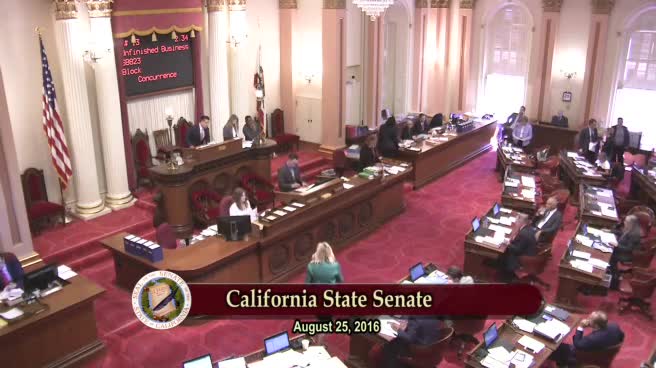
Bill Author