SB 976: Political Reform Act of 1974: postgovernment employment.
- Session Year: 2015-2016
- House: Senate
- Latest Version Date: 2016-04-27
The Milton Marks Postgovernment Employment Restrictions Act of 1990 prohibits a Member of the Legislature, for a period of one year after leaving office, from acting as a compensated agent or attorney for, or otherwise representing, any other person by making appearances before or communications with, with the Legislature or its committees, present Members, or officers or employees, if the appearance or communication is made for the purpose of influencing legislative action.
This bill would extend the time period for these prohibitions for a Member of the Legislature who resigns from office to the conclusion of the next regular legislative session that begins after the Member leaves office. 2 years commencing with the effective date of the resignation. The bill would additionally prohibit a Member from engaging in the above-described post legislative employment activities before the Governor, or any officer or employee thereof.
Existing law prohibits an elected state officer, other than a Member of the Legislature, for a period of one year after leaving office, from acting as a compensated agent or attorney for, or otherwise representing any other person by making any formal or informal appearance, appearance or by making any oral or written communication before any state administrative agency, agency or any officer or employee thereof, if the appearance or communication is for the purpose of influencing specified administrative actions.
The bill would extend the time period for these prohibitions for an elected state officer who resigns from office to two 2 years after the final date of the term to which the officer was elected. commencing with the effective date of the resignation.
Because a violation of the act is punishable as a misdemeanor, this bill would impose a state-mandated local program.
The California Constitution requires the state to reimburse local agencies and school districts for certain costs mandated by the state. Statutory provisions establish procedures for making that reimbursement.
This bill would provide that no reimbursement is required by this act for a specified reason.
The Political Reform Act of 1974, an initiative measure, provides that the Legislature may amend the act to further the acts purposes upon a 2/3 vote of each house and compliance with specified procedural requirements.
This bill would declare that it furthers the purposes of the act.
This bill would declare that it is to take effect immediately as an urgency statute.
The Milton Marks Postgovernment Employment Restrictions Act of 1990 prohibits a Member of the Legislature, for a period of one year after leaving office, from acting as a compensated agent or attorney for, or otherwise representing, any other person by making appearances before or communications with, the Legislature or its committees, present Members, or officers or employees, if the appearance or communication is made for the purpose of influencing legislative action.
This bill would extend the time period for these prohibitions to the conclusion of the next regular legislative session that begins after the Member leaves office. The bill would additionally prohibit a Member from engaging in the above-described post legislative employment activities before the Governor, or any officer or employee thereof.
Existing law prohibits an elected state officer, other than a Member of the Legislature, for a period of one year after leaving office, from acting as a compensated agent or attorney for, or otherwise representing any other person by making any formal or informal appearance, or by making any oral or written communication before any state administrative agency, or any officer or employee thereof, if the appearance or communication is for the purpose of influencing specified administrative actions.
The bill would extend the time period for these prohibitions to two years after the final date of the term to which the officer was elected.
Because a violation of the act is punishable as a misdemeanor, this bill would impose a state-mandated local program.
The California Constitution requires the state to reimburse local agencies and school districts for certain costs mandated by the state. Statutory provisions establish procedures for making that reimbursement.
This bill would provide that no reimbursement is required by this act for a specified reason.
The Political Reform Act of 1974, an initiative measure, provides that the Legislature may amend the act to further the acts purposes upon a 2/3 vote of each house and compliance with specified procedural requirements.
This bill would declare that it furthers the purposes of the act.
This bill would declare that it is to take effect immediately as an urgency statute.
Existing law, the Political Reform Act of 1974, provides for the comprehensive regulation of campaign financing, including requiring the reporting of campaign contributions and expenditures and imposing other reporting and recordkeeping requirements on campaign committees. The act requires elected officers, candidates, committees, and slate mailer organizations to file various reports, including semiannual reports, preelection statements, and supplemental preelection statements.
This bill would make technical, nonsubstantive changes to the provision governing the filing of semiannual campaign statements.
(a)This section shall be known, and may be cited, as the Milton Marks Postgovernment Employment Restrictions Act of 1990.
(b)No (1)Except as provided in paragraph (2), a Member of the Legislature, for a period of one year after leaving office, shall not, for compensation, act as agent or attorney for, or otherwise represent, any other person by making any formal or informal appearance, or by making any oral or written communication, before the Legislature, any committee or subcommittee thereof, any present Member of the Legislature or the Governor, or any officer or employee thereof, if the appearance or communication is made for the purpose of influencing legislative action.
(2)A Member of the Legislature who resigns from office, for a period of two years commencing with the effective date of the resignation, shall not, for compensation, act as agent or attorney for, or otherwise represent, any other person by making any formal or informal appearance, or by making any oral or written communication, before the Legislature, any committee or subcommittee thereof, any present Member of the Legislature or the Governor, or any officer or employee thereof, if the appearance or communication is made for the purpose of influencing legislative action.
(c)No (1)Except as provided in paragraph (2), an elected state officer, other than a Member of the Legislature, for a period of one year after leaving office, shall not, for compensation, act as agent or attorney for, or otherwise represent, any other person by making any formal or informal appearance, or by making any oral or written communication, before any state administrative agency, or any officer or employee thereof, if the appearance or communication is for the purpose of influencing administrative action, or influencing any action or proceeding involving the issuance, amendment, awarding, or revocation of a permit, license, grant, or contract, or the sale or purchase of goods or property. For
(2)An elected state officer, other than a Member of the Legislature, who resigns from office, for a period of two years commencing with the effective date of the resignation, shall not, for compensation, act as agent or attorney for, or otherwise represent, any other person by making any formal or informal appearance, or by making any oral or written communication, before any state administrative agency, or any officer or employee thereof, if the appearance or communication is for the purpose of influencing administrative action, or influencing any action or proceeding involving the issuance, amendment, awarding, or revocation of a permit, license, grant, or contract, or the sale or purchase of goods or property.
(3)For purposes of this subdivision, an appearance before a state administrative agency does not include an appearance in a court of law, before an administrative law judge, or before the Workers Compensation Appeals Board.
(d)(1)No A designated employee of a state administrative agency, any officer, employee, or consultant of a state administrative agency who holds a position which entails the making, or participation in the making, of decisions which may foreseeably have a material effect on any financial interest, and no member of a state administrative agency, for a period of one year after leaving office or employment, shall not, for compensation, act as agent or attorney for, or otherwise represent, any other person, by making any formal or informal appearance, or by making any oral or written communication, before any state administrative agency, or officer or employee thereof, for which he or she worked or represented during the 12 months before leaving office or employment, if the appearance or communication is made for the purpose of influencing administrative or legislative action, or influencing any action or proceeding involving the issuance, amendment, awarding, or revocation of a permit, license, grant, or contract, or the sale or purchase of goods or property. For purposes of this paragraph, an appearance before a state administrative agency does not include an appearance in a court of law, before an administrative law judge, or before the Workers Compensation Appeals Board. The prohibition of this paragraph shall only apply applies to designated employees employed by a state administrative agency on or after January 7, 1991.
(2)For purposes of paragraph (1), a state administrative agency of a designated employee of the Governors office includes any state administrative agency subject to the direction and control of the Governor.
(e)The prohibitions contained in subdivisions (b), (c), and (d) shall not apply to any individual subject to this section who is or becomes any of the following:
(1)An officer or employee of another state agency, board, or commission if the appearance or communication is for the purpose of influencing legislative or administrative action on behalf of the state agency, board, or commission.
(2)An official holding an elective office of a local government agency if the appearance or communication is for the purpose of influencing legislative or administrative action on behalf of the local government agency.
(f)This section shall become operative on January 1, 1991, but only if Senate Constitutional Amendment No. 32 of the 198990 Regular Session is approved by the voters. With respect to Members of the Legislature whose current term of office on January 1, 1991, began in December 1988, this section shall not apply until January 1, 1993.
SECTION 1.Section 87406 of the Government Code is amended to read:87406.(a)This section shall be known, and may be cited, as the Milton Marks Postgovernment Employment Restrictions Act of 1990.
(b)During the period from the date a Member of the Legislature leaves office until the conclusion of the next regular legislative session that begins after the Member leaves office, the Member shall not, for compensation, act as agent or attorney for, or otherwise represent, any other person by making any formal or informal appearance, or by making any oral or written communication, before the Legislature, any committee or subcommittee thereof, any present Member of the Legislature or the Governor, or any officer or employee thereof, if the appearance or communication is made for the purpose of influencing legislative action.
(c)An elected state officer, other than a Member of the Legislature, for a period of two years after the final date of the term to which the officer was elected, shall not, for compensation, act as agent or attorney for, or otherwise represent, any other person by making any formal or informal appearance, or by making any oral or written communication, before any state administrative agency, or any officer or employee thereof, if the appearance or communication is for the purpose of influencing administrative action, or influencing any action or proceeding involving the issuance, amendment, awarding, or revocation of a permit, license, grant, or contract, or the sale or purchase of goods or property. For purposes of this subdivision, an appearance before a state administrative agency does not include an appearance in a court of law, before an administrative law judge, or before the Workers Compensation Appeals Board.
(d)(1)A designated employee of a state administrative agency, any officer, employee, or consultant of a state administrative agency who holds a position which entails the making, or participation in the making, of decisions which may foreseeably have a material effect on any financial interest, and a member of a state administrative agency, for a period of one year after leaving office or employment, shall not, for compensation, act as agent or attorney for, or otherwise represent, any other person, by making any formal or informal appearance, or by making any oral or written communication, before any state administrative agency, or officer or employee thereof, for which he or she worked or represented during the 12 months before leaving office or employment, if the appearance or communication is made for the purpose of influencing administrative or legislative action, or influencing any action or proceeding involving the issuance, amendment, awarding, or revocation of a permit, license, grant, or contract, or the sale or purchase of goods or property. For purposes of this paragraph, an appearance before a state administrative agency does not include an appearance in a court of law, before an administrative law judge, or before the Workers Compensation Appeals Board. The prohibition of this paragraph only applies to designated employees employed by a state administrative agency on or after January 7, 1991.
(2)For purposes of paragraph (1), a state administrative agency of a designated employee of the Governors office includes any state administrative agency subject to the direction and control of the Governor.
(e)The prohibitions contained in subdivisions (b), (c), and (d) do not apply to any individual subject to this section who is or becomes any of the following:
(1)An officer or employee of another state agency, board, or commission if the appearance or communication is for the purpose of influencing legislative or administrative action on behalf of the state agency, board, or commission.
(2)An official holding an elective office of a local government agency if the appearance or communication is for the purpose of influencing legislative or administrative action on behalf of the local government agency.
SEC. 2.No reimbursement is required by this act pursuant to Section 6 of Article XIIIB of the California Constitution because the only costs that may be incurred by a local agency or school district will be incurred because this act creates a new crime or infraction, eliminates a crime or infraction, or changes the penalty for a crime or infraction, within the meaning of Section 17556 of the Government Code, or changes the definition of a crime within the meaning of Section 6 of Article XIIIB of the California Constitution.
SEC. 3.The Legislature finds and declares that this bill furthers the purposes of the Political Reform Act of 1974 within the meaning of subdivision (a) of Section 81012 of the Government Code.
SEC. 4.This act is an urgency statute necessary for the immediate preservation of the public peace, health, or safety within the meaning of Article IV of the Constitution and shall go into immediate effect. The facts constituting the necessity are:
In order to apply this acts postgovernment employment restrictions to elected officials who are currently in office, it is necessary that this act take immediate effect.
(a)This section shall be known, and may be cited, as the Milton Marks Postgovernment Employment Restrictions Act of 1990.
(b)No During the period from the date a Member of the Legislature leaves office until the conclusion of the next regular legislative session that begins after the Member leaves office, the Member of the Legislature, for a period of one year after leaving office, shall not, for compensation, act as agent or attorney for, or otherwise represent, any other person by making any formal or informal appearance, or by making any oral or written communication, before the Legislature, any committee or subcommittee thereof, any present Member of the Legislature or the Governor, or any officer or employee thereof, if the appearance or communication is made for the purpose of influencing legislative action.
(c)No An elected state officer, other than a Member of the Legislature, for a period of one year two years after leaving office the final date of the term to which the officer was elected, shall not, for compensation, act as agent or attorney for, or otherwise represent, any other person by making any formal or informal appearance, or by making any oral or written communication, before any state administrative agency, or any officer or employee thereof, if the appearance or communication is for the purpose of influencing administrative action, or influencing any action or proceeding involving the issuance, amendment, awarding, or revocation of a permit, license, grant, or contract, or the sale or purchase of goods or property. For purposes of this subdivision, an appearance before a state administrative agency does not include an appearance in a court of law, before an administrative law judge, or before the Workers Compensation Appeals Board.
(d)(1)No A designated employee of a state administrative agency, any officer, employee, or consultant of a state administrative agency who holds a position which entails the making, or participation in the making, of decisions which may foreseeably have a material effect on any financial interest, and no a member of a state administrative agency, for a period of one year after leaving office or employment, shall not, for compensation, act as agent or attorney for, or otherwise represent, any other person, by making any formal or informal appearance, or by making any oral or written communication, before any state administrative agency, or officer or employee thereof, for which he or she worked or represented during the 12 months before leaving office or employment, if the appearance or communication is made for the purpose of influencing administrative or legislative action, or influencing any action or proceeding involving the issuance, amendment, awarding, or revocation of a permit, license, grant, or contract, or the sale or purchase of goods or property. For purposes of this paragraph, an appearance before a state administrative agency does not include an appearance in a court of law, before an administrative law judge, or before the Workers Compensation Appeals Board. The prohibition of this paragraph shall only apply applies to designated employees employed by a state administrative agency on or after January 7, 1991.
(2)For purposes of paragraph (1), a state administrative agency of a designated employee of the Governors office includes any state administrative agency subject to the direction and control of the Governor.
(e)The prohibitions contained in subdivisions (b), (c), and (d) shall do not apply to any individual subject to this section who is or becomes any of the following:
(1)An officer or employee of another state agency, board, or commission if the appearance or communication is for the purpose of influencing legislative or administrative action on behalf of the state agency, board, or commission.
(2)An official holding an elective office of a local government agency if the appearance or communication is for the purpose of influencing legislative or administrative action on behalf of the local government agency.
(f)This section shall become operative on January 1, 1991, but only if Senate Constitutional Amendment No. 32 of the 198990 Regular Session is approved by the voters. With respect to Members of the Legislature whose current term of office on January 1, 1991, began in December 1988, this section shall not apply until January 1, 1993.
SEC. 2.No reimbursement is required by this act pursuant to Section 6 of Article XIIIB of the California Constitution because the only costs that may be incurred by a local agency or school district will be incurred because this act creates a new crime or infraction, eliminates a crime or infraction, or changes the penalty for a crime or infraction, within the meaning of Section 17556 of the Government Code, or changes the definition of a crime within the meaning of Section 6 of Article XIIIB of the California Constitution.
SEC. 3.The Legislature finds and declares that this bill furthers the purposes of the Political Reform Act of 1974 within the meaning of subdivision (a) of Section 81012 of the Government Code.
SEC. 4.This act is an urgency statute necessary for the immediate preservation of the public peace, health, or safety within the meaning of Article IV of the Constitution and shall go into immediate effect. The facts constituting the necessity are:
In order to apply this acts postgovernment employment restrictions to elected officials who are currently in office, it is necessary that this act take immediate effect.
SECTION 1.Section 84200 of the Government Code is amended to read:84200.(a)Except as provided in paragraphs (1), (2), and (3), elected officers, candidates, and committees pursuant to subdivision (a) of Section 82013 shall file semiannual statements each year no later than July 31 for the period ending June 30, and no later than January 31 for the period ending December 31.
(1)A candidate who, during the past six months, has filed a declaration pursuant to Section 84206 shall not be required to file a semiannual statement for that six-month period.
(2)Elected officers whose salaries are less than two hundred dollars ($200) a month, judges, and judicial candidates and their controlled committees shall not file semiannual statements pursuant to this subdivision for any six-month period in which they have not made or received any contributions or made any expenditures.
(3)A judge who is not listed on the ballot for reelection to, or recall from, any elective office during a calendar year shall not file a semiannual statement pursuant to this subdivision for any six-month period in that year if both of the following apply:
(A)The judge has not received any contributions.
(B)The only expenditures made by the judge during the calendar year are contributions from the judges personal funds to other candidates or committees totaling less than one thousand dollars ($1,000).
(b)All committees pursuant to subdivision (b) or (c) of Section 82013 shall file campaign statements each year no later than July 31 for the period ending June 30, and no later than January 31 for the period ending December 31, if they have made contributions or independent expenditures, including payments to a slate mailer organization, during the six-month period before the closing date of the statements.
(a)Except as provided in paragraphs (1), (2), and (3), elected officers, candidates, and committees pursuant to subdivision (a) of Section 82013 shall file semiannual statements each year no later than July 31 for the period ending June 30, and no later than January 31 for the period ending December 31.
(1)A candidate who, during the past six months months, has filed a declaration pursuant to Section 84206 shall not be required to file a semiannual statement for that six-month period.
(2)Elected officers whose salaries are less than two hundred dollars ($200) a month, judges, and judicial candidates, candidates and their controlled committees shall not file semiannual statements pursuant to this subdivision for any six-month period in which they have not made or received any contributions or made any expenditures.
(3)A judge who is not listed on the ballot for reelection to, or recall from, any elective office during a calendar year shall not file a semiannual statements statement pursuant to this subdivision for any six-month period in that year if both of the following apply:
(A)The judge has not received any contributions.
(B)The only expenditures made by the judge during the calendar year are contributions from the judges personal funds to other candidates or committees totaling less than one thousand dollars ($1,000).
(b)All committees pursuant to subdivision (b) or (c) of Section 82013 shall file campaign statements each year no later than July 31 for the period ending June 30, and no later than January 31 for the period ending December 31, if they have made contributions or independent expenditures, including payments to a slate mailer organization, during the six-month period before the closing date of the statements.
|
Date
|
Status
|
|---|---|
| May 27, 2016 | From committee: Do pass and re-refer to Com. on RLS. (Ayes 7. Noes 0. Page 4000.) (May 27). Re-referred to Com. on RLS. |
| May 27, 2016 | From committee: Do pass and re-refer to Com. on RLS. (Ayes 7. Noes 0.) (May 27). Re-referred to Com. on RLS. |
| May 20, 2016 | Set for hearing May 27. |
| May 9, 2016 | May 9 hearing: Placed on APPR. suspense file. |
| Apr 29, 2016 | Set for hearing May 9. |
| Apr 27, 2016 | Read second time and amended. Re-referred to Com. on APPR. |
| Apr 26, 2016 | From committee: Do pass as amended and re-refer to Com. on APPR. (Ayes 5. Noes 0. Page 3608.) (April 19). |
| Apr 26, 2016 | From committee: Do pass as amended and re-refer to Com. on APPR. (Ayes 5. Noes 0.) (April 19). |
| Apr 5, 2016 | Set for hearing April 19. |
| Mar 31, 2016 | Re-referred to Com. on E. & C.A. |
| Mar 28, 2016 | From committee with author's amendments. Read second time and amended. Re-referred to Com. on RLS. |
| Feb 18, 2016 | Referred to Com. on RLS. |
| Feb 11, 2016 | From printer. May be acted upon on or after March 12. |
| Feb 10, 2016 | Introduced. Read first time. To Com. on RLS. for assignment. To print. |
|
Date
|
Description
|
Location
|
Votes
|
|
|---|---|---|---|---|
| May 27, 2016 | Do pass, but first be re-referred to the Committee on [Rules] | Senate Standing Committee on Appropriations |
Passed |
|
| May 9, 2016 | Placed on suspense file | Senate Standing Committee on Appropriations |
Passed |
|
| Apr 19, 2016 | Do pass as amended, but first amend, and re-refer to the Committee on [Appropriations] | Senate Standing Committee on Elections and Constitutional Amendments |
Passed |
This list shows positions taken on this bill by organizations on the date displayed, which is linked to the original source.
Positions by individuals are not included.
SENATE COMMITTEE ON
Senator Ricardo Lara, Chair
2015 - 2016 Regular Session
SB 976 (Vidak) - Political Reform Act of 1974: postgovernment employment
Version: | Policy Vote: |
Urgency: | Mandate: |
Hearing Date: | Consultant: |
This bill meets the criteria for referral to the Suspense File.
Bill Summary:
SB 976 would extend "revolving door" prohibitions for former legislators and other elected statewide officeholders.
Fiscal Impact:
The Fair Political Practices Commission (FPPC) would incur General Fund costs of $53,000 in the first year, and $46,000 annually ongoing to implement the provisions of the bill.
Background:
"Revolving door" prohibitions are intended to address situations whereby former elected officers and other officials (1) return to represent clients who have business before, or (2) are seeking to influence policy decisions made by their former agencies. In many of these instances, the former official may be lobbying former subordinates or peers who may feel pressured to be accommodating.
Current law generally defines “lobbyist” as any individual who receives $2,000 or more in economic consideration in a calendar month, other travel reimbursements, or whose principal duties as an employee are to communicate directly or through his or her agents with any elective state official, agency official, or legislative official for the purpose of influencing legislative or administrative action. FPPC regulations further define non-contract lobbyists as individuals who spend one-third or more of their time, in any calendar month, for which they receive compensation from his or her employer, engaging in direct communication, other than administrative testimony, with one or more qualifying officials for the purpose of influencing legislative or administrative action. The existing revolving door prohibitions apply whether or not the former elected state officeholder qualifies as a "lobbyist" under this current definition.
Current law prohibits a member of the Legislature, for a period of one year after leaving office, from acting as a compensated agent or attorney for, or otherwise representing, any other person by making appearances before or communications with the Legislature if the appearance or communication is made for the purpose of influencing legislative action. Additionally, current law prohibits elected state officers other than Member of the Legislatures, for a period of one year after leaving office, from acting as a compensated agent or attorney for, or otherwise representing any other person by making any formal or informal appearance, or by making any oral or written communication before any state administrative agency if the appearance or communication is for the purpose of influencing specified administrative actions.
However, the aforementioned prohibitions do not apply to any individual who is or becomes either (1) an officer or employee of another state agency, board, or commission if the appearance or communication is for the purpose of influencing legislative or administrative action on behalf of that entity, or (2) an official holding an elective office of a local government agency if the appearance or communication is for the purpose of influencing legislative or administrative action on behalf of the local government agency.
Proposed Law:
This bill would (1) extend the time period for these prohibitions on former legislators to two years commencing with the effective date of the resignation, (2) extend these prohibitions on former legislators to also include engaging in the above-described activities before the Governor, or any officer or employee of the Governor, and (3) extend the time period for these prohibitions on elected state officers, other than a Member of the Legislature (a statewide elected officer or a member of the Board of Equalization), to two years commencing with the effective date of the resignation.
Related Legislation:
- ACA 9 (Gomez), which is pending in Assembly Elections and Redistricting Committee, would, among other things, prohibit a member of the Legislature who vacates his or her seat prior to the expiration of the term of office for other than personal medical reasons from being permitted to lobby, for compensation before the Legislature until 12 months have passed from the date his or her term of office would have expired.
- AB 2284 (Patterson), which recently failed passage in the Assembly Elections and Redistricting Committee, would have required a legislator who resigns before the completion of his or her term to use surplus campaign funds to pay for the resulting special election.
Staff Comments:
FPPC would require one-half of a position (political reform consultant) to administer this bill. Workload would include (1) amending current regulations to clarify the new rules, (2) responding to requests, and (3) updating manuals and instruction materials. Estimated costs would be $53,000 in the first year, and $46,000 annually thereafter.
Any local government costs resulting from the mandate in this measure are not state-reimbursable because the mandate only involves the definition of a crime or the penalty for conviction of a crime.
-- END --
SENATE COMMITTEE ON
ELECTIONS AND CONSTITUTIONAL AMENDMENTS
Senator Ben Allen, Chair
2015 - 2016 Regular
Bill No: 976 Hearing Date: 4/19/16
Author: | Vidak | ||
Version: |
| ||
Urgency: | Fiscal: | ||
Consultant: | |||
Subject:
DIGEST
This bill extends "revolving door" prohibitions for former legislators and other elected state officeholders.
ANALYSIS
Existing law:
- Prohibits a member of the Legislature, for a period of one year after leaving office, from acting as a compensated agent or attorney for, or otherwise representing, any other person by making appearances before or communications with the Legislature if the appearance or communication is made for the purpose of influencing legislative action.
- Prohibits an elected state officer, other than a Member of the Legislature, for a period of one year after leaving office, from acting as a compensated agent or attorney for, or otherwise representing any other person by making any formal or informal appearance, or by making any oral or written communication before any state administrative agency if the appearance or communication is for the purpose of influencing specified administrative actions.
- Provides that the above prohibitions do not apply to any individual who is or becomes any of the following:
- An officer or employee of another state agency, board, or commission if the appearance or communication is for the purpose of influencing legislative or administrative action on behalf of the state agency, board, or commission.
- An official holding an elective office of a local government agency if the appearance or communication is for the purpose of influencing legislative or administrative action on behalf of the local government agency.
This bill:
- Extends the time period for these prohibitions on former legislators to the conclusion of the next regular legislative session that begins after the legislator leaves office.
- Extends these prohibitions on former legislators to also include engaging in the above-described activities before the Governor, or any officer or employee of the Governor.
- Extends the time period for these prohibitions on elected state officers, other than a Member of the Legislature (a statewide elected officer or a member of the Board of Equalization), from a period of one year after leaving office to two years after the final date of the term to which the officer was elected.
- Contains an urgency clause.
BACKGROUND
"Revolving door" prohibitions are intended to address situations whereby former elected officers and other officials return to represent clients who have business before, or are seeking to influence policy decisions made by, their former agencies. In many of these instances, the former official may be lobbying his or her former subordinates or peers who may feel inordinate pressure to be accommodating.
Do you have to be an actual lobbyist? Existing law generally defines “lobbyist” as any individual who receives $2,000 or more in economic consideration in a calendar month, other than reimbursement for reasonable travel expenses, or whose principal duties as an employee are, to communicate directly or through his or her agents with any elective state official, agency official, or legislative official for the purpose of influencing legislative or administrative action. Regulations promulgated by the Fair Political Practices Commission (FPPC) further define non-contract lobbyists as individuals who spend one-third or more of their time, in any calendar month, for which they receive compensation from his or her employer, engaging in direct communication, other than administrative testimony, with one or more qualifying officials for the purpose of influencing legislative or administrative action. The existing revolving door prohibitions apply whether or not the former elected state officeholder qualifies as a "lobbyist" under this current definition.
Resignations from the California Legislature. Since the 2001-2002 legislative session, there have been 32 instances in which a member of the Legislature resigned from office before the completion of his or her term. Of those 32 resignations, 28 resulted in a special election being held to fill the resulting vacancy (in the other four cases, the resignation happened close enough to the end of the member's term that a special election was not held, and the seat was left vacant for the remainder of the term instead). More than 84% of the resignations were the result of members being elected to other public offices by the voters (25 cases) or being appointed by the Governor to fill vacancies in other elective offices (two cases). In the five cases where a member of the Legislature resigned for a reason other than assuming another public office, one resigned after a criminal conviction, one resigned amid press reports about comments he made regarding an alleged relationship with a lobbyist, and three resigned from office and subsequently accepted governmental relations jobs with private organizations.
COMMENTS
- According to the author: The public has always been weary of officials who seem to be using their elected position as a launching pad for their next job.
Since the passage of proposition 140 in 1990, which imposed term limits on legislators and state elected officials, 58 special elections have been held for members of the Legislature who have resigned their office in the middle of the term. While a vast majority of these former members left to assume higher office, a number have resigned their office to take lobbying positions with big business.
According to the National Conference of State Legislators (NCSL), 33 states currently have some type of lobbying ban on former legislators. Eleven states currently ban former members from lobbying for two years after leaving the Legislature, and two states (Maryland and Oregon) require that former members wait until the conclusion of the next legislative session before they can engage in lobbying activities.
While California currently has a one year ban on former members becoming lobbyist, this is simply not long enough to distance former members from their former colleagues. A longer lobbying ban will discourage members from leaving their office in the middle of the term just to start winding down the one year lobbying ban clock.
Senate Bill 976 would amend the Government Code to bar former legislators from being able to lobby their former colleagues or the Governor until the conclusion of the next legislative session that begins after the former legislator leaves office.
Additionally, the bill will extend the time period for which former elected state officers (Governor, Lieutenant Governor, Secretary of State, Attorney General, Treasurer, Controller, Insurance Commissioner, Superintendent of Public Instruction and Board of Equalization members) are barred from lobbying a state administrative agency or any state officer from one year to two years after the final date of the term to which the officer was elected.
A One-Year Ban Can Become Three or Five. Under this bill, any legislator who resigns during the first year of his/her term would be required to wait the rest of that current session (one year or more) and through the following two-year session before he/she would be eligible to appear before or communicate with the Legislature or Governor to influence legislative actions. Under this scenario, the existing one-year post-resignation ban could become more than a three-year ban.
A statewide elected officer or a member of the Board of Equalization who resigns during the first year of his/her term would be required to wait the rest of that term (three years or more) plus an additional two years before he/she would be eligible to appear before or communicate with a state administrative agency to influence administrative actions. Under this scenario, the existing one-year post-resignation ban could become more than a five-year ban.
RELATED/PRIOR LEGISLATION
ACA 9 (Gomez), which is pending in Assembly Elections and Redistricting Committee, would, among other things, prohibit a member of the Legislature who vacates his or her seat prior to the expiration of the term of office for other than personal medical reasons from being permitted to lobby, for compensation before the Legislature until 12 months have passed from the date his or her term of office would have expired.
AB 2284 (Patterson), which recently failed passage in the Assembly Elections and Redistricting Committee, would have required a legislator who resigns before the completion of his or her term to use surplus campaign funds to pay for the resulting special election.
POSITIONS
Sponsor: Author
Support: California Clean Money Campaign
Sierra Club California
Oppose: None received
-- END --
Bill Author
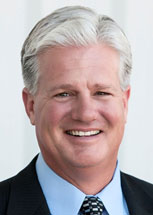
Bill Co-Author(s):