SCR 128: The Buffalo Soldiers.
- Session Year: 2015-2016
- House: Senate
- Latest Version Date: 2016-06-09
This measure would honor the Buffalo Soldiers for changing the face of the United States Armed Forces forever through their record of unique accomplishments.
This measure would honor the Buffalo Soldiers for changing the face of the United States Armed Forces forever through their record of unique accomplishments.
This measure would honor the Buffalo Soldiers for changing the face of the United States Armed Forces forever through their record of unique accomplishments.
This measure would honor the Buffalo Soldiers for changing the face of the United States Armed Forces forever through their record of unique accomplishments.
WHEREAS, On July 28, 1866, by an act of the United States Congress, African American men were allowed to join the post-Civil War army in special segregated units the 9th and 10th Cavalry Regiments of the United States Army; and
WHEREAS, Comprised of former slaves, freemen, and black Civil War soldiers, the Buffalo Soldiers were the first African Americans to serve in the United States Army during peacetime. During the latter period of the nineteenth century, the soldiers of the 9th and 10th Cavalry Regiments were assigned to Fort Riley, Kansas, and other areas of the Midwest, where they endeavored to maintain order between Native Americans and the settlers arriving in those areas, built forts and roads, patrolled borders, and protected mail coaches and railroad construction crews; and
WHEREAS, Out of respect for their courage and fighting spirit, as well as for the dark curly appearance of their hair and the thick coats made from buffalo hide that these soldiers wore during winter, the Native Americans of the Midwestern plains honored the members of the 9th and 10th Cavalry Regiments with the nickname of Buffalo Soldiers; and
WHEREAS, When the Indian Wars ended in the 1890s, the Buffalo Soldiers went on to fight in Cuba during the 1898 Spanish-American War and thereafter acted as rangers in Yosemite and Sequoia National Parks; and
WHEREAS, The Buffalo Soldiers of the regular African American army regiments were among the first to serve as park rangers in the newly created National Park Service; and
WHEREAS, Approximately 500 Buffalo Soldiers from the 9th, 10th, 24th, and 25th Regiments served in Yosemite and nearby Sequoia National Parks, with duties ranging from evicting poachers and timber thieves to extinguishing forest fires; and
WHEREAS, The accomplishments of the Buffalo Soldiers as park rangers include building the first trail to the top of Mount Whitney in Sequoia National Park, building the first arboretum in Yosemite National Park, and clearing miles of trails and building roads into the national parks for visitor enjoyment; and
WHEREAS, Colonel Charles Young, the third African American graduate of West Point, served as acting military superintendent of Sequoia National Park in 1903; and
WHEREAS, Despite the Buffalo Soldiers wearing the uniform of the United States Army, performing their duties presented challenges to overcome due to racial prejudice. Buffalo Soldiers serving in Yosemite and Sequoia National Parks had to fulfill their duties using perseverance and diplomacy; and
WHEREAS, During World War II, members of the Buffalo Soldiers branched out and formed into famous units, including the 24th and 25th Infantry Divisions, the famed Tuskegee Airmen that included the 99th Pursuit Squadron, the larger 332nd Fighter Red Tails Group, the 761st Tank Battalion of the Third Army, plus nearly the entire 92nd Infantry Division; and
WHEREAS, Due to Executive Order 9981 issued in 1948 by President Harry Truman eliminating racial segregation and discrimination in the United States Armed Forces, the last all-black units disbanded during the first half of the 1950s, and, in 2005, the nations oldest living Buffalo Soldier, First Sergeant Mark Matthews, passed away in Washington, D.C., at 111 years of age; now, therefore, be it
Resolved by the Senate of the State of California, the Assembly thereof concurring, That the Legislature honors the Buffalo Soldiers for changing the face of the United States Armed Forces forever through their record of unique accomplishments, which testify to their skill, discipline, integrity, and heroism, and recognizes and thanks their families and descendants for sharing an inspiring legacy that speaks to the sense of excellence, potential, and patriotism shared by all Americans; and be it further
Resolved, That the Secretary of the Senate transmit copies of this resolution to the author for appropriate distribution.
WHEREAS, On July 28, 1866, by an act of the United States Congress, African American men were allowed to join the post-Civil War army in special segregated units the 9th and 10th Cavalry Regiments of the United States Army; and
WHEREAS, Comprised of former slaves, freemen, and black Civil War soldiers, the Buffalo Soldiers were the first African Americans to serve in the United States Army during peacetime. During the latter period of the nineteenth century, the soldiers of the 9th and 10th Cavalry Regiments were assigned to Fort Riley, Kansas, and other areas of the Midwest, where they helped endeavored to maintain order between Native Americans and the settlers, settlers arriving in those areas, built forts and roads, patrolled borders, and protected mail coaches and railroad construction crews; and
WHEREAS, Out of respect for their courage and fighting spirit, as well as for their dark curly the dark curly appearance of their hair and the thick coats made from buffalo hide that they these soldiers wore during winter, the Native Americans of the Midwestern plains honored the soldiers members of the 9th and 10th Cavalry Regiments with the nickname of Buffalo Soldiers; and
WHEREAS, When the Indian Wars ended in the 1890s, the Buffalo Soldiers went on to fight in Cuba in during the 1898 Spanish-American War and thereafter acted as rangers in Yosemite and Sequoia national parks; National Parks; and
WHEREAS, The Buffalo Soldiers of the regular African American army regiments were among the first to serve as park rangers in the newly created National Park Service; and
WHEREAS, Approximately 500 Buffalo Soldiers from the 9th, 10th, 24th 24th, and 25th regiments Regiments served in Yosemite and nearby Sequoia national parks, National Parks, with duties ranging from evicting poachers and timber thieves to extinguishing forest fires; and
WHEREAS, The accomplishments of the Buffalo Soldiers as park rangers include building the first trail to the top of Mount Whitney in Sequoia National Park, building the first arboretum in Yosemite National Park, and clearing miles of trails and building roads into the national parks for visitor enjoyment; and
WHEREAS, Colonel Charles Young, the third African American graduate of West Point, served as acting military superintendent of Sequoia National Park in 1903; and
WHEREAS, Even though Despite the Buffalo Soldiers wore wearing the uniform of the United States Army, the performance of performing their duties presented challenges to overcome due to racial prejudice. Buffalo soldiers Soldiers serving in Yosemite and Sequoia national parks National Parks had to fulfill their duties using perseverance and diplomacy; and
WHEREAS, During World War II, members of the Buffalo Soldiers branched out and formed into famous units, including the 24th and 25th Infantry Divisions, the famed Tuskegee Airmen that included the 99th Fighter (Pursuit) Group, Pursuit Squadron the larger 332nd Fighter Red Tails Group, and the 761st Tank Battalion of the third Army; Third Army, plus nearly the entire 92nd Infantry Division; and
WHEREAS, Due to an executive order Executive Order 9981 issued in 1948 by President Harry Truman eliminating racial segregation and discrimination in the United States Armed Forces, the last all-black units disbanded during the first half of the 1950s, and, in 2005, the nations oldest living Buffalo Soldier, First Sergeant Mark Matthews, passed away in Washington, D.C., at 111 years of age; now, therefore, be it
Resolved by the Senate of the State of California, the Assembly thereof concurring, That the Legislature honors the Buffalo Soldiers for changing the face of the United States Armed Forces forever through their record of unique accomplishments, which testify to their skill, discipline, integrity, and heroism, and recognizes and thanks their families and descendants for sharing an inspiring legacy that speaks to the sense of excellence, potential, and patriotism shared by all Americans; and be it further
Resolved, That the Secretary of the Senate transmit copies of this resolution to the author for appropriate distribution.
WHEREAS, On July 28, 1866, by an act of the United States Congress, African American men were allowed to join the post-Civil War army in special segregated units the 9th and 10th Cavalry Regiments of the United States Army; and
WHEREAS, Comprised of former slaves, freemen, and black Civil War soldiers, the Buffalo Soldiers were the first African Americans to serve in the United States Army during peacetime. During the latter period of the nineteenth century, the soldiers of the 9th and 10th Cavalry Regiments were assigned to Fort Riley, Kansas, and other areas of the Midwest, where they helped to maintain order between Native Americans and the settlers, built forts and roads, patrolled borders, and protected mail coaches and railroad construction crews; and
WHEREAS, Out of respect for their courage and fighting spirit, as well as for their dark curly hair and the thick coats made from buffalo hide that they wore during winter, the Native Americans of the Midwestern plains honored the soldiers of the 9th and 10th Cavalry Regiments with the nickname of Buffalo Soldiers; and
WHEREAS, When the Indian Wars ended in the 1890s, the Buffalo Soldiers went on to fight in Cuba in the 1898 Spanish-American War and acted as rangers in Yosemite and Sequoia national parks; and
WHEREAS, The Buffalo Soldiers of the regular African American army regiments were among the first to serve as park rangers in the newly created National Park Service; and
WHEREAS, Approximately 500 Buffalo Soldiers from the 9th, 10th, 24th and 25th regiments served in Yosemite and nearby Sequoia national parks, with duties from evicting poachers and timber thieves to extinguishing forest fires; and
WHEREAS, The accomplishments of the Buffalo Soldiers as park rangers include building the first trail to the top of Mount Whitney in Sequoia National Park, building the first arboretum in Yosemite National Park, and clearing miles of trails and building roads into the national parks for visitor enjoyment; and
WHEREAS, Charles Young, the third African American graduate of West Point, served as acting military superintendent of Sequoia National Park in 1903; and
WHEREAS, Even though the Buffalo Soldiers wore the uniform of the United States Army, the performance of their duties presented challenges due to racial prejudice. Buffalo soldiers serving in Yosemite and Sequoia national parks had to fulfill their duties using diplomacy; and
WHEREAS, During World War II, members of the Buffalo Soldiers branched out and formed into famous units, including the 24th and 25th Infantry Divisions, the famed Tuskegee Airmen that included the 99th Fighter (Pursuit) Group, the 332nd Fighter Red Tails Group, and the 761st Tank Battalion of the third Army; and
WHEREAS, Due to an executive order issued in 1948 by President Harry Truman eliminating racial segregation and discrimination in the United States Armed Forces, the last all-black units disbanded during the first half of the 1950s, and, in 2005, the nations oldest living Buffalo Soldier, Mark Matthews, passed away in Washington, D.C., at 111 years of age; now, therefore, be it
Resolved by the Senate of the State of California, the Assembly thereof concurring, That the Legislature honors the Buffalo Soldiers for changing the face of the United States Armed Forces forever through their record of unique accomplishments, which testify to their skill, discipline, integrity, and heroism, and recognizes and thanks their families and descendants for sharing an inspiring legacy that speaks to the sense of excellence, potential, and patriotism shared by all Americans; and be it further
Resolved, That the Secretary of the Senate transmit copies of this resolution to the author for appropriate distribution.
|
Date
|
Status
|
|---|---|
| Jun 9, 2016 | Chaptered by Secretary of State. Res. Chapter 70, Statutes of 2016. |
| Jun 9, 2016 | Enrolled and filed with the Secretary of State at 3 p.m. |
| Jun 6, 2016 | Read. Adopted. (Page 5278.) Ordered to the Senate. |
| Jun 6, 2016 | In Senate. Ordered to engrossing and enrolling. |
| Jun 6, 2016 | Read. Adopted. Ordered to the Senate. |
| Jun 1, 2016 | From committee: Be adopted. Ordered to third reading. (Ayes 11. Noes 0.) (June 1). |
| May 27, 2016 | Re-referred to Com. on RLS. pursuant to Assembly Rule 96. |
| May 9, 2016 | Referred to Com. on V.A. |
| May 3, 2016 | In Assembly. Held at Desk. |
| May 2, 2016 | Read. Adopted. (Ayes 37. Noes 0. Page 3739.) Ordered to the Assembly. |
| May 2, 2016 | Read. Adopted. (Ayes 37. Noes 0.) Ordered to the Assembly. |
| Apr 28, 2016 | Read second time. Ordered to third reading. |
| Apr 27, 2016 | Ordered to second reading. |
| Apr 27, 2016 | Read third time and amended. |
| Apr 11, 2016 | From committee: Ordered to third reading. |
| Apr 6, 2016 | Introduced. Referred to Com. on RLS. |
|
Date
|
Description
|
Location
|
Votes
|
|
|---|---|---|---|---|
| Jun 1, 2016 | Be adopted. To third reading. | Assembly Standing Committee on Rules |
Passed |
|
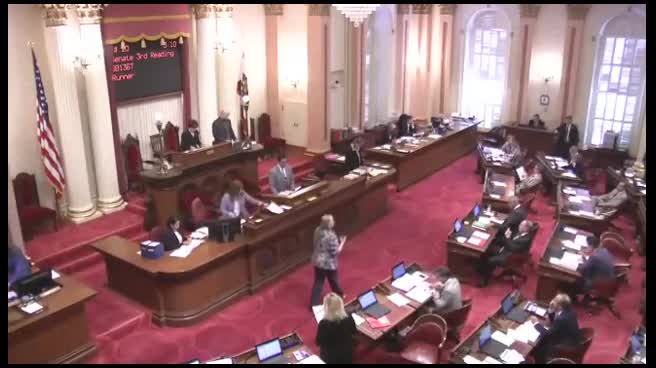
| May 2, 2016 | Senate 3rd Reading SCR128 Mendoza | Senate Floor |
Passed |
This list shows positions taken on this bill by organizations on the date displayed, which is linked to the original source.
Positions by individuals are not included.
Date of Hearing: June 1, 2016
ASSEMBLY COMMITTEE ON RULES
Richard S. Gordon, Chair
SBPCA Bill Id:SCR 128
Author:(Mendoza) – As Amended Ver:
SENATE VOTE:
SUBJECT: The Buffalo Soldiers
SUMMARY: Honors the Buffalo Soldiers for changing the face of the United States Armed Forces forever through their record of unique accomplishments. Specifically, this resolution makes the following legislative findings:
- Comprised of former slaves, freemen, and black Civil War soldiers, the Buffalo Soldiers were the first African Americans to serve in the United States Army during peacetime. During the latter period of the nineteenth century, the soldiers of the 9th and 10th Cavalry Regiments were assigned to Fort Riley, Kansas, and other areas of the Midwest, where they endeavored to maintain order between Native Americans and the settlers arriving in those areas, built forts and roads, patrolled borders, and protected mail coaches and railroad construction crews.
- When the Indian Wars ended in the 1890s, the Buffalo Soldiers went on to fight in Cuba during the 1898 Spanish-American War and acted as rangers in Yosemite and Sequoia National Parks. Approximately 500 Buffalo Soldiers from the 9th, 10th, 24th and 25th Regiments served in Yosemite and nearby Sequoia National Parks, with duties ranging from evicting poachers and timber thieves to extinguishing forest fires.
- During World War II, members of the Buffalo Soldiers branched out and formed into famous units, including the 24th and 25th Infantry Divisions, the famed Tuskegee Airmen that included the 99th Pursuit Squadron, the larger 332nd Fighter “Red Tails” Group, and the 761st Tank Battalion of the Third Army, plus nearly the entire 92nd Infantry Division.
- Due to Executive Order 9981 issued in 1948 by President Harry Truman eliminating racial segregation and discrimination in the United States Armed Forces, the last all-black units disbanded during the first half of the 1950s, and, in 2005, the nation’s oldest living Buffalo Soldier, First Sergeant Mark Matthews, passed away in Washington, D.C., at 111 years of age.
FISCAL EFFECT: None
REGISTERED SUPPORT / OPPOSITION:
Support
None on file
Opposition
None on file
Analysis Prepared by: Nicole Willis / RLS. / (916) 319-2800
SENATE THIRD READING
STR Bill Id:SCR 128
Author:(Mendoza and Hall)
As Amended Ver:April 27, 2016
Majority vote
SENATE VOTE: 37-0
Committee | Votes | Ayes | Noes |
Rules | 11-0 | Gordon, Chang, Arambula, Brough, Cooley, Gomez, Holden, Jones, Quirk, Rodriguez, Waldron |
SUMMARY: Honors the Buffalo Soldiers for changing the face of the United States Armed Forces forever through their record of unique accomplishments. Specifically, this resolution makes the following legislative findings:
- Comprised of former slaves, freemen, and black Civil War soldiers, the Buffalo Soldiers were the first African Americans to serve in the United States Army during peacetime. During the latter period of the nineteenth century, the soldiers of the 9th and 10th Cavalry Regiments were assigned to Fort Riley, Kansas, and other areas of the Midwest, where they endeavored to maintain order between Native Americans and the settlers arriving in those areas, built forts and roads, patrolled borders, and protected mail coaches and railroad construction crews.
- When the Indian Wars ended in the 1890s, the Buffalo Soldiers went on to fight in Cuba during the 1898 Spanish-American War and acted as rangers in Yosemite and Sequoia National Parks. Approximately 500 Buffalo Soldiers from the 9th, 10th, 24th and 25th Regiments served in Yosemite and nearby Sequoia National Parks, with duties ranging from evicting poachers and timber thieves to extinguishing forest fires.
- During World War II, members of the Buffalo Soldiers branched out and formed into famous units, including the 24th and 25th Infantry Divisions, the famed Tuskegee Airmen that included the 99th Pursuit Squadron, the larger 332nd Fighter "Red Tails" Group, and the 761st Tank Battalion of the Third Army, plus nearly the entire 92nd Infantry Division.
- Due to Executive Order 9981 issued in 1948 by President Harry Truman eliminating racial segregation and discrimination in the United States Armed Forces, the last all-black units disbanded during the first half of the 1950s, and, in 2005, the nation's oldest living Buffalo Soldier, First Sergeant Mark Matthews, passed away in Washington, D.C., at 111 years of age.
FISCAL EFFECT: None
Analysis Prepared by: Nicole Willis / RLS. / (916) 319-2800 FN: 0003387
Office of Senate Floor Analyses (916) 651-1520 Fax: (916) 327-4478 | SCR 128 |
THIRD READING
Bill No: SCR 128
Author: Mendoza (D) and Hall (D)
Introduced: 4/27/16
DIGEST:
This resolution honors the Buffalo Soldiers for changing the face of the United States Armed Forces forever through their record of unique accomplishments.
Senate Floor Amendments of 4/27/16 make technical changes, and add Senator Hall as a joint author.
ANALYSIS: This resolution makes the following legislative findings:
- Comprised of former slaves, freemen, and black Civil War soldiers, the Buffalo Soldiers were the first African Americans to serve in the United States Army during peacetime. During the latter period of the nineteenth century, the soldiers of the 9th and 10th Cavalry Regiments were assigned to Fort Riley, Kansas, and other areas of the Midwest, where they endeavored to maintain order between Native Americans and the settlers arriving in those areas, built forts and roads, patrolled borders, and protected mail coaches and railroad construction crews.
- When the Indian Wars ended in the 1890s, the Buffalo Soldiers went on to fight in Cuba during the 1898 Spanish-American War and acted as rangers in Yosemite and Sequoia National Parks. Approximately 500 Buffalo Soldiers from the 9th, 10th, 24th and 25th Regiments served in Yosemite and nearby Sequoia National Parks, with duties ranging from evicting poachers and timber thieves to extinguishing forest fires.
- During World War II, members of the Buffalo Soldiers branched out and formed into famous units, including the 24th and 25th Infantry Divisions, the famed Tuskegee Airmen that included the 99th Pursuit Squadron, the larger 332nd Fighter “Red Tails” Group, and the 761st Tank Battalion of the Third Army, plus nearly the entire 92nd Infantry Division.
- Due to Executive Order 9981 issued in 1948 by President Harry Truman eliminating racial segregation and discrimination in the United States Armed Forces, the last all-black units disbanded during the first half of the 1950s, and, in 2005, the nation’s oldest living Buffalo Soldier, First Sergeant Mark Matthews, passed away in Washington, D.C., at 111 years of age.
This resolution honors the Buffalo Soldiers for changing the face of the United States Armed Forces forever through their record of unique accomplishments, which testify to their skill, discipline, integrity, and heroism, and recognizes and thanks their families and descendants for sharing an inspiring legacy that speaks to the sense of excellence, potential, and patriotism shared by all Americans.
FISCAL EFFECT: Appropriation: No Fiscal Com.: No Local: No
None received
OPPOSITION: (Verified 4/12/16)
None received
Prepared by: Jonas Austin / SFA / (916) 651-1520
4/29/16 12:41:35
**** END ****
Office of Senate Floor Analyses (916) 651-1520 Fax: (916) 327-4478 | SCR 128 |
THIRD READING
Bill No: SCR 128
Introduced: 4/6/16
DIGEST:
This resolution honors the Buffalo Soldiers for changing the face of the United States Armed Forces forever through their record of unique accomplishments.
ANALYSIS: This resolution makes the following legislative findings:
- Comprised of former slaves, freemen, and black Civil War soldiers, the Buffalo Soldiers were the first African Americans to serve in the United States Army during peacetime. During the latter period of the nineteenth century, the soldiers of the 9th and 10th Cavalry Regiments were assigned to Fort Riley, Kansas, and other areas of the Midwest, where they helped to maintain order between Native Americans and the settlers, built forts and roads, patrolled borders, and protected mail coaches and railroad construction crews.
- When the Indian Wars ended in the 1890s, the Buffalo Soldiers went on to fight in Cuba in the 1898 Spanish-American War and acted as rangers in Yosemite and Sequoia national parks. Approximately 500 Buffalo Soldiers from the 9th, 10th, 24th and 25th regiments served in Yosemite and nearby Sequoia national parks, with duties from evicting poachers and timber thieves to extinguishing forest fires.
- During World War II, members of the Buffalo Soldiers branched out and formed into famous units, including the 24th and 25th Infantry Divisions, the famed Tuskegee Airmen that included the 99th Fighter (Pursuit) Group, the 332nd Fighter “Red Tails” Group, and the 761st Tank Battalion of the third Army.
- Due to an executive order issued in 1948 by President Harry Truman eliminating racial segregation and discrimination in the United States Armed Forces, the last all-black units disbanded during the first half of the 1950s, and, in 2005, the nation’s oldest living Buffalo Soldier, Mark Matthews, passed away in Washington, D.C., at 111 years of age.
This resolution honors the Buffalo Soldiers for changing the face of the United States Armed Forces forever through their record of unique accomplishments, which testify to their skill, discipline, integrity, and heroism, and recognizes and thanks their families and descendants for sharing an inspiring legacy that speaks to the sense of excellence, potential, and patriotism shared by all Americans.
FISCAL EFFECT: Appropriation: No Fiscal Com.: No Local: No
None received
OPPOSITION: (Verified 4/12/16)
None received
Prepared by: Jonas Austin / SFA / (916) 651-1520
4/13/16 16:16:45
**** END ****
Discussed in Hearing
View Older Hearings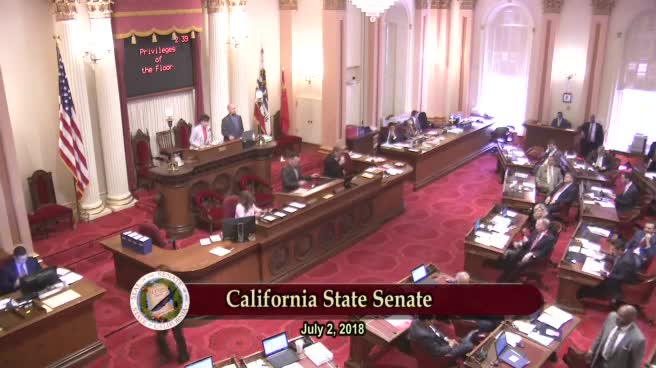
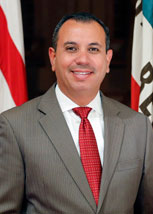
Bill Co-Author(s):