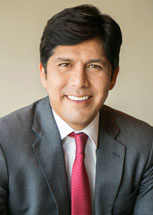
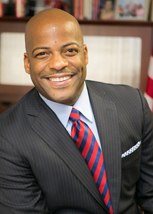
SCR 158: Promise Zones.
- Session Year: 2015-2016
- House: Senate
- Latest Version Date: 2016-08-16
This measure would encourage the State Department of Education, the Department of Housing and Community Development, the Department of Justice, and the Department of Food and Agriculture to give federally designated Promise Zones priority consideration and preferred access to, and competitive preferences for, state funding, resources, and programs. The measure would urge California to explore implementation of models developed by federal programs that give preferences to Promise Zones.
This measure would encourage the State Department of Education, the Department of Housing and Community Development, the Department of Justice, and the Department of Food and Agriculture to give federally designated Promise Zones priority consideration and preferred access to, and competitive preferences for, state funding, resources, and programs. The measure would urge California to explore implementation of models developed by federal programs that give preferences to Promise Zones.
WHEREAS, A childs ZIP Code should never determine his or her destiny; and
WHEREAS, Today, the community a child grows up in greatly impacts his or her odds of graduating from high school, health outcomes, and economic opportunities; and
WHEREAS, In 2013, President Obama announced the establishment of the Promise Zones Initiative to partner with high-poverty communities across the nation to create jobs, increase economic security, expand educational opportunities, increase access to affordable quality housing, and improve public safety; and
WHEREAS, On January 8, 2014, President Obama designated Los Angeles, California, as one of the nations first Promise Zones and on April 28, 2015, designated Sacramento, California, as a Promise Zone. This spring, President Obama will announce the third round of Promise Zone designations; and
WHEREAS, Each Promise Zone designation must have a contiguous geography, an overall poverty rate at or above 33 percent, a high unemployment rate, and a low high school graduation rate; and
WHEREAS, Each Promise Zone has identified clear outcomes to pursue in order to revitalize its community with a focus on creating jobs, increasing economic activity, improving educational opportunities, reducing violent crime, and becoming a national model for other struggling communities; and
WHEREAS, Each Promise Zone will continuously track its progress and share its data with community partners, including, but not limited to, private sector, nonprofit, federal, state, and local agencies, so that each partner can work towards improvement and accountability within the Promise Zone; and
WHEREAS, Each Promise Zone will receive competitive preference and priority consideration to access federal programs and resources within the United States Department of Education, the United States Department of Housing and Urban Development, the United States Department of Justice, and the United States Department of Agriculture to supplement local efforts as it works toward its goals; and
WHEREAS, Each Promise Zone will be provided five full-time AmeriCorps VISTA members to support its strategic plan. These VISTA members will recruit and manage volunteers and strengthen the capacity of the Promise Zone to expand economic opportunities; and
WHEREAS, Each Promise Zone designation will be for a term of 10 years and President Obama has proposed tax cuts on hiring and investment in areas designated as Promise Zones to attract businesses and create jobs; and
WHEREAS, As outcomes are achieved and best practices are developed, federal agencies will consider expanding improvements in the delivery of federal funding and services to other communities seeking similar opportunities and results; now, therefore, be it
Resolved by the Senate of the State of California, the Assembly thereof concurring, That the Legislature encourages the State Department of Education, the Department of Housing and Community Development, the Department of Justice, and the Department of Food and Agriculture to give priority consideration and preferred access to state programs and resources to federally designated Promise Zones in California that support job creation and economic security, expand educational opportunities, increase access to affordable quality housing, and improve public safety; and be it further
Resolved, That the State Department of Education, the Department of Housing and Community Development, the Department of Justice, and the Department of Food and Agriculture should consider giving Promise Zones competitive preferences for state funding and programs; and be it further
Resolved, That California should explore implementation of the same models that have been developed by the federal programs that give preferences to Promise Zones; and be it further
Resolved, That the Secretary of the Senate transmit copies of this resolution to the author for appropriate distribution.
|
Date
|
Status
|
|---|---|
| Aug 19, 2016 | In Assembly. Held at Desk. |
| Aug 18, 2016 | Read. Adopted. (Ayes 24. Noes 12. Page 5137.) Ordered to the Assembly. |
| Aug 18, 2016 | Read. Adopted. (Ayes 24. Noes 12. Page 4838.) Ordered to the Assembly. |
| Aug 18, 2016 | Read. Adopted. (Ayes 24. Noes 12.) Ordered to the Assembly. |
| Aug 17, 2016 | Read second time. Ordered to third reading. |
| Aug 16, 2016 | Ordered to second reading. |
| Aug 16, 2016 | Read third time and amended. |
| Aug 11, 2016 | From committee: Be adopted. Ordered to third reading. (Ayes 5. Noes 2. Page 4894.) (August 11). |
| Aug 11, 2016 | August 11 hearing: Placed on APPR. suspense file. (Ayes 7. Noes 0.) |
| Aug 11, 2016 | From committee: Be adopted. Ordered to third reading. (Ayes 5. Noes 2.) (August 11). |
| Aug 9, 2016 | From committee: Be adopted and re-refer to Com. on APPR. (Ayes 9. Noes 2. Page 4838.) (August 9). Re-referred to Com. on APPR. |
| Aug 9, 2016 | Set for hearing August 11. |
| Aug 9, 2016 | From committee: Be adopted and re-refer to Com. on APPR. (Ayes 9. Noes 2.) (August 9). Re-referred to Com. on APPR. |
| Aug 3, 2016 | Set for hearing August 9. |
| Aug 1, 2016 | Re-referred to Com. on G.O. |
| Jun 30, 2016 | Introduced. Referred to Com. on RLS. |
|
Date
|
Description
|
Location
|
Votes
|
|
|---|---|---|---|---|
| Aug 18, 2016 | Senate 3rd Reading SCR158 Pan | Senate Floor |
Passed |
|
| Aug 11, 2016 | Be adopted. Ordered to third reading | Senate Standing Committee on Appropriations |
Passed |
|
| Aug 11, 2016 | Placed on suspense file | Senate Standing Committee on Appropriations |
Passed |
|
| Aug 9, 2016 | Be adopted, but first be re-referred to the Committee on [Appropriations] | Senate Standing Committee on Governmental Organization |
Passed |
This list shows positions taken on this bill by organizations on the date displayed, which is linked to the original source.
Positions by individuals are not included.
Office of Senate Floor Analyses (916) 651-1520 Fax: (916) 327-4478 | SCR |
THIRD READING
Bill No: SCR 158
Amended:
SENATE GOVERNMENTAL ORG. COMMITTEE: 9-2, 8/9/16
AYES: Hall, Block, Galgiani, Glazer, Hernandez, Hill, Hueso, Lara, McGuire
NOES: Bates, Vidak
NO VOTE RECORDED: Berryhill, Gaines
SENATE APPROPRIATIONS COMMITTEE: 5-2, 8/11/16
AYES: Lara, Beall, Hill, McGuire, Mendoza
NOES: Bates, Nielsen
DIGEST: This resolution encourages the State Department of Education (CDE), the Department of Housing and Community Development (CDHCD), the Department of Justice (DOJ), and the Department of Food and Agriculture (CDFA) to give priority consideration and preferred access to state programs and resources to federally designated Promise Zones in California that support job creation and economic security, expand educational opportunities, increase access to affordable quality housing, and improve public safety.
Senate Floor Amendments of 8/16/16 (1) add Senator Hall and Assembly Member Atkins as coauthors and (2) make a minor technical change.
This resolution:
- Encourages CDE, CDHCD, DOJ, and CDFA to give priority consideration and preferred access to state programs and resources to federally designated Promise Zones in California that support job creation and economic security, expand educational opportunities, increase access to affordable quality housing, and improve public safety.
- Encourages CDE, CDHCD, DOJ, and CDFA to consider giving Promise Zones competitive preferences for state funding and programs.
- Encourages California to explore implementation of the same models that have been developed by the federal programs that give preferences to Promise Zones.
- Declares that a child’s Zip Code should never determine his or her destiny and that the community a child grows up in greatly impacts his or her odds of graduating from high school, health outcomes, and economic opportunities.
Background
Purpose of the resolution. According to the author, “the resolution raises awareness on federally designated Promise Zones and encourages the CDE, CDHCD, DOJ, and CDFA to give federally designated Promise Zones priority consideration and preferred access to State programs and resources.”
Promise Zones. In his 2014 State of the Union Address, President Obama laid out an initiative to designate a number of urban, rural, and tribal communities as Promise Zones. Promise Zones are high poverty communities where the federal government partners with local leaders to increase economic activity, improve educational opportunities, leverage private investment, reduce violent crime, enhance public health and address other priorities identified by the community.
The Promise Zone designation lasts for a term of 10 years. During this term, the specific benefits available to Promise Zones will vary from year to year, and sometimes more often, due to changes in the agency policies and changes in appropriations and authorizations for relevant programs.
There are 22 urban, rural and tribal Promise Zones, including four in California. These include Los Angeles, South Los Angeles, San Diego, and Sacramento. Promise Zones were selected through three rounds of national competition, in which applicants demonstrated a consensus vision for their community and its residents, the capacity to carry out that vision, and a shared commitment to specific, measurable results.
Related/Prior Legislation
AB 2 (Alejo, Chapter 319, Statutes of 2015) authorized local governments to create Community Revitalization and Investment Authorities to use tax increment revenue to improve the infrastructure, assist businesses, and support affordable housing in disadvantaged communities.
AB 93 (Committee on Budget, Chapter 69, Statutes of 2013) phased-out and ended certain tax provisions related to Enterprise Zones and similar tax incentive areas, and ended the New Jobs Credit tax incentive program.
FISCAL EFFECT: Appropriation: No Fiscal Com.: Local: No
According to the Senate Appropriations Committee, unknown potential cost pressure to CDE, CDHCD, DOJ, and CDFA to increase funding on state programs and resources to give priority consideration and preferred access to Promise Zones. Additionally, unknown potential cost pressure to CDE, CDHCD, DOJ, and CDFA to modify procedures to give priority consideration and competitive preference for programming and state funding to Promise Zones.
Finally, unknown potential cost pressure to implement programs modeled after federal programs that give preference to Promise Zones.
None received
OPPOSITION: (Verified 8/16/16)
None received
8/17/16 15:50:35
**** END ****
Office of Senate Floor Analyses (916) 651-1520 Fax: (916) 327-4478 | SCR |
THIRD READING
Bill No: SCR 158
:
SENATE GOVERNMENTAL ORG. COMMITTEE: 9-2, 8/9/16
AYES: Hall, Block, Galgiani, Glazer, Hernandez, Hill, Hueso, Lara, McGuire
NOES: Bates, Vidak
NO VOTE RECORDED: Berryhill, Gaines
SENATE APPROPRIATIONS COMMITTEE: 5-2, 8/11/16
AYES: Lara, Beall, Hill, McGuire, Mendoza
NOES: Bates, Nielsen
DIGEST: This resolution encourages the State Department of Education (CDE), the Department of Housing and Community Development (CDHCD), the Department of Justice (DOJ), and the Department of Food and Agriculture (CDFA) to give priority consideration and preferred access to state programs and resources to federally designated Promise Zones in California that support job creation and economic security, expand educational opportunities, increase access to affordable quality housing, and improve public safety.
ANALYSIS:
This resolution:
- Encourages CDE, CDHCD, DOJ, and CDFA to give priority consideration and preferred access to state programs and resources to federally designated Promise Zones in California that support job creation and economic security, expand educational opportunities, increase access to affordable quality housing, and improve public safety.
- Encourages CDE, CDHCD, DOJ, and CDFA to consider giving Promise Zones competitive preferences for state funding and programs.
- Encourages California to explore implementation of the same models that have been developed by the federal programs that give preferences to Promise Zones.
- Declares that a child’s Zip Code should never determine his or her destiny and that the community a child grows up in greatly impacts his or her odds of graduating from high school, health outcomes, and economic opportunities.
Background
Purpose of the resolution. According to the author, “the resolution raises awareness on federally designated Promise Zones and encourages the CDE, CDHCD, DOJ, and CDFA to give federally designated Promise Zones priority consideration and preferred access to State programs and resources.”
Promise Zones. In his 2014 State of the Union Address, President Obama laid out an initiative to designate a number of urban, rural, and tribal communities as Promise Zones. Promise Zones are high poverty communities where the federal government partners with local leaders to increase economic activity, improve educational opportunities, leverage private investment, reduce violent crime, enhance public health and address other priorities identified by the community.
The Promise Zone designation lasts for a term of 10 years. During this term, the specific benefits available to Promise Zones will vary from year to year, and sometimes more often, due to changes in the agency policies and changes in appropriations and authorizations for relevant programs.
There are 22 urban, rural and tribal Promise Zones, including four in California. These include Los Angeles, South Los Angeles, San Diego, and Sacramento. Promise Zones were selected through three rounds of national competition, in which applicants demonstrated a consensus vision for their community and its residents, the capacity to carry out that vision, and a shared commitment to specific, measurable results.
Related/Prior Legislation
AB 2 (Alejo, Chapter 319, Statutes of 2015) authorized local governments to create Community Revitalization and Investment Authorities to use tax increment revenue to improve the infrastructure, assist businesses, and support affordable housing in disadvantaged communities.
AB 93 (Committee on Budget, Chapter 69, Statutes of 2013) phased-out and ended certain tax provisions related to Enterprise Zones and similar tax incentive areas, and ended the New Jobs Credit tax incentive program.
FISCAL EFFECT: Appropriation: No Fiscal Com.: Local: No
According to the Senate Appropriations Committee, unknown potential cost pressure to CDE, CDHCD, DOJ, and CDFA to increase funding on state programs and resources to give priority consideration and preferred access to Promise Zones. Additionally, unknown potential cost pressure to CDE, CDHCD, DOJ, and CDFA to modify procedures to give priority consideration and competitive preference for programming and state funding to Promise Zones.
Finally, unknown potential cost pressure to implement programs modeled after federal programs that give preference to Promise Zones.
None received
OPPOSITION: (Verified 8/11/16)
None received
8/12/16 13:57:36
**** END ****
SENATE COMMITTEE ON APPROPRIATIONS
Senator Ricardo Lara, Chair
2015 - 2016 Regular Session
SCR 158 (Pan) - Promise Zones
Version: June 30, 2016 | Policy Vote: G.O. 9 - 2 |
Urgency: | Mandate: |
Hearing Date: August 11, 2016 | Consultant: Debra Cooper |
This bill meets the criteria for referral to the Suspense File.
Bill Summary:
SCR 158 would encourage the State Department of Education (CDE), the Department of Housing and Community Development (CDHCD), the Department of Justice (DOJ), and the Department of Food and Agriculture (CDFA) to give priority consideration and preferred access to state programs and resources to federally designated Promise Zones in California that support job creation and economic security, expand educational opportunities, increase access to affordable quality housing, and improve public safety.
Fiscal Impact:
- Unknown potential cost pressure to CDE, CDHCD, DOJ, and CDFA to increase funding on state programs and resources to give priority consideration and preferred access to Promise Zones. (GF)
- Unknown potential cost pressure to CDE, CDHCD, DOJ, and CDFA to modify procedures to give priority consideration and competitive preference for programming and state funding to Promise Zones. (GF)
- Unknown potential cost pressure to implement programs modeled after federal programs that give preference to Promise Zones. (GF)
Background:
Promise Zones are high-poverty urban, rural, and tribal communities designated by President Obama. In his 2013 State of the Union Address, the President laid out an initiative where the federal government will partner with and invest in Promise Zones to create jobs, leverage private investment, increase economic activity, expand educational opportunities, and reduce violent crime. Communities must compete in a transparent application process and demonstrate the strength and effectiveness of their local partners' commitment in order to become Promise Zones. The Promise Zone designation will be for a term of 10 years and may be extended as necessary.
Starting January 2014, President Obama has announced 22 Promise Zones over three rounds. Los Angeles was announced in the first round, Sacramento was announced in the second round, and South Los Angeles and San Diego were announced in the third and final round.
According to the author, “the resolution raises awareness on federally designated Promise Zones and encourages the CDE, CDHCD, DOJ, and CDFA to give federally designated Promise Zones priority consideration and preferred access to State programs and resources.”
Proposed Law:
This resolution would:
- Encourage CDE, CDHCD, DOJ, and CDFA to give priority consideration and preferred access to state programs and resources to federally designated Promise Zones in California that support job creation and economic security, expand educational opportunities, increase access to affordable quality housing, and improve public safety.
- Encourage CDE, CDHCD, DOJ, and CDFA to consider giving Promise Zones competitive preferences for state funding and programs.
- Encourage California to explore implementation of the same models that have been developed by the federal programs that give preferences to Promise Zones.
Related Legislation:
AB 2 (Alejo, Chapter 319, Statutes of 2015) authorizes local governments to create Community Revitalization and Investment Authorities to use tax increment revenue to improve the infrastructure, assist businesses, and support affordable housing in disadvantaged communities.
AB 93 (Committee on Budget, Chapter 69, Statutes of 2013) phased-out and ended certain tax provisions related to Enterprise Zones and similar tax incentive areas, and ended the New Jobs Credit tax incentive program.
-- END --
SENATE COMMITTEE ON GOVERNMENTAL ORGANIZATION
Senator Isadore Hall, III
Chair
2015 - 2016 Regular
Bill No: 158 Hearing Date: 8/9/16
Author: | |||
Version: | 6/30/2016 Introduced | ||
Urgency: |
| Fiscal: | Yes |
Consultant: | Felipe Lopez | ||
SUBJECT: Promise Zones
DIGEST: This resolution encourages the State Department of Education (CDE), the Department of Housing and Community Development (CDHCD), the Department of Justice (DOJ), and the Department of Food and Agriculture (CDFA) to give priority consideration and preferred access to state programs and resources to federally designated Promise Zones in California that support job creation and economic security, expand educational opportunities, increase access to affordable quality housing, and improve public safety.
ANALYSIS:
This resolution:
- Encourages CDE, CDHCD, DOJ, and CDFA to give priority consideration and preferred access to state programs and resources to federally designated Promise Zones in California that support job creation and economic security, expand educational opportunities, increase access to affordable quality housing, and improve public safety.
- Encourages CDE, CDHCD, DOJ, and CDFA to consider giving Promise Zones competitive preferences for state funding and programs.
- Encourages California to explore implementation of the same models that have been developed by the federal programs that give preferences to Promise Zones.
- Declares that a child’s Zip Code should never determine his or her destiny and that the community a child grows up in greatly impacts his or her odds of graduating from high school, health outcomes, and economic opportunities.
Background
Purpose of the resolution. According to the author, “the resolution raises awareness on federally designated Promise Zones and encourages the CDE, CDHCD, DOJ, and CDFA to give federally designated Promise Zones priority consideration and preferred access to State programs and resources.”
Promise Zones. In his 2014 State of the Union Address, President Obama laid out an initiative to designate a number of urban, rural, and tribal communities as Promise Zones. Promise Zones are high poverty communities where the federal government partners with local leaders to increase economic activity, improve educational opportunities, leverage private investment, reduce violent crime, enhance public health and address other priorities identified by the community.
The Promise Zone designation lasts for a term of 10 years. During this term, the specific benefits available to Promise Zones will vary from year to year, and sometimes more often than annually, due to changes in the agency policies and changes in appropriations and authorizations for relevant programs.
There are 22 urban, rural and tribal Promise Zones, including four in California. These include Los Angeles, South Los Angeles, San Diego, and Sacramento. Promise Zones were selected through three rounds of national competition, in which applicants demonstrated a consensus vision for their community and its residents, the capacity to carry out that vision, and a shared commitment to specific, measurable results.
Prior/Related Legislation
AB 2 (Alejo, Chapter 319, Statutes of 2015) authorized local governments to create Community Revitalization and Investment Authorities to use tax increment revenue to improve the infrastructure, assist businesses, and support affordable housing in disadvantaged communities.
AB 93 (Committee on Budget, Chapter 69, Statutes of 2013) phased-out and ended certain tax provisions related to Enterprise Zones and similar tax incentive areas, and ended the New Jobs Credit tax incentive program.
FISCAL EFFECT: Appropriation: Fiscal Com.: Local:
SUPPORT:
None received
OPPOSITION:
None received
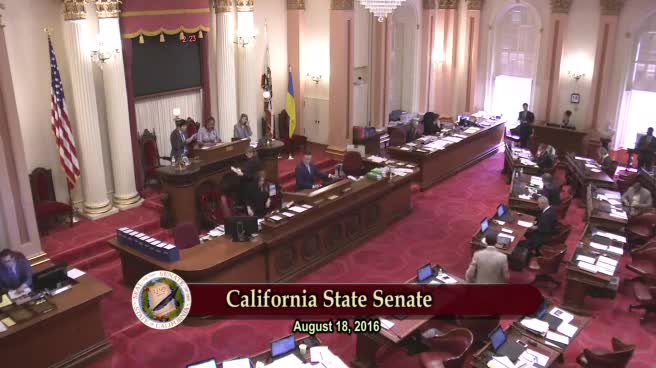
Discussed in Hearing
 4MIN
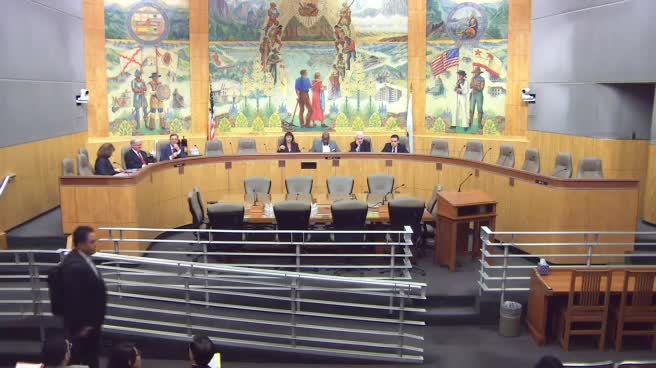
Senate Floor
 4MIN