ABX2 9: Tobacco use programs.
- Session Year: 2015-2016
- House: Assembly
- Latest Version Date: 2016-05-04
Existing law establishes the Tobacco Education and Research Oversight Committee to provide advice to the State Department of Public Health and the State Department of Education with respect to policy development, integration, and evaluation of tobacco education programs. Existing law requires the State Department of Education to allocate funds to county offices of education for tobacco use prevention, intervention, and cessation activities. Existing law also requires that all school districts and county offices of education that receive funding, as specified, adopt and enforce a tobacco-free campus policy, no later than July of each fiscal year, prohibiting the use of tobacco products, any time, in district-owned or leased buildings, on district property and in district vehicles.
This bill would expand eligibility for funding for the tobacco use prevention program to include charter schools. The bill would require the State Department of Education to require that all school districts, charter schools, and county offices of education receiving funding under the program adopt and enforce a tobacco-free campus policy prohibiting the use of products containing tobacco and nicotine, as specified, in and on the properties described above and would, in addition, prohibit the use of tobacco and nicotine products in a county office of education, charter school or school district-owned or leased building, on school or district property, and in school or district vehicles without regard to whether those entities receive funding. The bill would also require school districts, charter schools, and county offices of education to prominently display signs at all entrances to school property stating Tobacco use is prohibited. The bill would make other technical and clarifying changes.
By imposing new duties on school districts and county offices of education, the bill would impose a state-mandated local program.
The California Constitution requires the state to reimburse local agencies and school districts for certain costs mandated by the state. Statutory provisions establish procedures for making that reimbursement.
This bill would provide that, if the Commission on State Mandates determines that the bill contains costs mandated by the state, reimbursement for those costs shall be made pursuant to these statutory provisions.
The State Department of Education shall provide the leadership for the successful implementation of this article in programs administered by local public and private schools, school districts, and county offices of education. The State Department of Education shall do all of the following:
(a)Provide a planning and technical assistance program to carry out its responsibilities under this article.
(b)Provide guidelines for schools, school districts, county offices of education, and school district consortia to follow in the preparation of plans for implementation of antitobacco use programs for schoolage populations. The guidelines shall do all of the following:
(1)Require the applicant agency to select one or more model program designs and permit the applicant to modify the model program designs to take special local needs and conditions into account.
(2)Require the applicant agency to prepare for each target population to be served a description of the service to be provided, an estimate of the number to be served, an estimate of the success rate, and a method to determine to what extent goals have been achieved.
(3)Require plan submissions to include a staffing configuration and a budget setting forth use and distribution of funds in a clear and detailed manner.
(c)Prepare model program designs and information for schools, school districts, consortia, and county offices of education to follow in establishing direct service programs to targeted populations. Model program designs shall, to the extent feasible, be based on studies and evaluations that determine which service delivery systems are effective in reducing tobacco use and are cost effective. The State Department of Education shall consult with the department, and school districts with existing antitobacco programs in the preparation of model program designs and information.
(d)Provide technical assistance for schools, school districts, and county offices of education regarding the prevention and cessation of tobacco use. In fulfilling its technical assistance responsibilities, the State Department of Education may establish a center for tobacco use prevention that shall identify, maintain, and develop instructional materials and curricula encouraging the prevention or cessation of tobacco use. The State Department of Education shall consult with the department and others with expertise in antitobacco materials or curricula in the preparation of these materials and curricula.
(e)Monitor the implementation of programs that it has approved under this article to ensure successful implementation.
(f)Prepare guidelines within 180 days of January 1, 1996, for a school-based program of outreach, education, intervention, counseling, peer counseling, and other activities to reduce and prevent smoking among schoolage youth.
(g)Assist county offices of education to employ a tobacco use prevention coordinator to assist local schools and local public and community agencies in preventing tobacco use by pupils.
(h)Train the tobacco use prevention coordinators of county offices of education so that they are:
(1)Familiar with relevant research regarding the effectiveness of various kinds of antitobacco use programs.
(2)Familiar with department guidelines and requirements for submission, review, and approval of school-based plans.
(3)Able to provide effective technical assistance to schools and school districts.
(i)Establish a tobacco-free school recognition awards program.
(j)As a condition of receiving funds pursuant to this article, the State Department of Education, county offices of education, charter schools, and school districts shall ensure that they coordinate their efforts toward smoking prevention and cessation with the lead local agency in the community where the local school district is located.
(k)(1)Develop, in coordination with the county offices of education, and administer a competitive grant program for school-based, antitobacco education programs and tobacco use intervention and cessation activities in order to reduce the number of pupils who begin to use tobacco, continue to use tobacco, or both. Grants shall be awarded, after consultation with local lead agencies, the committee, and representatives of nonprofit organizations dedicated to the reduction of tobacco-associated disease, to school districts, charter schools, and county offices of education for all pupils in grades 6 to 12, inclusive, that comply with the requirements of paragraphs (2) and, if applicable, (3).
(2)Every school district, charter school, and county office of education that receives a grant pursuant to this section shall provide tobacco use prevention instruction that addresses all of the following essential topics:
(A)Immediate and long-term undesirable physiologic, cosmetic, and social consequences of tobacco use.
(B)Reasons that adolescents say they smoke or use tobacco.
(C)Peer norms and social influences that promote tobacco use.
(D)Refusal skills for resisting social influences that promote tobacco use.
(3)Every school district, charter school, and county office of education that receives a grant pursuant to this section for pupils in grades 7 to 12, inclusive, shall provide tobacco use intervention and cessation activities targeted for pupils in high-risk groups.
(4)The State Department of Education shall develop criteria and standards for the allocation of grant awards that consider the need to balance rural, suburban, and urban projects. In addition, the State Department of Education shall give priority to applicants and programs that do all of the following:
(A)Target current smokers and pupils most at risk for beginning to use tobacco.
(B)Offer or refer pupils to cessation classes for current smokers.
(C)Utilize existing antismoking resources, including local antismoking efforts by local lead agencies and competitive grant recipients.
(D)Design the project to coordinate with other community services, including, but not limited to, local health agencies, voluntary health organizations, and parent organizations.
(E)Design the project to use and develop existing services and resources.
(F)Demonstrate an understanding of the role that the environment and community norms play in influencing tobacco use.
(5)Available funds shall determine grant award amounts.
(l)Allocate funds to county offices of education to provide technical assistance and leadership for tobacco use prevention, intervention, and cessation programs. The funds shall be allocated to all participating county offices of education at a minimum amount of thirty-seven thousand five hundred dollars ($37,500). If funds appropriated for purposes of allocating at least thirty-seven thousand five hundred dollars ($37,500) to all participating county offices of education are insufficient, the Superintendent of Public Instruction shall prorate available funds among participating county offices of education ensuring that all participating county offices of education receive an equal minimum level of funding of thirty-seven thousand five hundred dollars ($37,500). If funds are sufficient to provide all participating county offices of education a minimum of thirty-seven thousand five hundred dollars ($37,500), the remaining funds shall be allocated according to the following schedule based on average daily attendance in the prior year credited to all elementary, high, and unified school districts, and to the county superintendent of schools within the county as certified by the Superintendent of Public Instruction:
(1)For counties with 550,000 or more units of average daily attendance, thirty cents ($0.30) per average daily attendance.
(2)For counties with 100,000 or more and less than 550,000 units of average daily attendance, sixty-five cents ($0.65) per average daily attendance.
(3)For counties with 50,000 or more and less than 100,000 units of average daily attendance, ninety cents ($0.90) per average daily attendance.
(4)For counties with 37,500 or more and less than 50,000 units of average daily attendance, one dollar ($1) per average daily attendance.
(5)For counties with less than 37,500 units of average daily attendance, thirty-seven thousand five hundred dollars ($37,500).
(m)Allocate funds appropriated by Chapter 415 of the Statutes of 1995 for local assistance to school districts and county offices of education based on average daily attendance reported in the second principal apportionment in the prior fiscal year.
(n)(1)Provide that all school districts, charter schools, and county offices of education that receive funding under subdivision (m) make reasonable progress toward providing a tobacco-free environment in school facilities for pupils and employees.
(2)Require that all school districts, charter schools, and county offices of education that receive funding pursuant to paragraph (1) adopt and enforce a tobacco-free campus policy no later than July 1 of each fiscal year. The policy shall prohibit the use of products containing tobacco and nicotine, including, but not limited to, smokeless tobacco, snuff, chew, clove cigarettes, and electronic cigarettes that can deliver nicotine and nonnicotine vaporized solutions, at any time, in charter school or school district-owned or leased buildings, on school or district property, and in school or district vehicles. However, this section does not prohibit the use or possession of prescription products, nicotine patches, or nicotine gum. Information about the policy and enforcement procedures shall be communicated clearly to school personnel, parents, pupils, and the larger community. Signs stating Tobacco use is prohibited shall be prominently displayed at all entrances to school property as provided in Section 104559. Information about smoking cessation support programs shall be made available and encouraged for pupils and staff. Any school district, charter school, or county office of education that does not have a tobacco-free district policy implemented by July 1, shall not be eligible to apply for funds from the Cigarette and Tobacco Products Surtax Fund for that fiscal year.
SEC. 2.Section 104466 of the Health and Safety Code is amended to read:104466.Notwithstanding subdivision (a) of Section 2.00 of the Budget Act of 2002 and any other provision of law, commencing with the appropriation for the 200203 fiscal year, and for each fiscal year thereafter, any amount appropriated to the department or the State Department of Education to implement the following tobacco use prevention programs shall be available for encumbrance and expenditure for three fiscal years beyond the date of the appropriation:
(a) The program to evaluate tobacco control programs provided for in subdivisions (b) and (c) of Section 104375.
(b) The tobacco use prevention media campaign provided for in subdivision (e) of Section 104375.
(c) The competitive grant program provided for in Section 104385.
(d) The local lead agency tobacco use prevention programs provided for in Section 104400.
(e) The tobacco use prevention program directed at schools provided for in Sections 104420, 104430, and 104435.
SEC. 3.Article 4 (commencing with Section 104559) is added to Chapter 1 of Part 3 of Division 103 of the Health and Safety Code, to read:4.Tobacco Use Prohibition104559.(a)The use of tobacco and nicotine products is prohibited at any time in a county office of education, charter school or school district-owned or leased buildings, on school or district property, and in school or district vehicles. This includes, but is not limited to, smokeless tobacco, snuff, chew, clove cigarettes, and other nicotine delivery devices, such as electronic cigarettes.
(b)School districts, charter schools, and county offices of education shall prominently display signs at all entrances to school property stating Tobacco use is prohibited.
SEC. 4.If the Commission on State Mandates determines that this act contains costs mandated by the state, reimbursement to local agencies and school districts for those costs shall be made pursuant to Part 7 (commencing with Section 17500) of Division 4 of Title 2 of the Government Code.
The State Department of Education shall provide the leadership for the successful implementation of this article in programs administered by local public and private schools, school districts, and county offices of education. The State Department of Education shall do all of the following:
(a)Provide a planning and technical assistance program to carry out its responsibilities under this article.
(b)Provide guidelines for schools, school districts, county offices of education, and school district consortia to follow in the preparation of plans for implementation of antitobacco use programs for schoolage populations. The guidelines shall: shall do all of the following:
(1)Require the applicant agency to select one or more model program designs and permit the applicant to modify the model program designs to take special local needs and conditions into account.
(2)Require the applicant agency to prepare for each target population to be served a description of the service to be provided, an estimate of the number to be served, an estimate of the success rate, and a method to determine to what extent goals have been achieved.
(3)Require plan submissions to include a staffing configuration and a budget setting forth use and distribution of funds in a clear and detailed manner.
(c)Prepare model program designs and information for schools, school districts, consortia, and county offices of education to follow in establishing direct service programs to targeted populations. Model program designs shall, to the extent feasible, be based on studies and evaluations that determine which service delivery systems are effective in reducing tobacco use and are cost effective. The State Department of Education shall consult with the department, and school districts with existing antitobacco programs in the preparation of model program designs and information.
(d)Provide technical assistance for schools, school districts, and county offices of education regarding the prevention and cessation of tobacco use. In fulfilling its technical assistance responsibilities, the State Department of Education may establish a center for tobacco use prevention that shall identify, maintain, and develop instructional materials and curricula encouraging the prevention or cessation of tobacco use. The State Department of Education shall consult with the department and others with expertise in antitobacco materials or curricula in the preparation of these materials and curricula.
(e)Monitor the implementation of programs that it has approved under this article to ensure successful implementation.
(f)Prepare guidelines within 180 days of January 1, 1996, for a school-based program of outreach, education, intervention, counseling, peer counseling, and other activities to reduce and prevent smoking among schoolage youth.
(g)Assist county offices of education to employ a tobacco use prevention coordinator to assist local schools and local public and community agencies in preventing tobacco use by pupils.
(h)Train the tobacco use prevention coordinators of county offices of education so that they are:
(1)Familiar with relevant research regarding the effectiveness of various kinds of antitobacco use programs.
(2)Familiar with department guidelines and requirements for submission, review, and approval of school-based plans.
(3)Able to provide effective technical assistance to schools and school districts.
(i)Establish a tobacco-free school recognition awards program.
(j)As a condition of receiving funds pursuant to this article, the State Department of Education, county offices of education, charter schools, and school districts shall ensure that they coordinate their efforts toward smoking prevention and cessation with the lead local agency in the community where the local school district is located.
(k)(1)Develop, in coordination with the county offices of education, and administer a competitive grant program for school-based, antitobacco education programs and tobacco use intervention and cessation activities in order to reduce the number of pupils who begin to use tobacco, continue to use tobacco, or both. Grants shall be awarded, after consultation with local lead agencies, the committee, and representatives of nonprofit organizations dedicated to the reduction of tobacco-associated disease, to school districts, charter schools, and county offices of education for all pupils in grades 6 to 12, inclusive, that comply with the requirements of paragraphs (2) and, if applicable, (3).
(2)Every school district, charter school, and county office of education that receives a grant pursuant to this section shall provide tobacco use prevention instruction that addresses all of the following essential topics:
(A)Immediate and long-term undesirable physiologic, cosmetic, and social consequences of tobacco use.
(B)Reasons that adolescents say they smoke or use tobacco.
(C)Peer norms and social influences that promote tobacco use.
(D)Refusal skills for resisting social influences that promote tobacco use.
(3)Every school district, charter school, and county office of education that receives a grant pursuant to this section for pupils in grades 7 to 12, inclusive, shall provide tobacco use intervention and cessation activities targeted for pupils in high-risk groups.
(4)The State Department of Education shall develop criteria and standards for the allocation of grant awards that consider the need to balance rural, suburban, and urban projects. In addition, the State Department of Education shall give priority to applicants and programs that do all of the following:
(A)Target current smokers and pupils most at risk for beginning to use tobacco.
(B)Offer or refer pupils to cessation classes for current smokers.
(C)Utilize existing antismoking resources, including local antismoking efforts by local lead agencies and competitive grant recipients.
(D)Design the project to coordinate with other community services, including, but not limited to, local health agencies, voluntary health organizations, and parent organizations.
(E)Design the project to use and develop existing services and resources.
(F)Demonstrate an understanding of the role that the environment and community norms play in influencing tobacco use.
(5)Available funds shall determine grant award amounts.
(l)Allocate funds to county offices of education to provide technical assistance and leadership for tobacco use prevention, intervention, and cessation programs. The funds shall be allocated to all participating county offices of education at a minimum amount of thirty-seven thousand five hundred dollars ($37,500). If funds appropriated for purposes of allocating at least thirty-seven thousand five hundred dollars ($37,500) to all participating county offices of education are insufficient, the Superintendent of Public Instruction shall prorate available funds among participating county offices of education ensuring that all participating county offices of education receive an equal minimum level of funding of thirty-seven thousand five hundred dollars ($37,500). If funds are sufficient to provide all participating county offices of education a minimum of thirty-seven thousand five hundred dollars ($37,500), the remaining funds shall be allocated according to the following schedule based on average daily attendance in the prior year credited to all elementary, high, and unified school districts, and to the county superintendent of schools within the county as certified by the Superintendent of Public Instruction:
(1)For counties with 550,000 or more units of average daily attendance, thirty cents ($0.30) per average daily attendance.
(2)For counties with 100,000 or more and less than 550,000 units of average daily attendance, sixty-five cents ($0.65) per average daily attendance.
(3)For counties with 50,000 or more and less than 100,000 units of average daily attendance, ninety cents ($0.90) per average daily attendance.
(4)For counties with 37,500 or more and less than 50,000 units of average daily attendance, one dollar ($1) per average daily attendance.
(5)For counties with less than 37,500 units of average daily attendance, thirty-seven thousand five hundred dollars ($37,500).
(m)Allocate funds appropriated by Chapter 415 of the Statutes of 1995 for local assistance to school districts and county offices of education based on average daily attendance reported in the second principal apportionment in the prior fiscal year.
(n)(1)Provide that all school districts, charter schools, and county offices of education that receive funding under subdivision (m) make reasonable progress toward providing a tobacco-free environment in school facilities for pupils and employees.
(2)Require that all school districts, charter schools, and county offices of education that receive funding pursuant to paragraph (1) adopt and enforce a tobacco-free campus policy no later than July 1 of each fiscal year. The policy shall prohibit the use of products containing tobacco and nicotine, including, but not limited to, smokeless tobacco, snuff, chew, clove cigarettes, and electronic cigarettes that can deliver nicotine and nonnicotine vaporized solutions, at any time, in charter school or school district-owned or leased buildings, on school or district property, and in school or district vehicles. However, this section does not prohibit the use or possession of prescription products, nicotine patches, or nicotine gum. Information about the policy and enforcement procedures shall be communicated clearly to school personnel, parents, pupils, and the larger community. Signs stating Tobacco use is prohibited shall be prominently displayed at all entrances to school property as provided in Section 104559. Information about smoking cessation support programs shall be made available and encouraged for pupils and staff. Any school district, charter school, or county office of education that does not have a tobacco-free district policy implemented by July 1, shall not be eligible to apply for funds from the Cigarette and Tobacco Products Surtax Fund for that fiscal year.
SEC. 2.Section 104466 of the Health and Safety Code is amended to read:104466.Notwithstanding subdivision (a) of Section 2.00 of the Budget Act of 2002 and any other provision of law, commencing with the appropriation for the 200203 fiscal year, and for each fiscal year thereafter, any amount appropriated to the department or the State Department of Education to implement the following tobacco use prevention programs shall be available for encumbrance and expenditure for three fiscal years beyond the date of the appropriation:
(a) The program to evaluate tobacco control programs provided for in subdivisions (b) and (c) of Section 104375.
(b) The tobacco use prevention media campaign provided for in subdivision (e) of Section 104375.
(c) The competitive grant program provided for in Section 104385.
(d) The local lead agency tobacco use prevention programs provided for in Section 104400.
(e) The tobacco use prevention program directed at schools provided for in Sections 104420, 104430, and 104435.
SEC. 3.Article 4 (commencing with Section 104559) is added to Chapter 1 of Part 3 of Division 103 of the Health and Safety Code, to read:4.Tobacco Use Prohibition104559.(a)The use of tobacco and nicotine products is prohibited at any time in a county office of education, charter school or school district-owned or leased buildings, on school or district property, and in school or district vehicles. This includes, but is not limited to, smokeless tobacco, snuff, chew, clove cigarettes, and other nicotine delivery devices, such as electronic cigarettes.
(b)School districts, charter schools, and county offices of education shall prominently display signs at all entrances to school property stating Tobacco use is prohibited.
SEC. 4.If the Commission on State Mandates determines that this act contains costs mandated by the state, reimbursement to local agencies and school districts for those costs shall be made pursuant to Part 7 (commencing with Section 17500) of Division 4 of Title 2 of the Government Code.
The State Department of Education shall provide the leadership for the successful implementation of this article in programs administered by local public and private schools, school districts, and county offices of education. The State Department of Education shall do all of the following:
(a)Provide a planning and technical assistance program to carry out its responsibilities under this article.
(b)Provide guidelines for schools, school districts, county offices, offices of education, and school district consortia to follow in the preparation of plans for implementation of antitobacco use programs for schoolage populations. The guidelines shall:
(1)Require the applicant agency to select one or more model program designs and permit the applicant to modify the model program designs to take special local needs and conditions into account.
(2)Require the applicant agency to prepare for each target population to be served a description of the service to be provided, an estimate of the number to be served, an estimate of the success rate, and a method to determine to what extent goals have been achieved.
(3)Require plan submissions to include a staffing configuration and a budget setting forth use and distribution of funds in a clear and detailed manner.
(c)Prepare model program designs and information for schools, school districts, consortia, and county offices of education to follow in establishing direct service programs to targeted populations. Model program designs shall, to the extent feasible, be based on studies and evaluations that determine which service delivery systems are effective in reducing tobacco use and are cost effective. The State Department of Education shall consult with the department, and school districts with existing antitobacco programs in the preparation of model program designs and information.
(d)Provide technical assistance for schools, school districts, and county offices of education regarding the prevention and cessation of tobacco use. In fulfilling its technical assistance responsibilities, the State Department of Education may establish a center for tobacco use prevention that shall identify, maintain, and develop instructional materials and curricula encouraging the prevention or cessation of tobacco use. The State Department of Education shall consult with the department and others with expertise in antitobacco materials or curricula in the preparation of these materials and curricula.
(e)Monitor the implementation of programs that it has approved under this article to ensure successful implementation.
(f)Prepare guidelines within 180 days of January 1, 1996, for a school-based program of outreach, education, intervention, counseling, peer counseling, and other activities to reduce and prevent smoking among schoolage youth.
(g)Assist county offices of education to employ a tobacco use prevention coordinator to assist local schools and local public and community agencies in preventing tobacco use by pupils.
(h)Train the tobacco use prevention coordinators of county offices of education so that they are:
(1)Familiar with relevant research regarding the effectiveness of various kinds of antitobacco use programs.
(2)Familiar with department guidelines and requirements for submission, review, and approval of school-based plans.
(3)Able to provide effective technical assistance to schools and school districts.
(i)Establish a tobacco-free school recognition awards program.
(j)As a condition of receiving funds pursuant to this article, the State Department of Education, county offices of education, charter schools, and school districts shall ensure that they coordinate their efforts toward smoking prevention and cessation with the lead local agency in the community where the local school district is located.
(k)(1)Develop, in coordination with the county offices of education, and administer a competitive grant program for school-based, antitobacco education programs and tobacco use intervention and cessation activities in order to reduce the number of pupils who begin to use tobacco, continue to use tobacco, or both. Grants shall be awarded, after consultation with local lead agencies, the committee, and representatives of nonprofit organizations dedicated to the reduction of tobacco-associated disease, to school districts, charter schools, and county offices of education for all pupils in grades 6 to 12, inclusive, that comply with the requirements of paragraphs (2) and, if applicable, (3).
(2)Every school district, charter school, and county office of education that receives a grant pursuant to this section shall provide tobacco use prevention instruction that addresses all of the following essential topics:
(A)Immediate and long-term undesirable physiologic, cosmetic, and social consequences of tobacco use.
(B)Reasons that adolescents say they smoke or use tobacco.
(C)Peer norms and social influences that promote tobacco use.
(D)Refusal skills for resisting social influences that promote tobacco use.
(3)Every school district, charter school, and county office of education that receives a grant pursuant to this section for pupils in grades 7 to 12, inclusive, shall provide tobacco use intervention and cessation activities targeted for pupils in high-risk groups.
(4)The State Department of Education shall develop criteria and standards for the allocation of grant awards that consider the need to balance rural, suburban, and urban projects. In addition, the State Department of Education shall give priority to applicants and programs that do all of the following:
(A)Target current smokers and pupils most at risk for beginning to use tobacco.
(B)Offer or refer pupils to cessation classes for current smokers.
(C)Utilize existing antismoking resources, including local antismoking efforts by local lead agencies and competitive grant recipients.
(D)Design the project to coordinate with other community services, including, but not limited to, local health agencies, voluntary health organizations, and parent organizations.
(E)Design the project to use and develop existing services and resources.
(F)Demonstrate an understanding of the role that the environment and community norms play in influencing tobacco use.
(5)Available funds shall determine grant award amounts.
(l)Allocate funds to county offices of education to provide technical assistance and leadership for tobacco use prevention, intervention, and cessation programs. The funds shall be allocated to all participating county offices of education at a minimum amount of thirty-seven thousand five hundred dollars ($37,500). If funds appropriated for purposes of allocating at least thirty-seven thousand five hundred dollars ($37,500) to all participating county offices of education are insufficient, the Superintendent of Public Instruction shall prorate available funds among participating county offices of education ensuring that all participating county offices of education receive an equal minimum level of funding of thirty-seven thousand five hundred dollars ($37,500). If funds are sufficient to provide all participating county offices of education a minimum of thirty-seven thousand five hundred dollars ($37,500), the remaining funds shall be allocated according to the following schedule based on average daily attendance in the prior year credited to all elementary, high, and unified school districts, and to the county superintendent of schools within the county as certified by the Superintendent of Public Instruction:
(1)For counties with over 550,000 or more units of average daily attendance, thirty cents ($0.30) per average daily attendance.
(2)For counties with more than 100,000 or more and less than 550,000 units of average daily attendance, sixty-five cents ($0.65) per average daily attendance.
(3)For counties with more than 50,000 or more and less than 100,000 units of average daily attendance, ninety cents ($0.90) per average daily attendance.
(4)For counties with more than 37,500 or more and less than 50,000 units of average daily attendance, one dollar ($1) per average daily attendance.
(5)For counties with less than 37,500 units of average daily attendance, thirty-seven thousand five hundred dollars ($37,500).
(m)Allocate funds appropriated by chapter Chapter 415 of the statutes Statutes of 1995 for local assistance to school districts and county offices of education based on average daily attendance reported in the second principal apportionment in the prior fiscal year.
(n)(1)Provide that all school districts, charter schools, and county offices of education that receive funding under subdivision (m) make reasonable progress toward providing a tobacco-free environment in school facilities for pupils and employees.
(2)Require that all school districts, charter schools, and county offices of education that receive funding pursuant to paragraph (1) adopt and enforce a tobacco-free campus policy no later than July 1 of each fiscal year. The policy shall prohibit the use of products containing tobacco and nicotine, including, but not limited to, smokeless tobacco, snuff, chew, clove cigarettes, and nicotine delivery devices, such as electronic cigarettes, electronic cigarettes that can deliver nicotine and nonnicotine vaporized solutions, at any time, in charter school or school district-owned or leased buildings, on school or district property, and in school or district vehicles. However, this section does not prohibit the use or possession of prescription products, nicotine patches, or nicotine gum. Information about the policy and enforcement procedures shall be communicated clearly to school personnel, parents, pupils, and the larger community. Signs stating Tobacco use is prohibited shall be prominently displayed at all entrances to school property as provided in Section 104559. Information about smoking cessation support programs shall be made available and encouraged for pupils and staff. Any school district, charter school, or county office of education that does not have a tobacco-free district policy implemented by July 1, shall not be eligible to apply for funds from the Cigarette and Tobacco Products Surtax Fund for that fiscal year.
SEC. 2.Section 104466 of the Health and Safety Code is amended to read:104466.Notwithstanding subdivision (a) of Section 2.00 of the Budget Act of 2002 and any other provision of law, commencing with the appropriation for the 200203 fiscal year, and for each fiscal year thereafter, any amount appropriated to the department or the State Department of Education to implement the following tobacco use prevention programs shall be available for encumbrance and expenditure for three fiscal years beyond the date of the appropriation:
(a) The program to evaluate tobacco control programs provided for in subdivisions (b) and (c) of Section 104375.
(b) The tobacco use prevention media campaign provided for in subdivision (e) of Section 104375.
(c) The competitive grant program provided for in Section 104385.
(d) The local lead agency tobacco use prevention programs provided for in Section 104400.
(e) The tobacco use prevention program directed at schools provided for in Sections 104420, 104430, and 104435.
SEC. 3.Article 4 (commencing with Section 104559) is added to Chapter 1 of Part 3 of Division 103 of the Health and Safety Code, to read:4.Tobacco Use Prohibition104559.(a)The use of tobacco and nicotine products is prohibited at any time in a county office of education, charter school or school district-owned or leased buildings, on school or district property, and in school or district vehicles. This includes, but is not limited to, smokeless tobacco, snuff, chew, clove cigarettes, and other nicotine-delivery nicotine delivery devices, such as electronic cigarettes.
(b)School districts, charter schools, and county offices of education shall prominently display signs at all entrances to school property stating Tobacco use is prohibited.
SEC. 4.If the Commission on State Mandates determines that this act contains costs mandated by the state, reimbursement to local agencies and school districts for those costs shall be made pursuant to Part 7 (commencing with Section 17500) of Division 4 of Title 2 of the Government Code.
The State Department of Education shall provide the leadership for the successful implementation of this article in programs administered by local public and private schools, school districts, and county offices of education. The State Department of Education shall do all of the following:
(a)Provide a planning and technical assistance program to carry out its responsibilities under this article.
(b)Provide guidelines for schools, school districts, county offices, and school district consortia to follow in the preparation of plans for implementation of antitobacco use programs for schoolage populations. The guidelines shall:
(1)Require the applicant agency to select one or more model program designs and shall permit the applicant to modify the model program designs to take special local needs and conditions into account.
(2)Require the applicant agency to prepare for each target population to be served a description of the service to be provided, an estimate of the number to be served, an estimate of the success rate rate, and a method to determine to what extent goals have been achieved.
(3)Require plan submissions to include a staffing configuration and a budget setting forth use and distribution of funds in a clear and detailed manner.
(c)Prepare model program designs and information for schools, school districts, consortia, and county offices of education to follow in establishing direct service programs to targeted populations. Model program designs shall, to the extent feasible, be based on studies and evaluations that determine which service delivery systems are effective in reducing tobacco use and are cost effective. The State Department of Education shall consult with the department, and school districts with existing antitobacco programs in the preparation of model program designs and information.
(d)Provide technical assistance for schools, school districts, and county offices of education regarding the prevention and cessation of tobacco use. In fulfilling its technical assistance responsibilities, the State Department of Education may establish a center for tobacco use prevention that shall identify, maintain, and develop instructional materials and curricula encouraging the prevention or cessation of tobacco use. The State Department of Education shall consult with the department and others with expertise in antitobacco materials or curricula in the preparation of these materials and curricula.
(e)Monitor the implementation of programs that it has approved under this article to ensure successful implementation.
(f)Prepare guidelines within 180 days of the effective date of this article January 1, 1996, for a school-based program of outreach, education, intervention, counseling, peer counseling, and other activities to reduce and prevent smoking among schoolage youth.
(g)Assist county offices of education to employ a tobacco use prevention coordinator to assist local schools and local public and community agencies in preventing tobacco use by pupils.
(h)Train the tobacco use prevention coordinators of county offices of education so that they are:
(1)Familiar with relevant research regarding the effectiveness of various kinds of antitobacco use programs.
(2)Familiar with department guidelines and requirements for submission, review, and approval of school-based plans.
(3)Able to provide effective technical assistance to schools and school districts.
(i)Establish a tobacco-free school recognition awards program.
(j)As a condition of receiving funds pursuant to this article, the State Department of Education, county offices of education, charter schools, and school districts shall ensure that they coordinate their efforts toward smoking prevention and cessation with the lead local agency in the community where the local school district is located.
(k)(1)Develop, in coordination with the county offices of education, and administer a competitive grant program for school-based, antitobacco education programs and tobacco use intervention and cessation activities in order to reduce the number of pupils who begin to use tobacco, continue to use tobacco, or both. Grants shall be awarded, after consultation with local lead agencies, the committee, and representatives of nonprofit organizations dedicated to the reduction of tobacco-associated disease, to school districts districts, charter schools, and county offices of education for all pupils in grades 6 to 12, inclusive, that comply with the requirements of paragraphs (2) and, if applicable, (3).
(2)Every school district district, charter school, and county office of education that receives a grant pursuant to this section shall provide tobacco-use tobacco use prevention instruction that addresses all of the following essential topics:
(A)Immediate and long-term undesirable physiologic, cosmetic, and social consequences of tobacco use.
(B)Reasons that adolescents say they smoke or use tobacco.
(C)Peer norms and social influences that promote tobacco use.
(D)Refusal skills for resisting social influences that promote tobacco use.
(3)Every school district district, charter school, and county office of education that receives a grant pursuant to this section for pupils in grades 7 to 12, inclusive, shall provide tobacco-use tobacco use intervention and cessation activities targeted for pupils in high risk high-risk groups.
(4)The State Department of Education shall develop criteria and standards for the allocation of grant awards that consider the need to balance rural, suburban, and urban projects. In addition, the State Department of Education shall give priority to applicants and programs that do all of the following:
(A)Target current smokers and pupils most at risk for beginning to use tobacco.
(B)Offer or refer pupils to cessation classes for current smokers.
(C)Utilize existing antismoking resources, including local antismoking efforts by local lead agencies and competitive grant recipients.
(D)Design the project to coordinate with other community services, including, but not limited to, local health agencies, voluntary health organizations, and parent organizations.
(E)Design the project to use and develop existing services and resources.
(F)Demonstrate an understanding of the role that the environment and community norms play in influencing tobacco use.
(5)Available funds shall determine grant award amounts.
(l)Allocate funds to county offices of education to provide technical assistance and leadership for tobacco use prevention, intervention, and cessation programs. The funds shall be allocated to all participating county offices of education at a minimum amount of thirty-seven thousand five hundred dollars ($37,500). If funds appropriated for purposes of allocating at least thirty-seven thousand five hundred dollars ($37,500) to all participating county offices of education are insufficient, the Superintendent of Public Instruction shall prorate available funds among participating county offices of education ensuring that all participating county offices of education receive an equal minimum level of funding of thirty-seven thousand five hundred dollars ($37,500). If funds are sufficient to provide all participating county offices of education a minimum of thirty-seven thousand five hundred dollars ($37,500), the remaining funds shall be allocated according to the following schedule based on average daily attendance in the prior year credited to all elementary, high, and unified school districts, and to the county superintendent of schools within the county as certified by the Superintendent of Public Instruction:
(1)For counties with over 550,000 units of average daily attendance, thirty cents ($0.30) per average daily attendance.
(2)For counties with more than 100,000 and less than 550,000 units of average daily attendance, sixty-five cents ($0.65) per average daily attendance.
(3)For counties with more than 50,000 and less than 100,000 units of average daily attendance, ninety cents ($0.90) per average daily attendance.
(4)For counties with more than 37,500 and less than 50,000 units of average daily attendance, one dollar ($1) per average daily attendance.
(5)For counties with less than 37,500 units of average daily attendance, thirty-seven thousand five hundred dollars ($37,500).
(m)Allocate funds appropriated by the act adding this subdivision chapter 415 of the statutes of 1995 for local assistance to school districts and county offices of education based on average daily attendance reported in the second principal apportionment in the prior fiscal year.
(n)(1)Provide that all school districts districts, charter schools, and county offices of education that receive funding under subdivision (m) make reasonable progress toward providing a tobacco-free environment in school facilities for pupils and employees.
(2) All Require that all school districts districts, charter schools, and county offices of education that receive funding pursuant to paragraph (1) shall adopt and enforce a tobacco-free campus policy no later than July of each fiscal year. The policy shall prohibit the use of products containing tobacco products, and nicotine, including, but not limited to, smokeless tobacco, snuff, chew, clove cigarettes, and nicotine delivery devices, such as electronic cigarettes, any time, in charter school or school district-owned or leased buildings, on school or district property property, and in school or district vehicles. However, this section does not prohibit the use or possession of prescription products, nicotine patches, or nicotine gum. Information about the policy and enforcement procedures shall be communicated clearly to school personnel, parents, pupils, and the larger community. Signs stating Tobacco use is prohibited shall be prominently displayed at all entrances to school property. property as provided in Section 104559. Information about smoking cessation support programs shall be made available and encouraged for pupils and staff. Any school district district, charter school, or county office of education that does not have a tobacco-free district policy implemented by July 1, shall not be eligible to apply for funds from the Cigarette and Tobacco Products Surtax Fund for that fiscal year.
SEC. 2.Section 104466 of the Health and Safety Code is amended to read:104466.Notwithstanding subdivision (a) of Section 2.00 of the Budget Act of 2002 and any other provision of law, commencing with the appropriation for the 200203 fiscal year, and for each fiscal year thereafter, any amount appropriated to the department or the State Department of Education to implement the following tobacco use prevention programs shall be available for encumbrance and expenditure for three fiscal years beyond the date of the appropriation:
(a) The program to evaluate tobacco control programs provided for in subdivisions (b) and (c) of Section 104375.
(b) The tobacco use prevention media campaign provided for in subdivision (e) of Section 104375.
(c) The competitive grant program provided for in Section 104385.
(d) The local lead agency tobacco use prevention programs provided for in Section 104400.
(e) The tobacco use prevention program directed at schools provided for in Sections 104420, 104425, 104430, and 104435.
SEC. 3.Article 4 (commencing with Section 104559) is added to Chapter 1 of Part 3 of Division 103 of the Health and Safety Code, to read:4.Tobacco Use Prohibition104559.(a)The use of tobacco and nicotine products is prohibited at any time in a county office of education, charter school or school district-owned or leased buildings, on school or district property, and in school or district vehicles. This includes, but is not limited to, smokeless tobacco, snuff, chew, clove cigarettes, and other nicotine-delivery devices, such as electronic cigarettes.
(b)School districts, charter schools, and county offices of education shall prominently display signs at all entrances to school property stating Tobacco use is prohibited.
SEC. 4.If the Commission on State Mandates determines that this act contains costs mandated by the state, reimbursement to local agencies and school districts for those costs shall be made pursuant to Part 7 (commencing with Section 17500) of Division 4 of Title 2 of the Government Code.
|
Date
|
Status
|
|---|---|
| May 4, 2016 | Chaptered by Secretary of State. Chapter 5, Statutes of 2015-16 Second Extraordinary Session. |
| May 4, 2016 | Approved by the Governor. |
| Apr 22, 2016 | Enrolled and presented to the Governor at 9:30 a.m. |
| Mar 16, 2016 | In Assembly. Ordered to Engrossing and Enrolling. |
| Mar 10, 2016 | Read third time. Passed. Ordered to the Assembly. (Ayes 30. Noes 8. Page 115.). |
| Mar 10, 2016 | Read third time. Passed. Ordered to the Assembly. |
| Mar 9, 2016 | Read second time. Ordered to third reading. |
| Mar 8, 2016 | From committee: Do pass. (Ayes 5. Noes 1.) (March 8). |
| Mar 7, 2016 | From committee: Do pass and re-refer to Com. on APPR. (Ayes 9. Noes 3.) (March 7). Re-referred to Com. on APPR. |
| Mar 7, 2016 | Referred to Com. on P.H. & D.S. |
| Mar 3, 2016 | Read third time. Passed. Ordered to the Senate. (Ayes 59. Noes 6. Page 185.) |
| Mar 3, 2016 | Assembly Rule 63 suspended. (Ayes 48. Noes 25. Page 184.) |
| Mar 3, 2016 | Assembly Rule 69 suspended. (Ayes 48. Noes 25. Page 184.) |
| Mar 3, 2016 | Read third time and amended. Ordered to third reading. (Page 184.) |
| Mar 3, 2016 | In Senate. Read first time. To Com. on RLS. for assignment. |
| Mar 3, 2016 | Read third time. Passed. Ordered to the Senate. (Ayes 59. Noes 6.) |
| Mar 3, 2016 | Assembly Rule 63 suspended. (Ayes 48. Noes 25.) |
| Mar 3, 2016 | Assembly Rule 69 suspended. (Ayes 48. Noes 25.) |
| Mar 3, 2016 | Read third time and amended. Ordered to third reading. |
| Sep 10, 2015 | Read second time. Ordered to third reading. |
| Sep 9, 2015 | From committee: Do pass. (Ayes 7. Noes 2.) (September 8). |
| Aug 31, 2015 | Re-referred to Com. on FINANCE. |
| Aug 27, 2015 | Read second time and amended. |
| Aug 26, 2015 | From committee: Amend, and do pass as amended and re-refer to Com. on FINANCE. (Ayes 12. Noes 0.) (August 25). |
| Aug 20, 2015 | Referred to Com. on P.H. & D.S. |
| Jul 17, 2015 | From printer. |
| Jul 16, 2015 | Read first time. To print. |
|
Date
|
Description
|
Location
|
Votes
|
|
|---|---|---|---|---|
| Mar 10, 2016 | Assembly 3rd Reading AB9 Thurmond By Liu | Senate Floor |
Passed |
|
| Mar 8, 2016 | Do pass | Senate Standing Committee on Appropriations |
Passed |
|
| Mar 7, 2016 | Do pass, but first be re-referred to the Committee on [Appropriations] | Senate 2nd Extraordinary Session on Public Health and Developmental Services |
Passed |
|
| Mar 3, 2016 | AB 9 THURMOND Assembly Third Reading Second Extraordinary Session | Assembly Floor |
Passed |
|
| Sep 8, 2015 | Do pass. | Assembly 1st Extraordinary Session on Finance |
Passed |
|
| Aug 25, 2015 | Do pass as amended and be re-referred to the Committee on [Finance] | Assembly 2nd Extraordinary Session on Public Health and Developmental Services |
Passed |
This list shows positions taken on this bill by organizations on the date displayed, which is linked to the original source.
Positions by individuals are not included.
Office of Senate Floor Analyses (916) 651-1520 Fax: (916) 327-4478 | ABX2 |
THIRD READING
Bill No: ABX2 9
Author: and Nazarian (D), et al.
: 3/3/16 in Assembly
SENATE PUBLIC HEALTH & DEV. SERVICES COMMITTEE: 9-3, 3/7/16
AYES: Hernandez, Beall, Hall, Leno, McGuire, Mitchell, Monning, Pan, Wolk
NOES: Anderson, Moorlach, Nielsen
NO VOTE RECORDED: Morrell
SENATE APPROPRIATIONS COMMITTEE: 5-1, 3/8/16
AYES: Lara, Beall, De León, Hill, Mendoza
NOES: Nielsen
NO VOTE RECORDED: Bates
ASSEMBLY FLOOR: 59-6, 3/3/16 - See last page for vote
DIGEST: This bill extends current tobacco use prevention funding eligibility and requirements for county offices of education and school districts to include charter schools. Broadens the definition of products containing tobacco and nicotine, as specified, and prohibits their use in specified areas of schools and school districts, regardless of funding. Requires specified signs to be prominently displayed at all entrances to school property.
Existing law:
- Establishes the Tobacco Education and Research Oversight Committee to provide advice to the Departments of Education (CDE) and Public Health (DPH) regarding policy development, integration, and evaluation of tobacco education programs.
- Requires CDE to allocate funds to county offices of education (COEs) for tobacco use prevention, intervention, and cessation activities.
- Requires all school districts and COEs that receive Tobacco Use Prevention and Education (TUPE) program funding to adopt and enforce tobacco-free policies, no later than July 1 of each fiscal year, prohibiting the use of tobacco products, any time, in district-owned or leased buildings, on district property, and in district vehicles; prominently display signs stating “Tobacco use is prohibited” at all entrances to school property; and provide information about smoking cessation support programs to students and staff.
This bill:
- Expands eligibility for TUPE funding to include charter schools.
- Extends to charter schools, as a condition of receiving TUPE funding, all current requirements, including adopting and enforcing a tobacco-free campus policy prohibiting the use of products containing tobacco and nicotine, as defined; prominently displaying “Tobacco use is prohibited” signs at all entrances to school property; and providing information about smoking cessation support programs to students and staff.
- Broadens the definition of products containing tobacco and nicotine to include, but not limited to, smokeless tobacco, snuff, chew, clove cigarettes, and electronic cigarettes (e-cigs) that can deliver nicotine and nonnicotine vaporized solutions, at any time, in charter school or school district-owned or leased buildings, on school or district property, and in school or district vehicles.
- Exempts the use and possession of prescription products, nicotine patches, or nicotine gum.
- Prohibits the use of tobacco and nicotine products, regardless of funding, at any time in COE, charter school, or school district-owned or leased buildings, on school or district property, and in school or district vehicles.
- Requires school districts, charter schools, and COEs to prominently display signs at all entrances to school property stating “Tobacco use is prohibited.”
Comments
- Author’s statement. According to the author, many Local Education Agencies (LEAs) receive grants and are required to be tobacco-free. However, not all LEAs are tobacco-free. Research shows that schools that consistently enforce tobacco-free policies have shown decreased rates of smoking among their students. By requiring all LEAs to become 100% tobacco-free, and by including smokeless tobacco and e-cigarettes to the law, ABX2 9 will help ensure that schools protect the health of students and personnel while reducing tobacco use among our youth.
- Background. Proposition 99, approved by the California voters in the November 1988 general election, increased the tax on each pack of cigarettes sold in the state by 25 cents. The annual Budget Act appropriates funds from the Tobacco Surtax Fund for several purposes, including the TUPE program in schools. According to CDE, the TUPE program provides funding for programs in grades six through 12 through a competitive application process for tobacco-specific student instruction, reinforcement activities, special events, and intervention and cessation programs for students. All LEAs (currently school districts and COEs) that are certified as having a fully implemented tobacco-free school district board policy are eligible to apply for funding. Programs are locally developed, but they are expected to align with the federal Principles of Effectiveness, the recommended California guidelines for tobacco prevention in Getting Results and the Health Framework for California Public Schools. Each COE is eligible to receive funding through the County Technical Assistance and Leadership Funds application to assist school districts within their county in program development, to provide staff development for school and district personnel, and to provide technical assistance as needed. CDE states that the purpose of the TUPE program is to reduce youth tobacco use by helping young people make healthful tobacco-related decisions through tobacco-specific, research-validated educational instruction and activities that build knowledge, as well as social skills and youth development assets.
According to CDE’s Web page, a tobacco-free school prohibits all tobacco use anytime, anywhere, and by anyone on all school property, and at all school-sponsored events. School property includes buildings, grounds, and vehicles owned or leased by the school. School-sponsored events include sporting events, school dances, and other events held on and off school property. The goal of CDE's tobacco-free school district certification process is to protect children's health by encouraging all school districts and COEs to adopt a model 100% tobacco-free policy. CDE staff works closely with DPH’s California Tobacco Control Program to promote smoke-free environments and tobacco-free lifestyles throughout the state, particularly among youth.
- Smoking prevalence. According to the 2012 Surgeon General’s Report, nearly 90% of smokers in the U.S. started smoking by the age of 18, and 99% started by age 26. In California, 64% of smokers start by the age of 18, and 96% start by age 26. According to DPH, in 2010, 36.8% of high school students had smoked a whole cigarette by age 13 or 14, and in 2012, illegal tobacco sales to minors rose to 8.7% from 5.6% in 2011. According to DPH, in 2010, 11.9% of the state’s adults smoked, down from 13.1% in 2009, making California one of only two states to reach the federal Healthy People 2020 target of reducing the adult smoking prevalence rate to 12%. However, research highlights that the burdens of smoking do not fall evenly across the state. According to the American Lung Association (ALA), African-American men and women have the highest smoking usage rate at 21.3% and 17.1% respectively, followed by white men at 17.2% and Latino men at 16%. The ALA reports that Korean men have an unusually high tobacco usage rate at 27.9%, as do Lesbian, Gay, Bisexual, and Transgender women who smoke at almost triple the rate of women in general.
- Tobacco-related diseases. Every year, an estimated 443,000 people in the U.S. die from tobacco and smoking-related illnesses or exposure to secondhand smoke, according to the federal Centers for Disease Control and Prevention (CDC). The CDC also reports that another 8.6 million people suffer from serious smoking-related illnesses. According to DPH, smoking causes ischemic heart disease, cancer, stroke, and chronic lower respiratory diseases, which are the leading causes of death and disability among adults in California. Smoking-attributed diseases are an economic burden due not only to health care expenses but also productivity losses related to disability or early death. DPH asserts that since the passage of Proposition 99 adult smoking rates declined by more than 40%, from 22.7% to 13.3% in 2008. As smoking rates declined, mortality and morbidity rates for diseases related to smoking also declined. This parallel trend, according to DPH, supports causal association between these conditions and smoking.
- E-cigs. According to a 2014 report by the World Health Organization (WHO), e-cigs are battery heated devices that deliver nicotine by heating solution that users inhale. E-cig cartridges (e-liquids) contain liquid nicotine, and chemicals introduced into a liquid vehicle produce aromas and various flavors such as tobacco, chocolate mint, cotton candy, gummy bear, and grape. The concentration of nicotine varies both across different manufacturers and sometimes within the same brand. The report states that although some e-cigs are shaped to look like conventional cigarettes, they also take the form of everyday items like pens and USB flash drives.
- Health risks and increase in use of e-cigs. DPH’s State Health Officer released a report in January 2015, “A Community Health Threat,” about e-cigs that cites, among other things, the concern about the health risks of e-cigs and the growing number of e-cig users. E-cig poisonings increased from seven in 2012 to 154 in 2014. By the end of 2014, e-cig poisonings to young children tripled in one year, making up more than 60% of all e-cig poisoning calls, according to the report. The State Health Officer also noted that in California, use of e-cigs among those between the ages of 18 and 29 tripled in one year, from 2.3% to 7.6%. Nearly 20% of these young adult e-cig users had never smoked traditional cigarettes. The State Health Officer concludes that there is a high need to educate the public about e-cig safety concerns and that existing laws currently in place to protect minors and the general public from traditional tobacco products should be extended to cover e-cigs.
- Marketing of e-cigs as cessation devices. The DPH report also cites the unrestricted marketing tactics for e-cigs. E-cig marketing continues to claim they are a safer alternative to traditional cigarettes. To date, the effectiveness of e-cigs as cessation aids has not been proven by e-cig companies or approved by the FDA as such. The report states that a number of studies actually show that e-cig users are no more likely to quit than smokers of traditional cigarettes, and in one study, 89% of e-cig users were still using them one year later. Dual use of e-cigs and traditional cigarettes continues to rise, which, according to the report, may be attributed to the unrestricted marketing of e-cigs. E-cig companies are using tactics previously used by tobacco companies that have since been banned. These include running unrestricted ads and promotions on TV, radio, and social media, and in magazines, newspapers, and retail stores, as well as sponsoring sport and music events and giving out free samples, according to the report.
FISCAL EFFECT: Appropriation: Fiscal Com.: Local:
According to the Senate Appropriations Committee:
- Potential state reimbursable mandate costs up to $120,000 due to the requirement that schools post signs notifying the public that tobacco use is prohibited (General Fund). Under current law, school districts that apply for certain grant funds must adopt anti-tobacco use policies, including a requirement to post signs at school sites. About 80% of school districts have adopted such policies in order to qualify for grant funds. This bill prohibits tobacco use at all school sites and requires all schools to post signs. By requiring all schools to comply with this requirement, this bill imposes a state mandate. Whether the state would be obligated to reimburse school districts for this cost will depend on whether the Commission on State Mandates determines that this requirement imposes an additional duty on school districts.
- Unknown cost pressure on existing grant funds (Proposition 99 funds). This bill specifically authorizes charter schools to access an existing grant program. There are indications that charter school participation in the current grant program is low. To the extent that this bill results in additional charter schools applying for grant funds, that would put cost pressure on the existing grant program.
American Heart Association/American Stroke Association
American Lung Association in California
Association of Northern California Oncologists
California Black Health Network
California Chronic Care Coalition
California Dental Association
California Medical Association
California Pan-Ethnic Health Network
California Primary Care Association
California Society of Addiction Medicine
First 5 Association of California
Medical Oncology Association of Southern California
Planned Parenthood Affiliates of California
None received
ARGUMENTS IN SUPPORT: Supporters of this bill argue that, under current law, only school districts that receive TUPE funding are required to implement 100% tobacco-free policies, which currently equates to only 46% of school districts, leaving more school districts with no obligation to ban tobacco and other nicotine and non-nicotine products on their campuses. Supporters argue that smoking increases the risk of heart disease and stroke by two to four times, and is linked to vision loss and reduced school attendance, physical fitness, and learning abilities for youth. Supporters state that schools that consistently enforce tobacco-free policies have shown decreased rates of smoking among their students.
ASSEMBLY FLOOR: 59-6, 3/3/16
AYES: Achadjian, Alejo, Travis Allen, Baker, Bloom, Bonilla, Bonta, Brown, Burke, Calderon, Campos, Chang, Chau, Chiu, Chu, Cooley, Cooper, Dababneh, Dahle, Daly, Dodd, Eggman, Cristina Garcia, Eduardo Garcia, Gatto, Gipson, Gomez, Gonzalez, Gordon, Gray, Hadley, Roger Hernández, Irwin, Jones-Sawyer, Kim, Levine, Lopez, Low, Maienschein, McCarty, Medina, Mullin, Nazarian, Obernolte, O'Donnell, Quirk, Rendon, Ridley-Thomas, Rodriguez, Salas, Santiago, Steinorth, Mark Stone, Thurmond, Ting, Weber, Williams, Wood, Atkins
NOES: Brough, Beth Gaines, Harper, Jones, Lackey, Wagner
NO VOTE RECORDED: Bigelow, Chávez, Frazier, Gallagher, Grove, Holden, Linder, Mathis, Mayes, Melendez, Olsen, Patterson, Waldron, Wilk
3/9/16 14:52:20
SENATE COMMITTEE ON
Senator Ricardo Lara, Chair
2015 - 2016 Regular Session
ABX2 9 (Thurmond) – Tobacco use programs
Version: August 27, 2015 | Policy Vote: P.H. & D.S. 9-3 |
Urgency: | Mandate: |
Hearing Date: Mach 8, 2016 | Consultant: |
This bill meets the criteria for referral to the Suspense File.
Bill Summary:
AB X2 9 would extend the eligibility for an existing tobacco use prevention grant program in schools to charter schools. The bill would require schools to post signs notifying the public that tobacco use is prohibited on school property.
Fiscal Impact:
- Potential state reimbursable mandate costs up to $120,000 due to the requirement that schools post signs notifying the public that tobacco use is prohibited (General Fund). Under current law, school districts that apply for certain grant funds must adopt anti-tobacco use policies, including a requirement to post signs at school sites. About 80% of school districts have adopted such policies in order to qualify for grant funds. This bill would prohibit tobacco use at all school sites and require all schools to post signs. By requiring all schools to comply with this requirement, the bill imposes a state mandate. Whether the state would be obligated to reimburse school districts for this cost will depend on whether the Commission on State Mandates determines that this requirement imposes an additional duty on school districts.
- Unknown cost pressure on existing grant funds (Proposition 99 funds). The bill specifically authorizes charter schools to access an existing grant program. There are indications that charter school participation in the current grant program is low. To the extent that the bill results in additional charter schools applying for grant funds, that would put cost pressure on the existing grant program.
Background:
Under current law, the state Department of Education provides competitive grant funds to school districts to fund tobacco education programs for students. This grant program is funded with Proposition 99 tobacco tax revenues. A condition for participation in the program is that school districts adopt tobacco-free policies, including a requirement that participating schools post signs notifying the public that tobacco use is prohibited. Current law does not specify whether charter schools are eligible for this funding. Under current practice, a charter school could access these grant funds by applying through the local county office of education.
Proposed Law:
AB X2 9 would extend eligibility for existing tobacco use prevention programs in schools to charter schools.
The bill would prohibit the use of tobacco and nicotine products at all school facilities, county offices of education, charter schools, and other school-related facilities. The bill would require school districts to post signs notifying the public that tobacco use is prohibited on school property.
Related Legislation:
- SB X2 8 (Liu) is identical to this bill. That bill is pending in the Assembly.
- AB 320 (Nazarian, 2013) was substantially similar to this bill. That bill was held on the Assembly Appropriations Committee’s Suspense File.
-- END --
SENATE COMMITTEE ON PUBLIC HEALTH AND DEVELOPMENTAL SERVICES
Senator Ed Hernandez, O.D., Chair
BILL NO: ABX2 9
AUTHOR: | Thurmond | ||
VERSION: | March 3, 2016 Amended | ||
HEARING DATE: | March 7, 2016 | ||
CONSULTANT: | Reyes Diaz | ||
SUBJECT: Tobacco use programs
SUMMARY:
Extends current tobacco use prevention funding eligibility and requirements for county offices of education and school districts to include charter schools. Broadens the definition of products containing tobacco and nicotine, as specified, and prohibits their use in specified areas of schools and school districts, regardless of funding. Requires specified signs to be prominently displayed at all entrances to school property.
Existing law:
- Establishes the Tobacco Education and Research Oversight Committee to provide advice to the Departments of Education (CDE) and Public Health (DPH) regarding policy development, integration, and evaluation of tobacco education programs.
- Requires CDE to allocate funds to county offices of education (COEs) for tobacco use prevention, intervention, and cessation activities.
- Requires all school districts and COEs that receive Tobacco Use Prevention and Education (TUPE) program funding to adopt and enforce tobacco-free policies, no later than July 1 of each fiscal year, prohibiting the use of tobacco products, any time, in district-owned or leased buildings, on district property, and in district vehicles; prominently display signs stating “Tobacco use is prohibited” at all entrances to school property; and provide information about smoking cessation support programs to students and staff.
This bill:
- Expands eligibility for TUPE funding to include charter schools.
- Extends to charter schools, as a condition of receiving TUPE funding, all current requirements, including adopting and enforcing a tobacco-free campus policy prohibiting the use of products containing tobacco and nicotine, as defined; prominently displaying “Tobacco use is prohibited” signs at all entrances to school property; and providing information about smoking cessation support programs to students and staff.
- Broadens the definition of products containing tobacco and nicotine to include, but not limited to, smokeless tobacco, snuff, chew, clove cigarettes, and electronic cigarettes (e-cigs) that can deliver nicotine and non-nicotine vaporized solutions, at any time, in charter school or school district-owned or leased buildings, on school or district property, and in school or district vehicles.
- Exempts the use and possession of prescription products, nicotine patches, or nicotine gum.
- Prohibits the use of tobacco and nicotine products, regardless of funding, at any time in COE, charter school, or school district-owned or leased buildings, on school or district property, and in school or district vehicles.
- Requires school districts, charter schools, and COEs to prominently display signs at all entrances to school property stating “Tobacco use is prohibited.”
FISCAL EFFECT:
According to the Assembly Finance Committee, potential state reimbursable mandate costs, in the range of $130,000 to $165,000 (Proposition 98 of 1988/General Fund) due to the requirement that schools post signs at all entrances notifying the public that tobacco use is prohibited. Potential cost pressure on existing TUPE funding due to the possible increase in participating charter schools. Currently charter schools are eligible to receive TUPE funds; however, participation among charter schools is low.
COMMENTS:
- Author’s statement. According to the author, many Local Education Agencies (LEAs) receive grants and are required to be tobacco-free. However, not all LEAs are tobacco-free. Research shows that schools that consistently enforce tobacco-free policies have shown decreased rates of smoking among their students. By requiring all LEAs to become 100% tobacco-free, and by including smokeless tobacco and e-cigarettes to the law, ABX2 9 will help ensure that schools protect the health of students and personnel while reducing tobacco use among our youth.
- Background. Proposition 99, approved by the California voters in the November 1988 general election, increased the tax on each pack of cigarettes sold in the state by 25 cents. The annual Budget Act appropriates funds from the Tobacco Surtax Fund for several purposes, including the TUPE program in schools. According to CDE, the TUPE program provides funding for programs in grades six through 12 through a competitive application process for tobacco-specific student instruction, reinforcement activities, special events, and intervention and cessation programs for students. All LEAs (currently school districts and COEs) that are certified as having a fully implemented tobacco-free school district board policy are eligible to apply for funding. Programs are locally developed, but they are expected to align with the federal Principles of Effectiveness, the recommended California guidelines for tobacco prevention in Getting Results and the Health Framework for California Public Schools. Each COE is eligible to receive funding through the County Technical Assistance and Leadership Funds application to assist school districts within their county in program development, to provide staff development for school and district personnel, and to provide technical assistance as needed. CDE states that the purpose of the TUPE program is to reduce youth tobacco use by helping young people make healthful tobacco-related decisions through tobacco-specific, research-validated educational instruction and activities that build knowledge, as well as social skills and youth development assets.
According to CDE’s Web page, a tobacco-free school prohibits all tobacco use anytime, anywhere, and by anyone on all school property, and at all school-sponsored events. School property includes buildings, grounds, and vehicles owned or leased by the school. School-sponsored events include sporting events, school dances, and other events held on and off school property. The goal of CDE's tobacco-free school district certification process is to protect children's health by encouraging all school districts and COEs to adopt a model 100% tobacco-free policy. CDE staff works closely with DPH’s California Tobacco Control Program to promote smoke-free environments and tobacco-free lifestyles throughout the state, particularly among youth.
- Smoking prevalence. According to the 2012 Surgeon General’s Report, nearly 90% of smokers in the U.S. started smoking by the age of 18, and 99% started by age 26. In California, 64% of smokers start by the age of 18, and 96% start by age 26. According to DPH, in 2010, 36.8% of high school students had smoked a whole cigarette by age 13 or 14, and in 2012, illegal tobacco sales to minors rose to 8.7% from 5.6% in 2011. According to DPH, in 2010, 11.9% of the state’s adults smoked, down from 13.1% in 2009, making California one of only two states to reach the federal Healthy People 2020 target of reducing the adult smoking prevalence rate to 12%. However, research highlights that the burdens of smoking do not fall evenly across the state. According to the American Lung Association (ALA), African-American men and women have the highest smoking usage rate at 21.3% and 17.1% respectively, followed by white men at 17.2% and Latino men at 16%. The ALA reports that Korean men have an unusually high tobacco usage rate at 27.9%, as do Lesbian, Gay, Bisexual, and Transgender women who smoke at almost triple the rate of women in general.
- Tobacco-related diseases. Every year, an estimated 443,000 people in the U.S. die from tobacco and smoking-related illnesses or exposure to secondhand smoke, according to the federal Centers for Disease Control and Prevention (CDC). The CDC also reports that another 8.6 million people suffer from serious smoking-related illnesses. According to DPH, smoking causes ischemic heart disease, cancer, stroke, and chronic lower respiratory diseases, which are the leading causes of death and disability among adults in California. Smoking-attributed diseases are an economic burden due not only to health care expenses but also productivity losses related to disability or early death. DPH asserts that since the passage of Proposition 99 adult smoking rates declined by more than 40%, from 22.7% to 13.3% in 2008. As smoking rates declined, mortality and morbidity rates for diseases related to smoking also declined. This parallel trend, according to DPH, supports causal association between these conditions and smoking.
- E-cigs. According to a 2014 report by the World Health Organization (WHO), e-cigs are battery heated devices that deliver nicotine by heating solution that users inhale. E-cig cartridges (e-liquids) contain liquid nicotine, and chemicals introduced into a liquid vehicle produce aromas and various flavors such as tobacco, chocolate mint, cotton candy, gummy bear, and grape. The concentration of nicotine varies both across different manufacturers and sometimes within the same brand. The report states that although some e-cigs are shaped to look like conventional cigarettes, they also take the form of everyday items like pens and USB flash drives.
- Health risks and increase in use of e-cigs. DPH’s State Health Officer released a report in January 2015, “A Community Health Threat,” about e-cigs that cites, among other things, the concern about the health risks of e-cigs and the growing number of e-cig users. E-cig poisonings increased from seven in 2012 to 154 in 2014. By the end of 2014, e-cig poisonings to young children tripled in one year, making up more than 60% of all e-cig poisoning calls, according to the report. The State Health Officer also noted that in California, use of e-cigs among those between the ages of 18 and 29 tripled in one year, from 2.3% to 7.6%. Nearly 20% of these young adult e-cig users had never smoked traditional cigarettes. The State Health Officer concludes that there is a high need to educate the public about e-cig safety concerns and that existing laws currently in place to protect minors and the general public from traditional tobacco products should be extended to cover e-cigs.
- Marketing of e-cigs as cessation devices. The DPH report also cites the unrestricted marketing tactics for e-cigs. E-cig marketing continues to claim they are a safer alternative to traditional cigarettes. To date, the effectiveness of e-cigs as cessation aids has not been proven by e-cig companies or approved by the FDA as such. The report states that a number of studies actually show that e-cig users are no more likely to quit than smokers of traditional cigarettes, and in one study, 89% of e-cig users were still using them one year later. Dual use of e-cigs and traditional cigarettes continues to rise, which, according to the report, may be attributed to the unrestricted marketing of e-cigs. E-cig companies are using tactics previously used by tobacco companies that have since been banned. These include running unrestricted ads and promotions on TV, radio, and social media, and in magazines, newspapers, and retail stores, as well as sponsoring sport and music events and giving out free samples, according to the report.
8) Related legislation. SBX2 5 (Leno) recasts and broadens the definition of “tobacco product” in current law to include electronic cigarettes as specified; extends current restrictions and prohibitions against the use of tobacco products to electronic cigarettes; extends current licensing requirements for manufacturers, importers, distributors, wholesalers, and retailers of tobacco products to electronic cigarettes; requires electronic cigarette cartridges to be child-resistant; and exempts active duty military personnel, as specified, from the requirement of being 21 years of age or older to purchase tobacco products. SBX2 5 is pending on the Senate Floor.
SBX2 7 (Hernandez) increases the minimum legal age to purchase or consume tobacco from 18 to 21. The bill also removes penalty provisions for those under 21 in possession of tobacco and exempts military personnel from the age increase. SBX2 7 is pending on the Senate Floor.
ABX2 7 (Stone) removes many, but not all, exemptions in existing law that allow tobacco smoking in certain indoor workplaces and expands the prohibition on smoking in a place of employment to include owner-operated businesses. ABX2 7 will be heard in this committee on March 7, 2016.
ABX2 10 (Bloom) allows counties to impose a tax on the privilege of distributing cigarettes and tobacco products. ABX2 10 will be heard in this committee on March 7, 2016.
ABX2 11 (Nazarian) revises the Cigarette and Tobacco Products Licensing Act of 2003 to change the retailer license fee from a $100 one-time fee to a $265 annual fee, and increase the distributor and wholesaler license fee from $1,000 to $1,200. ABX2 11 will be heard in this committee on March 7, 2016.
- Prior legislation. SB 648 (Corbett, of 2014) would have made the provision of the STAKE Act restricting the sale of cigarette and tobacco products from vending machines applicable to e-cigs, as defined. SB 648 died in the Assembly Appropriations Committee.
AB 320 (Nazarian, of 2013) was substantially similar to this bill. AB 320 died in the Assembly Appropriations Committee.
SB 882 (Corbett, Chapter 310, Statutes of 2010), made it unlawful, to the extent not preempted by federal law, for a person to sell or otherwise furnish an e-cig to a person under the age of 18.
SB 400 (Corbett, 2009), would have defined e-cigs as drugs under state law, made them subject to the Sherman Food, Drug, and Cosmetic Law, and allowed DPH to halt the sale, distribution, or offering of e-cigs as part of its enforcement of the STAKE Act. SB 400 was vetoed by Governor Schwarzenegger who stated that while he supported restricting access of e-cigs to children under the age of 18, he could not sign a measure that also declared them a federally regulated drug when the matter is being decided through pending litigation. He noted that items defined as “tobacco products” are legal for anyone over the age of 18, and if adults want to purchase and consume these products with an understanding of the associated health risks, they should be able to do so unless and until federal law changes the legal status of these tobacco products.
SB 1927 (Hayden, Chapter 1009, Statutes of 1994), enacted the STAKE Act to address the increase in tobacco sales to minors in California and fulfill the federal mandate that prohibited the sale of cigarettes and tobacco products to minors.
- Support. Supporters of this bill argue that, under current law, only school districts that receive TUPE funding are required to implement 100% tobacco-free policies, which currently equates to only 46% of school districts, leaving more school districts with no obligation to ban tobacco and other nicotine and non-nicotine products on their campuses. Supporters argue that smoking increases the risk of heart disease and stroke by two to four times, and is linked to vision loss and reduced school attendance, physical fitness, and learning abilities for youth. Supporters state that schools that consistently enforce tobacco-free policies have shown decreased rates of smoking among their students.
SUPPORT AND OPPOSITION:
Support: American Academy of Pediatrics
American Cancer Society Cancer Action Network
American Lung Association in California
Association of Northern California Oncologists
California Academy of Family Physicians
California Chronic Care Coalition
California Dental Association
California Medical Association
California Optometric Association
California Pan-Ethnic Health Network
California Society of Anesthesiologists
Children Now
County Health Executives Association of California
First 5 Association of California
Health Access California
Los Angeles County Board of Supervisors
March of Dimes California Chapter
Medical Oncology Association of Southern California
Planned Parenthood Affiliates of California
San Francisco Tobacco Free Coalition
Service Employees International Union of California
State Superintendent of Public Instruction Tom Torlakson
Oppose: None received.
-- END --
(Without Reference to File)
ASSEMBLY THIRD READING
ATR Bill Id:AB 9 X2
Author:(Thurmond)
As Amended Ver:March 3, 2016
Majority vote
Committee | Votes | Ayes | Noes |
Public Health | 12-0 | Bonta, Maienschein, Baker, Bonilla, Campos, Eduardo Garcia, Levine, Santiago, Steinorth, Mark Stone, Thurmond, Wood |
|
Finance | 7-2 | Weber, Bloom, Gomez, Jones-Sawyer, McCarty, Obernolte, Ting | Melendez, Bigelow |
SUMMARY: Clarifies charter school eligibility for tobacco use prevention program (TUPE) funds; requires the California State Department of Education (CDE) to require all school districts, charter schools, and county offices of education receiving TUPE funds to adopt and enforce a tobacco-free campus policy; prohibits the use of tobacco and nicotine products in any county office of education, charter school, or school district-owned or leased building, on school or district property, and in school or district vehicles; and, requires all schools, districts, and offices of education to post a sign reading "Tobacco use is prohibited" at all entrances.
EXISTING LAW:
- Levies a $0.25 tax on each pack of cigarettes sold in the state through Proposition 99 approved by the California voters in the November 1988 General Election.
- Establishes the Tobacco Education and Research Oversight Committee (TEROC) charged with overseeing the use of Proposition 99 tobacco tax revenues for tobacco control and prevention education and for tobacco-related research. TEROC provides advice to the State Department of Health Care Services and CDE with respect to policy development, integration, and evaluation of tobacco education programs.
- Specifies the duties of CDE with respect to tobacco programs administered by local public and private schools, school districts, and county offices of education and requires CDE to award and administer grants for projects directed at the prevention of tobacco use among school age children.
- Requires all school districts and county offices of education that receive grant funds to provide tobacco-use prevention instruction that addresses all of the following topics:
- Immediate and long-term undesirable physiologic, cosmetic, and social consequences of tobacco use;
- Reasons that adolescents say they smoke or use tobacco;
- Peer norms and social influences that promote tobacco use; and,
- Refusal skills for resisting social influences that promote tobacco use.
- Requires all school districts and county offices of education that receive funds to adopt and enforce a tobacco-free campus policy which prohibits the use of tobacco products at any time, in district-owned or leased buildings, on district property and in district vehicles.
- Specifies that any school district or county office of education that does not have a tobacco-free district policy is not eligible to apply for funds.
- Permits a charter school that elects to receive its funding directly to apply individually for federal and state categorical programs to the extent it is eligible for funding and meets the provisions of the program.
- Permits a charter school that does not elect to receive its funding directly, to, in cooperation with its chartering authority, apply for federal and state categorical programs to the extent it is eligible for funding and meets the provisions of the program.
FISCAL EFFECT: According to the Assembly Finance Committee, potential state reimbursable mandate costs, in the range of $130,000 to $165,000 (Proposition 98 of 1988/General Fund) due to the requirement that schools post signs at all entrances notifying the public that tobacco use is prohibited. Potential cost pressure on existing TUPE funding due to the possible increase in participating charter schools. Currently charter schools are eligible to receive TUPE funds, however, participation among charter schools is low.
COMMENTS: According to the author, by mandating tobacco-free campuses and by updating tobacco definitions to include smokeless tobacco and e-cigarettes, this bill will create schools that protect students from tobacco and provide school personnel a smoke-free environment. The author states that only 607 local educational agencies (LEAs) receive TUPE funds, leaving 1,207 LEAs with no obligation to ban tobacco on their campuses. The author points to information from TEROC which shows the number of school districts with a tobacco-free certification has decreased, and also notes that funding for TUPE has decreased over time, rendering a further disincentive to schools to create tobacco-free policies. The author concludes this bill will help reduce tobacco use among our youth by ensuring adult role models do not use tobacco, limiting youth access to tobacco, and discouraging groups from using tobacco on school grounds.
Proposition 99. In November 1988, California voters approved the California Tobacco Health Protection Act of 1988, also known as Proposition 99. This initiative increased the state cigarette tax by $0.25 per pack and added an equivalent amount on other tobacco products. The new revenues were earmarked for programs to reduce smoking, to provide health care services to indigents, to support tobacco-related research, and to fund resource programs for the environment. The money is deposited by using the following formula: 20% is deposited in the Health Education Account (HEA); 35% in the Hospital Services Account; 10% in the Physician Services Account; 5% in the Research Account; 5% in the Public Resources Account; and, 25% in the Unallocated Account (funds in this account are available for appropriation by the Legislature).
Tobacco prevention in schools. The HEA funds both community and school-based health education programs to prevent and reduce tobacco use and is jointly administered by the California Tobacco Control Program (CTCP) and CDE. Currently, CTCP receives approximately two-thirds of the funding and CDE receives approximately one-third of the funding available in the HEA. CDE administers school-based funding to grades 4 to 8 based on an allocation method and to high schools through competitive grants that go directly to school districts and charter schools. LEAs, including school districts, county offices of education, and directly-funded charter schools apply directly for TUPE grant funding. Locally-funded charter schools must apply for TUPE funding through its chartering authority.
These competitive grants are funded in two tiers. The first tier of funding is $1,500 per year for three years and goes to school districts and charter schools that establish a tobacco-free school policy, complete the healthy kids survey, and post tobacco free signs on the school property. The second tier of funding is for school districts and charter schools that comply with the requirements under tier one, in addition to implementing a more comprehensive tobacco-free school policy including cessation programs and school curriculum. CDE uses Proposition 99 funds to administer TUPE which provides grants to local education agencies as an incentive to implement and enforce tobacco-free campus policies.
Smoking and youth. California monitors smoking rates among high school students using the California Student Tobacco Survey (CSTS). The 2012 survey showed the percentage of California high school students who reported smoking a cigarette within the previous 30 days was 10.5%, or 297,000 students. Smoking among high school students in California is declining consistently and is lower than for the rest of the United States. Student smoking rates declined 51% from 2000 to 2012; however, there are substantial differences in student smoking prevalence when examined by race or ethnicity. While rates declined for non-Hispanic whites, Hispanics, and Asian/Pacific Islanders, the rate for African-Americans increased by 15.9% over this same time period.
Health effects of smoking. Smoking is a major cause of many deadly health problems − heart disease, aneurysms, bronchitis, emphysema, and stroke. Using tobacco can damage a woman's reproductive health and hurt babies. Tobacco use is linked with reduced fertility and a higher risk of miscarriage, early delivery (premature birth), and stillbirth. It’s also a cause of low birth-weight in infants and has been linked to a higher risk of birth defects and sudden infant death syndrome.
Smoking causes 80% of all deaths from chronic obstructive pulmonary disease, and causes stroke and coronary heart disease, the leading causes of death in the United States. Smokers are 30 to 40% more likely to develop type 2 diabetes than nonsmokers, and people with diabetes who smoke are more likely than nonsmokers to have trouble with insulin dosing and with controlling their disease.
Smoking causes more than 480,000 deaths each year in the United States, or about one in five. The average annual smoking-attributable mortality rate in California for the years 2000-04 was 235 per 100,000. The range across states is 138.3 per 100,000 to 370.6 per 100,000. California ranks 6th lowest per capita among all 50 states in deaths attributed to smoking. If nobody smoked it would prevent one of every three cancer deaths in the United States from happening.
The California Medical Association, the Service Employees International Union, the Association of Northern California Oncologists, the Medical Oncology Association of Southern California, the American Lung Association, and others state in support of the bill that it protects students, staff and visitors from the harmful effects of tobacco by requiring that all LEAs adopt and enforce tobacco-free policies on their campuses. Supporters further state that only school districts that receive TUPE funding are required to implement 100% tobacco free policies and that requiring all LEAs to adopt 100% tobacco-free campus policies and by expanding the definition of tobacco products ton include electronic cigarettes, snuff, chew, and other nicotine delivery services, student health will be improved.
The First 5 Association of California, the American Heart Association, and the California Dental Association all state in support of this bill, that schools that consistently enforce tobacco-free policies have shown decreased rates of smoking among their students. Supporters argue that evidence shows that comprehensive school-based programs that include tobacco free policies, combined with community and mass-media efforts, can effectively prevent or postpone the onset of smoking by 20% to 40% among United States teens.
Analysis Prepared by: Lara Flynn / P.H. & D.S. / (916) 319-2097 FN: 0002642
AB 9 X2
Page 4
ASSEMBLY THIRD READING
AB 9 X2
(Thurmond and Nazarian)
As Amended August 27, 2015
Majority vote
Committee |
Votes |
Ayes |
Noes |
Public Health |
12-0 |
Bonta, Maienschein, Baker, Bonilla, Campos, Eduardo Garcia, Levine, Santiago, Steinorth, Mark Stone, Thurmond, Wood |
|
Finance |
7-2 |
Weber, Bloom, Gomez, Jones-Sawyer, McCarty, Obernolte, Ting |
Melendez, Bigelow |
SUMMARY: Clarifies charter school eligibility for tobacco use prevention program (TUPE) funds; requires the California State Department of Education (CDE) to require all school districts, charter schools, and county offices of education receiving TUPE funds to adopt and enforce a tobacco-free campus policy; prohibits the use of tobacco and nicotine products in any county office of education, charter school, or school district-owned or leased building, on school or district property, and in school or district vehicles; and, requires all schools, districts, and offices of education to post a sign reading "Tobacco use is prohibited" at all entrances.
EXISTING LAW:
Levies a $0.25 tax on each pack of cigarettes sold in the state through Proposition 99 approved by the California voters in the November 1988 General Election.
Establishes the Tobacco Education and Research Oversight Committee (TEROC) charged with overseeing the use of Proposition 99 tobacco tax revenues for tobacco control and prevention education and for tobacco-related research. TEROC provides advice to the State Department of Health Care Services and CDE with respect to policy development, integration, and evaluation of tobacco education programs.
Specifies the duties of CDE with respect to tobacco programs administered by local public and private schools, school districts, and county offices of education and requires CDE to award and administer grants for projects directed at the prevention of tobacco use among school age children.
Requires all school districts and county offices of education that receive grant funds to provide tobacco-use prevention instruction that addresses all of the following topics:
Immediate and long-term undesirable physiologic, cosmetic, and social consequences of tobacco use;
Reasons that adolescents say they smoke or use tobacco;
Peer norms and social influences that promote tobacco use; and,
Refusal skills for resisting social influences that promote tobacco use.
Requires all school districts and county offices of education that receive funds to adopt and enforce a tobacco-free campus policy which prohibits the use of tobacco products at any time, in district-owned or leased buildings, on district property and in district vehicles.
Specifies that any school district or county office of education that does not have a tobacco-free district policy is not eligible to apply for funds.
Permits a charter school that elects to receive its funding directly to apply individually for federal and state categorical programs to the extent it is eligible for funding and meets the provisions of the program.
Permits a charter school that does not elect to receive its funding directly, to, in cooperation with its chartering authority, apply for federal and state categorical programs to the extent it is eligible for funding and meets the provisions of the program.
FISCAL EFFECT: According to the Assembly Finance Committee, potential state reimbursable mandate costs, in the range of $130,000 to $165,000 (Proposition 98 of 1988/General Fund) due to the requirement that schools post signs at all entrances notifying the public that tobacco use is prohibited. Potential cost pressure on existing TUPE funding due to the possible increase in participating charter schools. Currently charter schools are eligible to receive TUPE funds, however, participation among charter schools is low.
COMMENTS: According to the author, by mandating tobacco-free campuses and by updating tobacco definitions to include smokeless tobacco and e-cigarettes, this bill will create schools that protect students from tobacco and provide school personnel a smoke-free environment. The author states that only 607 local educational agencies (LEAs) receive TUPE funds, leaving 1,207 LEAs with no obligation to ban tobacco on their campuses. The author points to information from TEROC which shows the number of school districts with a tobacco-free certification has decreased, and also notes that funding for TUPE has decreased over time, rendering a further disincentive to schools to create tobacco-free policies. The author concludes this bill will help reduce tobacco use among our youth by ensuring adult role models do not use tobacco, limiting youth access to tobacco, and discouraging groups from using tobacco on school grounds.
Proposition 99. In November 1988, California voters approved the California Tobacco Health Protection Act of 1988, also known as Proposition 99. This initiative increased the state cigarette tax by $0.25 per pack and added an equivalent amount on other tobacco products. The new revenues were earmarked for programs to reduce smoking, to provide health care services to indigents, to support tobacco-related research, and to fund resource programs for the environment. The money is deposited by using the following formula: 20% is deposited in the Health Education Account (HEA); 35% in the Hospital Services Account; 10% in the Physician Services Account; 5% in the Research Account; 5% in the Public Resources Account; and, 25% in the Unallocated Account (funds in this account are available for appropriation by the Legislature).
Tobacco prevention in schools. The HEA funds both community and school-based health education programs to prevent and reduce tobacco use and is jointly administered by the California Tobacco Control Program (CTCP) and CDE. Currently, CTCP receives approximately two-thirds of the funding and CDE receives approximately one-third of the funding available in the HEA. CDE administers school-based funding to grades 4 to 8 based on an allocation method and to high schools through competitive grants that go directly to school districts and charter schools. LEAs, including school districts, county offices of education, and directly-funded charter schools apply directly for TUPE grant funding. Locally-funded charter schools must apply for TUPE funding through its chartering authority.
These competitive grants are funded in two tiers. The first tier of funding is $1,500 per year for three years and goes to school districts and charter schools that establish a tobacco-free school policy, complete the healthy kids survey, and post tobacco free signs on the school property. The second tier of funding is for school districts and charter schools that comply with the requirements under tier one, in addition to implementing a more comprehensive tobacco-free school policy including cessation programs and school curriculum. CDE uses Proposition 99 funds to administer TUPE which provides grants to local education agencies as an incentive to implement and enforce tobacco-free campus policies.
Smoking and youth. California monitors smoking rates among high school students using the California Student Tobacco Survey (CSTS). The 2012 survey showed the percentage of California high school students who reported smoking a cigarette within the previous 30 days was 10.5%, or 297,000 students. Smoking among high school students in California is declining consistently and is lower than for the rest of the United States. Student smoking rates declined 51% from 2000 to 2012; however, there are substantial differences in student smoking prevalence when examined by race or ethnicity. While rates declined for non-Hispanic whites, Hispanics, and Asian/Pacific Islanders, the rate for African-Americans increased by 15.9% over this same time period.
Health effects of smoking. Smoking is a major cause of many deadly health problems − heart disease, aneurysms, bronchitis, emphysema, and stroke. Using tobacco can damage a woman’s reproductive health and hurt babies. Tobacco use is linked with reduced fertility and a higher risk of miscarriage, early delivery (premature birth), and stillbirth. It’s also a cause of low birth-weight in infants and has been linked to a higher risk of birth defects and sudden infant death syndrome.
Smoking causes 80% of all deaths from chronic obstructive pulmonary disease, and causes stroke and coronary heart disease, the leading causes of death in the United States. Smokers are 30 to 40% more likely to develop type 2 diabetes than nonsmokers, and people with diabetes who smoke are more likely than nonsmokers to have trouble with insulin dosing and with controlling their disease.
Smoking causes more than 480,000 deaths each year in the United States, or about one in five. The average annual smoking-attributable mortality rate in California for the years 2000-04 was 235 per 100,000. The range across states is 138.3 per 100,000 to 370.6 per 100,000. California ranks 6th lowest per capita among all 50 states in deaths attributed to smoking. If nobody smoked it would prevent one of every three cancer deaths in the United States from happening.
The California Medical Association, the Service Employees International Union, the Association of Northern California Oncologists, the Medical Oncology Association of Southern California, the American Lung Association, and others state in support of the bill that it protects students, staff and visitors from the harmful effects of tobacco by requiring that all LEAs adopt and enforce tobacco-free policies on their campuses. Supporters further state that only school districts that receive TUPE funding are required to implement 100% tobacco free policies and that requiring all LEAs to adopt 100% tobacco-free campus policies and by expanding the definition of tobacco products ton include electronic cigarettes, snuff, chew, and other nicotine delivery services, student health will be improved.
The First 5 Association of California, the American Heart Association, and the California Dental Association all state in support of this bill, that schools that consistently enforce tobacco-free policies have shown decreased rates of smoking among their students. Supporters argue that evidence shows that comprehensive school-based programs that include tobacco free policies, combined with community and mass-media efforts, can effectively prevent or postpone the onset of smoking by 20 to 40% among United States teens.
Analysis Prepared by: Lara Flynn / HEALTH / (916) 319-2097 FN: 0002335
ABX2 9
Page 3
Date of Hearing: September 8, 2015
ASSEMBLY COMMITTEE ON FINANCE
Shirley Weber, Chair
ABX2 9 (
Thurmond) – As Amended August 27, 2015
SUBJECT: Tobacco use programs.
SUMMARY: Prohibits the use of tobacco and other nicotine products at any time in a county office of education, charter school, or school district building, on school or district property, and in school or district vehicles. Also clarifies that charter schools are eligible for tobacco use prevention education (TUPE) program funds. Specifically, this bill:
Requires all school districts, charter schools, and county offices of education to prominently display signs at all entrances to school property stating "Tobacco use is prohibited."
Specifies that the prohibition of tobacco includes, but is not limited to, smokeless tobacco, snuff, chew, clove cigarettes, and other nicotine delivery devices, such as electronic cigarettes.
Clarifies that, under the TUPE program, the prohibition of tobacco does not include prescription products, nicotine patches or nicotine gum.
FISCAL EFFECT:
Potential state reimbursable mandate costs, in the range of $130,000 to $165,000 (Proposition 98/GF) due to the requirement that schools post signs at all entrances notifying the public that tobacco use is prohibited. Under current law, school districts and county offices of education can apply for grant funding under the TUPE program if they have a tobacco-free policy and post signs stating “tobacco use is prohibited” at all entrances to school property. This bill would require all school districts, charter schools and county offices of education to have tobacco-free policies with signs displayed.
Potential cost pressure on existing TUPE funding due to the possible increase in participating charter schools. Currently charter schools are eligible to receive TUPE funds, however, participation among charter schools is low. This bill specifically states that charter schools are eligible for TUPE funding, which could result in increased participation.
COMMENTS:
Purpose. According to the author, this bill will protect students from tobacco and provide school personnel a smoke-free environment. The author notes that participation in the TUPE program is low, meaning that many schools are not required to ban tobacco on their campuses. This bill requires all school districts, charter schools and county offices of education to ban tobacco on school property in an effort to reduce tobacco use among youth.
Education Mandates. School districts and county offices of education are eligible to receive reimbursement for any state mandated activity through either the traditional mandate claim reimbursement process, or the K-12 education mandates block grant. Charter schools cannot seek reimbursement through the mandate claim process, but are eligible to receive block grant funding. Under the mandates block grant, schools receive a block grant for all mandated activities and do not have to file individual claims, which can be a time-consuming and burdensome process. Most school districts and county offices of education opt to receive block grant funding and virtually all charter schools choose this option.
This bill requires all schools to post signs banning tobacco at all school entrances, which could be considered a state mandate. If the Commission on State Mandates determines the activities in this bill to be a reimbursable state mandate, the Legislature could consider adding the mandate to the K-12 education mandates block grant through the annual budget process.
Proposition 99. Proposition 99, passed by voters in 1988, increased the state cigarette tax by $0.25 per pack and added an equivalent amount to other tobacco products. This revenue is used to support various tobacco related programs. Of the Proposition 99 revenue, 20 percent is deposited in the Health Education Account (HEA), which funds both community and school-based health education programs to prevent and reduce tobacco use. The HEA is jointly administered by the California Tobacco Control Program (CTCP) and the California Department of Education (CDE). The CDE's portion of the HEA is used for the school-based TUPE program.
The 2015 Budget estimates HEA revenue will be $64.4 million for 2015-16. Of this amount, the CDE received $16.4 million for the TUPE program, which includes funding for state administration ($1.2 million), county offices of education ($3.7 million) and local assistance ($11.5 million). Local assistance grants for the TUPE program totaled $11.6 million for 2015-16. Since grant awards exceeded estimated revenue for 2015-16, the CDE used carryover funds from the prior year.
Tobacco Use Prevention Education (TUPE) program. The TUPE program provides funding for tobacco prevention programs in grades six through twelve through a competitive application process. The CDE administers TUPE funding based on two tiers. Tier one grantees receive $1,500 per year for three years to enforce a tobacco-free policy, complete the Healthy Kids survey and post signs prohibiting tobacco at all entrances to school property. Tier two funding is based on a formula of $54 per unit of student average daily attendance to comply with the requirements under tier one and administer additional tobacco-use prevention activities.
According to the CDE, there are currently 327 school districts, 40 county offices of education and only 4 charter schools participating in the TUPE program. This bill would require all schools to prohibit tobacco use on school property and clarifies that charter schools are eligible to receive TUPE funding, which could increase participation in the program.
REGISTERED SUPPORT / OPPOSITION:
Support
Health Officers Association of California (HOAC)
American Lung Association in California
California Medical Association
Children Now
Opposition
None received
Analysis Prepared by: Katie Hardeman / FINANCE /916-319-2099
ABX2 9
Page 6
Date of Hearing: August 25, 2015
ASSEMBLY COMMITTEE ON PUBLIC HEALTH AND DEVELOPMENTAL SERVICES
Rob Bonta, Chair
ABX2 9 (
Thurmond) – As Introduced July 16, 2015
SUBJECT: Tobacco use programs.
SUMMARY:
Clarifies charter school eligibility for tobacco use prevention
program (TUPE) funds; requires the California State Department of
Education (CDE) to require all school districts, charter schools, and
county offices of education receiving TUPE funds to adopt and enforce
a tobacco-free campus policy; prohibits the use of tobacco and
nicotine products in any county office of education, charter school,
or school district-owned or leased building, on school or district
property, and in school or district vehicles; and, requires all
schools, districts, and offices of education to post a sign reading
"Tobacco use is prohibited" at all entrances.
EXISTING
LAW:
Levies a $0.25 tax on each pack of cigarettes sold in the state through Proposition 99 approved by the California voters in the November 1988 General Election.
Establishes the Tobacco Education and Research Oversight Committee (TEROC) charged with overseeing the use of Proposition 99 tobacco tax revenues for tobacco control and prevention education and for tobacco-related research. TEROC provides advice to the State Department of Health Care Services and CDE with respect to policy development, integration, and evaluation of tobacco education programs.
Specifies the duties of CDE with respect to tobacco programs administered by local public and private schools, school districts, and county offices of education and requires CDE to award and administer grants for projects directed at the prevention of tobacco use among school age children.
Requires all school districts and county offices of education that receive grant funds to provide tobacco-use prevention instruction that addresses all of the following topics:
Immediate and long-term undesirable physiologic, cosmetic, and social consequences of tobacco use;
Reasons that adolescents say they smoke or use tobacco;
Peer norms and social influences that promote tobacco use; and,
Refusal skills for resisting social influences that promote tobacco use.
Requires all school districts and county offices of education that receive funds to adopt and enforce a tobacco-free campus policy which prohibits the use of tobacco products at any time, in district-owned or leased buildings, on district property and in district vehicles.
Specifies that any school district or county office of education that does not have a tobacco-free district policy is not eligible to apply for funds.
Permits a charter school that elects to receive its funding directly to apply individually for federal and state categorical programs to the extent it is eligible for funding and meets the provisions of the program.
Permits a charter school that does not elect to receive its funding directly, to, in cooperation with its chartering authority, apply for federal and state categorical programs to the extent it is eligible for funding and meets the provisions of the program.
FISCAL EFFECT: This bill has not yet been analyzed by a fiscal committee.
COMMENTS:
PURPOSE OF THIS BILL. According to the author, by mandating tobacco-free campuses and by updating tobacco definitions to include smokeless tobacco and e-cigarettes, this bill will create schools that protect students from tobacco and provide school personnel a smoke-free environment. The author states that only 607 local educational agencies (LEAs) receive TUPE funds, leaving 1,207 LEAs with no obligation to ban tobacco on their campuses. The author points to information from TEROC which shows the number of school districts with a tobacco-free certification has decreased, and also notes that funding for TUPE has decreased over time, rendering a further disincentive to schools to create tobacco-free policies. The author concludes this bill will help reduce tobacco use among our youth by ensuring adult role models do not use tobacco, limiting youth access to tobacco, and discouraging groups from using tobacco on school grounds.
BACKGROUND.
Proposition 99. In November 1988, California voters approved the California Tobacco Health Protection Act of 1988, also known as Proposition 99. This initiative increased the state cigarette tax by $0.25 per pack and added an equivalent amount on other tobacco products. The new revenues were earmarked for programs to reduce smoking, to provide health care services to indigents, to support tobacco-related research, and to fund resource programs for the environment. The money is deposited by using the following formula: 20% is deposited in the Health Education Account (HEA); 35% in the Hospital Services Account; 10% in the Physician Services Account; 5% in the Research Account; 5% in the Public Resources Account; and, 25% in the Unallocated Account (funds in this account are available for appropriation by the Legislature).
Tobacco prevention in schools. The HEA funds both community and school-based health education programs to prevent and reduce tobacco use and is jointly administered by the California Tobacco Control Program (CTCP) and CDE. Currently, CTCP receives approximately two-thirds of the funding and CDE receives approximately one-third of the funding available in the HEA. CDE administers school-based funding to grades 4 to 8 based on an allocation method and to high schools through competitive grants that go directly to school districts and charter schools. LEAs, including school districts, county offices of education, and directly-funded charter schools apply directly for TUPE grant funding. Locally-funded charter schools must apply for TUPE funding through its chartering authority.
These competitive grants are funded in two tiers. The first tier of funding is $1,500 per year for three years and goes to school districts and charter schools that establish a tobacco-free school policy, complete the healthy kids survey, and post tobacco free signs on the school property. The second tier of funding is for school districts and charter schools that comply with the requirements under tier one, in addition to implementing a more comprehensive tobacco-free school policy including cessation programs and school curriculum. CDE uses Proposition 99 funds to administer TUPE which provides grants to local education agencies as an incentive to implement and enforce tobacco-free campus policies.
Smoking and youth. California monitors smoking rates among high school students using the California Student Tobacco Survey (CSTS). The 2012 survey showed the percentage of California high school students who reported smoking a cigarette within the previous 30 days was 10.5%, or 297,000 students. Smoking among high school students in California is declining consistently and is lower than for the rest of the United States. Student smoking rates declined 51% from 2000 to 2012; however, there are substantial differences in student smoking prevalence when examined by race or ethnicity. While rates declined for non-Hispanic whites, Hispanics, and Asian/Pacific Islanders, the rate for African-Americans increased by 15.9% over this same time period.
Health effects of smoking. Smoking is a major cause of many deadly health problems − heart disease, aneurysms, bronchitis, emphysema, and stroke. Using tobacco can damage a woman’s reproductive health and hurt babies. Tobacco use is linked with reduced fertility and a higher risk of miscarriage, early delivery (premature birth), and stillbirth. It’s also a cause of low birth-weight in infants and has been linked to a higher risk of birth defects and sudden infant death syndrome.
Smoking causes 80% of all deaths from chronic obstructive pulmonary disease, and causes stroke and coronary heart disease, the leading causes of death in the United States.
Smokers are 30 to 40% more likely to develop type 2 diabetes than nonsmokers, and people with diabetes who smoke are more likely than nonsmokers to have trouble with insulin dosing and with controlling their disease.
Smoking causes more than 480,000 deaths each year in the U.S., or about one in five. The average annual smoking-attributable mortality rate in California for the years 2000-04 was 235 per 100,000. The range across states is 138.3 per 100,000 to 370.6 per 100,000. California ranks 6th lowest per capita among all 50 states in deaths attributed to smoking. If nobody smoked it would prevent one of every three cancer deaths in the United States from happening.SUPPORT. The California Medical Association, the Service Employees International Union, the Association of Northern California Oncologists, the Medical Oncology Association of Southern California, the American Lung Association, and others state in support of the bill that it protects students, staff and visitors from the harmful effects of tobacco by requiring that all LEAs adopt and enforce tobacco-free policies on their campuses. Supporters further state that only school districts that receive TUPE funding are required to implement 100% tobacco free policies and that requiring all LEAs to adopt 100% tobacco-free campus policies and by expanding the definition of tobacco products ton include electronic cigarettes, snuff, chew, and other nicotine delivery services, student health will be improved.
The First 5 Association of California, the American Heart Association, and the California Dental Association all state in support of this bill, that schools that consistently enforce tobacco-free policies have shown decreased rates of smoking among their students. Supporters argue that evidence shows that comprehensive school-based programs that include tobacco free policies, combined with community and mass-media efforts, can effectively prevent or postpone the onset of smoking by 20 to 40% among U.S. teens.
RELATED LEGISLATION.
SBX2 8 (Liu) is substantially similar to this bill. SBX2 8 was heard in the Senate Committee on Public Health and Developmental Disabilities on August 19, 2015 and passed out with a vote of 9 to 3. SBX2 8 is currently pending in the Senate Appropriations Committee.
SBX2 5 (Leno) and ABX2 6 (Cooper) define the term smoking for purposes of the Stop Tobacco Access to Kids Enforcement (STAKE) Act; expand the definition of a tobacco product to include e-cigarettes and extends current restrictions and prohibitions against the use of tobacco products to e-cigarettes. Extend current licensing requirements for manufacturers, importers, distributors, wholesalers, and retailers of tobacco products to e-cigarettes. SBX2 5 was heard in the Senate Committee on Public Health and Developmental Disabilities on August 19, 2015 and passed out on a vote of 9 to 3. SBX2 5 is currently pending in the Senate Committee on Appropriations. ABX2 6 is set to be heard on August 25th in this Committee.
SBX2 6 (Monning) and ABX2 7 (Stone) prohibit smoking in owner-operated businesses and remove specified exemptions in existing law that allow tobacco smoking in certain workplaces. SBX2 6 was heard on August 19, 2015 in the Senate Committee on Public Health and Developmental Disabilities and passed on a 9 to 2 vote. SBX2 6 is currently pending in the Senate Appropriations Committee. ABX2 7 is set for hearing on August 25th in this Committee.
SBX2 7 (Ed Hernandez) and ABX2 8 (Wood) increase the minimum legal age to purchase or consume tobacco from 18 to 21. SBX2 7 was heard on August 19, 2015 in the Senate Committee on Public Health and Developmental Disabilities and passed on a 9 to 3 vote. SBX2 7 is currently pending in the Senate Appropriations Committee. ABX2 8 is set for hearing on August 25th in this Committee.
SBX2 9 (McGuire) and ABX2 10 (Bloom) allow counties to impose a tax on the privilege of distributing cigarettes and tobacco products. SBX2 9 was heard on August 19, 2015 in the Senate Committee on Public Health and Developmental Disabilities and passed with a vote of 9 to 2 and is currently pending in the Senate Appropriations Committee. ABX2 10 is set for hearing on August 25th in this Committee.
SBX2 10 (Beall) and ABX2 11 (Nazarian) revise the Cigarette and Tobacco Products Licensing Act of 2003 to change the retailer license fee from a $100 one-time fee to a $265 annual fee, and increase the distributor and wholesaler license fee from $1,000 to $1,200. SBX2 10 was heard on August 19, 2015 in the Senate Committee on Public Health and Developmental Disabilities and passed with a vote of 9 to 3 and is currently pending in the Senate Appropriations Committee. ABX2 11 is set for hearing on August 25th in this Committee.
AB 216 (Garcia) prohibits the sale or furnishing of any vapor products, as specified, to a person under 18 years of age, or under 21 years of age, as specified; exempts drugs or medical devices, as specified; and, makes the violation of the provisions in AB 216 an infraction punishable by specified fines. AB 216 is currently pending a vote on the Senate Floor.
PREVIOUS LEGISLATION.
AB 320 (Nazarian) of 2013 would have required all school districts and county offices of education to adopt and enforce a tobacco-free campus policy; and, changed the allocation of funds under the TUPE program from average daily attendance to enrollment based funding. AB 320 was held in the Assembly Appropriations Committee.
AB 647 (Salas), Chapter 135, Statutes of 2007, replaces two grant programs and one entitlement formula used for the distribution of tobacco tax revenues for tobacco education programs, with one competitive grant process.
TECHNICAL AMENDMENTS. In order to clarify that the provisions of this bill apply to e-cigarette devices whether they contain nicotine or not, the author may wish to consider the following technical amendments:
In SEC. 1, Section 104420(n)(2) of the Health and Safety Code is
amended to read:
All
Require that all
school districts, charter schools,
and county offices of education that receive funding pursuant to
paragraph (1) shall
adopt and enforce a tobacco-free campus policy no later than July of
each fiscal year. The policy shall prohibit the use of
products containing
tobacco products,
and nicotine, including,
but not limited to, smokeless tobacco, snuff, chew, clove cigarettes,
and
nicotine delivery devices, such as
electronic cigarettes,
which can deliver nicotine and nonnicotine vaporized solutions,
at any time, in charter
school or school district-owned or
leased buildings, on school
or district property
property,
and in school
or district vehicles.
However, this section does
not prohibit the use or possession of prescription products, nicotine
patches, or nicotine gum.
Information about the policy and enforcement procedures shall be
communicated clearly to school personnel, parents, pupils, and the
larger community. Signs stating “Tobacco use is prohibited” shall
be prominently displayed at all entrances to school
property. property
as provided in Section 104559. Information
about smoking cessation support programs shall be made available and
encouraged for pupils and staff. Any school district,
charter school,
or county office of education that does not have a tobacco-free
district policy implemented by July 1,
July 1
shall not be eligible to apply for funds from the Cigarette and
Tobacco Products Surtax Fund for that fiscal year.
REGISTERED SUPPORT / OPPOSITION:
Support
American Heart Association/American Stroke Association
American Cancer
Society Cancer Action Network
American Lung Association in
California
Association of Northern California Oncologists
California Black
Health Network
California Chronic Care Coalition
California Dental Association
California Medical
Association
California Optometric Association
California Pan-Ethnic Health Network
California Primary Care Association
California Society
of Addiction Medicine
Community Action Fund of Planned
Parenthood of Orange and San Bernardino Counties
First 5
Association of California
Health Access California
Medical Oncology
Association of Southern California, Inc.
Planned Parenthood
Action Fund of the Pacific Southwest
Planned Parenthood Advocacy
Project Los Angeles
Planned Parenthood
Affiliates of California
Planned Parenthood Mar Monte
Planned
Parenthood Northern California Action Fund
Service Employees
International Union
Opposition
None on file.
Analysis Prepared by: Lara Flynn / HEALTH / (916) 319-2097
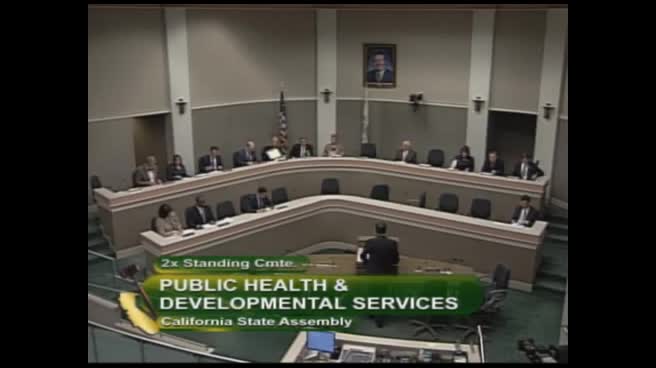


Bill Co-Author(s):