AB 1048: Health care: pain management and Schedule II drug prescriptions.
- Session Year: 2017-2018
- House: Assembly
- Latest Version Date: 2017-10-09
(1)The Pharmacy Law provides for the licensing and regulation of pharmacists by the California State Board of Pharmacy in the Department of Consumer Affairs. The law specifies the functions pharmacists are authorized to perform, including to administer, orally or topically, drugs and biologicals pursuant to a prescribers order, and to administer immunizations pursuant to a protocol with a prescriber. A violation of the Pharmacy Law is a crime.
This bill would, beginning July 1, 2018, authorize a pharmacist to dispense a Schedule II controlled substance as a partial fill if requested by the patient or the prescriber. The bill would require the pharmacy to retain the original prescription, with a notation of how much of the prescription has been filled, the date and amount of each partial fill, and the initials of the pharmacist dispensing each partial fill, until the prescription has been fully dispensed. The bill would authorize a pharmacist to charge a professional dispensing fee to cover the actual supply and labor costs associated with dispensing each partial fill associated with the original prescription. By creating a new crime, this bill would impose a state-mandated local program.
(2)Existing law provides for the licensure and regulation of health facilities by the State Department of Public Health. Existing law requires a health facility, as a condition of licensure, to include pain as an item to be assessed at the same time vital signs are taken and to ensure that pain assessment is performed in a consistent manner that is appropriate to the patient.
This bill would remove the requirement that pain be assessed at the same time as vital signs.
(3)Existing law, the Knox-Keene Health Care Service Plan Act of 1975 (Knox-Keene Act), provides for the licensure and regulation of health care service plans by the Department of Managed Health Care, and makes a willful violation of the act a crime. Existing law provides for the regulation of health insurers by the Department of Insurance. Existing law imposes various requirements and restrictions on health care service plan contracts issued by health care service plans and health insurance policies issued by health insurers, including those that cover prescription drug benefits, as specified.
This bill, commencing January 1, 2019, would require a health care service plan and an insurer to prorate an enrollees or insureds cost sharing for a partial fill of a prescription of an oral, solid dosage form prescription drug. The bill would also prohibit a health care service plan or an insurer from considering a prorated cost-sharing payment made to a pharmacist for dispensing a partial fill as an overpayment. By creating a new crime under the Knox-Keene Act, this bill would impose a state-mandated local program.
(4)The California Constitution requires the state to reimburse local agencies and school districts for certain costs mandated by the state. Statutory provisions establish procedures for making that reimbursement.
This bill would provide that no reimbursement is required by this act for a specified reason.
(1)The Pharmacy Law provides for the licensing and regulation of pharmacists by the California State Board of Pharmacy in the Department of Consumer Affairs. The law specifies the functions pharmacists are authorized to perform, including to administer, orally or topically, drugs and biologicals pursuant to a prescribers order, and to administer immunizations pursuant to a protocol with a prescriber. A violation of the Pharmacy Law is a crime.
This bill would, beginning July 1, 2018, authorize a pharmacist to dispense a Schedule II controlled substance as a partial fill if requested by the patient or the prescriber. The bill would require the pharmacy to retain the original prescription, with a notation of how much of the prescription has been filled, the date and amount of each partial fill, and the initials of the pharmacist dispensing each partial fill, until the prescription has been fully dispensed. The bill would authorize a pharmacist to charge a professional dispensing fee to cover the actual supply and labor costs associated with dispensing each partial fill associated with the original prescription. By creating a new crime, this bill would impose a state-mandated local program.
(2)Existing law provides for the licensure and regulation of health facilities by the State Department of Public Health. Existing law requires a health facility, as a condition of licensure, to include pain as an item to be assessed at the same time vital signs are taken and to ensure that pain assessment is performed in a consistent manner that is appropriate to the patient.
This bill would remove the requirement that pain be assessed at the same time as vital signs.
(3)Existing law, the Knox-Keene Health Care Service Plan Act of 1975 (Knox-Keene Act), provides for the licensure and regulation of health care service plans by the Department of Managed Health Care, and makes a willful violation of the act a crime. Existing law provides for the regulation of health insurers by the Department of Insurance. Existing law imposes various requirements and restrictions on health care service plan contracts issued by health care service plans and health insurance policies issued by health insurers, including those that cover prescription drug benefits, as specified.
This bill, commencing January 1, 2019, would require a health care service plan and an insurer to prorate an enrollees or insureds cost sharing for a partial fill of a prescription of an oral, solid dosage form prescription drug. The bill would also prohibit a health care service plan or an insurer from considering a prorated cost-sharing payment made to a pharmacist for dispensing a partial fill as an overpayment. By creating a new crime under the Knox-Keene Act, this bill would impose a state-mandated local program.
(4)The California Constitution requires the state to reimburse local agencies and school districts for certain costs mandated by the state. Statutory provisions establish procedures for making that reimbursement.
This bill would provide that no reimbursement is required by this act for a specified reason.
(1)The Pharmacy Law provides for the licensing and regulation of pharmacists by the California State Board of Pharmacy in the Department of Consumer Affairs. The law specifies the functions pharmacists are authorized to perform, including to administer, orally or topically, drugs and biologicals pursuant to a prescribers order, and to administer immunizations pursuant to a protocol with a prescriber. A violation of the Pharmacy Law is a crime.
This bill would, beginning July 1, 2018, authorize a pharmacist to dispense a Schedule II controlled substance as a partial fill if requested by the patient or the prescriber. The bill would require the pharmacy to retain the original prescription, with a notation of how much of the prescription has been filled, the date and amount of each partial fill, and the initials of the pharmacist dispensing each partial fill, until the prescription has been fully dispensed. The bill would authorize a pharmacist to charge a professional dispensing fee to cover the actual supply and labor costs associated with dispensing each partial fill associated with the original prescription. By creating a new crime, this bill would impose a state-mandated local program.
(2)Existing law provides for the licensure and regulation of health facilities by the State Department of Public Health. Existing law requires a health facility, as a condition of licensure, to include pain as an item to be assessed at the same time vital signs are taken and to ensure that pain assessment is performed in a consistent manner that is appropriate to the patient.
This bill would remove the requirement that pain be assessed at the same time as vital signs.
(3)Existing law, the Knox-Keene Health Care Service Plan Act of 1975 (Knox-Keene Act), provides for the licensure and regulation of health care service plans by the Department of Managed Health Care, and makes a willful violation of the act a crime. Existing law provides for the regulation of health insurers by the Department of Insurance. Existing law imposes various requirements and restrictions on health care service plan contracts issued by health care service plans and health insurance policies issued by health insurers, including those that cover prescription drug benefits, as specified.
This bill would prohibit a health care service plan contract or a health insurance policy that is issued, amended, or renewed on or after July 1, 2018, from allowing the health care service plan, the insurer, or the entity with which either contracts to administer prescription drug benefits from considering a copayment or any portion thereof, or the payment for the ingredient costs of the drug, paid to a pharmacy for a partial fill of a prescription, to be an excess payment recoverable by the plan, the insurer, or the contracting entity or a basis for denial of the pharmacys claim for reimbursement for the medication. The bill would also bill, commencing January 1, 2019, would require a health care service plan and an insurer to prorate a copayment an enrollees or insureds cost sharing for a partial fill of a prescription. prescription of an oral, solid dosage form prescription drug. The bill would also prohibit a health care service plan or an insurer from considering a prorated cost-sharing payment made to a pharmacist for dispensing a partial fill as an overpayment. By creating a new crime under the Knox-Keene Act, this bill would impose a state-mandated local program.
(4)The California Constitution requires the state to reimburse local agencies and school districts for certain costs mandated by the state. Statutory provisions establish procedures for making that reimbursement.
This bill would provide that no reimbursement is required by this act for a specified reason.
(1)The Pharmacy Law provides for the licensing and regulation of pharmacists by the California State Board of Pharmacy in the Department of Consumer Affairs. The law specifies the functions pharmacists are authorized to perform, including to administer, orally or topically, drugs and biologicals pursuant to a prescribers order, and to administer immunizations pursuant to a protocol with a prescriber. A violation of the Pharmacy Law is a crime.
This bill would would, beginning July 1, 2018, authorize a pharmacist to dispense a Schedule II controlled substance as a partial fill if requested by the patient or the prescriber. The bill would require the pharmacy to retain the original prescription, with a notation of how much of the prescription has been filled, the date and amount of each partial fill, and the initials of the pharmacist dispensing each partial fill, until the prescription has been fully dispensed. The bill would authorize a pharmacist to charge a professional dispensing fee to cover the actual supply and labor costs associated with dispensing each partial fill associated with the original prescription. By creating a new crime, this bill would impose a state-mandated local program.
(2)Existing law provides for the licensure and regulation of health facilities by the State Department of Public Health. Existing law requires a health facility, as a condition of licensure, to include pain as an item to be assessed at the same time vital signs are taken and to ensure that pain assessment is performed in a consistent manner that is appropriate to the patient.
This bill would remove the requirement that pain be assessed at the same time as vital signs.
(3)Existing law, the Knox-Keene Health Care Service Plan Act of 1975 (Knox-Keene Act), provides for the licensure and regulation of health care service plans by the Department of Managed Health Care, and makes a willful violation of the act a crime. Existing law provides for the regulation of health insurers by the Department of Insurance. Existing law imposes various requirements and restrictions on health care service plan contracts issued by health care service plans and health insurance policies issued by health insurers, including those that cover prescription drug benefits, as specified.
This bill would prohibit a health care service plan contract or a health insurance policy that is issued, amended, or renewed on or after January July 1, 2018, from allowing the health care service plan, the insurer, or the entity with which either contracts to administer prescription drug benefits from considering a copayment or any portion thereof, or the payment for the ingredient costs of the drug, paid to a pharmacy for a partial fill of a prescription, to be an excess payment recoverable by the plan, the insurer, or the contracting entity or a basis for denial of the pharmacys claim for reimbursement for the medication. The bill would also require a health care service plan and an insurer to prorate a copayment for a partial fill of a prescription. By creating a new crime under the Knox-Keene Act, this bill would impose a state-mandated local program.
(4)The California Constitution requires the state to reimburse local agencies and school districts for certain costs mandated by the state. Statutory provisions establish procedures for making that reimbursement.
This bill would provide that no reimbursement is required by this act for a specified reason.
(1)The Pharmacy Law provides for the licensing and regulation of pharmacists by the California State Board of Pharmacy in the Department of Consumer Affairs. The law specifies the functions pharmacists are authorized to perform, including to administer, orally or topically, drugs and biologicals pursuant to a prescribers order, and to administer immunizations pursuant to a protocol with a prescriber. A violation of the Pharmacy Law is a crime.
This bill would authorize a pharmacist to dispense a Schedule II controlled substance as a partial fill if requested by the patient or the prescriber. The bill would require the pharmacy to retain the original prescription, with a notation of how much of the prescription has been filled, the date and amount of each partial fill, and the initials of the pharmacist dispensing each partial fill, until the prescription has been fully dispensed. The bill would authorize a pharmacist to charge a dispensing fee to cover the actual supply and labor costs associated with dispensing each partial fill associated with the original prescription. By creating a new crime, this bill would impose a state-mandated local program.
(2)Existing law provides for the licensure and regulation of health facilities by the State Department of Public Health. Existing law requires a health facility, as a condition of licensure, to include pain as an item to be assessed at the same time vital signs are taken and to ensure that pain assessment is performed in a consistent manner that is appropriate to the patient.
This bill would remove the requirement that pain be assessed at the same time as vital signs.
(3)Existing law, the Knox-Keene Health Care Service Plan Act of 1975 (Knox-Keene Act), provides for the licensure and regulation of health care service plans by the Department of Managed Health Care, and makes a willful violation of the act a crime. Existing law provides for the regulation of health insurers by the Department of Insurance. Existing law imposes various requirements and restrictions on health care service plan contracts issued by health care service plans and health insurance policies issued by health insurers, including those that cover prescription drug benefits, as specified.
This bill would prohibit a health care service plan contract or a health insurance policy that is issued, amended, or renewed on or after January 1, 2018, from allowing the health care service plan, the insurer, or the entity with which either contracts to administer prescription drug benefits from considering a copayment or any portion thereof, or the payment for the ingredient costs of the drug, paid to a pharmacy for a partial fill of a prescription, to be an excess payment recoverable by the plan, the insurer, or the contracting entity or a basis for denial of the pharmacys claim for reimbursement for the medication. By creating a new crime under the Knox-Keene Act, this bill would impose a state-mandated local program.
(4)The California Constitution requires the state to reimburse local agencies and school districts for certain costs mandated by the state. Statutory provisions establish procedures for making that reimbursement.
This bill would provide that no reimbursement is required by this act for a specified reason.
(1)The Pharmacy Law provides for the licensing and regulation of pharmacists by the California State Board of Pharmacy in the Department of Consumer Affairs. The law specifies the functions pharmacists are authorized to perform, including to administer, orally or topically, drugs and biologicals pursuant to a prescribers order, and to administer immunizations pursuant to a protocol with a prescriber. A violation of the Pharmacy Law is a crime.
This bill would authorize a pharmacist to dispense a Schedule II controlled substance as a partial fill if requested by the patient or the prescriber. The bill would require the pharmacy to retain the original prescription, with a notation of how much of the prescription has been filled, the date and amount of each partial fill, and the initials of the pharmacist dispensing each partial fill, until the prescription has been fully dispensed, and would impose notification requirements on the pharmacy. The bill would require the pharmacy to collect the copayment, if any, for the entire prescription at the time of the first partial fill and would prohibit a pharmacy from charging an additional fee, service fee, or a higher rate or copayment for prescriptions that are dispensed as partial fills. dispensed. The bill would authorize a pharmacist to charge a dispensing fee to cover the actual supply and labor costs associated with dispensing each partial fill associated with the original prescription. By creating a new crime, this bill would impose a state-mandated local program.
(2)Existing law provides for the licensure and regulation of health facilities by the State Department of Public Health. Existing law requires a health facility, as a condition of licensure, to include pain as an item to be assessed at the same time vital signs are taken and to ensure that pain assessment is performed in a consistent manner that is appropriate to the patient.
This bill would remove the requirement that pain be assessed at the same time as vital signs.
(3)Existing law, the Knox-Keene Health Care Service Plan Act of 1975 (Knox-Keene Act), provides for the licensure and regulation of health care service plans by the Department of Managed Health Care, and makes a willful violation of the act a crime. Existing law provides for the regulation of health insurers by the Department of Insurance. Existing law imposes various requirements and restrictions on health care service plan contracts issued by health care service plans and health insurance policies issued by health insurers, including those that cover prescription drug benefits, as specified.
This bill would prohibit a health care service plan contract or a health insurance policy that is issued, amended, or renewed on or after January 1, 2018, from allowing the health care service plan, the insurer, or the entity with which either contracts to administer prescription drug benefits from considering a copayment or any portion thereof, or the payment for the ingredient costs of the drug, paid to a pharmacy for a partial fill of a prescription, to be an excess payment recoverable by the plan, the insurer, or the contracting entity or a basis for denial of the pharmacys claim for reimbursement for the medication. By creating a new crime under the Knox-Keene Act, this bill would impose a state-mandated local program.
(3)(4)The California Constitution requires the state to reimburse local agencies and school districts for certain costs mandated by the state. Statutory provisions establish procedures for making that reimbursement.
This bill would provide that no reimbursement is required by this act for a specified reason.
(1)The Pharmacy Law provides for the licensing and regulation of pharmacists by the California State Board of Pharmacy in the Department of Consumer Affairs. The law specifies the functions pharmacists are authorized to perform, including to administer, orally or topically, drugs and biologicals pursuant to a prescribers order, and to administer immunizations pursuant to a protocol with a prescriber. A violation of the Pharmacy Law is a crime.
This bill would authorize a pharmacist to dispense a Schedule II controlled substance as a partial fill if requested by the patient or the prescriber. The bill would require the pharmacy to retain the original prescription, with a notation of how much of the prescription has been filled, until the prescription has been fully dispensed, and would impose notification requirements on the pharmacy. The bill would require the pharmacy to collect the copayment, if any, for the entire prescription at the time of the first partial fill and would prohibit a pharmacy from charging an additional fee, service fee, or a higher rate or copayment for prescriptions that are dispensed as partial fills. By creating a new crime, this bill would impose a state-mandated local program.
(2)Existing law provides for the licensure and regulation of health facilities by the State Department of Public Health. Existing law requires a health facility, as a condition of licensure, to include pain as an item to be assessed at the same time vital signs are taken and to ensure that pain assessment is performed in a consistent manner that is appropriate to the patient.
This bill would remove the requirement that pain be assessed at the same time as vital signs.
(3)The California Constitution requires the state to reimburse local agencies and school districts for certain costs mandated by the state. Statutory provisions establish procedures for making that reimbursement.
This bill would provide that no reimbursement is required by this act for a specified reason.
(1)The Pharmacy Law provides for the licensing and regulation of pharmacists by the California State Board of Pharmacy in the Department of Consumer Affairs. The law specifies the functions pharmacists are authorized to perform, including to administer, orally or topically, drugs and biologicals pursuant to a prescribers order, and to administer immunizations pursuant to a protocol with a prescriber. A violation of the Pharmacy Law is a crime.
This bill would authorize a pharmacist to dispense a Schedule II controlled substance as a partial fill if requested by the patient or the prescribing physician. prescriber. The bill would require the pharmacy to retain the original prescription, with a notation of how much of the prescription has been filled, until the prescription has been fully dispensed, and would impose notification requirements on the pharmacy. The bill would require the pharmacy to collect the copayment, if any, for the entire prescription at the time of the first partial fill and would prohibit a pharmacy from charging an additional fee, service fee, or a higher rate or copayment for prescriptions that are dispensed as partial fills. By creating a new crime, this bill would impose a state-mandated local program.
(2)Existing law provides for the licensure and regulation of health facilities by the State Department of Public Health. Existing law requires a health facility to, facility, as a condition of licensure, to include pain as an item to be assessed at the same time vital signs are taken and to ensure that pain assessment is performed in a consistent manner that is appropriate to the patient. Violation of these provisions is a crime.
This bill would remove the requirement that pain be assessed at the same time as vital signs. The bill would also prohibit a general acute care hospital or acute psychiatric hospital from in any way conditioning or basing executive compensation, as defined, on patient satisfaction measurements for pain management. By creating a new crime, this bill would impose a state-mandated local program.
The(3)The California Constitution requires the state to reimburse local agencies and school districts for certain costs mandated by the state. Statutory provisions establish procedures for making that reimbursement.
This bill would provide that no reimbursement is required by this act for a specified reason.
(1)The Pharmacy Law provides for the licensing and regulation of pharmacists by the California State Board of Pharmacy in the Department of Consumer Affairs. The law specifies the functions pharmacists are authorized to perform, including to administer, orally or topically, drugs and biologicals pursuant to a prescribers order, and to administer immunizations pursuant to a protocol with a prescriber. A violation of the Pharmacy Law is a crime.
This bill would authorize a pharmacist to dispense a Schedule II controlled substance as a partial fill if requested by the patient or the prescribing physician. The bill would require the pharmacy to retain the original prescription, with a notation of how much of the prescription has been filled, until the prescription has been fully dispensed, and would impose notification requirements on the pharmacy. The bill would require the pharmacy to collect the copayment, if any, for the entire prescription at the time of the first partial fill and would prohibit a pharmacy from charging an additional fee, service fee, or a higher rate or copayment for prescriptions that are dispensed as partial fills. By creating a new crime, this bill would impose a state-mandated local program.
Existing
(2)Existing law provides for the licensure and regulation of health facilities by the State Department of Public Health of health facilities. Health. Existing law requires a health facility to, as a condition of licensure, include pain as an item to be assessed at the same time vital signs are taken and to ensure that pain assessment is performed in a consistent manner that is appropriate to the patient. Violation of these provisions is a crime.
This bill would remove the requirement that pain be assessed at the same time as vital signs. The bill would also prohibit a general acute care hospital or acute psychiatric hospital from in any way conditioning or basing executive compensation, as defined, on patient satisfaction measurements for pain management. By creating a new crime, this bill would impose a state-mandated local program.
The California Constitution requires the state to reimburse local agencies and school districts for certain costs mandated by the state. Statutory provisions establish procedures for making that reimbursement.
This bill would provide that no reimbursement is required by this act for a specified reason.
This bill would make technical, nonsubstantive changes to those provisions.
Existing law provides for the licensure and regulation by the State Department of Public Health of health facilities. Existing law requires a health facility to, as a condition of licensure, include pain as an item to be assessed at the same time vital signs are taken and to ensure that pain assessment is performed in a consistent manner that is appropriate to the patient.
This bill would make technical, nonsubstantive changes to those provisions.
(a)A pharmacist may dispense a Schedule II controlled substance, as listed in Section 11055 of the Health and Safety Code, as a partial fill if requested by the patient or the prescriber.
(b)If a pharmacist dispenses a partial fill on a prescription pursuant to this section, the pharmacy shall retain the original prescription, with a notation of how much of the prescription has been filled, until the prescription has been fully dispensed. The total quantity dispensed shall not exceed the total quantity prescribed.
(c)Subsequent fills, until the original prescription is completely dispensed, shall occur at the pharmacy where the original prescription was partially filled. The full prescription shall be dispensed not more than 30 days after the date on which the prescription was written. Thirty-one days after the date on which the prescription was written, the prescription shall expire and no more of the drug shall be dispensed without a subsequent prescription.
(d)The pharmacist shall record in the state prescription drug monitoring program only the actual amounts of the drug dispensed.
(e)The pharmacist shall record the date and amount of each partial fill in a readily retrievable form and on the original prescription, and shall include the initials of the pharmacist who dispensed each partial fill.
(f)A pharmacist may charge a professional dispensing fee to cover the actual supply and labor costs associated with dispensing each partial fill associated with the original prescription.
(g)This section shall not be construed to limit the authority of the Department of Managed Health Care, pursuant to Chapter 2.2 (commencing with Section 1340) of Division 2 of the Health and Safety Code.
(h)This section is not intended to conflict with or supersede any other requirement established for the prescription of a Schedule II controlled substance.
(i)For purposes of this section, the following definitions apply:
(1)Original prescription means the prescription presented by the patient to the pharmacy or submitted electronically to the pharmacy.
(2)Partial fill means a part of a prescription filled that is of a quantity less than the entire prescription.
(j)This section shall become operative on July 1, 2018.
SEC. 2.Section 1254.7 of the Health and Safety Code is amended to read:1254.7.(a)It is the intent of the Legislature that pain be assessed and treated promptly, effectively, and for as long as pain persists.
(b)A health facility licensed pursuant to this chapter shall, as a condition of licensure, include pain as an item to be assessed. The health facility shall ensure that pain assessment is performed in a consistent manner that is appropriate to the patient. The pain assessment shall be noted in the patients chart.
SEC. 3.Section 1367.43 is added to the Health and Safety Code, to read:1367.43.Commencing January 1, 2019, a health care service plan shall prorate an enrollees cost sharing for a partial fill of a prescription dispensed pursuant to Section 4052.10 of the Business and Professions Code. This section shall only apply to oral, solid dosage forms of prescription drugs.
SEC. 4.Section 1371.1 of the Health and Safety Code is amended to read:1371.1.(a)(1)Whenever a health care service plan, including a specialized health care service plan, determines that in reimbursing a claim for provider services an institutional or professional provider has been overpaid, and then notifies the provider in writing through a separate notice identifying the overpayment and the amount of the overpayment, the provider shall reimburse the health care service plan within 30 working days of receipt by the provider of the notice of overpayment unless the overpayment or portion thereof is contested by the provider in which case the health care service plan shall be notified, in writing, within 30 working days. The notice that an overpayment is being contested shall identify the portion of the overpayment that is contested and the specific reasons for contesting the overpayment.
(2)If the provider does not make reimbursement for an uncontested overpayment within 30 working days after receipt, interest shall accrue at the rate of 10 percent per annum beginning with the first calendar day after the 30-working-day period.
(3)A prorated cost-sharing payment, or any portion thereof, made to a pharmacist for the dispensing of a partial fill pursuant to Section 4052.10 of the Business and Professions Code shall not be considered to be an overpayment pursuant to this section.
(b)(1)This subdivision shall only apply to a health care service plan contract covering dental services or a specialized health care service plan contract covering dental services pursuant to this chapter.
(2)The health care service plans notice of overpayment shall inform the provider how to access the plans dispute resolution mechanism offered pursuant to subdivision (h) of Section 1367. The notice shall include the name and address to which the dispute should be submitted and a statement that Section 1371.1 of the Health and Safety Code requires a provider to reimburse the plan for an overpayment within 30 working days of receipt by the provider of the notice of overpayment unless the provider contests the overpayment within 30 working days. The notice shall also include information clearly identifying the claim, the name of the patient, the date of service, and a clear explanation of the basis upon which the plan or the plans capitated provider believes the amount paid on the claim was in excess of the amount due, including interest and penalties on the claim. The notice shall also include a statement that if the provider does not make reimbursement of an uncontested overpayment within 30 working days after receipt of the notice, interest shall accrue at a rate of 10 percent per annum.
SEC. 5.Section 10123.145 of the Insurance Code is amended to read:10123.145.(a)(1)Whenever an insurer issuing group or individual policies of disability insurance which covers hospital, medical, or surgical expenses determines that in reimbursing a claim for provider services an institutional or professional provider has been overpaid, and then notifies the provider in writing through a separate notice identifying the overpayment and the amount of the overpayment, the provider shall reimburse the insurer within 30 working days of receipt by the provider of the notice of overpayment unless the overpayment or portion thereof is contested by the provider in which case the insurer shall be notified, in writing, within 30 working days. The notice that an overpayment is being contested shall identify the portion of the overpayment that is contested and the specific reasons for contesting the overpayment.
(2)If the provider does not make reimbursement for an uncontested overpayment within 30 working days after receipt, interest shall accrue at the rate of 10 percent per annum beginning with the first calendar day after the 30-working-day period.
(3)A prorated cost-sharing payment, or any portion thereof, made to a pharmacist for the dispensing of a partial fill pursuant to Section 4052.10 of the Business and Professions Code shall not be considered to be an overpayment pursuant to this section.
(b)(1)This subdivision shall only apply to a health insurance policy covering dental services or a specialized health insurance policy covering dental services.
(2)The insurers notice of overpayment shall inform the provider how to access the insurers dispute resolution mechanism offered pursuant to subdivision (a) of Section 10123.137. The notice shall include the name and address to which the dispute should be submitted and a statement that Section 10123.145 of the Insurance Code requires a provider to reimburse the insurer for an overpayment within 30 working days of receipt by the provider of the notice of overpayment unless the provider contests the overpayment within 30 working days. The notice shall also include information clearly identifying the claim, the name of the patient, the date of service, and a clear explanation of the basis upon which the insurer believes the amount paid on the claim was in excess of the amount due, including interest and penalties on the claim. The notice shall also include a statement that if the provider does not make reimbursement of an uncontested overpayment within 30 working days after receipt of the notice, interest shall accrue at a rate of 10 percent per annum.
SEC. 6.Section 10123.203 is added to the Insurance Code, to read:10123.203.Commencing January 1, 2019, an insurer shall prorate an insureds cost sharing for a partial fill of a prescription dispensed pursuant to Section 4052.10 of the Business and Professions Code. This section shall only apply to oral, solid dosage forms of prescription drugs.
SEC. 7.No reimbursement is required by this act pursuant to Section 6 of Article XIIIB of the California Constitution because the only costs that may be incurred by a local agency or school district will be incurred because this act creates a new crime or infraction, eliminates a crime or infraction, or changes the penalty for a crime or infraction, within the meaning of Section 17556 of the Government Code, or changes the definition of a crime within the meaning of Section 6 of Article XIIIB of the California Constitution.
(a)A pharmacist may dispense a Schedule II controlled substance, as listed in Section 11055 of the Health and Safety Code, as a partial fill if requested by the patient or the prescriber.
(b)If a pharmacist dispenses a partial fill on a prescription pursuant to this section, the pharmacy shall retain the original prescription, with a notation of how much of the prescription has been filled, until the prescription has been fully dispensed. The total quantity dispensed shall not exceed the total quantity prescribed.
(c)Subsequent fills, until the original prescription is completely dispensed, shall occur at the pharmacy where the original prescription was partially filled. The full prescription shall be dispensed not more than 30 days after the date on which the prescription was written. Thirty-one days after the date on which the prescription was written, the prescription shall expire and no more of the drug shall be dispensed without a subsequent prescription.
(d)The pharmacist shall record in the state prescription drug monitoring program only the actual amounts of the drug dispensed.
(e)The pharmacist shall record the date and amount of each partial fill in a readily retrievable form and on the original prescription, and shall include the initials of the pharmacist who dispensed each partial fill.
(f)A pharmacist may charge a professional dispensing fee to cover the actual supply and labor costs associated with dispensing each partial fill associated with the original prescription.
(g)This section shall not be construed to limit the authority of the Department of Managed Health Care, pursuant to Chapter 2.2 (commencing with Section 1340) of Division 2 of the Health and Safety Code.
(h)This section is not intended to conflict with or supersede any other requirement established for the prescription of a Schedule II controlled substance.
(i)For purposes of this section, the following definitions apply:
(1)Original prescription means the prescription presented by the patient to the pharmacy or submitted electronically to the pharmacy.
(2)Partial fill means a part of a prescription filled that is of a quantity less than the entire prescription.
(j)This section shall become operative on July 1, 2018.
SEC. 2.Section 1254.7 of the Health and Safety Code is amended to read:1254.7.(a)It is the intent of the Legislature that pain be assessed and treated promptly, effectively, and for as long as pain persists.
(b)A health facility licensed pursuant to this chapter shall, as a condition of licensure, include pain as an item to be assessed. The health facility shall ensure that pain assessment is performed in a consistent manner that is appropriate to the patient. The pain assessment shall be noted in the patients chart.
SEC. 3.Section 1367.43 is added to the Health and Safety Code, to read:1367.43.Commencing January 1, 2019, a health care service plan shall prorate an enrollees cost sharing for a partial fill of a prescription dispensed pursuant to Section 4052.10 of the Business and Professions Code. This section shall only apply to oral, solid dosage forms of prescription drugs.
SEC. 4.Section 1371.1 of the Health and Safety Code is amended to read:1371.1.(a)(1)Whenever a health care service plan, including a specialized health care service plan, determines that in reimbursing a claim for provider services an institutional or professional provider has been overpaid, and then notifies the provider in writing through a separate notice identifying the overpayment and the amount of the overpayment, the provider shall reimburse the health care service plan within 30 working days of receipt by the provider of the notice of overpayment unless the overpayment or portion thereof is contested by the provider in which case the health care service plan shall be notified, in writing, within 30 working days. The notice that an overpayment is being contested shall identify the portion of the overpayment that is contested and the specific reasons for contesting the overpayment.
(2)If the provider does not make reimbursement for an uncontested overpayment within 30 working days after receipt, interest shall accrue at the rate of 10 percent per annum beginning with the first calendar day after the 30-working-day period.
(3)A prorated cost-sharing payment, or any portion thereof, made to a pharmacist for the dispensing of a partial fill pursuant to Section 4052.10 of the Business and Professions Code shall not be considered to be an overpayment pursuant to this section.
(b)(1)This subdivision shall only apply to a health care service plan contract covering dental services or a specialized health care service plan contract covering dental services pursuant to this chapter.
(2)The health care service plans notice of overpayment shall inform the provider how to access the plans dispute resolution mechanism offered pursuant to subdivision (h) of Section 1367. The notice shall include the name and address to which the dispute should be submitted and a statement that Section 1371.1 of the Health and Safety Code requires a provider to reimburse the plan for an overpayment within 30 working days of receipt by the provider of the notice of overpayment unless the provider contests the overpayment within 30 working days. The notice shall also include information clearly identifying the claim, the name of the patient, the date of service, and a clear explanation of the basis upon which the plan or the plans capitated provider believes the amount paid on the claim was in excess of the amount due, including interest and penalties on the claim. The notice shall also include a statement that if the provider does not make reimbursement of an uncontested overpayment within 30 working days after receipt of the notice, interest shall accrue at a rate of 10 percent per annum.
SEC. 5.Section 10123.145 of the Insurance Code is amended to read:10123.145.(a)(1)Whenever an insurer issuing group or individual policies of disability insurance which covers hospital, medical, or surgical expenses determines that in reimbursing a claim for provider services an institutional or professional provider has been overpaid, and then notifies the provider in writing through a separate notice identifying the overpayment and the amount of the overpayment, the provider shall reimburse the insurer within 30 working days of receipt by the provider of the notice of overpayment unless the overpayment or portion thereof is contested by the provider in which case the insurer shall be notified, in writing, within 30 working days. The notice that an overpayment is being contested shall identify the portion of the overpayment that is contested and the specific reasons for contesting the overpayment.
(2)If the provider does not make reimbursement for an uncontested overpayment within 30 working days after receipt, interest shall accrue at the rate of 10 percent per annum beginning with the first calendar day after the 30-working-day period.
(3)A prorated cost-sharing payment, or any portion thereof, made to a pharmacist for the dispensing of a partial fill pursuant to Section 4052.10 of the Business and Professions Code shall not be considered to be an overpayment pursuant to this section.
(b)(1)This subdivision shall only apply to a health insurance policy covering dental services or a specialized health insurance policy covering dental services.
(2)The insurers notice of overpayment shall inform the provider how to access the insurers dispute resolution mechanism offered pursuant to subdivision (a) of Section 10123.137. The notice shall include the name and address to which the dispute should be submitted and a statement that Section 10123.145 of the Insurance Code requires a provider to reimburse the insurer for an overpayment within 30 working days of receipt by the provider of the notice of overpayment unless the provider contests the overpayment within 30 working days. The notice shall also include information clearly identifying the claim, the name of the patient, the date of service, and a clear explanation of the basis upon which the insurer believes the amount paid on the claim was in excess of the amount due, including interest and penalties on the claim. The notice shall also include a statement that if the provider does not make reimbursement of an uncontested overpayment within 30 working days after receipt of the notice, interest shall accrue at a rate of 10 percent per annum.
SEC. 6.Section 10123.203 is added to the Insurance Code, to read:10123.203.Commencing January 1, 2019, an insurer shall prorate an insureds cost sharing for a partial fill of a prescription dispensed pursuant to Section 4052.10 of the Business and Professions Code. This section shall only apply to oral, solid dosage forms of prescription drugs.
SEC. 7.No reimbursement is required by this act pursuant to Section 6 of Article XIIIB of the California Constitution because the only costs that may be incurred by a local agency or school district will be incurred because this act creates a new crime or infraction, eliminates a crime or infraction, or changes the penalty for a crime or infraction, within the meaning of Section 17556 of the Government Code, or changes the definition of a crime within the meaning of Section 6 of Article XIIIB of the California Constitution.
(a)A pharmacist may dispense a Schedule II controlled substance, as listed in Section 11055 of the Health and Safety Code, as a partial fill if requested by the patient or the prescriber.
(b)If a pharmacist dispenses a partial fill on a prescription pursuant to this section, the pharmacy shall retain the original prescription, with a notation of how much of the prescription has been filled, until the prescription has been fully dispensed. The total quantity dispensed shall not exceed the total quantity prescribed.
(c)Subsequent fills, until the original prescription is completely dispensed, shall occur at the pharmacy where the original prescription was partially filled. The full prescription shall be dispensed not more than 30 days after the date on which the prescription was written. Thirty-one days after the date on which the prescription was written, the prescription shall expire and no more of the drug shall be dispensed without a subsequent prescription.
(d)The pharmacist shall record in the state prescription drug monitoring program only the actual amounts of the drug dispensed.
(e)The pharmacist shall record the date and amount of each partial fill in a readily retrievable form and on the original prescription, and shall include the initials of the pharmacist who dispensed each partial fill.
(f)A pharmacist may charge a professional dispensing fee, as defined in Section 14105.45 of the Welfare and Institutions Code, fee to cover the actual supply and labor costs associated with dispensing each partial fill associated with the original prescription.
(g)This section shall not be construed to limit the authority of the Department of Managed Health Care, pursuant to Chapter 2.2 (commencing with Section 1340) of Division 2 of the Health and Safety Code.
(g)(h)This section is not intended to conflict with or supersede any other requirement established for the prescription of a Schedule II controlled substance.
(h)(i)For purposes of this section, the following definitions apply:
(1)Original prescription means the prescription presented by the patient to the pharmacy or submitted electronically to the pharmacy.
(2)Partial fill means a part of a prescription filled that is of a quantity less than the entire prescription.
(i)(j)This section shall become operative on July 1, 2018.
SEC. 2.Section 1254.7 of the Health and Safety Code is amended to read:1254.7.(a)It is the intent of the Legislature that pain be assessed and treated promptly, effectively, and for as long as pain persists.
(b)A health facility licensed pursuant to this chapter shall, as a condition of licensure, include pain as an item to be assessed. The health facility shall ensure that pain assessment is performed in a consistent manner that is appropriate to the patient. The pain assessment shall be noted in the patients chart.
SEC. 3.Section 1367.43 is added to the Health and Safety Code, to read:1367.43.(a)A health care service plan contract that is issued, amended, or renewed on or after July 1, 2018, shall not allow the health care service plan or the entity with which it contracts to administer prescription drug benefits for enrollees to consider a copayment or any portion thereof, or the payment for the ingredient costs of the drug, paid to a pharmacy for a partial fill of a prescription pursuant to Section 4052.10 of the Business and Professions Code to be an excess payment recoverable by the plan or its contracting entity or a basis for denial of the pharmacys claim for reimbursement for the medication.(b)A health care service plan shall prorate a copayment for a partial fill of a prescription dispensed pursuant to Section 4052.10 of the Business and Professions Code.SEC. 4.Section 10123.203 is added to the Insurance Code, to read:10123.203.(a)A health insurance policy that is issued, amended, or renewed on or after July 1, 2018, shall not allow the insurer or the entity with which it contracts to administer prescription drug benefits for the insured to consider a copayment or any portion thereof, or the payment for the ingredient costs of the drug, paid to a pharmacy for a partial fill of a prescription pursuant to Section 4052.10 of the Business and Professions Code to be an excess payment recoverable by the insurer or its contracting entity or a basis for denial of the pharmacys claim for reimbursement for the medication.(b)An insurer shall prorate a copayment for a partial fill of a prescription dispensed pursuant to Section 4052.10 of the Business and Professions Code.SEC. 3.Section 1367.43 is added to the Health and Safety Code, to read:1367.43.Commencing January 1, 2019, a health care service plan shall prorate an enrollees cost sharing for a partial fill of a prescription dispensed pursuant to Section 4052.10 of the Business and Professions Code. This section shall only apply to oral, solid dosage forms of prescription drugs.
SEC. 4.Section 1371.1 of the Health and Safety Code is amended to read:1371.1.(a)(1)Whenever a health care service plan, including a specialized health care service plan, determines that in reimbursing a claim for provider services an institutional or professional provider has been overpaid, and then notifies the provider in writing through a separate notice identifying the overpayment and the amount of the overpayment, the provider shall reimburse the health care service plan within 30 working days of receipt by the provider of the notice of overpayment unless the overpayment or portion thereof is contested by the provider in which case the health care service plan shall be notified, in writing, within 30 working days. The notice that an overpayment is being contested shall identify the portion of the overpayment that is contested and the specific reasons for contesting the overpayment.
If(2)If the provider does not make reimbursement for an uncontested overpayment within 30 working days after receipt, interest shall accrue at the rate of 10 percent per annum beginning with the first calendar day after the 30-working-day period.
(3)A prorated cost-sharing payment, or any portion thereof, made to a pharmacist for the dispensing of a partial fill pursuant to Section 4052.10 of the Business and Professions Code shall not be considered to be an overpayment pursuant to this section.
(b)(1)This subdivision shall only apply to a health care service plan contract covering dental services or a specialized health care service plan contract covering dental services pursuant to this chapter.
(2)The health care service plans notice of overpayment shall inform the provider how to access the plans dispute resolution mechanism offered pursuant to subdivision (h) of Section 1367. The notice shall include the name and address to which the dispute should be submitted and a statement that Section 1371.1 of the Health and Safety Code requires a provider to reimburse the plan for an overpayment within 30 working days of receipt by the provider of the notice of overpayment unless the provider contests the overpayment within 30 working days. The notice shall also include information clearly identifying the claim, the name of the patient, the date of service, and a clear explanation of the basis upon which the plan or the plans capitated provider believes the amount paid on the claim was in excess of the amount due, including interest and penalties on the claim. The notice shall also include a statement that if the provider does not make reimbursement of an uncontested overpayment within 30 working days after receipt of the notice, interest shall accrue at a rate of 10 percent per annum.
SEC. 5.Section 10123.145 of the Insurance Code is amended to read:10123.145.(a)(1)Whenever an insurer issuing group or individual policies of disability insurance which covers hospital, medical, or surgical expenses determines that in reimbursing a claim for provider services an institutional or professional provider has been overpaid, and then notifies the provider in writing through a separate notice identifying the overpayment and the amount of the overpayment, the provider shall reimburse the insurer within 30 working days of receipt by the provider of the notice of overpayment unless the overpayment or portion thereof is contested by the provider in which case the insurer shall be notified, in writing, within 30 working days. The notice that an overpayment is being contested shall identify the portion of the overpayment that is contested and the specific reasons for contesting the overpayment.
If(2)If the provider does not make reimbursement for an uncontested overpayment within 30 working days after receipt, interest shall accrue at the rate of 10 percent per annum beginning with the first calendar day after the 30-working-day period.
(3)A prorated cost-sharing payment, or any portion thereof, made to a pharmacist for the dispensing of a partial fill pursuant to Section 4052.10 of the Business and Professions Code shall not be considered to be an overpayment pursuant to this section.
(b)(1)This subdivision shall only apply to a health insurance policy covering dental services or a specialized health insurance policy covering dental services.
(2)The insurers notice of overpayment shall inform the provider how to access the insurers dispute resolution mechanism offered pursuant to subdivision (a) of Section 10123.137. The notice shall include the name and address to which the dispute should be submitted and a statement that Section 10123.145 of the Insurance Code requires a provider to reimburse the insurer for an overpayment within 30 working days of receipt by the provider of the notice of overpayment unless the provider contests the overpayment within 30 working days. The notice shall also include information clearly identifying the claim, the name of the patient, the date of service, and a clear explanation of the basis upon which the insurer believes the amount paid on the claim was in excess of the amount due, including interest and penalties on the claim. The notice shall also include a statement that if the provider does not make reimbursement of an uncontested overpayment within 30 working days after receipt of the notice, interest shall accrue at a rate of 10 percent per annum.
SEC. 6.Section 10123.203 is added to the Insurance Code, to read:10123.203.Commencing January 1, 2019, an insurer shall prorate an insureds cost sharing for a partial fill of a prescription dispensed pursuant to Section 4052.10 of the Business and Professions Code. This section shall only apply to oral, solid dosage forms of prescription drugs.
SEC. 5.SEC. 7.No reimbursement is required by this act pursuant to Section 6 of Article XIIIB of the California Constitution because the only costs that may be incurred by a local agency or school district will be incurred because this act creates a new crime or infraction, eliminates a crime or infraction, or changes the penalty for a crime or infraction, within the meaning of Section 17556 of the Government Code, or changes the definition of a crime within the meaning of Section 6 of Article XIIIB of the California Constitution.
(a)A pharmacist may dispense a Schedule II controlled substance, as listed in Section 11055 of the Health and Safety Code, as a partial fill if requested by the patient or the prescriber.
(b)If a pharmacist dispenses a partial fill on a prescription pursuant to this section, the pharmacy shall retain the original prescription, with a notation of how much of the prescription has been filled, until the prescription has been fully dispensed. The total quantity dispensed shall not exceed the total quantity prescribed.
(c)Subsequent fills, until the original prescription is completely dispensed, shall occur at the pharmacy where the original prescription was partially filled. The full prescription shall be dispensed not more than 30 days after the date on which the prescription was written. Thirty-one days after the date on which the prescription was written, the prescription shall expire and no more of the drug shall be dispensed without a subsequent prescription.
(d)The pharmacist shall record in the state prescription drug monitoring program only the actual amounts of the drug dispensed.
(e)The pharmacist shall record the date and amount of each partial fill in a readily retrievable form and on the original prescription, and shall include the initials of the pharmacist who dispensed each partial fill.
(f)A pharmacist may charge a dispensing fee professional dispensing fee, as defined in Section 14105.45 of the Welfare and Institutions Code, to cover the actual supply and labor costs associated with dispensing each partial fill associated with the original prescription.
(g)This section is not intended to conflict with or supersede any other requirement established for the prescription of a Schedule II controlled substance.
(h)For purposes of this section, the following definitions apply:
(1)Original prescription means the prescription presented by the patient to the pharmacy or submitted electronically to the pharmacy.
(2)Partial fill means a part of a prescription filled that is of a quantity less than the entire prescription.
(i)This section shall become operative on July 1, 2018.
SEC. 2.Section 1254.7 of the Health and Safety Code is amended to read:1254.7.(a)It is the intent of the Legislature that pain be assessed and treated promptly, effectively, and for as long as pain persists.
(b)A health facility licensed pursuant to this chapter shall, as a condition of licensure, include pain as an item to be assessed. The health facility shall ensure that pain assessment is performed in a consistent manner that is appropriate to the patient. The pain assessment shall be noted in the patients chart.
SEC. 3.Section 1367.43 is added to the Health and Safety Code, to read:1367.43.(a)A health care service plan contract that is issued, amended, or renewed on or after January July 1, 2018, shall not allow the health care service plan or the entity with which it contracts to administer prescription drug benefits for enrollees, enrollees to consider a copayment or any portion thereof, or the payment for the ingredient costs of the drug, paid to a pharmacy for a partial fill of a prescription pursuant to Section 4052.10 of the Business and Professions Code, Code to be an excess payment recoverable by the plan or its contracting entity or a basis for denial of the pharmacys claim for reimbursement for the medication.
(b)A health care service plan shall prorate a copayment for a partial fill of a prescription dispensed pursuant to Section 4052.10 of the Business and Professions Code.
SEC. 4.Section 10123.203 is added to the Insurance Code, to read:10123.203.(a)A health insurance policy that is issued, amended, or renewed on or after January July 1, 2018, shall not allow the insurer or the entity with which it contracts to administer prescription drug benefits for the insured, insured to consider a copayment or any portion thereof, or the payment for the ingredient costs of the drug, paid to a pharmacy for a partial fill of a prescription pursuant to Section 4052.10 of the Business and Professions Code, Code to be an excess payment recoverable by the insurer or its contracting entity or a basis for denial of the pharmacys claim for reimbursement for the medication.
(b)An insurer shall prorate a copayment for a partial fill of a prescription dispensed pursuant to Section 4052.10 of the Business and Professions Code.
SEC. 5.No reimbursement is required by this act pursuant to Section 6 of Article XIIIB of the California Constitution because the only costs that may be incurred by a local agency or school district will be incurred because this act creates a new crime or infraction, eliminates a crime or infraction, or changes the penalty for a crime or infraction, within the meaning of Section 17556 of the Government Code, or changes the definition of a crime within the meaning of Section 6 of Article XIIIB of the California Constitution.
(a)A pharmacist may dispense a Schedule II controlled substance, as listed in Section 11055 of the Health and Safety Code, as a partial fill if requested by the patient or the prescriber.
(b)If a pharmacist dispenses a partial fill on a prescription pursuant to this section, the pharmacy shall retain the original prescription, with a notation of how much of the prescription has been filled, until the prescription has been fully dispensed. The total quantity dispensed shall not exceed the total quantity prescribed.
(c)Subsequent fills, until the original prescription is completely dispensed, shall occur at the pharmacy where the original prescription was partially filled. The full prescription shall be dispensed not more than 30 days after the first partial fill. date on which the prescription was written. Thirty-one days after the initial partial fill on a prescription, date on which the prescription was written, the prescription shall expire and no more of the drug shall be dispensed without a subsequent prescription.
(d)The pharmacist shall record in the state prescription drug monitoring program only the actual amounts of the drug dispensed.
(e)The pharmacist shall record the date and amount of each partial fill in a readily retrievable form and on the original prescription, and shall include the initials of the pharmacist who dispensed each partial fill.
(f)A pharmacist may charge a dispensing fee to cover the actual supply and labor costs associated with dispensing each partial fill associated with the original prescription.
(g)This section is not intended to conflict with or supersede any other requirement established for the prescription of a Schedule II controlled substance.
(h)For purposes of this section, the following definitions apply:
(1)Original prescription means the prescription presented by the patient to the pharmacy or submitted electronically to the pharmacy.
(2)Partial fill means a part of a prescription filled that is of a quantity less than the entire prescription.
SEC. 2.Section 1254.7 of the Health and Safety Code is amended to read:1254.7.(a)It is the intent of the Legislature that pain be assessed and treated promptly, effectively, and for as long as pain persists.
(b)A health facility licensed pursuant to this chapter shall, as a condition of licensure, include pain as an item to be assessed. The health facility shall ensure that pain assessment is performed in a consistent manner that is appropriate to the patient. The pain assessment shall be noted in the patients chart.
SEC. 3.Section 1367.43 is added to the Health and Safety Code, to read:1367.43.A health care service plan contract that is issued, amended, or renewed on or after January 1, 2018, shall not allow the health care service plan or the entity with which it contracts to administer prescription drug benefits for enrollees, to consider a copayment or any portion thereof, or the payment for the ingredient costs of the drug, paid to a pharmacy for a partial fill of a prescription pursuant to Section 4052.10 of the Business and Professions Code, to be an excess payment recoverable by the plan or its contracting entity or a basis for denial of the pharmacys claim for reimbursement for the medication.
SEC. 4.Section 10123.203 is added to the Insurance Code, to read:10123.203.A health insurance policy that is issued, amended, or renewed on or after January 1, 2018, shall not allow the insurer or the entity with which it contracts to administer prescription drug benefits for the insured, to consider a copayment or any portion thereof, or the payment for the ingredient costs of the drug, paid to a pharmacy for a partial fill of a prescription pursuant to Section 4052.10 of the Business and Professions Code, to be an excess payment recoverable by the insurer or its contracting entity or a basis for denial of the pharmacys claim for reimbursement for the medication.
SEC. 5.No reimbursement is required by this act pursuant to Section 6 of Article XIIIB of the California Constitution because the only costs that may be incurred by a local agency or school district will be incurred because this act creates a new crime or infraction, eliminates a crime or infraction, or changes the penalty for a crime or infraction, within the meaning of Section 17556 of the Government Code, or changes the definition of a crime within the meaning of Section 6 of Article XIIIB of the California Constitution.
(a)A pharmacist may dispense a Schedule II controlled substance, as listed in Section 11055 of the Health and Safety Code, as a partial fill if requested by the patient or the prescriber.
(b)If a pharmacist dispenses a partial fill on a prescription pursuant to this section, the pharmacy shall retain the original prescription, with a notation of how much of the prescription has been filled, until the prescription has been fully dispensed. The total quantity dispensed shall not exceed the total quantity prescribed.
(c)Subsequent fills, until the original prescription is completely dispensed, shall occur at the pharmacy where the original prescription was partially filled. The full prescription shall be dispensed not more than 30 days after the first partial fill. Thirty-one days after the initial partial fill on a prescription, the prescription shall expire and no more of the drug shall be dispensed without a subsequent prescription.
(d)The pharmacist shall record in the state prescription drug monitoring program only the actual amounts of the drug dispensed.
(e)The pharmacist shall notify the prescriber that the prescription was partially filled and the amount of the drug that was dispensed in one of the following ways:(1)A notation in the patients interoperable electronic health record.(2)An electronic or facsimile transmission.(3)A notation in the patients record at the pharmacy that is available to the prescriber upon request.(f)(1)A pharmacy shall collect the copayment, if any, for the entire prescription at the time of the first partial fill. No additional money shall be collected for later dispensing, up to the full prescription amount.(2)A pharmacist shall not charge an additional fee, service fee, or a higher rate or copayment for prescriptions that are dispensed as partial fills.(e)The pharmacist shall record the date and amount of each partial fill in a readily retrievable form and on the original prescription, and shall include the initials of the pharmacist who dispensed each partial fill.
(f)A pharmacist may charge a dispensing fee to cover the actual supply and labor costs associated with dispensing each partial fill associated with the original prescription.
(g)This section is not intended to conflict with or supersede any other requirement established for the prescription of a Schedule II controlled substance.
(h)For purposes of this section, the following definitions apply:
(1)Original prescription means the prescription presented by the patient to the pharmacy or submitted electronically to the pharmacy.
(2)Partial fill means a part of a prescription filled that is of a quantity less than the entire prescription.
SEC. 2.Section 1254.7 of the Health and Safety Code is amended to read:1254.7.(a)It is the intent of the Legislature that pain be assessed and treated promptly, effectively, and for as long as pain persists.
(b)A health facility licensed pursuant to this chapter shall, as a condition of licensure, include pain as an item to be assessed. The health facility shall ensure that pain assessment is performed in a consistent manner that is appropriate to the patient. The pain assessment shall be noted in the patients chart.
SEC. 3.Section 1367.43 is added to the Health and Safety Code, to read:1367.43.A health care service plan contract that is issued, amended, or renewed on or after January 1, 2018, shall not allow the health care service plan or the entity with which it contracts to administer prescription drug benefits for enrollees, to consider a copayment or any portion thereof, or the payment for the ingredient costs of the drug, paid to a pharmacy for a partial fill of a prescription pursuant to Section 4052.10 of the Business and Professions Code, to be an excess payment recoverable by the plan or its contracting entity or a basis for denial of the pharmacys claim for reimbursement for the medication.
SEC. 4.Section 10123.203 is added to the Insurance Code, to read:10123.203.A health insurance policy that is issued, amended, or renewed on or after January 1, 2018, shall not allow the insurer or the entity with which it contracts to administer prescription drug benefits for the insured, to consider a copayment or any portion thereof, or the payment for the ingredient costs of the drug, paid to a pharmacy for a partial fill of a prescription pursuant to Section 4052.10 of the Business and Professions Code, to be an excess payment recoverable by the insurer or its contracting entity or a basis for denial of the pharmacys claim for reimbursement for the medication.
SEC. 3.SEC. 5.No reimbursement is required by this act pursuant to Section 6 of Article XIIIB of the California Constitution because the only costs that may be incurred by a local agency or school district will be incurred because this act creates a new crime or infraction, eliminates a crime or infraction, or changes the penalty for a crime or infraction, within the meaning of Section 17556 of the Government Code, or changes the definition of a crime within the meaning of Section 6 of Article XIIIB of the California Constitution.
(a)A pharmacist may dispense a Schedule II controlled substance, as listed in Section 11055 of the Health and Safety Code, as a partial fill if requested by the patient or the prescriber.
(b)If a pharmacist dispenses a partial fill on a prescription pursuant to this section, the pharmacy shall retain the original prescription, with a notation of how much of the prescription has been filled, until the prescription has been fully dispensed. The total quantity dispensed shall not exceed the total quantity prescribed.
(c)Subsequent fills, until the original prescription is completely dispensed, shall occur at the pharmacy where the original prescription was partially filled. The full prescription shall be dispensed not more than 30 days after the first partial fill. Thirty-one days after the initial partial fill on a prescription, the prescription shall expire and no more of the drug shall be dispensed without a subsequent prescription.
(d)The pharmacist shall record in the state prescription drug monitoring program only the actual amounts of the drug dispensed.
(e)The pharmacist shall notify the prescriber that the prescription was partially filled and the amount of the drug that was dispensed in one of the following ways:
(1)A notation in the patients interoperable electronic health record.
(2)An electronic or facsimile transmission.
(3)A notation in the patients record at the pharmacy that is available to the prescriber upon request.
(f)(1)A pharmacy shall collect the copayment, if any, for the entire prescription at the time of the first partial fill. No additional money shall be collected for later dispensing, up to the full prescription amount.
(2)A pharmacist shall not charge an additional fee, service fee, or a higher rate or copayment for prescriptions that are dispensed as partial fills.
(g)This section is not intended to conflict with or supersede any other requirement established for the prescription of a Schedule II controlled substance.
(h)For purposes of this section, the following definitions apply:
(1)Original prescription means the prescription presented by the patient to the pharmacy or submitted electronically to the pharmacy.
(2)Partial fill means a part of a prescription filled that is of a quantity less that than the entire prescription.
SEC. 2.Section 1254.7 of the Health and Safety Code is amended to read:1254.7.(a) It is the intent of the Legislature that pain be assessed and treated promptly, effectively, and for as long as pain persists.
(b) A health facility licensed pursuant to this chapter shall, as a condition of licensure, include pain as an item to be assessed. The health facility shall ensure that pain assessment is performed in a consistent manner that is appropriate to the patient. The pain assessment shall be noted in the patients chart.
SEC. 3.No reimbursement is required by this act pursuant to Section 6 of Article XIIIB of the California Constitution because the only costs that may be incurred by a local agency or school district will be incurred because this act creates a new crime or infraction, eliminates a crime or infraction, or changes the penalty for a crime or infraction, within the meaning of Section 17556 of the Government Code, or changes the definition of a crime within the meaning of Section 6 of Article XIIIB of the California Constitution.
(a)A pharmacist may dispense a Schedule II controlled substance, as listed in Section 11055 of the Health and Safety Code, as a partial fill if requested by the patient or the prescribing physician. prescriber.
(b)If a pharmacist dispenses a partial fill on a prescription pursuant to this section, the pharmacy shall retain the original prescription, with a notation of how much of the prescription has been filled, until the prescription has been fully dispensed. The total quantity dispensed shall not exceed the total quantity prescribed.
(c)Subsequent fills, until the original prescription is completely dispensed, shall occur at the pharmacy where the original prescription was partially filled. The full prescription shall be dispensed not more than 30 days after the first partial fill. Thirty-one days after the initial partial fill on a prescription, the prescription shall expire and no more of the drug shall be dispensed without a subsequent prescription.
(d)The pharmacist shall record in the state prescription drug monitoring program only the actual amounts of the drug dispensed.
(e)The pharmacist shall notify the prescriber that the prescription was partially filled and the amount of the drug that was dispensed in one of the following ways:
(1)A notation in the patients interoperable electronic health record.
(2)An electronic or facsimile transmission.
(3)A notation in the patients record at the pharmacy that is available to the prescriber upon request.
(f)(1)A pharmacy shall collect the copayment, if any, for the entire prescription at the time of the first partial fill. No additional money shall be collected for later dispensing, up to the full prescription amount.
(2)A pharmacist shall not charge an additional fee, service fee, or a higher rate or copayment for prescriptions that are dispensed as partial fills.
(g)This section is not intended to conflict with or supersede any other requirement established for the prescription of a Schedule II controlled substance.
(h)For purposes of this section, the following definitions apply:
(1)Original prescription means the prescription presented by the patient to the pharmacy or submitted electronically to the pharmacy.
(2)Partial fill means a part of a prescription filled that is of a quantity less that the entire prescription.
SEC. 2.Section 1254.7 of the Health and Safety Code is amended to read:1254.7.(a) It is the intent of the Legislature that pain be assessed and treated promptly, effectively, and for as long as pain persists.
(b) A health facility licensed pursuant to this chapter shall, as a condition of licensure, include pain as an item to be assessed. The health facility shall ensure that pain assessment is performed in a consistent manner that is appropriate to the patient. The pain assessment shall be noted in the patients chart.
SEC. 3.Section 1254.8 is added to the Health and Safety Code, to read:1254.8.(a)A health facility shall not in any way condition or base executive compensation on patient satisfaction measurements for pain management.(b)A scheme or artifice that has the purpose of avoiding the limitation established in subdivision (a) shall be a violation of this section.(c)For purposes of this section, the following definitions shall apply:(1)(A)Executive compensation means compensation or any tangible employment benefit to chief executive officers, executives, managers, and administrators of hospitals, including, but not limited to, wages; salary; paid time off; bonuses; incentive payments; lump-sum cash payments; below market rate loans or loan forgiveness; payments for transportation, travel, meals, or other expenses in excess of actual documented expenses incurred in the performance of duties; payments or reimbursement for entertainment or social club memberships; housing, automobiles, parking, or similar benefits; scholarships or fellowships; payment for dependent care or adoption assistance; payment of personal legal or financial services; stock options or awards; and deferred compensation earned or accrued, even if not yet vested or paid.(B)Executive compensation does not include a benefit or remuneration to the extent that the inclusion of that benefit or remuneration is preempted by federal law or violates the state or federal constitution.(2)Pain management means the prevention, diagnosis, and treatment of pain.(3)Patient satisfaction measurement means a survey, questionnaire, poll, audit, or other instrument or process that collects or measures patient-reported outcomes or patient feelings about the medical care provided at the hospital, including, but not limited to, satisfaction with professional staff, service, and facilities.SEC. 4.SEC. 3.No reimbursement is required by this act pursuant to Section 6 of Article XIIIB of the California Constitution because the only costs that may be incurred by a local agency or school district will be incurred because this act creates a new crime or infraction, eliminates a crime or infraction, or changes the penalty for a crime or infraction, within the meaning of Section 17556 of the Government Code, or changes the definition of a crime within the meaning of Section 6 of Article XIIIB of the California Constitution.
(a)A pharmacist may dispense a Schedule II controlled substance, as listed in Section 11055 of the Health and Safety Code, as a partial fill if requested by the patient or the prescribing physician.
(b)If a pharmacist dispenses a partial fill on a prescription pursuant to this section, the pharmacy shall retain the original prescription, with a notation of how much of the prescription has been filled, until the prescription has been fully dispensed. The total quantity dispensed shall not exceed the total quantity prescribed.
(c)Subsequent fills, until the original prescription is completely dispensed, shall occur at the pharmacy where the original prescription was partially filled. The full prescription shall be dispensed not more than 30 days after the first partial fill. Thirty-one days after the initial partial fill on a prescription, the prescription shall expire and no more of the drug shall be dispensed without a subsequent prescription.
(d)The pharmacist shall record in the state prescription drug monitoring program only the actual amounts of the drug dispensed.
(e)The pharmacist shall notify the prescriber that the prescription was partially filled and the amount of the drug that was dispensed in one of the following ways:
(1)A notation in the patients interoperable electronic health record.
(2)An electronic or facsimile transmission.
(3)A notation in the patients record at the pharmacy that is available to the prescriber upon request.
(f)(1)A pharmacy shall collect the copayment, if any, for the entire prescription at the time of the first partial fill. No additional money shall be collected for later dispensing, up to the full prescription amount.
(2)A pharmacist shall not charge an additional fee, service fee, or a higher rate or copayment for prescriptions that are dispensed as partial fills.
(g)This section is not intended to conflict with or supersede any other requirement established for the prescription of a Schedule II controlled substance.
(h)For purposes of this section, the following definitions apply:
(1)Original prescription means the prescription presented by the patient to the pharmacy or submitted electronically to the pharmacy.
(2)Partial fill means a part of a prescription filled that is of a quantity less that the entire prescription.
SECTION 1.SEC. 2.Section 1254.7 of the Health and Safety Code is amended to read:1254.7.(a) It is the intent of the Legislature that pain be assessed and treated promptly, effectively, and for as long as pain persists.
(b) A health facility licensed pursuant to this chapter shall, as a condition of licensure, include pain as an item to be assessed at the same time vital signs are taken. assessed. The health facility shall ensure that pain assessment is performed in a consistent manner that is appropriate to the patient. The pain assessment shall be noted in the patients chart in a manner consistent with other vital signs. chart.
SEC. 3.Section 1254.8 is added to the Health and Safety Code, to read:1254.8.(a)A health facility shall not in any way condition or base executive compensation on patient satisfaction measurements for pain management.
(b)A scheme or artifice that has the purpose of avoiding the limitation established in subdivision (a) shall be a violation of this section.
(c)For purposes of this section, the following definitions shall apply:
(1)(A)Executive compensation means compensation or any tangible employment benefit to chief executive officers, executives, managers, and administrators of hospitals, including, but not limited to, wages; salary; paid time off; bonuses; incentive payments; lump-sum cash payments; below market rate loans or loan forgiveness; payments for transportation, travel, meals, or other expenses in excess of actual documented expenses incurred in the performance of duties; payments or reimbursement for entertainment or social club memberships; housing, automobiles, parking, or similar benefits; scholarships or fellowships; payment for dependent care or adoption assistance; payment of personal legal or financial services; stock options or awards; and deferred compensation earned or accrued, even if not yet vested or paid.
(B)Executive compensation does not include a benefit or remuneration to the extent that the inclusion of that benefit or remuneration is preempted by federal law or violates the state or federal constitution.
(2)Pain management means the prevention, diagnosis, and treatment of pain.
(3)Patient satisfaction measurement means a survey, questionnaire, poll, audit, or other instrument or process that collects or measures patient-reported outcomes or patient feelings about the medical care provided at the hospital, including, but not limited to, satisfaction with professional staff, service, and facilities.
SEC. 4.No reimbursement is required by this act pursuant to Section 6 of Article XIIIB of the California Constitution because the only costs that may be incurred by a local agency or school district will be incurred because this act creates a new crime or infraction, eliminates a crime or infraction, or changes the penalty for a crime or infraction, within the meaning of Section 17556 of the Government Code, or changes the definition of a crime within the meaning of Section 6 of Article XIIIB of the California Constitution.
(a) It is the intent of the Legislature that pain be assessed and treated promptly, effectively, and for as long as pain persists.
(b) Every A health facility licensed pursuant to this chapter shall, as a condition of licensure, include pain as an item to be assessed at the same time as vital signs are taken. The health facility shall ensure that pain assessment is performed in a consistent manner that is appropriate to the patient. The pain assessment shall be noted in the patients chart in a manner consistent with other vital signs.
|
Date
|
Status
|
|---|---|
| Oct 9, 2017 | Chaptered by Secretary of State - Chapter 615, Statutes of 2017. |
| Oct 9, 2017 | Approved by the Governor. |
| Sep 25, 2017 | Enrolled and presented to the Governor at 12 p.m. |
| Sep 14, 2017 | Senate amendments concurred in. To Engrossing and Enrolling. |
| Sep 14, 2017 | Senate amendments concurred in. To Engrossing and Enrolling. (Ayes 79. Noes 0. Page 3378.). |
| Sep 13, 2017 | Assembly Rule 77(a) suspended. |
| Sep 13, 2017 | In Assembly. Concurrence in Senate amendments pending. May be considered on or after September 15 pursuant to Assembly Rule 77. |
| Sep 12, 2017 | Read third time. Passed. Ordered to the Assembly. |
| Sep 11, 2017 | Read second time. Ordered to third reading. |
| Sep 8, 2017 | Read third time and amended. Ordered to second reading. |
| Sep 7, 2017 | Read third time. Passed. Ordered to the Assembly. (Ayes 39. Noes 0.). |
| Aug 22, 2017 | Read second time. Ordered to third reading. |
| Aug 21, 2017 | From committee: Do pass. (Ayes 7. Noes 0.) (August 21). |
| Jul 13, 2017 | From committee: Do pass and re-refer to Com. on APPR. (Ayes 8. Noes 0.) (July 12). Re-referred to Com. on APPR. |
| Jul 3, 2017 | From committee chair, with author's amendments: Amend, and re-refer to committee. Read second time, amended, and re-referred to Com. on HEALTH. |
| Jun 27, 2017 | From committee: Do pass and re-refer to Com. on HEALTH. (Ayes 9. Noes 0.) (June 26). Re-referred to Com. on HEALTH. |
| Jun 21, 2017 | From committee chair, with author's amendments: Amend, and re-refer to committee. Read second time, amended, and re-referred to Com. on B., P. & E.D. |
| Jun 15, 2017 | From committee chair, with author's amendments: Amend, and re-refer to committee. Read second time, amended, and re-referred to Com. on B., P. & E.D. |
| Jun 8, 2017 | Referred to Coms. on B., P. & E.D. and HEALTH. |
| May 30, 2017 | In Senate. Read first time. To Com. on RLS. for assignment. |
| May 30, 2017 | Read third time. Passed. Ordered to the Senate. (Ayes 77. Noes 0. Page 1857.) |
| May 25, 2017 | Read second time. Ordered to Consent Calendar. |
| May 24, 2017 | From committee: Do pass. To Consent Calendar. (Ayes 17. Noes 0.) (May 24). |
| May 1, 2017 | Re-referred to Com. on APPR. |
| Apr 27, 2017 | Read second time and amended. |
| Apr 26, 2017 | From committee: Amend, and do pass as amended and re-refer to Com. on APPR. (Ayes 15. Noes 0.) (April 25). |
| Apr 20, 2017 | Re-referred to Com. on HEALTH. |
| Apr 19, 2017 | From committee chair, with author's amendments: Amend, and re-refer to Com. on HEALTH. Read second time and amended. |
| Apr 18, 2017 | From committee: Do pass and re-refer to Com. on HEALTH. (Ayes 15. Noes 0.) (April 18). Re-referred to Com. on HEALTH. |
| Mar 22, 2017 | Re-referred to Com. on B. & P. |
| Mar 21, 2017 | From committee chair, with author's amendments: Amend, and re-refer to Com. on B. & P. Read second time and amended. |
| Mar 20, 2017 | Referred to Coms. on B. & P. and HEALTH. |
| Feb 17, 2017 | From printer. May be heard in committee March 19. |
| Feb 16, 2017 | Read first time. To print. |
|
Date
|
Description
|
Location
|
Votes
|
|
|---|---|---|---|---|
| Sep 14, 2017 | AB 1048 ARAMBULA Concurrence in Senate Amendments | Assembly Floor |
Passed |
|
| Sep 12, 2017 | Assembly 3rd Reading AB1048 Arambula By Pan | Senate Floor |
Passed |
|
| Sep 7, 2017 | Assembly 3rd Reading AB1048 Arambula By Pan Reconsider | Senate Floor |
Passed |
|
| Sep 7, 2017 | Assembly 3rd Reading AB1048 Arambula By Pan Reconsider | Senate Floor |
Passed |
|
| Aug 21, 2017 | Do pass | Senate Standing Committee on Appropriations |
Passed |
|
| Jul 12, 2017 | Do pass, but first be re-referred to the Committee on [Appropriations] | Senate Standing Committee on Health |
Passed |
|
| Jun 26, 2017 | Do pass, but first be re-referred to the Committee on [Health] | Senate Standing Committee on Business, Professions and Economic Development |
Passed |
|
| May 30, 2017 | AB 1048 ARAMBULA Consent Calendar Second Day Regular Session | Assembly Floor |
Passed |
|
| May 24, 2017 | Do pass. To Consent Calendar. | Assembly Standing Committee on Appropriations |
Passed |
|
| Apr 25, 2017 | Do pass as amended and be re-referred to the Committee on [Appropriations] | Assembly Standing Committee on Health |
Passed |
|
| Apr 18, 2017 | Do pass and be re-referred to the Committee on [Health] | Assembly Standing Committee on Business and Professions |
Passed |
This list shows positions taken on this bill by organizations on the date displayed, which is linked to the original source.
Positions by individuals are not included.
CONCURRENCE IN SENATE AMENDMENTS
CSA1 Bill Id:AB 1048
Author:(Arambula)
As Amended Ver:September 8, 2017
Majority vote
ASSEMBLY: | 77-0 | (May 30, 2017) | SENATE: | 40-0 | (September 12, 2017) |
Original Committee Reference: B. & P.
SUMMARY: Authorizes a pharmacist to dispense opioids as partial fills if requested by the prescribing physician or patient, and removes the requirement that pain be assessed at the same time as vital signs.
The Senate amendments:
- Delete provisions regarding health care service plan contracts and copayments for partial fills of prescriptions.
- Deletes provisions regarding health insurance policies issued, amended, or renewed on or after July 1, 2018.
- Specify that a prorated cost-sharing payment, or any portion thereof, made to a pharmacist for the dispensing of a partial fill, as specified, shall not be considered to be an overpayment.
EXISTING LAW:
- Establishes the Board of Pharmacy, within the Department of Consumer Affairs, to regulate the practice of pharmacy (Business and Professions Code (BPC) Section 4000 et seq.)
- Classifies controlled substances in five schedules according to their danger and potential for abuse. Schedule I controlled substances have the greatest restrictions and penalties, including prohibiting the prescribing of a Schedule I controlled substance. (Health & Safety Code Section 11054 to 11058.)
FISCAL EFFECT: According to the Senate Committee on Appropriations, this bill will result in:
- One-time costs of about $150,000 over three years for the Department of Managed Health Care to revise existing regulations and review health plan contracts to ensure compliance with the requirements of the bill.
- Minor costs for the Department of Insurance to review compliance with the requirements of the bill by health insurers.
- Minor costs for the Board of Pharmacy to ensure compliance with the requirements of the bill through its existing enforcement program.
- Minor costs for the Department of Public health to ensure compliance with the requirements of the bill on health facilities through its existing licensing and enforcement program.
COMMENTS: This bill is sponsored by the California Medical Association. According to the author, "Opioid addiction and overdosing is a multi-faceted issue that is growing in the United States and in California specifically. With over 2,000 opioid overdose deaths in California in 2014 alone, there are steps that California Legislature can take to prevent the over prescription of opioids and minimize the number of pills available for unintentional or intentional diversion. The [two]-pronged approach to attack the opioid overdosing epidemic are as follows:
- Authorize a pharmacist to dispense opioids as partial fills to limit the supply of opioids from the pharmacy to partial amounts so that intake of opioids can be monitored.
- Remove pain assessment as a fifth vital sign due to the overtreatment of pain with opioid painkillers – instead it is highly encouraged for practitioners to assess pain in a manner that allows organizations and hospitals to set their own policies regarding which patient should have pain assessed based on the population served and services delivered."
Background. The Opioid Epidemic. Opioids are a class of narcotic drugs that include medications such as hydrocodone (e.g. Vicodin), oxycodone (e.g., OxyContin, Percocet), morphine (e.g., Kadian, Avinza) codeine, and other related drugs. Through the Controlled Substances Act of 1970 (CSA), the Drug Enforcement Administration (DEA) regulates the manufacture, distribution and dispensing of controlled substances. The CSA ranks into five schedules those drugs known to have potential for physical or psychological harm, based on three considerations: 1) their potential for abuse, 2) their accepted medical use, and 3) their accepted safety under medical supervision. Presently, the ADF formulations on the market and pending FDA approval are Schedule II drugs.
Schedule I controlled substances have a high potential for abuse and have no generally accepted medical use such as heroin, ecstasy, and LSD.
Schedule II controlled substances have a currently accepted medical use in treatment, or a currently accepted medical use with severe restrictions, and have a high potential for abuse and psychological or physical dependence. Schedule II drugs can be narcotics or non-narcotic. Examples of Schedule II controlled substances include morphine, methadone, Ritalin, Demerol, Dilaudid, Percocet, Adderall, and Oxycontin. In October of 2014, the DEA as a response to the rising prescription drug abuse epidemic promulgated a rule rescheduling hydrocodone containing prescriptions (e.g., Vicodin) into this more tightly controlled category (21 Code of Federal Regulations 1308).
Schedule III and IV controlled substances have a currently accepted medical use in treatment, less potential for abuse but are known to be mixed in specific ways to achieve a narcotic-like end product. Examples include drugs include Tylenol with Codeine, Ambien, Xanax, and other anti-anxiety drugs.
Schedule V drugs have a low potential for abuse relative to substances listed in Schedule IV and consist primarily of preparations containing limited quantities of certain narcotics. Examples include Robitussin with Codeine and Lomotil.
Prescription Drug Abuse. According the Drug Abuse Warning Network, a division of the Substance Abuse and Mental Health Agency, prescription drug misuse and abuse is the intentional or unintentional use of medication without a prescription, in a way other than prescribed, or for the experience or feeling it causes. Abuse can stem from the fact that prescription drugs are legal and potentially more easily accessible, as they can be found at home in a medicine cabinet. Data shows that individuals who misuse prescription drugs, particularly teens, believe these substances are safer than illicit drugs because they are prescribed by a health care professional and thus are safe to take under any circumstances.
According to the Centers for Disease Control and Prevention (CDC), drug overdoses are the top cause of accidental deaths in the United States. Overdose deaths involving prescription opioids have quadrupled since 1999, as well as sales of these prescription drugs. Additionally, approximately 20% of prescribers prescribe 80% of all prescription painkillers.
In the years spanning 1999 to 2014, over 165,000 people died in the United States from overdoses related to prescription opioids. During this time period, overdose rates were highest among people age 25 to 54 years. Overdose rates were higher among non-Hispanic whites and American Indian or Alaskan Natives, compared to non-Hispanic blacks and Hispanics. In addition, men were more likely to die from overdose, but the mortality gap between men and women is closing.
Pain as the 5th Vital Sign. The phrase "pain as the 5th vital sign" was initially promoted by the American Pain Society in the late 1990's to elevate awareness of pain treatment among healthcare professionals. The thinking was that if pain were assessed with the same zeal as other vital signs, it would have a much better chance of being treated properly.
In 2001, the Joint Commission on Accreditation of Healthcare Organization (JCAHO) introduced standards for pain assessment and management relevant to multiple health care disciplines and settings. These standards stress patients' rights to appropriate assessment and management of pain (JCAHO Standard RI1.2.8, 2000) and emphasize that pain should be assessed in all patients (JCAHO Standard PE1.4, 2000).
Since then, health care providers have engaged in screening, assessing, and documenting pain routinely. As with any other vital sign, a positive pain score should trigger further assessment of the pain, prompt intervention, and follow-up evaluation of the pain and the effectiveness of treatment. However, in recent years, the practice of screening for pain has been scrutinized. Many believe that the pain as the 5th vital sign movement has done more harm than good as some believe that pain assessment has fueled the opioid crisis. Some physicians nationwide have said they felt pressure to prescribe opioid painkillers to achieve higher scores in patient satisfaction for themselves and their hospitals. According to the global news site Medscape, the American Medical Association House of Delegates took a stand in June opposing that classification, and the American Academy of Family Physicians' Congress of Delegates did so in the fall.
Analysis Prepared by: Le Ondra Clark Harvey, Ph.D. / B. & P. / (916) 319-3301 FN: 0002269
Office of Senate Floor Analyses (916) 651-1520 Fax: (916) 327-4478 | AB |
THIRD READING
Bill No: AB 1048
:
SENATE BUS., PROF. & ECON. DEV. COMMITTEE: 9-0, 6/26/17
AYES: Hill, Fuller, Dodd, Galgiani, Glazer, Hernandez, Newman, Pan, Wilk
SENATE HEALTH COMMITTEE: 8-0, 7/12/17
AYES: Hernandez, Nguyen, Atkins, Leyva, Mitchell, Monning, Newman, Roth
NO VOTE RECORDED: Nielsen
SENATE APPROPRIATIONS COMMITTEE: 7-0, 8/21/17
AYES: Lara, Bates, Beall, Bradford, Hill, Nielsen, Wiener
ASSEMBLY FLOOR: 77-0, 5/30/17 (Consent) - See last page for vote
SOURCE: California Medical Association
DIGEST:
This bill authorizes a pharmacist to partially fill a Schedule II drug prescription beginning July 1, 2018, authorizes a partial copayment for a partial fill beginning January 1, 2019, and deletes the requirement that hospitals assess pain at the time of checking vital signs.
Senate Floor Amendments of 9/8/17 clarify partial payment provisions in multiple code sections, restate the Department of Managed Health Care’s authority, and delay the requirement that insurers and health care service plans prorate cost sharing until January 1, 2019.
Existing law:
- Establishes the Board of Pharmacy (BOP) within the Department of Consumer Affairs to administer and enforce the Pharmacy Law. (Business and Professions Code (BPC) § 4001)
- Defines a “prescription” as an oral, written, or electronic transmission order that is given individually for the person or persons for whom it is ordered that includes specified information. (BPC § 4040 (a))
- Prohibits refills on a prescription for a Schedule II substance. (HSC § 11200(c))
- Requires health facilities to include pain as an item to be assessed at the same time as vital signs are taken, ensure that pain assessment is performed in a consistent manner that is appropriate to the patient, and noted in the patient’s chart in a manner consistent with other vital signs. (HSC § 1254.7)
This bill:
- Authorizes a pharmacist to dispense a Schedule II controlled substance as a partial fill if requested by the patient or the prescriber beginning July 1, 2018.
- Requires the pharmacy to retain the original prescription, with a notation of how much of the prescription has been filled, until the prescription has been fully dispensed, if a pharmacist dispenses a partial fill on a prescription.
- Prohibits the total quantity of controlled substances dispensed from exceeding the total quantity prescribed.
- Requires subsequent fills to occur at the pharmacy where the original prescription was partially filled until the original prescription is completely dispensed.
- Requires the full prescription to be dispensed not more than 30 days after the date in which the prescription was written, and 31 days after the date in which the prescription was written the prescription shall expire and no more of the drug shall be dispensed without a subsequent prescription.
- Requires the pharmacist to record in the state prescription drug monitoring program only the actual amounts of the drug dispensed.
- Requires the pharmacist to record the date and amount of each partial fill in a readily retrievable form and on the original prescription, and include the initials of the pharmacist who dispensed each partial fill.
- Authorizes a pharmacist to charge a professional dispensing fee to cover the actual supply and labor costs associated with dispensing each partial fill associated with the original prescription.
- States that this bill shall not be construed to limit the authority of the Department of Managed Health Care, as specified.
- States that this bill is not intended to conflict with, or supersede, any other requirement established for the prescription of a Schedule II controlled substance.
- Defines the following terms:
- “Original prescription” means the prescription presented by the patient to the pharmacy or submitted electronically to the pharmacy.
- “Partial fill” means a part of a prescription filled that is of a quantity less than the entire prescription.
- Deletes the requirement that a health facility include pain assessment at the same time vital signs are taken.
- Requires a health care service plan and insurer to prorate an enrollee or insured’s cost sharing for a partial fill of an oral or solid dosage form of prescription drugs beginning January 1, 2019.
- Prohibits a prorated cost-sharing payment, or any portion thereof, made to a pharmacist for the dispensing of a partial fill from being considered an overpayment.
- Requires an insurer and health care service plan to prorate a copayment for a partial fill of a prescription.
- Makes technical changes.
Background
Refills of Schedule II substances are prohibited, and in an effort to ensure patients have sufficient medicine, individuals may prescribe more than the minimum necessary. This can result in excessive use and/or unused medicine that could be diverted for illegal purposes.
However, partial fills of Schedule II controlled substances were authorized at the federal level in 2016 as part of the Comprehensive Addiction and Recovery Act (CARA) of 2016 (S. 524). CARA is the result of years of negotiations with input from hundreds of addiction advocates. It addresses the full continuum of substance abuse care from primary prevention to recovery support, including significant changes to expand access to treatment services and overdose reversal medications. Its provisions also include the ability for a patient or prescriber to request the partial fill of a Schedule II controlled substance from a pharmacist, under specified conditions. This bill aligns California law with federal law.
California law currently requires health facilities to include pain as an item to be assessed at the same time as vital signs are taken. This emulated the Veterans Health Administration’s 1999 “Pain as the 5th Vital Sign” initiative, which required an assessment of pain at all clinical encounters in an effort to develop a system-wide approach to reduce pain and suffering for veterans. (The other four vital signs are blood pressure, heart rate, respiratory rate and temperature.)
However, critics of this strategy say pain is not a vital sign, but more of a symptom, and cannot be measured like a patient's temperature or blood pressure. The Joint Commission, an independent, not-for-profit organization which accredits and certifies nearly 21,000 health care organizations and programs in the United States, clarified in 2016 that they do “not endorse pain as a vital sign, and this is not part of our standards.”
The Joint Commission’s current version of the standard for hospitals states, “The hospital assesses and manages the patient's pain.” This standard allows organizations to set their own policies regarding which patients should have pain assessed based on the population served and the services delivered. This bill tracks that recommendation.
FISCAL EFFECT: Appropriation: Fiscal Com.: Local:
According to the Senate Appropriations Committee:
- One-time costs of about $150,000 over three years for the Department of Managed Health Care to revise existing regulations and review health plan contracts to ensure compliance with the requirements of this bill (Managed Care Fund).
- Minor costs for the Department of Insurance to review compliance with the requirements of this bill by health insurers (Insurance Fund).
- Minor costs for the BOP to ensure compliance with the requirements of this bill through its existing enforcement program (Pharmacy Board Contingent Fund).
- Minor costs for the Department of Public Health to ensure compliance with the requirements of this bill on health facilities through its existing licensing and enforcement program (Licensing and Certification Fund).
California Medical Association (source)
American Medical Association
California Academy of Family Physicians
California Academy of PAs
California Hospital Association
California Pharmacists Association
California Retailers Association
California Society of Interventional Pain Physicians
Consumer Attorneys of California
McKesson Corporation
Medical Board of California
Osteopathic Physicians and Surgeons of California
Western Occupational and Environmental Medicine Association
OPPOSITION: (Verified 9/11/17)
California Retailers Association
National Association of Chain Drug Stores
ARGUMENTS IN SUPPORT: The California Medical Association writes in support, “During the 1990s there was a drive, both in the medical community and the public, for improved pain treatment. The California Legislature passed multiple bills seeking to influence physician practice in this regard. Viewing pain as part of the vital signs, or ‘pain as the 5th vital sign,’ was one strategy that was codified for pain care provided in hospitals. Over time, this linking of pain assessment to vital signs has been called into question for its potential impact on increased opioid prescribing. AB 1048 would maintain a requirement that pain be assessed but would not require that it be done in conjunction with vital signs.”
ARGUMENTS IN OPPOSITION: The California Retailers Association and the National Association of Chain Drug Stores oppose this bill because while this bill authorizes a pharmacist to partially fill a Schedule II substance on July 1, 2018, it does not authorize the partial copayment until 6 months later, on January 1, 2019. These groups believe the implementation date for both the fill and payment should be consistent.
ASSEMBLY FLOOR: 77-0, 5/30/17
AYES: Acosta, Aguiar-Curry, Travis Allen, Arambula, Baker, Berman, Bigelow, Bloom, Bocanegra, Bonta, Brough, Burke, Caballero, Calderon, Cervantes, Chávez, Chen, Chiu, Chu, Cooley, Cooper, Cunningham, Dababneh, Dahle, Daly, Flora, Fong, Frazier, Friedman, Gallagher, Cristina Garcia, Eduardo Garcia, Gipson, Gloria, Gomez, Gonzalez Fletcher, Gray, Grayson, Harper, Holden, Irwin, Jones-Sawyer, Kalra, Kiley, Lackey, Levine, Limón, Low, Maienschein, Mathis, Mayes, McCarty, Medina, Melendez, Mullin, Muratsuchi, Nazarian, Obernolte, O'Donnell, Patterson, Quirk, Quirk-Silva, Reyes, Ridley-Thomas, Rodriguez, Rubio, Salas, Santiago, Steinorth, Mark Stone, Thurmond, Ting, Voepel, Waldron, Weber, Wood, Rendon
NO VOTE RECORDED: Chau, Choi, Eggman
9/11/17 14:55:25
**** END ****
Office of Senate Floor Analyses (916) 651-1520 Fax: (916) 327-4478 | AB |
THIRD READING
Bill No: AB 1048
:
SENATE BUS., PROF. & ECON. DEV. COMMITTEE: 9-0, 6/26/17
AYES: Hill, Fuller, Dodd, Galgiani, Glazer, Hernandez, Newman, Pan, Wilk
SENATE HEALTH COMMITTEE: 8-0, 7/12/17
AYES: Hernandez, Nguyen, Atkins, Leyva, Mitchell, Monning, Newman, Roth
NO VOTE RECORDED: Nielsen
SENATE APPROPRIATIONS COMMITTEE: 7-0, 8/21/17
AYES: Lara, Bates, Beall, Bradford, Hill, Nielsen, Wiener
ASSEMBLY FLOOR: 77-0, 5/30/17 (Consent) - See last page for vote
SOURCE: California Medical Association
DIGEST:
This bill authorizes a partial fill on a Schedule II drug prescription beginning July 1, 2018, and deletes the requirement that hospitals assess pain at the time of checking vital signs.
Existing law:
- Establishes the Board of Pharmacy (BOP) within the Department of Consumer Affairs to administer and enforce the Pharmacy Law. (Business and Professions Code (BPC) § 4001)
- Defines a “prescription” as an oral, written, or electronic transmission order that is given individually for the person or persons for whom it is ordered that includes specified information. (BPC § 4040 (a))
- Establishes the requirements for prescribing, filling, compounding, and dispensing a controlled substance. (Health and Safety Code (HSC) § 11164)
- Prohibits dispensing or refilling a controlled substance prescription more than six months after the date of the prescription. (HSC § 11200(a))
- Prohibits refills on a prescription for a Schedule II substance. (HSC § 11200(c))
- Requires health facilities to include pain as an item to be assessed at the same time as vital signs are taken, ensure that pain assessment is performed in a consistent manner that is appropriate to the patient, and noted in the patient’s chart in a manner consistent with other vital signs. (HSC § 1254.7)
This bill:
- Authorizes a pharmacist to dispense a Schedule II controlled substance as a partial fill if requested by the patient or the prescriber beginning July 1, 2018.
- Requires the pharmacy to retain the original prescription, with a notation of how much of the prescription has been filled, until the prescription has been fully dispensed, if a pharmacist dispenses a partial fill on a prescription.
- Prohibits the total quantity of controlled substances dispensed from exceeding the total quantity prescribed.
- Requires subsequent fills to occur at the pharmacy where the original prescription was partially filled until the original prescription is completely dispensed.
- Requires the full prescription to be dispensed not more than 30 days after the date in which the prescription was written, and 31 days after the date in which the prescription was written the prescription shall expire and no more of the drug shall be dispensed without a subsequent prescription.
- Requires the pharmacist to record in the state prescription drug monitoring program only the actual amounts of the drug dispensed.
- Requires the pharmacist to record the date and amount of each partial fill in a readily retrievable form and on the original prescription, and include the initials of the pharmacist who dispensed each partial fill.
- Authorizes a pharmacist to charge a professional dispensing fee to cover the actual supply and labor costs associated with dispensing each partial fill associated with the original prescription.
- States that this bill is not intended to conflict with, or supersede, any other requirement established for the prescription of a Schedule II controlled substance.
- Defines the following terms:
- “Original prescription” means the prescription presented by the patient to the pharmacy or submitted electronically to the pharmacy.
- “Partial fill” means a part of a prescription filled that is of a quantity less than the entire prescription.
- Deletes the requirement that a health facility include pain assessment at the same time vital signs are taken.
- Prohibits a health care service plan contract or health insurance policy that is issued, amended, or renewed on or after July 1, 2018, from allowing the health care service plan or the entity with which it contracts to administer prescription drug benefits for enrollees or insureds, to consider a copayment or any portion thereof, or the payment for the ingredient costs of the drug, paid to a pharmacy for a partial fill of a prescription to be an excess payment recoverable by the plan, insurer, or its contracting entity or a basis for denial of the pharmacy’s claim for reimbursement for the medication.
- Requires an insurer and health care service plan to prorate a copayment for a partial fill of a prescription.
- Makes technical changes.
Background
Refills of Schedule II substances are prohibited, and in an effort to ensure patients have sufficient medicine, individuals may prescribe more than the minimum necessary. This can result in excessive use and/or unused medicine that could be diverted for illegal purposes.
However, partial fills of Schedule II controlled substances were authorized at the federal level in 2016 as part of the Comprehensive Addiction and Recovery Act (CARA) of 2016 (S. 524). CARA is the result of years of negotiations with input from hundreds of addiction advocates. It addresses the full continuum of substance abuse care from primary prevention to recovery support, including significant changes to expand access to treatment services and overdose reversal medications. Its provisions also include the ability for a patient or prescriber to request the partial fill of a Schedule II controlled substance from a pharmacist, under specified conditions. This bill aligns California law with federal law.
California law currently requires health facilities to include pain as an item to be assessed at the same time as vital signs are taken. This emulated the Veterans Health Administration’s 1999 “Pain as the 5th Vital Sign” initiative, which required an assessment of pain at all clinical encounters in an effort to develop a system-wide approach to reduce pain and suffering for veterans. (The other four vital signs are blood pressure, heart rate, respiratory rate and temperature.)
However, critics of this strategy say pain is not a vital sign, but more of a symptom, and cannot be measured like a patient's temperature or blood pressure. The Joint Commission, an independent, not-for-profit organization which accredits and certifies nearly 21,000 health care organizations and programs in the United States, clarified in 2016 that they do “not endorse pain as a vital sign, and this is not part of our standards.”
The Joint Commission’s current version of the standard for hospitals states, “The hospital assesses and manages the patient's pain.” This standard allows organizations to set their own policies regarding which patients should have pain assessed based on the population served and the services delivered. This bill tracks that recommendation.
FISCAL EFFECT: Appropriation: Fiscal Com.: Local:
According to the Senate Appropriations Committee:
- One-time costs of about $150,000 over three years for the Department of Managed Health Care to revise existing regulations and review health plan contracts to ensure compliance with the requirements of this bill (Managed Care Fund).
- Minor costs for the Department of Insurance to review compliance with the requirements of this bill by health insurers (Insurance Fund).
- Minor costs for the BOP to ensure compliance with the requirements of this bill through its existing enforcement program (Pharmacy Board Contingent Fund).
- Minor costs for the Department of Public Health to ensure compliance with the requirements of this bill on health facilities through its existing licensing and enforcement program (Licensing and Certification Fund).
California Medical Association (source)
American Medical Association
California Academy of Family Physicians
California Academy of PAs
California Hospital Association
California Pharmacists Association
California Retailers Association
California Society of Interventional Pain Physicians
Consumer Attorneys of California
McKesson Corporation
Medical Board of California
National Association of Chain Drug Stores
Osteopathic Physicians and Surgeons of California
Western Occupational and Environmental Medicine Association
OPPOSITION: (Verified 8/22/17)
None received
ARGUMENTS IN SUPPORT: The California Medical Association writes in support, “During the 1990s there was a drive, both in the medical community and the public, for improved pain treatment. The California Legislature passed multiple bills seeking to influence physician practice in this regard. Viewing pain as part of the vital signs, or ‘pain as the 5th vital sign,’ was one strategy that was codified for pain care provided in hospitals. Over time, this linking of pain assessment to vital signs has been called into question for its potential impact on increased opioid prescribing. AB 1048 would maintain a requirement that pain be assessed but would not require that it be done in conjunction with vital signs.”
ASSEMBLY FLOOR: 77-0, 5/30/17
AYES: Acosta, Aguiar-Curry, Travis Allen, Arambula, Baker, Berman, Bigelow, Bloom, Bocanegra, Bonta, Brough, Burke, Caballero, Calderon, Cervantes, Chávez, Chen, Chiu, Chu, Cooley, Cooper, Cunningham, Dababneh, Dahle, Daly, Flora, Fong, Frazier, Friedman, Gallagher, Cristina Garcia, Eduardo Garcia, Gipson, Gloria, Gomez, Gonzalez Fletcher, Gray, Grayson, Harper, Holden, Irwin, Jones-Sawyer, Kalra, Kiley, Lackey, Levine, Limón, Low, Maienschein, Mathis, Mayes, McCarty, Medina, Melendez, Mullin, Muratsuchi, Nazarian, Obernolte, O'Donnell, Patterson, Quirk, Quirk-Silva, Reyes, Ridley-Thomas, Rodriguez, Rubio, Salas, Santiago, Steinorth, Mark Stone, Thurmond, Ting, Voepel, Waldron, Weber, Wood, Rendon
NO VOTE RECORDED: Chau, Choi, Eggman
8/23/17 15:19:22
**** END ****
SENATE COMMITTEE ON APPROPRIATIONS
Senator Ricardo Lara, Chair
2017 - 2018 Regular Session
AB 1048 (Arambula) - Health care: pain management and Schedule II drug prescriptions
Version: July 3, 2017 | Policy Vote: B., P. & E.D. 9 - 0, HEALTH 8 - 0 |
Urgency: No | Mandate: Yes |
Hearing Date: August 21, 2017 | Consultant: Brendan McCarthy |
This bill does not meet the criteria for referral to the Suspense File.
Bill Summary:
AB 1048 would authorize a pharmacist to dispense a partial fill of a prescription for a Schedule II drug. The bill would delete the existing requirement that a health facility assess pain at the same time that vital signs are taken.
Fiscal Impact:
- One-time costs of about $150,000 over three years for the Department of Managed Health Care to revise existing regulations and review health plan contracts to ensure compliance with the requirements of the bill (Managed Care Fund).
- Minor costs for the Department of Insurance to review compliance with the requirements of the bill by health insurers (Insurance Fund).
- Minor costs for the Board of Pharmacy to ensure compliance with the requirements of the bill through its existing enforcement program (Pharmacy Board Contingent Fund).
- Minor costs for the Department of Public health to ensure compliance with the requirements of the bill on health facilities through its existing licensing and enforcement program (Licensing and Certification Fund).
Background:
Under federal law, prescription drugs are “scheduled” based on their potential for abuse or potential harm to a patient if used incorrectly. Schedule I drugs have the highest restrictions (and are generally not available for prescription) and include drugs that have been determined to have no or limited therapeutic value. Schedule II drugs are generally prescription drugs that have a high potential for abuse, but do have therapeutic value, including opioid pain medications.
Federal law was changed in 2016 to allow pharmacists to partially fill a prescription for a Schedule II drug, when certain conditions are met.
Current law requires health facilities to assess a patient’s pain at the same time that vital signs are taken. This requirement was placed into law, in part, due to an initiative in the Veteran’s Administration system to better manage patients’ pain. Subsequent research found that this initiative did not result in better pain management. The Joint Commission, an independent body that accredits hospitals, has stated that it does not endorse considering pain as a vital sign and it does not require pain to be assessed when vital signs are taken.
Over the last two decades, the rate at which physicians have prescribed opioid pain relievers has increased dramatically. Due to the much higher utilization of these highly addictive prescription drugs, there has been an epidemic of abuse of both prescription opioids and heroin. According to the federal Centers for Disease Control and Prevention, opioid-involved deaths have increased fourfold since 1999 and 60% of drug overdose deaths involve an opioid. In 2015, there were almost 2,000 opioid-related overdose deaths in the state.
Proposed Law:
AB 1048 would authorize a pharmacist to dispense a partial fill of a prescription for a Schedule II drug. The bill would delete the existing requirement that a health facility assess pain at the same time that vital signs are taken.
Specific provisions of the bill would:
- Authorize a pharmacist to dispense a Schedule II controlled substance as a partial fill, upon request of the patient;
- Require a pharmacist to retain specified information on the partial fill;
- Place restrictions on subsequent fills of the partial fill;
- Delete the existing requirement that health facilities assess patient pain at the same time that vital signs are taken (health facilities would still be required to assess patient pain and record that information in the patient’s chart);
- Prohibit health plans and health insurers from considering a copayment or payment for drug ingredient costs to be a recoverable excess payment or a basis for a claim denial;
- Require health plans and health insurers to prorate copayments for a partial fill authorized under the bill.
Staff Comments:
Current law prohibits refills of Schedule II drugs. Sometimes physicians may err on the side of prescribing a larger number of pain pills, because a patient cannot refill the prescription and the physician does not know how the patient’s pain will resolve over the coming days. By allowing a partial fill of a prescription, the bill would allow patients to receive a smaller number of pills, but provide them with the opportunity to fill the rest of the prescription if their pain persists. This is likely to reduce the number of unused pain pills left in patients’ medicine cabinets. To some extent, this should reduce the number of inappropriately used pain medications.
The only costs that may be incurred by a local agency relate to crimes and infractions. Under the California Constitution, such costs are not reimbursable by the state.
-- END --
SENATE COMMITTEE ON HEALTH
Senator Ed Hernandez, O.D., Chair
BILL NO: AB 1048
AUTHOR: | Arambula | ||
VERSION: | July 03, 2017 | ||
HEARING DATE: | July 12, 2017 | ||
CONSULTANT: | Scott Bain | ||
SUBJECT: Health care: pain management and Schedule II drug prescriptions
SUMMARY:
Permits a pharmacist to dispense a Schedule II controlled substance as a partial fill if requested by the patient or the prescriber. Deletes the requirement that a health facility assess pain at the same time as other vital signs are taken. Prohibits a health plan, health insurer, or an entity with which a plan or insurer contracts with to administer prescription drug benefits from considering a copayment or the payment for the ingredient costs of the drug for a partial fill of a prescription to be a recoverable excess payment, or a basis for denial of the pharmacy’s claim for reimbursement for the medication.
Existing law:
- Requires pharmacists to be licensed and regulated by the California State Board of Pharmacy in the Department of Consumer Affairs.
- Establishes the California Uniform Controlled Substances Act, which lists controlled substances in five schedules, with Schedule I containing substances with the highest restrictions (generally illegal), and Schedule V the least restrictive. Schedule II substances are generally the most dangerous substances that can still be legally prescribed, such as morphine, oxycodone, opiates and methadone.
- Permits, pursuant to Board of Pharmacy regulations, a prescription for a Schedule II controlled substance, to be partially filled if:
- The prescription is for an inpatient of a skilled nursing facility (SNF); or,
- The prescription is for a terminally ill patient.
- Requires every licensed health facility, as a condition of licensure, to include pain as an item to be assessed at the same time as vital signs are taken. Defines a “health facility” as a place, or building that is organized, maintained, and operated for the diagnosis, care, prevention, and treatment of human illness to which the persons are admitted for a 24-hour stay or longer. The definition of health facilities includes hospitals (including a psychiatric hospital and a special hospital), a SNF, nursing facility, specified intermediate care facilities, a congregate living health facility, a correctional treatment center, and a hospice facility.
- Requires the health facility to ensure that pain assessment is performed in a consistent manner that is appropriate to the patient. Requires the pain assessment to be noted in the patient’s chart in a manner consistent with other vital signs.
- Requires the licensure and regulation of health plans by the Department of Managed Health Care (through the Knox-Keene Act), and health insurers (through the California Department of Insurance).
This bill:
- Permits a pharmacist to dispense a Schedule II controlled substance as a partial fill if requested by the patient or the prescriber. Defines a “partial fill” to mean a part of a prescription filled that is of a quantity less than the entire prescription.
- Requires the pharmacy, if a pharmacist dispenses a partial fill on a prescription, to retain the original prescription, with a notation of how much of the prescription has been filled, until the prescription has been fully dispensed.
- Prohibits the total quantity dispensed from exceeding the total quantity prescribed.
- Requires subsequent fills, until the original prescription is completely dispensed, to occur at the pharmacy where the original prescription was partially filled.
- Requires the full prescription to be dispensed not more than 30 days after the date on which the prescription was written. Requires the prescription to expire 31 days after the date on which the prescription was written, and prohibits any more of the drug from being dispensed without a subsequent prescription.
- Requires the pharmacist to record in the state prescription drug monitoring program only the actual amounts of the drug dispensed.
- Requires the pharmacist to record the date and amount of each partial fill in a readily retrievable form and on the original prescription, and to include the initials of the pharmacist who dispensed each partial fill.
- Permits a pharmacist to charge a professional dispensing fee to cover the actual supply and labor costs associated with dispensing each partial fill associated with the original prescription.
- States the above-described provisions are not intended to conflict with or supersede any other requirement established for the prescription of a Schedule II controlled substance.
- Requires the above-described changes to become operative July 1, 2018.
- Deletes the requirement that a health facility assess pain at the same time as other vital signs are taken, and the requirement that the pain assessment be noted in the patient’s chart in a manner consistent with other vital signs.
- Prohibits a health plan contract and health insurance policy from allowing the plan, insurer or the entity with which a plan or insurer contracts to administer prescription drug benefits to consider a copayment or any portion thereof, or the payment for the ingredient costs of the drug paid to a pharmacy for a partial fill of a prescription to be either of the following:
- An excess payment recoverable by the plan, insurer or its contracting entity; or,
- A basis for denial of the pharmacy’s claim for reimbursement for the medication.
- Applies the prohibition in 12) to contracts and policies issued, amended or renewed on or after July 1, 2018.
- Requires a health plan or health insurer to prorate a copayment for a partial fill of a prescription.
FISCAL EFFECT:
According to the Assembly Appropriations Committee analysis of a prior version, costs to assess compliance with this bill are expected to be minor and absorbable for the California Department of Public Health (Licensing and Certification Fund; for oversight of facility compliance) and the Board of Pharmacy (Pharmacy Board Contingent Fund; and for oversight of pharmacy and pharmacist compliance).
PRIOR VOTES:
Assembly Floor: | 77 - 0 |
Assembly Appropriations Committee: | 17 - 0 |
Assembly Business and Professions Committee: | 15 - 0 |
COMMENTS:
- Author’s statement. According to the author, opioid addiction and overdosing is an issue that is growing in the United States and in California specifically. With over 2,000 opioid overdose deaths in California in 2014 alone, there are steps that California Legislature can take to prevent the over prescription of opioids and minimize the number of pills available for unintentional or intentional diversion. The two-pronged approach outlined in this bill attacks the opioid overdosing epidemic at the core through partial fills to limit the excess supply of opioids and through removing pain assessment as a fifth vital sign.
- Substance use disorders and opioid use. Nearly 22 million Americans are thought to have some kind of substance use disorder; of these, 1.9 million are addicted to prescription painkillers, and an estimated 586,000 are addicted to heroin. Since 2008, more than 115,000 Americans have died from overdoses of prescription painkillers (7,400 deaths in California over the last five years), and nearly 39,000 have died from heroin over-doses: an overall death rate of 9 per 100,000 in 2014.
- Background on Schedule II prescriptions. Existing law requires the Department of Justice (DOJ) to maintain the Controlled Substance Utilization Review and Evaluation System (CURES) for the electronic monitoring of the prescribing and dispensing of Schedule II, Schedule III, and Schedule IV controlled substances by all practitioners authorized to prescribe, administer, furnish, or dispense these controlled substances. Existing law requires dispensing pharmacies and clinics to report specified information for each prescription of a Schedule II, Schedule III, or Schedule IV controlled substance to DOJ. In addition, California law requires prescription forms for controlled substance prescriptions to be written on tamper-proof forms.
The federal Comprehensive Addiction and Recovery Act (CARA) of 2016 (Public Law 114-198) amended the federal Controlled Substance Act to permit partial fills of Schedule II prescriptions in specified circumstances. Specifically, that federal law permits partial fills of Schedule II prescriptions when:
- The partial fill is not prohibited by state law;
- The prescription is written and filled in accordance with the requirements of the federal Controlled Substances Act and regulations prescribed by the Attorney General, and state law;
- The partial fill is requested by the patient or the practitioner that wrote the prescription; and,
- The total quantity dispensed in all partial fillings does not exceed the total quantity prescribed.
Current California Board of Pharmacy regulations permit a partial fill of a Schedule II prescription for a terminally ill patient or a patient in a SNF, subject to the following conditions:
- The prescription must be tendered and at least partially filled within 60 days following the date of issue;
- The pharmacist records the date and amount of each partial filling in a readily retrievable form and on the original prescription, also recording the initials of the pharmacist dispensing the prescription; and,
- No portion of the prescription is dispensed more than 60 days from the date of issuance of the prescription.
Under state pharmacy regulation, a pharmacist is also authorized to partially fill a prescription for a Schedule II controlled substance, if the pharmacist is unable to supply the full quantity ordered by the prescriber. In such a situation, the pharmacist is required to make a notation of the quantity supplied on the face of the written prescription. The remaining portion of the prescription may be filled within 72 hours of the first partial filling. If the remaining portion is not filled within the 72-hour period, the pharmacist is required to notify the prescriber. The pharmacist may not supply the drug after 72 hour period has expired without a new prescription.
- Pain as a fifth vital sign. The four primary vital signs are subjective measures of body temperature, blood pressure, heart rate and respiratory rate. In 1999, the Legislature passed and then-Governor Davis signed into law AB 791 (Thomson, Chapter 403, Statutes of 1999). AB 791 contained two provisions, one of which requires health facilities to include pain as an item to be assessed at the same time patient vital signs are taken. The requirement for assessing pain as a fifth vital sign was based on an initiative in federal Veterans Affairs (VA) hospitals. A 2006 study in the Journal of General Internal Medicine entitled “Measuring Pain as the fifth Vital Sign Does Not Improve Quality of Pain Control” of the VA initiative concluded that routinely measuring pain by the fifth vital sing did not increase the quality of pain management, and that patients with substantial pain documented by the fifth vital sign often had inadequate pain management.
- Double referral. This bill was heard in the Senate Business and Professions Committee on June 26, 2017 and passed on a 9-0 vote.
- Support. This bill is sponsored by the California Medical Association (CMA), which writes that California, like other states, is looking for ways to reduce overdose deaths related to the nonmedical use of opioids. CMA writes that, during the 1990s there was a drive, both in the medical community and the public, for improved pain treatment. The California Legislature passed multiple bills seeking to influence physician practice in this regard. Viewing pain as part of the vital signs, or “pain as the fifth vital sign,” was one strategy that was codified for pain care provided in health facilities. Over time, this linking of pain assessment to vital signs has been called into question for its potential impact on increased opioid prescribing. CMA states this bill would maintain a requirement that pain be assessed but would not require that it be done in conjunction with vital signs. In addition, CMA argues this bill also gives patients and physicians some flexibility in providing care for acute pain by allowing either the physician or the patient to initiate a partial refill of the prescription, thus reducing the potential risk associated with receiving more pills than the patient ultimately needs.
SUPPORT AND OPPOSITION:
Support: California Medical Association (sponsor)
American Medical Association
California Academy of PAs
California Hospital Association
California Retailers Association
California Society of Interventional Pain Physicians
Consumer Attorneys of California
Medical Board of California
National Association of Chain Drug Stores
Western Occupational and Environmental Medicine Association
Oppose: None received
-- END --
SENATE COMMITTEE ON
BUSINESS, PROFESSIONS AND ECONOMIC DEVELOPMENT
Senator Jerry Hill, Chair
2017 - 2018 Regular
Bill No: AB 1048 Hearing Date: June 26, 2017
Author: | Arambula | ||
Version: |
| ||
Urgency: | Fiscal: | ||
Consultant: | |||
Subject: Health care: pain management and Schedule II drug prescriptions
SUMMARY:
Authorizes a partial fill on a Schedule II drug prescription, and deletes the requirement that hospitals assess pain at the time of checking vital signs.
Existing law:
- Establishes the Board of Pharmacy (BOP) within the Department of Consumer Affairs to administer and enforce the Pharmacy Law. (Business and Professions Code (BPC) § 4001)
- Defines a “prescription” as an oral, written, or electronic transmission order that is given individually for the person or persons for whom it is ordered that includes specified information. (BPC § 4040 (a))
- Establishes the following requirements for prescribing, filling, compounding, and dispensing a controlled substance: (Health and Safety Code (HSC) § 11164)
- Each prescription for a controlled substance classified in Schedule II, III, IV, or V, except as otherwise specified, shall be made on a controlled substance prescription form and shall meet the following requirements:
- The prescription shall be signed and dated by the prescriber in ink and shall contain the prescriber’s address and telephone number; the name of the ultimate user or research subject, or contact information as determined by the Secretary of the United States Department of Health and Human Services; refill information, such as the number of refills ordered and whether the prescription is a first-time request or a refill; and the name, quantity, strength, and directions for use of the controlled substance prescribed.
- The prescription shall also contain the address of the person for whom the controlled substance is prescribed. If the prescriber does not specify this address on the prescription, the pharmacist filling the prescription or an employee acting under the direction of the pharmacist shall write or type the address on the prescription or maintain this information in a readily retrievable form in the pharmacy.
- In certain circumstances, any controlled substance classified in Schedule III, IV, or V may be dispensed upon an oral or electronically transmitted prescription, which shall be produced in hard copy form and signed and dated by the pharmacist filling the prescription or by any other person expressly authorized by law. Any person who transmits, maintains, or receives any electronically transmitted prescription shall ensure the security, integrity, authority, and confidentiality of the prescription.
- Pursuant to an authorization of the prescriber, any agent of the prescriber on behalf of the prescriber may orally or electronically transmit a prescription for a controlled substance classified in Schedule III, IV, or V, if in these cases the written record of the prescription required by this subdivision specifies the name of the agent of the prescriber transmitting the prescription.
- Each prescription for a controlled substance classified in Schedule II, III, IV, or V, except as otherwise specified, shall be made on a controlled substance prescription form and shall meet the following requirements:
- Establishes schedules for controlled substances. (HSC § 11055)
- Prohibits dispensing or refilling a controlled substance prescription more than six months after the date of the prescription. (HSC § 11200(a))
- Prohibits the refill of a Schedule III or IV substance more than five times and in an amount, for all refills of that prescription taken together, exceeding a 120-day supply. (HSC § 11200 (b))
- Prohibits refills on a prescription for a Schedule II substance. (HSC § 11200(c))
- States the intent of the Legislature that pain be assessed and treated promptly, effectively, and for as long as pain persists. (HSC § 1254.7)
- Requires health facilities to include pain as an item to be assessed at the same time as vital signs are taken, ensure that pain assessment is performed in a consistent manner that is appropriate to the patient, and noted in the patient’s chart in a manner consistent with other vital signs. (HSC § 1254.7)
This bill:
- Authorizes a pharmacist to dispense a Schedule II controlled substance as a partial fill if requested by the patient or the prescriber.
- Requires the pharmacy to retain the original prescription, with a notation of how much of the prescription has been filled, until the prescription has been fully dispensed, if a pharmacist dispenses a partial fill on a prescription.
- Prohibits the total quantity of controlled substances dispensed from exceeding the total quantity prescribed.
- Requires subsequent fills to occur at the pharmacy where the original prescription was partially filled until the original prescription is completely dispensed.
- Requires the full prescription to be dispensed not more than 30 days after the date in which the prescription was written, and thirty-one days after the date in which the prescription was written the prescription shall expire and no more of the drug shall be dispensed without a subsequent prescription.
- Requires the pharmacist to record in the state prescription drug monitoring program only the actual amounts of the drug dispensed.
- Requires the pharmacist to record the date and amount of each partial fill in a readily retrievable form and on the original prescription, and include the initials of the pharmacist who dispensed each partial fill.
- Authorizes a pharmacist to charge a dispensing fee to cover the actual supply and labor costs associated with dispensing each partial fill associated with the original prescription.
- States that this bill is not intended to conflict with, or supersede, any other requirement established for the prescription of a Schedule II controlled substance.
- Defines the following terms:
- “Original prescription” means the prescription presented by the patient to the pharmacy or submitted electronically to the pharmacy.
- “Partial fill” means a part of a prescription filled that is of a quantity less than the entire prescription.
- Deletes the requirement that a health facility include pain assessment at the same time vital signs are taken.
- Prohibits a health care service plan contract or health insurance policy that is issued, amended, or renewed on or after January 1, 2018, from allowing the health care service plan or the entity with which it contracts to administer prescription drug benefits for enrollees or insureds, to consider a copayment or any portion thereof, or the payment for the ingredient costs of the drug, paid to a pharmacy for a partial fill of a prescription to be an excess payment recoverable by the plan, insurer, or its contracting entity or a basis for denial of the pharmacy’s claim for reimbursement for the medication.
- Makes technical changes.
FISCAL EFFECT:
This measure is keyed fiscal by Legislative Counsel. According to the Assembly Appropriations Committee analysis dated May 24, 2017, costs to assess compliance with this bill are expected to be minor and absorbable for the California Department of Public Health (Licensing and Certification Fund; for oversight of facility compliance) and the BOP (Pharmacy Board Contingent Fund; and for oversight of pharmacy and pharmacist compliance).
COMMENTS:
- Purpose. This bill is Author-sponsored. According to the Author’s office, this bill is necessary because “Allowing for partial fill will give the patient confidence that should his/her pain continue beyond the expected duration, he/she will be able to access appropriate pain relief without unnecessary delay or cost. Conversely, should the patient only require the lowest dosage at the shortest duration, it will help reduce the supply of unused medication available for misuse or diversion. Seventy percent of people who misuse opioids report obtaining them from family, friends or on the street.
“The four primary vital signs are subjective measures of body temperature, blood pressure, heart rate and respiratory rate. In accordance with AB 791, which was signed into law in 1999, it is now required that all healthcare staff record pain assessment each time that vital signs are recorded for each patient, making it the fifth vital sign. After further research, this past year in 2016, both the American Medical Association (AMA) and Physicians at the American Academy of Family Physicians (AAFP) dropped pain as the fifth vital sign.
“The bill maintains a requirement to assess pain, but in a manner that allows organizations and hospitals to set their own policies regarding which patient should have pain assessed based on the population served and services delivered.”
- Partial Fills. Refills of Schedule II substances are prohibited, and in an effort to ensure patients have sufficient medicine, individuals may prescribe more than the minimum necessary. This can result in excessive use and/or unused medicine that could be diverted for illegal purposes.
However, partial fills of Schedule II controlled substances were authorized at the federal level in 2016 as part of the Comprehensive Addiction and Recovery Act (CARA) of 2016 (S. 524). CARA is the result of years of negotiations with input from hundreds of addiction advocates. It addresses the full continuum of substance abuse care from primary prevention to recovery support, including significant changes to expand access to treatment services and overdose reversal medications. Its provisions also include the ability for a patient or prescriber to request the partial fill of a Schedule II controlled substance from a pharmacist, under specified conditions.
This bill aligns California law with federal law.
- Pain Assessment. California law currently requires health facilities to include pain as an item to be assessed at the same time as vital signs are taken. This emulated the Veterans Health Administration’s 1999 “Pain as the 5th Vital Sign” initiative, which required an assessment of pain at all clinical encounters in an effort to develop a system-wide approach to reduce pain and suffering for veterans. (The other four vital signs are blood pressure, heart rate, respiratory rate and temperature.)
However, critics of this strategy say pain is not a vital sign, but more of a symptom, and cannot be measured like a patient's temperature or blood pressure. The Joint Commission, an independent, not-for-profit organization which accredits and certifies nearly 21,000 health care organizations and programs in the United States, clarified in 2016 that they do “not endorse pain as a vital sign, and this is not part of our standards.”
The Joint Commission’s current version of the standard for hospitals states, “The hospital assesses and manages the patient's pain.” This standard allows organizations to set their own policies regarding which patients should have pain assessed based on the population served and the services delivered.
This bill tracks that recommendation.
- Related Legislation. SB 554 (Stone of 2017) would establish the buprenorphine prescribing privileges of CARA in the nurse practitioner and physician assistant practice acts.
- Prior Legislation. AB 791 (Thomson, Chapter 403, Statutes of 1999) required applicants for licensure as a physician, who begin medical school on or after June 1, 2000, to complete coursework in pain management and end-of-life care, and requires health facilities to include pain as an item to be assessed at the same time patient vital signs are taken. Requires health facilities to ensure that pain assessment is performed in a manner that is appropriate to a patient.
- Arguments in Support. The California Medical Association writes in support, “During the 1990s there was a drive, both in the medical community and the public, for improved pain treatment. The California Legislature passed multiple bills seeking to influence physician practice in this regard. Viewing pain as part of the vital signs, or ‘pain as the 5th vital sign,’ was one strategy that was codified for pain care provided in hospitals. Over time, this linking of pain assessment to vital signs has been called into question for its potential impact on increased opioid prescribing. AB 1048 would maintain a requirement that pain be assessed but would not require that it be done in conjunction with vital signs.”
NOTE:
Double-referral to the Health Committee, second.
SUPPORT AND OPPOSITION:
Support:
California Medical Association (Sponsor)
California Academy of Family Physicians
California Academy of PAs
California Hospital Association
California Society of Interventional Pain Physicians
Consumer Attorneys of California
Medical Board of California
Opposition:
None on file as of June 20, 2017.
-- END --
Date of Hearing: May 24, 2017
ASSEMBLY COMMITTEE ON APPROPRIATIONS
Lorena Gonzalez Fletcher, Chair
ABPCA Bill Id:AB 1048
Author:(Arambula) – As Amended Ver:April 27, 2017
Policy Committee: | Business and Professions | Vote: | 15 - 0 |
Health | 15 - 0 | ||
|
|
Urgency: No State Mandated Local Program: Yes Reimbursable: No
SUMMARY:
This bill contains two provisions that are intended to reduce the overuse of pain medications. Specifically, this bill:
- Allows a pharmacist to dispense a partial fill of a prescription at patient request, and stipulates requirements related to patient cost-sharing and record-keeping.
- Makes pain assessments, already required by current law to be performed in licensed health facilities, more flexible as to when and how they are performed.
FISCAL EFFECT:
Costs to assess compliance with this bill are expected to be minor and absorbable for the California Department of Public Health (Licensing and Certification Fund; for oversight of facility compliance) and the Board of Pharmacy (Pharmacy Board Contingent Fund; and for oversight of pharmacy and pharmacist compliance).
COMMENTS:
Purpose and Background. Prescription opioids are commonly used to treat pain. However, use of opioids can lead to addiction and physical dependence, and, in some cases, drug abuse and overdose. The Centers for Disease Control and Prevention has even called prescription medication misuse and overdose a "national epidemic." The author explains this bill makes two small but important changes to reduce over-prescription of opioids, thereby reducing exposure to the potential for addiction. First, by authorizing a pharmacist to dispense opioids as partial fills, the supply of opioids is limited and intake can be better monitored. Second, removing pain assessment as a fifth vital sign is likely to reduce the overtreatment of pain with opioid painkillers. The bill is sponsored by the California Medical Association and has no known opposition.
Analysis Prepared by: Lisa Murawski / APPR. / (916) 319-2081
Date of Hearing: April 25, 2017
ASSEMBLY COMMITTEE ON HEALTH
Jim Wood, Chair
ABPCA Bill Id:AB 1048
Author:(Arambula) – As Amended Ver:April 19, 2017
SUBJECT: Health care: pain management and Schedule II drug prescriptions.
SUMMARY: Allows a pharmacist to dispense a partial fill of a prescription for a Schedule II controlled substance, prohibits a pharmacy from charging any additional fees for prescriptions dispensed as partial fills, and removes the requirement that health facilities assess pain at the same time as vital signs. Specifically, this bill:
- Allows a pharmacist to dispense a Schedule II controlled substance as a partial fill if requested by the patient or the prescriber.
- Requires a pharmacy, if a pharmacist dispenses a partial fill, to retain the original prescription with a notation of how much of the prescription has been filled, until the prescription has been fully dispensed. Specifies that the total quantity dispensed cannot exceed the total quantity prescribed.
- Requires subsequent fills, until the original prescription is completely dispensed, to occur at the pharmacy where the original prescription was partially filled and the full prescription to be dispensed not more than 30 days after the first partial fill. Specifies that thirty-one days after the initial partial fill, the prescription expires and no more of the drug will be dispensed without a subsequent prescription.
- Requires the pharmacist to record in the state prescription drug monitoring program only the actual amounts of the drug dispensed.
- Requires the pharmacist to notify the prescriber that the prescription was partially filled and the amount of the drug that was dispensed in one of the following ways:
- A notation in the patient's interoperable electronic health record;
- An electronic or facsimile transmission; or,
- A notation in the patient's record at the pharmacy that is available to the prescriber upon request.
- Requires a pharmacy to collect the copayment, if any, for the entire prescription at the time of the first partial fill and specifies that no additional money will be collected for later dispensing, up to the full prescription amount.
- Prohibits pharmacist from charging an additional fee, service fee, or higher rate or copayment for prescriptions that are dispensed as partial fills.
- Defines original prescription as the prescription presented by the patient to the pharmacy or submitted electronically to the pharmacy.
- Defines partial fill as a part of a prescription filled that is of a quantity less than the entire prescription.
- Deletes the requirement that a patient's pain be assessed at the same time vital signs are taken, and in a manner consistent with other vital signs, and instead requires a health facility to ensure that pain assessment is performed in a consistent manner that is appropriate to the patient, and to be noted in the patient's chart.
EXISTING LAW:
- Classifies controlled substances in five schedules according to their danger and potential for abuse.
- Specifies that a prescription for a controlled substance can only be issued for a legitimate medical purpose and establishes responsibility for proper prescribing on the prescribing practitioner. States that a violation shall result in imprisonment for up to one year or a fine of up to $20,000, or both.
- Requires special prescription forms for controlled substances to be obtained from security printers approved by the Department of Justice, establishes certain criteria for features on the forms and requires controlled substance prescriptions to be made on the specified form. Requires each prescription for a controlled substance classified in Schedule II, III, IV or IV to be made on the specified form.
- Defines schedule II drugs as drugs, whether produced directly or indirectly by extraction from substances of vegetable origin, or independently by means of chemical synthesis, or by combination of extraction and chemical synthesis, including, but not limited to, opium, opiate, raw opium, opium extracts, tincture of opium, codeine, hydrocodone, morphine, oxycodone, opium poppy and poppy straw, coca leaves, and cocaine.
- Establishes, within the Department of Consumer Affairs, various Boards charged with regulating medical professionals, including the Board of Pharmacy and the Medical Board of California (MBC), which oversee pharmacists and physicians and surgeons, respectively.
- Authorizes a physician and surgeon, dentist, podiatrist, veterinarian, optometrist, and osteopathic physician and surgeon to write or issue prescriptions for controlled substances. Authorizes other health arts practitioners, such as advance practice nurses, physician assistants, naturopathic doctors, and pharmacists to furnish or order drugs and devices under specified requirements and guidelines, including supervision.
- Provides that a physician and surgeon may not prescribe, dispense, or administer dangerous drugs or controlled substances to a person he or she knows or reasonably believes is using or will use the drugs or substances for a nonmedical purpose.
- Authorizes a physician and surgeon to prescribe dangerous drugs or prescription controlled substances for the treatment of pain including intractable pain. Prohibits subjecting a physician to a disciplinary action for such acts, under certain requirements. Authorizes MBC to take any action against a physician and surgeon for inappropriate prescribing. Requires a physician and surgeon to exercise reasonable care in determining whether a particular patient or condition, or the complexity of a patient’s treatment, including, but not limited to, a current or recent pattern of drug abuse, requires consultation with, or referral to, a more qualified specialist.
- Requires MBC to develop standards before June 1, 2002 to ensure competent review in cases concerning the management, including, but not limited to, the under treatment, under medication, and overmedication of a patient’s pain.
- Authorizes the MBC to consult with specified entities in developing the standards utilizing current authoritative clinical practice guidelines on pain control therapies.
- Defines "dispense" as the furnishing of drugs or devices upon a prescription from a physician, dentist, optometrist, podiatrist, veterinarian, or naturopathic doctor or upon an order to furnish drugs or transmit a prescription from a certified nurse-midwife, nurse practitioner, physician assistant, naturopathic doctor, or pharmacist acting within the scope of his or her practice. Dispense also means and refers to the furnishing of drugs or devices directly to a patient by a physician, dentist, optometrist, podiatrist, or veterinarian, or by a certified nurse-midwife, nurse practitioner, naturopathic doctor, physician assistant or pharmacist acting within the scope of his or her practice.
- Specifies certain requirements regarding the dispensing and furnishing of dangerous drugs and devices, and prohibits a person from furnishing any dangerous drug or device except upon the prescription of a physician, dentist, podiatrist, optometrist, veterinarian, or naturopathic doctor.
- Establishes the Uniform Controlled Substances Act which regulates controlled substances and defines opiate as any substance having an addiction-forming or addiction-sustaining liability similar to morphine or being capable of conversion into a drug having addiction-forming or addiction-sustaining liability.
- Defines a health facility as all of the following:
- General Acute Care Hospital, as defined;
- Acute Psychiatric Hospital, as defined;
- Skilled Nursing Facility, as defined;
- Intermediate Care Facility (ICF), as defined, including ICF-Developmentally Disabled, habilitative, nursing, and continuous nursing;
- Special Hospital, as defined;
- Congregate living health facility, as defined; and,
- Correctional treatment center, as defined.
- General Acute Care Hospital, as defined;
- Requires a health facility, as a condition of licensure, to assess at the same time as vital signs are taken. Requires the health facility to ensure that pain assessment is performed in a consistent manner that is appropriate to the patient, and for the assessment to be noted in the patient's chart in a manner consistent with other vital signs.
FISCAL EFFECT: This bill has not yet been analyzed by a fiscal committee.
COMMENTS:
- PURPOSE OF THIS BILL. According to the author, opioid addiction and overdosing is a multi-faceted issue that is growing in the United States and in California specifically. The author states that with over 2,000 opioid overdose deaths in California in 2014 alone, there are steps that the Legislature can take to prevent the over prescription of opioids and minimize the number of pills available for unintentional or intentional diversion. The author explains that this bill suggests a three-pronged approach to attack the opioid overdosing epidemic as follows: a) By authorizing a pharmacist to dispense opioids as partial fills to limit the supply of opioids from the pharmacy to partial amounts so that intake of opioids can be monitored; b) Removing pain assessment as a fifth vital sign due to the overtreatment of pain with opioid painkillers (stating that instead it is highly encouraged for practitioners to assess pain in a manner that allows organizations and hospitals to set their own policies regarding which patient should have pain assessed based on the population served and services delivered); and, c) Prohibiting hospitals from basing compensations for hospital executives on patient satisfaction surveys for pain management. The author contends that in an effort to have higher ratings for a hospital, high survey scores can encourage inappropriate medical practices, and, in some cases, hospital executives may be incentivized through compensations to increase their hospital ratings, and thereby increase unnecessary prescriptions of opioids.
- BACKGROUND.
- Opioid abuse. According to the Centers for Disease Control and Prevention, prescription medication misuse and overdose is a national epidemic. The long-term health consequences are severe and can lead to limitations in daily activity, impaired driving, mental health problems, addiction, overdose and death. When it comes to unintentional injury deaths in the U.S., more people die from prescription medication overdoses than in motor vehicle crashes. In 2014, more than 28,000 people died from opioid overdose, with 14,000 of those deaths involving prescription opioids.
In the past, prescription opioids were prescribed for relieving short-term (acute) pain. Today, they are increasingly being used to treat chronic, non-cancer pain, such as back pain or osteoarthritis, despite serious risks and the lack of evidence about their long-term effectiveness. Sales of prescription opioids in the U.S. nearly quadrupled from 1999 to 2014, but there was not an overall change in the amount of pain Americans reported during that same time period.
According to the California Department of Public Health, opioid related poisoning/overdose deaths in California appear to have leveled off since 2009; however, they remain high with 2,024 deaths in 2014, (a rate of 3.5 per 100,000). Additionally, all opioid-related poisoning/overdose emergency department (ED) admissions have continued to increase steadily, with over 4,100 admissions in 2014. The majority of these visits, from 2006 to 2014, involved opioid pharmaceuticals. Furthermore, some California counties have opioid prescription death rates that are two to three times higher than the national average.
- The Joint Commission's Pain Standards. The Joint Commission is an independent, not-for-profit organization which accredits and certifies more than 21,000 health care organizations and programs in the United States, including hospitals and health care organizations that provide ambulatory and office-based surgery, behavioral health, home health care, laboratory, and nursing care center services.
According to the Joint Commission, it first established standards for pain management and treatment in 2001 in response to the national outcry about the widespread problem of under-treatment of pain. However, the new standards raised concerns that requiring all patients to be screened for the presence of pain, and raising pain treatment to a patients' right could lead to overreliance on opioids. The standard that pain be assessed in all patients was eliminated in 2009 except for patients receiving behavioral health care. In 2011 the Joint Commission added a note to its standards emphasizing that both pharmacologic and non-pharmacologic strategies (e.g., acupuncture, chiropractic therapy, and cognitive behavioral therapy) have a role in the management of pain.
In January 2017 the Joint Commission released new draft standards recommending that pain assessment include identification of psychosocial risk factors that may affect self-report of pain; involve patients in developing their treatment plan and set realistic expectations and measurable goals; focus reassessment on how pain impairs physical function (e.g., ability to turn over in bed after surgery); monitor opioid prescribing patterns; and promote access to nonpharmacological pain treatment modalities. The proposed new standards also make changes to promote safe opioid use during and after hospitalization and to prevent diversion including; identify high-risk patients; have equipment available to monitor high-risk patients; facilitate clinician access to prescription drug monitor program (PDMP) databases, and encourage PDMP use prior to prescribing opioids; and, educate patients and families regarding the safe use, storage, and disposal of opioids. The current standards require that organizations establish policies regarding pain assessment and treatment and conduct educational efforts to ensure compliance. The standards do not require the use of drugs to manage a patient's pain; and when a drug is appropriate, the standards do not specify which drug should be prescribed. These standards have not been finalized. - MBC Guidelines for Prescribing Controlled Substances. Physicians and surgeons issue prescriptions to patients for medication through the course of care, according to professional judgment and within the appropriate standard of care. In 1994, MBC unanimously adopted a policy statement entitled “Prescribing Controlled Substances for Pain.” Stemming from studies and discussions about controlled substances, this policy statement was designed to provide guidance to improve prescriber standards for pain management, while simultaneously undermining opportunities for drug diversion and abuse. The guidelines outlined appropriate steps related to a patient’s examination, treatment plan, informed consent, periodic review, consultation, records, and compliance with controlled substances laws. Subsequently, legislation that took effect in 2002, AB 487 (Aroner), Chapter 518, Statutes of 2001, created a task force to revisit the 1994 guidelines to develop standards assuring competent review in cases concerning the under-treatment and under-medication of a patient's pain and also required continuing education courses for physicians in pain management and the treatment of terminally ill and dying patients. The intent of AB 487 was to broaden and update the knowledge base of all physicians related to the appropriate care and treatment of patients suffering from pain, and terminally ill and dying patients. The passage of AB 2198 (Houston), Chapter 350, Statutes of 2006, clarified that health care professionals with a medical basis, including the treatment of pain, for prescribing, furnishing, dispensing, or administering dangerous drugs or prescription controlled substances, may do so without being subject to disciplinary action or prosecution.
- The Joint Commission's Pain Standards. The Joint Commission is an independent, not-for-profit organization which accredits and certifies more than 21,000 health care organizations and programs in the United States, including hospitals and health care organizations that provide ambulatory and office-based surgery, behavioral health, home health care, laboratory, and nursing care center services.
MBC currently encourages all physicians to consult the policy statement and Guidelines for Prescribing Controlled Substances for Pain which were updated in 2014 based on input from a MBC Prescribing Task Force that held multiple meetings to identify best practices. According to MBC, “The board strongly urges physicians and surgeons to view effective pain management as a high priority in all patients, including children, the elderly, and patients who are terminally ill. Pain should be assessed and treated promptly, effectively and for as long as pain persists. The medical management of pain should be based on up-to-date knowledge about pain, pain assessment and pain treatment. Pain treatment may involve the use of several medications and non-pharmacological treatment modalities, often in combination. For some types of pain, the use of medications is emphasized and should be pursued vigorously; for other types, the use of medications is better de-emphasized in favor of other therapeutic modalities. Physicians and surgeons should have sufficient knowledge or utilize consultations to make such judgments for their patients. Medications, in particular opioid analgesics, are considered the cornerstone of treatment for pain associated with trauma, surgery, medical procedures, or cancer.” MBC intends for the guidelines to educate physicians on effective pain management in California by avoiding under treatment, overtreatment, or other inappropriate treatment of a patient’s pain. Reduction of prescription overdose deaths is also an objective of the updated guidelines.
- SUPPORT. The California Medical Association (CMA) is the sponsor of this bill and states that California, like other states across the country, is looking for ways to reduce overdose deaths related to the nonmedical use of opioids. CMA notes that it contributed to the 2014 revision of the MBC's Guidelines for Prescribing Controlled Substances for Pain, endorsed "Safe Prescribing" guidelines for EDs, and supported the Controlled Substance Utilization Review and Evaluation System (commonly referred to as CURES). CMA contends that during the 1990s there was a drive for improved pain treatment and multiple bills were passed seeking to influence physician practice in this regard, including viewing pain as part of the vital signs, which was codified for pain care provided in hospitals. CMA states that this bill will maintain a requirement that pain be assessed but would not require that it be done in conjunction with vital signs, and will give patients and physician flexibility in providing care for acute pain. CMA points to data showing that the majority of people using prescription opioids non-medically are getting those medications from friends or relatives, and that unused medications that languish in the medicine cabinet can contribute to opioid diversion. CMA concludes that allowing either the physician or patient to initiate a partial fill of the prescription will ensure that the patient has access to appropriate care in a timely fashion, and reduce the potential risk associated with receiving more pills than ultimately needed.
- RELATED LEGISLATION.
- AB 715 (Wood) requires DPH to convene a workgroup to review existing prescription guidelines and develop a recommended statewide guideline addressing best practices for prescribing opioid pain relievers. AB 715 passed this Committee and is now pending in the Assembly Appropriations Committee.
- AB 1512 (McCarty) imposes a tax of one cent ($0.01) per milligram on the distribution of opioids and requires the amounts collected to be used for addiction prevention and rehabilitation programs. AB 1512 passed this Committee and is pending in the Assembly Revenue and Taxation Committee.
- AB 182 (Waldron) requires DHCS, in consultation with the Coalition for a Drug Free California and the federal Drug Enforcement Administration, to develop, coordinate, implement, and oversee a comprehensive multicultural public awareness campaign, known as the Heroin and Opioid Public Education Program, to combat the growing heroin and opioid medication epidemic in the state. AB 182 passed this Committee and is now pending in the Assembly Appropriations Committee.
- AB 186 (Eggman) permits a city, county, or a city and county, with or without a health department, to approve entities to establish and operate a safer drug consumption program for persons 18 years of age or older, as specified. AB 186 passed this Committee and is now pending in the Assembly Public Safety Committee.
- SB 419 (Portantino) prohibits a person from prescribing oxycodone to a patient under 21 years of age, except as specified. SB 419 has been referred to the Senate Business, Professions and Economic Development Committee and the Senate Judiciary Committee.
- PREVIOUS LEGISLATION.
- AB 1977 (Wood) of 2016 would have established the Opioid Abuse Task Force to develop recommendations to the Legislature regarding the abuse and misuse of opioids in California. AB 1977 was gutted and amended in the Senate.
- AB 623 (Wood) of 2015 would have prohibited health care service plans or health insurers from requiring the use of opioids that have no abuse-deterrent properties; required pharmacists to provide patients receiving an opioid product information about proper storage and disposal; and, authorized providers to prescribe less than 30-day supplies of opioids. AB 623 was held in the Assembly Appropriations Committee.
- AB 831 (Bloom) of 2013 would have required the California Health and Human Services Agency (CHHSA) to convene a temporary working group to develop a state plan to reduce the rate of fatal drug overdoses and would have appropriated $500,000 from the General Fund to CHHSA to provide grants to local agencies to implement drug overdose prevention and response programs. AB 831 was held in the Assembly Appropriations Committee.
- DOUBLE REFERRAL. This bill has been double referred. It passed the Assembly Committee on Business and Professions with a vote of 15 - 0 on April 18, 2017.
- POLICY COMMENT. As noted in the background, the standard that pain be assessed in all patients was eliminated in 2009 except for patients receiving behavioral health care. California's definition of health facility includes many types of facilities that are not general acute care hospitals, serving some of the most vulnerable members of our population, including mentally ill persons. The author may wish to consider amending this bill to apply only to the types of facilities that are not recommended to assess pain at the same time as vital signs.
- TECHNICAL AMENDMENT. In order to correct a minor drafting error, the bill should be amended on page 3, lines 34-35, as follows:
"Partial fill" means a part of a prescription filled that is of a quantity lessthatthan the entire prescription.
REGISTERED SUPPORT / OPPOSITION:
Support
California Medical Association (sponsor)
California Hospital Association
Consumer Attorneys of California
Opposition
None on file.
Analysis Prepared by: Lara Flynn / HEALTH / (916) 319-2097
Date of Hearing:
ASSEMBLY COMMITTEE ON BUSINESS AND PROFESSIONS
Rudy Salas, Chair
ABPCA Bill Id:AB 1048
Author:(Arambula) – As Amended Ver:March 21, 2017
NOTE: This bill is double referred, and if passed by this Committee, it will be referred to the Assembly Committee on Health.
SUBJECT: Health care: pain management and Schedule II drug prescriptions.
SUMMARY: Authorizes a pharmacist to dispense opioids as partial fills if requested by the prescribing physician or patient; removes the requirement that pain be assessed at the same time as vital signs; and, prohibits hospitals from basing executive compensation to chief officers, executives, managers and administrators on patient satisfaction measurements for pain management.
EXISTING LAW:
- Establishes the Board of Pharmacy, within the Department of Consumer Affairs, to regulate the practice of pharmacy (Business and Professions Code (BPC) § 4000 et seq.)
- Classifies controlled substances in five schedules according to their danger and potential for abuse. Schedule I controlled substances have the greatest restrictions and penalties, including prohibiting the prescribing of a Schedule I controlled substance. (Health & Safety Code §§ 11054 to 11058.)
THIS BILL:
- Permits a pharmacist to dispense a Schedule II controlled substance as a partial fill if requested by the patient or the prescribing physician.
- Specifies if a pharmacist dispenses a partial fill on a prescription, the pharmacy shall retain the original prescription, with a notation of how much of the prescription has been filled, until the prescription has been fully dispensed. The total quantity dispensed shall not exceed the total quantity prescribed.
- Further specifies, subsequent fills, until the original prescription is completely dispensed, shall occur at the pharmacy where the original prescription was partially filled. The full prescription shall be dispensed not more than 30 days after the first partial fill. Thirty-one days after the initial partial fill on a prescription, the prescription shall expire and no more of the drug shall be dispensed without a subsequent prescription.
- Require the pharmacist to record in the state prescription drug monitoring program only the actual amounts of the drug dispensed.
- Specifies that the pharmacist shall notify the prescriber that the prescription was partially filled and the amount of the drug that was dispensed in one of the following ways:
- A notation in the patient’s interoperable electronic health record.
- An electronic or facsimile transmission.
- A notation in the patient’s record at the pharmacy that is available to the prescriber upon request.
- Directs pharmacies to collect the copayment, if any, for the entire prescription at the time of the first partial fill. No additional money shall be collected for later dispensing, up to the full prescription amount.
- Specifies that a pharmacist shall not charge an additional fee, service fee, or a higher rate or copayment for prescriptions that are dispensed as partial fills.
- Establishes the following definitions:
- “Original prescription” means the prescription presented by the patient to the pharmacy or submitted electronically to the pharmacy.
- “Partial fill” means a part of a prescription filled that is of a quantity less that the entire prescription.
- Mandates that a licensed health facility include pain as an item to be assessed. The health facility shall ensure that pain assessment is performed in a consistent manner that is appropriate to the patient. The pain assessment shall be noted in the patient’s chart.
- Prohibits a health facility from basing executive compensation on patient satisfaction measurements for pain management.
- Defines “executive compensation” as compensation or any tangible employment benefit to chief executive officers, executives, managers, and administrators of hospitals, including, but not limited to, wages; salary; paid time off; bonuses; incentive payments; lump-sum cash payments; below market rate loans or loan forgiveness; payments for transportation, travel, meals, or other expenses in excess of actual documented expenses incurred in the performance of duties; payments or reimbursement for entertainment or social club memberships; housing, automobiles, parking, or similar benefits; scholarships or fellowships; payment for dependent care or adoption assistance; payment of personal legal or financial services; stock options or awards; and deferred compensation earned or accrued, even if not yet vested or paid.
- Specifies that “executive compensation” does not include a benefit or remuneration to the extent that the inclusion of that benefit or remuneration is preempted by federal law or violates the state or federal constitution.
- Defines “pain management” as the prevention, diagnosis, and treatment of pain.
- Defines “patient satisfaction measurement” as a survey, questionnaire, poll, audit, or other instrument or process that collects or measures patient-reported outcomes or patient feelings about the medical care provided at the hospital, including, but not limited to, satisfaction with professional staff, service, and facilities.
FISCAL EFFECT: Unknown. This bill is keyed fiscal by the Legislative Counsel.
COMMENTS:
Purpose. This bill is sponsored by the California Medical Association. According to the author, “Opioid addiction and overdosing is a multi-faceted issue that is growing in the United States and in California specifically. With over 2,000 opioid overdose deaths in California in 2014 alone, there are steps that California Legislature can take to prevent the over prescription of opioids and minimize the number of pills available for unintentional or intentional diversion. The three-pronged approach to attack the opioid overdosing epidemic are as follows:
- Authorize a pharmacist to dispense opioids as partial fills to limit the supply of opioids from the pharmacy to partial amounts so that intake of opioids can be monitored.
- Remove pain assessment as a fifth vital sign due to the overtreatment of pain with opioid painkillers – instead it is highly encouraged for practitioners to assess pain in a manner that allows organizations and hospitals to set their own policies regarding which patient should have pain assessed based on the population served and services delivered.
- Prohibit hospitals from basing compensations for hospital executives on patient satisfaction surveys for pain management. In efforts to have higher ratings for a hospital, high survey scores can encourage inappropriate medical practices. In some cases, hospital executives may be incentivized through compensations to increase their hospital ratings, and thereby increase unnecessary prescriptions of opioids.”
Background. The Opioid Epidemic. Opioids are a class of narcotic drugs that include medications such as hydrocodone (e.g. Vicodin), oxycodone (e.g., OxyContin, Percocet), morphine (e.g., Kadian, Avinza) codeine, and other related drugs. Through the Controlled Substances Act of 1970 (CSA), the Drug Enforcement Administration (DEA) regulates the manufacture, distribution and dispensing of controlled substances. The CSA ranks into five schedules those drugs known to have potential for physical or psychological harm, based on three considerations: 1) their potential for abuse, 2) their accepted medical use, and 3) their accepted safety under medical supervision. Presently, the ADF formulations on the market and pending FDA approval are Schedule II drugs.
Schedule I controlled substances have a high potential for abuse and have no generally accepted medical use such as heroin, ecstasy, and LSD.
Schedule II controlled substances have a currently accepted medical use in treatment, or a currently accepted medical use with severe restrictions, and have a high potential for abuse and psychological or physical dependence. Schedule II drugs can be narcotics or non-narcotic. Examples of Schedule II controlled substances include morphine, methadone, Ritalin, Demerol, Dilaudid, Percocet, Adderall, and Oxycontin. In October of 2014, the DEA as a response to the rising prescription drug abuse epidemic promulgated a rule rescheduling hydrocodone containing prescriptions (e.g., Vicodin) into this more tightly controlled category (21 Code of Federal Regulations 1308).
Schedule III and IV controlled substances have a currently accepted medical use in treatment, less potential for abuse but are known to be mixed in specific ways to achieve a narcotic-like end product. Examples include drugs include Tylenol with Codeine, Ambien, Xanax, and other anti-anxiety drugs.
Schedule V drugs have a low potential for abuse relative to substances listed in Schedule IV and consist primarily of preparations containing limited quantities of certain narcotics. Examples include Robitussin with Codeine and Lomotil.
Prescription Drug Abuse. According the Drug Abuse Warning Network, a division of the Substance Abuse and Mental Health Agency, prescription drug misuse and abuse is the intentional or unintentional use of medication without a prescription, in a way other than prescribed, or for the experience or feeling it causes. Abuse can stem from the fact that prescription drugs are legal and potentially more easily accessible, as they can be found at home in a medicine cabinet. Data shows that individuals who misuse prescription drugs, particularly teens, believe these substances are safer than illicit drugs because they are prescribed by a health care professional and thus are safe to take under any circumstances.
According to the Centers for Disease Control and Prevention (CDC), drug overdoses are the top cause of accidental deaths in the United States. Overdose deaths involving prescription opioids have quadrupled since 1999, as well as sales of these prescription drugs. Additionally, approximately 20 percent of prescribers prescribe 80 percent of all prescription painkillers.
In the years spanning 1999 to 2014, over 165,000 people died in the United States from overdoses related to prescription opioids. During this time period, overdose rates were highest among people age 25 to 54 years. Overdose rates were higher among non-Hispanic whites and American Indian or Alaskan Natives, compared to non-Hispanic blacks and Hispanics. In addition, men were more likely to die from overdose, but the mortality gap between men and women is closing.
Pain as the 5th Vital Sign. The phrase “pain as the 5th vital sign” was initially promoted by the American Pain Society in the late 1990’s to elevate awareness of pain treatment among healthcare professionals. The thinking was that if pain were assessed with the same zeal as other vital signs, it would have a much better chance of being treated properly.
In 2001, the Joint Commission on Accreditation of Healthcare Organization (JCAHO) introduced standards for pain assessment and management relevant to multiple health care disciplines and settings. These standards stress patients’ rights to appropriate assessment and management of pain (JCAHO Standard RI1.2.8, 2000) and emphasize that pain should be assessed in all patients (JCAHO Standard PE1.4, 2000).
Since then, health care providers have engaged in screening, assessing, and documenting pain routinely. As with any other vital sign, a positive pain score should trigger further assessment of the pain, prompt intervention, and follow-up evaluation of the pain and the effectiveness of treatment. However, in recent years, the practice of screening for pain has been scrutinized. Many believe that the pain as the 5th vital sign movement has done more harm than good as some believe that pain assessment has fueled the opioid crisis. Some physicians nationwide have said they felt pressure to prescribe opioid painkillers to achieve higher scores in patient satisfaction for themselves and their hospitals. According to the global news site Medscape, the American Medical Association House of Delegates took a stand in June opposing that classification, and the American Academy of Family Physicians’ Congress of Delegates did so in the fall.
Previous Related Legislation. ACR 26 (Levine), Chapter 16, Statutes of 2015, proclaimed the month of March 2015 as Prescription Drug Abuse Awareness Month and encourages all citizens to actively participate in prevention programs and activities, and to safely store and dispose of their medications on a continual basis.
AB 73 (Waldron), Chapter 548, Statutes of 2016, provides that drugs in specified therapeutic drug classes that are prescribed by a Medi-Cal beneficiary's treating provider are covered Medi-Cal benefits and requires that a Medi-Cal managed care plan cover the drug upon demonstration by the provider that the drug is medically necessary and consistent with federal rules and regulations for labeling and use.
AB 1535 (Bloom), Chapter 326, Statutes of 2014, authorizes a pharmacist to furnish naloxone hydrochloride (opioid overdose antidote) in accordance with standardized procedures or protocols developed and approved by both the BOP and the Medical Board of California.
AB 1814 (Waldron) of 2014, would have established that a prescriber’s reasonable professional judgment prevails over the policies and utilization controls of the Medi-Cal program, including the utilization controls of a Medi-Cal managed care plan, in prescribing a pharmaceutical from specified therapeutic drug classes. (NOTE: This bill was held in the Assembly Appropriations Committee.)
AB 831 (Bloom) of 2013, would have required, until January 1, 2016, the California Health and Human Services Agency (CHHSA) to convene a temporary working group to develop a state plan to reduce the rate of fatal drug overdoses and appropriates $500,000 from the General Fund to CHHSA to provide grants to local agencies to implement drug overdose prevention and response programs. (NOTE: This bill was held in the Assembly Appropriations Committee.)
AB 889 (Frazier) of 2013, would have prohibited a plan and insurer that provides coverage for medications pursuant to step therapy or fail first protocol from requiring an enrollee or insured to try and fail more than two medications before allowing the enrollee or insured access to the medication originally prescribed by their provider, and would have required plans and insurers to have an expeditious process in place for step therapy exceptions and that the duration of step therapy be consistent with up-to-date evidence-based outcomes and current published peer-reviewed medical and pharmaceutical literature. (NOTE: This bill was held in the Senate Appropriations Committee.)
AB 369 (Huffman) of 2012, would have prohibited plans and insurers that restrict medications for the treatment of pain from requiring a patient to try and fail on more than two pain medications before allowing the patient access to the pain medication, or its generic equivalent, prescribed by his or her physician. (NOTE: This bill was vetoed by Governor Brown with a veto message stating that a doctor's judgment and a health plan's clinical protocols have a role in ensuring prudent prescribing of pain medications, and any limitations on the practice of step therapy should better reflect a health plan or insurer's legitimate role in determining the allowable steps.)
AB 1826 (Huffman) of 2010, would have required a plan or insurer that covers prescription drug benefits to provide coverage for a drug that has been prescribed for the treatment of pain without first requiring the enrollee or insured to use an alternative drug or product. (NOTE: This bill was held in the Senate Appropriations Committee.)
AB 1144 (Price) of 2009, would have required plans and insurers to report to DMHC and CDI specified information related to chronic pain medication management, including when the plan or insurer requires an enroll to use of more than two formulary alternative medications prior to providing access to a pain medication prescribed by a provider, or to use pain medication other than what was prescribed for more than seven days prior to providing access to the prescribed pain medication. (NOTE: This bill was held in the Assembly Appropriations Committee.)
ARGUMENTS IN SUPPORT:
The California Medical Association (sponsor) writes in support, “California, like other states across the country, is looking for ways [to] reduce overdose deaths related to the nonmedical use of opioids. This is a complicated problem that requires a multi-faceted approach. California physicians have been active participants in the effort supporting a public health strategy to address the issues surrounding addiction while balancing the need for patients [to] get appropriate treatment.”
ARGUMENTS IN OPPOSITION:
The California Hospital Association has a support if amended position and writes, “We are working with hospitals and pharmacies to determine how the requirements of this bill will interface with existing hospital software pharmacy programs. This mandate may create additional workload and information system updates, if available, for hospital pharmacies that are not currently offering partial fill prescriptions. As such, we anticipate requesting amendments in the future to addresses operational and payment issues that are being identified.
CHA appreciates the time Assemblymember Arambula spent discussing the bill with us and from our understanding his willingness to eliminate section [three] of the bill which would have limited the use of various patient satisfaction tools/surveys to improve hospital quality and patient care. This is critical to CHA’s support of the bill.”
REGISTERED SUPPORT:
California Medical Association (sponsor)
REGISTERED OPPOSITION:
California Hospital Association
Analysis Prepared by: Le Ondra Clark Harvey, Ph.D. / B. & P. / (916) 319-3301
Discussed in Hearing
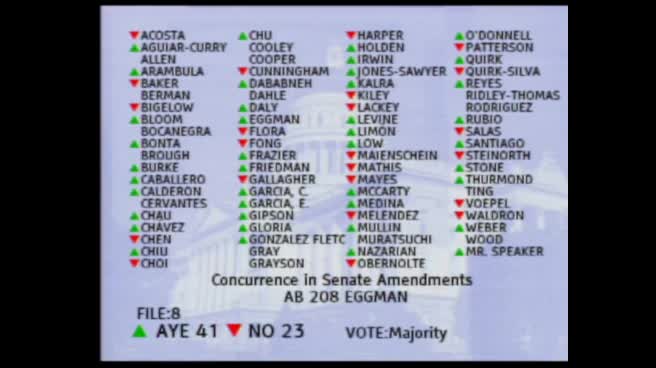 2MIN
Assembly Floor
 3MIN
Senate Floor
 3MIN
Senate Floor
 4MIN
Senate Standing Committee on Appropriations
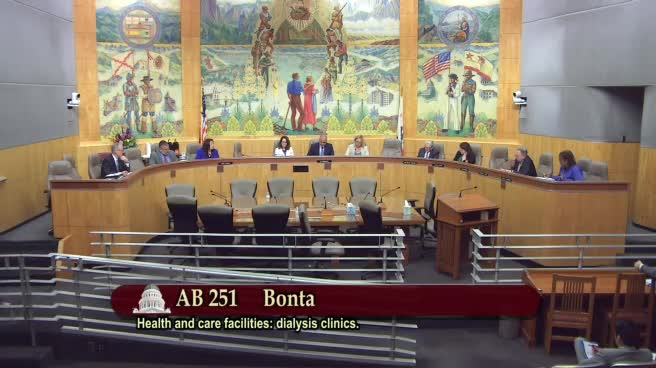 11MIN
Senate Standing Committee on Health
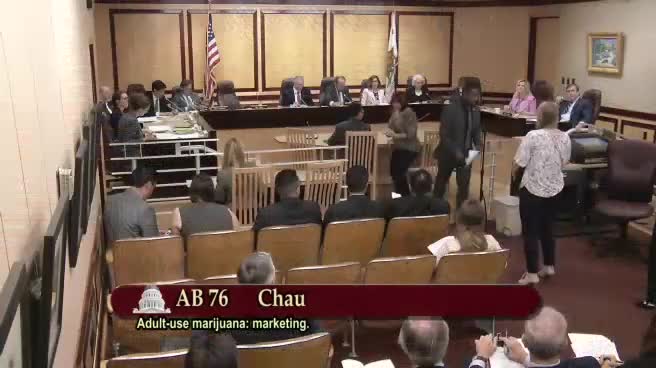 6MIN
Senate Standing Committee on Business, Professions and Economic Development
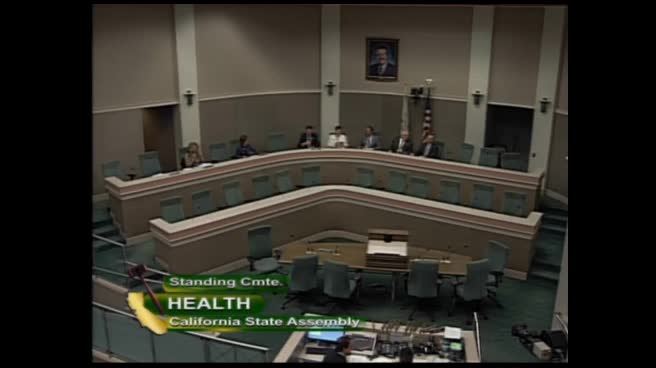 8MIN
Assembly Standing Committee on Health
 9MIN
Assembly Standing Committee on Business and Professions
Bill Author

Bill Co-Author(s):