AB 1097: State beaches and parks: smoking ban.
- Session Year: 2017-2018
- House: Assembly
- Latest Version Date: 2018-09-05
Existing law makes it an infraction for a person to smoke a cigarette, cigar, or other tobacco product within 25 feet of a playground or tot lot sandbox area.
This bill would make it an infraction for a person to smoke, as defined, at any picnic area designated by a posted sign or any other means by the Department of Parks and Recreation on a state coastal beach or in a unit of the state park system or to dispose of used cigar or cigarette waste at these designated picnic areas, with certain exceptions, as specifically provided. The bill would establish a state-mandated local program by creating a new crime.
This bill would require the department to develop and post signs at the main entrances to state coastal beaches that are under the jurisdiction of the department and units of the state park system to provide notice of the smoking prohibition. The bill would require the smoking prohibition to be enforced only after signs have been posted. The bill would authorize the Director of Parks and Recreation to designate, by posted order, areas within units of the state park system as exempt from these provisions.
The California Constitution requires the state to reimburse local agencies and school districts for certain costs mandated by the state. Statutory provisions establish procedures for making that reimbursement.
This bill would provide that no reimbursement is required by this act for a specified reason.
Existing law makes it an infraction for a person to smoke a cigarette, cigar, or other tobacco product within 25 feet of a playground or tot lot sandbox area.
This bill would make it an infraction for a person to smoke, as defined, at any picnic area designated by a posted sign or any other means by the Department of Parks and Recreation on a state coastal beach or in a unit of the state park system or to dispose of used cigar or cigarette waste on a state coastal beach or in a unit of the state park system, at these designated picnic areas, with certain exceptions, as specifically provided. The bill would establish a state-mandated local program by creating a new crime.
This bill would require the Department of Parks and Recreation department to develop and post signs at the main entrances to state coastal beaches that are under the jurisdiction of the department and units of the state park system to provide notice of the smoking prohibition. The bill would require the smoking prohibition to be enforced only after signs have been posted. The bill would authorize the Director of Parks and Recreation to designate, by posted order, areas within units of the state park system as exempt from these provisions.
The California Constitution requires the state to reimburse local agencies and school districts for certain costs mandated by the state. Statutory provisions establish procedures for making that reimbursement.
This bill would provide that no reimbursement is required by this act for a specified reason.
Existing law makes it an infraction for a person to smoke a cigarette, cigar, or other tobacco product within 25 feet of a playground or tot lot sandbox area.
This bill would make it an infraction for a person to smoke, as defined, on a state coastal beach or in a unit of the state park system or to dispose of used cigar or cigarette waste on a state coastal beach or in a unit of the state park system, with certain exceptions, as specifically provided. The bill would establish a state-mandated local program by creating a new crime.
This bill would require the Department of Parks and Recreation to develop and post signs at the main entrances to state coastal beaches that are under the jurisdiction of the department and units of the state park system to provide notice of the smoking prohibition. The bill would require the smoking prohibition to be enforced only after signs have been posted. The bill would authorize the Director of Parks and Recreation to designate, by posted order, areas within units of the state park system as exempt from these provisions.
The California Constitution requires the state to reimburse local agencies and school districts for certain costs mandated by the state. Statutory provisions establish procedures for making that reimbursement.
This bill would provide that no reimbursement is required by this act for a specified reason.
Existing law makes it an infraction for a person to smoke a cigarette, cigar, or other tobacco product within 25 feet of a playground or tot lot sandbox area.
This bill would make it an infraction for a person to smoke, as defined, on a state coastal beach or in a unit of the state park system or to dispose of used cigar or cigarette waste on a state coastal beach or in a unit of the state park system, with certain exceptions, as specifically provided. The bill would establish a state-mandated local program by creating a new crime.
This bill would require the Department of Parks and Recreation to develop and post signs at state coastal beaches that are under the jurisdiction of the department and units of the state park system to provide notice of the smoking prohibition. The bill would require the smoking prohibition to be enforced only after signs have been posted. The bill would authorize the Director of Parks and Recreation to designate, by posted order, areas within units of the state park system as exempt from these provisions.
The California Constitution requires the state to reimburse local agencies and school districts for certain costs mandated by the state. Statutory provisions establish procedures for making that reimbursement.
This bill would provide that no reimbursement is required by this act for a specified reason.
Existing law makes it an infraction for a person to smoke a cigarette, cigar, or other tobacco product within 25 feet of a playground or tot lot sandbox area.
This bill would make it an infraction for a person to smoke, as defined, on a state coastal beach or in a unit of the state park system or to dispose of used cigar or cigarette waste on a state coastal beach or in a unit of the state park system, with certain exceptions, as specifically provided. The bill would establish a state-mandated local program by creating a new crime.
This bill would require the Department of Parks and Recreation to develop and post signs at state coastal beaches and units of the state park system to provide notice of the smoking prohibition. The bill would require the smoking prohibition to be enforced only after signs have been posted. The bill would authorize the Director of Parks and Recreation to designate, by posted order, areas within units of the state park system as exempt from these provisions.
The California Constitution requires the state to reimburse local agencies and school districts for certain costs mandated by the state. Statutory provisions establish procedures for making that reimbursement.
This bill would provide that no reimbursement is required by this act for a specified reason.
Existing law requires the Department of Fish and Wildlife to administer the Significant Natural Areas Program, and requires the department, as part of its administration of the program, to maintain, expand, and keep current a data management system, designated the California Natural Diversity Database. Existing law requires that data to be made available to interested parties on request.This bill would instead require that data to be made available on the departments Internet Web site.Existing law requires the Department of Fish and Wildlife to administer the Significant Natural Areas Program, and requires the department, as part of its administration of the program, to maintain, expand, and keep current a data management system, designated the California Natural Diversity Database. Existing law requires that data to be made available to interested parties on request.
This bill would instead require that data to be made available on the departments Internet Web site.
(a)For purposes of this section, the following definitions apply:
(1)Cigar has the same meaning as defined in Section 104550 of the Health and Safety Code and, for purposes of this section, may contain any other weed or plant as an alternative or supplement to tobacco or nicotine.
(2)Cigarette has the same meaning as defined in Section 104556 of the Health and Safety Code and, for purposes of this section, may contain any other weed or plant as an alternative or supplement to tobacco or nicotine.
(3)Smoke or smoking means inhaling, exhaling, burning, or carrying any lighted or heated cigar, cigarette, or pipe, or any other lighted or heated tobacco or plant product intended for inhalation, whether natural or synthetic, in any manner or in any form. Smoke or smoking includes the use of an electronic smoking device that creates an aerosol or vapor, in any manner or in any form, or the use of any oral smoking device for the purpose of circumventing a prohibition on smoking. Smoke or smoking does not include either of the following:
(A)The use of a cigar, cigarette, or pipe, or any other lighted or heated tobacco or plant product used as a prop in a motion picture, television program, or similar filmed audiovisual work, provided filming is properly permitted by the California Film Commission, the active film set is closed to the general public, and any waste is immediately removed from the beach or park.
(B)The use of a cigar, cigarette, or pipe, or any other lighted or heated tobacco or plant product used in connection with the good faith practice of a religious belief or ceremony.
(4)State coastal beach means an area that is owned by, operated by, or under the jurisdiction of the department and that adjoins the ocean, a bay, or an estuary.
(5)Unit of the state park system means an area specified in Section 5002.
(b)A person shall not smoke at any picnic area designated by a posted sign or any other means by the department on a state coastal beach or in a unit of the state park system.
(c)A person shall not dispose of used cigar or cigarette waste at any picnic area designated by a posted sign or any other means by the department on a state coastal beach or in a unit of the state park system.
(d)A person who violates this section is guilty of an infraction and shall be punished by a fine of up to twenty-five dollars ($25).
(e)The department shall develop and post signs at the main entrances to state coastal beaches and units of the state park system to provide notice of the smoking prohibition set forth in subdivision (b). Subdivision (b) shall be enforced on state coastal beaches or in units of the state park system only after signs have been posted.
(f)(1)Notwithstanding any other provision of this section, the director may designate, by posted order, areas within units of the state park system as exempt from the provisions of this section.
(2)The director shall consider public health and safety implications and potential fire risks when making a designation of exempt areas under paragraph (1).
SEC. 2.No reimbursement is required by this act pursuant to Section 6 of Article XIIIB of the California Constitution because the only costs that may be incurred by a local agency or school district will be incurred because this act creates a new crime or infraction, eliminates a crime or infraction, or changes the penalty for a crime or infraction, within the meaning of Section 17556 of the Government Code, or changes the definition of a crime within the meaning of Section 6 of Article XIIIB of the California Constitution.
(a)For purposes of this section, the following definitions apply:
(1)Cigar has the same meaning as defined in Section 104550 of the Health and Safety Code and, for purposes of this section, may contain any other weed or plant as an alternative or supplement to tobacco or nicotine.
(2)Cigarette has the same meaning as defined in Section 104556 of the Health and Safety Code and, for purposes of this section, may contain any other weed or plant as an alternative or supplement to tobacco or nicotine.
(3)Smoke or smoking means inhaling, exhaling, burning, or carrying any lighted or heated cigar, cigarette, or pipe, or any other lighted or heated tobacco or plant product intended for inhalation, whether natural or synthetic, in any manner or in any form. Smoke or smoking includes the use of an electronic smoking device that creates an aerosol or vapor, in any manner or in any form, or the use of any oral smoking device for the purpose of circumventing a prohibition on smoking. Smoke or smoking does not include either of the following:
(A)The use of a cigar, cigarette, or pipe, or any other lighted or heated tobacco or plant product used as a prop in a motion picture, television program, or similar filmed audiovisual work, provided filming is properly permitted by the California Film Commission, the active film set is closed to the general public, and any waste is immediately removed from the beach or park.
(B)The use of a cigar, cigarette, or pipe, or any other lighted or heated tobacco or plant product used in connection with the good faith practice of a religious belief or ceremony.
(4)State coastal beach means an area that is owned by, operated by, or under the jurisdiction of the department and that adjoins the ocean, a bay, or an estuary.
(5)Unit of the state park system means an area specified in Section 5002.
(b)A person shall not smoke at any picnic area designated by a posted sign or any other means by the department on a state coastal beach or in a unit of the state park system.
(c)A person shall not dispose of used cigar or cigarette waste at any picnic area designated by a posted sign or any other means by the department on a state coastal beach or in a unit of the state park system.
(d)A person who violates this section is guilty of an infraction and shall be punished by a fine of up to fifty twenty-five dollars ($50). ($25).
(e)The department shall develop and post signs at the main entrances to state coastal beaches and units of the state park system to provide notice of the smoking prohibition set forth in subdivision (b). Subdivision (b) shall be enforced on state coastal beaches or in units of the state park system only after signs have been posted.
(f)(1)Notwithstanding any other provision of this section, the director may designate, by posted order, areas within units of the state park system as exempt from the provisions of this section.
(2)The director shall consider public health and safety implications and potential fire risks when making a designation of exempt areas under paragraph (1).
SEC. 2.No reimbursement is required by this act pursuant to Section 6 of Article XIIIB of the California Constitution because the only costs that may be incurred by a local agency or school district will be incurred because this act creates a new crime or infraction, eliminates a crime or infraction, or changes the penalty for a crime or infraction, within the meaning of Section 17556 of the Government Code, or changes the definition of a crime within the meaning of Section 6 of Article XIIIB of the California Constitution.
(a)For purposes of this section, the following definitions apply:
(1)Cigar has the same meaning as defined in Section 104550 of the Health and Safety Code and, for purposes of this section, may contain any other weed or plant as an alternative or supplement to tobacco or nicotine.
(2)Cigarette has the same meaning as defined in Section 104556 of the Health and Safety Code and, for purposes of this section, may contain any other weed or plant as an alternative or supplement to tobacco or nicotine.
(3)Smoke or smoking means inhaling, exhaling, burning, or carrying any lighted or heated cigar, cigarette, or pipe, or any other lighted or heated tobacco or plant product intended for inhalation, whether natural or synthetic, in any manner or in any form. Smoke or smoking includes the use of an electronic smoking device that creates an aerosol or vapor, in any manner or in any form, or the use of any oral smoking device for the purpose of circumventing a prohibition on smoking. Smoke or smoking does not include either of the following:
(A)The use of a cigar, cigarette, or pipe, or any other lighted or heated tobacco or plant product used as a prop in a motion picture, television program, or similar filmed audiovisual work, provided filming is properly permitted by the California Film Commission, the active film set is closed to the general public, and any waste is immediately removed from the beach or park.
(B)The use of a cigar, cigarette, or pipe, or any other lighted or heated tobacco or plant product used in connection with the good faith practice of a religious belief or ceremony.
(4)State coastal beach means an area that is owned by, operated by, or under the jurisdiction of the department and that adjoins the ocean, a bay, or an estuary.
(5)Unit of the state park system means an area specified in Section 5002.
(b)A person shall not smoke on a state coastal beach or in a unit of the state park system.
(c)A person shall not dispose of used cigar or cigarette waste on a state coastal beach or in a unit of the state park system.
(d)A person who violates this section is guilty of an infraction and shall be punished by a fine of up to fifty dollars ($50).
(e)The department shall develop and post signs at the main entrances to state coastal beaches and units of the state park system to provide notice of the smoking prohibition set forth in subdivision (b). Subdivision (b) shall be enforced on state coastal beaches or in units of the state park system only after signs have been posted.
(f)(1)Notwithstanding any other provision of this section, the director may designate, by posted order, areas within units of the state park system as exempt from the provisions of this section.
(2)The director shall consider public health and safety implications and potential fire risks when making a designation of exempt areas under paragraph (1).
SEC. 2.No reimbursement is required by this act pursuant to Section 6 of Article XIIIB of the California Constitution because the only costs that may be incurred by a local agency or school district will be incurred because this act creates a new crime or infraction, eliminates a crime or infraction, or changes the penalty for a crime or infraction, within the meaning of Section 17556 of the Government Code, or changes the definition of a crime within the meaning of Section 6 of Article XIIIB of the California Constitution.
(a)For purposes of this section, the following definitions apply:
(1)Cigar has the same meaning as defined in Section 104550 of the Health and Safety Code and, for purposes of this section, may contain any other weed or plant as an alternative or supplement to tobacco or nicotine.
(2)Cigarette has the same meaning as defined in Section 104556 of the Health and Safety Code and, for purposes of this section, may contain any other weed or plant as an alternative or supplement to tobacco or nicotine.
(3)Smoke or smoking means inhaling, exhaling, burning, or carrying any lighted or heated cigar, cigarette, or pipe, or any other lighted or heated tobacco or plant product intended for inhalation, whether natural or synthetic, in any manner or in any form. Smoke or smoking includes the use of an electronic smoking device that creates an aerosol or vapor, in any manner or in any form, or the use of any oral smoking device for the purpose of circumventing a prohibition on smoking. Smoke or smoking does not include either of the following:
(A)The use of a cigar, cigarette, or pipe, or any other lighted or heated tobacco or plant product used as a prop in a motion picture, television program, or similar filmed audiovisual work, provided filming is properly permitted by the California Film Commission, the active film set is closed to the general public, and any waste is immediately removed from the beach or park.
(B)The use of a cigar, cigarette, or pipe, or any other lighted or heated tobacco or plant product used for ceremonial purposes by a federally recognized Native American tribe listed on the California Tribal Consultation List maintained by the Native American Heritage Commission. in connection with the good faith practice of a religious belief or ceremony.
(4)State coastal beach means an area that is owned, operated, owned by, operated by, or under the jurisdiction of the department and that adjoins the ocean, a bay, or an estuary.
(5)Unit of the state park system means an area specified in Section 5002.
(b)A person shall not smoke on a state coastal beach or in a unit of the state park system.
(c)A person shall not dispose of used cigar or cigarette waste on a state coastal beach or in a unit of the state park system.
(d)A person who violates this section is guilty of an infraction and shall be punished by a fine of up to fifty dollars ($50).
(e)The department shall develop and post signs at state coastal beaches and units of the state park system to provide notice of the smoking prohibition set forth in subdivision (b). Subdivision (b) shall be enforced on state coastal beaches or in units of the state park system only after signs have been posted.
(f)(1)Notwithstanding any other provision of this section, the director may designate, by posted order, areas within units of the state park system as exempt from the provisions of this section.
(2)The director shall consider public health and safety implications and potential fire risks when making a designation of exempt areas under paragraph (1).
SEC. 2.No reimbursement is required by this act pursuant to Section 6 of Article XIIIB of the California Constitution because the only costs that may be incurred by a local agency or school district will be incurred because this act creates a new crime or infraction, eliminates a crime or infraction, or changes the penalty for a crime or infraction, within the meaning of Section 17556 of the Government Code, or changes the definition of a crime within the meaning of Section 6 of Article XIIIB of the California Constitution.
(a)For purposes of this section, the following definitions apply:
(1)Cigar has the same meaning as defined in Section 104550 of the Health and Safety Code and, for purposes of this section, may contain any other weed or plant as an alternative or supplement to tobacco or nicotine.
(2)Cigarette has the same meaning as defined in Section 104556 of the Health and Safety Code and, for purposes of this section, may contain any other weed or plant as an alternative or supplement to tobacco or nicotine.
(3)Smoke or smoking means inhaling, exhaling, burning, or carrying any lighted or heated cigar, cigarette, or pipe, or any other lighted or heated tobacco or plant product intended for inhalation, whether natural or synthetic, in any manner or in any form. Smoke or smoking includes the use of an electronic smoking device that creates an aerosol or vapor, in any manner or in any form, or the use of any oral smoking device for the purpose of circumventing a prohibition on smoking. Smoke or smoking does not include either of the following:
(A)The use of a cigar, cigarette, or pipe, or any other lighted or heated tobacco or plant product used as a prop in a motion picture, television program, or similar filmed audiovisual work, provided filming is properly permitted by the California Film Commission, the active film set is closed to the general public, and any waste is immediately removed from the beach or park.
(B)The use of a cigar, cigarette, or pipe, or any other lighted or heated tobacco or plant product used for ceremonial purposes by a federally recognized Native American tribe listed on the California Tribal Consultation List maintained by the Native American Heritage Commission.
(4)State coastal beach means an area that is owned, operated, or under the jurisdiction of the state, an agency of the state, or a department of the state and that adjoins the ocean, a bay, or an estuary.
(5)Unit of the state park system means an area specified in Section 5002.
(b)A person shall not smoke on a state coastal beach or in a unit of the state park system.
(c)A person shall not dispose of used cigar or cigarette waste on a state coastal beach or in a unit of the state park system.
(d)A person who violates this section is guilty of an infraction and shall be punished by a fine of up to fifty dollars ($50).
(e)The department shall develop and post signs at state coastal beaches and units of the state park system to provide notice of the smoking prohibition set forth in subdivision (b). Subdivision (b) shall be enforced on state coastal beaches or in units of the state park system only after signs have been posted.
(f)(1)Notwithstanding any other provision of this section, the director may designate, by posted order, areas within units of the state park system as exempt from the provisions of this section.
(2)The director shall consider public health and safety implications and potential fire risks when making a designation of exempt areas under paragraph (1).
SEC. 2.No reimbursement is required by this act pursuant to Section 6 of Article XIIIB of the California Constitution because the only costs that may be incurred by a local agency or school district will be incurred because this act creates a new crime or infraction, eliminates a crime or infraction, or changes the penalty for a crime or infraction, within the meaning of Section 17556 of the Government Code, or changes the definition of a crime within the meaning of Section 6 of Article XIIIB of the California Constitution.
SECTION 1.Section 1932 of the Fish and Game Code is amended to read:1932.There is hereby established the Significant Natural Areas Program which shall be administered by the department. The department, in administering this program, shall do all of the following:(a)Obtain access to the most recent information with respect to natural resources. In order to accomplish this, the department shall maintain, expand, and keep current a data management system, designated the California Natural Diversity Database, designed to document information on these resources. That data shall be made available on the departments Internet Web site.(b)Develop and maintain a spatial data system that identifies those areas in the state that are most essential for maintaining habitat connectivity, including wildlife corridors and habitat linkages. This data should include information essential for evaluating the needs of wildlife species, as defined in Section 89.5, that require habitat connectivity for their long-term conservation, including distribution and movement patterns.(c)As appropriate, develop and maintain the database by incorporating mapping products and data developed by other state agencies.(d)Make all of the data sets, and associated analytical products, available to the public and other government entities.(e)Ensure cost sharing by all who use the data management system and develop an appropriate schedule of compensation to be paid by individuals using the data management system, not to exceed the actual costs for use of the data management system.(f)Ensure recognition of the states most significant natural areas, including those affected by climate change. The department shall, after consultation with federal, state, and local agencies, education institutions, civic and public interest organizations, private organizations, landowners, and other private individuals, identify by means of periodic reports those natural areas deemed to be most significant.(g)Seek the maintenance and perpetuation of the states most significant natural areas for present and future generations in the most feasible manner. The department shall consider alternative approaches for that maintenance, including alternatives to fee acquisition such as incentives, leasing, and dedication.(h)Reduce unnecessary duplication of effort. The department shall provide coordinating services to federal, state, local, and private interests wishing to aid in the maintenance and perpetuation of significant natural areas.(i)Actively pursue grants and cost-sharing opportunities with local, state, or federal agencies, or private entities that use the data sets and benefit from their creation and maintenance. REVISIONS: HeadingLine 3.There is hereby established the Significant Natural Areas Program which shall be administered by the department. The department, in administering this program, shall do all of the following:
(a)Obtain access to the most recent information with respect to natural resources. In order to accomplish this, the department shall maintain, expand, and keep current a data management system, designated the California Natural Diversity Data Base, Database, designed to document information on these resources. That data shall be made available to interested parties on request. on the departments Internet Web site.
(b)Develop and maintain a spatial data system that identifies those areas in the state that are most essential for maintaining habitat connectivity, including wildlife corridors and habitat linkages. This data should include information essential for evaluating the needs of wildlife species, as defined in Section 89.5, that require habitat connectivity for their long-term conservation, including distribution and movement patterns.
(c)As appropriate, develop and maintain the database by incorporating mapping products and data developed by other state agencies.
(d)Make all of the data sets, and associated analytical products, available to the public and other government entities.
(e)Ensure cost sharing by all who use the data management system and develop an appropriate schedule of compensation to be paid by individuals using the data management system, not to exceed the actual costs for use of the data management system.
(f)Ensure recognition of the states most significant natural areas, including those affected by climate change. The department shall, after consultation with federal, state, and local agencies, education institutions, civic and public interest organizations, private organizations, landowners, and other private individuals, identify by means of periodic reports those natural areas deemed to be most significant.
(g)Seek the maintenance and perpetuation of the states most significant natural areas for present and future generations in the most feasible manner. The department shall consider alternative approaches for that maintenance, including alternatives to fee acquisition such as incentives, leasing, and dedication.
(h)Reduce unnecessary duplication of effort. The department shall provide coordinating services to federal, state, local, and private interests wishing to aid in the maintenance and perpetuation of significant natural areas.
(i)Actively pursue grants and cost-sharing opportunities with local, state, or federal agencies, or private entities that use the data sets and benefit from their creation and maintenance.
|
Date
|
Status
|
|---|---|
| Sep 29, 2018 | Vetoed by Governor. |
| Sep 11, 2018 | Enrolled and presented to the Governor at 4:30 p.m. |
| Aug 31, 2018 | Senate amendments concurred in. To Engrossing and Enrolling. |
| Aug 29, 2018 | In Assembly. Concurrence in Senate amendments pending. |
| Aug 29, 2018 | Read third time. Passed. Ordered to the Assembly. |
| Aug 27, 2018 | Read second time. Ordered to third reading. |
| Aug 24, 2018 | Read third time and amended. Ordered to second reading. |
| Aug 21, 2018 | Read second time and amended. Ordered to third reading. |
| Aug 20, 2018 | From committee: Amend, and do pass as amended. (Ayes 5. Noes 2.) (August 16). |
| Jul 2, 2018 | In committee: Referred to APPR. suspense file. |
| Jun 13, 2018 | Read second time and amended. Re-referred to Com. on APPR. |
| Jun 12, 2018 | From committee: Amend, and do pass as amended and re-refer to Com. on APPR. (Ayes 7. Noes 2.) (June 12). |
| Jun 6, 2018 | From committee chair, with author's amendments: Amend, and re-refer to committee. Read second time, amended, and re-referred to Com. on N.R. & W. |
| Mar 15, 2018 | Referred to Com. on N.R. & W. |
| Jan 29, 2018 | In Senate. Read first time. To Com. on RLS. for assignment. |
| Jan 29, 2018 | Read third time. Passed. Ordered to the Senate. |
| Jan 22, 2018 | Read second time. Ordered to third reading. |
| Jan 18, 2018 | In committee: Set, first hearing. Referred to APPR. suspense file. |
| Jan 9, 2018 | Coauthors revised. |
| Jan 4, 2018 | Re-referred to Com. on W.,P., & W. |
| Jan 3, 2018 | From committee chair, with author's amendments: Amend, and re-refer to Com. on W.,P., & W. Read second time and amended. |
| Mar 6, 2017 | Referred to Com. on W.,P., & W. |
| Feb 19, 2017 | From printer. May be heard in committee March 21. |
| Feb 17, 2017 | Read first time. To print. |
|
Date
|
Description
|
Location
|
Votes
|
|
|---|---|---|---|---|
| Aug 31, 2018 | AB 1097 LEVINE Concurrence in Senate Amendments | Assembly Floor |
Passed |
|
| Aug 29, 2018 | Assembly 3rd Reading AB1097 Levine et al. By Glazer | Senate Floor |
Passed |
|
| Aug 16, 2018 | Do pass as amended | Senate Standing Committee on Appropriations |
Passed |
|
| Jul 2, 2018 | Placed on suspense file | Senate Standing Committee on Appropriations |
Passed |
|
| Jun 12, 2018 | Do pass as amended, but first amend, and re-refer to the Committee on [Appropriations] | Senate Standing Committee on Natural Resources and Water |
Passed |
|
| Jan 29, 2018 | AB 1097 LEVINE Assembly Third Reading | Assembly Floor |
Passed |
|
| Jan 18, 2018 | Set, [First] hearing. Referred to suspense file. | Assembly Standing Committee on Appropriations |
Passed |
|
| Jan 18, 2018 | Do pass. | Assembly Standing Committee on Appropriations |
Passed |
|
| Jan 9, 2018 | Do pass and be re-referred to the Committee on [Appropriations] | Assembly Standing Committee on Water, Parks, and Wildlife |
Passed |
This list shows positions taken on this bill by organizations on the date displayed, which is linked to the original source.
Positions by individuals are not included.
GOVERNOR'S VETO
GV Bill Id:AB 1097
Author:(Levine)
As Enrolled Ver:September 11, 2018
2/3 vote
ASSEMBLY: | 46-24 | (January 29, 2018) | SENATE: | 27-12 | (August 29, 2018) |
ASSEMBLY: | 57-22 | (August 31, 2018) |
Original Committee Reference: W., P., & W.
SUMMARY: Prohibits smoking, or disposing of used cigarette waste, at any picnic area designated by a posted sign, or any other means, on a state coastal beach or in a unit of the state park system. Specifically, this bill:
- Prohibits a person from smoking at any picnic area designated by posted sign, or other means, on a state coastal beach or in a unit of the state park system. The prohibition applies to cigars or cigarettes containing tobacco or any other weed or plant used as an alternative or supplement to tobacco or nicotine, and also includes electronic and vapor cigarettes.
- Prohibits a person from disposing of used cigar or cigarette waste at any designated picnic area on a state coastal beach or in a state park unit.
- Makes a violation of this bill an infraction, punishable by a fine of up to $25.
- Requires the State Department of Parks and Recreation (DPR) to post signs providing notice of the smoking prohibition. Provides that the smoking prohibition shall be enforced on state coastal beaches and in state park units only after signs have been posted.
- Clarifies that restrictions on smoking, as prescribed in this bill, do not apply to:
- The use of a smoking device as a prop in a motion picture, television program, or similar filmed audiovisual work, provided filming is properly permitted by the California Film Commission, the active film set is closed to the general public, and any waste is immediately removed from the beach or park.
- The use of a cigar, cigarette, or pipe, or any other lighted or heated tobacco or plant product used in the good faith practice of a religious belief or ceremony.
The Senate amendments reduce the restriction to designated picnic areas within the state parks system and reduce the fine to $25. Other amendments are technical in nature and clarify smoking in connection with the good faith practice of a religious belief or ceremony. Other amendments clarify the definition of state coastal beach to be under the jurisdiction of the DPR.
EXISTING LAW:
- Establishes the DPR within the California Natural Resources Agency.
- Allows cities, counties and colleges to adopt more restrictive ordinances prohibiting smoking.
- Makes it an infraction to smoke a cigarette, cigar or other tobacco-related product within 25 feet of a playground or sandbox, punishable by a fine of $250 per incident.
- Prohibits smoking inside a public building, in a state-owned vehicle, or in an outdoor area within 20 feet of a main entrance, exit or window.
- Requires the DPR to administer and protect state park properties for the use and enjoyment of the public. Prohibits smoking in state parks upon a finding of extreme fire hazard by the DPR, except as allowed in designated areas.
- Allows the DPR to prohibit smoking in certain locations or under certain conditions, such as on specific guided walks, buildings, trails, and when fire danger is high.
FISCAL EFFECT: According to the Assembly Appropriations Committee, prior to amendment in the Senate that reduces the scope of the bill and reduces the fine to $25:
- One-time costs estimated to be between $840,000 and $1.1 million (General Fund) for the purchase and installation of signage. The DPR estimates each sign will cost between $150 and $200.
- The smoking ban would apply to up to 280 state parks, with an estimated 20 signs per park. This estimate does not include any additional costs associated with the California Environmental Quality Act (CEQA) or Coastal Commission permits, if determined to be applicable.
COMMENTS:
Background: According to data compiled by the Ocean Conservancy from coastal clean-up collection efforts nationwide, cigarette litter continues to be the most commonly found waste item. In 2015 over 2 million pieces of cigarette butt litter were retrieved from United States (U.S.) beaches. Cigarette butts have been the most common type of trash found during coastal cleanup days for the past 30 years. Cigarette litter has been found in the stomachs of fish, birds, whales and other marine animals who mistake them for food. Cigarette filters also contain cellulose acetate, a type of plastic that breaks down slowly and never fully decomposes. According to information provided by the Surfrider Foundation, the toxic chemicals in used cigarette filters also leak out into the aquatic environment when submerged in water. The Surfrider Foundation estimates that Americans discard more than 175 million pounds of cigarette butts every year. In addition to the litter problems associated with cigarettes, smoking poses forest fire hazards and was the cause of four of the 25 worst wildfires in California between 1929 and 1999, causing the state billions of dollars. In recent years, less than 1% of wildfires were started by cigarettes, burning less than 15 acres.
In addition to the litter problems and fire hazards created by smoking, the author notes the hazards of secondhand smoke. Tobacco smoking causes an estimated 443,000 deaths per year, of which 73,000 are nonsmokers, according to data provided by the Centers for Disease Control. The U.S. Surgeon General has concluded there is no risk-free level of exposure to secondhand smoke, and the California Air Resources Board has categorized secondhand smoke as a toxic air contaminant.
Other studies have found that the non-biodegradable plastic in cigarette butt filters can be toxic when consumed by marine wildlife. Toxic chemicals leached from discarded cigarette butts have also been found to present a biohazard to water fleas, which play an important role in aquatic ecosystems by transferring energy and organic matter from primary producers such as algae to higher consumers such as fishes. The Ocean Protection Council's Implementation Strategy on Marine Debris recommends that smoking be prohibited on state beaches.
Prior and Related Legislation: SB 4 (Oropeza) of 2010, AB 1142 (Bloom) of 2013, and SB 1333 (Block) of 2016, AB 725 (Levine) of 2017, and SB 386 (Glazer) of 2017, were substantially similar to this bill. SB 4 was enrolled but vetoed by the Governor. AB 1142 passed in the Assembly Water, Parks, and Wildlife Committee, but failed passage in the Assembly Governmental Organization Committee. SB 1333 (Block) was vetoed by the Governor.
According to the Governor on SB 1333, "The complete prohibition in all parks and beaches is too broad. A more measured – and less punitive – approach might be warranted."
According to the Governor on AB 725, "Last year I vetoed Senate Bill 1333, a similar measure, because I believed that such a far-reaching prohibition in every state park and on every state beach was too broad. In addition, the fine prescribed in this bill for lighting one cigarette is excessive: over $250 dollars, after the mandatory assessments. If people can't smoke even on a deserted beach, where can they? There must be some limit to the coercive power of government."
I am returning the following bills without my signature:
Assembly Bill 1097
Senate Bill 835
Senate Bill 836
These bills prohibit smoking in state parks, on state beaches, and at any picnic area on a state beach and require the Department of Parks and Recreation to post signs to notify the public of the smoking ban.
I have vetoed similar measures in each of the last two years. Third time is not always a charm. My opinion on the matter has not changed. We have many rules telling us what we can't do and these are wide open spaces.
Analysis Prepared by: Catherine Freeman / W., P., & W. / (916) 319-2096 FN: 0005338
CONCURRENCE IN SENATE AMENDMENTS
CSA1 Bill Id:AB 1097
Author:(Levine)
As Amended Ver:August 24, 2018
Majority vote
ASSEMBLY: | 46-24 | (January 29, 2018) | SENATE: | 27-12 | (August 29, 2018) |
Original Committee Reference: W., P., & W.
SUMMARY: Prohibits smoking, or disposing of used cigarette waste, at any picnic area designated by a posted sign, or any other means, on a state coastal beach or in a unit of the state park system. Specifically, this bill:
- Prohibits a person from smoking at any picnic area designated by posted sign, or other means, on a state coastal beach or in a unit of the state park system. The prohibition applies to cigars or cigarettes containing tobacco or any other weed or plant used as an alternative or supplement to tobacco or nicotine, and also includes electronic and vapor cigarettes.
- Prohibits a person from disposing of used cigar or cigarette waste at any designated picnic area on a state coastal beach or in a state park unit.
- Makes a violation of this bill an infraction, punishable by a fine of up to $25.
- Requires the State Department of Parks and Recreation (DPR) to post signs providing notice of the smoking prohibition. Provides that the smoking prohibition shall be enforced on state coastal beaches and in state park units only after signs have been posted.
- Clarifies that restrictions on smoking, as prescribed in this bill, do not apply to:
- The use of a smoking device as a prop in a motion picture, television program, or similar filmed audiovisual work, provided filming is properly permitted by the California Film Commission, the active film set is closed to the general public, and any waste is immediately removed from the beach or park.
- The use of a cigar, cigarette, or pipe, or any other lighted or heated tobacco or plant product used in the good faith practice of a religious belief or ceremony.
The Senate amendments reduce the restriction to designated picnic areas within the state parks system and reduce the fine to $25. Other amendments are technical in nature and clarify smoking in connection with the good faith practice of a religious belief or ceremony. Other amendments clarify the definition of state coastal beach to be under the jurisdiction of the DPR.
EXISTING LAW:
- Establishes the DPR within the California Natural Resources Agency.
- Allows cities, counties and colleges to adopt more restrictive ordinances prohibiting smoking.
- Makes it an infraction to smoke a cigarette, cigar or other tobacco-related product within 25 feet of a playground or sandbox, punishable by a fine of $250 per incident.
- Prohibits smoking inside a public building, in a state-owned vehicle, or in an outdoor area within 20 feet of a main entrance, exit or window.
- Requires the DPR to administer and protect state park properties for the use and enjoyment of the public. Prohibits smoking in state parks upon a finding of extreme fire hazard by the DPR, except as allowed in designated areas.
- Allows the DPR to prohibit smoking in certain locations or under certain conditions, such as on specific guided walks, buildings, trails, and when fire danger is high.
FISCAL EFFECT: According to the Assembly Appropriations Committee, prior to amendment in the Senate that reduces the scope of the bill and reduces the fine to $25:
- One-time costs estimated to be between $840,000 and $1.1 million (General Fund) for the purchase and installation of signage. The DPR estimates each sign will cost between $150 and $200.
- The smoking ban would apply to up to 280 state parks, with an estimated 20 signs per park. This estimate does not include any additional costs associated with the California Environmental Quality Act (CEQA) or Coastal Commission permits, if determined to be applicable.
COMMENTS:
Background: According to data compiled by the Ocean Conservancy from coastal clean-up collection efforts nationwide, cigarette litter continues to be the most commonly found waste item. In 2015, over 2 million pieces of cigarette butt litter were retrieved from United States (U.S.) beaches. Cigarette butts have been the most common type of trash found during coastal cleanup days for the past 30 years. Cigarette litter has been found in the stomachs of fish, birds, whales and other marine animals who mistake them for food. Cigarette filters also contain cellulose acetate, a type of plastic that breaks down slowly and never fully decomposes. According to information provided by the Surfrider Foundation, the toxic chemicals in used cigarette filters also leak out into the aquatic environment when submerged in water. The Surfrider Foundation estimates that Americans discard more than 175 million pounds of cigarette butts every year. In addition to the litter problems associated with cigarettes, smoking poses forest fire hazards and was the cause of four of the 25 worst wildfires in California between 1929 and 1999, causing the state billions of dollars. In recent years, less than 1% of wildfires were started by cigarettes, burning less than 15 acres.
In addition to the litter problems and fire hazards created by smoking, the author notes the hazards of secondhand smoke. Tobacco smoking causes an estimated 443,000 deaths per year, of which 73,000 are nonsmokers, according to data provided by the Centers for Disease Control. The U.S. Surgeon General has concluded there is no risk-free level of exposure to secondhand smoke, and the California Air Resources Board has categorized secondhand smoke as a toxic air contaminant.
Other studies have found that the non-biodegradable plastic in cigarette butt filters can be toxic when consumed by marine wildlife. Toxic chemicals leached from discarded cigarette butts have also been found to present a biohazard to water fleas, which play an important role in aquatic ecosystems by transferring energy and organic matter from primary producers such as algae to higher consumers such as fishes. The Ocean Protection Council's Implementation Strategy on Marine Debris recommends that smoking be prohibited on state beaches.
Prior and Related Legislation: SB 4 (Oropeza) of 2010, AB 1142 (Bloom) of 2013, and SB 1333 (Block) of 2016, AB 725 (Levine) of 2017, and SB 386 (Glazer) of 2017, were substantially similar to this bill. SB 4 was enrolled but vetoed by the Governor. AB 1142 passed in the Assembly Water, Parks, and Wildlife Committee, but failed passage in the Assembly Governmental Organization Committee. SB 1333 (Block) was vetoed by the Governor.
According to the Governor on SB 1333, "The complete prohibition in all parks and beaches is too broad. A more measured – and less punitive – approach might be warranted."
According to the Governor on AB 725, "Last year I vetoed Senate Bill 1333, a similar measure, because I believed that such a far-reaching prohibition in every state park and on every state beach was too broad. In addition, the fine prescribed in this bill for lighting one cigarette is excessive: over $250 dollars, after the mandatory assessments. If people can't smoke even on a deserted beach, where can they? There must be some limit to the coercive power of government."
Analysis Prepared by: Catherine Freeman / W., P., & W. / (916) 319-2096 FN: 0004943
Office of Senate Floor Analyses (916) 651-1520 Fax: (916) 327-4478 | AB |
THIRD READING
Bill No: AB 1097
:
SENATE NATURAL RES. & WATER COMMITTEE: 7-2, 6/12/18
AYES: Hertzberg, Allen, Hueso, Jackson, McGuire, Monning, Stern
NOES: Stone, Vidak
SENATE APPROPRIATIONS COMMITTEE: 5-2, 8/16/18
AYES: Portantino, Beall, Bradford, Hill, Wiener
NOES: Bates, Nielsen
ASSEMBLY FLOOR: 46-24, 1/29/18 - See last page for vote
DIGEST:
This bill prohibits smoking and disposing of cigar or cigarette waste in designated picnic areas at a state park unit or coastal beach operated by the California Department of Parks and Recreation (State Parks).
Senate Floor Amendments of 8/24/18 limit the smoking and waste disposal provision to designated picnic areas and reduce the fine for a violation to $25.
- Establishes the California Department of Parks and Recreation (State Parks) within the California Natural Resources Agency. There are approximately 280 units (or parks) within the state park system and many units are or include beaches. State Parks’ mission is “to provide for the health, inspiration and education of the people of California by helping to preserve the state’s extraordinary biological diversity, protecting its most valued natural and cultural resources, and creating opportunities for high-quality outdoor recreation.”
- Requires State Parks to administer and protect state park properties for the use and enjoyment of the public. It also prohibits smoking in state park properties upon a finding of extreme fire hazard by State Parks, except as allowed in designated areas.
- Allows State Parks to prohibit smoking in certain locations or under certain conditions, such as in buildings, and on trails and specific guided walks.
- Makes it an infraction punishable by a fine of $250 for a person to smoke a cigarette, cigar, or other tobacco-related product within 25 feet of a playground or sandbox area.
- Prohibits smoking inside a public building, in a state-owned vehicle, or in an outdoor area within 20 feet of a main entrance, exit or window.
- Makes it an infraction to litter or cause something to be littered upon public or private property, as specified.
- Allows cities, counties and colleges to adopt more restrictive ordinances prohibiting smoking. Many have done so. For example, the Counties of Los Angeles, San Francisco, and San Mateo and the Cities of San Diego, Los Angeles, Huntington Beach, Pasadena, Carson, and Davis, among others, ban smoking at parks or beaches.
This bill implements a ban on smoking and disposing of tobacco products, as defined, at designated picnic areas in state parks and state coastal beaches. Specifically, this bill:
- Prohibits a person from smoking or disposing of used cigar or cigarette waste at any designated picnic area, as specified, in a unit of the state park system or at a state coastal beach.
- Establishes that a violation of these prohibitions is an infraction with a fine of up to $25.
- Provides that the prohibition will not be enforced in units of the state park system and at state coastal beaches until State Parks has developed and posted signs at the main entrances to provide notice of the smoking prohibition.
- Authorizes the director of State Parks to exempt areas within units of the state park system from these prohibitions by posted order, as specified.
- Defines “cigar,” “cigarette,” “smoke” or “smoking” and “state coastal beach” for the purposes of this bill:
- Cigar means any roll of tobacco wrapped in leaf tobacco or in any substance containing tobacco, as defined, and may contain any other weed or plant as an alternative or supplement to tobacco or nicotine.
- Cigarette means any product that contains nicotine, is intended to be burned or heated under ordinary conditions of use, and consists of or contains (1) any roll of tobacco wrapped in paper or in any substance not containing tobacco; (2) tobacco, in any form, that is functional in the product, which because of its appearance, the type of tobacco used in the filler, or its packaging and labeling, is likely to be offered to, or purchased by, consumers as a cigarette; or (3) any roll of tobacco wrapped in any substance containing tobacco which is likely to be offered to, or purchased by, consumers as a cigarette, as specified. “Cigarette” also includes “roll-your-own” tobacco, as specified. Additionally, a cigarette may contain any other weed or plant as an alternative or supplement to tobacco or nicotine.
- “Smoke” or “smoking” means inhaling, exhaling, burning, or carrying any lighted or heated cigar, cigarette, or pipe, or any other lighted or heated tobacco or plant product intended for inhalation, whether natural of synthetic, in any manner or in any form. This includes the use of an electronic smoking device, as specified.
- Smoke or smoking on an active film set, as defined, is excluded from the prohibition, as is smoke or smoking in the good faith practice of a religious belief or ceremony.
- “State coastal beach” means an area that is owned, operated, or under the jurisdiction of State Parks and that adjoins the ocean, a bay, or an estuary.
Background
The health risks from smoking and from secondhand smoke are well documented. Smokers are at higher risk for many chronic diseases including cancer, cardiovascular disease, emphysema, chronic obstructive pulmonary disease, pneumonia, diabetes and rheumatoid arthritis. Exposure to tobacco smoke also is a risk factor for chronic disease, and secondhand smoke is considered a human carcinogen. Acute effects of secondhand smoke can be serious and include numerous forms of respiratory distress. The American Lung Association reports that tobacco still kills over 40,000 Californians every year, sickens thousands more and costs the state more than $23 billion in health care and lost productivity.
The CDPH also recently reported that “youth are using electronic smoking devices who would otherwise not have smoked cigarettes or used other tobacco products. Adolescent electronic smoking device users are also more likely to start smoking traditional cigarettes versus non-electronic smoking device users. […] Flavored tobacco products are a gateway for many children and young adults to become regular smokers.”
In addition to the public health risks associated with cigarettes and smoking, according to a 2011 scientific paper, an estimated 4.5 trillion cigarette butts are thrown away every year worldwide. Cigarette butts are the most common debris item collected along waterways during the Ocean Conservancy’s yearly International Coastal Cleanup. Cigarette butts can include arsenic, nicotine, polycyclic aromatic hydrocarbons, and heavy metals. Studies have shown that cigarette butt leachate can be acutely toxic to aquatic organisms including freshwater and marine fish species.
Comments
There is a long history of legislative efforts in previous sessions to prohibit tobacco smoking in state parks and/or state beaches. Many bills failed passage and some were vetoed. In the current legislative session, AB 725 (Levine, 2017) would have banned smoking tobacco, as specified, from state parks and state coastal beaches and established a fine of up to $50 for the infraction. Governor Brown vetoed that bill and his message stated in part:
“Last year I vetoed Senate Bill 1333, a similar measure, because I believed that such a far-reaching prohibition in every state park and on every state beach was too broad. In addition, the fine prescribed in this bill for lighting one cigarette is excessive: over $250 dollars, after the mandatory assessments.”
“If people can't smoke even on a deserted beach, where can they? There must be some limit to the coercive power of government.”
Last year, Governor Brown also vetoed SB 386 (Glazer, 2017) which was virtually identical to AB 725 (Levine, 2017) except the maximum fine was increased to $100. His veto message was very similar to that for AB 725 (Levine, 2017).
This bill’s response to the Governor’s veto message. AB 1097 is more limited than AB 725 (Levine) which Governor Brown vetoed in September 2017. The definition of “state coastal beach” is narrowed to include only those beaches that State Parks has some authority over, as defined, and the ban on smoking and waste disposal is limited to designated picnic areas, as specified, among other things.
Marijuana is subject to this bill. Cigars and cigarettes, as defined, can include “any other weed or plant as an alternative or supplement to tobacco or nicotine.” The definition of smoke is similarly broadly defined. Researchers have raised potential concerns about risks associated with second hand marijuana smoke.
The latest science regarding electronic smoking devices. In January 2018, the National Academies released a consensus study report Public Health Consequences of E-Cigarettes. The report states:
“Laboratory tests of e-cigarettes ingredients, in vitro toxicological tests, and short-term human studies suggest that e-cigarettes are likely to be far less harmful that combustible tobacco cigarettes. However, the absolute risks of the products cannot be unambiguously determined at this time. Long-term health effects, of particular concern for youth who become dependent on them, are not yet clear.”
The scientists additionally found that e-cigarettes
“might also increase adult cessation of combustible tobacco cigarettes. If e-cigarette use by adult smokers leads to long-term abstinence from combustible tobacco cigarettes, the benefit to public health could be considerable. Without that health benefit for adult smokers, e-cigarette use could cause considerable harm to public health in the short-and long-term due both to the inherent harms of exposures to e-cigarettes toxicants and to the harms related to subsequent combustible tobacco use by those who begin using e-cigarettes in their youth.”
The report further noted that additional research is necessary to more specifically determine the conditions where e-cigarettes serve as effective smoking cessation aids.
Related/Prior Legislation
SB 836 (Glazer, 2018) prohibits smoking of cigarettes, cigars, pipes and other tobacco-products in state coastal beaches, as specified, and establishes that a violation is an infraction with a fine of up to $25. This bill is pending on the Assembly floor.
SB 835 (Glazer, 2018) prohibits smoking of cigarettes, cigars, pipes and other tobacco products in all state parks, as specified, and establishes that a violation is an infraction with a fine of up to $25. This bill is pending on the Assembly floor.
SB 386 (Glazer, 2017) would have prohibited the smoking of cigarettes, cigars, pipes and other tobacco products at state parks and state coastal beaches, as specified, and established that a violation is an infraction with a fine of up to $100. This bill was vetoed by Governor Brown.
AB 725 (Levine, 2017) would have prohibited smoking of tobacco products on state coastal beaches and at state parks, as specified, and established that a violation is an infraction with a fine of up to $50. This bill was vetoed by Governor Brown.
FISCAL EFFECT: Appropriation: Fiscal Com.: Local:
According to the Senate Appropriations Committee:
- One-time costs in the low hundreds of thousands of dollars (General Fund) for State Parks to install signage at the main entrances of park units.
American Academy of Pediatrics
Association of California Healthcare Districts
California Optometric Association
California Park & Recreation Society
California State Parks Foundation
California Statewide Law Enforcement Association
Californians Against Waste
City of Santa Monica
County Health Executives Association of California
RecycleSmart
Sonoma County Board of Supervisors
OPPOSITION: (Verified 8/17/18)
Californians for Tobacco Harm Reduction
Department of Finance
ARGUMENTS IN SUPPORT: According to the author, “Californians are fortunate to have a world class state parks system. Each year, millions of visitors from California around the world visit our state parks to appreciate their natural beauty and enjoy the outdoors. When individuals smoke at state parks, they bother other patrons, litter at higher rates than other garbage, and poison the environment through runoff and consumption by animals. Additionally, due to the high littering rates, cigarette butts are a significant cause of wildfires across California and the United States. Limiting smoking at state parks will allow the state to honor our commitment to keeping our open spaces clean and healthy, and be more inclusive to those that want to visit parks without having to subject themselves to secondhand smoke.”
ARGUMENTS IN OPPOSITION: Californians for Tobacco Harm Reduction writing in opposition state “AB 1097 overlooks the positive effect of e-cigarettes in reduction tobacco product harm. E-cigarettes have been proved to be 95% less harmful than the average tobacco product, and are conducive to encouraging decreased tobacco use, and can help tobacco users quit. Furthermore, investigations by the California Department of Public Health have shown that second-hand vaping appears to have minimal exposure to toxins or chemicals, and does not appear to show any health risks.”
“AB 1097 disregards the distinct difference between traditional tobacco products and electronic cigarettes, and does not take into account electronic cigarette’s positive impact on the reduction of tobacco harm and minimal exposure of second-hand toxins, minimizing health risks. These products should not be included in the products banned from state parks under this legislation…”
The Department of Finance opposes AB 1097 because similar bill have been vetoed by the Governor “on the basis that such a far reaching prohibition in every state parks and on every state beach is too broad. Changes in this bill do nothing to address this concern.” Additionally, the DOF notes that the bill is a non-absorbable General Fund cost to Parks and that littering on state land is already unlawful.
ASSEMBLY FLOOR: 46-24, 1/29/18
AYES: Baker, Berman, Bloom, Bonta, Burke, Caballero, Calderon, Carrillo, Cervantes, Chau, Chiu, Choi, Chu, Cooley, Daly, Friedman, Cristina Garcia, Eduardo Garcia, Gipson, Gloria, Gonzalez Fletcher, Grayson, Holden, Jones-Sawyer, Kalra, Levine, Limón, Low, Maienschein, McCarty, Medina, Mullin, Muratsuchi, Nazarian, O'Donnell, Quirk, Quirk-Silva, Reyes, Rodriguez, Santiago, Mark Stone, Thurmond, Ting, Weber, Wood, Rendon
NOES: Acosta, Travis Allen, Bigelow, Brough, Chávez, Chen, Cunningham, Dahle, Flora, Fong, Gallagher, Gray, Harper, Irwin, Kiley, Lackey, Mathis, Mayes, Melendez, Obernolte, Patterson, Salas, Voepel, Waldron
NO VOTE RECORDED: Aguiar-Curry, Arambula, Cooper, Eggman, Frazier, Rubio, Steinorth
8/27/18 18:53:31
**** END ****
Office of Senate Floor Analyses (916) 651-1520 Fax: (916) 327-4478 | AB |
THIRD READING
Bill No: AB 1097
:
SENATE NATURAL RES. & WATER COMMITTEE: 7-2, 6/12/18
AYES: Hertzberg, Allen, Hueso, Jackson, McGuire, Monning, Stern
NOES: Stone, Vidak
SENATE APPROPRIATIONS COMMITTEE: 5-2, 8/16/18
AYES: Portantino, Beall, Bradford, Hill, Wiener
NOES: Bates, Nielsen
ASSEMBLY FLOOR: 46-24, 1/29/18 - See last page for vote
DIGEST:
This bill prohibits smoking and disposing of cigar or cigarette waste in a state park unit or coastal beach operated by the California Department of Parks and Recreation (State Parks).
- Establishes the California Department of Parks and Recreation (State Parks) within the California Natural Resources Agency. There are approximately 280 units (or parks) within the state park system and many units are or include beaches. State Parks’ mission is “to provide for the health, inspiration and education of the people of California by helping to preserve the state’s extraordinary biological diversity, protecting its most valued natural and cultural resources, and creating opportunities for high-quality outdoor recreation.”
- Requires State Parks to administer and protect state park properties for the use and enjoyment of the public. It also prohibits smoking in state park properties upon a finding of extreme fire hazard by State Parks, except as allowed in designated areas.
- Allows State Parks to prohibit smoking in certain locations or under certain conditions, such as in buildings, and on trails and specific guided walks.
- Makes it an infraction punishable by a fine of $250 for a person to smoke a cigarette, cigar, or other tobacco-related product within 25 feet of a playground or sandbox area.
- Prohibits smoking inside a public building, in a state-owned vehicle, or in an outdoor area within 20 feet of a main entrance, exit or window.
- Makes it an infraction to litter or cause something to be littered upon public or private property, as specified.
- Allows cities, counties and colleges to adopt more restrictive ordinances prohibiting smoking. Many have done so. For example, the Counties of Los Angeles, San Francisco, and San Mateo and the Cities of San Diego, Los Angeles, Huntington Beach, Pasadena, Carson, and Davis, among others, ban smoking at parks or beaches.
This bill implements a ban on smoking and disposing of tobacco products, as defined, at state parks and state coastal beaches. Specifically, this bill:
- Prohibits a person from smoking or disposing of used cigar or cigarette waste at a unit of the state park system or at a state coastal beach.
- Establishes that a violation of these prohibitions is an infraction with a fine of up to $50.
- Provides that the prohibition will not be enforced in units of the state park system and at state coastal beaches until State Parks has developed and posted signs at the main entrances to provide notice of the smoking prohibition.
- Authorizes the director of State Parks to exempt areas within units of the state park system from these prohibitions by posted order, as specified.
- Defines “cigar,” “cigarette,” “smoke” or “smoking” and “state coastal beach” for the purposes of this bill:
- Cigar means any roll of tobacco wrapped in leaf tobacco or in any substance containing tobacco, as defined, and may contain any other weed or plant as an alternative or supplement to tobacco or nicotine.
- Cigarette means any product that contains nicotine, is intended to be burned or heated under ordinary conditions of use, and consists of or contains (1) any roll of tobacco wrapped in paper or in any substance not containing tobacco; (2) tobacco, in any form, that is functional in the product, which because of its appearance, the type of tobacco used in the filler, or its packaging and labeling, is likely to be offered to, or purchased by, consumers as a cigarette; or (3) any roll of tobacco wrapped in any substance containing tobacco which is likely to be offered to, or purchased by, consumers as a cigarette, as specified. “Cigarette” also includes “roll-your-own” tobacco, as specified. Additionally, a cigarette may contain any other weed or plant as an alternative or supplement to tobacco or nicotine.
- “Smoke” or “smoking” means inhaling, exhaling, burning, or carrying any lighted or heated cigar, cigarette, or pipe, or any other lighted or heated tobacco or plant product intended for inhalation, whether natural of synthetic, in any manner or in any form. This includes the use of an electronic smoking device, as specified.
- Smoke or smoking on an active film set, as defined, is excluded from the prohibition, as is smoke or smoking in the good faith practice of a religious belief or ceremony.
- “State coastal beach” means an area that is owned, operated, or under the jurisdiction of State Parks and that adjoins the ocean, a bay, or an estuary.
Background
The health risks from smoking and from secondhand smoke are well documented. Smokers are at higher risk for many chronic diseases including cancer, cardiovascular disease, emphysema, chronic obstructive pulmonary disease, pneumonia, diabetes and rheumatoid arthritis. Exposure to tobacco smoke also is a risk factor for chronic disease, and secondhand smoke is considered a human carcinogen. Acute effects of secondhand smoke can be serious and include numerous forms of respiratory distress. The American Lung Association reports that tobacco still kills over 40,000 Californians every year, sickens thousands more and costs the state more than $23 billion in health care and lost productivity.
The CDPH also recently reported that “youth are using electronic smoking devices who would otherwise not have smoked cigarettes or used other tobacco products. Adolescent electronic smoking device users are also more likely to start smoking traditional cigarettes versus non-electronic smoking device users. […] Flavored tobacco products are a gateway for many children and young adults to become regular smokers.”
In addition to the public health risks associated with cigarettes and smoking, according to a 2011 scientific paper, an estimated 4.5 trillion cigarette butts are thrown away every year worldwide. Cigarette butts are the most common debris item collected along waterways during the Ocean Conservancy’s yearly International Coastal Cleanup. Cigarette butts can include arsenic, nicotine, polycyclic aromatic hydrocarbons, and heavy metals. Studies have shown that cigarette butt leachate can be acutely toxic to aquatic organisms including freshwater and marine fish species.
Comments
There is a long history of legislative efforts in previous sessions to prohibit tobacco smoking in state parks and/or state beaches. Many bills failed passage and some were vetoed. In the current legislative session, AB 725 (Levine, 2017) would have banned smoking tobacco, as specified, from state parks and state coastal beaches and established a fine of up to $50 for the infraction. Governor Brown vetoed that bill and his message stated in part:
“Last year I vetoed Senate Bill 1333, a similar measure, because I believed that such a far-reaching prohibition in every state park and on every state beach was too broad. In addition, the fine prescribed in this bill for lighting one cigarette is excessive: over $250 dollars, after the mandatory assessments.”
“If people can't smoke even on a deserted beach, where can they? There must be some limit to the coercive power of government.”
Last year, Governor Brown also vetoed SB 386 (Glazer, 2017) which was virtually identical to AB 725 (Levine, 2017) except the maximum fine was increased to $100. His veto message was very similar to that for AB 725 (Levine, 2017).
This bill’s response to the Governor’s veto message. AB 1097 is almost identical to AB 725 (Levine) which Governor Brown vetoed in September 2017. The definition of “state coastal beach” is narrowed to include only those beaches that State Parks has some authority over, as defined.
Marijuana is subject to this bill. Cigars and cigarettes, as defined, can include “any other weed or plant as an alternative or supplement to tobacco or nicotine.” The definition of smoke is similarly broadly defined. Researchers have raised potential concerns about risks associated with second hand marijuana smoke.
The latest science regarding electronic smoking devices. In January 2018, the National Academies released a consensus study report Public Health Consequences of E-Cigarettes. The report states:
“Laboratory tests of e-cigarettes ingredients, in vitro toxicological tests, and short-term human studies suggest that e-cigarettes are likely to be far less harmful that combustible tobacco cigarettes. However, the absolute risks of the products cannot be unambiguously determined at this time. Long-term health effects, of particular concern for youth who become dependent on them, are not yet clear.”
The scientists additionally found that e-cigarettes
“might also increase adult cessation of combustible tobacco cigarettes. If e-cigarette use by adult smokers leads to long-term abstinence from combustible tobacco cigarettes, the benefit to public health could be considerable. Without that health benefit for adult smokers, e-cigarette use could cause considerable harm to public health in the short-and long-term due both to the inherent harms of exposures to e-cigarettes toxicants and to the harms related to subsequent combustible tobacco use by those who begin using e-cigarettes in their youth.”
The report further noted that additional research is necessary to more specifically determine the conditions where e-cigarettes serve as effective smoking cessation aids.
Related/Prior Legislation
SB 836 (Glazer, 2018) prohibits smoking of cigarettes, cigars, pipes and other tobacco-products in state coastal beaches, as specified, and establishes that a violation is an infraction with a fine of up to $25. This bill is pending on the Assembly floor.
SB 835 (Glazer, 2018) prohibits smoking of cigarettes, cigars, pipes and other tobacco products in all state parks, as specified, and establishes that a violation is an infraction with a fine of up to $25. This bill is pending on the Assembly floor.
SB 386 (Glazer, 2017) would have prohibited the smoking of cigarettes, cigars, pipes and other tobacco products at state parks and state coastal beaches, as specified, and established that a violation is an infraction with a fine of up to $100. This bill was vetoed by Governor Brown.
AB 725 (Levine, 2017) would have prohibited smoking of tobacco products on state coastal beaches and at state parks, as specified, and established that a violation is an infraction with a fine of up to $50. This bill was vetoed by Governor Brown.
FISCAL EFFECT: Appropriation: Fiscal Com.: Local:
According to the Senate Appropriations Committee:
- One-time costs in the low hundreds of thousands of dollars (General Fund) for State Parks to install signage at the main entrances of park units.
American Academy of Pediatrics
Association of California Healthcare Districts
California Optometric Association
California Park & Recreation Society
California State Parks Foundation
California Statewide Law Enforcement Association
Californians Against Waste
City of Santa Monica
County Health Executives Association of California
RecycleSmart
Sonoma County Board of Supervisors
OPPOSITION: (Verified 8/17/18)
Californians for Tobacco Harm Reduction
Department of Finance
ARGUMENTS IN SUPPORT: According to the author, “Californians are fortunate to have a world class state parks system. Each year, millions of visitors from California around the world visit our state parks to appreciate their natural beauty and enjoy the outdoors. When individuals smoke at state parks, they bother other patrons, litter at higher rates than other garbage, and poison the environment through runoff and consumption by animals. Additionally, due to the high littering rates, cigarette butts are a significant cause of wildfires across California and the United States. Limiting smoking at state parks will allow the state to honor our commitment to keeping our open spaces clean and healthy, and be more inclusive to those that want to visit parks without having to subject themselves to secondhand smoke.”
ARGUMENTS IN OPPOSITION: Californians for Tobacco Harm Reduction writing in opposition state “AB 1097 overlooks the positive effect of e-cigarettes in reduction tobacco product harm. E-cigarettes have been proved to be 95% less harmful than the average tobacco product, and are conducive to encouraging decreased tobacco use, and can help tobacco users quit. Furthermore, investigations by the California Department of Public Health have shown that second-hand vaping appears to have minimal exposure to toxins or chemicals, and does not appear to show any health risks.”
“AB 1097 disregards the distinct difference between traditional tobacco products and electronic cigarettes, and does not take into account electronic cigarette’s positive impact on the reduction of tobacco harm and minimal exposure of second-hand toxins, minimizing health risks. These products should not be included in the products banned from state parks under this legislation…”
The Department of Finance opposes AB 1097 because similar bill have been vetoed by the Governor “on the basis that such a far reaching prohibition in every state parks and on every state beach is too broad. Changes in this bill do nothing to address this concern.” Additionally, the DOF notes that the bill is a non-absorbable General Fund cost to Parks and that littering on state land is already unlawful.
ASSEMBLY FLOOR: 46-24, 1/29/18
AYES: Baker, Berman, Bloom, Bonta, Burke, Caballero, Calderon, Carrillo, Cervantes, Chau, Chiu, Choi, Chu, Cooley, Daly, Friedman, Cristina Garcia, Eduardo Garcia, Gipson, Gloria, Gonzalez Fletcher, Grayson, Holden, Jones-Sawyer, Kalra, Levine, Limón, Low, Maienschein, McCarty, Medina, Mullin, Muratsuchi, Nazarian, O'Donnell, Quirk, Quirk-Silva, Reyes, Rodriguez, Santiago, Mark Stone, Thurmond, Ting, Weber, Wood, Rendon
NOES: Acosta, Travis Allen, Bigelow, Brough, Chávez, Chen, Cunningham, Dahle, Flora, Fong, Gallagher, Gray, Harper, Irwin, Kiley, Lackey, Mathis, Mayes, Melendez, Obernolte, Patterson, Salas, Voepel, Waldron
NO VOTE RECORDED: Aguiar-Curry, Arambula, Cooper, Eggman, Frazier, Rubio, Steinorth
8/21/18 18:45:49
**** END ****
SENATE COMMITTEE ON APPROPRIATIONS
Senator Anthony Portantino, Chair
2017 - 2018 Regular Session
AB 1097 (Levine) - State beaches and parks: smoking ban
Version: June 13, 2018 | Policy Vote: N.R. & W. 7 - 2 |
Urgency: No | Mandate: Yes |
Hearing Date: August 16, 2018 | Consultant: Ashley Ames |
Bill Summary:
This bill would prohibit smoking and/or disposing of cigar or cigarette waste in a state park unit or coastal beach operated by the Department of Parks and Recreation (DPR).
*********** ANALYSIS ADDENDUM – SUSPENSE FILE ***********
The following information is revised to reflect amendments
adopted by the committee on August 16, 2018
Fiscal Impact:
- One-time costs in the low hundreds of thousands of dollars (General Fund) for DPR to install signage at the main entrances of park units.
Committee Amendments:
Require signage related to the smoking prohibition only at the main entrance of park units.
-- END --
SENATE COMMITTEE ON
Senator Anthony Portantino, Chair
2017 - 2018 Regular Session
AB 1097 (Levine) - State beaches and parks: smoking ban
Version: | Policy Vote: |
Urgency: | Mandate: |
Hearing Date: | Consultant: |
This bill meets the criteria for referral to the Suspense File.
Bill Summary:
This bill would prohibit smoking and/or disposing of cigar or cigarette waste in a state park unit or coastal beach operated by the Department of Parks and Recreation (DPR).
Fiscal Impact:
One-time costs of roughly $2 million (General Fund) for DPR to install signage, including the costs of required permits under the California Environmental Quality Act and the California Coastal Act.
Background:
Existing law prohibits smoking inside a public building, in a state-owned vehicle, or in an outdoor area within 20 feet of a main entrance, exit or window; makes it an infraction to litter or cause something to be littered upon public or private property, as specified; allows cities, counties, and colleges to adopt more restrictive ordinances prohibiting smoking; and allows DPR to prohibit smoking in certain locations or under certain conditions. Existing law requires DPR to obtain relevant permits when installing signage or making other changes in environmentally or culturally sensitive areas, which applies to the vast majority of state parks.
Proposed Law:
This bill would implement a ban on smoking and disposing of tobacco products, as defined, within state parks and coastal beaches operated by DPR.
Specifically, this bill would:
- Prohibit a person from smoking or disposing of used cigar or cigarette waste at a unit of the state park system or at a coastal beaches operated by DPR.
- Establish that a violation of these prohibitions is an infraction with a fine of up to $50.
- Provide that the prohibition will not be enforced until State Parks has developed and posted signs to provide notice of the smoking prohibition.
- Authorize the director of DPR to exempt areas within units of the state park system from these prohibitions by posted order, as specified.
Related Legislation:
There are several related bills.
SB 836 (Glazer, 2018) would prohibit smoking of cigarettes, cigars, pipes and other tobacco-products in state coastal beaches, as specified, and establish that a violation is an infraction with a fine of up to $25.
SB 835 (Glazer, 2018) would prohibit smoking of cigarettes, cigars, pipes and other tobacco products in all state parks, as specified, and establish that a violation is an infraction with a fine of up to $25.
AB 2308 (M. Stone, 2018) would ban the sale of single-use filters for cigarettes.
SB 386 (Glazer, 2017) would have prohibited the smoking of cigarettes, cigars, pipes and other tobacco products at state parks and state coastal beaches, as specified, and established that a violation is an infraction with a fine of up to $100. This bill was vetoed by Governor Brown.
AB 725 (Levine, 2017) would have prohibited smoking of tobacco products on state coastal beaches and at state parks, as specified, and established that a violation is an infraction with a fine of up to $50. This bill was vetoed by Governor Brown.
SB 1333 (Block, 2016) would have prohibited smoking of tobacco products on state coastal beaches and at state parks, as specified, and established that a violation is an infraction with a fine of up to $250. This bill was vetoed by Governor Brown.
Staff Comments:
This bill is nearly identical to past bills that Governor Brown has vetoed. It is already illegal to litter in any state park or DPR-operated coastal beach, and smoking is fairly restricted within state parks by current law.
-- END --
SENATE COMMITTEE ON NATURAL RESOURCES AND WATER
Senator Robert Hertzberg, Chair
2017 - 2018 Regular
Bill No: AB 1097 Hearing Date: June 12, 2018
Author: | |||
Version: | Amended | ||
Urgency: | Fiscal: | ||
Consultant: | |||
Subject: State beaches and parks: smoking ban
BACKGROUND AND EXISTING LAW
Existing law:
- Establishes the Department of Parks and Recreation (State Parks) within the California Natural Resources Agency. There are approximately 280 units (or parks) within the state park system and many units are or include beaches. State Parks’ mission is “to provide for the health, inspiration and education of the people of California by helping to preserve the state’s extraordinary biological diversity, protecting its most valued natural and cultural resources, and creating opportunities for high-quality outdoor recreation.”
- Requires State Parks to administer and protect state park properties for the use and enjoyment of the public. It also prohibits smoking in state park properties upon a finding of extreme fire hazard by State Parks, except as allowed in designated areas.
- Allows State Parks to prohibit smoking in certain locations or under certain conditions, such as in buildings, and on trails and specific guided walks.
- Makes it an infraction punishable by a fine of $250 for a person to smoke a cigarette, cigar, or other tobacco-related product within 25 feet of a playground or sandbox area.
- Prohibits smoking inside a public building, in a state-owned vehicle, or in an outdoor area within 20 feet of a main entrance, exit or window.
- Makes it an infraction to litter or cause something to be littered upon public or private property, as specified.
- Allows cities, counties and colleges to adopt more restrictive ordinances prohibiting smoking. Many have done so. For example, the Counties of Los Angeles, San Francisco, and San Mateo and the Cities of San Diego, Los Angeles, Huntington Beach, Pasadena, Carson, and Davis, among others, ban smoking at parks or beaches.
The health risks from smoking and from secondhand smoke are well documented. Smokers are at higher risk for many chronic diseases including cancer, cardiovascular disease, emphysema, chronic obstructive pulmonary disease, pneumonia, diabetes and rheumatoid arthritis. Exposure to tobacco smoke also is a risk factor for chronic disease, and secondhand smoke is considered a human carcinogen. Acute effects of secondhand smoke can be serious and include numerous forms of respiratory distress. The American Lung Association reports that tobacco still kills over 40,000 Californians every year, sickens thousands more and costs the state more than $23 billion in health care and lost productivity. According to the California Department of Public Health (CDPH), smoking prevalence among adults in California has declined from 23.7% in 1988 to 10.5% in 2015 – second lowest among the 50 states.
The CDPH also recently reported that “youth are using electronic smoking devices who would otherwise not have smoked cigarettes or used other tobacco products. Adolescent electronic smoking device users are also more likely to start smoking traditional cigarettes versus non-electronic smoking device users. […] Flavored tobacco products are a gateway for many children and young adults to become regular smokers.” Recent data released by the Centers for Disease Control and Prevention show that while the percentage of high school students smoking cigarettes is down in 2016 (8%) compared to 2011 (15.8%), the fraction of students trying e-cigarettes increased by over a factor of 7 from 1.5% to 11.3% at the same time. Similar changes (reduction in cigarette smoking in favor of a significant increase in e-cigarette smoking) over the same time period were observed for middle school students.
There is secondhand aerosol exposure for others present when an electronic smoking device (or “e-cigarette”) is being used. There are risks associated with that aerosol. For example, according to CDPH, secondhand e-cigarette aerosol contains at least ten chemicals on the Proposition 65 list of chemicals known to cause cancer, birth defects or other reproductive harm. Recent work published in the prestigious journal Environmental Health Perspectives found metals in the aerosol. Additionally, CDPH reports that “people exposed to e-cigarette aerosol absorb nicotine at least comparable to people exposed to secondhand smoke. E-cigarette emissions also contain volatile organic compounds and fine/ultrafine particles that can travel deep in the lungs where they get trapped and may lead to tissue inflammation.”
In addition to the public health risks associated with cigarettes and smoking, according to a 2011 scientific paper, an estimated 4.5 trillion cigarette butts are thrown away every year worldwide. Cigarette butts are the most common debris item collected along waterways during the Ocean Conservancy’s yearly International Coastal Cleanup. Cigarette butts can include arsenic, nicotine, polycyclic aromatic hydrocarbons, and heavy metals. Studies have shown that cigarette butt leachate can be acutely toxic to aquatic organisms including freshwater and marine fish species.
In recent years, the Legislature has repeatedly tightened restrictions on smoking, including the use of e-cigarettes. For example, SBX2 5 (Leno, Chapter 7, Statutes of 2016) mandated that electronic smoking devices be regulated as a tobacco product, SBX2 7 (Hernandez, Chapter 8, Statutes of 2016) raised the minimum age to purchase tobacco from 18 to 21, as specified, and ABX2 7 (M. Stone, Chapter 4, Statutes of 2016) extended the workplace smoking ban, among other things, to address secondhand smoke.
There is a long history of legislative efforts in previous sessions to prohibit tobacco smoking in state parks and/or state beaches. AB 454 (Yee, 2004), AB 1583 (Koretz, 2004), SB 4 (Oropeza, 2007), SB 1418 (Oropeza, 2008), SB 4 (Oropeza, 2010), AB 1142 (Bloom, 2013) and SB 1333 (Block, 2016) all failed to become law. SB 4 (Oropeza, 2010) and SB 1333 (Block, 2016) were vetoed by Governors Schwarzenegger and Brown, respectively. Governor Brown’s SB 1333 veto message stated in part:
“This bill bans smoking at state beaches and parks. The complete prohibition in all parks and beaches is too broad. A more measured – and less punitive – approach might be warranted.”
In the current legislative session, AB 725 (Levine, 2017) would have banned smoking tobacco, as specified, from state parks and state coastal beaches and established a fine of up to $50 for the infraction. Governor Brown also vetoed that bill and his message stated in part:
“Last year I vetoed Senate Bill 1333, a similar measure, because I believed that such a far-reaching prohibition in every state park and on every state beach was too broad. In addition, the fine prescribed in this bill for lighting one cigarette is excessive: over $250 dollars, after the mandatory assessments.”
“If people can't smoke even on a deserted beach, where can they? There must be some limit to the coercive power of government.”
Last year, Governor Brown also vetoed SB 386 (Glazer, 2017) which was virtually identical to AB 725 (Levine, 2017) except the maximum fine was increased to $100. His veto message was very similar to that for AB 725 (Levine, 2017).
PROPOSED LAW
This bill would implement a ban on smoking and disposing of tobacco products, as defined, at state parks and state coastal beaches. Specifically, this bill would:
- Prohibit a person from smoking or disposing of used cigar or cigarette waste at a unit of the state park system or at a state coastal beach.
- Establish that a violation of these prohibitions is an infraction with a fine of up to $50.
- Provide that the prohibition will not be enforced in units of the state park system and at state coastal beaches until State Parks has developed and posted signs to provide notice of the smoking prohibition.
- Authorize the director of State Parks to exempt areas within units of the state park system from these prohibitions by posted order, as specified.
- Define “cigar,” “cigarette,” “smoke” or “smoking” and “state coastal beach” for the purposes of this bill:
- Cigar means any roll of tobacco wrapped in leaf tobacco or in any substance containing tobacco, as defined, and may contain any other weed or plant as an alternative or supplement to tobacco or nicotine.
- Cigarette means any product that contains nicotine, is intended to be burned or heated under ordinary conditions of use, and consists of or contains (1) any roll of tobacco wrapped in paper or in any substance not containing tobacco; (2) tobacco, in any form, that is functional in the product, which because of its appearance, the type of tobacco used in the filler, or its packaging and labeling, is likely to be offered to, or purchased by, consumers as a cigarette; or (3) any roll of tobacco wrapped in any substance containing tobacco which is likely to be offered to, or purchased by, consumers as a cigarette, as specified. “Cigarette” also includes “roll-your-own” tobacco, as specified. Additionally, a cigarette may contain any other weed or plant as an alternative or supplement to tobacco or nicotine.
- “Smoke” or “smoking” means inhaling, exhaling, burning, or carrying any lighted or heated cigar, cigarette, or pipe, or any other lighted or heated tobacco or plant product intended for inhalation, whether natural of synthetic, in any manner or in any form. This includes the use of an electronic smoking device, as specified.
- Smoke or smoking on an active film set, as defined, is excluded from the prohibition. Additionally, smoke or smoking for ceremonial purposes by a federally recognized Native American tribe or by a nonfederally recognized California Native American tribe, as specified, is also excluded from the prohibition.
- “State coastal beach” means an area that is owned, operated, or under the jurisdiction of State Parks and that adjoins the ocean, a bay, or an estuary.
ARGUMENTS IN SUPPORT
According to the author, “Californians are fortunate to have a world class state parks system. Each year, millions of visitors from California around the world visit our state parks to appreciate their natural beauty and enjoy the outdoors. When individuals smoke at state parks, they bother other patrons, litter at higher rates than other garbage, and poison the environment through runoff and consumption by animals. Additionally, due to the high littering rates, cigarette butts are a significant cause of wildfires across California and the United States. Limiting smoking at state parks will allow the state to honor our commitment to keeping our open spaces clean and healthy, and be more inclusive to those that want to visit parks without having to subject themselves to secondhand smoke.”
ARGUMENTS IN OPPOSITION
Californians for Tobacco Harm Reduction writing in opposition state “AB 1097 overlooks the positive effect of e-cigarettes in reduction tobacco product harm. E-cigarettes have been proved to be 95% less harmful than the average tobacco product, and are conducive to encouraging decreased tobacco use, and can help tobacco users quit. Furthermore, investigations by the California Department of Public Health have shown that second-hand vaping appears to have minimal exposure to toxins or chemicals, and does not appear to show any health risks.”
“AB 1097 disregards the distinct difference between traditional tobacco products and electronic cigarettes, and does not take into account electronic cigarette’s positive impact on the reduction of tobacco harm and minimal exposure of second-hand toxins, minimizing health risks. These products should not be included in the products banned from state parks under this legislation…”
The Department of Finance opposes AB 1097 because similar bill have been vetoed by the Governor “on the basis that such a far reaching prohibition in every state parks and on every state beach is too broad. Changes in this bill do nothing to address this concern.” Additionally, the DOF notes that the bill is a non-absorbable General Fund cost to Parks and that littering on state land is already unlawful.
COMMENTS
This bill’s response to the Governor’s veto message. AB 1097 is almost identical to AB 725 (Levine) which Governor Brown vetoed in September 2017. The definition of “state coastal beach” is narrowed to include only those beaches that State Parks has some authority over, as defined.
Additional religions use tobacco for certain ceremonies. The bill provides an exemption from the smoking ban provided for ceremonies conducted by members of certain specified Native American tribes. However, tobacco use as a form of religious ceremonial expression is apparently more widespread and includes additional peoples indigenous to the Americas as well as Santeríans and others. In order to avoid discriminating between religions, the Committee may wish to generalize the religious exemption language in this bill. [Amendment 1]
This is one of a trio of bills. Earlier this year, this Committee heard and passed two similar bills that ban smoking in state parks and state beaches (SB 835 (Glazer, 2018) and SB 836 (Glazer, 2018)). All three of these bills seek to modify the same section of the Public Resources Code (PRC §5008.9).
Redundant beaches? Officially designated “state beaches” are units of the state park system. A search of State Parks’ website for state parks that include beach areas includes State Parks, State Beaches, State Recreation Areas and a Marine Reserve. Committee staff was unable to determine if there are additional beach areas owned, operated or under the jurisdiction of State Parks that are not a unit or part of a unit of the state park system. However, it appears possible, and with this language, the bill applies in those locations too.
Marijuana is subject to this bill. Cigars and cigarettes, as defined, can include “any other weed or plant as an alternative or supplement to tobacco or nicotine.” The definition of smoke is similarly broadly defined. Researchers have raised potential concerns about risks associated with second hand marijuana smoke.
Electronic smoking devices are being used outdoors in parks. A 2017 CDPH survey of adults found that more reported exposure to secondhand aerosol from electronic smoking devices (13.1%) compared to secondhand smoke from cigarettes (11.6%) in outdoor recreation areas.
The latest science regarding electronic smoking devices. In January 2018, the National Academies released a consensus study report Public Health Consequences of E-Cigarettes. The report states:
“Laboratory tests of e-cigarettes ingredients, in vitro toxicological tests, and short-term human studies suggest that e-cigarettes are likely to be far less harmful that combustible tobacco cigarettes. However, the absolute risks of the products cannot be unambiguously determined at this time. Long-term health effects, of particular concern for youth who become dependent on them, are not yet clear.”
The scientists additionally found that e-cigarettes
“might also increase adult cessation of combustible tobacco cigarettes. If e-cigarette use by adult smokers leads to long-term abstinence from combustible tobacco cigarettes, the benefit to public health could be considerable. Without that health benefit for adult smokers, e-cigarette use could cause considerable harm to public health in the short-and long-term due both to the inherent harms of exposures to e-cigarettes toxicants and to the harms related to subsequent combustible tobacco use by those who begin using e-cigarettes in their youth.”
The report further noted that additional research is necessary to more specifically determine the conditions where e-cigarettes serve as effective smoking cessation aids.
Enforcement could be a challenge. As noted above, it is already illegal to litter in state parks which includes some state beaches. Regardless, beach cleanups regularly pick up a significant number of cigarette butts. State Parks’ rangers do not monitor all areas of state park units with the same frequency. The author may wish to consider whether the authority of the director to exempt an area should apply to state coastal beaches that are not part of or a unit of the state park system. However, it is a fair point that not posting signs essentially provides an exemption in and of itself.
If the fine in AB 725 (Levine, 2017) is $50, why did the Governor’s veto message use “over $250”? According to the 2018 edition of Uniform Bail and Penalty Schedule (Schedule) published by the Judicial Council of California, a “base bail” of $50 can result in a “total bail” of up to $280 in some instances for violations of the Public Resources Code applicable to State Parks. Existing law authorizes additional penalties and surcharges to be added to the base bail for criminal offenses to help fund state court construction, and county bond indebtedness for court facilities, among other things. Thus the total bail can readily exceed the base bail. The Judicial Council publishes the Schedule to promote uniformity in the handling of certain violations of law related to traffic, boating, forestry, fish and game, public utilities, parks and recreation and business licensing. Trial court judges must give consideration to the Schedule when annually establishing countywide bail and penalty schedules. Bail and penalty schedules may vary by county, and judges retain discretion over the amount assessed in each individual case.
Recent related legislation
SB 836 (Glazer, 2018) would prohibit smoking of cigarettes, cigars, pipes and other tobacco-products in state coastal beaches, as specified, and establish that a violation is an infraction with a fine of up to $25. This bill is pending referral in the Assembly.
SB 835 (Glazer, 2018) would prohibit smoking of cigarettes, cigars, pipes and other tobacco products in all state parks, as specified, and establish that a violation is an infraction with a fine of up to $25. This bill is pending referral in the Assembly.
AB 2308 (M. Stone, 2018) would ban the sale of single-use filters for cigarettes. This bill failed in the Assembly Governmental Organization Committee.
SB 386 (Glazer, 2017) would have prohibited the smoking of cigarettes, cigars, pipes and other tobacco products at state parks and state coastal beaches, as specified, and established that a violation is an infraction with a fine of up to $100. This bill was vetoed by Governor Brown.
AB 725 (Levine, 2017) would have prohibited smoking of tobacco products on state coastal beaches and at state parks, as specified, and established that a violation is an infraction with a fine of up to $50. This bill was vetoed by Governor Brown.
SB 1333 (Block, 2016) would have prohibited smoking of tobacco products on state coastal beaches and at state parks, as specified, and established that a violation is an infraction with a fine of up to $250. This bill was vetoed by Governor Brown.
SB X2 7 (Hernandez, Chapter 8, Statutes of 2016) raised the age to 21 for the purchase of tobacco products, among other things.
SB X2 5 (Leno, Chapter 7, Statutes of 2016) added electronic cigarettes and their component parts to the Stop Tobacco Access to Kids Enforcement Act, among other things.
ABX2 7 (M. Stone, Chapter 4, Statutes of 2016) extended the workplace-smoking ban and closed loopholes, among other things, to address secondhand smoke.
AB 1504 (M. Stone, 2014) would have banned the sale of single-use filters for cigarettes. This bill failed in the Assembly Governmental Organization Committee.
AB 1142 (Bloom, 2013) would have prohibited smoking at state parks and beaches, as specified, and established that a violation is an infraction with a fine of up to $250. This bill failed before the Assembly Governmental Organization Committee.
SB 4 (Oropeza, 2010) would have prohibited smoking in state parks and beaches. This bill was vetoed by Governor Schwarzenegger.
SB 882 (Corbett, Chapter 312, Statutes of 2010) provides that it is unlawful to provide electronic cigarettes to minors.
SB 1418 (Oropeza, 2008) would have prohibited smoking of tobacco products on state coastal beaches and at state parks, as specified, and established that a violation is an infraction with a fine of up to $250. This bill died before the Senate Natural Resources and Water Committee.
SB 4 (Oropeza, 2007) would have prohibited smoking of tobacco products on state coastal beaches and at state parks, as specified, and established that a violation is an infraction with a fine of up to $250. This bill died before the Senate Natural Resources and Water Committee.
AB 1503 (Koretz/Vargas, 2004) would have prohibited the smoking of cigarettes, cigars and pipes on a coastal state beach, as specified. This bill failed on the Senate floor.
AB 454 (Yee, 2004) would have restricted smoking on public beaches. This bill failed in the Senate Natural Resources and Water Committee.
SUGGESTED AMENDMENTS
AMENDMENT 1
On page 3 line 10, delete “for ceremonial purposes,” delete lines 11 – 13, inclusive, and replace with “in connection with the good faith practice of a religious belief or ceremony.”
SUPPORT
American Academy of Pediatrics
Association of California Healthcare Districts
California Park & Recreation Society
California State Parks Foundation
California Statewide Law Enforcement Association
Californians Against Waste
City of Santa Monica
County Health Executives Association of California
RecycleSmart
Sonoma County Board of Supervisors
OPPOSITION
Californians for Tobacco Harm Reduction
Department of Finance
-- END --
ASSEMBLY THIRD READING
ATR Bill Id:AB 1097
Author:(Levine)
As Amended Ver:January 3, 2018
Majority vote
Committee | Votes | Ayes | Noes |
Water | 10-4 | Eduardo Garcia, Carrillo, Choi, Chu, Friedman, Gloria, Kalra, Levine, Rubio, Wood | Gallagher, Bigelow, Harper, Mathis |
Appropriations | 12-5 | Gonzalez Fletcher, Bloom, Bonta, Calderon, Carrillo, Chau, Eggman, Friedman, Eduardo Garcia, Jones-Sawyer, Quirk, Reyes | Bigelow, Brough, Fong, Gallagher, Obernolte |
SUMMARY: Prohibits smoking, or disposing of used cigarette waste, on a state beach or in a state park. Specifically, this bill:
- Prohibits a person from smoking on a state coastal beach or in a unit of the state park system. The prohibition applies to cigars or cigarettes containing tobacco or any other weed or plant used as an alternative or supplement to tobacco or nicotine, and also includes electronic and vapor cigarettes.
- Prohibits a person from disposing of used cigar or cigarette waste on a state coastal beach or in a state park unit.
- Makes a violation of this bill an infraction, punishable by a fine of up to $50.
- Requires the State Department of Parks and Recreation (DPR) to post signs providing notice of the smoking prohibition. Provides that the smoking prohibition shall be enforced on state coastal beaches and in state park units only after signs have been posted.
- Clarifies that restrictions on smoking, as prescribed in this bill, do not apply to:
- The use of a smoking device as a prop in a motion picture, television program, or similar filmed audiovisual work, provided filming is properly permitted by the California Film Commission, the active film set is closed to the general public, and any waste is immediately removed from the beach or park.
- The use of a cigar, cigarette, or pipe, or any other lighted or heated tobacco or plant product used for ceremonial purposes by a federally recognized Native American tribe listed on the California Tribal Consultation List maintained by the Native American Heritage Commission.
EXISTING LAW:
- Establishes the DPR within the California Natural Resources Agency.
- Allows cities, counties and colleges to adopt more restrictive ordinances prohibiting smoking.
- Makes it an infraction to smoke a cigarette, cigar or other tobacco-related product within 25 feet of a playground or sandbox, punishable by a fine of $250 per incident.
- Prohibits smoking inside a public building, in a state-owned vehicle, or in an outdoor area within 20 feet of a main entrance, exit or window.
- Requires the DPR to administer and protect state park properties for the use and enjoyment of the public. Prohibits smoking in state parks upon a finding of extreme fire hazard by the DPR, except as allowed in designated areas.
- Allows the DPR to prohibit smoking in certain locations or under certain conditions, such as on specific guided walks, buildings, trails, and when fire danger is high.
FISCAL EFFECT: According to the Assembly Appropriations Committee:
- One-time costs estimated to be between $840,000 and $1.1 million (General Fund) for the purchase and installation of signage. The DPR estimates each sign will cost between $150 and $200.
- The smoking ban would apply to up to 280 state parks, with an estimated 20 signs per park. This estimate does not include any additional costs associated with California Environmental Quality Act (CEQA) or Coastal Commission permits, if determined to be applicable.
Background: According to data compiled by the Ocean Conservancy from coastal clean-up collection efforts nationwide, cigarette litter continues to be the most commonly found waste item. In 2015 over 2 million pieces of cigarette butt litter were retrieved from United States (U.S.) beaches. Cigarette butts have been the most common type of trash found during coastal cleanup days for the past 30 years. Cigarette litter has been found in the stomachs of fish, birds, whales and other marine animals who mistake them for food. Cigarette filters also contain cellulose acetate, a type of plastic that breaks down slowly and never fully decomposes. According to information provided by the Surfrider Foundation, the toxic chemicals in used cigarette filters also leak out into the aquatic environment when submerged in water. The Surfrider Foundation estimates that Americans discard more than 175 million pounds of cigarette butts every year. In addition to the litter problems associated with cigarettes, smoking poses forest fire hazards and was the cause of four of the 25 worst wildfires in California between 1929 and 1999, causing the state billions of dollars. In recent years, less than 1% of wildfires were started by cigarettes, burning less than 15 acres.
In addition to the litter problems and fire hazards created by smoking, the author notes the hazards of secondhand smoke. Tobacco smoking causes an estimated 443,000 deaths per year, of which 73,000 are nonsmokers, according to data provided by the Centers for Disease Control. The U.S. Surgeon General has concluded there is no risk-free level of exposure to secondhand smoke, and the California Air Resources Board has categorized secondhand smoke as a toxic air contaminant.
Other studies have found that the non-biodegradable plastic in cigarette butt filters can be toxic when consumed by marine wildlife. Toxic chemicals leached from discarded cigarette butts have also been found to present a biohazard to water fleas, which play an important role in aquatic ecosystems by transferring energy and organic matter from primary producers such as algae to higher consumers such as fishes. The Ocean Protection Council's Implementation Strategy on Marine Debris recommends that smoking be prohibited on state beaches.
Prior and Related Legislation: SB 4 (Oropeza) of 2010, AB 1142 (Bloom) of 2013, and SB 1333 (Block) of 2016, AB 725 (Levine) of 2017, and SB 386 (Glazer) of 2017, were substantially similar to this bill. SB 4 was enrolled but vetoed by the Governor. AB 1142 passed in the Assembly Water, Parks, and Wildlife Committee, but failed passage in the Assembly Governmental Organization Committee. SB 1333 (Block) was vetoed by the Governor.
According to the Governor on SB 1333, "The complete prohibition in all parks and beaches is too broad. A more measured – and less punitive – approach might be warranted."
According to the Governor on AB 725, "Last year I vetoed Senate Bill 1333, a similar measure, because I believed that such a far-reaching prohibition in every state park and on every state beach was too broad. In addition, the fine prescribed in this bill for lighting one cigarette is excessive: over $250 dollars, after the mandatory assessments. If people can't smoke even on a deserted beach, where can they? There must be some limit to the coercive power of government."
Analysis Prepared by: Catherine Freeman / W., P., & W. / (916) 319-2096 FN: 0002538
Date of Hearing: January 18, 2018
ASSEMBLY COMMITTEE ON APPROPRIATIONS
Lorena Gonzalez Fletcher, Chair
ABPCA Bill Id:AB 1097
Author:(Levine) – As Amended Ver:January 3, 2018
Policy Committee: | Water Parks and Wildlife | Vote: | 10 - 4 |
|
|
Urgency: No State Mandated Local Program: Yes Reimbursable: No
SUMMARY:
This bill prohibits the smoking or disposing of used cigar or cigarette waste on a state beach or in a state park. Specifically, this bill:
- Prohibits a person from smoking on a state coastal beach or in a unit of the state park system. The prohibition applies to cigars or cigarettes containing tobacco or any other weed or plant used as an alternative or supplement to tobacco or nicotine, and also includes electronic and vapor cigarettes. Exempts props used for filming and the use of tobacco products for tribal ceremonies under specified conditions.
- Prohibits a person from disposing of used cigar or cigarette waste on a state coastal beach or in a state park unit.
- Allows the Director of Parks and Recreation (DPR) to exempt areas within units of the park system from the smoking prohibition after considering public health and safety and potential fire risk.
- Requires DPR to post signs providing notice of the smoking prohibition. Provides that the smoking prohibition will be enforced only after signs have been posted.
- Makes a violation of this bill an infraction, punishable by a fine of up to $50.
FISCAL EFFECT:
One-time costs estimated to be between $840,000 and $1.1 million (GF) for the purchase and installation of signage. DPR estimates each sign will cost between $150 and $200.
The smoking ban would apply to up to 280 state parks, with an estimated 20 signs per park. This estimate does not include any additional costs associated with CEQA or Coastal Commission permits, if determined to be applicable.
COMMENTS:
- Purpose. According to the author, “when individuals smoke at state parks, they bother other patrons, litter at higher rates than other garbage, and poison the environment through runoff and consumption by animals.” This bill bans smoking and the disposal of cigar and cigarette waste in state parks and beaches.
- Background. DPR currently prohibits smoking in state park buildings, on trails, on specific guided walks, and during high fire seasons. The state park system includes 300 miles of state beaches and 280 state park units covering a total of 1.3 million acres.
- Prior Legislation. AB 1142 (Bloom) of 2013, SB 1333 (Block) of 2016, AB 725(Levine) of 2017 and SB 386 (Glazer) of 2017 were substantially similar to this bill.
AB 1142 failed passage in the Assembly Governmental Organization Committee and SB 1333 passed this Committee but was vetoed by the Governor. According to the Governor on SB 1333, “The complete prohibition in all parks and beaches is too broad. A more measured – and less punitive – approach might be warranted.”
Both AB 725 and SB 386 were vetoed by the Governor. According to the Governor on AB 725, “the fine prescribed in this bill for lighting one cigarette is excessive: over $250, after the mandatory assessments.” This bill lowers the fine to up to $50.
According to the Governor on both AB 725 and SB 386, “If people can’t smoke even on a deserted beach, where can they? There must be some limit to the coercive power of government.”
Analysis Prepared by: Jennifer Galehouse / APPR. / (916) 319-2081
Date of Hearing: January 9, 2018
ASSEMBLY COMMITTEE ON WATER, PARKS, AND WILDLIFE
Eduardo Garcia, Chair
ABPCA Bill Id:AB 1097 (
Author:Levine) – As Amended Ver:January 3, 2018
SUBJECT: State beaches and parks: smoking ban
SUMMARY: Prohibits smoking, or disposing of used cigarette waste, on a state beach or in a state park. Specifically, this bill:
- Prohibits a person from smoking on a state coastal beach or in a unit of the state park system. The prohibition applies to cigars or cigarettes containing tobacco or any other weed or plant used as an alternative or supplement to tobacco or nicotine, and also includes electronic and vapor cigarettes.
- Prohibits a person from disposing of used cigar or cigarette waste on a state coastal beach or in a state park unit.
- Makes a violation of this bill an infraction, punishable by a fine of up to $50.
- Requires the Department of Parks and Recreation (DPR) to post signs providing notice of the smoking prohibition. Provides that the smoking prohibition shall be enforced on state coastal beaches and in state park units only after signs have been posted.
- Clarifies that restrictions on smoking, as prescribed in this bill, do not apply to:
- The use of a smoking device as a prop in a motion picture, television program, or similar filmed audiovisual work, provided filming is properly permitted by the California Film Commission, the active film set is closed to the general public, and any waste is immediately removed from the beach or park.
- The use of a cigar, cigarette, or pipe, or any other lighted or heated tobacco or plant product used for ceremonial purposes by a federally recognized Native American tribe listed on the California Tribal Consultation List maintained by the Native American Heritage Commission.
EXISTING LAW:
- Establishes the State Department of Parks and Recreation (DPR) within the California Natural Resources Agency.
- Allows cities, counties and colleges to adopt more restrictive ordinances prohibiting smoking.
- Makes it an infraction to smoke a cigarette, cigar or other tobacco-related product within 25 feet of a playground or sandbox, punishable by a fine of $250 per incident.
- Prohibits smoking inside a public building, in a state-owned vehicle, or in an outdoor area within 20 feet of a main entrance, exit or window.
- Requires the DPR to administer and protect state park properties for the use and enjoyment of the public. Prohibits smoking in state parks upon a finding of extreme fire hazard by the DPR, except as allowed in designated areas.
- Allows the DPR to prohibit smoking in certain locations or under certain conditions, such as on specific guided walks, buildings, trails, and when fire danger is high.
FISCAL EFFECT: This bill is keyed fiscal and will be referred to the Appropriations Committee.
COMMENTS:
Author's Statement:
Californians are fortunate to have a world class state parks system. Each year, millions of visitors from California and around the world visit our state parks to appreciate their natural beauty and enjoy the outdoors. When individuals smoke at state parks, they bother other patrons, litter at higher rates than other garbage, and poison the environment through runoff and consumption by animals. Limiting smoking at state parks will allow the state to honor our commitment to keeping our open spaces clean and healthy, and be more inclusive to those that want to visit parks without having to subject themselves to secondhand smoke.
Background: According to data compiled by the Ocean Conservancy from coastal clean-up collection efforts nationwide, cigarette litter continues to be the most commonly found waste item. In 2015 over 2 million pieces of cigarette butt litter were retrieved from U.S. beaches. Cigarette butts have been the most common type of trash found during coastal cleanup days for the past 30 years. Cigarette litter has been found in the stomachs of fish, birds, whales and other marine animals who mistake them for food. Cigarette filters also contain cellulose acetate, a type of plastic that breaks down slowly and never fully decomposes. According to information provided by the Surfrider Foundation, the toxic chemicals in used cigarette filters also leak out into the aquatic environment when submerged in water. The Surfrider Foundation estimates that Americans discard more than 175 million pounds of cigarette butts every year. In addition to the litter problems associated with cigarettes, smoking poses forest fire hazards and was the cause of four of the 25 worst wildfires in California between 1929 and 1999, causing the state billions of dollars. In recent years, less than one percent of wildfires were started by cigarettes, burning less than 15 acres.
In addition to the litter problems and fire hazards created by smoking, the author notes the hazards of secondhand smoke. Tobacco smoking causes an estimated 443,000 deaths per year, of which 73,000 are nonsmokers, according to data provided by the Centers for Disease Control. The U.S. Surgeon General has concluded there is no risk-free level of exposure to secondhand smoke, and the California Air Resources Board has categorized secondhand smoke as a toxic air contaminant.
Other studies have found that the non-biodegradable plastic in cigarette butt filters can be toxic when consumed by marine wildlife. Toxic chemicals leached from discarded cigarette butts have also been found to present a biohazard to water fleas, which play an important role in aquatic ecosystems by transferring energy and organic matter from primary producers such as algae to higher consumers such as fishes. The Ocean Protection Council's Implementation Strategy on Marine Debris recommends that smoking be prohibited on state beaches.
Some supporters of this bill cite to a study showing the levels of secondhand smoke exposure outdoors can reach levels attained indoors. The study cited in support of these claims was conducted by researchers at Stanford University and published in the Journal of the Air and Waste Management Association in May 2007. The study, which is entitled "Real-Time Measurement of Outdoor Tobacco Smoke Particles," was the first peer reviewed study of systematic measurements of outdoor tobacco smoke concentrations. The main conclusion of the study was that outdoor tobacco smoke levels can be substantial under certain conditions, but are highly dependent on wind conditions and proximity to active smokers. The study found during periods of active smoking, peak and average outdoor tobacco smoke levels near smokers could rival indoor tobacco smoke concentrations, but that outdoor tobacco smoke levels dropped almost instantly after smoking activity ceased.
Unlike indoor levels of secondhand smoke which decay slowly over a period of hours, outdoor tobacco smoke levels dropped abruptly to zero when smoking ended. In addition, outdoor tobacco smoke levels approached zero at distances greater than two meters from a single cigarette, and were nearly zero when in a constant upwind direction from an active cigarette. Nevertheless, the study found outdoor tobacco smoke levels can be high during periods of smoking in locations where persons are near active smokers, especially when downwind. Therefore, it is possible for outdoor tobacco smoke to present a nuisance or hazard under certain conditions. Examples given of scenarios where outdoor tobacco smoke levels might be high include eating dinner with a smoker on an outdoor patio, sitting next to a smoker on a park bench, or standing near a smoker outside a building.
The study also noted children who accompany a smoking parent or guardian may experience substantial exposure, and persons who spend a significant portion of their time within a few feet of active smokers are also likely to receive relatively large total outdoor tobacco smoke exposures over the course of a day, possibly exceeding the EPA 24-hr health standard for fine particles. If one is upwind from a smoker, levels most likely will be negligible. However, if the smoker’s position changes or one spends time downwind from a smoker, then moving to a distance of two meters can reduce the likelihood of experiencing elevated particle exposure from outdoor tobacco smoke.
Prior and Related Legislation: SB 4 (Oropeza) of 2010, AB 1142 (Bloom) of 2013, and SB 1333 (Block) of 2016, AB 725 (Levine) of 2017, and SB 386 (Glazer) of 2017, were substantially similar to this bill. SB 4 was enrolled but vetoed by the Governor. AB 1142 passed this committee but failed passage in the Assembly Governmental Organization Committee. SB 1333 (Block) was vetoed by the Governor.
According to the Governor on SB 1333, “The complete prohibition in all parks and beaches is too broad. A more measured – and less punitive – approach might be warranted.”
According to the Governor on AB 725, “Last year I vetoed Senate Bill 1333, a similar measure, because I believed that such a far-reaching prohibition in every state park and on every state beach was too broad. In addition, the fine prescribed in this bill for lighting one cigarette is excessive: over $250 dollars, after the mandatory assessments. If people can't smoke even on a deserted beach, where can they? There must be some limit to the coercive power of government.”
Policy Issues for the Committee's Consideration: This bill prohibits smoking in all state parks and state beaches, including parking lots, campsites, picnic areas and trails but reduces the fine to $50 from previous bills passed by the Legislature and vetoed by the Governor. The committee may wish to consider the deterrent effect of the adjusted fine, and the practicality of administering the fine through the DPR. The committee may also wish to consider whether for practical reasons this bill should be amended to exempt parking lots and individual campsites, particularly where campfires, which also produce smoke, are allowed in the campsites. The DPR also has discretionary power to prohibit smoking both in high-wildfire risk areas and other sensitive areas of the state parks system.
Support Arguments: Supporters emphasize that according to the U.S. Surgeon General, there is no risk-free level of exposure to secondhand smoke. Children and the elderly are particularly vulnerable to the effects of secondhand smoke. Other supporters emphasize the harm to the environment from cigarette waste, as well as the fire-risk of smoking in state parks.
Opposition Arguments: The opponents argue that this bill is unnecessary because state law already provides fines for littering of public property, including beaches. The DPR also has the authority to impose restrictions on smoking when fire-risk is high, and has restricted smoking in other specific situations and locations. The opponents also assert that rules on outdoor smoking should be addressed at the local level rather than statewide.
REGISTERED SUPPORT / OPPOSITION:
Support
Californians Against Waste
County Health Executives Association of California
Opposition
None on file
Analysis Prepared by: Catherine Freeman / W., P., & W. / (916) 319-2096
Date of Hearing: January 9, 2018
ASSEMBLY COMMITTEE ON WATER, PARKS, AND WILDLIFE
Eduardo Garcia, Chair
ABPCA Bill Id:AB 1097 (
Author:Levine) – As Amended Ver:January 3, 2018
SUBJECT: State beaches and parks: smoking ban
SUMMARY: Prohibits smoking, or disposing of used cigarette waste, on a state beach or in a state park. Specifically, this bill:
- Prohibits a person from smoking on a state coastal beach or in a unit of the state park system. The prohibition applies to cigars or cigarettes containing tobacco or any other weed or plant used as an alternative or supplement to tobacco or nicotine, and also includes electronic and vapor cigarettes.
- Prohibits a person from disposing of used cigar or cigarette waste on a state coastal beach or in a state park unit.
- Makes a violation of this bill an infraction, punishable by a fine of up to $50.
- Requires the Department of Parks and Recreation (DPR) to post signs providing notice of the smoking prohibition. Provides that the smoking prohibition shall be enforced on state coastal beaches and in state park units only after signs have been posted.
- Clarifies that restrictions on smoking, as prescribed in this bill, do not apply to:
- The use of a smoking device as a prop in a motion picture, television program, or similar filmed audiovisual work, provided filming is properly permitted by the California Film Commission, the active film set is closed to the general public, and any waste is immediately removed from the beach or park.
- The use of a cigar, cigarette, or pipe, or any other lighted or heated tobacco or plant product used for ceremonial purposes by a federally recognized Native American tribe listed on the California Tribal Consultation List maintained by the Native American Heritage Commission.
EXISTING LAW:
- Establishes the State Department of Parks and Recreation (DPR) within the California Natural Resources Agency.
- Allows cities, counties and colleges to adopt more restrictive ordinances prohibiting smoking.
- Makes it an infraction to smoke a cigarette, cigar or other tobacco-related product within 25 feet of a playground or sandbox, punishable by a fine of $250 per incident.
- Prohibits smoking inside a public building, in a state-owned vehicle, or in an outdoor area within 20 feet of a main entrance, exit or window.
- Requires the DPR to administer and protect state park properties for the use and enjoyment of the public. Prohibits smoking in state parks upon a finding of extreme fire hazard by the DPR, except as allowed in designated areas.
- Allows the DPR to prohibit smoking in certain locations or under certain conditions, such as on specific guided walks, buildings, trails, and when fire danger is high.
FISCAL EFFECT: This bill is keyed fiscal and will be referred to the Appropriations Committee.
COMMENTS:
Author's Statement:
Californians are fortunate to have a world class state parks system. Each year, millions of visitors from California and around the world visit our state parks to appreciate their natural beauty and enjoy the outdoors. When individuals smoke at state parks, they bother other patrons, litter at higher rates than other garbage, and poison the environment through runoff and consumption by animals. Limiting smoking at state parks will allow the state to honor our commitment to keeping our open spaces clean and healthy, and be more inclusive to those that want to visit parks without having to subject themselves to secondhand smoke.
Background: According to data compiled by the Ocean Conservancy from coastal clean-up collection efforts nationwide, cigarette litter continues to be the most commonly found waste item. In 2015 over 2 million pieces of cigarette butt litter were retrieved from U.S. beaches. Cigarette butts have been the most common type of trash found during coastal cleanup days for the past 30 years. Cigarette litter has been found in the stomachs of fish, birds, whales and other marine animals who mistake them for food. Cigarette filters also contain cellulose acetate, a type of plastic that breaks down slowly and never fully decomposes. According to information provided by the Surfrider Foundation, the toxic chemicals in used cigarette filters also leak out into the aquatic environment when submerged in water. The Surfrider Foundation estimates that Americans discard more than 175 million pounds of cigarette butts every year. In addition to the litter problems associated with cigarettes, smoking poses forest fire hazards and was the cause of four of the 25 worst wildfires in California between 1929 and 1999, causing the state billions of dollars. In recent years, less than one percent of wildfires were started by cigarettes, burning less than 15 acres.
In addition to the litter problems and fire hazards created by smoking, the author notes the hazards of secondhand smoke. Tobacco smoking causes an estimated 443,000 deaths per year, of which 73,000 are nonsmokers, according to data provided by the Centers for Disease Control. The U.S. Surgeon General has concluded there is no risk-free level of exposure to secondhand smoke, and the California Air Resources Board has categorized secondhand smoke as a toxic air contaminant.
Other studies have found that the non-biodegradable plastic in cigarette butt filters can be toxic when consumed by marine wildlife. Toxic chemicals leached from discarded cigarette butts have also been found to present a biohazard to water fleas, which play an important role in aquatic ecosystems by transferring energy and organic matter from primary producers such as algae to higher consumers such as fishes. The Ocean Protection Council's Implementation Strategy on Marine Debris recommends that smoking be prohibited on state beaches.
Some supporters of this bill cite to a study showing the levels of secondhand smoke exposure outdoors can reach levels attained indoors. The study cited in support of these claims was conducted by researchers at Stanford University and published in the Journal of the Air and Waste Management Association in May 2007. The study, which is entitled "Real-Time Measurement of Outdoor Tobacco Smoke Particles," was the first peer reviewed study of systematic measurements of outdoor tobacco smoke concentrations. The main conclusion of the study was that outdoor tobacco smoke levels can be substantial under certain conditions, but are highly dependent on wind conditions and proximity to active smokers. The study found during periods of active smoking, peak and average outdoor tobacco smoke levels near smokers could rival indoor tobacco smoke concentrations, but that outdoor tobacco smoke levels dropped almost instantly after smoking activity ceased.
Unlike indoor levels of secondhand smoke which decay slowly over a period of hours, outdoor tobacco smoke levels dropped abruptly to zero when smoking ended. In addition, outdoor tobacco smoke levels approached zero at distances greater than two meters from a single cigarette, and were nearly zero when in a constant upwind direction from an active cigarette. Nevertheless, the study found outdoor tobacco smoke levels can be high during periods of smoking in locations where persons are near active smokers, especially when downwind. Therefore, it is possible for outdoor tobacco smoke to present a nuisance or hazard under certain conditions. Examples given of scenarios where outdoor tobacco smoke levels might be high include eating dinner with a smoker on an outdoor patio, sitting next to a smoker on a park bench, or standing near a smoker outside a building.
The study also noted children who accompany a smoking parent or guardian may experience substantial exposure, and persons who spend a significant portion of their time within a few feet of active smokers are also likely to receive relatively large total outdoor tobacco smoke exposures over the course of a day, possibly exceeding the EPA 24-hr health standard for fine particles. If one is upwind from a smoker, levels most likely will be negligible. However, if the smoker’s position changes or one spends time downwind from a smoker, then moving to a distance of two meters can reduce the likelihood of experiencing elevated particle exposure from outdoor tobacco smoke.
Prior and Related Legislation: SB 4 (Oropeza) of 2010, AB 1142 (Bloom) of 2013, and SB 1333 (Block) of 2016, AB 725 (Levine) of 2017, and SB 326 (Glazer) of 2017, were substantially similar to this bill. SB 4 was enrolled but vetoed by the Governor. AB 1142 passed this committee but failed passage in the Assembly Governmental Organization Committee. SB 1333 (Block) was vetoed by the Governor.
According to the Governor on SB 1333, “The complete prohibition in all parks and beaches is too broad. A more measured – and less punitive – approach might be warranted.”
According to the Governor on AB 725, “Last year I vetoed Senate Bill 1333, a similar measure, because I believed that such a far-reaching prohibition in every state park and on every state beach was too broad. In addition, the fine prescribed in this bill for lighting one cigarette is excessive: over $250 dollars, after the mandatory assessments. If people can't smoke even on a deserted beach, where can they? There must be some limit to the coercive power of government.”
Policy Issues for the Committee's Consideration: This bill prohibits smoking in all state parks and state beaches, including parking lots, campsites, picnic areas and trails but reduces the fine to $50 from previous bills passed by the Legislature and vetoed by the Governor. The committee may wish to consider the deterrent effect of the adjusted fine, and the practicality of administering the fine through the DPR. The committee may also wish to consider whether for practical reasons this bill should be amended to exempt parking lots and individual campsites, particularly where campfires, which also produce smoke, are allowed in the campsites. The DPR also has discretionary power to prohibit smoking both in high-wildfire risk areas and other sensitive areas of the state parks system.
Support Arguments: Supporters emphasize that according to the U.S. Surgeon General, there is no risk-free level of exposure to secondhand smoke. Children and the elderly are particularly vulnerable to the effects of secondhand smoke. Other supporters emphasize the harm to the environment from cigarette waste, as well as the fire-risk of smoking in state parks.
Opposition Arguments: The opponents argue that this bill is unnecessary because state law already provides fines for littering of public property, including beaches. The DPR also has the authority to impose restrictions on smoking when fire-risk is high, and has restricted smoking in other specific situations and locations. The opponents also assert that rules on outdoor smoking should be addressed at the local level rather than statewide.
REGISTERED SUPPORT / OPPOSITION:
Support
Californians Against Waste
County Health Executives Association of California
Opposition
None on file
Analysis Prepared by: Catherine Freeman / W., P., & W. / (916) 319-2096
Discussed in Hearing
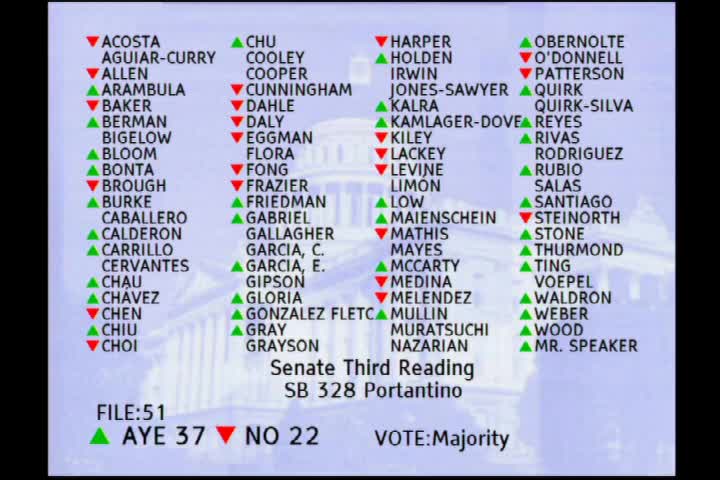 2MIN
Assembly Floor
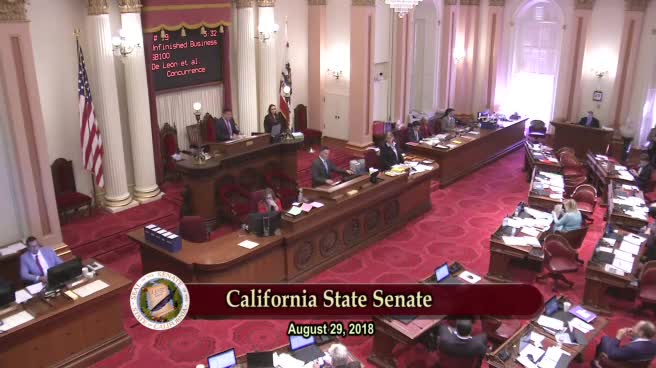 2MIN
Senate Floor
 1H
Senate Standing Committee on Appropriations
 3MIN
Senate Standing Committee on Natural Resources and Water
 1MIN
Assembly Floor
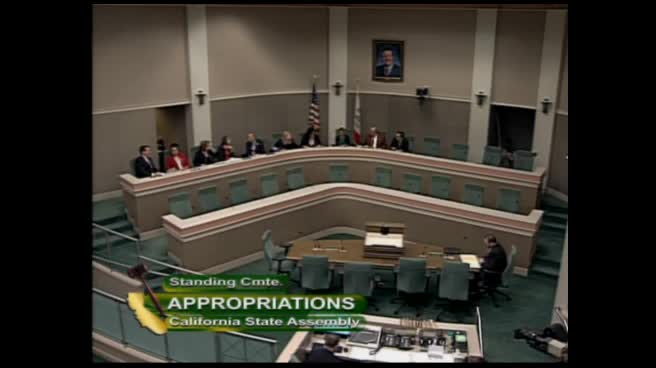 21MIN
Assembly Standing Committee on Appropriations
Bill Author


