AB 1115: Convictions: expungement.
- Session Year: 2017-2018
- House: Assembly
- Latest Version Date: 2017-09-01
Existing law authorizes a court to allow a defendant sentenced to county jail for a felony to withdraw his or her plea of guilty or plea of nolo contendere and enter a plea of not guilty, after the lapse of one or 2 years following the defendants completion of the sentence, as specified, provided that the defendant is not under supervision as specified, and is not serving a sentence for, on probation for, or charged with the commission of any offense. Existing law requires the defendant to be released from all penalties and disabilities resulting from the offense of which he or she was convicted, except as specified.
This bill would allow a defendant sentenced to state prison for a felony that, if committed after the 2011 Realignment Legislation, would have been eligible for sentencing to a county jail to obtain the above-specified relief.
(a)If a defendant was sentenced prior to the implementation of the 2011 Realignment Legislation for a crime for which he or she would otherwise have been eligible for sentencing pursuant to subdivision (h) of Section 1170, the court, in its discretion and in the interests of justice, may order the following relief, subject to the conditions of subdivision (b):
(1)The court may permit the defendant to withdraw his or her plea of guilty or plea of nolo contendere and enter a plea of not guilty, or, if he or she has been convicted after a plea of not guilty, the court shall set aside the verdict of guilty, and, in either case, the court shall thereupon dismiss the accusations or information against the defendant and he or she shall thereafter be released from all penalties and disabilities resulting from the offense of which he or she has been convicted, except as provided in Section 13555 of the Vehicle Code.
(2)The relief available under this section may be granted only after the lapse of two years following the defendants completion of the sentence.
(3)The relief available under this section may be granted only if the defendant is not under supervised release, and is not serving a sentence for, on probation for, or charged with the commission of any offense.
(4)The defendant may make the application and change of plea in person or by attorney, or by a probation officer authorized in writing.
(b)Relief granted pursuant to subdivision (a) is subject to the following conditions:
(1)In any subsequent prosecution of the defendant for any other offense, the prior conviction may be pleaded and proved and shall have the same effect as if the accusation or information had not been dismissed.
(2)The order shall state, and the defendant shall be informed, that the order does not relieve him or her of the obligation to disclose the conviction in response to any direct question contained in any questionnaire or application for public office, for licensure by any state or local agency, or for contracting with the California State Lottery Commission.
(3)Dismissal of an accusation or information pursuant to this section does not permit a person to own, possess, or have in his or her custody or control any firearm or prevent his or her conviction under Chapter 2 (commencing with Section 29800) of Division 9 of Title 4 of Part 6.
(4)Dismissal of an accusation or information underlying a conviction pursuant to this section does not permit a person prohibited from holding public office as a result of that conviction to hold public office.
(c)A person who petitions for a change of plea or setting aside of a verdict under this section may be required to reimburse the court for the actual costs of services rendered, whether or not the petition is granted and the records are sealed or expunged, at a rate to be determined by the court not to exceed one hundred fifty dollars ($150), and to reimburse the county for the actual costs of services rendered, whether or not the petition is granted and the records are sealed or expunged, at a rate to be determined by the county board of supervisors not to exceed one hundred fifty dollars ($150), and to reimburse any city for the actual costs of services rendered, whether or not the petition is granted and the records are sealed or expunged, at a rate to be determined by the city council not to exceed one hundred fifty dollars ($150). Ability to make this reimbursement shall be determined by the court using the standards set forth in paragraph (2) of subdivision (g) of Section 987.8 and shall not be a prerequisite to a persons eligibility under this section. The court may order reimbursement in any case in which the petitioner appears to have the ability to pay, without undue hardship, all or any portion of the costs for services established pursuant to this subdivision.
(d)(1) Relief shall not be granted under this section unless the prosecuting attorney has been given 15 days notice of the petition for relief. The probation officer shall notify the prosecuting attorney when a petition is filed, pursuant to this section.
(2)It shall be presumed that the prosecuting attorney has received notice if proof of service is filed with the court.
(e)If, after receiving notice pursuant to subdivision (d), the prosecuting attorney fails to appear and object to a petition for dismissal, the prosecuting attorney may not move to set aside or otherwise appeal the grant of that petition.
|
Date
|
Status
|
|---|---|
| Sep 1, 2017 | Chaptered by Secretary of State - Chapter 207, Statutes of 2017. |
| Sep 1, 2017 | Approved by the Governor. |
| Aug 25, 2017 | Enrolled and presented to the Governor at 3 p.m. |
| Aug 22, 2017 | In Assembly. Ordered to Engrossing and Enrolling. |
| Aug 21, 2017 | Read third time. Passed. Ordered to the Assembly. |
| Jun 14, 2017 | Read second time. Ordered to third reading. |
| Jun 13, 2017 | From committee: Do pass. (Ayes 5. Noes 2.) (June 13). |
| May 18, 2017 | Referred to Com. on PUB. S. |
| May 4, 2017 | In Senate. Read first time. To Com. on RLS. for assignment. |
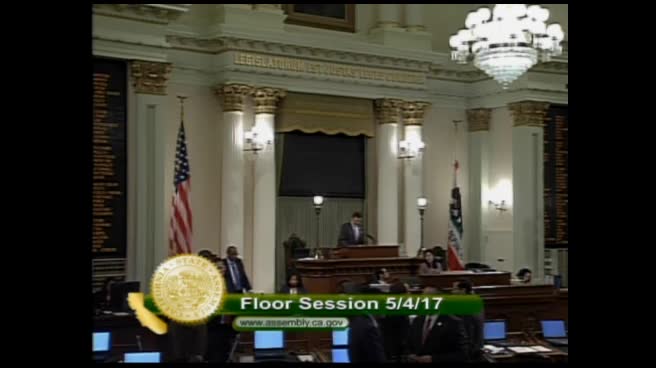
| May 4, 2017 | Read third time. Passed. Ordered to the Senate. (Ayes 41. Noes 28. Page 1381.) |
| Apr 5, 2017 | Read second time. Ordered to third reading. |
| Apr 4, 2017 | From committee: Do pass. (Ayes 5. Noes 2.) (April 4). |
| Mar 6, 2017 | Referred to Com. on PUB. S. |
| Feb 19, 2017 | From printer. May be heard in committee March 21. |
| Feb 17, 2017 | Read first time. To print. |
|
Date
|
Description
|
Location
|
Votes
|
|
|---|---|---|---|---|
| Aug 21, 2017 | Assembly 3rd Reading AB1115 Jones-Sawyer By Bradford | Senate Floor |
Passed |
|
| Jun 13, 2017 | Do pass | Senate Standing Committee on Public Safety |
Passed |
|
| May 4, 2017 | AB 1115 JONES-SAWYER Assembly Third Reading | Assembly Floor |
Passed |
|
| Apr 4, 2017 | Do pass. | Assembly Standing Committee on Public Safety |
Passed |
This list shows positions taken on this bill by organizations on the date displayed, which is linked to the original source.
Positions by individuals are not included.
Office of Senate Floor Analyses (916) 651-1520 Fax: (916) 327-4478 | AB |
THIRD READING
Bill No: AB 1115
:
SENATE PUBLIC SAFETY COMMITTEE: 5-2, 6/13/17
AYES: Skinner, Bradford, Jackson, Mitchell, Wiener
NOES: Anderson, Stone
ASSEMBLY FLOOR: 41-28, 5/4/17 - See last page for vote
SOURCE: Californians for Safety and Justice
DIGEST:
This bill enables individuals sentenced to state prison for a felony, that if committed after enactment of the 2011 Realignment legislation would have been eligible for county jail sentencing, to obtain expungement relief.
Existing law:
- Authorizes a court to grant expungement relief, with specified exceptions, for a misdemeanor or felony conviction for which the sentence included a period of probation if the petitioner is not serving a sentence for, on probation for, or charged with the commission of any offense. (Pen. Code, § 1203.4, subd. (a).)
- Authorizes a court to grant expungement relief, with specified exceptions, for a misdemeanor conviction for which the sentence did not include a period of probation, or for an infraction conviction, if the petitioner is not serving a sentence for, on probation for, or charged with the commission of any offense. (Pen. Code, § 1203.4a, subd. (a).)
- Allows the court to grant expungement relief for a conviction of a petitioner sentenced to county jail pursuant to Penal Code Section 1170(h), criminal justice realignment, if specified conditions are satisfied. (Pen. Code, § 1203.41.)
- Allows the court to grant expungement relief for a conviction of solicitation or prostitution, if the petitioner can establish by clear and convincing evidence that the conviction was the result of his or her status as a victim of human trafficking. (Pen. Code, § 1203.49.)
This bill:
- Makes convictions for realigned felony offenses, which were committed prior to the enactment of Realignment, eligible for expungement. In other words, this bill applies to petitioners seeking to dismiss a conviction for a nonserious, nonviolent, or nonsexual offense for which he or she would have been sentenced to county jail pursuant to criminal justice realignment, but was sentenced to state prison because he or she was sentenced before the implementation of realignment.
- Provides that the court, in its discretion and in the interests of justice, may grant the expungement relief only after the lapse of two years following the petitioner’s completion of the sentence, provided that the petitioner is not under supervised release, and is not serving a sentence for, on probation for, or charged with the commission of any offense.
- Allows the petitioner to make the application and the change of plea in person, or through an attorney, or a probation officer authorized in writing.
- Provides that in any subsequent prosecution of the petitioner for any other offense, the prior conviction may be pleaded and proved and has the same effect as if it had not been dismissed.
- Provides that a conviction dismissed by the relief provided for by this bill does not relieve the petitioner of the obligation to disclose the conviction in response to any direct question contained in any questionnaire or application for public office, for any state or local license, or for contracting with the California State Lottery Commission.
- Provides that the expungement relief provided for by this bill does not permit a person to own, possess, or have in his or her custody or control any firearm or prevent his or her conviction for such ownership or possession.
- Provides that the expungement relief provided for by this bill does not permit a person prohibited from holding public office as a result of the dismissed conviction to hold public office.
- Allows the court to charge up to $150 for a petition for expungement to cover actual costs of services rendered. However, the court is required to consider the petitioner’s ability to pay.
- Prohibits the court from granting the expungement relief unless the prosecuting attorney has been given 15 days’ notice of the petition. The probation officer is required to notify the prosecuting attorney when a petition is filed.
- Provides that if the prosecutor fails to appear and object to the petition for dismissal, then the prosecuting attorney may not move to set aside or otherwise appeal the granting of relief. It is presumed that the prosecuting attorney has received notice if proof of service is filed with the court.
Background
Defendants who have successfully completed probation, including early discharge, can petition the court to set aside a guilty verdict or permit withdrawal of the guilty or nolo contendere plea and dismiss the complaint, accusation, or information. (Pen. Code § 1203.4.) Defendants who have successfully completed a conditional sentence are also eligible to petition the court for expungement relief under Penal Code Section 1203.4. (People v. Bishop (1992) 11 Cal.App.4th 1125, 1129.) In addition, Penal Code Section 1203.4 provides that the court can, in the furtherance of justice, grant this relief if the defendant did not successfully complete probation. (Penal Code §1203.4; see People v. McLernon (2009) 174 Cal.App.4th 569, 577.)
When relief is granted under Penal Code Section 1203.4, the conviction is set aside and the charging document is dismissed. However, this neither erases nor seals the record of conviction. Despite the dismissal order, the conviction record remains a public document. (People v. Field (1995) 31 Cal.App.4th 1778, 1787.) Expungement also does not prevent the conviction from being pleaded and proved just like any other prior conviction in any subsequent prosecution. (See People v. Diaz (1996) 41 Cal.App.4th 1424.)
Expungement relief pursuant to Penal Code Section 1203.4 does not relieve the petitioner of the obligation to disclose the conviction in response to any direct question in any questionnaire or application for public office or for licensure by any state or local agency. (See e.g., Bus. & Prof. Code §§ 475, 480, 490; Ed. Code § 44009; People v. Vasquez (2001) 25 Cal.4th 1225, 1230.) If the employer is an entity statutorily authorized to request criminal background checks for prospective employees, the background check would reveal the expunged conviction with an entry noting the dismissal on the record. On the other hand, except as specified, employers cannot consider a conviction dismissed under Penal Code Section 1203.4 in hiring decisions. (Lab. Code § 432.7.)
Expungement relief is not available for convictions of certain offenses. These include most felony child molestation offenses, other specific sex offenses, and a few traffic offenses. (Pen. Code §§ 1203.4 and 1203.4a.)
Expungement was originally available only when a defendant was placed on probation. Expungement relief has since been extended to other categories of cases. First, the relief was extended to misdemeanants who were not granted probation. (Pen. Code § 1203.4a.) After the enactment of Realignment, expungement was extended to persons sentenced for a realigned felony who served their sentence in county jail. (Pen. Code § 1203.41.) This bill extends expungement relief to those persons who were convicted of the same crimes eligible for expungement under Penal Code Section 1203.41, but who served their sentence in state prison instead of county jail because they were sentenced before the enactment of Realignment.
FISCAL EFFECT: Appropriation: Fiscal Com.: Local:
Californians for Safety and Justice (source)
American Civil Liberties Union of California
California Attorneys for Criminal Justice
California Catholic Conference
California Public Defenders Association
Center on Juvenile and Criminal Justice
Contra Costa County Defenders Association
Further the Work
Human Impact Partners
Los Angeles Regional Reentry Partnership
Prison Law Office
Reentry Council of the City and County of San Francisco
Reentry Solutions Group
Rubicon Programs
Social Justice Learning Institute
OPPOSITION: (Verified 6/13/17)
None received
ARGUMENT IN SUPPORT: The Center on Juvenile and Criminal Justice supports this bill stating:
For many individuals convicted of a crime, there are consequences that continue beyond their incarceration or probation. The permanency of a criminal record can make it difficult for rehabilitated individuals to obtain a decent paying job, qualify for secure and safe housing, or pursue their educational goals. This is because many employers, landlords, and other entities exclude individuals that have a prior criminal conviction. In California today, there are over 4,000 ways a criminal record operates as a barrier for those who have had a felony conviction. These barriers have been shown to increase the likelihood of recidivism.
AB 1115 seeks to close a gap within Californian expungement law. While individuals convicted of an AB 109 offense after the passage of Realignment are eligible for expungement, those convicted of the same offenses prior to Realignment cannot currently receive that relief. AB 1115 will make Realignment convictions predating Realignment eligible for expungement under judicial discretion. Providing this remedy will increase opportunity for people with older criminal records.
ASSEMBLY FLOOR: 41-28, 5/4/17
AYES: Berman, Bloom, Bocanegra, Bonta, Burke, Chau, Chiu, Chu, Cooley, Daly, Eggman, Frazier, Friedman, Eduardo Garcia, Gipson, Gloria, Gomez, Gonzalez Fletcher, Grayson, Holden, Jones-Sawyer, Kalra, Levine, Limón, Low, McCarty, Medina, Mullin, Nazarian, O'Donnell, Quirk, Reyes, Rodriguez, Rubio, Santiago, Mark Stone, Thurmond, Ting, Weber, Wood, Rendon
NOES: Acosta, Arambula, Baker, Brough, Caballero, Cervantes, Chávez, Choi, Dababneh, Dahle, Flora, Fong, Gallagher, Gray, Harper, Irwin, Kiley, Lackey, Maienschein, Mathis, Mayes, Melendez, Obernolte, Quirk-Silva, Salas, Steinorth, Voepel, Waldron
NO VOTE RECORDED: Aguiar-Curry, Travis Allen, Bigelow, Calderon, Chen, Cooper, Cunningham, Cristina Garcia, Muratsuchi, Patterson, Ridley-Thomas
6/14/17 16:01:20
SENATE COMMITTEE ON PUBLIC SAFETY
Senator Nancy Skinner, Chair
2017 - 2018 Regular
Bill No: AB 1115 Hearing Date: June 13, 2017
Author: | Jones-Sawyer | ||
Version: | February 17, 2017 | ||
Urgency: | No | Fiscal: | No |
Consultant: | SJ | ||
Subject: Convictions: Expungement
HISTORY
Source: Californians for Safety and Justice
Prior Legislation: AB 1585 (Alejo) Ch. 708, Stats. of 2014
AB 651 (Bradford) Ch. 787, Stats. of 2013
AB 1384 (Bradford) Ch. 284, Stats. of 2011
AB 1068 (Hill) Vetoed 2010
AB 2582 (Adams) Ch. 99, Stats. of 2010
Support: American Civil Liberties Union of California; California Attorneys for Criminal Justice; California Catholic Conference; California Public Defenders Association; Center on Juvenile and Criminal Justice; Contra Costa County Defenders Association; Further the Work; Human Impact Partners; Los Angeles Regional Reentry Partnership; Prison Law Office; Reentry Council of the City and County of San Francisco; Reentry Solutions Group; Rubicon Programs; Social Justice Learning Institute
Opposition: None known
Assembly Floor Vote: 41 - 28
PURPOSE
The purpose of this bill is to allow individuals sentenced to state prison for a felony, that if committed after enactment of the 2011 Realignment legislation would have been eligible for county jail sentencing, to obtain an expungement.
Existing law authorizes a court to grant expungement relief, with specified exceptions, for a misdemeanor or felony conviction for which the sentence included a period of probation if the petitioner is not serving a sentence for, on probation for, or charged with the commission of any offense. (Pen. Code § 1203.4, subd. (a).)
Existing law authorizes a court to grant expungement relief, with specified exceptions, for a misdemeanor conviction for which the sentence did not include a period of probation, or for an infraction conviction, if the petitioner is not serving a sentence for, on probation for, or charged with the commission of any offense. (Pen. Code § 1203.4a, subd. (a).)
Existing law allows the court to grant expungement relief for a conviction of a petitioner sentenced to county jail pursuant to Penal Code section 1170(h), criminal justice realignment, if specified conditions are satisfied. (Pen. Code § 1203.41.)
Existing law allows the court to grant expungement relief for a conviction of solicitation or prostitution, if the petitioner can establish by clear and convincing evidence that the conviction was the result of his or her status as a victim of human trafficking. (Pen. Code § 1203.49.)
This bill makes convictions for realigned felony offenses, which were committed prior to the enactment of Realignment, eligible for expungement. In other words, this bill applies to petitioners seeking to dismiss a conviction for a nonserious, nonviolent, or nonsexual offense for which he or she would have been sentenced to county jail pursuant to criminal justice realignment, but was sentenced to state prison because he or she was sentenced before the implementation of realignment.
This bill provides that the court, in its discretion and in the interests of justice, may grant the expungement relief only after the lapse of two years following the petitioner’s completion of the sentence, provided that the petitioner is not under supervised release, and is not serving a sentence for, on probation for, or charged with the commission of any offense.
This bill allows the petitioner to make the application and the change of plea in person, or through an attorney, or a probation officer authorized in writing.
This bill provides that in any subsequent prosecution of the petitioner for any other offense, the prior conviction may be pleaded and proved and has the same effect as if it had not been dismissed.
This bill provides that a conviction dismissed by the relief provided for by this bill does not relieve the petitioner of the obligation to disclose the conviction in response to any direct question contained in any questionnaire or application for public office, for any state or local license, or for contracting with the California State Lottery Commission.
This bill provides that the expungement relief provided for by this bill does not permit a person to own, possess, or have in his or her custody or control any firearm or prevent his or her conviction for such ownership or possession.
This bill provides that the expungement relief provided for by this bill does not permit a person prohibited from holding public office as a result of the dismissed conviction to hold public office.
This bill allows the court to charge up to $150 for a petition for expungement to cover actual costs of services rendered. However, the court is required to consider the petitioner’s ability to pay.
This bill prohibits the court from granting the expungement relief unless the prosecuting attorney has been given 15 days’ notice of the petition. The probation officer is required to notify the prosecuting attorney when a petition is filed.
This bill provides that if the prosecutor fails to appear and object to the petition for dismissal, then the prosecuting attorney may not move to set aside or otherwise appeal the granting of relief. It is presumed that the prosecuting attorney has received notice if proof of service is filed with the court.
COMMENTS
1. Need for This Bill
In 2011, Governor Jerry Brown signed Assembly Bill 109, also referred to as “Realignment.” Under Realignment, offenders are authorized to serve their sentences in county jails and/or under local community supervision rather than state prison if they meet certain criteria. AB 109 authorizes a court to allow a defendant sentenced to county jail for a felony to withdraw his or her plea of guilty or plea of nolo contendere and enter a plea of not guilty, after the lapse of one or 2 years following the defendant’s completion of the sentence. In 2013, AB 651 was signed into law authorizing a court, in its discretion and in the interests of justice, to grant expungement relief for individuals convicted of a Realignment offense. Existing law requires the defendant to be released from all penalties and disabilities resulting from the offense of which he or she was convicted, except as specified.
Currently, defendants sentenced to state prison for a Realignment offense committed before the 2011 Realignment Legislation are not eligible to obtain expungement relief. Consequently, these individuals are still subject to the penalties resulting from the offenses of which they were convicted. AB 1115 will address this concern by allowing a court to determine, in the interest of justice, whether an individual convicted of a Realignment offense prior to 2011 should be granted expungement relief. Where there are barriers to housing, employment, education and other opportunities for economic stability, the likelihood of recidivism increases. Ultimately, this bill will help further reduce recidivism, building upon statewide efforts to assist those who have served their time and proven their willingness to be productive, contributing, law-abiding members of society.
2. Expungement Relief Generally
Defendants who have successfully completed probation, including early discharge, can petition the court to set aside a guilty verdict or permit withdrawal of the guilty or nolo contendere plea and dismiss the complaint, accusation, or information. (Pen. Code § 1203.4.) Defendants who have successfully completed a conditional sentence are also eligible to petition the court for expungement relief under Penal Code section 1203.4. (People v. Bishop (1992) 11 Cal.App.4th 1125, 1129.) In addition, Penal Code section 1203.4 provides that the court can, in the furtherance of justice, grant this relief if the defendant did not successfully complete probation. (Penal Code §1203.4; see People v. McLernon (2009) 174 Cal.App.4th 569, 577.)
When relief is granted under Penal Code section 1203.4, the conviction is set aside and the charging document is dismissed. However, this neither erases nor seals the record of conviction. Despite the dismissal order, the conviction record remains a public document. (People v. Field (1995) 31 Cal.App.4th 1778, 1787.) Expungement also does not prevent the conviction from being pleaded and proved just like any other prior conviction in any subsequent prosecution. (See People v. Diaz (1996) 41 Cal.App.4th 1424.)
Expungement relief pursuant to Penal Code section 1203.4 does not relieve the petitioner of the obligation to disclose the conviction in response to any direct question in any questionnaire or application for public office or for licensure by any state or local agency. (See e.g., Bus. & Prof. Code §§ 475, 480, 490; Ed. Code § 44009; People v. Vasquez (2001) 25 Cal.4th 1225, 1230.) If the employer is an entity statutorily authorized to request criminal background checks for prospective employees, the background check would reveal the expunged conviction with an entry noting the dismissal on the record. On the other hand, except as specified, employers cannot consider a conviction dismissed under Penal Code section 1203.4 in hiring decisions. (Lab. Code § 432.7.)
Expungement relief is not available for convictions of certain offenses. These include most felony child molestation offenses, other specific sex offenses, and a few traffic offenses. (Pen. Code §§ 1203.4 and 1203.4a.)
Expungement was originally available only when a defendant was placed on probation. Expungement relief has since been extended to other categories of cases. First, the relief was extended to misdemeanants who were not granted probation. (Pen. Code § 1203.4a.) After the enactment of Realignment, expungement was extended to persons sentenced for a realigned felony who served their sentence in county jail. (Pen. Code § 1203.41.) This bill extends expungement relief to those persons who were convicted of the same crimes eligible for expungement under Penal Code section 1203.41, but who served their sentence in state prison instead of county jail because they were sentenced before the enactment of Realignment.
3. Criminal Justice Realignment
Criminal justice realignment created two classifications of felonies: those punishable in county jail and those punishable in state prison. Realignment limited which felons can be sent to state prison, thus requiring that more felons serve their sentences in county jails. The law applies to qualified defendants who commit qualifying offenses and who were sentenced on or after October 1, 2011. Specifically, sentences to state prison are now mainly limited to individuals required to register as a sex offender and individuals with a current or prior conviction for a serious or violent offense. In addition to the serious, violent, registerable offenses ineligible for incarceration in a county jail, there are approximately 70 felonies which have been specifically excluded from eligibility for local custody (i.e., the sentence for which must be served in state prison).
4. Arguments in Support
The Center on Juvenile and Criminal Justice supports this bill stating:
For many individuals convicted of a crime, there are consequences that continue beyond their incarceration or probation. The permanency of a criminal record can make it difficult for rehabilitated individuals to obtain a decent paying job, qualify for secure and safe housing, or pursue their educational goals. This is because many employers, landlords, and other entities exclude individuals that have a prior criminal conviction. In California today, there are over 4,000 ways a criminal record operates as a barrier for those who have had a felony conviction. These barriers have been shown to increase the likelihood of recidivism.
AB 1115 seeks to close a gap within Californian expungement law. While individuals convicted of an AB 109 offense after the passage of Realignment are eligible for expungement, those convicted of the same offenses prior to Realignment cannot currently receive that relief. AB 1115 will make Realignment convictions predating Realignment eligible for expungement under judicial discretion. Providing this remedy will increase opportunity for people with older criminal records.
California Attorneys for Criminal Justice writes:
AB 1115 closes a loophole in the law that will allow relief for those individuals who meet the criteria specified in the bill, including not being able to seek relief until after 2 years from the completion of one’s sentence and only if the defendant is not under supervised release, is not serving a sentence, is not on probation and is not charged with the commission of any offense.
…AB 1115 promotes the successful reentry into society of those who have previously been incarcerated. This will have a particularly positive impact on individuals in our community who have suffered disproportionately under the criminal justice system’s policies of mass incarceration. This bill simply removes barriers that have already been lifted for those similarly situated whose only difference is that their crimes were committed before the passage of AB 109. AB 1115 is grounded in fairness and equal protection for those similarly situated individuals.
The bill contains clear language that the relief granted under this provision is subject to several conditions that apply to other individuals who have this same opportunity under AB 109, including, but not limited to, that the prior conviction may be pled and proved in any subsequent prosecution of the individual, and that the individual may not possess a firearm.
-- END --
ASSEMBLY THIRD READING
ATR Bill Id:AB 1115
Author:(Jones-Sawyer)
As Introduced Ver:February 17, 2017
Majority vote
Committee | Votes | Ayes | Noes |
Public Safety | 5-2 | Jones-Sawyer, Gonzalez Fletcher, Quirk, Rubio, Santiago | Lackey, Flora |
SUMMARY: Allows defendants sentenced to prison for a felony that, if committed after enactment of Criminal Justice Realignment legislation in 2011, would have been eligible for county-jail sentencing to obtain an expungement. Specifically, this bill:
- Makes convictions for realigned felony offenses, but which were committed prior to the enactment of Realignment, eligible for expungement.
- Applies to petitioners seeking to dismiss a conviction for a nonserious, nonviolent, or nonsexual offense for which he or she would have been sentenced to county jail pursuant to criminal justice realignment, but was sentenced to state prison because he or she was sentenced before the implementation of realignment.
- Provides that the court, in its discretion and in the interests of justice, may grant the expungement relief only after the lapse of two years following the petitioner's completion of the sentence, provided that the petitioner is not under supervised release or is not serving a sentence for, on probation for, or charged with the commission of any offense.
- Allows the petitioner to make the application and the change of plea in person, or through an attorney, or a probation officer authorized in writing.
- Provides that in any subsequent prosecution of the petitioner for any offense, a conviction dismissed pursuant to the relief provided for by this bill shall have the same effect as if it had not been dismissed.
- Provides that a conviction dismissed by the relief provided for by this bill does not relieve the petitioner of the obligation to disclose the conviction in response to any direct question contained in any questionnaire or application for public office, for any state or local license, or for contracting with the California State Lottery Commission.
- Provides that the expungement relief of a conviction does not permit a person to own, possess, or have in his or her custody or control any firearm or prevent his or her conviction for such ownership or possession.
- Provides that the expungement relief does not permit a person prohibited from holding public office as a result of the dismissed conviction to hold public office.
- Allows the court to charge up to $150 for a petition for expungement to cover actual costs. However, the court must consider the petitioner's ability to pay.
- Prevents the court from granting the expungement relief unless the prosecuting attorney has been given 15 days' notice of the petition.
- Provides that if the prosecutor fails to appear and object to the petition for dismissal, then the prosecutor may not move to set aside or otherwise appeal the granting of relief.
EXISTING LAW:
- Authorizes a court to grant expungement relief, with specified exceptions, for a misdemeanor or felony conviction for which the sentence included a period of probation if the petitioner is not serving a sentence for, on probation for, or charged with the commission of any offense.
- Authorizes a court to grant expungement relief, with specified exceptions, for a misdemeanor conviction for which the sentence did not include a period of probation, or for an infraction conviction, if the petitioner is not serving a sentence for, on probation for, or charged with the commission of any offense.
- Allows the court to grant expungement relief for a conviction of a petitioner sentenced to county jail pursuant to criminal justice realignment if specified conditions are satisfied.
- Allows the court to grant expungement relief for a conviction of solicitation or prostitution, if the petitioner can establish by clear and convincing evidence that the conviction was a result of his or her status as a victim of human trafficking.
FISCAL EFFECT: Unknown. This bill is keyed non-fiscal by the Legislative Counsel.
COMMENTS:
"Where there are barriers to housing, employment, education and other opportunities for economic stability, the likelihood of recidivism increases. It is therefore necessary to create pathways for individuals to expunge old criminal convictions after all terms of punishment have been met. Although previous legislation has reduced some of the challenges and barriers to housing and employment, those who committed their offenses prior to Realignment, are still barred from cleaning-up their records.
"AB 1115 will address this concern by allowing a court to determine whether an individual convicted of a Realignment offense, prior to 2011 and who would have fallen under Realignment, should be granted expungement relief. Ultimately, this bill will help further reduce recidivism, building upon statewide efforts to assist those who have served their time and proven their willingness to be productive, contributing, law-abiding members of society."
Expungement Relief Generally: Defendants who have successfully completed probation (including early discharge) can petition the court to set aside a guilty verdict or permit withdrawal of the guilty or nolo contendere plea and dismiss the complaint, accusation, or information. Defendants who have successfully completed a conditional sentence also are eligible to petition the court for expungement relief under Penal Code Section 1203.4. Penal Code Section 1203.4 also provides that the court can, in the furtherance of justice, grant this relief if the defendant did not successfully complete probation.
When relief is granted under Penal Code section 1203.4, the conviction is set aside and the charging document is dismissed. However, this neither erases nor seals the record of conviction. Despite the dismissal order, the conviction record remains a public document.
Expungement relief pursuant to Penal Code Section 1203.4 does not relieve the petitioner of the obligation to disclose the conviction in response to any direct question in any questionnaire or application for public office or for licensure by any state or local agency. If the employer is an entity statutorily authorized to request criminal background checks on prospective employees, the background check would reveal the expunged conviction with an extra entry noting the dismissal on the record. On the other hand, except as specified, employers cannot consider a conviction dismissed under Penal Code section 1203.4 in hiring decisions.
Expungement also does not prevent the conviction from being pleaded and proved just like any other prior conviction in any subsequent prosecution.
Expungement relief is not available for convictions of certain offenses. These include most felony child molestation offenses, other specific sex offenses, and a few traffic offenses.
Expungement was originally available only when a defendant was placed on probation. However, expungement relief has been extended to other categories of cases. First the relief was extended to misdemeanants who were not granted probation. After the enactment of Realignment, expungement was extended to persons sentenced for a realigned felony who served their sentence in county jail. This bill extends expungement relief to those persons who were convicted of the same crimes eligible for expungement under Penal Code section 1203.41, but who served their sentence in state prison instead of county jail because they were sentenced before the enactment of Realignment.
Analysis Prepared by: Sandy Uribe / PUB. S. / (916) 319-3744 FN: 0000078
Date of Hearing: April 4, 2017
Counsel: Sandra Uribe
ASSEMBLY COMMITTEE ON
Reginald Byron Jones-Sawyer, Sr., Chair
ABPCA Bill Id:
Author:() – As Ver:
SUMMARY:
Allows defendants sentenced to prison for a felony that, if committed after enactment of Criminal Justice Realignment legislation in 2011, would have been eligible for county-jail sentencing to obtain an expungement. Specifically, this bill:
- Makes convictions for realigned felony offenses, but which were committed prior to the enactment of Realignment, eligible for expungement.
- Applies to petitioners seeking to dismiss a conviction for a nonserious, nonviolent, or nonsexual offense for which he or she would have been sentenced to county jail pursuant to criminal justice realignment, but was sentenced to state prison because he or she was sentenced before the implementation of realignment.
- Provides that the court, in its discretion and in the interests of justice, may grant the expungement relief only after the lapse of two years following the petitioner's completion of the sentence, provided that the petitioner is not under supervised release or is not serving a sentence for, on probation for, or charged with the commission of any offense.
- Allows the petitioner to make the application and the change of plea in person, or through an attorney, or a probation officer authorized in writing.
- Provides that in any subsequent prosecution of the petitioner for any offense, a conviction dismissed pursuant to the relief provided for by this bill shall have the same effect as if it had not been dismissed.
- Provides that a conviction dismissed by the relief provided for by this bill does not relieve the petitioner of the obligation to disclose the conviction in response to any direct question contained in any questionnaire or application for public office, for any state or local license, or for contracting with the California State Lottery Commission.
- Provides that the expungement relief of a conviction does not permit a person to own, possess, or have in his or her custody or control any firearm or prevent his or her conviction for such ownership or possession.
- Provides that the expungement relief does not permit a person prohibited from holding public office as a result of the dismissed conviction to hold public office.
- Allows the court to charge up to $150 for a petition for expungement to cover actual costs. However, the court must consider the petitioner’s ability to pay.
- Prevents the court from granting the expungement relief unless the prosecuting attorney has been given 15 days' notice of the petition.
- Provides that if the prosecutor fails to appear and object to the petition for dismissal, then the prosecutor may not move to set aside or otherwise appeal the granting of relief.
EXISTING LAW:
- Authorizes a court to grant expungement relief, with specified exceptions, for a misdemeanor or felony conviction for which the sentence included a period of probation if the petitioner is not serving a sentence for, on probation for, or charged with the commission of any offense. (Pen. Code, § 1203.4, subd. (a).)
- Authorizes a court to grant expungement relief, with specified exceptions, for a misdemeanor conviction for which the sentence did not include a period of probation, or for an infraction conviction, if the petitioner is not serving a sentence for, on probation for, or charged with the commission of any offense. (Pen. Code, § 1203.4a, subd. (a).)
- Allows the court to grant expungement relief for a conviction of a petitioner sentenced to county jail pursuant to criminal justice realignment if specified conditions are satisfied. (Pen. Code, § 1203.41.)
- Allows the court to grant expungement relief for a conviction of solicitation or prostitution, if the petitioner can establish by clear and convincing evidence that the conviction was a result of his or her status as a victim of human trafficking. (Pen. Code, § 1203.49.)
FISCAL EFFECT:
Unknown
COMMENTS:
- Author's Statement: According to the author, “Where there are barriers to housing, employment, education and other opportunities for economic stability, the likelihood of recidivism increases. It is therefore necessary to create pathways for individuals to expunge old criminal convictions after all terms of punishment have been met. Although previous legislation has reduced some of the challenges and barriers to housing and employment, those who committed their offenses prior to Realignment, are still barred from cleaning-up their records.
“AB 1115 will address this concern by allowing a court to determine whether an individual convicted of a Realignment offense, prior to 2011 and who would have fallen under Realignment, should be granted expungement relief. Ultimately, this bill will help further reduce recidivism, building upon statewide efforts to assist those who have served their time and proven their willingness to be productive, contributing, law-abiding members of society.” - Expungement Relief Generally: Defendants who have successfully completed probation (including early discharge) can petition the court to set aside a guilty verdict or permit withdrawal of the guilty or nolo contendere plea and dismiss the complaint, accusation, or information. (Pen. Code, § 1203.4.) Defendants who have successfully completed a conditional sentence also are eligible to petition the court for expungement relief under Penal Code Section 1203.4. (People v. Bishop (1992) 11 Cal.App.4th 1125, 1129.) Penal Code Section 1203.4 also provides that the court can, in the furtherance of justice, grant this relief if the defendant did not successfully complete probation. (Penal Code Section 1203.4; see People v. McLernon (2009) 174 Cal.App.4th 569, 577.)
When relief is granted under Penal Code section 1203.4, the conviction is set aside and the charging document is dismissed. However, this neither erases nor seals the record of conviction. Despite the dismissal order, the conviction record remains a public document. (People v. Field (1995) 31 Cal.App.4th 1778, 1787.)
Expungement relief pursuant to Penal Code Section 1203.4 does not relieve the petitioner of the obligation to disclose the conviction in response to any direct question in any questionnaire or application for public office or for licensure by any state or local agency. (See e.g., Bus. & Prof. Code, §§ 475, 480, 490; Ed. Code, § 44009; People v. Vasquez (2001) 25 Cal.4th 1225, 1230.) If the employer is an entity statutorily authorized to request criminal background checks on prospective employees, the background check would reveal the expunged conviction with an extra entry noting the dismissal on the record. On the other hand, except as specified, employers cannot consider a conviction dismissed under Penal Code section 1203.4 in hiring decisions. (Lab. Code, § 432.7.)
Expungement also does not prevent the conviction from being pleaded and proved just like any other prior conviction in any subsequent prosecution. (See People v. Diaz (1996) 41 Cal.App.4th 1424.)
Expungement relief is not available for convictions of certain offenses. These include most felony child molestation offenses, other specific sex offenses, and a few traffic offenses. (Pen. Code, §§ 1203.4 and 1203.4a.)
Expungement was originally available only when a defendant was placed on probation. However, expungement relief has been extended to other categories of cases. First the relief was extended to misdemeanants who were not granted probation. (Pen. Code, § 1203.4a.) After the enactment of Realignment, expungement was extended to persons sentenced for a realigned felony who served their sentence in county jail. (Pen. Code, § 1203.41.) This bill extends expungement relief to those persons who were convicted of the same crimes eligible for expungement under Penal Code section 1203.41, but who served their sentence in state prison instead of county jail because they were sentenced before the enactment of Realignment. - Criminal Justice Realignment: Criminal justice realignment created two classifications of felonies: those punishable in county jail and those punishable in state prison. Realignment limited which felons can be sent to state prison, thus requiring that more felons serve their sentences in county jails. The law applies to qualified defendants who commit qualifying offenses and who were sentenced on or after October 1, 2011. Specifically, sentences to state prison are now mainly limited to registered sex offenders and individuals with a current or prior serious or violent offense. In addition to the serious, violent, registerable offenses eligible for state prison incarceration, there are approximately 70 felonies which have been specifically excluded from eligibility for local custody (i.e., the sentence for which must be served in state prison).
- Need for this Bill: As a matter of fundamental fairness, this bill extends the opportunity to obtain expungement for the same offenses for which a person is currently entitled to petition for expungement after realignment. As the law currently stands, an equal protection argument might be made by a person who was sentenced to state prison for the same offense that is now eligible for expungement.
The concept of equal protection recognizes that persons who are similarly situated with respect to a law's legitimate purposes must be treated equally. Accordingly, the first prerequisite to a claim under the equal protection clause is a showing that the state has adopted a classification that affects two or more similarly situated groups in an unequal manner. This initial inquiry is not whether persons are similarly situated for all purposes, but whether they are similarly situated for purposes of the law challenged. (People v. Brown (2012) 54 Cal.4th 314.)
The courts have used a three-tier system in order to determine whether a statute violates the equal protection clause: strict scrutiny, intermediate scrutiny, and minimal scrutiny. Where legislation does not burden a suspect class or a constitutionally protected right, then the legislative act faces minimal scrutiny. Equal protection of the law is denied only where there is no “rational relationship between the disparity of treatment and some legitimate governmental purpose.” (Johnson v. Department of Justice (2015) 60 Cal.4th 871, 881.) Under the minimal level of equal protection analysis, great deference is given to legislative determinations. (Id. at p. 887.) “A state may provide for differences as long as the result does not amount to invidious discrimination. Equal protection … require[s] that a distinction made have some relevance to the purpose for which the classification is made.” (People v. Cruz (2012) 207 Cal.App.4th 664, 675, citations omitted.)
The question would be whether there is a rational basis to preclude persons convicted of the same offense as ones who can currently obtain expungement relief because the person served his or her sentence in state prison rather than county jail since a county-jail sentence was not an option at the time of sentencing. Expungement is available to some persons but not others who have committed the same offense based on the date of conviction and place of incarceration. This bill addresses that concern. - Argument in Support: According to Californians for Safety and Justice, the sponsor of this bill, “For many individuals convicted of a crime, there are consequences that continue beyond their incarceration or probation. The permanency of a criminal record can make it difficult for rehabilitated individuals to obtain a decent paying job, qualify for secure and safe housing or pursue their educational goals. This is because many employers, landlords and other entities often exclude individuals that have a prior criminal conviction. There are actually over 4,000 different ways in which a criminal record operates as a barrier for those who have had a felony conviction in California today. These barriers have been shown to statistically increase the likelihood of recidivism when people trying to survive cannot pursue lawful means for reintegrating into society.
“In 2011, Governor Brown signed into law Criminal Justice Realignment legislation (“Realignment”). Realignment allows individuals convicted of certain crimes and who do not have a disqualifying prior conviction to serve their sentence in a county jail or under local community supervision rather than in state prison.
“In 2014, Governor Brown signed into law Assembly Bill 651 which allows individuals convicted of a Realignment Offense and sentenced to local custody to petition for expungement of that criminal conviction. Since California’s expungement laws predate Realignment, those sentenced under the new Realignment structure were not eligible for expungement. Thus, AB 651 was a means to bridge this gap creating a pathway for expungement for those convicted and sentenced under Realignment.
“AB 1115 seeks to close another gap within Californian expungement law. While individuals convicted of a Realignment Offense after Realignment are eligible for expungement, those convicted of the same offenses prior to Realignment cannot currently receive that relief. AB 1115 will make Realignment convictions predating Realignment eligible for expungement under judicial discretion. Providing this remedy will increase housing, employment and educational opportunities for people with older criminal records while ensuring that courts still have the discretion necessary to determine eligibility.” - Argument in Opposition: According to the California Police Chiefs Association, “Currently, pursuant to PC 1203.4, a defendant who was placed on probation for a conviction may have that conviction expunged. A conviction for which a defendant was sentenced to prison (which necessarily means that probation was denied) cannot be expunged. PC 1203.4 applies only to defendants admitted to probation. (People v. Borja (1980) 110 Cal.App.3d 378; People v. Mendez (1991) 234 Cal.App.3d 1773.)
“Realignment already presents daunting challenges, but they are challenges law enforcement is prepared to address. The impact of AB 1115 will be to change the rules of realignment by permitting the outright expunging of crimes of those felons who committed their crimes prior to the passage of AB 109 and which were sufficiently serious to cause their incarceration in the first place.” - Related Legislation: AB 728 (Waldron) would make a defendant convicted of elder abuse ineligible for expungement. AB 728 is pending hearing in this Committee today.
- Prior Legislation:
- AB 1585 (Alejo), Chapter 708, Statutes of 2014, allows a person who has been convicted of solicitation or prostitution to petition for an expungement if he or she can establish by clear and convincing evidence that the conviction was the result of his or her status as a victim of human trafficking.
- AB 651 (Bradford), Chapter 787, Statutes of 2013, allows a court to grant expungement relief for a conviction of a petitioner sentenced to county jail pursuant to criminal justice realignment if specified conditions are satisfied.
- AB 1384 (Bradford), Chapter 284, Statutes of 2011, allows a court to grant expungement relief to a defendant who has been convicted of an infraction or misdemeanor but not granted probation.
- AB 1585 (Alejo), Chapter 708, Statutes of 2014, allows a person who has been convicted of solicitation or prostitution to petition for an expungement if he or she can establish by clear and convincing evidence that the conviction was the result of his or her status as a victim of human trafficking.
REGISTERED SUPPORT / OPPOSITION:
Support
Californians for Safety and Justice (Sponsor)
American Civil Liberties Union of California
California Attorneys for Criminal Justice
California Catholic Conference
California Public Defenders Association
Contra Costa County Defenders Association
Further the Work
Human Impact Partners
Los Angeles Regional Reentry Partnership
Reentry Solutions Group
Rubicon Programs
Social Justice Learning Institute
Opposition
California Police Chiefs Association
Analysis Prepared by:
Bill Author

Bill Co-Author(s):