AB 1200: Aging and Disability Resource Connection program.
- Session Year: 2017-2018
- House: Assembly
- Latest Version Date: 2017-10-09
Existing law, the Mello-Granlund Older Californians Act, establishes the California Department of Aging and states that the mission of the department is to provide leadership to the area agencies on aging in developing systems of home- and community-based services that maintain individuals in their own homes or least restrictive homelike environments.
Existing law vests in the Department of Rehabilitation the responsibility and authority for the encouragement of the planning, development, and funding of independent living centers, which are private, nonprofit organizations that provide specified services to individuals with disabilities, in order to assist those individuals in their attempts to live fuller and freer lives outside institutions.
Existing law establishes the Medi-Cal program, administered by the State Department of Health Care Services, under which qualified low-income individuals receive health care services. The Medi-Cal program is, in part, governed and funded by federal Medicaid program provisions. Existing law provides that Medi-Cal long-term services and supports, including In-Home Supportive Services (IHSS), Community-Based Adult Services (CBAS), Multipurpose Senior Services Program (MSSP) services, and certain skilled nursing facility and subacute care services, shall be covered services by a specified date under managed care health plan contracts for beneficiaries residing in counties participating in the Coordinated Care Initiative.
This bill would, contingent upon the appropriation of funds for that purpose by the Legislature, establish the Aging and Disability Resource Connection (ADRC) program, to be administered by the California Department of Aging, to provide information to consumers and their families on available long-term services and supports (LTSS) programs and to assist older adults, caregivers, and persons with disabilities in accessing LTSS programs at the local level. The bill would specify the services offered by, and responsibilities of, an ADRC program, including providing short-term service coordination and transition services, as specified.
Existing law, the Mello-Granlund Older Californians Act, establishes the California Department of Aging and states that the mission of the department is to provide leadership to the area agencies on aging in developing systems of home- and community-based services that maintain individuals in their own homes or least restrictive homelike environments.
Existing law vests in the Department of Rehabilitation the responsibility and authority for the encouragement of the planning, development, and funding of independent living centers, which are private, nonprofit organizations that provide specified services to individuals with disabilities, in order to assist those individuals in their attempts to live fuller and freer lives outside institutions.
Existing law establishes the Medi-Cal program, administered by the State Department of Health Care Services, under which qualified low-income individuals receive health care services. The Medi-Cal program is, in part, governed and funded by federal Medicaid program provisions. Existing law provides that Medi-Cal long-term services and supports, including In-Home Supportive Services (IHSS), Community-Based Adult Services (CBAS), Multipurpose Senior Services Program (MSSP) services, and certain skilled nursing facility and subacute care services, shall be covered services by a specified date under managed care health plan contracts for beneficiaries residing in counties participating in the Coordinated Care Initiative.
This bill would would, contingent upon the appropriation of funds for that purpose by the Legislature, establish the Aging and Disability Resource Connection (ADRC) program, to be administered by the California Department of Aging, to provide information to consumers and their families on available long-term services and supports (LTSS) programs and to assist older adults, caregivers, and persons with disabilities in accessing LTSS programs at the local level. The bill would require the department to establish the Aging and Disability Resource Connection Advisory Committee as the primary adviser in the ongoing development and implementation of the ADRC program. The bill would authorize the department to designate and approve ADRC programs, and, in consultation with the advisory committee, to formulate criteria for the designation and approval of local ADRC programs. The bill would specify the services offered by, and responsibilities of, a program, including requiring a program to submit data on an annual basis to the department, and would authorize the department to develop a data collection tool for that purpose. The bill would require the department and the State Department of Health Care Services to enter into a memorandum of understanding to explore reimbursement for qualified administrative activities performed pursuant to these provisions. The bill would specify the services offered by, and responsibilities of, an ADRC program, including providing short-term service coordination and transition services, as specified.
Existing law, the Mello-Granlund Older Californians Act, establishes the California Department of Aging, Aging and states that the mission of the department is to provide leadership to the area agencies on aging in developing systems of home- and community-based services that maintain individuals in their own homes or least restrictive homelike environments.
Existing law vests in the Department of Rehabilitation the responsibility and authority for the encouragement of the planning, development, and funding of independent living centers, which are private, nonprofit organizations that provide specified services to individuals with disabilities, in order to assist those individuals in their attempts to live fuller and freer lives outside institutions.
Existing law establishes the Medi-Cal program, administered by the State Department of Health Care Services, under which qualified low-income individuals receive health care services. The Medi-Cal program is, in part, governed and funded by federal Medicaid program provisions. Existing law provides that Medi-Cal long-term services and supports, including In-Home Supportive Services (IHSS), Community-Based Adult Services (CBAS), Multipurpose Senior Services Program (MSSP) services, and certain skilled nursing facility and subacute care services, shall be covered services by a specified date under managed care health plan contracts for beneficiaries residing in counties participating in the Coordinated Care Initiative.
This bill would establish the Aging and Disability Resource Connection (ADRC) program, to be administered by the California Department of Aging, to provide information to consumers and their families on available long-term services and supports (LTSS) programs and to assist older adults, caregivers, and persons with disabilities in accessing LTSS programs at the local level. The bill would require the department to establish the Aging and Disability Resource Connection Advisory Committee as the primary adviser in the ongoing development and implementation of the ADRC program. The bill would require the department, authorize the department to designate and approve ADRC programs, and, in consultation with the advisory committee, to formulate criteria for the designation and approval of local ADRC program sites, and programs. The bill would specify the services offered by, and responsibilities of, a program site. program, including requiring a program to submit data on an annual basis to the department, and would authorize the department to develop a data collection tool for that purpose. The bill would require the department and the State Department of Health Care Services to enter into a memorandum of understanding to explore reimbursement for qualified administrative activities performed pursuant to these provisions.
Existing law, the Mello-Granlund Older Californians Act, establishes the California Department of Aging, and states that the mission of the department is to provide leadership to the area agencies on aging in developing systems of home- and community-based services that maintain individuals in their own homes or least restrictive homelike environments.
Existing law vests in the Department of Rehabilitation the responsibility and authority for the encouragement of the planning, development, and funding of independent living centers, which are private, nonprofit organizations that provide specified services to individuals with disabilities, in order to assist those individuals in their attempts to live fuller and freer lives outside institutions.
Existing law establishes the Medi-Cal program, administered by the State Department of Health Care Services, under which qualified low-income individuals receive health care services. The Medi-Cal program is, in part, governed and funded by federal Medicaid program provisions. Existing law provides that Medi-Cal long-term services and supports, including In-Home Supportive Services (IHSS), Community-Based Adult Services (CBAS), Multipurpose Senior Services Program (MSSP) services, and certain skilled nursing facility and subacute care services, shall be covered services by a specified date under managed care health plan contracts for beneficiaries residing in counties participating in the Coordinated Care Initiative.
This bill would establish the Aging and Disability Resource Connection (ADRC) program, to be administered by the California Department of Aging, to provide information to consumers and their families on available long-term services and supports (LTSS) programs and to assist older adults, caregivers, and persons with disabilities in accessing LTSS programs at the local level. The bill would require the department to establish the Aging and Disability Resource Connection Advisory Committee as the primary advise r adviser in the ongoing development and implementation of the ADRC program. The bill would require the department, in consultation with the advisory committee, to formulate criteria for designation and approval of local ADRC program sites, and would specify the services offered by, and responsibilities of, a program site. The bill would require the department and the State Department of Health Care Services to enter into a memorandum of understanding with the federal Centers for Medicare and Medicaid Services to authorize local government agencies to claim federal Medicaid to explore reimbursement for qualified administrative activities performed pursuant to these provisions.
Existing law, the Mello-Granlund Older Californians Act, establishes the California Department of Aging, and states that the mission of the department is to provide leadership to the area agencies on aging in developing systems of home- and community-based services that maintain individuals in their own homes or least restrictive homelike environments.
Existing law vests in the Department of Rehabilitation the responsibility and authority for the encouragement of the planning, development, and funding of independent living centers, which are private, nonprofit organizations that provide specified services to individuals with disabilities, in order to assist those individuals in their attempts to live fuller and freer lives outside institutions.
Existing law establishes the Medi-Cal program, administered by the State Department of Health Care Services, under which qualified low-income individuals receive health care services. The Medi-Cal program is, in part, governed and funded by federal Medicaid program provisions. Existing law provides that Medi-Cal long-term services and supports, including In-Home Supportive Services (IHSS), Community-Based Adult Services (CBAS), Multipurpose Senior Services Program (MSSP) services, and certain skilled nursing facility and subacute care services, shall be covered services by a specified date under managed care health plan contracts for beneficiaries residing in counties participating in the Coordinated Care Initiative.
This bill would establish the Aging and Disability Resource Connection (ADRC) program, to be administered by the California Department of Aging, to provide information to consumers and their families on available long-term services and supports (LTSS) programs and to assist older adults, caregivers, and persons with disabilities in accessing LTSS programs at the local level. The bill would require the department to establish the Aging and Disability Resource Connection Advisory Committee as the primary advise r in the ongoing development and implementation of the ADRC program. The bill would require the department, in consultation with the advisory committee, to formulate criteria for designation and approval of local ADRC program sites, and would specify the services offered by, and responsibilities of, a program site. The bill would require the department and the State Department of Health Care Services to enter into a memorandum of understanding with the federal Centers for Medicare and Medicaid Services to authorize local government agencies to claim federal Medicaid reimbursement for qualified administrative activities performed pursuant to these provisions.
The Legislature finds and declares all of the following:
(a)In 2003, the federal Administration for Community Living and the federal Centers for Medicare and Medicaid Services established a joint funding opportunity through the Aging and Disability Resource Center (ADRC) initiative, which was designed to provide visible and trusted sources of information, one-on-one counseling, and streamlined access to LTSS.
(b)ADRCs build on the strength of existing community agencies, including area agencies on aging and independent living centers, to provide a more coordinated system of information and access for all persons seeking LTSS to minimize confusion, enhance individual choice, and support informed decisionmaking.
(c)In California, ADRC partnerships exist in several areas of the state that facilitate access to LTSS based on individuals needs, preferences, and goals.
SEC. 2.Article 4 (commencing with Section 9120) is added to Chapter 2 of Division 8.5 of the Welfare and Institutions Code, to read:4.Aging and Disability Resource Connection Program9120.(a)There is hereby established an Aging and Disability Resource Connection (ADRC) program to provide information to consumers and their families on available long-term services and supports (LTSS) programs and to assist older adults, caregivers, and persons with disabilities in accessing LTSS programs at the local level.
(b)This article shall be administered by the California Department of Aging, in collaboration with the Department of Rehabilitation and the State Department of Health Care Services, for purposes of implementing this article.
(c)Area agencies on aging and independent living centers shall be the core local partners in developing programs.
(d)An ADRC program shall provide all of the following:
(1)Enhanced information and referral services and other assistance at hours that are convenient for the public.
(2)Options counseling concerning available LTSS programs and public and private benefits programs.
(3)Short-term service coordination.
(4)Transition services from hospitals to home and from skilled nursing facilities to the community.
(e)An ADRC program shall do both of the following:
(1)Provide services within the geographic area served.
(2)Provide information to the public about the services provided by the program.
(f)This section shall only become operative contingent upon the appropriation of funds for that purpose by the Legislature.
The Legislature finds and declares all of the following:
(a)Californias long-term services and supports (LTSS) system is plagued by fragmentation of programs at the state, regional, and local levels. In many communities, multiple agencies administer LTSS and have complex, fragmented, and often duplicative intake, assessment, and eligibility functions. This fragmentation results in a lack of access to coordinated services. As a result, consumers and their families struggle to identify and access necessary home- and community-based services, resulting in the increased likelihood of hospitalization and institutional placements.(b)(a)In 2003, the federal Administration for Community Living and the federal Centers for Medicare and Medicaid Services established a joint funding opportunity through the Aging and Disability Resource Center (ADRC) initiative, which was designed to provide visible and trusted sources of information, one-on-one counseling, and streamlined access to LTSS.
(c)(b)ADRCs build on the strength of existing community agencies, including area agencies on aging and independent living centers, to provide a more coordinated system of information and access for all persons seeking LTSS to minimize confusion, enhance individual choice, and support informed decisionmaking.
(d)(c)In California, ADRC partnerships exist in seven several areas of the state that facilitate access to LTSS based on individuals needs, preferences, and goals.
(e)Californias ADRC Advisory Committee engages stakeholders in identifying and implementing strategies to strengthen, sustain, and expand ADRC services throughout the state.SEC. 2.Article 4 (commencing with Section 9120) is added to Chapter 2 of Division 8.5 of the Welfare and Institutions Code, to read:4.Aging and Disability Resource Connection Program9120.(a)There is hereby established an Aging and Disability Resource Connection (ADRC) program to provide information to consumers and their families on available long-term services and supports (LTSS) programs and to assist older adults, caregivers, and persons with disabilities in accessing LTSS programs at the local level.
(b)This article shall be administered by the California Department of Aging. The department shall enter into interagency agreements Aging, in collaboration with the Department of Rehabilitation and the State Department of Health Care Services Services, for purposes of implementing this article.
(c)Area agencies on aging and independent living centers shall be the core local partners in developing programs.
(d)An ADRC program shall provide all of the following:
(1)Enhanced information and referral services and other assistance at hours that are convenient for the public.
(2)Options counseling concerning available LTSS programs and public and private benefits programs.
(3)Short-term service coordination.
(4)Transition services from hospitals to home and from skilled nursing facilities to the community.
(e)An ADRC program shall do both of the following:
(1)Provide services within the geographic area served.
(2)Provide information to the public about the services provided by the program.
(f)This section shall only become operative contingent upon the appropriation of funds for that purpose by the Legislature.
9121.(a)The department shall establish the Aging and Disability Resource Connection Advisory Committee as the primary adviser to the department, the Department of Rehabilitation, and the State Department of Health Care Services in the ongoing development and implementation of the ADRC program.(b)The advisory committee shall do all of the following:(1)Consider high-level aspects of the ADRC program operations and related systemwide issues, including, but not limited to, steps to establish ADRC programs throughout the state.(2)Provide input and recommendations to the departments in developing ADRC program policies and procedures.(3)Serve as the forum for ADRC stakeholders to discuss evolving federal guidance, funding opportunities, and best practices.9122.(a)The department may designate and approve ADRC programs.(b)The department, in consultation with the advisory committee, may formulate criteria for the designation and approval of local ADRC programs.(c)The department, in consultation with the advisory committee, may develop a data collection tool that captures program activity and performance indicators for the purpose of reporting to the department, pursuant to subdivision (f).(d)Area agencies on aging and independent living centers shall be the core local partners in developing ADRC programs, but the department may work with other local partners in developing ADRC programs.(e)An ADRC program shall provide all of the following:(1)Enhanced information and referral services and other assistance at hours that are convenient for the public.(2)Options counseling concerning available LTSS programs and public and private benefits programs.(3)Short-term service coordination.(4)Transition services from hospitals to home and from skilled nursing facilities to the community.(f)An ADRC program shall do all of the following:(1)Provide services within the geographic area served.(2)Provide information to the public about the services provided by the program.(3)Submit to the department, on an annual basis, data that the department requires the program to report, including data reported using the data collection tool described in subdivision (c).(g)The department may, in consultation with the advisory committee, explore steps to establish ADRC programs throughout the state.9123.The department and the State Department of Health Care Services shall enter into a memorandum of understanding to explore reimbursement for qualified administrative activities performed pursuant to this article, consistent with Section 14132.47.The Legislature finds and declares all of the following:
(a)Californias long-term services and supports (LTSS) system is plagued by fragmentation of programs at the state, regional, and local levels. In many communities, multiple agencies administer LTSS and have complex, fragmented, and often duplicative intake, assessment, and eligibility functions. This fragmentation results in a lack of access to coordinated services. As a result, consumers and their families struggle to identify and access necessary home- and community-based services, resulting in the increased likelihood of hospitalization and institutional placements.
(b)In 2003, the federal Administration for Community Living and the federal Centers for Medicare and Medicaid Services established a joint funding opportunity through the Aging and Disability Resource Center (ADRC) initiative, which was designed to provide visible and trusted sources of information, one-on-one counseling, and streamlined access to LTSS.
(c)ADRCs build on the strength of existing community agencies, including area agencies on aging and independent living centers, to provide a more coordinated system of information and access for all persons seeking LTSS to minimize confusion, enhance individual choice, and support informed decisionmaking.
(d)In California, ADRC partnerships exist in eight seven areas of the state that facilitate access to LTSS based on individuals needs, preferences, and goals.
(e)Californias ADRC Advisory Committee engages stakeholders in identifying and implementing strategies to strengthen, sustain, and expand ADRC services throughout the state.
SEC. 2.Article 4 (commencing with Section 9120) is added to Chapter 2 of Division 8.5 of the Welfare and Institutions Code, to read:4.Aging and Disability Resource Connection Program9120.(a)There is hereby established an Aging and Disability Resource Connection (ADRC) program to provide information to consumers and their families on available long-term services and supports (LTSS) programs and to assist older adults, caregivers, and persons with disabilities in accessing LTSS programs at the local level.
(b)This article shall be administered by the California Department of Aging. The department shall enter into interagency agreements with the Department of Rehabilitation and the State Department of Health Care Services for purposes of implementing this article.
9121.(a)The department shall establish the Aging and Disability Resource Connection Advisory Committee as the primary adviser to the department, the Department of Rehabilitation, and the State Department of Health Care Services in the ongoing development and implementation of the ADRC program.
(b)The advisory committee shall do all of the following:
(1)Consider high-level aspects of the ADRC program operations and related systemwide issues. issues, including, but not limited to, steps to establish ADRC programs throughout the state.
(2)Provide input and recommendations to the departments in developing ADRC program policies and procedures.
(3)Serve as the forum for ADRC stakeholders to discuss evolving federal guidance, funding opportunities, and best practices.
9122.(a)The department, department may designate and approve ADRC programs.
(b)The department, in consultation with the advisory committee, shall may formulate criteria for the designation and approval of local ADRC program sites. programs.
(c)The department, in consultation with the advisory committee, may develop a data collection tool that captures program activity and performance indicators for the purpose of reporting to the department, pursuant to subdivision (f).
(b)(d)Area agencies on aging and independent living centers shall be the core local partners in developing ADRC program sites, programs, but the department may work with other local partners in developing ADRC program sites. programs.
(c)(e)An ADRC program site shall provide all of the following:
(1)Enhanced information and referral services and other assistance at hours that are convenient for the public.
(2)Options counseling concerning available LTSS programs and public and private benefits programs.
(3)Short-term service coordination.
(4)Transition services from hospitals to home and from skilled nursing facilities to the community.
(d)(f)An ADRC program site shall do all of the following:
(1)Provide services within the geographic area served.
(2)Provide information to the public about the services provided by the site. program.
(3)Submit to the department all reports and data required or requested by the department. department, on an annual basis, data that the department requires the program to report, including data reported using the data collection tool described in subdivision (c).
(e)(g)The department shall consult with the advisory committee when exploring steps to establish ADRC program sites statewide. may, in consultation with the advisory committee, explore steps to establish ADRC programs throughout the state.
9123.The department and the State Department of Health Care Services shall enter into a memorandum of understanding to explore reimbursement for qualified administrative activities performed pursuant to this article, consistent with Section 14132.47.
The Legislature finds and declares all of the following:
(a)Californias long-term services and supports (LTSS) system is plagued by fragmentation of programs at the state, regional, and local levels. In many communities, multiple agencies administer LTSS and have complex, fragmented, and often duplicative intake, assessment, and eligibility functions. This fragmentation results in a lack of access to coordinated services. As a result, consumers and their families struggle to identify and access necessary home- and community-based services, resulting in increased likelihood of hospitalization and institutional placements.
(b)In 2003, the federal Administration for Community Living and the federal Centers for Medicare and Medicaid Services established a joint funding opportunity through the Aging and Disability Resource Center (ADRC) initiative, which was designed to provide visible and trusted sources of information, one-on-one counseling, and streamlined access to LTSS.
(c)ADRCs build on the strength of existing community agencies, including area agencies on aging and independent living centers, to provide a more coordinated system of information and access for all persons seeking LTSS to minimize confusion, enhance individual choice, and support informed decisionmaking.
(d)In California, ADRC partnerships exist in eight areas of the state that facilitate access to LTSS based on individuals needs, preferences, and goals.
(e)Californias ADRC Advisory Committee engages stakeholders in identifying and implementing strategies to strengthen, sustain, and expand ADRC services throughout the state.
SEC. 2.Article 4 (commencing with Section 9120) is added to Chapter 2 of Division 8.5 of the Welfare and Institutions Code, to read:4.Aging and Disability Resource Connection Program9120.(a)There is hereby established an Aging and Disability Resource Connection (ADRC) program to provide information to consumers and their families on available long-term services and supports (LTSS) programs and to assist older adults, caregivers, and persons with disabilities in accessing LTSS programs at the local level.
(b)This article shall be administered by the California Department of Aging. The department shall enter into interagency agreements with the Department of Rehabilitation and the State Department of Health Care Services for purposes of implementing this article.
9121.(a)The department shall establish the Aging and Disability Resource Connection Advisory Committee as the primary adviser to the department, the Department of Rehabilitation, and the State Department of Health Care Services in the ongoing development and implementation of the ADRC program.
(b)The advisory committee shall do all of the following:
(1)Consider high-level aspects of the ADRC program operations and related systemwide issues.
(2)Provide input and recommendations to the departments in developing ADRC program policies and procedures.
(3)Serve as the forum for ADRC stakeholders to discuss evolving federal guidance, funding opportunities, and best practices.
9122.(a)The department, in consultation with the advisory committee, shall formulate criteria for designation and approval of local ADRC program sites.
(b)Area agencies on aging and independent living centers shall be the core local partners in developing ADRC program sites, but the department may work with other local partners in developing ADRC program sites.
(c)An ADRC program site shall provide all of the following:
(1)Enhanced information and referral services and other assistance at hours that are convenient for the public.
(2)Options counseling concerning available LTSS programs and public and private benefits programs.
(3)Short-term service coordination.
(4)Transition services from hospitals to home and from skilled nursing facilities to the community.
(d)An ADRC program site shall do all of the following:
(1)Provide services within the geographic area served.
(2)Provide information to the public about the services provided by the site.
(3)Submit to the department all reports and data required or requested by the department.
(e)The department, in consultation with the advisory committee, shall consider establishing ADRC program sites to cover all geographic regions of the state in order to provide services to the maximum number of consumers and families in the state.(e)The department shall consult with the advisory committee when exploring steps to establish ADRC program sites statewide.
9123.The department and the State Department of Health Care Services shall enter into a memorandum of understanding with the federal Centers for Medicare and Medicaid Services to authorize local government agencies to claim federal Medicaid reimbursement to explore reimbursement for qualified administrative activities performed pursuant to this article, consistent with Section 14132.47.
The Legislature finds and declares all of the following:
(a)Californias long-term services and supports (LTSS) system is plagued by fragmentation of programs at the state, regional, and local levels. In many communities, multiple agencies administer LTSS and have complex, fragmented, and often duplicative intake, assessment, and eligibility functions. This fragmentation results in a lack of access to coordinated services. As a result, consumers and their families struggle to identify and access necessary home- and community-based services, resulting in increased likelihood of hospitalization and institutional placements.
(b)In 2003, the federal Administration for Community Living and the federal Centers for Medicare and Medicaid Services established a joint funding opportunity through the Aging and Disability Resource Center (ADRC) initiative, which was designed to provide visible and trusted sources of information, one-on-one counseling, and streamlined access to LTSS.
(c)ADRCs build on the strength of existing community agencies, including area agencies on aging and independent living centers, to provide a more coordinated system of information and access for all persons seeking LTSS to minimize confusion, enhance individual choice, and support informed decisionmaking.
(d)In California, ADRC partnerships exist in eight areas of the state that facilitate access to LTSS based on individuals needs, preferences, and goals.
(e)Californias ADRC Advisory Committee engages stakeholders in identifying and implementing strategies to strengthen, sustain, and expand ADRC services throughout the state.
SEC. 2.Article 4 (commencing with Section 9120) is added to Chapter 2 of Division 8.5 of the Welfare and Institutions Code, to read:4.Aging and Disability Resource Connection Program9120.(a)There is hereby established an Aging and Disability Resource Connection (ADRC) program to provide information to consumers and their families on available long-term services and supports (LTSS) programs and to assist older adults, caregivers, and persons with disabilities in accessing LTSS programs at the local level.
(b)This article shall be administered by the California Department of Aging. The department shall enter into interagency agreements with the Department of Rehabilitation and the State Department of Health Care Services for purposes of implementing this article.
9121.(a)The department shall establish the Aging and Disability Resource Connection Advisory Committee as the primary adviser to the department, the Department of Rehabilitation, and the State Department of Health Care Services in the ongoing development and implementation of the ADRC program.
(b)The advisory committee shall do all of the following:
(1)Consider high-level aspects of the ADRC program operations and related systemwide issues.
(2)Provide input and recommendations to the departments in developing ADRC program policies and procedures.
(3)Serve as the forum for ADRC stakeholders to discuss evolving federal guidance, funding opportunities, and best practices.
9122.(a)The department, in consultation with the advisory committee, shall formulate criteria for designation and approval of local ADRC program sites.
(b)Area agencies on aging and independent living centers shall be the core local partners in developing ADRC program sites, but the department may work with other local partners in developing ADRC program sites.
(c)An ADRC program site shall provide all of the following:
(1)Enhanced information and referral services and other assistance at hours that are convenient for the public.
(2)Options counseling concerning available LTSS programs and public and private benefits programs.
(3)Short-term service coordination.
(4)Transition services from hospitals to home and from skilled nursing facilities to the community.
(d)An ADRC program site shall do all of the following:
(1)Provide services within the geographic area served.
(2)Provide information to the public about the services provided by the site.
(3)Submit to the department all reports and data required or requested by the department.
(e)The department, in consultation with the advisory committee, shall consider establishing ADRC program sites to cover all geographic regions of the state in order to provide services to the maximum number of consumers and families in the state.
9123.The department and the State Department of Health Care Services shall enter into a memorandum of understanding with the federal Centers for Medicare and Medicaid Services to authorize local government agencies to claim federal Medicaid reimbursement for qualified administrative activities performed pursuant to this article, consistent with Section 14132.47.
|
Date
|
Status
|
|---|---|
| Oct 9, 2017 | Chaptered by Secretary of State - Chapter 618, Statutes of 2017. |
| Oct 9, 2017 | Approved by the Governor. |
| Sep 21, 2017 | Enrolled and presented to the Governor at 3:30 p.m. |
| Sep 13, 2017 | Assembly Rule 77(a) suspended. |
| Sep 12, 2017 | In Assembly. Concurrence in Senate amendments pending. May be considered on or after September 14 pursuant to Assembly Rule 77. |
| Sep 11, 2017 | Read third time. Passed. Ordered to the Assembly. |
| Sep 5, 2017 | Read second time. Ordered to third reading. |
| Sep 1, 2017 | Read second time and amended. Ordered returned to second reading. |
| Aug 21, 2017 | In committee: Referred to APPR. suspense file. |
| Jul 13, 2017 | From committee: Do pass and re-refer to Com. on APPR. (Ayes 8. Noes 0.) (July 12). Re-referred to Com. on APPR. |
| Jun 29, 2017 | Read second time and amended. Re-referred to Com. on HEALTH. |
| Jun 28, 2017 | From committee: Amend, and do pass as amended and re-refer to Com. on HEALTH. (Ayes 5. Noes 0.) (June 27). |
| Jun 14, 2017 | Referred to Coms. on HUMAN S. and HEALTH. |
| Jun 1, 2017 | In Senate. Read first time. To Com. on RLS. for assignment. |
| May 31, 2017 | Read third time. Passed. Ordered to the Senate. (Ayes 73. Noes 4. Page 1918.) |
| May 30, 2017 | Read second time. Ordered to third reading. |
| May 26, 2017 | From committee: Do pass. (Ayes 16. Noes 1.) (May 26). |
| May 17, 2017 | In committee: Set, first hearing. Referred to APPR. suspense file. |
| May 9, 2017 | Re-referred to Com. on APPR. |
| May 8, 2017 | From committee chair, with author's amendments: Amend, and re-refer to Com. on APPR. Read second time and amended. |
| Apr 19, 2017 | From committee: Do pass and re-refer to Com. on APPR. (Ayes 7. Noes 0.) (April 18). Re-referred to Com. on APPR. |
| Mar 9, 2017 | Referred to Com. on AGING & L.T.C. |
| Feb 19, 2017 | From printer. May be heard in committee March 21. |
| Feb 17, 2017 | Read first time. To print. |
|
Date
|
Description
|
Location
|
Votes
|
|
|---|---|---|---|---|
| Sep 13, 2017 | AB 1200 CERVANTES Concurrence in Senate Amendments | Assembly Floor |
Passed |
|
| Sep 11, 2017 | Assembly 3rd Reading AB1200 Cervantes By Stern | Senate Floor |
Passed |
|
| Sep 1, 2017 | Do pass as amended | Senate Standing Committee on Appropriations |
Passed |
|
| Aug 21, 2017 | Placed on suspense file | Senate Standing Committee on Appropriations |
Passed |
|
| Jul 12, 2017 | Do pass, but first be re-referred to the Committee on [Appropriations] | Senate Standing Committee on Health |
Passed |
|
| Jun 27, 2017 | Do pass as amended, but first amend, and re-refer to the Committee on [Health] | Senate Standing Committee on Human Services |
Passed |
|
| May 31, 2017 | AB 1200 CERVANTES Assembly Third Reading | Assembly Floor |
Passed |
|
| May 26, 2017 | Do pass. | Assembly Standing Committee on Appropriations |
Passed |
|
| Apr 18, 2017 | Do pass and be re-referred to the Committee on [Appropriations] | Assembly Standing Committee on Aging and Long-Term Care |
Passed |
This list shows positions taken on this bill by organizations on the date displayed, which is linked to the original source.
Positions by individuals are not included.
CONCURRENCE IN SENATE AMENDMENTS
CSA1 Bill Id:AB 1200
Author:(Cervantes)
As Amended Ver:September 1, 2017
Majority vote
ASSEMBLY: | 73-4 | (May 31,2017) | SENATE: | 39-1 | (September 11, 2017) |
Original Committee Reference: AGING & L.T.C.
SUMMARY: Establishes an Aging and Disability Resource Center (ADRC) program to provide information to consumers and their families on available long-term services and supports (LTSS) programs, and to assist older adults, caregivers, and persons with disabilities in accessing LTSS programs at the local level. Specifically, this bill:
- Establishes an Aging and Disability Resource Center (ADRC) program to provide information to consumers and their families on available long-term services and supports (LTSS) programs, and to assist older adults, caregivers, and persons with disabilities in accessing LTSS programs at the local level.
- Requires the California Department of Aging (the Department) to administer the program in collaboration with the Department of Rehabilitation and the State Department of Health Care Services for purposes of implementing the provisions of the bill.
- Requires each ADRC program site provide enhanced information and referral services, and other assistance at hours that are convenient for the public including:
- Provide options counseling concerning available LTSS programs and public and private benefits programs;
- Provide short-term service coordination; and,
- Provide transition services from hospitals to home and from skilled nursing facilities to the community.
- Specifies the area agencies on aging and independent living centers shall be the core local partners in developing programs.
- Specifies that the provisions of this bill shall only become operative contingent upon the appropriation of funds by the Legislature.
The Senate amendments:
- Deletes the requirement that the Department to establish the Aging and Disability Resource Connection Advisory Committee as the primary adviser to the Department, the Department of Rehabilitation, and the State Department of Health Care Services in the ongoing development and implementation of the ADRC program.
- Deletes the requirement that the Department, in consultation with the advisory committee, shall formulate criteria for designation and approval of local ADRC program sites. Area agencies on aging and independent living centers shall be the core local partners in developing ADRC program sites, but the Department may work with other local partners in developing ADRC program sites.
- Deletes the requirement that the Department and the State Department of Health Care Services shall enter into a memorandum of understanding to explore reimbursement for qualified administrative activities performed.
- Specifies that the provisions of this bill shall only become operative contingent upon the appropriation of funds by the Legislature.
FISCAL EFFECT:
According to the Senate Appropriations Committee:
- Significant ongoing cost pressure of approximately $317,000 per year for the California Department of Aging (CDA) to support the ADRC program. In the event that federal funding is longer available to fund ADRCs, costs for funding the program would be borne on the state contingent upon an appropriation in the annual budget. (GF and federal)
- Minor and absorbable costs to CDA to adopt regulations and develop program guidelines for the program as the state's current ADRC designation criteria closely mirror the federal standards and designations and the criteria required in the provisions of this bill.
- Ongoing costs of $77,000 to the Department of Rehabilitation (DOR) for increased workload for the commitments required of the department in the implementation of the statewide ADRC program. (General Fund)
COMMENTS:
California's long-term services and supports (LTSS) system is plagued by fragmentation of programs at the state, regional, and local levels. In many communities, multiple agencies administer LTSS and have complex, splintered, and often duplicative intake, assessment, and eligibility functions. This results in a lack of access to coordinated services. As a result, consumers and their families struggle to identify and access necessary home and community-based services, resulting in increased likelihood of hospitalization and institutional placements.
In 2003, the Federal Administration on Aging (AoA) and the Centers for Medicare & Medicaid Services (CMS) established the ADRC initiative to streamline access to long-term services and supports (LTSS) to assist older adults, persons with disabilities, families, and caregivers. ADRCs build on the strength of existing community agencies, such as Area Agencies on Aging (AAA) and Independent Living Centers (ILC), to provide a single coordinated system of information and access for all persons seeking long-term services and support. ADRC programs provide objective information, advice, counseling and assistance, and ensure that individuals are able to make informed decisions about their services.
The ADRC initiative focuses on delivering person centered planning by improving access to LTSS so that an individual can receive the right services at the right time and in the right place. Initially, CMS provided small grants to fund the development of four ADRCs in California with minimal dollars for operations. With a lack of continuous funding only two of the four are functional today. Through local efforts and resources other ARDCs have come into existence. There are currently seven is existence including the two initially funded by CMS grants. They are located in San Diego, Riverside, Orange County, Ventura, Nevada, San Francisco, and Alameda.
Although federal and state agencies encourage local networks to collaborate on developing ADRCs, there is no statutory authority to do so.
Analysis Prepared by: Barry Brewer / AGING & L.T.C. / (916) 319-3990 FN: 0001952
Office of Senate Floor Analyses (916) 651-1520 Fax: (916) 327-4478 | AB |
THIRD READING
Bill No: AB 1200
:
SENATE HUMAN SERVICES COMMITTEE: 5-0, 6/27/17
AYES: Wiener, Berryhill, Glazer, Newman, Nguyen
SENATE HEALTH COMMITTEE: 8-0, 7/12/17
AYES: Hernandez, Nguyen, Atkins, Leyva, Mitchell, Monning, Newman, Roth
NO VOTE RECORDED: Nielsen
SENATE APPROPRIATIONS COMMITTEE: 7-0, 9/1/17
AYES: Lara, Bates, Beall, Bradford, Hill, Nielsen, Wiener
ASSEMBLY FLOOR: 73-4, 5/31/17 - See last page for vote
SUBJECT: Aging and Disability Resource Connection program
DIGEST:
This bill establishes the Aging and Disability Resource Connection (ADRC) program to provide information to consumers and their families on available long-term services and supports (LTSS) programs and to assist older adults, caregivers, and persons with disabilities in accessing LTSS programs at the local level, as specified.
Existing law:
- Establishes the California Department of Aging (CDA) to administer programs under the Older Americans Act of 1965 including providing ongoing oversight, monitoring, and service quality evaluation to ensure that service providers are meeting standards of service performance established by CDA, as specified. Further states that the mission of CDA is to provide leadership to the Area Agencies on Aging (AAA) in developing systems of home and community-based services that maintain individuals in their own homes or least-restrictive homelike environments.
- Vests in the Department of Rehabilitation (DOR) the responsibility and authority to encourage the planning, development, and funding of independent living centers, which are private, nonprofit organizations that provide specified services to individuals with disabilities, in order to assist those individuals in their attempts to live fuller and freer lives outside institutions.
- Establishes the Medi-Cal program, administered by the Department of Health Care Services (DHCS), to provide various health and long-term services to low-income women, parent and caretaker adults, children, elderly, people with disabilities and under the Affordable Care Act adults without children or who are not pregnant between the ages of 19 and 65. The Medi-Cal program is, in part, governed and funded by federal Medicaid program provisions.
- Establishes the Coordinated Care Initiative (CCI) that requires DHCS to seek federal approval to establish demonstration sites in up to eight counties to provide coordinated Medi-Cal and Medicare benefits to persons who are dually eligible and authorizes DHCS to require seniors and persons with disabilities who are eligible for Medi-Cal only (not Medicare) to mandatorily enroll in Medi-Cal managed care plans.
This bill:
- States legislative findings and declarations regarding the importance of Aging and Disability Resource Centers (ADRCs).
- Establishes an Aging and Disability Resource Connection (ADRC) program to provide information to consumers and their families on available LTSS programs and to assist older adults, caregivers, and persons with disabilities in accessing LTSS programs at the local level.
- Requires the CDA, in collaboration with the DOR and DHCS, to administer the ARDC program.
- Requires that AAAs and Independent Living Centers (ILCs) shall be the core local partners in developing programs.
- Requires an ADRC program to provide all of the following:
- Enhanced information and referral services and other assistance at hours that are convenient for the public.
- Options counseling concerning available LTSS programs and public and private benefits programs.
- Short-term service coordination.
- Transition services from hospitals to home and from skilled nursing facilities to the community.
- Requires an ADRC program to do both of the following:
- Provide services within the geographic area served.
- Provide information to the public about the services provided by the program.
- Makes enactment contingent upon the appropriation of funds by the Legislature.
Background
LTSS
California's LTSS system is made up of numerous programs at the state, regional, and local levels. In many communities, multiple agencies administer LTSS and have complex and duplicative intake, assessment, and eligibility functions. This can create a lack of access to coordinated services and cause consumers and their families to struggle with identifying and accessing necessary home and community-based services. Going without these services can increase the likelihood of hospitalization and institutional placements.
According to Medicaid.gov, millions of Americans, including children, adults, and seniors, need LTSS as a result of disabling conditions and chronic illnesses. Medicaid is the primary payer across the nation for long-term care services, and allows for the coverage of these services through several vehicles and over a continuum of settings, ranging from institutional care to community-based LTSS.
The federal Centers for Medicare and Medicaid Services (CMS) is working with states, consumers, advocates, providers and other stakeholders to create a sustainable, person-driven long-term support system in which people with disabilities and chronic conditions have choice, control and access to a full array of quality services that assure optimal outcomes, such as independence, health and quality of life.
ADRC
In 2003, in an effort to streamline access to LTSS by helping older adults, people with disabilities, and their families and caregivers, the federal government established the Aging and Disability Resource Centers initiative. This initiative focuses on delivering person-centered planning to improve access to LTSS so that an individual can receive the right services at the right time and in the right place. ADRCs connect existing community entities, such as AAAs and ILCs, to provide a single coordinated point of entry for LTSS services. ADRC programs provide information, advice, counseling and assistance, and help individuals make informed decisions about services available to them. Some states refer to ADRCs as “access points” or “no wrong door” systems.
Initially, CMS provided small grants to fund the development of four ADRCs in California. With a lack of continuous grant funds only two of the original four are functional today. According to the sponsor, other ARDCs have come into existence through local efforts and resources. There are currently seven ADRCs, including the two initially funded by CMS grants. They are located in the counties of San Diego, Riverside, Orange, Ventura, Nevada, San Francisco, and Alameda.
In 2015, CDA established the Aging and Disability Resource Connection with the same purpose but a slightly different title from the federal resource centers and an Advisory Committee to engage stakeholders in identifying and implementing strategies to strengthen, sustain, and expand ADRC services throughout the state. According to the committee’s charter, the committee is the primary advisor to CDA in the ongoing development and implementation of the state’s ADRCs. Committee members include representatives from the California Departments of Aging, Healthcare Services, Rehabilitation and Veterans Affairs, as well as representatives of providers and advocates in the LTSS community.
California also has developed a set of ADRC designation criteria that closely align with federal criteria, which is intended to maximize any potential for federal financing from a variety of funding streams that have embraced “no wrong door” models. Although federal and state agencies encourage local networks to collaborate on developing ADRCs, there is no statutory authority to do so.
AB 1200 intends to encourage and more firmly establish the ADRC model by codifying existing practices and standards.
CCI
California created the Coordinated Care Initiative (CCI) to provide better coordinated care, including LTSS, to people with both Medicare and Medi-Cal (known as dual eligibles). The CCI intends to integrate and coordinate the delivery of health benefits, including behavioral health benefits and LTSS, for dual eligibles and persons with disabilities.
The CCI includes:
- Cal MediConnect, a health plan that combines Medicare and Medi-Cal benefits, designed to coordinate medical, behavioral health, long-term institutional, and home and community-based services services for dual eligibles by combining Medicare and Medi-Cal benefits into one integrated health plan;
- Managed Long-term Services and Supports, which integrates nursing facility care, Community-Based Adult Services, and Multipurpose Senior Services Program as managed care benefits; and
- Mandatory enrollment of dual eligibles and Medi-Cal-only seniors and persons with disabilities into Medi-Cal managed care
The CCI is currently operating in seven counties: Los Angeles, Orange, Riverside, San Bernardino, San Diego, San Mateo and Santa Clara.
Related/Prior Legislation
AB 614 (Limon, 2017) requires each AAA to maintain an Alzheimer’s and dementia specialist to provide information, assistance, referrals, and options counseling to families.
SB 97 (Committee on Budget and Fiscal Review, Chapter 52, Statutes of 2017) reauthorized and continued key components of the CCI, including Cal MediConnect, mandatory managed care for duals, and long-term services and supports as managed care benefits.
FISCAL EFFECT: Appropriation: Fiscal Com.: Local:
According to the Senate Appropriations Committee:
- Significant ongoing cost pressure of approximately $317,000 per year for the CDA to support the ADRC program. In the event that federal funding is longer available to fund ADRCs, costs for funding the program would be borne on the state contingent upon an appropriation in the annual budget. (GF and federal)
- Minor and absorbable costs to CDA to adopt regulations and develop program guidelines for the program as the state’s current ADRC designation criteria closely mirror the federal standards and designations and the criteria required in the provisions of this bill.
- Ongoing costs of $77,000 to DOR for increased workload for the commitments required of the department in the implementation of the statewide ADRC program. (GF)
California Aging and Disabilities Resource Center Advisory Committee
California Association of Area Agencies on Aging
California Association of Area Agencies on Aging
California Commission on Aging
California Foundation for Independent Living Centers
Central Coast Center for Independent Living
Community Resources for Independent Living
East Bay Development Disabilities Legislative Coalition
FREED
National Association of Social Workers, California Chapter
Placer Independent Resource Services
Riverside County Board of Supervisors
San Francisco Department of Aging and Adult Services
State Council on Developmental Disabilities
Ventura County Board of Supervisors
OPPOSITION: (Verified 8/30/17)
Department of Aging
Department of Finance
Department of Rehabilitation
ARGUMENTS IN SUPPORT: The State Aging and Disability Resource Center Advisory Committee, which represents various organizations writes “ADRCs are the first place to go to get accurate, unbiased information on all aspects of life relating to aging or living with a disability. ADRCs are accessible places where anyone can go for information tailored to their situation. ADRC provides information on a broad range of programs and services, helps people understand the various long term care options available to them, helps people apply for programs and benefits and serves as the access point for publicly-funded long term care. The ADRC program needs and deserves the support of the Legislature to ensure that the program becomes an integral component of the long-term support and services delivery system.”
ARUMENTS IN OPPOSITION: The California Department of Aging writes, “While CDA is supportive of the development of the ADRC program, the federal Older Americans Act already defines the ADRC program and the scope of services the program provides, so codifying this program in state statutes is unnecessary. Additionally, CDA currently administers the ADRC program and provides staff support to the ADRC Advisory Committee without the need for additional statutory authority…CDA currently administers the ADRC program through its existing Older Americans Act state operations funding in addition to federal Money Follows the Person funding, which is set to expire June 30, 2019. If CDA was expected to expand the program statewide, additional resources would be required that cannot be absorbed.”
ASSEMBLY FLOOR: 73-4, 5/31/17
AYES: Acosta, Aguiar-Curry, Arambula, Baker, Berman, Bigelow, Bloom, Bocanegra, Bonta, Brough, Burke, Caballero, Calderon, Cervantes, Chau, Chen, Chiu, Chu, Cooley, Cooper, Cunningham, Dababneh, Dahle, Daly, Flora, Fong, Frazier, Friedman, Cristina Garcia, Eduardo Garcia, Gipson, Gloria, Gomez, Gonzalez Fletcher, Gray, Grayson, Holden, Irwin, Jones-Sawyer, Kalra, Kiley, Lackey, Levine, Limón, Low, Maienschein, Mathis, Mayes, McCarty, Medina, Mullin, Muratsuchi, Nazarian, Obernolte, O'Donnell, Patterson, Quirk, Quirk-Silva, Reyes, Ridley-Thomas, Rodriguez, Rubio, Salas, Santiago, Steinorth, Mark Stone, Thurmond, Ting, Voepel, Waldron, Weber, Wood, Rendon
NOES: Travis Allen, Chávez, Gallagher, Harper
NO VOTE RECORDED: Choi, Eggman, Melendez
9/4/17 12:40:48**** END ****
SENATE COMMITTEE ON APPROPRIATIONS
Senator Ricardo Lara, Chair
2017 - 2018 Regular Session
AB 1200 (Cervantes) - Aging and Disabilities Resource Connection program
Version: June 29, 2017 | Policy Vote: HUMAN S. 5 - 0, HEALTH 8 - 0 |
Urgency: No | Mandate: No |
Hearing Date: September 1, 2017 | Consultant: Debra Cooper |
*********** ANALYSIS ADDENDUM – SUSPENSE FILE ***********
The following information is revised to reflect amendments
adopted by the committee on September 1, 2017
Bill Summary:
AB 1200 would establish the Aging and Disability Resource Connection (ADRC) program to provide information to consumers and their families on available long-term services and supports (LTSS) programs and to assist older adults, caregivers, and persons with disabilities in accessing LTSS programs at the local level.
Fiscal Impact:
- Significant ongoing cost pressure of approximately $317,000 per year for the California Department of Aging (CDA) to support the ADRC program. In the event that federal funding is longer available to fund ADRCs, costs for funding the program would be borne on the state contingent upon an appropriation in the annual budget. (GF and federal)
- Minor and absorbable costs to CDA to adopt regulations and develop program guidelines for the program as the state’s current ADRC designation criteria closely mirror the federal standards and designations and the criteria required in the provisions of this bill.
- Ongoing costs of $77,000 to the Department of Rehabilitation (DOR) for increased workload for the commitments required of the department in the implementation of the statewide ADRC program. (GF)
Author Amendments:
- Removes the establishment of the Aging and Disability Resource Connection Advisory Committee.
- Removes the requirement for ADRCs to annually submit data to CDA.
- Removes the requirement for CDA and the Department of Health Care Services to enter into a memorandum of understanding.
Committee Amendments:
Makes the establishment of the ADRC program contingent upon an appropriation by the Legislature.
-- END --
SENATE COMMITTEE ON
Senator Ricardo Lara, Chair
2017 - 2018 Regular Session
AB 1200 (Cervantes) - Aging and Disabilities Resource Connection program
Version: | Policy Vote: |
Urgency: | Mandate: |
Hearing Date: | Consultant: |
This bill meets the criteria for referral to the Suspense File.
Bill Summary:
AB 1200 would establish the Aging and Disability Resource Connection (ADRC) program to provide information to consumers and their families on available long-term services and supports (LTSS) programs and to assist older adults, caregivers, and persons with disabilities in accessing LTSS programs at the local level.
Fiscal Impact:
- Significant ongoing costs of approximately $317,000 per year for CDA to support the ADRC program and advisory committee. (GF and federal)
- Minor and absorbable costs to CDA to adopt regulations and develop program guidelines for the program as the state’s current ADRC designation criteria closely mirror the federal standards and designations and the criteria required in the provisions of this bill.
- Ongoing costs of $77,000 to the Department of Rehabilitation (DOR) for increased workload for the commitments required of the department in the implementation of the statewide ADRC program. (GF)
Background:
The ADRC initiative is a collaborative federal effort, and currently 52 states and territories are operating or are in the process of implementing the core elements of an ADRC. ADRCs are community resource centers that provide information to assist older adults, caregivers, and persons with disabilities in accessing local LTSS programs. CDA provides technical assistance and serves as the state agency that designates ADRC partnerships; this bill would codify the program.
Seven counties in California currently have ADRCs. Initially, the federal Centers for Medicare and Medicaid Services provided small grants to fund the development of four ADRCs in California, but only two of the original four are functional today. The five additional ADRCs have come into existence through local efforts and resources.
In 2015, CDA established the Aging and Disability Resource Connection with the same purpose but a slightly different title from the federal resource centers and an Advisory Committee for the purpose of engaging stakeholders in identifying and implementing strategies to strengthen, sustain, and expand ADRC services throughout the state. According to the committee’s charter, the committee is the primary advisor to CDA in the ongoing development and implementation of the state’s ADRCs.
Proposed Law:
This bill would establish the ADRC program administered by the California Department of Aging (CDA). Specifically, this program would:
- Require CDA to enter into interagency agreements with DOR and the State Department of Health Care Services (DHCS) to implement the program;
- Require CDA to establish the ADRC Advisory Committee as the primary adviser to the department, DOR, and DHCS in the ongoing development and implementation of the ADRC program;
- Require the advisory committee to consider high-level aspects of the ADRC program operations, provide input and recommendations to the departments, and serve as the forum for ADRC stakeholders to discuss evolving federal guidance, funding opportunities, and best practices;
- Authorize CDA to designate and approve ADRC programs;
- Authorize CDA, in consultation with the advisory committee, to formulate criteria for the designation and approval of local ADRC programs;
- Authorize CDA, in consultation with the advisory committee, to develop a data collection tool that captures program activity and performance indicators for reporting purposes;
- Require that area agencies on aging and independent living centers be the core local partners in developing ADRC programs, but authorize CDA to work with other local partners in developing ADRC programs;
- Specify the services that an ADRC must provide;
- Require an ADRC to annually submit to CDA data that the department requires the program to report;
- Authorize CDA, in consultation with the advisory committee, to explore steps to establish ADRC programs throughout the state;
- Require CDA and DHCS to enter into a memorandum of understanding to explore reimbursement for qualified administrative activities.
Staff Comments:
California currently runs seven ADRC programs. The total staff to support the current ADRC is $298,008 annually of which $272,640 comes from the Older American’s Act federal grant and federal Money-Follows-The-Person funding through an interagency agreement with DHCS. These federal funds are set to expire on June 30, 2019 with an option to extend for one year. The costs to expand the program statewide would increase to over $317,000 annually for additional staff to support the program. After June 30, 2019, funding for continuing the program would be borne from state funds.
-- END --
SENATE COMMITTEE ON HEALTH
Senator Ed Hernandez, O.D., Chair
BILL NO: AB 1200
AUTHOR: | Cervantes | ||
VERSION: | June 29, 2017 | ||
HEARING DATE: | July 12, 2017 | ||
CONSULTANT: | Teri Boughton | ||
SUBJECT: Aging and Disabilities Resource Connection program
SUMMARY:
- Establishes an Aging and Disability Resource Connection program to provide information to consumers and their families on available long-term services and supports (LTSS) programs and to assist older adults, caregivers, and persons with disabilities in accessing LTSS programs at the local level.
Existing law:
- Establishes the California Department of Aging (CDA) to administer programs under the Older Americans Act of 1965 including providing ongoing oversight, monitoring, and service quality evaluation to ensure that service providers are meeting standards of service performance established by CDA including, but is not limited to, all of the following:
- Setting program standards and providing standard materials for training;
- Providing technical assistance to area agencies on aging, program managers, staff, and volunteers providing services;
- Development of the state plan on aging according to federal law;
- Maintain a clearinghouse of information related to the interests and needs of older individuals and provide referral services, if appropriate;
- Maintain a management information and reporting system; including a data base on service utilization patterns and demographic characteristics of the older population to be cross-classified by age, sex, race, and other information required for the planning process, and eliminate redundant and unnecessary reporting requirements;
- Encourage and support the involvement of volunteers in services to older individuals;
- Seek ways to utilize the private sector to assume greater responsibility in meeting the needs of older individuals; and,
- Encourage internships to be coordinated with schools of gerontology or related disciplines, including internships for older individuals.
- Requires CDA to have primary responsibility for information received and dispersed to the Area Agencies on Aging (AAA).
- Establishes the Medi-Cal program, administered by (DHCS), to provide various health and long-term services to low-income women, parent and caretaker adults, children, elderly, people with disabilities and under the Affordable Care Act adults without children or who are not pregnant between the ages of 19 and 65.
- Establishes the Coordinated Care Initiative (CCI) that requires DHCS to seek federal approval to establish demonstration sites in up to eight counties to provide coordinated Medi-Cal and Medicare benefits to persons who are dually eligible and authorizes DHCS to require seniors and persons with disabilities who are eligible for Medi-Cal only (not Medicare) to mandatorily enroll in Medi-Cal managed care plans.
This bill:
- Establishes an Aging and Disability Resource Connection (ADRC) program to provide information to consumers and their families on available long-term services and supports (LTSS) programs and to assist older adults, caregivers, and persons with disabilities in accessing LTSS programs at the local level.
- Requires this bill to be administered by CDA, and CDA to enter into interagency agreements with the Department of Rehabilitation and DHCS for purposes of implementation.
- Requires CDA to establish the ADRC Advisory Committee (ADRCAC) as the primary adviser to CDA, the Department of Rehabilitation, and DHCS in the ongoing development and implementation of the ADRC program.
- Requires the advisory committee to do all of the following:
- Consider high-level aspects of the ADRC program operations and related system-wide issues, including, but not limited to, steps to establish ADRC programs throughout the state;
- Provide input and recommendations to the departments in developing ADRC program policies and procedures; and,
- Serve as the forum for ADRC stakeholders to discuss evolving federal guidance, funding opportunities, and best practices.
- Permits CDA to designate and approve ADRC programs.
- Requires CDA, in consultation with ADRCAC, to formulate criteria for the designation and approval of local ADRC programs.
- Permits CDA, in consultation with ADRCAC, to develop a data collection tool that captures program activity and performance indicators for the purpose of reporting to the CDA, pursuant to 10) below.
- Requires AAA and independent living centers to be the core local partners in developing ADRC programs, but permits CDA to work with other local partners in developing ADRC programs.
- Requires an ADRC program to provide all of the following:
- Enhanced information and referral services and other assistance at hours that are convenient for the public;
- Options counseling concerning available LTSS programs and public and private benefits programs;
- Short-term service coordination; and,
- Transition services from hospitals to home and from skilled nursing facilities to the community.
- Requires an ADRC program to do all of the following:
- Provide services within the geographic area served;
- Provide information to the public about the services provided by the program; and,
- Submit to CDA, on an annual basis, data that CDA requires the program to report, including data reported using the data collection tool described in 7) above.
- Permits CDA to, in consultation with ADRCAC, explore steps to establish ADRC programs throughout the state.
- Requires CDA and DHCS to enter into a memorandum of understanding (MOU) to explore reimbursement for qualified administrative activities performed pursuant to this bill, consistent with the Medi-Cal Targeted Case Management and Administrative Claiming process programs, as specified.
FISCAL EFFECT:
According to the Assembly Appropriations Committee, currently, federal grant funds are providing approximately $300,000 per year to fund the state oversight of local ADRC programs. Upon expiration of federal grant funding, this bill will result in cost pressure to the CDA to maintain the funding through General Fund (GF/federal) support, in the absence of federal or other monies.
PRIOR VOTES:
Assembly Floor: | 73 - 4 |
Assembly Appropriations Committee: | 16 - 1 |
Assembly Aging and Long Term Care Committee: | 7 - 0 |
COMMENTS:
- Author’s statement. According to the author, AB 1200 will address the key issues of improving access to information by establishing the ADRC program to be administered by CDA to provide information to consumers and their families on available LTSS to assist older adults, caregivers, and persons with disabilities at the local level. It will also require CDA to establish the ADRAC as the primary adviser in the development and implementation of the ADRC program. AB 1200 would establish a more coordinated system of information where community agencies, agencies on aging and independent living centers are able to bridge the gap between information and access.
- ADRC. The ADRC initiative is a collaborative federal effort led by the Administration for Community Living (ACL) and Centers for Medicare & Medicaid Services (CMS). ACL brings together the Department of Health and Human Services Office on Disability, the Administration on Aging and the Administration for Intellectual and Developmental Disabilities. ACL actively partners with the Veterans Administration as well as the Department of Education. This initiative seeks to streamline access to LTSS for older adults, all persons with disabilities, family caregivers, veterans and LTSS providers. Currently, 52 states and territories are operating or are in the process of implementing the core elements of an ADRC. In many communities, multiple agencies administer LTSS and have complex, fragmented and often duplicative intake, assessment and eligibility functions. ADRCs build on the strength of existing community agencies, such as AAAs and Centers for Independent Living, to provide a single, more coordinated system of information and access for all persons seeking long-term support to minimize confusion, enhance individual choice, and supporting informed decision-making. These systems are also referred to as " No Wrong Door" (NWD) systems and are designed to serve as highly visible and trusted places available in every community across the country where people of all ages, incomes and disabilities go to get information and one-on-one person-centered counseling on the full range of long term services and support options.
- ADRC in California. Seven California counties have ADRCs: Alameda, Nevada, Orange, Riverside, San Diego, San Francisco, and Ventura. In other counties, consumers can rely upon AAAs, Center for Independent Living, Regional Developmental Centers, and Veteran’s Resources. CDA provides technical assistance, and serves as the state agency that designates ADRC partnerships. California has a 16 member ADRCAC along with seven state representatives from CDA, DHCS, Department of Rehabilitation and Department of Veterans Affairs. The advisory committee meets bimonthly.
- LTSS. According to Medicaid.gov, millions of Americans, including children, adults, and seniors, need LTSS as a result of disabling conditions and chronic illnesses. Medicaid is the primary payer across the nation for long-term care services. Medicaid allows for the coverage of these services through several vehicles and over a continuum of settings, ranging from institutional care to community based LTSS. CMS is working in partnership with states, consumers and advocates, providers and other stakeholders to create a sustainable, person-driven long-term support system in which people with disabilities and chronic conditions have choice, control and access to a full array of quality services that assure optimal outcomes, such as independence, health and quality of life.
- CCI. The CCI is a program intended to integrate and coordinate the delivery of health benefits, including behavioral health benefits and LTSS to dual eligible (Medicare and Medicaid) and seniors and persons with disabilities living in seven California counties: Los Angeles, Orange, Riverside, San Bernardino, San Diego, San Mateo and Santa Clara (state law allows for CCI implementation in eight counties, but CCI will not be implemented in Alameda County). Goals for the CCI include coordinating Medi-Cal benefits and Medicare benefits, across health care settings and improving continuity of acute care, long-term care, and home- and community-based services, coordinating access to acute and long-term care services for dual eligibles, maximizing the ability of dual eligibles to remain in their homes and communities with appropriate services and supports in lieu of institutional care, and increasing the availability of and access to home- and community-based alternatives. The three major components of the CCI are as follows:
- Cal MediConnect Program: A three-year demonstration project designed to coordinate medical, behavioral health, long-term institutional, and home and community-based services (HCBS) services for dual eligibles by combining Medicare and Medi-Cal benefits into one integrated health plan;
- Mandatory enrollment of dual eligibles and Medi-Cal-only seniors and persons with disabilities into Medi-Cal managed care; and,
- Managed Long-Term Supports and Services (MLTSS): Integration of nursing facility care, In-Home Supportive Services (IHSS), Community-Based Adult Services, and Multipurpose Senior Services Program as managed care benefits.
The Governor’s 2017-18 budget eliminated CCI, consistent with a Department of Finance certification that it did not result in GF savings, but proposed trailer bill language to continue
the duals demonstration project, continue the mandatory enrollment of individuals in MLTSS, except IHSS, while eliminating the maintenance of effort (MOE) and Statewide Authority for IHSS. The Governor’s January budget included $626.2 million of GF savings in 2017-18 in the Department of Social Services’ budget from the elimination of the MOE. However, the May Revision includes GF and other support to mitigate county impacts of the MOE elimination. The final legislative action by the Joint Legislative Budget Conference Committee was to approve the Governor’s proposed trailer bill language with an amendment allowing beneficiaries who must enroll in a Medi-Cal managed care plan to receive LTSS to instead request to be assessed for eligibility for a Program for All-Inclusive Care for the Elderly (PACE) and, if eligible, enroll in PACE.
- Double referral. This bill was heard in the Senate Human Services Committee on June 27, 2017, and passed with a 5-0 vote.
- Related legislation. AB 614 (Limón) requires each AAA, in consultation with local organizations with expertise in Alzheimer’s care to develop an evidence-based or evidence-informed core training program relating to Alzheimer’s disease and dementia, and any additional training based on local needs only to the extent that funds are appropriated by the Legislature for that purpose. This bill is scheduled to be heard in the Senate Health Committee on July 12, 2017.
SB 97 (Committee on Budget and Fiscal Review) among many other provisions, continues the Cal MediConnect duals demonstration project and the mandatory enrollment of individuals in MLTSS, except IHSS. This bill is pending action by the Governor. - Prior legislation. SB 1008 (Committee on Budget and Fiscal Review, Chapter 33, Statutes of 20120), and SB 1036 (Committee on Budget and Fiscal Review, Chapter 45, Statutes of 2012), and amended by SB 94 (Committee on Budget and Fiscal Review, Chapter 37, Statutes of 2013), established CCI.
- Support. The California Foundation for Independent Living Centers writes that this bill codifies the definition and purpose of ADRCs and establishes the standards of operation. Strengthening and clarifying the law is critically important because otherwise eligible older adults and persons with disabilities often struggle to identify and access home and community based services that support their ability to live independently. The California Commission on Aging believes this is an important program that deserves to be replicated throughout the state. The National Association of Social Workers – California Chapter writes that California’s LTSS system is plagued by fragmentation of programs at the state, regional, and local levels. In many communities, multiple agencies administer LTSS and have complex, fragmented and often duplicative intake, assessment, and eligibility functions, which results in a lack of access to coordinated services. The East Bay Legislative Coalition indicates that this bill also directs CDA and DHCS to seek future funding from the federal Medicaid Administration. Ventura County Board of Supervisors writes that although federal and state agencies encourage local networks to collaborate on developing ADRCs, there is not statutory authority, thereby limiting the program to only seven sites throughout California.
- Opposition. CDA indicates that the federal Older Americans Act already defines the ADRC program and the scope of services the program provides, so codifying this program in state statute is unnecessary. Additionally, CDA currently administers the ADRC program and provides staff support to the ADRCAC without the need for additional statute authority. Finally, the bill would require the CDA consult with ADRCAC when exploring steps to establish ADRC program sites statewide. CDA currently administers the ADRC program through its existing Older Americans Act state operations funding in addition to federal Money follows the Person funding, which is set to expire June 30, 2019. If CDA was expected to expand the program statewide, additional resources would be required that cannot be absorbed, leading to pressure on the GF.
SUPPORT AND OPPOSITION:
Support: California Association of Area Agencies on Aging (sponsor)
California Commission on Aging
California Foundation for Independent Living Centers
East Bay Legislative Coalition
National Association of Social Workers – California Chapter
Riverside County Board of Supervisors
San Francisco Department of Aging and Adult Resources
State Advisory Committee California Aging & Disability Resource Centers
Ventura County Board of Supervisors
Oppose: California Department of Aging
-- END --
SENATE COMMITTEE ON HUMAN SERVICES
Senator Wiener, Chair
2017 - 2018 Regular
Bill No: AB 1200
Author: | Cervantes | ||
Version: | May 8, 2017 | Hearing Date: | June 27, 2017 |
Urgency: | No | Fiscal: | Yes |
Consultant: | Taryn Smith | ||
Subject: Aging and Disabilities Resource Connection program
SUMMARY
This bill codifies the Aging and Disability Resource Connection (ADRC) program by defining the program, outlining its purpose, and establishing standards of operations.
ABSTRACT
Existing law:
- The Mello-Granlund Older Californians Act establishes the California Department of Aging, (CDA) and states that the mission of the department is to provide leadership to the area agencies on aging in developing systems of home and community-based services that maintain individuals in their own homes or least-restrictive homelike environments. (WIC 9000 et seq.)
- Vests in the Department of Rehabilitation (DOR) the responsibility and authority to encourage the planning, development, and funding of independent living centers, which are private, nonprofit organizations that provide specified services to individuals with disabilities, in order to assist those individuals in their attempts to live fuller and freer lives outside institutions. (WIC 19000 et seq.)
- Establishes the Medi-Cal program, administered by the State Department of Health Care Services (DHCS), under which qualified low-income individuals receive health care services. The Medi-Cal program is, in part, governed and funded by federal Medicaid program provisions. (42 USC 1396 et seq.)
This bill:
- Establishes an Aging and Disability Resource Connection (ADRC) program to provide information to consumers and their families on available long-term services and supports (LTSS) programs, and to assist older adults, caregivers, and persons with disabilities in accessing LTSS programs at the local level.
- Requires each ADRC program site to provide enhanced information and referral services, and other assistance at hours that are convenient for the public including:
- Provide options counseling concerning available LTSS programs and public and private benefits programs;
- Provide short-term service coordination; and,
- Provide transition services from hospitals to home and from skilled nursing facilities to the community.
- Allows the California Department of Aging (CDA) to enter into interagency agreements with DOR and DHCS for purposes of implementing the provisions of the bill. Requires CDA to consult with the advisory committee when exploring steps to establish ADRC program sites statewide.
- Requires the CDA to establish the Aging and Disability Resource Connection Advisory Committee as the primary adviser to the Department, DOR, and DHCS in the ongoing development and implementation of the ADRC program.
- Requires CDA, in consultation with the advisory committee, to formulate criteria for designation and approval of local ADRC program sites. Area Agencies on Aging and independent living centers shall be the core local partners in developing ADRC program sites, but CDA may work with other local partners in developing ADRC program sites.
- Requires CDA and DHCS to enter into a memorandum of understanding to explore reimbursement for qualified administrative activities performed.
FISCAL IMPACT
According to an analysis prepared by the Assembly Appropriations Committee, federal grant funds are providing approximately $300,000 per year to fund the state oversight of local ADRC programs. Upon expiration of federal grant funding, this bill will result in cost pressure to CDA to maintain the funding through GF support, in the absence of federal or other monies.
BACKGROUND AND DISCUSSION
Purpose of the bill:
The California LTSS system is a complex system of programs at the state, regional, and local levels that serve people who are elderly and disabled. In many communities, various agencies administer multiple LTSS eligibility assessments. “The duplicative assessment of these agencies creates a lack of coordinated services, and as a result, it creates a burden for families and consumers who are unable to clearly identify and access necessary home and community-based services. This results in the increased likelihood of hospitalization and institutional placements,” according to the author’s office.
ADRCs are community resource centers that provide information to assist older adults, caregivers, and persons with disabilities in accessing local LTSS programs. AB 1200 would codify the ADRC program, which is currently administered by the CDA. AB 1200 intends to encourage and more firmly establish the ADRC model by codifying existing practices and standards.
Long-Term Services and Supports
California's LTSS system is made up of numerous programs at the state, regional, and local levels. In many communities, multiple agencies administer LTSS and have complex and duplicative intake, assessment, and eligibility functions. This can create a lack of access to coordinated services and cause consumers and their families to struggle with identifying and accessing necessary home and community-based services. Going without these services can increased the likelihood of hospitalization and institutional placements.
Aging and Disability Resources Centers/Connections
In 2013, in an effort to streamline access to LTSS by helping older adults, people with disabilities, and their families and caregivers, the federal government established the Aging and Disability Resource Centers initiative. This initiative focuses on delivering person-centered planning to improve access to LTSS so that an individual can receive the right services at the right time and in the right place. ADRCs connect existing community entities, such as Area Agencies on Aging and Independent Living Centers, to provide a single coordinated point of entry for LTSS services. ADRC programs provide information, advice, counseling and assistance, and help individuals make informed decisions about services available to them. Some states refer to ADRCs as “access points” or “no wrong door” systems.
Initially, federal Centers for Medicare and Medicaid Services (CMS) provided small grants to fund the development of four ADRCs in California. With a lack of continuous grant funds only two of the original four are functional today. According to the sponsor, other ARDCs have come into existence through local efforts and resources. There are currently seven ADRCs, including the two initially funded by CMS grants. They are located in San Diego, Riverside, Orange County, Ventura, Nevada, San Francisco, and Alameda.
In 2015, CDA established the Aging and Disability Resource Connection with the same purpose but a slightly different title from the federal resource centers and an Advisory Committee for the purpose of engaging stakeholders in identifying and implementing strategies to strengthen, sustain, and expand ADRC services throughout the state. According to the committee’s charter, the committee is the primary advisor to CDA in the ongoing development and implementation of the state’s ADRCs. Committee members include representatives from the California Departments of Aging, Healthcare Services, Rehabilitation and Veterans Affairs, as well as representatives of providers and advocates in the LTSS community.
California also has developed a set of ADRC designation criteria that closely align with federal criteria, which is intended to maximize any potential for federal financing from a variety of funding streams that have embraced “no wrong door” models. Although federal and state agencies encourage local networks to collaborate on developing ADRCs, there is no statutory authority to do so. This bill proposes to codify existing practices in an effort to bolster and enhance coordinated LTSS services throughout the state.
Related legislation:
AB 614 (Limon, 2017) requires each Area Agencies on Aging to maintain an Alzheimer’s and dementia specialist to provide information, assistance, referrals, and options counseling to families. AB 614 is awaiting a hearing Senate Health .Committee.
COMMENTS
Committee staff suggests the following amendments to more clearly the bill’s vision.
The Legislature finds and declares all of the following:
(d) In California, ADRC partnerships exist in eight seven areas of the state that facilitate access to LTSS based on individuals’ needs, preferences, and goals.
9121.
(a) The department shall establish the Aging and Disability Resource Connection Advisory Committee as the primary adviser to the department, the Department of Rehabilitation, and the State Department of Health Care Services in the ongoing development and implementation of the ADRC program.
(b) The advisory committee shall do all of the following:
(1) Consider high-level aspects of the ADRC program operations and related system wide issues, including, but not limited to, steps to establish ADRC programs throughout the state.
(2) Provide input and recommendations to the departments in developing ADRC program policies and procedures.
(3) Serve as the forum for ADRC stakeholders to discuss evolving federal guidance, funding opportunities, and best practices.
9122.
(a) The department may designate and approve ADRC programs.
(b) The department, in consultation with the advisory committee, shall mayformulate criteria for designation and approval of local ADRC program sites programs.
(b) (c) The department, in consultation with the advisory committee, may develop a data collection tool that captures program activity and performance indicators for purpose of reporting to the department, pursuant to section (d).
(b) (d) Area agencies on aging and independent living centers shall be the core local partners in developing ADRC program sites programs, but the department may work with other local partners in developing ADRC program sites. Programs.
(d) (e) An ADRC program site shall provide all of the following:
(1) Enhanced information and referral services and other assistance at hours that are convenient for the public.
(2) Options counseling concerning available LTSS programs and public and private benefits programs.
(3) Short-term service coordination.
(4) Transition services from hospitals to home and from skilled nursing facilities to the community.
(d) (f) An ADRC program site shall do all of the following:
(1) Provide services within the geographic area served.
(2) Provide information to the public about the services provided by the program site.
(3) Submit to the department on an annual basis the data required in section (b).all reports and data required or requested by the department.
(e) (g)The department shall may, in consultation with the advisory committee, explore steps to establish ADRC programs throughout the state. consult with the advisory committee when exploring steps to establish ADRC program sites statewide.
PRIOR VOTES
Assembly Floor: | 73 - 4 |
Assembly Appropriations Committee: | 16 - 1 |
Assembly Aging and Long Term Care Committee: | 7 - 0 |
POSITIONS
Support:
California Association of Area Agencies on Aging
Community Resources for Independent Living
FREED
Placer Independent Resource Services
The California Association of Area Agencies on Aging
The Central Coast Center for Independent Living
The National Association of Social Workers, California Chapter
The State Council on Developmental Disabilities
Ventura County Board of Supervisors
Oppose:
None received.
-- END --
ASSEMBLY THIRD READING
ATR Bill Id:AB 1200
Author:(Cervantes)
As Amended Ver:May 8, 2017
Majority vote
Committee | Votes | Ayes | Noes |
Aging | 7-0 | Kalra, Voepel, Acosta, Caballero, Gipson, Gloria, Gray | |
Appropriations | 16-1 | Gonzalez Fletcher, Bigelow, Bloom, Bocanegra, Bonta, Brough, Calderon, McCarty, Quirk, Fong, Friedman, Eduardo Garcia, Gray, Muratsuchi, Obernolte, Reyes | Gallagher |
SUMMARY: Codifies the Aging and Disability Resource Center (ADRC) program by defining the program, outlining its purpose, and establishing standards of operations. Specifically, this bill:
- Establishes an Aging and Disability Resource Center (ADRC) program to provide information to consumers and their families on available long-term services and supports (LTSS) programs, and to assist older adults, caregivers, and persons with disabilities in accessing LTSS programs at the local level.
- Requires each ADRC program site provide enhanced information and referral services, and other assistance at hours that are convenient for the public including:
- Provide options counseling concerning available LTSS programs and public and private benefits programs;
- Provide short-term service coordination; and,
- Provide transition services from hospitals to home and from skilled nursing facilities to the community.
- Allows the California Department of Aging (the Department) to enter into interagency agreements with the Department of Rehabilitation and the State Department of Health Care Services for purposes of implementing the provisions of the bill. The Department shall consult with the advisory committee when exploring steps to establish ADRC program sites statewide.
- Requires the Department to establish the Aging and Disability Resource Connection Advisory Committee as the primary adviser to the Department, the Department of Rehabilitation, and the State Department of Health Care Services in the ongoing development and implementation of the ADRC program.
- The Department, in consultation with the advisory committee, shall formulate criteria for designation and approval of local ADRC program sites. Area agencies on aging and independent living centers shall be the core local partners in developing ADRC program sites, but the Department may work with other local partners in developing ADRC program sites.
- The Department and the State Department of Health Care Services shall enter into a memorandum of understanding to explore reimbursement for qualified administrative activities performed.
FISCAL EFFECT:
According to the Assembly Appropriations Committee, currently, federal grant funds are providing approximately $300,000 per year to fund the state oversight of local ADRC programs. Upon expiration of federal grant funding, this bill will result in cost pressure to the California Department of Aging (CDA) to maintain the funding through General Fund support, in the absence of federal or other monies.
COMMENTS:
California's long-term services and supports (LTSS) system is plagued by fragmentation of programs at the state, regional, and local levels. In many communities, multiple agencies administer LTSS and have complex, splintered, and often duplicative intake, assessment, and eligibility functions. This results in a lack of access to coordinated services. As a result, consumers and their families struggle to identify and access necessary home and community-based services, resulting in increased likelihood of hospitalization and institutional placements.
In 2003, the Federal Administration on Aging (AoA) and the Centers for Medicare & Medicaid Services (CMS) established the ADRC initiative to streamline access to long-term services and supports (LTSS) to assist older adults, persons with disabilities, families, and caregivers. ADRCs build on the strength of existing community agencies, such as Area Agencies on Aging (AAA) and Independent Living Centers (ILC), to provide a single coordinated system of information and access for all persons seeking long-term services and support. ADRC programs provide objective information, advice, counseling and assistance, and ensure that individuals are able to make informed decisions about their services.
The ADRC initiative focuses on delivering person centered planning by improving access to LTSS so that an individual can receive the right services at the right time and in the right place. Initially, CMS provided small grants to fund the development of four ADRCs in California with minimal dollars for operations. With a lack of continuous funding only two of the four are functional today. Through local efforts and resources other ARDCs have come into existence. There are currently seven is existence including the two initially funded by CMS grants. They are located in San Diego, Riverside, Orange County, Ventura, Nevada, San Francisco, and Alameda.
Although federal and state agencies encourage local networks to collaborate on developing ADRCs, there is no statutory authority to do so.
Analysis Prepared by: Barry Brewer / AGING & L.T.C. / (916) 319-3990 FN: 0000637
lisDate of Hearing: May 17, 2017
ASSEMBLY COMMITTEE ON APPROPRIATIONS
Lorena Gonzalez Fletcher, Chair
ABPCA Bill Id:AB 1200
Author:(Cervantes) – As Amended Ver:May 8, 2017
Policy Committee: | Aging and Long Term Care | Vote: | 7 - 0 |
Urgency: No State Mandated Local Program: No Reimbursable: No
SUMMARY:
This bill codifies the existing structure of local programs called "Aging and Disability Resource Connection (ADRC)" programs, which provide information to consumers and their families on community-based long-term services and supports, and also codifies current, related state activities. Specifically, this bill:
- Requires the California Department of Aging (CDA) to convene an advisory committee.
- Requires CDA to formulate criteria for designation and approval of local ADRC program sites.
- Requires CDA and the Department of Health Care Services to enter into a memorandum of understanding to explore reimbursement for qualified administrative activities performed pursuant to the bill.
- Establishes requirements for ADRC program sites.
FISCAL EFFECT:
Currently, federal grant funds are providing approximately $300,000 per year to fund the state oversight of local ADRC programs. Upon expiration of federal grant funding, this bill will result in cost pressure to CDA to maintain the funding through GF support, in the absence of federal or other monies.
COMMENTS:
- Purpose and Background. ADRCs are valuable community resource centers that provide information, referrals, options counseling, and other services related to navigation of the state's complex system of long-term services and supports. Several ADRCs have been created in the state with federal grant funds. This bill intends to encourage and more firmly establish the ADRC model by codifying existing practices and standards.
- Staff Comment. This bill could use further clarity that the state's role in the ADRC program is an advisory and convening role. The bill states "There is hereby established an Aging and Disability Resource Connection (ADRC) program…" and that CDA must administer the article, perhaps implying a more robust role. It also requires the department to consult with the advisory committee when exploring steps to establish ADRC program sites statewide, but does not require CDA to explore such steps. In addition, the author may wish to specify the established requirements apply to an ADRC that seeks approval of CDA.
Analysis Prepared by: Lisa Murawski / APPR. / (916) 319-2081
Date of Hearing: April 18, 2017
ASSEMBLY COMMITTEE ON AGING AND LONG-TERM CARE
Ash Kalra, Chair
ABPCA Bill Id:AB 1200 (
Author:Cervantes) – As Introduced Ver:February 17, 2017
SUBJECT: Aging and Disabilities Resource Connection program.
SUMMARY: Codifies the Aging and Disability Resource Center (ADRC) program by defining the program, outlining its purpose, and establishing standards of operations. Specifically, this bill:
- Establishes an Aging and Disability Resource Center (ADRC) program to provide information to consumers and their families on available long-term services and supports (LTSS) programs, and to assist older adults, caregivers, and persons with disabilities in accessing LTSS programs at the local level.
- Requires each ADRC program site provide enhanced information and referral services, and other assistance at hours that are convenient for the public including:
- Provide options counseling concerning available LTSS programs and public and private benefits programs;
- Provide short-term service coordination; and,
- Provide transition services from hospitals to home and from skilled nursing facilities to the community.
- Allows the California Department of Aging (the Department) to enter into interagency agreements with the Department of Rehabilitation and the State Department of Health Care Services for purposes of implementing the provisions of the bill. The Department, in consultation with the advisory committee, shall consider establishing ADRC program sites to cover all geographic regions of the state in order to provide services to the maximum number of consumers and families in the state.
- Requires the Department to establish the Aging and Disability Resource Connection Advisory Committee as the primary adviser to the Department, the Department of Rehabilitation, and the State Department of Health Care Services in the ongoing development and implementation of the ADRC program.
- The Department, in consultation with the advisory committee, shall formulate criteria for designation and approval of local ADRC program sites. Area agencies on aging and independent living centers shall be the core local partners in developing ADRC program sites, but the Department may work with other local partners in developing ADRC program sites.
- The Department and the State Department of Health Care Services shall enter into a memorandum of understanding with the Federal Centers for Medicare and Medicaid Services to authorize local government agencies to claim federal Medicaid reimbursement for qualified administrative activities performed.
EXISTING LAW:
- The Mello-Granlund Older Californians Act, establishes the California Department of Aging, and states that the mission of the department is to provide leadership to the area agencies on aging in developing systems of home and community-based services that maintain individuals in their own homes or least restrictive homelike environments.
- Vests in the Department of Rehabilitation the responsibility and authority for the encouragement of the planning, development, and funding of independent living centers, which are private, nonprofit organizations that provide specified services to individuals with disabilities, in order to assist those individuals in their attempts to live fuller and freer lives outside institutions.
- Establishes the Medi-Cal program, administered by the State Department of Health Care Services, under which qualified low-income individuals receive health care services. The Medi-Cal program is, in part, governed and funded by federal Medicaid program provisions.
- Provides that Medi-Cal long-term services and supports, including In-Home Supportive Services (IHSS), Community-Based Adult Services (CBAS), Multipurpose Senior Services Program (MSSP) services, and certain skilled nursing facility and subacute care services, shall be covered services by a specified date under managed care health plan contracts for beneficiaries residing in counties participating in the Coordinated Care Initiative.
FISCAL EFFECT: Unknown.
COMMENTS:
California’s long-term services and supports (LTSS) system is plagued by fragmentation of programs at the state, regional, and local levels. In many communities, multiple agencies administer LTSS and have complex, splintered, and often duplicative intake, assessment, and eligibility functions. This results in a lack of access to coordinated services. As a result, consumers and their families struggle to identify and access necessary home and community-based services, resulting in increased likelihood of hospitalization and institutional placements.
In 2003, the Federal Administration on Aging (AoA) and the Centers for Medicare & Medicaid Services (CMS) established the ADRC initiative to streamline access to long-term services and supports (LTSS) to assist older adults, persons with disabilities, families, and caregivers. ADRCs build on the strength of existing community agencies, such as Area Agencies on Aging (AAA) and Independent Living Centers (ILC), to provide a single coordinated system of information and access for all persons seeking long-term services and support. ADRC programs provide objective information, advice, counseling and assistance, and ensure that individuals are able to make informed decisions about their services.
The ADRC initiative focuses on delivering person centered planning by improving access to LTSS so that an individual can receive the right services at the right time and in the right place. Initially, CMS provided small grants to fund the development of four ADRCs in California with minimal dollars for operations. With a lack of continuous funding only two of the four are functional today. Through local efforts and resources other ARDCs have come into existence. There are currently seven is existence including the two initially funded by CMS grants. They are located in San Diego, Riverside, Orange County, Ventura, Nevada, San Francisco, and Alameda.
Although federal and state agencies encourage local networks to collaborate on developing ADRCs, there is no statutory authority to do so.
Arguments in Support: The letter from the California Aging & Disability Resource Centers states, “Aging and Disability Resource Centers (ADRCs) are the first place to go to get accurate, unbiased information on all aspects of life related to aging or living with a disability. ADRCs are accessible places where anyone can go for information tailored to their situation. ADRC provides information on a broad range of programs and services, helps people understand the various long term care options available to them, helps people apply for programs and benefits and serves as the access point for publicly-funded long term care.”
Related Legislation
AB 614 (Limon), 2017, requires each Area Agencies on Aging (AAAs) to maintain an Alzheimer’s and dementia specialist to provide information, assistance, referrals, and options counseling to families. AB 614 will be heard in the Assembly Aging and Long-Term Care Committee on April 18, 2017.
REGISTERED SUPPORT / OPPOSITION:
Support
Agency on Aging/Area 4
California Aging and Disability Resource Center Advisory Committee
California Association of Area Agencies on Aging (C4A)
California Commission on Aging
California Foundation for Independent Living Centers (CFILC)
National Association of Social Workers, California Chapter (NASW-CA)
Placer Independent Resource Services
Sonoma County Area Agency on Aging
Two individuals.
Opposition
None on file.
Analysis Prepared by: Barry Brewer / AGING & L.T.C. / (916) 319-3990
Discussed in Hearing
 58SEC
Assembly Floor
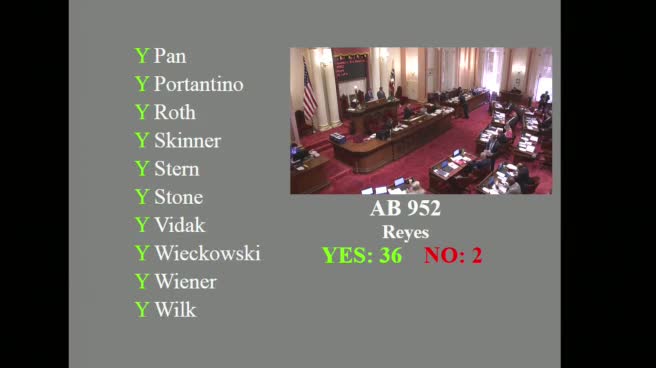 2MIN
Senate Floor
 1H
Senate Standing Committee on Appropriations
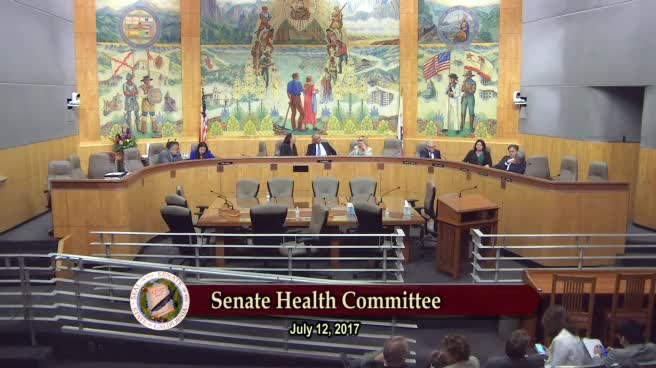 6MIN
Senate Standing Committee on Health
 2MIN
Assembly Floor
 1H
Assembly Standing Committee on Appropriations
 7MIN
Assembly Standing Committee on Aging and Long-Term Care
Bill Author

Bill Co-Author(s):