AB 1357: Home inspectors: roofing contractors: roof inspections.
- Session Year: 2017-2018
- House: Assembly
- Latest Version Date: 2017-10-05
Existing law regulates a person who performs certain home inspections for a fee. Existing law provides that it is an unfair business practice for a home inspector, a company that employs the inspector, or a company that is controlled by a company that also has a financial interest in a company employing a home inspector, to do various acts, including performing or offering to perform, for an additional fee, any repairs to a structure on which the inspector, or the inspectors company, has prepared a home inspection report in the past 12 months.
This bill would exempt from these provisions a licensed roofing contractor that performs repairs pursuant to his or her inspection of a roof for the specific purpose of providing a roof certification, as defined, if specified conditions are met.
Existing law requires the disclosure of specified information upon the transfer of residential real property or the resale of a manufactured home or mobilehome that is classified as personal property and intended for residential use. Existing law exempts a listing or selling agent from liability for any error, inaccuracy, or omission of any information if the error, inaccuracy, or omission was not within the personal knowledge of the transferor or listing or selling agent, was based on information provided by public agencies or by other persons, including a report or opinion prepared by a licensed engineer, land surveyor, geologist, structural pest control operator, contractor, or other expert, dealing with matters within the scope of the professionals license and providing information that is required to be disclosed, and ordinary care was exercised in obtaining and transmitting the information.
This bill would include a report or opinion, prepared by a C-39 roofing contractor who conducts a home inspection under specified circumstances, among those reports or opinions upon which a listing or selling agent may base his or her personal knowledge in order to be exempt from liability for any error, inaccuracy, or omission in the information that is required to be disclosed upon the transfer of residential real property.
Existing law regulates a person who performs certain home inspections for a fee. Existing law provides that it is an unfair business practice for a home inspector, a company that employs the inspector, or a company that is controlled by a company that also has a financial interest in a company employing a home inspector, to do various acts, including performing or offering to perform, for an additional fee, any repairs to a structure on which the inspector, or the inspectors company, has prepared a home inspection report in the past 12 months.
This bill would exempt from these provisions a licensed roofing contractor that performs repairs pursuant to his or her inspection of a roof for the specific purpose of providing a roof certification, as defined, if specified conditions are met.
Existing law requires the disclosure of specified information upon the transfer of residential real property or the resale of a manufactured home or mobilehome that is classified as personal property and intended for residential use. Existing law exempts a listing or selling agent from liability for any error, inaccuracy, or omission of any information if the error, inaccuracy, or omission was not within the personal knowledge of the transferor or listing or selling agent, was based on information provided by public agencies or by other persons, including a report or opinion prepared by a licensed engineer, land surveyor, geologist, structural pest control operator, contractor, or other expert, dealing with matters within the scope of the professionals license and providing information that is required to be disclosed, and ordinary care was exercised in obtaining and transmitting the information.
This bill would include a report or opinion, prepared by a C-39 roofing contractor who performs a home inspection under specified circumstances, among those reports upon which a listing or selling agent may base his or her personal knowledge in order to be exempt from liability for any error, inaccuracy, or omission in the information that is required to be disclosed upon the transfer of residential real property.
Existing law regulates a person who performs certain home inspections for a fee. Existing law provides that it is an unfair business practice for a home inspector, a company that employs the inspector, or a company that is controlled by a company that also has a financial interest in a company employing a home inspector, to do various acts, including performing or offering to perform, for an additional fee, any repairs to a structure on which the inspector, or the inspectors company, has prepared a home inspection report in the past 12 months.
This bill would exempt from these provisions a licensed roofing contractor that performs repairs pursuant to his or her inspection of a roof for the specific purpose of providing a roof certification, as defined, if specified conditions are met.
Existing law requires the disclosure of specified information upon the transfer of residential real property or the resale of a manufactured home or mobilehome that is classified as personal property and intended for residential use. Existing law exempts a listing or selling agent from liability for any error, inaccuracy, or omission of any information if the error, inaccuracy, or omission was not within the personal knowledge of the transferor or listing or selling agent, was based on information provided by public agencies or by other persons, including a report or opinion prepared by a licensed engineer, land surveyor, geologist, structural pest control operator, contractor, or other expert, dealing with matters within the scope of the professionals license and providing information that is required to be disclosed, and ordinary care was exercised in obtaining and transmitting the information.
This bill would include a report or opinion, prepared by a roofing contractor who performs a home inspection under specified circumstances, among those reports upon which a listing or selling agent may base his or her personal knowledge in order to be exempt from liability for any error, inaccuracy, or omission in the information that is required to be disclosed upon the transfer of residential real property.
Existing law regulates a person who performs certain home inspections for a fee. Existing law provides that it is an unfair business practice for a home inspector, a company that employs the inspector, or a company that is controlled by a company that also has a financial interest in a company employing a home inspector, to do various acts, including performing or offering to perform, for an additional fee, any repairs to a structure on which the inspector, or the inspectors company, has prepared a home inspection report in the past 12 months.
This bill would exempt from these provisions a licensed roofing contractor that performs repairs pursuant to his or her inspection of a roof for the specific purpose of providing a roof certification, as defined, if specified conditions are met.
Existing law regulates a person who performs certain home inspections for a fee. Existing law provides that it is an unfair business practice for a home inspector, a company that employs the inspector, or a company that is controlled by a company that also has a financial interest in a company employing a home inspector, to do various acts, including performing or offering to perform, for an additional fee, any repairs to a structure on which the inspector, or the inspectors company, has prepared a home inspection report in the past 12 months.
This bill would exempt from these provisions a licensed roofing contractor that performs repairs pursuant to his or her inspection of a roof and would prohibit a home inspector from performing a roof, inspection on the same home upon which the home inspector performed an inspection. roof for the specific purpose of providing a roof certification, as defined, if specified conditions are met.
Existing law regulates a person who performs certain home inspections for a fee. Existing law provides that it is an unfair business practice for a home inspector, a company that employs the inspector, or a company that is controlled by a company that also has a financial interest in a company employing a home inspector, to do various acts, including performing or offering to perform, for an additional fee, any repairs to a structure on which the inspector, or the inspectors company, has prepared a home inspection report in the past 12 months.
This bill would exempt from these provisions a licensed roofing contractor that performs repairs pursuant to his or her inspection of a roof and would prohibit a home inspector from performing a roof, inspection on the same home upon which the home inspector performed an inspection.
(a)It is an unfair business practice for a home inspector, a company that employs the inspector, or a company that is controlled by a company that also has a financial interest in a company employing a home inspector, to do any of the following:
(1)To perform or offer to perform, for an additional fee, any repairs to a structure on which the inspector, or the inspectors company, has prepared a home inspection report in the past 12 months.
(2)Inspect for a fee any property in which the inspector, or the inspectors company, has any financial interest or any interest in the transfer of the property.
(3)To offer or deliver any compensation, inducement, or reward to the owner of the inspected property, the broker, or agent, for the referral of any business to the inspector or the inspection company.
(4)Accept an engagement to make an inspection or to prepare a report in which the employment itself or the fee payable for the inspection is contingent upon the conclusions in the report, preestablished findings, or the close of escrow.
(b)A home protection company that is affiliated with or that retains the home inspector does not violate this section if it performs repairs pursuant to claims made under the home protection contract.
(c)This section shall not affect the ability of a structural pest control operator to perform repairs pursuant to Section 8505 as a result of a structural pest control inspection.
(d)Paragraph (1) of subdivision (a) shall not affect the ability of a roofing contractor who holds a C-39 license, as defined in Section 832.39 of Title 16 of the California Code of Regulations, to perform repairs pursuant to the contractors inspection of a roof for the specific purpose of providing a roof certification if all of the following conditions are met:
(1)Different employees perform the home inspection and the roof inspection.
(2)The roof inspection is ordered prior to, or at the same time as, the home inspection, or the roof inspection is completed before the commencement of the home inspection.
(3)The consumer is provided a consumer disclosure before he or she authorizes the home inspection that includes all of the following:
(A)The same company that performs the roof inspection and roof repairs will perform the home inspection on the same property.
(B)Any repairs that are authorized by the consumer are for the repairs identified in the roofing contractors roof inspection report and no repairs identified in the home inspection are authorized or allowed as specified in the roof inspection.
(C)The consumer has the right to seek a second opinion.
(4)For purposes of this subdivision, roof certification means a written statement by a licensed C-39 Roofing Contractor who has performed a roof inspection, made any necessary repairs, and warrants that the roof is free of leaks at the time that the certification is issued and should perform as designed for the specified term of the certification.
SEC. 2.Section 1102.4 of the Civil Code is amended to read:1102.4.(a)Neither the transferor nor any listing or selling agent shall be liable for any error, inaccuracy, or omission of any information delivered pursuant to this article if the error, inaccuracy, or omission was not within the personal knowledge of the transferor or that listing or selling agent, was based on information timely provided by public agencies or by other persons providing information as specified in subdivision (c) that is required to be disclosed pursuant to this article, and ordinary care was exercised in obtaining and transmitting it.
(b)The delivery of any information required to be disclosed by this article to a prospective transferee by a public agency or other person providing information required to be disclosed pursuant to this article shall be deemed to comply with the requirements of this article and shall relieve the transferor or any listing or selling agent of any further duty under this article with respect to that item of information.
(c)The delivery of a report or opinion prepared by a licensed engineer, land surveyor, geologist, structural pest control operator, contractor, a C-39 roofing contractor conducting a roof inspection pursuant to subdivision (d) of Section 7197 of the Business and Professions Code, or other expert, dealing with matters within the scope of the professionals license or expertise, shall be sufficient compliance for application of the exemption provided by subdivision (a) if the information is provided to the prospective transferee pursuant to a request therefor, whether written or oral. In responding to such a request, an expert may indicate, in writing, an understanding that the information provided will be used in fulfilling the requirements of Section 1102.6 and, if so, shall indicate the required disclosures, or parts thereof, to which the information being furnished is applicable. Where such a statement is furnished, the expert shall not be responsible for any items of information, or parts thereof, other than those expressly set forth in the statement.
(a)It is an unfair business practice for a home inspector, a company that employs the inspector, or a company that is controlled by a company that also has a financial interest in a company employing a home inspector, to do any of the following:
(1)To perform or offer to perform, for an additional fee, any repairs to a structure on which the inspector, or the inspectors company, has prepared a home inspection report in the past 12 months.
(2)Inspect for a fee any property in which the inspector, or the inspectors company, has any financial interest or any interest in the transfer of the property.
(3)To offer or deliver any compensation, inducement, or reward to the owner of the inspected property, the broker, or agent, for the referral of any business to the inspector or the inspection company.
(4)Accept an engagement to make an inspection or to prepare a report in which the employment itself or the fee payable for the inspection is contingent upon the conclusions in the report, preestablished findings, or the close of escrow.
(b)A home protection company that is affiliated with or that retains the home inspector does not violate this section if it performs repairs pursuant to claims made under the home protection contract.
(c)This section shall not affect the ability of a structural pest control operator to perform repairs pursuant to Section 8505 as a result of a structural pest control inspection.
(d)Paragraph (1) of subdivision (a) shall not affect the ability of a roofing contractor who holds a C-39 license, as defined in Section 832.39 of Title 16 of the California Code of Regulations, to perform repairs pursuant to the contractors inspection of a roof for the specific purpose of providing a roof certification if all of the following conditions are met:
(1)Different employees perform the home inspection and the roof inspection.
(2)The roof inspection is ordered prior to, or at the same time as, the home inspection, or the roof inspection is completed before the commencement of the home inspection.
(3)The consumer is provided a consumer disclosure before he or she authorizes the home inspection that includes all of the following:
(A)The same company that performs the roof inspection and roof repairs will perform the home inspection on the same property.
(B)Any repairs that are authorized by the consumer are for the repairs identified in the roofing contractors roof inspection report and no repairs identified in the home inspection are authorized or allowed. allowed as specified in the roof inspection.
(C)The consumer has the right to seek a second opinion.
(4)For purposes of this subdivision, roof certification means a written statement by a licensed C-39 Roofing Contractor who has performed a roof inspection, made any necessary repairs, and warrants that the roof is free of leaks at the time that the certification is issued and should perform as designed for the specified term of the certification.
SEC. 2.Section 1102.4 of the Civil Code is amended to read:1102.4.(a)Neither the transferor nor any listing or selling agent shall be liable for any error, inaccuracy, or omission of any information delivered pursuant to this article if the error, inaccuracy, or omission was not within the personal knowledge of the transferor or that listing or selling agent, was based on information timely provided by public agencies or by other persons providing information as specified in subdivision (c) that is required to be disclosed pursuant to this article, and ordinary care was exercised in obtaining and transmitting it.
(b)The delivery of any information required to be disclosed by this article to a prospective transferee by a public agency or other person providing information required to be disclosed pursuant to this article shall be deemed to comply with the requirements of this article and shall relieve the transferor or any listing or selling agent of any further duty under this article with respect to that item of information.
(c)The delivery of a report or opinion prepared by a licensed engineer, land surveyor, geologist, structural pest control operator, contractor, a home inspector conducting a home inspection C-39 roofing contractor conducting a roof inspection pursuant to subdivision (d) of Section 7197 of the Business and Professions Code, or other expert, dealing with matters within the scope of the professionals license or expertise, shall be sufficient compliance for application of the exemption provided by subdivision (a) if the information is provided to the prospective transferee pursuant to a request therefor, whether written or oral. In responding to such a request, an expert may indicate, in writing, an understanding that the information provided will be used in fulfilling the requirements of Section 1102.6 and, if so, shall indicate the required disclosures, or parts thereof, to which the information being furnished is applicable. Where such a statement is furnished, the expert shall not be responsible for any items of information, or parts thereof, other than those expressly set forth in the statement.
(a)It is an unfair business practice for a home inspector, a company that employs the inspector, or a company that is controlled by a company that also has a financial interest in a company employing a home inspector, to do any of the following:
(1)To perform or offer to perform, for an additional fee, any repairs to a structure on which the inspector, or the inspectors company, has prepared a home inspection report in the past 12 months.
(2)Inspect for a fee any property in which the inspector, or the inspectors company, has any financial interest or any interest in the transfer of the property.
(3)To offer or deliver any compensation, inducement, or reward to the owner of the inspected property, the broker, or agent, for the referral of any business to the inspector or the inspection company.
(4)Accept an engagement to make an inspection or to prepare a report in which the employment itself or the fee payable for the inspection is contingent upon the conclusions in the report, preestablished findings, or the close of escrow.
(b)A home protection company that is affiliated with or that retains the home inspector does not violate this section if it performs repairs pursuant to claims made under the home protection contract.
(c)This section shall not affect the ability of a structural pest control operator to perform repairs pursuant to Section 8505 as a result of a structural pest control inspection.
(d)Paragraph (1) of subdivision (a) shall not affect the ability of a roofing contractor who holds a C-39 license, as defined in Section 832.39 of Title 16 of the California Code of Regulations, to perform repairs pursuant to the contractors inspection of a roof for the specific purpose of providing a roof certification if all of the following conditions are met:
(1)Different employees perform the home inspection and the roof inspection.
(2)The roof inspection is ordered prior to, or at the same time as, the home inspection, or the roof inspection is completed before the commencement of the home inspection.
(3)The consumer is provided a consumer disclosure before he or she authorizes the home inspection that includes all of the following:
(A)The same company that performs the roof inspection and roof repairs will perform the home inspection on the same property.
(B)Any repairs that are authorized by the consumer are for the repairs identified in the roofing contractors roof inspection report and no repairs identified in the home inspection are authorized or allowed.
(C)The consumer has the right to seek a second opinion.
(4)For purposes of this subdivision, roof certification means a written statement by a licensed C-39 Roofing Contractor who has performed a roof inspection, made any necessary repairs, and warrants that the roof is free of visible defects leaks at the time that the certification is issued and should perform as designed for the specified term of the certification.
SEC. 2.Section 1102.4 of the Civil Code is amended to read:1102.4.(a)Neither the transferor nor any listing or selling agent shall be liable for any error, inaccuracy, or omission of any information delivered pursuant to this article if the error, inaccuracy, or omission was not within the personal knowledge of the transferor or that listing or selling agent, was based on information timely provided by public agencies or by other persons providing information as specified in subdivision (c) that is required to be disclosed pursuant to this article, and ordinary care was exercised in obtaining and transmitting it.
(b)The delivery of any information required to be disclosed by this article to a prospective transferee by a public agency or other person providing information required to be disclosed pursuant to this article shall be deemed to comply with the requirements of this article and shall relieve the transferor or any listing or selling agent of any further duty under this article with respect to that item of information.
(c)The delivery of a report or opinion prepared by a licensed engineer, land surveyor, geologist, structural pest control operator, contractor, a home inspector conducting a home inspection pursuant to subdivision (d) of Section 7197 of the Business and Professions Code, or other expert, dealing with matters within the scope of the professionals license or expertise, shall be sufficient compliance for application of the exemption provided by subdivision (a) if the information is provided to the prospective transferee pursuant to a request therefor, whether written or oral. In responding to such a request, an expert may indicate, in writing, an understanding that the information provided will be used in fulfilling the requirements of Section 1102.6 and, if so, shall indicate the required disclosures, or parts thereof, to which the information being furnished is applicable. Where such a statement is furnished, the expert shall not be responsible for any items of information, or parts thereof, other than those expressly set forth in the statement.
(a)It is an unfair business practice for a home inspector, a company that employs the inspector, or a company that is controlled by a company that also has a financial interest in a company employing a home inspector, to do any of the following:
(1)To perform or offer to perform, for an additional fee, any repairs to a structure on which the inspector, or the inspectors company, has prepared a home inspection report in the past 12 months.
(2)Inspect for a fee any property in which the inspector, or the inspectors company, has any financial interest or any interest in the transfer of the property.
(3)To offer or deliver any compensation, inducement, or reward to the owner of the inspected property, the broker, or agent, for the referral of any business to the inspector or the inspection company.
(4)Accept an engagement to make an inspection or to prepare a report in which the employment itself or the fee payable for the inspection is contingent upon the conclusions in the report, preestablished findings, or the close of escrow.
(b)A home protection company that is affiliated with or that retains the home inspector does not violate this section if it performs repairs pursuant to claims made under the home protection contract.
(c)This section shall not affect the ability of a structural pest control operator to perform repairs pursuant to Section 8505 as a result of a structural pest control inspection.
(d)Paragraph (1) of subdivision (a) shall not affect the ability of a roofing contractor who holds a C-39 license, as defined in Section 832.39 of Title 16 of the California Code of Regulations, to perform repairs pursuant to the contractors inspection of a roof for the specific purpose of providing a roof certification if all of the following conditions are met:
(1)Different employees perform the home inspection and the roof inspection.
(2)The offer to repair the roof is accepted before the home inspection is started.(2)The roof inspection is ordered prior to, or at the same time as, the home inspection, or the roof inspection is completed before the commencement of the home inspection.
(3)The consumer is provided a consumer disclosure before he or she authorizes the home inspection that includes all of the following:
(A)The same company that performs the roof inspection and roof repairs will perform the home inspection on the same property.
(B)Any repairs that are authorized by the consumer are for the repairs identified in the roofing contractors roof inspection report and no repairs identified in the home inspection are authorized or allowed.
(C)The consumer has the right to seek a second opinion.
(4)For purposes of this subdivision, roof certification means a written statement by a licensed C-39 Roofing Contractor who has performed a roof inspection, made any necessary repairs, and warrants that the roof is free of visible defects at the time that the certification is issued and should perform as designed for the specified term of the certification.
(a)It is an unfair business practice for a home inspector, a company that employs the inspector, or a company that is controlled by a company that also has a financial interest in a company employing a home inspector, to do any of the following:
(1)To perform or offer to perform, for an additional fee, any repairs to a structure on which the inspector, or the inspectors company, has prepared a home inspection report in the past 12 months.
(2)Inspect for a fee any property in which the inspector, or the inspectors company, has any financial interest or any interest in the transfer of the property.
(3)To offer or deliver any compensation, inducement, or reward to the owner of the inspected property, the broker, or agent, for the referral of any business to the inspector or the inspection company.
(4)Accept an engagement to make an inspection or to prepare a report in which the employment itself or the fee payable for the inspection is contingent upon the conclusions in the report, preestablished findings, or the close of escrow.
(5)To perform a roof inspection on the same home upon which the home inspector performed an inspection.(b)A home protection company that is affiliated with or that retains the home inspector does not violate this section if it performs repairs pursuant to claims made under the home protection contract.
(c)This section shall not affect the ability of a structural pest control operator to perform repairs pursuant to Section 8505 as a result of a structural pest control inspection.
(d)This section does Paragraph (1) of subdivision (a) shall not affect the ability of a roofing contractor who holds a C-39 license, as defined in Section 832.39 of Title 16 of the California Code of Regulations, to perform repairs pursuant to his or her inspection of a roof. the contractors inspection of a roof for the specific purpose of providing a roof certification if all of the following conditions are met:
(1)Different employees perform the home inspection and the roof inspection.
(2)The offer to repair the roof is accepted before the home inspection is started.
(3)The consumer is provided a consumer disclosure before he or she authorizes the home inspection that includes all of the following:
(A)The same company that performs the roof inspection and roof repairs will perform the home inspection on the same property.
(B)Any repairs that are authorized by the consumer are for the repairs identified in the roofing contractors roof inspection report and no repairs identified in the home inspection are authorized or allowed.
(C)The consumer has the right to seek a second opinion.
(4)For purposes of this subdivision, roof certification means a written statement by a licensed C-39 Roofing Contractor who has performed a roof inspection, made any necessary repairs, and warrants that the roof is free of visible defects at the time that the certification is issued and should perform as designed for the specified term of the certification.
(a)It is an unfair business practice for a home inspector, a company that employs the inspector, or a company that is controlled by a company that also has a financial interest in a company employing a home inspector, to do any of the following:
(1)To perform or offer to perform, for an additional fee, any repairs to a structure on which the inspector, or the inspectors company, has prepared a home inspection report in the past 12 months.
(2)Inspect for a fee any property in which the inspector, or the inspectors company, has any financial interest or any interest in the transfer of the property.
(3)To offer or deliver any compensation, inducement, or reward to the owner of the inspected property, the broker, or agent, for the referral of any business to the inspector or the inspection company.
(4)Accept an engagement to make an inspection or to prepare a report in which the employment itself or the fee payable for the inspection is contingent upon the conclusions in the report, preestablished findings, or the close of escrow.
(5)To perform a roof inspection on the same home upon which the home inspector performed an inspection.
(5)(b)A home protection company that is affiliated with or that retains the home inspector does not violate this section if it performs repairs pursuant to claims made under the home protection contract.
(b)(c)This section shall not affect the ability of a structural pest control operator to perform repairs pursuant to Section 8505 as a result of a structural pest control inspection.
(d)This section does not affect the ability of a roofing contractor who holds a C-39 license, as defined in Section 832.39 of Title 16 of the California Code of Regulations, to perform repairs pursuant to his or her inspection of a roof.
|
Date
|
Status
|
|---|---|
| Oct 5, 2017 | Chaptered by Secretary of State - Chapter 508, Statutes of 2017. |
| Oct 5, 2017 | Approved by the Governor. |
| Sep 12, 2017 | Enrolled and presented to the Governor at 2:30 p.m. |
| Sep 5, 2017 | Senate amendments concurred in. To Engrossing and Enrolling. (Ayes 64. Noes 7.). |
| Aug 31, 2017 | In Assembly. Concurrence in Senate amendments pending. May be considered on or after September 2 pursuant to Assembly Rule 77. |
| Aug 31, 2017 | Read third time. Passed. Ordered to the Assembly. |
| Aug 22, 2017 | Read second time. Ordered to third reading. |
| Aug 21, 2017 | From committee: Be ordered to second reading pursuant to Senate Rule 28.8. |
| Jul 11, 2017 | From committee: Do pass and re-refer to Com. on APPR. (Ayes 7. Noes 1.) (July 10). Re-referred to Com. on APPR. |
| Jul 6, 2017 | From committee chair, with author's amendments: Amend, and re-refer to committee. Read second time, amended, and re-referred to Com. on B., P. & E.D. |
| Jun 27, 2017 | In committee: Hearing postponed by committee. |
| Jun 19, 2017 | From committee chair, with author's amendments: Amend, and re-refer to committee. Read second time, amended, and re-referred to Com. on B., P. & E.D. |
| Jun 8, 2017 | Referred to Com. on B., P. & E.D. |
| May 30, 2017 | In Senate. Read first time. To Com. on RLS. for assignment. |
| May 30, 2017 | Read third time. Passed. Ordered to the Senate. (Ayes 54. Noes 17. Page 1848.) |
| May 25, 2017 | Read second time. Ordered to third reading. |
| May 24, 2017 | From committee: Do pass. (Ayes 16. Noes 0.) (May 24). |
| May 18, 2017 | Re-referred to Com. on APPR. |
| May 17, 2017 | From committee chair, with author's amendments: Amend, and re-refer to Com. on APPR. Read second time and amended. |
| May 3, 2017 | Re-referred to Com. on APPR. |
| May 2, 2017 | Read second time and amended. |
| May 1, 2017 | From committee: Amend, and do pass as amended and re-refer to Com. on APPR. (Ayes 13. Noes 0.) (April 25). |
| Mar 13, 2017 | Referred to Com. on B. & P. |
| Feb 19, 2017 | From printer. May be heard in committee March 21. |
| Feb 17, 2017 | Read first time. To print. |
|
Date
|
Description
|
Location
|
Votes
|
|
|---|---|---|---|---|
| Sep 5, 2017 | AB 1357 CHU Concurrence in Senate Amendments | Assembly Floor |
Passed |
|
| Aug 31, 2017 | Assembly 3rd Reading AB1357 Chu By Galgiani | Senate Floor |
Passed |
|
| Jul 10, 2017 | Do pass, but first be re-referred to the Committee on [Appropriations] | Senate Standing Committee on Business, Professions and Economic Development |
Passed |
|
| May 30, 2017 | AB 1357 CHU Assembly Third Reading | Assembly Floor |
Passed |
|
| May 24, 2017 | Do pass. | Assembly Standing Committee on Appropriations |
Passed |
|
| Apr 25, 2017 | Do pass as amended and be re-referred to the Committee on [Appropriations] | Assembly Standing Committee on Business and Professions |
Passed |
This list shows positions taken on this bill by organizations on the date displayed, which is linked to the original source.
Positions by individuals are not included.
CONCURRENCE IN SENATE AMENDMENTS
CSA1 Bill Id:AB 1357
Author:(Chu)
As Amended Ver:July 6, 2017
Majority vote
ASSEMBLY: | 54-17 | (May 30, 2017) | SENATE: | 36-1 | (August 31, 2017) |
Original Committee Reference: B. & P.
SUMMARY: Exempts a licensed roofing contractor from the unfair business practice restrictions for home inspections if specified conditions are met. Specifically, this bill:
- Authorizes a licensed roofing contractor, as defined, to perform repairs pursuant to the contractor's inspection of a roof for the specific purpose of providing a roof certification, even if the roofing contractor is employed by or associated with the company that has prepared a home inspection report for the home within the past 12 months.
- Requires, for purposes of the exemption, that all of the following conditions are met:
- Different employees perform the home inspection and the roof inspection.
- The roof inspection is ordered prior to, or at the same time as, the home inspection, or the roof inspection is completed before the commencement of the home inspection.
- The consumer is provided a consumer disclosure before he or she authorizes the home inspection that includes all of the following:
- The same company that performs the roof inspection and roof repairs will perform the home inspection on the same property.
- Any repairs that are authorized by the consumer are for the repairs identified in the roofing contractor's roof inspection report and no repairs identified in the home inspection are authorized or allowed as specified in the roof inspection.
- The consumer has the right to seek a second opinion.
- Defines, for purposes of this exemption, "roof certification" as a written statement by a licensed C-39 Roofing Contractor who has performed a roof inspection, made any necessary repairs, and warrants that the roof is free of visible defects at the time that the certification is issued and should perform as designed for the specified term of the certification.
- Exempts a transferor or selling or listing agent from liability for specified errors or omissions in reports or opinions by C-39 Roofing Contractors who perform a roof inspection under the provisions of this bill.
The Senate amendments 1) add reports or opinions by C-39 Roofing Contractors to the existing list of reports by various types of licensees for which a transferor or selling or listing agent would not be liable if the report contains specified errors and 2) make clarifying changes.
FISCAL EFFECT: According to the Senate Appropriations Committee, pursuant to Senate Rule 28.8, negligible state costs.
COMMENTS:
Purpose. This bill is sponsored by HomeGuard Incorporated. According to the author, "[this bill] seeks to add clarifying language to the law, similar to what has been in law for over a decade for pest inspectors, providing licensed roof inspectors the ability to make roof repair to homes they have inspected, even if the same company has also performed a home inspection on the same property. [This bill] provides consumers with the option to hire the same licensed roofing contractor who has identified the needed roof repairs. Currently, if a consumer has had a home inspection and a roof inspection performed by the same company, they would need to search for another roofing contractor to make repairs identified in the roof inspection. [This bill] enhances consumer choice while maintaining the same consumer protections provided by the [CSLB] for licensed roofing contractors."
Background. Existing law makes it an unfair business practice for a home inspector or the home inspector's business associates to perform repairs on a structure within 12 months of the home inspector's inspection in connection with the sale or transfer of a home. This bill exempts a licensed contractor who performs repairs based on the contractor's roof inspection. The intent is to allow a roofing contractor who employs a home inspector (or is employed by the home inspector's employer) to perform repairs based on the contractor's roof inspection even if the employed home inspector has performed a home inspection.
Home Inspectors. While home inspectors are not licensed, existing law establishes a standard of care for home inspectors, defines terms related to paid home inspections, and prohibits home inspections in which the inspector has a financial interest, among other things. The intent of the law, which was established under SB 258 (O'Connell), Chapter 338, Statutes of 1995, was "to assure that consumers of home inspection services can rely upon the competence of home inspectors." The sponsors of SB 258, the California Association of Realtors, wrote at the time, "Increasingly, families buying homes rely upon a home inspection before they make their investment decision. However, most of the inspectors performing this service are not licensed professionals in any construction-related field, nor are they regulated by any private or public entity."
While there is no requirement that home inspectors be licensed or certified, as with many professions, there are private, voluntary certifications consumers can look to. Because private certifications regularly contain educational, ethical, and examination requirements, they are often relied upon when establishing industry standards (and therefore often overlap with state licensing laws). However, because the home inspector law established a standard of care rather than competency standards, the legislative intent stated, "in ascertaining the degree of care that would be exercised by a reasonably prudent home inspector…, the court may consider the standards of practice and code of ethics of the California Real Estate Inspection Association, the American Society of Home Inspectors, or other nationally recognized professional home inspection associations."
Scope of a Home Inspection. When purchasing a home, consumers often rely on several types of inspections and real estate licensees are required to perform one (Civil Code (CIV) Section 2079, 2079.3, requiring a visual inspection of reasonably accessible areas). In some instances, real estate licensees are authorized to rely on licensees or "other experts" for purposes of that inspection (CIV Section 1102.4). Two common inspections are the structural pest inspection (CIV Section 1099) and a roof inspection. These are distinct from a home inspection as contemplated under the home inspector law.
According to the Standards of Practice established by the American Society of Home Inspectors (ASHI), an inspector must "inspect readily accessible, visually observable, installed systems and components listed in [the standards]" (Section 2.2.A). Per the standards, a home inspection report contains, among other things, an inspection of the structure's interior and roof system.
The standards specify that the inspection of the interior involves an inspection of: 1) walls, ceilings, and floors; 2) steps, stairways, and railings; 3) countertops and a representative number of installed cabinets; 4) a representative number of doors and windows; 5) garage vehicle doors and garage vehicle door operators; and 6) various installed appliances (Section 10.1). The standards exclude, among other things: 1) paint, wallpaper, and other finish treatments and 2) floor coverings (Section 10.2).
For roof inspections, the standards include an inspection of: 1) roofing materials; 2) roof drainage systems; 3) flashing; and 4) skylights, chimneys, and roof penetrations (Section 5.1.A). The inspector must describe: 1) roofing materials and 2) methods used to inspect the roofing (Section 5.1.B). The inspector is not required to inspect inaccessible areas and installed accessories (Section 5.2).
Unfair Business Practices. Existing law defines various acts as unfair business practices and makes the commission of the acts a misdemeanor, enforceable by the licensing entities under the DCA, the Office of the Attorney General and other law enforcement agencies. Generally, the prohibition against unfair business practices is meant to promote competition through prevention of unfair, dishonest, destructive, and discriminatory practices (Building and Professions Code (BPC) Section 17002).
The sponsors of SB 258 wrote at the time that the "unfair business practices" listed under the home inspector law were meant to assure prospective buyers that "the inspection will be untainted by an inspector's interest in kickbacks from agents, financial interests in the property, or repair work generated by the inspection."
Analysis Prepared by: Vincent Chee / B. & P. / (916) 319-3301 FN: 0001620
Office of Senate Floor Analyses (916) 651-1520 Fax: (916) 327-4478 | AB |
THIRD READING
Bill No: AB 1357
:
SENATE BUS., PROF. & ECON. DEV. COMMITTEE: 7-1, 7/10/17
AYES: Hill, Fuller, Dodd, Galgiani, Hernandez, Newman, Wilk
NOES: Glazer
NO VOTE RECORDED: Pan
SENATE APPROPRIATIONS COMMITTEE: Senate Rule 28.8
ASSEMBLY FLOOR: 54-17, 5/30/17 - See last page for vote
SOURCE: HomeGuard Incorporated
DIGEST:
This bill exempts a licensed roofing contractor, if certain conditions are met, from the provisions relating to a home inspector which prohibits repairs to a structure on which the inspector, or the inspector’s company has prepared a home inspection report in the past 12 months.
Existing law:
- Prohibits, under the Unfair Practices Act (Act), various unfair, dishonest, deceptive, fraudulent, and discriminatory practices. (Business and Professions Code (BPC) §§ 17000-17002)
- Specifies that it is unlawful for any person engaged in business within this State to sell any article or product at less than the cost thereof to such vendor, or to give away any article or product, for the purpose of injuring competitors or destroying competition. (BPC § 17043)
- Specifies that it is unlawful for any person engaged in business within this state to sell or use any article or product as a “loss leader,” as defined. (BPC § 17044)
- Provides that any person or trade association may bring an action to enjoin and restrain any violation of the Act and, in addition thereto, for recovery of damages. (BPC § 17095)
- Establishes the duties, standard of care, and prohibitions for home inspectors.
(BPC §§ 7195-7199) - Defines, for purposes of home inspections, the following:
- “Home inspection” is a noninvasive, physical examination, performed for a fee in connection with a transfer of real property, of the mechanical, electrical, or plumbing systems or the structural and essential components of a residential dwelling of one to four units designed to identify material defects in those systems, structures and components. “Home inspection” includes any consultation regarding the property that is represented to be a home inspection or any confusingly similar term. (BPC § 7195(a)(1))
- A “home inspection report” is a written report prepared for a fee and issued after a home inspection. The report clearly describes and identifies the inspected systems, structures, or components of the dwelling, any material defects identified, and any recommendations regarding the conditions observed or recommendations for evaluation by appropriate persons.
(BPC § 7195(c)) - A “home inspector” is any individual who performs a home inspection.
(BPC § 7195(d))
- Makes it an unfair business practice for a (a) home inspector, (b) a company that employs the inspector, or (c) a company that is controlled by a company that also has a financial interest in a company employing a home inspector, to do any of the following: (BPC § 7197(a))
- To perform or offer to perform, for an additional fee, any repairs to a structure on which the inspector, or the inspector’s company, has prepared a home inspection report in the past 12 months.
- Inspect for a fee any property in which the inspector, or the inspector’s company, has any financial interest or any interest in the transfer of the property.
- To offer or deliver any compensation, inducement, or reward to the owner of the inspected property, the broker, or agent, for the referral of any business to the inspector or the inspection company.
- Accept an engagement to inspect or to prepare a report in which the employment itself or the fee payable for the inspection is contingent upon the conclusions in the report, pre-established findings, or the close of escrow.
- Excludes from the unfair business practice provisions:
- A home protection company that is affiliated with or that retains the home inspector does not violate this section if it performs repairs pursuant to claims made under the home protection contract. (BPC § 7197(a)(5))
- This section shall not affect the ability of a structural pest control operator to perform repairs, as defined under the laws relating to licensure of structural pest control operators, as a result of a structural pest control inspection.
(BPC § 7197(b))
This bill:
- Authorizes a licensed roofing contractor, as defined, to perform repairs pursuant to the contractor's inspection of a roof for the specific purpose of providing a roof certification, even if the roofing contractor is employed by or associated with the company that has prepared a home inspection report for the home within the past 12 months.
- Requires, for purposes of the exemption, that all of the following conditions are met:
- Different employees perform the home inspection and the roof inspection.
- The roof inspection is ordered prior to, or at the same time as the home inspection, or the roof inspection is completed before the commencement of the home inspection.
- The consumer is provided a consumer disclosure before he or she authorizes the home inspection that includes all of the following:
- The same company that performs the roof inspection and roof repairs will perform the home inspection on the same property.
- Any repairs that are authorized by the consumer are for the repairs identified in the roofing contractor's roof inspection report and no repairs identified in the home inspection are authorized or allowed as specified in the roof inspection.
- The consumer has the right to seek a second opinion.
- Defines, for purposes of this exemption, "roof certification" as a written statement by a licensed C-39 roofing contractor who has performed a roof inspection, made any necessary repairs, and warrants that the roof is free of visible defects at the time that the certification is issued and should perform as designed for the specified term of the certification.
- Provides a report or opinion prepared by a C-39 roofing contractor conducting a roof inspection under specified circumstances, shall be sufficient compliance to exempt from liability the transferor or the listing or selling agent of real property if they had no personal knowledge of the error, inaccuracy, or omission of the information provided in the roof inspection report, as specified.
Background
Existing law makes it an unfair business practice for a home inspector or the home inspector's business associates to perform repairs on a structure within 12 months of the home inspector's inspection in connection with the sale or transfer of a home. This bill exempts a licensed contractor who performs repairs based on the contractor's roof inspection.
Home inspectors. While home inspectors are not licensed, existing law establishes a standard of care for home inspectors, defines terms related to paid home inspections, and prohibits home inspections in which the inspector has a financial interest, among other things.
While there is no requirement that home inspectors be licensed or certified, as with many professions, there are private, voluntary certifications consumers can look to. Because private certifications regularly contain educational, ethical, and examination requirements, they are often relied upon when establishing industry standards (and therefore often overlap with state licensing laws). However, because the home inspector law established a standard of care rather than competency standards, the legislative intent stated, "in ascertaining the degree of care that would be exercised by a reasonably prudent home inspector…, the court may consider the standards of practice and code of ethics of the California Real Estate Inspection Association, the American Society of Home Inspectors (ASHI), or other nationally recognized professional home inspection associations."
Scope of a home inspection. When purchasing a home, consumers often rely on several types of inspections and real estate licensees are required to perform one (Civil Code (CIV) § 2079, 2079.3, requiring a visual inspection of reasonably accessible areas). In some instances, real estate licensees are authorized to rely on licensees or "other experts" for purposes of that inspection (CIV § 1102.4). Two common inspections are the structural pest inspection (CIV § 1099) and a roof inspection. These are distinct from a home inspection as contemplated under the home inspector law.
According to the Standards of Practice established by ASHI, an inspector must "inspect readily accessible, visually observable, installed systems and components listed in [the standards]" (§ 2.2.A). Per the standards, a home inspection report contains, among other things, an inspection of the structure's interior and roof system.
For roof inspections, the standards include an inspection of: (1) roofing materials; (2) roof drainage systems; (3) flashing; and (4) skylights, chimneys, and roof penetrations (§ 5.1.A). The inspector must describe: (1) roofing materials and (2) methods used to inspect the roofing (§ 5.1.B). The inspector is not required to inspect inaccessible areas and installed accessories (§ 5.2).
Unfair business practices. Existing law defines various acts as unfair business practices and makes the commission of the acts as either enforceable by civil or criminal action. For civil liability it provides that any person or trade association may bring an action to enjoin and restrain any violation of the Act and, in addition thereto, for recovery of damages. For criminal prosecution it provides for a misdemeanor, enforceable by the licensing entities under the Department of Consumer Affairs, the Office of the Attorney General and other law enforcement agencies. Generally, the prohibition against unfair business practices is meant to promote competition through prevention of unfair, dishonest, destructive, and discriminatory practices (BPC § 17002).
FISCAL EFFECT: Appropriation: Fiscal Com.: Local:
HomeGuard Incorporated (source)
OPPOSITION: (Verified 8/23/17)
None received
ARGUMENTS IN SUPPORT: HomeGurad Incorporated writes in support, "Existing law prohibits a home inspector, a home inspection company, or employee of a home inspection company from performing work on any home which they have inspected in the last 12 months. These prohibitions are in law because home inspectors are not licensed. This law is clearly intended to prevent a home inspector from making repairs identified in a home inspection report. However, it also has the unintended consequence of preventing a home buyer from utilizing the repair services of a licensed roofing contractor, regulated by the Contractors’ State License Board, simply because that company has also performed a home inspection on the same property. Licensed roofing contractors are otherwise allowed to inspect roofs and make repairs based on their inspection reports. [This bill] builds on existing law to provide consumers more choices to address suggested roof repairs necessary to receive a certification guaranteeing that a roof is weatherproof or free of leaks. The bill does not require the consumer to make the roof repairs or use the company that provides the inspection. Nor does [this bill] allow home inspectors to perform repairs identified in a home inspection report.”
ASSEMBLY FLOOR: 54-17, 5/30/17
AYES: Acosta, Aguiar-Curry, Travis Allen, Baker, Bigelow, Bloom, Bocanegra, Bonta, Brough, Burke, Chiu, Chu, Cooley, Dahle, Daly, Flora, Fong, Friedman, Gallagher, Cristina Garcia, Eduardo Garcia, Gipson, Gloria, Gomez, Gonzalez Fletcher, Gray, Grayson, Holden, Irwin, Jones-Sawyer, Kalra, Kiley, Limón, Mathis, Mayes, McCarty, Melendez, Mullin, Nazarian, Obernolte, O'Donnell, Quirk, Reyes, Ridley-Thomas, Rubio, Santiago, Steinorth, Mark Stone, Thurmond, Ting, Waldron, Weber, Wood, Rendon
NOES: Arambula, Caballero, Cervantes, Chávez, Chen, Dababneh, Frazier, Lackey, Levine, Maienschein, Medina, Muratsuchi, Patterson, Quirk-Silva, Rodriguez, Salas, Voepel
NO VOTE RECORDED: Berman, Calderon, Chau, Choi, Cooper, Cunningham, Eggman, Harper, Low
8/23/17 15:18:49
**** END ****
SENATE COMMITTEE ON
BUSINESS, PROFESSIONS AND ECONOMIC DEVELOPMENT
Senator Jerry Hill, Chair
2017 - 2018 Regular
Bill No: AB 1357 Hearing Date: July 10, 2017
Author: | Chu | ||
Version: |
| ||
Urgency: | Fiscal: | ||
Consultant: | |||
Subject: Home inspectors: roofing contractors: roof inspections
SUMMARY:
Exempts a licensed roofing contractor, if certain conditions are met, from the provisions relating to a home inspector which prohibits repairs to a structure on which the inspector, or the inspector’s company has prepared a home inspection report in the past 12 months.
Existing law:
- Prohibits, under the Unfair Practices Act (Act), various unfair, dishonest, deceptive, fraudulent, and discriminatory practices. (Business and Professions Code (BPC) §§ 17000-17002)
- Defines, for purposes of the Act, the following:
- “Article or product” includes any article, product, commodity, thing of value, service or output of a service trade, except as specified. (BPC § 17024)
- “Vendor” includes any person who performs work upon, renovates, alters or improves any personal property belonging to another person. (BPC § 17025)
- “Loss leader” means any article or product sold at less than cost and meets the following: (BPC § 17030)
- Where the purpose is to induce, promote or encourage the purchase of other merchandise.
- Where the effect is a tendency or capacity to mislead or deceive purchasers or prospective purchasers.
- Where the effect is to divert trade from or otherwise injure competitors.
- Specifies that it is unlawful for any person engaged in business within this State to sell any article or product at less than the cost thereof to such vendor, or to give away any article or product, for the purpose of injuring competitors or destroying competition. (BPC § 17043)
- Specifies that it is unlawful for any person engaged in business within this State to sell or use any article or product as a “loss leader,” as defined. (BPC § 17044)
- Provides that any person or trade association may bring an action to enjoin and restrain any violation of the Act and, in addition thereto, for recovery of damages. (BPC § 17095)
- Provides that any person, as specified, who violates the Act is guilty of a misdemeanor for each single violation and upon conviction, shall be punished by a fine of not less than one hundred dollars ($100) nor more than one thousand dollars ($1,000) or by imprisonment not exceeding six months or by both fine and imprisonment. (BPC § 17100)
- Establishes the duties, standard of care, and prohibitions for home inspectors.
(BPC §§ 7195-7199) - Defines, for purposes of home inspections, the following:
- “Home inspection” is a noninvasive, physical examination, performed for a fee in connection with a transfer of real property, of the mechanical, electrical, or plumbing systems or the structural and essential components of a residential dwelling of one to four units designed to identify material defects in those systems, structures and components. “Home inspection” includes any consultation regarding the property that is represented to be a home inspection or any confusingly similar term. (BPC § 7195(a)(1))
- A “home inspection report” is a written report prepared for a fee and issued after a home inspection. The report clearly describes and identifies the inspected systems, structures, or components of the dwelling, any material defects identified, and any recommendations regarding the conditions observed or recommendations for evaluation by appropriate persons. (BPC § 7195(c))
- A “home inspector” is any individual who performs a home inspection.
(BPC § 7195(d)) - “Transfer” is a transfer by sale, exchange, installment land sales contract, as defined, lease with an option to purchase, any other option to purchase, or ground lease coupled with improvements, of real property or residential stock cooperative, improved with or consisting of not less than one nor more than four dwelling units. (BPC § 7195(e))
- Makes it an unfair business practice for a 1) home inspector, 2) a company that employs the inspector, or 3) a company that is controlled by a company that also has a financial interest in a company employing a home inspector, to do any of the following: (BPC § 7197(a))
- To perform or offer to perform, for an additional fee, any repairs to a structure on which the inspector, or the inspector’s company, has prepared a home inspection report in the past 12 months.
- Inspect for a fee any property in which the inspector, or the inspector’s company, has any financial interest or any interest in the transfer of the property.
- To offer or deliver any compensation, inducement, or reward to the owner of the inspected property, the broker, or agent, for the referral of any business to the inspector or the inspection company.
- Accept an engagement to inspect or to prepare a report in which the employment itself or the fee payable for the inspection is contingent upon the conclusions in the report, pre-established findings, or the close of escrow.
- Excludes from the unfair business practice provisions:
- A home protection company that is affiliated with or that retains the home inspector does not violate this section if it performs repairs pursuant to claims made under the home protection contract. (BPC § 7197(a)(5))
- This section shall not affect the ability of a structural pest control operator to perform repairs, as defined under the laws relating to licensure of structural pest control operators, as a result of a structural pest control inspection.
(BPC § 7197(b))
- Establishes the Structural Pest Control Board within the Department of Consumer Affairs (DCA) to administer and enforce the laws relating to the licensure and regulation of structural pest control. (BPC §§ 8500-8536)
- Establishes the Contractors’ State License Board (CSLB) with the DCA and vests the CSLB with all functions and duties relating to the administration of the Contractors’ State License Law, including licensing and regulation of contractors. (BPC §§ 7000-7191)
- Defines, for purposes of the Contractors’ State License Law, “a specialty contractor” as, among other things, a contractor whose operations involve the performance of construction work requiring special skill and whose principal contracting business involves the use of specialized building trades or crafts. (BPC § 7058(a))
- Defines a “Class C-39 - Roofing Contractor” as a contractor who installs products and repairs surfaces that seal, waterproof and weatherproof structures. This work is performed to prevent water or its derivatives, compounds or solids from penetrating such protection and gaining access to material or space beyond. In the course of this work, the contractor examines and/or prepares surfaces and uses the following material: asphaltum, pitch, tar, felt, glass fabric, urethane foam, metal roofing systems, flax, shakes, shingles, roof tile, slate or any other roofing, waterproofing, weatherproofing or membrane material(s) or a combination thereof.
(Title 16, California Code of Regulations § 832.39) - Provides that neither the transferor of real property nor any listing or selling agent shall be liable for any error, inaccuracy, or omission of any information delivered to a prospective transferee if the error, inaccuracy, or omission was not within the personal knowledge of the transferor or the listing or selling agent, and was based on information timely provided by public agencies or by licensed professionals, including a report or opinion prepared by a licensed engineer, land surveyor, geologist, structural pest control operator, contractor, or other expert that are expressly stated and includes matters within the scope of the their professional’s license or expertise. (Civil Code (CC) § 1102.4)
This bill:
- Authorizes a licensed roofing contractor, as defined, to perform repairs pursuant to the contractor's inspection of a roof for the specific purpose of providing a roof certification, even if the roofing contractor is employed by or associated with the company that has prepared a home inspection report for the home within the past
12 months. - Requires, for purposes of the exemption, that all of the following conditions are met:
- Different employees perform the home inspection and the roof inspection.
- The roof inspection is ordered prior to, or at the same time as the home inspection, or the roof inspection is completed before the commencement of the home inspection.
- The consumer is provided a consumer disclosure before he or she authorizes the home inspection that includes all of the following:
- The same company that performs the roof inspection and roof repairs will perform the home inspection on the same property.
- Any repairs that are authorized by the consumer are for the repairs identified in the roofing contractor's roof inspection report and no repairs identified in the home inspection are authorized or allowed as specified in the roof inspection.
- The consumer has the right to seek a second opinion.
- The same company that performs the roof inspection and roof repairs will perform the home inspection on the same property.
- Different employees perform the home inspection and the roof inspection.
- Defines, for purposes of this exemption, "roof certification" as a written statement by a licensed C-39 Roofing Contractor who has performed a roof inspection, made any necessary repairs, and warrants that the roof is free of visible defects at the time that the certification is issued and should perform as designed for the specified term of the certification.
- As to Item #15), would additionally provide that a report or opinion prepared by a
C-39 roofing contractor conducting a roof inspection under specified circumstances, shall be sufficient compliance to exempt from liability the transferor or the listing or selling agent of real property if they had no personal knowledge of the error, inaccuracy, or omission of the information provided in the roof inspection report.
FISCAL EFFECT:
This measure has been keyed fiscal by Legislative Counsel. The Assembly Appropriations Committee analysis, dated May 24, 2017, negligible state fiscal impact.
COMMENTS:
- Purpose. This bill is sponsored by HomeGuard Incorporated. According to the Author, this bill seeks to add a clarifying exemption to the home inspector’s law, similar to what has been in law for over a decade for pest inspectors, who are allowed to make repairs on the same home that they inspect, even if they work for a company that has also performed a home inspection on the same property. This exemption exists because a Structural Pest Control License permits licensed pest inspectors to make repairs identified in their own inspections. As stated by the Author, [this measure would] “provide licensed roof inspectors the option to offer roof repair services for homes they have inspected, even if they work for a company that has also performed a home inspection on the same property. This exemption will provide consumers with the option to hire the same licensed roofing contractor who has identified the needed roof repairs. Currently, if a consumer has had a home inspection and a roof inspection performed by the same company, they would need to search for another roofing contractor to make repairs identified in the roof inspection. Looking for another roofing contractor requires additional time and expense, and can delay a property transaction from closing. This bill seeks to provide the consumer with options that could help with the time sensitive real estate process.”
- Background. Existing law makes it an unfair business practice for a home inspector or the home inspector's business associates to perform repairs on a structure within 12 months of the home inspector's inspection in connection with the sale or transfer of a home. This bill exempts a licensed contractor who performs repairs based on the contractor's roof inspection. The intent is to allow a roofing contractor who employs a home inspector (or is employed by the home inspector's employer) to perform repairs based on the contractor's roof inspection even if the employed home inspector has performed a home inspection.
- Home Inspectors. While home inspectors are not licensed, existing law establishes a standard of care for home inspectors, defines terms related to paid home inspections, and prohibits home inspections in which the inspector has a financial interest, among other things. The intent of the law, which was established under SB 258 (O'Connell), Chapter 338, Statutes of 1995, was "to assure that consumers of home inspection services can rely upon the competence of home inspectors." The Sponsors of SB 258, the California Association of Realtors, wrote at the time, "Increasingly, families buying homes rely upon a home inspection before they make their investment decision. However, most of the inspectors performing this service are not licensed professionals in any construction-related field, nor are they regulated by any private or public entity."
While there is no requirement that home inspectors be licensed or certified, as with many professions, there are private, voluntary certifications consumers can look to. Because private certifications regularly contain educational, ethical, and examination requirements, they are often relied upon when establishing industry standards (and therefore often overlap with state licensing laws). However, because the home inspector law established a standard of care rather than competency standards, the legislative intent stated, "in ascertaining the degree of care that would be exercised by a reasonably prudent home inspector…, the court may consider the standards of practice and code of ethics of the California Real Estate Inspection Association, the American Society of Home Inspectors, or other nationally recognized professional home inspection associations." - Scope of a Home Inspection. When purchasing a home, consumers often rely on several types of inspections and real estate licensees are required to perform one (Civil Code (CIV) § 2079, 2079.3, requiring a visual inspection of reasonably accessible areas). In some instances, real estate licensees are authorized to rely on licensees or "other experts" for purposes of that inspection (CIV § 1102.4). Two common inspections are the structural pest inspection (CIV § 1099) and a roof inspection. These are distinct from a home inspection as contemplated under the home inspector law.
According to the Standards of Practice established by the American Society of Home Inspectors (ASHI), an inspector must "inspect readily accessible, visually observable, installed systems and components listed in [the standards]" (§ 2.2.A). Per the standards, a home inspection report contains, among other things, an inspection of the structure's interior and roof system.
The standards specify that the inspection of the interior involves an inspection of: 1) walls, ceilings, and floors; 2) steps, stairways, and railings; 3) countertops and a representative number of installed cabinets; 4) a representative number of doors and windows; 5) garage vehicle doors and garage vehicle door operators; and 6) various installed appliances (§ 10.1). The standards exclude, among other things: 1) paint, wallpaper, and other finish treatments and 2) floor coverings (Section 10.2).
For roof inspections, the standards include an inspection of: 1) roofing materials; 2) roof drainage systems; 3) flashing; and 4) skylights, chimneys, and roof penetrations (§ 5.1.A). The inspector must describe: 1) roofing materials and 2) methods used to inspect the roofing (§ 5.1.B). The inspector is not required to inspect inaccessible areas and installed accessories (§ 5.2). - Unfair Business Practices. Existing law defines various acts as unfair business practices and makes the commission of the acts as either enforceable by civil or criminal action. For civil liability it provides that any person or trade association may bring an action to enjoin and restrain any violation of the Act and, in addition thereto, for recovery of damages. For criminal prosecution it provides for a misdemeanor, enforceable by the licensing entities under the DCA, the Office of the Attorney General and other law enforcement agencies. Generally, the prohibition against unfair business practices is meant to promote competition through prevention of unfair, dishonest, destructive, and discriminatory practices (Building and Professions Code (BPC) § 17002).
The Sponsors of SB 258 wrote at the time that the "unfair business practices" listed under the home inspector law were meant to assure prospective buyers that "the inspection will be untainted by an inspector's interest in kickbacks from agents, financial interests in the property, or repair work generated by the inspection."
- Home Inspectors. While home inspectors are not licensed, existing law establishes a standard of care for home inspectors, defines terms related to paid home inspections, and prohibits home inspections in which the inspector has a financial interest, among other things. The intent of the law, which was established under SB 258 (O'Connell), Chapter 338, Statutes of 1995, was "to assure that consumers of home inspection services can rely upon the competence of home inspectors." The Sponsors of SB 258, the California Association of Realtors, wrote at the time, "Increasingly, families buying homes rely upon a home inspection before they make their investment decision. However, most of the inspectors performing this service are not licensed professionals in any construction-related field, nor are they regulated by any private or public entity."
- Current Related Legislation This Session. AB 717 (Dababneh) would require a home inspector to be a licensee of the CSLB pursuant to the Contractors’ State License Law. (Status: This bill is currently pending in the Assembly Committee on Business and Professions.)
- Prior Related Legislation. SB 258 (O'Connell, Chapter 338, Statutes of 1995) established a standard of care for home inspectors, defined terms related to paid home inspections, and prohibited home inspections in which the inspector has a financial interest, as specified.
- Arguments in Support. HomeGuard Incorporated as the Sponsor of this measure states that, "Existing law prohibits a home inspector, a home inspection company, or employee of a home inspection company from performing work on any home which they have inspected in the last 12 months. These prohibitions are in law because home inspectors are not licensed. This law is clearly intended to prevent a home inspector from making repairs identified in a home inspection report. However, it also has the unintended consequence of preventing a home buyer from utilizing the repair services of a licensed roofing contractor, regulated by the Contractors’ State License Board, simply because that company has also performed a home inspection on the same property. Licensed roofing contractors are otherwise allowed to inspect roofs and make repairs based on their inspection reports. [This bill] builds on existing law to provide consumers more choices to address suggested roof repairs necessary to receive a certification guaranteeing that a roof is weatherproof or free of leaks. The bill does not require the consumer to make the roof repairs or use the company that provides the inspection. Nor does [this bill] allow home inspectors to perform repairs identified in a home inspection report.”
Finally, as indicated by the Sponsor, the bill includes several consumer protections and safeguards that; 1) require different employees perform the home inspection and roof inspection, 2) that roof inspection occurs prior to the home inspection so that repairs are done pursuant to the roof inspection not the home inspection, 3) it is disclosed to the consumer that the same company will be performing both the roof inspection and home inspection and that repairs will be done pursuant to the roof inspection, not the home inspection report, and 4) that the consumer may seek a second opinion.
SUPPORT AND OPPOSITION:
Support:
HomeGuard Incorporated (Sponsor)
Opposition:
None on file as of July 5, 2017
-- END --
ASSEMBLY THIRD READING
ATR Bill Id:AB 1357
Author:(Chu)
As Amended Ver:
Majority vote
Committee | Votes | Ayes | Noes |
Business & Professions | 13-0 | Low, Brough, Bloom, Chiu, Dahle, Eggman, Gipson, Grayson, Holden, Irwin, Mullin, Steinorth, Ting | |
Appropriations | 16-0 | Gonzalez Fletcher, Bigelow, Bloom, Bocanegra, Bonta, Brough, Gloria, Chau, Quirk, Fong, Friedman, Eduardo Garcia, Jones-Sawyer, Muratsuchi, Obernolte, Reyes |
SUMMARY: Exempts a licensed roofing contractor from the unfair business practice restrictions for home inspections if specified conditions are met. Specifically, this bill:
- Authorizes a licensed roofing contractor, as defined, to perform repairs pursuant to the contractor's inspection of a roof for the specific purpose of providing a roof certification, even if the roofing contractor is employed by or associated with the company that has prepared a home inspection report for the home within the past 12 months.
- Requires, for purposes of the exemption, that all of the following conditions are met:
- Different employees perform the home inspection and the roof inspection.
- The roof inspection is ordered prior to, or at the same time as, the home inspection, or the roof inspection is completed before the commencement of the home inspection.
- The consumer is provided a consumer disclosure before he or she authorizes the home inspection that includes all of the following:
- The same company that performs the roof inspection and roof repairs will perform the home inspection on the same property.
- Any repairs that are authorized by the consumer are for the repairs identified in the roofing contractor's roof inspection report and no repairs identified in the home inspection are authorized or allowed.
- The consumer has the right to seek a second opinion.
- Defines, for purposes of this exemption, "roof certification" as a written statement by a licensed C-39 Roofing Contractor who has performed a roof inspection, made any necessary repairs, and warrants that the roof is free of visible defects at the time that the certification is issued and should perform as designed for the specified term of the certification.
Purpose. This bill is sponsored by HomeGuard Incorporated. According to the author, "[this bill] seeks to add clarifying language to the law, similar to what has been in law for over a decade for pest inspectors, providing licensed roof inspectors the ability to make roof repair to homes they have inspected, even if the same company has also performed a home inspection on the same property. [This bill] provides consumers with the option to hire the same licensed roofing contractor who has identified the needed roof repairs. Currently, if a consumer has had a home inspection and a roof inspection performed by the same company, they would need to search for another roofing contractor to make repairs identified in the roof inspection. [This bill] enhances consumer choice while maintaining the same consumer protections provided by the [CSLB] for licensed roofing contractors."
Background. Existing law makes it an unfair business practice for a home inspector or the home inspector's business associates to perform repairs on a structure within 12 months of the home inspector's inspection in connection with the sale or transfer of a home. This bill exempts a licensed contractor who performs repairs based on the contractor's roof inspection. The intent is to allow a roofing contractor who employs a home inspector (or is employed by the home inspector's employer) to perform repairs based on the contractor's roof inspection even if the employed home inspector has performed a home inspection.
Home Inspectors. While home inspectors are not licensed, existing law establishes a standard of care for home inspectors, defines terms related to paid home inspections, and prohibits home inspections in which the inspector has a financial interest, among other things. The intent of the law, which was established under SB 258 (O'Connell), Chapter 338, Statutes of 1995, was "to assure that consumers of home inspection services can rely upon the competence of home inspectors." The sponsors of SB 258, the California Association of Realtors, wrote at the time, "Increasingly, families buying homes rely upon a home inspection before they make their investment decision. However, most of the inspectors performing this service are not licensed professionals in any construction-related field, nor are they regulated by any private or public entity."
While there is no requirement that home inspectors be licensed or certified, as with many professions, there are private, voluntary certifications consumers can look to. Because private certifications regularly contain educational, ethical, and examination requirements, they are often relied upon when establishing industry standards (and therefore often overlap with state licensing laws). However, because the home inspector law established a standard of care rather than competency standards, the legislative intent stated, "in ascertaining the degree of care that would be exercised by a reasonably prudent home inspector…, the court may consider the standards of practice and code of ethics of the California Real Estate Inspection Association, the American Society of Home Inspectors, or other nationally recognized professional home inspection associations."
Scope of a Home Inspection. When purchasing a home, consumers often rely on several types of inspections and real estate licensees are required to perform one (Civil Code (CIV) Section 2079, 2079.3, requiring a visual inspection of reasonably accessible areas). In some instances, real estate licensees are authorized to rely on licensees or "other experts" for purposes of that inspection (CIV Section 1102.4). Two common inspections are the structural pest inspection (CIV Section 1099) and a roof inspection. These are distinct from a home inspection as contemplated under the home inspector law.
According to the Standards of Practice established by the American Society of Home Inspectors (ASHI), an inspector must "inspect readily accessible, visually observable, installed systems and components listed in [the standards]" (Section 2.2.A). Per the standards, a home inspection report contains, among other things, an inspection of the structure's interior and roof system.
The standards specify that the inspection of the interior involves an inspection of: 1) walls, ceilings, and floors; 2) steps, stairways, and railings; 3) countertops and a representative number of installed cabinets; 4) a representative number of doors and windows; 5) garage vehicle doors and garage vehicle door operators; and 6) various installed appliances (Section 10.1). The standards exclude, among other things: 1) paint, wallpaper, and other finish treatments and 2) floor coverings (Section 10.2).
For roof inspections, the standards include an inspection of: 1) roofing materials; 2) roof drainage systems; 3) flashing; and 4) skylights, chimneys, and roof penetrations (Section 5.1.A). The inspector must describe: 1) roofing materials and 2) methods used to inspect the roofing (Section 5.1.B). The inspector is not required to inspect inaccessible areas and installed accessories (Section 5.2).
Unfair Business Practices. Existing law defines various acts as unfair business practices and makes the commission of the acts a misdemeanor, enforceable by the licensing entities under the DCA, the Office of the Attorney General and other law enforcement agencies. Generally, the prohibition against unfair business practices is meant to promote competition through prevention of unfair, dishonest, destructive, and discriminatory practices (Building and Professions Code (BPC) Section 17002).
The sponsors of SB 258 wrote at the time that the "unfair business practices" listed under the home inspector law were meant to assure prospective buyers that "the inspection will be untainted by an inspector's interest in kickbacks from agents, financial interests in the property, or repair work generated by the inspection."
ARGUMENTS IN SUPPORT:
HomeGuard Incorporated (sponsor) writes in support, "The clarification sought in [this bill] provides consumers with the option to hire the same licensed roofing contractor who has identified the needed roof repairs. Currently, if a consumer has had a home inspection and a roof inspection performed by the same company, they need to search for another roofing contractor to make repairs identified in the roof inspection. Looking for another roofing contractor requires additional time and expense and can delay a property transaction from closing. In addition, if the consumer were to find other roofing contractors to perform repairs, they still may prefer the price, trustworthiness, or competence of the contractor that performed the roof inspection. However, under current law, the consumer is prohibited from hiring that licensed roofing contractor because another employee from their company performed a home inspection on the same property."
ARGUMENTS IN OPPOSITION:
California Association of Realtors writes in opposition that this bill "allows conflicts of interest in home inspections. [This bill] erodes consumer protection. Existing law goes to great lengths to ensure that home inspectors are objective third parties and are not tempted by any conflicts of interest to change their reports. This bill erodes that consumer protection by allowing a home inspector to call out repairs in his or her report, and then perform the very work called for in the report. The invitation for consumer abuse is obvious.
Roofers are given special advantages over other contractors. We respectfully suggest that it is ill-advised to create a special class of exemption from consumer protections just to codify the business model of particular contractor. Even a recognized expert inspector like a general contractor (please see Civil Code Section 1102.4(c)), is prohibited from calling out their own work order in an inspection report."
POLICY ISSUES FOR CONSIDERATION:
- This bill exempts roofing contractors who make repairs pursuant to their own inspection of a roof from the list of unfair business practices for home inspectors. According to the sponsor, "in any other circumstance, the consumer already has the option of allowing a licensed roofing contractor to make repairs identified in their inspection. Only when the same company has also performed a home inspection on that property, is the licensed roof inspector prohibited from making repairs identified in their roof inspection. The fact that a home inspection has been completed on a home by another employee of the same company does not create any new conflicts for the consumer."
It is not clear that this does not create any new conflicts for the consumer. While there may be a question of the number of potential bad actors, the evidence is not available because this practice is currently prohibited. In concept, a roofing contractor and home inspector who do not have the same employer will be more likely to differ in opinion because the inspection outcome of one does not affect the financial interest of the other. A roofing contractor and a home inspector who have the same employer are more likely to do what is in the best interest of the employer.
- The sponsor argues that the purpose of the home inspector law was to protect consumers against unlicensed home inspectors. Therefore, the sponsor argues, consumers will still be protected because the exemption will not "impact the expertise, obligations, or abilities of a licensed roofing contractor from fulfilling the duties allowed under their state license." While that may be true about the quality of the repair of the roof, the quality of the repair is not at issue. License requirements are primarily designed to ensure competent practice. While fraud and dishonest behavior are factors licensing entities may look into, the entities are not ordinarily equipped to investigate anticompetitive or unfair practices like collusion or self-dealing.
- The sponsor points out that licensed structural pest control operators are currently exempted and that this exemption is no different. However, a home inspector's inspection of a roof is closer to the certification a roofing contractor performs than what a structural pest control operator would do for a pest inspection. A home inspector's inspection of a roof under the ASHI standards would include observation of the roof and roofing materials, which could preliminarily determine a potential leak from rotten shingles, improperly installed accessories, or physical damage. A home inspector's visual inspection of the interior may not be as likely to reveal a pest infestation requiring repairs.
- As noted by the opposition, this bill exempts roofing contractors but leaves out other types of contractors. While roof leak certifications and repairs may be more common in real estate transactions than other types of inspections performed by contractors, the potential for conflict of interest is the same. Therefore, if there is no conflict of interest created under this bill, the exemption should be expanded for all licensed contractors.
Analysis Prepared by: Vincent Chee / B. & P. / (916) 319-3301 FN: 0000497
Date of Hearing: May 24, 2017
ASSEMBLY COMMITTEE ON APPROPRIATIONS
Lorena Gonzalez Fletcher, Chair
ABPCA Bill Id:AB 1357
Author:(Chu) – As Amended Ver:May 17, 2017
Policy Committee: | Business and Professions | Vote: | 13 - 0 |
Urgency: No State Mandated Local Program: No Reimbursable: No
SUMMARY:
This bill allows a narrow exemption to a conflict-of-interest statute that prohibits a company that has performed inspections from performing or offering to perform repairs on the structure which it has inspected.
Specifically, it allows roofing contractors to make repairs on a roof, wherein the consumer has had a roof inspection and a home inspection performed by the same company, provided the following conditions are met:
- Different employees perform the home inspection and the roof inspection;
- The roof inspection is ordered prior to, or at the same time as, the home inspection, or the roof inspection is completed before the commencement of the home inspection; and
- The consumer is provided a consumer disclosure before he or she authorizes the home inspection.
FISCAL EFFECT:
Negligible state fiscal impact.
COMMENTS:
- Purpose and Background. This bill is intended to allow roofing contractors to make repairs even in cases where the consumer has gotten a home inspection and a roof inspection from the same company. Current law prohibits the roofing contractor from making repairs in this case, requiring consumers to locate a different contractor. Many prohibitions exist in the code to prevent self-dealing and reduce the potential for conflicts of interest with respect to inspection and repair. The sponsor of this bill, Homeguard, Inc., argues the consumer can already receive repairs from a roofing contractor who performs an inspection, and therefore the bill does not create new conflicts of interests, since it simply addresses those situations where a consumer received a home inspection and a roof inspection from the same company. It could be argued, however, that receiving a home inspection, roof inspection, and the repair from the same company could increase the likelihood that the work reflects some level of financial self-interest on the part of the company, as opposed to the status quo. The consumer disclosure and other safeguards in this bill are meant to prevent this.
- Opposition. Realtors opposed a prior version of this bill. Current support and opposition is unknown.
Analysis Prepared by: Lisa Murawski / APPR. / (916) 319-2081
Date of Hearing: April 25, 2017
ASSEMBLY COMMITTEE ON BUSINESS AND PROFESSIONS
Evan Low, Chair
ABPCA Bill Id:AB 1357
Author:(Chu) – As Introduced Ver:February 17, 2017
SUBJECT: Home inspectors: roofing contractors: roof inspections.
SUMMARY: Exempts from the provisions relating to unfair business practices for a home inspector a licensed roofing contractor that performs repairs pursuant to the licensee's inspection of a roof and prohibits a home inspector from performing a roof, inspection on the same home upon which the home inspector performed an inspection.
EXISTING LAW:
- Prohibits, under the Unfair Practices Act, various unfair, dishonest, and discriminatory practices. (Business and Professions Code (BPC) §§ 17000-17002)
- Defines, for purposes of the Unfair Practices Act, the following:
- “Article or product” includes any article, product, commodity, thing of value, service or output of a service trade, except as specified. (BPC § 17024)
- “Vendor” includes any person who performs work upon, renovates, alters or improves any personal property belonging to another person. (BPC § 17025)
- “Loss leader” means any article or product sold at less than cost and meets the following: (BPC § 17030)
- Where the purpose is to induce, promote or encourage the purchase of other merchandise.
- Where the effect is a tendency or capacity to mislead or deceive purchasers or prospective purchasers.
- Where the effect is to divert trade from or otherwise injure competitors.
- It is unlawful for any person engaged in business within this State to sell any article or product at less than the cost thereof to such vendor, or to give away any article or product, for the purpose of injuring competitors or destroying competition. (BPC § 17043)
- It is unlawful for any person engaged in business within this State to sell or use any article or product as a “loss leader,” as defined. (BPC § 17044)
- Establishes the duties, standard of care, and prohibitions for home inspectors. (BPC §§ 7195-7199)
- Defines, for purposes of home inspections, the following:
- “Home inspection” is a noninvasive, physical examination, performed for a fee in connection with a transfer of real property, of the mechanical, electrical, or plumbing systems or the structural and essential components of a residential dwelling of one to four units designed to identify material defects in those systems, structures and components. “Home inspection” includes any consultation regarding the property that is represented to be a home inspection or any confusingly similar term. (BPC § 7195(a)(1))
- A “home inspection report” is a written report prepared for a fee and issued after a home inspection. The report clearly describes and identifies the inspected systems, structures, or components of the dwelling, any material defects identified, and any recommendations regarding the conditions observed or recommendations for evaluation by appropriate persons. (BPC § 7195(c))
- A “home inspector” is any individual who performs a home inspection. (BPC § 7195(d))
- “Transfer” is a transfer by sale, exchange, installment land sales contract, as defined, lease with an option to purchase, any other option to purchase, or ground lease coupled with improvements, of real property or residential stock cooperative, improved with or consisting of not less than one nor more than four dwelling units. (BPC § 7195(e))
- Makes it an unfair business practice for a 1) home inspector, 2) a company that employs the inspector, or 3) a company that is controlled by a company that also has a financial interest in a company employing a home inspector, to do any of the following: (BPC § 7197(a))
- To perform or offer to perform, for an additional fee, any repairs to a structure on which the inspector, or the inspector’s company, has prepared a home inspection report in the past 12 months.
- Inspect for a fee any property in which the inspector, or the inspector’s company, has any financial interest or any interest in the transfer of the property.
- To offer or deliver any compensation, inducement, or reward to the owner of the inspected property, the broker, or agent, for the referral of any business to the inspector or the inspection company.
- Accept an engagement to inspect or to prepare a report in which the employment itself or the fee payable for the inspection is contingent upon the conclusions in the report, preestablished findings, or the close of escrow.
- Excludes from the unfair business practice provisions:
- A home protection company that is affiliated with or that retains the home inspector does not violate this section if it performs repairs pursuant to claims made under the home protection contract. (BPC § 7197(a)(5))
- This section shall not affect the ability of a structural pest control operator to perform repairs, as defined under the laws relating to licensure of structural pest control operators, as a result of a structural pest control inspection. (BPC § 7197(b))
- Establishes the Structural Pest Control Board within the Department of Consumer Affairs (DCA) to administer and enforce the laws relating to the licensure and regulation of structural pest control. (BPC §§ 8500-8536)
- Establishes the Contractors’ State License Board (CSLB) with the DCA and vests the CSLB with all functions and duties relating to the administration of the Contractors’ State License Law, including licensing and regulation of contractors. (BPC §§ 7000-7191)
- Defines, for purposes of the Contractors’ State License Law, “a specialty contractor” as, among other things, a contractor whose operations involve the performance of construction work requiring special skill and whose principal contracting business involves the use of specialized building trades or crafts. (BPC § 7058(a))
- Defines a “Class C-39 - Roofing Contractor” as a contractor who installs products and repairs surfaces that seal, waterproof and weatherproof structures. This work is performed to prevent water or its derivatives, compounds or solids from penetrating such protection and gaining access to material or space beyond. In the course of this work, the contractor examines and/or prepares surfaces and uses the following material: asphaltum, pitch, tar, felt, glass fabric, urethane foam, metal roofing systems, flax, shakes, shingles, roof tile, slate or any other roofing, waterproofing, weatherproofing or membrane material(s) or a combination thereof. (Title 16, California Code of Regulations § 832.39)
THIS BILL:
- Makes it an unfair business practice for a home inspector, a company that employs the inspector, or a company that is controlled by a company that also has a financial interest in the company employing the home inspector, to perform a roof inspection on the same home upon which the home inspector performed an inspection.
- Excludes from the unfair business practice provisions relating to home inspections a roofing contractor who holds a C-39 license, as defined under the CSLB’s regulations, to perform repairs pursuant to the licensee’s inspection of a roof.
FISCAL EFFECT: Unknown. This bill is keyed fiscal by the Legislative Counsel.
COMMENTS:
Purpose. This bill is sponsored by HomeGuard Incorporated. According to the author, "[this bill] seeks to add clarifying language to the law, similar to what has been in law for over a decade for pest inspectors, providing licensed roof inspectors the ability to make roof repair to homes they have inspected, even if the same company has also performed a home inspection on the same property. [This bill] provides consumers with the option to hire the same licensed roofing contractor who has identified the needed roof repairs. Currently, if a consumer has had a home inspection and a roof inspection performed by the same company, they would need to search for another roofing contractor to make repairs identified in the roof inspection. [This bill] enhances consumer choice while maintaining the same consumer protections provided by the [CSLB] for licensed roofing contractors."
Background. Existing law makes it an unfair business practice for a home inspector or the home inspector’s business associates to perform repairs on a structure within 12 months of the home inspector’s inspection in connection with the sale or transfer of a home. This bill exempts a licensed contractor who performs repairs based on the contractor’s roof inspection. The intent is to allow a roofing contractor who employs a home inspector (or is employed by the home inspector’s employer) to perform repairs based on the contractor’s roof inspection even if the employed home inspector has performed a home inspection.
Home Inspectors. While home inspectors are not licensed, existing law establishes a standard of care for home inspectors, defines terms related to paid home inspections, and prohibits home inspections in which the inspector has a financial interest, among other things. The intent of the law, which was established under SB 258 (O'Connell), Chapter 338, Statutes of 1995, was “to assure that consumers of home inspection services can rely upon the competence of home inspectors.” The sponsors of SB 285, the California Association of Realtors, wrote at the time, “Increasingly, families buying homes rely upon a home inspection before they make their investment decision. However, most of the inspectors performing this service are not licensed professionals in any construction-related field, nor are they regulated by any private or public entity.”
While there is no requirement that home inspectors be licensed or certified, as with many professions, there are private, voluntary certifications consumers can look to. Because private certifications regularly contain educational, ethical, and examination requirements, they are often relied upon when establishing industry standards (and therefore often overlap with state licensing laws). However, because the home inspector law established a standard of care rather than competency standards, the legislative intent stated, “in ascertaining the degree of care that would be exercised by a reasonably prudent home inspector…, the court may consider the standards of practice and code of ethics of the California Real Estate Inspection Association, the American Society of Home Inspectors, or other nationally recognized professional home inspection associations.”
Scope of a Home Inspection. When purchasing a home, consumers often rely on several types of inspections and real estate licensees are required to perform one (CIV § 2079, 2079.3, requiring a visual inspection of reasonably accessible areas). In some instances, real estate licensees are authorized to rely on licensees or “other experts” for purposes of that inspection (CIV § 1102.4). Two common inspections are the structural pest inspection (CIV § 1099) and a roof inspection. These are distinct from a home inspection as contemplated under the home inspector law.
According to the Standards of Practice established by the American Society of Home Inspectors (ASHI), an inspector must “inspect readily accessible, visually observable, installed systems and components listed in [the standards]” (Section 2.2.A). Per the standards, a home inspection report contains, among other things, an inspection of the structure’s interior and roof system.
The standards specify that the inspection of the interior involves an inspection of: 1) walls, ceilings, and floors; 2) steps, stairways, and railings; 3) countertops and a representative number of installed cabinets; 4) a representative number of doors and windows; 5) garage vehicle doors and garage vehicle door operators; and 6) various installed appliances (Section 10.1). The standards exclude, among other things: 1) paint, wallpaper, and other finish treatments and 2) floor coverings (Section 10.2).
For roof inspections, the standards include an inspection of: 1) roofing materials; 2) roof drainage systems; 3) flashing; and 4) skylights, chimneys, and roof penetrations (Section 5.1.A). The inspector must describe: 1) roofing materials and 2) methods used to inspect the roofing (Section 5.1.B). The inspector is not required to inspect inaccessible areas and installed accessories (Section 5.2).
Unfair Business Practices. Existing law defines various acts as unfair business practices and makes the commission of the acts a misdemeanor, enforceable by the licensing entities under the DCA, the Office of the Attorney General and other law enforcement agencies. Generally, the prohibition against unfair business practices is meant to promote competition through prevention of unfair, dishonest, destructive, and discriminatory practices (BPC § 17002).
The sponsors of SB 285 wrote at the time that the “unfair business practices" listed under the home inspector law were meant to assure prospective buyers that "the inspection will be untainted by an inspector's interest in kickbacks from agents, financial interests in the property, or repair work generated by the inspection."
Current Related Legislation. AB 717 (Dababneh) of the current Legislative Session will require a home inspector to be a licensee of the CSLB pursuant to the Contractors’ State License Law. STATUS: This bill is currently pending in the Assembly Committee on Business and Professions.
Prior Related Legislation. SB 258 (O'Connell), Chapter 338, Statutes of 1995, established a standard of care for home inspectors, defined terms related to paid home inspections, and prohibited home inspections in which the inspector has a financial interest, as specified.
ARGUMENTS IN SUPPORT:
HomeGuard Incorporated (sponsor) writes in support, "The clarification sought in [this bill] provides consumers with the option to hire the same licensed roofing contractor who has identified the needed roof repairs. Currently, if a consumer has had a home inspection and a roof inspection performed by the same company, they need to search for another roofing contractor to make repairs identified in the roof inspection. Looking for another roofing contractor requires additional time and expense and can delay a property transaction from closing. In addition, if the consumer were to find other roofing contractors to perform repairs, they still may prefer the price, trustworthiness, or competence of the contractor that performed the roof inspection. However, under current law, the consumer is prohibited from hiring that licensed roofing contractor because another employee from their company performed a home inspection on the same property.”
ARGUMENTS IN OPPOSITION:
California Association of Realtors writes in opposition that this bill "allows conflicts of interest in home inspections.
[This bill] erodes consumer protection. Existing law goes to great lengths to ensure that home inspectors are objective third parties and are not tempted by any conflicts of interest to change their reports. This bill erodes that consumer protection by allowing a home inspector to call out repairs in his or her report, and then perform the very work called for in the report. The invitation for consumer abuse is obvious.
Roofers are given special advantages over other contractors. We respectfully suggest that it is ill-advised to create a special class of exemption from consumer protections just to codify the business model of particular contractor. Even a recognized expert inspector like a general contractor (please see Civil Code Section 1102.4(c)), is prohibited from calling out their own work order in an inspection report."
POLICY ISSUES FOR CONSIDERATION:
- This bill exempts roofing contractors who make repairs pursuant to their own inspection of a roof from the list of unfair business practices for home inspectors. According to the sponsor, “in any other circumstance, the consumer already has the option of allowing a licensed roofing contractor to make repairs identified in their inspection. Only when the same company has also performed a home inspection on that property, is the licensed roof inspector prohibited from making repairs identified in their roof inspection. The fact that a home inspection has been completed on a home by another employee of the same company does not create any new conflicts for the consumer.”
It is not clear that this does not create any new conflicts for the consumer. While there may be a question of the number of potential bad actors, the evidence is not available because this practice is currently prohibited. In concept, a roofing contractor and home inspector who do not have the same employer will be more likely to differ in opinion because the inspection outcome of one does not affect the financial interest of the other. A roofing contractor and a home inspector who have the same employer are more likely to do what is in the best interest of the employer.
- The sponsor argues that the purpose of the home inspector law was to protect consumers against unlicensed home inspectors. Therefore, the sponsor argues, consumers will still be protected because the exemption will not “impact the expertise, obligations, or abilities of a licensed roofing contractor from fulfilling the duties allowed under their state license." While that may be true about the quality of the repair of the roof, the quality of the repair is not at issue. License requirements are primarily designed to ensure competent practice. While fraud and dishonest behavior are factors licensing entities may look into, the entities are not ordinarily equipped to investigate anticompetitive or unfair practices like collusion or self-dealing.
- The sponsor points out that licensed structural pest control operators are currently exempted and that this exemption is no different. However, a home inspector’s inspection of a roof is closer to the certification a roofing contractor performs than what a structural pest control operator would do for a pest inspection. A home inspector’s inspection of a roof under the ASHI standards would include observation of the roof and roofing materials, which could preliminarily determine a potential leak from rotten shingles, improperly installed accessories, or physical damage. A home inspector’s visual inspection of the interior is not as likely to reveal a pest infestation requiring repairs that the consumer or real estate licensee could not also notice.
- As noted by the opposition, this bill exempts roofing contractors but not other types of contractors. While roof leak certifications and repairs may be more common in real estate transactions than other types of inspections performed by contractors, the potential for conflict of interest is the same. Therefore, if there is no conflict of interest created under this bill, the exemption should be expanded for all licensed contractors.
AMENDMENTS:
To narrow the potential for self-dealing and collusion, the author should amend the bill as follows:
1) On page 2, strike lines 22-23:
(5) To perform a roof inspection on the same home upon which the home inspector performed an inspection.
2) On page 2, amend subdivision (d):
(d) (1) This section does Paragraph (1) of subdivision (a) shall not affect the ability of a roofing contractor who holds a C-39 license, as defined in Section 832.39 of Title 16 of the California Code of Regulations, to perform repairs pursuant to his or her the contractor’s inspection of a roof. roof for the specific purpose of providing a roof certification if the following are met:
(1) Different employees perform each inspection.
(2) The offer to repair the roof is accepted prior to the commencement of the home inspection.
(3) The consumer is provided a consumer disclosure prior to authorization of the home inspection. The disclosure shall include all of the following:
(A) The same company performing the roof inspection and roof repairs will perform the home inspection on the same property.
(B) Any repairs being authorized by the consumer are for the repairs identified in the roofing contractor’s roof inspection report and no repairs identified in the home inspection report are authorized or allowed.
(C) The consumer has the right to seek a second opinion.
(4) For purposes of this subdivision, a roof certification shall mean a written statement by a licensed C-39 Roofing Contractor who has performed a roof inspection, made any necessary repairs, and warrants that the roof is free of visible defects at the time that the certification is issued and should perform as designed for the specified term of the certification.
REGISTERED SUPPORT:
HomeGuard Incorporated (sponsor)
REGISTERED OPPOSITION:
California Association of Realtors
Analysis Prepared by: Vincent Chee / B. & P. / 916-319-3301
Discussed in Hearing
 1MIN
Assembly Floor
 3MIN
Senate Floor
 24MIN
Senate Standing Committee on Business, Professions and Economic Development
 2MIN
Assembly Floor
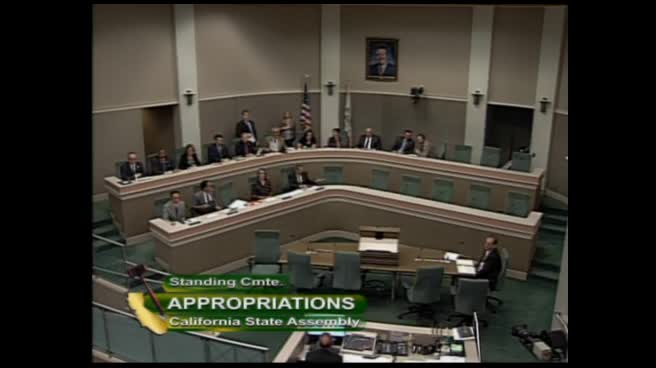 4MIN
Assembly Standing Committee on Appropriations
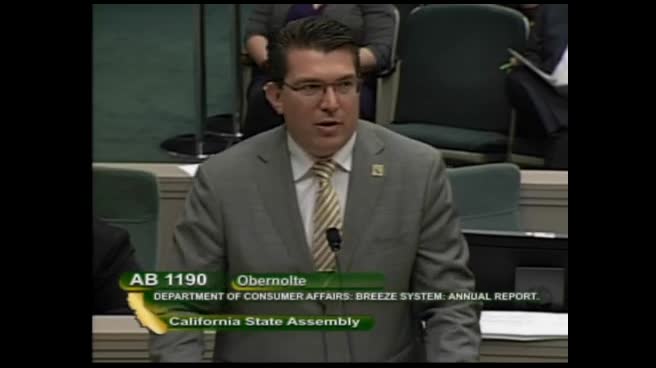 11MIN
Assembly Standing Committee on Business and Professions
Bill Author

Bill Co-Author(s):