AB 1568: Enhanced infrastructure financing districts.
- Session Year: 2017-2018
- House: Assembly
- Latest Version Date: 2017-10-07
Existing law establishes procedures for the formation of infrastructure financing districts, enhanced infrastructure financing districts, infrastructure and revitalization financing districts, and community revitalization and investment authorities, as specified, to undertake various economic development projects, including financing public facilities and infrastructure, affordable housing, and economic revitalization. Existing law authorizes an infrastructure financing plan or a community revitalization and investment plan to provide for the division of taxes levied upon taxable property, if any, between the affected taxing entities, as defined, and the district or authority.
This bill would enact the Neighborhood Infill Finance and Transit Improvements Act, which would authorize a city, county, or city and county to adopt a resolution, at any time before or after the adoption of the infrastructure refinancing plan, to allocate specified tax revenues to the district under specified circumstances. This bill would require the legislative body of a city or county establishing an enhanced infrastructure financing district that will allocate those revenues, as described, to adopt an ordinance to establish the procedure by which the city or county will calculate the amount of revenues that will be dedicated to the proposed district.
Existing law establishes procedures for the formation of infrastructure financing districts, enhanced infrastructure financing districts, infrastructure and revitalization financing districts, and community revitalization and investment authorities, as specified, to undertake various economic development projects, including financing public facilities and infrastructure, affordable housing, and economic revitalization. Existing law authorizes an infrastructure financing plan or a community revitalization and investment plan to provide for the division of taxes levied upon taxable property, if any, between the affected taxing entities, as defined, and the district or authority.
This bill would enact the Neighborhood Infill Finance and Transit Improvements Act, which would authorize a city, county, or city and county to adopt a resolution, at any time before or after the adoption of the infrastructure refinancing plan, to allocate specified tax revenues to the district under specified circumstances. This bill would require the legislative body of a city or county establishing an enhanced infrastructure financing district that will allocate those revenues, as described, to adopt an ordinance to establish the procedure by which the city or county will calculate the amount of revenues that will be dedicated to the proposed district.
Existing law establishes procedures for the formation of infrastructure financing districts, enhanced infrastructure financing districts, infrastructure and revitalization financing districts, and community revitalization and investment authorities, as specified, to undertake various economic development projects, including financing public facilities and infrastructure, affordable housing, and economic revitalization. Existing law authorizes an infrastructure financing plan or a community revitalization and investment plan to provide for the division of taxes levied upon taxable property, if any, between the affected taxing entities, as defined, and the district or authority.
This bill would enact the Neighborhood Infill Finance and Transit Improvements Act, which would authorize a city, county, or city and county to adopt a resolution, at any time before or after the adoption of the infrastructure refinancing plan, to allocate specified tax revenues to the district under specified circumstances. This bill would require the legislative body of a city or county establishing an enhanced infrastructure financing district that will allocate those revenues, as described, to adopt an ordinance to establish the procedure by which the city or county will calculate the amount of revenues that will be dedicated to the proposed district.
Existing law establishes procedures for the formation of infrastructure financing districts, enhanced infrastructure financing districts, infrastructure and revitalization financing districts, and community revitalization and investment authorities, as specified, to undertake various economic development projects, including financing public facilities and infrastructure, affordable housing, and economic revitalization. Existing law authorizes an infrastructure financing plan or a community revitalization and investment plan to provide for the division of taxes levied upon taxable property, if any, between the affected taxing entities, as defined, and the district or authority.
This bill would enact the Neighborhood Infill Finance and Transit Improvements Act, which would authorize an infrastructure finance plan to provide, under specified circumstances, for the receipt and use, as provided, of any increase of the total receipts of local sales and use tax imposed under the Bradley-Burns Uniform Local Sales and Use Tax Law from one year to the next and attributable to the area of a city, county, or city and county to adopt a resolution, at any time before or after the adoption of the infrastructure refinancing plan, to allocate specified tax revenues to the district under specified circumstances. This bill would require the legislative body of a city or county establishing an enhanced infrastructure financing district that will allocate that increase, those revenues, as described, to adopt an ordinance to establish the procedure by which the city or county will calculate the projected increase in receipts of sales and use tax and the decision process by which the city or county will determine the amount of revenues that will be dedicated to the proposed district.
Existing law establishes procedures for the formation of infrastructure financing districts, enhanced infrastructure financing districts, infrastructure and revitalization financing districts, and community revitalization and investment authorities, as specified, to undertake various economic development projects, including financing public facilities and infrastructure, affordable housing, and economic revitalization. Existing law authorizes an infrastructure financing plan or a community revitalization and investment plan to provide for the division of taxes levied upon taxable property, if any, between the affected taxing entities, as defined, and the district or authority.
TheThis bill would enact the Neighborhood Infill Finance and Transit Improvements Act Act, which would authorize an infrastructure finance plan to provide, under specified circumstances, for the receipt and use, as provided, of any increase of the total receipts of local sales and use tax or transactions and use tax imposed under the Bradley-Burns Uniform Local Sales and Use Tax Law from one year to the next, as determined and allocated by the State Board of Equalization, next and attributable to the area of the district under specified circumstances. This bill would require the legislative body of a city or county establishing an enhanced infrastructure financing district that will allocate that increase, as described, to adopt an ordinance to establish the procedure by which the city or county will calculate the projected increase in receipts of sales and use tax and the decision process by which the city or county will determine the amount that will be dedicated to the proposed district.
Existing law establishes procedures for the formation of infrastructure financing districts, enhanced infrastructure financing districts, infrastructure and revitalization financing districts, and community revitalization and investment authorities, as specified, to undertake various economic development projects, including financing public facilities and infrastructure, affordable housing, and economic revitalization. Existing law authorizes an infrastructure financing plan or a community revitalization and investment plan to provide for the division of taxes levied upon taxable property, if any, between the affected taxing entities, as defined, and the district or authority.
The bill would, would enact the Neighborhood Infill Finance and Transit Improvements Act which would authorize an infrastructure finance plan to provide, under specified circumstances, for the receipt and use, as provided, of any increase of the total receipts of local sales and use tax or transactions and use tax from one year to the next collected by a consenting local agency next, as determined and allocated by the State Board of Equalization, and attributable to the area of the district under specified circumstances.
Existing law establishes procedures for the formation of infrastructure financing districts, enhanced infrastructure financing districts, infrastructure and revitalization financing districts, and community revitalization and investment authorities, as specified, to undertake various economic development projects, including financing public facilities and infrastructure, affordable housing, and economic revitalization. Existing law authorizes an infrastructure financing plan or a community revitalization and investment plan to provide for the division of taxes levied upon taxable property, if any, between the affected taxing entities, as defined, and the district or authority.
The bill would, enact the Neighborhood Infill Finance and Transit Improvements Act which would authorize an infrastructure finance plan to provide, under specified circumstances, for the receipt and use use, as provided, of any increase of the total receipts of local sales and use tax or transactions and use tax from one year to the next collected by a consenting local agency and attributable to the area of the district under specified circumstances.
Existing law establishes procedures for the formation of infrastructure financing districts, enhanced infrastructure financing districts, infrastructure and revitalization financing districts, and community revitalization and investment authorities, as specified, to undertake various economic development projects, including financing public facilities and infrastructure, affordable housing, and economic revitalization. Existing law authorizes an infrastructure financing plan or a community revitalization and investment plan to provide for the division of taxes levied upon taxable property, if any, between the affected taxing entities, as defined, and the district or authority.
The bill would, enact the Neighborhood Infill Finance and Transit Improvements Act which would authorize an infrastructure finance plan to provide, under specified circumstances, for the receipt and use of any increase of the total receipts of local sales and use tax or transactions and use tax from one year to the next collected by a consenting local agency and attributable to the area of the district under specified circumstances.
The Planning and Zoning Law requires each city, county, and city and county to prepare and adopt a general plan that contains certain mandatory elements, including, but not limited to, a housing element that analyzes existing and projected housing needs. Existing law includes various legislative findings and declarations related to the statewide importance of housing availability and the responsibility of local government to address regional housing needs.This bill would make technical, nonsubstantive changes to these findings and declarations.The Planning and Zoning Law requires each city, county, and city and county to prepare and adopt a general plan that contains certain mandatory elements, including, but not limited to, a housing element that analyzes existing and projected housing needs. Existing law includes various legislative findings and declarations related to the statewide importance of housing availability and the responsibility of local government to address regional housing needs.
This bill would make technical, nonsubstantive changes to these findings and declarations.
A legislative body of a city or county may designate one or more proposed enhanced infrastructure financing districts pursuant to this chapter. Proceedings for the establishment of a district shall be instituted by the adoption of a resolution of intention to establish the proposed district and shall do all of the following:
(a)State that an enhanced infrastructure financing district is proposed to be established under the terms of this chapter and describe the boundaries of the proposed district, which may be accomplished by reference to a map on file in the office of the clerk of the city or in the office of the recorder of the county, as applicable.
(b)State the type of public facilities and development proposed to be financed or assisted by the district in accordance with Section 53398.52.
(c)State the need for the district and the goals the district proposes to achieve.
(d)State that incremental property tax revenue from the city or county and some or all affected taxing entities within the district, if approved by resolution pursuant to Section 53398.68, may be used to finance these activities.
(e)(1)State that a city, county, or city and county may allocate tax revenues derived from local sales and use taxes imposed pursuant to the Bradley-Burns Uniform Local Sales and Use Tax Law (Part 1.5 (commencing with Section 7200) of Division 2 of the Revenue and Taxation Code) or transactions and use taxes imposed in accordance with the Transactions and Use Tax Law (Part 1.6 (commencing with Section 7251) of Division 2 of the Revenue and Taxation Code) to an enhanced infrastructure financing district pursuant to Section 53398.75.5, if applicable.
(2)The legislative body of the city or county that elects to make an allocation pursuant to paragraph (1) shall adopt an ordinance to establish the following:
(A)The procedure by which the city or county will calculate the revenues derived from sales and use taxes and transactions and use taxes to be allocated to the enhanced infrastructure financing district.
(B)The decision process by which the city or county will determine the amount that will be dedicated to the proposed district.
(f)Fix a time and place for a public hearing on the proposal.
SEC. 2.Section 53398.75.5 is added to the Government Code, to read:53398.75.5.(a)This section shall be known and may be cited as the Neighborhood Infill Finance and Transit Improvements Act, or NIFTI.
(b)The Legislature finds and declares all of the following:
(1)California is facing an affordable housing crisis that necessitates the creation of additional tools for local jurisdictions to create new local funding streams that will support equitable infill housing and associated supportive utility and transit infrastructure.
(2)The creation of a NIFTI district will authorize local jurisdictions to capitalize on existing revenues. This will spur private investment and provide additional dollars to support development and revitalization of urbanized areas that include housing for all income levels with equal access to public transit, goods, services, and economic opportunities.
(3)The benefits of a NIFTI district include the ability to fund more affordable housing units, as well as needed infrastructure upgrades to meet the current and future capacity demands.
(c)At any time before or after the adoption of the infrastructure financing plan, a city, county, or city and county may adopt a resolution to allocate tax revenues of that entity to the district, including revenues derived from local sales and use taxes imposed pursuant to the Bradley-Burns Uniform Local Sales and Use Tax Law (Part 1.5 (commencing with Section 7200) of Division 2 of the Revenue and Taxation Code) or transactions and use taxes imposed in accordance with the Transactions and Use Tax Law (Part 1.6 (commencing with Section 7251) of Division 2 of the Revenue and Taxation Code) if all of the following apply:
(1)The area to be financed with funds received pursuant to this section is an infill site, as defined by Section 21061.3 of the Public Resources Code.
(2)The infrastructure financing plan requires that at least 20 percent of the total funds received by the district pursuant to this section be used for the acquisition, construction, or rehabilitation of housing for persons and families of low income, as defined in Section 50093 of the Health and Safety Code, or very low income households, as defined in Section 50105 of the Health and Safety Code, for rent or purchase.
(3)(A)The infrastructure financing plan requires that, prior to the time limits set forth in subdivision (d) of Section 53398.63, at least 20 percent of any new housing units constructed in the district be affordable to persons and families of low or moderate income with at least 6 percent of the new units affordable to very low income households and at least 9 percent of the new units affordable to persons and families of low income.
(B)The infrastructure financing plan shall ensure that the requirements of this subdivision are met every 10 years.
(4)The use of the revenues derived from the local sales and use tax imposed under the Bradley-Burns Uniform Local Sales and Use Tax Law (Part 1.5 (commencing with Section 7200) of Division 2 of the Revenue and Taxation Code) or transactions and use taxes imposed in accordance with the Transactions and Use Tax Law (Part 1.6 (commencing with Section 7251) of Division 2 of the Revenue and Taxation Code) pursuant to the infrastructure financing plan is consistent with the purposes for which that tax is imposed.
(5)The boundaries of the enhanced infrastructure financing district are coterminous with the city or county that established the district.
(d)Notwithstanding Section 53398.52, revenues collected and allocated for the purposes of this section shall not be used for highway or highway interchange improvements.
(e)The enhanced infrastructure financing district shall require, by recorded covenants or restrictions, that affordable housing units financed pursuant to this section remain available at affordable housing costs to, and occupied by, very low income households, persons and families of low income, or persons and families of low or moderate income for the longest feasible time, but for not less than 55 years for rental units and 45 years for owner-occupied units.
(f)A legislative body shall not adopt an ordinance terminating an enhanced infrastructure financing district created pursuant to this section if the district has not complied with its affordable housing obligations.
(g)Paragraph (1) of subdivision (c) of Section 1720 of the Labor Code shall not apply to projects financed by the enhanced infrastructure financing district.
A legislative body of a city or county may designate one or more proposed enhanced infrastructure financing districts pursuant to this chapter. Proceedings for the establishment of a district shall be instituted by the adoption of a resolution of intention to establish the proposed district and shall do all of the following:
(a)State that an enhanced infrastructure financing district is proposed to be established under the terms of this chapter and describe the boundaries of the proposed district, which may be accomplished by reference to a map on file in the office of the clerk of the city or in the office of the recorder of the county, as applicable.
(b)State the type of public facilities and development proposed to be financed or assisted by the district in accordance with Section 53398.52.
(c)State the need for the district and the goals the district proposes to achieve.
(d)State that incremental property tax revenue from the city or county and some or all affected taxing entities within the district, if approved by resolution pursuant to Section 53398.68, may be used to finance these activities.
(e)(1)State that a city, county, or city and county may allocate tax revenues derived from local sales and use taxes imposed pursuant to the Bradley-Burns Uniform Local Sales and Use Tax Law (Part 1.5 (commencing with Section 7200) of Division 2 of the Revenue and Taxation Code) or transactions and use taxes imposed in accordance with the Transactions and Use Tax Law (Part 1.6 (commencing with Section 7251) of Division 2 of the Revenue and Taxation Code) to an enhanced infrastructure financing district pursuant to Section 53398.75.5, if applicable.
(2)The legislative body of the city or county that elects to make an allocation pursuant to paragraph (1) shall adopt an ordinance to establish the following:
(A)The procedure by which the city or county will calculate the revenues derived from sales and use taxes and transactions and use taxes to be allocated to the enhanced infrastructure financing district.
(B)The decision process by which the city or county will determine the amount that will be dedicated to the proposed district.
(f)Fix a time and place for a public hearing on the proposal.
SEC. 2.Section 53398.75.5 is added to the Government Code, to read:53398.75.5.(a)This section shall be known and may be cited as the Neighborhood Infill Finance and Transit Improvements Act, or NIFTI.
(b)The Legislature finds and declares all of the following:
(1)California is facing an affordable housing crisis that necessitates the creation of additional tools for local jurisdictions to create new local funding streams that will support equitable infill housing and associated supportive utility and transit infrastructure.
(2)The creation of a NIFTI district will authorize local jurisdictions to capitalize on existing revenues. This will spur private investment and provide additional dollars to support development and revitalization of urbanized areas that include housing for all income levels with equal access to public transit, goods, services, and economic opportunities.
(3)The benefits of a NIFTI district include the ability to fund more affordable housing units, as well as needed infrastructure upgrades to meet the current and future capacity demands.
(c)At any time before or after the adoption of the infrastructure financing plan, a city, county, or city and county may adopt a resolution to allocate tax revenues of that entity to the district, including revenues derived from local sales and use taxes imposed pursuant to the Bradley-Burns Uniform Local Sales and Use Tax Law (Part 1.5 (commencing with Section 7200) of Division 2 of the Revenue and Taxation Code) or transactions and use taxes imposed in accordance with the Transactions and Use Tax Law (Part 1.6 (commencing with Section 7251) of Division 2 of the Revenue and Taxation Code) if all of the following apply:
(1)The area to be financed with funds received pursuant to this section is an infill site, as defined by Section 21061.3 of the Public Resources Code.
(2)The infrastructure financing plan requires that at least 20 percent of the total funds received by the district pursuant to this section be used for the acquisition, construction, or rehabilitation of housing for persons and families of low income, as defined in Section 50093 of the Health and Safety Code, or very low income households, as defined in Section 50105 of the Health and Safety Code, for rent or purchase.
(3)(A)The infrastructure financing plan requires that, prior to the time limits set forth in subdivision (d) of Section 53398.63, at least 20 percent of any new housing units constructed in the district be affordable to persons and families of low or moderate income with at least 6 percent of the new units affordable to very low income households and at least 9 percent of the new units affordable to persons and families of low income.
(B)The infrastructure financing plan shall ensure that the requirements of this subdivision are met every 10 years.
(4)The use of the revenues derived from the local sales and use tax imposed under the Bradley-Burns Uniform Local Sales and Use Tax Law (Part 1.5 (commencing with Section 7200) of Division 2 of the Revenue and Taxation Code) or transactions and use taxes imposed in accordance with the Transactions and Use Tax Law (Part 1.6 (commencing with Section 7251) of Division 2 of the Revenue and Taxation Code) pursuant to the infrastructure financing plan is consistent with the purposes for which that tax is imposed.
(5)The boundaries of the enhanced infrastructure financing district are coterminous with the city or county that established the district.
(d)Notwithstanding Section 53398.52, revenues collected and allocated for the purposes of this section shall not be used for highway or highway interchange improvements.
(e)The enhanced infrastructure financing district shall require, by recorded covenants or restrictions, that affordable housing units financed pursuant to this section remain available at affordable housing costs to, and occupied by, very low income households, persons and families of low income, or persons and families of low or moderate income for the longest feasible time, but for not less than 55 years for rental units and 45 years for owner-occupied units.
(f)A legislative body shall not adopt an ordinance terminating an enhanced infrastructure financing district created pursuant to this section if the district has not complied with its affordable housing obligations.
(g)Paragraph (1) of subdivision (c) of Section 1720 of the Labor Code shall not apply to projects financed by the enhanced infrastructure financing district.
A legislative body of a city or county may designate one or more proposed enhanced infrastructure financing districts pursuant to this chapter. Proceedings for the establishment of a district shall be instituted by the adoption of a resolution of intention to establish the proposed district and shall do all of the following:
(a)State that an enhanced infrastructure financing district is proposed to be established under the terms of this chapter and describe the boundaries of the proposed district, which may be accomplished by reference to a map on file in the office of the clerk of the city or in the office of the recorder of the county, as applicable.
(b)State the type of public facilities and development proposed to be financed or assisted by the district in accordance with Section 53398.52.
(c)State the need for the district and the goals the district proposes to achieve.
(d)State that incremental property tax revenue from the city or county and some or all affected taxing entities within the district, if approved by resolution pursuant to Section 53398.68, may be used to finance these activities.
(e)(1)State that a city, county, or city and county may allocate tax revenues derived from local sales and use taxes imposed pursuant to the Bradley-Burns Uniform Local Sales and Use Tax Law (Part 1.5 (commencing with Section 7200) of Division 2 of the Revenue and Taxation Code) or transactions and use taxes imposed in accordance with the Transactions and Use Tax Law (Part 1.6 (commencing with Section 7251) of Division 2 of the Revenue and Taxation Code) to an enhanced infrastructure financing district pursuant to Section 53398.75.5, if applicable.
(2)The legislative body of the city or county that elects to make an allocation pursuant to paragraph (1) shall adopt an ordinance to establish the following:
(A)The procedure by which the city or county will calculate the revenues derived from sales and use taxes and transactions and use taxes to be allocated to the enhanced infrastructure financing district.
(B)The decision process by which the city or county will determine the amount that will be dedicated to the proposed district.
(f)Fix a time and place for a public hearing on the proposal.
SEC. 2.Section 53398.75.5 is added to the Government Code, to read:53398.75.5.(a)This section shall be known and may be cited as the Neighborhood Infill Finance and Transit Improvements Act, or NIFTI.
(b)The Legislature finds and declares all of the following:
(1)California is facing an affordable housing crisis that necessitates the creation of additional tools for local jurisdictions to create new local funding streams that will support equitable infill housing and associated supportive utility and transit infrastructure.
(2)The creation of a NIFTI district will authorize local jurisdictions to capitalize on existing revenues. This will spur private investment and provide additional dollars to support development and revitalization of urbanized areas that include housing for all income levels with equal access to public transit, goods, services, and economic opportunities.
(3)The benefits of a NIFTI district include the ability to fund more affordable housing units, as well as needed infrastructure upgrades to meet the current and future capacity demands.
(b)(c)At any time before or after the adoption of the infrastructure financing plan, a city, county, or city and county may adopt a resolution to allocate tax revenues of that entity to the district, including revenues derived from local sales and use taxes imposed pursuant to the Bradley-Burns Uniform Local Sales and Use Tax Law (Part 1.5 (commencing with Section 7200) of Division 2 of the Revenue and Taxation Code) or transactions and use taxes imposed in accordance with the Transactions and Use Tax Law (Part 1.6 (commencing with Section 7251) of Division 2 of the Revenue and Taxation Code) if all of the following apply:
(1)The area to be financed with funds received pursuant to this section is an infill site, as defined by Section 21061.3 of the Public Resources Code.
(2)The infrastructure financing plan provides for the allocation of at least 20 percent of the funds received by the district pursuant to this section to be used to finance projects meeting the requirements of paragraph (12) of subdivision (b) of Section 53398.52.(3)The infrastructure financing plan includes requirements that at least 20 percent of any new production in the area to be financed with funds received pursuant to this section be affordable housing, as follows:(A)At least 6 percent of any new production be very low income units.(B)At least 9 percent of any new production be low-income units.(C)At least 5 percent be affordable housing units for low incomes at any level, including, but not limited to, low- and very low income units.(2)The infrastructure financing plan requires that at least 20 percent of the total funds received by the district pursuant to this section be used for the acquisition, construction, or rehabilitation of housing for persons and families of low income, as defined in Section 50093 of the Health and Safety Code, or very low income households, as defined in Section 50105 of the Health and Safety Code, for rent or purchase.
(3)(A)The infrastructure financing plan requires that, prior to the time limits set forth in subdivision (d) of Section 53398.63, at least 20 percent of any new housing units constructed in the district be affordable to persons and families of low or moderate income with at least 6 percent of the new units affordable to very low income households and at least 9 percent of the new units affordable to persons and families of low income.
(B)The infrastructure financing plan shall ensure that the requirements of this subdivision are met every 10 years.
(4)The use of the revenues derived from the local sales and use tax imposed under the Bradley-Burns Uniform Local Sales and Use Tax Law (Part 1.5 (commencing with Section 7200) of Division 2 of the Revenue and Taxation Code) or transactions and use taxes imposed in accordance with the Transactions and Use Tax Law (Part 1.6 (commencing with Section 7251) of Division 2 of the Revenue and Taxation Code) pursuant to the infrastructure financing plan is consistent with the purposes for which that tax is imposed.
(5)The boundaries of the enhanced infrastructure financing district are coterminous with the city or county that established the district.
(d)Notwithstanding Section 53398.52, revenues collected and allocated for the purposes of this section shall not be used for highway or highway interchange improvements.
(e)The enhanced infrastructure financing district shall require, by recorded covenants or restrictions, that affordable housing units financed pursuant to this section remain available at affordable housing costs to, and occupied by, very low income households, persons and families of low income, or persons and families of low or moderate income for the longest feasible time, but for not less than 55 years for rental units and 45 years for owner-occupied units.
(f)A legislative body shall not adopt an ordinance terminating an enhanced infrastructure financing district created pursuant to this section if the district has not complied with its affordable housing obligations.
(g)Paragraph (1) of subdivision (c) of Section 1720 of the Labor Code shall not apply to projects financed by the enhanced infrastructure financing district.
A legislative body of a city or county may designate one or more proposed enhanced infrastructure financing districts pursuant to this chapter. Proceedings for the establishment of a district shall be instituted by the adoption of a resolution of intention to establish the proposed district and shall do all of the following:
(a)State that an enhanced infrastructure financing district is proposed to be established under the terms of this chapter and describe the boundaries of the proposed district, which may be accomplished by reference to a map on file in the office of the clerk of the city or in the office of the recorder of the county, as applicable.
(b)State the type of public facilities and development proposed to be financed or assisted by the district in accordance with Section 53398.52.
(c)State the need for the district and the goals the district proposes to achieve.
(d)State that incremental property tax revenue from the city or county and some or all affected taxing entities within the district, if approved by resolution pursuant to Section 53398.68, may be used to finance these activities.
(e)(1)State that any increase of the total receipts of local sales and use tax received by a city or county resulting from the imposition of a sales and use tax under a city, county, or city and county may allocate tax revenues derived from local sales and use taxes imposed pursuant to the Bradley-Burns Uniform Local Sales and Use Tax Law (Part 1.5 (commencing with Section 7200) of Division 2 of the Revenue and Taxation Code) will be allocated or transactions and use taxes imposed in accordance with the Transactions and Use Tax Law (Part 1.6 (commencing with Section 7251) of the Revenue and Taxation Code) to an enhanced infrastructure financing district pursuant to Section 53398.75.5, if applicable.
(2)The legislative body of the city or county that elects to make an allocation pursuant to paragraph (1) shall adopt an ordinance to establish the following:
(A)The procedure by which the city or county will calculate the projected increase in receipts of sales and use tax. revenues derived from sales and use taxes and transactions and use taxes to be allocated to the enhanced infrastructure financing district.
(B)The decision process by which the city or county will determine the amount that will be dedicated to the proposed district.
(f)Fix a time and place for a public hearing on the proposal.
SEC. 2.Section 53398.75.5 is added to the Government Code, to read:53398.75.5.(a)This section shall be known and may be cited as the Neighborhood Infill Finance and Transit Improvements Act, or NIFTI.
(b)An infrastructure financing plan may contain a provision for the receipt of any increase of the total receipts of local sales and use tax resulting from the imposition of a sales and use tax under At any time before or after the adoption of the infrastructure financing plan, a city, county, or city and county may adopt a resolution to allocate tax revenues of that entity to the district, including revenues derived from local sales and use taxes imposed pursuant to the Bradley-Burns Uniform Local Sales and Use Tax Law (Part 1.5 (commencing with Section 7200) of Division 2 of the Revenue and Taxation Code) from one year to the next and attributable to the area of the district or transactions and use taxes imposed in accordance with the Transactions and Use Tax Law (Part 1.6 (commencing with Section 7251) of the Revenue and Taxation Code) if all of the following apply:
(1)The area to be financed with funds received pursuant to this section is an infill site, as defined by Section 21061.3 of the Public Resources Code.
(2)The infrastructure financing plan provides for the allocation of at least 20 percent of the funds received by the district pursuant to this section to be used to finance projects meeting the requirements of paragraph (12) of subdivision (b) of Section 53398.52.
(3)The infrastructure financing plan includes requirements that at least 20 percent of any new production in the area to be financed with funds received pursuant to this section be affordable housing, as follows:
(A)At least 6 percent of any new production be very low income units.
(B)At least 9 percent of any new production be low-income units.
(C)At least 5 percent be affordable housing units for low incomes at any level, including, but not limited to, low- and very low income units.
(4)The use of the revenues derived from the local sales and use tax imposed under the Bradley-Burns Uniform Local Sales and Use Tax Law (Part 1.5 (commencing with Section 7200) of Division 2 of the Revenue and Taxation Code) pursuant to the infrastructure financing plan is consistent with the purposes for which that tax is imposed.
(5)The boundaries of the enhanced infrastructure financing district are coterminous with the city or county that established the district.
A legislative body of a city or county may designate one or more proposed enhanced infrastructure financing districts pursuant to this chapter. Proceedings for the establishment of a district shall be instituted by the adoption of a resolution of intention to establish the proposed district and shall do all of the following:
(a)State that an enhanced infrastructure financing district is proposed to be established under the terms of this chapter and describe the boundaries of the proposed district, which may be accomplished by reference to a map on file in the office of the clerk of the city or in the office of the recorder of the county, as applicable.
(b)State the type of public facilities and development proposed to be financed or assisted by the district in accordance with Section 53398.52.
(c)State the need for the district and the goals the district proposes to achieve.
(d)State that incremental property tax revenue from the city or county and some or all affected taxing entities within the district, if approved by resolution pursuant to Section 53398.68, may be used to finance these activities.
(e)(1)State that any increase of the total receipts of local sales and use tax or transactions and use tax will be collected received by a city or county resulting from the imposition of a sales and use tax under the Bradley-Burns Uniform Local Sales and Use Tax Law (Part 1.5 (commencing with Section 7200) of Division 2 of the Revenue and Taxation Code) will be allocated to an enhanced infrastructure financing district pursuant to Section 53398.75.5, if applicable.
(2)The legislative body of the city or county that elects to make an allocation pursuant to paragraph (1) shall adopt an ordinance to establish the following:
(A)The procedure by which the city or county will calculate the projected increase in receipts of sales and use tax.
(B)The decision process by which the city or county will determine the amount that will be dedicated to the proposed district.
(f)Fix a time and place for a public hearing on the proposal.
SEC. 2.Section 53398.75.5 is added to the Government Code, to read:53398.75.5.(a)This section shall be known and may be cited as the Neighborhood Infill Finance and Transit Improvements Act, or NIFTI.
(b)An infrastructure financing plan may contain a provision for the receipt of any increase of the total receipts of local sales and use tax or transactions and use tax resulting from the imposition of a sales and use tax under the Bradley-Burns Uniform Local Sales and Use Tax Law (Part 1.5 (commencing with Section 7200) of Division 2 of the Revenue and Taxation Code) from one year to the next and attributable to the area of the district if all of the following apply:
(1)The area to be financed with funds received pursuant to this section is an infill site, as defined by Section 21061.3 of the Public Resources Code.
(2)The infrastructure financing plan provides for the allocation of at least 20 percent of the funds received by the district pursuant to this section to be used to finance projects meeting the requirements of paragraph (12) of subdivision (b) of Section 53398.52.
(3)The infrastructure financing plan includes requirements that at least 20 percent of any new production in the area to be financed with funds received pursuant to this section be affordable housing, as follows:
(A)At least 6 percent of any new production be very low income units.
(B)At least 9 percent of any new production be low-income units.
(C)At least 5 percent be affordable housing units for low incomes at any level, including, but not limited to, low- and very low income units.
(4)The use of the revenues derived from the local sales and use tax or transactions and use tax imposed under the Bradley-Burns Uniform Local Sales and Use Tax Law (Part 1.5 (commencing with Section 7200) of Division 2 of the Revenue and Taxation Code) pursuant to the infrastructure financing plan is consistent with the purposes for which that tax is imposed.
(5)The boundaries of the enhanced infrastructure financing district are coterminous with the city or county that established the district.
(c)The State Board of Equalization shall determine any increase in local sales and use tax or transactions and use tax, as described in subdivision (b), and allocate those revenues as directed by an infrastructure financing plan.A legislative body of a city or county may designate one or more proposed enhanced infrastructure financing districts pursuant to this chapter. Proceedings for the establishment of a district shall be instituted by the adoption of a resolution of intention to establish the proposed district and shall do all of the following:
(a)State that an enhanced infrastructure financing district is proposed to be established under the terms of this chapter and describe the boundaries of the proposed district, which may be accomplished by reference to a map on file in the office of the clerk of the city or in the office of the recorder of the county, as applicable.
(b)State the type of public facilities and development proposed to be financed or assisted by the district in accordance with Section 53398.52.
(c)State the need for the district and the goals the district proposes to achieve.
(d)State that incremental property tax revenue from the city or county and some or all affected taxing entities within the district, if approved by resolution pursuant to Section 53398.68, may be used to finance these activities.
(e)State that any increase of the total receipts of local sales and use tax or transactions and use tax will be collected pursuant to Section 53398.75.5, if applicable.
(f)Fix a time and place for a public hearing on the proposal.
SEC. 2.Section 53398.75.5 is added to the Government Code, to read:53398.75.5.(a)This section shall be known and may be cited as the Neighborhood Infill Finance and Transit Improvements Act, or NIFTI.
(b)An infrastructure financing plan may contain a provision for the receipt of any increase of the total receipts of local sales and use tax or transactions and use tax from one year to the next collected by a consenting local agency and attributable to the area of the district if all of the following apply:
(1)The area to be financed with funds received pursuant to this section is an infill site, as defined by Section 21061.3 of the Public Resources Code.
(2)The infrastructure financing plan provides for the allocation of at least 20 percent of the funds received by the district pursuant to this section to be used to finance projects meeting the requirements of paragraph (12) of subdivision (b) of Section 53398.52.
(3)The infrastructure financing plan includes requirements that at least 20 percent of any new production in the area to be financed with funds received pursuant to this section be affordable housing, as follows:
(A)At least 6 percent of any new production be very low income units.
(B)At least 9 percent of any new production be low-income units.
(C)At least 5 percent be affordable housing units for low incomes at any level, including, but not limited to, low- and very low income units.
(4)The use of the revenues derived from the local sales and use tax or transactions and use tax pursuant to the infrastructure financing plan is consistent with the purposes for which that tax is imposed.
(5)The boundaries of the enhanced infrastructure financing district are coterminous with the city or county that established the district.
(c)The State Board of Equalization shall determine any increase in local sales and use tax or transactions and use tax, as described in subdivision (b), and allocate those revenues as directed by an infrastructure financing plan.
A legislative body of a city or county may designate one or more proposed enhanced infrastructure financing districts pursuant to this chapter. Proceedings for the establishment of a district shall be instituted by the adoption of a resolution of intention to establish the proposed district and shall do all of the following:
(a)State that an enhanced infrastructure financing district is proposed to be established under the terms of this chapter and describe the boundaries of the proposed district, which may be accomplished by reference to a map on file in the office of the clerk of the city or in the office of the recorder of the county, as applicable.
(b)State the type of public facilities and development proposed to be financed or assisted by the district in accordance with Section 53398.52.
(c)State the need for the district and the goals the district proposes to achieve.
(d)State that incremental property tax revenue from the city or county and some or all affected taxing entities within the district, if approved by resolution pursuant to Section 53398.68, may be used to finance these activities.
(e)State that any increase of the total receipts of local sales and use tax or transactions and use tax will be collected pursuant to Section 53398.75.5, if applicable.
(f)Fix a time and place for a public hearing on the proposal.
SEC. 2.Section 53398.75.5 is added to the Government Code, to read:53398.75.5.(a)This section shall be known and may be cited as the Neighborhood Infill Finance and Transit Improvements Act, or NIFTI.
(b)An infrastructure financing plan may contain a provision for the receipt of any increase of the total receipts of local sales and use tax or transactions and use tax from one year to the next collected by a consenting local agency and attributable to the area of the district if both all of the following apply:
(1)The area to be financed with funds received pursuant to this section has adopted a sustainable communities strategy. is an infill site, as defined by Section 21061.3 of the Public Resources Code.
(2)The infrastructure financing plan provides for the allocation of at least 15 20 percent of the funds received by the district pursuant to this section to be used to finance projects meeting the requirements of paragraph (12) of subdivision (b) of Section 53398.52.
(3)The infrastructure financing plan includes requirements that at least 20 percent of any new production in the area to be financed with funds received pursuant to this section be affordable housing, as follows:
(A)At least 6 percent of any new production be very low income units.
(B)At least 9 percent of any new production be low-income units.
(C)At least 5 percent be affordable housing units for low incomes at any level, including, but not limited to, low- and very low income units.
A legislative body of a city or county may designate one or more proposed enhanced infrastructure financing districts pursuant to this chapter. Proceedings for the establishment of a district shall be instituted by the adoption of a resolution of intention to establish the proposed district and shall do all of the following:
(a)State that an enhanced infrastructure financing district is proposed to be established under the terms of this chapter and describe the boundaries of the proposed district, which may be accomplished by reference to a map on file in the office of the clerk of the city or in the office of the recorder of the county, as applicable.
(b)State the type of public facilities and development proposed to be financed or assisted by the district in accordance with Section 53398.52.
(c)State the need for the district and the goals the district proposes to achieve.
(d)State that incremental property tax revenue from the city or county and some or all affected taxing entities within the district, if approved by resolution pursuant to Section 53398.68, may be used to finance these activities.
(e)State that any increase of the total receipts of local sales and use tax or transactions and use tax will be collected pursuant to Section 53398.75.5, if applicable.
(e)(f)Fix a time and place for a public hearing on the proposal.
SEC. 2.Section 53398.75.5 is added to the Government Code, to read:53398.75.5.(a)This section shall be known and may be cited as the Neighborhood Infill Finance and Transit Improvements Act, or NIFTI.
(b)An infrastructure financing plan may contain a provision for the receipt of any increase of the total receipts of local sales and use tax or transactions and use tax from one year to the next collected by a consenting local agency and attributable to the area of the district if both of the following apply:
(1)The area to be financed with funds received pursuant to this section has adopted a sustainable communities strategy.
(2)The infrastructure financing plan provides for the allocation of at least 15 percent of the funds received by the district pursuant to this section to be used to finance projects meeting the requirements of paragraph (12) of subdivision (b) of Section 53398.52.
SECTION 1.Section 65580 of the Government Code is amended to read:65580.The Legislature finds and declares as follows:(a)The availability of housing is of vital statewide importance. The early attainment of decent housing and a suitable living environment for every Californian, including farmworkers, is a priority of the highest order.(b)The early attainment of this goal requires the cooperative participation of government and the private sector in an effort to expand housing opportunities and accommodate the housing needs of Californians of all economic levels.(c)The provision of housing affordable to low- and moderate-income households requires the cooperation of all levels of government.(d)Local and state governments have a responsibility to use the powers vested in them to facilitate the improvement and development of housing to make adequate provision for the housing needs of all economic segments of the community.(e)The Legislature recognizes that in carrying out this responsibility, each local government also has the responsibility to consider economic, environmental, and fiscal factors and community goals set forth in its general plan and to cooperate with other local governments and the state in addressing regional housing needs.The Legislature finds and declares as follows:
(a)The availability of housing is of vital statewide importance, and the importance. The early attainment of decent housing and a suitable living environment for every Californian, including farmworkers, is a priority of the highest order.
(b)The early attainment of this goal requires the cooperative participation of government and the private sector in an effort to expand housing opportunities and accommodate the housing needs of Californians of all economic levels.
(c)The provision of housing affordable to low- and moderate-income households requires the cooperation of all levels of government.
(d)Local and state governments have a responsibility to use the powers vested in them to facilitate the improvement and development of housing to make adequate provision for the housing needs of all economic segments of the community.
(e)The Legislature recognizes that in carrying out this responsibility, each local government also has the responsibility to consider economic, environmental, and fiscal factors and community goals set forth in the its general plan and to cooperate with other local governments and the state in addressing regional housing needs.
|
Date
|
Status
|
|---|---|
| Oct 7, 2017 | Chaptered by Secretary of State - Chapter 562, Statutes of 2017. |
| Oct 7, 2017 | Approved by the Governor. |
| Sep 26, 2017 | Enrolled and presented to the Governor at 3 p.m. |
| Sep 15, 2017 | Senate amendments concurred in. To Engrossing and Enrolling. |
| Sep 14, 2017 | In Assembly. Concurrence in Senate amendments pending. |
| Sep 13, 2017 | Read third time. Passed. Ordered to the Assembly. |
| Sep 11, 2017 | Read second time. Ordered to third reading. |
| Sep 8, 2017 | Read third time and amended. Ordered to second reading. |
| Jul 19, 2017 | Read second time and amended. Ordered to third reading. |
| Jul 18, 2017 | From committee: Amend, and do pass as amended. (Ayes 9. Noes 3.) (July 18). |
| Jul 12, 2017 | From committee: Do pass and re-refer to Com. on T. & H. (Ayes 5. Noes 1.) (July 12). Re-referred to Com. on T. & H. |
| Jul 3, 2017 | In committee: Set, first hearing. Hearing canceled at the request of author. |
| Jun 14, 2017 | Referred to Coms. on GOV. & F. and T. & H. |
| Jun 5, 2017 | In Senate. Read first time. To Com. on RLS. for assignment. |
| Jun 1, 2017 | Read third time. Passed. Ordered to the Senate. (Ayes 53. Noes 23. Page 2061.) |
| May 30, 2017 | Read second time. Ordered to third reading. |
| May 26, 2017 | From committee: Amend, and do pass as amended. (Ayes 17. Noes 0.) (May 26). |
| May 24, 2017 | Joint Rule 62(a), file notice suspended. |
| May 17, 2017 | Read second time. Ordered to third reading. |
| May 16, 2017 | Read second time and amended. Ordered returned to second reading. |
| May 15, 2017 | From committee: Amend, and do pass as amended. (Ayes 5. Noes 3.) (May 10). |
| May 2, 2017 | Re-referred to Com. on L. GOV. |
| May 1, 2017 | From committee chair, with author's amendments: Amend, and re-refer to Com. on L. GOV. Read second time and amended. |
| Mar 29, 2017 | Re-referred to Com. on L. GOV. |
| Mar 28, 2017 | From committee chair, with author's amendments: Amend, and re-refer to Com. on L. GOV. Read second time and amended. |
| Mar 27, 2017 | Referred to Com. on L. GOV. |
| Feb 19, 2017 | From printer. May be heard in committee March 21. |
| Feb 17, 2017 | Read first time. To print. |
|
Date
|
Description
|
Location
|
Votes
|
|
|---|---|---|---|---|
| Sep 15, 2017 | AB 1568 BLOOM Concurrence in Senate Amendments | Assembly Floor |
Passed |
|
| Sep 13, 2017 | Assembly 3rd Reading AB1568 Bloom By McGuire | Senate Floor |
Passed |
|
| Jul 18, 2017 | Do pass as amended | Senate Standing Committee on Transportation and Housing |
Passed |
|
| Jul 12, 2017 | Do pass, but first be re-referred to the Committee on [Transportation and Housing] | Senate Standing Committee on Governance and Finance |
Passed |
|
| Jun 1, 2017 | AB 1568 BLOOM Assembly Third Reading | Assembly Floor |
Passed |
|
| May 26, 2017 | Do pass as amended. | Assembly Standing Committee on Appropriations |
Passed |
|
| May 10, 2017 | Do pass as amended. | Assembly Standing Committee on Local Government |
Passed |
This list shows positions taken on this bill by organizations on the date displayed, which is linked to the original source.
Positions by individuals are not included.
CONCURRENCE IN SENATE AMENDMENTS
CSA1 Bill Id:AB 1568
Author:(Bloom)
As Amended Ver:September 8, 2017
Majority vote
ASSEMBLY: | 53-23 | (June 1, 2017) | SENATE: | 29-11 | (September 13, 2017) |
Original Committee Reference: L. GOV.
SUMMARY: Establishes the Neighborhood Infill and Transit Improvements (NIFTI) Act in Enhanced Infrastructure Financing District (EIFD) law and allows EIFDs to receive sales and use and transaction and use taxes for affordable housing purposes.
The Senate amendments:
- Clarify that a city, county, or city and county may allocate tax revenues derived from local sales and use taxes or transactions and use taxes to an EIFD, and make other corresponding changes.
- Add deed restriction requirements to ensure that any affordable housing built using this tool stays affordable for 55 years for rental units and 45 years for owner-occupied units;
- Add findings and declarations pertaining to the need for the bill
- Make other technical changes.
EXISTING LAW:
- Defines "infill site" to mean a site in an urbanized area that meets either of the following criteria:
- The site has not been previously developed for urban uses and both of the following apply:
- The site is immediately adjacent to parcels that are developed with qualified urban uses, or at least 75% of the perimeter of the site adjoins parcels that are developed with qualified urban uses, and the remaining 25% of the site adjoins parcels that have previously been developed for qualified urban uses; and,
- No parcel within the site has been created within the past 10 years, unless the parcel was created as a result of the plan of a redevelopment agency.
- The site has been previously developed for qualified urban uses.
- The site has not been previously developed for urban uses and both of the following apply:
- Allows a legislative body of a city or county to designate one or more proposed EIFDs pursuant to EIFD law, and requires the establishment of a district to be instituted by the adoption of a resolution of intention to establish the proposed district, and include the following:
- State that an EIFD is proposed and describe the boundaries of the proposed district, as specified;
- State the type of public facilities and development proposed to be financed or assisted by the EIFD in accordance with existing EIFD law;
- State the need for the EIFD and the goals the district proposes to achieve;
- State the incremental property tax revenue from the city or county and some or all affected taxing entities within the EIFD, if approved by resolution of the affected agencies, may be used to finance these activities; and,
- Fix a time and place for a public hearing on the proposal.
- Requires, after the resolution of intention to establish a district, the designated official to prepare a proposed infrastructure financing plan, which shall be consistent with the general plan of the city or county within which the district is located. Requires the plan to include a financing section, containing the following information:
- A specification of the maximum portion of the incremental tax revenue of the city or county and of each affected taxing entity proposed to be committed to the district for each year during which the district will receive incremental tax revenue, as specified;
- A projection of the amount of tax revenues expected to be received by the district for each year during which the district will receive incremental tax revenues, including an estimate of the amount of tax revenues attributable to each affected taxing entity for each year;
- A plan for financing the public facilities to be assisted by the district, including a detailed description of any intention to incur debt;
- A limit on the total number of tax dollars that may be allocated in the district pursuant to the plan; and,
- A date on which the district will cease to exist, by which time all tax allocation to the district will end. Requires the date to not be more than 45 years from the date on which the issuance of bonds is approved or the issuance of a loan is approved by the governing board of a local agency.
- Requires the plan to be sent to each owner of land within the proposed district and to each affected taxing entity together with any report required by the California Environmental Quality Act.
- Allows the legislative body of the city or county forming the district to choose to dedicate any portion of its net available revenue to the district through the financing plan.
FISCAL EFFECT: None
COMMENTS:
Bill Summary. This bill establishes the NIFTI Act, in existing EIFD law, and specifically allows an EIFD to capture sales and use tax or transactions and use tax revenues, should a city or county decide to allocate such revenues to the EIFD. The revenues would be used specifically to fund an area that is an infill site, and the bill requires that 20% of the funds be used for housing purposes. The bill specifies that only an EIFD that is coterminous with the city or county that formed the EIFD can use taxes in this manner, and requires that the legislative body of the city or county that elects to make an allocation of local sales and use tax to establish the procedures that will be used to calculate the revenues, the decision process that that city or county will determine the amount that will be dedicated to the proposed district, and fix a time and place for public hearing on the proposal. This bill is author-sponsored.
Author's Statement. According to the author, "Local governments have been without a reliable financing mechanism to invest in economically depressed, transit-rich areas since the demise of redevelopment agencies in 2011. Many of these neighborhoods lack sufficient resources to spur private investment, economic development and affordable housing. In addition, many communities do not have sufficient property tax increment to form EIFDs to self-fund their needed infrastructure costs.
"NIFTI provides local jurisdictions with the authority to finance infrastructure and affordable housing using new sales and use taxes in addition to property tax increment within qualifying districts. NIFTI will usher in new opportunities for local governments and the private sector to work together to revitalize communities, create good jobs, and build affordable homes while meeting the state's landmark greenhouse gas reduction targets (AB 32 (Núñez), 2006/ SB 32 (Pavley), 2016)."
Background on EIFDs. After the dissolution of redevelopment agencies in 2011, the Legislature worked on the creation of several new tools to help cities and counties finance infrastructure improvements, including the creation of EIFDs. SB 628 (Beall), Chapter 785, Statutes of 2014, authorizes the legislative body of a city or county to establish an EIFD to capture property tax increment, adopt an infrastructure financing plan, and issue bonds upon approval by 55% of the voters, in order to finance public capital facilities or other specified projects of communitywide significance, including, but not limited to, brownfield restoration and other environmental mitigation, the development of projects on a former military base, transit priority projects, and projects to implement a sustainable communities strategy.
SB 628 also allowed other affected taxing entities to participate in the EIFD by contributing their property tax increment revenues to the EIFD, and provided the method for this division and allocation of taxes. Provisions in SB 628 specify that the allocation of tax increment revenues to an EIFD must not be construed to prevent an EIFD from using revenues authorized by other specified statutes, subject to applicable voter approval requirements.
Arguments in Support. Supporters argue that this bill will usher in new opportunities for local governments and the private sector to work together to revitalize communities.
Arguments in Opposition. None on file.
Analysis Prepared by: Debbie Michel / L. GOV. / (916) 319-3958 FN: 0002236
Office of Senate Floor Analyses (916) 651-1520 Fax: (916) 327-4478 | AB |
THIRD READING
Bill No: AB 1568
: in Senate
SENATE GOVERNANCE & FIN. COMMITTEE: 5-1, 7/12/17
AYES: McGuire, Beall, Hernandez, Hertzberg, Lara
NOES: Nguyen
NO VOTE RECORDED: Moorlach
SENATE TRANS. & HOUSING COMMITTEE: 9-3, 7/18/17
AYES: Beall, Cannella, Allen, Atkins, McGuire, Roth, Skinner, Wieckowski, Wiener
NOES: Gaines, Morrell, Vidak
NO VOTE RECORDED: Mendoza
ASSEMBLY FLOOR: 53-23, 6/1/17 - See last page for vote
DIGEST:
This bill authorizes an enhanced infrastructure financing district (EIFD) to utilize local sales and use tax revenue for affordable housing on infill sites.
Senate Floor Amendments of 9/8/17 add findings and declarations pertaining to the need for the bill; add deed restriction requirements to ensure that any affordable housing built using this tool stays affordable for 55 years for rental units and 45 years for owner-occupied units; and make technical changes.
Existing law:
- Defines “infill site” to mean a site in an urbanized area that meets either of the following criteria:
- The site has not been previously developed for urban uses and both of the following apply:
- The site is immediately adjacent to parcels that are developed with qualified urban uses, or at least 75% of the perimeter of the site adjoins parcels that are developed with qualified urban uses, and the remaining 25% of the site adjoins parcels that have previously been developed for qualified urban uses; and,
- No parcel within the site has been created within the past 10 years, unless the parcel was created as a result of the plan of a redevelopment agency (RDA).
- The site has been previously developed for qualified urban uses.
- The site has not been previously developed for urban uses and both of the following apply:
- Allows a legislative body of a city or county to designate one or more proposed EIFDs pursuant to EIFD law, and requires the establishment of a district to be instituted by the adoption of a resolution of intention to establish the proposed district, and include the following:
- State that an EIFD is proposed and describe the boundaries of the proposed district, as specified;
- State the type of public facilities and development proposed to be financed or assisted by the EIFD in accordance with existing EIFD law;
- State the need for the EIFD and the goals the district proposes to achieve;
- State the incremental property tax revenue from the city or county and some or all affected taxing entities within the EIFD, if approved by resolution of the affected agencies, may be used to finance these activities; and,
- Fix a time and place for a public hearing on the proposal.
- Requires, after the resolution of intention to establish a district, the designated official to prepare a proposed infrastructure financing plan, which shall be consistent with the general plan of the city or county within which the district is located. Requires the plan to include a financing section, containing the following information:
- A specification of the maximum portion of the incremental tax revenue of the city or county and of each affected taxing entity proposed to be committed to the district for each year during which the district will receive incremental tax revenue, as specified;
- A projection of the amount of tax revenues expected to be received by the district for each year during which the district will receive incremental tax revenues, including an estimate of the amount of tax revenues attributable to each affected taxing entity for each year;
- A plan for financing the public facilities to be assisted by the district, including a detailed description of any intention to incur debt;
- A limit on the total number of tax dollars that may be allocated in the district pursuant to the plan; and,
- A date on which the district will cease to exist, by which time all tax allocation to the district will end. Requires the date to not be more than 45 years from the date on which the issuance of bonds is approved or the issuance of a loan is approved by the governing board of a local agency.
- Requires the plan to be sent to each owner of land within the proposed district and to each affected taxing entity together with any report required by CEQA.
- Allows the legislative body of the city or county forming the district to choose to dedicate any portion of its net available revenue to the district through the financing plan.
This bill:
- Establishes the Neighborhood Infill and Transit Improvements (NIFTI) Act in EIFD law and allows EIFDs to receive sales and use and transaction and use taxes for affordable housing purposes.
- Specifies that an EIFD may use sales tax if all of the following apply:
- The area to be financed with sales tax is an infill site.
- The boundaries of the EIFD are coterminous with the city or county that formed the EIFD, and the use of those revenues by the EIFD is consistent with the purposes for which that tax is imposed.
- The infrastructure financing plan requires at least 20% of any new production in the area must finance affordable housing for persons and families of low income or very-low income for rent or purchase.
- The infrastructure financing plan requires that at least 20% of any new housing units constructed be affordable to persons and families of low or moderate income with at least 6% of the new units affordable to very income households and at least 9% of the new units affordable to persons or families of low income. The plan must ensure that these requirements are met every 10 years.
- Requires the city or county to affirm, in the resolution of intention to establish and EIFD, that a city, county, or city and county can allocate tax revenues of that entity, including of local sales and use tax received by a city or county under the Bradley-Burns Uniform Local Sales and Use Tax Law and Transactions and Use Tax Law.
- Requires the city or county that elects to make an allocation of sales tax to adopt an ordinance that establishes the following:
- The procedure by which the city or county will calculate the amount of sales and use tax and transactions and use tax to be allocated to the EIFD.
- The decision process by which the city or county will determine the amount that will be dedicated to the proposed district.
- Prohibits revenues collected from being used for highway or highway interchange improvements.
- Requires the EIFD to require, by recorded covenants or restrictions, that affordable housing units built by a NIFTI remain available to, and occupied by, very low, low, and moderate income families for no less than 55 years for rental units and 45 years for owner-occupied unites.
- Contains legislative findings and declarations to support its purpose.
Background
RDAs. Until 2011, the Community Redevelopment Law allowed local officials to set up RDAs, prepare and adopt redevelopment plans, and finance redevelopment activities. Citing a significant State General Fund deficit, Governor Brown’s 2011-12 Budget proposed eliminating RDAs and returning billions of dollars of property tax revenues to schools, cities, and counties to fund core services. Among the statutory changes that the Legislature adopted to implement the 2011-12 Budget, ABX1 26 (Blumenfield, Chapter 5, Statutes of 2011-12 First Extraordinary Session) dissolved all RDAs. The California Supreme Court's 2011 ruling in California Redevelopment Association v. Matosantos upheld ABX1 26, but invalidated ABX1 27 (Blumenfield, Chapter 6, Statutes of 2011-12 First Extraordinary Session), which would have allowed most RDAs to avoid dissolution.
RDAs used property tax revenues generated by growth in the assessed value of properties in a project area – commonly known as tax increment revenues – to finance their redevelopment activities. RDAs’ dissolution deprived many local governments of the primary tool they used to eliminate physical and economic blight, finance new construction, improve public infrastructure, rehabilitate existing buildings, and increase the supply of affordable housing.
EIFDs. Cities and counties can create infrastructure financing districts (IFDs) and issue bonds to pay for community scale public works: highways, transit, water systems, sewer projects, flood control, child care facilities, libraries, parks, and solid waste facilities. To repay the bonds, IFDs can divert property tax increment revenues. However, IFDs can’t divert property tax increment revenues from schools (SB 308, Seymour, 1990). In response to RDAs’ dissolution, legislators enacted SB 628 (Beall, Chapter 785, Statutes of 2014) to allow local officials to create EIFDs, which augment the tax increment financing powers that are available to local government under the IFD statutes. City or county officials can create an EIFD, which is governed by a public finance authority, to finance public capital facilities or other specified projects of communitywide significance that provide significant benefits to the district or the surrounding community.
Local Sales/Transactions and Use Tax. State law authorizes counties, under the Bradley-Burns law, to impose a local sales and use tax of up to 1% on tangible personal property sold at retail in the county, or purchased outside the county for use in the county. All cities and counties within California have adopted ordinances under the terms of the Bradley-Burns Law and levy the 1% local tax. Cities can impose a sales and use tax rate of up to 1%, credited against the county rate so that the combined rate does not exceed 1%. Of the 1% tax, 0.75% is used to support general operations and the remaining 0.25% is designated by statute for county transportation purposes.
In addition to the Bradley-Burns 1% sales tax, cities and counties may increase the sales and use tax, also known as district or transactions and use taxes, rates by up to 2% for either specific or general purposes. The California Constitution provides that taxes levied by local governments are either general taxes, subject to majority approval of its voters, or special taxes, subject to 2/3 vote (Article XIII C). Proposition 13 (1978) required a 2/3 vote of each house of the Legislature for state tax increases, and 2/3 vote of local voters for local special taxes. Proposition 62 (1986) prohibited local agencies from imposing general taxes without majority approval of local voters, and a 2/3 vote for special taxes. Proposition 218 (1996) extended those vote thresholds to charter cities and limited local agencies’ powers to levy new assessments, fees, and taxes. Any tax increase must comply with these constitutional provisions.
Local agencies generally propose to increase taxes by adopting an ordinance or a resolution at a public hearing. On average, the local sales tax provides around 30% of city general purpose revenues; however, this source of revenue is among the most volatile from year to year depending on the nature of the sales tax base in the city or county. Until recently, the Board of Equalization (BOE) administered California’s sales and use taxes – the BOE collected the revenue, enforced compliance, and allocated revenue among local jurisdictions and the state and charged for these services. However, on June 27th, the Governor signed AB 102 (Committee on Budget, Chapter 16, Statutes of 2017), a budget trailer bill which implements the 2017-18 State Budget. AB 102 creates the California Department of Tax and Fee Administration, and shifts all non-constitutional tax administration duties from BOE to the new department, including the Bradley-Burns and local transactions and use taxes.
According to the BOE, as of April 1, 2017, 257 local agencies impose their own transactions and use taxes: six of 54 county-imposed taxes are general purpose taxes while 48 are special taxes, with 35 dedicated for transportation purposes. Of the 203 city-imposed taxes, 163 are general and 40 are special purpose. Generally, TUT may be imposed in 0.125% increments, up to a total of 2% within the county.
Comments
Purpose of the bill. According to the author, “Local governments have been without a reliable financing mechanism to invest in economically depressed, transit-rich areas since the demise of redevelopment agencies in 2011. Many of these neighborhoods lack sufficient resources to spur private investment, economic development and affordable housing. In addition, many communities do not have sufficient property tax increment to form EIFDs to self-fund their needed infrastructure costs. NIFTI provides local jurisdictions with the authority to finance infrastructure and affordable housing using new sales and use taxes in addition to property tax increment within qualifying districts. NIFTI will usher in new opportunities for local governments and the private sector to work together to revitalize communities, create good jobs, and build affordable homes while meeting the state's landmark greenhouse gas reduction targets (AB 32 Núñez, 2006/ SB 32 Pavley, 2016).”
Sales tax versus property tax. AB 1568 authorizes EIFDs to capture sales and use or transaction and use tax revenue to be used for its purposes as long as it is consistent with the purposes in which the tax was proposed. However, the fundamental premise behind property tax increment (used previously to fund RDA activities) is that investment in a blighted area will increase property values, and thus the “increment” of that increase would go to the RDA while other jurisdictions continue to get the same property tax amount (or “base”), over the life of the RDA. In this manner there was, with RDAs, a nexus between the use of property tax increment for the RDA’s purposes. Moreover, sales tax revenue naturally fluctuates much more than property tax revenue. Allowing agencies to dedicate sales tax revenue from their general fund could significantly affect an agency’s ability to budget.
Related/Prior Legislation
AB 1598 (Mullin, 2017), which the Senate Governance and Finance Committee approved at its June 28th hearing with a vote of 4-1, allows cities and counties to establish new affordable housing authorities to collect and utilize sales and use and transaction and use taxes to fund affordable housing projects.
FISCAL EFFECT: Appropriation: Fiscal Com.: Local:
American Planning Association, California Chapter
California League of Conservation Voters
California Rural Legal Assistance Foundation
California State Association of Counties
Council of Infill Builders
Housing California
Local Government Commission
Natural Resources Defense Council
Planning and Conservation League
Public Advocates
San Francisco Council of Community Housing Organizations
State Building and Construction Trades Council
Western Center on Law & Poverty
None received
ASSEMBLY FLOOR: 53-23, 6/1/17
AYES: Aguiar-Curry, Arambula, Berman, Bloom, Bocanegra, Bonta, Burke, Caballero, Calderon, Chau, Chiu, Chu, Cooley, Cooper, Dababneh, Daly, Eggman, Fong, Frazier, Friedman, Cristina Garcia, Eduardo Garcia, Gipson, Gloria, Gomez, Gonzalez Fletcher, Gray, Grayson, Holden, Irwin, Jones-Sawyer, Kalra, Levine, Limón, Low, McCarty, Mullin, Muratsuchi, Nazarian, O'Donnell, Quirk, Reyes, Ridley-Thomas, Rodriguez, Rubio, Salas, Santiago, Mark Stone, Thurmond, Ting, Weber, Wood, Rendon
NOES: Acosta, Travis Allen, Baker, Bigelow, Brough, Cervantes, Chávez, Chen, Cunningham, Dahle, Gallagher, Harper, Kiley, Lackey, Maienschein, Mathis, Mayes, Melendez, Obernolte, Patterson, Quirk-Silva, Voepel, Waldron
NO VOTE RECORDED: Choi, Flora, Medina, Steinorth
9/9/17 16:13:43
**** END ****
Office of Senate Floor Analyses (916) 651-1520 Fax: (916) 327-4478 | AB |
THIRD READING
Bill No: AB 1568
:
SENATE GOVERNANCE & FIN. COMMITTEE: 5-1, 7/12/17
AYES: McGuire, Beall, Hernandez, Hertzberg, Lara
NOES: Nguyen
NO VOTE RECORDED: Moorlach
SENATE TRANS. & HOUSING COMMITTEE: 9-3, 7/18/17
AYES: Beall, Cannella, Allen, Atkins, McGuire, Roth, Skinner, Wieckowski, Wiener
NOES: Gaines, Morrell, Vidak
NO VOTE RECORDED: Mendoza
ASSEMBLY FLOOR: 53-23, 6/1/17 - See last page for vote
DIGEST:
This bill authorizes an enhanced infrastructure financing district (EIFD) to utilize local sales and use tax revenue for affordable housing on infill sites.
Existing law:
- Defines “infill site” to mean a site in an urbanized area that meets either of the following criteria:
- The site has not been previously developed for urban uses and both of the following apply:
- The site is immediately adjacent to parcels that are developed with qualified urban uses, or at least 75% of the perimeter of the site adjoins parcels that are developed with qualified urban uses, and the remaining 25% of the site adjoins parcels that have previously been developed for qualified urban uses; and,
- No parcel within the site has been created within the past 10 years, unless the parcel was created as a result of the plan of a redevelopment agency (RDA).
- The site has been previously developed for qualified urban uses.
- The site has not been previously developed for urban uses and both of the following apply:
- Allows a legislative body of a city or county to designate one or more proposed EIFDs pursuant to EIFD law, and requires the establishment of a district to be instituted by the adoption of a resolution of intention to establish the proposed district, and include the following:
- State that an EIFD is proposed and describe the boundaries of the proposed district, as specified;
- State the type of public facilities and development proposed to be financed or assisted by the EIFD in accordance with existing EIFD law;
- State the need for the EIFD and the goals the district proposes to achieve;
- State the incremental property tax revenue from the city or county and some or all affected taxing entities within the EIFD, if approved by resolution of the affected agencies, may be used to finance these activities; and,
- Fix a time and place for a public hearing on the proposal.
- Requires, after the resolution of intention to establish a district, the designated official to prepare a proposed infrastructure financing plan, which shall be consistent with the general plan of the city or county within which the district is located. Requires the plan to include a financing section, containing the following information:
- A specification of the maximum portion of the incremental tax revenue of the city or county and of each affected taxing entity proposed to be committed to the district for each year during which the district will receive incremental tax revenue, as specified;
- A projection of the amount of tax revenues expected to be received by the district for each year during which the district will receive incremental tax revenues, including an estimate of the amount of tax revenues attributable to each affected taxing entity for each year;
- A plan for financing the public facilities to be assisted by the district, including a detailed description of any intention to incur debt;
- A limit on the total number of tax dollars that may be allocated in the district pursuant to the plan; and,
- A date on which the district will cease to exist, by which time all tax allocation to the district will end. Requires the date to not be more than 45 years from the date on which the issuance of bonds is approved or the issuance of a loan is approved by the governing board of a local agency.
- Requires the plan to be sent to each owner of land within the proposed district and to each affected taxing entity together with any report required by CEQA.
- Allows the legislative body of the city or county forming the district to choose to dedicate any portion of its net available revenue to the district through the financing plan.
This bill:
- Establishes the Neighborhood Infill and Transit Improvements (NIFTI) Act in EIFD law and allows EIFDs to receive sales and use and transaction and use taxes for affordable housing purposes.
- Specifies that an EIFD may use sales tax if all of the following apply:
- The area to be financed with sales tax is an infill site.
- The boundaries of the EIFD are coterminous with the city or county that formed the EIFD, and the use of those revenues by the EIFD is consistent with the purposes for which that tax is imposed.
- At least 20% of the sales tax received must be used to finance projects for the acquisition, construction, or rehabilitation of very low-, low-, and moderate-income housing.
- At least 20% of any new production in the area must finance affordable housing as follows:
- At least 6% of any new production must be very low-income units.
- At least 9% of any new production must be low-income units.
- At least 5% must be for affordable housing units for low incomes at any level.
- Requires the city or county to affirm, in the resolution of intention to establish and EIFD, that a city, county, or city and county can allocate tax revenues of that entity, including of local sales and use tax received by a city or county under the Bradley-Burns Uniform Local Sales and Use Tax Law and Transactions and Use Tax Law.
- Requires the city or county that elects to make an allocation of sales tax to adopt an ordinance that establishes the following:
- The procedure by which the city or county will calculate the amount of sales and use tax and transactions and use tax to be allocated to the EIFD.
- The decision process by which the city or county will determine the amount that will be dedicated to the proposed district.
Background
RDAs. Until 2011, the Community Redevelopment Law allowed local officials to set up RDAs, prepare and adopt redevelopment plans, and finance redevelopment activities. Citing a significant State General Fund deficit, Governor Brown’s 2011-12 Budget proposed eliminating RDAs and returning billions of dollars of property tax revenues to schools, cities, and counties to fund core services. Among the statutory changes that the Legislature adopted to implement the 2011-12 Budget, ABX1 26 (Blumenfield, Chapter 5, Statutes of 2011-12 First Extraordinary Session) dissolved all RDAs. The California Supreme Court's 2011 ruling in California Redevelopment Association v. Matosantos upheld ABX1 26, but invalidated ABX1 27 (Blumenfield, Chapter 6, Statutes of 2011-12 First Extraordinary Session), which would have allowed most RDAs to avoid dissolution.
RDAs used property tax revenues generated by growth in the assessed value of properties in a project area – commonly known as tax increment revenues – to finance their redevelopment activities. RDAs’ dissolution deprived many local governments of the primary tool they used to eliminate physical and economic blight, finance new construction, improve public infrastructure, rehabilitate existing buildings, and increase the supply of affordable housing.
EIFDs. Cities and counties can create infrastructure financing districts (IFDs) and issue bonds to pay for community scale public works: highways, transit, water systems, sewer projects, flood control, child care facilities, libraries, parks, and solid waste facilities. To repay the bonds, IFDs can divert property tax increment revenues. However, IFDs can’t divert property tax increment revenues from schools (SB 308, Seymour, 1990). In response to RDAs’ dissolution, legislators enacted SB 628 (Beall, Chapter 785, Statutes of 2014) to allow local officials to create EIFDs, which augment the tax increment financing powers that are available to local government under the IFD statutes. City or county officials can create an EIFD, which is governed by a public finance authority, to finance public capital facilities or other specified projects of communitywide significance that provide significant benefits to the district or the surrounding community.
Local Sales/Transactions and Use Tax. State law authorizes counties, under the Bradley-Burns law, to impose a local sales and use tax of up to 1% on tangible personal property sold at retail in the county, or purchased outside the county for use in the county. All cities and counties within California have adopted ordinances under the terms of the Bradley-Burns Law and levy the 1% local tax. Cities can impose a sales and use tax rate of up to 1%, credited against the county rate so that the combined rate does not exceed 1%. Of the 1% tax, 0.75% is used to support general operations and the remaining 0.25% is designated by statute for county transportation purposes.
In addition to the Bradley-Burns 1% sales tax, cities and counties may increase the sales and use tax, also known as district or transactions and use taxes, rates by up to 2% for either specific or general purposes. The California Constitution provides that taxes levied by local governments are either general taxes, subject to majority approval of its voters, or special taxes, subject to 2/3 vote (Article XIII C). Proposition 13 (1978) required a 2/3 vote of each house of the Legislature for state tax increases, and 2/3 vote of local voters for local special taxes. Proposition 62 (1986) prohibited local agencies from imposing general taxes without majority approval of local voters, and a 2/3 vote for special taxes. Proposition 218 (1996) extended those vote thresholds to charter cities and limited local agencies’ powers to levy new assessments, fees, and taxes. Any tax increase must comply with these constitutional provisions.
Local agencies generally propose to increase taxes by adopting an ordinance or a resolution at a public hearing. On average, the local sales tax provides around 30% of city general purpose revenues; however, this source of revenue is among the most volatile from year to year depending on the nature of the sales tax base in the city or county. Until recently, the Board of Equalization (BOE) administered California’s sales and use taxes – the BOE collected the revenue, enforced compliance, and allocated revenue among local jurisdictions and the state and charged for these services. However, on June 27th, the Governor signed AB 102 (Committee on Budget, Chapter 16, Statutes of 2017), a budget trailer bill which implements the 2017-18 State Budget. AB 102 creates the California Department of Tax and Fee Administration, and shifts all non-constitutional tax administration duties from BOE to the new department, including the Bradley-Burns and local transactions and use taxes.
According to the BOE, as of April 1, 2017, 257 local agencies impose their own transactions and use taxes: six of 54 county-imposed taxes are general purpose taxes while 48 are special taxes, with 35 dedicated for transportation purposes. Of the 203 city-imposed taxes, 163 are general and 40 are special purpose. Generally, TUT may be imposed in 0.125% increments, up to a total of 2% within the county.
To increase the funding alternatives for EIFDs that finance affordable housing projects, the author wants to allow EIFDs to utilize sales and use tax revenue.
Comments
Purpose of the bill. According to the author, “Local governments have been without a reliable financing mechanism to invest in economically depressed, transit-rich areas since the demise of redevelopment agencies in 2011. Many of these neighborhoods lack sufficient resources to spur private investment, economic development and affordable housing. In addition, many communities do not have sufficient property tax increment to form EIFDs to self-fund their needed infrastructure costs. NIFTI provides local jurisdictions with the authority to finance infrastructure and affordable housing using new sales and use taxes in addition to property tax increment within qualifying districts. NIFTI will usher in new opportunities for local governments and the private sector to work together to revitalize communities, create good jobs, and build affordable homes while meeting the state's landmark greenhouse gas reduction targets (AB 32 Núñez, 2006/ SB 32 Pavley, 2016).”
Sales tax versus property tax. AB 1568 authorizes EIFDs to capture sales and use or transaction and use tax revenue to be used for its purposes as long as it is consistent with the purposes in which the tax was proposed. However, the fundamental premise behind property tax increment (used previously to fund RDA activities) is that investment in a blighted area will increase property values, and thus the “increment” of that increase would go to the RDA while other jurisdictions continue to get the same property tax amount (or “base”), over the life of the RDA. In this manner there was, with RDAs, a nexus between the use of property tax increment for the RDA’s purposes. Moreover, sales tax revenue naturally fluctuates much more than property tax revenue. Allowing agencies to dedicate sales tax revenue from their general fund could significantly affect an agency’s ability to budget.
Related/Prior Legislation
AB 1598 (Mullin), which the Senate Governance and Finance Committee approved at its June 28th hearing with a vote of 4-1, allows cities and counties to establish new affordable housing authorities to collect and utilize sales and use and transaction and use taxes to fund affordable housing projects.
FISCAL EFFECT: Appropriation: Fiscal Com.: Local:
American Planning Association, California Chapter
California League of Conservation Voters
California Rural Legal Assistance Foundation
California State Association of Counties
Council of Infill Builders
Housing California
Local Government Commission
Natural Resources Defense Council
Planning and Conservation League
Public Advocates
San Francisco Council of Community Housing Organizations
State Building and Construction Trades Council
Western Center on Law & Poverty
OPPOSITION: (Verified 7/19/17)
None received
ASSEMBLY FLOOR: 53-23, 6/1/17
AYES: Aguiar-Curry, Arambula, Berman, Bloom, Bocanegra, Bonta, Burke, Caballero, Calderon, Chau, Chiu, Chu, Cooley, Cooper, Dababneh, Daly, Eggman, Fong, Frazier, Friedman, Cristina Garcia, Eduardo Garcia, Gipson, Gloria, Gomez, Gonzalez Fletcher, Gray, Grayson, Holden, Irwin, Jones-Sawyer, Kalra, Levine, Limón, Low, McCarty, Mullin, Muratsuchi, Nazarian, O'Donnell, Quirk, Reyes, Ridley-Thomas, Rodriguez, Rubio, Salas, Santiago, Mark Stone, Thurmond, Ting, Weber, Wood, Rendon
NOES: Acosta, Travis Allen, Baker, Bigelow, Brough, Cervantes, Chávez, Chen, Cunningham, Dahle, Gallagher, Harper, Kiley, Lackey, Maienschein, Mathis, Mayes, Melendez, Obernolte, Patterson, Quirk-Silva, Voepel, Waldron
NO VOTE RECORDED: Choi, Flora, Medina, Steinorth
7/19/17 16:26:52
**** END ****
SENATE COMMITTEE ON TRANSPORTATION AND HOUSING
Senator Jim Beall, Chair
2017 - 2018 Regular
Bill No: Hearing Date: 7/18/2017
Author: | Bloom | ||
Version: | 5/26/2017 Amended | ||
Urgency: | No | Fiscal: | No |
Consultant: | Alison Hughes | ||
SUBJECT:
DIGEST: This bill allows an enhanced infrastructure financing district (EIFD) to allocate sales taxes for affordable housing on infill sites.
ANALYSIS:
Existing law:
- Defines “infill site” to mean a site in an urbanized area that meets either of the following criteria:
- The site has not been previously developed for urban uses and both of the following apply:
- The site is immediately adjacent to parcels that are developed with qualified urban uses, or at least 75 % of the perimeter of the site adjoins parcels that are developed with qualified urban uses, and the remaining 25 % of the site adjoins parcels that have previously been developed for qualified urban uses; and,
- No parcel within the site has been created within the past 10 years, unless the parcel was created as a result of the plan of a redevelopment agency.
- The site has been previously developed for qualified urban uses.
- The site has not been previously developed for urban uses and both of the following apply:
- Allows a legislative body of a city or county to designate one or more proposed EIFDs pursuant to EIFD law, and requires the establishment of a district to be instituted by the adoption of a resolution of intention to establish the proposed district, which includes the following:
- State that an EIFD is proposed and describe the boundaries of the proposed district, as specified;
- State the type of public facilities and development proposed to be financed or assisted by the EIFD in accordance with existing EIFD law;
- State the need for the EIFD and the goals the district proposes to achieve;
- State the incremental property tax revenue from the city or county and some or all affected taxing entities within the EIFD, if approved by resolution of the affected agencies, may be used to finance these activities; and,
- Fix a time and place for a public hearing on the proposal.
- Requires, after the resolution of intention to establish a district, the designated official to prepare a proposed infrastructure financing plan, which shall be consistent with the general plan of the city or county within which the district is located. Requires the plan to include a financing section, containing the following information:
- A specification of the maximum portion of the incremental tax revenue of the city or county and of each affected taxing entity proposed to be committed to the district for each year during which the district will receive incremental tax revenue, as specified;
- A projection of the amount of tax revenues expected to be received by the district for each year during which the district will receive incremental tax revenues, including an estimate of the amount of tax revenues attributable to each affected taxing entity for each year;
- A plan for financing the public facilities to be assisted by the district, including a detailed description of any intention to incur debt;
- A limit on the total number of tax dollars that may be allocated in the district pursuant to the plan; and,
- A date on which the district will cease to exist, by which time all tax allocation to the district will end. Requires the date to not be more than 45 years from the date on which the issuance of bonds is approved or the issuance of a loan is approved by the governing board of a local agency.
This bill:
- Establishes the Neighborhood Infill and Transit Improvements Act, or NIFTI, in EIFD law and allows the infrastructure financing plan to contain a provision for the receipt of any increase of the total receipts of local sales and use taxes and attribute those taxes to the NIFTI if the following apply:
- The area financed is an infill site.
- The infrastructure financing plan provides for the allocation of at least 20% of the funds to be used to finance projects for the acquisition, construction, or rehabilitation of very low-, low-, and moderate-income housing.
- At least 20% of the new construction in the area shall be financed with funds for affordable housing, as follows:
- At least 6% of any new production be very low-income units.
- At least 9% of any new production be low-income units
- At least 5% affordable housing units for low-incomes at any income level, including but not limited to low- and very low-income units.
- The use of the revenues derived from local sales and use tax imposed pursuant to the infrastructure financing plan is consistent with the purposes for which that tax is imposed.
- The boundaries of the EIFD are coterminous with the locality that established that district.
Requires the increase in the total receipt of local sales and use tax received by a locality, resulting from the imposition of a sales and use tax, will be allocated to an EIFD.
COMMENTS:
- Purpose of the bill. According to the author, “Local governments have been without a reliable financing mechanism to invest in economically depressed, transit-rich areas since the demise of redevelopment agencies in 2011. Many of these neighborhoods lack sufficient resources to spur private investment, economic development and affordable housing. In addition, many communities do not have sufficient property tax increment to form EIFDs to self-fund their needed infrastructure costs. NIFTI provides local jurisdictions with the authority to finance infrastructure and affordable housing using new sales and use taxes in addition to property tax increment within qualifying districts. NIFTI will usher in new opportunities for local governments and the private sector to work together to revitalize communities, create good jobs, and build affordable homes while meeting the state's landmark greenhouse gas reduction targets.”
- Enhanced Infrastructure Financing Districts (EIFDs). Cities and counties can create Infrastructure Financing Districts (IFDs) and issue bonds to pay for community scale public works: highways, transit, water systems, sewer projects, flood control, child care facilities, libraries, parks, and solid waste facilities. To repay the bonds, IFDs can divert property tax increment revenues. However, IFDs can’t divert property tax increment revenues from schools (SB 308, Seymour, 1990). In 2014, in response to RDAs’ dissolution, legislators enacted SB 628 (Beall) to allow local officials to create Enhanced Infrastructure Financing Districts (EIFDs), which augment the tax increment financing powers that are available to local government under the IFD statutes. City or county officials can create an EIFD, which is governed by a public finance authority, to finance public capital facilities or other specified projects of communitywide significance that provide significant benefits to the district or the surrounding community.
- Another local tool for housing. This bill permits localities to establish NIFTI districts, which finance infrastructure and affordable housing using increases in local sales and use taxes in addition to incremental property taxes. The NIFTI districts must be located in qualified infill locations, meeting the SB 375 definition of infill site, and 20% of the revenue is required to be spent on affordable housing.
- Sales Tax Increment. This bill authorizes EIFDs to capture sales and use or transaction and use tax revenue to be used for its purposes as long as it is consistent with the purposes in which the tax was proposed. However, the fundamental premise behind property tax increment (used previously to fund RDA activities) is that investment in a blighted area will increase property values, and thus the “increment” of that increase would go to the RDA while other jurisdictions continue to get the same property tax amount (or “base”), over the life of the RDA. In this manner there was, with RDAs, a nexus between the use of property tax increment for the RDA’s purposes. Moreover, sales tax revenue naturally fluctuates much more than property tax revenue. Allowing agencies to dedicate sales tax revenue from their general fund could significantly affect an agency’s ability to budget. Additionally, the current process to calculate property tax increment is contained in the Revenue and Taxation Code; however, no such method exists for calculating sales and use or transactions and use tax increment. The author agreed to take amendments in the prior committee, and due to time constraints was not able to process them. The amendments agreed to in the Senate Governance and Finance committee remove references to the collection of sales tax increment and instead allow cities and counties to transfer sales tax revenue to the EIFD generally.
- Incoming! This bill was heard on July 12, 2017 in the Senate Governance and Finance Committee and received a vote of 5-1.
Related Legislation:
AB 1598 (Mullin, 2017) — would permit a locality to establish an affordable housing authority (AHA) to fund affordable housing. This bill is pending in the Senate Appropriations Committee.
Assembly Votes
Floor: 53-23
Appr: 17-0
L.Gov: 5-3
FISCAL EFFECT: Appropriation: No Fiscal Com.: No Local: No
POSITIONS: (Communicated to the committee before noon on Wednesday,
July 12, 2017.)
SUPPORT:
American Planning Association, California Chapter
California League of Conservation Voters
California Rural Legal Assistance Foundation
California State Association of Counties
Council of Infill Builders
Housing California
Natural Resources Defense Council
Planning and Conservation League
Public Advocates
SF Council of Community Housing Organizations
State Building and Construction Trades Council
Western Center on Law & Poverty
OPPOSITION:
None received.
-- END --
SENATE COMMITTEE ON GOVERNANCE AND FINANCE
Senator Mike McGuire, Chair
2017 - 2018 Regular
Bill No: | AB 1568 | Hearing Date: | 7/12/17 |
Author: | Bloom | Tax Levy: | No |
Version: | 5/26/17 | Fiscal: | No |
Consultant: | MacDonald | ||
Enhanced infrastructure financing districts
Authorizes an enhanced infrastructure financing district (EIFD) to capture local sales and use tax increment for affordable housing on infill sites.
Background
RDAs. Until 2011, the Community Redevelopment Law allowed local officials to set up redevelopment agencies (RDAs), prepare and adopt redevelopment plans, and finance redevelopment activities. Citing a significant State General Fund deficit, Governor Brown’s 2011-12 budget proposed eliminating RDAs and returning billions of dollars of property tax revenues to schools, cities, and counties to fund core services. Among the statutory changes that the Legislature adopted to implement the 2011-12 budget, AB X1 26 (Blumenfield, 2011) dissolved all RDAs. The California Supreme Court's 2011 ruling in California Redevelopment Association v. Matosantos upheld AB X1 26, but invalidated AB X1 27 (Blumenfield, 2011), which would have allowed most RDAs to avoid dissolution.
RDAs used property tax revenues generated by growth in the assessed value of properties in a project area – commonly known as tax increment revenues – to finance their redevelopment activities. RDAs’ dissolution deprived many local governments of the primary tool they used to eliminate physical and economic blight, finance new construction, improve public infrastructure, rehabilitate existing buildings, and increase the supply of affordable housing.
EIFDs. Cities and counties can create infrastructure financing districts (IFDs) and issue bonds to pay for community scale public works: highways, transit, water systems, sewer projects, flood control, child care facilities, libraries, parks, and solid waste facilities. To repay the bonds, IFDs can divert property tax increment revenues. However, IFDs can’t divert property tax increment revenues from schools (SB 308, Seymour, 1990). In response to RDAs’ dissolution, legislators enacted SB 628 (Beall, 2014) to allow local officials to create Enhanced Infrastructure Financing Districts (EIFDs), which augment the tax increment financing powers that are available to local government under the IFD statutes. City or county officials can create an EIFD, which is governed by a public finance authority, to finance public capital facilities or other specified projects of communitywide significance that provide significant benefits to the district or the surrounding community.
Local Sales/Transactions and Use Tax. State law authorizes counties, under the Bradley-Burns law, to impose a local sales and use tax of up to 1 percent on tangible personal property sold at retail in the county, or purchased outside the county for use in the county. All cities and counties within California have adopted ordinances under the terms of the Bradley-Burns Law and levy the 1 percent local tax. Cities can impose a sales and use tax rate of up to 1 percent, credited against the county rate so that the combined rate does not exceed 1 percent. Of the 1 percent tax, 0.75 percent is used to support general operations and the remaining 0.25 percent is designated by statute for county transportation purposes.
In addition to the Bradley-Burns 1% sales tax, cities and counties may increase the sales and use tax, also known as district or transactions and use taxes (TUTs), rates by up to 2% for either specific or general purposes. The California Constitution provides that taxes levied by local governments are either general taxes, subject to majority approval of its voters, or special taxes, subject to 2/3 vote (Article XIII C). Proposition 13 (1978) required a 2/3 vote of each house of the Legislature for state tax increases, and 2/3 vote of local voters for local special taxes. Proposition 62 (1986) prohibited local agencies from imposing general taxes without majority approval of local voters, and a 2/3 vote for special taxes. Proposition 218 (1996) extended those vote thresholds to charter cities and limited local agencies’ powers to levy new assessments, fees, and taxes. Any tax increase must comply with these constitutional provisions.
Local agencies generally propose to increase taxes by adopting an ordinance or a resolution at a public hearing. On average, the local sales tax provides around 30% of city general purpose revenues; however, this source of revenue is among the most volatile from year to year depending on the nature of the sales tax base in the city or county. Until recently, the BOE administered California’s sales and use taxes – the BOE collected the revenue, enforced compliance, and allocated revenue among local jurisdictions and the state and charged for these services. However, on June 27th, the Governor signed AB 102 (Committee on Budget), a budget trailer bill which implements the 2017-18 State Budget. AB 102 creates the California Department of Tax and Fee Administration (CDTFA), and shifts all non-constitutional tax administration duties from BOE to the new department, including the Bradley-Burns and local TUTs.
According to the BOE, as of April 1, 2017, 257 local agencies impose their own transactions and use taxes: 6 of 54 county-imposed taxes are general purpose taxes while 48 are special taxes, with 35 dedicated for transportation purposes. Of the 203 city-imposed taxes, 163 are general and 40 are special purpose. Generally, TUT may be imposed in 0.125% increments, up to a total of 2% within the county.
To increase the funding alternatives for EIFDs that finance affordable housing projects, the author wants to allow EIFDs to utilize sales and use tax revenue.
Proposed Law
Assembly Bill 1568 establishes the Neighborhood Infill and Transit Improvements (NIFTI) Act in EIFD law and allows EIFDs to receive any increase of the total receipts of local sales and use tax under the Bradley-Burns Uniform Local Sales and Use Tax Law.
This bill specifies that an EIFD may capture sales tax if all of the following apply:
- The area to be financed with sales tax is an infill site.
- The boundaries of the EIFD are coterminous with the city or county that formed the EIFD, and the use of those revenues by the EIFD is consistent with the purposes for which that tax is imposed.
- At least 20% of the sales tax received must be used to finance projects for the acquisition, construction, or rehabilitation of very low-, low-, and moderate-income housing.
- At least 20% of any new production in the area must finance affordable housing as follows:
- At least 6% of any new production must be very low-income units.
- At least 9% of any new production must be low-income units.
- At least 5% must be for affordable housing units for low incomes at any level.
AB 1568 requires the city or county to affirm, in the resolution of intention to establish and EIFD, that any increase of the total receipts of local sales and use tax received by a city or county under the Bradley-Burns Uniform Local Sales and Use Tax Law will be allocated to the EIFD.
This bill requires the city or county that elects to make an allocation of sales tax to adopt an ordinance that establishes the following:
- The procedure by which the city or county will calculate the projected increase in receipts of sales and use tax.
- The decision process by which the city or county will determine the amount that will be dedicated to the proposed district.
State Revenue Impact
No estimate.
Comments
- Purpose of the bill. According to the author, "Local governments have been without a reliable financing mechanism to invest in economically depressed, transit-rich areas since the demise of redevelopment agencies in 2011. Many of these neighborhoods lack sufficient resources to spur private investment, economic development and affordable housing. In addition, many communities do not have sufficient property tax increment to form EIFDs to self-fund their needed infrastructure costs. NIFTI provides local jurisdictions with the authority to finance infrastructure and affordable housing using new sales and use taxes in addition to property tax increment within qualifying districts. NIFTI will usher in new opportunities for local governments and the private sector to work together to revitalize communities, create good jobs, and build affordable homes while meeting the state's landmark greenhouse gas reduction targets (AB 32 Núñez, 2006/ SB 32 Pavley, 2016)."
- Sales tax versus property tax. AB 1568 authorizes EIFDs to capture sales and use or transaction and use tax revenue to be used for its purposes as long as it is consistent with the purposes in which the tax was proposed. However, the fundamental premise behind property tax increment (used previously to fund RDA activities) is that investment in a blighted area will increase property values, and thus the “increment” of that increase would go to the RDA while other jurisdictions continue to get the same property tax amount (or “base”), over the life of the RDA. In this manner there was, with RDAs, a nexus between the use of property tax increment for the RDA’s purposes. Moreover, sales tax revenue naturally fluctuates much more than property tax revenue. Allowing agencies to dedicate sales tax revenue from their general fund could significantly affect an agency’s ability to budget. The Committee may wish to consider whether using sales tax increment to fund an authority’s activities meets this same nexus as property taxes and is appropriate due to its potential relative volatility from year to year. Additionally, the current process to calculate property tax increment is contained in the Revenue and Taxation Code; however, no such method exists for calculating sales and use or transactions and use tax increment. The Committee may wish to consider amending the bill remove references to the collection of sales tax increment and instead allow cities and counties to transfer sales tax revenue to the EIFD generally.
3. Related Legislation. AB 1598 (Mullin), which the Senate Governance and Finance Committee approved at its June 28th with a vote of 4-1, allows cities and counties to establish new affordable housing authorities to collect and utilize sales and use and transaction and use taxes to fund affordable housing projects.
4. Double-referred. The Senate Rules Committee referred AB 1568 to both the Committees on Governance and Finance, which considers bills affecting local government finance, and Transportation and Housing.
Assembly Actions
Assembly Local Government 5-3
Assembly Appropriations 17-0
Assembly Floor 53-23
Support and Opposition
(7/7/17)
Support: American Planning Association, California Chapter; California League of Conservation Voters; California Rural Legal Assistance Foundation; California State Association of Counties; Council of Infill Builders; Housing California; Local Government Commission; Natural Resources Defense Council; Planning and Conservation League; Public Advocates; SF Council of Community Housing Organizations; State Building and Construction Trades Council; Western Center on Law & Poverty.
Opposition: Unknown.
-- END --
ASSEMBLY THIRD READING
ATR Bill Id:AB 1568
Author:(Bloom)
As Amended Ver:May 26, 2017
Majority vote
Committee | Votes | Ayes | Noes |
Local Government | 5-3 | Aguiar-Curry, Bloom, Caballero, Gonzalez Fletcher, Grayson | Waldron, Lackey, Voepel |
Appropriations | 17-0 | Gonzalez Fletcher, Bigelow, Bloom, Bocanegra, Bonta, Brough, Calderon, McCarty, Quirk, Fong, Friedman, Gallagher, Eduardo Garcia, Gray, Muratsuchi, Obernolte, Reyes |
|
SUMMARY: Allows an enhanced infrastructure financing district (EIFD) to capture local sales and use tax increment if the boundaries of the EIFD are coterminous with the city or county that formed the EIFD, and allows the funds to be used on an infill site for specific purposes. Specifically, this bill:
- Establishes the Neighborhood Infill and Transit Improvements Act, or NIFTI, in EIFD law, and allows the infrastructure financing plan (plan) of an EIFD to contain a provision for the receipt of any increase of the total receipts of local sales and use tax resulting from the imposition of a sales and use tax under the Bradley-Burns Uniform Local Sales and Use Tax Law from one year to the next attributable to the area of the district, if all of the following apply:
- The area to be financed with funds is an infill site, as defined in SB 375 (Steinberg), Chapter 728, Statutes of 2008;
- The boundaries of the EIFD are coterminous with the city or county that formed the EIFD, and the use of those revenues by the EIFD is consistent with the purposes for which that tax is imposed;
- The plan provides for the allocation of at least 20 % of the funds received by the district pursuant to this section to be used to finance projects meeting the requirements of existing EIFD law for the acquisition, construction, or rehabilitation of housing for persons of very low-, low-, and moderate-income, as specified, for rent or purchase;
- The plan includes requirements that at least 20 % of any new production in the area to be financed with funds received pursuant to this section be affordable housing, as follows:
- At least 6% of any new production be very low-income units;
- At least 9% of any new production be low-income units; and,
- At least 5% be affordable housing units for low incomes at any level, including, but not limited to, low- and very low-income units.
- Adds, to the proceedings for the establishment of an EIFD to be instituted by the adoption of a resolution of intention to establish the proposed EIFD, the requirement to state that any increase of the total receipts of local sales and use tax received by a city or county resulting from the imposition of a sales and use tax under the Bradley-Burns Uniform Local Sales and Use Tax Law will be allocated pursuant to 1), above, if applicable.
- Requires the legislative body of the city or county that elects to make an allocation pursuant to 1), above, to adopt an ordinance to establish the following:
- The procedure by which the city or county will calculate the projected increase in receipts of sales and use tax;
- The decision process by which the city or county will determine the amount that will be dedicated to the proposed district; and,
- Fix a time and place for a public hearing on the proposal.
EXISTING LAW:
- Defines "infill site" to mean a site in an urbanized area that meets either of the following criteria:
- The site has not been previously developed for urban uses and both of the following apply:
- The site is immediately adjacent to parcels that are developed with qualified urban uses, or at least 75 % of the perimeter of the site adjoins parcels that are developed with qualified urban uses, and the remaining 25 % of the site adjoins parcels that have previously been developed for qualified urban uses; and,
- No parcel within the site has been created within the past 10 years, unless the parcel was created as a result of the plan of a redevelopment agency.
- The site has been previously developed for qualified urban uses.
- The site has not been previously developed for urban uses and both of the following apply:
- Allows a legislative body of a city or county to designate one or more proposed EIFDs pursuant to EIFD law, and requires the establishment of a district to be instituted by the adoption of a resolution of intention to establish the proposed district, and include the following:
- State that an EIFD is proposed and describe the boundaries of the proposed district, as specified;
- State the type of public facilities and development proposed to be financed or assisted by the EIFD in accordance with existing EIFD law;
- State the need for the EIFD and the goals the district proposes to achieve;
- State the incremental property tax revenue from the city or county and some or all affected taxing entities within the EIFD, if approved by resolution of the affected agencies, may be used to finance these activities; and,
- Fix a time and place for a public hearing on the proposal.
- Requires, after the resolution of intention to establish a district, the designated official to prepare a proposed infrastructure financing plan, which shall be consistent with the general plan of the city or county within which the district is located. Requires the plan to include a financing section, containing the following information:
- A specification of the maximum portion of the incremental tax revenue of the city or county and of each affected taxing entity proposed to be committed to the district for each year during which the district will receive incremental tax revenue, as specified;
- A projection of the amount of tax revenues expected to be received by the district for each year during which the district will receive incremental tax revenues, including an estimate of the amount of tax revenues attributable to each affected taxing entity for each year;
- A plan for financing the public facilities to be assisted by the district, including a detailed description of any intention to incur debt;
- A limit on the total number of tax dollars that may be allocated in the district pursuant to the plan; and,
- A date on which the district will cease to exist, by which time all tax allocation to the district will end. Requires the date to not be more than 45 years from the date on which the issuance of bonds is approved or the issuance of a loan is approved by the governing board of a local agency.
- Requires the plan to be sent to each owner of land within the proposed district and to each affected taxing entity together with any report required by CEQA.
- Allows the legislative body of the city or county forming the district to choose to dedicate any portion of its net available revenue to the district through the financing plan.
FISCAL EFFECT: According to the Assembly Appropriations Committee, this bill contains negligible state fiscal impact.
COMMENTS:
- Bill Summary. This bill establishes the NIFTI Act, in existing EIFD law, and specifically allows an EIFD to capture the increase in total receipts of local sales and use tax from one year to the next attributable to the area of the district, if specified conditions are met. This sales and use tax increment would be used specifically to fund an area that is an infill site, and the bill requires that 20% of the funds be used for housing purposes. The bill specifies that only an EIFD that is coterminous with the city or county that formed the EIFD can use increment in this manner, and requires that the legislative body of the city or county that elects to make an allocation of local sales and use tax to establish the procedures that will be used to calculate the projected increase, the decision process that that city or county will determine the amount that will be dedicated to the proposed district, and fix a time and place for public hearing on the proposal. This bill is author-sponsored.
- Author's Statement. According to the author, "Local governments have been without a reliable financing mechanism to invest in economically depressed, transit-rich areas since the demise of redevelopment agencies in 2011. Many of these neighborhoods lack sufficient resources to spur private investment, economic development and affordable housing. In addition, many communities do not have sufficient property tax increment to form EIFDs to self-fund their needed infrastructure costs.
"NIFTI provides local jurisdictions with the authority to finance infrastructure and affordable housing using new sales and use taxes in addition to property tax increment within qualifying districts. NIFTI will usher in new opportunities for local governments and the private sector to work together to revitalize communities, create good jobs, and build affordable homes while meeting the state's landmark greenhouse gas reduction targets (AB 32 Núñez, 2006/ SB 32 Pavley, 2016)."
- Background on EIFDs. After the dissolution of redevelopment agencies in 2011, the Legislature worked on the creation of several new tools to help cities and counties finance infrastructure improvements, including the creation of EIFDs. SB 628 (Beall), Chapter 785, Statutes of 2014, authorizes the legislative body of a city or county to establish an EIFD to capture property tax increment, adopt an infrastructure financing plan, and issue bonds upon approval by 55% of the voters, in order to finance public capital facilities or other specified projects of communitywide significance, including, but not limited to, brownfield restoration and other environmental mitigation, the development of projects on a former military base, transit priority projects, and projects to implement a sustainable communities strategy.
SB 628 also allowed other affected taxing entities to participate in the EIFD by contributing their property tax increment revenues to the EIFD, and provided the method for this division and allocation of taxes. Provisions in SB 628 specify that the allocation of tax increment revenues to an EIFD must not be construed to prevent an EIFD from using revenues authorized by other specified statutes, subject to applicable voter approval requirements.
- Background on Sales and Use Taxes and Transactions and Use Taxes. All cities and counties in California impose a sales and use tax under the Bradley-Burns Uniform Local Sales and Use Tax law. A portion of the tax is a state tax and a portion is locally imposed. On average, the local sales tax provides around 30% of city general purpose revenues; however, this source of revenue is among the most volatile from year to year depending on the nature of the sales tax base in the city or county. The Board of Equalization (BOE) administers California's sales and use taxes – the BOE collects the revenue, enforces compliance, and allocates revenue among local jurisdictions and the state. BOE charges for these services.
Transactions and Use Taxes are locally enacted taxes that may be levied as general taxes (unrestricted taxes, majority vote required), or special taxes (restricted for a specific use, two-thirds vote required). Local agencies are authorized under the law to adopt add-on rates to the combined state and local sales tax rate, with voter approval. BOE also administers, collects, and allocates transactions and use taxes back to the city or county.
- Policy Considerations. The Legislature may wish to consider the following, with respect to creating the opportunity for a consenting local agency to share its sales and use tax increment or transactions and use tax increment with an EIFD:
- Redevelopment reform in 1993. According to a publication entitled "The 2012-13 Budget: Unwinding Redevelopment" by the Legislative Analyst's Office (LAO) published in February of 2012, AB 1290 (Isenberg), Chapter 942, Statutes of 1993, sought to address long-standing concerns about the misuse of redevelopment and to refocus the program on eradicating urban blight. [AB 1290]: (1) Defined a "blighted area" as one that is predominately urbanized and where certain problems are so substantial that they constitute a serious physical and economic burden to a community that cannot be reversed by private or government actions, absent redevelopment; (2) Replaced the process whereby local agencies and RDAs negotiated the amount of pass-through revenues on a case-by-case-basis with a statutory formula for sharing tax increment revenues; and, (3) Limited RDA ability to provide subsidies and assistance to auto dealerships, large volume retailers, and other sales tax generators.
These reforms moved RDAs away from the potential to choose sales-tax generating projects as did other bills in the 1990s and beyond.
- Appropriateness of using sales tax increment. The fundamental premise behind property tax increment (used previously to fund RDA activities) is that investment in a blighted area will increase property values, and thus the "increment" of that increase would go to the RDA while other jurisdictions continue to get the same property tax amount (or "base"), over the life of the RDA. In this manner there was, with RDAs, and with the new EIFD tool, a nexus between the use of property tax increment for the RDA or the EIFD's purposes.
The Legislature may wish to consider whether using sales tax increment to fund an EIFD's activities meets this same nexus and whether there may be implications for the fiscalization of land use (aka, jurisdictions preferring to site big box-type sales tax generating stores over other projects like affordable housing).
- Arguments in Support. Supporters argue that this bill will usher in new opportunities for local governments and the private sector to work together to revitalize communities.
- Arguments in Opposition. None on file.
Analysis Prepared by: Debbie Michel / L. GOV. / (916) 319-3958 FN: 0000888
Date of Hearing: May 24, 2017
ASSEMBLY COMMITTEE ON APPROPRIATIONS
Lorena Gonzalez Fletcher, Chair
ABPCA Bill Id:AB 1568
Author:(Bloom) – As Amended Ver:May 16, 2017
Policy Committee: | Local Government | Vote: | 5 - 3 |
|
| ||
|
|
Urgency: No State Mandated Local Program: No Reimbursable: No
SUMMARY:
This bill allows an enhanced infrastructure financing district (EIFD) to use sales tax increment on an infill site for specific purposes. Specifically, this bill:
- Establishes the Neighborhood Infill and Transit Improvements Act, or NIFTI, in EIFD law, and allows the infrastructure financing plan (plan) of an EIFD to allow for the receipt of any increase of the total receipts of local sales and use tax or transactions and use tax from one year to the next and attributable to the area of the district, if all of the following apply:
- The area to be financed with funds is an infill site, as defined in SB 375 (Steinberg), Chapter 728, Statutes of 2008;
- The plan provides for the allocation of at least 20 % of the funds received by the district pursuant to this section to be used to finance projects meeting the requirements of existing EIFD law for the acquisition, construction, or rehabilitation of housing for persons of very low-, low-, and moderate-income, as specified, for rent or purchase;
- The plan includes requirements that at least 20% of any new production in the area to be financed with funds received pursuant to this section be affordable housing, as follows:
- At least 6% of any new production be very low-income units;
- At least 9% of any new production be low-income units;
- At least 5% be affordable housing units for low incomes at any level, including, but not limited to, low- and very low-income units.
- The use of sales and use tax revenues pursuant to the plan is consistent with the purposes for which the tax is imposed.
- The boundaries of the EIFD are coterminous with the city or county that established the district.
- Requires the Board of Equalization (BOE) to determine any increase in local sales and use tax or transactions and use tax and allocate those revenues as directed by a plan.
FISCAL EFFECT:
- One-time programming costs of up to $175,000 (GF/local) to the Board of Equalization (BOE) for each EIFD that is established.
- Ongoing administrative costs, unknown but likely substantial, to BOE to determine the local sales and use tax increase and allocations for each EIFD. These costs are deducted out of the tax proceeds. This is not a function that BOE currently performs.
COMMENTS:
- Purpose. According to the author, “Local governments have been without a reliable financing mechanism to invest in economically depressed, transit-rich areas since the demise of redevelopment agencies in 2011. Many of these neighborhoods lack sufficient resources to spur private investment, economic development and affordable housing. In addition, many communities do not have sufficient property tax increment to form EIFDs to self-fund their needed infrastructure costs.
“NIFTI provides local jurisdictions with the authority to finance infrastructure and affordable housing using new sales and use taxes in addition to property tax increment within qualifying districts. NIFTI will usher in new opportunities for local governments and the private sector to work together to revitalize communities, create good jobs, and build affordable homes while meeting the state’s landmark greenhouse gas reduction targets (AB 32 Núñez, [Chapter 480] 2006/ SB 32 Pavley, [Chapter 249] 2016).”
- Background. After the dissolution of redevelopment agencies in 2011, the Legislature worked on the creation of several new tools to help cities and counties finance infrastructure improvements, including the creation of EIFDs. SB 628 (Beall), Chapter 785, Statutes of 2014, authorizes the legislative body of a city or county to establish an EIFD to capture property tax increment, adopt an infrastructure financing plan, and issue bonds upon approval by 55% of the voters, in order to finance public capital facilities or other specified projects of communitywide significance, including, but not limited to, brownfield restoration and other environmental mitigation, the development of projects on a former military base, transit priority projects, and projects to implement a sustainable communities strategy.
SB 628 also allowed other affected taxing entities to participate in the EIFD by contributing their property tax increment revenues to the EIFD, and provided the method for this division and allocation of taxes. Provisions in SB 628 specify that the allocation of tax increment revenues to an EIFD must not be construed to prevent an EIFD from using revenues authorized by other specified statutes, subject to applicable voter approval requirements.
All cities and counties in California impose a sales and use tax under the Bradley-Burns Uniform Local Sales and Use Tax law. A portion of the tax is a state tax and a portion is locally imposed. The Board of Equalization (BOE) administers California’s sales and use taxes – the BOE collects the revenue, enforces compliance, and allocates revenue among local jurisdictions and the state. BOE charges for these services.
Transactions and Use Taxes are locally enacted taxes that may be levied as general taxes (unrestricted taxes, majority vote required), or special taxes (restricted for a specific use, two-thirds vote required). Local agencies are authorized under the law to adopt add-on rates to the combined state and local sales tax rate, with voter approval. BOE also administers, collects, and allocates transactions and use taxes back to the city or county.
- Related Legislation. AB 1598 (Mullin), allows a city or county to create an affordable housing authority to fund affordable housing, similar to a Community Revitalization and Investment Authority (CRIA). This bill will be heard today on this Committee.
Analysis Prepared by: Jennifer Swenson / APPR. / (916) 319-2081
Date of Hearing: May 10, 2017
ASSEMBLY COMMITTEE ON LOCAL GOVERNMENT
Cecilia Aguiar-Curry, Chair
ABPCA Bill Id:AB 1568 (
Author:Bloom) – As Amended Ver:May 1, 2017
SUBJECT: Enhanced infrastructure financing districts.
SUMMARY: Allows an enhanced infrastructure financing district (EIFD) to capture sales tax increment collected by a consenting local agency to be used on an infill site for specific purposes. Specifically, this bill:
- Establishes the Neighborhood Infill and Transit Improvements Act, or NIFTI, in EIFD law, and allows the infrastructure financing plan (plan) of an EIFD to contain a provision for the receipt of any increase of the total receipts of local sales and use tax or transactions and use tax from one year to the next collected by a consenting local agency and attributable to the area of the district, if all of the following apply:
- The area to be financed with funds is an infill site, as defined in SB 375 (Steinberg), Chapter 728, Statutes of 2008;
- The plan provides for the allocation of at least 20 % of the funds received by the district pursuant to this section to be used to finance projects meeting the requirements of existing EIFD law for the acquisition, construction, or rehabilitation of housing for persons of very low-, low-, and moderate-income, as specified, for rent or purchase;
- The plan includes requirements that at least 20 % of any new production in the area to be financed with funds received pursuant to this section be affordable housing, as follows:
- At least 6% of any new production be very low-income units;
- At least 9% of any new production be low-income units;
- At least 5% be affordable housing units for low incomes at any level, including, but not limited to, low- and very low-income units.
- Adds, to the proceedings for the establishment of an EIFD to be instituted by the adoption of a resolution of intention to establish the proposed EIFD, the requirement to state that any increase of the total receipts of local sales and use tax or transactions and use tax will be collected pursuant to 1), above, if applicable.
EXISTING LAW:
- Defines “infill site” to mean a site in an urbanized area that meets either of the following criteria:
- The site has not been previously developed for urban uses and both of the following apply:
- The site is immediately adjacent to parcels that are developed with qualified urban uses, or at least 75 % of the perimeter of the site adjoins parcels that are developed with qualified urban uses, and the remaining 25 % of the site adjoins parcels that have previously been developed for qualified urban uses; and,
- No parcel within the site has been created within the past 10 years, unless the parcel was created as a result of the plan of a redevelopment agency.
- The site has been previously developed for qualified urban uses.
- The site has not been previously developed for urban uses and both of the following apply:
- Allows a legislative body of a city or county to designate one or more proposed EIFDs pursuant to EIFD law, and requires the establishment of a district to be instituted by the adoption of a resolution of intention to establish the proposed district, and include the following:
- State that an EIFD is proposed and describe the boundaries of the proposed district, as specified;
- State the type of public facilities and development proposed to be financed or assisted by the EIFD in accordance with existing EIFD law;
- State the need for the EIFD and the goals the district proposes to achieve;
- State the incremental property tax revenue from the city or county and some or all affected taxing entities within the EIFD, if approved by resolution of the affected agencies, may be used to finance these activities; and,
- Fix a time and place for a public hearing on the proposal.
- Requires, after the resolution of intention to establish a district, the designated official to prepare a proposed infrastructure financing plan, which shall be consistent with the general plan of the city or county within which the district is located. Requires the plan to include a financing section, containing the following information:
- A specification of the maximum portion of the incremental tax revenue of the city or county and of each affected taxing entity proposed to be committed to the district for each year during which the district will receive incremental tax revenue, as specified;
- A projection of the amount of tax revenues expected to be received by the district for each year during which the district will receive incremental tax revenues, including an estimate of the amount of tax revenues attributable to each affected taxing entity for each year;
- A plan for financing the public facilities to be assisted by the district, including a detailed description of any intention to incur debt;
- A limit on the total number of tax dollars that may be allocated in the district pursuant to the plan; and,
- A date on which the district will cease to exist, by which time all tax allocation to the district will end. Requires the date to not be more than 45 years from the date on which the issuance of bonds is approved or the issuance of a loan is approved by the governing board of a local agency.
- Requires the plan to be sent to each owner of land within the proposed district and to each affected taxing entity together with any report required by CEQA.
- Allows the legislative body of the city or county forming the district to choose to dedicate any portion of its net available revenue to the district through the financing plan.
- Provides, in EIFD law, that provisions shall not be construed to prevent a district from utilizing revenues from the following sources to support its activities that the applicable voter approval has been obtained, and the infrastructure financing plan has been approved, as specified:
- The Improvement Act of 1911 (Division 7 (commencing with Section 5000) of the Streets and Highways Code);
- The Municipal Improvement Act of 1913 (Division 12 (commencing with Section 10000) of the Streets and Highways Code);
- The Improvement Bond Act of 1915 (Division 10 (commencing with Section 8500) of the Streets and Highways Code);
- The Landscaping and Lighting Act of 1972 (Part 2 (commencing with Section 22500) of Division 15 of the Streets and Highways Code);
- The Vehicle Parking District Law of 1943 (Part 1 (commencing with Section 31500) of Division 18 of the Streets and Highways Code);
- The Parking District Law of 1951 (Part 4 (commencing with Section 35100) of Division 18 of the Streets and Highways Code);
- The Park and Playground Act of 1909 (Chapter 7 (commencing with Section 38000) of Part 2 of Division 3 of Title 4 of this code);
- The Mello-Roos Community Facilities Act of 1982 (Chapter 2.5 (commencing with Section 53311) of Part 1 of Division 2 of this title);
- The Benefit Assessment Act of 1982 (Chapter 6.4 (commencing with Section 54703) of Part 1 of Division 2 of this title); and,
- The so-called facilities benefit assessment levied by the charter city of San Diego or any substantially similar assessment levied for the same purpose by any other charter city pursuant to any ordinance or charter provision.
FISCAL EFFECT: None
COMMENTS:
- Bill Summary. This bill establishes the NIFTI Act, in existing EIFD law, and specifically allows an EIFD to capture the increase in total receipts of local sales and use tax or transactions and use tax from one year to the next, collected by a consenting local agency and attributable to the area of the district. This sales and use tax increment or transactions and use tax increment would be used specifically to fund an area that is an infill site, and requires that 20% of the funds be used for housing purposes.
This bill is author-sponsored.
- Author’s Statement. According to the author, “Local governments have been without a reliable financing mechanism to invest in economically depressed, transit-rich areas since the demise of redevelopment agencies in 2011. Many of these neighborhoods lack sufficient resources to spur private investment, economic development and affordable housing. In addition, many communities do not have sufficient property tax increment to form EIFDs to self-fund their needed infrastructure costs.
“NIFTI provides local jurisdictions with the authority to finance infrastructure and affordable housing using new sales and use taxes in addition to property tax increment within qualifying districts. NIFTI will usher in new opportunities for local governments and the private sector to work together to revitalize communities, create good jobs, and build affordable homes while meeting the state’s landmark greenhouse gas reduction targets (AB 32 Núñez, 2006/ SB 32 Pavley, 2016).”
- Background on EIFDs. After the dissolution of redevelopment agencies in 2011, the Legislature worked on the creation of several new tools to help cities and counties finance infrastructure improvements, including the creation of EIFDs. SB 628 (Beall), Chapter 785, Statutes of 2014, authorizes the legislative body of a city or county to establish an EIFD to capture property tax increment, adopt an infrastructure financing plan, and issue bonds upon approval by 55% of the voters, in order to finance public capital facilities or other specified projects of communitywide significance, including, but not limited to, brownfield restoration and other environmental mitigation, the development of projects on a former military base, transit priority projects, and projects to implement a sustainable communities strategy.
SB 628 also allowed other affected taxing entities to participate in the EIFD by contributing their property tax increment revenues to the EIFD, and provided the method for this division and allocation of taxes. Provisions in SB 628 specify that the allocation of tax increment revenues to an EIFD must not be construed to prevent an EIFD from using revenues authorized by other specified statutes, subject to applicable voter approval requirements.
- Background on Sales and Use Taxes and Transactions and Use Taxes. All cities and counties in California impose a sales and use tax under the Bradley-Burns Uniform Local Sales and Use Tax law. A portion of the tax is a state tax and a portion is locally imposed. On average, the local sales tax provides around 30% of city general purpose revenues; however, this source of revenue is among the most volatile from year to year depending on the nature of the sales tax base in the city or county. The Board of Equalization (BOE) administers California’s sales and use taxes – the BOE collects the revenue, enforces compliance, and allocates revenue among local jurisdictions and the state. BOE charges for these services.
Transactions and Use Taxes are locally enacted taxes that may be levied as general taxes (unrestricted taxes, majority vote required), or special taxes (restricted for a specific use, two-thirds vote required). Local agencies are authorized under the law to adopt add-on rates to the combined state and local sales tax rate, with voter approval. BOE also administers, collects, and allocates transactions and use taxes back to the city or county.
- Policy Considerations. The Committee may wish to consider the following, with respect to creating the opportunity for a consenting local agency to share its sales and use tax increment or transactions and use tax increment with an EIFD:
- Redevelopment reform in 1993. According to a publication entitled “The 2012-13 Budget: Unwinding Redevelopment” by the Legislative Analyst’s Office (LAO) published in February of 2012, AB 1290 (Isenberg), Chapter 942, Statutes of 1993, sought to address long-standing concerns about the misuse of redevelopment and to refocus the program on eradicating urban blight. [AB 1290]: (1) Defined a “blighted area” as one that is predominately urbanized and where certain problems are so substantial that they constitute a serious physical and economic burden to a community that cannot be reversed by private or government actions, absent redevelopment; (2) Replaced the process whereby local agencies and RDAs negotiated the amount of pass-through revenues on a case-by-case-basis with a statutory formula for sharing tax increment revenues; and, (3) Limited RDA ability to provide subsidies and assistance to auto dealerships, large volume retailers, and other sales tax generators.
These reforms moved RDAs away from the potential to choose sales-tax generating projects as did other bills in the 1990s and beyond.
- Appropriateness of using sales tax increment. The fundamental premise behind property tax increment (used previously to fund RDA activities) is that investment in a blighted area will increase property values, and thus the “increment” of that increase would go to the RDA while other jurisdictions continue to get the same property tax amount (or “base”), over the life of the RDA. In this manner there was, with RDAs, and with the new EIFD tool, a nexus between the use of property tax increment for the RDA or the EIFD’s purposes.
The Committee may wish to consider whether using sales tax increment to fund an EIFD’s activities meets this same nexus and whether there may be implications for the fiscalization of land use (aka, jurisdictions preferring to site big box-type sales tax generating stores over other projects like affordable housing).
- Could undermine the will of the voters. Some sales and use taxes and transactions and use taxes are adopted by voters for a dedicated purpose with a two-thirds voter approval requirement under the Constitution, and can only be spent for the purpose in which the voters approved (like a countywide transactions and use tax that is specifically earmarked for transportation purposes). This bill does not differentiate between general taxes and sales and use taxes and transactions and use taxes that are dedicated for a certain purpose.
- Implementation and technical issues. There are numerous technical issues with the sales and use tax and transactions and use tax increment provisions in the bill. The bill specifies that an infrastructure financing plan can contain a provision for the receipt of any increase of the total receipts of locals sales and use tax or transactions and use tax from one year to the next collected by a consenting local agency and attributable to the area of the EIFD, in specified conditions. This section of the bill contains a number of problems:
- Sales and use taxes and transactions and use taxes are not collected by a local agency.
- The BOE administers sales and use taxes and transactions and use taxes according to jurisdictional boundaries (city boundaries, or county boundaries). EIFDs can be established in parts of a city or county, and do not need to follow jurisdictional boundaries.
- Who determines the “increment” that is attributable to the area of the EIFD? There is no process contained in existing law for determination of sales tax increment like there is for property tax increment.
- Existing EIFD law contains a process for the division of taxes (in this case property tax increment) for the EIFD for any taxing entity, as long as the governing body of that taxing entity has adopted a resolution approving the plan (meaning that the taxing entity has “opted-in” to participating in the EIFD). This division of taxes is based on the assessed valuation of property. Under this bill, there is no process for a “consenting local agency” to opt-in to the EIFD.
- How would the issuance of debt work if the debt is backed by sales and use/transactions and use tax increment, rather than property tax?
- Related Legislation. This Committee previously heard AB 1598 (Mullin) on April 19, 2017, which would allow a city or county to create an affordable housing authority to fund affordable housing, similar to a Community Revitalization and Investment Authority (CRIA). The version of the bill heard by the Committee would have allowed an affordable housing authority to use sales and use tax increment or transactions and use tax increment of a consenting local agency.
The bill was amended coming out of this Committee to remove the sales and use tax increment provisions, and instead, allow the authority to capture local sales and use taxes that are approved by voters for uses that are consistent with the work of the affordable housing authority.
- Committee Amendments. In order to address some of the considerations raised previously, and to maintain consistency with AB 1598 (Mullin), the Committee may wish to consider amending the bill as follows:
- Allow the EIFD, if its boundaries are coterminous with the city or county, to use its own sales and use tax increment, provided that the use of those revenues by the EIFD is consistent with the purposes for which that tax is imposed.
- Require BOE to administer the sales and use tax increment or transactions and use tax increment.
- Arguments in Support. Supporters argue that this bill will usher in new opportunities for local governments and the private sector to work together to revitalize communities.
- Arguments in Opposition. None on file.
REGISTERED SUPPORT / OPPOSITION:
Support
American Planning Association, California Chapter
California League of Conservation Voters
California Rural Legal Assistance Foundation
California State Association of Counties
Council of Infill Builders
Housing California
Natural Resources Defense Council
Planning and Conservation League
Public Advocates
SF Council of Community Housing Organizations
State Building and Construction Trades Council
Western Center on Law & Poverty
Opposition
None on file
Analysis Prepared by: Debbie Michel / L. GOV. / (916) 319-3958
Discussed in Hearing
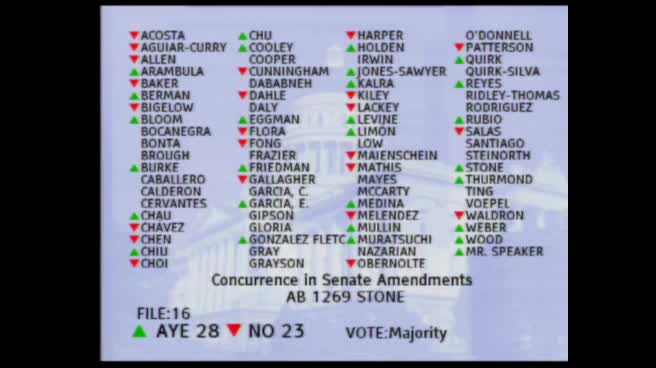 2MIN
Assembly Floor
 2MIN
Senate Floor
 7MIN
Senate Standing Committee on Transportation and Housing
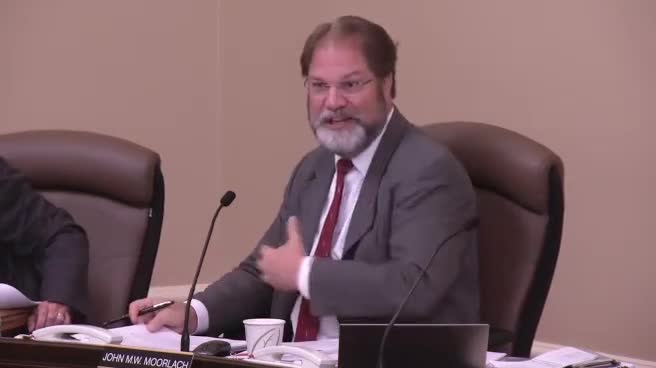 10MIN
Senate Standing Committee on Governance and Finance
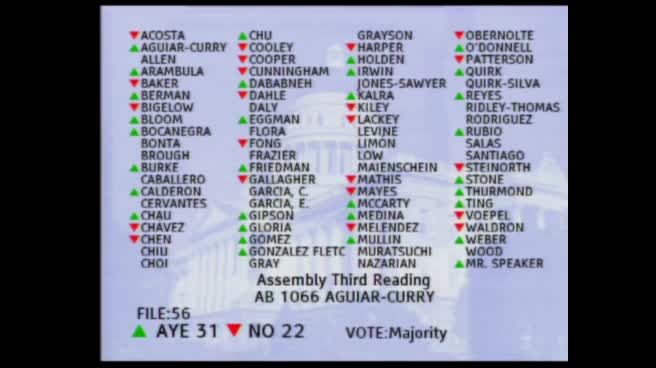 1MIN
Assembly Floor
 1H
Assembly Standing Committee on Appropriations
 5MIN
Assembly Standing Committee on Local Government
Bill Author

Bill Co-Author(s):