AB 1679: Motor vehicle insurance: auto body repair.
- Session Year: 2017-2018
- House: Assembly
- Latest Version Date: 2017-04-06
Existing law makes certain business practices in insurance unlawful, including, but not limited to, an insurer requiring an auto body repair shop, as a condition of participation in the insurers direct repair program, to pay for the cost of an insureds rental vehicle that is replacing an insured vehicle damaged in an accident, or to pay for the towing charges of the insured with respect to that accident. Existing law also requires any insurer that conducts an auto body repair labor rate survey to determine and set a specified prevailing auto body repair labor rate in a specific geographic area to report the results of that survey to the Department of Insurance, which is required to make the information available upon request.
This bill would delete the above-described provisions regarding an auto body repair labor rate survey and instead would require an insurer that conducts or uses a survey that establishes a prevailing auto body repair labor rate in a specific geographic area to report the results of the survey to the department at least every 24 months and would require the survey results to contain specified information, including, among other things, the name and physical address of each auto body repair shop surveyed, the total number of auto body repair shops surveyed, and a description of the geographic area covered. The bill would authorize the department to have access to all labor rate survey responses, a list of surveyed auto repair shops, the method for selecting surveyed shops, and the information used by the insurer to determine the geographic area for the survey and would require the department to keep all that information confidential, as specified. The bill would provide that a survey that complies with specified standards and requirements be accorded the status of a rebuttable presumption by the commissioner that the insurer has attempted in good faith to effectuate a fair and equitable labor rate component of a claim settlement or an adjustment of the labor rate component of a written estimate provided by a claimant.
Existing law prohibits insurers from requiring that an automobile be repaired at a specific automotive repair dealer, as defined. Under existing law, an insurer may suggest or recommend a specific automotive repair dealer under specified circumstances, including when a referral is expressly requested by the claimant. Existing law authorizes an insurer to provide a claimant with specific truthful and nondeceptive information regarding the services and benefits available to the claimant during the claims process.
This bill would authorize an insurer to provide the claimant, at any time, with specific, truthful, and nondeceptive information including, among other things, a description of the insurers direct repair program and information identifying available participating direct repair program repair shops and information about the types of parts that may be used in making the necessary repairs to the damaged motor vehicle.
Existing constitutional provisions require that a statute that limits the right of access to the meetings of public bodies or the writings of public officials and agencies be adopted with findings demonstrating the interest protected by the limitation and the need for protecting that interest.
This bill would make legislative findings to that effect.
Existing law requires the Insurance Commissioner to establish a program to investigate complaints and respond to inquiries received regarding the handling of insurance claims and, when warranted, to bring enforcement actions against insurers or production agencies. Existing law requires the commissioner to adopt a regulation that sets forth the criteria that the department shall apply to determine if a complaint is deemed to be justified prior to the public release of a complaint against a specifically named insurer or production agency. The commissioner is authorized to establish an Internet-accessible complaint response system to distribute and receive complaint information, as specified.This bill would require the commissioner, on or before January 1, 2019, to submit a report to the Governor and to the committees of the Senate and the Assembly having jurisdiction over insurance regarding the impact and implementation of the Internet-accessible complaints response system.Existing law requires the Insurance Commissioner to establish a program to investigate complaints and respond to inquiries received regarding the handling of insurance claims and, when warranted, to bring enforcement actions against insurers or production agencies. Existing law requires the commissioner to adopt a regulation that sets forth the criteria that the department shall apply to determine if a complaint is deemed to be justified prior to the public release of a complaint against a specifically named insurer or production agency. The commissioner is authorized to establish an Internet-accessible complaint response system to distribute and receive complaint information, as specified.
This bill would require the commissioner, on or before January 1, 2019, to submit a report to the Governor and to the committees of the Senate and the Assembly having jurisdiction over insurance regarding the impact and implementation of the Internet-accessible complaints response system.
Existing law generally designates the State Air Resources Board as the state agency with the primary responsibility for the control of vehicular air pollution. The Charge Ahead California Initiative, administered by the state board, includes goals of, among other things, placing in service at least 1,000,000 zero-emission and near-zero-emission vehicles by January 1, 2023, and increasing access for disadvantaged, low-income, and moderate-income communities and consumers to zero-emission and near-zero-emission vehicles.Existing law establishes the Air Quality Improvement Program that is administered by the state board for the purposes of funding projects related to, among other things, the reduction of criteria air pollutants and improvement of air quality. Pursuant to its existing statutory authority, the state board has established the Clean Vehicle Rebate Project, as a part of the Air Quality Improvement Program, to promote the production and use of zero-emission vehicles by providing rebates for the purchase of new zero-emission vehicles.This bill would state the intent of the Legislature to enact legislation that would reduce emissions from motor vehicles through the construction of infrastructure to charge zero-emission electric motor vehicles with the goal of expanding the travel range of zero-emission electric vehicles.Existing law generally designates the State Air Resources Board as the state agency with the primary responsibility for the control of vehicular air pollution. The Charge Ahead California Initiative, administered by the state board, includes goals of, among other things, placing in service at least 1,000,000 zero-emission and near-zero-emission vehicles by January 1, 2023, and increasing access for disadvantaged, low-income, and moderate-income communities and consumers to zero-emission and near-zero-emission vehicles.
Existing law establishes the Air Quality Improvement Program that is administered by the state board for the purposes of funding projects related to, among other things, the reduction of criteria air pollutants and improvement of air quality. Pursuant to its existing statutory authority, the state board has established the Clean Vehicle Rebate Project, as a part of the Air Quality Improvement Program, to promote the production and use of zero-emission vehicles by providing rebates for the purchase of new zero-emission vehicles.
This bill would state the intent of the Legislature to enact legislation that would reduce emissions from motor vehicles through the construction of infrastructure to charge zero-emission electric motor vehicles with the goal of expanding the travel range of zero-emission electric vehicles.
The Legislature finds and declares all of the following:
(a)It is the intent of the Legislature in enacting the amendments to Section 758.5 of the Insurance Code in Assembly Bill 1679 of the 201718 Regular Session to supersede, in their entirety, the amendments to subdivision (e) of Section 2695.8 of Title 10 of the California Code of Regulations adopted on November 9, 2016, and to supersede any provision of that regulation in effect prior to November 9, 2016, that is in conflict with Section 758.5 of the Insurance Code.
(b)It is the further intent of the Legislature that the amendments to Section 758.5 enacted pursuant to Assembly Bill 1679 of the 201718 Regular Session are intended to occupy the field with respect to the rules governing insurer communications with claimants concerning the repair of motor vehicles.
(c)That, because of the relative infrequency that consumers need vehicle repair services, both first-party and third-party claimants often do not know about the full range of options available for the repair of their motor vehicles and benefit from auto repair process information provided by insurers during the claims adjusting process.
SEC. 2.Section 758 of the Insurance Code is amended to read:758.(a)It is unlawful for an insurer to require an auto body repair shop registered pursuant to Sections 9884 and 9889.52 of the Business and Professions Code, as a condition of participation in the insurers direct repair program, to pay for the cost of an insureds rental vehicle that is replacing an insured vehicle damaged in an accident, or to pay for the towing charges of the insured with respect to that accident. However, the insurer and the auto body repair shop may agree in writing to terms and conditions under which the rental vehicle charges become the responsibility of the auto body repair shop when the shop fails to complete work within the agreed-upon time for repair of the damaged vehicle.
(b)A registered auto body repair shop that is denied participation in an insurers direct repair program may report a denial to the department, which shall maintain a record of all those denials for the purposes of gathering market conduct information. An insurer, upon the request of the department, shall disclose the fact that a denial was made.
(c)Any insurer that conducts an auto body repair labor rate survey to determine and set a specified prevailing auto body rate in a specific geographic area shall report the results of that survey to the department, which shall make the information available upon request. The survey information shall include the names and addresses of the auto body repair shops and the total number of shops surveyed.SEC. 3.Section 758.1 is added to the Insurance Code, to read:758.1.(a)This section or any other law shall not be construed to require any insurer to conduct or use a prevailing auto body repair labor rate survey.
(b)An insurer that conducts or uses a survey that establishes a prevailing auto body repair labor rate in a specific geographic area shall report the results of the survey to the department at least every 24 months for as long as the insurer continues to use that prevailing auto body repair labor rate survey. The survey results reported to the department shall include all of the following information, which the department shall make available upon request:
(1)The name and physical address of each auto body repair shop surveyed.
(2)The total number of auto body repair shops surveyed.
(3)The prevailing auto body repair labor rate established for each geographic area surveyed.
(4)A description of the specific geographic area covered by the prevailing auto body repair labor rate reported.
(5)A general description of the method used to calculate or determine the specific prevailing auto body repair labor rate reported for each specific geographic area.
(c)(1)Upon request, the department shall have access to all survey responses, a list of surveyed auto body repair shops, the method for selecting those shops, and information used by the insurer to determine the geographic area for the prevailing auto body repair labor rate survey.
(2)Excluding the information required to be reported to the department in subdivision (b), this information shall be held confidential by the department and treated as a trade secret and shall not be produced or otherwise disclosed, except when the department is required to produce the data or information by a valid subpoena, court order, or other applicable law.
(3)If the department determines that it is required to produce the data or information pursuant to this subdivision, the department shall first advise the insurer and any other source of the data in order to give the insurer or other source an opportunity to protect the proprietary and confidential nature of the data.
(d)Notwithstanding any other law or regulation, a prevailing auto body repair labor rate survey that complies with all of the following standards and requirements shall be accorded the same status as a survey that complies with all of the standards and requirements set forth in subdivision (d) of Section 2695.81 of Title 10 of the California Code of Regulations for purposes of satisfying the requirements of subdivision (c) of Section 2695.81 of Title 10 of the California Code of Regulations:
(1)The survey does not use labor rate information older than 24 months except for a survey that is continuously available for updating by auto body repair shops or if the labor rate information has been adjusted for inflation, deflation, or cost of living by a statistically valid method within the last 24 months.
(2)(A)The sample size is equal to or greater than 20 percent of the total auto body repair shops registered with, or licensed by, the Bureau of Automotive Repair as an auto body shop or paint shop, surveyed at random subject to paragraph (3), for each geographic region.
(B)This paragraph shall not be construed to require an insurer to verify the registration or license status of surveyed auto body repair shops with the Bureau of Automotive Repair.
(3)The survey may exclude shops that do not meet the specific standards of subparagraph (A) of paragraph (4) of subdivision (d) of Section 2695.81 of Title 10 of the California Code of Regulations, but does not exclude consideration of any auto body repair shop on the basis of the shops labor rate or on the basis of its participation or nonparticipation in the direct repair program of the surveying insurer or any other insurer.
(4)The surveys methodology does not require an auto body repair shop to respond to the survey in any of the following manners:
(A)Electronic format.
(B)Less than 30 calendar days after the survey questionnaire was mailed or electronically transmitted to the shop.
(C)By providing its discounted rate for the direct repair program of the surveying insurer or any other insurer.
(5)The survey calculates the prevailing auto body repair labor rate as the median rate charged by the surveyed auto body repair shops in a specific geographic area, without any weighting other than weighting based on repair volume capacity.
(6)The survey data is compiled from one or more of the following sources:
(A)Direct responses provided by an auto body repair shop.
(B)Any paid repair invoices, including those paid by the insurer or another insurer.
(C)Third-party automobile collision repair estimating software used by the insurer to prepare estimates.
(7)The survey uses any reasonable, contiguous geographic area to establish a prevailing auto body repair labor rate, including cities, counties, and Core Based Statistical Areas as defined by the federal Office of Management and Budget for use by federal statistical agencies, as long as the geographic area chosen has at least six auto body repair shops whose labor rate information is included in the survey.
(e)This section shall not be construed to require an insurer to include in the calculation of the prevailing auto body repair labor rate any survey responses that exceed the posted labor rate for the work performed. An insurer may request additional information to substantiate responses received from the survey.
(f)This section shall not be construed to prohibit an insurer from paying a labor rate lower than the prevailing auto body repair labor rate if the auto body repair shop chosen by the claimant to perform the repairs charges a labor rate lower than the prevailing auto body repair labor rate.
(g)This section shall not preclude an insurer or an auto body repair shop from negotiating a labor rate that is higher or lower than the prevailing auto body repair labor rate established by the auto body repair labor rate survey.
SEC. 4.Section 758.5 of the Insurance Code is amended to read:758.5.(a)No An insurer shall not require that an automobile be repaired at a specific automotive repair dealer, as defined in Section 9880.1 of the Business and Professions Code.
(b)(1)No An insurer shall not suggest or recommend that an automobile be repaired at a specific automotive repair dealer unless either of the following applies:
(A)A referral is expressly requested by the claimant.
(B)The claimant has been informed in writing of the right to select the automotive repair dealer.
(2)An insurer may provide the claimant with specific truthful and nondeceptive information regarding the services and benefits available to the claimant during the claims process. This may include, but is not limited to, information about the repair warranties offered, the type of replacement parts to be used, the anticipated time to repair the damaged vehicle, and the quality of the workmanship available to the claimant.(2)Notwithstanding paragraph (1), an insurer may provide the claimant, at any time, with specific, truthful, and nondeceptive information, including, but not limited to, any of the following:
(A)A description of the insurers direct repair program and information identifying available participating direct repair program repair shops.
(B)Information about the expected timeframes necessary to complete the repairs of the damaged motor vehicle at the repair shop selected by the claimant.
(C)Information about the differences in the claim adjustment and vehicle repair process between repair shops that participate in the insurers direct repair program and those repair shops that do not participate.
(D)Information about equipment or technical capabilities that a repair shop may need in order to accomplish the necessary repairs on the damaged motor vehicle.
(E)Information about the types of parts that may be used in making the necessary repairs to the damaged motor vehicle.
(F)Information about parts or workmanship warranties and the quality of workmanship that may be available from different repair shops.
(3)If an insurers recommendation of an automotive repair dealer is accepted by the claimant, the insurer shall cause the damaged vehicle to be restored to its condition prior to the loss at no additional cost to the claimant other than as stated in the policy or as is otherwise allowed by law. If the recommendation of an automotive repair dealer is done orally, and if the oral recommendation is accepted by the claimant, the insurer shall provide the information contained in this paragraph, as noted in the statement below, to the claimant at the time the recommendation is made. The insurer shall mail or provide the notice required by this paragraph within five calendar days from the acceptance of the recommendation. The written notice required by this paragraph shall include the following statement plainly printed in no less than 10-point type in a separate and freestanding
document:
WE ARE PROHIBITED BY LAW FROM REQUIRING THAT REPAIRS BE DONE AT A SPECIFIC AUTOMOTIVE REPAIR DEALER. YOU ARE ENTITLED TO SELECT THE AUTO BODY REPAIR SHOP TO REPAIR DAMAGE COVERED BY US. WE HAVE RECOMMENDED AN AUTOMOTIVE REPAIR DEALER THAT WILL REPAIR YOUR DAMAGED VEHICLE. WE RECOMMEND YOU CONTACT ANY OTHER AUTOMOTIVE REPAIR DEALER YOU ARE CONSIDERING TO CLARIFY ANY QUESTIONS YOU MAY HAVE REGARDING SERVICES AND BENEFITS. IF YOU AGREE TO USE OUR RECOMMENDED AUTOMOTIVE REPAIR DEALER, WE WILL CAUSE THE DAMAGED VEHICLE TO BE RESTORED TO ITS CONDITION PRIOR TO THE LOSS AT NO ADDITIONAL COST TO YOU OTHER THAN AS STATED IN THE INSURANCE POLICY OR AS OTHERWISE ALLOWED BY LAW. IF YOU EXPERIENCE A PROBLEM WITH THE REPAIR OF YOUR VEHICLE, PLEASE CONTACT US IMMEDIATELY FOR ASSISTANCE.
(c)Except as provided in subparagraph (A) of paragraph (1) of subdivision (b), or as to information of the kind authorized by paragraph (2) of subdivision (b), after the claimant has chosen an automotive repair dealer, the insurer shall not suggest or recommend that the claimant select a different automotive repair dealer.
(d)Any insurer that, by the insurance contract, suggests or recommends that an automobile be repaired at a particular automotive repair dealer shall also do both of the following:
(1)Prominently disclose the contractual provision in writing to the insured at the time the insurance is applied for and at the time the claim is acknowledged by the insurer.
(2)If the claimant elects to have the vehicle repaired at the shop of his or her choice, the insurer shall not limit or discount the reasonable repair costs based on charges that would have been incurred had the vehicle been repaired by the insurers chosen shop.
(e)For purposes of this section, claimant means a first-party claimant or insured, or a third-party claimant who asserts a right of recovery for automotive repairs under an insurance policy.
(f)The powers of the commissioner to enforce this section shall include those granted in Article 6.5 (commencing with Section 790) of Chapter 1 of Part 2 of Division 1.
(g)The changes to this section made by the act enacted during the 200910 Regular Session that amended this section shall only apply to actions filed on or after January 1, 2010.SEC. 5.The Legislature finds and declares that Section 3 of this act, which adds Section 758.1 to the Insurance Code, imposes a limitation on the publics right of access to the meetings of public bodies or the writings of public officials and agencies within the meaning of Section 3 of Article I of the California Constitution. Pursuant to that constitutional provision, the Legislature makes the following findings to demonstrate the interest protected by this limitation and the need for protecting that interest:
In order to protect insurer proprietary information, it is necessary to enact legislation that limits the publics right of access to proprietary information that may be collected in connection with insurance auto body repair labor rate surveys reported pursuant to Section 758.1 of the Insurance Code.
SECTION 1.Section 12921.1 of the Insurance Code is amended to read:12921.1.(a)The commissioner shall establish a program on or before July 1, 1991, to investigate complaints and respond to inquiries received pursuant to Section 12921.3, to comply with Section 12921.4, and, when warranted, to bring enforcement actions against insurers or production agencies, as those terms are defined in subdivision (a) of Section 1748.5. The program shall include, but not be limited to, the following:(1)A toll-free telephone number published in telephone books throughout the state, dedicated to the handling of complaints and inquiries.(2)Public service announcements to inform consumers of the toll-free telephone number and how to register a complaint or make an inquiry to the department.(3)A simple, standardized complaint form designed to assure that complaints will be properly registered and tracked.(4)Retention of records on complaints for at least three years after the complaint has been closed.(5)Guidelines to disseminate complaint and enforcement information on individual insurers to the public, that shall include, but not be limited to, the following:(A)License status.(B)Number and type of complaints closed within the last full calendar year, with analogous statistics from the prior two years for comparison. The proportion of those complaints determined by the department to require that corrective action be taken against the insurer, or leading to insurer compromise, or other remedy for the complainant, as compared to those that are found to be without merit. This information shall be disseminated in a fashion that will facilitate identification of meritless complaints and discourage their consideration by consumers and others interested in the records of insurers.(C)Number and type of violations found, by reference to the line of insurance and the law violated. For the purposes of this subparagraph, the department shall separately report this information for health insurers.(D)Number and type of enforcement actions taken.(E)Ratio of complaints received to total policies in force, or premium dollars paid in a given line, or both. Private passenger automobile insurance ratios shall be calculated as the number of complaints received to total car years earned in the period studied.(F)Any other information the department deems is appropriate public information regarding the complaint record of the insurer that will assist the public in selecting an insurer. However, nothing in this section shall be construed to permit disclosure of information or documents in the possession of the department to the extent that the information and those documents are protected from disclosure under any other provision of law.(6)Procedures and average processing times for each step of complaint mediation, investigation, and enforcement. These procedures shall be consistent with those in Article 6.5 (commencing with Section 790) of Chapter 1 of Part 2 of Division 1 for complaints within the purview of that article, consistent with those in Article 7 (commencing with Section 1858) of Chapter 9 of Part 2 of Division 1 for complaints within the purview of that article, and consistent with any other provisions of law requiring certain procedures to be followed by the department in investigating or prosecuting complaints against insurers or production agencies.(7)A list of criteria to determine which violations should be pursued through enforcement action, and enforcement guidelines that set forth appropriate penalties for violations based on the nature, severity, and frequency of the violations.(8)Referral of complaints not within the departments jurisdiction to appropriate public and private agencies.(9)Complaint handling goals that can be tested against surveys carried out pursuant to subdivision (a) of Section 12921.4.(10)Inclusion in its annual report to the Governor, required by Section 12922, detailed information regarding the program required by this section, that shall include, but not be limited to: a description of the operation of the complaint handling process, listing civil, criminal, and administrative actions taken pursuant to complaints received; the percentage of the departments personnel years devoted to the handling and resolution of complaints; and suggestions for legislation to improve the complaint handling apparatus and to increase the amount of enforcement action undertaken by the department pursuant to complaints if further enforcement is deemed necessary to ensure proper compliance by insurers or production agencies with the law.(b)The commissioner shall adopt a regulation that sets forth the criteria that the department shall apply to determine if a complaint is deemed to be justified prior to the public release of a complaint against a specifically named insurer or production agency.(c)The commissioner shall provide to the insurer or production agency a description of any complaint against the insurer or production agency that the commissioner has received and has deemed to be justified at least 30 days prior to public release of a report summarizing the information required by this section. This description shall include all of the following:(1)The name of the complainant.(2)The date the complaint was filed.(3)A succinct description of the facts of the complaint.(4)A statement of the departments rationale for determining that the complaint was justified that applies the departments criteria to the facts of the complaint.(d)An insurer shall provide to the department the name, mailing address, telephone number, and facsimile number of a person whom the insurer designates as the recipient of all notices, correspondence, and other contacts from the department concerning complaints described in this section. The insurer may change the designation at any time by providing written notice to the Consumer Services Division of the department.(e)(1)The commissioner may establish an Internet-accessible complaints response system to distribute and receive complaint information as described in subdivisions (a) and (c). Insurers shall be required to submit and receive complaint information, including, but not limited to, requested claim files, underwriting files, correspondence, and other supporting documents, using any system established by the commissioner pursuant to this subdivision.(2)(A)On or before January 1, 2019, the commissioner shall submit a report to the Governor and to the committees of the Senate and the Assembly having jurisdiction over insurance regarding the impact and implementation of the Internet-accessible complaints response system as authorized by this section.(B)The requirement for submitting a report imposed under this paragraph is inoperative on January 1, 2023, pursuant to Section 10231.5 of the Government Code.(f)For the purposes of this section, notices, correspondence, and other contacts with the designated person shall be deemed contact with the insurer.(a)The commissioner shall establish a program on or before July 1, 1991, to investigate complaints and respond to inquiries received pursuant to Section 12921.3, to comply with Section 12921.4, and, when warranted, to bring enforcement actions against insurers or production agencies, as those terms are defined in subdivision (a) of Section 1748.5. The program shall include, but not be limited to, the following:
(1)A toll-free telephone number published in telephone books throughout the state, dedicated to the handling of complaints and inquiries.
(2)Public service announcements to inform consumers of the toll-free telephone number and how to register a complaint or make an inquiry to the department.
(3)A simple, standardized complaint form designed to assure that complaints will be properly registered and tracked.
(4)Retention of records on complaints for at least three years after the complaint has been closed.
(5)Guidelines to disseminate complaint and enforcement information on individual insurers to the public, that shall include, but not be limited to, the following:
(A)License status.
(B)Number and type of complaints closed within the last full calendar year, with analogous statistics from the prior two years for comparison. The proportion of those complaints determined by the department to require that corrective action be taken against the insurer, or leading to insurer compromise, or other remedy for the complainant, as compared to those that are found to be without merit. This information shall be disseminated in a fashion that will facilitate identification of meritless complaints and discourage their consideration by consumers and others interested in the records of insurers.
(C)Number and type of violations found, by reference to the line of insurance and the law violated. For the purposes of this subparagraph, the department shall separately report this information for health insurers.
(D)Number and type of enforcement actions taken.
(E)Ratio of complaints received to total policies in force, or premium dollars paid in a given line, or both. Private passenger automobile insurance ratios shall be calculated as the number of complaints received to total car years earned in the period studied.
(F)Any other information the department deems is appropriate public information regarding the complaint record of the insurer that will assist the public in selecting an insurer. However, nothing in this section shall be construed to permit disclosure of information or documents in the possession of the department to the extent that the information and those documents are protected from disclosure under any other provision of law.
(6)Procedures and average processing times for each step of complaint mediation, investigation, and enforcement. These procedures shall be consistent with those in Article 6.5 (commencing with Section 790) of Chapter 1 of Part 2 of Division 1 for complaints within the purview of that article, consistent with those in Article 7 (commencing with Section 1858) of Chapter 9 of Part 2 of Division 1 for complaints within the purview of that article, and consistent with any other provisions of law requiring certain procedures to be followed by the department in investigating or prosecuting complaints against insurers or production agencies.
(7)A list of criteria to determine which violations should be pursued through enforcement action, and enforcement guidelines that set forth appropriate penalties for violations based on the nature, severity, and frequency of the violations.
(8)Referral of complaints not within the departments jurisdiction to appropriate public and private agencies.
(9)Complaint handling goals that can be tested against surveys carried out pursuant to subdivision (a) of Section 12921.4.
(10)Inclusion in its annual report to the Governor, required by Section 12922, detailed information regarding the program required by this section, that shall include, but not be limited to: a description of the operation of the complaint handling process, listing civil, criminal, and administrative actions taken pursuant to complaints received; the percentage of the departments personnel years devoted to the handling and resolution of complaints; and suggestions for legislation to improve the complaint handling apparatus and to increase the amount of enforcement action undertaken by the department pursuant to complaints if further enforcement is deemed necessary to ensure proper compliance by insurers or production agencies with the law.
(b)The commissioner shall promulgate adopt a regulation that sets forth the criteria that the department shall apply to determine if a complaint is deemed to be justified prior to the public release of a complaint against a specifically named insurer or production agency.
(c)The commissioner shall provide to the insurer or production agency a description of any complaint against the insurer or production agency that the commissioner has received and has deemed to be justified at least 30 days prior to public release of a report summarizing the information required by this section. This description shall include all of the following:
(1)The name of the complainant.
(2)The date the complaint was filed.
(3)A succinct description of the facts of the complaint.
(4)A statement of the departments rationale for determining that the complaint was justified that applies the departments criteria to the facts of the complaint.
(d)An insurer shall provide to the department the name, mailing address, telephone number, and facsimile number of a person whom the insurer designates as the recipient of all notices, correspondence, and other contacts from the department concerning complaints described in this section. The insurer may change the designation at any time by providing written notice to the Consumer Services Division of the department.
(e)(1)The commissioner may establish an Internet-accessible complaints response system to distribute and receive complaint information as described in subdivisions (a) and (c). Insurers shall be required to submit and receive complaint information, including, but not limited to, requested claim files, underwriting files, correspondence, and other supporting documents, using any system established by the commissioner pursuant to this subdivision.
(2)(A)On or before January 1, 2019, the commissioner shall submit a report to the Governor and to the committees of the Senate and the Assembly having jurisdiction over insurance regarding the impact and implementation of the Internet-accessible complaints response system as authorized by this section.
(B)The requirement for submitting a report imposed under this paragraph is inoperative on January 1, 2023, pursuant to Section 10231.5 of the Government Code.
(f)For the purposes of this section, notices, correspondence, and other contacts with the designated person shall be deemed contact with the insurer.
SECTION 1.It is the intent of the Legislature to enact legislation that would reduce emissions from motor vehicles through the construction of infrastructure to charge zero-emission electric vehicles with the goal of expanding the travel range of zero-emission electric vehicles.It is the intent of the Legislature to enact legislation that would reduce emissions from motor vehicles through the construction of infrastructure to charge zero-emission electric vehicles with the goal of expanding the travel range of zero-emission electric vehicles.
|
Date
|
Status
|
|---|---|
| Feb 1, 2018 | From committee: Filed with the Chief Clerk pursuant to Joint Rule 56. |
| Jan 31, 2018 | Died pursuant to Art. IV, Sec. 10(c) of the Constitution. |
| Jan 18, 2018 | In committee: Held under submission. |
| May 26, 2017 | In committee: Hearing postponed by committee. |
| May 17, 2017 | In committee: Set, first hearing. Referred to APPR. suspense file. |
| Apr 19, 2017 | From committee: Do pass and re-refer to Com. on APPR. (Ayes 13. Noes 0.) (April 19). Re-referred to Com. on APPR. |
| Apr 17, 2017 | Re-referred to Com. on INS. |
| Apr 6, 2017 | From committee chair, with author's amendments: Amend, and re-refer to Com. on INS. Read second time and amended. |
| Mar 27, 2017 | Re-referred to Com. on INS. |
| Mar 23, 2017 | From committee chair, with author's amendments: Amend, and re-refer to Com. on INS. Read second time and amended. |
| Mar 23, 2017 | Referred to Com. on INS. |
| Feb 19, 2017 | From printer. May be heard in committee March 21. |
| Feb 17, 2017 | Read first time. To print. |
|
Date
|
Description
|
Location
|
Votes
|
|
|---|---|---|---|---|
| Apr 19, 2017 | Do pass and be re-referred to the Committee on [Appropriations] | Assembly Standing Committee on Insurance |
Passed |
This list shows positions taken on this bill by organizations on the date displayed, which is linked to the original source.
Positions by individuals are not included.
Date of Hearing: May 17, 2017
ASSEMBLY COMMITTEE ON APPROPRIATIONS
Lorena Gonzalez Fletcher, Chair
ABPCA Bill Id:AB 1679
Author:(Burke) – As Amended Ver:April 6, 2017
Policy Committee: | Insurance | Vote: | 13 - 0 |
Urgency: No State Mandated Local Program: No Reimbursable: No
SUMMARY:
This bill has two major components which address recently issued California Department of Insurance (CDI) regulations. Specifically, this bill:
- Supersedes CDI regulations addressing "anti-steering" practices for automobile repairs paid for by insurers with different rules that allow more flexibility with respect to insurer communication to claimants.
- Allows for a new, more flexible "safe harbor" survey methodology, which will be available in addition to the current methodology specified in regulation, for establishing a market labor rate for automobile repairs.
FISCAL EFFECT:
Costs could range from minor to significant, and it is impossible to tell except with a retrospective analysis in a couple of years. The fiscal effect depends upon consumer and insurer behavior in response to the bill, versus under the status quo. Under the bill, CDI notes it could incur additional administrative costs well in excess of $150,000 if either consumer complaints rise significantly or if more, and more complicated, labor rate surveys need to be reviewed under the new safe harbor protections. CDI also notes some potential legal risk from language adding trade secret protections and other provisions. Though these estimates are speculative, some level of increased cost cannot be ruled out. Greater labor-intensity of reviewing market labor rate survey methodology, due to the additional flexibility this bill provides, may be most likely source of additional costs.
COMMENTS:
- Purpose. This bill is intended to replace recently issued CDI regulations that the author believes are problematic and will raise automobile insurance premiums. The regulations, as well as this bill, address the issue of preventing an insurer from "steering" a claimant who seeks car repair into a repair shop preferred by the insurer, as well as how labor rate surveys are developed.
- Background. Current law allows an auto insurance claimant to choose a repair shop, and prohibits insurers from requiring claimants to use a specific shop. However, insurers have a financial incentive to direct claimants to a repair shop with whom they have a contract, in order to ensure quality workmanship and take advantage of negotiated prices. Similar to negotiated contractual rates in the health insurance industry, insurers contract with repair shops for a negotiated price and volume of repairs through Direct Repair Programs (DRPs).
At issue in recent regulations, and in this bill, are two questions: (1) what is a reasonable methodology to conduct a survey of the prevailing labor rates in auto body shops, for purposes of providing fair reimbursement to shops who are not part of an insurer's DRP, and (2) given an insurer is barred from requiring claimants to use specific shops, what types of communications from insurer to claimant are legal and appropriate? It should be noted that under existing law, insurers may recommend shops, including those participating in a DRP, to claimants, as long as it is clear that the claimant retains the right to choose their repair shop.
- CDI Regulations. In 2011, Insurance Commissioner Dave Jones determined regulations in this area were necessary to ensure consumers are protected, and undertook an effort to work with stakeholders, including consumer groups, collision repair shops, automobile dealers, and insurers to issue regulations. Specifically, the department cited a failure of some insurers to follow basic statistical best practices in conducting labor rate surveys, and numerous complaints from consumers and auto body repair shops. CDI indicates the department has conducted an extensive rule-making process that has spanned six years and has offered numerous opportunities for stakeholder engagement. In addition, the department points to a list of concessions and changes made to the regulations to address stakeholder concerns. The department indicates the major industry concern that was not addressed was the use of DRP rates in the standardized surveys, which the department argues would have unilaterally imposed artificially low labor rates on work performed at body shops that have not agreed to take part in the insurer’s DRP. This bill establishes a "safe harbor" methodology for conducting surveys, and would allow the inclusion of DRP rates, among other modifications.
The Office of Administrative Law (OAL) approved the Commissioner's Anti-Steering in Auto Body Repair regulations on December 12, 2016. The regulation went into effect on January 1, 2017, with a delayed compliance date of March 12, 2017.
- Support. Numerous insurers and business groups, including several Black Chambers of Commerce, support this bill, noting it is fair, more efficient, and will keep premiums lower. Insurers report that after two months of the regulations being in place, they are seeing coordinated efforts from certain auto body shops demanding unprecedented hourly rate increases ranging from $5 to $40. One insurer projects a California family with two cars and a teenaged driver could see their auto insurance increase by $64 per year due to the regulations, and insurers believe initial trends would lead to a $280 to $300 million increase in the cost of auto repairs statewide.
- Opposition. CDI opposes this bill, indicating it erodes long-standing consumer protections in the area of auto body collision repair and harms consumers to the benefit of insurance companies. Auto body shops and machinists, Consumer Attorneys of California, California New Car Dealers Association, and Consumer Federation of California also oppose this bill. Opponents point to a number of specific drafting concerns and policy issues relating to specific details in the bill. Auto body shops in particular support CDI's recent regulations and oppose the new labor rate survey provisions for fear it will lead to artificially low labor rates.
Analysis Prepared by: Lisa Murawski / APPR. / (916) 319-2081
Date of Hearing: April 19, 2017
ASSEMBLY COMMITTEE ON INSURANCE
Tom Daly, Chair
ABPCA Bill Id:AB 1679 (
Author:Burke) – As Amended Ver:April 6, 2017
SUBJECT: Motor vehicle insurance: auto body repair
SUMMARY: Adopts legislative rules to govern so-called “steering” of automobile repair business by insurers and provides a legislative alternative to the Department of Insurance (DOI) auto body labor rate survey safe harbor regulation. Specifically, this bill:
- Contains declarations and statements of legislative intent to the effect that:
- The bill is intended to supersede in its entirety the DOI’s steering regulations;
- The bill is intended to occupy the field with respect to the rules governing insurer communications with claimants;
- Due to the relative infrequency that consumers require automobile repair services, both first and third-party claimants frequently do not know the full range of options available to them, and that claimants benefit from information provided by insurers regarding repair options during the claim adjusting process.
- Provides an alternative “safe harbor” to insurers that conduct a labor rate survey. The requirements to qualify for the bill’s safe harbor include:
- A random sample of at least 20% of repair shops in a geographic area must be surveyed;
- Survey results are valid for 24 months;
- The survey may include direct repair program (DRP) prices, negotiated prices, and other discounted prices that are part of the market in the geographic area, and that may be gathered by a range of specified methods;
- A definition of geographic area that includes zip codes, other official regional demarcations, and political subdivisions as large as counties; and
- A provision that the existence of a labor rate survey does not preclude an insurer from negotiating a rate that is either lower or higher than the survey’s indicated rate.
- Details and expands upon the information that must be filed with the DOI by insurers that conduct labor rate surveys, including the right of the DOI to request specific data that is broader than what current law requires insurers to file.
- Provides that this additional information requested by DOI enjoys limited protection against public disclosure.
- Specifies the “specific, truthful, and nondeceptive information” that an insurer is authorized to provide to a claimant at any time during the claim settlement process.
EXISTING LAW:
- Contains an “Unfair Practices Act” that requires insurers to treat both first party and third party insurance claimants fairly.
- Grants vehicle owners the right to select the repair shop of their choice in the event their vehicle is damaged, and the repairs are covered by an insurer.
- Provides that, if an insurer conducts a survey of body shops in order to determine an appropriate labor rate to pay to body shops, the insurer must report the results of the survey to the DOI.
- Provides, in regulations adopted by the DOI, a number of specific rules that govern labor rate surveys and so-called “steering” of claimants to DRP repair shops, including:
- A requirement that ALL licensed repair shops in a geographic area be sent a prescribed survey questionnaire;
- Limitations on the type of information that can be used to determine what any particular repair shop actually charges its customers;
- A limitation on what insurers can communicate to claimants once the claimant has “chosen” a repair shop’
- Defines when a claimant has made a choice of repair shop in terms that suggest the mere reference of a repair shop’s name triggers the communication limitation.
- Provides that survey data is valid for a 12 month period, but allows a longer period subject to specified cost of living upgrades;
- Specifies time periods during which various acts or responsibilities must be completed by insurers.
FISCAL EFFECT: Undetermined.
COMMENTS:
- Purpose. According to the author, AB 1679 was introduced to guard against predictable automobile insurance rate increases that are likely to result from the regulations recently adopted by the DOI. In addition, the bill is intended to clarify and establish legislative parameters on the communications that an insurer is authorized to provide to claimants about options the consumer may choose from. The author believes that the DOI regulations are poor public policy, contrary to the interests of automobile insurance ratepayers, and that these issues should be resolved legislatively.
- Current law, both statute and regulation, are extremely vague on what communications from an insurer to a claimant are authorized, and when those communications can be made. The current statute that governs what an insurer can communicate to a claimant, and when, is less than an ideal exemplar of legislative drafting. Some might describe it as statutory gobbledygook. The DOI regulation, however, does little to “clarify” the statute, and in fact may further muddy the waters. Specifically, the regulation adopts a trigger – when a claimant “chooses” a particular repair shop – that operates to bar further communications “except as permitted by Insurance Code Section 758.5” – the statute that is less than clear in the first place. The regulation then defines when a claimant has “chosen” a specific repair shop to be as soon as the claimant has “specified” a particular shop – which apparently means as soon as a claimant mentions any repair shop by name. This trigger appears to bar an insurer from providing accurate, truthful, non-deceptive information to that claimant even if the claimant is unaware of the information, and even if it might be beneficial to the claimant. In this sense, the DOI regulation operates as an anti-choice rule, since it is difficult for consumers to choose an option of which they are not aware.
The bill contains a list of 6 classes of information that must be “specific, truthful, and non-deceptive” that an insurer is authorized to communicate to a claimant at any time in the claims process. Rather than limit the flow of information that a claimant may not be aware of via the “choice” trigger, the bill is designed to allow an insurer to communicate “specific, truthful, and nondeceptive” information that the claimant might find useful in making a final decision. In this regard, the bill appears to better implement the principle that insurers have a commercial free speech right to communicate truthful information to claimants.
Opponents of the bill, including the DOI, some consumer groups, unions, and others in addition to repair shops, however, believe that the authorized “specific, truthful, and non-deceptive” communications are overly broad, would allow unfair badgering of claimants, and could lead to unfair disparagement by insurers of non-DRP repair shops. - DOI’s OPPOSE letter contains erroneous “alternative facts”. The letter from DOI to Committee Chair Tom Daly dated April 12, 2017, contains factually inaccurate statements concerning the content of AB 1679. Specifically, the letter states that AB 1679 contains “problematic provisions” that allow “insurers to make misleading statements to consumers.” The word “provisions” is commonly understood to mean bill language. The DOI is entitled to its opinion that insurers should not be authorized to make the statements authorized by the bill, or that its opinions on consumer protection issues are the only legitimate ones. However, it is not entitled to its own facts. There is simply no “provision” in the bill that in any way authorizes misleading statements. The only language in AB 1679 that addresses insurers’ statements to consumers specifically provides that the statements must be “specific, truthful, and nondeceptive.” The fact is, the bill does the exact opposite of what the DOI asserts in its letter.
- Does the bill “de facto” abolish a consumer’s right to select a body shop of the consumer’s choice? Current law provides that a consumer has the right to select a repair shop of his or her choice. The DOI regulation attempts to strengthen that right by cutting off communication at the first hint that the claimant has a particular shop in mind. But does the bill really “de facto” abolish that right, as DOI claims in its April 12 letter? First, the bill retains the provision in current law that the insurer cannot require any specific repair shop to be used. Second, the bill retains the provision in current law that mandates a specific disclosure, in writing, that includes the statement “YOU ARE ENTITLED TO SELECT THE AUTO BODY REPAIR SHOP TO REPAIR DAMAGE COVERED BY US.” While the bill does authorize communications that are not expressly authorized by either current statute or regulation, it does not repeal any provision of law that establishes the right of a consumer to select the repair shop of their choice. Opponents appear to conclude that authorizing “specific, truthful, and nondeceptive” statements will be abused to such an extent that claimants will be denied their right to choose a repair shop. It is unclear on what basis they draw this conclusion, and there is nothing in the bill that impedes to DOI’s enforcement authority if an insurer uses untrue or deceptive communications.
- Balance billing? According to DOI, the bill would allow insurers too much leeway to determine labor rates, and could end up paying “the hard-working professionals who repair the damaged cars of struggling Californians” such a low rate that these professionals would resort to “balance-billing” of their customers. That is, that the repair shop would determine the rate it desired, accept payment from the insurer, and then bill the claimant for the difference between the shop’s desired rate and what the insurer paid. Aside from the fact that repair shops deny that they have engaged in this practice, there has been no evidence presented at any time to suggest this fear has occurred or is at risk of occurring. To the extent that any evidence of balance billing does arise, the author may wish to consider an amendment prohibiting the practice.
- Direct repair programs. Insurers use DRPs to control costs, maintain quality control, and speed up the vehicle repair process. Insurers typically provide better guarantees and easier adjusting procedures when DRPs are used. For example, if a claimant takes the damaged vehicle to a DRP shop, the insurer typically accepts the repair estimate without further question, and work can start immediately. If the insurer has no contractual relationship with the repair shop, time-consuming efforts, such as scheduling the adjuster to evaluate the damage, have to occur.
Opponents believe that insurers also use DRPs in unfair ways, such as undermining fair pricing, forcing consumers to use shops that they really did not want to choose, and even providing substandard repairs (although no evidence of any systematic poor performance by DRP repair shops has ever been presented.) For these reasons, and others, the bill’s opponents have supported current law that places limits on insurers’ behavior of “steering” repair work to DRP shops, and they have supported the additional limits contained in the DOI regulations.
Insurers counter that quality repairs are in their best interest, because they would have to pay to re-repair failed repairs, that it only makes sense that they prefer to do business with partners with whom they are familiar and trust, and that DRP pricing is fair because it is a voluntary contract between willing parties. Insurers also assert that opponents’ fears about steering are overblown, since a relatively small percentage of overall repairs are performed at DRP shops. For instance, one of the largest market share auto insurers reports that 14.5% of its repairs are done by its DRP shops. Others have reported somewhat higher 20-30% numbers, and a few have estimated up to 40%. Rigorous data to establish an industry average does not appear to be available. However, they argue that there is no evidence of unfair steering to justify further limitations such as the DOI regulations. - Prior Office of Administrative Law (OAL) ruling, and current “safe harbor” approach to labor rate surveys. The current DOI regulation governing labor rate surveys is not couched as a mandate. Instead, the regulation proposes a safe harbor whereby an insurer that complies with the regulation’s labor rate survey requirements is entitled to a rebuttable presumption that it “has attempted in good faith to effectuate a fair and equitable: 1) labor rate component of a claim settlement, or 2) adjustment of the labor rate component of a written estimate provided by a claimant.” The DOI took this approach for a very good reason – in 2006, OAL rejected the DOI’s proposed labor rate regulations that mandated a specific methodology to be used in determining a prevailing labor rate in an area.
The problem with a safe harbor approach is that it is common regulatory legerdemain that the safe harbor acts as a de facto mandate. This occurs because, having stated what the agency finds acceptable, anything else is functionally unacceptable. Insurers fear, with substantial justification, that the DOI’s labor rate regulation will operate in just this manner. Specifically, throughout the lengthy rulemaking process, insurers raised the question of what other alternatives would be deemed acceptable, and DOI was conspicuously silent in response. In addition, DOI staff responsible for developing the regulations on more than one occasion stated words to the effect of “we expect” insurers will comply with the regulation’s labor rate requirements. This enforcement uncertainty is one of the reasons that the bill proposes an additional, statutory, safe harbor. - DOI labor rate regulations will INCREASE automobile insurance premiums. It is difficult to read the DOI’s labor rate regulation and not come away with the conclusion that it will inevitably raise the price for automobile body repairs paid by insurers, thereby increasing insurance rates as these increased costs are passed on to policyholders. At best, this is an unintended consequence. A number of small business, ethnic chambers of commerce, and community organizations have expressed support for the bill for this very reason.
In virtually any insurance context one can imagine, public policy suggests that insurers make every effort to control costs in order to keep premiums as low as possible. For example, it is difficult to imagine health insurance regulators making it difficult for health insurers to negotiate the best prices possible with doctors, hospitals, pharmacies, medical device manufacturers, and other providers of necessary services. Yet the labor rate regulations operate functionally to enhance the ability of repair shops to charge, and be paid, higher rates. Some specific examples of this upward price pressure caused by the regulations include:- The regulation mandates that THE ONLY data an insurer may use in determining a prevailing labor rate are “direct responses provided by an auto repair shop on a survey questionnaire.” (Title 10, California Code of Regulations, Section 2695.81, subdivision (d), paragraph (7). Consider the analogy of hospital billing. It has been established that the actual prices charged by hospitals to a range of different classes of payors varies widely, and the quoted or “rack-rates” that hospitals publish bear no resemblance to the prices actually paid. Yet the automobile body repair regulations actually mandate that the analogous auto body “rack rate” be used.
- An insurer’s labor rate survey can only use data submitted by repair shops that have responded to a survey – and there is no requirement that a repair shop respond. In addition, the insurer must use the responses of all of the shops that do respond. (Title 10, California Code of Regulations, Section 2695.81, subdivision (d), paragraphs (2) and (3).) A natural upward pressure on the calculated prevailing rate will occur as the lower price repair shops realize, which they certainly will, that by simply declining to respond to the survey, the remaining data will result in a prevailing labor rate that is higher than their current price, and which the insurer will now have to pay to all repair shops, in order to obtain the benefit of the regulation’s presumption.
- Discounted and DRP rates are excluded from the survey. (Title 10, California Code of Regulations, Section 2695.81, subdivision (d), paragraph (6). Any realistic definition of a market involves the notion of the price at which willing buyers and willing sellers come to agreement. Negotiated prices in DRP programs, or discounts in exchange for volume or other legitimate incentives, reflect agreements that willing buyers and willing sellers of repair services are voluntarily accepting. Yet these aspects of the market, which are presumably lower than quoted or posted rates, are excluded from consideration.
- Repair shops support the DOI labor rate survey requirements. Not surprisingly, repair shops argue that the DOI regulation’s labor rate survey’s restrictions are appropriate. They also criticize the alternative proposed by the bill. Specifically, some repair shops argue that DOI’s efforts are combatting insurers’ abusive use of labor rate surveys. They believe that inclusion of negotiated or “discounted” pricing distorts, rather than reflects, the true market for labor rate pricing. Other repair shops are less critical, but point out that the bill may allow inappropriate geographic areas to be treated the same – such as where there is a substantial urban center in a county, yet there are also substantial and very different rural communities significant distances away. The same labor rate should not apply in these functionally different geographic areas, but would be authorized by the bill. These repair shops argue that local wage laws and other cost-of-living factors should be part of any determination of the appropriate regional labor rate.
Opponents also point out that the bill appears to allow use of unregistered/unlicensed “underground economy” repair shops, as well as shops that do not maintain certain standards that are requirements of the DOI regulations, as part of the survey. (See page 6, lines 6-8.) It is not clear what this permissive language is attempting to capture, and the author may wish to seek clarification on this point.
Opponents also point to a number of specific drafting concerns and policy issues relating to specific details in the bill. Ongoing discussions among stakeholders would be appropriate to ensure that the bill’s language does not have unintended consequences, or implications for consumers not intended by the author. - Census vs survey. One element of the statutory safe harbor proposed by the bill is a requirement that an insurer randomly survey at least 20% of the licensed repair shops in the geographic region. This random sample is designed to obtain a sufficiently statistically significant data base as to produce a reliable prevailing labor rate. The DOI regulation, on the other hand, mandates that the entire population of repair shops be sent the required Standardized Labor Rate Survey. The rationale for this complete census of repair shops, and whether it is necessary or cost-effective, is unclear. On the other hand, opponents believe 20% is too small, and that the requirement that the sample be “random” is illusory despite the DOI’s authority to examine an insurer’s survey procedures.
- Limited confidentiality of survey-related information. The only current statutory requirement addressing labor rate surveys is contained in Insurance Code Section 758. That provision provides that, if an insurer conducts a survey, it must file with the DOI 1) the results of that survey, and 2) the names, addresses and number of repair shops surveyed. Nothing in current law makes this filed information a public record.
The bill, on the other hand, specifies a more detailed list of information required to be filed than contained in current law. In addition, the bill authorizes the DOI to request additional information about the survey, including the specific responses from specific repair shops, and the insurer’s methodology. This latter class of information is designated as confidential. - Unfair Practices Act. The Unfair Practices Act requires insurers to treat both first and third party claimants in good faith. The Act says nothing about how insurers are to treat service providers that must be hired to carry out their duty to claimants. Thus, the question arises, if an insurer delivers a properly repaired vehicle to the owner of the damaged vehicle, what business is it of the DOI if the insurer drove a hard bargain with the repair shop? It is difficult to see where the DOI has authority to ensure any level of income to repair facilities, yet that appears to be one of the goals of the DOI’s regulations.
REGISTERED SUPPORT / OPPOSITION:
Support
ACILC
American Insurance Association
Black American Political Association of California – BAPAC
Black Business Association (BBA)
CalChamber
California Association of Black Pastors
Carson Black Chamber of Commerce
Con10u2FarmL3c
Los Angeles Civil Rights Association
National Association of Mutual Insurance Companies
Personal Insurance Federation of California
Regional Black Chamber of Commerce
Sacramento Black Chamber of Commerce
State Farm Mutual Automobile Insurance Company
Opposition
California Autobody Association (CAA)
California Conference of Machinists
California Department of Insurance (CDI)
California New Car Dealers Association
Consumer Attorneys of California
Consumer Federation of California
Analysis Prepared by: Mark Rakich / INS. /
Discussed in Hearing
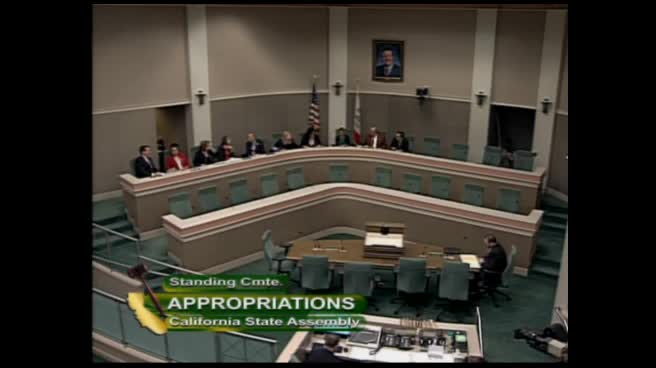 21MIN
Assembly Standing Committee on Appropriations
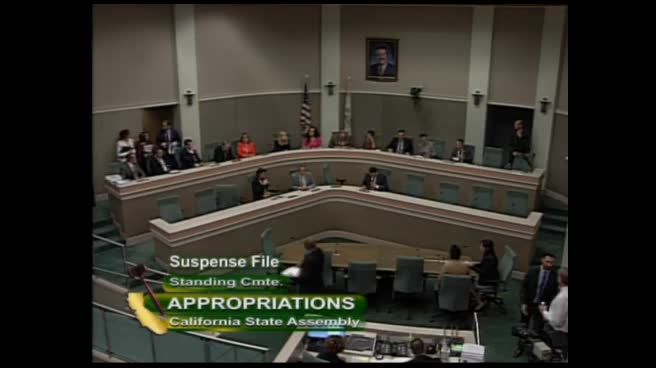 1H
Assembly Standing Committee on Appropriations
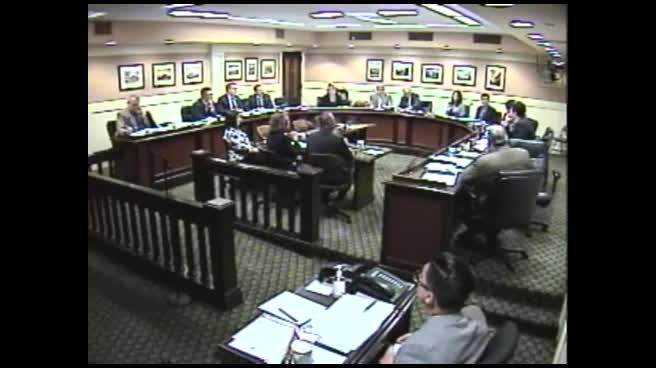 26MIN
Assembly Standing Committee on Insurance
Bill Author
Bill Co-Author(s):