AB 1787: Reporting: Valley Fever.
- Session Year: 2017-2018
- House: Assembly
- Latest Version Date: 2018-08-28
Existing law requires the State Department of Public Health to establish a list of reportable communicable and noncommunicable diseases and conditions and specify the timeliness requirements related to the reporting of each disease and condition. Existing law also supports research into the development of a vaccine to protect against coccidioidomycosis, also known as Valley Fever.
This bill would require the department, when it receives a report of a case of coccidioidomycosis after the departments reporting deadline for a specified year, to include the case in its data collection for the next year and attribute it to the year of diagnosis in future data reporting. This bill would require the department to collect data on coccidioidomycosis cases by April 15 of each year, as specified. The bill would require the department, if it collects data on coccidioidomycosis cases and removes discrepant data from its internal dataset, to timely report sufficient information about its removal of the discrepant data to a local health officer and the local health officer may remove the discrepant data from the countys dataset. The bill would also require the department, if it publishes provisional data on coccidioidomycosis cases, to publish an explanation of data changes likely to occur and of discrepancies between data reported by a local health officer and data reported by the department. The bill would require the department to publish the date range of a dataset and the date on which the dataset was updated if the department publishes data on coccidioidomycosis cases.
Existing law requires the State Department of Public Health to establish a list of reportable communicable and noncommunicable diseases and conditions and specify the timeliness requirements related to the reporting of each disease and condition. Existing law also supports research into the development of a vaccine to protect against coccidioidomycosis, also known as Valley Fever.
This bill would require the department, when it receives a report of a case of coccidioidomycosis after the departments reporting deadline for a specified year, to include the case in its data collection for the next year and attribute it to the year of diagnosis in future data reporting. This bill would require the department to collect data on coccidioidomycosis cases by April 15 of each year, as specified. The bill would require the department, if it collects data on coccidioidomycosis cases and removes discrepant data from its internal dataset, to timely report sufficient information about its removal of the discrepant data to a local health officer and the local health officer may remove the discrepant data from the countys dataset. The bill would also require the department, if it publishes provisional data on coccidioidomycosis cases, to publish an explanation of data changes likely to occur and of discrepancies between data reported by a local health officer and data reported by the department. The bill would require the department to publish the date range of a dataset and the date on which the dataset was updated if the department publishes data on coccidioidomycosis cases.
Existing law requires the State Department of Public Health to establish a list of reportable communicable and noncommunicable diseases and conditions and specify the timeliness requirements related to the reporting of each disease and condition. Existing law also supports research into the development of a vaccine to protect against coccidioidomycosis, also known as Valley Fever.
This bill would require the department to establish an annual deadline of March 31, commencing March 31, 2019, for a local health officer to report to the department all cases of coccidioidomycosis reported to the local health officer for the previous calendar year. The bill would require any cases not reported by the deadline to be included in the next years data collection and attributed department, when it receives a report of a case of coccidioidomycosis after the departments reporting deadline for a specified year, to include the case in its data collection for the next year and to the year of diagnosis in future data reporting. This bill would require the department to collect data on coccidioidomycosis cases by April 15 of each year, as specified. The bill would require the department, if it collects data on coccidioidomycosis cases and removes discrepant data from its internal data set, dataset, to timely report sufficient information about its removal of the discrepant data to a local health officer and the local health officer may remove the discrepant data from the countys data set. dataset. The bill would also require the department, if it publishes provisional data on coccidioidomycosis cases, to publish an explanation of data changes likely to occur and of discrepancies between data reported by a local health officer and data reported by the department. The bill would require the department to publish the date range of a data set dataset and the date on which the data set dataset was updated if the department publishes data on coccidioidomycosis cases. By imposing specific coccidioidomycosis reporting requirements on local health officers, the bill would create a state-mandated local program.
The California Constitution requires the state to reimburse local agencies and school districts for certain costs mandated by the state. Statutory provisions establish procedures for making that reimbursement.This bill would provide that, if the Commission on State Mandates determines that the bill contains costs mandated by the state, reimbursement for those costs shall be made pursuant to the statutory provisions noted above.Existing law requires the State Department of Public Health to establish a list of reportable communicable and noncommunicable diseases and conditions and specify the timeliness requirements related to the reporting of each disease and condition. Existing law also supports research into the development of a vaccine to protect against coccidioidomycosis, also known as Valley Fever.
This bill would require the department to establish an annual deadline of March 1, 31, commencing March 1, 31, 2019, for a local health officer to report to the department all cases of coccidioidomycosis reported to the local health officer during for the previous calendar year. The bill would require any cases not reported by the deadline to be included in the local health officers next annual report. next years data collection and attributed to the year of diagnosis in future data reporting. This bill would require the department to collect data on coccidioidomycosis cases by April 15 of each year, as specified. The bill would require the department, if it collects data on coccidioidomycosis cases and removes discrepant data from its internal data set, to timely report sufficient information about its removal of the discrepant data to a local health officer and the local health officer may remove the discrepant data from the countys data set. The bill would also require the department, if it publishes provisional data on coccidioidomycosis cases, to publish an explanation of data changes likely to occur and of discrepancies between data reported by a local health officer and data reported by the department. The bill would require the department to publish the date range of a data set and the date on which the data set was updated if the department publishes data on coccidioidomycosis cases. By imposing specific coccidioidomycosis reporting requirements on local health officers, the bill would create a state-mandated local program.
The California Constitution requires the state to reimburse local agencies and school districts for certain costs mandated by the state. Statutory provisions establish procedures for making that reimbursement.
This bill would provide that, if the Commission on State Mandates determines that the bill contains costs mandated by the state, reimbursement for those costs shall be made pursuant to the statutory provisions noted above.
Existing law requires the State Department of Public Health to establish a list of reportable communicable and noncommunicable diseases and conditions and specify the timeliness requirements related to the reporting of each disease and condition. Existing law also supports research into the development of a vaccine to protect against coccidioidomycosis, also known as Valley Fever.
This bill would require the department to establish an annual deadline of March 1, commencing March 1, 2019, for a local health officer to report to the department all cases of coccidioidomycosis reported to the local health officer during the previous calendar year. The bill would require any cases not reported by the deadline to be included in the local health officers next annual report. By imposing specific coccidioidomycosis reporting requirements on local health officers, the bill would create a state-mandated local program.
The California Constitution requires the state to reimburse local agencies and school districts for certain costs mandated by the state. Statutory provisions establish procedures for making that reimbursement.
This bill would provide that, if the Commission on State Mandates determines that the bill contains costs mandated by the state, reimbursement for those costs shall be made pursuant to the statutory provisions noted above.
If the department receives a report of a case of coccidioidomycosis after the departments reporting deadline for a specified year, the department shall include the case in its data collection for the next year and attribute it to the year of diagnosis in future data reporting.
SEC. 2.Section 120162 is added to the Health and Safety Code, to read:120162.By April 15 of each year, the department shall collect data on coccidioidomycosis cases from both of the following:
(a)The California Reportable Disease Information Exchange (CalREDIE).
(b)Any other electronic data system used by a local health department, a coccidioidomycosis case report submitted to the department by a local health officer, or both.
SEC. 3.Section 120163 is added to the Health and Safety Code, to read:120163.(a)If the department collects data on coccidioidomycosis cases from a local health officer and removes discrepant data from its internal dataset for any reason, including, but not limited to, to delete duplicate cases reported by multiple counties, the department shall report in a timely manner sufficient information about its removal of the discrepant data to the local health officer and the local health officer may remove the discrepant data from the countys dataset.
(b)If the department publishes provisional data on coccidioidomycosis cases, the department shall include in its publication an explanation for likely data changes between initial and final publication, and an explanation for discrepancies between data reported by a local health officer and data reported by the department.
(c)If the department publishes data on coccidioidomycosis cases, the department shall include in its publication the date range of the dataset published and the date on which the published data set was updated.
If the department receives a report of a case of coccidioidomycosis after the departments reporting deadline for a specified year, the department shall include the case in its data collection for the next year and attribute it to the year of diagnosis in future data reporting.
SEC. 2.Section 120162 is added to the Health and Safety Code, to read:120162.By April 15 of each year, the department shall collect data on coccidioidomycosis cases from both of the following:
(a)The California Reportable Disease Information Exchange (CalREDIE).
(b)Any other electronic data system used by a local health department, a coccidioidomycosis case report submitted to the department by a local health officer, or both.
SEC. 3.Section 120163 is added to the Health and Safety Code, to read:120163.(a)If the department collects data on coccidioidomycosis cases from a local health officer and removes discrepant data from its internal dataset for any reason, including, but not limited to, to delete duplicate cases reported by multiple counties, the department shall report in a timely manner sufficient information about its removal of the discrepant data to the local health officer and the local health officer may remove the discrepant data from the countys dataset.
(b)If the department publishes provisional data on coccidioidomycosis cases, the department shall include in its publication an explanation for likely data changes between initial and final publication, and an explanation for discrepancies between data reported by a local health officer and data reported by the department.
(c)If the department publishes data on coccidioidomycosis cases, the department shall include in its publication the date range of the dataset published and the date on which the published data set was updated.
If the department receives a report of a case of coccidioidomycosis after the departments reporting deadline for a specified year, the department shall include the case in its data collection for the next year and attribute it to the year of diagnosis in future data reporting.
SEC. 2.Section 120162 is added to the Health and Safety Code, to read:120162.By April 15 of each year, the department shall collect data on coccidioidomycosis cases from both of the following:
(a)The California Reportable Disease Information Exchange (CalREDIE).
(b)Any other electronic data system used by a local health department, a coccidioidomycosis case report submitted to the department by a local health officer, or both.
SEC. 3.Section 120163 is added to the Health and Safety Code, to read:120163.(a)If the department collects data on coccidioidomycosis cases from a local health officer and removes discrepant data from its internal data set dataset for any reason, including, but not limited to, to delete duplicate cases reported by multiple counties, the department shall report in a timely manner sufficient information about its removal of the discrepant data to the local health officer and the local health officer may remove the discrepant data from the countys data set. dataset.
(b)If the department publishes provisional data on coccidioidomycosis cases, the department shall include in its publication an explanation for likely data changes between initial and final publication, and an explanation for discrepancies between data reported by a local health officer and data reported by the department.
(c)If the department publishes data on coccidioidomycosis cases, the department shall include in its publication the date range of the data set dataset published and the date on which the published data set was updated.
SEC. 4.If the Commission on State Mandates determines that this act contains costs mandated by the state, reimbursement to local agencies and school districts for those costs shall be made pursuant to Part 7 (commencing with Section 17500) of Division 4 of Title 2 of the Government Code.(a)The department shall establish a deadline of March 1, 31, 2019, and each March 1 31 thereafter, for a local health officer to report to the department all cases of coccidioidomycosis reported to the local health officer during for the previous calendar year.
(b)Any A case of coccidioidomycosis that is not reported to the department by the deadline specified in subdivision (a) shall be included in the local health officers next annual report. next years data collection and attributed to the year of diagnosis in future data reporting.
SEC. 2.Section 120162 is added to the Health and Safety Code, to read:120162.By April 15 of each year, the department shall collect data on coccidioidomycosis cases from both of the following:
(a)The California Reportable Disease Information Exchange (CalREDIE).
(b)Any other electronic data system used by a local health department, a coccidioidomycosis case report submitted to the department by a local health officer, or both.
SEC. 3.Section 120163 is added to the Health and Safety Code, to read:120163.(a)If the department collects data on coccidioidomycosis cases from a local health officer and removes discrepant data from its internal data set for any reason, including, but not limited to, to delete duplicate cases reported by multiple counties, the department shall report in a timely manner sufficient information about its removal of the discrepant data to the local health officer and the local health officer may remove the discrepant data from the countys data set.
(b)If the department publishes provisional data on coccidioidomycosis cases, the department shall include in its publication an explanation for likely data changes between initial and final publication, and an explanation for discrepancies between data reported by a local health officer and data reported by the department.
(c)If the department publishes data on coccidioidomycosis cases, the department shall include in its publication the date range of the data set published and the date on which the published data set was updated.
SEC. 2.SEC. 4.If the Commission on State Mandates determines that this act contains costs mandated by the state, reimbursement to local agencies and school districts for those costs shall be made pursuant to Part 7 (commencing with Section 17500) of Division 4 of Title 2 of the Government Code.
(a)The department shall establish a deadline of March 1, 2019, and each March 1 thereafter, for a local health officer to report to the department all cases of coccidioidomycosis reported to the local health officer during the previous calendar year.
(b)Any case of coccidioidomycosis that is not reported to the department by the deadline specified in subdivision (a) shall be included in the local health officers next annual report.
SEC. 2.If the Commission on State Mandates determines that this act contains costs mandated by the state, reimbursement to local agencies and school districts for those costs shall be made pursuant to Part 7 (commencing with Section 17500) of Division 4 of Title 2 of the Government Code.
|
Date
|
Status
|
|---|---|
| Aug 28, 2018 | Chaptered by Secretary of State - Chapter 229, Statutes of 2018. |
| Aug 28, 2018 | Approved by the Governor. |
| Aug 16, 2018 | Enrolled and presented to the Governor at 4 p.m. |
| Aug 13, 2018 | Senate amendments concurred in. To Engrossing and Enrolling. |
| Aug 7, 2018 | In Assembly. Concurrence in Senate amendments pending. May be considered on or after August 9 pursuant to Assembly Rule 77. |
| Aug 6, 2018 | Read third time. Passed. Ordered to the Assembly. |
| Jun 26, 2018 | Read second time. Ordered to third reading. |
| Jun 25, 2018 | From committee: Be ordered to second reading pursuant to Senate Rule 28.8. |
| Jun 13, 2018 | From committee: Do pass and re-refer to Com. on APPR. (Ayes 8. Noes 0.) (June 13). Re-referred to Com. on APPR. |
| Jun 6, 2018 | From committee chair, with author's amendments: Amend, and re-refer to committee. Read second time, amended, and re-referred to Com. on HEALTH. |
| May 29, 2018 | In committee: Hearing postponed by committee. |
| May 3, 2018 | Referred to Com. on HEALTH. |
| Apr 19, 2018 | In Senate. Read first time. To Com. on RLS. for assignment. |
| Apr 19, 2018 | Read third time. Passed. Ordered to the Senate. (Ayes 71. Noes 0.) |
| Apr 12, 2018 | Read second time. Ordered to Consent Calendar. |
| Apr 11, 2018 | From committee: Do pass. To Consent Calendar. (Ayes 15. Noes 0.) (April 11). |
| Apr 3, 2018 | Re-referred to Com. on APPR. |
| Apr 2, 2018 | Read second time and amended. |
| Mar 22, 2018 | From committee: Amend, and do pass as amended and re-refer to Com. on APPR. (Ayes 15. Noes 0.) (March 20). |
| Jan 22, 2018 | Referred to Com. on HEALTH. |
| Jan 9, 2018 | From printer. May be heard in committee February 8. |
| Jan 8, 2018 | Read first time. To print. |
|
Date
|
Description
|
Location
|
Votes
|
|
|---|---|---|---|---|
| Aug 13, 2018 | AB 1787 SALAS Concurrence in Senate Amendments | Assembly Floor |
Passed |
|
| Aug 6, 2018 | Assembly 3rd Reading AB1787 Salas et al. By Galgiani | Senate Floor |
Passed |
|
| Jun 13, 2018 | Do pass, but first be re-referred to the Committee on [Appropriations] | Senate Standing Committee on Health |
Passed |
|
| Apr 19, 2018 | AB 1787 SALAS Consent Calendar Second Day Regular Session | Assembly Floor |
Passed |
|
| Apr 11, 2018 | Do pass. To Consent Calendar. | Assembly Standing Committee on Appropriations |
Passed |
|
| Mar 20, 2018 | Do pass as amended and be re-referred to the Committee on [Appropriations] | Assembly Standing Committee on Health |
Passed |
This list shows positions taken on this bill by organizations on the date displayed, which is linked to the original source.
Positions by individuals are not included.
CONCURRENCE IN SENATE AMENDMENTS
CSA1 Bill Id:AB 1787
Author:(Salas and Fong)
As Amended Ver:June 6, 2018
Majority vote
ASSEMBLY: | 71-0 | (April 19, 2018) | SENATE: | 36-0 | (August 6, 2018) |
Original Committee Reference: HEALTH
SUMMARY: Requires the Department of Public Health (DPH) to collect data on Valley Fever by April 15 of each year from both the California Reportable Disease Information Exchange or any other electronic data system.
The Senate amendments:
- Delete a provision of this bill that would have required DPH to establish an annual deadline beginning on March 1, 2019, for local health officers (LHOs) to report all cases of Valley Fever to DPH.
- Make clarifying changes that if DPH receives a report of a Valley Fever case after DPH’s reporting deadline for a specified year, DPH will include the Valley Fever case in its data collection for the next year and attribute it to the year of diagnosis in future data reporting.
EXISTING LAW:
- Requires DPH to establish a list of reportable communicable and noncommunicable diseases and conditions and specify the timeliness requirement for the reporting of each disease and condition.
- Requires every health care provider, knowing of or in attendance on a case or suspected case of any of diseases or conditions as specified, to report to the LHO for the jurisdiction where the patient resides.
- Requires an administrator of each health facility, clinic, or other setting where more than one health care provider may know of a case, a suspected case or an outbreak of disease within the facility to establish and be responsible for administrative procedures to assure that reports are made to the local officer health officer.
- Requires LHOs to report cases of identified diseases to DPH.
FISCAL EFFECT: According to the Senate Appropriations Committee, pursuant to Senate Rule 28.8, negligible state costs.
COMMENTS: According to the authors, adopting a standardized annual reporting deadline for local health departments to report cases of Valley Fever is a simple, common sense approach that will allow local health departments (LHDs) and DPH to be able to work together on the same time line to ensure the highest level of accuracy for counting cases of Valley Fever.
Valley Fever is an infectious disease caused by a fungus, Coccidioides, which is found in arid soil and desert-like regions of California, the southwestern region of the United States (U.S.), parts of Mexico, Central America, and South America. Individuals and domestic animals can become infected with Valley Fever through breathing in the microscopic Coccidioides fungus spores. Anyone who lives, works, or visits areas with the contaminated soil is at risk for Valley Fever. It is important to note that individuals and/or animals infected with Valley Fever are not contagious. According to DPH, approximately 60% of infected individuals will not present any symptoms. However, for many individuals infected with Valley Fever they will present with flu-like symptoms which last from a few weeks to a few months. Approximately 5-10% of individuals infected will develop severe Valley Fever and may suffer life-long complications. In very rare cases Valley Fever can be fatal.
There is no vaccine to prevent infection or cure for those who have been infected, but current research is working towards this goal. State funding for the Valley Fever Vaccine Project began with a budget augmentation request by then-Assemblymember Ashburn for $700,000 in 1997-98. In 2009, the Budget Act included an ongoing appropriation of $1 million to continue research activities earmarked toward the development of a vaccine. Funding was subsequently discontinued in 2010. In 2015, SB 115 (Fuller) was introduced which would have appropriated $1 million from the General Fund to DPH for Valley Fever vaccine research. SB 115 was held in the Assembly Appropriations Committee. Numerous similar allocation requests between 2002 and 2014 were held in the Assembly Appropriations Committee. In the 2018-19 budget, there was approximately $8 million appropriated towards public awareness and research for Valley Fever.
According to DPH, there were 5,372 confirmed cases of Valley Fever in 2016. In 2017, there were 7,958 provisional cases which include both suspected and confirmed cases. The majority of counties in California have reported cases of Valley Fever, but a large portion of Valley Fever cases are found in the Central Valley and Central Coast regions. In California, the highest rates of Valley Fever are reported in Fresno, Kern, Kings, Madera, Merced, Monterey, San Luis Obispo, Tulare, and San Luis Obispo counties. Valley Fever contributes to an average of 78 fatalities each year in California.
Valley Fever can mimic many common diseases, such as influenza or pneumonia. Therefore, patient cases are reported as suspected until laboratory results can confirm a patient has Valley Fever. Health care providers report suspected and confirmed cases to LHDs. LHDs are then mandated to report all cases of Valley Fever to DPH. Valley Fever cases are continuously reported by LHDs to DPH throughout the year. However, cases remain provisional until the LHD completes their investigation and finalizes the report case. Early in the year, DPH sets a deadline for all reported disease cases, including Valley Fever, to be finalized and closed by LHDs. This deadline in past years has usually been the last day of February. According to DPH, this deadline will sometimes change if there are significant challenges for LHDs, such as a large number of Valley Fever cases or other communicable disease issues that require urgent attention. This year DPH has set the deadline of March 31, 2018.
In response to the increase of Valley Fever cases, DPH recently convened a Valley Fever Workgroup (Workgroup). The purpose of the Workgroup is to improve understanding, standardize surveillance, and hold opportunities for communication between DPH and LHDs from endemic areas of Valley Fever. The Workgroup first met in October of 2017, and continues to meet monthly. It has four specific goals:
- To better understand how each local health jurisdiction is currently conducting surveillance of Valley Fever;
- Develop a plan for systematic and standardized approach to Valley Fever surveillance in California; including the possibility of a revised case definition for disease monitoring that will facilitate more rapid reporting and case confirmation;
- Discuss ways to increase public awareness of Valley Fever with the public and also medical providers; and,
- Determine the need for new Valley Fever educational materials and additional tools for possible Valley Fever outbreaks.
The Valley Fever Americas Foundation (VFAF) writes in support of this bill, stating that inconsistencies in the reporting process can result in cases being underreported and inaccurate case totals. VFAF states this bill sets a consistent, reliable annual deadline for LHDs reporting cases of Valley Fever to DPH and this bill will establish regularity and standardization in the reporting process.
The Health Officers Association of California (HOAC) writes in opposition that DPH already retains the authority to modify surveillance requirements through regulation and HOAC is concerned by needlessly differentiating one reportable disease from another in reporting statutes. HOAC notes that emerging situations and advancements in science can require changes to disease reporting protocol and statutes are not nimble in accommodating new developments. HOAC states that this bill is unnecessary.
Analysis Prepared by: Monica Montano / HEALTH / (916) 319-2097 FN: 0003643
Office of Senate Floor Analyses (916) 651-1520 Fax: (916) 327-4478 | AB |
THIRD READING
Bill No: AB 1787
:
SENATE HEALTH COMMITTEE: 8-0, 6/13/18
AYES: Pan, Nguyen, Hernandez, Leyva, Mitchell, Monning, Nielsen, Roth
NO VOTE RECORDED: Newman
SENATE APPROPRIATIONS COMMITTEE: Senate Rule 28.8
ASSEMBLY FLOOR: 71-0, 4/19/18 (Consent) - See last page for vote
DIGEST:
- This bill places new reporting requirements on the Department of Public Health (DPH) related to valley fever surveillance.
Existing law:
- Requires DPH to establish a list of reportable diseases and conditions to be properly reported as required to DPH by local health officers (LHOs). Requires DPH to specify the timeliness requirements related to the reporting of each disease and condition, and the mechanisms required for, and the content to be included in, reports made. Permits the list to include both communicable and noncommunicable diseases. Permits the list to be modified at any time by DPH, after consultation with the California Conference of Local Health Officers. [HSC §120130]
- Requires DPH to establish a list of communicable diseases and conditions for which clinical laboratories are required submit a culture or a specimen to the local public health laboratory. Requires the list to set forth the conditions under which the culture and specimen is also required to be submitted to the State Public Health Laboratory. Permits the list to be modified at any time by DPH, in consultation with appropriate local public health stakeholders, including, but not limited to, LHOs and public health laboratory directors. [HSC §120130]
- Requires every health care provider, knowing of or in attendance on a case or suspected case of any reportable diseases or conditions, to report to the LHO for the jurisdiction where the patient resides. Permits any individual having knowledge of a person who is suspected to be suffering from one of the diseases to make a report to the LHO for the jurisdiction where the patient resides when there is no health care provider in attendance. [17 CCR §2500, et seq.]
- Requires an administrator of each health facility, clinic, or other setting where more than one health care provider may know of a case, a suspected case or an outbreak of disease within the facility, to establish and be responsible for administrative procedures to assure that reports are made to the LHO. [17 CCR §2500, et seq.]
- Requires each clinical laboratory director, or the laboratory director’s designee, an approved public health laboratory, or a veterinary laboratory, to report findings of specified communicable diseases and conditions to the LHO of the local health jurisdiction where the health care provider who first submitted the specimen is located, except for acute HIV infection reporting (which has unique reporting requirements). Requires the laboratory, if the patient residence is unknown, to notify the LHO of the jurisdiction in which the health care provider is located. [17 CCR §2505, et seq.]
This bill:
- Requires DPH, if it receives a report of a case of valley fever after its reporting deadline for a specified year, to include the case in its data collection for the next year and attribute it to the year of diagnosis in future data reporting.
- Requires DPH, by April 15 of each year, to collect data on valley fever cases from the California Reportable Disease Information Exchange (CalREDIE) and any other electronic data system used by a LHO, a valley fever case report submitted to DPH by a LHO, or both.
- Requires DPH, if it collects data on valley fever cases from an LHO and removes discrepant data from its internal data set for any reason, including to delete duplicate cases reported by multiple counties, to report in a timely manner sufficient information about its removal of data to the LHO. Permits the LHO to remove the data from the county’s data set.
- Requires DPH, if it publishes provisional data on valley fever cases, to include in its publication an explanation for likely data changes between initial and final publication, and an explanation for discrepancies between data reported by an LHO and data reported by DPH.
- Requires DPH, if it publishes data on valley fever cases, to include in its publication the date range of the data set published and the date on which the published data set was updated.
Background
- Valley fever. According to the Centers for Disease Control and Prevention (CDC), valley fever is caused by coccidioides, a fungus that lives in soil in the southwestern United States and parts of Mexico, Central America, and South America. Inhaling the airborne fungal spores can cause infection, but is not spread from person to person. Most people who are exposed to the fungus do not get sick, but some people develop flu-like symptoms that may last for weeks to months. In a very small proportion of people who get valley fever, the infection can spread from the lungs to the rest of the body and cause more severe conditions, such as meningitis or even death. While anyone in an endemic area is at risk, those working in occupations involving dirt and dust exposure may be at increased risk of infection. Several groups of people are at higher risk for developing the severe forms of valley fever, including African Americans, Asians, diabetics, and people with weak immune systems, including those with an organ transplant or who have HIV/AIDS.
- California incidence. According to the CDC, between 1998 and 2016 the number of reported valley fever cases in California slowly climbed from 719 in 1998 to a peak in 2011 of 5,697. Those numbers were on the decline until 2016, when the number appeared to creep back up with 5,358 reported cases. Although most cases of valley fever are not associated with outbreaks, outbreaks linked to a common source do occasionally occur, particularly after events that disturb large amounts of soil. Past outbreaks have occurred in military trainees, archeological workers, solar farm workers, and in people exposed to earthquakes, and dust storms. The number of valley fever cases varies from year to year, and by season. Cases can be more common in the late summer and fall. Provisional cases include suspect, probable, and confirmed cases: suspect and probable cases may be confirmed later or excluded as official cases upon further investigation. According to DPH, the counties with the highest annual incidence rates statewide in 2016 included Kern (251.7 per 100,000), Kings (157.3 per 100,000), San Luis Obispo (82.8 per 100,000), Fresno (60.8 per 100,000), Tulare (45.3 per 100,000), Madera (31.5 per 100,000), and San Joaquin (25.3 per 100,000).
- Existing reporting mechanisms. According to DPH’s Web site, its Division of Communicable Disease Control (DCDC) works to promptly identify, prevent and control infectious diseases that pose a threat to public health. DPH works with LHOs to implement infectious disease control at the local level through the 61 legally-appointed physician LHOs in California, one from each of the 58 counties and three cities of Berkeley, Long Beach and Pasadena. DCDC identifies, prevents and controls infectious diseases that pose a threat to public health, including emerging and re-emerging infectious diseases, vaccine-preventable agents, bacterial toxins, bioterrorism, and pandemics. DCDC works with LHOs to identify and monitor reported cases of over 70 reportable diseases, including valley fever. These reportable diseases and conditions are reported by health care providers and laboratories to LHOs, who report this information to DPH. For most counties, local health department staff enter case information into the CalREDIE, which is the statewide electronic disease reporting system. Basic patient identifying information is required for each case of valley fever; a longer Coccidioidomycosis Case Report Form with more information requested is available but is voluntary and not required.
- Reporting valley fever. The California Code of Regulations Title 17 requires that health care providers report cases of valley fever within seven calendar days to the LHO. Laboratories are required to report within one working day after the health care provider has been notified. According to DPH, LHOs may collect additional information from health care providers to determine whether a case meets standard case definitions, and then report cases to DPH. When LHOs enter data into CalREDIE, they initially mark them as “Suspect” if not enough information is available to confirm, and later change the classification to “Confirmed” if additional information shows that the case meets the standard definition. Both DPH and LHOs can review information in CalREDIE. For valley fever, LHOs receive reports of “Suspect” cases from local laboratories and health care providers, with most reports containing only minimal information. For example, valley fever cases reported by laboratories usually contain only the positive laboratory result(s), with no clinical information, such as signs or symptoms of illness. The national surveillance case definition for valley fever requires both laboratory and clinical criteria. For the clinical criteria to be met, the patient must have signs and symptoms consistent with valley fever. In order to determine whether suspect cases actually meet the surveillance case definition, LHOs must follow up with health care providers or the patients and collect additional information. DPH states that because valley fever is a complex disease, it can be difficult to determine whether a positive laboratory result represents a false positive result, a recent infection, or an infection acquired in the past. Collecting additional patient clinical information helps determine whether the patient has valley fever currently or not. Some cases initially reported as “Suspect” are eventually not confirmed as valley fever cases. If the case meets the surveillance case definition of valley fever, it is counted for regular data reports. Currently, Kern and Los Angeles are two counties that report using laboratory criteria only.
- CalREDIE. CalREDIE is a secure system implemented by DPH for electronic disease reporting and surveillance. According to DPH, CalREDIE allows for 24/7/365 reporting and receipt of notifiable conditions. LHOs and DPH have access to disease and laboratory reports in near real-time for disease surveillance, public health investigation, and case management activities. Coordinated by the California Disease Emergency Response Program within DCDC, the CalREDIE system is widely utilized by LHOs and healthcare providers within California. Additionally, over 350 laboratories electronically submit reportable lab results to public health through CalREDIE Electronic Laboratory Reporting. All 61 of California’s LHOs use CalREDIE in some capacity, and 58 LHOs use the system for surveillance of all notifiable communicable diseases.
Comments
Author’s statement. According to the author, there is currently no vaccine or cure for valley fever and because its symptoms are similar to other common illnesses, it is often misdiagnosed or left untreated. DPH reported a record number of cases of valley fever in 2016 at over 5,300. Early reports from DPH indicate the case total increased to a record total again in 2017, possibly by thousands of cases. However, the rapidly rising case totals in our state do not tell the whole picture. The CDC estimates that 150,000 additional cases go unreported every year in the United States and has called the disease a “silent epidemic.” Due to the alarming increase and record totals that have occurred in California over recent years, the difficulty inherent in diagnosing the disease, and the tens or hundreds of thousands of additional cases that go undiagnosed or unreported, it is critical that we have accurate data to most effectively monitor and prevent valley fever. However, the number of reported cases can often vary between the state and local public health officials. AB 1787 will help provide consistency and transparency in the reporting of valley fever cases to ensure the most up-to-date and accurate data is available to local and state health officials and the public.
FISCAL EFFECT: Appropriation: Fiscal Com.: Local:
Acton Town Council
Arvin Union School District
California State Association of Electrical Workers
California State Pipe Trades Council
City of Arvin
City of Bakersfield
City of Corcoran
City of Delano
City of Hanford
City of McFarland
City of Wasco
County of Kern
County of Kings
International Brotherhood of Electrical Workers Local 428
Kern Health Systems
Kern Medical Center
Lamont Elementary School District
Valley Children’s Healthcar
Valley Fever Americas Foundation
Vineland School District
Western States Council of Sheet Metal Workers
Wonderful Company LLC
OPPOSITION: (Verified 6/26/18)
Health Officers Association of California
ARGUMENTS IN SUPPORT: Numerous supporters write that valley fever is a statewide issue, 50 out of 58 counties have reported cases in 2011. Supporters state that the disease is tragically underreported: according to the CDC, 150,000 additional cases go unreported every year in the U.S. Kern and Kings Counties routinely see the highest rates of infection, and far surpassed any other counties in the state in 2016. Supporters further contend that inconsistencies in the reporting process can result in cases being underreported and inaccurate case totals, and setting a consistent, reliable annual deadline for local health departments reporting cases of valley fever will establish regularity and standardization in the reporting process.
ARGUMENTS IN OPPOSITION: Although the author recently amended this bill to remove language affecting LHO duties, the Health Officers Association of California (HOAC) states that the problem this bill seeks to address remains unclear. HOAC contends that valley fever is underreported, but this has little to do with data communications between DPH and LHOs and instead has to do with limited awareness among the public and clinical workforce. LHOs have ongoing communication with DPH, reporting new valley fever cases at least weekly, and HOAC is unclear as to how this bill will help cases be more accurately reported. HOAC is concerned by distinguishing actions for valley fever from those of other reportable diseases, and are hesitant to prescribe action in statute for specific reportable diseases, especially for practices DPH already has the expert authority to adopt.
ASSEMBLY FLOOR: 71-0, 4/19/18
AYES: Acosta, Aguiar-Curry, Travis Allen, Arambula, Baker, Berman, Bigelow, Bloom, Bonta, Brough, Burke, Caballero, Carrillo, Cervantes, Chau, Chávez, Chen, Chiu, Choi, Chu, Cooley, Cooper, Cunningham, Dahle, Daly, Eggman, Flora, Fong, Frazier, Friedman, Gallagher, Gipson, Gloria, Gonzalez Fletcher, Gray, Grayson, Harper, Holden, Irwin, Jones-Sawyer, Kalra, Kamlager-Dove, Kiley, Lackey, Levine, Limón, Low, Maienschein, Mathis, Mayes, McCarty, Medina, Muratsuchi, Nazarian, Obernolte, O'Donnell, Patterson, Quirk-Silva, Reyes, Rubio, Salas, Santiago, Steinorth, Mark Stone, Thurmond, Ting, Voepel, Waldron, Weber, Wood, Rendon
NO VOTE RECORDED: Calderon, Cristina Garcia, Eduardo Garcia, Melendez, Mullin, Quirk, Rodriguez
6/27/18 9:35:01
SENATE COMMITTEE ON HEALTH
Senator Dr. Richard Pan, Chair
BILL NO: AB 1787
AUTHOR: | Salas | ||
VERSION: | June 6, 2018 | ||
HEARING DATE: | June 13, 2018 | ||
CONSULTANT: | Melanie Moreno | ||
SUBJECT: Reporting: Valley Fever
SUMMARY:
- Places new reporting requirements on the Department of Public Health (DPH) related to valley fever surveillance, including: attributing late-reported data to the year of diagnosis in future data reporting; collecting cases by the state’s electronic data system by April 15 of each year; reporting to local health officers (LHOs) about any removal of discrepant data; and including an explanation for likely data changes between initial and final publication of data, and an explanation for discrepancies between data reported by an LHO and data reported by DPH.
Existing law:
- Requires DPH to establish a list of reportable diseases and conditions to be properly reported as required to DPH by LHOs. Requires DPH to specify the timeliness requirements related to the reporting of each disease and condition, and the mechanisms required for, and the content to be included in, reports made. Permits the list to include both communicable and noncommunicable diseases. Permits the list to be modified at any time by DPH, after consultation with the California Conference of Local Health Officers. [HSC §120130]
- Requires DPH to establish a list of communicable diseases and conditions for which clinical laboratories are required submit a culture or a specimen to the local public health laboratory. Requires the list to set forth the conditions under which the culture and specimen is also required to be submitted to the State Public Health Laboratory. Permits the list to be modified at any time by DPH, in consultation with appropriate local public health stakeholders, including, but not limited to, LHOs and public health laboratory directors. [HSC §120130]
- Requires, through regulation, every health care provider, knowing of or in attendance on a case or suspected case of any reportable diseases or conditions, to report to the LHO for the jurisdiction where the patient resides. Permits any individual having knowledge of a person who is suspected to be suffering from one of the diseases to make such a report to the LHO for the jurisdiction where the patient resides when there is no health care provider in attendance. Defines "health care provider" as a physician and surgeon, a veterinarian, a podiatrist, a nurse practitioner, a physician assistant, a registered nurse, a nurse midwife, a school nurse, an infection control practitioner, a medical examiner, a coroner, or a dentist. [17 CCR §2500, et seq.]
- Requires, through regulation, an administrator of each health facility, clinic, or other setting where more than one health care provider may know of a case, a suspected case or an outbreak of disease within the facility, to establish and be responsible for administrative procedures to assure that reports are made to the LHO. [17 CCR §2500, et seq.]
- Requires, through regulation, each clinical laboratory director, or the laboratory director's designee, an approved public health laboratory, or a veterinary laboratory, to report findings of specified communicable diseases and conditions to the LHO of the local health jurisdiction where the health care provider who first submitted the specimen is located, except for acute HIV infection reporting (which has unique reporting requirements). Requires the laboratory, if the patient residence is unknown, to notify the LHO of the jurisdiction in which the health care provider is located. [17 CCR §2505, et seq.]
This bill:
- Requires DPH, if it receives a report of a case of valley fever after its reporting deadline for a specified year, to include the case in its data collection for the next year and attribute it to the year of diagnosis in future data reporting.
- Requires DPH, by April 15 of each year, to collect data on valley fever cases from the California Reportable Disease Information Exchange (CalREDIE) and any other electronic data system used by a LHO, a valley fever case report submitted to DPH by a LHO, or both.
- Requires DPH, if it collects data on valley fever cases from an LHO and removes discrepant data from its internal data set for any reason, including to delete duplicate cases reported by multiple counties, to report in a timely manner sufficient information about its removal of the discrepant data to the LHO. Permits the LHO to remove the discrepant data from the county’s data set.
- Requires DPH, if it publishes provisional data on valley fever cases, to include in its publication an explanation for likely data changes between initial and final publication, and an explanation for discrepancies between data reported by an LHO and data reported by DPH.
- Requires DPH, if it publishes data on valley fever cases, to include in its publication the date range of the data set published and the date on which the published data set was updated.
FISCAL EFFECT:
According to the Assembly Appropriations Committee, negligible cost.
PRIOR VOTES:
Assembly Floor: | 71 - 0 |
Assembly Appropriations Committee: | 15 - 0 |
Assembly Health Committee: | 15 - 0 |
COMMENTS:
- Author’s statement. According to the author, there is currently no vaccine or cure for valley fever and because its symptoms are similar to other common illnesses, it is often misdiagnosed or left untreated. DPH reported a record number of cases of valley fever in 2016 at over 5,300. Early reports from DPH indicate the case total increased to a record total again in 2017, possibly by thousands of cases. However, the rapidly rising case totals in our state do not tell the whole picture. The Centers for Disease Control and Prevention (CDC) estimates that 150,000 additional cases go unreported every year in the United States and has called the disease a “silent epidemic.” Due to the alarming increase and record totals that have occurred in California over recent years, the difficulty inherent in diagnosing the disease, and the tens or hundreds of thousands of additional cases that go undiagnosed or unreported, it is critical that we have accurate data to most effectively monitor and prevent valley fever. However, the number of reported cases can often vary between the state and local public health officials. AB 1787 will help provide consistency and transparency in the reporting of valley fever cases to ensure the most up-to-date and accurate data is available to local and state health officials and the public.
- Background. According to the CDC, valley fever is caused by coccidioides, a fungus that lives in soil in the southwestern United States and parts of Mexico, Central America, and South America. Inhaling the airborne fungal spores can cause infection, but is not spread from person to person. Most people who are exposed to the fungus do not get sick, but some people develop flu-like symptoms that may last for weeks to months. In a very small proportion of people who get valley fever, the infection can spread from the lungs to the rest of the body and cause more severe conditions, such as meningitis or even death. While anyone in an endemic area is at risk, those working in occupations involving dirt and dust exposure may be at increased risk of infection. Several groups of people are at higher risk for developing the severe forms of valley fever, including African Americans, Asians, diabetics, and people with weak immune systems, including those with an organ transplant or who have HIV/AIDS.
- Endemic areas. The CDC map below shows the approximate areas (called “endemic areas”) where coccidioides is known to live or is suspected to live in the U.S. and Mexico. Much of what is known about where the fungus lives in the southwestern U.S. is based on studies performed in the late 1940s and early 1950s. The map also shows the locations of several outbreaks and locations of valley fever cases acquired outside of the areas identified by skin testing. Coccidioides might also live in similar areas with hot, dry climates that are not shaded on the map.

- California incidence. According to the CDC, between 1998 and 2016 the number of reported valley fever cases in California slowly climbed from 719 in 1998 to a peak in 2011 of 5,697. Those numbers were on the decline until 2016, when the number appeared to creep back up with 5,358 reported cases. Although most cases of valley fever are not associated with outbreaks, outbreaks linked to a common source do occasionally occur, particularly after events that disturb large amounts of soil. Past outbreaks have occurred in military trainees, archeological workers, solar farm workers, and in people exposed to earthquakes, and dust storms. The number of valley fever cases varies from year to year, and by season. Cases can be more common in the late summer and fall. Provisional cases include suspect, probable, and confirmed cases: suspect and probable cases may be confirmed later or excluded as official cases upon further investigation. According to DPH, the counties with the highest annual incidence rates statewide in 2016 included Kern (251.7 per 100,000), Kings (157.3 per 100,000), San Luis Obispo (82.8 per 100,000), Fresno (60.8 per 100,000),Tulare (45.3 per 100,000), Madera (31.5 per 100,000), and San Joaquin (25.3 per 100,000).
- Vaccine. Valley fever research has been going on since the 1930s and 40s, with not much progress towards a vaccine. According to a report published in October 2012 by the Reporting On Health collaborative (an initiative of The California Endowment Health Journalism Fellowships at the University of Southern California’s Annenberg School for Communication and Journalism), when a valley fever vaccine was evaluated in the late 1970s and early 1980s, and proved to be effective in mice and monkeys, hundreds of people signed up for the human clinical (Phase III) trials. However, patients complained of very sore arms and swelling at the injection site even at low doses. The shot was so painful people dropped out of the trial, and ultimately the vaccine did not show conclusive protection. In 1997, a Bakersfield-based committee worked with California State University, Bakersfield to select five U.S. scientists to develop a new vaccine with funding from the California HealthCare Foundation (CHCF) and the State of California. The project was launched with a $1.5 million grant from CHCF, $700,000 in state general funds, and a contribution of more than $100,000 from rotary clubs. With further contributions over the next decade from CHCF, the federal government, the state, the county of Kern and nonprofit groups, total funding reached about $16 million. However, funding dried up and the research stalled. DPH reports that it last received funding for valley fever in 2009-10 when $1 million in state funding was appropriated for valley fever vaccine development. Most of that funding was provided to an academic advisory group to coordinate vaccine research grants because DPH lacks technical expertise and capacity to monitor valley fever vaccine development projects. That funding was exhausted in 2010 and DPH is no longer involved in any research for a valley fever vaccine.
- Existing reporting mechanisms. According to DPH’s website, its Division of Communicable Disease Control (DCDC) works to promptly identify, prevent and control infectious diseases that pose a threat to public health. DPH works with LHOs to implement infectious disease control at the local level through the 61 legally-appointed physician LHOs in California, one from each of the 58 counties and three cities of Berkeley, Long Beach and Pasadena. DCDC identifies, prevents and controls infectious diseases that pose a threat to public health, including emerging and re-emerging infectious diseases, vaccine-preventable agents, bacterial toxins, bioterrorism, and pandemics. DCDC works with LHOs to identify and monitor reported cases of over 70 reportable diseases, including valley fever. These reportable diseases and conditions are reported by health care providers and laboratories to LHOs, who report this information to DPH. For most counties, local health department staff enter case information into the California Reportable Disease Information Exchange (CalREDIE), which is the statewide electronic disease reporting system. Basic patient identifying information is required for each case of valley fever; a longer Coccidioidomycosis Case Report Form with more information requested is available but is voluntary and not required.
- Reporting valley fever. The California Code of Regulations (CCR) Title 17 requires that health care providers report cases of valley fever within 7 calendar days to the LHO. Laboratories are required to report within one working day after the health care provider has been notified. According to DPH, LHOs may collect additional information from health care providers to determine whether a case meets standard case definitions, and then report cases to DPH. When LHOs enter data into CalREDIE, they initially mark them as “Suspect” if not enough information is available to confirm, and later change the classification to “Confirmed” if additional information shows that the case meets the standard definition. Both DPH and LHOs can review information in CalREDIE. For valley fever, LHOs receive reports of “Suspect” cases from local laboratories and health care providers, with most reports containing only minimal information. For example, valley fever cases reported by laboratories usually contain only the positive laboratory result(s), with no clinical information, such as signs or symptoms of illness. The national surveillance case definition for valley fever requires both laboratory and clinical criteria. For the clinical criteria to be met, the patient must have signs and symptoms consistent with valley fever. In order to determine whether suspect cases actually meet the surveillance case definition, LHOs must follow up with health care providers or the patients and collect additional information. DPH states that because valley fever is a complex disease, it can be difficult to determine whether a positive laboratory result represents a false positive result, a recent infection, or an infection acquired in the past. Collecting additional patient clinical information helps determine whether the patient has valley fever currently or not. Some cases initially reported as “Suspect” are eventually not confirmed as valley fever cases. If the case meets the surveillance case definition of valley fever, it is counted for regular data reports. Currently, Kern and Los Angeles are two counties that report using laboratory criteria only.
- CalREDIE. CalREDIE is a secure system implemented by DPH for electronic disease reporting and surveillance. According to DPH, CalREDIE allows for 24/7/365 reporting and receipt of notifiable conditions. LHOs and DPH have access to disease and laboratory reports in near real-time for disease surveillance, public health investigation, and case management activities. Coordinated by the California Disease Emergency Response (CDER) Program within DCDC, the CalREDIE system is widely utilized by LHOs and healthcare providers within California. Additionally, over 350 laboratories electronically submit reportable lab results to public health through CalREDIE Electronic Laboratory Reporting. All 61 of California’s LHOs use CalREDIE in some capacity, and 58 LHOs use the system for surveillance of all notifiable communicable diseases.
- Related legislation. AB 1788 (Salas) permits DPH, for the purpose of reports confirming a case of valley fever, to use a laboratory criteria for diagnosis, with or without clinical criteria. AB 1788 is set to be heard on June 13, 2018 in this Committee.
AB 1789 (Salas) requires the Occupational Safety and Health Standards Board to adopt valley fever standards for state public works projects, as specified. AB 1789 was held on the Assembly Committee of Appropriations suspense file.
AB 1790 (Salas) establishes the Valley Fever Education, Early Diagnosis, and Treatment Act to raise awareness of the symptoms, tests, and treatments for valley fever among the general public, primary health care providers, and health care providers who care for persons at higher risk for getting valley fever. AB 1790 is set to be heard on June 13, 2018 in this Committee.
- Prior legislation. AB 1279 (Salas) of 2017 would have required DPH to develop and implement public outreach programs to educate the public about valley fever. AB 1279 was vetoed by the Governor, who stated, “The department already provides fact sheets, brochures, posters and other educational materials to raise awareness of this disease. Expanding this program would necessitate additional resources which should be considered along with other funding requests as part of the budget process.”
SB 115 (Fuller of 2015) would have appropriated $1 million from the General Fund to DPH for purposes of valley fever vaccine research. SB 115 was held on the Senate Appropriations suspense file.
SB 1044 (Fuller of 2014), AB 1955 (Ashburn of 2002), SB 1027 (Ashburn of 2003) and SB 492 (Ashburn of 2005) were substantially similar to SB 115. SB 1044 was referred to Banking and Finance but never acted upon. AB 1955, SB 1027 and SB 492 were held on the Assembly Appropriations Committee suspense file.
- Support. Numerous supporters write that valley fever is a statewide issue, 50 out of 58 counties have reported cases in 2011. Supporters state that the disease is tragically underreported: according to the CDC, 150,000 additional cases go unreported every year in the U.S. Kern and Kings counties routinely see the highest rates of infection, and far surpassed any other counties in the state in 2016. Supporters further contend that inconsistencies in the reporting process can result in cases being underreported and inaccurate case totals, and setting a consistent, reliable annual deadline for local health departments reporting cases of valley fever will establish regularity and standardization in the reporting process.
- Opposition. Although the author recently amended this bill to remove language affecting LHO duties, the Health Officers Association of California (HOAC) states that the problem this bill seeks to address remains unclear. HOAC contends that valley fever is underreported, but this has little to do with data communications between DPH and LHOs and instead has to do with limited awareness among the public and clinical workforce. LHOs have ongoing communication with DPH, reporting new valley fever cases at least weekly, and HOAC is unclear as to how this bill will help cases be more accurately reported. HOAC is concerned by distinguishing actions for valley fever from those of other reportable diseases, and are hesitant to prescribe action in statute for specific reportable diseases, especially for practices DPH already has the expert authority to adopt.
SUPPORT AND OPPOSITION:
Support: Acton Town Council
Arvin Union School District
California State Association of Electrical Workers
California State Pipe Trades Council
City of Arvin
City of Bakersfield
City of Corcoran
City of Delano
City of Hanford
City of McFarland
City of Wasco
County of Kern
County of Kings
International Brotherhood of Electrical Workers Local 428
Kern Health Systems
Kern Medical Center
Lamont Elementary School District
Valley Children’s Healthcar
Valley Fever Americas Foundation
Vineland School District
Western States Council of Sheet Metal Workers
Wonderful Company LLC
Oppose: Health Officers Association of California
-- END --
Date of Hearing: April 11, 2018
ASSEMBLY COMMITTEE ON APPROPRIATIONS
Lorena Gonzalez Fletcher, Chair
ABPCA Bill Id:AB 1787
Author:(Salas and Fong) – As Amended Ver:April 2, 2018
Policy Committee: | Health | Vote: | 15 - 0 |
Urgency: No State Mandated Local Program: Yes Reimbursable: No
SUMMARY:
This bill requires the California Department of Public Health (CDPH) to establish a March 31 annual deadline for a local health officer to report to the department all cases of coccidioidomycosis (Valley Fever) reported to the local health officer during the previous calendar year.
FISCAL EFFECT:
Negligible.
COMMENTS:
- Purpose. According to the author, this bill will establish a consistent timeline for finalizing Valley Fever case reports.
- Background. Valley Fever is a flu-like infection caused by a fungus found in the American southwest and northern Mexico. Most cases in California are in the southern Central Valley and Central Coast. People can get Valley Fever by breathing in microscopic fungal spores from the air, although most people who breathe in the spores don’t get sick. Most who do get sick recover on their own within weeks to months, but some people will need antifungal medication and certain populations are at risk of severe illness.
State public health regulations require each local health officer to report at least weekly the number of cases for each condition specified on the "reportable conditions" list maintained by CDPH. This list already includes coccidioidomycosis (Valley Fever).
Currently, early in the year, CDPH sets a deadline for all reported disease cases, including Valley Fever, to be aggregated by LHDs for the prior year. This bill would establish a Valley Fever-specific annual reporting deadline in statute.
- Support and Opposition. This bill is supported by Valley Fever Americas Foundation and local government entities, among others. The Health Officers Association of California (HOAC), comprised of local health officers who oversee disease control, oppose this bill. HOAC indicates state flexibility on reporting deadlines is necessary in order to accommodate changing circumstances, that the annual reporting date may need to vary based on federal requirements, that this bill is premature given ongoing Valley Fever Workgroup discussions, and that standardizing the Valley Fever reporting date alone disrupts overall consistency of disease reporting timelines.
- Related Legislation. AB 1788 (Salas), also being heard today, allows CDPH to use laboratory criteria to confirm cases of Valley Fever, with or without clinical criteria.
AB 1790 (Salas), pending in the Assembly Business and Professions Committee, requires clinics and hospitals to develop and implement policies and procedures, including education and training, related to Valley Fever prevention, diagnosis, and treatment.
Analysis Prepared by: Lisa Murawski / APPR. / (916) 319-2081
Date of Hearing: March 20, 2018
ASSEMBLY COMMITTEE ON HEALTH
Jim Wood, Chair
ABPCA Bill Id:AB 1787
Author:(Salas and Fong) – As Introduced Ver:January 8, 2018
SUBJECT: Reporting: Valley Fever.
SUMMARY: Requires Department of Public Health (DPH) to establish an annual deadline beginning on March 1, 2019, for local health officers (LHOs) to report all cases of Valley Fever to DPH.
EXISTING LAW:
- Requires DPH to establish a list of reportable communicable and noncommunicable diseases and conditions and specify the timeliness requirement for the reporting of each disease and condition.
- Requires every health care provider, knowing of or in attendance on a case or suspected case of any of diseases or conditions as specified, to report to the LHO for the jurisdiction where the patient resides.
- Requires an administrator of each health facility, clinic, or other setting where more than one health care provider may know of a case, a suspected case or an outbreak of disease within the facility to establish and be responsible for administrative procedures to assure that reports are made to the local officer health officer.
- Requires LHOs to report cases of identified diseases to DPH.
FISCAL EFFECT: This bill has not yet been analyzed by a fiscal committee.
COMMENTS:
- PURPOSE OF THIS BILL. According to the authors, adopting a standardized annual reporting deadline for local health departments to report cases of Valley Fever is a simple, common sense approach that will allow local health departments (LHDs) and DPH to be able to work together on the same time line to ensure the highest level of accuracy for counting cases of Valley Fever.
- BACKGROUND.
- Valley Fever. Valley Fever is an infectious disease caused by a fungus, Coccidioides, which is found in arid soil and desert-like regions of California, the southwestern region of the U.S., parts of Mexico, Central America, and South America. Individuals and domestic animals can become infected with Valley Fever through breathing in the microscopic Coccidioides fungus spores. Anyone who lives, works, or visits areas with the contaminated soil is at risk for Valley Fever. It is important to note that individuals and/or animals infected with Valley Fever are not contagious. According to DPH, approximately 60% of infected individuals will not present any symptoms. However, for many individuals infected with Valley Fever they will present with flu-like symptoms which last from a few weeks to a few months. Approximately 5-10% of individuals infected will develop severe Valley Fever and may suffer life-long complications. In very rare cases Valley Fever can be fatal.
There is no vaccine to prevent infection or cure for those who have been infected, but current research is working towards this goal. State funding for the Valley Fever Vaccine Project began with a budget augmentation request by then-Assemblymember Ashburn for $700,000 in 1997-98. In 2009, the Budget Act included an ongoing appropriation of $1 million to continue research activities earmarked toward the development of a vaccine. Funding was subsequently discontinued in 2010. In 2015, SB 115 (Fuller) was introduced which would have appropriated $1 million from the General Fund to DPH for Valley Fever vaccine research. SB 115 was held in the Assembly Appropriations Committee. Numerous similar allocation requests between 2002 and 2014 were held in the Assembly Appropriations Committee. Currently, Assemblymembers Salas and Fong have budget proposals regarding appropriations for Valley Fever vaccine research and a Valley Fever public awareness campaign.
- Incidence Rate in California. According to DPH, there were 5,372 confirmed cases of Valley Fever in 2016. In 2017, there were 7,958 provisional cases which include both suspected and confirmed cases. The majority of counties in California have reported cases of Valley Fever, but a large portion of Valley Fever cases are found in the Central Valley and Central Coast regions. In California, the highest rates of Valley Fever are reported in Fresno, Kern, Kings, Madera, Merced, Monterey, San Luis Obispo, Tulare, and San Luis Obispo counties. Valley Fever contributes to an average of 78 fatalities each year in California.
- Reporting Process. Valley Fever can mimic many common diseases, such as influenza or pneumonia. Therefore, patient cases are reported as suspected until laboratory results can confirm a patient has Valley Fever. Health care providers report suspected and confirmed cases to LHDs. LHDs are then mandated to report all cases of Valley Fever to DPH. Valley Fever cases are continuously reported by LHDs to DPH throughout the year. However, cases remain provisional until the LHD completes their investigation and finalizes the report case. Early in the year, DPH sets a deadline for all reported disease cases, including Valley Fever, to be finalized and closed by LHDs. This deadline in past years has usually been the last day of February. According to DPH, this deadline will sometimes change if there are significant challenges for LHDs, such as a large number of Valley Fever cases or other communicable disease issues that require urgent attention. This year DPH has set the deadline of March 31, 2018.
- Valley Fever Workgroup. In response to the increase of Valley Fever cases, DPH recently convened a Valley Fever Workgroup (Workgroup). The purpose of the Workgroup is to improve understanding, standardize surveillance, and hold opportunities for communication between DPH and LHDs from endemic areas of Valley Fever. The Workgroup first met in October of 2017, and continues to meet monthly. It has four specific goals:
- To better understand how each local health jurisdiction is currently conducting surveillance of Valley Fever;
- Develop a plan for systematic and standardized approach to Valley Fever surveillance in California; including the possibility of a revised case definition for disease monitoring that will facilitate more rapid reporting and case confirmation;
- Discuss ways to increase public awareness of Valley Fever with the public and also medical providers; and,
- Determine the need for new Valley Fever educational materials and additional tools for possible Valley Fever outbreaks.
- SUPPORT. The Valley Fever Americas Foundation (VFAF) notes that inconsistencies in the reporting process can result in cases being underreported and inaccurate case totals. VFAF states this bill sets a consistent, reliable annual deadline for LHDs reporting cases of Valley Fever to DPH and this bill will establish regularity and standardization in the reporting process.
- RELATED LEGISLATION.
- AB 1788 (Salas and Fong) requires DPH, for the purpose of reporting confirmed cases of Valley Fever, to use laboratory criteria with or without clinical criteria. AB 1788 is pending in the Assembly Health Committee.
- AB 1789 (Salas and Fong) requires the Occupational Safety and Health Standards Board to adopt occupational safety and health standard for state public work projects to prevent Valley Fever. AB 1789 passed 6-0 in the Assembly Labor and Employment Committee and is pending in the Assembly Appropriations Committee.
- AB 1790 (Salas and Fong) requires mandatory training for physicians and surgeons on preventing, diagnosing, and treating Valley Fever. AB 1790 is pending in the Assembly Business and Professions Committee.
- AB 1880 (Fong and Salas) requires DPH to collect data on Valley Fever cases on or before April 1st of each year and would require DPH to report to LHOs regarding report changes in Valley Fever cases. AB 1880 is pending in the Assembly Health Committee.
- AB 1881 (Fong and Salas) requires DPH to develop standardized methodology for Valley Fever laboratory tests. AB 1881 is pending in the Assembly Health Committee.
- PREVIOUS LEGISLATION. AB 1279 (Salas) of 2017 would have required DPH to develop and implement a public outreach program to educate individuals about Valley Fever. AB 1279 was vetoed by the Governor, who stated:
“I am returning Assembly Bill 1279 without my signature.
This bill requires the Department of Public Health to develop outreach programs to educate the public about Valley Fever.
The department already provides fact sheets, brochures, posters, and other educational materials to raise awareness of this disease. Expanding this program would necessitate additional resources which should be considered along with other funding requests as part of the budget process.”
- SUGGESTED AMENDMENTS. The Committee may wish to consider following the existing Valley Fever reporting timeline and deleting the March 1 timeframe contained in this bill. The Committee suggests the following minor and technical amendments:
120161. (a) The department shall establish a deadline of March 1 31, 2019, and each March 1 31 thereafter, for a LHO to report to the department all cases of coccidioidomycosis reported to the LHO during for the previous calendar year.
- POLICY COMMENT. According to DPH, the Valley Fever workgroup in collaboration with LHDs plans to develop a systematic and standardized approach for Valley Fever surveillance in California. Therefore, the Committee may wish to consider if implementing a reporting date prior to the workgroup decision is premature.
REGISTERED SUPPORT / OPPOSITION:
Support
Acton Town Council
Bakersfield City Council
City of Hanford
International Brotherhood of Electrical Workers Local 428
Kern Medical
Valley Fever Americas Foundation
Wonderful Company LLC
Opposition
None on file.
Analysis Prepared by: Monica Montano / HEALTH / (916) 319-2097
Discussed in Hearing
 2MIN
Assembly Floor
 3MIN
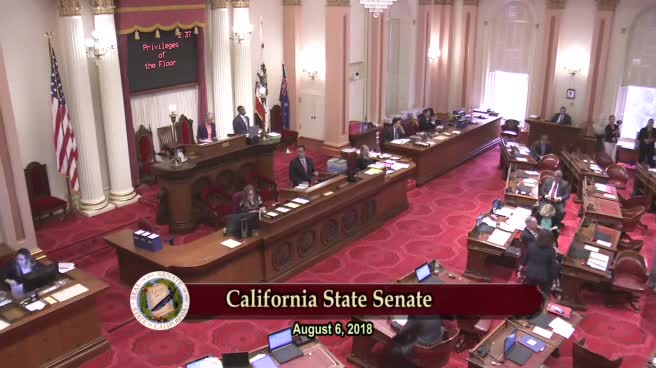
Senate Floor
 11MIN
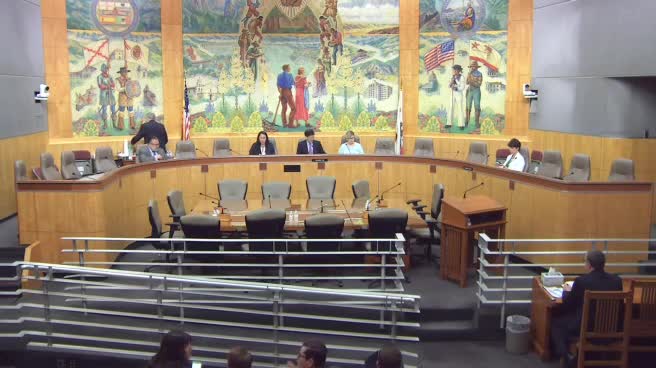
Senate Standing Committee on Health
 5MIN
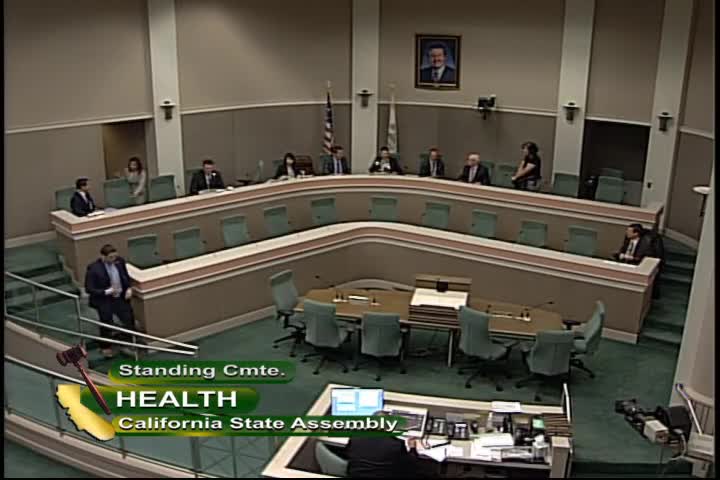
Assembly Standing Committee on Health
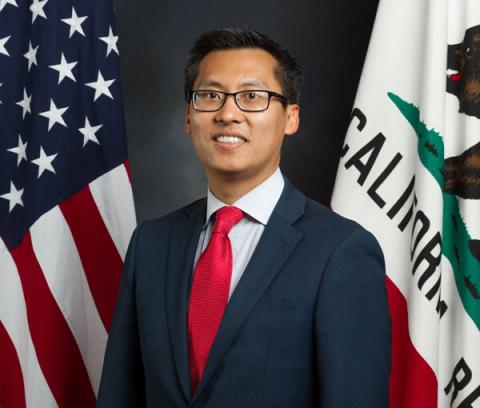
Bill Co-Author(s):