AB 1867: Employment discrimination: sexual harassment: records.
- Session Year: 2017-2018
- House: Assembly
- Latest Version Date: 2018-08-22
Existing law, the California Fair Employment and Housing Act, prohibits an employer from taking steps that constitute harassment against an employee, including sexual harassment, as defined. The act also prohibits an employer from failing to take corrective action to remedy harassment in the workplace if the employer knows or should have known of the harassment. The act also prohibits an employer from failing to take all reasonable steps necessary to prevent discrimination and harassment from occurring.
The act requires the Department of Fair Employment and Housing to provide employers with a poster and an information sheet regarding sexual harassment, including, among other components, the internal complaint process of the employer available to the employee and the legal remedies and complaint process available through the department, and requires employers to post the poster in an accessible area of the workplace and either provide each employee with a copy of the information sheet or provide a specified minimum curriculum of sexual harassment education. The act requires employers with 50 or more employees to provide at least 2 hours of prescribed training and education regarding sexual harassment to all supervisory employees within 6 months of their assumption of a supervisory position and once every 2 years, as specified. The act prohibits failure to maintain and preserve records relating to a verified complaint under the department complaint process until the complaint proceedings, including appeals, are terminated.
This bill would require an employer with 50 or more employees to maintain internal complaint records of employee complaints alleging sexual harassment for a minimum of 5 years after the last day of employment of the complainant or any alleged harasser named in the complaint, whichever is later. The bill would authorize the department to seek an order requiring an employer that violates this recordkeeping requirement to comply.
Existing law, the California Fair Employment and Housing Act, prohibits an employer from taking steps that constitute harassment against an employee, including sexual harassment, as defined. The act also prohibits an employer from failing to take corrective action to remedy harassment in the workplace if the employer knows or should have known of the harassment. The act also prohibits an employer from failing to take all reasonable steps necessary to prevent discrimination and harassment from occurring.
The act requires the Department of Fair Employment and Housing to provide employers with a poster and an information sheet regarding sexual harassment, including, among other components, the internal complaint process of the employer available to the employee and the legal remedies and complaint process available through the department, and requires employers to post the poster in an accessible area of the workplace and either provide each employee with a copy of the information sheet or provide a specified minimum curriculum of sexual harassment education. The act requires employers with 50 or more employees to provide at least 2 hours of prescribed training and education regarding sexual harassment to all supervisory employees within 6 months of their assumption of a supervisory position and once every 2 years, as specified. The act prohibits failure to maintain and preserve records relating to a verified complaint under the department complaint process until the complaint proceedings, including appeals, are terminated.
This bill would require an employer with 50 or more employees to maintain internal complaint records of employee complaints of alleging sexual harassment for a minimum of 5 years after the date of termination last day of employment of the accused. complainant or any alleged harasser named in the complaint, whichever is later. The bill would authorize the department to seek an order requiring an employer that violates this recordkeeping requirement to comply.
Existing law, the California Fair Employment and Housing Act, prohibits an employer from taking steps that constitute harassment against an employee, including sexual harassment, as defined. The act also prohibits an employer from failing to take corrective action to remedy harassment in the workplace if the employer knows or should have known of the harassment. The act also prohibits an employer from failing to take all reasonable steps necessary to prevent discrimination and harassment from occurring.
The act requires the Department of Fair Employment and Housing to provide employers with a poster and an information sheet regarding sexual harassment harassment, including, among other components, the internal complaint process of the employer available to the employee and the legal remedies and complaint process available through the department, and requires employers to post the poster in an accessible area of the workplace and either provide each employee with a copy of the information sheet or provide a specified minimum curriculum of sexual harassment education. The act requires employers with 50 or more employees to provide at least 2 hours of prescribed training and education regarding sexual harassment to all supervisory employees within 6 months of their assumption of a supervisory position and once every 2 years, as specified. The act prohibits failure to maintain and preserve records relating to a verified complaint under the department complaint process until the complaint proceedings, including appeals, are terminated.
This bill would require an employer with 50 or more employees to maintain internal complaint records of employee complaints of sexual harassment for 10 years from the date of filing. a minimum of 5 years after the date of termination of employment of the accused. The bill would authorize the department to seek an order requiring an employer that violates the this recordkeeping requirement to comply.
Existing law, the California Fair Employment and Housing Act, prohibits an employer from taking steps that constitute harassment against an employee, including sexual harassment, as defined. The act also prohibits an employer from failing to take corrective action to remedy harassment in the workplace if the employer knows or should have known of the harassment. The act also prohibits an employer from failing to take all reasonable steps necessary to prevent discrimination and harassment from occurring.
The act requires the Department of Fair Employment and Housing to provide employers with a poster and an information sheet regarding sexual harassment and requires employers to post the poster in an accessible area of the workplace and either provide each employee with a copy of the information sheet or provide a specified minimum curriculum of sexual harassment education. The act requires employers with 50 or more employees to provide at least 2 hours of prescribed training and education regarding sexual harassment to all supervisory employees within 6 months of their assumption of a supervisory position and once every 2 years, as specified.
This bill would require an employer with 50 or more employees to maintain records of employee complaints of sexual harassment for 10 years from the date of filing. The bill would authorize the department to seek an order requiring an employer that violates the recordkeeping requirement to comply.
(a)As used in this section, employee complaint means a complaint filed through the internal complaint process of the employer.
(b)An employer with 50 or more employees shall maintain records of employee complaints alleging sexual harassment. Those records shall be retained for a period of not less than five years after the last day of employment of the complainant or any alleged harasser named in the complaint, whichever is later.
(c)If an employer violates this section, the department may seek an order requiring the employer to comply.
(a)As used in this section, employee complaint means a complaint filed through the internal complaint process of the employer.
(b)An employer with 50 or more employees shall maintain records of employee complaints of alleging sexual harassment. Those records shall be retained for a period of not less than five years after the date of termination last day of employment of the accused. complainant or any alleged harasser named in the complaint, whichever is later.
(c)If an employer violates this section, the department may seek an order requiring the employer to comply.
(a)As used in this section, employee complaint means a complaint filed through the internal complaint process of the employer.
(b)An employer with 50 or more employees shall maintain records of employee complaints of sexual harassment. Those records shall be retained for 10 years from the date of filing. a period of not less than five years after the date of termination of employment of the accused.
(c)If an employer violates this section, the department may seek an order requiring the employer to comply.
(a)As used in this section, employee complaint means a complaint filed through the internal complaint process of the employer.
(b)An employer with 50 or more employees shall maintain records of employee complaints of sexual harassment. Those records shall be retained for 10 years from the date of filing.
(c)If an employer violates this section, the department may seek an order requiring the employer to comply.
|
Date
|
Status
|
|---|---|
| Sep 30, 2018 | Vetoed by Governor. |
| Aug 24, 2018 | Enrolled and presented to the Governor at 4:30 p.m. |
| Aug 20, 2018 | Senate amendments concurred in. To Engrossing and Enrolling. |
| Aug 14, 2018 | In Assembly. Concurrence in Senate amendments pending. May be considered on or after August 16 pursuant to Assembly Rule 77. |
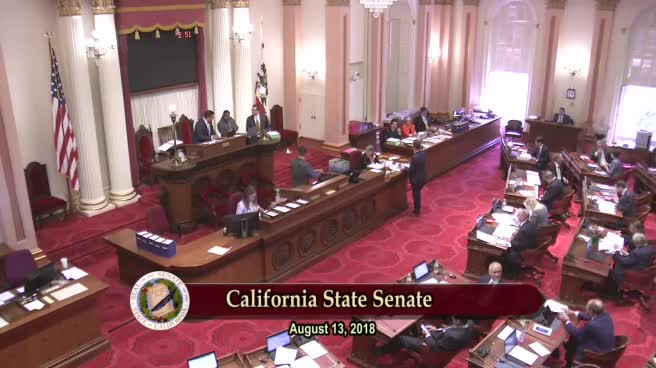
| Aug 13, 2018 | Read third time. Passed. Ordered to the Assembly. |
| Aug 7, 2018 | Read second time. Ordered to third reading. |
| Aug 6, 2018 | From committee: Be ordered to second reading pursuant to Senate Rule 28.8. |
| Jun 21, 2018 | Read second time and amended. Re-referred to Com. on APPR. |
| Jun 20, 2018 | From committee: Amend, and do pass as amended and re-refer to Com. on APPR. (Ayes 5. Noes 1.) (June 19). |
| Jun 14, 2018 | Read second time and amended. Re-referred to Com. on JUD. |
| Jun 13, 2018 | From committee: Amend, and do pass as amended and re-refer to Com. on JUD. (Ayes 4. Noes 1.) (June 13). |
| May 24, 2018 | Referred to Coms. on L. & I.R. and JUD. |
| May 15, 2018 | In Senate. Read first time. To Com. on RLS. for assignment. |
| May 14, 2018 | Read third time. Passed. Ordered to the Senate. |
| May 3, 2018 | Read second time. Ordered to third reading. |
| May 2, 2018 | From committee: Do pass. (Ayes 12. Noes 3.) (May 2). |
| Apr 19, 2018 | From committee: Do pass and re-refer to Com. on APPR. (Ayes 6. Noes 0.) (April 18). Re-referred to Com. on APPR. |
| Mar 22, 2018 | Referred to Com. on L. & E. |
| Jan 13, 2018 | From printer. May be heard in committee February 12. |
| Jan 12, 2018 | Read first time. To print. |
|
Date
|
Description
|
Location
|
Votes
|
|
|---|---|---|---|---|
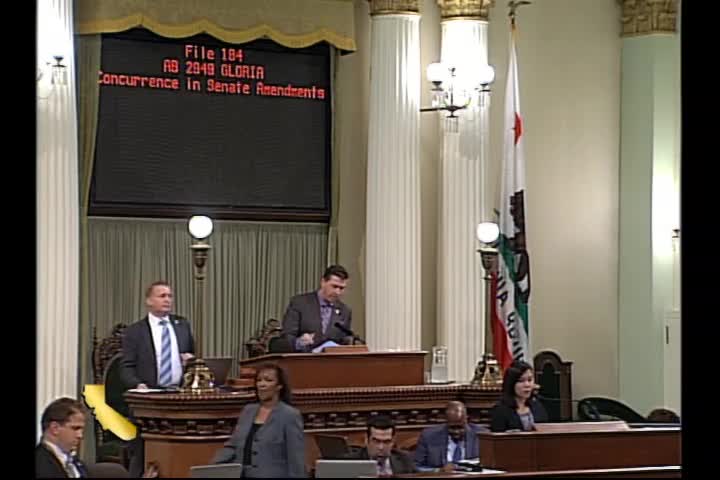
| Aug 20, 2018 | AB 1867 REYES Concurrence in Senate Amendments | Assembly Floor |
Passed |
|
| Aug 13, 2018 | Assembly 3rd Reading AB1867 Reyes By Wiener | Senate Floor |
Passed |
|
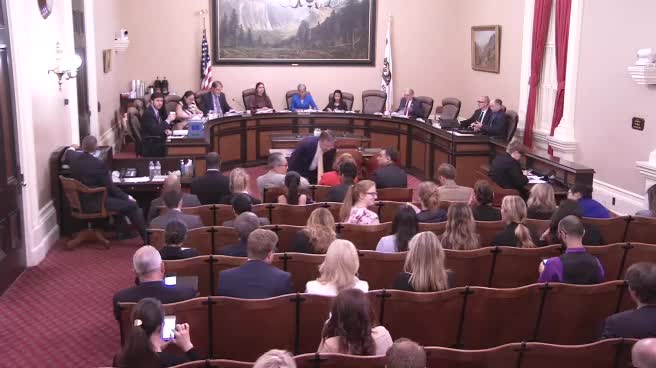
| Jun 19, 2018 | Do pass as amended, but first amend, and re-refer to the Committee on [Appropriations] | Senate Standing Committee on Judiciary |
Passed |
|
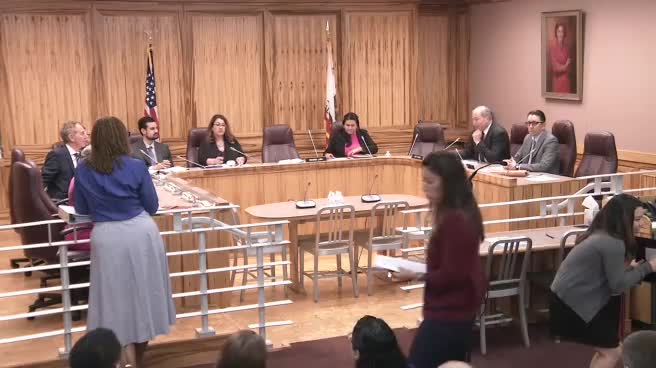
| Jun 13, 2018 | Do pass as amended, but first amend, and re-refer to the Committee on [Judiciary] | Senate Standing Committee on Labor and Industrial Relations |
Passed |
|
| May 14, 2018 | AB 1867 REYES Assembly Third Reading | Assembly Floor |
Passed |
|
| May 2, 2018 | Do pass. | Assembly Standing Committee on Appropriations |
Passed |
|
| Apr 18, 2018 | Do pass and be re-referred to the Committee on [Appropriations] | Assembly Standing Committee on Labor and Employment |
Passed |
This list shows positions taken on this bill by organizations on the date displayed, which is linked to the original source.
Positions by individuals are not included.
GOVERNOR'S VETO
GV Bill Id:AB 1867
Author:(Reyes)
As Enrolled Ver:August 24, 2018
2/3 vote
ASSEMBLY: | 53-10 | (May 14, 2018) | SENATE: | 31-4 | (August 13, 2018) |
ASSEMBLY: | 74-0 | (August 20, 2018) |
|
|
|
Original Committee Reference: L. & E.
SUMMARY: Requires an employer with 50 or more employees to maintain records of internal complaints alleging sexual harassment for at least five years and authorizes the Department of Fair Employment and Housing (DFEH) to seek an order of compliance when an employer violates the recordkeeping requirement.
The Senate amendments:
- Clarify that the type of complaints subject to the recordkeeping requirement are those that allege sexual harassment.
- Reduce the record retention requirement to a period not less than five years after the last day of employment of the complainant or any alleged harasser named in the complaint, whichever is later.
EXISTING LAW:
- Prohibits an employer, under the Fair Employment and Housing Act (FEHA), from taking steps that constitute harassment against an employee, including sexual harassment, as defined.
- Provides that it is an unlawful employment practice for an employer to fail to take corrective action to remedy sexual harassment in the workplace if the employer knows or should have known of the harassment.
- Requires an employer to take all reasonable steps necessary to prevent the harassment from occurring.
- Requires the provision of a poster and information sheet by the DFEH to employers and requires employers to post the poster in an accessible area of the workplace and either provide each employee with a copy of the information sheet or provide a specified minimum curriculum of sexual harassment education.
- Obligates employers of 50 or more employees to provide at least two hours of prescribed training and education regarding sexual harassment to all supervisory employees within six months of their assumption of the supervisory position as well as once every two years, as specified.
FISCAL EFFECT: According to the Senate Appropriations Committee, pursuant to Senate Rule 28.8, negligible state costs.
COMMENTS: This bill left the Assembly with a ten year employer recordkeeping requirement for complaints alleging sexual harassment. The senate amendments reduce that requirement to a period of not less than five years from the last day of employment of the complainant or any alleged harasser, whichever is later.
This bill requires an employer of 50 or more employees to maintain records of complaints alleging sexual harassment for at least five years after the last day of employment of the complainant or alleged harasser, whichever is later.
This bill, under certain circumstances, could lead to the retention of records for decades. It would also require complaints alleging sexual harassment to be maintained for the same length of time regardless of the result of the investigative process, meaning even unfounded complaints would need to be maintained.
For these reasons, and because current law already requires personnel records --including records of complaints – be maintained for suitable periods of time, the time expansion of this bill is unwarranted.
Analysis Prepared by: Megan Lane / L. & E. / (916) 319-2091 FN: 0005309
CONCURRENCE IN SENATE AMENDMENTS
CSA1 Bill Id:AB 1867
Author:(Reyes)
As Amended Ver:June 21, 2018
Majority vote
ASSEMBLY: | 53-10 | (May 14, 2018) | SENATE: | 31-4 | (August 13, 2018) |
Original Committee Reference: L. & E.
SUMMARY: Requires an employer with 50 or more employees to maintain records of internal complaints alleging sexual harassment for at least five years and authorizes the Department of Fair Employment and Housing (DFEH) to seek an order of compliance when an employer violates the recordkeeping requirement.
The Senate amendments:
- Clarify that the type of complaints subject to the recordkeeping requirement are those that allege sexual harassment.
- Reduce the record retention requirement to a period not less than five years after the last day of employment of the complainant or any alleged harasser named in the complaint, whichever is later.
EXISTING LAW:
- Prohibits an employer, under the Fair Employment and Housing Act (FEHA), from taking steps that constitute harassment against an employee, including sexual harassment, as defined.
- Provides that it is an unlawful employment practice for an employer to fail to take corrective action to remedy sexual harassment in the workplace if the employer knows or should have known of the harassment.
- Requires an employer to take all reasonable steps necessary to prevent the harassment from occurring.
- Requires the provision of a poster and information sheet by the DFEH to employers and requires employers to post the poster in an accessible area of the workplace and either provide each employee with a copy of the information sheet or provide a specified minimum curriculum of sexual harassment education.
- Obligates employers of 50 or more employees to provide at least two hours of prescribed training and education regarding sexual harassment to all supervisory employees within six months of their assumption of the supervisory position as well as once every two years, as specified.
FISCAL EFFECT: According to the Senate Appropriations Committee, pursuant to Senate Rule 28.8, negligible state costs.
COMMENTS: This bill left the Assembly with a ten year employer recordkeeping requirement for complaints alleging sexual harassment. The senate amendments reduce that requirement to a period of not less than five years from the last day of employment of the complainant or any alleged harasser, whichever is later.
Analysis Prepared by: Megan Lane / L. & E. / (916) 319-2091 FN: 0003810
Office of Senate Floor Analyses (916) 651-1520 Fax: (916) 327-4478 | AB |
THIRD READING
Bill No: AB 1867
:
SENATE LABOR & IND. REL. COMMITTEE: 4-1, 6/13/18
AYES: Lara, Jackson, Mitchell, Wieckowski
NOES: Stone
SENATE JUDICIARY COMMITTEE: 5-1, 6/19/18
AYES: Jackson, Hertzberg, Monning, Stern, Wieckowski
NOES: Anderson
NO VOTE RECORDED: Moorlach
SENATE APPROPRIATIONS COMMITTEE: Senate Rule 28.8
ASSEMBLY FLOOR: 53-10, 5/14/18 - See last page for vote
DIGEST:
This bill requires employers, with 50 or more employees, to maintain records of employee complaints alleging sexual harassment for a period of not less than five years after the last day of employment of the complainant or any alleged harasser named in the complaint, whichever is later.
Existing law:
- Prohibits, under the Fair Employment and Housing Act (FEHA), enforced by the Department of Fair Employment and Housing (DFEH), discrimination in employment based upon specified personal characteristics, including the race, religious creed, color, national origin, ancestry, physical disability, mental disability, medical condition, genetic information, marital status, sex (including harassment based on pregnancy, childbirth, or related medical condition), gender, gender identity, gender expression, age, sexual orientation, or military and veteran status of any person.(Gov. Code §12940)
- Prohibits an employer, labor organization, employment agency, apprenticeship training program, or any training program leading to employment, to fail to take all reasonable steps necessary to prevent discrimination and harassment from occurring. (Gov. Code §12940)
- Requires each employer in ensuring a workplace free of sexual harassment to implement the following minimum requirements (Gov. Code §12950):
- Post a poster on discrimination in employment, which includes information relating to the illegality of sexual harassment, in a prominent and accessible location in the workplace.
- Provide each employee with an information sheet on sexual harassment and must include specified information, such as the definition and description of sexual harassment, how sexual harassment is illegal, and remedies available to the employee.
- If an employer violates these requirements, the DFEH may seek an order requiring the employer to comply.
- Requires employers with 50 or more employees to provide at least two hours of prescribed training and education regarding sexual harassment to all supervisory employees within six months of assuming supervisorial duties and once every two years. (Gov. Code §12950.1)
- Contains various employer recordkeeping requirements in both federal and state law including, among others, the following:
- Under FEHA, employers with five or more workers are required to keep specified employment records for a minimum of two years. (Gov. Code §12946)
- Under Labor Code, employers are required to maintain a copy of each employee’s personnel records for a period of not less than three years after termination of employment. [Labor Code §1198.5(c)]
- Also under Labor Code, employers are required to maintain itemized payroll records and records of the wages and wage rates, job classifications, and other terms and conditions of employment of the persons employed for a period of three years. (Labor Code §226 and §1197.5)
- Under the federal Fair Labor Standards Act, employers are required to keep certain records, like payroll information, for three years. Records on which wage computations are made, like time cards, must be retained for two years.
This bill:
- Requires an employer with 50 or more employees to retain records of employee complaints alleging sexual harassment for a period of not less than five years after the last day of employment of the complainant or any alleged harassed named in the complaint, whichever is later.
- Authorizes the DFEH to seek an order of compliance when an employer violates the recordkeeping requirement.
- Defines “employee complaint” as a complaint filed through the internal complaint process of the employer.
Comments
According to the Senate Judiciary Committee policy analysis for this bill, “Records of complaints about workplace sexual harassment can play a vital role in detecting patterns of abusive behavior, preserving contemporaneous observations about what took place, documenting who was aware of what was going on, and memorializing the actions, if any, that were taken in response. In this sense, detailed and accurate records assist everyone who may become involved in an investigation of a sexual harassment complaint: victims, alleged perpetrators, and the adjudicators assigned to determine what happened. Good records also enable management to detect broader sexual harassment problems in the workplace and craft solutions. Obviously, however, records can only play these roles to the extent that they are preserved.”
As noted above, employers are currently required to comply with various recordkeeping requirements under both state and federal law. According to the author, recent accounts of sexual misconduct both inside and outside the capitol community have made clear the need to take a closer look at the policies meant to ensure safe and healthy work environments. Currently, there is no clear statute that requires public or private employers to maintain records of sexual harassment complaints and/or an investigation of these complaints. According to the author, record retention is critical in ensuring that justice is served to all victims of harassment. As part of this effort, this bill requires employers of 50 or more employees to maintain records of employee complaints alleging sexual harassment for a period of not less than five years after the last day of employment of the complainant or any alleged harassed named in the complaint, whichever is later.
Related/Prior Legislation
AB 1870 (Reyes, 2018), pending in the Senate Appropriations Committee, extends from one to three years the timeframe for which an employee alleging unlawful employment discrimination under FEHA may file a complaint with the DFEH.
SB 419 (Portantino, 2017), known as the Legislative Sexual Harassment Retaliation Prevention Act, among other things, requires each house of the Legislature to maintain a record of each discriminatory harassment complaint for a period of at least 12 years. The bill is pending in the Assembly Rules Committee.
FISCAL EFFECT: Appropriation: Fiscal Com.: Local:
California Conference Board of the Amalgamated Transit Union
California Conference of Machinists
California Employment Lawyers Association
California Insurance Commissioner, Dave Jones
California Teamsters Public Affairs Council
Consumer Attorneys of California
Engineers and Scientists of CA, IFPTE Local 20, AFL-CIO
International Longshore & Warehouse Union
Jockeys’ Guild
Professional and Technical Engineers, IFPTE Local 21, AFL-CIO
SAG-AFTRA
UNITE-HERE, AFL-CIO
Utility Workers of America
None received
ARGUMENTS IN SUPPORT: Proponents of this bill argue that the on-going sexual harassment and assault scandals sweeping the nation have put a spotlight on persistent issues fueling the crisis of repeat predation. Among them, they argue, is how some predators have managed to become repeat offenders because records of their misdeeds are not properly retained or are destroyed by prior employers. While there are various record retention requirements under FEHA and the Labor Code, there is no cohesive, uniform statute that applies to the maintenance and preservation of records relating to complaints and investigations of complaints of sexual harassment.
ASSEMBLY FLOOR: 53-10, 5/14/18
AYES: Acosta, Aguiar-Curry, Arambula, Baker, Berman, Bloom, Bonta, Burke, Caballero, Calderon, Carrillo, Cervantes, Chau, Chiu, Chu, Cooley, Daly, Eggman, Friedman, Eduardo Garcia, Gipson, Gloria, Gonzalez Fletcher, Gray, Grayson, Holden, Irwin, Jones-Sawyer, Kalra, Kamlager-Dove, Lackey, Levine, Limón, Low, Maienschein, McCarty, Medina, Mullin, Muratsuchi, Nazarian, O'Donnell, Quirk, Reyes, Rodriguez, Rubio, Salas, Santiago, Mark Stone, Thurmond, Ting, Weber, Wood, Rendon
NOES: Bigelow, Brough, Chávez, Choi, Cunningham, Dahle, Flora, Harper, Obernolte, Voepel
NO VOTE RECORDED: Travis Allen, Chen, Cooper, Fong, Frazier, Gallagher, Cristina Garcia, Kiley, Mathis, Mayes, Melendez, Patterson, Quirk-Silva, Steinorth, Waldron
8/8/18 15:30:40
**** END ****
Senator Hannah-Beth Jackson, Chair
2017-2018 Regular Session
Bill No: AB 1867 (Author:Reyes)
Version: June 14, 2018
Hearing Date: June 19, 2018
Fiscal: Yes
Urgency: No
Consultant: TSG
SUBJECT
Employment discrimination: sexual harassment: records
DESCRIPTION
This bill would require large employers to maintain records of all sexual harassment complaints filed through the employer’s internal complaint process for a period of at least five years after termination of employment of the accused.
BACKGROUND
Records of complaints about workplace sexual harassment can play a vital role in detecting patterns of abusive behavior, preserving contemporaneous observations about what took place, documenting who was aware of what was going on, and memorializing the actions, if any, that were taken in response. In this sense, detailed and accurate records assist everyone who may become involved in an investigation of a sexual harassment complaint: victims, alleged perpetrators, and the adjudicators assigned to determine what happened. Good records also enable management to detect broader sexual harassment problems in the workplace and craft solutions. Obviously, however, records can only play these roles to the extent that they are preserved.
As part of the effort to ensure a culture of accountability for preventing and responding to incidents of workplace harassment, this bill would require employers to maintain records of all sexual harassment complaints filed through their internal complaint process for at least five years after the date of termination of the accused.
CHANGES TO EXISTING LAW
Existing law, the Fair Employment and Housing Act (FEHA), makes it an unlawful employment practice for an employer, labor organization, employment agency, apprenticeship training program or any training program leading to employment, or any other person, to harass an employee, an applicant, an unpaid intern or volunteer, or independent contractor on account of that person’s race, religious creed, color, national origin, ancestry, physical disability, mental disability, medical condition, genetic information, marital status, sex, gender, gender identity, gender expression, age, sexual orientation, or military and veteran status. (Gov. Code Sec. 12940(j)(1).)
Existing law makes it an unlawful employment practice for an employer with five or more employees to fail to maintain and preserve any and all personnel records and files for a minimum period of two years after the records or files were initially created or received, or for a period of two years after the date of the employment action taken. (Gov. Code Sec. 12946.)
Existing law makes it an unlawful employment practice for the State Personnel Board to fail to maintain and preserve any and all personnel records and files for a minimum period of one year after the records or files were initially created or received, or for a period of one year after the date of the employment action taken. (Gov. Code Sec. 12946.)
Existing law prohibits an employer, under the Fair Employment and Housing Act (FEHA), from taking steps that constitute harassment against an employee, including sexual harassment, as defined. (Gov. Code Sec. 1940(j).)
Existing law requires an employer to take all reasonable steps necessary to prevent the harassment from occurring. (Gov. Code Sec. 12940(k).)
Existing law requires California employers to maintain personnel records for at least three years after separation from employment at the location where employees report for work or at another location agreeable to the employer and those authorized to inspect them. (Lab. Code Secs. 226(a) and 1278.5(d).)
This bill would require an employer with 50 or more employees to maintain records of internal complaints of sexual harassment for five years from the date of termination of the accused.
This bill would authorize the Department of Fair Employment and Housing (DFEH) to seek an order for compliance when an employer violates the recordkeeping requirement.
COMMENT
1. Stated need for the bill
According to the author:
Not maintaining records of sexual harassment complaints puts both employers and employees at risk.
One of the most important components of addressing sexual misconduct is having detailed records of what exactly took place, in order to discern whether there are repeat offenders and whether the employer took appropriate corrective action. For particularly large companies a failure to maintain records could lead to a perpetrator simply being able to switch locations and start all over again.
For anyone, both the victim and the accused, we have to follow due process, but we must be fair to our victims. If the behavior has been there in the past and it is not being documented properly, that behavior could become a problem of the body and add to culture lacking transparency and protection. It is crucial that we have enough documentation to be able to review behavior on both the victim and the perpetrator.
In support of the bill, the Consumer Attorneys of California write:
[AB 1867] will make it harder for employers to conceal a history of harassment by an employee and provide evidence that an employer was aware of previous issues with an employee’s behavior.
The on-going sexual harassment and assault scandals sweeping the nation – from Hollywood to the halls of our nation’s capitol – have put a spotlight on persistent issues fueling the crisis of repeat predation. Among them is how some predators have managed to become repeat offenders because records of their misdeeds are not properly retained or are destroyed by prior employers.
Under current California law, no cohesive, uniform statute exists that applies to all employers with respect to the maintenance and preservation of records relating to complaints and investigations of complaints of sexual harassment, sexual assault, discrimination, or retaliation.
In further support of the bill, the California Employment Lawyers’ Association writes:
One of the most important components of addressing sexual misconduct is having detailed records of what exactly took place, in order to discern whether there are repeat offenders and whether the employer took appropriate corrective action.
2. Concerns expressed about the bill
In opposition to the bill, the California Chamber of Commerce and 25 co-signatories write:
AB 1867 would almost double the current requirement for keeping employee personnel documents. This will overburden employers who are already inundated with contradictory and confusing retention requirements. Employers can barely keep up with all of the current regulations. Adding an additional and separate documentation requirement will only add to further confusion.
Not only is AB 1867 burdensome, but also it is unclear because the term “complaint” is not defined. Under the current provisions of AB 1867, if an employee mentions to her manager that someone brushed up against her in the elevator, is this considered a complaint of sexual harassment? While it is physical touching, did the employee think it was sexual harassment? Is the employer required to document that discussion and retain it for five years after termination of employment? Without clarifying language, AB 1867 leaves employers guessing as to what is exactly required of them.
As a result, we are opposed to AB 1867 unless the bill is amended. We request that the bill limit the retention requirement to the term of employment plus three years. We feel this is a reasonable approach because it is the same as other personnel document retention requirements. Additionally, to prevent further confusion, we request the bill be clarified to state that the record retention requirement only applies to complaints that trigger an investigation by the employer.
In opposition to the bill, the San Diego Regional Chamber of Commerce writes:
Our organization supports policy that eliminates sexual harassment, but is concerned this bill would add administrative requirements for businesses as well as additional costs without directly addressing the issue of sexual harassment. The bill creates financial burden instead of preventing bad behavior. While the intent is commendable, the bill fails to prevent negative actions and instead makes businesses vulnerable while assuming their guilt.
3. Relationship to employer duties to prevent sexual harassment
Keeping good records of how an employer has handled complaints of sexual harassment from employees may have benefits for both employees and employers alike.
Under subdivision (k) of Government Code Section 12940, California employers with 5 or more employees are required to take all reasonable steps to prevent sexual harassment from occurring. Much of the deterrent effect of subdivision (k) has been undermined by case law holding that the duty to prevent creepy, unwelcome conduct in the workplace does not arise until after that conduct has become severe or pervasive – in other words, after it is too late. (Dickson v. Burke Williams, Inc. (2015) 234 Cal.App.4th 1307, 1314; Trujillo v. North County Transit Dist. (1998) 63 Cal.App.4th 280, 289.) Still, once an employee has been harassed severely or pervasively, in addition to seeking redress from the employer for the harassment itself, the employee can also seek to recover from the employer for its failure to take all reasonable steps to prevent the harassment from occurring.
In any such litigation, the employee will be greatly assisted by records showing past incidents involving the same perpetrator. By the same token, the employer will have a much better chance of showing that it took all reasonable steps to try to prevent the harassment if it has extensive documentation of what the complaints were and how the employer responded.
4. What constitutes a “complaint of sexual harassment?”
The discrepancy between what most people think of as workplace sexual harassment (creepy, unwelcome conduct of a sexualized nature) and the legal definition of workplace sexual harassment (unwelcome conduct of a sexualized nature that is severe or pervasive) is significant and can lead to unexpected policy outcomes.
The discussion in the foregoing Comment about the impact of FEHA’s requirement that employers prevent sexual harassment is illustrative. Most people, reading a statute telling them that employers must take all reasonable steps to prevent sexual harassment, would conclude that their employer must take action when they learn of inappropriate, unwelcome conduct of a sexual nature taking place at work. In fact, however, courts have interpreted that language to mean that the employer’s duty to take action does not arise until after things become severe or pervasive, and thereby reach the legal threshold for what constitutes harassment. (Dickson v. Burke Williams, Inc. (2015) 234 Cal.App.4th 1307, 1314; Trujillo v. North County Transit Dist. (1998) 63 Cal.App.4th 280, 289.)
Absent a careful definition of what this bill means by “complaints of sexual harassment,” the intention behind this bill could get undermined in just the same way. A court reviewing this statute might erroneously conclude that the employer has no duty to maintain records about complaints of inappropriate, unwelcome, sexualized behavior in the workplace, unless and until that behavior reaches the point of becoming severe or pervasive. Such an interpretation appears to run contrary to the purpose behind this bill. The idea seems to be to ensure that there is a robust record of complaints about unwelcome, inappropriate, sexualized behavior around the workplace, so that later examination of those records can reveal patterns and show whether the employer was doing anything in response to those complaints, and, if so, what actions were taken.
If that understanding of the intent behind the bill is accurate, the author may wish to consider slightly altering the language of the bill to say that employers need to maintain records of employee complaints alleging sexual harassment. That, combined with the bill’s definition of an “employee complaint” as meaning “a complaint filed through the internal complaint process of the employer” would result in a situation in which employers must retain records of any employee complaints where the employee is alleging sexual harassment, whether or not a court would necessarily agree with that characterization of the situation.
5. Documentation requirement limited to sexual harassment
Under the terms of the bill, large employers would only be required to maintain records relating to complaints of sexual harassment. Workplace harassment can take many forms, however. The Fair Employment and Housing Act (FEHA) prohibits harassment on any of the following bases: race, religious creed, color, national origin, ancestry, physical disability, mental disability, medical condition, genetic information, marital status, sex, gender, gender identity, gender expression, age, sexual orientation, or military and veteran status. (Gov. Code Sec. 12940(j)(1).)
All of these forms of harassment do harm to the victims and undermine equality of opportunity in the workplace. Moreover, the policy grounds for requiring employers to maintain records of sexual harassment complaints apply with equal force to these other forms of harassment. Nonetheless, starting out with sexual harassment complaint is arguably the right way to begin and would permit evaluation as to whether such a record-keeping requirement proves beneficial or burdensome.
6. Proposed Amendments
In order to address the issues set forth in the analysis, above, the author has offered to incorporate amendments into the bill that would:
- clarify that the employee need not be fired for the record-keeping requirement to apply;
- clarify that the records would need to be kept even when the complaint of sexual harassment does not name a specific alleged perpetrator; and
- clarify that complaints alleging sexual harassment must be kept, not just complaints of sexual harassment.
The specific amendments are as follows:
Amendment 1
On page 2, in line 7, strike out “of” and insert:
alleging
Amendment 2
On page 2, in line 9, strike out “date of termination” and insert:
last day
Amendment 3
On page 2, in line 10, strike out “accused.” and insert:
complainant or any alleged harasser named in the complaint, whichever is later.
Support: California Conference Board of the Amalgamated Transit Union; California Conference of Machinists; California Employment Lawyers Association; California Teamsters Public Affairs Council; Consumer Attorneys of California; Engineers and Scientists of CA, Local 20; International Longshore & Warehouse Union; Jockeys’ Guild; Professional and Technical Engineers, Local 21; SAG-AFTRA; UNITE-HERE; Utility Workers of America
Opposition: Associated Builders and Contractors Association, Inc. – Northern California Chapter; Associated General Contractors; Brea Chamber of Commerce; California Ambulance Association; California Apartment Association; California Association for Health Services at Home; California Association of Winegrape Growers; California Bankers Association; California Chamber of Commerce; California Grocers Association; California Hotel and Lodging Association; California League of Food Producers; California Manufacturers and Technology Association; California Retailers Association; California Travel Association; Camarillo Chamber of Commerce; Family Business Association of California; Gilroy Chamber of Commerce; Greater Coachella Valley Chamber of Commerce; Greater San Fernando Valley Chamber of Commerce; National Federation of Independent Business; North Orange County Chamber; Official Police Garages of Los Angeles; Rancho Cordova Chamber of Commerce; San Diego Regional Chamber of Commerce; Santa Maria Valley Chamber of Commerce; Wine Institute
HISTORY
Source: Author
Related Pending Legislation:
SB 419 (Portantino, 2017), known as the Legislative Sexual Harassment Retaliation Prevention Act, would require each house of the Legislature to implement a system to maintain a record of discriminatory harassment complaints for a period of at least 12 years. SB 419 is currently pending referral at the Assembly Desk.
AB 1870 (Reyes, 2018) would extend from one to three years the timeframe during which an employee alleging unlawful employment discrimination under FEHA may file a complaint with the Department of Fair Employment and Housing. AB 1870 is currently pending consideration before the Senate Committee on Judiciary.
Prior Legislation: None known
Prior Vote:
Assembly Floor (Ayes 53, Noes 10)
Assembly Appropriations Committee (Ayes 12, Noes 3)
Assembly Labor and Employment Committee (Ayes 6, Noes 0)
**************
SENATE COMMITTEE ON LABOR AND INDUSTRIAL RELATIONS
Senator Ricardo Lara, Chair
2017 - 2018 Regular
Bill No: AB 1867 Hearing Date: June 13, 2018
Author: | Reyes | ||
Version: | January 12, 2018 | ||
Urgency: | No | Fiscal: | Yes |
Consultant: | Alma Perez-Schwab | ||
Subject: Employment discrimination: sexual harassment: records
KEY ISSUE
Should the Legislature require employers of 50 or more employees to retain records of employee complaints of sexual harassment for a period of 10 years from the date of filing?
ANALYSIS
Existing law:
- Prohibits, under the Fair Employment and Housing Act (FEHA), enforced by the Department of Fair Employment and Housing (DFEH), discrimination in employment based upon specified personal characteristics, including the race, religious creed, color, national origin, ancestry, physical disability, mental disability, medical condition, genetic information, marital status, sex (including harassment based on pregnancy, childbirth, or related medical condition), gender, gender identity, gender expression, age, sexual orientation, or military and veteran status of any person. (Government Code §12940)
- Explicitly prohibits an employer, labor organization, employment agency, apprenticeship training program, or any training program leading to employment, to fail to take all reasonable steps necessary to prevent discrimination and harassment from occurring. (Government Code §12940)
- Requires each employer in ensuring a workplace free of sexual harassment to implement the following minimum requirements (Government Code §12950):
- Post a poster on discrimination in employment, which includes information relating to the illegality of sexual harassment, in a prominent and accessible location in the workplace.
- Provide each employee with an information sheet developed by the Department of Fair Employment and Housing (DFEH) or the employer on sexual harassment and must include specified information, such as the definition and description of sexual harassment, how sexual harassment is illegal, and what remedies are available to the employee.
- If an employer violates these requirements, the Department of Fair Employment and Housing may seek an order requiring the employer to comply.
- Requires employers with 50 or more employees to provide at least 2 hours of prescribed training and education regarding sexual harassment to all supervisory employees within 6 months of assuming supervisorial duties and once every 2 years.
(Government Code §12950.1)
- Provides that any person or class claiming to be aggrieved may file a complaint with the Department of Fair Employment and Housing (DFEH), but permits the hiring of private counsel to represent the aggrieved person or class once the claim has been filed.
(Government Code §12960-12962)
- Contains various employer recordkeeping requirements in both federal and state law including, among others, the following:
- Under FEHA, employers with five or more workers are required to keep specified employment records for a minimum of two years. (Government Code §12946)
- Under labor code, employers are required to maintain a copy of each employee’s personnel records for a period of not less than three years after termination of employment. [Labor Code §1198.5(c)]
- Also under labor code, employers are required to maintain itemized payroll records and records of the wages and wage rates, job classifications, and other terms and conditions of employment of the persons employed for a period of three years. (Labor Code §226 and §1197.5)
- Under the federal Fair Labor Standards Act, employers are required to keep certain records, like payroll information, for three years. Records on which wage computations are made, like time cards, must be retained for two years.
This Bill:
- Requires an employer with 50 or more employees to retain records of employee complaints of sexual harassment for a period of 10 years from the date of filing.
- Authorizes the Department of Fair Employment and Housing to seek an order of compliance when an employer violates the recordkeeping requirement.
- Defines “employee complaint” as a complaint filed through the internal complaint process of the employer.
COMMENTS
1. Need for this bill?
As noted above, employers are currently required to comply with various recordkeeping requirements under both state and federal law. According to the author, recent accounts of sexual misconduct both inside and outside the capitol community have made clear the need to take a closer look at the policies meant to ensure safe and healthy work environments. Currently there is no clear statute that requires public or private employers to maintain records of sexual harassment complaints and or an investigation of these complaints. According to the author, record retention is critical in ensuring that justice is served to all victims of harassment. This bill would require an employer of 50 or more employees to retain records of an employee’s sexual harassment complaints for at least 10 years.
2. Proponent Arguments:
Proponents of the measure argue that the on-going sexual harassment and assault scandals sweeping the nation – from Hollywood to the halls of our nation’s capital – have put a spotlight on persistent issues fueling the crisis of repeat predation. Among them, they argue, is how some predators have managed to become repeat offenders because records of their misdeeds are not properly retained or are destroyed by prior employers. While there are various record retention requirements under FEHA and the Labor Code, there is no cohesive, uniform statute that applies to the maintenance and preservation of records relating to complaints and investigations of complaints of sexual harassment. Proponents argue that to determine whether the reported conduct constitutes sexual harassment, careful consideration shall be given to the record of the conduct as a whole and to the totality of the circumstances, including the context in which the conduct occurred. This can include previous complaints from the victim, and or previous investigations on the perpetrator.
According to proponents, this bill helps remedy this problem by requiring that employers of 50 or more employees retain employee complaint records, filed through the internal complaint process of the employer, for a period of 10 years from the date of filing. They argue that this bill will help ensure employers are taking appropriate steps to address sexual harassment in the workplace and will also help expose when there are repeat offenders.
3. Opponent Arguments:
According to opponents, at least seven laws, both state and federal, mandate different lengths of time that various employment records must be kept. These laws not only differ in how long the documents must be kept, but also where the documents must be kept. This bill would more than triple the current requirement for keeping employee personnel documents relating to harassment complaints by extending the retention requirement to ten years. They argue that this will overburden employers who are already inundated with contradictory and confusing retention requirements. Additionally, they argue that this bill is unclear because the term “complaint” is not defined. They question, under the current provisions, if an employee mentions to her manager that someone brushed up against her in the elevator, is this considered a complaint of sexual harassment? While it is physical touching, did the employee think it was sexual harassment? Is the employer required to document that discussion and retain it for ten years? Opponents argue that without clarifying language, this bill leaves employers guessing as to what is exactly required of them.
A coalition of employer organization, including the Chamber of Commerce, is opposed unless the bill amended to limit the retention requirement to the term of employment plus three years. They feel this is a reasonable approach because it is the same as other personnel document retention requirements. Additionally, to prevent further confusion, they are requesting that the bill be clarified to state that the record retention requirement only applies to complaints that trigger an investigation by the employer.
4. Double Referral:
This bill has been double referred and, if approved by this committee, it will be sent to the Senate Judiciary Committee for a hearing.
5. Amendment:
In order to address concerns raised regarding the 10 year record retention requirement, the author of this measure would like to amend the bill to read as follows:
(b) An employer with 50 or more employees shall maintain records of employee complaints of sexual harassment. Those records shall be retained for 10 years from the date of filing a period of not less than five years after the date of termination of employment of the accused.
6. Prior and Related Legislation:
AB 1870 (Reyes) of 2018 would extend from one to three years the timeframe for which an employee alleging unlawful employment discrimination under FEHA may file a complaint with the Department of Fair Employment and Housing.
SB 419 (Portantino) of 2017, known as the Legislative Sexual Harassment Retaliation Prevention Act, would, among other things, require each house of the Legislature to maintain a record of each discriminatory harassment complaint for a period of at least 12 years. Status: held at the Assembly Desk.
SUPPORT
California Conference Board of the Amalgamated Transit Union
California Conference of Machinists
California Employment Lawyers Association
California Insurance Commissioner, Dave Jones
California Teamsters Public Affairs Council
Consumer Attorneys of California
Engineers and Scientists of CA, IFPTE Local 20, AFL-CIO
International Longshore & Warehouse Union
Jockeys’ Guild
Professional and Technical Engineers, IFPTE Local 21, AFL-CIO
SAG-AFTRA
UNITE-HERE, AFL-CIO
Utility Workers of America
OPPOSITION
Associated Builders and Contractors Association, Inc. – Northern California Chapter
Associated General Contractors
Brea Chamber of Commerce
California Ambulance Association
California Apartment Association
California Association for Health Services at Home
California Association of Winegrape Growers
California Bankers Association
California Chamber of Commerce
California Grocers Association
California Hotel and Lodging Association
California League of Food Producers
California Manufacturers and Technology Association
California Retailers Association
California Travel Association
Camarillo Chamber of Commerce
Family Business Association of California
Gilroy Chamber of Commerce
Greater Coachella Valley Chamber of Commerce
Greater San Fernando Valley Chamber of Commerce
National Federation of Independent Business
North Orange County Chamber
Official Police Garages of Los Angeles
Rancho Cordova Chamber of Commerce
San Diego Regional Chamber of Commerce
Santa Maria Valley Chamber of Commerce
Wine Institute
-- END --
ASSEMBLY THIRD READING
ATR Bill Id:AB 1867
Author:(Reyes)
As Introduced Ver:January 12, 2018
Majority vote
Committee | Votes | Ayes | Noes |
Labor | 6-0 | Thurmond, Flora, Gonzalez Fletcher, Jones-Sawyer, Kalra, McCarty | |
Appropriations | 12-3 | Gonzalez Fletcher, Bloom, Bonta, Calderon, Carrillo, Chau, Eggman, Friedman, Eduardo Garcia, Nazarian, Quirk, Reyes | Bigelow, Brough, Obernolte |
SUMMARY: Requires an employer with 50 or more employees to maintain records of internal complaints of sexual harassment for ten years from the date of filing and authorizes the Department of Fair Employment and Housing (DFEH) to seek an order of compliance when an employer violates the recordkeeping requirement.
EXISTING LAW:
- Prohibits an employer, under the Fair Employment and Housing Act (FEHA), from taking steps that constitute harassment against an employee, including sexual harassment, as defined.
- Provides that it is an unlawful employment practice for an employer to fail to take corrective action to remedy sexual harassment in the workplace if the employer knows or should have known of the harassment.
- Requires an employer to take all reasonable steps necessary to prevent the harassment from occurring.
- Requires the provision of a poster and information sheet by the DFEH to employers and requires employers to post the poster in an accessible area of the workplace and either provide each employee with a copy of the information sheet or provide a specified minimum curriculum of sexual harassment education.
- Obligates employers of 50 or more employees to provide at least two hours of prescribed training and education regarding sexual harassment to all supervisory employees within six months of their assumption of the supervisory position as well as once every two years, as specified.
FISCAL EFFECT: According to the Assembly Appropriations Committee, minor and absorbable costs for DFEH.
COMMENTS: According to the author, "Federal laws, such as the Federal Insurance Contribution Act, the Fair Labor Standards Act (FLSA), the Equal Pay Act and the Civil Rights Act, impose recordkeeping duties on employers. Recordkeeping duties include creating, updating and preserving information. California also imposes several recordkeeping requirements on employers that operate, in addition to or in conjunction with, federal requirements. For example, employers must maintain personnel records of at least three years after separation from employment at the location where employees report to work or at another location agreeable to the employer and those authorized to inspect them." The author further states that "recent accounts of sexual misconduct both inside and outside the capitol community have made clear the need to take a closer look at the policies meant to ensure safe and healthy work environments."
The California Employment Lawyers Association (CELA) states in support that "there is no cohesive, uniform statute that applies to the maintenance and preservation of records relating to complaints and investigation of complaints of sexual harassment. AB 1867 helps remedy this problem by requiring that employers of 50 or more employees must retain employee complaints, filed through the internal complaint process of the employer, for a period of 10 years from the date of filing. This bill will help ensure employers are taking appropriate steps to address sexual harassment in the workplace and will also help expose when there are repeat offenders."
In opposition unless amended, a number of employer organizations, including the California Chamber of Commerce, states "AB 1867 would more than triple the current requirement for keeping employee personnel documents relating to harassment complaints by extending the retention requirement to ten years. This will overburden employers who are already inundated with contradictory and confusing retention requirements. Employers can barely keep up with all of the current regulations; adding another additional and separate documentation requirement is unnecessary. Not only is AB 1867 burdensome, but also is unclear. The bill does not specify whether the documentation requirements only apply to formal grievances."
Related Legislation
SB 419 (Portantino) of the current legislative session, known as the Legislative Sexual Harassment Retaliation Prevention Act, would require each house of the Legislature to implement a system to maintain a record of discriminatory harassment complaints for a period of at least 12 years.
Analysis Prepared by: Megan Lane / L. & E. / (916) 319-2091 FN: 0002765
Date of Hearing: May 2, 2018
ASSEMBLY COMMITTEE ON APPROPRIATIONS
Lorena Gonzalez Fletcher, Chair
ABPCA Bill Id:AB 1867
Author:(Reyes) – As Introduced Ver:January 12, 2018
Policy Committee: | Labor and Employment | Vote: | 6 - 0 |
|
| ||
|
|
Urgency: No State Mandated Local Program: No Reimbursable: No
SUMMARY:
This bill requires an employer with 50 or more employees to maintain records of internal complaints of sexual harassment for ten years from the date of filing and authorizes the Department of Fair Employment and Housing (DFEH) to seek an order of compliance when an employee violates the recordkeeping requirement.
FISCAL EFFECT:
Minor and absorbable costs for DFEH.
COMMENTS:
Background and purpose. Employers are subject to a range of recordkeeping requirements under federal and state law. For example, the Fair Employment and Housing Act (FEHA) requires employers with five or more workers to keep certain records for two years, while the federal Fair Labor Standards Act requires covered employers to keep certain records, like payroll information and employment contracts, for three years.
According to supporters, there is no cohesive or universal statute that applies to keeping records related to complaints of sexual harassment. AB 1867 aims to help ensure employers are taking appropriate steps to address sexual harassment in the workplace and will help expose when there are repeat claims over a longer period of time.
Analysis Prepared by: Luke Reidenbach / APPR. / (916) 319-2081
Date of Hearing: April 18, 2018
ASSEMBLY COMMITTEE ON LABOR AND EMPLOYMENT
Tony Thurmond, Chair
ABPCA Bill Id:AB 1867 (
Author:Reyes) – As Introduced Ver:January 12, 2018
SUBJECT: Employment discrimination: sexual harassment: records
SUMMARY: Requires an employer with 50 or more employees to maintain records of internal complaints of sexual harassment for ten years from the date of filing and authorizes the Department of Fair Employment and Housing (DFEH) to seek an order of compliance when an employer violates the recordkeeping requirement.
EXISTING LAW:
- Prohibits an employer, under the Fair Employment and Housing Act (FEHA), from taking steps that constitute harassment against an employee, including sexual harassment, as defined.
- Provides that it is an unlawful employment practice for an employer to fail to take corrective action to remedy sexual harassment in the workplace if the employer knows or should have known of the harassment.
- Requires an employer to take all reasonable steps necessary to prevent the harassment from occurring.
- Requires the provision of a poster and information sheet by the DFEH to employers and requires employers to post the poster in an accessible area of the workplace and either provide each employee with a copy of the information sheet or provide a specified minimum curriculum of sexual harassment education.
- Obligates employers of 50 or more employees to provide at least two hours of prescribed training and education regarding sexual harassment to all supervisory employees within six months of their assumption of the supervisory position as well as once every two years, as specified.
FISCAL EFFECT: Unknown
COMMENTS: According to the author, “Federal laws, such as the Federal Insurance Contribution Act, the Fair Labor Standards Act (FLSA), the Equal Pay Act and the Civil Rights Act, impose recordkeeping duties on employers. Recordkeeping duties include creating, updating and preserving information. California also imposes several recordkeeping requirements on employers that operate, in addition to or in conjunction with, federal requirements. For example, employers must maintain personnel records of at least three years after separation from employment at the location where employees report to work or at another location agreeable to the employer and those authorized to inspect them.” The author further states that “recent accounts of sexual misconduct both inside and outside the capitol community have made clear the need to take a closer look at the policies meant to ensure safe and healthy work environments.”
The California Employment Lawyers Association (CELA) states in support that “there is no cohesive, uniform statute that applies to the maintenance and preservation of records relating to complaints and investigation of complaints of sexual harassment. AB 1867 helps remedy this problem by requiring that employers of 50 or more employees must retain employee complaints, filed through the internal complaint process of the employer, for a period of 10 years from the date of filing. This bill will help ensure employers are taking appropriate steps to address sexual harassment in the workplace and will also help expose when there are repeat offenders.”
In opposition unless amended, a number of employer organizations, including the California Chamber of Commerce, states “AB 1867 would more than triple the current requirement for keeping employee personnel documents relating to harassment complaints by extending the retention requirement to ten years. This will overburden employers who are already inundated with contradictory and confusing retention requirements. Employers can barely keep up with all of the current regulations; adding another additional and separate documentation requirement is unnecessary. Not only is AB 1867 burdensome, but also is unclear. The bill does not specify whether the documentation requirements only apply to formal grievances.”
Related Legislation
SB 419 (Portantino) of 2017, known as the Legislative Sexual Harassment Retaliation Prevention Act, would require each house of the Legislature to implement a system to maintain a record of discriminatory harassment complaints for a period of at least 12 years.
REGISTERED SUPPORT / OPPOSITION:
Support
CA Conference Board of the Amalgamated Transit Union
CA Conference of Machinist
California Employment Lawyers Association
California Teamsters Public Affairs Council
Consumer Attorneys of California
Engineers and Scientists of CA, Local 20
International Longshore & Warehouse Union
Jockeys' Guild
Professional and Technical Engineers, Local 21
SAG-AFTRA
UNITE-HERE
Utility Workers of America
Oppose Unless Amended
Associated Builders and Contractors Association, Inc. – Northern California Chapter
Associated General Contractors
Brea Chamber of Commerce
California Ambulance Association
California Apartment Association
California Association for Health Services at Home
California Association of Winegrape Growers
California Chamber of Commerce
California Grocers Association
California Hotel and Lodging Association
California League of Food Producers
California Manufacturers and Technology Association
California Retailers Association
Camarillo Chamber of Commerce
Family Business Association of California
Greater Coachella Valley Chamber of Commerce
Greater San Fernando Valley Chamber of Commerce
National Federation of Independent Business
North Orange County Chamber
Official Police Garages of Los Angeles
Rancho Cordova Chamber of Commerce
Santa Maria Valley Chamber of Commerce
Wine Institute
Analysis Prepared by: Megan Lane / L. & E. /
Discussed in Hearing
 1MIN
Assembly Floor
 3MIN
Senate Floor
 14MIN
Senate Standing Committee on Judiciary
 19MIN
Senate Standing Committee on Labor and Industrial Relations
 4MIN
Assembly Floor
 2MIN
Assembly Standing Committee on Appropriations
 14MIN
Assembly Standing Committee on Labor and Employment
Bill Author

Bill Co-Author(s):