AB 1594: Public postsecondary education: prohibition of using tobacco and smoking on campuses.
- Session Year: 2015-2016
- House: Assembly
- Latest Version Date: 2016-08-31
(1)Existing law establishes the University of California, under the administration of the Regents of the University of California; the California State University, under the administration of the Trustees of the California State University; and the California Community Colleges, under the administration of the Board of Governors of the California Community Colleges, as the segments of public postsecondary education in this state.
Existing law prohibits public employees or members of the public from smoking any tobacco product inside a public building or in a nearby outdoor area, as specified. Existing law also provides that the governing bodies of the California State University and each community college district have the authority to set enforcement standards relating to smoking on their campuses and to enforce these requirements by citation and fine, as specified. Existing law also authorizes the Trustees of the California State University to establish rules and regulations for the government and maintenance of the buildings and grounds of the university, and provides that a violation or attempted violation of these rules and regulations is a misdemeanor.
This bill would, beginning January 1, 2018, prohibit smoking, including the use of an electronic smoking device, and the use of a tobacco product on a campus of the California State University or the California Community Colleges. The bill would authorize the governing bodies of the California State University and each community college district to set standards for the enforcement of that prohibition and to conduct a positive educational campaign to increase the awareness of a tobacco- and smoke-free policy. The bill would authorize the enforcement of this prohibition by a fine, not to exceed $25 for the first offense, $50 for the 2nd offense, and $100 for the 3rd and subsequent offenses, as specified. The bill would require the proceeds of the fine to be allocated for purposes including support of the educational operations of the campus on which the violation occurs, education about and promotion of the policy implemented by the bill, and tobacco use cessation treatment options for students of that campus.
To the extent that these provisions would impose new duties on community college districts, and extend the scope of activities on the buildings and grounds of the California State University that could be charged as misdemeanors, they would constitute a state-mandated local program.
This bill would encourage the Regents of the University of California to adopt and enforce new, or continue to enforce existing, policies substantially similar to those described above.
(2)The California Constitution requires the state to reimburse local agencies and school districts for certain costs mandated by the state. Statutory provisions establish procedures for making that reimbursement.
This bill would provide that with regard to certain mandates no reimbursement is required by this act for a specified reason.
With regard to any other mandates, this bill would provide that, if the Commission on State Mandates determines that the bill contains costs so mandated by the state, reimbursement for those costs shall be made pursuant to the statutory provisions noted above.
(1)Existing law establishes the University of California, under the administration of the Regents of the University of California; the California State University, under the administration of the Trustees of the California State University; and the California Community Colleges, under the administration of the Board of Governors of the California Community Colleges, as the segments of public postsecondary education in this state.
Existing law prohibits public employees or members of the public from smoking any tobacco product inside a public building or in a nearby outdoor area, as specified. Existing law also provides that the governing bodies of the California State University and each community college district have the authority to set enforcement standards relating to smoking on their campuses and to enforce these requirements by citation and fine, as specified. Existing law also authorizes the Trustees of the California State University to establish rules and regulations for the government and maintenance of the buildings and grounds of the university, and provides that a violation or attempted violation of these rules and regulations is a misdemeanor.
This bill would, beginning January 1, 2018, prohibit smoking, including the use of an electronic smoking device, and the use of a tobacco product on a campus of the California State University or the California Community Colleges. The bill would authorize the governing bodies of the California State University and each community college district to set standards for the enforcement of that prohibition and to conduct a positive educational campaign to increase the awareness of a tobacco- and smoke-free policy. The bill would authorize the enforcement of this prohibition by a fine, not to exceed $100, $25 for the first offense, $50 for the 2nd offense, and $100 for the 3rd and subsequent offenses, as specified. The bill would require the proceeds of the fine to be allocated for purposes including support of the educational operations of the campus on which the violation occurs, education about and promotion of the policy implemented by the bill, and tobacco use cessation treatment options for students of that campus.
To the extent that these provisions would impose new duties on community college districts, and extend the scope of activities on the buildings and grounds of the California State University that could be charged as misdemeanors, they would constitute a state-mandated local program.
This bill would encourage the Regents of the University of California to adopt and enforce new, or continue to enforce existing, policies substantially similar to those described above.
(2)The California Constitution requires the state to reimburse local agencies and school districts for certain costs mandated by the state. Statutory provisions establish procedures for making that reimbursement.
This bill would provide that with regard to certain mandates no reimbursement is required by this act for a specified reason.
With regard to any other mandates, this bill would provide that, if the Commission on State Mandates determines that the bill contains costs so mandated by the state, reimbursement for those costs shall be made pursuant to the statutory provisions noted above.
(1)Existing law establishes the University of California, under the administration of the Regents of the University of California; the California State University, under the administration of the Trustees of the California State University; and the California Community Colleges, under the administration of the Board of Governors of the California Community Colleges, as the segments of public postsecondary education in this state.
Existing law prohibits public employees or members of the public from smoking any tobacco product inside a public building or in a nearby outdoor area, as specified. Existing law also provides that the governing bodies of the California State University and each community college district have the authority to set enforcement standards relating to smoking on their campuses and to enforce these requirements by citation and fine, as specified. Existing law also authorizes the Trustees of the California State University to establish rules and regulations for the government and maintenance of the buildings and grounds of the university, and provides that a violation or attempted violation of these rules and regulations is a misdemeanor.
This bill would, beginning January 1, 2018, prohibit smoking, including the use of an electronic smoking device, and the use of a tobacco product on a campus of the California State University or the California Community Colleges. The bill would authorize the governing bodies of the California State University and each community college district to set standards for the enforcement of that prohibition and to conduct a positive educational campaign to increase the awareness of a tobacco- and smoke-free policy. The bill would authorize the enforcement of this prohibition by a fine, not to exceed $100, as specified. The bill would require the proceeds of the fine to be allocated for purposes including support of the educational operations of the campus on which the violation occurs, education about and promotion of the policy implemented by the bill, and tobacco use cessation treatment options for students of that campus.
To the extent that these provisions would impose new duties on community college districts, and extend the scope of activities on the buildings and grounds of the California State University that could be charged as misdemeanors, they would constitute a state-mandated local program.
This bill would encourage the Regents of the University of California to adopt and enforce new, or continue to enforce existing, policies substantially similar to those described above.
(2)The California Constitution requires the state to reimburse local agencies and school districts for certain costs mandated by the state. Statutory provisions establish procedures for making that reimbursement.
This bill would provide that with regard to certain mandates no reimbursement is required by this act for a specified reason.
With regard to any other mandates, this bill would provide that, if the Commission on State Mandates determines that the bill contains costs so mandated by the state, reimbursement for those costs shall be made pursuant to the statutory provisions noted above.
(1)Existing law establishes the University of California, under the administration of the Regents of the University of California; the California State University, under the administration of the Trustees of the California State University; and the California Community Colleges, under the administration of the Board of Governors of the California Community Colleges, as the segments of public postsecondary education in this state.
Existing law prohibits public employees or members of the public from smoking any tobacco product inside a public building or in a nearby outdoor area, as specified. Existing law also provides that the governing bodies of the California State University and each community college district have the authority to set enforcement standards relating to smoking on their campuses and to enforce these requirements by citation and fine, as specified. Existing law also authorizes the Trustees of the California State University to establish rules and regulations for the government and maintenance of the buildings and grounds of the university, and provides that a violation or attempted violation of these rules and regulations is a misdemeanor.
This bill would, beginning January 1, 2018, prohibit smoking smoking, including the use of an electronic smoking device, and the use of a tobacco product, including, but not limited to, an e-cigarette, product on a campus of the California State University or the California Community Colleges. The bill would authorize the governing bodies of the California State University and each community college district to set standards for the enforcement of that prohibition. The bill would authorize the campuses prohibition and to conduct a positive educational campaign to increase the awareness of a tobacco- and smoke-free policy. The bill would authorize the enforcement of this prohibition by a fine, not to exceed $100, as specified. The bill would require the proceeds of the fine to be allocated for purposes including support of the educational operations of the campus on which the violation occurs, education about and promotion of the policy implemented by the bill, and tobacco use cessation treatment options for students of that campus.
To the extent that these provisions would impose new duties on community college districts, and extend the scope of activities on the buildings and grounds of the California State University that could be charged as misdemeanors, they would constitute a state-mandated local program.
This bill would encourage the Regents of the University of California to adopt and enforce new, or continue to enforce existing, policies substantially similar to those described above.
(2)The California Constitution requires the state to reimburse local agencies and school districts for certain costs mandated by the state. Statutory provisions establish procedures for making that reimbursement.
This bill would provide that with regard to certain mandates no reimbursement is required by this act for a specified reason.
With regard to any other mandates, this bill would provide that, if the Commission on State Mandates determines that the bill contains costs so mandated by the state, reimbursement for those costs shall be made pursuant to the statutory provisions noted above.
(1)Existing law establishes the University of California, under the administration of the Regents of the University of California; the California State University, under the administration of the Trustees of the California State University; and the California Community Colleges, under the administration of the Board of Governors of the California Community Colleges, as the segments of public postsecondary education in this state.
Existing law prohibits public employees or members of the public from smoking any tobacco product inside a public building or in a nearby outdoor area, as specified. Existing law also provides that the governing bodies of the California State University and each community college district have the authority to set enforcement standards relating to smoking on their campuses and to enforce these requirements by citation and fine, as specified. Existing law also authorizes the Trustees of the California State University to establish rules and regulations for the government and maintenance of the buildings and grounds of the university, and provides that a violation or attempted violation of these rules and regulations is a misdemeanor.
This bill would would, beginning January 1, 2018, prohibit smoking and the use of a tobacco product, including, but not limited to, an e-cigarette, on a campus of the California State University or the California Community Colleges. The bill would authorize the governing bodies of the California State University and each community college district to set standards for the enforcement of that prohibition. The bill would authorize the campuses to conduct a positive educational campaign to increase the awareness of a tobacco- and smoke-free policy. The bill would authorize the enforcement of this prohibition by a fine, not to exceed $100, as specified. The bill would require the proceeds of the fine to be allocated, upon appropriation, allocated for purposes including support of the educational operations of the campus on which the violation occurs, education about and promotion of the policy implemented by the bill, and tobacco use cessation treatment options for students of that campus.
To the extent that these provisions would impose new duties on community college districts, and extend the scope of activities on the buildings and grounds of the California State University that could be charged as misdemeanors, they would constitute a state-mandated local program.
This bill would encourage the Regents of the University of California to adopt and enforce new, or continue to enforce existing, policies substantially similar to those described above.
This bill would make these provisions operative on January 1, 2018.
(2)The California Constitution requires the state to reimburse local agencies and school districts for certain costs mandated by the state. Statutory provisions establish procedures for making that reimbursement.
This bill would provide that with regard to certain mandates no reimbursement is required by this act for a specified reason.
With regard to any other mandates, this bill would provide that, if the Commission on State Mandates determines that the bill contains costs so mandated by the state, reimbursement for those costs shall be made pursuant to the statutory provisions noted above.
(1)Existing law establishes the University of California, under the administration of the Regents of the University of California; the California State University, under the administration of the Trustees of the California State University; and the California Community Colleges, under the administration of the Board of Governors of the California Community Colleges, as the segments of public postsecondary education in this state.
Existing law prohibits public employees or members of the public from smoking any tobacco product inside a public building or in a nearby outdoor area, as specified. Existing law also provides that the governing bodies of the California State University and each community college district have the authority to set enforcement standards relating to smoking on their campuses and to enforce these requirements by citation and fine, as specified. Existing law also authorizes the Trustees of the California State University to establish rules and regulations for the government and maintenance of the buildings and grounds of the university, and provides that a violation or attempted violation of these rules and regulations is a misdemeanor.
This bill would prohibit the smoking and the use of a tobacco product or the use of product, including, but not limited to, an e-cigarette e-cigarette, on a campus of the California State University or the California Community Colleges. The bill would authorize the governing bodies of the California State University and each community college district to set standards for the enforcement of that prohibition. The bill would authorize the enforcement of this prohibition by a fine, not to exceed $100, as specified. The bill would require the proceeds of the fine to be allocated, upon appropriation, for purposes including support of the educational operations of the campus on which the violation occurs, education about and promotion of the policy implemented by the bill, and tobacco use cessation treatment options for students of that campus.
To the extent that these provisions would impose new duties on community college districts, and extend the scope of activities on the buildings and grounds of the California State University that could be charged as misdemeanors, they would constitute a state-mandated local program.
This bill would encourage the Regents of the University of California to adopt and enforce provisions enforce new, or continue to enforce existing, policies substantially similar to those described above.
This bill would make these provisions operative on January 1, 2018.
(2)The California Constitution requires the state to reimburse local agencies and school districts for certain costs mandated by the state. Statutory provisions establish procedures for making that reimbursement.
This bill would provide that with regard to certain mandates no reimbursement is required by this act for a specified reason.
With regard to any other mandates, this bill would provide that, if the Commission on State Mandates determines that the bill contains costs so mandated by the state, reimbursement for those costs shall be made pursuant to the statutory provisions noted above.
(1)Existing law establishes the University of California, under the administration of the Regents of the University of California; the California State University, under the administration of the Trustees of the California State University; and the California Community Colleges, under the administration of the Board of Governors of the California Community Colleges, as the segments of public postsecondary education in this state.
Existing law prohibits public employees or members of the public from smoking any tobacco product inside a public building or in a nearby outdoor area, as specified. Existing law also provides that the governing bodies of the California State University and each community college district have the authority to set enforcement standards relating to smoking on their campuses and to enforce these requirements by citation and fine, as specified. Existing law also authorizes the Trustees of the California State University to establish rules and regulations for the government and maintenance of the buildings and grounds of the university, and provides that a violation or attempted violation of these rules and regulations is a misdemeanor.
This bill would prohibit the smoking of a tobacco product or the use of an e-cigarette on a campus of the California State University or the California Community Colleges. The bill would authorize the governing bodies of the California State University and each community college district to set standards for the enforcement of that prohibition. The bill would authorize the enforcement of this prohibition by a fine, not to exceed $100, as specified. The bill would require the proceeds of the fine to be allocated, upon appropriation, for purposes including support of the educational operations of the campus on which the violation occurs, education about and promotion of the policy implemented by the bill, and tobacco use cessation treatment options for students of that campus.
To the extent that these provisions would impose new duties on community college districts, and extend the scope of activities on the buildings and grounds of the California State University that could be charged as misdemeanors, they would constitute a state-mandated local program.
This bill would encourage the Regents of the University of California to adopt and enforce provisions substantially similar to those described above.
(2)The California Constitution requires the state to reimburse local agencies and school districts for certain costs mandated by the state. Statutory provisions establish procedures for making that reimbursement.
This bill would provide that with regard to certain mandates no reimbursement is required by this act for a specified reason.
With regard to any other mandates, this bill would provide that, if the Commission on State Mandates determines that the bill contains costs so mandated by the state, reimbursement for those costs shall be made pursuant to the statutory provisions noted above.
(a)Notwithstanding any other law, beginning January 1, 2018, a person shall not smoke or use a tobacco product on a campus of the California State University or the California Community Colleges.
(b)The Trustees of the California State University and the governing board of each community college district may do all of the following:
(1)Set standards for the enforcement of the prohibition set forth in subdivision (a) for the campuses within their respective jurisdictions and inform employees and students at that campus about those standards.
(2)Conduct a positive educational campaign to increase the awareness of a tobacco- and smoke-free policy.
(3)(A)Following compliance with paragraphs (1) and (2) of subdivision (b) and after January 1, 2018, with respect to a violation of the prohibition set forth in subdivision (a), impose a fine, not to exceed twenty-five dollars ($25) for the first offense, fifty dollars ($50) for the second offense, and one hundred dollars ($100) for the third offense and subsequent offenses. The amount of the fine imposed under this paragraph shall be determined by the Trustees of the California State University or the governing board of the affected community college district, as appropriate.
(B)The proceeds of the fines imposed under this paragraph shall be allocated for purposes to include, but not necessarily be limited to, support of the educational operations of the campus on which the violation occurs, education about and promotion of the policy implemented by this section, and tobacco use cessation treatment options for students of that campus.
(C)Each college or university may implement policies and procedures, including possible assistance from campus law enforcement, for collecting and processing fines imposed under this paragraph.
(D)If a campus adopts the enforcement and fine measures under this paragraph, it shall, and the campuses of the University of California may, post signs stating the campus tobacco use policy in any locations that were specifically designated for smoking or tobacco use before the prohibition set forth in subdivision (a) took effect.
(E)A fine shall not be imposed under this paragraph unless and until an educational campaign conducted pursuant to paragraph (2) fails to result in substantial compliance with the prohibition set forth in subdivision (a).
(c)The Regents of the University of California are encouraged to adopt and enforce new, or continue to enforce existing, policies substantially similar to subdivisions (a) and (b).
(d)For purposes of this section, the following definitions apply:
(1)Smoke or smoking means inhaling, exhaling, burning, or carrying any lighted or heated cigar, cigarette, or pipe, or any other lighted or heated tobacco or plant product intended for inhalation, whether natural or synthetic, in any manner or in any form. Smoke or smoking includes the use of an electronic smoking device that creates an aerosol or vapor, in any manner or in any form, or the use of any oral smoking device for the purpose of circumventing the prohibition of smoking.
(2)(A)Tobacco product means any of the following:
(i)A product containing, made, or derived from tobacco or nicotine that is intended for human consumption, whether smoked, heated, chewed, absorbed, dissolved, inhaled, snorted, sniffed, or ingested by any other means, including, but not limited to, cigarettes, cigars, little cigars, chewing tobacco, pipe tobacco, or snuff.
(ii)An electronic device that delivers nicotine or other vaporized liquids to the person inhaling from the device, including, but not limited to, an electronic cigarette, cigar, pipe, or hookah.
(iii)Any component, part, or accessory of a tobacco product, whether or not sold separately.
(B)Tobacco product does not include a product that has been approved by the United States Food and Drug Administration for sale as a tobacco cessation product or for other therapeutic purposes where the product is marketed and sold solely for such an approved purpose.
(e)The governing bodies of the California State University or a community college district may continue and enforce a tobacco use policy adopted before January 1, 2017, until the prohibition set forth in subdivision (a) takes effect.
SEC. 3.No reimbursement is required by this act pursuant to Section 6 of Article XIIIB of the California Constitution for certain costs that may be incurred by a local agency or school district because, in that regard, this act creates a new crime or infraction, eliminates a crime or infraction, or changes the penalty for a crime or infraction, within the meaning of Section 17556 of the Government Code, or changes the definition of a crime within the meaning of Section 6 of Article XIIIB of the California Constitution.
However, if the Commission on State Mandates determines that this act contains other costs mandated by the state, reimbursement to local agencies and school districts for those costs shall be made pursuant to Part 7 (commencing with Section 17500) of Division 4 of Title 2 of the Government Code.
(a)Notwithstanding any other law, beginning January 1, 2018, a person shall not smoke or use a tobacco product on a campus of the California State University or the California Community Colleges.
(b)The Trustees of the California State University and the governing board of each community college district may do all of the following:
(1)Set standards for the enforcement of the prohibition set forth in subdivision (a) for the campuses within their respective jurisdictions and inform employees and students at that campus about those standards.
(2)Conduct a positive educational campaign to increase the awareness of a tobacco- and smoke-free policy.
(3)(A)Following compliance with paragraphs (1) and (2) of subdivision (b) and after January 1, 2018, with respect to a violation of the prohibition set forth in subdivision (a), impose a fine, not to exceed one hundred dollars ($100). twenty-five dollars ($25) for the first offense, fifty dollars ($50) for the second offense, and one hundred dollars ($100) for the third offense and subsequent offenses. The amount of the fine imposed under this paragraph shall be determined by the Trustees of the California State University or the governing board of the affected community college district, as appropriate.
(B)The proceeds of the fines imposed under this paragraph shall be allocated for purposes to include, but not necessarily be limited to, support of the educational operations of the campus on which the violation occurs, education about and promotion of the policy implemented by this section, and tobacco use cessation treatment options for students of that campus.
(C)Each college or university may implement policies and procedures, including possible assistance from campus law enforcement, for collecting and processing fines imposed under this paragraph.
(D)If a campus adopts the enforcement and fine measures under this paragraph, it shall, and the campuses of the University of California may, post signs stating the campus tobacco use policy in any locations that were specifically designated for smoking or tobacco use before the prohibition set forth in subdivision (a) took effect.
(E)A fine shall not be imposed under this paragraph unless and until an educational campaign conducted pursuant to paragraph (2) fails to result in substantial compliance with the prohibition set forth in subdivision (a).
(c)The Regents of the University of California are encouraged to adopt and enforce new, or continue to enforce existing, policies substantially similar to subdivisions (a) and (b).
(d)For purposes of this section, the following definitions apply:
(1)Smokeor Smoke or smoking means inhaling, exhaling, burning, or carrying any lighted or heated cigar, cigarette, or pipe, or any other lighted or heated tobacco or plant product intended for inhalation, whether natural or synthetic, in any manner or in any form. Smoke or smoking includes the use of an electronic smoking device that creates an aerosol or vapor, in any manner or in any form, or the use of any oral smoking device for the purpose of circumventing the prohibition of smoking.
(2)(A)Tobacco product means any of the following:
(i)A product containing, made, or derived from tobacco or nicotine that is intended for human consumption, whether smoked, heated, chewed, absorbed, dissolved, inhaled, snorted, sniffed, or ingested by any other means, including, but not limited to, cigarettes, cigars, little cigars, chewing tobacco, pipe tobacco, or snuff.
(ii)An electronic device that delivers nicotine or other vaporized liquids to the person inhaling from the device, including, but not limited to, an electronic cigarette, cigar, pipe, or hookah.
(iii)Any component, part, or accessory of a tobacco product, whether or not sold separately.
(B)Tobacco product does not include a product that has been approved by the United States Food and Drug Administration for sale as a tobacco cessation product or for other therapeutic purposes where the product is marketed and sold solely for such an approved purpose.
(e)The governing bodies of the California State University or a community college district may continue and enforce a tobacco use policy adopted before January 1, 2017, until the prohibition set forth in subdivision (a) takes effect.
SEC. 3.No reimbursement is required by this act pursuant to Section 6 of Article XIIIB of the California Constitution for certain costs that may be incurred by a local agency or school district because, in that regard, this act creates a new crime or infraction, eliminates a crime or infraction, or changes the penalty for a crime or infraction, within the meaning of Section 17556 of the Government Code, or changes the definition of a crime within the meaning of Section 6 of Article XIIIB of the California Constitution.
However, if the Commission on State Mandates determines that this act contains other costs mandated by the state, reimbursement to local agencies and school districts for those costs shall be made pursuant to Part 7 (commencing with Section 17500) of Division 4 of Title 2 of the Government Code.
(a)Notwithstanding any other law, beginning January 1, 2018, a person shall not smoke or use a tobacco product on a campus of the California State University or the California Community Colleges.
(b)The Trustees of the California State University and the governing board of each community college district may do all of the following:
(1)Set standards for the enforcement of the prohibition set forth in subdivision (a) for the campuses within their respective jurisdictions and inform employees and students at that campus about those standards.
(2)Conduct a positive educational campaign to increase the awareness of a tobacco- and smoke-free policy.
(3)(A)Following a positive educational campaign compliance with paragraphs (1) and (2) of subdivision (b) and after January 1, 2018, with respect to a violation of the prohibition set forth in subdivision (a), impose a fine, not to exceed one hundred dollars ($100). The amount of the fine imposed under this paragraph shall be determined by the Trustees of the California State University or the governing board of the affected community college district, as appropriate.
(B)The proceeds of the fines imposed under this paragraph shall be allocated for purposes to include, but not necessarily be limited to, support of the educational operations of the campus on which the violation occurs, education about and promotion of the policy implemented by this section, and tobacco use cessation treatment options for students of that campus.
(C)Each college or university may implement policies and procedures, including possible assistance from campus law enforcement, for collecting and processing fines imposed under this paragraph.
(D)If a campus adopts the enforcement and fine measures under this paragraph, it shall, and the campuses of the University of California may, post signs stating the campus tobacco use policy in any locations that were specifically designated for smoking or tobacco use before the prohibition set forth in subdivision (a) took effect.
(E)A fine shall not be imposed under this paragraph unless and until an educational campaign conducted pursuant to paragraph (2) fails to result in substantial compliance with the prohibition set forth in subdivision (a).
(c)The Regents of the University of California are encouraged to adopt and enforce new, or continue to enforce existing, policies substantially similar to subdivisions (a) and (b).
(d)For purposes of this section, the following definitions apply:
(1)Smoke Smokeor smoking means inhaling, exhaling, burning, or carrying any lighted or heated cigar, cigarette, or pipe, or any other lighted or heated tobacco or plant product intended for inhalation, whether natural or synthetic, in any manner or in any form. Smoke or smoking includes the use of an electronic smoking device that creates an aerosol or vapor, in any manner or in any form, or the use of any oral smoking device for the purpose of circumventing the prohibition of smoking.
(2)(A)Tobacco product means any of the following:
(i)A product containing, made, or derived from tobacco or nicotine that is intended for human consumption, whether smoked, heated, chewed, absorbed, dissolved, inhaled, snorted, sniffed, or ingested by any other means, including, but not limited to, cigarettes, cigars, little cigars, chewing tobacco, pipe tobacco, or snuff.
(ii)An electronic device that delivers nicotine or other vaporized liquids to the person inhaling from the device, including, but not limited to, an electronic cigarette, cigar, pipe, or hookah.
(iii)Any component, part, or accessory of a tobacco product, whether or not sold separately.
(B)Tobacco product does not include a product that has been approved by the United States Food and Drug Administration for sale as a tobacco cessation product or for other therapeutic purposes where the product is marketed and sold solely for such an approved purpose.
(e)The governing bodies of the California State University or a community college district may continue and enforce a tobacco use policy adopted before January 1, 2017, until the prohibition set forth in subdivision (a) takes effect.
SEC. 3.No reimbursement is required by this act pursuant to Section 6 of Article XIIIB of the California Constitution for certain costs that may be incurred by a local agency or school district because, in that regard, this act creates a new crime or infraction, eliminates a crime or infraction, or changes the penalty for a crime or infraction, within the meaning of Section 17556 of the Government Code, or changes the definition of a crime within the meaning of Section 6 of Article XIIIB of the California Constitution.
However, if the Commission on State Mandates determines that this act contains other costs mandated by the state, reimbursement to local agencies and school districts for those costs shall be made pursuant to Part 7 (commencing with Section 17500) of Division 4 of Title 2 of the Government Code.
(a)Notwithstanding any other law, beginning January 1, 2018, a person shall not smoke or use a tobacco product on a campus of the California State University or the California Community Colleges.
(b)The Trustees of the California State University and the governing board of each community college district may do all of the following:
(1)Set standards for the enforcement of the prohibition set forth in subdivision (a) for the campuses within their respective jurisdictions and inform employees and students at that campus about those standards.
(2)Conduct a positive educational campaign to increase the awareness of a tobacco- and smoke-free policy.
(3)(A)Following a positive educational campaign and after January 1, 2018, with respect to a violation of the prohibition set forth in subdivision (a), impose a fine, not to exceed one hundred dollars ($100). The amount of the fine imposed under this paragraph shall be determined by the Trustees of the California State University or the governing board of the affected community college district, as appropriate.
(B) The proceeds of the fines imposed under this paragraph shall be allocated for purposes to include, but not necessarily be limited to, support of the educational operations of the campus on which the violation occurs, education about and promotion of the policy implemented by this section, and tobacco use cessation treatment options for students of that campus.
(C)Each college or university may implement policies and procedures, including possible assistance from campus law enforcement, for collecting and processing fines imposed under this paragraph.
(D)If a campus adopts the enforcement and fine measures under this paragraph, it shall, and the campuses of the University of California may, post signs stating the campus tobacco use policy in any locations that were specifically designated for smoking or tobacco use before the prohibition set forth in subdivision (a) took effect.
(E)No A fine shall not be imposed under this paragraph unless and until an educational campaign conducted pursuant to paragraph (2) fails to result in substantial compliance with the prohibition set forth in subdivision (a).
(c)The Regents of the University of California are encouraged to adopt and enforce new, or continue to enforce existing, policies substantially similar to subdivisions (a) and (b).
(d)For purposes of this section, the following definitions apply:
(1)To smoke Smoke or smoking means either of the following: inhaling, exhaling, burning, or carrying any lighted or heated cigar, cigarette, or pipe, or any other lighted or heated tobacco or plant product intended for inhalation, whether natural or synthetic, in any manner or in any form. Smoke or smoking includes the use of an electronic smoking device that creates an aerosol or vapor, in any manner or in any form, or the use of any oral smoking device for the purpose of circumventing the prohibition of smoking.
(A)To inhale, exhale, burn, or carry any lit or heated cigar, cigarette, pipe, or any other product intended for the inhalation of tobacco or another plant product, whether natural or synthetic, in any manner or in any form.
(B)To operate an electronic smoking device that creates an aerosol or vapor in any manner or in any form, or any other oral device for the purpose of circumventing a prohibition against smoking.
(2)Use a tobacco product means inhaling, smoking, chewing, dipping, or any other assimilation into the body of tobacco.
(3)
(2)(A)Tobacco product means all forms of tobacco, including smokeless tobacco, cigarettes, cigars, pipes, hookahs, and e-cigarettes. any of the following:
(i)A product containing, made, or derived from tobacco or nicotine that is intended for human consumption, whether smoked, heated, chewed, absorbed, dissolved, inhaled, snorted, sniffed, or ingested by any other means, including, but not limited to, cigarettes, cigars, little cigars, chewing tobacco, pipe tobacco, or snuff.
(ii)An electronic device that delivers nicotine or other vaporized liquids to the person inhaling from the device, including, but not limited to, an electronic cigarette, cigar, pipe, or hookah.
(iii)Any component, part, or accessory of a tobacco product, whether or not sold separately.
(B)Tobacco product does not include a product that has been approved by the United States Food and Drug Administration for sale as a tobacco cessation product or for other therapeutic purposes where the product is marketed and sold solely for such an approved purpose.
(e)The governing bodies of the California State University or a community college district may continue and enforce a tobacco use policy adopted before January 1, 2017, until the prohibition set forth in subdivision (a) takes effect.
SEC. 3.No reimbursement is required by this act pursuant to Section 6 of Article XIIIB of the California Constitution for certain costs that may be incurred by a local agency or school district because, in that regard, this act creates a new crime or infraction, eliminates a crime or infraction, or changes the penalty for a crime or infraction, within the meaning of Section 17556 of the Government Code, or changes the definition of a crime within the meaning of Section 6 of Article XIIIB of the California Constitution.
However, if the Commission on State Mandates determines that this act contains other costs mandated by the state, reimbursement to local agencies and school districts for those costs shall be made pursuant to Part 7 (commencing with Section 17500) of Division 4 of Title 2 of the Government Code.
(a)The governing bodies of the California State University, the University of California, and each community college district have the authority to:
(1)Set enforcement standards for their local campuses.
(2)Impose a fine for a first, second, and third offense and for each subsequent offense. The amount of fines is to be determined by the local governing body. Funds shall be allocated to include, but not be limited to, the designated enforcement agency, education and promotion of the policy, and tobacco cessation treatment options. The civil penalty shall not exceed one hundred dollars ($100).
(b)If a campus adopts the enforcement and fine measures in subdivision (a), it shall, and the campuses of the University of California may, post signs stating their tobacco use policy on campus, as follows:
(1)The locations at which smoking or tobacco use is prohibited on campus.
(2)The locations at which smoking or tobacco use is permitted on campus.
(c)If a campus adopts the enforcement and fine measure in subdivision (a), it shall, and a campus of the University of California may, inform employees and students of the tobacco use policy and enforcement measures employed on their campus.
(d)This section shall remain in effect only until January 1, 2018, and as of that date is repealed, unless a later enacted statute that is enacted before January 1, 2018, deletes or extends that date.
SECTION 1.Section 7597.1 of the Government Code is repealed.7597.1.(a)The governing bodies of the California State University, the University of California, and each community college district have the authority to:
(1)Set enforcement standards for their local campuses.
(2)Impose a fine for a first, second, and third offense and for each subsequent offense. The amount of fines is to be determined by the local governing body. Funds shall be allocated to include, but not be limited to, the designated enforcement agency, education and promotion of the policy, and tobacco cessation treatment options. The civil penalty shall not exceed one hundred dollars ($100).
(b)If a campus adopts the enforcement and fine measures in subdivision (a), it shall, and the campuses of the University of California may, post signs stating their tobacco use policy on campus, as follows:
(1)The locations at which smoking or tobacco use is prohibited on campus.
(2)The locations at which smoking or tobacco use is permitted on campus.
(c)If a campus adopts the enforcement and fine measure in subdivision (a), it shall, and a campus of the University of California may, inform employees and students of the tobacco use policy and enforcement measures employed on their campus.
SEC. 2.Section 7597.1 is added to the Government Code, to read:7597.1.(a)Notwithstanding any other law, beginning January 1, 2018, a person shall not smoke or use a tobacco product on a campus of the California State University or the California Community Colleges.
(b)The Trustees of the California State University and the governing board of each community college district may do both all of the following:
(1)Set standards for the enforcement of the prohibition set forth in subdivision (a) for the campuses within their respective jurisdictions and inform employees and students at that campus about those standards.
(2)Conduct a positive educational campaign to increase the awareness of a tobacco- and smoke-free policy.
(2)With
(3)(A)Following a positive educational campaign and after January 1, 2018, with respect to a violation of the prohibition set forth in subdivision (a), impose a fine, not to exceed one hundred dollars ($100), for a first, second, and third offense and for each subsequent offense. ($100). The amount of the fine imposed under this paragraph shall be determined by the Trustees of the California State University or the governing board of the affected community college district, as appropriate. The
(B) The proceeds of the fines imposed under this paragraph shall be allocated, upon appropriation, allocated for purposes to include, but not necessarily be limited to, support of the educational operations of the campus on which the violation occurs, education about and promotion of the policy implemented by this section, and tobacco use cessation treatment options for students of that campus.
(C)Each college or university may implement policies and procedures, including possible assistance from campus law enforcement, for collecting and processing fines imposed under this paragraph.
(D)If a campus adopts the enforcement and fine measures under this paragraph, it shall, and the campuses of the University of California may, post signs stating the campus tobacco use policy in any locations that were specifically designated for smoking or tobacco use before the prohibition set forth in subdivision (a) took effect.
(E)No fine shall be imposed under this paragraph unless and until an educational campaign conducted pursuant to paragraph (2) fails to result in substantial compliance with the prohibition set forth in subdivision (a).
(c)The Regents of the University of California are encouraged to adopt and enforce new, or continue to enforce existing, policies substantially similar to subdivisions (a) and (b).
(d)For purposes of this section, the following definitions apply:
(1)To smoke means either of the following:
(A)To inhale, exhale, burn, or carry any lit or heated substance, including, but not limited to, a tobacco product. cigar, cigarette, pipe, or any other product intended for the inhalation of tobacco or another plant product, whether natural or synthetic, in any manner or in any form.
(B)To operate an electronic smoking instrument. device that creates an aerosol or vapor in any manner or in any form, or any other oral device for the purpose of circumventing a prohibition against smoking.
(2)Use a tobacco product means inhaling, smoking, chewing, dipping, or any other assimilation into the body of tobacco.
(3)Tobacco product means all forms of tobacco, including smokeless tobacco, cigarettes, cigars, pipes, hookahs, and e-cigarettes.
(e)This section shall become operative on January 1, 2018. The governing bodies of the California State University or a community college district may continue and enforce a tobacco use policy adopted before January 1, 2017, until the prohibition set forth in subdivision (a) takes effect.
SEC. 3.No reimbursement is required by this act pursuant to Section 6 of Article XIIIB of the California Constitution for certain costs that may be incurred by a local agency or school district because, in that regard, this act creates a new crime or infraction, eliminates a crime or infraction, or changes the penalty for a crime or infraction, within the meaning of Section 17556 of the Government Code, or changes the definition of a crime within the meaning of Section 6 of Article XIIIB of the California Constitution.
However, if the Commission on State Mandates determines that this act contains other costs mandated by the state, reimbursement to local agencies and school districts for those costs shall be made pursuant to Part 7 (commencing with Section 17500) of Division 4 of Title 2 of the Government Code.
(a)Notwithstanding any other law, no person shall smoke a tobacco product or use an e-cigarette on a campus of the California State University or the California Community Colleges.
(b)The Trustees of the California State University and the governing board of each community college district have the authority to do both of the following:
(1)Set standards for the enforcement of the prohibition set forth in subdivision (a) for the campuses within their respective jurisdictions, and inform employees and students at that campus about those standards.
(2)With respect to a violation of the prohibition set forth in subdivision (a), impose a fine, not to exceed one hundred dollars ($100), for a first, second, and third offense and for each subsequent offense. The amount of the fine imposed under this paragraph shall be determined by the Trustees of the California State University or the governing board of the affected community college district, as appropriate. The proceeds of the fines imposed under this paragraph shall be allocated, upon appropriation, for purposes to include, but not necessarily be limited to, support of the educational operations of the campus on which the violation occurs, education about and promotion of the policy implemented by this section, and tobacco use cessation treatment options for students of that campus.
(c)The Regents of the University of California are encouraged to adopt and enforce provisions substantially similar to subdivisions (a) and (b).
SECTION 1.Section 7597.1 of the Government Code is amended to read:7597.1.(a)The governing bodies of the California State University, the University of California, and each community college district have the authority to:
(1)Set enforcement standards for their local campuses.
(2)Impose a fine for a first, second, and third offense and for each subsequent offense. The amount of fines is to be determined by the local governing body. Funds shall be allocated to include, but not be limited to, the designated enforcement agency, education and promotion of the policy, and tobacco cessation treatment options. The civil penalty shall not exceed one hundred dollars ($100).
(b)If a campus adopts the enforcement and fine measures in subdivision (a), it shall, and the campuses of the University of California may, post signs stating their tobacco use policy on campus, as follows:
(1)The locations at which smoking or tobacco use is prohibited on campus.
(2)The locations at which smoking or tobacco use is permitted on campus.
(c)If a campus adopts the enforcement and fine measure in subdivision (a), it shall, and a campus of the University of California may, inform employees and students of the tobacco use policy and enforcement measures employed on their campus.
(d)This section shall remain in effect only until January 1, 2018, and as of that date is repealed, unless a later enacted statute that is enacted before January 1, 2018, deletes or extends that date.
SEC. 2.Section 7597.1 is added to the Government Code, to read:7597.1.(a)Notwithstanding any other law, a person shall not smoke or use a tobacco product on a campus of the California State University or the California Community Colleges.
(b)The Trustees of the California State University and the governing board of each community college district may do both of the following:
(1)Set standards for the enforcement of the prohibition set forth in subdivision (a) for the campuses within their respective jurisdictions and inform employees and students at that campus about those standards.
(2)With respect to a violation of the prohibition set forth in subdivision (a), impose a fine, not to exceed one hundred dollars ($100), for a first, second, and third offense and for each subsequent offense. The amount of the fine imposed under this paragraph shall be determined by the Trustees of the California State University or the governing board of the affected community college district, as appropriate. The proceeds of the fines imposed under this paragraph shall be allocated, upon appropriation, for purposes to include, but not necessarily be limited to, support of the educational operations of the campus on which the violation occurs, education about and promotion of the policy implemented by this section, and tobacco use cessation treatment options for students of that campus.
(c)The Regents of the University of California are encouraged to adopt and enforce new, or continue to enforce existing, policies substantially similar to subdivisions (a) and (b).
(d)For purposes of this section, the following definitions apply:
(1)To smoke means either of the following:
(A)To inhale, exhale, burn, or carry any lit or heated substance, including, but not limited to, a tobacco product.
(B)To operate an electronic smoking instrument.
(2)Use a tobacco product means inhaling, smoking, chewing, dipping, or any other assimilation into the body of tobacco.
(3)Tobacco product means all forms of tobacco, including smokeless tobacco, cigarettes, cigars, pipes, hookahs, and e-cigarettes.
(e)This section shall become operative on January 1, 2018.
SEC. 2.SEC. 3.No reimbursement is required by this act pursuant to Section 6 of Article XIIIB of the California Constitution for certain costs that may be incurred by a local agency or school district because, in that regard, this act creates a new crime or infraction, eliminates a crime or infraction, or changes the penalty for a crime or infraction, within the meaning of Section 17556 of the Government Code, or changes the definition of a crime within the meaning of Section 6 of Article XIIIB of the California Constitution.
However, if the Commission on State Mandates determines that this act contains other costs mandated by the state, reimbursement to local agencies and school districts for those costs shall be made pursuant to Part 7 (commencing with Section 17500) of Division 4 of Title 2 of the Government Code.
(a)The governing bodies Notwithstanding any other law, no person shall smoke a tobacco product or use an e-cigarette on a campus of the California State University or the California Community Colleges.
(b)The Trustees of the California State University, the University of California, and University and the governing board of each community college district have the authority to: to do both of the following:
(1)Set enforcement standards for their local campuses. the enforcement of the prohibition set forth in subdivision (a) for the campuses within their respective jurisdictions, and inform employees and students at that campus about those standards.
(2)Impose a fine With respect to a violation of the prohibition set forth in subdivision (a), impose a fine, not to exceed one hundred dollars ($100), for a first, second, and third offense and for each subsequent offense. The amount of fines is to the fine imposed under this paragraph shall be determined by the local governing body. Funds Trustees of the California State University or the governing board of the affected community college district, as appropriate. The proceeds of the fines imposed under this paragraph shall be allocated, upon appropriation, for purposes to include, but not necessarily be limited to, the designated enforcement agency, support of the educational operations of the campus on which the violation occurs, education about and promotion of the policy, policy implemented by this section, and tobacco use cessation treatment options. The civil penalty shall not exceed one hundred dollars ($100). options for students of that campus.
(b)If a campus adopts the enforcement and fine measures in subdivision (a), it shall, and the campuses of the University of California may, post signs stating their tobacco use policy on campus, as follows:
(1)The locations at which smoking or tobacco use is prohibited on campus.
(2)The locations at which smoking or tobacco use is permitted on campus.
(c)If a campus adopts the enforcement and fine measure in subdivision (a), it shall, and a campus of the University of California may, inform employees and students of the tobacco use policy and enforcement measures employed on their campus.
(c)The Regents of the University of California are encouraged to adopt and enforce provisions substantially similar to subdivisions (a) and (b).
SEC. 2.No reimbursement is required by this act pursuant to Section 6 of Article XIIIB of the California Constitution for certain costs that may be incurred by a local agency or school district because, in that regard, this act creates a new crime or infraction, eliminates a crime or infraction, or changes the penalty for a crime or infraction, within the meaning of Section 17556 of the Government Code, or changes the definition of a crime within the meaning of Section 6 of Article XIIIB of the California Constitution.
However, if the Commission on State Mandates determines that this act contains other costs mandated by the state, reimbursement to local agencies and school districts for those costs shall be made pursuant to Part 7 (commencing with Section 17500) of Division 4 of Title 2 of the Government Code.
|
Date
|
Status
|
|---|---|
| Sep 8, 2016 | Enrolled and presented to the Governor at 4 p.m. |
| Aug 30, 2016 | Senate amendments concurred in. To Engrossing and Enrolling. (Ayes 52. Noes 27. Page 6435.). |
| Aug 30, 2016 | Senate amendments concurred in. To Engrossing and Enrolling. |
| Aug 25, 2016 | In Assembly. Concurrence in Senate amendments pending. May be considered on or after August 28 pursuant to Assembly Rule 77. |
| Aug 23, 2016 | Read third time. Passed. Ordered to the Assembly. (Ayes 26. Noes 12. Page 5307.). |
| Aug 23, 2016 | Read third time. Passed. Ordered to the Assembly. |
| Aug 22, 2016 | Read second time. Ordered to third reading. |
| Aug 19, 2016 | Read third time and amended. Ordered to second reading. |
| Aug 15, 2016 | Read second time. Ordered to third reading. |
| Aug 11, 2016 | From committee: Do pass. (Ayes 5. Noes 2.) (August 11). |
| Aug 1, 2016 | In committee: Referred to APPR. suspense file. |
| Jun 15, 2016 | Read second time and amended. Re-referred to Com. on APPR. |
| Jun 14, 2016 | From committee: Amend, and do pass as amended and re-refer to Com. on APPR. (Ayes 7. Noes 2.) (June 8). |
| Jun 1, 2016 | From committee chair, with author's amendments: Amend, and re-refer to committee. Read second time, amended, and re-referred to Com. on ED. |
| May 5, 2016 | Referred to Com. on ED. |
| Apr 25, 2016 | Read third time. Passed. Ordered to the Senate. (Ayes 48. Noes 24. Page 4497.) |
| Apr 25, 2016 | Read third time. Passed. Ordered to the Senate. (Ayes 48. Noes 24.) |
| Apr 25, 2016 | In Senate. Read first time. To Com. on RLS. for assignment. |
| Apr 25, 2016 | Read third time. Passed. Ordered to the Senate. |
| Apr 14, 2016 | Read second time. Ordered to third reading. |
| Apr 13, 2016 | From committee: Do pass. (Ayes 14. Noes 6.) (April 13). |
| Apr 4, 2016 | Re-referred to Com. on APPR. |
| Mar 31, 2016 | From committee chair, with author's amendments: Amend, and re-refer to Com. on APPR. Read second time and amended. |
| Mar 16, 2016 | From committee: Do pass and re-refer to Com. on APPR. (Ayes 10. Noes 3.) (March 15). Re-referred to Com. on APPR. |
| Mar 7, 2016 | Re-referred to Com. on HIGHER ED. |
| Mar 3, 2016 | From committee chair, with author's amendments: Amend, and re-refer to Com. on HIGHER ED. Read second time and amended. |
| Feb 1, 2016 | Referred to Com. on HIGHER ED. |
| Jan 7, 2016 | From printer. May be heard in committee February 6. |
| Jan 6, 2016 | Read first time. To print. |
|
Date
|
Description
|
Location
|
Votes
|
|
|---|---|---|---|---|
| Aug 30, 2016 | AB 1594 MCCARTY Concurrence in Senate Amendments | Assembly Floor |
Passed |
|
| Aug 23, 2016 | Assembly 3rd Reading AB1594 McCarty By Leno | Senate Floor |
Passed |
|
| Aug 11, 2016 | Do pass | Senate Standing Committee on Appropriations |
Passed |
|
| Aug 1, 2016 | Placed on suspense file | Senate Standing Committee on Appropriations |
Passed |
|
| Jun 8, 2016 | Do pass as amended, but first amend, and re-refer to the Committee on [Appropriations] | Senate Standing Committee on Education |
Passed |
|
| Apr 25, 2016 | AB 1594 MCCARTY Assembly Third Reading | Assembly Floor |
Passed |
|
| Apr 13, 2016 | Do pass. | Assembly Standing Committee on Appropriations |
Passed |
|
| Mar 15, 2016 | Do pass and be re-referred to the Committee on [Appropriations] | Assembly Standing Committee on Higher Education |
Passed |
This list shows positions taken on this bill by organizations on the date displayed, which is linked to the original source.
Positions by individuals are not included.
GOVERNOR'S VETO
GV Bill Id:AB 1594
Author:(McCarty)
As Enrolled Ver:September 8, 2016
2/3 vote
ASSEMBLY: | 48-24 | (April 25, 2016) | SENATE: | 26-12 | (August 23, 2016) |
ASSEMBLY: | 52-27 | (August 30, 2016) |
Original Committee Reference: HIGHER ED.
SUMMARY: Prohibits, commencing on January 1, 2018, a person from smoking or using a tobacco product on a California State University (CSU) or California Community College (CCC) campus; and, encourages the University of California (UC) Regents to adopt and enforce new, or continue to implement existing or similar policies as contained in this bill.
The Senate amendments do the following:
- Authorize the CSU Trustees and the governing board of each community college district following compliance, as specified, to impose a fine, not to exceed $25 for the first offense, $50 for the second offense, and $100 for the third and subsequent offenses.
- Define "smoke" or "smoking" to mean, inhaling, exhaling, burning, or carrying any lighted or heated cigar, cigarette, or pipe, or any other lighted or heated tobacco or plant product intended for inhalation, whether natural or synthetic, in any manner or in any form.
- Specify "smoke" or "smoking" includes the use of an electronic smoking device that creates an aerosol or vapor, in any manner or in any form, or the use of any oral smoking device for the purpose of circumventing the prohibition of smoking.
- Define "tobacco product" to mean any of the following:
- A product containing, made, or derived from tobacco or nicotine that is intended for human consumption, whether smoked, heated, chewed, absorbed, dissolved, inhaled, snorted, sniffed, or ingested by any other means, including, but not limited to, cigarettes, cigars, little cigars, chewing tobacco, pipe tobacco, or snuff;
- An electronic device that delivers nicotine or other vaporized liquids to the person inhaling from the device, including, but not limited to, an electronic cigarette, cigar, pipe, or hookah; and,
- Any component, part, or accessory of a tobacco product, whether or not sold separately.
- Specify "tobacco product" does not include a product that has been approved by the United States Food and Drug Administration for sale as a tobacco cessation product or for other therapeutic purposes where the product is marketed and sold solely for such an approved purpose.
- Make technical and clarifying changes.
EXISTING LAW:
- Prohibits smoking inside public buildings or in outdoor areas within 20 feet of a main exit, entrance or window of a public building, but establishes that the aforementioned provision does not preempt local entities and CCC, CSU, and UC from adopting and enforcing more restrictive smoking and tobacco control policies (Government Code (GOV) Section 7597).
- Authorizes the governing bodies of the CSU, UC, and each community college district to set smoke-free enforcement standards for their local campuses and impose a fine for a first, second, and third offense and for each subsequent offense. Specifies that the amount of fines is to be determined by the local governing body and that funds shall be allocated to include, but not be limited to, the designated enforcement agency, education and promotion of the policy, and tobacco cessation treatment options. Specifies that the civil penalty shall not exceed $100. Specifies that if a campus adopts the enforcement and fine measures, as specified, it shall, and the campuses of the UC may, post signs stating their tobacco use policy on campus, as follows: a) the locations at which smoking or tobacco use is prohibited on campus; and, b) the locations at which smoking or tobacco use is permitted on campus. Specifies that if a campus adopts the enforcement and fine measure as specified, it shall, and a campus of the UC may, inform employees and students of the tobacco use policy and enforcement measures employed on their campus (GOV Section 7597.1).
- Authorizes a person to smoke in any other outdoor area of a public building unless otherwise prohibited by state law or local ordinance, and a sign describing the prohibition is posted (GOV Section 7598).
- Prohibits smoking and the disposal of smoking related waste within 25 feet of any playground or sandbox area. Provides that a violation is an infraction punishable by a $250 fine for each incident (Health and Safety Code Section 104495).
- Prohibits an employer from knowingly permitting smoking in an enclosed space of employment, including lobbies, lounges, waiting areas, elevators, stairwells and restrooms that are a structural part of the building (Labor Code Section 6404.5).
FISCAL EFFECT: According to the Senate Appropriations Committee, the following costs are associated with this measure:
- Of the 72 community college districts, 18 have policies consistent with the requirements of this bill. The remaining 54 community college districts will likely have to take some action to ensure they are in compliance with this new law, such as adopting a tobacco-free policy. To the extent the Commission on State Mandates deems this bill to impose a reimbursable state mandate, costs would be about $110,000 assuming $2,000 per district to adopt such a policy. Other activities authorized in the bill, such as setting standards for enforcement, increasing awareness of a tobacco- and smoke-free policy, assessing fees, and posting signs are not reimbursable activities, as they are permissive (Proposition 98).
- No additional cost to the CSU as it is currently implementing a system-wide prohibition policy.
- No additional cost to the UC as the system's current policy is consistent with the requirements of this bill.
COMMENTS: Background. According to the United States (U.S.) Department of Health and Human Services Centers for Disease Control and Prevention (CDCP), Morbidity and Mortality Weekly Report, dated November 13, 2015, during 2005 – 2014, the prevalence of cigarette smoking among U.S. adults declined from 20.9 % to 16.8%. Adults aged 18 – 24 years experienced the greatest decrease in cigarette smoking prevalence; however, the use of non-cigarette tobacco products, including e-cigarettes and hookahs, is growing and common among youth and young adults. To note, the extent to which emerging tobacco products, such as e-cigarettes, might have contributed to the observed decline in cigarette smoking in recent years is uncertain at this time.
Additionally, according to the CDCP, cigarette smoking causes more than 480,000 deaths each year in the United States; and, as of 2014, since 1964, approximately 2,500,000 non-smokers have died from health problems caused by exposure to secondhand smoke.
Current policies in place for UC, CSU and CCC. The UC has been working on developing a systemwide smoking policy for the past several years; in 2011, it released a white paper that included a number of studies on smoking and smoking cessation policies. Additionally, in January 2012, the UC President issued a letter to all Chancellors to have them form steering committees charged with implementing a smoke-free policy on their campuses within 24 months. As of January 2014, a systemwide smoke-free policy has been in place. The provisions of the policy are similar in nature to the contents of this measure.
The Academic Senate of the CSU passed a resolution in January 2013, requesting the CSU Chancellor to take necessary steps to modify the CSU System policy to create a smoke-free university system, including all facilities. Committee staff understands that the CSU systemwide smoke-free campus policy is nearing its completed stages and will be adopted in the near future. Additionally, as of August 1, 2013, CSU Fullerton became the first 100% smoke-free campus in the system. The provisions of the policy are similar in nature to the contents of this measure.
The CCC does not have a systemwide policy in place, but as of March 2015, 16 of the 113 CCC are smoke-free campuses.
Purpose of the measure. According to the author, current policies at the CCC and CSU vary. The author states, "The enactment of AB 1594 would ease the problem of second hand smoke for the non-smoking community at all public higher education institutions. It would focus on a universal policy for all public higher education institutions that aims to create a healthy and safe environment for all."
Previous and related legislation. SB 7 X2 (Hernandez), Chapter 8, Statutes of 2015-16 Second Extraordinary Session, would among others, increase the minimum legal age to purchase or consume tobacco from 18 to 21.
AB 795 (Block), Chapter 617, Statutes of 2011, authorized, among others, the governing bodies of the CSU, UC, and each community college district to set smoke-free enforcement standards for their local campuses and impose a fine for a first, second, and third offense and for each subsequent offense. To note, see number two of the Existing Law section of this analysis for an entire summary of this measure.
I am returning Assembly Bill 1594 without my signature.
This bill prohibits smoking and tobacco products at California State University and community college campuses and encourages the University of California to adopt these same prohibitions.
The governing boards of our public colleges and universities already have the authority and are fully capable of setting smoking policies on their campuses.
Current law should suffice.
Analysis Prepared by: Jeanice Warden / HIGHER ED. / (916) 319-3960 FN: 0005083
CONCURRENCE IN SENATE AMENDMENTS
CSA1 Bill Id:AB 1594
Author:(McCarty)
As Amended Ver:August 19, 2016
Majority vote
ASSEMBLY: | 48-24 | (April 25, 2016) | SENATE: | 26-12 | (August 23, 2016) |
Original Committee Reference: HIGHER ED.
SUMMARY: Prohibits, commencing on January 1, 2018, a person from smoking or using a tobacco product on a California State University (CSU) or California Community College (CCC) campus; and, encourages the University of California (UC) Regents to adopt and enforce new, or continue to implement existing or similar policies as contained in this bill.
The Senate amendments do the following:
- Authorize the CSU Trustees and the governing board of each community college district following compliance, as specified, to impose a fine, not to exceed $25 for the first offense, $50 for the second offense, and $100 for the third and subsequent offenses.
- Define "smoke" or "smoking" to mean, inhaling, exhaling, burning, or carrying any lighted or heated cigar, cigarette, or pipe, or any other lighted or heated tobacco or plant product intended for inhalation, whether natural or synthetic, in any manner or in any form.
- Specify "smoke" or "smoking" includes the use of an electronic smoking device that creates an aerosol or vapor, in any manner or in any form, or the use of any oral smoking device for the purpose of circumventing the prohibition of smoking.
- Define "tobacco product" to mean any of the following:
- A product containing, made, or derived from tobacco or nicotine that is intended for human consumption, whether smoked, heated, chewed, absorbed, dissolved, inhaled, snorted, sniffed, or ingested by any other means, including, but not limited to, cigarettes, cigars, little cigars, chewing tobacco, pipe tobacco, or snuff;
- An electronic device that delivers nicotine or other vaporized liquids to the person inhaling from the device, including, but not limited to, an electronic cigarette, cigar, pipe, or hookah; and,
- Any component, part, or accessory of a tobacco product, whether or not sold separately.
- Specify "tobacco product" does not include a product that has been approved by the United States Food and Drug Administration for sale as a tobacco cessation product or for other therapeutic purposes where the product is marketed and sold solely for such an approved purpose.
- Make technical and clarifying changes.
EXISTING LAW:
- Prohibits smoking inside public buildings or in outdoor areas within 20 feet of a main exit, entrance or window of a public building, but establishes that the aforementioned provision does not preempt local entities and CCC, CSU, and UC from adopting and enforcing more restrictive smoking and tobacco control policies (Government Code (GOV) Section 7597).
- Authorizes the governing bodies of the CSU, UC, and each community college district to set smoke-free enforcement standards for their local campuses and impose a fine for a first, second, and third offense and for each subsequent offense. Specifies that the amount of fines is to be determined by the local governing body and that funds shall be allocated to include, but not be limited to, the designated enforcement agency, education and promotion of the policy, and tobacco cessation treatment options. Specifies that the civil penalty shall not exceed $100. Specifies that if a campus adopts the enforcement and fine measures, as specified, it shall, and the campuses of the UC may, post signs stating their tobacco use policy on campus, as follows: a) the locations at which smoking or tobacco use is prohibited on campus; and, b) the locations at which smoking or tobacco use is permitted on campus. Specifies that if a campus adopts the enforcement and fine measure as specified, it shall, and a campus of the UC may, inform employees and students of the tobacco use policy and enforcement measures employed on their campus (GOV Section 7597.1).
- Authorizes a person to smoke in any other outdoor area of a public building unless otherwise prohibited by state law or local ordinance, and a sign describing the prohibition is posted (GOV Section 7598).
- Prohibits smoking and the disposal of smoking related waste within 25 feet of any playground or sandbox area. Provides that a violation is an infraction punishable by a $250 fine for each incident (Health and Safety Code Section 104495).
- Prohibits an employer from knowingly permitting smoking in an enclosed space of employment, including lobbies, lounges, waiting areas, elevators, stairwells and restrooms that are a structural part of the building (Labor Code Section 6404.5).
FISCAL EFFECT: According to the Senate Appropriations Committee, the following costs are associated with this measure:
- Of the 72 community college districts, 18 have policies consistent with the requirements of this bill. The remaining 54 community college districts will likely have to take some action to ensure they are in compliance with this new law, such as adopting a tobacco-free policy. To the extent the Commission on State Mandates deems this bill to impose a reimbursable state mandate, costs would be about $110,000 assuming $2,000 per district to adopt such a policy. Other activities authorized in the bill, such as setting standards for enforcement, increasing awareness of a tobacco- and smoke-free policy, assessing fees, and posting signs are not reimbursable activities, as they are permissive (Proposition 98).
- No additional cost to the CSU as it is currently implementing a system-wide prohibition policy.
- No additional cost to the UC as the system's current policy is consistent with the requirements of this bill.
COMMENTS: Background. According to the United States (U.S.) Department of Health and Human Services Centers for Disease Control and Prevention (CDCP), Morbidity and Mortality Weekly Report, dated November 13, 2015, during 2005 – 2014, the prevalence of cigarette smoking among U.S. adults declined from 20.9 % to 16.8%. Adults aged 18 – 24 years experienced the greatest decrease in cigarette smoking prevalence; however, the use of non-cigarette tobacco products, including e-cigarettes and hookahs, is growing and common among youth and young adults. To note, the extent to which emerging tobacco products, such as e-cigarettes, might have contributed to the observed decline in cigarette smoking in recent years is uncertain at this time.
Additionally, according to the CDCP, cigarette smoking causes more than 480,000 deaths each year in the United States; and, as of 2014, since 1964, approximately 2,500,000 non-smokers have died from health problems caused by exposure to secondhand smoke.
Current policies in place for UC, CSU and CCC. The UC has been working on developing a systemwide smoking policy for the past several years; in 2011, it released a white paper that included a number of studies on smoking and smoking cessation policies. Additionally, in January 2012, the UC President issued a letter to all Chancellors to have them form steering committees charged with implementing a smoke-free policy on their campuses within 24 months. As of January 2014, a systemwide smoke-free policy has been in place. The provisions of the policy are similar in nature to the contents of this measure.
The Academic Senate of the CSU passed a resolution in January 2013, requesting the CSU Chancellor to take necessary steps to modify the CSU System policy to create a smoke-free university system, including all facilities. Committee staff understands that the CSU systemwide smoke-free campus policy is nearing its completed stages and will be adopted in the near future. Additionally, as of August 1, 2013, CSU Fullerton became the first 100% smoke-free campus in the system. The provisions of the policy are similar in nature to the contents of this measure.
The CCC does not have a systemwide policy in place, but as of March 2015, 16 of the 113 CCC are smoke-free campuses.
Purpose of the measure. According to the author, current policies at the CCC and CSU vary. The author states, "The enactment of AB 1594 would ease the problem of second hand smoke for the non-smoking community at all public higher education institutions. It would focus on a universal policy for all public higher education institutions that aims to create a healthy and safe environment for all."
Previous and related legislation. SB 7 X2 (Hernandez), Chapter 8, Statutes of 2015-16 Second Extraordinary Session, would among others, increase the minimum legal age to purchase or consume tobacco from 18 to 21.
AB 795 (Block), Chapter 617, Statutes of 2011, authorized, among others, the governing bodies of the CSU, UC, and each community college district to set smoke-free enforcement standards for their local campuses and impose a fine for a first, second, and third offense and for each subsequent offense. To note, see number two of the Existing Law section of this analysis for an entire summary of this measure.
Analysis Prepared by: Jeanice Warden / HIGHER ED. / (916) 319-3960 FN: 0004772
Office of Senate Floor Analyses (916) 651-1520 Fax: (916) 327-4478 | AB |
THIRD READING
Bill No: AB 1594
:
SENATE EDUCATION COMMITTEE: 7-2, 6/8/16
AYES: Liu, Block, Hancock, Leyva, Mendoza, Monning, Pan
NOES: Huff, Vidak
SENATE APPROPRIATIONS COMMITTEE: 5-2, 8/11/16
AYES: Lara, Beall, Hill, McGuire, Mendoza
NOES: Bates, Nielsen
ASSEMBLY FLOOR: 48-24, 4/25/16 - See last page for vote
DIGEST: This bill prohibits, beginning January 1, 2018, smoking or the use of tobacco products on a campus of the California State University or the California Community Colleges.
Senate Floor Amendments of 8/19/16 establish a graduated fine structure.
Existing law:
- Prohibits smoking inside public buildings or in outdoor areas within 20 feet of a main exit, entrance or window of a public building, but establishes that this does not preempt local entities and campuses of the California Community Colleges (CCC), California State University (CSU), and the University of California (UC) from adopting and enforcing more restrictive smoking and tobacco control policies. (Government Code § 7597)
- Authorizes the governing bodies of the CSU, UC, and each community college district to set enforcement standards for their local campuses and impose fines up to $100, as determined by the local governing body. Existing law requires funds from fines to be allocated to include, but not be limited to, the designated enforcement agency, education and promotion of the policy, and tobacco cessation treatment options. Existing law requires, if a campus adopts the enforcement and fine measures (and authorizes campuses of the UC) to post signs stating the tobacco use policy on campus, as follows:
- The locations at which smoking or tobacco use is prohibited on campus.
- The locations at which smoking or tobacco use is permitted on campus.
- The locations at which smoking or tobacco use is prohibited on campus.
Requires, if a campus adopts the enforcement and fine measures (and authorizes campuses of the UC) to inform employees and students of the tobacco use policy and enforcement measures employed on the campus. (GC § 7597.1)
- Authorizes a person to smoke in any other outdoor area of a public building unless otherwise prohibited by state law or local ordinance, and a sign describing the prohibition is posted. (GC § 7598)
- Prohibits smoking in a private residence that is licensed as a family day care home, or in areas of the day care home where children are present, and prohibits smoking on the premises of a licensed day care center. (Health & Safety Code § 1596.795)
- Prohibits smoking or the use of tobacco, or any product containing tobacco or nicotine products, by K-12 students while on campus or at a school-sponsored activity. (Education Code § 48901)
This bill:
- Beginning January 1, 2018, prohibits a person from smoking or using a tobacco product on a campus of the CSU or the CCC.
- Authorizes the CSU Trustees and the governing board of each community college district to do all of the following:
- Set standards for the enforcement of the smoking and tobacco use prohibition for the campuses within their respective jurisdictions and inform employees and students at that campus about those standards.
- Conduct a positive educational campaign to increase the awareness of a tobacco and smoke-free policy.
- Impose a fine, following the establishment of enforcement standards and a positive educational campaign and after January 1, 2018, as follows:
- Up to $25 for the first offense.
- Up to $50 for the second offense.
- Up to $100 for the third offense.
- Set standards for the enforcement of the smoking and tobacco use prohibition for the campuses within their respective jurisdictions and inform employees and students at that campus about those standards.
- Requires the amount of the fine to be determined by the CSU Trustees or the governing board of the affected community college district, as appropriate. This bill requires the proceeds of the fines to be allocated for purposes to include but not limited to, support of the educational operations of the campus on which the violation occurs, education about and promotion of the smoke- and tobacco-free policy, and tobacco use cessation treatment options for students of that campus.
- Authorizes each college or university to implement policies and procedures, including possible assistance from campus law enforcement, for collecting and processing fines.
- Requires a campus that adopts the enforcement and fine measures, and authorizes campuses of the UC, to post signs stating the campus tobacco use policy in any locations that were specifically designated for smoking or tobacco use before the prohibition on tobacco use took effect.
- Prohibits a fine from being imposed unless and until an educational campaign fails to result in substantial compliance with the prohibition on tobacco use.
- Encourages the UC Regents to adopt and enforce new, or continue to enforce existing, policies that prohibit the use of tobacco.
- Authorizes the governing bodies of the CSU or a community college district to continue and enforce a tobacco use policy adopted before January 1, 2017, until the prohibition on tobacco use pursuant to this bill takes effect (January 1, 2018).
- Provides the following definitions:
- “Smoke” or “smoking” means inhaling, exhaling, burning, or carrying any lighted or heated cigar, cigarette, or pipe, or any other lighted or heated tobacco or plant product intended for inhalation, whether natural or synthetic, in any manner or in any form. This bill provides that “smoke” or “smoking” includes the use of an electronic smoking device that creates an aerosol or vapor, in any manner or in any form, or the use of any oral smoking device for the purpose of circumventing the prohibition of smoking.
- “Tobacco product” means any of the following:
- A product containing, made or derived from tobacco or nicotine that is intended for human consumption, whether smoked, heated, chewed, absorbed, dissolved, inhaled, snorted, sniffed, or ingested by any other means, including but not limited to cigarettes, cigars, little cigars, chewing tobacco, pipe tobacco, or snuff.
- An electronic device that delivers nicotine or other vaporized liquids to the person inhaling from the device, including but not limited to an electronic cigarette, cigar, pipe or hookah.
- Any component, part, or accessory of a tobacco product, whether or not sold separately.
- A product containing, made or derived from tobacco or nicotine that is intended for human consumption, whether smoked, heated, chewed, absorbed, dissolved, inhaled, snorted, sniffed, or ingested by any other means, including but not limited to cigarettes, cigars, little cigars, chewing tobacco, pipe tobacco, or snuff.
- “Tobacco product” does not include a product that has been approved by the United States Food and Drug Administration for sale as a tobacco cessation product or for other therapeutic purposes where the product is marketed and sold solely for such an approved purpose.
- “Smoke” or “smoking” means inhaling, exhaling, burning, or carrying any lighted or heated cigar, cigarette, or pipe, or any other lighted or heated tobacco or plant product intended for inhalation, whether natural or synthetic, in any manner or in any form. This bill provides that “smoke” or “smoking” includes the use of an electronic smoking device that creates an aerosol or vapor, in any manner or in any form, or the use of any oral smoking device for the purpose of circumventing the prohibition of smoking.
Comments
Current policies. Existing law authorizes campuses of the CCC, the CSU, and the UC to adopt and enforce policies that restrict smoking and tobacco beyond the prohibition on smoking inside public buildings or in outdoor areas within 20 feet of a main exit, entrance or window of a public building.
The CSU prohibits smoking in all CSU buildings or leased spaces. The Academic Senate of the CSU passed a resolution in January 2013, requesting the CSU Chancellor to take necessary steps to modify the CSU systemwide policy to create a smoke-free system, including all facilities. According to the CSU, its systemwide smoke-free campus policy is nearing completion and should be adopted in the near future. As of August 1, 2013, CSU Fullerton became the first (and only) 100% smoke-free campus in the system.
The CCC does not have a systemwide policy in place. According to the CCC Chancellor’s office, 18 of the 72 community college districts, comprising 37 campuses, currently have smoke-free policies.
As of January 1, 2014, the UC has in place a systemwide smoke- and tobacco-free policy, affecting all UC campuses, labs and centers.
Practical effect. The UC already has a systemwide smoke- and tobacco-free policy, and the CSU reportedly will have a systemwide smoke-free policy in place in the near future. Eighteen of the 72 community college districts currently have smoke-free policies. The UC’s policy appears to be consistent with the provisions of this bill. It remains to be seen if CSU’s policy will be consistent with the provisions of this bill. Staff has not reviewed the 18 policies of the CCC districts. This bill would essentially require the remaining CCC districts to adopt a policy, and require all CCCs and the CSU to ensure their existing policies meet the criteria of this bill.
FISCAL EFFECT: Appropriation: Fiscal Com.: Local:
According to the Senate Appropriations Committee:
- Of the 72 community college districts, 18 have policies consistent with the requirements of this bill. The remaining 54 community college districts will likely have to take some action to ensure they are in compliance with this new law, such as adopting a tobacco-free policy. To the extent the Commission on State Mandates deems this bill to impose a reimbursable state mandate, costs would be about $110,000 assuming $2,000 per district to adopt such a policy. Other activities authorized in the bill, such as setting standards for enforcement, increasing awareness of a tobacco- and smoke-free policy, assessing fees, and posting signs are not reimbursable activities, as they are permissive. (Proposition 98)
- No additional cost to the CSU as it is currently implementing a system-wide prohibition policy.
- No additional cost to the UC as the system’s current policy is consistent with the requirements of this bill.
None received on the current version
OPPOSITION: (Verified 8/19/16)
None received
ASSEMBLY FLOOR: 48-24, 4/25/16
AYES: Alejo, Arambula, Atkins, Baker, Bloom, Bonilla, Bonta, Brown, Burke, Calderon, Campos, Chau, Chiu, Chu, Cooley, Cooper, Dababneh, Dodd, Cristina Garcia, Eduardo Garcia, Gatto, Gomez, Gonzalez, Gordon, Roger Hernández, Holden, Irwin, Jones-Sawyer, Levine, Lopez, Low, Maienschein, McCarty, Medina, Mullin, Nazarian, O'Donnell, Quirk, Ridley-Thomas, Rodriguez, Salas, Santiago, Mark Stone, Thurmond, Ting, Weber, Wood, Rendon
NOES: Travis Allen, Bigelow, Brough, Chávez, Dahle, Beth Gaines, Gallagher, Gray, Grove, Hadley, Harper, Jones, Kim, Lackey, Linder, Mathis, Mayes, Melendez, Obernolte, Patterson, Steinorth, Wagner, Waldron, Wilk
NO VOTE RECORDED: Achadjian, Chang, Daly, Eggman, Frazier, Gipson, Olsen, Williams
8/22/16 22:10:20
**** END ****
Office of Senate Floor Analyses (916) 651-1520 Fax: (916) 327-4478 | AB |
THIRD READING
Bill No: AB 1594
:
SENATE EDUCATION COMMITTEE: 7-2, 6/8/16
AYES: Liu, Block, Hancock, Leyva, Mendoza, Monning, Pan
NOES: Huff, Vidak
SENATE APPROPRIATIONS COMMITTEE: 5-2, 8/11/16
AYES: Lara, Beall, Hill, McGuire, Mendoza
NOES: Bates, Nielsen
ASSEMBLY FLOOR: 48-24, 4/25/16 - See last page for vote
DIGEST: This bill prohibits, beginning January 1, 2018, smoking or the use of tobacco products on a campus of the California State University or the California Community Colleges.
Existing law:
- Prohibits smoking inside public buildings or in outdoor areas within 20 feet of a main exit, entrance or window of a public building, but establishes that this does not preempt local entities and campuses of the California Community Colleges (CCC), California State University (CSU), and the University of California (UC) from adopting and enforcing more restrictive smoking and tobacco control policies. (Government Code § 7597)
- Authorizes the governing bodies of the CSU, UC, and each community college district to set enforcement standards for their local campuses and impose fines up to $100, as determined by the local governing body. Existing law requires funds from fines to be allocated to include, but not be limited to, the designated enforcement agency, education and promotion of the policy, and tobacco cessation treatment options. Existing law requires, if a campus adopts the enforcement and fine measures (and authorizes campuses of the UC) to post signs stating the tobacco use policy on campus, as follows:
- The locations at which smoking or tobacco use is prohibited on campus.
- The locations at which smoking or tobacco use is permitted on campus.
- The locations at which smoking or tobacco use is prohibited on campus.
Requires, if a campus adopts the enforcement and fine measures (and authorizes campuses of the UC) to inform employees and students of the tobacco use policy and enforcement measures employed on the campus. (GC § 7597.1)
- Authorizes a person to smoke in any other outdoor area of a public building unless otherwise prohibited by state law or local ordinance, and a sign describing the prohibition is posted. (GC § 7598)
- Prohibits smoking in a private residence that is licensed as a family day care home, or in areas of the day care home where children are present, and prohibits smoking on the premises of a licensed day care center. (Health & Safety Code § 1596.795)
- Prohibits smoking or the use of tobacco, or any product containing tobacco or nicotine products, by K-12 students while on campus or at a school-sponsored activity. (Education Code § 48901)
This bill:
- Beginning January 1, 2018, prohibits a person from smoking or using a tobacco product on a campus of the CSU or the CCC.
- Authorizes the CSU Trustees and the governing board of each community college district to do all of the following:
- Set standards for the enforcement of the smoking and tobacco use prohibition for the campuses within their respective jurisdictions and inform employees and students at that campus about those standards.
- Conduct a positive educational campaign to increase the awareness of a tobacco and smoke-free policy.
- Impose a fine up to $100, following the establishment of enforcement standards and a positive educational campaign and after January 1, 2018, with respect to a violation of the smoking and tobacco use prohibition.
- Requires the amount of the fine to be determined by the CSU Trustees or the governing board of the affected community college district, as appropriate.
- Requires the proceeds of the fines to be allocated for purposes to include but not limited to, support of the educational operations of the campus on which the violation occurs, education about and promotion of the smoke- and tobacco-free policy, and tobacco use cessation treatment options for students of that campus.
- Requires the amount of the fine to be determined by the CSU Trustees or the governing board of the affected community college district, as appropriate.
- Set standards for the enforcement of the smoking and tobacco use prohibition for the campuses within their respective jurisdictions and inform employees and students at that campus about those standards.
- Authorizes each college or university to implement policies and procedures, including possible assistance from campus law enforcement, for collecting and processing fines.
- Requires a campus that adopts the enforcement and fine measures, and authorizes campuses of the UC, to post signs stating the campus tobacco use policy in any locations that were specifically designated for smoking or tobacco use before the prohibition on tobacco use took effect.
- Prohibits a fine from being imposed unless and until an educational campaign fails to result in substantial compliance with the prohibition on tobacco use.
- Encourages the UC Regents to adopt and enforce new, or continue to enforce existing, policies that prohibit the use of tobacco.
- Authorizes the governing bodies of the CSU or a community college district to continue and enforce a tobacco use policy adopted before January 1, 2017, until the prohibition on tobacco use pursuant to this bill takes effect (January 1, 2018).
- Provides the following definitions:
- “Smoke or smoking” means inhaling, exhaling, burning, or carrying any lighted or heated cigar, cigarette, or pipe, or any other lighted or heated tobacco or plant product intended for inhalation, whether natural or synthetic, in any manner or in any form. This bill provides that “smoke” or “smoking” includes the use of an electronic smoking device that creates an aerosol or vapor, in any manner or in any form, or the use of any oral smoking device for the purpose of circumventing the prohibition of smoking.
- “Tobacco product” means any of the following:
- A product containing, made or derived from tobacco or nicotine that is intended for human consumption, whether smoked, heated, chewed, absorbed, dissolved, inhaled, snorted, sniffed, or ingested by any other means, including but not limited to cigarettes, cigars, little cigars, chewing tobacco, pipe tobacco, or snuff.
- An electronic device that delivers nicotine or other vaporized liquids to the person inhaling from the device, including but not limited to an electronic cigarette, cigar, pipe or hookah.
- Any component, part, or accessory of a tobacco product, whether or not sold separately.
- A product containing, made or derived from tobacco or nicotine that is intended for human consumption, whether smoked, heated, chewed, absorbed, dissolved, inhaled, snorted, sniffed, or ingested by any other means, including but not limited to cigarettes, cigars, little cigars, chewing tobacco, pipe tobacco, or snuff.
- “Tobacco product” does not include a product that has been approved by the United States Food and Drug Administration for sale as a tobacco cessation product or for other therapeutic purposes where the product is marketed and sold solely for such an approved purpose.
- “Smoke or smoking” means inhaling, exhaling, burning, or carrying any lighted or heated cigar, cigarette, or pipe, or any other lighted or heated tobacco or plant product intended for inhalation, whether natural or synthetic, in any manner or in any form. This bill provides that “smoke” or “smoking” includes the use of an electronic smoking device that creates an aerosol or vapor, in any manner or in any form, or the use of any oral smoking device for the purpose of circumventing the prohibition of smoking.
Comments
Current policies. Existing law authorizes campuses of the CCC, the CSU, and the UC to adopt and enforce policies that restrict smoking and tobacco beyond the prohibition on smoking inside public buildings or in outdoor areas within 20 feet of a main exit, entrance or window of a public building.
The CSU prohibits smoking in all CSU buildings or leased spaces. The Academic Senate of the CSU passed a resolution in January 2013, requesting the CSU Chancellor to take necessary steps to modify the CSU systemwide policy to create a smoke-free system, including all facilities. According to the CSU, its systemwide smoke-free campus policy is nearing completion and should be adopted in the near future. As of August 1, 2013, CSU Fullerton became the first (and only) 100% smoke-free campus in the system.
The CCC does not have a systemwide policy in place. According to the CCC Chancellor’s office, 18 of the 72 community college districts, comprising 37 campuses, currently have smoke-free policies.
As of January 1, 2014, the UC has in place a systemwide smoke- and tobacco-free policy, affecting all UC campuses, labs and centers.
Practical effect. The UC already has a systemwide smoke- and tobacco-free policy, and the CSU reportedly will have a systemwide smoke-free policy in place in the near future. Eighteen of the 72 community college districts currently have smoke-free policies. The UC’s policy appears to be consistent with the provisions of this bill. It remains to be seen if CSU’s policy will be consistent with the provisions of this bill. Staff has not reviewed the 18 policies of the CCC districts. This bill would essentially require the remaining CCC districts to adopt a policy, and require all CCCs and the CSU to ensure their existing policies meet the criteria of this bill.
FISCAL EFFECT: Appropriation: Fiscal Com.: Local:
According to the Senate Appropriations Committee:
- Of the 72 community college districts, 18 have policies consistent with the requirements of this bill. The remaining 54 community college districts will likely have to take some action to ensure they are in compliance with this new law, such as adopting a tobacco-free policy. To the extent the Commission on State Mandates deems this bill to impose a reimbursable state mandate, costs would be about $110,000 assuming $2,000 per district to adopt such a policy. Other activities authorized in the bill, such as setting standards for enforcement, increasing awareness of a tobacco- and smoke-free policy, assessing fees, and posting signs are not reimbursable activities, as they are permissive. (Proposition 98)
- No additional cost to the CSU as it is currently implementing a system-wide prohibition policy.
- No additional cost to the UC as the system’s current policy is consistent with the requirements of this bill.
Association of California Healthcare Districts
California Academy of Preventive Medicine
California Chapter of the American College of Emergency Physicians
California Dental Association
California Optometric Association
County Health Executives Association of California
Shasta College, Student Health & Wellness Office
University of California Student Association
OPPOSITION: (Verified 8/12/16)
None received
ASSEMBLY FLOOR: 48-24, 4/25/16
AYES: Alejo, Arambula, Atkins, Baker, Bloom, Bonilla, Bonta, Brown, Burke, Calderon, Campos, Chau, Chiu, Chu, Cooley, Cooper, Dababneh, Dodd, Cristina Garcia, Eduardo Garcia, Gatto, Gomez, Gonzalez, Gordon, Roger Hernández, Holden, Irwin, Jones-Sawyer, Levine, Lopez, Low, Maienschein, McCarty, Medina, Mullin, Nazarian, O'Donnell, Quirk, Ridley-Thomas, Rodriguez, Salas, Santiago, Mark Stone, Thurmond, Ting, Weber, Wood, Rendon
NOES: Travis Allen, Bigelow, Brough, Chávez, Dahle, Beth Gaines, Gallagher, Gray, Grove, Hadley, Harper, Jones, Kim, Lackey, Linder, Mathis, Mayes, Melendez, Obernolte, Patterson, Steinorth, Wagner, Waldron, Wilk
NO VOTE RECORDED: Achadjian, Chang, Daly, Eggman, Frazier, Gipson, Olsen, Williams
8/15/16 19:47:20
**** END ****
SENATE COMMITTEE ON APPROPRIATIONS
Senator Ricardo Lara, Chair
2015 - 2016 Regular Session
AB 1594 (McCarty) - Public postsecondary education: prohibition of using tobacco and smoking on campuses
Version: June 15, 2016 | Policy Vote: ED. 7 - 2 |
Urgency: No | Mandate: Yes |
Hearing Date: August 1, 2016 | Consultant: Jillian Kissee |
This bill meets the criteria for referral to the Suspense File.
Bill Summary:
This bill, starting January 1, 2018, prohibits a person from smoking or using a tobacco product on a California State University (CSU) or California Community College (CCC) campus. This bill also encourages the University of California (UC) Regents to adopt and enforce new, or continue to implement existing similar, policies as contained in this bill.
Fiscal Impact:
- Of the 72 community college districts, 18 have policies consistent with the requirements of this bill. The remaining 54 community college districts will likely have to take some action to ensure they are in compliance with this new law, such as adopting a tobacco-free policy. To the extent the Commission on State Mandates deems this bill to impose a reimbursable state mandate, costs would be about $110,000 assuming $2,000 per district to adopt such a policy. Other activities authorized in the bill, such as setting standards for enforcement, increasing awareness of a tobacco- and smoke-free policy, assessing fees, and posting signs are not reimbursable activities, as they are permissive. (Proposition 98)
- No additional cost to the CSU as it is currently implementing a system-wide prohibition policy.
- No additional cost to the UC as the system’s current policy is consistent with the requirements of this bill.
Background:
Existing law prohibits smoking inside public buildings or in outdoor areas within 20 feet of a main exit, entrance, or window of a public building. It further states that this prohibition does not preempt the authority of local entities and campuses of the CCC, CSU, and the UC to adopt and enforce more restrictive smoking and tobacco control policies. (Government Code § 7597)
Existing law authorizes the governing bodies of the CSU, UC, and each community college district to set enforcement standards for their local campuses and impose fines up to $100, as determined by the local governing body. Existing law requires funds from fines to be allocated to include, but not be limited to, the designated enforcement agency, education and promotion of the policy, and tobacco cessation treatment options.
Existing law requires, if a campus adopts the enforcement and fine measures it must, and authorizes campuses of the UC to, post signs stating the tobacco use policy on campus, in locations where smoking or tobacco use is prohibited and permitted on campus. (Government Code § 7597.1)
Existing law also prohibits smoking or the use of tobacco, as specified, by kindergarten through grade 12 students while on campus or at school-sponsored activities. (Education Code § 48901)
Proposed Law:
This bill, starting January 1, 2018, prohibits a person from smoking or using a tobacco product on a CSU or CCC campus. The UC Regents are encouraged to adopt and enforce new, or continue to implement existing similar, policies as contained in this bill.
This bill provides the CSU Trustees and the governing board of each community college district with the authority to do the following:
- Set standards for the enforcement of the smoking prohibition and inform employees and students about the standards;
- Conduct a campaign to increase awareness of a tobacco- and smoke-free policy;
- Impose a fine of no more than $100 (as long as enforcement standards are set and a campaign has been conducted), as determined by the CSU Trustees or the governing board of each community college district, for a violation of the prohibition. These revenues are required to be used for purposes including, the support of the educational operations of the respective campus, education about the tobacco-free policy, and tobacco use cessation treatment options for students of that campus.
- If a campus adopts enforcement standards and a fine, it is required to, and a UC campus may, post signs stating the campus tobacco use policy in any locations that were designated for smoking before this prohibition.
- A fine is prohibited from being imposed unless a campaign fails to result in substantial compliance with the prohibition.
Related Legislation:
SB 7 x2 (Hernandez, Ch. 8, 2015) increases the minimum legal age to purchase or consume tobacco from 18 to 21.
Staff Comments:
According to the CSU, it is currently implementing a system-wide policy prohibiting smoking on campuses which is expected to be adopted in the near future. Though there are costs associated with implementing this policy, the CSU is incurring them regardless of the enactment of this bill.
As of January 1, 2014, the UC has in place a system-wide smoke- and tobacco-free policy, affecting all UC campuses, labs, and centers.
-- END --
SENATE COMMITTEE ON EDUCATION
Senator Carol Liu, Chair
2015 - 2016 Regular
Bill No: AB 1594
Author: | |||
Version: | June 1, 2016 Hearing Date: June 8, 2016 | ||
Urgency: | No | Fiscal: | Yes |
Consultant: | Lynn Lorber | ||
Subject: Public postsecondary education: prohibition of using tobacco and smoking on campuses
SUMMARY
This bill prohibits, beginning January 1, 2018, smoking or the use of tobacco products on a campus of the California State University or the California Community Colleges.
BACKGROUND
Existing law:
- Prohibits smoking inside public buildings or in outdoor areas within 20 feet of a main exit, entrance or window of a public building, but establishes that this does not preempt local entities and campuses of the California Community Colleges (CCC), California State University (CSU), and the University of California (UC) from adopting and enforcing more restrictive smoking and tobacco control policies. (Government Code § 7597)
- Authorizes the governing bodies of the CSU, UC, and each community college district to set enforcement standards for their local campuses and impose fines up to $100, as determined by the local governing body. Existing law requires funds from fines to be allocated to include, but not be limited to, the designated enforcement agency, education and promotion of the policy, and tobacco cessation treatment options. Existing law requires, if a campus adopts the enforcement and fine measures (and authorizes campuses of the UC) to post signs stating the tobacco use policy on campus, as follows:
- The locations at which smoking or tobacco use is prohibited on campus.
- The locations at which smoking or tobacco use is permitted on campus.
- The locations at which smoking or tobacco use is prohibited on campus.
Requires, if a campus adopts the enforcement and fine measures (and authorizes campuses of the UC) to inform employees and students of the tobacco use policy and enforcement measures employed on the campus.
(GC § 7597.1)
- Authorizes a person to smoke in any other outdoor area of a public building unless otherwise prohibited by state law or local ordinance, and a sign describing the prohibition is posted. (GC § 7598)
- Prohibits smoking in a private residence that is licensed as a family day care home, or in areas of the day care home where children are present, and prohibits smoking on the premises of a licensed day care center.
(Health & Safety Code § 1596.795)
- Prohibits smoking or the use of tobacco, or any product containing tobacco or nicotine products, by K-12 students while on campus or at a school-sponsored activity. (Education Code § 48901)
ANALYSIS
This bill prohibits, beginning January 1, 2018, smoking or the use of tobacco products on a campus of the California State University (CSU) or the California Community Colleges (CCC). Specifically, this bill:
- Beginning January 1, 2018, prohibits a person from smoking or using a tobacco product on a campus of the CSU or the CCC.
- Authorizes the CSU Trustees and the governing board of each community college district to do all of the following:
- Set standards for the enforcement of the smoking and tobacco use prohibition for the campuses within their respective jurisdictions and inform employees and students at that campus about those standards.
- Conduct a positive educational campaign to increase the awareness of a tobacco and smoke-free policy.
- Impose a fine up to $100, following a positive educational campaign and after January 1, 2018, with respect to a violation of the smoking and tobacco use prohibition.
- Requires the amount of the fine to be determined by the CSU Trustees or the governing board of the affected community college district, as appropriate.
- Requires the proceeds of the fines to be allocated for purposes to include but not limited to, support of the educational operations of the campus on which the violation occurs, education about and promotion of the smoke- and tobacco-free policy, and tobacco use cessation treatment options for students of that campus.
- Requires the amount of the fine to be determined by the CSU Trustees or the governing board of the affected community college district, as appropriate.
- Set standards for the enforcement of the smoking and tobacco use prohibition for the campuses within their respective jurisdictions and inform employees and students at that campus about those standards.
- Authorizes each college or university to implement policies and procedures, including possible assistance from campus law enforcement, for collecting and processing fines.
- Requires a campus that adopts the enforcement and fine measures, and authorizes campuses of the University of California (UC), to post signs stating the campus tobacco use policy in any locations that were specifically designated for smoking or tobacco use before the prohibition on tobacco use took effect.
- Prohibits a fine from being imposed unless and until an educational campaign fails to result in substantial compliance with the prohibition on tobacco use.
- Encourages the UC Regents to adopt and enforce new, or continue to enforce existing, policies that prohibit the use of tobacco.
- Authorizes the governing bodies of the California State University (CSU) or a community college district to continue and enforce a tobacco use policy adopted before January 1, 2017, until the prohibition on tobacco use pursuant to this bill takes effect (January 1, 2018).
- Provides the following definitions:
- “Smoke or smoking” means inhaling, exhaling, burning, or carrying any lighted or heated cigar, cigarette, or pipe, or any other lighted or heated tobacco or plant product intended for inhalation, whether natural or synthetic, in any manner or in any form. This bill provides that “smoke” or “smoking” includes the use of an electronic smoking device that creates an aerosol or vapor, in any manner or in any form, or the use of any oral smoking device for the purpose of circumventing the prohibition of smoking.
- “Tobacco product” means any of the following:
- A product containing, made or derived from tobacco or nicotine that is intended for human consumption, whether smoked, heated, chewed, absorbed, dissolved, inhaled, snorted, sniffed, or ingested by any other means, including but not limited to cigarettes, cigars, little cigars, chewing tobacco, pipe tobacco, or snuff.
- An electronic device that delivers nicotine or other vaporized liquids to the person inhaling from the device, including but not limited to an electronic cigarette, cigar, pipe or hookah.
- Any component, part, or accessory of a tobacco product, whether or not sold separately.
- A product containing, made or derived from tobacco or nicotine that is intended for human consumption, whether smoked, heated, chewed, absorbed, dissolved, inhaled, snorted, sniffed, or ingested by any other means, including but not limited to cigarettes, cigars, little cigars, chewing tobacco, pipe tobacco, or snuff.
- “Tobacco product” does not include a product that has been approved by the United States Food and Drug Administration for sale as a tobacco cessation product or for other therapeutic purposes where the product is marketed and sold solely for such an approved purpose.
- “Smoke or smoking” means inhaling, exhaling, burning, or carrying any lighted or heated cigar, cigarette, or pipe, or any other lighted or heated tobacco or plant product intended for inhalation, whether natural or synthetic, in any manner or in any form. This bill provides that “smoke” or “smoking” includes the use of an electronic smoking device that creates an aerosol or vapor, in any manner or in any form, or the use of any oral smoking device for the purpose of circumventing the prohibition of smoking.
STAFF COMMENTS
- Need for the bill. According to the author, “Current smoking policies at the California Community College (CCC) and the California State University (CSU) campuses are a variation of the following: smoking is not allowed within 25 feet of building doorways, windows, breezeways, air intake, and vented areas. Existing law allows each community college district to determine if they would implement a smoke and tobacco ban. The CSU system allows each individual campus to change the smoking policy as they found appropriate to their campus’ needs. The range of policies from the various campuses can create confusion, and is a source of frustration and concern for proponents of tobacco free campuses.”
- Current policies. Existing law authorizes campuses of the CCC, the CSU, and the UC to adopt and enforce policies that restrict smoking and tobacco beyond the prohibition on smoking inside public buildings or in outdoor areas within 20 feet of a main exit, entrance or window of a public building.
The CSU prohibits smoking in all CSU buildings or leased spaces. The Academic Senate of the CSU passed a resolution in January 2013, requesting the CSU Chancellor to take necessary steps to modify the CSU systemwide policy to create a smoke-free system, including all facilities. According to the CSU, its systemwide smoke-free campus policy is nearing completion and should be adopted in the near future. As of August 1, 2013, CSU Fullerton became the first (and only) 100% smoke-free campus in the system.
The CCC does not have a systemwide policy in place. According to the CCC Chancellor’s office, 18 of the 72 community college districts, comprising 37 campuses, currently have smoke-free policies.
As of January 1, 2014, the University of California (UC) has in place a systemwide smoke- and tobacco-free policy, affecting all UC campuses, labs and centers. - Practical effect. The UC already has a systemwide smoke- and tobacco-free policy, and the CSU reportedly will have a systemwide smoke-free policy in place in the near future. Eighteen of the 72 community college districts currently have smoke-free policies. The UC’s policy appears to be consistent with the provisions of this bill. It remains to be seen if CSU’s policy will be consistent with the provisions of this bill. Staff has not reviewed the 18 policies of the CCC districts. This bill would essentially require the remaining CCC districts to adopt a policy, and require all CCCs and the CSU to ensure their existing policies meet the criteria of this bill.
- Enforcement standards. This bill authorizes the governing bodies of the CSU, UC, and each community college district to set enforcement standards for their local campuses and impose fines up to $100. This bill prohibits a fine from being imposed unless and until an educational campaign fails to result in substantial compliance with the prohibition on the use of tobacco. Enforcement standards are important to ensure that the prohibition on the use of tobacco is uniformly and fairly enforced at each campus. Staff recommends an amendment to prohibit the imposition of a fine unless and until the system (California State University (CSU) or California Community College (CCC)) has established standards for the enforcement of the prohibition on the use of tobacco, and informed employees and students about those standards.
- Fiscal impact. According to the Assembly Appropriations Committee analysis, this bill imposes the following costs:
- Eighteen of the 72 community college districts currently have smoke-free policies. Assuming a cost of $2,000 per district for the remaining 54 districts to adopt a policy for their campuses, one-time state reimbursable costs would be $108,000 (GF-Prop 98). Other costs districts may incur—for conducting an educational campaign, providing enforcement and posting signs—would be discretionary and therefore are not state-reimbursable.
- No cost to University of California (UC), as the system's current policy, adopted in January 2014, is consistent with the requirements of this bill.
- Development of CSU's systemwide smoke-free campus policy is nearing completion and will soon be adopted. Furthermore, as of August 1, 2013, CSU Fullerton became the first 100% smoke-free campus in the system. The provisions of Fullerton's policy are similar to this measure.
- Eighteen of the 72 community college districts currently have smoke-free policies. Assuming a cost of $2,000 per district for the remaining 54 districts to adopt a policy for their campuses, one-time state reimbursable costs would be $108,000 (GF-Prop 98). Other costs districts may incur—for conducting an educational campaign, providing enforcement and posting signs—would be discretionary and therefore are not state-reimbursable.
- Related legislation. SB 5 x2 (Leno, Ch. 7, 2015) recasts and broadens the definition of “tobacco product” in current law to include electronic cigarettes, as specified; extends current restrictions and prohibitions against the use of tobacco products to electronic cigarettes; extends current licensing requirements for manufacturers, importers, distributors, wholesalers, and retailers of tobacco products to electronic cigarettes; and requires electronic cigarette cartridges to be child-resistant.
SB 8 x2 (Liu) extends current tobacco use prevention funding eligibility and requirements for county offices of education and school districts to include charter schools, broadens the definition of products containing tobacco and nicotine, and prohibits their use in specified areas of schools and school districts, regardless of funding. SB 8 x2 was never heard in the Assembly.
SB 7 x2 (Hernandez, Ch. 8, 2015) increases the minimum legal age to purchase or consume tobacco from 18 to 21 and makes additional conforming changes to restrictions and enforcement mechanisms in current law.
SUPPORT
American Academy of Pediatrics, California
American Cancer Society Cancer Action Network
American Heart Association/American Stroke Association
American Lung Association in California
California Chapter of the American College of Emergency Physicians
California Medical Association
California Optometric Association
Campuses Organized and United for Good Health (COUGH)
Cerritos Community College District
First 5 Association of California
Los Rios Community College District
Santa Ana College, Health & Wellness Center
Santiago Canyon College
OPPOSITION
None received.
-- END --
ASSEMBLY THIRD READING
ATR Bill Id:AB 1594
Author:(McCarty)
As Amended Ver:March 31, 2016
Majority vote
Committee | Votes | Ayes | Noes |
Higher Education | 10-3 | Medina, Baker, Bloom, Irwin, Jones-Sawyer, Levine, Low, Santiago, Weber, Williams | Chávez, Linder, Olsen |
Appropriations | 14-6 | Gonzalez, Bloom, Bonilla, Bonta, Calderon, Daly, Eggman, Eduardo Garcia, Roger Hernández, Holden, Quirk, Santiago, Weber, Wood | Bigelow, Chang, Gallagher, Jones, Obernolte, Wagner |
SUMMARY: Prohibits, effective January 1, 2018, smoking or use of tobacco products on any campus of the California State University (CSU) and the California Community Colleges (CCC). Specifically, this bill:
- Authorizes the CSU Trustees and the governing board of each community college district to do all of the following:
- Set standards for the enforcement of the smoking prohibition for the campuses within their respective jurisdictions and inform employees and students at that campus about those standards;
- Conduct a positive educational campaign to increase the awareness of a tobacco and smoke-free policy; and,
- Following a positive educational campaign and after January 1, 2018, with respect to a violation of the smoking prohibition, impose a fine, not to exceed $100. The amount of the fine imposed shall be determined by the CSU Trustees or the governing board of the affected community college district, as appropriate. The proceeds of the fines imposed shall be allocated, for purposes to include, but not necessarily be limited to, support of the educational operations of the campus on which the violation occurs, education about and promotion of the policy implemented by this section, and tobacco use cessation treatment options for students of that campus.
- Specifies that each college or university may implement policies and procedures, including possible assistance from campus law enforcement, for collecting and processing imposed fines, as specified.
- Requires that if a campus adopts the enforcement and fine measures, as specified, it shall, and the campuses of the University of California (UC) may, post signs stating the campus tobacco use policy in any locations that were specifically designated for smoking or tobacco us before the smoking prohibition took effect.
- Specifies that no fine shall be imposed, as specified, unless and until an educational campaign conducted fails to result in substantial compliance with the smoking prohibition.
- Encourages the UC Regents to adopt and enforce new, or continue to enforce existing, non-smoking policies, as specified.
- Defines "to smoke" to mean either of the following:
- To inhale, exhale, burn, or carry any lit or heated cigar, cigarette, pipe, or any other product intended for the inhalation of tobacco or another plant product, whether natural or synthetic, in any manner or in any form; and,
- To operate an electronic smoking device that creates an aerosol or vapor in any manner or in any form, or any other oral device for the purpose of circumventing a prohibition against smoking.
- Defines "use a tobacco product" to mean inhaling, smoking, chewing, dipping, or any other assimilation into the body of tobacco.
- Defines "tobacco product" to mean all forms of tobacco, including smokeless tobacco, cigarettes, cigars, pipes, hookahs, and e-cigarettes.
- Specifies that the governing bodies of the CSU or a community college district may continue and enforce a tobacco use policy adopted before January 1, 2017, until the smoking prohibition, as specified, takes effect.
EXISTING LAW:
- Prohibits smoking inside public buildings or in outdoor areas within 20 feet of a main exit, entrance or window of a public building, but establishes that the aforementioned provision does not preempt local entities and CCC, CSU, and UC from adopting and enforcing more restrictive smoking and tobacco control policies (Government Code (GOV) Section 7597).
- Authorizes the governing bodies of the CSU, UC, and each community college district to set smoke-free enforcement standards for their local campuses and impose a fine for a first, second, and third offense and for each subsequent offense. Specifies that the amount of fines is to be determined by the local governing body and that funds shall be allocated to include, but not be limited to, the designated enforcement agency, education and promotion of the policy, and tobacco cessation treatment options. Specifies that the civil penalty shall not exceed one hundred dollars ($100). Specifies that if a campus adopts the enforcement and fine measures, as specified, it shall, and the campuses of the UC may, post signs stating their tobacco use policy on campus, as follows: a) the locations at which smoking or tobacco use is prohibited on campus; and, b) the locations at which smoking or tobacco use is permitted on campus. Specifies that if a campus adopts the enforcement and fine measure as specified, it shall, and a campus of the UC may, inform employees and students of the tobacco use policy and enforcement measures employed on their campus (GOV Section 7597.1).
- Authorizes a person to smoke in any other outdoor area of a public building unless otherwise prohibited by state law or local ordinance, and a sign describing the prohibition is posted (GOV Section 7598).
- Prohibits smoking and the disposal of smoking related waste within 25 feet of any playground or sandbox area. Provides that a violation is an infraction punishable by a $250 fine for each incident (Health and Safety Code Section 104495).
- Prohibits an employer from knowingly permitting smoking in an enclosed space of employment, including lobbies, lounges, waiting areas, elevators, stairwells and restrooms that are a structural part of the building (Labor Code Section 6404.5).
FISCAL EFFECT: According to the Assembly Appropriations Committee, the following costs are associated with this measure:
- Eighteen of the 72 community college districts currently have smoke-free policies. Assuming a cost of $2,000 per district for the remaining 54 districts to adopt a policy for their campuses, one-time state reimbursable costs would be $108,000 (General Fund-Prop 98). Other costs districts may incur – for conducting an educational campaign, providing enforcement, and posting signs – would be discretionary and therefore are not state-reimbursable.
- No cost to UC, as the system's current policy, adopted in January 2014, is consistent with the requirements of this bill.
- Development of CSU's systemwide smoke-free campus policy is nearing completion and will soon be adopted. Furthermore, as of August 1, 2013, CSU Fullerton became the first 100% smoke-free campus in the system. The provisions of Fullerton's policy are similar to this measure.
COMMENTS:
Background. According to the United States (U.S.) Department of Health and Human Services Centers for Disease Control and Prevention (CDCP), Morbidity and Mortality Weekly Report, dated November 13, 2015, during 2005 – 2014, the prevalence of cigarette smoking among U.S. adults declined from 20.9% to 16.8%. Adults aged 18 to 24 years experienced the greatest decrease in cigarette smoking prevalence; however, the use of non-cigarette tobacco products, including e-cigarettes and hookahs, is growing and common among youth and young adults. To note, the extent to which emerging tobacco products, such as e-cigarettes, might have contributed to the observed decline in cigarette smoking in recent years is uncertain at this time.
Additionally, according to the CDCP, cigarette smoking causes more than 480,000 deaths each year in the United States; and, as of 2014, since 1964, approximately 2,500,000 non-smokers have died from health problems caused by exposure to secondhand smoke.
Current policies in place for UC, CSU and CCC. The UC has been working on developing a systemwide smoking policy for the past several years; in 2011, it released a white paper that included a number of studies on smoking and smoking cessation policies. Additionally, in January 2012, the UC President issued a letter to all Chancellors to have them form steering committees charged with implementing a smoke-free policy on their campuses within 24 months. As of January 2014, a systemwide smoke-free policy has been in place. The provisions of the policy are similar in nature to the contents of this measure.
The Academic Senate of the CSU passed a resolution in January 2013, requesting the CSU Chancellor to take necessary steps to modify the CSU System policy to create a smoke-free university system, including all facilities. The Assembly Higher Education Committee staff understands that the CSU systemwide smoke-free campus policy is nearing its completed stages and will be adopted in the near future. Additionally, as of August 1, 2013, CSU Fullerton became the first 100 percent smoke-free campus in the system. The provisions of the policy are similar in nature to the contents of this measure.
The CCC does not have a systemwide policy in place, but as of March 2015, several CCCs are smoke-free campuses.
Previous and related legislation. SB 7 X2 (Hernandez) of the current legislative session, which is awaiting action by the Governor, would among others, increase the minimum legal age to purchase or consume tobacco from 18 to 21.
AB 795 (Block), Chapter 617, Statutes of 2011, authorized, among others, the governing bodies of the CSU, UC, and each community college district to set smoke-free enforcement standards for their local campuses and impose a fine for a first, second, and third offense and for each subsequent offense. To note, see number two of the Existing Law section of this analysis for an entire summary of this measure.
Analysis Prepared by: Jeanice Warden / HIGHER ED. / (916) 319-3960 FN: 0002752
Date of Hearing: April 13, 2016
ASSEMBLY COMMITTEE ON APPROPRIATIONS
Lorena Gonzalez, Chair
ABPCA Bill Id:AB 1594
Author:(McCarty) – As Amended Ver:March 31, 2016
Policy Committee: | Higher Education | Vote: | 10 - 3 |
|
|
Urgency: No State Mandated Local Program: Yes Reimbursable: Yes
SUMMARY:
This bill, effective January 1, 2018, prohibits smoking or use of tobacco products on any campus of the California State University (CSU) and the state's community college districts. This bill also:
- Authorizes the CSU Trustees and the governing boards of community college districts to set associated enforcement standards and to impose a fine not to exceed $100 per violation of the smoking prohibition, provided that a campus first conducts an educational campaign to raise awareness of the smoking ban.
- Requires campuses, if adopting enforcement and fine measures, to post signs about the smoking ban in any locations previously dedicated for tobacco use.
- Encourages the Regents of the University of California (UC) to adopt and enforce these same policies.
FISCAL EFFECT:
- Eighteen of the 72 community college districts currently have smoke-free policies. Assuming a cost of $2,000 per district for the remaining 54 districts to adopt a policy for their campuses, one-time state reimbursable costs would be $108,000 (GF-Prop 98). Other costs districts may incur—for conducting an educational campaign, providing enforcement, and posting signs—would be discretionary and therefore are not state-reimbursable.
- No cost to UC, as the system's current policy, adopted in January 2014, is consistent with the requirements of this bill.
- Development of CSU's systemwide smoke-free campus policy is nearing completion and will soon be adopted. Furthermore, as of August 1, 2013, CSU Fullerton became the first 100% smoke-free campus in the system. The provisions of Fullerton's policy are similar to this measure.
COMMENTS:
Purpose. AB 795 (Block), Chapter 617, Statutes of 2011 authorized the governing bodies of the CSU, UC, and each community college district to set smoke-free enforcement standards for their local campuses and impose fines for violations. According to the author, current policies at the CCC and CSU vary. The author states, "The enactment of AB 1594 would ease the problem of second hand smoke for the non-smoking community at all public higher education institutions. It would focus on a universal policy for all public higher education institutions that aims to create a healthy and safe environment for all."
Analysis Prepared by: Chuck Nicol / APPR. / (916) 319-2081
Date of Hearing: March 15, 2016
ASSEMBLY COMMITTEE ON HIGHER EDUCATION
Jose Medina, Chair
ABPCA Bill Id:AB 1594 (
Author:McCarty) – As Amended Ver:March 3, 2016
SUBJECT: Public postsecondary education: prohibition of using tobacco and smoking on campuses
SUMMARY: Prohibits a person from smoking or using any tobacco product on a campus of the California State University (CSU) or the California Community Colleges (CCC); and, encourages the University of California (UC) Regents, to adopt and enforce policies substantially similar, as specified. Specifically, this bill:
- Prohibits, effective January 1, 2018, a person from smoking or using any tobacco product on a campus of the CSU or CCC.
- Authorizes the CSU Trustees and the governing board of each community college district to do both of the following:
- Set standards for the enforcement of the smoking prohibition for the campuses within their respective jurisdictions and inform employees and students at that campus about those standards; and,
- With respect to a violation of the smoking prohibition, impose a fine, not to exceed one hundred dollars ($100), for a first, second, and third offense and for each subsequent offense. The amount of the fine imposed shall be determined by the CSU Trustees or the governing board of the affected community college district, as appropriate. The proceeds of the fines imposed shall be allocated, upon appropriation, for purposes to include, but not necessarily be limited to, support of the educational operations of the campus on which the violation occurs, education about and promotion of the policy implemented by this section, and tobacco use cessation treatment options for students of that campus.
- Encourages the UC Regents to adopt and enforce new, or continue to enforce existing, policies substantially similar to those outlined in 2 (a) and (b) above.
- Defines "to smoke" to mean either of the following:
- To inhale, exhale, burn, or carry any lit or heated substance, including, but not limited to, a tobacco product; and,
- To operate an electronic smoking instrument.
- Defines "use a tobacco product" to mean inhaling, smoking, chewing, dipping, or any other assimilation into the body of tobacco.
- Defines "tobacco product" to mean all forms of tobacco, including smokeless tobacco, cigarettes, cigars, pipes, hookahs, and e-cigarettes.
EXISTING LAW:
- Prohibits smoking inside public buildings or in outdoor areas within 20 feet of a main exit, entrance or window of a public building, but establishes that the aforementioned provision does not preempt local entities and CCC, CSU, and UC from adopting and enforcing more restrictive smoking and tobacco control policies (Government Code (GOV) Section 7597).
- Authorizes the governing bodies of the CSU, UC, and each community college district to set smoke-free enforcement standards for their local campuses and impose a fine for a first, second, and third offense and for each subsequent offense. Specifies that the amount of fines is to be determined by the local governing body and that funds shall be allocated to include, but not be limited to, the designated enforcement agency, education and promotion of the policy, and tobacco cessation treatment options. Specifies that the civil penalty shall not exceed one hundred dollars ($100). Specifies that if a campus adopts the enforcement and fine measures, as specified, it shall, and the campuses of the UC may, post signs stating their tobacco use policy on campus, as follows: a) the locations at which smoking or tobacco use is prohibited on campus; and, b) the locations at which smoking or tobacco use is permitted on campus. Specifies that if a campus adopts the enforcement and fine measure as specified, it shall, and a campus of the UC may, inform employees and students of the tobacco use policy and enforcement measures employed on their campus (GOV Section 7597.1).
- Authorizes a person to smoke in any other outdoor area of a public building unless otherwise prohibited by state law or local ordinance, and a sign describing the prohibition is posted (GOV Section 7598).
- Prohibits smoking and the disposal of smoking related waste within 25 feet of any playground or sandbox area. Provides that a violation is an infraction punishable by a $250 fine for each incident (Health and Safety Code Section 104495).
- Prohibits an employer from knowingly permitting smoking in an enclosed space of employment, including lobbies, lounges, waiting areas, elevators, stairwells and restrooms that are a structural part of the building (Labor Code Section 6404.5).
FISCAL EFFECT: Unknown
COMMENTS: Background. According to the U.S. Department of Health and Human Services Centers for Disease Control and Prevention (CDCP), Morbidity and Mortality Weekly Report, dated November 13, 2015, during 2005 – 2014, the prevalence of cigarette smoking among U.S. adults declined from 20.9 percent to 16.8 percent. Adults aged 18 – 24 years experienced the greatest decrease in cigarette smoking prevalence; however, the use of non-cigarette tobacco products, including e-cigarettes and hookahs, is growing and common among youth and young adults. To note, the extent to which emerging tobacco products, such as e-cigarettes, might have contributed to the observed decline in cigarette smoking in recent years is uncertain at this time.
Additionally, according to the CDCP, cigarette smoking causes more than 480,000 deaths each year in the United States; and, as of 2014, since 1964, approximately 2,500,000 non-smokers have died from health problems caused by exposure to secondhand smoke.
Current policies in place for UC, CSU and CCC. The UC has been working on developing a systemwide smoking policy for the past several years; in 2011, it released a white paper that included a number of studies on smoking and smoking cessation policies. Additionally, in January 2012, the UC President issued a letter to all Chancellors to have them form steering committees charged with implementing a smoke-free policy on their campuses within 24 months. As of January 2014, a systemwide smoke-free policy has been in place. The provisions of the policy are similar in nature to the contents of this measure.
The Academic Senate of the CSU passed a resolution in January 2013, requesting the CSU Chancellor to take necessary steps to modify the CSU System policy to create a smoke-free university system, including all facilities. Committee staff understands that the CSU systemwide smoke-free campus policy is nearing its completed stages and will be adopted in the near future. Additionally, as of August 1, 2013, CSU Fullerton became the first 100 percent smoke-free campus in the system. The provisions of the policy are similar in nature to the contents of this measure.
The CCC does not have a systemwide policy in place, but as of March 2015, 16 of the 113 CCC are smoke-free campuses.
Purpose of the measure. According to the author, current policies at the CCC and CSU vary. The author states, "The enactment of AB 1594 would ease the problem of second hand smoke for the non-smoking community at all public higher education institutions. It would focus on a universal policy for all public higher education institutions that aims to create a healthy and safe environment for all."
Policy considerations. The measure specifies that the proceeds of fines imposed shall be allocated, upon appropriation, for specified purposes. As drafted, it is presently unclear as to what entity is responsible for enforcing the measure, collecting the fines, and issuing an appropriation.
Moving forward, the author may wish to provide clarity as to who at each segment and campus is responsible for enforcing the measure, collecting and processing collected fines, and appropriating said revenue from the fines. Or, simply allow each segment to create its own enforcement policies.
Additionally, if the intent of this measure is to assist in helping persons to stop smoking, it is unclear as to whether or not an imposed fine will change the behavior of the smoker.
Moving forward, instead of authorizing the segments to levy a fine for offense, the author may wish to authorize the segments to determine the best methods of disciplinary action as needed.
Previous and related legislation. SB 7 X2 (Hernandez) of 2016, which is awaiting action by the Governor, would among others, increase the minimum legal age to purchase or consume tobacco from 18 to 21.
AB 795 (Block), Chapter 617, Statutes of 2011, authorized, among others, the governing bodies of the CSU, UC, and each community college district to set smoke-free enforcement standards for their local campuses and impose a fine for a first, second, and third offense and for each subsequent offense. To note, see number two of the Existing Law section of this analysis for an entire summary of this measure.
REGISTERED SUPPORT / OPPOSITION:
Support
American Cancer Society Cancer Action Network
American Lung Association of California
Campuses Organized and United for Good Health
County Health Executives Association of California
Health Services Association of California Community Colleges
Los Rios Community College District
1 Individual
Opposition
None on file.
Analysis Prepared by: Jeanice Warden / HIGHER ED. / (916) 319-3960
Discussed in Hearing
 2MIN
Senate Standing Committee on Transportation and Housing
 12MIN
Assembly Floor
 4MIN
Senate Floor
 8MIN
Senate Standing Committee on Education
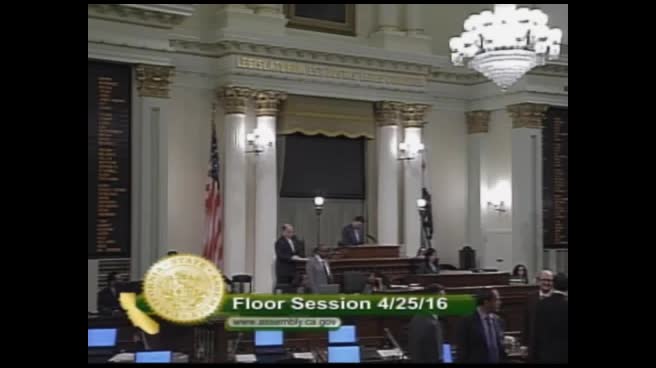 3MIN
Assembly Floor
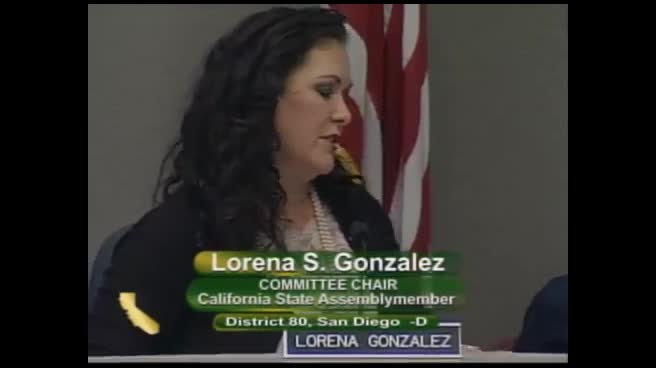 6MIN
Assembly Standing Committee on Appropriations
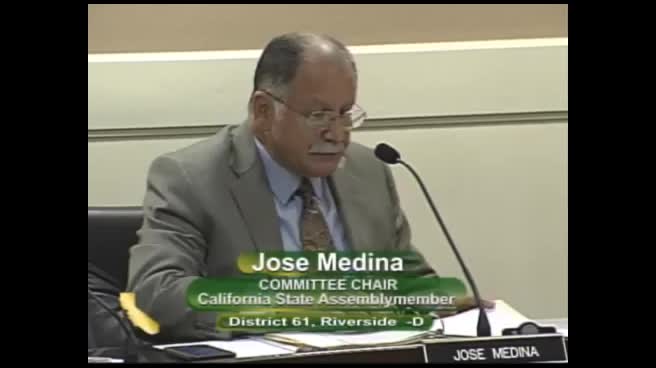 8MIN
Assembly Standing Committee on Higher Education
Bill Author

Bill Co-Author(s):
