AB 1993: Secondhand goods: tangible personal property: dealers.
- Session Year: 2017-2018
- House: Assembly
- Latest Version Date: 2018-08-24
Existing law requires every secondhand dealer and coin dealer to report the receipt or purchase of secondhand tangible personal property, except firearms, to the statewide uniform electronic reporting system known as the California Pawn and Secondhand Dealer System (CAPSS) that receives secondhand dealer reports and is operated by the Department of Justice. Existing law requires secondhand dealers to electronically report the receipt or purchase of each firearm, as specified, to the Department of Justice in a format prescribed by the department. Existing law also applies these reporting requirements to pawnbrokers. Existing law requires every secondhand dealer and every coin dealer to retain in his or her possession for a period of 30 days all tangible personal property reported in accordance with specified provisions. Existing law requires the 30-day holding period to commence the date the report of its acquisition was made to the chief of police or the sheriff and authorizes the chief of police or the sheriff or the Department of Justice to authorize prior disposition of any property, as described. Existing law requires every secondhand dealer and coin dealer, during the 30-day holding period, to produce reported tangible personal property for inspection by any peace officer or employee designated by the chief of police or sheriff or the Department of Justice.
This bill would apply the 30-day holding period for tangible personal property exclusively to firearms. The bill would eliminate references to the chief of police or the sheriff and instead would require every secondhand dealer and coin dealer to retain in his or her possession for a period of 30 days all firearms reported electronically to the Department of Justice. The bill would require the 30-day holding period to commence the date the report of its acquisition was made electronically to the Department of Justice.
This bill would require every secondhand dealer and coin dealer to retain in his or her possession for a period of 7 days all tangible personal property reported electronically to CAPSS. The bill would require the 7-day holding period for tangible personal property to commence the date the report of its acquisition was made to CAPSS. The bill, if 5 days have elapsed since transmission of the report to CAPSS, would not apply the remainder of the 7-day holding period to tangible personal property sold by the secondhand dealer or coin dealer if the secondhand dealer or coin dealer has made a record of the sale that includes the buyers name and contact information, as specified. The bill would also require a secondhand dealer or coin dealer to retain the information collected under these provisions for a period of 21 days and to make the information available to, or to provide the information to, a local law enforcement agency, as specified.
Existing law requires every secondhand dealer and coin dealer to report the receipt or purchase of secondhand tangible personal property, except firearms, to the statewide uniform electronic reporting system known as the California Pawn and SecondhandDealer Secondhand Dealer System (CAPSS) that receives secondhand dealer reports and is operated by the Department of Justice. Existing law requires secondhand dealers to electronically report the receipt or purchase of each firearm, as specified, to the Department of Justice in a format prescribed by the department. Existing law also applies these reporting requirements to pawnbrokers. Existing law requires every secondhand dealer and every coin dealer to retain in his or her possession for a period of 30 days all tangible personal property reported in accordance with specified provisions. Existing law requires the 30-day holding period to commence the date the report of its acquisition was made to the chief of police or the sheriff and authorizes the chief of police or the sheriff or the Department of Justice to authorize prior disposition of any property, as described. Existing law requires every secondhand dealer and coin dealer, during the 30-day holding period, to produce reported tangible personal property for inspection by any peace officer or employee designated by the chief of police or sheriff or the Department of Justice.
This bill would apply the 30-day holding period for tangible personal property exclusively to firearms. The bill would eliminate references to the chief of police or the sheriff and instead would require every secondhand dealer and coin dealer to retain in his or her possession for a period of 30 days all firearms reported electronically to the Department of Justice. The bill would require the 30-day holding period to commence the date the report of its acquisition was made electronically to the Department of Justice.
This bill would require every secondhand dealer and coin dealer to retain in his or her possession for a period of 3 7 days all tangible personal property reported electronically to CAPSS. The bill would require the 3-day 7-day holding period for tangible personal property to commence the date the report of its acquisition was made to CAPSS. The bill, if 24 hours 5 days have elapsed since transmission of the report to CAPSS, would not apply the remainder of the 3-day 7-day holding period to tangible personal property sold by the secondhand dealer or coin dealer if the secondhand dealer or coin dealer has made a record of the sale that includes the buyers name and contact information, as specified. The bill would also require a secondhand dealer or coin dealer to retain the information collected under these provisions for a period of 21 days and to make the information available to, or to provide the information to, a local law enforcement agency, as specified.
Existing law requires every secondhand dealer and coin dealer to report the receipt or purchase of secondhand tangible personal property, except firearms, to the statewide uniform electronic reporting system known as the California Pawn and SecondhandDealer System (CAPSS) that receives secondhand dealer reports and is operated by the Department of Justice. Existing law requires secondhand dealers to electronically report the receipt or purchase of each firearm, as specified, to the Department of Justice in a format prescribed by the department. The Existing law also applies these reporting requirements to pawnbrokers. The Existing law requires every secondhand dealer and every coin dealer to retain in his or her possession for a period of 30 days all tangible personal property reported in accordance with specified provisions. The Existing law requires the 30-day holding period to commence the date the report of its acquisition was made to the chief of police or the sheriff and authorizes the chief of police or the sheriff or the Department of Justice to authorize prior disposition of any property, as described. The Existing law requires every secondhand dealer and coin dealer, during the 30-day holding period, to produce reported tangible personal property for inspection by any peace officer or employee designated by the chief of police or sheriff or the Department of Justice.
This bill, instead, would eliminate bill would apply the 30-day holding period for tangible personal property, except for property exclusively to firearms. The bill would eliminate references to the chief of police or the sheriff and instead would require every secondhand dealer and coin dealer to retain in his or her possession for a period of 30 days all firearms reported electronically to the Department of Justice. The bill would require the 30-day holding period to commence the date the report of its acquisition was made electronically to the Department of Justice.
This bill would require every secondhand dealer and coin dealer to retain in his or her possession for a period of 3 days all tangible personal property reported electronically to CAPSS. The bill would require the 3-day holding period for tangible personal property to commence the date the report of its acquisition was made to CAPSS. The bill, if 24 hours have elapsed since transmission of the report to CAPSS, would not apply the remainder of the 3-day holding period to tangible personal property sold by the secondhand dealer or coin dealer if the secondhand dealer or coin dealer has made a record of the sale that includes the buyers name and contact information, as specified.
Existing law requires every secondhand dealer and coin dealer to report the receipt or purchase of secondhand tangible personal property, except firearms, to the statewide uniform electronic reporting system known as the California Pawn and SecondhandDealer System (CAPSS) that receives secondhand dealer reports and is operated by the Department of Justice. Existing law requires secondhand dealers to electronically report the receipt or purchase of each firearm, as specified, to the Department of Justice in a format prescribed by the department. The law also applies these reporting requirements to pawnbrokers. The law requires every secondhand dealer and every coin dealer to retain in his or her possession for a period of 30 days all tangible personal property reported in accordance with specified provisions. The law requires the 30-day holding period to commence the date the report of its acquisition was made to the chief of police or the sheriff and authorizes the chief of police or the sheriff or the Department of Justice to authorize prior disposition of any property, as described. The law requires every secondhand dealer and coin dealer, during the 30-day holding period, to produce reported tangible personal property for inspection by any peace officer or employee designated by the chief of police or sheriff or the Department of Justice.
This bill, instead, would eliminate the 30-day holding period for tangible personal property, except for firearms. The bill would eliminate references to the chief of police or the sheriff and instead would require every secondhand dealer and coin dealer to retain in his or her possession for a period of 30 days all firearms reported electronically to the Department of Justice. The bill would require the 30-day holding period to commence the date the report of its acquisition was made electronically to the Department of Justice.
(a)Every secondhand dealer and coin dealer shall retain in his or her possession for a period of 30 days all firearms reported under Section 21628.2. The 30-day holding period with respect to firearms shall commence with the date the report of its acquisition was made electronically to the Department of Justice by the secondhand dealer and coin dealer. The Department of Justice may for good cause authorize prior disposition of any firearms described in a specific report, provided that a secondhand dealer who disposes of firearms pursuant to that authorization shall report the sale thereof to the Department of Justice.
(b)During the 30-day holding period specified in subdivision (a), every secondhand dealer and coin dealer shall produce any firearm reported under Section 21628.2 for inspection by any peace officer or employee designated by the Department of Justice.
(c)Firearms subject to inspection as specified in subdivision (b) and firearms held in pawn that are stored off the business premises of the licensee shall, upon request for inspection, be produced at the licensees business premises within one business day of a request.
(d)Any person who conducts business as a secondhand dealer at any gun show or event, as defined in Section 478.100 of Title 27 of the Code of Federal Regulations, or its successor, outside the jurisdiction that issued the secondhand dealer license in accordance with subdivision (d) of Section 21641, may be required to submit for inspection, as specified in subdivision (b), any firearm acquired at a gun show or event within 48 hours of the request of the local law enforcement agency in the jurisdiction where the gun show or event was conducted at a location specified by the local law enforcement agency.
SEC. 2.Section 21636.1 is added to the Business and Professions Code, to read:21636.1.(a)Every secondhand dealer and coin dealer shall retain in his or her possession for a period of seven days all tangible personal property, as defined in Section 21627, reported pursuant to Sections 21628 and 21630. The seven-day holding period with respect to tangible personal property shall commence with the date the report of its acquisition was made to CAPSS.
(b)During the seven-day holding period specified in subdivision (a), every secondhand dealer and coin dealer shall produce any tangible personal property reported pursuant to Sections 21628 and 21630 for inspection by any peace officer or employee designated by the local licensing authority or the Department of Justice.
(c)Tangible personal property subject to inspection as specified in subdivision (b) and all tangible personal property held in pawn that is stored off the business premises of the licensee shall, upon request for inspection, be produced at the licensees business premises within one business day of a request by the local licensing authority or the Department of Justice.
(d)(1)If 5 days have elapsed since the transmission of the report of acquisition pursuant to Section 21628 or 21630, the remainder of the seven-day hold specified in subdivision (a) shall not apply to any tangible personal property sold by the secondhand dealer or coin dealer when the following are present:
(A)The secondhand dealer or coin dealer has recorded the sale in its book of records.
(B)The record of sale includes:
(i)The name of buyer to whom the tangible personal property was sold.
(ii)The buyers address.
(iii)At least one of the following:
(I)The buyers telephone number.
(II)The buyers email address.
(III)The buyers electronic address for receiving text messages.
(2)In documenting the record of sale as set forth in paragraph (1), the secondhand dealer or coin dealer shall record the information provided by the buyer and shall not have any duty to verify the accuracy of the information provided by the buyer.
(3)The information collected pursuant to this subdivision shall be retained by the secondhand dealer or coin dealer for 21 days following the date of sale of the property by the secondhand dealer or coin dealer and shall be available for inspection by a local law enforcement agency during this period.
(4)If a sale of property is made pursuant to this subdivision, and within 21 days of the sale a local law enforcement agency notifies the secondhand dealer or coin dealer that the property has been reported stolen, the record of the sale and all information contained therein shall be provided to that local law enforcement agency by the secondhand dealer or coin dealer upon written request by that agency.
(a)Every secondhand dealer and coin dealer shall retain in his or her possession for a period of 30 days all firearms reported under Section 21628.2. The 30-day holding period with respect to firearms shall commence with the date the report of its acquisition was made electronically to the Department of Justice by the secondhand dealer and coin dealer. The Department of Justice may for good cause authorize prior disposition of any firearms described in a specific report, provided that a secondhand dealer who disposes of firearms pursuant to that authorization shall report the sale thereof to the Department of Justice.
(b)During the 30-day holding period specified in subdivision (a), every secondhand dealer and coin dealer shall produce any firearm reported under Section 21628.2 for inspection by any peace officer or employee designated by the Department of Justice.
(c)Firearms subject to inspection as specified in subdivision (b) and firearms held in pawn that are stored off the business premises of the licensee shall, upon request for inspection, be produced at the licensees business premises within one business day of a request.
(d)Any person who conducts business as a secondhand dealer at any gun show or event, as defined in Section 478.100 of Title 27 of the Code of Federal Regulations, or its successor, outside the jurisdiction that issued the secondhand dealer license in accordance with subdivision (d) of Section 21641, may be required to submit for inspection, as specified in subdivision (b), any firearm acquired at a gun show or event within 48 hours of the request of the local law enforcement agency in the jurisdiction where the gun show or event was conducted at a location specified by the local law enforcement agency.
SEC. 2.Section 21636.1 is added to the Business and Professions Code, to read:21636.1.(a)Every secondhand dealer and coin dealer shall retain in his or her possession for a period of three seven days all tangible personal property, as defined in Section 21627, reported pursuant to Sections 21628 and 21630. The three-day seven-day holding period with respect to tangible personal property shall commence with the date the report of its acquisition was made to CAPSS.
(b)During the three-day seven-day holding period specified in subdivision (a), every secondhand dealer and coin dealer shall produce any tangible personal property reported pursuant to Sections 21628 and 21630 for inspection by any peace officer or employee designated by the local licensing authority or the Department of Justice.
(c)Tangible personal property subject to inspection as specified in subdivision (b) and all tangible personal property held in pawn that is stored off the business premises of the licensee shall, upon request for inspection, be produced at the licensees business premises within one business day of a request by the local licensing authority or the Department of Justice.
(d)(1)If 24 hours 5 days have elapsed since the transmission of the report of acquisition pursuant to Section 21628 or 21630, the remainder of the three-day seven-day hold specified in subdivision (a) shall not apply to any tangible personal property sold by the secondhand dealer or coin dealer when the following are present:
(A)The secondhand dealer or coin dealer has recorded the sale in its book of records.
(B)The record of sale includes:
(i)The name of buyer to whom the tangible personal property was sold.
(ii)The buyers address.
(iii)At least one of the following:
(I)The buyers telephone number.
(II)The buyers email address.
(III)The buyers electronic address for receiving text messages.
(2)In documenting the record of sale as set forth in paragraph (1), the secondhand dealer or coin dealer shall record the information provided by the buyer and shall not have any duty to verify the accuracy of the information provided by the buyer.
(3)The information collected pursuant to this subdivision shall be retained by the secondhand dealer or coin dealer for 21 days following the date of sale of the property by the secondhand dealer or coin dealer and shall be available for inspection by a local law enforcement agency during this period.
(4)If a sale of property is made pursuant to this subdivision, and within 21 days of the sale a local law enforcement agency notifies the secondhand dealer or coin dealer that the property has been reported stolen, the record of the sale and all information contained therein shall be provided to that local law enforcement agency by the secondhand dealer or coin dealer upon written request by that agency.
(a)Every secondhand dealer and coin dealer shall retain in his or her possession for a period of 30 days all firearms reported under Section 21628.2. The 30-day holding period with respect to firearms shall commence with the date the report of its acquisition was made electronically to the Department of Justice by the secondhand dealer and coin dealer. The Department of Justice may for good cause authorize prior disposition of any firearms described in a specific report, provided that a secondhand dealer who disposes of firearms pursuant to that authorization shall report the sale thereof to the Department of Justice.
(b)During the 30-day holding period specified in subdivision (a), every secondhand dealer and coin dealer shall produce any firearm reported under Section 21628.2 for inspection by any peace officer or employee designated by the Department of Justice.
(c)Firearms subject to inspection as specified in subdivision (b) and firearms held in pawn that are stored off the business premises of the licensee shall, upon request for inspection, be produced at the licensees business premises within one business day of a request.
(d)Any person who conducts business as a secondhand dealer at any gun show or event, as defined in Section 478.100 of Title 27 of the Code of Federal Regulations, or its successor, outside the jurisdiction that issued the secondhand dealer license in accordance with subdivision (d) of Section 21641, may be required to submit for inspection, as specified in subdivision (b), any firearm acquired at a gun show or event within 48 hours of the request of the local law enforcement agency in the jurisdiction where the gun show or event was conducted at a location specified by the local law enforcement agency.
SEC. 2.Section 21636.1 is added to the Business and Professions Code, to read:21636.1.(a)Every secondhand dealer and coin dealer shall retain in his or her possession for a period of three days all tangible personal property, as defined in Section 21627, reported pursuant to Sections 21628 and 21630. The three-day holding period with respect to tangible personal property shall commence with the date the report of its acquisition was made to CAPSS.
(b)During the three-day holding period specified in subdivision (a), every secondhand dealer and coin dealer shall produce any tangible personal property reported pursuant to Sections 21628 and 21630 for inspection by any peace officer or employee designated by the local licensing authority or the Department of Justice.
(c)Tangible personal property subject to inspection as specified in subdivision (b) and all tangible personal property held in pawn that is stored off the business premises of the licensee shall, upon request for inspection, be produced at the licensees business premises within one business day of a request by the local licensing authority or the Department of Justice.
(d)(1)If 24 hours have elapsed since the transmission of the report of acquisition pursuant to Section 21628 or 21630, the remainder of the three-day hold specified in subdivision (a) shall not apply to any tangible personal property sold by the secondhand dealer or coin dealer when the following are present:
(A)The secondhand dealer or coin dealer has recorded the sale in its book of records.
(B)The record of sale includes:
(i)The name of buyer to whom the tangible personal property was sold.
(ii)The buyers address.
(iii)At least one of the following:
(I)The buyers telephone number.
(II)The buyers email address.
(III)The buyers electronic address for receiving text messages.
(2)In documenting the record of sale as set forth in paragraph (1), the secondhand dealer or coin dealer shall record the information provided by the buyer and shall not have any duty to verify the accuracy of the information provided by the buyer.
(a)Every secondhand dealer and coin dealer shall retain in his or her possession for a period of 30 days all tangible personal property firearms reported under Sections 21628, 21629, and 21630, and commencing July 1, 2010, Section 21628.2. The 30-day holding period with respect to this tangible personal property firearms shall commence with the date the report of its acquisition was made electronically to the chief of police or to the sheriff Department of Justice by the secondhand dealer and coin dealer. The chief of police or the sheriff may for good cause, as specified by the Department of Justice, or the Department of Justice may for good cause authorize prior disposition of any property firearms described in a specific report, provided that a secondhand dealer who disposes of tangible personal property firearms pursuant to that authorization shall report the sale thereof to the chief of police or the sheriff or the Department of Justice.
(b)During the 30-day holding period specified in subdivision (a) (a), every secondhand dealer and coin dealer shall produce any tangible personal property firearm reported under Sections 21628, 21629, and 21630, and commencing July 1, 2010, Section 21628.2, Section 21628.2 for inspection by any peace officer or employee designated by the chief of police or sheriff or the Department of Justice.
(c)Property Firearms subject to inspection as specified in subdivision (b) and property firearms held in pawn, which is pawn that are stored off the business premises of the licensee, licensee shall, upon request for inspection, be produced at the licensees business premises within one business day of a request.
(d)Any person who conducts business as a secondhand dealer at any gun show or event, as defined in Section 478.100 of Title 27 of the Code of Federal Regulations, or its successor, outside the jurisdiction that issued the secondhand dealer license in accordance with subdivision (d) of Section 21641, may be required to submit for inspection, as specified in subdivision (b), any firearm acquired at a gun show or event within 48 hours of the request of the local law enforcement agency in the jurisdiction where the gun show or event was conducted at a location specified by the local law enforcement agency.
|
Date
|
Status
|
|---|---|
| Aug 24, 2018 | Chaptered by Secretary of State - Chapter 184, Statutes of 2018. |
| Aug 24, 2018 | Approved by the Governor. |
| Aug 13, 2018 | Enrolled and presented to the Governor at 3 p.m. |
| Aug 7, 2018 | In Assembly. Ordered to Engrossing and Enrolling. |
| Aug 6, 2018 | Read third time. Passed. Ordered to the Assembly. |
| Jun 27, 2018 | Read second time. Ordered to third reading. |
| Jun 26, 2018 | From committee: Do pass. (Ayes 6. Noes 0.) (June 26). |
| Jun 11, 2018 | From committee: Do pass and re-refer to Com. on PUB. S. (Ayes 7. Noes 0.) (June 11). Re-referred to Com. on PUB. S. |
| May 10, 2018 | Referred to Coms. on B., P. & E.D. and PUB. S. |
| Apr 26, 2018 | In Senate. Read first time. To Com. on RLS. for assignment. |
| Apr 26, 2018 | Read third time. Passed. Ordered to the Senate. |
| Apr 16, 2018 | Read second time. Ordered to third reading. |
| Apr 12, 2018 | Read second time and amended. Ordered returned to second reading. |
| Apr 11, 2018 | From committee: Amend, and do pass as amended. (Ayes 12. Noes 0.) (April 10). |
| Apr 3, 2018 | Re-referred to Com. on B. & P. |
| Apr 2, 2018 | From committee chair, with author's amendments: Amend, and re-refer to Com. on B. & P. Read second time and amended. |
| Feb 12, 2018 | Referred to Com. on B. & P. |
| Feb 2, 2018 | From printer. May be heard in committee March 4. |
| Feb 1, 2018 | Read first time. To print. |
|
Date
|
Description
|
Location
|
Votes
|
|
|---|---|---|---|---|
| Aug 6, 2018 | Assembly 3rd Reading AB1993 Gipson By Hill | Senate Floor |
Passed |
|
| Jun 26, 2018 | Do pass | Senate Standing Committee on Public Safety |
Passed |
|
| Jun 11, 2018 | Do pass, but first be re-referred to the Committee on [Public Safety] | Senate Standing Committee on Business, Professions and Economic Development |
Passed |
|
| Apr 26, 2018 | AB 1993 GIPSON Assembly Third Reading | Assembly Floor |
Passed |
|
| Apr 10, 2018 | Do pass as amended. | Assembly Standing Committee on Business and Professions |
Passed |
This list shows positions taken on this bill by organizations on the date displayed, which is linked to the original source.
Positions by individuals are not included.
Office of Senate Floor Analyses (916) 651-1520 Fax: (916) 327-4478 | AB |
THIRD READING
Bill No: AB 1993
:
SENATE BUS., PROF. & ECON. DEV. COMMITTEE: 7-0, 6/11/18
AYES: Hill, Fuller, Dodd, Glazer, Hernandez, Pan, Wilk
NO VOTE RECORDED: Galgiani, Newman
SENATE PUBLIC SAFETY COMMITTEE: 6-0, 6/26/18
AYES: Skinner, Anderson, Bradford, Mitchell, Stone, Wiener
NO VOTE RECORDED: Jackson
ASSEMBLY FLOOR: 66-4, 4/26/18 - See last page for vote
SOURCE: California Pawnbrokers Association
DIGEST:
This bill revises the current hold requirement from 30 days to seven days for a secondhand dealer and coin dealer to hold tangible personal property (property), with the exception of firearms, prior to selling the property; and, additionally authorizes the secondhand dealer and coin dealer to sell the property after five days, if specified information is collected.
Existing law:
- Defines a “secondhand dealer” to mean and include any person, copartnership, firm, or corporation whose business includes buying, selling, trading, taking in pawn, accepting for sale on consignment, accepting for auctioning or auctioning secondhand property but does not include a coin dealer or a participant at gun shows, as specified. (Business and Professions Code (BPC) § 21626)
- Defines “tangible personal property” to mean all secondhand property that bears a serial number or personalized initials or inscription or, that at the time it is acquired by the secondhand dealer, bears evidence of having had a serial number or personalized initials or inscription. (BPC § 21627(a))
- Defines “CAPSS” to mean the California Pawn and Secondhand Dealer System, which is a single statewide, uniform electronic reporting system that receives secondhand dealer reports and is operated by the Department of Justice (DOJ). (BPC § 21627.5)
- Requires every secondhand or coin dealer, as defined, to report daily or no later than the next business day, excluding weekends and holidays, after receipt or purchase of secondhand property to CAPSS, all secondhand property, except for firearms which he or she has purchased, taken in trade, taken in pawn, accepted for sale on consignment, or accepted for auctioning. (BPC § 21628(a))
- Requires the report in 4) above, to be legible, prepared in English, and include only the following information: (BPC § 21628(a)(1)(2))
- The name and current address of the intended seller;
- The identification of the intended seller or pledger, as specified; and,
- A description of the property.
- Requires a secondhand dealer or coin dealer to electronically transmit to CAPSS no later than the next business day after the date of the transaction excluding weekends and holidays or, if not possible due to an electrical, telecommunications, or other malfunction as soon as reasonable thereafter, the report of acquisition of the property. (BPC § 21630)
This bill:
- Replaces the current 30-day hold requirement for property that is acquired by a second dealer or coin dealer with a seven-day hold, commencing with the date the report of its acquisition was made to CAPSS.
- Requires every secondhand and coin dealer, during the seven-day holding period, to produce any reported property for inspection by any peace officer or employee designated by the local licensing authority or the DOJ.
- Requires property subject to inspection, as specified in 2) above, and all property held in pawn that is stored off the business premises to be produced for inspection at the licensee’s business premises with one business day of a request for inspection by the local licensing authority or the DOJ.
- Specifies that the last two days of the seven-day hold do not apply when the secondhand dealer or coin dealer has recorded the sale in its book of records; and, the record of sale includes the name of the buyer to whom the property was sold; the buyers address; and either the buyer’s telephone number, email address or email address for receiving text messages.
- Does not require the secondhand dealer or coin dealer, when documenting the record of sale in 4) above, to verify the accuracy of the information presented by the buyer.
- Requires the record of sale to be retained by the secondhand dealer or coin dealer for 21 days following the date of sale of the property and be available for inspection by a local law enforcement agency during that period.
- Requires the secondhand dealer or coin dealer, upon written request from a local law enforcement agency, to provide the record of sale to local law enforcement, if within 21 days local law enforcement notifies the secondhand dealer or coin dealer that the property has been reported stolen.
- Makes other technical and conforming changes.
Background
Secondhand dealers. Secondhand dealers includes those whose business includes buying, selling, trading, taking in pawn, accepting for sale on consignment, accepting for auctioning or auctioning secondhand property.
Pursuant to BPC Section 21641, local law enforcement entities such as police chiefs, the sheriff, or where appropriate the police commission are responsible for incorporating the secondhand dealer licensing process into their local programs. Persons, entities, or corporations who want to conduct business as a secondhand dealer must first apply for a specific license with the local licensing agency (chief of police or sheriff) who then receives background check results and a license number issued by the DOJ's Secondhand Dealer and Pawnbroker Unit. An initial application for local licensure consists of fingerprints, a licensing fee and evidence of a surety bond. Secondhand dealers are required to renew their licenses biannually and submit a new application packet with each renewal.
CAPSS and reporting requirements. To address the issue of stolen property potentially being sold at a pawn shop, BPC Section 21628 specifies that when secondhand dealers or pawnbrokers take in items, whether buying outright or loaning money and holding for collateral, they are required to report daily or on the first working day after they have taken possession of an item. As a result of AB 391 (Pan, Chapter 172, Statutes of 2012), the paper forms were replaced with an electronic database commonly referred to as the “CAPSS system”, which aimed to make property reporting for secondhand dealers more efficient and easier for law enforcement to reconcile with reports of stolen property. Through CAPSS, properties held by secondhand dealers are uploaded directly to a database under the jurisdiction of the DOJ. The electronic system was designed to allow for easier access to those items which have been held under law for review by law enforcement.
As noted by the author, “today’s ability to instantly buy or sell items over the internet or on APP based platforms has increased the speed of transactions beyond what could have been envisioned at the time the 30 day hold was enacted into law. The market place is as fast as a click on your phone or computer. Everyone who sells an item of tangible personal property competes with brick and mortar secondhand dealers.” Further, the sponsor notes that modern competitors are not subject to strict holding periods nor are they required to collect seller identification information and are much more likely to sell a greater percentage of stolen items. This bill will attempt to address secondhand dealers’ purported competitive disadvantage by reducing the hold time on property for sale or taken into a pawnshop. This bill does not change the current reporting requirements for secondhand dealers or coin dealers, just the hold period for those items reported which are not firearms. Any property taken-in, will still be subject to the same reporting requirements. However, instead of holding an item for 30 days, this bill will reduce the holding period to seven days, or five days if the seller maintains a record of the purchase. As currently drafted, this bill maintains the inspection authority for local law enforcement or other regulators.
This bill also provides a pathway to reduce the seven-day hold to a five-day hold if the secondhand dealer records the sale in his or her book of records and includes identifying information about the purchaser including the name and address of who purchased the item along with either a telephone number, an email address or the buyers electronic address for receiving text messages. Under current law, BPC Section 21628.3, a secondhand dealer is required to verify the identification of the seller or pledger of each transaction. This bill specifically exempts the secondhand dealer from verifying the identity of a person who purchases the item under the five-day hold and report provision. The information about the transaction after a five-day hold will be required to be retained for 21 days, presumably to allow law enforcement or the local regulatory agency to review who the items was sold to in the event a stolen property report was received in an effort to retrieve the item.
Comments
This bill is sponsored by the California Pawnbrokers Association. According to the author, “Secondhand dealers are at a disadvantage when it comes to selling items they have purchased from an individual. For example when an individual walks into a pawnshop, jewelry store, or any business that buys items from a private citizen they must hold this item(s) for 30 days before putting it up for sale. Today’s ability to instantly buy or sell items over the internet or on APP based platforms has increased the speed of transactions beyond what could have been envisioned at the time the 30 day hold was enacted into law. The market place is as fast as a click on your phone or computer. Everyone who sells an item of tangible personal property competes with brick and mortar secondhand dealers.”
FISCAL EFFECT: Appropriation: Fiscal Com.: Local:
California Pawnbrokers Association (source)
OPPOSITION: (Verified 6/27/18)
California Police Chiefs Association
California State Sheriffs’ Association
ARGUMENTS IN SUPPORT: The California Pawnbrokers Association writes in support, “The 30‐day hold required of licensed secondhand dealers was introduced into law 59 years ago, before reporting to law enforcement and before the internet or any electronic APPS were around. We applaud your efforts to create a level playing field for brick and mortar stores that remain the backbone of commercial areas of California.”
ARGUMENTS IN OPPOSITION: The California Police Chiefs Association writes in opposition, “While our members understand that local secondhand dealers are having to compete with large online platforms, such as Amazon and eBay, they also acknowledge that the time frame established by [this bill] would severely hinder law enforcement’s ability to retrieve stolen items.”
The California State Sheriffs’ Association writes in opposition, “While we empathize with the challenges the pawn broker industry is confronting in today’s digital market, a seven-day holding period as contemplated by AB 1993 is insufficient for law enforcement to properly investigate and recover stolen property, and thus a disservice to victims of property crimes. While other methods for the sale of secondhand goods are not governed by the 30-day hold, we do not believe the appropriate response is to slash the current hold period for pawn brokers.”
ASSEMBLY FLOOR: 66-4, 4/26/18
AYES: Acosta, Baker, Berman, Bigelow, Bloom, Bonta, Brough, Burke, Caballero, Calderon, Carrillo, Cervantes, Chau, Chávez, Chen, Chiu, Choi, Chu, Cooley, Cooper, Cunningham, Dahle, Daly, Eggman, Frazier, Friedman, Gallagher, Eduardo Garcia, Gipson, Gloria, Gonzalez Fletcher, Grayson, Harper, Holden, Irwin, Jones-Sawyer, Kalra, Kamlager-Dove, Kiley, Lackey, Levine, Low, Maienschein, Mathis, Mayes, McCarty, Medina, Melendez, Mullin, Nazarian, Obernolte, O'Donnell, Patterson, Quirk, Reyes, Rubio, Santiago, Steinorth, Mark Stone, Thurmond, Ting, Voepel, Waldron, Weber, Wood, Rendon
NOES: Arambula, Muratsuchi, Quirk-Silva, Salas
NO VOTE RECORDED: Aguiar-Curry, Travis Allen, Flora, Fong, Cristina Garcia, Gray, Limón, Rodriguez
6/27/18 14:54:38
**** END ****
SENATE COMMITTEE ON PUBLIC SAFETY
Senator Nancy Skinner, Chair
2017 - 2018 Regular
Bill No: AB 1993 Hearing Date: June 26, 2018
Author: | Gipson | ||
Version: | April 12, 2018 | ||
Urgency: | No | Fiscal: | No |
Consultant: | SC | ||
Subject: Secondhand Goods: Tangible Personal Property: Dealers
HISTORY
Source: California Pawnbrokers Association
Prior Legislation: AB 1751 (Low), Ch. 793, Stats. 2015
SB 782 (Hill), Ch. 318, Stats. 2013
AB 391 (Pan), Ch. 172, Stats. 2012
AB 1796 (Galgiani), 2012, failed passage Assembly Public Safety Comm.
AB 704 (Ma), 2011, held in Assembly Judiciary Comm.
SB 1520 (Schiff), Ch. 994, Stats. 2000
AB 2967 (Young), Ch. 499, Stats. 1980
Support: National Federation of Independent Business, California
Opposition: California Police Chiefs Association; California State Sheriffs’ Association
Assembly Floor Vote: 66 - 4
PURPOSE
The purpose of this bill is to reduce from 30-days to seven-days, or five-days if specified information is collected, the length of time that a secondhand dealer and coin dealer must hold tangible person property prior to selling the property.
Existing law states that it is the intent of the Legislature in enacting the sections related to second hand goods to curtail the dissemination of stolen property and to facilitate the recovery of stolen property by means of a uniform, statewide, state-administered program of regulation of persons whose principal business is the buying, selling, trading, auctioning, or taking in pawn of tangible personal property and to aid the State Board of Equalization to detect possible sales tax evasion. (Bus. & Prof. Code, § 21625.)
Existing law defines a “secondhand dealer” to mean and include any person, co-partnership, firm, or corporation whose business includes buying, selling, trading, taking in pawn, accepting for sale on consignment, accepting for auctioning or auctioning secondhand property but does not include a coin dealer or a participant at gun shows, as specified. (Bus. and Prof. Code, § 21626.)
Existing law defines “tangible personal property” to include all secondhand property that bears a serial number or personalized initials or inscription or, that at the time it is acquired by the secondhand dealer, bears evidence of having had a serial number or personalized initials or inscription. (Bus. and Prof. Code, § 21627, subd. (a).)
Existing law states that tangible property also includes all tangible personal property that the Attorney General statistically determines through the most recent Department of Justice crime data to constitute a significant class of stolen goods. (Bus. and Prof. Code, § 21627, subd. (b)(3).)
Existing law specifies that tangible personal property does not include coins, monetized bullion, or commercial grade ingots of gold, silver, or other precious metals. (Bus. and Prof. Code, § 21627, subd. (d).)
Existing law defines “CAPSS” to mean the California Pawn and Secondhand Dealer System, which is a single statewide, uniform electronic reporting system that receives secondhand dealer reports and is operated by the Department of Justice (DOJ). (Bus. and Prof. Code, § 21627.5.)
Existing law requires every secondhand or coin dealer, as defined, to report daily or no later than the next business day, excluding weekends and holidays, after receipt or purchase of secondhand property to CAPSS, all secondhand property, except for firearms which he or she has purchased, taken in trade, taken in pawn, accepted for sale on consignment, or accepted for auctioning. (Bus. and Prof. Code, § 21628, subd. (a).)
Existing law requires the report to CAPSS, to be legible, prepared in English, and include the following information:
- The name and current address of the intended seller;
- The identification of the intended seller or pledger verified by the person taking the information, as specified; and,
- A description of the property. (Bus. and Prof. Code, § 21628, subd. (a)(1)(2).)
Existing law requires a secondhand dealer to verify the identification of the seller or pledger for each transaction, not for each item that shall be reported. (Bus. and Prof. Code, § 21628.3.)
Existing law requires a secondhand dealer or coin dealer to electronically transmit to CAPSS no later than the next business day after the date of the transaction excluding weekends and holidays or, if not possible due to an electrical, telecommunications, or other malfunction as soon as reasonable thereafter, the report of acquisition of the property. (Bus. and Prof. Code, § 21630.)
Existing law requires every secondhand dealer and coin dealer to retain in his or her possession for a period of 30 days all reportable property commencing with the date the report of its acquisition to CAPSS, during which time the secondhand dealer or coin dealer shall produce the property for inspection by any peace officer or employee designated by the chief of police or sheriff or the DOJ. (Bus. and Prof. Code, § 21636, subds. (a)-(b).)
Existing law states that the chief of police, the sheriff or DOJ, may for good cause, as specified by DOJ, authorize prior disposition of any property described in a specific report, provided that a secondhand dealer who disposes of tangible personal property pursuant to that authorization shall report the sale thereof to the chief of police or the sheriff or the DOJ. (Bus. and Prof. Code, § 21636, subd. (a).)
This bill replaces the 30-day hold requirement for property that is acquired by a second dealer or coin dealer with a 5-day hold, with the exception of firearms which would still be subject to the 30-day hold, commencing with the date the report of its acquisition was made to CAPSS.
This bill requires every secondhand and coin dealer, during the seven-day holding period, to produce any reported property for inspection by any peace officer or employee designated by the local licensing authority or the DOJ.
This bill requires property subject to inspection and all property held in pawn that is stored off the business premises to be produced for inspection at the licensee’s business premises within one business day of a request for inspection by the local licensing authority or the DOJ.
This bill specifies that if 5 days have elapsed since the transmission of the report of acquisition to CAPSS the remainder of the 7-day hold shall not apply to the property sold by the secondhand dealer or coin dealer when the following are present:
- The secondhand dealer or coin dealer has recorded the sale in its book of records;
- The record of sale includes:
- The name of buyer to whom the tangible personal property was sold;
- The buyer’s address; and,
- At least one of the following:
- The buyer’s telephone number.
- The buyer’s email address.
- The buyer’s electronic address for receiving text messages.
This bill states that in documenting the record of sale, the secondhand dealer or coin dealer shall not have any duty to verify the accuracy of the information provided by the buyer.
This bill provides that the information collected pursuant to the provisions of this bill shall be retained by the secondhand dealer or coin dealer for 21 days following the date of sale and shall be available for inspection by a local law enforcement agency during this period.
This bill states that if a sale of property is made, and within 21 days of the sale a local law enforcement agency notifies the secondhand dealer or coin dealer that the property has been reported stolen, the record of the sale and all information contained therein shall be provided to that local law enforcement agency by the secondhand dealer or coin dealer upon written request by that agency.
COMMENTS
- Need for This Bill
According to the author of this bill:
Secondhand dealers are at a disadvantage when it comes to selling items they have purchased from an individual. For example when an individual walks into a pawnshop, jewelry store, or any business that buys items from a private citizen they must hold this item(s) for 30 days before putting it up for sale.
Today’s ability to instantly buy or sell items over the internet or on APP based platforms has increased the speed of transactions beyond what could have been envisioned at the time the 30 day hold was enacted into law. The market place is as fast as a click on your phone or computer. Everyone who sells an item of tangible personal property competes with brick and mortar secondhand dealers.
- CAPSS and Reporting Requirements
To address the issue of stolen property potentially being sold at a pawn shop, existing law specifies that when secondhand dealers or pawnbrokers take in items, whether buying outright or loaning money and holding for collateral, they are required to report daily or on the first working day after they have taken possession of an item. (Bus. & Prof. Code, § 21628.) Until January 1, 2016, that property report was completed on the "JUS 123" which was a standardized paper form that was completed for each item purchased, taken in trade, taken in pawn or accepted for sale on consignment. As a result of AB 391 (Pan, Chapter 172, Statutes of 2012), the paper forms were replaced with an electronic database commonly referred to as the “CAPSS system”, which aimed to make property reporting for secondhand dealers more efficient and easier for law enforcement to reconcile with reports of stolen property. Through CAPSS, properties held by secondhand dealers are uploaded directly to a database under the jurisdiction of the DOJ. The electronic system was designed to allow for easier access to those items which have been held under law for review by law enforcement.
Existing law requires that a secondhand dealer hold an item for 30 days before allowing that property to be sold. (Bus. & Prof. Code, § 21636.) Additionally, during that 30-day holding period, a secondhand dealer and coin dealer is required to make the property available for inspection by any peace officer or employee designated by the local licensing authority or the DOJ. If the item is stored offsite, the secondhand dealer must produce the item for inspection within one business day.
This bill does not change the current reporting requirements for secondhand dealers or coin dealers, just the hold period for those items reported which are not firearms. Any property taken-in, will still be subject to the same reporting requirements. This bill also maintains the inspection authority for local law enforcement or other regulators. However, instead of holding an item for 30 days, this bill will reduce the holding period to seven days, or five days if the secondhand dealer records the sale in his or her book of records and includes identifying information about the purchaser including the name and address of who purchased the item along with either a telephone number, an email address or the buyers electronic address for receiving text messages.
Under current law, a secondhand dealer is required to verify the identification of the seller or pledger of each transaction. (Bus. & Prof. Code, § 21628.3.) This bill specifically exempts the secondhand dealer from verifying the identity of a person who purchases the item under the five-day hold and report provision. The information about the transaction after a five-day hold will be required to be retained for 21-days, presumably to allow law enforcement or the local regulatory agency to review who the items was sold to in the event a stolen property report was received in an effort to retrieve the item. However, because this bill specifically exempts the secondhand dealer from verifying the identity of a person who purchases the item, these records may prove unreliable.
- Argument in Support
According to the California Pawnbrokers Association, the sponsor of this bill:
The 30-day hold required of all licensed secondhand dealers was introduced into law 59 years ago, before reporting to law enforcement and before the internet or any electronic APPS were around. We applaud your efforts to create a level playing field for brick and mortar stores that remain the backbone of commercial areas of California.
- Argument in Opposition
According to the California Police Chiefs Association:
While the amendments are a step in the right direction, we remain concerned the timeline is too short. During our discussions with the proponents and with the author, we proposed a ten-day hold on personal property with the remaining of the 30 days dedicated to collecting buyers; personal information. Our proposal was focused on giving private citizens sufficient time to report stolen property and for property crime units to review any stolen item reports they receive.
While our members understand that local secondhand dealers are having to complete with large online platforms, such as Amazon and EBay, they also acknowledge that the time frame established by AB 1993 would severely hinder law enforcement’s ability to retrieve stolen items.
-- END –
SENATE COMMITTEE ON
BUSINESS, PROFESSIONS AND ECONOMIC DEVELOPMENT
Senator Jerry Hill, Chair
2017 - 2018 Regular
Bill No: Hearing Date: June 11, 2018
Author: | |||
Version: | April 12, 2018 | ||
Urgency: | No | Fiscal: | No |
Consultant: | Elissa Silva | ||
Subject:
SUMMARY:
Revises the current hold requirement from 30-days to seven-days for a secondhand dealer and coin dealer to hold tangible personal property (property), with the exception of firearms, prior to selling the property; and, additionally authorizes the secondhand dealer and coin dealer to sell the property after five days, if specified information is collected.
Existing law:
- Defines a “secondhand dealer” to mean and include any person, copartnership, firm, or corporation whose business includes buying, selling, trading, taking in pawn, accepting for sale on consignment, accepting for auctioning or auctioning secondhand property but does not include a coin dealer or a participant at gun shows, as specified. (Business and Professions Code (BPC) § 21626)
- Defines “tangible personal property” to mean all secondhand property that bears a serial number or personalized initials or inscription or, that at the time it is acquired by the secondhand dealer, bears evidence of having had a serial number or personalized initials or inscription. (BPC § 21627(a))
- Specifies that property does not include coins, monetized bullion, or commercial grade ignots of gold, silver, or other precious metals. (BPC 21627(d))
- Defines “CAPSS” to mean the California Pawn and Secondhand Dealer System, which is a single statewide, uniform electronic reporting system that receives secondhand dealer reports and is operated by the Department of Justice (DOJ). (BPC § 21627.5)
- Requires every secondhand or coin dealer, as defined, to report daily or no later than the next business day, excluding weekends and holidays, after receipt or purchase of secondhand property to CAPSS, all secondhand property, except for firearms which he or she has purchased, taken in trade, taken in pawn, accepted for sale on consignment, or accepted for auctioning. (BPC § 21628(a))
- Requires the report in Item #5) above, to be legible, prepared in English, and include only the following information: (BPC § 21628(a)(1)(2))
- The name and current address of the intended seller;
- The identification of the intended seller or pledger, as specified; and,
- A description of the property.
- The name and current address of the intended seller;
- Requires a secondhand dealer or coin dealer to electronically transmit to CAPSS
no later than the next business day after the date of the transaction excluding weekends and holidays or, if not possible due to an electrical, telecommunications, or other malfunction as soon as reasonable thereafter, the report of acquisition of the property. (BPC § 21630) - Requires every secondhand dealer and coin dealer to retain in his or her possession for a period of 30 days all reportable property commencing with the date the report of its acquisition to CAPSS, during which time the secondhand dealer or coin dealer shall produce the property for inspection by any peace officer or employee designated by the chief of police or sheriff or the DOJ. (BPC § 21636)
This bill:
- Replaces the current 30-day hold requirement for property that is acquired by a second dealer or coin dealer with a seven-day hold, commencing with the date the report of its acquisition was made to CAPSS.
- Requires every secondhand and coin dealer, during the seven-day holding period, to produce any reported property for inspection by any peace officer or employee designated by the local licensing authority or the DOJ.
- Requires property subject to inspection, as specified in Item #2) above, and all property held in pawn that is stored off the business premises to be produced for inspection at the licensee’s business premises with one business day of a request for inspection by the local licensing authority or the DOJ.
- Specifies that the last two days of the seven day hold do not apply when the following are present:
- The secondhand dealer or coin dealer has recorded the sale in its book of records; and,
- The record of sale includes the name of the buyer to whom the property was sold; the buyers address; and either the buyer’s telephone number, email address or email address for receiving text messages.
- The secondhand dealer or coin dealer has recorded the sale in its book of records; and,
- Does not require the secondhand dealer or coin dealer, when documenting the record of sale in Item #4) above, to verify the accuracy of the information presented by the buyer.
- Requires the record of sale to be retained by the secondhand dealer or coin dealer for 21 days following the date of sale of the property and be available for inspection by a local law enforcement agency during that period.
- Requires the secondhand dealer or coin dealer, upon written request from a local law enforcement agency, to provide the record of sale to local law enforcement, if within 21 days local law enforcement notifies the secondhand dealer or coin dealer that the property has been reported stolen.
- Makes other technical and conforming changes.
FISCAL EFFECT:
None. This bill is keyed non-fiscal by the Legislative Counsel.
COMMENTS:
- Purpose. This bill is sponsored by the California Pawnbrokers Association. According to the Author, “Secondhand dealers are at a disadvantage when it comes to selling items they have purchased from an individual. For example when an individual walks into a pawnshop, jewelry store, or any business that buys items from a private citizen they must hold this item(s) for 30 days before putting it up for sale. Today’s ability to instantly buy or sell items over the internet or on APP based platforms has increased the speed of transactions beyond what could have been envisioned at the time the 30 day hold was enacted into law. The market place is as fast as a click on your phone or computer. Everyone who sells an item of tangible personal property competes with brick and mortar secondhand dealers.”
- Background.
Secondhand Dealers. The regulation of secondhand dealers and pawnbrokers was established by AB 2967 (Young Chapter 499, Statutes of 1980.) The basis of regulation was to provide law enforcement agencies with a mechanism to reduce the sales of stolen property and to facilitate the recovery of stolen property through the use of a uniform statewide, state administered secondhand dealer licensing and reporting program. Secondhand dealers includes those whose business includes buying, selling, trading, taking in pawn, accepting for sale on consignment, accepting for auctioning or auctioning secondhand property.
Pursuant to BPC § 21641, local law enforcement entities such as police chiefs, the sheriff, or where appropriate the police commission are responsible for incorporating the secondhand dealer licensing process into their local programs. It is the responsibility of the local licensing agency to administer, maintain, and enforce state law regarding secondhand dealer and pawnbroker licenses. Persons, entities, or corporations who want to conduct business as a secondhand dealer must first apply for a specific license with the local licensing agency (chief of police or sheriff) who then receives background check results and a license number issued by the DOJ's Secondhand Dealer and Pawnbroker Unit. An initial application for local licensure consists of fingerprints, a licensing fee and evidence of a surety bond. Secondhand dealers are required to renew their licenses biannually and submit a new application packet with each renewal.
CAPSS and Reporting Requirements. To address the issue of stolen property potentially being sold at a pawn shop, BPC § 21628 specifies that when secondhand dealers or pawnbrokers take in items, whether buying outright or loaning money and holding for collateral, they are required to report daily or on the first working day after they have taken possession of an item. Until January 1, 2016, that property report was completed on the "JUS 123" which was a standardized paper form that was completed for each item purchased, taken in trade, taken in pawn or accepted for sale on consignment. As a result of AB 391 (Pan, Chapter 172, Statutes of 2012), the paper forms were replaced with an electronic database commonly referred to as the “CAPSS system”, which aimed to make property reporting for secondhand dealers more efficient and easier for law enforcement to reconcile with reports of stolen property. Through CAPSS, properties held by secondhand dealers are uploaded directly to a database under the jurisdiction of the DOJ. The electronic system was designed to allow for easier access to those items which have been held under law for review by law enforcement.
As noted by the Author, “today’s ability to instantly buy or sell items over the internet or on APP based platforms has increased the speed of transactions beyond what could have been envisioned at the time the 30 day hold was enacted into law. The market place is as fast as a click on your phone or computer. Everyone who sells an item of tangible personal property competes with brick and mortar secondhand dealers.” Further, the sponsor notes that modern competitors like EBay or Craigslist are not subject to strict holding periods nor are they required to collect seller identification information and are much more likely to sell a greater percentage of stolen items. This bill will attempt to address secondhand dealers’ purported competitive disadvantage by reducing the hold time on property for sale or taken into a pawnshop. This bill does not change the current reporting requirements for secondhand dealers or coin dealers, just the hold period for those items reported which are not firearms. Any property taken-in, will still be subject to the same reporting requirements. However, instead of holding an item for 30 days, this bill will reduce the holding period to seven days, or five days if the seller maintains a record of the purchase.
Existing law requires that a secondhand dealer hold an item for 30 days before allowing that property to be sold (BPC § 21636). Additionally, during that 30-day holding period, a secondhand dealer and coin dealer is required to make the property available for inspection by any peace officer or employee designated by the local licensing authority or the DOJ. If the item is stored offsite, the secondhand dealer must produce the item for inspection within one business day. As currently drafted, this bill maintains the inspection authority for local law enforcement or other regulators.
This bill also provides a pathway to reduce the 7-day hold to a 5-day hold if the secondhand dealer records the sale in his or her book of records and includes identifying information about the purchaser including the name and address of who purchased the item along with either a telephone number, an email address or the buyers electronic address for receiving text messages. Under current law, BPC § 21628.3, a secondhand dealer is required to verify the identification of the seller or pledger of each transaction. This bill specifically exempts the secondhand dealer from verifying the identity of a person who purchases the item under the five-day hold and report provision. The information about the transaction after a five-day hold will be required to be retained for 21-days, presumably to allow law enforcement or the local regulatory agency to review who the items was sold to in the event a stolen property report was received in an effort to retrieve the item.
- Prior Related Legislation. AB 1751 (Low, Chapter 793, Statutes of 2015) revises and recasts DOJ requirements for the implementation, construction, and maintenance of the single, statewide and uniform electronic reporting system, defined as CAPSS, revises the reporting requirements for pawnbrokers and secondhand dealers and makes numerous other technical and clarifying changes, as specified.
AB 1182 (Santiago, Chapter 749, Statutes of 2015) narrowed the definition of tangible personal property, as specified, and requires the DOJ to annually update the list of items which represent a significant class of stolen goods, beginning January 1, 2016, and post it on its Web site, and makes other technical and clarifying amendments.
SB 782 (Hill, Chapter 318, Statutes of 2013) clarified the interests of licensed pawnbrokers and secondhand dealers relating to the seizure and disposition of property during a criminal investigation or case.
AB 391 (Pan, Chapter 172, Statutes of 2012) requires secondhand dealers and coin dealers to report certain information using the electronic reporting system developed by DOJ on and after the date that the system is implemented.
AB 1796 (Galgiani, of 2012) would have included in the definition of criminal profiteering activity the unlicensed sale of tangible personal property or other secondhand goods, including gold and other precious metals, without a license. (Status: This bill failed passage in the Assembly Public Safety Committee.)
AB 704 (Ma of 2011) would have required that a person conducting business as a secondhand dealer provide specified information to any peace officer upon demand and allow for the storage of the item for up to 90 days, required an impounding agency to satisfy specified requirements regarding impounded property and further would have authorized a nonprofit association composed of 50 or more licensed secondhand dealers to bring an action to enjoin a person from conducting business as a secondhand dealer without being licensed. (Status: This bill was held in the Assembly Judiciary Committee.)
SB 1520 (Schiff, Chapter 994, Statutes of 2000) makes the reporting system for pawned and secondhand property more effective for law enforcement purposes through development of specified reporting categories and reporting in electronic form.
- Arguments in Support. The California Pawnbrokers Association writes in support, “The 30‐day hold required of licensed secondhand dealers was introduced into law 59 years ago, before reporting to law enforcement and before the internet or any electronic APPS were around. We applaud your efforts to create a level playing field for brick and mortar stores that remain the backbone of commercial areas of California.”
- Arguments in Opposition. The California Police Chiefs Association writes in opposition, “While our members understand that local secondhand dealers are having to compete with large online platforms, such as Amazon and eBay, they also acknowledge that the time frame established by [this bill] would severely hinder law enforcement’s ability to retrieve stolen items.”
- Policy Consideration. The sponsor’s note that this bill is necessary in order to address the parity issue for sellers of secondhand goods, mainly the pawnbrokers and other secondhand dealers who are required to hold and report property unlike other non-regulated, internet-based sellers. The intent of the holding period was to provide law enforcement with time to review stolen property reports to help facilitate the recovery of stolen property; however; there is limited data related to the amount of stolen items recovered from a pawn business. Establishing a reporting mechanism to better assess the amount of stolen items recovered from a pawn business may be beneficial.
NOTE:
Double-referral to Committee on Public Safety, second.
SUPPORT AND OPPOSITION:
Support:
California Pawnbrokers Association (sponsor)
Opposition:
California Police Chiefs Association
-- END --
ASSEMBLY THIRD READING
ATR Bill Id:AB 1993
Author:(Gipson)
As Amended Ver:April 12, 2018
Majority vote
Committee | Votes | Ayes | Noes |
Business & Professions | 12-0 | Low, Brough, Bloom, Chen, Chiu, Cunningham, Eggman, Gipson, Holden, Irwin, Mullin, Ting |
SUMMARY: Replaces the current 30-day period of time in which a secondhand dealer and coin dealer may not sell tangible personal property upon reporting the acquisition to a database that identifies possible matches to stolen property with a requirement that secondhand dealers and coin dealers may not sell an item within five days of reporting the acquisition and then must collect and retain buyer information if the property is sold within the following two days. Specifically, this bill:
- Moves hold period requirements for non-firearm purchases into a new section.
- Prescribes that every secondhand dealer and coin dealer must retain in his or her possession for a period of five days all reportable tangible personal property, commencing with the date the report of its acquisition was made to California Pawn and Secondhand Dealer System (CAPSS), during which time the secondhand dealer or coin dealer shall produce the property for inspection by any peace officer or employee designated by the chief of police or sheriff or the Department of Justice (DOJ).
- Allows a secondhand dealer or coin dealer to sell a piece of reportable tangible personal property within the next two days of the three-day hold period if the secondhand dealer or coin dealer collects the following information about the buyer of the property:
- The name of the buyer to whom the tangible personal property was sold.
- The buyer's address.
- The buyer's telephone number, email address, or electronic address for receiving text messages.
- States that in documenting the record of sale regarding the buyer's information, the secondhand dealer or coin dealer shall record the information provided by the buyer and shall not have any duty to verify the accuracy of the information provided by the buyer.
- Requires secondhand dealers and coin dealers to retain collected buyer information for 21 days following the date of sale of the property to be made available for inspection by a local law enforcement agency.
- States that if within 21 days of the sale a local law enforcement agency notifies the secondhand dealer or coin dealer that the property had been reported stolen, the record of sale and all information contained therein shall be provided to that local law enforcement agency by the secondhand dealer or coin dealer upon written request by that agency.
FISCAL EFFECT: None
BACKGROUND: California has long regulated sellers of secondhand goods. In 1937, a law was enacted to require secondhand dealers to report new acquisitions of property to local law enforcement so that these items could potentially be matched with stolen goods. In 1959, this requirement was combined with a requirement that secondhand dealers wait 30 days before selling an item in order to provide law enforcement with time to investigate possible matches. The reporting requirement was also modified that year to consist of a daily paper report to both local law enforcement agencies and the DOJ.
In 2000, legislation was passed establishing a framework for secondhand dealers to make their required reports electronically; however, this system was not funded for over a decade. In the meantime, secondhand dealers submitted paper works on a form referred to as the JUS 123, which would typically be delivered to local law enforcement and was considered an inefficient way of investigating stolen property crimes. Legislation in 2012 ultimately funded a new statewide electronic system known as CAPSS, operated by DOJ and paid for through increased licensing fees obtained from secondhand dealers who were willing to contribute to the cost of a more streamlined electronic reporting system.
Upon completion of the CAPSS database, a number of secondhand dealers complained that the system was overly prescriptive in terms of how an item must be described. The intent of the DOJ's policy was to more effectively link secondhand dealers' goods to the automated property system containing records of stolen goods; however, a number of stores had difficulty reporting to the database through a batch upload process. As a result, the Attorney General negotiated modifications to statute to allow secondhand dealers more flexibility in the language used to describe an item. Virtually all secondhand dealers falling under the property reporting requirements now do so electronically through CAPSS, making it significantly easier for law enforcement to identify stolen property through an interjurisdictional electronic database.
The impetus for this bill is an argument by the pawnbroker industry that the 30-day hold period is a pre-internet relic of when all reporting was done on paper and law enforcement had to manually review submitted documents in order to identify possible matches. Pawnbrokers, who represent a subcategory of secondhand dealers, collect a great deal of personal information from sellers of goods that come into their stores. These types of requirements do not exist for websites like eBay and Craigslist or mobile applications like Letgo or OfferUp. Pawnbrokers argue that these modern competitors now likely facilitate a much larger percentage of transactions of stolen goods; the industry also complains that their competitors' lack of regulation allows them to operate more nimbly to the disadvantage of traditional secondhand dealers.
This bill would significantly reduce the hold period required for secondhand personal property before it may be sold by a dealer. In order to prolong the ability of law enforcement to locate any identified stolen goods, the bill also creates a new data collection requirement wherein the secondhand dealer would collect information regarding the buyer of an item within a certain time frame so that law enforcement can contact that individual in an attempt to retrieve the item.
Analysis Prepared by: Robert Sumner / B. & P. / (916) 319-3301 FN: 0002679
Date of Hearing: April 10, 2018
ASSEMBLY COMMITTEE ON BUSINESS AND PROFESSIONS
Evan Low, Chair
ABPCA Bill Id:AB 1993
Author:(Gipson) – As Amended Ver:April 2, 2018
SUBJECT: Secondhand goods: tangible personal property: dealers.
SUMMARY: Replaces the current 30 day period of time in which a secondhand dealer and coin dealer may not sell tangible personal property upon reporting the acquisition to a database that identifies possible matches to stolen property with a requirement that secondhand dealers and coin dealers may not sell an item within twenty-four hours of reporting the acquisition and then must collect and retain buyer information if the property is sold within the following two days.
EXISTING LAW:
- States that it is the intent of the Legislature to curtail the dissemination of stolen property and to facilitate the recovery of stolen property by means of a uniform, statewide, state-administered program of regulation of persons whose principal business is the buying, selling, trading, auctioning, or taking in pawn of tangible personal property. (Business and Professions Code (BPC) § 21625)
- Defines “secondhand dealer” to mean any person, copartnership, firm, or corporation whose business includes buying, selling, trading, taking in pawn, accepting for sale on consignment, accepting for auctioning, or auctioning secondhand tangible personal property, excluding coin dealers or participants at gun shows. (BPC § 21626(a))
- Defines “coin dealer” as any person, firm, partnership, or corporation whose principal business is the buying, selling, and trading of coins, monetized bullion, or commercial grade ingots of gold, or silver, or other precious metals. (BPC § 21626(b))
- Excludes from the definition of “secondhand dealer” any persons who perform the services of an auctioneer for a fee or salary and any person whose business is limited to the reconditioning and selling of major household appliances, under certain conditions. (BPC § 21626.5)
- Defines “tangible personal property” as all secondhand tangible personal property that bears a serial number or personalized initials or inscription and that is purchased by a secondhand dealer or a pawnbroker or that, at the time of the purchase, bears evidence of having had a serial number or personalized initials or inscription. Additionally defines “tangible personal property” as property received in pledge as security for a loan by a pawnbroker and property determined by the Attorney General to constitute a significant class of stolen goods according to the most recent property crime data. (BPC § 21627)
- Establishes the California Pawn and SecondhandDealer System (CAPSS), which is a single, statewide, uniform electronic reporting system that receives secondhand dealer reports and is operated by the Department of Justice (DOJ). (BPC § 21627.5)
- Requires secondhand dealers and coin dealers to report all secondhand tangible personal property acquisitions to CAPSS within one business day, which includes information relating to the seller of the property and a description of the property. (BPC § 21628)
- Prescribes that every secondhand dealer and coin dealer shall retain in his or her possession for a period of 30 days all reportable tangible personal property commencing with the date the report of its acquisition to CAPSS, during which time the secondhand dealer or coin dealer shall produce the property for inspection by any peace officer or employee designated by the chief of police or sheriff or the DOJ. (BPC § 21636)
- Provides for the licensure of secondhand dealers by local law enforcement. (BPC § 21641)
THIS BILL:
- Moves hold period requirements for non-firearm purchases into a new section.
- Prescribes that every secondhand dealer and coin dealer must retain in his or her possession for a period of three days all reportable tangible personal property, commencing with the date the report of its acquisition was made to CAPSS, during which time the secondhand dealer or coin dealer shall produce the property for inspection by any peace officer or employee designated by the chief of police or sheriff or the DOJ.
- Allows a secondhand dealer or coin dealer to sell a piece of reportable tangible personal property within the second 48 hours of the three-day hold period if the secondhand dealer or coin dealer collects the following information about the buyer of the property:
- The name of buyer to whom the tangible personal property was sold.
- The buyer’s address.
- The buyer’s telephone number, email address, or electronic address for receiving text messages.
- States that in documenting the record of sale regarding the buyer’s information, the secondhand dealer or coin dealer shall record the information provided by the buyer and shall not have any duty to verify the accuracy of the information provided by the buyer.
FISCAL EFFECT: None.
COMMENTS:
Purpose. This bill is sponsored by the California Pawnbrokers Association. According to the author:
Secondhand dealers are at a disadvantage when it comes to selling items they have purchased from an individual. For example when an individual walks into a pawnshop, jewelry store, or any business that buys items from a private citizen they must hold this item(s) for 30 days before putting it up for sale. Meanwhile online there are hundreds of websites where you can easily buy secondhand goods the same day. This hold is putting secondhand dealers at a disadvantage when reselling these items that they could have otherwise turned around the same day. AB 1993 simply seeks to create an even playing field for second dealers in this arena when reselling products.
Background.
California has long regulated sellers of secondhand goods. In 1937, a law was enacted to require secondhand dealers to report new acquisitions of property to local law enforcement so that these items could potentially be matched with stolen goods. In 1959, this requirement was combined with a requirement that secondhand dealers wait 30 days before selling an item in order to provide law enforcement with time to investigate possible matches. The reporting requirement was also modified that year to consist of a daily paper report to both local law enforcement agencies and the DOJ.
In 2000, legislation was passed establishing a framework for secondhand dealers to make their required reports electronically; however, this system was not funded for over a decade. In the meantime, secondhand dealers submitted paper works on a form referred to as the JUS 123, which would typically be delivered to local law enforcement and was considered an inefficient way of investigating stolen property crimes. Legislation in 2012 ultimately funded a new statewide electronic system known as CAPSS, operated by the DOJ and paid for through increased licensing fees obtained from secondhand dealers who were willing to contribute to the cost of a more streamlined electronic reporting system.
Upon completion of the CAPSS database, a number of secondhand dealers complained that the system was overly prescriptive in terms of how an item must be described. The intent of the DOJ’s policy was to more effectively link secondhand dealers’ goods to the automated property system containing records of stolen goods; however, a number of stores had difficulty reporting to the database through a batch upload process. As a result, the Attorney General negotiated modifications to statute to allow secondhand dealers more flexibility in the language used to describe an item. Virtually all secondhand dealers falling under the property reporting requirements now do so electronically through CAPSS, making it significantly easier for law enforcement to identify stolen property through an interjurisdictional electronic database.
The impetus for AB 1993 is an argument by the pawnbroker industry that the 30-day hold period is a pre-internet relic of when all reporting was done on paper and law enforcement had to manually review submitted documents in order to identify possible matches. Pawnbrokers, who represent a subcategory of secondhand dealers, collect a great deal of personal information from sellers of goods that come into their stores. These types of requirements do not exist for websites like eBay and Craigslist or mobile applications like Letgo or OfferUp. Pawnbrokers argue that these modern competitors now likely facilitate a much larger percentage of transactions of stolen goods; the industry also complains that their competitors’ lack of regulation allows them to operate more nimbly to the disadvantage of traditional secondhand dealers.
AB 1993 would significantly reduce the hold period required for secondhand personal property before it may be sold by a dealer. In order to prolong the ability of law enforcement to locate any identified stolen goods, the bill also creates a new data collection requirement wherein the secondhand dealer would collect information regarding the buyer of an item within a certain time frame so that law enforcement can contact that individual in an attempt to retrieve the item.
Prior Related Legislation. AB 1751 (Low, Chapter 793, Statutes of 2016) clarified what descriptive categories may be required by the DOJ for secondhand goods reported by dealers through CAPSS.
AB 1182 (Santiago, Chapter 749, Statutes of 2015) narrowed the definition of “tangible personal property” and required the DOJ to annually update the list of items which represent a significant class of stolen goods.
AB 632 (Eggman, Chapter 169, Statutes of 2015) would authorized specified unique identifying numbers to be used as the serial number reported for handheld electronic devices.
SB 782 (Hill, Chapter 318, Statutes of 2013) clarified the interests of licensed pawnbrokers and secondhand dealers relating to the seizure and disposition of property during a criminal investigation or case.
AB 391 (Pan, Chapter 172, Statutes of 2012) required secondhand dealers and coin dealers to report certain information to the DOJ through CAPSS and instituted a new $30 license fee.
AB 704 (Ma) of 2011 would have required that a person conducting business as a secondhand dealer provide specified information to any peace officer upon demand and allow for the storage of the item for up to 90 days, required an impounding agency to satisfy specified requirements regarding impounded property and further would have authorized a nonprofit association composed of 50 or more licensed secondhand dealers to bring an action to enjoin a person from conducting business as a secondhand dealer without being licensed. This bill was held in the Assembly Judiciary Committee.
SB 1520 (Schiff, Chapter 994, Statutes of 2000) created a framework for the DOJ to develop a new electronic reporting system that would eventually be CAPSS.
ARGUMENTS IN SUPPORT:
The owners and employees of a number of pawn businesses located throughout the state write in support of AB 1993. These letters refer to how licensed secondhand dealers “are being forced out of the retail marketplace by competition from internet-based and APP-based sellers.” The letters refer to how the currently 30-day hold requirement is 59 years old before the internet and argue that it is no longer necessary to disadvantage pawnbrokers with such regulation.
ARGUMENTS IN OPPOSITION:
Organizations representing local law enforcement agencies oppose the bill. Both the California Police Chiefs Association and the California State Sheriffs’ Association argue that the reduced hold period contained in the bill does not provide adequate opportunity for law enforcement to investigate potential matches to property that has been reported stolen. These organizations state that recovering stolen property is a critical public safety purpose and that this bill would inhibit the ability of law enforcement to solve crime.
POLICY ISSUE(S) FOR CONSIDERATION:
The bill’s current language allows an item to be sold after only one day following the report of its acquisition to CAPSS, and only two additional days during which time any sale would include a record of the buyer’s information. This may arguably not be enough time to reasonably expect a match to stolen property to occur. Even if the CAPSS database were able to instantaneously link secondhand goods to a stolen item, this is reliant on the amount of time it takes a victim to file a police report. It may be desirable to expand the hold time beyond what the bill currently offers.
AMENDMENTS:
- To provide more opportunity for law enforcement to investigate potential matches between recently acquired secondhand goods and stolen property linked to CAPSS:
Amend Section 2 to replace references to “three-day” in the context of holding periods to “seven-day” and replace references to “24 hours” to “five days.”
- To clarify how long a secondhand dealer must retain buyer information:
Amend Section 2 to insert:
(3) The information collected pursuant to this subdivision shall be retained by the secondhand dealer or coin dealer for 21 days following the date of sale of the property by the secondhand dealer or coin dealer and shall be made available for inspection by a local law enforcement agency during this period.
(4) If a sale of property is made pursuant to this subdivision, and within 21 days of the sale a local law enforcement agency notifies the secondhand dealer or coin dealer that the property had been reported stolen, the record of sale and all information contained therein shall be provided to that local law enforcement agency by the secondhand dealer or coin dealer upon written request by that agency.
REGISTERED SUPPORT:
California Pawnbrokers Association (Sponsor)
Over 70 Pawn Establishment Business-owners and Employees
REGISTERED OPPOSITION:
California Police Chiefs Association
California State Sheriffs’ Association
Analysis Prepared by: Robert Sumner / B. & P. / (916) 319-3301
Discussed in Hearing
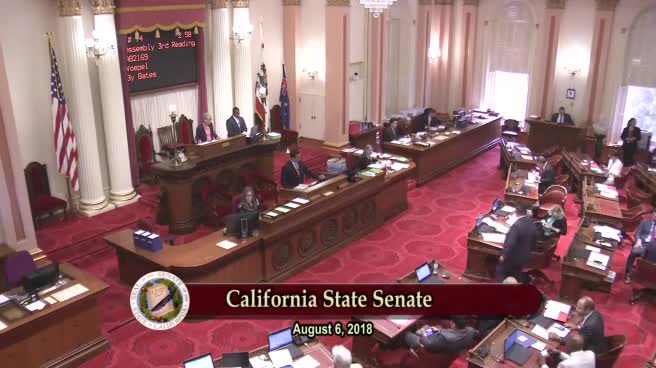 2MIN
Senate Floor
 8MIN
Senate Standing Committee on Public Safety
 7MIN
Senate Standing Committee on Business, Professions and Economic Development
 1MIN
Assembly Floor
 12MIN
Assembly Standing Committee on Business and Professions
Bill Author

Bill Co-Author(s):