AB 2053: Freshwater and Estuarine Harmful Algal Bloom Program.
- Session Year: 2017-2018
- House: Assembly
- Latest Version Date: 2018-04-18
Under the Porter-Cologne Water Quality Control Act, the State Water Resources Control Board and the California regional water quality control boards are the principal state agencies with regulatory authority over water quality.
This bill would require the state board to establish a Freshwater and Estuarine Harmful Algal Bloom Program to protect water quality and public health from algal blooms. The bill would require the state board, in consultation with specified entities, among other things, to coordinate immediate and long-term algal bloom event incident response, as provided, and conduct and support algal bloom field assessment and ambient monitoring at the state, regional, watershed, and site-specific waterbody scales.
Existing law establishes the State Coastal Conservancy and prescribes the membership and functions and duties of the conservancy with respect to preservation of coastal resources in the state.This bill would require the State Water Resources Control Board, until January 1, 2022, to establish and coordinate the Harmful Algal Bloom Task Force, comprised of specified representatives of state agencies, including the conservancy, and other agencies as determined by the board, in consultation with the Secretary for Environmental Protection, and would prescribe the functions and duties of the task force. The bill would require the task force to review the risks and negative impacts of harmful algal blooms and microcystin pollution and to submit a summary of its findings and recommendations to the appropriate policy and fiscal committees of the Legislature, the Secretary of the Natural Resources Agency, and the secretary on or before January 1, 2021. The act would require the task force, before providing funding recommendations or submitting a summary of findings, to notify the public about ongoing activities and provide opportunities for public review and comment on applied research, projects, and programs. The act would authorize the conservancy, the Department of Fish and Wildlife, the Wildlife Conservation Board, and the State Water Resources Control Board to enter into contracts and provide grants, upon appropriation, from specified bond funds available under the Water Quality, Supply, and Infrastructure Improvement Act of 2014, the California Sea Otter Fund, or from other appropriate funds for applied research, projects, and programs recommended by the task force aimed at preventing or sustainably mitigating harmful algal blooms, including cyanotoxins and microcystin pollution in the waters of the state.Existing law establishes the State Coastal Conservancy and prescribes the membership and functions and duties of the conservancy with respect to preservation of coastal resources in the state.
This bill would require the State Water Resources Control Board, until January 1, 2022, to establish and coordinate the Harmful Algal Bloom Task Force, comprised of specified representatives of state agencies, including the conservancy, and other agencies as determined by the board, in consultation with the Secretary for Environmental Protection, and would prescribe the functions and duties of the task force. The bill would require the task force to review the risks and negative impacts of harmful algal blooms and microcystin pollution and to submit a summary of its findings and recommendations to the appropriate policy and fiscal committees of the Legislature, the Secretary of the Natural Resources Agency, and the secretary on or before January 1, 2021. The act would require the task force, before providing funding recommendations or submitting a summary of findings, to notify the public about ongoing activities and provide opportunities for public review and comment on applied research, projects, and programs. The act would authorize the conservancy, the Department of Fish and Wildlife, the Wildlife Conservation Board, and the State Water Resources Control Board to enter into contracts and provide grants, upon appropriation, from specified bond funds available under the Water Quality, Supply, and Infrastructure Improvement Act of 2014, the California Sea Otter Fund, or from other appropriate funds for applied research, projects, and programs recommended by the task force aimed at preventing or sustainably mitigating harmful algal blooms, including cyanotoxins and microcystin pollution in the waters of the state.
The Legislature finds and declares both of the following:
(a)Cyanobacteria are small microbes that live in nearly every habitat on land and in the water. They have existed for millions of years as essential components of freshwater ecosystems and form the foundation of most aquatic food chains. However, when environmental conditions favor cyanobacteria growth, they can multiply very rapidly, creating nuisance blooms. When these nuisance blooms are dominated by toxin-producing cyanobacteria, they are referred to as harmful algal blooms. In recent years, harmful algal blooms are increasing in incidence, duration, and toxicity statewide and, as a result, health impacts on humans, domestic animals, dogs and livestock in particular, and wildlife are increasing in prevalence.
(b)Increased prevalence of harmful algal blooms has been attributed to various anthropogenic factors, the most significant of which include degradation of watersheds, nutrient loading, hydrologic alteration, and impacts from climate change. Toxins from harmful algal blooms, both benthic and planktonic, can accumulate in recreational and drinking bodies of water and can be transported hundreds of miles from freshwater to estuarine and marine environments where they accumulate in marine shellfish.
SEC. 2.Section 13182 is added to the Water Code, to read:13182.To protect water quality and public health from harmful algal blooms formed by cyanobacteria, blooms, the state board shall establish a Freshwater and Estuarine Harmful Algal Bloom Program and, in consultation with the Office of Environmental Health Hazard Assessment, State Department of Public Health, Department of Water Resources, Department of Fish and Wildlife, Department of Parks and Recreation, other appropriate state and federal agencies, and California Native American tribes, as defined in Section 21073 of the Public Resources Code, shall do all of the following:
(a)Coordinate immediate and long-term event incident response, including notification to state and local decisionmakers and the public regarding where harmful algal blooms are occurring, waters at risk of developing harmful algal blooms, and threats posed by harmful algal blooms.
(b)Conduct and support field assessment and ambient monitoring to evaluate harmful algal bloom extent, status, and trends at the state, regional, watershed, and site-specific waterbody scales.
(c)Determine the regions, watersheds, or waterbodies experiencing or at risk of experiencing harmful algal blooms to prioritize those regions, watersheds, or waterbodies for assessment, monitoring, remediation, and risk management.
(d)Conduct applied research and develop tools for decision-support.
(e)Provide outreach and education, and maintain a centralized Internet Web site for information and data related to harmful algal blooms.
The Legislature finds and declares both of the following:
(a)Cyanobacteria are small microbes that live in nearly every habitat on land and in the water. They have existed for millions of years as essential components of freshwater ecosystems and form the foundation of most aquatic food chains. However, when environmental conditions favor cyanobacteria growth, they can multiply very rapidly, creating nuisance blooms. When these nuisance blooms are dominated by toxin-producing cyanobacteria, they are referred to as harmful algal blooms. In recent years, harmful algal blooms are increasing in incidence, duration, and toxicity statewide and, as a result, health impacts on humans, domestic animals, dogs and livestock in particular, and wildlife are increasing in prevalence.
(b)Increased prevalence of harmful algal blooms has been attributed to various anthropogenic factors, the most significant of which include degradation of watersheds, nutrient loading, hydrologic alteration, and impacts from climate change. Toxins from harmful algal blooms, both benthic and planktonic, can accumulate in recreational and drinking bodies of water and can be transported hundreds of miles from freshwater to estuarine and marine environments where they accumulate in marine shellfish.
SEC. 2.Section 13182 is added to the Water Code, to read:13182.To protect water quality and public health from harmful algal blooms formed by cyanobacteria, the state board shall establish a Freshwater and Estuarine Harmful Algal Bloom Program and, in consultation with the Office of Environmental Health Hazard Assessment, State Department of Public Health, Department of Water Resources, Department of Fish and Wildlife, Department of Parks and Recreation, other appropriate state and federal agencies, and California Native American tribes, as defined in Section 21073 of the Public Resources Code, shall do all of the following:
(a)Coordinate immediate and long-term event incident response, including notification to state and local decisionmakers and the public regarding where harmful algal blooms are occurring, waters at risk of developing harmful algal blooms, and threats posed by harmful algal blooms.
(b)Conduct and support field assessment and ambient monitoring to evaluate harmful algal bloom extent, status, and trends at the state, regional, watershed, and site-specific waterbody scales.
(c)Determine the regions, watersheds, or waterbodies experiencing or at risk of experiencing harmful algal blooms to prioritize those regions, watersheds, or waterbodies for assessment, monitoring, remediation, and risk management.
(d)Conduct applied research and develop tools for decision-support.
(e)Provide outreach and education, and maintain a centralized Internet Web site for information and data related to harmful algal blooms.
SECTION 1.Chapter 11 (commencing with Section 31420) is added to Division 21 of the Public Resources Code, to read:11.Harmful Algal Bloom Task Force31420.For purposes of this chapter, the following terms have the following meanings:(a)Board means the State Water Resources Control Board.(b)Task force means the Harmful Algal Bloom Task Force created pursuant to Section 31422.(c)Waters of the state means any surface waters in the state, including, but not limited to, coastal lakes, lagoons and estuaries, rivers, streams, inland lakes and reservoirs, wetlands, and marine waters.31422.(a)The board shall establish and coordinate the Harmful Algal Bloom Task Force, comprised of a representative of each of the State Department of Public Health, the Department of Fish and Wildlife, the Department of Food and Agriculture, and the conservancy, and other relevant agency representatives to be determined by the chairperson of the board, in consultation with the Secretary for Environmental Protection. The board may augment an existing task force or network to accomplish the requirements of this chapter.(b) This section shall remain in effect only until January 1, 2022, and as of that date is repealed, unless a later enacted statute, that is enacted before January 1, 2022, deletes or extends that date.31423.The functions and duties of the task force include all of the following:(a)Assess and prioritize the actions and research necessary to develop measures that prevent or sustainably mitigate toxic algal blooms in the waters of the state. The assessment shall consider the linked impacts of toxic algal blooms and cyanotoxins on human and animal health, as well as in the context of ecosystem health and water quality.(b)Solicit and review proposals from universities, local governments, California Native American tribes, and nonprofit organizations for applied research, projects, and programs that accomplish both of the following:(1)Contribute to development of strategies or implementation of activities that prevent or sustainably mitigate harmful algal blooms, including cyanotoxins and microcystin pollution in the waters of the state.(2)Establish harmful algal bloom monitoring programs or develop laboratory capacity for analyzing water samples for harmful algal bloom pollution.(c)Provide funding recommendations to the chairperson of the board and to the Department of Fish and Wildlife, the Wildlife Conservation Board, the conservancy, other members of the task force, and other relevant agency representatives for those proposals for applied research, projects, and programs, described in subdivision (b), that the task force determines will contribute to the development of prevention strategies and sustainable mitigation actions to address harmful algal blooms.(d)Review the risks and negative impacts of harmful algal blooms and microcystin pollution on humans, wildlife, fisheries, livestock, pets, and aquatic ecosystems, and develop recommendations for prevention and long-term mitigation. The task force shall submit a summary of its findings based on the review, including its recommendations, to the appropriate policy and fiscal committees of the Legislature, the Secretary for Environmental Protection, and the Secretary of the Natural Resources Agency on or before January 1, 2021. The recommendations shall provide guidance on what type of programs or state resources will be required to prevent harmful toxic algal blooms and microcystin pollution in the waters of the state over time.(e)Organize meetings and workshops of experts and stakeholders as needed to implement this section.(f)Before providing funding recommendations pursuant to subdivision (c) or submitting a summary of findings pursuant to subdivision (d), the task force shall establish a notification procedure and publish notices to inform the public about ongoing activities, and provide opportunities for public review and comment on applied research, projects, and programs solicited pursuant to subdivision (b).(g) This section shall remain in effect only until January 1, 2022, and as of that date is repealed, unless a later enacted statute, that is enacted before January 1, 2022, deletes or extends that date.31424.The conservancy, the Department of Fish and Wildlife, the Wildlife Conservation Board, and the board, or any of them, may enter into contracts and provide grants, upon appropriation, from funds available pursuant to Section 79730 of the Water Code, Section 18754.1 of the Revenue and Taxation Code, or from other appropriate funds accessible by any of these departments and agencies for applied research, projects, and programs recommended by the task force pursuant to subdivision (c) of Section 31423. REVISIONS: HeadingLine 2. REVISIONS: HeadingLine 4.For purposes of this chapter, the following terms have the following meanings:
(a)Board means the State Water Resources Control Board.
(b)Task force means the Harmful Algal Bloom Task Force created pursuant to Section 31422.
(c)Waters of the state means any surface waters in the state, including, but not limited to, coastal lakes, lagoons and estuaries, rivers, streams, inland lakes and reservoirs, wetlands, and marine waters.
31422.(a)The board shall establish and coordinate the Harmful Algal Bloom Task Force, comprised of a representative of each of the State Department of Public Health, the Department of Fish and Wildlife, the Department of Food and Agriculture, and the conservancy, and other relevant agency representatives to be determined by the chairperson of the board, in consultation with the Secretary for Environmental Protection. The board may augment an existing task force or network to accomplish the requirements of this chapter.
(b) This section shall remain in effect only until January 1, 2022, and as of that date is repealed, unless a later enacted statute, that is enacted before January 1, 2022, deletes or extends that date.
31423.The functions and duties of the task force include all of the following:
(a)Assess and prioritize the actions and research necessary to develop measures that prevent or sustainably mitigate toxic algal blooms in the waters of the state. The assessment shall consider the linked impacts of toxic algal blooms and cyanotoxins on human and animal health, as well as in the context of ecosystem health and water quality.
(b)Solicit and review proposals from universities, local governments, California Native American tribes, and nonprofit organizations for applied research, projects, and programs that accomplish both of the following:
(1)Contribute to development of strategies or implementation of activities that prevent or sustainably mitigate harmful algal blooms, including cyanotoxins and microcystin pollution in the waters of the state.
(2)Establish harmful algal bloom monitoring programs or develop laboratory capacity for analyzing water samples for harmful algal bloom pollution.
(c)Provide funding recommendations to the chairperson of the board and to the Department of Fish and Wildlife, the Wildlife Conservation Board, the conservancy, other members of the task force, and other relevant agency representatives for those proposals for applied research, projects, and programs, described in subdivision (b), that the task force determines will contribute to the development of prevention strategies and sustainable mitigation actions to address harmful algal blooms.
(d)Review the risks and negative impacts of harmful algal blooms and microcystin pollution on humans, wildlife, fisheries, livestock, pets, and aquatic ecosystems, and develop recommendations for prevention and long-term mitigation. The task force shall submit a summary of its findings based on the review, including its recommendations, to the appropriate policy and fiscal committees of the Legislature, the Secretary for Environmental Protection, and the Secretary of the Natural Resources Agency on or before January 1, 2021. The recommendations shall provide guidance on what type of programs or state resources will be required to prevent harmful toxic algal blooms and microcystin pollution in the waters of the state over time.
(e)Organize meetings and workshops of experts and stakeholders as needed to implement this section.
(f)Before providing funding recommendations pursuant to subdivision (c) or submitting a summary of findings pursuant to subdivision (d), the task force shall establish a notification procedure and publish notices to inform the public about ongoing activities, and provide opportunities for public review and comment on applied research, projects, and programs solicited pursuant to subdivision (b).
(g) This section shall remain in effect only until January 1, 2022, and as of that date is repealed, unless a later enacted statute, that is enacted before January 1, 2022, deletes or extends that date.
31424.The conservancy, the Department of Fish and Wildlife, the Wildlife Conservation Board, and the board, or any of them, may enter into contracts and provide grants, upon appropriation, from funds available pursuant to Section 79730 of the Water Code, Section 18754.1 of the Revenue and Taxation Code, or from other appropriate funds accessible by any of these departments and agencies for applied research, projects, and programs recommended by the task force pursuant to subdivision (c) of Section 31423.
|
Date
|
Status
|
|---|---|
| May 25, 2018 | In committee: Held under submission. |
| Apr 25, 2018 | In committee: Set, first hearing. Referred to APPR. suspense file. |
| Apr 19, 2018 | Re-referred to Com. on APPR. |
| Apr 18, 2018 | From committee chair, with author's amendments: Amend, and re-refer to Com. on APPR. Read second time and amended. |
| Apr 18, 2018 | In committee: Hearing postponed by committee. |
| Apr 10, 2018 | Coauthors revised. |
| Mar 20, 2018 | Coauthors revised. |
| Mar 19, 2018 | Re-referred to Com. on W.,P., & W. |
| Mar 15, 2018 | From committee chair, with author's amendments: Amend, and re-refer to Com. on W.,P., & W. Read second time and amended. |
| Mar 15, 2018 | Referred to Com. on W.,P., & W. |
| Feb 7, 2018 | From printer. May be heard in committee March 9. |
| Feb 6, 2018 | Read first time. To print. |
|
Date
|
Description
|
Location
|
Votes
|
|
|---|---|---|---|---|
| Apr 10, 2018 | Do pass and be re-referred to the Committee on [Appropriations] | Assembly Standing Committee on Water, Parks, and Wildlife |
Passed |
This list shows positions taken on this bill by organizations on the date displayed, which is linked to the original source.
Positions by individuals are not included.
Date of Hearing: April 25, 2018
ASSEMBLY COMMITTEE ON APPROPRIATIONS
Lorena Gonzalez Fletcher, Chair
ABPCA Bill Id:AB 2053
Author:(Quirk) – As Amended Ver:April 18, 2018
Policy Committee: | Water, Parks and Wildlife | Vote: | 14 - 0 |
|
| ||
|
|
Urgency: No State Mandated Local Program: No Reimbursable: No
SUMMARY:
This bill requires the State Water Resources Control Board (State Water Board) to establish a Freshwater and Estuarine Harmful Algal Bloom Program (Program) to protect water quality and public health from harmful algal blooms.
Specifically, this bill requires the State Water Board to consult with the Office of Environmental Health Hazard Assessment (OEHHA), the Department of Public Health (CDPH), the Department of Water Resources (DWR), the Department of Fish and Wildlife (DFW), the Department of Parks and Recreation (DPR), other appropriate state and federal agencies, and specified California Native American tribes, and perform the following activities to protect water quality and public health:
- Coordinate immediate and long-term event incident response, including notification to state and local decision makers and the public regarding where harmful algal blooms are occurring, waters at risk of developing harmful algal blooms, and threats posed by harmful algal blooms.
- Conduct and support field assessment and ambient monitoring to evaluate harmful algal blooms, as specified.
- Determine the regions, watersheds, or waterbodies experiencing or at risk of experiencing harmful algal blooms to prioritize those regions, watersheds, or waterbodies for assessment, monitoring, remediation, and risk management.
- Conduct applied research and develop tools for decision-support.
- Provide outreach and education and maintain a centralized internet website for information and data related to harmful algal blooms.
FISCAL EFFECT:
- Increased annual ongoing State Water Board costs of $750,000 for five PY and an additional $750,000 in contract costs to establish and maintain a comprehensive Program (Waste Discharge Permit Fund).
- Unknown, likely absorbable costs for OEHHA, CDPH, DWR, DFW, DPR and any other appropriate state agencies to provide consultation services to the State Water Board (GF and various special funds).
COMMENTS:
- Background. Harmful algae blooms (HABs) occur when colonies of algae and cyanobacteria (photosynthesizing aquatic bacteria) produce harmful effects on people, fish, shellfish, marine mammals and birds. Cyanobacteria produce potent cyanotoxins which are poisonous to humans, pets, livestock, birds, and other wildlife via ingestion, inhalation, or skin exposure. A single dose can cause prolonged toxicity by cycling repeatedly between the liver and intestines.
Human exposures to cyanobacterial toxins have occurred through drinking water, recreational water use, contaminated food or dietary supplements, and contaminated dialysis water. Human illnesses caused by HABs, though rare, can be debilitating or even fatal. Gastroenteritis is the most common illness resulting from the consumption of drinking water contaminated by cyanobacteria. These same toxins cause wildlife mortality events in fish, birds, and marine mammals, including sea otters and sea lions.
According to UC Davis and the City of Watsonville Water Quality Program, watersheds in California are particularly prone to HABs due to the warm climate, reduced water supplies due to droughts, run-off from agricultural and municipal sources, and climate change. HABs have been reported in multiple locations across California, including the Sacramento and San Joaquin Rivers, the San Francisco Bay Delta, Clear Lake, and in the counties of Alameda, Humboldt, Kern, Lake, Mono, Riverside, Santa Cruz, and Siskiyou.
The CDPH and various county health departments have documented cases of dog fatalities throughout the state from HABs. In addition, HABs have been implicated in the deaths of southern sea otters in central California. California normally imposes a moratorium on shellfish harvesting from May through October, when there is the highest chance of toxic poisoning from marine HABs and enforces strict testing of commercial fisheries.
Pinto Lake in Watsonville, Copco Lake, Iron Gate Reservoir, and parts of the Klamath River watersheds are on the Clean Water Act 303(d) list for watershed impairment by HABs. In 2010, a Total Maximum Daily Load (TMDL--the maximum amount of a pollutant a body of water can receive while still meeting water quality standards) was adopted by the North Coast Regional Water Quality Control Board for the Klamath River to address temperature, dissolved oxygen, nutrients, and HABs.
- Purpose. According to the author, “AB 2053…will create institutionalize and strengthen the State’s public outreach, research, monitoring, and mitigation of this growing public health and environmental threat.”
- Prior Legislation. AB 300 (Alejo), of the 2015-16 Legislative Session, would have required the State Water Board to establish and coordinate the Algal Bloom Task Force to assess and prioritize the actions and research necessary to prevent or mitigate toxic algal blooms. AB 300 was held on suspense in the Senate Appropriations Committee.
Analysis Prepared by: Jennifer Galehouse / APPR. / (916) 319-2081
Date of Hearing: April 10, 2018
ASSEMBLY COMMITTEE ON WATER, PARKS, AND WILDLIFE
Eduardo Garcia, Chair
ABPCA Bill Id:AB 2053 (
Author:Quirk) – As Amended Ver:March 15, 2018
SUBJECT: Freshwater and Estuarine Harmful Algal Bloom Program
SUMMARY: Requires the State Water Resources Control Board (SWRCB) to establish a Freshwater and Estuarine Harmful Algal Bloom Program to protect water quality and public health from harmful algal blooms formed by cyanobacteria. Specifically, this bill:
- Requires the SWRCB to establish a Freshwater and Estuarine Harmful Algal Bloom Program to protect water quality and public health from harmful algal blooms formed by cyanobacteria.
- Allows the SWRCB to consult with the Office of Environmental Health Hazard Assessment (OEHHA), the Department of Public Health (CDPH), the Department of Water Resources (DWR), the Department of Fish and Wildlife (DFW), the Department of Parks and Recreation (DPR), other appropriate state and federal agencies, and California Native American tribes.
- Requires the SWRCB, acting through the Freshwater and Estuarine Harmful Algal Bloom Program, to do all of the following:
- Coordinate immediate and long-term event incident response, including notification to state and local decision makers and the public regarding where harmful algal blooms are occurring, waters at risk of developing harmful algal blooms, and threats posed by harmful algal blooms.
- Conduct and support field assessment and ambient monitoring to evaluate harmful algal bloom extent, status, and trends at the state, regional, watershed, and site-specific waterbody scales.
- Determine the regions, watersheds, or waterbodies experiencing or at risk of experiencing harmful algal blooms to prioritize those regions, watersheds, or waterbodies for assessment, monitoring, remediation, and risk management.
- Conduct applied research and develop tools for decision-support.
- Provide outreach and education, and maintain a centralized Internet Web site for information and data related to harmful algal blooms.
- Makes findings and declarations regarding cyanobacteria, the increasing prevalence of harmful algal blooms, and related health impacts for humans and wildlife.
EXISTING LAW:
Establishes the SWRCB and Regional Water Quality Control Boards (RWQCBs), under the Porter-Cologne Water Quality Control Act, to regulate and protect water quality in California.
FISCAL EFFECT: Unknown
COMMENTS: Requires the State Water Resources Control Board (SWRCB) to establish a Freshwater and Estuarine Harmful Algal Bloom Program to protect water quality and public health from harmful algal blooms formed by cyanobacteria.
Author’s Statement:
Toxic algal blooms afflict every region of the state and changing weather patterns seem to be increasing the intensity and duration of the blooms. In Alameda County alone, at least three lakes are currently impaired, including Lake Chabot in the East Bay Regional Park District where a multiyear bloom has poisoned and killed at least three pet dogs. The blooms can produce a variety of toxins – including a liver toxin (microcystin), and a neurotoxin (anatoxin-a, which has the nickname Very Fast Death Factor because of its acute toxicity). It is crucial to ensure that Californians are not exposed to algal pollution when drinking water from their faucet or going for a swim in their local lake, and current State efforts simply cannot ensure this. AB 2053 creates the Freshwater and Estuarine Harmful Algal Bloom Program at the State Water Resources Control Board which will institutionalize and strengthen the State’s public outreach, research, monitoring, and mitigation of this growing public health and environmental threat.
Background: Harmful Algal Blooms (HABs). In balanced ecosystems, algae and cyanobacteria are harmless and serve as a food base for many organisms. HABs occur when colonies of these organisms produce toxic or harmful effects on people, fish, shellfish, marine mammals, and birds. According to the National Oceanic and Atmospheric Administration (NOAA), less than one percent of blooms actually produce toxins. HABs also include blooms of non-toxic species that have harmful effects on aquatic ecosystems. For example, when masses of algae die and decompose, the decaying process can deplete oxygen in the water, causing the water to become so low in oxygen that animals either leave the area or die. HABs are a concern because they affect not only the health of people and aquatic ecosystems, but also the health of local and regional economies.
Freshwater HABs. Most freshwater HABs are caused by cyanobacteria. Cyanobacteria HABs have increased in frequency and geographic locations in the United States and globally in recent decades. In freshwater systems, human actions that disturb ecosystems, such as nutrient runoff from agricultural lands, pollution, modifications to hydrological systems, such as the creation of lakes and ponds, and introduction of nonindigenous species have all been linked to the occurrence of some HABs.
Cyanobacteria. Cyanobacteria, formerly known as blue-green algae, are photosynthesizing aquatic bacteria that form part of the normal microbial communities of marine and freshwater ecosystems. For example, the Red Sea gets its name from occasional blooms of a reddish species of Oscillatoria, and African flamingos get their pink color from eating spirulina, both of which are types of cyanobacteria. While formerly called blue-green algae, there is no relationship between cyanobacteria and the eukaryotic algae, such as seaweeds.
Cyanobacteria HABs are generally caused by freshwater or brackish water species and commonly form in slow-flowing, nutrient-rich waters, usually in the warmer months of the year. Blooms are often found in water bodies where very little mixing occurs, such as farm dams, ponds, or reservoirs. Certain environmental features, including nutrient concentrations, water temperature, and pH, may play a role in triggering toxin production, although the particular parameters that trigger toxin production are not fully known or predictable. Toxin production is also linked to cyanobacteria cell densities and growth rates, which are determined by the availability of nutrients, light intensity, water temperature, and interactions with other aquatic organisms. Toxin production is generally more common during warmer weather in summer, but can occur at any time of the year.
Impacts. Cyanobacterial toxins are of three main types: neurotoxins, hepatotoxins, and lipopolysaccharide (LPS) endotoxins. Neurotoxins can accumulate in fish and shellfish which, when ingested by people, can cause illness. In addition to neurotoxins, freshwater HABs can cause liver damage (from hepatotoxins) and skin damage (from dermatotoxins). The LPS endotoxins of other bacteria are associated with gastroenteritis and inflammation problems and it is thought that cyanobacterial LPS may contribute to waterborne health incidents although further research is necessary.
Human exposures to cyanobacterial toxins have occurred through drinking water, recreational water use, contaminated food or dietary supplements, and contaminated dialysis water. Human illnesses caused by HABs, though rare, can be debilitating or even fatal. Gastroenteritis is the most common illness resulting from the consumption of drinking water contaminated by cyanobacteria. These same toxins cause wildlife mortality events in fish, birds, and marine mammals, including sea otters and sea lions.
HABs in California. According to UC Davis and the City of Watsonville Water Quality Program, watersheds in California are particularly prone to HABs due to the warm climate, reduced water supplies due to droughts, run-off from agricultural and municipal sources, and climate change. HABs have been reported in multiple locations across California, including the Sacramento and San Joaquin Rivers, the San Francisco Bay Delta, Clear Lake, and in the counties of Alameda, Humboldt, Kern, Lake, Mono, Riverside, Santa Cruz, and Siskiyou.
The CDPH and various county health departments have documented cases of dog fatalities throughout the state from HABs. In addition, HABs have been implicated in the deaths of southern sea otters in central California. California normally imposes a moratorium on shellfish harvesting from May through October when there is the highest chance of toxic poisoning from marine HABs and enforces strict testing of commercial fisheries.
Pinto Lake in Watsonville, Copco Lake, Iron Gate Reservoir, and parts of the Klamath River are on the Clean Water Act 303(d) list for impairment by HABs. In 2010, a Total Maximum Daily Load (TMDL) was adopted by the North Coast Regional Water Quality Control Board for the Klamath River to address temperature, dissolved oxygen, nutrients, and HABs.
State Efforts on HABs. In response to HABs in the Klamath River, the California Cyanobacteria and Harmful Algal Bloom (CCHAB) Network was originally established as the Statewide Blue-Green Algae Working Group in 2006. The mission of the CCHAB Network is to work towards the development and maintenance of a comprehensive, coordinated program to identify and address the causes and impacts of cyanobacteria and harmful algal blooms (HABs) in California. CCHAB Network has a diverse membership that includes the SWRCB, the RWQCBs, the OEHHA, the DFW, the CDPH, and the DWR. It also includes federal agencies, tribal governments, county agencies, cities, academics, researchers, and utilities. Since its establishment, the CCHAB Network has developed guidance for responding to HABs, including action levels for cyanotoxins; held trainings on HAB identification and sampling; and funded a number of grant projects. In February 2015, the CCHAB Network became a workgroup of the California Water Quality Monitoring Council.
In 2016, the Ocean Protection Council (OPC) convened an Inter-Agency Harmful Algal Bloom Task Force to help address interagency research and scientific needs related to marine HABs, in particular their effect on the Dungeness crab fishery. Subsequently, OPC staff tasked California Ocean Science Trust to convene an OPC Science Advisory Team (OPC-SAT) working group to explore HAB toxins.
There are currently a number of groups that monitor water quality and toxins from algal blooms, primarily in coastal and marine waters, such as the Central and Northern California Ocean Observing System (CeNCOOS), the Southern California Coastal Ocean Observing System (SCCOOS), the Southern California Coastal Water Research Project (SCCWRP), the CDPH, and the Harmful Algal Bloom Monitoring and Alert Program (CalHABMAP).
The SWRCB Surface Water Ambient Monitoring Program (SWAMP) includes voluntary HAB monitoring in freshwater ecosystems. In January 2016, the SWAMP published a Statewide Freshwater Harmful Algal Bloom Assessment and Support Strategy that outlines actions and infrastructure being developed to support local response to HAB events. SWAMP has also developed a bloom reporting form, guidance documents, and field and lab procedures to support the strategy and to coordinate monitoring when blooms are detected. The State and Regional Water Boards have continued to monitor and follow up when algal blooms are detected.
Definitions:
- Algae: any of numerous groups of photosynthetic chlorophyll-containing, mainly aquatic organisms ranging from unicellular microalgae, such as diatoms and dinoflagellates, to multicellular forms, such as the giant kelp, a large brown seaweed which may grow up to 50 meters in length. Algae are distinguished from plants by the absence of true roots, stems, and leaves.
- Cyanobacteria: any of a major group of photosynthetic bacteria that are single-celled but often form colonies in the form of filaments, sheets, or spheres and are found in diverse environments (such as salt and fresh water, soils, and on rocks). Cyanobacteria were more commonly grouped with algae in the past because they possess a type of chlorophyll (chlorophyll a) not found in other bacteria and because they produce oxygen as a by-product of photosynthesis.
- Harmful algal bloom: HABs occur when colonies of algae or cyanobacteria grow out of control and produce toxic or harmful effects on people, fish, shellfish, marine mammals and birds. The human illnesses caused by HABs, though rare, can be debilitating or even fatal.
Considerations. This bill only refers to HABs created by cyanobacteria. While most freshwater HABs are caused by cyanobacteria, algae (typically in the form of diatoms and dinoflagellates) may also cause freshwater and estuarine HABs. The Freshwater and Estuarine Harmful Algal Bloom Program may need to consider HABs caused by algae as well. As this bill moves forward, the author may wish to consider amending the bill to focus on harmful algal blooms in freshwater and estuarine ecosystems caused by cyanobacteria and algae.
While the CCHAB Network and the SWAMP have advanced efforts to coordinate freshwater HAB science and response in California, some feel that the absence of a legislative mandate has resulted in a lack of funding, staff, and authority. As this bill moves forward, the author may wish to consider amending AB 2053 to ensure the Freshwater and Estuarine Harmful Algal Bloom Program incorporates the work completed by the CCHAB Network, the SWAMP, and the California Water Quality Monitoring Council rather than duplicating these efforts.
Committee Amendments: None at this time.
Previous and Related Legislation:
- SB 1070 (Kehoe), Chapter 750, Statutes of 2006, required the establishment of the California Water Quality Monitoring Council, administered by the SWRCB, through a Memorandum of Understanding between the California Environmental Protection Agency and the Natural Resources Agency. The bill required the council to review existing water quality monitoring, assessment, and reporting efforts and to recommend specific actions and funding needs necessary to coordinate and enhance those efforts.
- AB 300 (Alejo), 2015, would have required the SWRCB to establish and coordinate the Algal Bloom Task Force to assess and prioritize the actions and research necessary to prevent or mitigate toxic algal blooms, to solicit and review project proposals, provide funding recommendations, and to review the risks and impacts of algal blooms. The bill died in Senate Appropriations.
- AB 1470 (Alejo), 2016, was similar to AB 300 (Alejo), 2015. The bill was never heard and died in the Assembly Water, Parks, and Wildlife Committee.
- The federal Harmful Algal Bloom and Hypoxia Research and Control Act of 1998, reauthorized in 2004 and 2014, authorizes NOAA to advance the scientific understanding and ability to detect, monitor, assess, and predict HAB and hypoxia events. The NOAA Center for Sponsored Coastal Ocean Research (CSCOR) administers multiple interdisciplinary and interagency HAB research programs, including an ecology and oceanography program, a monitoring program, and a HAB event response program. These programs include investigators from academic, state, federal, and nonprofit institutions and focus on management-based outcomes to facilitate marine HAB prevention, control, and mitigation. CSCOR has previously funded over $6 million in research projects focusing on the two most common algae responsible for HABs in marine environments in California.
Supporting Arguments: Those in support argue that AB 2053 will formalize the efforts to address freshwater and estuarine algal bloom issues statewide. By coordinating incident response, monitoring, research, and outreach, the Freshwater and Estuarine Harmful Algal Bloom Program will promote the protection of water quality and public health.
REGISTERED SUPPORT / OPPOSITION:
Support
East Bay Municipal Utility District
East Bay Regional Park District
Opposition
None on file
Analysis Prepared by: Keith Cialino / W., P., & W. / (916) 319-2096
Discussed in Hearing
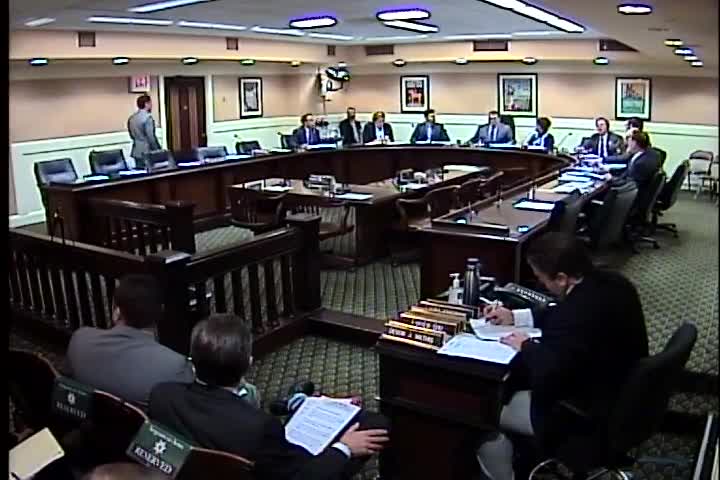 15MIN
Assembly Standing Committee on Water, Parks, and Wildlife
Bill Author





