AB 2061: Near-zero-emission and zero-emission vehicles.
- Session Year: 2017-2018
- House: Assembly
- Latest Version Date: 2018-09-20
Existing state and federal law sets specified limits on the total gross weight imposed on the highway by a vehicle with any group of 2 or more consecutive axles. Existing federal law authorizes a vehicle operated by an engine fueled primarily by natural gas to exceed these weight limits by an amount equal to the difference between the weight of the vehicle attributable to the natural gas tank and fueling system carried by that vehicle and the weight of a comparable diesel tank and fueling system. Under existing federal law, the maximum gross vehicle weight of that vehicle may not exceed 82,000 pounds.
This bill would, to the extent expressly authorized by federal law, authorize a near-zero-emission vehicle or a zero-emission vehicle, as defined, to exceed the weight limits on the power unit by up to 2,000 pounds.
Existing law prohibits a weighmaster from certifying the gross weight of a vehicle if the scale is located at the site where the vehicle is loaded, the vehicle is weighed before entering a highway, and the vehicles gross weight exceeds 80,000 pounds, except if a special permit is issued.
This bill would increase the weight limit to 82,000 pounds for a near-zero-emission or zero-emission vehicle.
Existing state and federal law sets specified limits on the total gross weight imposed on the highway by a vehicle with any group of 2 or more consecutive axles. Existing federal law authorizes a vehicle operated by an engine fueled primarily by natural gas to exceed these weight limits by an amount equal to the difference between the weight of the vehicle attributable to the natural gas tank and fueling system carried by that vehicle and the weight of a comparable diesel tank and fueling system. Under existing federal law, the maximum gross vehicle weight of that vehicle may not exceed 82,000 pounds.
This bill would would, to the extent expressly authorized by federal law, authorize a near-zero-emission vehicle or a zero-emission vehicle, as defined, to exceed axle, tandem, gross, or bridge formula weight limits, up to a 2,000 pound maximum, by an amount equal to the difference between the weight of the vehicle attributable to the fueling and propulsion system carried by that vehicle and the weight of a comparable diesel fueling and propulsion system. The weight limit exceptions authorized by the bill would apply only to the extent expressly authorized by federal law. the weight limits on the power unit by up to 2,000 pounds.
Existing law prohibits a weighmaster from certifying the gross weight of a vehicle if the scale is located at the site where the vehicle is loaded, the vehicle is weighed before entering a highway, and the vehicles gross weight exceeds 80,000 pounds, except if a special permit is issued.
This bill would increase the weight limit to 82,000 pounds for a near-zero-emission or zero-emission vehicle.
Existing state and federal law sets specified limits on the total gross weight imposed on the highway by a vehicle with any group of 2 or more consecutive axles. Existing federal law authorizes a vehicle operated by an engine fueled primarily by natural gas to exceed these weight limits by an amount equal to the difference between the weight of the vehicle attributable to the natural gas tank and fueling system carried by that vehicle and the weight of a comparable diesel tank and fueling system. Under existing federal law, the maximum gross vehicle weight of that vehicle may not exceed 82,000 pounds.
This bill would authorize a near-zero-emission vehicle or a zero-emission vehicle, as defined, to exceed axle, tandem, gross, or bridge formula weight limits, up to a 2,000 pound maximum, by an amount equal to the difference between the weight of the vehicle attributable to the fueling and propulsion system carried by that vehicle and the weight of a comparable diesel fueling and propulsion system. The weight limit exceptions authorized by the bill would apply only to the extent expressly authorized by federal law.
Existing law sets specified limits on the total gross weight imposed on the highway by a vehicle with any group of 2 or more consecutive axles.
This bill would authorize a near-zero-emission vehicle or a zero-emission vehicle, as defined, to exceed axle, tandem, gross, or bridge formula weight limits, up to a 2,000 pound maximum, by an amount equal to the difference between the weight of the vehicle attributable to the fueling and propulsion system carried by that vehicle and the weight of a comparable diesel fueling and propulsion system.
Existing law sets specified limits on the total gross weight imposed on the highway by a vehicle with any group of 2 or more consecutive axles.
This bill would authorize a near-zero-emission vehicle or a zero-emission vehicle, as defined, to exceed axle, tandem, gross, or bridge formula weight limits, up to a 2,000 pound maximum, by an amount equal to the difference between the weight of the vehicle attributable to the fueling and propulsion system carried by that vehicle and the weight of a comparable diesel tank and fueling and propulsion system.
Existing law sets specified limits on the total gross weight imposed on the highway by a vehicle with any group of 2 or more consecutive axles.
This bill would authorize a near-zero-emission vehicle or a zero-emission vehicle, as defined, to exceed axle, tandem, gross, or bridge formula weight limits, up to a 2,000 pound maximum, by an amount equal to the difference between the weight of the vehicle attributable to the fueling system carried by that vehicle and the weight of a comparable diesel tank and fueling system.
The Legislature finds and declares all of the following:
(a)The substantial greenhouse gas emission reductions that will be realized as a result of this act and the specific authorization in federal law to use the types of powertrains identified in this act create a unique set of benefits and circumstances that justify a small increase in the weight of the power unit in order to account for the extra weight of the near-zero-emission and zero-emission powertrain.
(b)The Legislature and the public would benefit from a study quantifying the reductions to greenhouse gas emissions that would occur as a result of allowing overweight near-zero-emission and zero-emission trucks as proposed by this act.
(c)The Legislature and the public would also benefit from a study quantifying the damage to state and local streets, roads, bridges, overpasses, and conduits caused by the use of overweight near-zero-emission and zero-emission trucks as proposed in this act.
(d)The University of California Institute of Transportation Studies is encouraged to perform the studies described in subdivisions (b) and (c).
SEC. 2.Section 12725 of the Business and Professions Code is amended to read:12725.A weighmaster shall not certify to the gross weight of a vehicle if all of the following conditions prevail:
(a)The scale is located at the site where the vehicle is loaded.
(b)The vehicle is weighed before entering a highway.
(c)The vehicles gross weight exceeds 80,000 pounds, or exceeds 82,000 pounds if the vehicle is a near-zero-emission or zero-emission vehicle as defined in subdivisions (c) and (d) of Section 44258 of the Health and Safety Code, unless a special permit authorizing a greater gross weight for the vehicle has been issued pursuant to Section 35780 of the Vehicle Code.
SEC. 3.Section 35551 of the Vehicle Code is amended to read:35551.(a)Except as otherwise provided in this section or Section 35551.5, the total gross weight in pounds imposed on the highway by any group of two or more consecutive axles shall not exceed that given for the respective distance in the following table:
Distance in feet between | |||||
axles | 2 axles | 3 axles | 4 axles | 5 axles | 6 axles |
4 | 34,000 | 34,000 | 34,000 | 34,000 | 34,000 |
5 | 34,000 | 34,000 | 34,000 | 34,000 | 34,000 |
6 | 34,000 | 34,000 | 34,000 | 34,000 | 34,000 |
7 | 34,000 | 34,000 | 34,000 | 34,000 | 34,000 |
8 | 34,000 | 34,000 | 34,000 | 34,000 | 34,000 |
9 | 39,000 | 42,500 | 42,500 | 42,500 | 42,500 |
10 | 40,000 | 43,500 | 43,500 | 43,500 | 43,500 |
11 | 40,000 | 44,000 | 44,000 | 44,000 | 44,000 |
12 | 40,000 | 45,000 | 50,000 | 50,000 | 50,000 |
13 | 40,000 | 45,500 | 50,500 | 50,500 | 50,500 |
14 | 40,000 | 46,500 | 51,500 | 51,500 | 51,500 |
15 | 40,000 | 47,000 | 52,000 | 52,000 | 52,000 |
16 | 40,000 | 48,000 | 52,500 | 52,500 | 52,500 |
17 | 40,000 | 48,500 | 53,500 | 53,500 | 53,500 |
18 | 40,000 | 49,500 | 54,000 | 54,000 | 54,000 |
19 | 40,000 | 50,000 | 54,500 | 54,500 | 54,500 |
20 | 40,000 | 51,000 | 55,500 | 55,500 | 55,500 |
21 | 40,000 | 51,500 | 56,000 | 56,000 | 56,000 |
22 | 40,000 | 52,500 | 56,500 | 56,500 | 56,500 |
23 | 40,000 | 53,000 | 57,500 | 57,500 | 57,500 |
24 | 40,000 | 54,000 | 58,000 | 58,000 | 58,000 |
25 | 40,000 | 54,500 | 58,500 | 58,500 | 58,500 |
26 | 40,000 | 55,500 | 59,500 | 59,500 | 59,500 |
27 | 40,000 | 56,000 | 60,000 | 60,000 | 60,000 |
28 | 40,000 | 57,000 | 60,500 | 60,500 | 60,500 |
29 | 40,000 | 57,500 | 61,500 | 61,500 | 61,500 |
30 | 40,000 | 58,500 | 62,000 | 62,000 | 62,000 |
31 | 40,000 | 59,000 | 62,500 | 62,500 | 62,500 |
32 | 40,000 | 60,000 | 63,500 | 63,500 | 63,500 |
33 | 40,000 | 60,000 | 64,000 | 64,000 | 64,000 |
34 | 40,000 | 60,000 | 64,500 | 64,500 | 64,500 |
35 | 40,000 | 60,000 | 65,500 | 65,500 | 65,500 |
36 | 40,000 | 60,000 | 66,000 | 66,000 | 66,000 |
37 | 40,000 | 60,000 | 66,500 | 66,500 | 66,500 |
38 | 40,000 | 60,000 | 67,500 | 67,500 | 67,500 |
39 | 40,000 | 60,000 | 68,000 | 68,000 | 68,000 |
40 | 40,000 | 60,000 | 68,500 | 70,000 | 70,000 |
41 | 40,000 | 60,000 | 69,500 | 72,000 | 72,000 |
42 | 40,000 | 60,000 | 70,000 | 73,280 | 73,280 |
43 | 40,000 | 60,000 | 70,500 | 73,280 | 73,280 |
44 | 40,000 | 60,000 | 71,500 | 73,280 | 73,280 |
45 | 40,000 | 60,000 | 72,000 | 76,000 | 80,000 |
46 | 40,000 | 60,000 | 72,500 | 76,500 | 80,000 |
47 | 40,000 | 60,000 | 73,500 | 77,500 | 80,000 |
48 | 40,000 | 60,000 | 74,000 | 78,000 | 80,000 |
49 | 40,000 | 60,000 | 74,500 | 78,500 | 80,000 |
50 | 40,000 | 60,000 | 75,500 | 79,000 | 80,000 |
51 | 40,000 | 60,000 | 76,000 | 80,000 | 80,000 |
52 | 40,000 | 60,000 | 76,500 | 80,000 | 80,000 |
53 | 40,000 | 60,000 | 77,500 | 80,000 | 80,000 |
54 | 40,000 | 60,000 | 78,000 | 80,000 | 80,000 |
55 | 40,000 | 60,000 | 78,500 | 80,000 | 80,000 |
56 | 40,000 | 60,000 | 79,500 | 80,000 | 80,000 |
57 | 40,000 | 60,000 | 80,000 | 80,000 | 80,000 |
58 | 40,000 | 60,000 | 80,000 | 80,000 | 80,000 |
59 | 40,000 | 60,000 | 80,000 | 80,000 | 80,000 |
60 | 40,000 | 60,000 | 80,000 | 80,000 | 80,000 |
(b)In addition to the weights specified in subdivision (a), two consecutive sets of tandem axles may carry a gross weight of 34,000 pounds each if the overall distance between the first and last axles of the consecutive sets of tandem axles is 36 feet or more. The gross weight of each set of tandem axles shall not exceed 34,000 pounds and the gross weight of the two consecutive sets of tandem axles shall not exceed 68,000 pounds.
(c)The distance between axles shall be measured to the nearest whole foot. When a fraction is exactly six inches, the next larger whole foot shall be used.
(d)This section does not affect the right to prohibit the use of any highway or any bridge or other structure thereon in the manner and to the extent specified in Article 4 (commencing with Section 35700) and Article 5 (commencing with Section 35750) of this chapter.
(e)The gross weight limits expressed by this section and Section 35550 shall include all enforcement tolerances.
(f)(1)A near-zero-emission or zero-emission vehicle may exceed the weight limits on the power unit by up to 2,000 pounds.
(2)For purposes of this subdivision, the terms near-zero-emission vehicle and zero-emission vehicle have the same meanings as defined in subdivisions (c) and (d) of Section 44258 of the Health and Safety Code.
(3)This subdivision applies only to the extent expressly authorized by federal law.
The Legislature finds and declares all of the following:
(a)The substantial greenhouse gas emission reductions that will be realized as a result of this act and the specific authorization in federal law to use the types of powertrains identified in this act create a unique set of benefits and circumstances that justify a small increase in the weight of the power unit in order to account for the extra weight of the near-zero-emission and zero-emission powertrain.
(b)The Legislature and the public would benefit from a study quantifying the reductions to greenhouse gas emissions that would occur as a result of allowing overweight near-zero-emission and zero-emission trucks as proposed by this act.
(c)The Legislature and the public would also benefit from a study quantifying the damage to state and local streets, roads, bridges, overpasses, and conduits caused by the use of overweight near-zero-emission and zero-emission trucks as proposed in this act.
(d)The University of California Institute of Transportation Studies is encouraged to perform the studies described in subdivisions (b) and (c).
SECTION 1.SEC. 2.Section 12725 of the Business and Professions Code is amended to read:12725.A weighmaster shall not certify to the gross weight of a vehicle if all of the following conditions prevail:
(a)The scale is located at the site where the vehicle is loaded.
(b)The vehicle is weighed before entering a highway.
(c)The vehicles gross weight exceeds 80,000 pounds, or exceeds 82,000 pounds if the vehicle is a near-zero-emission or zero-emission vehicle as defined in subdivisions (c) and (d) of Section 44258 of the Health and Safety Code, unless a special permit authorizing a greater gross weight for the vehicle has been issued pursuant to Section 35780 of the Vehicle Code.
SEC. 2.SEC. 3.Section 35551 of the Vehicle Code is amended to read:35551.(a)Except as otherwise provided in this section or Section 35551.5, the total gross weight in pounds imposed on the highway by any group of two or more consecutive axles shall not exceed that given for the respective distance in the following table:
Distance in feet between | |||||
axles | 2 axles | 3 axles | 4 axles | 5 axles | 6 axles |
4 | 34,000 | 34,000 | 34,000 | 34,000 | 34,000 |
5 | 34,000 | 34,000 | 34,000 | 34,000 | 34,000 |
6 | 34,000 | 34,000 | 34,000 | 34,000 | 34,000 |
7 | 34,000 | 34,000 | 34,000 | 34,000 | 34,000 |
8 | 34,000 | 34,000 | 34,000 | 34,000 | 34,000 |
9 | 39,000 | 42,500 | 42,500 | 42,500 | 42,500 |
10 | 40,000 | 43,500 | 43,500 | 43,500 | 43,500 |
11 | 40,000 | 44,000 | 44,000 | 44,000 | 44,000 |
12 | 40,000 | 45,000 | 50,000 | 50,000 | 50,000 |
13 | 40,000 | 45,500 | 50,500 | 50,500 | 50,500 |
14 | 40,000 | 46,500 | 51,500 | 51,500 | 51,500 |
15 | 40,000 | 47,000 | 52,000 | 52,000 | 52,000 |
16 | 40,000 | 48,000 | 52,500 | 52,500 | 52,500 |
17 | 40,000 | 48,500 | 53,500 | 53,500 | 53,500 |
18 | 40,000 | 49,500 | 54,000 | 54,000 | 54,000 |
19 | 40,000 | 50,000 | 54,500 | 54,500 | 54,500 |
20 | 40,000 | 51,000 | 55,500 | 55,500 | 55,500 |
21 | 40,000 | 51,500 | 56,000 | 56,000 | 56,000 |
22 | 40,000 | 52,500 | 56,500 | 56,500 | 56,500 |
23 | 40,000 | 53,000 | 57,500 | 57,500 | 57,500 |
24 | 40,000 | 54,000 | 58,000 | 58,000 | 58,000 |
25 | 40,000 | 54,500 | 58,500 | 58,500 | 58,500 |
26 | 40,000 | 55,500 | 59,500 | 59,500 | 59,500 |
27 | 40,000 | 56,000 | 60,000 | 60,000 | 60,000 |
28 | 40,000 | 57,000 | 60,500 | 60,500 | 60,500 |
29 | 40,000 | 57,500 | 61,500 | 61,500 | 61,500 |
30 | 40,000 | 58,500 | 62,000 | 62,000 | 62,000 |
31 | 40,000 | 59,000 | 62,500 | 62,500 | 62,500 |
32 | 40,000 | 60,000 | 63,500 | 63,500 | 63,500 |
33 | 40,000 | 60,000 | 64,000 | 64,000 | 64,000 |
34 | 40,000 | 60,000 | 64,500 | 64,500 | 64,500 |
35 | 40,000 | 60,000 | 65,500 | 65,500 | 65,500 |
36 | 40,000 | 60,000 | 66,000 | 66,000 | 66,000 |
37 | 40,000 | 60,000 | 66,500 | 66,500 | 66,500 |
38 | 40,000 | 60,000 | 67,500 | 67,500 | 67,500 |
39 | 40,000 | 60,000 | 68,000 | 68,000 | 68,000 |
40 | 40,000 | 60,000 | 68,500 | 70,000 | 70,000 |
41 | 40,000 | 60,000 | 69,500 | 72,000 | 72,000 |
42 | 40,000 | 60,000 | 70,000 | 73,280 | 73,280 |
43 | 40,000 | 60,000 | 70,500 | 73,280 | 73,280 |
44 | 40,000 | 60,000 | 71,500 | 73,280 | 73,280 |
45 | 40,000 | 60,000 | 72,000 | 76,000 | 80,000 |
46 | 40,000 | 60,000 | 72,500 | 76,500 | 80,000 |
47 | 40,000 | 60,000 | 73,500 | 77,500 | 80,000 |
48 | 40,000 | 60,000 | 74,000 | 78,000 | 80,000 |
49 | 40,000 | 60,000 | 74,500 | 78,500 | 80,000 |
50 | 40,000 | 60,000 | 75,500 | 79,000 | 80,000 |
51 | 40,000 | 60,000 | 76,000 | 80,000 | 80,000 |
52 | 40,000 | 60,000 | 76,500 | 80,000 | 80,000 |
53 | 40,000 | 60,000 | 77,500 | 80,000 | 80,000 |
54 | 40,000 | 60,000 | 78,000 | 80,000 | 80,000 |
55 | 40,000 | 60,000 | 78,500 | 80,000 | 80,000 |
56 | 40,000 | 60,000 | 79,500 | 80,000 | 80,000 |
57 | 40,000 | 60,000 | 80,000 | 80,000 | 80,000 |
58 | 40,000 | 60,000 | 80,000 | 80,000 | 80,000 |
59 | 40,000 | 60,000 | 80,000 | 80,000 | 80,000 |
60 | 40,000 | 60,000 | 80,000 | 80,000 | 80,000 |
(b)In addition to the weights specified in subdivision (a), two consecutive sets of tandem axles may carry a gross weight of 34,000 pounds each if the overall distance between the first and last axles of the consecutive sets of tandem axles is 36 feet or more. The gross weight of each set of tandem axles shall not exceed 34,000 pounds and the gross weight of the two consecutive sets of tandem axles shall not exceed 68,000 pounds.
(c)The distance between axles shall be measured to the nearest whole foot. When a fraction is exactly six inches, the next larger whole foot shall be used.
(d)This section does not affect the right to prohibit the use of any highway or any bridge or other structure thereon in the manner and to the extent specified in Article 4 (commencing with Section 35700) and Article 5 (commencing with Section 35750) of this chapter.
(e)The gross weight limits expressed by this section and Section 35550 shall include all enforcement tolerances.
(f)(1)A near-zero-emission or zero-emission vehicle may exceed the weight limits on the power unit by up to 2,000 pounds.
(2)For purposes of this subdivision, the terms near-zero-emission vehicle and zero-emission vehicle have the same meanings as defined in subdivisions (c) and (d) of Section 44258 of the Health and Safety Code.
(3)This subdivision applies only to the extent expressly authorized by federal law.
A weighmaster shall not certify to the gross weight of a vehicle whenever if all of the following conditions prevail:
(a)The scale is located at the site where the vehicle is loaded.
(b)The vehicle is weighed before entering a highway.
(c)The vehicles gross weight exceeds 80,000 pounds, or exceeds 82,000 pounds if the vehicle is a near-zero-emission or zero-emission vehicle as defined in subdivisions (c) and (d) of Section 44258 of the Health and Safety Code, unless a special permit authorizing a greater gross weight for the vehicle has been issued pursuant to Section 35780 of the Vehicle Code.
SECTION 1.SEC. 2.Section 35551 of the Vehicle Code is amended to read:35551.(a)Except as otherwise provided in this section or Section 35551.5, the total gross weight in pounds imposed on the highway by any group of two or more consecutive axles shall not exceed that given for the respective distance in the following table:
Distance in feet between | |||||
axles | 2 axles | 3 axles | 4 axles | 5 axles | 6 axles |
4 | 34,000 | 34,000 | 34,000 | 34,000 | 34,000 |
5 | 34,000 | 34,000 | 34,000 | 34,000 | 34,000 |
6 | 34,000 | 34,000 | 34,000 | 34,000 | 34,000 |
7 | 34,000 | 34,000 | 34,000 | 34,000 | 34,000 |
8 | 34,000 | 34,000 | 34,000 | 34,000 | 34,000 |
9 | 39,000 | 42,500 | 42,500 | 42,500 | 42,500 |
10 | 40,000 | 43,500 | 43,500 | 43,500 | 43,500 |
11 | 40,000 | 44,000 | 44,000 | 44,000 | 44,000 |
12 | 40,000 | 45,000 | 50,000 | 50,000 | 50,000 |
13 | 40,000 | 45,500 | 50,500 | 50,500 | 50,500 |
14 | 40,000 | 46,500 | 51,500 | 51,500 | 51,500 |
15 | 40,000 | 47,000 | 52,000 | 52,000 | 52,000 |
16 | 40,000 | 48,000 | 52,500 | 52,500 | 52,500 |
17 | 40,000 | 48,500 | 53,500 | 53,500 | 53,500 |
18 | 40,000 | 49,500 | 54,000 | 54,000 | 54,000 |
19 | 40,000 | 50,000 | 54,500 | 54,500 | 54,500 |
20 | 40,000 | 51,000 | 55,500 | 55,500 | 55,500 |
21 | 40,000 | 51,500 | 56,000 | 56,000 | 56,000 |
22 | 40,000 | 52,500 | 56,500 | 56,500 | 56,500 |
23 | 40,000 | 53,000 | 57,500 | 57,500 | 57,500 |
24 | 40,000 | 54,000 | 58,000 | 58,000 | 58,000 |
25 | 40,000 | 54,500 | 58,500 | 58,500 | 58,500 |
26 | 40,000 | 55,500 | 59,500 | 59,500 | 59,500 |
27 | 40,000 | 56,000 | 60,000 | 60,000 | 60,000 |
28 | 40,000 | 57,000 | 60,500 | 60,500 | 60,500 |
29 | 40,000 | 57,500 | 61,500 | 61,500 | 61,500 |
30 | 40,000 | 58,500 | 62,000 | 62,000 | 62,000 |
31 | 40,000 | 59,000 | 62,500 | 62,500 | 62,500 |
32 | 40,000 | 60,000 | 63,500 | 63,500 | 63,500 |
33 | 40,000 | 60,000 | 64,000 | 64,000 | 64,000 |
34 | 40,000 | 60,000 | 64,500 | 64,500 | 64,500 |
35 | 40,000 | 60,000 | 65,500 | 65,500 | 65,500 |
36 | 40,000 | 60,000 | 66,000 | 66,000 | 66,000 |
37 | 40,000 | 60,000 | 66,500 | 66,500 | 66,500 |
38 | 40,000 | 60,000 | 67,500 | 67,500 | 67,500 |
39 | 40,000 | 60,000 | 68,000 | 68,000 | 68,000 |
40 | 40,000 | 60,000 | 68,500 | 70,000 | 70,000 |
41 | 40,000 | 60,000 | 69,500 | 72,000 | 72,000 |
42 | 40,000 | 60,000 | 70,000 | 73,280 | 73,280 |
43 | 40,000 | 60,000 | 70,500 | 73,280 | 73,280 |
44 | 40,000 | 60,000 | 71,500 | 73,280 | 73,280 |
45 | 40,000 | 60,000 | 72,000 | 76,000 | 80,000 |
46 | 40,000 | 60,000 | 72,500 | 76,500 | 80,000 |
47 | 40,000 | 60,000 | 73,500 | 77,500 | 80,000 |
48 | 40,000 | 60,000 | 74,000 | 78,000 | 80,000 |
49 | 40,000 | 60,000 | 74,500 | 78,500 | 80,000 |
50 | 40,000 | 60,000 | 75,500 | 79,000 | 80,000 |
51 | 40,000 | 60,000 | 76,000 | 80,000 | 80,000 |
52 | 40,000 | 60,000 | 76,500 | 80,000 | 80,000 |
53 | 40,000 | 60,000 | 77,500 | 80,000 | 80,000 |
54 | 40,000 | 60,000 | 78,000 | 80,000 | 80,000 |
55 | 40,000 | 60,000 | 78,500 | 80,000 | 80,000 |
56 | 40,000 | 60,000 | 79,500 | 80,000 | 80,000 |
57 | 40,000 | 60,000 | 80,000 | 80,000 | 80,000 |
58 | 40,000 | 60,000 | 80,000 | 80,000 | 80,000 |
59 | 40,000 | 60,000 | 80,000 | 80,000 | 80,000 |
60 | 40,000 | 60,000 | 80,000 | 80,000 | 80,000 |
(b)In addition to the weights specified in subdivision (a), two consecutive sets of tandem axles may carry a gross weight of 34,000 pounds each if the overall distance between the first and last axles of the consecutive sets of tandem axles is 36 feet or more. The gross weight of each set of tandem axles shall not exceed 34,000 pounds and the gross weight of the two consecutive sets of tandem axles shall not exceed 68,000 pounds.
(c)The distance between axles shall be measured to the nearest whole foot. When a fraction is exactly six inches, the next larger whole foot shall be used.
(d)This section does not affect the right to prohibit the use of any highway or any bridge or other structure thereon in the manner and to the extent specified in Article 4 (commencing with Section 35700) and Article 5 (commencing with Section 35750) of this chapter.
(e)The gross weight limits expressed by this section and Section 35550 shall include all enforcement tolerances.
(f)(1)A near-zero-emission or zero-emission vehicle may exceed axle, tandem, gross, or bridge formula weight limits by an amount, not to exceed a maximum of 2,000 pounds, that is equal to the difference between the weight of the vehicle attributable to the fueling and propulsion system carried by that vehicle and the weight of a comparable diesel fueling and propulsion system. the weight limits on the power unit by up to 2,000 pounds.
(2)For purposes of this subdivision, the terms near-zero-emission vehicle and zero-emission vehicle have the same meanings as defined in subdivisions (c) and (d) of Section 44258 of the Health and Safety Code.
(3)This subdivision applies only to the extent expressly authorized by federal law.
(a)Except as otherwise provided in this section or Section 35551.5, the total gross weight in pounds imposed on the highway by any group of two or more consecutive axles shall not exceed that given for the respective distance in the following table:
Distance in feet between | |||||
axles | 2 axles | 3 axles | 4 axles | 5 axles | 6 axles |
4 | 34,000 | 34,000 | 34,000 | 34,000 | 34,000 |
5 | 34,000 | 34,000 | 34,000 | 34,000 | 34,000 |
6 | 34,000 | 34,000 | 34,000 | 34,000 | 34,000 |
7 | 34,000 | 34,000 | 34,000 | 34,000 | 34,000 |
8 | 34,000 | 34,000 | 34,000 | 34,000 | 34,000 |
9 | 39,000 | 42,500 | 42,500 | 42,500 | 42,500 |
10 | 40,000 | 43,500 | 43,500 | 43,500 | 43,500 |
11 | 40,000 | 44,000 | 44,000 | 44,000 | 44,000 |
12 | 40,000 | 45,000 | 50,000 | 50,000 | 50,000 |
13 | 40,000 | 45,500 | 50,500 | 50,500 | 50,500 |
14 | 40,000 | 46,500 | 51,500 | 51,500 | 51,500 |
15 | 40,000 | 47,000 | 52,000 | 52,000 | 52,000 |
16 | 40,000 | 48,000 | 52,500 | 52,500 | 52,500 |
17 | 40,000 | 48,500 | 53,500 | 53,500 | 53,500 |
18 | 40,000 | 49,500 | 54,000 | 54,000 | 54,000 |
19 | 40,000 | 50,000 | 54,500 | 54,500 | 54,500 |
20 | 40,000 | 51,000 | 55,500 | 55,500 | 55,500 |
21 | 40,000 | 51,500 | 56,000 | 56,000 | 56,000 |
22 | 40,000 | 52,500 | 56,500 | 56,500 | 56,500 |
23 | 40,000 | 53,000 | 57,500 | 57,500 | 57,500 |
24 | 40,000 | 54,000 | 58,000 | 58,000 | 58,000 |
25 | 40,000 | 54,500 | 58,500 | 58,500 | 58,500 |
26 | 40,000 | 55,500 | 59,500 | 59,500 | 59,500 |
27 | 40,000 | 56,000 | 60,000 | 60,000 | 60,000 |
28 | 40,000 | 57,000 | 60,500 | 60,500 | 60,500 |
29 | 40,000 | 57,500 | 61,500 | 61,500 | 61,500 |
30 | 40,000 | 58,500 | 62,000 | 62,000 | 62,000 |
31 | 40,000 | 59,000 | 62,500 | 62,500 | 62,500 |
32 | 40,000 | 60,000 | 63,500 | 63,500 | 63,500 |
33 | 40,000 | 60,000 | 64,000 | 64,000 | 64,000 |
34 | 40,000 | 60,000 | 64,500 | 64,500 | 64,500 |
35 | 40,000 | 60,000 | 65,500 | 65,500 | 65,500 |
36 | 40,000 | 60,000 | 66,000 | 66,000 | 66,000 |
37 | 40,000 | 60,000 | 66,500 | 66,500 | 66,500 |
38 | 40,000 | 60,000 | 67,500 | 67,500 | 67,500 |
39 | 40,000 | 60,000 | 68,000 | 68,000 | 68,000 |
40 | 40,000 | 60,000 | 68,500 | 70,000 | 70,000 |
41 | 40,000 | 60,000 | 69,500 | 72,000 | 72,000 |
42 | 40,000 | 60,000 | 70,000 | 73,280 | 73,280 |
43 | 40,000 | 60,000 | 70,500 | 73,280 | 73,280 |
44 | 40,000 | 60,000 | 71,500 | 73,280 | 73,280 |
45 | 40,000 | 60,000 | 72,000 | 76,000 | 80,000 |
46 | 40,000 | 60,000 | 72,500 | 76,500 | 80,000 |
47 | 40,000 | 60,000 | 73,500 | 77,500 | 80,000 |
48 | 40,000 | 60,000 | 74,000 | 78,000 | 80,000 |
49 | 40,000 | 60,000 | 74,500 | 78,500 | 80,000 |
50 | 40,000 | 60,000 | 75,500 | 79,000 | 80,000 |
51 | 40,000 | 60,000 | 76,000 | 80,000 | 80,000 |
52 | 40,000 | 60,000 | 76,500 | 80,000 | 80,000 |
53 | 40,000 | 60,000 | 77,500 | 80,000 | 80,000 |
54 | 40,000 | 60,000 | 78,000 | 80,000 | 80,000 |
55 | 40,000 | 60,000 | 78,500 | 80,000 | 80,000 |
56 | 40,000 | 60,000 | 79,500 | 80,000 | 80,000 |
57 | 40,000 | 60,000 | 80,000 | 80,000 | 80,000 |
58 | 40,000 | 60,000 | 80,000 | 80,000 | 80,000 |
59 | 40,000 | 60,000 | 80,000 | 80,000 | 80,000 |
60 | 40,000 | 60,000 | 80,000 | 80,000 | 80,000 |
(b)In addition to the weights specified in subdivision (a), two consecutive sets of tandem axles may carry a gross weight of 34,000 pounds each if the overall distance between the first and last axles of the consecutive sets of tandem axles is 36 feet or more. The gross weight of each set of tandem axles shall not exceed 34,000 pounds and the gross weight of the two consecutive sets of tandem axles shall not exceed 68,000 pounds.
(c)The distance between axles shall be measured to the nearest whole foot. When a fraction is exactly six inches, the next larger whole foot shall be used.
(d)This section does not affect the right to prohibit the use of any highway or any bridge or other structure thereon in the manner and to the extent specified in Article 4 (commencing with Section 35700) and Article 5 (commencing with Section 35750) of this chapter.
(e)The gross weight limits expressed by this section and Section 35550 shall include all enforcement tolerances.
(f)(1)A near-zero-emission or zero-emission vehicle may exceed axle, tandem, gross, or bridge formula weight limits by an amount, not to exceed a maximum of 2,000 pounds, that is equal to the difference between the weight of the vehicle attributable to the fueling and propulsion system carried by that vehicle and the weight of a comparable diesel fueling and propulsion system.
(2)For purposes of this subdivision, the terms near-zero-emission vehicle and zero-emission vehicle have the same meanings as defined in subdivisions (c) and (d) of Section 44258 of the Health and Safety Code.
(3)This subdivision applies to highways which are a part of the National System of Interstate and Defense Highways (as referred to in subdivision (a) of Section 108 of the Federal-Aid Highway Act of 1956) only to the extent expressly authorized by federal law.
(a)Except as otherwise provided in this section or Section 35551.5, the total gross weight in pounds imposed on the highway by any group of two or more consecutive axles shall not exceed that given for the respective distance in the following table:
Distance in feet between | |||||
axles | 2 axles | 3 axles | 4 axles | 5 axles | 6 axles |
4 | 34,000 | 34,000 | 34,000 | 34,000 | 34,000 |
5 | 34,000 | 34,000 | 34,000 | 34,000 | 34,000 |
6 | 34,000 | 34,000 | 34,000 | 34,000 | 34,000 |
7 | 34,000 | 34,000 | 34,000 | 34,000 | 34,000 |
8 | 34,000 | 34,000 | 34,000 | 34,000 | 34,000 |
9 | 39,000 | 42,500 | 42,500 | 42,500 | 42,500 |
10 | 40,000 | 43,500 | 43,500 | 43,500 | 43,500 |
11 | 40,000 | 44,000 | 44,000 | 44,000 | 44,000 |
12 | 40,000 | 45,000 | 50,000 | 50,000 | 50,000 |
13 | 40,000 | 45,500 | 50,500 | 50,500 | 50,500 |
14 | 40,000 | 46,500 | 51,500 | 51,500 | 51,500 |
15 | 40,000 | 47,000 | 52,000 | 52,000 | 52,000 |
16 | 40,000 | 48,000 | 52,500 | 52,500 | 52,500 |
17 | 40,000 | 48,500 | 53,500 | 53,500 | 53,500 |
18 | 40,000 | 49,500 | 54,000 | 54,000 | 54,000 |
19 | 40,000 | 50,000 | 54,500 | 54,500 | 54,500 |
20 | 40,000 | 51,000 | 55,500 | 55,500 | 55,500 |
21 | 40,000 | 51,500 | 56,000 | 56,000 | 56,000 |
22 | 40,000 | 52,500 | 56,500 | 56,500 | 56,500 |
23 | 40,000 | 53,000 | 57,500 | 57,500 | 57,500 |
24 | 40,000 | 54,000 | 58,000 | 58,000 | 58,000 |
25 | 40,000 | 54,500 | 58,500 | 58,500 | 58,500 |
26 | 40,000 | 55,500 | 59,500 | 59,500 | 59,500 |
27 | 40,000 | 56,000 | 60,000 | 60,000 | 60,000 |
28 | 40,000 | 57,000 | 60,500 | 60,500 | 60,500 |
29 | 40,000 | 57,500 | 61,500 | 61,500 | 61,500 |
30 | 40,000 | 58,500 | 62,000 | 62,000 | 62,000 |
31 | 40,000 | 59,000 | 62,500 | 62,500 | 62,500 |
32 | 40,000 | 60,000 | 63,500 | 63,500 | 63,500 |
33 | 40,000 | 60,000 | 64,000 | 64,000 | 64,000 |
34 | 40,000 | 60,000 | 64,500 | 64,500 | 64,500 |
35 | 40,000 | 60,000 | 65,500 | 65,500 | 65,500 |
36 | 40,000 | 60,000 | 66,000 | 66,000 | 66,000 |
37 | 40,000 | 60,000 | 66,500 | 66,500 | 66,500 |
38 | 40,000 | 60,000 | 67,500 | 67,500 | 67,500 |
39 | 40,000 | 60,000 | 68,000 | 68,000 | 68,000 |
40 | 40,000 | 60,000 | 68,500 | 70,000 | 70,000 |
41 | 40,000 | 60,000 | 69,500 | 72,000 | 72,000 |
42 | 40,000 | 60,000 | 70,000 | 73,280 | 73,280 |
43 | 40,000 | 60,000 | 70,500 | 73,280 | 73,280 |
44 | 40,000 | 60,000 | 71,500 | 73,280 | 73,280 |
45 | 40,000 | 60,000 | 72,000 | 76,000 | 80,000 |
46 | 40,000 | 60,000 | 72,500 | 76,500 | 80,000 |
47 | 40,000 | 60,000 | 73,500 | 77,500 | 80,000 |
48 | 40,000 | 60,000 | 74,000 | 78,000 | 80,000 |
49 | 40,000 | 60,000 | 74,500 | 78,500 | 80,000 |
50 | 40,000 | 60,000 | 75,500 | 79,000 | 80,000 |
51 | 40,000 | 60,000 | 76,000 | 80,000 | 80,000 |
52 | 40,000 | 60,000 | 76,500 | 80,000 | 80,000 |
53 | 40,000 | 60,000 | 77,500 | 80,000 | 80,000 |
54 | 40,000 | 60,000 | 78,000 | 80,000 | 80,000 |
55 | 40,000 | 60,000 | 78,500 | 80,000 | 80,000 |
56 | 40,000 | 60,000 | 79,500 | 80,000 | 80,000 |
57 | 40,000 | 60,000 | 80,000 | 80,000 | 80,000 |
58 | 40,000 | 60,000 | 80,000 | 80,000 | 80,000 |
59 | 40,000 | 60,000 | 80,000 | 80,000 | 80,000 |
60 | 40,000 | 60,000 | 80,000 | 80,000 | 80,000 |
(b)In addition to the weights specified in subdivision (a), two consecutive sets of tandem axles may carry a gross weight of 34,000 pounds each if the overall distance between the first and last axles of the consecutive sets of tandem axles is 36 feet or more. The gross weight of each set of tandem axles shall not exceed 34,000 pounds and the gross weight of the two consecutive sets of tandem axles shall not exceed 68,000 pounds.
(c)The distance between axles shall be measured to the nearest whole foot. When a fraction is exactly six inches, the next larger whole foot shall be used.
(d)This section does not affect the right to prohibit the use of any highway or any bridge or other structure thereon in the manner and to the extent specified in Article 4 (commencing with Section 35700) and Article 5 (commencing with Section 35750) of this chapter.
(e)The gross weight limits expressed by this section and Section 35550 shall include all enforcement tolerances.
(f)(1)A near-zero-emission or zero-emission vehicle may exceed axle, tandem, gross, or bridge formula weight limits by an amount, not to exceed a maximum of 2,000 pounds, that is equal to the difference between the weight of the vehicle attributable to the fueling and propulsion system carried by that vehicle and the weight of a comparable diesel fueling and propulsion system.
(2)For purposes of this subdivision, the terms near-zero-emission vehicle and zero-emission vehicle have the same meanings as defined in subdivisions (c) and (d) of Section 44258 of the Health and Safety Code.
(3)This subdivision applies to highways which are a part of the National System of Interstate and Defense Highways (as referred to in subdivision (a) of Section 108 of the Federal-Aid Highway Act of 1956) to the extent expressly authorized by federal law.
(a)Except as otherwise provided in this section or Section 35551.5, the total gross weight in pounds imposed on the highway by any group of two or more consecutive axles shall not exceed that given for the respective distance in the following table:
Distance in feet between | |||||
axles | 2 axles | 3 axles | 4 axles | 5 axles | 6 axles |
4 | 34,000 | 34,000 | 34,000 | 34,000 | 34,000 |
5 | 34,000 | 34,000 | 34,000 | 34,000 | 34,000 |
6 | 34,000 | 34,000 | 34,000 | 34,000 | 34,000 |
7 | 34,000 | 34,000 | 34,000 | 34,000 | 34,000 |
8 | 34,000 | 34,000 | 34,000 | 34,000 | 34,000 |
9 | 39,000 | 42,500 | 42,500 | 42,500 | 42,500 |
10 | 40,000 | 43,500 | 43,500 | 43,500 | 43,500 |
11 | 40,000 | 44,000 | 44,000 | 44,000 | 44,000 |
12 | 40,000 | 45,000 | 50,000 | 50,000 | 50,000 |
13 | 40,000 | 45,500 | 50,500 | 50,500 | 50,500 |
14 | 40,000 | 46,500 | 51,500 | 51,500 | 51,500 |
15 | 40,000 | 47,000 | 52,000 | 52,000 | 52,000 |
16 | 40,000 | 48,000 | 52,500 | 52,500 | 52,500 |
17 | 40,000 | 48,500 | 53,500 | 53,500 | 53,500 |
18 | 40,000 | 49,500 | 54,000 | 54,000 | 54,000 |
19 | 40,000 | 50,000 | 54,500 | 54,500 | 54,500 |
20 | 40,000 | 51,000 | 55,500 | 55,500 | 55,500 |
21 | 40,000 | 51,500 | 56,000 | 56,000 | 56,000 |
22 | 40,000 | 52,500 | 56,500 | 56,500 | 56,500 |
23 | 40,000 | 53,000 | 57,500 | 57,500 | 57,500 |
24 | 40,000 | 54,000 | 58,000 | 58,000 | 58,000 |
25 | 40,000 | 54,500 | 58,500 | 58,500 | 58,500 |
26 | 40,000 | 55,500 | 59,500 | 59,500 | 59,500 |
27 | 40,000 | 56,000 | 60,000 | 60,000 | 60,000 |
28 | 40,000 | 57,000 | 60,500 | 60,500 | 60,500 |
29 | 40,000 | 57,500 | 61,500 | 61,500 | 61,500 |
30 | 40,000 | 58,500 | 62,000 | 62,000 | 62,000 |
31 | 40,000 | 59,000 | 62,500 | 62,500 | 62,500 |
32 | 40,000 | 60,000 | 63,500 | 63,500 | 63,500 |
33 | 40,000 | 60,000 | 64,000 | 64,000 | 64,000 |
34 | 40,000 | 60,000 | 64,500 | 64,500 | 64,500 |
35 | 40,000 | 60,000 | 65,500 | 65,500 | 65,500 |
36 | 40,000 | 60,000 | 66,000 | 66,000 | 66,000 |
37 | 40,000 | 60,000 | 66,500 | 66,500 | 66,500 |
38 | 40,000 | 60,000 | 67,500 | 67,500 | 67,500 |
39 | 40,000 | 60,000 | 68,000 | 68,000 | 68,000 |
40 | 40,000 | 60,000 | 68,500 | 70,000 | 70,000 |
41 | 40,000 | 60,000 | 69,500 | 72,000 | 72,000 |
42 | 40,000 | 60,000 | 70,000 | 73,280 | 73,280 |
43 | 40,000 | 60,000 | 70,500 | 73,280 | 73,280 |
44 | 40,000 | 60,000 | 71,500 | 73,280 | 73,280 |
45 | 40,000 | 60,000 | 72,000 | 76,000 | 80,000 |
46 | 40,000 | 60,000 | 72,500 | 76,500 | 80,000 |
47 | 40,000 | 60,000 | 73,500 | 77,500 | 80,000 |
48 | 40,000 | 60,000 | 74,000 | 78,000 | 80,000 |
49 | 40,000 | 60,000 | 74,500 | 78,500 | 80,000 |
50 | 40,000 | 60,000 | 75,500 | 79,000 | 80,000 |
51 | 40,000 | 60,000 | 76,000 | 80,000 | 80,000 |
52 | 40,000 | 60,000 | 76,500 | 80,000 | 80,000 |
53 | 40,000 | 60,000 | 77,500 | 80,000 | 80,000 |
54 | 40,000 | 60,000 | 78,000 | 80,000 | 80,000 |
55 | 40,000 | 60,000 | 78,500 | 80,000 | 80,000 |
56 | 40,000 | 60,000 | 79,500 | 80,000 | 80,000 |
57 | 40,000 | 60,000 | 80,000 | 80,000 | 80,000 |
58 | 40,000 | 60,000 | 80,000 | 80,000 | 80,000 |
59 | 40,000 | 60,000 | 80,000 | 80,000 | 80,000 |
60 | 40,000 | 60,000 | 80,000 | 80,000 | 80,000 |
(b)In addition to the weights specified in subdivision (a), two consecutive sets of tandem axles may carry a gross weight of 34,000 pounds each if the overall distance between the first and last axles of the consecutive sets of tandem axles is 36 feet or more. The gross weight of each set of tandem axles shall not exceed 34,000 pounds and the gross weight of the two consecutive sets of tandem axles shall not exceed 68,000 pounds.
(c)The distance between axles shall be measured to the nearest whole foot. When a fraction is exactly six inches, the next larger whole foot shall be used.
(d)This section does not affect the right to prohibit the use of any highway or any bridge or other structure thereon in the manner and to the extent specified in Article 4 (commencing with Section 35700) and Article 5 (commencing with Section 35750) of this chapter.
(e)The gross weight limits expressed by this section and Section 35550 shall include all enforcement tolerances.
(f)(1)A near-zero-emission or zero-emission vehicle may exceed axle, tandem, gross, or bridge formula weight limits by an amount, not to exceed a maximum of 2,000 pounds, that is equal to the difference between the weight of the vehicle attributable to the fueling and propulsion system carried by that vehicle and the weight of a comparable diesel tank and fueling and propulsion system.
(2)For purposes of this subdivision, the terms near-zero-emission vehicle and zero-emission vehicle have the same meanings as defined in subdivisions (c) and (d) of Section 44258 of the Health and Safety Code.
(a)Except as otherwise provided in this section or Section 35551.5, the total gross weight in pounds imposed on the highway by any group of two or more consecutive axles shall not exceed that given for the respective distance in the following table:
Distance in feet between | |||||
axles | 2 axles | 3 axles | 4 axles | 5 axles | 6 axles |
4 | 34,000 | 34,000 | 34,000 | 34,000 | 34,000 |
5 | 34,000 | 34,000 | 34,000 | 34,000 | 34,000 |
6 | 34,000 | 34,000 | 34,000 | 34,000 | 34,000 |
7 | 34,000 | 34,000 | 34,000 | 34,000 | 34,000 |
8 | 34,000 | 34,000 | 34,000 | 34,000 | 34,000 |
9 | 39,000 | 42,500 | 42,500 | 42,500 | 42,500 |
10 | 40,000 | 43,500 | 43,500 | 43,500 | 43,500 |
11 | 40,000 | 44,000 | 44,000 | 44,000 | 44,000 |
12 | 40,000 | 45,000 | 50,000 | 50,000 | 50,000 |
13 | 40,000 | 45,500 | 50,500 | 50,500 | 50,500 |
14 | 40,000 | 46,500 | 51,500 | 51,500 | 51,500 |
15 | 40,000 | 47,000 | 52,000 | 52,000 | 52,000 |
16 | 40,000 | 48,000 | 52,500 | 52,500 | 52,500 |
17 | 40,000 | 48,500 | 53,500 | 53,500 | 53,500 |
18 | 40,000 | 49,500 | 54,000 | 54,000 | 54,000 |
19 | 40,000 | 50,000 | 54,500 | 54,500 | 54,500 |
20 | 40,000 | 51,000 | 55,500 | 55,500 | 55,500 |
21 | 40,000 | 51,500 | 56,000 | 56,000 | 56,000 |
22 | 40,000 | 52,500 | 56,500 | 56,500 | 56,500 |
23 | 40,000 | 53,000 | 57,500 | 57,500 | 57,500 |
24 | 40,000 | 54,000 | 58,000 | 58,000 | 58,000 |
25 | 40,000 | 54,500 | 58,500 | 58,500 | 58,500 |
26 | 40,000 | 55,500 | 59,500 | 59,500 | 59,500 |
27 | 40,000 | 56,000 | 60,000 | 60,000 | 60,000 |
28 | 40,000 | 57,000 | 60,500 | 60,500 | 60,500 |
29 | 40,000 | 57,500 | 61,500 | 61,500 | 61,500 |
30 | 40,000 | 58,500 | 62,000 | 62,000 | 62,000 |
31 | 40,000 | 59,000 | 62,500 | 62,500 | 62,500 |
32 | 40,000 | 60,000 | 63,500 | 63,500 | 63,500 |
33 | 40,000 | 60,000 | 64,000 | 64,000 | 64,000 |
34 | 40,000 | 60,000 | 64,500 | 64,500 | 64,500 |
35 | 40,000 | 60,000 | 65,500 | 65,500 | 65,500 |
36 | 40,000 | 60,000 | 66,000 | 66,000 | 66,000 |
37 | 40,000 | 60,000 | 66,500 | 66,500 | 66,500 |
38 | 40,000 | 60,000 | 67,500 | 67,500 | 67,500 |
39 | 40,000 | 60,000 | 68,000 | 68,000 | 68,000 |
40 | 40,000 | 60,000 | 68,500 | 70,000 | 70,000 |
41 | 40,000 | 60,000 | 69,500 | 72,000 | 72,000 |
42 | 40,000 | 60,000 | 70,000 | 73,280 | 73,280 |
43 | 40,000 | 60,000 | 70,500 | 73,280 | 73,280 |
44 | 40,000 | 60,000 | 71,500 | 73,280 | 73,280 |
45 | 40,000 | 60,000 | 72,000 | 76,000 | 80,000 |
46 | 40,000 | 60,000 | 72,500 | 76,500 | 80,000 |
47 | 40,000 | 60,000 | 73,500 | 77,500 | 80,000 |
48 | 40,000 | 60,000 | 74,000 | 78,000 | 80,000 |
49 | 40,000 | 60,000 | 74,500 | 78,500 | 80,000 |
50 | 40,000 | 60,000 | 75,500 | 79,000 | 80,000 |
51 | 40,000 | 60,000 | 76,000 | 80,000 | 80,000 |
52 | 40,000 | 60,000 | 76,500 | 80,000 | 80,000 |
53 | 40,000 | 60,000 | 77,500 | 80,000 | 80,000 |
54 | 40,000 | 60,000 | 78,000 | 80,000 | 80,000 |
55 | 40,000 | 60,000 | 78,500 | 80,000 | 80,000 |
56 | 40,000 | 60,000 | 79,500 | 80,000 | 80,000 |
57 | 40,000 | 60,000 | 80,000 | 80,000 | 80,000 |
58 | 40,000 | 60,000 | 80,000 | 80,000 | 80,000 |
59 | 40,000 | 60,000 | 80,000 | 80,000 | 80,000 |
60 | 40,000 | 60,000 | 80,000 | 80,000 | 80,000 |
(b)In addition to the weights specified in subdivision (a), two consecutive sets of tandem axles may carry a gross weight of 34,000 pounds each if the overall distance between the first and last axles of the consecutive sets of tandem axles is 36 feet or more. The gross weight of each set of tandem axles shall not exceed 34,000 pounds and the gross weight of the two consecutive sets of tandem axles shall not exceed 68,000 pounds.
(c)The distance between axles shall be measured to the nearest whole foot. When a fraction is exactly six inches, the next larger whole foot shall be used.
(d)Nothing contained in this section shall This section does not affect the right to prohibit the use of any highway or any bridge or other structure thereon in the manner and to the extent specified in Article 4 (commencing with Section 35700) and Article 5 (commencing with Section 35750) of this chapter.
(e)The gross weight limits expressed by this section and Section 35550 shall include all enforcement tolerances.
(f)(1)A near-zero-emission or zero-emission vehicle may exceed axle, tandem, gross, or bridge formula weight limits by an amount, not to exceed a maximum of 2,000 pounds, that is equal to the difference between the weight of the vehicle attributable to the fueling system carried by that vehicle and the weight of a comparable diesel tank and fueling system.
(2)For purposes of this subdivision, the terms near-zero-emission vehicle and zero-emission vehicle have the same meanings as defined in subdivisions (c) and (d) of Section 44258 of the Health and Safety Code.
|
Date
|
Status
|
|---|---|
| Sep 20, 2018 | Chaptered by Secretary of State - Chapter 580, Statutes of 2018. |
| Sep 20, 2018 | Approved by the Governor. |
| Aug 28, 2018 | Enrolled and presented to the Governor at 3 p.m. |
| Aug 23, 2018 | Senate amendments concurred in. To Engrossing and Enrolling. |
| Aug 20, 2018 | In Assembly. Concurrence in Senate amendments pending. May be considered on or after August 22 pursuant to Assembly Rule 77. |
| Aug 20, 2018 | Read third time. Passed. Ordered to the Assembly. |
| Aug 17, 2018 | From committee: Do pass. (Ayes 7. Noes 0.) (August 16). |
| Aug 6, 2018 | In committee: Referred to APPR. suspense file. |
| Jul 5, 2018 | Read second time and amended. Re-referred to Com. on APPR. |
| Jul 3, 2018 | From committee: Amend, and do pass as amended and re-refer to Com. on APPR. (Ayes 12. Noes 0.) (June 26). |
| Jun 18, 2018 | From committee chair, with author's amendments: Amend, and re-refer to committee. Read second time, amended, and re-referred to Com. on T. & H. |
| Jun 7, 2018 | Referred to Com. on T. & H. |
| May 31, 2018 | In Senate. Read first time. To Com. on RLS. for assignment. |
| May 30, 2018 | Read third time. Passed. Ordered to the Senate. |
| May 29, 2018 | Read second time. Ordered to third reading. |
| May 25, 2018 | From committee: Amend, and do pass as amended. (Ayes 16. Noes 0.) (May 25). |
| Apr 4, 2018 | In committee: Set, first hearing. Referred to suspense file. |
| Apr 3, 2018 | Re-referred to Com. on APPR. |
| Apr 2, 2018 | From committee chair, with author's amendments: Amend, and re-refer to Com. on APPR. Read second time and amended. |
| Mar 20, 2018 | From committee: Do pass and re-refer to Com. on APPR. (Ayes 12. Noes 0.) (March 19). Re-referred to Com. on APPR. |
| Mar 6, 2018 | Re-referred to Com. on TRANS. |
| Mar 5, 2018 | From committee chair, with author's amendments: Amend, and re-refer to Com. on TRANS. Read second time and amended. |
| Feb 16, 2018 | Referred to Com. on TRANS. |
| Feb 8, 2018 | From printer. May be heard in committee March 10. |
| Feb 7, 2018 | Read first time. To print. |
|
Date
|
Description
|
Location
|
Votes
|
|
|---|---|---|---|---|
| Aug 23, 2018 | AB 2061 FRAZIER Concurrence in Senate Amendments | Assembly Floor |
Passed |
|
| Aug 20, 2018 | Assembly 3rd Reading AB2061 Frazier et al. By Hueso | Senate Floor |
Passed |
|
| Aug 16, 2018 | Do pass | Senate Standing Committee on Appropriations |
Passed |
|
| Aug 6, 2018 | Placed on suspense file | Senate Standing Committee on Appropriations |
Passed |
|
| Jun 26, 2018 | Do pass as amended, but first amend, and re-refer to the Committee on [Appropriations] | Senate Standing Committee on Transportation and Housing |
Passed |
|
| May 30, 2018 | AB 2061 FRAZIER Assembly Third Reading | Assembly Floor |
Passed |
|
| May 25, 2018 | Do pass as amended. | Assembly Standing Committee on Appropriations |
Passed |
|
| Mar 19, 2018 | Do pass and be re-referred to the Committee on [Appropriations] | Assembly Standing Committee on Transportation |
Passed |
This list shows positions taken on this bill by organizations on the date displayed, which is linked to the original source.
Positions by individuals are not included.
CONCURRENCE IN SENATE AMENDMENTS
CSA1 Bill Id:AB 2061
Author:(Frazier)
As Amended Ver:July 5, 2018
Majority vote
ASSEMBLY: | 78-0 | (May 30, 2018) | SENATE: | 37-1 | (August 20, 2018) |
Original Committee Reference: TRANS.
SUMMARY: Authorizes a near zero-emission vehicle (NZEV) or a zero-emission vehicle (ZEV), as defined, to exceed axle, tandem, gross, or bridge formula weight limits, up to a 2,000 pound maximum, by an amount equal to the difference between the weight of the vehicle attributable to the fueling or propulsion system carried by that vehicle and the weight of a comparable diesel tank and fueling or propulsion system, only to the extent that it is expressly allowed under federal law.
The Senate amendments:
- Remove language allowing for the weight exemption to be the amount equal to the difference between the weight of a vehicle attributable to the fueling or propulsion system and the weight of a comparable diesel tank and instead allows a 2,000 pound weight exemption on the power unit of the vehicle.
- Specify that a weight master may certify the gross weight of a vehicle up to 82,000 pounds if the vehicle is a NZEV or a ZEV.
- Add intent language and a co-author.
EXISTING LAW:
- Establishes maximum gross, or loaded weights, for vehicles, which vary based on the distance between axles and the number of axles. For two-axle vehicles the maximum weight is 40,000 pounds, for three-axle vehicles the maximum weight is 60,000 pounds, and for vehicles with four or more axles the maximum weight is 80,000 pounds.
- Existing federal law permits natural gas vehicles to exceed weight limits on interstate highways by an amount equal to the difference between that vehicle and the weight of a comparable diesel tank and fueling system, at a maximum of 82,000 pounds.
FISCAL EFFECT: According to the Senate Appropriations Committee:
- Unquantifiable, potentially significant impact on future pavement, roadway, and structure maintenance costs as a result of accelerated degradation by allowing the operation of overweight ZEV and near-ZEV vehicles (State Highway Account, Road Maintenance and Rehabilitation Account – RMRA, local funds). Due to the numerous factors that may result in pavement, roadway, and structure degradation, it is impossible to calculate the isolated impacts and overall costs associated with the operation of overweight natural ZEV and near-ZEV vehicles on state highways, state and local bridges, and local streets and roads.
- Unknown, potentially significant cost pressures for the UC ITS to perform studies to quantify GHG emission impacts and damage to state and local streets, roads, and structures that are a result of allowing the operation of overweight ZEV and near-ZEV vehicles. Costs would only be incurred to the extent that UC ITS agreed to perform the specified studies.
COMMENTS: Meeting Our Emission Reduction Goals: According to ARB, the transportation sector accounts for nearly 40% of all GHG emissions. Heavy duty vehicles are the most concentrated source of those emissions, causing 23% of transportation emissions while only making up 3% of vehicles.
Reducing our heavy duty vehicle fleet's emissions will be necessary to meet our GHG goals. Market penetration of heavy duty trucks using a fuel source other than diesel has been lacking. The Oak Ridge National Laboratory reports that 99% of Class 8 heavy duty trucks sold in the United States between 2011 and 2015 were diesel operated.
Diesel trucks tend to be $25,000 to $100,000 cheaper than a truck operating on natural gas. Electric trucks are still breaking into the market. The additional costs of a zero-emission or near zero-emission vehicles are exacerbated when considering these vehicles' fueling and propulsion systems weigh more than traditional diesel trucks. These vehicles have to reduce their carrying capacity in order to comply with state mandated weight limits. The reduced carrying capacity leads to either more trips taken or more trucks on the road.
Weight Differences: Zero-emission and near zero-emission vehicles weigh more than their diesel counter parts. Natural gas fuel systems weigh approximately 7-10 pounds more per diesel gallon equivalent than a diesel fuel system. For example, depending on the truck size, a natural gas fueling system can weigh 1,680 to 3,150 pounds more than a typical diesel fueling system. Zero-emission vehicles have not become widely popularized, but it is likely that the battery packs will weigh more than a typical diesel engine.
These weight differences lead to several policy considerations that have to be weighed. Increased weight does mean more damage to the roads. A 2,000 pound increase, the maximum permitted under this bill, only accounts for a 2.5% increase in weight for a truck weighing 80,000 pounds. Our roads are designed to handle more weight. The California Department of Transportation (Caltrans) is permitted to issue waivers for the weight limits, and issued over 146,000 permits for oversized trucks last year. Under existing law, Caltrans and certain cities and counties have the authority to set lower weight limits on certain bridges or other structures if it is not within the structures safety to sustain those weights. Nothing in this bill affects this provision.
In the short term, the lost carrying capacity of ZEV and NZEV vehicles results in a disincentive for trucking companies to purchase these vehicles, as they will either have to make more trips with a single vehicle or purchase multiple vehicles to make up for the lost capacity.
In the long term, as more and more of the trucking fleet converts to ZEVs, decreased carrying capacity will result in more trucks on the road, and ultimately more damage to the road. Increasing the weight limit by 2.5% for a single vehicle may be preferable to more heavy vehicles on the road to make up for the loss in carrying capacity.
Please see the policy committee analysis for full discussion of this bill.
Analysis Prepared by: David Sforza / TRANS. / (916) 319-2093 FN: 0004333
Office of Senate Floor Analyses (916) 651-1520 Fax: (916) 327-4478 | AB |
THIRD READING
Bill No: AB 2061
:
SENATE TRANS. & HOUSING COMMITTEE: 12-0, 6/26/18
AYES: Beall, Cannella, Allen, Dodd, Gaines, Galgiani, McGuire, Morrell, Roth, Skinner, Vidak, Wiener
NO VOTE RECORDED: Wieckowski
SENATE APPROPRIATIONS COMMITTEE: 7-0, 8/16/18
AYES: Portantino, Bates, Beall, Bradford, Hill, Nielsen, Wiener
ASSEMBLY FLOOR: 78-0, 5/30/18 - See last page for vote
SOURCE: California Natural Gas Vehicle Coalition
CALSTART
San Diego County Disposal Association
DIGEST:
This bill authorizes specified zero-emission (ZEV) and near-zero emission (near-ZEV) vehicles to exceed vehicle weight limits by up to 2,000 pounds.
Existing law:
- Establishes maximum gross or loaded weights, for vehicles, which vary based on the distance between axles and the number of axles. For two-axle vehicles the maximum weight is 40,000 pounds, for three-axle vehicles the maximum weight is 60,000 pounds, and for vehicles with four or more axles the maximum weight is 80,000 pounds.
- Defines “zero-emission vehicle” (ZEV) as a vehicle that produces no emissions of criteria pollutants, toxic air contaminants, and greenhouse gases (GHGs) when stationary or operating, as determined by the California Air Resources Board (ARB).
- Defines “near zero-emission vehicle” as a vehicle that utilizes zero-emission technologies, enables technologies that provide a pathway to zero-emissions operations, or incorporates other technologies that significantly reduce criteria pollutants, toxic air contaminants, and GHG emissions, as defined by the ARB in consultation with the State Energy Resources Conservation and Development Commission consistent with meeting the state’s mid- and long-term air quality standards and climate goals.
- Permits, under federal law, natural gas vehicles to exceed weight limits on interstate highways by an amount equal to the difference between that vehicle and the weight of a comparable diesel tank and fueling system, at a maximum of 82,000 pounds.
This bill authorizes ZEV and near-ZEV vehicles to operate on California state and local roads if they exceed weight limits on the power unit by up to 2,000 pounds to the extent expressly authorized by federal law.
Comments
- Author’s statement. “California’s transportation sector accounts for 40% of all greenhouse gas emissions in our state. While heavy duty vehicles make up 3% of all vehicles on the road, they account for 23% of overall emissions. California must take steps to incentivize the purchase of cleaner trucks. To do this, we have to take into account the economic factors that impact the sale of these vehicles. Clean trucks weigh more than their diesel counterparts, and as a result of our weight limits, they have to give up their carrying capacity. This bill will remove this economic barrier for zero emission and near zero emission trucks by allowing them to maintain the same carrying capacity as diesel trucks.”
- Let’s check. Reducing GHG emissions is the reason the sponsors give for allowing overweight vehicles. If trucks can carry more payloads on each trip then fewer trips need to be made, reducing fuel use and therefore GHG emissions. While this may be true when looking only at the truck, a more accurate assessment would consider the effect of this bill on GHG emissions from a broader perspective. The mechanism by which heavier trucks could increase GHG emissions is that heavier trucks damage roads. Damaged roads reduce fuel efficiency for all vehicles. And damaged roads need more frequent repair. A comprehensive analysis would consider all of this. The bill requests the University of California Institute of Transportation Studies (UC ITS) to conduct such an analysis.
- More weight equals more damage. If only passenger vehicles used our roads there would be very little damage and our roads and bridges would have long lives. But a vibrant economy means heavier commercial vehicles are also using our roads. These vehicles can weigh 20 times more than a passenger vehicle and can cause much more damage. An analysis from the Government Accounting Office observed that one truck loaded to its legal limit damages the roads as much as 9,600 passenger vehicles.[1] Other studies have indicated lesser damage but all show that heavy trucks are at least 1,000 times more damaging to roads than passenger vehicles.[2] Damage to the roads is much more than proportionate to the weight. Some analyses show that the road damage increases by the power of four to the increase in weight (e.g. a doubling of the weight increases the damage by 16 times).[3] Therefore, increasing the weight on one axle from 20,000 pounds, the current limit, to 22,000 pounds, as authorized by this bill, increases the road damage by nearly 50%.
Interstate freeways are engineered to carry heavy loads. The federal authorization for overweight natural gas trucks will therefore probably have little impact on the freeways. Federal law allows those trucks to have limited access to local streets, and it is on those streets that additional damage may arise. This bill allows overweight natural gas trucks, and any other vehicles that obtain a federal exemption, to be operated on all local roads. Last year this bill was focused on natural gas refuse trucks. That may be the most damaging application for overweight vehicles because those drive on every local street which, unlike freeways, are not engineered to carry heavy loads. Also, the damage from heavy vehicles occurs when the vehicle stops, as refuse trucks do at every residence. The stopping creates a friction which disturbs both the pavement and the subgrade. The damage done by heavy vehicles is magnified on already damaged roads. The sponsors note that the overweight only occurs towards the end of the route as the refuse truck fills. However, the extra 2,000 pounds is carried all the time. Damage to bridges, overpasses, and culverts is an additional concern because damage to those structures doesn’t just break up the roadway; it makes them less safe.
- Conflicting values. Reducing GHG emissions and criteria pollutants is a statewide policy which is reflected in numerous California laws and regulations. But pursuit of this policy can conflict with other important public policy goals, such as maintaining safe and functional roads, highways and bridges. This bill will not encourage the replacement of diesel refuse trucks with natural gas-powered refuse trucks. New refuse trucks are typically natural gas-powered because they are more economical. And the South Coast Air Quality Management District currently requires all new refuse trucks to be natural gas. Consequently, raising maximum weights is not necessary if the goal is to replace diesel with natural gas.
- Paying for the damage. Because extra weight increases road damage, it may be appropriate for the parties causing the damage to pay for it, rather than leaving the cost to everyone else. At a minimum, the damage should be assessed. This bill requests UC ITS to conduct an analysis to determine the cost, if any, of the increased damage caused by the extra weight of these vehicles and to recommend an appropriate fee.
- Who qualifies? While the characterization of when extra weight is permitted is clearly spelled out in the bill, implementing the bill may require an identification program by the CHP and a way to make that work with the automated scales being installed at CHP weigh stations. Federal overweight authorization has been given only to natural gas vehicles.
- Slippery slope. Allowing an exception to our maximum vehicle weight laws will inevitably invite additional requests for similar treatment. The exception granted in this case is based on explicit approval in federal law and greenhouse gas emission reductions.
FISCAL EFFECT: Appropriation: Fiscal Com.: Local:
According to the Senate Appropriations Committee:
- Unquantifiable, potentially significant impact on future pavement, roadway, and structure maintenance costs as a result of accelerated degradation by allowing the operation of overweight ZEV and near-ZEV vehicles (State Highway Account, Road Maintenance and Rehabilitation Account – RMRA, local funds). Due to the numerous factors that may result in pavement, roadway, and structure degradation, it is impossible to calculate the isolated impacts and overall costs associated with the operation of overweight natural ZEV and near-ZEV vehicles on state highways, state and local bridges, and local streets and roads.
- Unknown, potentially significant cost pressures for the UC ITS to perform studies to quantify GHG emission impacts and damage to state and local streets, roads, and structures that are a result of allowing the operation of overweight ZEV and near-ZEV vehicles. Costs would only be incurred to the extent that UC ITS agreed to perform the specified studies.
California Natural Gas Vehicle Coalition (co-source)
CALSTART (co-source)
San Diego County Disposal Association (co-source)
Aces Waste Services Inc.
Agricultural Energy Consumers Association
Alameda County Industries
American Pistachio Growers
Athens Services
Atlas Disposal Industries
Autocrat Trucks
Bay Counties SMaRT
Bioenergy Association of California
Black Bear Environmental Assets
BLT Enterpises
Blue Line Transfer, Inc.
Burrtec Waste Industries
California Construction and Industrial Materials Association
California Dairies Inc.
California Electric Transportation Coalition
California Grocers Association
California Manufacturers & Technology Association
California Refuse Recycling Council
California Tomato Growers Association
California Trucking Association
CalPortland Company
City of Los Angeles Department of Transportation
City of San Diego
Clean Energy
Clippercreek
Coalition for Clean Air
Cummins Westport Inc.
Desert Valley Disposal, Inc.
DVO Inc.
East Bay Regional Park District
East Bay Sanitary Co., Inc.
EDCO
Efficient Drivetrains
Escondido Disposal, Inc.
evLABs
Facility Builders & Erectors Inc.
FarWest Equipment Dealers Association
Fremont Recycling & Transfer Station Support
Garaventa Enterprises
Garden City Sanitation Inc.
Holliday Rock Co. Inc.
Hyliion Inc.
Inland Empire Disposal Association
Kern Refuse Disposal Inc.
Livermore Sanitation
Los Angeles County Waste Management Association
Palm Springs Disposal Services
Peninsula Sanitary Service, Inc.
PG&E
Placer County Air Pollution Control District
Ramona Disposal Service
Recology
Renewable Natural Gas
Sacramento Metropolitan Air Quality Management District
San Diego Gas and Electric
Solid Waste Association of Orange County
South Lake Refuse & Recycling
South San Francisco Scavenger Company, Inc.
Southern California Edison
Southern California Gas Company
Specialty Solid Waste & Recycling
Sysco Corporation
Tesla
Thor Trucks
Toyota
Truck and Engine Manufacturers
Turlock Scavenger, Recycling, Transfer
Upper Valley Disposal & Recycling
UPS
Varner Bros., Inc.
Volvo
Waste Connections, Inc.
ZeroTruck
OPPOSITION: (Verified 8/16/18)
None received
ASSEMBLY FLOOR: 78-0, 5/30/18
AYES: Acosta, Aguiar-Curry, Travis Allen, Arambula, Baker, Berman, Bigelow, Bloom, Bonta, Brough, Burke, Caballero, Calderon, Carrillo, Cervantes, Chau, Chávez, Chen, Chiu, Choi, Chu, Cooley, Cooper, Cunningham, Dahle, Daly, Eggman, Flora, Fong, Frazier, Friedman, Gallagher, Cristina Garcia, Eduardo Garcia, Gipson, Gloria, Gonzalez Fletcher, Gray, Grayson, Harper, Holden, Irwin, Jones-Sawyer, Kalra, Kamlager-Dove, Kiley, Lackey, Levine, Limón, Low, Maienschein, Mathis, Mayes, McCarty, Medina, Melendez, Mullin, Muratsuchi, Nazarian, Obernolte, O'Donnell, Patterson, Quirk, Quirk-Silva, Reyes, Rodriguez, Rubio, Salas, Santiago, Steinorth, Mark Stone, Thurmond, Ting, Voepel, Waldron, Weber, Wood, Rendon
8/18/18 13:17:29
**** END ****
Comptroller General’s report to Congress: An Expensive Burden We Can No Longer Support; CED-79-94. ↑
See “Too Big for The Road”, from Governing, July 2007; also, “Residential Solid Waste Profile & Assessment Report” by Washtenaw County Michigan Department of Planning and Environmental Solid Waste Program, May 2005. ↑
See “Pavements and Truck Size and Weight Regulations”, Working Paper 3 prepared for the Federal Highway Administration; February 1995. ↑
SENATE COMMITTEE ON APPROPRIATIONS
Senator Anthony Portantino, Chair
2017 - 2018 Regular Session
AB 2061 (Frazier) - Near-zero-emission and zero-emission vehicles
Version: July 5, 2018 | Policy Vote: T. & H. 12 - 0 |
Urgency: No | Mandate: No |
Hearing Date: August 6, 2018 | Consultant: Mark McKenzie |
This bill meets the criteria for referral to the Suspense File.
Bill Summary:
AB 2061 would authorize zero-emission or near-zero-emission vehicles (ZEVs and near-ZEVs) to exceed statutory weight limits on the vehicle power unit by up to 2,000 pounds, to the extent expressly authorized by federal law. The bill would also encourage the University of California Institute of Transportation Studies (UC ITS) to perform studies quantifying the greenhouse gas emission (GHG) impacts and damage to state and local streets, roads, and structures as a result of the authorization to use overweight ZEV and near-ZEV trucks.
Fiscal Impact:
- Unquantifiable, potentially significant impact on future pavement, roadway, and structure maintenance costs as a result of accelerated degradation by allowing the operation of overweight ZEV and near-ZEV vehicles (State Highway Account, Road Maintenance and Rehabilitation Account – RMRA, local funds). Due to the numerous factors that may result in pavement, roadway, and structure degradation, it is impossible to calculate the isolated impacts and overall costs associated with the operation of overweight natural ZEV and near-ZEV vehicles on state highways, state and local bridges, and local streets and roads.
- Unknown, potentially significant cost pressures for the UC ITS to perform studies to quantify GHG emission impacts and damage to state and local streets, roads, and structures that are a result of allowing the operation of overweight ZEV and near-ZEV vehicles. Costs would only be incurred to the extent that UC ITS agreed to perform the specified studies. (RMRA or General Fund. See staff comments)
Background:
Existing law defines a ZEV as a vehicle that produces no emissions of criteria pollutants, toxic air contaminants, and GHGs when stationary or operating, as determined by CARB. Existing law defines a near-ZEV as a vehicle that utilizes zero-emission technologies, enables technologies that provide a pathway to zero-emissions operations, or incorporates other technologies that significantly reduce criteria pollutants, toxic air contaminants, and GHG emissions, as defined by CARB, consistent with meeting the state’s mid- and long-term air quality standards and climate goals.
Existing law establishes a maximum weight on any single axle of a vehicle of 20,000 pounds, and maximum gross, or loaded weights, for vehicles, which vary based on the distance between axles and the number of axles. For two-axle vehicles the maximum weight is 40,000 pounds, for three-axle vehicles the maximum weight is 60,000 pounds, and for vehicles with four or more axles the maximum weight is 80,000 pounds. Existing law also establishes a maximum gross weight imposed by any group of two or more consecutive axles (tandem) on specified truck-trailer combinations that depend upon the distance between the first and last axle, with a maximum of 46,400 pounds for combinations of 18 feet or less, and a maximum of 76,800 for the longer combinations of 56 feet or over. Existing law authorizes Caltrans or a city with a population of over 1.1 million by 1970 to lower the maximum vehicle weights for bridges for safety reasons, as specified, and requires signs specifying the maximum weights on bridges under those circumstances.
The most recent federal transportation authorization, the Fixing America’s Surface Transportation (FAST) Act of 2015 authorizes vehicles operated by an engine fueled primarily by natural gas, to exceed any vehicle weight limit by an amount equal to the difference between the weight attributable to the natural gas tank and fueling system and the weight of a comparable diesel tank and fueling system (up to a maximum vehicle weight of 82,000 pounds). The FAST Act left it up to the states to increase maximum vehicle weight as a result of a natural gas powered engine.
Existing law, as enacted by the recent transportation funding measure SB 1 (Beall), Chap. 5/2017, establishes the Road Maintenance and Rehabilitation (RMR) Program to address deferred maintenance on the state highway system and the local streets and road system. While the majority of funding in the program is allocated to Caltrans and local agencies for those purposes, the program also provides for the allocation of $5 million per year to the UC ITS to fund transportation research and transportation-related workforce education, training, and development.
Proposed Law:
AB 2061 would authorize a ZEV or near-ZEV, as defined in existing law, to exceed the weight limits on the power unit by up to 2,000 pounds, to the extent expressly authorized by federal law. The bill would prohibit a weighmaster from certifying the gross weight of a ZEV or near-ZEV if it exceeds 82,000 pounds.
AB 2061 would also encourage UC ITS to perform studies quantifying the greenhouse GHG impacts and damage to state and local streets, roads, and structures as a result of the authorization to use overweight ZEV and near-ZEV trucks.
Related Legislation:
SB 53 (Hueso), which was held on this Committee’s Suspense File last year, would have authorized a natural gas fueled motor vehicle to exceed specified maximum weight limits by up to 2,000 pounds, and required a specified analysis to estimate the damage caused by these vehicles and a fee that would compensate for the cost of that damage.
SB 1250 (Bloom), Chap. 484/2015, authorized the permanent operation of existing overweight transit buses, and established a declining maximum unladen weight per axle for future transit bus procurements.
Staff Comments:
Allowing the operation of overweight vehicles on the state’s highways and local streets and roads contributes to the problem of pavement degradation at a time when the roadways are in an ongoing state of disrepair. A recent needs assessment indicates that in order to fully fund necessary maintenance and preservation of local streets and roads, an additional $78 billion in funding is needed over the next ten years. Since there are many factors that contribute to pavement degradation, it is impossible to quantify the isolated impacts that overweight ZEVs and near-ZEVs may have on pavement lifespan and the costs associated with those impacts, although it is undeniable that they would be a contributing factor, especially related to those vehicles that make frequent stops. The increased weight limits for ZEVs and near-ZEVs specified in this bill would further accelerate pavement degradation throughout the state. These impacts would be most acute on local roadways that are not engineered to carry heavy loads and bear damage resulting from overweight vehicles that make frequent stops, such as refuse trucks. The overweight exemption is not likely to have a significant impact on interstate highways, as they are engineered to bear heavier loads.
This bill would apply to all ZEVs and near-ZEVs, as identified by CARB in existing law, but only to the extent expressly authorized under federal law. The bill would currently only apply to natural gas vehicles, since they are the only ZEV or near-ZEV vehicles expressly authorized by federal law, but the federal rules are likely to expand in the future to allow more vehicle types.
Staff notes that Proposition 6, which is on the November 2018 ballot, would, if approved by the voters, repeal the gas tax increase and car registration fee increases approved by the Legislature in SB 1 last year, and mandate any future gas tax increase be approved only by the voters. If this were to occur, funding for transportation research through UC ITS would not be available to cover the costs of the studies recommended in this bill.
-- END --
SENATE COMMITTEE ON TRANSPORTATION AND HOUSING
Senator Jim Beall, Chair
2017 - 2018 Regular
Bill No: AB 2061 Hearing Date: 6/26/2018
Author: | Frazier | ||
Version: | 6/18/2018 Amended | ||
Urgency: | No | Fiscal: | Yes |
Consultant: | Randy Chinn | ||
SUBJECT: Near-zero-emission and zero-emission vehicles
DIGEST: This bill authorizes specified zero-emission and near-zero emission vehicles to exceed vehicle weight limits by up to 2000 pounds.
ANALYSIS:
Existing law:
- Establishes maximum gross or loaded weights, for vehicles, which vary based on the distance between axles and the number of axles. For two-axle vehicles the maximum weight is 40,000 pounds, for three-axle vehicles the maximum weight is 60,000 pounds, and for vehicles with four or more axles the maximum weight is 80,000 pounds.
- Defines “zero-emission vehicle” as a vehicle that produces no emissions of criteria pollutants, toxic air contaminants, and greenhouse gases (GHGs) when stationary or operating, as determined by the California Air Resources Board (ARB).
- Defines “near zero-emission vehicle” as a vehicle that utilizes zero-emission technologies, enables technologies that provide a pathway to zero-emissions operations, or incorporates other technologies that significantly reduce criteria pollutants, toxic air contaminants, and GHG emissions, as defined by the ARB in consultation with the State Energy Resources Conservation and Development Commission consistent with meeting the state’s mid- and long-term air quality standards and climate goals.
- Existing federal law permits natural gas vehicles to exceed weight limits on interstate highways by an amount equal to the difference between that vehicle and the weight of a comparable diesel tank and fueling system, at a maximum of 82,000 pounds.
This bill authorizes zero-emission and near-zero –emission vehicles to operate on California state and local roads if they exceed weight limits on the power unit by up to 2000 pounds to the extent expressly authorized by federal law.
COMMENTS
- Author’s Statement. “California’s transportation sector accounts for 40% of all greenhouse gas emissions in our state. While heavy duty vehicles make up 3% of all vehicles on the road, they account for 23% of overall emissions. California must take steps to incentivize the purchase of cleaner trucks. To do this, we have to take into account the economic factors that impact the sale of these vehicles. Clean trucks weigh more than their diesel counterparts, and as a result of our weight limits, they have to give up their carrying capacity. This bill will remove this economic barrier for zero emission and near zero emission trucks by allowing them to maintain the same carrying capacity as diesel trucks.”
- Let’s Check. Reducing GHG emissions is the reason the sponsors give for allowing overweight vehicles. If trucks can carry more payloads on each trip then fewer trips need to be made, reducing fuel use and therefore GHG emissions. While this may be true when looking only at the truck, a more accurate assessment would consider the effect of this bill on GHG emissions from a broader perspective. The mechanism by which heavier trucks could increase GHG emissions is that heavier trucks damage roads. Damaged roads reduce fuel efficiency for all vehicles. And damaged roads need more frequent repair. A comprehensive analysis would consider all of this. The author and committee may wish to consider commissioning such a study to validate the reason for this bill.
- More Weight Equals More Damage. If only passenger vehicles used our roads there would be very little damage and our roads and bridges would have long lives. But a vibrant economy means heavier commercial vehicles are also using our roads. These vehicles can weigh 20 times more than a passenger vehicle and can cause much more damage. An analysis from the Government Accounting Office observed that one truck loaded to its legal limit damages the roads as much as 9,600 passenger vehicles.[1] Other studies have indicated lesser damage but all show that heavy trucks are at least 1,000 times more damaging to roads than passenger vehicles.[2] Damage to the roads is much more than proportionate to the weight. Some analyses show that the road damage increases by the power of four to the increase in weight (e.g. a doubling of the weight increases the damage by 16 times).[3] Therefore, increasing the weight on one axle from 20,000 pounds, the current limit, to 22,000 pounds, as authorized by this bill, increases the road damage by nearly 50%.
Interstate freeways are engineered to carry heavy loads. The federal authorization for overweight natural gas trucks will therefore probably have little impact on the freeways. Federal law allows those trucks to have limited access to local streets, and it is on those streets that additional damage may arise. This bill allows overweight natural gas trucks, and any other vehicles that obtain a federal exemption, to be operated on all local roads. Last year this bill was focused on natural gas refuse trucks. That may be the most damaging application for overweight vehicles because those drive on every local street which, unlike freeways, are not engineered to carry heavy loads. Also, the damage from heavy vehicles occurs when the vehicle stops, as refuse trucks do at every residence. The stopping creates a friction which disturbs both the pavement and the subgrade. The damage done by heavy vehicles is magnified on already damaged roads. The sponsors note that the overweight only occurs towards the end of the route as the refuse truck fills. However, the extra 2000 pounds is carried all the time. Damage to local bridges, overpasses, and culverts is an additional concern because damage to those structures doesn’t just break up the roadway; it makes them less safe. Before allowing these heavier trucks unlimited access to local roads and bridges, the author may wish to consider requiring local approval. That allows local governments to make a considered decision about whether the benefits from the potential GHG emission reductions outweigh the potential additional cost to their budgets. Alternatively, the author may wish to sunset the provisions of this bill after some interval to allow local governments to assess the impact of these overweight trucks on their streets. That would also allow a reconsideration of whether a weight exemption continues to be necessary, as technological advances will reduce the weight of these alternative powertrains (e.g. more efficient batteries, lighter materials).
- Conflicting Values. Reducing greenhouse gas emissions and criteria pollutants is a statewide policy which is reflected in numerous California laws and regulations. But pursuit of this policy can conflict with other important public policy goals, such as maintaining safe and functional roads, highways and bridges. This bill will not encourage the replacement of diesel refuse trucks with natural gas-powered refuse trucks. New refuse trucks are typically natural gas-powered because they are more economical. And the South Coast Air Quality Management District currently requires all new refuse trucks to be natural gas. Consequently, raising maximum weights is not necessary if the goal is to replace diesel with natural gas.
- Paying for the Damage. Because extra weight increases road damage, it may be appropriate for the parties causing the damage to pay for it, rather than leaving the cost to everyone else. At a minimum, the damage should be assessed. The author and committee may wish to consider commissioning an analysis to determine the cost, if any, of the increased damage caused by the extra weight of these vehicles and to recommend an appropriate fee.
- Who Qualifies? While the characterization of when extra weight is permitted is clearly spelled out in the bill, implementing the bill may require an identification program by the CHP and a way to make that work with the automated scales being installed at CHP weigh stations. Federal overweight authorization has been given only to natural gas vehicles.
- Slippery Slope. Allowing an exception to our maximum vehicle weight laws will inevitably invite additional requests for similar treatment. The exception granted in this case is based on explicit approval in federal law and greenhouse gas emission reductions. The author and committee may wish to include findings and declarations to this bill to make the narrow case for an exception clear.
Related Legislation:
SB 53 (Hueso, 2017) — authorizes a motor vehicle with an engine fueled primarily by natural gas to exceed specified maximum weight limits by up to 2,000 pounds, and require a specified analysis to estimate the damage caused by these vehicles and a fee that compensates for the cost of that damage. This bill died in the Senate Appropriations Committee.
FISCAL EFFECT: Appropriation: Fiscal Com.: Local:
POSITIONS: (Communicated to the committee before noon on Wednesday,
June 20, 2018.)
SUPPORT:
California Natural Gas Vehicle Coalition (Co-Sponsor)
CALSTART (Co-Sponsor)
San Diego County Disposal Association (Co-Sponsor)
Aces Waste Services Inc.
Agricultural Energy Consumers Association
American Pistachio Growers
Athens Services
Alameda County Industries
Atlas Disposal Industries
Autocrat Trucks
Bay Counties SMaRT
Bioenergy Association of California
Black Bear Environmental Assets
BLT Enterpises
Blue Line Transfer, Inc.
Burrtec Waste Industries
California Construction and Industrial Materials Association
California Dairies Inc.
California Grocers Association
California Manufacturers & Technology Association
California Refuse Recycling Council
California Tomato Growers Association
California Trucking Association
CalPortland Company
City of Los Angeles Department of Transportation
City of San Diego
Clean Energy
Clippercreek
Coalition for Clean Air
Cummins Westport Inc.
Desert Valley Disposal, Inc.
DVO Inc.
East Bay Regional Park District
East Bay Sanitary Co., Inc.
EDCO
Efficient Drivetrains
Escondido Disposal, Inc.
evLABs
Facility Builders & Erectors Inc.
FarWest Equipment Dealers Association
Fremont Recycling & Transfer Station Support
Garaventa Enterprises
Garden City Sanitation Inc.
Hyliion Inc.
Inland Empire Disposal Association
Kern Refuse Disposal Inc.
Livermore Sanitation
Los Angeles County Waste Management Association
Palm Springs Disposal Services
Peninsula Sanitary Service, Inc.
PG&E
Placer County Air Pollution Control District
Ramona Disposal Service
Recology
Renewable Natural Gas
Sacramento Metropolitan Air Quality Management District
San Diego Gas and Electric
Solid Waste Association of Orange County
South Lake Refuse & Recycling
South San Francisco Scavenger Company, Inc.
Southern California Gas Company
Southern California Edison
Specialty Solid Waste & Recycling
Sysco Corporation
Tesla
Thor Trucks
Toyota
Truck and Engine Manufacturers
Turlock Scavenger, Recycling, Transfer
Upper Valley Disposal & Recycling
UPS
Varner Bros., Inc.
Volvo
Waste Connections, Inc.
ZeroTruck
OPPOSITION:
None received.
-- END --
Comptroller General’s report to Congress: An Expensive Burden We Can No Longer Support; CED-79-94. ↑
See “Too Big for The Road”, from Governing, July 2007; also, “Residential Solid Waste Profile & Assessment Report” by Washtenaw County Michigan Department of Planning and Environmental Solid Waste Program, May 2005. ↑
See “Pavements and Truck Size and Weight Regulations”, Working Paper 3 prepared for the Federal Highway Administration; February 1995. ↑
ASSEMBLY THIRD READING
ATR Bill Id:AB 2061
Author:(Frazier)
As Amended Ver:May 25, 2018
Majority vote
Committee | Votes | Ayes | Noes |
Transportation | 12-0 | Frazier, Fong, Baker, Berman, Daly, Friedman, Gipson, Harper, Mathis, Medina, Nazarian, O'Donnell | |
Appropriations | 16-0 | Gonzalez Fletcher, Bigelow, Bloom, Bonta, Calderon, Carrillo, Chau, Eggman, Fong, Friedman, Gallagher, Eduardo Garcia, Nazarian, Obernolte, Quirk, Reyes |
SUMMARY: Authorizes a near zero-emission vehicle (NZEV) or a zero-emission vehicle (ZEV), as defined, to exceed axle, tandem, gross, or bridge formula weight limits, up to a 2,000 pound maximum, by an amount equal to the difference between the weight of the vehicle attributable to the fueling or propulsion system carried by that vehicle and the weight of a comparable diesel tank and fueling or propulsion system, only to the extent that it is expressly allowed under federal law.
EXISTING LAW:
- Establishes maximum gross, or loaded weights, for vehicles, which vary based on the distance between axles and the number of axles. For two-axle vehicles the maximum weight is 40,000 pounds, for three-axle vehicles the maximum weight is 60,000 pounds, and for vehicles with four or more axles the maximum weight is 80,000 pounds.
- Existing federal law permits natural gas vehicles to exceed weight limits on interstate highways by an amount equal to the difference between that vehicle and the weight of a comparable diesel tank and fueling system, at a maximum of 82,000 pounds.
FISCAL EFFECT: According to the Assembly Appropriations Committee:
- Unknown, significant costs (General Fund (GF) or special fund), likely in the millions of dollars, to implement and enforce the provisions of this bill in a manner that addresses practical implementation challenges (as discussed more in the comment below).
- Unknown, significant costs (transportation special funds), potentially in the millions to tens of millions of dollars over time, to the Department of Transportation to repair and maintain highways that sustain greater levels of damage due to increased vehicle weights.
COMMENTS:
Meeting Our Emission Reduction Goals: According to ARB, the transportation sector accounts for nearly 40% of all GHG emissions. Heavy duty vehicles are the most concentrated source of those emissions, causing 23% of transportation emissions while only making up 3% of vehicles.
Reducing our heavy duty vehicle fleet's emissions will be necessary to meet our GHG goals. Market penetration of heavy duty trucks using a fuel source other than diesel has been lacking. The Oak Ridge National Laboratory reports that 99% of Class 8 heavy duty trucks sold in the United States between 2011 and 2015 were diesel operated.
Diesel trucks tend to be $25,000 to $100,000 cheaper than a truck operating on natural gas. Electric trucks are still breaking into the market. The additional costs of a zero-emission or near zero-emission vehicles are exacerbated when considering these vehicles' fueling and propulsion systems weigh more than traditional diesel trucks. These vehicles have to reduce their carrying capacity in order to comply with state mandated weight limits. The reduced carrying capacity leads to either more trips taken or more trucks on the road.
Weight Differences: Zero-emission and near zero-emission vehicles weigh more than their diesel counter parts. Natural gas fuel systems weigh approximately 7-10 pounds more per diesel gallon equivalent than a diesel fuel system. For example, depending on the truck size, a natural gas fueling system can weigh 1,680 to 3,150 pounds more than a typical diesel fueling system. Zero-emission vehicles have not become widely popularized, but it is likely that the battery packs will weigh more than a typical diesel engine.
These weight differences lead to several policy considerations that have to be weighed. Increased weight does mean more damage to the roads. A 2,000 pound increase, the maximum permitted under this bill, only accounts for a 2.5% increase in weight for a truck weighing 80,000 pounds. Our roads are designed to handle more weight. The California Department of Transportation (Caltrans) is permitted to issue waivers for the weight limits, and issued over 146,000 permits for oversized trucks last year.
Under existing law, Caltrans and certain cities and counties have the authority to set lower weight limits on certain bridges or other structures if it is not within the structures safety to sustain those weights. Nothing in this bill affects this provision.
In the short term, the lost carrying capacity of ZEV and NZEV vehicles results in a disincentive for trucking companies to purchase these vehicles, as they will either have to make more trips with a single vehicle or purchase multiple vehicles to make up for the lost capacity.
In the long term, as more and more of the trucking fleet converts to ZEVs, decreased carrying capacity will result in more trucks on the road, and ultimately more damage to the road. Increasing the weight limit by 2.5% for a single vehicle may be preferable to more heavy vehicles on the road to make up for the loss in carrying capacity.
Please see the policy committee analysis for full discussion of this bill.
Analysis Prepared by: David Sforza / TRANS. / (916) 319-2093 FN: 0003382
Date of Hearing: April 4, 2018
ASSEMBLY COMMITTEE ON APPROPRIATIONS
Lorena Gonzalez Fletcher, Chair
ABPCA Bill Id:AB 2061
Author:(Frazier) – As Amended Ver:April 2, 2018
Policy Committee: | Transportation | Vote: | 12 - 0 |
|
| ||
|
|
Urgency: No State Mandated Local Program: No Reimbursable: No
SUMMARY:
This bill authorizes a near zero-emission vehicle (NZEV) or a zero-emission vehicle (ZEV) to exceed axle, tandem, gross, or bridge formula vehicle weight limits by an amount equal to the difference between the weight of the vehicle attributable to the fueling or propulsion system carried by that vehicle and the weight of a comparable diesel tank and fueling or propulsion system. The weight difference is capped at a maximum of 2,000 pounds.
FISCAL EFFECT:
- Unknown, significant costs (GF or special fund), likely in the millions of dollars, to implement and enforce the provisions of this bill in a manner that addresses practical implementation challenges (as discussed more in the comment below).
- Unknown, significant costs (transportation special funds), potentially in the millions to tens of millions of dollars over time, to the Department of Transportation to repair and maintain highways that sustain greater levels of damage due to increased vehicle weights.
COMMENTS:
- Background. The 2015 federal Fixing America’s Surface Transportation (FAST) Act allows for natural gas vehicles to exceed any vehicle weight limit by the amount of increased weight attributable to the natural gas tank and fueling system, as compared to a comparable diesel tank and fueling system. The FAST Act does not provide a similar allowance for other NZEVs or ZEVs, such as electric vehicles.
- Purpose. According to the author:
California’s transportation sector accounts for 40 percent of all greenhouse gas emissions in our state. While heavy duty vehicles make up three percent of all vehicles on the road, they account for 23 percent of overall emissions. California must take steps to incentivize the purchase of cleaner trucks. To do this, we have to take into account the economic factors that impact the sale of these vehicles. Clean trucks weigh more than their diesel counterparts, and as a result of our weight limits, they have to give up their carrying capacity. This bill will remove this economic barrier for zero-emission and near zero-emission trucks by allowing them to maintain the same carrying capacity as diesel trucks.
- Implementation challenges drive significant costs. Under federal law, only natural gas vehicles are allowed to exceed established vehicle weight limits. In order to maintain compliance with federal law, the author recently amended this bill to limit the provisions allowing vehicle weight to exceed limits only on highways that are part of the interstate highway system and only to the extent expressly authorized by federal law. Thus, in effect, this bill will allow only natural gas vehicles to exceed weight limits and will not apply to other NZEVs and ZEVs, despite the reference to these other vehicle types in the bill.
In addition, as currently written, this bill authorizes natural gas vehicles to exceed weight limits on only interstate highways, (such as Interstate 5 or Interstate 80), but not on other state highways (such as State Route 50). Furthermore, this bill does not specify which state entity will implement the bill or parameters for implementation. For example, in order to implement this bill, information on all natural gas vehicles that will exceed weight limits must be collected and evaluated to determine the allowable weight for each specific make and model of the vehicle. This information must then be provided to the California Highway Patrol weigh stations for use when checking the weight of vehicles on state highways. The actual implementation and enforcement will be complicated by the fact that the same vehicle can have different allowable weights on an interstate highway as compared to a non-interstate state highway. These implementation and enforcement challenges will result in significant state costs.
- Prior legislation. SB 53 (Hueso) of the current legislation session was similar to this bill. SB 53 would have authorized a motor vehicle with an engine fueled primarily by natural gas to exceed specified maximum weight limits by up to 2,000 pounds and required a specified analysis to estimate the damage caused by these vehicles and a fee that compensates for the cost of that damage. SB 53 was held on the Senate Appropriations Committee’s suspense file.
Analysis Prepared by: Jessica Peters / APPR. / (916) 319-2081
Date of Hearing: March 19, 2018
ASSEMBLY COMMITTEE ON TRANSPORTATION
Jim Frazier, Chair
ABPCA Bill Id:AB 2061 (
Author:Frazier) – As Amended Ver:March 5, 2018
SUBJECT: Near-zero-emission and zero-emission vehicles
SUMMARY: This bill authorizes a near zero-emission vehicle (NZEV) or a zero-emission vehicle (ZEV), as defined, to exceed axle, tandem, gross, or bridge formula weight limits, up to a 2,000 pound maximum, by an amount equal to the difference between the weight of the vehicle attributable to the fueling or propulsion system carried by that vehicle and the weight of a comparable diesel tank and fueling or propulsion system.
EXISTING LAW:
- Establishes maximum gross, or loaded weights, for vehicles, which vary based on the distance between axles and the number of axles. For two-axle vehicles the maximum weight is 40,000 pounds, for three-axle vehicles the maximum weight is 60,000 pounds, and for vehicles with four or more axles the maximum weight is 80,000 pounds.
- Defines “zero-emission vehicle” as a vehicle that produces no emissions of criteria pollutants, toxic air contaminants, and greenhouse gases (GHGs) when stationary or operating, as determined by the California Air Resources Board (ARB).
- Defines “near zero-emission vehicle” as a vehicle that utilizes zero-emission technologies, enables technologies that provide a pathway to zero-emissions operations, or incorporates other technologies that significantly reduce criteria pollutants, toxic air contaminants, and GHG emissions, as defined by the ARB in consultation with the State Energy Resources Conservation and Development Commission consistent with meeting the state’s mid- and long-term air quality standards and climate goals.
- Existing federal law permits natural gas vehicles to exceed weight limits on interstate highways by an amount equal to the difference between that vehicle and the weight of a comparable diesel tank and fueling system, at a maximum of 82,000 pounds.
FISCAL EFFECT: Unknown
COMMENTS:
Author’s statement: According to the author, “California’s transportation sector accounts for 40 percent of all greenhouse gas emissions in our state. While heavy duty vehicles make up 3 percent of all vehicles on the road, they account for 23 percent of overall emissions. California must take steps to incentivize the purchase of cleaner trucks. To do this, we have to take into account the economic factors that impact the sale of these vehicles. Clean trucks weigh more than their diesel counterparts, and as a result of our weight limits, they have to give up their carrying capacity. This bill will remove this economic barrier for zero-emission and near zero-emission trucks by allowing them to maintain the same carrying capacity as diesel trucks.”
Meeting our emission reduction goals: According to ARB, the transportation sector accounts for nearly 40% of all GHG emissions. Heavy duty vehicles are the most concentrated source of those emissions, causing 23% of transportation emissions while only making up 3% of vehicles.
If California is going to continue to meet its GHG reduction goals, reducing our heavy duty vehicle fleet’s emissions will be necessary. Market penetration of heavy duty trucks using a fuel source other than diesel has been lacking. According to the Oak Ridge National Laboratory,
99% of Class 8 heavy duty trucks sold in the United States between 2011 and 2015 were diesel operated.
Diesel trucks tend to be $25,000 to $100,000 cheaper than a truck operating on natural gas. Electric trucks are still breaking into the market. The additional costs of a zero-emission or near zero-emission vehicles are exacerbated when considering these vehicles’ fueling and propulsion systems weigh more than traditional diesel trucks. In order to comply with state mandated weight limits, these vehicles have to reduce their carrying capacity to comply with state and federal weight requirements. The reduced carrying capacity ultimately leads to either more trips taken or more trucks on the road.
Weight Differences: Zero-emission and near zero-emission vehicles weigh more than their diesel counter parts. Natural gas fuel systems weigh approximately 7-10 pounds more per diesel gallon equivalent than a diesel fuel system. For example, depending on the truck size, a natural gas fueling system can weigh 1,680 to 3,150 pounds more than a typical diesel fueling system. Zero-emission vehicles have not become widely popularized, but it is likely that the battery packs will weigh more than a typical diesel engine.
These weight differences lead to several policy considerations that have to be weighed. Increased weight does mean more damage to the roads. A 2,000 pound increase, the maximum permitted under this bill, only accounts for a 2.5% increase in weight for a truck weighing 80,000 pounds. Our roads are designed to handle more weight. The California Department of Transportation (Caltrans) is permitted to issue waivers for the weight limits, and issued over 146,000 permits for oversized trucks last year.
Under existing law, Caltrans and certain cities and counties have the authority to set lower weight limits on certain bridges or other structures if it is not within the structures safety to sustain those weights. Nothing in this bill affects this provision.
Statement in Support: According to numerous supporters, “Most of California’s commercial heavy duty vehicle operators are small businesses. For these fleet operators, the purchase of a heavy duty vehicle is one of the largest investments they will make. The current weight restriction for near zero-emission and zero-emission heavy-duty vehicles creates a disincentive for fleet operators to convert their fleets to cleaner alternatives. For these operators, every pound added in vehicle weight is a pound of cargo sacrificed and a dollar lost.”
In the short term, the lost carrying capacity of ZEV and NZEV vehicles results in a disincentive for trucking companies to purchase these vehicles, as they will either have to make more trips with a single vehicle or purchase multiple vehicles to make up for the lost capacity.
In the long term, as more and more of the trucking fleet converts to ZEVs, decreased carrying capacity will result in more trucks on the road, and ultimately more damage to the road. Increasing the weight limit by 2.5% for a single vehicle may be preferable to more heavy vehicles on the road to make up for the loss in carrying capacity.
Previous legislation: SB 53 (Hueso) of 2017, would have authorized a motor vehicle with an engine fueled primarily by natural gas to exceed specified maximum weight limits by up to 2,000 pounds, and require a specified analysis to estimate the damage caused by these vehicles and a fee that compensates for the cost of that damage. SB 53 was held on Senate Appropriations Committee suspense file.
AB 1250 (Bloom), Chapter 484, Statutes of 2015, exempted transit buses procured through a solicitation process that was issued before January 1, 2016, from the statutory weight limit of 20,500 pounds on any one axle of a transit bus. AB 1250 also established a declining curb weight per axle requirements for transit buses, as specified.
REGISTERED SUPPORT / OPPOSITION:
Support
California Natural Gas Vehicle Coalition (Co-Sponsor)
CALSTART (Co-Sponsor)
San Diego County Disposal Association (Co-Sponsor)
Aces Waste Services Inc.
Athens Services
Alameda County Industries
Atlas Disposal Industries
Autocar Trucks
Bay Counties SMaRT
Black Bear Environmental Assets
BLT Enterpises
Blue Line Transfer, Inc.
Burrtec Waste Industries
California Refuse Recycling Council
California Trucking Association
City of Los Angeles Department of Transportation
Clean Energy
Clippercreek
Coalition for Clean Air
Cummins Westport Inc.
Desert Valley Disposal, Inc.
DVO Inc.
East Bay Sanitary Co., Inc.
EDCO
Efficient Drivetrains
Escondido Disposal, Inc.
evLABs
E-W Truck &Equipment
Facility Builders & Erectors Inc.
Fremont Recycling & Transfer Station Support
Garaventa Enterprises
Garden City Sanitation Inc.
Hyliion Inc.
Inland Empire Disposal Association
Kern Refuse disposal Inc.
Livermore Sanitation
Los Angeles County Waste Management Association
Marin Sanitary Service
Mid Valley Disposal
Mission Trail Waste Systems
Mt. Diablo Resource Recovery
Napa City and County Waste Services
Northern Recycling & Waste Services
Palm Springs Disposal Services
Peninsula Sanitary Service, Inc.
Ramona Disposal Service
Recology
San Diego Gas and Electric
Solid Waste Association of Orange County
South San Francisco Scavenger Company, Inc.
Southern California Gas Company
Southern California Edison
Specialty Solid Waste & Recycling
South Lake Refuse & Recycling
Tesla
Thor Trucks
Turlock Scavenger, Recycling, Transfer
Upper Valley Disposal & Recycling
Varner Bros., Inc.
Volvo
Waste Connections, Inc.
ZeroTruck
Opposition
None on file
Analysis Prepared by: David Sforza / TRANS. / (916) 319-2093
Discussed in Hearing
 51SEC
Assembly Floor
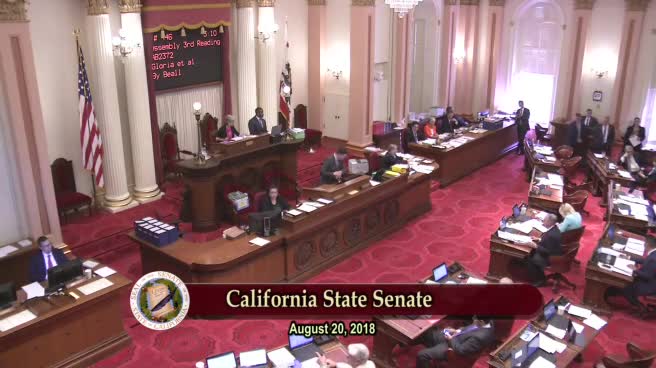 3MIN
Senate Floor
 1H
Senate Standing Committee on Appropriations
 3MIN
Senate Standing Committee on Labor and Industrial Relations
 1MIN
Assembly Floor
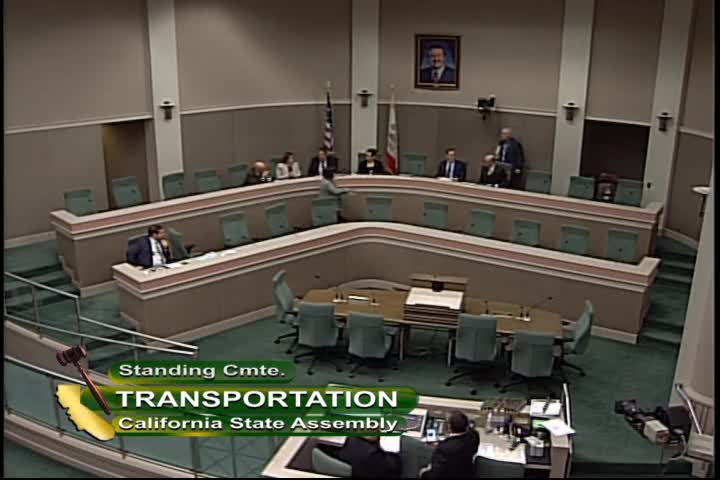 8MIN
Assembly Standing Committee on Transportation
Bill Author









