AB 2193: Maternal mental health.
- Session Year: 2017-2018
- House: Assembly
- Latest Version Date: 2018-09-26
Existing law provides for the licensure and regulation of various healing arts professions, including, but not limited to, physicians and surgeons, by various boards within the Department of Consumer Affairs. Existing law imposes certain fines and other penalties for, and authorizes these boards to take disciplinary action against licensees for, violations of the provisions governing those professions.
This bill would require, by July 1, 2019, a licensed health care practitioner who provides prenatal or postpartum care for a patient to offer to screen or appropriately screen a mother for maternal mental health conditions.
Existing law, the Knox-Keene Health Care Service Plan Act of 1975, provides for licensure and regulation of health care service plans by the Department of Managed Health Care and makes a willful violation of that act a crime. Existing law also provides for the regulation of health insurers by the Department of Insurance. Existing law requires health care service plan contracts and health insurance policies that provide hospital, medical, or surgical coverage to provide coverage for the diagnosis and medically necessary treatment of severe mental illnesses, as defined, of a person of any age.
This bill would require health care service plans and health insurers, by July 1, 2019, to develop, consistent with sound clinical principles and processes, a maternal mental health program, as specified. Because a willful violation of the bills requirement by a health care service plan would be a crime, the bill would impose a state-mandated local program.
The California Constitution requires the state to reimburse local agencies and school districts for certain costs mandated by the state. Statutory provisions establish procedures for making that reimbursement.
This bill would provide that no reimbursement is required by this act for a specified reason.
Existing law provides for the licensure and regulation of various healing arts professions, including, but not limited to, physicians and surgeons, by various boards within the Department of Consumer Affairs. Existing law imposes certain fines and other penalties for, and authorizes these boards to take disciplinary action against licensees for, violations of the provisions governing those professions.
This bill would require, by July 1, 2019, a licensed health care practitioner who provides prenatal or postpartum care for a patient to offer to screen or appropriately screen a mother for maternal mental health conditions.
Existing law, the Knox-Keene Health Care Service Plan Act of 1975, provides for licensure and regulation of health care service plans by the Department of Managed Health Care and makes a willful violation of that act a crime. Existing law also provides for the regulation of health insurers by the Department of Insurance. Existing law requires health care service plan contracts and health insurance policies that provide hospital, medical, or surgical coverage to provide coverage for the diagnosis and medically necessary treatment of severe mental illnesses, as defined, of a person of any age.
This bill would require health care service plans and health insurers, by July 1, 2019, to develop, consistent with sound clinical principles and processes, a maternal mental health program, as specified. Because a willful violation of the bills requirement by a health care service plan would be a crime, the bill would impose a state-mandated local program.
The California Constitution requires the state to reimburse local agencies and school districts for certain costs mandated by the state. Statutory provisions establish procedures for making that reimbursement.
This bill would provide that no reimbursement is required by this act for a specified reason.
Existing law provides for the licensure and regulation of various healing arts professions, including, but not limited to, physicians and surgeons, by various boards within the Department of Consumer Affairs. Existing law imposes certain fines and other penalties for, and authorizes these boards to take disciplinary action against licensees for, violations of the provisions governing those professions.
This bill would require, by July 1, 2019, a licensed health care practitioner who provides prenatal or postpartum care for a patient to offer to screen or appropriately screen a mother for maternal mental health conditions.
Existing law, the Knox-Keene Health Care Service Plan Act of 1975, provides for licensure and regulation of health care service plans by the Department of Managed Health Care and makes a willful violation of that act a crime. Existing law also provides for the regulation of health insurers by the Department of Insurance. Existing law requires health care service plan contracts and health insurance policies that provide hospital, medical, or surgical coverage to provide coverage for the diagnosis and medically necessary treatment of severe mental illnesses, as defined, of a person of any age.
This bill would require health care service plans and health insurers, by July 1, 2019, to develop, consistent with sound clinical principles and processes, a maternal mental health clinical case management program, as specified. Because a willful violation of the bills requirement by a health care service plan would be a crime, the bill would impose a state-mandated local program.
The California Constitution requires the state to reimburse local agencies and school districts for certain costs mandated by the state. Statutory provisions establish procedures for making that reimbursement.
This bill would provide that no reimbursement is required by this act for a specified reason.
Existing law provides for the licensure and regulation of various healing arts professions, including, but not limited to, physicians and surgeons, by various boards within the Department of Consumer Affairs. Existing law imposes certain fines and other penalties for, and authorizes these boards to take disciplinary action against licensees for, violations of the provisions governing those professions.
This bill would require, by July 1, 2019, a licensed health care practitioner who provides prenatal or postpartum care for a patient to offer to screen or appropriately screen a mother for maternal mental health conditions.
Existing law, the Knox-Keene Health Care Service Plan Act of 1975, provides for licensure and regulation of health care service plans by the Department of Managed Health Care and makes a willful violation of that act a crime. Existing law also provides for the regulation of health insurers by the Department of Insurance. Existing law requires health care service plan contracts and health insurance policies that provide hospital, medical, or surgical coverage to provide coverage for the diagnosis and medically necessary treatment of severe mental illnesses, as defined, of a person of any age.
This bill would require health care service plans and health insurers, by July 1, 2019, to develop, consistent with sound clinical principles and processes, a maternal mental health clinical case management program, as specified. Because a willful violation of the bills requirement by a health care service plan would be a crime, the bill would impose a state-mandated local program.
The California Constitution requires the state to reimburse local agencies and school districts for certain costs mandated by the state. Statutory provisions establish procedures for making that reimbursement.
This bill would provide that no reimbursement is required by this act for a specified reason.
Existing law provides for the licensure and regulation of various healing arts professions, including, but not limited to, physicians and surgeons, by various boards within the Department of Consumer Affairs. Existing law imposes certain fines and other penalties for, and authorizes these boards to take disciplinary action against licensees for, violations of the provisions governing those professions.
This bill would require, by July 1, 2019, a licensed health care practitioner who provides prenatal or postpartum care for a patient, or pediatric care for an infant, patient to offer to screen or appropriately screen a mother for maternal mental health conditions. The bill would require a licensed health care practitioner to appropriately screen for maternal mental health conditions during pregnancy and the postpartum period if the mother agrees to be screened.
Existing law, the Knox-Keene Health Care Service Plan Act of 1975, provides for licensure and regulation of health care service plans by the Department of Managed Health Care and makes a willful violation of that act a crime. Existing law also provides for the regulation of health insurers by the Department of Insurance. Existing law requires health care service plan contracts and health insurance policies that provide hospital, medical, or surgical coverage to provide coverage for the diagnosis and medically necessary treatment of severe mental illnesses, as defined, of a person of any age.
This bill would require health care service plans and health insurers, by July 1, 2019, to develop, consistent with sound clinical principles and processes, a maternal mental health clinical case management program to address mental and behavioral issues, program, as specified. The bill would, among other things, require the health care service plan and health insurer to annually update the clinical guidelines and criteria related to the maternal mental health clinical case management program, as may be appropriate. Because a willful violation of the bills requirement by a health care service plan would be a crime, the bill would impose a state-mandated local program.
The California Constitution requires the state to reimburse local agencies and school districts for certain costs mandated by the state. Statutory provisions establish procedures for making that reimbursement.
This bill would provide that no reimbursement is required by this act for a specified reason.
Existing law provides for the licensure and regulation of various healing arts professions, including, but not limited to, physicians and surgeons, by various boards within the Department of Consumer Affairs. Existing law imposes certain fines and other penalties for, and authorizes these boards to take disciplinary action against licensees for, violations of the provisions governing those professions.
This bill would make it the duty of obstetrician-gynecologists or licensed health care practitioners supervised by obstetrician-gynecologists who treat or attend the mother or child, or both, to screen the mother for maternal mental health conditions, as defined, during pregnancy or during the postpartum period, or both, and to report the findings of the screening to the mothers primary care physician if the obstetrician-gynecologist or health care practitioner supervised by an obstetrician-gynecologist is not the mothers primary care physician. require, by July 1, 2019, a licensed health care practitioner who provides prenatal or postpartum care for a patient, or pediatric care for an infant, to offer to screen a mother for maternal mental health conditions. The bill would require a licensed health care practitioner to appropriately screen for maternal mental health conditions during pregnancy and the postpartum period if the mother agrees to be screened.
Existing law, the Knox-Keene Health Care Service Plan Act of 1975, provides for licensure and regulation of health care service plans by the Department of Managed Health Care and makes a willful violation of that act a crime. Existing law also provides for the regulation of health insurers by the Department of Insurance. Existing law requires health care service plan contracts and health insurance policies that provide hospital, medical, or surgical coverage to provide coverage for the diagnosis and medically necessary treatment of severe mental illnesses, as defined, of a person of any age.
This bill would require health care service plans and health insurers to provide specified information regarding maternal mental health treatment and case management utilization to existing quality management programs by July 1, 2019 and annually thereafter. The bill would require the information to be used to develop resources to ensure contracting obstetric providers receive screening support and to ensure that health care service plans and health insurance policies meet their obligation to make all services readily available at reasonable times to each enrollee or insured, as specified. insurers, by July 1, 2019, to develop, consistent with sound clinical principles and processes, a maternal mental health clinical case management program to address mental and behavioral issues, as specified. The bill would, among other things, require the health care service plan and health insurer to annually update the clinical guidelines and criteria related to the maternal mental health clinical case management program, as may be appropriate. Because a willful violation of the bills requirement by a health care service plan would be a crime, the bill would impose a state-mandated local program.
The California Constitution requires the state to reimburse local agencies and school districts for certain costs mandated by the state. Statutory provisions establish procedures for making that reimbursement.
This bill would provide that no reimbursement is required by this act for a specified reason.
Existing law provides for the licensure and regulation of various healing arts professions, including, but not limited to, physicians and surgeons, by various boards within the Department of Consumer Affairs. Existing law imposes certain fines and other penalties for, and authorizes these boards to take disciplinary action against licensees for, violations of the provisions governing those professions.
This bill would make it the duty of obstetrician-gynecologists or licensed health care practitioners supervised by obstetrician-gynecologists who treat or attend the mother or child, or both, to screen the mother for maternal mental health conditions, as defined, at least once during pregnancy and once or during the postpartum period period, or both, and to report the findings of the screening to the mothers primary care physician if the obstetrician-gynecologist or health care practitioner supervised by an obstetrician-gynecologist is not the mothers primary care physician. The bill would also make it the duty of any facility where those practitioners treat or attend the mother or child, or both, in the first postdelivery appointment to ensure that those practitioners perform the required screening and report the findings. The bill would make a violation of its requirements grounds for disciplinary action by the licensees licensing entity and would make the facility subject to punishment by its licensing entity, except that a violation of this requirement would not constitute a crime.
Existing law, the Knox-Keene Health Care Service Plan Act of 1975, provides for licensure and regulation of health care service plans by the Department of Managed Health Care and makes a willful violation of that act a crime. Existing law also provides for the regulation of health insurers by the Department of Insurance. Existing law requires health care service plan contracts and health insurance policies that provide hospital, medical, or surgical coverage to provide coverage for the diagnosis and medically necessary treatment of severe mental illnesses, as defined, of a person of any age.
This bill would require health care service plans and health insurers to develop, by July 1, 2019, a case management program that is available for enrollees and insureds and their treating providers when the provider determines that an enrollee or insured may have a maternal mental health condition, as specified. The bill would require that case management program to meet specified standards and would require plans and insurers to notify providers of the availability of the program and to develop a quality management program in order to understand the effectiveness of the case management program. The bill would require health care service plan contracts and health insurance policies issued, amended, or renewed on or after January 1, 2019, to provide coverage for maternal mental health conditions and the above-described case management program. provide specified information regarding maternal mental health treatment and case management utilization to existing quality management programs by July 1, 2019 and annually thereafter. The bill would require the information to be used to develop resources to ensure contracting obstetric providers receive screening support and to ensure that health care service plans and health insurance policies meet their obligation to make all services readily available at reasonable times to each enrollee or insured, as specified. Because a willful violation of the bills requirement by a health care service plan would be a crime, the bill would impose a state-mandated local program.
The California Constitution requires the state to reimburse local agencies and school districts for certain costs mandated by the state. Statutory provisions establish procedures for making that reimbursement.
This bill would provide that no reimbursement is required by this act for a specified reason.
Existing law provides for the licensure and regulation of various healing arts professions, including, but not limited to, physicians and surgeons, by various boards within the Department of Consumer Affairs. Existing law imposes certain fines and other penalties for, and authorizes these boards to take disciplinary action against licensees for, violations of the provisions governing those professions.
This bill would make it the duty of licensed health care practitioners who treat or attend the mother or child, or both, to screen the mother for maternal mental health conditions, as defined, at least once during pregnancy and once during the postpartum period and to report the findings of the screening to the mothers primary care physician if the health care practitioner is not the mothers primary care physician. The bill would also make it the duty of any facility where those practitioners treat or attend the mother or child, or both, in the first postdelivery appointment to ensure that those practitioners perform the required screening and report the findings. The bill would make a violation of its requirements grounds for disciplinary action by the licensees licensing entity and would make the facility subject to punishment by its licensing entity, except that a violation of this requirement would not constitute a crime.
Existing law, the Knox-Keene Health Care Service Plan Act of 1975, provides for licensure and regulation of health care service plans by the Department of Managed Health Care and makes a willful violation of that act a crime. Existing law also provides for the regulation of health insurers by the Department of Insurance. Existing law requires health care service plan contracts and health insurance policies that provide hospital, medical, or surgical coverage to provide coverage for the diagnosis and medically necessary treatment of severe mental illnesses, as defined, of a person of any age.
This bill would require health care service plans and health insurers to develop, by July 1, 2019, a case management program that is available for enrollees and insureds and their treating providers when the provider determines that an enrollee or insured may have a maternal mental health condition, as specified. The bill would require that case management program to meet specified standards and would require plans and insurers to notify providers of the availability of the program and to develop a quality management program in order to understand the effectiveness of the case management program. The bill would require health care service plan contracts and health insurance policies issued, amended, or renewed on or after January 1, 2019, to provide coverage for maternal mental health conditions and the above-described case management program. Because a willful violation of the bills requirement by a health care service plan would be a crime, the bill would impose a state-mandated local program.
The California Constitution requires the state to reimburse local agencies and school districts for certain costs mandated by the state. Statutory provisions establish procedures for making that reimbursement.
This bill would provide that no reimbursement is required by this act for a specified reason.
(a)By July 1, 2019, a health care service plan shall develop a maternal mental health program designed to promote quality and cost-effective outcomes. The program shall be developed consistent with sound clinical principles and processes. The program guidelines and criteria shall be made available upon request to medical providers, including a contracting obstetric provider.
(b)For the purposes of this section, the following terms have the following meanings:
(1)Contracting obstetric provider means an individual who is certified or licensed pursuant to Division 2 (commencing with Section 500) of the Business and Professions Code, or an initiative act referred to in that division, and who is contracted with the enrollees health care service plan to provide services under the enrollees plan contract.
(2)Maternal mental health means a mental health condition that occurs during pregnancy or during the postpartum period and includes, but is not limited to, postpartum depression.
(c)This section shall not apply to specialized health care service plans, except specialized behavioral health-only plans offering professional mental health services.
SEC. 2.Article 6 (commencing with Section 123640) is added to Chapter 2 of Part 2 of Division 106 of the Health and Safety Code, to read:6.Maternal Mental Health123640.(a)By July 1, 2019, a licensed health care practitioner who provides prenatal or postpartum care for a patient shall ensure that the mother is offered screening or is appropriately screened for maternal mental health conditions.
(b)This section shall not apply to a licensed health care practitioner when providing emergency services or care, as defined in Section 1317.1.
(c)This section does not preclude any licensed or certified provider acting within his or her scope of practice from screening for maternal mental health conditions.
(d)For purposes of this section, the following definitions apply:
(1)Maternal mental health condition means a mental health condition that occurs during pregnancy or during the postpartum period and includes, but is not limited to, postpartum depression.
(2)Health care practitioner means a physician and surgeon, naturopathic doctor, nurse practitioner, physician assistant, nurse midwife, or a midwife licensed pursuant to Division 2 (commencing with Section 500) of the Business and Professions Code or an initiative act referred to in that division and who is acting within his or her scope of practice.
SEC. 3.Section 10123.867 is added to the Insurance Code, to read:10123.867.(a)By July 1, 2019, a health insurer shall develop a maternal mental health program designed to promote quality and cost-effective outcomes. The program shall be developed consistent with sound clinical principles and processes. The program guidelines and criteria shall be made available upon request to medical providers, including a contracting obstetric provider.
(b)For the purposes of this section, the following terms have the following meanings:
(1)Contracting obstetric provider means an individual who is certified or licensed pursuant to Division 2 (commencing with Section 500) of the Business and Professions Code, or an initiative act referred to in that division, and who is contracted with the insureds health insurer to provide services under the insureds health insurance policy.
(2)Maternal mental health means a mental health condition that occurs during pregnancy or during the postpartum period and includes, but is not limited to, postpartum depression.
(c)This section shall not apply to specialized health insurers, except behavioral health-only insurers that provide coverage for professional mental health services.
SEC. 4.No reimbursement is required by this act pursuant to Section 6 of Article XIIIB of the California Constitution because the only costs that may be incurred by a local agency or school district will be incurred because this act creates a new crime or infraction, eliminates a crime or infraction, or changes the penalty for a crime or infraction, within the meaning of Section 17556 of the Government Code, or changes the definition of a crime within the meaning of Section 6 of Article XIIIB of the California Constitution.
(a)By July 1, 2019, a health care service plan shall develop a maternal mental health program designed to promote quality and cost-effective outcomes. The program shall be developed consistent with sound clinical principles and processes. The program guidelines and criteria shall be made available upon request to medical providers, including a contracting obstetric provider.
(b)For the purposes of this section, the following terms have the following meanings:
(1)Contracting obstetric provider means an individual who is certified or licensed pursuant to Division 2 (commencing with Section 500) of the Business and Professions Code, or an initiative act referred to in that division, and who is contracted with the enrollees health care service plan to provide services under the enrollees plan contract.
(2)Maternal mental health means a mental health condition that occurs during pregnancy or during the postpartum period and includes, but is not limited to, postpartum depression.
(c)This section shall not apply to specialized health care service plans, except specialized behavioral health-only plans offering professional mental health services.
SEC. 2.Article 6 (commencing with Section 123640) is added to Chapter 2 of Part 2 of Division 106 of the Health and Safety Code, to read:6.Maternal Mental Health123640.(a)By July 1, 2019, a licensed health care practitioner who provides prenatal or postpartum care for a patient shall ensure that the mother is offered screening or is appropriately screened for maternal mental health conditions.
(b)This section shall not apply to a licensed health care practitioner when providing emergency services or care, as defined in Section 1317.1.
(c)This section does not preclude any licensed or certified provider acting within his or her scope of practice from screening for maternal mental health conditions.
(d)For purposes of this section, the following definitions apply:
(1)Maternal mental health condition means a mental health condition that occurs during pregnancy or during the postpartum period and includes, but is not limited to, postpartum depression.
(2)Health care practitioner means a physician and surgeon, naturopathic doctor, nurse practitioner, physician assistant, nurse midwife, or a midwife licensed pursuant to Division 2 (commencing with Section 500) of the Business and Professions Code or an initiative act referred to in that division and who is acting within his or her scope of practice.
SEC. 3.Section 10123.867 is added to the Insurance Code, to read:10123.867.(a)By July 1, 2019, a health insurer shall develop a maternal mental health program designed to promote quality and cost-effective outcomes. The program shall be developed consistent with sound clinical principles and processes. The program guidelines and criteria shall be made available upon request to medical providers, including a contracting obstetric provider.
(b)For the purposes of this section, the following terms have the following meanings:
(1)Contracting obstetric provider means an individual who is certified or licensed pursuant to Division 2 (commencing with Section 500) of the Business and Professions Code, or an initiative act referred to in that division, and who is contracted with the insureds health insurer to provide services under the insureds health insurance policy.
(2)Maternal mental health means a mental health condition that occurs during pregnancy or during the postpartum period and includes, but is not limited to, postpartum depression.
(c)This section shall not apply to specialized health insurers, except behavioral health-only insurers that provide coverage for professional mental health services.
SEC. 4.No reimbursement is required by this act pursuant to Section 6 of Article XIIIB of the California Constitution because the only costs that may be incurred by a local agency or school district will be incurred because this act creates a new crime or infraction, eliminates a crime or infraction, or changes the penalty for a crime or infraction, within the meaning of Section 17556 of the Government Code, or changes the definition of a crime within the meaning of Section 6 of Article XIIIB of the California Constitution.
(a)By July 1, 2019, a health care service plan shall develop a maternal mental health clinical case management program designed to ensure timely access to services and promote quality and cost-effective outcomes. The health care service plan shall support efficacious treatment for the reduction of symptoms. The program shall be developed consistent with sound clinical principles and processes. The program guidelines and criteria shall be made available upon request to medical providers, including a contracting obstetric provider.
(b)For the purposes of this section, the following terms have the following meanings:
(1)Contracting obstetric provider means an individual who is certified or licensed pursuant to Division 2 (commencing with Section 500) of the Business and Professions Code, or an initiative act referred to in that division, and who is contracted with the enrollees health care service plan to provide services under the enrollees plan contract.
(2)Maternal mental health means a mental health condition that occurs during pregnancy or during the postpartum period and includes, but is not limited to, postpartum depression.
(c)This section shall not apply to specialized health care service plans, except specialized behavioral health-only plans offering professional mental health services.
SEC. 2.Article 6 (commencing with Section 123640) is added to Chapter 2 of Part 2 of Division 106 of the Health and Safety Code, to read:6.Maternal Mental Health123640.(a)By July 1, 2019, a licensed health care practitioner who provides prenatal or postpartum care for a patient shall ensure that the mother is offered screening or is appropriately screened for maternal mental health conditions.
(b)This section shall not apply to a licensed health care practitioner when providing emergency services or care, as defined in Section 1317.1.
(c)This section does not preclude any licensed or certified provider acting within his or her scope of practice from screening for maternal mental health conditions.
(d)For purposes of this section, the following definitions apply:
(1)Maternal mental health condition means a mental health condition that occurs during pregnancy or during the postpartum period and includes, but is not limited to, postpartum depression.
(2)Health care practitioner means a physician and surgeon, naturopathic doctor, nurse practitioner, physician assistant, nurse midwife, or a midwife licensed pursuant to Division 2 (commencing with Section 500) of the Business and Professions Code or an initiative act referred to in that division and who is acting within his or her scope of practice.
SEC. 3.Section 10123.867 is added to the Insurance Code, to read:10123.867.(a)By July 1, 2019, a health insurer shall develop a maternal mental health clinical case management program designed to ensure timely access to services to promote quality and cost-effective outcomes. The health insurer shall support efficacious treatment for the reduction of symptoms. The program shall be developed consistent with sound clinical principles and processes. The program guidelines and criteria shall be made available upon request to medical providers, including a contracting obstetric provider.
(b)For the purposes of this section, the following terms have the following meanings:
(1)Contracting obstetric provider means an individual who is certified or licensed pursuant to Division 2 (commencing with Section 500) of the Business and Professions Code, or an initiative act referred to in that division, and who is contracted with the insureds health insurer to provide services under the insureds health insurance policy.
(2)Maternal mental health means a mental health condition that occurs during pregnancy or during the postpartum period and includes, but is not limited to, postpartum depression.
(c)This section shall not apply to specialized health insurers, except behavioral health-only insurers that provide coverage for professional mental health services.
SEC. 4.No reimbursement is required by this act pursuant to Section 6 of Article XIIIB of the California Constitution because the only costs that may be incurred by a local agency or school district will be incurred because this act creates a new crime or infraction, eliminates a crime or infraction, or changes the penalty for a crime or infraction, within the meaning of Section 17556 of the Government Code, or changes the definition of a crime within the meaning of Section 6 of Article XIIIB of the California Constitution.
(a)By July 1, 2019, a health care service plan shall develop a maternal mental health clinical case management program designed to ensure timely access to services and promote quality and cost-effective outcomes. The health care service plan shall support efficacious treatment for the reduction of symptoms. The program shall be developed consistent with sound clinical principles and processes. The program guidelines and criteria shall be made available upon request to medical providers, including a contracting obstetric provider.
(b)For the purposes of this section, the following terms have the following meanings:
(1)Contracting obstetric provider means an individual who is certified or licensed pursuant to Division 2 (commencing with Section 500) of the Business and Professions Code, or an initiative act referred to in that division, and who is contracted with the enrollees health care service plan to provide services under the enrollees plan contract.
(2)Maternal mental health means a mental health condition that occurs during pregnancy or during the postpartum period and includes, but is not limited to, postpartum depression.
SEC. 2.Article 6 (commencing with Section 123640) is added to Chapter 2 of Part 2 of Division 106 of the Health and Safety Code, to read:6.Maternal Mental Health123640.(a)By July 1, 2019, a licensed health care practitioner who provides prenatal or postpartum care for a patient shall ensure that the mother is offered screening or is appropriately screened for maternal mental health conditions.
(b)This section shall not apply to a licensed health care practitioner when providing emergency services or care, as defined in Section 1317.1.
(c)This section does not preclude any licensed or certified provider acting within his or her scope of practice from screening for maternal mental health conditions.
(d)For purposes of this section, the following definitions apply:
(1)Maternal mental health condition means a mental health condition that occurs during pregnancy or during the postpartum period and includes, but is not limited to, postpartum depression.
(2)Health care practitioner means a physician and surgeon, nurse practitioner, physician assistant, nurse midwife, or a midwife licensed pursuant to Division 2 (commencing with Section 500) of the Business and Professions Code or an initiative act referred to in that division and is acting within his or her scope of practice.
SEC. 3.Section 10123.867 is added to the Insurance Code, to read:10123.867.(a)By July 1, 2019, a health insurer shall develop a maternal mental health clinical case management program designed to ensure timely access to services to promote quality and cost-effective outcomes. The health insurer shall support efficacious treatment for the reduction of symptoms. The program shall be developed consistent with sound clinical principles and processes. The program guidelines and criteria shall be made available upon request to medical providers, including a contracting obstetric provider.
(b)For the purposes of this section, the following terms have the following meanings:
(1)Contracting obstetric provider means an individual who is certified or licensed pursuant to Division 2 (commencing with Section 500) of the Business and Professions Code, or an initiative act referred to in that division, and who is contracted with the insureds health insurer to provide services under the insureds health insurance policy.
(2)Maternal mental health means a mental health condition that occurs during pregnancy or during the postpartum period and includes, but is not limited to, postpartum depression.
SEC. 4.No reimbursement is required by this act pursuant to Section 6 of Article XIIIB of the California Constitution because the only costs that may be incurred by a local agency or school district will be incurred because this act creates a new crime or infraction, eliminates a crime or infraction, or changes the penalty for a crime or infraction, within the meaning of Section 17556 of the Government Code, or changes the definition of a crime within the meaning of Section 6 of Article XIIIB of the California Constitution.
(a)By July 1, 2019, a health care service plan shall develop a maternal mental health clinical case management program to address mental and behavioral issues. designed to ensure timely access to services and promote quality and cost-effective outcomes. The health care service plan shall support efficacious treatment for the reduction of symptoms. The program shall be developed consistent with sound clinical principles and processes. The health care service plan shall annually update the clinical guidelines and criteria related to the maternal mental health clinical case management program, as may be appropriate, and these The program guidelines and criteria shall be made available upon request to medical providers, including a contracting obstetric provider.
(b)For the purposes of this section, the following terms have the following meanings:
(1)Contracting obstetric provider means an individual who is certified or licensed pursuant to Division 2 (commencing with Section 500) of the Business and Professions Code, or an initiative act referred to in that division, and who is contracted with the enrollees health care service plan to provide services under the enrollees plan contract.
(2)Maternal mental health means a mental health condition that occurs during pregnancy or during the postpartum period and includes, but is not limited to, postpartum depression.
SEC. 2.Article 6 (commencing with Section 123640) is added to Chapter 2 of Part 2 of Division 106 of the Health and Safety Code, to read:6.Maternal Mental Health123640.(a)By July 1, 2019, a licensed health care practitioner who provides prenatal or postpartum care for a patient, or pediatric care for an infant, patient shall ensure that the mother is offered screening or is appropriately screened for maternal mental health conditions. If the mother agrees to the screening, then the licensed health care practitioner shall appropriately screen for maternal mental health conditions during pregnancy and the postpartum period.
(b)This section shall not apply to emergency services or care, as defined in Section 1317.1.
(c)This section does not preclude any licensed or certified provider acting within his or her scope of practice from screening for maternal mental health conditions.
(d)For purposes of this section, the following definitions apply:
(1)Maternal mental health condition means a mental health condition that occurs during pregnancy or during the postpartum period and includes, but is not limited to, postpartum depression.
(2)Health care practitioner means a physician and surgeon, nurse practitioner, physician assistant, nurse midwife, or a midwife licensed pursuant to Division 2 (commencing with Section 500) of the Business and Professions Code or an initiative act referred to in that division and is acting within his or her scope of practice.
SEC. 3.Section 10123.867 is added to the Insurance Code, to read:10123.867.(a)By July 1, 2019, a health insurer that provides a policy of health insurance that provides coverage for the essential health benefits as set forth in the federal Patient Protection and Affordable Care Act (Public Law 111-148), as amended by the federal Health Care and Education Reconciliation Act of 2010 (Public Law 111-152), shall develop a maternal mental health clinical case management program to address mental and behavioral issues. designed to ensure timely access to services to promote quality and cost-effective outcomes. The health insurer shall support efficacious treatment for the reduction of symptoms. The program shall be developed consistent with sound clinical principles and processes. The health insurer shall annually update the clinical guidelines and criteria related to the maternal mental health clinical case management program, as may be appropriate, and these The program guidelines and criteria shall be made available upon request to medical providers, including a contracting obstetric provider.
(b)For the purposes of this section, the following terms have the following meanings:
(1)Contracting obstetric provider means an individual who is certified or licensed pursuant to Division 2 (commencing with Section 500) of the Business and Professions Code, or an initiative act referred to in that division, and who is contracted with the insureds health insurer to provide services under the insureds health insurance policy.
(2)Maternal mental health means a mental health condition that occurs during pregnancy or during the postpartum period and includes, but is not limited to, postpartum depression.
SEC. 4.No reimbursement is required by this act pursuant to Section 6 of Article XIIIB of the California Constitution because the only costs that may be incurred by a local agency or school district will be incurred because this act creates a new crime or infraction, eliminates a crime or infraction, or changes the penalty for a crime or infraction, within the meaning of Section 17556 of the Government Code, or changes the definition of a crime within the meaning of Section 6 of Article XIIIB of the California Constitution.
(a)By July 1, 2019, a health care service plan shall develop a maternal mental health clinical case management program to address mental and behavioral issues. The health care service plan shall support efficacious treatment for the reduction of symptoms. The program shall be developed consistent with sound clinical principles and processes. The health care service plan shall annually update the clinical guidelines and criteria related to the maternal mental health clinical case management program, as may be appropriate, and these guidelines and criteria shall be made available upon request to medical providers, including a contracting obstetric provider.
(b)For the purposes of this section, the following terms have the following meanings:
(1)Contracting obstetric provider means an individual who is certified or licensed pursuant to Division 2 (commencing with Section 500) of the Business and Professions Code, or an initiative act referred to in that division, and who is contracted with the enrollees health care service plan to provide services under the enrollees plan contract.
(2)Maternal mental health condition health means a mental health condition that occurs during pregnancy or during the postpartum period and includes, but is not limited to, postpartum depression.
SEC. 2.Article 6 (commencing with Section 123640) is added to Chapter 2 of Part 2 of Division 106 of the Health and Safety Code, to read:6.Maternal Mental Health123640.(a)It is the duty of an obstetrician-gynecologist, or any health care practitioner supervised by an obstetrician-gynecologist, and within the scope of practice, who treats and attends a mother or child, or both, to screen the mother for maternal mental health conditions during pregnancy or during the postpartum period, or both, unless the obstetrician-gynecologist or health care practitioner has received confirmation from a treating psychiatrist that the mother will remain under the treating psychiatrists care during pregnancy and the postpartum period, as applicable. The obstetrician-gynecologist or health care practitioner supervised by an obstetrician-gynecologist shall, in a manner consistent with applicable federal privacy law, report the findings of that screening to the mothers primary care physician if the obstetrician-gynecologist or health care practitioner supervised by an obstetrician-gynecologist is not the mothers primary care physician.(b)This section does not prohibit another provider type from screening for maternal mental health conditions.123640.(a)By July 1, 2019, a licensed health care practitioner who provides prenatal or postpartum care for a patient, or pediatric care for an infant, shall ensure that the mother is offered screening for maternal mental health conditions. If the mother agrees to the screening, then the licensed health care practitioner shall appropriately screen for maternal mental health conditions during pregnancy and the postpartum period.
(b)This section shall not apply to emergency services or care, as defined in Section 1317.1.
(c)This section does not preclude any licensed or certified provider acting within his or her scope of practice from screening for maternal mental health conditions.
(c)(d)For purposes of this section, the following definitions apply:
(1)Maternal mental health condition means a mental health condition that occurs during pregnancy or during the postpartum period and includes, but is not limited to, postpartum depression.
(2)Health care practitioner means an individual who is certified or a physician and surgeon, nurse practitioner, physician assistant, nurse midwife, or a midwife licensed pursuant to Division 2 (commencing with Section 500) of the Business and Professions Code or an initiative act referred to in that division and is acting within his or her scope of practice.
SEC. 3.Section 10123.867 is added to the Insurance Code, to read:10123.867.(a)(1)By July 1, 2019, a health insurer shall provide all of the following information to existing quality management programs:(A)The number, ratio, and geographical distance of behavioral providers trained to treat maternal mental health conditions, including therapists and psychiatrists.(B)Case management utilization, if applicable, including utilization by individual providers.(C)The effectiveness of the program in reducing symptoms.(D)Insured and provider satisfaction with the program, if available.(2)The information in paragraph (1) shall be reported to a quality assurance committee of the health insurer on an annual basis, and the health insurer shall institute corrective actions when warranted.(3)The information in paragraph (1) shall be used to develop resources to ensure contracting obstetric providers receive screening support and to ensure that the health insurer meets its obligation to make all services readily available at reasonable times to each insured, consistent with good professional practice, and in a manner providing continuity of care and ready referral of patients to other providers at times as may be appropriate, consistent with good professional practice.10123.867.(a)By July 1, 2019, a health insurer that provides a policy of health insurance that provides coverage for the essential health benefits as set forth in the federal Patient Protection and Affordable Care Act (Public Law 111-148), as amended by the federal Health Care and Education Reconciliation Act of 2010 (Public Law 111-152), shall develop a maternal mental health clinical case management program to address mental and behavioral issues. The health insurer shall support efficacious treatment for the reduction of symptoms. The program shall be developed consistent with sound clinical principles and processes. The health insurer shall annually update the clinical guidelines and criteria related to the maternal mental health clinical case management program, as may be appropriate, and these guidelines and criteria shall be made available upon request to medical providers, including a contracting obstetric provider.
(b)For the purposes of this section, the following terms have the following meanings:
(1)Contracting obstetric provider means an individual who is certified or licensed pursuant to Division 2 (commencing with Section 500) of the Business and Professions Code, or an initiative act referred to in that division, and who is contracted with the insureds health insurer to provide services under the insureds health insurance policy.
(2)Maternal mental health condition health means a mental health condition that occurs during pregnancy or during the postpartum period and includes, but is not limited to, postpartum depression.
SEC. 4.No reimbursement is required by this act pursuant to Section 6 of Article XIIIB of the California Constitution because the only costs that may be incurred by a local agency or school district will be incurred because this act creates a new crime or infraction, eliminates a crime or infraction, or changes the penalty for a crime or infraction, within the meaning of Section 17556 of the Government Code, or changes the definition of a crime within the meaning of Section 6 of Article XIIIB of the California Constitution.
(a)(1)By July 1, 2019, a health care service plan shall develop a case management program that is available for an enrollee and his or her treating provider when the provider, acting within his or her scope of practice, determines that the enrollee may have a maternal mental health condition. provide all of the following information to existing quality management programs:
(b)The case management program required by subdivision (a) shall do all of the following:(1)Provide the provider and enrollee direct support in accessing treatment and, if available, managing care in accordance with the providers treatment plan.(2)Provide direct access to a clinician assigned to both the provider and the patient.(3)Support the provider and enrollee in accessing care in a timely manner, consistent with appointment time standards developed pursuant to Section 1367.03, to provide both of the following services:(A)Direct access for the enrollee to a therapist trained in maternal mental health.(B)Direct access for both the provider and enrollee to a provider-to-provider psychiatric consultation with a psychiatrist familiar with the latest research surrounding treatment of pregnant and lactating women.(4)When a treatment plan is available, require clinical case managers in the program to extend the capacity of the enrollees provider by following the enrollees treatment access, symptoms, and symptom severity, and recommending potential changes to the treatment plan when clinically indicated. A clinical case manager shall also provide written reports on an enrollees status to the enrollees provider on a periodic basis of no less than once every eight months.(c)Commencing July 1, 2019, and annually thereafter, a health care service plan shall notify providers in writing of the availability of the case management program described in this section and the process by which a provider can access that program.(d)(1) In order to understand the effectiveness of the case management program developed by a plan under this section and to make changes as needed to improve utilization, a health care service plan shall develop a maternal mental health quality management program that tracks all of the following information:(A)The number, ratio, and geographical distance of behavioral providers trained to treat maternal mental health conditions, including therapists and psychiatrists.
(B)Case management utilization, if applicable, including utilization by individual providers.
(C)The effectiveness of the program in reducing symptoms.
(D)Enrollee and provider satisfaction with the program, if available.
(2)The information in paragraph (1) shall be reported to a quality assurance committee of the health care service plan on an annual basis, and the plan shall institute corrective actions when warranted.
(e)Nothing in this section shall be construed to prohibit either of the following:(1)A health care service plan from accepting a referral from another treating provider or case management program with respect to a maternal mental health condition.(2)A health care service plan from transferring a case to another case management program designed to treat mental health issues after the postpartum period expires.(f)A health care service plan contract issued, amended, or renewed on or after January 1, 2019, shall provide coverage for maternal mental health conditions and for the case management program developed by the plan under this section. This section shall not apply to a specialized health care service plan contract that does not deliver mental or behavioral health services to enrollees.(3)The information in paragraph (1) shall be used to develop resources to ensure contracting obstetric providers receive screening support and to ensure that the health care service plan meets its obligation to make all services readily available at reasonable times to each enrollee, consistent with good professional practice, and in a manner providing continuity of care and ready referral of patients to other providers at times as may be appropriate, consistent with good professional practice.
(g)(b)For the purposes of this section, the following terms have the following meanings:
(1)Case management program means a collaborative process of assessment, planning, facilitation, care coordination, evaluation, and advocacy for options and services to meet an individuals and familys comprehensive health needs through communication and available resources to promote quality, cost-effective outcomes. Case management programs include care management or disease management programs.(1)Contracting obstetric provider means an individual who is certified or licensed pursuant to Division 2 (commencing with Section 500) of the Business and Professions Code, or an initiative act referred to in that division, and who is contracted with the enrollees health care service plan to provide services under the enrollees plan contract.
(2)Maternal mental health condition means a mental health condition that occurs during pregnancy or during the postpartum period and includes, but is not limited to, postpartum depression.
(3)Provider means an individual who is certified or licensed pursuant to Division 2 (commencing with Section 500) of the Business and Professions Code, or an initiative act referred to in that division.SEC. 2.Article 6 (commencing with Section 123640) is added to Chapter 2 of Part 2 of Division 106 of the Health and Safety Code, to read:6.Maternal Mental Health123640.(a)It is the duty of an obstetrician-gynecologist, or any health care practitioner supervised by an obstetrician-gynecologist, and within the scope of practice, who treats and attends a mother or child, or both, to screen the mother for maternal mental health conditions during pregnancy or during the postpartum period, or both, unless the obstetrician-gynecologist or health care practitioner has received confirmation from a treating psychiatrist that the mother will remain under the treating psychiatrists care during pregnancy and the postpartum period, as applicable. The obstetrician-gynecologist or health care practitioner supervised by an obstetrician-gynecologist shall, in a manner consistent with applicable federal privacy law, report the findings of that screening to the mothers primary care physician if the obstetrician-gynecologist or health care practitioner supervised by an obstetrician-gynecologist is not the mothers primary care physician.
(b)This section does not prohibit another provider type from screening for maternal mental health conditions.
(c)For purposes of this section, the following definitions apply:
(1)Maternal mental health condition means a mental health condition that occurs during pregnancy or during the postpartum period and includes, but is not limited to, postpartum depression.
(2)Health care practitioner means an individual who is certified or licensed pursuant to Division 2 (commencing with Section 500) of the Business and Professions Code or an initiative act referred to in that division and is acting within his or her scope of practice.
SEC. 3.Section 10123.867 is added to the Insurance Code, to read:10123.867.(a)(1)By July 1, 2019, a health insurer shall develop a case management program that is available for an insured and his or her treating provider when the provider, acting within his or her scope of practice, determines that the insured may have a maternal mental health condition. provide all of the following information to existing quality management programs:
(b)The case management program required by subdivision (a) shall do all of the following:(1)Provide the provider and insured direct support in accessing treatment and, if available, managing care in accordance with the providers treatment plan.(2)Provide direct access to a clinician assigned to both the provider and the insured.(3)Support the provider and insured in accessing care in a timely manner, consistent with the timely access regulations dopted under Section 10133.5, to provide both of the following services:(A)Direct access for the insured to a therapist trained in maternal mental health.(B)Direct access for both the provider and insured to a provider-to-provider psychiatric consultation with a psychiatrist familiar with the latest research surrounding treatment of pregnant and lactating women.(4)When a treatment plan is available, require clinical case managers in the program to extend the capacity of the insureds provider by following the insureds treatment access, symptoms, and symptom severity, and recommending potential changes to the treatment plan when clinically indicated. A clinical case manager shall also provide written reports on the insureds status to the insureds provider on a periodic basis of no less than once every 8 months.(c)Commencing July 1, 2019, and annually thereafter, a health insurer shall notify providers in writing of the availability of the case management program described in this section and the process by which a provider can access that program.(d)(1) In order to understand the effectiveness of the case management program developed by a health insurer under this section and to make changes as needed to improve utilization, a health insurer shall develop a maternal mental health quality management program that tracks all of the following information:(A)The number, ratio, and geo-distance geographical distance of behavioral providers trained to treat maternal mental health conditions, including therapists and psychiatrists.
(B)Case management utilization, if applicable, including utilization by individual providers.
(C)The effectiveness of the program in reducing symptoms.
(D)Insured and provider satisfaction with the program, if available.
(2)The information in paragraph (1) shall be reported to a quality assurance committee of the health insurer on an annual basis, and the health insurer shall institute corrective actions when warranted.
(e)Nothing in this section shall be construed to prohibit either of the following:(1)A health insurer from accepting a referral from another treating provider or case management program.(2)A health insurer from transferring a case to another case management program designed to treat mental health issues after the postpartum period expires.(f)A health insurance policy issued, amended, or renewed on or after January 1, 2019, shall provide coverage for maternal mental health conditions and for the case management program developed by the insurer under this section. This section shall not apply to a specialized health insurance policy that does not deliver mental or behavioral health services to insureds.(3)The information in paragraph (1) shall be used to develop resources to ensure contracting obstetric providers receive screening support and to ensure that the health insurer meets its obligation to make all services readily available at reasonable times to each insured, consistent with good professional practice, and in a manner providing continuity of care and ready referral of patients to other providers at times as may be appropriate, consistent with good professional practice.
(g)(b)For the purposes of this section, the following terms have the following meanings:
(1)Case management program means a collaborative process of assessment, planning, facilitation, care coordination, evaluation, and advocacy for options and services to meet an individuals and familys comprehensive health needs through communication and available resources to promote quality, cost-effective outcomes. Case management programs include care management or disease management programs.(1)Contracting obstetric provider means an individual who is certified or licensed pursuant to Division 2 (commencing with Section 500) of the Business and Professions Code, or an initiative act referred to in that division, and who is contracted with the insureds health insurer to provide services under the insureds health insurance policy.
(2)Maternal mental health condition means a mental health condition that occurs during pregnancy or during the postpartum period and includes, but is not limited to, postpartum depression.
(3)Provider means an individual who is certified or licensed pursuant to Division 2 (commencing with Section 500) of the Business and Professions Code, or an initiative act referred to in that division.SEC. 4.No reimbursement is required by this act pursuant to Section 6 of Article XIIIB of the California Constitution because the only costs that may be incurred by a local agency or school district will be incurred because this act creates a new crime or infraction, eliminates a crime or infraction, or changes the penalty for a crime or infraction, within the meaning of Section 17556 of the Government Code, or changes the definition of a crime within the meaning of Section 6 of Article XIIIB of the California Constitution.
(a)It shall be the duty of any health care practitioner who treats or attends a mother or child, or both, to screen the mother for maternal mental health conditions at least once during pregnancy and once during the postpartum period, unless the health care practitioner has received confirmation from a treating psychiatrist that she will remain under the treating psychiatrists care during pregnancy and the postpartum period, as applicable. The health care practitioner shall, in a manner consistent with applicable federal privacy law, report the findings of that screening to the mothers primary care physician if the health care practitioner is not the mothers primary care physician.
(b)It shall be the duty of any facility where a health care practitioner treats or attends the mother or child, or both, in the first postdelivery appointment to ensure that the health care practitioner conducts the screening and reports the findings of the screening as described in subdivision (a).
(c)This section shall not be construed to limit when and how often a mother postdelivery is screened for maternal mental health conditions.
(d)A violation of subdivision (a) constitutes unprofessional conduct and grounds for disciplinary action by the health care practitioners licensing entity. A violation of subdivision (a) shall not constitute a crime.
(e)A facility subject to subdivision (b) that violates subdivision (b) shall be subject to punishment by the facilitys licensing entity, except that a violation of subdivision (b) shall not constitute a crime.
(f)Nothing in this section shall prohibit another provider type from screening for maternal mental health conditions.
(g)For purposes of this section, the following definitions apply:
(1)Maternal mental health condition means a mental health condition that occurs during pregnancy or during the postpartum period and includes, but is not limited to, postpartum depression.
(2)Health care practitioner means an individual who is certified or licensed pursuant to this division or an initiative act referred to in this division and is acting within his or her scope of practice.
SEC. 2.Section 1367.625 is added to the Health and Safety Code, to read:1367.625.(a)By July 1, 2019, a health care service plan shall develop a case management program that is available for an enrollee and his or her treating provider when the provider, acting within his or her scope of practice, determines that the enrollee may have a maternal mental health condition.
(b)The case management program required by subdivision (a) shall do all of the following:
(1)Provide the provider and enrollee direct support in accessing treatment and, if available, managing care in accordance with the providers treatment plan.
(2)Provide direct access to a clinician assigned to both the provider and the patient.
(3)Support the provider and enrollee in accessing care in a timely manner, consistent with appointment time standards developed pursuant to Section 1367.03, to provide both of the following services:
(A)Direct access for the enrollee to a therapist trained in maternal mental health.
(B)Direct access for both the provider and enrollee to a provider-to-provider psychiatric consultation with a psychiatrist familiar with the latest research surrounding treatment of pregnant and lactating women.
(4)When a treatment plan is available, require clinical case managers in the program to extend the capacity of the enrollees provider by following the enrollees treatment access, symptoms, and symptom severity, and recommending potential changes to the treatment plan when clinically indicated. A clinical case manager shall also provide written reports on an enrollees status to the enrollees provider on a periodic basis of no less than once every eight months.
(c)Commencing July 1, 2019, and annually thereafter, a health care service plan shall notify providers in writing of the availability of the case management program described in this section and the process by which a provider can access that program.
(d)(1) In order to understand the effectiveness of the case management program developed by a plan under this section and to make changes as needed to improve utilization, a health care service plan shall develop a maternal mental health quality management program that tracks all of the following information:
(A)The number, ratio, and geographical distance of behavioral providers trained to treat maternal mental health conditions, including therapists and psychiatrists.
(B)Case management utilization, including utilization by individual providers.
(C)The effectiveness of the program in reducing symptoms.
(D)Enrollee and provider satisfaction with the program, if available.
(2)The information in paragraph (1) shall be reported to a quality assurance committee of the health care service plan on an annual basis, and the plan shall institute corrective actions when warranted.
(e)Nothing in this section shall be construed to prohibit either of the following:
(1)A health care service plan from accepting a referral from another treating provider or case management program with respect to a maternal mental health condition.
(2)A health care service plan from transferring a case to another case management program designed to treat mental health issues after the postpartum period expires.
(f)A health care service plan contract issued, amended, or renewed on or after January 1, 2019, shall provide coverage for maternal mental health conditions and for the case management program developed by the plan under this section. This section shall not apply to a specialized health care service plan contract that does not deliver mental or behavioral health services to enrollees.
(g)For the purposes of this section, the following terms have the following meanings:
(1)Case management program means a collaborative process of assessment, planning, facilitation, care coordination, evaluation, and advocacy for options and services to meet an individuals and familys comprehensive health needs through communication and available resources to promote quality, cost-effective outcomes. Case management programs include care management or disease management programs.
(2)Maternal mental health condition means a mental health condition that occurs during pregnancy or during the postpartum period and includes, but is not limited to, postpartum depression.
(3)Provider means an individual who is certified or licensed pursuant to Division 2 (commencing with Section 500) of the Business and Professions Code, or an initiative act referred to in that division.
SEC. 3.Section 10123.867 is added to the Insurance Code, to read:10123.867.(a)By July 1, 2019, a health insurer shall develop a case management program that is available for an insured and his or her treating provider when the provider, acting within his or her scope of practice, determines that the insured may have a maternal mental health condition.
(b)The case management program required by subdivision (a) shall do all of the following:
(1)Provide the provider and insured direct support in accessing treatment and, if available, managing care in accordance with the providers treatment plan.
(2)Provide direct access to a clinician assigned to both the provider and the insured.
(3)Support the provider and insured in accessing care in a timely manner, consistent with the timely access regulations dopted under Section 10133.5, to provide both of the following services:
(A)Direct access for the insured to a therapist trained in maternal mental health.
(B)Direct access for both the provider and insured to a provider-to-provider psychiatric consultation with a psychiatrist familiar with the latest research surrounding treatment of pregnant and lactating women.
(4)When a treatment plan is available, require clinical case managers in the program to extend the capacity of the insureds provider by following the insureds treatment access, symptoms, and symptom severity, and recommending potential changes to the treatment plan when clinically indicated. A clinical case manager shall also provide written reports on the insureds status to the insureds provider on a periodic basis of no less than once every 8 months.
(c)Commencing July 1, 2019, and annually thereafter, a health insurer shall notify providers in writing of the availability of the case management program described in this section and the process by which a provider can access that program.
(d)(1) In order to understand the effectiveness of the case management program developed by a health insurer under this section and to make changes as needed to improve utilization, a health insurer shall develop a maternal mental health quality management program that tracks all of the following information:
(A)The number, ratio, and geo-distance of behavioral providers trained to treat maternal mental health conditions, including therapists and psychiatrists.
(B)Case management utilization, including utilization by individual providers.
(C)The effectiveness of the program in reducing symptoms.
(D)Insured and provider satisfaction with the program, if available.
(2)The information in paragraph (1) shall be reported to a quality assurance committee of the health insurer on an annual basis, and the health insurer shall institute corrective actions when warranted.
(e)Nothing in this section shall be construed to prohibit either of the following:
(1)A health insurer from accepting a referral from another treating provider or case management program.
(2)A health insurer from transferring a case to another case management program designed to treat mental health issues after the postpartum period expires.
(f)A health insurance policy issued, amended, or renewed on or after January 1, 2019, shall provide coverage for maternal mental health conditions and for the case management program developed by the insurer under this section. This section shall not apply to a specialized health insurance policy that does not deliver mental or behavioral health services to insureds.
(g)For the purposes of this section, the following terms have the following meanings:
(1)Case management program means a collaborative process of assessment, planning, facilitation, care coordination, evaluation, and advocacy for options and services to meet an individuals and familys comprehensive health needs through communication and available resources to promote quality, cost-effective outcomes. Case management programs include care management or disease management programs.
(2)Maternal mental health condition means a mental health condition that occurs during pregnancy or during the postpartum period and includes, but is not limited to, postpartum depression.
(3)Provider means an individual who is certified or licensed pursuant to Division 2 (commencing with Section 500) of the Business and Professions Code, or an initiative act referred to in that division.
SEC. 4.No reimbursement is required by this act pursuant to Section 6 of Article XIIIB of the California Constitution because the only costs that may be incurred by a local agency or school district will be incurred because this act creates a new crime or infraction, eliminates a crime or infraction, or changes the penalty for a crime or infraction, within the meaning of Section 17556 of the Government Code, or changes the definition of a crime within the meaning of Section 6 of Article XIIIB of the California Constitution.
|
Date
|
Status
|
|---|---|
| Sep 26, 2018 | Chaptered by Secretary of State - Chapter 755, Statutes of 2018. |
| Sep 26, 2018 | Approved by the Governor. |
| Sep 6, 2018 | Enrolled and presented to the Governor at 3 p.m. |
| Aug 29, 2018 | Senate amendments concurred in. To Engrossing and Enrolling. |
| Aug 27, 2018 | In Assembly. Concurrence in Senate amendments pending. May be considered on or after August 29 pursuant to Assembly Rule 77. |
| Aug 27, 2018 | Read third time. Passed. Ordered to the Assembly. |
| Aug 20, 2018 | Read second time. Ordered to third reading. |
| Aug 17, 2018 | From committee: Amend, and do pass as amended. (Ayes 7. Noes 0.) (August 16). |
| Aug 6, 2018 | In committee: Referred to APPR. suspense file. |
| Aug 6, 2018 | From committee chair, with author's amendments: Amend, and re-refer to committee. Read second time, amended, and re-referred to Com. on APPR. |
| Jul 2, 2018 | Read second time and amended. Re-referred to Com. on APPR. |
| Jun 28, 2018 | From committee: Amend, and do pass as amended and re-refer to Com. on APPR. (Ayes 9. Noes 0.) (June 27). |
| Jun 21, 2018 | From committee chair, with author's amendments: Amend, and re-refer to committee. Read second time, amended, and re-referred to Com. on HEALTH. |
| Jun 13, 2018 | Referred to Com. on HEALTH. |
| Jun 4, 2018 | In Senate. Read first time. To Com. on RLS. for assignment. |
| May 31, 2018 | Read third time. Passed. Ordered to the Senate. |
| May 25, 2018 | From committee: Do pass. (Ayes 14. Noes 1.) (May 25). |
| May 16, 2018 | In committee: Set, first hearing. Referred to APPR. suspense file. |
| May 1, 2018 | Re-referred to Com. on APPR. |
| Apr 30, 2018 | Read second time and amended. |
| Apr 26, 2018 | From committee: Amend, and do pass as amended and re-refer to Com. on APPR. (Ayes 12. Noes 1.) (April 24). |
| Feb 26, 2018 | Referred to Com. on HEALTH. |
| Feb 13, 2018 | From printer. May be heard in committee March 15. |
| Feb 12, 2018 | Read first time. To print. |
|
Date
|
Description
|
Location
|
Votes
|
|
|---|---|---|---|---|
| Aug 29, 2018 | AB 2193 MAIENSCHEIN Concurrence in Senate Amendments | Assembly Floor |
Passed |
|
| Aug 27, 2018 | Assembly 3rd Reading AB2193 Maienschein et al. By Beall | Senate Floor |
Passed |
|
| Aug 16, 2018 | Do pass as amended | Senate Standing Committee on Appropriations |
Passed |
|
| Aug 6, 2018 | Placed on suspense file | Senate Standing Committee on Appropriations |
Passed |
|
| Jun 27, 2018 | Do pass as amended, but first amend, and re-refer to the Committee on [Appropriations] | Senate Standing Committee on Health |
Passed |
|
| May 31, 2018 | AB 2193 MAIENSCHEIN Assembly Third Reading | Assembly Floor |
Passed |
|
| May 25, 2018 | Do pass. | Assembly Standing Committee on Appropriations |
Passed |
|
| Apr 24, 2018 | Do pass as amended and be re-referred to the Committee on [Appropriations] | Assembly Standing Committee on Health |
Passed |
This list shows positions taken on this bill by organizations on the date displayed, which is linked to the original source.
Positions by individuals are not included.
CONCURRENCE IN SENATE AMENDMENTS
CSA1 Bill Id:AB 2193
Author:(Maienschein)
As Amended Ver:August 17, 2018
Majority vote
ASSEMBLY: | 68-0 | (May 31, 2018) | SENATE: | 39-0 | (August 27, 2018) |
Original Committee Reference: HEALTH
SUMMARY: Requires a health care service plan (health plan) or insurer to develop a maternal mental health (MMH) program by July 1, 2019, and requires a licensed health care practitioner who provides prenatal or postpartum care for a patient to ensure the mother is offered screening or is appropriately screened for MMH conditions.
The Senate amendments:
- Require a health plan or health insurer to develop a MMH program designed to promote quality and cost-effective outcomes, instead of requiring a health plan or health insurer to provide specified information to existing quality management programs. Require the MMH program to be developed consistent with sound clinical principles and process. Require the program guidelines and criteria to be made available upon request to medical providers, including a contracting obstetric provider.
- Exempt specialized health plans and insurers, except behavioral health.
- Require by July 1, 2019, a licensed health care practitioner who provides prenatal or postpartum care for a patient to ensure that the mother is offered screening or is appropriately screened for MMH conditions. Exempts emergency services or care, as specified.
- State that this bill does not apply to a licensed health care practitioner when providing emergency services or care, as specified, and does not preclude any licensed or certified provider acting within his or her scope of practice from screening for MMH conditions.
FISCAL EFFECT: According to the Senate Appropriations Committee,
- No fiscal impact to the California Department of Insurance.
- No immediate impact on Medi-Cal managed care capitation rates because the requirements in this bill overlap with existing standards and requirements in Medi-Cal managed care contracts and professional practices. To the extent this bill improves monitoring and management of MMH treatment by managed care plans, utilization of these services and associated costs could increase. These additional costs could lead to rate increases in future years as the higher cost experience is captured for future years’ rate setting. Future utilization changes and associated rate impact, if any, are indeterminate at this time but not expected to be significant.
- The Department of Managed Health Care anticipates total costs of this bill to be approximately $309,000 Managed Care Fund (MCF) and 1.4 personnel years (PY) in fiscal year (FY) 2018-19, $92,000 MCF and 0.3 PY in FY 2019-20, $36,000 MCF and 0.2 PY in FY 2020-21, and the same amount annually thereafter, to conduct legal research and draft analyses and legal memoranda to address issues that arise from the implementation of this bill, promulgate regulations, and compliance enforcement.
COMMENTS: According to the author, MMH disorders, including but not limited to postpartum depression, affect nearly one in five women. It is truly an epidemic that has allowed its victims to suffer in silence for too long, and this needs to change. This bill will shed light on this issue and increase screenings and treatment of MMH disorders, improving outcomes for California’s mothers and their families.
- MMH. MMH disorders, including depression, anxiety, and the much more rare but serious, postpartum psychosis, affect one in five women (20%), during pregnancy or the first year following childbirth. Among those living in poverty, up to 50% may be affected. Maternal depression is the most common complication of pregnancy in the United States, surpassing gestational diabetes and preeclampsia combined. Maternal depression presents a significant early risk to proper child development, the mother-infant bond, and the family. Maternal depression screening and treatment is an important tool to protect the child from the potential adverse physical and developmental effects of maternal depression. According to the American Academy of Pediatrics (AAP), screening mothers for maternal depression is a best practice for primary care pediatricians and can be integrated into the well-child care schedule, as well as included in the prenatal visit.
- Clinical recommendations for screening. In May of 2015, the American Congress of Obstetricians and Gynecologists published Committee Opinion Number 630, recommending that clinicians screen patients at least once during the perinatal period for depression and anxiety symptoms using a standardized, validated tool. In January 2016, the United States Preventive Services Task Force (USPSTF) released a revised recommendation for depression screening of all adults, including pregnant and postpartum women. The USPSTF noted that screening should be implemented with adequate systems in place to ensure accurate diagnosis, effective treatment, and appropriate follow up. In February 2016, the National Council on Patient Safety in Women's Health Care issued the "Maternal Mental Health Bundle," providing high-level direction to health care providers in office and hospital settings on how to implement maternal mental health screening and treatment, and the most recent AAP "Bright Futures Guidelines" recommends postpartum depression screening from the one-month through the six-month well-child visit.
According to 2020 Moms write in support that this bill will make California one of a handful of states that require women to be screened for MMH disorders in line with recommendation to screen when systems for connecting patients to care and for follow-up exist. This bill is the first in the nation that asks health insurers and health plans to help through development of case management programs already in place by insurers for disorders like asthma, low back pain and eating disorders. The Women’s Foundation of California indicates that ensuring this access is a critical step in the effort to achieve gender justice. Health Access California, also in support writes that this bill would make sure that case management has been developed for pregnant women to access relevant MMH information, once they have been determined to suffer from such conditions.
This bill as amended has no opposition.
Analysis Prepared by: Kristene Mapile / HEALTH / (916) 319-2097 FN: 0004403
Office of Senate Floor Analyses (916) 651-1520 Fax: (916) 327-4478 | AB |
THIRD READING
Bill No: AB 2193
Amended: 8/17/18 in Senate
SENATE HEALTH COMMITTEE: 9-0, 6/27/18
AYES: Pan, Nguyen, Beall, Hernandez, Leyva, Mitchell, Monning, Nielsen, Roth
SENATE APPROPRIATIONS COMMITTEE: 7-0, 8/16/18
AYES: Portantino, Bates, Beall, Bradford, Hill, Nielsen, Wiener
ASSEMBLY FLOOR: 68-0, 5/31/18 - See last page for vote
Maternal Mental Health NOW
DIGEST:
This bill mandates that a health plan or insurer develop a maternal mental health (MMH) program to address mental and behavioral issues by July 1, 2019, and requires a licensed health care practitioner who provides prenatal or postpartum care for a patient to ensure the mother is offered screening or is appropriately screened for MMH conditions.
Existing law:
- Establishes the Department of Managed Health Care (DMHC) to regulate health plans under the Knox-Keene Health Care Services Plan Act of 1975 and the California Department of Insurance (CDI) to regulate health insurance. [HSC §1340, et seq. and INS §106, et seq.]
- Requires every health plan contract and health insurance policy issued, amended, or renewed on or after July 1, 2000, that provides hospital, medical, or surgical coverage to provide coverage for the diagnosis and medically necessary treatment of severe mental illnesses of a person any age, and of serious emotional disturbances of a child, as specified, under the same terms and conditions applied to other medical conditions. [HSC §1374.72 and INS §10144.5]
- Requires every health plan contract and health insurance policy that provides hospital, medical, or surgical coverage and health insurance policy to also provide coverage for behavioral health treatment for pervasive developmental disorder or autism no later than July 1, 2012. Requires the coverage to be provided in the same manner and to be subject to the same requirements as provided in California’s mental health parity law. [HSC §1374.73 and INS §10144.51]
- Requires every health plan contract and health insurance policy to provide all covered mental health and substance use disorder benefits in compliance with the Paul Wellstone and Pete Dominici Mental Health Parity and Addiction Equity Act of 2008 (MHPAEA) and all rules, regulations, and guidance issued pursuant to federal law, as specified. [HSC §1374.76 and INS §10144.4]
- Establishes as California's essential health benefits benchmark the Kaiser Small Group Health Maintenance Organization, existing California mandates, and ten Affordable Care Act mandated benefits including mental health and substance use disorder services and behavioral health treatment that complies with MHPAEA. [HSC §1367.005 and INS §10112.27]
This bill:
- Requires by July 1, 2019, a health plan or health insurer to develop an MMH program to promote quality and cost-effective outcomes. Requires the program to be developed consistent with sound clinical principles and processes.
- Requires the health plan and health insurer to make available guidelines and criteria upon request to medical providers, including a contracting obstetric provider.
- Defines “MMH” as a mental health condition that occurs during pregnancy or during the postpartum period that includes, but is not limited to, postpartum depression.
- Defines “contracting obstetric provider” to mean an individual who is certified or licensed pursuant to existing law and contracted with the enrollee’s health plan or health insurer to provide services under the contract or policy.
- Defines “health care practitioner” as a physician and surgeon, naturopathic doctor, nurse practitioner, physician assistant, nurse midwife, or a midwife, as specified.
- Exempts specialized health plans and insurers, except behavioral health.
- Requires by July 1, 2019, a licensed health care practitioner who provides prenatal or postpartum care for a patient to ensure that the mother is offered screening or is appropriately screened for MMH conditions. Exempts emergency services or care, as specified.
- States that this bill does not apply to a licensed health care practitioner when providing emergency services or care, as specified, and does not preclude any licensed or certified provider acting within his or her scope of practice from screening for MMH conditions.
Background
According to an April 2017 report by the California Task Force on the Status of MMH Care (CTF report), ACR 148 (Lowenthal, Chapter 96, Statutes of 2014) requested the formation of a task force to study, review, and identify the following: current barriers to screening and diagnosis; current treatment options for both those who are privately insured and those who receive care through the public health system; evidence-based and emerging treatment options that are scalable in public and private health settings; the needs of both providers and patients in order to improve diagnosis and treatment. According to the CTF report, up to one in five (20%) of new or expectant mothers will experience a mental health disorder during pregnancy or the first year following childbirth, including depression, anxiety, and postpartum psychosis, which is less prevalent but the most severe. Depression affects more than 16 million adults each year, and maternal depression is the most common complication of pregnancy in the U.S. All women are at risk of maternal stress and MMH disorders, and the prevalence can soar up to 50% among those living in poverty, compared to 15% to 20% among the general population.
Impacts of MMH in California. According to the CTF report, untreated MMH disorders significantly and negatively impact the short- and long-term health and well-being of affected mothers and their children, which can lead to adverse birth outcomes, impaired maternal-infant bonding, poor infant growth, childhood emotional and behavioral problems, and significant medical and economic costs. Even when MMH disorders are detected, treatment occurs in less than 15% of identified cases. MMH disorders encompass a range of mental health conditions, and can occur for the first time during the perinatal period or even exist before conception and continuing, or worsening, during the perinatal period. Women who have had prior episodes of depression or anxiety are especially vulnerable at any time during the perinatal period. The CTF report cites Maternal and Infant Health Assessment data that shows the highest prevalence of depressive symptoms during and after pregnancy was found among Black and Hispanic women, women of lower educational attainment, women who are Medi-Cal beneficiaries, and women in poverty. The large proportion of California’s birthing population (44%) with income levels at or below the federal poverty level (FPL) experience the highest prevalence of maternal depressive symptoms (28.4%) while symptoms decrease significantly (11.8%) among those with income exceeding 300% of FPL. Maternal depression contributes to the $210.5 billion economic burden the U.S. faces each year for major depressive disorders through absenteeism at work, lost productivity, direct treatment costs, and expenditures related to suicide. The CTF report states the annual cost of not treating a mother with depression is $7,200 in lost income and productivity, with an additional $15,300 attributed to the child, totaling $22,500. The CTF report states that MMH disorders cost California an estimated $2.25 billion each year.
Screening recommendations. In May 2015, the American College of Obstetricians and Gynecologists (ACOG) issued Committee Opinion Number 630, “Screening for Perinatal Depression,” which recommends that clinicians screen patients at least once during the perinatal period for depression and anxiety symptoms with particularly close monitoring, evaluation, and assessment for women with current depression or anxiety, a history of perinatal mood disorders, or risk factors for perinatal mood disorders. ACOG’s opinion also states that screening by itself is insufficient and systems should be in place to ensure follow-up for diagnosis and treatment. The CTF report states that in January 2016, the U.S. Preventive Services Task Force (USPSTF) released a revised recommendation, following ACOG’s opinion, for depression screening for all adults, including pregnant and postpartum women, along with adequate systems, similar to ACOG’s recommendation, to ensure accurate diagnosis, effective treatment, and appropriate follow-up. The American Academy of Pediatrics Bright Futures and Mental Health Task Force states that primary care pediatricians have a unique opportunity to identify maternal depression, and screening can be integrated into the well-child care schedule and included in the prenatal visit. The Bright Future Periodicity table suggests screening should occur by one month, and at two months, four months, and six months postpartum.
Comments
According to the author, MMH disorders, including but not limited to postpartum depression, affect nearly one in five women. It is truly an epidemic that has allowed its victims to suffer in silence for too long, and this needs to change. This bill will shed light on this issue and increase screenings and treatment of MMH disorders, improving outcomes for California’s mothers and their families.
FISCAL EFFECT: Appropriation: Fiscal Com.: Local:
According to the Senate Appropriations Committee:
- No fiscal impact to CDI.
- No immediate impact on Medi-Cal managed care capitation rates because the requirements in the bill overlap with existing standards and requirements in Medi-Cal managed care contracts and professional practices. To the extent the bill improves monitoring and management of MMH treatment by managed care plans, utilization of these services and associated costs could increase. These additional costs could lead to rate increases in future years as the higher cost experience is captured for future years’ rate setting. Future utilization changes and associated rate impact, if any, are indeterminate at this time but not expected to be significant.
- DMHC anticipates total costs of this bill to be approximately $309,000 Managed Care Fund (MCF) and 1.4 PYs in FY 2018-19, $92,000 MCF and 0.3 PY in FY 2019-20, $36,000 MCF and 0.2 PY in FY 2020-21, and the same amount annually thereafter, to conduct legal research and draft analyses and legal memoranda to address issues that arise from the implementation of AB 2193, promulgate regulations, and compliance enforcement.
2020 Moms (co-source)
Maternal Mental Health NOW (co-source)
Association of Women’s health, Obstetric and Neonatal Nurses
California Access Coalition
California Behavioral Health Planning Council
California Council of Community Behavioral Health Agencies
California Nurse-Midwives Association
Children Now
County Behavioral Health Directors Association of California
Depression and Bipolar Support Alliance
Every Mother Counts
Feminists in Action
Harbor Community Clinics
Health Access California
Hive
ImprovingBirth.org, Inc
Inland Empire Maternal Mental Health
Lamaze International
Mental Health America of California
Mothers Strong
MotherSquad
National Association of Nurse Practitioners in Women’s Health
Postpartum Health Alliance
Postpartum Support International
Prenatal Depression and Anxiety Support
Return to Zero: H.O.P.E
Saddleback Church
Society for Mental-Fetal Medicine
Solid Start Initiative at Zuckerberg San Francisco General Hospital
TheBlueDotProject
University of California, San Francisco
Victor Community Support Services
Women’s Foundation of California
One Individual
OPPOSITION: (Verified 8/22/18)
None received
ARGUMENTS IN SUPPORT: According to 2020 Moms, this bill will make California one of a handful of states that require women to be screened for maternal mental health disorders in line with the USPSTF and the ACOG recommendation to screen when systems for connecting patients to care and for follow-up exist. This bill is the first in the nation that asks health insurers and health plans to help through development of case management programs already in place by insurers for disorders like asthma, low back pain and eating disorders. The Women’s Foundation of California indicates that ensuring this access is a critical step in the effort to achieve gender justice. Health Access California writes that this bill would make sure that case management has been developed for pregnant women to access relevant MMH information, once they have been determined to suffer from such conditions. Case management is critical in keeping pregnant women and new mothers healthy and safe. The California Nurse-Midwives Association supports screening of all women during pregnancy and postpartum, and states that insurance networks must do more to ensure proper case management at the time of referral and afterward. The Depression and Bipolar Support Alliance writes that research by Mental Health America and others has shown that women in their child-bearing years constitute the group most at risk for the onset of mental health issues, particularly mood disorders. Ensuring that this group is universally screened for signs of mental health conditions could go a long way toward the early, and therefore most effective, diagnosis and treatment of these disorders.
ASSEMBLY FLOOR: 68-0, 5/31/18
AYES: Acosta, Aguiar-Curry, Travis Allen, Arambula, Baker, Berman, Bigelow, Bloom, Bonta, Burke, Caballero, Calderon, Carrillo, Cervantes, Chau, Chávez, Chen, Chiu, Chu, Cooley, Cunningham, Dahle, Daly, Eggman, Frazier, Friedman, Gallagher, Cristina Garcia, Eduardo Garcia, Gipson, Gloria, Gonzalez Fletcher, Gray, Grayson, Holden, Irwin, Jones-Sawyer, Kalra, Kamlager-Dove, Lackey, Levine, Limón, Low, Maienschein, McCarty, Medina, Melendez, Mullin, Muratsuchi, Nazarian, Obernolte, O'Donnell, Quirk, Quirk-Silva, Reyes, Rodriguez, Rubio, Salas, Santiago, Steinorth, Mark Stone, Thurmond, Ting, Voepel, Waldron, Weber, Wood, Rendon
NO VOTE RECORDED: Brough, Choi, Cooper, Flora, Fong, Harper, Kiley, Mathis, Mayes, Patterson
8/22/18 16:09:47
SENATE COMMITTEE ON
Senator Anthony Portantino, Chair
2017 - 2018 Regular Session
AB 2193 (Maienschein) - Maternal mental health
Version: | Policy Vote: |
Urgency: | Mandate: |
Hearing Date: | Consultant: |
Bill Summary:
Requires, by July 1, 2019, a health plan and health insurer to develop a maternal mental health clinical case management program, as specified. Requires, by July 1, 2019, a licensed health care practitioner, as specified, to ensure that the mother is offered screening or is screened for maternal mental health conditions, as defined.
*********** ANALYSIS ADDENDUM – SUSPENSE FILE ***********
The following information is revised to reflect amendments
adopted by the committee on August 16, 2018
Fiscal Impact:
- No fiscal impact to the Department of Insurance.
- No immediate impact on Medi-Cal managed care capitation rates because the requirements in the bill overlap with existing standards and requirements in Medi-Cal managed care contracts and professional practices. To the extent the bill improves monitoring and management of maternal mental health treatment by MCPs, utilization of these services and associated costs could increase. These additional costs could lead to rate increases in future years as the higher cost experience is captured for future years’ rate setting. Future utilization changes and associated rate impact, if any, are indeterminate at this time but not expected to be significant.
- The Department of Managed Health Care anticipates total costs of this bill to be approximately $309,000 MCF and 1.4 PYs in FY 2018-19, $92,000 MCF and 0.3 PY in FY 2019-20, $36,000 MCF and 0.2 PY in FY 2020-21, and the same amount annually thereafter, to conduct legal research and draft analyses and legal memoranda to address issues that arise from the implementation of AB 2193, promulgate regulations, and compliance enforcement.
Author Amendments:
- Removes provisions pertaining to clinical case management and ensuring timely access to services.
- Removes language that would have require the health plan to support efficacious treatment for the reduction of symptoms.
- Exempts specialized health care services plans or insurers, except for specialized behavioral health-only plans offering professional mental health services or insurers that provide coverage for professional mental health services, from having to develop a maternal mental health program by July 1, 2019.
- Adds naturopathic medicine to the definition of “health care practitioner.”
-- END --
SENATE COMMITTEE ON APPROPRIATIONS
Senator Anthony Portantino, Chair
2017 - 2018 Regular Session
AB 2193 (Maienschein) - Maternal mental health
Version: August 6, 2018 | Policy Vote: HEALTH 9 - 0 |
Urgency: No | Mandate: Yes |
Hearing Date: August 6, 2018 | Consultant: Samantha Lui |
This bill meets the criteria for referral to the Suspense File.
Bill Summary:
Requires, by July 1, 2019, a health plan and health insurer to develop a maternal mental health clinical case management program, as specified. Requires, by July 1, 2019, a licensed health care practitioner, as specified, to ensure that the mother is offered screening or is screened for maternal mental health conditions, as defined.
Fiscal Impact:
- No fiscal impact to the Department of Insurance.
- No immediate impact on Medi-Cal managed care capitation rates because the requirements in the bill overlap with existing standards and requirements in Medi-Cal managed care contracts and professional practices. To the extent the bill improves monitoring and management of maternal mental health treatment by MCPs, utilization of these services and associated costs could increase. These additional costs could lead to rate increases in future years as the higher cost experience is captured for future years’ rate setting. Future utilization changes and associated rate impact, if any, are indeterminate at this time but not expected to be significant.
- The Department of Managed Health Care anticipates total costs of this bill to be approximately $309,000 MCF and 1.4 PYs in FY 2018-19, $92,000 MCF and 0.3 PY in FY 2019-20, $36,000 MCF and 0.2 PY in FY 2020-21, and the same amount annually thereafter, to conduct legal research and draft analyses and legal memoranda to address issues that arise from the implementation of AB 2193, promulgate regulations, and compliance enforcement. For a more detailed breakdown of how the bill would affect the divisions across the DMHC, please see Staff Comments.
Background:
- According to an April 2017 report by the California Task Force on the Status of MMH Care (CTF report), ACR 148 (Lowenthal, Chapter 96, Statutes of 2014) requested the formation of a task force to study, review, and identify the following: current barriers to screening and diagnosis; current treatment options for both those who are privately insured and those who receive care through the public health system; evidence-based and emerging treatment options that are scalable in public and private health settings; the needs of both providers and patients in order to improve diagnosis and treatment. According to the CTF report, up to one in five (20%) of new or expectant mothers will experience a mental health disorder during pregnancy or the first year following childbirth, including depression, anxiety, and postpartum psychosis, which is less prevalent but the most severe. Depression affects more than 16 million adults each year, and maternal depression is the most common complication of pregnancy in the U.S. All women are at risk of maternal stress and MMH disorders, and the prevalence can soar up to 50% among those living in poverty, compared to 15% to 20% among the general population.
According to the California Health Benefits Review Program (CHBRP), which assumes that 100% of enrollees with health insurance subject to this bill have coverage for mental health screenings during the prenatal and postpartum periods, it is reasonable to assume more screening leads to a higher level of treatment for maternal mental health conditions. There is clear and convincing evidence that screening programs in postpartum women can reduce the risk of depression three to five months postpartum (compared to women who did not take part in the program), and increase the likelihood of depression remission or response at six to 14 months postpartum. There is inconclusive evidence to determine whether case management leads to changes in health outcomes relevant to depression in pregnant and postpartum women (remission, symptom burden, functional status). However, CHBRP finds a preponderance of evidence from three primary studies and a well-conducted systematic review that case management interventions are effective in promoting timely and frequent engagement with mental health treatment for perinatal depression.
Proposed Law:
Assembly Bill 2193 includes the following provisions, among others:
- Requires, by July 1, 2019 a health plan or health insurer to develop a maternal mental health clinical case management program designed to ensure timely access to services and promote quality and cost-effective outcomes. The health care service plan and health insurer must support efficacious treatment for the reduction of symptoms. The program shall be developed consistent with sound clinical principles and processes. The program guidelines and criteria shall be made available upon request to medical providers, including a contracting obstetric provider.
- Defines the term “maternal mental health” as a mental health condition that occurs during pregnancy or during the postpartum period and includes, but is not limited to, postpartum depression.
- Requires, by July 1, 2019, a licensed health care practitioner, as defined and not including emergency services, who provides prenatal or postpartum care for a patient to ensure that the mother is offered screening or is appropriately screened for maternal mental health conditions.
- Provides that the bill does not preclude any licensed or certified provider acting within his or her scope of practice from screening for maternal mental health conditions.
Related Legislation:
- AB 3032 (Frazier) establishes MMH Conditions Education, Early Diagnosis, and Treatment Act, and requires, hospitals that have a perinatal unit to develop and implement a program to provide education and information to appropriate health care professionals and patients about MMH conditions. AB 3032 is set for hearing in the Senate Health Committee on June 27, 2018.
- AB 1893 (Maienschein) requires the Department of Public Health to investigate and apply for federal funding opportunities to support MMH, as specified. Requires DPH to notify the Legislature of its efforts to secure and utilize federal funds it receives. Sunsets this bill on January 1, 2023. AB 1893 is pending in the Senate Appropriations Committee.
Staff Comments:
The bill defines “health care practitioner” as a physician and surgeon, nurse practitioner, physician assistant, nurse midwife, or a midwife. The Department of Insurance notes that the bill’s provisions could also extent to vision and dental carriers to cover screening for maternal health conditions.
CHBRP assumes different rates of screening and reporting of depressive symptoms between women with private insurance coverage and women who are enrolled in Medi-Cal managed care plans. Of an estimated total of 226,000 pregnant enrollees with commercial or CalPERS insurance subject to this bill, an additional 40,000 women will receive some MMH screening, a 24% increase in overall screening rate. As a result of screening, an additional 5,000 women will be identified as having symptoms (22% increase), and an additional 2,000 women will be diagnosed with a MMH disorder (29% increase). This brings the total number of women who may be enrolled in case management as a result of this bill to 9,000 women; of these, an additional 5,000 women will receive mental health services (250% increase). Of an estimated total of 181,000 pregnant Medi-Cal managed care enrollees with insurance subject to this bill, an additional 3,000 women will receive some MMH screening, a 2% increase in the overall screening rate. As a result of screening, an additional 1,000 will be identified as having symptoms (2% increase). Although there will be no significant increase in the number of women diagnosed due to already high screening rates for Medi-Cal, a total of 13,000 diagnosed women may be enrolled in case management as a result of this bill. Of these, 5,000 additional women will receive mental health services due to the more comprehensive case management required under this bill (125% increase).
Staff notes the impact of the bill would span various offices within DMHC, specifically:
- 87,000 and 0.5 PY in FY 2018-19 only for the Office of Legal Services.
- $104,000 and 0.5 PY in FY 2018-19 only for the Office of Plan Licensing (OPL) anticipates short-term workload to review each Commercial, Medi-Cal, QIF, and Behavioral Health Plan’s documents to ensure compliance
- $118,000 and 0.4 PY for FY 2018-19, $92,000 and 0.3 PY for FY 2019-20, $36,000 and 0.2 PY for FY 2020-21, and the same amount annually thereafter, for the Office of Plan Monitoring increased workload to expand the scope of the Division of Plan Survey’s medical survey process, update DPS’ quality assurance filing review checklist and applicable Technical Assistance Guides (TAGs), and review quality assurance and case management policies and procedures submitted by plans for compliance.
-- END --
SENATE COMMITTEE ON HEALTH
Senator Dr. Richard Pan, Chair
BILL NO: AB 2193
AUTHOR: | Maienschein | ||
VERSION: | June 22, 2018 | ||
HEARING DATE: | June 27, 2019 | ||
CONSULTANT: | Teri Boughton | ||
SUBJECT: Maternal mental health.
SUMMARY:
Mandates that a health plan or insurer develop a maternal mental health (MMH) clinical case management program to address mental and behavioral issues by July 1, 2019 and requires a licensed health care practitioner who provides prenatal or postpartum care for a patient or pediatric care for an infant to ensure the mother is offered screening for MMH conditions.
Existing law:
- Establishes the Department of Managed Health Care (DMHC) to regulate health plans under the Knox-Keene Health Care Services Plan Act of 1975 and the California Department of Insurance (CDI) to regulate health insurance. [HSC §1340, et seq. and INS §106, et seq.]
- Requires every health plan contract and health insurance policy issued, amended, or renewed on or after July 1, 2000, that provides hospital, medical, or surgical coverage to provide coverage for the diagnosis and medically necessary treatment of severe mental illnesses of a person any age, and of serious emotional disturbances of a child, as specified, under the same terms and conditions applied to other medical conditions. [HSC §1374.72 and INS §10144.5]
- Requires every health plan contract and health insurance policy that provides hospital, medical, or surgical coverage and health insurance policy to also provide coverage for behavioral health treatment for pervasive developmental disorder or autism no later than July 1, 2012. Requires the coverage to be provided in the same manner and to be subject to the same requirements as provided in California’s mental health parity law. [HSC §1374.73 and INS §10144.51]
- Requires every health plan contract and health insurance policy to provide all covered mental health and substance use disorder benefits in compliance with the Paul Wellstone and Pete Dominici Mental Health Parity and Addiction Equity Act of 2008 (MHPAEA) and all rules, regulations, and guidance issued pursuant to federal law, as specified. [HSC §1374.76 and INS §10144.4]
- Establishes as California's essential health benefits (EHBs) benchmark the Kaiser Small Group Health Maintenance Organization, existing California mandates, and ten Affordable Care Act (ACA) mandated benefits including mental health and substance use disorder services and behavioral health treatment that complies with MHPAEA. [HSC §1367.005 and INS §10112.27]
This bill:
- Requires by July 1, 2019, a health plan or health insurer to develop a MMH clinical case management program to address mental and behavioral issues. Requires the health plan and health insurer to support efficacious treatment for the reduction of symptoms, and the program to be developed consistent with sound clinical principles and processes.
- Requires the health plan and health insurer to annually update the clinical guidelines and criteria related to the MMH clinical case management program, as may be appropriate, and these guidelines and criteria to be made available upon request to medical providers, including a contracting obstetric provider.
- Defines “MMH” as a mental health condition that occurs during pregnancy or during the postpartum period that includes, but is not limited to, postpartum depression.
- Defines “contracting obstetric provider” to mean an individual who is certified or licensed pursuant to existing law and contracted with the enrollee’s health plan or health insurer to provide services under the contract or policy.
- Defines “health care practitioner” as a physician and surgeon, nurse practitioner, physician assistant, nurse midwife, or a midwife, as specified.
- Requires by July 1, 2019, a licensed health care practitioner who provides prenatal or postpartum care for a patient or pediatric care for an infant to ensure that the mother is offered screening for MMH conditions. Exempts emergency services or care, as specified.
- States that this bill does not preclude any licensed or certified provider acting within his or her scope of practice from screening for MMH conditions.
- Requires if the mother agrees to the screening, then the licensed health practitioner to appropriately screen for MMH conditions during pregnancy and the postpartum period.
FISCAL EFFECT:
According to the Assembly Appropriations Committee:
- According to the California Health Benefits Review Program (CHBRP):
- Costs to Medi-Cal of $1.6 million (General Fund (GF)/federal), and costs to the California Public Employees' Retirement System of $108,000 (GF/federal/special/local).
- Increased employer-funded premium costs in the private insurance market of approximately $1.5 million.
- Increased premium expenditures by employees and individuals purchasing insurance of $800,000, and total out-of-pocket costs of $600,000.
It is reasonable to assume more screening leads to a higher level of treatment for maternal mental health conditions and this estimate is still largely valid.
- Minor costs to the CDI (Insurance Fund), DMHC (Managed Care Fund), and Department of Health Care Service (DHCS) (GF/federal) to verify health plans and insurers comply with this requirement.
- Minor and absorbable costs to the Medical Board of California and the Osteopathic Medical Board of California for oversight and enforcement workload (fee-supported special funds).
PRIOR VOTES:
Assembly Floor: | 68 - 0 |
Assembly Appropriations Committee: | 14 - 1 |
Assembly Health Committee: | 12 - 1 |
COMMENTS:
- Author’s statement. According to the author, MMH disorders, including but not limited to postpartum depression, affect nearly one in five women. It is truly an epidemic that has allowed its victims to suffer in silence for too long, and this needs to change. This bill will shed light on this issue and increase screenings and treatment of MMH disorders, improving outcomes for California’s mothers and their families.”
- Background. According to an April 2017 report by the California Task Force on the Status of MMH Care (CTF report), ACR 148 (Lowenthal, Chapter 96, Statutes of 2014) requested the formation of a task force to study, review, and identify the following: current barriers to screening and diagnosis; current treatment options for both those who are privately insured and those who receive care through the public health system; evidence-based and emerging treatment options that are scalable in public and private health settings; the needs of both providers and patients in order to improve diagnosis and treatment. According to the CTF report, up to one in five (20%) of new or expectant mothers will experience a mental health disorder during pregnancy or the first year following childbirth, including depression, anxiety, and postpartum psychosis, which is less prevalent but the most severe. Depression affects more than 16 million adults each year, and maternal depression is the most common complication of pregnancy in the U.S. All women are at risk of maternal stress and MMH disorders, and the prevalence can soar up to 50% among those living in poverty, compared to 15% to 20% among the general population.
- Impacts of MMH in California. According to the CTF report, untreated MMH disorders significantly and negatively impact the short- and long-term health and well-being of affected mothers and their children, which can lead to adverse birth outcomes, impaired maternal-infant bonding, poor infant growth, childhood emotional and behavioral problems, and significant medical and economic costs. Even when MMH disorders are detected, treatment occurs in less than 15% of identified cases. MMH disorders encompass a range of mental health conditions, and can occur for the first time during the perinatal period or even exist before conception and continuing, or worsening, during the perinatal period. Women who have had prior episodes of depression or anxiety are especially vulnerable at any time during the perinatal period. The CTF report cites Maternal and Infant Health Assessment (MIHA) data that shows the highest prevalence of depressive symptoms during and after pregnancy was found among Black and Hispanic women, women of lower educational attainment, women who are Medi-Cal beneficiaries, and women in poverty. The large proportion of California’s birthing population (44%) with income levels at or below the federal poverty level (FPL) experience the highest prevalence of maternal depressive symptoms (28.4%) while symptoms decrease significantly (11.8%) among those with income exceeding 300% of FPL. Maternal depression contributes to the $210.5 billion economic burden the U.S. faces each year for major depressive disorders through absenteeism at work, lost productivity, direct treatment costs, and expenditures related to suicide. The CTF report states the annual cost of not treating a mother with depression is $7,200 in lost income and productivity, with an additional $15,300 attributed to the child, totaling $22,500. The CTF report states that MMH disorders cost California an estimated $2.25 billion each year.
- Screening recommendations. In May 2015, the American College of Obstetricians and Gynecologists (ACOG) issued Committee Opinion Number 630, “Screening for Perinatal Depression,” which recommends that clinicians screen patients at least once during the perinatal period for depression and anxiety symptoms with particularly close monitoring, evaluation, and assessment for women with current depression or anxiety, a history of perinatal mood disorders, or risk factors for perinatal mood disorders. ACOG’s opinion also states that screening by itself is insufficient and systems should be in place to ensure follow-up for diagnosis and treatment. The CTF report states that in January 2016, the U.S. Preventive Services Task Force (USPSTF) released a revised recommendation, following ACOG’s opinion, for depression screening for all adults, including pregnant and postpartum women, along with adequate systems, similar to ACOG’s recommendation, to ensure accurate diagnosis, effective treatment, and appropriate follow-up. The American Academy of Pediatrics Bright Futures and Mental Health Task Force states that primary care pediatricians have a unique opportunity to identify maternal depression, and screening can be integrated into the well-child care schedule and included in the prenatal visit. The Bright Future Periodicity table suggests screening should occur by one month, and at two months, four months, and six months postpartum.
- California Health Benefits Review Program (CHBRP) analysis. AB 1996 (Thomson, Chapter 795, Statutes of 2002) requests the University of California to assess legislation proposing a mandated benefit or service and prepare a written analysis with relevant data on the medical, economic, and public health impacts of proposed health plan and health insurance benefit mandate legislation. CHBRP was created in response to AB 1996, and reviewed this bill. CHBRP’s analysis assumes the screening mandate is on OBGYNs (and does not include pediatricians) and the health plan and health insurer mandate to develop a case management program is based on a program with more detailed requirements than in the June 21, 2018 version of this bill. According to CHBRP:
- Coverage impacts and enrollees covered. At baseline, 100% of enrollees with health insurance subject to this bill have coverage for mental health screenings during the prenatal and postpartum periods. The CHBRP analysis was prepared to a prior version of this bill that included more detailed and specific case management requirements. CHBRP notes that there are existing case management programs already covered by some carriers.
- Essential health benefits (EHB). It is likely that treatment for mental health conditions during pregnancy and the postpartum period as described in this bill would fall under outpatient or inpatient behavioral or mental health services which are categorized as EHB covered benefits in the description of the state’s EHB benchmark plan. Benefits required by the bill do not appear to exceed the definition of EHBs in California.
- Medical effectiveness. CHBRP examined the medical effectiveness of the bill’s major tenets — screening for maternal mental health disorders and case management for maternal mental health disorders. The majority of research literature is related to postpartum depression.
- Postpartum depression screening: There is clear and convincing evidence that screening programs in postpartum women can reduce the risk of depression three to five months postpartum (compared to women who did not take part in the program), and increase the likelihood of depression remission or response at six to 14 months postpartum;
- Perinatal screening for anxiety disorders, bipolar disorder, or postpartum psychosis: There is insufficient evidence to conclude whether screening for anxiety disorders, bipolar disorders, or postpartum psychosis during pregnancy or postpartum leads to changes in relevant health outcomes (condition risk, remission, treatment response);
- Case management for perinatal depression: There is inconclusive evidence to determine whether case management leads to changes in health outcomes relevant to depression in pregnant and postpartum women (remission, symptom burden, functional status). However, CHBRP finds a preponderance of evidence from three primary studies and a well-conducted systematic review that case management interventions are effective in promoting timely and frequent engagement with mental health treatment for perinatal depression; and,
- Case management to treat anxiety disorders, bipolar disorder, or postpartum depression: CHBRP finds insufficient evidence to conclude whether case management for anxiety disorders, bipolar disorders, or postpartum psychosis during pregnancy or postpartum leads to changes in relevant health outcomes (remission, symptom burden, functional status). Insufficient evidence is not evidence that there is no effect; it is possible that an impact could result, but current evidence is insufficient to inform an estimate.
- Utilization. On the basis of existing literature, CHBRP assumes different rates of screening and reporting of depressive symptoms between women with private insurance coverage and women who are enrolled in Medi-Cal managed care plans. Of an estimated total of 226,000 pregnant enrollees with commercial or CalPERS insurance subject to this bill, an additional 40,000 women will receive some MMH screening, a 24% increase in overall screening rate. As a result of screening, an additional 5,000 women will be identified as having symptoms (22% increase), and an additional 2,000 women will be diagnosed with a MMH disorder (29% increase). This brings the total number of women who may be enrolled in case management as a result of this bill to 9,000 women; of these, an additional 5,000 women will receive mental health services (250% increase). Of an estimated total of 181,000 pregnant Medi-Cal managed care enrollees with insurance subject to this bill, an additional 3,000 women will receive some MMH screening, a 2% increase in the overall screening rate. As a result of screening, an additional 1,000 will be identified as having symptoms (2% increase). Although there will be no significant increase in the number of women diagnosed due to already high screening rates for Medi-Cal, a total of 13,000 diagnosed women may be enrolled in case management as a result of this bill. Of these, 5,000 additional women will receive mental health services due to the more comprehensive case management required under this bill (125% increase).
- Impact on expenditures. In the first year postmandate, this bill would increase total net annual expenditures by $4,519,000 or 0.0029% for enrollees with DMHC-regulated plans and CDI regulated policies. This is due to a $3,952,000 increase in total premiums paid by employers and enrollees, plus an increase of $567,000 in enrollee expenses for covered benefits (out of-pocket costs like deductibles and copayments). This is equivalent to an increase of $1.54 on average per pregnant woman with coverage subject to this bill who receives perinatal screening. CHBRP estimates are based on claims data and may underestimate the cost savings for enrollees due to carriers’ ability to negotiate discounted rates that are unavailable to patients and their families. Due to the increase in screening and connection to treatment for MMH disorders, CHBRP estimates an increase in Medi-Cal managed care plan expenditures of $1,637,000 (0.0056%) in the first year postmandate. CHBRP estimates an increase in CalPERS HMO employer expenditures of $108,000 (0.0020%) in the first year postmandate.
- Public health. In the first year postmandate, CHBRP estimates that due to this bill, 43,000 more women will be screened for maternal mental health disorders, which will result in increased linkages to treatment and symptom reduction. CHBRP estimates that as a result of increased screening due to this bill, a total of 22,000 women will be eligible for case management, and of these, 10,000 additional women will receive treatment for a maternal mental health condition. It stands to reason that women enrolled in case management will be more likely to access the care and treatments to which they are referred, which may in turn lead to improved health outcomes, but the extent to which this will occur is unknown as the structure and intensity of MMH case management programs developed as a result of this bill are likely to vary across health plans. In the first year postmandate, despite increased utilization, the public health impact of prenatal and postpartum screenings and case management due to this bill for other MMH disorders besides maternal depression is unknown due to insufficient or inconclusive evidence regarding screening/case management programs. It stands to reason that if appropriate screening tools are used, more women with these disorders will be detected and receive some form of treatment, the majority of which were shown to be effective. The absence of evidence is not evidence that there is no effect; it is possible that an impact could result, but current evidence is insufficient to inform an estimate.
- Utilization. On the basis of existing literature, CHBRP assumes different rates of screening and reporting of depressive symptoms between women with private insurance coverage and women who are enrolled in Medi-Cal managed care plans. Of an estimated total of 226,000 pregnant enrollees with commercial or CalPERS insurance subject to this bill, an additional 40,000 women will receive some MMH screening, a 24% increase in overall screening rate. As a result of screening, an additional 5,000 women will be identified as having symptoms (22% increase), and an additional 2,000 women will be diagnosed with a MMH disorder (29% increase). This brings the total number of women who may be enrolled in case management as a result of this bill to 9,000 women; of these, an additional 5,000 women will receive mental health services (250% increase). Of an estimated total of 181,000 pregnant Medi-Cal managed care enrollees with insurance subject to this bill, an additional 3,000 women will receive some MMH screening, a 2% increase in the overall screening rate. As a result of screening, an additional 1,000 will be identified as having symptoms (2% increase). Although there will be no significant increase in the number of women diagnosed due to already high screening rates for Medi-Cal, a total of 13,000 diagnosed women may be enrolled in case management as a result of this bill. Of these, 5,000 additional women will receive mental health services due to the more comprehensive case management required under this bill (125% increase).
- Related legislation. AB 3032 (Frazier) establishes MMH Conditions Education, Early Diagnosis, and Treatment Act, and requires, hospitals that have a perinatal unit to develop and implement a program to provide education and information to appropriate health care professionals and patients about MMH conditions. AB 3032 is set for hearing in the Senate Health Committee on June 27, 2018.
AB 1893 (Maienschein) requires the Department of Public Health to investigate and apply for federal funding opportunities to support MMH, as specified. Requires DPH to notify the Legislature of its efforts to secure and utilize federal funds it receives. Sunsets this bill on January 1, 2023. AB 1893 is pending in the Senate Appropriations Committee.
- Prior legislation. ACR 148 (Lowenthal, Resolution Chapter 96, Statutes of 2014) requests the California Maternal Mental Health Collaborative, a nonprofit organization, to establish a task force on the status of maternal mental health care.
- Support. According to 2020 Moms, this bill will make California one of a handful of states that require women to be screened for maternal mental health disorders in line with the USPSTF and the ACOG recommendation to screen when systems for connecting patients to care and for follow-up exist. This bill is the first in the nation that asks health insurers and health plans to help through development of case management programs already in place by insurers for disorders like asthma, low back pain and eating disorders. The Women’s Foundation of California indicates that ensuring this access is a critical step in the effort to achieve gender justice. Health Access California writes that this bill would make sure that case management has been developed for pregnant women to access relevant MMH information, once they have been determined to suffer from such conditions. Case management is critical in keeping pregnant women and new mothers healthy and safe. The California Nurse-Midwives Association supports screening of all women during pregnancy and postpartum, and states that insurance networks must do more to ensure proper case management at the time of referral and afterward. The Depression and Bipolar Support Alliance writes that research by Mental Health America and others has shown that women in their child-bearing years constitute the group most at risk for the onset of mental health issues, particularly mood disorders. Ensuring that this group is universally screened for signs of mental health conditions could go a long way toward the early, and therefore most effective, diagnosis and treatment of these disorders.
- Opposition. The California Chamber of Commerce writes that while well intentioned, and the costs may seem small, employers and individuals are already facing significant increases in their health insurance premiums. Some analysts suggest 2019 premiums in California could increase by as much as 35%. This bill cannot be viewed in isolation. There are a number of other health care bills that would increase costs adding more pressure to increase health care premiums. The California Association of Health Plans, the Association of California Life and Health Insurance Companies, and America’s Health Insurance Plans oppose this bill and describe it as one of the six health insurance mandate bills that will increase costs, reduce choice and competition, and further incent some employers and individuals to avoid state regulation by seeking alternative coverage options. A number of physician groups have written in opposition to a previous version of this bill because of the prescriptive nature of MMH screening requirements with disciplinary action for non-compliance. This bill has been amended and it is unclear if those groups remain in opposition.
- Amendments. The author proposes a number of clarifying amendments (see below) and has agreed to take an amendment requested by the Chair to remove a licensed health care practitioner who provides pediatric care for an infant from the screening provisions of this bill.
1367.625. (a) By July 1, 2019, a health care service plan shall develop a maternal mental health clinical case management programto address mental and behavioral issuesdesigned to ensure timely access to services to promote quality and cost effective outcomes. The health care service plan shall support efficacious treatment for the reduction of symptoms. The program shall be developed consistent with sound clinical principles and processes.The health care service plan shall annually update the clinical guidelines and criteria related to the maternal mental health clinical case management program, as may be appropriate, and these guidelines and criteria.The program guidelines and criteria shall be made available upon request to medical providers, including a contracting obstetric provider. Similar amendments in the Insurance Code.
123640. (a) By July 1, 2019, a licensed health care practitioner who provides prenatal or postpartum care for a patient, or pediatric care for an infant, shall ensure that the mother is appropriately screened or offered screening for maternal mental health conditions. If the mother agrees to the screening, then the licensed health care practitioner shall appropriately screen for maternal mental health conditions during pregnancy and the postpartum period.
SUPPORT AND OPPOSITION:
Support: 2020 Moms (co-sponsor)
Maternal Mental Health NOW (co-sponsor)
Association of Women’s health, Obstetric and Neonatal Nurses
California Access Coalition
California Behavioral Health Planning Council
California Council of Community Behavioral Health Agencies
California Nurse-Midwives Association
Children Now
County Behavioral Health Directors Association of California
Depression and Bipolar Support Alliance
Every Mother Counts
Feminists in Action
Harbor Community Clinics
Health Access California
Hive
ImprovingBirth.org, Inc
Inland Empire Maternal Mental Health
Lamaze International
Mental Health America of California
Mothers Strong
MotherSquad
National Association of Nurse Practitioners in Women’s Health
Postpartum Health Alliance
Postpartum Support International
Prenatal Depression and Anxiety Support
Return to Zero: H.O.P.E
Saddleback Church
Society for Mental-Fetal Medicine
Solid Start Initiative at Zuckerberg San Francisco General Hospital
TheBlueDotProject
University of California, San Francisco
Victor Community Support Services
Women’s Foundation of California
One Individual
Oppose: Association of California Life and Health Insurance Companies
American College of Obstetricians and Gynecologists District IX
America’s Health Insurance Plans
California Academy of Family Physicians
California Association of Health Plans
California Chapter of the American College of Emergency Physicians
California Medical Association
California Chamber of Commerce
-- END --
ASSEMBLY THIRD READING
ATR Bill Id:AB 2193
Author:(Maienschein)
As Amended Ver:April 30, 2018
Majority vote
Committee | Votes | Ayes | Noes |
Health | 12-1 | Wood, Aguiar-Curry, Bonta, Burke, Carrillo, Limón, McCarty, Nazarian, Rodriguez, Santiago, Thurmond, Waldron | Bigelow |
Appropriations | 14-1 | Gonzalez Fletcher, Bigelow, Bloom, Bonta, Calderon, Carrillo, Chau, Eggman, Friedman, Gallagher, Eduardo Garcia, Nazarian, Quirk, Reyes | Obernolte |
SUMMARY: Requires health care service plans (health plans) and health insurers to report specified information to existing quality management programs, and requires the information to be used to develop resources to ensure contracting obstetric providers receive screening support and to ensure services are delivered consistent with good professional practice, as specified. Requires obstetrician-gynecologists (ob/gyns) and other health care providers overseen by ob/gyns to screen a mother for maternal mental health (MMH) conditions during pregnancy or during the postpartum period, or both, unless the ob/gyn has received confirmation from a treating psychiatrist that the mother will remain under the treating psychiatrist's care during pregnancy and the postpartum period, as applicable, and to report the screening results to a patient's primary care provider.
FISCAL EFFECT: According to the Assembly Appropriations Committee:
- According to the California Health Benefits Review Program (CHBRP), a prior version of this bill that also included a requirement for case management had the following costs:
- Costs to Medi-Cal of $1.6 million (General Fund (GF)/federal), and costs to the California Public Employees' Retirement System of $108,000 (GF/federal/special/local).
- Increased employer-funded premium costs in the private insurance market of approximately $1.5 million.
- Increased premium expenditures by employees and individuals purchasing insurance of $800,000, and total out-of-pocket costs of $600,000.
Staff assumes costs could be slightly lower, given case management is no longer required to be offered for a woman diagnosed with a maternal mental health disorder. However, it is reasonable to assume more screening leads to a higher level of treatment for maternal mental health conditions and this estimate is still largely valid.
- Minor costs to the California Department of Insurance (Insurance Fund), Department of Managed Health Care (DMHC) (Managed Care Fund), and Department of Health Care Service (DHCS) (GF/federal) to verify health plans and insurers comply with this requirement.
- Minor and absorbable costs to the Medical Board of California and the Osteopathic Medical Board of California for oversight and enforcement workload (fee-supported special funds).
COMMENTS: According to the author, MMH disorders, including but not limited to postpartum depression, affect nearly one in five women. It is truly an epidemic that has allowed its victims to suffer in silence for too long, and this needs to change. This bill will shed light on this issue and increase screenings and treatment of MMH disorders, improving outcomes for California's mothers and their families.
- MMH. MMH disorders, including depression, anxiety, and the much more rare but serious, postpartum psychosis, affect one in five women (20%), during pregnancy or the first year following childbirth. Among those living in poverty, up to 50% may be affected. Maternal depression is the most common complication of pregnancy in the United States, surpassing gestational diabetes and preeclampsia combined. Maternal depression presents a significant early risk to proper child development, the mother-infant bond, and the family. Maternal depression screening and treatment is an important tool to protect the child from the potential adverse physical and developmental effects of maternal depression. According to the American Academy of Pediatrics (AAP), screening mothers for maternal depression is a best practice for primary care pediatricians and can be integrated into the well-child care schedule, as well as included in the prenatal visit.
- Clinical recommendations for screening. In May of 2015, the American Congress of Obstetricians and Gynecologists published Committee Opinion Number 630, recommending that clinicians screen patients at least once during the perinatal period for depression and anxiety symptoms using a standardized, validated tool. In January 2016, the United States Preventive Services Task Force (USPSTF) released a revised recommendation for depression screening of all adults, including pregnant and postpartum women. The USPSTF noted that screening should be implemented with adequate systems in place to ensure accurate diagnosis, effective treatment, and appropriate follow up. In February 2016, the National Council on Patient Safety in Women's Health Care issued the "Maternal Mental Health Bundle," providing high-level direction to health care providers in office and hospital settings on how to implement maternal mental health screening and treatment, and the most recent AAP "Bright Futures Guidelines" recommends postpartum depression screening from the one-month through the six-month well-child visit.
- California law and regulations:
- California Task Force on the Status of Maternal Mental Health Care. In 2014, the California Legislative Women's Caucus introduced ACR 148 (Lowenthal), Res. Chapter 96, Statutes of 2014, to explore untreated MMH disorders and their impacts. The resolution passed and initiated a multidisciplinary Task Force representing stakeholders in mental health, medicine, public health, nursing, research, insurance and hospitals. From 2015 to 2016, the California Task Force on the Status of Maternal Mental Health Care (the Task Force) examined existing barriers to screening and diagnosis, current treatment options, and evidence based and emerging treatments. In December 2016, the Task Force published "California's Strategic Plan: A catalyst for shifting statewide systems to improve care across California and beyond." The report included an overview of the current state and recommendations for California to improve maternal mental health care.
- Perinatal Depression Awareness Month. In 2010, ACR 105 (Nava), Chapter 9, Statutes of 2010, passed designating May as Perinatal Depression Awareness Month in California. ACR 105 also requested that several stakeholders including the DHCS, Department of Public Health (DPH), Department of Mental Health, First 5 California, the American College of Obstetricians and Gynecologists and Postpartum Support International work together on several issues. ACR 105 encouraged these stakeholders to explore ways to improve women’s access to mental health care, increase awareness and education about perinatal depression, encourage the use of screening tools, and improve the availability of effective treatment options and community support services.
- Federal Mental Health Parity and Addiction Equity Act. The federal Mental Health Parity and Addiction Equity Act (MHPAEA) addresses parity for mental health benefits. The MHPAEA requires that if mental health or substance use disorder services are covered, cost-sharing terms and treatment limits be no more restrictive than the predominant terms or limits applied to medical/surgical benefits. The MHPAEA applies to the large group, but the ACA requires small-group and individual market plans and policies purchased through a state health insurance marketplace to comply with the MHPAEA. This federal requirement is similar to the California mental health parity law, although the state law applies to some plans and policies not captured in the MHPAEA. This bill contains more specific requirements than MHPAEA about coverage for MMH conditions that health plans and policies must provide. Additionally, CM for MMH conditions could be considered to be one aspect of part of mental health parity.
- Federally Selected Preventive Services. The ACA requires that non-grandfathered group and individual health insurance plans and policies cover certain preventive services without cost-sharing when delivered by in-network providers and as soon as 12 months after a recommendation appears in any of the following:
- The USPSTF A and B recommendations;
- The Health Resources and Services Administration (HRSA)-supported health plan coverage guidelines for women’s preventive services;
- The HRSA-supported comprehensive guidelines for infants, children, and adolescents, which include: o The Bright Futures Recommendations for Pediatric Preventive Health Care;
- The recommendations of the Secretary's Advisory Committee on Heritable Disorders in Newborns and Children; and,
- The Advisory Committee on Immunization Practices recommendations that have been adopted by the Director of the Centers for Disease Control and Prevention.
In 2016, the USPSTF recommended with a grade "B" screening for depression in a general adult population including pregnant and postpartum women. The recommendation also states that screening should be implemented with systems in place to "ensure accurate diagnosis, effective treatment, and appropriate follow up."
2020 Mom, sponsor of this bill, writes in support that this bill recognizes that screening mandates do not work unless support is in place, which comes in the form of the existing insurer case management infrastructure to develop a maternal mental health case management program.
The American College of Obstetricians and Gynecologists and the California Academy of Family Physicians request removal of the mandatory screening requirement as screening by itself is insufficient to improve clinical outcomes if there are no resources for appropriate follow-up and treatment when indicated.
America's Health Insurance Plans, Association of California Life and Health Insurance Companies, and California Association of Health Plans are in opposition and contend that this bill will increase costs, reduce choice and competition, and further incentivize some employers and individuals to avoid state regulation by seeking alternative coverage options.
Analysis Prepared by: Kristene Mapile / HEALTH / (916) 319-2097 FN: 0003220
Date of Hearing: May 16, 2018
ASSEMBLY COMMITTEE ON APPROPRIATIONS
Lorena Gonzalez Fletcher, Chair
ABPCA Bill Id:AB 2193
Author:(Maienschein) – As Amended Ver:April 30, 2018
Policy Committee: | Health | Vote: | 12 - 1 |
Urgency: No State Mandated Local Program: Yes Reimbursable: No
SUMMARY:
This bill requires health plans and insurers to report specified information to existing quality management programs, and requires the information to be used to develop resources to ensure contracting obstetric providers receive screening support and to ensure services are delivered consistent with good professional practice, as specified.
It also requires obstetrician-gynecologists (ob/gyns) and other health care providers overseen by ob/gyns to screen a mother for maternal mental health conditions once during pregnancy or the post-partum period and report the screening results to a patient's primary care provider.
FISCAL EFFECT:
- According to the California Health Benefits Review Program (CHBRP), a prior version of this bill that also included a requirement for case management had the following costs:
- Costs to Medi-Cal of $1.6 million (GF/federal), and costs to CalPERS of $108,000 (GF/federal/special/local).
- Increased employer-funded premium costs in the private insurance market of approximately $1.5 million.
- Increased premium expenditures by employees and individuals purchasing insurance of $800,000, and total out-of-pocket costs of $600,000.
Staff assumes costs could be slightly lower, given case management is no longer required to be offered for a woman diagnosed with a maternal mental health disorder. However, it is reasonable to assume more screening leads to a higher level of treatment for maternal mental health conditions and this estimate is still largely valid.
- Minor costs to the California Department of Insurance (Insurance Fund), DMHC (Managed Care Fund), and Department of Health Care Service (GF/federal) to verify health plans and insurers comply with this requirement.
- Minor and absorbable costs to the Medical Board of California and the Osteopathic Medical Board of California for oversight and enforcement workload (fee-supported special funds).
COMMENTS:
- Purpose. This bill is intended to improve diagnosis and treatment of maternal mental health disorders during the perinatal period.
- Background. Maternal mental health conditions, including post-partum depression, anxiety, and psychosis, affect about one in five mothers in California. Research shows these conditions are often undiagnosed and untreated. Pursuant to ACR 148 (Lowenthal), Resolution Chapter 96, Statutes of 2014, and with private funding support, the California Task Force on the Status of Maternal Mental Health Care was convened and released a white paper in 2017. This bill appears generally consistent with a recommendation from the white paper that ob/gyns screen women for maternal mental health conditions and screening support be provided to ob/gyns.
- Support and Opposition. This bill is sponsored by 2020 Mom and supported by numerous women's and women's health advocacy groups. It is opposed by health plans and insurers, who question the reasoning behind provisions of the bill that require plans and insurers to report internally (to themselves). They also argue it is impossible to measure the number of trained providers as there is no specific nationally recognized certification for maternal mental health.
- Related Legislation. AB 1893 (Maienschein), pending in the Senate Health Committee, requires the California Department of Public Health to investigate and apply for federal funding opportunities related to maternal mental health.
AB 3032 (Frazier), pending on the Assembly Floor, requires a hospital that has a perinatal unit to develop and implement a quality management program relating to maternal mental health disorders by January 1, 2020.
Analysis Prepared by: Lisa Murawski / APPR. / (916) 319-2081
Date of Hearing: April 24, 2018
ASSEMBLY COMMITTEE ON HEALTH
Jim Wood, Chair
ABPCA Bill Id:AB 2193
Author:(Maienschein) – As Introduced Ver:February 12, 2018
SUBJECT: Maternal mental health.
SUMMARY: Requires licensed health care providers who treat or attend to the mother or child, or both, to screen the mother for maternal mental health (MMH) conditions, as defined. Requires health care service plans (health plans) and health insurers to develop, by July 1, 2019, a case management (CM) program that is available for enrollees and insureds and their treating providers when the provider determines that an enrollee or insured may have a MMH condition, as specified. Specifically, this bill:
- Requires any health care practitioner (HCP) who treats or attends to a mother or child, or both, to screen the mother for MMH conditions at least once during pregnancy and once during the postpartum period, unless the HCP has received confirmation from a treating psychiatrist that she will remain under the treating psychiatrist’s care during pregnancy and the postpartum period, as applicable. Requires the HCP to, in a manner consistent with applicable federal privacy law, report the findings of that screening to the mother’s primary care physician.
- Requires the facility where the HCP treats or attends to the mother or child, or both, in the first post-delivery appointment to ensure that the HCP conducts the screening and reports the findings of the screening, as described in 1) above.
- Specifies that the provisions of this bill do not limit when and how often a mother post-delivery is screened for MMH conditions.
- Provides that a violation of 1) above constitutes unprofessional conduct and grounds for disciplinary action by the HCP’s licensing entity, and is not a crime. Provides that a violation of 2) above is subject to punishment by the facility’s licensing entity and is not a crime.
- Defines MMH condition as a mental health condition that occurs during pregnancy or during the postpartum period and includes, but is not limited to, postpartum depression.
- Defines HCP as an individual who is certified or licensed and acting within his or her scope of practice.
- Requires a health plan and health insurer to develop, by July 1, 2019, a CM program that is available for an enrollee and insured and her treating provider when the provider, acting within his or her scope of practice, determines that the enrollee or insured may have a MMH condition.
- Requires the CM program set forth in 6) above to do all of the following:
- Provide the provider and enrollee or insured direct support in accessing treatment, and, if available, managing care in accordance with the provider’s treatment plan;
- Provide direct access to a clinician assigned to both the provider and the patient;
- Support the provider and enrollee or insured in accessing care in a timely manner, pursuant to existing timely access standards, to provide both of the following services: direct access for the enrollee or insured to a therapist trained in MMH; and, direct access for both the provider and enrollee or insured to a provider-to-provider psychiatric consultation with a psychiatrist familiar with the latest research, as specified; and,
- Require, when a treatment plan is available, clinical case managers in the program to extend the capacity of the enrollee or insured’s provider by following the enrollee or insured’s treatment access, symptoms, and symptom severity and by recommending potential changes to the treatment plan when clinically indicated. Requires a clinical case manager to also provide written reports on an enrollee or insured’s status to the provider on a periodic basis but no less than once every eight months.
- Requires health plans and health insurers, beginning July 1, 2019 and annually thereafter, to notify providers in writing of the availability of the CM program and the process in which a provider can access the program.
- Requires a health plan and health insurer to, in order to understand the effectiveness of the CM program and make changes to improve utilization, develop a MMH quality management program that tracks all of the following information:
- The number, ratio, and geographical distance of behavioral providers trained to treat MMH conditions, including therapists and psychiatrists;
- CM program utilization, including utilization by individual providers;
- The effectiveness of the program in reducing symptoms; and,
- Enrollee or insured and provider satisfaction, if available;
- Requires the information in 10) above to be reported to a quality assurance committee of the health plan or health insurer on an annual basis, and requires the health plan or health insurer to institute corrective actions when warranted.
- Specifies that these provisions do not prohibit either of the following:
- A health plan or health insurer from accepting a referral from another treating provider or CM program with respect to a MMH condition; or,
- A health plan or health insurer from transferring a case to another CM program designed to treat mental health issues after the postpartum period expires.
- Requires a health plan contract and health insurance policy issued, amended, or renewed on or after January 1, 2019 to provide coverage for MMH conditions and for the CM developed by the health plan and health insurer. Exempts specialized health plans or policies that do not deliver mental or behavioral health services to enrollees or insureds.
- Defines the following:
- CM as a collaborative process of assessment, planning, facilitation, care coordination, evaluation, and advocacy for options and services, as specified;
- MMH condition as a mental health condition similar to 5) above; and,
- Provider as an individual who is certified or licensed pursuant to the Business and Professions Code, as specified.
EXISTING LAW:
- Provides for the licensure and regulation of various healing arts professions, including, but not limited to, physicians and surgeons, by various boards within the Department of Consumer Affairs. Imposes certain fines and other penalties for, and authorizes these boards to take disciplinary action against licensees for, violations of the provisions governing those professions.
- Establishes the Department of Managed Health Care (DMHC) to regulate health plans and the California Department of Insurance (CDI) to regulate health insurers.
- Establishes the federal Patient Protection and Affordable Care Act (ACA), which enacts various health care coverage market reforms including the availability of health insurance exchanges (exchanges) and new individual and small group products offered on and off the exchanges beginning 2014.
- Requires health plans and health insurers providing health coverage in the individual and small group markets to cover, at a minimum, essential health benefits (EHBs), including the ten EHB benefit categories in the ACA, as specified in state law, which include the following 10 categories: ambulatory patient services; emergency services; hospitalization; maternity and newborn care; mental health and substance use disorder services, including behavioral health treatment; prescription drugs; rehabilitative and habilitative services and devices; laboratory services; preventive and wellness services and chronic disease management; and, pediatric services, including oral and vision care.
- Requires health plans to provide basic health care services, including: physician services; hospital inpatient and ambulatory care services; diagnostic laboratory and diagnostic and therapeutic radiologic services; home health services; preventive health services; emergency health care services; and, hospice care.
- Requires health plans to make all services readily available at reasonable times to each enrollee consistent with good professional practice and in a manner providing continuity of care and ready referral of patients to other providers at times as may be appropriate consistent with good professional practice.
- Requires DMHC to develop and adopt regulations to ensure that enrollees have access to health care services in a timely manner and consider the following as indicators of timeliness of access to care:
- Waiting times for appointments with physicians, including primary care and specialty physicians;
- Timeliness of care in an episode of illness, including the timeliness of referrals and obtaining other services, if needed; and,
- Waiting time to speak to a physician, registered nurse, or other qualified health professional acting within his or her scope of practice who is trained to screen or triage an enrollee who may need care.
- Requires DMHC, in developing these timely access standards, to consider clinical appropriateness, the nature of the specialty, the urgency of care, and the requirements of other provisions of law, including provisions governing utilization review that may affect timeliness of access.
- Requires CDI to promulgate regulations to ensure that insureds have the opportunity to access needed health care services in a timely manner and ensure adequacy of the number and locations of facilities and providers and consider the regulations adopted by DMHC.
FISCAL EFFECT: This bill has not yet been analyzed by a fiscal committee.
COMMENTS:
- PURPOSE OF THIS BILL. According to the author, MMH disorders, including but not limited to postpartum depression, affect nearly one in five women. It is truly an epidemic that has allowed its victims to suffer in silence for too long, and this needs to change. This bill will shed light on this issue and increase screenings and treatment of MMH disorders, improving outcomes for California’s mothers and their families.
- BACKGROUND.
- MMH. MMH disorders, including depression, anxiety, and the much more rare but serious, postpartum psychosis, affect one in five women (20%), during pregnancy or the first year following childbirth. Among those living in poverty, up to 50% may be affected. Maternal depression is the most common complication of pregnancy in the United States, surpassing gestational diabetes and preeclampsia combined. Maternal depression presents a significant early risk to proper child development, the mother-infant bond, and the family. Maternal depression screening and treatment is an important tool to protect the child from the potential adverse physical and developmental effects of maternal depression. According to the American Academy of Pediatrics (AAP), screening mothers for maternal depression is a best practice for primary care pediatricians and can be integrated into the well-child care schedule, as well as included in the prenatal visit.
- Clinical recommendations for screening. In May of 2015, the American Congress of Obstetricians and Gynecologists published Committee Opinion Number 630, recommending that clinicians screen patients at least once during the perinatal period for depression and anxiety symptoms using a standardized, validated tool. In January 2016, the United States Preventive Services Task Force (USPSTF) released a revised recommendation for depression screening of all adults, including pregnant and postpartum women. The USPSTF noted that screening should be implemented with adequate systems in place to ensure accurate diagnosis, effective treatment, and appropriate follow up. In February 2016, the National Council on Patient Safety in Women's Health Care issued the “Maternal Mental Health Bundle,” providing high-level direction to health care providers in office and hospital settings on how to implement maternal mental health screening and treatment, and the most recent AAP “Bright Futures Guidelines” recommends postpartum depression screening from the one-month through the six-month well-child visit.
- California Health Benefits Review Program (CHBRP) analysis. AB 1996 (Thomson), Chapter 795, Statutes of 2002, requests the University of California to assess legislation proposing a mandated benefit or service and prepare a written analysis with relevant data on the medical, economic, and public health impacts of proposed health plan and health insurance benefit mandate legislation. CHBRP was created in response to AB 1996. SB 125 (Ed Hernandez), Chapter 9, Statutes of 2015, added an impact assessment on essential health benefits, and legislation that impacts health insurance benefit designs, cost sharing, premiums, and other health insurance topics. CHBRP states the following in its analysis of this bill:
- Enrollees covered. CHBRP estimates that 100% of enrollees with health insurance subject to this bill have coverage for mental health screenings during the prenatal and postpartum periods. Currently, no enrollees have coverage for follow-up CM that would be fully compliance with this bill.
- Impact on expenditures.
- CHBRP estimates that in the first year post-mandate, this bill would increase total net annual expenditures by $4,519,000 or 0.0029% for enrollees with DMHC-regulated plans and CDI-regulated policies. This is due to a $3,952,000 increase in total premiums paid by employers and enrollees, plus an increase of $567,000 in enrollee expenses for covered benefits (out-of-pocket costs like deductibles and copayments). This is equivalent to an increase of $1.54 on average per pregnant woman with coverage subject to this bill who receives perinatal screening. CHBRP estimates are based on claims data and may underestimate the cost savings for enrollees due to carriers’ ability to negotiate discounted rates that are unavailable to patients and their families.
- Due to the increase in screening and connection to treatment for MMH disorders, CHBRP estimates an increase in Medi-Cal managed care plan expenditures of $1,637,000 (0.0056%) in the first year post-mandate.
- CHBRP estimates an increase in the California Public Employees' Retirement System (CalPERS) HMO employer expenditures of $108,000 (0.0020%) in the first year post-mandate.
- This bill would have no measureable impact projected on the number of uninsured in California.
- EHBs. It is likely that treatment for mental health conditions during pregnancy and the postpartum period as described in this bill would fall under outpatient or inpatient behavioral or mental health services which are categorized as EHB-covered benefits in the description of the state’s EHB benchmark plan. According to CHBRP, benefits required by this bill do not appear to exceed the definition of EHBs in California.
- Medical effectiveness. CHBRP examined the medical effectiveness of the bill’s major tenets, screening for MMH disorders and case management for maternal mental health disorders. The majority of research literature is related to postpartum depression.
- Postpartum depression screening: There is clear and convincing evidence that screening programs in postpartum women can reduce the risk of depression 3 to 5 months postpartum (compared to women who did not take part in the program), and increase the likelihood of depression remission or response at 6 to 14 months postpartum.
- Perinatal screening for anxiety disorders, bipolar disorder, or postpartum psychosis: There is insufficient evidence to conclude whether screening for anxiety disorders, bipolar disorders, or postpartum psychosis during pregnancy or postpartum leads to changes in relevant health outcomes (condition risk, remission, treatment response).
- Case management for perinatal depression: There is inconclusive evidence to determine whether case management leads to changes in health outcomes relevant to depression in pregnant and postpartum women (remission, symptom burden, functional status). However, CHBRP finds a preponderance of evidence from three primary studies and a well-conducted systematic review that case management interventions similar to the requirements proposed in AB 2193 are effective in promoting timely and frequent engagement with mental health treatment for perinatal depression.
- Case management to treat anxiety disorders, bipolar disorder, or postpartum depression: CHBRP finds insufficient evidence to conclude whether case management for anxiety disorders, bipolar disorders, or postpartum psychosis during pregnancy or postpartum leads to changes in relevant health outcomes (remission, symptom burden, functional status). Insufficient evidence is not “evidence of no effect.” It is possible that an impact could result, but current evidence is insufficient to inform an estimate.
- Benefit coverage. At baseline (existing coverage, projected to 2019), 100% of enrollees with health insurance subject to this bill have coverage for mental health screenings during the prenatal and postpartum periods. No enrollees currently have coverage for follow-up case management that would be fully compliant with this bill. There are existing case management programs, but they do not appear to include all components of case management the bill outlines: direct access for the enrollee to a therapist trained in maternal mental health, direct access for the provider and enrollee to psychiatric consultation with a psychiatrist familiar with research related to pregnant and lactating women; and clinical case managers to follow the enrollee’s treatment and symptoms, and to document the enrollee’s status to the enrollee’s provider at least once every eight months.
- Utilization. On the basis of existing literature, CHBRP assumes different rates of screening and reporting of depressive symptoms between women with private insurance coverage and women who are enrolled in Medi-Cal managed care plans. Of an estimated total of 226,000 pregnant enrollees with commercial or CalPERS insurance subject to this bill, an additional 40,000 women will receive some MMH screening, a 24% increase in overall screening rate. As a result of screening, an additional 5,000 women will be identified as having symptoms (22% increase), and an additional 2,000 women will be diagnosed with a MMH disorder (29% increase). This brings the total number of women who may be enrolled in case management as a result of this bill to 9,000 women; of these, an additional 5,000 women will receive mental health services (250% increase). Of an estimated total of 181,000 pregnant Medi-Cal managed care enrollees with insurance subject to this bill, an additional 3,000 women will receive some MMH screening, a 2% increase in the overall screening rate. As a result of screening, an additional 1,000 women will be identified as having symptoms (2% increase). Although there will be no significant increase in the number of women diagnosed due to already high screening rates for Medi-Cal, a total of 13,000 diagnosed women may be enrolled in case management as a result of this bill. Of these, 5,000 additional women will receive mental health services due to the more comprehensive case management required under this bill (125% increase).
- Public health. According to CHBRP, in the first year post-mandate, 43,000 more women will be screened for MMH disorders, which will result in increased linkages to treatment and symptom reduction. CHBRP estimates that as a result of increased screening due to this bill, a total of 22,000 women will be eligible for case management, and of these, 10,000 additional women will receive treatment for a MMH condition. Women enrolled in case management will be more likely to access the care and treatments to which they are referred, which may in turn lead to improved health outcomes, but the extent to which this will occur is unknown as the structure and intensity of MMH CM programs developed as a result of this bill are likely to vary across health plans. In the first year post-mandate, despite increased utilization, the public health impact of prenatal and postpartum screenings and CM due to this bill for other MMH disorders besides maternal depression is unknown due to insufficient or inconclusive evidence regarding screening or CM programs. If appropriate screening tools are used, more women with these disorders will be detected and receive some form of treatment, the majority of which were shown to be effective. The absence of evidence is not “evidence of no effect.” It is possible that an impact could result, but current evidence is insufficient to inform an estimate.
- Long-term impacts. Following the one year period modeled in the CHBRP Cost and Coverage Model, CHBRP expects that the rates of annual utilization of MMH screening, diagnosis, CM, and treatment would remain consistent with the model’s findings. Growth in utilization of mental health services will be tempered by a projected shortage of mental health providers, most notably psychiatrists. Long-term, the cost impacts of this bill will most likely occur in the reduction of high-cost health care associated with emergency situations or hospitalization, although there will be some increases in costs due to increases in appropriate preventive care, in proportion to the utilization changes discussed above. The long-term public health impacts include a consistent improvement in access to MMH treatment and linked reduction in symptoms among those who are identified and screened. More accurate and potentially higher prevalence estimates for MMH disorders may become apparent as more women are identified through increased screening. Furthermore, increased screening may help normalize discussions around MMH and increase awareness of these issues. CM may be particularly helpful to low income women with MMH issues as CM may be able to help keep them connected with MMH care. According to research literature, the increase in identification of MMH conditions and their subsequent treatment will lead to better health outcomes for both mothers and their children.
- California law and regulations.
- California Task Force on the Status of Maternal Mental Health Care. In 2014, the California Legislative Women’s Caucus introduced ACR 148 (Lowenthal), Res. Chapter 96, Statutes of 2014, to explore untreated MMH disorders and their impacts. The resolution passed and initiated a multidisciplinary Task Force representing stakeholders in mental health, medicine, public health, nursing, research, insurance and hospitals. From 2015 to 2016, the California Task Force on the Status of Maternal Mental Health Care (the Task Force) examined existing barriers to screening and diagnosis, current treatment options, and evidence based and emerging treatments. In December 2016, the Task Force published “California’s Strategic Plan: A catalyst for shifting statewide systems to improve care across California and beyond.” The report included an overview of the current state and recommendations for California to improve maternal mental health care.
- Perinatal Depression Awareness Month. In 2010, ACR 105 (Nava), Chapter 9, Statutes of 2010, passed designating May as Perinatal Depression Awareness Month in California. ACR 105 also requested that several stakeholders including the Department of Health Care Services (DHCS), Department of Public Health (DPH), Department of Mental Health, First 5 California, the American College of Obstetricians and Gynecologists and Postpartum Support International work together on several issues. ACR 105 encouraged these stakeholders to explore ways to improve women’s access to mental health care, increase awareness and education about perinatal depression, encourage the use of screening tools, and improve the availability of effective treatment options and community support services.
- Other States. According to CHBRP, at least 14 states have passed laws related to perinatal mental health and most commonly to perinatal depression. State legislation related to perinatal mental health tends to fall into one or more of the following categories as described:
- Education mandates to provide information related to perinatal depression for women or their family members;
- Screening mandates that require providers to screen for perinatal depression;
- Postpartum depression awareness campaigns aimed at the general public; and,
- Task force mandates that convene a state task force to study and produce recommendations related to perinatal mental health.
In 2010, Massachusetts passed the Postpartum Depression Act (Act). This Act established a Special Legislative Commission on postpartum depression to assess current research and evaluate the state’s current practices. The law also established postpartum depression screening regulations and authorized funding to expand the Massachusetts Child Psychiatry Access Project (MCPAP) to MCPAP for Moms. MCPAP for Moms uses a multipronged approach to help providers identify and treat postpartum depression, including:
- Training and toolkits about depression screening and assessment informed by evidence-based guidelines;
- Psychiatric phone consultation for health care providers caring for pregnant and postpartum women; and,
- Care coordination that links women to psychotherapy and support groups.
Additionally, federal statutory and regulatory requirements ensure that all states provide maternity coverage for pregnant women up to 133% of the federal poverty level; this coverage must extend to 60 days post-partum.
In 2016, the Bringing Postpartum Depression Out of the Shadows Act (H.R. 3235) was signed into law as one component of the 21st Century Cures Act. The Act authorizes the Secretary of Health and Human Services to grant states $5 million in grants annually (from 2018 to 2022) to screen and treat maternal depression; it is the first federal program to fund both screening and treatment of postpartum depression.
- Federal Mental Health Parity and Addiction Equity Act. The federal Mental Health Parity and Addiction Equity Act (MHPAEA) addresses parity for mental health benefits. The MHPAEA requires that if mental health or substance use disorder services are covered, cost-sharing terms and treatment limits be no more restrictive than the predominant terms or limits applied to medical/surgical benefits. The MHPAEA applies to the large group, but the ACA requires small-group and individual market plans and policies purchased through a state health insurance marketplace to comply with the MHPAEA. This federal requirement is similar to the California mental health parity law, although the state law applies to some plans and policies not captured in the MHPAEA. This bill contains more specific requirements than MHPAEA about coverage for MMH conditions that health plans and policies must provide. Additionally, CM for MMH conditions could be considered to be one aspect of part of mental health parity.
- Federally Selected Preventive Services. The ACA requires that non-grandfathered group and individual health insurance plans and policies cover certain preventive services without cost-sharing when delivered by in-network providers and as soon as 12 months after a recommendation appears in any of the following:
- The USPSTF A and B recommendations;
- The Health Resources and Services Administration (HRSA)-supported health plan coverage guidelines for women’s preventive services;
- The HRSA-supported comprehensive guidelines for infants, children, and adolescents, which include: o The Bright Futures Recommendations for Pediatric Preventive Health Care;
- The recommendations of the Secretary’s Advisory Committee on Heritable Disorders in Newborns and Children; and,
- The Advisory Committee on Immunization Practices (ACIP) recommendations that have been adopted by the Director of the Centers for Disease Control and Prevention.
In 2016, the USPSTF recommended with a grade “B” screening for depression in a general adult population including pregnant and postpartum women. The recommendation also states that screening should be implemented with systems in place to “ensure accurate diagnosis, effective treatment, and appropriate follow up.”
- SUPPORT. 2020 Mom, sponsor of this bill, writes that this bill recognizes that screening mandates do not work unless support is in place, which comes in the form of the existing insurer case management infrastructure to develop a maternal mental health case management program. Health Access California states that a CM program for MMH conditions are an essential component of maternity services as it ensures women have continuous access to care when they are going through difficult MMH conditions during and after their pregnancies.
- OPPOSE UNLESS AMENDED. The American College of Obstetricians and Gynecologists and the California Academy of Family Physicians request removal of the mandatory screening requirement as screening by itself is insufficient to improve clinical outcomes if there are no resources for appropriate follow-up and treatment when indicated.
- OPPOSITION. America’s Health Insurance Plans, Association of California Life and Health Insurance Companies, and California Association of Health Plans contend that this bill will increase costs, reduce choice and competition, and further incentivize some employers and individuals to avoid state regulation by seeking alternative coverage options.
- RELATED LEGISLATION.
- ACR 180 (Waldron) dedicates the month of May 2018 as MMH Awareness Month. ACR 180 is pending in Assembly Rules Committee.
- AB 1893 (Maienschein) requires DPH to investigate and apply for federal funding opportunities regarding maternal mental health. AB 1893 is pending on the Assembly Floor.
- AB 3032 (Frazier) requires a general acute care hospital or special hospital that has a perinatal unit to develop and implement, by January 1, 2020, a quality management program relating to MMH disorders including, but not limited to, postpartum depression. Specifies the components of the quality management program which would include, but would not be limited to, clinician training and readiness, and public education and information, as specified. AB 3032 is currently pending in Assembly Health Committee.
- PREVIOUS LEGISLATION.
- AB 244 (Cervantes) of 2017 would have created a pilot program in counties that elect to participate, including Riverside County, to increase the capacity of health providers that serve pregnant and postpartum women to prevent, identify, and manage postpartum depression and other mental health conditions. AB 244 was never heard in the Assembly Health Committee.
- ACR 148 (Waldron), Chapter 96, Statutes of 2014, requests the California Maternal Mental Health Collaborative, a nonprofit organization, to establish a task force on the status of MMH care.
- AUTHOR’S AMENDMENTS.
- As written, this bill currently requires any HCP who treats or attends to a mother or child, or both, to screen the mother for MMH conditions at least once during pregnancy and once during the postpartum period. To narrow the application of this bill, the author will amend to:
- Identify OB-GYNs as screening providers;
- Remove requirements to screen at least once during pregnancy and once during postpartum; and,
- Delete provisions related to violations.
- As written, this bill currently requires health plans and health insurers to develop CM programs and provide coverage for CM programs. To address concerns, the author offers an amendment to require health plans and health insurers to provide specified information to existing internal policies and procedures to ensure that its obstetric providers receive screening support and to ensure that the health plan meets its obligation to make all services readily available at reasonable times to each enrollee consistent with good professional practice and in a manner providing continuity of care and ready referral of patients to other providers at times as may be appropriate consistent with good professional practice.
- As written, this bill currently requires any HCP who treats or attends to a mother or child, or both, to screen the mother for MMH conditions at least once during pregnancy and once during the postpartum period. To narrow the application of this bill, the author will amend to:
REGISTERED SUPPORT / OPPOSITION:
Support
2020 Mom (sponsor)
Association of Women’s Health, Obstetric and Neonatal Nurses
California Access Coalition
California Council of Community Behavioral Health Agencies
Children NOW
Depression and Bipolar Support Alliance
Every Mother Counts
Feminists in Action Los Angeles
Health Access California
HIVE
Lamaze International
March of Dimes
Maternal Mental Health NOW
Mothers Strong
Mothersquad, Inc.
National Association of Nurse Practitioners in Women’s Health
Postpartum Health Alliance
Postpartum Support International
Prenatal Depression and Anxiety Support
Return to Zero Center for Healing
Saddleback Church
Society for Maternal-Fetal Medicine
Solid Start Initiative at Zuckerberg San Francisco General Hospital
Steinberg Institute
Victor Community Support Services
1 individual
Opposition
American’s Health Insurance Plans
Association of California Life and Health Insurance Companies
California Association of Health Plans
Citizens Commission of Human Rights
Analysis Prepared by: Kristene Mapile / HEALTH / (916) 319-2097
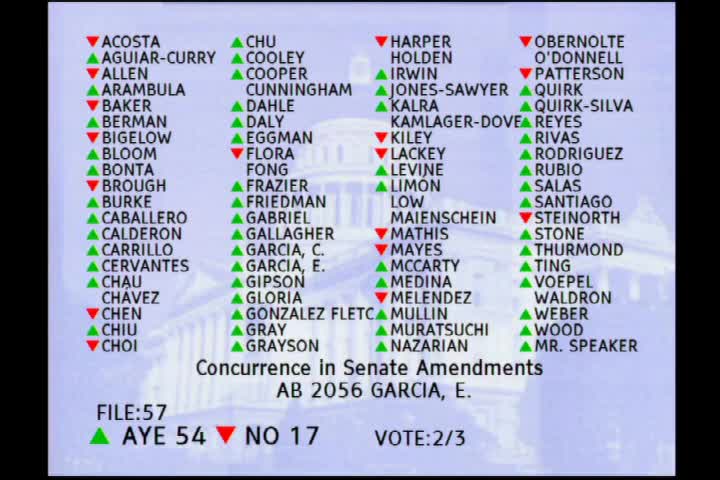



Bill Author