AB 2218: Vote by mail ballot tracking.
- Session Year: 2017-2018
- House: Assembly
- Latest Version Date: 2018-09-17
Existing law requires that the vote by mail ballot be made available to any registered voter. Existing law requires a county elections official to establish a free access system that allows a vote by mail voter to learn if his or her vote by mail ballot was counted and, if not, the reason why the ballot was not counted. Existing federal law, the Help America Vote Act of 2002 (HAVA), provides federal funding for states to carry out specified activities, such as improving voting systems and technology and methods for casting and counting votes.
This bill would require the Secretary of State to establish a system that a county elections official may use to allow a vote by mail voter to track and receive information about his or her vote by mail ballot through the mail system and as the vote by mail ballot is processed by the county elections official. The bill would require the Secretary of State to make the system available for use by each county and would authorize a county to use the system to satisfy the requirement to establish the existing free access system described above. The bill would require the Secretary of State to use federal funds provided to the state pursuant to HAVA to develop the system, and would require the Secretary of State to implement these provisions only to the extent that these funds are available.
Existing law requires that the vote by mail ballot be made available to any registered voter. Existing law requires a county elections official to establish a free access system that allows a vote by mail voter to learn if his or her vote by mail ballot was counted and, if not, the reason why the ballot was not counted. Existing federal law, the Help America Vote Act of 2002 (HAVA), provides federal funding for states to carry out specified activities, such as improving voting systems and technology and methods for casting and counting votes.
This bill would require the Secretary of State to establish a system that allows a county elections official may use to allow a vote by mail voter to track and receive information about his or her vote by mail ballot through the mail system and as the vote by mail ballot is processed by the county elections official. The bill would require the Secretary of State to make the system available for use by each county and would authorize a county to use the system to satisfy the requirement to establish the existing free access system described above. The bill would require the Secretary of State to use federal funds provided to the state pursuant to HAVA to develop the system, and would require the Secretary of State to implement these provisions only to the extent that these funds are available.
Existing law requires that the vote by mail ballot be made available to any registered voter. Existing law requires a county elections official to establish a free access system that allows a vote by mail voter to learn if his or her vote by mail ballot was counted and, if not, the reason why the ballot was not counted.
This bill would require the Secretary of State to establish a system that allows a vote by mail voter to track and receive information about his or her vote by mail ballot through the mail system and as the vote by mail ballot is processed by the county elections official. The bill would require the Secretary of State to make the system available for use by each county and would authorize a county to use the system to satisfy the requirement to establish the existing free access system described above.
(a)Not later than January 1, 2020, the Secretary of State shall establish a system that a county elections official may use to allow a vote by mail voter to track his or her vote by mail ballot through the mail system and as the vote by mail ballot is processed by the county elections official. The system established pursuant to this section shall, at a minimum, allow a voter to register to receive information via email or text message from the county elections official about the status of his or her vote by mail ballot, including all of the following information:
(1)A notification when the ballot has been delivered by the county elections official to the United States Postal Service.
(2)A notification of the date, based on information from the United States Postal Service, that the voters ballot is expected to be delivered to the voter.
(3)A notification if the voters ballot is returned as undeliverable to the county elections official by the United States Postal Service.
(4)A notification when the voters completed ballot has been received by the county elections official.
(5)A notification that the voters completed ballot has been counted, or, if the ballot cannot be counted, a notification of the reason why the ballot could not be counted and instructions of any steps that the voter can take in order to have the ballot counted.
(6)A reminder of the deadline for the voter to return his or her ballot if the county elections official has not received a voters completed ballot by specified dates as determined by the county elections official.
(b)The Secretary of State shall make the system established pursuant to subdivision (a) available for use by each county. A county elections official may use the system for the purpose of complying with Section 3019.5.
(c)The Secretary of State shall use funds provided to the state pursuant to the federal Help America Vote Act of 2002 (52 U.S.C. Sec. 20901 et seq.) to develop the system described in this section. The Secretary of State shall implement this section only to the extent that these funds are available.
(a)Not later than January 1, 2020, the Secretary of State shall establish a system that allows a county elections official may use to allow a vote by mail voter to track his or her vote by mail ballot through the mail system and as the vote by mail ballot is processed by the county elections official. The system established pursuant to this section shall, at a minimum, allow a voter to register to receive information via email or text message from the county elections official about the status of his or her vote by mail ballot, including all of the following information:
(1)A notification when the ballot has been delivered by the county elections official to the United States Postal Service.
(2)A notification of the date, based on information from the United States Postal Service, that the voters ballot is expected to be delivered to the voter.
(3)A notification if the voters ballot is returned as undeliverable to the county elections official by the United States Postal Service.
(4)A notification when the voters completed ballot has been received by the county elections official.
(5)A notification that the voters completed ballot has been counted, or, if the ballot cannot be counted, a notification of the reason why the ballot could not be counted and instructions of any steps that the voter can take in order to have the ballot counted.
(6)A reminder of the deadline for the voter to return his or her ballot if the county elections official has not received a voters completed ballot by specified dates as determined by the county elections official.
(b)The Secretary of State shall make the system established pursuant to subdivision (a) available for use by each county. A county elections official may use the system for the purpose of complying with Section 3019.5.
(c)The Secretary of State shall use funds provided to the state pursuant to the federal Help America Vote Act of 2002 (52 U.S.C. Sec. 20901 et seq.) to develop the system described in this section. The Secretary of State shall implement this section only to the extent that these funds are available.
(a)Not later than January 1, 2020, the Secretary of State shall establish a system that allows a vote by mail voter to track his or her vote by mail ballot through the mail system and as the vote by mail ballot is processed by the county elections official. The system established pursuant to this section shall, at a minimum, allow a voter to register to receive information via email or text message from the county elections official about the status of his or her vote by mail ballot, including all of the following information:
(1)A notification when the ballot has been delivered by the county elections official to the United States Postal Service.
(2)A notification of the date, based on information from the United States Postal Service, that the voters ballot is expected to be delivered to the voter.
(3)A notification if the voters ballot is returned as undeliverable to the county elections official by the United States Postal Service.
(4)A notification when the voters completed ballot has been received by the county elections official.
(5)A notification that the voters completed ballot has been counted, or, if the ballot cannot be counted, a notification of the reason why the ballot could not be counted and instructions of any steps that the voter can take in order to have the ballot counted.
(6)A reminder of the deadline for the voter to return his or her ballot if the county elections official has not received a voters completed ballot by specified dates as determined by the county elections official.
(b)The Secretary of State shall make the system established pursuant to subdivision (a) available for use by each county. A county elections official may use the system for the purpose of complying with Section 3019.5.
|
Date
|
Status
|
|---|---|
| Sep 17, 2018 | Chaptered by Secretary of State - Chapter 432, Statutes of 2018. |
| Sep 17, 2018 | Approved by the Governor. |
| Aug 27, 2018 | Enrolled and presented to the Governor at 3 p.m. |
| Aug 22, 2018 | In Assembly. Ordered to Engrossing and Enrolling. |
| Aug 21, 2018 | Read third time. Passed. Ordered to the Assembly. |
| Jul 3, 2018 | Read second time. Ordered to third reading. |
| Jul 2, 2018 | From committee: Be ordered to second reading pursuant to Senate Rule 28.8. |
| Jun 20, 2018 | From committee: Do pass and re-refer to Com. on APPR. (Ayes 4. Noes 1.) (June 19). Re-referred to Com. on APPR. |
| Jun 13, 2018 | Referred to Com. on E. & C.A. |
| Jun 4, 2018 | In Senate. Read first time. To Com. on RLS. for assignment. |
| May 31, 2018 | Read third time. Passed. Ordered to the Senate. |
| May 29, 2018 | Read second time. Ordered to third reading. |
| May 25, 2018 | From committee: Amend, and do pass as amended. (Ayes 13. Noes 3.) (May 25). |
| May 9, 2018 | In committee: Set, first hearing. Referred to APPR. suspense file. |
| Apr 11, 2018 | From committee: Do pass and re-refer to Com. on APPR. (Ayes 6. Noes 1.) (April 11). Re-referred to Com. on APPR. |
| Mar 1, 2018 | Referred to Com. on E. & R. |
| Feb 13, 2018 | From printer. May be heard in committee March 15. |
| Feb 12, 2018 | Read first time. To print. |
|
Date
|
Description
|
Location
|
Votes
|
|
|---|---|---|---|---|
| Aug 21, 2018 | Assembly 3rd Reading AB2218 Berman et al. By Allen | Senate Floor |
Passed |
|
| Jun 19, 2018 | Do pass, but first be re-referred to the Committee on [Appropriations] | Senate Standing Committee on Elections and Constitutional Amendments |
Passed |
|
| May 31, 2018 | AB 2218 BERMAN Assembly Third Reading | Assembly Floor |
Passed |
|
| May 25, 2018 | Do pass as amended. | Assembly Standing Committee on Appropriations |
Passed |
|
| Apr 11, 2018 | Do pass and be re-referred to the Committee on [Appropriations] | Assembly Standing Committee on Elections and Redistricting |
Passed |
This list shows positions taken on this bill by organizations on the date displayed, which is linked to the original source.
Positions by individuals are not included.
Office of Senate Floor Analyses (916) 651-1520 Fax: (916) 327-4478 | AB |
THIRD READING
Bill No: AB 2218
:
SENATE ELECTIONS & C.A. COMMITTEE: 4-1, 6/19/18
AYES: Stern, Allen, Hertzberg, Leyva
NOES: Anderson
SENATE APPROPRIATIONS COMMITTEE: Senate Rule 28.8
ASSEMBLY FLOOR: 64-14, 5/31/18 - See last page for vote
DIGEST:
This bill requires the Secretary of State (SOS), no later than January 1, 2020, to establish a system that counties may use that allows a vote by mail (VBM) voter to track his or her VBM ballot as it moves through the mail system and receive information as the VBM ballot is processed by the county elections official.
Existing law:
- Permits any voter to apply for, and receive, a VBM ballot. Permits any voter to become a permanent VBM voter and automatically receive a VBM ballot for each election in which he or she is entitled to vote.
- Permits counties, pursuant to the California Voter's Choice Act (CVCA), to conduct elections in which every voter is mailed a ballot with vote centers and ballot drop-off locations available prior to and on Election Day, in lieu of operating polling places for the election, subject to certain conditions.
- Requires each county elections official to establish a free access system that allows a VBM voter to learn if his or her VBM ballot was counted and, if not, the reason why the ballot was not counted. Requires this free access system to be available to a VBM voter upon completion of the official canvass of election results and for 30 days after the completion of the official canvass.
This bill:
- Requires the SOS to establish a system that a county elections official may use to allow a VBM voter to track his or her VBM ballot through the mail system and as the ballot is processed by the elections official no later than January 1, 2020.
- Requires, at a minimum, the tracking system to allow a voter to register to receive information via email or text message from the county elections official about the status of his or her VBM ballot, including all of the following information:
- A notification when the ballot has been delivered by the county elections official to the United States Postal Service (USPS).
- A notification of the date, based on information from the USPS, that the voter’s ballot is expected to be delivered to the voter.
- A notification if the voter’s ballot is returned as undeliverable to the county elections official by the USPS.
- A notification when the voter’s completed ballot has been received by the county elections official.
- A notification that the voter’s completed ballot has been counted, or, if the ballot cannot be counted, a notification of the reason why the ballot could not be counted and instructions of any steps that the voter can take in order to have the ballot counted.
- A reminder of the deadline for the voter to return his or her ballot if the county elections official has not received a voter’s completed ballot by specified dates as determined by the county elections official.
- Requires the SOS to make the system available for use by each county.
- Permits a county elections official to use the system developed by the SOS for the purpose of complying with a provision of state law that requires a county elections official to establish a free access system that allows a VBM voter to learn if his or her VBM ballot was counted and, if not, the reason why the ballot was not counted.
Background
Vote by Mail Statistics. In 2001, the Legislature approved and Governor Davis signed AB 1520 (Shelley, Chapter 922, Statutes of 2001), which authorized, among other provisions, any voter to become a permanent absentee voter (currently known as a permanent VBM voter). As a result, California voters have increasingly used VBM ballots to vote in elections. Since 2012, a majority of ballots cast in either a primary or general election were done using a VBM ballot. For the 2016 general election, over 8 million ballots or approximately 57.8 percent of the total votes cast were VBM ballots.
California Voter’s Choice Act. The increased utilization of VBM ballots is also expected to continue as additional legislation related to VBM ballots is passed and implemented. Beginning with the 2018 primary election, five counties (Madera, Napa, Nevada, Sacramento, and San Mateo) conducted elections using a new election model established through SB 450 (Allen, Chapter 832, Statutes of 2016). Among the provisions of SB 450, counties who have implemented the CVCA will mail a VBM ballot to every registered voter and permit the return of those ballots at any vote center or drop-off location.
Tracking Vote-By-Mail Ballots. As VBM voting has increased, the state has taken a number of steps to make it easier for voters to receive information about the status of their VBM ballots. In 2008, California began to require county elections officials to give VBM voters a mechanism for determining whether their voted VBM ballots were received by the elections official. Additional legislation also required elections officials to have a means for VBM voters to determine if their ballots were counted, and if not, the reason why their ballots weren’t counted. Since the 2016 general election, California voters have also been able to look up the status of their VBM ballot on the SOS’s “My Voter Status” Web site. Some counties provide voters with additional information about the status of their VBM ballots. For example, Sacramento County’s system provides a voter with the date that their VBM ballot was mailed, and allows a voter to look up the status of his or her VBM ballots dating back to the November 2014 general election.
These recent efforts to expand VBM tracking options with tools to notify a voter that his or her VBM ballot is counted provides voters with a greater comfort level in casting VBM ballots. For example, if a voter learns that the elections official mailed his or her ballot a week ago and the voter has not yet received the ballot, that voter may contact the county elections official to have a replacement ballot sent. If a voter learns that his or her completed VBM ballot was unable to be counted because it arrived too late, that voter may return his or her VBM ballots earlier in future elections to protect against those votes being disqualified.
Notwithstanding all the steps that California has taken to make it easier for VBM voters to track their ballots, other jurisdictions outside of California have gone farther, and have established systems that allow voters to track their ballots the same way that a person might track a package. These systems generally make use of Intelligent Mail Barcodes provided by the USPS. By using a unique barcode on each envelope when VBM ballots are mailed to voters, and by preprinting a unique barcode on each VBM ballot return envelope that voters use to mail back their VBM ballots, elections officials are able to track VBM ballots as they move through the USPS both when the ballots are in transit to the voter and when the voter returns the ballot using the USPS. This information allows elections officials to provide even more detailed information to voters about the status of their VBM ballots, and may allow elections officials to more quickly and easily identify problems with the delivery of VBM ballots.
For example, Denver, Colorado’s Ballot TRACE system allows a voter to sign up to receive a text or email notification on the day that he or she is expected to receive a VBM ballot in the mail. If a voter’s ballot is returned to the elections official as undeliverable, the official can use that notification system to contact the voter and to update the voter’s address. If a significant number of ballots were mailed by voters but are not received in a timely manner by the elections official, the official and the USPS may be able to use the tracking information to identify where those ballots went missing. As Election Day approaches, elections officials can also use the notification system to send reminders to voters who have not yet returned their VBM ballots. If the elections official receives a VBM ballot that was not signed by the voter as required by state law, the official can use the system to notify the voter promptly of the steps that he or she can take to ensure that the ballot can be counted.
Disqualification of VBM Ballots. Historically, there have been three main reasons why a VBM ballot that was completed and returned to the elections officials may not be counted. First, many VBM ballots are received by the elections office after the deadline for ballots to be received. Second, many VBM ballots cannot be counted because the voter forgot to sign the VBM ballot return envelope, as required by law. Finally, many VBM ballots are disqualified because the signature on the VBM ballot return envelope does not match a signature that is part of the voter’s registration record. According to information provided to the US Election Assistance Commission (EAC) by California county elections officials through the EAC’s biennial Election Administration and Voting Survey, approximately 0.7% of the VBM ballots that were completed and returned by California voters to county elections officials in the November 2016 general election were unable to be counted. Of the VBM ballots that were disqualified, approximately 45% were disqualified for having a non-matching signature, about 25% were disqualified because the voter failed to sign the VBM ballot return envelope, about 23% were disqualified because the ballot arrived after the deadline, and about 8% were disqualified for various other reasons.
Comments
- According to the author, in all but one statewide election since 2010, a majority of California voters cast their votes using VBM ballots, and as of November 2016, 51% of registered voters in California were signed-up as permanent VBM voters. Furthermore, the number of voters who receive their ballots in the mail will continue to increase as recent policy changes are implemented. In particular, every voter who lives in a county that is conducting elections pursuant to the California Voter's Choice Act will receive a ballot by mail, even if the voter did not request to receive a VBM ballot.
While California law requires elections officials to maintain a free-access system that allows each VBM voter to learn if his or her ballot was counted, other jurisdictions have adopted more extensive VBM ballot tracking and notification systems that can help improve voter participation and reduce the number of VBM ballots that are invalidated.
AB 2218 requires the Secretary of State, by January 1, 2020, to establish a system for use by county elections officials that would allow each VBM voter to sign-up to receive information by email or text message about the status of his or her VBM ballot. County elections officials would also be able to use this system to deliver important information about steps voters can take to ensure that their ballots are counted.
Related/Prior Legislation
SB 759 (McGuire of 2018) requires elections officials to offer a voter an opportunity to verify his or her signature if it is rejected on a VBM ballot before certification of the election. SB 759 additionally requires the elections official to notify the voter by mail, email, or telephone of the opportunity to verify his or her signature and to have his or her ballot counted. SB 759 is pending in the Assembly Elections and Redistricting Committee.
SB 450 (Allen, Chapter 832, Statutes of 2016), subject to certain conditions, permitted counties to conduct elections in which every voter is mailed a ballot and vote centers and ballot drop-off locations are available prior to and on Election Day, in lieu of operating polling places for the election.
AB 2911 (Committee on Elections and Redistricting, Chapter 422, Statutes of 2016), among other provisions, required that if a voter casts a VBM ballot, the county elections official shall, within 30 days after completion of the official canvass, notify the voter if his or her ballot was not counted. The notification shall include the reason the ballot was not counted.
AB 2089 (Quirk of 2016) would have required a county elections official to notify a voter if his or her VBM ballot was not counted. This bill was vetoed by Governor Brown. In his veto message, the Governor stated that he believed the bill was unnecessary due to the existence of the free access system required by SB 589 (Hill, Chapter 280, Statutes of 2013). While AB 2218 is related to AB 2089, the two bills differ in a number of important respects. AB 2089 required counties to notify VBM voters if their ballots were not counted. That bill imposed a state mandate, which AB 2218 does not. In addition, the system required under AB 2218 would provide voters with much more comprehensive information about the status of their VBM ballots and, importantly, would notify voters if there is a problem with their ballot when there is still time to take action and have that ballot counted.
SB 589 (Hill, Chapter 280, Statutes of 2013), among other provisions, required each county elections official to establish a free access system that allows a VBM voter to learn whether his or her VBM ballot was counted and, if not, the reason why the ballot was not counted.
AB 293 (Hill of 2011) would have required the local elections official to establish a free access system by which a VBM voter may find out whether his or her ballot was counted and, if not, the reason why it was not counted. This bill was vetoed by Governor Brown. In his veto message, the Governor stated that while he supports the author's goal, under existing law, local governments can already implement this type of database on their own.
AB 2616 (Hill of 2010), which is similar to AB 2218, was vetoed by Governor Schwarzenegger. In his veto message, the Governor wrote, "I cannot support mandating additional costs in this time of fiscal crisis. Nothing in current law prohibits county elections officials from providing this information and I would encourage them to do so as resources allow."
SB 1725 (Bowen, Chapter 687, Statutes of 2006) required elections officials to establish procedures to ensure the security, confidentiality, and integrity of any personal information collected stored or otherwise used in tracking VBM ballots.
FISCAL EFFECT: Appropriation: Fiscal Com.: Local:
Secretary of State, Alex Padilla
American Civil Liberties Union of California, Center for Advocacy and Policy California Association of Nonprofits
League of Women Voters of California
None received
ASSEMBLY FLOOR: 64-14, 5/31/18
AYES: Acosta, Aguiar-Curry, Arambula, Baker, Berman, Bloom, Bonta, Burke, Caballero, Calderon, Carrillo, Cervantes, Chau, Chávez, Chen, Chiu, Choi, Chu, Cooley, Cooper, Cunningham, Daly, Eggman, Flora, Frazier, Friedman, Cristina Garcia, Eduardo Garcia, Gipson, Gloria, Gonzalez Fletcher, Gray, Grayson, Holden, Irwin, Jones-Sawyer, Kalra, Kamlager-Dove, Lackey, Levine, Limón, Low, McCarty, Medina, Melendez, Mullin, Muratsuchi, Nazarian, Obernolte, O'Donnell, Quirk, Quirk-Silva, Reyes, Rodriguez, Rubio, Salas, Santiago, Steinorth, Mark Stone, Thurmond, Ting, Weber, Wood, Rendon
NOES: Travis Allen, Bigelow, Brough, Dahle, Fong, Gallagher, Harper, Kiley, Maienschein, Mathis, Mayes, Patterson, Voepel, Waldron
7/3/18 16:08:03
**** END ****
SENATE COMMITTEE ON
ELECTIONS AND CONSTITUTIONAL AMENDMENTS
Senator Henry Stern, Chair
2017 - 2018 Regular
Bill No: AB Hearing Date: 6/19/18
Author: | |||
Version: | 5/25/18 | ||
Urgency: | No | Fiscal: | Yes |
Consultant: | Scott Matsumoto | ||
Subject: Vote by mail ballot tracking.
DIGEST
This bill requires the Secretary of State (SOS), no later than January 1, 2020, to establish a system that counties may use that allows a vote by mail (VBM) voter to track his or her VBM ballot as it moves through the mail system and receive information as the VBM ballot is processed by the county elections official.
ANALYSIS
Existing law:
- Permits any voter to apply for, and receive, a VBM ballot. Permits any voter to become a permanent VBM voter and automatically receive a VBM ballot for each election in which he or she is entitled to vote.
- Permits counties, pursuant to the California Voter's Choice Act (CVCA), to conduct elections in which every voter is mailed a ballot with vote centers and ballot drop-off locations available prior to and on Election Day, in lieu of operating polling places for the election, subject to certain conditions.
- Requires each county elections official to establish a free access system that allows a VBM voter to learn if his or her VBM ballot was counted and, if not, the reason why the ballot was not counted. Requires this free access system to be available to a VBM voter upon completion of the official canvass of election results and for 30 days after the completion of the official canvass.
This bill:
- Requires the SOS to establish a system that a county elections official may use to allow a VBM voter to track his or her VBM ballot through the mail system and as the ballot is processed by the elections official no later than January 1, 2020.
- Requires, at a minimum, the tracking system to allow a voter to register to receive information via email or text message from the county elections official about the status of his or her VBM ballot, including all of the following information:
- A notification when the ballot has been delivered by the county elections official to the United States Postal Service (USPS).
- A notification of the date, based on information from the USPS, that the voter’s ballot is expected to be delivered to the voter.
- A notification if the voter’s ballot is returned as undeliverable to the county elections official by the USPS.
- A notification when the voter’s completed ballot has been received by the county elections official.
- A notification that the voter’s completed ballot has been counted, or, if the ballot cannot be counted, a notification of the reason why the ballot could not be counted and instructions of any steps that the voter can take in order to have the ballot counted.
- A reminder of the deadline for the voter to return his or her ballot if the county elections official has not received a voter’s completed ballot by specified dates as determined by the county elections official.
- Requires the SOS to make the system available for use by each county.
- Permits a county elections official to use the system developed by the SOS for the purpose of complying with a provision of state law that requires a county elections official to establish a free access system that allows a VBM voter to learn if his or her VBM ballot was counted and, if not, the reason why the ballot was not counted.
BACKGROUND
Vote by Mail Statistics. In 2001, the Legislature approved and Governor Davis signed AB 1520 (Shelley), Chapter 922, Statutes of 2001, which authorized, among other provisions, any voter to become a permanent absentee voter (currently known as a permanent VBM voter). As a result, California voters have increasingly used VBM ballots to vote in elections. Since 2012, a majority of ballots cast in either a primary or general election were done using a VBM ballot. For the 2016 general election, over 8 million ballots or approximately 57.8 percent of the total votes cast were VBM ballots.
California Voter’s Choice Act. The increased utilization of VBM ballots is also expected to continue as additional legislation related to VBM ballots is passed and implemented. Beginning with the 2018 primary election, five counties (Madera, Napa, Nevada, Sacramento, and San Mateo) conducted elections using a new election model established through SB 450 (Allen), Chapter 832, Statutes of 2016. Among the provisions of SB 450, counties who have implemented the CVCA will mail a VBM ballot to every registered voter and permit the return of those ballots at any vote center or drop-off location.
Tracking Vote-By-Mail Ballots. As VBM voting has increased, the state has taken a number of steps to make it easier for voters to receive information about the status of their VBM ballots. In 2008, California began to require county elections officials to give VBM voters a mechanism for determining whether their voted VBM ballots were received by the elections official. Additional legislation also required elections officials to have a means for VBM voters to determine if their ballots were counted, and if not, the reason why their ballots weren’t counted. Since the 2016 general election, California voters have also been able to look up the status of their VBM ballot on the SOS’s “My Voter Status” website. Some counties provide voters with additional information about the status of their VBM ballots. For example, Sacramento County’s system provides a voter with the date that their VBM ballot was mailed, and allows a voter to look up the status of his or her VBM ballots dating back to the November 2014 general election.
These recent efforts to expand VBM tracking options with tools to notify a voter that his or her VBM ballot is counted provides voters with a greater comfort level in casting VBM ballots. For example, if a voter learns that the elections official mailed his or her ballot a week ago and the voter has not yet received the ballot, that voter may contact the county elections official to have a replacement ballot sent. If a voter learns that his or her completed VBM ballot was unable to be counted because it arrived too late, that voter may return his or her VBM ballots earlier in future elections to protect against those votes being disqualified.
Notwithstanding all the steps that California has taken to make it easier for VBM voters to track their ballots, other jurisdictions outside of California have gone farther, and have established systems that allow voters to track their ballots the same way that a person might track a package. These systems generally make use of Intelligent Mail Barcodes provided by the USPS. By using a unique barcode on each envelope when VBM ballots are mailed to voters, and by preprinting a unique barcode on each VBM ballot return envelope that voters use to mail back their VBM ballots, elections officials are able to track VBM ballots as they move through the USPS both when the ballots are in transit to the voter and when the voter returns the ballot using the USPS. This information allows elections officials to provide even more detailed information to voters about the status of their VBM ballots, and may allow elections officials to more quickly and easily identify problems with the delivery of VBM ballots.
For example, Denver, Colorado’s Ballot TRACE system allows a voter to sign up to receive a text or email notification on the day that he or she is expected to receive a VBM ballot in the mail. If a voter’s ballot is returned to the elections official as undeliverable, the official can use that notification system to contact the voter and to update the voter’s address. If a significant number of ballots were mailed by voters but are not received in a timely manner by the elections official, the official and the USPS may be able to use the tracking information to identify where those ballots went missing. As Election Day approaches, elections officials can also use the notification system to send reminders to voters who have not yet returned their VBM ballots. If the elections official receives a VBM ballot that was not signed by the voter as required by state law, the official can use the system to notify the voter promptly of the steps that he or she can take to ensure that the ballot can be counted.
Disqualification of VBM Ballots. Historically, there have been three main reasons why a VBM ballot that was completed and returned to the elections officials may not be counted. First, many VBM ballots are received by the elections office after the deadline for ballots to be received. Second, many VBM ballots cannot be counted because the voter forgot to sign the VBM ballot return envelope, as required by law. Finally, many VBM ballots are disqualified because the signature on the VBM ballot return envelope does not match a signature that is part of the voter’s registration record. According to information provided to the US Election Assistance Commission (EAC) by California county elections officials through the EAC’s biennial Election Administration and Voting Survey, approximately 0.7% of the VBM ballots that were completed and returned by California voters to county elections officials in the November 2016 general election were unable to be counted. Of the VBM ballots that were disqualified, approximately 45% were disqualified for having a non-matching signature, about 25% were disqualified because the voter failed to sign the VBM ballot return envelope, about 23% were disqualified because the ballot arrived after the deadline, and about 8% were disqualified for various other reasons.
COMMENTS
- According to the author: In all but one statewide election since 2010, a majority of California voters cast their votes using VBM ballots, and as of November 2016, 51% of registered voters in California were signed-up as permanent VBM voters. Furthermore, the number of voters who receive their ballots in the mail will continue to increase as recent policy changes are implemented. In particular, every voter who lives in a county that is conducting elections pursuant to the California Voter's Choice Act will receive a ballot by mail, even if the voter did not request to receive a VBM ballot.
While California law requires elections officials to maintain a free-access system that allows each VBM voter to learn if his or her ballot was counted, other jurisdictions have adopted more extensive VBM ballot tracking and notification systems that can help improve voter participation and reduce the number of VBM ballots that are invalidated.
AB 2218 would require the Secretary of State, by January 1, 2020, to establish a system for use by county elections officials that would allow each VBM voter to sign-up to receive information by email or text message about the status of his or her VBM ballot. County elections officials would also be able to use this system to deliver important information about steps voters can take to ensure that their ballots are counted.
- Argument in Support. In support of AB 2218, the League of Women Voters of California writes:
The right to vote is fundamental to our democracy. The League supports election services that remove barriers to the exercise of that right, while simultaneously safeguarding the voting process. Confidence in the system would be increased by providing VBM voters a means to track ballots after mailing. Reminder notifications could increase voter participation through an upsurge of VBM returns. Californians are accustomed to having packages and deliveries tracked and will quickly see the value of having their ballots tracked in a similar fashion.
As California moves to implement the Voter’s Choice Act and increases the number of counties using vote-by-mail ballots, AB 2218 will facilitate a high return rate for ballots and greater satisfaction among voters. It will also facilitate corrections to VBM envelope errors, like no signature, because the voter will receive timely notifications that allow voters to correct errors before it’s too late to count their ballots. The League of Women Voters of California supports AB 2218 as a tool to increase the fail-safe aspects of an election, ensuring that more ballots will actually be received and counted.
RELATED/PRIOR LEGISLATION
SB 759 (McGuire) of 2018, requires elections officials to offer a voter an opportunity to verify his or her signature if it is rejected on a VBM ballot before certification of the election. SB 759 additionally requires the elections official to notify the voter by mail, email, or telephone of the opportunity to verify his or her signature and to have his or her ballot counted. SB 759 is pending in the Assembly Elections and Redistricting Committee.
AB 2911 (Committee on Elections and Redistricting), Chapter 422, Statutes of 2016, among other provisions, required that if a voter casts a VBM ballot, the county elections official shall, within 30 days after completion of the official canvass, notify the voter if his or her ballot was not counted. The notification shall include the reason the ballot was not counted.
AB 2089 (Quirk) of 2016, would have required a county elections official to notify a voter if his or her VBM ballot was not counted. This bill was vetoed by Governor Brown. In his veto message, the Governor stated that he believed the bill was unnecessary due to the existence of the free access system required by SB 589 (Hill), Chapter 280, Statutes of 2013. While AB 2218 is related to AB 2089, the two bills differ in a number of important respects. AB 2089 required counties to notify VBM voters if their ballots were not counted. That bill imposed a state mandate, which AB 2218 does not. In addition, the system required under AB 2218 would provide voters with much more comprehensive information about the status of their VBM ballots and, importantly, would notify voters if there is a problem with their ballot when there is still time to take action and have that ballot counted.
SB 450 (Allen), Chapter 832, Statutes of 2016, subject to certain conditions, permitted counties to conduct elections in which every voter is mailed a ballot and vote centers and ballot drop-off locations are available prior to and on Election Day, in lieu of operating polling places for the election.
SB 589 (Hill), Chapter 280, Statutes of 2013, among other provisions, required each county elections official to establish a free access system that allows a VBM voter to learn whether his or her VBM ballot was counted and, if not, the reason why the ballot was not counted.
AB 293 (Hill) of 2011, would have required the local elections official to establish a free access system by which a VBM voter may find out whether his or her ballot was counted and, if not, the reason why it was not counted. This bill was vetoed by Governor Brown. In his veto message, the Governor stated that while he supports the author's goal, under existing law, local governments can already implement this type of database on their own.
AB 2616 (Hill) of 2010, which is similar to AB 2218, was vetoed by Governor Schwarzenegger. In his veto message, the Governor wrote, "I cannot support mandating additional costs in this time of fiscal crisis. Nothing in current law prohibits county elections officials from providing this information and I would encourage them to do so as resources allow."
SB 1725 (Bowen), Chapter 687, Statutes of 2006, required elections officials to establish procedures to ensure the security, confidentiality, and integrity of any personal information collected stored or otherwise used in tracking VBM ballots.
PRIOR ACTION
Assembly Floor: | |
Assembly Appropriations Committee: | |
Assembly Elections and Redistricting Committee: |
|
POSITIONS
Sponsor: Author
Support: Secretary of State, Alex Padilla
American Civil Liberties Union of California, Center for Advocacy and Policy
California Association of Nonprofits
League of Women Voters of California
Oppose: None received
-- END --
ASSEMBLY THIRD READING
ATR Bill Id:AB 2218
Author:(Berman)
As Amended Ver:May 25, 2018
Majority vote
Committee | Votes | Ayes | Noes |
Elections | 6-1 | Berman, Calderon, McCarty, Mullin, Steinorth, Weber | Harper |
Appropriations | 13-3 | Gonzalez Fletcher, Bloom, Bonta, Calderon, Carrillo, Chau, Eggman, Friedman, Eduardo Garcia, Nazarian, Obernolte, Quirk, Reyes | Bigelow, Fong, Gallagher |
SUMMARY: Requires the Secretary of State (SOS), no later than January 1, 2020, to establish a system that a county elections official may use to allow a vote by mail (VBM) voter to track and receive information about his or her VBM ballot as it moves through the mail system and as the VBM ballot is processed by the county elections official. Specifically, this bill:
- Requires the system established by the SOS, at a minimum, to allow a voter to register to receive information via email or text message from the county elections official about the status of his or her VBM ballot, including all of the following information:
- A notification when the ballot has been delivered by the county elections official to the United States Postal Service (USPS).
- A notification of the date, based on information from the USPS, that the voter's ballot is expected to be delivered to the voter.
- A notification if the voter's ballot is returned as undeliverable to the county elections official by the USPS.
- A notification when the voter's completed ballot has been received by the county elections official.
- A notification that the voter's completed ballot has been counted, or, if the ballot cannot be counted, a notification of the reason why the ballot could not be counted and instructions of any steps that the voter can take in order to have the ballot counted.
- A reminder of the deadline for the voter to return his or her ballot if the county elections official has not received a voter's completed ballot by specified dates as determined by the county elections official.
- Requires the SOS to make the system available for use by each county.
- Permits a county elections official to use the system developed by the SOS for the purpose of complying with a provision of state law that requires a county elections official to establish a free access system that allows a VBM voter to learn if his or her VBM ballot was counted and, if not, the reason why the ballot was not counted.
- Requires the SOS to use funds provided to the state pursuant to the federal Help America Vote Act to develop the system required by this bill.
FISCAL EFFECT: According to the Assembly Appropriations Committee, no state impact.
COMMENTS: According to the author, "While California law requires elections officials to maintain a free-access system that allows each VBM voter to learn if his or her ballot was counted, other jurisdictions have adopted more extensive VBM ballot tracking and notification systems that can help improve voter participation and reduce the number of VBM ballots that are invalidated.
"The Denver Elections Department, for instance, uses Intelligent Mail Barcodes provided by the United States Postal Service as the backbone for its Ballot TRACE (Tracking, Reporting, and Communication Engine) system. Ballot TRACE allows a voter to sign-up to receive text messages or email notifications to track the progress of his or her ballot as it is mailed to the voter and returned to the elections official. It also allows elections officials to send reminders to voters who have not returned their ballots as election day approaches, and it allows elections officials to quickly contact voters who need to provide additional information in order to have their VBM ballots counted (e.g., if a voter forgot to sign his or her VBM ballot return envelope).
"AB 2218 would require the Secretary of State, by January 1, 2020, to establish a system for use by county elections officials that would allow each VBM voter to sign-up to receive information by email or text message about the status of his or her VBM ballot. County elections officials would also be able to use this system to deliver important information about steps voters can take to ensure that their ballots are counted."
Please see the policy committee analysis for a full discussion of this bill.
Analysis Prepared by: Ethan Jones / E. & R. / (916) 319-2094 FN: 0003263
Date of Hearing: May 9, 2018
ASSEMBLY COMMITTEE ON APPROPRIATIONS
Lorena Gonzalez Fletcher, Chair
ABPCA Bill Id:AB 2218
Author:(Berman) – As Introduced Ver:February 12, 2018
Policy Committee: | Elections and Redistricting | Vote: | 6 - 1 |
|
| ||
|
|
Urgency: No State Mandated Local Program: No Reimbursable: No
SUMMARY: This bill requires the Secretary of State (SOS), by January 1, 2020, to establish a system to allow a vote-by-mail (VBM) voter to track and receive information about their VBM ballot as it moves through the mail and as the VBM ballot is processed by the county elections official. Specifically, this bill:
- Requires the system to allow a voter to register to receive information via email or text message from the county elections official about the status of her or his VBM ballot, including all of the following:
- A notification when the ballot has been delivered by the county elections official to the United States Postal Service (USPS).
- A notification of the date, based on information from the USPS, that the voter’s ballot is expected to be delivered to the voter.
- A notification if the voter’s ballot is returned as undeliverable to the county elections official by the USPS.
- A notification when the voter’s completed ballot has been received by the county elections official.
- A notification that the voter’s completed ballot has been counted, or, if the ballot cannot be counted, a notification of the reason why the ballot could not be counted and instructions of any steps that the voter can take to have the ballot counted.
- A reminder of the deadline for the voter to return her or his ballot if the county elections official has not received a voter’s completed ballot by specified dates.
- A notification when the ballot has been delivered by the county elections official to the United States Postal Service (USPS).
- Requires the SOS to make the system available for use by each county.
- Permits a county elections official to use the system developed by the SOS to comply with a statute requiring a county elections official to establish a free access system to allow a VBM voter to learn if the voter’s VBM ballot was counted and, if not, the reason why the ballot was not counted.
FISCAL EFFECT:
- Assuming the SOS performs all the tasks in-house, and depending on the intensity of the tracking/notification program, SOS costs are as follows: a) increased annual ongoing staffing costs of between approximately $230,000 GF and $365,000 GF; b) one-time personal equipment costs in the range of $10,000 GF to $15,000 GF; c) increased one-time SOS costs of $250,000 GF to develop a database; d) ongoing annual costs of $25,000 GF to update and maintain the database; and e) annual ongoing costs of $250,000 for SMS messaging.
- If the SOS uses a vendor to provide the VBM tracking service, SOS costs are as follows: a) increased annual ongoing staffing costs of approximately $240,000 GF; b) one-time personal equipment costs of $15,000 GF; c) increased one-time SOS costs of $250,000 GF to develop a database; d) ongoing annual costs of $25,000 GF to update and maintain the database; and e) $450,000 GF in annual contract funds to hire a vendor to provide the tracking and notification service.
COMMENTS:
- Purpose. According to the author, while California law requires elections officials to maintain a free-access system that allows each VBM voter to learn if his or her ballot was counted, other jurisdictions have adopted more extensive VBM ballot tracking and notification systems that can help improve voter participation and reduce the number of VBM ballots that are invalidated.
For example, the Denver Elections Department uses Intelligent Mail Barcodes provided by the United States Postal Service for its Ballot TRACE (Tracking, Reporting, and Communication Engine) system. Ballot TRACE allows a voter to sign up to receive text messages or email notifications to track the progress of the voter’s ballot as it is mailed to the voter and returned to the elections official. It also allows elections officials to send reminders to voters who have not returned their ballots as election day approaches, and to quickly contact voters who need to provide additional information to have their VBM ballots counted (e.g., if a voter forgot to sign the VBM ballot return envelope).
This bill requires the SOS to establish a system for use by county elections officials to allow each VBM voter to sign-up to receive information by email or text message about the status of his or her VBM ballot. County elections officials would also be able to use this system to deliver important information about steps voters can take to ensure that their ballots are counted.
- Background. Since California law was amended in 2001, to allow any voter to become a permanent VBM voter, the percentage of voters who vote using VBM ballots continues to increase. In the 2016 statewide general election, 57.8% of votes were cast on a VBM ballot, including a majority of the ballots in 55 of the state's 58 counties.
As VBM voting has increased, the state has taken a number of steps to make it easier for voters to receive information about the status of their VBM ballots. Starting in 2008, California required county elections officials to give VBM voters a mechanism for determining whether their VBM ballots were received by the elections official, and subsequent legislation required elections officials to have a means for VBM voters to determine if their ballots were counted, and if not, the reason why their ballots weren’t counted.
Since the 2016 general election, California voters have also been able to look up the status of their VBM ballot on the SOS’s My Voter Status website. Some counties provide voters with even more information about the status of their VBM ballots. Sacramento County’s system, for example, provides a voter with the date that their VBM ballot was mailed and allows a voter to look up the status of the voter’s VBM ballots dating back to the November 2014 general election.
Analysis Prepared by: Jennifer Galehouse / APPR. / (916) 319-2081
Date of Hearing: April 11, 2018
ASSEMBLY COMMITTEE ON ELECTIONS AND REDISTRICTING
Marc Berman, Chair
ABPCA Bill Id:AB 2218 (
Author:Berman) – As Introduced Ver:February 12, 2018
SUBJECT: Vote by mail ballot tracking.
SUMMARY: Requires the Secretary of State (SOS), no later than January 1, 2020, to establish a system that allows a vote by mail (VBM) voter to track and receive information about his or her VBM ballot as it moves through the mail system and as the VBM ballot is processed by the county elections official. Specifically, this bill:
- Requires the system established by the SOS, at a minimum, to allow a voter to register to receive information via email or text message from the county elections official about the status of his or her VBM ballot, including all of the following information:
- A notification when the ballot has been delivered by the county elections official to the United States Postal Service (USPS).
- A notification of the date, based on information from the USPS, that the voter’s ballot is expected to be delivered to the voter.
- A notification if the voter’s ballot is returned as undeliverable to the county elections official by the USPS.
- A notification when the voter’s completed ballot has been received by the county elections official.
- A notification that the voter’s completed ballot has been counted, or, if the ballot cannot be counted, a notification of the reason why the ballot could not be counted and instructions of any steps that the voter can take in order to have the ballot counted.
- A reminder of the deadline for the voter to return his or her ballot if the county elections official has not received a voter’s completed ballot by specified dates as determined by the county elections official.
- A notification when the ballot has been delivered by the county elections official to the United States Postal Service (USPS).
- Requires the SOS to make the system available for use by each county.
- Permits a county elections official to use the system developed by the SOS for the purpose of complying with a provision of state law that requires a county elections official to establish a free access system that allows a VBM voter to learn if his or her VBM ballot was counted and, if not, the reason why the ballot was not counted.
EXISTING LAW:
- Permits any voter to apply for, and receive, a VBM ballot. Permits any voter to become a permanent VBM voter, who will automatically receive a VBM ballot for each election in which he or she is entitled to vote.
- Permits counties, pursuant to the California Voter's Choice Act (CVCA), to conduct elections in which every voter is mailed a ballot and vote centers and ballot drop-off locations are available prior to and on election day, in lieu of operating polling places for the election, subject to certain conditions.
- Requires each county elections official to establish a free access system that allows a VBM voter to learn if his or her VBM ballot was counted and, if not, the reason why the ballot was not counted. Requires this free access system to be available to a VBM voter upon completion of the official canvass of election results and for 30 days after the completion of the official canvass.
FISCAL EFFECT: Unknown
COMMENTS:
- Purpose of the Bill: According to the author:
In all but one statewide election since 2010, a majority of California voters cast their votes using VBM ballots, and as of November 2016, 51% of registered voters in California were signed-up as permanent VBM voters. Furthermore, the number of voters who receive their ballots in the mail will continue to increase as recent policy changes are implemented. In particular, every voter who lives in a county that is conducting elections pursuant to the California Voter's Choice Act (SB 450 (Allen) of 2016) will receive a ballot by mail, even if the voter did not request to receive a VBM ballot.
While California law requires elections officials to maintain a free-access system that allows each VBM voter to learn if his or her ballot was counted, other jurisdictions have adopted more extensive VBM ballot tracking and notification systems that can help improve voter participation and reduce the number of VBM ballots that are invalidated.
The Denver Elections Department, for instance, uses Intelligent Mail Barcodes provided by the United States Postal Service as the backbone for its Ballot TRACE (Tracking, Reporting, and Communication Engine) system. Ballot TRACE allows a voter to sign-up to receive text messages or email notifications to track the progress of his or her ballot as it is mailed to the voter and returned to the elections official. It also allows elections officials to send reminders to voters who have not returned their ballots as election day approaches, and it allows elections officials to quickly contact voters who need to provide additional information in order to have their VBM ballots counted (e.g., if a voter forgot to sign his or her VBM ballot return envelope).
AB 2218 would require the Secretary of State, by January 1, 2020, to establish a system for use by county elections officials that would allow each VBM voter to sign-up to receive information by email or text message about the status of his or her VBM ballot. County elections officials would also be able to use this system to deliver important information about steps voters can take to ensure that their ballots are counted.
- Vote by Mail Data: Since California law was amended in 2001 to allow any voter to become a permanent VBM voter (known at the time as a "permanent absentee voter"), the percentage of voters who vote using a ballot that was mailed to them generally has increased from election cycle-to-election cycle. In fact, in each statewide election going back to the 2012 primary election, a majority of ballots cast in the election were cast on a VBM ballot. In the 2016 statewide general election, 57.8% of votes were cast on a VBM ballot, including a majority of the ballots in 55 of the state's 58 counties.
The percentage of voters who cast VBM ballots is expected to continue to climb in future elections as recent policy changes are implemented. Specifically, SB 450 (Allen), Chapter 832, Statutes of 2016, enacted the CVCA, which permits counties to conduct elections in which all voters are mailed ballots, and voters have the opportunity to vote on those ballots or to vote in person at a vote center for a period of 10 days leading up to election day. Five counties (Madera, Napa, Nevada, Sacramento, and San Mateo) are expected to conduct elections under this system in 2018, while additional counties may begin using this system in 2020. Voters in counties conducting elections under the CVCA, however, also will have additional options for returning the ballots that are mailed to them other than returning those ballots by mail. Specifically, the CVCA requires participating counties to install a number of VBM ballot drop boxes, depending on the number of registered voters in the county, and voters will be able to drop off their completed ballots at any vote center in the county. - Vote by Mail Ballot Tracking Options: As VBM voting has increased, the state has taken a number of steps to make it easier for voters to receive information about the status of their VBM ballots. Starting in 2008, California required county elections officials to give VBM voters a mechanism for determining whether their voted VBM ballots were received by the elections official, and subsequent legislation required elections officials to have a means for VBM voters to determine if their ballots were counted, and if not, the reason why their ballots weren’t counted. Since the 2016 general election, California voters have also been able to look up the status of their VBM ballot on the SOS’s My Voter Status website. Some counties provide voters with even more information about the status of their VBM ballots. Sacramento County’s system, for example, provides a voter with the date that their VBM ballot was mailed, and additionally allows a voter to look up the status of his or her VBM ballots dating back to the November 2014 general election.
Generally, the rationale behind these efforts to expand VBM tracking options has been to give voters a greater comfort level in casting VBM ballots, and to provide voters with tools to ensure that their VBM ballots can be counted. For example, if a voter learns that the elections official mailed his or her ballot a week ago and the voter has not yet received the ballot, that voter may contact the county elections official to have a replacement ballot sent. If a voter learns that his or her completed VBM ballot was unable to be counted because it arrived too late, that voter may return his or her VBM ballots earlier in future elections to protect against those votes being disqualified.
Notwithstanding all the steps that California has taken to make it easier for VBM voters to track their ballots, other jurisdictions outside of California have gone farther, and have established systems that allow voters to track their ballots the same way that a person might track a package. As mentioned in the author’s statement above, these systems generally make use of Intelligent Mail Barcodes provided by the USPS. By using a unique barcode on each envelope when VBM ballots are mailed to voters, and by preprinting a unique barcode on each VBM ballot return envelope that voters use to mail back their VBM ballots, elections officials are able to track VBM ballots as they move through the USPS both when the ballots are in transit to the voter and when the voter returns the ballot using the USPS. That information allows elections officials to provide even more detailed information to voters about the status of their VBM ballots, and may allow elections officials to more quickly and easily identify problems with the delivery of VBM ballots.
For example, Denver, Colorado’s Ballot TRACE system allows a voter to sign up to receive a text or email notification on the day that he or she is expected to receive a VBM ballot in the mail. If a voter’s ballot is returned to the elections official as undeliverable, the official can use that notification system to contact the voter and to update the voter’s address. If a significant number of ballots were mailed by voters but are not received in a timely manner by the elections official, the official and the USPS may be able to use the tracking information to identify where those ballots went missing. As election day approaches, elections officials can use the notification system to send reminders to voters who have not yet returned their VBM ballots. If the elections official receives a VBM ballot that was not signed by the voter as required by state law, the official can use the system to notify the voter promptly of the steps that he or she can take to ensure that the ballot can be counted. - Disqualification of VBM Ballots: Historically, there have been three main reasons why a VBM ballot that was completed and returned to the elections officials may not be counted. First, many VBM ballots are received by the elections office after the deadline for ballots to be received. Second, many VBM ballots cannot be counted because the voter forgot to sign the VBM ballot return envelope, as required by law. Finally, many VBM ballots are disqualified because the signature on the VBM ballot return envelope does not match a signature that is part of the voter’s registration record. According to information provided to the US Election Assistance Commission (EAC) by California county elections officials through the EAC’s biennial Election Administration and Voting Survey, approximately 0.7% of the VBM ballots that were completed and returned by California voters to county elections officials in the November 2016 general election were unable to be counted. Of the VBM ballots that were disqualified, approximately 45% were disqualified for having a non-matching signature, about 25% were disqualified because the voter failed to sign the VBM ballot return envelope, about 23% were disqualified because the ballot arrived after the deadline, and about 8% were disqualified for various other reasons.
- Arguments in Support: In support of this bill, the American Civil Liberties Union of California Center for Advocacy and Policy writes:
AB 2218 builds on current state law that has required since 2014 county elections officials to develop a free-access system that allows VBM voters to learn if their ballot was counted and, if not, why not. This helps give voters peace of mind that their VBM ballots were received and their votes counted. While these free-access systems provide useful information to voters, other jurisdictions have adopted more extensive tracking and notification systems that can help improve voter participation and reduce invalidated VBM ballots….
Such a system could help reduce the number of ballots rejected for signature mismatch. In California, thousands of eligible voters are disenfranchised each election cycle — with approximately 33,000 to 45,000 ballots rejected in the November 2016 general election alone due to a perceived signature mismatch. Asian-American voters, Latino voters, and voters born outside the United States are disproportionately disenfranchised by perceived signature mismatches. A San Francisco judge held [in March] that California elections officials must notify voters before rejecting their mail-in ballots over signature concerns.
- Previous Legislation: SB 1725 (Bowen), Chapter 687, Statutes of 2006, required election officials to establish procedures by March 1, 2008, to track and confirm the receipt of voted VBM ballots and to make this information available by means of online access using the county's elections division Web site, or if none is available, by means of a toll-free telephone number.
SB 589 (Hill), Chapter 280, Statutes of 2013, requires each county elections official to establish a free access system that allows a VBM voter to learn whether his or her VBM ballot was counted and, if not, the reason why the ballot was not counted.
AB 2089 (Quirk) of 2016, would have required a county elections official to notify a voter if his or her VBM ballot was not counted. AB 2089 was vetoed by Governor Brown. In his veto message, the Governor stated that he believed the bill was unnecessary due to the existence of the free access system required by SB 589. - Related Legislation: SB 759 (McGuire), which is awaiting referral to a policy committee by the Assembly Rules Committee, requires an elections official who has rejected a VBM ballot on the basis that the signature on the VBM ballot envelope does not match the signature on the voter’s registration, to offer that voter the opportunity to verify his or her signature before certification of the election. To ensure that VBM voters are able to verify their signatures in such a situation, SB 759 additionally requires the elections official to notify the voter by mail, email, or telephone of the opportunity to verify his or her signature and to have his or her ballot counted.
REGISTERED SUPPORT / OPPOSITION:
Support
American Civil Liberties Union of California Center for Advocacy and Policy
California Association of Nonprofits
Secretary of State Alex Padilla
Opposition
None on file.
Analysis Prepared by: Ethan Jones / E. & R. / (916) 319-2094
Discussed in Hearing
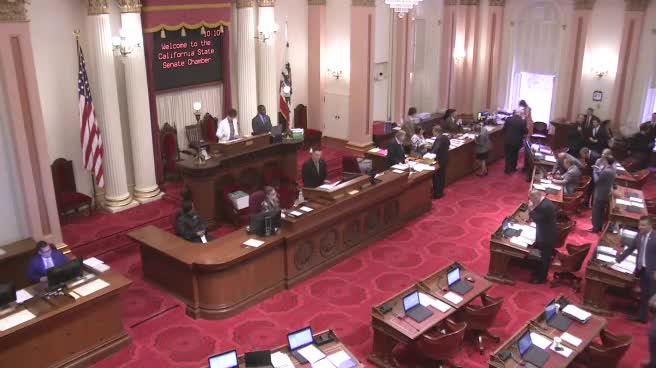 2MIN
Senate Floor
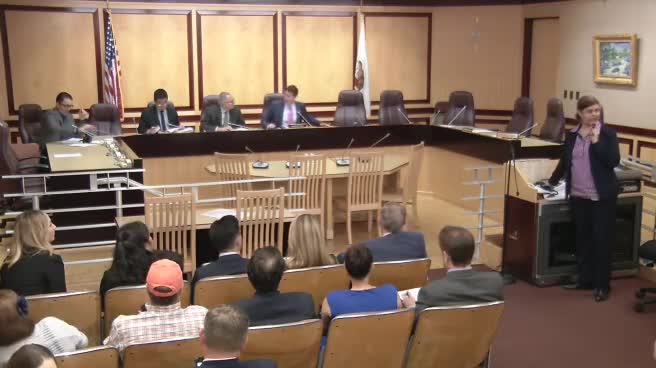 4MIN
Senate Standing Committee on Elections and Constitutional Amendments
 4MIN
Assembly Floor
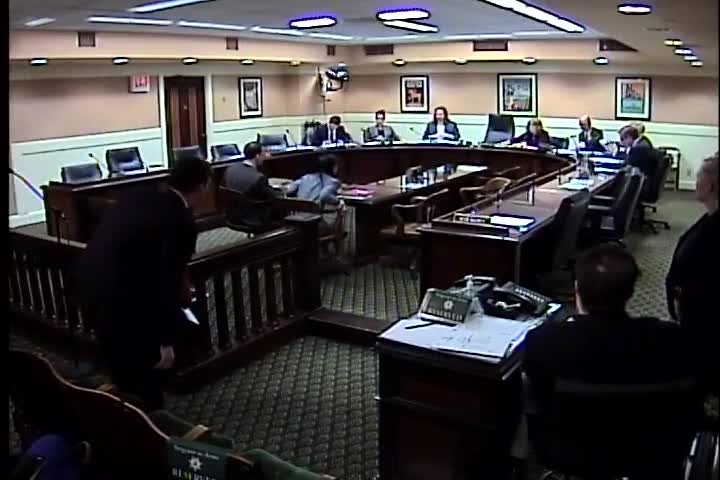 7MIN
Assembly Standing Committee on Elections and Redistricting
Bill Author

Bill Co-Author(s):
