AB 2705: Contractors: violations.
- Session Year: 2017-2018
- House: Assembly
- Latest Version Date: 2018-09-10
Existing law establishes a workers compensation system to compensate an employee for injuries sustained in the course of employment. Existing law generally requires an employer to secure the payment of compensation, as specified, and makes it a misdemeanor to fail to secure the payment of compensation by one who knew, or should be reasonably expected to have known, of the obligation to secure the payment of compensation, punishable by imprisonment in the county jail for up to one year, a specified fine of not less than $10,000, or both. Existing law, except as specified, generally requires that prosecution for an offense not punishable by death or imprisonment in the state prison, as specified, be commenced within one year after commission of the offense.
Existing law, the Contractors State License Law, provides for the licensure and regulation of contractors by the Contractors State License Board in the Department of Consumer Affairs and requires an applicant for a contractors license, or a licensee, to have on file a current and valid Certificate of Workers Compensation Insurance or Certification of Self-Insurance. Existing law makes a violation of the provisions governing these certificates a misdemeanor. Existing law requires that prosecution for a violation of these provisions be commenced within 2 years after commission of the offense.
This bill additionally would make it a misdemeanor violation not to secure the payment of compensation, as specified, by any person not licensed in accordance with these provisions acting as a contractor, and would make that violation subject to the 2-year statute of limitations. By creating a new crime, this bill would impose a state-mandated local program.
The California Constitution requires the state to reimburse local agencies and school districts for certain costs mandated by the state. Statutory provisions establish procedures for making that reimbursement.
This bill would provide that no reimbursement is required by this act for a specified reason.
Existing law establishes a workers compensation system to compensate an employee for injuries sustained in the course of employment. Existing law generally requires an employer to secure the payment of compensation, as specified, and makes it a misdemeanor to fail to secure the payment of compensation by one who knew, or should be reasonably expected to have known, of the obligation to secure the payment of compensation, punishable by imprisonment in the county jail for up to one year, a specified fine of not less than $10,000, or both. Existing law, except as specified, generally requires that prosecution for an offense not punishable by death or imprisonment in the state prison, as specified, be commenced within one year after commission of the offense.
Existing law, the Contractors State License Law, provides for the licensure and regulation of contractors by the Contractors State License Board in the Department of Consumer Affairs and requires an applicant for a contractors license, or a licensee, to have on file a current and valid Certificate of Workers Compensation Insurance or Certification of Self-Insurance. Existing law makes a violation of the provisions governing these certificates a misdemeanor. Existing law requires that prosecution for a violation of these provisions be commenced within 2 years after commission of the offense.
This bill additionally would make it a misdemeanor violation not to secure the payment of compensation, as specified, by any licensee or agent or officer thereof, or by any person not licensed in accordance with these provisions acting as a contractor, and would make that violation subject to the 2-year statute of limitations. By expanding the scope of an existing crime and by creating a new crime, this bill would impose a state-mandated local program.
The California Constitution requires the state to reimburse local agencies and school districts for certain costs mandated by the state. Statutory provisions establish procedures for making that reimbursement.
This bill would provide that no reimbursement is required by this act for a specified reason.
Existing law establishes a workers compensation system to compensate an employee for injuries sustained in the course of employment. Existing law generally requires an employer to secure the payment of compensation, as specified, and makes it a misdemeanor to fail to secure the payment of compensation by one who knew, or should be reasonably expected to have known, of the obligation to secure the payment of compensation, punishable by imprisonment in the county jail for up to one year, a specified fine of not less than $10,000, or both. Existing law, except as specified, generally requires that prosecution for an offense not punishable by death or imprisonment in the state prison, as specified, be commenced within one year after commission of the offense.
Existing law, the Contractors State License Law, provides for the licensure and regulation of contractors by the Contractors State License Board in the Department of Consumer Affairs and requires an applicant for a contractors license, or a licensee, to have on file a current and valid Certificate of Workers Compensation Insurance or Certification of Self-Insurance. Existing law makes a violation of the provisions governing these certificates a misdemeanor. Existing law requires that prosecution for a violation of these provisions be commenced within 2 years after commission of the offense.
This bill additionally would make it a misdemeanor violation not to secure the payment of compensation, as specified, by any licensee or agent or officer thereof, or by any person licensed in accordance with these provisions acting as a contractor, and would make that violation subject to the 2-year statute of limitations. By expanding the scope of an existing crime and by creating a new crime, this bill would impose a state-mandated local program.
The California Constitution requires the state to reimburse local agencies and school districts for certain costs mandated by the state. Statutory provisions establish procedures for making that reimbursement.
This bill would provide that no reimbursement is required by this act for a specified reason.
(a)Any licensee or agent or officer thereof, who violates, or omits to comply with, any of the provisions of this article is guilty of a misdemeanor.
(b)Any person not licensed in accordance with this chapter who is acting as a contractor and who violates, or omits to comply with, Section 3700 of the Labor Code is guilty of a misdemeanor.
(c)Prosecution of any offense under this section shall be commenced within two years after commission of the offense as provided in Section 802 of the Penal Code.
SEC. 2.No reimbursement is required by this act pursuant to Section 6 of Article XIIIB of the California Constitution because the only costs that may be incurred by a local agency or school district will be incurred because this act creates a new crime or infraction, eliminates a crime or infraction, or changes the penalty for a crime or infraction, within the meaning of Section 17556 of the Government Code, or changes the definition of a crime within the meaning of Section 6 of Article XIIIB of the California Constitution.
(a)Any licensee or agent or officer thereof, who violates, or omits to comply with, any of the provisions of this article, or with Section 3700.5 of the Labor Code, article is guilty of a misdemeanor.
(b)Any person not licensed in accordance with this chapter who is acting as a contractor and who violates, or omits to comply with, Section 3700.5 3700 of the Labor Code is guilty of a misdemeanor.
(c)Prosecution of any offense under this section shall be commenced within two years after commission of the offense as provided in Section 802 of the Penal Code.
SEC. 2.No reimbursement is required by this act pursuant to Section 6 of Article XIIIB of the California Constitution because the only costs that may be incurred by a local agency or school district will be incurred because this act creates a new crime or infraction, eliminates a crime or infraction, or changes the penalty for a crime or infraction, within the meaning of Section 17556 of the Government Code, or changes the definition of a crime within the meaning of Section 6 of Article XIIIB of the California Constitution.
Any (a)Any licensee or agent or officer thereof, who violates, or omits to comply with, any of the provisions of this article article, or with Section 3700.5 of the Labor Code, is guilty of a misdemeanor.
(b)Any person not licensed in accordance with this chapter who is acting as a contractor and who violates, or omits to comply with, Section 3700.5 of the Labor Code is guilty of a misdemeanor.
SEC. 2.No reimbursement is required by this act pursuant to Section 6 of Article XIIIB of the California Constitution because the only costs that may be incurred by a local agency or school district will be incurred because this act creates a new crime or infraction, eliminates a crime or infraction, or changes the penalty for a crime or infraction, within the meaning of Section 17556 of the Government Code, or changes the definition of a crime within the meaning of Section 6 of Article XIIIB of the California Constitution.
|
Date
|
Status
|
|---|---|
| Sep 10, 2018 | Chaptered by Secretary of State - Chapter 323, Statutes of 2018. |
| Sep 10, 2018 | Approved by the Governor. |
| Aug 24, 2018 | Enrolled and presented to the Governor at 4:30 p.m. |
| Aug 20, 2018 | Senate amendments concurred in. To Engrossing and Enrolling. |
| Aug 14, 2018 | In Assembly. Concurrence in Senate amendments pending. May be considered on or after August 16 pursuant to Assembly Rule 77. |
| Aug 13, 2018 | Read third time. Passed. Ordered to the Assembly. |
| Aug 8, 2018 | Read second time. Ordered to third reading. |
| Aug 7, 2018 | Read third time and amended. Ordered to second reading. |
| Jun 26, 2018 | Read second time. Ordered to third reading. |
| Jun 25, 2018 | From committee: Be ordered to second reading pursuant to Senate Rule 28.8. |
| Jun 11, 2018 | From committee: Do pass and re-refer to Com. on APPR. (Ayes 8. Noes 0.) (June 11). Re-referred to Com. on APPR. |
| May 3, 2018 | Referred to Com. on B., P. & E.D. |
| Apr 19, 2018 | In Senate. Read first time. To Com. on RLS. for assignment. |
| Apr 19, 2018 | Read third time. Passed. Ordered to the Senate. (Ayes 71. Noes 0.) |
| Apr 12, 2018 | Read second time. Ordered to Consent Calendar. |
| Apr 11, 2018 | From committee: Do pass. To Consent Calendar. (Ayes 15. Noes 0.) (April 11). |
| Apr 3, 2018 | From committee: Do pass and re-refer to Com. on APPR. (Ayes 16. Noes 0.) (April 3). Re-referred to Com. on APPR. |
| Mar 8, 2018 | Referred to Com. on B. & P. |
| Feb 16, 2018 | From printer. May be heard in committee March 18. |
| Feb 15, 2018 | Read first time. To print. |
|
Date
|
Description
|
Location
|
Votes
|
|
|---|---|---|---|---|
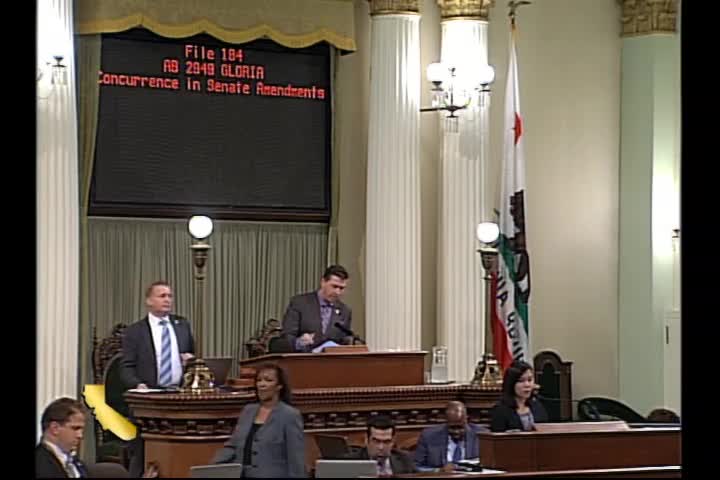
| Aug 20, 2018 | AB 2705 HOLDEN Concurrence in Senate Amendments | Assembly Floor |
Passed |
|
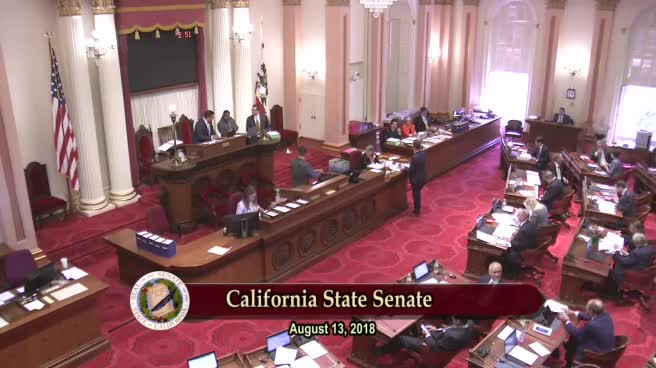
| Aug 13, 2018 | Assembly 3rd Reading AB2705 Holden By Hill | Senate Floor |
Passed |
|
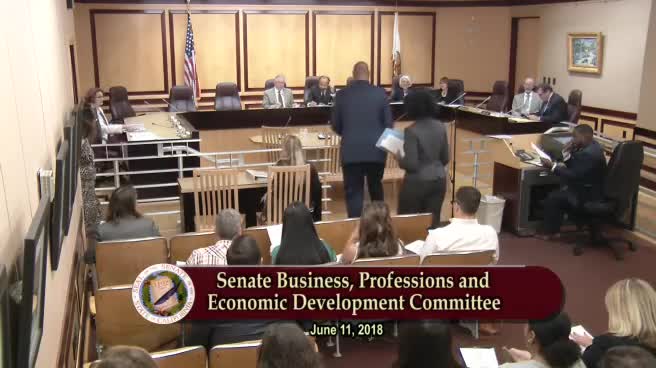
| Jun 11, 2018 | Do pass, but first be re-referred to the Committee on [Appropriations] | Senate Standing Committee on Business, Professions and Economic Development |
Passed |
|
| Apr 19, 2018 | AB 2705 HOLDEN Consent Calendar Second Day Regular Session | Assembly Floor |
Passed |
|
| Apr 11, 2018 | Do pass. To Consent Calendar. | Assembly Standing Committee on Appropriations |
Passed |
|
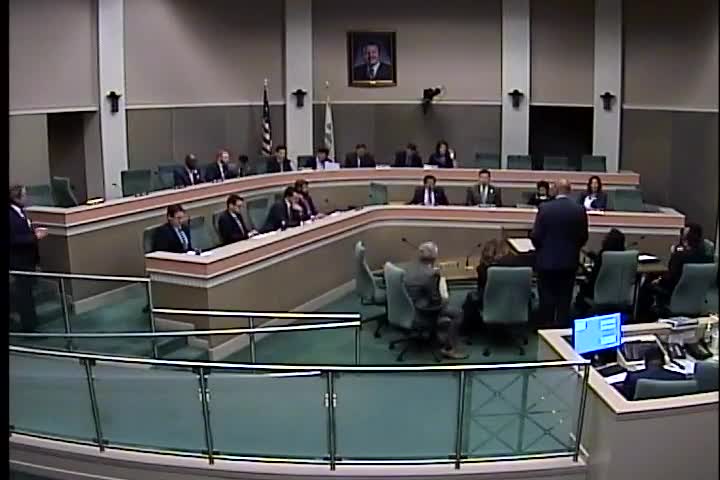
| Apr 3, 2018 | Do pass and be re-referred to the Committee on [Appropriations] | Assembly Standing Committee on Business and Professions |
Passed |
This list shows positions taken on this bill by organizations on the date displayed, which is linked to the original source.
Positions by individuals are not included.
CONCURRENCE IN SENATE AMENDMENTS
CSA1 Bill Id:AB 2705
Author:(Holden)
As Amended Ver:August 7, 2018
Majority vote
ASSEMBLY: | 71-0 | (April 19, 2018) | SENATE: | 37-0 | (August 13, 2018) |
Original Committee Reference: B. & P.
SUMMARY: This bill would make unlicensed persons acting in the capacity of a contractor subject to existing criminal penalties that apply to licensed contractors for refusing to secure the payment of workers' compensation and would make this crime subject to a two-year statute of limitations.
The Senate amendments introduce a two year statute of limitations.
EXISTING LAW:
- Requires that applicants for licensure to the Contractors State License Board (CSLB) must keep on file at all times a current and valid Certificate of Workers' Compensation. (Business and Professions Code (BPC) Section 7125)
- Requires employers to secure compensation for worker injury. (Labor Code Section 3700)
- States that any licensee failing to comply with workers' compensation insurance requirements is guilty of a misdemeanor. (BPC Section 7126)\
THIS BILL additionally states that any person not licensed by the CSLB but who is acting as a contractor and who fails to comply with workers' compensation insurance requirements is also guilty of a misdemeanor.
FISCAL EFFECT: According to the Senate Appropriations Committee, pursuant to Senate Rule 28.8, negligible state costs.
COMMENTS:
Purpose. This bill is sponsored by the Contractors State License Board. According to the author:
California's worker compensation laws were created to protect both our workers and the financial health of their employers. This is especially important for homeowners that hire contractors to perform construction services on their home. If they hire an unlicensed contractor without workers compensation insurance, they can unknowingly be held responsible as the contractor's employer and responsible for any medical expenses for injuries sustained on the job. Unfortunately, current law falls short of protecting these homeowners by disadvantaging the agency tasked with prosecuting bad actors, the Contractors State License Board. This bill increases the statute of limitations for the crime of not having worker's compensation while performing work as an unlicensed contractor, giving the CSLB a better chance to right this wrong.
Background. This bill would make unlicensed persons acting in the capacity of a contractor subject to the same penalties that currently apply to licensed contractors for failing to secure the payment of workers' compensation.
Before issuing a license, the CSLB must verify the applicant has an active certificate for workers' compensation insurance. Under current law, a licensed contractor that fails to comply with the requirement to maintain active workers' compensation coverage would be guilty of a misdemeanor; however, unlicensed contractors are not mentioned in the Penal Code, though their failure to carry workers' compensation insurance could result in the same detrimental consequences as the failure of those who are licensed. Injury to the employee of an unlicensed contractor could result in liability for the consumer, sometimes not known to the consumer for months after the work is completed.
Under current law, if the CSLB seeks an enforcement action against an unlicensed contractor in violation of the workers' compensation provisions of law, it must do so within a year due to the existing statute of limitation; however, the limitation for licensed contractors is two years. Shifting the statute of limitations from one year to two years would allow the CSLB to more effectively pursue unlicensed contractors.
This requirement has been the subject of criticism in the past, most notably giving rise to AB 996 (Cunningham) of 2017 which sought to create a searchable online database for these certificates to allow licensees to track the progress of their application. AB 996 was held in Senate Appropriations.
Analysis Prepared by: Jimmy Fremgen / B. & P. / (916) 319-3301 FN: 0003901
Office of Senate Floor Analyses (916) 651-1520 Fax: (916) 327-4478 | AB |
THIRD READING
Bill No: AB 2705
:
SENATE BUS., PROF. & ECON. DEV. COMMITTEE: 8-0, 6/11/18
AYES: Hill, Fuller, Dodd, Galgiani, Glazer, Hernandez, Pan, Wilk
NO VOTE RECORDED: Newman
SENATE APPROPRIATIONS COMMITTEE: Senate Rule 28.8
ASSEMBLY FLOOR: 71-0, 4/19/18 (Consent) - See last page for vote
SOURCE: Contractors State License Board
DIGEST:
This bill subjects an unlicensed person acting as a contractor to the existing criminal penalties that apply to licensed contractors for not securing the required workers’ compensation, and makes this crime subject to the same two-year statute of limitations as for licensees.
Senate Floor Amendments of 8/7/18 make a technical change and revise the Contractor State License Board’s authority to prosecute an offense for failure to obtain workers’ compensation insurance for non-licensees and subject the prosecution of the offense to the two-year statute of limitations.
Existing law:
- Establishes the Contractor State License Board (Board) within the Department of Consumer Affairs (DCA) to enforce and administer the Contractors’ State License Law (Law). (Business and Professions Code (BPC) § 7000 et seq.)
- Specifies that any licensee or agent or officer who violates or omits to comply with any provisions of the workers’ compensation requirements as specified under the Law, is guilty of a misdemeanor. (BPC § 7126)
- Makes the failure to secure workers compensation insurance, as specified, a misdemeanor for a licensee under the Law. (Labor Code (LAB) § 3700.5)
- Sets the statute of limitations within two years of the offense of not complying with the workers compensation requirement specified in 5) above. Penal Code (PC) § 802(d)(2)
This bill:
- States that any person not licensed under the Law, who is acting as a contractor and who violates, or omit to comply with, workers’ compensation requirements is guilty of a misdemeanor.
- Requires the prosecution of any offense as specified in 1) above to be commenced within two years after commission of the offense as specified.
Background
The Board is responsible for implementation and enforcement of the Contractors Law and the laws and regulations related to licensure and enforcement of construction related entities in California. All businesses and individuals who construct or alter, or offer to construct or alter, any building, highway, road, parking facility, railroad, excavation, or other structure in California must be licensed by the Board if the total cost (labor and materials) of one or more contracts on the project is $500 or more.
Workers' compensation insurance is required for the issuance of an active license, the reactivation of an inactive license, and for the maintenance of an actively renewed license, unless specifically exempted under BPC § 7125(b). Licensees are required to submit proof of their workers' compensation insurance coverage to the Board. Failure to maintain workers' compensation insurance coverage will result in a license being suspended and any work performed while the license is suspended is considered to be unlicensed and disciplinary action can be taken against a licensee. BPC § 7126 specifically states that any licensee or agent thereof, who violates the workers compensation requirements, under existing law, is guilty of a misdemeanor. However, BPC § 7126 is only applicable to licensees, not unlicensed persons who may be performing services for which a contractor’s license is required. Further, under current law, (LAB §§ 3700, 3700.5) all employers in this state are required to obtain workers’ compensation.
Under current law, if the Board seeks an enforcement action against an unlicensed contractor in violation of the workers’ compensation provisions of law, it must do so within a year due to the existing statute of limitation; however, the limitation for licensed contractors is two years.
Under the current law in the PC (PC 802), unless specified, the statute of limitations to process a violation of specified infractions, including the failure to secure workers’ compensation is one year; however, under the same provisions, there is an exemption for licensees which allows the Board to take action within two years of the failure to secure workers compensation. This bill seeks to bring parity to the statute of limitations for both licensees and non licensees for prosecuting a failure to obtain workers compensation. Shifting the statute of limitations from one year to two years allows the Board to more effectively pursue unlicensed contractors.
Comments
This bill is sponsored by the Contractors State License Board. According to the author, “California’s worker compensation laws were created to protect both our workers and the financial health of their employers. This is especially important for homeowners that hire contractors to perform construction services on their home. If they hire an unlicensed contractor without workers compensation insurance, they can unknowingly be held responsible as the contractor’s employer and responsible for any medical expenses for injuries sustained on the job. Unfortunately, current law falls short of protecting these homeowners by disadvantaging the agency tasked with prosecuting bad actors, the Contractors State License Board. This bill increases the statute of limitations for the crime of not having worker’s compensation while performing work as an unlicensed contractor, giving the CSLB a better chance to right this wrong.”
FISCAL EFFECT: Appropriation: Fiscal Com.: Local:
Contractors State License Board (source)
California Landscape Contractors Association
None received
ARGUMENTS IN SUPPORT: The Contractors State License Board writes in support, “The purpose of this bill is to make consistent the statute of limitations periods in which to prosecute unlicensed and licensed contractors for failing to maintain workers’ compensation insurance. Currently, the law provides two years in which to criminally prosecute a licensed contractor who fails to comply with the workers’ compensation provisions of the Contractors State License Law, but only one year to criminally prosecute unlicensed contractors for failing to secure workers’ compensation insurance.”
The California Landscape Contractors Association writes in support, “[This bill] takes a small, but meaningful step in that direction. Specifically, the bill corrects an inconsistency in current law that will help ensure a more level playing field for licensed contractors.”
ASSEMBLY FLOOR: 71-0, 4/19/18
AYES: Acosta, Aguiar-Curry, Travis Allen, Arambula, Baker, Berman, Bigelow, Bloom, Bonta, Brough, Burke, Caballero, Carrillo, Cervantes, Chau, Chávez, Chen, Chiu, Choi, Chu, Cooley, Cooper, Cunningham, Dahle, Daly, Eggman, Flora, Fong, Frazier, Friedman, Gallagher, Gipson, Gloria, Gonzalez Fletcher, Gray, Grayson, Harper, Holden, Irwin, Jones-Sawyer, Kalra, Kamlager-Dove, Kiley, Lackey, Levine, Limón, Low, Maienschein, Mathis, Mayes, McCarty, Medina, Muratsuchi, Nazarian, Obernolte, O'Donnell, Patterson, Quirk-Silva, Reyes, Rubio, Salas, Santiago, Steinorth, Mark Stone, Thurmond, Ting, Voepel, Waldron, Weber, Wood, Rendon
NO VOTE RECORDED: Calderon, Cristina Garcia, Eduardo Garcia, Melendez, Mullin, Quirk, Rodriguez
8/8/18 15:38:06
**** END ****
Office of Senate Floor Analyses (916) 651-1520 Fax: (916) 327-4478 | AB |
THIRD READING
Bill No: AB 2705
:
SENATE BUS., PROF. & ECON. DEV. COMMITTEE: 8-0, 6/11/18
AYES: Hill, Fuller, Dodd, Galgiani, Glazer, Hernandez, Pan, Wilk
NO VOTE RECORDED: Newman
SENATE APPROPRIATIONS COMMITTEE: Senate Rule 28.8
ASSEMBLY FLOOR: 71-0, 4/19/18 (Consent) - See last page for vote
SOURCE: Contractors State License Board
DIGEST:
This bill subjects an unlicensed person acting as a contractor to the existing criminal penalties that apply to licensed contractors for not securing the required workers’ compensation, and makes this crime subject to the same two-year statute of limitations as for licensees.
Existing law:
- Establishes the Contractor State License Board (Board) within the Department of Consumer Affairs (DCA) to enforce and administer the Contractors’ State License Law (Law). (Business and Professions Code (BPC) § 7000 et seq.)
- Specifies that any licensee or agent or officer who violates or omits to comply with any provisions of the workers’ compensation requirements as specified under the Law, is guilty of a misdemeanor. (BPC § 7126)
- Makes the failure to secure workers compensation insurance, as specified, a misdemeanor for a licensee under the Law. (Labor Code (LAB) § 3700.5)
- Sets the statute of limitations within two years of the offense of not complying with the workers compensation requirement specified in 5) above. Penal Code (PC) § 802(d)(2)
This bill:
- Specifies that any licensee who violates the workers’ compensation requirements is guilty of a misdemeanor, as specified.
- States that any person not licensed under the Law, who is acting as a contractor and who violates, or omit to comply with, workers’ compensation requirements is guilty of a misdemeanor.
Background
The Board is responsible for implementation and enforcement of the Contractors Law and the laws and regulations related to licensure and enforcement of construction related entities in California. All businesses and individuals who construct or alter, or offer to construct or alter, any building, highway, road, parking facility, railroad, excavation, or other structure in California must be licensed by the Board if the total cost (labor and materials) of one or more contracts on the project is $500 or more.
Workers' compensation insurance is required for the issuance of an active license, the reactivation of an inactive license, and for the maintenance of an actively renewed license, unless specifically exempted under BPC § 7125(b). Licensees are required to submit proof of their workers' compensation insurance coverage to the Board. Failure to maintain workers' compensation insurance coverage will result in a license being suspended and any work performed while the license is suspended is considered to be unlicensed and disciplinary action can be taken against a licensee. BPC § 7126 specifically states that any licensee or agent thereof, who violates the workers compensation requirements, under existing law, is guilty of a misdemeanor. However, BPC § 7126 is only applicable to licensees, not unlicensed persons who may be performing services for which a contractor’s license is required. Further, under current law, (LAB §§ 3700, 3700.5) all employers in this state are required to obtain workers’ compensation.
Under current law, if the Board seeks an enforcement action against an unlicensed contractor in violation of the workers’ compensation provisions of law, it must do so within a year due to the existing statute of limitation; however, the limitation for licensed contractors is two years.
Under the current law in the PC (PC 802), unless specified, the statute of limitations to process a violation of specified infractions, including the failure to secure workers’ compensation is one year; however, under the same provisions, there is an exemption for licensees which allows the Board to take action within two years of the failure to secure workers compensation. This bill seeks to bring parity to the statute of limitations for both licensees and non licensees for prosecuting a failure to obtain workers compensation. Shifting the statute of limitations from one year to two years allows the Board to more effectively pursue unlicensed contractors.
Comments
This bill is sponsored by the Contractors State License Board. According to the author, “California’s worker compensation laws were created to protect both our workers and the financial health of their employers. This is especially important for homeowners that hire contractors to perform construction services on their home. If they hire an unlicensed contractor without workers compensation insurance, they can unknowingly be held responsible as the contractor’s employer and responsible for any medical expenses for injuries sustained on the job. Unfortunately, current law falls short of protecting these homeowners by disadvantaging the agency tasked with prosecuting bad actors, the Contractors State License Board. This bill increases the statute of limitations for the crime of not having worker’s compensation while performing work as an unlicensed contractor, giving the CSLB a better chance to right this wrong.”
FISCAL EFFECT: Appropriation: Fiscal Com.: Local:
Contractors State License Board (source)
California Landscape Contractors Association
OPPOSITION: (Verified 6/26/18)
None received
ARGUMENTS IN SUPPORT: The Contractors State License Board writes in support, “The purpose of this bill is to make consistent the statute of limitations periods in which to prosecute unlicensed and licensed contractors for failing to maintain workers’ compensation insurance. Currently, the law provides two years in which to criminally prosecute a licensed contractor who fails to comply with the workers’ compensation provisions of the Contractors State License Law, but only one year to criminally prosecute unlicensed contractors for failing to secure workers’ compensation insurance.”
The California Landscape Contractors Association writes in support, “[This bill] takes a small, but meaningful step in that direction. Specifically, the bill corrects an inconsistency in current law that will help ensure a more level playing field for licensed contractors.”
ASSEMBLY FLOOR: 71-0, 4/19/18
AYES: Acosta, Aguiar-Curry, Travis Allen, Arambula, Baker, Berman, Bigelow, Bloom, Bonta, Brough, Burke, Caballero, Carrillo, Cervantes, Chau, Chávez, Chen, Chiu, Choi, Chu, Cooley, Cooper, Cunningham, Dahle, Daly, Eggman, Flora, Fong, Frazier, Friedman, Gallagher, Gipson, Gloria, Gonzalez Fletcher, Gray, Grayson, Harper, Holden, Irwin, Jones-Sawyer, Kalra, Kamlager-Dove, Kiley, Lackey, Levine, Limón, Low, Maienschein, Mathis, Mayes, McCarty, Medina, Muratsuchi, Nazarian, Obernolte, O'Donnell, Patterson, Quirk-Silva, Reyes, Rubio, Salas, Santiago, Steinorth, Mark Stone, Thurmond, Ting, Voepel, Waldron, Weber, Wood, Rendon
NO VOTE RECORDED: Calderon, Cristina Garcia, Eduardo Garcia, Melendez, Mullin, Quirk, Rodriguez
6/27/18 16:02:07
**** END ****
SENATE COMMITTEE ON
BUSINESS, PROFESSIONS AND ECONOMIC DEVELOPMENT
Senator Jerry Hill, Chair
2017 - 2018 Regular
Bill No: AB 2705 Hearing Date: June 11, 2018
Author: | Holden | ||
Version: |
| ||
Urgency: | Fiscal: | ||
Consultant: | |||
Subject: Contractors: violations
SUMMARY:
Subjects an unlicensed person acting as a contractor to the existing criminal penalties that apply to licensed contractors for not securing the required workers’ compensation and makes this crime subject to the same two-year statute of limitations as for licensees.
Existing law:
- Establishes the Contractor State License Board (Board) within the Department of Consumer Affairs (DCA) to enforce and administer the Contractors’ State License Law (Law). (Business and Professions Code (BPC) § 7000 et seq.)
- Requires as a condition precedent to the issuance, reinstatement, reactivation, renewal, or continued maintenance of a license, that the applicant or licensee have on file at all times with the CSLB, a current and valid Certificate of Workers Compensation Insurance (certificate) or Certification of Self-Insurance in the applicant’s or licensee’s business name. (BPC § 7125(a))
- Specifies that any licensee or agent or officer who violates or omits to comply with any provisions of the workers’ compensation requirements as specified under the Law, is guilty of a misdemeanor. (BPC § 7126)
- Makes the failure to secure workers compensation insurance, as specified, a misdemeanor for a licensee under the Law. (Labor Code (LAB) § 3700.5)
- Sets the statute of limitations within two years of the offense of not complying with the workers compensation requirement specified in 5) above. Penal Code (PC) § 802(d)(2)
This bill:
- Specifies that any licensee who violates the workers’ compensation requirements is guilty of a misdemeanor, as specified.
- States that any person not licensed under the Law, who is acting as a contractor and who violates, or omit to comply with, workers’ compensation requirements is guilty of a misdemeanor.
FISCAL EFFECT:
This bill is keyed fiscal by Legislative Counsel. According to the Assembly Committee on Appropriations analysis dated April 11, 2018, this bill will result in negligible fiscal impact to the Board and the DCA.
COMMENTS:
- Purpose. This bill is sponsored by the Contractors State License Board. According to the Author, “California’s worker compensation laws were created to protect both our workers and the financial health of their employers. This is especially important for homeowners that hire contractors to perform construction services on their home. If they hire an unlicensed contractor without workers compensation insurance, they can unknowingly be held responsible as the contractor’s employer and responsible for any medical expenses for injuries sustained on the job. Unfortunately, current law falls short of protecting these homeowners by disadvantaging the agency tasked with prosecuting bad actors, the Contractors State License Board. This bill increases the statute of limitations for the crime of not having worker’s compensation while performing work as an unlicensed contractor, giving the CSLB a better chance to right this wrong.”
- Background. The Board is responsible for implementation and enforcement of the Contractors Law and the laws and regulations related to licensure and enforcement of construction related entities in California. All businesses and individuals who construct or alter, or offer to construct or alter, any building, highway, road, parking facility, railroad, excavation, or other structure in California must be licensed by the Board if the total cost (labor and materials) of one or more contracts on the project is $500 or more.
Workers' compensation insurance is required for the issuance of an active license, the reactivation of an inactive license, and for the maintenance of an actively renewed license, unless specifically exempted under BPC § 7125(b). Licensees are required to submit proof of their workers' compensation insurance coverage to the Board. Failure to maintain workers' compensation insurance coverage will result in a license being suspended and any work performed while the license is suspended is considered to be unlicensed and disciplinary action can be taken against a licensee. BPC § 7126 specifically states that any licensee or agent thereof, who violates the workers compensation requirements, under existing law, is guilty of a misdemeanor. However, BPC § 7126 is only applicable to licensees, not unlicensed persons who may be performing services for which a contractor’s license is required. Further, under current law, (LAB §§ 3700, 3700.5) all employers in this state are required to obtain workers’ compensation.
Under current law, if the CSLB seeks an enforcement action against an unlicensed contractor in violation of the workers’ compensation provisions of law, it must do so within a year due to the existing statute of limitation; however, the limitation for licensed contractors is two years.
Under the current law in the PC (PC 802), unless specified, the statute of limitations to process a violation of specified infractions, including the failure to secure workers’ compensation is one year; however, under the same provisions, there is an exemption for licensees which allows the Board to take action within two years of the failure to secure workers compensation. This bill seeks to bring parity to the statute of limitations for both licensees and non licensees for prosecuting a failure to obtain workers compensation. Shifting the statute of limitations from one year to two years would allow the CSLB to more effectively pursue unlicensed contractors.
- Arguments in Support. The Contractors State License Board writes in support, “The purpose of this bill is to make consistent the statute of limitations periods in which to prosecute unlicensed and licensed contractors for failing to maintain workers’ compensation insurance. Currently, the law provides two years in which to criminally prosecute a licensed contractor who fails to comply with the workers’ compensation provisions of the Contractors State License Law, but only one year to criminally prosecute unlicensed contractors for failing to secure workers’ compensation insurance.”
The California Landscape Contractors Association writes in support, “[This bill] takes a small, but meaningful step in that direction. Specifically, the bill corrects an inconsistency in current law that will help ensure a more level playing field for licensed contractors.”
- Current Related Legislation. AB 996 (Cunningham) requires the Board to adopt an enhancement feature on its Internet Web site to allow consumers to monitor the status and progress of a workers’ compensation certification, as specified, and view the time elapsed from when the Board receives the certification until a final disposition has been approved. (Status: This bill is pending in the Senate Committee on Appropriations)
SUPPORT AND OPPOSITION:
Support:
Contractors State License Board (Sponsor)
California Landscape Contractors Association
Opposition:
None on file as of June 5, 2018
-- END --
Date of Hearing: April 11, 2018
ASSEMBLY COMMITTEE ON APPROPRIATIONS
Lorena Gonzalez Fletcher, Chair
ABPCA Bill Id:AB 2705
Author:(Holden) – As Introduced Ver:February 15, 2018
Policy Committee: | Business and Professions | Vote: | 16 - 0 |
|
| ||
|
|
Urgency: No State Mandated Local Program: Yes Reimbursable: No
SUMMARY:
This bill provides that unlicensed persons acting in the capacity of a contractor are subject to existing criminal penalties that apply to licensed contractors for failure to secure workers’ compensation insurance and makes this violation subject to the two-year statute of limitations.
FISCAL EFFECT:
Negligible fiscal impact to the Contractors State License Board (CSLB) and the Department of Consumer Affairs (DCA).
COMMENTS:
- Purpose. This bill seeks consistent treatment between licensed and unlicensed contractors regarding securing worker’s compensation insurance violations. The CSLB writes:
The purpose of this bill is to make consistent the statute of limitations periods in which to prosecute unlicensed and licensed contractors for failing to maintain workers’ compensation insurance. Currently, the law provides two years in which to criminally prosecute a licensed contractor who fails to comply with the workers’ compensation provisions of the Contractors State License Law, but only one year to criminally prosecute unlicensed contractors for failing to secure workers’ compensation insurance.
- Background. Before issuing a license, the CSLB must verify the applicant has an active certificate for workers’ compensation insurance. Under current law, a licensed contractor that fails to maintain active workers’ compensation coverage is guilty of a misdemeanor. Under current law, if the CSLB seeks an enforcement action against an unlicensed contractor in violation of workers’ compensation law, it must do so within the existing one-year statute of limitations for unlicensed contractors. The limitation for licensed contractors is two years.
- Prior Legislation. AB 996 (Cunningham), of the 2017-18 Legislative Session, would have required that the CSLB make improvements to its website to allow monitoring of a licensee’s renewal of a certificate of worker’s compensation insurance or certification of self-insurance that is pending before the CSLB. AB 996 was held on the Suspense File in the Senate Appropriations Committee.
Analysis Prepared by: Jennifer Swenson / APPR. / (916) 319-2081
Date of Hearing: April 3, 2018
ASSEMBLY COMMITTEE ON BUSINESS AND PROFESSIONS
Evan Low, Chair
ABPCA Bill Id:AB 2705
Author:(Holden) – As Introduced Ver:February 15, 2018
SUBJECT: Contractors: violations.
SUMMARY: This bill would make unlicensed persons acting in the capacity of a contractor subject to existing criminal penalties that apply to licensed contractors for refusing to secure the payment of workers’ compensation and would make this crime subject to a two-year statute of limitations.
EXISTING LAW:
- Requires that applicants for licensure to the Contractors State License Board (CSLB) must keep on file at all times a current and valid Certificate of Workers’ Compensation. (Business and Professions Code (BPC) Section 7125)
- Requires employers to secure compensation for worker injury. (Labor Code Section 3700)
- States that any licensee failing to comply with workers’ compensation insurance requirements is guilty of a misdemeanor. (BPC Section 7126)\
THIS BILL:
- Additionally states that any person not licensed by the CSLB but who is acting as a contractor and who fails to comply with workers’ compensation insurance requirements is also guilty of a misdemeanor.
FISCAL EFFECT: Unknown. This bill is keyed fiscal by Legislative Counsel
COMMENTS:
Purpose. This bill is sponsored by the Contractors State License Board. According to the author:
California’s worker compensation laws were created to protect both our workers and the financial health of their employers. This is especially important for homeowners that hire contractors to perform construction services on their home. If they hire an unlicensed contractor without workers compensation insurance, they can unknowingly be held responsible as the contractor’s employer and responsible for any medical expenses for injuries sustained on the job. Unfortunately, current law falls short of protecting these homeowners by disadvantaging the agency tasked with prosecuting bad actors, the Contractors State License Board. This bill increases the statute of limitations for the crime of not having worker’s compensation while performing work as an unlicensed contractor, giving the CSLB a better chance to right this wrong.
Background. This bill would make unlicensed persons acting in the capacity of a contractor subject to the same penalties that currently apply to licensed contractors for failing to secure the payment of workers’ compensation.
Before issuing a license, the CSLB must verify the applicant has an active certificate for workers’ compensation insurance. Under current law, a licensed contractor that fails to comply with the requirement to maintain active workers’ compensation coverage would be guilty of a misdemeanor; however, unlicensed contractors are not mentioned in the Penal Code, though their failure to carry workers’ compensation insurance could result in the same detrimental consequences as the failure of those who are licensed. Injury to the employee of an unlicensed contractor could result in liability for the consumer, sometimes not known to the consumer for months after the work is completed.
Under current law, if the CSLB seeks an enforcement action against an unlicensed contractor in violation of the workers’ compensation provisions of law, it must do so within a year due to the existing statute of limitation; however, the limitation for licensed contractors is two years. Shifting the statute of limitations from one year to two years would allow the CSLB to more effectively pursue unlicensed contractors.
This requirement has been the subject of criticism in the past, most notably giving rise to AB 996 of 2017 (Cunningham) which sought to create a searchable online database for these certificates to allow licensees to track the progress of their application. AB 996 was held in Senate Appropriations.
Prior Related Legislation. AB 996 of 2017 (Cunningham) – Would have required that the Contractors State Licensing Board (CSLB) make improvements to its website to allow the monitoring of a licensee’s renewal of a certificate of worker’s compensation insurance or certification of self-insurance that is pending before the CSLB. This bill died in Senate Appropriations.
ARGUMENTS IN SUPPORT:
The Contractors State License Board (CSLB) writes: “(CSLB) would like to inform you of its support for Assembly Bill 2705 (Holden). CSLB is pleased to sponsor this legislation. The purpose of this bill is to make consistent the statute of limitations periods in which to prosecute unlicensed and licensed contractors for failing to maintain workers’ compensation insurance. Currently, the law provides two years in which to criminally prosecute a licensed contractor who fails to comply with the workers’ compensation provisions of the Contractors State License Law, but only one year to criminally prosecute unlicensed contractors for failing to secure workers’ compensation insurance.”
ARGUMENTS IN OPPOSITION:
None on file.
REGISTERED SUPPORT:
Contractors State License Board
REGISTERED OPPOSITION:
None on file.
Analysis Prepared by: Jimmy Fremgen / B. & P. / (916) 319-3301
Discussed in Hearing
 49SEC
Assembly Floor
 2MIN
Senate Floor
 3MIN
Senate Standing Committee on Business, Professions and Economic Development
 8MIN
Assembly Standing Committee on Business and Professions
Bill Author

Bill Co-Author(s):