AB 2741: Prescription drugs: opioid medications: minors.
- Session Year: 2017-2018
- House: Assembly
- Latest Version Date: 2018-06-13
Existing law provides for the licensure and regulation of health care practitioners by various boards and requires prescription drugs to be ordered and dispensed in accordance with the Pharmacy Law. Existing law makes repeated acts of clearly excessive prescribing or administering of drugs or treatment unprofessional conduct for certain health care practitioners.
This bill would would, with certain exceptions, prohibit a prescriber, as defined, from prescribing more than a 5-day supply of opioid medication to a minor unless the prescription is for specified uses. The bill would also require a prescriber to take certain steps before prescribing a minor a course of treatment with opioid medication, including discussing opioid risks and obtaining verbal consent, except in specified instances. The bill would make a violation of the bills provisions unprofessional conduct and would subject the prescriber to discipline by the board charged with regulating his or her license.
Existing law provides for the licensure and regulation of health care practitioners by various boards and requires prescription drugs to be ordered and dispensed in accordance with the Pharmacy Law. Existing law makes repeated acts of clearly excessive prescribing or administering of drugs or treatment unprofessional conduct for certain health care practitioners.
This bill would prohibit a prescriber, as defined, from prescribing more than a 5-day supply of opioid medication to a minor unless the prescription is for specified uses. The bill would also require a prescriber to take certain steps before prescribing a minor a course of treatment with opioid medication, including discussing opioid risks and obtaining specified written verbal consent, except in specified instances. The bill would make a violation of the bills provisions unprofessional conduct and would subject the prescriber to discipline by the board charged with regulating his or her license. The provisions of the bill requiring the prescriber to assess whether the minor has or is taking prescription drugs for treatment of a substance use disorder, discuss opioid risks, and obtain written consent would not apply until the development of a consent form by the Medical Board of California.
Existing law provides for the licensure and regulation of health care practitioners by various boards and requires prescription drugs to be ordered and dispensed in accordance with the Pharmacy Law. Existing law makes repeated acts of clearly excessive prescribing or administering of drugs or treatment unprofessional conduct for certain health care practitioners.
This bill would require a prescriber, as defined, to comply with specified conditions when prescribing opioid medication to a minor, including not prescribing more than a 5-day supply of an opioid medication to that minor except in specified instances. This bill would prohibit a prescriber, as defined, from prescribing more than a 5-day supply of opioid medication to a minor unless the prescription is for specified uses. The bill would also require a prescriber to take certain steps before prescribing a minor a course of treatment with opioid medication, including discussing opioid risks and obtaining specified written consent, except in specified instances. The bill would make a violation of the bills provisions unprofessional conduct and would subject the prescriber to discipline by the board charged with regulating his or her license. The provisions of the bill requiring the prescriber to assess the minors substance abuse history, whether the minor has or is taking prescription drugs for treatment of a substance use disorder, discuss opioid risks, and obtain written consent would not be implemented apply until the development of a consent form by the Medical Board of California.
Existing law provides for the licensure and regulation of health care practitioners by various boards and requires prescription drugs to be ordered and dispensed in accordance with the Pharmacy Law. Existing law makes repeated acts of clearly excessive prescribing or administering of drugs or treatment unprofessional conduct for certain health care practitioners.
This bill would require a prescriber, as defined, to comply with specified conditions when prescribing opioid medication to a minor, including not prescribing more than a 5-day supply of an opioid medication to that minor except in specified instances. The bill would make a violation of the bills provisions unprofessional conduct and would subject the prescriber to discipline by the board charged with regulating his or her license. The provisions of the bill requiring the prescriber to assess the minors substance abuse history, discuss opioid risks, and obtain written consent would not be implemented until the development of a consent form by the Medical Board of California.
(a)For purposes of this section, the following definitions apply:
(1)Opioid medication means an opioid analgesic drug product, including, but not limited to, an abuse-deterrent opioid analgesic drug product.
(2)Prescriber means a person licensed, certified, registered, or otherwise subject to regulation pursuant to this division, or an initiative act referred to in this division, who is authorized to prescribe opioid medication.
(b)A prescriber authorized to prescribe a Schedule II controlled substance shall comply with this section when prescribing opioid medication to a minor.
(c)A prescriber shall not prescribe more than a five-day supply of opioid medication to a minor unless the prescription is for any of the following:
(1)Management of pain associated with cancer.
(2)Use in palliative or hospice care.
(3)Management of chronic pain not associated with cancer.
(4)Treatment of a substance use disorder.
(5)Sickle cell disease.
(6)Acute intermittent porphyria.
(d)Except in the case of a prescription for a use listed in subdivision (c), before prescribing a minor a course of treatment with opioid medication, regardless of whether the dosage is modified during that course of treatment, a prescriber shall do all of the following:
(1)Assess whether the minor has taken or is currently taking prescription drugs for treatment of a substance use disorder.
(2)Discuss with the minor and the minors parent or guardian, or other authorized adult, all of the following:
(A)The risks of addiction and overdose associated with opioid medication.
(B)The increased risk of addiction to opioid medication to individuals suffering from mental or substance abuse disorders.
(C)The dangers of taking opioid medication with benzodiazepines, alcohol, or other central nervous system depressants.
(D)Any other information deemed necessary by the prescriber.
(3)Obtain verbal consent for the prescription from the minors parent or guardian, or authorized adult. The prescriber shall note the consent in the minors record.
(e)Subdivision (c) and paragraph (3) of subdivision (d) shall not apply if the minors treatment with opioid medication meets either of the following criteria:
(1)The treatment is associated with, or incident to, a medical emergency as documented in the minors medical record.(2)In if, the prescribers professional judgment, complying with subdivision (c) or with paragraph (3) of subdivision (d), respectively, with respect to the minors treatment would be detrimental to the minors health or safety. The prescriber shall document in the minors medical record the factor or factors which the prescriber believed constituted cause for not fulfilling the requirements of subdivision (c) or paragraph (3) of subdivision (d).
(f)This section shall not apply to emergency services and care as defined in Section 1317.1 of the Health and Safety Code.
(f)(g)A violation of this section constitutes unprofessional conduct and grounds for disciplinary action by the prescribers licensing board. Each licensing board established under this division, or under an initiative act referred to in this division, shall be charged with enforcing this section as it pertains to that boards prescribers.
(a)For purposes of this section, the following definitions apply:
(1)Opioid medication means an opioid analgesic drug product, including, but not limited to, an abuse-deterrent opioid analgesic drug product.
(2)Prescriber means a person licensed, certified, registered, or otherwise subject to regulation pursuant to this division, or an initiative act referred to in this division, who is authorized to prescribe opioid medication.
(b)A prescriber authorized to prescribe a Schedule II controlled substance shall comply with this section when prescribing opioid medication to a minor.
(c)A prescriber shall not prescribe more than a five-day supply of opioid medication to a minor unless the prescription is for any of the following:
(1)Management of pain associated with cancer.
(2)Use in palliative or hospice care.
(3)Management of chronic pain not associated with cancer.
(4)Treatment of a substance use disorder.
(5)Sickle cell disease.
(6)Acute intermittent porphyria.
(d)Except in the case of a prescription for a use listed in subdivision (c), before prescribing a minor a course of treatment with opioid medication, regardless of whether the dosage is modified during that course of treatment, a prescriber shall do all of the following:
(1)Assess whether the minor has taken or is currently taking prescription drugs for treatment of a substance use disorder.
(2)Discuss with the minor and the minors parent or guardian, or other authorized adult, all of the following:
(A)The risks of addiction and overdose associated with opioid medication.
(B)The increased risk of addiction to opioid medication to individuals suffering from mental or substance abuse disorders.
(C)The dangers of taking opioid medication with benzodiazepines, alcohol, or other central nervous system depressants.
(D)Any other information deemed necessary by the prescriber.
(3)Obtain written consent, on the form created pursuant to subdivision (e), verbal consent for the prescription from the minors parent or guardian, or authorized adult. The prescriber shall maintain note the consent form in the minors record.
(e)The Medical Board of California, by January 1, 2020, shall create a standardized consent form to be used for purposes of this section. The board shall notify its licensees of the availability of the consent form and make it accessible on its member Internet Web site. The consent form shall contain all of the following:(1)The brand name or generic name and quantity of the opioid medication being prescribed and the amount of the initial dose.(2)A statement indicating that opioid medication is a drug or other substance that the United States Drug Enforcement Administration has identified as having a potential for abuse.(3)A statement certifying that the prescriber engaged in the discussion described in subdivision (d).(4)The signature of the minors parent or guardian, or authorized adult, and the date of signing.(f)(e)Subdivision (c) and paragraph (3) of subdivision (d) shall not apply if the minors treatment with opioid medication meets either of the following criteria:
(1)The treatment is associated with, or incident to, a medical emergency as documented in the minors medical record.
(2)In the prescribers professional judgment, complying with subdivision (c) or with paragraph (3) of subdivision (d), respectively, with respect to the minors treatment would be detrimental to the minors health or safety. The prescriber shall document in the minors medical record the factor or factors which the prescriber believed constituted cause for not fulfilling the requirements of subdivision (c) or paragraph (3) of subdivision (d).
(g)(f)A violation of this section constitutes unprofessional conduct and grounds for disciplinary action by the prescribers licensing board. Each licensing board established under this division, or under an initiative act referred to in this division, shall be charged with enforcing this section as it pertains to that boards prescribers.
(h)Subdivision (d) shall not apply until the Medical Board of California has created the standardized consent form described in subdivision (e).(a)For purposes of this article, section, the following definitions apply:
(1)Opioid medication means an opioid analgesic drug product, including, but not limited to, an abuse-deterrent opioid analgesic drug product.
(2)Prescriber means a person licensed, certified, registered, or otherwise subject to regulation pursuant to this division, or an initiative act referred to in this division, who is authorized to prescribe opioid medication.
(b)A prescriber authorized to prescribe a Schedule II controlled substance shall comply with this section when prescribing opioid medication to a minor.
(c)A prescriber shall not prescribe more than a five-day supply of opioid medication to a minor unless the prescription is for any of the following:
(1)Management of pain associated with cancer.
(2)Use in palliative or hospice care.
(3)Management of chronic pain not associated with cancer.
(4)Treatment of a substance use disorder.
(d)Except as provided in the case of a prescription for a use listed in subdivision (b), (c), before prescribing a minor a course of treatment with opioid medication, regardless of whether the dosage is modified during that course of treatment, a prescriber shall do all of the following:
(1)Assess whether the minor has taken or is currently taking prescription drugs for treatment of a substance use disorder.
(2)Discuss with the minor and the minors parent or guardian, or other authorized adult, all of the following:
(A)The risks of addiction and overdose associated with opioid medication.
(B)The increased risk of addiction to opioid medication to individuals suffering from mental or substance abuse disorders.
(C)The dangers of taking opioid medication with benzodiazepines, alcohol, or other central nervous system depressants.
(D)Any other information deemed necessary by the prescriber.
(3)Obtain written consent consent, on the form created pursuant to subdivision (e), for the prescription from the minors parent or guardian, or authorized adult. The prescriber shall maintain the consent form in the minors record.
(e)(1)The Medical Board of California, by January 1, 2020, shall create a standardized consent form to be used for purposes of this section. The board shall notify its licensees of the availability of the consent form and make it accessible on its member Internet Web site. The consent form shall contain all of the following:
(A)(1)The brand name or generic name and quantity of the opioid medication being prescribed and the amount of the initial dose.
(B)(2)A statement indicating that opioid medication is a drug or other substance that the United States Drug Enforcement Administration has identified as having a potential for abuse.
(C)(3)A statement certifying that the prescriber engaged in the discussion described in subdivision (d).
(D)(4)The signature of the minors parent or guardian, or authorized adult, and the date of signing.
(2)The prescriber shall maintain a consent form completed under this section in the minors record.(f)Subdivision (b) does (c) and paragraph (3) of subdivision (d) shall not apply if the minors treatment with opioid medication meets either of the following criteria:
(1)The treatment is associated with, or incident to, a medical emergency as documented in the minors medical record.
(2)In the prescribers professional judgment, complying with subdivision (b) (c) or with paragraph (3) of subdivision (d), respectively, with respect to the minors treatment would be detrimental to the minors health or safety. The prescriber shall document in the minors medical record the factor or factors which the prescriber believed constituted cause for not fulfilling the requirements of subdivision (b). (c) or paragraph (3) of subdivision (d).
(g)A violation of this article section constitutes unprofessional conduct and grounds for disciplinary action by the prescribers licensing board. Each licensing board established under this division, or under an initiative act referred to in this division, shall be charged with enforcing this article section as it pertains to that boards prescribers.
(h)Subdivision (d) shall not be implemented apply until the Medical Board of California has created the standardized consent form described in subdivision (e).
REVISIONS: HeadingLine 2.(a)For purposes of this article, the following definitions apply:
(1)Opioid medication means an opioid analgesic drug product, including, but not limited to, an abuse-deterrent opioid analgesic drug product.
(2)Prescriber means a person licensed, certified, registered, or otherwise subject to regulation pursuant to this division, or an initiative act referred to in this division, who is authorized to prescribe opioid medication.
(b)A prescriber authorized to prescribe a Schedule II controlled substance shall comply with this section when prescribing opioid medication to a minor.
(c)A prescriber shall not prescribe more than a five-day supply of opioid medication to a minor unless the prescription is for any of the following:
(1)Management of pain associated with cancer.
(2)Use in palliative or hospice care.
(3)Management of chronic pain not associated with cancer.
(d)Except as provided in subdivision (b), before prescribing a minor a course of treatment with opioid medication, regardless of whether the dosage is modified during that course of treatment, a prescriber shall do all of the following:
(1)Assess whether the minor has taken or is currently taking prescription drugs for treatment of a substance use disorder.
(2)Discuss with the minor and the minors parent or guardian, or other authorized adult, all of the following:
(A)The risks of addiction and overdose associated with opioid medication.
(B)The increased risk of addiction to opioid medication to individuals suffering from mental or substance abuse disorders.
(C)The dangers of taking opioid medication with benzodiazepines, alcohol, or other central nervous system depressants.
(D)Any other information deemed necessary by the prescriber.
(3)Obtain written consent for the prescription from the minors parent or guardian, or authorized adult.
(e)(1)The Medical Board of California, by January 1, 2020, shall create a standardized consent form to be used for purposes of this section. The board shall notify its licensees of the availability of the consent form and make it accessible on its member Internet Web site. The consent form shall contain all of the following:
(A)The brand name or generic name and quantity of the opioid medication being prescribed and the amount of the initial dose.
(B)A statement indicating that opioid medication is a drug or other substance that the United States Drug Enforcement Administration has identified as having a potential for abuse.
(C)A statement certifying that the prescriber engaged in the discussion described in subdivision (d).
(D)The signature of the minors parent or guardian, or authorized adult, and the date of signing.
(2)The prescriber shall maintain a consent form completed under this section in the minors record.
(f)Subdivision (b) does not apply if the minors treatment with opioid medication meets either of the following criteria:
(1)The treatment is associated with, or incident to, a medical emergency as documented in the minors medical record.
(2)In the prescribers professional judgment, complying with subdivision (b) with respect to the minors treatment would be detrimental to the minors health or safety. The prescriber shall document in the minors medical record the factor or factors which the prescriber believed constituted cause for not fulfilling the requirements of subdivision (b).
(g)A violation of this article constitutes unprofessional conduct and grounds for disciplinary action by the prescribers licensing board. Each licensing board established under this division, or under an initiative act referred to in this division, shall be charged with enforcing this article as it pertains to that boards prescribers.
(h)Subdivision (d) shall not be implemented until the Medical Board of California has created the standardized consent form described in subdivision (e).
|
Date
|
Status
|
|---|---|
| Jun 18, 2018 | In committee: Set, second hearing. Hearing canceled at the request of author. |
| Jun 13, 2018 | From committee chair, with author's amendments: Amend, and re-refer to committee. Read second time, amended, and re-referred to Com. on B., P. & E.D. |
| Jun 11, 2018 | In committee: Set, first hearing. Failed passage. Reconsideration granted. |
| May 24, 2018 | From committee chair, with author's amendments: Amend, and re-refer to committee. Read second time, amended, and re-referred to Com. on B., P. & E.D. |
| May 17, 2018 | Referred to Com. on B., P. & E.D. |
| May 7, 2018 | In Senate. Read first time. To Com. on RLS. for assignment. |
| May 7, 2018 | Read third time. Passed. Ordered to the Senate. |
| May 3, 2018 | Read second time. Ordered to third reading. |
| May 2, 2018 | From committee: Do pass. (Ayes 15. Noes 0.) (May 2). |
| Apr 18, 2018 | From committee: Do pass and re-refer to Com. on APPR. (Ayes 12. Noes 0.) (April 17). Re-referred to Com. on APPR. |
| Apr 10, 2018 | From committee: Do pass and re-refer to Com. on HEALTH. (Ayes 14. Noes 0.) (April 10). Re-referred to Com. on HEALTH. |
| Apr 3, 2018 | Re-referred to Com. on B. & P. |
| Apr 2, 2018 | From committee chair, with author's amendments: Amend, and re-refer to Com. on B. & P. Read second time and amended. |
| Mar 8, 2018 | Referred to Coms. on B. & P. and HEALTH. |
| Feb 17, 2018 | From printer. May be heard in committee March 19. |
| Feb 16, 2018 | Read first time. To print. |
|
Date
|
Description
|
Location
|
Votes
|
|
|---|---|---|---|---|
| Jun 11, 2018 | [First] hearing set for [06-11-2018]: Failed passage in Committee. Reconsideration granted | Senate Standing Committee on Business, Professions and Economic Development |
Passed |
|
| Jun 11, 2018 | Do pass as amended, but first amend, and re-refer to the Committee on [Rules] | Senate Standing Committee on Business, Professions and Economic Development |
Passed |
|
| May 7, 2018 | AB 2741 BURKE Assembly Third Reading | Assembly Floor |
Passed |
|
| May 2, 2018 | Do pass. | Assembly Standing Committee on Appropriations |
Passed |
|
| Apr 17, 2018 | Do pass and be re-referred to the Committee on [Appropriations] | Assembly Standing Committee on Health |
Passed |
|
| Apr 10, 2018 | Do pass and be re-referred to the Committee on [Health] | Assembly Standing Committee on Business and Professions |
Passed |
This list shows positions taken on this bill by organizations on the date displayed, which is linked to the original source.
Positions by individuals are not included.
SENATE COMMITTEE ON
BUSINESS, PROFESSIONS AND ECONOMIC DEVELOPMENT
Senator Jerry Hill, Chair
2017 - 2018 Regular
Bill No: Hearing Date: June 18, 2018
Author: | |||
Version: | June 13, 2018 | ||
Urgency: | No | Fiscal: | Yes |
Consultant: | Sarah Mason | ||
Subject:
SUMMARY: Limits prescriptions of opioid medications to minors to a maximum of a five-day supply, with exceptions; requires practitioners to assess whether a minor has been prescribed treatment for a substance use disorder and discuss the risks and dangers associated with opioids with the minor and the minor's parent or guardian; and requires the prescriber to receive verbal consent from a minor's parent or guardian or authorized adult prior to prescribing a course of treatment with an opioid to a minor.
NOTE: This bill was heard on June 11, 2018 and failed by a vote of 4-12. Reconsideration was granted.
Existing law:
- Establishes various practice acts in the Business and Professions Code (BPC) governed by various boards within the Department of Consumer Affairs (DCA) which provide for the licensing and regulation of health care professionals including: physicians and surgeons (under the Medical Practice Act), dentists (under the Dental Practice Act), veterinarians (under the Veterinary Medicine Practice Act); registered nurses, nurse practitioners (NP) and certified nurse-midwives (CNM) (under the Nursing Practice Act); physician assistants (PA) (under the Physician Assistant Practice Act); osteopathic physicians and surgeons (under the Osteopathic Medical Practice Act); naturopathic doctors (ND) (under the Naturopathic Doctors Act); optometrists (under the Optometry Practice Act); doctors of podiatric medicine (under the Podiatric Act) and; pharmacies, pharmacists and wholesalers of dangerous drugs or devices (under the Pharmacy Law).
(Business and Professions Code (BPC) §§ 500 et seq.) - Provides that a physician and surgeon may not prescribe, dispense, or administer dangerous drugs or controlled substances to a person he or she knows or reasonably believes is using or will use the drugs or substances for a nonmedical purpose. (BPC § 2241)
- Authorizes a physician and surgeon to prescribe for, or dispense or administer to, a person under his or her treatment for a medical condition dangerous drugs or prescription controlled substances for the treatment of pain or a condition causing pain, including, but not limited to, intractable pain. Provides that a physician and surgeon shall not be subject to disciplinary action for prescribing, dispensing, or administering dangerous drugs or prescription controlled substances according to certain requirements. Authorizes MBC to take any action against a physician and surgeon who violates laws related to inappropriate prescribing. Provides that a physician and surgeon shall exercise reasonable care in determining whether a particular patient or condition, or the complexity of a patient’s treatment, including, but not limited to, a current or recent pattern of drug abuse, requires consultation with, or referral to, a more qualified specialist. (BPC § 2241.5)
- Requires the Division of Medical Quality (DMQ) within MBC, to develop standards before June 1, 2002 to ensure competent review in cases concerning the management, including, but not limited to, the undertreatment, undermedication, and overmedication of a patient’s pain. (BPC § 2241.6)
- Authorizes DMQ to consult with entities such as the American Pain Society, the American Academy of Pain Medicine, the California Society of Anesthesiologists, the California Chapter of the American College of Emergency Physicians, and any other medical entity specializing in pain control therapies to develop the standards utilizing, to the extent they are applicable, current authoritative clinical practice guidelines. (BPC § 2241.6)
- Establishes the Uniform Controlled Substances Act which regulates controlled substances and defines opiate as any substance having an addiction-forming or addiction-sustaining liability similar to morphine or being capable of conversion into a drug having addiction-forming or addiction-sustaining liability. (Health and Safety Code (HSC) § 11020)
- Classifies controlled substances in five schedules according to their danger and potential for abuse. (HSC § 11054-11058)
- Prohibits any person other than a physician, dentist, podiatrist, veterinarian, ND (according to certain supervision and protocol requirements), pharmacist (according to certain authorizations, policies and procedures), CNM (if furnished or ordered incidentally to the provision of family planning services, routine health care or perinatal care, or care rendered consistent with the CNM’s practice; occurs under physician and surgeon supervision; and is in accordance with standardized procedures or protocols as specified), NP (if it is consistent with a NP’s educational preparation or for which clinical competency has been established and maintained; occurs under physician and surgeon supervision; and is in accordance with standardized procedures or protocols as specified); a pharmacist or registered nurse or PA acting within the scope of an experimental health workforce project authorized by the Office of Statewide Health Planning and Development (HSC § 128125 et seq.); an optometrist licensed under the Optometry Practice Act., or an out-of-state prescriber acting in an emergency situation from writing or issuing a prescription for a controlled substance. (Health and Safety Code (HSC) § 11150)
- Specifies that a prescription for a controlled substance shall only be issued for a legitimate medical purpose and establishes responsibility for proper prescribing on the prescribing practitioner. States that a violation shall result in imprisonment for up to one year or a fine of up to $20,000, or both. (HSC § 11153)
- Requires health practitioners who prescribe or administer a controlled substance classified in Schedule II to make a record containing the name and address of the patient, date, and the character, name, strength, and quantity of the controlled substance prescribed, as well as the pathology and purpose for which the controlled substance was administered or prescribed. (HSC § 11190 (a) and (b))
This bill:
- Establishes requirements for prescribers authorized to prescribe Schedule II controlled substances when prescribing opioid medication to a minor, including prohibiting a prescriber from prescribing more than a five-day supply of opioid medication to a minor unless the prescription is for any of the following:
- Management of pain associated with cancer.
- Use in palliative or hospice care.
- Management of chronic pain not associated with cancer.
- Treatment of a substance use disorder.
- Sickle cell disease.
- Acute intermittent porphyria.
- Requires a prescriber, except for prescriptions associated with a) – f) above, prior to prescribing a minor a course of treatment with opioid medication, regardless of whether the dosage is modified during that course of treatment, to do all of the following:
- Assess whether the minor has taken or is currently taking prescription drugs for treatment of a substance use disorder.
- Discuss with the minor and the minor’s parent or guardian, or other authorized adult, the risks of addiction and overdose associated with opioid medication, the increased risk of addiction to opioid medication to individuals suffering from mental or substance abuse disorders, the dangers of taking opioid medication with benzodiazepines, alcohol, or other central nervous system depressants and any other information deemed necessary by the prescriber.
- Obtain verbal consent for the prescription from the minor’s parent or guardian, or authorized adult. The prescriber shall note the consent in the minor’s record.
- Clarifies that the five-day supply provisions and verbal consent provisions of this bill do not apply if the minor’s treatment is associated with emergency services and care documented in the minor’s medical record or if, in the prescriber’s professional judgment, complying with these provisions would be detrimental to the minor’s health or safety. Requires the prescriber to document the rationale in the minor’s medical record.
- States that a violation of the requirements constitutes unprofessional conduct and grounds for disciplinary action by the prescriber’s licensing board. Each licensing board established under this division, or under an initiative act referred to in this division, shall be charged with enforcing this section as it pertains to that board’s prescribers.
FISCAL EFFECT:
This bill is keyed fiscal by Legislative Counsel. According to the Assembly Committee on Appropriations analysis dated May 2, 2018, this bill will result in uncertain potential complaint investigation costs to MBC and enforcement costs to in the range of $100,000 annually and unknown, likely minor ongoing enforcement costs to health boards within the Department of Consumer Affairs that license prescribers, including the California Board of Podiatric Medicine, Board of Registered Nursing, and the Osteopathic Medical Board of California.
COMMENTS:
- Purpose. The Author is the Sponsor of this bill. According to the Author, “In 2015, the amount of opioids prescribed was enough for every American to be medicated around the clock for 3 weeks. Several reputable health organizations, including the U.S. Food & Drug Administration (FDA) and the Center for Disease Control (CDC), all agree that overprescribing of opioid medications has directly contributed to the addiction crisis. In July 2017, the CDC released updated guidelines that recommended no more than a 3-day prescription for acute pain management. The Medical Board of California recommends opioids for acute pain management with minors only after non-opioid alternatives have failed.”
The Author notes that “Multiple studies site over-prescribing as a main contributor to the current opioid addiction epidemic. While pharmacists can utilize the partial-fill method if requested by the prescriber or patient, there still exists the problem of over-prescribing which leads to excessive amounts of opioid pills in the home which then creates opportunities for diversion and misuse. Despite recommendations by the CDC to limit prescriptions to 3-days for acute pain management, we’ve only seen a very slow decline in reductions of opioid prescribing practices. It is imperative that a prescription limit, along with other legislative solutions, be enacted.”
- Controlled Substances. Through the Controlled Substances Act of 1970, the federal government regulates the manufacture, distribution and dispensing of controlled substances. The act ranks into five schedules those drugs known to have potential for physical or psychological harm, based on three considerations: (a) their potential for abuse; (b) their accepted medical use; and, (c) their accepted safety under medical supervision.
Schedule I controlled substances have a high potential for abuse and no generally accepted medical use such as heroin, ecstasy, and LSD.
Schedule II controlled substances have a currently accepted medical use in treatment, or a currently accepted medical use with severe restrictions, and have a high potential for abuse and psychological or physical dependence. Schedule II drugs can be narcotics or non-narcotic. Examples of Schedule II controlled substances include morphine, methadone, Ritalin, Demerol, Dilaudid, Percocet, Percodan, and Oxycontin.
Schedule III and IV controlled substances have a currently accepted medical use in treatment, less potential for abuse but are known to be mixed in specific ways to achieve a narcotic-like end product. Examples include drugs include Vicodin, Zanex, Ambien and other anti-anxiety drugs.
Schedule V drugs have a low potential for abuse relative to substances listed in Schedule IV and consist primarily of preparations containing limited quantities of certain narcotics.
The three classes of prescription drugs that are most commonly abused are: opioids, which are most often prescribed to treat pain; central nervous system depressants, which are used to treat anxiety and sleep disorders; and stimulants, which are prescribed to treat the sleep disorder narcolepsy and attention-deficit hyperactivity disorder (ADHD). Each class can induce euphoria, and when administered by routes other than recommended, such as snorting or dissolving into liquid to drink or inject, can intensify that sensation.
Opioids, in particular, act on the same receptors as heroin and, therefore, can be highly addictive. Common opioids are: hydrocodone (Vicodin), oxycodone (OxyContin), propoxyphene (Darvon), hydromorphone (Dilaudid), meperidine (Demerol), and diphenoxylate (Lomotil).
- Prescription Drug Abuse. For the past number of years, abuse of prescription drugs (taking a prescription medication that is not prescribed for you, or taking it for reasons or in dosages other than as prescribed) to get high has become increasingly prevalent. Results from the 2016 National Survey on Drug Use and Health found that 11.8 million people age 12 or older misused opioids in the past year, the vast majority of whom misused prescription pain relievers. Among people 12 or older who misused pain relievers in the past year, about half (53 percent) indicated that they obtained the last pain relievers they misused from a friend or relative.
The National Institute on Drug Abuse (NIDA) reports young adults (age 18 to 25) are the biggest abusers of prescription opioid pain relievers, ADHD stimulants, and anti-anxiety drugs. In 2014, more than 1,700 young adults died from prescription drug (mainly opioid) overdoses, more than died from overdoses of any other drug, including heroin and cocaine combined, and many more needed emergency treatment. The nonmedical use of prescription drugs is highest among young adults. Six percent of 12- to 17- year-olds, 12 percent of 18- to 25- year-olds and 5 percent of persons age 26 or older used prescription drugs nonmedically in the past year.
Abuse can stem from the fact that prescription drugs are legal and potentially more easily accessible, as they can be found at home in a medicine cabinet. Data shows that individuals who misuse prescription drugs, particularly teens, believe these substances are safer than illicit drugs because they are prescribed by a health care professional and thus are safe to take under any circumstances. NIDA data states that in actuality, prescription drugs act directly or indirectly on the same brain systems affected by illicit drugs, thus, their abuse carries substantial addiction liability and can lead to a variety of other adverse health effects.
- Prescription Drug Deaths. Prescription opioids continue to be involved in more overdose deaths than any other drug. NIDA reports that more than 1,700 young adults died from prescription drug overdose in 2014, a 4-fold increase from 1999, nearly 5 persons per day. According to the Centers for Disease Control (CDC), overdose deaths involving prescription opioids have quadrupled since 1999. CDC found that from 1999 to 2015, more than 183,000 people died in the U.S. from overdoses related to prescription opioids. CDC notes that the most common drugs involved in prescription opioid overdose deaths are methadone, oxycodone and hydrocodone. According to the CDC, among those who died from prescription opioid overdose between 1999 and 2014, overdose rates were highest among people aged 25 to 54, overdose rates were higher among non-Hispanic whites and American Indian or Alaskan Natives, compared to non-Hispanic blacks and Hispanics and men were more likely to die from overdose, but the mortality gap between men and women is closing.
- Guidelines for Prescribing Controlled Substances. For certain types of medication, and certain types of medication prescribed to certain types of patients, guidelines on appropriate and safe prescribing practices can serve as a helpful tools for providers, patients and regulatory boards alike.
In 2016, CDC issued a Guideline for Prescribing Opioids for Chronic Pain. According to CDC, the Guideline addresses patient-centered clinical practices including conducting thorough assessments, considering all possible treatments, closely monitoring risks, and safely discontinuing opioids. The three main focus areas in the Guideline include:
- Determining when to initiate or continue opioids for chronic pain (Selection of non-pharmacologic therapy, nonopioid pharmacologic therapy, opioid therapy; Establishment of treatment goals; Discussion of risks and benefits of therapy with patients)
- Opioid selection, dosage, duration, follow-up, and discontinuation (Selection of immediate-release or extended-release and long-acting opioids; Dosage considerations; Duration of treatment; Considerations for follow-up and discontinuation of opioid therapy)
- Assessing risk and addressing harms of opioid use (Evaluation of risk factors for opioid-related harms and ways to mitigate patient risk; Review of prescription drug monitoring program (PDMP) data; Use of urine drug testing; Considerations for co-prescribing benzodiazepines; Arrangement of treatment for opioid use disorder)
In 1994, MBC unanimously adopted a policy statement entitled “Prescribing Controlled Substances for Pain.” Stemming from studies and discussions about controlled substances, this policy statement was designed to provide guidance to improve prescriber standards for pain management, while simultaneously undermining opportunities for drug diversion and abuse. The guidelines outlined appropriate steps related to a patient’s examination, treatment plan, informed consent, periodic review, consultation, records, and compliance with controlled substances laws. Subsequent to MBC’s 1994 action, legislation that took effect in 2002 (AB 487, Aroner, Chapter 518, Statutes of 2001) created a task force to revisit the 1994 guidelines to develop standards assuring competent review in cases concerning the under-treatment and under-medication of a patient's pain and also required CE courses for physicians in the subjects of pain management and the treatment of terminally ill and dying patients. The passage of AB 2198 in 2006 (Houston, Chapter 350, Statutes of 2006) updated California law governing the use of drugs to treat pain by clarifying that health care professionals with a medical basis, including the treatment of pain, for prescribing, furnishing, dispensing, or administering dangerous drugs or prescription controlled substances, may do so without being subject to disciplinary action or prosecution.
MBC currently encourages all licensees to consult the policy statement and Guidelines for Prescribing Controlled Substances for Pain which were updated in 2014 based on input from a MBC Prescribing Task Force that held multiple meetings to identify best practices. According to the MBC website, “The board strongly urges physicians and surgeons to view effective pain management as a high priority in all patients, including children, the elderly, and patients who are terminally ill. Pain should be assessed and treated promptly, effectively and for as long as pain persists. The medical management of pain should be based on up-to-date knowledge about pain, pain assessment and pain treatment. Pain treatment may involve the use of several medications and non-pharmacological treatment modalities, often in combination. For some types of pain, the use of medications is emphasized and should be pursued vigorously; for other types, the use of medications is better de-emphasized in favor of other therapeutic modalities. Physicians and surgeons should have sufficient knowledge or utilize consultations to make such judgments for their patients. Medications, in particular opioid analgesics, are considered the cornerstone of treatment for pain associated with trauma, surgery, medical procedures, or cancer.” MBC intends for the guidelines to educate physicians on effective pain management in California by avoiding under treatment, overtreatment, or other inappropriate treatment of a patient’s pain. Reduction of prescription overdose deaths is also an objective of the updated guidelines.
In 2015, the Osteopathic Medical Board of California, which licenses and oversees osteopathic physicians and surgeons, adopted the 2014 MBC guidelines.
- Limits on Prescribing Controlled Substances. In response to rising concerns about the quantity of certain prescriptions, a number of entities and states have attempted to address issues related to the amount of controlled substances that can be prescribed in a given time frame, with exceptions usually made for certain types of patients like those suffering from cancer or other terminal illnesses and diagnosed chronic pain conditions as a means of preventing abuse and death. Examples of states limiting controlled substance prescriptions, include: Maine, whose MaineCare (Maine’s Medicaid) allowed a 45 day maximum prescription for non-cancer pain beginning in April, 2012; Washington state (described in detail below); Rhode Island, which requires a physical examination prior to prescribing a controlled substance; Ohio, whose Medical Board guidelines recently were updated to include an 80mg/day Morphine Equivalent Dose/day (MED/d) dosing "yellow flag" and; Connecticut, whose workers compensation policy was updated in 2013 to advise that the total daily dose of opioids should not be increased above 90mg oral MED/d unless the patient improves in function, pain, or work capacity.
According to the National Conference of State Legislatures, a number of states have passed legislation setting limits on initial opioid prescriptions to a certain number of days’ supply. NCSL found that of those laws, a seven days limit is most common, while some states limit prescriptions to three, five or 14 days. In 2016, Massachusetts became the first state in the nation to pass legislation limiting initial opioid prescriptions to a seven-day supply. Alaska, Connecticut, Indiana, Louisiana, Massachusetts, Nebraska, Pennsylvania and West Virginia also set limits specifically for minors. These laws set limits for any opioid prescription, rather than just the initial opioid prescription limit for adults, and may also require actions like discussing opioid risks with the minor and parent or guardian. Other states like New Hampshire, Ohio, Oregon, Vermont, Virginia, Washington and Wisconsin direct entities in the state such as the department of health/state health official or health care practitioner licensing boards to establish limits on opioid prescriptions. Rhode Island and Utah have prescribing limits in statute and allow other entities to adopt prescribing policies.
- Related Legislation This Year. Prescription medicine used to treat pain has been the focus of ongoing discussions in the Legislature, as California and the nation face an epidemic of prescription drug abuse and related overdose deaths.
SB 1109 (Bates) requires prescribers to take continuing education courses on the risks of addiction associated with the use of Schedule II controlled substances; requires additional warning labeling about the risks of addiction and overdose for opioid prescriptions; requires school districts, charter schools, and private schools that offer athletics programs, as well as youth sports organizations, to provide an information sheet to participants about the risk of opioid addiction that parents have to sign and return; and requires prescribers to discuss risks and dangers of opioids and opioid addiction with minors and their parents or guardians. (Status: This bill is pending in the Assembly Committee on Health.)
AB 1998 (Rodriguez) requires every healthcare practitioner authorized to prescribe Schedule II and Schedule III opioids to adopt a safe prescribing policy. (Status: This bill is also pending in this committee.)
AB 2760 (Wood) would require certain prescriptions for opioids to also include a co-prescription for naloxone. (Status: This bill is also pending in this committee.)
- Prior Related Legislation. SB 419 (Portantino) contained similar language to provisions of this bill related to prescriber notification of and discussions with minor patients about opioid use when it was heard in this committee in 2017. (Status: The measure was amended to deal with a different subject.)
SB 482 (Lara, Chapter 708, Statutes of 2016) required a health care provider authorized to prescribe, order, administer, or furnish a controlled substance to consult the Controlled Substances Utilization Review and Evaluation System (CURES) prior to prescribing a Schedule II, III or IV drug to a patient for the first and at least once every four months thereafter if the substance remains part of the patient’s treatment. The bill provided exemptions from the responsibility to consult the CURES system, including while a patient is admitted to a certain type of facility, if a patient receives a non-refillable five-day supply or less prescription in conjunction with a surgery, and in the event of a technological failure or inability to access the CURES system.
AB 623 (Wood) of 2015 would have prohibited a health care service plan or health insurer from requiring the use of opioid drug products that have no abuse-deterrent properties in order to access abuse-deterrent opioid drug products; would have required pharmacists to provide a patient receiving an opioid drug product information about proper storage and disposal of the drug; and, would have mandated that a plan and insurer may not prevent a provider from prescribing a less than 30-day supply of opioids analgesic drugs and to provide coverage, if otherwise covered, for the less than 30-day prescription. (Status: The bill was held under submission in the Assembly Committee on Appropriations.)
SB 500 (Lieu) of 2014 would have required the MBC to update prescriber standards for controlled substances once every five years and add the American Cancer Society, specialists in workers compensation, specialists in pharmacology and specialists in addiction medicine to the entities the MBC may consult with in developing the standards. (Status: The bill was amended to deal with a different subject.)
SB 1258 (DeSaulnier) of 2014 would have made several changes to the ways that controlled substances are prescribed and tracked in the CURES and would have required medical providers to use electronic prescribing systems, would have required additional reporting of controlled substance prescribing, and would have placed additional restrictions on the prescribing of controlled substances. (Status: The bill was held in the Senate Committee on Appropriations.)
- Arguments in Support. AIDS Healthcare Foundation, a nonprofit service provider for people with or at risk of HIV, writes in support, stating “the Centers for Disease Control and Prevention has called attention to the fact that prescription opioids are correlative to increased HIV and STD rates….While we acknowledge that there is value in terms of pain management, the consequences of uncontrolled opioid use suggest that limitations on prescriptions are warranted and necessary.”
California Access Coalition, a statewide coalition of mental health and substance use disorder stakeholders, writes “we believe this process of governing opioid prescriptions for young people provides a good balance of care for the patient by allowing a prescriber to exceed the 5-day guidelines with justification, not tying the hands of the prescriber at the expense of the patient.”
The California Chamber of Commerce, states that “individuals covered by employer health insurance received $2.6 billion worth of treatment for opioid addiction and overdoes in 2016, up from $273 million in 2004…Costs of such magnitude jeopardize an employer’s ability to access affordable coverage for their employees and their dependents…AB 2741 offers individuals, families and employers a cost-effective preventive approach to the issue of overprescribing.”
The California State Parent Teacher Association writes that “by limiting the number of days in an opioid prescription, most acute sever pain can still be managed. With shorter term use, the risk to health such as addiction, death by overdose and reservoir of unused doses can be reduced.”
The California Dental Association, Medical Board of California, and Gatekeeper Innovation write that this bill would help educate parents and their children about the risks of opioid medications and is a good first step towards preventing minors from becoming addicted to opioids.
- Arguments in Opposition. The American Academy of Pediatrics and the California Medical Association write “…AB 2741 is unnecessary, burdensome, and places the government between a patient and his or her physician. The determination that a minor, regardless of diagnosis, injury or other circumstance, will almost never require more than 5 days’ worth of a classification of pain medication is not date-driven, evidence-based, nor is it an appropriate determination for this bill to make. It also puts in place an automatic determination of unprofessional conduct for a physician who fails to discuss all elements of the ‘consultation’ dictated in the bill regardless of their applicability to the patient. This determination would be applicable independent of patient outcome – creating a whole new level of liability for physicians.”
The American College of Obstetricians and Gynecologists District IX and the California Academy of Family Physicians in opposition, write that mandating the five-day limitation as the standard of care “remains problematic. This restriction places a blanket presumption that a treatment course longer than five days in excessive. Presumptions, such as this one, disrupts the doctor and patient relationship and impedes their ability to decide the best course of treatment.”
The California Chapter of the American College of Physicians, states that “this bill places an arbitrary limitation on physicians to only prescribe a 5-day supply of opioids to a minor patient unless they record additional information…California’s emergency departments (ED) are already overburdened and overcrowded; mandatory reporting for each prescription of great than a 5-dat supply will add to the time spend away from patients and will cause additional backlog in the ED.”
The California Chronic Care Coalition, an alliance of non-profit, consumer health organizations, and provider groups, writes that “a significant concern is the chilling effect these laws have on physicians’ willingness to even see” patients with chronic conditions. “Not only is our concern that our patients will not be able to obtain their needed medications, but that their actual medical care will suffer when physicians are intimidated or influenced by unnecessarily punitive measures.”
- Proposed Author’s Amendments. In response to concerns raised by interested parties and opponents above and in order to further clarify the intent of the bill, the Author has proposed the following changes to the bill (as outlined in the mockup below):
- Clarify that prescriptions for the following are exempt from both the 5-day limit established by this bill and the requirement to obtain verbal consent:
- Management of pain associated with cancer
- Use in palliative or hospice care
- Management of chronic pain not associated with cancer
- Treatment of a substance use disorder
- Sickle cell disease
- Acute intermittent porphyria
- Clarify that prescriptions exempt from the 5-day limit do not require any notation in a patient’s medical record indicating why more than 5-days was prescribed.
- Clarify that a violation of the provisions in this bill may constitute unprofessional conduct and may be grounds for disciplinary action by the prescriber’s licensing board.
NOTE: Double-referral to Senate Rules Committee, second.
SUPPORT AND OPPOSITION:
Support:
AIDS Healthcare Foundation
California Access Coalition
California Chamber of Commerce
California Dental Association
California State Parent Teachers Association
Gate Innovation
Medical Board of California
Opposition:
American Academy of Pediatrics
American College of Obstetricians and Gynecologists District IX
California Academy of Family Physicians
California Chapter of the American College of Emergency Physicians
California Chronic Care Coalition
California Medical Association
-- END –
Mockup of AB 2741 as proposed to be amended
The people of the State of California do enact as follows:
SECTION 1. Article 10.8 (commencing with Section 745) is added to Chapter 1 of Division 2 of the Business and Professions Code, to read:
Article 10.8. Opioid Medication For Minors
745. (a) For purposes of this section, the following definitions apply:
(1) “Opioid medication” means an opioid analgesic drug product, including, but not limited to, an abuse-deterrent opioid analgesic drug product.
(2) “Prescriber” means a person licensed, certified, registered, or otherwise subject to regulation pursuant to this division, or an initiative act referred to in this division, who is authorized to prescribe opioid medication.
(b) A prescriber authorized to prescribe a Schedule II controlled substance shall comply with this section when prescribing opioid medication to a minor.
(c) A prescriber shall not prescribe more than a five-day supply of opioid medication to a minor. unless the prescription is for any of the following:
(d) Subdivision (c) does not apply if the prescription is for any of the following:
(1) Management of pain associated with cancer.
(2) Use in palliative or hospice care.
(3) Management of chronic pain not associated with cancer.
(4) Treatment of a substance use disorder.
(5) Sickle cell disease.
(6) Acute intermittent porphyria.
(d) (e) Except in the case of a prescription for a use listed in subdivision (c), before prescribing a minor a course of treatment with opioid medication, regardless of whether the dosage is modified during that course of treatment, a prescriber shall do all of the following:
(1) Assess whether the minor has taken or is currently taking prescription drugs for treatment of a substance use disorder.
(2) Discuss with the minor and the minor’s parent or guardian, or other authorized adult, all of the following:
(A) The risks of addiction and overdose associated with opioid medication.
(B) The increased risk of addiction to opioid medication to individuals suffering from mental or substance abuse disorders.
(C) The dangers of taking opioid medication with benzodiazepines, alcohol, or other central nervous system depressants.
(D) Any other information deemed necessary by the prescriber.
(3) Obtain verbal consent for the prescription from the minor’s parent or guardian, or authorized adult. The prescriber shall note the consent in the minor’s record.
(e) (f) Subdivision (c) and paragraph (3) of subdivision (d) (e) shall not apply if the minor’s treatment with opioid medication meets either of the following criteria:
(1)The treatment is associated with, or incident to, a medical emergency as documented in the minor’s medical record.
(2)In if, the prescriber’s professional judgment, complying with subdivision (c) or with paragraph (3) of subdivision (d) (e), respectively, with respect to the minor’s treatment would be detrimental to the minor’s health or safety. The prescriber shall document in the minor’s medical record the factor or factors which the prescriber believed constituted cause for not fulfilling the requirements of subdivision (c) or paragraph (3) of subdivision (d) (e).
(f) (g)This section shall not apply to emergency services and care as defined in Section 1317.1 of the Health and Safety Code.
(f)
(h) A violation of this section may constitutes unprofessional conduct and may be grounds for disciplinary action by the prescriber’s licensing board. Each licensing board established under this division, or under an initiative act referred to in this division, shall be charged with enforcing this section as it pertains to that board’s prescribers.
SENATE COMMITTEE ON
BUSINESS, PROFESSIONS AND ECONOMIC DEVELOPMENT
Senator Jerry Hill, Chair
2017 - 2018 Regular
Bill No: AB 2741 Hearing Date: June 18, 2018
Author: | Burke | ||
Version: |
| ||
Urgency: | Fiscal: | ||
Consultant: | |||
Subject: Prescription drugs: opioid medications: minors
SUMMARY: Limits prescriptions of opioid medications to minors to a maximum of a five-day supply, with exceptions; requires practitioners to assess whether a minor has been prescribed treatment for a substance use disorder and discuss the risks and dangers associated with opioids with the minor and the minor's parent or guardian; and requires the prescriber to receive verbal consent from a minor's parent or guardian or authorized adult prior to prescribing a course of treatment with an opioid to a minor.
NOTE: This bill was heard on June 11, 2018 and failed by a vote of 4-2. Reconsideration was granted.
Existing law:
- Establishes various practice acts in the Business and Professions Code (BPC) governed by various boards within the Department of Consumer Affairs (DCA) which provide for the licensing and regulation of health care professionals including: physicians and surgeons (under the Medical Practice Act), dentists (under the Dental Practice Act), veterinarians (under the Veterinary Medicine Practice Act); registered nurses, nurse practitioners (NP) and certified nurse-midwives (CNM) (under the Nursing Practice Act); physician assistants (PA) (under the Physician Assistant Practice Act); osteopathic physicians and surgeons (under the Osteopathic Medical Practice Act); naturopathic doctors (ND) (under the Naturopathic Doctors Act); optometrists (under the Optometry Practice Act); doctors of podiatric medicine (under the Podiatric Act) and; pharmacies, pharmacists and wholesalers of dangerous drugs or devices (under the Pharmacy Law).
(Business and Professions Code (BPC) §§ 500 et seq.) - Provides that a physician and surgeon may not prescribe, dispense, or administer dangerous drugs or controlled substances to a person he or she knows or reasonably believes is using or will use the drugs or substances for a nonmedical purpose. (BPC § 2241)
- Authorizes a physician and surgeon to prescribe for, or dispense or administer to, a person under his or her treatment for a medical condition dangerous drugs or prescription controlled substances for the treatment of pain or a condition causing pain, including, but not limited to, intractable pain. Provides that a physician and surgeon shall not be subject to disciplinary action for prescribing, dispensing, or administering dangerous drugs or prescription controlled substances according to certain requirements. Authorizes MBC to take any action against a physician and surgeon who violates laws related to inappropriate prescribing. Provides that a physician and surgeon shall exercise reasonable care in determining whether a particular patient or condition, or the complexity of a patient’s treatment, including, but not limited to, a current or recent pattern of drug abuse, requires consultation with, or referral to, a more qualified specialist. (BPC § 2241.5)
- Requires the Division of Medical Quality (DMQ) within MBC, to develop standards before June 1, 2002 to ensure competent review in cases concerning the management, including, but not limited to, the undertreatment, undermedication, and overmedication of a patient’s pain. (BPC § 2241.6)
- Authorizes DMQ to consult with entities such as the American Pain Society, the American Academy of Pain Medicine, the California Society of Anesthesiologists, the California Chapter of the American College of Emergency Physicians, and any other medical entity specializing in pain control therapies to develop the standards utilizing, to the extent they are applicable, current authoritative clinical practice guidelines. (BPC § 2241.6)
- Establishes the Uniform Controlled Substances Act which regulates controlled substances and defines opiate as any substance having an addiction-forming or addiction-sustaining liability similar to morphine or being capable of conversion into a drug having addiction-forming or addiction-sustaining liability. (Health and Safety Code (HSC) § 11020)
- Classifies controlled substances in five schedules according to their danger and potential for abuse. (HSC § 11054-11058)
- Prohibits any person other than a physician, dentist, podiatrist, veterinarian, ND (according to certain supervision and protocol requirements), pharmacist (according to certain authorizations, policies and procedures), CNM (if furnished or ordered incidentally to the provision of family planning services, routine health care or perinatal care, or care rendered consistent with the CNM’s practice; occurs under physician and surgeon supervision; and is in accordance with standardized procedures or protocols as specified), NP (if it is consistent with a NP’s educational preparation or for which clinical competency has been established and maintained; occurs under physician and surgeon supervision; and is in accordance with standardized procedures or protocols as specified); a pharmacist or registered nurse or PA acting within the scope of an experimental health workforce project authorized by the Office of Statewide Health Planning and Development (HSC § 128125 et seq.); an optometrist licensed under the Optometry Practice Act., or an out-of-state prescriber acting in an emergency situation from writing or issuing a prescription for a controlled substance. (Health and Safety Code (HSC) § 11150)
- Specifies that a prescription for a controlled substance shall only be issued for a legitimate medical purpose and establishes responsibility for proper prescribing on the prescribing practitioner. States that a violation shall result in imprisonment for up to one year or a fine of up to $20,000, or both. (HSC § 11153)
- Requires health practitioners who prescribe or administer a controlled substance classified in Schedule II to make a record containing the name and address of the patient, date, and the character, name, strength, and quantity of the controlled substance prescribed, as well as the pathology and purpose for which the controlled substance was administered or prescribed. (HSC § 11190 (a) and (b))
This bill:
- Establishes requirements for prescribers authorized to prescribe Schedule II controlled substances when prescribing opioid medication to a minor, including prohibiting a prescriber from prescribing more than a five-day supply of opioid medication to a minor unless the prescription is for any of the following:
- Management of pain associated with cancer.
- Use in palliative or hospice care.
- Management of chronic pain not associated with cancer.
- Treatment of a substance use disorder.
- Sickle cell disease.
- Acute intermittent porphyria.
- Requires a prescriber, except for prescriptions associated with a) – f) above, prior to prescribing a minor a course of treatment with opioid medication, regardless of whether the dosage is modified during that course of treatment, to do all of the following:
- Assess whether the minor has taken or is currently taking prescription drugs for treatment of a substance use disorder.
- Discuss with the minor and the minor’s parent or guardian, or other authorized adult, the risks of addiction and overdose associated with opioid medication, the increased risk of addiction to opioid medication to individuals suffering from mental or substance abuse disorders, the dangers of taking opioid medication with benzodiazepines, alcohol, or other central nervous system depressants and any other information deemed necessary by the prescriber.
- Obtain verbal consent for the prescription from the minor’s parent or guardian, or authorized adult. The prescriber shall note the consent in the minor’s record.
- Clarifies that the five-day supply provisions and verbal consent provisions of this bill do not apply if the minor’s treatment is associated with emergency services and care documented in the minor’s medical record or if, in the prescriber’s professional judgment, complying with these provisions would be detrimental to the minor’s health or safety. Requires the prescriber to document the rationale in the minor’s medical record.
- States that a violation of the requirements constitutes unprofessional conduct and grounds for disciplinary action by the prescriber’s licensing board. Each licensing board established under this division, or under an initiative act referred to in this division, shall be charged with enforcing this section as it pertains to that board’s prescribers.
FISCAL EFFECT:
This bill is keyed fiscal by Legislative Counsel. According to the Assembly Committee on Appropriations analysis dated May 2, 2018, this bill will result in uncertain potential complaint investigation costs to MBC and enforcement costs to in the range of $100,000 annually and unknown, likely minor ongoing enforcement costs to health boards within the Department of Consumer Affairs that license prescribers, including the California Board of Podiatric Medicine, Board of Registered Nursing, and the Osteopathic Medical Board of California.
COMMENTS:
- Purpose. The Author is the Sponsor of this bill. According to the Author, “In 2015, the amount of opioids prescribed was enough for every American to be medicated around the clock for 3 weeks. Several reputable health organizations, including the U.S. Food & Drug Administration (FDA) and the Center for Disease Control (CDC), all agree that overprescribing of opioid medications has directly contributed to the addiction crisis. In July 2017, the CDC released updated guidelines that recommended no more than a 3-day prescription for acute pain management. The Medical Board of California recommends opioids for acute pain management with minors only after non-opioid alternatives have failed.”
The Author notes that “Multiple studies site over-prescribing as a main contributor to the current opioid addiction epidemic. While pharmacists can utilize the partial-fill method if requested by the prescriber or patient, there still exists the problem of over-prescribing which leads to excessive amounts of opioid pills in the home which then creates opportunities for diversion and misuse. Despite recommendations by the CDC to limit prescriptions to 3-days for acute pain management, we’ve only seen a very slow decline in reductions of opioid prescribing practices. It is imperative that a prescription limit, along with other legislative solutions, be enacted.”
- Controlled Substances. Through the Controlled Substances Act of 1970, the federal government regulates the manufacture, distribution and dispensing of controlled substances. The act ranks into five schedules those drugs known to have potential for physical or psychological harm, based on three considerations: (a) their potential for abuse; (b) their accepted medical use; and, (c) their accepted safety under medical supervision.
Schedule I controlled substances have a high potential for abuse and no generally accepted medical use such as heroin, ecstasy, and LSD.
Schedule II controlled substances have a currently accepted medical use in treatment, or a currently accepted medical use with severe restrictions, and have a high potential for abuse and psychological or physical dependence. Schedule II drugs can be narcotics or non-narcotic. Examples of Schedule II controlled substances include morphine, methadone, Ritalin, Demerol, Dilaudid, Percocet, Percodan, and Oxycontin.
Schedule III and IV controlled substances have a currently accepted medical use in treatment, less potential for abuse but are known to be mixed in specific ways to achieve a narcotic-like end product. Examples include drugs include Vicodin, Zanex, Ambien and other anti-anxiety drugs.
Schedule V drugs have a low potential for abuse relative to substances listed in Schedule IV and consist primarily of preparations containing limited quantities of certain narcotics.
The three classes of prescription drugs that are most commonly abused are: opioids, which are most often prescribed to treat pain; central nervous system depressants, which are used to treat anxiety and sleep disorders; and stimulants, which are prescribed to treat the sleep disorder narcolepsy and attention-deficit hyperactivity disorder (ADHD). Each class can induce euphoria, and when administered by routes other than recommended, such as snorting or dissolving into liquid to drink or inject, can intensify that sensation.
Opioids, in particular, act on the same receptors as heroin and, therefore, can be highly addictive. Common opioids are: hydrocodone (Vicodin), oxycodone (OxyContin), propoxyphene (Darvon), hydromorphone (Dilaudid), meperidine (Demerol), and diphenoxylate (Lomotil).
- Prescription Drug Abuse. For the past number of years, abuse of prescription drugs (taking a prescription medication that is not prescribed for you, or taking it for reasons or in dosages other than as prescribed) to get high has become increasingly prevalent. Results from the 2016 National Survey on Drug Use and Health found that 11.8 million people age 12 or older misused opioids in the past year, the vast majority of whom misused prescription pain relievers. Among people 12 or older who misused pain relievers in the past year, about half (53 percent) indicated that they obtained the last pain relievers they misused from a friend or relative.
The National Institute on Drug Abuse (NIDA) reports young adults (age 18 to 25) are the biggest abusers of prescription opioid pain relievers, ADHD stimulants, and anti-anxiety drugs. In 2014, more than 1,700 young adults died from prescription drug (mainly opioid) overdoses, more than died from overdoses of any other drug, including heroin and cocaine combined, and many more needed emergency treatment. The nonmedical use of prescription drugs is highest among young adults. Six percent of 12- to 17- year-olds, 12 percent of 18- to 25- year-olds and 5 percent of persons age 26 or older used prescription drugs nonmedically in the past year.
Abuse can stem from the fact that prescription drugs are legal and potentially more easily accessible, as they can be found at home in a medicine cabinet. Data shows that individuals who misuse prescription drugs, particularly teens, believe these substances are safer than illicit drugs because they are prescribed by a health care professional and thus are safe to take under any circumstances. NIDA data states that in actuality, prescription drugs act directly or indirectly on the same brain systems affected by illicit drugs, thus, their abuse carries substantial addiction liability and can lead to a variety of other adverse health effects.
- Prescription Drug Deaths. Prescription opioids continue to be involved in more overdose deaths than any other drug. NIDA reports that more than 1,700 young adults died from prescription drug overdose in 2014, a 4-fold increase from 1999, nearly 5 persons per day. According to the Centers for Disease Control (CDC), overdose deaths involving prescription opioids have quadrupled since 1999. CDC found that from 1999 to 2015, more than 183,000 people died in the U.S. from overdoses related to prescription opioids. CDC notes that the most common drugs involved in prescription opioid overdose deaths are methadone, oxycodone and hydrocodone. According to the CDC, among those who died from prescription opioid overdose between 1999 and 2014, overdose rates were highest among people aged 25 to 54, overdose rates were higher among non-Hispanic whites and American Indian or Alaskan Natives, compared to non-Hispanic blacks and Hispanics and men were more likely to die from overdose, but the mortality gap between men and women is closing.
- Guidelines for Prescribing Controlled Substances. For certain types of medication, and certain types of medication prescribed to certain types of patients, guidelines on appropriate and safe prescribing practices can serve as a helpful tools for providers, patients and regulatory boards alike.
In 2016, CDC issued a Guideline for Prescribing Opioids for Chronic Pain. According to CDC, the Guideline addresses patient-centered clinical practices including conducting thorough assessments, considering all possible treatments, closely monitoring risks, and safely discontinuing opioids. The three main focus areas in the Guideline include:
- Determining when to initiate or continue opioids for chronic pain (Selection of non-pharmacologic therapy, nonopioid pharmacologic therapy, opioid therapy; Establishment of treatment goals; Discussion of risks and benefits of therapy with patients)
- Opioid selection, dosage, duration, follow-up, and discontinuation (Selection of immediate-release or extended-release and long-acting opioids; Dosage considerations; Duration of treatment; Considerations for follow-up and discontinuation of opioid therapy)
- Assessing risk and addressing harms of opioid use (Evaluation of risk factors for opioid-related harms and ways to mitigate patient risk; Review of prescription drug monitoring program (PDMP) data; Use of urine drug testing; Considerations for co-prescribing benzodiazepines; Arrangement of treatment for opioid use disorder)
In 1994, MBC unanimously adopted a policy statement entitled “Prescribing Controlled Substances for Pain.” Stemming from studies and discussions about controlled substances, this policy statement was designed to provide guidance to improve prescriber standards for pain management, while simultaneously undermining opportunities for drug diversion and abuse. The guidelines outlined appropriate steps related to a patient’s examination, treatment plan, informed consent, periodic review, consultation, records, and compliance with controlled substances laws. Subsequent to MBC’s 1994 action, legislation that took effect in 2002 (AB 487, Aroner, Chapter 518, Statutes of 2001) created a task force to revisit the 1994 guidelines to develop standards assuring competent review in cases concerning the under-treatment and under-medication of a patient's pain and also required CE courses for physicians in the subjects of pain management and the treatment of terminally ill and dying patients. The passage of AB 2198 in 2006 (Houston, Chapter 350, Statutes of 2006) updated California law governing the use of drugs to treat pain by clarifying that health care professionals with a medical basis, including the treatment of pain, for prescribing, furnishing, dispensing, or administering dangerous drugs or prescription controlled substances, may do so without being subject to disciplinary action or prosecution.
MBC currently encourages all licensees to consult the policy statement and Guidelines for Prescribing Controlled Substances for Pain which were updated in 2014 based on input from a MBC Prescribing Task Force that held multiple meetings to identify best practices. According to the MBC website, “The board strongly urges physicians and surgeons to view effective pain management as a high priority in all patients, including children, the elderly, and patients who are terminally ill. Pain should be assessed and treated promptly, effectively and for as long as pain persists. The medical management of pain should be based on up-to-date knowledge about pain, pain assessment and pain treatment. Pain treatment may involve the use of several medications and non-pharmacological treatment modalities, often in combination. For some types of pain, the use of medications is emphasized and should be pursued vigorously; for other types, the use of medications is better de-emphasized in favor of other therapeutic modalities. Physicians and surgeons should have sufficient knowledge or utilize consultations to make such judgments for their patients. Medications, in particular opioid analgesics, are considered the cornerstone of treatment for pain associated with trauma, surgery, medical procedures, or cancer.” MBC intends for the guidelines to educate physicians on effective pain management in California by avoiding under treatment, overtreatment, or other inappropriate treatment of a patient’s pain. Reduction of prescription overdose deaths is also an objective of the updated guidelines.
In 2015, the Osteopathic Medical Board of California, which licenses and oversees osteopathic physicians and surgeons, adopted the 2014 MBC guidelines.
- Limits on Prescribing Controlled Substances. In response to rising concerns about the quantity of certain prescriptions, a number of entities and states have attempted to address issues related to the amount of controlled substances that can be prescribed in a given time frame, with exceptions usually made for certain types of patients like those suffering from cancer or other terminal illnesses and diagnosed chronic pain conditions as a means of preventing abuse and death. Examples of states limiting controlled substance prescriptions, include: Maine, whose MaineCare (Maine’s Medicaid) allowed a 45 day maximum prescription for non-cancer pain beginning in April, 2012; Washington state (described in detail below); Rhode Island, which requires a physical examination prior to prescribing a controlled substance; Ohio, whose Medical Board guidelines recently were updated to include an 80mg/day Morphine Equivalent Dose/day (MED/d) dosing "yellow flag" and; Connecticut, whose workers compensation policy was updated in 2013 to advise that the total daily dose of opioids should not be increased above 90mg oral MED/d unless the patient improves in function, pain, or work capacity.
According to the National Conference of State Legislatures, a number of states have passed legislation setting limits on initial opioid prescriptions to a certain number of days’ supply. NCSL found that of those laws, a seven days limit is most common, while some states limit prescriptions to three, five or 14 days. In 2016, Massachusetts became the first state in the nation to pass legislation limiting initial opioid prescriptions to a seven-day supply. Alaska, Connecticut, Indiana, Louisiana, Massachusetts, Nebraska, Pennsylvania and West Virginia also set limits specifically for minors. These laws set limits for any opioid prescription, rather than just the initial opioid prescription limit for adults, and may also require actions like discussing opioid risks with the minor and parent or guardian. Other states like New Hampshire, Ohio, Oregon, Vermont, Virginia, Washington and Wisconsin direct entities in the state such as the department of health/state health official or health care practitioner licensing boards to establish limits on opioid prescriptions. Rhode Island and Utah have prescribing limits in statute and allow other entities to adopt prescribing policies.
- Related Legislation This Year. Prescription medicine used to treat pain has been the focus of ongoing discussions in the Legislature, as California and the nation face an epidemic of prescription drug abuse and related overdose deaths.
SB 1109 (Bates) requires prescribers to take continuing education courses on the risks of addiction associated with the use of Schedule II controlled substances; requires additional warning labeling about the risks of addiction and overdose for opioid prescriptions; requires school districts, charter schools, and private schools that offer athletics programs, as well as youth sports organizations, to provide an information sheet to participants about the risk of opioid addiction that parents have to sign and return; and requires prescribers to discuss risks and dangers of opioids and opioid addiction with minors and their parents or guardians. (Status: This bill is pending in the Assembly Committee on Health.)
AB 1998 (Rodriguez) requires every healthcare practitioner authorized to prescribe Schedule II and Schedule III opioids to adopt a safe prescribing policy. (Status: This bill is also pending in this committee.)
AB 2760 (Wood) would require certain prescriptions for opioids to also include a co-prescription for naloxone. (Status: This bill is also pending in this committee.)
- Prior Related Legislation. SB 419 (Portantino) contained similar language to provisions of this bill related to prescriber notification of and discussions with minor patients about opioid use when it was heard in this committee in 2017. (Status: The measure was amended to deal with a different subject.)
SB 482 (Lara, Chapter 708, Statutes of 2016) required a health care provider authorized to prescribe, order, administer, or furnish a controlled substance to consult the Controlled Substances Utilization Review and Evaluation System (CURES) prior to prescribing a Schedule II, III or IV drug to a patient for the first and at least once every four months thereafter if the substance remains part of the patient’s treatment. The bill provided exemptions from the responsibility to consult the CURES system, including while a patient is admitted to a certain type of facility, if a patient receives a non-refillable five-day supply or less prescription in conjunction with a surgery, and in the event of a technological failure or inability to access the CURES system.
AB 623 (Wood) of 2015 would have prohibited a health care service plan or health insurer from requiring the use of opioid drug products that have no abuse-deterrent properties in order to access abuse-deterrent opioid drug products; would have required pharmacists to provide a patient receiving an opioid drug product information about proper storage and disposal of the drug; and, would have mandated that a plan and insurer may not prevent a provider from prescribing a less than 30-day supply of opioids analgesic drugs and to provide coverage, if otherwise covered, for the less than 30-day prescription. (Status: The bill was held under submission in the Assembly Committee on Appropriations.)
SB 500 (Lieu) of 2014 would have required the MBC to update prescriber standards for controlled substances once every five years and add the American Cancer Society, specialists in workers compensation, specialists in pharmacology and specialists in addiction medicine to the entities the MBC may consult with in developing the standards. (Status: The bill was amended to deal with a different subject.)
SB 1258 (DeSaulnier) of 2014 would have made several changes to the ways that controlled substances are prescribed and tracked in the CURES and would have required medical providers to use electronic prescribing systems, would have required additional reporting of controlled substance prescribing, and would have placed additional restrictions on the prescribing of controlled substances. (Status: The bill was held in the Senate Committee on Appropriations.)
- Arguments in Support. AIDS Healthcare Foundation, a nonprofit service provider for people with or at risk of HIV, writes in support, stating “the Centers for Disease Control and Prevention has called attention to the fact that prescription opioids are correlative to increased HIV and STD rates….While we acknowledge that there is value in terms of pain management, the consequences of uncontrolled opioid use suggest that limitations on prescriptions are warranted and necessary.”
California Access Coalition, a statewide coalition of mental health and substance use disorder stakeholders, writes “we believe this process of governing opioid prescriptions for young people provides a good balance of care for the patient by allowing a prescriber to exceed the 5-day guidelines with justification, not tying the hands of the prescriber at the expense of the patient.”
The California Chamber of Commerce, states that “individuals covered by employer health insurance received $2.6 billion worth of treatment for opioid addiction and overdoes in 2016, up from $273 million in 2004…Costs of such magnitude jeopardize an employer’s ability to access affordable coverage for their employees and their dependents…AB 2741 offers individuals, families and employers a cost-effective preventive approach to the issue of overprescribing.”
The California State Parent Teacher Association writes that “by limiting the number of days in an opioid prescription, most acute sever pain can still be managed. With shorter term use, the risk to health such as addiction, death by overdose and reservoir of unused doses can be reduced.”
The California Dental Association, Medical Board of California, and Gatekeeper Innovation write that this bill would help educate parents and their children about the risks of opioid medications and is a good first step towards preventing minors from becoming addicted to opioids.
- Arguments in Opposition. The American Academy of Pediatrics and the California Medical Association write “…AB 2741 is unnecessary, burdensome, and places the government between a patient and his or her physician. The determination that a minor, regardless of diagnosis, injury or other circumstance, will almost never require more than 5 days’ worth of a classification of pain medication is not date-driven, evidence-based, nor is it an appropriate determination for this bill to make. It also puts in place an automatic determination of unprofessional conduct for a physician who fails to discuss all elements of the ‘consultation’ dictated in the bill regardless of their applicability to the patient. This determination would be applicable independent of patient outcome – creating a whole new level of liability for physicians.”
The American College of Obstetricians and Gynecologists District IX and the California Academy of Family Physicians in opposition, write that mandating the five-day limitation as the standard of care “remains problematic. This restriction places a blanket presumption that a treatment course longer than five days in excessive. Presumptions, such as this one, disrupts the doctor and patient relationship and impedes their ability to decide the best course of treatment.”
The California Chapter of the American College of Physicians, states that “this bill places an arbitrary limitation on physicians to only prescribe a 5-day supply of opioids to a minor patient unless they record additional information…California’s emergency departments (ED) are already overburdened and overcrowded; mandatory reporting for each prescription of great than a 5-dat supply will add to the time spend away from patients and will cause additional backlog in the ED.”
The California Chronic Care Coalition, an alliance of non-profit, consumer health organizations, and provider groups, writes that “a significant concern is the chilling effect these laws have on physicians’ willingness to even see” patients with chronic conditions. “Not only is our concern that our patients will not be able to obtain their needed medications, but that their actual medical care will suffer when physicians are intimidated or influenced by unnecessarily punitive measures.”
- Proposed Author’s Amendments. In response to concerns raised by interested parties and opponents above and in order to further clarify the intent of the bill, the Author has proposed the following changes to the bill (as outlined in the mockup below):
- Clarify that prescriptions for the following are exempt from both the 5-day limit established by this bill and the requirement to obtain verbal consent:
- Management of pain associated with cancer
- Use in palliative or hospice care
- Management of chronic pain not associated with cancer
- Treatment of a substance use disorder
- Sickle cell disease
- Acute intermittent porphyria
- Clarify that prescriptions exempt from the 5-day limit do not require any notation in a patient’s medical record indicating why more than 5-days was prescribed.
- Clarify that a violation of the provisions in this bill may constitute unprofessional conduct and may be grounds for disciplinary action by the prescriber’s licensing board.
NOTE: Double-referral to Senate Rules Committee, second.
SUPPORT AND OPPOSITION:
Support:
AIDS Healthcare Foundation
California Access Coalition
California Chamber of Commerce
California Dental Association
California State Parent Teachers Association
Gate Innovation
Medical Board of California
Opposition:
American Academy of Pediatrics
American College of Obstetricians and Gynecologists District IX
California Academy of Family Physicians
California Chapter of the American College of Emergency Physicians
California Chronic Care Coalition
California Medical Association
-- END –
Mockup of AB 2741 as proposed to be amended
The people of the State of California do enact as follows:
SECTION 1. Article 10.8 (commencing with Section 745) is added to Chapter 1 of Division 2 of the Business and Professions Code, to read:
Article 10.8. Opioid Medication For Minors
745. (a) For purposes of this section, the following definitions apply:
(1) “Opioid medication” means an opioid analgesic drug product, including, but not limited to, an abuse-deterrent opioid analgesic drug product.
(2) “Prescriber” means a person licensed, certified, registered, or otherwise subject to regulation pursuant to this division, or an initiative act referred to in this division, who is authorized to prescribe opioid medication.
(b) A prescriber authorized to prescribe a Schedule II controlled substance shall comply with this section when prescribing opioid medication to a minor.
(c) A prescriber shall not prescribe more than a five-day supply of opioid medication to a minor. unless the prescription is for any of the following:
(d) Subdivision (c) does not apply if the prescription is for any of the following:
(1) Management of pain associated with cancer.
(2) Use in palliative or hospice care.
(3) Management of chronic pain not associated with cancer.
(4) Treatment of a substance use disorder.
(5) Sickle cell disease.
(6) Acute intermittent porphyria.
(d) (e) Except in the case of a prescription for a use listed in subdivision (c), before prescribing a minor a course of treatment with opioid medication, regardless of whether the dosage is modified during that course of treatment, a prescriber shall do all of the following:
(1) Assess whether the minor has taken or is currently taking prescription drugs for treatment of a substance use disorder.
(2) Discuss with the minor and the minor’s parent or guardian, or other authorized adult, all of the following:
(A) The risks of addiction and overdose associated with opioid medication.
(B) The increased risk of addiction to opioid medication to individuals suffering from mental or substance abuse disorders.
(C) The dangers of taking opioid medication with benzodiazepines, alcohol, or other central nervous system depressants.
(D) Any other information deemed necessary by the prescriber.
(3) Obtain verbal consent for the prescription from the minor’s parent or guardian, or authorized adult. The prescriber shall note the consent in the minor’s record.
(e) (f) Subdivision (c) and paragraph (3) of subdivision (d) (e) shall not apply if the minor’s treatment with opioid medication meets either of the following criteria:
(1)The treatment is associated with, or incident to, a medical emergency as documented in the minor’s medical record.
(2)In if, the prescriber’s professional judgment, complying with subdivision (c) or with paragraph (3) of subdivision (d) (e), respectively, with respect to the minor’s treatment would be detrimental to the minor’s health or safety. The prescriber shall document in the minor’s medical record the factor or factors which the prescriber believed constituted cause for not fulfilling the requirements of subdivision (c) or paragraph (3) of subdivision (d) (e).
(f) (g)This section shall not apply to emergency services and care as defined in Section 1317.1 of the Health and Safety Code.
(f)
(h) A violation of this section may constitutes unprofessional conduct and may be grounds for disciplinary action by the prescriber’s licensing board. Each licensing board established under this division, or under an initiative act referred to in this division, shall be charged with enforcing this section as it pertains to that board’s prescribers.
SENATE COMMITTEE ON
BUSINESS, PROFESSIONS AND ECONOMIC DEVELOPMENT
Senator Jerry Hill, Chair
2017 - 2018 Regular
Bill No: AB 2741 Hearing Date: June 11, 2018
Author: | Burke | ||
Version: |
| ||
Urgency: | Fiscal: | ||
Consultant: | |||
Subject: Prescription drugs: opioid medications: minors
SUMMARY: Limits prescriptions of opioid medications to minors to a maximum of a five-day supply, with exceptions; requires practitioners to assess whether a minor has been prescribed treatment for a substance use disorder and discuss the risks and dangers associated with opioids with the minor and the minor's parent or guardian; and requires the prescriber to receive verbal consent from a minor's parent or guardian or authorized adult prior to prescribing a course of treatment with an opioid to a minor.
Existing law:
- Establishes various practice acts in the Business and Professions Code (BPC) governed by various boards within the Department of Consumer Affairs (DCA) which provide for the licensing and regulation of health care professionals including: physicians and surgeons (under the Medical Practice Act), dentists (under the Dental Practice Act), veterinarians (under the Veterinary Medicine Practice Act); registered nurses, nurse practitioners (NP) and certified nurse-midwives (CNM) (under the Nursing Practice Act); physician assistants (PA) (under the Physician Assistant Practice Act); osteopathic physicians and surgeons (under the Osteopathic Medical Practice Act); naturopathic doctors (ND) (under the Naturopathic Doctors Act); optometrists (under the Optometry Practice Act); doctors of podiatric medicine (under the Podiatric Act) and; pharmacies, pharmacists and wholesalers of dangerous drugs or devices (under the Pharmacy Law).
(Business and Professions Code (BPC) §§ 500 et seq.) - Provides that a physician and surgeon may not prescribe, dispense, or administer dangerous drugs or controlled substances to a person he or she knows or reasonably believes is using or will use the drugs or substances for a nonmedical purpose. (BPC § 2241)
- Authorizes a physician and surgeon to prescribe for, or dispense or administer to, a person under his or her treatment for a medical condition dangerous drugs or prescription controlled substances for the treatment of pain or a condition causing pain, including, but not limited to, intractable pain. Provides that a physician and surgeon shall not be subject to disciplinary action for prescribing, dispensing, or administering dangerous drugs or prescription controlled substances according to certain requirements. Authorizes MBC to take any action against a physician and surgeon who violates laws related to inappropriate prescribing. Provides that a physician and surgeon shall exercise reasonable care in determining whether a particular patient or condition, or the complexity of a patient’s treatment, including, but not limited to, a current or recent pattern of drug abuse, requires consultation with, or referral to, a more qualified specialist. (BPC § 2241.5)
- Establishes schedules of drugs, from I – V, under the Uniform Controlled Substances Act, in descending order of the potential for abuse. (Health and Safety Code (HSC) §§ 11053 et seq.)
- Prohibits any person other than a physician, dentist, podiatrist, veterinarian, ND (according to certain supervision and protocol requirements), pharmacist (according to certain authorizations, policies and procedures), CNM (if furnished or ordered incidentally to the provision of family planning services, routine health care or perinatal care, or care rendered consistent with the CNM’s practice; occurs under physician and surgeon supervision; and is in accordance with standardized procedures or protocols as specified), NP (if it is consistent with a NP’s educational preparation or for which clinical competency has been established and maintained; occurs under physician and surgeon supervision; and is in accordance with standardized procedures or protocols as specified); a pharmacist or registered nurse or PA acting within the scope of an experimental health workforce project authorized by the Office of Statewide Health Planning and Development (HSC § 128125 et seq.); an optometrist licensed under the Optometry Practice Act., or an out-of-state prescriber acting in an emergency situation from writing or issuing a prescription for a controlled substance. (HSC § 11150)
- Specifies that a prescription for a controlled substance shall only be issued for a legitimate medical purpose and establishes responsibility for proper prescribing on the prescribing practitioner. States that a violation shall result in imprisonment for up to one year or a fine of up to $20,000, or both. (HSC § 11153)
This bill:
- Establishes requirements for prescribers authorized to prescribe Schedule II controlled substances when prescribing opioid medication to a minor, including prohibiting a prescriber from prescribing more than a five-day supply of opioid medication to a minor unless the prescription is for any of the following:
- Management of pain associated with cancer.
- Use in palliative or hospice care.
- Management of chronic pain not associated with cancer.
- Treatment of a substance use disorder.
- Sickle cell disease.
- Acute intermittent porphyria.
- Requires a prescriber, except for prescriptions associated with a) – f) above, prior to prescribing a minor a course of treatment with opioid medication, regardless of whether the dosage is modified during that course of treatment, to do all of the following:
- Assess whether the minor has taken or is currently taking prescription drugs for treatment of a substance use disorder.
- Discuss with the minor and the minor’s parent or guardian, or other authorized adult, the risks of addiction and overdose associated with opioid medication, the increased risk of addiction to opioid medication to individuals suffering from mental or substance abuse disorders, the dangers of taking opioid medication with benzodiazepines, alcohol, or other central nervous system depressants and any other information deemed necessary by the prescriber.
- Obtain verbal consent for the prescription from the minor’s parent or guardian, or authorized adult. The prescriber shall note the consent in the minor’s record.
- Clarifies that the five-day supply provisions and verbal consent provisions of this bill do not apply if the minor’s treatment is associated with, or incident to, a medical emergency as documented in the minor’s medical record or if, in the prescriber’s professional judgment, complying with these provisions would be detrimental to the minor’s health or safety. Requires the prescriber to document the rationale in the minor’s medical record.
- States that a violation of the requirements constitutes unprofessional conduct and grounds for disciplinary action by the prescriber’s licensing board. Each licensing board established under this division, or under an initiative act referred to in this division, shall be charged with enforcing this section as it pertains to that board’s prescribers.
FISCAL EFFECT:
This bill is keyed fiscal by Legislative Counsel. According to the Assembly Committee on Appropriations analysis dated May 2, 2018, this bill will result in uncertain potential complaint investigation costs to MBC and enforcement costs to in the range of $100,000 annually and unknown, likely minor ongoing enforcement costs to health boards within the Department of Consumer Affairs that license prescribers, including the California Board of Podiatric Medicine, Board of Registered Nursing, and the Osteopathic Medical Board of California.
COMMENTS:
- Purpose. The Author is the Sponsor of this bill. According to the Author, “In 2015, the amount of opioids prescribed was enough for every American to be medicated around the clock for 3 weeks. Several reputable health organizations, including the U.S. Food & Drug Administration (FDA) and the Center for Disease Control (CDC), all agree that overprescribing of opioid medications has directly contributed to the addiction crisis. In July 2017, the CDC released updated guidelines that recommended no more than a 3-day prescription for acute pain management. The Medical Board of California recommends opioids for acute pain management with minors only after non-opioid alternatives have failed.”
The Author notes that “Multiple studies site over-prescribing as a main contributor to the current opioid addiction epidemic. While pharmacists can utilize the partial-fill method if requested by the prescriber or patient, there still exists the problem of over-prescribing which leads to excessive amounts of opioid pills in the home which then creates opportunities for diversion and misuse. Despite recommendations by the CDC to limit prescriptions to 3-days for acute pain management, we’ve only seen a very slow decline in reductions of opioid prescribing practices. It is imperative that a prescription limit, along with other legislative solutions, be enacted.”
- Controlled Substances. Through the Controlled Substances Act of 1970, the federal government regulates the manufacture, distribution and dispensing of controlled substances. The act ranks into five schedules those drugs known to have potential for physical or psychological harm, based on three considerations: (a) their potential for abuse; (b) their accepted medical use; and, (c) their accepted safety under medical supervision.
Schedule I controlled substances have a high potential for abuse and no generally accepted medical use such as heroin, ecstasy, and LSD.
Schedule II controlled substances have a currently accepted medical use in treatment, or a currently accepted medical use with severe restrictions, and have a high potential for abuse and psychological or physical dependence. Schedule II drugs can be narcotics or non-narcotic. Examples of Schedule II controlled substances include morphine, methadone, Ritalin, Demerol, Dilaudid, Percocet, Percodan, and Oxycontin.
Schedule III and IV controlled substances have a currently accepted medical use in treatment, less potential for abuse but are known to be mixed in specific ways to achieve a narcotic-like end product. Examples include drugs include Vicodin, Zanex, Ambien and other anti-anxiety drugs.
Schedule V drugs have a low potential for abuse relative to substances listed in Schedule IV and consist primarily of preparations containing limited quantities of certain narcotics.
The three classes of prescription drugs that are most commonly abused are: opioids, which are most often prescribed to treat pain; central nervous system depressants, which are used to treat anxiety and sleep disorders; and stimulants, which are prescribed to treat the sleep disorder narcolepsy and attention-deficit hyperactivity disorder (ADHD). Each class can induce euphoria, and when administered by routes other than recommended, such as snorting or dissolving into liquid to drink or inject, can intensify that sensation.
Opioids, in particular, act on the same receptors as heroin and, therefore, can be highly addictive. Common opioids are: hydrocodone (Vicodin), oxycodone (OxyContin), propoxyphene (Darvon), hydromorphone (Dilaudid), meperidine (Demerol), and diphenoxylate (Lomotil).
- Prescription Drug Abuse. For the past number of years, abuse of prescription drugs (taking a prescription medication that is not prescribed for you, or taking it for reasons or in dosages other than as prescribed) to get high has become increasingly prevalent. Results from the 2016 National Survey on Drug Use and Health found that 11.8 million people age 12 or older misused opioids in the past year, the vast majority of whom misused prescription pain relievers. Among people 12 or older who misused pain relievers in the past year, about half (53 percent) indicated that they obtained the last pain relievers they misused from a friend or relative.
The National Institute on Drug Abuse (NIDA) reports young adults (age 18 to 25) are the biggest abusers of prescription opioid pain relievers, ADHD stimulants, and anti-anxiety drugs. In 2014, more than 1,700 young adults died from prescription drug (mainly opioid) overdoses, more than died from overdoses of any other drug, including heroin and cocaine combined, and many more needed emergency treatment. The nonmedical use of prescription drugs is highest among young adults. Six percent of 12- to 17- year-olds, 12 percent of 18- to 25- year-olds and 5 percent of persons age 26 or older used prescription drugs nonmedically in the past year.
Abuse can stem from the fact that prescription drugs are legal and potentially more easily accessible, as they can be found at home in a medicine cabinet. Data shows that individuals who misuse prescription drugs, particularly teens, believe these substances are safer than illicit drugs because they are prescribed by a health care professional and thus are safe to take under any circumstances. NIDA data states that in actuality, prescription drugs act directly or indirectly on the same brain systems affected by illicit drugs, thus, their abuse carries substantial addiction liability and can lead to a variety of other adverse health effects.
- Prescription Drug Deaths. Prescription opioids continue to be involved in more overdose deaths than any other drug. NIDA reports that more than 1,700 young adults died from prescription drug overdose in 2014, a 4-fold increase from 1999, nearly 5 persons per day. According to the Centers for Disease Control (CDC), overdose deaths involving prescription opioids have quadrupled since 1999. CDC found that from 1999 to 2015, more than 183,000 people died in the U.S. from overdoses related to prescription opioids. CDC notes that the most common drugs involved in prescription opioid overdose deaths are methadone, oxycodone and hydrocodone. According to the CDC, among those who died from prescription opioid overdose between 1999 and 2014, overdose rates were highest among people aged 25 to 54, overdose rates were higher among non-Hispanic whites and American Indian or Alaskan Natives, compared to non-Hispanic blacks and Hispanics and men were more likely to die from overdose, but the mortality gap between men and women is closing.
- Limits on Prescribing Controlled Substances. In response to rising concerns about the quantity of certain prescriptions, a number of entities and states have attempted to address issues related to the amount of controlled substances that can be prescribed in a given time frame, with exceptions usually made for certain types of patients like those suffering from cancer or other terminal illnesses and diagnosed chronic pain conditions as a means of preventing abuse and death. Examples of states limiting controlled substance prescriptions, include: Maine, whose MaineCare (Maine’s Medicaid) allowed a 45 day maximum prescription for non-cancer pain beginning in April, 2012; Washington state (described in detail below); Rhode Island, which requires a physical examination prior to prescribing a controlled substance; Ohio, whose Medical Board guidelines recently were updated to include an 80mg/day Morphine Equivalent Dose/day (MED/d) dosing "yellow flag" and; Connecticut, whose workers compensation policy was updated in 2013 to advise that the total daily dose of opioids should not be increased above 90mg oral MED/d unless the patient improves in function, pain, or work capacity.
According to the National Conference of State Legislatures, a number of states have passed legislation setting limits on initial opioid prescriptions to a certain number of days’ supply. NCSL found that of those laws, a seven days limit is most common, while some states limit prescriptions to three, five or 14 days. In 2016, Massachusetts became the first state in the nation to pass legislation limiting initial opioid prescriptions to a seven-day supply. Alaska, Connecticut, Indiana, Louisiana, Massachusetts, Nebraska, Pennsylvania and West Virginia also set limits specifically for minors. These laws set limits for any opioid prescription, rather than just the initial opioid prescription limit for adults, and may also require actions like discussing opioid risks with the minor and parent or guardian. Other states like New Hampshire, Ohio, Oregon, Vermont, Virginia, Washington and Wisconsin direct entities in the state such as the department of health/state health official or health care practitioner licensing boards to establish limits on opioid prescriptions. Rhode Island and Utah have prescribing limits in statute and allow other entities to adopt prescribing policies.
- Related Legislation This Year. Prescription medicine used to treat pain has been the focus of ongoing discussions in the Legislature, as California and the nation face an epidemic of prescription drug abuse and related overdose deaths.
SB 1109 (Bates) requires prescribers to take continuing education courses on the risks of addiction associated with the use of Schedule II controlled substances; requires additional warning labeling about the risks of addiction and overdose for opioid prescriptions; requires school districts, charter schools, and private schools that offer athletics programs, as well as youth sports organizations, to provide an information sheet to participants about the risk of opioid addiction that parents have to sign and return; and requires prescribers to discuss risks and dangers of opioids and opioid addiction with minors and their parents or guardians. (Status: This bill is pending in the Assembly Committee on Business and Professions.)
SB 1229 (Stone) would have required pharmacists dispensing any opioid medication to a patient or the patient’s agent for the first time to provide oral consultation before dispensing the medication and prohibits a pharmacist from dispensing the medication if the patient or the patient’s agent declines the consultation. (Status: This bill is also pending in this committee.)
AB 1998 (Rodriguez) prohibits a prescriber from prescribing certain opioids in an amount greater that the patient needs for a three-day period unless the prescriber believes, in his or her professional judgment, that a larger prescription is needed to treat a medical condition or that a larger prescription is necessary for the treatment of chronic pain. (Status: The bill is pending in the Senate Committee on Rules.)
AB 2486 (McCarty) would establish the Opioid Prevention and Rehabilitation Program Fund to treat opioid addiction by providing existing programs the additional funding. (Status: The bill is pending in the Senate Committee on Rules.)
AB 2487 (McCarty) would add opioid addiction training as a CME requirement for certain physicians to increase the availability of buprenorphine treatment. (Status: The bill is pending in the Senate Committee on Rules.)
AB 2760 (Wood) would require certain prescriptions for opioids to also include a coprescription for naloxone. (Status: The bill is pending in this committee.)
AB 2859 (Caballero) requires a community pharmacy that dispenses Schedule II, III, or IV controlled substances to display safe storage products, as defined, for sale within the pharmacy department. (Status: The bill is pending in this committee.)
AB 2174 (Waldron) requires the Department of Public Health (DPH), upon appropriation by the Legislature or receipt of adequate state or federal grant funding, and in consultation with stakeholders as appropriate, to develop, coordinate, implement and oversee a comprehensive multicultural public awareness campaign, designed to combat the growing heroin and opioid medication epidemic in the state. (Status: The bill was held in Assembly Committee on Appropriations.)
- Prior Related Legislation. SB 419 (Portantino) contained similar language to provisions of this bill related to prescriber notification of and discussions with minor patients about opioid use when it was heard in this committee in 2017. (Status: The measure was amended to deal with a different subject.)
AB 182 (Waldron) of 2017 was substantially similar to the Author’s 2174 above. (Status: The measure was held under submission in the Senate Committee on Appropriations.)
AB 715 (Wood) of 2017 would have required DPH to convene a workgroup to review existing prescription guidelines and develop a recommended statewide guideline addressing best practices for prescribing opioid pain relievers. (Status: The bill was vetoed by the Governor who referenced the CDC and MBC guidelines in stating the bill was unnecessary.)
SB 482 (Lara, Chapter 708, Statutes of 2016) required a health care provider authorized to prescribe, order, administer, or furnish a controlled substance to consult the Controlled Substances Utilization Review and Evaluation System (CURES) prior to prescribing a Schedule II, III or IV drug to a patient for the first and at least once every four months thereafter if the substance remains part of the patient’s treatment. The bill provided exemptions from the responsibility to consult the CURES system, including while a patient is admitted to a certain type of facility, if a patient receives a non-refillable five-day supply or less prescription in conjunction with a surgery, and in the event of a technological failure or inability to access the CURES system.
AB 623 (Wood) of 2015 would have prohibited a health care service plan or health insurer from requiring the use of opioid drug products that have no abuse-deterrent properties in order to access abuse-deterrent opioid drug products; would have required pharmacists to provide a patient receiving an opioid drug product information about proper storage and disposal of the drug; and, would have mandated that a plan and insurer may not prevent a provider from prescribing a less than 30-day supply of opioids analgesic drugs and to provide coverage, if otherwise covered, for the less than 30-day prescription. (Status: The bill was held under submission in the Assembly Committee on Appropriations.)
SB 500 (Lieu) of 2014 would have required the MBC to update prescriber standards for controlled substances once every five years and add the American Cancer Society, specialists in workers compensation, specialists in pharmacology and specialists in addiction medicine to the entities the MBC may consult with in developing the standards. (Status: The bill was amended to deal with a different subject.)
SB 1258 (DeSaulnier) of 2014 would have made several changes to the ways that controlled substances are prescribed and tracked in the CURES and would have required medical providers to use electronic prescribing systems, would have required additional reporting of controlled substance prescribing, and would have placed additional restrictions on the prescribing of controlled substances. (Status: The bill was held in the Senate Committee on Appropriations.)
AB 831 (Bloom) of 2013 would have required the California Health and Human Services Agency (CHHSA) to convene a temporary working group to develop a state plan to reduce the rate of fatal drug overdoses and appropriated $500,000 from the General Fund to CHHSA to provide grants to local agencies to implement drug overdose prevention and response programs. (Status: The bill was held under submission in the Assembly Committee on Appropriations.)
- Arguments in Support. AID Healthcare Foundation, a nonprofit service provider for people with or at risk of HIV, writes in support, stating “the Centers for Disease Control and Prevention has called attention to the fact that prescription opioids are correlative to increased HIV and STD rates….While we acknowledge that there is value in terms of pain management, the consequences of uncontrolled opioid use suggest that limitations on prescriptions are warranted and necessary.”
California Access Coalition, a statewide coalition of mental health and substance use disorder stakeholders, writes “we believe this process of governing opioid prescriptions for young people provides a good balance of care for the patient by allowing a prescriber to exceed the 5-day guidelines with justification, not tying the hands of the prescriber at the expense of the patient.”
The California Chamber of Commerce, states that “individuals covered by employer health insurance received $2.6 billion worth of treatment for opioid addiction and overdoes in 2016, up from $273 million in 2004…Costs of such magnitude jeopardize an employer’s ability to access affordable coverage for their employees and their dependents…AB 2741 offers individuals, families and employers a cost-effective preventive approach to the issue of overprescribing.”
The California State Parent Teacher Association writes that “by limiting the number of days in an opioid prescription, most acute sever pain can still be managed. With shorter term use, the risk to health such as addiction, death by overdose and reservoir of unused doses can be reduced.”
The California Dental Association, Medical Board of California, and Gatekeeper Innovation write that this bill would help educate parents and their children about the risks of opioid medications and is a good first step towards preventing minors from becoming addicted to opioids.
- Arguments in Opposition. The American Academy of Pediatrics and the California Medical Association write “…AB 2741 is unnecessary, burdensome, and places the government between a patient and his or her physician. The determination that a minor, regardless of diagnosis, injury or other circumstance, will almost never require more than 5 days’ worth of a classification of pain medication is not date-driven, evidence-based, nor is it an appropriate determination for this bill to make. It also puts in place an automatic determination of unprofessional conduct for a physician who fails to discuss all elements of the ‘consultation’ dictated in the bill regardless of their applicability to the patient. This determination would be applicable independent of patient outcome – creating a whole new level of liability for physicians.”
The American College of Obstetricians and Gynecologists District IX and the California Academy of Family Physicians in opposition, write that mandating the five-day limitation as the standard of care “remains problematic. This restriction places a blanket presumption that a treatment course longer than five days in excessive. Presumptions, such as this one, disrupts the doctor and patient relationship and impedes their ability to decide the best course of treatment.”
The California Chapter of the American College of Physicians, states that “this bill places an arbitrary limitation on physicians to only prescribe a 5-day supply of opioids to a minor patient unless they record additional information…California’s emergency departments (ED) are already overburdened and overcrowded; mandatory reporting for each prescription of great than a 5-dat supply will add to the time spend away from patients and will cause additional backlog in the ED.”
The California Chronic Care Coalition, an alliance of non-profit, consumer health organizations, and provider groups, writes that “a significant concern is the chilling effect these laws have on physicians’ willingness to even see” patients with chronic conditions. “Not only is our concern that our patients will not be able to obtain their needed medications, but that their actual medical care will suffer when physicians are intimidated or influenced by unnecessarily punitive measures.”
NOTE: Double-referral to Senate Committee on Rules, second.
SUPPORT AND OPPOSITION:
Support:
AIDS Healthcare Foundation
California Access Coalition
California Chamber of Commerce
California Dental Association
California State Parent Teachers Association
Gate Innovation
Medical Board of California
Opposition:
American Academy of Pediatrics
American College of Obstetricians and Gynecologists District IX
California Academy of Family Physicians
California Chapter of the American College of Emergency Physicians
California Chronic Care Coalition
California Medical Association
-- END –
ASSEMBLY THIRD READING
ATR Bill Id:AB 2741
Author:(Burke)
As Amended Ver:April 2, 2018
Majority vote
Committee | Votes | Ayes | Noes |
Business & Professions | 14-0 | Low, Brough, Baker, Bloom, Chen, Chiu, Cunningham, Eggman, Gipson, Grayson, Holden, Irwin, Mullin, Ting | |
Health | 12-0 | Wood, Aguiar-Curry, Bonta, Burke, Carrillo, Limón, McCarty, Nazarian, Rodriguez, Santiago, Thurmond, Waldron | |
Appropriations | 15-0 | Gonzalez Fletcher, Bloom, Bonta, Brough, Calderon, Carrillo, Chau, Eggman, Friedman, Gallagher, Eduardo Garcia, Nazarian, Obernolte, Quirk, Reyes |
SUMMARY: Limits prescriptions of opioid medications to minors to a maximum of a five-day supply, with exceptions; requires practitioners to assess whether a minor has been prescribed treatment for a substance use disorder and discuss the risks and dangers associated with opioids with the minor and the minor's parent or guardian; and requires the minor's parent or guardian to sign a consent form prior to receiving a prescription for opioids. Specifically, this bill:
- Prohibits a prescriber from prescribing more than a five-day supply of opioid medication to a minor unless the prescription is for any of the following:
- Management of pain associated with cancer.
- Use in palliative or hospice care.
- Management of chronic pain not associated with cancer.
- Treatment of a substance use disorder.
- Requires a prescriber, before prescribing opioids to minor, to assess whether the minor has taken or is currently taking prescription drugs for treatment of a substance use disorder.
- Requires a prescriber to discuss with the minor and the minor's parent or guardian, or other authorized adult, all of the following before prescribing opioids:
- The risks of addiction and overdose associated with opioid medication.
- The increased risk of addiction to opioid medication to individuals suffering from mental or substance abuse disorders.
- The dangers of taking opioid medication with benzodiazepines, alcohol, or other central nervous system depressants.
- Any other information deemed necessary by the prescriber.
- Requires a prescriber to obtain written consent on a form created by the Medical Board of California (MBC) for the prescription from the minor's parent or guardian, or authorized adult, and requires the prescriber to maintain the consent form in the minor's record.
- Requires the written consent form created by the MBC to include the following:
- The brand name or generic name and quantity of the opioid medication being prescribed and the amount of the initial dose.
- A statement indicating that opioid medication is a drug or other substance that the United States Drug Enforcement Administration has identified as having a potential for abuse.
- A statement certifying that the prescriber engaged in the discussion described in subdivision (d).
- The signature of the minor's parent or guardian, or authorized adult, and the date of signing.
- Makes exceptions for medical emergencies or cases where the minor's health or safety is at risk.
- Specifies that a violation of the bill's requirements is grounds for disciplinary action.
FISCAL EFFECT: According to the Assembly Committee on Appropriations, one-time regulatory costs to the MBC to develop a consent form that are expected to be minor and absorbable; uncertain potential complaint investigation costs to MBC and enforcement costs to the Department of Consumer Affairs (DCA) in the range of $100,000 annually; and unknown, likely minor ongoing enforcement costs to health boards within the DCA that license prescribers.
COMMENTS:
Purpose. This bill is sponsored by the author. According to the author:
In 2015, the amount of opioids prescribed was enough for every American to be medicated around the clock for 3 weeks. Our communities are saturated with an excess of opioid prescriptions; in some cities and towns of California, the amount of opioid prescriptions outnumbers the population. Several reputable health organizations, including the U.S. Food & Drug Administration (FDA) and the Center for Disease Control (CDC), all agree that overprescribing of opioid medications has directly contributed to the addiction crisis. According to the National Institute on Drug Abuse, nearly half of young people who inject heroin reported abusing prescription opioids before turning to heroin. The U.S. Substance Abuse and Mental Health Services Administration estimates a full 80% of all users arrive at heroin after abusing opioid painkillers. By limiting initial opioid prescriptions for minors and educating parents, we can reduce the supply in our homes and on our streets while at the same time, protect minors from the potential of a lifelong struggle with opioid addiction.
Background.
Overview of the Opioid Crisis. In October of 2017, the White House declared the opioid crisis a public health emergency, formally recognizing what had long been understood to be a growing epidemic responsible for devastation in communities across the country. According to the Centers for Disease Control and Prevention, as many as 50,000 Americans died of an opioid overdose in 2016, representing a 28% increase over the previous year. Additionally, the number of Americans who died of an overdose of fentanyl and other opioids more than doubled during that time with nearly 20,000 deaths. These death rates compare to, and potentially exceed, those at the height of the AIDS epidemic.
Opioids are a class of drugs prescribed and administered by health professionals to manage pain. Modern use of the term "opioid" typically describes both naturally occurring opiates derived from the opium poppy as well as their manufactured synthetics. Common examples of prescription opioids include oxycodone (OxyContin, Percocet); hydrocodone (Vicodin, Norco, Lorcet); codeine; morphine; and fentanyl. Heroin is also an opioid.
In addition to providing pain relief, opioids can be used as a cough suppressant, an antidiarrheal, a method of sedation, and a treatment for shortness of breath. The majority of pharmaceutical opioids are Schedule II drugs under the federal Controlled Substances Act, considered by the federal Drug Enforcement Agency (DEA) to have a high potential for abuse that may lead to severe psychological or physical dependence. However, combination drugs containing lower doses of opioids combined with other active ingredients are typically less restricted; for example, cough syrups containing low doses of codeine are frequently classified Schedule V medications.
The abuse of prescription drugs was historically viewed as a criminal concern analogous to street narcotics cases regularly investigated by law enforcement. In recent years, however, an expert consensus has evolved around the opinion that the opioid crisis must be addressed through the lens of public health policy. This belief is supported by research demonstrating how health professionals may have inadvertently contributed to the origins of the crisis. It is widely accepted that health professionals will play a critical role in any meaningful solutions.
In the opioid crisis's broader national context, there has been a persistent perception that California represents a relatively minor segment of an epidemic more typically identified with states like New Hampshire and West Virginia. However, there is substantial evidence that communities in California have been much harder hit than may be generally believed. For example, in 2015, several rural counties in California saw as many or more drug overdose deaths per 100,000 residents than some Midwestern states. It has been reported than some small counties had more opioid prescriptions than residents. In total, the California Department of Public Health estimates that nearly 2,000 Californians died of an opioid overdose in 2016.
In February of 2018, a bipartisan coalition of California State Assemblymembers announced a package of legislation aimed at combating the opioid crisis. The bills have been presented as representing a diversity of approaches to curbing overprescribing, encouraging treatment, and preventing diversion. The potential of each proposed measure to effectively address the epidemic of prescription drug abuse must be evaluated in proportion to any added burden to those health professionals who remain tasked with ensuring that legitimate treatment continues to be provided to patients with pain management needs.
Prescription Limitations. Because of the role overprescribing has played in exacerbating the opioid crisis, some health experts have suggested capping the number of days a drug can be prescribed for at a time. In July of 2017, the Center for Disease Control released updated guidelines that recommended no more than a 3-day prescription for acute pain management. While enacting statutes that preempt the clinical judgment of a health practitioner are often considered problematic, there is a particularly compelling argument to be made for further regulating opioids prescribed to minors, who are especially vulnerable. The MBC specifically recommends opioids for acute pain management with minors only after non-opioid alternatives have failed.
ARGUMENTS IN SUPPORT:
The California Chamber of Commerce (CalChamber) supports this bill. CalChamber writes that the bill "provides the appropriate balance between public health and clinical autonomy. The bill addresses the issue of overprescribing while providing sufficient discretion by the physician to respond to the needs of their patient."
Gatekeeper Innovation, a company that manufacturers products designed to prevent accidental poisoning and drug overdoses in children and young adults, supports this bill. Gatekeeper Innovation writes that "every day, 3,000 kids aged 12-17 abuse a prescription painkiller for the first time and more people are getting addicted to prescription drugs every year." Gatekeeper Innovation believes that "AB 2741 is a good first step in preventing minors from becoming addicted to opioids due to acute pain injuries."
ARGUMENTS IN OPPOSITION:
The California Medical Association (CMA) opposes this bill. CMA states that it "shares the author's concern about ensuring appropriate prescribing when treating minor patients in order to reduce opioid abuse" but argues that "AB 2741 is unnecessary, burdensome, and places the government between a patient and his or her physician." Specifically, CMA believes that the bill "attempts to legislate the practice of medicine without any evidence-based or data-driven methods, but instead by arbitrarily limiting the dosage allowed to be prescribed by a physician regardless of the patient's needs."
Analysis Prepared by: Robert Sumner / B. & P. / (916) 319-3301 FN: 0002788
Date of Hearing: May 2, 2018
ASSEMBLY COMMITTEE ON APPROPRIATIONS
Lorena Gonzalez Fletcher, Chair
ABPCA Bill Id:AB 2741
Author:(Burke) – As Amended Ver:April 2, 2018
Policy Committee: | Business and Professions | Vote: | 14 - 0 |
Health | 12 - 0 |
Urgency: No State Mandated Local Program: No Reimbursable: No
SUMMARY:
This bill prohibits a prescriber from prescribing more than a five-day supply of opioid medication to a minor, except under specified circumstances, and requires the Medical Board of California (MBC) to create a standard consent form for use in most circumstances where opiates are prescribed to minors.
FISCAL EFFECT:
- One-time regulatory costs to the Medical Board of California (MBC) to develop a consent form are expected to be minor and absorbable (Medical Board Contingent Fund).
- Uncertain potential complaint investigation costs to MBC and enforcement costs to DCA in the range of $100,000 annually (Medical Board Contingent Fund).
- Unknown, likely minor ongoing enforcement costs to health boards within the Department of Consumer Affairs that license prescribers, including the California Board of Podiatric Medicine, Board of Registered Nursing, and the Osteopathic Medical Board of California (fee-supported special funds).
COMMENTS:
- Purpose. This bill is intended to limit initial opioid prescriptions for minors to reduce supply and protect minors from a lifelong struggle with opioid addiction.
- Background. The opioid epidemic is a public health emergency due to a high and growing number of deaths from overdose. MBC guidelines state, “Extreme caution should be used in prescribing opioids for pediatric patients…Close monitoring and consultation should also be undertaken.” The MBC guidelines also indicate the same pain management principles for adults apply to children and teens, but developmental differences can make opioid dosing challenging, especially in the first several months of life. A number of other states have adopted opioid prescribing limits in response to the opioid epidemic. The most restrictive is Kentucky, which has a three-day limit for initial prescriptions for both adults and children.
- Related Legislation. There is a large number of bills introduced this year addressing various aspects of the opioid epidemic, including improvements to CURES, limits on opioid prescribing, higher reimbursement for drug treatment providers, and improved access to naloxone, which can prevent death from overdose.
- Support. Supporters, including the California Access Coalition and California State PTA, indicate this bill will educate minors and their parents or guardians about the risks of opioid medication and reduce the number of opioids being prescribed to minors.
- Opposition. Physician groups oppose this bill, indicating it usurps their professional judgement. The California Medical Association contends the determination that a minor, regardless of circumstance, will almost never require more than five days’ worth of a classification of pain medication is not data-driven, evidence-based, nor an appropriate determination for the Legislature to make.
Analysis Prepared by: Lisa Murawski / APPR. / (916) 319-2081
Date of Hearing: April 17, 2018
ASSEMBLY COMMITTEE ON HEALTH
Jim Wood, Chair
ABPCA Bill Id:AB 2741
Author:(Burke) – As Amended Ver:April 2, 2018
SUBJECT: Prescription drugs: opioid medications: minors.
SUMMARY: Prohibits a prescriber from prescribing more than a five-day supply of opioid medication to a minor, except under specified circumstances. Specifically, this bill:
- Prohibits a prescriber authorized to prescribe a Schedule II controlled substance from prescribing more than a five-day supply of opioid medication to a minor unless the prescription is for any of the following:
- Management of pain associated with cancer;
- Use in palliative or hospice care;
- Management of chronic pain not associated with cancer; and,
- Treatment of a substance use disorder (SUD).
- Requires a prescriber, except for prescriptions specified in 3) above, before prescribing a minor a course of treatment with opioid medication, except as provided in 3) above regardless of whether the dosage is modified during that course of treatment to do all of the following:
- Assess whether the minor has taken or is currently taking prescription drugs for treatment of a SUD; and,
- Discuss with the minor and the minor’s parent, guardian, or other authorized adult, all of the following:
- The risks of addiction and overdose associated with opioid medication;
- The increased risk of addiction to opioid medication to individuals suffering from mental disorder or a SUD;
- The dangers of taking opioid medication with benzodiazepines, alcohol, or other central nervous system depressants; and,
- Any other information deemed necessary by the prescriber.
- Obtain written consent, on the form specified in 5) below, for the prescription from the minor’s parent, guardian, or authorized adult. Requires the prescriber to maintain the consent form in the minor’s record.
- Requires the Medical Board of California (MBC) by January 1, 2020, to create a standardized consent form to be used for obtaining written consent. Requires MBC to notify its licensees of the availability of the consent form and make it accessible on its Internet Website. Requires the consent form to contain all of the following:
- The brand name or generic name and quantity of the opioid medication being prescribed and the amount of the initial dose;
- A statement indicating that opioid medication is a drug or other substance that the U.S. Drug Enforcement Administration (DEA) has identified as having a potential for abuse;
- A statement certifying that the prescriber engaged in the discussion required in 2) b) above; and,
- The signature of the minor’s parent, guardian, or authorized adult, and the date of signing.
- Provides an exemption from the five-day limit and the requirement to obtain written consent if the minor’s treatment with opioid medication meets either of the following criteria:
- The treatment is associated with, or incident to, a medical emergency as documented in the minor’s medical record; or,
- In the prescriber’s professional judgment, complying with the five-day limit or obtaining the written consent requirement would be detrimental to the minor’s health or safety. Requires the prescriber to document in the minor’s medical record the factor or factors which the prescriber believed constituted cause for not fulfilling the five-day limitation or obtaining written consent.
- Makes a violation of this bill unprofessional conduct and grounds for disciplinary action by the prescriber’s licensing board.
- Authorizes each respective licensing board to enforce this bill as it pertains to that board’s prescribers.
- Provides that the requirements outlined in 2) above do not apply until the MBC has created the standardized consent form described in 3) above.
- Defines opioid medication as an opioid analgesic drug product, including but not limited to an abuse-deterrent opioid analgesic drug product.
- Defines prescriber as a person licensed, certified, registered or otherwise subject to regulation who is authorized to prescribe opioid medication.
EXISTING LAW:
- Provides for the licensure, registration, certification, regulation and oversight of various prescribing healthcare providers by licensing boards, including the MBC, the Dental Board of California, the Board of Registered Nursing, and the Osteopathic Medical Board of California.
- Authorizes healthcare providers such as Physicians and Surgeons, Dentists, and Osteopathic Doctors to prescribe medications, including controlled substances listed in Schedules II-V of the California Uniform Controlled Substances Act (CUCSA).
- Authorizes Nurse Practitioners, Certified Nurse Midwives, and Physician Assistants, under certain limitations to prescribe medications, including controlled substances listed in Schedules II-V of the CUCSA.
- Authorizes Naturopathic Doctors, under certain limitations, to prescribe medications, including controlled substances listed in Schedules III-V of the CUCSA.
FISCAL EFFECT: This bill has not yet been analyzed by a fiscal committee.
COMMENTS:
- PURPOSE OF THIS BILL. According to the author, in 2015 the amount of opioids prescribed was enough for every American to be medicated around the clock for three weeks. The author states that our communities are saturated with an excess of opioid prescriptions; in some cities and towns of California, the amount of opioid prescriptions outnumbers the population. Several reputable health organizations, including the U.S. Food & Drug Administration (FDA) and the Centers for Disease Control and Prevention (CDC), all agree that overprescribing of opioid medications has directly contributed to the addiction crisis. The author notes that according to the National Institute on Drug Abuse (NIDA), nearly half of young people who inject heroin reported abusing prescription opioids before turning to heroin and the U. S. Substance Abuse and Mental Health Services Administration (SAMHSA) estimates a full 80% of all users arrive at heroin after abusing opioid painkillers. The author concludes that, by limiting initial opioid prescriptions for minors and educating parent, we can reduce the supply in our homes and on our streets while at the same, protecting minors from the potential of a lifelong struggle with opioid addiction.
- BACKGROUND.
- Opioids. Opioids are a class of narcotic drugs that include medications such as hydrocodone, oxycodone, morphine, codeine, and other related drugs. Most opioid analgesics are classified at Schedule II drugs in the CUCSA, in that they have a recognized medical use, but also have a high potential for abuse that may lead to severe psychological and/or physical dependence. According to the Department of Public Health (DPH), in the past prescription opioids were prescribed for relieving short-tem (acute) pain. Today, they are increasingly being used for long-term (chronic) pain management. As a result, sales of opioid pain relievers have quadrupled in the past 10 years. Taken as prescribed, opioids can be used to manage pain safely and effectively. However, opioids may also produce other effects including euphoric response since these drugs affect the regions of the brain involving reward response. The NIDA states that those who abuse opioids may seek to intensify their experience by taking the drug in ways other than as prescribed such as snorting or injecting, thereby increasing their risk for serious medical complications, including overdose. Prescription opioid misuse can lead to long-term health problems, trouble breathing, overdose and death.
The opioid crisis has been declared a public health emergency by the White House in that nationally; the opioid crisis is credited with the deaths of more than 50,000 Americans in 2016. In 2016, DPH reported 2,031 opioid deaths in California with 4,623 emergency department (ED) visits for all opioids (excluding heroin). Deaths as a result of Fentanyl increased to 237 in 2016 and there were more than 23.6 million opioid prescriptions issued in California. - Prescribing guidelines for minors are inadequate. There are numerous guidelines addressing the use of opioids for chronic pain and for palliative, end-of-life, and hospice care, but few deal extensively with the prescribing of controlled substances for pain for minors. For example, CDC has issued the “Guidelines for Prescribing Opioids for Chronic Pain”. These guidelines are not intended to apply to patients under 18 years of age with chronic pain outside of palliative and end-of-life care. Additionally, the MBC “Guidelines for Prescribing Controlled Substances for Pain – November 2014” have one small paragraph dedicated to pediatric patients that states, “ Extreme caution should be used in prescribing opioids for pediatric patients. A trial of opioid therapy may be considered with well-defined somatic or neuropathic pain conditions when non-opioid alternative have failed or are unlikely to be effective for acute pain. Close monitoring and consultation should also be undertaken.” The MBC guidelines also reference the American Pain Society (APS) and the American Academy of Pediatrics (AAP) recommendations for pain management in children and teens which include the following:
- Providing a calm environment for procedures that reduce distress-producing stimulation;
- Using age-appropriate pain assessment tools and techniques;
- Anticipating predictable painful experiences, intervene and monitor accordingly;
- Using a multimodal approach (pharmacologic, cognitive, behavioral, and physical) to pain management and use a multidisciplinary approach when possible;
- Involving families and tailor interventions to the individual child; and,
- Advocating for the effective use of pain medication for children to ensure compassionate and competent management of their pain.
- Opioids. Opioids are a class of narcotic drugs that include medications such as hydrocodone, oxycodone, morphine, codeine, and other related drugs. Most opioid analgesics are classified at Schedule II drugs in the CUCSA, in that they have a recognized medical use, but also have a high potential for abuse that may lead to severe psychological and/or physical dependence. According to the Department of Public Health (DPH), in the past prescription opioids were prescribed for relieving short-tem (acute) pain. Today, they are increasingly being used for long-term (chronic) pain management. As a result, sales of opioid pain relievers have quadrupled in the past 10 years. Taken as prescribed, opioids can be used to manage pain safely and effectively. However, opioids may also produce other effects including euphoric response since these drugs affect the regions of the brain involving reward response. The NIDA states that those who abuse opioids may seek to intensify their experience by taking the drug in ways other than as prescribed such as snorting or injecting, thereby increasing their risk for serious medical complications, including overdose. Prescription opioid misuse can lead to long-term health problems, trouble breathing, overdose and death.
The MBC guidelines also state that the same basic principles of appropriate pain management for adults apply to children and teens, but developmental differences can make opioid dosing challenging, especially in the first several months of life. For older children, dosing must be adjusted for body weight.
- Other States Opioid Limitations. Twenty-nine states have adopted prescription limitations for opioid prescribing. For adults, the limitation is often for acute pain, leaving chronic, palliative and hospice care unlimited. Some limitations are for initial prescriptions only; however, in the case of children the dose limits are not restricted to initial prescriptions. The most restrictive limitation is found in Kentucky with a three-day limit for initial prescriptions for both adults and children. Most “limits” allow prescribers to prescribe more days/dosage if, in their professional judgment, it is warranted and the prescriber documents the exception in the patient’s health record.
- Informed Consent. Informed consent is a legal obligation due from a physician to his patient, which may not be met by the physician's skillful treatment of the patient. It may only be met by the treating physician obtaining from the patient or patient’s representative knowing authorization for carrying out the intended medical procedure. The physician is required to disclose whatever would be material to the patient's decision, including the nature and purpose of the procedure, the risks, and alternatives. The disclosure is usually made by the physician to the patient and documented in the file rather than through use of consent forms which are not particular to individual patients. To minimize any claim of a lack of adequate disclosure physicians generally record in the patient's chart the circumstances of a patient's consent.
- SUPPORT. Gatekeeper Innovation states that everyday 3,000 kids aged 12 to 17 abuse a prescription painkillers for the first time and more people are getting addicted to prescription drugs every year. California has historically had one of the lowest youth drug overdose death rates in the nation; however according to recent studies, this rate has now doubled in the last 12 years. There are a few well-known causes that have contributed to the opioid abuse epidemic among adolescents: overprescribing for injuries, drug pilfering through the medicine cabinet due to improper storage, and sharing opioids with family and friends. Gatekeeper Innovation states this bill would help educate minors and their parent guardians about the risks of opioid medication and reduce the number of opioids being prescribed to the minor.
The California State PTA states that in their resolution “Primary Prevention of Substance Abuse”, states the organization’s support of legislation and parent education to prevent substance abuse. By limiting the number of days in an opioid prescription, most acute severe pain can still be managed. With shorter term use, the risks to health such as addiction, death by overdose, and the reservoir of unused doses can be reduced.
- SUPPORT IF AMENDED. The California Dental Association (CDA) states they believe this bill is a good first step in preventing minors from becoming addicted to opioids due to acute pain injuries. Children’s safety and responsible prescribing must be a top priority for policy makers given the opioid epidemic. CDA proposes amendments that would require specialized informed consent forms to be created by each regulatory body that licenses controlled substance prescribers.
- OPPOSITION. The California Medical Association (CMA) states that this bill completely usurps the provider’s discretion to determine the best course of treatment for their patient. CMA points out that the determination that a minor, regardless of diagnosis, injury or other circumstance, will almost never require more than five days’ worth of a classification of pain medication is not data-driven, evidence-based, nor is it an appropriate determination for the legislature to be making.
The American College of Obstetricians states this bill places a blanket presumption that a treatment course longer than five days is excessive. This presumption restricts physicians’ ability to determine the most appropriate medical care for their patients. This bill disrupts the doctor and patient relationship and impedes their ability to decide the best course of treatment.
- RELATED LEGISLATION.
- AB 1963 (Waldron) increases Medi-Cal reimbursement rates for providers who prescribe medication assisted drug treatments. AB 1963 is pending in the Assembly Appropriations Committee.
- AB 1998 (Rodriguez) requires every health care practitioner authorized to prescribe opioids to adopt a safe prescribing protocol by June 1, 2019, as specified. AB 1998 is pending in the Assembly Health Committee.
- AB 2086 (Gallagher) allows prescribers of controlled substances to access the Controlled Substances Utilization Review and Evaluation System database and review a list of patients for whom the prescriber is listed as being the prescriber. AB 2086 is pending in the Assembly Appropriations Committee.
- AB 2256 (Santiago) authorizes a pharmacy or wholesaler to furnish naloxone hydrochloride or other opioid antagonists to law enforcement agencies, under specified conditions. AB 2256 is pending in the Assembly Public Safety Committee.
- AB 2384 (Arambula) requires that drug formularies maintained by healthcare service plans, including Medi-Cal, or health insurers include specified prescription drugs for medication assisted treatment (MAT) and provides that MAT is presumed to be medically necessary and not subject to specified requirements including prior authorization and an annual or lifetime dollar limit. AB 2384 is pending in the Assembly Health Committee.
- AB 2760 (Wood) requires prescribers to co-prescribe naloxone when prescribed to patients who are identified to be in risk categories as defined. AB 2760 is pending in the Assembly Health Committee.
- AB 2783 (O’Donnell) reclassifies specified hydrocodone combination products as Schedule II controlled substances. AB 2783 is pending in the Assembly Public Safety Committee.
- AB 2789 (Wood) requires that by January 1, 2020 health care practitioners authorized to issue prescriptions will have the capability to transmit electronic data transmission prescriptions and requires that by January 1, 2021, health care practitioners issue prescriptions as an electronic data transmission. AB 2789 is pending in the Assembly Appropriations Committee.
- SB 1109 (Bates) requires: i) existing continuing education courses for all prescribers to include the risks of addiction and overdose; ii) a warning label on all Schedule II controlled substances prescription bottles on the associated addiction and overdose risks; iii) a minor’s and a parent’s or guardian’s signature after a required consultation with a prescriber for any minor receiving an initial opioid prescription; and, iv) an information sheet on the risks of opioids to be signed by a minor athlete and the minor athlete’s parent or guardian before participation in organized team sports. SB 1109 is pending in the Senate Business, Professions and Economic Development Committee.
- PREVIOUS LEGISLATION.
- AB 1048 (Arambula), Chapter 615, Statutes of 2017, authorized a pharmacist to dispense a Schedule II controlled substance as a partial fill if requested by the patient or the prescriber.
- AB 715 (Wood) of 2017 would have required DPH to convene a workgroup for the purpose of reviewing existing guidelines and developing a recommended statewide guideline regarding the prescribing of opioid pain relievers for instances of acute, short-term pain, as specified. AB 715 was vetoed by Governor Edmund G. Brown, Jr., who stated:
“Since 2014, the Department of Public Health has led the Prescription Opioid Misuse and Overdose Prevention Workgroup which is comprised of state and local agencies as well as medical and patient organization committed to reducing opioid overdose rates in California.”
- SB 419 (Portantino) would have prohibited a person from prescribing oxycodone to a patient under 21 years of age, except as specified. SB 419 was held at the Assembly Desk.
- AB 1977 (Wood) of 2016 would have established the Opioid Abuse Task Force to develop recommendations to the Legislature regarding the abuse and misuse of opioids in California. AB 1977 was amended and language pertaining to the Opioid Abuse Task Force was deleted.
- AB 623 (Wood) of 2015 would have prohibited health care service plans or health insurers from requiring the use of opioids that have no abuse-deterrent properties; would have required pharmacists to provide patients receiving an opioid product information about proper storage and disposal; and, would have authorized providers to prescribe less than 30-day supplies of opioids. AB 623 was held in the Assembly Appropriations Committee.
- AB 831 (Bloom) of 2013 would have required the California Health and Human Services Agency (CHHSA) to convene a temporary working group to develop a state plan to reduce the rate of fatal drug overdoses and would have appropriated $500,000 from the General Fund to CHHSA to provide grants to local agencies to implement drug overdose prevention and response programs. AB 831 was held in the Assembly Appropriations Committee.
- SB 500 (Lieu) of 2014 would have required the MBC to update prescriber standards for controlled substances once every five years and add the American Cancer Society, specialists in pharmacology, and specialists in addiction medicine to the entities the MBC may consult with in developing the standards. SB 500 was amended and language pertaining to pain management was deleted.
- POLICY COMMENT. As written, this bill applies to all providers but the consent form provisions appear to only apply to the MBC and even requires the MBC to create a standardized consent form to be used for purposes of written consent and to notify its licensees of the availability of the consent form and make it accessible on its member Internet Website. There are currently nine types of healthcare prescribers licensed, certified, or registered by different regulatory boards under the jurisdiction of the Department of Consumer Affairs. As this bill moves forward, the author may wish to consider requiring each of the respective boards to create a standardized consent form for their licensees and to comply with the requirements of this bill.
REGISTERED SUPPORT / OPPOSITION:
Support
CalChamber
California Access Coalition
California State PTA
Gatekeeper Innovation
Opposition
American College of Obstetricians and Gynecologists
California Academy of Family Physicians
California Medical Association
Analysis Prepared by: Judith Babcock / HEALTH / (916) 319-2097
Date of Hearing: April 10, 2018
ASSEMBLY COMMITTEE ON BUSINESS AND PROFESSIONS
Evan Low, Chair
ABPCA Bill Id:AB 2741
Author:(Burke) – As Amended Ver:April 2, 2018
SUBJECT: Prescription drugs: opioid medications: minors.
SUMMARY: Limits prescriptions of opioid medications to minors to a maximum a of five-day supply, with exceptions; requires practitioners to assess whether a minor has been prescribed treatment for a substance use disorder and discuss the risks and dangers associated with opioids with the minor and the minor’s parent or guardian; and requires the minor’s parent or guardian to sign a consent form prior to receiving a prescription for opioids.
EXISTING LAW:
- Allows only a physician, dentist, podiatrist, veterinarian, naturopathic doctor, registered nurse, certified nurse-midwife, optometrist, or out-of-state prescriber to write or issue a prescription. (Health and Safety Code (HSC) § 11150)
- States that a prescription for a controlled substance shall only be issued for a legitimate medical purpose by an individual practitioner acting in the usual course of his or her professional practice, and that the responsibility for the proper prescribing and dispensing of controlled substances is upon the prescribing practitioner, but a corresponding responsibility rests with the pharmacist who fills the prescription. (HSC § 11153)
- Prohibits medical professionals from prescribing, administering, or dispensing a controlled substance to an addict, as defined. (HSC § 11156)
- Establishes the Controlled Substance Utilization Review and Evaluation System (CURES), a PDMP maintained by the California Department of Justice for the purposes of collecting records of dispensed controlled substances for review by licensed prescribers and dispensers, regulatory investigators, law enforcement, and statistical researchers. (HSC § 11165(a))
- Requires pharmacists and other dispensers to report information to CURES within 7 days relating to prescriptions of Schedule II, III, and IV controlled substances. (HSC § 11165(d))
- Pending certification of readiness by the DOJ, requires certain health care practitioners to consult the CURES database to review a patient’s controlled substance history before prescribing a Schedule II, Schedule III, or Schedule IV controlled substance to the patient for the first time and at least once every four months thereafter if the substance remains part of the treatment of the patient, with certain exceptions. (HSC § 11165.4)
- Prohibits any person from obtaining or attempting to obtain a prescription for controlled substances, by fraud, deceit, misrepresentation, subterfuge, or the concealment of a material fact. (HSC § 11173)
- Typically defines “minor” as a person under 18 years of age. (Business and Professions Code (BPC) § 22580)
THIS BILL:
- Prohibits a prescriber from prescribing more than a five-day supply of opioid medication to a minor unless the prescription is for any of the following:
- Management of pain associated with cancer.
- Use in palliative or hospice care.
- Management of chronic pain not associated with cancer.
- Treatment of a substance use disorder.
- Requires a prescriber, before prescribing opioids to minor, to assess whether the minor has taken or is currently taking prescription drugs for treatment of a substance use disorder.
- Requires a prescriber to discuss with the minor and the minor’s parent or guardian, or other authorized adult, all of the following before prescribing opioids:
- The risks of addiction and overdose associated with opioid medication.
- The increased risk of addiction to opioid medication to individuals suffering from mental or substance abuse disorders.
- The dangers of taking opioid medication with benzodiazepines, alcohol, or other central nervous system depressants.
- Any other information deemed necessary by the prescriber.
- Requires a prescriber to obtain written consent on a form created by the Medical Board of California (MBC) for the prescription from the minor’s parent or guardian, or authorized adult, and requires the prescriber to maintain the consent form in the minor’s record.
- Requires the written consent form created by the MBC to include the following:
- The brand name or generic name and quantity of the opioid medication being prescribed and the amount of the initial dose.
- A statement indicating that opioid medication is a drug or other substance that the United States Drug Enforcement Administration has identified as having a potential for abuse.
- A statement certifying that the prescriber engaged in the discussion described in subdivision (d).
- The signature of the minor’s parent or guardian, or authorized adult, and the date of signing.
- Makes exceptions for medical emergencies or cases where the minor’s health or safety is at risk.
- Specifies that a violation of the bill’s requirements is grounds for disciplinary action.
FISCAL EFFECT: Unknown; this bill is keyed fiscal by the Legislative Counsel.
COMMENTS:
Purpose. This bill is sponsored by the author. According to the author:
In 2015, the amount of opioids prescribed was enough for every American to be medicated around the clock for 3 weeks. Our communities are saturated with an excess of opioid prescriptions; in some cities and towns of California, the amount of opioid prescriptions outnumbers the population. Several reputable health organizations, including the U.S. Food & Drug Administration (FDA) and the Center for Disease Control (CDC), all agree that overprescribing of opioid medications has directly contributed to the addiction crisis. According to the National Institute on Drug Abuse, nearly half of young people who inject heroin reported abusing prescription opioids before turning to heroin. The U.S. Substance Abuse and Mental Health Services Administration estimates a full 80% of all users arrive at heroin after abusing opioid painkillers. By limiting initial opioid prescriptions for minors and educating parents, we can reduce the supply in our homes and on our streets while at the same time, protect minors from the potential of a lifelong struggle with opioid addiction.
Background.
Overview of the Opioid Crisis. In October of 2017, the White House declared the opioid crisis a public health emergency, formally recognizing what had long been understood to be a growing epidemic responsible for devastation in communities across the country. According to the Centers for Disease Control and Prevention, as many as 50,000 Americans died of an opioid overdose in 2016, representing a 28 percent increase over the previous year. Additionally, the number of Americans who died of an overdose of fentanyl and other opioids more than doubled during that time with nearly 20,000 deaths. These death rates compare to, and potentially exceed, those at the height of the AIDS epidemic.
Opioids are a class of drugs prescribed and administered by health professionals to manage pain. Modern use of the term “opioid” typically describes both naturally occurring opiates derived from the opium poppy as well as their manufactured synthetics. Common examples of prescription opioids include oxycodone (OxyContin, Percocet); hydrocodone (Vicodin, Norco, Lorcet); codeine; morphine; and fentanyl. Heroin is also an opioid.
In addition to providing pain relief, opioids can be used as a cough suppressant, an antidiarrheal, a method of sedation, and a treatment for shortness of breath. The majority of pharmaceutical opioids are Schedule II drugs under the federal Controlled Substances Act, considered by the federal Drug Enforcement Agency (DEA) to have a high potential for abuse that may lead to severe psychological or physical dependence. However, combination drugs containing lower doses of opioids combined with other active ingredients are typically less restricted; for example, cough syrups containing low doses of codeine are frequently classified Schedule V medications.
The abuse of prescription drugs was historically viewed as a criminal concern analogous to street narcotics cases regularly investigated by law enforcement. In recent years, however, an expert consensus has evolved around the opinion that the opioid crisis must be addressed through the lens of public health policy. This belief is supported by research demonstrating how health professionals may have inadvertently contributed to the origins of the crisis. It is widely accepted that health professionals will play a critical role in any meaningful solutions.
In the opioid crisis’s broader national context, there has been a persistent perception that California represents a relatively minor segment of an epidemic more typically identified with states like New Hampshire and West Virginia. However, there is substantial evidence that communities in California have been much harder hit than may be generally believed. For example, in 2015, several rural counties in California saw as many or more drug overdose deaths per 100,000 residents than some Midwestern states. It has been reported than some small counties had more opioid prescriptions than residents. In total, the California Department of Public Health estimates that nearly 2,000 Californians died of an opioid overdose in 2016.
In February of 2018, a bipartisan coalition of California State Assemblymembers announced a package of legislation aimed at combating the opioid crisis. The bills have been presented as representing a diversity of approaches to curbing overprescription, encouraging treatment, and preventing diversion. The potential of each proposed measure to effectively address the epidemic of prescription drug abuse must be evaluated in proportion to any added burden to those health professionals who remain tasked with ensuring that legitimate treatment continues to be provided to patients with pain management needs.
Prescription Limitations. Because of the role overprescription has played in exacerbating the opioid crisis, some health experts have suggested capping the number of days a drug can be prescribed for at a time. In July of 2017, the Center for Disease Control released updated guidelines that recommended no more than a 3-day prescription for acute pain management. While enacting statutes that preempt the clinical judgment of a health practitioner are often considered problematic, there is a particularly compelling argument to be made for further regulating opioids prescribed to minors, who are especially vulnerable. The MBC specifically recommends opioids for acute pain management with minors only after non-opioid alternatives have failed.
Current Related Legislation. AB 1751 (Low) would provide a framework for the CURES PDMP to connect with other states that comply with California’s patient privacy and data security standards.
AB 1752 (Low) would add Schedule V drugs to the CURES database and change the requirement for pharmacists to report dispensed prescriptions from seven days to the following business day.
AB 1753 (Low) would limit the number of security printers authorized to manufacture prescription pads and linking uniquely serialized pads with CURES.
AB 2384 (Arambula) would remove barriers to medication-assisted treatment, such as prior authorization requirements and limits on coverage.
AB 2859 (Caballero) would increase safe storage practices among parents to prevent access to prescription drugs in the home by children and adolescents.
AB 2086 (Gallagher) would allow prescribers of controlled substances to review a list of patients for whom they are listed as being the prescriber.
AB 2487 (McCarty) would add opioid addiction training as a continuing medical education requirement for certain physicians to increase the availability of buprenorphine treatment.
AB 2486 (McCarty) would establish the Opioid Prevention and Rehabilitation Program Fund to treat opioid addiction by providing existing programs the additional funding.
AB 2783 (O’Donnell) would reconcile discrepancies between California’s controlled substance schedules and the corresponding federal controlled substance schedules.
AB 1963 (Waldron) would incentivize medical providers to become certified prescribers of medication-assisted treatment by increasing the reimbursement rates for providers who prescribe these drug treatments.
AB 2789 (Wood) would require that prescriptions be submitted electronically, with limited exceptions.
AB 2760 (Wood) would require certain prescriptions for opioids to also include a co-prescription for naloxone.
AB 1998 (Rodriguez) would prohibit a prescriber from prescribing an opioid in an amount greater that the patient needs for a 3-day period unless the prescriber believes that a larger prescription is needed to treat a medical condition or that a larger prescription is necessary.
Previous Related Legislation. AB 1048 (Arambula) authorized a pharmacist to dispense a Schedule II controlled substance as a partial fill if requested by the patient or the prescriber.
ARGUMENTS IN SUPPORT:
Gatekeeper Innovation, a company that manufacturers products designed to prevent accidental poisoning and drug overdoses in children and young adults, supports this bill. Gatekeeper Innovation writes that “every day, 3,000 kids aged 12-17 abuse a prescription painkiller for the first time and more people are getting addicted to prescription drugs every year.” Gatekeeper Innovation believes that “AB 2741 is a good first step in preventing minors from becoming addicted to opioids due to acute pain injuries.”
ARGUMENTS IN OPPOSITION:
The California Medical Association (CMA) opposes the bill. CMA states that it “shares the author’s concern about ensuring appropriate prescribing when treating minor patients in order to reduce opioid abuse” but argues that “AB 2741 is unnecessary, burdensome, and places the government between a patient and his or her physician.” Specifically, CMA believes that the bill “attempts to legislate the practice of medicine without any evidence-based or data-driven methods, but instead by arbitrarily limiting the dosage allowed to be prescribed by a physician regardless of the patient’s needs.”
REGISTERED SUPPORT:
Gatekeeper Innovation
REGISTERED OPPOSITION:
California Medical Association
Analysis Prepared by: Robert Sumner / B. & P. / (916) 319-3301
Discussed in Hearing
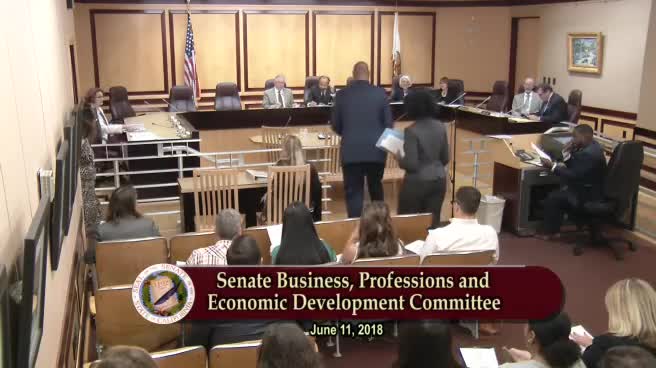 40MIN
Senate Standing Committee on Business, Professions and Economic Development
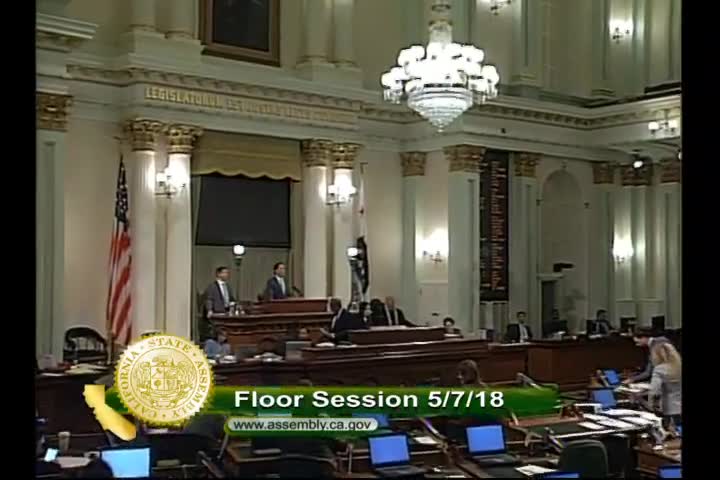 5MIN
Assembly Floor
 3MIN
Assembly Standing Committee on Appropriations
 12MIN
Assembly Standing Committee on Health
 24MIN
Assembly Standing Committee on Business and Professions
Bill Author