AB 2769: Privacy: driver’s license information.
- Session Year: 2017-2018
- House: Assembly
- Latest Version Date: 2018-09-19
Existing law authorizes a business to swipe a drivers license or identification card issued by the Department of Motor Vehicles in any electronic device for prescribed verification and informational purposes. Existing law prohibits a business that swipes a drivers license or identification card in an electronic device from maintaining or using that information for any other purpose. A violation of those provisions is a misdemeanor.
This bill would expand those provisions to apply to scans as well as swipes. Because the bill would expand the scope of a crime, it would impose a state-mandated local program.
The California Constitution requires the state to reimburse local agencies and school districts for certain costs mandated by the state. Statutory provisions establish procedures for making that reimbursement.
This bill would provide that no reimbursement is required by this act for a specified reason.
Existing law authorizes a business to swipe a drivers license or identification card issued by the Department of Motor Vehicles in any electronic device for prescribed verification and informational purposes. Existing law prohibits a business that swipes a drivers license or identification card in an electronic device from maintaining or using that information for any other purpose. A violation of those provisions is a misdemeanor.
This bill would expand those provisions to apply to scans as well as swipes. The bill would also authorize a business, as defined, that is licensed by the Department of Alcoholic Beverage Control, that sells or serves alcoholic beverages for consumption on the premises, as specified, to scan or swipe a drivers license or identification card subject to specified conditions, and would prohibit the business from disclosing that information, except where specified, including allowing disclosure to assist in a criminal investigation. The bill would make a violation of these provisions punishable as a misdemeanor. Because the bill would expand the scope of a crime, it would impose a state-mandated local program.
The California Constitution requires the state to reimburse local agencies and school districts for certain costs mandated by the state. Statutory provisions establish procedures for making that reimbursement.
This bill would provide that no reimbursement is required by this act for a specified reason.
Existing law authorizes a business to swipe a drivers license or identification card issued by the Department of Motor Vehicles in any electronic device for prescribed verification and informational purposes. Existing law prohibits a business that swipes a drivers license or identification card in an electronic device from maintaining or using that information for any other purpose. A violation of those provisions is a misdemeanor.
This bill would expand those provisions to apply to scans as well as swipes. The bill would also prohibit a business authorize a business, as defined, that is licensed by the Department of Alcoholic Beverage Control, that sells or serves alcoholic beverages for consumption on the premises, as specified, and that scans or swipes to scan or swipe a drivers license or identification card for age verification purposes from retaining or sharing any of the information it obtains with any other business or entity except law enforcement subject to specified conditions, and would prohibit the business from disclosing that information, except where specified, including allowing disclosure to assist in a criminal investigation. The bill would make a violation of these provisions punishable as a misdemeanor. Because the bill would expand the scope of a crime, it would impose a state-mandated local program.
The California Constitution requires the state to reimburse local agencies and school districts for certain costs mandated by the state. Statutory provisions establish procedures for making that reimbursement.
This bill would provide that no reimbursement is required by this act for a specified reason.
Existing law authorizes a business to swipe a drivers license or identification card issued by the Department of Motor Vehicles in any electronic device for prescribed verification and informational purposes. Existing law prohibits a business that swipes a drivers license or identification card in an electronic device from maintaining or using that information for any other purpose. A violation of those provisions is a misdemeanor.
This bill would expand these provisions to passports and other identification cards. The bill would require a business to obtain written authorization from the person to perform an electronic scan or swipe before doing so, except as provided. The bill would limit the authorization for a business to perform a scan or swipe to verification of the persons age or the authenticity of the drivers license, passport, or identification card, or transmission of the information to a check service company for the purpose of approving negotiable instruments, electronic funds transfers, or similar methods of payments. The bill would also prohibit a business that scans or swipes a drivers license, identification card, or passport to verify the persons age or the authenticity of the drivers license, identification card, or passport from collecting any information from the scan or swipe except the persons name and date of birth, retaining or using that information for more than 24 hours, except as specified, and sharing any of the information it obtains with any other business or entity except law enforcement to assist in a criminal investigation. Because the bill would change the definition of a crime, it would impose a state-mandated local program. The bill would make other conforming changes.This bill would expand those provisions to apply to scans as well as swipes. The bill would also prohibit a business that is licensed by the Department of Alcoholic Beverage Control, that sells or serves alcoholic beverages for consumption on the premises, as specified, and that scans or swipes a drivers license or identification card for age verification purposes from retaining or sharing any of the information it obtains with any other business or entity except law enforcement to assist in a criminal investigation. Because the bill would expand the scope of a crime, it would impose a state-mandated local program.
The California Constitution requires the state to reimburse local agencies and school districts for certain costs mandated by the state. Statutory provisions establish procedures for making that reimbursement.
This bill would provide that no reimbursement is required by this act for a specified reason.
Existing law authorizes a business to swipe a drivers license or identification card issued by the Department of Motor Vehicles in any electronic device for prescribed verification and informational purposes. Existing law prohibits a business that swipes a drivers license or identification card in an electronic device from maintaining or using that information for any other purpose. A violation of those provisions is a misdemeanor.
This bill would expand these provisions to passports, passports and other identification cards. The bill would require a business to obtain written authorization from the person to perform an electronic scan or swipe before doing so. so, except as provided. The bill would limit the authorization for a business to perform a scan or swipe to verification of the persons age or the authenticity of the drivers license, passport, or identification card, or transmission of the information to a check service company for the purpose of approving negotiable instruments, electronic funds transfers, or similar methods of payments. The bill would also prohibit a business that scans or swipes a drivers license, identification card card, or passport to verify the persons age or the authenticity of the drivers license, identification card, or passport from collecting any information from the scan or swipe except the persons name and date of birth, retaining or using that information for more than 24 hours, except as specified, and sharing any of the information it obtains with any other business or entity except law enforcement to assist in a criminal investigation. Because the bill would change the definition of a crime, it would impose a state-mandated local program. The bill would make other conforming changes.
The California Constitution requires the state to reimburse local agencies and school districts for certain costs mandated by the state. Statutory provisions establish procedures for making that reimbursement.
This bill would provide that no reimbursement is required by this act for a specified reason.
Existing law authorizes a business to swipe a drivers license or identification card issued by the Department of Motor Vehicles in any electronic device for prescribed verification and informational purposes. Existing law prohibits a business that swipes a drivers license or identification card in an electronic device from maintaining or using that information for any other purpose. A violation of those provisions is a misdemeanor.
This bill would expand these provisions to passports, and other identification cards. The bill would require a business to obtain written authorization from the person to perform an electronic scan or swipe before doing so. The bill would limit the authorization for a business to perform a scan or swipe to verification of the persons age or the authenticity of the drivers license, passport, or identification card, or transmission of the information to a check service company for the purpose of approving negotiable instruments, electronic funds transfers, or similar methods of payments. The bill would also prohibit a business that scans or swipes a drivers license, identification card or passport to verify the persons age or the authenticity of the drivers license, identification card, or passport from collecting any information from the scan or swipe except the persons name and date of birth, retaining or using that information for more than 24 hours, and sharing any of the information it obtains with any other business or entity except law enforcement to assist in a criminal investigation. Because the bill would change the definition of a crime, it would impose a state-mandated local program. The bill would make other conforming changes.
The California Constitution requires the state to reimburse local agencies and school districts for certain costs mandated by the state. Statutory provisions establish procedures for making that reimbursement.
This bill would provide that no reimbursement is required by this act for a specified reason.
(a)(1)A business may scan or swipe a drivers license or identification card issued by the Department of Motor Vehicles in any electronic device for the following purposes:
(A)To verify age or the authenticity of the drivers license or identification card.
(B)To comply with a legal requirement to record, retain, or transmit that information.
(C)To transmit information to a check service company for the purpose of approving negotiable instruments, electronic funds transfers, or similar methods of payments, provided that only the name and identification number from the license or the card may be used or retained by the check service company.
(D)To collect or disclose personal information that is required for reporting, investigating, or preventing fraud, abuse, or material misrepresentation.
(2)(A)An organ procurement organization may scan or swipe a drivers license or identification card issued by the Department of Motor Vehicles in any electronic device to transmit information to the Donate Life California Organ and Tissue Donor Registry established pursuant to Section 7150.90 of the Health and Safety Code for the purposes of allowing an individual to identify himself or herself as a registered organ donor. Information gathered or transmitted pursuant to this paragraph shall comply with the Department of Motor Vehicles Information Security Agreement.
(B)Prior to scanning or swiping a drivers license or identification card issued by the Department of Motor Vehicles, an organ procurement organization shall provide clear and conspicuous notice to the applicant and shall follow the procedure prescribed in this subparagraph:
(i)Once the applicants information is populated on the electronic form, the applicant shall verify that the information is accurate and shall click submit after reading a clear and conspicuous consent message, which shall not be combined with or contained within another message, acknowledging that the applicants information will be used for the sole purpose of being added to the registry.
(ii)The applicant shall provide his or her signature to complete registration.
(iii)The organization or registry system shall provide a written confirmation to the applicant confirming that he or she is signed up as an organ and tissue donor.
(3)A business or organ procurement organization shall not retain or use any of the information obtained by that electronic means for any purpose other than as provided herein.
(b)As used in this section:
(1)Business means a proprietorship, partnership, corporation, or any other form of commercial enterprise.
(2)Organ procurement organization means a person designated by the Secretary of the federal Department of Health and Human Services as an organ procurement organization.
(c)A violation of this section constitutes a misdemeanor punishable by imprisonment in a county jail for no more than one year, or by a fine of no more than ten thousand dollars ($10,000), or by both.
SEC. 2.No reimbursement is required by this act pursuant to Section 6 of Article XIIIB of the California Constitution because the only costs that may be incurred by a local agency or school district will be incurred because this act creates a new crime or infraction, eliminates a crime or infraction, or changes the penalty for a crime or infraction, within the meaning of Section 17556 of the Government Code, or changes the definition of a crime within the meaning of Section 6 of Article XIIIB of the California Constitution.
(a)(1)A business may scan or swipe a drivers license or identification card issued by the Department of Motor Vehicles in any electronic device for the following purposes:
(A)To verify age or the authenticity of the drivers license or identification card.
(B)To comply with a legal requirement to record, retain, or transmit that information.
(C)To transmit information to a check service company for the purpose of approving negotiable instruments, electronic funds transfers, or similar methods of payments, provided that only the name and identification number from the license or the card may be used or retained by the check service company.
(D)To collect or disclose personal information that is required for reporting, investigating, or preventing fraud, abuse, or material misrepresentation.
(2)(A)An organ procurement organization may scan or swipe a drivers license or identification card issued by the Department of Motor Vehicles in any electronic device to transmit information to the Donate Life California Organ and Tissue Donor Registry established pursuant to Section 7150.90 of the Health and Safety Code for the purposes of allowing an individual to identify himself or herself as a registered organ donor. Information gathered or transmitted pursuant to this paragraph shall comply with the Department of Motor Vehicles Information Security Agreement.
(B)Prior to scanning or swiping a drivers license or identification card issued by the Department of Motor Vehicles, an organ procurement organization shall provide clear and conspicuous notice to the applicant and shall follow the procedure prescribed in this subparagraph:
(i)Once the applicants information is populated on the electronic form, the applicant shall verify that the information is accurate and shall click submit after reading a clear and conspicuous consent message, which shall not be combined with or contained within another message, acknowledging that the applicants information will be used for the sole purpose of being added to the registry.
(ii)The applicant shall provide his or her signature to complete registration.
(iii)The organization or registry system shall provide a written confirmation to the applicant confirming that he or she is signed up as an organ and tissue donor.
(3)A business or organ procurement organization shall not retain or use any of the information obtained by that electronic means for any purpose other than as provided herein.
(b)As used in this section:
(1)Business means a proprietorship, partnership, corporation, or any other form of commercial enterprise.
(2)Organ procurement organization means a person designated by the Secretary of the federal Department of Health and Human Services as an organ procurement organization.
(c)A violation of this section constitutes a misdemeanor punishable by imprisonment in a county jail for no more than one year, or by a fine of no more than ten thousand dollars ($10,000), or by both.
SEC. 2.Section 1798.90.2 is added to the Civil Code, to read:1798.90.2.(a)A business that sells or serves alcoholic beverages for consumption on the premises, may, consistent with Section 25659 of the Business and Professions Code, scan or swipe a drivers license or identification card issued by the Department of Motor Vehicles subject to all of the following conditions:(1)The information collected shall only include a patrons name, date of birth, age, and photograph.(2)The technology used to scan or swipe a drivers license or identification card shall be programmed to collect only the information specified in paragraph (1). If the technology is unable to only collect that information then the business shall not scan or swipe the drivers license or identification card as a condition of allowing the individual to enter the licensed premises.(3)The business shall inform patrons why the information is being collected and shall give a patron access to the information it has collected about the patron.(b)A business may disclose information with other businesses in the same county as the origin of the scan or swipe under either of the following circumstances:(1)If the business reasonably believes a patron has broken the law.(2)If a patron is a threat to others.(c)(1)A business may ban a patron from the licensed premises or flag a patron based on information collected when a drivers license or identification card is scanned or swiped with regard to that businesss licensed premises. A business may use the information shared with it pursuant to this section to decide whether or not to ban or flag a patron and for no other purpose.(2)If a business bans or flags a patron, the business must notify the patron in writing at the time of the ban or flag and provide information on how to dispute or appeal the ban or flag.(d)A business may disclose information to a police officer, upon request, to assist in a criminal investigation.(e)The information collected pursuant to this section shall only be used for purposes authorized by this section and not for any other purpose.(f)For purposes of this section, business means a proprietorship, partnership, corporation, or any other form of commercial enterprise that is licensed by the Department of Alcoholic Beverage Control.(g)A violation of this section constitutes a misdemeanor punishable by imprisonment in a county jail for no more than one year, or by a fine of no more than ten thousand dollars ($10,000), or by both. SEC. 3. SEC. 2.No reimbursement is required by this act pursuant to Section 6 of Article XIIIB of the California Constitution because the only costs that may be incurred by a local agency or school district will be incurred because this act creates a new crime or infraction, eliminates a crime or infraction, or changes the penalty for a crime or infraction, within the meaning of Section 17556 of the Government Code, or changes the definition of a crime within the meaning of Section 6 of Article XIIIB of the California Constitution.
(a)(1)A business may scan or swipe a drivers license or identification card issued by the Department of Motor Vehicles in any electronic device for the following purposes:
(A)To verify age or the authenticity of the drivers license or identification card.
(B)To comply with a legal requirement to record, retain, or transmit that information.
(C)To transmit information to a check service company for the purpose of approving negotiable instruments, electronic funds transfers, or similar methods of payments, provided that only the name and identification number from the license or the card may be used or retained by the check service company.
(D)To collect or disclose personal information that is required for reporting, investigating, or preventing fraud, abuse, or material misrepresentation.
(2)(A)An organ procurement organization may scan or swipe a drivers license or identification card issued by the Department of Motor Vehicles in any electronic device to transmit information to the Donate Life California Organ and Tissue Donor Registry established pursuant to Section 7150.90 of the Health and Safety Code for the purposes of allowing an individual to identify himself or herself as a registered organ donor. Information gathered or transmitted pursuant to this paragraph shall comply with the Department of Motor Vehicles Information Security Agreement.
(B)Prior to scanning or swiping a drivers license or identification card issued by the Department of Motor Vehicles, an organ procurement organization shall provide clear and conspicuous notice to the applicant and shall follow the procedure prescribed in this subparagraph:
(i)Once the applicants information is populated on the electronic form, the applicant shall verify that the information is accurate and shall click submit after reading a clear and conspicuous consent message, which shall not be combined with or contained within another message, acknowledging that the applicants information will be used for the sole purpose of being added to the registry.
(ii)The applicant shall provide his or her signature to complete registration.
(iii)The organization or registry system shall provide a written confirmation to the applicant confirming that he or she is signed up as an organ and tissue donor.
(3)A business or organ procurement organization shall not retain or use any of the information obtained by that electronic means for any purpose other than as provided herein.
(4)A business that is licensed by the Department of Alcoholic Beverage Control, that sells or serves alcoholic beverages for consumption on the premises, and that, consistent with Section 25659 of the Business and Professions Code, scans or swipes a drivers license or identification card issued by the Department of Motor Vehicles for the purposes described in subparagraph (A) of paragraph (1) shall not retain or share any of the information it obtains with any other business or entity except law enforcement to assist in a criminal investigation.(b)As used in this section:
(1)Business means a proprietorship, partnership, corporation, or any other form of commercial enterprise.
(2)Organ procurement organization means a person designated by the Secretary of the federal Department of Health and Human Services as an organ procurement organization.
(c)A violation of this section constitutes a misdemeanor punishable by imprisonment in a county jail for no more than one year, or by a fine of no more than ten thousand dollars ($10,000), or by both.
SEC. 2.Section 1798.90.2 is added to the Civil Code, to read:1798.90.2.(a)A business that sells or serves alcoholic beverages for consumption on the premises, may, consistent with Section 25659 of the Business and Professions Code, scan or swipe a drivers license or identification card issued by the Department of Motor Vehicles subject to all of the following conditions:
(1)The information collected shall only include a patrons name, date of birth, age, and photograph.
(2)The technology used to scan or swipe a drivers license or identification card shall be programmed to collect only the information specified in paragraph (1). If the technology is unable to only collect that information then the business shall not scan or swipe the drivers license or identification card as a condition of allowing the individual to enter the licensed premises.
(3)The business shall inform patrons why the information is being collected and shall give a patron access to the information it has collected about the patron.
(b)A business may disclose information with other businesses in the same county as the origin of the scan or swipe under either of the following circumstances:
(1)If the business reasonably believes a patron has broken the law.
(2)If a patron is a threat to others.
(c)(1)A business may ban a patron from the licensed premises or flag a patron based on information collected when a drivers license or identification card is scanned or swiped with regard to that businesss licensed premises. A business may use the information shared with it pursuant to this section to decide whether or not to ban or flag a patron and for no other purpose.
(2)If a business bans or flags a patron, the business must notify the patron in writing at the time of the ban or flag and provide information on how to dispute or appeal the ban or flag.
(d)A business may disclose information to a police officer, upon request, to assist in a criminal investigation.
(e)The information collected pursuant to this section shall only be used for purposes authorized by this section and not for any other purpose.
(f)For purposes of this section, business means a proprietorship, partnership, corporation, or any other form of commercial enterprise that is licensed by the Department of Alcoholic Beverage Control.
(g)A violation of this section constitutes a misdemeanor punishable by imprisonment in a county jail for no more than one year, or by a fine of no more than ten thousand dollars ($10,000), or by both.
SEC. 2.SEC. 3.No reimbursement is required by this act pursuant to Section 6 of Article XIIIB of the California Constitution because the only costs that may be incurred by a local agency or school district will be incurred because this act creates a new crime or infraction, eliminates a crime or infraction, or changes the penalty for a crime or infraction, within the meaning of Section 17556 of the Government Code, or changes the definition of a crime within the meaning of Section 6 of Article XIIIB of the California Constitution.
(a)(1)A business may scan or swipe a drivers license or identification card issued by the Department of Motor Vehicles in any electronic device for the following purposes:
(A)To verify age or the authenticity of the drivers license or identification card.
(B)To comply with a legal requirement to record, retain, or transmit that information.
(C)To transmit information to a check service company for the purpose of approving negotiable instruments, electronic funds transfers, or similar methods of payments, provided that only the name and identification number from the license or the card may be used or retained by the check service company.
(D)To collect or disclose personal information that is required for reporting, investigating, or preventing fraud, abuse, or material misrepresentation.
(2)(A)An organ procurement organization may scan or swipe a drivers license or identification card issued by the Department of Motor Vehicles in any electronic device to transmit information to the Donate Life California Organ and Tissue Donor Registry established pursuant to Section 7150.90 of the Health and Safety Code for the purposes of allowing an individual to identify himself or herself as a registered organ donor. Information gathered or transmitted pursuant to this paragraph shall comply with the Department of Motor Vehicles Information Security Agreement.
(B)Prior to scanning or swiping a drivers license or identification card issued by the Department of Motor Vehicles, an organ procurement organization shall provide clear and conspicuous notice to the applicant and shall follow the procedure prescribed in this subparagraph:
(i)Once the applicants information is populated on the electronic form, the applicant shall verify that the information is accurate and shall click submit after reading a clear and conspicuous consent message, which shall not be combined with or contained within another message, acknowledging that the applicants information will be used for the sole purpose of being added to the registry.
(ii)The applicant shall provide his or her signature to complete registration.
(iii)The organization or registry system shall provide a written confirmation to the applicant confirming that he or she is signed up as an organ and tissue donor.
(3)A business or organ procurement organization shall not retain or use any of the information obtained by that electronic means for any purpose other than as provided herein.
(4)A business that is licensed by the Department of Alcoholic Beverage Control, that sells or serves alcoholic beverages for consumption on the premises, and that, consistent with Section 25659 of the Business and Professions Code, scans or swipes a drivers license or identification card issued by the Department of Motor Vehicles for the purposes described in subparagraph (A) of paragraph (1) shall not retain or share any of the information it obtains with any other business or entity except law enforcement to assist in a criminal investigation.
(b)As used in this section:
(1)Business means a proprietorship, partnership, corporation, or any other form of commercial enterprise.
(2)Organ procurement organization means a person designated by the Secretary of the federal Department of Health and Human Services as an organ procurement organization.
(c)A violation of this section constitutes a misdemeanor punishable by imprisonment in a county jail for no more than one year, or by a fine of no more than ten thousand dollars ($10,000), or by both.
SECTION 1.Section 1798.90.1 of the Civil Code is amended to read:1798.90.1.(a)(1)A business may scan or swipe a drivers license or identification card issued by the Department of Motor Vehicles, passport, or other identification card in any electronic device if the business has obtained written authorization from the person to perform the scan or swipe for the following purposes:(A)To verify the persons age or the authenticity of the drivers license, passport, or identification card.(B)To transmit information to a check service company for the purpose of approving negotiable instruments, electronic funds transfers, or similar methods of payments, provided that only the name and identification number from the license or the card may be used or retained by the check service company.(2)(A)An organ procurement organization may scan or swipe a drivers license or identification card issued by the Department of Motor Vehicles in any electronic device to transmit information to the Donate Life California Organ and Tissue Donor Registry established pursuant to Section 7150.90 of the Health and Safety Code for the purposes of allowing an individual to identify himself or herself as a registered organ donor. Information gathered or transmitted pursuant to this paragraph shall comply with the Department of Motor Vehicles Information Security Agreement.(B)Prior to scanning or swiping a drivers license or identification card issued by the Department of Motor Vehicles, an organ procurement organization shall provide clear and conspicuous notice to the applicant and shall follow the procedure prescribed in this subparagraph:(i)Once the applicants information is populated on the electronic form, the applicant shall verify that the information is accurate and shall click submit after reading a clear and conspicuous consent message, which shall not be combined with or contained within another message, acknowledging that the applicants information will be used for the sole purpose of being added to the registry.(ii)The applicant shall provide his or her signature to complete registration.(iii)The organization or registry system shall provide a written confirmation to the applicant confirming that he or she is signed up as an organ and tissue donor.(3)Notwithstanding paragraph (1), a business that is engaged in the retail sale of goods or merchandise to a consumer may scan or swipe a drivers license or identification card issued by the Department of Motor Vehicles, passport, or other identification card in an electronic device without written authorization from the person to perform the scan or swipe only for the purposes described in subparagraphs (A) and (B) of paragraph (1).(4)A business or organ procurement organization shall not retain or use any of the information obtained by that electronic means for any purpose other than as provided herein.(5)Unless otherwise required by law, a business that scans or swipes a drivers license, identification card, or passport for the purpose described in subparagraph (A) of paragraph (1) shall only collect the persons name and date of birth and shall not retain or use that information for more than 24 hours.(6)A business that scans or swipes a drivers license, identification card or passport for the purpose described in subparagraph (A) of paragraph (1) shall not share any of the information it obtains with any other business or entity except law enforcement to assist in a criminal investigation.(b)As used in this section:(1)Business means a proprietorship, partnership, corporation, or any other form of commercial enterprise.(2)Organ procurement organization means a person designated by the Secretary of the federal Department of Health and Human Services as an organ procurement organization.(c)A violation of this section constitutes a misdemeanor punishable by imprisonment in a county jail for no more than one year, or by a fine of no more than ten thousand dollars ($10,000), or by both.(d)This section shall not apply to an emergency medical services provider or a health facility, as defined in Section 1250 of the Health and Safety Code, that scans or swipes a drivers license, identification card, or passport to identify or locate a patient.SEC. 2.No reimbursement is required by this act pursuant to Section 6 of Article XIIIB of the California Constitution because the only costs that may be incurred by a local agency or school district will be incurred because this act creates a new crime or infraction, eliminates a crime or infraction, or changes the penalty for a crime or infraction, within the meaning of Section 17556 of the Government Code, or changes the definition of a crime within the meaning of Section 6 of Article XIIIB of the California Constitution.
(a)(1)A business may scan or swipe a drivers license or identification card issued by the Department of Motor Vehicles, passport, or other identification card in any electronic device if the business has obtained written authorization from the person to perform the scan or swipe for the following purposes:
(A)To verify the persons age or the authenticity of the drivers license, passport, or identification card.
(B)To transmit information to a check service company for the purpose of approving negotiable instruments, electronic funds transfers, or similar methods of payments, provided that only the name and identification number from the license or the card may be used or retained by the check service company.
(2)(A)An organ procurement organization may scan or swipe a drivers license or identification card issued by the Department of Motor Vehicles in any electronic device to transmit information to the Donate Life California Organ and Tissue Donor Registry established pursuant to Section 7150.90 of the Health and Safety Code for the purposes of allowing an individual to identify himself or herself as a registered organ donor. Information gathered or transmitted pursuant to this paragraph shall comply with the Department of Motor Vehicles Information Security Agreement.
(B)Prior to scanning or swiping a drivers license or identification card issued by the Department of Motor Vehicles, an organ procurement organization shall provide clear and conspicuous notice to the applicant and shall follow the procedure prescribed in this subparagraph:
(i)Once the applicants information is populated on the electronic form, the applicant shall verify that the information is accurate and shall click submit after reading a clear and conspicuous consent message, which shall not be combined with or contained within another message, acknowledging that the applicants information will be used for the sole purpose of being added to the registry.
(ii)The applicant shall provide his or her signature to complete registration.
(iii)The organization or registry system shall provide a written confirmation to the applicant confirming that he or she is signed up as an organ and tissue donor.
(3)Notwithstanding paragraph (1), a business that is engaged in the retail sale of goods or merchandise to a consumer may scan or swipe a drivers license or identification card issued by the Department of Motor Vehicles, passport, or other identification card in an electronic device without written authorization from the person to perform the scan or swipe only for the purposes described in subparagraphs (A) and (B) of paragraph (1).
(3)(4)A business or organ procurement organization shall not retain or use any of the information obtained by that electronic means for any purpose other than as provided herein.
(4)A(5)Unless otherwise required by law, a business that scans or swipes a drivers license, identification card, or passport to verify a persons age or the authenticity of the drivers license, identification card, or passport for the purpose described in subparagraph (A) of paragraph (1) shall only collect the persons name and date of birth and shall not retain or use that information for more than 24 hours.
(5)(6)A business that scans or swipes a drivers license, identification card or passport to verify a persons age or the authenticity of the drivers license, identification card, or passport for the purpose described in subparagraph (A) of paragraph (1) shall not share any of the information it obtains with any other business or entity except law enforcement to assist in a criminal investigation.
(b)As used in this section:
(1)Business means a proprietorship, partnership, corporation, or any other form of commercial enterprise.
(2)Organ procurement organization means a person designated by the Secretary of the federal Department of Health and Human Services as an organ procurement organization.
(c)A violation of this section constitutes a misdemeanor punishable by imprisonment in a county jail for no more than one year, or by a fine of no more than ten thousand dollars ($10,000), or by both.
(d)This section shall not apply to an emergency medical services provider or a health facility, as defined in Section 1250 of the Health and Safety Code, that scans or swipes a drivers license, identification card, or passport to identify or locate a patient.
SEC. 2.No reimbursement is required by this act pursuant to Section 6 of Article XIIIB of the California Constitution because the only costs that may be incurred by a local agency or school district will be incurred because this act creates a new crime or infraction, eliminates a crime or infraction, or changes the penalty for a crime or infraction, within the meaning of Section 17556 of the Government Code, or changes the definition of a crime within the meaning of Section 6 of Article XIIIB of the California Constitution.
(a)(1)A business may scan or swipe a drivers license or identification card issued by the Department of Motor Vehicles, passport, or other identification card in any electronic device if the business has obtained written authorization from the person to perform the scan or swipe for the following purposes:
(A)To verify the persons age or the authenticity of the drivers license, passport, or identification card.
(B)To comply with a legal requirement to record, retain, or transmit that information.(C)(B)To transmit information to a check service company for the purpose of approving negotiable instruments, electronic funds transfers, or similar methods of payments, provided that only the name and identification number from the license or the card may be used or retained by the check service company.
(D)To collect or disclose personal information that is required for reporting, investigating, or preventing fraud, abuse, or material misrepresentation.(2)(A)An organ procurement organization may scan or swipe a drivers license or identification card issued by the Department of Motor Vehicles in any electronic device to transmit information to the Donate Life California Organ and Tissue Donor Registry established pursuant to Section 7150.90 of the Health and Safety Code for the purposes of allowing an individual to identify himself or herself as a registered organ donor. Information gathered or transmitted pursuant to this paragraph shall comply with the Department of Motor Vehicles Information Security Agreement.
(B)Prior to scanning or swiping a drivers license or identification card issued by the Department of Motor Vehicles, an organ procurement organization shall provide clear and conspicuous notice to the applicant and shall follow the procedure prescribed in this subparagraph:
(i)Once the applicants information is populated on the electronic form, the applicant shall verify that the information is accurate and shall click submit after reading a clear and conspicuous consent message, which shall not be combined with or contained within another message, acknowledging that the applicants information will be used for the sole purpose of being added to the registry.
(ii)The applicant shall provide his or her signature to complete registration.
(iii)The organization or registry system shall provide a written confirmation to the applicant confirming that he or she is signed up as an organ and tissue donor.
(3)A business or organ procurement organization shall not retain or use any of the information obtained by that electronic means for any purpose other than as provided herein.
(4)A business that scans or swipes a drivers license, identification card, or passport to verify a persons age or the authenticity of the drivers license, identification card, or passport shall only collect the persons name and date of birth and shall not retain or use that information for more than 24 hours.
(5)A business that scans or swipes a drivers license, identification card or passport to verify a persons age or the authenticity of the drivers license, identification card, or passport shall not share any of the information it obtains with any other business or entity except law enforcement to assist in a criminal investigation.
(b)As used in this section:
(1)Business means a proprietorship, partnership, corporation, or any other form of commercial enterprise.
(2)Organ procurement organization means a person designated by the Secretary of the federal Department of Health and Human Services as an organ procurement organization.
(c)A violation of this section constitutes a misdemeanor punishable by imprisonment in a county jail for no more than one year, or by a fine of no more than ten thousand dollars ($10,000), or by both.
SEC. 2.No reimbursement is required by this act pursuant to Section 6 of Article XIIIB of the California Constitution because the only costs that may be incurred by a local agency or school district will be incurred because this act creates a new crime or infraction, eliminates a crime or infraction, or changes the penalty for a crime or infraction, within the meaning of Section 17556 of the Government Code, or changes the definition of a crime within the meaning of Section 6 of Article XIIIB of the California Constitution.
|
Date
|
Status
|
|---|---|
| Sep 19, 2018 | Chaptered by Secretary of State - Chapter 548, Statutes of 2018. |
| Sep 19, 2018 | Approved by the Governor. |
| Sep 12, 2018 | Enrolled and presented to the Governor at 12 p.m. |
| Aug 31, 2018 | Senate amendments concurred in. To Engrossing and Enrolling. |
| Aug 31, 2018 | In Assembly. Concurrence in Senate amendments pending. |
| Aug 31, 2018 | Read third time. Passed. Ordered to the Assembly. |
| Aug 17, 2018 | From committee: Do pass. (Ayes 5. Noes 2.) (August 16). |
| Aug 13, 2018 | In committee: Referred to APPR. suspense file. |
| Aug 6, 2018 | In committee: Hearing postponed by committee. |
| Jun 28, 2018 | Read second time and amended. Re-referred to Com. on APPR. |
| Jun 27, 2018 | From committee: Amend, and do pass as amended and re-refer to Com. on APPR. (Ayes 5. Noes 2.) (June 26). |
| Jun 18, 2018 | Read second time and amended. Re-referred to Com. on JUD. |
| Jun 14, 2018 | From committee: Amend, and do pass as amended and re-refer to Com. on JUD. (Ayes 9. Noes 1.) (June 12). |
| May 30, 2018 | Referred to Coms. on G.O. and JUD. |
| May 17, 2018 | In Senate. Read first time. To Com. on RLS. for assignment. |
| May 17, 2018 | Read third time. Passed. Ordered to the Senate. |
| May 10, 2018 | Read second time. Ordered to Consent Calendar. |
| May 9, 2018 | From committee: Do pass. To Consent Calendar. (Ayes 16. Noes 0.) (May 9). |
| Apr 23, 2018 | Re-referred to Com. on APPR. |
| Apr 19, 2018 | Read second time and amended. |
| Apr 18, 2018 | From committee: Amend, and do pass as amended and re-refer to Com. on APPR. (Ayes 9. Noes 0.) (April 17). |
| Apr 4, 2018 | Re-referred to Com. on P. & C.P. |
| Apr 3, 2018 | From committee chair, with author's amendments: Amend, and re-refer to Com. on P. & C.P. Read second time and amended. |
| Mar 8, 2018 | Referred to Com. on P. & C.P. |
| Feb 17, 2018 | From printer. May be heard in committee March 19. |
| Feb 16, 2018 | Read first time. To print. |
|
Date
|
Description
|
Location
|
Votes
|
|
|---|---|---|---|---|
| Aug 31, 2018 | AB 2769 Cooper Concurrence in Senate Amendments | Assembly Floor |
Passed |
|
| Aug 31, 2018 | Assembly 3rd Reading AB2769 Cooper et al. By Hueso | Senate Floor |
Passed |
|
| Aug 16, 2018 | Do pass | Senate Standing Committee on Appropriations |
Passed |
|
| Aug 13, 2018 | Placed on suspense file | Senate Standing Committee on Appropriations |
Passed |
|
| Jun 26, 2018 | Do pass as amended, but first amend, and re-refer to the Committee on [Appropriations] | Senate Standing Committee on Judiciary |
Passed |
|
| Jun 12, 2018 | Do pass as amended, but first amend, and re-refer to the Committee on [Judiciary] | Senate Standing Committee on Governmental Organization |
Passed |
|
| May 17, 2018 | AB 2769 COOPER Consent Calendar Second Day Regular Session | Assembly Floor |
Passed |
|
| May 9, 2018 | Do pass. To Consent Calendar. | Assembly Standing Committee on Appropriations |
Passed |
|
| Apr 17, 2018 | Do pass as amended and be re-referred to the Committee on [Appropriations] | Assembly Standing Committee on Privacy and Consumer Protection |
Passed |
This list shows positions taken on this bill by organizations on the date displayed, which is linked to the original source.
Positions by individuals are not included.
CONCURRENCE IN SENATE AMENDMENTS
CSA1 Bill Id:AB 2769
Author:(Cooper)
As Amended Ver:June 28, 2018
Majority vote
ASSEMBLY: | 73-0 | (May 17, 2018) | SENATE: | 26-12 | (August 31, 2018) |
Original Committee Reference: P. & C.P.
SUMMARY: This bill authorizes businesses to scan driver's licenses and identification cards for the same purposes and under the same limitations that current law allows for the swiping of such documents.
The Senate amendments eliminated certain provisions thereby narrowing the bill to only apply existing restrictions on the swiping of a driver's license or Department of Motor Vehicles (DMV)-issued ID (identification) card to the scanning of those identification cards.
EXISTING LAW:
- Authorizes a business to swipe a driver's license or DMV-issued ID card in any electronic device for the following purposes:
- To verify the individual's age or the authenticity of the driver's license or DMV-issued ID card;
- To comply with a legal requirement to record, retain, or transmit that information; or
- To collect or disclose personal information required for reporting, investigating, or preventing fraud, abuse, or material misrepresentation. (Civil Code Section 1798.90.1(a).)
- Provides that a business shall not retain or use any of the information obtained by that electronic means for any purpose other than as provided above. (Civil Code Section 1798.90.1(a)(3).)
- Provides that a business swiping a driver's license or DMV-issued ID card for any other purpose is subject to a misdemeanor punishable by up to one year in county jail, a fine of up to $10,000, or both. (Civil Code Section 1798.90.1.)
- Defines "business" as a proprietorship, partnership, corporation, or any other form of commercial enterprise. (Civil Code Section 1798.90.1.)
FISCAL EFFECT: According to the Senate Appropriations Committee, potential local assistance costs, not likely to be significant.
COMMENTS: Existing law allows businesses to swipe driver's licenses and identification cards issued by the DMV for extremely limited purposes, such as to verify the age of the holder or the authenticity of the card. However, businesses are explicitly prohibited from retaining or using the information gained through the swiping of the cards for any purpose other than those provided. Violations of these provisions can subject persons to misdemeanor charges and a fine of up to $10,000.
Recent technology has allowed for the scanning of driver's licenses by businesses to perform these same functions, but information collected from scanning is arguably not regulated by law. The author points to evidence that businesses selling or using this technology are not following the guidelines laid out in existing law that regulate the swiping of licenses and identification cards. Accordingly, this bill authorizes the scanning of driver's licenses and identification cards to the same extent as current law allows the swiping of such identification documents.
In opposition to this bill PatronScan writes, "In striking the balance between privacy protections and patron safety, PatronScan would like to maintain the ability to share limited information from scans conducted at ABC-licensed entities specifically with other businesses licensed by ABC for the sole purpose of providing information to those licensees to grant or deny entry into their establishments based on safety considerations."
In support, the Coalition for Human Immigrant Rights (CHIRLA) writes:
Recently the legislature has been proactive in ensuring that sensitive information willingly provided by immigrants is protected from being used for the purposes of immigration enforcement. AB 2769 builds from those efforts by prohibiting the collection and retention of sensitive information provided on identification cards, licenses, or other forms of accepted identification. AB 2769 will prohibit the creation of a database that is self-regulated by individuals who lack the understanding and proper training to oversee such database.
Lastly, placing individuals on a database that labels them a "threat to public safety" has significant immigration consequences that could lead to deportation, revoking of current status, or denial of future immigration relief. It is for these reasons that CHIRLA is in support of your measure AB 2769.
Analysis Prepared by: Nichole Rapier / P. & C.P. / (916) 319-2200 FN: 0004408
Office of Senate Floor Analyses (916) 651-1520 Fax: (916) 327-4478 | AB |
THIRD READING
Bill No: AB 2769
:
SENATE GOVERNMENTAL ORG. COMMITTEE: 9-1, 6/12/18
AYES: Dodd, Wilk, Cannella, Gaines, Galgiani, Glazer, Hill, Hueso, Portantino
NOES: Vidak
NO VOTE RECORDED: Bradford, Lara
SENATE JUDICIARY COMMITTEE: 5-2, 6/26/18
AYES: Jackson, Hertzberg, Monning, Stern, Wieckowski
NOES: Moorlach, Anderson
SENATE APPROPRIATIONS COMMITTEE: 5-2, 8/16/18
AYES: Portantino, Beall, Bradford, Hill, Wiener
NOES: Bates, Nielsen
ASSEMBLY FLOOR: 73-0, 5/17/18 (Consent) - See last page for vote
DIGEST:
This bill authorizes businesses to scan driver’s licenses and identification cards for the same purposes and under the same limitations that current law allows for the swiping of such documents.
Existing law:
- Provides that a business may swipe a driver’s license or identification card issued by the Department of Motor Vehicles (DMV) in any electronic device for the following purposes:
- To verify age or the authenticity of the driver’s license or identification card;
- To comply with a legal requirement to record, retain, or transmit that information;
- To transmit information to a check service company for the purpose of approving negotiable instruments, electronic funds transfers, or similar methods of payments, provided that only the name and identification number from the license or the card may be used or retained by the check service company; or
- To collect or disclose personal information that is required for reporting, investigating, or preventing fraud, abuse, or material misrepresentation. (Civ. Code Sec. 1798.90.1(a)(1).)
- Provides that an organ procurement organization may swipe a driver’s license or identification card issued by the DMV in any electronic device to transmit information to the Donate Life California Organ and Tissue Donor Registry for the purposes of allowing an individual to identify as a registered organ donor. Information gathered or transmitted pursuant to this paragraph shall comply with the DMV Information Security Agreement. Before swiping, the organization must provide clear and conspicuous notice to the applicant and shall follow specified procedures. (Civ. Code Sec. 1798.90.1(a)(2).)
- Prohibits a business or organ procurement organization from retaining or using any information obtained by these electronic means for any purpose other than as provided. (Civ. Code Sec. 1798.90.1(a)(3).)
- Provides that a violation of the above provisions constitutes a misdemeanor punishable by imprisonment in a county jail for no more than one year, or by a fine of no more than $10,000, or by both. (Civ. Code Sec. 1798.90.1(c).)
This bill allows the scanning of driver’s licenses and identification cards for the same purposes as they may currently swipe such identification documents, and subjects the scanning of these documents to the same restrictions as current law imposes on the swiping of the documents.
Background
Current law allows businesses to swipe driver’s licenses and identification cards issued by the DMV for extremely limited purposes, such as to verify the age of the holder or the authenticity of the card. However, businesses are explicitly prohibited from retaining or using the information gained through the swiping of the cards for any purpose other than those provided. Violations of these provisions can subject persons to misdemeanor charges and a fine of up to $10,000.
Recent technology has allowed for the scanning of driver’s licenses by businesses to perform these same functions. However, there is evidence that businesses selling or using this technology are not following the guidelines laid out in existing law that regulate the swiping of licenses and identification cards. In fact, businesses are not only collecting personal information from the scanning of these cards but are also retaining the data, analyzing it, and sharing it with other businesses.
This bill authorizes the scanning of driver’s licenses and identification cards to the same extent as current law allows the swiping of such identification documents.
Comments
The author writes:
AB 2769 updates existing privacy law to account for new technology and protect people’s personal information and right to privacy.
Since 2003, it has been illegal for any entity that “swipes” a person driver’s license or identification card when verifying a person’s age or authenticity of their ID to collect, retain or share any data, except to assist in a criminal investigation. AB 2769 updates current law to include when an entity “scans” [a] person’s ID.
AB 2769 seeks to protect everyone’s personal data. This bill does not ban scanning technology, it allows for businesses to use this technology and protects an individual’s right to privacy by ensuring that this technology, that is becoming an industry standard is well-regulated, as it should be.
Addressing the widespread collection and sharing of consumers’ personal information
SB 602 (Figueroa, Chapter 533, Statutes of 2003) established the Identity Theft Prevention and Assistance Act to prevent and punish identity theft. Included therein are provisions that prohibit businesses from “swiping” the magnetic strips on driver’s licenses except for limited purposes, such as to verify age or authenticate the license. Such businesses are prohibited from retaining or further using the encoded information, except where otherwise authorized by law. (Civ. Code Sec. 1798.90.1.) The Senate Judiciary Committee’s analysis of the bill indicates that these provisions “stem from recent press reports that some businesses, such as bars and clubs, have been retaining information from licenses swiped to verify age. According to the press accounts, in some instances this information has been used to market to individuals who have had their license read in this way.” The statute was later amended to authorize swiping of licenses for organ donation purposes.
All data transferred to or from the DMV or other third party servers is encrypted utilizing the most up-to-date protocols to maintain the privacy and confidentiality of data while it is transported over the Internet. These security controls and compliance steps were enacted to protect the confidentiality, integrity, and availability of DMV information and the information systems authorized to process, store, and transmit that information.
This bill amends the statute to now allow for new scanning technology. Just as with SB 602, this bill was motivated by recent news stories describing the practice of some bars scanning driver’s licenses and identification cards and the concerns that this data was being retained by the businesses scanning them. The author states the belief that this “practice of keeping persons’ personal data from the electronic scan of a person’s ID should already be illegal under state law.”
The widespread collection of personal information of consumers without clear regulation raises serious privacy concerns. Current law clearly prohibits the retention of information collected through the swiping of licenses and identification cards. However, there is a lack of clear law preventing the retention of the same data when those cards are scanned. This bill amends the above statute and equates scanning with swiping, closing this gap.
Existing scanning practices are problematic
Concerns about scanning technology being used to systematically collect and share personal information are not just theoretical. PatronScan is a scanning company that has established its own network in California and beyond. In a letter of opposition to a previous version of this bill, it admitted that it had collected and retained information from 561,087 customers. This statistic is limited to the first five months of 2018 and only includes Sacramento. The population of the City of Sacramento recently topped 500,000 people for the first time.
PatronScan’s director of sales and marketing was interviewed in the article cited as motivation by the author. In it, he admits that all the information is retained for at least 90 days. It can also be kept longer if the company determines there is a “public safety need” or the consumer is placed on a “banned” list. The company admits that it not only retains this information but flags the entries with additional information that it then shares with other businesses regulated by the Department of Alcoholic Beverage Control.
Documents shared by PatronScan show that the information is not simply being kept for security reasons. A “Public Safety Report” from the company provides a snapshot of a single day of scans comprising over 10,000 unique customer scans. The data in the report collects information about where the customers live, how far they have travelled, and how many different venues the customers patronized. It also shows how serious its banning function can impact a customer, indicating that the average ban was over 19 years.
Probably farthest from its reported security function, the report lays out the demographics, average household size, and average household income of the various locations the customers are coming from. Such widespread collection of data without any clear indication customers are being told such information is being collected, retained, and analyzed is of questionable legality under current law.
The security concerns around the collection of such information were highlighted in another report regarding the breach of Target’s information systems. It raised questions concerning whether Target’s practice of collecting data from driver’s licenses could have also been compromised. If these scanning networks collect vast information about consumers, including tags connecting them to where they have been, the dangers from breaches are concerning.
Additional concerns arise from the ability of this information to be shared with federal immigration officers. Scans of driver’s licenses and identification cards, especially those authorized pursuant to AB 60 (Alejo, Chapter 524, Statutes of 2013), could lead to problematic practices in the industry.
The restrictions imposed by this bill on scanning address these privacy concerns.
FISCAL EFFECT: Appropriation: Fiscal Com.: Local:
According to the Senate Appropriations Committee, potential local assistance costs, not likely to be significant.
None received
OPPOSITION: (Verified 8/17/18)
City of Sacramento
Downtown Sacramento Partnership
Midtown Association
PatronScan
ARGUMENTS IN OPPOSITION: PatronScan writes in opposition, “In striking the balance between privacy protections and patron safety, PatronScan would like to maintain the ability to share limited information from scans conducted at ABC-licensed entities specifically with other businesses licensed by ABC for the sole purpose of providing information to those licensees to grant or deny entry into their establishments based on safety considerations.”
ASSEMBLY FLOOR: 73-0, 5/17/18
AYES: Acosta, Aguiar-Curry, Travis Allen, Arambula, Baker, Berman, Bigelow, Bloom, Bonta, Brough, Burke, Caballero, Calderon, Carrillo, Cervantes, Chau, Chávez, Chen, Chiu, Choi, Chu, Cooley, Cooper, Cunningham, Dahle, Daly, Eggman, Flora, Fong, Frazier, Friedman, Gallagher, Eduardo Garcia, Gipson, Gloria, Gonzalez Fletcher, Gray, Grayson, Harper, Holden, Irwin, Jones-Sawyer, Kalra, Kamlager-Dove, Kiley, Lackey, Levine, Limón, Low, Maienschein, Mathis, Mayes, McCarty, Medina, Mullin, Nazarian, Obernolte, O'Donnell, Patterson, Quirk, Quirk-Silva, Reyes, Rodriguez, Rubio, Salas, Mark Stone, Thurmond, Ting, Voepel, Waldron, Weber, Wood, Rendon
NO VOTE RECORDED: Cristina Garcia, Melendez, Muratsuchi, Santiago, Steinorth
Prepared by: Christian Kurpiewski / JUD. / (916) 651-4113
8/18/18 13:41:56
**** END ****
SENATE COMMITTEE ON APPROPRIATIONS
Senator Anthony Portantino, Chair
2017 - 2018 Regular Session
AB 2769 (Cooper) - Privacy: driver’s license information
Version: June 28, 2018 | Policy Vote: G.O. 9 - 1, JUD. 5 - 2 |
Urgency: No | Mandate: Yes |
Hearing Date: August 13, 2018 | Consultant: Debra Cooper |
This bill does not meet the criteria for referral to the Suspense File.
Bill Summary:
AB 2769 would expand the provision that authorizes a business to swipe a driver’s license or identification card issued by the Department of Motor Vehicles in any electronic device for prescribed verification and informational purposes to also authorize the business to scan the license.
Fiscal Impact:
Potential local assistance costs, not likely to be significant. See Staff Comments.
Background:
Existing law authorizes a business to swipe a driver’s license or identification card issued by the Department of Motor Vehicles in any electronic device for prescribed verification or informational purposes. Existing law also prohibits a business that swipes a driver’s license or identification card in an electronic device from maintaining or using that information for any other purpose.
Recent technology has allowed for the scanning of driver’s licenses by businesses to perform these same functions. However, there is evidence that businesses selling or using this technology are not following the guidelines laid out in existing law that regulate the swiping of licenses and identification cards.
Proposed Law:
This bill would authorize scanning of driver’s licenses and identification cards for the same purposes as businesses may currently swipe such identification documents.
Related Legislation:
AB 718 (Calderon, 2005) would have expanded the ability of businesses to electronically collect information from a driver’s license or identification card. It was held in the Assembly Committee on Judiciary.
SB 602 (Figueroa, Chapter 533, Statutes of 2003) enacted the Identity Theft Prevention and Assistance Act which, among other things, authorized a business to swipe a driver’s license or ID card in any electronic device for specified purposes and prohibited the business from retaining or using any of the information for any purpose other than those authorized.
Staff Comments:
By expanding the definition of an existing misdemeanor that is punishable by up to 12 months in jail, this bill could have an impact on the county jail population. However, the impact is not likely to be significant.
Under certain circumstances, the California Constitution requires the state to reimburse local entities for the increased costs associated with a state-imposed program that requires local entities to implement a new program or provide a higher level of service. Any local government costs resulting from the mandate in this measure would not be state-reimbursable because the mandate only involves the definition of a crime or the penalty for conviction of a crime.
-- END --
Senator Hannah-Beth Jackson, Chair
2017-2018 Regular Session
Bill No: AB 2769 (Author:Cooper)
Version: June 18, 2018
Hearing Date: June 26, 2018
Fiscal: Yes
Urgency: No
Consultant: CK
SUBJECT
Privacy: driver’s license information
DESCRIPTION
This bill would authorize businesses to scan driver’s licenses and identification cards for specified purposes. Businesses that sell or serve alcoholic beverages would be further authorized to collect, retain, and share information gathered from the scans or swipes of driver’s licenses and identification cards.
BACKGROUND
Current law allows businesses to swipe driver’s licenses and identification cards issued by the Department of Motor Vehicles for extremely limited purposes, such as to verify the age of the holder or the authenticity of the card. However, businesses are explicitly prohibited from retaining or using the information gained through the swiping of the cards for any purpose other than those provided. Violations of these provisions can subject persons to misdemeanor charges and a fine of up to $10,000.
Recent technology has allowed for the scanning of driver’s licenses by businesses to perform these same functions. However, there is evidence that businesses selling or using this technology are not following the guidelines laid out in existing law that regulate the swiping of licenses and identification cards. In fact, businesses are not only collecting personal information from the scanning of these cards but are also retaining the data, analyzing it, and sharing it with other businesses.
This bill would authorize this widespread collection, retention, and sharing of consumers’ personal information gathered from the swiping or scanning of driver’s licenses and identification cards.
This bill was passed out of the Senate Governmental Organization Committee on a 9-1 vote.
CHANGES TO EXISTING LAW
Existing law provides that a business may swipe a driver’s license or identification card issued by the Department of Motor Vehicles (DMV) in any electronic device for the following purposes:
- to verify age or the authenticity of the driver’s license or identification card;
- to comply with a legal requirement to record, retain, or transmit that information;
- to transmit information to a check service company for the purpose of approving negotiable instruments, electronic funds transfers, or similar methods of payments, provided that only the name and identification number from the license or the card may be used or retained by the check service company;
- to collect or disclose personal information that is required for reporting, investigating, or preventing fraud, abuse, or material misrepresentation. (Civ. Code Sec. 1798.90.1(a)(1).)
Existing law provides that an organ procurement organization may swipe a driver’s license or identification card issued by the DMV in any electronic device to transmit information to the Donate Life California Organ and Tissue Donor Registry for the purposes of allowing an individual to identify as a registered organ donor. Information gathered or transmitted pursuant to this paragraph shall comply with the Department of Motor Vehicles Information Security Agreement. Before swiping, the organization must provide clear and conspicuous notice to the applicant and shall follow specified procedures. (Civ. Code Sec. 1798.90.1(a)(2).)
Existing law prohibits a business or organ procurement organization from retaining or using any information obtained by these electronic means for any purpose other than as provided. (Civ. Code Sec. 1798.90.1(a)(3).)
Existing law provides that a violation of the above provisions constitutes a misdemeanor punishable by imprisonment in a county jail for no more than one year, or by a fine of no more than ten thousand dollars ($10,000), or by both. (Civ. Code Sec. 1798.90.1(c).)
This bill would allow the scanning of driver’s licenses and identification cards for the same purposes as they may currently swipe such identification documents.
This bill would provide that a business that sells or serves alcoholic beverages for consumption on the premises, may scan or swipe a driver’s license or identification card issued by the DMV subject to all of the following conditions:
- the information collected shall only include a patron’s name, date of birth, age, and photograph;
- the technology used to scan or swipe a driver’s license or identification card shall be programmed to collect only that specified information; and
- the business shall inform patrons why the information is being collected and shall give a patron access to the information it has collected about the patron.
This bill would define “business” to mean a proprietorship, partnership, corporation, or any other form of commercial enterprise that is licensed by the Department of Alcoholic Beverage Control.
This bill would authorize a business to disclose this information with other businesses in the same county as the origin of the scan or swipe if the business reasonably believes a patron has broken the law or is a threat to others.
This bill would authorize a business to ban a patron from the licensed premises or flag a patron based on information collected when a driver’s license or identification card is scanned or swiped with regard to that business’s licensed premises. A business would be allowed to use the information shared with it pursuant to this section to decide whether or not to ban or flag a patron and for no other purpose. If a business bans or flags a patron, the business would be required to notify the patron in writing at the time of the ban or flag and provide information on how to dispute or appeal the ban or flag.
This bill would authorize a business to disclose information to a police officer, upon request, to assist in a criminal investigation.
This bill would provide that the information collected shall only be used for purposes authorized by this section and not for any other purpose. This bill would make a violation of this section a misdemeanor punishable by imprisonment in a county jail for no more than one year, or by a fine of no more than $10,000, or by both.
COMMENT
1. Stated need for the bill
According to the author:
AB 2769 updates existing privacy law to account for new technology and protect people’s personal information and right to privacy.
Since 2003, it has been illegal for any entity that “swipes” a person driver’s license or identification card when verifying a person’s age or authenticity of their ID to collect, retain or share any data, except to assist in a criminal investigation. AB 2769 updates current law to include when an entity “scans” [a] person’s ID.
AB 2769 adds safeguards to ensure that bars and nightclubs are not sharing data or disproportionately sharing minorities or persons’ of color personal information except ONLY in the case to assist Law Enforcement in a criminal investigation.
AB 2769 seeks to protect everyone’s personal data. This bill does not ban scanning technology, it allows for businesses to use this technology and protects an individual’s right to privacy by ensuring that this technology, that is becoming an industry standard is well-regulated, as it should be.
2. Allowing the widespread collection and sharing of consumers’ personal information
without significant oversight
SB 602 (Figueroa, Ch. 533, Stats. 2003) established the Identity Theft Prevention and Assistance Act to prevent and punish identity theft. Included therein are provisions that prohibit businesses from “swiping” the magnetic strips on driver’s licenses except for limited purposes, such as to verify age or authenticate the license. Such businesses are prohibited from retaining or further using the encoded information, except where otherwise authorized by law. (Civ. Code Sec. 1798.90.1.) This Committee’s analysis of the bill indicates that these provisions “stem from recent press reports that some businesses, such as bars and clubs, have been retaining information from licenses swiped to verify age. According to the press accounts, in some instances this information has been used to market to individuals who have had their license read in this way.” The statute was later amended to authorize swiping of licenses for organ donation purposes.
All data transferred to or from the DMV or other third party servers is encrypted utilizing the most up-to-date protocols to maintain the privacy and confidentiality of data while it is transported over the Internet. These security controls and compliance steps were enacted to protect the confidentiality, integrity, and availability of DMV information and the information systems authorized to process, store, and transmit that information.
This bill would amend the statute to now allow for new scanning technology. Just as with SB 602, this bill was motivated by recent news stories describing the practice of some bars scanning driver’s licenses and identification cards and the concerns that this data was being retained by the businesses scanning them. The author states the belief that this “practice of keeping persons’ personal data from the electronic scan of a person’s ID should already be illegal under state law.”
The widespread collection of personal information of consumers without clear regulation raises serious privacy concerns. Current law clearly prohibits the retention of information collected through the swiping of licenses and identification cards. However, there is a lack of clear law preventing the retention of the same data when those cards are scanned.
3. Existing scanning practices are problematic
Concerns about scanning technology being used to systematically collect and share personal information are not just theoretical. PatronScan is a scanning company that has established its own network in California and beyond. In a letter of opposition to a previous version of this bill, it admitted that it had collected and retained information from 561,087 customers. This statistic is limited to the first five months of 2018 and only includes Sacramento. The population of the City of Sacramento recently topped 500,000 people for the first time.
PatronScan’s director of sales and marketing was interviewed in the article cited as motivation by the author. In it, he admits that all the information is retained for at least 90 days. It can also be kept longer if the company determines there is a “public safety need” or the consumer is placed on a “banned” list. The company admits that it not only retains this information but flags the entries with additional information that it then shares with other businesses regulated by the Department of Alcoholic Beverage Control.
Documents shared by PatronScan show that the information is not simply being kept for security reasons. A “Public Safety Report” from the company provides a snapshot of a single day of scans comprising over 10,000 unique customer scans. The data in the report collects information about where the customers live, how far they have travelled, and how many different venues the customers patronized. It also shows how serious its banning function can impact a customer, indicating that the average ban was over 19 years.
Probably farthest from its reported security function, the report lays out the demographics, average household size, and average household income of the various locations the customers are coming from. Such widespread collection of data without any clear indication customers are being told such information is being collected, retained, and analyzed is of questionable legality under current law.
There have been other media reports about the collection and retention of data through this scanning technology. For example, a report by Poltifact indicates that marijuana dispensaries are systematically scanning driver’s licenses and retaining the information.
The security concerns around the collection of such information were highlighted in another report regarding the breach of Target’s information systems. It raised questions concerning whether Target’s practice of collecting data from driver’s licenses could have also been compromised. If these scanning networks collect vast information about consumers, including tags connecting them to where they have been, the dangers from breaches are concerning.
Additional concerns arise from the ability of this information to be shared with federal immigration officers. Scans of driver’s licenses and identification cards, especially those authorized pursuant to AB 60 (Alejo, Ch. 524, Stats. 2013), could lead to problematic practices in the industry.
4. Preventing the widespread collection, retention, and sharing of personal information
Although the version of this bill voted on by the Assembly prohibited retention or sharing of the information except with law enforcement, recent amendments to the bill now allow for broad retention and sharing of this information. As recently amended, this bill poses serious privacy concerns and could allow for the type of profiling the author has indicated the bill was intended to prevent. This broad authorization for the collection and sharing of personal information is a step in the wrong direction.
To address the concerns with private entities collecting, retaining, and sharing the information of customers on a systematic basis, the author has agreed to the following Committee amendment:
Committee Amendment
Remove Section 2 of the bill
This amendment would remove the authority of businesses to collect, share, and retain information from the scanning or swiping of driver’s licenses and identification cards. With this amendment, the bill would allow the scanning of these identification documents to the same extent as the law currently authorizes the swiping of them. The bill as amended would properly serve the stated goal of the author to “bring privacy protections and safeguards in regards to the scanning of an individual’s identification documents.”
Support: None Known
Opposition: City of Sacramento; Downtown Sacramento Partnership; Electronic Frontier Foundation; PatronScan
HISTORY
Source: Author
Related Pending Legislation: None Known
Prior Legislation:
AB 718 (Calderon, 2005) would have expanded the ability of businesses to electronically collect information from a driver’s license or identification card. AB 718 was held in the Assembly Committee on Judiciary.
SB 602 (Figueroa, Ch. 533, Stats. 2003) See Comment 2.
Prior Vote:
Senate Governmental Organization Committee (Ayes 9, Noes 1)
Assembly Floor (Ayes 73, Noes 0)
Assembly Appropriations Committee (Ayes 16, Noes 0)
Assembly Privacy and Consumer Protection Committee (Ayes 9, Noes 0)
**************
SENATE COMMITTEE ON GOVERNMENTAL ORGANIZATION
Senator Bill Dodd
Chair
2017 - 2018 Regular
Bill No: 2769 Hearing Date: 6/12/2018
Author: | |||
Version: | 4/19/2018 Amended | ||
Urgency: | No | Fiscal: | Yes |
Consultant: | Felipe Lopez | ||
SUBJECT: Privacy: driver’s license information
DIGEST: This bill prohibits a business that is licensed by the Department of Alcoholic Beverage Control (ABC), that sells or serves alcoholic beverages for consumption on the premises, as specified, and that scans or swipes a driver’s license or identification card (ID) for age verification purposes from retaining or sharing any of the information it obtains with any other business or entity except law enforcement to assist in a criminal investigation.
ANALYSIS:
Existing law:
- Establishes the Department of Alcoholic Beverage Control (ABC) and grants it exclusive authority to administer the provisions of the Act in accordance with laws enacted by the Legislature. This involves licensing individuals and businesses associated with the manufacture, importation, and sale of alcoholic beverages in this state and the collection of license fees.
- Authorizes a business to swipe a driver’s license or identification card issued by the Department of Motor Vehicles (DMV) in any electronic device for prescribed verification and informational purposes.
- Prohibits a business that swipes a driver’s license or identification card in an electronic device from maintaining or using that information for any other purpose.
This bill:
- Prohibits a business that is licensed by ABC, that sells or serves alcoholic beverages for consumption on the premises, as specified, and that scans or swipes a driver’s license or identification card for age verification purposes from retaining or sharing any of the information it obtains with any other business or entity except law enforcement to assist in a criminal investigation.
- Expands existing law regarding swiping of the DMVs issued IDs to also include scanning of those cards.
Background
Purpose of the bill. According to the author’s office, “a recent ABC news story brought to light the increased use of identification scanning systems by nightclubs and bars in California and that it is becoming an industry standard. Some patrons felt that the technique is intrusive and an invasion of their privacy and have grave concerns about their personal information being collected and what type of retention regulations are placed on this data. Currently there are no regulations regarding the ‘scanning’ of an individual’s driver’s license or identification card for purposes of verifying age.”
ID scanning technology. The use of scanning, rather than swiping IDs and driver licenses, for purpose of gaining entry into alcohol establishments has been gaining popularity not only in the United States but throughout the world. While the technology can include various different features, scanning technology allows for instant verification of a patron’s age and the detection of fake IDs with added features.
In certain cases, depending on the vendor, the technology also includes features that allow an establishment to place a patron on a banned list if the patron has caused trouble at their venue. Furthermore, if different bars are using the same vendor, a patron who has caused trouble at one bar can be flagged at a different bar. Supporters of this type of technology argue that this allows bars the opportunity to turn away patrons that might cause trouble at their establishment, keep their other patrons safer, and provides safeguards against possible liability.
However, because there are currently no specific regulations in California regarding this type of technology by alcohol licensees, opponents argue that it is being used to collect unnecessary information with little to no notice to patrons. They further argue that this collection can be used for marketing purposes all without the knowledge or consent of the person whose ID is being scanned.
Scanning technology use outside of California. As previously stated, the use of scanning technology by alcohol establishments has been increasing in recent years. The use and requirements for use of this technology can vary dramatically within various jurisdictions.
For instance, the State of Utah recently began to require the use of ID scanners for some alcohol licensees to electronically verify the age of individuals seeking entry in their establishment. Utah requires the capability of electronically storing specified information for seven days, as well as the requirement that the technology must use a screen that displays specified information. Licensees are prohibited from keeping the data for mailing, advertising, or promotional activity or to acquire personal information to make inappropriate personal contact with the individual.
In addition, the use of scanning technology for entry into alcohol establishments is currently being used in the providence of Alberta, Canada. The technology is regulated by the Alberta Gaming and Liquor Commission (AGLC) or the equivalents of our ABC and the Office of the Information and Privacy Commissioner. According to the AGLC guidelines, the only information that can be collected through the use of scanning technology is the patron’s name, age, and photograph. The technology must be programmed to collect only that limited specific information. If such technology is not used, then it’s against the law to scan or photocopy the entire face of a patron’s driver’s license or other identification as a condition of allowing an individual to enter the licensed premises.
If a licensee does collect the limited personal information, it may only be used to decide whether to let a person into the premises. A licensee can disclose the information they collect only to; other licensees, if the licensee reasonably believes a patron has broken a law; to other licensees, if a patron is a threat to others; and, to a police officer, upon request. Other licensees may then use that information to decide whether or not to allow a specific person onto their premises, and for no other purpose. A licensee is also required to tell patrons why the information is being collected, which can be done by using a sign.
Local requirements of scanning technology. While it is unclear how many local jurisdictions in California require the use of scanning technology by alcohol establishments, it appears that both the City of Sacramento and the City of Pomona currently require certain alcohol establishments to use scanning technology as a condition of their permit.
For example, the City of Sacramento currently requires that when an alcohol establishment provides entertainment featuring recorded, live, MP3/CD, DJ music and/or dancing/music, the business owner must use an identification scanner, service and system plan approved by the Sacramento Police Department. The system is required to have specific features, such as the ability to scan government issued identification cards, detect false ID’s, detect underage patrons, detect double scan, ability to add patrons to a Banned List, and the ability to share banned information throughout the system.
The scanner is required to be used for each patron entering the venue; and, establishments are required to capture a live photo. It appears that if this bill were to become law, these cities would have to change these requirements to ensure compliance with state law, as some of these features would now be prohibited.
Law enforcement. The bill currently prohibits an alcohol licensee from sharing any of the information it obtains with any other business or entity except law enforcement to assist in a criminal investigation. However, the bill also currently prohibits any of the data to be retained. Therefore, it is unclear how the data is to be shared with law enforcement if retaining data is prohibited. In other words, if an alleged crime occurred at a particular establishment and law enforcement requests the information, how is the establishment supposed to be able to share that information with law enforcement, if the establishment is prohibited from retaining such information?
Policy considerations. As currently written,
the bill could restrict the ability of law enforcement and alcohol establishments to use a tool that might prove useful in making alcohol establishments safer. In addition, as previously stated, certain local jurisdictions currently require the use of this technology and thus the passage of this bill could limit the ability of local government to use this type of technology. As such, the author may wish strike the ABC language currently in the bill and instead amend the bill to allow for limited retention of data through the use of scanning technology as follows:
A business that is licensed by the Department of Alcoholic Beverage Control, that sells or serves alcoholic beverages for consumption on the premises, and that consistent with Section 25659 of the Business and Professions Code, may scan or swipe a driver’s license or identification card issued by the Department of Motor Vehicles under the following provisions:
- Limit the information that can be collected to only include a patron’s name, date of birth, age, and photograph.
- Specify that the technology must be programmed to collect only this limited information. If the technology is unable to only collect that data then it should be against the law to scan or photocopy the driver’s license or identification card as a condition of allowing the individual to enter the licensed premises.
- Authorize alcohol licensees to only disclose information with other alcohol licensees in the same county as the origin of the scan for the following circumstance:
- Other alcohol licensees, if the licensee reasonably believes a patron has broken the law.
- To other licensees, if a patron is a threat to others.
- To a police officer, upon request, to assist in a criminal investigation.
- Require the licensee to tell patrons why the information is being collected and require a licensee to give a person access to the information it has collected about the person.
- Specify that a licensee can only ban a patron from their own establishment but allow other licensees in the same county to use the information to decide whether or not to allow a specific person onto their premises, and for no other purpose.
- Require that if a licensee bans or flags a patron, the licensee must notify the patron in writing at the time of the ban or flag and provide the patron with information in writing and at the time of the ban or flag on how to dispute or appeal the ban or flag.
- Make it explicit that the data cannot be use for any other purpose not authorized by the provisions of this bill.
Prior/Related Legislation
SB 254 (Portantino, 2017) would prohibit a delivery network company, as defined, from delivering, providing, arranging or in any way facilitating the delivery of alcoholic beverages unless it has a system, reviewed and approved by ABC that meets specified requirements. (Pending in the Assembly Governmental Organization Committee)
AB 2399 (Perez, Chapter 569, Statutes of 2014) authorized an organ procurement organization to swipe a driver’s license or ID card to transmit information to the Donate Life California Organ and Tissue Donor Registry, as specified.
AB 718 (Calderon, 2005) would have expanded the ability of businesses to electronically collect information from a driver’s license or ID card. (Held in Assembly Judiciary Committee)
SB 602 (Figureroa, Chapter 533, Statutes of 2003) enacted the Identity Theft Prevention and Assistance Act which, among other things, authorized a business to swipe a driver’s license or ID card in any electronic device for specified purposes and prohibited the business from retaining or using any of the information for any purpose other than those authorized.
FISCAL EFFECT: Appropriation: Fiscal Com.: Local:
SUPPORT:
None received
OPPOSITION:
Madison Bear Garden
PatronScan
ARGUMENTS IN OPPOSITION: According to PatronScan, “while we wholeheartedly agree that existing law should be updated to include safeguards and parameters which address privacy concerns, the need to advance safety for patrons and employees of a subset of ABC-licensed entities should also be considered. At the heart of the PatronScan technology is the interest in protecting patrons who visit nightlife-related ABC-licensed entities. In striking the balance between privacy protections and patron safety, PatronScan would like to maintain the ability to share limited information from scans conducted at ABC-licensed entities specifically with other businesses licensed by ABC for the sole purpose of providing information to those licensees to grant or deny entry into their establishments based on safety considerations.”
Madison Bear Garden states that, “we would like to maintain the ability to share limited information from scans conducted at Madison Bear Garden specifically with other businesses licensed by ABC for the sole purpose of providing information to those licensees to grant or deny entry into their establishments based on safety considerations. To date, ID scanners have proven effective in helping to ensure the safety of the employees and patrons of bars and nightclubs.”
DUAL REFERRAL: Judiciary Committee
Date of Hearing: May 9, 2018
ASSEMBLY COMMITTEE ON APPROPRIATIONS
Lorena Gonzalez Fletcher, Chair
ABPCA Bill Id:AB 2769
Author:(Cooper) – As Amended Ver:April 19, 2018
Policy Committee: | Privacy and Consumer Protection | Vote: | 9 - 0 |
|
| ||
|
|
Urgency: No State Mandated Local Program: Yes Reimbursable: No
SUMMARY:
This bill prohibits a business licensed by the Department of Alcoholic Beverage Control (ABC), that sells or serves alcoholic beverages for consumption on the premises, from retaining or sharing information it obtains from swiping or scanning a driver’s license or identification card issued by the Department of Motor Vehicles (DMV), except when sharing the information with law enforcement to assist in a criminal investigation. In addition, this bill generally expands existing law regarding swiping of DMV issued driver’s licenses and identification cards to also include scanning of those cards.
FISCAL EFFECT:
No fiscal impact to ABC.
COMMENTS:
- Background and purpose. Under current law, businesses are allowed to swipe a person’s driver’s license or identification card to verify the individual’s age of the authenticity of the card, to comply with legal requirements to record or disclose information. According to the author:
A recent ABC 10 news story brought to light the increased use of identification scanning systems by nightclubs and bars in California and that it is becoming an industry standard. Some patrons felt that the technique is intrusive and an invasion of their privacy and have grave concerns about their personal information being collected and what type of retention regulations are placed on this data. Currently there are few regulations regarding the scanning and swiping of an individual’s driver’s license, identification card, or passport for the purposes of verifying age. AB 2769 aims to bring privacy protections in regards to the swiping or scanning of an individual’s identification documents.
Analysis Prepared by: Jessica Peters / APPR. / (916) 319-2081
Date of Hearing: April 17, 2018
ASSEMBLY COMMITTEE ON PRIVACY AND CONSUMER PROTECTION
Ed Chau, Chair
ABPCA Bill Id:AB 2769 (
Author:Cooper) – As Amended Ver:April 3, 2018
SUBJECT: Privacy: driver’s license information
SUMMARY: This bill would, among other things, expand regulations relating to the authority of businesses to swipe a driver’s license or DMV-issued identification card to also apply to passports and other identification (ID) cards, and would add the practice of “scanning” ID cards to these provisions. Specifically, this bill would:
- Allow, in the operative code provision, a business to “scan” an ID card, in addition to swiping.
- Add passports and “other identification cards” to the list of IDs that businesses may swipe or scan.
- Require, with the exception of businesses engaged in the retail sale of goods or merchandise, require businesses to obtain written authorization from a person prior to swiping or scanning his or her ID card.
- Unless otherwise required by law, prohibit a business that scans or swipes a driver’s license, ID card, or passport, as specified, from collecting any information other than the person’s name and date of birth, and from retaining or using that information for more than 24 hours.
- Prohibit a business that scans or swipes a driver’s license, ID card or passport from sharing any of the information it obtains with any other business or entity except law enforcement to assist in a criminal investigation, as specified.
- Exempt emergency medical services providers or a health facility from both the provisions of this bill and from existing law regulating the swiping of driver’s licenses and DMV-issued ID cards.
- Repeal two provisions of existing law which permit businesses to swipe driver’s licenses or DMV-issued ID cards to: 1) comply with a legal requirement to record, retain, or transmit that information; or 2) collect or disclose personal information that is required for reporting, investigating, or preventing fraud, abuse, or material misrepresentation.
EXISTING LAW:
- Authorizes a business to swipe a driver’s license or DMV-issued ID card in any electronic device for the following purposes:
- to verify the individual’s age or the authenticity of the driver’s license or DMV-issued ID card;
- to comply with a legal requirement to record, retain, or transmit that information; or
- to collect or disclose personal information required for reporting, investigating, or preventing fraud, abuse, or material misrepresentation. (Civ. Code Sec. 1798.90.1(a).)
- Provides that a business shall not retain or use any of the information obtained by that electronic means for any purpose other than as provided above. (Civ. Code Sec. 1798.90.1(a)(3).)
- Provides that a business swiping a driver’s license or DMV-issued ID card for any other purpose is subject to a misdemeanor punishable by up to one year in county jail, a fine of up to $10,000, or both. (Civ. Code Sec. 1798.90.1.)
- Defines “business” as a proprietorship, partnership, corporation, or any other form of commercial enterprise. (Civ. Code Sec. 1798.90.1.)
FISCAL EFFECT: Unknown
COMMENTS:
- Purpose of the bill: This bill would expand existing laws regulating the swiping of customers’ drivers’ licenses and DMV-issued ID cards for verification and informational purposes to now cover passports and ID scanning systems, and would establish additional requirements for the protection of consumers’ privacy. This is an author-sponsored bill.
|
- Regulating the “scanning” of identification cards may modernize existing law: Existing law, enacted under the Identity Theft Prevention and Assistance Act, prohibits businesses from “swiping” the magnetic strips on driver’s licenses or DMV-issued identification cards except to verify age or authenticate the license and prohibits businesses that swipe a license in this manner from retaining or further using the encoded information, except where otherwise authorized by law. (Civ. Code Sec. 1798.90.1.) All data transferred to or from the DMV or other third party servers is encrypted utilizing the most up-to-date protocols to maintain the privacy and confidentiality of data while it is transported over the internet. These security controls and compliance steps were enacted to protect the confidentiality, integrity, and availability of DMV information and the information systems authorized to process, store, and transmit that information. California additionally provides a robust penalty for any violation of these provisions, up to $10,000 per violation.
As indicated above, the impetus for this bill was a local news story describing how some bars are scanning patron’s driver’s licenses or California-issued identification cards (IDs) to verify patrons’ ages and the authenticity of the IDs. On August 16, 2017, ABC 10 reported:
With the increased sophistication of fake IDs, many local bars have turned to ID scanning systems — and patrons have noticed. A thread discussing the increase in ID card scanners was one of the most popular posts on the Sacramento subreddit recently. Many Redditors expressed skepticism over the arrangement.
“Just wait until insurance/healthcare providers get their hands on the database and start denying people or jacking up premiums based on how frequent someone visits bars and clubs,” one user wrote. “I’m very curious as to what kind of retention regulation is placed on this data.” (ABC10, Verify: Are nightclub ID scanners a privacy risk? <http://www.abc10.com/article/news/local/verify/verify-are-nightclub-id-scanners-a-privacy-risk/464776129 [as of April 7, 2018].)
PatronScan is the system highlighted in ABC’s story, and Graham Lancaster, director of sales and marketing for PatronScan, said only minimal data (including name, age, zip code, and, sometimes, sex) is collected. ABC reports that Lancaster explained that “PatronScan must comply with a number of strict privacy laws in the various jurisdictions it operates — which results in stringent regulations on what they can collect, how they can store it and how long they can retain it. Data collected is not stored on the bar’s device, Lancaster added. Instead, it is encrypted and stored with PatronScan, who does not sell information to third parties. Only bar staff and police may access data in the event of an incident. […] Unless there is ‘a public safety need’ to keep the data longer — such as a police investigation — the data is permanently deleted after 90 days.”
If PatronScan and similar systems are indeed keeping individuals’ information, this bill, which would add “scanning” to the regulated behavior with regard to ID verification, should remove any doubt that such behavior is illegal.
- On balance, bill does not appear to be more protective of privacy than existing law: Existing law provides a framework for when business may swipe an individual’s driver’s license or DMV-issued ID. While this bill adds passports and a catchall provision for “other” IDs, as well as swiping, other provisions arguably reduce existing privacy protections. For example, this bill would exempt emergency medical services providers and health facilities that swipe or scan an ID in order to “identify or locate a patient” from the existing statutory framework. Arguably, such an exemption is beyond the scope of the author’s intent with this bill, and would allow health facilities to engage in the “locating” of patients, which raises privacy questions. Additionally, with a few exceptions, businesses that swipe IDs under existing law are not permitted to collect or retain information from those swiped IDs. This bill would instead allow businesses to hold that information for 24 hours.
- Passports and “other identification cards” arguably cannot be verified by the DMV: This bill would add passports and “other identification cards” to the list of identification cards that a business can swipe in order to verify age or the authenticity of the driver’s license or identification card, and would additionally regulate businesses that “scan” IDs under this same scheme. (See Comment 3, above, for a discussion of “scanning”.)
In doing so, staff notes that the bill amends a code section that regulates activity which is fundamentally connected to information held by the DMV. The verification of age and/or authenticity of a driver’s license would not be possible by the act of swiping a person’s ID if not checked against the DMV’s database. Existing law already permits the swiping of driver’s licenses and DMV-issued identification cards. The addition of passports and “other identification cards” to the types of identification that can be scanned or swiped pursuant to this provision would likely not achieve the author’s intended goal, as this information cannot be checked against the DMV’s database.
- Written authorization requirement would create a “list” with patron information, which is inconsistent with the intent of this bill: This bill would require a business to obtain a person’s written authorization prior to scanning or swiping his or her ID to verify age and/or the authenticity of the ID. While it appears that the author is trying to protect privacy by increasing the hurdles that a business must clear prior to lawfully swiping an individual’s ID and creating a de facto informed consent standard, what this requirement actually does, as a practical matter, is create a record of persons who visited a particular business. Such a record would arguably not support the author’s stated intent to provide additional privacy protections for consumers.
- Suggested amendments to limit the bill to recognizing scanning technologies: While this bill stands to protect the information of individuals who have their IDs scanned, given the concerns outlined in the Comments above, the author has agreed to (1) strike the contents of the bill, (2) amend Civil Code Section 1798.90.1 to regulate the scanning of driver’s licenses and DMV-issued ID cards, and (3) prohibit bars, as specified, from retaining or sharing customer information, as specified.
Author’s amendments:
- Strike contents of bill.
- In Civ. Code Sec. 1798.90.1 throughout the entire provision, before “swipe” insert “scan or”, and before “swiping” insert “scanning or”.
- Add a new paragraph to Civ. Code Sec. 1798.90.1(a) that reads, “(4) A business that is licensed by the Department of Alcoholic Beverage Control that sells or serves alcoholic beverages for consumption on the premises, and that, consistent with Section 25659 of the Business and Professions Code, scans or swipes a driver’s license or identification card issued by the Department of Motor Vehicles for the purposes described in the subparagraph (A) of paragraph (1) shall not retain or share any of the information it obtains with any other business or entity except law enforcement to assist in a criminal investigation.”
- Prior legislation: AB 2399 (Peréz, Ch. 569, Stats. 2014) authorized an organ procurement organization to swipe a driver’s license or ID card to transmit information to the Donate Life California Organ and Tissue Donor Registry, as specified.
AB 718 (Calderon, 2005) would have expanded the ability of businesses to electronically collect information from a driver’s license or ID card. AB 718 was held in the Assembly Committee on Judiciary.
SB 602 (Figueroa, Ch. 533, Stats. 2003) enacted the Identity Theft Prevention and Assistance Act which, among other things, authorized a business to swipe a driver’s license or ID card in any electronic device for specified purposes and prohibited the business from retaining or using any of the information obtained for any purpose other than those authorized.
REGISTERED SUPPORT / OPPOSITION:
Support
None on file
Opposition
None on file
Analysis Prepared by: Nichole Rapier / P. & C.P. / (916) 319-2200
Discussed in Hearing
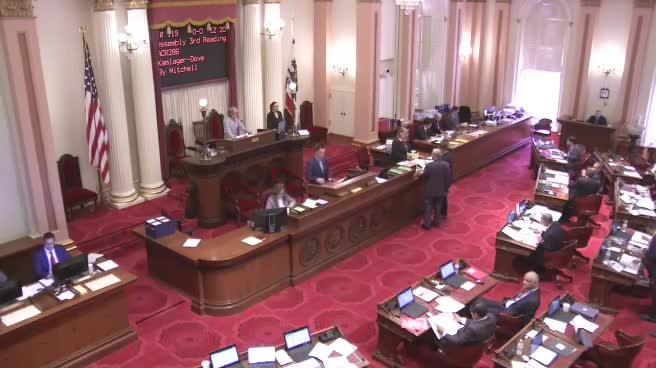 4MIN
Senate Floor
 2MIN
Assembly Floor
 1H
Senate Standing Committee on Appropriations
 5MIN
Senate Standing Committee on Governmental Organization
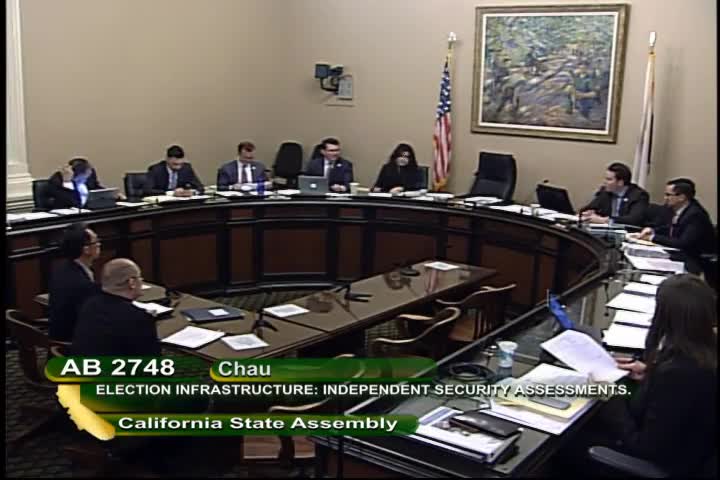 3MIN
Assembly Standing Committee on Privacy and Consumer Protection
Bill Author


