AB 1678: Provision of incident reports to victims.
- Session Year: 2015-2016
- House: Assembly
- Latest Version Date: 2016-09-30
Existing law requires state and local law enforcement agencies to provide, without charging a fee, one copy of all domestic violence incident report face sheets and one copy of all domestic violence incident reports, or both, to a victim of domestic violence, as defined, or to his or her personal representative, as defined, upon request.
This bill would also require state or local law enforcement agencies to provide a copy of those reports to a victim of sexual assault, stalking, human trafficking, or abuse of an elder or a dependent adult, as defined. The bill would define victim for these purposes to include a minor who is 12 years of age or older. The bill would require these provisions to apply to requests for reports made within 2 years from the date of completion of the sexual assault, stalking, human trafficking, or abuse of an elder or a dependent adult incident report. This bill would also make technical, nonsubstantive changes to these provisions. By increasing the duties of local law enforcement agencies, this bill would impose a state-mandated local program.
The California Constitution requires the state to reimburse local agencies and school districts for certain costs mandated by the state. Statutory provisions establish procedures for making that reimbursement.
This bill would provide that, if the Commission on State Mandates determines that the bill contains costs mandated by the state, reimbursement for those costs shall be made pursuant to these statutory provisions.
Existing law requires state and local law enforcement agencies to provide, without charging a fee, one copy of all domestic violence incident report face sheets and one copy of all domestic violence incident reports, or both, to a victim of domestic violence, as defined, or to his or her personal representative, as defined, upon request.
This bill would also require state or local law enforcement agencies to provide those reports to a victim of sexual assault, stalking, human trafficking, or abuse of an elder or a dependent adult, as defined. The bill would define victim for these purposes to include a minor who is 12 years of age or older. The bill would require these provisions to apply to requests for reports made within 2 years from the date of completion of the sexual assault, stalking, human trafficking, or abuse of an elder or a dependent adult incident report. This bill would also make technical, nonsubstantive changes to these provisions. By increasing the duties of local law enforcement, enforcement agencies, this bill would impose a state-mandated local program.
The California Constitution requires the state to reimburse local agencies and school districts for certain costs mandated by the state. Statutory provisions establish procedures for making that reimbursement.
This bill would provide that, if the Commission on State Mandates determines that the bill contains costs mandated by the state, reimbursement for those costs shall be made pursuant to these statutory provisions.
Existing law requires state and local law enforcement agencies to provide, without fee, one copy of all domestic violence incident report face sheets and one copy of all domestic violence incident reports, or both, to a victim of domestic violence violence, as defined, or to his or her personal representative, as defined, upon request.
This bill would also require the state or local law enforcement agencies to provide those reports to a victim of sexual assault, stalking, human trafficking, elder abuse, or any crime in which the victim and the perpetrator are in a domestic relationship, as defined. or abuse of an elder or a dependent adult, as defined. The bill would also specifically include in the definition of define victim for these purposes to include a minor who is 12 years of age or older. This bill would also make technical, nonsubstantive changes to these provisions. By increasing the duties of local law enforcement, this bill would impose a state-mandated local program.
The California Constitution requires the state to reimburse local agencies and school districts for certain costs mandated by the state. Statutory provisions establish procedures for making that reimbursement.
This bill would provide that, if the Commission on State Mandates determines that the bill contains costs mandated by the state, reimbursement for those costs shall be made pursuant to these statutory provisions.
Existing law requires state and local law enforcement agencies to provide, without fee, one copy of all domestic violence incident report face sheets and one copy of all domestic violence incident reports, or both, to a victim of domestic violence or to his or her personal representative, as defined, upon request.
This bill would require the state or local law enforcement agencies to provide those reports to a victim of sexual assault, stalking, human trafficking, elder abuse, or any crime in which the victim and the perpetrator are in a domestic relationship, as defined. The bill would also specifically include in the definition of victim a minor who is 12 years of age or older. This bill would also make technical, nonsubstantive changes to these provisions. By increasing the duties of local law enforcement, this bill would impose a state-mandated local program.
The California Constitution requires the state to reimburse local agencies and school districts for certain costs mandated by the state. Statutory provisions establish procedures for making that reimbursement.
This bill would provide that, if the Commission on State Mandates determines that the bill contains costs mandated by the state, reimbursement for those costs shall be made pursuant to these statutory provisions.
(a)State and local law enforcement agencies shall provide, upon request and without charging a fee, one copy of all incident report face sheets, one copy of all incident reports, or both, to a victim, or his or her representative as defined in subdivision (g), of a crime that constitutes an act of any of the following:
(1)Domestic violence, as defined in Section 6211.
(2)Sexual assault, as defined in Sections 261, 261.5, 262, 265, 266, 266a, 266b, 266c, 266g, 266j, 267, 269, 273.4, 285, 286, 288, 288a, 288.5, 289, or 311.4 of the Penal Code.
(3)Stalking, as defined in Section 1708.7 of the Civil Code or Section 646.9 of the Penal Code.
(4)Human trafficking, as defined in Section 236.1 of the Penal Code.
(5)Abuse of an elder or a dependent adult, as defined in Section 15610.07 of the Welfare and Institutions Code.
(b)(1)A copy of an incident report face sheet shall be made available during regular business hours to a victim or his or her representative no later than 48 hours after being requested by the victim or his or her representative, unless the state or local law enforcement agency informs the victim or his or her representative of the reasons why, for good cause, the incident report face sheet is not available, in which case the incident report face sheet shall be made available to the victim or his or her representative no later than five working days after the request is made.
(2)A copy of the incident report shall be made available during regular business hours to a victim or his or her representative no later than five working days after being requested by a victim or his or her representative, unless the state or local law enforcement agency informs the victim or his or her representative of the reasons why, for good cause, the incident report is not available, in which case the incident report shall be made available to the victim or his or her representative no later than 10 working days after the request is made.
(c)Any person requesting copies under this section shall present state or local law enforcement with his or her identification, including a current, valid drivers license, a state-issued identification card, or a passport. If the person is a representative of the victim and the victim is deceased, the representative shall also present a certified copy of the death certificate or other satisfactory evidence of the death of the victim at the time a request is made. If the person is a representative of the victim and the victim is alive and not the subject of a conservatorship, the representative shall also present a written authorization, signed by the victim, making him or her the victims personal representative.
(d)(1)This section shall apply to requests for domestic violence face sheets or incident reports made within five years from the date of completion of the incident report.
(2)This section shall apply to requests for sexual assault, stalking, human trafficking, or abuse of an elder or a dependent adult face sheets or incident reports made within two years from the date of completion of the incident report.
(e)This section shall be known and may be cited as the Access to Domestic Violence Reports Act of 1999.
(f)For purposes of this section, victim includes a minor who is 12 years of age or older.
(g)(1)For purposes of this section, if the victim is deceased, a representative of the victim means any of the following:
(A)The surviving spouse.
(B)A surviving child of the decedent who has attained 18 years of age.
(C)A domestic partner, as defined in subdivision (a) of Section 297.
(D)A surviving parent of the decedent.
(E)A surviving adult relative.
(F)The personal representative of the victim, as defined in Section 58 of the Probate Code, if one is appointed.
(G)The public administrator if one has been appointed.
(2)For purposes of this section, if the victim is not deceased, a representative of the victim means any of the following:
(A)A parent, guardian, or adult child of the victim, or an adult sibling of a victim 12 years of age or older, who shall present to law enforcement identification pursuant to subdivision (c). A guardian shall also present to law enforcement a copy of his or her letters of guardianship demonstrating that he or she is the appointed guardian of the victim.
(B)An attorney for the victim, who shall present to law enforcement identification pursuant to subdivision (c) and written proof that he or she is the attorney for the victim.
(C)A conservator of the victim who shall present to law enforcement identification pursuant to subdivision (c) and a copy of his or her letters of conservatorship demonstrating that he or she is the appointed conservator of the victim.
(3)A representative of the victim does not include any person who has been convicted of murder in the first degree, as defined in Section 189 of the Penal Code, of the victim, or any person identified in the incident report face sheet as a suspect.
SEC. 2.If the Commission on State Mandates determines that this act contains costs mandated by the state, reimbursement to local agencies and school districts for those costs shall be made pursuant to Part 7 (commencing with Section 17500) of Division 4 of Title 2 of the Government Code.
(a)State and local law enforcement agencies shall provide, upon request and without charging a fee, one copy of all incident report face sheets, one copy of all incident reports, or both, to a victim of domestic crime, as defined in subdivision (f), or to his or her representative as defined in subdivision (g), upon request. victim, or his or her representative as defined in subdivision (g), of a crime that constitutes an act of any of the following:
(1)Domestic violence, as defined in Section 6211.
(2)Sexual assault, as defined in Sections 261, 261.5, 262, 265, 266, 266a, 266b, 266c, 266g, 266j, 267, 269, 273.4, 285, 286, 288, 288a, 288.5, 289, or 311.4 of the Penal Code.
(3)Stalking, as defined in Section 1708.7 of the Civil Code or Section 646.9 of the Penal Code.
(4)Human trafficking, as defined in Section 236.1 of the Penal Code.
(5)Abuse of an elder or a dependent adult, as defined in Section 15610.07 of the Welfare and Institutions Code.
(b)(1)A copy of an incident report face sheet shall be made available during regular business hours to a victim or his or her representative no later than 48 hours after being requested by the victim or his or her representative, unless the state or local law enforcement agency informs the victim or his or her representative of the reasons why, for good cause, the incident report face sheet is not available, in which case the incident report face sheet shall be made available to the victim or his or her representative no later than five working days after the request is made.
(2)A copy of the incident report shall be made available during regular business hours to a victim or his or her representative no later than five working days after being requested by a victim or his or her representative, unless the state or local law enforcement agency informs the victim or his or her representative of the reasons why, for good cause, the incident report is not available, in which case the incident report shall be made available to the victim or his or her representative no later than 10 working days after the request is made.
(c)Any person requesting copies under this section shall present state or local law enforcement with his or her identification, including a current, valid drivers license, a state-issued identification card, or a passport. If the person is a representative of the victim and the victim is deceased, the representative shall also present a certified copy of the death certificate or other satisfactory evidence of the death of the victim at the time a request is made. If the person is a representative of the victim and the victim is alive and not the subject of a conservatorship, the representative shall also present a written authorization, signed by the victim, making him or her the victims personal representative.
(d)This section shall apply to requests for face sheets or incident reports made within five years from the date of completion of the incident report.
(e)This section shall be known and may be cited as the Access to Domestic Violence Reports Act of 1999.
(f)For purposes of this section, the following definitions shall apply:
(1)Domestic crime means domestic violence, as defined in Section 6211, sexual assault, stalking, human trafficking, elder abuse, or any crime in which the victim and the perpetrator are in a relationship described in Section 6211.
(2)Victim
(f)For purposes of this section, victim includes a minor who is 12 years of age or older.
(g)(1)For purposes of this section, if the victim is deceased, a representative of the victim means any of the following:
(A)The surviving spouse.
(B)A surviving child of the decedent who has attained 18 years of age.
(C)A domestic partner, as defined in subdivision (a) of Section 297.
(D)A surviving parent of the decedent.
(E)A surviving adult relative.
(F)The personal representative of the victim, as defined in Section 58 of the Probate Code, if one is appointed.
(G)The public administrator if one has been appointed.
(2)For purposes of this section, if the victim is not deceased, a representative of the victim means any of the following:
(A)A parent, guardian, or adult child of the victim, or an adult sibling of a victim 12 years of age or older, who shall present to law enforcement identification pursuant to subdivision (c). A guardian shall also present to law enforcement a copy of his or her letters of guardianship demonstrating that he or she is the appointed guardian of the victim.
(B)An attorney for the victim, who shall present to law enforcement identification pursuant to subdivision (c) and written proof that he or she is the attorney for the victim.
(C)A conservator of the victim who shall present to law enforcement identification pursuant to subdivision (c) and a copy of his or her letters of conservatorship demonstrating that he or she is the appointed conservator of the victim.
(3)A representative of the victim does not include any person who has been convicted of murder in the first degree, as defined in Section 189 of the Penal Code, of the victim, or any person identified in the incident report face sheet as a suspect.
SEC. 2.If the Commission on State Mandates determines that this act contains costs mandated by the state, reimbursement to local agencies and school districts for those costs shall be made pursuant to Part 7 (commencing with Section 17500) of Division 4 of Title 2 of the Government Code.
(a)State and local law enforcement agencies shall provide, without charging a fee, one copy of all domestic violence incident report face sheets, one copy of all domestic violence incident reports, or both, to a victim of domestic violence, crime, as defined in subdivision (f), or to his or her representative as defined in subdivision (g), upon request. For purposes of this section, domestic violence has the definition given in Section 6211.
(b)(1)A copy of a domestic violence an incident report face sheet shall be made available during regular business hours to a victim of domestic violence or his or her representative no later than 48 hours after being requested by the victim or his or her representative, unless the state or local law enforcement agency informs the victim or his or her representative of the reasons why, for good cause, the domestic violence incident report face sheet is not available, in which case the domestic violence incident report face sheet shall be made available to the victim or his or her representative no later than five working days after the request is made.
(c)
(2)A copy of the domestic violence incident report shall be made available during regular business hours to a victim of domestic violence or his or her representative no later than five working days after being requested by a victim or his or her representative, unless the state or local law enforcement agency informs the victim or his or her representative of the reasons why, for good cause, the domestic violence incident report is not available, in which case the domestic violence incident report shall be made available to the victim or his or her representative no later than 10 working days after the request is made.
(d)
(c)Any person requesting copies under this section shall present state or local law enforcement with his or her identification, such as including a current, valid drivers license, a state-issued identification card, or a passport and, if passport. If the person is a representative of the victim and the victim is deceased, the representative shall also present a certified copy of the death certificate or other satisfactory evidence of the death of the victim at the time a request is made. If the person is a representative of the victim and the victim is alive and not the subject of a conservatorship, the representative shall also present a written authorization, signed by the victim, making him or her the victims personal representative.
(e)
(d)This section shall apply to requests for face sheets or incident reports made within five years from the date of completion of the domestic violence incident report.
(f)
(e)This section shall be known and may be cited as the Access to Domestic Violence Reports Act of 1999.
(f)For purposes of this section, the following definitions shall apply:
(1)Domestic crime means domestic violence, as defined in Section 6211, sexual assault, stalking, human trafficking, elder abuse, or any crime in which the victim and the perpetrator are in a relationship described in Section 6211.
(2)Victim includes a minor who is 12 years of age or older.
(g)(1)For purposes of this section, if the victim is deceased, a representative of the victim means any of the following:
(A)The surviving spouse.
(B)A surviving child of the decedent who has attained 18 years of age.
(C)A domestic partner, as defined in subdivision (a) of Section 297.
(D)A surviving parent of the decedent.
(E)A surviving adult relative.
(F)The personal representative of the victim, as defined in Section 58 of the Probate Code, if one is appointed.
(G)The public administrator if one has been appointed.
(2)For purposes of this section, if the victim is not deceased, a representative of the victim means any of the following:
(A)A parent, guardian, or adult child of the victim, or an adult sibling of a victim 12 years of age or older, who shall present to law enforcement identification pursuant to subparagraph (A) of paragraph (4), and if the victim is 12 years of age or older, a signed authorization by the victim allowing that family member or guardian to act on the victims behalf. subdivision (c). A guardian shall also present to law enforcement a copy of his or her letters of guardianship demonstrating that he or she is the appointed guardian of the victim.
(B)An attorney for the victim, who shall present to law enforcement identification pursuant to subparagraph (A) of paragraph (4) subdivision (c) and written proof that he or she is the attorney for the victim.
(C)A conservator of the victim who shall present to law enforcement identification pursuant to subparagraph (A) of paragraph (4) subdivision (c) and a copy of his or her letters of conservatorship demonstrating that he or she is the appointed conservator of the victim.
(3)A representative of the victim does not include any person who has been convicted of murder in the first degree, as defined in Section 189 of the Penal Code, of the victim, or any person identified in the incident report face sheet as a suspect.
(4)Domestic violence incident report face sheets may not be provided to a representative of the victim unless both of the following conditions are met:
(A)The representative presents his or her identification, such as a current, valid drivers license, a state-issued identification card, or a passport.
(B)The representative presents one of the following:
(i)If the victim is deceased, a certified copy of the death certificate or other satisfactory evidence of the death of the victim at the time of the request.
(ii)If the victim is alive, 12 years of age or older, and not the subject of a conservatorship, a written authorization signed by the victim making him or her the victims personal representative.
SEC. 2.If the Commission on State Mandates determines that this act contains costs mandated by the state, reimbursement to local agencies and school districts for those costs shall be made pursuant to Part 7 (commencing with Section 17500) of Division 4 of Title 2 of the Government Code.
|
Date
|
Status
|
|---|---|
| Aug 30, 2016 | Enrolled and presented to the Governor at 4 p.m. |
| Aug 23, 2016 | Senate amendments concurred in. To Engrossing and Enrolling. (Ayes 80. Noes 0. Page 6158.). |
| Aug 23, 2016 | Senate amendments concurred in. To Engrossing and Enrolling. |
| Aug 19, 2016 | In Assembly. Concurrence in Senate amendments pending. May be considered on or after August 21 pursuant to Assembly Rule 77. |
| Aug 18, 2016 | Read third time. Passed. Ordered to the Assembly. (Ayes 38. Noes 0. Page 5117.). |
| Aug 18, 2016 | Read third time. Passed. Ordered to the Assembly. (Ayes 38. Noes 0.). |
| Aug 18, 2016 | Read third time. Passed. Ordered to the Assembly. |
| Aug 15, 2016 | Read second time and amended. Ordered to third reading. |
| Aug 11, 2016 | From committee: Amend, and do pass as amended. (Ayes 7. Noes 0.) (August 11). |
| Jun 20, 2016 | In committee: Referred to APPR. suspense file. |
| May 10, 2016 | From committee: Do pass and re-refer to Com. on APPR. with recommendation: To Consent Calendar. (Ayes 7. Noes 0.) (May 10). Re-referred to Com. on APPR. |
| Apr 28, 2016 | Referred to Com. on PUB. S. |
| Apr 14, 2016 | Read third time. Passed. Ordered to the Senate. (Ayes 76. Noes 0. Page 4360.) |
| Apr 14, 2016 | Read third time. Passed. Ordered to the Senate. (Ayes 76. Noes 0.) |
| Apr 14, 2016 | In Senate. Read first time. To Com. on RLS. for assignment. |
| Apr 14, 2016 | Read third time. Passed. Ordered to the Senate. |
| Apr 7, 2016 | Read second time. Ordered to Consent Calendar. |
| Apr 6, 2016 | From committee: Do pass. To Consent Calendar. (Ayes 18. Noes 0.) (April 6). |
| Mar 8, 2016 | From committee: Do pass and re-refer to Com. on APPR. (Ayes 9. Noes 0.) (March 8). Re-referred to Com. on APPR. |
| Feb 29, 2016 | Re-referred to Com. on JUD. |
| Feb 25, 2016 | From committee chair, with author's amendments: Amend, and re-refer to Com. on JUD. Read second time and amended. |
| Feb 4, 2016 | Referred to Com. on JUD. |
| Jan 20, 2016 | From printer. May be heard in committee February 19. |
| Jan 19, 2016 | Read first time. To print. |
|
Date
|
Description
|
Location
|
Votes
|
|
|---|---|---|---|---|
| Aug 23, 2016 | AB 1678 SANTIAGO Concurrence in Senate Amendments | Assembly Floor |
Passed |
|
| Aug 18, 2016 | Assembly 3rd Reading AB1678 Santiago By Hancock | Senate Floor |
Passed |
|
| Aug 11, 2016 | Do pass as amended | Senate Standing Committee on Appropriations |
Passed |
|
| Jun 20, 2016 | Placed on suspense file | Senate Standing Committee on Appropriations |
Passed |
|
| May 10, 2016 | Do pass, but first be re-referred to the Committee on [Appropriations] with the recommendation: To Consent Calendar | Senate Standing Committee on Public Safety |
Passed |
|
| Apr 14, 2016 | AB 1678 SANTIAGO Consent Calendar Second Day Regular Session | Assembly Floor |
Passed |
|
| Apr 6, 2016 | Do pass. To Consent Calendar. | Assembly Standing Committee on Appropriations |
Passed |
|
| Mar 8, 2016 | Do pass and be re-referred to the Committee on [Appropriations] | Assembly Standing Committee on Judiciary |
Passed |
This list shows positions taken on this bill by organizations on the date displayed, which is linked to the original source.
Positions by individuals are not included.
CONCURRENCE IN SENATE AMENDMENTS
CSA1 Bill Id:AB 1678
Author:(Santiago)
As Amended Ver:August 15, 2016
Majority vote
ASSEMBLY: | 76-0 | (April 14, 2016) | SENATE: | 38-0 | (August 18, 2016) |
Original Committee Reference: JUD.
SUMMARY: Allows a victim of specified crimes to receive a timely copy of his or her law enforcement incident report, free of charge. Specifically, this bill:
- Requires law enforcement to provide, without charge and within a specified timeframe, a copy of all incident reports and all incident report face sheets to victims of sexual assault, stalking, human trafficking, and elder or dependent adult abuse, all as defined, or the victims' representatives. Provides that the timeframe for requesting reports without charge is five years from the date of completion of a report for domestic violence and two years from completion of a report for sexual assault, stalking, human trafficking, or elder or dependent adult abuse.
- Clarifies what a victim's representative must provide in order to obtain the incident report.
The Senate amendments limit the timeframe for requesting no cost reports to two years from completion of an incident report for sexual assault, stalking, human trafficking, or abuse of an elder or a dependent adult.
EXISTING LAW:
- Provides that a court may issue a temporary restraining order for domestic violence prevention, as specified. (Family Code Sections 6220, 6300 et seq.)
- Provides that a court may issue a temporary restraining order for civil harassment, as specified, which may prevent an abuser from, among other things, stalking and sexually assaulting the victim. (Code of Civil Procedure Section 527.6.)
- Provides that a court may issue a temporary restraining order for elder or dependent adult abuse, as specified. (Welfare and Institutions Code Section 15657.03 (c).)
- Requires law enforcement to complete a domestic violence incident report for each domestic violence-related call, as specified. (Penal Code Section 13730.)
- Requires law enforcement to provide, without charge, a copy of all domestic violence incident report face sheets and all domestic violence incident reports to the victim of domestic violence or his or her representative, as provided. Defines who may be a representative for a living or deceased victim and what that representative must provide to law enforcement in order to be given a copy of the incident report. Requires that a copy of the report be provided within 48 hours of its request, except for good cause, as provided. (Family Code Section 6228.)
- Allows a victim of domestic violence, sexual assault, stalking, human trafficking, or elder or dependent adult abuse to terminate a residential lease early if he or she is able to provide the landlord with specified documentation attesting that he or she is a survivor of abuse or violence. Permitted documentation includes a restraining order or a copy of a police report. (Civil Code Section 1946.7.)
- Protects a victim of domestic violence, sexual assault, or stalking, as defined, from employment discrimination and retaliation if the victim provides notice to the employer of that status or the employer has actual knowledge of that status and allows the victim to take time off from work, as provided. Requires, in certain situations, for the employee to provide the employer with certification of his or her status as a victim and provides that such certification can include a police report indicating that the employee is a victim. (Labor Code Sections 230 and 230.1.)
FISCAL EFFECT: According to the Senate Appropriations Committee:
- Incident reports: Potentially significant, likely non-reimbursable local costs (Local Funds) for local law enforcement agencies to provide incident reports for the specified crimes within the specified time periods. With regard to the preparation of incident reports for the specified crimes, the Commission on State Mandates previously disagreed that an "implied mandate" was created by the statute to prepare incident reports via the requirement to provide copies of such reports within specified timeframes. Apart from preparation, the provision of face sheets and incident reports for these crimes would not appear to create a reimbursable state mandate, as disclosure of this information to a victim or his/her authorized representative is currently required under the California Public Records Act.
- Lost fee revenues: Potential reduction in fee revenues (Local Funds) to counties that currently charge fees for face sheet/incident report requests. Department of Justice has indicated over 16,000 arrests for the specified offenses in each of the past three years. The number of future requests for face sheets/incident reports is unknown. As a result, the potential lost revenue to local law enforcement agencies cannot be estimated with certainty and would be dependent on the volume of requests submitted to each local agency and the associated fee charged by that agency, if any.
- State agencies: Likely minor impact to the California Highway Patrol (CHP) and the Department of Corrections and Rehabilitation (CDCR) to the extent the provisions of the bill relate to report requests made pursuant to acquiring a restraining order.
COMMENTS: California has established various legal avenues to help protect victims of domestic violence and other similar crimes from further abuse and allow them to heal. These victims can obtain restraining orders to keep their abusers away and help prevent further abuse. (See, e.g., Family Code Section 6320.) They can terminate a lease early and move to a safer location. (Civil Code Section 1946.7.) They can also take time off from work, without risk of losing their job, to obtain a restraining order or, for larger employers, to obtain specified services to increase their safety, such as participation in safety planning and psychological counseling. (Labor Code Sections 230-230.1.) Employers are also required to provide reasonable accommodations to help ensure the safety of these victims while they are at work. (Labor Code Section 230.)
To be able to obtain these legal protections, victims must prove, whether to the court, their landlord or their employer, that they are indeed victims. Obviously, a court requires evidence before issuing a restraining order. (See Family Code Section 6300.) Similarly, both the employment protections and the tenancy termination protections require proof of the abuse. (Labor Code Section 230(d)(2); Civil Code Section 1946.7(b).) One of the easiest ways to establish the necessary proof is with a police report. Police reports may be evidence for a court to consider when determining whether to issue a protective order for the victim. Additionally, both the employee and tenancy termination protections specifically allow the police report as proof of the underlying abuse. ((Labor Code Section 230(d)(2)(A); Civil Code Section 1946.7(b)(2).)
Originally, victims had to write and request copies of those reports, which were then provided by mail, a process that often took several weeks. That delay prejudiced victims in their ability to present a case for a protective order. In 1999, the Legislature required that domestic violence victims be provided with an expedited and affordable method for obtaining these important reports. (AB 403 (Romero), Chapter 1022, Statutes of 1999.) Under that legislation, a victim of domestic violence or his or her representative, must be provided, within 48 hours of request, a copy of the police report at no cost. However, current law does not require that victims of sexual assault, stalking, human trafficking or elder adult abuse also receive timely and free copies of their police reports. This bill corrects that oversight and allows victims of sexual assault, stalking, human trafficking or elder adult abuse, like victims of domestic violence, to obtain timely police reports free of charge.
Analysis Prepared by: Leora Gershenzon / JUD. / (916) 319-2334 FN: 0004257
Office of Senate Floor Analyses (916) 651-1520 Fax: (916) 327-4478 | AB |
THIRD READING
Bill No: AB 1678
:
SENATE PUBLIC SAFETY COMMITTEE: 7-0, 5/10/16
AYES: Hancock, Anderson, Glazer, Leno, Liu, Monning, Stone
SENATE APPROPRIATIONS COMMITTEE: 7-0, 8/11/16
AYES: Lara, Bates, Beall, Hill, McGuire, Mendoza, Nielsen
ASSEMBLY FLOOR: 76-0, 4/14/16 (Consent) - See last page for vote
DIGEST: This bill requires that in crimes of sexual assault, stalking, human trafficking, and elder or dependent adult abuse, a copy of all incident reports and all incident report face sheets shall be provided, without charge and within specified timeframes, upon request to victims or the victims’ representative.
Existing law:
- Provides that a court may issue a temporary restraining order for domestic violence prevention, as specified. (Family Code §§ 6220, 6300)
- Provides that a court may issue a temporary restraining order for civil harassment, as specified, which may prevent an abuser from, among other things, stalking and sexually assaulting the victim. (Code of Civil Procedure § 527.6.)
- Provides that a court may issue a temporary restraining order for elder or dependent adult abuse, as specified. (Welfare and Institutions Code § 15657.03(c).)
- Requires law enforcement to complete a domestic violence incident report for each domestic violence-related call, as specified. (Penal Code § 13730.)
- Requires law enforcement to provide, without charge, a copy of all domestic violence incident report face sheets and all domestic violence incident reports to the victim of domestic violence or his or her representative, as provided. Defines who may be a representative for a living or deceased victim and what that representative must provide to law enforcement in order to be given a copy of the incident report. Requires that a copy of the report be provided within 48 hours of its request, except for good cause, as provided. (Family Code § 6228.)
- Allows a victim of domestic violence, sexual assault, stalking, human trafficking, or elder or dependent adult abuse to terminate a residential lease early if he or she is able to provide the landlord with specified documentation attesting that he or she is a survivor of abuse or violence. Permitted documentation includes a restraining order or a copy of a police report. (Civil Code § 1946.7.)
- Protects a victim of domestic violence, sexual assault, or stalking, as defined, from employment discrimination and retaliation if the victim provides notice to the employer of that status or the employer has actual knowledge of that status and allows the victim to take time off from work, as provided. Requires, in certain situations, for the employee to provide the employer with certification of his or her status as a victim and provides that such certification can include a police report indicating that the employee is a victim. (Labor Code §§ 230, 230.1.)
This bill:
- Requires state and local law enforcement agencies to provide victims of sexual assault, stalking, human trafficking or elderly or dependent adult abuse with one copy of all incident report face sheets and all incident reports, or both, at no cost upon a request made within two years from the date of completion of the incident report by the victim or their representative.
- Defines who is considered a representative of the victim in cases where the victim is alive and not the subject of a conservatorship, that the representative shall also present a written authorization, signed by the victim, making him or her the victim’s personal representative.
FISCAL EFFECT: Appropriation: Fiscal Com.: Local:
According to the Senate Appropriations Committee:
- Incident reports: Potentially significant, likely non-reimbursable local costs (Local Funds) for local law enforcement agencies to provide incident reports for the specified crimes within the specified time periods. With regard to the preparation of incident reports for the specified crimes, the Commission on State Mandates previously disagreed that an “implied mandate” was created by the statute to prepare incident reports via the requirement to provide copies of such reports within specified timeframes. Apart from preparation, the provision of face sheets and incident reports for these crimes would not appear to create a reimbursable state mandate, as disclosure of this information to a victim or his/her authorized representative is currently required under the California Public Records Act.
- Lost fee revenues: Potential reduction in fee revenues (Local Funds) to counties that currently charge fees for face sheet/incident report requests. The Department of Justice has indicated over 16,000 arrests for the specified offenses in each of the past three years. The number of future requests for face sheets/incident reports is unknown. As a result, the potential lost revenue to local law enforcement agencies cannot be estimated with certainty and would be dependent on the volume of requests submitted to each local agency and the associated fee charged by that agency, if any.
- State agencies: Likely minor impact to the California Highway Patrol and the Department of Corrections and Rehabilitation to the extent the provisions of this bill relate to report requests made pursuant to acquiring a restraining order.
California District Attorneys Association
California Partnership to End Domestic Violence
California Peace Officers Association
California State Sheriffs’ Association
Crime Victims United of California
OPPOSITION: (Verified 8/11/16)
California Public Defenders Association
ARGUMENTS IN SUPPORT: According to the California Partnership to End Domestic Violence:
State law currently allows domestic violence victims to request and receive one free copy of their police report from law enforcement agencies. For victims of non-domestic violence crimes police reports are made available for up to a thirty dollar fee. Currently, local and state agencies are able to decide how much, if at all, they will charge for a police report. For survivors with limited financial resources, this is an additional burden to accessing needed documentation of their victimization. A copy of the police report can be needed by survivors as documentation to take time off of work, to terminate their lease early and relocate for their safety, and to request a good cause waiver for certain CalWORKs requirements, among other uses.
ARGUMENTS IN OPPOSITION: The California Public Defenders Association states, in part:
…providing alleged victims with police reports carries ramifications to the due process rights of individuals who are ultimately charged with the crimes based on the allegations contained in the reports…If alleged victims are given copies of reports, there is not preventing them from further disseminating those reports to the media or to the community in which the defendant and his or her family reside, resulting in the very real possibility of harassment while the charges are pending. The issue of pre-trial harassment is particularly acute in cases involving sexual assault, which the bill seeks to include…
In addition, turning reports over to an alleged victim, who is by definition a potential trial witness, may unduly impact their trial testimony. For example, the police report may contain statements from other witnesses that could color how the alleged victim recalls the incident when testifying.
ASSEMBLY FLOOR: 76-0, 4/14/16
AYES: Achadjian, Alejo, Travis Allen, Arambula, Atkins, Baker, Bigelow, Bloom, Bonilla, Bonta, Brough, Brown, Burke, Calderon, Campos, Chang, Chau, Chávez, Chiu, Chu, Cooley, Cooper, Dababneh, Dahle, Daly, Dodd, Eggman, Frazier, Beth Gaines, Gallagher, Cristina Garcia, Eduardo Garcia, Gatto, Gipson, Gomez, Gonzalez, Gordon, Gray, Grove, Hadley, Harper, Roger Hernández, Holden, Jones, Jones-Sawyer, Kim, Lackey, Linder, Lopez, Low, Maienschein, Mathis, Mayes, McCarty, Medina, Mullin, Obernolte, O'Donnell, Olsen, Patterson, Quirk, Ridley-Thomas, Rodriguez, Salas, Santiago, Steinorth, Mark Stone, Thurmond, Ting, Wagner, Waldron, Weber, Wilk, Williams, Wood, Rendon
NO VOTE RECORDED: Irwin, Levine, Melendez, Nazarian
8/15/16 20:10:06
**** END ****
SENATE COMMITTEE ON APPROPRIATIONS
Senator Ricardo Lara, Chair
2015 - 2016 Regular Session
AB 1678 (Santiago) - Provision of incident reports to victims
Version: February 25, 2016 | Policy Vote: PUB. S. 7 - 0 |
Urgency: No | Mandate: Yes |
Hearing Date: August 11, 2016 | Consultant: Jolie Onodera |
*********** ANALYSIS ADDENDUM – SUSPENSE FILE ***********
The following information is revised to reflect amendments
adopted by the committee on August 11, 2016
Bill Summary:
AB 1678 would require state and local law enforcement agencies to provide upon request, without charge, and within specified timeframes, one copy of all incident reports and face sheets to a victim, or a victim’s representative, for the crimes of sexual assault, stalking, human trafficking, and elder or dependent adult abuse.
Fiscal Impact:
- Incident reports: Potentially significant, likely non-reimbursable local costs (Local Funds) for local law enforcement agencies to provide incident reports for the specified crimes within the specified time periods. With regard to the preparation of incident reports for the specified crimes, the CSM previously disagreed that an “implied mandate” was created by the statute to prepare incident reports via the requirement to provide copies of such reports within specified timeframes. Apart from preparation, the provision of face sheets and incident reports for these crimes would not appear to create a reimbursable state mandate, as disclosure of this information to a victim or his/her authorized representative is currently required under the California Public Records Act.
- Lost fee revenues: Potential reduction in fee revenues (Local Funds) to counties that currently charge fees for face sheet/incident report requests. DOJ has indicated over 16,000 arrests for the specified offenses in each of the past three years. The number of future requests for face sheets/incident reports is unknown. As a result, the potential lost revenue to local law enforcement agencies cannot be estimated with certainty and would be dependent on the volume of requests submitted to each local agency and the associated fee charged by that agency, if any.
- State agencies: Likely minor impact to the California Highway Patrol (CHP) and the Department of Corrections and Rehabilitation (CDCR) to the extent the provisions of the bill relate to report requests made pursuant to acquiring a restraining order.
Author Amendments:
To address the potential state-reimbursable mandate imposed on local law enforcement agencies to retain copies of incident reports and face sheets for five years, the author amendments provide that the section applies to requests for sexual assault, stalking, human trafficking, or abuse of an elder or dependent adult face sheets or incident reports made within two years from the date of completion of the incident report.
-- END --
SENATE COMMITTEE ON APPROPRIATIONS
Senator Ricardo Lara, Chair
2015 - 2016 Regular Session
AB 1678 (Santiago) - Provision of incident reports to victims
Version: February 25, 2016 | Policy Vote: PUB. S. 7 - 0 |
Urgency: No | Mandate: Yes |
Hearing Date: June 20, 2016 | Consultant: Jolie Onodera |
This bill meets the criteria for referral to the Suspense File.
Bill Summary:
AB 1678 would require state and local law enforcement agencies to provide upon request, without charge, and within specified timeframes, one copy of all incident reports and face sheets to a victim, or a victim’s representative, for the crimes of sexual assault, stalking, human trafficking, and elder or dependent adult abuse.
Fiscal Impact:
- Records retention: Potentially minor to significant ongoing state-reimbursable costs (General Fund) to local law enforcement agencies to retain copies of incident reports and face sheets for the specified crimes. The Commission on State Mandates (CSM) previously determined that the storage of domestic violence incident reports for five years constitutes a higher level of service on local law enforcement agencies (CSM 99-TC-08). The statewide cost estimate reflects annual costs of over $139,000 for only 21 claims for reimbursement for the retention of reports for three additional years beyond the statutorily mandated records retention period of two years.
- Incident reports: Potentially significant, likely non-reimbursable local costs (Local Funds) for local law enforcement agencies to provide incident reports for the specified crimes within the specified time periods. With regard to the preparation of incident reports for the specified crimes, the CSM previously disagreed that an “implied mandate” was created by the statute to prepare incident reports via the requirement to provide copies of such reports within specified timeframes. Apart from preparation, the provision of face sheets and incident reports for these crimes would not appear to create a reimbursable state mandate, as disclosure of this information to a victim or his/her authorized representative is currently required under the California Public Records Act.
- Lost fee revenues: Potential reduction in fee revenues (Local Funds) to counties that currently charge fees for face sheet/incident report requests. DOJ has indicated over 16,000 arrests for the specified offenses in each of the past three years. The number of future requests for face sheets/incident reports is unknown. As a result, the potential lost revenue to local law enforcement agencies cannot be estimated with certainty and would be dependent on the volume of requests submitted to each local agency and the associated fee charged by that agency, if any.
- State agencies: Likely minor impact to the California Highway Patrol (CHP) and the Department of Corrections and Rehabilitation (CDCR) to the extent the provisions of the bill relate to report requests made pursuant to acquiring a restraining order.
Background:
Existing law requires state and local law enforcement agencies to provide, without fee, one copy of all domestic violence incident report face sheets and one copy of all domestic violence incident reports, or both, to a victim of domestic violence, as defined, or to his or her personal representative, as defined, upon request. (Family Code § 6228.)
While police reports are provided to victims of domestic violence at no cost to the victim, local law enforcement agencies can currently charge victims of similar crimes for copies of police reports.
Proposed Law:
This bill would require state and local law enforcement agencies, upon request, to provide victims of the following offenses with one copy of all incident report face sheets and one copy of all incident reports, or both, at no cost to the victim or his or her representative, as specified:
- Sexual assault, as defined in Sections 261, 261.5, 262, 265, 266, 266a, 266b, 266c, 266g, 266j, 267, 269, 273.4, 285, 286, 288, 288a, 288.5, 289, or 311.4 of the Penal Code.
- Stalking, as defined in Section 1708.7 of the Civil Code or Section 646.9 of the Penal Code.
- Human trafficking, as defined in Section 236.1 of the Penal Code.
- Abuse of an elder or a dependent adult, as defined in Section 15610.07 of the Welfare and Institutions Code.
This bill would extend the existing application for requests for face sheets or incident reports for domestic violence acts within five years from the date of completion of the incident report to the additional crimes specified in this measure.
This bill would define who is considered a representative of the victim in cases where the victim is alive and not the subject of a conservatorship, and that the representative shall also present a written authorization, signed by the victim, making him or her the victim’s personal representative.
Prior Legislation:
AB 403 (Romero) Chapter 1022/1999 required that a victim of domestic violence or his or her representative must be provided with a copy of the police report of the incident at no cost within 48 hours of the request for the report.
Staff Comments:
By revising the existing requirement to provide copies of incident reports and face sheets at no cost and within specified time frames to victims of domestic violence to additionally extend the same services to victims of sexual assault, stalking, human trafficking, and elder/dependent adult abuse, this bill could result in additional workload and costs to local law enforcement agencies.
Existing law pursuant to Government Code §§ 26202 and 34090 provides for a mandatory two-year retention period for records and documents by counties and cities, respectively. This bill would require the provision of copies of face sheets and incident reports for the specified crimes for five years from the date of completion of the incident report. The CSM previously determined in its decision 99-TC-08 Crime Victims Domestic Violence Incident Reports, that the storage of domestic violence incident reports for five years constitutes a higher level of service on local law enforcement agencies. The statewide cost estimate reflects annual costs of over $139,000 for only 21 claims for reimbursement for the retention of reports for three additional years beyond the standard records retention requirement of two years. By expanding the five-year records retention mandate currently imposed for domestic violence reports to include reports for the crimes of sexual assault, stalking, human trafficking, and elder/dependent adult abuse, this bill could result in additional state-reimbursable costs to local law enforcement agencies. Annual costs would be dependent on the number of reports to be retained by each agency and the method utilized for records retention (which is unspecified and may vary by agency). While the number of records to be retained is unknown, data from the Department of Justice indicates over 16,000 arrests each year for the applicable crimes.
This bill could result in potentially significant non-reimbursable local costs for local law enforcement agencies to provide incident reports for the specified crimes within the specified time periods. With regard to the preparation of incident reports for the specified crimes, the CSM previously disagreed with a test claimant’s statement that an “implied mandate” was created by the statute for local law enforcement agencies to prepare incident reports via the requirement to provide copies of such reports within specified timeframes. Apart from preparation, the provision (retrieving and copying) of face sheets and incident reports upon request for these crimes would not appear to create a reimbursable state mandate, as disclosure of this information to a victim or his/her authorized representative is currently required under the California Public Records Act (Government Code § 6254(f)) upon request.
-- END --
SENATE COMMITTEE ON PUBLIC SAFETY
Senator Loni Hancock, Chair
2015 - 2016 Regular
Bill No: AB 1678 Hearing Date: May 10, 2016
Author: | Santiago | ||
Version: | February 25, 2016 | ||
Urgency: | No | Fiscal: | Yes |
Consultant: | ML | ||
Subject: Provision of Incident Reports to Victims
HISTORY
Source: Author
Prior Legislation: AB 403 (Romero) – Ch. 1022, Stats. 1999
Support: California District Attorneys Association; California Partnership to End Domestic Violence; California Peace Officers Association; California State Sheriffs’ Association; Crime Victims United of California
Opposition: None known
Assembly Floor Vote: 76 - 0
PURPOSE
The purpose of this bill is to require that in crimes of sexual assault, stalking, human trafficking, and elder or dependent adult abuse, a copy of all incident reports and all incident report face sheets shall be provided at no cost upon request to victims or the victims’ representative.
Existing law provides that a court may issue a temporary restraining order for domestic violence prevention, as specified. (Family Code §§ 6220, 6300)
Existing law provides that a court may issue a temporary restraining order for civil harassment, as specified, which may prevent an abuser from, among other things, stalking and sexually assaulting the victim. (Code of Civil Procedure § 527.6.)
Existing law provides that a court may issue a temporary restraining order for elder or dependent adult abuse, as specified. (Welfare and Institutions Code § 15657.03(c).)
Existing law requires law enforcement to complete a domestic violence incident report for each domestic violence-related call, as specified. (Penal Code § 13730.)
Existing law requires law enforcement to provide, without charge, a copy of all domestic violence incident report face sheets and all domestic violence incident reports to the victim of domestic violence or his or her representative, as provided. Defines who may be a representative for a living or deceased victim and what that representative must provide to law enforcement in order to be given a copy of the incident report. Requires that a copy of the report be provided within 48 hours of its request, except for good cause, as provided. (Family Code § 6228.)
Existing law allows a victim of domestic violence, sexual assault, stalking, human trafficking, or elder or dependent adult abuse to terminate a residential lease early if he or she is able to provide the landlord with specified documentation attesting that he or she is a survivor of abuse or violence. Permitted documentation includes a restraining order or a copy of a police report. (Civil Code § 1946.7.)
Existing law protects a victim of domestic violence, sexual assault, or stalking, as defined, from employment discrimination and retaliation if the victim provides notice to the employer of that status or the employer has actual knowledge of that status and allows the victim to take time off from work, as provided. Requires, in certain situations, for the employee to provide the employer with certification of his or her status as a victim and provides that such certification can include a police report indicating that the employee is a victim. (Labor Code §§ 230, 230.1.)
This bill would require state and local law enforcement agencies, upon request, to provide victims of sexual assault, stalking, human trafficking or elderly or dependent adult abuse with one copy of all incident report face sheets and all incident reports, or both, at no cost to the victim or their representative.
This bill defines who is considered a representative of the victim in cases where the victim is alive and not the subject of a conservatorship, that the representative shall also present a written authorization, signed by the victim, making him or her the victim’s personal representative.
RECEIVERSHIP/OVERCROWDING CRISIS AGGRAVATION
For the past several years this Committee has scrutinized legislation referred to its jurisdiction for any potential impact on prison overcrowding. Mindful of the United States Supreme Court ruling and federal court orders relating to the state’s ability to provide a constitutional level of health care to its inmate population and the related issue of prison overcrowding, this Committee has applied its “ROCA” policy as a content-neutral, provisional measure necessary to ensure that the Legislature does not erode progress in reducing prison overcrowding.
On February 10, 2014, the federal court ordered California to reduce its in-state adult institution population to 137.5% of design capacity by February 28, 2016, as follows:
- 143% of design bed capacity by June 30, 2014;
- 141.5% of design bed capacity by February 28, 2015; and,
- 137.5% of design bed capacity by February 28, 2016.
In December of 2015 the administration reported that as “of December 9, 2015, 112,510 inmates were housed in the State’s 34 adult institutions, which amounts to 136.0% of design bed capacity, and 5,264 inmates were housed in out-of-state facilities. The current population is 1,212 inmates below the final court-ordered population benchmark of 137.5% of design bed capacity, and has been under that benchmark since February 2015.” (Defendants’ December 2015 Status Report in Response to February 10, 2014 Order, 2:90-cv-00520 KJM DAD PC, 3-Judge Court, Coleman v. Brown, Plata v. Brown (fn. omitted).) One year ago, 115,826 inmates were housed in the State’s 34 adult institutions, which amounted to 140.0% of design bed capacity, and 8,864 inmates were housed in out-of-state facilities. (Defendants’ December 2014 Status Report in Response to February 10, 2014 Order, 2:90-cv-00520 KJM DAD PC, 3-Judge Court, Coleman v. Brown, Plata v. Brown (fn. omitted).)
While significant gains have been made in reducing the prison population, the state must stabilize these advances and demonstrate to the federal court that California has in place the “durable solution” to prison overcrowding “consistently demanded” by the court. (Opinion Re: Order Granting in Part and Denying in Part Defendants’ Request For Extension of December 31, 2013 Deadline, NO. 2:90-cv-0520 LKK DAD (PC), 3-Judge Court, Coleman v. Brown, Plata v. Brown (2-10-14). The Committee’s consideration of bills that may impact the prison population therefore will be informed by the following questions:
- Whether a proposal erodes a measure which has contributed to reducing the prison population;
- Whether a proposal addresses a major area of public safety or criminal activity for which there is no other reasonable, appropriate remedy;
- Whether a proposal addresses a crime which is directly dangerous to the physical safety of others for which there is no other reasonably appropriate sanction;
- Whether a proposal corrects a constitutional problem or legislative drafting error; and
- Whether a proposal proposes penalties which are proportionate, and cannot be achieved through any other reasonably appropriate remedy.
COMMENTS
1. Need for This Bill
According to the author:
State law currently allows domestic violence victims to request and receive one free copy of their police report from law enforcement agencies. For victims of non-domestic violence crimes, police reports are made available for up to a twenty four dollar fee. Currently, local and state agencies are able to decide how much, if anything, they will charge for a police reprort. For survivors with limited financial resources, this is an additional burden to accessing needed documentation of their victimization. A copy of the police report can be needed by survivors as documentation to take time off of work, to terminate their lease early and relocate for their safety, and to request a good cause waiver for certain CalWORKs requirements, among other uses. AB 1678 will allow victims of sexual assault, stalking, human trafficking or elder adult abuse, like victims of domestic violence, to obtain timely police reports free of charge.
2. Background; Effect of Legislation
California has established various legal avenues to help protect victims of domestic violence and other similar crimes from further abuse. Victims can obtain restraining orders, terminate a lease early and move to a safer location, take time off from work, without risk of losing their job, to obtain a restraining order or, for larger employers, to obtain specified services to increase their safety, such as participation in safety planning and psychological counseling. Employers are also required to provide reasonable accommodations to help ensure the safety of these victims while they are at work.
To obtain these legal protections, victims must prove, whether to the court, their landlord or their employer, that they are victims. A method to establish the necessary proof is with a police report. Police reports may be evidence for a court to consider when determining whether to issue a protective order for the victim. Additionally, both the employee and tenancy termination protections specifically allow the police report as proof of the underlying abuse.
Historically, victims have had to write and request copies of these reports, which were then provided by mail, a process that often took several weeks. In 1999, the Legislature required that domestic violence victims be provided with an expedited and affordable method for obtaining these reports. However, current law does not require that victims of sexual assault, stalking, human trafficking or elderly or dependent adult abuse, who are afforded and are often seeking similar protections as victims of domestic violence, also receive timely and free copies of their police reports.
While police reports are free to victims of domestic violence, local law enforcement can decide what to charge victims of similar crimes for copies of their police reports. Local agencies can currently charge up to $30 for reports, with Los Angeles County charging $24 and San Francisco providing the reports to these specified victims at no cost.
By increasing the availability of timely and no-cost police reports to victims of sexual assault, stalking, human trafficking and elder abuse, this bill seeks to improve the likelihood that these victims will have the required evidence to secure needed protective orders against their abusers. They may also be able to better protect themselves by terminating a lease early and moving to a safer location or taking time off from work to get needed services and, if necessary, to be provided reasonable safety accommodations, all without risk of losing their jobs.
This bill also restates who is considered a representative of a victim, for both living and deceased victims, for purposes of collecting the free police reports and what those representatives must present to law enforcement in order to collect the reports. The changes to the law proposed by this bill do not make any substantive changes but rather summarizes the provisions in a way that makes it more accessible by highlighting other important categories of victims.
3. Argument in Support
According to the California Peace Officers’ Association (CPOA):
AB 1678 wisely addresses the extremely vulnerable circumstances that victims of domestic violence, human trafficking, sexual assault and stalking face by providing copies of incident reports to those victims.
CPOA is comprised of nearly 3,000 law enforcement officers across California. Our members are both supervisorial and front line peace officers, with many members coming into contact with the above victims on a daily basis. Many of these victims are often young adults of even pre-teens, so by setting a youth of 12 years of age or older within the “victim” definition, AB 1678 also accounts for those innocent individuals.
-- END –
Date of Hearing: April 6, 2016
ASSEMBLY COMMITTEE ON APPROPRIATIONS
Lorena Gonzalez, Chair
ABPCA Bill Id:AB 1678
Author:(Santiago) – As Amended Ver:February 25, 2016
Policy Committee: | Judiciary | Vote: | 9 - 0 |
|
|
Urgency: No State Mandated Local Program: Yes Reimbursable: Yes
SUMMARY:
This bill adds sexual assault, stalking, human trafficking, and elder or dependent adult abuse, all as defined, to the list of crimes for which law enforcement is required to provide upon request, without charge and within a specified time frame, a copy of all incident reports and all incident report face sheets to victims or the victims' representative.
FISCAL EFFECT:
Minor costs to local law enforcement to provide reports. Staff notes that the reports are only required upon request and some counties, including San Francisco, already provide them at no charge. State law currently requires that similar reports be provided to victims of domestic violence. Although a potentially reimbursable mandate, it is unlikely that a local agency would submit a claim.
COMMENTS:
- Purpose. According to the California Partnership to End Domestic Violence, "State law currently allows domestic violence victims to request and receive one free copy of their police report from law enforcement agencies. For victims of non-domestic violence crimes, police reports are made available for up to a thirty dollar fee. Currently, local and state agencies are able to decide how much, if anything, they will charge for a police reprort. For survivors with limited financial resources, this is an additional burden to accessing needed documentation of their victimization. A copy of the police report can be needed by survivors as documentation to take time off of work, to terminate their lease early and relocate for their safety, and to request a good cause waiver for certain CalWORKs requirements, among other uses." AB 1678 will allow victims of sexual assault, stalking, human trafficking or elder adult abuse, like victims of domestic violence, to obtain timely police reports free of charge.
- Background. California has established various legal avenues to help protect victims of domestic violence and other similar crimes from further abuse. Victims can obtain restraining orders, terminate a lease early and move to a safer location, take time off from work, without risk of losing their job, to obtain a restraining order or, for larger employers, to obtain specified services to increase their safety, such as participation in safety planning and psychological counseling. Employers are also required to provide reasonable accommodations to help ensure the safety of these victims while they are at work.
To obtain these legal protections, victims must prove, whether to the court, their landlord or their employer, that they are indeed victims. One of the easiest ways to establish the necessary proof is with a police report. Police reports may be evidence for a court to consider when determining whether to issue a protective order for the victim. Additionally, both the employee and tenancy termination protections specifically allow the police report as proof of the underlying abuse.
Historically, victims had to write and request copies of these reports, which were then provided by mail, a process that often took several weeks. In 1999, the Legislature required that domestic violence victims be provided with an expedited and affordable method for obtaining these reports. However, current law does not require that victims of sexual assault, stalking, human trafficking or elder adult abuse, who are afforded and are often seeking similar protections as victims of domestic violence, also receive timely and free copies of their police reports.
- Costs of Reports. While police reports are free to victims of domestic violence, local law enforcement can decide what to charge victims of similar crimes for copies of their police reports. The author reports that local agencies today charge up to $30 for reports, with Los Angeles County charging $24. By contrast, San Francisco provides the reports for free.
- Prior Legislation. AB 403 (Romero), Chap. 1022, Statutes of 1999, required that a victim of domestic violence or his or her representative, must be provided, within 48 hours of request, a copy of the police report at no cost.
Analysis Prepared by: Jennifer Swenson / APPR. / (916) 319-2081
Date of Hearing: March 8, 2016
ASSEMBLY COMMITTEE ON JUDICIARY
Mark Stone, Chair
ABPCA Bill Id:AB 1678
Author:(Santiago) – As Amended Ver:February 25, 2016
SUBJECT: CRIME VICTIMS: INCIDENT REPORTS
KEY ISSUE: IN ORDER TO BETTER PROTECT VICTIMS OF SEXUAL ASSAULT, STALKING, HUMAN TRAFFICking AND ELDER ABUSE, should theSE VICTIMS BE permitted TO RECEIVE FREE and TIMELY COPIES OF THEIR POLICE REPORTS, JUST AS IS DONE TODAY FOR VICTIMS OF DOMESTIC VIOLENCE?
SYNOPSIS
California has established important legal avenues to help protect victims of domestic violence and other similar crimes from further abuse and allow them to heal. These victims can obtain restraining orders to keep their abusers away and help prevent further abuse. They can terminate a lease early and move to a safer location. They can also take time off from work, without risk of losing their jobs, to obtain a restraining order or, for larger employers, to obtain specified services to increase their safety. Employers are also required to provide reasonable accommodations to help ensure the safety of these victims while they are at work. To be able to obtain these legal protections, victims must prove, whether to the court, their landlord or their employer, that they are indeed victims; and the best evidence of abuse may be a police report.
Originally, victims had to write and request copies of those reports, which were then provided by mail, a process that often took several weeks. That delay prejudiced victims in their ability to present a case for a protective order. In 1999, the Legislature required that domestic violence victims be provided, within 48 hours of request, a free copy of their police report. However, current law does not require that victims of sexual assault, stalking, human trafficking or elder adult abuse also receive timely and free copies of their police reports. This bill corrects that oversight and allows victims of sexual assault, stalking, human trafficking and elder adult abuse, like victims of domestic violence, to obtain timely police reports free of charge. This bill is supported by the California Partnership to End Domestic Violence and the California State Sheriffs' Association. It has no known opposition.
SUMMARY: Allows a victim of specified crimes to receive a timely copy of his or her law enforcement incident report, free of charge. Specifically, this bill:
- Requires law enforcement to provide, without charge and within a specified timeframe, a copy of all incident reports and all incident report face sheets to victims of sexual assault, stalking, human trafficking, and elder or dependent adult abuse, all as defined, or the victims' representatives.
- Clarifies what a victim's representative must provide in order to obtain the incident report.
EXISTING LAW:
- Provides that a court may issue a temporary restraining order for domestic violence prevention, as specified. (Family Code Sections 6220, 6300 et seq.)
- Provides that a court may issue a temporary restraining order for civil harassment, as specified, which may prevent an abuser from, among other things, stalking and sexually assaulting the victim. (Code of Civil Procedure Section 527.6.)
- Provides that a court may issue a temporary restraining order for elder or dependent adult abuse, as specified. (Welfare and Institutions Code Section 15657.03(c).)
- Requires law enforcement to complete a domestic violence incident report for each domestic violence-related call, as specified. (Penal Code Section 13730.)
- Requires law enforcement to provide, without charge, a copy of all domestic violence incident report face sheets and all domestic violence incident reports to the victim of domestic violence or his or her representative, as provided. Defines who may be a representative for a living or deceased victim and what that representative must provide to law enforcement in order to be given a copy of the incident report. Requires that a copy of the report be provided within 48 hours of its request, except for good cause, as provided. (Family Code Section 6228.)
- Allows a victim of domestic violence, sexual assault, stalking, human trafficking, or elder or dependent adult abuse to terminate a residential lease early if he or she is able to provide the landlord with specified documentation attesting that he or she is a survivor of abuse or violence. Permitted documentation includes a restraining order or a copy of a police report. (Civil Code Section 1946.7.)
- Protects a victim of domestic violence, sexual assault, or stalking, as defined, from employment discrimination and retaliation if the victim provides notice to the employer of that status or the employer has actual knowledge of that status and allows the victim to take time off from work, as provided. Requires, in certain situations, for the employee to provide the employer with certification of his or her status as a victim and provides that such certification can include a police report indicating that the employee is a victim. (Labor Code Sections 230 and 230.1.)
FISCAL EFFECT: As currently in print this bill is keyed fiscal.
COMMENTS: California has established various legal avenues to help protect victims of domestic violence and other similar crimes from further abuse and allow them to heal. These victims can obtain restraining orders to keep their abusers away and help prevent further abuse. (See, e.g., Family Code Section 6320.) They can terminate a lease early and move to a safer location. (Civil Code Section 1946.7.) They can also take time off from work, without risk of losing their job, to obtain a restraining order or, for larger employers, to obtain specified services to increase their safety, such as participation in safety planning and psychological counseling. (Labor Code Sections 230-230.1.) Employers are also required to provide reasonable accommodations to help ensure the safety of these victims while they are at work. (Labor Code Section 230.)
To be able to obtain these legal protections, victims must prove, whether to the court, their landlord or their employer, that they are indeed victims. Obviously, a court requires evidence before issuing a restraining order. (See Family Code Section 6300.) Similarly, both the employment protections and the tenancy termination protections require proof of the abuse. (Labor Code Section 230(d)(2); Civil Code Section 1946.7(b).) One of the easiest ways to establish the necessary proof is with a police report. Police reports may be evidence for a court to consider when determining whether to issue a protective order for the victim. Additionally, both the employee and tenancy termination protections specifically allow the police report as proof of the underlying abuse. ((Labor Code Section 230(d)(2)(A); Civil Code Section 1946.7(b)(2).)
Originally, victims had to write and request copies of those reports, which were then provided by mail, a process that often took several weeks. That delay prejudiced victims in their ability to present a case for a protective order. In 1999, the Legislature required that domestic violence victims be provided with an expedited and affordable method for obtaining these important reports. (AB 403 (Romero), Chap. 1022, Stats. 1999.) Under that legislation, a victim of domestic violence or his or her representative, must be provided, within 48 hours of request, a copy of the police report at no cost. However, current law does not require that victims of sexual assault, stalking, human trafficking or elder adult abuse also receive timely and free copies of their police reports. This bill corrects that oversight and allows victims of sexual assault, stalking, human trafficking or elder adult abuse, like victims of domestic violence, to obtain timely police reports free of charge.
In support of the bill, the author writes:
Currently domestic violence victims are granted one free police report upon request. Sexual assault, stalking, human trafficking, and elder abuse victims often seek the same protections that domestic violence victims do, however, they may not be classified as a “domestic violence” case on their report. That prevents them from receiving a free police report they would have received if they were classified under “domestic violence.” This adds a financial burden to their already stressful situation, especially in cases where victims need to pay for multiple reports in order [to chronicle] the events of abuse to build or strengthen their case. . . .
AB 1678 will ensure that domestic crime victims also have access to a free police report and that access should not be hindered by the lack of money.
While police reports are free to victims of domestic violence, currently local law enforcement can decide what to charge victims of similar crimes for copies of their police reports. The author reports that these local agencies today charge up to $30 for reports, with Los Angeles County charging $24. By contrast, San Francisco provides the reports for free.
By increasing the availability of timely and no-cost police reports to victims of sexual assault, stalking, human trafficking and elder abuse, this bill improves the likelihood that these victims will have the required evidence to secure needed protective orders against their abusers. They will also be able to better protect themselves by terminating a lease early and moving to a safer location or taking time off from work to get needed services and, if necessary, to be provided reasonable safety accommodations, all without risk of losing their jobs.
This bill also restates who is considered a representative of a victim, for both living and deceased victims, for purposes of collecting the free police reports, and what those representatives must present to law enforcement in order to collect the reports. The changes to the law proposed by this bill do not make any substantive changes. Rather, they simply restate the provisions in a way that is easier to understand.
ARGUMENTS IN SUPPORT: In support of the bill, the California Partnership to End Domestic Violence writes:
State law currently allows domestic violence victims [] to request and receive one free copy of their police report from law enforcement agencies. For victioms of non-domestic violence crimes police reports are made available for up to a thirty dollar fee. Currently, local and state agencies are able to decide how mcuh, is at all, they will chanrge for a police reprort. For survivors with limited financial resources, this is an additional burden to accessing needed documentation of their victimization. A copy of the police report can be needed by survivors as documentation to take time off of work, to terminate their lease early and relocate for their safety, and to request a good cause waiver for certain CalWORKs requirements, among other uses.
By ensuring that survivors of these crimes can receive a copy of their police report free of charge, AB 1678 will eliminate an unnecessary financial burden for survivors trying to access needed legal relief and recover from abuse.
REGISTERED SUPPORT / OPPOSITION:
Support
California Partnership to End Domestic Violence
California State Sheriffs' Association
Opposition
None on file
Analysis Prepared by: Leora Gershenzon / JUD. / (916) 319-2334
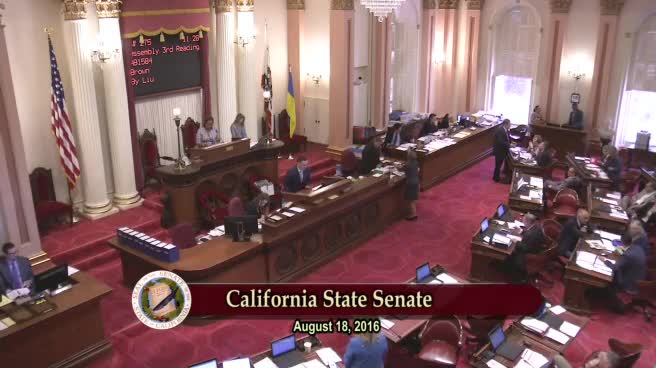
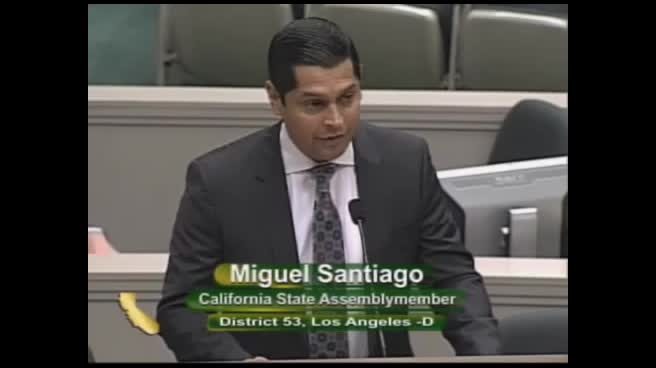
Bill Author

Bill Co-Author(s):