AB 1696: Medi-Cal: tobacco cessation services.
- Session Year: 2015-2016
- House: Assembly
- Latest Version Date: 2016-09-25
Existing law provides for the Medi-Cal program, administered by the State Department of Health Care Services, under which basic health care services are provided to qualified low-income persons. The Medi-Cal program is, in part, governed and funded by federal Medicaid provisions. Existing law provides for a schedule of benefits under the Medi-Cal program. Existing law requires that preventive services assigned a grade of A or B by the United States Preventive Services Task Force be provided to Medi-Cal beneficiaries without any cost sharing by the beneficiary in order for the state to receive increased federal contributions for those services, as specified.
This bill would provide that, only to the extent that federal financial participation is available and not otherwise jeopardized, and any necessary federal approvals have been obtained, tobacco cessation services are covered benefits, subject to utilization controls, under the Medi-Cal program and would require those services to include all intervention recommendations, as periodically updated, assigned a grade A or B by the United States Preventive Services Task Force, and include quit attempts based upon medical necessity, as specified. The bill also would require, only to the extent consistent with the recommendations of the United States Preventive Services Task Force, tobacco cessation services to include at least 4 counseling sessions per quit attempt and a treatment regimen of any medication approved by the federal Food and Drug Administration and that is a covered Medi-Cal benefit for tobacco cessation.
The bill would require the department to seek any federal approvals necessary to implement its provisions.
Existing law provides for the Medi-Cal program, administered by the State Department of Health Care Services, under which basic health care services are provided to qualified low-income persons. The Medi-Cal program is, in part, governed and funded by federal Medicaid provisions. Existing law provides for a schedule of benefits under the Medi-Cal program. Existing law requires that preventive services assigned a grade of A or B by the United States Preventive Services Task Force be provided to Medi-Cal beneficiaries without any cost sharing by the beneficiary in order for the state to receive increased federal contributions for those services, as specified.
This bill would provide that, only to the extent that federal financial participation is available and not otherwise jeopardized, and any necessary federal approvals have been obtained, tobacco cessation services are covered benefits, subject to utilization controls, under the Medi-Cal program and would require those services to include all intervention recommendations, as periodically updated, assigned a grade A or B by the United States Preventive Services Task Force, and include quit attempts based upon medical necessity, as specified. The bill also would require, only to the extent consistent with the recommendations of the United States Preventive Services Task Force, tobacco cessation services to include at least 4 counseling sessions per quit attempt and a treatment regimen of any medication approved by the federal Food and Drug Administration and that is a covered Medi-Cal benefit for tobacco cessation.
The bill would require the department to seek any federal approvals necessary to implement its provisions.
Existing law provides for the Medi-Cal program, administered by the State Department of Health Care Services, under which basic health care services are provided to qualified low-income persons. The Medi-Cal program is, in part, governed and funded by federal Medicaid provisions. Existing law provides for a schedule of benefits under the Medi-Cal program. Existing law requires that preventive services assigned a grade of A or B by the United States Preventive Services Task Force be provided to Medi-Cal beneficiaries without any cost sharing by the beneficiary in order for the state to receive increased federal contributions for those services, as specified.
This bill would provide that, only to the extent that federal financial participation is available and not otherwise jeopardized, and any necessary federal approvals have been obtained, tobacco cessation services are covered benefits, subject to utilization controls, under the Medi-Cal program and would require those services to include all intervention recommendations, as periodically updated, assigned a grade A or B by the United States Preventive Services Task Force, and, at a minimum, 4 quit attempts per year. and include quit attempts based upon medical necessity, as specified. The bill also would require, only to the extent consistent with the recommendations of the United States Preventive Services Task Force, tobacco cessation services to include at least 4 counseling sessions per quit attempt and a 12-week treatment regimen of any medication approved by the federal Food and Drug Administration and that is a covered Medi-Cal benefit for tobacco cessation.
The bill would require the department to issue guidelines and enter into agreements to allow a specified state smokers helpline to furnish nicotine replacement therapy to beneficiaries participating in the helplines smoking cessation services and would require the department to include medical assistance with smoking and tobacco use cessation rates among adult Medi-Cal enrollees in its Healthcare Effectiveness Data and Information Set, as specified. The bill would require the department to seek any federal approvals necessary to implement those its provisions.
Existing law provides for the Medi-Cal program, administered by the State Department of Health Care Services, under which basic health care services are provided to qualified low-income persons. The Medi-Cal program is, in part, governed and funded by federal Medicaid provisions. Existing law provides for a schedule of benefits under the Medi-Cal program. Existing law requires that preventive services assigned a grade of A or B by the United States Preventive Services Task Force be provided to Medi-Cal beneficiaries without any cost sharing by the beneficiary in order for the state to receive increased federal contributions for those services, as specified.
This bill would provide that, only to the extent that federal financial participation is available and not otherwise jeopardized, and any necessary federal approvals have been obtained, tobacco cessation services are covered benefits, subject to utilization controls, under the Medi-Cal program and would require those services to include all intervention recommendations, as periodically updated, assigned a grade A or B by the United States Preventive Services Task Force, and, at a minimum, 4 quit attempts per year. The bill also would require, only to the extent consistent with the recommendations of the United States Preventive Services Task Force, tobacco cessation services to include at least 4 counseling sessions per quit attempt and a 12-week treatment regimen of any medication approved by the federal Food and Drug Administration for tobacco cessation.
The bill would require the department to issue guidelines and enter into agreements to allow a specified state smokers helpline to furnish nicotine replacement therapy to beneficiaries participating in the helplines smoking cessation services and would require the department to include medical assistance with smoking and tobacco use cessation rates among adult Medi-Cal enrollees in its Healthcare Effectiveness Data and Information Set, as specified. The bill would require the department to seek any federal approvals necessary to implement those provisions.
Existing law provides for the Medi-Cal program, administered by the State Department of Health Care Services, under which basic health care services are provided to qualified low-income persons. The Medi-Cal program is, in part, governed and funded by federal Medicaid provisions. Existing law provides for a schedule of benefits under the Medi-Cal program. Existing law requires that preventive services assigned a grade of A or B by the United States Preventive Services Task Force be provided to Medi-Cal beneficiaries without any cost sharing by the beneficiary in order for the state to receive increased federal contributions for those services, as specified.
This bill would provide that, only to the extent that federal financial participation is available and not otherwise jeopardized, and any necessary federal approvals have been obtained, tobacco cessation services are covered benefits, subject to utilization controls, under the Medi-Cal program and would require those services to include all intervention recommendations, as periodically updated, assigned a grade A or B by the United States Preventive Services Task Force, and, at a minimum, 4 quit attempts per year. The bill also would require, only to the extent consistent with the recommendations of the United States Preventive Services Task Force, tobacco cessation services to include at least 4 counseling sessions per quit attempt and a 12-week treatment regimen of any medication approved by the federal Food and Drug Administration for tobacco cessation.
The bill would require the department to issue guidelines and enter into agreements to allow a specified state smokers helpline to furnish nicotine replacement therapy to beneficiaries participating in the helplines smoking cessation services, services and would require the department to issue other guidelines to beneficiaries and managed care programs in connection with the provision and evaluation of tobacco cessation services pursuant to the bill. include medical assistance with smoking and tobacco use cessation rates among adult Medi-Cal enrollees in its Healthcare Effectiveness Data and Information Set, as specified. The bill would require the department to seek any federal approvals necessary to implement those provisions.
Existing law provides for the Medi-Cal program, administered by the State Department of Health Care Services, under which basic health care services are provided to qualified low-income persons. The Medi-Cal program is, in part, governed and funded by federal Medicaid provisions. Existing law provides for a schedule of benefits under the Medi-Cal program. Existing law requires that preventive services assigned a grade of A or B by the United States Preventive Services Task Force be provided to Medi-Cal beneficiaries without any cost sharing by the beneficiary in order for the state to receive increased federal contributions for those services, as specified.
This bill would provide that, only to the extent that federal financial participation is available and not otherwise jeopardized, and any necessary federal approvals have been obtained, tobacco cessation services are covered benefits, subject to utilization controls, under the Medi-Cal program and would require those services to include all intervention recommendations, as periodically updated, assigned a grade A or B by the United States Preventive Services Task Force, and, at a minimum, 4 quit attempts per year. The bill also would require, only to the extent consistent with the recommendations of the United States Preventive Services Task Force, tobacco cessation services to include at least 4 counseling sessions per quit attempt and a 12-week treatment regimen of any medication approved by the federal Food and Drug Administration for tobacco cessation.
The bill would require the department to issue guidelines and enter into agreements to allow a specified state smokers helpline to furnish nicotine replacement therapy to beneficiaries participating in the helplines smoking cessation services, and would require the department to issue other guidelines to beneficiaries and managed care programs in connection with the provision and evaluation of tobacco cessation services pursuant to the bill. The bill would require the department to seek any federal approvals necessary to implement those provisions.
Existing law provides for the Medi-Cal program, administered by the State Department of Health Care Services, under which basic health care services are provided to qualified low-income persons. The Medi-Cal program is, in part, governed and funded by federal Medicaid provisions. Existing law provides for a schedule of benefits under the Medi-Cal program. Existing law requires that preventive services assigned a grade of A or B by the United States Preventive Services Task Force be provided to Medi-Cal beneficiaries without any cost sharing by the beneficiary in order for the state to receive increased federal contributions for those services, as specified.
This bill would provide that, only to the extent that federal financial participation is available and not otherwise jeopardized, and any necessary federal approvals have been obtained, tobacco cessation services are covered benefits, subject to utilization controls, under the Medi-Cal program and would require those services to include all intervention recommendations, as periodically updated, assigned a grade A or B by the United States Preventive Services Task Force, and, at a minimum, 4 quit attempts per year. The bill would also also would require, only to the extent consistent with the recommendations of the United States Preventive Services Task Force, tobacco cessation services to include at least 4 counseling sessions per quit attempt and a 12-week treatment regimen of any medication approved by the federal Food and Drug Administration for tobacco cessation. The
The bill would require the department to issue guidelines and enter into agreements to allow a specified state smokers helpline to furnish nicotine replacement therapy to beneficiaries participating in the helplines smoking cessation services, and would require the department to issue other guidelines to beneficiaries and managed care programs in connection with the provision and evaluation of tobacco cessation services pursuant to the bill. The bill would require the department to seek any federal approvals necessary to implement those provisions.
Existing law provides for the Medi-Cal program, administered by the State Department of Health Care Services, under which basic health care services are provided to qualified low-income persons. The Medi-Cal program is, in part, governed and funded by federal Medicaid provisions. Existing law provides for a schedule of benefits under the Medi-Cal program. Existing law requires that preventive services assigned a grade of A or B by the United States Preventive Services Task Force be provided to Medi-Cal beneficiaries without any cost sharing by the beneficiary in order for the state to receive increased federal contributions for those services, as specified.
This bill would provide that, only to the extent that federal financial participation is available and not otherwise jeopardized, and any necessary federal approvals have been obtained, tobacco cessation services are covered benefits, subject to utilization controls, under the Medi-Cal program and would require those services to include all intervention recommendations, as periodically updated, assigned a grade A or B by the United States Preventive Services Task Force, and, at a minimum, 4 quit attempts per year. The bill would also require, only to the extent consistent with the recommendations of the United States Preventive Services Task Force, tobacco cessation services to include at least 4 counseling sessions per quit attempt and a 12-week treatment regimen of any medication approved by the federal Food and Drug Administration for tobacco cessation. The bill would require the department to seek any federal approvals necessary to implement those provisions.
(a)Tobacco cessation services are covered benefits under the Medi-Cal program, subject to utilization controls. Tobacco cessation services shall include all intervention recommendations, as periodically updated, assigned a grade A or B by the United States Preventive Services Task Force. Tobacco cessation services shall include quit attempts based on medical necessity, as defined in Section 14059.5, and consistent with United States Preventive Services Task Force grade A and B recommendations, with no required break between attempts, for all beneficiaries 18 years of age and older who use tobacco. For beneficiaries under 18 years of age, tobacco cessation services shall be provided in accordance with both the American Academy of Pediatrics Bright Futures periodicity schedule and anticipatory guidance as periodically updated, as well as services assigned a grade A or B by the United States Preventive Services Task Force.
(b)For purposes of this section, in addition to the services described in subdivision (a) and only to the extent consistent with the intervention recommendations, as periodically updated, assigned a grade A or B by the United States Preventive Services Task Force, tobacco cessation services for beneficiaries 18 years of age and older shall include:
(1)At least four tobacco cessation counseling sessions per quit attempt that may be conducted in person or by telephone and individually or as part of a group, at the beneficiarys option.
(2)(A)A tobacco cessation treatment regimen of any medication approved by the federal Food and Drug Administration, and that is a covered Medi-Cal benefit, for tobacco cessation, including prescription and over-the-counter medications, in accordance with United States Preventive Services Task Force grade A and B recommendations.
(B)A prescription from a provider with authority to prescribe and proof of Medi-Cal coverage shall be sufficient documentation to fill a prescription for over-the-counter tobacco cessation medications.
(c)Beneficiaries who are covered under this section shall not be required to receive a particular form of tobacco cessation service as a condition of receiving any other form of tobacco cessation service.
(d)Effective January 1, 2017, the department shall seek any federal approvals necessary to implement this section that the department determines are necessary to implement this section.
(e)This section shall be implemented only to the extent that federal financial participation is available and not otherwise jeopardized, and any necessary federal approvals have been obtained.
(a)Tobacco cessation services are covered benefits under the Medi-Cal program, subject to utilization controls. Tobacco cessation services shall include all intervention recommendations, as periodically updated, assigned a grade A or B by the United States Preventive Services Task Force. Tobacco cessation services shall include quit attempts based on medical necessity, as defined in Section 14059.5, and consistent with United States Preventive Services Task Force grade A and B recommendations, with no required break between attempts, for all beneficiaries 18 years of age and older who use tobacco. For beneficiaries under 18 years of age, tobacco cessation services shall be provided in accordance with both the American Academy of Pediatrics Bright Futures periodicity schedule and anticipatory guidance as periodically updated, as well as services assigned a grade A or B by the United States Preventive Services Task Force.
(b)For purposes of this section, in addition to the services described in subdivision (a) and only to the extent consistent with the intervention recommendations, as periodically updated, assigned a grade A or B by the United States Preventive Services Task Force, tobacco cessation services for beneficiaries 18 years of age and older shall include:
(1)At least four tobacco cessation counseling sessions per quit attempt that may be conducted in person or by telephone and individually or as part of a group, at the beneficiarys option.
(2)(A)A tobacco cessation treatment regimen of any medication approved by the federal Food and Drug Administration, and that is a covered Medi-Cal benefit, for tobacco cessation, including prescription and over-the-counter medications, in accordance with United States Preventive Services Task Force grade A and B recommendations.
(B)A prescription from a provider with authority to prescribe and proof of Medi-Cal coverage shall be sufficient documentation to fill a prescription for over-the-counter tobacco cessation medications.
(c)Beneficiaries who are covered under this section shall not be required to receive a particular form of tobacco cessation service as a condition of receiving any other form of tobacco cessation service.
(d)Effective January 1, 2017, the department shall seek any federal approvals necessary to implement this section that the department determines are necessary to implement this section.
(e)This section shall be implemented only to the extent that federal financial participation is available and not otherwise jeopardized, and any necessary federal approvals have been obtained.
(a)Tobacco cessation services are covered benefits under the Medi-Cal program, subject to utilization controls. Tobacco cessation services shall include all intervention recommendations, as periodically updated, assigned a grade A or B by the United States Preventive Services Task Force. Tobacco cessation services shall include a minimum of four quit attempts per year, based on medical necessity, as defined in Section 14059.5, and consistent with United States Preventive Services Task Force grade A and B recommendations, with no required break between attempts, for all beneficiaries 18 years of age and older who use tobacco. For beneficiaries under 18 years of age, tobacco cessation services shall be provided in accordance with both the American Academy of Pediatrics guidelines and the intervention recommendations, Bright Futures periodicity schedule and anticipatory guidance as periodically updated, as well as services assigned a grade A or B by the United States Preventive Services Task Force.
(b)For purposes of this section, in addition to the services described in subdivision (a) and only to the extent consistent with the intervention recommendations, as periodically updated, assigned a grade A or B by the United States Preventive Services Task Force, tobacco cessation services for beneficiaries 18 years of age and older shall include:
(1)At least four tobacco cessation counseling sessions per quit attempt that may be conducted in person or by telephone and individually or as part of a group, at the beneficiarys option.
(2)(A)A 12-week tobacco cessation treatment regimen of any medication approved by the federal Food and Drug Administration Administration, and that is a covered Medi-Cal benefit, for tobacco cessation, including prescription and over-the-counter medications. medications, in accordance with United States Preventive Services Task Force grade A and B recommendations.
(B)At least one prescription medication and all over-the-counter medications shall be available without prior authorization.
(C)
(B)A prescription from a provider with authority to prescribe and proof of Medi-Cal coverage shall be sufficient documentation to fill a prescription for over-the-counter tobacco cessation medications.
(c)Beneficiaries who are covered under this section shall not be required to receive a particular form of tobacco cessation service as a condition of receiving any other form of tobacco cessation service.
(d)Effective January 1, 2017, the department shall seek any federal approvals necessary to implement this section that the department determines are necessary to implement this section.
(e)(1)By December 31, 2017, the department shall issue guidelines and enter into an agreement that authorizes the California Smokers Helpline or its successor, as administered by the State Department of Public Health, to directly furnish at least one form of over-the-counter nicotine replacement therapy, as described by the United States Preventive Services Task Force (USPSTF), to Medi-Cal beneficiaries enrolled in smoking cessation services provided by the helpline.
(2)For purposes of this subdivision, directly furnish means to provide directly to the beneficiary by mail with no further action required on the part of the beneficiary.
(f)By December 31, 2017, the department shall include medical assistance with smoking and tobacco use cessation rates among adults enrolled in Medi-Cal managed care plans in its Healthcare Effectiveness Data and Information Set (HEDIS). The department may use data collected pursuant to this subdivision for quality improvement projects to increase cessation by Medi-Cal enrollees who use tobacco products. Tobacco use status shall not be used by the department or the managed care plan to deny coverage or treatment of tobacco-related illnesses.
(g)
(e)This section shall be implemented only to the extent that federal financial participation is available and not otherwise jeopardized, and any necessary federal approvals have been obtained.
(a)Tobacco cessation services are covered benefits under the Medi-Cal program, subject to utilization controls. Tobacco cessation services shall include all intervention recommendations, as periodically updated, assigned a grade A or B by the United States Preventive Services Task Force. Tobacco cessation services shall include a minimum of four quit attempts per year, with no required break between attempts, for all beneficiaries 18 years of age and older who use tobacco. For beneficiaries under 18 years of age, tobacco cessation services shall be provided in accordance with the American Academy of Pediatrics guidelines and the intervention recommendations, as periodically updated, assigned a grade A or B by the United States Preventive Services Task Force.
(b)For purposes of this section, in addition to the services described in subdivision (a) and only to the extent consistent with the intervention recommendations, as periodically updated, assigned a grade A or B by the United States Preventive Services Task Force, tobacco cessation services shall include:
(1)At least four tobacco cessation counseling sessions per quit attempt that may be conducted in person or by telephone and individually or as part of a group, at the beneficiarys option.
(2)(A)A 12-week treatment regimen of any medication approved by the federal Food and Drug Administration for tobacco cessation, including prescription and over-the-counter medications.
(B)At least one prescription medication and all over-the-counter medications shall be available without prior authorization.
(C)A prescription from a provider with authority to prescribe and proof of Medi-Cal coverage shall be sufficient documentation to fill a prescription for over-the-counter tobacco cessation medications.
(c)Beneficiaries who are covered under this section shall not be required to receive a particular form of tobacco cessation service as a condition of receiving any other form of tobacco cessation service.
(d)Effective January 1, 2017, the department shall seek any federal approvals necessary to implement this section that the department determines are necessary to implement this section.
(e)(1)By December 31, 2017, the department shall issue guidelines and enter into an agreement that authorizes the California Smokers Helpline or its successor, as administered by the State Department of Public Health, to directly furnish at least one form of over-the-counter nicotine replacement therapy, as described by the United States Preventive Services Task Force (USPSTF), to Medi-Cal beneficiaries enrolled in smoking cessation services provided by the helpline. At a minimum, the guidelines shall address requirements for pharmacists and physicians in furnishing nicotine replacement products pursuant to this section, which shall be consistent with the requirements of Section 4052.9 of the Business and Professions Code.
(2)For purposes of this subdivision, directly furnish means to provide directly to the beneficiary by mail with no further action required on the part of the beneficiary.
(f)By December 31, 2017, the department shall include medical assistance with smoking and tobacco use cessation rates among adults enrolled in Medi-Cal managed care plans in its Healthcare Effectiveness Data and Information Set (HEDIS). The department may use data collected pursuant to this subdivision for quality improvement projects to increase cessation by Medi-Cal enrollees who use tobacco products. Tobacco use status shall not be used by the department or the managed care plan to deny coverage or treatment of tobacco-related illnesses.
(g)This section shall be implemented only to the extent that federal financial participation is available and not otherwise jeopardized, and any necessary federal approvals have been obtained.
(a)Tobacco cessation services are covered benefits under the Medi-Cal program, subject to utilization controls. Tobacco cessation services shall include all intervention recommendations, as periodically updated, assigned a grade A or B by the United States Preventive Services Task Force. Tobacco cessation services shall include a minimum of four quit attempts per year, with no required break between attempts, for all beneficiaries 18 years of age and older who use tobacco. For beneficiaries under 18 years of age, tobacco cessation services shall be provided in accordance with the American Academy of Pediatrics guidelines and the intervention recommendations, as periodically updated, assigned a grade A or B by the United States Preventive Services Task Force.
(b)For purposes of this section, in addition to the services described in subdivision (a) and only to the extent consistent with the intervention recommendations, as periodically updated, assigned a grade A or B by the United States Preventive Services Task Force, tobacco cessation services shall include:
(1)At least four tobacco cessation counseling sessions per quit attempt that may be conducted in person or by telephone and individually or as part of a group, at the beneficiarys option.
(2)(A)A 12-week treatment regimen of any medication approved by the federal Food and Drug Administration for tobacco cessation, including prescription and over-the-counter medications.
(B)At least one prescription medication and all over-the-counter medications shall be available without prior authorization.
(C)A prescription from a provider with authority to prescribe and proof of Medi-Cal coverage shall be sufficient documentation to fill a prescription for over-the-counter tobacco cessation medications.
(c)Beneficiaries who are covered under this section shall not be required to receive a particular form of tobacco cessation service as a condition of receiving any other form of tobacco cessation service.
(d)Effective January 1, 2017, the department shall seek any federal approvals necessary to implement this section that the department determines are necessary to implement this section.
(e)(1)By December 31, 2017, the department shall issue guidelines and enter into an agreement that authorizes the California Smokers Helpline or its successor, as administered by the State Department of Public Health, to directly furnish at least one form of over-the-counter nicotine replacement therapy therapy, as described by the United States Preventive Services Task Force (USPSTF), to Medi-Cal beneficiaries enrolled in smoking cessation services provided by the helpline. At a minimum, the guidelines shall address requirements for pharmacists and physicians in furnishing nicotine replacement products pursuant to this section, which shall be consistent with the requirements of Section 4052.9 of the Business and Professions Code.
(2)For purposes of this subdivision, directly furnish means to provide directly to the beneficiary by mail with no further action required on the part of the beneficiary.
(f)By July 1, 2018, the department shall issue guidelines to provide incentives to adult Medi-Cal beneficiaries who use tobacco products in order to motivate them to enroll in and participate in evidence-based tobacco use cessation services.
(g)By December 31, 2017, the department shall issue guidelines to managed care plans that provide instructions on requirements to annually report tobacco use rates among adults enrolled in the Medi-Cal managed care plan.
(1)Tobacco use status may be collected at the time of enrollment in the managed care plan. Tobacco use status of other adult family members may be reported via proxy by the primary enrollee.
(2)The department shall publish and post on its Internet Web site adult tobacco use rates for each managed care plan on an annual basis.
(3)Tobacco
(f)By December 31, 2017, the department shall include medical assistance with smoking and tobacco use cessation rates among adults enrolled in Medi-Cal managed care plans in its Healthcare Effectiveness Data and Information Set (HEDIS). The department may use data collected pursuant to this subdivision for quality improvement projects to increase cessation by Medi-Cal enrollees who use tobacco products. Tobacco use status shall not be used by the department or the managed care plan to deny coverage or treatment of tobacco-related illnesses.
(h)
(g)This section shall be implemented only to the extent that federal financial participation is available and not otherwise jeopardized, and any necessary federal approvals have been obtained.
(a)Tobacco cessation services are covered benefits under the Medi-Cal program, subject to utilization controls. Tobacco cessation services shall include all intervention recommendations, as periodically updated, assigned a grade A or B by the United States Preventive Services Task Force. Tobacco cessation services shall include a minimum of four quit attempts per year, with no required break between attempts, for all beneficiaries 18 years of age and older who use tobacco. For beneficiaries under 18 years of age, tobacco cessation services shall be provided in accordance with the American Academy of Pediatrics guidelines and the intervention recommendations, as periodically updated, assigned a grade A or B by the United States Preventive Services Task Force.
(b)For purposes of this section, in addition to the services described in subdivision (a) and only to the extent consistent with the intervention recommendations, as periodically updated, assigned a grade A or B by the United States Preventive Services Task Force, tobacco cessation services shall include:
(1)At least four tobacco cessation counseling sessions per quit attempt that may be conducted in person or by telephone and individually or as part of a group, at the beneficiarys option.
(2)(A)A 12-week treatment regimen of any medication approved by the federal Food and Drug Administration for tobacco cessation, including prescription and over-the-counter medications.
(B)At least one prescription medication and all over-the-counter medications shall be available without prior authorization.
(C)A prescription from a provider with authority to prescribe and proof of Medi-Cal coverage shall be sufficient documentation to fill a prescription for over-the-counter tobacco cessation medications.
(c)Beneficiaries who are covered under this section shall not be required to receive a particular form of tobacco cessation service as a condition of receiving any other form of tobacco cessation service.
(d)Effective January 1, 2017, the department shall seek any federal approvals necessary to implement this section that the department determines are necessary to implement this section.
(e)By December 31, 2017, the department shall issue guidelines and enter into an agreement that authorizes the California Smokers Helpline or its successor, as administered by the State Department of Public Health, to directly furnish over-the-counter nicotine replacement therapy to Medi-Cal beneficiaries enrolled in smoking cessation services provided by the helpline.
(f)By July 1, 2018, the department shall issue guidelines to provide incentives to adult Medi-Cal beneficiaries who use tobacco products in order to motivate them to enroll in and participate in evidence-based tobacco use cessation services.
(g)By December 31, 2017, the department shall issue guidelines to managed care plans that provide instructions on requirements to annually report tobacco use rates among adults enrolled in the Medi-Cal managed care plan.
(1)Tobacco use status may be collected at the time of enrollment in the managed care plan. Tobacco use status of other adult family members may be reported via proxy by the primary enrollee.
(2)The department shall publish and post on its Internet Web site annual adult tobacco use rates for each managed care plan. plan on an annual basis.
(3)Tobacco use status shall not be used by the department or the managed care plan to deny coverage or treatment of tobacco-related illnesses.
(h)This section shall be implemented only to the extent that federal financial participation is available and not otherwise jeopardized, and any necessary federal approvals have been obtained.
(a)Tobacco cessation services are covered benefits under the Medi-Cal program, subject to utilization controls. Tobacco cessation services shall include all intervention recommendations, as periodically updated, assigned a grade A or B by the United States Preventive Services Task Force. Tobacco cessation services shall include a minimum of four quit attempts per year, with no required break between attempts, for all beneficiaries 18 years of age and older who use tobacco. For beneficiaries under 18 years of age, tobacco cessation services shall be provided in accordance with the American Academy of Pediatrics guidelines and the intervention recommendations, as periodically updated, assigned a grade A or B by the United States Preventive Services Task Force.
(b)For purposes of this section, in addition to the services described in subdivision (a) and only to the extent consistent with the intervention recommendations, as periodically updated, assigned a grade A or B by the United States Preventive Services Task Force, tobacco cessation services shall include:
(1)At least four tobacco cessation counseling sessions per quit attempt that may be conducted in person or by telephone and individually or as part of a group, at the beneficiarys option.
(2)(A)A 12-week treatment regimen of any medication approved by the federal Food and Drug Administration for tobacco cessation, including prescription and over-the-counter medications.
(B)At least one prescription medication and all over-the-counter medications shall be available without prior authorization.
(C)A prescription from a provider with authority to prescribe and proof of Medi-Cal coverage shall be sufficient documentation to fill a prescription for over-the-counter tobacco cessation medications.
(c)Beneficiaries who are covered under this section shall not be required to receive a particular form of tobacco cessation service as a condition of receiving any other form of tobacco cessation service.
(d)Effective January 1, 2017, the department shall seek any federal approvals necessary to implement this section that the department determines are necessary to implement this section.
(e)By December 31, 2017, the department shall issue guidelines and enter into an agreement that authorizes the California Smokers Helpline or its successor, as administered by the State Department of Public Health, to directly furnish over-the-counter nicotine replacement therapy to Medi-Cal beneficiaries enrolled in smoking cessation services provided by the helpline.
(f)By July 1, 2018, the department shall issue guidelines to provide incentives to adult Medi-Cal beneficiaries who use tobacco products in order to motivate them to enroll in and participate in evidence-based tobacco use cessation services.
(g)By December 31, 2017, the department shall issue guidelines to managed care plans that provide instructions on requirements to annually report tobacco use rates among adults enrolled in the Medi-Cal managed care plan.
(1)Tobacco use status may be collected at the time of enrollment in the managed care plan. Tobacco use status of other adult family members may be reported via proxy by the primary enrollee.
(2)The department shall publish and post on its Internet Web site annual adult tobacco use rates for each managed care plan.
(3)Tobacco use status shall not be used by the department or the managed care plan to deny coverage or treatment of tobacco-related illnesses.
(e)
(h)This section shall be implemented only to the extent that federal financial participation is available and not otherwise jeopardized, and any necessary federal approvals have been obtained.
(a)Tobacco cessation services are covered benefits under the Medi-Cal program, subject to utilization controls. Tobacco cessation services shall include all intervention recommendations, as periodically updated, assigned a grade A or B by the United States Preventive Services Task Force. Tobacco cessation services shall include a minimum of four quit attempts per year, with no required break between attempts, for all beneficiaries 18 years of age and older who use tobacco. For beneficiaries under 18 years of age, tobacco cessation services shall be provided in accordance with the American Academy of Pediatrics guidelines and the intervention recommendations, as periodically updated, assigned a grade A or B by the United States Preventive Services Task Force.
(b)For purposes of this section, in addition to the services described in subdivision (a) and only to the extent consistent with the intervention recommendations, as periodically updated, assigned a grade A or B by the United States Preventive Services Task Force, tobacco cessation services shall include:
(1)At least four tobacco cessation counseling sessions per quit attempt that may be conducted in person or by telephone and individually or as part of a group, at the beneficiarys option.
(2)(A) A 12-week treatment regimen of any medication approved by the federal Food and Drug Administration for tobacco cessation, including prescription and over-the-counter medications.
(B)At least one prescription medication and all over-the-counter medications shall be available without prior authorization.
(C)A prescription from a provider with authority to prescribe and proof of Medi-Cal coverage shall be sufficient documentation to fill a prescription for over-the-counter tobacco cessation medications.
(c)Beneficiaries who are covered under this section shall not be required to receive a particular form of tobacco cessation service as a condition of receiving any other form of tobacco cessation service.
(d)Effective January 1, 2017, the department shall seek any federal approvals necessary to implement this section that the department determines are necessary to implement this section.
(e)This section shall be implemented only to the extent that federal financial participation is available and not otherwise jeopardized, and any necessary federal approvals have been obtained.
|
Date
|
Status
|
|---|---|
| Aug 30, 2016 | Enrolled and presented to the Governor at 4 p.m. |
| Aug 23, 2016 | Senate amendments concurred in. To Engrossing and Enrolling. (Ayes 62. Noes 17. Page 6109.). |
| Aug 23, 2016 | Senate amendments concurred in. To Engrossing and Enrolling. |
| Aug 16, 2016 | Read third time. Passed. Ordered to the Assembly. (Ayes 29. Noes 8. Page 5027.). |
| Aug 16, 2016 | Read third time. Passed. Ordered to the Assembly. (Ayes 29. Noes 8.). |
| Aug 16, 2016 | In Assembly. Concurrence in Senate amendments pending. May be considered on or after August 18 pursuant to Assembly Rule 77. |
| Aug 16, 2016 | Read third time. Passed. Ordered to the Assembly. |
| Aug 15, 2016 | Read second time and amended. Ordered to third reading. |
| Aug 11, 2016 | From committee: Amend, and do pass as amended. (Ayes 5. Noes 2.) (August 11). |
| Aug 1, 2016 | In committee: Referred to APPR. suspense file. |
| Jun 27, 2016 | Read second time and amended. Re-referred to Com. on APPR. |
| Jun 23, 2016 | From committee: Amend, and do pass as amended and re-refer to Com. on APPR. (Ayes 8. Noes 1.) (June 22). |
| Jun 9, 2016 | Referred to Com. on HEALTH. |
| Jun 6, 2016 | In Senate. Read first time. To Com. on RLS. for assignment. |
| Jun 2, 2016 | Read third time. Passed. Ordered to the Senate. (Ayes 63. Noes 14. Page 5213.) |
| Jun 2, 2016 | Read third time. Passed. Ordered to the Senate. (Ayes 63. Noes 14.) |
| Jun 2, 2016 | Read third time. Passed. Ordered to the Senate. |
| Jun 1, 2016 | Read second time. Ordered to third reading. |
| May 31, 2016 | Read second time and amended. Ordered returned to second reading. |
| May 27, 2016 | From committee: Amend, and do pass as amended. (Ayes 14. Noes 6.) (May 27). |
| Apr 13, 2016 | In committee: Set, first hearing. Referred to suspense file. |
| Mar 29, 2016 | Re-referred to Com. on APPR. |
| Mar 28, 2016 | Read second time and amended. |
| Mar 17, 2016 | From committee: Amend, and do pass as amended and re-refer to Com. on APPR. (Ayes 17. Noes 1.) (March 15). |
| Mar 8, 2016 | Re-referred to Com. on HEALTH. |
| Mar 7, 2016 | From committee chair, with author's amendments: Amend, and re-refer to Com. on HEALTH. Read second time and amended. |
| Feb 8, 2016 | Referred to Com. on HEALTH. |
| Jan 22, 2016 | From printer. May be heard in committee February 21. |
| Jan 21, 2016 | Read first time. To print. |
|
Date
|
Description
|
Location
|
Votes
|
|
|---|---|---|---|---|
| Aug 23, 2016 | AB 1696 HOLDEN Concurrence in Senate Amendments | Assembly Floor |
Passed |
|
| Aug 16, 2016 | Assembly 3rd Reading AB1696 Holden By Pan | Senate Floor |
Passed |
|
| Aug 11, 2016 | Do pass as amended | Senate Standing Committee on Appropriations |
Passed |
|
| Aug 1, 2016 | Placed on suspense file | Senate Standing Committee on Appropriations |
Passed |
|
| Jun 22, 2016 | Do pass as amended, but first amend, and re-refer to the Committee on [Appropriations] | Senate Standing Committee on Health |
Passed |
|
| Jun 2, 2016 | AB 1696 HOLDEN Assembly Third Reading | Assembly Floor |
Passed |
|
| May 27, 2016 | Do pass as amended. | Assembly Standing Committee on Appropriations |
Passed |
|
| Mar 15, 2016 | Do pass as amended and be re-referred to the Committee on [Appropriations] | Assembly Standing Committee on Health |
Passed |
This list shows positions taken on this bill by organizations on the date displayed, which is linked to the original source.
Positions by individuals are not included.
CONCURRENCE IN SENATE AMENDMENTS
CSA1 Bill Id:AB 1696
Author:(Holden)
As Amended Ver:August 15, 2016
Majority vote
ASSEMBLY: | 63-14 | (June 2, 2016) | SENATE: | 29-8 | (August 16, 2016) |
Original Committee Reference: HEALTH
SUMMARY: Requires Medi-Cal to cover tobacco cessation services. Specifically, this bill:
- Requires that the tobacco cessation services covered under Medi-Cal be subject to utilization controls.
- Requires tobacco cessation services to include all intervention recommendations assigned a grade A or B by the United States Preventive Services Task Force (USPSTF).
- Requires tobacco cessation services to include the following:
- Four quit attempts based on medical necessity and consistent with the USPSTF grade A and B recommendations, with no required break between attempts, for all beneficiaries 18 years of age or older who use tobacco; and,
- For beneficiaries under 18 years of age, be provided services in accordance with the American Academy of Pediatrics guidelines, Bright Futures periodicity schedules and anticipatory guidance, as periodically updated as well as services both assigned a grade A or B by the USPSTF;
- At least four tobacco cessation counseling sessions per quit attempt, as specified, at the option of the beneficiary; and,
- A tobacco cessation regimen of any medication approved by the federal Food and Drug Administration and that is a covered Medi-Cal benefit for tobacco cessation, including prescription and over-the-counter medications in accordance with the USPSTF grade A and B recommendations.
- Specifies that beneficiaries who are covered under this bill shall not be required to receive a particular form of tobacco cessation service as a condition of receiving any form or tobacco cessation service.
- Requires the Department of Health Care Services to seek any federal approvals necessary to implement the provisions of this bill.
The Senate amendments clarify that the quit attempts covered under this bill to be based on medical necessity and consistent with USPSTF grade A and B recommendations, and limit the application of tobacco cessation services to be provided to those that are covered as a Medi-Cal benefit.
FISCAL EFFECT: According to the Senate Appropriations Committee, minor costs to the Medi-Cal program (General Fund and federal funds). The author's amendments largely conform the requirements of the bill to existing Medi-Cal policy for smoking cessation services.
COMMENTS: According to the author, quitting tobacco products is a difficult feat that many individuals attempt every year with little success on their own. The author states tobacco products can cause cancer, respiratory and heart diseases, and birth defects, and their use is still the leading preventable cause of death in the United States. The author contends that though the dangers of smoking are better understood now than 50 years ago, cigarettes are addictive and smoking rates in the Medi-Cal population are still too high. The author asserts this bill provides smokers with the tools necessary to fight their addiction to tobacco products by mandating Medi-Cal coverage to clinically proven treatments. The author maintains that studies have shown that the comprehensive coverage of these treatments has led to decreases in the population of smokers. The author concludes that the state must remove all barriers to treatments that make quitting the use of tobacco products possible.
Analysis Prepared by: Rosielyn Pulmano / HEALTH / (916) 319-2097 FN: 0004132
Office of Senate Floor Analyses (916) 651-1520 Fax: (916) 327-4478 | AB 1696 |
THIRD READING
Bill No: AB 1696
Amended: 8/15/16 in Senate
SENATE HEALTH COMMITTEE: 8-1, 6/22/16
AYES: Hernandez, Nguyen, Hall, Mitchell, Monning, Pan, Roth, Wolk
NOES: Nielsen
SENATE APPROPRIATIONS COMMITTEE: 5-2, 8/11/16
AYES: Lara, Beall, Hill, McGuire, Mendoza
NOES: Bates, Nielsen
ASSEMBLY FLOOR: 63-14, 6/2/16 - See last page for vote
SUBJECT: Medi-Cal: tobacco cessation services
SOURCE: American Cancer Society Cancer Action Network
American Heart Association/American Stroke Association
American Lung Association
DIGEST: This bill requires tobacco cessation services to be a covered benefit under the Medi-Cal program, subject to utilization controls. Requires tobacco cessation services to include all intervention recommendations assigned a grade A or B by the United States Preventive Services Task Force (USPSTF).
Existing law:
- Establishes the Medi-Cal program, administered by the Department of Health Care Services (DHCS) under which basic health care services are provided to qualified low-income persons.
- Establishes a schedule of benefits under the Medi-Cal program, which includes the purchase of prescribed drugs, subject to the Medi-Cal List of Contract Drugs and utilization controls.
- Requires that preventive services assigned a grade of A or B by the USPSTF be provided to Medi-Cal beneficiaries without any cost sharing by the beneficiary in order for the state to receive increased federal contributions for those services, as specified.
- Authorizes a pharmacist to furnish nicotine replacement products approved by the federal Food and Drug Administration (FDA) for use by prescription only, in accordance with standardized procedures and protocols developed and approved by both the California Board of Pharmacy and the Medical Board of California in consultation with other appropriate entities, if specified conditions are met.
This bill:
- Requires that tobacco cessation services are covered benefits under the Medi-Cal program, subject to utilization controls. Requires tobacco cessation services to include all intervention recommendations assigned a grade A or B by the USPSTF, as periodically updated.
- Requires tobacco cessation services to include quit attempts based on medical necessity and consistent with the USPSTF grade A and B recommendations, with no required break between attempts, for all beneficiaries 18 years of age and older who use tobacco.
- Requires tobacco cessation services to be provided in accordance with both the American Academy of Pediatrics Bright Futures periodicity schedule and anticipate guidance, as services as periodically updated, as well as services assigned a grade A or B by the USPSTF for Medi-Cal beneficiaries under 18 years of age.
- Requires, in addition to the services described above, and only to the extent consistent with the intervention recommendations assigned a grade A or B by the USPSTF, tobacco cessation services for beneficiaries 18 years of age and older to include:
- At least four tobacco cessation counseling sessions per quit attempt that may be conducted in person or by telephone and individually or as part of a group, at the beneficiary’s option;
- A tobacco cessation treatment regimen of any medication approved by the FDA and that is a covered Medi-Cal benefit for tobacco cessation, including prescription and over-the-counter (OTC) medications, in accordance with the USPSTF grade A and B recommendations.
- Prohibits Medi-Cal beneficiaries from being required to receive a particular form of tobacco cessation service as a condition of receiving any other form of tobacco cessation service.
- Requires DHCS, effective January 1, 2017, to seek any federal approvals necessary to implement this bill that DHCS determines are necessary.
- Requires this bill to be implemented only to the extent that federal financial participation is available and not otherwise jeopardized, and any necessary federal approvals have been obtained.
Background
According to the Centers for Disease Control and Prevention (CDC), tobacco use is the leading preventable cause of death in the United States. Every year, smoking kills 480,000 Americans and costs the nation at least $130 billion in medical care costs for adults and more than $150 billion in lost productivity, imposing a heavy economic burden on private employers, private health plans, and federal, state, and local governments. The cost of tobacco use to California is estimated to be $18.1 billion annually. According to data from 2001 to 2010 published by the CDC in 2011, most smokers want to quit smoking (69%), and over half (52%) tried to quit in the previous year, but only 6% were successful.
Current Medi-Cal prescription drug coverage for tobacco cessation. DHCS indicates the current contract drug list for fee-for-service (FFS) Medi-Cal includes all seven FDA-approved tobacco cessation medications, but such medication is limited to specific manufacturers, who offer rebates and are contracted with DHCS in an effort to reduce costs. FFS Medi-Cal covers five FDA-approved tobacco cessation medications without treatment authorization: the Nicotine Patch (OTC); Nicotine Gum (OTC); Nicotine Lozenge (OTC), Buproprion, and Varenicline – and two FDA-approved tobacco cessation medications with treatment authorization, Nicotine Nasal (Prescription Only) and Nicotine Inhaler (Prescription Only).
In Medi-Cal Managed Care, under existing policy and contract terms, Medi-Cal managed care plans must cover all seven FDA-approved tobacco cessation medications and at least one must be available without prior authorization.
Comments
Author’s statement. According to the author, quitting tobacco products is a difficult feat that many attempt every year. Tobacco products are still the leading preventable cause of death in the United States. Though the dangers of smoking are better understood now than 50 years ago, cigarettes are more addictive and smoking rates in the Medi-Cal population are still too high. In addition to efforts to discourage people from smoking. This bill gives smokers the tools to fight the addiction. The coverage ensured by this bill guarantees Medi-Cal patients have access to clinically proven treatments. Studies have shown that the comprehensive coverage of these treatments has led to decreases in the smoking population. As a state, we must remove barriers to treatments that make quitting possible.
FISCAL EFFECT: Appropriation: No Fiscal Com.: Yes Local: No
According to the Senate Appropriations Committee:
- Minor costs to the Medi-Cal program (General Fund and federal funds) as the most recent amendments largely conform the requirements of the bill to existing Medi-Cal policy for smoking cessation services.
American Cancer Society Cancer Action Network (co-source)
American Heart Association/American Stroke Association (co-source)
American Lung Association (co-source)
Association of California Healthcare Districts
California Academy of Physician Assistants
California Academy of Preventive Medicine
California Black Health Network
California Chapter of the American College of Emergency Physicians
California Dental Association
California Life Sciences Association
California Optometric Association
California Phamacists Association
California Tobacco Education and Research Oversight Committee
County Health Executives Association
First 5 Association of California
Health Access California
Health Officers Association of California
March of Dimes
Mental Health America of California
Two individuals
OPPOSITION: (Verified 8/12/16)
California Association of Health Plans
Department of Finance
Local Health Plans of California
ARGUMENTS IN SUPPORT: This bill is jointly sponsored by the American Heart Association/American Stroke Association, the American Lung Association, and the American Cancer Society Cancer Action Network to ensure all Medi-Cal patients are able to access tobacco cessation treatments. The sponsors argue that the success rate of smokers quitting their addiction to tobacco is still very low, due in part because many smokers try to quit without the assistance of tobacco cessation services. The sponsors noted that although the Affordable Care Act has made tobacco cessation treatments more accessible, current guidelines as to how to implement these treatments are unclear, thereby resulting in differences in coverage between health plans. In addition, the sponsors state that Medi-Cal patients face barriers to treatment services due to prior authorization and step therapy treatment requirements. Supporters argue this bill provides needed clarity for Medi-Cal participants on tobacco cessation services and ensures access to comprehensive insurance coverage for these services. Supporters conclude that increased access to smoking cessation treatments and eliminating barriers will reduce the incidence of tobacco-related diseases and will lower health care costs.
ARGUMENTS IN OPPOSITION: The California Association of Health Plans (CAHP) writes in opposition to the previous version of this bill that the bill will increase costs to the state by requiring Medi-Cal managed care plans to pay for tobacco cessation drugs in a manner that is inconsistent with policies of DHCS. CAHP argues Medi-Cal managed care plans already comply with the requirements of the DHCS policy letter, and that weakening prior authorization requirements designated to ensure the right care is delivered under appropriate circumstances will drive up costs. CAHP also argues tracking tobacco rates of enrollees would be difficult and an unnecessary administrative burden. Finally, CAHP objects to the provision in this bill making counseling sessions at patient option may leave out some beneficiaries who need the help most, including patients who have tried and failed therapies several times.
ASSEMBLY FLOOR: 63-14, 6/2/16
AYES: Achadjian, Alejo, Arambula, Atkins, Baker, Bloom, Bonilla, Bonta, Brown, Burke, Calderon, Campos, Chau, Chávez, Chiu, Chu, Cooley, Cooper, Dababneh, Daly, Dodd, Eggman, Frazier, Cristina Garcia, Eduardo Garcia, Gatto, Gipson, Gomez, Gonzalez, Gordon, Gray, Hadley, Roger Hernández, Holden, Irwin, Jones-Sawyer, Lackey, Levine, Linder, Lopez, Low, Maienschein, McCarty, Medina, Mullin, Nazarian, O'Donnell, Olsen, Quirk, Ridley-Thomas, Rodriguez, Salas, Santiago, Steinorth, Mark Stone, Thurmond, Ting, Waldron, Weber, Wilk, Williams, Wood, Rendon
NOES: Travis Allen, Brough, Chang, Dahle, Gallagher, Grove, Harper, Jones, Mathis, Mayes, Melendez, Obernolte, Patterson, Wagner
NO VOTE RECORDED: Bigelow, Beth Gaines, Kim
Prepared by: Scott Bain / HEALTH / (916) 651-4111
8/15/16 20:33:21
**** END ****
SENATE COMMITTEE ON
Senator Ricardo Lara, Chair
2015 - 2016 Regular Session
AB 1696 (Holden) - Medi-Cal: tobacco cessation services
Version: | Policy Vote: |
Urgency: | Mandate: |
Hearing Date: | Consultant: |
*********** ANALYSIS ADDENDUM – SUSPENSE FILE ***********
The following information is revised to reflect amendments
adopted by the committee on August 11, 2016
Bill Summary:
AB 1696 would require tobacco cessation services to be a covered benefit in the Medi-Cal program with specified requirements for benefits.
Fiscal Impact:
Minor costs to the Medi-Cal program (General Fund and federal funds). The author’s amendments largely conform the requirements of the bill to existing Medi-Cal policy for smoking cessation services.
Author Amendments:
Make multiple changes the requirements for coverage of smoking cessation, generally to conform the bill to existing Medi-Cal policy.
-- END --
SENATE COMMITTEE ON APPROPRIATIONS
Senator Ricardo Lara, Chair
2015 - 2016 Regular Session
AB 1696 (Holden) - Medi-Cal: tobacco cessation services
Version: June 27, 2016 | Policy Vote: HEALTH 8 - 1 |
Urgency: No | Mandate: No |
Hearing Date: August 1, 2016 | Consultant: Brendan McCarthy |
This bill meets the criteria for referral to the Suspense File.
Bill Summary:
AB 1696 would require tobacco cessation services to be a covered benefit in the Medi-Cal program with specified requirements for benefits.
Fiscal Impact:
- Minor administrative costs to update existing Medi-Cal policies for the provision of smoking cessation services (General Fund and federal funds).
- Annual costs of about $140,000 per year for four years for the development and implementation of a new HEDIS measurement relating to smoking cessation by the Department of Health Care Services (General Fund and federal funds).
- Unknown costs due to increased utilization of smoking cessation services. Under current practice, about 30,000 Medi-Cal beneficiaries access smoking cessation services at a total annual cost of about $4 million per year. Assuming that the expanded benefits required in the bill result in increased demand for smoking cessation services of 10% to 20%, the bill would result in increased costs of $400,000 to $800,000 per year (General Fund and federal funds).
The bill requires the Department to contract with California Smokers’ Helpline to directly furnish over-the-counter nicotine replacement therapy to Medi-Cal beneficiaries. Under a recently concluded pilot project, about 90% of Medi-Cal beneficiaries who called the Helpline (and were not included in a control group) were furnished with over-the-counter nicotine replacement therapy, at a per capita cost of $74. On average, about 20,000 Medi-Cal beneficiaries call the Helpline each year, and under the bill most of those individuals would likely receive over-the-counter nicotine replacement therapy, at a projected annual cost of about $1.3 million per year. However, it is important to note that providing nicotine replacement therapy directly through the Helpline is likely to reduce provision of such services by Medi-Cal managed care plans, including utilization of such services that is currently occurring. Therefore, most of the cost to provide over-the-counter medications through the Smokers’ Helpline are likely to be offset by reduced Medi-Cal managed care plan expenditures to provide such services.
- Unknown short term cost savings due to reduced smoking-related health care costs for Medi-Cal beneficiaries. A review of a new smoking cessation benefit in the Massachusetts Medicaid program indicates that reducing smoking by beneficiaries led to a net reduction in health care costs of about $2 for each $1 spent on the program. Using the assumptions for the utilization increase above, potential cost savings of $800,000 to $1.7 million per year. The long-term health care spending impacts of reduced tobacco use are less clear, because reduced health care spending on smoking-related conditions will be offset by increased longevity.
Background:
Under state and federal law, the Department of Health Care Services operates the Medi-Cal program, which provides health care coverage to low income individuals, families, and children. Medi-Cal provides coverage to childless adults and parents with household incomes up to 138% of the federal poverty level and to children with household incomes up to 266% of the federal poverty level. The federal government provides matching funds that vary from 50% to 90% of expenditures depending on the category of beneficiary.
Smoking cessation services are not specifically mandated as a benefit in the Medi-Cal program. However, current state and federal law require Medi-Cal to provide coverage for medically necessary, FDA approved drugs. In addition, state and federal law require coverage for preventative services assigned a grade of A or B by the United States Preventative Services Task Force. The Task Force has adopted a grade of A for all FDA approved drugs and behavioral interventions for smoking cessation.
In September 2014, the Department of Health Care Services updated its policy for coverage of smoking cessation services. Current policy requires coverage of at least two quit attempts per year, at least four counseling sessions, and seven FDA-approved drugs (with at least one available without prior authorization).
The University of San Diego, under contract with the Department of Public Health, operates the California Smokers’ Helpline. The Helpline provides counseling to individuals who wish to quit smoking. Certain populations are also eligible to be sent over-the-counter nicotine replacement therapy, depending on the source of funding received by the Helpline. (The primary source of funding for the Helpline, Proposition 99 educational funds, cannot be used to pay for medication.) Under a federal grant, the Helpline ran a pilot program to provide over-the-counter nicotine replacement therapy to Medi-Cal beneficiaries. That pilot program has been concluded and the results are being analyzed. Each year, the Helpline receives about 40,000 calls, about half of which come from Medi-Cal beneficiaries.
Proposed Law:
AB 1696 would require tobacco cessation services to be a covered benefit in the Medi-Cal program with specified requirements for benefits.
Specific provisions of the bill would:
- Require tobacco cessation services to be a covered benefit in the Medi-Cal program, subject to utilization controls;
- Require all intervention recommendations of the United State Preventative Services Task Force assigned a grade of A or B to be covered;
- Include at least four quit attempts per year;
- Include at least four counseling sessions per quit attempt, in person, on the telephone, or as part of a group, at the beneficiary’s option;
- Include a 12-week treatment regimen of any drug approved by the FDA for smoking cessation;
- Require at least one prescription and all-over-the counter medications to be available without prior authorization;
- Prohibit requiring a beneficiary to receive any form of service (e.g. counseling) as a condition of receiving another form of service (e.g. medication);
- Require the Department of Health Care Services to enter into an agreement that authorizes the California Smokers’ Helpline to directly furnish over-the-counter nicotine replacement therapy to Medi-Cal beneficiaries;
- Require the Department, by December 31, 2017, to include medical assistance with smoking and tobacco use cessation rates in its HEDIS measures (a system for measuring Medi-Cal managed care plan quality).
Related Legislation:
AB 1162 (Holden, 2015) was substantially similar to this bill. That bill was vetoed by Governor Brown.
Staff Comments:
As noted above, the Department of Health Care Services revised its policy on coverage of smoking cessation services in September 2014. The requirements of this bill are similar to those requirements, but this bill expands certain requirements. For example, this bill increases the number of quit attempts per year from two to four. In addition, the Department policy requires coverage for seven specific FDA approved tobacco cessation medications, whereas this bill would require coverage for any FDA approved drug for tobacco cessation.
The Department of Health Care Services typically received rebates from drug manufacturers to incentivize the state to put certain drugs on the Medi-Cal formulary. The Department indicates that the bill’s requirement that most drugs be included in the Medi-Cal formulary could reduce the incentive for drug manufacturers to offer the state rebates. However, the bill allows Medi-Cal managed care plans to use utilization controls and only requires one prescription medication to be provided without prior authorization. Therefore, it is likely that the Department and Medi-Cal managed care plans would still have some ability to negotiate rebates with drug manufactures.
-- END --
SENATE COMMITTEE ON HEALTH
Senator Ed Hernandez, O.D., Chair
BILL NO: AB 1696
AUTHOR: | Holden | ||
VERSION: | May 31, 2016 | ||
HEARING DATE: | June 22, 2016 | ||
CONSULTANT: | Scott Bain | ||
SUBJECT: Medi-Cal: tobacco cessation services
SUMMARY:
Requires tobacco cessation services to be a covered benefit under the Medi-Cal program, subject to utilization controls. Requires tobacco cessation services to include all intervention recommendations assigned a grade A or B by the United States Preventive Services Task Force (USPSTF). Requires the Department of Health Care Services (DHCS) to issue guidelines and enter into an agreement that authorizes the California Smokers’ Helpline to directly furnish at least one form of over-the-counter nicotine replacement therapy, as described by the USPSTF, to Medi-Cal beneficiaries enrolled in smoking cessation services provided by the helpline. Requires DHCS to include medical assistance with smoking and tobacco use cessation rates among adults enrolled in Medi-Cal managed care plans in its Healthcare Effectiveness Data and Information Set quality measures.
Existing law:
- Establishes the Medi-Cal program, administered by the DHCS under which basic health care services are provided to qualified low-income persons.
- Establishes a schedule of benefits under the Medi-Cal program, which includes the purchase of prescribed drugs, subject to the Medi-Cal List of Contract Drugs and utilization controls.
- Requires that preventive services assigned a grade of A or B by the U.S. Preventive Services Task Force be provided to Medi-Cal beneficiaries without any cost sharing by the beneficiary in order for the state to receive increased federal contributions for those services, as specified.
- Authorizes a pharmacist to furnish nicotine replacement products approved by the federal Food and Drug Administration (FDA) for use by prescription only, in accordance with standardized procedures and protocols developed and approved by both the California Board of Pharmacy and the Medical Board of California in consultation with other appropriate entities, if specified conditions are met.
This bill:
- Requires that tobacco cessation services are covered benefits under the Medi-Cal program, subject to utilization controls. Requires tobacco cessation services to include all intervention recommendations assigned a grade A or B by the USPSTF, as periodically updated.
- Requires tobacco cessation services to include a minimum of four quit attempts per year, with no required break between attempts, for all beneficiaries 18 years of age and older who use tobacco.
- Requires tobacco cessation services to be provided in accordance with the American Academy of Pediatrics guidelines and the intervention recommendations, as periodically updated, assigned a grade A or B by the USPSTF for Medi-Cal beneficiaries under 18 years of age.
- Requires, in addition to the services described above, and only to the extent consistent with the intervention recommendations assigned a grade A or B by the USPSTF, tobacco cessation services to include:
- At least four tobacco cessation counseling sessions per quit attempt that may be conducted in person or by telephone and individually or as part of a group, at the beneficiary’s option;
- A 12-week treatment regimen of any medication approved by the federal Food and Drug Administration for tobacco cessation, including prescription and over-the-counter (OTC) medications.
- At least one prescription medication and all OTC medications to be available without prior authorization. Requires a prescription from a provider with authority to prescribe and proof of Medi-Cal coverage to be sufficient documentation to fill a prescription for OTC tobacco cessation medications.
- Prohibits Medi-Cal beneficiaries from being required to receive a particular form of tobacco cessation service as a condition of receiving any other form of tobacco cessation service.
- Requires DHCS, effective January 1, 2017, to seek any federal approvals necessary to implement this bill that DHCS determines are necessary.
- Requires DHCS, by December 31, 2017, to issue guidelines and enter into an agreement that authorizes the California Smokers’ Helpline or its successor, as administered by the Department of Public Health (DPH), to directly furnish at least one form of over-the-counter nicotine replacement therapy, as described by the USPSTF, to Medi-Cal beneficiaries enrolled in smoking cessation services provided by the helpline. Requires the guidelines, at a minimum, to address requirements for pharmacists and physicians in furnishing nicotine replacement products under this bill consistent with existing law authorizing pharmacist to furnish prescription nicotine products. Defines “directly furnish” as providing directly to the beneficiary by mail with no further action required on the part of the beneficiary.
- Requires DHCS, by December 31, 2017, to include medical assistance with smoking and tobacco use cessation rates among adults enrolled in Medi-Cal managed care plans in its Healthcare Effectiveness Data and Information Set (HEDIS). Permits DHCS to use data collected under this bill for quality improvement projects to increase cessation by Medi-Cal enrollees who use tobacco products. Prohibits tobacco use status from being used by DHCS or a Medi-Cal managed care plan to deny coverage or treatment of tobacco-related illnesses.
- Requires this bill to be implemented only to the extent that federal financial participation is available and not otherwise jeopardized, and any necessary federal approvals have been obtained.
FISCAL EFFECT:
According to the Assembly Appropriations Committee:
1) Increased costs due to increased utilization of smoking cessation services. Under current practice, about 30,000 Medi-Cal beneficiaries access smoking cessation services at a total annual cost of about $4 million per year. Assuming that the expanded benefits required in the bill result in increased demand for smoking cessation services of 10% to 20%, the bill would result in increased costs of $400,000 to $800,000 per year (General Fund [GF]/federal).
2) Short-term cost savings due to reduced smoking-related health care costs for Medi-Cal beneficiaries. A review of a smoking cessation benefit in the Massachusetts Medicaid program indicates that reducing smoking by beneficiaries led to a net reduction in health care costs of about $2 for each $1 spent on the program. Using the assumptions for utilization increase above, potential cost savings of $800,000 to $1.6 million per year. The long-term health care spending impacts of reduced tobacco use are less clear, because reduced health care spending on smoking-related conditions will be offset by people living longer, though such "costs" are generally considered societally beneficial.
3) Minor administrative costs to update existing Medi-Cal policies for the provision of smoking cessation services (GF/ federal).
PRIOR VOTES:
Assembly Floor: | 63 - 14 |
Assembly Appropriations Committee: | 14 - 6 |
Assembly Health Committee: | 17 - 1 |
COMMENTS:
- Author’s statement. According to the author, quitting tobacco products is a difficult feat that many attempt every year. Tobacco products are still the leading preventable cause of death in the United States. Though the dangers of smoking are better understood now than 50 years ago, cigarettes are more addictive and smoking rates in the Medi-Cal population are still too high. In addition to efforts to discourage people from smoking, This bill gives smokers the tools to fight the addiction. The coverage ensured by this bill would guarantee Medi-Cal patients have access to clinically proven treatments. Studies have shown that the comprehensive coverage of these treatments has led to decreases in the smoking population. As a state, we must remove barriers to treatments that make quitting possible.
- Background. According to the Centers for Disease Control and Prevention, tobacco use is the leading preventable cause of death in the United States. Every year, smoking kills 480,000 Americans and costs the nation at least $130 billion in medical care costs for adults and more than $150 billion in lost productivity, imposing a heavy economic burden on private employers, private health plans, and federal, state, and local governments. The cost of tobacco use to California is estimated to be $18.1 billion annually. According to data from 2001 to 2010 published by the Centers for Disease Control and Prevention in 2011, most smokers want to quit smoking (69%), and over half (52%) tried to quit in the previous year, but only 6% were successful.
The USPSFT reviewed new evidence in the U.S. Public Health Service’s 2008 clinical practice guideline and determined that the net benefits of tobacco cessation interventions in adults and pregnant remain well established. The USPSTF found convincing evidence that smoking cessation interventions, including brief behavioral counseling sessions and pharmacotherapy delivered in primary care settings are effective in increasing the proportion of smokers who successfully quit and remain abstinent for one year. The USPSTF concluded that there is high certainty that the net benefit of tobacco cessation interventions in adults is substantial, and there is high certainty that the net benefit of augmented, pregnancy-tailored counseling in pregnant women is substantial. - Affordable Care Act Changes to Tobacco Cessation Coverage. Section 2502 of the Patient Protection and Affordable Care Act (ACA) prohibited drugs used to promote smoking cessation, including agents approved by the FDA for over-the-counter for purposes of promoting tobacco cessation, from being excluded from Medicaid coverage. In addition, Section 4107 of the ACA required Medicaid coverage of tobacco cessation counseling and pharmacotherapy (FDA-approved OTC and prescription drugs) for pregnant women, and prohibited cost-sharing for these services.
The seven FDA-approved medications include five forms of nicotine replacement therapy (NRT): the patch, gum, inhaler, nasal spray, and lozenge, as well as two non-NRT medications, bupropion SR (brand name Zyban if used for tobacco cessation and Wellbutrin if used as an antidepressant), and varenicline (brand name Chantix). Three forms of NRT (the patch, gum, and the lozenge) are available OTC. The other two forms of NRT (the inhaler and the nasal spray), as well as the two non-NRT medications, are available by prescription. The patch is available by prescription as well as OTC. - Current Medi-Cal coverage of tobacco cessation. Medi-Cal beneficiaries have a higher prevalence of tobacco use than the general California population. In the 2011-12 California Health Interview Survey, 16.1% of adult and teen Medi-Cal beneficiaries were current smokers, as compared to 12.1% of adults and teens not covered by Medi-Cal. In the 2013 Medi-Cal Managed Care Consumer Assessment of Healthcare Providers and Systems survey, a median of 18.2% of respondents reported current smoking (with a range of 10% to 27% among Medi-Cal plans).
DHCS indicates expenditures on smoking deterrents in 2014 was $1 million in FFS and $3.1 million in managed care. Coverage of tobacco cessation medication varies, depending upon whether the beneficiary is in FFS Medi-Cal or Medi-Cal managed care plan, and the particular Medi-Cal managed care plan the beneficiary is enrolled in. In 2016-17, Medi-Cal is projected to enroll 14.1 million individuals, of whom 75.89% (10.7 million people) are projected to be in managed care plans.
For FFS Medi-Cal, DHCS is required to use the following criteria when adding a drug to the Medi-Cal contract drug list: (a) the safety of the drug; (b) the effectiveness of the drug; (c) the essential need for the drug; (d) the potential for misuse of the drug; and, (e) the cost of the drug.
In September 2014, DHCS released Policy Letter 14-006 to provide Medi-Cal managed care health plans with minimum requirements for comprehensive tobacco cessation services. The chart below shows the differences between this bill and current DHCS policy set forth in the Policy Letter:
Tobacco Cessation Requirements | AB 1696 | DHCS Policy for Medi-Cal Managed Care Plans |
Number of quit attempts | At least 4 per year | At least 2 separate quit attempts per year |
Prohibition on requiring a break between quit attempts | Yes | Yes |
Number of tobacco cessation counseling services | At least 4 per quit attempt. | At least 4 of at least 10 minutes duration |
Counseling Session | In person, telephone, individual or group, at beneficiary option | Plans must ensure that individual, group and telephone counseling is offered. Does not specify at beneficiary option |
Tobacco cessation drug treatment regimen duration | 84 days (12 weeks) | 90 days |
Coverage of tobacco cessation approved by the federal FDA for tobacco cessation, including prescription and OTC | Any FDA-approved medication for tobacco cessation, including prescription and OTC medications. | Must cover 7 FDA-approved tobacco cessation medications, at least one without prior authorization. Must cover additional medications once FDA-approved. |
Prior authorization/ utilization review limitations | At least one prescription medication and all OTC medications must be available without prior authorization. | Must cover 7 FDA-approved tobacco cessation medications, at least one without prior authorization. Does not otherwise prohibit utilization review. |
Prohibition on receiving one form of tobacco cessation as a condition of receiving any form of tobacco cessation | Yes | Prohibits plans from requiring beneficiaries to attend classes or counseling sessions prior to receiving a prescription for an FDA-approved tobacco cessation medication. |
- Tobacco Helpline. The state Tobacco Helpline (1-800-NO-BUTTS) has been in existence since 1992. It provides free telephone counseling, self-help materials, and online help in multiple languages to help Californians quit smoking. It is administered by the University of California San Diego via an interagency agreements with CDPH using state special funds (from the Health Education Account of Proposition 99, the Tobacco Protection and Health Initiative from 1988) and federal grant funds. The Helpline has also received funding from other sources including various grants from First 5, and Los Angeles County. The hotline serves approximately 40,000 individuals a year, more than half of whom are enrolled in Medi-Cal.
DHCS received a five-year grant from the Centers for Medicare and Medicaid Services (CMS) as part of the Medicaid Incentives for the Prevention of Chronic Disease (MIPCD) Program. The California project was called the Medi-Cal Incentives to Quit Smoking (MIQS) Project. The MIQS project incentivized Medi-Cal members who smoke to engage in counseling with the California Smokers’ helpline. Under the project (which has ended), Medi-Cal members could receive a free, four -week supply of nicotine patches mailed directly to their home. Helpline counselors told Medi-Cal members if they qualified based on how much they smoke (at least six cigarettes daily) and determined the dosing. Refills of the nicotine patches were provided as needed. Medi-Cal members could receive a $20 gift card bonus, which was mailed after completion of the first 30-40 minute Helpline counseling session. - Health plan performance measures. The federal Centers for Medicaid and Medicaid Services (CMS) requires states, through their contracts with Medicaid managed care plans, to measure and report on performance to assess the quality and appropriateness of care and services provided to members. DHCS implemented a monitoring system to provide an objective, comparative review of Medi-Cal managed care plans quality-of-care outcomes and performance measures called the External Accountability Set (EAS). DHCS designates performance measures every two years, and requires Medi-Cal managed care plans to report on the measures annually.
DHCS is not mandated by statute to collect particular HEDIS measures in Medi-Cal managed care, and DHCS does not currently require reporting on HEDIS measures related to tobacco use. However, DHCS requires participation of Meid-Cal managed care plans in the Consumer Assessment of Healthcare Providers and Systems survey every three years, which does assess tobacco use and cessation efforts. During the 2014 calendar year, DHCS held contracts with 23 full-scope Medi-Cal managed care plans and three specialty managed care plans. For 2015, DHCS required reporting on 14 HEDIS measures for full-scope Medi-Cal managed care plans and one measure developed by DHCS and the managed care plans, with guidance from the external quality review organization. Several of the HEDIS measures include more than one indicator, bringing the total measure rates required for Medi-Cal managed care plans reporting to 30. The required measures provide information on access to care for women, adolescents, and children; use of imaging studies for low back pain; screening for diseases such as cervical cancer; weight assessment and counseling for nutrition and physical activity for children and adolescents; care provided to beneficiaries with chronic diseases such as diabetes; hospital readmissions rates; and utilization of outpatient and emergency department care. In addition to reporting HEDIS measures, Medi-Cal managed care plans were required to report separate rates for their Seniors and Persons with Disabilities (SPD) and non-SPD populations for a selected group of measures. - Prior legislation. AB 1162 (Holden of 2015), was very similar to this bill. AB 1162 would have required tobacco cessation services to be a covered benefit under the Medi-Cal program, as specified. AB 1162 was vetoed by the Governor along with five other bills. The veto message stated that:
These bills unnecessarily codify certain existing health care benefits or require the expansion or development of new benefits and procedures in the Medi-Cal program.
Taken together, these bills would require new spending at a time when there is considerable uncertainty in the funding of this program. Until the fiscal outlook for Medi-Cal is stabilized, I cannot support any of these measures.
SB 220 (Yee of 2010), would have required a health plans and insurers to cover over a minimum of two courses of treatment in a 12-month period for all smoking cessation treatments rated "A" or "B" by the USPSTF, which includes counseling and OTC medication and prescription pharmacotherapy approved by the FDA. SB 220 also requested the California Health Benefits Review Program to prepare an analysis of the state cost savings as a result of the bill provisions. SB 220 was vetoed by the Governor.
AB 2662 (Dymally of 2007), would have prohibited the provision of one form of Medi-Cal covered tobacco cessation service (either pharmacotherapy or counseling) as a condition of receiving the other service. AB 2662 was held on the Senate Appropriations Committee suspense file.
SB 576 (Ortiz of 2005), would have required health plans and insurers to provide coverage for two courses of tobacco cessation treatments per year, including counseling and prescription and over-the-counter medications, and prohibited plans and insurers from applying deductibles but allowed specific co-payments for those benefits. SB 576 was vetoed by the Governor.
- Support. This bill is jointly sponsored by the American Heart Association/American Stroke Association, the American Lung Association, and the American Cancer Society Cancer Action Network to ensure all Medi-Cal patients are able to access tobacco cessation treatments. The sponsors argue that the success rate of smokers quitting their addiction to tobacco is still very low, due in part because many smokers try to quit without the assistance of tobacco cessation services. The sponsors noted that although the ACA has made tobacco cessation treatments more accessible, current guidelines as to how to implement these treatments are unclear, thereby resulting in differences in coverage between health plans. In addition, the sponsors state that Medi-Cal patients face barriers to treatment services due to prior authorization and step therapy treatment requirements. Supporters argue this bill provides needed clarity for Medi-Cal participants on tobacco cessation services and ensures access to comprehensive insurance coverage for these services. Supporters conclude that increased access to smoking cessation treatments and eliminating barriers will reduce the incidence of tobacco-related diseases and will lower health care costs.
- Opposition. The California Association of Health Plans (CAHP) writes in opposition that this bill will increase costs to the state by requiring Medi-Cal managed care plans to pay for tobacco cessation drugs in a manner that is inconsistent with policies of DHCS. CAHP argues Medi-Cal managed care plans already comply with the requirements of the DHCS policy letter, and that weakening prior authorization requirements designated to ensure the right care is delivered under appropriate circumstances will drive up costs. CAHP also argues tracking tobacco rates of enrollees would be difficult and an unnecessary administrative burden. Finally, CAHP objects to the provision in this bill making counseling sessions at patient option may leave out some beneficiaries who need the help most, including patients who have tried and failed therapies several times.
- Amendments. This bill authorizes the California Smokers’ Helpline to furnish OTC and prescription nicotine replacement therapy. Amendments to this provision are needed to distinguish between the authority to furnish OTC products and the authority of physicians and pharmacists to furnish prescription nicotine replacement therapy medication.
- Policy issues. Recent DHCS policy. DHCS policy for Medi-Cal managed care plans was released in September 2014 and has been in effect for less than a year. This bill expands the scope of that coverage in several ways. Has sufficient time elapsed to know whether the provisions of that policy are adversely affecting tobacco cessation services and should be expanded?
SUPPORT AND OPPOSITION:
Support: American Heart Association (co-sponsor)
American Cancer Society (co-sponsor)
American Lung Association (co-sponsor)
Association of California Healthcare Districts
California Academy of Physician Assistants
California Black Health Network
California Chapter of the American College of Emergency Physicians
California Dental Association
California Life Sciences Association
California Optometric Association
California Pharmacists Association
County Health Executives Association
First 5 Association of California
Health Access California
Health Officers Association of California
March of Dimes
Mental Health America of California
Two individual physicians
Oppose: California Association of Health Plans
Local Health Plans of California
-- END --
ASSEMBLY THIRD READING
ATR Bill Id:AB 1696
Author:(Holden)
As Amended Ver:May 31, 2016
Majority vote
Committee | Votes | Ayes | Noes |
Health | 17-1 | Wood, Maienschein, Bonilla, Burke, Campos, Dababneh, Cooley, Roger Hernández, Lackey, Nazarian, Olsen, Ridley-Thomas, Rodriguez, Santiago, Steinorth, Thurmond, Waldron | Patterson |
Appropriations | 14-6 | Gonzalez, Bloom, Bonilla, Bonta, Calderon, Daly, Eggman, Eduardo Garcia, Roger Hernández, Holden, Quirk, Santiago, Weber, Wood | Bigelow, Chang, Gallagher, Jones, Obernolte, Wagner |
SUMMARY: Requires Medi-Cal to cover tobacco cessation services. Specifically, this bill:
- Requires that the tobacco cessation services covered under Medi-Cal be subject to utilization controls.
- Requires tobacco cessation services to include all intervention recommendations assigned a grade A or B by the United States Preventive Services Task Force (USPSTF).
- Requires tobacco cessation services to include the following:
- A minimum of four quit attempts per year, with no required break between attempts, for all beneficiaries 18 years of age or older who use tobacco;
- For beneficiaries under 18 years of age, be provided services in accordance with the American Academy of Pediatrics guidelines and intervention recommendations, assigned a grade A or B by the USPSTF;
- At least four tobacco cessation counseling sessions per quit attempt, as specified, at the option of the beneficiary; and,
- A 12-week treatment regimen of any medication approved by the federal Food and Drug Administration (FDA) for tobacco cessation, including prescription and over-the-counter (OTC) medications, with at least one prescription and all OTC medications made available without prior authorization, as specified.
- Specifies that beneficiaries who are covered under this bill shall not be required to receive a particular form of tobacco cessation service as a condition of receiving any form or tobacco cessation service.
- Requires the Department of Health Care Services (DHCS) to seek any federal approvals necessary to implement the provisions of this bill. Provides that this bill is only to be implemented to the extent that federal financial participation is available and not otherwise jeopardized and that the state has obtained all necessary federal approvals.
- Requires DHCS, by December 31, 2017, to issue guidelines and enter into an agreement that authorizes the California Smokers' Helpline or its successor, as administered by the Department of Public Health, to directly furnish at least one form of OTC nicotine replacement therapy as described by USPSTF to Medi-Cal beneficiaries enrolled in smoking cessation services provided by the state tobacco use cessation quit line.
- Requires the guidelines specified in 5) above to address requirements for pharmacists and physicians in furnishing nicotine replacement products under this bill to be consistent with existing requirements that applies to pharmacists.
- Requires DHCS, by December 1, 2017, to include medical assistance with smoking and tobacco use cessation rates among adults enrolled in Medi-Cal managed care plans in its Healthcare Effectiveness Data and Information Set (HEDIS). Authorizes DHCS to use data collected under this bill for quality improvement projects to increase cessation by Medi-Cal enrollees who use tobacco products.
- Prohibits tobacco status to be used by DHCS or MCPs to deny coverage or treatment of tobacco-related illnesses.
- Provides that this bill will be implemented only to the extent federal financial participation is available, as specified.
FISCAL EFFECT: According to the Assembly Appropriations Committee:
- Increased costs due to increased utilization of smoking cessation services. Under current practice, about 30,000 Medi-Cal beneficiaries access smoking cessation services at a total annual cost of about $4 million per year. Assuming that the expanded benefits required in the bill result in increased demand for smoking cessation services of 10% to 20%, the bill would result in increased costs of $400,000 to $800,000 per year (General Fund (GF)/federal).
- Short term cost savings due to reduced smoking-related health care costs for Medi-Cal beneficiaries. A review of a smoking cessation benefit in the Massachusetts Medicaid program indicates that reducing smoking by beneficiaries led to a net reduction in health care costs of about $2 for each $1 spent on the program. Using the assumptions for utilization increase above, potential cost savings of $800,000 to $1.6 million per year. The long-term health care spending impacts of reduced tobacco use are less clear, because reduced health care spending on smoking-related conditions will be offset by people living longer, though such "costs" are generally considered societally beneficial.
- Minor administrative costs to update existing Medi-Cal policies for the provision of smoking cessation services (GF/ federal).
- If a new billing process is required to administer the provision of over-the-counter nicotine patches to Medi-Cal beneficiaries, potentially significant administrative costs to DHCS (GF/federal).
- Unknown, potentially significant costs to DHCS to add a tobacco-related measure to the HEDIS survey that is administered for health plans (GF/federal).
COMMENTS: According to the author, quitting tobacco products is a difficult feat that many individuals attempt every year with little success on their own. The author states tobacco products can cause cancer, respiratory and heart diseases, and birth defects, and their use is still the leading preventable cause of death in the United States. The author contends that though the dangers of smoking are better understood now than 50 years ago, cigarettes are addictive and smoking rates in the Medi-Cal population are still too high. The author asserts this bill provides smokers with the tools necessary to fight their addiction to tobacco products by mandating Medi-Cal coverage to clinically proven treatments. The author maintains that studies have shown that the comprehensive coverage of these treatments has led to decreases in the population of smokers. The author concludes that the state must remove all barriers to treatments that make quitting the use of tobacco products possible.
On September 3, 2014, DHCS released policy letter 14-006 to provide managed care plans (MCPs) with minimum requirements for comprehensive tobacco cessation services. The requirements, similar to federal guidance on the issue, are for the following:
- Coverage of all seven FDA-approved tobacco cessation medications, at least one of which must be available without prior authorization – a cost-containment procedure that requires a prescriber to obtain permission to prescribe a medication prior to prescribing it – and any additional tobacco cessation medications once approved by the FDA;
- Coverage of a 90-day treatment regimen of medications with other requirements, restrictions, or barriers; and a minimum of two separate quit attempts per year, with no mandatory break required between quit attempts;
- MCPs may not require members to attend counseling sessions or classes prior to receiving a prescription for an FDA-approved tobacco cessation medication;
- MCPs must ensure that individual, group, and telephone counseling is offered to members who wish to quit smoking, whether or not those members opt to use tobacco cessation medications; and,
- Four counseling sessions of at least 10 minutes each in length for at least two separate quit attempts a year without prior authorization.
The DHCS policy letter also specified requirements for annual assessments, services for pregnant tobacco users, provider training, and referral to the California Smokers' Helpline. Notable differences between the requirements of this bill and the requirements under DHCS' policy on coverage of tobacco cessation products include a minimum requirement under the DHCS policy and federal guidance for the length of counseling sessions, and a modestly increased treatment regimen (90 days under federal guidance and DHCS policy vs. 84 days under this bill). This bill also requires coverage for a minimum of four quit attempts per year, with no required break between attempts, for all Medi-Cal beneficiaries 18 years of age and older who use tobacco, whereas federal guidance and DHCS policy states coverage should be for at least two quit attempts. Finally, this bill requires all OTC medications and at least one prescription medication be available without prior authorization, whereas the DHCS policy is to cover all seven FDA-approved tobacco cessation products, at least one of which must be available without prior authorization.
Analysis Prepared by: Rosielyn Pulmano / HEALTH / (916) 319-2097 FN: 0003274
Date of Hearing: April 13, 2016
ASSEMBLY COMMITTEE ON APPROPRIATIONS
Lorena Gonzalez, Chair
ABPCA Bill Id:AB 1696
Author:(Holden) – As Amended Ver:March 28, 2016
Policy Committee: | Health | Vote: | 17 - 1 |
|
|
Urgency: No State Mandated Local Program: No Reimbursable: No
SUMMARY:
This bill adds tobacco cessation as a required benefit in the Medi-Cal program, subject to federal approval, and specifies coverage parameters, including at least four quit attempts per year, at least four counseling sessions per quit attempt, the availability of certain medications without prior authorization, and that one benefit will not be contingent on receipt of another (e.g., counseling is not required to obtain medication).
It also requires the Department of Health Care Services to issue guidelines:
- That authorize the California Smokers’ Helpline or its successor, as administered by the California Department of Public Health (CDPH), to directly furnish over-the-counter nicotine replacement therapy (such as nicotine patches) to Medi-Cal beneficiaries enrolled in smoking cessation services provided by the Helpline;
- To provide incentives to adult Medi-Cal beneficiaries who use tobacco products to motivate them to enroll and participate in evidence-based tobacco use cessation services; and
- To provide instructions to Medi-Cal managed care plans (MCPs) on requirements to annually report tobacco use rates among adults enrolled in the MCP.
FISCAL EFFECT:
- Increased costs due to increased utilization of smoking cessation services. Under current practice, about 30,000 Medi-Cal beneficiaries access smoking cessation services at a total annual cost of about $4 million per year. Assuming that the expanded benefits required in the bill result in increased demand for smoking cessation services of 10% to 20%, this bill will result in increased costs of $400,000 to $800,000 per year (GF/federal).
- Short term cost savings due to reduced smoking-related health care costs for Medi-Cal beneficiaries. A review of a smoking cessation benefit in the Massachusetts Medicaid program indicates that reducing smoking by beneficiaries led to a net reduction in health care costs of about $2 for each $1 spent on the program. Using the assumptions for utilization increase above, potential cost savings of $800,000 to $1.6 million per year. The long-term health care spending impacts of reduced tobacco use are less clear, because reduced health care spending on smoking-related conditions will be offset by people living longer, though such "costs" are generally considered societally beneficial.
- Minor administrative costs to update existing Medi-Cal policies for the provision of smoking cessation services, and to issue guidelines related to best practices for offering incentives to beneficiaries to encourage tobacco cessation (GF/federal).
- If a new billing process is required to administer the provision of over-the-counter nicotine patches to Medi-Cal beneficiaries, potentially significant administrative costs to DHCS (GF/federal).
- Potentially significant cost pressure for DHCS to issue guidelines, collect, and disseminate tobacco use rates by health plan, and increase managed care rates associated with the requirement that health plans report tobacco use rates for their Medi-Cal enrollees. This appears to be a new metric that is not currently collected at a health plan level (GF/federal).
COMMENTS:
- Purpose. The author asserts access to smoking cessation services is sometimes difficult for Medi-Cal recipients due to barriers to access, including prior authorization for cessation drugs. The purpose of this bill is to reduce barriers to tobacco cessation services for Medi-Cal enrollees, who are more likely to smoke than adults with other types of health insurance, and to provide guidelines on data collection and incentives to encourage cessation.
- Federal Guidance. According to CDC, approximately 45% of California’s Medi-Cal population smokes. Section 2502 of the Patient Protection and Affordable Care Act (ACA) requires Medicaid programs to cover FDA-approved cessation medications, and further guidance specifies over-the-counter smoking cessation drugs must also be covered.
- DHCS Policy on Tobacco Cessation. On September 3, 2014, DHCS released policy letter 14-006 to provide Medi-Cal managed care health plans (MCPs) with minimum requirements for comprehensive tobacco cessation services. The requirements are similar to those specified in this bill, but the bill is more generous in several respects. For example, this bill requires coverage for a minimum of four quit attempts per year for adult smokers, whereas federal guidance and DHCS policy only require coverage for two attempts.
- Tobacco Helpline. The state Tobacco Helpline provides free telephone counseling, self-help materials, and online help in multiple languages to help Californians quit smoking. It is administered by the University of California San Diego via interagency agreements with CDPH using state special funds and federal grant funds. The Helpline also receives funding from other sources including various grants from First 5, the Veteran's Administration, and Los Angeles County. Furthermore, according to CDPH, the Helpline has an existing reimbursement arrangement with DHCS whereby the Helpline can bill the Medi-Cal program up to $1 million for provision of services to Medi-Cal enrollees.
Pursuant to a federal grant, the Helpline offered gift cards and free nicotine patches to Medi-Cal enrollees through the Medi-Cal Incentives to Quit Smoking initiative, which ended last year. This bill appears to require the department to issue guidelines based on lessons learned from that program.
- Cost-effectiveness of cessation drugs. In their 2012 analysis of AB 1738 (Huffman), which required coverage of tobacco cessation services, the California Health Benefits Review Program (CHBRP) notes tobacco cessation services are highly cost-effective in the long term, producing significant reductions in mortality and morbidity at a net cost that is well below commonly accepted "cost per quality-adjusted life year" thresholds. Thus, it appears increased expenditures on tobacco cessation can be highly cost-effective even in spite of marginally higher drug costs. However, prices and effectiveness of future drugs are unknown. This bill specifies all FDA-approved cessation drugs must be covered but allows plans to control high costs though utilization controls.
- Quality Measurement and Data for Health Plans and Providers. Health care quality measurement and improvement is a high priority for many health care stakeholders, including the state. There are many ways to measure and collect data. Generally, data collection relies on standardized and well-defined measures, where the numerator, denominator, and who should be excluded from the count—as well as the collection mechanism (for example, collection by survey versus a health care provider)— are described. Measurements are also generally endorsed by one or more national governmental or nonprofit entities. For example, there is a National Committee for Quality Assurance (NCQA)-endorsed measure for Medi-Cal called "Medical Assistance With Smoking and Tobacco Use Cessation" that can be collected as part a regular survey called the Adult CAHPS Health Plan Survey. Ideally, a well-designed data collection effort will result in data that is comparable, actionable, and not overly burdensome or costly to collect.
- Prior Legislation. AB 1162 (Holden) of 2015 was nearly identical to this bill. AB 1162 would have required tobacco cessation services to be a covered benefit under the Medi-Cal program, as specified. AB 1162 was vetoed along with five other bills, based on fiscal uncertainty in the Medi-Cal program. The author believes the fiscal status of Medi-Cal has since stabilized due to passage of legislation earlier this year reforming a health plan tax.
- Staff Comments. Smoking cessation is difficult and removing barriers may encourage additional quit attempts, which is shown to increase cessation. Allowing plans to use utilization controls appears to soften the fiscal impact of requiring coverage of all FDA-approved drugs.
However, the component requiring data collection and stratification of smoking rates by plan could be clarified to ensure data is collected in a cost-effective manner. The bill appears to suggest plans will collect the data directly from enrollees, which is not a common means to collect health status data, such as smoking rates. Additionally, it is unclear what purpose the data will serve. If the goal is to influence plan behavior to encourage greater use smoking cessation by Medi-Cal enrollees, which may be warranted given high smoking rates and low utilization of cessation benefits, such a quality improvement goal could be referenced as the purpose, in order to ensure the data is collected in a manner that is useful for that purpose. Finally, other sections describing direct furnishing of over-the-counter therapy and the provision of incentives could be clarified.
Analysis Prepared by: Lisa Murawski / APPR. / (916) 319-2081
Date of Hearing: March 15, 2016
ASSEMBLY COMMITTEE ON HEALTH
Jim Wood, Chair
ABPCA Bill Id:AB 1696
Author:(Holden) – As Amended Ver:March 7, 2016
SUBJECT: Medi-Cal: tobacco cessation services
SUMMARY: Requires Medi-Cal to cover tobacco cessation services. Specifically, this bill:
- Requires that the tobacco cessation services covered under Medi-Cal be subject to utilization controls.
- Requires tobacco cessation services to include all intervention recommendations assigned a grade A or B by the United States Preventive Services Task Force (USPSTF).
- Requires tobacco cessation services to include the following:
- A minimum of four quit attempts per year, with no required break between attempts, for all beneficiaries 18 years of age or older who use tobacco;
- For beneficiaries under 18 years of age, be provided services in accordance with the American Academy of Pediatrics guidelines and intervention recommendations, assigned a grade A or B by the USPSTF;
- At least four tobacco cessation counseling sessions per quit attempt, as specified, at the option of the beneficiary; and,
- A 12-week treatment regimen of any medication approved by the federal Food and Drug Administration (FDA) for tobacco cessation, including prescription and over-the-counter (OTC) medications, with at least one prescription and all OTC medications made available without prior authorization, as specified.
- A minimum of four quit attempts per year, with no required break between attempts, for all beneficiaries 18 years of age or older who use tobacco;
- Requires the Department of Health Care Services (DHCS) to seek any federal approvals necessary to implement the provisions of this bill. Provides that this bill is only to be implemented to the extent that federal financial participation is available and not otherwise jeopardized and that the state has obtained all necessary federal approvals.
- Requires DHCS, by December 31, 2017, to issue guidelines and enter into an agreement that authorizes the California Smokers’ Helpline or its successor, as administered by the Department of Public Health (DPH), to directly furnish OTC nicotine replacement therapy to Medi-Cal beneficiaries enrolled in smoking cessation services provided by the state tobacco use cessation quit line.
- Requires DHCS, by July 1, 2018, to issue guidelines and to provide incentives to adult Medi-Cal beneficiaries who use tobacco products to motivate them to enroll and participate in evidence-based tobacco use cessation services.
- Requires DHCS, by December 31, 2017, to issue guidelines to Medi-Cal managed care plans (MCPs) that provide instructions on requirements to annually report tobacco use rates among adults enrolled in the MCP, as follows:
- Allows MCPs to collect tobacco use status from enrollees at the time of enrollment, and allows primary enrollees to report the tobacco use status of other adult family members via proxy;
- Requires DHCS to publish and post on its Internet Website annual adult tobacco use rates for each MCP; and,
- Prohibits the tobacco status to be used by DHCS or MCPs to deny coverage or treatment of tobacco-related illnesses.
- Allows MCPs to collect tobacco use status from enrollees at the time of enrollment, and allows primary enrollees to report the tobacco use status of other adult family members via proxy;
EXISTING LAW:
- Establishes the Medi-Cal Program under the direction of DHCS, as California’s Medicaid program, to provide qualifying aged, blind, disabled, and low-income individuals health care and a uniform schedule of benefits.
- Requires prior authorization for coverage of specified Medi-Cal services.
- Requires all preventive services that are assigned a grade of A or B by the USPSTF to be provided without any cost sharing by Medi-Cal beneficiaries, so the state can receive an increased federal medical assistance percentage for these services.
FISCAL EFFECT: This bill has not yet been analyzed by a fiscal committee.
COMMENTS:
- PURPOSE OF THIS BILL. According to the author, quitting tobacco products is a difficult feat that many individuals attempt every year with little success on their own. The author states tobacco products can cause cancer, respiratory and heart diseases, and birth defects, and their use is still the leading preventable cause of death in the United States. The author contends that though the dangers of smoking are better understood now than 50 years ago, cigarettes are addictive and smoking rates in the Medi-Cal population are still too high. The author asserts this bill provides smokers with the tools necessary to fight their addiction to tobacco products by mandating Medi-Cal coverage to clinically proven treatments. The author maintains that studies have shown that the comprehensive coverage of these treatments has led to decreases in the population of smokers. The author concludes that the state must remove all barriers to treatments that make quitting the use of tobacco products possible.
- BACKGROUND.
- Tobacco use in California and the United States. According to a 2015 study done by DPH, California has one of the lowest smoking rates in the nation, second only to Utah. A survey done by the Behavioral Risk Factor Surveillance System shows that California’s overall adult smoking rate was 11.7% in 2013. However, California is the state with the highest number of smokers because it is by far the most populous state in the nation. The DPH report also highlights that although adult smoking rates have declined significantly – between 1998 and 2013, rates have dropped by 51% - it also notes that the decline in California’s tobacco use rates has slowed in recent history. The report warned that a loss in momentum could lead to an increase in tobacco use rate in the near future, which could have serious implications for reversing the substantial progress made in California to reduce tobacco-related diseases and the associated health care cost savings that accrued as a result of the decline in smoking. Nonetheless, rates within California remain consistently lower than rates in the rest of the United States.
- USPSTF Recommendations. Created in 1984, the USPSTF is an independent, volunteer panel of national experts in prevention and evidence-based medicine. The USPSTF states it works to improve the health of all Americans by making evidence-based recommendations about clinical preventive services such as screenings, counseling services, and preventive medications. The USPSTF assigns each recommendation a letter grade (an A, B, C, or D grade or an I statement) based on the strength of the evidence and the balance of benefits and harms of a preventive service. The recommendations apply only to people who have no signs or symptoms of the specific disease or condition under evaluation, and the recommendations address only services offered in the primary care setting or services referred by a primary care clinician.
- Tobacco use in California and the United States. According to a 2015 study done by DPH, California has one of the lowest smoking rates in the nation, second only to Utah. A survey done by the Behavioral Risk Factor Surveillance System shows that California’s overall adult smoking rate was 11.7% in 2013. However, California is the state with the highest number of smokers because it is by far the most populous state in the nation. The DPH report also highlights that although adult smoking rates have declined significantly – between 1998 and 2013, rates have dropped by 51% - it also notes that the decline in California’s tobacco use rates has slowed in recent history. The report warned that a loss in momentum could lead to an increase in tobacco use rate in the near future, which could have serious implications for reversing the substantial progress made in California to reduce tobacco-related diseases and the associated health care cost savings that accrued as a result of the decline in smoking. Nonetheless, rates within California remain consistently lower than rates in the rest of the United States.
The current USPSTF A and B recommendations on tobacco use are as follows:
- Clinicians ask all adults about tobacco use, advise them to stop using tobacco, and provide behavioral interventions and FDA–approved pharmacotherapy for cessation to adults who use tobacco (Grade A);
- Clinicians ask all pregnant women about tobacco use, advise them to stop using tobacco, and provide behavioral interventions for cessation to pregnant women who use tobacco (Grade A); and,
- Clinicians provide interventions, including education or brief counseling, to prevent initiation of tobacco use in school-aged children and adolescents (Grade B).
- Clinicians ask all adults about tobacco use, advise them to stop using tobacco, and provide behavioral interventions and FDA–approved pharmacotherapy for cessation to adults who use tobacco (Grade A);
- Tobacco Use Cessation Quit Line. In 1992, the California Smokers’ Helpline became the first quit line in the nation to offer free, statewide services for tobacco users wanting to quit. According to DPH, the California Smokers’ Helpline is a proven service that doubles a person’s chance of successfully quitting, and served as the model for the rest of the country. Quit line services are now available in all 50 states.
California’s quit line provides telephone counseling, text messaging support services, self-help materials, and online help to callers, free of charge, in six different languages. The quit line Website states Asian-language speakers and Helpline callers who live with children five years of age and younger, may be eligible for free nicotine patches delivered directly to their homes.
- Drugs Approved by the FDA. There are currently a variety of FDA-approved OTC nicotine replacement products, including skin patches, lozenges, and chewing gum; these products are available under brand or generic names to individuals over the age of 18. The only prescription nicotine replacement product approved by the FDA is Nicotrol. The FDA has also approved two products for tobacco cessation that do not contain nicotine: Chantix, a drug aimed at reducing cravings, and Zyban, an anti-depressant focused on maintaining chemical balance as a patient receives treatment.
- Tobacco cessation treatments and coverage in the ACA. Section 2502 of the Patient Protection and Affordable Care Act (ACA) requires that smoking cessation drugs be removed from the list of drugs that states may exclude from coverage in their Medicaid program, effective January 1, 2014. This section also explicitly prohibited state Medicaid programs from excluding FDA-approved cessation medications from coverage. The Centers for Medicare and Medicaid Services issued guidance to states, specifying that OTC smoking cessation drugs are also no longer excluded from coverage or otherwise restricted under the Medicaid program.
Federal guidance in the ACA recommends the following coverage for each cessation attempt: i) four tobacco cessation counseling sessions of at least 10 minutes each (including telephone counseling, group counseling, and individual counseling) without prior authorization; and, ii) all FDA-approved tobacco cessation medications (including both prescription and over-the-counter medications) for a 90-day treatment regimen when prescribed by a health care provider without prior authorization. - DHCS Policy on Tobacco Cessation. On September 3, 2014, DHCS released policy letter 14-006 to provide MCPs with minimum requirements for comprehensive tobacco cessation services. The requirements, similar to federal guidance on the issue, are for the following:
- Coverage of all seven FDA-approved tobacco cessation medications, at least one of which must be available without prior authorization – a cost-containment procedure that requires a prescriber to obtain permission to prescribe a medication prior to prescribing it – and any additional tobacco cessation medications once approved by the FDA;
- Coverage of a 90-day treatment regimen of medications with other requirements, restrictions, or barriers; and a minimum of two separate quit attempts per year, with no mandatory break required between quit attempts;
- MCPs may not require members to attend counseling sessions or classes prior to receiving a prescription for an FDA-approved tobacco cessation medication;
- MCPs must ensure that individual, group, and telephone counseling is offered to members who wish to quit smoking, whether or not those members opt to use tobacco cessation medications; and,
- Four counseling sessions of at least 10 minutes each in length for at least two separate quit attempts a year without prior authorization.
- Coverage of all seven FDA-approved tobacco cessation medications, at least one of which must be available without prior authorization – a cost-containment procedure that requires a prescriber to obtain permission to prescribe a medication prior to prescribing it – and any additional tobacco cessation medications once approved by the FDA;
- Drugs Approved by the FDA. There are currently a variety of FDA-approved OTC nicotine replacement products, including skin patches, lozenges, and chewing gum; these products are available under brand or generic names to individuals over the age of 18. The only prescription nicotine replacement product approved by the FDA is Nicotrol. The FDA has also approved two products for tobacco cessation that do not contain nicotine: Chantix, a drug aimed at reducing cravings, and Zyban, an anti-depressant focused on maintaining chemical balance as a patient receives treatment.
The DHCS policy letter also specified requirements for annual assessments, services for pregnant tobacco users, provider training, and referral to the California Smokers’ Helpline.
Notable differences between the requirements of this bill and the requirements under DHCS’ policy on coverage of tobacco cessation products include a minimum requirement under the DHCS policy and federal guidance for the length of counseling sessions, and a modestly increased treatment regimen (90 days under federal guidance and DHCS policy vs. 84 days under this bill). This bill also requires coverage for a minimum of four quit attempts per year, with no required break between attempts, for all Medi-Cal beneficiaries 18 years of age and older who use tobacco, whereas federal guidance and DHCS policy states coverage should be for at least two quit attempts. Finally, this bill requires all OTC medications and at least one prescription medication be available without prior authorization, whereas the DHCS policy is to cover all seven FDA-approved tobacco cessation products, at least one of which must be available without prior authorization.
- Second Extraordinary Legislative Session. On June 16, 2015, Governor Jerry Brown issued a proclamation calling for an Extraordinary Session devoted to matters pertaining to Medi-Cal and services for people with developmental disabilities. One of the charges of which is to improve the efficiency and efficacy of the health care system, reduce the cost of providing health care services, and improve the health of Californians. To meet the Governor’s request, the Legislature recently passed a package of tobacco control bills that, if signed by the Governor, will raise the smoking age to 21, regulate e-cigarettes in the same manner as traditional tobacco products, allow counties to tax tobacco products, increase tobacco licensing fees, close loopholes that allow smoking in the workplace, and ensure all of Californians schools are smoke-free. Further details on these bills are noted below.
- Second Extraordinary Legislative Session. On June 16, 2015, Governor Jerry Brown issued a proclamation calling for an Extraordinary Session devoted to matters pertaining to Medi-Cal and services for people with developmental disabilities. One of the charges of which is to improve the efficiency and efficacy of the health care system, reduce the cost of providing health care services, and improve the health of Californians. To meet the Governor’s request, the Legislature recently passed a package of tobacco control bills that, if signed by the Governor, will raise the smoking age to 21, regulate e-cigarettes in the same manner as traditional tobacco products, allow counties to tax tobacco products, increase tobacco licensing fees, close loopholes that allow smoking in the workplace, and ensure all of Californians schools are smoke-free. Further details on these bills are noted below.
- SUPPORT. The American Cancer Society Cancer Action Network (ACS), a cosponsor of this bill, states the ACA has made tobacco cessation treatments more accessible by including them in the Essential Health Benefits that must be covered by all health plans; however the guidelines as to how to implement cessation treatments are unclear and results in varying degrees of coverage between health plans. The American Heart Association/American Stroke Association, also a cosponsor of this bill, states that federal funding for tobacco cessation services has been made available as a result of Medi-Cal expansion; ensuring Medi-Cal recipients in both fee-for-service and managed care models have access to comprehensive cessation coverage will help decrease tobacco use rates and its associated costs. The American Lung Association in California, also a cosponsor of this bill, states this bill will bring California into compliance with federal guidance.
The Health Officers Association of California supports this bill, stating that despite its diminishing prevalence over the last decade, the use of tobacco continues to threaten public health and drain the state’s health care resources, with an annual cost of $18 billion for California taxpayers. To reduce the impact of tobacco use, the Health Officers Association of California states it is important for our state to invest in making tobacco cessation services more accessible to tobacco users who are willing to quit.
- OPPOSITION. The California Association of Health Plans (CAHP) states this bill will increase costs to the state by requiring Medi-Cal MCPs to pay for tobacco cessation drugs in a manner that is inconsistent with policies of both DHCS and sound medical management. CAHP also states MCPs already comply with the requirements of the DHCS Policy letter. Opposition also asserts that removing all prior authorization protocols and requiring plans to cover all specific medications would create a new benefit mandate, which would result in higher state costs in Medi-Cal reimbursement rates to plans in order to reflect the benefit expansion.
- RELATED LEGISLATION.
- AB 1594 (McCarty) prohibits the smoking of a tobacco product or the use of an electronic cigarette on a campus of the California State University or the California Community Colleges; authorizes the enforcement by a fine; and, requires the funds to be used to support educational programs and tobacco use cessation treatment options for students. AB 1594 is currently pending in the Assembly Higher Education Committee.
- SBX2 5 (Leno) and ABX2 6 (Cooper) define the term smoking for purposes of the Stop Tobacco Access to Kids Enforcement Act; expand the definition of a tobacco product to include e-cigarettes and extend current restrictions and prohibitions against the use of tobacco products to electronic cigarettes. SBX2 5 is pending on the Governor’s desk. ABX2 6 is pending on the Assembly Floor.
- SBX2 6 (Monning) and ABX2 7 (Stone) prohibit smoking in owner-operated businesses and remove specified exemptions in existing law that allow tobacco smoking in certain workplaces. SBX2 6 was heard on August 19, 2015 in the Senate Committee on Public Health and Developmental Disabilities and passed on a 9 to 2 vote. SBX2 6 passed out of the Senate on August 27, 2015 and is pending in the Assembly. SBX2 6 is pending on the Assembly Floor. ABX2 7 is pending on the Governor’s desk.
- SBX2 7 (Ed Hernandez) and ABX2 8 (Wood) increases the minimum legal age to purchase or consume tobacco from 18 to 21. SBX2 7 is pending on the Governor’s desk. ABX2 8 is pending on the Assembly Floor.
- SBX2 8 (Liu) and ABX2 9 (Thurmond and Nazarian) clarify charter school eligibility for tobacco use prevention program (TUPE) funds; require the California State Department of Education to require all school districts, charter schools, and county offices of education receiving TUPE funds to adopt and enforce a tobacco-free campus policy; prohibit the use of tobacco and nicotine products in any county office of education, charter school, or school district-owned or leased building, on school or district property, and in school or district vehicles; and, require all schools, districts, and offices of education to post a sign reading "Tobacco use is prohibited" at all entrances. SBX2 8 is pending a vote on the Assembly Floor. ABX2 9 is pending on the Governor’s desk.
- SBX2 9 (McGuire) and ABX2 10 (Bloom) allow counties to impose a tax on the privilege of distributing cigarettes and tobacco products. SBX2 9 is pending on the Assembly Floor. ABX2 10 is pending on the Governor’s desk.
- SBX2 10 (Beall) and ABX2 11 (Nazarian) revise the Cigarette and Tobacco Products Licensing Act of 2003 to change the retailer license fee from a $100 one-time fee to a $265 annual fee, and increase the distributor and wholesaler license fee from $1,000 to $1,200. SBX2 10 is pending on the Assembly Floor. ABX2 11 is pending on the Governor’s desk.
- SBX2 14 (Ed Hernandez) imposes an additional excise tax of $2 per package of 20 cigarettes, and imposes an equivalent one-time “floor stock tax” on the cigarettes held or stored by dealers and wholesalers. Imposes a tax on e-cigarettes equivalent to the $2 per package tax imposed on cigarettes by this bill. Requires revenue from tobacco and e-cigarette taxes to be used for various tobacco use prevention and research, law enforcement, medical school education, for improved payments for Medi-Cal funded services, and to backfill existing tobacco-tax funded services for any revenue decline resulting from the additional tax. Imposes a managed care organization provider tax (MCO tax) on health plans and continuously appropriates funds from the MCO tax for purposes of funding the nonfederal share of Medi-Cal managed care rates, and transfers $230 million, to be used upon appropriation by the Legislature, to increase the funding provided to regional centers and to increase rates paid to providers of service to the developmentally disabled. Repeals the 7% reduction in hours of service to each In-Home Supportive Services recipient of services. SBX2 14 died on Senate Third Reading.
- AB 1594 (McCarty) prohibits the smoking of a tobacco product or the use of an electronic cigarette on a campus of the California State University or the California Community Colleges; authorizes the enforcement by a fine; and, requires the funds to be used to support educational programs and tobacco use cessation treatment options for students. AB 1594 is currently pending in the Assembly Higher Education Committee.
- PREVIOUS LEGISLATION.
- AB 1162 (Holden) of 2015 was nearly identical to this bill. AB 1162 would have required tobacco cessation services to be a covered benefit under the Medi-Cal program, as specified. AB 1162 was vetoed along with five other bills. The veto message stated that:
- AB 1162 (Holden) of 2015 was nearly identical to this bill. AB 1162 would have required tobacco cessation services to be a covered benefit under the Medi-Cal program, as specified. AB 1162 was vetoed along with five other bills. The veto message stated that:
“These bills unnecessarily codify certain existing health care benefits or require the expansion or development of new benefits and procedures in the Medi-Cal program.
Taken together, these bills would require new spending at a time when there is considerable uncertainty in the funding of this program. Until the fiscal outlook for Medi-Cal is stabilized, I cannot support any of these measures.”
- SB 220 (Yee) of 2010 would have required a health plans and insurers to cover over a minimum of two courses of treatment in a 12-month period for all smoking cessation treatments rated "A" or "B" by the USPSTF, which shall include counseling and over-the-counter medication and prescription pharmacotherapy approved by the FDA. SB 220 also requested the California Health Benefits Review Program to prepare an analysis of the state cost savings as a result of the bill provisions. SB 220 was vetoed by the Governor.
- AB 2662 (Dymally) of 2007 would have required that one provision of one form of Medi-Cal covered tobacco cessation services benefits, either pharmacotherapy or counseling, to not be a precondition to receive the other. AB 2662 was held in the Senate Appropriations Committee.
- SB 576 (Ortiz) of 2005 would have required health plans and health insurers to provide specified tobacco cessation coverage and would have prohibited plans and insurers from applying deductibles or co-payments to those benefits. SB 576 was vetoed by the Governor.
- SB 220 (Yee) of 2010 would have required a health plans and insurers to cover over a minimum of two courses of treatment in a 12-month period for all smoking cessation treatments rated "A" or "B" by the USPSTF, which shall include counseling and over-the-counter medication and prescription pharmacotherapy approved by the FDA. SB 220 also requested the California Health Benefits Review Program to prepare an analysis of the state cost savings as a result of the bill provisions. SB 220 was vetoed by the Governor.
- POLICY COMMENT. This bill is similar to AB 1162 (Holden) of 2015, which the Governor vetoed last year due to costs pressures on the Medi-Cal program. The Committee may wish to ask the author how he will address the Governor’s veto.
- TECHNICAL AMENDMENT. This bill requires DHCS to provide instructions on requirements to annually report tobacco use rates among adults enrolled in the MCP. This bill also requires DHCS to publish and post on its Internet Website annual adult tobacco use rates for each MCP. It is unclear if the intent of the latter requirement is to have DHCS publish the rates of annual use of tobacco products for adults, or to publish various rates of adult tobacco use (e.g. demographics, types of tobacco product used, etc.) annually. The Committee may wish to clarify what data DHCS should publish.
REGISTERED SUPPORT / OPPOSITION:
Support
American Cancer Society Cancer Action Network (cosponsor)
American Heart Association/American Stroke Association (cosponsor)
American Lung Association in California (cosponsor)
Association of California Healthcare Districts
California Optometric Association
California Pan-Ethnic Health Network
County Health Executives Association of California
Health Officers Association of California
Opposition
California Association of Health Plans
Analysis Prepared by: An-Chi Tsou / HEALTH / (916) 319-2097
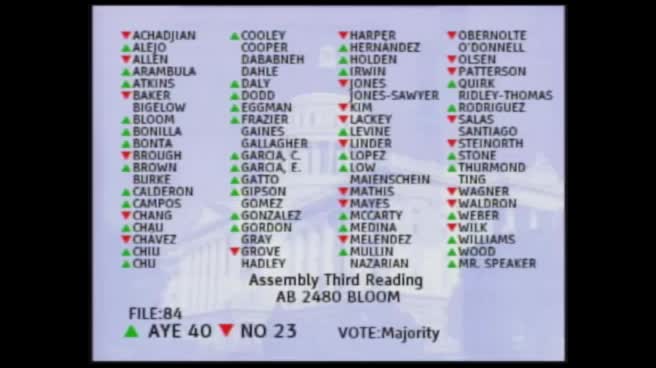
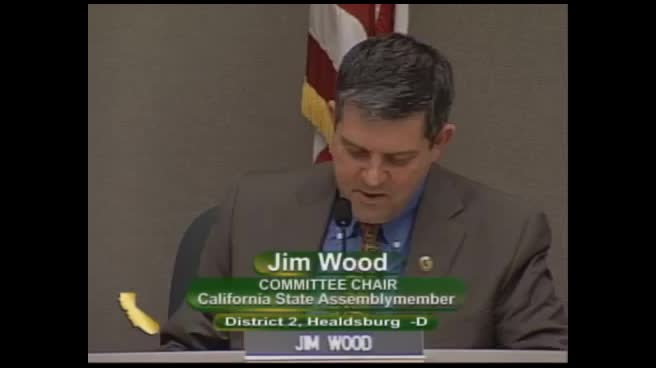
Bill Author
Bill Co-Author(s):
