AB 395: Substance use treatment providers.
- Session Year: 2017-2018
- House: Assembly
- Latest Version Date: 2017-09-11
Existing law requires the State Department of Health Care Services to license narcotic treatment programs to use narcotic replacement therapy in the treatment of addicted persons and makes legislative findings in support of coordinated narcotic treatment programs in this regard. Existing law specifies the controlled substances a licensed narcotic treatment program may use for narcotic replacement therapy by licensed narcotic treatment programs, including federally approved, controlled substances used for narcotic treatment. Existing law authorizes the department to approve an office-based narcotic treatment program in a remote site, if certain conditions are met, that include, among others, a physician at a remote site may treat up to a maximum number of 20 patients, who are provided with a specific pharmacological treatment.
This bill would add the use of medication-assisted treatment as an authorized service by narcotic treatment programs licensed by the department, and would, in that regard, make legislative findings and declarations that it is in the best interest of the health and welfare of the people of this state to also coordinate medication-assisted treatments for substance use disorders. The bill would modify the specific controlled substances authorized for use by licensed narcotic treatment programs for narcotic replacement therapy and medication-assisted treatment to instead allow medication approved by the federal Food and Drug Administration for the purpose of narcotic replacement treatment or medication-assisted treatment for substance use disorders, and refer to medications, rather than controlled substances, and would authorize the department to implement, interpret, or make specific this provision by means of plan or provider bulletins, or similar instructions and require the department to adopt regulations no later than January 1, 2021. The bill would modify the conditions for the department to authorize an office-based narcotic treatment program in a remote site to authorize a physician to treat a number of patients specified under the United States Drug Enforcement Administration registration and modify the types of authorized pharmacological treatments for narcotic addiction and substance use disorder. The bill would make other conforming changes to related provisions.
Existing law establishes the Medi-Cal program, which is administered by the State Department of Health Care Services, under which qualified low-income individuals receive health care services. The Medi-Cal program is, in part, governed and funded by federal Medicaid program provisions. Existing law establishes the Drug Medi-Cal Treatment Program (Drug Medi-Cal), under which the department is authorized to enter into contracts with each county for the provision of various alcohol and drug treatment services, including substance use disorder services, narcotic treatment program services, naltrexone services, and outpatient drug-free services, to Medi-Cal beneficiaries. Existing law generally requires bills for service under the Medi-Cal program to be submitted not more than 6 months after the month in which the service is rendered.
This bill would require bills for services under Drug Medi-Cal to be submitted no later than 6 months from the date of service.
Existing law requires the State Department of Health Care Services to license narcotic treatment programs to use narcotic replacement therapy in the treatment of addicted persons and makes legislative findings in support of coordinated narcotic treatment programs in this regard. Existing law specifies the controlled substances a licensed narcotic treatment program may use for narcotic replacement therapy. therapy by licensed narcotic treatment programs, including federally approved, controlled substances used for narcotic treatment. Existing law authorizes the department to approve an office-based narcotic treatment program in a remote site, if certain conditions are met, that include, among others, a physician at a remote site may treat up to a maximum number of 20 patients, who are provided with a specific pharmacological treatment.
This bill would add the use of medication-assisted treatment as an authorized service by narcotic treatment programs licensed by the department, and would, in that regard, make legislative findings and declarations that it is in the best interest of the health and welfare of the people of this state to also coordinate medication-assisted treatments for substance use disorders. The bill would modify the specific controlled substances authorized for use in by licensed narcotic treatment programs for narcotic replacement therapy to include and medication-assisted treatment to instead allow medication approved by the federal Food and Drug Administration for the purpose of narcotic replacement treatment or medication-assisted treatment for substance use disorders, and refer to medications, rather than controlled substances. substances, and would authorize the department to implement, interpret, or make specific this provision by means of plan or provider bulletins, or similar instructions and require the department to adopt regulations no later than January 1, 2021. The bill would modify the conditions for the department to authorize an office-based narcotic treatment program in a remote site to authorize a physician to treat a number of patients specified under the United States Drug Enforcement Administration registration and modify the types of authorized pharmacological treatments. treatments for narcotic addiction and substance use disorder. The bill would make other conforming changes to related provisions.
Existing law establishes the Medi-Cal program, which is administered by the State Department of Health Care Services, under which qualified low-income individuals receive health care services. The Medi-Cal program is, in part, governed and funded by federal Medicaid program provisions. Existing law establishes the Drug Medi-Cal Treatment Program (Drug Medi-Cal), under which the department is authorized to enter into contracts with each county for the provision of various alcohol and drug treatment services, including substance use disorder services, narcotic treatment program services, naltrexone services, and outpatient drug-free services, to Medi-Cal beneficiaries. Existing law generally requires bills for service under the Medi-Cal program to be submitted not more than 6 months after the month in which the service is rendered.
This bill would require bills for services under Drug Medi-Cal to be submitted no later than 6 months from the date of service.
Existing law requires the State Department of Health Care Services to license narcotic treatment programs to use narcotic replacement therapy in the treatment of addicted persons and makes legislative findings in support of coordinated narcotic treatment programs in this regard. Existing law specifies the controlled substances a licensed narcotic treatment program may use for narcotic replacement therapy. Existing law authorizes the department to approve an office-based narcotic treatment program in a remote site, if certain conditions are met, that include, among others, a physician at a remote site may treat up to a maximum number of 20 patients, who are provided with a specific pharmacological treatment.
This bill would make legislative findings and declarations that it is in the best interest of the health and welfare of the people of this state to also coordinate medication-assisted treatments for substance abuse use disorders. The bill would modify the specific controlled substances authorized for use in narcotic replacement therapy to include medication-assisted treatment and refer to medications, rather than controlled substances. The bill would modify the conditions for the department to authorize an office-based narcotic treatment program in a remote site to authorize a physician to treat a number of patients specified under the United States Drug Enforcement Administration registration and modify the types of authorized pharmacological treatments.
Existing law establishes the Medi-Cal program, which is administered by the State Department of Health Care Services, under which qualified low-income individuals receive health care services. The Medi-Cal program is, in part, governed and funded by federal Medicaid program provisions. Existing law establishes the Drug Medi-Cal Treatment Program (Drug Medi-Cal), under which the department is authorized to enter into contracts with each county for the provision of various alcohol and drug treatment services, including substance use disorder services, narcotic treatment program services, naltrexone services, and outpatient drug-free services, to Medi-Cal beneficiaries. Existing law generally requires bills for service under the Medi-Cal program to be submitted not more than 6 months after the month in which the service is rendered.
This bill would require bills for services under Drug Medi-Cal to be submitted no later than 6 months from the date of service.
Existing law generally requires the State Department of Health Care Services to be responsible for licensing license narcotic treatment programs to use narcotic replacement therapy in the treatment of addicted persons and makes legislative findings in support of coordinated narcotic treatment programs in this regard. Existing law specifies the controlled substances a licensed narcotic treatment program may use for narcotic replacement therapy. Existing law authorizes the department to approve an office-based narcotic treatment program in a remote site, if certain conditions are met, that include, among others, a physician at a remote site may treat up to a maximum number of 20 patients, who are provided with a specific pharmacological treatment.
This bill would make legislative findings and declarations that it is in the best interest of the health and welfare of the people of this state to also coordinate medication-assisted treatments for substance abuse disorders. The bill would modify the specific controlled substances authorized for use in narcotic replacement therapy to include medication-assisted treatment and refer to medications, rather than controlled substances. The bill would modify the conditions for the department to authorize an office-based narcotic treatment program in a remote site to authorize a physician to treat a number of patients specified under the United States Drug Enforcement Administration registration and modify the types of authorized pharmacological treatments.
Existing law establishes the Medi-Cal program, which is administered by the State Department of Health Care Services, under which qualified low-income individuals receive health care services. The Medi-Cal program is, in part, governed and funded by federal Medicaid program provisions. Existing law establishes the Drug Medi-Cal Treatment Program (Drug Medi-Cal), under which the department is authorized to enter into contracts with each county for the provision of various alcohol and drug treatment services, including substance use disorder services, narcotic treatment program services, naltrexone services, and outpatient drug-free services, to Medi-Cal beneficiaries. Existing law generally requires bills for service under the Medi-Cal program to be submitted not more than 6 months after the month in which the service is rendered. Existing federal law requires providers to submit all claims no later than 12 months from the date of service.
This bill, consistent with federal law, bill would require bills for services under Drug Medi-Cal to be submitted no later than 12 6 months from the date of service.
Existing law generally requires the State Department of Health Care Services to be responsible for licensing narcotic treatment programs to use narcotic replacement therapy in the treatment of addicted persons and makes legislative findings in support of coordinated narcotic treatment programs in this regard. Existing law specifies the controlled substances a licensed narcotic treatment program may use for narcotic replacement therapy. Existing law authorizes the department to approve an office-based narcotic treatment program in a remote site, if certain conditions are met, that include include, among others, a physician at a remote site may treat up to a maximum number of 20 patients, who are provided with a specific pharmacological treatment.
This bill would make legislative findings and declarations that it is in the best interest of the health and welfare of the people of this state to also coordinate medication-assisted treatments for substance abuse disorders. The bill would modify the specific controlled substances authorized for use in narcotic replacement therapy to include medication-assisted treatment and refer to medications, rather than controlled substances. The bill would modify the conditions for the department to authorize an office-based narcotic treatment program in a remote site to authorize a physician to treat a number of patients specified under the United States Drug Enforcement Administration registration and modify the types of authorized pharmacological treatments.
Existing law establishes the Medi-Cal program, which is administered by the State Department of Health Care Services, under which qualified low-income individuals receive health care services. The Medi-Cal program is, in part, governed and funded by federal Medicaid program provisions. Existing law establishes the Drug Medi-Cal Treatment Program (Drug Medi-Cal), under which the department is authorized to enter into contracts with each county for the provision of various alcohol and drug treatment services, including substance use disorder services, narcotic treatment program services, naltrexone services, and outpatient drug-free services, to Medi-Cal beneficiaries. Existing law generally requires bills for service under the Medi-Cal program to be submitted not more than 6 months after the month in which the service is rendered. Existing federal law requires providers to submit all claims no later than 12 months from the date of service.
This bill, consistent with federal law, would require bills for services under Drug Medi-Cal to be submitted no later than 12 months from the date of service.
Existing law generally requires the State Department of Health Care Services to be responsible for licensing narcotic treatment programs to use narcotic replacement therapy in the treatment of addicted persons and makes legislative findings in support of coordinated narcotic treatment programs in this regard. Existing law specifies the controlled substances a licensed narcotic treatment program may use for narcotic replacement therapy. Existing law authorizes the department to approve an office-based narcotic treatment program in a remote site, if certain conditions are met, that include among others, a physician at a remote site may treat up to a maximum number of 20 patients, who are provided with a specific pharmacological treatment.
This bill would make legislative findings and declarations that it is in the best interest of the health and welfare of the people of this state to also coordinate medication-assisted treatments for substance abuse disorders. The bill would modify the specific controlled substances authorized for use in narcotic replacement therapy to include medication-assisted treatment and refer to medications, rather than controlled substances. The bill would modify the conditions for the department to authorize an office-based narcotic treatment program in a remote site to authorize a physician to treat a number of patients specified under the United States Drug Enforcement Administration registration and modify the types of authorized pharmacological treatments.
At the end of 30 days from the first treatment, the prescribing or furnishing of controlled substances, except medications approved by the federal Food and Drug Administration for the purpose of narcotic replacement treatment or medication-assisted treatment of substance use disorders, shall be discontinued.
SEC. 2.Section 11839.1 of the Health and Safety Code is amended to read:11839.1.The Legislature finds and declares that it is in the best interests of the health and welfare of the people of this state to coordinate narcotic treatment programs to use narcotic replacement therapy and medication-assisted treatments for substance use disorders in the treatment of addicted persons whose addiction was acquired or supported by the use of a narcotic drug or drugs, not in compliance with a physician and surgeons legal prescription, and to establish and enforce minimum requirements for the operation of all these treatment programs in this state.
SEC. 3.Section 11839.2 of the Health and Safety Code is amended to read:11839.2.The following medications are authorized for use in narcotic replacement therapy and medication-assisted treatment by licensed narcotic treatment programs:
(a)Methadone.
(b)Levo-alpha-acetylmethadol (LAAM) as specified in paragraph (10) of subdivision (c) of Section 11055.
(c)Buprenorphine products or combination of products approved by the federal Food and Drug Administration for maintenance or detoxification of opioid dependence.
(d)Any other medication approved by the federal Food and Drug Administration for the purpose of narcotic replacement treatment or medication-assisted treatment of substance use disorders.
(e)Notwithstanding Chapter 3.5 (commencing with Section 11340) of Part 1 of Division 3 of Title 2 of the Government Code, the department may implement, interpret, or make specific this section by means of plan or provider bulletins, or similar instructions. The department shall adopt regulations by no later than January 1, 2021.
SEC. 4.Section 11839.3 of the Health and Safety Code is amended to read:11839.3.(a)In addition to the duties authorized by other statutes, the department shall perform all of the following:
(1)License the establishment of narcotic treatment programs in this state to use narcotic replacement therapy in the treatment of addicted persons whose addiction was acquired or supported by the use of a narcotic drug or drugs, not in compliance with a physician and surgeons legal prescription, except that the Research Advisory Panel shall have authority to approve methadone or LAAM research programs. The department shall establish and enforce the criteria for the eligibility of patients to be included in the programs, program operation guidelines, such as dosage levels, recordkeeping and reporting, urinalysis requirements, take-home doses of controlled substances authorized for use pursuant to Section 11839.2, security against redistribution of the narcotic replacement drugs, and any other regulations that are necessary to protect the safety and well-being of the patient, the local community, and the public, and to carry out this chapter. A program may admit a patient to narcotic maintenance or narcotic detoxification treatment at the discretion of the medical director. The program shall assign a unique identifier to, and maintain an individual record for, each patient of the program. The arrest and conviction records and the records of pending charges against a person seeking admission to a narcotic treatment program shall be furnished to narcotic treatment program directors upon written request of the narcotic treatment program director provided the request is accompanied by a signed release from the person whose records are being requested.
(2)Inspect narcotic treatment programs in this state and ensure that programs are operating in accordance with the law and regulations. The department shall have sole responsibility for compliance inspections of all programs in each county. Annual compliance inspections shall consist of an evaluation by onsite review of the operations and records of licensed narcotic treatment programs compliance with applicable state and federal laws and regulations and the evaluation of input from local law enforcement and local governments, regarding concerns about the narcotic treatment program. At the conclusion of each inspection visit, the department shall conduct an exit conference to explain the cited deficiencies to the program staff and to provide recommendations to ensure compliance with applicable laws and regulations. The department shall provide an inspection report to the licensee within 30 days of the completed onsite review describing the program deficiencies. A corrective action plan shall be required from the program within 30 days of receipt of the inspection report. All corrective actions contained in the plan shall be implemented within 30 days of receipt of approval by the department of the corrective action plan submitted by the narcotic treatment program. For programs found not to be in compliance, a subsequent inspection of the program shall be conducted within 30 days after the receipt of the corrective action plan in order to ensure that corrective action has been implemented satisfactorily. Subsequent inspections of the program shall be conducted to determine and ensure that the corrective action has been implemented satisfactorily. For purposes of this requirement, compliance shall mean to have not committed any of the grounds for suspension or revocation of a license provided for under subdivision (a) of Section 11839.9 or paragraph (2) of subdivision (b) of Section 11839.9. Inspection of narcotic treatment programs shall be based on objective criteria including, but not limited to, an evaluation of the programs adherence to all applicable laws and regulations and input from local law enforcement and local governments. Nothing in this section shall preclude counties from monitoring their contract providers for compliance with contract requirements.
(3)Charge and collect licensure fees. In calculating the licensure fees, the department shall include staff salaries and benefits, related travel costs, and state operational and administrative costs. Fees shall be used to offset licensure and inspection costs, not to exceed actual costs.
(4)Study and evaluate, on an ongoing basis, narcotic treatment programs including, but not limited to, the adherence of the programs, to all applicable laws and regulations and the impact of the programs on the communities in which they are located.
(5)Provide advice, consultation, and technical assistance to narcotic treatment programs to ensure that the programs comply with all applicable laws and regulations and to minimize any negative impact that the programs may have on the communities in which they are located.
(6)In its discretion, to approve local agencies or bodies to assist it in carrying out this chapter provided that the department may not delegate responsibility for inspection or any other licensure activity without prior and specific statutory approval. However, the department shall evaluate recommendations made by county alcohol and drug program administrators regarding licensing activity in their respective counties.
(7)The director may grant exceptions to the regulations adopted under this chapter if he or she determines that this action would improve treatment services or achieve greater protection to the health and safety of patients, the local community, or the general public. An exception shall not be granted if it is contrary to, or less stringent than, the federal laws and regulations that govern narcotic treatment programs.
(b)It is the intent of the Legislature in enacting this section, in order to protect the general public and local communities, that take-home doses of narcotic replacement therapy medications authorized for use pursuant to Section 11839.2 shall only be provided when the patient is clearly adhering to the requirements of the program, and if daily attendance at a clinic would be incompatible with gainful employment, education, responsible homemaking, retirement or medical disability, or if the program is closed on Sundays or holidays and providing a take-home dose is not contrary to federal laws and regulations governing narcotic treatment programs. The department shall define satisfactory adherence and shall ensure that patients not satisfactorily adhering to their programs shall not be provided take-home doses. A narcotic treatment program medical director shall determine whether or not to dilute take-home doses.
(c)There is established in the State Treasury the Narcotic Treatment Program Licensing Trust Fund. All licensure fees collected from the providers of narcotic treatment services shall be deposited in this fund. Except as otherwise provided in this section, if funds remain in this fund after appropriation by the Legislature and allocation for the costs associated with narcotic treatment licensure actions and inspection of narcotic treatment programs, a percentage of the excess funds shall be annually rebated to the licensees based on the percentage their licensing fee is of the total amount of fees collected by the department. A reserve equal to 10 percent of the total licensure fees collected during the preceding fiscal year may be held in each trust account to reimburse the department if the actual cost for the licensure and inspection exceed fees collected during a fiscal year.
(d)Notwithstanding any provision of this code or regulations to the contrary, the department shall have sole responsibility and authority for determining if a state narcotic treatment program license shall be granted and for administratively establishing the maximum treatment capacity of a license. However, the department shall not increase the capacity of a program unless it determines that the licensee is operating in full compliance with applicable laws and regulations.
SEC. 5.Section 11839.5 of the Health and Safety Code is amended to read:11839.5.In addition to the duties authorized by other provisions, the department shall be responsible for licensing narcotic treatment programs to use narcotic replacement therapy and medication-assisted treatment in the treatment of addicted persons whose addiction was acquired or supported by the use of alcohol or a narcotic drug or drugs, not in compliance with a physician and surgeons legal prescription. No narcotic treatment program shall be authorized to use narcotic replacement therapy and medication-assisted treatment without first obtaining a license as a narcotic treatment program as provided in this chapter. The department may license narcotic treatment programs on an inpatient or outpatient basis, or both. The department may also grant a state narcotic treatment license.
SEC. 6.Section 11839.6 of the Health and Safety Code is amended to read:11839.6.(a)The department shall establish a program for the operation and regulation of office-based narcotic treatment programs. An office-based narcotic treatment program established pursuant to this section shall meet either of the following conditions:
(1)Hold a primary narcotic treatment program license.
(2)Be affiliated and associated with a primary licensed narcotic treatment program. An office-based narcotic treatment program meeting the requirement of this paragraph shall not be required to have a license separate from the primary licensed narcotic treatment program with which it is affiliated and associated.
(b)For purposes of this section, office-based narcotic treatment program means a program in which interested and knowledgeable physicians and surgeons provide addiction treatment services, and in which community pharmacies or medication units supply necessary medication both to these physicians and surgeons for distribution to patients and through direct administration and specified dispensing services.
(c)Notwithstanding any other law or regulation, including Section 10020 of Title 9 of the California Code of Regulations, an office-based narcotic treatment program in a remote site that is affiliated and associated with a licensed narcotic treatment program may be approved by the department, if all of the following conditions are met:
(1)A physician may provide office-based addiction services only if each office-based patient is registered as a patient in the licensed narcotic treatment program and both the licensed narcotic treatment program and the office-based narcotic treatment program ensure that all services required under Chapter 4 (commencing with Section 10000) of Division 4 of Title 9 of the California Code of Regulations for the management of narcotic addiction are provided to all patients treated in the remote site.
(2)A physician in an office-based narcotic treatment program may provide treatment for an appropriate number of patients under the appropriate United States Drug Enforcement Administration registration. The primary licensed narcotic treatment program shall be limited to its total licensed capacity as established by the department, including the patients of physicians in the office-based narcotic treatment program.
(3)The physicians in the office-based narcotic treatment program shall dispense or administer pharmacologic treatments for narcotic addiction or a substance use disorder that have been approved by the federal Food and Drug Administration for the purpose of narcotic replacement therapy or medication-assisted treatment of substance use disorders.
(4)Office-based narcotic treatment programs, in conjunction with primary licensed narcotic treatment programs, shall develop protocols to prevent the diversion of medication. The department may develop regulations to prevent the diversion of medication.
(d)For purposes of this section, remote site means a site that is geographically or physically isolated from any licensed narcotic treatment program. Therefore, the requirements in this subdivision regarding a remote site do not apply to an office-based narcotic treatment program that holds a primary narcotic treatment program license.
(e)In considering an office-based narcotic treatment program application, the department shall independently weigh the treatment needs and concerns of the county, city, or areas to be served by the program.
(f)Nothing in this section is intended to expand the scope of the practice of pharmacy.
SEC. 7.Section 14021.6 of the Welfare and Institutions Code is amended to read:14021.6.(a)For the fiscal years prior to fiscal year 200405, and subject to the requirements of federal law, the maximum allowable rates for the Drug Medi-Cal Treatment Program shall be determined by computing the median rate from available cost data by modality from the fiscal year that is two years prior to the year for which the rate is being established.
(b)(1)For the fiscal year 200708, and subsequent fiscal years, and subject to the requirements of federal law, the maximum allowable rates for the Drug Medi-Cal Treatment Program shall be determined by computing the median rate from the most recently completed cost reports, by specific service codes that are consistent with the federal Health Insurance Portability and Accountability Act of 1996 (42 U.S.C. Sec. 300gg).
(2)For the fiscal years 200506 and 200607, if the State Department of Health Care Services determines that reasonably reliable and complete cost report data are available, the methodology specified in this subdivision shall be applied to either or both of those years. If reasonably reliable and complete cost report data are not available, the State Department of Health Care Services shall establish rates for either or both of those years based upon the usual, customary, and reasonable charge for the services to be provided, as the department may determine in its discretion. This subdivision is not intended to modify subdivision (h) of Section 14124.24, which requires certain providers to submit performance reports.
(c)Notwithstanding subdivision (a), for the 199697 fiscal year, the rates for nonperinatal outpatient methadone maintenance services shall be set at the rate established for the 199596 fiscal year.
(d)Notwithstanding subdivision (a), the maximum allowable rate for group outpatient drug free services shall be set on a per person basis. A group shall consist of a minimum of 2 and a maximum of 12 individuals, at least one of which shall be a Medi-Cal eligible beneficiary. For groups consisting of two individuals, if one of the individuals is ineligible for Medi-Cal, the individual who is ineligible for Medi-Cal shall be receiving outpatient drug free services for a substance use disorder diagnosed by a physician.
(e)The department shall develop individual and group rates for extensive counseling for outpatient drug free treatment, based on a 50-minute individual or a 90-minute group hour, not to exceed the total rate established for subdivision (d).
(f)The department may adopt regulations as necessary to implement subdivisions (a), (b), and (c), or to implement cost containment procedures. These regulations may be adopted as emergency regulations in accordance with Chapter 3.5 (commencing with Section 11340) of Part 1 of Division 3 of Title 2 of the Government Code. The adoption of these emergency regulations shall be deemed an emergency necessary for the immediate preservation of the public peace, health and safety, or general welfare.
(g)Bills for services under the Drug Medi-Cal Treatment Program shall be submitted no later than six months from the date of service.
At the end of 30 days from the first treatment, the prescribing or furnishing of controlled substances, except methadone or LAAM, medications approved by the federal Food and Drug Administration for the purpose of narcotic replacement treatment or medication-assisted treatment of substance use disorders, shall be discontinued.
SECTION 1.SEC. 2.Section 11839.1 of the Health and Safety Code is amended to read:11839.1.The Legislature finds and declares that it is in the best interests of the health and welfare of the people of this state to coordinate narcotic treatment programs to use narcotic replacement therapy and medication-assisted treatments for substance use disorders in the treatment of addicted persons whose addiction was acquired or supported by the use of a narcotic drug or drugs, not in compliance with a physician and surgeons legal prescription, and to establish and enforce minimum requirements for the operation of all these treatment programs in this state.
SEC. 2.SEC. 3.Section 11839.2 of the Health and Safety Code is amended to read:11839.2.The following medications are authorized for use in narcotic replacement therapy and medication-assisted treatment by licensed narcotic treatment programs:
(a)Methadone.
(b)Levo-alpha-acetylmethadol (LAAM) as specified in paragraph (10) of subdivision (c) of Section 11055.
(c)Buprenorphine products or combination of products approved by the federal Food and Drug Administration for maintenance or detoxification of opioid dependence.
(d)Any other federally approved medications used medication approved by the federal Food and Drug Administration for the purpose of narcotic replacement treatment and or medication-assisted treatment. treatment of substance use disorders.
(e)Notwithstanding Chapter 3.5 (commencing with Section 11340) of Part 1 of Division 3 of Title 2 of the Government Code, the department may implement, interpret, or make specific this section by means of plan or provider bulletins, or similar instructions. The department shall adopt regulations by no later than January 1, 2021.
SEC. 4.Section 11839.3 of the Health and Safety Code is amended to read:11839.3.(a)In addition to the duties authorized by other statutes, the department shall perform all of the following:
(1)License the establishment of narcotic treatment programs in this state to use narcotic replacement therapy in the treatment of addicted persons whose addiction was acquired or supported by the use of a narcotic drug or drugs, not in compliance with a physician and surgeons legal prescription, except that the Research Advisory Panel shall have authority to approve methadone or LAAM research programs. The department shall establish and enforce the criteria for the eligibility of patients to be included in the programs, program operation guidelines, such as dosage levels, recordkeeping and reporting, urinalysis requirements, take-home doses of controlled substances authorized for use pursuant to Section 11839.2, security against redistribution of the narcotic replacement drugs, and any other regulations that are necessary to protect the safety and well-being of the patient, the local community, and the public, and to carry out this chapter. A program may admit a patient to narcotic maintenance or narcotic detoxification treatment at the discretion of the medical director. The program shall assign a unique identifier to, and maintain an individual record for, each patient of the program. The arrest and conviction records and the records of pending charges against a person seeking admission to a narcotic treatment program shall be furnished to narcotic treatment program directors upon written request of the narcotic treatment program director provided the request is accompanied by a signed release from the person whose records are being requested.
(2)Inspect narcotic treatment programs in this state and ensure that programs are operating in accordance with the law and regulations. The department shall have sole responsibility for compliance inspections of all programs in each county. Annual compliance inspections shall consist of an evaluation by onsite review of the operations and records of licensed narcotic treatment programs compliance with applicable state and federal laws and regulations and the evaluation of input from local law enforcement and local governments, regarding concerns about the narcotic treatment program. At the conclusion of each inspection visit, the department shall conduct an exit conference to explain the cited deficiencies to the program staff and to provide recommendations to ensure compliance with applicable laws and regulations. The department shall provide an inspection report to the licensee within 30 days of the completed onsite review describing the program deficiencies. A corrective action plan shall be required from the program within 30 days of receipt of the inspection report. All corrective actions contained in the plan shall be implemented within 30 days of receipt of approval by the department of the corrective action plan submitted by the narcotic treatment program. For programs found not to be in compliance, a subsequent inspection of the program shall be conducted within 30 days after the receipt of the corrective action plan in order to ensure that corrective action has been implemented satisfactorily. Subsequent inspections of the program shall be conducted to determine and ensure that the corrective action has been implemented satisfactorily. For purposes of this requirement, compliance shall mean to have not committed any of the grounds for suspension or revocation of a license provided for under subdivision (a) of Section 11839.9 or paragraph (2) of subdivision (b) of Section 11839.9. Inspection of narcotic treatment programs shall be based on objective criteria including, but not limited to, an evaluation of the programs adherence to all applicable laws and regulations and input from local law enforcement and local governments. Nothing in this section shall preclude counties from monitoring their contract providers for compliance with contract requirements.
(3)Charge and collect licensure fees. In calculating the licensure fees, the department shall include staff salaries and benefits, related travel costs, and state operational and administrative costs. Fees shall be used to offset licensure and inspection costs, not to exceed actual costs.
(4)Study and evaluate, on an ongoing basis, narcotic treatment programs including, but not limited to, the adherence of the programs, to all applicable laws and regulations and the impact of the programs on the communities in which they are located.
(5)Provide advice, consultation, and technical assistance to narcotic treatment programs to ensure that the programs comply with all applicable laws and regulations and to minimize any negative impact that the programs may have on the communities in which they are located.
(6)In its discretion, to approve local agencies or bodies to assist it in carrying out this chapter provided that the department may not delegate responsibility for inspection or any other licensure activity without prior and specific statutory approval. However, the department shall evaluate recommendations made by county alcohol and drug program administrators regarding licensing activity in their respective counties.
(7)The director may grant exceptions to the regulations adopted under this chapter if he or she determines that this action would improve treatment services or achieve greater protection to the health and safety of patients, the local community, or the general public. No An exception may shall not be granted if it is contrary to, or less stringent than, the federal laws and regulations that govern narcotic treatment programs.
(b)It is the intent of the Legislature in enacting this section, in order to protect the general public and local communities, that take-home doses of narcotic replacement therapy medications authorized for use pursuant to Section 11839.2 shall only be provided when the patient is clearly adhering to the requirements of the program, and if daily attendance at a clinic would be incompatible with gainful employment, education, responsible homemaking, retirement or medical disability, or if the program is closed on Sundays or holidays and providing a take-home dose is not contrary to federal laws and regulations governing narcotic treatment programs. The department shall define satisfactory adherence and shall ensure that patients not satisfactorily adhering to their programs shall not be provided take-home doses. A narcotic treatment program medical director shall determine whether or not to dilute take-home doses.
(c)There is established in the State Treasury the Narcotic Treatment Program Licensing Trust Fund. All licensure fees collected from the providers of narcotic treatment services shall be deposited in this fund. Except as otherwise provided in this section, if funds remain in this fund after appropriation by the Legislature and allocation for the costs associated with narcotic treatment licensure actions and inspection of narcotic treatment programs, a percentage of the excess funds shall be annually rebated to the licensees based on the percentage their licensing fee is of the total amount of fees collected by the department. A reserve equal to 10 percent of the total licensure fees collected during the preceding fiscal year may be held in each trust account to reimburse the department if the actual cost for the licensure and inspection exceed fees collected during a fiscal year.
(d)Notwithstanding any provision of this code or regulations to the contrary, the department shall have sole responsibility and authority for determining if a state narcotic treatment program license shall be granted and for administratively establishing the maximum treatment capacity of a license. However, the department shall not increase the capacity of a program unless it determines that the licensee is operating in full compliance with applicable laws and regulations.
SEC. 5.Section 11839.5 of the Health and Safety Code is amended to read:11839.5.In addition to the duties authorized by other provisions, the department shall be responsible for licensing narcotic treatment programs to use narcotic replacement therapy and medication-assisted treatment in the treatment of addicted persons whose addiction was acquired or supported by the use of alcohol or a narcotic drug or drugs, not in compliance with a physician and surgeons legal prescription. No narcotic treatment program shall be authorized to use narcotic replacement therapy and medication-assisted treatment without first obtaining a license therefor as a narcotic treatment program as provided in this chapter. The department may license narcotic treatment programs on an inpatient or outpatient basis, or both. The department may also grant a state narcotic treatment license.
SEC. 3.SEC. 6.Section 11839.6 of the Health and Safety Code is amended to read:11839.6.(a)The department shall establish a program for the operation and regulation of office-based narcotic treatment programs. An office-based narcotic treatment program established pursuant to this section shall meet either of the following conditions:
(1)Hold a primary narcotic treatment program license.
(2)Be affiliated and associated with a primary licensed narcotic treatment program. An office-based narcotic treatment program meeting the requirement of this paragraph shall not be required to have a license separate from the primary licensed narcotic treatment program with which it is affiliated and associated.
(b)For purposes of this section, office-based narcotic treatment program means a program in which interested and knowledgeable physicians and surgeons provide addiction treatment services, and in which community pharmacies or medication units supply necessary medication both to these physicians and surgeons for distribution to patients and through direct administration and specified dispensing services.
(c)Notwithstanding any other provision of law or regulation, including Section 10020 of Title 9 of the California Code of Regulations, an office-based narcotic treatment program in a remote site that is affiliated and associated with a licensed narcotic treatment program may be approved by the department, if all of the following conditions are met:
(1)A physician may provide office-based addiction services only if each office-based patient is registered as a patient in the licensed narcotic treatment program and both the licensed narcotic treatment program and the office-based narcotic treatment program ensure that all services required under Chapter 4 (commencing with Section 10000) of Division 4 of Title 9 of the California Code of Regulations for the management of narcotic addiction are provided to all patients treated in the remote site.
(2)A physician in an office-based narcotic treatment program may provide treatment for an appropriate number of patients under the appropriate United States Drug Enforcement Administration registration. The primary licensed narcotic treatment program shall be limited to its total licensed capacity as established by the department, including the patients of physicians in the office-based narcotic treatment program.
(3)The physicians in the office-based narcotic treatment program shall dispense or administer pharmacologic treatment treatments for narcotic addiction or a substance use disorder that has have been approved by the federal Food and Drug Administration such as buprenorphine, levo-alpha-acetylmethadol (LAAM), methadone, naltrexone, or any other medication approved by the federal Food and Drug Administration. for the purpose of narcotic replacement therapy or medication-assisted treatment of substance use disorders.
(4)Office-based narcotic treatment programs, in conjunction with primary licensed narcotic treatment programs, shall develop protocols to prevent the diversion of medication. The department may develop regulations to prevent the diversion of medication.
(d)For purposes of this section, remote site means a site that is geographically or physically isolated from any licensed narcotic treatment program. Therefore, the requirements in this subdivision regarding a remote site do not apply to an office-based narcotic treatment program that holds a primary narcotic treatment program license.
(e)In considering an office-based narcotic treatment program application, the department shall independently weigh the treatment needs and concerns of the county, city, or areas to be served by the program.
(f)Nothing in this section is intended to expand the scope of the practice of pharmacy.
SEC. 4.SEC. 7.Section 14021.6 of the Welfare and Institutions Code is amended to read:14021.6.(a)For the fiscal years prior to fiscal year 200405, and subject to the requirements of federal law, the maximum allowable rates for the Drug Medi-Cal Treatment Program shall be determined by computing the median rate from available cost data by modality from the fiscal year that is two years prior to the year for which the rate is being established.
(b)(1)For the fiscal year 200708, and subsequent fiscal years, and subject to the requirements of federal law, the maximum allowable rates for the Drug Medi-Cal Treatment Program shall be determined by computing the median rate from the most recently completed cost reports, by specific service codes that are consistent with the federal Health Insurance Portability and Accountability Act of 1996 (42 U.S.C. Sec. 300gg).
(2)For the fiscal years 200506 and 200607, if the State Department of Health Care Services determines that reasonably reliable and complete cost report data are available, the methodology specified in this subdivision shall be applied to either or both of those years. If reasonably reliable and complete cost report data are not available, the State Department of Health Care Services shall establish rates for either or both of those years based upon the usual, customary, and reasonable charge for the services to be provided, as the department may determine in its discretion. This subdivision is not intended to modify subdivision (h) of Section 14124.24, which requires certain providers to submit performance reports.
(c)Notwithstanding subdivision (a), for the 199697 fiscal year, the rates for nonperinatal outpatient methadone maintenance services shall be set at the rate established for the 199596 fiscal year.
(d)Notwithstanding subdivision (a), the maximum allowable rate for group outpatient drug free services shall be set on a per person basis. A group shall consist of a minimum of 2 and a maximum of 12 individuals, at least one of which shall be a Medi-Cal eligible beneficiary. For groups consisting of two individuals, if one of the individuals is ineligible for Medi-Cal, the individual who is ineligible for Medi-Cal shall be receiving outpatient drug free services for a substance use disorder diagnosed by a physician.
(e)The department shall develop individual and group rates for extensive counseling for outpatient drug free treatment, based on a 50-minute individual or a 90-minute group hour, not to exceed the total rate established for subdivision (d).
(f)The department may adopt regulations as necessary to implement subdivisions (a), (b), and (c), or to implement cost containment procedures. These regulations may be adopted as emergency regulations in accordance with Chapter 3.5 (commencing with Section 11340) of Part 1 of Division 3 of Title 2 of the Government Code. The adoption of these emergency regulations shall be deemed an emergency necessary for the immediate preservation of the public peace, health and safety, or general welfare.
(g)Bills for services under the Drug Medi-Cal Treatment Program shall be submitted no later than six months from the date of service.
The Legislature finds and declares that it is in the best interests of the health and welfare of the people of this state to coordinate narcotic treatment programs to use narcotic replacement therapy and medication-assisted treatments for substance abuse use disorders in the treatment of addicted persons whose addiction was acquired or supported by the use of a narcotic drug or drugs, not in compliance with a physician and surgeons legal prescription, and to establish and enforce minimum requirements for the operation of all these treatment programs in this state.
SEC. 2.Section 11839.2 of the Health and Safety Code is amended to read:11839.2.The following medications are authorized for use in narcotic replacement therapy and medication-assisted treatment by licensed narcotic treatment programs:
(a)Methadone.
(b)Levo-alpha-acetylmethadol (LAAM) as specified in paragraph (10) of subdivision (c) of Section 11055.
(c)Buprenorphine products or combination of products approved by the federal Food and Drug Administration for maintenance or detoxification of opioid dependence.
(d)Any other federally approved medications used for the purpose of narcotic replacement treatment and medication-assisted treatment.
SEC. 3.Section 11839.6 of the Health and Safety Code is amended to read:11839.6.(a)The department shall establish a program for the operation and regulation of office-based narcotic treatment programs. An office-based narcotic treatment program established pursuant to this section shall meet either of the following conditions:
(1)Hold a primary narcotic treatment program license.
(2)Be affiliated and associated with a primary licensed narcotic treatment program. An office-based narcotic treatment program meeting the requirement of this paragraph shall not be required to have a license separate from the primary licensed narcotic treatment program with which it is affiliated and associated.
(b)For purposes of this section, office-based narcotic treatment program means a program in which interested and knowledgeable physicians and surgeons provide addiction treatment services, and in which community pharmacies or medication units supply necessary medication both to these physicians and surgeons for distribution to patients and through direct administration and specified dispensing services.
(c)Notwithstanding any other provision of law or regulation, including Section 10020 of Title 9 of the California Code of Regulations, an office-based narcotic treatment program in a remote site that is affiliated and associated with a licensed narcotic treatment program may be approved by the department, if all of the following conditions are met:
(1)A physician may provide office-based addiction services only if each office-based patient is registered as a patient in the licensed narcotic treatment program and both the licensed narcotic treatment program and the office-based narcotic treatment program ensure that all services required under Chapter 4 (commencing with Section 10000) of Division 4 of Title 9 of the California Code of Regulations for the management of narcotic addiction are provided to all patients treated in the remote site.
(2)A physician in an office-based narcotic treatment program may provide treatment for an appropriate number of patients under the appropriate United States Drug Enforcement Administration registration. The primary licensed narcotic treatment program shall be limited to its total licensed capacity as established by the department, including the patients of physicians in the office-based narcotic treatment program.
(3)The physicians in the office-based narcotic treatment program shall dispense or administer pharmacologic treatment for narcotic addiction or a substance use disorder that has been approved by the federal Food and Drug Administration such as buprenorphine, levo-alpha-acetylmethadol (LAAM), methadone, naltrexone, or any other medication approved by the federal Food and Drug Administration.
(4)Office-based narcotic treatment programs, in conjunction with primary licensed narcotic treatment programs, shall develop protocols to prevent the diversion of medication. The department may develop regulations to prevent the diversion of medication.
(d)For purposes of this section, remote site means a site that is geographically or physically isolated from any licensed narcotic treatment program. Therefore, the requirements in this subdivision regarding a remote site do not apply to an office-based narcotic treatment program that holds a primary narcotic treatment program license.
(e)In considering an office-based narcotic treatment program application, the department shall independently weigh the treatment needs and concerns of the county, city, or areas to be served by the program.
(f)Nothing in this section is intended to expand the scope of the practice of pharmacy.
SEC. 4.Section 14021.6 of the Welfare and Institutions Code is amended to read:14021.6.(a)For the fiscal years prior to fiscal year 200405, and subject to the requirements of federal law, the maximum allowable rates for the Drug Medi-Cal Treatment Program shall be determined by computing the median rate from available cost data by modality from the fiscal year that is two years prior to the year for which the rate is being established.
(b)(1)For the fiscal year 200708, and subsequent fiscal years, and subject to the requirements of federal law, the maximum allowable rates for the Drug Medi-Cal Treatment Program shall be determined by computing the median rate from the most recently completed cost reports, by specific service codes that are consistent with the federal Health Insurance Portability and Accountability Act of 1996 (42 U.S.C. Sec. 300gg).
(2)For the fiscal years 200506 and 200607, if the State Department of Health Care Services determines that reasonably reliable and complete cost report data are available, the methodology specified in this subdivision shall be applied to either or both of those years. If reasonably reliable and complete cost report data are not available, the State Department of Health Care Services shall establish rates for either or both of those years based upon the usual, customary, and reasonable charge for the services to be provided, as the department may determine in its discretion. This subdivision is not intended to modify subdivision (h) of Section 14124.24, which requires certain providers to submit performance reports.
(c)Notwithstanding subdivision (a), for the 199697 fiscal year, the rates for nonperinatal outpatient methadone maintenance services shall be set at the rate established for the 199596 fiscal year.
(d)Notwithstanding subdivision (a), the maximum allowable rate for group outpatient drug free services shall be set on a per person basis. A group shall consist of a minimum of 2 and a maximum of 12 individuals, at least one of which shall be a Medi-Cal eligible beneficiary. For groups consisting of two individuals, if one of the individuals is ineligible for Medi-Cal, the individual who is ineligible for Medi-Cal shall be receiving outpatient drug free services for a substance abuse use disorder diagnosed by a physician.
(e)The department shall develop individual and group rates for extensive counseling for outpatient drug free treatment, based on a 50-minute individual or a 90-minute group hour, not to exceed the total rate established for subdivision (d).
(f)The department may adopt regulations as necessary to implement subdivisions (a), (b), and (c), or to implement cost containment procedures. These regulations may be adopted as emergency regulations in accordance with Chapter 3.5 (commencing with Section 11340) of Part 1 of Division 3 of Title 2 of the Government Code. The adoption of these emergency regulations shall be deemed an emergency necessary for the immediate preservation of the public peace, health and safety, or general welfare.
(g)Bills for services under the Drug Medi-Cal Treatment Program shall be submitted no later than six months from the date of service.
The Legislature finds and declares that it is in the best interests of the health and welfare of the people of this state to coordinate narcotic treatment programs to use narcotic replacement therapy and medication-assisted treatments for substance abuse disorders in the treatment of addicted persons whose addiction was acquired or supported by the use of a narcotic drug or drugs, not in compliance with a physician and surgeons legal prescription, and to establish and enforce minimum requirements for the operation of all these treatment programs in this state.
SEC. 2.Section 11839.2 of the Health and Safety Code is amended to read:11839.2.The following medications are authorized for use in narcotic replacement therapy and medication-assisted treatment by licensed narcotic treatment programs:
(a)Methadone.
(b)Levo-alpha-acetylmethadol (LAAM) as specified in paragraph (10) of subdivision (c) of Section 11055.
(c)Buprenorphine products or combination of products approved by the federal Food and Drug Administration for maintenance or detoxification of opioid dependence.
(d)Any other federally approved medications used for the purpose of narcotic replacement treatment and medication-assisted treatment.
SEC. 3.Section 11839.6 of the Health and Safety Code is amended to read:11839.6.(a)The department shall establish a program for the operation and regulation of office-based narcotic treatment programs. An office-based narcotic treatment program established pursuant to this section shall meet either of the following conditions:
(1)Hold a primary narcotic treatment program license.
(2)Be affiliated and associated with a primary licensed narcotic treatment program. An office-based narcotic treatment program meeting the requirement of this paragraph shall not be required to have a license separate from the primary licensed narcotic treatment program with which it is affiliated and associated.
(b)For purposes of this section, office-based narcotic treatment program means a program in which interested and knowledgeable physicians and surgeons provide addiction treatment services, and in which community pharmacies or medication units supply necessary medication both to these physicians and surgeons for distribution to patients and through direct administration and specified dispensing services.
(c)Notwithstanding any other provision of law or regulation, including Section 10020 of Title 9 of the California Code of Regulations, an office-based narcotic treatment program in a remote site that is affiliated and associated with a licensed narcotic treatment program may be approved by the department, if all of the following conditions are met:
(1)A physician may provide office-based addiction services only if each office-based patient is registered as a patient in the licensed narcotic treatment program and both the licensed narcotic treatment program and the office-based narcotic treatment program ensure that all services required under Chapter 4 (commencing with Section 10000) of Division 4 of Title 9 of the California Code of Regulations for the management of narcotic addiction are provided to all patients treated in the remote site.
(2)A physician in an office-based narcotic treatment program may provide treatment for an appropriate number of patients under the appropriate United States Drug Enforcement Administration registration. The primary licensed narcotic treatment program shall be limited to its total licensed capacity as established by the department, including the patients of physicians in the office-based narcotic treatment program.
(3)The physicians in the office-based narcotic treatment program shall dispense or administer pharmacologic treatment for narcotic addiction or a substance use disorder that has been approved by the federal Food and Drug Administration such as buprenorphine, levo-alpha-acetylmethadol (LAAM), methadone, naltrexone, or any other medication approved by the federal Food and Drug Administration.
(4)Office-based narcotic treatment programs, in conjunction with primary licensed narcotic treatment programs, shall develop protocols to prevent the diversion of medication. The department may develop regulations to prevent the diversion of medication.
(d)For purposes of this section, remote site means a site that is geographically or physically isolated from any licensed narcotic treatment program. Therefore, the requirements in this subdivision regarding a remote site do not apply to an office-based narcotic treatment program that holds a primary narcotic treatment program license.
(e)In considering an office-based narcotic treatment program application, the department shall independently weigh the treatment needs and concerns of the county, city, or areas to be served by the program.
(f)Nothing in this section is intended to expand the scope of the practice of pharmacy.
SEC. 4.Section 14021.6 of the Welfare and Institutions Code is amended to read:14021.6.(a)For the fiscal years prior to fiscal year 200405, and subject to the requirements of federal law, the maximum allowable rates for the Drug Medi-Cal Treatment Program shall be determined by computing the median rate from available cost data by modality from the fiscal year that is two years prior to the year for which the rate is being established.
(b)(1)For the fiscal year 200708, and subsequent fiscal years, and subject to the requirements of federal law, the maximum allowable rates for the Drug Medi-Cal Treatment Program shall be determined by computing the median rate from the most recently completed cost reports, by specific service codes that are consistent with the federal Health Insurance Portability and Accountability Act of 1996 (42 U.S.C. Sec. 300gg).
(2)For the fiscal years 200506 and 200607, if the State Department of Health Care Services determines that reasonably reliable and complete cost report data are available, the methodology specified in this subdivision shall be applied to either or both of those years. If reasonably reliable and complete cost report data are not available, the State Department of Health Care Services shall establish rates for either or both of those years based upon the usual, customary, and reasonable charge for the services to be provided, as the department may determine in its discretion. This subdivision is not intended to modify subdivision (h) of Section 14124.24, which requires certain providers to submit performance reports.
(c)Notwithstanding subdivision (a), for the 199697 fiscal year, the rates for nonperinatal outpatient methadone maintenance services shall be set at the rate established for the 199596 fiscal year.
(d)Notwithstanding subdivision (a), the maximum allowable rate for group outpatient drug free services shall be set on a per person basis. A group shall consist of a minimum of 2 and a maximum of 12 individuals, at least one of which shall be a Medi-Cal eligible beneficiary. For groups consisting of two individuals, if one of the individuals is ineligible for Medi-Cal, the individual who is ineligible for Medi-Cal shall be receiving outpatient drug free services for a substance abuse disorder diagnosed by a physician.
(e)The department shall develop individual and group rates for extensive counseling for outpatient drug free treatment, based on a 50-minute individual or a 90-minute group hour, not to exceed the total rate established for subdivision (d).
(f)The department may adopt regulations as necessary to implement subdivisions (a), (b), and (c), or to implement cost containment procedures. These regulations may be adopted as emergency regulations in accordance with Chapter 3.5 (commencing with Section 11340) of Part 1 of Division 3 of Title 2 of the Government Code. The adoption of these emergency regulations shall be deemed an emergency necessary for the immediate preservation of the public peace, health and safety, or general welfare.
(g)Notwithstanding Section 14115, bills Bills for services under the Drug Medi-Cal Treatment Program shall be submitted no later than 12 six months from the date of service consistent with Section 447.45 of Title 42 of the Code of Federal Regulations. service.
The Legislature finds and declares that it is in the best interests of the health and welfare of the people of this state to coordinate narcotic treatment programs to use narcotic replacement therapy and medication-assisted treatments for substance abuse disorders in the treatment of addicted persons whose addiction was acquired or supported by the use of a narcotic drug or drugs, not in compliance with a physician and surgeons legal prescription, and to establish and enforce minimum requirements for the operation of all these treatment programs in this state.
SEC. 2.Section 11839.2 of the Health and Safety Code is amended to read:11839.2.The following medications are authorized for use in narcotic replacement therapy and medication-assisted treatment by licensed narcotic treatment programs:
(a)Methadone.
(b)Levoalphacetylmethadol Levo-alpha-acetylmethadol (LAAM) as specified in paragraph (10) of subdivision (c) of Section 11055.
(c)Buprenorphine products or combination of products approved by the federal Food and Drug Administration for maintenance or detoxification of opioid dependence.
(d)Any other federally approved medications used for the purpose of narcotic replacement treatment and medication-assisted treatment.
SEC. 3.Section 11839.6 of the Health and Safety Code is amended to read:11839.6.(a)The department shall establish a program for the operation and regulation of office-based narcotic treatment programs. An office-based narcotic treatment program established pursuant to this section shall meet either of the following conditions:
(1)Hold a primary narcotic treatment program license.
(2)Be affiliated and associated with a primary licensed narcotic treatment program. An office-based narcotic treatment program meeting the requirement of this paragraph shall not be required to have a license separate from the primary licensed narcotic treatment program with which it is affiliated and associated.
(b)For purposes of this section, office-based narcotic treatment program means a program in which interested and knowledgeable physicians and surgeons provide addiction treatment services, and in which community pharmacies or medication units supply necessary medication both to these physicians and surgeons for distribution to patients and through direct administration and specified dispensing services.
(c)Notwithstanding any other provision of law or regulation, including Section 10020 of Title 9 of the California Code of Regulations, an office-based narcotic treatment program in a remote site that is affiliated and associated with a licensed narcotic treatment program may be approved by the department, if all of the following conditions are met:
(1)A physician may provide office-based addiction services only if each office-based patient is registered as a patient in the licensed narcotic treatment program and both the licensed narcotic treatment program and the office-based narcotic treatment program ensure that all services required under Chapter 4 (commencing with Section 10000) of Division 4 of Title 9 of the California Code of Regulations for the management of narcotic addiction are provided to all patients treated in the remote site.
(2)A physician in an office-based narcotic treatment program may provide treatment for an appropriate number of patients under the appropriate United States Drug Enforcement Administration registration. The primary licensed narcotic treatment program shall be limited to its total licensed capacity as established by the department, including the patients of physicians in the office-based narcotic treatment program.
(3)The physicians in the office-based narcotic treatment program shall dispense or administer pharmacologic treatment for narcotic addiction or a substance use disorder that has been approved by the federal Food and Drug Administration such as buprenorphine, levoalphacetylmethadol levo-alpha-acetylmethadol (LAAM), methadone, naltrexone, or any other medication approved by the federal Food and Drug Administration.
(4)Office-based narcotic treatment programs, in conjunction with primary licensed narcotic treatment programs, shall develop protocols to prevent the diversion of medication. The department may develop regulations to prevent the diversion of medication.
(d)For purposes of this section, remote site means a site that is geographically or physically isolated from any licensed narcotic treatment program. Therefore, the requirements in this subdivision regarding a remote site do not apply to an office-based narcotic treatment program that holds a primary narcotic treatment program license.
(e)In considering an office-based narcotic treatment program application, the department shall independently weigh the treatment needs and concerns of the county, city, or areas to be served by the program.
(f)Nothing in this section is intended to expand the scope of the practice of pharmacy.
SEC. 4.Section 14021.6 of the Welfare and Institutions Code is amended to read:14021.6.(a)For the fiscal years prior to fiscal year 200405, and subject to the requirements of federal law, the maximum allowable rates for the Medi-Cal Drug Drug Medi-Cal Treatment Program shall be determined by computing the median rate from available cost data by modality from the fiscal year that is two years prior to the year for which the rate is being established.
(b)(1)For the fiscal year 200708, and subsequent fiscal years, and subject to the requirements of federal law, the maximum allowable rates for the Medi-Cal Drug Drug Medi-Cal Treatment Program shall be determined by computing the median rate from the most recently completed cost reports, by specific service codes that are consistent with the federal Health Insurance Portability and Accountability Act of 1996 (42 U.S.C. Sec. 300gg).
(2)For the fiscal years 200506 and 200607, if the State Department of Health Care Services determines that reasonably reliable and complete cost report data are available, the methodology specified in this subdivision shall be applied to either or both of those years. If reasonably reliable and complete cost report data are not available, the State Department of Health Care Services shall establish rates for either or both of those years based upon the usual, customary, and reasonable charge for the services to be provided, as the department may determine in its discretion. This subdivision is not intended to modify subdivision (h) of Section 14124.24, which requires certain providers to submit performance reports.
(c)Notwithstanding subdivision (a), for the 199697 fiscal year, the rates for nonperinatal outpatient methadone maintenance services shall be set at the rate established for the 199596 fiscal year.
(d)Notwithstanding subdivision (a), the maximum allowable rate for group outpatient drug free services shall be set on a per person basis. A group shall consist of a minimum of 2 and a maximum of 12 individuals, at least one of which shall be a Medi-Cal eligible beneficiary. For groups consisting of two individuals, if one of the individuals is ineligible for Medi-Cal, the individual who is ineligible for Medi-Cal shall be receiving outpatient drug free services for a substance abuse disorder diagnosed by a physician.
(e)The department shall develop individual and group rates for extensive counseling for outpatient drug free treatment, based on a 50-minute individual or a 90-minute group hour, not to exceed the total rate established for subdivision (d).
(f)The department may adopt regulations as necessary to implement subdivisions (a), (b), and (c), or to implement cost containment procedures. These regulations may be adopted as emergency regulations in accordance with Chapter 3.5 (commencing with Section 11340) of Part 1 of Division 3 of Title 2 of the Government Code. The adoption of these emergency regulations shall be deemed an emergency necessary for the immediate preservation of the public peace, health and safety, or general welfare.
(g)Notwithstanding Section 14115, bills for services under the Drug Medi-Cal Treatment Program shall be submitted no later than 12 months from the date of service consistent with Section 447.45 of Title 42 of the Code of Federal Regulations.
The Legislature finds and declares that it is in the best interests of the health and welfare of the people of this state to coordinate narcotic treatment programs to use narcotic replacement therapy and medication-assisted treatments for substance abuse disorders in the treatment of addicted persons whose addiction was acquired or supported by the use of a narcotic drug or drugs, not in compliance with a physician and surgeons legal prescription, and to establish and enforce minimum requirements for the operation of all narcotic these treatment programs in this state.
SEC. 2.Section 11839.2 of the Health and Safety Code is amended to read:11839.2.The following controlled substances medications are authorized for use in narcotic replacement therapy and medication-assisted treatment by licensed narcotic treatment programs:
(a)Methadone.
(b)Levoalphacetylmethadol (LAAM) as specified in paragraph (10) of subdivision (c) of Section 11055.
(c)Buprenorphine products or combination of products approved by the federal Food and Drug Administration for maintenance or detoxification of opioid dependence.
(d)Any other federally approved, controlled substances approved medications used for the purpose of narcotic replacement treatment. treatment and medication-assisted treatment.
SEC. 3.Section 11839.6 of the Health and Safety Code is amended to read:11839.6.(a)The department shall establish a program for the operation and regulation of office-based narcotic treatment programs. An office-based narcotic treatment program established pursuant to this section shall meet either of the following conditions:
(1)Hold a primary narcotic treatment program license.
(2)Be affiliated and associated with a primary licensed narcotic treatment program. An office-based narcotic treatment program meeting the requirement of this paragraph shall not be required to have a license separate from the primary licensed narcotic treatment program with which it is affiliated and associated.
(b)For purposes of this section, office-based narcotic treatment program means a program in which interested and knowledgeable physicians and surgeons provide addiction treatment services, and in which community pharmacies or medication units supply necessary medication both to these physicians and surgeons for distribution to patients and through direct administration and specified dispensing services.
(c)Notwithstanding any other provision of law or regulation, including Section 10020 of Title 9 of the California Code of Regulations, an office-based narcotic treatment program in a remote site that is affiliated and associated with a licensed narcotic treatment program may be approved by the department, if all of the following conditions are met:
(1)A physician may provide office-based addiction services only if each office-based patient is registered as a patient in the licensed narcotic treatment program and both the licensed narcotic treatment program and the office-based narcotic treatment program ensure that all services required under Chapter 4 (commencing with Section 10000) of Division 4 of Title 9 of the California Code of Regulations for the management of narcotic addiction are provided to all patients treated in the remote site.
(2)A physician in an office-based narcotic treatment program may provide treatment for a maximum of 20 an appropriate number of patients under the appropriate United States Drug Enforcement Administration registration. The primary licensed narcotic treatment program shall be limited to its total licensed capacity as established by the department, including the patients of physicians in the office-based narcotic treatment program.
(3)The physicians in the office-based narcotic treatment program shall dispense or administer pharmacologic treatment for narcotic addiction or a substance use disorder that has been approved by the federal Food and Drug Administration such as buprenorphine, levoalphacetylmethadol (LAAM) or methadone. (LAAM), methadone, naltrexone, or any other medication approved by the federal Food and Drug Administration.
(4)Office-based narcotic treatment programs, in conjunction with primary licensed narcotic treatment programs, shall develop protocols to prevent the diversion of methadone. medication. The department may develop regulations to prevent the diversion of methadone. medication.
(d)For purposes of this section, remote site means a site that is geographically or physically isolated from any licensed narcotic treatment program. Therefore, the requirements in this subdivision regarding a remote site do not apply to an office-based narcotic treatment program that holds a primary narcotic treatment program license.
(e)In considering an office-based narcotic treatment program application, the department shall independently weigh the treatment needs and concerns of the county, city, or areas to be served by the program.
(f)Nothing in this section is intended to expand the scope of the practice of pharmacy.
|
Date
|
Status
|
|---|---|
| Sep 11, 2017 | Chaptered by Secretary of State - Chapter 223, Statutes of 2017. |
| Sep 11, 2017 | Approved by the Governor. |
| Aug 30, 2017 | Enrolled and presented to the Governor at 3:30 p.m. |
| Aug 24, 2017 | Senate amendments concurred in. To Engrossing and Enrolling. |
| Aug 22, 2017 | In Assembly. Concurrence in Senate amendments pending. May be considered on or after August 24 pursuant to Assembly Rule 77. |
| Aug 21, 2017 | Read third time. Passed. Ordered to the Assembly. |
| Jul 10, 2017 | Read second time. Ordered to third reading. |
| Jul 6, 2017 | Read third time and amended. Ordered to second reading. |
| Jun 27, 2017 | Read second time. Ordered to third reading. |
| Jun 26, 2017 | From committee: Do pass. (Ayes 6. Noes 0.) (June 26). |
| Jun 12, 2017 | Read second time and amended. Re-referred to Com. on APPR. |
| Jun 8, 2017 | From committee: Amend, and do pass as amended and re-refer to Com. on APPR. (Ayes 9. Noes 0.) (June 7). |
| May 18, 2017 | Referred to Com. on HEALTH. |
| May 4, 2017 | In Senate. Read first time. To Com. on RLS. for assignment. |
| May 4, 2017 | Read third time. Passed. Ordered to the Senate. (Ayes 76. Noes 0. Page 1389.) |
| Apr 27, 2017 | Read second time. Ordered to Consent Calendar. |
| Apr 26, 2017 | From committee: Do pass. To Consent Calendar. (Ayes 16. Noes 0.) (April 26). |
| Mar 29, 2017 | From committee: Do pass and re-refer to Com. on APPR. (Ayes 14. Noes 0.) (March 28). Re-referred to Com. on APPR. |
| Mar 21, 2017 | Re-referred to Com. on HEALTH. |
| Mar 20, 2017 | From committee chair, with author's amendments: Amend, and re-refer to Com. on HEALTH. Read second time and amended. |
| Mar 6, 2017 | Re-referred to Com. on HEALTH. |
| Mar 2, 2017 | From committee chair, with author's amendments: Amend, and re-refer to Com. on HEALTH. Read second time and amended. |
| Feb 21, 2017 | Referred to Com. on HEALTH. |
| Feb 10, 2017 | From printer. May be heard in committee March 12. |
| Feb 9, 2017 | Read first time. To print. |
|
Date
|
Description
|
Location
|
Votes
|
|
|---|---|---|---|---|
| Aug 24, 2017 | AB 395 BOCANEGRA Concurrence in Senate Amendments | Assembly Floor |
Passed |
|
| Aug 21, 2017 | Assembly 3rd Reading AB395 Bocanegra By Beall | Senate Floor |
Passed |
|
| Jun 26, 2017 | Do pass | Senate Standing Committee on Appropriations |
Passed |
|
| Jun 7, 2017 | Do pass as amended, but first amend, and re-refer to the Committee on [Appropriations] | Senate Standing Committee on Health |
Passed |
|
| May 4, 2017 | AB 395 BOCANEGRA Consent Calendar Second Day Regular Session | Assembly Floor |
Passed |
|
| Apr 26, 2017 | Do pass. To Consent Calendar. | Assembly Standing Committee on Appropriations |
Passed |
|
| Mar 28, 2017 | Do pass and be re-referred to the Committee on [Appropriations] | Assembly Standing Committee on Health |
Passed |
This list shows positions taken on this bill by organizations on the date displayed, which is linked to the original source.
Positions by individuals are not included.
CONCURRENCE IN SENATE AMENDMENTS
CSA1 Bill Id:AB 395
Author:(Bocanegra)
As Amended Ver:July 6, 2017
Majority vote
ASSEMBLY: | 76-0 | (May 4, 2017) | SENATE: | 37-1 | (August 21, 2017) |
Original Committee Reference: HEALTH
SUMMARY: Modifies the specific controlled substances authorized for use in narcotic replacement therapy (NRT) to include medication-assisted treatment (MAT) and replaces references to controlled substances with references to medications; conforms the number of patients a physician can treat under office-based narcotic treatment program (OBNTP) to federal law; and conforms billing requirements for Drug Medi-Cal (DMC)substance use disorder (SUD) services to current Medi-Cal billing requirements.
The Senate amendments clarify references to medication-assisted treatments and medications approved by the federal Food and Drug Administration and make other technical and conforming changes.
FISCAL EFFECT: According to the Senate Appropriations Committee, no significant administrative costs are anticipated by the Department of Health Care Services (DHCS). The changes in the bill would require a revision to existing regulations governing narcotic treatment programs. According to DHCS, those changes would be minor as would be any associated staff costs. Under current law, narcotic treatment programs (NTPs) are limited to providing controlled substances for NRT. This bill would broaden that authority to allow NTPs to provide federally approved medications. In theory, this will expand access to some medications by Medi-Cal enrollees. However, in practice, a significant increase in utilization is not expected. Under current practice, Medi-Cal enrollees may receive those other medications from other providers or through a separate billing from the medical director of the narcotic treatment program.
COMMENTS: According to the author, the California Department of Public Health (DPH) and the Centers for Disease Control and Prevention maintain that prescription medication misuse and overdose is a national epidemic. While once prescribed for relieving only short-term pain, prescription opioids, including hydrocodone, oxycodone, morphine, and codeine, are increasingly being prescribed to treat chronic, non-terminal pain, such as back and arthritis pain. Sale of prescription opioids in the United States (U.S.) quadrupled in only 15 years, from 1999 to 2014, despite no data indicating an increase in pain suffered by the American population. The long-term health consequences of opioid misuse and overdose can hinder one's daily activities, impair one's driving abilities, lead to permanent mental health problems and addiction, and cause overdoses and deaths. In 2013 and 2014, respectively, California reported approximately 4,500 known opioid-overdose related deaths.
In response to the uptick in opioid use, DPH convened a working group, known as the Prescription Opioid Misuse and Overdose Prevention Workgroup, in Spring 2014. One of the goals of the working group was to "promote the expansion of medically assisted treatment opportunities." Due to advancements in modern medicine, the current best practices and the promise of future medications have changed medicine-assisted narcotic treatment, and California's statutes and regulations need to catch up. The author concludes that the state can no longer depend on decades-old statute to dictate how treatment centers can best serve their patients.
- NTPs. NTPs are licensed to provide NRT, the most widely known and well-researched treatment for individuals who are addicted to such opioids as morphine, oxycodone, and codeine. NRT is a comprehensive treatment with synthetic opiates approved by the federal Food and Drug Administration (FDA) for opiate-addicted patients. Authorized narcotic replacement medications are methadone and levoalphacetylmethadol (LAAM), which are available to patients receiving treatment in a licensed NTP. To receive these medications in a licensed NRT, a patient is required to participate in a comprehensive treatment program, which includes a medical evaluation and counseling. Patients must also comply with body specimen testing to ensure the safety of patients in treatment. There are two phases of NRT, detoxification, in which a patient receives medication in titrate doses for a period of up to 21 days to ease adverse physical and psychological effects caused by withdrawal from the use of opiates and, maintenance, in which a patient is provided replacement narcotic medication in sustained, stable, medically determined doses to reduce or eliminate chronic opiate addiction.
- Controlled Substances vs. MATs. A controlled substance is generally a drug or chemical whose manufacture, possession, or use is regulated by the federal Controlled Substances Act and is enforced by the federal Drug Enforcement Agency. Some U.S. states have additional restrictions for substances which might or might not be regulated by the federal government. MAT is the use of medications, in combination with counseling and behavioral therapies, to provide a "whole-patient" approach to the treatment of substance use disorders. Research shows that a combination of medication and therapy can successfully treat these disorders, and for some people struggling with addiction, MAT can help sustain recovery. MAT is primarily used for the treatment of addiction to opioids such as heroin and prescription pain relievers that contain opiates, and includes, but is not exclusive to, drugs on the list of controlled substances. While existing law refers to NTPs and the drugs they use to treat addiction as "controlled substances," not all MAT therapies are controlled substances.
- Drugs such as naltrexone and naloxone (medications that stop opioid overdoses), and disulferam (used in treatment of alcoholism) are not controlled substances, while drugs such as methadone and buprenorphine are controlled substances. In October 2002, the FDA approved two buprenorphine products, Subutex and Suboxone, for use in opioid addiction treatment. Subutex and Suboxone were the first narcotic drugs available for the treatment of opiate dependence that can be prescribed in an office setting under the Data Addiction Treatment Act (DATA). Prior to DATA, opiate dependence treatments like methadone could be dispensed in a limited number of clinics that specialize in addiction treatment.
- OBNTPs. OBNTPs provide medical addiction treatment services in areas of California that currently lack these services by allowing existing NTPs to contract with physicians to provide addiction treatment in office-based settings under the license and supervision of physicians in the primary licensed NTP. Physicians in the OBNTP and their patients are required to adhere to all current state and federal regulations regarding urine testing, counseling, restrictions on take-home medications, and medical use of methadone and LAAM in the treatment of opiate addiction. Physicians in OBNTPs are authorized under current law to prescribe all FDA-approved medication for the treatment of opiate addiction, including buprenorphine.
- Billing Requirements. Existing law requires bills for service under the Medi-Cal program to be submitted not more than six months after the month in which the service is rendered. However, Title 22 regulations related to claim submission requirements for counties and providers of DMC SUD services require claims from counties and providers for reimbursement of outpatient drug-free, day care habilitative, narcotic treatment program, naltrexone treatment, and perinatal residential treatment services to be submitted to DHCS no later than 30 calendar days after the month of service.
The California Association of Alcohol and Drug Program Executives, Inc. states that this bill expands on efforts that began with the passing of SB 1838 (Chesbro), Chapter 862, Statutes of 2004, which authorizes used of medications such as Methadone and Buprenorphine and other federally approved medications in SUD treatment centers. This bill will further expand these efforts by authorizing the use of recent FDA approved medications. This bill also recognizes new evidence based practices and new technological advances in the treatment of SUD, including medications for treatment of opioid overdose.
The California Opioid Maintenance Providers state that this bill would update and conform California law related to SUD treatment with federal law and would bring timeframes for submitting DMC claims more in line with those for other Medi-Cal services. Additionally, current statute allows for the use of "narcotic replacement" medications, but not for newer federally approved drugs that are highly effective in MAT. This bill will help ensure that the most effective MAT opportunities are available for those in need.
Analysis Prepared by: Paula Villescaz / HEALTH / (916) 319-2097 FN: 0001135
Office of Senate Floor Analyses (916) 651-1520 Fax: (916) 327-4478 | AB 395 |
THIRD READING
Bill No: AB 395
Amended: 7/6/17 in Senate
SENATE HEALTH COMMITTEE: 9-0, 6/7/17
AYES: Hernandez, Nguyen, Atkins, Leyva, Mitchell, Monning, Newman, Nielsen, Roth
SENATE APPROPRIATIONS COMMITTEE: 6-0, 6/26/17
AYES: Lara, Beall, Bradford, Hill, Nielsen, Wiener
NO VOTE RECORDED: Bates
ASSEMBLY FLOOR: 76-0, 5/4/17 (Consent) - See last page for vote
SUBJECT: Substance use treatment providers
DIGEST:
This bill adds medication-assisted treatment (MAT) as an authorized service at a licensed narcotic treatment program (NTP) and makes other changes to current NTP law regarding authorized medications, patient capacity, and billing timeframes.
Senate Floor Amendments of 7/6/17 contain technical amendments from the Department of Health Care Services (DHCS), which would conform other sections in existing statute related to NTPs by reflecting NTPs’ ability to use MAT and narcotic replacement therapy medications.
ANALYSIS: Existing federal law permits qualified physicians, under the Drug Addiction Treatment Act of 2000 (DATA 2000), to obtain a waiver from the federal Substance Abuse and Mental Health Services Administration’s (SAMHSA) Center for Substance Abuse Treatment to prescribe buprenorphine to and treat up to 275 patients in an office-based setting, as specified.
Existing state law:
- Requires DHCS to licensed NTPs (known as Opioid Treatment Programs [OTPs] on the federal level), and to establish and enforce the criteria for the eligibility of patients to be included in the programs and program operation guidelines, as specified, to protect the safety and well-being of the patient, the local community, and the public.
- Requires DHCS to establish a program for the operation and regulation of office-based NTPs (OBNTPs), including requiring the OBNTP to either hold a primary NTP license or be affiliated and associated with a primary licensed NTP, as specified.
- Authorizes the use of methadone, levoalphacetylmethadol (LAAM), buprenorphine products, and any other federally approved controlled substances used for narcotic replacement therapy by licensed NTPs.
- Permits a physician in an OBNTP to provide treatment for a maximum of 20 patients under the appropriate federal Drug Enforcement Administration (DEA) registration. Requires the primary licensed NTP to be limited to its total licensed capacity as established by DHCS, including the patients of physicians in the OBNTP.
- Establishes the Medi-Cal program, administered by DHCS, under which qualified low-income individuals receive health care services, and requires bills for services under the Medi-Cal program to be submitted not more than six months after the month in which the service is rendered.
- Allows DHCS to enter into Drug Medi-Cal (DMC) Treatment Program contracts with each county for the provision of substance use disorder (SUD) treatment services within the county service area.
- Requires, through regulations, claims from counties and providers for reimbursement of NTP services to be presented to DHCS no later than 30 calendar days after the month of service, unless the county or provider has good cause, including specified circumstances that are beyond the control of the provider.
This bill:
- Adds the use of MAT as an authorized service at a licensed NTP.
- Deletes reference to “controlled substances” as authorized use in NTPs and instead allows for federally approved medications, including those used for MAT that are not controlled substances.
- Deletes the current 20-patient maximum allowed at OBNTPs and instead allows for an appropriate number of patients allowed under DEA registration.
- Requires bills for services under the DMC program to be submitted no later than six months from the date of service, instead of the current 30-day requirement in 7) above.
Comments
- Author’s statement. According to the author, the California Department of Public Health (DPH) and the Centers for Disease Control and Prevention maintain that prescription medication misuse and overdose is a national epidemic. While once prescribed for relieving only short-term pain, prescription opioids, including hydrocodone, oxycodone, morphine, and codeine, are increasingly being prescribed to treat chronic, non-terminal pain, such as back and arthritis pain. Sale of prescription opioids in the U.S. quadrupled in only 15 years, from 1999 to 2014, despite no data indicating an increase in pain suffered by the American population. The long-term health consequences of opioid misuse and overdose can hinder one’s daily activities, impair one’s driving abilities, lead to permanent mental health problems and addiction, and cause overdoses and deaths. In 2013 and 2014, California reported approximately 4,500 known opioid-overdose related deaths. In response to the uptick in opioid use, DPH convened a working group, known as the Prescription Opioid Misuse and Overdose Prevention Workgroup, in Spring 2014. One of the goals of the working group was to promote the expansion of MAT opportunities. Due to advancements in modern medicine, the current best practices and the promise of future medications have changed MAT, and California’s statutes and regulations need to catch up. The state can no longer depend on decades-old statute to dictate how SUD treatment providers can best serve their patients.
- NTPs. NTPs are outpatient clinics licensed by DHCS and are permitted to use methadone, LAAM, buprenorphine, or any other federally approved controlled substance used for the purpose of narcotic replacement therapy. According to DHCS’s Web site, treatment aspects of each NTP are under the supervision of a medical director, who is a licensed physician. Patients receive treatment as long as medically necessary to reduce or eliminate the craving to use or abuse legal and illegal drugs with the ultimate goal of becoming productive members of society. All patients receive a medical evaluation and screening for diseases that are common in the SUD population. Patients are evaluated and provided counseling for such things as medical, alcohol, criminal, and psychological problems. Patients are also required to undergo regular testing to ensure that drugs are not being abused during treatment. According to DHCS, there are 162 NTP licenses issued at 142 locations, and there is one primary licensed NTP with five OBNTP locations, as well as one primary licensed NTP with one medication unit.
- Federal and state guidance letters. On March 13, 2014, SAMHSA issued a guidance letter regarding the prescribing and dispensing of non-controlled substances in the OTP setting. SAMHSA stated that current federal regulations regarding OTPs do not prohibit physicians and other licensed health professionals with prescriptive authority from prescribing or dispensing non-controlled substances to OTP patients as part of their formal job duties at an OTP, and that such prescribing or dispensing is not under the jurisdiction of the DEA. The letter encourages OTPs to develop the capacity to provide the most comprehensive and integrated medical and psychiatric treatment possible, including pharmacotherapy for common chronic medical and psychiatric conditions, as well as for alcohol and tobacco use disorders, including naltrexone for patients phasing out of opioid agonist therapy. DHCS issued Information Notice No. 15-026 on July 6, 2015, which provided guidance to NTPs similar to the SAMHSA letter and indicated that current federal and state laws and regulations do not prohibit NTP physicians or other licensed health professionals with prescriptive authority from prescribing or dispensing non-controlled substances to NTP patients. DHCS indicated that NTPs are responsible for ordering, monitoring, dispensing, and administering the MAT, along with counseling and other ancillary services for their patients.
- DMC. The DMC program provides SUD treatment services to Medi-Cal beneficiaries. Funding for the program was realigned to the counties as part of the 2011 Public Safety Realignment, but the delivery system remained unchanged. DHCS certifies and monitors DMC treatment providers to ensure adherence to Title 9 and Title 22, California Code of Regulations (CCR), which govern DMC treatment. DMC SUD services include NTP services, outpatient drug-free treatment, day care habilitative, perinatal residential SUD, and naltrexone treatment.
- MAT. According to SAMHSA, MAT is treatment for addiction that includes the use of medication along with counseling and other support. Treatment that includes medication is often the best choice for opioid addiction. If a person is addicted, medication allows him or her to regain a normal state of mind, free of drug-induced highs and lows. It can reduce problems of withdrawal and craving. These changes can give the person the chance to focus on the lifestyle changes that lead back to healthy living. Taking medication for opioid addiction is like taking medication to control heart disease or diabetes and is not the same as substituting one addictive drug for another. Used properly, the medication does not create a new addiction.
While state law refers to the drugs NTPs use to treat addiction as “controlled substances,” not all MAT therapies currently used by physicians are controlled substances, such as naltrexone and naloxone (medications that stop opioid overdoses) and disulferam (used in treatment of alcoholism).
- DATA 2000 waiver. According to SAMHSA’s Web site, DATA 2000 expands the clinical context of medication-assisted opioid dependency treatment. Qualified physicians are permitted to dispense or prescribe specifically approved Schedule III, IV, and V narcotic medications (medications that have a lower risk for abuse, like buprenorphine) in settings other than at OTPs. SAMHSA states that DATA 2000 reduces the regulatory burden on physicians who choose to practice opioid dependency treatment by permitting qualified physicians to apply for and receive waivers of the special registration requirements defined in the Controlled Substances Act. The approved use of buprenorphine products for opioid dependency has increased steadily. When patients and physicians were surveyed by SAMHSA about the effectiveness of buprenorphine, they reported an average of an 80% reduction in illegal opioid use along with significant increases in employment and other indices of recovery. DATA 2000-waivered physicians are allowed to initially treat up to 30 patients in an office-based setting, and after a year can apply to increase that limit to 100 patients. As of August 8, 2016, SAMHSA allows any physician who has treated 100 patients for a year to apply to increase the patient limit to 275.
- NTP billing requirements. Title 22, CCR Section 51490.1 requires claims from counties and providers for reimbursement of NTP services to be submitted to DHCS no later than 30 calendar days after the month of service, unless the county or provider has good cause, including specified circumstances that are beyond the control of the provider. In contrast, existing state law under the Medi-Cal program requires bills for services to be submitted not more than six months after the month in which the service is rendered and allows for an extension of up to one year after the service is rendered, under specified circumstances. Existing federal law requires providers to submit all Medicaid claims no later than 12 months from the date of service.
Related/Prior Legislation
SB 554 (Stone, 2017) prohibits construing the Nurse Practice Act from prohibiting a nurse practitioner from furnishing or ordering buprenorphine, and prohibits construing the Physician Assistant Act from prohibiting a physician assistant from administering or providing buprenorphine, as specified, to patients when done in compliance with the provisions of the Comprehensive Addiction Recovery Act, as specified. The bill passed out of the Assembly Business and Professions Committee by a vote of 15-0 on June 20, 2017.
SB 1045 (Beall, Chapter 80, Statutes of 2014) changed the maximum allowable number of individuals in group outpatient drug-free services for the purposes of DMC reimbursement from four-10 patients to two-12 patients.
SB 973 (Hernandez, Chapter 484, Statutes of 2014) made several changes to NTP law, including giving discretion to an NTP medical director for admitting patients and allowing for take-home doses for NTP patients on Sundays or holidays, as specified.
FISCAL EFFECT: Appropriation: No Fiscal Com.: Yes Local: No
According to the Senate Appropriations Committee:
- No significant administrative costs are anticipated by DHCS (General Fund and federal funds). The changes in this bill requires a revision to existing regulations governing NTPs. According to DHCS, those changes would be minor as would be any associated staff costs. Nor does DHCS anticipate any significant additional staff costs due to the change in this bill allowing NTPs to submit claims for services up to six months after providing services.
- Senate Appropriations staff does not anticipate a significant change in the utilization of services by Medi-Cal enrollees served by NTPs. Under current law, NTPs are limited to providing controlled substances for narcotic replacement therapy. This bill broadens that authority to allow NTPs to provide federally approved medications. In theory, this will expand access to some medications by Medi-Cal enrollees. However, in practice, a significant increase in utilization is not expected. Under current practice, Medi-Cal enrollees may receive those other medications from other providers or through a separate billing from the medical director of the NTP.
American Health Services/El Dorado Community Service Centers
California Access Coalition
California Association of Alcohol and Drug Program Executives, Inc.
California Consortium of Addiction Programs and Professionals
California Council of Community Behavioral Health Agencies
California Opioid Maintenance Providers
County Behavioral Health Directors Association of California
Tarzana Treatment Centers
OPPOSITION: (Verified 7/11/17)
None received
ARGUMENTS IN SUPPORT: Supporters, largely entities representing treatment providers, argue that current statutory language restricts treatment options available in the NTP and OBNTP settings, and that allowing NTPs to offer medications that have been proven to reduce drug overdose fatalities will make communities healthier and safer. Supporters also state that California, as the rest of the nation, continues to see a rise in accidental drug overdoses, and that allowing NTPs to expand patient capacity without having to construct new facilities is the fastest and least burdensome way to add instant capacity and save lives. Supporters further argue that current regulations related to DMC claim submissions have been administratively burdensome to providers and counties, and by expanding the timeframe for submitting claims is more consistent with current Medi-Cal requirements.
ASSEMBLY FLOOR: 76-0, 5/4/17
AYES: Acosta, Aguiar-Curry, Arambula, Baker, Berman, Bloom, Bocanegra, Bonta, Brough, Burke, Caballero, Calderon, Cervantes, Chau, Chávez, Chen, Chiu, Choi, Chu, Cooley, Cooper, Cunningham, Dababneh, Dahle, Daly, Eggman, Flora, Fong, Frazier, Friedman, Gallagher, Eduardo Garcia, Gipson, Gloria, Gomez, Gonzalez Fletcher, Gray, Grayson, Harper, Holden, Irwin, Jones-Sawyer, Kalra, Kiley, Lackey, Levine, Limón, Low, Maienschein, Mathis, Mayes, McCarty, Medina, Melendez, Mullin, Muratsuchi, Nazarian, Obernolte, O'Donnell, Quirk, Quirk-Silva, Reyes, Ridley-Thomas, Rodriguez, Rubio, Salas, Santiago, Steinorth, Mark Stone, Thurmond, Ting, Voepel, Waldron, Weber, Wood, Rendon
NO VOTE RECORDED: Travis Allen, Bigelow, Cristina Garcia, Patterson
Prepared by: Reyes Diaz / HEALTH / (916) 651-4111
7/14/17 14:39:37
Office of Senate Floor Analyses (916) 651-1520 Fax: (916) 327-4478 | AB 395 |
THIRD READING
Bill No: AB 395
Amended: 6/12/17 in Senate
SENATE HEALTH COMMITTEE: 9-0, 6/7/17
AYES: Hernandez, Nguyen, Atkins, Leyva, Mitchell, Monning, Newman, Nielsen, Roth
SENATE APPROPRIATIONS COMMITTEE: 6-0, 6/26/17
AYES: Lara, Beall, Bradford, Hill, Nielsen, Wiener
NO VOTE RECORDED: Bates
ASSEMBLY FLOOR: 76-0, 5/4/17 (Consent) - See last page for vote
SUBJECT: Substance abuse treatment providers
DIGEST:
This bill adds medication-assisted treatment (MAT) as an authorized service at a licensed narcotic treatment program (NTP) and makes other changes to current NTP law regarding authorized medications, patient capacity, and billing timeframes.
ANALYSIS: Existing federal law permits qualified physicians, under the Drug Addiction Treatment Act of 2000 (DATA 2000), to obtain a waiver from the federal Substance Abuse and Mental Health Services Administration’s (SAMHSA) Center for Substance Abuse Treatment to prescribe buprenorphine to and treat up to 275 patients in an office-based setting, as specified.
Existing state law:
- Requires the Department of Health Care Services (DHCS) to licensed NTPs (known as Opioid Treatment Programs [OTPs] on the federal level), and to establish and enforce the criteria for the eligibility of patients to be included in the programs and program operation guidelines, as specified, to protect the safety and well-being of the patient, the local community, and the public.
- Requires DHCS to establish a program for the operation and regulation of office-based NTPs (OBNTPs), including requiring the OBNTP to either hold a primary NTP license or be affiliated and associated with a primary licensed NTP, as specified.
- Authorizes the use of methadone, levoalphacetylmethadol (LAAM), buprenorphine products, and any other federally approved controlled substances used for narcotic replacement therapy by licensed NTPs.
- Permits a physician in an OBNTP to provide treatment for a maximum of 20 patients under the appropriate federal Drug Enforcement Administration (DEA) registration. Requires the primary licensed NTP to be limited to its total licensed capacity as established by DHCS, including the patients of physicians in the OBNTP.
- Establishes the Medi-Cal program, administered by DHCS, under which qualified low-income individuals receive health care services, and requires bills for services under the Medi-Cal program to be submitted not more than six months after the month in which the service is rendered.
- Allows DHCS to enter into Drug Medi-Cal (DMC) Treatment Program contracts with each county for the provision of substance use disorder (SUD) treatment services within the county service area.
- Requires, through regulations, claims from counties and providers for reimbursement of NTP services to be presented to DHCS no later than 30 calendar days after the month of service, unless the county or provider has good cause, including specified circumstances that are beyond the control of the provider.
This bill:
- Adds the use of MAT as an authorized service at a licensed NTP.
- Deletes reference to “controlled substances” as authorized use in NTPs and instead allows for federally approved medications, including those used for MAT that are not controlled substances.
- Deletes the current 20-patient maximum allowed at OBNTPs and instead allows for an appropriate number of patients allowed under DEA registration.
- Requires bills for services under the DMC program to be submitted no later than six months from the date of service, instead of the current 30-day requirement in 7) above.
Comments
- Author’s statement. According to the author, the California Department of Public Health (DPH) and the Centers for Disease Control and Prevention maintain that prescription medication misuse and overdose is a national epidemic. While once prescribed for relieving only short-term pain, prescription opioids, including hydrocodone, oxycodone, morphine, and codeine, are increasingly being prescribed to treat chronic, non-terminal pain, such as back and arthritis pain. Sale of prescription opioids in the U.S. quadrupled in only 15 years, from 1999 to 2014, despite no data indicating an increase in pain suffered by the American population. The long-term health consequences of opioid misuse and overdose can hinder one’s daily activities, impair one’s driving abilities, lead to permanent mental health problems and addiction, and cause overdoses and deaths. In 2013 and 2014, California reported approximately 4,500 known opioid-overdose related deaths. In response to the uptick in opioid use, DPH convened a working group, known as the Prescription Opioid Misuse and Overdose Prevention Workgroup, in Spring 2014. One of the goals of the working group was to promote the expansion of MAT opportunities. Due to advancements in modern medicine, the current best practices and the promise of future medications have changed MAT, and California’s statutes and regulations need to catch up. The state can no longer depend on decades-old statute to dictate how SUD treatment providers can best serve their patients.
- NTPs. NTPs are outpatient clinics licensed by DHCS and are permitted to use methadone, LAAM, buprenorphine, or any other federally approved controlled substance used for the purpose of narcotic replacement therapy. According to DHCS’s Web site, treatment aspects of each NTP are under the supervision of a medical director, who is a licensed physician. Patients receive treatment as long as medically necessary to reduce or eliminate the craving to use or abuse legal and illegal drugs with the ultimate goal of becoming productive members of society. All patients receive a medical evaluation and screening for diseases that are common in the SUD population. Patients are evaluated and provided counseling for such things as medical, alcohol, criminal, and psychological problems. Patients are also required to undergo regular testing to ensure that drugs are not being abused during treatment. According to DHCS, there are 162 NTP licenses issued at 142 locations, and there is one primary licensed NTP with five OBNTP locations, as well as one primary licensed NTP with one medication unit.
- Federal and state guidance letters. On March 13, 2014, SAMHSA issued a guidance letter regarding the prescribing and dispensing of non-controlled substances in the OTP setting. SAMHSA stated that current federal regulations regarding OTPs do not prohibit physicians and other licensed health professionals with prescriptive authority from prescribing or dispensing non-controlled substances to OTP patients as part of their formal job duties at an OTP, and that such prescribing or dispensing is not under the jurisdiction of the DEA. The letter encourages OTPs to develop the capacity to provide the most comprehensive and integrated medical and psychiatric treatment possible, including pharmacotherapy for common chronic medical and psychiatric conditions, as well as for alcohol and tobacco use disorders, including naltrexone for patients phasing out of opioid agonist therapy. DHCS issued Information Notice No. 15-026 on July 6, 2015, which provided guidance to NTPs similar to the SAMHSA letter and indicated that current federal and state laws and regulations do not prohibit NTP physicians or other licensed health professionals with prescriptive authority from prescribing or dispensing non-controlled substances to NTP patients. DHCS indicated that NTPs are responsible for ordering, monitoring, dispensing, and administering the MAT, along with counseling and other ancillary services for their patients.
- DMC. The DMC program provides SUD treatment services to Medi-Cal beneficiaries. Funding for the program was realigned to the counties as part of the 2011 Public Safety Realignment, but the delivery system remained unchanged. DHCS certifies and monitors DMC treatment providers to ensure adherence to Title 9 and Title 22, California Code of Regulations (CCR), which govern DMC treatment. DMC SUD services include NTP services, outpatient drug-free treatment, day care habilitative, perinatal residential SUD, and naltrexone treatment.
- MAT. According to SAMHSA, MAT is treatment for addiction that includes the use of medication along with counseling and other support. Treatment that includes medication is often the best choice for opioid addiction. If a person is addicted, medication allows him or her to regain a normal state of mind, free of drug-induced highs and lows. It can reduce problems of withdrawal and craving. These changes can give the person the chance to focus on the lifestyle changes that lead back to healthy living. Taking medication for opioid addiction is like taking medication to control heart disease or diabetes and is not the same as substituting one addictive drug for another. Used properly, the medication does not create a new addiction.
While state law refers to the drugs NTPs use to treat addiction as “controlled substances,” not all MAT therapies currently used by physicians are controlled substances, such as naltrexone and naloxone (medications that stop opioid overdoses) and disulferam (used in treatment of alcoholism).
- DATA 2000 waiver. According to SAMHSA’s Web site, DATA 2000 expands the clinical context of medication-assisted opioid dependency treatment. Qualified physicians are permitted to dispense or prescribe specifically approved Schedule III, IV, and V narcotic medications (medications that have a lower risk for abuse, like buprenorphine) in settings other than at OTPs. SAMHSA states that DATA 2000 reduces the regulatory burden on physicians who choose to practice opioid dependency treatment by permitting qualified physicians to apply for and receive waivers of the special registration requirements defined in the Controlled Substances Act. The approved use of buprenorphine products for opioid dependency has increased steadily. When patients and physicians were surveyed by SAMHSA about the effectiveness of buprenorphine, they reported an average of an 80% reduction in illegal opioid use along with significant increases in employment and other indices of recovery. DATA 2000-waivered physicians are allowed to initially treat up to 30 patients in an office-based setting, and after a year can apply to increase that limit to 100 patients. As of August 8, 2016, SAMHSA allows any physician who has treated 100 patients for a year to apply to increase the patient limit to 275.
- NTP billing requirements. Title 22, CCR Section 51490.1 requires claims from counties and providers for reimbursement of NTP services to be submitted to DHCS no later than 30 calendar days after the month of service, unless the county or provider has good cause, including specified circumstances that are beyond the control of the provider. In contrast, existing state law under the Medi-Cal program requires bills for services to be submitted not more than six months after the month in which the service is rendered and allows for an extension of up to one year after the service is rendered, under specified circumstances. Existing federal law requires providers to submit all Medicaid claims no later than 12 months from the date of service.
Related/Prior Legislation
SB 554 (Stone, 2017) prohibits construing the Nurse Practice Act from prohibiting a nurse practitioner from furnishing or ordering buprenorphine, and prohibits construing the Physician Assistant Act from prohibiting a physician assistant from administering or providing buprenorphine, as specified, to patients when done in compliance with the provisions of the Comprehensive Addiction Recovery Act, as specified. The bill passed out of the Assembly Business and Professions Committee by a vote of 15-0 on June 20, 2017.
SB 1045 (Beall, Chapter 80, Statutes of 2014) changed the maximum allowable number of individuals in group outpatient drug-free services for the purposes of DMC reimbursement from four-10 patients to two-12 patients.
SB 973 (Hernandez, Chapter 484, Statutes of 2014) made several changes to NTP law, including giving discretion to an NTP medical director for admitting patients and allowing for take-home doses for NTP patients on Sundays or holidays, as specified.
FISCAL EFFECT: Appropriation: No Fiscal Com.: Yes Local: No
According to the Senate Appropriations Committee:
- No significant administrative costs are anticipated by DHCS (General Fund and federal funds). The changes in this bill requires a revision to existing regulations governing NTPs. According to DHCS, those changes would be minor as would be any associated staff costs. Nor does DHCS anticipate any significant additional staff costs due to the change in this bill allowing NTPs to submit claims for services up to six months after providing services.
- Senate Appropriations staff does not anticipate a significant change in the utilization of services by Medi-Cal enrollees served by NTPs. Under current law, NTPs are limited to providing controlled substances for narcotic replacement therapy. This bill broadens that authority to allow NTPs to provide federally approved medications. In theory, this will expand access to some medications by Medi-Cal enrollees. However, in practice, a significant increase in utilization is not expected. Under current practice, Medi-Cal enrollees may receive those other medications from other providers or through a separate billing from the medical director of the NTP.
American Health Services/El Dorado Community Service Centers
California Access Coalition
California Association of Alcohol and Drug Program Executives, Inc.
California Consortium of Addiction Programs and Professionals
California Council of Community Behavioral Health Agencies
California Opioid Maintenance Providers
County Behavioral Health Directors Association of California
Tarzana Treatment Centers
OPPOSITION: (Verified 6/27/17)
None received
ARGUMENTS IN SUPPORT: Supporters, largely entities representing treatment providers, argue that current statutory language restricts treatment options available in the NTP and OBNTP settings, and that allowing NTPs to offer medications that have been proven to reduce drug overdose fatalities will make communities healthier and safer. Supporters also state that California, as the rest of the nation, continues to see a rise in accidental drug overdoses, and that allowing NTPs to expand patient capacity without having to construct new facilities is the fastest and least burdensome way to add instant capacity and save lives. Supporters further argue that current regulations related to DMC claim submissions have been administratively burdensome to providers and counties, and by expanding the timeframe for submitting claims is more consistent with current Medi-Cal requirements.
ASSEMBLY FLOOR: 76-0, 5/4/17
AYES: Acosta, Aguiar-Curry, Arambula, Baker, Berman, Bloom, Bocanegra, Bonta, Brough, Burke, Caballero, Calderon, Cervantes, Chau, Chávez, Chen, Chiu, Choi, Chu, Cooley, Cooper, Cunningham, Dababneh, Dahle, Daly, Eggman, Flora, Fong, Frazier, Friedman, Gallagher, Eduardo Garcia, Gipson, Gloria, Gomez, Gonzalez Fletcher, Gray, Grayson, Harper, Holden, Irwin, Jones-Sawyer, Kalra, Kiley, Lackey, Levine, Limón, Low, Maienschein, Mathis, Mayes, McCarty, Medina, Melendez, Mullin, Muratsuchi, Nazarian, Obernolte, O'Donnell, Quirk, Quirk-Silva, Reyes, Ridley-Thomas, Rodriguez, Rubio, Salas, Santiago, Steinorth, Mark Stone, Thurmond, Ting, Voepel, Waldron, Weber, Wood, Rendon
NO VOTE RECORDED: Travis Allen, Bigelow, Cristina Garcia, Patterson
Prepared by: Reyes Diaz / HEALTH / (916) 651-4111
6/28/17 15:35:30
SENATE COMMITTEE ON APPROPRIATIONS
Senator Ricardo Lara, Chair
2017 - 2018 Regular Session
AB 395 (Bocanegra) - Substance abuse treatment providers
Version: June 12, 2017 | Policy Vote: HEALTH 9 - 0 |
Urgency: No | Mandate: No |
Hearing Date: June 26, 2017 | Consultant: Brendan McCarthy |
This bill does not meet the criteria for referral to the Suspense File.
Bill Summary:
AB 395 would make several changes to the requirements relating to narcotic treatment programs.
Fiscal Impact:
- No significant administrative costs are anticipated by the Department of Health Care Services (General Fund and federal funds). The changes in the bill would require a revision to existing regulations governing narcotic treatment programs. According to the Department, those changes would be minor as would be any associated staff costs. Nor does the Department anticipate any significant additional staff costs due to the change in the bill allowing narcotic treatment programs to submit claims for services up to six months after providing services.
- Staff does not anticipate a significant change in the utilization of services by Medi-Cal enrollees served by narcotic treatment programs. Under current law, narcotic treatment programs are limited to providing controlled substances for narcotic replacement therapy. This bill would broaden that authority to allow narcotic treatment programs to provide federally approved medications. In theory, this will expand access to some medications by Medi-Cal enrollees. However, in practice, a significant increase in utilization is not expected. Under current practice, Medi-Cal enrollees may receive those other medications from other providers or through a separate billing from the medical director of the narcotic treatment program.
Background:
Under state and federal law, the Department of Health Care Services operates the Medi-Cal program, which provides health care coverage to low income individuals, families, and children. Medi-Cal provides coverage to childless adults and parents with household incomes up to 138% of the federal poverty level and to children with household incomes up to 266% of the federal poverty level. The federal government provides matching funds that vary from 50% to 90% of expenditures depending on the category of beneficiary.
The Medi-Cal program includes coverage for substance abuse services, including treatment for drug and alcohol abuse. The Drug Medi-Cal program was realigned to the counties as part of the 2011 criminal justice realignment. Narcotic treatment programs are Drug Medi-Cal providers who are licensed by the Department of Health Care Services. Narcotic treatment programs submit their claims for reimbursement of Medi-Cal services to the Department, but the cost of providing those services is a county responsibility under realignment.
Under current law, narcotic treatment programs are limited to providing specified controlled substances for narcotic replacement therapy – such as methadone and buprenorphine. Current law limits physicians in office-based narcotic treatment programs to providing treatment to a maximum of 20 patients. Under current regulation, narcotic treatment programs are required to submit claims for services to the Department within 30 days (although a request for an extension can be made).
In recent years, both the federal government and the Department of Health Care Services have provided guidance to narcotic treatment program providers indicating that physicians and other providers associated with narcotic treatment programs are not prohibited by law or regulation from prescribing non-controlled substances. In practice, this may mean that patients being served by narcotic treatment programs are receiving non-controlled substance prescriptions, but the issuance of those prescriptions and the dispensing of those drugs are being billed as separate health care services, rather than narcotic treatment program services.
Proposed Law:
AB 395 would make several changes to the requirements relating to narcotic treatment programs.
Specific provisions of the bill would:
- Broaden the authority of narcotic treatment programs to allow them to provide any federally approved medication for the purposes of narcotic replacement treatment and medication-assisted treatment;
- Delete the current limitation of 20 patients per physician;
- Authorize narcotic treatment programs to bill for services within six months of the date of service.
Staff Comments:
The Department of Health Care Services indicates that changing the time limit for submitting claims from 30 days to 6 months may impact is development of future Drug Medi-Cal reimbursement rates. According to the Department, it uses current expenditure and utilization data to determine the next years’ rates. Under the bill, the Department would need more time to analyze submitted claims when determining future reimbursement rates. The Department indicates that it may publish new reimbursement rates every two years rather than every year, as is current practice.
Proposition 30 of 2012 provides that any legislation enacted after September 30, 2012 that has an overall effect of increasing the costs already borne by a local agency for realigned services applies only to the extent that the State provides annual funding for the cost increase. Local agencies are not be obligated to provide programs or levels of service required by legislation above the level for which funding has been provided.
The provision of drug and alcohol abuse services in Medi-Cal, known as Drug Medi-Cal, was realigned to the counties in 2011. Therefore any increase in Drug Medi-Cal costs incurred by counties is a state responsibility. This bill has the potential to increase county Drug Medi-Cal costs. However, as noted above, staff does not anticipate that the bill will result in significant additional costs to the counties. Therefore, staff does not anticipate that the bill will result in significant cost pressure on the state to provide additional funding to the counties.
-- END --
SENATE COMMITTEE ON HEALTH
Senator Ed Hernandez, O.D., Chair
BILL NO: AB 395
AUTHOR: | Bocanegra | ||
VERSION: | March 20, 2017 | ||
HEARING DATE: | June 7, 2017 | ||
CONSULTANT: | Reyes Diaz | ||
SUBJECT: Substance abuse treatment providers
SUMMARY:
Adds medication-assisted treatment as an authorized service at a licensed narcotic treatment program (NTP) and makes other changes to current NTP law regarding authorized medications, patient capacity, and billing timeframes.
Existing federal law: Permits qualified physicians, under the Drug Addiction Treatment Act of 2000 (DATA 2000), to obtain a waiver from the federal Substance Abuse and Mental Health Services Administration’s (SAMHSA) Center for Substance Abuse Treatment to prescribe buprenorphine to and treat up to 275 patients in an office-based setting, as specified.
Existing state law:
- Requires the Department of Health Care Services (DHCS) to license narcotic treatment programs (NTPs, known as Opioid Treatment Programs [OTPs] on the federal level), and to establish and enforce the criteria for the eligibility of patients to be included in the programs and program operation guidelines, as specified, to protect the safety and well-being of the patient, the local community, and the public.
- Requires DHCS to establish a program for the operation and regulation of office-based NTPs (OBNTPs), including requiring the OBNTP to either hold a primary NTP license or be affiliated and associated with a primary licensed NTP, as specified.
- Authorizes the use of methadone, levoalphacetylmethadol (LAAM), buprenorphine products, and any other federally approved controlled substances used for narcotic replacement therapy by licensed NTPs.
- Permits a physician in an OBNTP to provide treatment for a maximum of 20 patients under the appropriate federal Drug Enforcement Administration (DEA) registration. Requires the primary licensed NTP to be limited to its total licensed capacity as established by DHCS, including the patients of physicians in the OBNTP.
- Establishes the Medi-Cal program, administered by DHCS, under which qualified low-income individuals receive health care services, and requires bills for services under the Medi-Cal program to be submitted not more than six months after the month in which the service is rendered.
- Allows DHCS to enter into Drug Medi-Cal (DMC) Treatment Program contracts with each county for the provision of substance use disorder (SUD) treatment services within the county service area.
- Requires, through regulations, claims from counties and providers for reimbursement of NTP services to be presented to DHCS no later than 30 calendar days after the month of service, unless the county or provider has good cause, including specified circumstances that are beyond the control of the provider.
This bill:
- Adds the use of medication-assisted treatment (MAT) as an authorized service at a licensed NTP.
- Deletes reference to “controlled substances” as authorized use in NTPs and instead allows for federally approved medications, including those used for MAT that are not controlled substances.
- Deletes the current 20-patient maximum allowed at OBNTPs and instead allows for an appropriate number of patients allowed under DEA registration.
- Requires bills for services under the DMC program to be submitted no later than six months from the date of service, instead of the current 30-day requirement in 7) above.
FISCAL EFFECT:
According to the Assembly Appropriations Committee:
- Administrative costs to DHCS to revise regulations and guidance to conform to the slightly broader scope of what NTPs can offer under this bill. Staff estimates this cost is not likely to exceed $150,000 per year for two years (NTP Licensing Trust Fund).
- The extension of the time limit to submit claims could result in streamlining of administrative processes and somewhat reduce administrative workload for DHCS, counties, and contracted providers. No precise or significant fiscal impact is apparent.
- This bill broadens what services NTPs may provide and removes statutory limits on the number of patients in an OBNTP. To the extent these provisions broaden and improve access to services, this could lead to greater utilization of covered services. However, key provisions of the bill appear to align the statute governing NTPs with what many NTPs are currently doing (albeit using different billing mechanisms that are less straightforward to administer). Thus, the overall potential for increased access and utilization is unclear. SUD treatment services in Medi-Cal have been realigned to counties pursuant to 2011 Realignment, so higher costs based on increased utilization would be borne by administering counties.
PRIOR VOTES:
Assembly Floor: | 76 - 0 |
Assembly Appropriations Committee: | 16 - 0 |
Assembly Health Committee: | 14 - 0 |
COMMENTS:
- Author’s statement. According to the author, the California Department of Public Health (CDPH) and the Centers for Disease Control and Prevention maintain that prescription medication misuse and overdose is a national epidemic. While once prescribed for relieving only short-term pain, prescription opioids, including hydrocodone, oxycodone, morphine, and codeine, are increasingly being prescribed to treat chronic, non-terminal pain, such as back and arthritis pain. Sale of prescription opioids in the U.S. quadrupled in only 15 years, from 1999 to 2014, despite no data indicating an increase in pain suffered by the American population. The long-term health consequences of opioid misuse and overdose can hinder one’s daily activities, impair one’s driving abilities, lead to permanent mental health problems and addiction, and cause overdoses and deaths. In 2013 and 2014, California reported approximately 4,500 known opioid-overdose related deaths. In response to the uptick in opioid use, CDPH convened a working group, known as the Prescription Opioid Misuse and Overdose Prevention Workgroup, in Spring 2014. One of the goals of the working group was to promote the expansion of medication-assisted treatment opportunities. Due to advancements in modern medicine, the current best practices and the promise of future medications have changed medication-assisted treatment, and California’s statutes and regulations need to catch up. The state can no longer depend on decades-old statute to dictate how SUD treatment providers can best serve their patients.
- NTPs. NTPs are outpatient clinics licensed by DHCS and are permitted to use methadone, LAAM, buprenorphine, or any other federally approved controlled substance used for the purpose of narcotic replacement therapy. According to DHCS’s Web site, treatment aspects of each NTP are under the supervision of a medical director, who is a licensed physician. Patients receive treatment as long as medically necessary to reduce or eliminate the craving to use or abuse legal and illegal drugs with the ultimate goal of becoming productive members of society. All patients receive a medical evaluation and screening for diseases that are common in the SUD population. Patients are evaluated and provided counseling for such things as medical, alcohol, criminal, and psychological problems. Patients are also required to undergo regular testing to ensure that drugs are not being abused during treatment. According to DHCS, there are 162 NTP licenses issued at 142 locations, and there is one primary licensed NTP with five office-based NTP locations, as well as one primary licensed NTP with one medication unit.
- Federal and state guidance letters. On March 13, 2014, SAMHSA issued a guidance letter regarding the prescribing and dispensing of non-controlled substances in the OTP setting. SAMHSA stated that current federal regulations regarding OTPs do not prohibit physicians and other licensed health professionals with prescriptive authority from prescribing or dispensing non-controlled substances to OTP patients as part of their formal job duties at an OTP, and that such prescribing or dispensing is not under the jurisdiction of the DEA. The letter encourages OTPs to develop the capacity to provide the most comprehensive and integrated medical and psychiatric treatment possible, including pharmacotherapy for common chronic medical and psychiatric conditions, as well as for alcohol and tobacco use disorders, including naltrexone for patients phasing out of opioid agonist therapy. DHCS issued Information Notice No. 15-026 on July 6, 2015, which provided guidance to NTPs similar to the SAMHSA letter and indicated that current federal and state laws and regulations do not prohibit NTP physicians or other licensed health professionals with prescriptive authority from prescribing or dispensing non-controlled substances to NTP patients. DHCS indicated that NTPs are responsible for ordering, monitoring, dispensing, and administering the MAT, along with counseling and other ancillary services for their patients.
- DMC. The DMC program provides SUD treatment services to Medi-Cal beneficiaries. Funding for the program was realigned to the counties as part of the 2011 Public Safety Realignment, but the delivery system remained unchanged. DHCS certifies and monitors DMC treatment providers to ensure adherence to Title 9 and Title 22, California Code of Regulations (CCR), which govern DMC treatment. DMC SUD services include NTP services, outpatient drug-free treatment, day care habilitative, perinatal residential SUD, and naltrexone treatment.
- MAT. According to SAMHSA, MAT is treatment for addiction that includes the use of medication along with counseling and other support. Treatment that includes medication is often the best choice for opioid addiction. If a person is addicted, medication allows him or her to regain a normal state of mind, free of drug-induced highs and lows. It can reduce problems of withdrawal and craving. These changes can give the person the chance to focus on the lifestyle changes that lead back to healthy living. Taking medication for opioid addiction is like taking medication to control heart disease or diabetes and is not the same as substituting one addictive drug for another. Used properly, the medication does not create a new addiction.
While state law refers to the drugs NTPs use to treat addiction as “controlled substances,” not all MAT therapies currently used by physicians are controlled substances, such as naltrexone and naloxone (medications that stop opioid overdoses) and disulferam (used in treatment of alcoholism).
- DATA 2000 waiver. According to SAMHSA’s Web site, DATA 2000 expands the clinical context of medication-assisted opioid dependency treatment. Qualified physicians are permitted to dispense or prescribe specifically approved Schedule III, IV, and V narcotic medications (medications that have a lower risk for abuse, like buprenorphine) in settings other than at OTPs. SAMHSA states that DATA 2000 reduces the regulatory burden on physicians who choose to practice opioid dependency treatment by permitting qualified physicians to apply for and receive waivers of the special registration requirements defined in the Controlled Substances Act. The approved use of buprenorphine products for opioid dependency has increased steadily. When patients and physicians were surveyed by SAMHSA about the effectiveness of buprenorphine, they reported an average of an 80% reduction in illegal opioid use along with significant increases in employment and other indices of recovery. DATA 2000-waivered physicians are allowed to initially treat up to 30 patients in an office-based setting, and after a year can apply to increase that limit to 100 patients. As of August 8, 2016, SAMHSA allows any physician who has treated 100 patients for a year to apply to increase the patient limit to 275.
- NTP billing requirements. Title 22, CCR, Section 51490.1 requires claims from counties and providers for reimbursement of NTP services to be submitted to DHCS no later than 30 calendar days after the month of service, unless the county or provider has good cause, including specified circumstances that are beyond the control of the provider. In contrast, existing state law under the Medi-Cal program requires bills for services to be submitted not more than six months after the month in which the service is rendered and allows for an extension of up to one year after the service is rendered, under specified circumstances. Existing federal law requires providers to submit all Medicaid claims no later than 12 months from the date of service.
- Related legislation. SB 554 (Stone) would prohibit construing the Nurse Practice Act from prohibiting a nurse practitioner from furnishing or ordering buprenorphine, and prohibits construing the Physician Assistant Act from prohibiting a physician assistant from administering or providing buprenorphine, as specified, to patients when done in compliance with the provisions of the Comprehensive Addiction Recovery Act, as specified. SB 554 is pending in the Assembly Business and Professions Committee.
- Prior legislation. SB 1045 (Beall, Chapter 80, Statutes of 2014) changed the maximum allowable number of individuals in group outpatient drug-free services for the purposes of DMC reimbursement from four-10 patients to two-12 patients.
SB 973 (Hernandez, Chapter 484, Statutes of 2014) made several changes to NTP law, including giving discretion to an NTP medical director for admitting patients and allowing for take-home doses for NTP patients on Sundays or holidays, as specified.
- Support. Supporters, largely entities representing treatment providers, argue that current statutory language restricts treatment options available in the NTP and OBNTP settings, and that allowing NTPs to offer medications that have been proven to reduce drug overdose fatalities will make communities healthier and safer. Supporters also state that California, as the rest of the nation, continues to see a rise in accidental drug overdoses, and that allowing NTPs to expand patient capacity without having to construct new facilities is the fastest and least burdensome way to add instant capacity and save lives. Supporters further argue that current regulations related to DMC claim submissions have been administratively burdensome to providers and counties, and by expanding the timeframe for submitting claims is more consistent with current Medi-Cal requirements.
- Technical amendments. The author has agreed to the following technical amendments:
- On page 2, line 7, strike “abuse” and insert:
use
- On page 5, line 39, strike “abuse” and insert:
use
SUPPORT AND OPPOSITION:
Support: California Access Coalition
California Association of Alcohol and Drug Program Executives, Inc.
California Consortium of Addiction Programs and Professionals
California Opioid Maintenance Providers
California Council of Community Behavioral Health Agencies
County Behavioral Health Directors Association of California
Tarzana Treatment Centers
Oppose: None received
-- END --
Date of Hearing: April 26, 2017
ASSEMBLY COMMITTEE ON APPROPRIATIONS
Lorena Gonzalez Fletcher, Chair
ABPCA Bill Id:AB 395
Author:(Bocanegra) – As Amended Ver:March 20, 2017
Policy Committee: | Health | Vote: | 14 - 0 |
Urgency: No State Mandated Local Program: No Reimbursable: No
SUMMARY:
This bill changes several provisions governing state licensure of narcotic treatment programs (NTPs), including changes to office-based NTPs, which are physician-led remote sites affiliated with a primary NTP. Specifically, this bill:
- Broadens the scope of services that can be offered by an NTP by adding medication-assisted treatment (a term undefined in statute) to the current authorization for narcotic therapy. Similarly, broadens the types of medication that can be offered by NTPs by referring to allowable "medications" instead of "controlled substances."
- Allows "medication units" at office-based NTPs, in addition to community pharmacies as currently allowed, to supply medication in an office-based NTP.
- Removes the statutory limit on number of patients that are able to be treated by a physician in an office-based NTP (applicable federal limits will still apply).
- Extends the time county Drug Medi-Cal (DMC) programs have to submit claims for reimbursement to 6 months, from the 30 days currently required in Department of Health Care Services (DHCS) regulations.
FISCAL EFFECT:
- Administrative costs to DHCS to revise regulations and guidance to conform to the slightly broader scope of what NTPs can offer under this bill. Staff estimates this cost is not likely to exceed $150,000 per year for two years (Narcotic Treatment Program Licensing Trust Fund).
- The extension of the time limit to submit claims could result in streamlining of administrative processes and somewhat reduce administrative workload for the department, counties, and contracted providers. No precise or significant fiscal impact is apparent.
- This bill broadens what services NTPs may provide and removes statutory limits on the number of patients in an office-based NTP. To the extent these provisions broaden and improve access to services, this could lead to greater utilization of covered services. However, key provisions of the bill appear to align the statute governing NTPs with what many NTPs are currently doing (albeit using different billing mechanisms that are less straightforward to administer). Thus, the overall potential for increased access and utilization is unclear. Alcohol and drug treatment services in Medi-Cal have been realigned to counties pursuant to 2011 Realignment, so higher costs based on increased utilization would be borne by administering counties.
COMMENTS:
- Purpose. This bill intends to update statute governing licensure of NTPs to reflect new medication therapies, broaden the types of substance use disorders that are treated by NTPs, remove limits that unnecessarily constrain access, and make the time period for submitting claims to DHCS consistent with time period in place for other providers.
- Background. According to DHCS, California’s NTPs provide opioid medication assisted treatment (MAT) to those persons addicted to opiates. NTPs also provide detoxification and maintenance treatment services, including medical evaluations and rehabilitative services to help the patient be a productive member of society. DHCS licenses public and private NTPs and monitors them for compliance with applicable state law and regulation. Federal accreditation and certification is also required for NTPs (these programs are called opioid treatment programs (OTPs) in federal regulations).
According to the federal Substance Abuse and Mental Health Services Administration, MAT combines behavioral therapy and medications to treat substance use disorders. It can refer to a treatment for opioid addiction that includes a medication approved by the U.S. Food and Drug Administration (FDA) for opioid addiction detoxification or maintenance treatment. However, MAT can also be used in treatment of other substance use disorders, such as alcoholism.
MAT has evolved over the last couple decades, and the statute governing the licensure appears out of sync with best practices. For instance, some of the medications used in MAT are not controlled substances, but the statute limits NTPs to dispensing controlled substances. DHCS also has an ongoing effort to establish comprehensive, evidence-based substance abuse services at a county level through a Drug Medi-Cal Organized Delivery System waiver. The waiver explicitly authorizes counties to provide other MAT in addition to narcotic/opioid treatment. This bill authorizes NTPs to provide these waiver-authorized services they are currently barred from providing.
- Staff Comments. Although NTP providers have used various workarounds to provide comprehensive services, such as using physician billing instead of NTP billing for substance abuse services not authorized by statute, modifying the statute to reflect best practices in service delivery and streamline billing appears warranted.
However, this bill modifies sections of a larger article without making conforming changes elsewhere in the article. For example, Section 11839.3 describes the role of the department as follows: "The department shall […] license the establishment of narcotic treatment programs in this state to use narcotic replacement therapy in the treatment of addicted persons whose addiction was acquired or supported by the use of a narcotic drug or drugs." In essence, the section describes both the department's oversight and NTPs as being limited to narcotic treatment. This section forms the basis for the department's authority but is not amended by the bill, despite the author's stated intent to modernize and broaden what NTPs can provide. This bill would benefit from attention to such conforming changes, as well as establishment of a definition of "medication-assisted treatment," a key term commonly understood in the field but for which a statutory definition is lacking.
Analysis Prepared by: Lisa Murawski / APPR. / (916) 319-2081
Date of Hearing: March 28, 2017
ASSEMBLY COMMITTEE ON HEALTH
Jim Wood, Chair
ABPCA Bill Id:AB 395
Author:Bocanegra – As Amended Ver:March 20, 2017
SUBJECT: Substance abuse treatment providers.
SUMMARY: Modifies the specific controlled substances authorized for use in narcotic replacement therapy (NRT) to include medication-assisted treatment (MAT) and replaces references to controlled substances with references to medications; conforms the number of patients a physician can treat under office-based narcotic treatment program (OBNTP) to federal law; and conforms billing requirements for Drug Medi-Cal (DMC) substance use disorder (SUD) services to current Medi-Cal billing requirements.
EXISTING LAW:
- Establishes the Medi-Cal program, administered by the Department of Health Care Services (DHCS), under which qualified low-income individuals receive health care services.
- Requires bills for service under the Medi-Cal program to be submitted not more than six months after the month in which the service is rendered.
- Allows DHCS to enter into DMC Treatment Program contracts with each county for the provision of alcohol and drug use services within the county service area.
- Requires a group for outpatient drug free services and narcotic treatment programs (NTPs) to consist of a minimum of four and a maximum of 10 individuals, of which at least one must be a Medi-Cal-eligible beneficiary.
- Authorizes the use of methadone, levoalphacetylmethadol (LAAM), buprenorphine products, and any other federally approved controlled substances used of narcotic replacement treatment by licensed NTPs.
- Requires DHCS to license NTPs and establish and enforce the criteria for the eligibility of patients to be included in the programs, program operation guidelines, such as dosage levels, recordkeeping and reporting, urinalysis requirements, take-home doses of controlled substance, security against redistribution of the narcotic replacement drugs, and any other regulations that are necessary to protect the safety and well-being of the patient, the local community, and the public.
- Gives DHCS sole responsibility for compliance inspections of all programs in each county and establishes requirements for annual compliance and corrective action plans, as specified.
- Permits DHCS to license NTPs on an inpatient or outpatient basis, or both.
- Requires DHCS to establish a program for the operation and regulation of OBNTPs. Requires OBNTPs to meet either of the following conditions:
- Hold a primary narcotic treatment program license; or,
- Be affiliated and associated with a primary licensed NTP.
- Hold a primary narcotic treatment program license; or,
- Defines OBNTP as a program in which interested and knowledgeable physicians and surgeons provide addiction treatment services, and in which community pharmacies supply necessary medication both to these physicians and surgeons for distribution to patients and through direct administration and specified dispensing services.
- Permits a physician in an OBNTP to provide treatment for a maximum of 20 patients under the appropriate United States Drug Enforcement Administration (DEA) registration. Requires the primary licensed NTP to be limited to its total licensed capacity as established by DHCS, including the patients of physicians in the OBNTP.
- Requires the DHCS Director to suspend or revoke any NTP license, or deny an application to renew a license or to modify the terms and conditions of a license, upon any violation by the licensee that presents an imminent danger of death or severe harm to any participant of the program or a member of the general public, as specified.
EXISTING FEDERAL LAW permits under the Data Addiction Treatment Act (DATA) of 2000 permits qualified physicians to obtain a waiver from the federal Center for Substance Abuse Treatment to prescribe buprenorphine and permits physicians to have a patient limit of up to 100, as specified.
FISCAL EFFECT: This bill has not yet been analyzed by a fiscal committee.
COMMENTS:
- PURPOSE OF THIS BILL. According to the author, the California Department of Public Health (DPH) and the Centers for Disease Control and Prevention (CDC) maintain that prescription medication misuse and overdose is a national epidemic. While once prescribed for relieving only short-term pain, prescription opioids, including hydrocodone, oxycodone, morphine, and codeine, are increasingly being prescribed to treat chronic, non-terminal pain, such as back and arthritis pain. Sale of prescription opioids in the U.S. quadrupled in only fifteen years, from 1999 to 2014, despite no data indicating an increase in pain suffered by the American population. The long-term health consequences of opioid misuse and overdose can hinder one’s daily activities, impair one’s driving abilities, lead to permanent mental health problems and addiction, and cause overdoses and deaths. In 2013 and 2014, respectively, California reported approximately 4,500 known opioid-overdose related deaths.
In response to the uptick in opioid use, DPH convened a working group, known as the Prescription Opioid Misuse and Overdose Prevention Workgroup, in Spring 2014. One of the goals of the working group was to “promote the expansion of medically assisted treatment opportunities.” Due to advancements in modern medicine, the current best practices and the promise of future medications have changed medicine-assisted narcotic treatment, and California’s statutes and regulations need to catch up. The author concludes that the state can no longer depend on decades-old statute to dictate how treatment centers can best serve their patients.
- BACKGROUND.
- NTPs. NTPs are licensed to provide NRT, the most widely known and well-researched treatment for individuals who are addicted to such opioids as morphine, oxycodone, and codeine. NRT is a comprehensive treatment with synthetic opiates approved by the federal Food and Drug Administration (FDA) for opiate-addicted patients. Authorized narcotic replacement medications are methadone and LAAM, which are available to patients receiving treatment in a licensed NTP. To receive these medications in a licensed NRT, a patient is required to participate in a comprehensive treatment program, which includes a medical evaluation and counseling. Patients must also comply with body specimen testing to ensure the safety of patients in treatment. There are two phases of NRT, detoxification, in which a patient receives medication in titrate doses for a period of up to 21 days to ease adverse physical and psychological effects caused by withdrawal from the use of opiates and, maintenance, in which a patient is provided replacement narcotic medication in sustained, stable, medically determined doses to reduce or eliminate chronic opiate addiction.
- Controlled Substances vs. MATs. A controlled substance is generally a drug or chemical whose manufacture, possession, or use is regulated by the federal Controlled Substances Act and is enforced by the DEA. Some U.S. states have additional restrictions for substances which might or might not be regulated by the federal government. MAT is the use of medications, in combination with counseling and behavioral therapies, to provide a “whole-patient” approach to the treatment of substance use disorders. Research shows that a combination of medication and therapy can successfully treat these disorders, and for some people struggling with addiction, MAT can help sustain recovery. MAT is primarily used for the treatment of addiction to opioids such as heroin and prescription pain relievers that contain opiates, and includes, but is not exclusive to, drugs on the list of controlled substances. While existing law refers to NTPs and the drugs they use to treat addiction as "controlled substances," not all MAT therapies are controlled substances.
Drugs such as naltrexone and naloxone (medications that stop opioid overdoses), and disulferam (used in treatment of alcoholism) are not controlled substances, while drugs such as methadone and buprenorphine are controlled substances. In October 2002, the FDA approved two buprenorphine products, Subutex and Suboxone, for use in opioid addiction treatment. Subutex and Suboxone were the first narcotic drugs available for the treatment of opiate dependence that can be prescribed in an office setting under DATA). Prior to DATA, opiate dependence treatments like methadone could be dispensed in a limited number of clinics that specialize in addiction treatment.
- OBNTPs. OBNTPs provide medical addiction treatment services in areas of California that currently lack these services by allowing existing NTPs to contract with physicians to provide addiction treatment in office-based settings under the license and supervision of physicians in the primary licensed NTP. Physicians in the OBNTP and their patients are required to adhere to all current state and federal regulations regarding urine testing, counseling, restrictions on take-home medications, and medical use of methadone and LAAM in the treatment of opiate addiction. Physicians in OBNTPs are authorized under current law to prescribe all FDA-approved medication for the treatment of opiate addiction, including buprenorphine.
- Billing Requirements. Existing law requires bills for service under the Medi-Cal program to be submitted not more than six months after the month in which the service is rendered. However, Title 22 regulations related to claim submission requirements for counties and providers of DMC SUD services require claims from counties and providers for reimbursement of outpatient drug-free, day care habilitative, narcotic treatment program, naltrexone treatment, and perinatal residential treatment services to be submitted to DHCS no later than 30 calendar days after the month of service.
- SUPPORT. The California Association of Alcohol and Drug Program Executives, Inc. states that this bill expands on efforts that began with the passing of SB 1838 (Chesbro), Chapter 862, Statutes of 2004, which authorizes used of medications such as Methadone and Buprenorphine and other federally approved medications in SUD treatment centers. This bill will further expand these efforts by authorizing the use of recent FDA approved medications. This bill also recognizes new evidence based practices and new technological advances in the treatment of SUD, including medications for treatment of opioid overdose.
The California Opioid Maintenance Providers state that this bill would update and conform California law related to SUD treatment with federal law and would bring timeframes for submitting DMC claims more in line with those for other Medi-Cal services. Additionally, current statute allows for the use of "narcotic replacement" medications, but not for newer federally approved drugs that are highly effective in MAT. This bill will help ensure that the most effective MAT opportunities are available for those in need.
- PREVIOUS LEGISLATION. SB 1045 (Beall), Chapter 80, Statutes of 2014, changes the maximum allowable number of individuals in group outpatient drug-free services for the purposes of DMC reimbursement from four to 10 to two to 12.
REGISTERED SUPPORT / OPPOSITION:
Support
California Access Coalition
California Association of Alcohol and Drug Program Executives, Inc.
California Consortium of Addiction Programs and Professionals
California Opioid Maintenance Providers
County Behavioral Health Directors Association
Tarzana Treatment Centers
Opposition
None on file.
Analysis Prepared by: Paula Villescaz / HEALTH /
Discussed in Hearing
 2MIN
Assembly Floor
 55SEC
Assembly Floor
 3MIN
Senate Floor
 5MIN
Senate Standing Committee on Appropriations
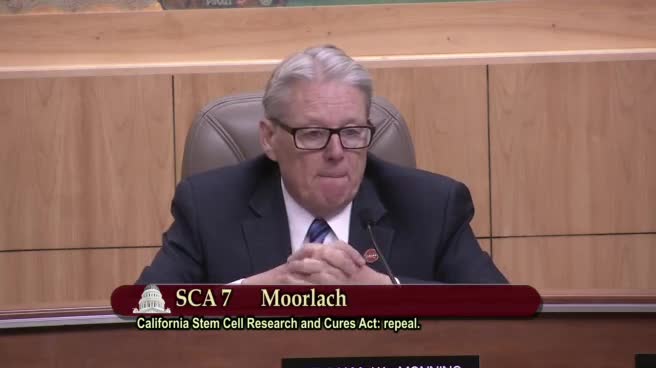 6MIN
Senate Standing Committee on Health
 10MIN
Assembly Standing Committee on Health
Bill Author
Bill Co-Author(s):