AB 472: Employer liability: small business and microbusiness.
- Session Year: 2017-2018
- House: Assembly
- Latest Version Date: 2017-09-07
Under existing law, the California Occupational Safety and Health Act of 1973, the Division of Occupational Safety and Health investigates complaints that a workplace is not safe and may issue orders necessary to ensure employee safety. Under existing law, certain violations of that act or a standard, order, or special order authorized by the act are a crime.
This bill would prohibit the division from commencing any enforcement action for any nonserious violation, as defined, against any employer where the employer is a small business or microbusiness, as defined, without first giving the employer written notice and providing the employer 30 days to correct the violation. The bill would authorize the division to assess a reasonable fee to cover its costs not to exceed $50.
Existing law establishes the Department of Water Resources in state government and prescribes the functions and duties of the department with regard to the regulation of water resources including water transfers throughout the state. Existing law also establishes the Wildlife Conservation Board and requires the board to take various actions with regard to the protection of wildlife and wildlife habitat in the state. Existing law requires landowners to be encouraged, when agricultural lands are being idled in order to provide water for transfer and an amount of water is determined to be made available by that idling, to cultivate or retain nonirrigated cover crops or natural vegetation to provide waterfowl, upland game bird, and other wildlife habitat.This bill would require the department to allow nonirrigated cover crops or natural vegetation to remain on idled agricultural lands, without penalty to the landowner, unless it determines, based on peer-reviewed scientific studies or other credible scientific evidence, that an injury to another legal user of water would occur as a result of allowing those crops or vegetation to remain on those lands. The bill would require, if the department makes such a determination that an injury would result, that the landowner remove or kill the nonirrigated cover crops or natural vegetation from those lands. The bill would require the Wildlife Conservation Board to establish an incentive program, which may include grants or other financial incentives, for landowners who voluntarily cultivate or retain cover crops or natural vegetation on idled agricultural lands to provide waterfowl, upland game bird, and other wildlife habitat, as described, and would require that the program meet certain requirements. The bill would require that the department and the Wildlife Conservation Board consult with the Department of Fish and Wildlife and the United States Fish and Wildlife Service prior to implementing those provisions, to determine the best ways of protecting wildlife habitat on idled lands.Existing law establishes the Department of Water Resources in state government and prescribes the functions and duties of the department with regard to the regulation of water resources including water transfers throughout the state. Existing law also establishes the Wildlife Conservation Board and requires the board to take various actions with regard to the protection of wildlife and wildlife habitat in the state. Existing law requires landowners to be encouraged, when agricultural lands are being idled in order to provide water for transfer and an amount of water is determined to be made available by that idling, to cultivate or retain nonirrigated cover crops or natural vegetation to provide waterfowl, upland game bird, and other wildlife habitat.
This bill would require the department to allow nonirrigated cover crops or natural vegetation to remain on idled agricultural lands, without penalty to the landowner, unless it determines, based on peer-reviewed scientific studies or other credible scientific evidence, that an injury to another legal user of water would occur as a result of allowing those crops or vegetation to remain on those lands. The bill would require, if the department makes such a determination that an injury would result, that the landowner remove or kill the nonirrigated cover crops or natural vegetation from those lands. The bill would require the department Wildlife Conservation Board to establish an incentive program, which may include grants or other financial incentives, for landowners who voluntarily cultivate or retain nonirrigated cover crops or natural vegetation on idled agricultural lands to provide waterfowl, upland game bird, and other wildlife habitat, as described, and would require that the program meet certain requirements. The bill would require that the department and the Wildlife Conservation Board consult with the Department of Fish and Wildlife and the United States Fish and Wildlife Service prior to implementing those provisions, to determine the best ways of protecting wildlife habitat on idled lands.
Existing law establishes the Department of Water Resources in state government and prescribes the functions and duties of the department with regard to the regulation of water resources including water transfers throughout the state. Existing law requires landowners to be encouraged, when agricultural lands are being idled in order to provide water for transfer and an amount of water is determined to be made available by that idling, to cultivate or retain nonirrigated cover crops or natural vegetation to provide waterfowl, upland game bird, and other wildlife habitat.
This bill would require the department to allow nonirrigated cover crops or natural vegetation to remain on idled agricultural lands, without penalty to the landowner, unless it determines, based on peer-reviewed scientific studies or other credible scientific evidence, that an injury to another legal user of water would occur as a result of allowing those crops or vegetation to remain on those lands. The bill would require, if the department makes such a determination that an injury would result, that the landowner remove or kill the nonirrigated cover crops or natural vegetation from those lands. The bill would require the department to establish an incentive program, which may include grants or other financial incentives, for landowners who voluntarily cultivate or retain nonirrigated cover crops or natural vegetation on idled agricultural lands to provide waterfowl, upland game bird, and other wildlife habitat, and would require that the program meet certain requirements. The bill would require that the department consult with the Department of Fish and Wildlife and the United States Fish and Wildlife Service prior to developing the incentive program, implementing those provisions, to determine the best ways of protecting wildlife habitat on idled agricultural lands.
Existing law establishes the Department of Water Resources in state government and prescribes the functions and duties of the department with regard to the regulation of water resources including water transfers throughout the state. Existing law requires landowners to be encouraged, when agricultural lands are being idled in order to provide water for transfer and an amount of water is determined to be made available by that idling, to cultivate or retain nonirrigated cover crops or natural vegetation to provide waterfowl, upland game bird, and other wildlife habitat.
This bill would require the department to establish an incentive program, which may include grants or other financial incentives, for landowners who voluntarily cultivate or retain nonirrigated cover crops or natural vegetation on idled agricultural lands to provide waterfowl, upland game bird, and other wildlife habitat, and would require that the program meet certain requirements. The bill would require that the department consult with the Department of Fish and Wildlife and the United States Fish and Wildlife Service prior to developing the incentive program, to determine the best ways of protecting wildlife habitat on idled agricultural lands.
(a)The division shall not commence any enforcement action for any nonserious violation against any employer where the employer is a small business or microbusiness without first giving written notice to the employer and providing 30 days for the employer to correct the violation.
(b)The 30-day correction period shall commence upon effective service of the written notice by the division upon the employer or where written notice is served during an inspection by the division.
(c)Notice of a correctable nonserious violation shall be an informal enforcement action and shall not constitute a first violation or an earlier violation supporting a subsequent finding of a repeat violation or an admission of guilt by the employer.
(d)The division shall assess a reasonable fee to cover its costs under this section not to exceed fifty dollars ($50) per nonserious violation.
(e)This section shall not apply to a willful violation by an employer.
(f)For purposes of this section, small business has the same meaning as in Section 14837 of the Government Code.
(g)For purposes of this section, microbusiness has the same meaning as in Section 14837 of the Government Code.
(h)For purposes of this section, nonserious violation means any violation that is not classified as a serious violation under Title 8 of the California Code of Regulations.
SECTION 1.Section 1018 of the Water Code is amended to read:1018.(a)(1)When agricultural lands are being idled in order to provide water for transfer pursuant to this division, and an amount of water is determined to be made available by that idling, landowners shall be encouraged to cultivate or retain nonirrigated cover crops or natural vegetation to provide waterfowl, upland game bird, and other wildlife habitat, provided that all other water transfer requirements are met.(2)(A)The department shall allow nonirrigated cover crops or natural vegetation to remain on idled agricultural lands, without penalty to the landowner, unless it determines, based on peer-reviewed scientific studies or other credible scientific evidence, that an injury to another legal user of water would occur as a result of allowing those crops or vegetation to remain on those lands.(B)If the department determines that an injury to another legal user of water would occur under subparagraph (A), the landowner shall remove or kill the nonirrigated cover crops or natural vegetation that would cause that injury. Any other vegetation not required to be removed or killed pursuant to a determination under subparagraph (A) may remain on those lands.(b)The Wildlife Conservation Board shall establish an incentive program, which may include grants or other financial incentives, for landowners who voluntarily cultivate or retain cover crops or natural vegetation on idled agricultural lands to provide waterfowl, upland game bird, and other wildlife habitat, including, but not limited to, for the purposes described in subdivision (a).(c)The incentive program required established under subdivision (b) shall meet all of the following requirements:(1)Prohibit a landowner who participates in the program and has committed to leaving the established cover crops or natural vegetation in place after April 1 from engaging in practices such as discing, spraying of herbicides, mowing, chipping, or rolling any vegetation on those idled lands until after July 1, or as late as possible each year, to address waterfowl nesting, upland gamebird habitat, and other wildlife needs.(2)Employ licensed professionals such as biologists or other wildlife experts to monitor nesting bird activity and salvage eggs prior to permitting the removal of any cover crops or natural vegetation on any lands covered under the incentive program.(3)Ensure that any determination pursuant to subdivision (a) regarding the removal of cover crops or natural vegetation is supported by credible scientific data, such as peer-reviewed scientific studies.(d)The incentive program may provide direct payments to private landowners using available federal funds, including funds made available under federal legislation, state or federal grants, or private grants and donations. Other incentives deemed appropriate by the Wildlife Conservation Board may also be offered to participating landowners. The Wildlife Conservation Board may utilize the assistance of the Department of Fish and Wildlife in implementing the program, including, but not limited to, monitoring and compliance activities. Nonprofit conservation groups or organizations may also assist in implementing the program to the extent that the Wildlife Conservation Board or Department of Fish and Wildlife deems appropriate.(e)The incentive program may also include agricultural lands not subject to water transfers or lands fallowed for any other legal purpose.(f)The department and the Wildlife Conservation Board shall consult with the Department of Fish and Wildlife and the United States Fish and Wildlife Service prior to implementing this section to determine the best ways to protect wildlife habitat on idled lands.(g)The incentive program described in subdivision (b) shall also apply to landowners who take voluntary action to cultivate or retain irrigated or nonirrigated cover crops, natural vegetation, or other wildlife habitat on lands fallowed pursuant to the goals of the Sustainable Groundwater Management Act (Part 2.74 (commencing with Section 10720) of Division 6).(a)(1)When agricultural lands are being idled in order to provide water for transfer pursuant to this division, and an amount of water is determined to be made available by that idling, landowners shall be encouraged to cultivate or retain nonirrigated cover crops or natural vegetation to provide waterfowl, upland game bird, and other wildlife habitat, provided that all other water transfer requirements are met.
(2)(A)The department shall allow nonirrigated cover crops or natural vegetation to remain on idled agricultural lands, without penalty to the landowner, unless it determines, based on peer-reviewed scientific studies or other credible scientific evidence, that an injury to another legal user of water would occur as a result of allowing those crops or vegetation to remain on those lands.
(B)If the department determines that an injury to another legal user of water would occur under subparagraph (A), the landowner shall remove or kill the nonirrigated cover crops or natural vegetation that would cause that injury. Any other vegetation not required to be removed or killed pursuant to a determination under subparagraph (A) may remain on those lands.
(b)The department Wildlife Conservation Board shall establish an incentive program, which may include grants or other financial incentives, for landowners who voluntarily cultivate or retain nonirrigated cover crops or natural vegetation to remain on idled agricultural lands to provide waterfowl, upland game bird, and other wildlife habitat, as including, but not limited to, for the purposes described in subdivision (a).
(c)The incentive program required to be established under subdivision (b) shall meet all of the following requirements:
(1)Prohibit a landowner who participates in the program and has committed to leaving the established nonirrigated cover crops or natural vegetation in place after April 1 from engaging in practices such as discing, spraying of herbicides, mowing, chipping, or rolling any vegetation on those idled lands until after July 1, or as late as possible each year, to address waterfowl nesting, upland gamebird habitat, and other wildlife needs, consistent with this section. needs.
(2)Employ licensed professionals such as biologists or other wildlife experts to monitor nesting bird activity and salvage eggs prior to permitting the removal of any nonirrigated cover crops or natural vegetation on any lands covered under the incentive program.
(3)Ensure that any determination pursuant to subdivision (a) regarding the removal of nonirrigated cover crops or natural vegetation is supported by credible scientific data, such as peer-reviewed scientific studies.
(4)(d)The incentive program may provide direct payments to private landowners using available federal funds, including funds made available under federal legislation, state or federal grants, or private grants and donations. Other incentives deemed appropriate by the department Wildlife Conservation Board may also be offered to participating landowners. The Wildlife Conservation Board may utilize the assistance of the Department of Fish and Wildlife in implementing the program, including, but not limited to, monitoring and compliance activities. Nonprofit conservation groups or organizations may also assist in implementing the program to the extent that the Wildlife Conservation Board or Department of Fish and Wildlife deems appropriate.
(5)(e)The incentive program may also include agricultural lands not subject to water transfers or lands fallowed for any other legal purpose.
(d)(f)The department and the Wildlife Conservation Board shall consult with the Department of Fish and Wildlife and the United States Fish and Wildlife Service prior to implementing this section to determine the best ways to protect wildlife habitat on idled lands.
(g)The incentive program described in subdivision (b) shall also apply to landowners who take voluntary action to cultivate or retain irrigated or nonirrigated cover crops, natural vegetation, or other wildlife habitat on lands fallowed pursuant to the goals of the Sustainable Groundwater Management Act (Part 2.74 (commencing with Section 10720) of Division 6).
(a)(1)When agricultural lands are being idled in order to provide water for transfer pursuant to this division, and an amount of water is determined to be made available by that idling, landowners shall be encouraged to cultivate or retain nonirrigated cover crops or natural vegetation to provide waterfowl, upland game bird, and other wildlife habitat, provided that all other water transfer requirements are met.
(2)(A)The department shall allow nonirrigated cover crops or natural vegetation to remain on idled agricultural lands, without penalty to the landowner, unless it determines, based on peer-reviewed scientific studies or other credible scientific evidence, that an injury to another legal user of water would occur as a result of allowing those crops or vegetation to remain on those lands.
(B)If the department determines that an injury to another legal user of water would occur under subparagraph (A), the landowner shall remove or kill the nonirrigated cover crops or natural vegetation that would cause that injury. Any other vegetation not required to be removed or killed pursuant to a determination under subparagraph (A) may remain on those lands.
(b)The department shall establish an incentive program, which may include grants or other financial incentives, for landowners who voluntarily cultivate or retain nonirrigated cover crops or natural vegetation to remain on idled agricultural lands to provide waterfowl, upland game bird, and other wildlife habitat, as described in subdivision (a).
(c)The incentive program required to be established under subdivision (b) shall meet all of the following requirements:
(1)Ensure that any landowner who participates in the program complies with any standards prescribed by the department regarding the removal of nonirrigated crops or natural vegetation in order to minimize any harm to any other landowner.(2)(1)Prohibit a landowner who participates in the program and has committed to leaving the established nonirrigated cover crops or natural vegetation in place after April 1 from engaging in practices such as discing, spraying of herbicides, mowing, chipping, or rolling any vegetation on those idled lands until after July 15 of each year when the waterfowl and bird nesting season ends. July 1, or as late as possible each year, to address waterfowl nesting, upland gamebird habitat, and other wildlife needs, consistent with this section.
(3)(2)Employ licensed professionals such as biologists or other wildlife experts to monitor nesting bird activity and salvage eggs prior to permitting the removal of any nonirrigated cover crops or natural vegetation on any lands covered under the incentive program.
(4)(3)Ensure that any determination regarding the removal of nonirrigated crops or natural vegetation is supported by credible scientific data, including peer reviewed such as peer-reviewed scientific studies.
(4)The incentive program may provide direct payments to private landowners using available federal funds, including funds made available under federal legislation, state or federal grants, or private grants and donations. Other incentives deemed appropriate by the department may also be offered to participating landowners.
(5)The incentive program may also include agricultural lands not subject to water transfers or lands fallowed for any other legal purpose.
(d)The department shall consult with the Department of Fish and Wildlife and the United States Fish and Wildlife Service prior to developing the incentive program implementing this section to determine the best ways to protect wildlife habitat on idled agricultural lands.
(a)When agricultural lands are being idled in order to provide water for transfer pursuant to this division, and an amount of water is determined to be made available by that idling, landowners shall be encouraged to cultivate or retain nonirrigated cover crops or natural vegetation to provide waterfowl, upland game bird, and other wildlife habitat, provided that all other water transfer requirements are met.
(b)The department shall establish an incentive program, which may include grants or other financial incentives, for landowners who voluntarily cultivate or retain nonirrigated cover crops or natural vegetation to remain on idled agricultural lands to provide waterfowl, upland game bird, and other wildlife habitat, as described in subdivision (a).
(c)The incentive program required to be established under subdivision (b) shall meet all of the following requirements:
(1)Ensure that any landowner who participates in the program complies with any standards prescribed by the department regarding the removal of nonirrigated crops or natural vegetation in order to minimize any harm to any other landowner.
(2)Prohibit a landowner who participates in the program from engaging in practices such as discing, spraying of herbicides, mowing, chipping, or rolling any vegetation on those idled lands until after July 15 of each year when the waterfowl and bird nesting season ends.
(3)Employ licensed professionals such as biologists or other wildlife experts to monitor nesting bird activity and salvage eggs prior to permitting the removal of any nonirrigated cover crops or natural vegetation on any lands covered under the incentive program.
(4)Ensure that any determination regarding the removal of nonirrigated crops or natural vegetation is supported by credible scientific data, including peer reviewed scientific studies.
(d)The department shall consult with the Department of Fish and Wildlife and the United States Fish and Wildlife Service prior to developing the incentive program to determine the best ways to protect wildlife habitat on idled agricultural lands.
|
Date
|
Status
|
|---|---|
| Sep 11, 2017 | Withdrawn from committee. |
| Sep 7, 2017 | From committee chair, with author's amendments: Amend, and re-refer to committee. Read second time, amended, and re-referred to Com. on N.R. & W. |
| Aug 22, 2017 | In committee: Reconsideration granted. |
| Jul 11, 2017 | In committee: Set, first hearing. Failed passage. |
| Jun 26, 2017 | From committee chair, with author's amendments: Amend, and re-refer to committee. Read second time, amended, and re-referred to Com. on N.R. & W. |
| Jun 15, 2017 | In committee: Hearing postponed by committee. |
| Jun 14, 2017 | Referred to Com. on N.R. & W. |
| Jun 1, 2017 | In Senate. Read first time. To Com. on RLS. for assignment. |
| May 31, 2017 | Read third time. Passed. Ordered to the Senate. (Ayes 76. Noes 0. Page 1893.) |
| May 26, 2017 | From committee: Do pass. (Ayes 17. Noes 0.) (May 26). |
| Apr 26, 2017 | In committee: Set, first hearing. Referred to APPR. suspense file. |
| Apr 4, 2017 | From committee: Do pass and re-refer to Com. on APPR. (Ayes 13. Noes 0.) (April 4). Re-referred to Com. on APPR. |
| Mar 29, 2017 | Re-referred to Com. on W.,P., & W. |
| Mar 28, 2017 | From committee chair, with author's amendments: Amend, and re-refer to Com. on W.,P., & W. Read second time and amended. |
| Feb 27, 2017 | Referred to Com. on W.,P., & W. |
| Feb 14, 2017 | From printer. May be heard in committee March 16. |
| Feb 13, 2017 | Read first time. To print. |
|
Date
|
Description
|
Location
|
Votes
|
|
|---|---|---|---|---|
| Aug 22, 2017 | [08-22-2017] hearing: Motion to Reconsider. [Reconsideration Granted.] | Senate Standing Committee on Natural Resources and Water |
Passed |
|
| Jul 11, 2017 | Do pass, but first be re-referred to the Committee on [Appropriations] | Senate Standing Committee on Natural Resources and Water |
Failed |
|
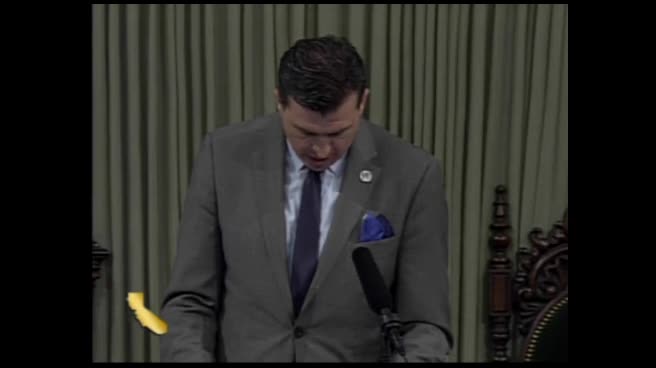
| May 31, 2017 | AB 472 FRAZIER Assembly Third Reading | Assembly Floor |
Passed |
|
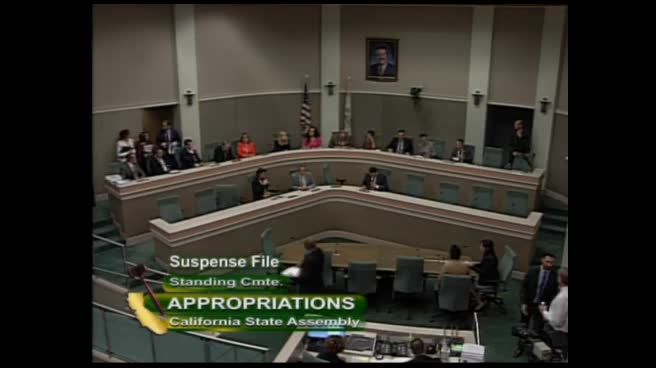
| May 26, 2017 | Do pass. | Assembly Standing Committee on Appropriations |
Passed |
|
| Apr 4, 2017 | Do pass and be re-referred to the Committee on [Appropriations] | Assembly Standing Committee on Water, Parks, and Wildlife |
Passed |
This list shows positions taken on this bill by organizations on the date displayed, which is linked to the original source.
Positions by individuals are not included.
SENATE COMMITTEE ON NATURAL RESOURCES AND WATER
Senator Robert Hertzberg, Chair
2017 - 2018 Regular
Bill No: AB 472 Hearing Date: July 11, 2017
Author: | |||
Version: |
| ||
Urgency: | Fiscal: | ||
Consultant: | |||
Subject: Water transfers: idled agricultural land: wildlife, waterfowl, and bird nesting habitat
BACKGROUND AND EXISTING LAW
Current law provides for the transfer of water between willing buyers and willing sellers. Water transfers that involve changes in point of diversion, place of use, or purpose of use to a post-1914 water right most often require the approval of the State Water Resources Control Board. Transfers that require the use of State, regional, or a local public agency's conveyance facilities require the owner of the conveyance facilities to determine that the transfers will not harm any other legal user of water, will not unreasonably affect fish and wildlife, and will not unreasonably affect the overall economy of the county from which the water is transferred.
Current law further provides that when agricultural lands are being idled in order to provide water for transfer, and an amount of water is determined to be made available by that idling, landowners shall be encouraged to cultivate or retain nonirrigated cover crops or natural vegetation to provide waterfowl, upland game bird, and other wildlife habitat, provided that all other water transfer requirements are met.
PROPOSED LAW
This bill would:
- Require the Department of Water Resources to allow nonirrigated cover crops or natural vegetation to remain on idled agricultural lands, without penalty to the landowner, unless it determines, based on peer-reviewed scientific studies or other credible scientific evidence, that an injury to another legal user of water would occur as a result of allowing those crops or vegetation to remain on those lands.
- Require the Wildlife Conservation Board (WCB) to establish an incentive program, which may include grants or other financial incentives, for landowners who voluntarily cultivate or retain cover crops or natural vegetation on idled agricultural lands to provide waterfowl, upland game bird, and other wildlife habitat.
- The incentive program could provide direct payments to private landowners using available federal funds, including funds made available under federal legislation, state or federal grants, or private grants and donations. Other incentives deemed appropriate by the WCB could also be offered to participating landowners.
- The incentive program could also include agricultural lands not subject to water transfers or lands fallowed for any other legal purpose.
- DWR and the WCB would be required to consult with the Department of Fish and Wildlife and the United States Fish and Wildlife Service prior to implementing this section to determine the best ways to protect wildlife habitat on idled lands.
- The incentive program would also apply to landowners who take voluntary action to cultivate or retain irrigated or nonirrigated cover crops, natural vegetation, or other wildlife habitat on lands fallowed pursuant to the goals of the Sustainable Groundwater Management Act.
ARGUMENTS IN SUPPORT
According to a coalition of wildlife conservationists and outdoor enthusiasts, AB 472 “would facilitate the establishment of waterfowl nesting and other wildlife habitat cover on fallowed lands, including those involved with water transfers.”
“AB 472 would increase available nesting cover in two ways. First, it would strengthen a policy established in 2013 in the Water Code that requires the Department of Water Resources (DWR) to encourage non-irrigated cover crops and other natural vegetation on fallowed lands involved with water transfers, so long as the water transfer requirements are met. Many landowners still fear that they will be penalized by DWR if they do not remove or kill (e.g. disc or spray herbicides) the non-irrigated vegetative cover on these lands. The bill would help ensure that any requirement by DWR to remove or manipulate that cover is based on credible scientific data and it is accomplished in a way the reduces impacts to waterfowl and other wildlife.
“Second, AB 472 would create an incentive-based program for landowners who are willing to maintain wildlife cover on fallowed lands, including, but not limited to, lands involved with a water transfer. Voluntary, incentive based wildlife cover programs such as the federal Conservation Reserve Program have helped to significantly increase waterfowl populations in the Prairie Pothole region of the upper Midwest. Creating a similar program here in California should provide similar waterfowl and other wildlife conservation benefits, and the next federal Farm Bill offers opportunities to provide federal funding for this purpose.”
ARGUMENTS IN OPPOSITION
According to a coalition of urban and agricultural water agencies, “Since the passage of SB 749 by Senator Lois Wolk in 2013, DWR has allowed non-irrigated vegetation to remain on fallowed lands if the landowner can demonstrate such vegetation is not consuming transferred water. Current law appropriately places the burden of proof on the landowner profiting from a water transfer because the default assumption has been, and should continue to be, that cover crops consume water. This approach allows DWR to continue playing a key role monitoring fallowed lands to ensure legal water users are not negatively impacted by any vegetation consuming water on fallowed lands, while providing habitat values and not hindering important water transfer activities.”
“AB 472 would eliminate the requirement for landowners to comply with the DWR water transfer guidelines and requires DWR to allow cover crops to remain on fallowed land unless DWR, not the landowner, can prove injury to another legal user of water, based on peer-reviewed scientific studies. Shifting this burden to DWR is impracticable and unacceptable.”
“We oppose AB 472 because existing law already encourages landowners to retain cover crops on fallowed lands that do not consume transfer water, while maintaining DWR’s role to ensure that legal water users are not negatively impacted. The bill may also interfere with water transfers that are a necessary and important water management tool for the state.”
COMMENTS
DWR’s Policy. According to the California Department Of Water Resources/Bureau Of Reclamation, Mid-Pacific Region Water 2016 Water Transfer White Paper:
Remnant vegetation (weeds, cover crop, and over-winter crop) that is supported only through precipitation or that has begun to [deteriorate with age] may remain on the fields to be idled. Site visits may be conducted to evaluate the state of the remnant vegetation to assure that remnant vegetation does not become excessive vegetation which could affect the amount of transfer water made available as discussed below.
The control of vegetation on idled fields in areas with high groundwater or significant seepage may present particularly difficult challenges in areas where native or over- wintered vegetation is retained for wildlife habitat benefits. Remnant vegetation has the potential to consume a portion of the estimated transfer water if that vegetation has access to seepage from adjacent canals or flooded fields, or shallow groundwater, and is actively growing during the transfer period, thus reducing the effective savings from the crop idling. Remnant vegetation that is actively evapotranspiring and is supported from the above water sources will be considered excessive vegetation and will affect the amount of transferrable water and must be avoided or accounted for.
Reverses Burden of Proof. Currently, it is up to the person proposing the transfer to prove that the transfer would not harm any legal water user. This bill would reverse that, requiring DWR to prove that there is harm to a legal water user or else it must approve the transfer.
Ignores State Water Board. The bill does not currently require consultation with the State Water Board, despite its role in water right permitting and SGMA implementation. As written, the bill could be read to require DWR to allow the vegetation, unless it makes the necessary determination, even if the Water Board conditions of approval of a transfer didn’t allow the vegetation to remain.
Peer-Reviewed Scientific Studies Or Other Credible Scientific Evidence. There does not appear to be any relevant peer reviewed sources. According to DWR, while there has been considerable study of various agricultural crops, the same is not the case for weed varieties. There apparently isn't much demand for that data. So it isn’t clear how DWR could meet the requirements of the bill necessary to disapprove any proposal to allow vegetation on fallowed lands.
Role of Wildlife Conservation Board. While the Board has a history of making effective expenditures for acquisitions and grants for a number of purposes it has never been asked to operate an incentive program that is linked to such unresolved and complex questions regarding water rights and groundwater law that, under current law, is divided between DWR and the State Water Board. One incentive program that the Board operates does work with agricultural landowners to restore habitat, but that program does not have the regulatory entanglements that this bill would create for the Board, which is historically strictly a non-regulatory entity.
SUGGESTED AMENDMENTS: None
SUPPORT
California Rice Commission
California Waterfowl Association
Cal-Ore Wetlands and Waterfowl Council
Community Alliance With Family Farmers
Conaway Preservation Group
Defenders of Wildlife
Delta Waterfowl
Ducks Unlimited
Environmental Defense Fund
Grassland Water District
Lower Sherman Island Duck Hunters Association
Northern California Water Association
Pheasants Forever, Inc./Quail Forever
Suisun Resource Conservation District
The Black Brant Group
The Nature Conservancy
Tulare Basin Wetlands Association
OPPOSITION
Central Coast Water Authority
Coachella Valley Water District
Kern County Water Agency
Metropolitan Water District of Southern California
Mojave Water Agency
Palmdale Water District
Southern California Water Committee
Three Valleys Municipal Water District
Upper San Gabriel Valley Municipal Water District
Westlands Water District
-- END --
ASSEMBLY THIRD READING
ATR Bill Id:AB 472
Author:(Frazier)
As Amended Ver:March 28, 2017
Majority vote
Committee | Votes | Ayes | Noes |
Water | 13-0 | Eduardo Garcia, Gallagher, Bigelow, Choi, Chu, Friedman, Gloria, Harper, Levine, Rubio, Salas, Thurmond, Wood | |
Appropriations | 17-0 | Gonzalez Fletcher, Bigelow, Bloom, Bocanegra, Bonta, Brough, Calderon, McCarty, Quirk, Fong, Friedman, Gallagher, Eduardo Garcia, Gray, Muratsuchi, Obernolte, Reyes |
|
SUMMARY: Requires the Department of Water Resources (DWR) to allow nonirrigated vegetation to remain on land that has been idled for a water transfer, unless it determines an injury to another legal user of water would result from allowing the vegetation to remain. Additionally, this bill establishes an incentive program for landowners to cultivate or retain nonirrigated vegetation for wildlife habitat. Specifically, this bill:
- Provides, if the DWR determines that an injury to another legal user of water would occur the landowner shall remove the nonirrigated vegetation that would cause injury and allow for any other vegetation to remain.
- Requires the DWR to establish a voluntary incentive program for any agricultural land owner, which may include grants, direct payments, or other financial incentives, for landowners who cultivate vegetation for wildlife habitat if the incentive program meets all of the following:
- Prohibit the landowner from discing, spraying herbicides, mowing, chipping, or rolling any vegetation.
- Employ licensed professionals to monitor nests prior to permitting the removal of vegetation.
- Ensure that removal of vegetation is supported by scientific data.
- Requires the DWR to consult with the Department of Fish and Wildlife (DFW) and the United States Fish and Wildlife Service (USFWS) to determine the best way to protect wildlife habitat on idled land.
EXISTING LAW:
- Establishes the DWR to manage and protect California's water resources.
- Establishes a policy to facilitate the voluntary transfer of water, and permits all water rights holders to pursue a water transfer.
- Provides that water can be transferred where there is no injury to any legal user of water, no unreasonable effect on instream beneficial uses, and no unreasonable effect on the overall economy or the environment of the county from which the water is being transferred.
- Defines "water conservation" to mean the use of less water to accomplish the same purpose or purposes of use allowed under an existing appropriative right. Deems land fallowing or crop rotation to be the non-use of water that otherwise would be used in normal agricultural production and to be water conservation.
- Requires agricultural landowners who idle land to provide water for transfer, be encouraged to cultivate or retain non-irrigated cover crops or natural vegetation to provide wildlife habitat, provided all water transfer requirements are met.
- Requires the DWR to include information and resources regarding vegetation on idled land in its water transfer guide.
- Establishes the DFW to manage and protect the state's fish, wildlife, plant and native habitats.
FISCAL EFFECT: According to the Assembly Appropriations Committee:
- Unknown, likely significant annual cost pressures, likely in the hundreds of thousands of dollars, to fund the incentive program (general funds (GF) or special fund).
- Ongoing annual DWR administrative costs of approximately $200,000 (GF).
- Minor, absorbable costs for DFW to consult with DWR.
COMMENTS: Water transfers involve a change in the place of water use, from the water's historic point of diversion, to a new location. Water transfers can last a year (temporary), more than a year but not permanent (long-term), or be permanent. Water transfers are strictly voluntary, and must not create harm to other legal water users, the environment, or the local economy from which the water is being transferred. Transfers can only occur with “new water” the surface water system will realize. Creating new surface water by idling land means that the land cannot be irrigated. Historically, this meant that no vegetation was allowed on fallowed land as that vegetation would consume water that was intended to be transferred.
Waterfowl and upland game birds have come to rely considerably on vegetated agricultural lands for nesting and rearing habitat. Nesting and rearing occurs in the spring and summer months. If idled land cannot have vegetation during the spring/summer period of time, the land will not be suitable for waterfowl and upland game bird nesting and rearing.
In an effort to repurpose idle land into wildlife habitat, SB 749 (Wolk), Chapter 387, Statutes of 2013, among other things, required land owners idling land to produce water for transfer be encouraged to cultivate or retain non-irrigated cover crops or natural vegetation to provide for waterfowl, upland game bird, and other wildlife habitat. The legislation also required the DWR to include information in its public document on water transfers about vegetation on idled land.
The DWR's policy states that only vegetation supported by precipitation may be present on idled fields. Site visits will determine if vegetation is being supported by precipitation or by water coming from other sources. Typically by May 1st vegetation will dry, however, in cool and wet year's harvest may not occur until July 1st. If it is deemed through site visits that vegetation is being supported by water other than precipitation then the water consumption of the vegetation (evapotranspiration) will be accounted for and reduce the amount of transferable water.
The policy does not specify the scientific parameters upon which a determination of the water supply supporting vegetation is being made. It is not clear if a site visit involves a hydrologic analysis, soil water content analysis, or how exactly a cool wet year is being defined.
The policy also does not specify how the evapotranspiration consumption is being determined. Different plant species transpire at different rates, meaning that some species of plant consume more water and some consume less. If it is determined that the source of water supporting a plant is not precipitation, it is not clearly stated in the policy the extent to which that plant specie's particular water consumption is being taken into account.
In practice, these policies mean that those engaging in idle land water transfers will remove all vegetation prior to May 1st.
Analysis Prepared by: Ryan Ojakian / W., P., & W. / (916) 319-2096 FN: 0000559
Date of Hearing: April 26, 2017
ASSEMBLY COMMITTEE ON APPROPRIATIONS
Lorena Gonzalez Fletcher, Chair
ABPCA Bill Id:AB 472
Author:(Frazier) – As Amended Ver:March 28, 2017
Policy Committee: | Water, Parks and Wildlife | Vote: | 13 - 0 |
|
| ||
|
|
Urgency: No State Mandated Local Program: No Reimbursable: No
SUMMARY:
This bill requires the Department of Water Resources (DWR) to allow nonirrigated vegetation to remain on land that has been idled for a water transfer, unless it determines an injury to another legal user of water would result from allowing the vegetation to remain. Additionally, this bill establishes an incentive program for landowners to cultivate or retain nonirrigated vegetation for wildlife habitat. Specifically, this bill:
- Provides if DWR determines that an injury to another legal user of water would occur the landowner must remove the nonirrigated vegetation that would cause injury and allow for any other vegetation to remain.
- Requires DWR to establish an incentive program for any agricultural land owner, which may include grants, direct payments, or other financial incentives, for landowners who cultivate vegetation for wildlife habitat, as specified.
- Requires DWR to consult with the Department of Fish and Wildlife (DFW) and the United States Fish and Wildlife Service (USFWS) to determine the best way to protect wildlife habitat on idled land.
FISCAL EFFECT:
- Unknown, likely significant annual cost pressures, likely in the hundreds of thousands of dollars, to fund the incentive program (GF or special fund).
- Ongoing annual DWR administrative costs of approximately $200,000 (GF).
- Minor, absorbable costs for DFW to consult with DWR.
COMMENTS:
- Purpose. According to the author, lands subject to water transfers offer an important opportunity to create wildlife habitat, particularly in the rice growing regions of the Sacramento Valley. This bill would help ensure that landowners are not unnecessarily penalized for maintaining non-irrigated cover crops or other vegetative cover on these fallowed lands by making sure that existing state rules and regulations are, to the extent possible, flexible and supported by sound science.
- Water Transfers. Water transfers involve a change in the place of water use, from the water’s historic point of diversion, to a new location. Water transfers can last a year (temporary), more than a year but not permanent (long-term), or be permanent. Water transfers are strictly voluntary, and must not create harm to other legal water users, the environment, or the local economy from which the water is being transferred. Transfers can only occur with “new water” the surface water system will realize. Creating new surface water by idling land means that the land cannot be irrigated. Historically, this meant that no vegetation was allowed on fallowed land as that vegetation would consume water that was intended to be transferred.
- Wildlife Habitat. Waterfowl and upland game birds have come to rely considerably on vegetated agricultural lands for nesting and rearing habitat. Nesting and rearing occurs in the spring and summer months. If idled land cannot have vegetation during spring/summer period of time the land will not be suitable for waterfowl and upland game bird nesting and rearing.
In an effort to repurpose idle land into wildlife habitat, SB 749 (Wolk), Chapter 387, Statutes of 2013, among other things, required land owners idling land to produce water for transfer be encouraged to cultivate or retain non-irrigated cover crops or natural vegetation to provide for waterfowl, upland game bird, and other wildlife habitat. The legislation also required DWR to include information in its public document on water transfers about vegetation on idled land.
- Analysis Prepared by: Jennifer Galehouse / APPR. / (916) 319-2081
Date of Hearing: April 4, 2017
ASSEMBLY COMMITTEE ON WATER, PARKS, AND WILDLIFE
Eduardo Garcia, Chair
ABPCA Bill Id:AB 472 (
Author:Frazier) – As Amended Ver:March 28, 2017
SUBJECT: Water transfers: idled agricultural land: wildlife, waterfowl, and bird nesting habitat
SUMMARY: Requires the Department of Water Resources (DWR) to, without penalty, allow nonirrigated vegetation to remain on land that has been idled for a water transfer, unless it determines, as specified, injury to another legal user of water would result from allowing the vegetation to remain. Additionally, establishes an incentive program for landowners to cultivate or retain nonirrigated vegetation for wildlife habitat. Specifically, this bill:
- If the DWR determines that an injury to another legal user of water would occur the landowner shall remove the nonirrigated vegetation that would cause injury and allow for any other vegetation to remain.
- Establishes a voluntary incentive program for any agricultural land owner, which may include grants, direct payments, or other financial incentives, for landowners who cultivate vegetation for wildlife habitat if the incentive program meets all of the following:
- Prohibit the landowner from discing, spraying herbicides, mowing, chipping, or rolling any vegetation.
- Employ licensed professionals to monitor nests prior to permitting the removal of vegetation.
- Ensure that removal of vegetation is supported by scientific data.
- Requires DWR to consult with the Department of Fish and Wildlife (DFW) and the United States Fish and Wildlife Service (USFWS) to determine the best way to protect wildlife habitat on idled land.
EXISTING LAW:
- Establishes the DWR to manage and protect California’s water resources.
- Establishes a policy to facilitate the voluntary transfer of water, and permits all water rights holders to pursue a water transfer.
- Provides that water can be transferred where there is no injury to any legal user of water, no unreasonable effect on instream beneficial uses, and no unreasonable effect on the overall economy or the environment of the county from which the water is being transferred.
- Defines “water conservation” to mean the use of less water to accomplish the same purpose or purposes of use allowed under an existing appropriative right. Deems land fallowing or crop rotation to be the non-use of water that otherwise would be used in normal agricultural production and to be water conservation.
- Requires agricultural landowners who idle land to provide water for transfer, be encouraged to cultivate or retain non-irrigated cover crops or natural vegetation to provide wildlife habitat, provided all water transfer requirements are met.
- Requires the DWR to include information and resources regarding vegetation on idled land in its water transfer guide.
- Establishes the DFW to manage and protect the state's fish, wildlife, plant and native habitats.
FISCAL EFFECT: Unknown.
COMMENTS:
Author’s statement: The intent of this bill is to facilitate waterfowl conservation and other environmental benefits on private lands in a voluntary, incentive-based manner. Lands subject to water transfers offer an important opportunity to create wildlife habitat, particularly in the rice growing regions of the Sacramento Valley. This bill would help ensure that landowners are not unnecessarily penalized for maintaining non-irrigated cover crops or other vegetative cover on these fallowed lands by making sure that existing state rules and regulations are, to the extent possible, flexible and supported by sound science. We know that many landowners want to provide wildlife and other conservation benefits on fallowed lands, but regulations and lack of targeted financial or other assistance limit their ability to do so.
Background: Water Transfers and Wildlife Habitat. Water transfers involve a change in the place of water use, from the water’s historic point of diversion, to a new location. Water transfers can last a year (temporary), more than a year but not permanent (long-term), or be permanent. Water transfers are strictly voluntary, and must not create harm to other legal water users, the environment, or the local economy from which the water is being transferred. Water transfers can be an effective water management tool, particularly for meeting needs during drought periods. Transfers can only occur with “new water” the surface water system will realize. Creating new surface water by idling land means that the land cannot be irrigated. Historically, this meant that no vegetation was allowed on fallowed land as that vegetation would consume water that was intended to be transferred.
Waterfowl and upland game birds have come to rely considerably on vegetated agricultural lands for nesting and rearing habitat, as much of their other habitat has been lost to development. Nesting and rearing occurs in the spring and summer months, typically peaking around May 1st and completing by July 15th at the latest. If idled land cannot have vegetation during spring/summer period of time the land will not be suitable for waterfowl and upland game bird nesting and rearing.
In an effort to repurpose idle land into wildlife habitat, SB 749 (Wolk), Chapter 387, Statutes of 2013, among other things, required land owners idling land to produce water for transfer be encouraged to cultivate or retain non-irrigated cover crops or natural vegetation to provide for waterfowl, upland game bird, and other wildlife habitat. The legislation also required that the DWR include information in its public document on water transfers about vegetation on idled land.
DWR’s Water Transfer Vegetation Policy. The DWR’s policy states that only vegetation supported by precipitation may be present on idled fields. Site visits will determine if vegetation is being supported by precipitation or by water coming from other sources. Typically by May 1st vegetation will dry, however, in cool and wet year’s harvest may not occur until July 1st. If it is deemed through site visits that vegetation is being supported by water other than precipitation then the water consumption of the vegetation (evapotranspiration) will be accounted for and reduce the amount of transferable water.
The policy does not specify the scientific parameters upon which a determination of the water supply supporting vegetation is being made. It is not clear if a site visit involves a hydrologic analysis, soil water content analysis, or how exactly a cool wet year is being defined.
The policy also does not specify how the evapotranspiration consumption is being determined. Different plant species transpire at different rates, meaning that some species of plant consume more water and some consume less. If it is determined that the source of water supporting a plant is not precipitation it is not clearly stated in the policy the extent to which that plant species particular water consumption is being taken into account.
In practice, these policies mean that those engaging in idle land water transfers will remove all vegetation prior to May 1st. For all practical purposes this means the policy in SB 749 has not resulted in a change in practice.
The Policy Emphasis. The challenging policy question this bill raises is the question of appropriate balance between providing needed wildlife habitat and protecting water transfer integrity an important drought water management tool.
The DWR is charged with managing state water resources. Given the DWR’s management role in relation to water transfers, the DWR is always justifiably going to err on the side of ensuring all water believed to be conserved for transfer through land idling, is going to be realized. That is the responsible position for the DWR to take in carrying out their responsibility to water users.
The DFW is responsible for protecting the state’s wildlife. It may make sense to balance the DWR’s responsibilities with the DFW responsibilities in evaluating the potential benefit that idled agricultural land for water transfers can have in creating habitat benefits.
Expanding Lands with Wildlife Habitat. The bill seeks to expand the number of lands with cultivated or retained nonirrigated cover crops by creating a voluntary incentive program. A component of that program, is required consultation between the DWR the DFW and the USFWS.
Prior and Related Legislation: SB 749 (Wolk), Chapter 387, Statutes of 2013, among other things, required land owners idling land to produce water for transfer be encouraged to cultivate or retain non-irrigated cover crops or natural vegetation to provide for waterfowl, upland game bird, and other wildlife habitat.
Supporting Arguments: This bill would help fulfill an important need of providing additional nesting cover and upland habitat for waterfowl, other game birds and songbirds. Studies have shown that providing nesting cover through the breeding season can greatly benefit waterfowl. This bill would help ensure that any requirement by DWR to remove or manipulate that cover is based on credible scientific data and it is accomplished in a way that reduces impacts to waterfowl and other wildlife. The bill would create a voluntary incentive-based program to convert land to vegetation; similar programs have been very successful in the upper Midwest. Additionally providing cover on fallowed lands improves air quality and helps to sequester carbon.
REGISTERED SUPPORT / OPPOSITION:
Support
Black Brant Group, The
California Rice Commission
California Waterfowl Association
Cal-Ore Wetlands and Waterfowl Council
Conaway Preservation Group
Defenders of Wildlife
Delta Waterfowl
Ducks Unlimited
Grassland Water District
Lower Sherman Island Duck Hunters Association
Nature Conservancy, The
Northern California Water Association
Pheasants Forever, Inc.
Quail Forever
Suisun Resource Conservation District
Tulare Basin Wetlands Association
Opposition
None on file.
Analysis Prepared by: Ryan Ojakian / W., P., & W. /
Discussed in Hearing
 52SEC
Assembly Floor
 1H
Assembly Standing Committee on Appropriations
 10MIN
Assembly Standing Committee on Water, Parks, and Wildlife
 10MIN
Assembly Standing Committee on Water, Parks, and Wildlife
Bill Author

Bill Co-Author(s):