AB 485: Pet store operators: dogs, cats, and rabbits.
- Session Year: 2017-2018
- House: Assembly
- Latest Version Date: 2017-10-13
Existing law requires pet store operators, as defined, to comply with laws governing, among other things, the care of animals in pet stores. Existing law makes a pet store operator who violates these provisions guilty of a misdemeanor, under certain conditions. Existing law also regulates the retail sale of dogs and cats.
Existing law requires an animal control officer, a humane officer, or a peace officer who detects any of certain violations of the laws governing pet store operators to issue a single notice to correct the violation, except as specified. Existing law makes a pet store operator who fails to comply with a notice to correct, or who violates the laws regulating pet store operators, as specified, guilty of a crime.
This bill would prohibit, on and after January 1, 2019, a pet store operator from selling a live dog, cat, or rabbit in a pet store unless the dog, cat, or rabbit was obtained from a public animal control agency or shelter, society for the prevention of cruelty to animals shelter, humane society shelter, or rescue group, as defined, that is in a cooperative agreement with at least one private or public shelter, as specified. The bill would require all sales of dogs and cats authorized by this provision to be in compliance with laws requiring the spaying or neutering of animals, as specified. The bill would require each pet store to maintain records sufficient to document the source of each dog, cat, or rabbit the pet store sells or provides space for, for at least one year, and to post, in a conspicuous location on the cage or enclosure of each animal, a sign listing the name of the entity from which each dog, cat, or rabbit was obtained, and would authorize public animal control agencies or shelters to periodically require pet stores engaged in sales of dogs, cats, or rabbits to provide access to those records. The bill would make a pet store operator who violates these provisions subject to a civil penalty of $500, as specified. The bill would also exempt a pet store operator who is subject to these provisions from certain requirements relating to the retail sale of dogs and cats, except as specified.
Existing law authorizes a public or private shelter to enter into cooperative agreements with animal rescue or adoption organizations regarding dogs and cats.
This bill would authorize a public or private shelter to enter into cooperative agreements with animal rescue or adoption organizations regarding rabbits that are equivalent to the cooperative agreements authorized regarding dogs and cats described above.
Existing law requires pet store operators, as defined, to comply with laws governing, among other things, the care of animals in pet stores. Existing law makes a pet store operator who violates these provisions guilty of a misdemeanor, under certain conditions. Existing law also regulates the retail sale of dogs and cats.
Existing law requires an animal control officer, a humane officer, or a peace officer who detects any of certain violations of the laws governing pet store operators to issue a single notice to correct the violation, except as specified. Existing law makes a pet store operator who fails to comply with a notice to correct, or who violates the laws regulating pet store operators, as specified, guilty of a crime.
This bill would prohibit, on and after January 1, 2019, a pet store operator from selling a live dog, cat, or rabbit in a pet store unless the dog, cat, or rabbit was obtained from a public animal control agency or shelter, society for the prevention of cruelty to animals shelter, humane society shelter, or rescue group, as defined, that is in a cooperative agreement with at least one private or public shelter, as specified. The bill would require all sales of dogs and cats authorized by this provision to be in compliance with laws requiring the spaying or neutering of animals, as specified. The bill would require each pet store to maintain records sufficient to document the source of each dog, cat, or rabbit the pet store sells or provides space for, for at least one year, and to post, in a conspicuous location on the cage or enclosure of each animal, a sign listing the name of the entity from which each dog, cat, or rabbit was obtained, and would authorize public animal control agencies or shelters to periodically require pet stores engaged in sales of dogs dogs, cats, or rabbits to provide access to those records. The bill would make a pet store operator who violates these provisions subject to a civil penalty of $500, as specified. The bill would also exempt a pet store operator who is subject to these provisions from certain requirements relating to the retail sale of dogs and cats, except as specified.
Existing law authorizes a public or private shelter to enter into cooperative agreements with animal rescue or adoption organizations regarding dogs and cats.
This bill would authorize a public or private shelter to enter into cooperative agreements with animal rescue or adoption organizations regarding rabbits that are equivalent to the cooperative agreements authorized regarding dogs and cats described above.
Existing law requires pet store operators, as defined, to comply with laws governing, among other things, the care of animals in pet stores. Existing law makes a pet store operator who violates these provisions guilty of a misdemeanor, under certain conditions. Existing law also regulates the retail sale of dogs and cats.
Existing law requires an animal control officer, a humane officer, or a peace officer who detects any of certain violations of the laws governing pet store operators to issue a single notice to correct the violation, except as specified. Existing law makes a pet store operator who fails to comply with a notice to correct, or who violates the laws regulating pet store operators, as specified, guilty of a crime.
This bill would prohibit, on and after July 1, 2018, January 1, 2019, a pet store operator from selling a live dog, cat, or rabbit in a pet store unless the dog, cat, or rabbit was obtained from a public animal control agency or shelter, society for the prevention of cruelty to animals shelter, humane society shelter, or rescue group, as defined, that is in a cooperative agreement with at least one private or public shelter, as specified. The bill would require all sales of dogs and cats authorized by this provision to be in compliance with laws requiring the spaying or neutering of animals, as specified. The bill would require each pet store to maintain records sufficient to document the source of each dog, cat, or rabbit the pet store sells or provides space for, for at least one year, and to post, in a conspicuous location on the cage or enclosure of each animal, a sign listing the name of the entity from which each dog, cat, or rabbit was obtained, and would authorize public animal control agencies or shelters to periodically require pet stores engaged in sales of dogs to provide access to those records. The bill would make a pet store operator who violates these provisions subject to a civil penalty of $500, as specified.
Existing law authorizes a public or private shelter to enter into cooperative agreements with animal rescue or adoption organizations regarding dogs and cats.
This bill would authorize a public or private shelter to enter into cooperative agreements with animal rescue or adoption organizations regarding rabbits that are equivalent to the cooperative agreements authorized regarding dogs and cats described above.
Existing law requires pet store operators, as defined, to comply with laws governing, among other things, the care of animals in pet stores. Existing law makes a pet store operator who violates these provisions guilty of a misdemeanor, under certain conditions. Existing law also regulates the retail sale of dogs and cats.
Existing law requires an animal control officer, a humane officer, or a peace officer who detects any of certain violations of the laws governing pet store operators to issue a single notice to correct the violation, except as specified. Existing law makes a pet store operator who fails to comply with a notice to correct, or who violates the laws regulating pet store operators, as specified, guilty of a crime.
This bill would prohibit, on and after July 1, 2018, a pet store operator from selling a live dog, cat, or rabbit in a pet store unless the dog, cat, or rabbit was obtained from a public animal control agency or shelter, society for the prevention of cruelty to animals shelter, humane society shelter, or nonprofit rescue or adoption organization rescue group, as defined, that is in a cooperative agreement with at least one private or public shelter, as specified. The bill would require all sales of dogs and cats authorized by this provision to be in compliance with laws requiring the spaying or neutering of animals, as specified. The bill would require each pet store to maintain records sufficient to document the source of each dog, cat, or rabbit the pet store sells or provides space for, for at least one year, and to post, in a conspicuous location on the cage or enclosure of each animal, a sign listing the name of the entity from which each dog, cat, or rabbit was obtained. obtained, and would authorize public animal control agencies or shelters to periodically require pet stores engaged in sales of dogs to provide access to those records. The bill would make a pet store operator who violates these provisions subject to a civil penalty of $500, as specified.
Existing law authorizes a public or private shelter to enter into cooperative agreements with animal rescue or adoption organizations regarding dogs and cats.
This bill would authorize a public or private shelter to enter into cooperative agreements with animal rescue or adoption organizations regarding rabbits that are equivalent to the cooperative agreements authorized regarding dogs and cats described above.
Existing law requires pet store operators, as defined, to comply with laws governing, among other things, the care of animals in pet stores. Existing law makes a pet store operator who violates these provisions guilty of a misdemeanor, under certain conditions. Existing law also regulates the retail sale of dogs and cats.
Existing law requires an animal control officer, a humane officer, or a peace officer who detects any of certain violations of the laws governing pet store operators to issue a single notice to correct the violation, except as specified. Existing law makes a pet store operator who fails to comply with a notice to correct, or who violates the laws regulating pet store operators, as specified, guilty of a crime.
This bill would prohibit prohibit, on and after July 1, 2018, a pet store operator from selling a live dog, cat, or rabbit in a pet store unless the dog, cat, or rabbit was obtained from a public animal control agency or shelter, society for the prevention of cruelty to animals shelter, humane society shelter, or nonprofit rescue or adoption organization that is in a cooperative agreement with at least one private or public shelter, as specified. The bill would make the provisions described above relating to the notice to correct applicable to a violation of this requirement. By creating new crimes, the bill would impose a state-mandated local program. require each pet store to maintain records sufficient to document the source of each dog, cat, or rabbit the pet store sells or provides space for, for at least one year, and to post, in a conspicuous location on the cage or enclosure of each animal, a sign listing the name of the entity from which each dog, cat, or rabbit was obtained. The bill would make a pet store operator who violates these provisions subject to a civil penalty of $500, as specified.
Existing law authorizes a public or private shelter to enter into cooperative agreements with animal rescue or adoption organizations regarding dogs and cats.
This bill would authorize a public or private shelter to enter into cooperative agreements with animal rescue or adoption organizations regarding rabbits that are equivalent to the cooperative agreements authorized regarding dogs and cats described above.
The California Constitution requires the state to reimburse local agencies and school districts for certain costs mandated by the state. Statutory provisions establish procedures for making that reimbursement.This bill would provide that no reimbursement is required by this act for a specified reason.Existing law requires pet store operators, as defined, to comply with laws governing, among other things, the care of animals in pet stores. Existing law makes a pet store operator who violates these provisions guilty of a misdemeanor, under certain conditions. Existing law also regulates the retail sale of dogs and cats.
Existing law requires an animal control officer, a humane officer, or a peace officer who detects any of certain violations of the laws governing pet store operators to issue a single notice to correct the violation, except as specified. Existing law makes a pet store operator who fails to comply with a notice to correct, or who violates the laws regulating pet store operators, as specified, guilty of a crime.
This bill would prohibit a pet store operator from selling a live dog, cat, or rabbit in a pet store unless the dog, cat, or rabbit was obtained from a public animal control agency or shelter, society for the prevention of cruelty to animals shelter, humane society shelter, or nonprofit rescue or adoption organization that is in a cooperative agreement with at least one private or public shelter, as specified. The bill would make the provisions described above relating to the notice to correct applicable to a violation of this requirement. By creating new crimes, the bill would impose a state-mandated local program.
Existing law authorizes a public or private shelter to enter into cooperative agreements with animal rescue or adoption organizations regarding dogs and cats.
This bill would authorize a public or private shelter to enter into cooperative agreements with animal rescue or adoption organizations regarding rabbits that are equivalent to the cooperative agreements authorized regarding dogs and cats described above.
The California Constitution requires the state to reimburse local agencies and school districts for certain costs mandated by the state. Statutory provisions establish procedures for making that reimbursement.
This bill would provide that no reimbursement is required by this act for a specified reason.
Existing law, the Lockyer-Polanco-Farr Pet Protection Act, governs the retail sale of dogs and cats. Among other things, the act makes it unlawful for a pet dealer, as defined, to fail to maintain facilities where dogs are kept in a sanitary condition or provide dogs with adequate nutrition, potable water, socialization, and exercise. The act also prohibits a dog from being offered for sale by a pet dealer to a purchaser until the dog has been examined by a veterinarian licensed in this state.Existing law prohibits a public animal control agency or shelter, society for the prevention of cruelty to animals shelter, humane society shelter, or rescue group from selling or giving away to a new owner a dog or cat that has not been spayed or neutered and enacts other provisions relating to animal welfare.This bill would express the intent of the Legislature to enact legislation that would promote the adoption of animals from shelters and rescue groups and encourage humane practices in the purchase of dogs and cats offered for retail sale in California.Existing law, the Lockyer-Polanco-Farr Pet Protection Act, governs the retail sale of dogs and cats. Among other things, the act makes it unlawful for a pet dealer, as defined, to fail to maintain facilities where dogs are kept in a sanitary condition or provide dogs with adequate nutrition, potable water, socialization, and exercise. The act also prohibits a dog from being offered for sale by a pet dealer to a purchaser until the dog has been examined by a veterinarian licensed in this state.
Existing law prohibits a public animal control agency or shelter, society for the prevention of cruelty to animals shelter, humane society shelter, or rescue group from selling or giving away to a new owner a dog or cat that has not been spayed or neutered and enacts other provisions relating to animal welfare.
This bill would express the intent of the Legislature to enact legislation that would promote the adoption of animals from shelters and rescue groups and encourage humane practices in the purchase of dogs and cats offered for retail sale in California.
A rabbit, guinea pig, hamster, potbellied pig, bird, lizard, snake, turtle, or tortoise that is legally allowed as personal property and that is impounded in a public or private shelter shall be held for the same period of time, under the same requirements of care, and with the same opportunities for redemption and adoption by new owners or nonprofit, as defined in Section 501(c)(3) of the Internal Revenue Code, animal rescue or adoption organizations as provided for cats and dogs. The public or private shelter may enter into cooperative agreements with animal rescue or adoption organizations regarding rabbits that are equivalent to those cooperative agreements authorized in Section 31108 regarding dogs and Section 31752 regarding cats. Section 17006 shall also apply to these animals. In addition to any required spay or neuter deposit, the public or private shelter, at its discretion, may assess a fee, not to exceed the standard adoption fee, for animals adopted by new owners or released to nonprofit animal rescue or adoption organizations pursuant to this section.
SEC. 2.Section 122354.5 is added to the Health and Safety Code, to read:122354.5.(a)A pet store operator shall not sell a live dog, cat, or rabbit in a pet store unless the dog, cat, or rabbit was obtained from a public animal control agency or shelter, society for the prevention of cruelty to animals shelter, humane society shelter, or rescue group that is in a cooperative agreement with at least one private or public shelter pursuant to Section 31108, 31752, or 31753 of the Food and Agricultural Code.
(b)All sales of dogs and cats authorized by this section shall be in compliance with paragraph (1) of subdivision (a) of Section 30503 of, subdivision (b) of Section 30520 of, paragraph (1) of subdivision (a) of Section 31751.3 of, and subdivision (b) of Section 31760 of, the Food and Agricultural Code.
(c)Each pet store shall maintain records sufficient to document the source of each dog, cat, or rabbit the pet store sells or provides space for, for at least one year. Additionally, each pet store shall post, in a conspicuous location on the cage or enclosure of each animal, a sign listing the name of the public animal control agency or shelter, society for the prevention of cruelty to animals shelter, humane society shelter, or nonprofit from which each dog, cat, or rabbit was obtained. Public animal control agencies or shelters may periodically require pet stores engaged in sales of dogs, cats, or rabbits to provide access to these records.
(d)A pet store operator who is subject to this section is exempt from the requirements set forth in Article 2 (commencing with Section 122125) of Chapter 5, except for the requirements set forth in Section 122135, paragraphs (3) and (4) of subdivision (a) of, and paragraphs (5) and (6) of subdivision (b) of, Section 122140, and Sections 122145 and 122155.
(e)A pet store operator who violates this section shall be subject to a civil penalty of five hundred dollars ($500). Each animal offered for sale in violation of this section shall constitute a separate violation.
(f)For purposes of this section, a rescue group is an organization that is tax exempt under Section 501(c)(3) of the Internal Revenue Code, and that does not obtain animals from breeders or brokers for compensation.
(g)This section does not prohibit a local governing body from adopting requirements that are more protective of animal welfare than those set forth in this section.
(h)This section shall become operative on January 1, 2019.
SEC. 3.Section 122357 of the Health and Safety Code is amended to read:122357.A pet store operator who violates any provision of this chapter that is not specified in subdivision (a) of Section 122356 and is not proscribed by Section 122354.5 is guilty of a misdemeanor.
A rabbit, guinea pig, hamster, potbellied pig, bird, lizard, snake, turtle, or tortoise that is legally allowed as personal property and that is impounded in a public or private shelter shall be held for the same period of time, under the same requirements of care, and with the same opportunities for redemption and adoption by new owners or nonprofit, as defined in Section 501(c)(3) of the Internal Revenue Code, animal rescue or adoption organizations as provided for cats and dogs. The public or private shelter may enter into cooperative agreements with animal rescue or adoption organizations regarding rabbits that are equivalent to those cooperative agreements authorized in Section 31108 regarding dogs and Section 31752 regarding cats. Section 17006 shall also apply to these animals. In addition to any required spay or neuter deposit, the public or private shelter, at its discretion, may assess a fee, not to exceed the standard adoption fee, for animals adopted by new owners or released to nonprofit animal rescue or adoption organizations pursuant to this section.
SEC. 2.Section 122354.5 is added to the Health and Safety Code, to read:122354.5.(a)A pet store operator shall not sell a live dog, cat, or rabbit in a pet store unless the dog, cat, or rabbit was obtained from a public animal control agency or shelter, society for the prevention of cruelty to animals shelter, humane society shelter, or rescue group that is in a cooperative agreement with at least one private or public shelter pursuant to Section 31108, 31752, or 31753 of the Food and Agricultural Code.
(b)All sales of dogs and cats authorized by this section shall be in compliance with paragraph (1) of subdivision (a) of Section 30503 of, subdivision (b) of Section 30520 of, paragraph (1) of subdivision (a) of Section 31751.3 of, and subdivision (b) of Section 31760 of, the Food and Agricultural Code.
(c)Each pet store shall maintain records sufficient to document the source of each dog, cat, or rabbit the pet store sells or provides space for, for at least one year. Additionally, each pet store shall post, in a conspicuous location on the cage or enclosure of each animal, a sign listing the name of the public animal control agency or shelter, society for the prevention of cruelty to animals shelter, humane society shelter, or nonprofit from which each dog, cat, or rabbit was obtained. Public animal control agencies or shelters may periodically require pet stores engaged in sales of dogs dogs, cats, or rabbits to provide access to these records.
(d)A pet store operator who is subject to this section is exempt from the requirements set forth in Article 2 (commencing with Section 122125) of Chapter 5, except for the requirements set forth in Section 122155.
(d)(e)A pet store operator who violates this section shall be subject to a civil penalty of five hundred dollars ($500). Each animal offered for sale in violation of this section shall constitute a separate violation.
(e)(f)For purposes of this section, a rescue group is an organization that is tax exempt under Section 501(c)(3) of the Internal Revenue Code, and that does not obtain animals from breeders or brokers for compensation.
(f)(g)This section does not prohibit a local governing body from adopting requirements that are more protective of animal welfare than those set forth in this section.
(g)(h)This section shall become operative on January 1, 2019.
SEC. 3.Section 122357 of the Health and Safety Code is amended to read:122357.A pet store operator who violates any provision of this chapter that is not specified in subdivision (a) of Section 122356 and is not proscribed by Section 122354.5 is guilty of a misdemeanor.
A rabbit, guinea pig, hamster, potbellied pig, bird, lizard, snake, turtle, or tortoise that is legally allowed as personal property and that is impounded in a public or private shelter shall be held for the same period of time, under the same requirements of care, and with the same opportunities for redemption and adoption by new owners or nonprofit, as defined in Section 501(c)(3) of the Internal Revenue Code, animal rescue or adoption organizations as provided for cats and dogs. The public or private shelter may enter into cooperative agreements with animal rescue or adoption organizations regarding rabbits that are equivalent to those cooperative agreements authorized in Section 31108 regarding dogs and Section 31752 regarding cats. Section 17006 shall also apply to these animals. In addition to any required spay or neuter deposit, the public or private shelter, at its discretion, may assess a fee, not to exceed the standard adoption fee, for animals adopted by new owners or released to nonprofit animal rescue or adoption organizations pursuant to this section.
SEC. 2.Section 122354.5 is added to the Health and Safety Code, to read:122354.5.(a)A pet store operator shall not sell a live dog, cat, or rabbit in a pet store unless the dog, cat, or rabbit was obtained from a public animal control agency or shelter, society for the prevention of cruelty to animals shelter, humane society shelter, or rescue group that is in a cooperative agreement with at least one private or public shelter pursuant to Section 31108, 31752, or 31753 of the Food and Agricultural Code.
(b)All sales of dogs and cats authorized by this section shall be in compliance with paragraph (1) of subdivision (a) of Section 30503 of, subdivision (b) of Section 30520 of, paragraph (1) of subdivision (a) of Section 31751.3 of, and subdivision (b) of Section 31760 of, the Food and Agricultural Code.
(c)Each pet store shall maintain records sufficient to document the source of each dog, cat, or rabbit the pet store sells or provides space for, for at least one year. Additionally, each pet store shall post, in a conspicuous location on the cage or enclosure of each animal, a sign listing the name of the public animal control agency or shelter, society for the prevention of cruelty to animals shelter, humane society shelter, or nonprofit from which each dog, cat, or rabbit was obtained. Public animal control agencies or shelters may periodically require pet stores engaged in sales of dogs to provide access to these records.
(d)A pet store operator who violates this section shall be subject to a civil penalty of five hundred dollars ($500). Each animal offered for sale in violation of this section shall constitute a separate violation.
(e)For purposes of this section, a rescue group is an organization that is tax exempt under Section 501(c)(3) of the Internal Revenue Code, and that does not obtain animals from breeders or brokers for compensation.
(f)This section does not prohibit a local governing body from adopting requirements that are more protective of animal welfare than those set forth in this section.
(g)This section shall become operative on July 1, 2018. January 1, 2019.
SEC. 3.Section 122357 of the Health and Safety Code is amended to read:122357.A pet store operator who violates any provision of this chapter that is not specified in subdivision (a) of Section 122356 and is not proscribed by Section 122354.5 is guilty of a misdemeanor.
A rabbit, guinea pig, hamster, potbellied pig, bird, lizard, snake, turtle, or tortoise that is legally allowed as personal property and that is impounded in a public or private shelter shall be held for the same period of time, under the same requirements of care, and with the same opportunities for redemption and adoption by new owners or nonprofit, as defined in Section 501(c)(3) of the Internal Revenue Code, animal rescue or adoption organizations as provided for cats and dogs. The public or private shelter may enter into cooperative agreements with animal rescue or adoption organizations regarding rabbits that are equivalent to those cooperative agreements authorized in Section 31108 regarding dogs and Section 31752 regarding cats. Section 17006 shall also apply to these animals. In addition to any required spay or neuter deposit, the public or private shelter, at its discretion, may assess a fee, not to exceed the standard adoption fee, for animals adopted by new owners or released to nonprofit animal rescue or adoption organizations pursuant to this section.
SEC. 2.Section 122354.5 is added to the Health and Safety Code, to read:122354.5.(a)A pet store operator shall not sell a live dog, cat, or rabbit in a pet store unless the dog, cat, or rabbit was obtained from a public animal control agency or shelter, society for the prevention of cruelty to animals shelter, humane society shelter, or nonprofit, as defined in Section 501(c)(3) of the Internal Revenue Code, animal rescue or adoption organization rescue group that is in a cooperative agreement with at least one private or public shelter pursuant to Section 31108, 31752, or 31753 of the Food and Agricultural Code.
(b)All sales of dogs and cats authorized by this section shall be in compliance with paragraph (1) of subdivision (a) of Section 30503 of, subdivision (b) of Section 30520 of, paragraph (1) of subdivision (a) of Section 31751.3 of, and subdivision (b) of Section 31760 of, the Food and Agricultural Code.
(b)(c)Each pet store shall maintain records sufficient to document the source of each dog, cat, or rabbit the pet store sells or provides space for, for at least one year. Additionally, each pet store shall post, in a conspicuous location on the cage or enclosure of each animal, a sign listing the name of the public animal control agency or shelter, society for the prevention of cruelty to animals shelter, humane society shelter, or nonprofit from which each dog, cat, or rabbit was obtained. Public animal control agencies or shelters may periodically require pet stores engaged in sales of dogs to provide access to these records.
(c)(d)A pet store operator who violates this section shall be subject to a civil penalty of five hundred dollars ($500). Each animal offered for sale in violation of this section shall constitute a separate violation.
(e)For purposes of this section, a rescue group is an organization that is tax exempt under Section 501(c)(3) of the Internal Revenue Code, and that does not obtain animals from breeders or brokers for compensation.
(d)(f)This section does not prohibit a local governing body from adopting requirements that are more protective of animal welfare than those set forth in this section.
(e)(g)This section shall become operative on July 1, 2018.
SEC. 3.Section 122357 of the Health and Safety Code is amended to read:122357.A pet store operator who violates any provision of this chapter that is not specified in subdivision (a) of Section 122356 and is not proscribed by Section 122354.5 is guilty of a misdemeanor.
A rabbit, guinea pig, hamster, potbellied pig, bird, lizard, snake, turtle, or tortoise that is legally allowed as personal property and that is impounded in a public or private shelter shall be held for the same period of time, under the same requirements of care, and with the same opportunities for redemption and adoption by new owners or nonprofit, as defined in Section 501(c)(3) of the Internal Revenue Code, animal rescue or adoption organizations as provided for cats and dogs. The public or private shelter may enter into cooperative agreements with animal rescue or adoption organizations regarding rabbits that are equivalent to those cooperative agreements authorized in Section 31108 regarding dogs and Section 31752 regarding cats. Section 17006 shall also apply to these animals. In addition to any required spay or neuter deposit, the public or private shelter, at its discretion, may assess a fee, not to exceed the standard adoption fee, for animals adopted by new owners or released to nonprofit animal rescue or adoption organizations pursuant to this section.
SEC. 2.Section 122354.5 is added to the Health and Safety Code, to read:122354.5.(a)A pet store operator shall not sell a live dog, cat, or rabbit in a pet store unless the dog, cat, or rabbit was obtained from a public animal control agency or shelter, society for the prevention of cruelty to animals shelter, humane society shelter, or nonprofit, as defined in Section 501(c)(3) of the Internal Revenue Code, animal rescue or adoption organization that is in a cooperative agreement with at least one private or public shelter pursuant to Section 31108, 31752, or 31753 of the Food and Agricultural Code.
(b)Each pet store shall maintain records sufficient to document the source of each dog, cat, or rabbit the pet store sells or provides space for, for at least one year. Additionally, each pet store shall post, in a conspicuous location on the cage or enclosure of each animal, a sign listing the name of the public animal control agency or shelter, society for the prevention of cruelty to animals shelter, humane society shelter, or nonprofit from which each dog, cat, or rabbit was obtained.
(c)A pet store operator who violates this section shall be subject to a civil penalty of five hundred dollars ($500). Each animal offered for sale in violation of this section shall constitute a separate violation.
(d)This section does not prohibit a local governing body from adopting requirements that are more protective of animal welfare than those set forth in this section.
(e)This section shall become operative on July 1, 2018.
SEC. 3.Section 122356 of the Health and Safety Code is amended to read:122356.(a)An animal control officer, as defined in Section 830.9 of the Penal Code, a humane officer qualified pursuant to Section 14502 or 14503 of the Corporations Code, or a peace officer who detects a violation of Section 122351, subdivision (b) or (c) of Section 122353, paragraphs (3) or (4) of subdivision (b) of Section 122354, or Section 122354.5 or 122355 shall issue a single notice to correct, which shall contain all of the following information:(1)Specify each violation of this chapter found in the inspection.(2)Identify the corrective action for each violation.(3)Include a specific period of time during which the listed violation or violations must be corrected.(b)After issuing a notice to correct pursuant to this section, the officer or another qualified officer of the issuing agency shall verify compliance with this chapter by conducting a subsequent investigation of the pet store in violation of this chapter within a reasonable period of time.(c)An exact, legible copy of the notice to correct shall be delivered to the pet store operator at the time he or she signs the notice. In the alternative, the issuing agency may personally deliver the notice to the pet store operator within 48 hours of its issuance, excluding holidays and weekends. The signing of the notice is an acknowledgment of receipt, and does not constitute an admission of guilt.(d)A pet store operator who fails to comply with a notice to correct is guilty of an infraction.(e)A pet store operator who violates the same provision of this chapter on more than one occasion within a 12-month period, at the same location, is not eligible to receive a notice to correct, and is guilty of an infraction on the second violation, and is guilty of a misdemeanor on the third or subsequent violation.(f)Notwithstanding subdivision (a), a pet store operator is guilty of a misdemeanor if the pet store operator violates any provision listed in subdivision (a), and by doing so, the pet store operator causes or allows harm or injury to an animal, or allows an animal to be subject to an unreasonable risk of harm or injury.SEC. 4.No reimbursement is required by this act pursuant to Section 6 of Article XIIIB of the California Constitution because the only costs that may be incurred by a local agency or school district will be incurred because this act creates a new crime or infraction, eliminates a crime or infraction, or changes the penalty for a crime or infraction, within the meaning of Section 17556 of the Government Code, or changes the definition of a crime within the meaning of Section 6 of Article XIIIB of the California Constitution.SEC. 3.Section 122357 of the Health and Safety Code is amended to read:122357.A pet store operator who violates any provision of this chapter that is not specified in subdivision (a) of Section 122356 and is not proscribed by Section 122354.5 is guilty of a misdemeanor.
Any A rabbit, guinea pig, hamster, potbellied pig, bird, lizard, snake, turtle, or tortoise that is legally allowed as personal property and that is impounded in a public or private shelter shall be held for the same period of time, under the same requirements of care, and with the same opportunities for redemption and adoption by new owners or nonprofit, as defined in Section 501(c)(3) of the Internal Revenue Code, animal rescue or adoption organizations as provided for cats and dogs. The public or private shelter may enter into cooperative agreements with animal rescue or adoption organizations regarding rabbits that are equivalent to those cooperative agreements authorized in Section 31108 regarding dogs and Section 31752 regarding cats. Section 17006 shall also apply to these animals. In addition to any required spay or neuter deposit, the public or private shelter, at its discretion, may assess a fee, not to exceed the standard adoption fee, for animals adopted by new owners or released to nonprofit animal rescue or adoption organizations pursuant to this section.
SEC. 2.Section 122354.5 is added to the Health and Safety Code, to read:122354.5.A pet store operator shall not sell a live dog, cat, or rabbit in a pet store unless the dog, cat, or rabbit was obtained from a public animal control agency or shelter, society for the prevention of cruelty to animals shelter, humane society shelter, or nonprofit, as defined in Section 501(c)(3) of the Internal Revenue Code, animal rescue or adoption organization that is in a cooperative agreement with at least one private or public shelter pursuant to Section 31108, 31752, or 31753 of the Food and Agricultural Code.
SEC. 3.Section 122356 of the Health and Safety Code is amended to read:122356.(a)An animal control officer, as defined in Section 830.9 of the Penal Code, a humane officer qualified pursuant to Section 14502 or 14503 of the Corporations Code, or a peace officer who detects a violation of Section 122351, subdivision (b) or (c) of Section 122353, paragraphs (3) or (4) of subdivision (b) of Section 122354, or Section 122354.5 or 122355 shall issue a single notice to correct, which shall contain all of the following information:
(1)Specify each violation of this chapter found in the inspection.
(2)Identify the corrective action for each violation.
(3)Include a specific period of time during which the listed violation or violations must be corrected.
(b)After issuing a notice to correct pursuant to this section, the officer or another qualified officer of the issuing agency shall verify compliance with this chapter by conducting a subsequent investigation of the pet store in violation of this chapter within a reasonable period of time.
(c)An exact, legible copy of the notice to correct shall be delivered to the pet store operator at the time he or she signs the notice. In the alternative, the issuing agency may personally deliver the notice to the pet store operator within 48 hours of its issuance, excluding holidays and weekends. The signing of the notice is an acknowledgment of receipt, and does not constitute an admission of guilt.
(d)A pet store operator who fails to comply with a notice to correct is guilty of an infraction.
(e)A pet store operator who violates the same provision of this chapter on more than one occasion within a 12-month period, at the same location, is not eligible to receive a notice to correct, and is guilty of an infraction on the second violation, and is guilty of a misdemeanor on the third or subsequent violation.
(f)Notwithstanding subdivision (a), a pet store operator is guilty of a misdemeanor if the pet store operator violates any provision listed in subdivision (a), and by doing so, the pet store operator causes or allows harm or injury to an animal, or allows an animal to be subject to an unreasonable risk of harm or injury.
SEC. 4.No reimbursement is required by this act pursuant to Section 6 of Article XIIIB of the California Constitution because the only costs that may be incurred by a local agency or school district will be incurred because this act creates a new crime or infraction, eliminates a crime or infraction, or changes the penalty for a crime or infraction, within the meaning of Section 17556 of the Government Code, or changes the definition of a crime within the meaning of Section 6 of Article XIIIB of the California Constitution.
SECTION 1.It is the intent of the Legislature to enact legislation that would promote the adoption of animals from shelters and rescue groups and encourage humane practices in the purchase of dogs and cats offered for retail sale in California. REVISIONS: HeadingLines 1, 2, and 3.It is the intent of the Legislature to enact legislation that would promote the adoption of animals from shelters and rescue groups and encourage humane practices in the purchase of dogs and cats offered for retail sale in California.
|
Date
|
Status
|
|---|---|
| Oct 13, 2017 | Chaptered by Secretary of State - Chapter 740, Statutes of 2017. |
| Oct 13, 2017 | Approved by the Governor. |
| Sep 25, 2017 | Enrolled and presented to the Governor at 12 p.m. |
| Sep 14, 2017 | Senate amendments concurred in. To Engrossing and Enrolling. |
| Sep 14, 2017 | Senate amendments concurred in. To Engrossing and Enrolling. (Ayes 65. Noes 3. Page 3365.). |
| Sep 13, 2017 | Assembly Rule 77(a) suspended. |
| Sep 13, 2017 | In Assembly. Concurrence in Senate amendments pending. May be considered on or after September 15 pursuant to Assembly Rule 77. |
| Sep 12, 2017 | Read third time. Passed. Ordered to the Assembly. |
| Sep 11, 2017 | Read second time. Ordered to third reading. |
| Sep 7, 2017 | Read third time and amended. Ordered to second reading. |
| Aug 31, 2017 | Read second time. Ordered to third reading. |
| Aug 30, 2017 | Read third time and amended. Ordered to second reading. |
| Jul 19, 2017 | Read second time and amended. Ordered to third reading. |
| Jul 18, 2017 | From committee: Amend, and do pass as amended. (Ayes 7. Noes 1.) (July 17). |
| Jun 27, 2017 | From committee chair, with author's amendments: Amend, and re-refer to committee. Read second time, amended, and re-referred to Com. on B., P. & E.D. |
| Jun 22, 2017 | In committee: Hearing postponed by committee. |
| Jun 19, 2017 | From committee chair, with author's amendments: Amend, and re-refer to committee. Read second time, amended, and re-referred to Com. on B., P. & E.D. |
| Jun 8, 2017 | Referred to Com. on B., P. & E.D. |
| May 30, 2017 | In Senate. Read first time. To Com. on RLS. for assignment. |
| May 30, 2017 | Read third time. Passed. Ordered to the Senate. (Ayes 55. Noes 11. Page 1793.) |
| May 18, 2017 | Read second time. Ordered to third reading. |
| May 17, 2017 | Coauthors revised. |
| Apr 19, 2017 | From committee: Do pass and re-refer to Com. on APPR. (Ayes 10. Noes 1.) (April 18). Re-referred to Com. on APPR. |
| Mar 29, 2017 | Re-referred to Com. on B. & P. |
| Mar 28, 2017 | From committee chair, with author's amendments: Amend, and re-refer to Com. on B. & P. Read second time and amended. |
| Mar 27, 2017 | Referred to Com. on B. & P. |
| Feb 14, 2017 | From printer. May be heard in committee March 16. |
| Feb 13, 2017 | Read first time. To print. |
|
Date
|
Description
|
Location
|
Votes
|
|
|---|---|---|---|---|
| Sep 14, 2017 | AB 485 O'DONNELL Concurrence in Senate Amendments | Assembly Floor |
Passed |
|
| Sep 12, 2017 | Assembly 3rd Reading AB485 O'Donnell et al. By Galgiani | Senate Floor |
Passed |
|
| Jul 17, 2017 | Do pass as amended | Senate Standing Committee on Business, Professions and Economic Development |
Passed |
|
| May 30, 2017 | AB 485 O'DONNELL Assembly Third Reading | Assembly Floor |
Passed |
|
| May 17, 2017 | Do pass. | Assembly Standing Committee on Appropriations |
Passed |
|
| Apr 18, 2017 | Do pass and be re-referred to the Committee on [Appropriations] | Assembly Standing Committee on Business and Professions |
Passed |
This list shows positions taken on this bill by organizations on the date displayed, which is linked to the original source.
Positions by individuals are not included.
CONCURRENCE IN SENATE AMENDMENTS
CSA1 Bill Id:AB 485
Author:(O'Donnell and Dababneh)
As Amended Ver:September 7, 2017
Majority vote
ASSEMBLY: | 55-11 | (May 30, 2017) | SENATE: | 38-0 | (September 12, 2017) |
Original Committee Reference: B. & P.
SUMMARY: Prohibits a pet store operator from selling a live cat, dog, or rabbit in a retail pet store unless the dog, cat, or rabbit was obtained from a public animal control agency or shelter or rescue group as defined; requires all authorized sales of dogs and cats to be in compliance with laws requiring the spaying or neutering of animals; permits a public or private shelter to enter into cooperative agreement with animal rescue or adoption organizations regarding rabbits; and requires pet stores to maintain and post records relating to the source of each dog, cat, or rabbit the pet store sells for at least one year.
The Senate amendments:
- Remove language relative to enforcement by animal control officers.
- Revises language to allow pet stores to sell dogs, cats, or rabbits sourced from a nonprofit "rescue group" instead of a nonprofit "animal rescue or adoption organization."
- Define "rescue group" for purposes of the bill to mean a nonprofit organization that does not obtain animals from breeders or brokers for compensation.
- Require the maintenance and posting of records relating to the source of all dogs, cats, and rabbits sold.
- Expressly provide that violators of the section are subject to a $500 civil penalty, per animal, and not a misdemeanor.
- State that the section does not prohibit a local governing body from adopting more protective animal welfare requirements.
- Exempts a pet store operator subject to this section from certain requirements that are relevant to animals obtained from breeders or other sources than rescue groups.
THIS BILL:
- Prohibits a pet store operator from selling a live cat, dog, or rabbit in a retail pet store unless the dog, cat, or rabbit was obtained from a public animal control agency or shelter or rescue group that is in a cooperative agreement with at least one private or public shelter.
- Authorizes a public or private shelter, as specified, to enter into cooperative agreements with animal rescue or adoption organizations regarding rabbits that are equivalent to existing cooperative agreements regarding dogs and cats, as specified.
- Requires all sales of dogs and cats authorized by the bill to be in compliance with laws requiring the spaying or neutering of animals.
- Requires pet stores to maintain records sufficient to document the source of each dog, cat, or rabbit the pet store sells or provides space for, for at least one year.
- Requires pet stores to post, in a conspicuous location on the cage or enclosure of each animal, a sign listing the name of the public animal control agency or shelter, society for the prevention of cruelty to animals shelter, humane society shelter, or nonprofit from which each dog, cat, or rabbit was obtained.
- Authorizes public animal control agencies or shelters to periodically require pet stores engaged in sales of dogs to provide access to records.
- Makes a pet store operator who violates these provisions subject to a civil penalty of $500. Each animal offered for sale in violation of this section constitutes a separate violation.
- Delays implementation of the law until January 1, 2019.
FISCAL EFFECT: According to the Senate Appropriations Committee, pursuant to Senate Rule 28.8, negligible state costs.
COMMENTS:
Purpose. This bill is sponsored by Social Compassion in Legislation. According to the author, "California taxpayers spend a quarter of a billion dollars annually to house and kill animals in local shelters while puppy mills throughout the country continue to mass breed animals for profit. [This bill] attempts to curtail these operations by supporting access to pet rescue and adoption in California retail pet stores. By offering puppies, kittens and rabbits for adoption from nearby shelters, pet stores can save the lives of animals in search for a home, save the breeding animals trapped in puppy mills, and relieve pressure on county budgets and local tax payers."
Background. Animal and Consumer Protection Laws. In California, there are a host of laws related to the sale of pets in California, including regulations for animal care in pet stores, consumer rights, requirements for breeders, sales at swap meets, and kennels. The Pet Store Animal Care law applies to animals in pet stores and places certain requirements on how animals can be treated while in a store pending sale. For example, Health and Safety Code (HSC) Section 122353 requires that the floor of an animal's primary enclosure to be constructed to prevent injury; requires primary animal enclosures to contain an enrichment device (toy); provide platforms for cats; and, cages for birds are required to be large enough for the bird to spread its wings fully, among others. A pet store operator or at least one employee is required to be present in the store at least once daily, regardless if the store is open for business. Pet stores are required to isolate and not sell those animals suspected of having a contagious condition, and ensure that each animal is treated without delay. However, there are no requirements or restrictions pertaining to the acquisition of animals for purpose of animal sales, although pet store operators are required to maintain specific documentation about an animal's health records and are also required to provide consumers with information about the breeder or broker. Pet store operators are required to maintain records for identification purposes of the person from whom the animals in the pet store was acquired, including that person's name, address, and telephone number, and the date the animal was acquired (HSC Section 122355(d)). There are no current prohibitions on pet store operators related to the sale of puppies, kittens, rabbits or dogs acquired from individuals, brokers, or mass commercial breeders who have enforcement violations at the local, state or federal level related to animal care laws.
In order to address consumer protection for the sale of retail pets the Lockyer-Polanco-Farr Pet Protection Act (Pet Protection Act) specifies the requirements for retail sellers of animals to ensure purchaser protection for the sale of ill or sick animals, and provides some form of disclosures to individuals about where the animal was bred. As currently drafted, this bill would prohibit the retail sale of dogs, cats, or bunnies at a retail pet store unless that animal was obtained from an animal shelter, humane association or other non-profit. However, the specifications of the Pet Store Animal Care laws and the Pet Protection Act would still apply to the sale of shelter animals at retail stores. As currently drafted, this bill does not change or limit current practices for individuals purchasing animals from local breeders, the Internet (if applicable laws allow), other states, or by other private sales.
Puppy Mills. "Puppy Mills" or "Kitty Factories" are common terms for large commercial breeding facilities that mass produce animals for sale at retail markets. It is estimated that there are 10,000 puppy mills in the United States. These are separate from other types of breeders who produce a smaller quantity of animals and typically in California do not sell directly to retail pet outlets; however, there are no restrictions on pet stores as to where they can acquire animals for retail sale. Mass produced, commercial animal breeders are typically scrutinized for their treatment of the animals including producing sick animals, inhumane treatment, and providing abhorrent living conditions. This bill aims to limit the sales of animals in California that are from "puppy mills," "kitten factories" or other commercial breeding facilities and to help ensure that available shelter animals are a source of animal sales.
Federal Law. The federal Animal Welfare Act was passed by Congress in 1966 and establishes minimum standards for the care and treatment of animals bred for commercial sale, exhibited to the public, used in biomedical research or commercial transport. The United States Department of Agriculture (USDA) is responsible for overseeing the commercial dog breeding industry. Breeders who sell to a pet store or consumers over the Internet are required to hold a license. However, as noted by various animal welfare organizations, federal laws provide a minimal level of specificity for animal care and violations are often found in many commercial breeding organizations, while others operate underground making enforcement of the laws difficult and challenging. According to the USDA, there are approximately 120 field-based employees who inspect licensed commercial breeding facilities in all 50 states. If a violation is found, then a facility is given a notice to correct, and in those serious cases of neglect, legal action may occur. According to the USDA, the system used to inspect a dog or cat breeding facility is based on a risk-based system. The frequency of an inspection is dependent upon a facility's compliance record, while all licensed facilities are inspected; those facilities with more compliance issues are inspected more frequently. In addition, the USDA reports that its inspectors may visit a facility when the USDA receives a complaint.
Animal Shelters. According to information provided by the ASPCA (American Society for the Prevention of Cruelty to Animals), approximately 6.5 million companion animals enter the United States animal shelters nationwide every year, approximately 3.3 million dogs and 3.2 million cats, and approximately 1.5 million of those are euthanized. The Humane Society notes that across the United States there are more 3,300 shelters and a large number of non-sheltered rescue and fostering groups. In California, there are approximately 200 shelters or rescue organizations.
Local Ordinances. There are approximately 33 cities in California that have placed restrictions on the retail sale of pets at pet stores including Los Angeles, West Hollywood, Irvine, Chula Vista, San Francisco, Beverly Hills, San Marcos, Colton, Truckee, and Turlock.
Other States. Across the country there are at least 16 states, including: Colorado, Florida, Georgia, Illinois, Maine, Maryland, Massachusetts, Michigan, Minnesota, Nevada, New Jersey, New Mexico, New York, Pennsylvania, Rhode Island, Texas, and Utah, that contain one or more cities which have enacted similar prohibitions on selling live cats, dogs, or rabbits at a retail pet store unless those animals are from a shelter.
Analysis Prepared by: Jimmy Fremgen / B. & P. / (916) 319-3301 FN: 0002196
Office of Senate Floor Analyses (916) 651-1520 Fax: (916) 327-4478 | AB |
THIRD READING
Bill No: AB 485
:
SENATE BUS., PROF. & ECON. DEV. COMMITTEE: 7-1, 7/17/17
AYES: Hill, Dodd, Galgiani, Glazer, Hernandez, Newman, Pan
NOES: Wilk
NO VOTE RECORDED: Fuller
ASSEMBLY FLOOR: 55-11, 5/30/17 - See last page for vote
SOURCE: Social Compassion in Legislation
DIGEST:
This bill prohibits, beginning January 1, 2019, a pet store operator from selling a live cat, dog, or rabbit in a pet store unless they were obtained from a public animal control agency or shelter, specified nonprofit, or animal rescue or adoption organization, as defined; permits a public or private shelter to enter into cooperative agreement with animal rescue or adoption organizations regarding rabbits; requires dogs or cats sold in a retail pet store to comply with current spay and neuter laws; provides specified exemptions to the pet warranty law; and permits an animal control officer, a humane officer, or a peace officer to enforce the pet store prohibition.
Senate Floor Amendments of 9/7/17 require additional sections of the Pet Protection Act that a pet store operator, subject to the provisions of this bill, must comply with including a health examination of dogs or cats prior to placement with other dogs or cats and maintaining of immunization and health status records.
Senate Floor Amendments of 8/30/17 exempt a pet store operator from specified laws governing the retail sale of dogs and cats.
ANALYSIS:
Existing law:
- Establishes procedures and requirements for the care and maintenance of animals in the custody of a pet store and details the responsibilities of the pet shop, as specified. (Health and Safety Code (HSC) § 122350 et seq. and Penal Code (PC) § 5971)
- Defines a “pet store” to mean a retail establishment open to the public and selling or offering for sale animals, as specified, does not include a retail establishment selling or offering animals to agricultural operations, as specified. (HSC § 122350(i))
- Requires each pet store operator to maintain records for identification purposes of the person from whom the animals in the pet store were acquired, as specified. (HSC § 122355(d))
- Establishes the Polanco-Lockyer Pet Breeder Warranty Act, related to the sale of dogs by breeders. Specifies information to disclose to the consumer, including records of diseases or illness. Requires dog breeders to maintain the health and safety of the dogs and prohibits them from knowingly selling a dog that is ill. (HSC §§ 122045-122110)
- Establishes the Lockyer-Polanco-Farr Pet Protection Act (Pet Protection Act), related to the retail sale of dogs and cats. Requires that pet dealers possess a permit in order to sell dogs and cats and provide consumers disclosures related to the pet, including breeder information, health records, and any known health condition. Specifies civil penalties for violating these provisions.
(HSC §§ 122125-122220) - Specifies that it is the policy of the state that no adoptable animal, as defined, should be euthanized within a public or private shelter if it can be adopted into a suitable home, as specified. (Food and Agriculture Code § 17005 and PC § 599d)
This bill:
- Prohibits, on or after January 1, 2019, a pet store operator from selling a live dog, cat, or rabbit in a pet store unless the dog, cat, or rabbit was obtained from a public animal control agency or shelter, society for the prevention of cruelty to animals shelter, humane society shelter or non-profit animal rescue or adoption organization.
- Requires the sale of dogs or cats as specified in Item #1) above, to be in compliance with specified spay or neuter laws.
- Requires each pet store to maintain records sufficient to document the source of each dog, cat, or rabbit the pet store sells, as specified.
- Authorizes a public or private shelter, as specified, to enter into cooperative agreements with animal rescue or adoption organizations regarding rabbits.
- Makes a pet store operator who violates the provisions of this bill subject to a civil penalty of $500 and specifies that each animal offered for sale in violation constitutes a separate violation.
- Defines a “rescue group”, as specified.
- Exempts a pet store operator, subject to the provisions of this bill, from the Pet Protection Act, except the requirements for a health examination of the pet, maintaining health and immunization records, and animal treatment and care in the pet store, as specified.
Background
Puppy Mills. “Puppy Mills” or “Kitty Factories” are common terms for large commercial breeding facilities that mass produce animals for sale at retail markets. These are separate from other types of breeders who produce a smaller quantity of animals and typically in California do not sell directly to retail pet outlets; however, there are no restrictions on pet stores as to where they can acquire animals for retail sale. This bill, as indicated by the author and its proponents, aims to limit the sales of animals in California that are from “puppy mills”, “kitten factories” or other commercial breeding facilities (especially those in other states) and to help promote and encourage the availability of shelter animals in California as a source for either adoption or for sale in a pet store establishment. As many commercial breeding facilities focus on quantity, there are concerns about the health of animals from these places, and oftentimes, news headlines report on this issue. As explained by the Humane Society Veterinary Medical Association, although the conditions in these puppy mills vary widely in quality, they are typically operated with an emphasis on profits over animal welfare and the dogs often live in substandard conditions, housed for their entire reproductive lives in cages or runs, provided little to no positive human interaction or other forms of environmental enrichment, and minimal to no veterinary care.
Consumer Protection Laws Regarding the Purchase and Sale of Animals. In California, there are certain laws related to the sale of pets in California, including regulations for animal care in pet stores, consumer rights, requirements for breeders, sales at swap meets, and kennels. However, there are no requirements or restrictions pertaining to the acquisition of animals for purpose of animal sales, although pet store operators are required to maintain specific documentation about an animal's health records and are also required to provide consumers with information about the breeder or broker. There are no current prohibitions on pet store operators related to the sale of puppies, kittens, rabbits or dogs acquired from individuals, brokers, or mass commercial breeders who have enforcement violations at the local, state or federal level. There is also no requirement that a pet store operator has to purchase animals from a licensed United States Department of Agriculture (USDA) breeder.
The Pet Protection Act specifies the requirements for retail sellers of animals to ensure purchaser protection for the sale of ill or sick animals, and provides some form of disclosures to individuals about where the animal was bred. This bill will exempt a pet store operator, subject to the provisions of this bill, from various requirements in the Pet Protection Act including disclosure requirements, return and refund policies among others; however, a pet store operator must still comply with existing laws in the Pet Protection Act pertaining to the treatment of animals in retail establishments, maintaining health and immunization records, and provide health evaluations prior to the placement dogs and cats with other dogs and cats. This bill does not change or limit current practices for individuals purchasing animals from local breeders, the Internet (if applicable laws allow), other states, or by other private sales.
Lax Oversight of Breeders. Breeders who sell to a pet store or to consumers over the Internet are required to hold a license and be inspected by the USDA. However, as noted by various animal welfare organizations, the AWA provides a minimal level of specificity for animal care and violations are often found in many commercial breeding organizations, while others operate underground making enforcement of the laws difficult and challenging. In recent years, the Animal and Plant Health Inspection Service’s (APHIS) under the USDA has provided on its Web site information regarding inspections of commercial animal breeding facilities and lists of persons licensed and registered under the federal Animal Welfare Act (AWA), but as of February 3, 2017, this information is no longer available from the APHIS.
Animal Shelters and Rescue Organizations and Cooperative Agreements with Animal Rescue or Adoption Organizations. Approximately 6.5 million companion animals enter the United States animal shelters nationwide every year, approximately 3.3 million dogs and 3.2 million cats, and approximately 1.5 million of those are euthanized. Currently, a public or private shelter may enter into a cooperative agreement with any animal rescue or adoption organization for a dog, cat or rabbit, which allows the shelter to release the animal to the rescue or adoption organization rather than have the animal euthanized. The rescue or adoption organization need only request the release of the animal to their possession so they may attempt to have the animal adopted.
Local City/County Ordinances and Other State Efforts Similar to this Bill. Approximately 34 cities in California have established ordinances that restrict or outright ban the retail sale of animals at pet stores, specifically dogs, cats, and rabbits. Across the country there are at least 16 states with one or more cities with prohibitions on selling live cats, dogs, or rabbits at a retail pet store, and Canada, recently enacted prohibitions on the selling of these animals as well in pet stores.
FISCAL EFFECT: Appropriation: Fiscal Com.: Local:
SUPPORT: (Verified 8/29/17)
Social Compassion in Legislation (source)
Actors and Others for Animals
AGWC Rockin’ Rescue
Alicia Pet Care Center
All About the Animals
Alley Cat Allies
American Rat Terrier Rescue Corp.
American Society for the Prevention of Cruelty to Animals
Animal Friends of the Valley
Animal Hope and Wellness Foundation
Animal Legal Defense Fund
Animal Protection and Rescue League
Animal Rescue Recon
Animal Shelter Assistance Program
Best Friends Animal Society
Bow-Wows & Meows, Inc.
Bunnies Urgently Needing Shelter
California Animal Control Directors Association
Camp Cocker Rescue
Cities of Antioch, Carlsbad, Encinitas, La Quinta, Long Beach, Los Angeles, Sacramento, Signal Hill, Turlock, and West Hollywood
Coastal German Shepherd Rescue San Diego
Councilmember Esther C. Sanchez, City of Oceanside
Councilmember Melissa Fox, City of Irvine
Councilmembers Mona Rios and Alejandra Sotelo-Solis, City of National City
Davey’s Voice
David Toro Foundation
Dog Adoption and Welfare Group
Dog Squad Rescue
East Bay Rabbit Rescue
Fix Long Beach
Fresno Humane Animal Services
Friends of Long Beach Animals
Gentle Barn
Golden State Humane Society
Harley’s Dream
Healthy Spot
Helen Sanders CatPAWS
Humane Society of the United States
Humane Society Silicon Valley
Humane Society Veterinary Medical Association
It’s The Pits
Labrador Rescuers of San Diego
Last Chance for Animals
Last Chance for Animals, San Diego Chapter
Lobby for Animals
Lucy Pet Foundation
Mayor Pro Tem David J. Toro, City of Colton
Mayor Will Rogers, City of Burbank
National Animal Rescue Coalition
NOAH – Not One Animal Harmed
Oakland Animal Services
Ozzy Foundation
Palm Springs Animal Shelter
Passion for Paws Rescue
Paw Project
Peace 4 Animals
Pedro Pet Pals
Peninsula Humane Society and SPCA
People for Ethical Treatment of Animals
Pet Food Express
Public Interest Coalition
Puppy Coalition Foundation
Rabbit Rescue
Rescue House
RESQCATS, Inc.
Rockin Pets Foundation
Sacramento SPCA
San Diego Animal Advocates
San Diego House Rabbit Society
San Diego Humane Society
San Francisco SPCA
Santa Cruz County Animal Shelter
Saving Pets One At a Time
Shamrock Rescue Foundation
SoulPlayMates Dog Rescue & Advocacy
Southern California Bulldog Rescue, Inc.
Southland Collie Rescue, Inc.
Spay-Neuter Action Project
Spay-Neuter Action Project
SPOT Rescue
Starfish Animal Rescue
Start Rescue
State Humane Association of California
Supervisor Katy Tang, City and County of San Francisco
Take Me Home Rescue
Thrive Animal Rescue
Wagging Dog Rescue
Numerous individuals
OPPOSITION: (Verified 8/29/17)
American Kennel Club
Animal Council
Animal Issues Movement
Animal Kingdom Pet Shop
Broadway Puppies
Bulldog Club of America
California Federation of Dog Clubs
California Retailers Association
Cat Fanciers’ Association
Chinese Shar-Pei Club of America, Inc.
Citizens for Responsible Pet Ownership
Dog Owners of the Golden State
English Cocker Spaniel Club of Southern California
Hello Puppies
National Animal Interest Alliance
National Federation of Independent Business
Mayor Ron Morrison, City of National City
Pet Industry Joint Advisory Council
Pinogy
PuppySpot
World Pet Association
Individual Pet Store Owners/Operators
ARGUMENTS IN SUPPORT: Supporters write that by stopping one of the major outlets for the puppy mill pipelines in California, the Legislature is setting the standard for the rest of the country and that models already exist in responsible pet stores including Petsmart and Petco, so supporters do not believe that this bill will be an undue burden on merchants or animals control officers. Supporters state that by offering animals for adoption from nearby shelters, pet stores can save the lives of animals in search of a home, save the breeding animals trapped in puppy mills, and relieve pressure on county and city budgets and local taxpayers.
ARGUMENTS IN OPPOSITION: Opponents argue that this bill is an extreme overreach that could shut down many small, local pet stores that provide healthy, quality pets to the public. Opponents state concerns that the Author has rejected amendments that would provide that retail stores can only obtain dogs and cats from USDA-licensed breeders (or breeders exempt from USDA licensing requirements) that have not been cited for any direct or critical noncompliance violation under the AWA for a two-year period prior to offering for sale any dog or cat and have not been cited for non-compliance during the most recent inspection by the USDA.
ASSEMBLY FLOOR: 55-11, 5/30/17
AYES: Aguiar-Curry, Arambula, Baker, Berman, Bloom, Bocanegra, Bonta, Brough, Burke, Calderon, Cervantes, Chávez, Chiu, Chu, Cooley, Dababneh, Daly, Flora, Friedman, Cristina Garcia, Eduardo Garcia, Gipson, Gloria, Gomez, Gonzalez Fletcher, Gray, Holden, Irwin, Jones-Sawyer, Kalra, Levine, Limón, Low, Maienschein, McCarty, Medina, Mullin, Muratsuchi, Nazarian, O'Donnell, Quirk, Quirk-Silva, Reyes, Ridley-Thomas, Rodriguez, Rubio, Salas, Santiago, Mark Stone, Thurmond, Ting, Waldron, Weber, Wood, Rendon
NOES: Bigelow, Caballero, Fong, Gallagher, Harper, Lackey, Mathis, Melendez, Obernolte, Patterson, Voepel
NO VOTE RECORDED: Acosta, Travis Allen, Chau, Chen, Choi, Cooper, Cunningham, Dahle, Eggman, Frazier, Grayson, Kiley, Mayes, Steinorth
9/9/17 16:08:11
**** END ****
Office of Senate Floor Analyses (916) 651-1520 Fax: (916) 327-4478 | AB |
THIRD READING
Bill No: AB 485
Amended: 8/30/17 in Senate
SENATE BUS., PROF. & ECON. DEV. COMMITTEE: 7-1, 7/17/17
AYES: Hill, Dodd, Galgiani, Glazer, Hernandez, Newman, Pan
NOES: Wilk
NO VOTE RECORDED: Fuller
ASSEMBLY FLOOR: 55-11, 5/30/17 - See last page for vote
SOURCE: Social Compassion in Legislation
DIGEST:
This bill prohibits, beginning January 1, 2019, a pet store operator from selling a live cat, dog, or rabbit in a pet store unless they were obtained from a public animal control agency or shelter, specified nonprofit, or animal rescue or adoption organization, as defined; permits a public or private shelter to enter into cooperative agreement with animal rescue or adoption organizations regarding rabbits; requires dogs or cats sold in a retail pet store to comply with current spay and neuter laws; and, provides specified exemptions to the pet warrant law; permits an animal control officer, a humane officer, or a peace officer to enforce the pet store prohibition.
Senate Floor Amendments of 8/30/17 exempt a pet store operator from specified laws governing the retail sale of dogs and cats.
Existing law:
- Establishes procedures and requirements for the care and maintenance of animals in the custody of a pet store and details the responsibilities of the pet shop, as specified. (Health and Safety Code (HSC) § 122350 et seq. and Penal Code (PC) § 5971)
- Defines a “pet store” to mean a retail establishment open to the public and selling or offering for sale animals, as specified, does not include a retail establishment selling or offering animals to agricultural operations, as specified. (HSC § 122350(i))
- Requires each pet store operator to maintain records for identification purposes of the person from whom the animals in the pet store were acquired, as specified. (HSC § 122355(d))
- Establishes the Polanco-Lockyer Pet Breeder Warranty Act, related to the sale of dogs by breeders. Specifies information to disclose to the consumer, including records of diseases or illness. Requires dog breeders to maintain the health and safety of the dogs and prohibits them from knowingly selling a dog that is ill. (HSC §§ 122045-122110)
- Establishes the Lockyer-Polanco-Farr Pet Protection Act (Pet Protection Act), related to the retail sale of dogs and cats. Requires that pet dealers possess a permit in order to sell dogs and cats and provide consumers disclosures related to the pet, including breeder information, health records, and any known health condition. Specifies civil penalties for violating these provisions. (HSC §§ 122125-122220)
- Specifies that it is the policy of the state that no adoptable animal, as defined, should be euthanized within a public or private shelter if it can be adopted into a suitable home, as specified. (Food and Agriculture Code § 17005 and PC § 599d)
This bill:
- Prohibits, on or after January 1, 2019, a pet store operator from selling a live dog, cat, or rabbit in a pet store unless the dog, cat, or rabbit was obtained from a public animal control agency or shelter, society for the prevention of cruelty to animals shelter, humane society shelter or non-profit animal rescue or adoption organization.
- Requires the sale of dogs or cats as specified in Item #1) above, to be in compliance with specified spay or neuter laws.
- Requires each pet store to maintain records sufficient to document the source of each dog, cat, or rabbit the pet store sells, as specified.
- Authorizes a public or private shelter, as specified, to enter into cooperative agreements with animal rescue or adoption organizations regarding rabbits.
- Makes a pet store operator who violates the provisions of this bill subject to a civil penalty of $500 and specifies that each animal offered for sale in violation constitutes a separate violation.
- Defines a “rescue group”, as specified.
Background
Puppy Mills. “Puppy Mills” or “Kitty Factories” are common terms for large commercial breeding facilities that mass produce animals for sale at retail markets. These are separate from other types of breeders who produce a smaller quantity of animals and typically in California do not sell directly to retail pet outlets; however, there are no restrictions on pet stores as to where they can acquire animals for retail sale. This bill, as indicated by the author and its proponents, aims to limit the sales of animals in California that are from “puppy mills”, “kitten factories” or other commercial breeding facilities (especially those in other states) and to help promote and encourage the availability of shelter animals in California as a source for either adoption or for sale in a pet store establishment. As many commercial breeding facilities focus on quantity, there are concerns about the health of animals from these places, and oftentimes, news headlines report on this issue. As explained by the Humane Society Veterinary Medical Association, although the conditions in these puppy mills vary widely in quality, they are typically operated with an emphasis on profits over animal welfare and the dogs often live in substandard conditions, housed for their entire reproductive lives in cages or runs, provided little to no positive human interaction or other forms of environmental enrichment, and minimal to no veterinary care.
Consumer Protection Laws Regarding the Purchase and Sale of Animals. In California, there are certain laws related to the sale of pets in California, including regulations for animal care in pet stores, consumer rights, requirements for breeders, sales at swap meets, and kennels. However, there are no requirements or restrictions pertaining to the acquisition of animals for purpose of animal sales, although pet store operators are required to maintain specific documentation about an animal's health records and are also required to provide consumers with information about the breeder or broker. There are no current prohibitions on pet store operators related to the sale of puppies, kittens, rabbits or dogs acquired from individuals, brokers, or mass commercial breeders who have enforcement violations at the local, state or federal level. There is also no requirement that a pet store operator has to purchase animals from a licensed United States Department of Agriculture (USDA) breeder.
The Pet Protection Act specifies the requirements for retail sellers of animals to ensure purchaser protection for the sale of ill or sick animals, and provides some form of disclosures to individuals about where the animal was bred. This bill will exempt a pet store operator, subject to the provisions of this bill, from the laws pertaining to the Pet Protection Act including disclosure requirements, maintaining health records, return and refund policies among others. Pet dealers must still comply with existing law requiring specified treatment of animals in retail establishments. This bill does not change or limit current practices for individuals purchasing animals from local breeders, the Internet (if applicable laws allow), other states, or by other private sales.
Lax Oversight of Breeders. Breeders who sell to a pet store or to consumers over the Internet are required to hold a license and be inspected by the USDA. However, as noted by various animal welfare organizations, the AWA provides a minimal level of specificity for animal care and violations are often found in many commercial breeding organizations, while others operate underground making enforcement of the laws difficult and challenging. In recent years, the Animal and Plant Health Inspection Service’s (APHIS) under the USDA has provided on its Web site information regarding inspections of commercial animal breeding facilities and lists of persons licensed and registered under the federal Animal Welfare Act (AWA), but as of February 3, 2017, this information is no longer available from the APHIS.
Animal Shelters and Rescue Organizations and Cooperative Agreements with Animal Rescue or Adoption Organizations. Approximately 6.5 million companion animals enter the United States animal shelters nationwide every year, approximately 3.3 million dogs and 3.2 million cats, and approximately 1.5 million of those are euthanized. Currently, a public or private shelter may enter into a cooperative agreement with any animal rescue or adoption organization for a dog, cat or rabbit, which allows the shelter to release the animal to the rescue or adoption organization rather than have the animal euthanized. The rescue or adoption organization need only request the release of the animal to their possession so they may attempt to have the animal adopted.
Local City/County Ordinances and Other State Efforts Similar to this Bill. Approximately 34 cities in California have established ordinances that restrict or outright ban the retail sale of animals at pet stores, specifically dogs, cats, and rabbits. Across the country there are at least 16 states with one or more cities with prohibitions on selling live cats, dogs, or rabbits at a retail pet store, and Canada, recently enacted prohibitions on the selling of these animals as well in pet stores.
FISCAL EFFECT: Appropriation: Fiscal Com.: Local:
Social Compassion in Legislation (source)
Actors and Others for Animals
AGWC Rockin’ Rescue
Alicia Pet Care Center
All About the Animals
Alley Cat Allies
American Rat Terrier Rescue Corp.
American Society for the Prevention of Cruelty to Animals
Animal Friends of the Valley
Animal Hope and Wellness Foundation
Animal Legal Defense Fund
Animal Protection and Rescue League
Animal Rescue Recon
Animal Shelter Assistance Program
Best Friends Animal Society
Bow-Wows & Meows, Inc.
Bunnies Urgently Needing Shelter
California Animal Control Directors Association
Camp Cocker Rescue
Cities of Antioch, Carlsbad, Encinitas, La Quinta, Long Beach, Los Angeles, Sacramento, Signal Hill, Turlock, and West Hollywood
Coastal German Shepherd Rescue San Diego
Councilmember Esther C. Sanchez, City of Oceanside
Councilmember Melissa Fox, City of Irvine
Councilmembers Mona Rios and Alejandra Sotelo-Solis, City of National City
Davey’s Voice
David Toro Foundation
Dog Adoption and Welfare Group
Dog Squad Rescue
East Bay Rabbit Rescue
Fix Long Beach
Fresno Humane Animal Services
Friends of Long Beach Animals
Gentle Barn
Golden State Humane Society
Harley’s Dream
Healthy Spot
Helen Sanders CatPAWS
Humane Society of the United States
Humane Society Silicon Valley
Humane Society Veterinary Medical Association
It’s The Pits
Labrador Rescuers of San Diego
Last Chance for Animals
Last Chance for Animals, San Diego Chapter
Lobby for Animals
Lucy Pet Foundation
Mayor Pro Tem David J. Toro, City of Colton
Mayor Will Rogers, City of Burbank
National Animal Rescue Coalition
NOAH – Not One Animal Harmed
Oakland Animal Services
Ozzy Foundation
Palm Springs Animal Shelter
Passion for Paws Rescue
Paw Project
Peace 4 Animals
Pedro Pet Pals
Peninsula Humane Society and SPCA
People for Ethical Treatment of Animals
Pet Food Express
Public Interest Coalition
Puppy Coalition Foundation
Rabbit Rescue
Rescue House
RESQCATS, Inc.
Rockin Pets Foundation
Sacramento SPCA
San Diego Animal Advocates
San Diego House Rabbit Society
San Diego Humane Society
San Francisco SPCA
Santa Cruz County Animal Shelter
Saving Pets One At a Time
Shamrock Rescue Foundation
SoulPlayMates Dog Rescue & Advocacy
Southern California Bulldog Rescue, Inc.
Southland Collie Rescue, Inc.
Spay-Neuter Action Project
Spay-Neuter Action Project
SPOT Rescue
Starfish Animal Rescue
Start Rescue
State Humane Association of California
Supervisor Katy Tang, City and County of San Francisco
Take Me Home Rescue
Thrive Animal Rescue
Wagging Dog Rescue
Numerous individuals
OPPOSITION: (Verified 8/29/17)
American Kennel Club
Animal Council
Animal Issues Movement
Animal Kingdom Pet Shop
Broadway Puppies
Bulldog Club of America
California Federation of Dog Clubs
California Retailers Association
Cat Fanciers’ Association
Chinese Shar-Pei Club of America, Inc.
Citizens for Responsible Pet Ownership
Dog Owners of the Golden State
English Cocker Spaniel Club of Southern California
Hello Puppies
National Animal Interest Alliance
National Federation of Independent Business
Mayor Ron Morrison, City of National City
Pet Industry Joint Advisory Council
Pinogy
PuppySpot
World Pet Association
Individual Pet Store Owners/Operators
ARGUMENTS IN SUPPORT: Supporters write that by stopping one of the major outlets for the puppy mill pipelines in California, the Legislature is setting the standard for the rest of the country and that models already exist in responsible pet stores including Petsmart and Petco, so supporters do not believe that this bill will be an undue burden on merchants or animals control officers. Supporters state that by offering animals for adoption from nearby shelters, pet stores can save the lives of animals in search of a home, save the breeding animals trapped in puppy mills, and relieve pressure on county and city budgets and local taxpayers.
ARGUMENTS IN OPPOSITION: Opponents argue that this bill is an extreme overreach that could shut down many small, local pet stores that provide healthy, quality pets to the public. Opponents state concerns that the author has rejected amendments that would provide that retail stores can only obtain dogs and cats from USDA-licensed breeders (or breeders exempt from USDA licensing requirements) that have not been cited for any direct or critical noncompliance violation under the AWA for a two-year period prior to offering for sale any dog or cat and have not been cited for non-compliance during the most recent inspection by the USDA.
ASSEMBLY FLOOR: 55-11, 5/30/17
AYES: Aguiar-Curry, Arambula, Baker, Berman, Bloom, Bocanegra, Bonta, Brough, Burke, Calderon, Cervantes, Chávez, Chiu, Chu, Cooley, Dababneh, Daly, Flora, Friedman, Cristina Garcia, Eduardo Garcia, Gipson, Gloria, Gomez, Gonzalez Fletcher, Gray, Holden, Irwin, Jones-Sawyer, Kalra, Levine, Limón, Low, Maienschein, McCarty, Medina, Mullin, Muratsuchi, Nazarian, O'Donnell, Quirk, Quirk-Silva, Reyes, Ridley-Thomas, Rodriguez, Rubio, Salas, Santiago, Mark Stone, Thurmond, Ting, Waldron, Weber, Wood, Rendon
NOES: Bigelow, Caballero, Fong, Gallagher, Harper, Lackey, Mathis, Melendez, Obernolte, Patterson, Voepel
NO VOTE RECORDED: Acosta, Travis Allen, Chau, Chen, Choi, Cooper, Cunningham, Dahle, Eggman, Frazier, Grayson, Kiley, Mayes, Steinorth
8/31/17 17:00:40
**** END ****
Office of Senate Floor Analyses (916) 651-1520 Fax: (916) 327-4478 | AB |
THIRD READING
Bill No: AB 485
: 7/19/17
SENATE BUS., PROF. & ECON. DEV. COMMITTEE: 7-1, 7/17/17
AYES: Hill, Dodd, Galgiani, Glazer, Hernandez, Newman, Pan
NOES: Wilk
NO VOTE RECORDED: Fuller
ASSEMBLY FLOOR: 55-11, 5/30/17 - See last page for vote
SOURCE: Social Compassion in Legislation
DIGEST:
This bill prohibits, beginning January 1, 2019, a pet store operator from selling a live cat, dog, or rabbit in a retail pet store unless the dog, cat, or rabbit was obtained from a public animal control agency or shelter or specified nonprofit, or animal rescue or adoption organization, as defined; permits a public or private shelter to enter into cooperative agreement with animal rescue or adoption organizations regarding rabbits; requires dogs or cats sold in a retail pet store to comply with current spay and neuter laws; and, permits an animal control officer, a humane officer, or a peace officer to enforce the pet store prohibition.
Existing law:
- Establishes procedures and requirements for the care and maintenance of animals in the custody of a pet store and details the responsibilities of the pet shop, the standards for enclosures, animal care requirements, record keeping, standards for keeping the animals healthy, including veterinary care, euthanasia standards, and disclosures that must be made to a person who purchases a pet. Provides for a “notice to correct” and monetary misdemeanor penalties for specified violations of this Act. (Health and Safety Code (HSC) § 122350 et seq. and Penal Code (PC) § 5971)
- Defines a “pet store” to mean a retail establishment open to the public and selling or offering for sale animals, including, but not limited to, animals used as pets or animals intended for food for other animals, and states that a "pet store" does include a retail establishment open to the public and selling or offering for sale animals to agricultural operations, as specified. (HSC § 122350(i))
- Requires each pet store operator to maintain records for identification purposes of the person from whom the animals in the pet store were acquired including the person's name, address, telephone number, and the date the animal was acquired. (HSC § 122355(d))
- Establishes the Polanco-Lockyer Pet Breeder Warranty Act, related to the sale of dogs by breeders. Defines a dog breeder as a person, firm, partnership, corporation that has sold, transferred or given away 20 or more dogs within one year that were bred and reared on the premises. Specifies information to disclose to the consumer, including records of diseases or illness. Requires dog breeders to maintain the health and safety of the dogs and prohibits them from knowingly selling a dog that is ill. (HSC §§ 122045-122110)
- Establishes the Lockyer-Polanco-Farr Pet Protection Act (Pet Protection Act), related to the retail sale of dogs and cats. Requires that pet dealers possess a permit in order to sell dogs and cats and provide consumers disclosures related to the pet, including breeder information, health records, and any known health condition. Requires that breeders maintain facilities and care requirements for pets. Specifies civil penalties for violating these provisions. (HSC §§ 122125-122220)
- Specifies that it is the policy of the state that no adoptable animal, as defined, should be euthanized within a public or private shelter if it can be adopted into a suitable home and that no treatable animal which could become adoptable with reasonable efforts should be euthanized. (Food and Agriculture Code (FAC) § 17005 and PC § 599d)
- States that any stray dog or cat that is impounded, prior to the euthanasia of that animal, to be released to a nonprofit animal rescue or adoption organization if requested by the organization prior to the scheduled euthanasia of that animal. The public or private shelter may enter into cooperative agreements with any animal rescue or adoption organization. In addition to any required spay or neuter deposit, the public or private shelter, at its discretion, may assess a fee, not to exceed the standard adoption fee, for animals adopted or released. (FAC §§ 31108 (b) and 31752 (b))
- Requires a shelter, during the holding period and prior to adoption or euthanasia of an impounded dog or cat, to scan the animal for a microchip that identifies the owner of that dog and make reasonable efforts to contact the owner and notify him or her that his or her animal is impounded and is available for redemption. (FAC §§31108 (c) and 31752 (c))
- Requires an animal rescue or adoption organization which cares for a rabbit, guinea pig, hamster, potbellied pig, bird, lizard, snake, turtle or tortoise that is legally allowed as personal property, and that is impounded in a public or private shelter, to hold the animal for the same period of time, under the same requirements of care, and with the same opportunity for redemption and adoption, as specified. (FAC § 31753)
This bill:
- Prohibits, on or after January 1, 2019, a pet store operator from selling a live dog, cat, or rabbit in a pet store unless the dog, cat, or rabbit was obtained from a public animal control agency or shelter, society for the prevention of cruelty to animals shelter, humane society shelter or non-profit animal rescue or adoption organization that is in a cooperative agreement with at least one private or public shelter, as specified under the FAC.
- Requires the sale of dogs or cats as specified in 1), above, to be in compliance with specified spay or neuter laws.
- Requires each pet store to maintain records sufficient to document the source of each dog, cat, or rabbit the pet store sells, or provides space for, for at least one year, and to post, in a conspicuous location on the cage or enclosure of each animal, a sign listing the name of the entity from which each dog, cat, or rabbit was obtained and permits public animal control agencies or shelters to periodically require pet store operators engaged in sales of dogs to provide access to these records.
- Authorizes a public or private shelter, as specified, to enter into cooperative agreements with animal rescue or adoption organizations regarding rabbits that are equivalent to existing cooperative agreements as authorized under the FAC regarding dogs and cats.
- Makes a pet store operator who violates the provisions of this bill subject to a civil penalty of $500 and specifies that each animal offered for sale in violation constitutes a separate violation.
- Defines a “rescue group” to mean an organization that is tax exempt under § 501(c)(3) of the Internal Revenue Code and that does not obtain animals from breeders or brokers for compensation.
Background
According to the author, this bill aims to limit the sales of animals in California that are bred in “puppy mills,” “kitten factories,” or other commercial breeding facilities, and also ensure that available shelter or rescue animals are a source of animal sales. As stated by the author, “California taxpayers spend a quarter of a billion dollars annually to house and kill animals in local shelters while puppy mills throughout the country continue to mass breed animals for profit. [This bill] attempts to curtail these operations by supporting access to pet rescue and adoption in California retail pet stores. By offering puppies, kittens and rabbits for adoption from nearby shelters, pet stores can save the lives of animals in search for a home, save the breeding animals trapped in puppy mills, and relieve pressure on county budgets and local tax payers.”
Puppy Mills. “Puppy Mills” or “Kitty Factories” are common terms for large commercial breeding facilities that mass produce animals for sale at retail markets. These are separate from other types of breeders who produce a smaller quantity of animals and typically in California do not sell directly to retail pet outlets; however, there are no restrictions on pet stores as to where they can acquire animals for retail sale. Mass produced, commercial animal breeders are supposed to be scrutinized for their treatment of the animals including producing sick animals, inhumane treatment, and providing abhorrent living conditions, however as further indicated, these protections are not always enforced because these breeders receive little if any oversight. This bill, as indicated by the author and its proponents, aims to limit the sales of animals in California that are from “puppy mills”, “kitten factories” or other commercial breeding facilities (especially those in other states) and to help promote and encourage the availability of shelter animals in California as a source for either adoption or for sale in a pet store establishment.
As many commercial breeding facilities focus on quantity, there are concerns about the health of animals from these places, and oftentimes, news headlines and stories report on this issue. A recent January 3, 2017, article in Rolling Stone Magazine, “The Dog Factory: Inside the Sickening World of Puppy Mills,” highlighted the issues surrounding animals raised in “puppy mills”. John Goodwin, the director of the puppy-mills campaign for the Humane Society of the United States (HSUS), stated that “Most every pup sold in stores in America comes from this kind of suffering – or worse” and “If you buy a puppy from a pet store, this is what you're paying for and nothing else: a dog raised in puppy-mill evil.”
As explained by the Humane Society Veterinary Medical Association, although the conditions in these puppy mills vary widely in quality, they are typically operated with an emphasis on profits over animal welfare and the dogs often live in substandard conditions, housed for their entire reproductive lives in cages or runs, provided little to no positive human interaction or other forms of environmental enrichment, and minimal to no veterinary care. There is little if any oversight of those transporting and delivering animals to a pet shop establishment in California and the conditions which may exist for these animals in transit at times border on abusive and inhumane.
Consumer Protection Laws Regarding the Purchase and Sale of Animals. In California, there are certain laws related to the sale of pets in California, including regulations for animal care in pet stores, consumer rights, requirements for breeders, sales at swap meets, and kennels. The Pet Store Animal Care law applies to animals in pet stores and places certain requirements on how animals can be treated while in a store pending sale. However, there are no requirements or restrictions pertaining to the acquisition of animals for purpose of animal sales, although pet store operators are required to maintain specific documentation about an animal's health records and are also required to provide consumers with information about the breeder or broker. There are no current prohibitions on pet store operators related to the sale of puppies, kittens, rabbits or dogs acquired from individuals, brokers, or mass commercial breeders who have enforcement violations at the local, state or federal level related to animal care laws. There is also no requirement that a pet store operator has to purchase an animal from a licensed United States Department of Agriculture (USDA) breeder.
In order to address consumer protection for the sale of retail pets, the Pet Protection Act specifies the requirements for retail sellers of animals to ensure purchaser protection for the sale of ill or sick animals, and provides some form of disclosures to individuals about where the animal was bred. As currently drafted, this bill prohibits the retail sale of dogs, cats, or bunnies at a retail pet store unless that animal was obtained from an animal shelter, humane association or other non-profit. However, the specifications of the Pet Store Animal Care laws and the Pet Protection Act would still apply to the sale of shelter animals at retail stores. As currently drafted, this bill does not change or limit current practices for individuals purchasing animals from local breeders, the Internet (if applicable laws allow), other states, or by other private sales.
Lax Oversight of Breeders. The federal Animal Welfare Act (AWA) was passed by Congress in 1966 and establishes minimum standards for the care and treatment of animals bred for commercial sale, exhibited to the public, used in biomedical research or commercial transport. The USDA is responsible for overseeing the commercial dog breeding industry. Breeders who sell to a pet store or consumers over the Internet are required to hold a license and be inspected by the USDA. However, as noted by various animal welfare organizations, the AWA provides a minimal level of specificity for animal care and violations are often found in many commercial breeding organizations, while others operate underground making enforcement of the laws difficult and challenging.
In recent years, the Animal and Plant Health Inspection Service’s (APHIS) under the USDA has provided on its Web site information regarding inspections of commercial animal breeding facilities and lists of persons licensed and registered under the AWA, but as of February 3, 2017, this information is no longer available from the APHIS Web site. It is no longer possible to see AWA inspection reports or search for active licensees and registered breeder facilities. The same applies to enforcement actions regarding AWA violations. It is now difficult to distinguish between the best and the worst of breeders from the standpoint of the pet store and the consumer.
Animal Shelters and Rescue Organizations. Approximately 6.5 million companion animals enter the United States animal shelters nationwide every year, approximately 3.3 million dogs and 3.2 million cats, and approximately 1.5 million of those are euthanized. HSUS notes that across the United States there are more 3,300 shelters and a large number of non-sheltered rescue and fostering groups. In California, there are approximately 200 shelters or rescue organizations. In Los Angeles County alone, more than 4,000 dogs and cats were euthanized during Fiscal Year 2016/17.
Cooperative Agreements with Animal Rescue or Adoption Organizations. Currently, a public or private shelter may enter into a cooperative agreement with any animal rescue or adoption organization for a dog, cat or rabbit, which allows the shelter to release the animal to the rescue or adoption organization rather than have the animal euthanized. The rescue or adoption organization need only request the release of the animal to their possession so they may attempt to have the animal adopted.
These cooperative agreements provided by the shelter are usually extensive agreements, sometimes called “adoption agreements” which provide for the responsibilities and expectations of both the shelter and for the rescue or adoption organization when providing animals for potential adoption. It generally specifies that type of organization it must be to qualify, what it should provide for the care and well-being of the animal, for what reasons the agreement can be terminated and return of the animal, and any fees or veterinary care which must be provided. It can be a one-time agreement or ongoing with the rescue or adoption organization.
Local City/County Ordinances and Other State Efforts Similar to this Bill. There a number of local jurisdictions in California which have already established ordinances that place restrictions or outright ban the retail sale of certain animals at pet stores, specifically dogs, cats, and rabbits. Approximately 34 cities in California have placed restrictions on the retail sale of pets at pet stores. According to the Pet Industry Joint Advisory Council, there are approximately 97 small retail pet stores in California, but it is unclear how many of those stores sell cats, dogs, or rabbits in addition to other pet supplies. Just over 30 of these are located in jurisdictions which currently have a pet store sale ban.
Across the country there are at least 16 states with one or more cities with similar prohibitions on selling live cats, dogs, or rabbits at a retail pet store unless those animals are from a shelter and New Jersey recently passed legislation to address retail pet store sourcing issues. Vancouver, Canada, recently enacted prohibitions on the selling of these animals as well in pet stores.
FISCAL EFFECT: Appropriation: Fiscal Com.: Local:
Social Compassion in Legislation (source)
Actors and Others for Animals
AGWC Rockin’ Rescue
Alicia Pet Care Center
All About the Animals
Alley Cat Allies
American Rat Terrier Rescue Corp.
American Society for the Prevention of Cruelty to Animals
Animal Friends of the Valley
Animal Hope and Wellness Foundation
Animal Legal Defense Fund
Animal Protection and Rescue League
Animal Rescue Recon
Animal Shelter Assistance Program
Best Friends Animal Society
Bow-Wows & Meows, Inc.
Bunnies Urgently Needing Shelter
California Animal Control Directors Association
Camp Cocker Rescue
City of Antioch
City of Carlsbad
City of Encinitas
City of La Quinta
City of Long Beach
City of Los Angeles
City of Sacramento
City of Signal Hill
City of Turlock
City of West Hollywood
Coastal German Shepherd Rescue San Diego
Councilmember Esther C. Sanchez, City of Oceanside
Councilmember Melissa Fox, City of Irvine
Councilmembers Mona Rios and Alejandra Sotelo-Solis, City of National City
Davey’s Voice
David Toro Foundation
Dog Adoption and Welfare Group
Dog Squad Rescue
East Bay Rabbit Rescue
Fix Long Beach
Fresno Humane Animal Services
Friends of Long Beach Animals
Gentle Barn
Golden State Humane Society
Harley’s Dream
Healthy Spot
Helen Sanders CatPAWS
Humane Society of the United States
Humane Society Silicon Valley
It’s The Pits
Labrador Rescuers of San Diego
Last Chance for Animals
Last Chance for Animals, San Diego Chapter
Lobby for Animals
Lucy Pet Foundation
Mayor Pro Tem David J. Toro, City of Colton
National Animal Rescue Coalition
NOAH – Not One Animal Harmed
Oakland Animal Services
Ozzy Foundation
Palm Springs Animal Shelter
Passion for Paws Rescue
Paw Project
Peace 4 Animals
Pedro Pet Pals
Peninsula Humane Society and SPCA
People for Ethical Treatment of Animals
Puppy Coalition Foundation
Rabbit Rescue
Rescue House
RESQCATS, Inc.
Rockin Pets Foundation
Sacramento SPCA
San Diego Animal Advocates
San Diego House Rabbit Society
San Diego Humane Society
San Francisco SPCA
Santa Cruz County Animal Shelter
Saving Pets One At a Time
Shamrock Rescue Foundation
SoulPlayMates Dog Rescue & Advocacy
Southern California Bulldog Rescue, Inc.
Southland Collie Rescue, Inc.
Spay-Neuter Action Project
Spay-Neuter Action Project
SPOT Rescue
Starfish Animal Rescue
Start Rescue
State Humane Association of California
Supervisor Katy Tang, City and County of San Francisco
Take Me Home Rescue
Thrive Animal Rescue
Wagging Dog Rescue
Numerous individuals
OPPOSITION: (Verified 7/19/17)
American Kennel Club
Animal Council
Animal Issues Movement
Animal Kingdom Pet Shop
Broadway Puppies
California Federation of Dog Clubs
California Retailers Association
Cat Fanciers’ Association
Chinese Shar-Pei Club of America, Inc.
Citizens for Responsible Pet Ownership
Dog Owners of the Golden State
English Cocker Spaniel Club of Southern California
Hello Puppies
National Animal Interest Alliance
National Federation of Independent Business
Pet Industry Joint Advisory Council
Pinogy
PuppySpot
World Pet Association
Individual Pet Store Owners/Operators
ARGUMENTS IN SUPPORT: Social Compassion in Legislation states that “Once AB 485 is law, thousands of shelter and rescued animals will have a chance of finding their forever homes by getting out of the shelters and into storefronts; this has been proven successful in many jurisdictions. And, just as important, cruelty at puppy mills and other commercial breeders will be mitigated by decreasing the demand for their inhumane commodities.”
The California Animal Control Directors Association writes that restricting the retail sale of puppies, kittens, dogs, and cats to only those that come from shelter or rescue organizations will decrease the demand for puppies and kittens bred in puppy mills and kitten mills and increase the demand for animals from animal shelter and rescue organizations.
Supporters write that by stopping one of the major outlets for the puppy mill pipelines in California, the Legislature is setting the standard for the rest of the country and that models already exist in responsible pet stores including Petsmart and Petco, so supporters do not believe that this bill will be an undue burden on merchants or animals control officers. Supporters state that by offering animals for adoption from nearby shelters, pet stores can save the lives of animals in search of a home, save the breeding animals trapped in puppy mills, and relieve pressure on county and city budgets and local taxpayers.
ARGUMENTS IN OPPOSITION: Opponents argue that this bill is an extreme overreach that could shut down many small, local pet stores that provide healthy, quality pets to the public. Opponents state concerns that the author has rejected amendments that would provide that retail stores can only obtain dogs and cats from USDA-licensed breeders (or breeders exempt from USDA licensing requirements) that have not been cited for any direct or critical noncompliance violation under the AWA for a two-year period prior to offering for sale any dog or cat and have not been cited for non-compliance during the most recent inspection by the USDA.
Opponents state that this bill will not put an end to puppy mills and write that sales bans, such as this one proposed, only perpetuate a false sense of security and drives the sale and supply of pets to the Internet, where there is little oversight or regulatory framework that applies. Opponents also state that in order to ensure compliance with the requirements of this bill, it would need to increase its state labor force to oversee the 100 local pet store operators.
Several pet shop owners/operators write that California already has some of the most stringent retail animal care standards in the country and that while they agree with the author’s intent to target puppy mills and believe puppy mills are morally reprehensible, this bill is misguided by targeting the small number of remaining pet stores who sell a relatively small percentage of puppies in California – less than four percent of shelter intakes originated from pet stores. They argue that this bill puts small business at a disadvantage, and only opens the door to an unregulated market like selling animals via the Internet.
ASSEMBLY FLOOR: 55-11, 5/30/17
AYES: Aguiar-Curry, Arambula, Baker, Berman, Bloom, Bocanegra, Bonta, Brough, Burke, Calderon, Cervantes, Chávez, Chiu, Chu, Cooley, Dababneh, Daly, Flora, Friedman, Cristina Garcia, Eduardo Garcia, Gipson, Gloria, Gomez, Gonzalez Fletcher, Gray, Holden, Irwin, Jones-Sawyer, Kalra, Levine, Limón, Low, Maienschein, McCarty, Medina, Mullin, Muratsuchi, Nazarian, O'Donnell, Quirk, Quirk-Silva, Reyes, Ridley-Thomas, Rodriguez, Rubio, Salas, Santiago, Mark Stone, Thurmond, Ting, Waldron, Weber, Wood, Rendon
NOES: Bigelow, Caballero, Fong, Gallagher, Harper, Lackey, Mathis, Melendez, Obernolte, Patterson, Voepel
NO VOTE RECORDED: Acosta, Travis Allen, Chau, Chen, Choi, Cooper, Cunningham, Dahle, Eggman, Frazier, Grayson, Kiley, Mayes, Steinorth
7/19/17 15:19:57
**** END ****
SENATE COMMITTEE ON
BUSINESS, PROFESSIONS AND ECONOMIC DEVELOPMENT
Senator Jerry Hill, Chair
2017 - 2018 Regular
Bill No: AB 485 Hearing Date: July 17, 2017
Author: | O'Donnell | ||
Version: | June 27, 2017 | ||
Urgency: | No | Fiscal: | No |
Consultant: | Bill Gage | ||
Subject: Pet store operators: dogs, cats, and rabbits
SUMMARY:
Prohibits, beginning July 1, 2018, a pet store operator from selling a live cat, dog, or rabbit in a retail pet store unless the dog, cat, or rabbit was obtained from a public animal control agency or shelter or specified nonprofit, or animal rescue or adoption organization, as defined; permits a public or private shelter to enter into cooperative agreement with animal rescue or adoption organizations regarding rabbits; requires dogs or cats sold in a retail pet store to comply with current spay and neuter laws; and, permits an animal control officer, a humane officer, or a peace officer to enforce the pet store prohibition.
Existing law:
- Establishes procedures and requirements for the care and maintenance of animals in the custody of a pet store and details the responsibilities of the pet shop, the standards for enclosures, animal care requirements, record keeping, standards for keeping the animals healthy, including veterinary care, euthanasia standards, and disclosures that must be made to a person who purchases a pet. Provides for a “notice to correct” and monetary misdemeanor penalties for specified violations of this Act. (Health and Safety Code (HSC) § 122350 et seq. and Penal Code (PC)
§ 5971) - Defines a "pet store" to mean a retail establishment open to the public and selling or offering for sale animals, including but not limited to, animals used as pets or animals intended for food for other animals, and states that a "pet store" does include a retail establishment open to the public and selling or offering for sale animals to agricultural operations, as specified. (HSC § 122350(i))
- Defines a "pet store operator" to mean a person who owns or operates a pet store or both. (HSC § 122350(j))
- Requires a pet store operator, or at least one of his or her employees, to be present in the store at least once daily, regardless of whether the store is open, for care and maintenance of the animals in the pet store, as specified. (HSC § 122354(a))
- Requires a pet store to provide to the purchaser of an animal, at the time of sale, information concerning the store's animal return policy, which must be made available to customers through in-store signs or handouts to the customers."
(HSC § 122355(c)) - Requires each pet store operator to ensure the records of all veterinary visits to the pet store are documented in writing, as specified. (HSC § 122355(a))
- Requires each pet store operator to maintain records for identification purposes of the person from whom the animals in the pet store were acquired including the person's name, address, telephone number, and the date the animal was acquired. (HSC § 122355(d))
- Requires a pet store operator to maintain records pertaining to pet sales for two years from the date of disposition of the animal, and made available upon request to appropriate law enforcement. (HSC § 122355(e))
- Permits an animal control officer, a humane officer, or a peace officer to issue a single notice to correct a detected violation of pet store, as specified.
(HSC § 122356(a)) - Requires a person seeking to bring a dog into California for resale or change of ownership to obtain a health certificate from a licensed veterinarian, dated within
10 days prior to the dog’s arrival, and submit the certificate to the county health department, as specified. (Health and Safety Code (HSC) §§ 121720-121723) - Establishes the Polanco-Lockyer Pet Breeder Warranty Act, related to the sale of dogs by breeders. Defines a dog breeder as a person, firm, partnership, corporation that has sold, transferred or given away 20 or more dogs within one year that were bred and reared on the premises. Specifies information to disclose to the consumer, including records of diseases or illness. Requires dog breeders to maintain the health and safety of the dogs and prohibits them from knowingly selling a dog that is ill. (HSC §§ 122045-122110)
- Establishes the Lockyer-Polanco-Farr Pet Protection Act, related to the retail sale of dogs and cats. Requires that pet dealers possess a permit in order to sell dogs and cats and provide consumers disclosures related to the pet, including breeder information, health records, and any known health condition. Requires that breeders maintain facilities and care requirements for pets. Specifies civil penalties for violating these provisions. (HSC §§ 122125-122220)
- Prohibits pet stores from selling dogs or cats that are less than eight weeks old. (HSC § 122359)
- Defines a "breeder" for purposes of the Act to mean a person, firm, partnership, corporation, or other association that has sold, transferred, or given away all of part of three or more litters or 20 or more dogs during the preceding 12 months that were bred and reared on the premises of the person, firm, partnership, corporation, or other association. (HSC § 122045(b))
- Provides for the regulation and licensing of dogs. (Food and Agricultural Code (FAC) §§ 30501-31683)
- Specifies that it is the policy of the state that no adoptable animal, as defined, should be euthanized within a public or private shelter if it can be adopted into a suitable home and that no treatable animal which could become adoptable with reasonable efforts should be euthanized. (FAC § 17005 and Penal Code § 599d)
- States that the required holding period for an impounded stray dog, is six business days, not including the day of impoundment, unless: (FAC § 31108 (a))
- The public or private shelter has made the dog available for owner redemption on one weekday evening until at least 7 p.m. or one weekend day, the holding period shall be four business days, not including the day of impoundment; or,
- The public or private shelter has fewer than three full-time employees or is not open during all regular weekday business hours, and if it has established a procedure to enable owners to reclaim their dogs by appointment at a mutually agreeable time when the public or private shelter would otherwise be closed, the holding period shall be four business days, not including the day of impoundment.
- Requires that unless an animal is irremediably suffering from a serious injury or illness, a stray dog must be held for owner redemption during the first three days of the holding period, not including the day of impoundment and available for owner redemption or adoption for the remainder of the holding period, as specified.
(FAC § 31108) - States that as provided, any stray dog that is impounded pursuant to these animal control provisions, prior to the euthanasia of that animal, to be released to a nonprofit, as defined in Section 501(c)(3) of the Internal Revenue Code, animal rescue or adoption organization if requested by the organization prior to the scheduled euthanasia of that animal. The public or private shelter may enter into cooperative agreements with any animal rescue or adoption organization. In addition to any required spay or neuter deposit, the public or private shelter, at its discretion, may assess a fee, not to exceed the standard adoption fee, for animals adopted or released. (FAC § 31108 (b))
- Requires a shelter during the holding period and prior to adoption or euthanasia of a dog impounded, a public or private shelter shall scan the dog for a microchip that identifies the owner of that dog and shall make reasonable efforts to contact the owner and notify him or her that his or her dog is impounded and is available for redemption. (FAC § 31108 (c))
- Provides for the regulation of cats. (FAC §§ 31751-31765)
- Requires the holding period for an impounded stray cat to be six business days, not including the day of impoundment, except as follows: (FAC § 31752 (a))
- If the public or private shelter has made the cat available for owner redemption on one weekday evening until at least 7 p.m. or one weekend day, the holding period shall be four business days, not including the day of impoundment; or,
- If the public or private shelter has fewer than three full-time employees or is not open during all regular weekday business hours, and if it has established a procedure to enable owners to reclaim their cats by appointment at a mutually agreeable time when the public or private shelter would otherwise be closed, the holding period shall be four business days, not including the day of impoundment.
- Specifies that unless the animal is irremediably suffering from an injury or illness, any stray cat that is impounded pursuant to this division shall, prior to the euthanasia of that animal, be released to a nonprofit, as defined in Section 501(c)(3) of the Internal Revenue Code, animal rescue or adoption organization if requested by the organization prior to the scheduled euthanasia of that animal. In addition to any required spay or neuter deposit, the public or private shelter, at its discretion, may assess a fee, not to exceed the standard adoption fee, for animals adopted or released. The public or private shelter may enter into cooperative agreements with any animal rescue or adoption organization. (FAC § 31752 (b))
- Requires during the required holding period and prior to the adoption or euthanasia of an impounded cat, a public or private shelter to scan the cat for a microchip that identifies the owner of that cat and shall make reasonable efforts to contact the owner and notify him or her that his or her cat is impounded and is available for redemption. (FAC § 31752 (c))
- Requires of an animal rescue or adoption organization which cares for a rabbit, guinea pig, hamster, potbellied pig, bird, lizard, snake, turtle or tortoise that is legally allowed as personal property and that is impounded in a public or private shelter to be held for the same period of time, under the same requirements of care, and with the same opportunity for redemption and adoption, as specified.
(FAC § 31753)
This bill:
- Prohibits, on or after July 1, 2018, a pet store operator from selling a live dog, cat, or rabbit in a pet store unless the dog, cat, or rabbit was obtained from a public animal control agency or shelter, society for the prevention of cruelty to animals shelter, humane society shelter or non-profit, as defined in Section 501(c)(3) of the Internal Revenue Code, animal rescue or adoption organization that is in a cooperative agreement with at least one private or public shelter, as specified under the FAC.
- Requires the sale of dogs or cats as specified in Item #1 above, to be in compliance with specified spay or neuter laws.
- Requires each pet store to maintain records sufficient to document the source of each dog, cat, or rabbit the pet store sells, or provides space for, for at least one year, and to post, in a conspicuous location on the cage or enclosure of each animal, a sign listing the name of the entity from which each dog, cat, or rabbit was obtained and permits public animal control agencies or shelters to periodically require pet store operators engaged in sales of dogs to provide access to these records.
- Authorizes a public or private shelter, as specified, to enter into cooperative agreements with animal rescue or adoption organizations regarding rabbits that are equivalent to existing cooperative agreements as authorized under the FAC regarding dogs and cats.
- Makes a pet store operator who violates the provisions of this bill, subject to a civil penalty of $500, as specified, and specifies that each animal offered for sale in violation constitutes a separate violation.
- Defines a “rescue group” to mean an organization that is tax exempt under § 501(c)(3) of the Internal Revenue Code and that does not obtain animals from breeders or brokers for compensation.
FISCAL EFFECT:
This bill is keyed non-fiscal by Legislative Counsel. According to the Assembly Appropriations Committee analysis, dated May 17, 2017, this bill will result in non-reimbursable local costs for enforcement.
COMMENTS:
- Purpose. This bill is sponsored by Social Compassion in Legislation. According to the Author, this bill aims to limit the sales of animals in California that are bred in “puppy mills,” “kitten factories,” or other commercial breeding facilities, and also ensure that available shelter or rescue animals are a source of animal sales. As stated by the Author, "California taxpayers spend a quarter of a billion dollars annually to house and kill animals in local shelters while puppy mills throughout the country continue to mass breed animals for profit. [This bill] attempts to curtail these operations by supporting access to pet rescue and adoption in California retail pet stores. By offering puppies, kittens and rabbits for adoption from nearby shelters, pet stores can save the lives of animals in search for a home, save the breeding animals trapped in puppy mills, and relieve pressure on county budgets and local tax payers."
- Background.
- Puppy Mills. "Puppy Mills" or "Kitty Factories" are common terms for large commercial breeding facilities that mass produce animals for sale at retail markets. It is estimated that there are 10,000 puppy mills in the United States selling approximately 2 million puppies annually. These are separate from other types of breeders who produce a smaller quantity of animals and typically in California do not sell directly to retail pet outlets; however, there are no restrictions on pet stores as to where they can acquire animals for retail sale. Mass produced, commercial animal breeders are supposed to be scrutinized for their treatment of the animals including producing sick animals, inhumane treatment, and providing abhorrent living conditions, however as further indicated, these protections are not always enforced because these breeders receive little if any oversight. This bill, as indicated by the Author and its proponents, aims to limit the sales of animals in California that are from "puppy mills," "kitten factories" or other commercial breeding facilities (especially those in other states) and to help promote and encourage the availability of shelter animals in California as a source for either adoption or for sale in a pet store establishment.
According to information from People for the Ethical Treatment of Animals (PETA): "Undercover investigations of puppy mills have revealed that dogs often had no bedding or protection from the cold or heat and no regular veterinary care even when they were ill. Health conditions such as crusty, oozing eyes, raging ear infections, mange that turned their skin into a mass of red scabs, and abscessed feet from the unforgiving wire floors all were ignored or inadequately treated. Investigators have observed dogs circling frantically in their small cages and pacing ceaselessly back and forth, oblivious to anything around them—their only way of coping with despair."
Further, as many commercial breeding facilities focus on quantity, there are concerns about the health of animals from these places, and often times, news headlines and stories report on this issue. A recent January 3, 2017 article in Rolling Stone Magazine, “The Dog Factory: Inside the Sickening World of Puppy Mills,” highlighted the issues surrounding animals raised in "puppy mills" and provided an example of what was uncovered on a raid of just one puppy mill by the Humane Society of the United States (HSUS). In the article, it was reported: “Out the back door and up a dirt trail, the worst was yet to come. A cinder-block kennel, hidden from the street, housed the bulk of this puppy-mill stock: 50 or 60 more parent dogs who'd likely never seen sunlight or spent a day outside this toxic room. They wept and bayed and spun in crazed circles as we toured the maze of cages. Some went limp as the rescuers knelt to scoop them. Each was photographed, then carried downhill to the giant rig at the curb. There, teams of vets from the Cabarrus Animal Hospital worked briskly to assess each rescue. Once triaged and tagged, they were loaded into crates on Humane Society’s mammoth truck, an 80-foot landship with clean-room conditions, and taken to a staging shelter. One hundred and five dogs came out of that home, many of them pregnant or in heat. I turned to John Goodwin, the director of the puppy-mills campaign for HSUS, and asked him how many puppies sold in this county – at Petland and Citipups and a thousand other pet stores – come from puppy mills as dire as this one.” As stated by John Goodwin, "Most every pup sold in stores in America comes from this kind of suffering – or worse," he insists. "If you buy a puppy from a pet store, this is what you're paying for and nothing else: a dog raised in puppy-mill evil."
As explained by the Humane Society Veterinary Medical Association (HSVMA), although the conditions in these puppy mills vary widely in quality, they are typically operated with an emphasis on profits over animal welfare and the dogs often live in substandard conditions, housed for their entire reproductive lives in cages or runs, provided little to no positive human interaction or other forms of environmental enrichment, and minimal to no veterinary care. Puppy mill primarily focus on quantity rather than quality. That is, they concentrate on producing as many puppies as possible to maximize profits, impacting the quality of the puppies that are produced. This leads to extreme overcrowding, with some puppy mills housing 1,000 plus dogs (often referred to as “mega mills”) and when dogs live under these conditions, diseases spread easily. These puppy mills generally have poor sanitation, food and water, inadequate waste control and protection from the elements for the dog, which increases the risk of disease and cross-contamination which are overlooked and rarely treated. Also, puppy mills staff will attempt to provide veterinary care although not licensed to do so, which can lead to deadly mistakes, inappropriate medication or over-medication. Puppies from puppy mills are sold through a number of different venues, but one of the primary sources are pet stores. Although pet stores usually claim their dogs are from “licensed breeders,” HSUS claims that a majority of their “breeders” are actually puppy mills. “An HSUS review of records for more than 6,700 puppies shipped to pet stores between 2009 and 2012 found that more than two thirds of the puppies were shipped by brokers, not breeders.” There is little if any oversight of those transporting and delivering animals to a pet shop establishment in California and the conditions which may exist for these animals in transit at times border on abusive and inhumane. - Consumer Protection Laws Regarding the Purchase and Sale of Animals. In California, there are a certain laws related to the sale of pets in California, including regulations for animal care in pet stores, consumer rights, requirements for breeders, sales at swap meets, and kennels. The Pet Store Animal Care law applies to animals in pet stores and places certain requirements on how animals can be treated while in a store pending sale. For example, HSC § 122353 requires that the floor of an animal's primary enclosure to be constructed to prevent injury; requires primary animal enclosures to contain an enrichment device (toy); provide platforms for cats; and, cages for birds are required to be large enough for the bird to spread its wings fully, among others. A pet store operator or at least one employee is required to be present in the store at least once daily, regardless if the store is open for business. Pet stores are required to isolate and not sell those animals suspected of having a contagious condition, and ensure that each animal is treated without delay. However, there are no requirements or restrictions pertaining to the acquisition of animals for purpose of animal sales, although pet store operators are required to maintain specific documentation about an animal's health records and are also required to provide consumers with information about the breeder or broker. Pet store operators are required to maintain records for identification purposes of the person from whom the animals in the pet store was acquired, including that person's name, address, and telephone number, and the date the animal was acquired (HSC § 122355(d)). There are no current prohibitions on pet store operators related to the sale of puppies, kittens, rabbits or dogs acquired from individuals, brokers, or mass commercial breeders who have enforcement violations at the local, state or federal level related to animal care laws. There is also no requirement that a pet store operator has to purchase an animal from a licensed USDA breeder.
In order to address consumer protection for the sale of retail pets, the Lockyer-Polanco-Farr Pet Protection Act (Pet Protection Act) specifies the requirements for retail sellers of animals to ensure purchaser protection for the sale of ill or sick animals, and provides some form of disclosures to individuals about where the animal was bred. As currently drafted, this bill would prohibit the retail sale of dogs, cats, or bunnies at a retail pet store unless that animal was obtained from an animal shelter, humane association or other non-profit. However, the specifications of the Pet Store Animal Care laws and the Pet Protection Act would still apply to the sale of shelter animals at retail stores. As currently drafted, this bill does not change or limit current practices for individuals purchasing animals
from local breeders, the Internet (if applicable laws allow), other states, or by other private sales. - Current Warranty for Retail Sale of Dogs and Cats. Currently, under the Pet Protection Act, (HSC § 122160) if a veterinarian states in writing, within 15 days after a consumer has taken physical possession of a dog after its purchase from a pet dealer, that the dog has become sick due to any illness which existed before the consumer took custody of the dog, or if in one year, the dog has a congenital or hereditary condition that adversely affects the health of the dog, there are specific remedies available to a consumer. A consumer may: 1) return the dog to the pet dealer for a refund of the purchase price along with reimbursement for veterinary care; 2) exchange the dog; or, 3) retain the dog along with the reasonable veterinary fees which cannot exceed 150% of the purchase price. While these remedies exist and can be helpful, they don’t fully protect consumers from acquiring sick animals and the emotional impact of returning, treating, or losing the animal is not easily remedied.
- Lax Oversight by the USDA of Breeders. The federal Animal Welfare Act (AWA) was passed by Congress in 1966 and establishes minimum standards for the care and treatment of animals bred for commercial sale, exhibited to the public, used in biomedical research or commercial transport. The United States Department of Agriculture (USDA) is responsible for overseeing the commercial dog breeding industry. Breeders who sell to a pet store or consumers over the Internet are required to hold a license and be inspected by the USDA. However, as noted by various animal welfare organizations, the AWA provides a minimal level of specificity for animal care and violations are often found in many commercial breeding organizations, while others operate underground making enforcement of the laws difficult and challenging.
According to the USDA, there are approximately 120 field-based employees who inspect licensed commercial breeding facilities in all
50 states. If a violation is found, then a facility is given a notice to correct, and in those serious cases of neglect, legal action may occur. According to the USDA, the system used to inspect a dog or cat breeding facility is based on a risk-based system. The frequency of an inspection is dependent upon a facility's compliance record, while all licensed facilities are inspected; those facilities with more compliance issues are inspected more frequently. In addition, the USDA reports that its inspectors may visit a facility only when the USDA receives a complaint.
- Puppy Mills. "Puppy Mills" or "Kitty Factories" are common terms for large commercial breeding facilities that mass produce animals for sale at retail markets. It is estimated that there are 10,000 puppy mills in the United States selling approximately 2 million puppies annually. These are separate from other types of breeders who produce a smaller quantity of animals and typically in California do not sell directly to retail pet outlets; however, there are no restrictions on pet stores as to where they can acquire animals for retail sale. Mass produced, commercial animal breeders are supposed to be scrutinized for their treatment of the animals including producing sick animals, inhumane treatment, and providing abhorrent living conditions, however as further indicated, these protections are not always enforced because these breeders receive little if any oversight. This bill, as indicated by the Author and its proponents, aims to limit the sales of animals in California that are from "puppy mills," "kitten factories" or other commercial breeding facilities (especially those in other states) and to help promote and encourage the availability of shelter animals in California as a source for either adoption or for sale in a pet store establishment.
Also, another major change regarding the USDA is what little information it now provides to the public and on its website regarding breeders. For more than a decade the Animal and Plant Health Inspection Service’s (APHIS) under the USDA has provided on its website information regarding inspections of commercial animal breeding facilities and lists of persons licensed and registered under the AWA. In recent years, APHIS also began posting AWA regulatory correspondence (such as official warnings) and enforcement-related information to its website for the general public to view. But starting February 3, 2017 this information was removed from the APHIS website. It is no longer possible to see AWA inspection reports or search for active licensees and registered breeder facilities. The same applies to enforcement actions regarding AWA violations. Those seeking information regarding inspection reports, etc. must now submit a Freedom of Information Act (FOIA) request for that information.
It is obvious that a consumer of a retail pet store which seeks to review the enforcement-related data of the USDA-licensed breeder where the animal originated and accessing the information will be challenging. Petland, for example, which sells puppies at about 80 stores nationwide, said that taking down the information creates added burdens on responsible pet stores, as they must now obtain USDA inspection reports from the breeders themselves. It is now difficult to distinguish between the best
and the worst of breeders from the standpoint of the pet store and the consumer.
- Animal Shelters and Rescue Organizations. Approximately 6.5 million companion animals enter the United States animal shelters nationwide every year, approximately 3.3 million dogs and 3.2 million cats, and approximately 1.5 million of those are euthanized. The Humane Society notes that across the United States there are more 3,300 shelters and a large number of non-sheltered rescue and fostering groups. In California, there are approximately 200 shelters or rescue organizations. In Los Angeles County alone, more than 4,000 dogs and cats were euthanized during Fiscal Year 2016/17.
- Cooperative Agreements with Animal Rescue or Adoption Organizations. Currently, a public or private shelter may enter into a cooperative agreement with any animal rescue or adoption organization for a dog, cat or rabbit, which allows the shelter to release the animal to the rescue or adoption organization rather than have the animal euthanized. The rescue or adoption organization need only request the release of the animal to their possession so they may attempt to have the animal adopted.
These cooperative agreements provided by the shelter are usually extensive agreements, sometimes called “adoption agreements” which provide for the responsibilities and expectations of both the shelter and for the rescue or adoption organization when providing animals for potential adoption. It generally specifies that type of organization it must be to qualify, what it should provide for the care and well-being of the animal, for what reasons the agreement can be terminated and return of the animal, and any fees or veterinary care which must be provided. It can be a one-time agreement or ongoing with the rescue or adoption organization.
- Animal Shelters and Rescue Organizations. Approximately 6.5 million companion animals enter the United States animal shelters nationwide every year, approximately 3.3 million dogs and 3.2 million cats, and approximately 1.5 million of those are euthanized. The Humane Society notes that across the United States there are more 3,300 shelters and a large number of non-sheltered rescue and fostering groups. In California, there are approximately 200 shelters or rescue organizations. In Los Angeles County alone, more than 4,000 dogs and cats were euthanized during Fiscal Year 2016/17.
- Local City/County Ordinances Similar to this Measure. There a number of local jurisdictions in California which have already established ordinances that place restrictions or outright ban the retail sale of certain animals at pet stores, specifically dogs, cats, and rabbits. The City of Los Angeles enacted an ordinance in 2014, which stated (SEC. 53.73), "It shall be unlawful for any person to sell any live dog, cat or rabbit in any pet store, retail business or other commercial establishment located in the City of Los Angeles, unless the dog, cat or rabbit was obtained from an animal shelter or a humane society located in the City of Los Angeles, or a nonprofit rescue and humane organization registered with the Department of Animal Services."
There are now approximately 34 cities in California that have placed restrictions on the retail sale of pets at pet stores including Los Angeles, West Hollywood, Irvine, Chula Vista, San Francisco, Beverly Hills, San Marcos, Colton, Truckee, and Turlock; others are currently considering it as well. The Pet Industry Joint Advisory Council provided information to the Committee regarding the number of retail pet stores. There are approximately 97 small retail pet stores in California, but it is unclear how many of those stores sell cats, dogs, or rabbits in addition to other pet supplies. A little over 30 of those stores are located in those jurisdictions which currently have a pet store sale ban. The ban on retail pet sales is an attempt to reduce the number of animals sold in this state from "puppy mills" or "kitty factories." This bill seeks to ensure that private or public animal shelters can enter into cooperative agreements with recuse organizations for rabbits, as they currently do with dogs and cats. In addition, this bill clarifies that a local governing body may adopt requirements that are more protective of animal welfare than those proposed in this bill. - Other States. Across the country there are at least 16 states, including: Colorado, Florida, Georgia, Illinois, Maine, Maryland, Massachusetts, Michigan, Minnesota, Nevada, New Jersey, New Mexico, New York, Pennsylvania, Rhode Island, Texas, and Utah, that contain one or more cities which have enacted similar prohibitions on selling live cats, dogs, or rabbits at a retail pet store unless those animals are from a shelter. In addition, the State of New Jersey recently passed legislation to address retail pet store sourcing issues. Vancouver, Canada recently enacted prohibitions on the selling of these animals as well at pet stores.
- Related Legislation This Year. AB 1138 (Maienschein) makes it unlawful for specified people and entities, in specified advertising mediums, including the Internet, to advertise, call attention to, or give publicity to the sale or transfer of a dog or cat for which the statements about, or the pictures of the dog are cat are made or presented without the actual intent to sell or offer the exact dog or cat advertised, or the statements about the dog or cat being advertised or offered for sale are known to be untrue or misleading.
AB 1491 (Caballero) declares as void against public policy a contract for the purchase of a dog or cat which is made contingent on making of payments over a period of time, or other types of lease-to-own agreements that do not immediately transfer ownership of the animal to the purchaser. - Prior Related Legislation. SB 945 (Monning, Chapter, Statutes of 2015) established standards for pet boarding facilities and pet boarding operators, as specified.
AB 339 (Dickenson, Chapter 231, Statues of 2013) made it unlawful to sell animals at a swap meet unless the local jurisdiction has adopted an ordinance that includes specified requirements relating to the care and treatment of animals, beginning January 1, 2016.
AB 1939 (Pan) would have created a pilot project in specified counties which would have required pet dealers, and others as specified, to submit a report once a month to the city or county responsible for licensing dogs with information regarding dog sales and adoptions; would sunset the pilot project provisions as of January 1, 2018; and, allowed licensing agencies to issue puppy licenses, as defined.
AB 490 (Smyth, Chapter, 446, Statutes of 2009) revised the guidelines by which a pet store operator or employee may euthanize rodents and rabbits intended as food for another animal, and modifies the definition of a pet store, as specified.
AB 241 (Nava) of 2009 would have prohibited any person or business entity from owning more than 50 adult unsterilized dogs or cats for the purposes of breeding them for pets. (Status: This bill was vetoed by then Governor Schwarzenegger. According to the Governor’s veto message this measure would make it a crime for any person or entity to own or control more than 50 unsterilized adult dogs or cats for breeding or raising for sale as pets. I support measures designed to prevent animal cruelty and that punish persons engaged in the abuse of animals. However, this measure simply goes too far in an attempt to address the serious problem of puppy mills. An arbitrary cap on the number of animals any entity can possess throughout the state will not end unlawful, inhumane breeding practices. Instead this measure has the potential to criminalize the lawful activities of reputable breeders, pet stores, kennels, and charitable organizations engaged in raising service and assistance dogs.
AB 1347 (Caballero, Chapter 703, Statutes of 2007) enacted the Pet Store Animal Care Act (Act) that would establish procedures for the care and maintenance of animals in the custody of a pet store and details the responsibilities of the pet shop, the standards for enclosures, animal care requirements, record keeping, standards keeping the animals healthy including veterinary care, euthanasia standards and disclosures that must be made to a person who purchases a pet and provides for a “notice to correct” and monetary misdemeanor penalties for specified violations of the Act. - Arguments in Support. Social Compassion in Legislation are the sponsors of this measure and state that, "Once AB 485 is law, thousands of shelter and rescued animals will have a chance of finding their forever homes by getting out of the shelters and into storefronts; this has been proven successful in many jurisdictions. And, just as important, cruelty at puppy mills and other commercial breeders will be mitigated by decreasing the demand for their inhumane commodities. As California taxpayers, we spend over a quarter of a billion dollars annually to house and kill animals. We need to implement solutions and not settle for status quo for one more year. Tragically, we know more than 800,000 dogs, cats and rabbits enter California shelters each year, and more than half are euthanized and sent to landfill or rendering plants. The time is now for this sound and compassionate legislation. Thank you again for your courageous step forward and leading on this important issue."
California Animal Control Directors Association (CACDA) writes in support, "CACDA believes that the restricting of the retail sale of puppies, kittens, dogs, and cats to only those that come from shelter or rescue organizations will decrease the demand for puppies and kittens bred in puppy mills and kitten mills and increase the demand for animals from animal shelter and rescue organizations." According to CACDA, although breeders are federally regulated, “many of these federally regulated facilities have numerous, repeated violations. One of the other contributing factors is a federal agency that is overwhelmed by a limited number of inspectors nationwide. This allows the suffering to continue. The bottom line is that current Federal and State regulations do not adequately address these issues.”
Many of the cities that have passed ordinances that are similar to this measure write in support (Carlsbad, La Quinta, Long Beach, Los Angeles, Oceanside, Sacramento, San Francisco, Signal Hill, Turlock and West Hollywood) and indicate that they believe that this legislation would promote the adoption of animals from shelters and rescue groups and encourage humane practice in the purchase of dogs and cats offered for retail sale in California. This measure is complements the 35 ordinances which have already been enacted in cities and counties throughout the state. There is concern, however, by not having a statewide restriction on the sale of non-rescue animals, pet stores can still operate in neighboring municipalities and sell pets from the illegal puppy and kitten mill industry. These cities indicate that since adoption of their local ordinance, they have had many pet stores working with their shelters and local rescue groups to adopt animals in need.
A number of SPCA’s, shelters, rescue groups and humane societies are in support of this measure and have written the by stopping one of the major outlets for the puppy mill pipelines in California, you are setting the standard for the rest of the country. Simultaneously, the legislation provides more opportunities for placing abandoned and unwanted animals into homes. The models already exist in responsible pet stores including Petsmart and Petco, so they do not believe that it will be an undue burden on merchants nor animals control officers. California taxpayers spend a quarter of a billion dollars annually to house and euthanize animals in local shelter while puppy mills throughout the country continue to mass breed animals for profit. By offering animals for adoption from nearby shelters, pet stores can save the lives of animals in search of a home, save the breeding animals trapped in puppy mills, and relieve pressure on county and city budgets and local taxpayers.
People for Ethical Treatment of Animals writes in support, "Experience has shown that legislative measures such as prohibitions on the sales of animals purposely bred for sale at pet shops are the most effective means of reducing the number of unwanted and abandoned animals who flood our nation's shelters. Banning the sale of dogs and cats from high-volume breeders, aka "puppy mills" is a critical step toward reducing the animal-homelessness crisis.
The American Society for the Prevention of Cruelty to Animals (ASPCA), Best Friends Animal Society, the Humane Society of the United States (HSUS) and the San Francisco SPCA write in support, “In response to the cruelty inherent in these mills, and in recognition of the role that pet stores paly in providing a pipeline for the pets that are bred in mills, 35 California jurisdictions, and many more nationally, are already implementing laws similar to AB 485. As a result, many stores are proactively and successfully evolving their business models to more humane models. In fact, pet stores that sell commercially raised dogs, cats and rabbits are outliers in their own industry.”
Arguments in Opposition. The Pet Industry Joint Advisory Council (PIJAC) and a number of organizations and businesses are listed in opposition to this measure including the California Retailers Association, National Federation of Independent Business, the American Kennel Club, Citizens for Responsible Pet Ownership, the World Pet Association, the National Animal Interest Alliance, the Cat Fanciers’ Association and some pet shop owners, argue that this bill is an extreme overreach that could shut down many small, local pet stores that provide healthy, quality pets to the public. Some of the problems and concerns regarding this measure expressed by PIJAC and others is that: 1) There is nothing in the bill requiring a shelter or rescue organization to provide a retail store with animals that can be sold; 2) The bill does nothing to protect the public from fake rescue organizations and illegal breeders who actively mislead prospective pet owners; 3) California already has some of the strongest consumer protections in the country and provided a warranty, including full refunds and vet bill reimbursement, for dogs and cats sold by pet retailers. These protections are not applicable to adopted animals; 4) This bill will make California’s existing pet warranty law unenforceable, as pet stores cannot guarantee animals’ health when they cannot verify the animals’ origins; 5) The bill restricts freedom of choice for prospective pet owners, making it much more difficult to obtain an appropriate breed and type of pet for their family needs. When pet owners cannot obtain a pet that is a suitable match for their lifestyle, the animal is more likely to end up in shelter; 6) similar prohibitions in major cities across the country, including Los Angeles, have not accomplished the goals described by the bill’s supporters and sponsor.
PIJAC further states that the Author has rejected amendments from them that would provide that retail stores can only obtain dogs and cats from USDA-licensed breeders (or breeders exempt from USDA licensing requirements) that: 1) Have not been cited by the USDA for any direct or critical noncompliance violation under the Animal Welfare Act for a two-year period prior to offering for sale any dog or cat; and
2) have not been cited for non-compliance during the most recent inspection by the USDA. PIJAC believes that this amendment would provide strong consumer protections while assuring that retail stores only obtain companion pets from reputable, federally compliant breeders that are in good standing.
The California Retailers Association writes in opposition, "…Our pet store members share the author's concern about humane breeding and pet sourcing practices. For this very reason, they do not sell live dogs, cats and rabbits unless they come from animal welfare organizations. Still we are opposed to the approach taken in [this bill] because it will not put an end to the puppy mill we are adamantly against. Sales bans, such as this one proposed, only perpetuate a false sense of security and drives the sale and supply of pets to the internet, where there is little oversight or regulatory framework that applies."
The American Kennel Club (AKC) writes in opposition, "The American Kennel Club strongly supports freedom of choice both for selecting a pet that is the right fit for that individual or family’s lifestyle and the choice of where to obtain such a pet. We promote efforts to ensure that potential pet owners are educated about the demands of responsible ownership, and have access to a pet that is right for them. AKC strongly opposes measures that restrict freedom of choice by compelling people and/or retailers to obtain pets solely from shelter or rescue distributors.”
The Citizens for Responsible Pet Ownership writes in opposition and states that while it is determined and engaged to assist regulators’ efforts to eliminate puppy mills, it believes this measure not only falls short of California’s welfare goals, but would also have negative and unintended consequences towards animal safety, potentially even increasing the market for underground puppy mills and animal abuse. It would put local pet stores our of operation and therefore leaving existing puppy mills to thrive by selling puppies on the Internet – out of site and unregulated. Also, in order to ensure compliance with the requirements of this measure it would need to increase its state labor force to oversee the 100 local pet store operators.
National Animal Interest Alliance writes in opposition…"Another concern is the lack of significant consumer protection for animals obtained from these groups. There is little recourse if a dog from one of these importing rescue groups has costly health issues since the Polanco-Lockyer Pet Breeder Warranty Act that holds breeders responsible for the animals sold to California consumers does not cover shelters and rescues."
The Animal Council writes in opposition, "Our concerns with [this bill] are limited to Section 2, adding to the Pet Store Animal Care Act a new provision to prohibit pet store operators from selling a live dog, cat or rabbit in a pet store unless the dog, cat, or rabbit was obtained [from a] public agency, shelter or rescue exempt under Internal Revenue Code Section 501(c)(3). We believe this restriction is too broad and should be amended to only limit sales to these animals that are obtained from USDA licensed breeders with acceptable compliance records."
The Animal Issues Movement writes in opposition, “This proposed law severely jeopardizes the safety of animals by eliminating the ability of law enforcement to inspect animal facilities where pets are sold, and places significant burdens of increased investigatory time on agencies. The problems are exacerbated by lack of clarity in key definitions throughout the bill and the destruction of laws protecting consumers, and public health.”
The English Cocker Spaniel Club of Southern California writes in opposition, "We feel that there should be an exception in your bill for animals purchased from Responsible Breeders, and that a definition of "Responsible Breeders" should be included in the bill."
Several pet shop owners/operators are represented and write in opposition and argue that, “California already has some of the most stringent retail animal care standards in the country. Additionally, pet stores are required to obtain their puppies from only licensed breeders. With these laws in place, pets and prospective pet owners are protected from unscrupulous, illegal breeders. Stores like ours offer families the opportunity to purchase their pets from a well-run, ethical pet store. We agree with the author’s intent to target puppy mills, require higher standards of conditions for animals, and strongly believe the puppy mills are morally reprehensible. However, this bill is misguided by targeting the small number of remaining pet stores who sell a relatively small percentage of puppies in California – less than 4 percent of shelter intakes originated from pet stores. This bill puts small business at a disadvantage, and only opens the door to an unregulated market like selling animals via internet, ex. Craigslist. AB 485 does nothing to stop the real problem, which is the inhumane breeding practices through ‘puppy mills.’ Shutting down the responsible ethical pet stores will do nothing to stop the bad actors.”
- Recent Amendments. This bill was recently amended to address concerns raised by a number of animal welfare organizations. As a result of recent amendments, this bill, 1) attempts to define a legitimate rescue organization as:
a rescue group that is tax exempt under 501(c)(3) of the Internal Revenue Code and does not obtain animals from breeders or brokers for compensation; 2) requires records and disclosures of animals be maintained in pet stores and permits public animal control agencies or shelters to periodically require pet stores engaged in the sales of dogs, cats or rabbits to provide access to these records; 3) changes the penalty provisions to remove the misdemeanor penalty for any violations of the requirements of this bill, and instead provides for a $500 civil penalty for any violations; and, 4) assures that dogs or cats sold by a pet store would be in compliance with current California requirements which state that no public animal agency or shelter, SPCA, humane society shelter, or rescue group shall sell or give away to a new owner any dog or cat that has not been spayed or neutered. This would not put any additional requirements on the pet store except to assure that the animal they receive was spayed or neutered by the shelter or rescue group. - Stakeholder Recommendation for a Letter to the Journal. In lieu of adding findings to AB 485, it has been recommended that the Author submit a letter to the Legislative Journal in order to establish the legal and policy rationale for the law by establishing the nexus between pet store sales, inhumane breeders, and shelter overpopulation. Stakeholders suggest including language that conveys no intent to harm businesses; that consumers may still obtain pets from shelters, rescues, and directly from breeders, and that ultimately AB 485’s purpose is to eliminate animal cruelty by preventing puppy mills from selling to California pet stores and to reduce pet overpopulation. Stakeholders also recommend language that conveys the intent of AB 485’s provisions and that they apply equally to in and out-out state breeders, rescues, shelters, etc.
- Policy Concerns and Suggested Author’s Amendments:
- Should the implementation of this bill be delayed by an additional six months? Currently, this bill provides for a six-month implementation delay to give pet store operators time to sell existing animal inventory and comply with the new sale requirements; however, given that this bill will require pet store operators to change their current business model, providing a one-year implementation delay may be beneficial for businesses. The Author may wish to consider amending the bill to extend the implementation delay until January 1, 2019.
- Should a pet store operator be exempt from some of the provisions of the Lockyer-Polanco-Farr Pet Protection Act? As a result of this bill, if pet store operators "sell" shelter or rescue animals, pet store operators will be required to comply with the provisions of law pertaining to the retail sale of dogs and cats including maintaining specified veterinary medical information which may or may not be available to the retailer and right of return requirements, which may no longer be applicable. Many of those provisions are aimed at protecting consumers from purchasing sick or unhealthy “puppies”, ensure animals in a retail location receive the appropriate care and treatment, and provide the appropriate remedies to consumers who purchase sick or unhealthy animals from a retail pet store. While some of the provisions of the pet protection act should still apply, many will no longer be applicable to retail pet stores if this bill takes effect. In order to address this issue, the Author may wish to amend the bill to exempt a retailer from specified provisions of the Lockyer-Polanco-Farr Pet Protection Act, and continue working with this Committee and stakeholders to address this issue.
- Should the implementation of this bill be delayed by an additional six months? Currently, this bill provides for a six-month implementation delay to give pet store operators time to sell existing animal inventory and comply with the new sale requirements; however, given that this bill will require pet store operators to change their current business model, providing a one-year implementation delay may be beneficial for businesses. The Author may wish to consider amending the bill to extend the implementation delay until January 1, 2019.
SUPPORT AND OPPOSITION:
Support:
Social Compassion in Legislation (Sponsor)
Actors and Others for Animals
AGWC Rockin’ Rescue
Alicia Pet Care Center
All About the Animals
Alley Cat Allies
American Rat Terrier Rescue Corp.
American Society for the Prevention of Cruelty to Animals
Animal Friends of the Valley
Animal Hope and Wellness Foundation
Animal Legal Defense Fund
Animal Protection and Rescue League
Animal Rescue Recon
Animal Shelter Assistance Program
Best Friends Animal Society
Bow-Wows & Meows, Inc.
Bunnies Urgently Needing Shelter
California Animal Control Directors Association
Camp Cocker Rescue
City and County of San Francisco, Supervisor Katy Tang
City of Antioch
City of Carlsbad
City of Colton, Mayor Pro Tem David J. Toro
City of Encinitas
City of Irvine, Councilmember Melissa Fox
City of La Quinta
City of Long Beach
City of Los Angeles
City of National City, Councilmembers Mona Rios and Alejandra Sotelo-Solis
City of Oceanside, Councilmember Esther C. Sanchez
City of Sacramento
City of Signal Hill
City of Turlock
City of West Hollywood
Coastal German Shepherd Rescue San Diego
Davey’s Voice
David Toro Foundation
Dog Adoption and Welfare Group
Dog Squad Rescue
East Bay Rabbit Rescue
Fix Long Beach
Fresno Humane Animal Services
Friends of Long Beach Animals
Gentle Barn
Golden State Humane Society
Harley’s Dream
Healthy Spot
Helen Sanders CatPAWS
Humane Society of the United States
Humane Society Silicon Valley
It’s The Pits
Labrador Rescuers of San Diego
Last Chance for Animals
Last Chance for Animals, San Diego Chapter
Lobby for Animals
Lucy Pet Foundation
National Animal Rescue Coalition
NOAH – Not One Animal Harmed
Oakland Animal Services
Ozzy Foundation
Palm Springs Animal Shelter
Passion for Paws Rescue
Paw Project
Peace 4 Animals
Pedro Pet Pals
Peninsula Humane Society and SPCA
People for Ethical Treatment of Animals
Puppy Coalition Foundation
Rabbit Rescue
Rescue House
RESQCATS, Inc.
Rockin Pets Foundation
Sacramento SPCA
San Diego Animal Advocates
San Diego House Rabbit Society
San Diego Humane Society
San Francisco SPCA
Santa Cruz County Animal Shelter
Saving Pets One At a Time
Shamrock Rescue Foundation
SoulPlayMates Dog Rescue & Advocacy
Southern California Bulldog Rescue, Inc.
Southland Collie Rescue, Inc.
Spay-Neuter Action Project
Spay-Neuter Action Project
SPOT Rescue
Starfish Animal Rescue
Start Rescue
State Humane Association of California (support if amended)
Take Me Home Rescue
Thrive Animal Rescue
Wagging Dog Rescue
Numerous Individuals
Opposition:
American Kennel Club
Animal Council
Animal Issues Movement
Animal Kingdom Pet Shop
Broadway Puppies
California Federation of Dog Clubs
California Retailers Association
Cat Fanciers’ Association
Chinese Shar-Pei Club of America, Inc.
Citizens for Responsible Pet Ownership
Dog Owners of the Golden State
English Cocker Spaniel Club of Southern California
Hello Puppies
National Animal Interest Alliance
National Federation of Independent Business
Pet Industry Joint Advisory Council
Pinogy
PuppySpot
World Pet Association
Individual Pet Store Owners/Operators
-- END --
ASSEMBLY THIRD READING
ATR Bill Id:
Author:(O'Donnell)
As Amended Ver:March 28, 2017
Majority vote
Committee | Votes | Ayes | Noes |
Business & Professions | 10-1 | Low, Arambula, Baker, Bloom, Chiu, Gloria, Gipson, Holden, Irwin, Ting | Cunningham |
Appropriations | 10-4 | Gonzalez Fletcher, Bloom, Levine, Bonta, Quirk, Eggman, Thurmond, Eduardo Garcia, Muratsuchi, Reyes | Bigelow, Fong, Gray, Obernolte |
SUMMARY: Prohibits a pet store operator from selling a live cat, dog, or rabbit in a retail pet store unless the dog, cat, or rabbit was obtained from a from a public animal control agency or shelter or specified nonprofit, animal rescue or adoption organization; permits a public or private shelter to enter into cooperative agreement with animal rescue or adoption organizations regarding rabbits; and, permits an animal control officer, a humane officer, or a peace officer to enforce the pet store prohibition. Specifically, this bill:
- Prohibits a pet store operator from selling a live dog, cat, or rabbit in a pet store unless the dog, cat, or rabbit was obtained from a public animal control agency or shelter, society for the prevention of cruelty to animals shelter, humane society shelter or non-profit, as specified, animal rescue adoption organization that is in a cooperative agreement with at least one private or public shelter, as specified.
- Authorizes a public or private shelter, as specified, to enter into cooperative agreements with animal rescue or adoption organizations regarding rabbits that are equivalent to existing cooperative agreements regarding dogs and cats, as specified.
- Adds the prohibition in number 1) above, to the list of violations in which an animal control officer, a humane officer, or a peace officer may issue a notice to correct or take other corrective action against, as specified.
FISCAL EFFECT: According to the Assembly Appropriations Committee, non-reimbursable local costs for enforcement.
COMMENTS:
Purpose. This bill is sponsored by Social Compassion in Legislation. According to the author, "California taxpayers spend a quarter of a billion dollars annually to house and kill animals in local shelters while puppy mills throughout the country continue to mass breed animals for profit. [This bill] attempts to curtail these operations by supporting access to pet rescue and adoption in California retail pet stores. By offering puppies, kittens and rabbits for adoption from nearby shelters, pet stores can save the lives of animals in search for a home, save the breeding animals trapped in puppy mills, and relieve pressure on county budgets and local tax payers."
Background. Animal and Consumer Protection Laws. In California, there are a host of laws related to the sale of pets in California, including regulations for animal care in pet stores, consumer rights, requirements for breeders, sales at swap meets, and kennels. The Pet Store Animal Care law applies to animals in pet stores and places certain requirements on how animals can be treated while in a store pending sale. For example, Health and Safety Code (HSC) Section 122353 requires that the floor of an animal's primary enclosure to be constructed to prevent injury; requires primary animal enclosures to contain an enrichment device (toy); provide platforms for cats; and, cages for birds are required to be large enough for the bird to spread its wings fully, among others. A pet store operator or at least one employee is required to be present in the store at least once daily, regardless if the store is open for business. Pet stores are required to isolate and not sell those animals suspected of having a contagious condition, and ensure that each animal is treated without delay. However, there are no requirements or restrictions pertaining to the acquisition of animals for purpose of animal sales, although pet store operators are required to maintain specific documentation about an animal's health records and are also required to provide consumers with information about the breeder or broker. Pet store operators are required to maintain records for identification purposes of the person from whom the animals in the pet store was acquired, including that person's name, address, and telephone number, and the date the animal was acquired (HSC Section 122355(d)). There are no current prohibitions on pet store operators related to the sale of puppies, kittens, rabbits or dogs acquired from individuals, brokers, or mass commercial breeders who have enforcement violations at the local, state or federal level related to animal care laws.
In order to address consumer protection for the sale of retail pets the Lockyer-Polanco-Farr Pet Protection Act (Pet Protection Act) specifies the requirements for retail sellers of animals to ensure purchaser protection for the sale of ill or sick animals, and provides some form of disclosures to individuals about where the animal was bred. As currently drafted, this bill would prohibit the retail sale of dogs, cats, or bunnies at a retail pet store unless that animal was obtained from an animal shelter, humane association or other non-profit. However, the specifications of the Pet Store Animal Care laws and the Pet Protection Act would still apply to the sale of shelter animals at retail stores. As currently drafted, this bill does not change or limit current practices for individuals purchasing animals from local breeders, the Internet (if applicable laws allow), other states, or by other private sales.
Puppy Mills. "Puppy Mills" or "Kitty Factories" are common terms for large commercial breeding facilities that mass produce animals for sale at retail markets. It is estimated that there are 10,000 puppy mills in the United States. These are separate from other types of breeders who produce a smaller quantity of animals and typically in California do not sell directly to retail pet outlets; however, there are no restrictions on pet stores as to where they can acquire animals for retail sale. Mass produced, commercial animal breeders are typically scrutinized for their treatment of the animals including producing sick animals, inhumane treatment, and providing abhorrent living conditions. This bill aims to limit the sales of animals in California that are from "puppy mills," "kitten factories" or other commercial breeding facilities and to help ensure that available shelter animals are a source of animal sales.
Federal Law. The federal Animal Welfare Act was passed by Congress in 1966 and establishes minimum standards for the care and treatment of animals bred for commercial sale, exhibited to the public, used in biomedical research or commercial transport. The United States Department of Agriculture (USDA) is responsible for overseeing the commercial dog breeding industry. Breeders who sell to a pet store or consumers over the Internet are required to hold a license. However, as noted by various animal welfare organizations, federal laws provide a minimal level of specificity for animal care and violations are often found in many commercial breeding organizations, while others operate underground making enforcement of the laws difficult and challenging. According to the USDA, there are approximately 120 field-based employees who inspect licensed commercial breeding facilities in all 50 states. If a violation is found, then a facility is given a notice to correct, and in those serious cases of neglect, legal action may occur. According to the USDA, the system used to inspect a dog or cat breeding facility is based on a risk-based system. The frequency of an inspection is dependent upon a facility's compliance record, while all licensed facilities are inspected; those facilities with more compliance issues are inspected more frequently. In addition, the USDA reports that its inspectors may visit a facility when the USDA receives a complaint.
Animal Shelters. According to information provided by the ASPCA, approximately 6.5 million companion animals enter the United States animal shelters nationwide every year, approximately 3.3 million dogs and 3.2 million cats, and approximately 1.5 million of those are euthanized. The Humane Society notes that across the United States there are more 3,300 shelters and a large number of non-sheltered rescue and fostering groups. In California, there are approximately 200 shelters or rescue organizations.
Local Ordinances. There are approximately 33 cities in California that have placed restrictions on the retail sale of pets at pet stores including Los Angeles, West Hollywood, Irvine, Chula Vista, San Francisco, Beverly Hills, San Marcos, Colton, Truckee, and Turlock.
Other States. Across the country there are at least 16 states, including: Colorado, Florida, Georgia, Illinois, Maine, Maryland, Massachusetts, Michigan, Minnesota, Nevada, New Jersey, New Mexico, New York, Pennsylvania, Rhode Island, Texas, and Utah, that contain one or more cities which have enacted similar prohibitions on selling live cats, dogs, or rabbits at a retail pet store unless those animals are from a shelter.
Analysis Prepared by: Elissa Silva / B. & P. / 916-319-3301 FN: 0000445
Date of Hearing: May 17, 2017
ASSEMBLY COMMITTEE ON APPROPRIATIONS
Lorena Gonzalez Fletcher, Chair
ABPCA Bill Id:AB 485
Author:(O'Donnell) – As Amended Ver:March 28, 2017
Policy Committee: | Business and Professions | Vote: | 10 - 1 |
|
| ||
|
|
Urgency: No State Mandated Local Program: Yes Reimbursable: No
SUMMARY: This bill prohibits a pet store operator from selling a live cat, dog, or rabbit in a retail pet store unless the dog, cat, or rabbit was obtained from a from a public animal control agency or shelter or specified nonprofit, animal rescue or adoption organization; permits a public or private shelter to enter into cooperative agreement with animal rescue or adoption organizations regarding rabbits; and, permits an animal control officer, a humane officer, or a peace officer to enforce the pet store prohibition.
FISCAL EFFECT:
Non-reimbursable local costs for enforcement.
COMMENTS:
- Purpose. According to the author, "California taxpayers spend a quarter of a billion dollars annually to house and kill animals in local shelters while puppy mills throughout the country continue to mass breed animals for profit. [This bill] attempts to curtail these operations by supporting access to pet rescue and adoption in California retail pet stores. By offering puppies, kittens and rabbits for adoption from nearby shelters, pet stores can save the lives of animals in search for a home, save the breeding animals trapped in puppy mills, and relieve pressure on county budgets and local tax payers."
- Background. The Pet Store Animal Care law applies to animals in pet stores and places requirements on how animals can be treated while in a store pending sale. A pet store operator or at least one employee is required to be present in the store at least once daily, regardless if the store is open for business. Pet stores are required to isolate and not sell animals suspected of having a contagious condition, and ensure that each animal is treated without delay. There are no requirements or restrictions pertaining to the acquisition of animals for purpose of animal sales, although pet store operators are required to maintain specific documentation about an animal's health records and are also required to provide consumers with information about the breeder or broker. Pet store operators are required to maintain records for identification purposes of the person from whom the animals in the pet store was acquired, including that person's name, address, and telephone number, and the date the animal was acquired.
"Puppy Mills" or "Kitty Factories" are common terms for large commercial breeding facilities that mass produce animals for sale at retail markets. It is estimated that there are 10,000 puppy mills in the United States. These are separate from other types of breeders who produce a smaller quantity of animals and typically in California do not sell directly to retail pet outlets; however, there are no restrictions on pet stores as to where they can acquire animals for retail sale.
The United States Department of Agriculture (USDA) oversees the commercial dog breeding industry. Breeders who sell to a pet store or consumers over the Internet are required to hold a license. According to the USDA, there are approximately 120 field-based employees who inspect licensed commercial breeding facilities in all 50 states. If a violation is found, then a facility is given a notice to correct, and in those serious cases of neglect, legal action may occur. The frequency of an inspection is dependent upon a facility's compliance record, while all licensed facilities are inspected; those facilities with more compliance issues are inspected more frequently. In addition, its inspectors may visit a facility when the USDA receives a complaint.
The ban on retail pet sales is an attempt to reduce the number of animals sold in this state from "puppy mills" or "kitty factories." This bill seeks to ensure that private or public animal shelters can enter into cooperative agreements with recuse organizations for rabbits, as they currently do with dogs and cats.
- Arguments in Support. Supporters believe this bill will decrease the demand for puppies and kittens bred in puppy and kitty mills and will provide greater opportunities for placing animal shelter and rescue animals. They also assert that this bill is not an undue burden on merchants nor animals control officers.
- Arguments in Opposition. Opponents believe that the restriction is too strict and that there should be an exception in the bill for animals purchased from Responsible Breeders, and that a definition of "Responsible Breeders" should be included in the bill. Other assert that the bill severely restricts consumer choice, and will not stop puppy mills, but instead will spur the growth of an unregulated market.
- Prior Legislation. SB 945 (Monning), Chapter, Statutes of 2015, established standards for pet boarding facilities and pet boarding operators, as specified.
AB 339 (Dickenson), Chapter 231, Statues of 2013, made it unlawful to sell animals at a swap meet unless the local jurisdiction has adopted an ordinance that includes specified requirements relating to the care and treatment of animals, beginning January 1, 2016.
AB 490 (Smyth), Chapter, 446, Statutes of 2009, revised the guidelines by which a pet store operator or employee may euthanize rodents and rabbits intended as food for another animal, and modifies the definition of a pet store, as specified.
AB 241 (Nava) of the 2008-09 would have prohibited any person or business entity from owning more than 50 adult unsterilized dogs or cats for the purposes of breeding them for pets. This bill was vetoed by then Governor Schwarzenegger.
Analysis Prepared by: Jennifer Swenson / APPR. / (916) 319-2081
Date of Hearing: April 18, 2017
ASSEMBLY COMMITTEE ON BUSINESS AND PROFESSIONS
Rudy Salas, Chair
ABPCA Bill Id:AB 485
Author:(O'Donnell) – As Amended Ver:March 28, 2017
SUBJECT: Dogs and cats: adoption and retail sales.
SUMMARY: Prohibits a pet store operator from selling a live cat, dog, or rabbit in a retail pet store unless the dog, cat, or rabbit was obtained from a from a public animal control agency or shelter or specified nonprofit, animal rescue or adoption organization; permits a public or private shelter to enter into cooperative agreement with animal rescue or adoption organizations regarding rabbits; and, permits an animal control officer, a humane officer, or a peace officer to enforce the pet store prohibition.
EXISTING LAW:
- Establishes procedures for the care and maintenance of animals in the custody of a pet store and details the responsibilities of the pet shop, the standards for enclosures, animal care requirements, record keeping, standards for keeping the animals healthy including veterinary care, euthanasia standards, and disclosures that must be made to a person who purchases a pet. Provides for a “notice to correct” and monetary misdemeanor penalties for specified violations of this Act. (Health and Safety Code (HSC) Section 122350, et seq.)
- Defines a "pet store" to mean a retail establishment open to the public and selling or offering for sale animals, including but not limited to, animals used as pets or animals intended for food for other animals, and states that a "pet store" does include a retail establishment open to the public and selling or offering for sale animals to agricultural operations, as specified. (HSC Section 122350(i))
- Defines a "pet store operator" to mean a person who owns or operates a pet store or both. (HSC Section 122350(j))
- Requires a pet store operator or at least one of his or her employees to be present in the store at least once daily, regardless of whether the store is open, for care and maintenance of the animals in the pet store, as specified. (HSC Section 122354(a))
- Requires a pet store to provide to the purchaser of an animal, at the time of sale, information concerning the store's animal return policy, which must be made available to customers through in-store signs or handouts to the customers." (HSC Section 122355(c))
- Requires each pet store operator to ensure the records of all veterinary visits to the pet store are documented in writing, as specified. (HSC Section 122355(a))
- Requires each pet store operator to maintain records for identification purposes of the person from whom the animals in the pet store were acquired including the person's name, address, telephone number, and the date the animal was acquired. (HSC Section 122355(d))
- Requires a pet store operator to maintain records pertaining to pet sales for two years from the date of disposition of the animal, and made available upon request to appropriate law enforcement. (HSC Section 122355(E))
- Permits an animal control officer, a humane officer, or a peace officer to issue a single notice to correct a detected violation of pet store, as specified. (HSC Section 122356(a))
- Establishes the Polanco-Lockyer Pet Breeder Warranty Act (Act). (HSC Section 122045 et seq)
- Defines a "breeder" for purposes of the Act to mean a person, firm, partnership, corporation, or other association that has sold, transferred, or given away all of part of three or more litters or 20 or more dogs during the preceding 12 months that were bred and reared on the premises of the person, firm, partnership, corporation, or other association. (HSC Section 122045(b))
- Provides for the regulation and licensing of dogs. (FAC Sections 30501- 31683)
- States that the required holding period for an impounded stray dog, is six business days, not including the day of impoundment, unless: (Food and Agriculture Code (FAC) Section 31108 (a))
- The public or private shelter has made the dog available for owner redemption on one weekday evening until at least 7 p.m. or one weekend day, the holding period shall be four business days, not including the day of impoundment; or,
- The public or private shelter has fewer than three full-time employees or is not open during all regular weekday business hours, and if it has established a procedure to enable owners to reclaim their dogs by appointment at a mutually agreeable time when the public or private shelter would otherwise be closed, the holding period shall be four business days, not including the day of impoundment.
- Requires that unless an animal is irremediably suffering from a serious injury or illness, a stray dog must be held for owner redemption during the first three days of the holding period, not including the day of impoundment and available for owner redemption or adoption for the remainder of the holding period, as specified. (FAC Section 31108)
- Except as provided, any stray dog that is impounded pursuant to these animal control provisions, prior to the euthanasia of that animal, be released to a nonprofit, as defined in Section 501(c)(3) of the Internal Revenue Code, animal rescue or adoption organization if requested by the organization prior to the scheduled euthanasia of that animal. The public or private shelter may enter into cooperative agreements with any animal rescue or adoption organization. In addition to any required spay or neuter deposit, the public or private shelter, at its discretion, may assess a fee, not to exceed the standard adoption fee, for animals adopted or released. (FAC Section 31108(b))
Requires a shelter during the holding period and prior to adoption or euthanasia of a dog impounded, a public or private shelter shall scan the dog for a microchip that identifies the owner of that dog and shall make reasonable efforts to contact the owner and notify him or her that his or her dog is impounded and is available for redemption.(FAC Section 31108(c))
- Provides for the regulation of cats. (FAC Sections 31751-31765)
- Requires the holding period for an impounded stray cat to be six business days, not including the day of impoundment, except as follows: (FAC Section 31752.(a))
- If the public or private shelter has made the cat available for owner redemption on one weekday evening until at least 7 p.m. or one weekend day, the holding period shall be four business days, not including the day of impoundment; or,
- If the public or private shelter has fewer than three full-time employees or is not open during all regular weekday business hours, and if it has established a procedure to enable owners to reclaim their cats by appointment at a mutually agreeable time when the public or private shelter would otherwise be closed, the holding period shall be four business days, not including the day of impoundment.
- Specifies that unless the animal is irremediably suffering from an injury or illness, any stray cat that is impounded pursuant to this division shall, prior to the euthanasia of that animal, be released to a nonprofit, as defined in Section 501(c)(3) of the Internal Revenue Code, animal rescue or adoption organization if requested by the organization prior to the scheduled euthanasia of that animal. In addition to any required spay or neuter deposit, the public or private shelter, at its discretion, may assess a fee, not to exceed the standard adoption fee, for animals adopted or released. The public or private shelter may enter into cooperative agreements with any animal rescue or adoption organization. (FAC Section 31752(b))
- Requires during the required holding period and prior to the adoption or euthanasia of an impounded cat, a public or private shelter to scan the cat for a microchip that identifies the owner of that cat and shall make reasonable efforts to contact the owner and notify him or her that his or her cat is impounded and is available for redemption. (FAC Section 31752(c))
- Requires of an animal rescue or adoption organization which cares for a rabbit, guinea pig, hamster, potbellied pig, bird, lizard, snake, turtle or tortoise that is legally allowed as personal property and that is impounded in a public or private shelter to be held for the same period of time, under the same requirements of care, and with the same opportunity for redemption and adoption, as specified. (FAC Section 31753)
THIS BILL:
- Prohibits a pet store operator from selling a live dog, cat, or rabbit in a pet store unless the dog, cat, or rabbit was obtained from a public animal control agency or shelter, society for the prevention of cruelty to animals shelter, humane society shelter or non-profit, as specified, animal rescue adoption organization that is in a cooperative agreement with at least one private or public shelter, as specified.
- Authorizes a public or private shelter, as specified, to enter into cooperative agreements with animal rescue or adoption organizations regarding rabbits that are equivalent to existing cooperative agreements regarding dogs and cats, as specified.
- Adds the prohibition in number 1) above, to the list of violations in which an animal control officer, a humane officer, or a peace officer may issue a notice to correct or take other corrective action against, as specified.
FISCAL EFFECT: Unknown. This bill is keyed fiscal by the Legislative Counsel.
COMMENTS:
Purpose. This bill is sponsored by Social Compassion in Legislation. According to the author, "California taxpayers spend a quarter of a billion dollars annually to house and kill animals in local shelters while puppy mills throughout the country continue to mass breed animals for profit. [This bill] attempts to curtail these operations by supporting access to pet rescue and adoption in California retail pet stores. By offering puppies, kittens and rabbits for adoption from nearby shelters, pet stores can save the lives of animals in search for a home, save the breeding animals trapped in puppy mills, and relieve pressure on county budgets and local tax payers."
Background. Animal and Consumer Protection Laws. In California, there are a host of laws related to the sale of pets in California, including regulations for animal care in pet stores, consumer rights, requirements for breeders, sales at swap meets, and kennels. The Pet Store Animal Care law applies to animals in pet stores and places certain requirements on how animals can be treated while in a store pending sale. For example, HSC Section 122353 requires that the floor of an animal's primary enclosure to be constructed to prevent injury; requires primary animal enclosures to contain an enrichment device (toy); provide platforms for cats; and, cages for birds are required to be large enough for the bird to spread its wings fully, among others. A pet store operator or at least one employee is required to be present in the store at least once daily, regardless if the store is open for business. Pet stores are required to isolate and not sell those animals suspected of having a contagious condition, and ensure that each animal is treated without delay. However, there are no requirements or restrictions pertaining to the acquisition of animals for purpose of animal sales, although pet store operators are required to maintain specific documentation about an animal's health records and are also required to provide consumers with information about the breeder or broker. Pet store operators are required to maintain records for identification purposes of the person from whom the animals in the pet store was acquired, including that person's name, address, and telephone number, and the date the animal was acquired (HSC Section 122355(d)). There are no current prohibitions on pet store operators related to the sale of puppies, kittens, rabbits or dogs acquired from individuals, brokers, or mass commercial breeders who have enforcement violations at the local, state or federal level related to animal care laws.
In order to address consumer protection for the sale of retail pets the Lockyer-Polanco-Farr Pet Protection Act (Pet Protection Act) specifies the requirements for retail sellers of animals to ensure purchaser protection for the sale of ill or sick animals, and provides some form of disclosures to individuals about where the animal was bred. As currently drafted, this bill would prohibit the retail sale of dogs, cats, or bunnies at a retail pet store unless that animal was obtained from an animal shelter, humane association or other non-profit. However, the specifications of the Pet Store Animal Care laws and the Pet Protection Act would still apply to the sale of shelter animals at retail stores. As currently drafted, this bill does not change or limit current practices for individuals purchasing animals from local breeders, the Internet (if applicable laws allow), other states, or by other private sales.
Puppy Mills. "Puppy Mills" or "Kitty Factories" are common terms for large commercial breeding facilities that mass produce animals for sale at retail markets. It is estimated that there are 10,000 puppy mills in the United States. These are separate from other types of breeders who produce a smaller quantity of animals and typically in California do not sell directly to retail pet outlets; however, there are no restrictions on pet stores as to where they can acquire animals for retail sale. Mass produced, commercial animal breeders are typically scrutinized for their treatment of the animals including producing sick animals, inhumane treatment, and providing abhorrent living conditions. This bill aims to limit the sales of animals in California that are from "puppy mills," "kitten factories" or other commercial breeding facilities and to help ensure that available shelter animals are a source of animal sales.
According to information from People for the Ethical Treatment of Animals (PETA):
"Undercover investigations of puppy mills have revealed that dogs often had no bedding or protection from the cold or heat and no regular veterinary care even when they were ill. Health conditions such as crusty, oozing eyes, raging ear infections, mange that turned their skin into a mass of red scabs, and abscessed feet from the unforgiving wire floors all were ignored or inadequately treated. Investigators have observed dogs circling frantically in their small cages and pacing ceaselessly back and forth, oblivious to anything around them—their only way of coping with despair."
Further, as many commercial breeding facilities focus on quantity, there are concerns about the health of animals from these places, and often times, news headlines and stories report on this issue. A recent January 3, 2017 article in RollingStone highlighted the issues surrounding animals raised in "puppy mills". In the article, The Dog Factory: Inside the Sickening World of Puppy Mills, it was reported:
Out the back door and up a dirt trail, the worst was yet to come. A cinder-block kennel, hidden from the street, housed the bulk of this puppy-mill stock: 50 or 60 more parent dogs who'd likely never seen sunlight or spent a day outside this toxic room. They wept and bayed and spun in crazed circles as we toured the maze of cages…. "Most every pup sold in stores in America comes from this kind of suffering – or worse," he insists. "If you buy a puppy from a pet store, this is what you're paying for and nothing else: a dog raised in puppy-mill evil."
Federal Law. The federal Animal Welfare Act was passed by Congress in 1966 and establishes minimum standards for the care and treatment of animals bred for commercial sale, exhibited to the public, used in biomedical research or commercial transport. The United States Department of Agriculture (USDA) is responsible for overseeing the commercial dog breeding industry. Breeders who sell to a pet store or consumers over the Internet are required to hold a license. However, as noted by various animal welfare organizations, federal laws provide a minimal level of specificity for animal care and violations are often found in many commercial breeding organizations, while others operate underground making enforcement of the laws difficult and challenging. According to the USDA, there are approximately 120 field-based employees who inspect licensed commercial breeding facilities in all 50 states. If a violation is found, then a facility is given a notice to correct, and in those serious cases of neglect, legal action may occur. According to the USDA, the system used to inspect a dog or cat breeding facility is based on a risk-based system. The frequency of an inspection is dependent upon a facility's compliance record, while all licensed facilities are inspected; those facilities with more compliance issues are inspected more frequently. In addition, the USDA reports that its inspectors may visit a facility when the USDA receives a complaint.
According to information on the USDA website:
Those seeking information from APHIS regarding inspection reports, research facility annual reports, regulatory correspondence, and enforcement records should submit Freedom of Information Act requests for that information. Records will be released when authorized and in a manner consistent with the FOIA and the Privacy Act as well as the latest guidance received from the U.S. Department of Justice. If the same records are frequently requested via the Freedom of Information Act process, APHIS may post the appropriately redacted versions to its website.
If a consumer of a retail pet store seeks to review the enforcement-related data of the USDA-licensed breeder where the animal originated, accessing the information may be challenging. Many State and local governments have animal welfare laws of their own which may be more stringent than what is required at the federal level.
Animal Shelters. According to information provided by the ASCPA, approximately 6.5 million companion animals enter the United States animal shelters nationwide every year, approximately 3.3 million dogs and 3.2 million cats, and approximately 1.5 million of those are euthanized. The Humane Society notes that across the United States there are more 3,300 shelters and a large number of non-sheltered rescue and fostering groups. In California, there are approximately 200 shelters or rescue organizations. In LA County alone, more than 4,000 dogs and cats were euthanized during Fiscal Year 2016/17.
Local Ordinances. There a number of local jurisdictions in California which have already established ordinances that place restrictions or outright ban the retail sale of certain animals at pet stores, specifically dogs, cats, and rabbits. The City of Los Angeles enacted an ordinance in 2014, which stated (SEC. 53.73), "It shall be unlawful for any person to sell any live dog, cat or rabbit in any pet store, retail business or other commercial establishment located in the City of Los Angeles, unless the dog, cat or rabbit was obtained from an animal shelter or a humane society located in the City of Los Angeles, or a nonprofit rescue and humane organization registered with the Department of Animal Services." As currently drafted, it is unclear how this bill will impact existing ordinances if they are more stringent than what is under consideration in this measure.
There are approximately 33 cities in California that have placed restrictions on the retail sale of pets at pet stores including Los Angeles, West Hollywood, Irvine, Chula Vista, San Francisco, Beverly Hills, San Marcos, Colton, Truckee, and Turlock. The Pet Industry Joint Advisory Council provided information to the Committee regarding the number of retail pet stores. There are approximately 97 small retail pet stores in California, but it is unclear how many of those stores sell cats, dogs, or rabbits in addition to other pet supplies. A little over 30 of those stores are located in those jurisdictions which currently have a pet store sale ban. The ban on retail pet sales is an attempt to reduce the number of animals sold in this state from "puppy mills" or "kitty factories." This bill seeks to ensure that private or public animal shelters can enter into cooperative agreements with recuse organizations for rabbits, as they currently do with dogs and cats.
Other States. Across the country there are at least 16 states, including: Colorado, Florida, Georgia, Illinois, Maine, Maryland, Massachusetts, Michigan, Minnesota, Nevada, New Jersey, New Mexico, New York, Pennsylvania, Rhode Island, Texas, and Utah, that contain one or more cities which have enacted similar prohibitions on selling live cats, dogs, or rabbits at a retail pet store unless those animals are from a shelter. In addition, the State of New Jersey recently passed legislation (Senate Bill. 3041 of 2017) to address retail pet store sourcing issues.
Prior Related Legislation. SB 945 (Monning), Chapter, Statutes of 2015, established standards for pet boarding facilities and pet boarding operators, as specified.
AB 339 (Dickenson), Chapter 231, Statues of 2013, made it unlawful to sell animals at a swap meet unless the local jurisdiction has adopted an ordinance that includes specified requirements relating to the care and treatment of animals, beginning January 1, 2016.
AB 490 (Smyth), Chapter, 446, Statutes of 2009, revised the guidelines by which a pet store operator or employee may euthanize rodents and rabbits intended as food for another animal, and modifies the definition of a pet store, as specified.
AB 241 (Nava) of 2009 would have prohibited any person or business entity from owning more than 50 adult unsterilized dogs or cats for the purposes of breeding them for pets. STATUS: This bill was vetoed by then Governor Schwarzenegger.
AB 1347 (Caballero), Chapter 703, Statutes of 2007, enacted the Pet Store Animal Care Act (Act) that would establish procedures for the care and maintenance of animals in the custody of a pet store and details the responsibilities of the pet shop, the standards for enclosures, animal care requirements, record keeping, standards keeping the animals healthy including veterinary care, euthanasia standards and disclosures that must be made to a person who purchases a pet and provides for a “notice to correct” and monetary misdemeanor penalties for specified violations of the Act.
ARGUMENTS IN SUPPORT:
Social Compassion in Legislation writes in support, "As California taxpayers, we spend over a quarter of a billion dollars annually to house and kill animals. We need to implement solutions and not settle for status quo for one more year. Tragically, we know more than 800,000 dogs, cats and rabbits enter California shelters each year, and more than half are euthanized and sent to landfill or rendering plants. The time is now for this sound and compassionate legislation. Thank you again for your courageous step forward and leading on this important issue."
The Sacramento SPCA writes in support, "By stopping one of the major outlets for the puppy mill pipelines in California, you are setting the standard for the rest of the country. Simultaneously, the legislation provides more opportunities for placing abandoned and unwanted animals into homes. The models already exist in responsible pet stores including Petsmart and Petco, so we know this is not an undue burden on merchants nor animals control officers."
Actors and Others for Animals write in support, "With millions of dogs and cats and rabbits being euthanized in our local shelters every year, it is counterintuitive that retailers would import animals from unscrupulous operations in other states."
A Passion for Paws Rescue writes in support, "This bill will relieve county and local tax payers of the burden and save the lives of many animals dying while others are being born into the gruesome puppy mills to perhaps end up in our shelter systems."
The Animal Shelter Assistance Program writes in support, "[This bill] would benefit California's municipal shelters, reducing the costs involved in caring for an excess population of animals, and reducing the number of unnecessary and often tragic euthanasia resulting from overpopulation."
California Animal Control Directors Association (CACDA) writes in support, "CACDA believes that the restricting of the retail sale of puppies, kittens, dogs, and cats to only those that come from shelter or rescue organizations will decrease the demand for puppies and kittens bred in puppy mills and kitten mills and increase the demand for animals from animal shelter and rescue organizations."
Helen Sanders CatPAWS writes in support, "The passage of [this bill] will help to guarantee that none of these awful places will profit in California from selling sick animals and will no longer discard overbred mother animals. The bill will also serve as a model for other state."
The City of Long Beach writes in support, "This legislation would promote the adoption of animals from shelters and rescue groups and encourage humane practices in the purchase of dogs and cats offered for retail sale in California."
Fix Long Beach writes in support," …At our spay/neuter clinics we frequently encounter dogs and cats—dogs in particular—that have medical issues resulting from disgraceful, appalling breeding conditions. Several of these animals have come from pet stores you target in your legislation."
Peninsula Humane Society and SPCA write in support, "[This bill] is another practical and in fact modest step in the right direction for the animals—and for the people who care about the animals—of our state."
People for Ethical Treatment of Animals writes in support, "Experience has shown that legislative measures such as prohibitions on the sales of animals purposely bred for sale at pet shops are the most effective means of reducing the number of unwanted and abandoned animals who flood our nation's shelters. Banning the sale of dogs and cats from high-volume breeders, aka "puppy mills" is a critical step toward reducing the animal-homelessness crisis."
Alley Cat Allies writes in support, "…In addition, this bill will stifle the pet breeding industry, which puts profits above animal welfare and treats animals like products instead of the sentiment beings that they are."
RESQCATS and Southland Collie Rescue, Inc. write in support, "Our organization works exclusively with like-minded animal shelters and adoption organizations and retailers that support the adoption of rescue animals, not the sale of dogs, cats or rabbits from pet stores that have been obtained though puppy mills, cat factories or bunny farms."
The Animal Hope and Wellness Foundation, AGWC Rockin Rescue, Animal Rescue Recon, City of Colton, Dog Adoption and Welfare Group, Fresno Humane Animal Services, Golden State Humane Society, Rockin Pets Foundation, San Diego House Rabbit Society, Santa Cruz County Animal Shelter, Shamrock Rescue Foundation, The David Toro Foundation, The Paw Project, Lobby for Animals, and Start Rescue writes in support, "by offering animals for adoption from nearby shelters, pet stores can save the lives of animals searching for a home; save the breeding animals trapped in puppy mills, and relieve pressure on county budgets and local taxpayers."
ARGUMENTS IN OPPOSITION:
The Pet Industry Joint Advisory Council writes in opposition, "While local ordinances have been adopted in California, a state-wide ban on the sale of companion animals by retail stores is an overreach and does nothing to stop inhumane breeding practices or address shelter populations. The reality is that retail stores sell less than five percent of all dogs acquired annually across the country; seven times as many dogs are obtained from shelters and rescues each year as purchased in pet stores. With laws like Lockyer-Polanco-Farr in place, prospective pet owners are also protected from animals raised and sold by unscrupulous, illegal breeders who put profit before animal well-being. Pet sales from retail outs offer more protections for both consumers and animals being offered for sale."
The Animal Council writes in opposition, "Our concerns with [this bill] are limited to Section 2, adding to the Pet Store Animal Care Act a new provision to prohibit pet store operators from selling a live dog, cat or rabbit in a pet store unless the dog, cat, or rabbit was obtained [from a] public agency, shelter or rescue exempt under Internal Revenue Code Section 501(c)(3). We believe this restriction is too broad and should be amended to only limit sales to these animals that are obtained from USDA licensed breeders with acceptable compliance records."
The American Kennel Club writes in opposition, "Our position on pet choice is clear. The American Kennel Club emphatically supports freedom of choice in selecting a pet. AKC actively promotes efforts to ensure that people are educated, understand the demands or responsible ownership and have access to a pet that is right for them."
Shoreline Dog Fanciers of Orange County, Inc. writes in opposition, "[This bill] encourages the importation of dogs and cats from foreign countries because California shelters currently have few dogs available for adoption."
German Shepherd Dog Club of America, "[this bill] does not require shelters or rescues to supply pet shops with dogs to sell. A lack of supply will prove economically disastrous for these businesses and the people who are employed by them."
The California Retailers Association writes in opposition, "…Out pet store members share the author's concern about human breeding and pet sourcing practices. For this very reason, they do not sell live dogs, cats and rabbits unless they come from animal welfare organizations. Still we are opposed to the approach taken in [this bill] because it will not put an end to the puppy mill we are adamantly against."
Dog Owners of the Golden State (DOGS) write in opposition, " DOGS opposes [this bill] which would mandate that retail outlets in our state only source dogs, cats or rabbits from animal shelters or rescue groups. This measure would severely restrict consumer choice and spur the growth of an unregulated market."
The English Cocker Spaniel Club of Southern California writes in opposition, "We feel that there should be an exception in your bill for animals purchased from Responsible Breeders, and that a definition of "Responsible Breeders" should be included in the bill."
NAIA Trust writes in opposition…"Another concern is the lack of significant consumer protection for animals obtained from these groups. There is little recourse if a dog from one of these importing rescue groups has costly health issues since the Polanco-Lockyer Pet Breeder Warranty Act that holds breeders responsible for the animals sold to California consumers does not cover shelters and rescues."
The Cavalry Group writes in opposition, "The Cavalry Group has witnessed a systematic attempt to over-regulate, unfairly inspect, and penalize professional animal enterprises out of business. We believe that the origin of this shift can be traced directly to what is known as the “Animal Rights Movement,” a line of thinking that has gradually gained a foothold in universities and government throughout the past 40 years. What was once a radical, ragtag group of extremists is now a multi-billion dollar coalition of organizations that raise money under the guise of improving animal welfare and running pet shelters, but ultimately spend that money on the promotion of increased regulation on animal ownership and enterprise."
IMPLEMENTATION ISSUES FOR CONSIDERATION:
This bill is well intentioned to help curb the sale of "puppy mill" puppies and "kitten factory" kittens and rabbits in California; however, as currently drafted, the Committee may wish to consider the following implementation issues:
- As currently drafted, this bill would prohibit a retail pet store from selling live dogs, cats, or rabbits unless those animals have been provided by a shelter or rescue organization. However, it is unclear how a retail pet store will acquire animals if a rescue organization or shelter is not available or chooses not to work with a retail pet store. There is no requirement for a shelter or non-profit rescue group to provide animals to a retail store for purposes of sale. This bill also does not specify how often a shelter or rescue organization must make the dogs, cats, or rabbits available to a pet retailer.
- As currently drafted, this bill does not permit a sufficient amount of time for retailers who currently have cats, dogs or bunnies for retail sale, or have commitment orders for additional inventory, to comply with the provisions of this bill. In order to provide retail pet stores with a sufficient amount of time to transition to this new program, the author may wish to delay the implementation until January 1, 2020.
- As currently drafted, this bill prohibits a pet store operator from selling a live, cat, or rabbit in a pet store, unless the dog, cat, or rabbit was obtained from a specified shelter or animal rescue organization, however, those animal organizations typically do not "sell" animals and instead offer adoption services for an "adoption fee" in an effort to recoup some of the costs of caring for the animals. As a result, if pet store operators "sell" shelter or rescue animals, pet store operators will be required to comply with the provisions of law pertaining to the retail sale of dogs and cats including maintaining specified veterinary medical information which may or may not be available to the retailer.
- Currently, there are 33 jurisdictions in California which have an ordinance similar to the provisions of this bill prohibiting the retail sale of cats and dogs, unless they are from a shelter or rescue organization. Some of those ordinances could be more stringent than the requirements proposed by this bill. Some consideration to allowing a local government to establish an ordinance that is more stringent than the provisions of this bill may be warranted.
- This bill would require a retail pet store to sell only live dogs, cats, or rabbits which have been obtained from a public animal control agency or shelter, society for the prevention of cruelty to animals shelter, humane society shelter, or nonprofit, as specified, animal rescue or adoption organization that is in a cooperative agreement with at least one private or public shelter, as specified. However, this bill does not provide a mechanism to ensure that a non-profit, animal rescue or, adoption organization is in compliance with existing law and this bill and does not require the retail pet operator to verify an organization' status.
REGISTERED SUPPORT:
Social Compassion in Legislation (sponsor)
A Passion for Paws Rescue
Actors and Others for Animals
AGWC Rockin Rescue
Alley Cat Allies
Animal Hope and Wellness Foundation
Animal Rescue Recon
California Animal Control Directors Association
City of Colton
Dog Adoption and Welfare Group
Fix Long Beach
Fresno Humane Animal Services
Golden State Humane Society
Helen Sanders CatPAWS
Lobby for Animals
Peninsula Humane Society and SPCA
People for Ethical Treatment of Animals
RESQCATS
Rockin Pets Foundation
Sacramento SPCA
San Diego House Rabbit Society
Santa Cruz County Animal Shelter
Shamrock Rescue Foundation
Southland Collie Rescue, Inc.
Start Rescue
The Animal Shelter Assistance Program
The City of Long Beach
The David Toro Foundation
The Paw Project
Numerous individuals
REGISTERED OPPOSITION:
American Kennel Club
California Retailers Association
Cavalry Group
Dog Owners of the Golden State (DOGS)
German Shepherd Dog Club of America
NAIA Trust
Pet Industry Joint Advisory Council
Shoreline Dog Fanciers of Orange County, Inc.
The Animal Council
The English Cocker Spaniel Club of Southern California
Multiple individuals and individual pet store owners.
Analysis Prepared by: Elissa Silva / B. & P. /916-319-3301
Discussed in Hearing
 4MIN
Assembly Floor
 3MIN
Senate Floor
 1H
Senate Standing Committee on Business, Professions and Economic Development
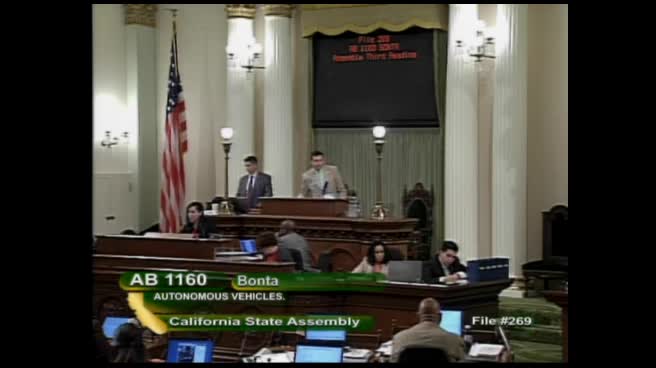 9MIN
Assembly Floor
 24MIN
Assembly Standing Committee on Appropriations
 25MIN








