AB 603: Child care: alternative payment programs: child care providers: electronic payments: notice of service changes.
- Session Year: 2017-2018
- House: Assembly
- Latest Version Date: 2017-10-12
The Child Care and Development Services Act, administered by the State Department of Education, requires the Superintendent of Public Instruction to administer child care and development programs that offer a full range of services to eligible children from infancy to 13 years of age, inclusive. The act requires the department to contract with local contracting agencies to provide for alternative payment programs, and authorizes alternative payments to be made for child care services, as provided. The act requires child care providers authorized to provide services to submit to the alternative payment program a monthly attendance record or invoice for each child who received services, as provided. Existing law requires alternative payment programs to reimburse licensed child care providers in accordance with a biennial market rate survey, as provided.
This bill would require, on or before July 1, 2019, an alternative payment program to establish a program of electronic banking for payments made to licensed or license-exempt child care providers that have a contract with that alternative payment program, as provided. The bill would require, commencing July 1, 2019, alternative payment programs to provide notice to a child care provider of any changes to service, as provided.
The Child Care and Development Services Act, administered by the State Department of Education, requires the Superintendent of Public Instruction to administer child care and development programs that offer a full range of services to eligible children from infancy to 13 years of age, inclusive. The act requires the department to contract with local contracting agencies to provide for alternative payment programs, and authorizes alternative payments to be made for child care services, as provided. The act requires child care providers authorized to provide services to submit to the alternative payment program a monthly attendance record or invoice for each child who received services, as provided. Existing law requires alternative payment programs to reimburse licensed child care providers in accordance with a biennial market rate survey, as provided.
This bill would require, on or before January July 1, 2019, the department to provide to the appropriate policy and fiscal committees of the Legislature cost estimates and system analysis for alternative payment programs to develop an electronic timesheet process for the monthly attendance record or invoices, as provided. The bill would require on or before January 1, 2019, an alternative payment program to establish a program of electronic banking for payments made to licensed or license-exempt child care providers that have a contract with that alternative payment program, as provided. The bill would require, beginning commencing July 1, 2019, alternative payment programs to provide written notice to a child care provider of any changes to service, as provided.
The Child Care and Development Services Act, administered by the State Department of Education, requires the Superintendent of Public Instruction to administer child care and development programs that offer a full range of services to eligible children from infancy to 13 years of age, inclusive. The act requires the department to contract with local contracting agencies to provide for alternative payment programs, and authorizes alternative payments to be made for child care services, as provided. The act requires child care providers authorized to provide services to submit to the alternative payment program a monthly attendance record or invoice for each child who received services, as provided. Existing law requires alternative payment programs to reimburse licensed child care providers in accordance with a biennial market rate survey, as provided.
This bill would require, on or before January 1, 2019, alternative payment programs to develop an electronic time sheet process for the monthly attendance record or invoices, as provided. The bill would require, beginning January 2, 2019, alternative payment programs to offer the electronic time sheet process to child care providers the department to provide to the appropriate policy and fiscal committees of the Legislature cost estimates and system analysis for alternative payment programs to develop an electronic timesheet process for the monthly attendance record or invoices, as provided. The bill would require on or before January 1, 2019, an alternative payment program to establish a program of electronic banking for payments made to licensed or license-exempt child care providers that have a contract with that alternative payment program, as provided. The bill would require, beginning July 1, 2019, alternative payment programs to provide written notice to a child care provider of any changes to service, as provided.
The Child Care and Development Services Act, administered by the State Department of Education, requires the Superintendent of Public Instruction to administer child care and development programs that offer a full range of services to eligible children from infancy to 13 years of age, inclusive. The act requires the department to contract with local contracting agencies to provide for alternative payment programs, and authorizes alternative payments to be made for child care services, as provided. The act requires child care providers authorized to provide services to submit to the alternative payment program a monthly attendance record or invoice for each child who received services, as provided. Existing law requires alternative payment programs to reimburse licensed child care providers in accordance with a biennial market rate survey, as provided.
This bill would require, on or before January 1, 2019, alternative payment programs to develop an electronic time sheet process for the monthly attendance record or invoices, as provided. The bill would require, beginning January 2, 2019, alternative payment programs to offer the electronic time sheet process to child care providers. The bill would require, beginning January 1, 2019, alternative payment programs to offer to reimburse the child care provider via a direct deposit transfer into the child care providers financial institution account. The bill would require on or before January 1, 2019, an alternative payment program to establish a program of electronic banking for payments made to licensed or license-exempt child care providers that have a contract with that alternative payment program, as provided. The bill would require, beginning July 1, 2018, 2019, alternative payment programs to provide written notice to a child care provider of any changes to service, as provided.
The Child Care and Development Services Act, administered by the State Department of Education, requires the Superintendent of Public Instruction to administer child care and development programs that offer a full range of services to eligible children from infancy to 13 years of age, inclusive. The act requires the department to contract with local contracting agencies to provide for alternative payment programs, and authorizes alternative payments to be made for child care services, as provided. The act requires child care providers authorized to provide services to submit to the alternative payment program a monthly attendance record or invoice for each child who received services, as provided. Existing law requires alternative payment programs to reimburse licensed child care providers in accordance with a biennial market rate survey, as provided.
This bill would require, on or before January 1, 2019, alternative payment programs to develop an electronic time sheet process for the monthly attendance record or invoices, as provided. The bill would require, beginning January 2, 2019, alternative payment programs to offer the electronic time sheet process to child care providers. The bill would require, beginning January 1, 2019, alternative payment programs to offer to reimburse the child care provider via a direct deposit transfer into the child care providers financial institution account. The bill would require, beginning July 1, 2018, alternative payment programs to provide written notice to a child care provider of any changes to service, as provided.
The Legislature finds and declares all of the following:
(a)The state has a responsibility to ensure accountability, transparency, and efficiency regarding funds allocated for the provision of subsidized child care for working families.
(b)Programs operated by the state should be cost-effective, streamlined, and simple to administer in order to ensure adequate care for children placed with child care providers, while not placing undue burdens on the child care providers.
(c)The state has a compelling interest to retain quality family day care providers, promote best practices, fiscal accountability, and reduce fraud and waste in Californias system of subsidized child care.
SEC. 2.Section 8227.2 is added to the Education Code, to read:8227.2.(a)(1)On or before July 1, 2019, an alternative payment program shall establish a program of electronic banking for payments made to licensed or license-exempt child care providers that have a contract with that alternative payment program, including, but not limited to, direct deposit. A child care provider may choose to receive payments via electronic banking at the child care providers option. The child care provider may, but is not required to, authorize payment to be directly deposited by an electronic fund transfer into the child care providers account at the financial institution of his or her choice.
(2)Nothing in this subdivision shall preclude an alternative payment program that has an electronic banking program in place before the effective date of this subdivision from continuing to require a child care provider, including child care centers and family day care homes, to accept direct deposit or another form of electronic payment after the effective date of this subdivision.
(b)An alternative payment program shall include a description of the payment to the child care provider, by child served and month of service covered by the payment.
SEC. 3.Section 8227.7 is added to the Education Code, to read:8227.7.(a)Commencing July 1, 2019, alternative payment programs shall provide notice to a child care provider of a change in reimbursement amounts for child care services, a change in the hours of care, rates, or schedules, an increase or decrease in parent fees, or a termination of services. For purposes of this section, the notice shall occur either electronically, if requested by the child care provider, or via the United States Postal Service. The alternative payment program shall provide the notice at least 14 calendar days before the effective date of the intended action.
(b)The notification shall not be deemed a violation of the parents confidentiality but as a method to ensure the proper administration of subsidy funds.
The Legislature finds and declares all of the following:
(a)The state has a responsibility to ensure accountability, transparency, and efficiency regarding funds allocated for the provision of subsidized child care for working families.
(b)Programs operated by the state should be cost-effective, streamlined, and simple to administer in order to ensure adequate care for children placed with child care providers, while not placing undue burdens on the child care providers.
(c)The state has a compelling interest to retain quality family day care providers, promote best practices, fiscal accountability, and reduce fraud and waste in Californias system of subsidized child care.
SEC. 2.Section 8227.2 is added to the Education Code, to read:8227.2.(a)(1)On or before July 1, 2019, an alternative payment program shall establish a program of electronic banking for payments made to licensed or license-exempt child care providers that have a contract with that alternative payment program, including, but not limited to, direct deposit. A child care provider may choose to receive payments via electronic banking at the child care providers option. The child care provider may, but is not required to, authorize payment to be directly deposited by an electronic fund transfer into the child care providers account at the financial institution of his or her choice.
(2)Nothing in this subdivision shall preclude an alternative payment program that has an electronic banking program in place before the effective date of this subdivision from continuing to require a child care provider, including child care centers and family day care homes, to accept direct deposit or another form of electronic payment after the effective date of this subdivision.
(b)An alternative payment program shall include a description of the payment to the child care provider, by child served and month of service covered by the payment.
SEC. 2.Section 8227.4 is added to the Education Code, to read:8227.4.On or before January 1, 2019, the department shall provide information to the appropriate policy and fiscal committees of the Legislature regarding cost estimates and system analysis for alternative payment programs to develop an electronic timesheet process for the monthly attendance record or invoices required pursuant to Section 8221.5, in order for a child care provider to record hours of care for purposes of receiving state subsidies. This information shall also include an analysis of using the method of a digital signature for both the child care provider and the parent or authorized signatory.SEC. 3.Section 8227.6 is added to the Education Code, to read:8227.6.(a)(1)On or before January 1, 2019, an alternative payment program shall establish a program of electronic banking for payments made to licensed or license-exempt child care providers that have a contract with that alternative payment program, including, but not limited to, direct deposit. A child care provider may choose to receive payments via electronic banking at the child care providers option. The child care provider may, but is not required to, authorize payment to be directly deposited by an electronic fund transfer into the child care providers account at the financial institution of his or her choice.(2)Nothing in this subdivision shall preclude an alternative payment program that has an electronic banking program in place before the effective date of this subdivision from continuing to require a child care provider, including child care centers and family day care homes, to accept direct deposit or another form of electronic payment after the effective date of this subdivision.(b)An alternative payment program shall include a description of the payment to the child care provider, by child served and month of service covered by the payment.SEC. 4.SEC. 3.Section 8227.7 is added to the Education Code, to read:8227.7.(a)Beginning Commencing July 1, 2019, alternative payment programs shall provide written notice to a child care provider of a change in eligibility reimbursement amounts for child care services, including, but not limited to, a change in the hours of care, rates, or schedules, an increase or decrease in parent fees, or a termination of services. For purposes of this section, the notice shall occur both either electronically, if requested by the child care provider, and or via the United States Postal Service. The alternative payment program shall provide the written notice at least 14 calendar days before the effective date of the intended action.
(b)The notification shall not be deemed a violation of the parents confidentiality but as a method to ensure the proper administration of subsidy funds.
The Legislature finds and declares all of the following:
(a)The state has a responsibility to ensure accountability, transparency, and efficiency regarding funds allocated for the provision of subsidized child care for working families.
(b)Programs operated by the state should be cost-effective, streamlined, and simple to administer in order to ensure adequate care for children placed with child care providers, while not placing undue burdens on the child care providers.
(c)The state has a compelling interest to retain quality family day care providers, promote best practices, fiscal accountability, and reduce fraud and waste in Californias system of subsidized child care.
SEC. 2.Section 8227.4 is added to the Education Code, to read:8227.4.(a)On or before January 1, 2019, alternative payment programs shall develop an electronic time sheet process, for the On or before January 1, 2019, the department shall provide information to the appropriate policy and fiscal committees of the Legislature regarding cost estimates and system analysis for alternative payment programs to develop an electronic timesheet process for the monthly attendance record or invoices required pursuant to Section 8221.5, in order for a child care provider to record hours of care for purposes of receiving state subsidies. The electronic time sheet process This information shall also include a an analysis of using the method for of a digital signature for both the child care provider and the parent or authorized signatory.
(b)Beginning January 2, 2019, alternative payment programs shall offer the electronic time sheet process to child care providers.(c)This section does not require a child care provider to use the electronic time sheet process. The child care provider may continue to complete a paper time sheet if he or she so chooses.SEC. 3.Section 8227.6 is added to the Education Code, to read:8227.6.(a)(1)On or before January 1, 2019, an alternative payment program shall establish a program of electronic banking for payments made to licensed or license-exempt child care providers that have a contract with that alternative payment program, including, but not limited to, direct deposit. A child care provider may choose to receive payments via electronic banking at the child care providers option. The child care provider may, but is not required to, authorize payment to be directly deposited by an electronic fund transfer into the child care providers account at the financial institution of his or her choice.
(2)Nothing in this subdivision shall preclude an alternative payment program that has an electronic banking program in place before the effective date of this subdivision from continuing to require a child care provider, including child care centers and family day care homes, to accept direct deposit or another form of electronic payment after the effective date of this subdivision.
(b)An alternative payment program shall include a description of the payment to the child care provider, by child served and month of service covered by the payment.
SEC. 4.Section 8227.7 is added to the Education Code, to read:8227.7.(a)Beginning July 1, 2019, alternative payment programs shall provide written notice to a child care provider of a change in eligibility for child care services, including, but not limited to, a change in the hours of care, rates, or schedules, an increase or decrease in parent fees, or termination of services. For purposes of this section, the notice shall occur both electronically, if requested by the child care provider, and via the United States Postal Service. The alternative payment program shall provide the written notice at least 14 calendar days before the effective date of the intended action.
(b)The notification shall not be deemed a violation of the parents confidentiality but as a method to ensure the proper administration of subsidy funds.
The Legislature finds and declares all of the following:
(a)The state has a responsibility to ensure accountability, transparency, and efficiency regarding funds allocated for the provision of subsidized child care for working families.
(b)Programs operated by the state should be cost-effective, streamlined, and simple to administer in order to ensure adequate care for children placed with child care providers, while not placing undue burdens on the child care providers.
(c)The state has a compelling interest to retain quality family day care providers, promote best practices, fiscal accountability, and reduce fraud and waste in Californias system of subsidized child care.
SECTION 1.SEC. 2.Section 8227.4 is added to the Education Code, to read:8227.4.(a)On or before January 1, 2019, alternative payment programs shall develop an electronic time sheet process, for the monthly attendance record or invoices required pursuant to Section 8221.5, in order for a child care provider to record hours of care for purposes of receiving state subsidies. The electronic time sheet process shall include a method for a digital signature for both the child care provider and the parent or authorized signatory.
(b)Beginning January 2, 2019, alternative payment programs shall offer the electronic time sheet process to child care providers.
(c)This section does not require a child care provider to use the electronic time sheet process. The child care provider may continue to complete a paper time sheet if it he or she so chooses.
SEC. 2.Section 8227.6 is added to the Education Code, to read:8227.6.Beginning January 1, 2019, alternative payment programs shall offer to reimburse the child care provider, pursuant to Section 8222, via a direct deposit transfer into the child care providers account at a financial institution. This section does not require a child care provider to accept direct deposit transfer methods.SEC. 3.Section 8227.6 is added to the Education Code, to read:8227.6.(a)(1)On or before January 1, 2019, an alternative payment program shall establish a program of electronic banking for payments made to licensed or license-exempt child care providers that have a contract with that alternative payment program, including, but not limited to, direct deposit. A child care provider may choose to receive payments via electronic banking at the child care providers option. The child care provider may, but is not required to, authorize payment to be directly deposited by an electronic fund transfer into the child care providers account at the financial institution of his or her choice.
(2)Nothing in this subdivision shall preclude an alternative payment program that has an electronic banking program in place before the effective date of this subdivision from continuing to require a child care provider, including child care centers and family day care homes, to accept direct deposit or another form of electronic payment after the effective date of this subdivision.
(b)An alternative payment program shall include a description of the payment to the child care provider, by child served and month of service covered by the payment.
SEC. 3.SEC. 4.Section 8227.7 is added to the Education Code, to read:8227.7.(a)Beginning July 1, 2018, 2019, alternative payment programs shall provide written notice to a child care provider, at the same time it notifies a parent, provider of a change in eligibility for child care services, including, but not limited to, a change in the hours of care, rates, or schedules. schedules, an increase or decrease in parent fees, or termination of services. For purposes of this section, the notice shall occur both electronically electronically, if requested by the child care provider, and via the United States Postal Service. The alternative payment program shall provide the written notice at least 14 calendar days before the effective date of the intended action.
(b)The notification shall not be deemed a violation of the parents confidentiality but as a method to ensure the proper administration of subsidy funds.
(a)On or before January 1, 2019, alternative payment programs shall develop an electronic time sheet process, for the monthly attendance record or invoices required pursuant to Section 8221.5, in order for a child care provider to record hours of care for purposes of receiving state subsidies. The electronic time sheet process shall include a method for a digital signature for both the child care provider and the parent or authorized signatory.
(b)Beginning January 2, 2019, alternative payment programs shall offer the electronic time sheet process to child care providers.
(c)This section does not require a child care provider to use the electronic time sheet process. The child care provider may continue to complete a paper time sheet if it so chooses.
SEC. 2.Section 8227.6 is added to the Education Code, to read:8227.6.Beginning January 1, 2019, alternative payment programs shall offer to reimburse the child care provider, pursuant to Section 8222, via a direct deposit transfer into the child care providers account at a financial institution. This section does not require a child care provider to accept direct deposit transfer methods.
SEC. 3.Section 8227.7 is added to the Education Code, to read:8227.7.Beginning July 1, 2018, alternative payment programs shall provide written notice to a child care provider, at the same time it notifies a parent, of a change in eligibility for child care services, including, but not limited to, a change in the hours of care, rates, or schedules. For purposes of this section, the notice shall occur both electronically and via the United States Postal Service.
|
Date
|
Status
|
|---|---|
| Oct 12, 2017 | Chaptered by Secretary of State - Chapter 706, Statutes of 2017. |
| Oct 12, 2017 | Approved by the Governor. |
| Sep 25, 2017 | Enrolled and presented to the Governor at 12 p.m. |
| Sep 14, 2017 | In Assembly. Concurrence in Senate amendments pending. |
| Sep 13, 2017 | Read third time. Passed. Ordered to the Assembly. |
| Sep 5, 2017 | Read second time. Ordered to third reading. |
| Sep 1, 2017 | From committee: Amend, and do pass as amended. (Ayes 5. Noes 2.) (September 1). |
| Aug 21, 2017 | In committee: Referred to APPR. suspense file. |
| Jul 12, 2017 | From committee: Do pass and re-refer to Com. on APPR. (Ayes 7. Noes 0.) (July 11). Re-referred to Com. on APPR. |
| Jul 5, 2017 | From committee: Do pass and re-refer to Com. on HUMAN S. (Ayes 6. Noes 0.) (July 5). Re-referred to Com. on HUMAN S. |
| Jun 26, 2017 | In committee: Set, first hearing. Hearing canceled at the request of author. |
| Jun 14, 2017 | Referred to Coms. on ED. and HUMAN S. |
| Jun 1, 2017 | In Senate. Read first time. To Com. on RLS. for assignment. |
| May 31, 2017 | Read third time. Passed. Ordered to the Senate. (Ayes 60. Noes 16. Page 1958.) |
| May 30, 2017 | Read second time and amended. Ordered returned to second reading. |
| May 26, 2017 | From committee: Amend, and do pass as amended. (Ayes 12. Noes 5.) (May 26). |
| May 17, 2017 | In committee: Set, first hearing. Referred to APPR. suspense file. |
| Apr 5, 2017 | From committee: Do pass and re-refer to Com. on APPR. (Ayes 7. Noes 0.) (April 4). Re-referred to Com. on APPR. |
| Mar 30, 2017 | Re-referred to Com. on HUM. S. |
| Mar 29, 2017 | From committee chair, with author's amendments: Amend, and re-refer to Com. on HUM. S. Read second time and amended. |
| Mar 21, 2017 | In committee: Set, first hearing. Hearing canceled at the request of author. |
| Feb 27, 2017 | Referred to Com. on HUM. S. |
| Feb 15, 2017 | From printer. May be heard in committee March 17. |
| Feb 14, 2017 | Read first time. To print. |
|
Date
|
Description
|
Location
|
Votes
|
|
|---|---|---|---|---|
| Sep 14, 2017 | AB 603 Quirk-Silva Concurrence in Senate Amendments | Assembly Floor |
Passed |
|
| Sep 13, 2017 | Assembly 3rd Reading AB603 Quirk-Silva By McGuire | Senate Floor |
Passed |
|
| Sep 1, 2017 | Do pass as amended | Senate Standing Committee on Appropriations |
Passed |
|
| Aug 21, 2017 | Placed on suspense file | Senate Standing Committee on Appropriations |
Passed |
|
| Jul 11, 2017 | Do pass, but first be re-referred to the Committee on [Appropriations] | Senate Standing Committee on Human Services |
Passed |
|
| Jul 5, 2017 | Do pass, but first be re-referred to the Committee on [Human Services] | Senate Standing Committee on Education |
Passed |
|
| May 31, 2017 | AB 603 QUIRK-SILVA Assembly Third Reading | Assembly Floor |
Passed |
|
| May 26, 2017 | Do pass as amended. | Assembly Standing Committee on Appropriations |
Passed |
|
| Apr 4, 2017 | Do pass and be re-referred to the Committee on [Appropriations] | Assembly Standing Committee on Human Services |
Passed |
This list shows positions taken on this bill by organizations on the date displayed, which is linked to the original source.
Positions by individuals are not included.
CONCURRENCE IN SENATE AMENDMENTS
CSA1 Bill Id:AB 603
Author:(Quirk-Silva)
As Amended Ver:September 1, 2017
Majority vote
ASSEMBLY: | 60-16 | (May 31 2017) | SENATE: | 40-0 | (September 13, 2017) |
Original Committee Reference: HUM. S.
SUMMARY: Requires alternative payment programs (APPs) to establish a program of electronic banking for child care providers and to send notice to a provider of changes in specified factors related to child care services and rates.
Specifically, this bill:
- Makes Legislative findings and declarations related to the importance of ensuring, among other things, the transparency, efficiency, and ease of operation of the state's subsidized child care system.
- Requires an APP, by July 1, 2019, to establish a program of electronic banking that includes, but is not limited to, direct deposit for payments made to licensed or license-exempt child care providers, to be used if a provider so chooses, as specified.
- Stipulates that the provisions of this bill requiring APPs to establish a program of electronic banking by July 1, 2019, shall not preclude an APP that has such a program prior to that date from requiring child care centers and family day care homes from accepting direct deposit or another form of electronic payment, as specified.
- Requires an APP to include a description of the payment to the child care provider by child served and month of service covered by the payment.
- Requires an APP, beginning July 1, 2019, to provide notice to a child care provider of a change in reimbursement amounts for child care and other specified factors either electronically, if requested by the provider, or through the United States Postal Service at least 14 calendar days before the effective date of the intended action and further, requires that this notification not be deemed a violation of the parent's confidentiality, as specified.
The Senate amendments:
- Remove language requiring the California Department of Education (CDE), by January 1, 2019, to provide information to the appropriate Legislative committees on cost estimates and system analysis for APPs to develop an electronic timesheet process for monthly attendance record or invoices, as specified.
- Delay the date by which an APP must establish a program of electronic banking by six months from January 1, 2019 to July 1, 2019.
- Change the requirements regarding the notice an APP must provide to a child care provider by:
- Deleting the requirement that the notice be provided in writing;
- Requiring that the child care provider be notified of a change in reimbursement amounts and other specified factors (such as rates or schedules) – versus a change in eligibility, as in the previous version of the bill – for child care services; and
- Deleting the requirement that the notice be provided both electronically, if requested by the child care provider, and through the United States Postal Service, and instead requiring that the notice be provided either electronically or through the postal service, as specified.
- Make technical changes.
EXISTING LAW:
- Establishes the California Child Care and Developmental Services Act (CCDSA) for the purpose of providing a comprehensive, coordinated, and cost-effective system of child care and development services, as specified, for children from infancy to 13 years of age, and their parents, through full- and part-time programs. (Education Code (EDC) 8200 et seq.)
- States the intent of the Legislature that all families have access to child care and development services, as specified, regardless of ethnic status, cultural background, or special needs, and the intent that subsidized child care and development services be provided to eligible families, to the extent funding is available. (EDC 8202)
- Defines "alternative payments" to include payments made by one child care agency to another agency or provider for the provision of child care and development services, and payments that are made by an agency to a parent for the parent's purchase of child care and development services. (EDC 8208(a))
- Defines "alternative payment program" (APP) as a local government agency or nonprofit organization that has contracted with the California Department of Education (CDE), as specified, to provide alternative payments and to provide support services to parents and providers. (EDC 8208(b))
- Authorizes the use of child care and development funds for APPs in order to maximize parental choice in selecting an appropriate child care setting, and established requirements regarding APPs, as specified. (EDC 8220 et seq.)
- Requires CDE to contract with local contracting agencies for APPs in order that services can be provided throughout the state, as specified. (EDC 8220.1(a))
- Requires child care providers authorized to provide services using alternative payments to submit to the APP a monthly attendance record or invoice for each child who received services that contains specified information. (EDC 8221.5)
- Requires families to meet certain criteria in order to be eligible for federal and state subsidized child development services, including that a family must be either a current aid recipient, income eligible, homeless, or one whose children are recipients of protective services or have been identified as being abused, or neglected, as specified. Further requires that families establish need for subsidized child care services which can include that a child has been identified by specified entities as homeless or being, or at risk of being, abused, neglected or exploited, or that the parents are engaged in specified training or employment, seeking employment, seeking permanent housing, or incapacitated. (EDC 8263(a))
- Grants first priority for federal and state subsidized child development services to children who are recipients of child protective services or who are at risk of being neglected or abused, and grants second priority equally to eligible families who are income eligible with the requirement that families with the lowest gross monthly income in relation to family size are admitted first, as specified. (EDC 8263(b))
FISCAL EFFECT: According to the Senate Appropriations Committee on September 1, 2017, this bill may result in the following costs:
- CDE estimates one-time General Fund costs of approximately $60,000 to develop a new Management Bulletin necessary to inform APPs of the new requirements; and
- This bill is likely to create additional, unknown costs for APPs to develop an electronic timesheet process and establish electronic banking procedures. Currently, APP program contractors are limited to 17.5% of total contract amounts for administrative support costs, the majority of which is used for staffing. There could be pressure for the state to increase the existing cap on the administrative support allowance.
COMMENTS:
Subsidized child care: California's subsidized child care system is designed to provide assistance to parents and guardians who are working, in training, seeking employment, incapacitated, or in need of respite. This child care is available through a number of programs; additionally, California offers State Preschool Programs to eligible three-and four-year-olds.
Parents participating in California Work Opportunity and Responsibility to Kids (CalWORKs), as well as families transitioning off of and no longer receiving CalWORKs aid, can be eligible for child care, which is offered in three "stages." The Department of Social Services (DSS) administers Stage 1, and the California Department of Education (CDE) administers Stages 2 and 3. CDE also administers non-CalWORKs child care. The largest programs are: General Child Care, which includes contracted centers and family child care homes; the California State Preschool Program, which provides developmentally, culturally, and linguistically appropriate curriculum to eligible three- and four-year olds; and APPs, which provide vouchers that can be used to obtain child care in a center, family child care home, or from a license-exempt provider. Waitlists for non-CalWORKs child care are common.
Certain eligibility and prioritization rules apply to subsidized child care in California. Families are eligible for non-CalWORKs subsidized child care if they meet at least one requirement in each of two areas: eligibility and need. First, they must meet one of the eligibility criteria, which are: currently receiving aid, being income-eligible, being homeless, or having children who are recipients of protective services or who have been identified as being, or at risk of being, abused, neglected, or exploited. Secondly, the family must meet one of the "need" requirements: either the child has to have been identified by a legal, medical, or social services agency or emergency shelter as being a recipient of protective services or being (or at risk of being) abused, neglected or exploited, or the parents need to be employed or seeking employment, engaged in vocational training, seeking permanent housing for family stability, or incapacitated.
Alternative Payment Programs (APPs): APPs do not provide direct child development services or programs; instead, they assist families in arranging child care services and make payments directly to the child care provider selected by the family. As of 2015-16, 76 APPs contracted with CDE: 50 community-based organizations, 14 county offices of education, and 12 other local government entities (such as county welfare departments or school districts). These programs receive state and federal funds to provide a variety of supports and payment services that enable eligible low-income families to access subsidized child care using vouchers. More broadly, APPs are charged with increasing parental choice in child care and addressing the individual needs of the families they serve.
Families who are participating in welfare-to-work activities under the CalWORKs program or who are low-income but do not qualify for CalWORKs receive a voucher from an APP and will then typically be referred to a local child care resource and referral (R&R) network. The R&R network, also funded through state and federal dollars, will assist a family by helping identify and access the appropriate and desired child development program for the child or children. Child care vouchers can be used to access child care at a licensed center or family child care home or from a license-exempt child care provider who meets certain criteria, including passing a background screening. However, due to a lack of state resources and budget cuts, access to programs able to accept vouchers is limited. Should a family be unable to find appropriate care, they will be placed on a waiting list, if one is available. According to the Legislative Analyst's Office (LAO), the total 2015-16 caseload for APPs was 116,825.
Need for this bill: According to the author, "[This bill] would expedite payment to family child care providers by requiring Alternative Payment Programs (APPs) to offer…direct deposit. This bill would also require APPs to notify family child care providers at the same time that parents are notified of any change in the hours of care, rates, or schedule so that providers do not work hours for which they will not be paid."
PRIOR AND RELATED LEGISLATION:
AB 1106 (Weber) of the current legislative session, requires an APP to have no less than 36 months to expend allocated funds. This bill is on the Senate Floor.
AB 1712 (Obernolte), Chapter 324, Statutes of 2016, authorized child care contractors to use digital signatures and required that those signatures have the same force and effect as manual signatures, as specified.
AB 271 (Obernolte), Chapter 476, Statutes of 2015, expanded the existing authority of APPs and child care providers to use electronic methods for storage of documents or records and use of digital signatures pursuant to current state standards.
Analysis Prepared by: Daphne Hunt / HUM. S. / (916) 319-2089 FN: 0002352
Office of Senate Floor Analyses (916) 651-1520 Fax: (916) 327-4478 | AB |
THIRD READING
Bill No: AB 603
:
SENATE EDUCATION COMMITTEE: 6-0, 7/5/17
AYES: Allen, Wilk, Galgiani, Leyva, Pan, Vidak
NO VOTE RECORDED: Mendoza
SENATE HUMAN SERVICES COMMITTEE: 7-0, 7/11/17
AYES: Wiener, Berryhill, Glazer, Leyva, McGuire, Nguyen, Portantino
SENATE APPROPRIATIONS COMMITTEE: 5-2, 9/1/17
AYES: Lara, Beall, Bradford, Hill, Wiener
NOES: Bates, Nielsen
ASSEMBLY FLOOR: 60-16, 5/31/17 - See last page for vote
SOURCE: United Domestic Workers of America – American Federation of
State, County, and Municipal Employees Local 3930
DIGEST:
This bill requires, by January 1, 2019, alternative payment programs (APPs) to establish a program of electronic banking for child care providers, and to provide notice to a child care provider of changes in reimbursement amounts for child care services, a change in the hours of car, rate, or schedules, an increase or decrease in parent fees, or a termination of services.
Existing law:
- Establishes the California Child Care and Developmental Services Act for the purpose of providing a comprehensive, coordinated, and cost-effective system of child care and development services, as specified, for children from infancy to 13 years of age, and their parents, through full- and part-time programs. (Education Code (EC) § 8200 et seq.)
- States the intent of the Legislature that all families have access to child care and development services, as specified, regardless of ethnic status, cultural background, or special needs, and the intent that subsidized child care and development services be provided to eligible families, to the extent funding is available. (EC § 8202)
- Defines “alternative payments” to include payments made by one child care agency to another agency or provider for the provision of child care and development services, and payments that are made by an agency to a parent for the parent's purchase of child care and development services.
(EC § 8208 (a)) - Defines “APP” as a local government agency or nonprofit organization that has contracted with the California Department of Education (CDE), as specified, to provide alternative payments and to provide support services to parents and providers. (EC § 8208 (b))
- Authorizes the use of child care and development funds for APPs in order to maximize parental choice in selecting an appropriate child care setting, and established requirements regarding APPs, as specified. (EC § 8220 et seq.)
- Requires CDE to contract with local contracting agencies for APPs in order that services can be provided throughout the state, as specified.
(EC § 8220.1 (a)) - Requires child care providers authorized to provide services using alternative payments to submit to the APP a monthly attendance record or invoice for each child who received services that contain specified information. (EC § 8221.5)
- Requires families to meet certain criteria in order to be eligible for federal and state subsidized child development services, including that a family must be either a current aid recipient, income eligible, homeless, or one whose children are recipients of protective services or have been identified as being abused, or neglected, as specified. Further requires that families establish need for subsidized child care services which can include that a child has been identified by specified entities as homeless or being, or at risk of being, abused, neglected or exploited, or that the parents are engaged in specified training or employment, seeking employment, seeking permanent housing, or incapacitated. (EC § 8263 (a))
- Grants first priority for federal and state subsidized child development services to children who are recipients of child protective services or who are at risk of being neglected or abused, and grants second priority equally to eligible families who are income eligible with the requirement that families with the lowest gross monthly income in relation to family size are admitted first, as specified. (EC § 8263 (b))
This bill:
- Requires, by January 1, 2019, an APP to establish a program of electronic banking for payments made to licensed or license-exempt child care providers that have a contract with that APP, including but not limited to, direct deposit.
- Authorizes a child care provider to choose to receive payments via electronic banking at the child care provider’s option.
- Authorizes but does not require the child care provider to allow payment to be directly deposited by an electronic fund transfer into the child care provider’s account at the financial institution of his or her choice.
- Specifies that nothing in this bill shall preclude an APP that has an electronic banking program in place before January 1, 2019, from continuing to require a child care provider (including child care centers and family day care homes) to accept direct deposit or another form of electronic payment after January 1, 2019.
- Requires an APP to include a description of the payment to the child care provider, by child served and month of service covered by the payment.
- Requires, commencing July 1, 2019, APPs to provide notice to a child care provider of a change in reimbursement amounts for child care services, a change in the hours of car, rate, or schedules, an increase or decrease in parent fees, or a termination of services.
- Requires the notice provided to a child care provider to occur either electronically, if requested by the child care provider, or via the United States Postal Service, and within 14 days before the effective date. This bill further requires this notification not to be deemed a violation of the parent’s confidentiality but as a method to ensure the proper administration of subsidy funds.
Comments
- Subsidized child care programs. State-subsidized child care may be available to families that meet certain eligibility requirements. Families may be eligible for state-subsidized child care through participation in CalWORKs or based on income and need for child care services, including state preschool. Income eligibility for families that are not current recipients of CalWORKs is established at 70 percent of the state median income as calculated in 2007-2008 ($42,216 for a family of three) or if they are recipients of child protective services and if they can show the need for child care services.
The three main types of subsidized child care programs include: California Work Opportunity and Responsibility to Kids (CalWORKS) child care, APPs and General Child Care. General Child Care offers child care and education/development services through contracted child care centers and family child care home networks that are administered through public or private agencies, while child care administered by California Work Opportunity and Responsibility to Kids (CalWORKS) and APP is offered through a voucher system, the voucher can be used at a licensed center, licensed-exempt provider or a family child care home.
- Alternative Payment Programs (APPs). As one of three types of subsidized child care programs, APPs are funded with state and federal funds, and offer a variety of child care options for parents, such as license-exempt care, family childcare, and center-based care. APP agencies administer CalWORKs Stage 2, Stage 3, and the APP (i.e. eligible working poor). APPs do not provide direct child care development services, instead, they help families arrange child care services and make “voucher-style” payments for those services directly to the child care provider selected by the family. APPs also collect fees from certain families, ensure families and providers comply with state rules and regulations and create and maintained detailed records about each family and provider. Voucher programs by allowing families to choose a provider increase parental choice and accommodate the individual needs of the family. Operational costs for APP agencies’ are reimbursed through the “administrative and support rate,” which provides them with 17.5 percent of total contract amounts.
- Heard in the Senate Human Services Committee. This bill was heard in the Senate Education and Human Services committees. Please refer to those committees’ policy analyses for additional information.
FISCAL EFFECT: Appropriation: Fiscal Com.: Local:
According to the Senate Appropriations Committee:
- The CDE estimates one-time General Fund costs of approximately $60,000 to develop a new Management Bulletin necessary to inform APPs of the new requirements.
- This bill is likely to create additional, unknown costs for APPs to develop an electronic timesheet process and establish electronic banking procedures. Currently, APP program contractors are limited to 17.5 percent of total contract amounts for administrative support costs, the majority of which is used for staffing. There could be pressure for the state to increase the existing cap on the administrative support allowance.
United Domestic Workers of America – American Federation of State, County,
and Municipal Employees Local 3930 (source)
American Federation of State, County, and Municipal Employees, AFL-CIO
California Labor Federation
None received
ASSEMBLY FLOOR: 60-16, 5/31/17
AYES: Aguiar-Curry, Arambula, Baker, Berman, Bloom, Bocanegra, Bonta, Burke, Caballero, Calderon, Cervantes, Chau, Chávez, Chiu, Chu, Cooley, Cooper, Dababneh, Daly, Flora, Frazier, Friedman, Cristina Garcia, Eduardo Garcia, Gipson, Gloria, Gomez, Gonzalez Fletcher, Gray, Grayson, Holden, Irwin, Jones-Sawyer, Kalra, Levine, Limón, Low, Maienschein, McCarty, Medina, Mullin, Muratsuchi, Nazarian, O'Donnell, Quirk, Quirk-Silva, Reyes, Ridley-Thomas, Rodriguez, Rubio, Salas, Santiago, Steinorth, Mark Stone, Thurmond, Ting, Voepel, Weber, Wood, Rendon
NOES: Acosta, Travis Allen, Bigelow, Brough, Cunningham, Dahle, Fong, Gallagher, Harper, Kiley, Lackey, Mathis, Mayes, Obernolte, Patterson, Waldron
NO VOTE RECORDED: Chen, Choi, Eggman, Melendez
9/3/17 17:41:16
**** END ****
SENATE COMMITTEE ON APPROPRIATIONS
Senator Ricardo Lara, Chair
2017 - 2018 Regular Session
AB 603 (Quirk-Silva) - Child care: alternative payment programs: child care providers
Version: May 30, 2017 | Policy Vote: ED. 6 - 0, HUMAN S. 7 - 0 |
Urgency: No | Mandate: No |
Hearing Date: September 1, 2017 | Consultant: Lenin Del Castillo |
Bill Summary:
This bill requires alternative payment programs (APPs) to establish a program of electronic banking for child care providers and to provide written notice to a provider of changes in reimbursement amounts.
*********** ANALYSIS ADDENDUM – SUSPENSE FILE ***********
The following information is revised to reflect amendments
adopted by the committee on September 1, 2017
Fiscal Impact:
- The CDE estimates one-time General Fund costs of approximately $60,000 to develop a new Management Bulletin necessary to inform APPs of the new requirements.
- This bill is likely to create additional, unknown costs for APPs to develop an electronic timesheet process and establish electronic banking procedures. Currently, APP program contractors are limited to 17.5 percent of total contract amounts for administrative support costs, the majority of which is used for staffing. There could be pressure for the state to increase the existing cap on the administrative support allowance.
Author Amendments:
Remove the requirement for CDE to provide information to the Legislature regarding cost estimates and system analysis for APPs to develop an electronic timesheet process and make other clarifying changes.
-- END --
SENATE COMMITTEE ON APPROPRIATIONS
Senator Ricardo Lara, Chair
2017 - 2018 Regular Session
AB 603 (Quirk-Silva) - Child care: alternative payment programs: child care providers
Version: May 30, 2017 | Policy Vote: ED. 6 - 0, HUMAN S. 7 - 0 |
Urgency: No | Mandate: No |
Hearing Date: August 21, 2017 | Consultant: Lenin Del Castillo |
This bill meets the criteria for referral to the Suspense File.
Bill Summary:
This bill requires the California Department of Education (CDE) to provide information to the Legislature regarding cost estimates and system analysis for alternative payment programs (APPs) to develop an electronic timesheet process. This bill also requires APPs to establish a program of electronic banking for providers and to provide written notice to a child care provider of changes in recipient eligibility.
Fiscal Impact:
- The CDE estimates one-time General Fund costs of approximately $60,000 to develop a new Management Bulletin necessary to inform APPs of the new requirements.
- This bill is likely to create additional, unknown costs for APPs to develop an electronic timesheet process and establish electronic banking procedures. Currently, APP program contractors are limited to 17.5 percent of total contract amounts for administrative support costs, the majority of which is used for staffing. There could be pressure for the state to increase the existing cap on the administrative support allowance.
Background:
Existing law establishes the California Child Care and Developmental Services Act for the purpose of providing a comprehensive, coordinated, and cost-effective system of child care and development services, as specified, for children from infancy to 13 years of age, and their parents, through full- and part-time programs. Further, existing law states the intent of the Legislature that all families have access to child care and development services, as specified, regardless of ethnic status, cultural background, or special needs, and the intent that subsidized child care and development services be provided to eligible families, to the extent funding is available.
Existing law defines "alternative payments" to include payments made by one child care agency to another agency or provider for the provision of child care and development services, and payments that are made by an agency to a parent for the parent's purchase of child care and development services. It also defines "APP" as a local government agency or nonprofit organization that has contracted with the CDE, as specified, to provide alternative payments and to provide support services to parents and providers.
Existing law authorizes the use of child care and development funds for APPs in order to maximize parental choice in selecting an appropriate child care setting, and established requirements regarding APPs, as specified. It requires the CDE to contract with local contracting agencies for APPs in order that services can be provided throughout the state, as specified. Child care providers authorized to provide services using alternative payments are required to submit to the APP a monthly attendance record or invoice for each child who received services that contain specified information.
Proposed Law:
This bill requires the CDE, by January 1, 2019, to provide information to the Legislature regarding cost estimates and system analysis for APPs to develop an electronic timesheet process for monthly attendance records or invoices, in order for a child care provider to record hours of care for purposes of receiving state subsidies. The information shall include an analysis of using the method of a digital signature for both the child care provider and the parent or authorized signatory.
Further, this bill requires an APP, by January 1 2019, to establish a program of electronic banking for payments made to licensed or license-exempt child care providers that have a contract with that APP, as specified.
This bill authorizes a child care provider to receive payments via electronic banking at the child care provider’s option, and also authorizes the child care provider to allow payment to be directly deposited by an electronic fund transfer into the child care provider’s account at the financial institution of his or her choice.
This bill specifies that the provision requiring APPs to establish a program of electronic banking shall not preclude an APP that has such a program prior to that date from requiring child care centers and family day care homes from accepting direct deposit or another form of electronic payment, as specified.
This bill requires an APP to include a description of the payment to the child care provider, as specified. Further, this bill requires APPs, commencing July 1, 2019, to provide written notice to a child care provider of a change in eligibility for child care services, as specified. This bill specifies that the written notice provided to a child care provider occur both electronically and mailed, as specified and within 14 days before the effective date and further requires that this notification not be deemed a violation of the parent’s confidentiality, as specified.
Related Legislation:
AB 1106 (Weber, 2017), requires an APP to have no less than 36 months to expend allocated funds and excludes all or part of the basic allowance for housing provided to specified military personnel from counting as income for purposes of determining eligibility for child care and development programs. This bill will also be heard by this Committee on August 21, 2017.
AB 1712 (Obernolte, Chapter 324, Statutes of 2016) authorized child care contractors to use digital signatures and required that those signatures have the same force and effect as manual signatures, as specified.
AB 271 (Obernolte, Chapter 476, Statutes of 2015) expanded the existing authority of APPs and child care providers to use electronic methods for storage of documents or records and use of digital signatures pursuant to current state standards.
-- END --
SENATE COMMITTEE ON HUMAN SERVICES
Senator Wiener, Chair
2017 - 2018 Regular
Bill No: AB 603
Author: | Quirk-Silva | ||
Version: | May 30, 2017 | Hearing Date: | July 11, 2017 |
Urgency: | No | Fiscal: | Yes |
Consultant: | Taryn Smith | ||
Subject: Child care: alternative payment programs: child care providers
SUMMARY
This bill requires the California Department of Education (CDE) to provide the Legislature with cost estimates and system analysis for alternative payment programs (APPs) to develop an electronic timesheet process for the monthly attendance records or invoices submitted by child care providers. The bill requires an APP to establish a program of electronic banking for making payments to child care providers, and to provide written notice to a child care provider of any changes to service, as specified.
ABSTRACT
Existing law:
- Establishes the California Child Care and Developmental Services Act for the purpose of providing a comprehensive, coordinated, and cost-effective system of child care and development services for children from infancy to 13 years of age, and their parents, through full- and part-time programs. (EDC 8200 et seq.)
- States the intent of the Legislature that all families have access to child care and development services, as specified, regardless of ethnic status, cultural background, or special needs, and the intent that subsidized child care and development services be provided to eligible families, to the extent funding is available. (EDC 8202)
- Defines "alternative payments" to include payments made by one child care agency to another agency or provider for the provision of child care and development services, and payments that are made by an agency to a parent for the parent's purchase of child care and development services. (EDC 8208 (a))
- Defines "alternative payment program" (APP) as a local government agency or nonprofit organization that has contracted with the California Department of Education (CDE), as specified, to provide alternative payments and to provide support services to parents and providers. (EDC 8208 (b))
- Authorizes the use of child care and development funds for APPs in order to maximize parental choice in selecting an appropriate child care setting, and established requirements regarding APPs, as specified. (EDC 8220 et seq.)
- Requires CDE to contract with local contracting agencies for APPs in order that services can be provided throughout the state, as specified. (EDC 8220.1 (a))
- Requires child care providers authorized to provide services using alternative payments to submit to the APP a monthly attendance record or invoice for each child who received services that contains specified information. (EDC 8221.5)
- Requires families to meet certain criteria in order to be eligible for federal and state subsidized child development services, including that a family must be either a current aid recipient, income eligible, homeless, or one whose children are recipients of protective services or have been identified as being abused, or neglected, as specified. Further requires that families establish need for subsidized child care services which can include that a child has been identified by specified entities as homeless or being, or at risk of being, abused, neglected or exploited, or that the parents are engaged in specified training or employment, seeking employment, seeking permanent housing, or incapacitated. (EDC 8263 (a))
- Grants first priority for federal and state subsidized child development services to children who are recipients of child protective services or who are at risk of being neglected or abused, and grants second priority equally to eligible families who are income eligible with the requirement that families with the lowest gross monthly income in relation to family size are admitted first, as specified. (EDC 8263 (b))
- Defines “child day care facility” to mean a facility that provides nonmedical care to children under 18 years of age in need of personal services, supervision, or assistance essential for sustaining the activities of daily living or for the protection of the individual on less than a 24-hour basis. Child day care facility includes day care centers, employer-sponsored child care centers, and family day care homes. (HSC 1596.750)
This bill:
- Makes Legislative findings and declarations that:
- The state has a responsibility to ensure accountability, transparency, and efficiency regarding funds allocated for the provision of subsidized child care for working families;
- Programs operated by the state should be cost-effective, streamlined, and simple to administer in order to ensure adequate care for children placed with child care providers, while not placing undue burdens on the child care providers; and
- The state has a compelling interest to retain quality family day care providers, promote best practices, fiscal accountability, and reduce fraud and waste in California’s system of subsidized child care.
Requires CDE, on or before January 1, 2019, to provide a report to the Legislature regarding cost estimates and system analysis for APPs to develop an electronic timesheet process for the monthly attendance record or invoices in order for a child care provider to record hours of care for purposes of receiving state subsidies, as specified.
- Requires an APP, on or before January 1, 2019, to establish a program of electronic banking for payments made to licensed or license-exempt child care providers that have a contract with that APP, including, but not limited to, direct deposit.
- Permits a child care provider to choose to receive payments via electronic banking at the child care provider’s option and permits, but does not require, the child care provider to authorize payment to be directly deposited by an electronic fund transfer into the child care provider’s account at the financial institution of his or her choice.
- Provides that nothing in this subdivision shall preclude an APP that has an electronic banking program in place before the effective date of the requirement for such a program from continuing to require a child care provider, including child care centers and family day care homes, to accept direct deposit or another form of electronic payment after the effective date of this requirement.
- Requires an APP to include a description of the payment to the child care provider, by child served and month of service covered by the payment.
- Requires APPs, beginning July 1, 2019, to provide written notice to a child care provider of a change in eligibility for child care services, including, but not limited to, a change in the hours of care, rates, or schedules, an increase or decrease in parent fees, or termination of services, as specified
FISCAL IMPACT
According to the Assembly Floor Analysis, this bill may result in the following costs:
- Onetime costs of approximately $60,000 (General Fund) to CDE to update documents and develop a Management Bulletin to inform APPs of the new requirements;
- Ongoing cost pressures to fund the APP requirements. APP contractors are limited to 17.5 percent of contract amount for administration and support costs, the majority of which is used to cover staffing costs. This bill provides no additional funding for the new requirements; and
- Unknown costs to CDE to provide the required cost estimates and analysis regarding an electronic timesheet process.
BACKGROUND AND DISCUSSION
Purpose of the bill:
Family child care providers report hours worked and receive payments from APPs. Most often this paperwork is submitted via US Mail. AB 603 proposes to take steps towards modernizing and expediting payments by requiring CDE to perform a cost estimate and systems analysis of creating an electronic timesheet and by requiring APPs to adopt an electronic payment method.
According to the author, sometimes parents of children receiving subsidized child care do not tell their providers that their eligibility status has changed. When this occurs, “Family child care providers can lose thousands of dollars in wages when they continue to provide care without having this information.” This bill would also require APPs to notify family child care providers at the same time that parents are notified of any change in the hours of care, rates, or schedule.
Subsidized child care
California’s subsidized child care programs are intended to serve two primary purposes: 1) enable low-income families to work, and 2) improve low-income children’s cognitive and educational development. According to the California Budget and Policy Center, child care subsidies provide job stability and have been shown to increase parents’ earnings. Subsidies also allow families to afford higher-quality child care where their children can learn and grow.
California provides child care subsidies to some low-income families, including those participating in CalWORKs. Generally, CalWORKs participants are eligible to receive subsidized child care if they are employed or if they are participating in approved Welfare to Work activities. Non-CalWORKs families are may receive subsidized child care if they meet eligibility and need requirements.
There are three main types of subsidized child care programs: California Work Opportunity and Responsibility to Kids (CalWORKS) child care, APPs and General Child Care. General Child Care offers child care and education/development services through contracted child care centers and family child care home networks that are administered through public or private agencies. CalWORKS and APPs child care is offered through a voucher system, and the voucher can be used at a licensed center, licensed-exempt provider or a family child care home.
Alternative Payment Agencies / Alternative Payment Programs
APPs (referred to in some places in statute as alternative payment agencies) provide eligible low-income families with subsidies to help pay for child care. They act as the fiscal intermediary for families, reimbursing child care providers for their services.
During Fiscal Year 2015-16, 76 APPs contracted with the CDE, including 50 community-based organizations, 14 county offices of education, and 12 other local government entities (such as county welfare departments or school districts). California’s APPs support more than 317,000 children and 160,000 families. In Fiscal Year 2016-17, APPs received a total of $999 million to operate these programs — $824 million to pay child care providers on behalf of parents and $175 million for their operational costs.
Using state and federal funds, APPs make “voucher-style” payments directly to the child care provider that is selected by the family. As part of their voucher-related administrative duties, AP agencies collect fees from certain families, ensure families and providers are complying with state rules and regulations and create and maintain detailed records about each family and provider.
Child care providers contract with APPs to provide care, protection and supervision of children in their own homes. Providers are required to submit monthly attendance sheets, which are signed by the provider and the parent, to the APPs. There is no statewide method for reporting time worked. They are typically mailed or hand carried to the APP offices. Some APPs offer direct deposit, but most mail checks to the providers.
APPs must send parents a notice of action whenever their eligibility for child care subsidies changes. However, APPs are not required to inform the child care provider of changes in family eligibility even though these changes directly impact their ability to be paid for their services. According to author, parent sometimes do not notify providers that the families’ eligibility has changed and the provider learns of the change in status when expected payment for services is not received.
Related legislation:
AB 1106 (Weber, 2017), requires an APP to have no less than 36 months to expend allocated funds and excludes all or part of the basic allowance for housing provided to specified military personnel from counting as income for purposes of determining eligibility for child care and development programs. This bill is scheduled to be heard in this committee on July 11, 2017.
AB 1712 (Obernolte, Chapter 324, Statutes of 2016) authorized child care contractors to use digital signatures and required that those signatures have the same force and effect as manual signatures, as specified.
AB 271 (Obernolte, Chapter 476, Statutes of 2015) expanded the existing authority of APPs and child care providers to use electronic methods for storage of documents or records and use of digital signatures pursuant to current state standards.
PRIOR VOTES
Senate Education Committee: | 6 - 0 |
Assembly Floor: | 60 - 16 |
Assembly Appropriations Committee: | 12 - 5 |
Assembly Human Services Committee: | 7 - 0 |
POSITIONS
Support:
UDW/AFSCME Local 3930 (Sponsor )
AFSCME
Oppose:
None received.
-- END --
SENATE COMMITTEE ON EDUCATION
Senator Benjamin Allen, Chair
2017 - 2018 Regular
Bill No: AB 603 Hearing Date: July 5, 2017
Author: | Quirk-Silva | ||
Version: | May 30, 2017 | ||
Urgency: | No | Fiscal: | Yes |
Consultant: | Olgalilia Ramirez | ||
Subject: Child care: alternative payment programs: child care providers
NOTE: This bill has been referred to the Committees on Education and Human Services. A "do pass" motion should include referral to the Committee on Human Services.
SUMMARY
This bill requires the California Department of Education (CDE) to provide information to the Legislature regarding cost estimates and system analysis for alternative payment programs (APP) to develop an electronic timesheet process and requires APPs to establish a program of electronic banking for providers and to provide written notice to a child care provider of changes in recipient eligibility.
BACKGROUND
- Establishes the California Child Care and Developmental Services Act (CCDSA) for the purpose of providing a comprehensive, coordinated, and cost-effective system of child care and development services, as specified, for children from infancy to 13 years of age, and their parents, through full- and part-time programs. (Education Code (EC) § 8200 et seq.)
- States the intent of the Legislature that all families have access to child care and development services, as specified, regardless of ethnic status, cultural background, or special needs, and the intent that subsidized child care and development services be provided to eligible families, to the extent funding is available. (EC § 8202)
- Defines "alternative payments" to include payments made by one child care agency to another agency or provider for the provision of child care and development services, and payments that are made by an agency to a parent for the parent's purchase of child care and development services. (EC § 8208 (a))
- Defines "APP" as a local government agency or nonprofit organization that has contracted with the CDE, as specified, to provide alternative payments and to provide support services to parents and providers. (EC § 8208 (b))
- Authorizes the use of child care and development funds for APPs in order to maximize parental choice in selecting an appropriate child care setting, and established requirements regarding APPs, as specified. (EC § 8220 et seq.)
- Requires California Department of Education (CDE) to contract with local contracting agencies for alternative payment programs (APPs) in order that services can be provided throughout the state, as specified. (EC § 8220.1 (a))
- Requires child care providers authorized to provide services using alternative payments to submit to the APP a monthly attendance record or invoice for each child who received services that contain specified information. (EC § 8221.5)
- Requires families to meet certain criteria in order to be eligible for federal and state subsidized child development services, including that a family must be either a current aid recipient, income eligible, homeless, or one whose children are recipients of protective services or have been identified as being abused, or neglected, as specified. Further requires that families establish need for subsidized child care services which can include that a child has been identified by specified entities as homeless or being, or at risk of being, abused, neglected or exploited, or that the parents are engaged in specified training or employment, seeking employment, seeking permanent housing, or incapacitated. (EC § 8263 (a))
- Grants first priority for federal and state subsidized child development services to children who are recipients of child protective services or who are at risk of being neglected or abused, and grants second priority equally to eligible families who are income eligible with the requirement that families with the lowest gross monthly income in relation to family size are admitted first, as specified. (EC § 8263 (b))
ANALYSIS
This bill:
- Requires, by January 1, 2019, the CDE to provide information to the Legislature regarding cost estimates and system analysis for APPs to develop an electronic timesheet process for monthly attendance records or invoices, in order for a child care provider to record hours of care for purposes of receiving state subsidies.
- Requires that the information also include an analysis of using the method of a digital signature for both the child care provider and the parent or authorized signatory.
- Requires, by January 1 2019, an APP to establish a program of electronic banking for payments made to licensed or license-exempt child care providers that have a contract with that APP, as specified.
- Authorizes a child care provider to receive payments via electronic banking at the child care provider’s option.
- Authorizes the child care provider to allow payment to be directly deposited by an electronic fund transfer into the child care provider’s account at the financial institution of his or her choice.
- Specifies that the provision of this bill requiring alternative payment programs (APPs) to establish a program of electronic banking by January 1, 2019, shall not preclude an APP that has such a program prior to that date from requiring child care centers and family day care homes from accepting direct deposit or another form of electronic payment, as specified.
- Requires an APP to include a description of the payment to the child care provider, as specified.
- Requires, commencing July 1, 2019, APPs to provide written notice to a child care provider of a change in eligibility for child care services, as specified.
- Specifies that the written notice provided to a child care provider occur both electronically and mailed, as specified and within 14 days before the effective date and further requires that this notification not be deemed a violation of the parent’s confidentiality, as specified.
STAFF COMMENTS
- Need for the bill. Current law requires child care providers authorized to provide services using alternative payments to submit to the APP a monthly attendance record or invoice for each child who received services. The sponsors of the bill report, currently providers mail or physically deliver a completed attendance record to an APP monthly for payment. This process often results in late payment from the APP causing the provider financial hardship. Additionally a change in family eligibility status is not always shared with the family child care provider, which could impact the provider’s ability to be paid for their services. To avoid this issue many providers limit or completely refrain from caring for children receiving subsidies.
This bill seeks to expedite payment to family child care providers by requiring Alternative Payment Programs to offer direct deposit. This bill would also require APPs to notify family child care providers of changes in a family’s eligibility status including change in the hours of care, rates, schedules or an increase or decrease in parent fees.
- Subsidized child care programs. State-subsidized child care may be available to families that meet certain eligibility requirements. Families may be eligible for state-subsidized child care through participation in CalWORKs or based on income and need for child care services, including state preschool. Income eligibility for families that are not current recipients of CalWORKs is established at 70 percent of the state median income as calculated in 2007-2008 ($42,216 for a family of three) or if they are recipients of child protective services and if they can show the need for child care services.
The three main types of subsidized child care programs include: California Work Opportunity and Responsibility to Kids (CalWORKS) child care, APPs and General Child Care. General Child Care offers child care and education/development services through contracted child care centers and family child care home networks that are administered through public or private agencies, while child care administered by California Work Opportunity and Responsibility to Kids (CalWORKS) and alternative payment programs (APPs) is offered through a voucher system, the voucher can be used at a licensed center, licensed-exempt provider or a family child care home.
- Alternative Payment Programs. As one of three types of subsidized child care programs, Alternative Payment Programs (APP), are funded with state and federal funds, and offer a variety of child care options for parents, such as license-exempt care, family childcare, and center-based care. AP agencies administer CalWORKs Stage 2, Stage 3, and the APP (i.e. eligible working poor). APPs do not provide direct child care development services, instead, they help families arrange child care services and make “voucher-style” payments for those services directly to the child care provider selected by the family. APPs also collect fees from certain families, ensure families and providers comply with state rules and regulations and create and maintained detailed records about each family and provider. Voucher programs by allowing families to choose a provider increase parental choice and accommodate the individual needs of the family. Operational costs for AP agencies’ are reimbursed through the “administrative and support rate,” which provides them with 17.5 percent of total contract amounts.
- Concerns raised by Alternative Payment Programs. Concerns have been raised relate to one-time and ongoing funding needed to support technology and infrastructure. However, as a policy it seems reasonable to streamline the payment process of family home care providers and ensure up to date information is provided to them regarding a family’s eligibility status. Presumably, these actions could encourage more providers to enroll voucher-eligible families.
- Related and Prior legislation.
AB 1106 (Weber, 2017), requires an APP to have no less than 36 months to expend allocated funds and excludes all or part of the basic allowance for housing provided to specified military personnel from counting as income for purposes of determining eligibility for child care and development programs. This bill is awaiting hearing in the Assembly Appropriations Committee.
AB 1712 (Obernolte, Chapter 324, Statutes of 2016) authorized child care contractors to use digital signatures and required that those signatures have the same force and effect as manual signatures, as specified.
AB 271 (Obernolte, Chapter 476, Statutes of 2015) expanded the existing authority of APPs and child care providers to use electronic methods for storage of documents or records and use of digital signatures pursuant to current state standards.
SUPPORT
American Federation of State, County, and Municipal Employee (AFSCME)
United Domestic Workers/AFSCME Local 3930
California Labor Federation
OPPOSITION
None received
-- END --
ASSEMBLY THIRD READING
ATR Bill Id:AB 603
Author:(Quirk-Silva)
As Amended Ver:
Majority vote
Committee | Votes | Ayes | Noes |
Human Services | 7-0 | Rubio, Choi, Arambula, Gonzalez Fletcher, Maienschein, Mark Stone, Thurmond | |
Appropriations | 12-5 | Gonzalez Fletcher, Bloom, Bocanegra, Bonta, Calderon, McCarty, Quirk, Friedman, Eduardo Garcia, Gray, Muratsuchi, Reyes | Bigelow, Brough, Fong, Gallagher, Obernolte |
SUMMARY: Requires the California Department of Education (CDE) to provide cost estimates and system analysis for alternative payment programs (APPs) to develop an electronic timesheet process and requires APPs to establish a program of electronic banking for providers and to provide written notice to a child care provider of changes in recipient eligibility.
Specifically, this bill:
- Makes Legislative findings and declarations related to the importance of ensuring, among other things, the transparency, efficiency, and ease of operation of the state's subsidized child care system.
- Requires CDE, by January 1, 2019, to provide information to the appropriate Legislative committees on cost estimates and system analysis for alternative payment programs (APPs) to develop an electronic timesheet process for monthly attendance record or invoices, as specified, to include an analysis of using the method of a digital signature for both the child care provider and the parent or authorized signatory.
- Requires an APP, by January 1, 2019, to establish a program of electronic banking that includes, but is not limited to, direct deposit for payments made to licensed or license-exempt child care providers, to be used if a provider so chooses, as specified.
- Stipulates that the provisions of this bill requiring APPs to establish a program of electronic banking by January 1, 2019, shall not preclude an APP that has such a program prior to that date from requiring child care centers and family day care homes from accepting direct deposit or another form of electronic payment, as specified.
- Requires an APP to include a description of the payment to the child care provider by child served and month of service covered by the payment.
- Requires an APP, as of July 1, 2019, to provide written notice to a child care provider of a change in eligibility for child care services electronically, if requested by the provider, and through the United States Postal Service at least 14 calendar days before the effective date of the intended action and further, requires that this notification not be deemed a violation of the parent's confidentiality, as specified.
EXISTING LAW:
- Establishes the California Child Care and Developmental Services Act (CCDSA) for the purpose of providing a comprehensive, coordinated, and cost-effective system of child care and development services, as specified, for children from infancy to 13 years of age, and their parents, through full- and part-time programs. (Education Code (EDC) 8200 et seq.)
- States the intent of the Legislature that all families have access to child care and development services, as specified, regardless of ethnic status, cultural background, or special needs, and the intent that subsidized child care and development services be provided to eligible families, to the extent funding is available. (EDC 8202)
- Defines "alternative payments" to include payments made by one child care agency to another agency or provider for the provision of child care and development services, and payments that are made by an agency to a parent for the parent's purchase of child care and development services. (EDC 8208 (a))
- Defines "alternative payment program" (APP) as a local government agency or nonprofit organization that has contracted with the California Department of Education (CDE), as specified, to provide alternative payments and to provide support services to parents and providers. (EDC 8208 (b))
- Authorizes the use of child care and development funds for APPs in order to maximize parental choice in selecting an appropriate child care setting, and established requirements regarding APPs, as specified. (EDC 8220 et seq.)
- Requires CDE to contract with local contracting agencies for APPs in order that services can be provided throughout the state, as specified. (EDC 8220.1 (a))
- Requires child care providers authorized to provide services using alternative payments to submit to the APP a monthly attendance record or invoice for each child who received services that contains specified information. (EDC 8221.5)
- Requires families to meet certain criteria in order to be eligible for federal and state subsidized child development services, including that a family must be either a current aid recipient, income eligible, homeless, or one whose children are recipients of protective services or have been identified as being abused, or neglected, as specified. Further requires that families establish need for subsidized child care services which can include that a child has been identified by specified entities as homeless or being, or at risk of being, abused, neglected or exploited, or that the parents are engaged in specified training or employment, seeking employment, seeking permanent housing, or incapacitated. (EDC 8263 (a))
- Grants first priority for federal and state subsidized child development services to children who are recipients of child protective services or who are at risk of being neglected or abused, and grants second priority equally to eligible families who are income eligible with the requirement that families with the lowest gross monthly income in relation to family size are admitted first, as specified. (EDC 8263 (b))
FISCAL EFFECT: According to the Assembly Appropriations Committee, this bill may result in the following costs:
- Onetime costs of approximately $60,000 (General Fund) to CDE to update documents and develop a Management Bulletin to inform APPs of the new requirements;
- Ongoing cost pressures to fund the APP requirements. APP contractors are limited to 17.5% of contract amount for administration and support costs, the majority of which is used to cover staffing costs. This bill provides no additional funding for the new requirements; and
- Unknown costs to CDE to provide the required cost estimates and analysis regarding an electronic timesheet process.
COMMENTS:
Subsidized child care: California's subsidized child care system is designed to provide assistance to parents and guardians who are working, in training, seeking employment, incapacitated, or in need of respite. This child care is available through a number of programs; additionally, California offers State Preschool Programs to eligible three-and four-year-olds.
Parents participating in California Work Opportunity and Responsibility to Kids (CalWORKs), as well as families transitioning off of and no longer receiving CalWORKs aid, can be eligible for child care, which is offered in three "stages." The Department of Social Services (DSS) administers Stage 1, and the California Department of Education (CDE) administers Stages 2 and 3. CDE also administers non-CalWORKs child care. The largest programs are: General Child Care, which includes contracted centers and family child care homes; the California State Preschool Program, which provides developmentally, culturally, and linguistically appropriate curriculum to eligible three- and four-year olds; and APPs, which provide vouchers that can be used to obtain child care in a center, family child care home, or from a license-exempt provider. Waitlists for non-CalWORKs child care are common.
Certain eligibility and prioritization rules apply to subsidized child care in California. Families are eligible for non-CalWORKs subsidized child care if they meet at least one requirement in each of two areas: eligibility and need. First, they must meet one of the eligibility criteria, which are: currently receiving aid, being income-eligible, being homeless, or having children who are recipients of protective services or who have been identified as being, or at risk of being, abused, neglected, or exploited. Secondly, the family must meet one of the "need" requirements: either the child has to have been identified by a legal, medical, or social services agency or emergency shelter as being a recipient of protective services or being (or at risk of being) abused, neglected or exploited, or the parents need to be employed or seeking employment, engaged in vocational training, seeking permanent housing for family stability, or incapacitated.
Alternative Payment Programs (APPs): APPs do not provide direct child development services or programs; instead, they assist families in arranging child care services and make payments directly to the child care provider selected by the family. As of 2015-16, 76 APPs contracted with CDE: 50 community-based organizations, 14 county offices of education, and 12 other local government entities (such as county welfare departments or school districts). These programs receive state and federal funds to provide a variety of supports and payment services that enable eligible low-income families to access subsidized child care using vouchers. More broadly, APPs are charged with increasing parental choice in child care and addressing the individual needs of the families they serve.
Families who are participating in welfare-to-work activities under the CalWORKs program or who are low-income but do not qualify for CalWORKs receive a voucher from an APP and will then typically be referred to a local child care resource and referral (R&R) network. The R&R network, also funded through state and federal dollars, will assist a family by helping identify and access the appropriate and desired child development program for the child or children. Child care vouchers can be used to access child care at a licensed center or family child care home or from a license-exempt child care provider who meets certain criteria, including passing a background screening. However, due to a lack of state resources and budget cuts, access to programs able to accept vouchers is limited. Should a family be unable to find appropriate care, they will be placed on a waiting list, if one is available. According to the Legislative Analyst's Office (LAO), the total 2015-16 caseload for APPs was 116,825.
Need for this bill: According to the author, "[This bill] would expedite payment to family child care providers by requiring Alternative Payment Programs (APPs) to offer…direct deposit. This bill would also require APPs to notify family child care providers at the same time that parents are notified of any change in the hours of care, rates, or schedule so that providers do not work hours for which they will not be paid."
PRIOR AND RELATED LEGISLATION:
AB 1106 (Weber) of the current legislative session, requires an APP to have no less than 36 months to expend allocated funds and excludes all or part of the basic allowance for housing provided to specified military personnel from counting as income for purposes of determining eligibility for child care and development programs. This bill is on the Assembly Floor.
AB 1712 (Obernolte), Chapter 324, Statutes of 2016, authorized child care contractors to use digital signatures and required that those signatures have the same force and effect as manual signatures, as specified.
AB 271 (Obernolte), Chapter 476, Statutes of 2015, expanded the existing authority of APPs and child care providers to use electronic methods for storage of documents or records and use of digital signatures pursuant to current state standards.
Analysis Prepared by: Daphne Hunt / HUM. S. / (916) 319-2089 FN: 0000897
Date of Hearing: May 17, 2017
ASSEMBLY COMMITTEE ON APPROPRIATIONS
Lorena Gonzalez Fletcher, Chair
ABPCA Bill Id:AB 603
Author:(Quirk-Silva) – As Amended Ver:March 29, 2017
Policy Committee: | Human Services | Vote: | 7 - 0 |
Urgency: No State Mandated Local Program: No Reimbursable: No
SUMMARY:
This bill requires alternative payment programs (APPs) to develop an electronic timesheet process and program of electronic banking for providers, and to provide written notice to a child care provider of changes in recipient eligibility. Specifically, this bill:
- Requires an APP, by January 1, 2019, to develop an electronic timesheet process for monthly attendance record or invoices, as specified, to include a method for digital signature for both the child care provider and the parent or authorized signatory, and to offer this process to providers by January 2, 2019.
- Stipulates that a child care provider is not required to use the electronic timesheet process and may still complete a paper timesheet.
- Requires an APP, by January 1, 2019, to establish a program of electronic banking that includes, but is not limited to, direct deposit for payments made to licensed or license-exempt child care providers, to be used if a provider so chooses, as specified.
- Stipulates that the provisions of this bill requiring APPs to establish a program of electronic banking by January 1, 2019, will not preclude an APP that has such a program prior to that date from requiring child care centers and family day care homes from accepting direct deposit or another form of electronic payment, as specified.
- Requires an APP to include a description of the payment to the child care provider by child served and month of service covered by the payment.
- Requires an APP, as of July 1, 2019, to provide written notice to a child care provider of a change in eligibility for child care services electronically, if requested by the provider, and through the United States Postal Service at least 14 calendar days before the effective date of the intended action, and further requires that this notification not be deemed a violation of the parent’s confidentiality, as specified.
FISCAL EFFECT:
- Onetime costs of approximately $60,000 (GF) to the California Department of Education (CDE) to update documents and develop a Management Bulletin to inform APPs of the new requirements.
- Unknown, but likely significant cost pressures to fund the APP requirements. APP contractors are limited to 17.5% of contract amount for administration and support costs, the majority of which is used for staffing costs. This bill provides no additional funding for developing electronic timesheets or electronic banking procedures, or to cover the cost of postage or other activities associated with notifying caregivers of eligibility changes.
COMMENTS:
- Purpose. According to the author, “[This bill] would expedite payment to family child care providers by requiring Alternative Payment Programs (APPs) to offer an electronic time sheet process and direct deposit. This bill would also require APPs to notify family child care providers at the same time that parents are notified of any change in the hours of care, rates, or schedule so that providers do not work hours for which they will not be paid.”
- Background. Alternative Payment Programs (APPs) contract with CDE to provide eligible low-income families with subsidies to help pay for child care. There are currently 76 APPs in California who act as the fiscal intermediary for families, reimbursing child care providers for their services. There is no standard payment method required statewide, and each APP selects its own provider payment method. APPs, per CDE Management Bulletin 12-18, are currently allowed/encouraged to use direct deposits. This bill requires APPs to establish a program of electronic banking, including direct deposit.
Family child care providers contract with APPs to care for children in their own home. Providers mail or physically deliver a completed attendance record to the APP month for payment. They rely on APPs to then pay them in a timely fashion. APPs have existing authority to create and offer electronic methods for of collecting and submitting monthly records or invoices as long as they are created in compliance with Education Code requirements. This bill requires APPs to create and offer this option.
APPs must send parents a notice of action whenever their eligibility for child care subsidies changes. However, APPs are not required to inform the family child care provider of changes in family eligibility even though these changes directly impact their ability to be paid for their services. Unless a parent notifies the provider of their change in eligibility status, the provider may not know until they fail to receive payment. This bill requires APPs to notify the child care provider as well. According to the Legislative Analyst's Office, the 2015-16 APP caseload was 116,825.
- Related Legislation. AB 1106 (Weber) requires an APP to have no less than 36 months to expend allocated funds and excludes all or part of the basic allowance for housing provided to specified military personnel from counting as income for purposes of determining eligibility for child care. That bill is before this Committee today.
- Prior Legislation. AB 1712 (Obernolte), Chapter 324, Statutes of 2016, authorized child care contractors to use digital signatures and required that those signatures have the same force and effect as manual signatures, as specified.
AB 271 (Obernolte), Chapter 476, Statutes of 2015, expanded the existing authority of APPs and child care providers to use electronic methods for storage of documents or records and use of digital signatures pursuant to current state standards.
Analysis Prepared by: Jennifer Swenson / APPR. / (916) 319-2081
Date of Hearing: April 4, 2017
ASSEMBLY COMMITTEE ON HUMAN SERVICES
Blanca Rubio, Chair
ABPCA Bill Id:AB 603 (
Author:Quirk-Silva) – As Amended Ver:March 29, 2017
SUBJECT: Child care: alternative payment programs: child care providers
SUMMARY: Requires alternative payment programs (APPs) to develop an electronic timesheet process and program of electronic banking for providers and to provide written notice to a child care provider of changes in recipient eligibility.
Specifically, this bill:
- Makes Legislative findings and declarations related to the importance of ensuring, among other things, the transparency, efficiency, and ease of operation of the state’s subsidized child care system.
- Requires an APP, by January 1, 2019, to develop an electronic timesheet process for monthly attendance record or invoices, as specified, to include a method for digital signature for both the child care provider and the parent or authorized signatory, and to offer this process to providers by January 2, 2019.
- Stipulates that a child care provider is not required to use the electronic timesheet process and may still complete a paper timesheet.
- Requires an APP, by January 1, 2019, to establish a program of electronic banking that includes, but is not limited to, direct deposit for payments made to licensed or license-exempt child care providers, to be used if a provider so chooses, as specified.
- Stipulates that the provisions of this bill requiring APPs to establish a program of electronic banking by January 1, 2019, shall not preclude an APP that has such a program prior to that date from requiring child care centers and family day care homes from accepting direct deposit or another form of electronic payment, as specified.
- Requires an APP to include a description of the payment to the child care provider by child served and month of service covered by the payment.
- Requires an APP, as of July 1, 2019, to provide written notice to a child care provider of a change in eligibility for child care services electronically, if requested by the provider, and through the United States Postal Service at least 14 calendar days before the effective date of the intended action and further, requires that this notification not be deemed a violation of the parent’s confidentiality, as specified.
EXISTING LAW:
- Establishes the California Child Care and Developmental Services Act (CCDSA) for the purpose of providing a comprehensive, coordinated, and cost-effective system of child care and development services, as specified, for children from infancy to 13 years of age, and their parents, through full- and part-time programs. (EDC 8200 et seq.)
- States the intent of the Legislature that all families have access to child care and development services, as specified, regardless of ethnic status, cultural background, or special needs, and the intent that subsidized child care and development services be provided to eligible families, to the extent funding is available. (EDC 8202)
- Defines “alternative payments” to include payments made by one child care agency to another agency or provider for the provision of child care and development services, and payments that are made by an agency to a parent for the parent's purchase of child care and development services. (EDC 8208 (a))
- Defines “alternative payment program” (APP) as a local government agency or nonprofit organization that has contracted with the California Department of Education (CDE), as specified, to provide alternative payments and to provide support services to parents and providers. (EDC 8208 (b))
- Authorizes the use of child care and development funds for APPs in order to maximize parental choice in selecting an appropriate child care setting, and established requirements regarding APPs, as specified. (EDC 8220 et seq.)
- Requires CDE to contract with local contracting agencies for APPs in order that services can be provided throughout the state, as specified. (EDC 8220.1 (a))
- Requires child care providers authorized to provide services using alternative payments to submit to the APP a monthly attendance record or invoice for each child who received services that contains specified information. (EDC 8221.5)
- Requires families to meet certain criteria in order to be eligible for federal and state subsidized child development services, including that a family must be either a current aid recipient, income eligible, homeless, or one whose children are recipients of protective services or have been identified as being abused, or neglected, as specified. Further requires that families establish need for subsidized child care services which can include that a child has been identified by specified entities as homeless or being, or at risk of being, abused, neglected or exploited, or that the parents are engaged in specified training or employment, seeking employment, seeking permanent housing, or incapacitated. (EDC 8263 (a))
- Grants first priority for federal and state subsidized child development services to children who are recipients of child protective services or who are at risk of being neglected or abused, and grants second priority equally to eligible families who are income eligible with the requirement that families with the lowest gross monthly income in relation to family size are admitted first, as specified. (EDC 8263 (b))
FISCAL EFFECT: Unknown.
COMMENTS:
Subsidized child care: California’s subsidized child care system is designed to provide assistance to parents and guardians who are working, in training, seeking employment, incapacitated, or in need of respite. This child care is available through a number of programs; additionally, California offers State Preschool Programs to eligible three-and four-year-olds.
Parents participating in California Work Opportunity and Responsibility to Kids (CalWORKs), as well as families transitioning off of and no longer receiving CalWORKs aid, can be eligible for child care, which is offered in three “stages.” The Department of Social Services (DSS) administers Stage 1, and the California Department of Education (CDE) administers Stages 2 and 3. CDE also administers non-CalWORKs child care. The largest programs are: General Child Care, which includes contracted centers and family child care homes; the California State Preschool Program, which provides developmentally, culturally, and linguistically appropriate curriculum to eligible three- and four-year olds; and APPs, which provide vouchers that can be used to obtain child care in a center, family child care home, or from a license-exempt provider. Waitlists for non-CalWORKs child care are common.
Certain eligibility and prioritization rules apply to subsidized child care in California. Families are eligible for non-CalWORKs subsidized child care if they meet at least one requirement in each of two areas: eligibility and need. First, they must meet one of the eligibility criteria, which are: currently receiving aid, being income-eligible, being homeless, or having children who are recipients of protective services or who have been identified as being, or at risk of being, abused, neglected, or exploited. Secondly, the family must meet one of the “need” requirements: either the child has to have been identified by a legal, medical, or social services agency or emergency shelter as being a recipient of protective services or being (or at risk of being) abused, neglected or exploited, or the parents need to be employed or seeking employment, engaged in vocational training, seeking permanent housing for family stability, or incapacitated.
Alternative Payment Programs (APPs): APPs do not provide direct child development services or programs; instead, they assist families in arranging child care services and make payments directly to the child care provider selected by the family. As of 2015-16, 76 APPs contracted with CDE: 50 community-based organizations, 14 county offices of education, and 12 other local government entities (such as county welfare departments or school districts). These programs receive state and federal funds to provide a variety of supports and payment services that enable eligible low-income families to access subsidized child care using vouchers. More broadly, APPs are charged with increasing parental choice in child care and addressing the individual needs of the families they serve.
Families who are participating in welfare-to-work activities under the CalWORKs program or who are low-income but do not qualify for CalWORKs receive a voucher from an APP and will then typically be referred to a local child care resource and referral (R&R) network. The R&R network, also funded through state and federal dollars, will assist a family by helping identify and access the appropriate and desired child development program for the child or children. Child care vouchers can be used to access child care at a licensed center or family child care home or from a license-exempt child care provider who meets certain criteria, including passing a background screening. However, due to a lack of state resources and budget cuts, access to programs able to accept vouchers is limited. Should a family be unable to find appropriate care, they will be placed on a waiting list, if one is available. According to the Legislative Analyst’s Office (LAO), the total 2015-16 caseload for APPs was 116,825.
Need for this bill: According to the author, “[This bill] would expedite payment to family child care providers by requiring Alternative Payment Programs (APPs) to offer an electronic time sheet process and direct deposit. This bill would also require APPs to notify family child care providers at the same time that parents are notified of any change in the hours of care, rates, or schedule so that providers do not work hours for which they will not be paid.”
PRIOR AND RELATED LEGISLATION:
AB 1106 (Weber), 2017, requires an APP to have no less than 36 months to expend allocated funds and excludes all or part of the basic allowance for housing provided to specified military personnel from counting as income for purposes of determining eligibility for child care and development programs. This bill is awaiting hearing in the Assembly Appropriations Committee.
AB 1712 (Obernolte), Chapter 324, Statutes of 2016, authorized child care contractors to use digital signatures and required that those signatures have the same force and effect as manual signatures, as specified.
AB 271 (Obernolte), Chapter 476, Statutes of 2015, expanded the existing authority of APPs and child care providers to use electronic methods for storage of documents or records and use of digital signatures pursuant to current state standards.
REGISTERED SUPPORT / OPPOSITION:
Support
UDW/AFSCME Local 3930 (Sponsor)
American Federation of State, County and Municipal Employees
California Labor Federation
Opposition
None on file.
Analysis Prepared by: Daphne Hunt / HUM. S. / (916) 319-2089
Discussed in Hearing
 1MIN
Assembly Floor
 2MIN
Senate Floor
 1H
Senate Standing Committee on Appropriations
 13MIN
Senate Standing Committee on Human Services
 14MIN
Senate Standing Committee on Education
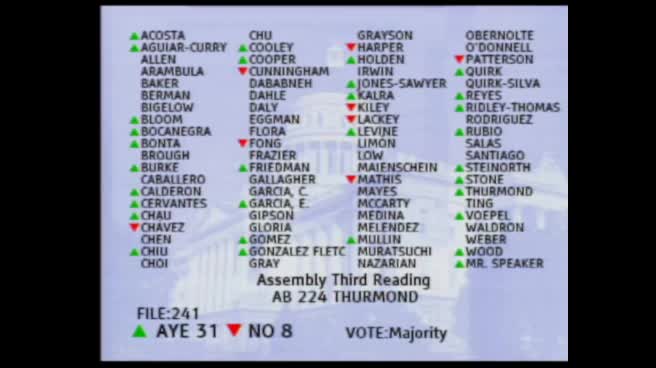 1MIN
Assembly Floor
 1H
Assembly Standing Committee on Appropriations
 17MIN
Assembly Standing Committee on Human Services
Bill Author

Bill Co-Author(s):