AB 894: Candidates’ statements: false statements.
- Session Year: 2017-2018
- House: Assembly
- Latest Version Date: 2017-09-13
Existing law permits a candidate for nonpartisan elective office, and an officer whose recall is being sought, to file with the elections official a candidates statement that includes a brief description of the candidates education and qualifications. Existing law requires an elections official to include in the county voter information guide a candidates statement from a candidate for nonpartisan elective office and from an officer whose recall is being sought. Existing law prohibits a candidate for nonpartisan elective office, or an incumbent in a recall election, to knowingly make a false statement of material fact in the candidates statement with the intent to mislead the voters in connection with his or her campaign for nomination or election to an office. Violation of this prohibition is punishable by a fine not to exceed $1,000.
This bill would increase the maximum fine amount to $5,000.
Existing law permits a candidate for nonpartisan elective office, and an officer whose recall is being sought, to file with the elections official a candidates statement that includes a brief description of the candidates education and qualifications. Existing law requires an elections official to include in the county voter information guide a candidates statement from a candidate for nonpartisan elective office and from an officer whose recall is being sought. Existing law prohibits a candidate for nonpartisan elective office, or an incumbent in a recall election, to knowingly make a false statement of material fact in the candidates statement with the intent to mislead the voters in connection with his or her campaign for nomination or election to an office. Violation of this prohibition is punishable by a fine not to exceed $1,000.
This bill would increase the maximum fine amount to $10,000. $5,000.
Existing law permits a candidate for nonpartisan elective office, and an officer whose recall is being sought, to file with the elections official a candidates statement that includes a brief description of the candidates education and qualifications. Existing law requires an elections official to include in the county voter information guide a candidates statement from a candidate for nonpartisan elective office and from an officer whose recall is being sought. Existing law prohibits a candidate for nonpartisan elective office, or an incumbent in a recall election, to knowingly make a false statement of material fact in the candidates statement with the intent to mislead the voters in connection with his or her campaign for nomination or election to an office. Violation of this prohibition is punishable by a fine not to exceed $1,000.
This bill would additionally require a candidate or incumbent who is convicted of violating the prohibition to forfeit his or her office. increase the maximum fine amount to $10,000.
Existing law permits a candidate for nonpartisan elective office, and an officer whose recall is being sought, to file with the elections official a candidates statement that includes a brief description of the candidates education and qualifications. Existing law requires an elections official to include in the county voter information guide a candidates statement from a candidate for nonpartisan elective office and from an officer whose recall is being sought. Existing law prohibits a candidate for nonpartisan elective office, or an incumbent in a recall election, to knowingly make a false statement of material fact in the candidates statement with the intent to mislead the voters in connection with his or her campaign for nomination or election to an office. Violation of this prohibition is punishable by a fine not to exceed $1,000.
This bill would delete the $1,000 fine for knowingly making a false statement of a material fact in a candidates statement. Instead, the bill would additionally require a candidate or incumbent who is convicted of violating the prohibition to forfeit his or her office and reimburse the jurisdiction for any expenses authorized and necessarily incurred in the preparation for, and conduct of, a special election to fill the vacancy caused by the forfeiture, as specified. office.
Existing law permits a candidate for nonpartisan elective office, and an officer whose recall is being sought, to file with the elections official a candidates statement that includes a brief description of the candidates education and qualifications. Existing law requires an elections official to include in the county voter information guide a candidates statement from a candidate for nonpartisan elective office and from an officer whose recall is being sought. Existing law prohibits a candidate for nonpartisan elective office, or an incumbent in a recall election, to knowingly make a false statement of material fact in the candidates statement with the intent to mislead the voters in connection with his or her campaign for nomination or election to an office. Violation of this prohibition is punishable by a fine not to exceed $1,000.
This bill would delete the $1,000 fine for knowingly making a false statement of a material fact in a candidates statement. Instead, the bill would require a candidate or incumbent who is convicted of violating the prohibition to forfeit his or her office and reimburse the jurisdiction for any expenses authorized and necessarily incurred in the preparation for, and conduct of, a special election to fill the vacancy caused by the forfeiture, as specified.
It is unlawful for a candidate in an election, or an incumbent in a recall election, to knowingly make a false statement of a material fact in a candidates statement, prepared pursuant to Section 11327 or 13307, with the intent to mislead the voters in connection with his or her campaign for nomination or election to a nonpartisan office. A candidate or incumbent who is convicted of violating this section shall pay a fine not to exceed five thousand dollars ($5,000).
It is unlawful for a candidate in an election, or an incumbent in a recall election, to knowingly make a false statement of a material fact in a candidates statement, prepared pursuant to Section 11327 or 13307, with the intent to mislead the voters in connection with his or her campaign for nomination or election to a nonpartisan office. A candidate or incumbent who is convicted of violating this section shall pay a fine not to exceed ten five thousand dollars ($10,000). ($5,000).
It is unlawful for a candidate in an election, or an incumbent in a recall election, to knowingly make a false statement of a material fact in a candidates statement, prepared pursuant to Section 11327 or 13307, with the intent to mislead the voters in connection with his or her campaign for nomination or election to a nonpartisan office. A candidate or incumbent who is convicted of violating this section shall forfeit the office for which the candidates statement was prepared and pay a fine not to exceed one ten thousand dollars ($1,000). ($10,000).
It is unlawful for a candidate in an election, or an incumbent in a recall election, to knowingly make a false statement of a material fact in a candidates statement, prepared pursuant to Section 11327 or 13307, with the intent to mislead the voters in connection with his or her campaign for nomination or election to a nonpartisan office. A candidate or incumbent who is convicted of violating this section shall forfeit the office for which the candidates statement was prepared and, if a special election is held to fill the vacancy in the office caused by the forfeiture, the candidate or incumbent shall reimburse the jurisdiction for any expenses authorized and necessarily incurred in the preparation for, and conduct of, the special election. The candidate or incumbent may reimburse the jurisdiction in accordance with an installment payment plan. and pay a fine not to exceed one thousand dollars ($1,000).
Any It is unlawful for a candidate in an election election, or an incumbent in a recall election who election, to knowingly makes make a false statement of a material fact in a candidates statement, prepared pursuant to Section 11327 or 13307, with the intent to mislead the voters in connection with his or her campaign for nomination or election to a nonpartisan office is punishable by a fine not to exceed one thousand dollars ($1,000). office. A candidate or incumbent who is convicted of violating this section shall forfeit the office for which the candidates statement was prepared and, if a special election is held to fill the vacancy in the office caused by the forfeiture, the candidate or incumbent shall reimburse the jurisdiction for any expenses authorized and necessarily incurred in the preparation for, and conduct of, the special election. The candidate or incumbent may reimburse the jurisdiction in accordance with an installment payment plan.
|
Date
|
Status
|
|---|---|
| Jan 12, 2018 | Stricken from file. |
| Jan 3, 2018 | Consideration of Governor's veto pending. |
| Oct 15, 2017 | Vetoed by Governor. |
| Sep 19, 2017 | Enrolled and presented to the Governor at 3 p.m. |
| Sep 11, 2017 | Senate amendments concurred in. To Engrossing and Enrolling. |
| Sep 7, 2017 | In Assembly. Concurrence in Senate amendments pending. May be considered on or after September 9 pursuant to Assembly Rule 77. |
| Sep 7, 2017 | Read third time. Passed. Ordered to the Assembly. |
| Jul 18, 2017 | Read second time and amended. Ordered to third reading. |
| Jul 17, 2017 | From committee: Amend, and do pass as amended. (Ayes 7. Noes 0.) (July 11). |
| Jun 21, 2017 | From committee: Do pass and re-refer to Com. on PUB. S. (Ayes 5. Noes 0.) (June 20). Re-referred to Com. on PUB. S. |
| Jun 8, 2017 | Referred to Coms. on E. & C.A. and PUB. S. |
| May 26, 2017 | In Senate. Read first time. To Com. on RLS. for assignment. |
| May 26, 2017 | Read third time. Passed. Ordered to the Senate. (Ayes 76. Noes 0. Page 1712.) |
| May 17, 2017 | Read second time. Ordered to third reading. |
| May 16, 2017 | Read second time and amended. Ordered returned to second reading. |
| May 15, 2017 | From committee: Amend, and do pass as amended. (Ayes 7. Noes 0.) (May 10). |
| May 4, 2017 | Re-referred to Com. on E. & R. |
| May 3, 2017 | From committee chair, with author's amendments: Amend, and re-refer to Com. on E. & R. Read second time and amended. |
| Mar 2, 2017 | Referred to Com. on E. & R. |
| Feb 17, 2017 | From printer. May be heard in committee March 19. |
| Feb 16, 2017 | Read first time. To print. |
|
Date
|
Description
|
Location
|
Votes
|
|
|---|---|---|---|---|
| Sep 11, 2017 | AB 894 FRAZIER Concurrence in Senate Amendments | Assembly Floor |
Passed |
|
| Sep 7, 2017 | Assembly 3rd Reading AB894 Frazier By Bradford | Senate Floor |
Passed |
|
| Jul 11, 2017 | Do pass as amended | Senate Standing Committee on Public Safety |
Passed |
|
| Jun 20, 2017 | Do pass, but first be re-referred to the Committee on [Public Safety] | Senate Standing Committee on Elections and Constitutional Amendments |
Passed |
|
| May 26, 2017 | AB 894 FRAZIER Assembly Third Reading | Assembly Floor |
Passed |
|
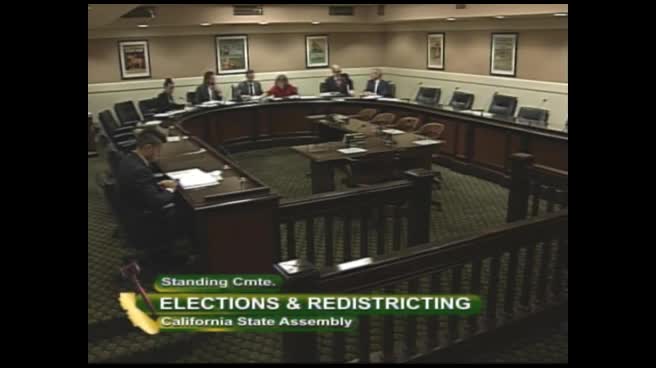
| May 10, 2017 | Do pass as amended. | Assembly Standing Committee on Elections and Redistricting |
Passed |
This list shows positions taken on this bill by organizations on the date displayed, which is linked to the original source.
Positions by individuals are not included.
GOVERNOR'S VETO
GV Bill Id:AB 894
Author:(Frazier)
As Enrolled Ver:September 13, 2017
2/3 vote
ASSEMBLY: | 76-0 | (May 26, 2017) | SENATE: | 38-1 | (September 7, 2017) |
ASSEMBLY: | 77-0 | (September 11, 2017) |
Original Committee Reference: E. & R.
SUMMARY: Increases the penalty for a candidate in an election, or an incumbent in a recall election, who is convicted of knowingly making a false statement of a material fact in a candidate's statement, from a fine not to exceed $1,000 to a fine not to exceed $5,000.
The Senate amendments change the maximum fine from $10,000 to $5,000.
EXISTING LAW: provides that a candidate in an election, or an incumbent in a recall election, who knowingly makes a false statement of a material fact in a candidate's statement, is punishable by a fine not to exceed $1,000.
AS PASSED BY THE ASSEMBLY, this bill proposed to increase the penalty for a candidate convicted of knowingly making a false statement of a material fact in a candidate's statement, from a fine not to exceed $1,000, to a fine not to exceed $10,000.
FISCAL EFFECT: None. This bill is keyed non-fiscal by the Legislative Counsel.
COMMENTS: According to the author, "AB 894 will protect voters and taxpayers that are misled by candidates for public office that intentionally misrepresent their background in candidate statements. The bill creates a strong deterrent to misrepresenting one's background in a candidate statement. AB 894 is a good government, transparency bill to protect fair and open elections for the benefit of voters and taxpayers."
A candidate for the Contra Costa Board of Education was found to have misrepresented his educational qualifications on his candidate statement while running for office in 2014. In 2015, the Contra Costa District Attorney's office started an investigation about whether the candidate had knowingly made a false statement in his candidate statement. In 2016, the candidate made a statement in court saying that he had indeed incorrectly stated his educational qualifications in his original candidate statement, but had done so believing the statements to be true. The candidate was sentenced to 20 hours of community service.
Existing law gives candidates for local nonpartisan office the option of submitting a candidate's statement that appears in the voter information guide. Candidate statements may include the candidate's name, age, and occupation and a brief description, of no more than 200 words, of the candidate's education and qualifications expressed by the candidate himself or herself. The governing body of the local agency can also authorize an increase in the limitations on the words for the statement from 200 to 400 words. The candidate statement cannot include the party preference of the candidate, or membership or activity in any partisan political organizations.
Existing law also requires that a copy of the candidate's statements should be made available for public examination, not less than 10 calendar days before local ballot pamphlets and other specified election materials are submitted for printing. During the 10 calendar day examination period, any voter is allowed to seek a writ of mandate or an injunction, upon specified grounds, requiring the amendment or deletion of any or all of the materials.
The Senate amendments reduce the proposed increase in the fine that may be levied on a person convicted of knowingly making a false statement of a material fact in a candidate's statement from $10,000 to $5,000. This bill, as amended in the Senate, is generally consistent with Assembly actions.
This bill increases the maximum fine for knowingly making a false statement of a material fact in a candidate's statement from $1,000 to $5,000.
I am not convinced this is a widespread problem in California elections or that this bill would be much of a deterrent. The conventional response to resume puffing is exposure by the press or political attack by the opposition.
Analysis Prepared by: Bish Paul / E. & R. / (916) 319-2094 FN: 0002493
CONCURRENCE IN SENATE AMENDMENTS
CSA1 Bill Id:AB 894
Author:(Frazier)
As Amended Ver:July 18, 2017
Majority vote
ASSEMBLY: | 76-0 | (May 26, 2017) | SENATE: | 38-1 | (September 7, 2017) |
Original Committee Reference: E. & R.
SUMMARY: Increases the penalty for a candidate in an election, or an incumbent in a recall election, who is convicted of knowingly making a false statement of a material fact in a candidate's statement, from a fine not to exceed $1,000 to a fine not to exceed $5,000.
The Senate amendments change the maximum fine from $10,000 to $5,000.
EXISTING LAW: provides that a candidate in an election, or an incumbent in a recall election, who knowingly makes a false statement of a material fact in a candidate's statement, is punishable by a fine not to exceed $1,000.
AS PASSED BY THE ASSEMBLY, this bill proposed to increase the penalty for a candidate convicted of knowingly making a false statement of a material fact in a candidate's statement, from a fine not to exceed $1,000, to a fine not to exceed $10,000.
FISCAL EFFECT: None. This bill is keyed non-fiscal by the Legislative Counsel.
COMMENTS: According to the author, "AB 894 will protect voters and taxpayers that are misled by candidates for public office that intentionally misrepresent their background in candidate statements. The bill creates a strong deterrent to misrepresenting one's background in a candidate statement. AB 894 is a good government, transparency bill to protect fair and open elections for the benefit of voters and taxpayers."
A candidate for the Contra Costa Board of Education was found to have misrepresented his educational qualifications on his candidate statement while running for office in 2014. In 2015, the Contra Costa District Attorney's office started an investigation about whether the candidate had knowingly made a false statement in his candidate statement. In 2016, the candidate made a statement in court saying that he had indeed incorrectly stated his educational qualifications in his original candidate statement, but had done so believing the statements to be true. The candidate was sentenced to 20 hours of community service.
Existing law gives candidates for local nonpartisan office the option of submitting a candidate's statement that appears in the voter information guide. Candidate statements may include the candidate's name, age, and occupation and a brief description, of no more than 200 words, of the candidate's education and qualifications expressed by the candidate himself or herself. The governing body of the local agency can also authorize an increase in the limitations on the words for the statement from 200 to 400 words. The candidate statement cannot include the party preference of the candidate, or membership or activity in any partisan political organizations.
Existing law also requires that a copy of the candidate's statements should be made available for public examination, not less than 10 calendar days before local ballot pamphlets and other specified election materials are submitted for printing. During the 10 calendar day examination period, any voter is allowed to seek a writ of mandate or an injunction, upon specified grounds, requiring the amendment or deletion of any or all of the materials.
The Senate amendments reduce the proposed increase in the fine that may be levied on a person convicted of knowingly making a false statement of a material fact in a candidate's statement from $10,000 to $5,000. This bill, as amended in the Senate, is generally consistent with Assembly actions.
Analysis Prepared by: Bish Paul / E. & R. / (916) 319-2094 FN: 0001262
Office of Senate Floor Analyses (916) 651-1520 Fax: (916) 327-4478 | AB |
THIRD READING
Bill No: AB 894
:
SENATE ELECTIONS & C.A. COMMITTEE: 5-0, 6/20/17
AYES: Stern, Anderson, Allen, Hertzberg, Leyva
SENATE PUBLIC SAFETY COMMITTEE: 7-0, 7/11/17
AYES: Skinner, Anderson, Bradford, Jackson, Mitchell, Stone, Wiener
ASSEMBLY FLOOR: 76-0, 5/26/17 - See last page for vote
DIGEST:
This bill increases the maximum fine for knowingly making a false statement of a material fact in a candidate's statement from $1,000 to $10,000.
Existing law:
- Permits candidates for local office to submit a candidate’s statement that appears in the local voter information guide. Candidate statements may include the candidate's name, age, and occupation and a brief description, of no more than 200 words, of the candidate's education and qualifications expressed by the candidate himself or herself. The governing body of the local agency can also authorize an increase in the limitations on the words for the statement from 200 to 400 words. The candidate statement cannot include the party affiliation of the candidate, or membership or activity in any partisan political organizations.
- Requires that a copy of the candidates’ statements be made available for public examination, not less than 10 calendar days before local ballot pamphlets and other specified election materials are submitted for printing. During the 10 calendar day examination period, any voter is allowed to seek a writ of mandate or an injunction, upon specified grounds, requiring the amendment or deletion of any or all of the materials.
- Provides that a candidate in an election, or an incumbent in a recall election, who knowingly makes a false statement of a material fact in a candidate’s statement, is punishable by a fine not to exceed $1,000.
This bill increases the penalty for a candidate in an election, or an incumbent in a recall election, who is convicted of knowingly making a false statement of a material fact in a candidate's statement, from a fine not to exceed $1,000 to a fine not to exceed $10,000.
Background
Public examination of candidate’s statements. The elections official must make a copy of candidate statements available for public examination in the elections official’s office for a period of 10 calendar days immediately following the filing deadline for submission of those documents. During the 10-calendar-day public examination period any voter of the jurisdiction in which the election is being held, or the elections official, himself or herself, may seek a writ of mandate or an injunction requiring any or all of the material in the candidates statements to be amended or deleted.
A peremptory writ of mandate or an injunction shall be issued only upon clear and convincing proof that the material in question is false, misleading, or inconsistent with the requirements of applicable law, and that issuance of the writ or injunction will not substantially interfere with the printing or distribution of official election materials as provided by law.
Contra Costa Board of Education case. A candidate for the Contra Costa Board of Education was found to have misrepresented his educational qualifications on his candidate statement while running for office in 2014. In 2015 the Contra Costa District Attorney’s Office started an investigation about whether the candidate had knowingly made a false statement in his candidate statement. In 2016, the candidate made a statement in court saying that he had indeed incorrectly stated his educational qualifications in his original candidate statement, but had done so believing the statements to be true. The candidate was sentenced to 20 hours of community service.
Comments
- According to the author, current law does not contain a strong enough deterrent to intentional misrepresentation on a candidate statement.
In August of 2015, the Contra Costa District Attorney filed a suit in court, The People of the State of California vs. Jeffrey Belle, against a candidate for the Contra Costa Board of Education for knowingly making a false statement of fact in a candidate statement with the intent to mislead voters. In this particular case the candidate falsified his education credentials. Instead of a punishment, he received only entry into a diversion program for offenders, despite the injustice perpetrated upon the voters. Anecdotal evidence suggests that this remains a problem in other jurisdictions.
Current law provides various guidelines for which a candidate for elected public office must abide by when forming their candidate ballot statement or designation. Violation of these guidelines currently only constitutes a misdemeanor offence.
If a candidate in an election intentionally falsifies information on their ballot statement with the intent to mislead voters, the candidate may be punished by a fine not to exceed $1,000 under current law.
If the $1,000 fine, adopted in 1993, were adjusted for inflation alone, it would rise to almost $2,500. Many other elections crimes already carry higher penalties. The level of deterrence is simply not appropriate in these rare cases where a candidate intentionally misleads the voters.
- Argument in opposition. In opposition to this bill, the American Civil Liberties Union of California writes, "AB 894 appears to be a solution in search of a problem. We know of no evidence of widespread misrepresentations on candidate statements in California elections."
FISCAL EFFECT: Appropriation: Fiscal Com.: Local:
None received
OPPOSITION: (Verified 7/18/17)
American Civil Liberties Union of California
ASSEMBLY FLOOR: 76-0, 5/26/17
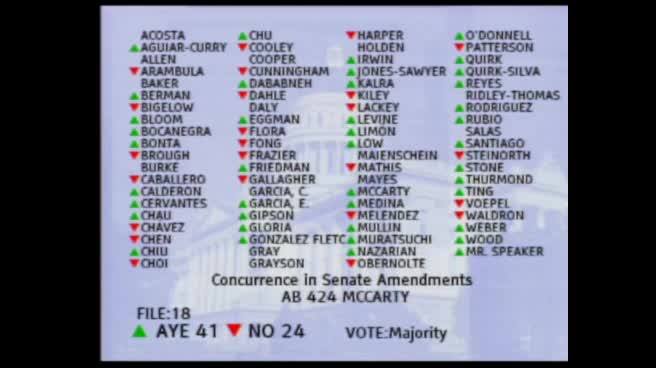
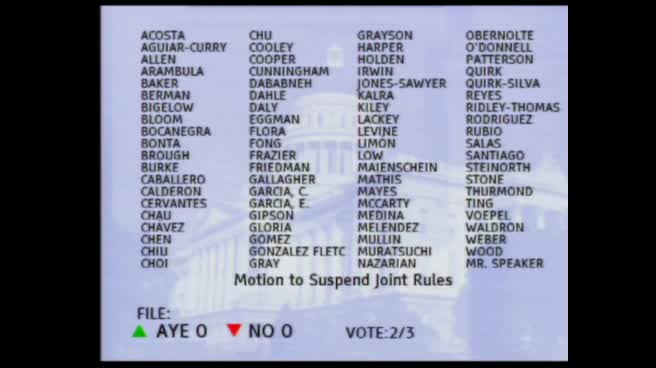
AYES: Acosta, Aguiar-Curry, Travis Allen, Arambula, Baker, Berman, Bigelow, Bloom, Bocanegra, Bonta, Brough, Burke, Caballero, Calderon, Cervantes, Chávez, Chen, Chiu, Choi, Chu, Cooley, Cooper, Cunningham, Dababneh, Dahle, Daly, Flora, Fong, Frazier, Friedman, Gallagher, Cristina Garcia, Eduardo Garcia, Gipson, Gloria, Gomez, Gonzalez Fletcher, Gray, Grayson, Harper, Holden, Irwin, Jones-Sawyer, Kalra, Kiley, Lackey, Levine, Limón, Low, Maienschein, Mathis, Mayes, McCarty, Medina, Melendez, Mullin, Muratsuchi, Nazarian, Obernolte, O'Donnell, Patterson, Quirk, Quirk-Silva, Reyes, Ridley-Thomas, Rodriguez, Rubio, Salas, Santiago, Mark Stone, Thurmond, Ting, Voepel, Weber, Wood, Rendon
NO VOTE RECORDED: Chau, Eggman, Steinorth, Waldron
7/19/17 15:33:46
**** END ****
SENATE COMMITTEE ON PUBLIC SAFETY
Senator Nancy Skinner, Chair
2017 - 2018 Regular
Bill No: AB 894 Hearing Date: July 11, 2017
Author: | Frazier | ||
Version: | May 16, 2017 | ||
Urgency: | No | Fiscal: | No |
Consultant: | MK | ||
Subject: Candidates’ Statements: False Statements
HISTORY
Source: Author
Prior Legislation: None
Support: Unknown
Opposition: American Civil Liberties Union
Assembly Floor Vote: 76 - 0
PURPOSE
The purpose of this bill is to increase the penalty for knowingly make a false statement with the intent to mislead voters in connection with a campaign for office from $1,000 to $10,000.
Existing law provides for an additional "state penalty" of $10 for every $10 or fraction thereof, upon every fine, penalty or forfeiture imposed and collected by the courts for criminal offenses including all offenses, except parking offenses, involving the Vehicle Code. Of the money collected, 70 percent is transmitted to the state and 30 percent remains with the county. The state portion of the money collected from the penalty is distributed in specified percentages among: the Fish and Game Preservation Fund (0.33 percent); the Restitution Fund (32.02 percent); the Peace Officers Training Fund (23.99 percent); the Driver Training Penalty Assessment Fund (25.70 percent); the Corrections Training Fund (7.88 percent); the Local Public Prosecutors and Public Defenders Fund (0.78 percent, not to exceed $850,000 per year); the Victim-Witness Assistance Fund (8.64 percent); and the Traumatic Brain Injury Fund (0.66 percent). (Penal Code § 1464.)
Existing law provides for an additional county penalty assessment of $7 for every $10 or fraction thereof, upon every fine, penalty, or forfeiture imposed and collected by the courts for criminal offenses, including all offenses involving a violation of the Vehicle Code or any local ordinance adopted pursuant to the Vehicle Code except parking offenses. The money collected shall be placed in any of the following funds if established by a County Board of Supervisors: Courthouse Construction Fund; a Criminal Justice Facilities Construction Fund; Automated Fingerprint Identification Fund; Emergency Medical Services Fund; DNA Identification Fund. (Government Code § 76000 et seq.)
Existing law, as a part of the 2002-03 Budget Act, the Legislature imposed what was to be a temporary state surcharge of 20 percent on every base fine collected by the court. All money collected shall be deposited in the General Fund. This section was made permanent in the 2007 Budget. (Penal Code § 1465.7.)
Existing law established the "State Court Facilities Construction Fund" and added a state court construction penalty assessment in an amount up to $5 for every $10 or fraction thereof, upon every fine, penalty, or forfeiture imposed and collected by the courts for criminal offenses. The variation in the amount is dependant on the amount collected by the county for deposit into the local Courthouse Construction Fund established pursuant to Government Code Section 76100. As a result, the penalty assessment ranges from $0.00 for every $10 in two counties to the full $5 for every $10 in nine counties. This provision took effect on January 1, 2003. (Government Code § 70372.)
Existing law, established by Prop 69, Nov. 2004, levies a $1 penalty assessment on every $10 in fines and forfeitures resulting from criminal and traffic offenses and dedicates these revenues to state and local governments for DNA databank implementation purposes - the state will receive 70% of these funds in the first two years, 50% in the third year and 25% annually thereafter. The remainder will go to local governments. (Government Code § 76104.6)
Existing law provides that in addition to the amount in Government Code Section 76104.6, there shall be an additional state-only penalty of $4 for every $10 on every fine penalty or forfeiture imposed by the courts for all criminal offenses, including all offences involving a violation of the Vehicle Code or any local ordinance adopted pursuant to the Vehicle Code. (Government Code 76104.7)
Existing law creates an additional penalty assessment of $2 on every $10 to support emergency medical services. (Government Code § 76000.5)
Existing law provides for an additional $4 on every Vehicle Code violation or local ordinance for the Emergency Medical Air Transportation Act Fund. (Government Code § 76000.10)
Existing law provides for a flat fee of $40 on every conviction for a criminal offense to ensure adequate funding for court security. (Penal Code § 1465.8.)
Existing law imposes a $35 court facilities assessment on every conviction for a criminal offense including a traffic offense, excluding parking offenses, and on any local ordinance adopted pursuant to the Vehicle Code. (Government Code § 70373)
Existing law provides that if a court conducts night or weekend sessions then it may impose $1 to every fine, forfeiture and traffic violator school fee imposed. (Vehicle Code § 42006)
Existing law provides that a court that uses a traffic assistance program may charge a traffic violator fee for any traffic infraction. (Vehicle Code § 11205.2)
Existing law provides that if a person is convicted of a misdemeanor they shall pay $150 in restitution in addition to any fines, forfeitures etc. (Penal Code §1202.4)
Existing law provides that if a person is convicted of any violation of the Fish and Game Code they shall pay an additional penalty of $15 that shall be deposited in the Fish and Game Preservation Fund. (Fish and Game Code § 12021)
Existing law provides that any candidate in an election or incumbent in a recall election who knowingly makes a false statement of a material fact in a candidate’s statement, prepared pursuant to Section 11327 or 13307, with the intent to mislead the voters in connection with his or her campaign for nomination or election to a nonpartisan office is punishable by a fine not to exceed $1,000 (approximately $4,100 with penalty assessments) (Elections Code § 18351)
This bill increases the penalty to $10,000, (approximately $41,000 with penalty assessments)
COMMENTS
1. Need for This Bill
According to the author:
Current law does not contain a strong enough deterrent to intentional misrepresentation on a candidate statement.
In August of 2015, the Contra Costa District Attorney filed a suit in court, The People of the State of California vs. Jeffrey Belle, against a candidate for the Contra Costa Board of Education for knowingly making a false statement of fact in a candidate statement with the intent to mislead voters. In this particular case the candidate falsified his education credentials, his residence, and his criminal record. Instead of a punishment, he received only entry into a diversion program for offenders, despite the injustice perpetrated upon the voters. Anecdotal evidence suggests that this remains a problem in other jurisdictions.
Current law provides various guidelines for which a candidate for elected public office must abide by when forming their candidate ballot statement or designation. Violation of these guidelines currently only constitutes a misdemeanor offense.
If a candidate in an election intentionally falsifies information on their ballot statement with the intent to mislead voters, the candidate may be punished by a fine not to exceed $1,000 under current law.
If the $1,000 fine, adopted in 1993, were adjusted for inflation alone, it would rise to almost $2,500. Many other elections crimes already carry higher penalties. The level of deterrence is simply not appropriate in these rare cases where a candidate intentionally misleads the voters.
2. Increase of Penalty
This bill increases the penalty for knowing making a false statement of material fact in the candidate’s statement with the intent to mislead the voters in connection with his or her campaign for nomination or election to office from $1,000 (approximately $4,100 with penalty assessments) to $10,000 (approximately $41,000 with penalty assessments).
3. Penalty Assessments
Until the budget year 2002-2003, there was 170% in penalty assessments applied to every fine. Starting with the 2002-2003 a number of penalty assessments were added to raise funds for various purposes. By 2008 the penalty assessments rose to 270%. The current penalty assessments are approximately 310% with an additional $79 in flat fees.
Thus, when the $1,000 fine adopted by this statute was added in 1993 the actual fine imposed was $2,700. Today that same fine would be $4,100. Should this fine be increased to $10,000 which would be over $40,000 with penalty assessments?
-- END –
SENATE COMMITTEE ON
ELECTIONS AND CONSTITUTIONAL AMENDMENTS
Senator Henry Stern, Chair
2017 - 2018 Regular
Bill No: 894 Hearing Date: 6/20/17
Author: | Frazier | ||
Version: |
| ||
Urgency: | Fiscal: | ||
Consultant: | |||
Subject:
DIGEST
This bill Increases the maximum fine for knowingly making a false statement of a material fact in a candidate's statement from $1,000 to $10,000.
ANALYSIS
Existing law:
- Permits candidates for local office to submit a candidate’s statement that appears in the local voter information guide. Candidate statements may include the candidate's name, age, and occupation and a brief description, of no more than 200 words, of the candidate's education and qualifications expressed by the candidate himself or herself. The governing body of the local agency can also authorize an increase in the limitations on the words for the statement from 200 to 400 words. The candidate statement cannot include the party affiliation of the candidate, or membership or activity in any partisan political organizations.
- Requires that a copy of the candidates’ statements be made available for public examination, not less than ten calendar days before local ballot pamphlets and other specified election materials are submitted for printing. During the ten calendar day examination period, any voter is allowed to seek a writ of mandate or an injunction, upon specified grounds, requiring the amendment or deletion of any or all of the materials.
- Provides that a candidate in an election, or an incumbent in a recall election, who knowingly makes a false statement of a material fact in a candidate’s statement, is punishable by a fine not to exceed $1,000.
This bill:
- Increases the penalty for a candidate in an election, or an incumbent in a recall election, who is convicted of knowingly making a false statement of a material fact in a candidate's statement, from a fine not to exceed $1,000 to a fine not to exceed $10,000.
BACKGROUND
Public Examination of Candidate’s Statements. The elections official must make a copy of candidate statements available for public examination in the elections official’s office for a period of 10 calendar days immediately following the filing deadline for submission of those documents. During the 10-calendar-day public examination period any voter of the jurisdiction in which the election is being held, or the elections official, himself or herself, may seek a writ of mandate or an injunction requiring any or all of the material in the candidates statements to be amended or deleted.
A peremptory writ of mandate or an injunction shall be issued only upon clear and convincing proof that the material in question is false, misleading, or inconsistent with the requirements of applicable law, and that issuance of the writ or injunction will not substantially interfere with the printing or distribution of official election materials as provided by law.
Contra Costa Board of Education Case. A candidate for the Contra Costa Board of Education was found to have misrepresented his educational qualifications on his candidate statement while running for office in 2014. In 2015 the Contra Costa District Attorney’s office started an investigation about whether the candidate had knowingly made a false statement in his candidate statement. In 2016, the candidate made a statement in court saying that he had indeed incorrectly stated his educational qualifications in his original candidate statement, but had done so believing the statements to be true. The candidate was sentenced to twenty hours of community service.
COMMENTS
- According to the author: Current law does not contain a strong enough deterrent to intentional misrepresentation on a candidate statement.
In August of 2015, the Contra Costa District Attorney filed a suit in court, The People of the State of California vs. Jeffrey Belle, against a candidate for the Contra Costa Board of Education for knowingly making a false statement of fact in a candidate statement with the intent to mislead voters. In this particular case the candidate falsified his education credentials. Instead of a punishment, he received only entry into a diversion program for offenders, despite the injustice perpetrated upon the voters. Anecdotal evidence suggests that this remains a problem in other jurisdictions.
Current law provides various guidelines for which a candidate for elected public office must abide by when forming their candidate ballot statement or designation. Violation of these guidelines currently only constitutes a misdemeanor offence.
If a candidate in an election intentionally falsifies information on their ballot statement with the intent to mislead voters, the candidate may be punished by a fine not to exceed $1,000 under current law.
If the $1,000 fine, adopted in 1993, were adjusted for inflation alone, it would rise to almost $2,500. Many other elections crimes already carry higher penalties. The level of deterrence is simply not appropriate in these rare cases where a candidate intentionally misleads the voters.
- Argument in Opposition. In opposition to this bill, the American Civil Liberties Union of California writes, "AB 894 appears to be a solution in search of a problem. We know of no evidence of widespread misrepresentations on candidate statements in California elections."
PRIOR ACTION
Assembly Floor: | 76 - 0 |
Assembly Committee: | 7 - 0 |
POSITIONS
Sponsor: Author
Support: None received
Oppose: American Civil Liberties Union of California
-- END --
ASSEMBLY THIRD READING
ATR Bill Id:AB 894
Author:(Frazier)
As Amended Ver:May 16, 2017
Majority vote
Committee | Votes | Ayes | Noes |
Elections | 7-0 | Berman, Harper, Calderon, Cunningham, Low, Mullin, Weber |
SUMMARY: Increases the penalty for a candidate in an election, or an incumbent in a recall election, who is convicted of knowingly making a false statement of a material fact in a candidate's statement, from a fine not to exceed $1,000 to a fine not to exceed $10,000.
EXISTING LAW provides that a candidate in an election, or an incumbent in a recall election, who knowingly makes a false statement of a material fact in a candidate's statement, is punishable by a fine not to exceed $1,000.
FISCAL EFFECT: None. This bill is keyed non-fiscal by the Legislative Counsel.
COMMENTS: According to the author, "AB 894 will protect voters and taxpayers that are misled by candidates for public office that intentionally misrepresent their background in candidate statements. The bill creates a strong deterrent to misrepresenting one's background in a candidate statement. AB 894 is a good government, transparency bill to protect fair and open elections for the benefit of voters and taxpayers."
The provision of existing law that provides for a fine of up to $1,000 for a candidate who knowingly makes a false statement of a material fact in the candidate's statement was first enacted through the passage of AB 1021 (Rogers), Chapter 57, Statutes of 1982. When AB 1021 was introduced, it proposed to make it a misdemeanor for a candidate or incumbent to knowingly make a false statement with the intent of misleading voters, punishable by a maximum penalty of six months in jail or a fine of $500 or both. AB 1021 was subsequently amended to remove the misdemeanor penalties, and instead to provide that violations were to be punishable by a fine of up to $1,000. The legislative history of AB 1021 suggests that those amendments may have been taken to address opposition to the introduced version of the bill.
Existing law gives candidates for local nonpartisan office the option of submitting a candidate's statement that appears in the voter information guide. Candidate statements may include the candidate's name, age, and occupation and a brief description, of no more than 200 words, of the candidate's education and qualifications expressed by the candidate himself or herself. The governing body of the local agency can also authorize an increase in the limitations on the words for the statement from 200 to 400 words. The candidate statement cannot include the party affiliation of the candidate, or membership or activity in any partisan political organizations.
Existing law also requires that a copy of the candidate's statements should be made available for public examination, not less than 10 calendar days before local ballot pamphlets and other specified election materials are submitted for printing. During the 10 calendar day examination period any voter is allowed to seek a writ of mandate or an injunction, upon specified grounds, requiring the amendment or deletion of any or all of the materials.
Please see the policy committee analysis for a full discussion of this bill.
Analysis Prepared by: Bish Paul / E. & R. / (916) 319-2094 FN: 0000423
Date of Hearing: May 10, 2017
ASSEMBLY COMMITTEE ON ELECTIONS AND REDISTRICTING
Marc Berman, Chair
ABPCA Bill Id:AB 894 (
Author:Frazier) – As Amended Ver:May 3, 2017
SUBJECT: Candidates’ statements: false statements.
SUMMARY: Requires a candidate in an election, or an incumbent in a recall election, who is convicted of knowingly making a false statement of a material fact in a candidate’s statement, to forfeit office in addition to paying a fine not to exceed one thousand dollars.
EXISTING LAW provides that a candidate in an election, or an incumbent in a recall election, who knowingly makes a false statement of a material fact in a candidate’s statement, is punishable by a fine not to exceed one thousand dollars.
FISCAL EFFECT: None. This bill is keyed non-fiscal by the Legislative Counsel.
- COMMENTS:
Purpose of the Bill: According to the author:
AB 894 will protect voters and taxpayers that are misled by candidates for public office that intentionally misrepresent their background in candidate statements. The bill creates a strong deterrent to misrepresenting one’s background in a candidate statement. AB 894 is a good government, transparency bill to protect fair and open elections for the benefit of voters and taxpayers.
- History of State Law Prohibiting False Statements in Candidate’s Statements: The provision of existing law that provides for a fine of up to $1,000 for a candidate who knowingly makes a false statement of a material fact in the candidate's statement was first enacted through the passage of AB 1021 (Rogers), Chapter 57, Statutes of 1982. When AB 1021 was introduced, it proposed to make it a misdemeanor for a candidate or incumbent to knowingly make a false statement with the intent of misleading voters, punishable by a maximum penalty of six months in jail or a fine of $500 or both. AB 1021 was subsequently amended to remove the misdemeanor penalties, and instead to provide that violations were to be punishable by a fine of up to $1,000. The legislative history of AB 1021 suggests that those amendments may have been taken to address opposition to the introduced version of the bill.
- Contra Costa Board of Education Case: A candidate for the Contra Costa Board of Education was found to have misrepresented his educational qualifications on his candidate statement while running for office in 2014. In 2015 the Contra Costa District Attorney’s office started an investigation about whether the candidate had knowingly made a false statement in his candidate statement. In 2016, the candidate made a statement in court saying that he had indeed incorrectly stated his educational qualifications in his original candidate statement, but had done so believing the statements to be true. The candidate was sentenced to twenty hours of community service.
- Candidate's Statements: Existing law gives candidates for local nonpartisan office the option of submitting a candidate's statement that appears in the voter information guide. Candidate statements may include the candidate's name, age, and occupation and a brief description, of no more than 200 words, of the candidate's education and qualifications expressed by the candidate himself or herself. The governing body of the local agency can also authorize an increase in the limitations on the words for the statement from 200 to 400 words. The candidate statement cannot include the party affiliation of the candidate, or membership or activity in any partisan political organizations.
Existing law also requires that a copy of the candidate’s statements be made available for public examination, not less than ten calendar days before local ballot pamphlets and other specified election materials are submitted for printing. During the ten calendar day examination period, any voter is allowed to seek a writ of mandate or an injunction, upon specified grounds, requiring the amendment or deletion of any or all of the materials. - Recall Petitions: Citizens can use the recall petition process to remove and replace a public official before the end of a term of office. This direct democracy procedure has been a fundamental part of the California governmental system since 1911 and can be used by voters to express their dissatisfaction with their elected representatives.
- Forfeiture of Office as a Punishment: Under existing law, a public official who is convicted of a felony or of an offense that involves a violation of the person's official duties is required to forfeit office. Knowingly making a false statement of a material fact in a candidate’s statement, however, is not currently a crime. Instead, it is an infraction—a public offense that is not punishable by imprisonment. A person who is charged with an infraction is not entitled to a trial by jury, and is not entitled to have a public defender or other counsel appointed at public expense to represent him or her, except as specified. Committee staff is not aware of any other infractions that are punishable by forfeiture of office.
- Arguments in Opposition: In opposition to this bill, the American Civil Liberties Union of California writes, "AB 894 appears to be a solution in search of a problem. We know of no evidence of widespread misrepresentations on candidate statements in California elections. Your office has put forth only one instance of such an offense, for which the offender was prosecuted. If there was further evidence, we would be happy to consider it."
REGISTERED SUPPORT / OPPOSITION:
Support
None on file.
Opposition
American Civil Liberties Union California
Analysis Prepared by: Bish Paul / E. & R. / (916) 319-2094
Discussed in Hearing
 1MIN
Assembly Floor
 2MIN
Senate Floor
 7MIN
Senate Standing Committee on Public Safety
 14MIN
Senate Standing Committee on Elections and Constitutional Amendments
 1MIN
Assembly Floor
 7MIN
Assembly Standing Committee on Elections and Redistricting
Bill Author
Bill Co-Author(s):