AB 958: Product safety: perfluoroalkyl and polyfluoroalkyl substances.
- Session Year: 2017-2018
- House: Assembly
- Latest Version Date: 2018-05-31
Existing law regulates the existence of, and disclosure of, specified chemicals and components in consumer products, including phthalates and bisphenol A.
This bill would require a manufacturer of food packaging or cookware, as defined, that is sold in the state to visibly disclose on an exterior location of the food packaging or cookware packaging a specified statement relating to the presence of perfluoroalkyl and polyfluoroalkyl substances (PFAS).
The hazardous waste control laws require the Department of Toxic Substances Control to regulate the handling and management of hazardous materials and hazardous waste. Existing law, known as the Green Chemistry program, requires the department to adopt regulations to establish a process to identify and prioritize chemicals or chemical ingredients in consumer products that may be considered as being chemicals of concern, and to adopt regulations that establish a process for evaluating chemicals of concern in consumer products, and their potential alternatives, to determine how best to limit exposure or to reduce the level of hazard posed by a chemical of concern, as specified. Existing law requires the regulations adopted to specify the range of regulatory responses that the department may take following the completion of the alternatives analysis. Under its regulatory authority, the department has adopted the 201517 Priority Product Work Plan, which describes categories from which the department will select priority products for which safer alternatives are to be evaluated. The bill would require the department to include in the 201820 Priority Product Work Plan, and subsequent work plans, as necessary, food packaging containing perfluoroalkyl or polyfluoroalkyl substances. The bill would require the department, on or before January 1, 2020, to begin the adoption of Green Chemistry regulations for that food packaging, unless the department, on or before January 1, 2019, makes a finding that sufficient data is not available to conduct and complete the priority product evaluation and regulatory process for that food packaging. If the department makes that finding, the bill would require the department to, among other things, pursue the data necessary to conduct and complete that evaluation and regulatory process and to begin the adoption of Green Chemistry regulations for that food packaging within one year of collecting sufficient data to conduct and complete the evaluation and regulatory process.The hazardous waste control laws require the Department of Toxic Substances Control to regulate the handling and management of hazardous materials and hazardous waste. Existing law, known as the Green Chemistry program, requires the department to adopt regulations to establish a process to identify and prioritize chemicals or chemical ingredients in consumer products that may be considered as being chemicals of concern, and to adopt regulations that establish a process for evaluating chemicals of concern in consumer products, and their potential alternatives, to determine how best to limit exposure or to reduce the level of hazard posed by a chemical of concern, as specified. Existing law requires the regulations adopted to specify the range of regulatory responses that the department may take following the completion of the alternatives analysis. Under its regulatory authority, the department has adopted the 201517 Priority Product Work Plan, which describes categories from which the department will select priority products for which safer alternatives are to be evaluated.
The bill would require the department to revise the 201517 include in the 201820 Priority Product Work Plan, and subsequent work plans, as necessary, to include food contact substances packaging containing perfluoroalkyl or polyfluoroalkyl substances for consideration and evaluation as potential priority products under the Green Chemistry program. substances. The bill would require the department, on or before January 1, 2020, to begin the adoption of Green Chemistry regulations for those food contact substances. that food packaging, unless the department, on or before January 1, 2019, makes a finding that sufficient data is not available to conduct and complete the priority product evaluation and regulatory process for that food packaging. If the department makes that finding, the bill would require the department to, among other things, pursue the data necessary to conduct and complete that evaluation and regulatory process and to begin the adoption of Green Chemistry regulations for that food packaging within one year of collecting sufficient data to conduct and complete the evaluation and regulatory process.
The hazardous waste control laws require the Department of Toxic Substances Control to regulate the handling and management of hazardous materials and hazardous waste. Existing law, known as the Green Chemistry program, requires the department to adopt regulations to establish a process to identify and prioritize chemicals or chemical ingredients in consumer products that may be considered as being chemicals of concern, and to adopt regulations that establish a process for evaluating chemicals of concern in consumer products, and their potential alternatives, to determine how best to limit exposure or to reduce the level of hazard posed by a chemical of concern, as specified. Existing law requires the regulations adopted to specify the range of regulatory responses that the department may take following the completion of the alternatives analysis. Under its regulatory authority, the department has adopted the 201517 Priority Product Work Plan, which describes categories from which the department will select priority products for which safer alternatives are to be evaluated. A violation of the hazardous waste control laws is a crime.
This bill would prohibit a person or entity from manufacturing, selling, or distributing in commerce any product that contains perfluoroalkyl or polyfluoroalkyl substances with eight or more carbon atoms. Because the bill would create a new crime, it would impose a state-mandated local program.The bill would require the department to revise the 201517 Priority Product Work Plan, and subsequent work plans, as necessary, to include food contact substances containing perfluoroalkyl or polyfluoroalkyl substances for consideration and evaluation as potential priority products under the Green Chemistry program. The bill would require the department, on or before January 1, 2020, to begin adoption of Green Chemistry regulations for those food contact substances.
The California Constitution requires the state to reimburse local agencies and school districts for certain costs mandated by the state. Statutory provisions establish procedures for making that reimbursement.This bill would provide that no reimbursement is required by this act for a specified reason.The hazardous waste control laws require the Department of Toxic Substances Control to regulate the handling and management of hazardous materials and hazardous waste. Existing law law, known as the Green Chemistry program, requires the department to adopt regulations to establish a process to identify and prioritize chemicals or chemical ingredients in consumer products that may be considered as being chemicals of concern, and to adopt regulations that establish a process for evaluating chemicals of concern in consumer products, and their potential alternatives, to determine how best to limit exposure or to reduce the level of hazard posed by a chemical of concern, as specified. Existing law requires the regulations adopted to specify the range of regulatory responses that the department may take following the completion of the alternatives analysis. Under its regulatory authority, the department has adopted the 201517 Priority Product Work Plan, which describes categories from which the department will select priority products for which safer alternatives are to be evaluated. A violation of the hazardous waste control laws is a crime.
This bill would prohibit a food provider from serving, selling, offering for sale, or offering for promotional purposes prepared food or fast food in, on, or with take-out food service ware or packaging that contains a fluorinated chemical, as defined. Because the bill would create a new crime, it would impose a state-mandated local program.This bill would prohibit a person or entity from manufacturing, selling, or distributing in commerce any product that contains perfluoroalkyl or polyfluoroalkyl substances with eight or more carbon atoms. Because the bill would create a new crime, it would impose a state-mandated local program. The bill would require the department to revise the 201517 Priority Product Work Plan, and subsequent work plans, as necessary, to include food contact substances containing perfluoroalkyl or polyfluoroalkyl substances for consideration and evaluation as potential priority products under the Green Chemistry program. The bill would require the department, on or before January 1, 2020, to begin adoption of Green Chemistry regulations for those food contact substances.
The California Constitution requires the state to reimburse local agencies and school districts for certain costs mandated by the state. Statutory provisions establish procedures for making that reimbursement.
This bill would provide that no reimbursement is required by this act for a specified reason.
The hazardous waste control laws require the Department of Toxic Substances Control to regulate the handling and management of hazardous materials and hazardous waste. Existing law requires the department to adopt regulations to establish a process to identify and prioritize chemicals or chemical ingredients in consumer products that may be considered as being chemicals of concern, and to adopt regulations that establish a process for evaluating chemicals of concern in consumer products, and their potential alternatives, to determine how best to limit exposure or to reduce the level of hazard posed by a chemical of concern, as specified. A violation of the hazardous waste control laws is a crime.
This bill would prohibit a food provider from serving, selling, offering for sale, or offering for promotional purposes prepared food or fast food in, on, or with take-out food service ware or packaging that contains a fluorinated chemical, as defined. Because the bill would create a new crime, it would impose a state-mandated local program.
The California Constitution requires the state to reimburse local agencies and school districts for certain costs mandated by the state. Statutory provisions establish procedures for making that reimbursement.
This bill would provide that no reimbursement is required by this act for a specified reason.
The Sherman Food, Drug, and Cosmetic Law, among other things, generally regulates the packaging and labeling of a food, drug, device, or cosmetic. The law provides that specific federal regulations relating to packaging and labeling are the regulations of this state and authorizes the State Department of Public Health to promulgate additional regulations, except as prohibited.This bill would make technical, nonsubstantive changes to the cross-references to the adopted federal regulations.The Sherman Food, Drug, and Cosmetic Law, among other things, generally regulates the packaging and labeling of a food, drug, device, or cosmetic. The law provides that specific federal regulations relating to packaging and labeling are the regulations of this state and authorizes the State Department of Public Health to promulgate additional regulations, except as prohibited.
This bill would make technical, nonsubstantive changes to the cross-references to the adopted federal regulations.
(a)A manufacturer of food packaging or cookware sold in the state shall include the following statement on the exterior of any food packaging or cookware packaging if the food packaging or cookware contains perfluoroalkyl and polyfluoroalkyl substances (PFAS):
Contains perfluoroalkyl and polyfluoroalkyl substances (PFAS), synthetic chemicals known, or strongly suspected, by the State of California to have adverse impacts on human health or development.
(b)The statement specified in subdivision (a) shall be printed in 12-point type and placed on an exterior location of the food packaging or cookware packaging that is visible to a consumer. If the food packaging is comprised of multiple parts or components, each part or component of the food packaging that contains PFAS shall include the statement specified in subdivision (a) in a manner consistent with this subdivision.
(c)As used in this chapter, perfluoroalkyl and polyfluoroalkyl substances (PFAS) means man-made chemicals with at least one fully fluorinated carbon atom. All carbons in perfluoroalkyl substances are fully fluorinated, and polyfluoroalkyl substances may contain a mix of fully fluorinated, partially fluorinated, and nonfluorinated carbon atoms.
(1)A fully fluorinated carbon atom means a carbon atom on which all the hydrogen substituents have been replaced by fluorine.
(2)A partially fluorinated carbon atom means a carbon atom on which some of the hydrogen substituents have been replaced by fluorine.
(3)A nonfluorinated carbon atom is an atom on which no hydrogen substituents have been replaced by fluorine.
(d)As used in this chapter, food packaging means a nondurable package, packaging component, or food service ware that is intended to contain, serve, store, handle, protect, or market food, food stuff, or beverages. Food packaging includes, but is not limited to, food or beverage containers, take out food containers, unit product boxes, liners, wrappers, serving vessels, eating utensils, food boxes, and disposable plates, bowls, or trays.
(e)As used in this chapter, cookware means durable houseware items used in homes and restaurants to prepare, dispense, store, or serve food, food stuff, or beverages. Cookware includes, but is not limited to, pots, pans, skillets, grills, baking sheets, baking molds, trays, bowls, kitchen tools, spoons, and spatulas.
SECTION 1.Article 15 (commencing with Section 25257.5) is added to Chapter 6.5 of Division 20 of the Health and Safety Code, to read:15.Perfluoroalkyl and Polyfluoroalkyl Substances25257.5.Food packaging means a package or packaging component that is intended for food contact or for storing food or foodstuff that is for sale, and that is intended to market, protect, contain, or be used to handle that food or foodstuff.25257.6.(a)The department shall include in the 201820 Priority Product Work Plan, and subsequent work plans, as necessary, food packaging containing perfluoroalkyl or polyfluoroalkyl substances.(b)(1)On or before January 1, 2019, the department shall identify food packaging containing perfluoroalkyl or polyfluoroalkyl substances as draft priority products and, on or before January 1, 2020, shall begin the adoption of regulations in accordance with Article 14 (commencing with Section 25251), for the identified food packaging, unless paragraph (2) applies.(2)If, on or before January 1, 2019, the department makes a finding that sufficient data is not available to conduct and complete the priority product evaluation and regulatory process for food packaging containing perfluoroalkyl or polyfluoroalkyl substances, the department shall do all of the following:(A)Maintain food packaging containing perfluoroalkyl or polyfluoroalkyl substances in the 201820 Priority Product Work Plan and subsequent work plans.(B)Post the finding and the departments justification for the finding on the departments Internet Web site.(C)Pursue the data necessary to conduct and complete the priority product evaluation and regulatory process for food packaging containing perfluoroalkyl or polyfluoroalkyl substances.(D)Complete the requirements specified in paragraph (1) within one year of collecting sufficient data to conduct and complete the priority product evaluation and regulatory process for food packaging containing perfluoroalkyl or polyfluoroalkyl substances.(c)If the department determines that available data and information do not support the listing of food packaging containing perfluoroalkyl or polyfluoroalkyl substances as a priority product consistent with Article 3 (commencing with Section 69503) of Chapter 55 of Division 4.5 of Title 22 of the California Code of Regulations, or any successor regulations, the department shall issue a finding documenting that determination.Food packaging means a package or packaging component that is intended for food contact or for storing food or foodstuff that is for sale, and that is intended to market, protect, contain, or be used to handle that food or foodstuff.
25257.5.25257.6.(a)The department shall revise its 201517 include in the 201820 Priority Product Work Plan, and subsequent work plans, as necessary, to include food contact substances, as that term may be defined by the department, food packaging containing perfluoroalkyl or polyfluoroalkyl substances for consideration and evaluation as a potential priority product. substances.
(b)(1)On or before January 1, 2019, the department shall identify food contact substances packaging containing perfluoroalkyl or polyfluoroalkyl substances as draft priority products and, on or before January 1, 2020, shall begin the adoption of regulations in accordance with Article 14 (commencing with Section 25251), for the identified food contact substances. packaging, unless paragraph (2) applies.
(2)If, on or before January 1, 2019, the department makes a finding that sufficient data is not available to conduct and complete the priority product evaluation and regulatory process for food packaging containing perfluoroalkyl or polyfluoroalkyl substances, the department shall do all of the following:
(A)Maintain food packaging containing perfluoroalkyl or polyfluoroalkyl substances in the 201820 Priority Product Work Plan and subsequent work plans.
(B)Post the finding and the departments justification for the finding on the departments Internet Web site.
(C)Pursue the data necessary to conduct and complete the priority product evaluation and regulatory process for food packaging containing perfluoroalkyl or polyfluoroalkyl substances.
(D)Complete the requirements specified in paragraph (1) within one year of collecting sufficient data to conduct and complete the priority product evaluation and regulatory process for food packaging containing perfluoroalkyl or polyfluoroalkyl substances.
(c)If the department determines that available data and information do not support the listing of food packaging containing perfluoroalkyl or polyfluoroalkyl substances as a priority product consistent with Article 3 (commencing with Section 69503) of Chapter 55 of Division 4.5 of Title 22 of the California Code of Regulations, or any successor regulations, the department shall issue a finding documenting that determination.
(a)The department shall revise its 201517 Priority Product Work Plan, and subsequent work plans, as necessary, to include food contact substances, as that term may be defined by the department, containing perfluoroalkyl or polyfluoroalkyl substances for consideration and evaluation as a potential priority product.
(b)On or before January 1, 2019, the department shall identify food contact substances containing perfluoroalkyl or polyfluoroalkyl substances as draft priority products and, on or before January 1, 2020, shall begin adoption of regulations in accordance with Article 14 (commencing with Section 25251), for the identified food contact substances.
SEC. 2.No reimbursement is required by this act pursuant to Section 6 of Article XIIIB of the California Constitution because the only costs that may be incurred by a local agency or school district will be incurred because this act creates a new crime or infraction, eliminates a crime or infraction, or changes the penalty for a crime or infraction, within the meaning of Section 17556 of the Government Code, or changes the definition of a crime within the meaning of Section 6 of Article XIIIB of the California Constitution.No person shall manufacture, sell, or distribute in commerce any product that contains perfluoroalkyl or polyfluoroalkyl substances with eight or more carbon atoms.
25257.51.(a)The department shall revise its 201517 Priority Product Work Plan, and subsequent work plans, as necessary, to include food contact substances, as that term may be defined by the department, containing perfluoroalkyl or polyfluoroalkyl substances for consideration and evaluation as a potential priority product.
(b)On or before January 1, 2019, the department shall identify food contact substances containing perfluoroalkyl or polyfluoroalkyl substances as draft priority products and, on or before January 1, 2020, shall begin adoption of regulations in accordance with Article 14 (commencing with Section 25251), for the identified food contact substances.
SEC. 2.No reimbursement is required by this act pursuant to Section 6 of Article XIIIB of the California Constitution because the only costs that may be incurred by a local agency or school district will be incurred because this act creates a new crime or infraction, eliminates a crime or infraction, or changes the penalty for a crime or infraction, within the meaning of Section 17556 of the Government Code, or changes the definition of a crime within the meaning of Section 6 of Article XIIIB of the California Constitution.
REVISIONS: HeadingLine 2.(a)For purposes of this article, fluorinated chemical means an organic or inorganic substance that contains at least one fluorine atom, including, but not limited to, a perfluorinated or polyfluorinated alkyl substance, fluorinated polymer, or fluorotelomer-based chemical.
(b)A food provider shall not serve, sell, offer for sale, or offer for promotional purposes prepared food or fast food in, on, or with take-out food service ware or packaging that contains a fluorinated chemical.
SEC. 2.No reimbursement is required by this act pursuant to Section 6 of Article XIIIB of the California Constitution because the only costs that may be incurred by a local agency or school district will be incurred because this act creates a new crime or infraction, eliminates a crime or infraction, or changes the penalty for a crime or infraction, within the meaning of Section 17556 of the Government Code, or changes the definition of a crime within the meaning of Section 6 of Article XIIIB of the California Constitution.
SECTION 1.Section 110380 of the Health and Safety Code is amended to read:110380.All regulations and their amendments pertaining to foods, drugs, devices, and cosmetics that are in effect on the effective date of this part, or that are adopted on or after that date, pursuant to the federal Fair Packaging and Labeling Act (15 U.S.C. Sec. 1451 et seq.) shall be the regulations of this state. The department may, when necessary, prescribe any packaging and labeling regulation for foods, drugs, devices, and cosmetics whether or not the regulation is in accordance with regulations adopted under the federal Fair Packaging and Labeling Act (15 U.S.C. Sec. 1451 et seq.). No regulations shall be adopted that are contrary to the labeling requirements for the net quantity of contents required pursuant to Section 4 of the federal Fair Packaging and Labeling Act (15 U.S.C. Sec. 1451 et seq.) and the regulations adopted pursuant to that section.All regulations and their amendments pertaining to foods, drugs, devices, and cosmetics that are in effect on the effective date of this part, or that are adopted on or after that date, pursuant to the federal Fair Packaging and Labeling Act (80 Stat. 1296; 15 (15 U.S.C. Sec. 1451 et seq.) shall be the regulations of this state. The department may, when necessary, prescribe any packaging and labeling regulation for foods, drugs, devices, and cosmetics whether or not the regulation is in accordance with regulations adopted under the federal Fair Packaging and Labeling Act. Act (15 U.S.C. Sec. 1451 et seq.). No regulations shall be adopted that are contrary to the labeling requirements for the net quantity of contents required pursuant to Section 4 of the Federal federal Fair Packaging and Labeling Act (15 U.S.C. Sec. 1451 et seq.) and the regulations adopted pursuant to that section.
|
Date
|
Status
|
|---|---|
| Aug 21, 2018 | Ordered to inactive file at the request of Senator Pan. |
| Jun 26, 2018 | Read second time. Ordered to third reading. |
| Jun 25, 2018 | Withdrawn from committee. |
| Jun 21, 2018 | From committee: Do pass and re-refer to Com. on APPR. (Ayes 5. Noes 2.) (June 20). Re-referred to Com. on APPR. |
| Jun 13, 2018 | Re-referred to Com. on EQ. |
| Jun 4, 2018 | Withdrawn from committee. |
| May 31, 2018 | From committee chair, with author's amendments: Amend, and re-refer to committee. Read second time, amended, and re-referred to Com. on APPR. |
| Aug 21, 2017 | In committee: Set, first hearing. Hearing canceled at the request of author. |
| Jul 17, 2017 | Read second time and amended. Re-referred to Com. on APPR. |
| Jul 13, 2017 | From committee: Amend, and do pass as amended and re-refer to Com. on APPR. (Ayes 5. Noes 2.) (July 5). |
| Jun 21, 2017 | From committee chair, with author's amendments: Amend, and re-refer to committee. Read second time, amended, and re-referred to Com. on EQ. |
| Jun 14, 2017 | Referred to Com. on EQ. |
| Jun 5, 2017 | In Senate. Read first time. To Com. on RLS. for assignment. |
| Jun 1, 2017 | Read third time. Passed. Ordered to the Senate. (Ayes 44. Noes 28. Page 2057.) |
| May 30, 2017 | Read second time. Ordered to third reading. |
| May 26, 2017 | Coauthors revised. |
| May 10, 2017 | In committee: Set, first hearing. Referred to APPR. suspense file. |
| Apr 26, 2017 | Coauthors revised. |
| Apr 24, 2017 | Re-referred to Com. on E.S. & T.M. |
| Apr 20, 2017 | From committee chair, with author's amendments: Amend, and re-refer to Com. on E.S. & T.M. Read second time and amended. |
| Mar 22, 2017 | Re-referred to Com. on E.S. & T.M. |
| Mar 21, 2017 | From committee chair, with author's amendments: Amend, and re-refer to Com. on E.S. & T.M. Read second time and amended. |
| Mar 20, 2017 | Referred to Com. on E.S. & T.M. |
| Feb 17, 2017 | From printer. May be heard in committee March 19. |
| Feb 16, 2017 | Read first time. To print. |
|
Date
|
Description
|
Location
|
Votes
|
|
|---|---|---|---|---|
| Jun 20, 2018 | Do pass, but first be re-referred to the Committee on [Appropriations] | Senate Standing Committee on Environmental Quality |
Passed |
|
| Jul 5, 2017 | Do pass as amended, but first amend, and re-refer to the Committee on [Appropriations] | Senate Standing Committee on Environmental Quality |
Passed |
|
| Jun 1, 2017 | AB 958 TING Assembly Third Reading | Assembly Floor |
Passed |
|
| May 26, 2017 | Do pass. | Assembly Standing Committee on Appropriations |
Passed |
|
| Apr 25, 2017 | Do pass and be re-referred to the Committee on [Appropriations] | Assembly Standing Committee on Environmental Safety and Toxic Materials |
Passed |
This list shows positions taken on this bill by organizations on the date displayed, which is linked to the original source.
Positions by individuals are not included.
Office of Senate Floor Analyses (916) 651-1520 Fax: (916) 327-4478 | AB |
THIRD READING
Bill No: AB 958
:
SENATE ENVIRONMENTAL QUALITY COMMITTEE: 5-2, 7/5/17
AYES: Wieckowski, Hill, Lara, Skinner, Stern
NOES: Stone, Gaines
SENATE ENVIRONMENTAL QUALITY COMMITTEE: 5-2, 6/20/18
AYES: Wieckowski, Hill, Lara, Skinner, Stern
NOES: Stone, Gaines
ASSEMBLY FLOOR: 44-28, 6/1/17 - See last page for vote
SUBJECT: Product safety: perfluoroalkyl and polyfluoroalkyl substances
Environmental Working Group
DIGEST:
This bill requires a manufacturer of food packaging or cookware, as defined, which is sold in the state to visibly disclose on an exterior location of the food packaging or cookware packaging a specified statement relating to the presence of perfluoroalkyl and polyfluoroalkyl substances (PFAS).
Existing federal law:
Federal Food, Drug, and Cosmetic Act
- Requires the United States Food and Drug Administration (FDA) to oversee the safety of food, drugs, and cosmetics.
- Defines a “food contact substance” as “any substance that is intended for use as a component of materials used in manufacturing, packing, packaging, transporting, or holding food if such use of the substance is not intended to have any technical effect in such food.”
Fair Packaging and Labeling Act
- Directs the Federal Trade Commission and FDA to issue regulations requiring all “consumer commodities” be labeled to disclose net contents, identity of commodity, and name and place of business of the product’s manufacturer, packer, or distributor.
Toxic Substances Control Act (TSCA)
- Requires the United States Environmental Protection Agency (US EPA) to create a regulatory framework to collect data on chemicals in order to evaluate, assess, mitigate, and control risks that may be posed by their manufacture, processing, and use.
Consumer Product Safety Act
- Provides protection of the public against unreasonable risks of injury associated with consumer products, largely by developing uniform safety standards for those products.
Existing state law:
Article 14 of Chapter 6.5 of Division 20 of the Health and Safety Code (Green Chemistry)
- Requires the Department of Toxic Substances Control (DTSC), by January 1, 2011, to adopt regulations to establish a process to identify and prioritize chemicals or chemical ingredients in consumer products that may be considered a “chemical of concern,” in accordance with a review process, as specified.
- Requires DTSC, on or before January 1, 2011, to adopt regulations to establish a process to evaluate chemicals of concern, and their potential alternatives, in consumer products in order to determine how best to limit exposure or to reduce the level of hazard posed by a chemical of concern, as specified.
- Requires DTSC to establish an identification and prioritization process, the Safer Consumer Products program (aka Green Chemistry), that includes, but is not limited to, all of the following considerations: the volume of the chemical in commerce in this state; the potential for exposure to the chemical in a consumer product; and the potential effects on sensitive subpopulations, including infants and children.
Safe Drinking Water and Toxic Enforcement Act of 1986, (Proposition 65)
- Requires the state to publish a list of chemicals known to cause cancer or birth defects or other reproductive harm and must be updated at least once a year.
- Prohibits any person in the course of doing business in California from knowingly exposing any individual to a chemical known to the state to cause cancer or reproductive toxicity without first giving clear and reasonable warning, nor can such chemicals be discharged into the drinking water.
This bill requires a manufacturer of food packaging or cookware, as defined, which is sold in the state to visibly disclose on an exterior location of the food packaging or cookware packaging a specified statement relating to the presence of PFAS.
Background
- Perfluoroalkyl and polyfluoroalkyl substances. Per- and polyfluoroalkyl substances (together, PFASs, also sometimes referred to as perfluorinated chemicals, or PFCs) are a class of human-made chemicals, produced since the 1950s, not found naturally in the environment. Molecules in all PFAS chemicals contain carbon and fluorine atoms; some PFASs also include oxygen, hydrogen, sulfur, and/or nitrogen atoms. One characteristic that differentiates molecules of one PFAS from those of another is the chain length, or the number of carbon atoms in the molecule. For example, PFOA has eight carbon atoms, which is why it is sometimes referred to as C8. Scientists often study PFASs as a group because of potential similarities in their chemical properties and in their toxicity. The class of PFASs contains about 3,000 chemicals.
PFASs have many manufacturing and industrial applications because they impart useful properties, such as fire resistance and oil, stain, grease, and water repellency. The chemicals have been developed by different companies over time for use in a wide variety of industrial and consumer applications, including cosmetics, fire-fighting foams, food contact materials, household products, wire insulation, paper, paints, inks, medical devices, oil production, mining, pesticide formulations, textile, leather, and apparel.
- Hazard traits of PFASs. DTSC compiled the following information on the hazard traits of PFASs. The best-defined hazard trait of this chemical class is its high environmental persistence. PFASs that do break down in the environment and in living organisms convert to other PFASs that persist indefinitely and may be even more harmful. Unlike other persistent organic pollutants, PFASs accumulate in protein-rich organs rather than in fat.
Most of the publicly available research to date is limited to a few longer-chain PFASs, such as PFOA and PFOS. Longer-chain PFASs are known to accumulate and persist in living organisms, including humans. They have been linked to acute and chronic toxicity in aquatic life, such as microorganisms, algae, plants, invertebrates, amphibians, fish, and birds. PFAS toxicity is less well characterized in terrestrial species, despite reports of their presence in a wide range of organisms. In humans, potential adverse health effects from chronic longer-chain PFAS exposure include increased serum cholesterol, thyroid disease, liver and kidney damage, immune system disruption, pregnancy-induced hypertension, and kidney and testicular cancers.
Shorter-chain PFASs are marketed as less toxic compared to the long-chains, mainly because they bioaccumulate less and are more readily eliminated from living organisms. However, according to DTSC, they are equally persistent and more mobile in the environment than the chemicals they are replacing, and also show potential for toxicity.
- Exposure to PFASs. According to DTSC, PFASs are found globally in the aquatic and terrestrial environment; indoor dust; drinking water sources; food; wildlife; and, humans, including in the milk and serum of breastfeeding women.
DTSC contends that exposure begins early in a person’s life, since mothers transfer PFASs to their babies via the placenta and breastfeeding. Young children may experience higher exposure levels than adults due to greater dust ingestion rates and hand-to-mouth transfer from PFASs-treated consumer products. Industrial workers, carpet installers, carpet cleaners and workers in furniture, furnishings, outdoor clothing, and carpet stores may also experience above average PFASs exposure levels. For the general population, PFASs exposure occurs mainly via contaminated food and drinking water, yet questions remain regarding how PFASs enter the environment, food, and water supplies.
- Federal action on PFOA. In 2004, the US EPA took administrative action against DuPont for violations consisting of multiple failures to report information to US EPA about substantial risk of injury to human health or the environment from a chemical during a period beginning in June of 1981 through March of 2001. Companies are required by the TSCA to report such information immediately.
In 2005, US EPA settled with DuPont for the largest civil administrative penalty US EPA had ever obtained under any federal environmental statute. The settlement involves DuPont’s violations related to PFOA and requires DuPont to pay $10.25 million in civil penalties and perform Supplemental Environmental Projects worth $6.25 million.
- PFAS exposure via food contact substances. US EPA contends that people can be exposed to low levels of PFASs through food, which can become contaminated with PFASs through contaminated soil and water used to grow the food; food packaging; and equipment used to process food.
According to the article, “Fluorinated Compounds in US Fast Food Packaging,” published February 1, 2017, in Environmental Science and Technology Letters, (Environ. Sci. Technol. Lett. 2017, 4, 105−111), PFAS-containing food contact materials, such as fast food packaging and microwave popcorn bags can contribute to indirect dietary exposure via migration into food. The article notes that the extent of migration of PFASs from food contact materials into food depends on the amount, type, and chain length of PFASs used, the type of food (e.g., fat- vs water-based), the contact time, and the temperature. Despite brief contact times between food contact materials and fast food, high temperatures and use of emulsified fats can significantly increase the extent of migration of PFASs into food. Short-chain PFAs were found to have migration efficiencies from paper bowls higher than those of long-chain analogues.
The Environmental Science and Technology Letters article notes that exposure to PFASs from fast food packaging is especially relevant for children, because one-third of children in the United States consume fast food daily and children may be more susceptible to the adverse health effects. The article describes a study in which, in 2014 and 2015, the authors collected 407 samples of food contact papers, paperboard containers, and beverage containers from fast food restaurants around the United States, and found that 46% of food contact papers and 20% of paperboard samples contained detectable fluorine. Additional testing on a subset of the samples found perfluorocarboxylates, perfluorosulfonates, and other known PFASs and/or unidentified polyfluorinated compounds. The study’s authors concluded that the prevalence of fluorinated chemicals in fast food packaging demonstrates their potentially significant contribution to dietary PFAS exposure and environmental contamination during production and disposal.
The Madrid Statement, a peer-reviewed paper signed by 200 scientists, explained the scientific community’s concerns about PFASs still having lasting negative health and environmental impacts. While PFCs take longer to break down in the environment, the half-life of some PFASs can be up to eight and half years. Additionally, because PFASs are less effective than PFCs, manufacturers typically use more of the chemical in coating their products.
A report released in February 2017 cites data collected in 2014-15 from 327 fast food chains and local restaurants, and it found 40% of the food wrappers and containers contained fluorine. Each day, one in three American children – no matter their age, race, or family income – eat fast food, which means that potentially one-third of our children are exposed to PFCs every day.
In October 2017, Biomonitoring California placed the entire class of PFAS onto their “Designated Chemicals” which is defined in statute as chemicals that are known to, or strongly suspected of, adversely impacting human health or development.
- Regulation of PFASs in food contact materials. Regulations in the United States specify which PFASs are allowed in food contact materials. According to the Environmental Science and Technology Letters article, the FDA currently approves more than 90 unique monomer and polymer PFASs for use in food contact materials.
In January 2016, the FDA amended a food additive regulation (which is one of the means by which substances in food contact materials are regulated) to no longer allow the use of three long-chained PFASs, and in November 2016, it again amended the regulation to no longer authorize the two remaining long-chain PFASs. The FDA’s action means that any food additive use of these five PFASs is no longer allowed. If a company wanted to use these substances in the future as food additives, it would have to submit a new application to the agency and demonstrate that its use in food is safe. Other PFASs are still permitted for use in food contact substances.
Comments
- Purpose of this bill. According to the author, “Dangerous chemicals should not be wrapped around our food, especially what we give to our kids. Food convenience and food safety should not be competing values for those of us with lives on the go. By passing AB 958, California can assess chemicals that our families are ingesting so that they cannot further damage our health and the environment.”
- San Francisco. In 2016 the City and County of San Francisco passed the Food Service and Packaging Waste Reduction Ordinance which prohibits the sale of food service ware and other specified products including packing materials that are made from polystyrene foam or that are non-recyclable and non-compostable. The Ordinance applies to anyone who sells or distributes food ware, packing materials, and other specified products.
The intent of this ordinance is to further San Francisco’s zero waste goal for the city and require that disposable food containers be recyclable or compostable. The Ordinance bans the sale or distribution of a range of products made, in whole or in part, from polystyrene foam including food ware (including cups, plates, clamshells, and other containers). The Ordinance also requires that packing materials and disposable food ware sold or distributed must be accepted as compostable or recyclable in San Francisco’s collection programs.
This ordinance went into effect January 1, 2017. San Francisco is now evaluating the impact of some of these other disposable but compostable food ware products and is finding evidence that food ware that contains PFAS are potentially contaminating the compost.
FISCAL EFFECT: Appropriation: No Fiscal Com.: No Local: No
Clean Water Action (co-source)
Environmental Working Group (co-source)
Breast Cancer Prevention Partners
California Association of Environmental Health Administrators
California Product Stewardship Council
Californians Against Waste
Center for Environmental Health
City and County of San Francisco Department of the Environment
Friends Committee on Legislation of California
Natural Resources Defense Council
Physicians for Social Responsibility, San Francisco
Plastic Pollution Coalition
Seventh Generation Advisors
Surfrider Foundation
The 5 Gyres Institute
The Center for Oceanic Awareness, Research, and Education
Upstream
OPPOSITION: (Verified 6/26/18)
American Forest & Paper Association
California Chamber of Commerce
California Manufacturers & Technology Association
California Restaurant Association
California Retailers Association
Civil Justice Association of California
FluoroCouncil
Foodservice Packaging Institute
Grocery Manufacturers Association
Plastics Industry Association
ASSEMBLY FLOOR: 44-28, 6/1/17
AYES: Aguiar-Curry, Arambula, Berman, Bloom, Bocanegra, Bonta, Burke, Caballero, Calderon, Chau, Chiu, Chu, Dababneh, Eggman, Friedman, Cristina Garcia, Eduardo Garcia, Gipson, Gloria, Gomez, Gonzalez Fletcher, Holden, Irwin, Jones-Sawyer, Kalra, Levine, Limón, Low, McCarty, Medina, Mullin, Muratsuchi, Nazarian, Quirk, Reyes, Ridley-Thomas, Rodriguez, Santiago, Mark Stone, Thurmond, Ting, Weber, Wood, Rendon
NOES: Acosta, Travis Allen, Baker, Bigelow, Brough, Chávez, Chen, Cunningham, Dahle, Flora, Fong, Frazier, Gallagher, Gray, Grayson, Harper, Kiley, Lackey, Maienschein, Mathis, Mayes, Melendez, Obernolte, Patterson, Salas, Steinorth, Voepel, Waldron
NO VOTE RECORDED: Cervantes, Choi, Cooley, Cooper, Daly, O'Donnell, Quirk-Silva, Rubio
6/27/18 15:27:31
**** END ****
SENATE COMMITTEE ON ENVIRONMENTAL QUALITY
Senator Wieckowski, Chair
2017 - 2018 Regular
Bill No: AB 958
Author: | Ting | ||
Version: | 5/31/2018 | Hearing Date: | 6/20/2018 |
Urgency: | No | Fiscal: | No |
Consultant: | Rachel Machi Wagoner | ||
SUBJECT: Hazardous materials: perfluoroalkyl and polyfluoroalkyl substances
ANALYSIS:
Existing federal law:
- Pursuant to the Federal Food, Drug, and Cosmetic Act:
- Requires the United States Food and Drug Administration (FDA) to oversee the safety of food, drugs, and cosmetics.
- Defines a “food contact substance” as “any substance that is intended for use as a component of materials used in manufacturing, packing, packaging, transporting, or holding food if such use of the substance is not intended to have any technical effect in such food.”
- Pursuant to the Fair Packaging and Labeling Act (FPLA), directs the Federal Trade Commission and FDA to issue regulations requiring all “consumer commodities” be labeled to disclose net contents, identity of commodity, and name and place of business of the product’s manufacturer, packer, or distributor.
- Pursuant to the Toxic Substances Control Act (TSCA) requires the United States Environmental Protection Agency (US EPA) to create a regulatory framework to collect data on chemicals in order to evaluate, assess, mitigate, and control risks that may be posed by their manufacture, processing, and use.
- Pursuant to the Consumer Product Safety Act, provides protection of the public against unreasonable risks of injury associated with consumer products, largely by developing uniform safety standards for those products.
Existing California law:
- Under Article 14 of Chapter 6.5 of Division 20 of the Health and Safety Code (Green Chemistry):
- Requires the Department of Toxic Substances Control (DTSC), by January 1, 2011, to adopt regulations to establish a process to identify and prioritize chemicals or chemical ingredients in consumer products that may be considered a “chemical of concern,” in accordance with a review process, as specified.
- Requires DTSC, on or before January 1, 2011, to adopt regulations to establish a process to evaluate chemicals of concern, and their potential alternatives, in consumer products in order to determine how best to limit exposure or to reduce the level of hazard posed by a chemical of concern, as specified.
- Requires DTSC to establish an identification and prioritization process, the Safer Consumer Products program (aka Green Chemistry), that includes, but is not limited to, all of the following considerations: the volume of the chemical in commerce in this state; the potential for exposure to the chemical in a consumer product; and the potential effects on sensitive subpopulations, including infants and children.
- Pursuant to the Safe Drinking Water and Toxic Enforcement Act of 1986, (Proposition 65),
- Requires the state to publish a list of chemicals known to cause cancer or birth defects or other reproductive harm and must be updated at least once a year.
- Prohibits any person in the course of doing business in California from knowingly exposing any individual to a chemical known to the state to cause cancer or reproductive toxicity without first giving clear and reasonable warning, nor can such chemicals be discharged into the drinking water.
- Prohibits the sale of toys that are contaminated with toxic substances.
- Prohibits the manufacture, processing, and distribution of products containing certain chemicals found to raise health risks, including polybrominated diphenyl ethers and phthalates.
- Prohibits a person from manufacturing, processing, or distributing in commerce a product, or a flame-retarded part of a product, containing more than one-tenth of 1% of pentaBDE or octaBDE.
This bill: Requires a manufacturer of food packaging or cookware, as defined, that is sold in the state to visibly disclose on an exterior location of the food packaging or cookware packaging a specified statement relating to the presence of perfluoroalkyl and polyfluoroalkyl substances (PFAS).
Background
- Chemicals are ubiquitous. Chemicals are in nearly everything: from cleaning products to cosmetics to plastics to the chemicals that make touch-screen cellphones possible, chemicals are used to make 96% of products and materials in the United States. There are currently more than 80,000 chemicals approved under federal law for use in the United States. Each day, a total of more than 40 billion pounds of chemical substances are produced or imported in the US for commercial and industrial uses. An additional 1,000 new chemicals are introduced into US commerce each year. Approximately one new chemical comes to market every 2.6 seconds and global chemical production is projected to double every 25 years. The US chemicals industry generated over $811 billion in 2013, and it produced over 70,000 types of organic and inorganic chemicals. The average US consumer today comes into contact with at least 100 chemicals per day.
However, the product improvements and convenience brought by chemical innovation has come at a cost. Chemicals and the products they are used in, through their manufacture, use, and disposal enter the environment and present severe risks and damage to our water, air and soil and ultimately to human health.
The average US consumer comes into contact with at least 100 chemicals per day; for 99% of these chemicals there has been no requirement for toxicology end points.
A baby born in the United States today is likely to carry hundreds of synthetic chemicals in his or her body at birth. According to a 2008-2009 report by the US Department of Health and Human Services, traces of nearly 300 pollutants, such as chemicals used in consumer products and food packaging, flame retardants present in furniture, and pesticides on food have been found in the umbilical cord blood of newborns. And some chemicals in common household use today are linked with certain cancers, disruption of the endocrine system and reproductive system, neurological disorders, developmental disorders and other illnesses.
In 2005, the US Centers for Disease Control measured 148 chemicals in the blood and urine of a representative population of California. This study and other “body burden” studies, quantify known chemicals in human tissues, and have found a wide variety of accumulated chemicals and known toxins in adults and, most alarmingly, also in breast milk and umbilical cord blood. Many of these chemicals identified in body burden studies have been correlated with decreased male and female fertility, obesity, cancer and chronic diseases and, in animal models, have been shown to have causative effects.
- Chemical Regulation in California. For nearly 15 years, California has struggled to fill in the gaps in chemical policy.
In 2003, the Senate Environmental Quality Committee and the Assembly Committee on Environmental Safety and Toxic Materials commissioned a report from the University of California to investigate the current legal and regulatory structure for chemical substance and report on how a California chemicals policy could address environmental and health concerns about chemical toxicity, build a long-term capacity to improve the design and use of chemicals, and understand the implications of European policy on the California chemical market.
In 2006, the UC Berkeley authors presented the commissioned report, Green Chemistry in California: A Framework for Leadership in Chemicals Policy and Innovation and made a connection between weaknesses in federal policy, namely TSCA, and the health and environmental damage happening in California. The report broadly summarized their findings into what they called the “three gaps:” the data gap, the safety gap and technology gap.
In 2005, the California Safe Cosmetics Act was enacted requiring disclosure of all cosmetic products that contain any ingredients known or suspected to cause cancer, birth defects, or other reproductive harm to DPH.
In 2006, Governor Schwarzenegger signed SB 1379 (Perata, Ortiz, Chapter 599) which established Biomonitoring California. The objective of Biomonitoring California is to determine levels of environmental chemicals in a representative sample of Californians, establish trends in the levels of these chemicals over time, and help assess the effectiveness of public health efforts and regulatory programs to decrease exposures to specific chemicals.
In 2007, the California Environmental Protection Agency launched California’s Green Chemistry Initiative within DTSC. The California Green Chemistry Initiative Final Report released in December 2008 included the six policy recommendations for implementing this comprehensive program in order to foster a new era in the design of a new consumer products economy – inventing, manufacturing and using toxic-free, sustainable products. Many of these objectives are now underway through the Safer Consumer Product program in conjunction with partnering programs at the Office of Environmental Health Hazard Assessment (OEHHA) and the Department of Public Health.
In the last 15 years, the Legislature has considered over 100 bills proposing chemical bans on chemicals, (e.g. phthalates, Bisphenol A, an array of flame retardant chemicals, and Perfluorooctanoic acid [PFOA]), hearing testimony from “battling scientists.” The Legislature determined it was in the best interest of the state to develop a broader, more comprehensive approach to chemicals policy.
In 2008, The California Legislature passed, and Governor Schwarzenegger signed, the Green Chemistry laws AB 1879 (Feuer, Chapter 559, Statutes of 2008) and SB 509 (Simitian, Chapter 560, Statutes of 2008) to create a new process and program to review and regulate chemical safety in California.
- Perfluoroalkyl and polyfluoroalkyl substances (PFASs): Per- and polyfluoroalkyl substances (together, PFASs, also sometimes referred to as perfluorinated chemicals, or PFCs) are a class of human-made chemicals, produced since the 1950s, not found naturally in the environment. Molecules in all PFAS chemicals contain carbon and fluorine atoms; some PFASs also include oxygen, hydrogen, sulfur, and/or nitrogen atoms. One characteristic that differentiates molecules of one PFAS from those of another is the chain length, or the number of carbon atoms in the molecule. For example, PFOA has eight carbon atoms, which is why it is sometimes referred to as C8. Scientists often study PFASs as a group because of potential similarities in their chemical properties and in their toxicity. The class of PFASs contains about 3,000 chemicals.
PFASs have many manufacturing and industrial applications because they impart useful properties, such as fire resistance and oil, stain, grease, and water repellency. The chemicals have been developed by different companies over time for use in a wide variety of industrial and consumer applications, including cosmetics, fire-fighting foams, food contact materials, household products, wire insulation, paper, paints, inks, medical devices, oil production, mining, pesticide formulations, textile, leather, and apparel.
Since the late 1990s, multiple long-chain PFASs, in particular PFOA and PFOS, have attracted worldwide attention in the scientific and regulatory communities and among the public. Numerous efforts and societal resources have been invested to understand, and in some cases to control, exposure to long-chain PFASs in multiple countries. Most significantly, after a production history of over half a century, PFOS and its precursors are now listed, and PFOA and related precursors are being evaluated for listing, under the Stockholm Convention on Persistent Organic Chemicals. There have also been a number of national and regional regulatory and voluntary initiatives established to regulate PFOS, PFOA, and other PFASs, mostly in developed countries. As PFOA and PFOS have declined in popularity, alternative PFASs have come under increased scrutiny for their similarities to their predecessors.
- Hazard traits of PFASs: DTSC compiled the following information on the hazard traits of PFASs. The best-defined hazard trait of this chemical class is its high environmental persistence. PFASs that do break down in the environment and in living organisms convert to other PFASs that persist indefinitely and may be even more harmful. Unlike other persistent organic pollutants, PFASs accumulate in protein-rich organs rather than in fat.
Most of the publicly available research to date is limited to a few longer-chain PFASs, such as PFOA and PFOS. Longer-chain PFASs are known to accumulate and persist in living organisms, including humans. They have been linked to acute and chronic toxicity in aquatic life, such as microorganisms, algae, plants, invertebrates, amphibians, fish, and birds. PFAS toxicity is less well characterized in terrestrial species, despite reports of their presence in a wide range of organisms. In humans, potential adverse health effects from chronic longer-chain PFAS exposure include increased serum cholesterol, thyroid disease, liver and kidney damage, immune system disruption, pregnancy-induced hypertension, and kidney and testicular cancers.
Shorter-chain PFASs are marketed as less toxic compared to the long-chains, mainly because they bioaccumulate less and are more readily eliminated from living organisms. However, according to DTSC, they are equally persistent and more mobile in the environment than the chemicals they are replacing, and also show potential for toxicity.
- Exposure to PFASs: According to DTSC, PFASs are found globally in the aquatic and terrestrial environment; indoor dust; drinking water sources; food; wildlife; and, humans, including in the milk and serum of breastfeeding women.
DTSC contends that exposure begins early in a person’s life, since mothers transfer PFASs to their babies via the placenta and breastfeeding. Young children may experience higher exposure levels than adults due to greater dust ingestion rates and hand-to-mouth transfer from PFASs-treated consumer products. Industrial workers, carpet installers, carpet cleaners and workers in furniture, furnishings, outdoor clothing, and carpet stores may also experience above average PFASs exposure levels. For the general population, PFASs exposure occurs mainly via contaminated food and drinking water, yet questions remain regarding how PFASs enter the environment, food, and water supplies.
- US concerns related to PFASs: The United States Environmental Protection Agency (US EPA) began investigating PFOA because of its environmental persistence, its presence at low levels both in the environment and in the blood of the general US population, and because PFOA caused developmental and other adverse effects in laboratory animals. Dozens of studies, mostly on laboratory animals, had linked exposure to PFASs to higher rates of prostate cancer, heart disease, stroke, diabetes, impaired fetal development, altered male reproductive hormones, and effects on the liver, thyroid gland, and immune system.
In 2005, the US EPA’s Office of Pollution Prevention and Toxics Science Advisory Board labeled PFOA a ‘likely’ carcinogen in humans. In 2007, the Centers for Disease Control and Prevention (CDC) published the results of two studies of human exposure to 11 PFASs. In both studies, PFOS and PFOA, as well as another PFAS, perfluorohexane sulfonic acid (PFHxS), were detected in approximately 98% of the population. The CDC concluded that these findings confirm widespread PFAS exposure in the United States’ population. The CDC also reported that both PFOS and PFOA accumulate in wildlife such as bald eagles, mink, bears, sea mammals, and fish.
- Federal action on PFOA: In 2004, the US EPA took administrative action against DuPont for violations consisting of multiple failures to report information to US EPA about substantial risk of injury to human health or the environment from a chemical during a period beginning in June of 1981 through March of 2001. Companies are required by the federal Toxic Substances Control Act (TSCA) to report such information immediately.
The action was based on the fact that in 1981, DuPont observed PFOA in blood samples taken from pregnant workers at its Washington Works facility in West Virginia and at least one woman had transferred the chemical to her fetus. DuPont detected the chemical in public water supplies near the facility as early as the mid-1980s. By 1991, DuPont had information that the chemical was in water supplies at a greater level than the company’s exposure guidelines indicated would be without any effect to members of the community. In 1997, DuPont failed to provide US EPA with all toxicological information the company had regarding PFOA, despite a US EPA request for such information. An attorney working on a class action suit on behalf of citizens in Ohio and West Virginia brought this information to the US EPA in 2001.
In 2005, US EPA settled with DuPont for the largest civil administrative penalty US EPA had ever obtained under any federal environmental statute. The settlement involves DuPont’s violations related to PFOA and requires DuPont to pay $10.25 million in civil penalties and perform Supplemental Environmental Projects worth $6.25 million.
- PFAS exposure via food contact substances: US EPA contends that people can be exposed to low levels of PFASs through food, which can become contaminated with PFASs through contaminated soil and water used to grow the food; food packaging; and equipment used to process food.
According to the article, “Fluorinated Compounds in US Fast Food Packaging,” published February 1, 2017, in Environmental Science and Technology Letters, (Environ. Sci. Technol. Lett. 2017, 4, 105−111), PFAS-containing food contact materials, such as fast food packaging and microwave popcorn bags can contribute to indirect dietary exposure via migration into food. The article notes that the extent of migration of PFASs from food contact materials into food depends on the amount, type, and chain length of PFASs used, the type of food (e.g., fat- vs water-based), the contact time, and the temperature. Despite brief contact times between food contact materials and fast food, high temperatures and use of emulsified fats can significantly increase the extent of migration of PFASs into food. Short-chain PFAs were found to have migration efficiencies from paper bowls higher than those of long-chain analogues.
The Environmental Science and Technology Letters article notes that exposure to PFASs from fast food packaging is especially relevant for children, because one-third of children in the United States consume fast food daily and children may be more susceptible to the adverse health effects. The article describes a study in which, in 2014 and 2015, the authors collected 407 samples of food contact papers, paperboard containers, and beverage containers from fast food restaurants around the United States, and found that 46% of food contact papers and 20% of paperboard samples contained detectable fluorine. Additional testing on a subset of the samples found perfluorocarboxylates, perfluorosulfonates, and other known PFASs and/or unidentified polyfluorinated compounds. The study’s authors concluded that the prevalence of fluorinated chemicals in fast food packaging demonstrates their potentially significant contribution to dietary PFAS exposure and environmental contamination during production and disposal.
The Madrid Statement, a peer-reviewed paper signed by 200 scientists, explained the scientific community’s concerns about PFASs still having lasting negative health and environmental impacts. While PFCs take longer to break down in the environment, the half-life of some PFASs can be up to eight and half years. Additionally, because PFASs are less effective than PFCs, manufacturers typically use more of the chemical in coating their products.
A report released in February 2017 cites data collected in 2014-15 from 327 fast food chains and local restaurants, and it found 40% of the food wrappers and containers contained fluorine. Each day, one in three American children – no matter their age, race, or family income – eat fast food, which means that potentially one-third of our children are exposed to PFCs every day.
In October 2017, Biomonitoring California placed the entire class of PFAS onto their “Designated Chemicals” which is defined in statute as chemicals that are known to, or strongly suspected of, adversely impacting human health or development.
- Regulation of PFASs in food contact materials: Regulations in the United States specify which PFASs are allowed in food contact materials. According to the Environmental Science and Technology Letters article, the US Food and Drug Administration (FDA) currently approves more than 90 unique monomer and polymer PFASs for use in food contact materials.
In January 2016, the FDA amended a food additive regulation (which is one of the means by which substances in food contact materials are regulated) to no longer allow the use of three long-chained PFASs, and in November 2016, it again amended the regulation to no longer authorize the two remaining long-chain PFASs. The FDA’s action means that any food additive use of these five PFASs is no longer allowed. If a company wanted to use these substances in the future as food additives, it would have to submit a new application to the agency and demonstrate that its use in food is safe. Other PFASs are still permitted for use in food contact substances.
Comments
- Purpose of Bill. According to the author, “Dangerous chemicals should not be wrapped around our food, especially what we give to our kids. Food convenience and food safety should not be competing values for those of us with lives on the go. By passing AB 958, California can assess chemicals that our families are ingesting so that they cannot further damage our health and the environment.”
- San Francisco. In 2016 the City and County of San Francisco passed the Food Service and Packaging Waste Reduction Ordinance which prohibits the sale of food service ware and other specified products including packing materials that are made from polystyrene foam or that are non-recyclable and non-compostable. The ordinance applies to anyone who sells or distributes food ware, packing materials, and other specified products.
The intent of this ordinance is to further San Francisco’s zero waste goal for the city and require that disposable food containers be recyclable or compostable. The ordinance bans the sale or distribution of a range of products made, in whole or in part, from polystyrene foam including food ware (including cups, plates, clamshells, and other containers). The ordinance also requires that packing materials and disposable food ware sold or distributed must be accepted as compostable or recyclable in San Francisco’s collection programs.
This ordinance went into effect January 1, 2017. San Francisco is now evaluating the impact of some of these other disposable but compostable food ware products and is finding evidence that food ware that contains PFAS are potentially contaminating the compost.
This raises additional questions and potential environmental exposure pathways that the state should consider as policies are developed to encourage greater levels of composting statewide.
- Same Issue – Different Bill. AB 958 was heard by the Senate Environmental Quality Committee last year. In its prior form AB 958 would have required DTSC to revise the 2015–17 Priority Product Work Plan, and subsequent work plans, as necessary, to include food contact substances containing perfluoroalkyl or polyfluoroalkyl substances for consideration and evaluation as potential priority products under the Green Chemistry program.
Related/Prior Legislation
There have been more than 100 bills that relate to chemical regulation in the last 15 years. The following are a limited list of related measures.
SOURCE:
Clean Water Action
Environmental Working Group
SUPPORT:
Black Women for Wellness
Breast Cancer Prevention Partners
California Association of Sanitation Agencies
Californians Against Waste
Center for Biological Diversity
Center for Environmental Health
Center for Food Safety
City and County of San Francisco
Clean Water Action
Consumer Federation of California
Environmental Working Group
Green California
Grow Plastics
San Francisco Bay Area Physicians for Social Responsibility
San Francisco Baykeeper
Save Our Shores
Seventh Generation Advisors
Safer States
Upstream
OPPOSITION:
Alliance of Automobile Manufacturers
American Chemistry Council
American Cleaning Institute
American Forest & Paper Association
American Paint and Coatings Association
California Chamber of Commerce
California League of Food Processors
California Manufacturers & Technology Association
California Paint Council
California Restaurant Association
California Retailers Association
Can Manufacturers Institute
Chemical Industry Council of California
Citizens for Fire Safety Institute
Civil Justice Association of California
Consumer Healthcare Products Association
Consumer Specialty Products Association
FluoroCouncil
Foodservice Packaging Institute
Green Chemistry Alliance
Grocery Manufacturers Association
Independent Lubricant Manufacturers Association
Industrial Environmental Association
Metal Finishing Associations of Northern and Southern California
Natural Products Association
Personal Care Products Council
Plastics Industry Association
Plumbing Manufacturers International
-- END --
SENATE COMMITTEE ON ENVIRONMENTAL QUALITY
Senator Wieckowski, Chair
2017 - 2018 Regular
Bill No: AB 958
Author: | Ting and Quirk | ||
Version: | 6/21/2017 | Hearing Date: | 7/5/2017 |
Urgency: | No | Fiscal: | Yes |
Consultant: | Rachel Machi Wagoner | ||
SUBJECT: Hazardous materials: perfluoroalkyl and polyfluoroalkyl substances.
ANALYSIS:
Existing federal law:
- Pursuant to the Federal Food, Drug, and Cosmetic Act:
- Requires the United States Food and Drug Administration (FDA) to oversee the safety of food, drugs, and cosmetics.
- Defines a “food contact substance” as “any substance that is intended for use as a component of materials used in manufacturing, packing, packaging, transporting, or holding food if such use of the substance is not intended to have any technical effect in such food.”
- Pursuant to the Fair Packaging and Labeling Act (FPLA), directs the Federal Trade Commission and FDA to issue regulations requiring all “consumer commodities” be labeled to disclose net contents, identity of commodity, and name and place of business of the product’s manufacturer, packer, or distributor.
- Pursuant to the Toxic Substances Control Act (TSCA) requires the United States Environmental Protection Agency (US EPA) to create a regulatory framework to collect data on chemicals in order to evaluate, assess, mitigate, and control risks that may be posed by their manufacture, processing, and use.
- Pursuant to the Consumer Product Safety Act, provides protection of the public against unreasonable risks of injury associated with consumer products, largely by developing uniform safety standards for those products.
Existing California law:
- Under Article 14 of Chapter 6.5 of Division 20 of the Health and Safety Code (Green Chemistry):
- Requires the Department of Toxic Substances Control (DTSC), by January 1, 2011, to adopt regulations to establish a process to identify and prioritize chemicals or chemical ingredients in consumer products that may be considered a “chemical of concern,” in accordance with a review process, as specified.
- Requires DTSC, on or before January 1, 2011, to adopt regulations to establish a process to evaluate chemicals of concern, and their potential alternatives, in consumer products in order to determine how best to limit exposure or to reduce the level of hazard posed by a chemical of concern, as specified.
- Requires DTSC to establish an identification and prioritization process, the Safer Consumer Products program (aka Green Chemistry), that includes, but is not limited to, all of the following considerations: the volume of the chemical in commerce in this state; the potential for exposure to the chemical in a consumer product; and the potential effects on sensitive subpopulations, including infants and children.
- Pursuant to the Safe Drinking Water and Toxic Enforcement Act of 1986, (Proposition 65),
- Requires the state to publish a list of chemicals known to cause cancer or birth defects or other reproductive harm and must be updated at least once a year.
- Prohibits any person in the course of doing business in California from knowingly exposing any individual to a chemical known to the state to cause cancer or reproductive toxicity without first giving clear and reasonable warning, nor can such chemicals be discharged into the drinking water.
- Prohibits the sale of toys that are contaminated with toxic substances.
- Prohibits the manufacture, processing, and distribution of products containing certain chemicals found to raise health risks, including polybrominated diphenyl ethers and phthalates.
- Prohibits a person from manufacturing, processing, or distributing in commerce a product, or a flame-retarded part of a product, containing more than one-tenth of 1% of pentaBDE or octaBDE.
- Prohibits a person or entity from manufacturing, selling, or distributing in commerce any toy or child care article that contains di-(2-ethylhexyl) phthalate, dibutyl phthalate, or benzyl butyl phthalate.
- Prohibits a person or entity from manufacturing, selling, or distributing in commerce any toy or child care article intended for use by a child under three years of age if that product can be placed in the child’s mouth and contains diisononyl phthalate, diisodecyl phthalate, or di-n-octyl phthalate.
- Prohibits a person from manufacturing, selling, or distributing in commerce any bottle or cup that contains bisphenol A (BPA) if the bottle or cup is designed or intended to be filled with any liquid, food, or beverage intended primarily for consumption from that bottle or cup by children three years of
age or younger.
This bill:
- Requires DTSC, on or before January 1, 2019, to identify “food contact substances” containing perfluoroalkyl and polyfluoroalkyl substances (PFASs) as draft priority products.
- Requires DTSC, on or before January 1, 2020, to begin the adoption of regulations, in accordance with Green Chemistry statute, for the identified food contact substances as priority products.
Background
- Chemicals are ubiquitous. Chemicals are in nearly everything: from cleaning products to cosmetics to plastics to the chemicals that make touch-screen cellphones possible, chemicals are used to make 96% of products and materials in the United States. There are currently more than 80,000 chemicals approved under federal law for use in the United States. Each day, a total of more than 40 billion pounds of chemical substances are produced or imported in the US for commercial and industrial uses. An additional 1,000 new chemicals are introduced into US commerce each year. Approximately one new chemical comes to market every 2.6 seconds and global chemical production is projected to double every 25 years. The US chemicals industry generated over $811 billion in 2013, and it produced over 70,000 types of organic and inorganic chemicals. The average US consumer today comes into contact with at least 100 chemicals per day.
However, the product improvements and convenience brought by chemical innovation has come at a cost. Chemicals and the products they are used in, through their manufacture, use, and disposal enter the environment and present severe risks and damage to our water, air and soil and ultimately to human health.
The average US consumer comes into contact with at least 100 chemicals per day; for 99% of these chemicals there has been no requirement for toxicology end points.
A baby born in the United States today is likely to carry hundreds of synthetic chemicals in his or her body at birth. According to a 2008-2009 report by the US Department of Health and Human Services, traces of nearly 300 pollutants, such as chemicals used in consumer products and food packaging, flame retardants present in furniture, and pesticides on food have been found in the umbilical cord blood of newborns. And some chemicals in common household use today are linked with certain cancers, disruption of the endocrine system and reproductive system, neurological disorders, developmental disorders and other illnesses.
In 2005, the US Centers for Disease Control measured 148 chemicals in the blood and urine of a representative population of California. This study and other “body burden” studies, quantify known chemicals in human tissues, and have found a wide variety of accumulated chemicals and known toxins in adults and, most alarmingly, also in breast milk and umbilical cord blood. Many of these chemicals identified in body burden studies have been correlated with decreased male and female fertility, obesity, cancer and chronic diseases and, in animal models, have been shown to have causative effects.
However, there are problems and additional questions when interpreting body burden studies and determining if the chemicals detected in our bodies have caused or will cause disease. In other words, if you have detectable levels of 148 chemicals, how much are those chemicals impacting your health now and how much will they impact your health in 30 years? Each individual through a combination of genetics and personal history, will be uniquely susceptible to the chemical exposure they’ve experienced and also to the timing of that exposure, with particular susceptibility during reproductive years and in childhood. There are also additional considerations in addition to susceptibility questions:
- Current scientific tests cannot fully determine whether there are synergistic effects of these chemicals in the body, i.e., whether they are acting together and amplifying the effects of each other. Although preliminary evidence suggests many chemicals act and disrupt normal hormonal signaling (i.e., endocrine-disrupting), which have been shown to have additive or even multiplicative health effects. And the rate of diseases is increasing.
- Chemicals detected in body burden studies is that they are bioaccumulative, which means they persist in the body, often in fatty tissues, and are not quickly metabolized and excreted from the body, which means that they will add up over a lifetime. For example, although chemicals such as PCBs and DDT have been banned for years, they continue to be found in children today.
- Concern has also been raised as it is now known that some of these chemicals can have epigenetic effects, which means the chemicals and their health effects can be passed on over generations. For example, in rats exposed to BPA, their great-great grandchildren, while not ever exposed, were still found to have detectable BPA in their blood and related health effects.
There is much that remains unknown but some clear data points to causal and correlative relationships between chemical exposure and health outcomes.
Among children, chemical exposures contribute to 100% of lead poisoning cases,
10-35% of asthma cases, 2-10% of some cancers, and 5-20% of neurobehavioral disorders. In fact, a review of the scientific literature further points out that even without clear causative effects, there are clear correlations of increasing diseases that can have chemical origins.
According to a report released in January 2008 by the University of California’s Center for Occupational and Environmental Health (COEH), chemical and pollution-related diseases among children and workers in California cost the state’s insurers, businesses and families an estimated $2.6 billion in direct and indirect costs. In 2004, more than 200,000 California workers were diagnosed with and 4,400 died from deadly, chronic diseases attributable to chemical exposure in the workplace. Those diseases alone resulted in $1.4 billion in both direct medical costs and indirect costs such as lost wages and benefits. Over that same year, 240,000 cases of preventable childhood diseases related to environmental exposure to chemical substances cost the state an additional $1.2 billion.
Laws like the federal Clean Air Act, Clean Water Act, and Safe Drinking Water Act provide protections to reduce chemicals in the environment. The Toxic Substances Control Act (TSCA) regulates chemicals manufactured and used in the United States to prevent impacts to the environment and human health.
- TSCA. The federal Toxic Substances Control Act of 1976 (TSCA) authorizes US EPA to require reporting, record-keeping and testing requirements, and sets restrictions relating to chemical substances and/or mixtures. Certain substances are generally excluded from TSCA, including, among others, food, drugs, cosmetics and pesticides.
When it was enacted the two main objectives were to: 1) assess and regulate new commercial chemicals before they enter the market and 2) to regulate chemicals already existing in 1976 that posed an “unreasonable risk to health or to the environment.” TSCA addresses the production, importation, use, and disposal of specific chemicals. Among its provisions, TSCA requires US EPA to maintain the TSCA inventory which currently contains more than 83,000 chemicals. As new chemicals are commercially manufactured or imported, they are placed on the list.
TSCA requires the submission of health and safety studies which are known or available to those who manufacture, process, or distribute in commerce specified chemicals; and allows US EPA to gather information from manufacturers and processors about production/import volumes, chemical uses and methods of disposal, and the extent to which people and the environment are exposed.
Of all federal environmental statutes, TSCA is the only law that is intended to enable regulation of chemicals both before and after they enter commerce. Numerous academic, legal, and scientific bodies have all concluded that TSCA has not served as an effective vehicle for the public, industry, or government to assess the hazards of chemicals in commerce.
When TSCA was enacted it laid the foundation of American chemicals policy. TSCA grants the US EPA the authority to regulate the ~83,000 industrial chemicals currently in use in the United States. Chemical producers must report the identity, quantity, and location of the chemicals in use, although there are several important limitations on the seemingly wide authority of TSCA.
- The 62,000 chemicals in use in 1976 were grandfathered into TSCA and were not required to be reviewed further. 92% of high volume production chemicals in use today are on the list of 62,000.
- TSCA required that new chemicals be disclosed to the US EPA, but generous protections for confidential business information exist, allowing manufacturers to withhold chemical identity information indefinitely from the public. The US EPA has reported that nearly two-thirds of new chemicals reported in the last 33 years have claimed secrecy, or 13,596 chemicals.
- TSCA did not require producers to investigate the hazardous properties or health effects of their products. It does require them to disclose health or environmental impact data if they have data available. However, in practice, this requirement becomes a disincentive to do the health effects testing at all because they will then be required to report it.
After decades of implementation, TSCA largely failed to provide the necessary information to assess the health and environmental effects for tens of thousands of chemicals in commerce.
TSCA’s weaknesses have had far-reaching effects. Lacking comprehensive and standardized information on toxicity and eco-toxicity for most chemicals, it is very difficult for businesses and industry to choose safer chemicals or to identify and reduce the use of hazardous chemicals in their supply chains. Government agencies do not have the information they need to systematically identify and prioritize chemical hazards, nor the legal tools to efficiently mitigate known hazards.
On September 29, 2009, US EPA Administrator Lisa Jackson announced a comprehensive approach to enhance the agency’s chemicals management program under TSCA. The most important components of this enhanced chemical management program involve identifying chemicals that pose a concern to the public, moving quickly to evaluate them and determine what actions need to be taken to address the risks they may pose, and initiating appropriate action. US EPA will produce “chemical action plans,” which will target the agency’s risk management efforts on chemicals of concern (leading to actions such as labeling, restricting, or banning).
On December 30, 2009, US EPA posted action plans on phthalates, perfluorinated chemicals, polybrominated diphenyl ethers and short-chain chlorinated paraffins. These action plans summarize available hazard, exposure, and use information; outline the risks that each chemical may present; and identify the specific steps the Agency is taking to address those concerns. EPA will also initiate a public dialogue on its continued efforts to prioritize additional chemicals for assessment, and plans to post action plans at four-month intervals.
However, even with enhanced effort, in 2009 the US Government Accountability Office (GAO) found the US EPA’s implementation of TSCA to be “high-risk” because “EPA has failed to develop sufficient chemical assessment information on the toxicity of many chemicals that may be found in the environment as well as tens of thousands of chemicals used commercially in the United States” and concluded by stating that Congress may wish to amend TSCA and extend the US EPA more explicit authority. At a recent Congressional hearing in February 2010, the director of the GAO again reiterated concerns and brought up new insufficiencies in the US EPA’s use of the authority and direction of TSCA and called for Congressional amendment of TSCA. The US EPA’s own Inspector General additionally declared on February 17 a need to make internal reforms to more strictly enforce TSCA and set timelines for how long confidential business information can be kept secret rather than holding it secret indefinitely.
On June 22, 2016, the Frank R. Lautenberg Chemical Safety for the 21st Century Act was enacted amending TSCA. The amended law includes improvements such as:
- Mandatory requirement for US EPA to evaluate existing chemicals with clear and enforceable deadlines;
- New risk-based safety standard;
- Higher scrutiny for confidential business information claims for chemical information; and
- Consistent source of funding for US EPA to carry out the responsibilities under the new law.
While major improvements were made to TSCA, many limitations still remain that will impede comprehensive understanding of chemical impacts on human health and the environment.
- Chemical Regulation in California. For nearly 15 years, California has struggled to fill in the gaps in chemical policy.
In 2003, the Senate Environmental Quality Committee and the Assembly Committee on Environmental Safety and Toxic Materials commissioned a report from the University of California to investigate the current legal and regulatory structure for chemical substance and report on how a California chemicals policy could address environmental and health concerns about chemical toxicity, build a long-term capacity to improve the design and use of chemicals, and understand the implications of European policy on the California chemical market.
In 2006, the UC Berkeley authors presented the commissioned report, Green Chemistry in California: A Framework for Leadership in Chemicals Policy and Innovation and made a connection between weaknesses in federal policy, namely TSCA, and the health and environmental damage happening in California. The report broadly summarized their findings into what they called the “three gaps.”
- Data Gap: There is a lack of information on which chemicals are safe, which are toxic, and what chemicals are in products. The lack of access to chemical data creates an unequal marketplace. California businesses cannot choose and make safer products and respond to consumer demand without ingredient disclosure and safety testing.
- Safety Gap: Government agencies do not have the legal tools or information to prioritize chemical hazards. Under TSCA only 5 chemicals out of 83,000 have been banned since 1976. The California Legislature has frequently addressed this problem by approving individual chemical bans. Chemical bans come before the Legislature because there are very few other mechanisms in place at the federal or state level that can remove harmful chemicals from the marketplace.
- Technology Gap: There is an absence of regulatory incentives, market motivation which stems from the data gap, and educational emphasis on green chemistry methodologies and technologies. In order to build a substantial green chemistry infrastructure, a consistent investment and commitment must be made to strengthen industrial and academic research and development.
In 2005, the California Safe Cosmetics Act was enacted requiring disclosure of all cosmetic products that contain any ingredients known or suspected to cause cancer, birth defects, or other reproductive harm to DPH.
In 2006, Governor Schwarzenegger signed SB 1379 (Perata, Ortiz, Chapter 599) which established Biomonitoring California. The objective of Biomonitoring California is to determine levels of environmental chemicals in a representative sample of Californians, establish trends in the levels of these chemicals over time, and help assess the effectiveness of public health efforts and regulatory programs to decrease exposures to specific chemicals. To date, three reports have been produced by Biomonitoring California.
In 2007, the California Environmental Protection Agency launched California’s Green Chemistry Initiative within DTSC. The California Green Chemistry Initiative Final Report released in December 2008 included the six policy recommendations for implementing this comprehensive program in order to foster a new era in the design of a new consumer products economy – inventing, manufacturing and using toxic-free, sustainable products. Many of these objectives are now underway through the Safer Consumer Product program in conjunction with partnering programs at the Office of Environmental Health Hazard Assessment (OEHHA) and the Department of Public Health.
In the last 15 years, the Legislature has considered over 100 bills proposing chemical bans on chemicals, (e.g. phthalates, Bisphenol A, an array of flame retardant chemicals, and Perfluorooctanoic acid [PFOA]), hearing testimony from “battling scientists.” The Legislature determined it was in the best interest of the state to develop a broader, more comprehensive approach to chemicals policy.
In 2008, The California Legislature passed, and Governor Schwarzenegger signed, the Green Chemistry laws AB 1879 (Feuer, Chapter 559, Statutes of 2008) and SB 509 (Simitian, Chapter 560, Statutes of 2008) to create a new process and program to review and regulate chemical safety in California.
- The California Safer Consumer Product Program (SCP program) or Green Chemistry regulation: SB 509 requires DTSC to establish a Toxics Information Clearinghouse as a decentralized, web-based system for collection, maintenance, and distribution of specified chemical information; requires the Office of Environmental Health Hazard Assessment (OEHHA), on or before January 1, 2011, to evaluate and specify hazard traits and environmental and toxicological end-points for the Clearinghouse.
AB 1879 requires DTSC, by January 1, 2011, to adopt regulations to establish a process to identify and prioritize chemicals or chemical ingredients in products that may be considered a “chemical of concern,” in accordance with a review process, as specified.
The Department of Toxic Substances Control (DTSC) Safer Consumer Products regulations took effect October 1, 2013 and are being implemented based on the various regulatory requirements.
The goals of this program are to:
- Reduce toxic chemicals in consumer products.
- Create new business opportunities in the emerging safer consumer products industry.
- Help consumers and businesses identify what is in the products they buy for their families and customers.
To accomplish these goals, the SCP program relies on reports submitted by responsible entities, such as manufacturers. It is hoped the information in these reports will increase the use of safer chemicals in products used in homes, schools, and workplaces, and result in significant environmental and economic benefits.
When ingredient toxicity is considered in the product development stage, concerns can be addressed more effectively. This approach aims to result in safer ingredients and designs, and provides opportunities for California industry to innovate by making safer products that meet consumer demand throughout the world.
According to DTSC, the regulations provide for a continuous four-step, science-based, ongoing process to identify safer consumer product alternatives. SCP program uses a four-step process to reduce toxic chemicals in the products that consumers buy and use. It identifies specific products that contain potentially harmful chemicals and asks manufacturers to answer two questions: 1) Is this chemical necessary? 2) Is there a safer alternative? DTSC describes the process as follows:
- Candidate Chemicals – The regulations establish a list of candidate chemicals (approximately 1,200) based on the work of authoritative organizations, and specify a DTSC process to add to the list. Candidate chemicals have at least one quality that can cause harm to people or the environment (called a hazard trait).
- Priority Products – Priority products are consumer products that contain one or more candidate chemical. DTSC establishes a priority product work plan that advises which chemical product combinations will be considered over the three following years as priority products.
Before a priority product is finalized it goes through the rulemaking process which may take up to one year. Sixty days after a priority product is finalized, responsible entities, e.g., manufacturers, will need to submit priority product notifications.
An initial list of three product-chemical combinations was released on March 13, 2014, and on July 15 2016, a proposal to list Children’s Foam-Padded Sleeping Products containing the flame retardants TDCPP and TCEP as a priority product began.
- Alternatives Analysis – The regulations require responsible entities (manufacturers, importers, assemblers, and retailers) to notify DTSC when their product is listed as a priority product. DTSC will post this information on its web site. Priority product manufacturers (or other responsible entities) must perform an alternatives analysis on the product's candidate chemicals to determine how to limit exposure to, or reduce the level of, public health and/or environmental harm.
- Regulatory Responses – The regulations require DTSC to identify and implement regulatory responses that will protect public health and/or the environment, and maximize the use of acceptable and feasible alternatives of least concern. DTSC may require regulatory responses for a priority product if the manufacturer decides to keep it, or for an alternative product selected to replace it.
- Perfluoroalkyl and polyfluoroalkyl substances (PFASs): Per- and polyfluoroalkyl substances (together, PFASs, also sometimes referred to as perfluorinated chemicals, or PFCs) are a class of human-made chemicals, produced since the 1950s, not found naturally in the environment. Molecules in all PFAS chemicals contain carbon and fluorine atoms; some PFASs also include oxygen, hydrogen, sulfur, and/or nitrogen atoms. One characteristic that differentiates molecules of one PFAS from those of another is the chain length, or the number of carbon atoms in the molecule. For example, PFOA has eight carbon atoms, which is why it is sometimes referred to as C8. Scientists often study PFASs as a group because of potential similarities in their chemical properties and in their toxicity. The class of PFASs contains about 3,000 chemicals.
PFASs have many manufacturing and industrial applications because they impart useful properties, such as fire resistance and oil, stain, grease, and water repellency. The chemicals have been developed by different companies over time for use in a wide variety of industrial and consumer applications, including cosmetics, fire-fighting foams, food contact materials, household products, wire insulation, paper, paints, inks, medical devices, oil production, mining, pesticide formulations, textile, leather, and apparel.
Since the late 1990s, multiple long-chain PFASs, in particular PFOA and PFOS, have attracted worldwide attention in the scientific and regulatory communities and among the public. Numerous efforts and societal resources have been invested to understand, and in some cases to control, exposure to long-chain PFASs in multiple countries. Most significantly, after a production history of over half a century, PFOS and its precursors are now listed, and PFOA and related precursors are being evaluated for listing, under the Stockholm Convention on Persistent Organic Chemicals. There have also been a number of national and regional regulatory and voluntary initiatives established to regulate PFOS, PFOA, and other PFASs, mostly in developed countries. As PFOA and PFOS have declined in popularity, alternative PFASs have come under increased scrutiny for their similarities to their predecessors
- Hazard traits of PFASs: DTSC compiled the following information on the hazard traits of PFASs. The best-defined hazard trait of this chemical class is its high environmental persistence. PFASs that do break down in the environment and in living organisms convert to other PFASs that persist indefinitely and may be even more harmful. Unlike other persistent organic pollutants, PFASs accumulate in protein-rich organs rather than in fat.
Most of the publicly available research to date is limited to a few longer-chain PFASs, such as PFOA and PFOS. Longer-chain PFASs are known to accumulate and persist in living organisms, including humans. They have been linked to acute and chronic toxicity in aquatic life, such as microorganisms, algae, plants, invertebrates, amphibians, fish, and birds. PFAS toxicity is less well characterized in terrestrial species, despite reports of their presence in a wide range of organisms. In humans, potential adverse health effects from chronic longer-chain PFAS exposure include increased serum cholesterol, thyroid disease, liver and kidney damage, immune system disruption, pregnancy-induced hypertension, and kidney and testicular cancers.
Shorter-chain PFASs are marketed as less toxic compared to the long-chains, mainly because they bioaccumulate less and are more readily eliminated from living organisms. However, according to DTSC, they are equally persistent and more mobile in the environment than the chemicals they are replacing, and also show potential for toxicity.
- Exposure to PFASs: According to DTSC, PFASs are found globally in the aquatic and terrestrial environment; indoor dust; drinking water sources; food; wildlife; and, humans, including in the milk and serum of breastfeeding women.
DTSC contends that exposure begins early in a person’s life, since mothers transfer PFASs to their babies via the placenta and breastfeeding. Young children may experience higher exposure levels than adults due to greater dust ingestion rates and hand-to-mouth transfer from PFASs-treated consumer products. Industrial workers, carpet installers, carpet cleaners and workers in furniture, furnishings, outdoor clothing, and carpet stores may also experience above average PFASs exposure levels. For the general population, PFASs exposure occurs mainly via contaminated food and drinking water, yet questions remain regarding how PFASs enter the environment, food, and water supplies.
- PFASs in California: In California, all PFASs are Candidate Chemicals under DTSC’s Safer Consumer Products program, also known as the Green Chemistry program, because the entire class was added by Biomonitoring California to its list of Priority Chemicals for measuring in the bodily fluids of Californians. The California Office of Environmental Health Hazard Assessment (OEHHA), under the Safe Drinking Water and Toxic Enforcement Act of 1986 (Proposition 65), on September 16, 2016, posted a Notice of Intent to List both PFOA and PFOS under the authoritative bodies mechanism as chemicals known to the state to cause reproductive toxicity.
OEHHA set an October 17, 2016, public comment deadline, which was extended to November 16, 2016. OEHHA is currently in the process of considering and responding to the comments they received on the Notice of Intent to List for PFOA and PFOS.
- US concerns related to PFASs: The United States Environmental Protection Agency (US EPA) began investigating PFOA because of its environmental persistence, its presence at low levels both in the environment and in the blood of the general US population, and because PFOA caused developmental and other adverse effects in laboratory animals. Dozens of studies, mostly on laboratory animals, had linked exposure to PFASs to higher rates of prostate cancer, heart disease, stroke, diabetes, impaired fetal development, altered male reproductive hormones, and effects on the liver, thyroid gland, and immune system.
In 2005, the US EPA’s Office of Pollution Prevention and Toxics Science Advisory Board labeled PFOA a ‘likely’ carcinogen in humans. In 2007, the Centers for Disease Control and Prevention (CDC) published the results of two studies of human exposure to 11 PFASs. In both studies, PFOS and PFOA, as well as another PFAS, perfluorohexane sulfonic acid (PFHxS), were detected in approximately 98% of the population. The CDC concluded that these findings confirm widespread PFAS exposure in the United States’ population. The CDC also reported that both PFOS and PFOA accumulate in wildlife such as bald eagles, mink, bears, sea mammals, and fish.
- Federal action on PFOA: In 2004, the US EPA took administrative action against DuPont for violations consisting of multiple failures to report information to US EPA about substantial risk of injury to human health or the environment from a chemical during a period beginning in June of 1981 through March of 2001. Companies are required by the federal Toxic Substances Control Act (TSCA) to report such information immediately.
The action was based on the fact that in 1981, DuPont observed PFOA in blood samples taken from pregnant workers at its Washington Works facility in West Virginia and at least one woman had transferred the chemical to her fetus. DuPont detected the chemical in public water supplies near the facility as early as the mid-1980s. By 1991, DuPont had information that the chemical was in water supplies at a greater level than the company’s exposure guidelines indicated would be without any effect to members of the community. In 1997, DuPont failed to provide US EPA with all toxicological information the company had regarding PFOA, despite a US EPA request for such information. An attorney working on a class action suit on behalf of citizens in Ohio and West Virginia brought this information to the US EPA in 2001.
In 2005, US EPA settled with DuPont for the largest civil administrative penalty US EPA had ever obtained under any federal environmental statute. The settlement involves DuPont’s violations related to PFOA and requires DuPont to pay $10.25 million in civil penalties and perform Supplemental Environmental Projects worth $6.25 million.
- US EPA PFOA Stewardship Program: Beginning in 2003, the US EPA negotiated with multiple parties to produce missing information on PFOA through enforceable consent agreements, memoranda of understanding, and voluntary commitments. In January 2006, the US EPA and eight prominent companies in the industry created the 2010/15 PFOA Stewardship Program. Under the program, the companies (3M/Dyneon, Arkema, Inc., AGC Chemicals/Asahi Glass, Ciba Specialty Chemicals, Clariant Corporation, Daikin, E.I. duPont de Nemours and Company, and Solvay Solexis) committed voluntarily to reduce emissions and product content of PFOA and related chemicals on a global basis by 95% by 2010, and to work toward eliminating emissions and product content of these chemicals by 2015.
According to US EPA’s website, all participating companies state that they met the PFOA Stewardship Program goals. Companies reported that to meet the program goals, most stopped the manufacture and import of long-chain PFASs, and then transitioned to alternative chemicals. Other companies exited the PFAS industry altogether.
- PFAS exposure via food contact substances: US EPA contends that people can be exposed to low levels of PFASs through food, which can become contaminated with PFASs through contaminated soil and water used to grow the food; food packaging; and equipment used to process food.
According to the article, “Fluorinated Compounds in US Fast Food Packaging,” published February 1, 2017, in Environmental Science and Technology Letters, (Environ. Sci. Technol. Lett. 2017, 4, 105−111), PFAS-containing food contact materials, such as fast food packaging and microwave popcorn bags can contribute to indirect dietary exposure via migration into food. The article notes that the extent of migration of PFASs from food contact materials into food depends on the amount, type, and chain length of PFASs used, the type of food (e.g., fat- vs water-based), the contact time, and the temperature. Despite brief contact times between food contact materials and fast food, high temperatures and use of emulsified fats can significantly increase the extent of migration of PFASs into food. Short-chain PFAs were found to have migration efficiencies from paper bowls higher than those of long-chain analogues.
The Environmental Science and Technology Letters article notes that exposure to PFASs from fast food packaging is especially relevant for children, because one-third of children in the United States consume fast food daily and children may be more susceptible to the adverse health effects. The article describes a study in which, in 2014 and 2015, the authors collected 407 samples of food contact papers, paperboard containers, and beverage containers from fast food restaurants around the United States, and found that 46% of food contact papers and 20% of paperboard samples contained detectable fluorine. Additional testing on a subset of the samples found perfluorocarboxylates, perfluorosulfonates, and other known PFASs and/or unidentified polyfluorinated compounds. The study’s authors concluded that the prevalence of fluorinated chemicals in fast food packaging demonstrates their potentially significant contribution to dietary PFAS exposure and environmental contamination during production and disposal.
- Regulation of PFASs in food contact materials: Regulations in the United States specify which PFASs are allowed in food contact materials. According to the Environmental Science and Technology Letters article, the US Food and Drug Administration (FDA) currently approves more than 90 unique monomer and polymer PFASs for use in food contact materials.
In January 2016, the FDA amended a food additive regulation (which is one of the means by which substances in food contact materials are regulated) to no longer allow the use of three long-chained PFASs, and in November 2016, it again amended the regulation to no longer authorize the two remaining long-chain PFASs. The FDA’s action means that any food additive use of these five PFASs is no longer allowed. If a company wanted to use these substances in the future as food additives, it would have to submit a new application to the agency and demonstrate that its use in food is safe. Other PFASs are still permitted for use in food contact substances.
Comments
- Purpose of Bill. According to the author, “AB 958 would require DTSC to evaluate the safety and toxicity of PFASs, a known carcinogen, from food contact substances. There is a growing body of evidence that these short-chain PFCs still have lasting negative health and environmental impacts. This is especially concerning given that each day, one in three American children eat fast food, which means that potentially one-third of children are exposed to PFASs every day.
“Dangerous chemicals should not be wrapped around our food, especially what we give to our kids. Food convenience and food safety should not be competing values for those of us with lives on the go. By passing AB 958, California can assess chemicals that our families are ingesting so that they cannot further damage our health and the environment.”
Why Green Chemistry? Green Chemistry is the process for reducing or eliminating the use of hazardous materials altogether. For the last century, environmental protection has concentrated on capturing and storing hazardous waste. Green Chemistry is fundamentally different in that it encourages and/or requires transitioning away from managing toxic chemicals at the end of the life cycle, to reducing or eliminating their use altogether. Green Chemistry is meant to encourage cleaner and less-polluting industrial processes, and ensures that manufacturers take greater responsibility for the products they produce.
Over the last decade and a half consumers have lost faith in the governments’ ability to protect them from the potential hazards associated with chemicals in their products. Increased occurrences of chemical sensitivity, respiratory, allergy and other chemical reaction illness diagnoses as well as personal concern over chronic chemical exposure, has prompted consumers to ask for greater disclosure and information and regulations of these products.
The failure of federal statutes and programs has increased the demand for effective chemical policy. This is illustrated in the more than 100 bills introduced in California alone to ban or further regulate chemicals manufactured, sold or used in the state one chemical at a time.
The green chemistry statute was meant to replace the chemical-by-chemical legislative agenda that the California Legislature has had to increasingly confront over the last decade, while preserving and encouraging the Legislature to continue to act when it believes it is appropriate, including participating in the SCP program.
- San Francisco. In 2016 the City and County of San Francisco passed the Food Service and Packaging Waste Reduction Ordinance which prohibits the sale of food service ware and other specified products including packing materials that are made from polystyrene foam or that are non-recyclable and non-compostable. The ordinance applies to anyone who sells or distributes food ware, packing materials, and other specified products.
The intent of this ordinance is to further San Francisco’s zero waste goal for the city and require that disposable food containers be recyclable or compostable. The ordinance bans the sale or distribution of a range of products made, in whole or in part, from polystyrene foam including food ware (including cups, plates, clamshells, and other containers). The ordinance also requires that packing materials and disposable food ware sold or distributed must be accepted as compostable or recyclable in San Francisco’s collection programs.
This ordinance went into effect January 1, 2017. San Francisco is now evaluating the impact of some of these other disposable but compostable food ware products and is finding evidence that food ware that contains PFAS are potentially contaminating the compost.
This raises additional questions and potential environmental exposure pathways that the state should be considered with as policies are developed to encourage greater levels of composting statewide.
- The Legislature Directing Green Chemistry. When the Green Chemistry legislation was passed it was the intent of the Legislature to create a process where scientific evaluation would lend itself to deliberate regulatory actions. It was meant to provide an alternative path to the Legislature considering measures where Members of the Legislature were evaluating data and crafting statutory action one chemical at a time.
However, it was also the intent of the Legislature to preserve its authority to continue to legislate on specific chemicals, classes or products as it feels are appropriate for immediate action and also crafted the Green Chemistry legislation in a way that contemplated the Legislature participating the SCP program as it sees appropriate by directing the program to review specific product chemical of concern combinations as it deems appropriate.
- Fitting in the Green Chemistry Process.
- “Food contact materials”. The definition of food contact material was added by the Assembly Environmental Safety and Toxic Materials Committee to provide a definition for the purposes of the bill. This term, logically, reflects the term and definition as provided in federal law. However, “any substance that is intended for use as a component of materials used in manufacturing, packing, packaging, transporting, or holding food if such use of the substance is not intended to have any technical effect in such food,” is very broad and does not fit well into the process that DTSC uses prior to regulating: identifying a chemical that has one or more particular exposure pathways that potentially cause environmental or human health hazards; determining the chemical product combination(s) that are likely causes of those hazards and then evaluating the data on that chemical.
Therefore, it may be prudent to narrow the definition to specific type(s) of food contact materials.
One choice would be to adopt the term San Francisco used in the Food Service and Packaging Waste Reduction Ordinance. San Francisco uses the term “Food Service Ware” means all containers, bowls, plates, trays, cups, lids, straws, forks, spoons, knives, napkins, and other like items that are designed for one-time use for Prepared Foods, including without limitation, service ware for takeout foods and/or leftovers from partially consumed meals prepared by Food Vendors.
A better choice may be the definition used in Washington State legislation, HB 1744 introduced by Rep. Joan McBride. If multiple states pass similar legislation, having similar definitions will help with industry compliance.
This legislation defines “Food package” as “a package or packaging component that is intended for the marketing, protection, or handling of a product intended for food contact or used to store food and foodstuffs for sale.”
- For the same reasons as stated pertaining to the definition of “food contact material” the bill should provide a definition of perfluoroalkyl or polyfluoroalkyl substances. HB 1744 provides the following definition, again for consistency may make sense to adopt:
“Perfluoroalkyl and polyfluoroalkyl chemicals” or “PFAS 8 chemicals” means substances that contain multiple carbon-fluorine 9 bonds, but are not exclusively composed of carbon and fluorine 10 including, but not limited to, poly- or perfluorinated compounds.
- Interrupting the Current Work Plan. The bill requires that DTSC revise its 2015-17 Priority Product Work Plan and subsequent work plans, as necessary, to include food contact substances. This has the potential of severely disrupting the current work that is being done with the SCP program. While this priority product may be important it shouldn’t displace those that are already in the regulatory process.
An amendment should be taken to require DTSC place this product on the 2018-2020 work plan rather than revise the current work plan.
- Ensuring that DTSC has the data to do the evaluation. An often misconception about the SCP program is that once the priority product is identified, DTSC then begins to do its own research on the toxicology of the chemical product combination. However, the Green Chemistry statute and the SCP program are designed to rely on work and research done by other authoritative bodies (like the European Union, US EPA or OEHHA), rather than produce its own data. As designed, the identification and evaluation of the relevant data is done as part of the process prior to listing a product as a priority product.
The author and sponsor assert that there is plenty of data from authoritative bodies that will provide DTSC with the necessary information to conduct the regulatory process as a priority product. That is likely accurate as this class of chemicals has been widely studied and in fact is on the SCP program work plan for evaluation in furniture.
However, it may be prudent to include language in the bill that states that DTSC may delay listing PFAS in containers and place it back on the work plan IF DTSC publicly issues a statement declaring that there is not currently enough data available for the chemical product combination to be evaluated and provides a detailed justification for its finding.
Related/Prior Legislation
There have been more than 100 bills that relate to chemical regulation in the last 15 years. The following are a limited list of related measures:
AB 1319 (Butler, Chapter 467, Statutes of 2011) prohibits the manufacture, sale or distribution in commerce of any bottle or cup, intended to be used to consume foods, beverages or liquids by children under the age of three, and contains more than 0.1 parts per billion (ppb) of bisphenol-A (BPA) on or after July 1, 2013.
SB 1713 (Migden, 2008) would have prohibited the sale, manufacture or distribution in commerce of food containers for children that contain BPA above a specified level. SB 1713 failed passage on the Assembly Floor.
SB 509 (Simitian, Chapter 560, Statutes of 2008,) establishes a Toxics Information Clearinghouse, as specified, and defines terms relating to a Green Chemistry program to be administered by DTSC.
AB 1879 (Feuer, Chapter 559, Statutes of 2008), requires DTSC, by January 1, 2011, to adopt regulations to establish a process to identify and prioritize chemicals or chemical ingredients in products that may be considered a “chemical of concern,” in accordance with a specified review process, as specified.
AB 1108 (Ma, Chapter 672, Statutes of 2007), prohibits the use of phthalates in toys and childcare products designed for babies and children under three years of age.
SOURCE:
Clean Water Action
Environmental Working Group
SUPPORT:
Black Women for Wellness
Breast Cancer Prevention Partners
California Association of Sanitation Agencies
Californians Against Waste
Center for Biological Diversity
Center for Environmental Health
Center for Food Safety
City and County of San Francisco
Clean Water Action
Consumer Federation of California
Environmental Working Group
Green California
Grow Plastics
San Francisco Bay Area Physicians for Social Responsibility
San Francisco Baykeeper
Save Our Shores
Seventh Generation Advisors
Safer States
Upstream
OPPOSITION:
American Apparel & Footwear Association
American Chemistry Council
American Cleaning Institute
American Forest & Paper Association
American Paint and Coatings Association
American Petroleum and Convenience Store Association
Auto Alliance
California Chamber of Commerce
California Council of Environmental and Economic Balance
California Grocers Association
California League of Food Processors
California Manufacturers & Technology Association
California Paint Council
California Restaurant Association
California Retailers Association
Can Manufacturers Institute
Chemical Industry Council of California
Citizens for Fire Safety Institute
CompTIA
Consumer Healthcare Products Association
Consumer Specialty Products Association
Consumer Technology Association
FluoroCouncil
Foodservice Packaging Institute
Forest Products Industry National Labor-Management Committee
Green Chemistry Alliance
Grocery Manufacturers Association
Independent Lubricant Manufacturers Association
Industrial Environmental Association
International Franchise Association
Metal Finishing Associations of Northern and Southern California
National Federation of Independent Business
Natural Products Association
Personal Care Products Council
Plastics Industry Association
Plumbing Manufacturers International
TechNet
ARGUMENTS IN SUPPORT:
A coalition of supporters argue,
“Recent research done by independent scientists indicates that the newly constituted PFAS chemicals behave at the cellular level in a manner similar to the perilous PFOA and PFOS. In addition, another study observed that the revamped PFAS chemicals accumulate in human organs and are not fully expelled from the body, while another study found that rats exposed to a newer PFAS chemical developed cancerous tumors in the liver, pancreas, and testicles, as well as kidney disease, liver degeneration, and uterine polyps. Given these findings and the fact that newer PFASs’ are persistent and can travel easily through soil and migrate into water and plants, scientists have described the proliferation of PFAS use “as an intractable, potentially never-ending chemicals management issue…”
“To date, hundreds of leading independent scientists have joined together to call for global action to study and regulate the entire class of PFAS chemicals. These scientists opine that policy makers should limit the use of these chemicals and allow them to only be used for the most essential purposes…
“Unfortunately, one non-essential use of PFASs is as a coating on food packaging, such as packaging for fatty and fast foods... These chemicals do not stay in the packaging, but migrate into the food they contain, and ultimately into the consumer’s body… Consumers’ exposure to PFASs through fast food is sobering since, on any given day, one in three American children eat fast food. In addition, Californians who live in low income urban communities of color eat more fast food than Californians in other areas…because they lack access to better food, are more dependent on packaged groceries, and are the targets of purposeful fast food marketing…
“Since safer alternatives to PFAS-coated food packaging are readily available, we believe that continuing to allow the public and our environment to be widely exposed to PFASs is unconscionable. This is all the more true in disadvantaged communities that often live in food deserts where fast food is the “best” option as a regular meal choice. These communities are often burdened by disproportionate exposures to other toxic chemicals from their lived environment, compounding the impact of harm of PFAS on themselves and their families… AB 958 is a common sense response to this correctable problem..."
ARGUMENTS IN OPPOSITION:
A coalition of opposition lead by the American Chemistry Council argues,
“The Safer Consumer Products (SCP) program requires DTSC to establish a process to identify, prioritize, and as necessary evaluate chemicals of concern in consumer products and their potential alternatives. AB 958 bypasses DTSC’s expert scientific review and automatically mandates moving these products into the formal rulemaking phase. It arbitrarily rejects the possibility that DTSC’s review could result in a determination that rulemaking is not necessary. Additionally, elevating a particular chemical/application via legislation to priority product status may preclude listing by DTSC of a priority product that could provide greater protection to more people.
“The process by which DTSC identifies priority products is comprehensive and highly technical. DTSC’s regulations require a review of potential public or environmental exposures and whether those exposures contribute to or cause significant widespread adverse impacts. DTSC’s review includes an evaluation of, among other things, a candidate chemical’s hazard traits, potential impact on human populations, and potential for a candidate chemical to degrade or metabolize into another candidate chemical. Special consideration is given to sensitive subpopulations as well. In addition, DTSC must consider the potential for exposure of the candidate chemical in a product which entails a detailed analysis of factors such as market share, household and workplace presence, and potential exposures during the product’s life cycle.
“Our proposed amendment would direct DTSC to include food contact substances containing perfluoroalkyl and polyfluoroalkyl substances in its 2018-2020 Priority Product Workplan for consideration as a priority product. This language would signal to DTSC the Legislature’s interest in having these substances reviewed but would also preserve the comprehensive, science-based review process envisioned when the SCP was created.”
-- END --
ASSEMBLY THIRD READING
ATR Bill Id:AB 958
Author:(Ting and Quirk)
As Amended Ver:April 20, 2017
Majority vote
Committee | Votes | Ayes | Noes |
Environmental Safety | 5-2 | Quirk, Arambula, Cristina Garcia, Friedman, Holden | Dahle, Chen |
Appropriations | 11-6 | Gonzalez Fletcher, Bloom, Bocanegra, Bonta, Calderon, McCarty, Quirk, Friedman, Eduardo Garcia, Muratsuchi, Reyes | Bigelow, Brough, Fong, Gallagher, Gray, Obernolte |
SUMMARY: Prohibits a person from manufacturing, selling, or distributing in commerce any product that contains perfluoroalkyl or polyfluoroalkyl substances (PFASs) with eight or more carbon atoms and requires the Department of Toxic Substances Control (DTSC) to regulate all PFASs in food contact substances under the Green Chemistry program. Specifically, this bill:
- Prohibits a person from manufacturing, selling, or distributing in commerce any product that contains PFASs with eight or more carbon atoms.
- Requires DTSC to revise its 2015–17 Priority Product Work Plan, and subsequent work plans, as necessary, to include food contact substances, as that term may be defined by DTSC, containing PFASs for consideration and evaluation as a potential priority product.
- Requires DTSC, on or before January 1, 2019, to identify food contact substances containing PFASs as draft priority products.
- Requires DTSC, on or before January 1, 2020, to begin the adoption of regulations, in accordance with Green Chemistry statutes, for the identified food contact substances.
EXISTING LAW:
- Requires the Governor to publish a list of chemicals known to cause cancer or reproductive toxicity and to annually revise the list. Under this authority, the Office of Environmental Health Hazard Assessment (OEHHA) has posted that it intends to list perfluorooctanoic acid (PFOA) and perfluorooctane sulfonate (PFOS) as known to the state to cause reproductive toxicity. (Health and Safety Code (HSC) Section 25249.8)
- Requires DTSC, on or before January 1, 2011, to adopt regulations to establish a process to identify and prioritize those chemicals or chemical ingredients in consumer products that may be considered a chemical of concern. Under this authority, DTSC has identified all PFASs as "Candidate Chemicals." (HSC Section 25252 (a))
- Requires DTSC, on or before January 1, 2011, to adopt regulations to evaluate chemicals of concern and their potential alternatives in consumer products and to determine how best to limit exposure or to reduce the level of hazard posed by the chemical of concern in the product. (HSC Section 25253(a)(1))
- Authorizes DTSC to take specified regulatory actions to limit exposure or to reduce the level of hazard posed by a chemical of concern. (HSC Section 25253(b))
FISCAL EFFECT: According to the Assembly Appropriations Committee, enactment of this bill could result in increased DTSC annual costs of approximately $250,000 for three years (special fund) to adopt new regulations listing PFAS-containing food contact products as a Priority Product.
COMMENTS: PFASs: Per- and polyfluoroalkyl substances (together, PFASs, also sometimes referred to as perfluorinated chemicals, or PFCs) are a class of human-made chemicals, produced since the 1950s, not found naturally in the environment. Molecules in all PFAS chemicals contain carbon and fluorine atoms. One characteristic that differentiates molecules of one PFAS from those of another is the chain length, or the number of carbon atoms in the molecule. For example, PFOA has eight carbon atoms, which is why it is sometimes referred to as C8. Scientists often study PFASs as a group because of potential similarities in their chemical properties and in their toxicity. The class of PFASs contains about 3,000 chemicals.
PFASs have many manufacturing and industrial applications because they impart useful properties, such as fire resistance and oil, stain, grease, and water repellency. The chemicals have been developed by different companies over time for use in a wide variety of industrial and consumer products, including cosmetics, fire-fighting foams, food contact materials, household products, wire insulation, paper, paints, inks, medical devices, oil production, mining, pesticide formulations, textiles, leather, and apparel.
Hazard traits of PFASs: PFASs are found globally in the aquatic and terrestrial environment; indoor dust; drinking water sources; food; wildlife; and, humans, including in the milk and serum of breastfeeding women. For the general population, PFASs exposure occurs mainly via contaminated food and drinking water, though exposure through other routes also occurs.
The most well-defined hazard trait of this chemical class is its high environmental persistence. PFASs that do break down in the environment and in living organisms convert to other PFASs that persist indefinitely and may be even more harmful. Unlike other persistent organic pollutants, PFASs accumulate in protein-rich organs rather than in fat.
Most of the publicly available research to date is limited to a few longer-chain PFASs, such as PFOA and PFOS. Longer-chain PFASs are known to accumulate and persist in living organisms, including humans. They have been linked to acute and chronic toxicity in aquatic life, such as microorganisms, algae, plants, invertebrates, amphibians, fish, and birds. PFAS toxicity is less well characterized in terrestrial species, despite reports of their presence in a wide range of organisms. In humans, potential adverse health effects from chronic longer-chain PFAS exposure include increased serum cholesterol, thyroid disease, liver and kidney damage, immune system disruption, pregnancy-induced hypertension, and kidney and testicular cancers.
Shorter-chain PFASs are marketed as less toxic compared to the long-chains, mainly because they bioaccumulate less and are more readily eliminated from living organisms. However, they are equally persistent and more mobile in the environment than the chemicals they are replacing, and also show potential for toxicity.
PFASs in California: In California, all PFASs are Candidate Chemicals under DTSC's Safer Consumer Products program, also known as the Green Chemistry program. OEHHA, under the Safe Drinking Water and Toxic Enforcement Act of 1986 (Proposition 65), on September 16, 2016, posted a Notice of Intent to List both PFOA and PFOS under the authoritative bodies mechanism as chemicals known to the state to cause reproductive toxicity. OEHHA set an October 17, 2016, public comment deadline, which was extended to November 16, 2016. OEHHA is currently in the process of considering and responding to the comments they received on the Notice of Intent to List for PFOA and PFOS.
This bill would prohibit the manufacture, sale, or distribution in commerce of any product that contains long-chain PFASs (those with eight or more carbon atoms), including PFOS and PFOA.
PFAS exposure via food contact substances: People can be exposed to low levels of PFASs through food, which can become contaminated with PFASs through contaminated soil and water used to grow the food; food packaging; and, equipment used to process food.
According to the article, "Fluorinated Compounds in U.S. Fast Food Packaging," published February 1, 2017, in Environmental Science and Technology Letters, (Environ. Sci. Technol. Lett. 2017, 4, 105−111), PFAS-containing food contact materials, such as fast food packaging and microwave popcorn bags, can contribute to indirect dietary exposure via migration into food.
The article notes that exposure to PFASs from fast food packaging is especially relevant for children, because one-third of children in the United States consume fast food daily and children may be more susceptible to adverse health effects.
The California Green Chemistry regulation: In 2008, the California legislature passed, and Governor Schwarzenegger signed, the Green Chemistry law AB 1879 (Feuer, Chapter 559, Statues of 2008) and SB 509 (Simitian, Chapter 560, Statues of 2008). The law authorizes and requires DTSC to adopt regulations to identify and prioritize chemicals of concern in consumer products, and their possible alternatives, and to take regulatory action to best protect people and the environment. In response, DTSC promulgated the Safer Consumer Products Regulations in 2013. The regulations provide for a continuous four-step, science-based, ongoing process to identify safer consumer product alternatives.
This bill requires DTSC, on or before January 1, 2019, to identify food contact substances containing PFASs as draft priority products, and requires DTSC, on or before January 1, 2020, to begin the adoption of regulations, in accordance with Green Chemistry statutes, for the identified food contact substances as Priority Products.
Analysis Prepared by: Shannon McKinney / E.S. & T.M. / (916) 319-3965 FN: 0000550
Date of Hearing: May 10, 2017
ASSEMBLY COMMITTEE ON APPROPRIATIONS
Lorena Gonzalez Fletcher, Chair
ABPCA Bill Id:AB 958
Author:(Ting) – As Amended Ver:April 20, 2017
Policy Committee: | Environmental Safety and Toxic Materials | Vote: | 5 - 2 |
|
| ||
|
|
Urgency: No State Mandated Local Program: Yes Reimbursable: No
SUMMARY:
This bill prohibits a person from manufacturing, selling, or distributing for commercial purposes, any product that contains perfluoroalkyl or polyfluoroalkyl (PFASs) substances. Additionally, this bill:
- Requires the Department of Toxic Substance Control (DTSC) to revise its 2015–17 Priority Product Work Plan, and subsequent work plans, as necessary, to include food contact substances, as that term may be defined by DTSC, containing PFASs for consideration and evaluation as a potential priority product.
- Requires DTSC, by January 1, 2019, to identify food contact substances containing PFASs as draft priority products.
- Requires DTSC, by January 1, 2020, to begin the adoption of regulations, in accordance with Green Chemistry statutes, for the identified food contact substances
FISCAL EFFECT:
Increased DTSC annual costs of approximately $250,000 for three years (special fund) to adopt new regulations listing PFAS containing food contact products as a Priority Product.
COMMENTS:
- Purpose. According to the author, "Certain types of PFASc have been linked to serious health hazards, including cancer, developmental problems, and reduced effectiveness of vaccines. In 2006, the U.S. Environmental Protection Agency (US EPA) began forcing chemical companies to phase out the use of long-chain PFASs. This bill prohibits food providers from selling fast food wrappers and to-go containers containing PFAS chemicals."
- Background. Per- and polyfluoroalkyl substances (together, PFASs, also sometimes referred to as perfluorinated chemicals, or PFCs) are a class of human-made chemicals, produced since the 1950s, not found naturally in the environment. The class of PFASs contains about 3,000 chemicals.
PFASs have many manufacturing and industrial applications because they impart useful properties, such as fire resistance and oil, stain, grease, and water repellency. The chemicals have been developed by different companies over time for use in a wide variety of industrial and consumer applications, including cosmetics, fire-fighting foams, food contact materials, household products, wire insulation, paper, paints, inks, medical devices, oil production, mining, pesticide formulations, textile, leather, and apparel.
According to DTSC, the best-defined hazard trait of this chemical class is its high environmental persistence. PFASs that do break down in the environment and in living organisms convert to other PFASs that persist indefinitely and may be even more harmful. Unlike other persistent organic pollutants, PFASs accumulate in protein-rich organs rather than in fat.
PFASs been linked to acute and chronic toxicity in aquatic life, such as microorganisms, algae, plants, invertebrates, amphibians, fish, and birds. PFASs toxicity is less well characterized in terrestrial species, despite reports of their presence in a wide range of organisms. In humans, potential adverse health effects from chronic PFAS exposure include increased serum cholesterol, thyroid disease, liver and kidney damage, immune system disruption, pregnancy-induced hypertension, and kidney and testicular cancers.
The Environmental Science and Technology Letters article notes that exposure to PFASs from fast food packaging is especially relevant for children, because one-third of children in the United States consume fast food daily and children may be more susceptible to the adverse health effects.
Analysis Prepared by: Jennifer Galehouse / APPR. / (916) 319-2081
Date of Hearing: April 25, 2017
ASSEMBLY COMMITTEE ON ENVIRONMENTAL SAFETY AND TOXIC MATERIALS
Bill Quirk, Chair
ABPCA Bill Id:AB 958 (
Author:Ting) – As Amended Ver:April 20, 2017
SUBJECT: Hazardous materials: perfluoroalkyl and polyfluoroalkyl substances
SUMMARY: Prohibits a person from manufacturing, selling, or distributing in commerce any product that contains perfluoroalkyl or polyfluoroalkyl substances (PFASs) with eight or more carbon atoms and requires the Department of Toxic Substances Control (DTSC) to regulate all PFASs in food contact substances under the Green Chemistry program. Specifically, this bill:
- Prohibits a person from manufacturing, selling, or distributing in commerce any product that contains PFASs with eight or more carbon atoms.
- Requires DTSC to revise its 2015–17 Priority Product Work Plan, and subsequent work plans, as necessary, to include food contact substances, as that term may be defined by DTSC, containing PFASs for consideration and evaluation as a potential priority product.
- Requires DTSC, on or before January 1, 2019, to identify food contact substances containing PFASs as draft priority products.
- Requires DTSC, on or before January 1, 2020, to begin the adoption of regulations, in accordance with Green Chemistry statutes, for the identified food contact substances.
EXISTING LAW:
- Prohibits, on and after June 1, 2006, a person from manufacturing, processing, or distributing in commerce a product, or a flame-retarded part of a product, containing more than one-tenth of 1 percent of pentaBDE or octaBDE. (Health and Safety Code (HSC) § 108922)
- Prohibits, commencing January 1, 2009, a person or entity from manufacturing, selling, or distributing in commerce any toy or child care article that contains di-(2-ethylhexyl) phthalate, dibutyl phthalate, or benzyl butyl phthalate. (HSC § 108937 (a))
- Prohibits, commencing January 1, 2009, a person or entity from manufacturing, selling, or distributing in commerce any toy or child care article intended for use by a child under three years of age if that product can be placed in the child’s mouth and contains diisononyl phthalate, diisodecyl phthalate, or di-n-octyl phthalate. (HSC § 108937(b))
- Prohibits, on and after July 1, 2013, a person from manufacturing, selling, or distributing in commerce any bottle or cup that contains bisphenol A (BPA) if the bottle or cup is designed or intended to be filled with any liquid, food, or beverage intended primarily for consumption from that bottle or cup by children three years of age or younger. (HSC § 108940)
Under the California Safe Drinking Water and Toxic Enforcement Act of 1986 (Proposition 65):
- Prohibits a person, in the course of doing business, from knowingly discharging or releasing a chemical known to the state to cause cancer or reproductive toxicity into water or onto or into land where such chemical passes or probably will pass into any source of drinking water. (HSC § 25249.5)
- Prohibits a person, in the course of doing business, from knowingly and intentionally exposing any individual to a chemical known to the state to cause cancer or reproductive toxicity without first giving clear and reasonable warning to such individual. (HSC § 25249.6)
- Requires the Governor to publish a list of chemicals known to cause cancer or reproductive toxicity and to annually revise the list. The Office of Environmental Health Hazard Assessment (OEHHA) has posted that it intends to list perfluorooctanoic acid (PFOA) and perfluorooctane sulfonate (PFOS) as known to the state to cause reproductive toxicity. (HSC § 25249.8)
Under the Green Chemistry statutes:
- Requires DTSC, on or before January 1, 2011, to adopt regulations to establish a process to identify and prioritize those chemicals or chemical ingredients in consumer products that may be considered a chemical of concern. (HSC § 25252 (a))
- Requires DTSC, on or before January 1, 2011, to adopt regulations to evaluate chemicals of concern and their potential alternatives in consumer products and to determine how best to limit exposure or to reduce the level of hazard posed by the chemical of concern in the product. (HSC § 25253(a)(1))
- Authorizes DTSC to take specified regulatory actions to limit exposure or to reduce the level of hazard posed by a chemical of concern. (HSC § 25253(b))
- Requires DTSC to revise its 2015–17 Priority Product Work Plan to include lead acid batteries for consideration and evaluation as a potential priority product. (HSC § 25253.5)
FISCAL EFFECT: Unknown.
COMMENTS:
Need for the bill: According to the author,
"AB 958 would prohibit food providers from selling fast food wrappers and to-go containers containing perfluorinated chemicals (PFCs). PFCs are synthetic chemicals like those used in nonstick frying pans, raincoats and many other household products to water-proof and grease-proof products. PFCs have been used in food packaging for decades and its widespread use has led to its detection in virtually all Americans…
Certain types of PFCs have been linked to serious health hazards, including cancer, developmental problems, and reduced effectiveness of vaccines. In 2006, the U.S. Environmental Protection Agency (US EPA) began forcing chemical companies to phase out the use of long-chain PFCs. Today, U.S. manufacturers do not use long-chain PFCs, and instead have developed a short-chain PFC that they claim to not have the same harmful and toxic effects as its long-chain counterpart. While long-chain PFCs take longer to break down in the environment, the half-life of some short-chain PFCs can be up to eight and half years…
A study published in Environmental Science & Technology Letters found that preliminary studies showed structural similarities between both long-chain and short-chain PFCs. During one industry experiment on a new form of PFC, rats exposed to the chemical developed cancerous tumors in the liver, pancreas, and testicles, as well as kidney disease, liver degeneration, and uterine polyps. Additionally, a 2013 Environmental International study demonstrates that short-chain PFCs accumulate in human organs and are not fully expelled from the human body."
Perfluoroalkyl and polyfluoroalkyl substances (PFASs): Per- and polyfluoroalkyl substances (together, PFASs, also sometimes referred to as perfluorinated chemicals, or PFCs) are a class of human-made chemicals, produced since the 1950s, not found naturally in the environment. Molecules in all PFAS chemicals contain carbon and fluorine atoms; some PFASs also include oxygen, hydrogen, sulfur, and/or nitrogen atoms. One characteristic that differentiates molecules of one PFAS from those of another is the chain length, or the number of carbon atoms in the molecule. For example, PFOA has eight carbon atoms, which is why it is sometimes referred to as C8. Scientists often study PFASs as a group because of potential similarities in their chemical properties and in their toxicity. The class of PFASs contains about 3,000 chemicals.
PFASs have many manufacturing and industrial applications because they impart useful properties, such as fire resistance and oil, stain, grease, and water repellency. The chemicals have been developed by different companies over time for use in a wide variety of industrial and consumer applications, including cosmetics, fire-fighting foams, food contact materials, household products, wire insulation, paper, paints, inks, medical devices, oil production, mining, pesticide formulations, textile, leather, and apparel.
Since the late 1990s, multiple long-chain PFASs, in particular PFOA and PFOS, have attracted worldwide attention in the scientific and regulatory communities and among the public. Numerous efforts and societal resources have been invested to understand, and in some cases to control, exposure to long-chain PFASs in multiple countries. Most significantly, after a production history of over half a century, PFOS and its precursors are now listed, and PFOA and related precursors are being evaluated for listing, under the Stockholm Convention on Persistent Organic Chemicals. There have also been a number of national and regional regulatory and voluntary initiatives established to regulate PFOS, PFOA, and other PFASs, mostly in developed countries. As PFOA and PFOS have declined in popularity, alternative PFASs have come under increased scrutiny for their similarities to their predecessors.
Hazard traits of PFASs: DTSC compiled the following information on the hazard traits of PFASs. The best-defined hazard trait of this chemical class is its high environmental persistence. PFASs that do break down in the environment and in living organisms convert to other PFASs that persist indefinitely and may be even more harmful. Unlike other persistent organic pollutants, PFASs accumulate in protein-rich organs rather than in fat.
Most of the publicly available research to date is limited to a few longer-chain PFASs, such as PFOA and PFOS. Longer-chain PFASs are known to accumulate and persist in living organisms, including humans. They have been linked to acute and chronic toxicity in aquatic life, such as microorganisms, algae, plants, invertebrates, amphibians, fish, and birds. PFAS toxicity is less well characterized in terrestrial species, despite reports of their presence in a wide range of organisms. In humans, potential adverse health effects from chronic longer-chain PFAS exposure include increased serum cholesterol, thyroid disease, liver and kidney damage, immune system disruption, pregnancy-induced hypertension, and kidney and testicular cancers.
Shorter-chain PFASs are marketed as less toxic compared to the long-chains, mainly because they bioaccumulate less and are more readily eliminated from living organisms. However, according to DTSC, they are equally persistent and more mobile in the environment than the chemicals they are replacing, and also show potential for toxicity.
Exposure to PFASs: According to DTSC, PFASs are found globally in the aquatic and terrestrial environment; indoor dust; drinking water sources; food; wildlife; and, humans, including in the milk and serum of breastfeeding women.
DTSC contends that exposure begins early in a person’s life, since mothers transfer PFASs to their babies via the placenta and breastfeeding. Young children may experience higher exposure levels than adults due to greater dust ingestion rates and hand-to-mouth transfer from PFASs-treated consumer products. Industrial workers, carpet installers, carpet cleaners and workers in furniture, furnishings, outdoor clothing, and carpet stores may also experience above average PFASs exposure levels. For the general population, PFASs exposure occurs mainly via contaminated food and drinking water, yet questions remain regarding how PFASs enter the environment, food, and water supplies.
PFASs in California: In California, all PFASs are Candidate Chemicals under DTSC’s Safer Consumer Products program, also known as the Green Chemistry program, because the entire class was added by Biomonitoring California to its list of Priority Chemicals for measuring in the bodily fluids of Californians. The California Office of Environmental Health Hazard Assessment (OEHHA), under the Safe Drinking Water and Toxic Enforcement Act of 1986 (Proposition 65), on September 16, 2016, posted a Notice of Intent to List both PFOA and PFOS under the authoritative bodies mechanism as chemicals known to the state to cause reproductive toxicity. OEHHA set an October 17, 2016, public comment deadline, which was extended to November 16, 2016. OEHHA is currently in the process of considering and responding to the comments they received on the Notice of Intent to List for PFOA and PFOS.
U.S. concerns related to PFASs: The United States Environmental Protection Agency (US EPA) began investigating PFOA because of its environmental persistence, its presence at low levels both in the environment and in the blood of the general U.S. population, and because PFOA caused developmental and other adverse effects in laboratory animals. Dozens of studies, mostly on laboratory animals, had linked exposure to PFASs to higher rates of prostate cancer, heart disease, stroke, diabetes, impaired fetal development, altered male reproductive hormones, and effects on the liver, thyroid gland, and immune system. In 2005, the US EPA’s Office of Pollution Prevention and Toxics Science Advisory Board labeled PFOA a ‘likely’ carcinogen in humans.
In 2007, the Centers for Disease Control and Prevention (CDC) published the results of two studies of human exposure to 11 PFASs. In both studies, PFOS and PFOA, as well as another PFAS, perfluorohexane sulfonic acid (PFHxS), were detected in approximately 98% of the population. The CDC concluded that these findings confirm widespread PFAS exposure in the United States' population. The CDC also reported that both PFOS and PFOA accumulate in wildlife such as bald eagles, mink, bears, sea mammals, and fish.
Federal action on PFOA: In 2004, the US EPA took administrative action against DuPont for violations consisting of multiple failures to report information to US EPA about substantial risk of injury to human health or the environment from a chemical during a period beginning in June of 1981 through March of 2001. Companies are required by the federal Toxic Substances Control Act (TSCA) to report such information immediately.
The action was based on the fact that in 1981, DuPont observed PFOA in blood samples taken from pregnant workers at its Washington Works facility in West Virginia and at least one woman had transferred the chemical to her fetus. DuPont detected the chemical in public water supplies near the facility as early as the mid-1980s. By 1991, DuPont had information that the chemical was in water supplies at a greater level than the company’s exposure guidelines indicated would be without any effect to members of the community. In 1997, DuPont failed to provide US EPA with all toxicological information the company had regarding PFOA, despite a US EPA request for such information. An attorney working on a class action suit on behalf of citizens in Ohio and West Virginia brought this information to the US EPA in 2001.
In 2005, US EPA settled with DuPont for the largest civil administrative penalty US EPA had ever obtained under any federal environmental statute. The settlement involves DuPont’s violations related to PFOA and requires DuPont to pay $10.25 million in civil penalties and perform Supplemental Environmental Projects worth $6.25 million.
US EPA PFOA Stewardship Program: Beginning in 2003, the US EPA negotiated with multiple parties to produce missing information on PFOA through enforceable consent agreements, memoranda of understanding, and voluntary commitments. In January 2006, the US EPA and eight prominent companies in the industry created the 2010/15 PFOA Stewardship Program. Under the program, the companies (3M/Dyneon, Arkema, Inc., AGC Chemicals/Asahi Glass, Ciba Specialty Chemicals, Clariant Corporation, Daikin, E.I. duPont de Nemours and Company, and Solvay Solexis) committed voluntarily to reduce emissions and product content of PFOA and related chemicals on a global basis by 95 percent by 2010, and to work toward eliminating emissions and product content of these chemicals by 2015.
According to US EPA's website, all participating companies state that they met the PFOA Stewardship Program goals. Companies reported that to meet the program goals, most stopped the manufacture and import of long-chain PFASs, and then transitioned to alternative chemicals. Other companies exited the PFAS industry altogether.
Is the PFOA Stewardship Program enough?: According to US EPA, PFOS was not reported as manufactured (including imported) into the U.S. as part of the 2012 Chemical Data Reporting (CDR) effort or the previous collection effort in 2006, but there are some limited ongoing uses of PFOS (see 40 CFR §721.9582). The manufacture and import of PFOA has also been phased out in United States as part of the PFOA Stewardship Program; however, existing stocks of PFOA might still be used and there appears to be PFOA in some imported articles.
This bill would prohibit the manufacture, sale, or distribution in commerce of any product that contains long-chain PFASs (those with eight or more carbon atoms), including PFOS and PFOA.
PFAS exposure via food contact substances: US EPA contends that people can be exposed to low levels of PFASs through food, which can become contaminated with PFASs through contaminated soil and water used to grow the food; food packaging; and equipment used to process food.
According to the article, "Fluorinated Compounds in U.S. Fast Food Packaging," published February 1, 2017, in Environmental Science and Technology Letters, (Environ. Sci. Technol. Lett. 2017, 4, 105−111), PFAS-containing food contact materials, such as fast food packaging and microwave popcorn bags can contribute to indirect dietary exposure via migration into food. The article notes that the extent of migration of PFASs from food contact materials into food depends on the amount, type, and chain length of PFASs used, the type of food (e.g., fat- vs water-based), the contact time, and the temperature. Despite brief contact times between food contact materials and fast food, high temperatures and use of emulsified fats can significantly increase the extent of migration of PFASs into food. Short-chain PFAs were found to have migration efficiencies from paper bowls higher than those of long-chain analogues.
The Environmental Science and Technology Letters article notes that exposure to PFASs from fast food packaging is especially relevant for children, because one-third of children in the United States consume fast food daily and children may be more susceptible to the adverse health effects. The article describes a study in which, in 2014 and 2015, the authors collected 407 samples of food contact papers, paperboard containers, and beverage containers from fast food restaurants around the United States, and found that 46% of food contact papers and 20% of paperboard samples contained detectable fluorine. Additional testing on a subset of the samples found perfluorocarboxylates, perfluorosulfonates, and other known PFASs and/or unidentified polyfluorinated compounds. The study's authors concluded that the prevalence of fluorinated chemicals in fast food packaging demonstrates their potentially significant contribution to dietary PFAS exposure and environmental contamination during production and disposal.
Regulation of PFASs in food contact materials: Regulations in the United States specify which PFASs are allowed in food contact materials. According to the Environmental Science and Technology Letters article, the U.S. Food and Drug Administration (FDA) currently approves more than 90 unique monomer and polymer PFASs for use in food contact materials. In January 2016, the FDA amended a food additive regulation (which is one of the means by which substances in food contact materials are regulated) to no longer allow the use of three long-chained PFASs, and in November 2016, it again amended the regulation to no longer authorize the two remaining long-chain PFASs. The FDA’s action means that any food additive use of these five PFASs is no longer allowed. If a company wanted to use these substances in the future as food additives, it would have to submit a new application to the agency and demonstrate that its use in food is safe. Other PFASs are still permitted for use in food contact substances.
The California Green Chemistry regulation: The California legislature passed, and Governor Schwarzenegger signed, the Green Chemistry law AB 1879 (Feuer, Chapter 559, Statues of 2008) and SB 509 (Simitian, Chapter 560, Statues of 2008) in 2008. The law authorizes and requires DTSC to adopt regulations to identify and prioritize chemicals of concern in consumer products, and their possible alternatives, and to take regulatory action to best protect people and the environment. In response, DTSC promulgated the Safer Consumer Products Regulations. According to DTSC, the regulations provide for a continuous four-step, science-based, ongoing process to identify safer consumer product alternatives. DTSC describes the process as follows:
- Candidate Chemicals – The regulations establish a list of candidate chemicals (approximately 1,200) based on the work of authoritative organizations, and specify a DTSC process to add to the list. Candidate chemicals have at least one quality that can cause harm to people or the environment (called a hazard trait).
- Priority Products – Priority products are consumer products that contain one or more candidate chemical. An initial list of three product-chemical combinations was released on March 13, 2014, and on July 15 2016, a proposal to list Children’s Foam-Padded Sleeping Products containing the flame retardants TDCPP and TCEP as a priority product began. Before a priority product is finalized it goes through the rulemaking process which may take up to one year. Sixty days after a priority product is finalized, responsible entities, e.g., manufacturers, will need to submit priority product notifications.
- Alternatives Analysis – The regulations require responsible entities (manufacturers, importers, assemblers, and retailers) to notify DTSC when their product is listed as a priority product. DTSC will post this information on its web site. Priority product manufacturers (or other responsible entities) must perform an alternatives analysis on the product's candidate chemicals to determine how to limit exposure to, or reduce the level of, public health and/or environmental harm.
- Regulatory Responses – The regulations require DTSC to identify and implement regulatory responses that will protect public health and/or the environment, and maximize the use of acceptable and feasible alternatives of least concern. DTSC may require regulatory responses for a priority product if the manufacturer decides to keep it, or for an alternative product selected to replace it.
This bill requires DTSC, on or before January 1, 2019, to identify food contact substances containing PFASs as draft priority products, and requires DTSC, on or before January 1, 2020, to begin the adoption of regulations, in accordance with Green Chemistry statutes, for the identified food contact substances as priority products.
Arguments in support: A coalition of supporters argue,
"Recent research done by independent scientists indicates that the newly constituted PFAS chemicals behave at the cellular level in a manner similar to the perilous PFOA and PFOS. In addition, another study observed that the revamped PFAS chemicals accumulate in human organs and are not fully expelled from the body, while another study found that rats exposed to a newer PFAS chemical developed cancerous tumors in the liver, pancreas, and testicles, as well as kidney disease, liver degeneration, and uterine polyps. Given these findings and the fact that newer PFASs’ are persistent and can travel easily through soil and migrate into water and plants, scientists have described the proliferation of PFAS use “as an intractable, potentially never-ending chemicals management issue…”
To date, hundreds of leading independent scientists have joined together to call for global action to study and regulate the entire class of PFAS chemicals. These scientists opine that policy makers should limit the use of these chemicals and allow them to only be used for the most essential purposes…
Unfortunately, one non-essential use of PFASs is as a coating on food packaging, such as packaging for fatty and fast foods... These chemicals do not stay in the packaging, but migrate into the food they contain, and ultimately into the consumer’s body… Consumers’ exposure to PFASs through fast food is sobering since, on any given day, one in three American children eat fast food. In addition, Californians who live in low income urban communities of color eat more fast food than Californians in other areas…because they lack access to better food, are more dependent on packaged groceries, and are the targets of purposeful fast food marketing…
Since safer alternatives to PFAS-coated food packaging are readily available, we believe that continuing to allow the public and our environment to be widely exposed to PFASs is unconscionable. This is all the more true in disadvantaged communities that often live in food deserts where fast food is the “best” option as a regular meal choice. These communities are often burdened by disproportionate exposures to other toxic chemicals from their lived environment, compounding the impact of harm of PFAS on themselves and their families… AB 958 is a common sense response to this correctable problem..."
Arguments in opposition: The American Forest & Paper Association argues,
"Fluorochemicals should not be looked upon as one toxicologically-similar class of chemistry. Some of our members use short-chain fluorinated chemicals (fluorinated polymers) in food packaging to prevent oil and grease from seeping through the packaging… During [the phase out of long-chain fluorinated chemicals], chemical manufacturers initiated an intensive research and development effort to create innovative, well-studied alternatives, namely based on short-chain fluorinated polymers. These chemicals have greatly improved human and environmental health profiles with significantly shorter half-lives and lowered toxicity…
Recently formulated fluorinated chemicals have been approved by the U.S. Food and Drug Administration (FDA) for use in food packaging… Many of these newer short-chain fluorinated chemicals were approved between 2005 and 2016. Consequently, any further regulation of acceptable fluorinated food packaging materials would negatively affect commerce and would provide no additional benefit to public or environmental health…
Legislation should target intentionally-added long-chain fluorinated chemicals and provide a de minimis threshold. In order to minimize the compliance burden on manufacturers that do not use the long-chain chemicals, the legislation should be amended to expressly target intentionally added long-chain chemicals and create a de minimis threshold."
In response to recent amendments to the bill, the American Chemistry Council (ACC) states that it, "recognizes the bill has been improved since first introduced but remains concerned that the current definition of substances subject to the ban provision is overly broad and does not take into account trace levels of these substances that may be found as a contaminants in manufacturing processes or as ingredients. A threshold level or language specifying the ban only applies to "intentionally added" substances should be considered. Furthermore, the bill should not mandate DTSC initiate rulemaking as part of its authority under the Safer Consumer Products program. DTSC’s review may lead to a conclusion that formal rulemaking is not warranted. The Legislature should not predetermine the outcome before DTSC completes its work."
Previous related legislation:
SB 1313 (Corbett, 2008). Would have prohibited the manufacture, sale, or distribution of any food contact substance, as defined, that contains perfluorinated compounds, as defined, in any concentration exceeding 10 parts per billion. This bill was vetoed by Governor Arnold Schwarzenegger whose veto message said, "I have signed AB 1879 (Feuer) and SB 509 (Simitian) which mark the beginning of California's historic Green Chemistry Initiative. It is within this process that chemicals like PFCs should be addressed."
REGISTERED SUPPORT / OPPOSITION:
Support
Clean Water Action (Co-sponsor)
Environmental Working Group (Co-sponsor)
Black Women for Wellness
Breast Cancer Prevention Partners
Californians Against Waste
Center for Biological Diversity
Consumer Federation of California
Coop Denmark
Grow Plastics LLC
Investor Environmental Health Network
Safer States
San Francisco Bay Area Physicians for Social Responsibility
San Francisco Baykeeper
Save our Shores
Seventh Generation Advisors
Upstream
Opposition
American Chemistry Council
American Forest & Paper Association
California Chamber of Commerce
California Grocers Association
California Manufacturers & Technology Association
California Restaurant Association
California Retailers Association
California Travel Association
FluroCouncil
Foodservice Packaging Institute
Graphic Packaging International, Inc.
Grocery Manufacturers Association
International Franchise Association
National Federation of Independent Business
Plastics Industry Association
Analysis Prepared by: Shannon McKinney / E.S. & T.M. /
Discussed in Hearing
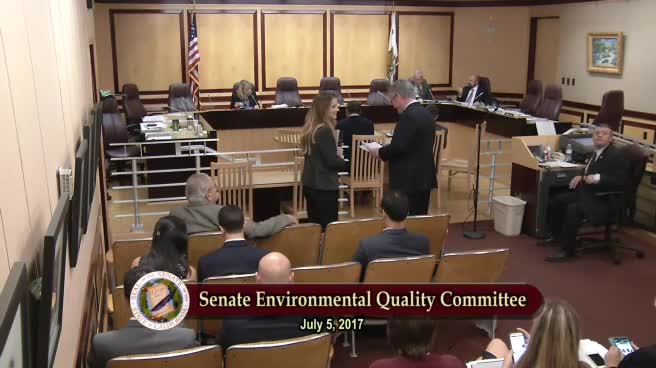 20MIN
Senate Standing Committee on Environmental Quality
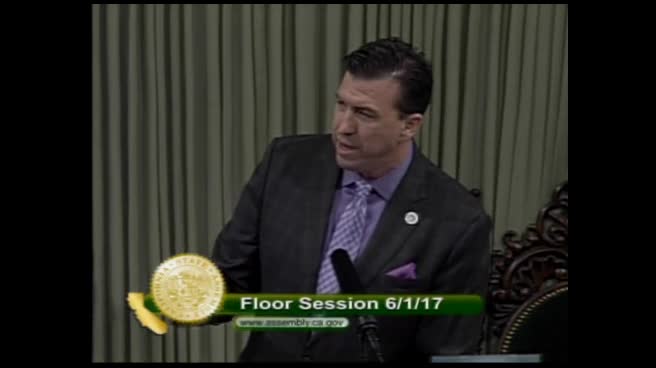 4MIN
Assembly Floor
 1H
Assembly Standing Committee on Appropriations
 25MIN
Assembly Standing Committee on Environmental Safety and Toxic Materials


Bill Co-Author(s):
