AB 1795: Health care programs: cancer.
- Session Year: 2015-2016
- House: Assembly
- Latest Version Date: 2016-09-25
Existing law requires the State Department of Health Care Services to perform various health functions, including providing breast and cervical cancer screening and treatment for low-income individuals. Existing law defines period of coverage as beginning when an individual is made eligible for a covered condition and not to exceed 18 or 24 months, respectively, for a diagnosis of breast cancer or a diagnosis of cervical cancer.
This bill would provide that an individual of any age who is symptomatic, as defined, or an individual whose age is within the age range for routine breast cancer screening, as specified, and who meets all other eligibility requirements is eligible for breast cancer screening and diagnostic services pursuant to these provisions. The bill would also provide that if an individual is diagnosed with a reoccurrence of breast cancer or cervical cancer, whether at the original cancer site or a different cancer site, and meets all other applicable eligibility requirements, the individual shall be eligible for an additional period of treatment coverage, as described above.
Existing law requires the State Department of Health Care Services to perform various health functions, including providing breast and cervical cancer screening and treatment for low-income individuals. Existing law defines period of coverage as beginning when an individual is made eligible for a covered condition and not to exceed 18 or 24 months, respectively, for a diagnosis of breast cancer or a diagnosis of cervical cancer.
This bill would provide that an individual of any age who is symptomatic, as defined, or an individual whose age is within the age range for routine breast cancer screening, as specified, and who meets all other eligibility requirements is eligible for breast cancer screening and diagnostic services pursuant to these provisions. The bill would also provide that if an individual is diagnosed with a reoccurrence of breast cancer or cervical cancer, whether at the original cancer site or a different cancer site, and meets all other applicable eligibility requirements, the individual shall be eligible for coverage, as long as the individual continues to meet all other eligibility requirements and as long as the individual has not exhausted the period of coverage an additional period of treatment coverage, as described above.
Existing law requires the State Department of Health Care Services to perform various health functions, including providing breast and cervical cancer screening and treatment for low-income individuals. Existing law defines period of coverage as beginning when an individual is made eligible for a covered condition and not to exceed 18 or 24 months, respectively, for a diagnosis of breast cancer or a diagnosis of cervical cancer.
This bill would delete that definition and, instead, provide that the treatment services be for the duration of the period of treatment for an individual made eligible for treatment due to a diagnosis of breast cancer or cervical cancer, or who is diagnosed with a reoccurrence of breast cancer or cervical cancer, as long as the individual continues to meet all other eligibility requirements. The bill would provide that an individual of any age who is symptomatic, as defined, or an individual whose age is within the age range for routine breast cancer screening, as specified, and who meets all other eligibility requirements is eligible for breast cancer screening and diagnostic services pursuant to these provisions. The bill would also provide that if an individual is diagnosed with a reoccurrence of breast cancer or cervical cancer, whether at the original cancer site or a different cancer site, the individual shall be eligible for coverage, as long as the individual continues to meet all other eligibility requirements and as long as the individual has not exhausted the period of coverage described above.
Existing law requires the State Department of Health Care Services to perform various health functions, including providing breast and cervical cancer screening and treatment for low-income individuals. Existing law defines period of coverage as beginning when an individual is made eligible for a covered condition and not to exceed 18 or 24 months, respectively, for a diagnosis of breast cancer or a diagnosis of cervical cancer.
This bill would delete that definition and, instead, provide that the treatment services be for the duration of the period of treatment for an individual made eligible for treatment due to a diagnosis of breast cancer or cervical cancer, or who is diagnosed with a reoccurrence of breast cancer or cervical cancer, as long as the individual continues to meet all other eligibility requirements. The bill would require the department to provide breast cancer screening and diagnostic services to individuals of any age who are symptomatic, as defined, and to individuals who are 40 years of age or older, who meet the other eligibility requirements. provide that an individual of any age who is symptomatic, as defined, or an individual whose age is within the age range for routine breast cancer screening, as specified, and who meets all other eligibility requirements is eligible for breast cancer screening and diagnostic services pursuant to these provisions.
Existing law requires the State Department of Health Care Services to perform various health functions, including providing breast and cervical cancer screening and treatment for low-income individuals. Existing law defines period of coverage as beginning when an individual is made eligible for a covered condition and not to exceed 18 or 24 months, respectively, for a diagnosis of breast cancer or a diagnosis of cervical cancer.
This bill would delete that definition and, instead, provide that the treatment services be for the duration of the period of treatment for an individual made eligible for treatment due to a diagnosis of breast cancer or cervical cancer, or who is diagnosed with a reoccurrence of breast cancer or cervical cancer, as long as the individual continues to meet all other eligibility requirements. The bill would require the department to provide breast cancer screening and diagnostic services to individuals of any age who are symptomatic, as defined, and to individuals who are 40 years of age or older, who meet the other eligibility requirements.
(a)(1)A provider or entity that participates in the grant made to the department by the federal Centers for Disease Control and Prevention breast and cervical cancer early detection program established under Title XV of the federal Public Health Service Act (42 U.S.C. Sec. 300k et seq.) in accordance with requirements of Section 1504 of that act (42 U.S.C. Sec. 300n) may only render screening services under the grant to an individual if the provider or entity determines that the individuals family income does not exceed 200 percent of the federal poverty level.
(2)Providers, or the enrolling entity, shall make available to all applicants and beneficiaries, prior to or concurrent with enrollment, information on the manner in which to apply for insurance affordability programs, in a manner determined by the State Department of Health Care Services. The information shall include the manner in which applications can be submitted for insurance affordability programs, information about the open enrollment periods for the California Health Benefit Exchange, and the continuous enrollment aspect of the Medi-Cal program.
(b)(1)The department shall provide for breast cancer and cervical cancer screening services under the grant at the level of funding budgeted from state and other resources during the fiscal year in which the Legislature has appropriated funds to the department for this purpose. These screening services shall not be deemed to be an entitlement.
(2)The following individuals shall be eligible for breast cancer screening and diagnostic services pursuant to this section if they meet all other eligibility requirements:
(A)An individual of any age who is symptomatic.
(B)An individual whose age is within the age range for routine breast cancer screening, as recommended by the United States Preventive Services Task Force, subject to any federal action relating to breast cancer screening that overrides those recommendations.
(3)For purposes of this section, symptomatic means an individual presenting with an abnormality or change in the look or feel of the breast, including, but not limited to, a lump, a hard knot, thickening or swelling of the breast tissue, a change in the color, size, or shape of the breast, or any discharge from the nipple.
(c)To implement the federal breast and cervical cancer early detection program specified in this section, the department may contract, to the extent permitted by Section 19130 of the Government Code, with public and private entities, or utilize existing health care service provider enrollment and payment mechanisms, including the Medi-Cal programs fiscal intermediary. However, the Medi-Cal programs fiscal intermediary shall only be utilized if services provided under the program are specifically identified and reimbursed in a manner that does not claim federal financial reimbursement. Any contracts with, and the utilization of, the Medi-Cal programs fiscal intermediary shall not be subject to Chapter 3 (commencing with Section 12100) of Part 2 of Division 2 of the Public Contract Code. Contracts to implement the federal breast and cervical cancer early detection program entered into by the department with entities other than the Medi-Cal programs fiscal intermediary shall not be subject to Part 2 (commencing with Section 10100) of Division 2 of the Public Contract Code.
(d)The department shall enter into an interagency agreement with the State Department of Health Care Services to transfer that portion of the grant made to the department by the federal Centers for Disease Control and Prevention breast and cervical cancer early detection program established under Title XV of the federal Public Health Service Act (42 U.S.C. Sec. 300k et seq.) to the State Department of Health Care Services. The department shall have no other liability to the State Department of Health Care Services under this article.
SEC. 2.Section 104161.1 of the Health and Safety Code is amended to read:104161.1.(a)When an individual is made eligible for treatment services under this article due to a diagnosis of breast cancer, the period of coverage shall not exceed 18 months of treatment. After 18 months, the individuals eligibility for treatment services for the cancer condition that made this individual eligible concludes.
(b)When an individual is made eligible for treatment services under this article due to a diagnosis of cervical cancer, the period of coverage shall not exceed 24 months of treatment. After 24 months, the individuals eligibility for treatment services for the cancer condition that made this individual eligible concludes.
(c)If an individual is diagnosed with a reoccurrence of breast cancer or cervical cancer, whether at the original cancer site or a different cancer site, and meets all other applicable eligibility requirements, the individual shall be eligible for an additional period of treatment coverage, as described in subdivision (a) or (b), respectively.
(a)(1)A provider or entity that participates in the grant made to the department by the federal Centers for Disease Control and Prevention breast and cervical cancer early detection program established under Title XV of the federal Public Health Service Act (42 U.S.C. Sec. 300k et seq.) in accordance with requirements of Section 1504 of that act (42 U.S.C. Sec. 300n) may only render screening services under the grant to an individual if the provider or entity determines that the individuals family income does not exceed 200 percent of the federal poverty level.
(2)Providers, or the enrolling entity, shall make available to all applicants and beneficiaries, prior to or concurrent with enrollment, information on the manner in which to apply for insurance affordability programs, in a manner determined by the State Department of Health Care Services. The information shall include the manner in which applications can be submitted for insurance affordability programs, information about the open enrollment periods for the California Health Benefit Exchange, and the continuous enrollment aspect of the Medi-Cal program.
(b)(1)The department shall provide for breast cancer and cervical cancer screening services under the grant at the level of funding budgeted from state and other resources during the fiscal year in which the Legislature has appropriated funds to the department for this purpose. These screening services shall not be deemed to be an entitlement.
(2)The following individuals shall be eligible for breast cancer screening and diagnostic services pursuant to this section if they meet all other eligibility requirements:
(A)An individual of any age who is symptomatic.
(B)An individual whose age is within the age range for routine breast cancer screening, as recommended by the United States Preventive Services Task Force, subject to any federal action relating to breast cancer screening that overrides those recommendations.
(3)For purposes of this section, symptomatic means an individual presenting with an abnormality or change in the look or feel of the breast, including, but not limited to, a lump, a hard knot, thickening or swelling of the breast tissue, a change in the color, size, or shape of the breast, or any discharge from the nipple.
(c)To implement the federal breast and cervical cancer early detection program specified in this section, the department may contract, to the extent permitted by Section 19130 of the Government Code, with public and private entities, or utilize existing health care service provider enrollment and payment mechanisms, including the Medi-Cal programs fiscal intermediary. However, the Medi-Cal programs fiscal intermediary shall only be utilized if services provided under the program are specifically identified and reimbursed in a manner that does not claim federal financial reimbursement. Any contracts with, and the utilization of, the Medi-Cal programs fiscal intermediary shall not be subject to Chapter 3 (commencing with Section 12100) of Part 2 of Division 2 of the Public Contract Code. Contracts to implement the federal breast and cervical cancer early detection program entered into by the department with entities other than the Medi-Cal programs fiscal intermediary shall not be subject to Part 2 (commencing with Section 10100) of Division 2 of the Public Contract Code.
(d)The department shall enter into an interagency agreement with the State Department of Health Care Services to transfer that portion of the grant made to the department by the federal Centers for Disease Control and Prevention breast and cervical cancer early detection program established under Title XV of the federal Public Health Service Act (42 U.S.C. Sec. 300k et seq.) to the State Department of Health Care Services. The department shall have no other liability to the State Department of Health Care Services under this article.
SEC. 2.Section 104161.1 of the Health and Safety Code is amended to read:104161.1.(a)When an individual is made eligible for treatment services under this article due to a diagnosis of breast cancer, the period of coverage shall not exceed 18 months. months of treatment. After 18 months, the individuals eligibility for treatment services for the cancer condition that made this individual eligible concludes.
(b)When an individual is made eligible for treatment services under this article due to a diagnosis of cervical cancer, the period of coverage shall not exceed 24 months. months of treatment. After 24 months, the individuals eligibility for treatment services for the cancer condition that made this individual eligible concludes.
(c)If an individual is diagnosed with a reoccurrence of breast cancer or cervical cancer, whether at the original cancer site or a different cancer site, and meets all other applicable eligibility requirements, the individual shall be eligible for an additional period of treatment coverage, as long as the individual continues to meet all other eligibility requirements and as long as the individual has not exhausted the period of coverage described in subdivision (a) or (b), respectively.
(a)(1)A provider or entity that participates in the grant made to the department by the federal Centers for Disease Control and Prevention breast and cervical cancer early detection program established under Title XV of the federal Public Health Service Act (42 U.S.C. Sec. 300k et seq.) in accordance with requirements of Section 1504 of that act (42 U.S.C. Sec. 300n) may only render screening services under the grant to an individual if the provider or entity determines that the individuals family income does not exceed 200 percent of the federal poverty level.
(2)Providers, or the enrolling entity, shall make available to all applicants and beneficiaries, prior to or concurrent with enrollment, information on the manner in which to apply for insurance affordability programs, in a manner determined by the State Department of Health Care Services. The information shall include the manner in which applications can be submitted for insurance affordability programs, information about the open enrollment periods for the California Health Benefit Exchange, and the continuous enrollment aspect of the Medi-Cal program.
(b)(1)The department shall provide for breast cancer and cervical cancer screening services under the grant at the level of funding budgeted from state and other resources during the fiscal year in which the Legislature has appropriated funds to the department for this purpose. These screening services shall not be deemed to be an entitlement.
(2)The following individuals shall be eligible for breast cancer screening and diagnostic services pursuant to this section if they meet all other eligibility requirements:
(A)An individual of any age who is symptomatic.
(B)An individual whose age is within the age range for routine breast cancer screening, as recommended by the United States Preventive Services Task Force, subject to any federal action relating to breast cancer screening that overrides those recommendations.
(3)For purposes of this section, symptomatic means an individual presenting with an abnormality or change in the look or feel of the breast, including, but not limited to, a lump, a hard knot, thickening or swelling of the breast tissue, a change in the color, size, or shape of the breast, or any discharge from the nipple.
(c)To implement the federal breast and cervical cancer early detection program specified in this section, the department may contract, to the extent permitted by Section 19130 of the Government Code, with public and private entities, or utilize existing health care service provider enrollment and payment mechanisms, including the Medi-Cal programs fiscal intermediary. However, the Medi-Cal programs fiscal intermediary shall only be utilized if services provided under the program are specifically identified and reimbursed in a manner that does not claim federal financial reimbursement. Any contracts with, and the utilization of, the Medi-Cal programs fiscal intermediary shall not be subject to Chapter 3 (commencing with Section 12100) of Part 2 of Division 2 of the Public Contract Code. Contracts to implement the federal breast and cervical cancer early detection program entered into by the department with entities other than the Medi-Cal programs fiscal intermediary shall not be subject to Part 2 (commencing with Section 10100) of Division 2 of the Public Contract Code.
(d)The department shall enter into an interagency agreement with the State Department of Health Care Services to transfer that portion of the grant made to the department by the federal Centers for Disease Control and Prevention breast and cervical cancer early detection program established under Title XV of the federal Public Health Service Act (42 U.S.C. Sec. 300k et seq.) to the State Department of Health Care Services. The department shall have no other liability to the State Department of Health Care Services under this article.
SEC. 2.Section 104161 of the Health and Safety Code is amended to read:104161.For the purposes of this article, the following definitions shall apply:
(a)Covered conditions means breast or cervical cancer.
(b)Breast cancer includes primary, recurrent, and metastatic cancers of the breast, including, but not limited to, infiltrating or in situ.
(c)Cervical cancer includes all primary, recurrent, and metastatic cancers of the cervix, including, but not limited to, infiltrating or in situ, as well as cervical dysplasia.
(d)
Treatment services means those health care services, goods, supplies, or merchandise medically necessary to treat the covered condition or conditions with which the individual made eligible under this article has been diagnosed.
(e)
Uninsured means not covered for breast or cervical cancer treatment services by any of the following:
(1)No-cost full-scope Medi-Cal.
(2)Medicare.
(3)A health care service plan contract or policy of disability insurance.
(4)Any other form of health care coverage.
(f)
Underinsured means either of the following:
(1)Covered for breast or cervical cancer treatment services by any health care insurance listed in paragraph (2), (3), or (4) of subdivision (e), but the sum of the individuals insurance deductible, premiums, and expected copayments in the initial 12-month period that breast or cervical cancer treatment services are needed exceeds seven hundred fifty dollars ($750).
(2)Covered by share-of-cost or limited-scope Medi-Cal, if the individual is not otherwise eligible for treatment services under the Medi-Cal program pursuant to Section 14007.71 of the Welfare and Institutions Code.
SEC. 3.SEC. 2.Section 104161.1 of the Health and Safety Code is amended to read:104161.1.(a)When an individual is made eligible for treatment services under this article due to a diagnosis of breast cancer, the treatment services shall be for the duration of the period of treatment, as long as the individual continues to meet all other eligibility requirements. period of coverage shall not exceed 18 months. After 18 months, the individuals eligibility for treatment services for the cancer condition that made this individual eligible concludes.
(b)When an individual is made eligible for treatment services under this article due to a diagnosis of cervical cancer, the treatment services shall be for the duration of the period of treatment, as long as the individual continues to meet all other eligibility requirements. period of coverage shall not exceed 24 months. After 24 months, the individuals eligibility for treatment services for the cancer condition that made this individual eligible concludes.
(c)If an individual is diagnosed with a reoccurrence of breast cancer or cervical cancer, whether at the original cancer site or a different cancer site, the individual shall be eligible for coverage for the duration of the period of treatment, coverage, as long as the individual continues to meet all other eligibility requirements. requirements and as long as the individual has not exhausted the period of coverage described in subdivision (a) or (b), respectively.
(a)(1)A provider or entity that participates in the grant made to the department by the federal Centers for Disease Control and Prevention breast and cervical cancer early detection program established under Title XV of the federal Public Health Service Act (42 U.S.C. Sec. 300k et seq.) in accordance with requirements of Section 1504 of that act (42 U.S.C. Sec. 300n) may only render screening services under the grant to an individual if the provider or entity determines that the individuals family income does not exceed 200 percent of the federal poverty level.
(2)Providers, or the enrolling entity, shall make available to all applicants and beneficiaries, prior to or concurrent with enrollment, information on the manner in which to apply for insurance affordability programs, in a manner determined by the State Department of Health Care Services. The information shall include the manner in which applications can be submitted for insurance affordability programs, information about the open enrollment periods for the California Health Benefit Exchange, and the continuous enrollment aspect of the Medi-Cal program.
(b)(1)The department shall provide for breast cancer and cervical cancer screening services under the grant at the level of funding budgeted from state and other resources during the fiscal year in which the Legislature has appropriated funds to the department for this purpose. These screening services shall not be deemed to be an entitlement.
(2)The department shall provide breast cancer screening and diagnostic services to individuals of any age who are symptomatic, and to individuals who are 40 years of age or older, who meet the other eligibility requirements.
(2)The following individuals shall be eligible for breast cancer screening and diagnostic services pursuant to this section if they meet all other eligibility requirements:
(A)An individual of any age who is symptomatic.
(B)An individual whose age is within the age range for routine breast cancer screening, as recommended by the United States Preventive Services Task Force, subject to any federal action relating to breast cancer screening that overrides those recommendations.
(3)For purposes of this section, symptomatic means an individual presenting with an abnormality or change in the look or feel of the breast, including, but not limited to, a lump, a hard knot, thickening or swelling of the breast tissue, a change in the color, size, or shape of the breast, or any discharge from the nipple.
(c)To implement the federal breast and cervical cancer early detection program specified in this section, the department may contract, to the extent permitted by Section 19130 of the Government Code, with public and private entities, or utilize existing health care service provider enrollment and payment mechanisms, including the Medi-Cal programs fiscal intermediary. However, the Medi-Cal programs fiscal intermediary shall only be utilized if services provided under the program are specifically identified and reimbursed in a manner that does not claim federal financial reimbursement. Any contracts with, and the utilization of, the Medi-Cal programs fiscal intermediary shall not be subject to Chapter 3 (commencing with Section 12100) of Part 2 of Division 2 of the Public Contract Code. Contracts to implement the federal breast and cervical cancer early detection program entered into by the department with entities other than the Medi-Cal programs fiscal intermediary shall not be subject to Part 2 (commencing with Section 10100) of Division 2 of the Public Contract Code.
(d)The department shall enter into an interagency agreement with the State Department of Health Care Services to transfer that portion of the grant made to the department by the federal Centers for Disease Control and Prevention breast and cervical cancer early detection program established under Title XV of the federal Public Health Service Act (42 U.S.C. Sec. 300k et seq.) to the State Department of Health Care Services. The department shall have no other liability to the State Department of Health Care Services under this article.
SEC. 2.Section 104161 of the Health and Safety Code is amended to read:104161.For the purposes of this article, the following definitions shall apply:
(a)Covered conditions means breast or cervical cancer.
(b)Breast cancer includes primary, recurrent, and metastatic cancers of the breast, including, but not limited to, infiltrating or in situ.
(c)Cervical cancer includes all primary, recurrent, and metastatic cancers of the cervix, including, but not limited to, infiltrating or in situ, as well as cervical dysplasia.
(d)Treatment services means those health care services, goods, supplies, or merchandise medically necessary to treat the covered condition or conditions with which the individual made eligible under this article has been diagnosed.
(e)Uninsured means not covered for breast or cervical cancer treatment services by any of the following:
(1)No-cost full-scope Medi-Cal.
(2)Medicare.
(3)A health care service plan contract or policy of disability insurance.
(4)Any other form of health care coverage.
(f)Underinsured means either of the following:
(1)Covered for breast or cervical cancer treatment services by any health care insurance listed in paragraph (2), (3), or (4) of subdivision (e), but the sum of the individuals insurance deductible, premiums, and expected copayments in the initial 12-month period that breast or cervical cancer treatment services are needed exceeds seven hundred fifty dollars ($750).
(2)Covered by share-of-cost or limited-scope Medi-Cal, if the individual is not otherwise eligible for treatment services under the Medi-Cal program pursuant to Section 14007.71 of the Welfare and Institutions Code.
SEC. 3.Section 104161.1 of the Health and Safety Code is amended to read:104161.1.(a)When an individual is made eligible for treatment services under this article due to a diagnosis of breast cancer, the treatment services shall be for the duration of the period of treatment, as long as the individual continues to meet all other eligibility requirements.
(b)When an individual is made eligible for treatment services under this article due to a diagnosis of cervical cancer, the treatment services shall be for the duration of the period of treatment, as long as the individual continues to meet all other eligibility requirements.
(c)If an individual is diagnosed with a reoccurrence of breast cancer or cervical cancer, whether at the original cancer site or a different cancer site, the individual shall be eligible for coverage for the duration of the period of treatment, as long as the individual continues to meet all other eligibility requirements.
(a)(1)A provider or entity that participates in the grant made to the department by the federal Centers for Disease Control and Prevention breast and cervical cancer early detection program established under Title XV of the federal Public Health Service Act (42 U.S.C. Sec. 300k et seq.) in accordance with requirements of Section 1504 of that act (42 U.S.C. Sec. 300n) may only render screening services under the grant to an individual if the provider or entity determines that the individuals family income does not exceed 200 percent of the federal poverty level.
(2)Providers, or the enrolling entity, shall make available to all applicants and beneficiaries, prior to or concurrent with enrollment, information on the manner in which to apply for insurance affordability programs, in a manner determined by the State Department of Health Care Services. The information shall include the manner in which applications can be submitted for insurance affordability programs, information about the open enrollment periods for the California Health Benefit Exchange, and the continuous enrollment aspect of the Medi-Cal program.
(b)(1)The department shall provide for breast cancer and cervical cancer screening services under the grant at the level of funding budgeted from state and other resources during the fiscal year in which the Legislature has appropriated funds to the department for this purpose. These screening services shall not be deemed to be an entitlement.
(2)The department shall provide breast cancer screening and diagnostic services to individuals of any age who are symptomatic, and to individuals who are 40 years of age or older, who meet the other eligibility requirements.
(3)For purposes of this section, symptomatic means an individual presenting with an abnormality or change in the look or feel of the breast, including, but not limited to, a lump, a hard knot, thickening or swelling of the breast tissue, a change in the color, size, or shape of the breast, or any discharge from the nipple.
(c)To implement the federal breast and cervical cancer early detection program specified in this section, the department may contract, to the extent permitted by Section 19130 of the Government Code, with public and private entities, or utilize existing health care service provider enrollment and payment mechanisms, including the Medi-Cal programs fiscal intermediary. However, the Medi-Cal programs fiscal intermediary shall only be utilized if services provided under the program are specifically identified and reimbursed in a manner that does not claim federal financial reimbursement. Any contracts with, and the utilization of, the Medi-Cal programs fiscal intermediary shall not be subject to Chapter 3 (commencing with Section 12100) of Part 2 of Division 2 of the Public Contract Code. Contracts to implement the federal breast and cervical cancer early detection program entered into by the department with entities other than the Medi-Cal programs fiscal intermediary shall not be subject to Part 2 (commencing with Section 10100) of Division 2 of the Public Contract Code.
(d)The department shall enter into an interagency agreement with the State Department of Health Care Services to transfer that portion of the grant made to the department by the federal Centers for Disease Control and Prevention breast and cervical cancer early detection program established under Title XV of the federal Public Health Service Act (42 U.S.C. Sec. 300k et seq.) to the State Department of Health Care Services. The department shall have no other liability to the State Department of Health Care Services under this article.
SEC. 2.Section 104161 of the Health and Safety Code is amended to read:104161.For the purposes of this article, the following definitions shall apply:
(a)Covered conditions means breast or cervical cancer.
(b)Breast cancer includes primary, recurrent, and metastatic cancers of the breast, including, but not limited to, infiltrating or in situ.
(c)Cervical cancer includes all primary, recurrent, and metastatic cancers of the cervix, including, but not limited to, infiltrating or in situ, as well as cervical dysplasia.
(d)Treatment services means those health care services, goods, supplies, or merchandise medically necessary to treat the covered condition or conditions with which the individual made eligible under this article has been diagnosed.
(e)Uninsured means not covered for breast or cervical cancer treatment services by any of the following:
(1)No cost full scope No-cost full-scope Medi-Cal.
(2)Medicare.
(3)A health care service plan contract or policy of disability insurance.
(4)Any other form of health care coverage.
(f)Underinsured means either of the following:
(1)Covered for breast or cervical cancer treatment services by any health care insurance listed in paragraph (2), (3), or (4) of subdivision (e), but the sum of the individuals insurance deductible, premiums, and expected copayments in the initial 12-month period that breast or cervical cancer treatment services are needed exceeds seven hundred fifty dollars ($750).
(2)Covered by share-of-cost or limited scope limited-scope Medi-Cal, if the individual is not otherwise eligible for treatment services under the Medi-Cal program pursuant to Section 14007.71 of the Welfare and Institutions Code.
SEC. 3.Section 104161.1 of the Health and Safety Code is amended to read:104161.1.(a)When an individual is made eligible for treatment services under this article due to a diagnosis of breast cancer, the treatment services shall be for the duration of the period of treatment, as long as the individual continues to meet all other eligibility requirements.
(b)When an individual is made eligible for treatment services under this article due to a diagnosis of cervical cancer, the treatment services shall be for the duration of the period of treatment, as long as the individual continues to meet all other eligibility requirements.
(c)If an individual is diagnosed with a reoccurrence of breast cancer or cervical cancer, whether at the original cancer site or a different cancer site, the individual shall be eligible for coverage for the duration of the period of treatment, as long as the individual continues to meet all other eligibility requirements.
(a)(1)A provider or entity that participates in the grant made to the department by the federal Centers for Disease Control and Prevention breast and cervical cancer early detection program established under Title XV of the federal Public Health Service Act (42 U.S.C. Sec. 300k et seq.) in accordance with requirements of Section 1504 of that act (42 U.S.C. Sec. 300n) may only render screening services under the grant to an individual if the provider or entity determines that the individuals family income does not exceed 200 percent of the federal poverty level.
(2)Providers, or the enrolling entity, shall make available to all applicants and beneficiaries, prior to or concurrent with enrollment, information on the manner in which to apply for insurance affordability programs, in a manner determined by the State Department of Health Care Services. The information shall include the manner in which applications can be submitted for insurance affordability programs, information about the open enrollment periods for the California Health Benefit Exchange, and the continuous enrollment aspect of the Medi-Cal program.
(b)(1)The department shall provide for breast cancer and cervical cancer screening services under the grant at the level of funding budgeted from state and other resources during the fiscal year in which the Legislature has appropriated funds to the department for this purpose. These screening services shall not be deemed to be an entitlement.
(2)The department shall provide breast cancer screening and diagnostic services to individuals of any age who are symptomatic, and to individuals who are 40 years of age or older, who meet the other eligibility requirements.
(3)For purposes of this section, symptomatic means an individual presenting with an abnormality or change in the look or feel of the breast, including, but not limited to, a lump, a hard knot, thickening or swelling of the breast tissue, a change in the color, size, or shape of the breast, or any discharge from the nipple.
(c)To implement the federal breast and cervical cancer early detection program specified in this section, the department may contract, to the extent permitted by Section 19130 of the Government Code, with public and private entities, or utilize existing health care service provider enrollment and payment mechanisms, including the Medi-Cal programs fiscal intermediary. However, the Medi-Cal programs fiscal intermediary shall only be utilized if services provided under the program are specifically identified and reimbursed in a manner that does not claim federal financial reimbursement. Any contracts with, and the utilization of, the Medi-Cal programs fiscal intermediary shall not be subject to Chapter 3 (commencing with Section 12100) of Part 2 of Division 2 of the Public Contract Code. Contracts to implement the federal breast and cervical cancer early detection program entered into by the department with entities other than the Medi-Cal programs fiscal intermediary shall not be subject to Part 2 (commencing with Section 10100) of Division 2 of the Public Contract Code.
(d)The department shall enter into an interagency agreement with the State Department of Health Care Services to transfer that portion of the grant made to the department by the federal Centers for Disease Control and Prevention breast and cervical cancer early detection program established under Title XV of the federal Public Health Service Act (42 U.S.C. Sec. 300k et seq.) to the State Department of Health Care Services. The department shall have no other liability to the State Department of Health Care Services under this article.
SEC. 2.Section 104161 of the Health and Safety Code is amended to read:104161.For the purposes of this article, the following definitions shall apply:
(a) Covered conditions means breast or cervical cancer.
(b) Breast cancer includes primary, recurrent, and metastatic cancers of the breast, including, but not limited to, infiltrating or in situ.
(c) Cervical cancer includes all primary, recurrent, and metastatic cancers of the cervix, including, but not limited to, infiltrating or in situ, as well as cervical dysplasia.
(d) Period of coverage means the period of time beginning when an individual is made eligible under this article for a covered condition and shall not exceed the period of time the individuals eligibility for treatment services for a covered condition concludes, as described in Section 104161.1.
(e)
(d) Treatment services means those health care services, goods, supplies, or merchandise medically necessary to treat the covered condition or conditions with which the individual made eligible under this article has been diagnosed.
(f)
(e) Uninsured means not covered for breast or cervical cancer treatment services by any of the following:
(1) No cost full scope Medi-Cal.
(2) Medicare.
(3) A health care service plan contract or policy of disability insurance.
(4) Any other form of health care coverage.
(g)
(f) Underinsured means either of the following:
(1) Covered for breast or cervical cancer treatment services by any health care insurance listed in paragraph (2), (3), or (4) of subdivision (f), (e), but the sum of the individuals insurance deductible, premiums, and expected copayments in the initial 12-month period that breast or cervical cancer treatment services are needed exceeds seven hundred fifty dollars ($750).
(2) Covered by share-of-cost or limited scope Medi-Cal, if the individual is not otherwise eligible for treatment services under the Medi-Cal program pursuant to Section 14007.71 of the Welfare and Institutions Code.
SEC. 3.Section 104161.1 of the Health and Safety Code is amended to read:104161.1.(a) When an individual is made eligible for treatment services under this article due to a diagnosis of breast cancer, the period of coverage treatment services shall not exceed 18 months. After 18 months, the individuals eligibility for treatment services for the cancer condition that made this individual eligible concludes. be for the duration of the period of treatment, as long as the individual continues to meet all other eligibility requirements.
(b) When an individual is made eligible for treatment services under this article due to a diagnosis of cervical cancer, the period of coverage shall not exceed 24 months. After 24 months, the individuals eligibility for treatment services for the cancer condition that made this individual eligible concludes. shall be for the duration of the period of treatment, as long as the individual continues to meet all other eligibility requirements.
(c)If an individual is diagnosed with a reoccurrence of breast cancer or cervical cancer, whether at the original cancer site or a different cancer site, the individual shall be eligible for coverage for the duration of the period of treatment, as long as the individual continues to meet all other eligibility requirements.
|
Date
|
Status
|
|---|---|
| Sep 8, 2016 | Enrolled and presented to the Governor at 4 p.m. |
| Aug 30, 2016 | Senate amendments concurred in. To Engrossing and Enrolling. (Ayes 79. Noes 0. Page 6482.). |
| Aug 30, 2016 | Assembly Rule 63 suspended. (Page 6474.) |
| Aug 30, 2016 | Senate amendments concurred in. To Engrossing and Enrolling. |
| Aug 30, 2016 | Assembly Rule 63 suspended. |
| Aug 30, 2016 | In Assembly. Concurrence in Senate amendments pending. |
| Aug 29, 2016 | Read third time. Passed. Ordered to the Assembly. (Ayes 39. Noes 0. Page 5487.). |
| Aug 29, 2016 | Read third time. Passed. Ordered to the Assembly. |
| Aug 25, 2016 | Read second time. Ordered to third reading. |
| Aug 24, 2016 | Read third time and amended. Ordered to second reading. |
| Aug 24, 2016 | Ordered to third reading. |
| Aug 24, 2016 | Action rescinded whereby the bill was read third time, passed, and to Assembly. |
| Aug 23, 2016 | Joint Rule 61(b)(16) suspended. (Page 5315.) |
| Aug 23, 2016 | Joint Rule 61(b)(16) suspended. |
| Aug 23, 2016 | In Senate. Held at Desk. |
| Aug 23, 2016 | Ordered to the Senate. |
| Aug 17, 2016 | Read third time. Passed. Ordered to the Assembly. (Ayes 35. Noes 0. Page 5043.). |
| Aug 17, 2016 | Read third time. Passed. Ordered to the Assembly. (Ayes 35. Noes 0.). |
| Aug 17, 2016 | In Assembly. Concurrence in Senate amendments pending. May be considered on or after August 19 pursuant to Assembly Rule 77. |
| Aug 17, 2016 | Read third time. Passed. Ordered to the Assembly. |
| Aug 15, 2016 | Read second time and amended. Ordered to third reading. |
| Aug 11, 2016 | From committee: Amend, and do pass as amended. (Ayes 5. Noes 0.) (August 11). |
| Aug 1, 2016 | In committee: Referred to APPR. suspense file. |
| Jun 15, 2016 | From committee: Do pass and re-refer to Com. on APPR. (Ayes 9. Noes 0.) (June 15). Re-referred to Com. on APPR. |
| Jun 9, 2016 | Referred to Com. on HEALTH. |
| Jun 6, 2016 | In Senate. Read first time. To Com. on RLS. for assignment. |
| Jun 2, 2016 | Read third time. Passed. Ordered to the Senate. (Ayes 77. Noes 1. Page 5220.) |
| Jun 2, 2016 | Read third time. Passed. Ordered to the Senate. (Ayes 77. Noes 1.) |
| Jun 2, 2016 | Read third time. Passed. Ordered to the Senate. |
| Jun 1, 2016 | Read second time. Ordered to third reading. |
| May 31, 2016 | Read second time and amended. Ordered returned to second reading. |
| May 27, 2016 | From committee: Amend, and do pass as amended. (Ayes 15. Noes 4.) (May 27). |
| Apr 6, 2016 | In committee: Set, first hearing. Referred to APPR. suspense file. |
| Mar 29, 2016 | Re-referred to Com. on APPR. |
| Mar 28, 2016 | From committee chair, with author's amendments: Amend, and re-refer to Com. on APPR. Read second time and amended. |
| Mar 16, 2016 | From committee: Do pass and re-refer to Com. on APPR. (Ayes 17. Noes 0.) (March 15). Re-referred to Com. on APPR. |
| Feb 18, 2016 | Referred to Com. on HEALTH. |
| Feb 5, 2016 | From printer. May be heard in committee March 6. |
| Feb 4, 2016 | Read first time. To print. |
|
Date
|
Description
|
Location
|
Votes
|
|
|---|---|---|---|---|
| Aug 30, 2016 | AB 1795 ATKINS Concurrence in Senate Amendments | Assembly Floor |
Passed |
|
| Aug 29, 2016 | Assembly 3rd Reading AB1795 Atkins By Pan | Senate Floor |
Passed |
|
| Aug 17, 2016 | Assembly 3rd Reading AB1795 Atkins By Pan | Senate Floor |
Passed |
|
| Aug 11, 2016 | Do pass as amended | Senate Standing Committee on Appropriations |
Passed |
|
| Aug 1, 2016 | Placed on suspense file | Senate Standing Committee on Appropriations |
Passed |
|
| Jun 15, 2016 | Do pass, but first be re-referred to the Committee on [Appropriations] | Senate Standing Committee on Health |
Passed |
|
| Jun 2, 2016 | AB 1795 ATKINS Assembly Third Reading | Assembly Floor |
Passed |
|
| May 27, 2016 | Do pass as amended. | Assembly Standing Committee on Appropriations |
Passed |
|
| Mar 15, 2016 | Do pass and be re-referred to the Committee on [Appropriations] | Assembly Standing Committee on Health |
Passed |
This list shows positions taken on this bill by organizations on the date displayed, which is linked to the original source.
Positions by individuals are not included.
(Without Reference to File)
CONCURRENCE IN SENATE AMENDMENTS
CSA1 Bill Id:AB 1795
Author:(Atkins)
As Amended Ver:August 24, 2016
Majority vote
ASSEMBLY: | 77-1 | (June 2, 2016) | SENATE: | 35-0 | (August 17, 2016) |
Original Committee Reference: HEALTH
SUMMARY: Changes provisions of the Every Woman Counts program (EWC) and the Breast and Cervical Cancer Treatment program (BCCTP) within the Department of Health Care Services (DHCS) regarding eligibility for screenings, period of treatment, and eligibility of coverage after reoccurrence of cancer. Specifically, this bill:
- Requires DHCS to provide breast cancer screening and diagnostic services to individuals that meet existing eligibility requirements and are either symptomatic, as defined, or whose age is within the range for routine breast cancer screening, as recommended by the United States Preventative Services Task Force (USPSTF), subject to federal action relating to breast cancer screening that overrides those recommendations.
- Deletes existing limits on the period of coverage for treatment of breast cancer (18 months) and cervical cancer (24 months) and instead requires coverage for both cancers to remain for the duration of treatment, as long as the individual continues to meet all other eligibility requirements.
- Requires that a patient be eligible for an additional period of treatment coverage if diagnosed with a reoccurrence of breast cancer or cervical cancer for both new cancer sites or the same cancer site, as long as the individual continues to meet all other eligibility requirements.
The Senate amendments
- Restore the definition of period of coverage to current law.
- Delete provisions requiring the period of coverage for breast and cervical cancers to remain for the duration of treatment, as long as the individual continues to meet all other eligibility requirements and restore existing limits on the period of coverage for treatment of breast cancer to 18 months of treatment and cervical cancer to 24 months of treatment.
FISCAL EFFECT: According to the Senate Appropriations Committee:
- Likely one-time administrative costs of $150,000 to $300,000 to update regulations and make necessary changes to billing systems (General Fund). DHCS will likely need to make changes to existing program regulations and systems for processing claims (for example, no longer denying claims due to the length of treatment time).
- Ongoing costs of about $200,000 per year from providing eligibility for the Breast and Cervical Treatment Program for reoccurring cases of cancer (General Fund). In recent years, about 20 women per year were denied coverage because the cancer was a reoccurrence of a previously treated cancer.
- Potential increased costs, up to $2 million per year, to increase eligibility for cancer screening services in the EWC program to symptomatic women less than 40 years of age (Proposition 99 funds, federal funds, General Fund). Current law does not limit participation in the EWC program based on age. It is not clear whether symptomatic women who are under 40 years of age are currently being denied services. To the extent that they are, and this bill eliminates that limitation, there would be costs to the state. Based on the reported incidence of cancer in women less than 40 years of age, staff estimates those potential additional costs being up to $2 million per year. The EWC program is currently funded with Proposition 99 Tobacco Tax funds and federal funds. To the extent that there are additional costs and those funds are not sufficient to pay for increased costs, there would be pressure to appropriate General Fund for this purpose. (Because the EWC program is not an entitlement, the state would not be obligated to appropriate additional funding.)
COMMENTS: According to the author, this bill is needed to ensure that women have timely access to receive the necessary services to detect and treat their cancers early. The author asserts that changes are needed to allow low-income women in California who are uninsured or underinsured to receive complete treatment for breast and cervical cancer, provide that she is not turned away if she is later diagnosed with the same cancer, and allow women under age 40 who are symptomatic for breast cancer to receive necessary screening services.
The mission of the EWC program is to save lives by preventing and reducing the devastating effects of cancer through early detection and diagnostic services. EWC provides free clinical breast exams, mammograms, pelvic exams, and Pap tests to California's low income uninsured and underserved women. These screening services facilitate early detection that may prevent untimely cancer deaths. Each year, EWC provides care for approximately 300,000 individuals. EWC is funded, in part, by $.01 of the tax on each pack of cigarettes sold in California.
The BCCTP provides cancer treatment and services for eligible low-income California residents who are screened by the EWC or Family Planning, Access, Care and Treatment program and found to be in need of treatment for breast and/or cervical cancer. BCCTP provides coverage for breast and cervical cancer treatment and services related to cancer diagnosis. BCCTP provides treatment coverage for approximately 9,000 individuals each year, through both federal and state funding. Currently, the state-funded BCCTP is not aligned with the federally-funded BCCTP, causing gaps in service and treatment for women diagnosed and treated through the state-funded program. Under the state BCCTP, treatment coverage is limited to 18 months for breast cancer and 24 months for cervical cancer, while federal funding has no time limit and remains in effect for the duration of treatment. State-funding for BCCTP does not allow coverage to a woman who is re-diagnosed with the same cancer at the original cancer site, while the federally funded program does.
As of January 2016, the USPSTF recommends, with a B grade, biennial screening mammography for women aged 50 to 74 years. USPSTF also recommends, with a C grade, that the decision to start screening mammography in women prior to age 50 years should be an individual one. Women who place a higher value on the potential benefit than the potential harms may choose to begin biennial screening between the ages of 40 and 49 years.
According to Susan G. Komen California Affiliates, sponsor of the bill, changes in the EWC and BCCTP specified in this bill will ensure that women have timely access to necessary services to detect and treat their cancers early. Health Access states that despite expansion of Medi-Cal under the Patient Protection and Affordable Care Act and subsidized health coverage through Covered California, many low income Californians remain uninsured and under-insured; limited benefit programs such as BCCTP and EWC continue to be an important resource for them.
There is no known opposition to this bill.
Analysis Prepared by: Paula Villescaz / HEALTH / (916) 319-2097 FN: 0004889 0003276
Office of Senate Floor Analyses (916) 651-1520 Fax: (916) 327-4478 | AB |
THIRD READING
Bill No: AB 1795
: Senate
SENATE HEALTH COMMITTEE: 9-0, 6/15/16
AYES: Hernandez, Nguyen, Hall, Mitchell, Monning, Nielsen, Pan, Roth, Wolk
SENATE APPROPRIATIONS COMMITTEE: 5-0, 8/11/16
AYES: Lara, Beall, Hill, McGuire, Mendoza
NO VOTE RECORDED: Bates, Nielsen
ASSEMBLY FLOOR: 77-1, 6/2/16 - See last page for vote
DIGEST: This bill makes changes to the Breast and Cervical Cancer Early Detection Program within the Department of Health Care Services regarding eligibility for screenings, as specified.
Senate Floor Amendments of 8/24/16 clarify that an individual who is diagnosed with a reoccurrence of cancer, as specified, is required to be eligible for an additional period of treatment, as long as the individual meets all other applicable eligibility requirements, and the respective treatment duration limits apply.
Existing law:
- Establishes the Medi-Cal program, administered by the Department of Health Care Services (DHCS), under which qualified low-income individuals receive health care services.
- Establishes the Breast and Cervical Cancer Early Detection Program, administered by DHCS through the Every Woman Counts (EWC) program, to provide breast and cervical cancer screening services under the Centers for Disease Control and Prevention (CDC) grant at the level of funding budgeted from state and other resources during the fiscal year in which the Legislature has appropriated funds for this purpose.
- Requires a provider or entity that participates in the federal National Breast and Cervical Cancer Early Detection Program (NBCCEDP) to provide screening services to an individual only if the individual's family income has been determined not to exceed 200% of the federal poverty level.
- Establishes the Breast and Cervical Cancer Treatment Program (BCCTP) to provide coverage for breast and cervical cancer treatment and services related to cancer diagnosis. Limits the treatment coverage for breast cancer to a period not to exceed 18 months and for cervical cancer not to exceed 24 months. Deems an individual’s eligibility as having concluded after the respective limits for each cancer condition have been reached.
This bill:
- Requires individuals to be eligible for breast cancer screening and diagnostic services through the EWC program if they meet eligibility requirements and a) are of any age and “symptomatic,” as defined, and b) are within the age range for routine breast cancer screening, as recommended by the United States Preventive Services Task Force, subject to any federal action relating to breast cancer screening that overrides those recommendations.
- Defines “symptomatic” as an individual presenting with an abnormality or change in the look or feel of the breast, as specified.
- Requires an individual who is diagnosed with a reoccurrence of breast or cervical cancer to be eligible for an additional period of treatment, as long as the individual meets all other applicable eligibility requirements, and the treatment duration limits specified in 4) above apply.
Background
In 1990, the CDC created the NBCCEDP through Public Law 101-354. This law authorized CDC to grant funds to states to screen a reasonable number of low income, uninsured women for breast and cervical cancers, provide referrals for follow-up and medical treatment for women with abnormal test results, develop and disseminate information for preventing breast and cervical cancers, improve the training of health professionals in preventing these cancers, and monitor the quality of screening procedures. The mission of the EWC program is to save lives by preventing and reducing the devastating effects of cancer through early detection and diagnostic services. EWC provides free clinical breast exams, mammograms, pelvic exams, and Pap tests to California's low income uninsured and underserved women. These screening services facilitate early detection that may prevent untimely cancer deaths. Each year, EWC provides care for approximately 300,000 individuals. According to information available on DHCS’s Web site, EWC is funded, in part, by $.01 of the $.02 tax on each pack of cigarettes sold in California that is allocated to the Breast Cancer Fund (BCF).
The state’s Breast and Cervical Cancer Treatment Program (BCCTP) provides coverage for breast and cervical cancer treatment and services related to cancer diagnosis. BCCTP provides treatment coverage for approximately 9,000 individuals each year, through both federal and state funding. Currently, the state-funded BCCTP is not aligned with the federally funded BCCTP, causing gaps in service and treatment for women diagnosed and treated through the state-funded program. Under California’s BCCTP, treatment coverage is limited to 18 months for breast cancer and 24 months for cervical cancer. Federal funding provides coverage for the duration of treatment. State funding also does not allow coverage to a woman who is re-diagnosed with the same cancer at the original cancer site while the federally funded program does.
Comments
- Author’s statement. According to the author, this bill will help ensure that women have timely access to life-saving services to detect and treat cancer early. This bill affects low-income women in California who are uninsured or underinsured, and it allows them to complete necessary treatment for breast and cervical cancer without an arbitrary deadline to cut-off that critical treatment; it requires that those in remission for breast and cervical cancer who are later re-diagnosed with the same cancer not be turned away for treatment; and it permits those individuals who are symptomatic for breast cancer to receive necessary breast cancer screening services.
Related/Prior Legislation
AB 49 (Buchannan, Chapter 351, Statutes of 2014) established the breast cancer awareness special interest license plate program to generate funds to raise awareness of early breast cancer screening. Requires the proceeds from the license plate sales to be deposited in the Breast Cancer Control Account to fund EWC programming.
SB 1348 (Cedillo of 2008) would have required DPH to provide breast cancer screening services to women who are 38 years of age and older and who meet other eligibility standards for breast cancer screening services under existing state and federal law. SB 1248 was held under submission in the Senate Appropriations Committee.
AB 478 (Friedman, Chapter 660, Statutes of 1993) established a $.02 tax on each pack of cigarettes sold, with the revenue deposited in the BCF and the proceeds to be divided equally between the Breast Cancer Research Account and the Breast Cancer Control Account.
AB 2055 (Freidman, Chapter 661, Statutes of 1993) established the Breast Cancer Control Account for purposes of breast cancer research, detection services, and education. Modified the allocation of tobacco tax funds so that 50% of the funds are devoted to research and 50% for early detection services for uninsured and underinsured women.
FISCAL EFFECT: Appropriation: Fiscal Com.: Local:
According to the Senate Appropriations Committee:
- Likely one-time administrative costs of $150,000 to $300,000 to update regulations and make necessary changes to billing systems (General Fund). DHCS will likely need to make changes to existing program regulations and systems for processing claims (for example, no longer denying claims due to the length of treatment time).
- Ongoing costs of about $200,000 per year from providing eligibility for the Breast and Cervical Treatment Program for reoccurring cases of cancer (General Fund). In recent years, about 20 women per year were denied coverage because the cancer was a reoccurrence of a previously treated cancer.
- Potential increased costs, up to $2 million per year, to increase eligibility for cancer screening services in the EWC program to symptomatic women under 40 years of age (Proposition 99 funds, federal funds, General Fund). Current law does not limit participation in the EWC program based on age. It is not clear whether symptomatic women who are under 40 years of age are currently being denied services. To the extent that they are, and this bill eliminates that limitation, there would be costs to the state. Based on the reported incidence of cancer in women under 40 years of age, staff estimates those potential additional costs being up to $2 million per year. The EWC program is currently funded with Proposition 99 Tobacco Tax funds and federal funds. To the extent that there are additional costs and those funds are not sufficient to pay for increased costs, there would be pressure to appropriate General Fund for this purpose. (Because the EWC program is not an entitlement, the state would not be obligated to appropriate additional funding.)
Susan G. Komen (source)
American Cancer Society Cancer Action Network
American Congress of Obstetricians and Gynecologists, District IX (California)
American Federation of State, County and Municipal Employees
Association of California Healthcare Districts
Barbells for Boobs
Black Women for Wellness
Brown Temple Christian Methodist Episcopal Church
California Academy of PAs
California Association for Nurse Practitioners
CaliforniaHealth+ Advocates
California Health Collaborative
California Life Sciences Association
California National Organization for Women
California Nurses Association
California Radiological Society
California Society of Plastic Surgeons
Cambodian Family Community Center
Cancer Support Community Benjamin Center
Cancer Support Community San Francisco Bay Area
Carrie’s TOUCH
Central City Community Health Center
County Health Executives Association of California
Doctors for America
Health Access
Health Center Partners of Southern California
Hope Wellness Center
Johnson Chapel African Methodist Episcopal Church
Junior Leagues of California
MANA de San Diego
North Orange County Regional Health Foundation
Orange County Women’s Health Project
Planned Parenthood Affiliates of California
Planned Parenthood Orange and San Bernardino Counties
Sacramento Community Cancer Coalition
Samoan National Nurses Association
Serve the People Community Health Center
Shanti
St. Mary Medical Center Foundation
Numerous Individuals
OPPOSITION: (Verified 8/24/16)
California Department of Finance
ARGUMENTS IN SUPPORT: Supporters of this bill, largely health providers, advocates, and numerous individuals, argue that the state-funded BCCT program is not aligned with the federally funded program, causing gaps in service and treatment for women diagnosed and treated through the EWC program. Supporters also argue that while the Affordable Care Act (ACA) has expanded coverage and reduced California’s rate of uninsured, up to 3.4 million Californians remain uninsured, and limited benefit packages, such at the EWC and BCCT programs, continue to be an important resource for that population. Supporters state that this bill will help ensure that women have timely access to receive the necessary services to detect and treatment their cancers early.
ARGUMENTS IN OPPOSITION: The California Department of Finance (DOF) argues that this bill creates an ongoing General Fund cost, and the size of the population that will benefit from this expansion is indeterminate. DOF states that with the implementation of the ACA and the optional expansion of Medi-Cal, individuals have greater access to preventive cancer screenings and treatment.
ASSEMBLY FLOOR: 77-1, 6/2/16
AYES: Achadjian, Alejo, Travis Allen, Arambula, Atkins, Baker, Bloom, Bonilla, Bonta, Brough, Brown, Burke, Calderon, Campos, Chang, Chau, Chávez, Chiu, Chu, Cooley, Cooper, Dababneh, Dahle, Daly, Dodd, Eggman, Frazier, Gallagher, Cristina Garcia, Eduardo Garcia, Gatto, Gipson, Gomez, Gonzalez, Gordon, Gray, Grove, Hadley, Roger Hernández, Holden, Irwin, Jones, Jones-Sawyer, Kim, Lackey, Levine, Linder, Lopez, Low, Maienschein, Mathis, Mayes, McCarty, Medina, Melendez, Mullin, Nazarian, Obernolte, O'Donnell, Olsen, Patterson, Quirk, Ridley-Thomas, Rodriguez, Salas, Santiago, Steinorth, Mark Stone, Thurmond, Ting, Wagner, Waldron, Weber, Wilk, Williams, Wood, Rendon
NOES: Harper
NO VOTE RECORDED: Bigelow, Beth Gaines
8/25/16 17:23:52
**** END ****
CONCURRENCE IN SENATE AMENDMENTS
CSA1 Bill Id:AB 1795
Author:(Atkins)
As Amended Ver:August 15, 2016
Majority vote
ASSEMBLY: | 77-1 | (June 2, 2016) | SENATE: | 35-0 | (August 17, 2016) |
Original Committee Reference: HEALTH
SUMMARY: Changes provisions of the Every Woman Counts program (EWC) and the Breast and Cervical Cancer Treatment program (BCCTP) within the Department of Health Care Services (DHCS) regarding eligibility for screenings, period of treatment, and eligibility of coverage after reoccurrence of cancer. Specifically, this bill:
- Requires DHCS to provide breast cancer screening and diagnostic services to individuals that meet existing eligibility requirements and are either symptomatic, as defined, or whose age is within the range for routine breast cancer screening, as recommended by the United States Preventative Services Task Force (USPSTF), subject to federal action relating to breast cancer screening that overrides those recommendations.
- Deletes existing limits on the period of coverage for treatment of breast cancer (18 months) and cervical cancer (24 months) and instead requires coverage for both cancers to remain for the duration of treatment, as long as the individual continues to meet all other eligibility requirements.
- Requires that a patient be eligible for coverage if diagnosed with a reoccurrence of breast cancer or cervical cancer for both new cancer sites or the same cancer site, as long as the individual continues to meet all other eligibility requirements.
The Senate amendments
- Restore the definition of period of coverage to current law.
- Delete provisions requiring the period of coverage for breast and cervical cancers to remain for the duration of treatment, as long as the individual continues to meet all other eligibility requirements and restore existing limits on the period of coverage for treatment of breast cancer to 18 months and cervical cancer to 24 months.
FISCAL EFFECT: According to the Senate Appropriations Committee:
- Likely one-time administrative costs of $150,000 to $300,000 to update regulations and make necessary changes to billing systems (General Fund). DHCS will likely need to make changes to existing program regulations and systems for processing claims (for example, no longer denying claims due to the length of treatment time).
- Ongoing costs of about $200,000 per year from providing eligibility for the Breast and Cervical Treatment Program for reoccurring cases of cancer (General Fund). In recent years, about 20 women per year were denied coverage because the cancer was a reoccurrence of a previously treated cancer.
- Potential increased costs, up to $2 million per year, to increase eligibility for cancer screening services in the EWC program to symptomatic women less than 40 years of age (Proposition 99 funds, federal funds, General Fund). Current law does not limit participation in the EWC program based on age. I t is not clear whether symptomatic women who are under 40 years of age are currently being denied services. To the extent that they are, and this bill eliminates that limitation, there would be costs to the state. Based on the reported incidence of cancer in women less than 40 years of age, staff estimates those potential additional costs being up to $2 million per year. The EWC program is currently funded with Proposition 99 Tobacco Tax funds and federal funds. To the extent that there are additional costs and those funds are not sufficient to pay for increased costs, there would be pressure to appropriate General Fund for this purpose. (Because the EWC program is not an entitlement, the state would not be obligated to appropriate additional funding.)
COMMENTS: According to the author, this bill is needed to ensure that women have timely access to receive the necessary services to detect and treat their cancers early. The author asserts that changes are needed to allow low-income women in California who are uninsured or underinsured to receive complete treatment for breast and cervical cancer, provide that she is not turned away if she is later diagnosed with the same cancer, and allow women under age 40 who are symptomatic for breast cancer to receive necessary screening services.
The mission of the EWC program is to save lives by preventing and reducing the devastating effects of cancer through early detection and diagnostic services. EWC provides free clinical breast exams, mammograms, pelvic exams, and Pap tests to California's low income uninsured and underserved women. These screening services facilitate early detection that may prevent untimely cancer deaths. Each year, EWC provides care for approximately 300,000 individuals. EWC is funded, in part, by $0.01 of the tax on each pack of cigarettes sold in California.
The BCCTP provides cancer treatment and services for eligible low-income California residents who are screened by the EWC or Family Planning, Access, Care and Treatment program and found to be in need of treatment for breast and/or cervical cancer. BCCTP provides coverage for breast and cervical cancer treatment and services related to cancer diagnosis. BCCTP provides treatment coverage for approximately 9,000 individuals each year, through both federal and state funding. Currently, the state-funded BCCTP is not aligned with the federally-funded BCCTP, causing gaps in service and treatment for women diagnosed and treated through the state-funded program. Under the state BCCTP, treatment coverage is limited to 18 months for breast cancer and 24 months for cervical cancer, while federal funding has no time limit and remains in effect for the duration of treatment. State-funding for BCCTP does not allow coverage to a woman who is re-diagnosed with the same cancer at the original cancer site, while the federally funded program does.
As of January 2016, the USPSTF recommends, with a B grade, biennial screening mammography for women aged 50 to 74 years. USPSTF also recommends, with a C grade, that the decision to start screening mammography in women prior to age 50 years should be an individual one. Women who place a higher value on the potential benefit than the potential harms may choose to begin biennial screening between the ages of 40 and 49 years.
According to Susan G. Komen California Affiliates, sponsor of the bill, changes in the EWC and BCCTP specified in this bill will ensure that women have timely access to necessary services to detect and treat their cancers early. Health Access states that despite expansion of Medi-Cal under the Patient Protection and Affordable Care Act and subsidized health coverage through Covered California, many low income Californians remain uninsured and under-insured; limited benefit programs such as BCCTP and EWC continue to be an important resource for them.
There is no known opposition to this bill.
Analysis Prepared by: Paula Villescaz / HEALTH / (916) 319-2097 FN: 0004159 0003276
Office of Senate Floor Analyses (916) 651-1520 Fax: (916) 327-4478 | AB |
THIRD READING
Bill No: AB 1795
: Senate
SENATE HEALTH COMMITTEE: 9-0, 6/15/16
AYES: Hernandez, Nguyen, Hall, Mitchell, Monning, Nielsen, Pan, Roth, Wolk
SENATE APPROPRIATIONS COMMITTEE: 5-0, 8/11/16
AYES: Lara, Beall, Hill, McGuire, Mendoza
NO VOTE RECORDED: Bates, Nielsen
ASSEMBLY FLOOR: 77-1, 6/2/16 - See last page for vote
DIGEST: This bill makes changes to the Breast and Cervical Cancer Early Detection Program within the Department of Health Care Services regarding eligibility for screenings, as specified.
Existing law:
- Establishes the Medi-Cal program, administered by the Department of Health Care Services (DHCS), under which qualified low-income individuals receive health care services.
- Establishes the Breast and Cervical Cancer Early Detection Program, administered by DHCS through the Every Woman Counts (EWC) program, to provide breast and cervical cancer screening services under the Centers for Disease Control and Prevention (CDC) grant at the level of funding budgeted from state and other resources during the fiscal year in which the Legislature has appropriated funds for this purpose.
- Requires a provider or entity that participates in the federal National Breast and Cervical Cancer Early Detection Program (NBCCEDP) to provide screening services to an individual only if the individual's family income has been determined not to exceed 200% of the federal poverty level.
This bill:
- Requires individuals to be eligible for breast cancer screening and diagnostic services through the EWC program if they meet eligibility requirements and a) are of any age and “symptomatic,” as defined, and b) are within the age range for routine breast cancer screening, as recommended by the United States Preventive Services Task Force, subject to any federal action relating to breast cancer screening that overrides those recommendations.
- Defines “symptomatic” as an individual presenting with an abnormality or change in the look or feel of the breast, as specified.
Background
In 1990, the CDC created the NBCCEDP through Public Law 101-354. This law authorized CDC to grant funds to states to screen a reasonable number of low income, uninsured women for breast and cervical cancers, provide referrals for follow-up and medical treatment for women with abnormal test results, develop and disseminate information for preventing breast and cervical cancers, improve the training of health professionals in preventing these cancers, and monitor the quality of screening procedures. The mission of the EWC program is to save lives by preventing and reducing the devastating effects of cancer through early detection and diagnostic services. EWC provides free clinical breast exams, mammograms, pelvic exams, and Pap tests to California's low income uninsured and underserved women. These screening services facilitate early detection that may prevent untimely cancer deaths. Each year, EWC provides care for approximately 300,000 individuals. According to information available on DHCS’s Web site, EWC is funded, in part, by $.01 of the $.02 tax on each pack of cigarettes sold in California that is allocated to the Breast Cancer Fund (BCF).
The state’s Breast and Cervical Cancer Treatment Program (BCCTP) provides coverage for breast and cervical cancer treatment and services related to cancer diagnosis. BCCTP provides treatment coverage for approximately 9,000 individuals each year, through both federal and state funding. Currently, the state-funded BCCTP is not aligned with the federally funded BCCTP, causing gaps in service and treatment for women diagnosed and treated through the state-funded program. Under California’s BCCTP, treatment coverage is limited to 18 months for breast cancer and 24 months for cervical cancer. Federal funding provides coverage for the duration of treatment. State funding also does not allow coverage to a woman who is re-diagnosed with the same cancer at the original cancer site while the federally funded program does.
Comments
- Author’s statement. According to the author, this bill will help ensure that women have timely access to life-saving services to detect and treat cancer early. This bill affects low-income women in California who are uninsured or underinsured, and it allows them to complete necessary treatment for breast and cervical cancer without an arbitrary deadline to cut-off that critical treatment; it requires that those in remission for breast and cervical cancer who are later re-diagnosed with the same cancer not be turned away for treatment; and it permits those individuals who are symptomatic for breast cancer to receive necessary breast cancer screening services.
Related/Prior Legislation
AB 49 (Buchannan, Chapter 351, Statutes of 2014) established the breast cancer awareness special interest license plate program to generate funds to raise awareness of early breast cancer screening. Requires the proceeds from the license plate sales to be deposited in the Breast Cancer Control Account to fund EWC programming.
SB 1348 (Cedillo of 2008) would have required DPH to provide breast cancer screening services to women who are 38 years of age and older and who meet other eligibility standards for breast cancer screening services under existing state and federal law. SB 1248 was held under submission in the Senate Appropriations Committee.
AB 478 (Friedman, Chapter 660, Statutes of 1993) established a $.02 tax on each pack of cigarettes sold, with the revenue deposited in the BCF and the proceeds to be divided equally between the Breast Cancer Research Account and the Breast Cancer Control Account.
AB 2055 (Freidman, Chapter 661, Statutes of 1993) established the Breast Cancer Control Account for purposes of breast cancer research, detection services, and education. Modified the allocation of tobacco tax funds so that 50% of the funds are devoted to research and 50% for early detection services for uninsured and underinsured women.
FISCAL EFFECT: Appropriation: Fiscal Com.: Local:
According to the Senate Appropriations Committee:
- Likely one-time administrative costs of $150,000 to $300,000 to update regulations and make necessary changes to billing systems (General Fund). DHCS will likely need to make changes to existing program regulations and systems for processing claims (for example, no longer denying claims due to the length of treatment time).
- Ongoing costs of about $200,000 per year from providing eligibility for the Breast and Cervical Treatment Program for reoccurring cases of cancer (General Fund). In recent years, about 20 women per year were denied coverage because the cancer was a reoccurrence of a previously treated cancer.
- Potential increased costs, up to $2 million per year, to increase eligibility for cancer screening services in the EWC program to symptomatic women under 40 years of age (Proposition 99 funds, federal funds, General Fund). Current law does not limit participation in the EWC program based on age. It is not clear whether symptomatic women who are under 40 years of age are currently being denied services. To the extent that they are, and this bill eliminates that limitation, there would be costs to the state. Based on the reported incidence of cancer in women under 40 years of age, staff estimates those potential additional costs being up to $2 million per year. The EWC program is currently funded with Proposition 99 Tobacco Tax funds and federal funds. To the extent that there are additional costs and those funds are not sufficient to pay for increased costs, there would be pressure to appropriate General Fund for this purpose. (Because the EWC program is not an entitlement, the state would not be obligated to appropriate additional funding.)
Susan G. Komen (source)
American Cancer Society Cancer Action Network
American Congress of Obstetricians and Gynecologists, District IX (California)
American Federation of State, County and Municipal Employees
Association of California Healthcare Districts
Barbells for Boobs
Black Women for Wellness
Brown Temple Christian Methodist Episcopal Church
California Academy of PAs
California Association for Nurse Practitioners
CaliforniaHealth+ Advocates
California Health Collaborative
California Life Sciences Association
California National Organization for Women
California Nurses Association
California Radiological Society
California Society of Plastic Surgeons
Cambodian Family Community Center
Cancer Support Community Benjamin Center
Cancer Support Community San Francisco Bay Area
Carrie’s TOUCH
Central City Community Health Center
County Health Executives Association of California
Doctors for America
Health Access
Health Center Partners of Southern California
Hope Wellness Center
Johnson Chapel African Methodist Episcopal Church
Junior Leagues of California
MANA de San Diego
North Orange County Regional Health Foundation
Orange County Women’s Health Project
Planned Parenthood Affiliates of California
Planned Parenthood Orange and San Bernardino Counties
Sacramento Community Cancer Coalition
Samoan National Nurses Association
Serve the People Community Health Center
Shanti
St. Mary Medical Center Foundation
Numerous Individuals
OPPOSITION: (Verified 8/12/16)
California Department of Finance
ARGUMENTS IN SUPPORT: Supporters of this bill, largely health providers, advocates, and numerous individuals, argue that the state-funded BCCT program is not aligned with the federally funded program, causing gaps in service and treatment for women diagnosed and treated through the EWC program. Supporters also argue that while the Affordable Care Act (ACA) has expanded coverage and reduced California’s rate of uninsured, up to 3.4 million Californians remain uninsured, and limited benefit packages, such at the EWC and BCCT programs, continue to be an important resource for that population. Supporters state that this bill will help ensure that women have timely access to receive the necessary services to detect and treatment their cancers early.
ARGUMENTS IN OPPOSITION: The California Department of Finance (DOF) argues that this bill creates an ongoing General Fund cost, and the size of the population that will benefit from this expansion is indeterminate. DOF states that with the implementation of the ACA and the optional expansion of Medi-Cal, individuals have greater access to preventive cancer screenings and treatment.
ASSEMBLY FLOOR: 77-1, 6/2/16
AYES: Achadjian, Alejo, Travis Allen, Arambula, Atkins, Baker, Bloom, Bonilla, Bonta, Brough, Brown, Burke, Calderon, Campos, Chang, Chau, Chávez, Chiu, Chu, Cooley, Cooper, Dababneh, Dahle, Daly, Dodd, Eggman, Frazier, Gallagher, Cristina Garcia, Eduardo Garcia, Gatto, Gipson, Gomez, Gonzalez, Gordon, Gray, Grove, Hadley, Roger Hernández, Holden, Irwin, Jones, Jones-Sawyer, Kim, Lackey, Levine, Linder, Lopez, Low, Maienschein, Mathis, Mayes, McCarty, Medina, Melendez, Mullin, Nazarian, Obernolte, O'Donnell, Olsen, Patterson, Quirk, Ridley-Thomas, Rodriguez, Salas, Santiago, Steinorth, Mark Stone, Thurmond, Ting, Wagner, Waldron, Weber, Wilk, Williams, Wood, Rendon
NOES: Harper
NO VOTE RECORDED: Bigelow, Beth Gaines
8/15/16 19:47:24
**** END ****
SENATE COMMITTEE ON
Senator Ricardo Lara, Chair
2015 - 2016 Regular Session
AB 1795 (Atkins) - Health care programs: cancer
Version: | Policy Vote: |
Urgency: | Mandate: |
Hearing Date: | Consultant: |
*********** ANALYSIS ADDENDUM – SUSPENSE FILE ***********
The following information is revised to reflect amendments
adopted by the committee on August 11, 2016
Bill Summary:
AB 1795 would change the eligibility requirements and benefit limits for the Every Woman Counts Program and the Breast and Cervical Cancer Treatment Program.
Fiscal Impact:
- Likely one-time administrative costs of $150,000 to $300,000 to update regulations and make necessary changes to billing systems (General Fund). The Department of Health Care Services will likely need to make changes to existing program regulations and systems for processing claims (for example, no longer denying claims due to the length of treatment time).
- Ongoing costs of about $200,000 per year from providing eligibility for the Breast and Cervical Treatment Program for reoccurring cases of cancer (General Fund). In recent years, about 20 women per year were denied coverage because the cancer was a reoccurrence of a previously treated cancer.
- Potential increased costs, up to $2 million per year, to increase eligibility for cancer screening services in the Every Woman Counts program to symptomatic women under 40 years of age (Proposition 99 funds, federal funds, General Fund). Current law does not limit participation in the Every Woman Counts program based on age. It is not clear whether symptomatic women who are under 40 years of age are currently being denied services. To the extent that they are, and this bill eliminates that limitation, there would be costs to the state. Based on the reported incidence of cancer in women under 40 years of age, staff estimates those potential additional costs being up to $2 million per year. The Every Woman Counts program is currently funded with Proposition 99 Tobacco Tax funds and federal funds. To the extent that there are additional costs and those funds are not sufficient to pay for increased costs, there would be pressure to appropriate General Fund for this purpose. (Because the Every Woman Counts program is not an entitlement, the state would not be obligated to appropriate additional funding.)
Author Amendments:
Remove the provisions of the bill that would have deleted the existing time limits for cancer treatment.
-- END --
SENATE COMMITTEE ON
Senator Ricardo Lara, Chair
2015 - 2016 Regular Session
AB 1795 (Atkins) - Health care programs: cancer
Version: | Policy Vote: |
Urgency: | Mandate: |
Hearing Date: | Consultant: |
This bill meets the criteria for referral to the Suspense File.
Bill Summary:
AB 1795 would change the eligibility requirements and benefit limits for the Every Woman Counts Program and the Breast and Cervical Cancer Treatment Program.
Fiscal Impact:
- Likely one-time administrative costs of $150,000 to $300,000 to update regulations and make necessary changes to billing systems (General Fund). The Department of Health Care Services will likely need to make changes to existing program regulations and systems for processing claims (for example, no longer denying claims due to the length of treatment time).
- Increased program expenditures in the millions due to extended eligibility for services in the Breast and Cervical Treatment Program (General Fund). Under current law, treatment in this program is limited to 18 months for breast cancer and 24 months for cervical cancer. By deleting the existing time limits, the bill will allow beneficiaries to access services for a longer period of time. The Department has not been able to provide information on how many women are being denied coverage because they have reached the time limits on coverage. Typically, clinical guidelines for breast cancer indicate treatment lasts between 12 and 18 months. Assuming that 10% to 25% of program participants exceed the existing timelines and using existing caseloads and program costs, staff estimates that annual costs will likely range between $7 million $17 million per year. The portion of the program that has time limits being eliminated in this bill is fully funded from the General Fund.
- Ongoing costs of about $200,000 per year from providing eligibility for the Breast and Cervical Treatment Program for reoccurring cases of cancer (General Fund). In recent years, about 20 women per year were denied coverage because the cancer was a reoccurrence of a previously treated cancer.
- Potential increased costs, up to $2 million per year, to increase eligibility for cancer screening services in the Every Woman Counts program to symptomatic women under 40 years of age (Proposition 99 funds, federal funds, General Fund). Current law does not limit participation in the Every Woman Counts program based on age. It is not clear whether symptomatic women who are under 40 years of age are currently being denied services. To the extent that they are, and this bill eliminates that limitation, there would be costs to the state. Based on the reported incidence of cancer in women under 40 years of age, staff estimates those potential additional costs being up to $2 million per year. The Every Woman Counts program is currently funded with Proposition 99 Tobacco Tax funds and federal funds. To the extent that there are additional costs and those funds are not sufficient to pay for increased costs, there would be pressure to appropriate General Fund for this purpose. (Because the Every Woman Counts program is not an entitlement, the state would not be obligated to appropriate additional funding.)
Background:
Under current law, the Department of Health Care Services operates the Every Woman Counts program to provide breast and cervical cancer screening services to women who are not eligible for Medi-Cal. This program is funded with federal grant funds and Proposition 99 tobacco tax funds. The Every Woman Counts program is not an entitlement, and services are only available to the extent that funding is appropriated in the annual Budget Act. Current law does not explicitly limit coverage by beneficiary age. About 300,000 women receive screening services from this program each year.
Under current law, the Department also operates the Breast and Cervical Cancer Treatment Program. This program provides treatment for breast and cervical cancers to women who do not have other health care coverage or who have private health care coverage, but the treatments are unaffordable under that coverage (e.g. due to high costs-sharing). There are two parts of the Program. The federal government provides funding to the state to provide full-scope Medi-Cal services (at an enhanced matching rate of 65%) for women who are not otherwise eligible for Medi-Cal. In addition, the state operates a state-only version of the program for women who are not eligible for federal funds (generally undocumented women or those with other health care coverage with high out-of-pocket costs). The state-only program includes limitations on coverage. Under current law, beneficiaries are only eligible for state-only coverage for 18 months for breast cancer treatment or 24 months for cervical cancer treatment. Although current law is not explicit, state policy has been to deny coverage for reoccurrences of cancer when an individual has exceeded the time limits. The state-only Program is funded from the General Fund. In total the Breast and Cervical Cancer Treatment Program provides services to about 9,000 women per year.
Proposed Law:
AB 1795 would change the eligibility requirements and benefit limits for the Every Woman Counts Program and the Breast and Cervical Cancer Treatment Program.
Specific provisions of the bill would:
- Specify that eligibility for screening under the Every Woman Counts program includes individuala of any age who are symptomatic or individuals within the age range for routine breast cancer screening as recommended by the United States Preventative Services Task Force, subject to any federal action overriding those recommendations;
- Delete the existing specific periods of coverage in the Breast and Cervical Cancer Treatment Program and instead require services to be covered for the duration of the period of treatment;
- Allow eligibility for treatment for a reoccurrence of breast cancer or cervical cancer.
Staff Comments:
Cost estimates provided by the Department of Health Care Services are significantly higher than the staff estimates above. The Department’s fiscal estimates imply that 50% of participants in the program are being denied coverage because they have reached the statutory time limits. However, the Department has not been able to provide claims data or other information to document this assumption. Given that the clinical guidelines for breast cancer generally indicate a period of treatment between 12 months and 18 months, it is not clear why this program would have such a high percentage of participants requiring treatment beyond the existing time limits.
-- END --
SENATE COMMITTEE ON HEALTH
Senator Ed Hernandez, O.D., Chair
BILL NO: AB 1795
AUTHOR: | Atkins | ||
VERSION: | May 31, 2016 | ||
HEARING DATE: | June 15, 2016 | ||
CONSULTANT: | Reyes Diaz | ||
SUBJECT: Health care programs: cancer
SUMMARY:
Makes changes to the Breast and Cervical Cancer Early Detection Program and the Breast and Cervical Cancer Treatment Program within the Department of Health Care Services regarding eligibility for screenings, period of treatment, and eligibility of coverage after reoccurrence of cancer, as specified.
Existing law:
- Establishes the Medi-Cal program, administered by the Department of Health Care Services (DHCS), under which qualified low-income individuals receive health care services.
- Establishes the Breast and Cervical Cancer Early Detection Program, administered by DHCS through the Every Woman Counts (EWC) program, to provide breast and cervical cancer screening services under the Centers for Disease Control and Prevention (CDC) grant at the level of funding budgeted from state and other resources during the fiscal year in which the Legislature has appropriated funds for this purpose.
- Establishes the Breast and Cervical Cancer Treatment Program (BCCTP) to provide coverage for breast and cervical cancer treatment and services related to cancer diagnosis. Limits the treatment coverage for breast cancer to a period not to exceed 18 months and for cervical cancer not to exceed 24 months. Deems an individual’s eligibility as having concluded after the respective limits for each cancer condition have been reached.
- Requires a provider or entity that participates in the federal National Breast and Cervical Cancer Early Detection Program (NBCCEDP) to provide screening services to an individual only if the individual's family income has been determined not to exceed 200% of the federal poverty level.
This bill:
- Requires individuals to be eligible for breast cancer screening and diagnostic services through the EWC program if they meet eligibility requirements and a) are of any age and “symptomatic,” as defined, and b) are within the age range for routine breast cancer screening, as recommended by the United States Preventive Services Task Force, subject to any federal action relating to breast cancer screening that overrides those recommendations. Defines “symptomatic” as an individual presenting with an abnormality or change in the look or feel of the breast, as specified.
- Deletes the time limits for breast and cervical cancer treatment, as specified in existing law in 3) above, and instead requires treatment services to continue for the duration of the period of treatment, as long as the individual continues to meet all other eligibility requirements.
- Requires an individual to be eligible for coverage for the duration of the period of treatment if diagnosed with a reoccurrence of breast or cervical cancer, as long as the individual continues to meet all other eligibility requirements.
FISCAL EFFECT:
According to the Assembly Appropriations Committee:
- DHCS has not provided a fiscal estimate for this bill. These provisions of the bill will result in costs for cancer treatment funded by state-only dollars:
- Allowing an individual to remain on the program longer by deleting the 18- and 24-month limits on the period of coverage will result in additional months of eligibility.
- Specifying an individual is eligible for cancer treatment for additional cancers at the same cancer site. This will allow beneficiaries to be eligible for additional treatment services where they would otherwise be denied.
- Allowing screening for symptomatic women under 40 would allow more women to gain eligibility for breast cancer treatment through the BCCT program.
Staff has estimated this bill could result in costs in the low millions General Fund in the Fee-For-Service program for cancer treatment by allowing additional months and courses of treatment for women who would otherwise not be eligible. For example, if an additional 1,000 months of treatment are provided at an average cost of $1,270 per month, costs would be $1.3 million. Precise costs are difficult to predict based on limited available data and unknown enrollment take-up.
- Unclear, potential minor fiscal impact to EWC associated with the provision requiring screening for symptomatic women under 40. If specifying in statute that screening symptomatic women under 40 expands the number of women seeking care, staff estimates additional cost pressure is approximately $100,000 (likely Proposition 99 or Breast Cancer Control funds).
PRIOR VOTES:
Assembly Floor: | 77 - 1 |
Assembly Appropriations Committee: | 15 - 4 |
Assembly Health Committee: | 17 - 0 |
COMMENTS:
- Author’s statement. According to the author, this bill will help ensure that women have timely access to life-saving services to detect and treat cancer early. This bill affects low-income women in California who are uninsured or underinsured, and it allows them to complete necessary treatment for breast and cervical cancer without an arbitrary deadline to cut-off that critical treatment; it requires that those in remission for breast and cervical cancer who are later re-diagnosed with the same cancer not be turned away for treatment; and it permits those individuals who are symptomatic for breast cancer to receive necessary breast cancer screening services.
- Background. In 1990, the CDC created the NBCCEDP through Public Law 101-354. This law authorized CDC to grant funds to states to screen a reasonable number of low income, uninsured women for breast and cervical cancers, provide referrals for follow-up and medical treatment for women with abnormal test results, develop and disseminate information for preventing breast and cervical cancers, improve the training of health professionals in preventing these cancers, and monitor the quality of screening procedures. The mission of the EWC program is to save lives by preventing and reducing the devastating effects of cancer through early detection and diagnostic services. EWC provides free clinical breast exams, mammograms, pelvic exams, and Pap tests to California's low income uninsured and underserved women. These screening services facilitate early detection that may prevent untimely cancer deaths. Each year, EWC provides care for approximately 300,000 individuals. According to information available on DHCS’s Web site, EWC is funded, in part, by $.01 of the $.02 tax on each pack of cigarettes sold in California that is allocated to the Breast Cancer Fund (BCF).
The state’s BCCTP provides coverage for breast and cervical cancer treatment and services related to cancer diagnosis. BCCTP provides treatment coverage for approximately 9,000 individuals each year, through both federal and state funding. Currently, the state-funded BCCTP is not aligned with the federally funded BCCTP, causing gaps in service and treatment for women diagnosed and treated through the state-funded program. Under California’s BCCTP, treatment coverage is limited to 18 months for breast cancer and 24 months for cervical cancer. Federal funding provides coverage for the duration of treatment. State funding also does not allow coverage to a woman who is re-diagnosed with the same cancer at the original cancer site while the federally funded program does.
- Prior legislation. AB 49 (Buchannan, Chapter 351, Statutes of 2014), established the breast cancer awareness special interest license plate program to generate funds to raise awareness of early breast cancer screening. Requires the proceeds from the license plate sales to be deposited in the Breast Cancer Control Account to fund EWC programming.
SB 1348 (Cedillo of 2008), would have required DPH to provide breast cancer screening services to women who are 38 years of age and older and who meet other eligibility standards for breast cancer screening services under existing state and federal law. SB 1248 was held under submission in the Senate Appropriations Committee.
AB 478 (Friedman, Chapter 660, Statutes of 1993), established a $.02 tax on each pack of cigarettes sold, with the revenue deposited in the BCF and the proceeds to be divided equally between the Breast Cancer Research Account and the Breast Cancer Control Account.
AB 2055 (Freidman, Chapter 661, Statutes of 1993), established the Breast Cancer Control Account for purposes of breast cancer research, detection services, and education. Modified the allocation of tobacco tax funds so that 50% of the funds are devoted to research and 50% for early detection services for uninsured and underinsured women.
- Support. Supporters of this bill, largely health providers, advocates, and numerous individuals, argue that the state-funded BCCT program is not aligned with the federally funded program, causing gaps in service and treatment for women diagnosed and treated through the EWC program. Supporters also argue that while the Affordable Care Act (ACA) has expanded coverage and reduced California’s rate of uninsured, up to 3.4 million Californians remain uninsured, and limited benefit packages, such at the EWC and BCCT programs, continue to be an important resource for that population. Supporters state that this bill will help ensure that women have timely access to receive the necessary services to detect and treatment their cancers early.
- Opposition. The California Department of Finance (DOF) argues that this bill creates an ongoing General Fund cost, and the size of the population that will benefit from this expansion is indeterminate. DOF states that with the implementation of the ACA and the optional expansion of Medi-Cal, individuals have greater access to preventive cancer screenings and treatment.
SUPPORT AND OPPOSITION:
Support: Susan G. Komen (sponsor)
American Cancer Society Cancer Action Network
American Congress of Obstetricians and Gynecologists (ACOG-IX), District IX (California)
American Federation of State, County and Municipal Employees
Association of California Healthcare Districts
Barbells for Boobs
Black Women for Wellness
Brown Temple Christian Methodist Episcopal Church
California Academy of PAs
California Association for Nurse Practitioners
CaliforniaHealth+ Advocates
California Health Collaborative
California Life Sciences Association
California National Organization for Women
California Nurses Association
California Radiological Society
California Society of Plastic Surgeons
Cambodian Family Community Center
Cancer Support Community Benjamin Center
Cancer Support Community San Francisco Bay Area
Carrie’s TOUCH
Central City Community Health Center
County Health Executives Association of California
Doctors for America
Health Access
Health Center Partners of Southern California
Hope Wellness Center
Johnson Chapel African Methodist Episcopal Church
Junior Leagues of California
MANA de San Diego
North Orange County Regional Health Foundation
Orange County Women’s Health Project
Planned Parenthood Affiliates of California
Planned Parenthood Orange and San Bernardino Counties
Sacramento Community Cancer Coalition
Samoan National Nurses Association
Serve the People Community Health Center
Shanti
St. Mary Medical Center Foundation
Numerous Individuals
Oppose: California Department of Finance
-- END --
ASSEMBLY THIRD READING
ATR Bill Id:AB 1795
Author:(Atkins)
As Amended Ver:May 31, 2016
Majority vote
Committee | Votes | Ayes | Noes |
Health | 17-0 | Wood, Maienschein, Bonilla, Burke, Campos, Dababneh, Cooley, Roger Hernández, Lackey, Nazarian, Olsen, Patterson, Rodriguez, Santiago, Steinorth, Thurmond, Waldron | |
Appropriations | 15-4 | Gonzalez, Bloom, Bonilla, Bonta, Calderon, Chang, Daly, Eggman, Eduardo Garcia, Roger Hernández, Holden, Quirk, Santiago, Weber, Wood | Bigelow, Jones, Obernolte, Wagner |
SUMMARY: Changes provisions of the Every Woman Counts program (EWC) and the Breast and Cervical Cancer Treatment program (BCCTP) within the Department of Health Care Services (DHCS) regarding eligibility for screenings, period of treatment, and eligibility of coverage after reoccurrence of cancer. Specifically, this bill:
- Requires DHCS to provide breast cancer screening and diagnostic services to individuals that meet existing eligibility requirements and are either symptomatic, as defined, or whose age is within the range for routine breast cancer screening, as recommended by the United States Preventative Services Task Force (USPSTF), subject to federal action relating to breast cancer screening that overrides those recommendations.
- Deletes existing limits on the period of coverage for treatment of breast cancer (18 months) and cervical cancer (24 months) and instead requires coverage for both cancers to remain for the duration of treatment, as long as the individual continues to meet all other eligibility requirements.
- Requires that a patient be eligible for coverage if diagnosed with a reoccurrence of breast cancer or cervical cancer for both new cancer sites or the same cancer site, as long as the individual continues to meet all other eligibility requirements.
FISCAL EFFECT: According to the Assembly Appropriations Committee:
- DHCS has not provided a fiscal estimate for this bill. These provisions of the bill will result in costs for cancer treatment funded by state-only dollars:
- Allowing an individual to remain on the program longer by deleting the 18- and 24-month limits on the period of coverage will result in additional months of eligibility.
- Specifying an individual is eligible for cancer treatment for additional cancers at the same cancer site. This will allow beneficiaries to be eligible for additional treatment services where they would otherwise be denied.
- Allowing screening for symptomatic women under 40 would allow more women to gain eligibility for breast cancer treatment through the BCCTP.
Staff has estimated this bill could result in costs in the low millions General Fund in the FFS program for cancer treatment by allowing additional months and courses of treatment for women who would otherwise not be eligible. For example, if an additional 1,000 months of treatment are provided at an average cost of $1,270 per month, costs would be $1.3 million. Precise costs are difficult to predict based on limited available data and unknown enrollment take-up.
- Unclear, potential minor fiscal impact to EWC associated with the provision requiring screening for symptomatic women under 40. If specifying in statute that screening symptomatic women under 40 expands the number of women seeking care, staff estimates additional cost pressure is approximately $100,000 (likely Proposition 99 or Breast Cancer Control funds).
COMMENTS: According to the author, this bill is needed to ensure that women have timely access to receive the necessary services to detect and treat their cancers early. The author asserts that changes are needed to allow low-income women in California who are uninsured or underinsured to receive complete treatment for breast and cervical cancer, provide that she is not turned away if she is later diagnosed with the same cancer, and allow women under age 40 who are symptomatic for breast cancer to receive necessary screening services.
The mission of the EWC program is to save lives by preventing and reducing the devastating effects of cancer through early detection and diagnostic services. EWC provides free clinical breast exams, mammograms, pelvic exams, and Pap tests to California's low income uninsured and underserved women. These screening services facilitate early detection that may prevent untimely cancer deaths. Each year, EWC provides care for approximately 300,000 individuals. EWC is funded, in part, by $.01 of the tax on each pack of cigarettes sold in California.
The BCCTP provides cancer treatment and services for eligible low-income California residents who are screened by the EWC or Family Planning, Access, Care and Treatment program and found to be in need of treatment for breast and/or cervical cancer. BCCTP provides coverage for breast and cervical cancer treatment and services related to cancer diagnosis. BCCTP provides treatment coverage for approximately 9,000 individuals each year, through both federal and state funding. Currently, the state-funded BCCTP is not aligned with the federally-funded BCCTP, causing gaps in service and treatment for women diagnosed and treated through the state-funded program. Under the state BCCTP, treatment coverage is limited to 18 months for breast cancer and 24 months for cervical cancer, while federal funding has no time limit and remains in effect for the duration of treatment. State-funding for BCCTP does not allow coverage to a woman who is re-diagnosed with the same cancer at the original cancer site, while the federally funded program does.
As of January 2016, the USPSTF recommends, with a B grade, biennial screening mammography for women aged 50 to 74 years. USPSTF also recommends, with a C grade, that the decision to start screening mammography in women prior to age 50 years should be an individual one. Women who place a higher value on the potential benefit than the potential harms may choose to begin biennial screening between the ages of 40 and 49 years.
According to Susan G. Komen California Affiliates, sponsor of the bill, changes in the EWC and BCCTP specified in this bill will ensure that women have timely access to necessary services to detect and treat their cancers early. Health Access states that despite expansion of Medi-Cal under the Patient Protection and Affordable Care Act and subsidized health coverage through Covered California, many low income Californians remain uninsured and under-insured; limited benefit programs such as BCCTP and EWC continue to be an important resource for them. There is no known opposition to this bill.
Analysis Prepared by: John Gilman / HEALTH / (916) 319-2097 FN: 0003276
Date of Hearing: April 6, 2016
ASSEMBLY COMMITTEE ON APPROPRIATIONS
Lorena Gonzalez, Chair
ABPCA Bill Id:AB 1795
Author:(Atkins) – As Amended Ver:March 28, 2016
Policy Committee: | Health | Vote: | 17 - 0 |
|
|
Urgency: No State Mandated Local Program: No Reimbursable: No
SUMMARY:
This bill makes several changes to the state's breast and cervical cancer screening and treatment programs. Specifically, this bill:
- Requires DHCS to provide breast cancer screening and diagnostic services (through the Every Woman Counts program) to any individual that meet existing eligibility requirements and are either a) symptomatic, as defined; or b) 40 years of age or older.
- Deletes existing limits on the period of coverage for treatment of breast cancer (18 months) and cervical cancer (24 months) and instead requires coverage for both cancers to remain for the duration of treatment, as long as the individual continues to meet all other eligibility requirements for the Breast and Cervical Cancer Treatment Program (BCCTP).
- Allows an individual to be eligible for cancer treatment if diagnosed with a reoccurrence of breast cancer or cervical cancer for either new cancer sites or the same cancer site, as long as the individual continues to meet all other eligibility requirements.
FISCAL EFFECT:
- The Department of Health Care Services has not provided a fiscal estimate for this bill. These provisions of the bill will result in costs for cancer treatment funded by state-only dollars:
- Allowing an individual to remain on the program longer by deleting the 18- and 24-month limits on the period of coverage will result in additional months of eligibility.
- Specifying an individual is eligible for cancer treatment for additional cancers at the same cancer site. This will allow beneficiaries to be eligible for additional treatment services where they would otherwise be denied.
- Allowing screening for symptomatic women under 40 would allow more women to gain eligibility for breast cancer treatment through the BCCTP.
Staff has estimated this bill could result in costs in the low millions GF in the FFS program for cancer treatment by allowing additional months and courses of treatment for women who would otherwise not be eligible. For example, if an additional 1,000 months of treatment are provided at an average cost of $1,270 per month, costs would be $1.3 million. Precise costs are difficult to predict based on limited available data and unknown enrollment take-up.
- Unclear, potential minor fiscal impact to Every Woman Counts program (EWC) associated with the provision requiring screening for symptomatic women under 40. If specifying in statute that screening symptomatic women under 40 expands the number of women seeking care, staff estimates additional cost pressure is approximately $100,000 (likely Proposition 99 or Breast Cancer Control funds).
The potential minor cost pressure to EWC is unclear because the Department has provided contradictory information about whether the current program covers services to women under 40. Eligibility criteria are not enumerated in statute. EWC services are not an entitlement, and provision of services is limited in statute to the level of resources provided. Even so, the state budget has tended to provided enough resources to meet demand, suggesting expanding eligibility to women under 40 in statute would increase state costs even though it's not technically an entitlement—assuming the state does not currently provide services to this age group.
COMMENTS:
- Background: State screening and treatment programs. The state operates both screening and treatment programs for breast and cervical cancer, for those who are low-income and do not have access to affordable coverage. The demand for such disease-specific state health programs has decreased due to the wider availability of affordable, comprehensive health care coverage, but these small programs still play an important role in reducing cancer mortality.
- Screening: Most low-income women who do not qualify for Medi-Cal or have high out- of-pocket costs can receive free screening through public health programs designed to reduce cancer mortality. Specifically, individuals can receive cervical cancer screening through the Family Planning, Access, Care and Treatment (FamilyPACT) program, and breast cancer screening through EWC. This bill changes eligibility criteria for EWC. EWC relies on several different funding streams, including, in 2015-16, federal grant funding ($4.5 million), Proposition 99 ($25 million), and Breast Cancer Control Account funds ($8 million). The General Fund also has historically contributed to fund EWC services, although given reduced demand for services due to lower rates of uninsured women, the Governor's January 2016 budget projects little to no GF cost in 2015-16 and 2016-17.
- Treatment: The Breast and Cervical Cancer Treatment Program (BCCTP) operates as two separate programs that run side-by-side: a state-federal Medi-Cal eligibility program and state-only cancer treatment program.
- State-Federal: The state receives enhanced federal matching for BCCTP at the CHIP matching rate of 65% for individuals eligible under federal guidelines. Such individuals receive full-scope Medi-Cal coverage, and this comprises the majority of BCCTP beneficiaries. Eligibility runs for the duration of treatment and there is no restriction on treating a recurrence of the same cancer site.
- State-Only: Individuals not eligible for the federal program—for example, low-income women who have insurance but have high out-of-pocket costs—can receive cancer treatment services only through the state-only program funded exclusively by state GF dollars. In contrast to the federal program, eligibility is limited to 18 or 24 months for breast and cervical cancer, respectively, and a recurrence of cancer at the same site is ineligible for treatment. This bill addresses these limitations specific to the state-only program.
- Guidelines for Routine Breast Cancer Screening. This bill would specify in statute screening must be available for all women over 40 who meet other eligibility criteria. This age-related eligibility standard has not previously been codified. Although it used to be the norm, routine screening starting at age 40 is now somewhat controversial. There are many organizations that produce recommendations and guidelines for mammography screening, including various physicians groups, cancer non-profits, and the U.S. Preventative Services Task Force (USPSTF), which is an independent, volunteer panel of national experts in prevention and evidence-based medicine. These groups have disagreed in recent years about the age at which women should begin routine screening, as well as the frequency of screening (every year, or every other year). The USPSTF recommends routine screening every two years starting at age 50, while other groups recommend routine screening earlier and with greater frequency. Coverage—what plans or programs will pay for— is often based on clinical guidelines. Currently, EWC allows women age 40 and over to enroll in the program and reimburses for annual mammograms. According to the USPSTF, these mammograms can do more harm than good for women of average risk under age 50.
- Staff Comments. Eligibility guidelines for EWC mustn't necessarily equate to clinical guidelines– they only specify what EWC will pay. And DHCS currently uses 40 years of age as an eligibility benchmark. However, affirmatively codifying eligibility for age 40 and above for a state breast cancer screening program does suggest the state believes age 40 is the clinically appropriate age to begin screening, in spite of considerable disagreement about the net benefit of such screening for most women before age 50. Given such disagreement, it is worth considering whether codifying age 40 is appropriate, or if there is a different way to ensure limited state dollars are used for effective services that truly benefit women, particularly since statute does not always change as clinical guidelines evolve. For example, the author may wish to consider requiring a periodic reexamination of an age-based standard based on the latest medical evidence, or directing the department to ensure EWC providers are recommending mammograms for women under 50 consistent with specified guidelines. This would guard against the state paying in perpetuity for services that may be of uncertain value.
Analysis Prepared by: Lisa Murawski / APPR. / (916) 319-2081
Date of Hearing: March 15, 2016
ASSEMBLY COMMITTEE ON HEALTH
Jim Wood, Chair
ABPCA Bill Id:AB 1795
Author:(Atkins) – As Introduced Ver:February 4, 2016
SUBJECT: Health care programs: cancer.
SUMMARY: Changes provisions of the Every Woman Counts program (EWC) and the Breast and Cervical Cancer Treatment program (BCCTP) within the Department of Health Care Services (DHCS) regarding eligibility for screenings, period of treatment, and eligibility of coverage after reoccurrence of cancer. Specifically, this bill:
- Requires DHCS to provide breast cancer screening and diagnostic services to individuals that meet existing eligibility requirements and are either a) symptomatic, as defined; or b) 40 years of age or older.
- Defines "symptomatic" to mean an individual presenting with an abnormality or change in the look or feel of the breast, including, but not limited to, a lump, a hard knot, thickening or swelling of the breast tissue, a change in the color, size, or shape of the breast, or any discharge from the nipple.
- Deletes existing limits on the period of coverage for treatment of breast cancer (18 months) and cervical cancer (24 months) and instead requires coverage for both cancers to remain for the duration of treatment, as long as the individual continues to meet all other eligibility requirements.
- Requires that a patient be eligible for coverage if diagnosed with a reoccurrence of breast cancer or cervical cancer for both new cancer sites or the same cancer site, as long as the individual continues to meet all other eligibility requirements.
EXISTING LAW:
- Establishes the Medi-Cal program, administered by DHCS, under which the aged, blind, disabled, and qualified low-income persons receive health care benefits.
- Requires DHCS to provide breast and cervical cancer screening and treatment for low-income individuals.
- Establishes the Breast Cancer Control Program, administered by DHCS through the EWC program, to provide breast and cervical cancer screening services under the Centers for Disease Control and Prevention (CDC) grant at the level of funding budgeted from state and other resources during the fiscal year in which the Legislature has appropriated funds for this purpose.
- Requires that a provider or entity that participates in the National Early Detection Program may provide screening services to an individual only if the individual's family income has been determined not to exceed 200% of the federal poverty level.
- Under federal law, creates the National Breast and Cervical Cancer Early Detection Program (NBCCEDP) and authorizes the CDC to administer grants to states for screening services for underserved eligible women, 40 years of age and older.
FISCAL EFFECT: This bill has not been analyzed by a fiscal committee.
COMMENTS:
- PURPOSE OF THIS BILL. According to the author, this bill is needed to ensure that women have timely access to receive the necessary services to detect and treat their cancers early. The author asserts that changes are needed to allow low-income women in California who are uninsured or underinsured to receive complete treatment for breast and cervical cancer, provide that she is not turned away if she is later diagnosed with the same cancer, and allow women under age 40 who are symptomatic for breast cancer to receive necessary screening services.
- BACKGROUND.
- Every Woman Counts Program. In 1990, the CDC created the NBCCEDP through Public Law 101-354. This law authorized CDC to grant funds to states to screen a reasonable number of low income, uninsured women for breast and cervical cancers, provide referrals for follow-up and medical treatment for women with abnormal test results, develop and disseminate information for preventing breast and cervical cancers, improve the training of health professionals in preventing these cancers, and monitor the quality of screening procedures. The mission of the EWC program is to save lives by preventing and reducing the devastating effects of cancer through early detection and diagnostic services. EWC provides free clinical breast exams, mammograms, pelvic exams, and Pap tests to California's low income uninsured and underserved women. These screening services facilitate early detection that may prevent untimely cancer deaths. Each year, EWC provides care for approximately 300,000 individuals. EWC is funded, in part, by $.01 of the tax on each pack of cigarettes sold in California.
- Breast and Cervical Cancer Treatment Program. The BCCTP provides cancer treatment and services for eligible low-income California residents who are screened by the EWC or Family Planning, Access, Care and Treatment program and found to be in need of treatment for breast and/or cervical cancer. BCCTP provides coverage for breast and cervical cancer treatment and services related to cancer diagnosis. BCCTP provides treatment coverage for approximately 9,000 individuals each year, through both federal and state funding. Currently, the state-funded BCCTP is not aligned with the federally-funded BCCTP, causing gaps in service and treatment for women diagnosed and treated through the state-funded program. Under the state BCCTP, treatment coverage is limited to 18 months for breast cancer and 24 months for cervical cancer, while federal funding has no time limit and remains in effect for the duration of treatment. State-funding for BCCTP does not allow coverage to a woman who is re-diagnosed with the same cancer at the original cancer site, while the federally funded program does.
- Breast cancer in younger women. The U.S. Census of 2000 estimates that more than 250,000 women 40 years of age and younger are living with breast cancer, nationally. The Young Survivors of Breast Cancer report that it is the leading cause of cancer death in women ages 15 to 54. Many young women are unaware that they are at risk for breast cancer. In 2003, the American Cancer Society estimated that, while breast cancer in young women accounts for a small percentage of all breast cancer cases, over 11,100 young women age 40 and under would be diagnosed in the next year and close to 1,400 would die. Young women are often diagnosed at a later stage than their older counterparts, and their cancers are generally more aggressive and result in lower survival rates.
- Changing medical guidelines. Health organizations regularly review and, when new scientific findings warrant it, update their guidelines. The U.S. Preventive Services Task Force (USPSTF) serves as an umbrella organization, issuing evidence-based guidelines for prevention, detection, and treatment of various health conditions. Other organizations often follow the task force’s lead, endorsing its guidelines as issued or adapting them based on their own reading of the science. Guidelines and common medical practice shift over time, and well-respected medical professional societies are not always in agreement. In the last decade three key groups – the American College of Obstetricians and Gynecologists, the American Cancer Society, and the USPSTF – have changed their recommendations to different ages for starting regular mammograms: 40, 45, and 50 years of age respectively. While mammograms save lives, they can also cause harm, and each group does a different job of balancing the pros and cons. As technology advances and more studies are done, screening guidelines will continue to change.
- SUPPORT. According to Susan G. Komen California Affiliates, sponsor of the bill, these changes in the EWC and BCCTP specified in this bill are necessary to ensure that women have timely access to necessary services to detect and treat their cancers early. Health Access states that despite expansion of Medi-Cal under the Patient Protection and Affordable Care Act and subsidized health coverage through Covered California, many low income Californians remain uninsured and uninsured; limited benefit programs such as BCCTP and EWC continue to be an important resource for them.
- PREVIOUS LEGISLATION.
- AB 49 (Buchannan), Chapter 351, Statutes of 2014, established the breast cancer awareness special interest license plate program, to generate funds to raise awareness of early breast cancer screening. Requires the proceeds from the license plate sales to be deposited in the Breast Cancer Control Account to fund EWC programming.
- SB 1348 (Cedillo) of 2008, would have required DPH to provide breast cancer screening services to women who are 38 years of age and older and who meet other eligibility standards for breast cancer screening services under existing state and federal law. SB 1248 died in the Senate Appropriations Committee.
- AB 478 (Friedman), Chapter 660, Statutes of 1993, established a $.02 tax on each pack of cigarettes sold, with the revenue deposited in the Breast Cancer Fund and the proceeds to be divided equally between the Breast Cancer Research Account and the Breast Cancer Control Account.
- AB 2055 (Freidman), Chapter 661, Statutes of 1993, established the Breast Cancer Control Account for purposes of breast cancer research, detection services and education. AB 2055 also modified the allocation of tobacco tax funds so that 50% of the funds are devoted to research and 50% for early detection services for uninsured and underinsured women.
- POLICY COMMENT. This bill codifies the current CDC guideline that recommends screening mammograms for women 40 years of age or over. State law is currently silent regarding what age to start regular screenings. The EWC program reports that they cover screenings for individuals 40 years of age or older because it is the CDC guideline, which in part funds the EWC program. However, medical guidelines shift over time and guidelines for recommended cancer screenings have been the subject of much conversation in recent years. Specifically, the age at which breast cancer screening is recommended has been a matter of scrutiny, with different health organizations recommending different age guidelines. By codifying the current CDC recommendation, the state could potentially be compelled to cover screening at age 40 without federal funding if the CDC shifts the age for screening, and funding, in the future. As this bill moves forward, the author may wish to consider removing reference to age in the bill, since this age is already current practice of EWC based on federal guidelines.
REGISTERED SUPPORT / OPPOSITION:
Support
Susan G. Komen (sponsor)
American Cancer Society Cancer Action Network
American Federation of State, County and Municipal Employees, AFL-CIO
Black Women for Wellness
Brown Temple Christian Methodist Episcopal Church
California Health Collaborative
California Association for Nurse Practitioners
California Health Executives Association of California
California Nurses Association
Cambodian Family Community Center
Cancer Support Community Benjamin Center
Cancer Support Community San Francisco Bay Area
Central City Community Health Center
County Health Executives Association of California
Health Access California
Health Center Partners of Southern California
Hope Wellness Center
Junior Leagues of California
North Orange County Regional Health Foundation
Planned Parenthood of Orange and San Bernardino Counties
Sacramento Community Cancer Coalition
Samoan National Nurses Association
Serve the People Community Health Center
St. Mary Medical Center Foundation
Numerous Individuals
Opposition
None on file.
Analysis Prepared by: Dharia McGrew / HEALTH / (916) 319-2097
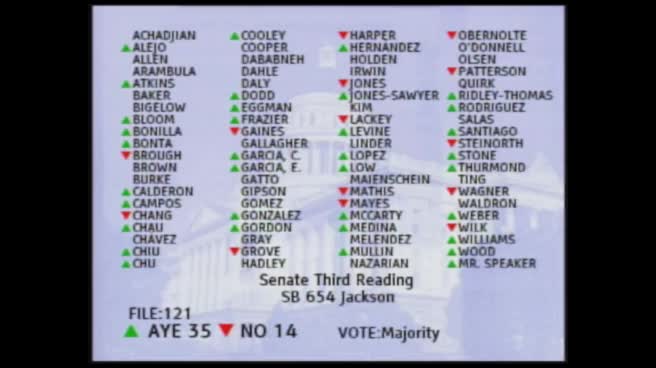
Bill Author



