ACR 77: Developmental centers.
- Session Year: 2017-2018
- House: Assembly
- Latest Version Date: 2018-02-27
This measure would express the Legislatures support for reinvesting revenues and cost savings from the closure, sale, and reuse closure and sale, lease, or repurposing of developmental centers into the community of persons with developmental disabilities, including through creation of a self-sustaining income mechanism to support persons with developmental disabilities and the establishment of a working group to examine the potential sale or reuse sale, lease, or repurposing of developmental center properties. The measure would express the Legislatures intent that all moneys in the Department of Developmental Services Trust Fund savings from the developmental centers should be allocated for the support of persons with developmental disabilities, as specified.
This measure would express the Legislatures support for reinvesting revenues and cost savings from the closure, sale, and reuse of developmental centers into the community of persons with developmental disabilities, including through creation of a self-sustaining income mechanism to support persons with developmental disabilities and the establishment of a working group to examine the potential sale or reuse of developmental center properties. The measure would express the Legislatures intent that all moneys in the Department of Developmental Services Trust Fund should be allocated for the support of persons with developmental disabilities, as specified.
This measure would express the Legislatures support for reinvesting revenues and cost savings from the closure, sale, and reuse of developmental centers into the community of persons with developmental disabilities, including through creation of a self-sustaining income mechanism to support persons with developmental disabilities and the deposit of certain moneys into the Department of Developmental Services Trust Fund. The measure would request that the Department of General Services cease the sale of developmental centers until the Legislature can determine how the sale of developmental centers can benefit persons with developmental disabilities, as specified. establishment of a working group to examine the potential sale or reuse of developmental center properties. The measure would express the Legislatures intent that all moneys in the Department of Developmental Services Trust Fund should be allocated to the State Department of Developmental Services for the support of programs, services, and providers benefiting the community of persons with developmental disabilities and that moneys in the Department of Developmental Services Trust Fund should not revert to the General Fund. disabilities, as specified.
This measure would express the Legislatures support for reinvesting revenues and cost savings from the closure, sale, and reuse of developmental centers into the community of persons with developmental disabilities, including through creation of a self-sustaining income mechanism to support persons with developmental disabilities and the deposit of certain moneys into the Department of Developmental Services Trust Fund. The measure would request that the Department of General Services cease the sale of developmental centers until the Legislature can determine how the sale of developmental centers can benefit persons with developmental disabilities, as specified. The measure would express the Legislatures intent that all moneys in the Department of Developmental Services Trust Fund should be allocated to the State Department of Developmental Services for the support of programs, services, and providers benefiting the community of persons with developmental disabilities and that moneys in the Department of Developmental Services Trust Fund should not revert to the General Fund.
WHEREAS, A state hospital under the jurisdiction of the State Department of Developmental Services (DDS) is known as a developmental center; center or DC; and
WHEREAS, Existing law requires DDS to allocate funds to private, nonprofit entities known as regional centers, which are required to provide or arrange for the provision of services and support for persons with developmental disabilities; and
WHEREAS, Existing law requires the closure of the three remaining developmental centers, not including the secure treatment program at Porterville Developmental Center, no later than 2021; and
WHEREAS, The Legislative Analysts Office, the Legislatures nonpartisan fiscal and policy advisor, published a report in January 2018, stating that the DDS will transition 534 developmental center residents to the community from 2017 until the final closure; and
WHEREAS, Existing law requires DDS to comply with procedural requirements when closing a developmental center, including submitting a detailed plan to the Legislature and holding at least one public hearing; and
WHEREAS, It could be beneficial to consider potential revenue-generating opportunities that would benefit persons with developmental disabilities transitioned to the community after a propertys closure; and
WHEREAS, A portion of the site at Fairview Developmental Center has been transformed into Harbor Village, a mixed-use housing project that has stayed within the DDS system. As DDSs income from Harbor Village grows, DDS may use the money to support the development of additional living arrangements, including the community safety net, and purchase services for persons with developmental disabilities; and
WHEREAS, While the state will reduce its costs notably by closing developmental centers, it will incur significant new costs to provide services to former developmental center residents in the community; and
WHEREAS, The Legislature would benefit from requiring a comprehensive assessment of service gaps and related unmet funding requirements in the community services program; and
WHEREAS, The investments made to support the community of persons with developmental disabilities through Chapter 3 of the Second Extraordinary Session of the Statutes of 2016 were a good start to bring further fiscal stability to programs that allow persons with developmental disabilities to lead independent and productive lives that maximize their potential and reflect the dignity afforded all Californians; now, therefore, be it
Resolved by the Assembly of the State of California, the Senate thereof concurring, That the Legislature intends that the proceeds from the sale of developmental center sale, lease, or repurposing of developmental center properties, any cost difference between services provided to a client in a developmental center and services provided to a client through a regional center, and the revenues generated from the reuse or continued innovative use of developmental center properties, such as that of Harbor Village, should continue to support the community of persons with developmental disabilities; and be it further
Resolved, That the Legislature intends to establish a working group to determine how the sale or reuse of developmental center sale, lease, or repurposing of developmental center properties can be utilized for the maximum benefit of the community of persons with developmental disabilities in a way that optimizes use of moneys in the Department of Developmental Services Trust Fund (DDSTF) without violating the California Constitutions requirements relating to the disposition of surplus properties; and be it further
Resolved, That the Legislature encourages the creation of a self-sustaining income mechanism to support persons with developmental disabilities; and be it further
Resolved, That it is the intent of the Legislature that all moneys in the DDSTF savings from the developmental centers should be allocated in the ordinary course of budgeting by the Legislature, but should be used for the support of individuals with developmental disabilities, including programs, services, and providers, whose services and supports help ensure that persons with developmental disabilities in California can live independent and productive lives in communities of their choice; and be it further
Resolved, That the Chief Clerk of the Assembly transmit copies of this resolution to the Director of Developmental Services, to the Director of General Services, and to the author for appropriate distribution.
WHEREAS, A state hospital under the jurisdiction of the State Department of Developmental Services (DDS) is known as a developmental center; and
WHEREAS, Existing law requires DDS to allocate funds to private, nonprofit entities known as regional centers, which are required to provide or arrange for the provision of services and support for persons with developmental disabilities; and
WHEREAS, Existing law requires the closure of the three remaining developmental centers, not including the secure treatment program at Porterville Developmental Center, no later than 2021; and
WHEREAS, Existing law requires DDS to comply with procedural requirements when closing a developmental center, including submitting a detailed plan to the Legislature and holding at least one public hearing; and
WHEREAS, It could be beneficial to consider potential revenue-generating opportunities that would benefit persons with developmental disabilities transitioned to the community after a propertys closure; and
WHEREAS, A portion of the site at Fairview Developmental Center has been transformed into Harbor Village, a mixed-use housing project that has stayed within the DDS system. As DDSs income from Harbor Village grows, DDS may use the money to support the development of additional living arrangements, including the community safety net, and purchase services for persons with developmental disabilities; and
WHEREAS, The investments made to support the community of persons with developmental disabilities through Chapter 3 of the Second Extraordinary Session of the Statutes of 2016 were a good start to bring further fiscal stability to programs that allow persons with developmental disabilities to lead independent and productive lives that maximize their potential and reflect the dignity afforded all Californians; now, therefore, be it
Resolved by the Assembly of the State of California, the Senate thereof concurring, That the Legislature intends that the proceeds from the sale of developmental center properties, any cost difference between services provided to a client in a developmental center and services provided to a client through a regional center, and the revenues generated from the reuse or continued innovative use of developmental center properties, such as that of Harbor Village, should continue to support the community of persons with developmental disabilities; and be it further
Resolved, That the Legislature intends to establish a working group to determine how the sale or reuse of the developmental center properties can be utilized for the maximum benefit of the community of persons with developmental disabilities in a way that optimizes use of moneys in the Department of Developmental Services Trust Fund (DDSTF) without violating the Constitutions requirements relating to the disposition of surplus properties; and be it further
Resolved, That the Legislature encourages the creation of a self-sustaining income mechanism to support persons with developmental disabilities; and be it further
Resolved, That it is the intent of the Legislature that all moneys in the DDSTF should be allocated in the ordinary course of budgeting by the Legislature, but should be used for the support of individuals with developmental disabilities, including programs, services, and providers, whose services and supports help ensure that persons with developmental disabilities in California can live independent and productive lives in communities of their choice; and be it further
Resolved, That the Chief Clerk of the Assembly transmit copies of this resolution to the Director of Developmental Services, to the Director of General Services, and to the author for appropriate distribution.
WHEREAS, A state hospital under the jurisdiction of the State Department of Developmental Services (DDS) is known as a developmental center; and
WHEREAS, Existing law requires DDS to allocate funds to private, nonprofit entities known as regional centers, which are required to provide or arrange for the provision of services and support for persons with developmental disabilities; and
WHEREAS, Existing law requires the closure of the three remaining developmental centers centers, not including the secure treatment program at Porterville Developmental Center, no later than 2021; and
WHEREAS, Existing law requires DDS to comply with procedural requirements when closing a developmental center, including submitting a detailed plan to the Legislature and holding at least one public hearing; and
WHEREAS, Current practice dictates that any cost savings realized through the closure of a developmental center benefit the General Fund, and that those savings not flow to regional center programs to help serve persons with developmental disabilities; andWHEREAS, The Department of General Services actions regarding previously closed developmental centers do not indicate that it is a priority of the department to consider a developmental center propertys It could be beneficial to consider potential revenue-generating opportunities that would benefit the community of persons with developmental disabilities displaced transitioned to the community after a propertys closure; and
WHEREAS, The average budgeted cost to serve a client in a developmental center during the 201718 budget year is expected to be approximately $700,000 per person; andWHEREAS, In 2015, the Legislative Analysts Office found the average cost to deliver services to a client with a similar acuity of needs through the regional center system is between $75,000 and $300,000 per year; andWHEREAS, Current funding levels at developmental centers are based in part on a unit staffing system, whereby a certain number of patients are served by a set number of staff; andWHEREAS, A portion of the site at Fairview Developmental Center has been transformed into Harbor Village Apartments, Village, a mixed-use housing project that has stayed within the DDS system. As DDSs income from Harbor Village grows, DDS may use the money to support regional centers the development of additional living arrangements, including the community safety net, and purchase services for persons with developmental disabilities; and
WHEREAS, The investments made to support the community of persons with developmental disabilities through the managed care organization bill package chaptered in 2016 Chapter 3 of the Second Extraordinary Session of the Statutes of 2016 were merely a good start to bring further fiscal stability to the developmental center and regional center programs that allow persons with developmental disabilities to lead independent and productive lives that maximize their potential opportunities and lead lives of dignity; and reflect the dignity afforded all Californians; now, therefore, be it
Resolved by the Assembly of the State of California, the Senate thereof concurring, That the Legislature intends that the proceeds from the sale of developmental center properties, the any cost difference between services provided to a client in a developmental center and services provided to a client in through a regional center, and the revenues generated from the reuse or continued innovative use of developmental center properties, such as that of Harbor Village, should continue to support the community of persons with developmental disabilities; and be it further
Resolved, That the Legislature requests the Department of General Services cease further liquidation of the remaining three developmental centers until the Legislature can intends to establish a working group to determine how the sale or reuse of those the developmental center properties can be used utilized for the maximum benefit of the community of persons with developmental disabilities in a way that optimizes use of moneys in the Department of Developmental Services Trust Fund (DDSTF) without violating the Constitutions requirements relating to the disposition of surplus properties; and be it further
Resolved, That the Legislature encourages the creation of a self-sustaining income mechanism to support persons with developmental disabilities; and be it further
Resolved, That when a unit at a developmental center has transferred out a sufficient number of clients to shut down, the Legislature supports depositing the funds that would have been used to pay the units staff into the Department of Developmental Services Trust Fund (DDSTF), created in the State Treasury by Section 14670.36 of the Government Code; and be it furtherResolved, That if any income from a developmental center property cannot be immediately utilized to support that property or the community of persons with developmental disabilities at that property, the Legislature supports depositing that income into the DDSTF; and be it furtherResolved, That it is the intent of the Legislature that all moneys in the DDSTF should be allocated in the ordinary course of budgeting by the Legislature, but should only be used for the support of individuals with developmental disabilities, including programs, services, and providers, who care for, house, employ, and otherwise enrich the lives of whose services and supports help ensure that persons with developmental disabilities in California; California can live independent and productive lives in communities of their choice; and be it further
Resolved, That it is the intent of the Legislature that the moneys in the DDSTF should never revert to the General Fund. This intent should supersede Sections 14670.35 and 14670.36 of the Government Code, which allow for funds to revert from the DDSTF to the General Fund in some cases; and be it furtherResolved, That the Chief Clerk of the Assembly transmit copies of this resolution to the Director of Developmental Services, to the Director of General Services, and to the author for appropriate distribution.
WHEREAS, A state hospital under the jurisdiction of the State Department of Developmental Services (DDS) is known as a developmental center; and
WHEREAS, Existing law requires DDS to allocate funds to private, nonprofit entities known as regional centers, which are required to provide or arrange for the provision of services and support for persons with developmental disabilities; and
WHEREAS, Existing law requires the closure of the three remaining developmental centers no later than 2021; and
WHEREAS, Existing law requires DDS to comply with procedural requirements when closing a developmental center, including submitting a detailed plan to the Legislature and holding at least one public hearing; and
WHEREAS, Current practice dictates that any cost savings realized through the closure of a developmental center benefit the General Fund, and that those savings not flow to regional center programs to help serve persons with developmental disabilities; and
WHEREAS, The Department of General Services actions regarding previously closed developmental centers do not indicate that it is a priority of the department to consider a developmental center propertys potential revenue-generating opportunities that would benefit the community of persons with developmental disabilities displaced after a propertys closure; and
WHEREAS, The average budgeted cost to serve a client in a developmental center during the 201718 budget year is expected to be approximately $700,000 per person; and
WHEREAS, In 2015, the Legislative Analysts Office found the average cost to deliver services to a client with a similar acuity of needs through the regional center system is between $75,000 and $300,000 per year; and
WHEREAS, Current funding levels at developmental centers are based in part on a unit staffing system, whereby a certain number of patients are served by a set number of staff; and
WHEREAS, A portion of the site at Fairview Developmental Center has been transformed into Harbor Village Apartments, a mixed-use housing project that has stayed within the DDS system. As DDSs income from Harbor Village grows, DDS may use the money to support regional centers and purchase services for persons with developmental disabilities; and
WHEREAS, The investments made to support the community of persons with developmental disabilities through the managed care organization bill package chaptered in 2016 were merely a good start to bring fiscal stability to the developmental center and regional center programs that allow persons with developmental disabilities to lead lives that maximize their potential opportunities and lead lives of dignity; now, therefore, be it
Resolved by the Assembly of the State of California, the Senate thereof concurring, That the Legislature intends that the proceeds from the sale of developmental center properties, the cost difference between services provided to a client in a developmental center and services provided to a client in a regional center, and the revenues generated from the reuse or continued innovative use of developmental center properties, such as that of Harbor Village, should continue to support the community of persons with developmental disabilities; and be it further
Resolved, That the Legislature requests the Department of General Services cease further liquidation of the remaining three developmental centers until the Legislature can establish a working group to determine how the sale of those properties can be used for the maximum benefit of the community of persons with developmental disabilities without violating the Constitutions requirements relating to the disposition of surplus properties; and be it further
Resolved, That the Legislature encourages the creation of a self-sustaining income mechanism to support persons with developmental disabilities; and be it further
Resolved, That when a unit at a developmental center has transferred out a sufficient number of clients to shut down, the Legislature supports depositing the funds that would have been used to pay the units staff into the Department of Developmental Services Trust Fund (DDSTF), created in the State Treasury by Section 14670.36 of the Government Code; and be it further
Resolved, That if any income from a developmental center property cannot be immediately utilized to support that property or the community of persons with developmental disabilities at that property, the Legislature supports depositing that income into the DDSTF; and be it further
Resolved, That it is the intent of the Legislature that all moneys in the DDSTF should be allocated in the ordinary course of budgeting by the Legislature, but should only be used for the support of programs, services, and providers, who care for, house, employ, and otherwise enrich the lives of persons with developmental disabilities in California; and be it further
Resolved, That it is the intent of the Legislature that the moneys in the DDSTF should never revert to the General Fund. This intent should supersede Sections 14670.35 and 14670.36 of the Government Code, which allow for funds to revert from the DDSTF to the General Fund in some cases; and be it further
Resolved, That the Chief Clerk of the Assembly transmit copies of this resolution to the Director of Developmental Services, to the Director of General Services, and to the author for appropriate distribution.
|
Date
|
Status
|
|---|---|
| Feb 27, 2018 | From committee chair, with author's amendments: Amend, and re-refer to committee. Amended and re-referred to Com. on RLS. |
| Jan 25, 2018 | From committee chair, with author's amendments: Amend, and re-refer to committee. Amended and re-referred to Com. on RLS. |
| Aug 28, 2017 | In Senate. To Com. on RLS. |
| Aug 24, 2017 | Coauthors revised. |
| Aug 21, 2017 | Read second time. Ordered to third reading. |
| Jul 20, 2017 | Withdrawn from committee. |
| Jul 18, 2017 | Re-referred to Com. on APPR. |
| Jul 17, 2017 | Amended. |
| Jul 13, 2017 | From committee: Amend, and be adopted as amended, and re-refer to Com. on APPR. (Ayes 7. Noes 0.) (July 11). |
| Jun 15, 2017 | Referred to Com. on HUM. S. |
| Apr 27, 2017 | From printer. |
| Apr 26, 2017 | Introduced. To print. |
|
Date
|
Description
|
Location
|
Votes
|
|
|---|---|---|---|---|
| Jul 11, 2017 | Be adopted as amended, and re-refer to the Committee on [Appropriations] | Assembly Standing Committee on Human Services |
Passed |
This list shows positions taken on this bill by organizations on the date displayed, which is linked to the original source.
Positions by individuals are not included.
ASSEMBLY THIRD READING
ATR Bill Id:ACR 77
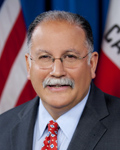
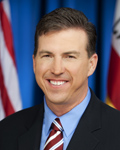
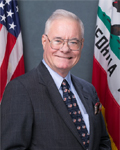
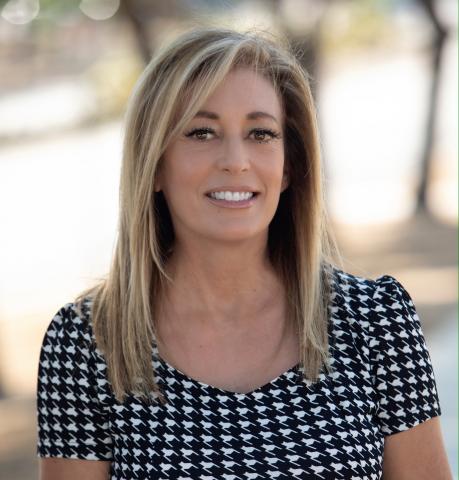
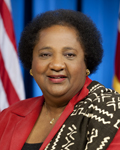
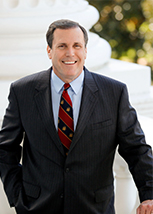
Author:(Lackey and Mathis)
As Amended Ver:
Majority vote
Committee | Votes | Ayes | Noes |
Human Services | 7-0 | Rubio, Choi, Arambula, Maienschein, Reyes, Mark Stone, Thurmond |
SUMMARY: Declares Legislative intent regarding, support for, and encouragement of using proceeds and resources resulting from the closure of developmental centers to provide community services to individuals with developmental disabilities.
Specifically, this resolution:
- Makes a number of Legislative findings and declarations regarding developmental services and developmental centers, including, among others, that:
- Existing law requires the closure of the three remaining developmental centers, not to include the secure treatment program at Porterville Developmental Center, by 2021;
- Existing law requires the Department of Developmental Services (DDS) to comply with procedural requirements, including the submission of a detailed plan to the Legislature and holding of a public hearing, when closing a developmental center;
- A portion of the site at Fairview Developmental Center has been transformed into Harbor Village, a mixed-use housing project that remains within the DDS system; and
- Investments in community services that were made in 2016 as a result of the Legislative special session were a step towards bringing further fiscal stability to programs and services for individuals with developmental disabilities.
- Resolves by the Assembly, the Senate thereof concurring, that the Legislature intends that individuals with developmental disabilities should continue to be supported using the proceeds from the sale of developmental center properties, any cost difference between provision of services in a developmental center versus through a regional center, and the revenues generated from reuse or continued innovative use of developmental center properties, as specified.
- Resolves that the Legislature intends to establish a working group to ascertain how the sale or reuse of developmental center properties can be utilized for the maximum benefit of individuals with developmental disabilities in a way that optimizes use of moneys in the DDS Trust Fund without violating the Constitution's requirements regarding the disposition of surplus properties.
- Resolves that the Legislature encourages the creation of a self-sustaining mechanism to support individuals with developmental disabilities.
- Resolves that it is the intent of the Legislature that all moneys in the DDS Trust Fund should be used for the support of individuals with developmental disabilities, as specified.
- Resolves that the Chief Clerk of the Assembly transmit copies of this resolution to the Director of Developmental Services, the Director of General Services, and the author for appropriate distribution.
EXISTING LAW:
- Establishes the Lanterman Developmental Disabilities Services Act, which declares California's responsibility for providing an array of services and supports to meet the needs of each person with developmental disabilities in the least restrictive environment, regardless of age or degree of disability, and to support their integration into the mainstream life of the community. (Welfare and Institutions Code (WIC) 4500, et seq.)
- Establishes the jurisdiction of DDS over state developmental centers, including Sonoma, Fairview and Porterville developmental centers and the responsibility of each facility to create bylaws and rules, as specified. (WIC 4440)
- Requires DDS to submit a detailed plan to the Legislature when it proposes closure of a developmental center no later than April 1 immediately prior to the fiscal year in which the plan is to be implemented, and as a part of the Governor's proposed budget and further, requires the Legislature to approve that plan prior to its implementation. (WIC 4474.1. (a))
- Establishes a system of nonprofit regional centers to provide fixed points of contact in the community for all persons with developmental disabilities and their families, to coordinate services and supports best suited to them throughout their lifetime. (WIC 4620)
- Authorized DGS, with the consent of DDS, to permit the development of affordable housing for eligible individuals on the grounds of Fairview Developmental Center, as specified. (Government Code (GOV) 14670.35)
- Creates the DDS Trust Fund, into which proceeds received from affordable housing projects developed on the grounds of Fairview Developmental Center, as specified, may be deposited and further, specifies that moneys in this trust fund shall be used, upon appropriation by the Legislature, to provide housing and transitional services for people with developmental disabilities and that any funds not needed to do so shall be transferred to the General Fund. (GOV 14670.36 (c))
FISCAL EFFECT: This bill is keyed non-fiscal by the Legislative Counsel.
COMMENTS:
Developmental services: The Lanterman Act (Act) (starting with Section 4500 of the Welfare and Institutions Code) guides the provision of services and supports for Californians with developmental disabilities. Each individual under the Act, typically referred to as a "consumer," is legally entitled to treatment and habilitation services and supports in the least restrictive environment. Lanterman Act services are designed to enable all consumers to live more independent and productive lives in the community.
The term "developmental disability" means a disability that originates before an individual attains 18 years of age, is expected to continue indefinitely, and constitutes a substantial disability for that individual. It includes intellectual disabilities, cerebral palsy, epilepsy, and autism spectrum disorders (ASD). Other developmental disabilities are those disabling conditions similar to an intellectual disability that require treatment (i.e., care and management) similar to that required by individuals with an intellectual disability.
Direct responsibility for implementation of the Lanterman Act service system is shared by DDS and 21 regional centers, which are private nonprofit entities, established pursuant to the Lanterman Act, that contract with DDS to carry out many of the state's responsibilities under the Act. The 21 regional centers serve approximately 321,000 consumers, providing services such as residential placements, supported living services, respite care, transportation, day treatment programs, work support programs, and various social and therapeutic activities. As of June 28th of this year, 797 consumers resided at one of California's three developmental centers – and one state-operated, specialized community facility – which provide 24-hour habilitation and medical and social treatment services; this population is broken out as follows across the four settings:
- Fairview Developmental Center: 167
- Porterville Developmental Center: 321
- Sonoma Developmental Center: 261
- Canyon Springs Community Facility: 48
Services provided to people with developmental disabilities are outlined in an individual program plan (IPP), which is developed by the IPP team – including, among others, the consumer, his or her legally authorized representative, and one or more regional center representatives – and is based on the consumer's needs and choices. The Lanterman Act requires that the IPP promote community integration and maximize opportunities for each consumer to develop relationships, be part of community life, increase control over his or her life, and acquire increasingly positive roles in the community. The IPP must give the highest preference to those services and supports that allow minors to live with their families and adults to live as independently as possible in the community.
Developmental Center closures: For over a decade, the federal Centers for Medicare and Medicaid Services, the United States Department of Justice, and the state Department of Public Health have identified problems in California's developmental centers, including inadequate care, insufficient staffing, and insufficient reporting and investigation of instances of abuse and neglect. In January 2014, the Task Force on the Future of the Developmental Centers convened by the administration released a plan for the long-term future of the developmental centers. In May 2015, Governor Brown's administration announced plans to initiate and develop closure plans for the state's remaining developmental centers, except for the secure treatment program at Porterville DC (and a smaller facility at Canyon Springs in Riverside County). Currently, the administration's intent is to have the last developmental center closure completed by 2021.
DDS is overseeing a transition process for all developmental center residents, whereby the developmental center coordinates with area regional centers to conduct needs assessments for each individual and to develop a personalized plan based on necessary supports and services. Interdisciplinary teams which include the resident, family members, advocates, staff, and others as appropriate, meet to identify the resident's goals and objectives and the supports and services that would meet the resident's goals and needs. The transition process also includes exploration of possible living options in the community that meet an individual's needs, and a transition planning meeting (or meetings) once the IPP is completed and an appropriate home has been located and agreed upon. In the year following a developmental center consumer's transition to the community, follow-up services are provided, including regular contact with the consumer and service providers; these contacts are conducted to, among other things, ensure provision of services per the IPP and identify any unaddressed issues in need of resolution.
2015-16 special session actions: The Governor convened a special legislative session in June 2015 to address, among other things, funding rate increases for community service providers of services for individuals with developmental disabilities. One result of that special session was the passage of AB 1 X2 (Thurmond), Chapter 3, Statutes of 2016, signed by the Governor on March 1 of 2016, which appropriated $287 million General Fund to regional centers and community services providers in 2016-17 in additional to leveraging an estimated $186 million in federal funding. Approximately 60% of the General Fund spending is marked for rate increases to go towards salaries and benefits for staff that provide direct care to consumers. Among other spending augmentations, AB 1 X2 also included a fixed appropriation of $11 million to promote equity and reduce disparities in the purchase of services, to be used for activities such as cultural competency training, parent education, and supporting bilingual regional center staff.
Need for this bill: According to the author:
In 2015, Governor Brown's May Revision proposed closing the final three Developmental Centers in Costa Mesa, Sonoma, and Porterville. Since then, the Department of Developmental Services (DDS) has submitted a plan to close the remaining three centers by 2021. Current practice allows any cost savings realized through the closure of the Developmental Centers to go to the General Fund. In effect the savings will no longer be dedicated to the community it is intended for – developmentally disabled community. This resolution will encourage the savings from the closure of the Developmental Centers, any revenue generated from the sale of those properties, and any revenue generated from the reuse or continued innovative use of those properties to be allocated towards a self-sustaining mechanism of income for community-based DDS services.
PRIOR LEGISLATION:
ABX2 1 (Thurmond), Chapter 3, Statutes of 2016, provided additional state support for developmental services which, among other things, implemented targeted rate increases for the community-based developmental services system.
SB 82 (Budget and Fiscal Review Committee), Chapter 23, Statutes of 2015, was the 2015-16 Developmental Services Trailer Bill which, among other things, clarified the Legislature's intent to utilize General Fund savings from the developmental center closures to provide enhancements for services in the community.
AB 1472 (Budget Committee), Chapter 25, Statutes of 2012, was the 2012-13 Developmental Services Trailer Bill which, among other things, imposed a moratorium on developmental center admissions, except in instances where an individual was involved in the criminal justice system, was in an acute crisis and in need of short-term stabilization, or was released on provisional placement with an automatic right of return.
Analysis Prepared by: Daphne Hunt / HUM. S. / (916) 319-2089 FN: 0001251
Date of Hearing: July 11, 2017
ASSEMBLY COMMITTEE ON HUMAN SERVICES
Blanca Rubio, Chair
ABPCA Bill Id:ACR 77 (
Author:Lackey) – As Introduced Ver:April 26, 2017
SUBJECT: Developmental centers
SUMMARY: Declares Legislative intent regarding, support for, and encouragement of using proceeds and resources resulting from the closure of developmental centers to provide community services to individuals with developmental disabilities.
Specifically, this resolution:
- Makes a number of Legislative findings and declarations regarding developmental services and developmental centers, including, among others, that:
- Existing law requires the closure of the three remaining developmental centers by 2021;
- Existing law requires the Department of Developmental Services (DDS) to comply with procedural requirements, including the submission of a detailed plan to the Legislature and holding of a public hearing, when closing a developmental center;
- Current practice dictates that cost savings realized through the closure of a developmental center revert to the General Fund;
- The costs of serving a consumer in the community can be significantly less than serving an individual in a developmental center;
- A portion of the site at Fairview Developmental Center has been transformed into Harbor Village, a mixed-use housing project that remains within the DDS system; and
- Investments in community services that were made in 2016 as a result of the Legislative special session were a step towards bringing fiscal stability to the developmental center and regional center programs.
- Resolves by the Assembly, the Senate thereof concurring, that the Legislature intends that individuals with developmental disabilities should continue to be supported using the proceeds from the sale of developmental center properties, the cost difference between provision of services in a developmental center versus a regional center, and the revenues generated from reuse or continued innovative use of developmental center properties, as specified.
- Resolves that the Legislature requests the Department of General Services (DGS) to cease further liquidation of the remaining three developmental centers until the Legislature can establish a working group to ascertain how the sale of those properties can be used for the maximum benefits of individuals with developmental disabilities without violating the Constitution’s requirements regarding the disposition of surplus properties.
- Resolves that the Legislature encourages the creation of a self-sustaining mechanism to support individuals with developmental disabilities.
- Resolves that, when a unit in a developmental center has transferred out a number of clients sufficient to warrant shutting down, the Legislature supports depositing the funds that would have been used to pay the unit’s staff into the DDS Trust Fund, as specified.
- Resolves that the Legislature supports depositing any income from a developmental center property into the DDS Trust Fund when it cannot be immediately used to support that property or the community of individuals with developmental disabilities.
- Resolves that it is the intent of the Legislature that all moneys in the DDS Trust Fund should only be used to fund programs, services, and providers who support Californians with developmental disabilities, as specified.
- Resolves that it is the intent of the Legislature that the moneys in the DDS Trust Fund should never revert to the General Fund and further, states that this intent should supersede specified sections of the Government Code that allow for funds to revert from the DDS Trust Fund to the General Fund in certain instances.
- Resolves that the Chief Clerk of the Assembly transmit copies of this resolution to the Director of Developmental Services, the Director of General Services, and the author for appropriate distribution.
EXISTING LAW:
- Establishes the Lanterman Developmental Disabilities Services Act, which declares California’s responsibility for providing an array of services and supports to meet the needs of each person with developmental disabilities in the least restrictive environment, regardless of age or degree of disability, and to support their integration into the mainstream life of the community. (WIC 4500, et seq.)
- Establishes the jurisdiction of DDS over state developmental centers, including Sonoma, Fairview and Porterville developmental centers and the responsibility of each facility to create bylaws and rules, as specified. (WIC 4440)
- Requires DDS to submit a detailed plan to the Legislature when it proposes closure of a developmental center no later than April 1 immediately prior to the fiscal year in which the plan is to be implemented, and as a part of the Governor’s proposed budget and further, requires the Legislature to approve that plan prior to its implementation. (WIC 4474.1. (a))
- Establishes a system of nonprofit regional centers to provide fixed points of contact in the community for all persons with developmental disabilities and their families, to coordinate services and supports best suited to them throughout their lifetime. (WIC 4620)
- Authorized DGS, with the consent of DDS, to permit the development of affordable housing for eligible individuals on the grounds of Fairview Developmental Center, as specified. (GOV 14670.35)
- Creates the DDS Trust Fund, into which proceeds received from affordable housing projects developed on the grounds of Fairview Developmental Center, as specified, may be deposited and further, specifies that moneys in this trust fund shall be used, upon appropriation by the Legislature, to provide housing and transitional services for people with developmental disabilities and that any funds not needed to do so shall be transferred to the General Fund. (GOV 14670.36 (c))
FISCAL EFFECT: Unknown.
COMMENTS:
Developmental services: The Lanterman Act (Act) (starting with Section 4500 of the Welfare and Institutions Code) guides the provision of services and supports for Californians with developmental disabilities. Each individual under the Act, typically referred to as a “consumer,” is legally entitled to treatment and habilitation services and supports in the least restrictive environment. Lanterman Act services are designed to enable all consumers to live more independent and productive lives in the community.
The term “developmental disability” means a disability that originates before an individual attains 18 years of age, is expected to continue indefinitely, and constitutes a substantial disability for that individual. It includes intellectual disabilities, cerebral palsy, epilepsy, and autism spectrum disorders (ASD). Other developmental disabilities are those disabling conditions similar to an intellectual disability that require treatment (i.e., care and management) similar to that required by individuals with an intellectual disability.
Direct responsibility for implementation of the Lanterman Act service system is shared by DDS and 21 regional centers, which are private nonprofit entities, established pursuant to the Lanterman Act, that contract with DDS to carry out many of the state’s responsibilities under the Act. The 21 regional centers serve approximately 321,000 consumers, providing services such as residential placements, supported living services, respite care, transportation, day treatment programs, work support programs, and various social and therapeutic activities. As of June 28th of this year, 797 consumers resided at one of California’s three developmental centers —and one state-operated, specialized community facility—which provide 24-hour habilitation and medical and social treatment services; this population is broken out as follows across the four settings:
Fairview Developmental Center: 167
Porterville Developmental Center: 321
Sonoma Developmental Center: 261
Canyon Springs Community Facility: 48
Services provided to people with developmental disabilities are outlined in an individual program plan (IPP), which is developed by the IPP team—including, among others, the consumer, his or her legally authorized representative, and one or more regional center representatives—and is based on the consumer’s needs and choices. The Lanterman Act requires that the IPP promote community integration and maximize opportunities for each consumer to develop relationships, be part of community life, increase control over his or her life, and acquire increasingly positive roles in the community. The IPP must give the highest preference to those services and supports that allow minors to live with their families and adults to live as independently as possible in the community.
Developmental Center closures: For over a decade, the federal Centers for Medicare and Medicaid Services, the U.S. Department of Justice, and the state Department of Public Health have identified problems in California’s developmental centers, including inadequate care, insufficient staffing, and insufficient reporting and investigation of instances of abuse and neglect. In January 2014, the Task Force on the Future of the Developmental Centers convened by the administration released a plan for the long-term future of the developmental centers. In May 2015, Governor Brown’s administration announced plans to initiate and develop closure plans for the state’s remaining developmental centers, except for the secure treatment program at Porterville DC (and a smaller facility at Canyon Springs in Riverside County). Currently, the administration’s intent is to have the last developmental center closure completed by 2021.
DDS is overseeing a transition process for all developmental center residents, whereby the developmental center coordinates with area regional centers to conduct needs assessments for each individual and to develop a personalized plan based on necessary supports and services. Interdisciplinary teams which include the resident, family members, advocates, staff, and others as appropriate, meet to identify the resident’s goals and objectives and the supports and services that would meet the resident’s goals and needs. The transition process also includes exploration of possible living options in the community that meet an individual’s needs, and a transition planning meeting (or meetings) once the IPP is completed and an appropriate home has been located and agreed upon. In the year following a developmental center consumer’s transition to the community, follow-up services are provided, including regular contact with the consumer and service providers; these contacts are conducted to, among other things, ensure provision of services per the IPP and identify any unaddressed issues in need of resolution.
2015-16 special session actions: The Governor convened a special legislative session in June 2015 to address, among other things, funding rate increases for community service providers of services for individuals with developmental disabilities. One result of that special session was the passage of ABX2 1 (Thurmond), Chapter 3, Statutes of 2016, signed by the Governor on March 1 of 2016, which appropriated $287 million General Fund to regional centers and community services providers in 2016-17 in additional to leveraging an estimated $186 million in federal funding. Approximately 60% of the General Fund spending is marked for rate increases to go towards salaries and benefits for staff that provide direct care to consumers. Among other spending augmentations, ABX2 1 also included a fixed appropriation of $11 million to promote equity and reduce disparities in the purchase of services, to be used for activities such as cultural competency training, parent education, and supporting bilingual regional center staff.
Need for this bill: According to the author:
“In 2015, Governor Brown’s May Revision proposed closing the final three Developmental Centers in Costa Mesa, Sonoma, and Porterville. Since then, the Department of Developmental Services (DDS) has submitted a plan to close the remaining three centers by 2021. Current practice allows any cost savings realized through the closure of the Developmental Centers to go to the General Fund. In effect the savings will no longer be dedicated to the community it is intended for – developmentally disabled community. This bill will allow the savings from the closure of the Developmental Centers, any revenue generated from the sale of those properties, and any revenue generated from the reuse or continued innovative use of those properties to be allocated towards a self-sustaining mechanism of income for community-based DDS services.”
Recommended amendments: In order to ensure that this resolution states the intent of the Legislature to seek a continued commitment to supporting individuals with developmental disabilities who live in, or are transitioning to, the community while allowing for sufficient policy, programmatic, and fiscal flexibility to do so in the most effective way possible, committee staff recommends the following amendments be made starting on line 9 of page 2 of the bill:
8
WHEREAS, Existing law requires the closure of the three
9
remaining developmental centers (not to include the secure treatment program at Porterville) no later than 2021; and
10
WHEREAS, Existing law requires DDS to comply with
11
procedural requirements when closing a developmental center,
12
including submitting a detailed plan to the Legislature and holding
13
at least one public hearing; and
14
WHEREAS, Current practice dictates that any cost savings
15
realized through the closure of a developmental center benefit the
16
General Fund, and that those savings not flow to regional center
17
programs to help serve persons with developmental disabilities;
18
and
19
WHEREAS, The Department of General Services’ actions
20
regarding previously closed developmental centers do not indicate
21
that it is a priority of the department to consider a developmental
22
center property’s It could be beneficial to consider potential revenue-generating opportunities that
23
would benefit the community of persons with developmental
24
disabilities displaced transitioned to the community after a property’s closure; and
25
WHEREAS, The average budgeted cost to serve a client in a
26
developmental center during the 2017–18 budget year is expected
27
to be approximately $700,000 per person; and
28
WHEREAS, In 2015, the Legislative Analyst’s Office found
29
the average cost to deliver services to a client with a similar acuity
30
of needs through the regional center system is between $75,000
31
and $300,000 per year; and
32
WHEREAS, Current funding levels at developmental centers
33
are based in part on a unit staffing system, whereby a certain
34
number of patients are served by a set number of staff; and
35
WHEREAS, A portion of the site at Fairview Developmental
36
Center has been transformed into Harbor Village Apartments, a
37
mixed-use housing project that has stayed within the DDS system.
38
As DDS’s income from Harbor Village grows, DDS may use the
39
money to support the development of additional living arrangements including the community safety net regional centers and purchase services for persons
40
with developmental disabilities; and
P3 1
WHEREAS, The investments made to support the community
2
of persons with developmental disabilities through AB X2 1 (Thurmond), Chapter 3, Statutes of 2016, the managed
3
care organization bill package chaptered in 2016 were merely a
4
good start to bring further fiscal stability to the developmental center and
5
regional center programs that allow persons with developmental
6
disabilities to lead independent and productive lives that maximize their potential opportunities
7
and lead lives of dignity and reflect the dignity afforded all Californians; now, therefore, be it
8
Resolved by the Assembly of the State of California, the Senate
9
thereof concurring, That the Legislature intends that the proceeds
10
from the sale of developmental center properties, the any cost difference
11
between services provided to a client in a developmental center
12
and services provided to a client through in a regional center, and the
13
revenues generated from the reuse or continued innovative use of
14
developmental center properties, such as that of Harbor Village,
15
should continue to support the community of persons with
16
developmental disabilities; and be it further
17
Resolved, That the Legislature requests the Department of
18
General Services cease further liquidation of the remaining three
19
developmental centers until the Legislature can expresses intent to establish a working
20
group to determine how the sale or reuse of those the developmental center properties can be used utilized
21
for the maximum benefit of the community of persons with
22
developmental disabilities in a way that optimizes use of moneys in the Department of Developmental Services Trust Fund (DDSTF) without violating the Constitution’s
23
requirements relating to the disposition of surplus properties; and
24
be it further
25
Resolved, That the Legislature encourages the creation of a
26
self-sustaining income mechanism to support persons with
27
developmental disabilities; and be it further
28
Resolved, That when a unit at a developmental center has
29
transferred out a sufficient number of clients to shut down, the
30
Legislature supports depositing the funds that would have been
31
used to pay the unit’s staff into the Department of Developmental
32
Services Trust Fund (DDSTF), created in the State Treasury by
33
Section 14670.36 of the Government Code; and be it further
34
Resolved, That if any income from a developmental center
35
property cannot be immediately utilized to support that property
36
or the community of persons with developmental disabilities at
37
that property, the Legislature supports depositing that income into
38
the DDSTF; and be it further
39
Resolved, That it is the intent of the Legislature that all moneys
40
in the DDSTF should be allocated in the ordinary course of
P4 1
budgeting by the Legislature, but should only be used for the
2
support of individuals with developmental disabilities, including programs, services, and providers, whose services and supports care for, house,
3
employ, and otherwise enrich the lives of help ensure that persons with
4
developmental disabilities in California can live independent and productive lives in communities of their choice; and be it further
5
Resolved, That it is the intent of the Legislature that the moneys
6
in the DDSTF should never revert to the General Fund. This intent
7
should supersede Sections 14670.35 and 14670.36 of the
8
Government Code, which allow for funds to revert from the
9
DDSTF to the General Fund in some cases; and be it further
10
Resolved, That the Chief Clerk of the Assembly transmit copies
11
of this resolution to the Director of Developmental Services, to
12
the Director of General Services, and to the author for appropriate
13
distribution.
PRIOR LEGISLATION:
ABX2 1 (Thurmond), Chapter 3, Statutes of 2016, provided additional state support for developmental services which, among other things, implemented targeted rate increases for the community-based developmental services system.
SB 82 (Senate Committee on Budget and Fiscal Review), Chapter 23, Statutes of 2015, was the 2015-16 Developmental Services Trailer Bill which, among other things, clarified the Legislature’s intent to utilize General Fund savings from the developmental center closures to provide enhancements for services in the community.
AB 1472 (Assembly Committee on Budget), Chapter 25, Statutes of 2012, was the 2012-13 Developmental Services Trailer Bill which, among other things, imposed a moratorium on developmental center admissions, except in instances where an individual was involved in the criminal justice system, was in an acute crisis and in need of short-term stabilization, or was released on provisional placement with an automatic right of return.
REGISTERED SUPPORT / OPPOSITION:
Support
California Supported Living Network
North Los Angeles County Regional Center
San Gabriel Valley Training Center
The ARC
United Cerebral Palsy CA Collaboration
Opposition
None on file.
Analysis Prepared by: Daphne Hunt / HUM. S. / (916) 319-2089
Discussed in Hearing
View Older Hearings


Bill Co-Author(s):