ACR 95: Philippine Independence Day.
- Session Year: 2017-2018
- House: Assembly
- Latest Version Date: 2017-07-21
This measure would recognize June 12, 2017, as the 119th Anniversary of Philippine Independence and would call upon the people of the state to observe the month of June with appropriate ceremonies, programs, and activities.
This measure would recognize June 12, 2017, as the 119th Anniversary of Philippine Independence and would call upon the people of the state to observe the month of June with appropriate ceremonies, programs, and activities.
This measure would recognize June 12, 2017, as the 119th Anniversary of Philippine Independence and would call upon the people of the state to observe the month of June with appropriate ceremonies, programs, and activities.
This measure would recognize June 12, 2017, as the 119th Anniversary of Philippine Independence and would call upon the people of the state to observe the month of June with appropriate ceremonies, programs, and activities.
WHEREAS, On June 12, 2017, the Filipino American community will celebrate the 119th Anniversary of Philippine Independence, and on this occasion it is appropriate to make special recognition of Californias Filipino Americans and thank them for their countless contributions to our nations cultural, economic, and political heritage; and
WHEREAS, The Philippine Declaration of Independence took place on June 12, 1898, in the town of Cavite El Viejo, now known as Kawit, located in the Philippine province of Cavite, when Filipino revolutionary forces, under the leadership of General Emilio Aguinaldo, publicly read the Act of Declaration of Independence proclaiming the sovereignty and independence of the Philippine Islands from the colonial rule of Spain, after American and Filipino revolutionary forces defeated Spain at the Battle of Manila Bay during the Spanish-American War; and
WHEREAS, The declaration was not recognized by the United States or Spain. Spain later ceded the Philippines to the United States in the 1898 Treaty of Paris that ended the Spanish-American War. The United States government did not recognize Philippine independence until the signing of the Treaty of Manila on July 4, 1946; and
WHEREAS, For nearly two decades, July 4 was observed in the Philippines as Independence Day until President Diosdado Macapagal, upon the advice of historians and the urging of nationalists, signed the Republic Act No. 4166 into law on August 4, 1964, designating the countrys Independence Day as June 12. June 12 was previously observed as Flag Day and on that day many government buildings were urged to display the Philippine flag in their offices; and
WHEREAS, As the years went on, Filipino Americans became very involved in the community and made numerous contributions in all aspects of American society and culture, especially in California; and
WHEREAS, Many people of Filipino descent have contributed to great movements that have helped to shape our country and its role in the world, including the late Larry Dulay Itliong, labor organizer and the first vice president of the United Farm Workers union, the late Philip Vera Cruz, cofounder of the United Farm Workers union, and the late Carlos Bulosan, one of the first Filipino American novelists to gain fame for his work; and
WHEREAS, Many Filipino Americans have served with distinction as outstanding soldiers who fought as members of the Armed Forces for over a century and have sacrificed their lives in many wars, including World War II; and
WHEREAS, Today there are more than 3.5 million people of Filipino American descent, many of whom have played vital roles in the development of the United States and have paved the way for Filipino Americans to continue to strengthen their roles in the broader society and to contribute to American and California politics, economy, and culture; now, therefore, be it
Resolved by the Assembly of the State of California, the Senate thereof concurring, That the Legislature, in honor of the multitude of contributions that Filipino Americans have made to make this a better country and state for all people, hereby recognizes June 12, 2017, as the 119th Anniversary of Philippine Independence and calls upon the people of the state to observe the month of June with appropriate ceremonies, programs, and activities; and be it further
Resolved, That the Chief Clerk of the Assembly transmit copies of this resolution to the author for appropriate distribution.
WHEREAS, On June 12, 2017, the Filipino American community will celebrate the 119th Anniversary of Philippine Independence, and on this occasion it is appropriate to make special recognition of Californias Filipino Americans and thank them for their countless contributions to our nations cultural, economic, and political heritage; and
WHEREAS, The Philippine Declaration of Independence took place on June 12, 1898, in the town of Cavite El Viejo, now known as Kawit, located in the Philippine province of Cavite, when Filipino revolutionary forces, under the leadership of General Emilio Aguinaldo, publicly read the Act of Declaration of Independence proclaiming the sovereignty and independence of the Philippine Islands from the colonial rule of Spain, after American and Filipino revolutionary forces defeated Spain at the Battle of Manila Bay during the Spanish-American War; and
WHEREAS, The declaration was not recognized by the United States or Spain. Spain later ceded the Philippines to the United States in the 1898 Treaty of Paris that ended the Spanish-American War. The United States government did not recognize Philippine independence until the signing of the Treaty of Manila on July 4, 1946; and
WHEREAS, For nearly two decades, July 4 was observed in the Philippines as Independence Day until President Diosdado Macapagal, upon the advice of historians and the urging of nationalists, signed the Republic Act No. 4166 into law on August 4, 1964, designating the countrys Independence Day as June 12. June 12 was previously observed as Flag Day and on that day many government buildings were urged to display the Philippine flag in their offices; and
WHEREAS, As the years went on, Filipino Americans became very involved in the community and made numerous contributions in all aspects of American society and culture, especially in California; and
WHEREAS, Many people of Filipino descent have contributed to great movements that have helped to shape our country and its role in the world, including the late Larry Dulay Itliong, labor organizer and the first vice president of the United Farm Workers union, the late Philip Vera Cruz, cofounder of the United Farm Workers union, and the late Carlos Bulosan, one of the first Filipino American novelists to gain fame for his work; and
WHEREAS, Many Filipino Americans have served with distinction as outstanding soldiers who fought as members of the Armed Forces for over a century and have sacrificed their lives in many wars, including World War II; and
WHEREAS, Today there are more than 3.5 million people of Filipino American descent, many of whom have played vital roles in the development of the United States and have paved the way for Filipino Americans to continue to strengthen their roles in the broader society and to contribute to American and California politics, economy, and culture; now, therefore, be it
Resolved by the Assembly of the State of California, the Senate thereof concurring, That the Legislature, in honor of the multitude of contributions that Filipino Americans have made to make this a better county country and state for all people, hereby recognizes June 12, 2017, as the 119th Anniversary of Philippine Independence and calls upon the people of the state to observe the month of June with appropriate ceremonies, programs, and activities; and be it further
Resolved, That the Chief Clerk of the Assembly transmit copies of this resolution to the author for appropriate distribution.
WHEREAS, On June 12, 2017, the Filipino American community will celebrate the 119th Anniversary of Philippine Independence, and on this occasion it is appropriate to make special recognition of Californias Filipino Americans and thank them for their countless contributions to our nations cultural, economic, and political heritage; and
WHEREAS, The Philippine Declaration of Independence took place on June 12, 1898, in the town of Cavite El Viejo, now known as Kawit, located in the Philippine province of Cavite, when Filipino revolutionary forces, under the leadership of General Emilio Aguinaldo, publicly read the Act of Declaration of Independence proclaiming the sovereignty and independence of the Philippine Islands from the colonial rule of Spain, after American and Filipino revolutionary forces defeated Spain at the Battle of Manila Bay during the Spanish-American War; and
WHEREAS, The declaration was not recognized by the United States or Spain. Spain later ceded the Philippines to the United States in the 1898 Treaty of Paris that ended the Spanish-American War. The United States government did not recognize Philippine independence until the signing of the Treaty of Manila on July 4, 1946; and
WHEREAS, For nearly two decades, July 4 was observed in the Philippines as Independence Day until President Diosdado Macapagal, upon the advice of historians and the urging of nationalists, signed the Republic Act No. 4166 into law on August 4, 1964, designating the countrys Independence Day as June 12. June 12 was previously observed as Flag Day and on that day many government buildings were urged to display the Philippine flag in their offices; and
WHEREAS, As the years went on, Filipino Americans became very involved in the community and made numerous contributions in all aspects of American society and culture, especially in California; and
WHEREAS, Many people of Filipino descent have contributed to great movements that have helped to shape our country and its role in the world, including the late Larry Dulay Itliong, labor organizer and the first vice president of the United Farm Workers union, the late Philip Vera Cruz, cofounder of the United Farm Workers union, and the late Carlos Bulosan, one of the first Filipino American novelists to gain fame for his work; and
WHEREAS, Many Filipino Americans have served with distinction as outstanding soldiers who fought as members of the Armed Forces for over a century and have sacrificed their lives in many wars, including World War II; and
WHEREAS, Today there are more than 3.5 million people of Filipino American descent, many of whom have played vital roles in the development of the United States and have paved the way for Filipino Americans to continue to strengthen their roles in the broader society and to contribute to American and California politics, economy, and culture; now, therefore, be it
Resolved by the Assembly of the State of California, the Senate thereof concurring, That the Legislature, in honor of the multitude of contributions that Filipino Americans have made to make this a better county and state for all people, hereby recognizes June 12, 2017, as the 119th Anniversary of Philippine Independence and calls upon the people of the state to observe the month of June with appropriate ceremonies, programs, and activities; and be it further
Resolved, That the Chief Clerk of the Assembly transmit copies of this resolution to the author for appropriate distribution.
|
Date
|
Status
|
|---|---|
| Jul 21, 2017 | Chaptered by Secretary of State - Res. Chapter 113, Statutes of 2017. |
| Jul 21, 2017 | Enrolled and filed with the Secretary of State at 11:30 a.m. |
| Jul 17, 2017 | In Assembly. Ordered to Engrossing and Enrolling. |
| Jul 17, 2017 | Adopted and to Assembly. |
| Jul 13, 2017 | Adopted and to Assembly. |
| Jul 11, 2017 | Ordered to special consent calendar. |
| Jun 28, 2017 | From committee: Ordered to third reading. |
| Jun 20, 2017 | In Senate. To Com. on RLS. |
| Jun 19, 2017 | Coauthors revised. |
| Jun 5, 2017 | From committee: Be adopted. Ordered to Third Reading. (Ayes 9. Noes 0.) (June 5). |
| May 30, 2017 | Re-referred to Com. on RLS. |
| May 26, 2017 | Referred to Com. on RLS. |
| May 23, 2017 | From printer. |
| May 22, 2017 | Introduced. To print. |
|
Date
|
Description
|
Location
|
Votes
|
|
|---|---|---|---|---|
| Jul 17, 2017 | Special Consent Calendar # ACR95 | Senate Floor |
Passed |
|
| Jun 5, 2017 | Be adopted. To third reading. | Assembly Standing Committee on Rules |
Passed |
This list shows positions taken on this bill by organizations on the date displayed, which is linked to the original source.
Positions by individuals are not included.
Office of Senate Floor Analyses (916) 651-1520 Fax: (916) 327-4478 | ACR 95 |
THIRD READING
Bill No: ACR 95
Amended: 5/26/17 in Assembly
ASSEMBLY FLOOR: Read and adopted, 6/19/17
SUBJECT: Philippine Independence Day
DIGEST:
This resolution recognizes June 12, 2017, as the 119th Anniversary of Philippine Independence and calls upon the people of the state to observe the month of June with appropriate ceremonies, programs, and activities.
ANALYSIS: This resolution makes the following legislative findings:
- General Emilio Aguinaldo read the Act of Declaration of Independence on June 12, 1898, proclaiming the sovereignty and independence of the Philippine Islands from Spain, after American and Filipino revolutionary forces defeated Spain at the Battle of Manila Bay during the Spanish-American War.
- The declaration was not recognized by the United States until the signing of the Treaty of Manila on July 4, 1946; and, for nearly two decades, July 4 was observed in the Philippines as Independence Day until President Diosado Macapagal signed the Republic Act No. 4166 designating the country's Independence Day as June 12.
- As the years went on, Filipino-Americans became very involved in the community and made numerous contributions in all aspects of American society and culture, especially in California; and, many Filipino-Americans have served with distinction in the United States Armed Forces for over a century and have sacrificed their lives in many wars, including World War II.
- Today there are more than 3.5 million people of Filipino American decent, many of whom have played vital roles in the development of the United States and have paved the way for Filipino Americans to continue to strengthen their roles in the broader society and to contribute to American and California politics, economy, and culture.
This resolution, in honor of the multitude of contributions that Filipino Americans have made to make this a better country and state for all people, recognizes June 12, 2017, as the 119th Anniversary of Philippine Independence and calls upon the people of the state to observe the month of June with appropriate ceremonies, programs, and activities.
Related/Prior Legislation
SCR 12 (Pan, 2017) recognizes June 12, 2017, as the 119th Anniversary of Philippine Independence and calls upon the people of the state to observe the month of June with appropriate ceremonies, programs, and activities. The resolution passed the Senate 39-0 on 6/19/17 and is currently pending in the Assembly.
ACR 170 (Bonta, Resolution Chapter 85, Statutes of 2016) recognized June 12, 2016, as the 118th Anniversary of Philippine Independence and would call upon the people of the state to observe the month of June with appropriate ceremonies, programs, and activities.
FISCAL EFFECT: Appropriation: No Fiscal Com.: No Local: No
None received
OPPOSITION: (Verified 6/27/17)
None received
Prepared by: Jonas Austin / SFA / (916) 651-1520
6/28/17 15:50:00
**** END ****
ASSEMBLY THIRD READING
ATR Bill Id:ACR 95
Author:(Bonta)
As Amended Ver:May 26, 2017
Majority vote
Committee | Votes | Ayes | Noes |
Rules | 9-0 | Cooley, Brough, Cervantes, Chen, Friedman, Grayson, Levine, Nazarian, Waldron |
SUMMARY: Recognizes June 12, 2017, as the 119th Anniversary of Philippine Independence and calls upon the people of the state to observe the month of June with appropriate ceremonies, programs, and activities. Specifically, this resolution makes the following legislative findings:
- General Emilio Aguinaldo read the Act of Declaration of Independence on June 12, 1898, proclaiming the sovereignty and independence of the Philippine Islands from Spain, after American and Filipino revolutionary forces defeated Spain at the Battle of Manila Bay during the Spanish-American War.
- The declaration was not recognized by the United States until the signing of the Treaty of Manila on July 4, 1946; and, for nearly two decades, July 4 was observed in the Philippines as Independence Day until President Diosado Macapagal signed the Republic Act No. 4166 designating the country's Independence Day as June 12.
- As the years went on, Filipino-Americans became very involved in the community and made numerous contributions in all aspects of American society and culture, especially in California; and, many Filipino-Americans have served with distinction in the United States Armed Forces for over a century and have sacrificed their lives in many wars, including World War II.
- Today there are more than 3.5 million people of Filipino American decent, many of whom have played vital roles in the development of the United States and have paved the way for Filipino Americans to continue to strengthen their roles in the broader society and to contribute to American and California politics, economy, and culture.
FISCAL EFFECT: None
Analysis Prepared by: Nicole Willis / RLS. / (916) 319-2800 FN: 0000930
Date of Hearing: June 5, 2017
ASSEMBLY COMMITTEE ON RULES
Ken Cooley, Chair
ABPCA Bill Id:ACR 95
Author:(Bonta) – As Amended Ver:May 26, 2017
SUBJECT: Philippine Independence Day
SUMMARY: Recognizes June 12, 2017, as the 119th Anniversary of Philippine Independence and calls upon the people of the state to observe the month of June with appropriate ceremonies, programs, and activities. Specifically, this resolution makes the following legislative findings:
- General Emilio Aguinaldo read the Act of Declaration of Independence on June 12, 1898, proclaiming the sovereignty and independence of the Philippine Islands from Spain, after American and Filipino revolutionary forces defeated Spain at the Battle of Manila Bay during the Spanish-American War.
- The declaration was not recognized by the United States until the signing of the Treaty of Manila on July 4, 1946; and, for nearly two decades, July 4 was observed in the Philippines as Independence Day until President Diosado Macapagal signed the Republic Act No. 4166 designating the country's Independence Day as June 12.
- As the years went on, Filipino-Americans became very involved in the community and made numerous contributions in all aspects of American society and culture, especially in California; and, many Filipino-Americans have served with distinction in the United States Armed Forces for over a century and have sacrificed their lives in many wars, including World War II.
- Today there are more than 3.5 million people of Filipino American decent, many of whom have played vital roles in the development of the United States and have paved the way for Filipino Americans to continue to strengthen their roles in the broader society and to contribute to American and California politics, economy, and culture.
FISCAL EFFECT: None
REGISTERED SUPPORT / OPPOSITION:
Support
None on file
Opposition
None on file
Analysis Prepared by: Nicole Willis / RLS. / (916) 319-2800
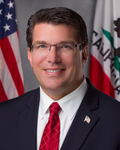
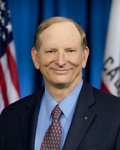
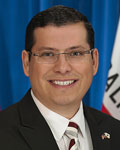
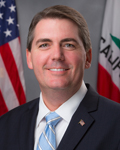
Bill Author

Bill Co-Author(s):