AJR 15: Federal public lands.
- Session Year: 2017-2018
- House: Assembly
- Latest Version Date: 2017-06-13
This measure would urge the President of the United States, the Secretary of the United States Department of the Interior, and the Secretary of the United States Department of Agriculture to protect federal public lands and the economic, historical, cultural, and ecological values that they provide for Americans; to support the enactment and use of the Antiquities Act of 1906 as a critical tool for protecting the public good by authorizing the designation of national monuments under the Antiquities Act; and to honor and protect the integrity of all national monuments as they have been designated by Presidents of the United States since 1906.
This measure would urge the President of the United States, the Secretary of the United States Department of the Interior, and the Secretary of the United States Department of Agriculture to protect federal public lands and the economic, historical, cultural, and ecological values that they provide for Americans; to support the enactment and use of the Antiquities Act of 1906 as a critical tool for protecting the public good by authorizing the designation of national monuments under the Antiquities Act; and to honor and protect the integrity of all national monuments as they have been designated by Presidents of the United States since 1906.
This measure would urge the President of the United States, the Secretary of the United States Department of the Interior, and the Secretary of the United States Department of Agriculture to protect federal public lands and the economic, historical, cultural, and ecological values that they provide for Americans; to support the enactment and use of the Antiquities Act of 1906 as a critical tool for protecting the public good by authorizing the designation of national monuments under the Antiquities Act; and to honor and protect the integrity of all national monuments as they have been designated by Presidents since 1906.
WHEREAS, The Antiquities Act of 1906 (Public Law 59-209) authorizes the President of the United States to designate as national monuments any historic landmarks, historic and prehistoric structures and other objects of historic or scientific interest that are located on land owned or controlled by the federal government; and
WHEREAS, President of the United States Theodore Roosevelt first used the act in 1906 and 16 former Presidents in the last 111 years, of whom 8 were Republicans and 8 were Democrats, have used the Antiquities Act to protect the natural, cultural, and historic heritage of the United States; and
WHEREAS, The designation of national monuments is a uniquely American idea that celebrates and memorializes our nations historical, cultural, and natural heritage, helps define who we are as Californians and as a nation, and provides additional protections for public lands that are held in trust for all Americans and future generations; and
WHEREAS, Twenty-two national monuments in California have been designated under the act to protect and preserve the cultural, historical and ecological values of public lands, including: Cinder Cone (now part of Lassen Volcanic National Park), Lassen Peak, Muir Woods, Pinnacles, Devils Postpile, Cabrillo, Lava Beds, Death Valley, Joshua Tree, Channel Islands, California Coastal, Giant Sequoia, Cascade-Siskiyou, Carrizo Plain, World War II Valor in the Pacific Tule Lake Unit, Ford Ord, Cesar E. Chavez, San Gabriel Mountains, Berryessa Snow Mountain, Mojave Trails, Sand to Snow, and Castle Mountains national monuments; and
WHEREAS, Protected federal public lands and waters support thousands of jobs in gateway communities in California and across the country; and
WHEREAS, Studies have shown that local economies surrounding permanently protected areas such as national monuments expand after establishing a monument, increasing per capita personal incomes; and
WHEREAS, The designation of recent national monuments and other federal protected public lands will continue to increase tourism and economic development throughout the state; and
WHEREAS, Outdoor recreation generates $85 billion in annual consumer spending and over 730,000 jobs in the State of California and approximately $6.7 billion in state and local tax revenue; and
WHEREAS, Protected federal public lands and waters provide diverse outdoor recreation opportunities for hikers, campers, equestrians, mountain bikers, legal off-highway vehicle users, skiers, hunters, anglers, birders, rock collectors, botanists, and others; and
WHEREAS, Protected federal public lands encompass sites, artifacts, and landscapes of great cultural and religious significance to Native Americans such as ancestral villages, burial grounds, lands that supply traditional foods and medicines, and historic trails; and
WHEREAS, Protected federal public lands and waters help maintain healthy ecosystems and preserve invaluable habitat for plants and wildlife, including habitat for sensitive species recognized by the State of California and the United States government; and
WHEREAS, Healthy ecosystems provide greater water quality, air quality, and climate resilience and adaptability, which are vital priorities for the State of California; and
WHEREAS, Healthy ecosystems are also vital to healthy communities, and protected outdoor areas provide valuable education and research opportunities for youth and academia, and mental health benefits to communities such as veterans; and
WHEREAS, Protected federal public lands provide world-class hunting and fishing opportunities in the State of California and for Californians nationwide; and
WHEREAS, The beneficial use of renewable land, water, and wildlife resources is essential to the long-term economy of this state; and
WHEREAS, The management of national monuments is guided by plans developed with input from state, local, and tribal governments, members of the public, and other stakeholders; and
WHEREAS, The values of the State of California include historic diversity, scientific advancement, economic output, and sense of global responsibility, and these values are advanced by the permanent protection of public lands; now, therefore, be it
Resolved by the Assembly and the Senate of the State of California, jointly, That it is the sense of the Legislature that Americas protected federal public lands are a national treasure that belong to all Americans, which should be maintained for future generations; and that those protected federal public lands in the State of California are integral to the history, culture, economy, natural environment, and values of the state and for which California is globally renowned; and be it further
Resolved, That the Legislature urges the President of the United States, Donald J. Trump, the Secretary of the United States Department of the Interior, Ryan Zinke, and the Secretary of the United States Department of Agriculture, Sonny Perdue, to protect federal public lands and the economic, historical, cultural, and ecological values that they provide for Americans; support the enactment and use of the Antiquities Act of 1906 as a critical tool for protecting the public good by authorizing the designation of national monuments under the Antiquities Act; and honor and protect the integrity of all national monuments as they have been designated by Presidents since 1906; and be it further
Resolved, That the Chief Clerk of the Assembly transmit copies of this resolution to the President and Vice President of the United States and to the Secretaries of the United States Departments of the Interior and Agriculture.
|
Date
|
Status
|
|---|---|
| Jun 13, 2017 | Chaptered by Secretary of State - Res. Chapter 85, Statutes of 2017. |
| Jun 13, 2017 | Enrolled and filed with the Secretary of State at 3 p.m. |
| Jun 8, 2017 | In Assembly. Ordered to Engrossing and Enrolling. |
| Jun 8, 2017 | Adopted and to Assembly. (Ayes 28. Noes 8. Page 1463.) |
| Jun 5, 2017 | From committee: Be adopted. Ordered to Third Reading. (Ayes 6. Noes 2.) (June 5). |
| Jun 1, 2017 | Re-referred to Com. on N.R. & W. |
| May 30, 2017 | In Senate. To Com. on RLS. |
| May 26, 2017 | Coauthors revised. |
| May 23, 2017 | From committee: Be adopted. Ordered to Third Reading. (Ayes 9. Noes 4.) (May 23). |
| May 18, 2017 | Referred to Com. on W.,P., & W. |
| May 16, 2017 | From printer. |
| May 15, 2017 | Introduced. To print. |
|
Date
|
Description
|
Location
|
Votes
|
|
|---|---|---|---|---|
| Jun 8, 2017 | Assembly 3rd Reading AJR15 Aguiar-Curry et al. By Dodd | Senate Floor |
Passed |
|
| Jun 5, 2017 | Be adopted. Ordered to third reading | Senate Standing Committee on Natural Resources and Water |
Passed |
|
| May 26, 2017 | AJR 15 AGUIAR-CURRY Assembly Third Reading | Assembly Floor |
Passed |
|
| May 23, 2017 | Be adopted. To third reading. | Assembly Standing Committee on Water, Parks, and Wildlife |
Passed |
This list shows positions taken on this bill by organizations on the date displayed, which is linked to the original source.
Positions by individuals are not included.
Office of Senate Floor Analyses (916) 651-1520 Fax: (916) 327-4478 | AJR |
THIRD READING
Bill No: AJR 15
:
SENATE NATURAL RES. & WATER COMMITTEE: 6-2, 6/5/17
AYES: Hertzberg, Allen, Atkins, Hueso, Jackson, Monning
NOES: Stone, Vidak
NO VOTE RECORDED: Stern
ASSEMBLY FLOOR: 56-16, 5/26/17 - See last page for vote
DIGEST:
This resolution includes many findings regarding the history and importance of national monuments as important public lands and concludes with a statement of the Legislature urging President Trump and other federal officials to protect federal public lands and the economic, historical, cultural, and ecological values that they provide for Americans, as well as protecting the integrity of all the national monuments that have been designated by presidents since 1906.
Existing law:
- Provides the Antiquities Act (16 U.S.C. 431-433) as the first federal statute to provide protection for any general kind of cultural or natural resource. It was signed into law on June 8, 1906, by President Teddy Roosevelt.
- Provides, in Section 2 of the Antiquities Act, that the President has the authority to set aside for protection “historic landmarks, historic and prehistoric structures and other objects of historic or scientific interest that are situated upon the lands owned or controlled by the Government of the United States.”
- Established, prior to the Antiquities Act, early conservation measures such as the establishment of Yellowstone National Park (1872) or the Casa Grande Ruins in Arizona (1892), but such efforts also required an act of Congress.
- Engenders opposition to the Antiquities Act even though the act eases creation of national monuments. National monuments may be administered by the National Park Service, the United States Forest Service, the United States Fish and Wildlife Service, or the Bureau of Land Management.
- Designates, in California, twenty-two national monuments have been under the Antiquities Act, most recently the Berryessa Snow National Monument, the Mojave Trails National Monument, the Sands to Snow Monument, and the Castle Mountains National Monument.
- Directs, pursuant to an Executive Order by President Trump, that the U.S. Department of the Interior review all national monuments designated by presidents since 1996 that are at least 100,000 acres. Twelve monuments have been established in California since 1996, but only six of them fall under the order: Berryessa Snow Mountain, which sprawls across Napa, Solano, Yolo and four other counties in Northern California; Giant Sequoia, in the Sequoia National Forest in the southern Sierra; Carrizo Plain in the southern San Joaquin Valley; San Gabriel Mountains, northeast of Los Angeles; and two desert monuments, Sand to Snow and Mojave Trails.
This resolution:
- Contains many findings regarding national monuments as well as a listing of the 22 national monuments in California. It states that the historic use of the Antiquities Act was equally divided between 16 former presidents, 8 Democrats and 8 Republicans. The findings state that the designation of national monuments celebrates and memorializes our nation’s historical, cultural, and natural heritage. The findings also emphasize the economic importance of national monuments to nearby communities and the recreational opportunities that are provided.
- Concludes with the Legislature urging President Trump and other federal officials to protect federal public lands and the economic, historical, cultural, and ecological values that they provide for Americans, as well as protecting the integrity of all the national monuments that have been designated by presidents since 1906.
FISCAL EFFECT: Appropriation: No Fiscal Com.: No Local: No
Access Fund
Amargosa Conservancy
American Alpine Club
American Whitewater
Audubon California
Big Sur Land Trust
Bodie Hills Conservation Partnership
Bolsa Chica Land Trust
California Association of Park and Recreation Commissioners
California League of Conservation Voters
California Native Plant Society
California Park & Recreation Society
California ReLeaf
California State Parks Foundation
California Travel Association
California Wilderness Coalition
California Wildlife Foundation
Carizzo Plain Conservancy
Center for Biological Diversity
Concerned Off-Road Bicyclists Association
Congressman John Garamendi, California’s 3rd District
Conservation Lands Foundation
Council of Mexican Federations
Defenders of Wildlife
Environment California
Environmental Defense Fund
Folsom Auburn Trail Riders Action Coalition (FATRAC)
Friends of Big Morongo Canyon Preserve
Friends of Joshua Tree
Friends of the Desert Mountains
Friends of the Inyo
Friends of the River
Girl Scouts of Orange County
Girl Scouts of San Gorgonio Council
Greater Palm Springs Convention & Visitors Bureau
Groveland Trail Heads
Hispanic Access Foundation
International Mountain Bicycling Association
Joshua Tree National Park Association
Lake County Land Trust
Land Trust of Santa Cruz County
Mendocino Land Trust
Midpeninsula Regional Open Space District
Mojave Desert Land Trust
Mono Lake Committee
Morongo Basin Conservation Association
Morongo Valley Chamber of Commerce
Mountain Lion Foundation
Mt. Wilson Bicycling Association
Napa County Regional Parks & Open Space District
National Parks Conservation Association
Native American Land Conservancy
NRDC
Patagonia
Peninsula Open Space Trust (POST)
Santa Barbara Mountain Bike Trail Volunteers
Santa Clara County Parks and Recreation
Santa Clara Valley Open Space Authority
Save the Carizzo Plain
Save the Redwoods League
Sempervirens Fund
Seventh Generation Advisors
SF Urban Riders
SHARE Mountain Bike Club
Sierra Business Council
Sierra Club California
Sierra Nevada Alliance
Sonoma County Regional Parks
Tahoe City Public Utility District
The Humane Society of the United States
The Nature Conservancy
The Trust for Public Land
The Vet Voice Foundation
The Wilderness Society
The Wildlands Conservancy
Trinidad Coastal Land Trust
Tuleyome
Ukiah Valley Trail Group
Watershed Conservation Authority
Wholly H2O
Wishtoyo Chumash Foundation
None received
ARGUMENTS IN SUPPORT: According to the author, this Joint Resolution will affirm that America’s protected federal public lands are a national treasure that belong to all Americans and should be maintained for future generations; and that those protected federal public lands in the State of California are integral to the history, culture, economy, natural environment, and values of the State of California and for which California is globally renowned.
A large coalition of supporters writes that no president has ever attempted to revoke a predecessor’s monument designation, even where some public disagreement over the designation existed. The coalition referenced legal scholarship arguing that no president has the legal authority to eliminate or significantly alter a national park or national monument despite the Trump executive order.
The supporters note that the designation of these unique California places occurred because of broad-based support from conservation organizations, hikers, mountain bikers, horse riders, legal off-highway-vehicle users, hunters, anglers, rock climbers, whitewater paddlers, tribes, veterans, faith leaders and others, which worked closely with local elected officials and businesses.
ASSEMBLY FLOOR: 56-16, 5/26/17
AYES: Aguiar-Curry, Arambula, Baker, Berman, Bloom, Bocanegra, Bonta, Burke, Caballero, Calderon, Cervantes, Chiu, Chu, Cooley, Cooper, Cunningham, Dababneh, Daly, Frazier, Friedman, Cristina Garcia, Eduardo Garcia, Gipson, Gloria, Gomez, Gonzalez Fletcher, Grayson, Holden, Irwin, Jones-Sawyer, Kalra, Lackey, Levine, Limón, Low, Maienschein, McCarty, Medina, Mullin, Muratsuchi, Nazarian, O'Donnell, Quirk, Quirk-Silva, Reyes, Ridley-Thomas, Rodriguez, Rubio, Salas, Santiago, Mark Stone, Thurmond, Ting, Weber, Wood, Rendon
NOES: Travis Allen, Bigelow, Brough, Chen, Choi, Dahle, Flora, Fong, Gallagher, Harper, Kiley, Mathis, Melendez, Obernolte, Patterson, Voepel
NO VOTE RECORDED: Acosta, Chau, Chávez, Eggman, Gray, Mayes, Steinorth, Waldron
6/7/17 16:02:20
**** END ****
SENATE COMMITTEE ON NATURAL RESOURCES AND WATER
Senator Robert Hertzberg, Chair
2017 - 2018 Regular
Bill No: AJR Hearing Date: June 5, 2017
Author: | Aguiar-Curry | ||
Version: | May 15, 2017 | ||
Urgency: |
| Fiscal: | No |
Consultant: | William Craven | ||
Subject: Federal public lands
BACKGROUND AND EXISTING LAW
Existing federal law, specifically the Antiquities Act (16 U.S.C. 431-433), was the first federal statute to provide protection for any general kind of cultural or natural resource. It was signed into law on June 8, 1906, by President Teddy Roosevelt.
Provides in Section 2 of the statute, that the President has the authority to set aside for protection “historic landmarks, historic and prehistoric structures and other objects of historic or scientific interest that are situated upon the lands owned or controlled by the Government of the United States.”
Preceding the Antiquities Act were early conservation measures such as the establishment of Yellowstone National Park (1872) or the Casa Grande Ruins in Arizona (1892), but such efforts also required an act of Congress.
Establishing national monuments via Section 2 of the Antiquities Act may ease creation of such monuments, but it has also engendered opposition. National monuments may be administered by the National Park Service, the United States Forest Service, the United States Fish and Wildlife Service, or the Bureau of Land Management.
Twenty-two national monuments have been designated in California under the Antiquities Act, most recently the Berryessa Snow National Monument, the Mojave Trails National Monument, the Sands to Snow Monument, and the Castle Mountains National Monument.
Directs, pursuant to an Executive Order by President Trump, that the U.S. Department of the Interior review all national monuments designated by presidents since 1996 that are at least 100,000 acres. Twelve monuments have been established in California since 1996, but only six of them fall under the order: Berryessa Snow Mountain, which sprawls across Napa, Solano, Yolo and four other counties in Northern California; Giant Sequoia, in the Sequoia National Forest in the southern Sierra; Carrizo Plain in the southern San Joaquin Valley; San Gabriel Mountains, northeast of Los Angeles; and two desert monuments, Sand to Snow and Mojave Trails.
PROPOSED LAW
This resolution contains many findings regarding national monuments as well as a listing of the 22 national monuments in California. It states that the historic use of the Antiquities Act was equally divided between 16 former presidents, 8 Democrats and 8 Republicans. The findings state that the designation of national monuments celebrates and memorializes our nation’s historical, cultural, and natural heritage. The findings also emphasize the economic importance of national monuments to nearby communities and the recreational opportunities that are provided.
The resolution concludes with the Legislature urging President Trump and other federal officials to protect federal public lands and the economic, historical, cultural, and ecological values that they provide for Americans, as well as protecting the integrity of all the national monuments that have been designated by presidents since 1906.
ARGUMENTS IN SUPPORT
According to the author, this Joint Resolution will affirm that America’s protected federal public lands are a national treasure that belong to all Americans and should be maintained for future generations; and that those protected federal public lands in the State of California are integral to the history, culture, economy, natural environment, and values of the State of California and for which California is globally renowned.
A large coalition of supporters writes that no president has ever attempted to revoke a predecessor’s monument designation, even where some public disagreement over the designation existed. The coalition referenced legal scholarship arguing that no president has the legal authority to eliminate or significantly alter a national park or national monument despite the Trump executive order.
The supporters note that the designation of these unique California places occurred because of broad-based support from conservation organizations, hikers, mountain bikers, horse riders, legal off-highway-vehicle users, hunters, anglers, rock climbers, whitewater paddlers, tribes, veterans, faith leaders and others, which worked closely with local elected officials and businesses.
ARGUMENTS IN OPPOSITION
None received
SUPPORT
Access Fund
Amargosa Conservancy
American Alpine Club
American Whitewater
Audubon California
Big Sur Land Trust
Bodie Hills Conservation Partnership
Bolsa Chica Land Trust
California League of Conservation Voters
California Native Plant Society
California Park & Recreation Society
California ReLeaf
California State Parks Foundation
California Travel Association
California Wilderness Coalition
California Wildlife Foundation
Carizzo Plain Conservancy
Center for Biological Diversity
Concerned Off-Road Bicyclists Association
Congressman John Garamendi, California’s 3rd District
Conservation Lands Foundation
Council of Mexican Federations
Defenders of Wildlife
Environment California
Environmental Defense Fund
Folsom Auburn Trail Riders Action Coalition (FATRAC)
Friends of Big Morongo Canyon Preserve
Friends of Joshua Tree
Friends of the Desert Mountains
Friends of the Inyo
Friends of the River
Girl Scouts of Orange County
Girl Scouts of San Gorgonio Council
Greater Palm Springs Convention & Visitors Bureau
Groveland Trail Heads
Hispanic Access Foundation
International Mountain Bicycling Association
Joshua Tree National Park Association
Lake County Land Trust
Land Trust of Santa Cruz County
Mendocino Land Trust
Mojave Desert Land Trust
Mono Lake Committee
Morongo Basin Conservation Association
Morongo Valley Chamber of Commerce
Mountain Lion Foundation
Mt. Wilson Bicycling Association
Napa County Regional Parks & Open Space District
National Parks Conservation Association
Native American Land Conservancy
NRDC
Patagonia
Peninsula Open Space Trust (POST)
Santa Barbara Mountain Bike Trail Volunteers
Santa Clara County Parks and Recreation
Santa Clara Valley Open Space Authority
Save the Carizzo Plain
Save the Redwoods League
Sempervirens Fund
Seventh Generation Advisors
SF Urban Riders
SHARE Mountain Bike Club
Sierra Business Council
Sierra Club California
Sierra Nevada Alliance
Sonoma County Regional Parks
Tahoe City Public Utility District
The Humane Society of the United States
The Nature Conservancy
The Trust for Public Land
The Vet Voice Foundation
The Wilderness Society
The Wildlands Conservancy
Trinidad Coastal Land Trust
Tuleyome
Ukiah Valley Trail Group
Watershed Conservation Authority
Wholly H2O
Wishtoyo Chumash Foundation
OPPOSITION
None Received
-- END --
ASSEMBLY THIRD READING
ATR Bill Id:AJR 15
Author:(Aguiar-Curry)
As Introduced Ver:May 15, 2017
Majority vote
Committee | Votes | Ayes | Noes |
Water | 9-4 | Eduardo Garcia, Chu, Friedman, Gloria, Kalra, Rubio, Salas, Chau, Wood | Bigelow, Choi, Harper, Mathis |
SUMMARY: Expresses the support of the California State Assembly and Senate for the protection of federal public lands and their status as legally protected public lands; for the enactment and use of the Antiquities Act of 1906; and, for the designation of all National Monuments in California. Specifically, this bill:
- Resolves that it is the sense of the Legislature that protected federal public lands are a national treasure; that these lands should be maintained for future generations; and, that those lands are integral to the history, culture, economy, natural environment, and values of this state.
- Urges the President of the United States, the Secretary of the Department of the Interior, and the Secretary of the United States Department of Agriculture, to:
- Protect federal public lands and the economic, historical, cultural, and ecological values that they provide for Americans.
- Support of the Antiquities Act of 1906 as a critical tool for protecting the public good by authorizing the designation of national monuments.
- Honor and protect the integrity of all national monuments as they have been designated by Presidents since 1906.
- Makes various findings related to California national monuments including recreation and ecosystem benefits.
- Requests the Chief Clerk of the Assembly to transmit copies of this resolution to various federally elected and appointed persons.
EXISTING LAW: Under federal law, the President of the United States has the power to designate public lands as national monuments through executive order.
FISCAL EFFECT: None. This resolution is keyed non-fiscal by the Legislative Counsel.
COMMENTS:
The Antiquities Act (16 United States Code (U.S.C.) 431-433) was the first federal statute to provide protection for any general kind of cultural or natural resource. It was signed into law in 1906 by President Theodore Roosevelt.
Section 2 of the statute gives the President the authority to set aside for protection "historic landmarks, historic and prehistoric structures and other objects of historic or scientific interest that are situated upon the lands owned or controlled by the Government of the United States."
While early conservation measures, such as the establishment of Yellowstone National Park (1872) or the Casa Grande Ruins in Arizona (1892), preceded the Antiquities Act, each such effort required an act of Congress as well as presidential approval.
Section 2 of the Act, as noted, made the establishment of national monuments an administrative action that was quicker and far easier to execute. That strength of the Act also has been known to engender opposition to national monument protections. National monuments may be administered by the National Park Service, the United States Forest Service, the United States Fish and Wildlife Service, or the Bureau of Land Management.
Twenty-two national monuments have been designated in California under the Antiquities Act, most recently the Berryessa Snow National Monument, the Mojave Trails National Monument, the Sands to Snow Monument, and the Castle Mountains National Monument.
Supporters argue that federal public lands and waters provide outdoor recreation opportunities for a diversity of recreation types from hiking and bird-watching to legal off-highway vehicle use and hunting. They assert that outdoor recreation generates $85 billion in annual consumer spending, over 730,000 jobs in California, and $6.7 million in state and local tax revenues.
Analysis Prepared by: Catherine Freeman / W., P., & W. / (916) 319-2096 FN: 0000530
Date of Hearing: May 23, 2017
ASSEMBLY COMMITTEE ON WATER, PARKS, AND WILDLIFE
Eduardo Garcia, Chair
ABPCA Bill Id:AJR 15 (
Author:Aguiar-Curry) – As Introduced Ver:May 15, 2017
SUBJECT: Federal public lands
SUMMARY: Expresses the support of the California State Assembly and Senate for the protection of federal public lands and their status as legally protected public lands; for the enactment and use of the Antiquities Act of 1906; and, for the designation of all National Monuments in California. Specifically, this bill:
- Resolves that it is the sense of the Legislature that protected federal public lands are a national treasure; that these lands should be maintained for future generations; and, that those lands are integral to the history, culture, economy, natural environment, and values of this state.
- Urges the President of the United States, the Secretary of the Department of the Interior, and the Secretary of the United States Department of Agriculture, to:
- Protect federal public lands and the economic, historical, cultural, and ecological values that they provide for Americans.
- Support of the Antiquities Act of 1906 as a critical tool for protecting the public good by authorizing the designation of national monuments.
- Honor and protect the integrity of all national monuments as they have been designated by Presidents since 1906.
- Makes various findings related to California national monuments including recreation and ecosystem benefits.
- Requests the Chief Clerk of the Assembly to transmit copies of this resolution to various federally elected and appointed persons.
EXISTING LAW: Under federal law, the President of the United States has the power to designate public lands as national monuments through executive order.
FISCAL EFFECT: None, this bill is keyed non-fiscal and is a nonbinding resolution.
COMMENTS:
The Antiquities Act (16 U.S.C. 431-433) was the first federal statute to provide protection for any general kind of cultural or natural resource. It was signed into law in 1906 by President Teddy Roosevelt.
Section 2 of the statute gives the President the authority to set aside for protection “historic landmarks, historic and prehistoric structures and other objects of historic or scientific interest that are situated upon the lands owned or controlled by the Government of the United States.”
While early conservation measures, such as the establishment of Yellowstone National Park (1872) or the Casa Grande Ruins in Arizona (1892), preceded the Antiquities Act, each such effort required an act of Congress as well as presidential approval.
Section 2 of the Act, as noted, made the establishment of national monuments an administrative action that was quicker and far easier to execute. That strength of the Act also has been known to engender opposition to national monument protections. National monuments may be administered by the National Park Service, the United States Forest Service, the United States Fish and Wildlife Service, or the Bureau of Land Management.
Twenty-two national monuments have been designated in California under the Antiquities Act, most recently the Berryessa Snow National Monument, the Mojave Trails National Monument, the Sands to Snow Monument, and the Castle Mountains National Monument.
Supporters argue that federal public lands and waters provide outdoor recreation opportunities for a diversity of recreation types from hiking and bird-watching to legal off-highway vehicle use and hunting. They assert that outdoor recreation generates $85 billion in annual consumer spending, over 730,000 jobs in California, and $6.7 million in state and local tax revenues.
REGISTERED SUPPORT / OPPOSITION:
Support
Access Fund
Amargosa Conservancy
American Alpine Club
American Whitewater
Audubon California
Big Sur Land Trust
Bodie Hills Conservation Partnership
Bolsa Chica Land Trust
California League of Conservation Voters
California ReLeaf
California State Parks Foundation
California Wilderness Coalition
Carizzo Plain Conservancy
Center for Biological Diversity
Concerned Off-Road Bicyclists Association
Conservation Lands Foundation
Defenders of Wildlife
Environment California
Environmental Defense Fund
Folsom Auburn Trail Riders Action Coalition (FATRAC)
Friends of the Desert Mountains
Friends of the Inyo
Groveland Trail Heads
Hispanic Access Foundation
Humane Society of the United States, The
International Mountain Bicycling Association
Joshua Tree National Park Association
Lake County Land Trust
Land Trust of Santa Cruz County
Mendocino Land Trust
Mojave Desert Land Trust
Morongo Basin Conservation Association
Mono Lake Committee
Morongo Valley Chamber of Commerce
Mountain Lion Foundation
Mt. Wilson Bicycling Association
National Parks Conservation Association
Native American Land Conservancy
Natural Resources Defense Council (NRDC)
Nature Conservancy, The
Patagonia
Peninsula Open Space Trust (POST)
Santa Barbara Mountain Bike Trail Volunteers
Save the Redwoods League
Seventh Generation Advisors
SF Urban Riders
SHARE Mountain Bike Club
Sierra Club California
Sierra Nevada Alliance
Trinidad Coastal Land Trust
Trust for Public Land, The
Tuleyome
Ukiah Valley Trail Group
Vet Voice Foundation, The
Wholly H2O
Wilderness Society, The
Wishtoyo Chumash Foundation
Opposition
None on file
Analysis Prepared by: Catherine Freeman / W., P., & W. /
Discussed in Hearing
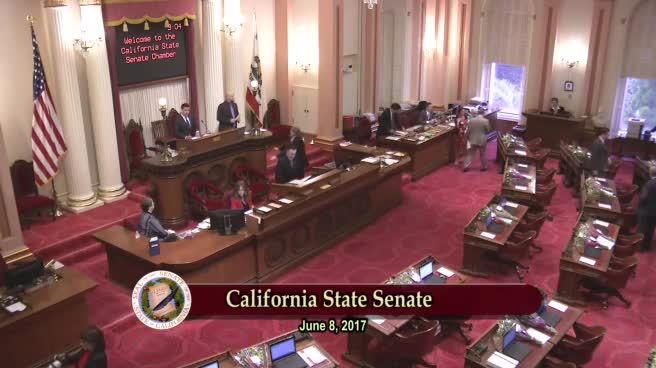 4MIN
Senate Floor
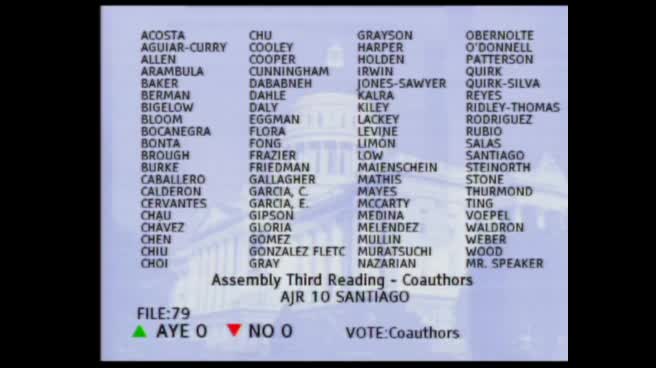 5MIN
Assembly Floor
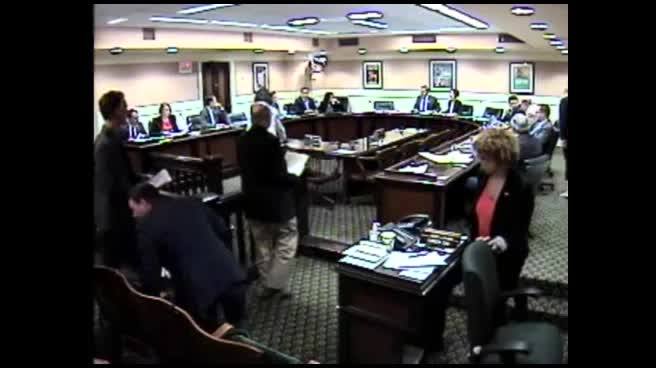 31MIN
Assembly Standing Committee on Water, Parks, and Wildlife
Bill Author

Bill Co-Author(s):