SB 1152: Hospital patient discharge process: homeless patients.
- Session Year: 2017-2018
- House: Senate
- Latest Version Date: 2018-09-30
(1)Existing law requires the State Department of Public Health to license and regulate general acute care hospitals, acute psychiatric hospitals, and special hospitals. Existing law requires these hospitals to comply with specific statutory provisions for standards of care and regulations promulgated by the department, and a violation of these provisions or regulations is a crime. Existing law requires each hospital to have a written discharge planning policy and process that requires that the appropriate arrangements for posthospital care are made prior to discharge for those patients likely to suffer adverse health consequences upon discharge if there is no adequate discharge planning.
This bill would require each hospital to include a written homeless patient discharge planning policy and process within the hospital discharge policy, as specified. The bill would require a hospital to document specified information before discharging a homeless patient. The bill would, commencing on July 1, 2019, require a hospital to develop a written plan for coordinating services and referrals for homeless patients with the county behavioral health agency, health care and social service agencies in the region, health care providers, and nonprofit social service providers, as available, to assist with ensuring appropriate homeless patient discharge. The bill would also, commencing on July 1, 2019, require a hospital to maintain a log of homeless patients discharged and the destinations to which they were released after discharge, as specified, if any. The bill would specify how its provisions are to be construed in relation to local ordinances, codes, regulations, or orders related to the homeless patient discharge processes, and would exempt state hospitals under the jurisdiction of the State Department of State Hospitals from its provisions. Because a violation of these requirements would be a crime, this bill would impose a state-mandated local program.
(2)The California Constitution requires the state to reimburse local agencies and school districts for certain costs mandated by the state. Statutory provisions establish procedures for making that reimbursement.
This bill would provide that no reimbursement is required by this act for a specified reason.
(1)Existing law requires the State Department of Public Health to license and regulate general acute care hospitals, acute psychiatric hospitals, and special hospitals. Existing law requires these hospitals to comply with specific statutory provisions for standards of care and regulations promulgated by the department, and a violation of these provisions or regulations is a crime. Existing law requires each hospital to have a written discharge planning policy and process that requires that the appropriate arrangements for posthospital care are made prior to discharge for those patients likely to suffer adverse health consequences upon discharge if there is no adequate discharge planning.
This bill would require each hospital to include a written homeless patient discharge planning policy and process within the hospital discharge policy, as specified. The bill would require a hospital to document specified information before discharging a homeless patient. The bill would, commencing on July 1, 2019, require a hospital to develop a written plan for coordinating services and referrals for homeless patients with the county behavioral health agency, health care and social service agencies in the region, health care providers, and nonprofit social service providers, as available, to assist with ensuring appropriate homeless patient discharge. The bill would also, commencing on July 1, 2019, require a hospital to maintain a log of homeless patients discharged and the destinations to which they were released after discharge, as specified, if any. The bill would specify how its provisions are to be construed in relation to local ordinances, codes, regulations, or orders related to the homeless patient discharge processes, and would exempt state hospitals under the jurisdiction of the State Department of State Hospitals from its provisions. Because a violation of these requirements would be a crime, this bill would impose a state-mandated local program.
(2)The California Constitution requires the state to reimburse local agencies and school districts for certain costs mandated by the state. Statutory provisions establish procedures for making that reimbursement.
This bill would provide that no reimbursement is required by this act for a specified reason.
(1)Existing law requires the State Department of Public Health to license and regulate general acute care hospitals, acute psychiatric hospitals, and special hospitals. Existing law requires these hospitals to comply with specific statutory provisions for standards of care and regulations promulgated by the department, and a violation of these provisions or regulations is a crime. Existing law requires each hospital to have a written discharge planning policy and process that requires that the appropriate arrangements for posthospital care are made prior to discharge for those patients likely to suffer adverse health consequences upon discharge if there is no adequate discharge planning.
This bill would require each hospital to include a written homeless patient discharge planning policy and process within the hospital discharge policy, as specified. The bill would require a hospital to document specified information before discharging a homeless patient. The bill would, commencing on July 1, 2019, require a hospital to develop a written plan for coordinating services and referrals for homeless patients with the county behavioral health agency, health care and social service agencies in the region, health care providers, and nonprofit social service providers, as available, to assist with ensuring appropriate homeless patient discharge. The bill would also, commencing on July 1, 2019, require a hospital to maintain a log of homeless patients discharged and the destinations to which they were released after discharge, as specified, if any. The bill would specify how its provisions are to be construed in relation to local ordinances, codes, regulations, or orders related to the homeless patient discharge processes, and would exempt state hospitals under the jurisdiction of the State Department of State Hospitals from its provisions. Because a violation of these requirements would be a crime, this bill would impose a state-mandated local program.
(2)The California Constitution requires the state to reimburse local agencies and school districts for certain costs mandated by the state. Statutory provisions establish procedures for making that reimbursement.
This bill would provide that no reimbursement is required by this act for a specified reason.
(1)Existing law requires the State Department of Public Health to license and regulate general acute care hospitals, acute psychiatric hospitals, and special hospitals. Existing law requires these hospitals to comply with specific statutory provisions for standards of care and regulations promulgated by the department, and a violation of these provisions or regulations is a crime. Existing law requires each hospital to have a written discharge planning policy and process that requires that the appropriate arrangements for posthospital care are made prior to discharge for those patients likely to suffer adverse health consequences upon discharge if there is no adequate discharge planning.
This bill would require each hospital to include a written homeless patient discharge planning policy and process within the hospital discharge policy, as specified. The bill would require a hospital to document specified information before discharging a homeless patient. The bill would, commencing on July 1, 2019, require a hospital to develop a written plan for coordinating services and referrals for homeless patients with the county behavioral health agency, health care and social service agencies in the region, health care providers, and nonprofit social service providers, as available, to assist with ensuring appropriate homeless patient discharge. The bill would also, commencing on July 1, 2019, require a hospital to maintain a log of homeless patients discharged and the destinations to which they were transported released after discharge, as specified, if any. The bill would specify how its provisions are to be construed in relation to local ordinances, codes, regulations, or orders related to the homeless patient discharge processes, and would exempt state hospitals under the jurisdiction of the State Department of State Hospitals from its provisions. Because a violation of these requirements would be a crime, this bill would impose a state-mandated local program.
(2)The California Constitution requires the state to reimburse local agencies and school districts for certain costs mandated by the state. Statutory provisions establish procedures for making that reimbursement.
This bill would provide that no reimbursement is required by this act for a specified reason.
(1)Existing law requires the State Department of Public Health to license and regulate general acute care hospitals, acute psychiatric hospitals, and special hospitals. Existing law requires these hospitals to comply with specific statutory provisions for standards of care and regulations promulgated by the department, and a violation of these provisions or regulations is a crime. Existing law requires each hospital to have a written discharge planning policy and process that requires that the appropriate arrangements for posthospital care are made prior to discharge for those patients likely to suffer adverse health consequences upon discharge if there is no adequate discharge planning.
This bill would require each hospital to include a written homeless patient discharge planning policy and process within the hospital discharge policy, as specified. The bill would require a hospital to document specified information before discharging a homeless patient. The bill would, commencing on July 1, 2019, require a hospital to develop a written plan for coordinating services and referrals for homeless patients with the county behavioral health agency, health care and social service agencies in the region, health care providers, and nonprofit social service providers, as available, to assist with ensuring appropriate homeless patient discharge. The bill would also, commencing on July 1, 2019, require a hospital to maintain a log of homeless patients discharged and the locations destinations to which they were discharged. transported after discharge, as specified, if any. The bill would specify how its provisions are to be construed in relation to local ordinances, codes, regulations, or orders related to the homeless patient discharge processes. processes, and would exempt state hospitals under the jurisdiction of the State Department of State Hospitals from its provisions. Because a violation of these requirements would be a crime, this bill would impose a state-mandated local program.
(2)The California Constitution requires the state to reimburse local agencies and school districts for certain costs mandated by the state. Statutory provisions establish procedures for making that reimbursement.
This bill would provide that no reimbursement is required by this act for a specified reason.
(1)Existing law requires the State Department of Public Health to license and regulate general acute care hospitals, acute psychiatric hospitals, and special hospitals. Existing law requires these hospitals to comply with specific statutory provisions for standards of care and regulations promulgated by the department, and a violation of these provisions or regulations is a crime. Existing law requires each hospital to have a written discharge planning policy and process that requires that the appropriate arrangements for posthospital care are made prior to discharge for those patients likely to suffer adverse health consequences upon discharge if there is no adequate discharge planning.
This bill would require each hospital to include a written homeless patient discharge planning policy and process within the hospital discharge policy, a written homeless patient discharge planning policy and process that includes, among other requirements, coordinating services and referrals for homeless patients, and procedures for homeless patient discharge referrals to shelters, medical care, and behavioral health care. The bill would also require each hospital to report specific information about all patient housing and discharges to the Office of Statewide Health Planning and Development. policy, as specified. The bill would require a hospital to document specified information before discharging a homeless patient. The bill would, commencing on July 1, 2019, require a hospital to develop a written plan for coordinating services and referrals for homeless patients with the county behavioral health agency, health care and social service agencies in the region, health care providers, and nonprofit social service providers, as available, to assist with ensuring appropriate homeless patient discharge. The bill would also, commencing on July 1, 2019, require a hospital to maintain a log of homeless patients discharged and the locations to which they were discharged. The bill would specify how its provisions are to be construed in relation to local ordinances, codes, regulations, or orders related to the homeless patient discharge processes. Because a violation of these requirements would be a crime, this bill would impose a state-mandated local program.
(2)The California Constitution requires the state to reimburse local agencies and school districts for certain costs mandated by the state. Statutory provisions establish procedures for making that reimbursement.
This bill would provide that no reimbursement is required by this act for a specified reason.
(1)Existing law requires the State Department of Public Health to license and regulate general acute care hospitals, acute psychiatric hospitals, and special hospitals. Existing law requires these hospitals to comply with specific statutory provisions for standards of care and regulations promulgated by the department, and a violation of these provisions or regulations is a crime. Existing law requires each hospital to have a written discharge planning policy and process, including requiring process that requires that the appropriate arrangements for posthospital care are made prior to discharge for those patients likely to suffer adverse health consequences upon discharge if there is no adequate discharge planning.
This bill would require those health facilities each hospital to include within the hospital discharge policy, a written homeless patient discharge planning policy and process, as specified. The bill would require the health facilities to develop and annually update a written plan for process that includes, among other requirements, coordinating services and referrals for homeless patients, including and procedures for homeless patient discharge referrals to shelters, medical care, and mental behavioral health care, designated liaisons at each participating entity, and coordination protocols with participating entities. care. The bill would also require each hospital to report specific information about all patient housing and discharges to the Office of Statewide Health Planning and Development. The bill would specify how its provisions are to be construed in relation to local ordinances, codes, regulations, or orders related to the homeless patient discharge processes. Because violation of these requirements would be a crime, this bill would impose a state-mandated local program.
(2)Existing law requires each hospital to annually adopt and update a community benefits plan for providing community benefits either alone, in conjunction with other health care providers, or through other organizational arrangements. Each hospital is also required to annually submit its community benefits plan, including a description of the activities that the hospital has undertaken in order to address community needs within its mission and financial capacity, to the Office of Statewide Health Planning and Development.This bill would require a hospital to include in its community benefits plan identification of the needs of the homeless population in its service area and allocation of an appropriate amount of the hospitals community benefit resources to meet the needs of that population, including ensuring adequate capacity of homeless patient discharge destinations, including nonprofit shelters and social service providers.(3)(2)The California Constitution requires the state to reimburse local agencies and school districts for certain costs mandated by the state. Statutory provisions establish procedures for making that reimbursement.
This bill would provide that no reimbursement is required by this act for a specified reason.
(1)Existing law establishes the State Department of Public Health and sets forth its powers and duties, including the licensure and regulation of health facilities. A violation of those provisions is a crime.
Existing law prohibits specified health facilities from causing the transfer of homeless patients from one county to another county for the purpose of receiving supportive services from a social service agency, health care service provider, or nonprofit social service agency within the other county, without prior notice and authorization.Existing law requires each hospital to have a written discharge planning policy and process, including requiring that the appropriate arrangements for posthospital care are made prior to discharge for those patients likely to suffer adverse health consequences upon discharge if there is no adequate discharge planning.
This bill would require those health facilities to include within the hospital discharge policy, a written homeless patient discharge planning policy and process, as specified. The bill would require the health facilities to develop and annually update a written plan for coordinating services and referrals for homeless patients patients, including procedures for homeless patient discharge referrals, referrals to shelters, medical care, and mental health care, designated liaisons at each participating entity, and coordination protocols. protocols with participating entities. Because violation of these requirements would be a crime, this bill would impose a state-mandated local program.
(2)Existing law requires each hospital to annually adopt and update a community benefits plan for providing community benefits either alone, in conjunction with other health care providers, or through other organizational arrangements. Each hospital is also required to annually submit its community benefits plan, including a description of the activities that the hospital has undertaken in order to address community needs within its mission and financial capacity, to the Office of Statewide Health Planning and Development.
This bill would require a hospital to include in its community benefits plan identification of the needs of the homeless population in its service area and allocation of an appropriate amount of the hospitals community benefit resources to meet the needs of that population, including ensuring adequate capacity of homeless patient discharge destinations, including nonprofit shelters and social service providers.
(3)The California Constitution requires the state to reimburse local agencies and school districts for certain costs mandated by the state. Statutory provisions establish procedures for making that reimbursement.
This bill would provide that no reimbursement is required by this act for a specified reason.
Existing law establishes the State Department of Public Health and sets forth its powers and duties, including the licensure and regulation of health facilities. A violation of those provisions is a crime.
Existing law prohibits specified health facilities from causing the transfer of homeless patients from one county to another county for the purpose of receiving supportive services from a social service agency, health care service provider, or nonprofit social service agency within the other county, without prior notice and authorization.
This bill would require those health facilities to include within the hospital discharge policy, a written homeless patient discharge planning policy and process, as specified. The bill would require the health facilities to develop a written plan for coordinating services and referrals for homeless patients including procedures for homeless patient discharge referrals, designated liaisons at each participating entity, and coordination protocols. Because violation of these requirements would be a crime, this bill would impose a state-mandated local program.
The California Constitution requires the state to reimburse local agencies and school districts for certain costs mandated by the state. Statutory provisions establish procedures for making that reimbursement.
This bill would provide that no reimbursement is required by this act for a specified reason.
(a)Each hospital shall have a written discharge planning policy and process.
(b)The policy required by subdivision (a) shall require that appropriate arrangements for posthospital care, including, but not limited to, care at home, in a skilled nursing or intermediate care facility, or from a hospice, are made prior to discharge for those patients who are likely to suffer adverse health consequences upon discharge if there is no adequate discharge planning. If the hospital determines that the patient and family members or interested persons need to be counseled to prepare them for posthospital care, the hospital shall provide for that counseling.
(c)As part of the discharge planning process, the hospital shall provide each patient who has been admitted to the hospital as an inpatient with an opportunity to identify one family caregiver who may assist in posthospital care, and shall record this information in the patients medical chart.
(1)In the event that the patient is unconscious or otherwise incapacitated upon admittance to the hospital, the hospital shall provide the patient or patients legal guardian with an opportunity to designate a caregiver within a specified time period, at the discretion of the attending physician, following the patients recovery of consciousness or capacity. The hospital shall promptly document the attempt in the patients medical record.
(2)In the event that the patient or legal guardian declines to designate a caregiver pursuant to this section, the hospital shall promptly document this declination in the patients medical record, when appropriate.
(d)The policy required by subdivision (a) shall require that the patients designated family caregiver be notified of the patients discharge or transfer to another facility as soon as possible and, in any event, upon issuance of a discharge order by the patients attending physician. If the hospital is unable to contact the designated caregiver, the lack of contact shall not interfere with, delay, or otherwise affect the medical care provided to the patient or an appropriate discharge of the patient. The hospital shall promptly document the attempted notification in the patients medical record.
(e)The process required by subdivision (a) shall require that the patient and family caregiver be informed of the continuing health care requirements following discharge from the hospital. The right to information regarding continuing health care requirements following discharge shall also apply to the person who has legal responsibility to make decisions regarding medical care on behalf of the patient, if the patient is unable to make those decisions for himself or herself. The hospital shall provide an opportunity for the patient and his or her designated family caregiver to engage in the discharge planning process, which shall include providing information and, when appropriate, instruction regarding the posthospital care needs of the patient. This information shall include, but is not limited to, education and counseling about the patients medications, including dosing and proper use of medication delivery devices, when applicable. The information shall be provided in a culturally competent manner and in a language that is comprehensible to the patient and caregiver, consistent with the requirements of state and federal law, and shall include an opportunity for the caregiver to ask questions about the posthospital care needs of the patient.
(f)(1)A transfer summary shall accompany the patient upon transfer to a skilled nursing or intermediate care facility or to the distinct part-skilled nursing or intermediate care service unit of the hospital. The transfer summary shall include essential information relative to the patients diagnosis, hospital course, pain treatment and management, medications, treatments, dietary requirement, rehabilitation potential, known allergies, and treatment plan, and shall be signed by the physician.
(2)A copy of the transfer summary shall be given to the patient and the patients legal representative, if any, prior to transfer to a skilled nursing or intermediate care facility.
(g)A hospital shall establish and implement a written policy to ensure that each patient receives, at the time of discharge, information regarding each medication dispensed, pursuant to Section 4074 of the Business and Professions Code.
(h)A hospital shall provide every patient anticipated to be in need of long-term care at the time of discharge with contact information for at least one public or nonprofit agency or organization dedicated to providing information or referral services relating to community-based long-term care options in the patients county of residence and appropriate to the needs and characteristics of the patient. At a minimum, this information shall include contact information for the area agency on aging serving the patients county of residence, local independent living centers, or other information appropriate to the needs and characteristics of the patient.
(i)A contract between a general acute care hospital and a health care service plan that is issued, amended, renewed, or delivered on or after January 1, 2002, shall not contain a provision that prohibits or restricts any health care facilitys compliance with the requirements of this section.
(j)Discharge planning policies adopted by a hospital in accordance with this section shall ensure that planning is appropriate to the condition of the patient being discharged from the hospital and to the discharge destination and meets the needs and acuity of patients.
(k)This section does not require a hospital to do any of the following:
(1)Adopt a policy that would delay discharge or transfer of a patient.
(2)Disclose information if the patient has not provided consent that meets the standards required by state and federal laws governing the privacy and security of protected health information.
(3)Comply with the requirements of this section in an area of the hospital where clinical care is provided, unless medically indicated.
(l)This section does not supersede or modify any privacy and information security requirements and protections in federal and state law regarding protected health information or personally identifiable information, including, but not limited to, the federal Health Insurance Portability and Accountability Act of 1996 (42 U.S.C. Sec. 300gg).
(m)For the purposes of this section, family caregiver means a relative, friend, or neighbor who provides assistance related to an underlying physical or mental disability but who is unpaid for those services.
(n)(1)Each hospital, as defined in subdivisions (a), (b), and (f) of Section 1250, shall include within its hospital discharge policy a written homeless patient discharge planning policy and process.
(2)The policy shall require a hospital to inquire about a patients housing status during the discharge planning process. Housing status may not be used to discriminate against a patient or prevent medically necessary care or hospital admission.
(3)The policy shall require an individual discharge plan for a homeless patient that helps prepare the homeless patient for return to the community by connecting him or her with available community resources, treatment, shelter, and other supportive services. The discharge planning shall be guided by the best interests of the homeless patient, his or her physical and mental condition, and the homeless patients preferences for placement. The homeless patient shall be informed of available placement options.
(4)Unless the homeless patient is being transferred to another licensed health facility, the policy shall require the hospital to identify a postdischarge destination for the homeless patient as follows, with priority given to identifying a sheltered destination with supportive services:
(A)A social services agency, nonprofit social services provider, or governmental service provider that has agreed to accept the homeless patient, if he or she has agreed to the placement. Notwithstanding paragraph (2) of subdivision (k) and subdivision (l), the hospital shall provide potential receiving agencies or providers written or electronic information about the homeless patients known posthospital health and behavioral health care needs and shall document the name of the person at the agency or provider who agreed to accept the homeless patient.
(B)The homeless patients residence. In the case of a homeless patient, residence for the purposes of this subparagraph means the location identified to the hospital by the homeless patient as his or her principal dwelling place.
(C)An alternative destination, as indicated by the homeless patient pursuant to the discharge planning process described in paragraph (3). The hospital shall document the destination indicated by the homeless patient or his or her representative.
(5)The policy shall require that information regarding discharge or transfer be provided to the homeless patient in a culturally competent manner and in a language that is understood by the homeless patient.
(o)The hospital shall document all of the following prior to discharging a homeless patient:
(1)The treating physician has determined the homeless patients clinical stability for discharge, including, but not limited to, an assessment as to whether the patient is alert and oriented to person, place, and time, and the physician or designee has communicated postdischarge medical needs to the homeless patient.
(2)The homeless patient has been offered a meal, unless medically indicated otherwise.
(3)If the homeless patients clothing is inadequate, the hospital shall offer the homeless patient weather-appropriate clothing.
(4)The homeless patient has been referred to a source of followup care, if medically necessary.
(5)The homeless patient has been provided with a prescription, if needed, and, for a hospital with an onsite pharmacy licensed and staffed to dispense outpatient medication, an appropriate supply of all necessary medication, if available.
(6)The homeless patient has been offered or referred to screening for infectious disease common to the region, as determined by the local health department.
(7)The homeless patient has been offered vaccinations appropriate to the homeless patients presenting medical condition.
(8)The treating physician has provided a medical screening examination and evaluation. If the treating physician determines that the results of the medical screening examination and evaluation indicate that followup behavioral health care is needed, the homeless patient shall be treated or referred to an appropriate provider. The hospital shall make a good faith effort to contact one of the following, if applicable:
(A)The homeless patients health plan, if the homeless patient is enrolled in a health plan.
(B)The homeless patients primary care provider, if the patient has identified one.
(C)Another appropriate provider, including, but not limited to, the coordinated entry system.
(9)The homeless patient has been screened for, and provided assistance to enroll in, any affordable health insurance coverage for which he or she is eligible.
(10)The hospital has offered the homeless patient transportation after discharge to the destination identified in paragraph (4) of subdivision (n), if that destination is within a maximum travel time of 30 minutes or a maximum travel distance of 30 miles of the hospital. This requirement shall not be construed to prevent a hospital from offering transportation to a more distant destination.
(p)For purposes of this section, homeless patient has the same meaning as provided in Section 1262.4.
(q)Subdivisions (n) to (p), inclusive, do not apply to the state hospitals under the jurisdiction of the State Department of State Hospitals, as specified in Sections 4100 and 7200 of the Welfare and Institutions Code.
(r)This section shall remain in effect only until July 1, 2019, and as of that date is repealed.
SEC. 2.Section 1262.5 is added to the Health and Safety Code, to read:1262.5.(a)Each hospital shall have a written discharge planning policy and process.
(b)The policy required by subdivision (a) shall require that appropriate arrangements for posthospital care, including, but not limited to, care at home, in a skilled nursing or intermediate care facility, or from a hospice, are made prior to discharge for those patients who are likely to suffer adverse health consequences upon discharge if there is no adequate discharge planning. If the hospital determines that the patient and family members or interested persons need to be counseled to prepare them for posthospital care, the hospital shall provide for that counseling.
(c)As part of the discharge planning process, the hospital shall provide each patient who has been admitted to the hospital as an inpatient with an opportunity to identify one family caregiver who may assist in posthospital care, and shall record this information in the patients medical chart.
(1)In the event that the patient is unconscious or otherwise incapacitated upon admittance to the hospital, the hospital shall provide the patient or patients legal guardian with an opportunity to designate a caregiver within a specified time period, at the discretion of the attending physician, following the patients recovery of consciousness or capacity. The hospital shall promptly document the attempt in the patients medical record.
(2)In the event that the patient or legal guardian declines to designate a caregiver pursuant to this section, the hospital shall promptly document this declination in the patients medical record, when appropriate.
(d)The policy required by subdivision (a) shall require that the patients designated family caregiver be notified of the patients discharge or transfer to another facility as soon as possible and, in any event, upon issuance of a discharge order by the patients attending physician. If the hospital is unable to contact the designated caregiver, the lack of contact shall not interfere with, delay, or otherwise affect the medical care provided to the patient or an appropriate discharge of the patient. The hospital shall promptly document the attempted notification in the patients medical record.
(e)The process required by subdivision (a) shall require that the patient and family caregiver be informed of the continuing health care requirements following discharge from the hospital. The right to information regarding continuing health care requirements following discharge shall also apply to the person who has legal responsibility to make decisions regarding medical care on behalf of the patient, if the patient is unable to make those decisions for himself or herself. The hospital shall provide an opportunity for the patient and his or her designated family caregiver to engage in the discharge planning process, which shall include providing information and, when appropriate, instruction regarding the posthospital care needs of the patient. This information shall include, but is not limited to, education and counseling about the patients medications, including dosing and proper use of medication delivery devices, when applicable. The information shall be provided in a culturally competent manner and in a language that is comprehensible to the patient and caregiver, consistent with the requirements of state and federal law, and shall include an opportunity for the caregiver to ask questions about the posthospital care needs of the patient.
(f)(1)A transfer summary shall accompany the patient upon transfer to a skilled nursing or intermediate care facility or to the distinct part-skilled nursing or intermediate care service unit of the hospital. The transfer summary shall include essential information relative to the patients diagnosis, hospital course, pain treatment and management, medications, treatments, dietary requirement, rehabilitation potential, known allergies, and treatment plan, and shall be signed by the physician.
(2)A copy of the transfer summary shall be given to the patient and the patients legal representative, if any, prior to transfer to a skilled nursing or intermediate care facility.
(g)A hospital shall establish and implement a written policy to ensure that each patient receives, at the time of discharge, information regarding each medication dispensed, pursuant to Section 4074 of the Business and Professions Code.
(h)A hospital shall provide every patient anticipated to be in need of long-term care at the time of discharge with contact information for at least one public or nonprofit agency or organization dedicated to providing information or referral services relating to community-based long-term care options in the patients county of residence and appropriate to the needs and characteristics of the patient. At a minimum, this information shall include contact information for the area agency on aging serving the patients county of residence, local independent living centers, or other information appropriate to the needs and characteristics of the patient.
(i)A contract between a general acute care hospital and a health care service plan that is issued, amended, renewed, or delivered on or after January 1, 2002, shall not contain a provision that prohibits or restricts any health care facilitys compliance with the requirements of this section.
(j)Discharge planning policies adopted by a hospital in accordance with this section shall ensure that planning is appropriate to the condition of the patient being discharged from the hospital and to the discharge destination and meets the needs and acuity of patients.
(k)This section does not require a hospital to do any of the following:
(1)Adopt a policy that would delay discharge or transfer of a patient.
(2)Disclose information if the patient has not provided consent that meets the standards required by state and federal laws governing the privacy and security of protected health information.
(3)Comply with the requirements of this section in an area of the hospital where clinical care is provided, unless medically indicated.
(l)This section does not supersede or modify any privacy and information security requirements and protections in federal and state law regarding protected health information or personally identifiable information, including, but not limited to, the federal Health Insurance Portability and Accountability Act of 1996 (42 U.S.C. Sec. 300gg).
(m)For the purposes of this section, family caregiver means a relative, friend, or neighbor who provides assistance related to an underlying physical or mental disability but who is unpaid for those services.
(n)(1)Each hospital, as defined in subdivisions (a), (b), and (f) of Section 1250, shall include within its hospital discharge policy a written homeless patient discharge planning policy and process.
(2)The policy shall require a hospital to inquire about a patients housing status during the discharge planning process. Housing status may not be used to discriminate against a patient or prevent medically necessary care or hospital admission.
(3)The policy shall require an individual discharge plan for a homeless patient that helps prepare the homeless patient for return to the community by connecting him or her with available community resources, treatment, shelter, and other supportive services. The discharge planning shall be guided by the best interests of the homeless patient, his or her physical and mental condition, and the homeless patients preferences for placement. The homeless patient shall be informed of available placement options.
(4)Unless the homeless patient is being transferred to another licensed health facility, the policy shall require the hospital to identify a postdischarge destination for the homeless patient as follows, with priority given to identifying a sheltered destination with supportive services:
(A)A social services agency, nonprofit social services provider, or governmental service provider that has agreed to accept the homeless patient, if he or she has agreed to the placement. Notwithstanding paragraph (2) of subdivision (k) and subdivision (l), the hospital shall provide potential receiving agencies or providers written or electronic information about the homeless patients known posthospital health and behavioral health care needs and shall document the name of the person at the agency or provider who agreed to accept the homeless patient.
(B)The homeless patients residence. In the case of a homeless patient, residence for the purposes of this subparagraph means the location identified to the hospital by the homeless patient as his or her principal dwelling place.
(C)An alternative destination, as indicated by the homeless patient pursuant to the discharge planning process described in paragraph (3). The hospital shall document the destination indicated by the homeless patient or his or her representative.
(5)The policy shall require that information regarding discharge or transfer be provided to the homeless patient in a culturally competent manner and in a language that is understood by the homeless patient.
(o)The hospital shall document all of the following prior to discharging a homeless patient:
(1)The treating physician has determined the homeless patients clinical stability for discharge, including, but not limited to, an assessment as to whether the patient is alert and oriented to person, place, and time, and the physician or designee has communicated postdischarge medical needs to the homeless patient.
(2)The homeless patient has been offered a meal, unless medically indicated otherwise.
(3)If the homeless patients clothing is inadequate, the hospital shall offer the homeless patient weather-appropriate clothing.
(4)The homeless patient has been referred to a source of followup care, if medically necessary.
(5)The homeless patient has been provided with a prescription, if needed, and, for a hospital with an onsite pharmacy licensed and staffed to dispense outpatient medication, an appropriate supply of all necessary medication, if available.
(6)The homeless patient has been offered or referred to screening for infectious disease common to the region, as determined by the local health department.
(7)The homeless patient has been offered vaccinations appropriate to the homeless patients presenting medical condition.
(8)The treating physician has provided a medical screening examination and evaluation. If the treating physician determines that the results of the medical screening examination and evaluation indicate that followup behavioral health care is needed, the homeless patient shall be treated or referred to an appropriate provider. The hospital shall make a good faith effort to contact one of the following, if applicable:
(A)The homeless patients health plan, if the homeless patient is enrolled in a health plan.
(B)The homeless patients primary care provider, if the patient has identified one.
(C)Another appropriate provider, including, but not limited to, the coordinated entry system.
(9)The homeless patient has been screened for, and provided assistance to enroll in, any affordable health insurance coverage for which he or she is eligible.
(10)The hospital has offered the homeless patient transportation after discharge to the destination identified in paragraph (4) of subdivision (n), if that destination is within a maximum travel time of 30 minutes or a maximum travel distance of 30 miles of the hospital. This requirement shall not be construed to prevent a hospital from offering transportation to a more distant destination.
(p)A hospital shall develop a written plan for coordinating services and referrals for homeless patients with the county behavioral health agency, health care and social services agencies in the region, health care providers, and nonprofit social services providers, as available, to assist with ensuring appropriate homeless patient discharge. The plan shall be updated annually and shall include all of the following:
(1)A list of local homeless shelters, including their hours of operation, admission procedures and requirements, client population served, and general scope of medical and behavioral health services available.
(2)The hospitals procedures for homeless patient discharge referrals to shelter, medical care, and behavioral health care.
(3)The contact information for the homeless shelters intake coordinator.
(4)Training protocols for discharge planning staff.
(q)Each hospital shall maintain a log of homeless patients discharged and the destinations to which they were released after discharge pursuant to paragraph (10) of subdivision (o), if any. The hospital shall maintain evidence of completion of the homeless patient discharge protocol in the log or in the patients medical record.
(r)For purposes of this section, homeless patient has the same meaning as provided in Section 1262.4.
(s)It is the intent of the Legislature that nothing in this section shall be construed to preempt, limit, prohibit, or otherwise affect, the adoption, implementation, or enforcement of local ordinances, codes, regulations, or orders related to the homeless patient discharge processes, except to the extent that any such provision of law is inconsistent with the provisions of this section, and then only to the extent of the inconsistency. A local ordinance, code, regulation, or order is not deemed inconsistent with this section if it affords greater protection to homeless patients than the requirements set forth in this section. Where local ordinances, codes, regulations, or orders duplicate or supplement this section, this section shall be construed as providing alternative remedies and shall not be construed to preempt the field.
(t)Nothing in this section alters the health and social service obligations described in Section 17000 of the Welfare and Institutions Code.
(u)Subdivisions (n) to (t), inclusive, do not apply to the state hospitals under the jurisdiction of the State Department of State Hospitals, as specified in Sections 4100 and 7200 of the Welfare and Institutions Code.
(v)This section shall become operative on July 1, 2019.
SEC. 3.No reimbursement is required by this act pursuant to Section 6 of Article XIIIB of the California Constitution because the only costs that may be incurred by a local agency or school district will be incurred because this act creates a new crime or infraction, eliminates a crime or infraction, or changes the penalty for a crime or infraction, within the meaning of Section 17556 of the Government Code, or changes the definition of a crime within the meaning of Section 6 of Article XIIIB of the California Constitution.
(a)Each hospital shall have a written discharge planning policy and process.
(b)The policy required by subdivision (a) shall require that appropriate arrangements for posthospital care, including, but not limited to, care at home, in a skilled nursing or intermediate care facility, or from a hospice, are made prior to discharge for those patients who are likely to suffer adverse health consequences upon discharge if there is no adequate discharge planning. If the hospital determines that the patient and family members or interested persons need to be counseled to prepare them for posthospital care, the hospital shall provide for that counseling.
(c)As part of the discharge planning process, the hospital shall provide each patient who has been admitted to the hospital as an inpatient with an opportunity to identify one family caregiver who may assist in posthospital care, and shall record this information in the patients medical chart.
(1)In the event that the patient is unconscious or otherwise incapacitated upon admittance to the hospital, the hospital shall provide the patient or patients legal guardian with an opportunity to designate a caregiver within a specified time period, at the discretion of the attending physician, following the patients recovery of consciousness or capacity. The hospital shall promptly document the attempt in the patients medical record.
(2)In the event that the patient or legal guardian declines to designate a caregiver pursuant to this section, the hospital shall promptly document this declination in the patients medical record, when appropriate.
(d)The policy required by subdivision (a) shall require that the patients designated family caregiver be notified of the patients discharge or transfer to another facility as soon as possible and, in any event, upon issuance of a discharge order by the patients attending physician. If the hospital is unable to contact the designated caregiver, the lack of contact shall not interfere with, delay, or otherwise affect the medical care provided to the patient or an appropriate discharge of the patient. The hospital shall promptly document the attempted notification in the patients medical record.
(e)The process required by subdivision (a) shall require that the patient and family caregiver be informed of the continuing health care requirements following discharge from the hospital. The right to information regarding continuing health care requirements following discharge shall also apply to the person who has legal responsibility to make decisions regarding medical care on behalf of the patient, if the patient is unable to make those decisions for himself or herself. The hospital shall provide an opportunity for the patient and his or her designated family caregiver to engage in the discharge planning process, which shall include providing information and, when appropriate, instruction regarding the posthospital care needs of the patient. This information shall include, but is not limited to, education and counseling about the patients medications, including dosing and proper use of medication delivery devices, when applicable. The information shall be provided in a culturally competent manner and in a language that is comprehensible to the patient and caregiver, consistent with the requirements of state and federal law, and shall include an opportunity for the caregiver to ask questions about the posthospital care needs of the patient.
(f)(1)A transfer summary shall accompany the patient upon transfer to a skilled nursing or intermediate care facility or to the distinct part-skilled nursing or intermediate care service unit of the hospital. The transfer summary shall include essential information relative to the patients diagnosis, hospital course, pain treatment and management, medications, treatments, dietary requirement, rehabilitation potential, known allergies, and treatment plan, and shall be signed by the physician.
(2)A copy of the transfer summary shall be given to the patient and the patients legal representative, if any, prior to transfer to a skilled nursing or intermediate care facility.
(g)A hospital shall establish and implement a written policy to ensure that each patient receives, at the time of discharge, information regarding each medication dispensed, pursuant to Section 4074 of the Business and Professions Code.
(h)A hospital shall provide every patient anticipated to be in need of long-term care at the time of discharge with contact information for at least one public or nonprofit agency or organization dedicated to providing information or referral services relating to community-based long-term care options in the patients county of residence and appropriate to the needs and characteristics of the patient. At a minimum, this information shall include contact information for the area agency on aging serving the patients county of residence, local independent living centers, or other information appropriate to the needs and characteristics of the patient.
(i)A contract between a general acute care hospital and a health care service plan that is issued, amended, renewed, or delivered on or after January 1, 2002, shall not contain a provision that prohibits or restricts any health care facilitys compliance with the requirements of this section.
(j)Discharge planning policies adopted by a hospital in accordance with this section shall ensure that planning is appropriate to the condition of the patient being discharged from the hospital and to the discharge destination and meets the needs and acuity of patients.
(k)This section does not require a hospital to do any of the following:
(1)Adopt a policy that would delay discharge or transfer of a patient.
(2)Disclose information if the patient has not provided consent that meets the standards required by state and federal laws governing the privacy and security of protected health information.
(3)Comply with the requirements of this section in an area of the hospital where clinical care is provided, unless medically indicated.
(l)This section does not supersede or modify any privacy and information security requirements and protections in federal and state law regarding protected health information or personally identifiable information, including, but not limited to, the federal Health Insurance Portability and Accountability Act of 1996 (42 U.S.C. Sec. 300gg).
(m)For the purposes of this section, family caregiver means a relative, friend, or neighbor who provides assistance related to an underlying physical or mental disability but who is unpaid for those services.
(n)(1)Each hospital, as defined in subdivisions (a), (b), and (f) of Section 1250, shall include within its hospital discharge policy a written homeless patient discharge planning policy and process.
(2)The policy shall require a hospital to inquire about a patients housing status during the discharge planning process. Housing status may not be used to discriminate against a patient or prevent medically necessary care or hospital admission.
(3)The policy shall require an individual discharge plan for a homeless patient that helps prepare the homeless patient for return to the community by connecting him or her with available community resources, treatment, shelter, and other supportive services. The discharge planning shall be guided by the best interests of the homeless patient, his or her physical and mental condition, and the homeless patients preferences for placement. The homeless patient shall be informed of available placement options.
(4)Unless the homeless patient is being transferred to another licensed health facility, the policy shall require the hospital to identify a postdischarge destination for the homeless patient as follows, with priority given to identifying a sheltered destination with supportive services:
(A)A social services agency, nonprofit social services provider, or governmental service provider that has agreed to accept the homeless patient, if he or she has agreed to the placement. Notwithstanding paragraph (2) of subdivision (k) and subdivision (l), the hospital shall provide potential receiving agencies or providers written or electronic information about the homeless patients known posthospital health and behavioral health care needs and shall document the name of the person at the agency or provider who agreed to accept the homeless patient.
(B)The homeless patients residence. In the case of a homeless patient, residence for the purposes of this subparagraph means the location identified to the hospital by the homeless patient as his or her principal dwelling place.
(C)An alternative destination, as indicated by the homeless patient pursuant to the discharge planning process described in paragraph (3). The hospital shall document the destination indicated by the homeless patient or his or her representative.
(5)The policy shall require that information regarding discharge or transfer be provided to the homeless patient in a culturally competent manner and in a language that is understood by the homeless patient.
(o)The hospital shall document all of the following prior to discharging a homeless patient:
(1)The treating physician has determined the homeless patients clinical stability for discharge, including, but not limited to, an assessment as to whether the patient is alert and oriented to person, place, and time, and the physician or designee has communicated postdischarge medical needs to the homeless patient.
(2)The homeless patient has been offered a meal, unless medically indicated otherwise.
(3)If the homeless patients clothing is inadequate, the hospital shall offer the homeless patient weather-appropriate clothing.
(4)The homeless patient has been referred to a source of followup care, if medically necessary.
(5)The homeless patient has been provided with a prescription, if needed, and, for a hospital with an onsite pharmacy licensed and staffed to dispense outpatient medication, an appropriate supply of all necessary medication, if available.
(6)The homeless patient has been offered or referred to screening for infectious disease common to the region, as determined by the local health department.
(7)The homeless patient has been offered vaccinations appropriate to the homeless patients presenting medical condition.
(8)The treating physician has provided a medical screening examination and evaluation. If the treating physician determines that the results of the medical screening examination and evaluation indicate that followup behavioral health care is needed, the homeless patient shall be treated or referred to an appropriate provider. The hospital shall make a good faith effort to contact one of the following, if applicable:
(A)The homeless patients health plan, if the homeless patient is enrolled in a health plan.
(B)The homeless patients primary care provider, if the patient has identified one.
(C)Another appropriate provider, including, but not limited to, the coordinated entry system.
(9)The homeless patient has been screened for, and provided assistance to enroll in, any affordable health insurance coverage for which he or she is eligible.
(10)The hospital has offered the homeless patient transportation after discharge to the destination identified in paragraph (4) of subdivision (n), if that destination is within a maximum travel time of 30 minutes or a maximum travel distance of 30 miles of the hospital. This requirement shall not be construed to prevent a hospital from offering transportation to a more distant destination.
(p)For purposes of this section, homeless patient has the same meaning as provided in Section 1262.4.
(q)Subdivisions (n) to (p), inclusive, do not apply to the state hospitals under the jurisdiction of the State Department of State Hospitals, as specified in Sections 4100 and 7200 of the Welfare and Institutions Code.
(r)This section shall remain in effect only until July 1, 2019, and as of that date is repealed.
SEC. 2.Section 1262.5 is added to the Health and Safety Code, to read:1262.5.(a)Each hospital shall have a written discharge planning policy and process.
(b)The policy required by subdivision (a) shall require that appropriate arrangements for posthospital care, including, but not limited to, care at home, in a skilled nursing or intermediate care facility, or from a hospice, are made prior to discharge for those patients who are likely to suffer adverse health consequences upon discharge if there is no adequate discharge planning. If the hospital determines that the patient and family members or interested persons need to be counseled to prepare them for posthospital care, the hospital shall provide for that counseling.
(c)As part of the discharge planning process, the hospital shall provide each patient who has been admitted to the hospital as an inpatient with an opportunity to identify one family caregiver who may assist in posthospital care, and shall record this information in the patients medical chart.
(1)In the event that the patient is unconscious or otherwise incapacitated upon admittance to the hospital, the hospital shall provide the patient or patients legal guardian with an opportunity to designate a caregiver within a specified time period, at the discretion of the attending physician, following the patients recovery of consciousness or capacity. The hospital shall promptly document the attempt in the patients medical record.
(2)In the event that the patient or legal guardian declines to designate a caregiver pursuant to this section, the hospital shall promptly document this declination in the patients medical record, when appropriate.
(d)The policy required by subdivision (a) shall require that the patients designated family caregiver be notified of the patients discharge or transfer to another facility as soon as possible and, in any event, upon issuance of a discharge order by the patients attending physician. If the hospital is unable to contact the designated caregiver, the lack of contact shall not interfere with, delay, or otherwise affect the medical care provided to the patient or an appropriate discharge of the patient. The hospital shall promptly document the attempted notification in the patients medical record.
(e)The process required by subdivision (a) shall require that the patient and family caregiver be informed of the continuing health care requirements following discharge from the hospital. The right to information regarding continuing health care requirements following discharge shall also apply to the person who has legal responsibility to make decisions regarding medical care on behalf of the patient, if the patient is unable to make those decisions for himself or herself. The hospital shall provide an opportunity for the patient and his or her designated family caregiver to engage in the discharge planning process, which shall include providing information and, when appropriate, instruction regarding the posthospital care needs of the patient. This information shall include, but is not limited to, education and counseling about the patients medications, including dosing and proper use of medication delivery devices, when applicable. The information shall be provided in a culturally competent manner and in a language that is comprehensible to the patient and caregiver, consistent with the requirements of state and federal law, and shall include an opportunity for the caregiver to ask questions about the posthospital care needs of the patient.
(f)(1)A transfer summary shall accompany the patient upon transfer to a skilled nursing or intermediate care facility or to the distinct part-skilled nursing or intermediate care service unit of the hospital. The transfer summary shall include essential information relative to the patients diagnosis, hospital course, pain treatment and management, medications, treatments, dietary requirement, rehabilitation potential, known allergies, and treatment plan, and shall be signed by the physician.
(2)A copy of the transfer summary shall be given to the patient and the patients legal representative, if any, prior to transfer to a skilled nursing or intermediate care facility.
(g)A hospital shall establish and implement a written policy to ensure that each patient receives, at the time of discharge, information regarding each medication dispensed, pursuant to Section 4074 of the Business and Professions Code.
(h)A hospital shall provide every patient anticipated to be in need of long-term care at the time of discharge with contact information for at least one public or nonprofit agency or organization dedicated to providing information or referral services relating to community-based long-term care options in the patients county of residence and appropriate to the needs and characteristics of the patient. At a minimum, this information shall include contact information for the area agency on aging serving the patients county of residence, local independent living centers, or other information appropriate to the needs and characteristics of the patient.
(i)A contract between a general acute care hospital and a health care service plan that is issued, amended, renewed, or delivered on or after January 1, 2002, shall not contain a provision that prohibits or restricts any health care facilitys compliance with the requirements of this section.
(j)Discharge planning policies adopted by a hospital in accordance with this section shall ensure that planning is appropriate to the condition of the patient being discharged from the hospital and to the discharge destination and meets the needs and acuity of patients.
(k)This section does not require a hospital to do any of the following:
(1)Adopt a policy that would delay discharge or transfer of a patient.
(2)Disclose information if the patient has not provided consent that meets the standards required by state and federal laws governing the privacy and security of protected health information.
(3)Comply with the requirements of this section in an area of the hospital where clinical care is provided, unless medically indicated.
(l)This section does not supersede or modify any privacy and information security requirements and protections in federal and state law regarding protected health information or personally identifiable information, including, but not limited to, the federal Health Insurance Portability and Accountability Act of 1996 (42 U.S.C. Sec. 300gg).
(m)For the purposes of this section, family caregiver means a relative, friend, or neighbor who provides assistance related to an underlying physical or mental disability but who is unpaid for those services.
(n)(1)Each hospital, as defined in subdivisions (a), (b), and (f) of Section 1250, shall include within its hospital discharge policy a written homeless patient discharge planning policy and process.
(2)The policy shall require a hospital to inquire about a patients housing status during the discharge planning process. Housing status may not be used to discriminate against a patient or prevent medically necessary care or hospital admission.
(3)The policy shall require an individual discharge plan for a homeless patient that helps prepare the homeless patient for return to the community by connecting him or her with available community resources, treatment, shelter, and other supportive services. The discharge planning shall be guided by the best interests of the homeless patient, his or her physical and mental condition, and the homeless patients preferences for placement. The homeless patient shall be informed of available placement options.
(4)Unless the homeless patient is being transferred to another licensed health facility, the policy shall require the hospital to identify a postdischarge destination for the homeless patient as follows, with priority given to identifying a sheltered destination with supportive services:
(A)A social services agency, nonprofit social services provider, or governmental service provider that has agreed to accept the homeless patient, if he or she has agreed to the placement. Notwithstanding paragraph (2) of subdivision (k) and subdivision (l), the hospital shall provide potential receiving agencies or providers written or electronic information about the homeless patients known posthospital health and behavioral health care needs and shall document the name of the person at the agency or provider who agreed to accept the homeless patient.
(B)The homeless patients residence. In the case of a homeless patient, residence for the purposes of this subparagraph means the location identified to the hospital by the homeless patient as his or her principal dwelling place.
(C)An alternative destination, as indicated by the homeless patient pursuant to the discharge planning process described in paragraph (3). The hospital shall document the destination indicated by the homeless patient or his or her representative.
(5)The policy shall require that information regarding discharge or transfer be provided to the homeless patient in a culturally competent manner and in a language that is understood by the homeless patient.
(o)The hospital shall document all of the following prior to discharging a homeless patient:
(1)The treating physician has determined the homeless patients clinical stability for discharge, including, but not limited to, an assessment as to whether the patient is alert and oriented to person, place, and time, and the physician or designee has communicated postdischarge medical needs to the homeless patient.
(2)The homeless patient has been offered a meal, unless medically indicated otherwise.
(3)If the homeless patients clothing is inadequate, the hospital shall offer the homeless patient weather-appropriate clothing.
(4)The homeless patient has been referred to a source of followup care, if medically necessary.
(5)The homeless patient has been provided with a prescription, if needed, and, for a hospital with an onsite pharmacy licensed and staffed to dispense outpatient medication, an appropriate supply of all necessary medication, if available.
(6)The homeless patient has been offered or referred to screening for infectious disease common to the region, as determined by the local health department.
(7)The homeless patient has been offered vaccinations appropriate to the homeless patients presenting medical condition.
(8)The treating physician has provided a medical screening examination and evaluation. If the treating physician determines that the results of the medical screening examination and evaluation indicate that followup behavioral health care is needed, the homeless patient shall be treated or referred to an appropriate provider. The hospital shall make a good faith effort to contact one of the following, if applicable:
(A)The homeless patients health plan, if the homeless patient is enrolled in a health plan.
(B)The homeless patients primary care provider, if the patient has identified one.
(C)Another appropriate provider, including, but not limited to, the coordinated entry system.
(9)The homeless patient has been screened for, and provided assistance to enroll in, any affordable health insurance coverage for which he or she is eligible.
(10)The hospital has offered the homeless patient transportation after discharge to the destination identified in paragraph (4) of subdivision (n), if that destination is within a maximum travel time of 30 minutes or a maximum travel distance of 30 miles of the hospital. This requirement shall not be construed to prevent a hospital from offering transportation to a more distant destination.
(p)A hospital shall develop a written plan for coordinating services and referrals for homeless patients with the county behavioral health agency, health care and social services agencies in the region, health care providers, and nonprofit social services providers, as available, to assist with ensuring appropriate homeless patient discharge. The plan shall be updated annually and shall include all of the following:
(1)A list of local homeless shelters, including their hours of operation, admission procedures and requirements, client population served, and general scope of medical and behavioral health services available.
(2)The hospitals procedures for homeless patient discharge referrals to shelter, medical care, and behavioral health care.
(3)The contact information for the homeless shelters intake coordinator.
(4)Training protocols for discharge planning staff.
(q)Each hospital shall maintain a log of homeless patients discharged and the destinations to which they were released after discharge pursuant to paragraph (10) of subdivision (o), if any. The hospital shall maintain evidence of completion of the homeless patient discharge protocol in the log or in the patients medical record.
(r)For purposes of this section, homeless patient has the same meaning as provided in Section 1262.4.
(s)It is the intent of the Legislature that nothing in this section shall be construed to preempt, limit, prohibit, or otherwise affect, the adoption, implementation, or enforcement of local ordinances, codes, regulations, or orders related to the homeless patient discharge processes, except to the extent that any such provision of law is inconsistent with the provisions of this section, and then only to the extent of the inconsistency. A local ordinance, code, regulation, or order is not deemed inconsistent with this section if it affords greater protection to homeless patients than the requirements set forth in this section. Where local ordinances, codes, regulations, or orders duplicate or supplement this section, this section shall be construed as providing alternative remedies and shall not be construed to preempt the field.
(t)Nothing in this section alters the health and social service obligations described in Section 17000 of the Welfare and Institutions Code.
(u)Subdivisions (n) to (t), inclusive, do not apply to the state hospitals under the jurisdiction of the State Department of State Hospitals, as specified in Sections 4100 and 7200 of the Welfare and Institutions Code.
(v)This section shall become operative on July 1, 2019.
SEC. 3.No reimbursement is required by this act pursuant to Section 6 of Article XIIIB of the California Constitution because the only costs that may be incurred by a local agency or school district will be incurred because this act creates a new crime or infraction, eliminates a crime or infraction, or changes the penalty for a crime or infraction, within the meaning of Section 17556 of the Government Code, or changes the definition of a crime within the meaning of Section 6 of Article XIIIB of the California Constitution.
(a)Each hospital shall have a written discharge planning policy and process.
(b)The policy required by subdivision (a) shall require that appropriate arrangements for posthospital care, including, but not limited to, care at home, in a skilled nursing or intermediate care facility, or from a hospice, are made prior to discharge for those patients who are likely to suffer adverse health consequences upon discharge if there is no adequate discharge planning. If the hospital determines that the patient and family members or interested persons need to be counseled to prepare them for posthospital care, the hospital shall provide for that counseling.
(c)As part of the discharge planning process, the hospital shall provide each patient who has been admitted to the hospital as an inpatient with an opportunity to identify one family caregiver who may assist in posthospital care, and shall record this information in the patients medical chart.
(1)In the event that the patient is unconscious or otherwise incapacitated upon admittance to the hospital, the hospital shall provide the patient or patients legal guardian with an opportunity to designate a caregiver within a specified time period, at the discretion of the attending physician, following the patients recovery of consciousness or capacity. The hospital shall promptly document the attempt in the patients medical record.
(2)In the event that the patient or legal guardian declines to designate a caregiver pursuant to this section, the hospital shall promptly document this declination in the patients medical record, when appropriate.
(d)The policy required by subdivision (a) shall require that the patients designated family caregiver be notified of the patients discharge or transfer to another facility as soon as possible and, in any event, upon issuance of a discharge order by the patients attending physician. If the hospital is unable to contact the designated caregiver, the lack of contact shall not interfere with, delay, or otherwise affect the medical care provided to the patient or an appropriate discharge of the patient. The hospital shall promptly document the attempted notification in the patients medical record.
(e)The process required by subdivision (a) shall require that the patient and family caregiver be informed of the continuing health care requirements following discharge from the hospital. The right to information regarding continuing health care requirements following discharge shall also apply to the person who has legal responsibility to make decisions regarding medical care on behalf of the patient, if the patient is unable to make those decisions for himself or herself. The hospital shall provide an opportunity for the patient and his or her designated family caregiver to engage in the discharge planning process, which shall include providing information and, when appropriate, instruction regarding the posthospital care needs of the patient. This information shall include, but is not limited to, education and counseling about the patients medications, including dosing and proper use of medication delivery devices, when applicable. The information shall be provided in a culturally competent manner and in a language that is comprehensible to the patient and caregiver, consistent with the requirements of state and federal law, and shall include an opportunity for the caregiver to ask questions about the posthospital care needs of the patient.
(f)(1)A transfer summary shall accompany the patient upon transfer to a skilled nursing or intermediate care facility or to the distinct part-skilled nursing or intermediate care service unit of the hospital. The transfer summary shall include essential information relative to the patients diagnosis, hospital course, pain treatment and management, medications, treatments, dietary requirement, rehabilitation potential, known allergies, and treatment plan, and shall be signed by the physician.
(2)A copy of the transfer summary shall be given to the patient and the patients legal representative, if any, prior to transfer to a skilled nursing or intermediate care facility.
(g)A hospital shall establish and implement a written policy to ensure that each patient receives, at the time of discharge, information regarding each medication dispensed, pursuant to Section 4074 of the Business and Professions Code.
(h)A hospital shall provide every patient anticipated to be in need of long-term care at the time of discharge with contact information for at least one public or nonprofit agency or organization dedicated to providing information or referral services relating to community-based long-term care options in the patients county of residence and appropriate to the needs and characteristics of the patient. At a minimum, this information shall include contact information for the area agency on aging serving the patients county of residence, local independent living centers, or other information appropriate to the needs and characteristics of the patient.
(i)A contract between a general acute care hospital and a health care service plan that is issued, amended, renewed, or delivered on or after January 1, 2002, shall not contain a provision that prohibits or restricts any health care facilitys compliance with the requirements of this section.
(j)Discharge planning policies adopted by a hospital in accordance with this section shall ensure that planning is appropriate to the condition of the patient being discharged from the hospital and to the discharge destination and meets the needs and acuity of patients.
(k)This section does not require a hospital to do any of the following:
(1)Adopt a policy that would delay discharge or transfer of a patient.
(2)Disclose information if the patient has not provided consent that meets the standards required by state and federal laws governing the privacy and security of protected health information.
(3)Comply with the requirements of this section in an area of the hospital where clinical care is provided, unless medically indicated.
(l)This section does not supersede or modify any privacy and information security requirements and protections in federal and state law regarding protected health information or personally identifiable information, including, but not limited to, the federal Health Insurance Portability and Accountability Act of 1996 (42 U.S.C. Sec. 300gg).
(m)For the purposes of this section, family caregiver means a relative, friend, or neighbor who provides assistance related to an underlying physical or mental disability but who is unpaid for those services.
(n)(1)Each hospital, as defined in subdivisions (a), (b), and (f) of Section 1250, shall include within its hospital discharge policy a written homeless patient discharge planning policy and process.
(2)The policy shall require a hospital to inquire about a patients housing status during the discharge planning process. Housing status may not be used to discriminate against a patient or prevent medically necessary care or hospital admission.
(3)The policy shall require an individual discharge plan for a homeless patient that helps prepare the homeless patient for return to the community by connecting him or her with available community resources, treatment, shelter, and other supportive services. The discharge planning shall be guided by the best interests of the homeless patient, his or her physical and mental condition, and the homeless patients preferences for placement. The homeless patient shall be informed of available placement options.
(4)Unless the homeless patient is being transferred to another licensed health facility, the policy shall require the hospital to identify a postdischarge destination for the homeless patient as follows, with priority given to identifying a sheltered destination with supportive services:
(A)A social services agency, nonprofit social services provider, or governmental service provider that has agreed to accept the homeless patient, if he or she has agreed to the placement. Notwithstanding paragraph (2) of subdivision (k) and subdivision (l), the hospital shall provide potential receiving agencies or providers written or electronic information about the homeless patients known posthospital health and behavioral health care needs and shall document the name of the person at the agency or provider who agreed to accept the homeless patient.
(B)The homeless patients residence. In the case of a homeless patient, residence for the purposes of this subparagraph means the location identified to the hospital by the homeless patient as his or her principal dwelling place.
(C)An alternative destination, as indicated by the homeless patient pursuant to the discharge planning process described in paragraph (3). The hospital shall document the destination indicated by the homeless patient or his or her representative.
(5)The policy shall require that information regarding discharge or transfer be provided to the homeless patient in a culturally competent manner and in a language that is understood by the homeless patient.
(o)The hospital shall document all of the following prior to discharging a homeless patient:
(1)The treating physician has determined the homeless patients clinical stability for discharge, including, but not limited to, an assessment as to whether the patient is alert and oriented to person, place, and time, and the physician or designee has communicated postdischarge medical needs to the homeless patient.
(2)The homeless patient has been offered a meal, unless medically indicated otherwise.
(3)If the homeless patients clothing is inadequate, the hospital shall offer the homeless patient weather-appropriate clothing.
(4)The homeless patient has been referred to a source of followup care, if medically necessary.
(5)The homeless patient has been provided with a prescription, if needed, and, for a hospital with an onsite pharmacy licensed and staffed to dispense outpatient medication, an appropriate supply of all necessary medication, if available.
(6)The homeless patient has been offered or referred to screening for infectious disease common to the region, as determined by the local health department.
(7)The homeless patient has been offered vaccinations appropriate to the homeless patients presenting medical condition.
(8)The treating physician has provided a medical screening examination and evaluation. If the treating physician determines that the results of the medical screening examination and evaluation indicate that followup behavioral health care is needed, the homeless patient shall be treated or referred to an appropriate provider. The hospital shall coordinate a referral by contacting make a good faith effort to contact one of the following, if applicable:
(A)The homeless patients health plan, if the homeless patient is enrolled in a health plan.
(B)The homeless patients primary care provider, if the patient has identified one.
(C)Another appropriate provider, including, but not limited to, the coordinated entry system.
(9)The homeless patient has been screened for, and provided assistance to enroll in, any affordable health insurance coverage for which he or she is eligible.
(10)The hospital has offered the homeless patient transportation after discharge to the destination identified in paragraph (4) of subdivision (n), if that destination is within a maximum travel time of 30 minutes or a maximum travel distance of 30 miles of the hospital. This requirement shall not be construed to prevent a hospital from offering transportation to a more distant destination.
(p)For purposes of this section, homeless patient has the same meaning as provided in Section 1262.4.
(q)Subdivisions (n) to (p), inclusive, do not apply to the state hospitals under the jurisdiction of the State Department of State Hospitals, as specified in Sections 4100 and 7200 of the Welfare and Institutions Code.
(r)This section shall remain in effect only until July 1, 2019, and as of that date is repealed.
SEC. 2.Section 1262.5 is added to the Health and Safety Code, to read:1262.5.(a)Each hospital shall have a written discharge planning policy and process.
(b)The policy required by subdivision (a) shall require that appropriate arrangements for posthospital care, including, but not limited to, care at home, in a skilled nursing or intermediate care facility, or from a hospice, are made prior to discharge for those patients who are likely to suffer adverse health consequences upon discharge if there is no adequate discharge planning. If the hospital determines that the patient and family members or interested persons need to be counseled to prepare them for posthospital care, the hospital shall provide for that counseling.
(c)As part of the discharge planning process, the hospital shall provide each patient who has been admitted to the hospital as an inpatient with an opportunity to identify one family caregiver who may assist in posthospital care, and shall record this information in the patients medical chart.
(1)In the event that the patient is unconscious or otherwise incapacitated upon admittance to the hospital, the hospital shall provide the patient or patients legal guardian with an opportunity to designate a caregiver within a specified time period, at the discretion of the attending physician, following the patients recovery of consciousness or capacity. The hospital shall promptly document the attempt in the patients medical record.
(2)In the event that the patient or legal guardian declines to designate a caregiver pursuant to this section, the hospital shall promptly document this declination in the patients medical record, when appropriate.
(d)The policy required by subdivision (a) shall require that the patients designated family caregiver be notified of the patients discharge or transfer to another facility as soon as possible and, in any event, upon issuance of a discharge order by the patients attending physician. If the hospital is unable to contact the designated caregiver, the lack of contact shall not interfere with, delay, or otherwise affect the medical care provided to the patient or an appropriate discharge of the patient. The hospital shall promptly document the attempted notification in the patients medical record.
(e)The process required by subdivision (a) shall require that the patient and family caregiver be informed of the continuing health care requirements following discharge from the hospital. The right to information regarding continuing health care requirements following discharge shall also apply to the person who has legal responsibility to make decisions regarding medical care on behalf of the patient, if the patient is unable to make those decisions for himself or herself. The hospital shall provide an opportunity for the patient and his or her designated family caregiver to engage in the discharge planning process, which shall include providing information and, when appropriate, instruction regarding the posthospital care needs of the patient. This information shall include, but is not limited to, education and counseling about the patients medications, including dosing and proper use of medication delivery devices, when applicable. The information shall be provided in a culturally competent manner and in a language that is comprehensible to the patient and caregiver, consistent with the requirements of state and federal law, and shall include an opportunity for the caregiver to ask questions about the posthospital care needs of the patient.
(f)(1)A transfer summary shall accompany the patient upon transfer to a skilled nursing or intermediate care facility or to the distinct part-skilled nursing or intermediate care service unit of the hospital. The transfer summary shall include essential information relative to the patients diagnosis, hospital course, pain treatment and management, medications, treatments, dietary requirement, rehabilitation potential, known allergies, and treatment plan, and shall be signed by the physician.
(2)A copy of the transfer summary shall be given to the patient and the patients legal representative, if any, prior to transfer to a skilled nursing or intermediate care facility.
(g)A hospital shall establish and implement a written policy to ensure that each patient receives, at the time of discharge, information regarding each medication dispensed, pursuant to Section 4074 of the Business and Professions Code.
(h)A hospital shall provide every patient anticipated to be in need of long-term care at the time of discharge with contact information for at least one public or nonprofit agency or organization dedicated to providing information or referral services relating to community-based long-term care options in the patients county of residence and appropriate to the needs and characteristics of the patient. At a minimum, this information shall include contact information for the area agency on aging serving the patients county of residence, local independent living centers, or other information appropriate to the needs and characteristics of the patient.
(i)A contract between a general acute care hospital and a health care service plan that is issued, amended, renewed, or delivered on or after January 1, 2002, shall not contain a provision that prohibits or restricts any health care facilitys compliance with the requirements of this section.
(j)Discharge planning policies adopted by a hospital in accordance with this section shall ensure that planning is appropriate to the condition of the patient being discharged from the hospital and to the discharge destination and meets the needs and acuity of patients.
(k)This section does not require a hospital to do any of the following:
(1)Adopt a policy that would delay discharge or transfer of a patient.
(2)Disclose information if the patient has not provided consent that meets the standards required by state and federal laws governing the privacy and security of protected health information.
(3)Comply with the requirements of this section in an area of the hospital where clinical care is provided, unless medically indicated.
(l)This section does not supersede or modify any privacy and information security requirements and protections in federal and state law regarding protected health information or personally identifiable information, including, but not limited to, the federal Health Insurance Portability and Accountability Act of 1996 (42 U.S.C. Sec. 300gg).
(m)For the purposes of this section, family caregiver means a relative, friend, or neighbor who provides assistance related to an underlying physical or mental disability but who is unpaid for those services.
(n)(1)Each hospital, as defined in subdivisions (a), (b), and (f) of Section 1250, shall include within its hospital discharge policy a written homeless patient discharge planning policy and process.
(2)The policy shall require a hospital to inquire about a patients housing status during the discharge planning process. Housing status may not be used to discriminate against a patient or prevent medically necessary care or hospital admission.
(3)The policy shall require an individual discharge plan for a homeless patient that helps prepare the homeless patient for return to the community by connecting him or her with available community resources, treatment, shelter, and other supportive services. The discharge planning shall be guided by the best interests of the homeless patient, his or her physical and mental condition, and the homeless patients preferences for placement. The homeless patient shall be informed of available placement options.
(4)Unless the homeless patient is being transferred to another licensed health facility, the policy shall require the hospital to identify a postdischarge destination for the homeless patient as follows, with priority given to identifying a sheltered destination with supportive services:
(A)A social services agency, nonprofit social services provider, or governmental service provider that has agreed to accept the homeless patient, if he or she has agreed to the placement. Notwithstanding paragraph (2) of subdivision (k) and subdivision (l), the hospital shall provide potential receiving agencies or providers written or electronic information about the homeless patients known posthospital health and behavioral health care needs and shall document the name of the person at the agency or provider who agreed to accept the homeless patient.
(B)The homeless patients residence. In the case of a homeless patient, residence for the purposes of this subparagraph means the location identified to the hospital by the homeless patient as his or her principal dwelling place.
(C)An alternative destination, as indicated by the homeless patient pursuant to the discharge planning process described in paragraph (3). The hospital shall document the destination indicated by the homeless patient or his or her representative.
(5)The policy shall require that information regarding discharge or transfer be provided to the homeless patient in a culturally competent manner and in a language that is understood by the homeless patient.
(o)The hospital shall document all of the following prior to discharging a homeless patient:
(1)The treating physician has determined the homeless patients clinical stability for discharge, including, but not limited to, an assessment as to whether the patient is alert and oriented to person, place, and time, and the physician or designee has communicated postdischarge medical needs to the homeless patient.
(2)The homeless patient has been offered a meal, unless medically indicated otherwise.
(3)If the homeless patients clothing is inadequate, the hospital shall offer the homeless patient weather-appropriate clothing.
(4)The homeless patient has been referred to a source of followup care, if medically necessary.
(5)The homeless patient has been provided with a prescription, if needed, and, for a hospital with an onsite pharmacy licensed and staffed to dispense outpatient medication, an appropriate supply of all necessary medication, if available.
(6)The homeless patient has been offered or referred to screening for infectious disease common to the region, as determined by the local health department.
(7)The homeless patient has been offered vaccinations appropriate to the homeless patients presenting medical condition.
(8)The treating physician has provided a medical screening examination and evaluation. If the treating physician determines that the results of the medical screening examination and evaluation indicate that followup behavioral health care is needed, the homeless patient shall be treated or referred to an appropriate provider. The hospital shall coordinate a referral by contacting make a good faith effort to contact one of the following, if applicable:
(A)The homeless patients health plan, if the homeless patient is enrolled in a health plan.
(B)The homeless patients primary care provider, if the patient has identified one.
(C)Another appropriate provider, including, but not limited to, the coordinated entry system.
(9)The homeless patient has been screened for, and provided assistance to enroll in, any affordable health insurance coverage for which he or she is eligible.
(10)The hospital has offered the homeless patient transportation after discharge to the destination identified in paragraph (4) of subdivision (n), if that destination is within a maximum travel time of 30 minutes or a maximum travel distance of 30 miles of the hospital. This requirement shall not be construed to prevent a hospital from offering transportation to a more distant destination.
(p)A hospital shall develop a written plan for coordinating services and referrals for homeless patients with the county behavioral health agency, health care and social services agencies in the region, health care providers, and nonprofit social services providers, as available, to assist with ensuring appropriate homeless patient discharge. The plan shall be updated annually and shall include all of the following:
(1)A list of local homeless shelters, including their hours of operation, admission procedures and requirements, client population served, and general scope of medical and behavioral health services available.
(2)The hospitals procedures for homeless patient discharge referrals to shelter, medical care, and behavioral health care.
(3)The contact information for the homeless shelters intake coordinator.
(4)Training protocols for discharge planning staff.
(q)Each hospital shall maintain a log of homeless patients discharged and the destinations to which they were released after discharge pursuant to paragraph (10) of subdivision (o), if any. The hospital shall maintain evidence of completion of the homeless patient discharge protocol in the log or in the patients medical record.
(r)For purposes of this section, homeless patient has the same meaning as provided in Section 1262.4.
(s)It is the intent of the Legislature that nothing in this section shall be construed to preempt, limit, prohibit, or otherwise affect, the adoption, implementation, or enforcement of local ordinances, codes, regulations, or orders related to the homeless patient discharge processes, except to the extent that any such provision of law is inconsistent with the provisions of this section, and then only to the extent of the inconsistency. A local ordinance, code, regulation, or order is not deemed inconsistent with this section if it affords greater protection to homeless patients than the requirements set forth in this section. Where local ordinances, codes, regulations, or orders duplicate or supplement this section, this section shall be construed as providing alternative remedies and shall not be construed to preempt the field.
(t)Nothing in this section alters the health and social service obligations described in Section 17000 of the Welfare and Institutions Code.
(u)Subdivisions (n) to (t), inclusive, do not apply to the state hospitals under the jurisdiction of the State Department of State Hospitals, as specified in Sections 4100 and 7200 of the Welfare and Institutions Code.
(v)This section shall become operative on July 1, 2019.
SEC. 3.No reimbursement is required by this act pursuant to Section 6 of Article XIIIB of the California Constitution because the only costs that may be incurred by a local agency or school district will be incurred because this act creates a new crime or infraction, eliminates a crime or infraction, or changes the penalty for a crime or infraction, within the meaning of Section 17556 of the Government Code, or changes the definition of a crime within the meaning of Section 6 of Article XIIIB of the California Constitution.
(a)Each hospital shall have a written discharge planning policy and process.
(b)The policy required by subdivision (a) shall require that appropriate arrangements for posthospital care, including, but not limited to, care at home, in a skilled nursing or intermediate care facility, or from a hospice, are made prior to discharge for those patients who are likely to suffer adverse health consequences upon discharge if there is no adequate discharge planning. If the hospital determines that the patient and family members or interested persons need to be counseled to prepare them for posthospital care, the hospital shall provide for that counseling.
(c)As part of the discharge planning process, the hospital shall provide each patient who has been admitted to the hospital as an inpatient with an opportunity to identify one family caregiver who may assist in posthospital care, and shall record this information in the patients medical chart.
(1)In the event that the patient is unconscious or otherwise incapacitated upon admittance to the hospital, the hospital shall provide the patient or patients legal guardian with an opportunity to designate a caregiver within a specified time period, at the discretion of the attending physician, following the patients recovery of consciousness or capacity. The hospital shall promptly document the attempt in the patients medical record.
(2)In the event that the patient or legal guardian declines to designate a caregiver pursuant to this section, the hospital shall promptly document this declination in the patients medical record, when appropriate.
(d)The policy required by subdivision (a) shall require that the patients designated family caregiver be notified of the patients discharge or transfer to another facility as soon as possible and, in any event, upon issuance of a discharge order by the patients attending physician. If the hospital is unable to contact the designated caregiver, the lack of contact shall not interfere with, delay, or otherwise affect the medical care provided to the patient or an appropriate discharge of the patient. The hospital shall promptly document the attempted notification in the patients medical record.
(e)The process required by subdivision (a) shall require that the patient and family caregiver be informed of the continuing health care requirements following discharge from the hospital. The right to information regarding continuing health care requirements following discharge shall also apply to the person who has legal responsibility to make decisions regarding medical care on behalf of the patient, if the patient is unable to make those decisions for himself or herself. The hospital shall provide an opportunity for the patient and his or her designated family caregiver to engage in the discharge planning process, which shall include providing information and, when appropriate, instruction regarding the posthospital care needs of the patient. This information shall include, but is not limited to, education and counseling about the patients medications, including dosing and proper use of medication delivery devices, when applicable. The information shall be provided in a culturally competent manner and in a language that is comprehensible to the patient and caregiver, consistent with the requirements of state and federal law, and shall include an opportunity for the caregiver to ask questions about the posthospital care needs of the patient.
(f)(1)A transfer summary shall accompany the patient upon transfer to a skilled nursing or intermediate care facility or to the distinct part-skilled nursing or intermediate care service unit of the hospital. The transfer summary shall include essential information relative to the patients diagnosis, hospital course, pain treatment and management, medications, treatments, dietary requirement, rehabilitation potential, known allergies, and treatment plan, and shall be signed by the physician.
(2)A copy of the transfer summary shall be given to the patient and the patients legal representative, if any, prior to transfer to a skilled nursing or intermediate care facility.
(g)A hospital shall establish and implement a written policy to ensure that each patient receives, at the time of discharge, information regarding each medication dispensed, pursuant to Section 4074 of the Business and Professions Code.
(h)A hospital shall provide every patient anticipated to be in need of long-term care at the time of discharge with contact information for at least one public or nonprofit agency or organization dedicated to providing information or referral services relating to community-based long-term care options in the patients county of residence and appropriate to the needs and characteristics of the patient. At a minimum, this information shall include contact information for the area agency on aging serving the patients county of residence, local independent living centers, or other information appropriate to the needs and characteristics of the patient.
(i)A contract between a general acute care hospital and a health care service plan that is issued, amended, renewed, or delivered on or after January 1, 2002, shall not contain a provision that prohibits or restricts any health care facilitys compliance with the requirements of this section.
(j)Discharge planning policies adopted by a hospital in accordance with this section shall ensure that planning is appropriate to the condition of the patient being discharged from the hospital and to the discharge destination and meets the needs and acuity of patients.
(k)This section does not require a hospital to do either any of the following:
(1)Adopt a policy that would delay discharge or transfer of a patient.
(2)Disclose information if the patient has not provided consent that meets the standards required by state and federal laws governing the privacy and security of protected health information.
(3)Comply with the requirements of this section in an area of the hospital where clinical care is provided, unless medically indicated.
(l)This section does not supersede or modify any privacy and information security requirements and protections in federal and state law regarding protected health information or personally identifiable information, including, but not limited to, the federal Health Insurance Portability and Accountability Act of 1996 (42 U.S.C. Sec. 300gg).
(m)For the purposes of this section, family caregiver means a relative, friend, or neighbor who provides assistance related to an underlying physical or mental disability but who is unpaid for those services.
(n)(1)Each hospital, as defined in subdivisions (a), (b), and (f) of Section 1250, shall include within its hospital discharge policy a written homeless patient discharge planning policy and process.
(2)The policy shall require a hospital to inquire about a patients housing status during the discharge planning process. Housing status may not be used to discriminate against a patient or prevent medically necessary care or hospital admission.
(3)The policy shall require an individual discharge plan for a homeless patient that helps prepare the homeless patient for return to the community by connecting him or her with available community resources, treatment, shelter, and other supportive services. The discharge planning shall be guided by the best interests of the homeless patient, his or her physical and mental condition, and the homeless patients preferences for placement. The homeless patient shall be informed of available placement options.
(4)Unless the homeless patient is being transferred to another licensed health facility, the policy shall require the hospital to identify a safe and appropriate postdischarge destination for the homeless patient as follows, with priority given to identifying a sheltered destination with supportive services:
(A)A social services agency, nonprofit social services provider, or governmental service provider that has agreed to accept the homeless patient, if he or she has agreed to the placement. Notwithstanding paragraph (2) of subdivision (k) and subdivision (l), the hospital shall provide potential receiving agencies or providers written or electronic information about the homeless patients known posthospital health and mental behavioral health care needs and shall document the name of the person at the agency or provider who agreed to accept the homeless patient.
(B)The homeless patients residence. In the case of a homeless patient, residence for the purposes of this subparagraph means the location identified to the hospital by the homeless patient as his or her principal dwelling place.
(C)An alternative destination, as indicated by the homeless patient. patient pursuant to the discharge planning process described in paragraph (3). The hospital shall document the destination indicated by the homeless patient or his or her representative.
(5)The policy shall require that information regarding discharge or transfer be provided to the homeless patient in a culturally competent manner and in a language that is understood by the homeless patient.
(o)The hospital shall document all of the following prior to discharging a homeless patient:
(1)The treating physician has determined the homeless patients clinical stability for discharge, including, but not limited to, an assessment as to whether the patient is alert and oriented to person, place, and time, and the physician or designee has communicated postdischarge medical needs to the homeless patient.
(2)The homeless patient has been offered a meal prior to discharge, meal, unless medically indicated otherwise.
(3)If the homeless patients clothing is inadequate, the hospital shall offer the homeless patient weather-appropriate clothing.
(4)The homeless patient has been referred to a source of followup care, if medically necessary.
(5)The homeless patient has been provided with a prescription, if needed, and, for a hospital with an onsite pharmacy licensed and staffed to dispense outpatient medication, an appropriate supply of all necessary medication, if available.
(6)The homeless patient has been offered or referred to screening for infectious disease common to the region, as determined by the local health department.
(7)The homeless patient has been offered vaccinations appropriate to the homeless patients presenting medical condition.
(8)The homeless patient is alert and oriented to person, place, and time.(9)(8)The treating physician has provided a medical screening examination and evaluation. If the treating physician determines that the results of the medical screening examination and evaluation indicate that followup mental behavioral health care is needed, the homeless patient shall be treated or referred to an appropriate provider. The hospital shall coordinate a referral by contacting one of the following, if applicable:
(A)The homeless patients health plan, if the homeless patient is enrolled in a health plan.
(B)The homeless patients primary care provider, if the patient has identified one.
(C)Another appropriate provider, including, but not limited to, the coordinated entry system.
(10)(9)The homeless patient has been screened for, and provided assistance to enroll in, any affordable health insurance coverage for which he or she is eligible.
(11)(10)The hospital has offered the homeless patient transportation after discharge to the destination identified in paragraph (4) of subdivision (n), if that destination is within a maximum travel time of 60 30 minutes or a maximum travel distance of 60 30 miles of the hospital. This requirement shall not be construed to prevent a hospital from offering transportation to a more distant destination.
(p)For purposes of this section, homeless patient has the same meaning as provided in Section 1262.4.
(q)Subdivisions (n) to (p), inclusive, do not apply to the state hospitals under the jurisdiction of the State Department of State Hospitals, as specified in Sections 4100 and 7200 of the Welfare and Institutions Code.
(r)This section shall remain in effect only until July 1, 2019, and as of that date is repealed.
SEC. 2.Section 1262.5 is added to the Health and Safety Code, to read:1262.5.(a)Each hospital shall have a written discharge planning policy and process.
(b)The policy required by subdivision (a) shall require that appropriate arrangements for posthospital care, including, but not limited to, care at home, in a skilled nursing or intermediate care facility, or from a hospice, are made prior to discharge for those patients who are likely to suffer adverse health consequences upon discharge if there is no adequate discharge planning. If the hospital determines that the patient and family members or interested persons need to be counseled to prepare them for posthospital care, the hospital shall provide for that counseling.
(c)As part of the discharge planning process, the hospital shall provide each patient who has been admitted to the hospital as an inpatient with an opportunity to identify one family caregiver who may assist in posthospital care, and shall record this information in the patients medical chart.
(1)In the event that the patient is unconscious or otherwise incapacitated upon admittance to the hospital, the hospital shall provide the patient or patients legal guardian with an opportunity to designate a caregiver within a specified time period, at the discretion of the attending physician, following the patients recovery of consciousness or capacity. The hospital shall promptly document the attempt in the patients medical record.
(2)In the event that the patient or legal guardian declines to designate a caregiver pursuant to this section, the hospital shall promptly document this declination in the patients medical record, when appropriate.
(d)The policy required by subdivision (a) shall require that the patients designated family caregiver be notified of the patients discharge or transfer to another facility as soon as possible and, in any event, upon issuance of a discharge order by the patients attending physician. If the hospital is unable to contact the designated caregiver, the lack of contact shall not interfere with, delay, or otherwise affect the medical care provided to the patient or an appropriate discharge of the patient. The hospital shall promptly document the attempted notification in the patients medical record.
(e)The process required by subdivision (a) shall require that the patient and family caregiver be informed of the continuing health care requirements following discharge from the hospital. The right to information regarding continuing health care requirements following discharge shall also apply to the person who has legal responsibility to make decisions regarding medical care on behalf of the patient, if the patient is unable to make those decisions for himself or herself. The hospital shall provide an opportunity for the patient and his or her designated family caregiver to engage in the discharge planning process, which shall include providing information and, when appropriate, instruction regarding the posthospital care needs of the patient. This information shall include, but is not limited to, education and counseling about the patients medications, including dosing and proper use of medication delivery devices, when applicable. The information shall be provided in a culturally competent manner and in a language that is comprehensible to the patient and caregiver, consistent with the requirements of state and federal law, and shall include an opportunity for the caregiver to ask questions about the posthospital care needs of the patient.
(f)(1)A transfer summary shall accompany the patient upon transfer to a skilled nursing or intermediate care facility or to the distinct part-skilled nursing or intermediate care service unit of the hospital. The transfer summary shall include essential information relative to the patients diagnosis, hospital course, pain treatment and management, medications, treatments, dietary requirement, rehabilitation potential, known allergies, and treatment plan, and shall be signed by the physician.
(2)A copy of the transfer summary shall be given to the patient and the patients legal representative, if any, prior to transfer to a skilled nursing or intermediate care facility.
(g)A hospital shall establish and implement a written policy to ensure that each patient receives, at the time of discharge, information regarding each medication dispensed, pursuant to Section 4074 of the Business and Professions Code.
(h)A hospital shall provide every patient anticipated to be in need of long-term care at the time of discharge with contact information for at least one public or nonprofit agency or organization dedicated to providing information or referral services relating to community-based long-term care options in the patients county of residence and appropriate to the needs and characteristics of the patient. At a minimum, this information shall include contact information for the area agency on aging serving the patients county of residence, local independent living centers, or other information appropriate to the needs and characteristics of the patient.
(i)A contract between a general acute care hospital and a health care service plan that is issued, amended, renewed, or delivered on or after January 1, 2002, shall not contain a provision that prohibits or restricts any health care facilitys compliance with the requirements of this section.
(j)Discharge planning policies adopted by a hospital in accordance with this section shall ensure that planning is appropriate to the condition of the patient being discharged from the hospital and to the discharge destination and meets the needs and acuity of patients.
(k)This section does not require a hospital to do either any of the following:
(1)Adopt a policy that would delay discharge or transfer of a patient.
(2)Disclose information if the patient has not provided consent that meets the standards required by state and federal laws governing the privacy and security of protected health information.
(3)Comply with the requirements of this section in an area of the hospital where clinical care is provided, unless medically indicated.
(l)This section does not supersede or modify any privacy and information security requirements and protections in federal and state law regarding protected health information or personally identifiable information, including, but not limited to, the federal Health Insurance Portability and Accountability Act of 1996 (42 U.S.C. Sec. 300gg).
(m)For the purposes of this section, family caregiver means a relative, friend, or neighbor who provides assistance related to an underlying physical or mental disability but who is unpaid for those services.
(n)(1)Each hospital, as defined in subdivisions (a), (b), and (f) of Section 1250, shall include within its hospital discharge policy a written homeless patient discharge planning policy and process.
(2)The policy shall require a hospital to inquire about a patients housing status during the discharge planning process. Housing status may not be used to discriminate against a patient or prevent medically necessary care or hospital admission.
(3)The policy shall require an individual discharge plan for a homeless patient that helps prepare the homeless patient for return to the community by connecting him or her with available community resources, treatment, shelter, and other supportive services. The discharge planning shall be guided by the best interests of the homeless patient, his or her physical and mental condition, and the homeless patients preferences for placement. The homeless patient shall be informed of available placement options.
(4)Unless the homeless patient is being transferred to another licensed health facility, the policy shall require the hospital to identify a safe and appropriate postdischarge destination for the homeless patient as follows, with priority given to identifying a sheltered destination with supportive services:
(A)A social services agency, nonprofit social services provider, or governmental service provider that has agreed to accept the homeless patient, if he or she has agreed to the placement. Notwithstanding paragraph (2) of subdivision (k) and subdivision (l), the hospital shall provide potential receiving agencies or providers written or electronic information about the homeless patients known posthospital health and mental behavioral health care needs and shall document the name of the person at the agency or provider who agreed to accept the homeless patient.
(B)The homeless patients residence. In the case of a homeless patient, residence for the purposes of this subparagraph means the location identified to the hospital by the homeless patient as his or her principal dwelling place.
(C)An alternative destination, as indicated by the homeless patient. patient pursuant to the discharge planning process described in paragraph (3). The hospital shall document the destination indicated by the homeless patient or his or her representative.
(5)The policy shall require that information regarding discharge or transfer be provided to the homeless patient in a culturally competent manner and in a language that is understood by the homeless patient.
(o)The hospital shall document all of the following prior to discharging a homeless patient:
(1)The treating physician has determined the homeless patients clinical stability for discharge, including, but not limited to, an assessment as to whether the patient is alert and oriented to person, place, and time, and the physician or designee has communicated postdischarge medical needs to the homeless patient.
(2)The homeless patient has been offered a meal prior to discharge, meal, unless medically indicated otherwise.
(3)If the homeless patients clothing is inadequate, the hospital shall offer the homeless patient weather-appropriate clothing.
(4)The homeless patient has been referred to a source of followup care, if medically necessary.
(5)The homeless patient has been provided with a prescription, if needed, and, for a hospital with an onsite pharmacy licensed and staffed to dispense outpatient medication, an appropriate supply of all necessary medication, if available.
(6)The homeless patient has been offered or referred to screening for infectious disease common to the region, as determined by the local health department.
(7)The homeless patient has been offered vaccinations appropriate to the homeless patients presenting medical condition.
(8)The homeless patient is alert and oriented to person, place, and time.(9)(8)The treating physician has provided a medical screening examination and evaluation. If the treating physician determines that the results of the medical screening examination and evaluation indicate that followup mental behavioral health care is needed, the homeless patient shall be treated or referred to an appropriate provider. The hospital shall coordinate a referral by contacting one of the following, if applicable:
(A)The homeless patients health plan, if the homeless patient is enrolled in a health plan.
(B)The homeless patients primary care provider, if the patient has identified one.
(C)Another appropriate provider, including, but not limited to, the coordinated entry system.
(10)(9)The homeless patient has been screened for, and provided assistance to enroll in, any affordable health insurance coverage for which he or she is eligible.
(11)(10)The hospital has offered the homeless patient transportation after discharge to the destination identified in paragraph (4) of subdivision (n), if that destination is within a maximum travel time of 60 30 minutes or a maximum travel distance of 60 30 miles of the hospital. This requirement shall not be construed to prevent a hospital from offering transportation to a more distant destination.
(p)A hospital shall develop a written plan for coordinating services and referrals for homeless patients with the county behavioral health agency, health care and social services agencies in the region, health care providers, and nonprofit social services providers, as available, to assist with ensuring appropriate homeless patient discharge. The plan shall be updated annually and shall include all of the following:
(1)A list of local homeless shelters, including their hours of operation, admission procedures and requirements, client population served, and general scope of medical and behavioral health services available.
(2)The hospitals procedures for homeless patient discharge referrals to shelter, medical care, and behavioral health care.
(3)The contact information for the homeless shelters intake coordinator.
(4)Training protocols for discharge planning staff.
(q)Each hospital shall maintain a log of homeless patients discharged and the destinations to which they were transported released after discharge pursuant to paragraph (11) (10) of subdivision (o), if any. The hospital shall maintain evidence of completion of the homeless patient discharge protocol in the log or in the patients medical record.
(r)For purposes of this section, homeless patient has the same meaning as provided in Section 1262.4.
(s)It is the intent of the Legislature that nothing in this section shall be construed to preempt, limit, prohibit, or otherwise affect, the adoption, implementation, or enforcement of local ordinances, codes, regulations, or orders related to the homeless patient discharge processes, except to the extent that any such provision of law is inconsistent with the provisions of this section, and then only to the extent of the inconsistency. A local ordinance, code, regulation, or order is not deemed inconsistent with this section if it affords greater protection to homeless patients than the requirements set forth in this section. Where local ordinances, codes, regulations, or orders duplicate or supplement this section, this section shall be construed as providing alternative remedies and shall not be construed to preempt the field.
(t)Nothing in this section alters the health and social service obligations described in Section 17000 of the Welfare and Institutions Code.
(u)Subdivisions (n) to (t), inclusive, do not apply to the state hospitals under the jurisdiction of the State Department of State Hospitals, as specified in Sections 4100 and 7200 of the Welfare and Institutions Code.
(v)This section shall become operative on July 1, 2019.
SEC. 3.No reimbursement is required by this act pursuant to Section 6 of Article XIIIB of the California Constitution because the only costs that may be incurred by a local agency or school district will be incurred because this act creates a new crime or infraction, eliminates a crime or infraction, or changes the penalty for a crime or infraction, within the meaning of Section 17556 of the Government Code, or changes the definition of a crime within the meaning of Section 6 of Article XIIIB of the California Constitution.
(a)Each hospital shall have a written discharge planning policy and process.
(b)The policy required by subdivision (a) shall require that appropriate arrangements for posthospital care, including, but not limited to, care at home, in a skilled nursing or intermediate care facility, or from a hospice, are made prior to discharge for those patients who are likely to suffer adverse health consequences upon discharge if there is no adequate discharge planning. If the hospital determines that the patient and family members or interested persons need to be counseled to prepare them for posthospital care, the hospital shall provide for that counseling.
(c)As part of the discharge planning process, the hospital shall provide each patient who has been admitted to the hospital as an inpatient with an opportunity to identify one family caregiver who may assist in posthospital care, and shall record this information in the patients medical chart.
(1)In the event that the patient is unconscious or otherwise incapacitated upon admittance to the hospital, the hospital shall provide the patient or patients legal guardian with an opportunity to designate a caregiver within a specified time period, at the discretion of the attending physician, following the patients recovery of consciousness or capacity. The hospital shall promptly document the attempt in the patients medical record.
(2)In the event that the patient or legal guardian declines to designate a caregiver pursuant to this section, the hospital shall promptly document this declination in the patients medical record, when appropriate.
(d)The policy required by subdivision (a) shall require that the patients designated family caregiver be notified of the patients discharge or transfer to another facility as soon as possible and, in any event, upon issuance of a discharge order by the patients attending physician. If the hospital is unable to contact the designated caregiver, the lack of contact shall not interfere with, delay, or otherwise affect the medical care provided to the patient or an appropriate discharge of the patient. The hospital shall promptly document the attempted notification in the patients medical record.
(e)The process required by subdivision (a) shall require that the patient and family caregiver be informed of the continuing health care requirements following discharge from the hospital. The right to information regarding continuing health care requirements following discharge shall also apply to the person who has legal responsibility to make decisions regarding medical care on behalf of the patient, if the patient is unable to make those decisions for himself or herself. The hospital shall provide an opportunity for the patient and his or her designated family caregiver to engage in the discharge planning process, which shall include providing information and, when appropriate, instruction regarding the posthospital care needs of the patient. This information shall include, but is not limited to, education and counseling about the patients medications, including dosing and proper use of medication delivery devices, when applicable. The information shall be provided in a culturally competent manner and in a language that is comprehensible to the patient and caregiver, consistent with the requirements of state and federal law, and shall include an opportunity for the caregiver to ask questions about the posthospital care needs of the patient.
(f)(1)A transfer summary shall accompany the patient upon transfer to a skilled nursing or intermediate care facility or to the distinct part-skilled nursing or intermediate care service unit of the hospital. The transfer summary shall include essential information relative to the patients diagnosis, hospital course, pain treatment and management, medications, treatments, dietary requirement, rehabilitation potential, known allergies, and treatment plan, and shall be signed by the physician.
(2)A copy of the transfer summary shall be given to the patient and the patients legal representative, if any, prior to transfer to a skilled nursing or intermediate care facility.
(g)A hospital shall establish and implement a written policy to ensure that each patient receives, at the time of discharge, information regarding each medication dispensed, pursuant to Section 4074 of the Business and Professions Code.
(h)A hospital shall provide every patient anticipated to be in need of long-term care at the time of discharge with contact information for at least one public or nonprofit agency or organization dedicated to providing information or referral services relating to community-based long-term care options in the patients county of residence and appropriate to the needs and characteristics of the patient. At a minimum, this information shall include contact information for the area agency on aging serving the patients county of residence, local independent living centers, or other information appropriate to the needs and characteristics of the patient.
(i)A contract between a general acute care hospital and a health care service plan that is issued, amended, renewed, or delivered on or after January 1, 2002, shall not contain a provision that prohibits or restricts any health care facilitys compliance with the requirements of this section.
(j)Discharge planning policies adopted by a hospital in accordance with this section shall ensure that planning is appropriate to the condition of the patient being discharged from the hospital and to the discharge destination and meets the needs and acuity of patients.
(k)This section does not require a hospital to do either of the following:
(1)Adopt a policy that would delay discharge or transfer of a patient.
(2)Disclose information if the patient has not provided consent that meets the standards required by state and federal laws governing the privacy and security of protected health information.
(l)This section does not supersede or modify any privacy and information security requirements and protections in federal and state law regarding protected health information or personally identifiable information, including, but not limited to, the federal Health Insurance Portability and Accountability Act of 1996 (42 U.S.C. Sec. 300gg).
(m)For the purposes of this section, family caregiver means a relative, friend, or neighbor who provides assistance related to an underlying physical or mental disability but who is unpaid for those services.
(n)(1)Each hospital, as defined in subdivisions (a), (b), and (f) of Section 1250, shall include within its hospital discharge policy a written homeless patient discharge planning policy and process.
(2)The policy shall require a hospital to inquire about a patients housing status during the discharge planning process. Housing status may not be used to discriminate against a patient or prevent medically necessary care or hospital admission.
(3)The policy shall require an individual discharge plan for a homeless patient that helps prepare the homeless patient for return to the community by connecting him or her with available community resources, treatment, shelter, and other supportive services. The discharge planning shall be guided by the best interests of the homeless patient, his or her physical and mental condition, and the homeless patients preferences for placement. The homeless patient shall be informed of available placement options.
(4)Unless the homeless patient is being transferred to another licensed health facility, the policy shall require the hospital to offer to discharge identify a safe and appropriate postdischarge destination for the homeless patient to a location as follows, with priority given to placing the homeless patient at identifying a sheltered location destination with supportive services:
(A)To a A social services agency, nonprofit social services provider, or governmental service provider that has agreed to accept the homeless patient, if he or she has agreed to the placement. The Notwithstanding paragraph (2) of subdivision (k) and subdivision (l), the hospital shall provide potential receiving agencies or providers written or electronic information about the homeless patients known posthospital health and mental health care needs and shall document the name of the person at the agency or provider who agreed to accept the homeless patient.
(B)To the The homeless patients residence. In the case of a homeless patient, residence for the purposes of this subparagraph means the location identified to the hospital by the homeless patient as his or her principal dwelling place.
(C)To an An alternative destination, as indicated by the homeless patient. The hospital shall document the destination indicated by the homeless patient or his or her representative.
(5)The policy shall require that information regarding discharge or transfer be provided to the homeless patient in a culturally competent manner and in a language that is understood by the homeless patient.
(o)The hospital shall document all of the following prior to discharging a homeless patient:
(1)The treating physician has determined the homeless patients clinical stability for discharge, and the physician or designee has communicated postdischarge medical needs to the homeless patient.
(2)The homeless patient has been offered a meal prior to discharge, unless medically indicated otherwise.
(3)If the homeless patients clothing is inadequate, the hospital shall offer the homeless patient weather-appropriate clothing.
(4)The homeless patient has been referred to a source of followup care, if medically necessary.
(5)The homeless patient has been provided with a prescription, if needed, and, for a hospital with an onsite pharmacy licensed and staffed to dispense outpatient medication, an appropriate supply of all necessary medication. medication, if available.
(6)The homeless patient has been offered or referred to screening for infectious disease common to the region, as determined by the local health department.
(7)The homeless patient has been offered vaccinations appropriate to the homeless patients presenting medical condition.
(8)The homeless patient is alert and oriented to person, place, and time, or the time.
(9)The treating physician has provided a medical screening examination and evaluation. If the treating physician determines that the results of the medical screening examination and evaluation indicate that followup mental health care is needed, the homeless patient shall be treated or referred to an appropriate provider. The hospital shall coordinate a referral by contacting one of the following, if applicable:
(A)The homeless patients health plan, if the homeless patient is enrolled in a health plan.
(B)The homeless patients primary care provider, if the patient has identified one.
(C)Another appropriate provider, including, but not limited to, the coordinated entry system.
(9)(10)The homeless patient has been screened for, and provided assistance to enroll in, any affordable health insurance coverage for which he or she is eligible.
(10)(11)The hospital has offered the homeless patient transportation after discharge to the discharge destination identified in paragraph (4) of subdivision (n), if that destination is within a maximum travel time of 60 minutes or a maximum travel distance of 60 miles of the hospital. This requirement shall not be construed to prevent a hospital from offering transportation to a more distant destination.
(p)For purposes of this section, homeless patient has the same meaning as provided in Section 1262.4.
(q)Subdivisions (n) to (p), inclusive, do not apply to the state hospitals under the jurisdiction of the State Department of State Hospitals, as specified in Sections 4100 and 7200 of the Welfare and Institutions Code.
(p)(r)This section shall remain in effect only until July 1, 2019, and as of that date is repealed.
SEC. 2.Section 1262.5 is added to the Health and Safety Code, to read:1262.5.(a)Each hospital shall have a written discharge planning policy and process.
(b)The policy required by subdivision (a) shall require that appropriate arrangements for posthospital care, including, but not limited to, care at home, in a skilled nursing or intermediate care facility, or from a hospice, are made prior to discharge for those patients who are likely to suffer adverse health consequences upon discharge if there is no adequate discharge planning. If the hospital determines that the patient and family members or interested persons need to be counseled to prepare them for posthospital care, the hospital shall provide for that counseling.
(c)As part of the discharge planning process, the hospital shall provide each patient who has been admitted to the hospital as an inpatient with an opportunity to identify one family caregiver who may assist in posthospital care, and shall record this information in the patients medical chart.
(1)In the event that the patient is unconscious or otherwise incapacitated upon admittance to the hospital, the hospital shall provide the patient or patients legal guardian with an opportunity to designate a caregiver within a specified time period, at the discretion of the attending physician, following the patients recovery of consciousness or capacity. The hospital shall promptly document the attempt in the patients medical record.
(2)In the event that the patient or legal guardian declines to designate a caregiver pursuant to this section, the hospital shall promptly document this declination in the patients medical record, when appropriate.
(d)The policy required by subdivision (a) shall require that the patients designated family caregiver be notified of the patients discharge or transfer to another facility as soon as possible and, in any event, upon issuance of a discharge order by the patients attending physician. If the hospital is unable to contact the designated caregiver, the lack of contact shall not interfere with, delay, or otherwise affect the medical care provided to the patient or an appropriate discharge of the patient. The hospital shall promptly document the attempted notification in the patients medical record.
(e)The process required by subdivision (a) shall require that the patient and family caregiver be informed of the continuing health care requirements following discharge from the hospital. The right to information regarding continuing health care requirements following discharge shall also apply to the person who has legal responsibility to make decisions regarding medical care on behalf of the patient, if the patient is unable to make those decisions for himself or herself. The hospital shall provide an opportunity for the patient and his or her designated family caregiver to engage in the discharge planning process, which shall include providing information and, when appropriate, instruction regarding the posthospital care needs of the patient. This information shall include, but is not limited to, education and counseling about the patients medications, including dosing and proper use of medication delivery devices, when applicable. The information shall be provided in a culturally competent manner and in a language that is comprehensible to the patient and caregiver, consistent with the requirements of state and federal law, and shall include an opportunity for the caregiver to ask questions about the posthospital care needs of the patient.
(f)(1)A transfer summary shall accompany the patient upon transfer to a skilled nursing or intermediate care facility or to the distinct part-skilled nursing or intermediate care service unit of the hospital. The transfer summary shall include essential information relative to the patients diagnosis, hospital course, pain treatment and management, medications, treatments, dietary requirement, rehabilitation potential, known allergies, and treatment plan, and shall be signed by the physician.
(2)A copy of the transfer summary shall be given to the patient and the patients legal representative, if any, prior to transfer to a skilled nursing or intermediate care facility.
(g)A hospital shall establish and implement a written policy to ensure that each patient receives, at the time of discharge, information regarding each medication dispensed, pursuant to Section 4074 of the Business and Professions Code.
(h)A hospital shall provide every patient anticipated to be in need of long-term care at the time of discharge with contact information for at least one public or nonprofit agency or organization dedicated to providing information or referral services relating to community-based long-term care options in the patients county of residence and appropriate to the needs and characteristics of the patient. At a minimum, this information shall include contact information for the area agency on aging serving the patients county of residence, local independent living centers, or other information appropriate to the needs and characteristics of the patient.
(i)A contract between a general acute care hospital and a health care service plan that is issued, amended, renewed, or delivered on or after January 1, 2002, shall not contain a provision that prohibits or restricts any health care facilitys compliance with the requirements of this section.
(j)Discharge planning policies adopted by a hospital in accordance with this section shall ensure that planning is appropriate to the condition of the patient being discharged from the hospital and to the discharge destination and meets the needs and acuity of patients.
(k)This section does not require a hospital to do either of the following:
(1)Adopt a policy that would delay discharge or transfer of a patient.
(2)Disclose information if the patient has not provided consent that meets the standards required by state and federal laws governing the privacy and security of protected health information.
(l)This section does not supersede or modify any privacy and information security requirements and protections in federal and state law regarding protected health information or personally identifiable information, including, but not limited to, the federal Health Insurance Portability and Accountability Act of 1996 (42 U.S.C. Sec. 300gg).
(m)For the purposes of this section, family caregiver means a relative, friend, or neighbor who provides assistance related to an underlying physical or mental disability but who is unpaid for those services.
(n)(1)Each hospital, as defined in subdivisions (a), (b), and (f) of Section 1250, shall include within its hospital discharge policy a written homeless patient discharge planning policy and process.
(2)The policy shall require a hospital to inquire about a patients housing status during the discharge planning process. Housing status may not be used to discriminate against a patient or prevent medically necessary care or hospital admission.
(3)The policy shall require an individual discharge plan for a homeless patient that helps prepare the homeless patient for return to the community by connecting him or her with available community resources, treatment, shelter, and other supportive services. The discharge planning shall be guided by the best interests of the homeless patient, his or her physical and mental condition, and the homeless patients preferences for placement. The homeless patient shall be informed of available placement options.
(4)Unless the homeless patient is being transferred to another licensed health facility, the policy shall require the hospital to offer to discharge identify a safe and appropriate postdischarge destination for the homeless patient to a location as follows, with priority given to placing the homeless patient at identifying a sheltered location destination with supportive services:
(A)To a A social services agency, nonprofit social services provider, or governmental service provider that has agreed to accept the homeless patient, if he or she has agreed to the placement. The Notwithstanding paragraph (2) of subdivision (k) and subdivision (l), the hospital shall provide potential receiving agencies or providers written or electronic information about the homeless patients known posthospital health and mental health care needs and shall document the name of the person at the agency or provider who agreed to accept the homeless patient.
(B)To the The homeless patients residence. In the case of a homeless patient, residence for the purposes of this subparagraph means the location identified to the hospital by the homeless patient as his or her principal dwelling place.
(C)To an An alternative destination, as indicated by the homeless patient. The hospital shall document the destination indicated by the homeless patient or his or her representative.
(5)The policy shall require that information regarding discharge or transfer be provided to the homeless patient in a culturally competent manner and in a language that is understood by the homeless patient.
(o)The hospital shall document all of the following prior to discharging a homeless patient:
(1)The treating physician has determined the homeless patients clinical stability for discharge, and the physician or designee has communicated postdischarge medical needs to the homeless patient.
(2)The homeless patient has been offered a meal prior to discharge, unless medically indicated otherwise.
(3)If the homeless patients clothing is inadequate, the hospital shall offer the homeless patient weather-appropriate clothing.
(4)The homeless patient has been referred to a source of followup care, if medically necessary.
(5)The homeless patient has been provided with a prescription, if needed, and, for a hospital with an onsite pharmacy licensed and staffed to dispense outpatient medication, an appropriate supply of all necessary medication. medication, if available.
(6)The homeless patient has been offered or referred to screening for infectious disease common to the region, as determined by the local health department.
(7)The homeless patient has been offered vaccinations appropriate to the homeless patients presenting medical condition.
(8)The homeless patient is alert and oriented to person, place, and time, or the time.
(9)The treating physician has provided a medical screening examination and evaluation. If the treating physician determines that the results of the medical screening examination and evaluation indicate that followup mental health care is needed, the homeless patient shall be treated or referred to an appropriate provider. The hospital shall coordinate a referral by contacting one of the following, if applicable:
(A)The homeless patients health plan, if the homeless patient is enrolled in a health plan.
(B)The homeless patients primary care provider, if the patient has identified one.
(C)Another appropriate provider, including, but not limited to, the coordinated entry system.
(9)(10)The homeless patient has been screened for, and provided assistance to enroll in, any affordable health insurance coverage for which he or she is eligible.
(10)(11)The hospital has offered the homeless patient transportation after discharge to the discharge destination identified in paragraph (4) of subdivision (n), if that destination is within a maximum travel time of 60 minutes or a maximum travel distance of 60 miles of the hospital. This requirement shall not be construed to prevent a hospital from offering transportation to a more distant destination.
(p)A hospital shall develop a written plan for coordinating services and referrals for homeless patients with the county behavioral health agency, health care and social services agencies in the region, health care providers, and nonprofit social services providers, as available, to assist with ensuring appropriate homeless patient discharge. The plan shall be updated annually and shall include all of the following:
(1)A list of local homeless shelters, including their hours of operation, admission procedures and requirements, client population served, and general scope of medical and behavioral health services available.
(2)The hospitals procedures for homeless patient discharge referrals to shelter, medical care, and behavioral health care.
(3)The contact information for the homeless shelters intake coordinator.
(4)Training protocols for discharge planning staff.
(q)Each hospital shall maintain a log of homeless patients discharged and the locations destinations to which they were discharged. transported after discharge pursuant to paragraph (11) of subdivision (o), if any. The hospital shall maintain evidence of completion of the homeless patient discharge protocol in the log or in the patients medical record.
(r)For purposes of this section, homeless patient has the same meaning as provided in Section 1262.4.
(s)It is the intent of the Legislature that nothing in this section shall be construed to preempt, limit, prohibit, or otherwise affect, the adoption, implementation, or enforcement of local ordinances, codes, regulations, or orders related to the homeless patient discharge processes, except to the extent that any such provision of law is inconsistent with the provisions of this section, and then only to the extent of the inconsistency. A local ordinance, code, regulation, or order is not deemed inconsistent with this section if it affords greater protection to homeless patients than the requirements set forth in this section. Where local ordinances, codes, regulations, or orders duplicate or supplement this section, this section shall be construed as providing alternative remedies and shall not be construed to preempt the field.
(t)Nothing in this section alters the health and social service obligations described in Section 17000 of the Welfare and Institutions Code.
(u)Subdivisions (n) to (t), inclusive, do not apply to the state hospitals under the jurisdiction of the State Department of State Hospitals, as specified in Sections 4100 and 7200 of the Welfare and Institutions Code.
(u)(v)This section shall become operative on July 1, 2019.
SEC. 3.No reimbursement is required by this act pursuant to Section 6 of Article XIIIB of the California Constitution because the only costs that may be incurred by a local agency or school district will be incurred because this act creates a new crime or infraction, eliminates a crime or infraction, or changes the penalty for a crime or infraction, within the meaning of Section 17556 of the Government Code, or changes the definition of a crime within the meaning of Section 6 of Article XIIIB of the California Constitution.
(a)Each hospital shall have a written discharge planning policy and process.
(b)The policy required by subdivision (a) shall require that appropriate arrangements for posthospital care, including, but not limited to, care at home, in a skilled nursing or intermediate care facility, or from a hospice, are made prior to discharge for those patients who are likely to suffer adverse health consequences upon discharge if there is no adequate discharge planning. If the hospital determines that the patient and family members or interested persons need to be counseled to prepare them for posthospital care, the hospital shall provide for that counseling.
(c)As part of the discharge planning process, the hospital shall provide each patient who has been admitted to the hospital as an inpatient with an opportunity to identify one family caregiver who may assist in posthospital care, and shall record this information in the patients medical chart.
(1)In the event that the patient is unconscious or otherwise incapacitated upon admittance to the hospital, the hospital shall provide the patient or patients legal guardian with an opportunity to designate a caregiver within a specified time period, at the discretion of the attending physician, following the patients recovery of consciousness or capacity. The hospital shall promptly document the attempt in the patients medical record.
(2)In the event that the patient or legal guardian declines to designate a caregiver pursuant to this section, the hospital shall promptly document this declination in the patients medical record, when appropriate.
(d)The policy required by subdivision (a) shall require that the patients designated family caregiver be notified of the patients discharge or transfer to another facility as soon as possible and, in any event, upon issuance of a discharge order by the patients attending physician. If the hospital is unable to contact the designated caregiver, the lack of contact shall not interfere with, delay, or otherwise affect the medical care provided to the patient or an appropriate discharge of the patient. The hospital shall promptly document the attempted notification in the patients medical record.
(e)The process required by subdivision (a) shall require that the patient and family caregiver be informed of the continuing health care requirements following discharge from the hospital. The right to information regarding continuing health care requirements following discharge shall also apply to the person who has legal responsibility to make decisions regarding medical care on behalf of the patient, if the patient is unable to make those decisions for himself or herself. The hospital shall provide an opportunity for the patient and his or her designated family caregiver to engage in the discharge planning process, which shall include providing information and, when appropriate, instruction regarding the posthospital care needs of the patient. This information shall include, but is not limited to, education and counseling about the patients medications, including dosing and proper use of medication delivery devices, when applicable. The information shall be provided in a culturally competent manner and in a language that is comprehensible to the patient and caregiver, consistent with the requirements of state and federal law, and shall include an opportunity for the caregiver to ask questions about the posthospital care needs of the patient.
(f)(1)A transfer summary shall accompany the patient upon transfer to a skilled nursing or intermediate care facility or to the distinct part-skilled nursing or intermediate care service unit of the hospital. The transfer summary shall include essential information relative to the patients diagnosis, hospital course, pain treatment and management, medications, treatments, dietary requirement, rehabilitation potential, known allergies, and treatment plan, and shall be signed by the physician.
(2)A copy of the transfer summary shall be given to the patient and the patients legal representative, if any, prior to transfer to a skilled nursing or intermediate care facility.
(g)A hospital shall establish and implement a written policy to ensure that each patient receives, at the time of discharge, information regarding each medication dispensed, pursuant to Section 4074 of the Business and Professions Code.
(h)A hospital shall provide every patient anticipated to be in need of long-term care at the time of discharge with contact information for at least one public or nonprofit agency or organization dedicated to providing information or referral services relating to community-based long-term care options in the patients county of residence and appropriate to the needs and characteristics of the patient. At a minimum, this information shall include contact information for the area agency on aging serving the patients county of residence, local independent living centers, or other information appropriate to the needs and characteristics of the patient.
(i)A contract between a general acute care hospital and a health care service plan that is issued, amended, renewed, or delivered on or after January 1, 2002, shall not contain a provision that prohibits or restricts any health care facilitys compliance with the requirements of this section.
(j)Discharge planning policies adopted by a hospital in accordance with this section shall ensure that planning is appropriate to the condition of the patient being discharged from the hospital and to the discharge destination and meets the needs and acuity of patients.
(k)This section does not require a hospital to do either of the following:
(1)Adopt a policy that would delay discharge or transfer of a patient.
(2)Disclose information if the patient has not provided consent that meets the standards required by state and federal laws governing the privacy and security of protected health information.
(l)This section does not supersede or modify any privacy and information security requirements and protections in federal and state law regarding protected health information or personally identifiable information, including, but not limited to, the federal Health Insurance Portability and Accountability Act of 1996 (42 U.S.C. Sec. 300gg).
(m)For the purposes of this section, family caregiver means a relative, friend, or neighbor who provides assistance related to an underlying physical or mental disability but who is unpaid for those services.
(n)(1)Each hospital, as defined in subdivisions (a), (b), and (f) of Section 1250, shall include within its hospital discharge policy a written homeless patient discharge planning policy and process.
(2)The policy shall require a hospital to inquire about a patients housing status during the discharge planning process. Housing status may not be used to discriminate against a patient or prevent medically necessary care or hospital admission.
(3)The policy shall require an individual discharge plan for a homeless patient that helps prepare the homeless patient for return to the community by connecting him or her with available community resources, treatment, shelter, and other supportive services. The discharge planning shall be guided by the best interests of the homeless patient, his or her physical and mental condition, and the homeless patients preferences for placement. The homeless patient shall be informed of available placement options.
(4)Unless the homeless patient is being transferred to another licensed health facility, the policy shall require the hospital to offer to discharge the homeless patient to a location as follows, with priority given to placing the homeless patient at a sheltered location with supportive services:
(A)To a social services agency, nonprofit social services provider, or governmental service provider that has agreed to accept the homeless patient, if he or she has agreed to the placement. The hospital shall provide potential receiving agencies or providers written or electronic information about the homeless patients known posthospital health and mental health care needs and shall document the name of the person at the agency or provider who agreed to accept the homeless patient.
(B)To the homeless patients residence. In the case of a homeless patient, residence for the purposes of this subparagraph means the location identified to the hospital by the homeless patient as his or her principal dwelling place.
(C)To an alternative destination, as indicated by the homeless patient. The hospital shall document the destination indicated by the homeless patient or his or her representative.
(5)The policy shall require that information regarding discharge or transfer be provided to the homeless patient in a culturally competent manner and in a language that is understood by the homeless patient.
(o)The hospital shall document all of the following prior to discharging a homeless patient:
(1)The treating physician has determined the homeless patients clinical stability for discharge, and the physician or designee has communicated postdischarge medical needs to the homeless patient.
(2)The homeless patient has been offered a meal prior to discharge, unless medically indicated otherwise.
(3)If the homeless patients clothing is inadequate, the hospital shall offer the homeless patient weather-appropriate clothing.
(4)The homeless patient has been referred to a source of followup care, if medically necessary.
(5)The homeless patient has been provided with a prescription, if needed, and, for a hospital with an onsite pharmacy licensed and staffed to dispense outpatient medication, an appropriate supply of all necessary medication.
(6)The homeless patient has been offered or referred to screening for infectious disease common to the region, as determined by the local health department.
(7)The homeless patient has been offered vaccinations appropriate to the homeless patients presenting medical condition.
(8)The homeless patient is alert and oriented to person, place, and time, or the treating physician has provided a medical screening examination and evaluation. If the treating physician determines that the results of the medical screening examination and evaluation indicate that followup mental health care is needed, the homeless patient shall be treated or referred to an appropriate provider. The hospital shall coordinate a referral by contacting one of the following, if applicable:
(A)The homeless patients health plan, if the homeless patient is enrolled in a health plan.
(B)The homeless patients primary care provider, if the patient has identified one.
(C)Another appropriate provider, including, but not limited to, the coordinated entry system.
(9)The homeless patient has been screened for, and provided assistance to enroll in, any affordable health insurance coverage for which he or she is eligible.
(10)The hospital has offered the homeless patient transportation to the discharge destination identified in paragraph (4) of subdivision (n), if that destination is within a maximum travel time of 60 minutes or a maximum travel distance of 60 miles of the hospital. This requirement shall not be construed to prevent a hospital from offering transportation to a more distant destination.
(p)This section shall remain in effect only until July 1, 2019, and as of that date is repealed.
SEC. 2.Section 1262.5 is added to the Health and Safety Code, to read:1262.5.(a)Each hospital shall have a written discharge planning policy and process.
(b)The policy required by subdivision (a) shall require that appropriate arrangements for posthospital care, including, but not limited to, care at home, in a skilled nursing or intermediate care facility, or from a hospice, are made prior to discharge for those patients who are likely to suffer adverse health consequences upon discharge if there is no adequate discharge planning. If the hospital determines that the patient and family members or interested persons need to be counseled to prepare them for posthospital care, the hospital shall provide for that counseling.
(c)As part of the discharge planning process, the hospital shall provide each patient who has been admitted to the hospital as an inpatient with an opportunity to identify one family caregiver who may assist in posthospital care, and shall record this information in the patients medical chart.
(1)In the event that the patient is unconscious or otherwise incapacitated upon admittance to the hospital, the hospital shall provide the patient or patients legal guardian with an opportunity to designate a caregiver within a specified time period, at the discretion of the attending physician, following the patients recovery of consciousness or capacity. The hospital shall promptly document the attempt in the patients medical record.
(2)In the event that the patient or legal guardian declines to designate a caregiver pursuant to this section, the hospital shall promptly document this declination in the patients medical record, when appropriate.
(d)The policy required by subdivision (a) shall require that the patients designated family caregiver be notified of the patients discharge or transfer to another facility as soon as possible and, in any event, upon issuance of a discharge order by the patients attending physician. If the hospital is unable to contact the designated caregiver, the lack of contact shall not interfere with, delay, or otherwise affect the medical care provided to the patient or an appropriate discharge of the patient. The hospital shall promptly document the attempted notification in the patients medical record.
(e)The process required by subdivision (a) shall require that the patient and family caregiver be informed of the continuing health care requirements following discharge from the hospital. The right to information regarding continuing health care requirements following discharge shall also apply to the person who has legal responsibility to make decisions regarding medical care on behalf of the patient, if the patient is unable to make those decisions for himself or herself. The hospital shall provide an opportunity for the patient and his or her designated family caregiver to engage in the discharge planning process, which shall include providing information and, when appropriate, instruction regarding the posthospital care needs of the patient. This information shall include, but is not limited to, education and counseling about the patients medications, including dosing and proper use of medication delivery devices, when applicable. The information shall be provided in a culturally competent manner and in a language that is comprehensible to the patient and caregiver, consistent with the requirements of state and federal law, and shall include an opportunity for the caregiver to ask questions about the posthospital care needs of the patient.
(f)(1)A transfer summary shall accompany the patient upon transfer to a skilled nursing or intermediate care facility or to the distinct part-skilled nursing or intermediate care service unit of the hospital. The transfer summary shall include essential information relative to the patients diagnosis, hospital course, pain treatment and management, medications, treatments, dietary requirement, rehabilitation potential, known allergies, and treatment plan, and shall be signed by the physician.
(2)A copy of the transfer summary shall be given to the patient and the patients legal representative, if any, prior to transfer to a skilled nursing or intermediate care facility.
(g)A hospital shall establish and implement a written policy to ensure that each patient receives, at the time of discharge, information regarding each medication dispensed, pursuant to Section 4074 of the Business and Professions Code.
(h)A hospital shall provide every patient anticipated to be in need of long-term care at the time of discharge with contact information for at least one public or nonprofit agency or organization dedicated to providing information or referral services relating to community-based long-term care options in the patients county of residence and appropriate to the needs and characteristics of the patient. At a minimum, this information shall include contact information for the area agency on aging serving the patients county of residence, local independent living centers, or other information appropriate to the needs and characteristics of the patient.
(i)A contract between a general acute care hospital and a health care service plan that is issued, amended, renewed, or delivered on or after January 1, 2002, shall not contain a provision that prohibits or restricts any health care facilitys compliance with the requirements of this section.
(j)Discharge planning policies adopted by a hospital in accordance with this section shall ensure that planning is appropriate to the condition of the patient being discharged from the hospital and to the discharge destination and meets the needs and acuity of patients.
(k)This section does not require a hospital to do either of the following:
(1)Adopt a policy that would delay discharge or transfer of a patient.
(2)Disclose information if the patient has not provided consent that meets the standards required by state and federal laws governing the privacy and security of protected health information.
(l)This section does not supersede or modify any privacy and information security requirements and protections in federal and state law regarding protected health information or personally identifiable information, including, but not limited to, the federal Health Insurance Portability and Accountability Act of 1996 (42 U.S.C. Sec. 300gg).
(m)For the purposes of this section, family caregiver means a relative, friend, or neighbor who provides assistance related to an underlying physical or mental disability but who is unpaid for those services.
(n)(1)Each hospital, as defined in subdivisions (a), (b), and (f) of Section 1250, shall include within its hospital discharge policy a written homeless patient discharge planning policy and process.
(2)The policy shall require a hospital to inquire about a patients housing status during the discharge planning process. Housing status may not be used to discriminate against a patient or prevent medically necessary care or hospital admission.
(3)The policy shall require an individual discharge plan for a homeless patient that helps prepare the homeless patient for return to the community by connecting him or her with available community resources, treatment, shelter, and other supportive services. The discharge planning shall be guided by the best interests of the homeless patient, his or her physical and mental condition, and the homeless patients preferences for placement. The homeless patient shall be informed of available placement options.
(4)Unless the homeless patient is being transferred to another licensed health facility, the policy shall require the hospital to offer to discharge the homeless patient to a location as follows, with priority given to placing the homeless patient at a sheltered location with supportive services:
(A)To a social services agency, nonprofit social services provider, or governmental service provider that has agreed to accept the homeless patient, if he or she has agreed to the placement. The hospital shall provide potential receiving agencies or providers written or electronic information about the homeless patients known posthospital health and mental health care needs and shall document the name of the person at the agency or provider who agreed to accept the homeless patient.
(B)To the homeless patients residence. In the case of a homeless patient, residence for the purposes of this subparagraph means the location identified to the hospital by the homeless patient as his or her principal dwelling place.
(C)To an alternative destination, as indicated by the homeless patient. The hospital shall document the destination indicated by the homeless patient or his or her representative.
(5)The policy shall require that information regarding discharge or transfer be provided to the homeless patient in a culturally competent manner and in a language that is understood by the homeless patient.
(o)The hospital shall document all of the following prior to discharging a homeless patient:
(1)The treating physician has determined the homeless patients clinical stability for discharge, and the physician or designee has communicated postdischarge medical needs to the homeless patient.
(2)The homeless patient has been offered a meal prior to discharge, unless medically indicated otherwise.
(3)If the homeless patients clothing is inadequate, the hospital shall offer the homeless patient weather-appropriate clothing.
(4)The homeless patient has been referred to a source of followup care, if medically necessary.
(5)The homeless patient has been provided with a prescription, if needed, and, for a hospital with an onsite pharmacy licensed and staffed to dispense outpatient medication, an appropriate supply of all necessary medication.
(6)The homeless patient has been offered or referred to screening for infectious disease common to the region, as determined by the local health department.
(7)The homeless patient has been offered vaccinations appropriate to the homeless patients presenting medical condition.
(8)The homeless patient is alert and oriented to person, place, and time, or the treating physician has provided a medical screening examination and evaluation. If the treating physician determines that the results of the medical screening examination and evaluation indicate that followup mental health care is needed, the homeless patient shall be treated or referred to an appropriate provider. The hospital shall coordinate a referral by contacting one of the following, if applicable:
(A)The homeless patients health plan, if the homeless patient is enrolled in a health plan.
(B)The homeless patients primary care provider, if the patient has identified one.
(C)Another appropriate provider, including, but not limited to, the coordinated entry system.
(9)The homeless patient has been screened for, and provided assistance to enroll in, any affordable health insurance coverage for which he or she is eligible.
(10)The hospital has offered the homeless patient transportation to the discharge destination identified in paragraph (4) of subdivision (n), if that destination is within a maximum travel time of 60 minutes or a maximum travel distance of 60 miles of the hospital. This requirement shall not be construed to prevent a hospital from offering transportation to a more distant destination.
(p)A hospital shall develop a written plan for coordinating services and referrals for homeless patients with the county behavioral health agency, health care and social services agencies in the region, health care providers, and nonprofit social services providers, as available, to assist with ensuring appropriate homeless patient discharge. The plan shall be updated annually and shall include all of the following:
(1)A list of local homeless shelters, including their hours of operation, admission procedures and requirements, client population served, and general scope of medical and behavioral health services available.
(2)The hospitals procedures for homeless patient discharge referrals to shelter, medical care, and behavioral health care.
(3)The contact information for the homeless shelters intake coordinator.
(4)Training protocols for discharge planning staff.
(q)Each hospital shall maintain a log of homeless patients discharged and the locations to which they were discharged. The hospital shall maintain evidence of completion of the homeless patient discharge protocol in the log or in the patients medical record.
(r)For purposes of this section, homeless patient has the same meaning as provided in Section 1262.4.
(s)It is the intent of the Legislature that nothing in this section shall be construed to preempt, limit, prohibit, or otherwise affect, the adoption, implementation, or enforcement of local ordinances, codes, regulations, or orders related to the homeless patient discharge processes, except to the extent that any such provision of law is inconsistent with the provisions of this section, and then only to the extent of the inconsistency. A local ordinance, code, regulation, or order is not deemed inconsistent with this section if it affords greater protection to homeless patients than the requirements set forth in this section. Where local ordinances, codes, regulations, or orders duplicate or supplement this section, this section shall be construed as providing alternative remedies and shall not be construed to preempt the field.
(t)Nothing in this section alters the health and social service obligations described in Section 17000 of the Welfare and Institutions Code.
(u)This section shall become operative on July 1, 2019.
SECTION 1.Section 1262.3 is added to the Health and Safety Code, to read:1262.3.(a)(1) Each hospital, as defined in subdivisions (a), (b), and (f) of Section 1250, shall include within its hospital discharge policy established pursuant to Section 1262.5 a written homeless patient discharge planning policy and process.(2)The policy shall require a hospital to inquire about a patients housing status during the discharge planning process. Housing status may not be used to discriminate against a patient or prevent medically necessary care or hospital admission.(3)The policy shall require an individual discharge plan for a homeless patient that helps prepare the homeless patient for return to the community by connecting him or her with available community resources, treatment, shelter, and other supportive services. The discharge planning shall be primarily guided by the best interests of the homeless patient and his or her physical and mental condition, taking into consideration the homeless patients preferences for placement. The homeless patient shall be informed of available placement options.(4)Unless the homeless patient is being transferred to another licensed health facility, the policy shall require the hospital to offer to discharge the homeless patient to a location as follows, with priority given to placing the homeless patient at a sheltered location with supportive services:(A)To a social services agency, nonprofit social services provider, or governmental service provider that has agreed to accept the homeless patient, if he or she has agreed to the placement. The hospital shall provide potential receiving agencies or providers written or electronic information about the homeless patients health and mental health care needs and shall document the name of the person at the agency or provider who agreed to accept the homeless patient.(B)To the homeless patients residence. In the case of a homeless patient, residence for the purposes of this subparagraph means the location identified to the hospital by the homeless patient as his or her principal dwelling place.(C)To an alternative destination, as indicated by the homeless patient or the homeless patients representative. The hospital shall document the destination indicated by the homeless patient or his or her representative.(5)The policy shall require that information regarding discharge or transfer be provided to the homeless patient in a culturally competent manner and in a language that is understood by the homeless patient.(b)The hospital shall document all of the following prior to discharging a homeless patient:(1)The treating physician has determined the homeless patients clinical stability for discharge, and communicated postdischarge medical needs to the homeless patient.(2)The homeless patient has been offered a meal prior to discharge, unless medically indicated otherwise.(3)If the homeless patients clothing is inadequate, the hospital shall offer the homeless patient weather-appropriate clothing.(4)The homeless patient has been referred to a source of followup care, if medically necessary.(5)The homeless patient has been provided with a prescription, if needed, and, for a hospital with an onsite pharmacy licensed and staffed to dispense outpatient medication, an appropriate supply of all necessary medication.(6)The homeless patient has been offered or referred to screening for infectious disease common to the region, as determined by the local health department.(7)The homeless patient has been offered vaccinations appropriate to the homeless patients presenting medical condition.(8)The homeless patient is alert and oriented to person, place, and time, or the treating physician has provided, or attempted to provide, a mental health status exam. If the treating physician determines that the results of the mental health status exam indicate that followup mental health care is needed, the homeless patient shall be treated or referred to an appropriate provider, including, but not limited to, the county behavioral health department or the homeless patients health plan, if the homeless patient is enrolled in a health plan. The hospital shall coordinate a referral by contacting the provider or health plan that the homeless patient is being referred to and providing the name and contact information of the homeless patient, if available.(9)The homeless patient has been screened for, and provided assistance to enroll in, any affordable health insurance coverage for which he or she is eligible.(10)The hospital has provided the homeless patient with transportation to the discharge destination identified in paragraph (4) of subdivision (a).(c)A hospital shall develop a written plan for coordinating services and referrals for homeless patients with the county behavioral health agency, health care and social services agencies in the region, health care providers, and nonprofit social services providers to assist with ensuring appropriate homeless patient discharge. The plan shall be updated annually and shall include all of the following:(1)A list of local homeless shelters, including their hours of operation, admission procedures and requirements, client population served, and scope of medical and behavioral health services available.(2)Procedures for homeless patient discharge referrals to shelter, medical care, and behavioral health care.(3)Designated liaisons at each participating entity.(4)Coordination protocols with participating entities.(5)Training protocols for discharge planning staff.(d)Each hospital shall maintain a log of homeless patients discharged, the locations to which they were discharged, and evidence of completion of the homeless patient discharge protocol. The log shall be updated whenever a homeless patient is discharged.(e)Each hospital shall include in the patient data submitted to the Office of Statewide Health Planning and Development the housing status of each patient, classified as permanently housed, temporarily housed, or unhoused, and his or her disposition, including, but not limited to, whether he or she was discharged to a social services agency, nonprofit social services provider, or governmental social services provider.(f)For purposes of this section, homeless patient means a patient who lacks a fixed and regular nighttime residence, who has a primary nighttime residence that is a supervised publicly or privately operated shelter designed to provide temporary living accommodations, or who is residing in a public or private place that is designed either to provide temporary living accommodations or to be used as a sleeping accommodation for human beings.(g)It is the intent of the Legislature that nothing in this section shall be construed to preempt, limit, prohibit, or otherwise affect, the adoption, implementation, or enforcement of local ordinances, codes, regulations, or orders related to the homeless patient discharge processes, except to the extent that any such provision of law is inconsistent with the provisions of this section, and then only to the extent of the inconsistency. A local ordinance, code, regulation, or order is not deemed inconsistent with this section if it affords greater protection to homeless patients than the requirements set forth in this section. Where local ordinances, codes, regulations, or orders duplicate or supplement this section, this section shall be construed as providing alternative remedies and shall not be construed to preempt the field.SEC. 2.SEC. 3.No reimbursement is required by this act pursuant to Section 6 of Article XIIIB of the California Constitution because the only costs that may be incurred by a local agency or school district will be incurred because this act creates a new crime or infraction, eliminates a crime or infraction, or changes the penalty for a crime or infraction, within the meaning of Section 17556 of the Government Code, or changes the definition of a crime within the meaning of Section 6 of Article XIIIB of the California Constitution.
(a)(1) Each hospital, as defined in subdivisions (a), (b), and (f) of Section 1250, shall include within its hospital discharge policy established pursuant to Section 1262.5 a written homeless patient discharge planning policy and process.
(2)The policy shall require a hospital to inquire about a patients housing status during the discharge planning process. Housing status may not be used to discriminate against a patient or prevent medically necessary care or hospital admission.
(3)The policy shall require a homeless patient to be discharged to a safe and appropriate location as follows:(3)The policy shall require an individual discharge plan for a homeless patient that helps prepare the homeless patient for return to the community by connecting him or her with available community resources, treatment, shelter, and other supportive services. The discharge planning shall be primarily guided by the best interests of the homeless patient and his or her physical and mental condition, taking into consideration the homeless patients preferences for placement. The homeless patient shall be informed of available placement options.
(4)Unless the homeless patient is being transferred to another licensed health facility, the policy shall require the hospital to offer to discharge the homeless patient to a location as follows, with priority given to placing the homeless patient at a sheltered location with supportive services:
(A)To a social services agency, nonprofit social services provider, or governmental service provider that has agreed to accept the homeless patient, if he or she has agreed to the placement. The hospital shall provide potential receiving agencies or providers written or electronic information about the homeless patients health and mental health care needs and shall document the name of the person at the agency or provider who agreed to accept the homeless patient.
(A)(B)To the homeless patients residence. In the case of a homeless patient, residence for the purposes of this subparagraph means the location identified to the hospital by the homeless patient as his or her principal dwelling place.
(B)To another licensed health facility, as appropriate and in a manner consistent with applicable law.(C)To a social services agency or a nonprofit social services provider that has been provided with information regarding the patients health care needs and has agreed, in writing, to accept the patient.(D)An alternative destination, as indicated by the patient with written consent.(C)To an alternative destination, as indicated by the homeless patient or the homeless patients representative. The hospital shall document the destination indicated by the homeless patient or his or her representative.
(4)(5)The policy shall require that information regarding discharge or transfer be provided to the homeless patient in a culturally competent manner and in a language that is understood by the homeless patient.
(b)As part of the homeless patient discharge planning process, the hospital shall document that all of the following conditions are met:(1)The patient is properly hydrated at the time of discharge.(2)The patient has been provided with a meal within the two hours prior to discharge, unless medically indicated otherwise.(3)The patient is clothed in weather-appropriate attire.(4)The patient is permitted to remain in the facility for the time necessary to ensure that he or she is released during daytime hours or during hours where the receiving social services or other agency is open and available to receive the patient.(b)The hospital shall document all of the following prior to discharging a homeless patient:
(1)The treating physician has determined the homeless patients clinical stability for discharge, and communicated postdischarge medical needs to the homeless patient.
(2)The homeless patient has been offered a meal prior to discharge, unless medically indicated otherwise.
(3)If the homeless patients clothing is inadequate, the hospital shall offer the homeless patient weather-appropriate clothing.
(5)(4)The homeless patient has been referred to a source of followup care, if medically necessary.
(6)(5)The homeless patient has been provided with a prescription, if needed, and, for hospitals a hospital with an onsite pharmacy, pharmacy licensed and staffed to dispense outpatient medication, an appropriate supply of all necessary medication.
(7)The patient has been provided with all necessary durable medical equipment.(8)The patient is not discharged into inclement weather without shelter.(9)(6)The homeless patient has been offered or referred to screening for infectious disease common to the region, as determined by the local health department.
(10)The patient has been offered appropriate vaccinations.(11)The patient does not show signs of disorientation and is able to provide written consent to discharge, or receives psychiatric evaluation and treatment consistent with state law.(7)The homeless patient has been offered vaccinations appropriate to the homeless patients presenting medical condition.
(8)The homeless patient is alert and oriented to person, place, and time, or the treating physician has provided, or attempted to provide, a mental health status exam. If the treating physician determines that the results of the mental health status exam indicate that followup mental health care is needed, the homeless patient shall be treated or referred to an appropriate provider, including, but not limited to, the county behavioral health department or the homeless patients health plan, if the homeless patient is enrolled in a health plan. The hospital shall coordinate a referral by contacting the provider or health plan that the homeless patient is being referred to and providing the name and contact information of the homeless patient, if available.
(12)(9)The homeless patient has been screened for, and provided assistance to enroll in, any affordable health insurance coverage for which he or she is eligible.
(13)The hospital has provided the patient with transportation to the discharge destination established pursuant to this section. If the hospital has determined that the patient has coverage subject to the Knox-Keene Health Care Service Plan Act (Chapter 2.2 (commencing with Section 1340), the hospital shall comply with Section 1371.4.(10)The hospital has provided the homeless patient with transportation to the discharge destination identified in paragraph (4) of subdivision (a).
(c)As part of the homeless patient discharge planning policy and process, the A hospital shall develop a written plan for coordinating services and referrals for homeless patients with the county behavioral health agency, health care and social services agencies in the region, health care providers, and nonprofit social services providers to assist with ensuring appropriate homeless patient discharge. The plan shall be updated annually and shall include all of the following:
(1)A list of local homeless shelters, including their hours of operation, admission procedures and requirements, client population served, and scope of medical and mental behavioral health services available.
(2)Procedures for homeless patient discharge referrals to shelter, medical care, and mental behavioral health care.
(3)Designated liaisons at each participating entity.
(4)Coordination protocols with participating entities.
(5)Training protocols for discharge planning staff.
(d)Each hospital shall maintain a log of homeless patients discharged, the locations to which they were discharged, and evidence of completion of the homeless patient discharge protocol. The log shall be updated whenever a homeless patient is discharged.
(e)For purposes of this section, the following definitions apply:(1)Homeless patient means an individual who lacks a fixed and regular nighttime residence, who has a primary nighttime residence that is a supervised publicly or privately operated shelter designed to provide temporary living accommodations, or who is residing in a public or private place that is designed to provide temporary living accommodations or to be used as a sleeping accommodation for human beings.(2)Written consent means that the patient has knowingly, intelligently, and voluntarily given his or her consent in writing, including the signature of the patient or his or her legal representative.(e)Each hospital shall include in the patient data submitted to the Office of Statewide Health Planning and Development the housing status of each patient, classified as permanently housed, temporarily housed, or unhoused, and his or her disposition, including, but not limited to, whether he or she was discharged to a social services agency, nonprofit social services provider, or governmental social services provider.
(f)For purposes of this section, homeless patient means a patient who lacks a fixed and regular nighttime residence, who has a primary nighttime residence that is a supervised publicly or privately operated shelter designed to provide temporary living accommodations, or who is residing in a public or private place that is designed either to provide temporary living accommodations or to be used as a sleeping accommodation for human beings.
(g)It is the intent of the Legislature that nothing in this section shall be construed to preempt, limit, prohibit, or otherwise affect, the adoption, implementation, or enforcement of local ordinances, codes, regulations, or orders related to the homeless patient discharge processes, except to the extent that any such provision of law is inconsistent with the provisions of this section, and then only to the extent of the inconsistency. A local ordinance, code, regulation, or order is not deemed inconsistent with this section if it affords greater protection to homeless patients than the requirements set forth in this section. Where local ordinances, codes, regulations, or orders duplicate or supplement this section, this section shall be construed as providing alternative remedies and shall not be construed to preempt the field.
SEC. 2.Section 127355 of the Health and Safety Code is amended to read:127355.The hospital shall include all of the following elements in its community benefits plan:(a) Mechanisms to evaluate the plans effectiveness including, but not limited to, a method for soliciting the views of the community served by the hospital and identification of community groups and local government officials consulted during the development of the plan.(b) Measurable objectives to be achieved within specified timeframes.(c) Community benefits categorized into the following framework:(1) Medical care services.(2) Other benefits for vulnerable populations.(3) Other benefits for the broader community.(4) Health research, education, and training programs.(5) Nonquantifiable benefits.(d)Identification of the needs of the homeless population in its service area and allocation of an appropriate amount of the hospitals community benefits resources to meet the needs of that population. This should include ensuring adequate capacity of homeless patient discharge destinations, including nonprofit shelters and social service providers.SEC. 3.SEC. 2.No reimbursement is required by this act pursuant to Section 6 of Article XIIIB of the California Constitution because the only costs that may be incurred by a local agency or school district will be incurred because this act creates a new crime or infraction, eliminates a crime or infraction, or changes the penalty for a crime or infraction, within the meaning of Section 17556 of the Government Code, or changes the definition of a crime within the meaning of Section 6 of Article XIIIB of the California Constitution.
(a)(1) Each hospital, as defined in subdivisions (a), (b), and (f) of Section 1250, shall include within its hospital discharge policy established pursuant to Section 1262.5 a written homeless patient discharge planning policy and process.
(2)The policy shall require a hospital to inquire about a patients housing status during the discharge planning process. Housing status may not be used to discriminate against a patient or prevent medically necessary care or hospital admission.
(3)The policy shall require a homeless patient to be discharged to a safe and appropriate location as follows:
(A)To the patients residence. In the case of a homeless patient, residence for the purposes of this subparagraph means the location identified to the hospital by the patient as his or her principal dwelling place.
(B)To another licensed health facility, as appropriate and in a manner consistent with applicable law.
(C)To a social services agency or a nonprofit social services provider that has been provided with information regarding the patients health care needs and has agreed, in writing, to accept the patient.
(D)An alternative destination, as indicated by the patient with written consent.
(4)The policy shall require that information regarding discharge or transfer be provided to the homeless patient in a culturally competent manner and in a language that is understood by the homeless patient.
(b)As part of the homeless patient discharge planning process, the hospital shall document that all of the following conditions are met:
(1)The patient is properly hydrated at the time of discharge.
(2)The patient has been provided with a meal within the two hours prior to discharge, unless medically indicated otherwise.
(3)The patient is clothed in weather-appropriate attire.
(4)The patient is permitted to remain in the facility for the time necessary to ensure that he or she is released during daytime hours or during hours where the receiving social services or other agency is open and available to receive the patient.
(5)The patient has a source of followup care, if medically necessary.
(6)The patient has been provided with a prescription, if needed, and, for hospitals with an onsite pharmacy, an appropriate supply of all necessary medication.
(7)The patient has been provided with all necessary durable medical equipment.
(8)The patient is not discharged into inclement weather without shelter.
(9)The patient has been offered screening for infectious disease common to the region, as determined by the local health department.
(10)The patient has been offered appropriate vaccinations.
(11)The patient does not show signs of disorientation and is able to provide written consent to discharge, or receives psychiatric evaluation and treatment consistent with state law.
(12)The patient has been screened for, and provided assistance to enroll in, any affordable health insurance coverage for which he or she is eligible.
(13)The hospital has provided the patient with transportation to the discharge destination established pursuant to this section. If the hospital has determined that the patient has coverage subject to the Knox-Keene Health Care Service Plan Act (Chapter 2.2 (commencing with Section 1340), the hospital shall comply with Section 1371.4.
(c)As part of the homeless patient discharge planning policy and process, the hospital shall develop a written plan for coordinating services and referrals for homeless patients with the county behavioral health agency, health care and social services agencies in the region, health care providers, and nonprofit social services providers to assist with ensuring appropriate homeless patient discharge. The plan shall be updated annually and shall include all of the following:
(1)A list of local homeless shelters, including their hours of operation, admission procedures and requirements, client population served, and scope of medical and mental health services available.
(2)Procedures for homeless patient discharge referrals to shelter, medical care, and mental health care.
(3)Designated liaisons at each participating entity.
(4)Coordination protocols with participating entities.
(5)Training protocols for discharge planning staff.
(d)Each hospital shall maintain a log of homeless patients discharged, the locations to which they were discharged, and evidence of completion of the homeless patient discharge protocol. The log shall be updated whenever a homeless patient is discharged.
(e)For purposes of this section, the following definitions apply:
(1)Homeless patient means an individual who lacks a fixed and regular nighttime residence, who has a primary nighttime residence that is a supervised publicly or privately operated shelter designed to provide temporary living accommodations, or who is residing in a public or private place that is designed to provide temporary living accommodations or to be used as a sleeping accommodation for human beings.
(2)Written consent means that the patient has knowingly, intelligently, and voluntarily given his or her consent in writing, including the signature of the patient or his or her legal representative.
SEC. 2.Section 127355 of the Health and Safety Code is amended to read:127355.The hospital shall include all of the following elements in its community benefits plan:
(a) Mechanisms to evaluate the plans effectiveness including, but not limited to, a method for soliciting the views of the community served by the hospital and identification of community groups and local government officials consulted during the development of the plan.
(b) Measurable objectives to be achieved within specified timeframes.
(c) Community benefits categorized into the following framework:
(1) Medical care services.
(2) Other benefits for vulnerable populations.
(3) Other benefits for the broader community.
(4) Health research, education, and training programs.
(5) Nonquantifiable benefits.
(d)Identification of the needs of the homeless population in its service area and allocation of an appropriate amount of the hospitals community benefits resources to meet the needs of that population. This should include ensuring adequate capacity of homeless patient discharge destinations, including nonprofit shelters and social service providers.
SEC. 3.No reimbursement is required by this act pursuant to Section 6 of Article XIIIB of the California Constitution because the only costs that may be incurred by a local agency or school district will be incurred because this act creates a new crime or infraction, eliminates a crime or infraction, or changes the penalty for a crime or infraction, within the meaning of Section 17556 of the Government Code, or changes the definition of a crime within the meaning of Section 6 of Article XIIIB of the California Constitution.
SECTION 1.Section 1262.4 of the Health and Safety Code is amended to read:1262.4.(a)No hospital, as defined in subdivisions (a), (b), and (f) of Section 1250, may cause the transfer of homeless patients from one county to another county for the purpose of receiving supportive services from a social services agency, health care service provider, or nonprofit social services provider within the other county, without prior notification to, and authorization from, the social services agency, health care service provider, or nonprofit social services provider.(b)(1)Each hospital, as defined in subdivisions (a), (b), and (f) of Section 1250, shall include within its hospital discharge policy established pursuant to Section 1262.5, a written homeless patient discharge planning policy and process.(2)The policy shall prohibit the discharge of a homeless patient to a location other than any of the following:(A)To the patients residence. In the case of a homeless patient, residence for the purposes of this paragraph means the location identified to the hospital by the patient as his or her principal dwelling place.(B)To another licensed health facility, as appropriate.(C)To a social services agency, or a nonprofit social services provider, that has agreed, in writing, to accept the patient.(D)An alternative destination as indicated, in writing, by the patient.(3)The policy shall require that information regarding discharge or transfer shall be provided to the homeless patient in a culturally competent manner and in a language that is understood by the homeless patient.(c)(1)As part of the homeless patient discharge planning process, the hospital shall ensure that all of the following conditions are met:(A)The patient is properly hydrated at the time of discharge.(B)The patient has received a meal within the two hours prior to discharge, unless medically indicated otherwise.(C)The patient is clothed in weather-appropriate attire.(D)The patient is permitted to remain in the facility for the time necessary to ensure that he or she is released during daytime hours or during hours where the receiving social services or other agency is open and available to receive the patient.(E)The patient has a source of follow-up care, if medically necessary.(F)The patient has been provided with an appropriate 30-day supply of all necessary medication.(G)The patient has been provided with all necessary durable medical equipment.(H)The patient is not discharged into inclement weather, without shelter.(I)The patient has been offered screening for infectious disease common to the region.(J)The patient has been offered appropriate vaccinations.(K)The patient does not show signs of disorientation and is able to consent to discharge, or receives a psychiatric evaluation.(L)The patient has been screened for, and provided assistance to enroll in, any affordable health insurance coverage for which he or she is eligible.(2)Except as set forth in subparagraph (K) of paragraph (1), the patient may waive any of the conditions set forth in paragraph (1) upon the patients written request for discharge.(d)As part of the homeless patient discharge planning policy and process, the hospital shall develop a written plan for coordinating services and referrals for homeless patients with the county behavioral health agency, health care and social services agencies in the region, health care providers, and nonprofit social services providers to assist with ensuring appropriate homeless patient discharge. The plan shall include procedures for homeless patient discharge referrals, designated liaisons at each participating entity, and coordination protocols.(e)For purposes of this section, homeless patient means an individual who lacks a fixed and regular nighttime residence, or who has a primary nighttime residence that is a supervised publicly or privately operated shelter designed to provide temporary living accommodations, or who is residing in a public or private place that was not designed to provide temporary living accommodations or to be used as a sleeping accommodation for human beings.SEC. 2.No reimbursement is required by this act pursuant to Section 6 of Article XIIIB of the California Constitution because the only costs that may be incurred by a local agency or school district will be incurred because this act creates a new crime or infraction, eliminates a crime or infraction, or changes the penalty for a crime or infraction, within the meaning of Section 17556 of the Government Code, or changes the definition of a crime within the meaning of Section 6 of Article XIIIB of the California Constitution.(a)No hospital, as defined in subdivisions (a), (b), and (f) of Section 1250, may cause the transfer of homeless patients from one county to another county for the purpose of receiving supportive services from a social services agency, health care service provider, or nonprofit social services provider within the other county, without prior notification to, and authorization from, the social services agency, health care service provider, or nonprofit social services provider.
(b)(1)Each hospital, as defined in subdivisions (a), (b), and (f) of Section 1250, shall include within its hospital discharge policy established pursuant to Section 1262.5, a written homeless patient discharge planning policy and process.
(2)The policy shall prohibit the discharge of a homeless patient to a location other than any of the following:
(A)To the patients residence. In the case of a homeless patient, residence for the purposes of this paragraph means the location identified to the hospital by the patient as his or her principal dwelling place.
(B)To another licensed health facility, as appropriate.
(C)To a social services agency, or a nonprofit social services provider, that has agreed, in writing, to accept the patient.
(D)An alternative destination as indicated, in writing, by the patient.
(3)The policy shall require that information regarding discharge or transfer shall be provided to the homeless patient in a culturally competent manner and in a language that is understood by the homeless patient.
(c)(1)As part of the homeless patient discharge planning process, the hospital shall ensure that all of the following conditions are met:
(A)The patient is properly hydrated at the time of discharge.
(B)The patient has received a meal within the two hours prior to discharge, unless medically indicated otherwise.
(C)The patient is clothed in weather-appropriate attire.
(D)The patient is permitted to remain in the facility for the time necessary to ensure that he or she is released during daytime hours or during hours where the receiving social services or other agency is open and available to receive the patient.
(E)The patient has a source of follow-up care, if medically necessary.
(F)The patient has been provided with an appropriate 30-day supply of all necessary medication.
(G)The patient has been provided with all necessary durable medical equipment.
(H)The patient is not discharged into inclement weather, without shelter.
(I)The patient has been offered screening for infectious disease common to the region.
(J)The patient has been offered appropriate vaccinations.
(K)The patient does not show signs of disorientation and is able to consent to discharge, or receives a psychiatric evaluation.
(L)The patient has been screened for, and provided assistance to enroll in, any affordable health insurance coverage for which he or she is eligible.
(2)Except as set forth in subparagraph (K) of paragraph (1), the patient may waive any of the conditions set forth in paragraph (1) upon the patients written request for discharge.
(d)As part of the homeless patient discharge planning policy and process, the hospital shall develop a written plan for coordinating services and referrals for homeless patients with the county behavioral health agency, health care and social services agencies in the region, health care providers, and nonprofit social services providers to assist with ensuring appropriate homeless patient discharge. The plan shall include procedures for homeless patient discharge referrals, designated liaisons at each participating entity, and coordination protocols.
(b)(e)For purposes of this section, homeless patient means an individual who lacks a fixed and regular nighttime residence, or who has a primary nighttime residence that is a supervised publicly or privately operated shelter designed to provide temporary living accommodations, or who is residing in a public or private place that was not designed to provide temporary living accommodations or to be used as a sleeping accommodation for human beings.
SEC. 2.No reimbursement is required by this act pursuant to Section 6 of Article XIIIB of the California Constitution because the only costs that may be incurred by a local agency or school district will be incurred because this act creates a new crime or infraction, eliminates a crime or infraction, or changes the penalty for a crime or infraction, within the meaning of Section 17556 of the Government Code, or changes the definition of a crime within the meaning of Section 6 of Article XIIIB of the California Constitution.
|
Date
|
Status
|
|---|---|
| Sep 30, 2018 | Chaptered by Secretary of State. Chapter 981, Statutes of 2018. |
| Sep 30, 2018 | Approved by the Governor. |
| Sep 5, 2018 | Enrolled and presented to the Governor at 3:30 p.m. |
| Aug 28, 2018 | Assembly amendments concurred in. (Ayes 26. Noes 13.) Ordered to engrossing and enrolling. |
| Aug 28, 2018 | In Senate. Concurrence in Assembly amendments pending. |
| Aug 27, 2018 | Read third time. Passed. Ordered to the Senate. |
| Aug 23, 2018 | Read third time and amended. |
| Aug 20, 2018 | Read second time. Ordered to third reading. |
| Aug 16, 2018 | Read second time and amended. Ordered to second reading. |
| Aug 15, 2018 | From committee: Do pass as amended. (Ayes 12. Noes 5.) (August 15). |
| Aug 8, 2018 | August 8 hearing postponed by committee. |
| Aug 6, 2018 | From committee with author's amendments. Read second time and amended. Re-referred to Com. on APPR. |
| Jun 28, 2018 | Read second time and amended. Re-referred to Com. on APPR. |
| Jun 27, 2018 | From committee: Do pass as amended and re-refer to Com. on APPR. (Ayes 12. Noes 3.) (June 26). |
| Jun 7, 2018 | Referred to Com. on HEALTH. |
| May 31, 2018 | In Assembly. Read first time. Held at Desk. |
| May 30, 2018 | Read third time. Passed. (Ayes 26. Noes 13.) Ordered to the Assembly. |
| May 25, 2018 | Read second time. Ordered to third reading. |
| May 24, 2018 | Read third time and amended. |
| May 15, 2018 | Read second time. Ordered to third reading. |
| May 14, 2018 | From committee: Be ordered to second reading pursuant to Senate Rule 28.8. |
| May 9, 2018 | Set for hearing May 14. |
| Apr 19, 2018 | From committee: Do pass and re-refer to Com. on APPR. (Ayes 7. Noes 1.) (April 18). Re-referred to Com. on APPR. |
| Apr 9, 2018 | From committee with author's amendments. Read second time and amended. Re-referred to Com. on HEALTH. |
| Apr 6, 2018 | Set for hearing April 18. |
| Feb 22, 2018 | Referred to Com. on HEALTH. |
| Feb 15, 2018 | From printer. May be acted upon on or after March 17. |
| Feb 14, 2018 | Introduced. Read first time. To Com. on RLS. for assignment. To print. |
|
Date
|
Description
|
Location
|
Votes
|
|
|---|---|---|---|---|
| Aug 28, 2018 | Unfinished Business SB1152 Hernandez et al. Concurrence | Senate Floor |
Passed |
|
| Aug 27, 2018 | SB 1152 Hernandez Senate Third Reading By WOOD | Assembly Floor |
Passed |
|
| Aug 15, 2018 | Do pass as amended. | Assembly Standing Committee on Appropriations |
Passed |
|
| Jun 26, 2018 | Do pass as amended and be re-referred to the Committee on [Appropriations] | Assembly Standing Committee on Health |
Passed |
|
| May 30, 2018 | Senate 3rd Reading SB1152 Hernandez | Senate Floor |
Passed |
|
| Apr 18, 2018 | Do pass, but first be re-referred to the Committee on [Appropriations] | Senate Standing Committee on Health |
Passed |
This list shows positions taken on this bill by organizations on the date displayed, which is linked to the original source.
Positions by individuals are not included.
Office of Senate Floor Analyses (916) 651-1520 Fax: (916) 327-4478 | SB |
UNFINISHED BUSINESS
Bill No: SB 1152
:
SENATE HEALTH COMMITTEE: 7-1, 4/18/18
AYES: Hernandez, Leyva, Mitchell, Monning, Newman, Pan, Roth
NOES: Nguyen
NO VOTE RECORDED: Nielsen
SENATE APPROPRIATIONS COMMITTEE: Senate Rule 28.8
SENATE FLOOR: 26-13, 5/30/18
AYES: Allen, Atkins, Beall, Bradford, De León, Dodd, Galgiani, Glazer, Hernandez, Hertzberg, Hill, Hueso, Jackson, Lara, Leyva, McGuire, Mitchell, Monning, Newman, Pan, Portantino, Roth, Skinner, Stern, Wieckowski, Wiener
NOES: Anderson, Bates, Berryhill, Cannella, Fuller, Gaines, Moorlach, Morrell, Nguyen, Nielsen, Stone, Vidak, Wilk
ASSEMBLY FLOOR: 48-26, 8/27/18 - See last page for vote
SOURCE: California Pan-Ethnic Health Network
SEIU California
DIGEST:
This bill requires each hospital to include, as part of its hospital discharge policy, a written homeless patient discharge planning policy and process. Prohibits a hospital from discharging a homeless patient to a location other than where the patient identifies as his or her residence unless to another licensed facility, or to a social services agency or provider that has agreed to accept the patient, and requires certain conditions to be met prior to discharging the homeless patient.
Assembly Amendments (1) permit a hospital to comply with the requirements of this bill outside of clinical care areas, unless medically indicated otherwise; (2) delete a requirement that hospitals report specified information to the Office of Statewide Health Planning and Development, and instead require hospitals to maintain a log of homeless patient discharges; (3) delay the effective date of the requirement to develop a written plan for coordinating services and referrals, and the requirement to maintain a log, to July 1, 2019; (4) limit the requirement to provide transportation to only within 30 minutes or 30 miles; (5) delete the requirement that hospitals coordinate referrals, and instead requires hospitals to make a good faith effort to do so; and (6) make other clarifying and narrowing changes.
Existing law:
- Licenses and regulates health facilities, including general acute care hospitals, acute psychiatric hospitals, and special hospitals (collectively, hospitals), by the Department of Public Health (DPH). [HSC §1250 et seq.]
- Requires each hospital to have a written discharge planning policy and process, which requires appropriate arrangements for posthospital care, including, but not limited to, care at home, or in a skilled nursing or intermediate care facility, are made prior to discharge for those patients who are likely to suffer adverse health consequences upon discharge if there is no adequate discharge planning. [HSC §1262.5]
- Requires the hospital, as part of the discharge planning process, to provide each patient who has been admitted to the hospital with an opportunity to identify one family caregiver who may assist in posthospital care, and to record this information in the patient’s medical chart. Requires the discharge process to require that the patient and family caregiver be informed of the continuing health care requirements following discharge from the hospital. [HSC §1262.5]
- Prohibits a hospital from causing the transfer of homeless patients from one county to another county for the purpose of receiving supportive services from a social services agency, health care service provider, or nonprofit social services provider within the other county, without prior notification to, and authorization from, the social services agency, health care service provider, or nonprofit social services provider. Defines “homeless patient” as an individual who lacks a fixed and regular nighttime residence or who has a primary nighttime residence that is a supervised publicly or privately operated shelter designed to provide temporary living accommodations, or is residing in a public or private place that was not designed to provide temporary living accommodations or to be used as a sleeping accommodation for human beings. [HSC §1262.4]
This bill:
- Requires each hospital to include, within its hospital discharge policy established pursuant to specified provisions of existing law, a written homeless patient discharge planning policy (policy) and process.
- Requires the policy to require a hospital to inquire about a patient’s housing status during the discharge planning process, and prohibits housing status from being used to discriminate against a patient or prevent medically necessary care or hospital admission.
- Requires the policy to require an individual discharge plan for homeless patients to prepare the homeless patient for return to the community by connecting him or her with available community resources, treatment, shelter, and other supportive services, and requires discharge planning to be guided by the best interest of the patient, his or her physical and mental condition, and the patient’s preferences for placement. Requires the patient to be informed of available placement options.
- Defines “homeless patient,” for purposes of this bill, in the same way that existing law defines homeless patient for purposes of prohibiting the transfer of homeless patients from one county to another.
- Requires the policy, unless the patient is being transferred to another licensed health facility, to require the hospital to identify a postdischarge destination for the homeless patient as follows, with priority given to placing the patient at a sheltered location with supportive services: (a) to a social services agency, nonprofit social services provider, or governmental service provider that has agreed to accept the patient, if the patient has agreed to the placement, and the hospital has provided information about the patient’s health needs and documented the name of the person who agreed to accept the patient; (b) to the patient’s residence, defined as the location identified to the hospital by the patient as his or her principal dwelling place; or, (c) to an alternative destination, as indicated by the patient, and the hospital has documented the destination indicated by the patient.
- Requires the policy to require that information regarding discharge or transfer be provided to the homeless patient in a culturally competent manner and in a language that is understood by the homeless patient.
- Requires the hospital to document all of the following prior to discharging a homeless patient: (a) the treating physician has determined the patient’s clinical stability for discharge, including an assessment as to whether the patient is alert and oriented to person, place, and time, and has communicated post-discharge medical needs to the patient; (b) the patient has been offered a meal, unless medically indicated otherwise; (c) the patient is offered weather appropriate clothing if the patient’s clothing is inadequate; (d) the patient has been referred to a source of followup care, if medically necessary; (e) the patient has been provided with a prescription, if needed, and, for hospitals with an onsite pharmacy licensed and staffed to dispense outpatient medication, an appropriate supply of all necessary medication; (f) the patient has been offered or referred for screening for infectious disease common to the region, as determined by the local health department; (g) the patient has been offered vaccinations appropriate to their presenting medical condition; (h) the treating physician has provided a medical screening examination. Requires, if the results of the examination indicate that follow-up behavioral health care is needed, the patient to be treated or referred to an appropriate provider, and requires the hospital to make a good faith effort to contact the patient’s health plan or primary care provider, or another appropriate provider including the coordinated entry system; (i) the patient has been screened for, and provided assistance to enroll in, any affordable health insurance coverage for which he or she is eligible; and, (j) the hospital has offered the patient with transportation to the discharge destination, if it is within a maximum travel distance of 30 minutes or 30 miles.
- Requires a hospital, beginning July 1, 2019, to develop a written plan for coordinating services and referrals for homeless patients with the county behavioral health agency, health care and social services agencies in the region, health care providers, and nonprofit social services providers to assist with ensuring appropriate homeless patient discharge. Requires this written plan to be updated annually and to include all of the following: (a) a list of local homeless shelters, including their hours of operation admission procedures and requirements, client population served, and scope of medical and behavioral health services available; (b) procedures for homeless patient discharge referrals to shelter, medical care, and behavioral health care; (c) contact information for the homeless shelter’s intake coordinator; and, (d) training protocols for discharge planning staff.
- Requires each hospital, beginning July 1, 2019, to maintain a log of homeless patients discharged and the destinations to which they were released after discharge, if any. Requires the hospital to maintain evidence of completion of the homeless patient discharge protocol in the log or in the patient’s medical record.
- Prohibits anything in the bill from being construed to preempt, limit, prohibit, or otherwise affect, the adoption, implementation, or enforcement of local ordinances, codes, regulations, or orders related to the homeless patient discharge process.
- Prohibits anything in this bill from altering the health and social service obligations of counties as described in specified provisions of existing law.
- Exempts hospitals operated by the Department of State Hospitals from the provisions of this bill.
Background
NOTE: For background on this bill, please refer to the Senate Third Reading analysis, dated May 29, 2018.
Comments
Author’s statement. According to the author, this bill responds to recent stories documenting homeless patients being discharged in unsafe conditions, such as being dropped off at homeless shelters without warning and without available beds, by outlining specific requirements with regard to the discharge of homeless patients. This bill requires hospitals to have a discharge planning policy and process specifically for homeless patients, and to develop a plan for coordinating services and referrals for homeless patients with the county behavioral health agency, as well as providers and social services agencies in the region. This bill prohibits discharging patients to any place other than the location identified by the patient as where they live, unless it is to another licensed facility or to a social services provider that has agreed to accept the patient. Additionally, this bill requires the homeless discharge policies to include a number of protections for homeless patients, such as ensuring the patient is clothed appropriately, has had a recent meal, and has a source of follow-up care, among other requirements.
FISCAL EFFECT: Appropriation: No Fiscal Com.: Yes Local: Yes
According to the Assembly Appropriations Committee:
- Minor and absorbable enforcement costs to the DPH to incorporate the new requirements into existing licensing checklists (Licensing and Certification Fund).
- University of California Medical Center hospitals estimate costs in the millions of dollars per each of 12 hospitals to hire additional social workers. However, these costs will be funded by patient care revenues and not directly by state funds.
SUPPORT: (Verified 8/27/18)
California Pan-Ethnic Health Network (co-source)
SEIU California (co-source)
Agency on Aging/Area 4
Asian Law Alliance
Bat Area Municipal Elections Committee
California Advocates for Nursing Home Reform
California Immigrant Policy Center
California Partnership to End Domestic Violence
California Police Chiefs Association
California Professional Firefighters
City of Modesto Councilmember Tony Madrigal
City of San Jose Councilmember Tam Nguyen
Coalition on Homelessness, San Francisco
Congress of California Seniors
Greenlining Institute
Having Our Say Coalition
Health Access California
Homeless Health Care Los Angeles
Justice in Aging
Law Foundation of Silicon Valley
National Association of Social Workers, California Chapter
National Health Law Program
Sacramento Regional Coalition to End Homelessness
San Francisco Senior & Disability Action
Steinberg Institute
Western Center on Law and Poverty
OPPOSITION: (Verified 8/27/18)
Adventist Health Lodi Memorial Medical Center
Adventist Health Ukiah Valley
California Chapter of the American College of Emergency Physicians
California Hospital Association
California Medical Association
Cedars-Sinai
Cedars-Sinai Medical Center
Chinese Hospital
Community Medical Centers
Department of Finance
HealthSouth Bakersfield Rehabilitation Hospital
Hospital Corporation of America
Kaweah Delta Medical Center
Mad River Community Hospital
Madera Community Hospital
Mammoth Hospital
Marin General Hospital
Marshall Medical Center
Memorial Hospital of Gardena
Methodist Hospital of Southern California
Mountain Communities Healthcare District
North Bay Healthcare
Oak Valley Hospital District
PIH Health
Pomona Valley Hospital Medical Center
Ridgecrest Regional Hospital
Scripps Health
Sharp HealthCare
Sierra View Medical Center
Sonoma Valley Hospital
Sonoma West Medical Center
Stanford Health Care
Tenet Health
United Hospital Association
ARGUMENTS IN SUPPORT: This bill is co-sponsored by SEIU California and the California Pan-Ethnic Health Network (CPEHN). SEIU California states that as the homeless population has grown steadily, so have reports of homeless patient dumping by hospitals. SEIU points out that while existing law requires hospitals to have written discharge planning policies and processes, it does not contemplate that an individual being discharged from a hospital would not have a place to go, nor family or friends to help with post-discharge needs. CPEHN states that this bill creates a hospital discharge planning process for homeless patients that takes into account the unique medical and social service needs of these individuals. CPEHN notes that hospitals are prevented from refusing to provide emergency care based on ability to pay, but after patients have been stabilized there are no clear protocols in California for ensuring adequate discharge planning for homeless individuals. CPEHN states that homelessness is an issue that requires partnership and commitment, and hospitals face many challenges in appropriately caring for this population. By providing a clear protocol in law, CPEHN states the responsibility for serving homeless individual can be shared and better undertaken by all.
Numerous organizations support this bill. The Steinberg Institute states that in response to the homeless crisis, the Legislature has focused effort and investment on building infrastructure and support services, pointing to nearly $200 million to expand capacity to house and treat individuals experiencing a psychiatric crisis by adding 2,000 crisis residential beds and crisis stabilization services. According to the Steinberg Institute, in 2016 the No Place Like Home initiative was signed into law to provide $2 billion in bond proceeds to build permanent supportive housing for homeless individuals living with mental illness. The Steinberg Institute states that hospitals are necessary collaborative partners to bring the housing investments made by the Legislature to life. Health Access California states in support that homeless individuals often cycle in and out of hospital emergency departments because they are unable to navigate or access adequate health care and social support services. The California Police Chiefs Association states that this bill could potentially result in less frequent interactions with local law enforcement for the homeless population. The Greenlining Institute states that a quarter of the nation’s homeless population lives in California, which has grown in recent years. The Greenlining Institute states that without having their needs for shelter, food, and primary and specialty health care met, people who are homeless are unlikely to have their health improve, and that this bill will help hospitals and social service agencies work together more effectively to support homeless patients after they leave the hospital.
Western Center on Law and Poverty (WCLP) states that it supports this bill, but states that its local legal services partners also point to patients being discharged inappropriately from nursing homes, particularly when the Medicare nursing home benefit runs out and the nursing home would prefer to not accept the Medi-Cal rate. To address this, WCLP recommends including nursing homes in this bill.
ARGUMENTS IN OPPOSITION: The California Hospital Association (CHA), United Hospital Association, the California Medical Association, and the California Chapter of the American College of Emergency Physicians, as well as numerous individual hospitals, oppose this bill. CHA states that a critical component of the patient care process involves appropriate planning for the patient’s eventual discharge. When a patient is homeless, CHA states that discharge planning process becomes even more critical, and that hospitals do everything possible to coordinate and facilitate the patient’s eventual discharge to appropriate area shelters or other community-based services. CHA notes that the overall effectiveness of these efforts depends on the resources available in the community and the individual’s willingness to take advantage of the support. CHA states that it has worked with the author and sponsors to resolve a number of issues with respect to the bill’s prescriptive nature. However, CHA opposes the bill’s preemption provision, which would allow local ordinances to preempt state law related to homeless patient discharge processes. This preemption would mean cities and counties could create different conditions on homeless patient discharge, resulting in unnecessary confusion and challenges for hospitals throughout the state.
ASSEMBLY FLOOR: 48-26, 8/27/18
AYES: Aguiar-Curry, Arambula, Berman, Bloom, Bonta, Burke, Caballero, Calderon, Carrillo, Cervantes, Chau, Chiu, Chu, Cooley, Eggman, Friedman, Gabriel, Cristina Garcia, Eduardo Garcia, Gipson, Gloria, Gonzalez Fletcher, Gray, Holden, Jones-Sawyer, Kalra, Kamlager-Dove, Levine, Limón, Low, McCarty, Mullin, Muratsuchi, Nazarian, Quirk, Quirk-Silva, Reyes, Rivas, Rodriguez, Rubio, Salas, Santiago, Mark Stone, Thurmond, Ting, Weber, Wood, Rendon
NOES: Acosta, Travis Allen, Baker, Bigelow, Brough, Chávez, Chen, Choi, Cunningham, Dahle, Flora, Fong, Gallagher, Harper, Irwin, Kiley, Lackey, Maienschein, Mathis, Mayes, Melendez, Obernolte, Patterson, Steinorth, Voepel, Waldron
NO VOTE RECORDED: Cooper, Daly, Frazier, Grayson, Medina, O'Donnell
8/28/18 12:36:32
**** END ****
SENATE THIRD READING
STR Bill Id:SB 1152
Author:(Hernandez)
As Amended Ver:August 23, 2018
Majority vote
SENATE VOTE: 26-13
Committee | Votes | Ayes | Noes |
Health | 12-3 | Wood, Aguiar-Curry, Bonta, Burke, Carrillo, Limón, McCarty, Nazarian, Rodriguez, Santiago, Thurmond, Waldron | Mayes, Bigelow, Flora |
Appropriations | 12-5 | Gonzalez Fletcher, Bloom, Bonta, Calderon, Carrillo, Chau, Eggman, Friedman, Eduardo Garcia, Nazarian, Quirk, Reyes | Bigelow, Brough, Fong, Gallagher, Obernolte |
SUMMARY: Requires all hospitals, as defined, to include a written homeless patient discharge planning policy and process within its established hospital discharge policy. Specifically, this bill:
- Requires the homeless patient discharge planning policy to include the following:
- The hospital to inquire about a patient's housing status during the discharge planning process, and prohibits housing status from being used to discriminate against a patient or prevent medically necessary care or hospital admission;
- An individual discharge plan for a homeless patient that helps prepare the homeless patient for return to the community by connecting the patient with available community resources, treatment, shelter, and other supportive services. Requires the discharge planning to be primarily guided by the best interests of the homeless patient and their physical and mental condition, taking into consideration the homeless patient's preferences for placement. Requires the homeless patient to be informed of available placement options;
- Unless the homeless patient is being transferred to another licensed health facility, requires the hospital to offer to discharge the homeless patient to a location as follows, with priority given to placing the homeless patient at a sheltered location with supportive services:
- To a social services agency, nonprofit social services provider, or governmental service provider that has agreed to accept the homeless patient, if the patient has agreed to the placement. Requires the hospital to provide potential receiving agencies or providers written or electronic information about the homeless patient's health and behavioral health care needs and to document the name of the person at the agency or provider who agreed to accept the homeless patient;
- To the homeless patient's residence. In the case of a homeless patient, "residence" means the location identified to the hospital by the homeless patient as their principal dwelling place; or,
- To an alternative destination, as indicated by the homeless patient pursuant to the discharge planning process. Requires the hospital to document the destination indicated by the homeless patient or their representative.
- The hospital to provide information regarding discharge or transfer to the homeless patient in a culturally competent manner and in a language that is understood by the homeless patient.
- Requires the hospital to document all of the following prior to discharging a homeless patient:
- The treating physician has determined the homeless patient's clinical stability for discharge, including, but not limited to, an assessment as to whether the patient is alert and oriented to person, place, and time, and the physician or designee has communicated postdischarge medical needs to the homeless patient:
- The homeless patient has been offered a meal, unless medically indicated otherwise;
- If the homeless patient's clothing is inadequate, requires the hospital to offer the homeless patient weather-appropriate clothing;
- The homeless patient has been referred to a source of followup care, if medically necessary;
- The homeless patient has been provided with a prescription, if needed, and for a hospital with an onsite pharmacy licensed and staffed to dispense outpatient medication, and an appropriate supply of all necessary medication;
- The homeless patient has been offered or referred to screening for infectious disease common to the region, as determined by the local health department;
- The homeless patient has been offered vaccinations appropriate to the homeless patient's presenting medical condition;
- The treating physician has provided a medical screening examination and evaluation. Requires, if the treating physician determines that the results of the medical screening and evaluation indicate that followup behavioral health care is needed, the homeless patient to be treated or referred to an appropriate provider. Requires the hospital make a good faith effort to contact one of the following, if applicable:
- The homeless patient's health plan, if the homeless patient has identified one;
- The homeless patient's primary care provider, if the patient has identified one; or,
- Another appropriate provider, including, but not limited to, the coordinated entry system.
- The homeless patient has been screened for, and provided assistance to enroll in, any affordable health insurance coverage for which the patient is eligible; and,
- The hospital has provided the homeless patient with transportation to the discharge destination identified in 1) c) above, if that destination is within a maximum travel time of 30 minutes, or maximum distance of 30 miles.
- Specifies that a hospital is not required to comply with the requirements of this bill in an area of the hospital where clinical care is provide, unless medically indicated.
- Requires a hospital, by July 1, 2019, to develop a written plan for coordinating services and referrals for homeless patients with the county behavioral health agency, health care and social services agencies in the region, health care providers, and nonprofit social services providers to assist with ensuring appropriate homeless patient discharge. Requires the plan to be updated annually and to include all of the following:
- A list of local homeless shelters, including their hours of operation, admission procedures and requirements, client population served, and scope of medical and behavioral health services available;
- Procedures for homeless patient discharge referrals to shelter, medical care, and behavioral health care;
- The contact information for the homeless shelter's intake coordinator; and,
- Training protocols for discharge planning staff.
- Defines a "homeless patient" as an individual who lacks a fixed and regular nighttime residence, or who has a primary nighttime residence that is a supervised publicly or privately operated shelter designed to provide temporary living accommodations, or who is residing in a public or private place that was not designed to provide temporary living accommodations or to be used as a sleeping accommodation for human beings.
- Requires hospitals, by July 1, 2019, to maintain a log of homeless patients discharged and the locations to which they were released. Requires the hospital to maintain evidence of completion of the homeless patient discharge protocol in the log or in the patient's medical record.
- Specifies that it is the intent of the Legislature that nothing in this bill is to be construed to preempt limit, prohibit, or otherwise affect, the adoption, implementation, or enforcement of local ordinances, codes, regulations, or orders related to the homeless patient discharge processes, except to the extent that any such provision of law is inconsistent with the provision of the bill, and then only to the extent of the inconsistency. Specifies where local ordinances, codes, regulations, or orders duplicate or supplement the provisions of this bill, this bill to be construed as providing alternative remedies and not be construed to preempt the field.
- Specifies that nothing in this bill alters the existing health and social service obligations of counties.
FISCAL EFFECT: According to the Assembly Appropriations Committee, minor and absorbable enforcement costs to the Department of Public Health to incorporate the new requirements into existing licensing checklists (Licensing and Certification Fund). University of California Medical Center hospitals estimate costs in the millions of dollars per each of 12 hospitals to hire additional social workers. However, these costs will be funded by patient care revenues and not directly by state funds.
COMMENTS: According to the author, this bill responds to recent stories documenting homeless patients being discharged in unsafe conditions, such as being dropped off at homeless shelters without warning and without available beds, by outlining specific requirements with regard to the discharge of homeless patients. This bill would require hospitals to have a discharge planning policy and process specifically for homeless patients, and to develop a plan for coordinating services and referrals for homeless patients with the county behavioral health agency, as well as providers and social services agencies in the region. Additionally, this bill requires the homeless discharge policies to include a number of protections for homeless patients, such as offering the patient weather-appropriate clothing, offering the patient a meal, and coordinating a referral for follow-up mental health care when necessary, among other requirements.
The practice of homeless "patient dumping" is not new in California. AB 2745 (Jones), Chapter 794, Statutes of 2006, was enacted to prohibit hospitals from discharging patients across county lines for purposes of receiving supportive services, unless the supportive services provider in the other county has been notified in advance and agrees. AB 2745 was in response to hospitals in El Dorado and Placer Counties dumping patients at homeless shelters in Sacramento that did not have beds for them.
A survey released in February 2018 by the Sacramento Regional Coalition to End Homelessness suggests that the practice of sending patients to shelters without advance notification is not uncommon. According to the survey, seven of the 13 homeless services agencies that responded to a poll said that patients had recently been delivered to their agencies without advance notification. At least four of these agencies said that it happens once a week or more. The homeless services agencies reported that in many cases, patients were wearing hospital gowns upon arrival, and that many arrived in wheelchairs or with walkers, and some with open wounds.
In 2008, the City of Los Angeles adopted an ordinance that prohibits a health facility from transporting or causing a patient to be transported to a location other than the patient's residence without written consent, except to another health facility.
California Pan-Ethic Health Network (CPEHN) and the California State Council of the Service Employees International Union (SEIU California) are the sponsors of this bill. CPEHN states that homeless individuals have unique and significant medical and social service needs. Individuals who are unable to access adequate health care or to maintain hygiene, nutrition, and sleep are likely to be in poor health, and as a result, they cycle in and out of hospitals with frequency. SEIU California notes that as California's homeless population has grown steadily, so have reports of homeless patient dumping by hospitals. SEIU California states that this bill responds to multiple recent stories documenting homeless patients being discharged in unsafe conditions, such as being dropped off at homeless shelters without warning and without available beds, by outlining a set of minimum specific requirements with regard to the discharge of homeless patients. SEIU California concludes that by providing guidance on the safe discharge of some of California's most vulnerable residents, this bill will lead to fewer avoidable readmissions, which are costly and have been the focus of numerous quality and payment reform initiatives.
Health Access California (HAC) states that hospitals should serve as collaborative partners to ensure that homeless individuals find the resources they need, especially post-discharge. HAC notes that homeless individuals often cycle in and out of hospital emergency departments (EDs) because they are unable to navigate or access adequate health care and social support services. HAC concludes that this bill will ensure that hospitals and safety-net providers effectively collaborate to maximize the use of local resources, and that hospitals have a clear protocol to follow to ensure that the discharge needs of homeless patients are met.
The California Hospital Association (CHA), United Hospital Association (UHA), and Tenet Health (Tenet) are opposed to this bill unless it is amended. CHA/UHA has concerns with language amended into the bill on May 24, 2018 which allows local ordinances to preempt state law related to homeless patient discharge processes. CHA also requests amendments to clarify the process of coordinating referrals for homeless patients who require follow-up mental health care, clarify the elements of the written plan for coordinating services and referral for homeless patients, and proposing an effective implementation date of the majority of the bill's provisions to allow time for policy development and staff training.
Tenet Healthcare states that counties must be actively engaged in order to provide the various social, behavioral, custodial and other services they are currently mandated to provide. Such county-responsible services must be timely and available at all hours to ensure the appropriate referral, transfer, placement and coordination of post-discharge services. A physician's appropriate discharge should not be delayed and should occur in a non-clinical setting, thereby ensuring that a hospital's trauma, emergency and other acute care services are not impacted due to lack of ED and inpatient capacity.
Analysis Prepared by: Lara Flynn / HEALTH / (916) 319-2097 FN: 0004738
SENATE THIRD READING
STR Bill Id:SB 1152
Author:(Hernandez)
As Amended Ver:August 16, 2018
Majority vote
SENATE VOTE: 26-13
Committee | Votes | Ayes | Noes |
Health | 12-3 | Wood, Aguiar-Curry, Bonta, Burke, Carrillo, Limón, McCarty, Nazarian, Rodriguez, Santiago, Thurmond, Waldron | Mayes, Bigelow, Flora |
Appropriations | 12-5 | Gonzalez Fletcher, Bloom, Bonta, Calderon, Carrillo, Chau, Eggman, Friedman, Eduardo Garcia, Nazarian, Quirk, Reyes | Bigelow, Brough, Fong, Gallagher, Obernolte |
SUMMARY: Requires all hospitals, as defined, to include a written homeless patient discharge planning policy and process within its established hospital discharge policy. Specifically, this bill:
- Requires the homeless patient discharge planning policy to include the following:
- The hospital to inquire about a patient's housing status during the discharge planning process, and prohibits housing status from being used to discriminate against a patient or prevent medically necessary care or hospital admission;
- An individual discharge plan for a homeless patient that helps prepare the homeless patient for return to the community by connecting the patient with available community resources, treatment, shelter, and other supportive services. Requires the discharge planning to be primarily guided by the best interests of the homeless patient and their physical and mental condition, taking into consideration the homeless patient's preferences for placement. Requires the homeless patient to be informed of available placement options;
- Unless the homeless patient is being transferred to another licensed health facility, requires the hospital to offer to discharge the homeless patient to a location as follows, with priority given to placing the homeless patient at a sheltered location with supportive services:
- To a social services agency, nonprofit social services provider, or governmental service provider that has agreed to accept the homeless patient, if the patient has agreed to the placement. Requires the hospital to provide potential receiving agencies or providers written or electronic information about the homeless patient's health and behavioral health care needs and to document the name of the person at the agency or provider who agreed to accept the homeless patient;
- To the homeless patient's residence. In the case of a homeless patient, "residence" means the location identified to the hospital by the homeless patient as their principal dwelling place; or,
- To an alternative destination, as indicated by the homeless patient pursuant to the discharge planning process. Requires the hospital to document the destination indicated by the homeless patient or their representative.
- The hospital to provide information regarding discharge or transfer to the homeless patient in a culturally competent manner and in a language that is understood by the homeless patient.
- Requires the hospital to document all of the following prior to discharging a homeless patient:
- The treating physician has determined the homeless patient's clinical stability for discharge, including, but not limited to, an assessment as to whether the patient is alert and oriented to person, place, and time, and the physician or designee has communicated postdischarge medical needs to the homeless patient:
- The homeless patient has been offered a meal, unless medically indicated otherwise;
- If the homeless patient's clothing is inadequate, requires the hospital to offer the homeless patient weather-appropriate clothing;
- The homeless patient has been referred to a source of followup care, if medically necessary;
- The homeless patient has been provided with a prescription, if needed, and for a hospital with an onsite pharmacy licensed and staffed to dispense outpatient medication, and an appropriate supply of all necessary medication;
- The homeless patient has been offered or referred to screening for infectious disease common to the region, as determined by the local health department;
- The homeless patient has been offered vaccinations appropriate to the homeless patient's presenting medical condition;
- The treating physician has provided a medical screening examination and evaluation. Requires, if the treating physician determines that the results of the medical screening and evaluation indicate that followup behavioral health care is needed, the homeless patient to be treated or referred to an appropriate provider. Requires the hospital to coordinate a referral by contacting one of the following, if applicable:
- The homeless patient's health plan, if the homeless patient has identified one;
- The homeless patient's primary care provider, if the patient has identified one; or,
- Another appropriate provider, including, but not limited to, the coordinated entry system.
- The homeless patient has been screened for, and provided assistance to enroll in, any affordable health insurance coverage for which the patient is eligible; and,
- The hospital has provided the homeless patient with transportation to the discharge destination identified in 1) c) above, if that destination is within a maximum travel time of 30 minutes, or maximum distance of 30 miles.
- Specifies that a hospital is not required to comply with the requirements of this bill in an area of the hospital where clinical care is provide, unless medically indicated.
- Requires a hospital, by July 1, 2019, to develop a written plan for coordinating services and referrals for homeless patients with the county behavioral health agency, health care and social services agencies in the region, health care providers, and nonprofit social services providers to assist with ensuring appropriate homeless patient discharge. Requires the plan to be updated annually and to include all of the following:
- A list of local homeless shelters, including their hours of operation, admission procedures and requirements, client population served, and scope of medical and behavioral health services available;
- Procedures for homeless patient discharge referrals to shelter, medical care, and behavioral health care;
- The contact information for the homeless shelter's intake coordinator; and,
- Training protocols for discharge planning staff.
- Defines a "homeless patient" as an individual who lacks a fixed and regular nighttime residence, or who has a primary nighttime residence that is a supervised publicly or privately operated shelter designed to provide temporary living accommodations, or who is residing in a public or private place that was not designed to provide temporary living accommodations or to be used as a sleeping accommodation for human beings.
- Requires hospitals, by July 1, 2019, to maintain a log of homeless patients discharged and the locations to which they were released. Requires the hospital to maintain evidence of completion of the homeless patient discharge protocol in the log or in the patient's medical record.
- Specifies that it is the intent of the Legislature that nothing in this bill is to be construed to preempt limit, prohibit, or otherwise affect, the adoption, implementation, or enforcement of local ordinances, codes, regulations, or orders related to the homeless patient discharge processes, except to the extent that any such provision of law is inconsistent with the provision of the bill, and then only to the extent of the inconsistency. Specifies where local ordinances, codes, regulations, or orders duplicate or supplement the provisions of this bill, this bill to be construed as providing alternative remedies and not be construed to preempt the field.
- Specifies that nothing in this bill alters the existing health and social service obligations of counties.
FISCAL EFFECT: According to the Assembly Appropriations Committee, minor and absorbable enforcement costs to the Department of Public Health to incorporate the new requirements into existing licensing checklists (Licensing and Certification Fund). University of California Medical Center hospitals estimate costs in the millions of dollars per each of 12 hospitals to hire additional social workers. However, these costs will be funded by patient care revenues and not directly by state funds.
COMMENTS: According to the author, this bill responds to recent stories documenting homeless patients being discharged in unsafe conditions, such as being dropped off at homeless shelters without warning and without available beds, by outlining specific requirements with regard to the discharge of homeless patients. This bill would require hospitals to have a discharge planning policy and process specifically for homeless patients, and to develop a plan for coordinating services and referrals for homeless patients with the county behavioral health agency, as well as providers and social services agencies in the region. Additionally, this bill requires the homeless discharge policies to include a number of protections for homeless patients, such as offering the patient weather-appropriate clothing, offering the patient a meal, and coordinating a referral for follow-up mental health care when necessary, among other requirements.
The practice of homeless "patient dumping" is not new in California. AB 2745 (Jones), Chapter 794, Statutes of 2006, was enacted to prohibit hospitals from discharging patients across county lines for purposes of receiving supportive services, unless the supportive services provider in the other county has been notified in advance and agrees. AB 2745 was in response to hospitals in El Dorado and Placer Counties dumping patients at homeless shelters in Sacramento that did not have beds for them.
A survey released in February 2018 by the Sacramento Regional Coalition to End Homelessness suggests that the practice of sending patients to shelters without advance notification is not uncommon. According to the survey, seven of the 13 homeless services agencies that responded to a poll said that patients had recently been delivered to their agencies without advance notification. At least four of these agencies said that it happens once a week or more. The homeless services agencies reported that in many cases, patients were wearing hospital gowns upon arrival, and that many arrived in wheelchairs or with walkers, and some with open wounds.
In 2008, the City of Los Angeles adopted an ordinance that prohibits a health facility from transporting or causing a patient to be transported to a location other than the patient's residence without written consent, except to another health facility.
California Pan-Ethic Health Network (CPEHN) and the California State Council of the Service Employees International Union (SEIU California) are the sponsors of this bill. CPEHN states that homeless individuals have unique and significant medical and social service needs. Individuals who are unable to access adequate health care or to maintain hygiene, nutrition, and sleep are likely to be in poor health, and as a result, they cycle in and out of hospitals with frequency. SEIU California notes that as California's homeless population has grown steadily, so have reports of homeless patient dumping by hospitals. SEIU California states that this bill responds to multiple recent stories documenting homeless patients being discharged in unsafe conditions, such as being dropped off at homeless shelters without warning and without available beds, by outlining a set of minimum specific requirements with regard to the discharge of homeless patients. SEIU California concludes that by providing guidance on the safe discharge of some of California's most vulnerable residents, this bill will lead to fewer avoidable readmissions, which are costly and have been the focus of numerous quality and payment reform initiatives.
Health Access California (HAC) states that hospitals should serve as collaborative partners to ensure that homeless individuals find the resources they need, especially post-discharge. HAC notes that homeless individuals often cycle in and out of hospital emergency departments (EDs) because they are unable to navigate or access adequate health care and social support services. HAC concludes that this bill will ensure that hospitals and safety-net providers effectively collaborate to maximize the use of local resources, and that hospitals have a clear protocol to follow to ensure that the discharge needs of homeless patients are met.
The California Hospital Association (CHA), United Hospital Association (UHA), and Tenet Health (Tenet) are opposed to this bill unless it is amended. CHA/UHA has concerns with language amended into the bill on May 24, 2018 which allows local ordinances to preempt state law related to homeless patient discharge processes. CHA also requests amendments to clarify the process of coordinating referrals for homeless patients who require follow-up mental health care, clarify the elements of the written plan for coordinating services and referral for homeless patients, and proposing an effective implementation date of the majority of the bill's provisions to allow time for policy development and staff training.
Tenet Healthcare states that counties must be actively engaged in order to provide the various social, behavioral, custodial and other services they are currently mandated to provide. Such county-responsible services must be timely and available at all hours to ensure the appropriate referral, transfer, placement and coordination of post-discharge services. A physician's appropriate discharge should not be delayed and should occur in a non-clinical setting, thereby ensuring that a hospital's trauma, emergency and other acute care services are not impacted due to lack of ED and inpatient capacity.
Analysis Prepared by: Lara Flynn / HEALTH / (916) 319-2097 FN: 0004206
Date of Hearing: August 15, 2018
ASSEMBLY COMMITTEE ON APPROPRIATIONS
Lorena Gonzalez Fletcher, Chair
SBPCA Bill Id:SB 1152
Author:(Hernandez) – As Amended Ver:August 6, 2018
Policy Committee: | Health | Vote: | 12 - 3 |
Urgency: No State Mandated Local Program: Yes Reimbursable: No
SUMMARY:
This bill requires hospitals to include a written homeless patient discharge planning policy and process within its established hospital discharge policy. Specifically, this bill:
- Establishes elements and requires use of a protocol, including a requirement to offer food, clothing, medicines, vaccinations, transportation, and referrals, as appropriate.
- Requires hospitals to develop a written plan for coordinating services with other community partners with respect to discharge of homeless patients.
- Effective July 1, 2019, requires hospitals to maintain a log of homeless patients, their discharge locations, and evidence of completion of the protocol.
- States it does not preempt, limit, or affect local ordinances.
FISCAL EFFECT:
- Minor and absorbable enforcement costs to the California Department of Public Health (CDPH) to incorporate the new requirements into existing licensing checklists (Licensing and Certification Fund).
- University of California Medical Center hospitals estimate costs in the millions of dollars per each of 12 hospitals to hire additional social workers. However, these costs will be funded by patient care revenues and not directly by state funds.
COMMENTS:
- Purpose. According to the author, this bill responds to recent stories documenting homeless patients being discharged in unsafe conditions, such as being dropped off at homeless shelters without warning and without available beds, by outlining specific requirements for the discharge of homeless patients. The intent is to protect homeless patients by ensuring they are discharged from hospitals in a safe manner.
- Background. Hospitals are challenged to appropriately serve the state's large and growing homeless population. Although many appear to have extensive discharge protocols in place, there are no legal requirements related to the discharge of homeless patients as specific and comprehensive as that in this bill. Numerous stories have come to light in the news media, often through communication with homeless services providers, about patients being discharged to places like shelters that do not have space, with no follow-up or care coordination.
- Support. California Pan-Ethic Health Network (CPEHN) and the California State Council of the Service Employees International Union (SEIU California) are the sponsors of this bill. A number of groups advocating for the homeless and for low-income populations support this bill.
- Opposition (Unless Amended). Several groups seek amendments to remove their opposition, including California Hospital Association and other hospitals, California Chapter of the American College of Emergency Physicians, and the California Medical Association.
Analysis Prepared by: Lisa Murawski / APPR. / (916) 319-2081
Date of Hearing: August 8, 2018
ASSEMBLY COMMITTEE ON APPROPRIATIONS
Lorena Gonzalez Fletcher, Chair
SBPCA Bill Id:SB 1152
Author:(Hernandez) – As Amended Ver:August 6, 2018
Policy Committee: | Health | Vote: | 12 - 3 |
Urgency: No State Mandated Local Program: Yes Reimbursable: No
SUMMARY:
This bill requires hospitals to include a written homeless patient discharge planning policy and process within its established hospital discharge policy. Specifically, this bill:
- Establishes elements and requires use of a protocol, including a requirement to offer food, clothing, medicines, vaccinations, transportation, and referrals, as appropriate.
- Requires hospitals to develop a written plan for coordinating services with other community partners with respect to discharge of homeless patients.
- Effective July 1, 2019, requires hospitals to maintain a log of homeless patients, their discharge locations, and evidence of completion of the protocol.
- States it does not preempt, limit, or affect local ordinances.
FISCAL EFFECT:
- Minor and absorbable enforcement costs to the California Department of Public Health (CDPH) to incorporate the new requirements into existing licensing checklists (Licensing and Certification Fund).
- University of California Medical Center hospitals estimate costs in the millions of dollars per each of 12 hospitals to hire additional social workers. However, these costs will be funded by patient care revenues and not directly by state funds.
COMMENTS:
- Purpose. According to the author, this bill responds to recent stories documenting homeless patients being discharged in unsafe conditions, such as being dropped off at homeless shelters without warning and without available beds, by outlining specific requirements for the discharge of homeless patients. The intent is to protect homeless patients by ensuring they are discharged from hospitals in a safe manner.
- Background. Hospitals are challenged to appropriately serve the state's large and growing homeless population. Although many appear to have extensive discharge protocols in place, there are no legal requirements related to the discharge of homeless patients as specific and comprehensive as that in this bill. Numerous stories have come to light in the news media, often through communication with homeless services providers, about patients being discharged to places like shelters that do not have space, with no follow-up or care coordination.
- Support. California Pan-Ethic Health Network (CPEHN) and the California State Council of the Service Employees International Union (SEIU California) are the sponsors of this bill. A number of groups advocating for the homeless and for low-income populations support this bill.
- Opposition (Unless Amended). Several groups seek amendments to remove their opposition, including California Hospital Association and other hospitals, California Chapter of the American College of Emergency Physicians, and the California Medical Association.
Analysis Prepared by: Lisa Murawski / APPR. / (916) 319-2081
Date of Hearing: June 26, 2018
ASSEMBLY COMMITTEE ON HEALTH
Jim Wood, Chair
SBPCA Bill Id:SB 1152
Author:(Hernandez) – As Amended Ver:May 24, 2018
SENATE VOTE: 26-13
SUBJECT: Hospital patient discharge process: homeless patients.
SUMMARY: Requires all hospitals, as defined, to include a written homeless patient discharge planning policy and process within its established hospital discharge policy. Specifically, this bill:
- Requires the homeless patient discharge planning policy to include the following:
- The hospital to inquire about a patient's housing status during the discharge planning process, and prohibits housing status from being used to discriminate against a patient or prevent medically necessary care or hospital admission;
- An individual discharge plan for a homeless patient that helps prepare the homeless patient for return to the community by connecting them with available community resources, treatment, shelter, and other supportive services. Requires the discharge planning to be primarily guided by the best interests of the homeless patient and their physical and mental condition, taking into consideration the homeless patient's preferences for placement. Requires the homeless patient to be informed of available placement options;
- Unless the homeless patient is being transferred to another licensed health facility, requires the hospital to offer to discharge the homeless patient to a location as follows, with priority given to placing the homeless patient at a sheltered location with supportive services:
- To a social services agency, nonprofit social services provider, or governmental service provider that has agreed to accept the homeless patient, if the patient has agreed to the placement. Requires the hospital to provide potential receiving agencies or providers written or electronic information about the homeless patient's health and mental health care needs and to document the name of the person at the agency or provider who agreed to accept the homeless patient;
- To the homeless patient's residence. In the case of a homeless patient, "residence" means the location identified to the hospital by the homeless patient as their principal dwelling place; or,
- To an alternative destination, as indicated by the homeless patient or the homeless patient's representative. Requires the hospital to document the destination indicated by the homeless patient or their representative.
- The hospital to provide information regarding discharge or transfer to the homeless patient in a culturally competent manner and in a language that is understood by the homeless patient.
- Requires the hospital to document all of the following prior to discharging a homeless patient:
- The treating physician has determined the homeless patient's clinical stability for discharge, and communicated postdischarge medical needs to the homeless patient:
- The homeless patient has been offered a meal prior to discharge, unless medically indicated otherwise;
- If the homeless patient's clothing is inadequate, requires the hospital to offer the homeless patient weather-appropriate clothing;
- The homeless patient has been referred to a source of followup care, if medical necessary;
- The homeless patient has been provided with a prescription, if needed, and for a hospital with an onsite pharmacy licensed and staffed to dispense outpatient medication, and an appropriate supply of all necessary medication;
- The homeless patient has been offered or referred to screening for infectious disease common to the region, as determined by the local health department;
- The homeless patient has been offered vaccinations appropriate to the homeless patient's presenting medical condition;
- The homeless patient is alert and oriented to person, place, and time, or the treating physician has provided, or attempted to provide, a mental health status exam. Requires, if the treating physician determines that the results of the mental health status exam indicate that followup mental health care is need, the homeless patient to be treated or referred to an appropriate provider, including, but not limited to, the county behavioral health department or the homeless patient's health plan, if the patient is enrolled in a health plan. Requires the hospital to coordinate a referral by contacting the provider or health plan that the patient is being referred to and providing the name and contact information of the homeless patient, if available;
- The homeless patient has been screened for, and provided assistance to enroll in, any affordable health insurance coverage for which the patient is eligible; and,
- The hospital has provided the homeless patient with transportation to the discharge destination identified in 1) c) above.
- Requires a hospital to develop a written plan for coordinating services and referrals for homeless patients with the county behavioral health agency, health care and social services agencies in the region, health care providers, and nonprofit social services providers to assist with ensuring appropriate homeless patient discharge. Requires the plan to be updated annually and to include all of the following:
- A list of local homeless shelters, including their hours of operation, admission procedures and requirements, client population served, and scope of medical and behavioral health services available;
- Procedures for homeless patient discharge referrals to shelter, medical care, and behavioral health care;
- Designated liaisons at each participating entity;
- Coordination protocols with participating entities; and,
- Training protocols for discharge planning staff.
- Requires hospitals to maintain a log of homeless patients discharged, the locations to which they were discharged, and evidence of completion of the homeless patient discharge protocol. Requires the log to be updated whenever a homeless patient is discharged.
- Requires each hospital to include the housing status of each patient, classified as permanently housed, temporarily housed, or unhoused, and the patient's disposition, including, but not limited to, whether they were discharged to a social services agency, nonprofit social services provider, or governmental social services provider, in patient data currently submitted to the Office of Statewide Health Planning and Development (OSHPD).
- Defines "homeless patient" as a patient who lacks a fixed and regular nighttime residence, who has a primary nighttime residence that is a supervised publicly or privately operated shelter designed to provide temporary living accommodations, or who is residing in a public or private place that is designed either to provide temporary living accommodations or to be used as a sleeping accommodation for human beings.
- Specifies that it is the intent of the Legislature that nothing in this bill is to be construed to preempt limit, prohibit, or otherwise affect, the adoption, implementation, or enforcement of local ordinances, codes, regulations, or orders related to the homeless patient discharge processes, except to the extent that any such provision of law is inconsistent with the provision of the bill, and then only to the extent of the inconsistency. Specifies where local ordinances, codes, regulations, or orders duplicate or supplement the provisions of this bill, this bill to be construed as providing alternative remedies and not be construed to preempt the field.
EXISTING LAW:
- Licenses and regulates health facilities, including general acute care hospitals, acute psychiatric hospitals, and special hospitals (hospitals), by the Department of Public Health (DPH).
- Requires hospitals to have a written discharge planning policy and process, which requires appropriate arrangements for posthospital care, including, but not limited to, care at home, or in a skilled nursing or intermediate care facility, are made prior to discharge for those patients who are likely to suffer adverse health consequences upon discharge if there is no adequate discharge planning.
- Requires the hospital, as part of the discharge planning process, to provide each patient who has been admitted to the hospital with an opportunity to identify one family caregiver who may assist in posthospital care, and to record this information in the patient’s medical chart. Requires the discharge process to require that the patient and family caregiver be informed of the continuing health care requirements following discharge from the hospital.
- Requires, as part of the discharge process, a transfer summary to accompany the patient upon transfer to a skilled nursing or intermediate care facility. Requires the transfer summary to include essential information relative to the patient’s diagnosis, hospital course, pain treatment and management, medications, treatments, dietary requirement, rehabilitation potential, known allergies, and treatment plan, and to be signed by the physician.
- Prohibits a hospital from causing the transfer of homeless patients from one county to another county for the purpose of receiving supportive services from a social services agency, health care service provider, or nonprofit social services provider within the other county, without prior notification to, and authorization from, the social services agency, health care service provider, or nonprofit social services provider. Defines “homeless patient” as an individual who lacks a fixed and regular nighttime residence or who has a primary nighttime residence that is a supervised publicly or privately operated shelter designed to provide temporary living accommodations, or is residing in a public or private place that was not designed to provide temporary living accommodations or to be used as a sleeping accommodation for human beings.
- Requires a mental health patient, when being discharged from specified licensed health facilities, including hospitals, to be given a written aftercare plan prior to the patient’s discharge from the facility with certain specified components. Requires the plan to include, to the extent known, all of the following components:
- The nature of the illness and followup required;
- Medications, including side effects and dosage schedules;
- Expected course of recovery;
- Recommendations regarding treatment that are relevant to the patient's care; and,
- Referrals to providers of medical and mental health services.
- Establishes the hospital community benefit law, which establishes requirements on private not-for-profit hospitals to complete a community needs assessment and adopt a community benefits plan, to annually submit this community benefit plan to OSHPD, along with a report of the economic value of community benefits provided in furtherance of the plan. Defines “community benefit,” in part, as the unreimbursed cost of services provided related to community-oriented wellness and health promotion, prevention services, adult day care, child care, medical research, medical education, nursing and other professional training, home-delivered meals to the homebound, sponsorship of free food and shelter to the homeless, and outreach clinics in socioeconomically depressed areas.
FISCAL EFFECT: According to the Senate Appropriations Committee, pursuant to Senate Rule 28.8, negligible state costs.
COMMENTS:
- PURPOSE OF THIS BILL. According to the author, this bill responds to recent stories documenting homeless patients being discharged in unsafe conditions, such as being dropped off at homeless shelters without warning and without available beds, by outlining specific requirements with regard to the discharge of homeless patients. This bill would require hospitals to have a discharge planning policy and process specifically for homeless patients, and to develop a plan for coordinating services and referrals for homeless patients with the county behavioral health agency, as well as providers and social services agencies in the region. The author states this bill would prohibit discharging patients to any place other than the location identified by the patient as where they live, unless it is to another licensed facility or to a social services provider that has agreed to accept the patient. Additionally, this bill requires the homeless discharge policies to include a number of protections for homeless patients, such as offering the patient weather-appropriate clothing, offering the patient a meal, and coordinating a referral for follow-up mental health care when necessary, among other requirements.
- BACKGROUND. California is facing a homelessness crisis: the state is home to 25% the nation's homeless population, 42% of the nation’s chronically homeless, and 38% of the nation's unaccompanied homeless youth population. On average on any given night, 134,278 people experience homelessness in California, the vast majority of whom are unsheltered (68%). According to the 2017 Annual Homeless Assessment Report to Congress” (U.S. Department of Housing and Urban Development, December 2017), from 2016 to 2017 California experienced the largest increase in the number of residents experiencing homelessness – over 16,000 individuals. Virtually every community in the state has been impacted. San Diego and Los Angeles have experienced deadly Hepatitis A outbreaks and the American River has been contaminated with E. coli. Wildfires across the state have exacerbated homelessness.
- Patient dumping. The practice of homeless “patient dumping” is not new in California. AB 2745 (Jones), Chapter 794, Statutes of 2006, was enacted to prohibit hospitals from discharging patients across county lines for purposes of receiving supportive services, unless the supportive services provider in the other county has been notified in advance and agrees. AB 2745 was in response to hospitals in El Dorado and Placer Counties dumping patients at homeless shelters in Sacramento that did not have beds for them. In 2007, Senator Cedillo introduced SB 275 in response to hospitals in the Los Angeles region dumping patients on skid row, in some cases still with their hospital gown on, without any coordination with homeless shelters to make sure there was room at a shelter. SB 275 would have prohibited hospitals from discharging a patient to a location other than the patient’s residence without written consent, and would have enacted stiff penalties for violations of this law. SB 275 was vetoed by Governor Schwarzenegger.
A survey released in February of this year by the Sacramento Regional Coalition to End Homelessness suggests that the practice of sending patients to shelters without advance notification is not uncommon. According to the survey, seven of the 13 homeless services agencies that responded to a poll said that patients had recently been delivery to their agencies without advance notification. At least four of these agencies said that it happens once a week or more. The homeless services agencies reported that in many cases, patients were wearing hospital gowns upon arrival, and that many arrived in wheelchairs or with walkers, and some with open wounds.
In response to the growing homeless problem, a number of hospital systems have begun taking steps to help homeless people find housing. According to a San Jose Mercury News article in October of 2017, Dignity Health partnered with Lutheran Social Services on a “Housing with Dignity” program in Sacramento County, which started in 2014 serving just five clients at time on a budget of $150,000 per year. With additional funds from the insurer Health Net, the program now houses 12 formerly homeless people at any given time. Dignity Health states that the program is designed to help ensure that the homeless patients it takes in get follow-up care after they are discharged. According to the article, Sutter Health has also committed $10 million in community benefit funds, and is raising an additional $20 million, to address homelessness in the Sacramento region.
- Los Angeles homeless discharge ordinance and model discharge protocol. In 2008, the City of Los Angeles adopted an ordinance that prohibits a health facility from transporting or causing a patient to be transported to a location other than the patient’s residence without written consent, except to another health facility.
- Los Angeles homeless discharge ordinance and model discharge protocol. In 2008, the City of Los Angeles adopted an ordinance that prohibits a health facility from transporting or causing a patient to be transported to a location other than the patient’s residence without written consent, except to another health facility.
Additionally, the Los Angeles city attorney has settled several lawsuits against hospitals regarding homeless “patient dumping,” including a $700,000 settlement with Adventist Health in 2014, and a $450,000 settlement with Gardens Regional Hospital and Medical Center in 2016 (this hospital has since closed). In pursuing these settlements, the Los Angeles city attorney’s office has developed a model “homeless patient discharge planning protocol.” According to this model protocol, a hospital would be required to assess the mental capacity of the homeless patient to determine whether the patient is able to provide written consent. The model protocol also outlines discharge planning for homeless patients, which requires identifying the “ideal” post-hospitalization placement and resources, with the goal of promoting continuity of care to avoid relapse or re-hospitalization. The model protocol requires the homeless patient to be provided with all needed items prior to discharge, if the discharge orders include medical equipment or prescriptions. The model protocol states that placement at a shelter or other similar limited stay or temporary residence facility is not considered “ideal,” and is only to be considered after all reasonable efforts have been made to place the homeless patient at long term or supportive housing or structured living facilities. The model protocol also requires the hospital to continue to maintain relationships with community service providers, which include establishing a “Homeless Resources Committee” at the hospital.
- Coordinated Entry System. Coordinated Entry is a streamlined system for accessing housing, shelter, and services to end homelessness and is required by the U.S. Department of Housing and Urban Development (HUD) for all Continuums of Care (CoC). The CoC Program is designed to promote communitywide commitment to the goal of ending homelessness; provide funding for efforts by nonprofit providers, and state and local governments to quickly rehouse homeless individuals and families while minimizing the trauma and dislocation caused to homeless individuals, families, and communities by homelessness; promote access to and effect utilization of mainstream programs by homeless individuals and families; and, optimize self-sufficiency among individuals and families experiencing homelessness.
HUD requires each CoC to establish and operate a "centralized or coordinated assessment system" (referred to as "coordinated entry" or "coordinated entry process") with the goal of increasing the efficiency of local crisis response systems and improving fairness and ease of access to resources, including mainstream resources. Coordinated entry processes are intended to help communities prioritize people who are most in need of assistance. They also provide information to CoCs and other stakeholders about service needs and gaps to help communities strategically allocate their current resources and identify the need for additional resources.
- SUPPORT. California Pan-Ethic Health Network (CPEHN) and the California State Council of the Service Employees International Union (SEIU California) are the sponsors of this bill. CPEHN states that homeless individuals have unique and significant medical and social service needs. Individuals who are unable to access adequate health care or to maintain hygiene, nutrition, and sleep are likely to be in poor health, and as a result, they cycle in and out of hospitals with frequency. CPEHN states, without having their needs for shelter, food, and primary and specialty health care met, people who are homeless are unlikely to have their health improve. CPEHN concludes, by providing a clear protocol in law, the responsibility for serving homeless individuals can be shared and better undertaken by all. SEIU California notes that as California's homeless population has grown steadily, so have reports of homeless patient dumping by hospitals. SEIU California states that this bill responds to multiple recent stories documenting homeless patients being discharged in unsafe conditions, such as being dropped off at homeless shelters without warning and without available beds, by outlining a set of minimum specific requirements with regard to the discharge of homeless patients. SEIU California concludes that by providing guidance on the safe discharge of some of California's most vulnerable residents, this bill will lead to fewer avoidable readmissions, which are costly and have been the focus of numerous quality and payment reform initiatives.
Health Access California (HAC) states that hospitals should serve as collaborative partners to ensure that homeless individuals find the resources they need, especially post-discharge. HAC notes that homeless individuals often cycle in and out of hospital emergency departments (EDs) because they are unable to navigate or access adequate health care and social support services. HAC concludes that this bill will ensure that hospitals and safety-net providers effectively collaborate to maximize the use of local resources, and that hospitals have a clear protocol to follow to ensure that the discharge needs of homeless patients are met. - OPPOSE UNLESS AMENDED. The California Hospital Association (CHA), United Hospital Association (UHA), and Tenet Health (Tenet) are opposed to this bill unless it is amended. CHA/UHA has concerns with language amended into the bill on May 25 which allows local ordinances to preempt state law related to homeless patient discharge processes. CHA also requests amendments to clarify the process of coordinating referrals for homeless patients who require follow-up mental health care, clarify the elements of the written plan for coordinating services and referral for homeless patients, and proposing an effective implementation date of the majority of the bill's provisions to allow time for policy development and staff training.
Tenet Healthcare states that counties must be actively engaged in order to provide the various social, behavioral, custodial and other services they are currently mandated to provide. Such county-responsible services must be timely and available at all hours to ensure the appropriate referral, transfer, placement and coordination of post-discharge services. A physician's appropriate discharge should not be delayed and should occur in a non-clinical setting, thereby ensuring that a hospital's trauma, emergency and other acute care services are not impacted due to lack of ED and inpatient capacity. The California Medical Association (CMA) is requests that the bill be amended to ensure that any additional services not ordered by a physician as medically necessary be delivered in a non-patient care area of the hospital and especially not in the ED. CMA wants to ensure that after emergent health conditions are treated, that ED bed can be opened to the next patient who requires medical treatment. - PREVIOUS LEGISLATION.
- SB 275 would have prohibited hospitals from causing a patient to be transported to a location other than the patient’s residence or another health facility without the patient’s written consent; established large penalties ($150,000 for second violation, $300,000 for each subsequent) for violation of the prohibition; authorized the Attorney General, a district attorney, or city attorney, as specified, to bring a civil action against the health facility, and directed DPH to consider specified enforcement actions if it determines that a hospital violation the prohibition. SB 275 was vetoed by the Governor.
- AB 2745 prohibited hospitals from transferring homeless patients from one county to another county for the purpose of receiving supportive services without prior notification to, and authorization from, the supportive services provider.
- AUTHOR'S AMENDMENTS. The author is proposing to amend this bill as follows:
- To limit the health and mental health information a hospital must provide to social service agencies to the patient's known post-hospital health and mental health care needs.
- To allow a physician or the physician's designee to communicate postdischarge medical needs to the homeless patient.
- To clarify that a treating physician is required to provide a medical screening examination and evaluation, to a homeless patient, as required by current law, rather than a "mental health status exam."
- To delete the requirement, when followup mental health care is needed, that the homeless patient be treated or referred to the county behavioral health department or the patient's health plan, to instead require the hospital to coordinate a referral by contacting one of the following, if applicable: the homeless patient's health plan, the homeless patients primary care provider, if one has been identified, or another appropriate provider, including but not limited to the Coordinated Entry System.
- To limit the distance a hospital is required to transport a patient to within a maximum travel time of 60 minutes or a maximum distance of 60 miles of the hospital.
- To clarify the scope of the hospital's written plan for coordinating services and referrals for homeless patients with the county behavioral health agency, health care and social services agencies in the region, health care providers, and nonprofit social services providers , as available, to assist with ensuring appropriate homeless patient discharge.
- To delete the requirement that hospitals identify a designated liaison at each participating entity and develop coordination protocols, and instead require the hospital to provide the contact information for the homeless shelter's intake coordinator.
- To allow hospitals to maintain evidence of completion of the homeless patient discharge protocol in the log or in the patient's medical record; and to delete the requirement that the log is updated whenever a homeless patient is discharged.
- To delete the requirement that patient data submitted to OSHPD include the housing status of each patient, and whether they were discharged to a social services agency, nonprofit social services provide, or governmental social services provider.
- To conform the definition of "homeless patient" to existing law.
- To delay implementation of the requirement for a written plan for coordinating services and referrals, including establishing training protocols for discharge planning staff, and the requirement to maintain a homeless patient discharge log until July 1, 2019.
- SUGGESTED AMENDMENTS.
- The Committee may wish to clarify that the requirements of this bill are part of a hospital's existing discharge planning policy and process.
- This bill places new obligations on hospitals with respect to the discharge planning process when a patient is homeless. The Committee may wish to amend this bill to clarify that nothing in this bill alters the existing health and social service obligations of counties.
REGISTERED SUPPORT / OPPOSITION:
Support
California Pan-Ethnic Health Network (cosponsor)
California State Council of the Service Employees International Union (cosponsor)
Asian Law Alliance
Board of Registered Nursing
California Immigrant Policy Center
California LGBT Health & Human Services Network
California Partnership to End Domestic Violence
California Police Chiefs Association
California Professional Firefighters
City of Modesto Councilmember Tony Madrigal
City of San Jose Councilmember Tam Nguyen
Coalition on Homelessness, San Francisco
Congress of California Seniors
Downtown Women's Center
Having Our Say Coalition
Health Access California
Homeless Health Care Los Angeles
Justice in Aging
Lassen Family Services, Inc.
Law Foundation of Silicon Valley
National Association of Social Workers, California Chapter
National Health Law Program
Sacramento Regional Coalition to End Homelessness
Senior & Disability Action
Thai Health and Information Services
Western Center on Law and Poverty
Opposition
California Chapter of the American College of Emergency Physicians (unless amended)
California Hospital Association (unless amended)
California Medical Association (unless amended)
District Hospital Leadership Forum (unless amended)
Tenet Healthcare (unless amended)
United Hospital Association (unless amended)
Analysis Prepared by: Lara Flynn / HEALTH / (916) 319-2097
Office of Senate Floor Analyses (916) 651-1520 Fax: (916) 327-4478 | SB 1152 |
THIRD READING
Bill No: SB 1152
Amended: 5/24/18
SENATE HEALTH COMMITTEE: 7-1, 4/18/18
AYES: Hernandez, Leyva, Mitchell, Monning, Newman, Pan, Roth
NOES: Nguyen
NO VOTE RECORDED: Nielsen
SENATE APPROPRIATIONS COMMITTEE: Senate Rule 28.8
SUBJECT: Hospital patient discharge process: homeless patients
SOURCE: California Pan-Ethnic Health Network
SEIU California
DIGEST:
This bill requires each hospital to include, as part of its hospital discharge policy, a written homeless patient discharge planning policy and process. Prohibits a hospital from discharging a homeless patient to a location other than where the patient identifies as his or her residence unless to another licensed facility, or to a social services agency or provider that has agreed to accept the patient, and requires certain conditions to be met prior to discharging the homeless patient.
Senate Floor Amendments of 5/24/18 make a number of changes, including the following: (1) deleting the requirements that a homeless patient be properly hydrated at the time of discharge; that the patient be permitted to remain in the facility to ensure that he or she is released during daytime hours; that the patient has been provided with all necessary durable medical equipment; and the prohibition on being discharged into inclement weather without shelter; (2) deleting, as a condition of discharging a homeless patient, the requirement that the patient not show signs of disorientation and be able to provide written consent to discharge, or receives a psychiatric evaluation and treatment, and instead requires the patient to be alert and oriented to person, place and time, or has been provided a mental health status exam, and if necessary treated or referred to appropriate provider; (3) deleting the requirement that a hospital maintain a log of homeless patients discharged and the locations to which they were discharged, and instead require hospitals to include the housing status and disposition of patients as part of the data submitted to the Office of Statewide Health Planning and Development; (4) deleting the provisions of this bill that revised the community benefit plan requirements of existing law; and (5) adding a provision stating the intent of the Legislature that nothing in this bill be construed to preempt, limit, prohibit, or otherwise affect, the adoption or enforcement of local ordinances, codes, regulations, or orders related to the patient discharge processes.
Existing law:
- Licenses and regulates health facilities, including general acute care hospitals, acute psychiatric hospitals, and special hospitals (collectively, hospitals), by the Department of Public Health (DPH). [HSC §1250 et seq.]
- Requires each hospital to have a written discharge planning policy and process, which requires appropriate arrangements for posthospital care, including, but not limited to, care at home, or in a skilled nursing or intermediate care facility, are made prior to discharge for those patients who are likely to suffer adverse health consequences upon discharge if there is no adequate discharge planning. [HSC §1262.5]
- Requires the hospital, as part of the discharge planning process, to provide each patient who has been admitted to the hospital with an opportunity to identify one family caregiver who may assist in posthospital care, and to record this information in the patient’s medical chart. Requires the discharge process to require that the patient and family caregiver be informed of the continuing health care requirements following discharge from the hospital. [HSC §1262.5]
- Prohibits a hospital from causing the transfer of homeless patients from one county to another county for the purpose of receiving supportive services from a social services agency, health care service provider, or nonprofit social services provider within the other county, without prior notification to, and authorization from, the social services agency, health care service provider, or nonprofit social services provider. Defines “homeless patient” as an individual who lacks a fixed and regular nighttime residence or who has a primary nighttime residence that is a supervised publicly or privately operated shelter designed to provide temporary living accommodations, or is residing in a public or private place that was not designed to provide temporary living accommodations or to be used as a sleeping accommodation for human beings. [HSC §1262.4]
This bill:
- Requires each hospital to include, within its hospital discharge policy established pursuant to specified provisions of existing law, a written homeless patient discharge planning policy (policy) and process.
- Requires the policy to require a hospital to inquire about a patient’s housing status during the discharge planning process, and prohibits housing status from being used to discriminate against a patient or prevent medically necessary care or hospital admission.
- Requires the policy to require an individual discharge plan for homeless patients to prepare the homeless patient for return to the community by connecting him or her with available community resources, treatment, shelter, and other supportive services, and requires discharge planning to be primarily guided by the best interest of the patient, taking into consideration the patient’s preferences for placement. Requires the patient to be informed of available placement options.
- Defines “homeless patient,” for purposes of this bill, in the same way that existing law defines homeless patient for purposes of prohibiting the transfer of homeless patients from one county to another.
- Requires the policy, unless the patient is being transferred to another licensed health facility, to require the hospital to offer to discharge a homeless patient to one of the following locations, with priority given to placing the patient at a sheltered location with supportive services: (a) to a social services agency, nonprofit social services provider, or governmental service provider that has agreed to accept the patient, if the patient has agreed to the placement, and the hospital has provided information about the patient’s health needs and documented the name of the person who agreed to accept the patient; (b) to the patient’s residence, defined as the location identified to the hospital by the patient as his or her principal dwelling place; or, (c) to an alternative destination, as indicated by the patient, and the hospital has documented the destination indicated by the patient.
- Requires the policy to require that information regarding discharge or transfer be provided to the homeless patient in a culturally competent manner and in a language that is understood by the homeless patient.
- Requires the hospital to document all of the following prior to discharging a homeless patient: (a) the treating physician has determined the patient’s clinical stability for discharge, and communicated post-discharge medical needs to the patient; (b) the patient has been offered a meal prior to discharge, unless medically indicated otherwise; (c) the patient is offered weather appropriate clothing if the patient’s clothing is inadequate; (d) the patient has been referred to a source of followup care, if medically necessary; (e) the patient has been provided with a prescription, if needed, and, for hospitals with an onsite pharmacy licensed and staffed to dispense outpatient medication, an appropriate supply of all necessary medication; (f) the patient has been offered or referred for screening for infectious disease common to the region, as determined by the local health department; (g) the patient has been offered vaccinations appropriate to their presenting medical condition; (h) the patient is alert and oriented to person, place and time, or the treating physician has provided, or attempted to provide, a mental health status exam. Requires, if the results of the mental health status exam indicate that follow-up mental health care is needed, the patient to be treated or referred to an appropriate provider, and requires the hospital to coordinate a referral by contacting the provider to whom the patient is being referred; (i) the patient has been screened for, and provided assistance to enroll in, any affordable health insurance coverage for which he or she is eligible; and, (j) the hospital has provided the patient with transportation to the discharge destination.
- Requires a hospital to develop a written plan for coordinating services and referrals for homeless patients with the county behavioral health agency, health care and social services agencies in the region, health care providers, and nonprofit social services providers to assist with ensuring appropriate homeless patient discharge. Requires this written plan to be updated annually and to include all of the following: (a) a list of local homeless shelters, including their hours of operation admission procedures and requirements, client population served, and scope of medical and behavioral health services available; (b) procedures for homeless patient discharge referrals to shelter, medical care, and behavioral health care; (c) designated liaisons at each participating entity; (e) coordination protocols with participating entities; and, (f) training protocols for discharge planning staff.
- Requires each hospital to include in the patient data submitted to the Office of Statewide Health Planning and Development the housing status of each patient, classified as permanently housed, temporarily housed, or unhoused, and their disposition, including discharged to a social services agency, nonprofit social services provider, or governmental services provider.
Background
The practice of homeless “patient dumping” is not new in California. AB 2745 (Jones, Chapter 794, Statutes of 2006) was enacted to prohibit hospitals from discharging patients across county lines for purposes of receiving supportive services, unless the supportive services provider in the other county has been notified in advance and agrees. AB 2745 was in response to hospitals in El Dorado and Placer Counties dumping patients at homeless shelters in Sacramento that did not have beds for them. In 2007, Senator Cedillo introduced SB 275 in response to hospitals in the Los Angeles region dumping patients on skid row, in some cases still with their hospital gown on, without any coordination with homeless shelters to make sure there was room at a shelter. SB 275 would have prohibited hospitals from discharging a patient to a location other than the patient’s residence without written consent, and would have enacted stiff penalties for violations of this law. SB 275 was vetoed by Governor Schwarzenegger.
The Sacramento Bee published a story this February on a survey released by the Sacramento Regional Coalition to End Homelessness that suggested that the practice of sending patients to shelters without advance notification is not uncommon. According to the survey, seven of the 13 homeless services agencies that responded to a poll said that patients had recently been delivery to their agencies without advance notification. At least four of these agencies said that it happens once a week or more. The homeless services agencies reported that in many cases, patients were wearing hospital gowns upon arrival, and that many arrived in wheelchairs or with walkers, and some with open wounds.
Los Angeles homeless discharge ordinance and model discharge protocol. In 2008, the City of Los Angeles adopted an ordinance that prohibits a health facility from transporting or causing a patient to be transported to a location other than the patient’s residence without written consent, except to another health facility. The definition of a “patient’s residence” in the city ordinance specifies that “in the case of a patient reasonably perceived to be homeless, the location the patient gives as his or her principal place of dwelling.” The definition of a patient’s residence in this bill is based on this Los Angeles City ordinance, as is the definition of “written consent.”
Additionally, the Los Angeles city attorney has settled several lawsuits against hospitals regarding homeless “patient dumping,” including a $700,000 settlement with Adventist Health in 2014, and a $450,000 settlement with Gardens Regional Hospital and Medical Center in 2016 (this hospital has since closed). In pursuing these settlements, the Los Angeles city attorney’s office has developed a model “homeless patient discharge planning protocol.” According to this model protocol, a hospital would be required to assess the mental capacity of the homeless patient to determine whether the patient is able to provide written consent. The model protocol also outlines discharge planning for homeless patients, which requires identifying the “ideal” post-hospitalization placement and resources, with the goal of promoting continuity of care to avoid relapse or re-hospitalization. The model protocol requires the homeless patient to be provided with all needed items prior to discharge, if the discharge orders include medical equipment or prescriptions. The model protocol states that placement at a shelter or other similar limited stay or temporary residence facility is not considered “ideal,” and is only to be considered after all reasonable efforts have been made to place the homeless patient at long term or supportive housing or structured living facilities. The model protocol also requires the hospital to continue to maintain relationships with community service providers, which include establishing a “Homeless Resources Committee” at the hospital.
Author’s statement. According to the author, this bill responds to recent stories documenting homeless patients being discharged in unsafe conditions, such as being dropped off at homeless shelters without warning and without available beds, by outlining specific requirements with regard to the discharge of homeless patients. This bill requires hospitals to have a discharge planning policy and process specifically for homeless patients, and to develop a plan for coordinating services and referrals for homeless patients with the county behavioral health agency, as well as providers and social services agencies in the region. This bill prohibits discharging patients to any place other than the location identified by the patient as where they live, unless it is to another licensed facility or to a social services provider that has agreed to accept the patient. Additionally, this bill requires the homeless discharge policies to include a number of protections for homeless patients, such as ensuring the patient is clothed appropriately, has had a recent meal, and has a source of follow-up care, among other requirements.
FISCAL EFFECT: Appropriation: No Fiscal Com.: Yes Local: Yes
California Pan-Ethnic Health Network (co-source)
SEIU California (co-source)
Asian Law Alliance
California Advocates for Nursing Home Reform
California Immigrant Policy Center
California Partnership to End Domestic Violence
California Police Chiefs Association
City of Modesto Councilmember Tony Madrigal
City of San Jose Councilmember Tam Nguyen
Coalition on Homelessness, San Francisco
Congress of California Seniors
Greenlining Institute
Having Our Say Coalition
Health Access California
Homeless Health Care Los Angeles
Justice in Aging
Law Foundation of Silicon Valley
National Association of Social Workers, California Chapter
National Health Law Program
Sacramento Regional Coalition to End Homelessness
San Francisco Senior & Disability Action
Steinberg Institute
Western Center on Law and Poverty
OPPOSITION: (Verified 5/24/18)
Adventist Health Lodi Memorial Medical Center
Adventist Health Ukiah Valley
California Chapter of the American College of Emergency Physicians
California Hospital Association
California Medical Association
Cedars-Sinai
Cedars-Sinai Medical Center
Chinese Hospital
Community Medical Centers
HealthSouth Bakersfield Rehabilitation Hospital
Hospital Corporation of America
Kaweah Delta Medical Center
Mad River Community Hospital
Madera Community Hospital
Mammoth Hospital
Marin General Hospital
Marshall Medical Center
Memorial Hospital of Gardena
Methodist Hospital of Southern California
Mountain Communities Healthcare District
North Bay Healthcare
Oak Valley Hospital District
PIH Health
Pomona Valley Hospital Medical Center
Ridgecrest Regional Hospital
Scripps Health
Sharp HealthCare
Sierra View Medical Center
Sonoma Valley Hospital
Sonoma West Medical Center
Stanford Health Care
Tenet Health
ARGUMENTS IN SUPPORT: This bill is co-sponsored by SEIU California and the California Pan-Ethnic Health Network (CPEHN). SEIU California states that as the homeless population has grown steadily, so have reports of homeless patient dumping by hospitals. SEIU points out that while existing law requires hospitals to have written discharge planning policies and processes, it does not contemplate that an individual being discharged from a hospital would not have a place to go, nor family or friends to help with post-discharge needs. CPEHN states that this bill creates a hospital discharge planning process for homeless patients that takes into account the unique medical and social service needs of these individuals. CPEHN notes that hospitals are prevented from refusing to provide emergency care based on ability to pay, but after patients have been stabilized there are no clear protocols in California for ensuring adequate discharge planning for homeless individuals. CPEHN states that homelessness is an issue that requires partnership and commitment, and hospitals face many challenges in appropriately caring for this population. By providing a clear protocol in law, CPEHN states the responsibility for serving homeless individual can be shared and better undertaken by all.
Numerous organizations support this bill. The Steinberg Institute states that in response to the homeless crisis, the Legislature has focused effort and investment on building infrastructure and support services, pointing to nearly $200 million to expand capacity to house and treat individuals experiencing a psychiatric crisis by adding 2,000 crisis residential beds and crisis stabilization services. According to the Steinberg Institute, in 2016 the No Place Like Home initiative was signed into law to provide $2 billion in bond proceeds to build permanent supportive housing for homeless individuals living with mental illness. The Steinberg Institute states that hospitals are necessary collaborative partners to bring the housing investments made by the Legislature to life. Health Access California states in support that homeless individuals often cycle in and out of hospital emergency departments because they are unable to navigate or access adequate health care and social support services. The California Police Chiefs Association states that this bill could potentially result in less frequent interactions with local law enforcement for the homeless population. The Greenlining Institute states that a quarter of the nation’s homeless population lives in California, which has grown in recent years. The Greenlining Institute states that without having their needs for shelter, food, and primary and specialty health care met, people who are homeless are unlikely to have their health improve, and that this bill will help hospitals and social service agencies work together more effectively to support homeless patients after they leave the hospital.
Western Center on Law and Poverty (WCLP) states that it supports this bill, but states that its local legal services partners also point to patients being discharged inappropriately from nursing homes, particularly when the Medicare nursing home benefit runs out and the nursing home would prefer to not accept the Medi-Cal rate. To address this, WCLP recommends including nursing homes in this bill.
ARGUMENTS IN OPPOSITION: The California Hospital Association (CHA), the California Medical Association, and the California Chapter of the American College of Emergency Physicians (California ACEP) all oppose this bill unless it is amended. CHA states that a critical component of the patient care process involves appropriate planning for the patient’s eventual discharge. When a patient is homeless, CHA states that discharge planning process becomes even more critical, and that hospitals do everything possible to coordinate and facilitate the patient’s eventual discharge to appropriate area shelters or other community-based services. CHA notes that the overall effectiveness of these efforts depends on the resources available in the community and the individual’s willingness to take advantage of the support. CHA states that it supports a written homes patient discharge planning policy and process, but that as currently written, this bill outlines a process that is too prescriptive and undermines the ability of the treating physician to determine when the patient is stable for discharge and the specific post-hospitalization needs that will be required upon discharge. CHA states that goal is to create a post-treatment plan consistent with the person’s wishes.
California ACEP states that as a result of the requirement to provide emergency health care regardless of ability to pay, emergency physicians provide more charity care than any other medical specialty. However, California ACEP states that emergency physicians will not be able to provide health care if emergency departments are also expected to deliver housing to all. California ACEP states that emergency departments are crowded, and the most common cause of overcrowding is the boarding of admitted patients in the emergency department because a bed in the hospital is not available. According to California ACEP, hospitals must be allowed to discharge patients whose condition has been treated and who are medically clear for discharge, and this bill should be amended to reflect this. The California Medical Association has similar concerns to California ACEP, requesting that the bill be amended to ensure that any additional services not ordered by a physician as medically necessary be delivered in a non-patient care area of the hospital and especially not in the emergency department.
5/29/18 17:14:53
**** END ****
Office of Senate Floor Analyses (916) 651-1520 Fax: (916) 327-4478 | SB 1152 |
THIRD READING
Bill No: SB 1152
Amended: 4/9/18
SENATE HEALTH COMMITTEE: 7-1, 4/18/18
AYES: Hernandez, Leyva, Mitchell, Monning, Newman, Pan, Roth
NOES: Nguyen
NO VOTE RECORDED: Nielsen
SENATE APPROPRIATIONS COMMITTEE: Senate Rule 28.8
SUBJECT: Hospital patient discharge process: homeless patients
SOURCE: California Pan-Ethnic Health Network
SEIU California
DIGEST:
This bill requires each hospital to include, as part of its hospital discharge policy, a written homeless patient discharge planning policy and process. Prohibits a hospital from discharging a homeless patient to a location other than where the patient identifies as his or her residence unless to another licensed facility, or to a social services agency or provider that has agreed to accept the patient, and requires certain conditions to be met prior to discharging the homeless patient.
Existing law:
- Licenses and regulates health facilities, including general acute care hospitals, acute psychiatric hospitals, and special hospitals (collectively, hospitals), by the Department of Public Health (DPH). [HSC §1250 et seq.]
- Requires each hospital to have a written discharge planning policy and process, which requires appropriate arrangements for posthospital care, including, but not limited to, care at home, or in a skilled nursing or intermediate care facility, are made prior to discharge for those patients who are likely to suffer adverse health consequences upon discharge if there is no adequate discharge planning. [HSC §1262.5]
- Requires the hospital, as part of the discharge planning process, to provide each patient who has been admitted to the hospital with an opportunity to identify one family caregiver who may assist in posthospital care, and to record this information in the patient’s medical chart. Requires the discharge process to require that the patient and family caregiver be informed of the continuing health care requirements following discharge from the hospital. [HSC §1262.5]
- Prohibits a hospital from causing the transfer of homeless patients from one county to another county for the purpose of receiving supportive services from a social services agency, health care service provider, or nonprofit social services provider within the other county, without prior notification to, and authorization from, the social services agency, health care service provider, or nonprofit social services provider. Defines “homeless patient” as an individual who lacks a fixed and regular nighttime residence or who has a primary nighttime residence that is a supervised publicly or privately operated shelter designed to provide temporary living accommodations, or is residing in a public or private place that was not designed to provide temporary living accommodations or to be used as a sleeping accommodation for human beings. [HSC §1262.4]
- Establishes the hospital community benefit law, which establishes requirements on private not-for-profit hospitals to complete a community needs assessment and adopt a community benefits plan, to annually submit this community benefit plan to the Office of Statewide Health Planning and Development, along with a report of the economic value of community benefits provided in furtherance of the plan. Defines “community benefit,” in part, as the unreimbursed cost of services provided related to community-oriented wellness and health promotion, prevention services, adult day care, child care, medical research, medical education, nursing and other professional training, home-delivered meals to the homebound, sponsorship of free food and shelter to the homeless, and outreach clinics in socioeconomically depressed areas. [HSC §127340 et seq.]
This bill:
- Requires each hospital to include, within its hospital discharge policy established pursuant to specified provisions of existing law, a written homeless patient discharge planning policy (policy) and process.
- Requires the policy to require a hospital to inquire about a patient’s housing status during the discharge planning process, and prohibits housing status from being used to discriminate against a patient or prevent medically necessary care or hospital admission.
- Defines “homeless patient,” for purposes of this bill, in the same way that existing law defines homeless patient for purposes of prohibiting the transfer of homeless patients from one county to another.
- Defines “written consent,” for purposes of this bill, as the patient has knowingly, intelligently, and voluntarily given his or her consent in writing, including the signature of the patient or his or her legal representative.
- Requires the policy to require a homeless patient to be discharged to a safe and appropriate location, as follows: (a) to the patient’s resident, which in the case of a homeless patient is defined as the location identified to the hospital by the patient as his or her principal dwelling place; (b) to another licensed health facility, as appropriate and in a manner consistent with applicable law; (c) to a social services agency or a nonprofit social services provider that has been provided with information regarding the patient’s health care needs and has agreed, in writing, to accept the patient; or, (d) an alternative destination, as indicated by the patient with written consent.
- Requires the policy to require that information regarding discharge or transfer be provided to the homeless patient in a culturally competent manner and in a language that is understood by the homeless patient.
- Requires the hospital, as part of the homeless patient discharge planning process, to document that all of the following conditions are met: (a) the patient is properly hydrated at the time of discharge; (b) the patient has been provided with a meal within the two hours prior to discharge, unless medically indicated otherwise; (c) the patient is clothed in weather appropriate attire; (d) the patient is permitted to remain in the facility for the time necessary to ensure that he or she is released during daytime hours or during hours where the receiving social services or other agency is open and available to receive the patient; (e) the patient has a source of followup care, if medically necessary; (f) the patient has been provided with a prescription, if needed, and, for hospitals with an onsite pharmacy, an appropriate supply of all necessary medication; (g) the patient has been provided with all necessary durable medical equipment; (h) the patient is not discharged into inclement weather without shelter; (i) the patient has been offered screening for infectious disease common to the region, as determined by the local health department; (j) the patient has been offered appropriate vaccinations; (k) the patient does not show signs of disorientation and is able to provide written consent to discharge, or receives psychiatric evaluation and treatment consistent with state law; (l) the patient has been screened for, and provided assistance to enroll in, any affordable health insurance coverage for which he or she is eligible; and, (m) the hospital has provided the patient with transportation to the discharge destination established pursuant to this bill. Specifies that if the hospital has determined that the patient has health plan coverage under the Knox-Keene Health Care Service Plan Act, as defined, then the hospital is required to comply with specified provisions regarding a health plan’s obligation to provide post-stabilization care.
- Requires a hospital, as part of the policy and process, to develop a written plan for coordinating services and referrals for homeless patients with the county behavioral health agency, health care and social services agencies in the region, health care providers, and nonprofit social services providers to assist with ensuring appropriate homeless patient discharge. Requires this written plan to be updated annually and to include all of the following: (a) a list of local homeless shelters, including their hours of operation admission procedures and requirements, client population served, and scope of medical and mental health services available; (b) procedures for homeless patient discharge referrals to shelter, medical care, and mental health care; (c) designated liaisons at each participating entity; (e) coordination protocols with participating entities; and, (f) training protocols for discharge planning staff.
- Requires each hospital to maintain a log of homeless patients discharged the locations to which they were discharged, and evidence of completion of the homeless patient discharge protocol. Requires the log to be updated whenever a homeless patient is discharged.
- Requires a private, not-for-profit hospital, in the community benefits plan it is required to adopt annually pursuant to the hospital community benefits law, to include the identification of the needs of the homeless population in its service area and allocation of an appropriate amount of the hospital’s community benefits resources to meet the needs of that population. Requires this to include ensuring adequate capacity of homeless patient discharge destinations, including nonprofit shelters and social service providers.
Background
The practice of homeless “patient dumping” is not new in California. AB 2745 (Jones, Chapter 794, Statutes of 2006) was enacted to prohibit hospitals from discharging patients across county lines for purposes of receiving supportive services, unless the supportive services provider in the other county has been notified in advance and agrees. AB 2745 was in response to hospitals in El Dorado and Placer Counties dumping patients at homeless shelters in Sacramento that did not have beds for them. In 2007, Senator Cedillo introduced SB 275 in response to hospitals in the Los Angeles region dumping patients on skid row, in some cases still with their hospital gown on, without any coordination with homeless shelters to make sure there was room at a shelter. SB 275 would have prohibited hospitals from discharging a patient to a location other than the patient’s residence without written consent, and would have enacted stiff penalties for violations of this law. SB 275 was vetoed by Governor Schwarzenegger.
The Sacramento Bee published a story this February on a survey released by the Sacramento Regional Coalition to End Homelessness that suggested that the practice of sending patients to shelters without advance notification is not uncommon. According to the survey, seven of the 13 homeless services agencies that responded to a poll said that patients had recently been delivery to their agencies without advance notification. At least four of these agencies said that it happens once a week or more. The homeless services agencies reported that in many cases, patients were wearing hospital gowns upon arrival, and that many arrived in wheelchairs or with walkers, and some with open wounds.
Los Angeles homeless discharge ordinance and model discharge protocol. In 2008, the City of Los Angeles adopted an ordinance that prohibits a health facility from transporting or causing a patient to be transported to a location other than the patient’s residence without written consent, except to another health facility. The definition of a “patient’s residence” in the city ordinance specifies that “in the case of a patient reasonably perceived to be homeless, the location the patient gives as his or her principal place of dwelling.” The definition of a patient’s residence in this bill is based on this Los Angeles City ordinance, as is the definition of “written consent.”
Additionally, the Los Angeles city attorney has settled several lawsuits against hospitals regarding homeless “patient dumping,” including a $700,000 settlement with Adventist Health in 2014, and a $450,000 settlement with Gardens Regional Hospital and Medical Center in 2016 (this hospital has since closed). In pursuing these settlements, the Los Angeles city attorney’s office has developed a model “homeless patient discharge planning protocol.” According to this model protocol, a hospital would be required to assess the mental capacity of the homeless patient to determine whether the patient is able to provide written consent. The model protocol also outlines discharge planning for homeless patients, which requires identifying the “ideal” post-hospitalization placement and resources, with the goal of promoting continuity of care to avoid relapse or re-hospitalization. The model protocol requires the homeless patient to be provided with all needed items prior to discharge, if the discharge orders include medical equipment or prescriptions. The model protocol states that placement at a shelter or other similar limited stay or temporary residence facility is not considered “ideal,” and is only to be considered after all reasonable efforts have been made to place the homeless patient at long term or supportive housing or structured living facilities. The model protocol also requires the hospital to continue to maintain relationships with community service providers, which include establishing a “Homeless Resources Committee” at the hospital.
Author’s statement. According to the author, this bill responds to recent stories documenting homeless patients being discharged in unsafe conditions, such as being dropped off at homeless shelters without warning and without available beds, by outlining specific requirements with regard to the discharge of homeless patients. This bill requires hospitals to have a discharge planning policy and process specifically for homeless patients, and to develop a plan for coordinating services and referrals for homeless patients with the county behavioral health agency, as well as providers and social services agencies in the region. This bill prohibits discharging patients to any place other than the location identified by the patient as where they live, unless it is to another licensed facility or to a social services provider that has agreed to accept the patient. Additionally, this bill requires the homeless discharge policies to include a number of protections for homeless patients, such as ensuring the patient is clothed appropriately, has had a recent meal, and has a source of follow-up care, among other requirements.
FISCAL EFFECT: Appropriation: No Fiscal Com.: Yes Local: Yes
California Pan-Ethnic Health Network (co-source)
SEIU California (co-source)
Asian Law Alliance
California Advocates for Nursing Home Reform
California Immigrant Policy Center
California Partnership to End Domestic Violence
California Police Chiefs Association
City of Modesto
City of San Jose
Coalition on Homelessness, San Francisco
Congress of California Seniors
Greenlining Institute
Having Our Say Coalition
Health Access California
Homeless Health Care Los Angeles
Justice in Aging
Law Foundation of Silicon Valley
National Association of Social Workers, California Chapter
National Health Law Program
Sacramento Regional Coalition to End Homelessness
San Francisco Senior & Disability Action
Steinberg Institute
Western Center on Law and Poverty
OPPOSITION: (Verified 5/21/18)
Adventist Health Lodi Memorial Medical Center
Adventist Health Ukiah Valley
California Chapter of the American College of Emergency Physicians
California Hospital Association
California Medical Association
Cedars-Sinai
Cedars-Sinai Medical Center
Chinese Hospital
Community Medical Centers
HealthSouth Bakersfield Rehabilitation Hospital
Hospital Corporation of America
Kaweah Delta Medical Center
Mad River Community Hospital
Madera Community Hospital
Mammoth Hospital
Marin General Hospital
Marshall Medical Center
Memorial Hospital of Gardena
Methodist Hospital of Southern California
Mountain Communities Healthcare District
North Bay Healthcare
Oak Valley Hospital District
PIH Health
Pomona Valley Hospital Medical Center
Ridgecrest Regional Hospital
Scripps Health
Sharp HealthCare
Sierra View Medical Center
Sonoma Valley Hospital
Sonoma West Medical Center
Stanford Health Care
Tenet Health
ARGUMENTS IN SUPPORT: This bill is co-sponsored by SEIU California and the California Pan-Ethnic Health Network (CPEHN). SEIU California states that as the homeless population has grown steadily, so have reports of homeless patient dumping by hospitals. SEIU points out that while existing law requires hospitals to have written discharge planning policies and processes, it does not contemplate that an individual being discharged from a hospital would not have a place to go, nor family or friends to help with post-discharge needs. CPEHN states that this bill creates a hospital discharge planning process for homeless patients that takes into account the unique medical and social service needs of these individuals. CPEHN notes that hospitals are prevented from refusing to provide emergency care based on ability to pay, but after patients have been stabilized there are no clear protocols in California for ensuring adequate discharge planning for homeless individuals. CPEHN states that homelessness is an issue that requires partnership and commitment, and hospitals face many challenges in appropriately caring for this population. By providing a clear protocol in law, CPEHN states the responsibility for serving homeless individual can be shared and better undertaken by all.
Numerous organizations support this bill. The Steinberg Institute states that in response to the homeless crisis, the Legislature has focused effort and investment on building infrastructure and support services, pointing to nearly $200 million to expand capacity to house and treat individuals experiencing a psychiatric crisis by adding 2,000 crisis residential beds and crisis stabilization services. According to the Steinberg Institute, in 2016 the No Place Like Home initiative was signed into law to provide $2 billion in bond proceeds to build permanent supportive housing for homeless individuals living with mental illness. The Steinberg Institute states that hospitals are necessary collaborative partners to bring the housing investments made by the Legislature to life. Health Access California states in support that homeless individuals often cycle in and out of hospital emergency departments because they are unable to navigate or access adequate health care and social support services. The California Police Chiefs Association states that this bill could potentially result in less frequent interactions with local law enforcement for the homeless population. The Greenlining Institute states that a quarter of the nation’s homeless population lives in California, which has grown in recent years. The Greenlining Institute states that without having their needs for shelter, food, and primary and specialty health care met, people who are homeless are unlikely to have their health improve, and that this bill will help hospitals and social service agencies work together more effectively to support homeless patients after they leave the hospital.
Western Center on Law and Poverty (WCLP) states that it supports this bill, but states that its local legal services partners also point to patients being discharged inappropriately from nursing homes, particularly when the Medicare nursing home benefit runs out and the nursing home would prefer to not accept the Medi-Cal rate. To address this, WCLP recommends including nursing homes in this bill.
ARGUMENTS IN OPPOSITION: The California Hospital Association (CHA), the California Medical Association, and the California Chapter of the American College of Emergency Physicians (California ACEP) all oppose this bill unless it is amended. CHA states that a critical component of the patient care process involves appropriate planning for the patient’s eventual discharge. When a patient is homeless, CHA states that discharge planning process becomes even more critical, and that hospitals do everything possible to coordinate and facilitate the patient’s eventual discharge to appropriate area shelters or other community-based services. CHA notes that the overall effectiveness of these efforts depends on the resources available in the community and the individual’s willingness to take advantage of the support. CHA states that it supports a written homes patient discharge planning policy and process, but that as currently written, this bill outlines a process that is too prescriptive and undermines the ability of the treating physician to determine when the patient is stable for discharge and the specific post-hospitalization needs that will be required upon discharge. CHA states that goal is to create a post-treatment plan consistent with the person’s wishes. As an example, CHA states that while discharge staff can offer suitable clothing to patients who require it, they do not have the ability to force a patient to accept and wear the clothing offered. In addition, CHA is concerned with the revise to the community benefit law, stating that it would significantly alter and distort the community health needs assessment process. CHA states that this bill supersedes the community process by mandating a particular population be identified and prioritized.
California ACEP states that as a result of the requirement to provide emergency health care regardless of ability to pay, emergency physicians provide more charity care than any other medical specialty. However, California ACEP states that emergency physicians will not be able to provide health care if emergency departments are also expected to deliver housing to all. California ACEP states that emergency departments are crowded, and the most common cause of overcrowding is the boarding of admitted patients in the emergency department because a bed in the hospital is not available. According to California ACEP, this bill exacerbates an already problematic situation by, among other things, prohibiting a hospital from discharging a homeless patient into inclement weather without shelter and requiring a hospital to house a patient until a social services agency is open and available to receive the patient. According to California ACEP, hospitals must be allowed to discharge patients whose condition has been treated and who are medically clear for discharge, and this bill should be amended to reflect this. California ACEP is also concerned about the requirements in this bill to do infectious disease screening and vaccinations, arguing that these are important public health measures but if provided in the emergency department, will delay life-saving care to patients arriving in the emergency department. The California Medical Association has similar concerns to California ACEP, requesting that the bill be amended to ensure that any additional services not ordered by a physician as medically necessary be delivered in a non-patient care area of the hospital and especially not in the emergency department.
5/21/18 15:53:46
**** END ****
SENATE COMMITTEE ON HEALTH
Senator Ed Hernandez, O.D., Chair
BILL NO: SB 1152
AUTHOR: | Hernandez | ||
VERSION: | April 9, 2018 | ||
HEARING DATE: | April 18, 2018 | ||
CONSULTANT: | Vincent D. Marchand | ||
SUBJECT: Hospital patient discharge process: homeless patients
SUMMARY:
Requires each hospital to include, as part of its hospital discharge policy, a written homeless patient discharge planning policy and process. Prohibits a hospital from discharging a homeless patient to a location other than where the patient identifies as his or her residence unless to another licensed facility, or to a social services agency or provider that has agreed to accept the patient, and requires certain conditions to be met prior to discharging the homeless patient.
Existing law:
- Licenses and regulates health facilities, including general acute care hospitals, acute psychiatric hospitals, and special hospitals (collectively, hospitals), by the Department of Public Health (DPH). [HSC §1250 et seq.]
- Requires each hospital to have a written discharge planning policy and process, which requires appropriate arrangements for posthospital care, including, but not limited to, care at home, or in a skilled nursing or intermediate care facility, are made prior to discharge for those patients who are likely to suffer adverse health consequences upon discharge if there is no adequate discharge planning. [HSC §1262.5]
- Requires the hospital, as part of the discharge planning process, to provide each patient who has been admitted to the hospital with an opportunity to identify one family caregiver who may assist in posthospital care, and to record this information in the patient’s medical chart. Requires the discharge process to require that the patient and family caregiver be informed of the continuing health care requirements following discharge from the hospital. [HSC §1262.5]
- Requires, as part of the discharge process, a transfer summary to accompany the patient upon transfer to a skilled nursing or intermediate care facility. Requires this transfer summary to include essential information relative to the patient’s diagnosis, hospital course, pain treatment and management, medications, treatments, dietary requirement, rehabilitation potential, known allergies, and treatment plan, and to be signed by the physician. [HSC §1262.5]
- Prohibits a hospital from causing the transfer of homeless patients from one county to another county for the purpose of receiving supportive services from a social services agency, health care service provider, or nonprofit social services provider within the other county, without prior notification to, and authorization from, the social services agency, health care service provider, or nonprofit social services provider. Defines “homeless patient” as an individual who lacks a fixed and regular nighttime residence or who has a primary nighttime residence that is a supervised publicly or privately operated shelter designed to provide temporary living accommodations, or is residing in a public or private place that was not designed to provide temporary living accommodations or to be used as a sleeping accommodation for human beings. [HSC §1262.4]
- Requires a mental health patient, when being discharged from specified licensed health facilities, including hospitals, to be given a written aftercare plan prior to the patient’s discharge from the facility with certain specified components. The components of the aftercare plan are required to include medications, expected course of recovery, recommendations regarding treatment, and referrals to providers of medical and mental health services. [HSC §1262]
- Establishes the hospital community benefit law, which establishes requirements on private not-for-profit hospitals to complete a community needs assessment and adopt a community benefits plan, to annually submit this community benefit plan to the Office of Statewide Health Planning and Development, along with a report of the economic value of community benefits provided in furtherance of the plan. Defines “community benefit,” in part, as the unreimbursed cost of services provided related to community-oriented wellness and health promotion, prevention services, adult day care, child care, medical research, medical education, nursing and other professional training, home-delivered meals to the homebound, sponsorship of free food and shelter to the homeless, and outreach clinics in socioeconomically depressed areas. [HSC §127340 et seq.]
This bill:
- Requires each hospital to include, within its hospital discharge policy established pursuant to specified provisions of existing law, a written homeless patient discharge planning policy (policy) and process.
- Requires the policy to require a hospital to inquire about a patient’s housing status during the discharge planning process, and prohibits housing status from being used to discriminate against a patient or prevent medically necessary care or hospital admission.
- Defines “homeless patient,” for purposes of this bill, in the same way that existing law defines homeless patient for purposes of prohibiting the transfer of homeless patients from one county to another.
- Defines “written consent,” for purposes of this bill, as the patient has knowingly, intelligently, and voluntarily given his or her consent in writing, including the signature of the patient or his or her legal representative.
- Requires the policy to require a homeless patient to be discharged to a safe and appropriate location, as follows:
- To the patient’s resident, which in the case of a homeless patient is defined as the location identified to the hospital by the patient as his or her principal dwelling place;
- To another licensed health facility, as appropriate and in a manner consistent with applicable law;
- To a social services agency or a nonprofit social services provider that has been provided with information regarding the patient’s health care needs and has agreed, in writing, to accept the patient; or,
- An alternative destination, as indicated by the patient with written consent.
- Requires the policy to require that information regarding discharge or transfer be provided to the homeless patient in a culturally competent manner and in a language that is understood by the homeless patient.
- Requires the hospital, as part of the homeless patient discharge planning process, to document that all of the following conditions are met:
- The patient is properly hydrated at the time of discharge;
- The patient has been provided with a meal within the two hours prior to discharge, unless medically indicated otherwise;
- The patient is clothed in weather appropriate attire;
- The patient is permitted to remain in the facility for the time necessary to ensure that he or she is released during daytime hours or during hours where the receiving social services or other agency is open and available to receive the patient;
- The patient has a source of followup care, if medically necessary;
- The patient has been provided with a prescription, if needed, and, for hospitals with an onsite pharmacy, an appropriate supply of all necessary medication;
- The patient has been provided with all necessary durable medical equipment;
- The patient is not discharged into inclement weather without shelter;
- The patient has been offered screening for infectious disease common to the region, as determined by the local health department;
- The patient has been offered appropriate vaccinations;
- The patient does not show signs of disorientation and is able to provide written consent to discharge, or receives psychiatric evaluation and treatment consistent with state law;
- The patient has been screened for, and provided assistance to enroll in, any affordable health insurance coverage for which he or she is eligible; and,
- The hospital has provided the patient with transportation to the discharge destination established pursuant to this bill. Specifies that if the hospital has determined that the patient has health plan coverage under the Knox-Keene Health Care Service Plan Act, as defined, then the hospital is required to comply with specified provisions regarding a health plan’s obligation to provide post-stabilization care.
- Requires a hospital, as part of the policy and process, to develop a written plan for coordinating services and referrals for homeless patients with the county behavioral health agency, health care and social services agencies in the region, health care providers, and nonprofit social services providers to assist with ensuring appropriate homeless patient discharge. Requires this written plan to be updated annually and to include all of the following:
- A list of local homeless shelters, including their hours of operation admission procedures and requirements, client population served, and scope of medical and mental health services available;
- Procedures for homeless patient discharge referrals to shelter, medical care, and mental health care;
- Designated liaisons at each participating entity;
- Coordination protocols with participating entities; and,
- Training protocols for discharge planning staff.
- Requires each hospital to maintain a log of homeless patients discharged the locations to which they were discharged, and evidence of completion of the homeless patient discharge protocol. Requires the log to be updated whenever a homeless patient is discharged.
- Requires a private, not-for-profit hospital, in the community benefits plan it is required to adopt annually pursuant to the hospital community benefits law, to include the identification of the needs of the homeless population in its service area and allocation of an appropriate amount of the hospital’s community benefits resources to meet the needs of that population. Requires this to include ensuring adequate capacity of homeless patient discharge destinations, including nonprofit shelters and social service providers.
FISCAL EFFECT:
This bill has not been analyzed by a fiscal committee.
COMMENTS:
- Author’s statement. According to the author, this bill responds to recent stories documenting homeless patients being discharged in unsafe conditions, such as being dropped off at homeless shelters without warning and without available beds, by outlining specific requirements with regard to the discharge of homeless patients. This bill would require hospitals to have a discharge planning policy and process specifically for homeless patients, and to develop a plan for coordinating services and referrals for homeless patients with the county behavioral health agency, as well as providers and social services agencies in the region. This bill would prohibit discharging patients to any place other than the location identified by the patient as where they live, unless it is to another licensed facility or to a social services provider that has agreed to accept the patient. Additionally, this bill requires the homeless discharge policies to include a number of protections for homeless patients, such as ensuring the patient is clothed appropriately, has had a recent meal, and has a source of follow-up care, among other requirements.
- Background. The practice of homeless “patient dumping” is not new in California. AB 2745 (Jones, Chapter 794, Statutes of 2006) was enacted to prohibit hospitals from discharging patients across county lines for purposes of receiving supportive services, unless the supportive services provider in the other county has been notified in advance and agrees. AB 2745 was in response to hospitals in El Dorado and Placer Counties dumping patients at homeless shelters in Sacramento that did not have beds for them. In 2007, Senator Cedillo introduced SB 275 in response to hospitals in the Los Angeles region dumping patients on skid row, in some cases still with their hospital gown on, without any coordination with homeless shelters to make sure there was room at a shelter. SB 275 would have prohibited hospitals from discharging a patient to a location other than the patient’s residence without written consent, and would have enacted stiff penalties for violations of this law. SB 275 was vetoed by Governor Schwarzenegger.
Recent examples of “patient dumping” reported in the media include a woman in Baltimore who was left at a bus stop in January in cold weather wearing just a hospital gown. This past December in California, a man was transported by taxi from a hospital in Woodland after receiving psychiatric services to a rescue mission in Sacramento that the patient was unfamiliar with and which was not expecting him and did not have room for him. In January, a man in a wheelchair was left at a Santa Cruz bus stop in the middle of the night only wearing a hospital gown.
The Sacramento Bee published a story this February on a survey released by the Sacramento Regional Coalition to End Homelessness that suggested that the practice of sending patients to shelters without advance notification is not uncommon. According to the survey, seven of the 13 homeless services agencies that responded to a poll said that patients had recently been delivery to their agencies without advance notification. At least four of these agencies said that it happens once a week or more. The homeless services agencies reported that in many cases, patients were wearing hospital gowns upon arrival, and that many arrived in wheelchairs or with walkers, and some with open wounds.
In response to the growing homeless problem, a number of hospital systems have begun taking steps to help homeless people find housing. According to a San Jose Mercury News article in October of 2017, Dignity Health partnered with Lutheran Social Services on a “Housing with Dignity” program in Sacramento County, which started in 2014 serving just five clients at time on a budget of $150,000 per year. With additional funds from the insurer Health Net, the program now houses 12 formerly homeless people at any given time. Dignity Health states that the program is designed to help ensure that the homeless patients it takes in get follow-up care after they are discharged. According to the article Sutter Health has also committed $10 million in community benefit funds, and is raising an additional $20 million, to address homelessness in the Sacramento region. In Oregon, five hospital systems invested $21.5 million in 2016 to build nearly 400 units for homeless people. - Los Angeles homeless discharge ordinance and model discharge protocol. In 2008, the City of Los Angeles adopted an ordinance that prohibits a health facility from transporting or causing a patient to be transported to a location other than the patient’s residence without written consent, except to another health facility. The definition of a “patient’s residence” in the city ordinance specifies that “in the case of a patient reasonably perceived to be homeless, the location the patient gives as his or her principal place of dwelling.” The definition of a patient’s residence in this bill is based on this Los Angeles City ordinance, as is the definition of “written consent.”
Additionally, the Los Angeles city attorney has settled several lawsuits against hospitals regarding homeless “patient dumping,” including a $700,000 settlement with Adventist Health in 2014, and a $450,000 settlement with Gardens Regional Hospital and Medical Center in 2016 (this hospital has since closed). In pursuing these settlements, the Los Angeles city attorney’s office has developed a model “homeless patient discharge planning protocol.” According to this model protocol, a hospital would be required to assess the mental capacity of the homeless patient to determine whether the patient is able to provide written consent. The model protocol also outlines discharge planning for homeless patients, which requires identifying the “ideal” post-hospitalization placement and resources, with the goal of promoting continuity of care to avoid relapse or re-hospitalization. The model protocol requires the homeless patient to be provided with all needed items prior to discharge, if the discharge orders include medical equipment or prescriptions. The model protocol states that placement at a shelter or other similar limited stay or temporary residence facility is not considered “ideal,” and is only to be considered after all reasonable efforts have been made to place the homeless patient at long term or supportive housing or structured living facilities. The model protocol also requires the hospital to continue to maintain relationships with community service providers, which include establishing a “Homeless Resources Committee” at the hospital. - Prior legislation. SB 275 would have prohibited hospitals from causing a patient to be transported to a location other than the patient’s residence or another health facility without the patient’s written consent; established large penalties ($150,000 for second violation, $300,000 for each subsequent) for violation of the prohibition; authorized the Attorney General, a district attorney, or city attorney, as specified, to bring a civil action against the health facility, and directed DPH to consider specified enforcement actions if it determines that a hospital violation the prohibition. SB 275 was vetoed by the Governor.
AB 2745 prohibited hospitals from transferring homeless patients from one county to another county for the purpose of receiving supportive services without prior notification to, and authorization from, the supportive services provider. - Support. This bill is co-sponsored by SEIU California and the California Pan-Ethnic Health Network (CPEHN). SEIU California states that as the homeless population has grown steadily, so have reports of homeless patient dumping by hospitals. SEIU points out that while existing law requires hospitals to have written discharge planning policies and processes, it does not contemplate that an individual being discharged from a hospital would not have a place to go, nor family or friends to help with post-discharge needs. CPEHN states that this bill would create a hospital discharge planning process for homeless patients that takes into account the unique medical and social service needs of these individuals. CPEHN notes that hospitals are prevented from refusing to provide emergency care based on ability to pay, but after patients have been stabilized there are no clear protocols in California for ensuring adequate discharge planning for homeless individuals. CPEHN states that homelessness is an issue that requires partnership and commitment, and hospitals face many challenges in appropriately caring for this population. By providing a clear protocol in law, CPEHN states the responsibility for serving homeless individual can be shared and better undertaken by all.
Numerous organizations support this bill. The Steinberg Institute states that in response to the homeless crisis, the Legislature has focused effort and investment on building infrastructure and support services, pointing to nearly $200 million to expand capacity to house and treat individuals experiencing a psychiatric crisis by adding 2,000 crisis residential beds and crisis stabilization services. According to the Steinberg Institute, in 2016 the No Place Like Home initiative was signed into law to provide $2 billion in bond proceeds to build permanent supportive housing for homeless individuals living with mental illness. The Steinberg Institute states that hospitals are necessary collaborative partners to bring the housing investments made by the Legislature to life. Health Access California states in support that homeless individuals often cycle in and out of hospital emergency departments because they are unable to navigate or access adequate health care and social support services. The California Police Chiefs Association states that this bill could potentially result in less frequent interactions with local law enforcement for the homeless population. The Greenlining Institute states that a quarter of the nation’s homeless population lives in California, which has grown in recent years. The Greenlining Institute states that without having their needs for shelter, food, and primary and specialty health care met, people who are homeless are unlikely to have their health improve, and that this bill will help hospitals and social service agencies work together more effectively to support homeless patients after they leave the hospital.
- Support with amendments. Western Center on Law and Poverty (WCLP) states that it supports this bill, but states that its local legal services partners also point to patients being discharged inappropriately from nursing homes, particularly when the Medicare nursing home benefit runs out and the nursing home would prefer to not accept the Medi-Cal rate. To address this, WCLP recommends including nursing homes in this bill.
- Oppose unless amended. The California Hospital Association (CHA), the California Medical Association (CMA), and the California Chapter of the American College of Emergency Physicians (California ACEP) all oppose this bill unless it is amended. CHA states that a critical component of the patient care process involves appropriate planning for the patient’s eventual discharge. When a patient is homeless, CHA states that discharge planning process becomes even more critical, and that hospitals do everything possible to coordinate and facilitate the patient’s eventual discharge to appropriate area shelters or other community-based services. CHA notes that the overall effectiveness of these efforts depends on the resources available in the community and the individual’s willingness to take advantage of the support. CHA states that it supports a written homes patient discharge planning policy and process, but that as currently written, this bill outlines a process that is too prescriptive and undermines the ability of the treating physician to determine when the patient is stable for discharge and the specific post-hospitalization needs that will be required upon discharge. CHA states that goal is to create a post-treatment plan consistent with the person’s wishes. As an example, CHA states that while discharge staff can offer suitable clothing to patients who require it, they do not have the ability to force a patient to accept and wear the clothing offered. In addition, CHA is concerned with the revise to the community benefit law, stating that it would significantly alter and distort the community health needs assessment process. CHA states that this bill supersedes the community process by mandating a particular population be identified and prioritized.
California ACEP states that as a result of the requirement to provide emergency health care regardless of ability to pay, emergency physicians provide more charity care than any other medical specialty. However, California ACEP states that emergency physicians will not be able to provide health care if emergency departments are also expected to deliver housing to all. California ACEP states that emergency departments are crowded, and the most common cause of overcrowding is the boarding of admitted patients in the emergency department because a bed in the hospital is not available. According to California ACEP, this bill would exacerbate an already problematic situation by, among other things, prohibiting a hospital from discharging a homeless patient into inclement weather without shelter and requiring a hospital to house a patient until a social services agency is open and available to receive the patient. According to California ACEP, hospitals must be allowed to discharge patients whose condition has been treated and who are medically clear for discharge, and this bill should be amended to reflect this. California ACEP is also concerned about the requirements in this bill to do infectious disease screening and vaccinations, arguing that these are important public health measures but if provided in the emergency department, will delay life-saving care to patients arriving in the emergency department. The California Medical Association has similar concerns to California ACEP, requesting that the bill be amended to ensure that any additional services not ordered by a physician as medically necessary be delivered in a non-patient care area of the hospital and especially not in the emergency department.
SUPPORT AND OPPOSITION:
Support: California Pan-Ethnic Health Network (co-sponsor)
SEIU California (co-sponsor)
Asian Law Alliance
California Advocates for Nursing Home Reform
California Immigrant Policy Center
California Partnership to End Domestic Violence
California Police Chiefs Association
City of Modesto California
City of San Jose
Coalition on Homelessness, San Francisco
Congress of California Seniors
Greenlining Institute
Having Our Say Coalition
Health Access California
Homeless Health Care Los Angeles
Justice in Aging
Law Foundation of Silicon Valley
National Association of Social Workers, California Chapter
National Health Law Program
Sacramento Regional Coalition to End Homelessness
San Francisco Senior & Disability Action
Steinberg Institute
Western Center on Law and Poverty (with amendments)
Oppose: California Chapter of the American College of Emergency Physicians (unless amended)
California Hospital Association (unless amended)
California Medical Association (unless amended)
-- END --
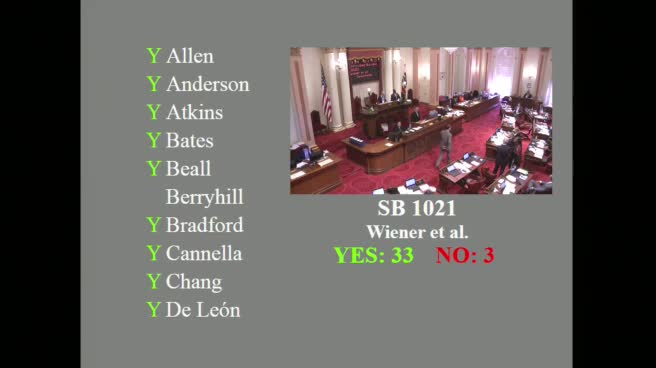

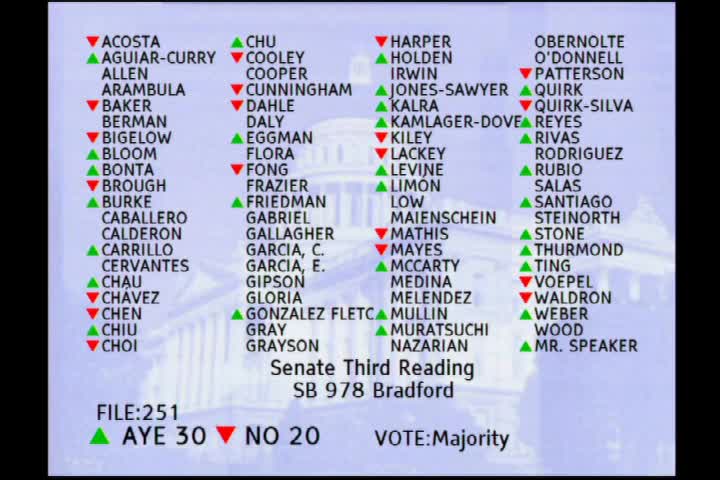



Bill Author