SB 1264: Medi-Cal: hypertension medication management services.
- Session Year: 2017-2018
- House: Senate
- Latest Version Date: 2018-05-01
Existing law establishes the Medi-Cal program, administered by the State Department of Health Care Services, under which qualified low-income persons receive health care services. The Medi-Cal program is, in part, governed and funded by federal Medicaid program provisions. Existing law provides for a schedule of benefits under the Medi-Cal program, which includes pharmacist services, subject to approval by the federal Centers for Medicare and Medicaid Services. Under existing law, covered pharmacist services include, but are not limited to, furnishing travel medications, initiating and administering immunizations, providing tobacco cessation counseling, and furnishing nicotine replacement therapy.
This bill would include providing specified hypertension medication management services as a covered pharmacist service under the Medi-Cal program.
Existing law establishes the Medi-Cal program, administered by the State Department of Health Care Services, under which qualified low-income persons receive health care services. The Medi-Cal program is, in part, governed and funded by federal Medicaid Program program provisions. Existing law provides for a schedule of benefits under the Medi-Cal program, which includes pharmacist services, subject to approval by the federal Centers for Medicare and Medicaid Services. Under existing law, covered pharmacist services include, but are not limited to, furnishing travel medications, initiating and administering immunizations, and providing tobacco cessation counseling counseling, and furnishing nicotine replacement therapy.
Existing law, the Pharmacy Law, provides for the licensure and regulation of pharmacists by the California State Board of Pharmacy. Existing law authorizes a pharmacist recognized by the board as an advanced practice pharmacist to perform specified tasks, including initiating, adjusting, or discontinuing drug therapy in a specified manner.This bill would additionally authorize an advanced practice pharmacist to provide hypertension medication management services, as defined, to Medi-Cal beneficiaries. The bill would authorize a pharmacist providing hypertension medication management services to access the state health information exchange and any relevant continuity of care documents maintained by a health facility, subject to applicable federal and state privacy and confidentiality laws. This bill would include hypertension medication management services as a covered pharmacist service under the Medi-Cal program.
Existing law establishes the Medi-Cal program, administered by the State Department of Health Care Services, under which qualified low-income persons receive health care services. The Medi-Cal program is, in part, governed and funded by federal Medicaid Program provisions. Existing law provides for a schedule of benefits under the Medi-Cal program, which includes outpatient prescription drugs, subject to utilization controls and the Medi-Cal list of contract drugs. pharmacist services, subject to approval by the federal Centers for Medicare and Medicaid Services. Under existing law, covered pharmacist services include, but are not limited to, furnishing travel medications, initiating and administering immunizations, and providing tobacco cessation counseling and furnishing nicotine replacement therapy.
The Pharmacy Law provides for the licensing and regulation of pharmacists by the California State Board of Pharmacy in the Department of Consumer Affairs. The law specifies the functions pharmacists are authorized to perform, including to administer, orally or topically, drugs and biologicals pursuant to a prescribers order, and to administer immunizations pursuant to a protocol with a prescriber. Existing law authorizes a pharmacist to administer drugs and biological products that have been ordered by a prescriber, and to perform other functions, including, among other things, to furnish self-administered hormonal contraceptives, nicotine replacement products, and prescription medications not requiring a diagnosis that are recommended for international travelers, as specified.Existing law, the Pharmacy Law, provides for the licensure and regulation of pharmacists by the California State Board of Pharmacy. Existing law authorizes a pharmacist recognized by the board as an advanced practice pharmacist to perform specified tasks, including initiating, adjusting, or discontinuing drug therapy in a specified manner.
This bill would declare the intent of the Legislature to enact legislation to revise provisions related to the Medi-Cal program and advanced practice pharmacy in order to authorize pharmacists to provide hypertension management services to Medi-Cal beneficiaries. additionally authorize an advanced practice pharmacist to provide hypertension medication management services, as defined, to Medi-Cal beneficiaries. The bill would authorize a pharmacist providing hypertension medication management services to access the state health information exchange and any relevant continuity of care documents maintained by a health facility, subject to applicable federal and state privacy and confidentiality laws. This bill would include hypertension medication management services as a covered pharmacist service under the Medi-Cal program.
Existing law establishes the Medi-Cal program, administered by the State Department of Health Care Services, under which qualified low-income persons receive health care services. The Medi-Cal program is, in part, governed and funded by federal Medicaid Program provisions. Existing law provides for a schedule of benefits under the Medi-Cal program, which includes outpatient prescription drugs, subject to utilization controls and the Medi-Cal list of contract drugs.
The Pharmacy Law provides for the licensing and regulation of pharmacists by the California State Board of Pharmacy in the Department of Consumer Affairs. The law specifies the functions pharmacists are authorized to perform, including to administer, orally or topically, drugs and biologicals pursuant to a prescribers order, and to administer immunizations pursuant to a protocol with a prescriber. Existing law authorizes a pharmacist to administer drugs and biological products that have been ordered by a prescriber, and to perform other functions, including, among other things, to furnish self-administered hormonal contraceptives, nicotine replacement products, and prescription medications not requiring a diagnosis that are recommended for international travelers, as specified.
This bill would declare the intent of the Legislature to enact legislation to revise provisions related to the Medi-Cal program and advanced practice pharmacy in order to authorize pharmacists to provide hypertension management services to Medi-Cal beneficiaries.
(a)(1)Pharmacist services are a benefit under the Medi-Cal program, subject to approval by the federal Centers for Medicare and Medicaid Services.
(2)The department shall establish a fee schedule for the list of pharmacist services.
(3)The rate of reimbursement for pharmacist services shall be at 85 percent of the fee schedule for physician services under the Medi-Cal program.
(b)(1)The following services are covered pharmacist services that may be provided to a Medi-Cal beneficiary:
(A)Furnishing travel medications as authorized in clause (3) of subparagraph (A) of paragraph (10) of subdivision (a) of Section 4052 of the Business and Professions Code.
(B)Furnishing naloxone hydrochloride as authorized in Section 4052.01 of the Business and Professions Code.
(C)Furnishing self-administered hormonal contraception, as authorized in Section 4052.3 of the Business and Professions Code.
(D)Initiating and administering immunizations as authorized in Section 4052.8 of the Business and Professions Code.
(E)Providing tobacco cessation counseling and furnishing nicotine replacement therapy as authorized in Section 4052.9 of the Business and Professions Code.
(F)Providing hypertension medication management services pursuant to Sections 4052.1, 4052.2, and 4052.6 of the Business and Professions Code. one of the following: (i)Any two of the three services in paragraphs (1), (2), and (4) of subdivision (a) of Section 4052.1 of the Business and Professions Code. (ii)Any two of the three services in paragraphs (1), (2), and (4) of subdivision (a) of Section 4052.2 of the Business and Professions Code. (iii)Any two of the three services in
paragraphs (1), (2), and (5) of subdivision (a) of Section 4052.6 of the Business and Professions Code.
(2)Covered pharmacist services shall be subject to department protocols and utilization controls.
(c)A pharmacist shall be enrolled as an ordering, referring, and prescribing provider under the Medi-Cal program prior to rendering a pharmacist service that is submitted by a Medi-Cal pharmacy provider for reimbursement pursuant to this section.
(d)(1)The director shall seek any necessary federal approvals to implement this section. This section shall not be implemented until the necessary federal approvals are obtained and shall be implemented only to the extent that federal financial participation is available.
(2)This section does not restrict or prohibit any services currently provided by pharmacists as authorized by law, including, but not limited to, this chapter, or the Medicaid state plan.
(e)Notwithstanding Chapter 3.5 (commencing with Section 11340) of Part 1 of Division 3 of Title 2 of the Government Code, the department may implement, interpret, or make specific this section, and any applicable federal waivers and state plan amendments, by means of all-county letters, plan letters, plan or provider bulletins, or similar instructions, without taking regulatory action. By July 1, 2021, the department shall adopt regulations in accordance with the requirements of Chapter 3.5 (commencing with Section 11340) of Part 1 of Division 3 of Title 2 of the Government Code. Commencing July 1, 2017, the department shall provide a status report to the Legislature on a semiannual basis, in compliance with Section 9795 of the Government Code, until regulations have been adopted.
(a)(1)Pharmacist services are a benefit under the Medi-Cal program, subject to approval by the federal Centers for Medicare and Medicaid Services.
(2)The department shall establish a fee schedule for the list of pharmacist services.
(3)The rate of reimbursement for pharmacist services shall be at 85 percent of the fee schedule for physician services under the Medi-Cal program.
(b)(1)The following services are covered pharmacist services that may be provided to a Medi-Cal beneficiary:
(A)Furnishing travel medications as authorized in clause (3) of subparagraph (A) of paragraph (10) of subdivision (a) of Section 4052 of the Business and Professions Code.
(B)Furnishing naloxone hydrochloride as authorized in Section 4052.01 of the Business and Professions Code.
(C)Furnishing self-administered hormonal contraception, as authorized in Section 4052.3 of the Business and Professions Code.
(D)Initiating and administering immunizations as authorized in Section 4052.8 of the Business and Professions Code.
(E)Providing tobacco cessation counseling and furnishing nicotine replacement therapy as authorized in Section 4052.9 of the Business and Professions Code.
(F)Providing hypertension medication management services pursuant to Section Sections 4052.1, 4052.2, and 4052.6 of the Business and Professions Code.
(2)Covered pharmacist services shall be subject to department protocols and utilization controls.
(c)A pharmacist shall be enrolled as an ordering, referring, and prescribing provider under the Medi-Cal program prior to rendering a pharmacist service that is submitted by a Medi-Cal pharmacy provider for reimbursement pursuant to this section.
(d)(1)The director shall seek any necessary federal approvals to implement this section. This section shall not be implemented until the necessary federal approvals are obtained and shall be implemented only to the extent that federal financial participation is available.
(2)This section does not restrict or prohibit any services currently provided by pharmacists as authorized by law, including, but not limited to, this chapter, or the Medicaid state plan.
(e)Notwithstanding Chapter 3.5 (commencing with Section 11340) of Part 1 of Division 3 of Title 2 of the Government Code, the department may implement, interpret, or make specific this section, and any applicable federal waivers and state plan amendments, by means of all-county letters, plan letters, plan or provider bulletins, or similar instructions, without taking regulatory action. By July 1, 2021, the department shall adopt regulations in accordance with the requirements of Chapter 3.5 (commencing with Section 11340) of Part 1 of Division 3 of Title 2 of the Government Code. Commencing July 1, 2017, the department shall provide a status report to the Legislature on a semiannual basis, in compliance with Section 9795 of the Government Code, until regulations have been adopted.
(a)A pharmacist recognized by the board as an advanced practice pharmacist may do all of the following:
(1)Perform patient assessments.
(2)Order and interpret drug therapy-related tests.
(3)Refer patients to other health care providers.
(4)Participate in the evaluation and management of diseases and health conditions in collaboration with other health care providers.
(5)Initiate, adjust, or discontinue drug therapy in the manner specified in paragraph (4) of subdivision (a) of Section 4052.2.
(6)Provide hypertension medication management services. For purposes of this section, hypertension medication management services means the furnishing of antihypertensive and related medications to Medi-Cal beneficiaries, as authorized by Section 14132.968 of the Welfare and Institutions Code, pursuant to a hypertension diagnosis by a health care practitioner who has prescribing authority and is qualified to make the diagnosis.
(b)A pharmacist who adjusts or discontinues drug therapy shall promptly transmit written notification to the patients diagnosing prescriber or enter the appropriate information in a patient record system shared with the prescriber, as permitted by that prescriber. A pharmacist who initiates drug therapy shall promptly transmit written notification to, or enter the appropriate information into, a patient record system shared with the patients primary care provider or diagnosing provider, as permitted by that provider.
(c)This section shall not interfere with a physicians order to dispense a prescription drug as written, or other order of similar meaning.
(d)Prior to initiating or adjusting a controlled substance therapy pursuant to this section, a pharmacist shall personally register with the federal Drug Enforcement Administration.
(e)A pharmacist who orders and interprets tests pursuant to paragraph (2) of subdivision (a) shall ensure that the ordering of those tests is done in coordination with the patients primary care provider or diagnosing prescriber, as appropriate, including promptly transmitting written notification to the patients diagnosing prescriber or entering the appropriate information in a patient record system shared with the prescriber, when available and as permitted by that prescriber.
(f)A pharmacist who provides hypertension medication management services to Medi-Cal beneficiaries pursuant to paragraph (6) of subdivision (a) shall be authorized to access the state health information exchange and any relevant continuity of care documents maintained by a health facility, as defined in Section 1250 of the Health and Safety Code, subject to applicable federal and state privacy and confidentiality laws.
SEC. 2.Section 14132.968 of the Welfare and Institutions Code is amended to read:14132.968.(a)(1)Pharmacist services are a benefit under the Medi-Cal program, subject to approval by the federal Centers for Medicare and Medicaid Services.
(2)The department shall establish a fee schedule for the list of pharmacist services.
(3)The rate of reimbursement for pharmacist services shall be at 85 percent of the fee schedule for physician services under the Medi-Cal program.
(b)(1)The following services are covered pharmacist services that may be provided to a Medi-Cal beneficiary:
(A)Furnishing travel medications as authorized in clause (3) of subparagraph (A) of paragraph (10) of subdivision (a) of Section 4052 of the Business and Professions Code.
(B)Furnishing naloxone hydrochloride as authorized in Section 4052.01 of the Business and Professions Code.
(C)Furnishing self-administered hormonal contraception, as authorized in Section 4052.3 of the Business and Professions Code.
(D)Initiating and administering immunizations as authorized in Section 4052.8 of the Business and Professions Code.
(E)Providing tobacco cessation counseling and furnishing nicotine replacement therapy as authorized in Section 4052.9 of the Business and Professions Code.
(F)Providing hypertension medication management services pursuant to Section 4052.6 of the Business and Professions Code.
(2)Covered pharmacist services shall be subject to department protocols and utilization controls.
(c)A pharmacist shall be enrolled as an ordering, referring, and prescribing provider under the Medi-Cal program prior to rendering a pharmacist service that is submitted by a Medi-Cal pharmacy provider for reimbursement pursuant to this section.
(d)(1)The director shall seek any necessary federal approvals to implement this section. This section shall not be implemented until the necessary federal approvals are obtained and shall be implemented only to the extent that federal financial participation is available.
(2)This section does not restrict or prohibit any services currently provided by pharmacists as authorized by law, including, but not limited to, this chapter, or the Medicaid state plan.
(e)Notwithstanding Chapter 3.5 (commencing with Section 11340) of Part 1 of Division 3 of Title 2 of the Government Code, the department may implement, interpret, or make specific this section, and any applicable federal waivers and state plan amendments, by means of all-county letters, plan letters, plan or provider bulletins, or similar instructions, without taking regulatory action. By July 1, 2021, the department shall adopt regulations in accordance with the requirements of Chapter 3.5 (commencing with Section 11340) of Part 1 of Division 3 of Title 2 of the Government Code. Commencing July 1, 2017, the department shall provide a status report to the Legislature on a semiannual basis, in compliance with Section 9795 of the Government Code, until regulations have been adopted.
SECTION 1.The Legislature finds and declares as follows:(a)Cardiovascular disease (CVD) is the leading cause of morbidity and mortality in the United States. Hypertension is one of the major contributors to CVD and the greatest directly attributable risk for death worldwide. Hypertension poses a considerable burden on the health care system at the individual level and in terms of the cost burden of approximately $48.6 billion annually.(b)The federal Centers for Disease Control and prevention (CDC) estimate that 32.6 percent of adults in the United States have hypertension, 54 percent of which cases controlled and 45 percent that are uncontrolled. From 1999 to 2014, the prevalence of hypertensive adults remained unchanged. While the percentage of controlled hypertensive adults improved from 31.5 percent in 1999 to 54 percent in 2014, there was no meaningful change in percentage of controlled individuals during that time period, suggesting that a different, innovative approach to blood pressure control is needed.(c)With the November 2017 release by the American Heart Association of new guidelines for hypertension, the prevalence of hypertension, according to new definitions, has increased to 46 percent of adultsover 100 million with a blood pressure above 130/80 mmHg.(d)The United States Preventive Services Task Force and the American Heart Association have conducted systematic reviews and meta-analyses of team-based care, and have concluded that engaging pharmacists in the management of hypertension is key to achieving goal for uncontrolled patients.(e)In addition, pharmacist-driven hypertension management programs have proven to be cost effective. The Collaboration Among Pharmacists and Physicians To Improve Outcomes Now (CAPTION) trial found that pharmacist-driven interventions produced statistically significant decreases in both systolic and diastolic blood pressure, at the low cost of $22.55 to increase hypertension control by one percentage point. The CAPTION trial also found that the intervention group had fewer physician visits, suggesting that a pharmacist-driven hypertension management program may allow primary care providers more time to focus on evaluating and diagnosing other complex health issues.(f)The potential benefits of designating pharmacists as managers of hypertension medication therapy for Medi-Cal beneficiaries would include improved hypertension control and health status, and greater satisfaction with care for patients, as well as greater workplace satisfaction and better quality scores for providers. Additional benefits include lower costs and lower utilization of medical subspecialists.(g)Current provisions authorizing advanced practice pharmacy do not authorize pharmacists to furnish or prescribe antihypertensive and related medications, or to have access to patient continuity of care documents, subject to applicable Health Insurance Portability and Accountability Act (HIPAA) privacy and security rules.(h)It is, therefore, the intent of the Legislature to enact legislation to revise provisions related to the Medi-Cal program and advanced practice pharmacy in order to authorize pharmacists to provide hypertension management services to Medi-Cal beneficiaries.The Legislature finds and declares as follows:
(a)Cardiovascular disease (CVD) is the leading cause of morbidity and mortality in the United States. Hypertension is one of the major contributors to CVD and the greatest directly attributable risk for death worldwide. Hypertension poses a considerable burden on the health care system at the individual level and in terms of the cost burden of approximately $48.6 billion annually.
(b)The federal Centers for Disease Control and prevention (CDC) estimate that 32.6 percent of adults in the United States have hypertension, 54 percent of which cases controlled and 45 percent that are uncontrolled. From 1999 to 2014, the prevalence of hypertensive adults remained unchanged. While the percentage of controlled hypertensive adults improved from 31.5 percent in 1999 to 54 percent in 2014, there was no meaningful change in percentage of controlled individuals during that time period, suggesting that a different, innovative approach to blood pressure control is needed.
(c)With the November 2017 release by the American Heart Association of new guidelines for hypertension, the prevalence of hypertension, according to new definitions, has increased to 46 percent of adultsover 100 million with a blood pressure above 130/80 mmHg.
(d)The United States Preventive Services Task Force and the American Heart Association have conducted systematic reviews and meta-analyses of team-based care, and have concluded that engaging pharmacists in the management of hypertension is key to achieving goal for uncontrolled patients.
(e)In addition, pharmacist-driven hypertension management programs have proven to be cost effective. The Collaboration Among Pharmacists and Physicians To Improve Outcomes Now (CAPTION) trial found that pharmacist-driven interventions produced statistically significant decreases in both systolic and diastolic blood pressure, at the low cost of $22.55 to increase hypertension control by one percentage point. The CAPTION trial also found that the intervention group had fewer physician visits, suggesting that a pharmacist-driven hypertension management program may allow primary care providers more time to focus on evaluating and diagnosing other complex health issues.
(f)The potential benefits of designating pharmacists as managers of hypertension medication therapy for Medi-Cal beneficiaries would include improved hypertension control and health status, and greater satisfaction with care for patients, as well as greater workplace satisfaction and better quality scores for providers. Additional benefits include lower costs and lower utilization of medical subspecialists.
(g)Current provisions authorizing advanced practice pharmacy do not authorize pharmacists to furnish or prescribe antihypertensive and related medications, or to have access to patient continuity of care documents, subject to applicable Health Insurance Portability and Accountability Act (HIPAA) privacy and security rules.
(h)It is, therefore, the intent of the Legislature to enact legislation to revise provisions related to the Medi-Cal program and advanced practice pharmacy in order to authorize pharmacists to provide hypertension management services to Medi-Cal beneficiaries.
|
Date
|
Status
|
|---|---|
| Aug 16, 2018 | August 16 hearing: Held in committee and under submission. |
| Aug 8, 2018 | August 8 set for first hearing. Placed on suspense file. |
| Jun 20, 2018 | From committee: Do pass and re-refer to Com. on APPR. (Ayes 12. Noes 1.) (June 19). Re-referred to Com. on APPR. |
| Jun 7, 2018 | Referred to Com. on HEALTH. |
| May 31, 2018 | In Assembly. Read first time. Held at Desk. |
| May 31, 2018 | Read third time. Passed. (Ayes 39. Noes 0.) Ordered to the Assembly. |
| May 29, 2018 | Ordered to special consent calendar. |
| May 25, 2018 | From committee: Do pass. (Ayes 7. Noes 0.) (May 25). |
| May 18, 2018 | Set for hearing May 25. |
| May 14, 2018 | May 14 hearing: Placed on APPR. suspense file. |
| May 9, 2018 | Set for hearing May 14. |
| May 1, 2018 | Read second time and amended. Re-referred to Com. on APPR. |
| Apr 30, 2018 | From committee: Do pass as amended and re-refer to Com. on APPR. (Ayes 9. Noes 0.) (April 25). |
| Apr 16, 2018 | Withdrawn from committee. |
| Apr 12, 2018 | From committee with author's amendments. Read second time and amended. Re-referred to Com. on B., P. & E.D. |
| Apr 11, 2018 | Set for hearing April 25. |
| Apr 10, 2018 | April 16 hearing postponed by committee. |
| Apr 6, 2018 | Set for hearing April 16. |
| Apr 4, 2018 | Re-referred to Coms. on B., P. & E.D. and HEALTH. |
| Mar 21, 2018 | From committee with author's amendments. Read second time and amended. Re-referred to Com. on RLS. |
| Mar 1, 2018 | Referred to Com. on RLS. |
| Feb 16, 2018 | From printer. May be acted upon on or after March 18. |
| Feb 15, 2018 | Introduced. Read first time. To Com. on RLS. for assignment. To print. |
|
Date
|
Description
|
Location
|
Votes
|
|
|---|---|---|---|---|
| Jun 19, 2018 | Do pass and be re-referred to the Committee on [Appropriations] | Assembly Standing Committee on Health |
Passed |
|
| May 31, 2018 | Special Consent SB1264 | Senate Floor |
Passed |
|
| May 25, 2018 | Do pass | Senate Standing Committee on Appropriations |
Passed |
|
| May 14, 2018 | Placed on suspense file | Senate Standing Committee on Appropriations |
Passed |
|
| Apr 25, 2018 | Do pass as amended, but first amend, and re-refer to the Committee on [Appropriations] | Senate Standing Committee on Health |
Passed |
This list shows positions taken on this bill by organizations on the date displayed, which is linked to the original source.
Positions by individuals are not included.
Date of Hearing: August 8, 2018
ASSEMBLY COMMITTEE ON APPROPRIATIONS
Lorena Gonzalez Fletcher, Chair
SBPCA Bill Id:SB 1264
Author:(Stone) – As Amended Ver:May 1, 2018
Policy Committee: | Health | Vote: | 12 - 1 |
Urgency: No State Mandated Local Program: No Reimbursable: No
SUMMARY:
This bill requires Medi-Cal to reimburse for hypertension medication management services provided by a pharmacist, as specified.
FISCAL EFFECT:
The fiscal impact of this bill is indeterminate since it overlaps with other, currently reimbursable services. However, even if only 1% of the Medi-Cal eligible population used these services, costs could be in the millions of dollars (GF/federal).
COMMENTS:
- Purpose. The California Society of Health-System Pharmacists (CSHP), the sponsor of this bill, indicates that this bill will help increase medication adherence and appropriate utilization for hypertension by making hypertension medication management services a covered pharmacist service under Medi-Cal.
- Background. One in every three adults has high blood pressure, but only about half have their condition under control. High blood pressure was a primary or contributing cause of death for more than 410,000 Americans in 2014. It also leads to higher health care spending. There are a number of models for medication management or medication reconciliation, where a health care provider assesses numerous medications a patient is taking, generally for chronic conditions, and recommends changes. To some extent, these services are currently provided in Medi-Cal as part of regular physician care, but are not explicitly covered as separate services billable by pharmacists. Medicare, by contrast, does reimburse pharmacists for a more involved service called comprehensive medication management for patients who meet defined criteria.
- Support. CSHP points out that this change will significantly benefit patient health and also reduce the potential for long-term, higher-cost interventions that become necessary when proper medication adherence breaks down. The California Pharmacists Association argues this bill will save the state money, as patients who receive proper support are less likely to require hospitalization as a result of non-adherence to their prescriber’s directions.
- Opposition. The California Chapter of the American College of Cardiology (CA-ACC) contend pharmacists do not have access to the extensive patient information available to the prescriber, which is necessary to safely and effectively manage patient’s hypertension. Without this information, they state, a pharmacist may initiate or adjust medications that could harm a patient. CA-ACC also believes allowing for pharmacists to be reimbursed for these services diverts already scarce Medi-Cal funding.
DHCS opposes this bill, indicating it is ambiguous, will lead to higher costs, and overlaps with existing requirements for medication management.
- Oppose Unless Amended. The California Academy of Family Physicians requests amendments to apply this bill only to advanced practice pharmacists with specific training and under physician supervision and protocol.
Analysis Prepared by: Lisa Murawski / APPR. / (916) 319-2081
Date of Hearing: June 19, 2018
ASSEMBLY COMMITTEE ON HEALTH
Jim Wood, Chair
SBPCA Bill Id:SB 1264
Author:(Stone) – As Amended Ver:May 1, 2018
SENATE VOTE: 39-0
SUBJECT: Medi-Cal: hypertension medication management services.
SUMMARY: Requires Medi-Cal to cover hypertension medication management services provided by a pharmacist or advanced practice pharmacist (APP) pursuant to one of the following circumstances:
- Any two of the following three services currently performed by pharmacists in a licensed health care facility, licensed home health agency, licensed clinic with physician oversight, a provider who contracts with a licensed health care service plan, as specified, or a physician, in accordance with the policies, procedures, or protocols, as specified:
- Ordering or performing routine drug-therapy related patient assessment procedures, including temperature, pulse, and respiration;
- Ordering drug therapy-related laboratory tests; or,
- Initiating or adjusting the drug regimen of a patient pursuant to an order or authorization made by the patient’s prescriber and in accordance with the policies, procedures and protocols of the licensed health care facility.
- Any two of the following three services performed by an APP:
- Performing patient assessments;
- Ordering and interpreting drug therapy-related tests; or,
- Initiating, adjusting, or discontinuing drug therapy pursuant to a written, patient-specific protocol approved by the treating or supervising physician, as specified.
EXISTING LAW:
- Establishes the Medi-Cal program, administered by the Department of Health Care Services (DHCS), under which qualified low-income persons receive health care services.
- Includes pharmacist services in the schedule of Medi-Cal benefits, subject to approval by the federal Centers for Medicare and Medicaid Services (CMS).
- Requires the following services to be Medi-Cal covered pharmacist services that may be provided to a Medi-Cal beneficiary:
- Furnishing travel medications pursuant to a protocol with a prescriber;
- Furnishing naloxone hydrochloride in accordance with standardized procedures or protocols, as specified;
- Furnishing self-administered hormonal contraception, in accordance with standardized procedures or protocols;
- Initiating and administering immunizations; and,
- Providing tobacco cessation counseling and furnishing nicotine replacement therapy in accordance with standardized procedures or protocols.
- Establishes the rate of reimbursement for pharmacist services to be at 85% of the fee schedule for physician services under Medi-Cal.
- Establishes the Pharmacy Practice Act administered by the California Board of Pharmacy (Board) for the regulation of pharmacists and the practice of pharmacy.
- Authorizes a pharmacist to take a person’s blood pressure and inform the person of the results, render an opinion as to whether the reading is within a high, low, or normal range, and advise the person to consult a physician. Requires pharmacists rendering this service to utilize commonly accepted community standards in rendering opinions and referring patients to physicians. Exempts a pharmacist who performs this service from violating the practice of medicine.
FISCAL EFFECT: According to the Senate Appropriations Committee, indeterminate (potentially mid-high hundreds of thousands to low millions, depending on CMS approval) fiscal costs to Medi-Cal but intensive hypertension medication management could decrease future inpatient hospitalization utilization rate, resulting in possible cost avoidance. A preponderance of research and evidence suggests hypertension medication management also decreases risk of stroke and cardiovascular disease, which would have long-term benefits on individual health and burden on the health care system, broadly.
COMMENTS:
- PURPOSE OF THIS BILL. According to the author, hypertension control in the U.S. has hovered at roughly 50% over the past decade, despite the dangerous role hypertension plays in cardiovascular disease (CVD) and that the first five lines of medications for hypertension are generic and inexpensive. Pharmacists have the training and expertise to manage hypertension drug therapy, and offer a new and proven avenue for managing a persistent major public health problem. CVD is the leading cause of morbidity and mortality in the U.S. Hypertension is one of the major contributors to CVD and the greatest directly attributable risk for death worldwide. Hypertension poses a considerable burden on the health care system at the individual level and in terms of cost burden ($48.6 billion annually). Nationally, blood pressure control among patients with hypertension has remained stagnant for the past decade, hovering around 50%. With the release of new guidelines and lower blood pressure goals for hypertension in November 2017 from the American Heart Association, the prevalence of hypertension is now 46%, or over 100 million adults. Engaging pharmacists in the management of hypertension is crucial to achieving goals for uncontrolled patients. Pharmacists are highly effective at managing medications for hypertension and ensuring patients reach blood pressure goals.
- BACKGROUND. According to the Centers for Disease Control and Prevention (CDC), blood pressure is the force of blood pushing against the walls of the arteries that carry blood from the heart to other parts of the body. Blood pressure normally rises and falls throughout the day, but this can damage the heart and cause health problems if it stays high for a long time. High blood pressure is also called hypertension. CDC’s Website states that about 75 million American adults have high blood pressure (one in every three adults), but only about half (54%) have their condition under control. High blood pressure was a primary or contributing cause of death for more than 410,000 Americans in 2014 (more than 1,100 deaths each day); high blood pressure costs the nation $48.6 billion each year and this total include the cost of health care services, medications to treat high blood pressure, and missed days of work.
- Pharmacists in a health care facility & APP. This bill would require Medi-Cal to cover hypertension medication management services provided by pharmacists or APP under specified conditions. Existing law authorizes a pharmacist to perform the following procedures or functions in a licensed health care facility, licensed home health agency, a licensed clinic in which there is physician oversight, a provider who contracts with a licensed health care service plan, as specified, after receipt of appropriate training and pursuant to standardized policies, procedures, or protocols developed by health professionals, including physicians, pharmacists, and registered nurses, with the concurrence of the facility administrator:
- Ordering or performing routine drug therapy related patient assessment procedures, including temperature, pulse, and respiration;
- Ordering drug therapy-related laboratory tests;
- Administering drugs and biologicals by injection pursuant to a prescriber’s order; and,
- Initiating or adjusting the drug regime of a patient, as specified.
- Pharmacists in a health care facility & APP. This bill would require Medi-Cal to cover hypertension medication management services provided by pharmacists or APP under specified conditions. Existing law authorizes a pharmacist to perform the following procedures or functions in a licensed health care facility, licensed home health agency, a licensed clinic in which there is physician oversight, a provider who contracts with a licensed health care service plan, as specified, after receipt of appropriate training and pursuant to standardized policies, procedures, or protocols developed by health professionals, including physicians, pharmacists, and registered nurses, with the concurrence of the facility administrator:
SB 493 (Hernandez), Chapter 469, Statutes of 2013, established a new category of pharmacists referred to as APPs. APPs are authorized to perform patient assessment; order and interpret drug therapy-related tests; refer patients to other health care providers; participate in the evaluation and management of diseases and health conditions in collaboration with other health care providers; and initiate, adjust or discontinue drug therapy pursuant to procedures and protocols, as specified. SB 493 also authorized pharmacists to independently initiate, administer, and furnish nicotine replacement products.
- California Health Benefit Review Program (CHBRP) analysis. AB 1996 (Thomson, Chapter 795, Statutes of 2002) requests the University of California to assess legislation proposing a mandated benefit or service and prepare a written analysis with relevant data on the medical, economic, and public health impacts of proposed health plan and health insurance benefit mandate legislation. CHBRP was created in response to AB 1996.
CHBRP did not review this bill but did evaluate another bill (SB 1322 (Stone) of 2018) by the same author requiring health plan coverage of comprehensive medication management (CMM), as opposed to hypertension medication management services in this bill. In CHBRP’s analysis of SB 1322, it stated that the most prevalent chronic conditions among non-dual Medi-Cal enrollees in 2016 was hypertension, affecting 27% of these non-dual Medi-Cal beneficiaries.
According to CHBRP, the goals of CMM are to improve outcomes for the patient and reduce healthcare costs. CMM is a specific type of healthcare service delivered by a healthcare provider and pharmacist, collaboratively, and may be either plan-based or provider-based. CHBRP distinguishes between medication therapy management (MTM), a targeted program original to Medicare that provides a group of services delivered to improve therapeutic outcomes for a patient from CMM. While there are similarities between the two services, the key difference is that CMM requires formal collaboration between the prescriber and the pharmacist through collaborative practice agreements and medication management protocols. Since MTM does not share this requirement, it may be less integrated with medical care and lack clinical information that is required for CMM. A wide range of activities may be used to achieve therapeutic goals through MTM, though at minimum it requires a medication reconciliation component. Medication reconciliation is the comprehensive evaluation of medication therapy with the goal of avoiding medication errors and assessing patient compliance. CMM, in addition to a comprehensive review of patient medications, includes a patient education component to improve understanding of the disease and treatment, a written treatment plan, regular follow-up visits with the pharmacist to review the treatment plan, and assessment of all medication therapy problems. CMM services are accessed when patients are identified as being high risk for poor health outcomes associated with medications, or as high risk for medication-related problems, and who has one or more chronic diseases.
In its analysis of legislation on CMM, CHBRP indicated there is a preponderance of evidence from five studies (two randomized controlled trials [RCTs], two studies of sub-groups of persons enrolled in one of the RCTs and one observational study) that receipt of CMM is associated with greater reductions in blood pressure than receipt of usual care. The evidence of the effect of CMM on blood pressure is stronger than the evidence of the effects on diabetes and cholesterol because more studies with consistent findings have been published and because two of the studies are RCTs and because analyses of two sub-groups of patients from the RCT reported the same findings about reduction in blood pressure as the overall finding for the RCT. CHBRP also found there is inconclusive evidence as to whether APPs and pharmacists with collaborative practice agreements increase use of antihypertensive medications among persons with uncontrolled hypertension. - White paper. A 2015 white paper published by the California Department of Public Health describing CMM programs notes that as health care for patients with chronic disease consumes a growing proportion of overall expenditures, better disease management and education is crucial. The white paper further states that not only should health care delivery improve access to skilled professional resources, but services should be evidence-based, and result in better health outcomes. The white paper also reports that improvements to health care quality and safety can be realized if health systems embrace and promote innovative care models that provide adequate support for patients and other health care providers while simultaneously promoting proper medication use and adherence, medication safety, optimal prescribing, and care coordination.
- California Health Benefit Review Program (CHBRP) analysis. AB 1996 (Thomson, Chapter 795, Statutes of 2002) requests the University of California to assess legislation proposing a mandated benefit or service and prepare a written analysis with relevant data on the medical, economic, and public health impacts of proposed health plan and health insurance benefit mandate legislation. CHBRP was created in response to AB 1996.
- SUPPORT. The California Society of Health-System Pharmacists (CSHP), the sponsor of this bill, indicates that this bill will help increase medication adherence and appropriate utilization for hypertension by making hypertension medication management services a covered pharmacist service under Medical. CSHP points out that this change will significantly benefit patient health and also reduce the potential for long-term, higher cost interventions that become necessary when proper medication adherence breaks down. The California Pharmacists Association opines that this bill will result in cost-savings to the state as patients who receive the proper support are less likely to require hospitalization as a result of non-adherence to their prescriber’s directions.
- OPPOSITION. The California Chapter of the American College of Cardiology (CA-ACC) state that pharmacists do not have access to the extensive patient information the prescribing does to safely and effectively manage patient’s hypertension, and without this information, a pharmacist may initiate or adjust medications that could harm a patient. Additionally, CA-ACC state that even if pharmacists have access to all the information, the pharmacist does not have the training and education to initiate or adjust medication for hypertension and initiating or adjusting a medication may be harmful to the patient when not understanding what other medications or treatments a patient is currently taking. CA-ACC believes that allowing for pharmacists to be reimbursed for these same services diverts the already scarce Medi-Cal funding.
- OPPOSE UNLESS AMENDED. The California Academy of Family Physicians requests amendments to apply this bill only to APPs with specific training and under physician supervision and protocol.
- RELATED LEGISLATION.
- SB 1322 (Stone) would have added CMM services as a covered under the Medi-Cal program. CMM is defined as the process of care that ensures each beneficiary’s medications (prescription drugs and biologics, over-the-counter medication, or nutritional supplements), are individually assessed to determine that each medication is appropriate for the beneficiary, effective for the medical condition, and safe given the comorbidities and other medications being taken, and all medications are able to be taken by the patient as intended. SB 1322 failed passage in the Senate Health Committee.
- SB 1285 (Stone) would have required health plans, health insurers, and Medi-Cal managed care plans to provide coverage for services provided by an APP performed within the scope of his or her practice, including, but not limited to, CMM services, as defined. SB 1285 is failed passage in the Senate Health Committee.
- PREVIOUS LEGISLATION.
- AB 1535 (Bloom), Chapter 326, Statues of 2014, authorized a pharmacist to furnish naloxone hydrochloride in accordance with standardized procedures or protocols developed and approved by both the Board and the Medical Board of California, in consultation with specified entities.
- AB 1114 (Eggman), Chapter 602, Statutes of 2016, added to the schedule of Medi-Cal benefits specified pharmacist services including furnishing travel medications, naloxone hydrochloride, self-administered hormonal contraception and immunizations and tobacco cessation counseling and nicotine replacement therapy, subject to CMS approval and DHCS protocols and utilization controls. AB 1114 has not yet been implemented by DHCS.
- AB 2084 (Wood) of 2016 would have provided Medi-Cal coverage for CMM, and would have defined CMM as the process of care that ensures each beneficiary’s medications are appropriate, safe, and effective, and are being used as intended. AB 2084 was held on the Assembly Appropriations Committee suspense file.
- AB 1535 (Bloom), Chapter 326, Statues of 2014, authorized a pharmacist to furnish naloxone hydrochloride in accordance with standardized procedures or protocols developed and approved by both the Board and the Medical Board of California, in consultation with specified entities.
- POLICY COMMENT. Existing provisions of the Business and Professions Code that this bill references allow pharmacists and APPs to order or perform routine drug therapy-related patient assessment procedures; order drug therapy-related laboratory tests; and/or, initiate or adjust a drug regimen as part of the care provided by a physician or a licensed clinic (in addition to health facilities) pursuant to standardized policies, procedures or protocols. It is unclear how many of these arrangements actually exist. The implication of this is that the provisions of this bill and the reimbursements it seeks under Medi-Cal would mostly be occurring at healthcare facilities. As the CHBRP analysis points out, CMM involves a comprehensive review of patient medications, includes a patient education component to improve understanding of the disease and treatment, a written treatment plan, regular follow-up visits with the pharmacist to review the treatment plan, and assessment of all medication therapy problems. As such, as this bill is written, if most of the hypertension medication services would be occurring at health care facilities, this bill may have minimal impact on improving outcomes for patients and reducing healthcare costs.
REGISTERED SUPPORT / OPPOSITION:
Support
California Society of Health-System Pharmacists (sponsor)
California Pharmacists Association
Providence St. Joseph Health
Opposition
California Chapter of American College of Cardiology
Analysis Prepared by: Rosielyn Pulmano / HEALTH / (916) 319-2097
Office of Senate Floor Analyses (916) 651-1520 Fax: (916) 327-4478 | SB 1264 |
THIRD READING
Bill No: SB 1264
Amended: 5/1/18
SENATE HEALTH COMMITTEE: 9-0, 4/25/18
AYES: Hernandez, Nguyen, Leyva, Mitchell, Monning, Newman, Nielsen, Pan, Roth
SENATE APPROPRIATIONS COMMITTEE: 7-0, 5/25/18
AYES: Lara, Bates, Beall, Bradford, Hill, Nielsen, Wiener
SUBJECT: Medi-Cal: hypertension medication management services
DIGEST:
This bill requires Medi-Cal to provide coverage for specified hypertension medication management services provided by a pharmacist or an advance practice pharmacist pursuant to specified provisions of their scope of practice.
Existing law:
- Establishes the Medi-Cal program, administered by the Department of Health Care Services (DHCS), under which qualified low-income persons receive health care services. [WIC §14000, et seq.]
- Establishes a schedule of benefits under the Medi-Cal program, which includes specified pharmacist services, subject to approval by the federal Centers for Medicare and Medicaid Services (CMS). [WIC §14132.968]
- Requires the following services to be Medi-Cal covered pharmacist services that may be provided to a Medi-Cal beneficiary:
- Furnishing travel medications;
- Furnishing naloxone hydrochloride;
- Furnishing self-administered hormonal contraception;
- Initiating and administering immunizations; and,
- Providing tobacco cessation counseling and furnishing nicotine replacement. [WIC §14132.968]
- Establishes, under the Pharmacy Law, the functions pharmacists are authorized to perform in specified setting in accordance with policies, procedures, or protocols developed by specified individuals and entities, which include, but are not limited to, the following:
- Ordering or performing routine drug therapy-related patient assessment procedures including temperature, pulse, and respiration;
- Ordering drug therapy-related laboratory tests; and,
- Initiating or adjusting the drug regimen of a patient pursuant to an order or authorization made by the patient’s prescriber and in accordance with the policies, procedures, or protocols of the specified entities. [BPC §§4052.1, 4025.2]
- Defines an “advance practice pharmacist” (APP) as a licensed pharmacist who has been recognized as an APP by the Board of Pharmacy (Board), and entitles a Board-recognized APP to practice advanced practice pharmacy, as described below, within or outside of a licensed pharmacy. [BPC §4016.5]
- Permits a pharmacist recognized by the Board as an APP to do all of the following:
- Perform patient assessments;
- Order and interpret drug therapy-related tests; and
- Initiate, adjust, or discontinue drug therapy pursuant to a specific written order or authorization made by the individual’s treating prescriber, and in accordance with the policies, procedures or protocols of the health care facility, home health agency, licensed clinic, health plan or physician. [BPC §4052.6]
This bill requires Medi-Cal to provide coverage for hypertension medication management services by a pharmacist or an APP when a pharmacist or an APP provides two of any of the three services:
- Ordering or performing routine drug therapy-related patient assessment procedures including temperature, pulse, and respiration in the case of a pharmacist or an APP, or performing patient assessments in the case of an APP;
- Ordering drug therapy-related laboratory tests; and,
- Initiating or adjusting the drug regimen of a patient pursuant to an order or authorization made by the patient’s prescriber and in accordance with the policies, procedures, or protocols of specified entities.
Comments
Author’s statement. According to the author, hypertension control in the U.S. has hovered at roughly 50% over the past decade, despite the dangerous role hypertension plays in cardiovascular disease (CVD) and that the first five lines of medications for hypertension are generic and inexpensive. Pharmacists have the training and expertise to manage hypertension drug therapy, and offer a new and proven avenue for managing a persistent major public health problem. CVD is the leading cause of morbidity and mortality in the U.S. Hypertension is one of the major contributors to CVD and the greatest directly attributable risk for death worldwide. Hypertension poses a considerable burden on the health care system at the individual level and in terms of cost burden (~$48.6 billion annually). Nationally, blood pressure control among patients with hypertension has remained stagnant for the past decade, hovering around 50%. With the release of new guidelines and lower blood pressure goals for hypertension in November 2017 from the American Heart Association, the prevalence of hypertension is now 46%, or over 100 million adults. Engaging pharmacists in the management of hypertension is crucial to achieving goals for uncontrolled patients. Pharmacists are highly effective at managing medications for hypertension and ensuring patients reach blood pressure goals.
Related/Prior Legislation
SB 493 (Hernandez, Chapter 469, Statutes of 2013) and AB 1535 (Bloom, Chapter 326, Statutes of 2014) expanded the scope of practice of pharmacists. Among other provisions, SB 493, allows pharmacists to furnish certain hormonal contraceptives, nicotine replacement products, and prescription medications for travel. AB 1535 authorized a pharmacist to furnish naloxone hydrochloride in accordance with standardized procedures or protocols developed and approved by both the Board and the Medical Board of California, in consultation with specified entities.
AB 1114 (Eggman, Chapter 602, Statutes of 2016) added to the schedule of Medi-Cal benefits specified pharmacist services including furnishing travel medications, naloxone hydrochloride, self-administered hormonal contraception and immunizations and tobacco cessation counseling and nicotine replacement therapy, subject to CMS approval and DHCS protocols and utilization controls.
To implement AB 1114, DHCS is required to establish a fee schedule for the list of pharmacist services, and requires the reimbursement rate for pharmacist services to be 85% of the physician fee schedule under the Medi-Cal program. DHCS is authorized to implement, interpret, or make specific the pharmacist services Medi-Cal provisions, and any applicable federal waivers and state plan amendments, by means of all-county letters, plan letters, plan or provider bulletins, or similar instructions, without taking regulatory action. AB 1114 has not yet been implemented by DHCS.
FISCAL EFFECT: Appropriation: No Fiscal Com.: Yes Local: No
According to the Senate Appropriations Committee, indeterminate (potentially mid-high hundreds of thousands to low millions, depending on federal Centers for Medicare and Medicaid Services approval) fiscal costs to Medi-Cal but intensive hypertension medication management could decrease future inpatient hospitalization utilization rate, resulting in possible cost avoidance. A preponderance of research and evidence suggests hypertension medication management also decreases risk of stroke and CVD, which would have long-term benefits on individual health and burden on the health care system, broadly.
California Pharmacists Association
California Society of Health System Pharmacists
Providence St. Joseph Health
Numerous individuals
OPPOSITION: (Verified 5/22/18)
None received
ARGUMENTS IN SUPPORT: The California Society of Health-System Pharmacists (CSHP) writes in support that patients treated for either chronic or acute conditions are often prescribed complex medication regimens. These regimens can entail multiple prescriptions, prescriptions that must be taken at a specific time, or prescriptions that must be taken at a certain frequency or for a certain length of time. Medical treatment often hinges on a patient successfully adhering to their medication regimen. Yet numerous studies document the challenges of medication adherence, with serious health consequences as a result, not to mention the financial costs to the health care system and payers (both public and private). CHSP writes it has been estimated that poor medication adherence and management results in between $100 and $300 billion in avoidable costs annually. These costs can, and should, be avoided through the use of services to better manage patient medication regimens. CSHP writes that this bill will help increase medication adherence and appropriate utilization for hypertension by making hypertension medication management services a covered pharmacist service under Medi-Cal. Such a change will significantly benefit patient health and also reduce the potential for long-term, higher cost interventions that become necessary when proper medication adherence breaks down
5/26/18 15:14:38
**** END ****
SENATE COMMITTEE ON
Senator Ricardo Lara, Chair
2017 - 2018 Regular Session
SB 1264 (Stone) - Medi-Cal: hypertension medication management services
Version: | Policy Vote: |
Urgency: | Mandate: |
Hearing Date: | Consultant: |
This bill meets the criteria for referral to the Suspense File.
Bill Summary:
Senate Bill 1264 requires Medi-Cal to provide coverage for hypertension medication management services provided by a pharmacist or an advance practice pharmacist pursuant to scope of practice.
Fiscal Impact:
Indeterminate (potentially mid-high hundreds of thousands to low millions, depending on federal Centers for Medicare and Medicaid Services approval) fiscal costs to Medi-Cal but intensive hypertension medication management could decrease future inpatient hospitalization utilization rate, resulting in possible cost avoidance. A preponderance of research and evidence suggests hypertension medication management also decreases risk of stroke and cardiovascular disease, which would have long-term benefits on individual health and burden on the health care system, broadly.
Background:
SB 493 (Hernandez, Chapter 469, Statutes of 2013) and AB 1535 (Bloom, Chapter 326, Statutes of 2014) expanded the scope of practice of pharmacists. Among other provisions, SB 493, allows pharmacists to furnish certain hormonal contraceptives, nicotine replacement products, and prescription medications for travel. AB 1535 authorized a pharmacist to furnish naloxone hydrochloride in accordance with standardized procedures or protocols developed and approved by both the Board and the Medical Board of California, in consultation with specified entities.
Proposed Law:
The bill would require Medi-Cal to provide coverage for hypertension medication management services provided by a pharmacist or an advance practice pharmacist pursuant to scope of practice provisions.
Related Legislation:
- SB 1322 (Stone) adds comprehensive medication management (CMM) services as a covered under the Medi-Cal program. CMM is defined as the process of care that ensures each beneficiary’s medications (prescription drugs and biologics, over-the-counter medication, or nutritional supplements), are individually assessed to determine that each medication is appropriate for the beneficiary, effective for the medical condition, and safe given the comorbidities and other medications being taken, and all medications are able to be taken by the patient as intended.
- SB 1285 (Stone) requires health plans, health insurers, and Medi-Cal managed care plans to provide coverage for services provided by an APP performed within the scope of his or her practice, including, but not limited to, CMM services, as defined.
Staff Comments:
AB 1996 (Thomson, Chapter 795, Statutes of 2002) requests the University of California to assess legislation proposing a mandated benefit or service and prepare a written analysis with relevant data on the medical, economic, and public health impacts of proposed health plan and health insurance benefit mandate legislation. CHBRP was created in response to AB 1996. CHBRP did not review this bill but did evaluate another bill by the author requiring health plan coverage of CMM, as opposed to hypertension medication management services in this bill.
In its analysis of legislation on CMM, CHBRP indicated there is a preponderance of evidence from five studies (two randomized controlled trials [RCTs], two studies of sub-groups of persons enrolled in one of the RCTs and one observational study) that receipt of CMM is associated with greater reductions in blood pressure than receipt of usual care.
-- END --
SENATE COMMITTEE ON HEALTH
Senator Ed Hernandez, O.D., Chair
BILL NO: SB 1264
AUTHOR: | Stone | ||
VERSION: | April 12, 2018 | ||
HEARING DATE: | April 25, 2018 | ||
CONSULTANT: | Scott Bain | ||
SUBJECT: Medi-Cal: hypertension medication management services
SUMMARY:
Requires Medi-Cal to provide coverage for hypertension medication management services provided by a pharmacist or an advance practice pharmacist pursuant to specified provisions of their scope of practice.
Existing law:
- Establishes the Medi-Cal program, administered by the Department of Health Care Services (DHCS), under which qualified low-income persons receive health care services. [WIC §14000 et seq.]
- Establishes a schedule of benefits under the Medi-Cal program, which includes specified pharmacist services, subject to approval by the federal Centers for Medicare and Medicaid Services (CMS). [WIC §14132.968]
- Requires the following services to be Medi-Cal covered pharmacist services that may be provided to a Medi-Cal beneficiary:
- Furnishing travel medications;
- Furnishing naloxone hydrochloride;
- Furnishing self-administered hormonal contraception;
- Initiating and administering immunizations; and,
- Providing tobacco cessation counseling and furnishing nicotine replacement. [WIC §14132.968]
- Requires DHCS to establish a fee schedule for the list of pharmacist services, and requires the reimbursement rate for pharmacist services to be 85% of the physician fee schedule under the Medi-Cal program. [WIC §14132.968]
- Permits DHCS to implement, interpret, or make specific the pharmacist services Medi-Cal provisions, and any applicable federal waivers and state plan amendments, by means of all-county letters, plan letters, plan or provider bulletins, or similar instructions, without taking regulatory action. Requires DHCS, by July 1, 2021, to adopt regulations to implement these provisions. [WIC §14132.968]
- Requires, under the Pharmacy Law, pharmacists to be licensed and regulated by the California State Board of Pharmacy (Board) in the Department of Consumer Affairs. [BPC §4000 et seq.]
- Establishes, under the Pharmacy Law, the functions pharmacists are authorized to perform, which include, but are not limited to, the following:
- Administering drugs and biological products that have been ordered by a prescriber;
- Providing consultation, training, and education to patients about drug therapy, disease management, and disease prevention;
- Ordering or performing routine drug therapy-related patient assessment procedures including temperature, pulse, and respiration;
- Ordering drug therapy-related laboratory tests;
- Administering drugs and biologicals by injection pursuant to a prescriber’s order; and,
- Initiating or adjusting the drug regimen of a patient pursuant to a specific written order or authorization made by the individual patient’s treating prescriber, and in accordance with the policies, procedures, or protocols of a health care facility, home health agency, licensed clinic, health care service plan, or physician. [BPC §4050 et seq.]
- Defines an “advance practice pharmacist” (APP) as a licensed pharmacist who has been recognized as an APP by the Board, and entitles a Board-recognized APP to practice advanced practice pharmacy, as described below, within or outside of a licensed pharmacy. [BPC §4016.5]
- Permits a pharmacist recognized by the Board as an APP to do all of the following:
- Perform patient assessments;
- Order and interpret drug therapy-related tests;
- Refer patients to other health care providers;
- Participate in the evaluation and management of diseases and health conditions in collaboration with other health care providers; and,
- Initiate, adjust, or discontinue drug therapy pursuant to a specific written order or authorization made by the individual’s treating prescriber, and in accordance with the policies, procedures or protocols of the health care facility, home health agency, licensed clinic, health plan or physician. [BPC §4052.6]
- Permits APPs to participate in the evaluation and management of diseases and health conditions in collaboration with other health care providers. [BPC § 4052.6]
This bill: Requires Medi-Cal to provide coverage for hypertension medication management services provided by a pharmacist or an APP, pursuant to specified provisions of their scope of practice.
FISCAL EFFECT:
This bill has not been analyzed by a fiscal committee.
COMMENTS:
- Author’s statement. According to the author, hypertension control in the U.S. has hovered at roughly 50% over the past decade, despite the dangerous role hypertension plays in cardiovascular disease (CVD) and that the first five lines of medications for hypertension are generic and inexpensive. Pharmacists have the training and expertise to manage hypertension drug therapy, and offer a new and proven avenue for managing a persistent major public health problem. CVD is the leading cause of morbidity and mortality in the U.S. Hypertension is one of the major contributors to CVD and the greatest directly attributable risk for death worldwide. Hypertension poses a considerable burden on the health care system at the individual level and in terms of cost burden (~$48.6 billion annually). Nationally, blood pressure control among patients with hypertension has remained stagnant for the past decade, hovering around 50%. With the release of new guidelines and lower blood pressure goals for hypertension in November 2017 from the American Heart Association, the prevalence of hypertension is now 46%, or over 100 million adults. Engaging pharmacists in the management of hypertension is crucial to achieving goals for uncontrolled patients. Pharmacists are highly effective at managing medications for hypertension and ensuring patients reach blood pressure goals.
- Background. SB 493 (Hernandez, Chapter 469, Statutes of 2013) and AB 1535 (Bloom, Chapter 326, Statutes of 2014) expanded the scope of practice of pharmacists. Among other provisions, SB 493, allows pharmacists to furnish certain hormonal contraceptives, nicotine replacement products, and prescription medications for travel. AB 1535 authorized a pharmacist to furnish naloxone hydrochloride in accordance with standardized procedures or protocols developed and approved by both the Board and the Medical Board of California, in consultation with specified entities.
AB 1114 (Eggman, Chapter 602, Statutes of 2016) added to the schedule of Medi-Cal benefits specified pharmacist services including furnishing travel medications, naloxone hydrochloride, self-administered hormonal contraception and immunizations and tobacco cessation counseling and nicotine replacement therapy, subject to CMS approval and DHCS protocols and utilization controls. AB 1114 has not yet been implemented by DHCS. - California Health Benefit Review Program (CHBRP) analysis. AB 1996 (Thomson, Chapter 795, Statutes of 2002) requests the University of California to assess legislation proposing a mandated benefit or service and prepare a written analysis with relevant data on the medical, economic, and public health impacts of proposed health plan and health insurance benefit mandate legislation. CHBRP was created in response to AB 1996. CHBRP did not review this bill but did evaluate another bill by the author requiring health plan coverage of comprehensive medication management (CMM), as opposed to hypertension medication management services in this bill. In that analysis, CHBRP stated the most prevalent chronic conditions among non-dual Medi-Cal enrollees in 2016 was hypertension, affecting 27% of these non-dual Medi-Cal beneficiaries.
CHBRP distinguishes between medication therapy management (MTM), a targeted program original to Medicare that provides a group of services delivered to improve therapeutic outcomes for a patient from CMM. While there are similarities between the two services, the key difference is that CMM requires formal collaboration between the prescriber and the pharmacist through collaborative practice agreements and medication management protocols. Since MTM does not share this requirement, it may be less integrated with medical care and lack clinical information that is required for CMM. A wide range of activities may be used to achieve therapeutic goals through MTM, though at minimum it requires a medication reconciliation component. Medication reconciliation is the comprehensive evaluation of medication therapy with the goal of avoiding medication errors and assessing patient compliance. CMM, in addition to comprehensive review of patient medications, includes a patient education component to improve understanding of the disease and treatment, a written treatment plan, regular follow-up visits with the pharmacist to review the treatment plan, and assessment of all medication therapy problems. CMM services are accessed when patients are identified as being high risk for poor health outcomes associated with medications, or as high risk for medication-related problems, and who has one or more chronic diseases.
In its analysis of legislation on CMM, CHBRP indicated there is a preponderance of evidence from five studies (two randomized controlled trials [RCTs], two studies of sub-groups of persons enrolled in one of the RCTs and one observational study) that receipt of CMM is associated with greater reductions in blood pressure than receipt of usual care. The evidence of the effect of CMM on blood pressure is stronger than the evidence of the effects on diabetes and cholesterol because more studies with consistent findings have been published and because two of the studies are RCTs and because analyses of two sub-groups of patients from the RCT reported the same findings about reduction in blood pressure as the overall finding for the RCT. CHBRP also found there is inconclusive evidence as to whether APPs and pharmacists with collaborative practice agreements increase use of antihypertensive medications among persons with uncontrolled hypertension. - Related legislation. SB 1322 (Stone) adds CMM services as a covered under the Medi-Cal program. CMM is defined as the process of care that ensures each beneficiary’s medications (prescription drugs and biologics, over-the-counter medication, or nutritional supplements), are individually assessed to determine that each medication is appropriate for the beneficiary, effective for the medical condition, and safe given the comorbidities and other medications being taken, and all medications are able to be taken by the patient as intended. SB 1322 is scheduled for hearing in the Senate Health Committee on April 25, 2018.
SB 1285 (Stone) requires health plans, health insurers, and Medi-Cal managed care plans to provide coverage for services provided by an APP performed within the scope of his or her practice, including, but not limited to, CMM services, as defined. SB 1285 is scheduled for hearing in the Senate Health Committee on April 25, 2018.
- Prior legislation. AB 2084 (Wood) would have provided Medi-Cal coverage for CMM. Would have defined CMM as the process of care that ensures each beneficiary’s medications are appropriate, safe, and effective, and are being used as intended. AB 2084 was held on the Assembly Appropriations Committee suspense file.
- Support. The California Society of Health-System Pharmacists (CSHP) writes in support that patients treated for either chronic or acute conditions are often prescribed complex medication regimens. These regimens can entail multiple prescriptions, prescriptions that must be taken at a specific time, or prescriptions that must be taken at a certain frequency or for a certain length of time. Medical treatment often hinges on a patient successfully adhering to their medication regimen. Yet numerous studies document the challenges of medication adherence, with serious health consequences as a result, not to mention the financial costs to the health care system and payers (both public and private). In fact, it has been estimated that poor medication adherence and management results in between $100 and $300 billion in avoidable costs annually. These costs can, and should, be avoided through the use of services to better manage patient medication regimens. CSHP writes that this bill will help increase medication adherence and appropriate utilization for hypertension by making hypertension medication management services a covered pharmacist service under Medi-Cal. Such a change will significantly benefit patient health and also reduce the potential for long-term, higher cost interventions that become necessary when proper medication adherence breaks down.
- Definition needed for “hypertension medication management services.” This bill requires Medi-Cal to provide coverage for “hypertension medication management services” provided by a pharmacist or an APP pursuant to existing law provisions defining their scope of practice. However, this bill does not define the phrase “hypertension medication management services” and the cross-referenced code sections authorize a broad range of activities pharmacists can perform. For example, pharmacist services include ordering or performing routine drug therapy-related patient assessment procedures including temperature, pulse, and respiration; ordering drug therapy-related laboratory tests; administering drugs and biologicals by injection pursuant to a prescriber’s order; and initiating or adjusting the drug regimen of a patient pursuant to an order or authorization made by the patient’s prescriber and in accordance with the policies, procedures, or protocols. An APP can perform patient assessments; order and interpret drug therapy-related tests; refer patients to other health care providers; participate in the evaluation and management of diseases and health conditions in collaboration with other health care providers; and initiate, adjust, or discontinue drug therapy pursuant to a specific written order or authorization made by the individual patient’s treating prescriber, and in accordance with the policies, procedures, or protocols of the health care facility, home health agency, licensed clinic, health care service plan, or physician. Without a definition of “hypertension medication management services,” it is unclear what provisions within the existing scope of practice of pharmacists are being reimbursed by Medi-Cal.
SUPPORT AND OPPOSITION:
Support: California Society of Health System Pharmacists
Providence St. Joseph Health
Over ten individuals
Oppose: None received
-- END --
Discussed in Hearing
 1H
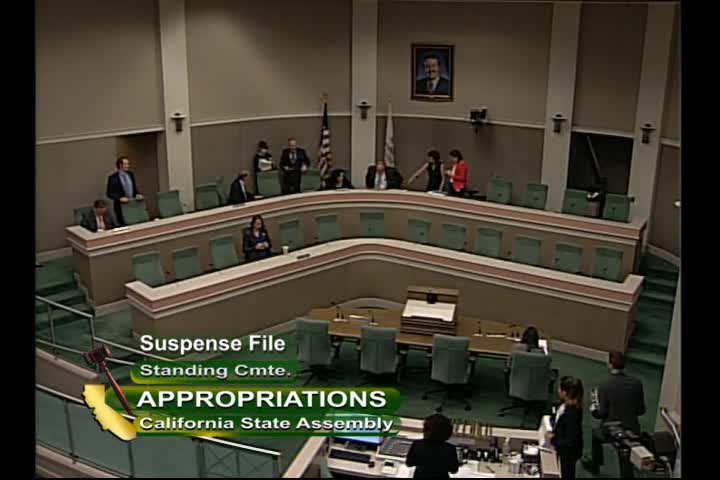
Assembly Standing Committee on Appropriations
 19MIN
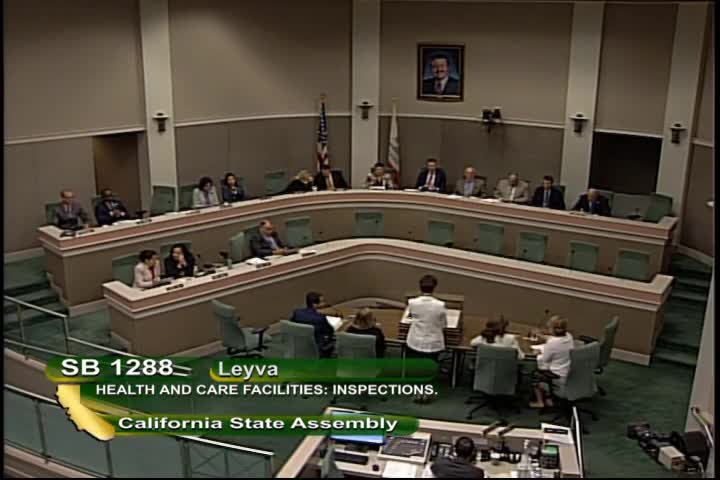
Assembly Standing Committee on Health
 10MIN
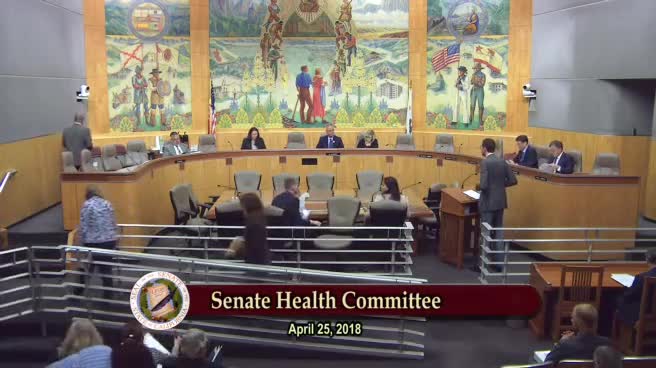
Senate Standing Committee on Health
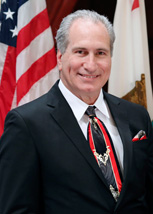
Bill Author
Bill Co-Author(s):