SB 1313: California Gambling Control Commission.
- Session Year: 2017-2018
- House: Senate
- Latest Version Date: 2018-02-16
The Gambling Control Act provides for the licensure and regulation of various legalized gambling activities and establishments by the California Gambling Control Commission and the investigation and enforcement of those activities and establishments by the Department of Justice. A willful violation of the act is generally punishable as a misdemeanor.
The Gambling Control Act establishes the California Gambling Control Commission and grants the commission jurisdiction and supervision over gambling establishments, as defined, in this state and over all persons or things having to do with the operations of gambling establishments. The California Gambling Control Commission consists of 5 members appointed by the Governor, subject to confirmation by the Senate. Existing law requires each member of the commission to be a citizen of the United States and a resident of this state. Existing law provides that no more than 3 of the 5 members of the commission shall be members of the same political party. Existing law also requires 4 of the 5 members to come from career backgrounds, as specified.
This bill would eliminate the requirement that members have certain career backgrounds. The bill would instead state the intent of the Legislature that the commission be comprised of the most qualified individuals available, preferably no 2 of whom come from the same profession, field, or industry.
Existing law makes a person ineligible for appointment to the commission if, within 2 years prior to appointment, they were employed by, retained by, or derived substantial income from, any gaming establishment, as defined.
This bill would expand this disqualification to include participation in, or a pecuniary interest in, any gaming establishment.
Existing law also requires members of the commission to take an oath of office and to pledge that they do not, nor will they during their term of office, hold any financial interest in or business association with any person, business, or organization holding a gambling license.
This bill would extend this required pledge to include any person, business, or organization engaged in the business of gaming.
(a)Each member of the commission shall be a citizen of the United States and a resident of this state.
(b)No Member of the Legislature, no person holding any elective office in state, county, or local government, and no officer or official of any political party is eligible for appointment to the commission.
(c)No more than three of the five members of the commission shall be members of the same political party.
(d)A person is ineligible for appointment to the commission if, within two years prior to appointment, the person, or any partnership or corporation in which the person is a principal, participated in, was employed by, retained by, had any pecuniary interest in, or derived substantial income from, any gambling establishment. For the purposes of this subdivision, gambling establishment means one or more rooms wherein any gaming within the meaning of Chapter 10 (commencing with Section 330) of Title 9 of Part 1 of the Penal Code, or any controlled game within the meaning of Section 337j of the Penal Code, is conducted, whether or not the activity occurred in California.
(e)One member of the commission shall be a certified public accountant or a person with experience in banking or finance, one member shall be an attorney and a member of the State Bar of California with regulatory law experience, one member shall have a background in law enforcement and criminal investigation, one member shall have a background in business with at least five years of business experience or alternatively five years of governmental experience, and one member shall be from the public at large.(e)It is the intent of the Legislature that the commission be comprised of the most qualified individuals available, preferably no two of whom come from the same profession, field, or industry.
SEC. 2.Section 19814 of the Business and Professions Code is amended to read:19814.(a)During their terms of office, the members of the commission shall not engage in any other business, vocation, or employment.
(b)Before entering upon the duties of his or her office, the chief and each member of the commission shall subscribe to the constitutional oath of office and, in addition, swear that he or she is not, and during his or her term of office shall not be, pecuniarily interested in, or doing business with, any person, business, or organization holding a gambling license. license or otherwise engaged in the business of gaming.
|
Date
|
Status
|
|---|---|
| Aug 15, 2018 | August 15 set for second hearing canceled at the request of author. |
| Aug 8, 2018 | August 8 set for first hearing canceled at the request of author. |
| Jun 21, 2018 | From committee: Do pass and re-refer to Com. on APPR. (Ayes 15. Noes 3.) (June 20). Re-referred to Com. on APPR. |
| May 31, 2018 | Referred to Com. on G.O. |
| May 21, 2018 | In Assembly. Read first time. Held at Desk. |
| May 21, 2018 | Read third time. Passed. (Ayes 38. Noes 0.) Ordered to the Assembly. |
| May 8, 2018 | Read second time. Ordered to third reading. |
| May 7, 2018 | From committee: Be ordered to second reading pursuant to Senate Rule 28.8. |
| Apr 27, 2018 | Set for hearing May 7. |
| Apr 24, 2018 | From committee: Do pass and re-refer to Com. on APPR. (Ayes 12. Noes 0. Page 4785.) (April 24). Re-referred to Com. on APPR. |
| Apr 23, 2018 | From committee: Do pass and re-refer to Com. on APPR. (Ayes 12. Noes 0.) (April 24). Re-referred to Com. on APPR. |
| Mar 20, 2018 | Set for hearing April 24. |
| Mar 1, 2018 | Referred to Com. on G.O. |
| Feb 20, 2018 | From printer. May be acted upon on or after March 22. |
| Feb 16, 2018 | Introduced. Read first time. To Com. on RLS. for assignment. To print. |
|
Date
|
Description
|
Location
|
Votes
|
|
|---|---|---|---|---|
| Jun 20, 2018 | Do pass and be re-referred to the Committee on [Appropriations] | Assembly Standing Committee on Governmental Organization |
Passed |
|
| May 21, 2018 | Senate 3rd Reading SB1313 Vidak | Senate Floor |
Passed |
|
| Apr 24, 2018 | Do pass, but first be re-referred to the Committee on [Appropriations] | Senate Standing Committee on Governmental Organization |
Passed |
This list shows positions taken on this bill by organizations on the date displayed, which is linked to the original source.
Positions by individuals are not included.
Date of Hearing: August 8, 2018
ASSEMBLY COMMITTEE ON APPROPRIATIONS
Lorena Gonzalez Fletcher, Chair
SBPCA Bill Id:SB 1313
Author:(Vidak) – As Introduced Ver:February 16, 2018
Policy Committee: | Governmental Organization | Vote: | 15 - 3 |
|
| ||
|
|
Urgency: No State Mandated Local Program: No Reimbursable: No
SUMMARY:
This bill modifies the membership of the California Gambling Control Commission (Commission) by eliminating the requirement that Commission members have specified career backgrounds and prohibits Commission members from having any participation in, or pecuniary interest in, any gaming establishment.
FISCAL EFFECT:
No additional state costs.
COMMENTS:
- Background. Current law requires Commission members to be from specified professional backgrounds. Commission membership must include one certified public accountant (or a person with banking or finance expertise), an attorney with regulatory law experience, a person with a law enforcement and criminal investigation background, a person with at least five years of business experience or, alternatively, five years of governmental experience, and person from the public at large.
In addition to the above requirements, there are a number of other restrictions on the membership of Commission. A member of the Legislature or any elected official is not allowed to be appointed to Commission, and no more than three members are allowed to be in the same political party.
- Purpose. According to the author, ongoing Commission vacancies leave gambling establishments, licensees, and their employees without an adjudication entity. The author notes that only three of the five Commission seats are filled, and supporters note that SB 1313 will help fill the Commission vacancies by getting rid of rigid categories and granting greater flexibility for who can be a member.
Analysis Prepared by: Luke Reidenbach / APPR. / (916) 319-2081
Date of Hearing: June 20, 2018
ASSEMBLY COMMITTEE ON GOVERNMENTAL ORGANIZATION
Adam Gray, Chair
SBPCA Bill Id:SB 1313
Author:(Vidak) – As Introduced Ver:February 16, 2018
SENATE VOTE: 38-0
SUBJECT: California Gambling Control Commission
SUMMARY: Makes changes to the membership requirements of the California Gambling Control Commission (CGCC). Specifically, this bill:
- Eliminates the requirements that members of the CGCC have certain career backgrounds.
- States the intent of the Legislature that the CGCC be compromised of the most qualified individuals available, preferably no two of whom come from the same profession, field, or industry.
- Expands the current appointment disqualification to include participation in, or pecuniary interest in, any gaming establishment.
- Extends the required oath of office to include any person, business, or organization engaged in the business of gaming.
EXISTING LAW:
- Provides, under the Gambling Control Act (Act), for the licensure and regulation of various legalized gambling activities and establishments by the CGCC and the investigation and enforcement of those activities and establishments by the Bureau of Gambling Control (BGC) within the Department of Justice (DOJ).
- Establishes the CGCC and grants the CGCC jurisdiction and supervision over gambling establishments, as defined, in the State of California and over all persons or things having to do with the operations of gambling establishments.
- Specifies that the CGCC consists of five members appointed by the Governor, subject to confirmation by the Senate.
- Requires one member of the CGCC to be a certified public accountant or a person with experience in banking or finance, one member to be an attorney and a member of the State Bar or California with regulatory law experience, one member to have a background in law enforcement and criminal investigation, and one member to have a background in business with at least five years of business experience or five years of governmental experience, and one member be from the public.
- Requires each member of the CGCC to be a citizen of the United States and a resident of this state.
- Provides that no more than three of the five members of the CGCC shall be members of the same political party.
- Prohibits the appointment of an individual to the CGCC if, within two years prior to appointment, the person was employed by or derived substantial income from, any gambling establishment.
- Prohibits a member of the CGCC from engaging in any other business, vocation, or employment.
FISCAL EFFECT: According to the Senate Appropriations Committee, pursuant to Senate Rule 28.8, negligible state costs.
COMMENTS:
Purpose of the bill: According to the author: “Of the five seats on the CGCC, only three are filled. If a single Commissioner is absent or must recuse themselves from the proceedings at hand, no work can be done. This leaves gambling establishments, licensees, and their employees without an adjudication entity, and can lead to delays.”
The author further states that, “timely enforcement of gambling regulations, settling of disputes, and the licensing of employees should not be needlessly delayed because of vacancies on the regulatory commission.”
Background: The Gambling Control Act (Act) created a comprehensive scheme for statewide regulation of legal gambling under a bifurcated system of administration involving the BGC within the Attorney General’s Office and the five-member CGCC by the Governor. The CGCC is authorized to establish minimum regulatory standards for the gambling industry and to ensure that the state gambling licenses are not issued to or held by unsuitable or unqualified individuals. In addition, the CGCC acts as the regulatory body over Tribal casinos, pursuant to the CGCC’s authority under the Tribal-State Gaming Compacts.
Some of the CGCC’s primary responsibilities related to cardrooms and third party providers include: issuing work permits to employees in specific jurisdictions; taking reasonable actions to ensure that no ineligible, unqualified, or unsuitable individuals are associated with gaming activities; granting temporary/interim licenses, permits or approvals; and, adjudicating recommendations concerning license denials, revocations, or disciplinary actions.
The BGC monitors the conduct of gaming operations to ensure compliance with state gambling laws and conducts extensive background investigations of applicants seeking a state gambling license. The Bureau also conducts background checks for all key employees and state gambling license and vendor applications.
The BGC inspects premises where gambling is conducted, examines gambling equipment, audits papers, books, and records of the gambling establishment, investigates suspected violations of gambling laws, and is ultimately responsible for enforcing compliance with all state laws pertaining to gambling.
CGCC Membership Requirements: Current law requires the CGCC to be comprised of five members. One member is required to be from the public at large, the other four members are required to have the following career backgrounds:
- Certified public accountant or a person with experience in banking or finance.
- Attorney and a member of the State Bar of California with regulatory law experience.
- Background in law enforcement and criminal investigation.
- Background in business with at least five years of business experience or alternatively five years of governmental experience.
This bill would remove all of the five aforementioned requirements and instead state that is the intent of the Legislature that the CGCC be compromised of the most qualified individuals, preferably no two of whom come from the same profession, field, or industry.
Current law also establishes other requirements and prohibitions. For instance, it prohibits any member of the Legislature, a person holding any elective office or an officer or official of any political party to be appointed to the CGCC. In addition, no more than three members are allowed to be members of the same political party. This bill does not alter any of these prohibitions and/or requirements.
A person is also ineligible for appointment if he/she, within two years prior to appointment, has been employed by or derived substantial income from any gambling establishment. This bill expands on this disqualification by including participation, or a pecuniary interest in, any gaming establishment.
Finally, members of the CGCC are required to subscribe to the constitutional oath of office. In addition, he/she is required to swear that during his or her term of office he or she shall not be, pecuniarily interested in, or doing business with, any person, business, or organization holding a gambling license. This bill expands on this pledge to include any person, business, or organization engaged in the business of gaming.
Currently, the CGCC has two vacant seats. These include the governmental experience and the banking and finance seats.
Support: Various cardrooms write in support: “Finding highly skilled and experienced people willing to give up their careers and accept the appointment is a constant challenge as the Commission rarely has operated with all five seats filled. Currently, two of the five seats on the Commission are vacant. This bill will make finding qualified candidates willing to do the job easier as the pool will be expanded from five rigid categories. The greater flexibility would allow for changes in the Commission make-up that reflect our ever-changing world.”
Policy Consideration: By deleting the specific membership requirements in statute, this bill could drastically change the make-up of the CGCC. For example, with no background requirements in place, the Governor could appoint all attorneys or people with governmental experience to the CGCC and no one with a law enforcement background. While relaxing membership requirements could certainly help fill the vacant seats, this bill could also have the unintended consequence of diminishing the diverse professional backgrounds and perspectives on the CGCC. The committee and author may wish to consider whether it is appropriate to delete the membership requirement to the CGCC.
Prior/Related Legislation: SB 666 (Vidak) Chapter 245, Statutes of 2017. Prohibited a member of the CGCC, the executive director, the chief, and any employee of the CGCC or DOJ who works on or supervises gambling issues, for a period of two years after leaving office, from holding a direct or indirect interest in, hold employment with, represent, appear for, or negotiate on behalf of a gambling establishment, gambling enterprise, registrant, or licensee.
SB 692 (Vidak) of 2015-2016 Legislative Session. Would have prohibited a member of the CGCC, the executive director, chief, and any employee of the CGCC or the DOJ from holding a direct or indirect interest in, holding employment with, representing, appearing for, or negotiating on behalf of a gambling establishment, gambling enterprise, registrant, or licensee for a period of two years after leaving office or employment. (Vetoed by Governor Brown)
AB 2526 (Hall) of 2011-2012 Legislative Session. Would have revised several definitions within the Act. Specifically the bill revised the definition of a "key employee," added surveillance managers and supervisors to the definition of "key employee" for licensing purposes and deleted the term "pit boss" and replaced the term "shift boss" to "shift manager." (Held on the inactive file on the Senate Floor)
SB 730 (Florez), Chapter 438, Statutes of 2007. Made various changes to the licensing and regulatory processes related to key employees for gambling establishments under the Act.
AB 1753 (Governmental Organization Committee), Chapter 546, Statutes of 2007. Deleted the residency requirement for key employees of California card rooms and revised the penalties for violations of California's gambling related laws.
SB 8 (Lockyer), Chapter 867, Statutes of 1997. Repealed the Gaming Regulation Act, and instead enacted the Act, which provided for DOJ to investigate and enforce controlled gambling in the state. It also established the CGCC to regulate gambling in this state and to issue, suspend, or revoke gambling licenses.
REGISTERED SUPPORT / OPPOSITION:
Support
Casino Madera
Casino Merced
Lucky Chances Casino
Oceana Casino
Pinnacle Casino
Rancho’s Club
Opposition
None on file.
Analysis Prepared by: Kenton Stanhope / G.O. / (916) 319-2531
Office of Senate Floor Analyses (916) 651-1520 Fax: (916) 327-4478 | SB |
THIRD READING
Bill No: SB 1313
:
SENATE GOVERNMENTAL ORG. COMMITTEE: 12-0, 4/24/18
AYES: Dodd, Wilk, Bradford, Cannella, Gaines, Galgiani, Glazer, Hill, Hueso, Lara, Portantino, Vidak
SENATE APPROPRIATIONS COMMITTEE: Senate Rule 28.8
DIGEST: This bill eliminates the requirements that members of the California Gambling Control Commission (Commission) have certain career backgrounds and instead states the intent of the Legislature that the Commission be compromised of the most qualified individuals.
ANALYSIS:
Existing law:
- Provides, under the Gambling Control Act (Act), for the licensure and regulation of various legalized gambling activities and establishments by the Commission and the investigation and enforcement of those activities and establishments by the Department of Justice (DOJ).
- Establishes the Commission and grants the Commission jurisdiction and supervision over gambling establishments, as defined, in the State of California and over all persons or things having to do with the operations of gambling establishments.
- Specifies that the Commission consists of five members appointed by the Governor, subject to confirmation by the Senate.
- Requires one member of the Commission to be a certified public accountant or a person with experience in banking or finance, one member to be an attorney and a member of the State Bar or California with regulatory law experience, one member to have a background in law enforcement and criminal investigation, and one member to have a background in business with at least five years of business experience or five years of governmental experience, and one member be from the public.
- Requires each member of the Commission to be a citizen of the United States and a resident of this state.
- Provides that no more than three of the five members of the Commission shall be members of the same political party.
- Prohibits the appointment of an individual to the Commission if, within two years prior to appointment, the person was employed by or derived substantial income from, any gambling establishment.
- Prohibits a member of the Commission from engaging in any other business, vocation, or employment.
This bill:
- Eliminates the requirements that members of the Commission have certain career backgrounds.
- States the intent of the Legislature that the Commission be compromised of the most qualified individuals available, preferably no two of whom come from the same profession, field, or industry.
- Expands the current appointment disqualification to include participation in, or pecuniary interest in, any gaming establishment.
- Extends the required oath of office to include any person, business, or organization engaged in the business of gaming.
Background
Purpose of the bill. According to the author’s office, “of the five seats on the Commission, only three are filled. If a single Commissioner is absent or must recuse themselves from the proceedings at hand, no work can be done. This leaves gambling establishments, licensees, and their employees without an adjudication entity, and can lead to delays.”
The author’s office further states that, “timely enforcement of gambling regulations, settling of disputes, and the licensing of employees should not be needlessly delayed because of vacancies on the regulatory commission.”
Current requirements. Current law requires the Commission to be comprised of five members. One member is required to be from the public at large, the other four members are required to have the following career backgrounds:
- Certified public accountant or a person with experience in banking or finance.
- Attorney and a member of the State Bar of California with regulatory law experience.
- Background in law enforcement and criminal investigation.
- Background in business with at least five years of business experience or alternatively five years of governmental experience.
This bill removes all of the five aforementioned requirements and instead states that is the intent of the Legislature that the Commission be compromised of the most qualified individuals, preferably no two of whom come from the same profession, field, or industry.
Current law also establishes other requirements and prohibitions. For instance, it prohibits any member of the Legislature, a person holding any elective office or an officer or official of any political party to be appointed to the Commission. In addition, no more than three members are allowed to be members of the same political party. This bill does not alter any of these prohibitions and/or requirements.
A person is also ineligible for appointment if he/she, within two years prior to appointment, has been employed by or derived substantial income from any gambling establishment. This bill expands on this disqualification by including participation, or a pecuniary interest in, any gaming establishment.
Finally, members of the commission are required to subscribe to the constitutional oath of office. In addition, he/she is required to swear that during his or her term of office he or she shall not be, pecuniarily interested in, or doing business with, any person, business, or organization holding a gambling license. This bill expands on this pledge to include any person, business, or organization engaged in the business of gaming.
Currently, the commission has two vacant seats. These include the governmental experience and the banking and finance seats.
Gambling regulation/enforcement in California. The Gambling Control Act created a comprehensive scheme for statewide regulation of legal gambling under a bifurcated system of administration involving the Bureau of Gambling Control within the Attorney General’s Office and the five-member Commission by the Governor. The Commission is authorized to establish minimum regulatory standards for the gambling industry and to ensure that the state gambling licenses are not issued to or held by unsuitable or unqualified individuals. In addition, the Commission acts as the regulatory body over Tribal casinos, pursuant to the Commission’s authority under the Tribal-State Gaming Compacts.
Some of the Commission’s primary responsibilities related to cardrooms and third party providers include: issuing work permits to employees in specific jurisdictions; taking reasonable actions to ensure that no ineligible, unqualified, or unsuitable individuals are associated with gaming activities; granting temporary/interim licenses, permits or approvals; and, adjudicating recommendations concerning license denials, revocations, or disciplinary actions.
The Bureau monitors the conduct of gaming operations to ensure compliance with state gambling laws and conducts extensive background investigations of applicants seeking a state gambling license. The Bureau also conducts background checks for all key employees and state gambling license and vendor applications.
The Bureau inspects premises where gambling is conducted, examines gambling equipment, audits papers, books, and records of the gambling establishment, investigates suspected violations of gambling laws, and is ultimately responsible for enforcing compliance with all state laws pertaining to gambling.
Related/Prior Legislation
SB 666 (Vidak, Chapter 245, Statutes of 2017) prohibited a member of the Commission, the executive director, the chief, and any employee of the Commission or DOJ who works on or supervises gambling issues, for a period of two years after leaving office, from holding a direct or indirect interest in, hold employment with, represent, appear for, or negotiate on behalf of a gambling establishment, gambling enterprise, registrant, or licensee.
SB 692 (Vidak, 2016) would have prohibited a member of the Commission, the executive director, chief, and any employee of the Commission or the DOJ from holding a direct or indirect interest in, holding employment with, representing, appearing for, or negotiating on behalf of a gambling establishment, gambling enterprise, registrant, or licensee for a period of two years after leaving office or employment. (Vetoed by Governor Brown)
FISCAL EFFECT: Appropriation: Fiscal Com.: Local:
Casino Madera
Casino Merced
Lucky Chances Casino
Oceana Casino
Pinnacle Casino
Rancho’s Club
None received
ARGUMENTS IN SUPPORT: Supporters argue that, “finding highly skilled and experienced people willing to give up their careers and accept the appointment is a constant challenge as the Commission rarely has operated with all five seats filled. Currently, two of the five seats on the Commission are vacant. This bill will make finding qualified candidates willing to do the job easier as the pool will be
expanded from five rigid categories. The greater flexibility would allow for changes in the Commission make-up that reflect our ever-changing world.”
5/9/18 14:00:48
**** END ****
SENATE COMMITTEE ON GOVERNMENTAL ORGANIZATION
Senator Bill Dodd
Chair
2017 - 2018 Regular
Bill No: 1313 Hearing Date: 4/24/2018
Author: | |||
Version: | 2/16/2018 Introduced | ||
Urgency: | No | Fiscal: | Yes |
Consultant: | Felipe Lopez | ||
SUBJECT: California Gambling Control Commission
DIGEST: This bill eliminates the requirements that members of the California Gambling Control Commission (Commission) have certain career backgrounds and instead states the intent of the Legislature that the Commission be compromised of the most qualified individuals.
ANALYSIS:
Existing law:
- Provides, under the Gambling Control Act (Act), for the licensure and regulation of various legalized gambling activities and establishments by the Commission and the investigation and enforcement of those activities and establishments by the Department of Justice (DOJ).
- Establishes the Commission and grants the Commission jurisdiction and supervision over gambling establishments, as defined, in the State of California and over all persons or things having to do with the operations of gambling establishments.
- Specifies that the Commission consists of five members appointed by the Governor, subject to confirmation by the Senate.
- Requires one member of the Commission to be a certified public accountant or a person with experience in banking or finance, one member to be an attorney and a member of the State Bar or California with regulatory law experience, one member to have a background in law enforcement and criminal investigation, and one member to have a background in business with at least five years of business experience or five years of governmental experience, and one member be from the public.
- Requires each member of the Commission to be a citizen of the United States and a resident of this state.
- Provides that no more than three of the five members of the Commission shall be members of the same political party.
- Prohibits the appointment of an individual to the Commission if, within two years prior to appointment, the person was employed by or derived substantial income from, any gambling establishment.
- Prohibits a member of the Commission from engaging in any other business, vocation, or employment.
This bill:
- Eliminates the requirements that members of the Commission have certain career backgrounds.
- States the intent of the Legislature that the Commission be compromised of the most qualified individuals available, preferably no two of whom come from the same profession, field, or industry.
- Expands the current appointment disqualification to include participation in, or pecuniary interest in, any gaming establishment.
- Extends the required oath of office to include any person, business, or organization engaged in the business of gaming.
Background
Purpose of the bill. According to the author’s office, “of the five seats on the Commission, only three are filled. If a single Commissioner is absent or must recuse themselves from the proceedings at hand, no work can be done. This leaves gambling establishments, licensees, and their employees without an adjudication entity, and can lead to delays.”
The author’s office further states that, “timely enforcement of gambling regulations, settling of disputes, and the licensing of employees should not be needlessly delayed because of vacancies on the regulatory commission.”
Current requirements. Current law requires the Commission to be comprised of five members. One member is required to be from the public at large, the other four members are required to have the following career backgrounds:
- Certified public accountant or a person with experience in banking or finance.
- Attorney and a member of the State Bar of California with regulatory law experience.
- Background in law enforcement and criminal investigation.
- Background in business with at least five years of business experience or alternatively five years of governmental experience.
This bill would remove all of the five aforementioned requirements and instead state that is the intent of the Legislature that the Commission be compromised of the most qualified individuals, preferably no two of whom come from the same profession, field, or industry.
Current law also establishes other requirements and prohibitions. For instance, it prohibits any member of the Legislature, a person holding any elective office or an officer or official of any political party to be appointed to the Commission. In addition, no more than three members are allowed to be members of the same political party. This bill does not alter any of these prohibitions and/or requirements.
A person is also ineligible for appointment if he/she, within two years prior to appointment, has been employed by or derived substantial income from any gambling establishment. This bill expands on this disqualification by including participation, or a pecuniary interest in, any gaming establishment.
Finally, members of the commission are required to subscribe to the constitutional oath of office. In addition, he/she is required to swear that during his or her term of office he or she shall not be, pecuniarily interested in, or doing business with, any person, business, or organization holding a gambling license. This bill expands on this pledge to include any person, business, or organization engaged in the business of gaming.
Currently, the commission has two vacant seats. These include the governmental experience and the banking and finance seats.
Gambling regulation/enforcement in California. The Gambling Control Act created a comprehensive scheme for statewide regulation of legal gambling under a bifurcated system of administration involving the Bureau of Gambling Control within the Attorney General’s Office and the five-member Commission by the Governor. The Commission is authorized to establish minimum regulatory standards for the gambling industry and to ensure that the state gambling licenses are not issued to or held by unsuitable or unqualified individuals. In addition, the Commission acts as the regulatory body over Tribal casinos, pursuant to the Commission’s authority under the Tribal-State Gaming Compacts.
Some of the Commission’s primary responsibilities related to cardrooms and third party providers include: issuing work permits to employees in specific jurisdictions; taking reasonable actions to ensure that no ineligible, unqualified, or unsuitable individuals are associated with gaming activities; granting temporary/interim licenses, permits or approvals; and, adjudicating recommendations concerning license denials, revocations, or disciplinary actions.
The Bureau monitors the conduct of gaming operations to ensure compliance with state gambling laws and conducts extensive background investigations of applicants seeking a state gambling license. The Bureau also conducts background checks for all key employees and state gambling license and vendor applications.
The Bureau inspects premises where gambling is conducted, examines gambling equipment, audits papers, books, and records of the gambling establishment, investigates suspected violations of gambling laws, and is ultimately responsible for enforcing compliance with all state laws pertaining to gambling.
Prior/Related Legislation
SB 666 (Vidak, Chapter 245, Statutes of 2017) prohibited a member of the Commission, the executive director, the chief, and any employee of the Commission or DOJ who works on or supervises gambling issues, for a period of two years after leaving office, from holding a direct or indirect interest in, hold employment with, represent, appear for, or negotiate on behalf of a gambling establishment, gambling enterprise, registrant, or licensee.
SB 692 (Vidak, 2016) would have prohibited a member of the Commission, the executive director, chief, and any employee of the Commission or the DOJ from holding a direct or indirect interest in, holding employment with, representing, appearing for, or negotiating on behalf of a gambling establishment, gambling enterprise, registrant, or licensee for a period of two years after leaving office or employment. (Vetoed by Governor Brown)
AB 2526 (Hall, 2012) would have revised several definitions within the Act. Specifically the bill revised the definition of a "key employee," added surveillance managers and supervisors to the definition of "key employee" for licensing purposes and deleted the term "pit boss" and replaced the term "shift boss" to "shift manager." (Held on the inactive file on the Senate Floor)
SB 730 (Florez, Chapter 438, Statutes of 2007) made various changes to the licensing and regulatory processes related to key employees for gambling establishments under the Act.
AB 1753 (Governmental Organization Committee, Chapter 546, Statutes of 2007) deleted the residency requirement for key employees of California card rooms and revised the penalties for violations of California's gambling related laws.
SB 8 (Lockyer, Chapter 867, Statutes of 1997) repealed the Gaming Regulation Act, and instead enacted the Act, which provided for DOJ to investigate and enforce controlled gambling in the state. It also established the Commission to regulate gambling in this state and to issue, suspend, or revoke gambling licenses.
FISCAL EFFECT: Appropriation: Fiscal Com.: Local:
SUPPORT:
Casino Madera
Casino Merced
Lucky Chances Casino
Oceana Casino
Pinnacle Casino
Rancho’s Club
OPPOSITION:
None received
ARGUMENTS IN SUPPORT: Supporters argue that, “finding highly skilled and experienced people willing to give up their careers and accept the appointment is a constant challenge as the Commission rarely has operated with all five seats filled. Currently, two of the five seats on the Commission are vacant. This bill will make finding qualified candidates willing to do the job easier as the pool will be expanded from five rigid categories. The greater flexibility would allow for changes in the Commission make-up that reflect our ever-changing world.”
Discussed in Hearing
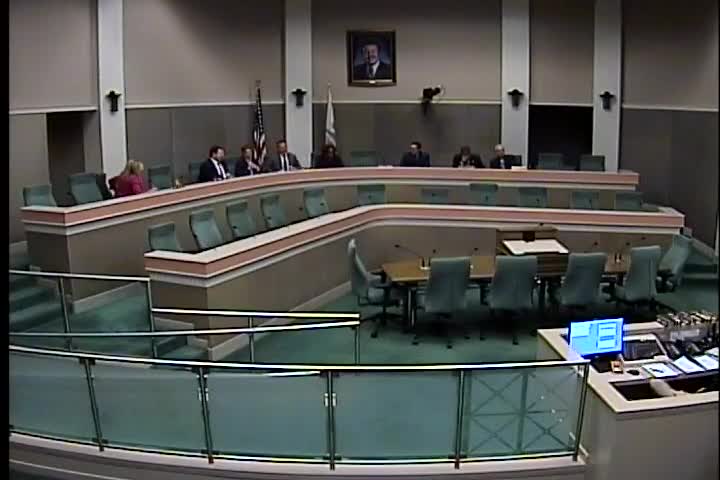 10MIN
Assembly Standing Committee on Governmental Organization
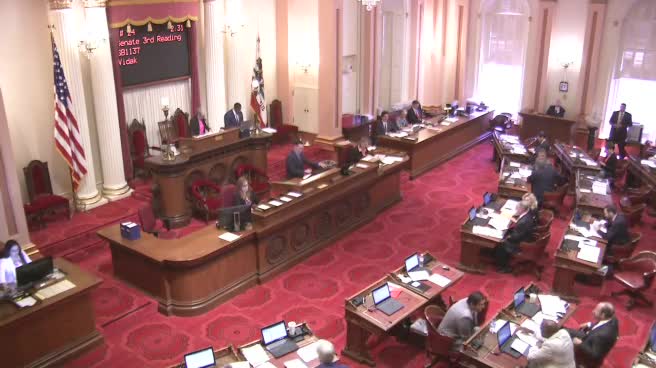 1MIN
Senate Floor
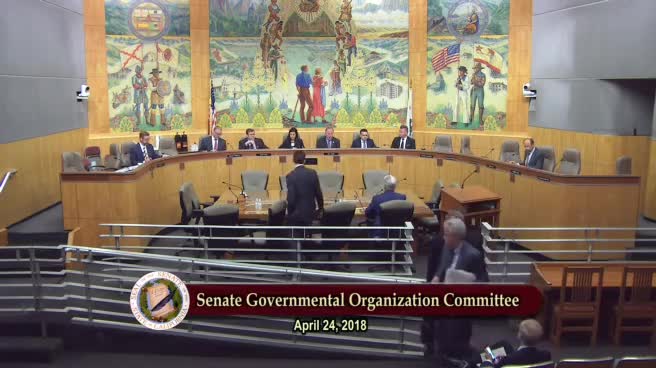 1MIN
Senate Standing Committee on Governmental Organization
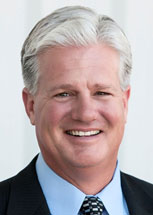
Bill Author
Bill Co-Author(s):