AB 1391: Pupil instruction: adopted course of study: elementary school: physical education: complaints.
- Session Year: 2015-2016
- House: Assembly
- Latest Version Date: 2015-10-09
Existing law requires the adopted course of study for grades 1 to 6, inclusive, to include instruction in specified areas of study, including physical education, with emphasis upon the physical activities for the pupils that may be conducive to health and vigor of body and mind, for a total period of time of not less than 200 minutes each 10 schooldays, exclusive of recesses and the lunch period. Notwithstanding that provision, existing law provides that instruction in physical education in an elementary school maintaining any of grades 1 to 8, inclusive, shall be for a total period of time of not less than 200 minutes each 10 schooldays, exclusive of recesses and the lunch period.
This bill would authorize a complaint that a school district or county superintendent of schools has not complied with the instructional minute requirements of the physical education adopted course of study for pupils in those grades to be filed with the school district or county superintendent of schools pursuant to the Uniform Complaint Procedures, as specified. To the extent this bill would impose additional duties on school district or county office of education officials, the bill would impose a state-mandated local program.
The bill also would state the Legislatures finding and declaration that the provisions prescribing the requirements for the adopted course of study for grades 1 to 6, inclusive, and for instructional time for physical education in an elementary school maintaining any of grades 1 to 8, inclusive, were not intended to create a private right of action, but would provide that nothing in those provisions is to restrict or expand the existing right of any party to seek relief from noncompliance with them pursuant to a writ of mandate.
The California Constitution requires the state to reimburse local agencies and school districts for certain costs mandated by the state. Statutory provisions establish procedures for making that reimbursement.
This bill would provide that, if the Commission on State Mandates determines that the bill contains costs mandated by the state, reimbursement for those costs shall be made pursuant to these statutory provisions.
This bill would declare that it is to take effect immediately as an urgency statute.
Existing law requires the adopted course of study for grades 1 to 6, inclusive, to include instruction in specified areas of study, including physical education, with emphasis upon the physical activities for the pupils that may be conducive to health and vigor of body and mind, for a total period of time of not less than 200 minutes each 10 schooldays, exclusive of recesses and the lunch period. Notwithstanding that provision, existing law provides that instruction in physical education in an elementary school maintaining any of grades 1 to 8, inclusive, shall be for a total period of time of not less than 200 minutes each 10 schooldays, exclusive of recesses and the lunch period.
This bill would authorize a complaint that a school district or county superintendent of schools has not complied with the instructional minute requirements of the physical education adopted course of study for pupils in those grades to be filed with the school district or county superintendent of schools pursuant to the Uniform Complaint Procedures, as specified. To the extent this bill would impose additional duties on school district or county office of education officials, the bill would impose a state-mandated local program.
The bill also would state the Legislatures finding and declaration that the provisions prescribing the requirements for the adopted course of study for grades 1 to 6, inclusive, and for instructional time for physical education in an elementary school maintaining any of grades 1 to 8, inclusive, were not intended to create a private right of action, but would provide that nothing in those provisions are is to restrict or expand the existing right of any party to seek relief from noncompliance with them pursuant to a writ of mandate.
The California Constitution requires the state to reimburse local agencies and school districts for certain costs mandated by the state. Statutory provisions establish procedures for making that reimbursement.
This bill would provide that, if the Commission on State Mandates determines that the bill contains costs mandated by the state, reimbursement for those costs shall be made pursuant to these statutory provisions.
This bill would declare that it is to take effect immediately as an urgency statute.
Existing law requires the adopted course of study for grades 1 to 6, inclusive, to include instruction in specified areas of study, including physical education, with emphasis upon the physical activities for the pupils that may be conducive to health and vigor of body and mind, for a total period of time of not less than 200 minutes each 10 schooldays, exclusive of recesses and the lunch period. Notwithstanding that provision, existing law provides that instruction in physical education in an elementary school maintaining any of grades 1 to 8, inclusive, shall be for a total period of time of not less than 200 minutes each 10 schooldays, exclusive of recesses and the lunch period.
This bill would authorize a complaint that a school district or county superintendent of schools has not complied with the instructional minute requirements of the physical education adopted course of study for pupils in those grades to be filed with the school district or county superintendent of schools pursuant to the Uniform Complaint Procedures, as specified. To the extent this bill would impose additional duties on school district or county office of education officials, the bill would impose a state-mandated local program.
The bill also would state the Legislatures finding and declaration that the provisions prescribing the requirements for the adopted course of study for grades 1 to 6, inclusive, and for instructional time for physical education in an elementary school maintaining any of grades 1 to 8, inclusive, were not intended to create a private right of action, but would provide that nothing in those provisions are to restrict or expand the existing right of any party to seek relief from noncompliance with them pursuant to a writ of mandate.
The California Constitution requires the state to reimburse local agencies and school districts for certain costs mandated by the state. Statutory provisions establish procedures for making that reimbursement.
This bill would provide that, if the Commission on State Mandates determines that the bill contains costs mandated by the state, reimbursement for those costs shall be made pursuant to these statutory provisions.
This bill would declare that it is to take effect immediately as an urgency statute.
Existing law requires the adopted course of study for grades 1 to 6, inclusive, to include instruction in specified areas of study, including physical education, with emphasis upon the physical activities for the pupils that may be conducive to health and vigor of body and mind, for a total period of time of not less than 200 minutes each 10 schooldays, exclusive of recesses and the lunch period. Notwithstanding that provision, existing law provides that instruction in physical education in an elementary school maintaining any of grades 1 to 8, inclusive, shall be for a total period of time of not less than 200 minutes each 10 schooldays, exclusive of recesses and the lunch period.
This bill would instead require a total period of time of physical education instruction for pupils in those grades of not less than 400 minutes each 20 schooldays. The bill would authorize a complaint that a school district or county office of education superintendent of schools has not complied with the instructional minute requirements of the physical education adopted course of study for grades 1 to 6, inclusive, pupils in those grades to be filed with the school district or county office of education superintendent of schools pursuant to the Uniform Complaint Procedures, as specified, and would provide that the Uniform Complaint Procedures shall be the adequate remedy at law for that complaint. specified. To the extent this bill would impose additional duties on school district or county office of education officials, the bill would impose a state-mandated local program.
The bill also would specify that state the Legislatures finding and declaration that the provisions prescribing the requirements for the adopted course of study for grades 1 to 6, inclusive, shall not be construed and for instructional time for physical education in an elementary school maintaining any of grades 1 to 8, inclusive, were not intended to create a private right of action, as provided. action, but would provide that nothing in those provisions are to restrict or expand the existing right of any party to seek relief from noncompliance with them pursuant to a writ of mandate.
The California Constitution requires the state to reimburse local agencies and school districts for certain costs mandated by the state. Statutory provisions establish procedures for making that reimbursement.
This bill would provide that, if the Commission on State Mandates determines that the bill contains costs mandated by the state, reimbursement for those costs shall be made pursuant to these statutory provisions.
Existing law requires the adopted course of study for grades 1 to 6, inclusive, to include instruction in specified areas of study, including physical education, with emphasis upon the physical activities for the pupils that may be conducive to health and vigor of body and mind, for a total period of time of not less than 200 minutes each 10 schooldays, exclusive of recesses and the lunch period. Notwithstanding that provision, existing law provides that instruction in physical education in an elementary school maintaining any of grades 1 to 8, inclusive, shall be for a total period of time of not less than 200 minutes each 10 schooldays, exclusive of recesses and the lunch period.
This bill would instead require a total period of time of physical education instruction for pupils in those grades of not less than 400 minutes each 20 schooldays. The bill would authorize a complaint that a school district or county office of education has not complied with the requirements of the adopted course of study for grades 1 to 6, inclusive, to be filed with the school district or county office of education pursuant to the Uniform Complaint Procedures, as specified, and would provide that the Uniform Complaint Procedures shall be the adequate remedy at law for that complaint. To the extent this bill would impose additional duties on school district or county office of education officials, the bill would impose a state-mandated local program.
The bill also would specify that the provisions prescribing the requirements for the adopted course of study for grades 1 to 6, inclusive, shall not be construed to create a private right of action, as provided.
The California Constitution requires the state to reimburse local agencies and school districts for certain costs mandated by the state. Statutory provisions establish procedures for making that reimbursement.
This bill would provide that, if the Commission on State Mandates determines that the bill contains costs mandated by the state, reimbursement for those costs shall be made pursuant to these statutory provisions.
(a)The adopted course of study for grades 1 to 6, inclusive, shall include instruction, beginning in grade 1 and continuing through grade 6, in the following areas of study:
(1)English, including knowledge of, and appreciation for literature and the language, as well as the skills of speaking, reading, listening, spelling, handwriting, and composition.
(2)Mathematics, including concepts, operational skills, and problem solving.
(3)Social sciences, drawing upon the disciplines of anthropology, economics, geography, history, political science, psychology, and sociology, designed to fit the maturity of the pupils. Instruction shall provide a foundation for understanding the history, resources, development, and government of California and the United States of America; the development of the American economic system, including the role of the entrepreneur and labor; the relations of persons to their human and natural environment; eastern and western cultures and civilizations; contemporary issues; and the wise use of natural resources.
(4)Science, including the biological and physical aspects, with emphasis on the processes of experimental inquiry and on the place of humans in ecological systems.
(5)Visual and performing arts, including instruction in the subjects of dance, music, theatre, and visual arts, aimed at the development of aesthetic appreciation and the skills of creative expression.
(6)Health, including instruction in the principles and practices of individual, family, and community health.
(7)Physical education, with emphasis upon the physical activities for the pupils that may be conducive to health and vigor of body and mind, for a total period of time of not less than 200 minutes each 10 schooldays, exclusive of recesses and the lunch period.
(8)Other studies that may be prescribed by the governing board.
(b)(1)A complaint that a school district or county superintendent of schools has not complied with the instructional minute requirements of paragraph (7) of subdivision (a) may be filed with a school district or county superintendent of schools pursuant to the Uniform Complaint Procedures set forth in Chapter 5.1 (commencing with Section 4600) of Division 1 of Title 5 of the California Code of Regulations.
(2)A complainant not satisfied with the decision of a school district or county superintendent of schools may appeal the decision to the department pursuant to Chapter 5.1 (commencing with Section 4600) of Division 1 of Title 5 of the California Code of Regulations and shall receive a written appeal decision within 60 days of the departments receipt of the appeal.
(3)If a school district or county superintendent of schools finds merit in a complaint, or the Superintendent finds merit in an appeal, the school district or county superintendent of schools shall provide a remedy to all affected pupils, parents, and guardians.
(c)The Legislature finds and declares that neither the original provisions of this section, nor any subsequent amendments to it, were intended to create a private right of action. However, nothing in this subdivision shall restrict or expand the existing right of any party to seek relief from noncompliance with this section pursuant to a writ of mandate.
SEC. 2.Section 51223 of the Education Code is amended to read:51223.(a)Notwithstanding Sections 51210 and 51222, instruction in physical education in an elementary school maintaining any of grades 1 to 8, inclusive, shall be for a total period of time of not less than 200 minutes each 10 schooldays, exclusive of recesses and the lunch period.
(b)(1)A complaint that a school district or county superintendent of schools has not complied with the instructional minute requirements of subdivision (a) may be filed with a school district or county superintendent of schools pursuant to the Uniform Complaint Procedures set forth in Chapter 5.1 (commencing with Section 4600) of Division 1 of Title 5 of the California Code of Regulations.
(2)A complainant not satisfied with the decision of a school district or county superintendent of schools may appeal the decision to the department pursuant to Chapter 5.1 (commencing with Section 4600) of Division 1 of Title 5 of the California Code of Regulations and shall receive a written appeal decision within 60 days of the departments receipt of the appeal.
(3)If a school district or county superintendent of schools finds merit in a complaint, or the Superintendent finds merit in an appeal, the school district or county superintendent of schools shall provide a remedy to all affected pupils, parents, and guardians.
(c)The Legislature finds and declares that neither the original provisions of this section, nor any subsequent amendments to it, were intended to create a private right of action. However, nothing in this subdivision shall restrict or expand the existing right of any party to seek relief from noncompliance with this section pursuant to a writ of mandate.
SEC. 3.If the Commission on State Mandates determines that this act contains costs mandated by the state, reimbursement to local agencies and school districts for those costs shall be made pursuant to Part 7 (commencing with Section 17500) of Division 4 of Title 2 of the Government Code.
SEC. 4.This act is an urgency statute necessary for the immediate preservation of the public peace, health, or safety within the meaning of Article IV of the Constitution and shall go into immediate effect. The facts constituting the necessity are:
In order to protect California public schools from unnecessary lawsuits that take funds away from our classrooms, it is necessary for this bill to take effect immediately.
(a)The adopted course of study for grades 1 to 6, inclusive, shall include instruction, beginning in grade 1 and continuing through grade 6, in the following areas of study:
(1)English, including knowledge of, and appreciation for literature and the language, as well as the skills of speaking, reading, listening, spelling, handwriting, and composition.
(2)Mathematics, including concepts, operational skills, and problem solving.
(3)Social sciences, drawing upon the disciplines of anthropology, economics, geography, history, political science, psychology, and sociology, designed to fit the maturity of the pupils. Instruction shall provide a foundation for understanding the history, resources, development, and government of California and the United States of America; the development of the American economic system, including the role of the entrepreneur and labor; the relations of persons to their human and natural environment; eastern and western cultures and civilizations; contemporary issues; and the wise use of natural resources.
(4)Science, including the biological and physical aspects, with emphasis on the processes of experimental inquiry and on the place of humans in ecological systems.
(5)Visual and performing arts, including instruction in the subjects of dance, music, theatre, and visual arts, aimed at the development of aesthetic appreciation and the skills of creative expression.
(6)Health, including instruction in the principles and practices of individual, family, and community health.
(7)Physical education, with emphasis upon the physical activities for the pupils that may be conducive to health and vigor of body and mind, for a total period of time of not less than 200 minutes each 10 schooldays, exclusive of recesses and the lunch period.
(8)Other studies that may be prescribed by the governing board.
(b)(1)A complaint that a school district or county superintendent of schools has not complied with the instructional minute requirements of paragraph (7) of subdivision (a) may be filed with a school district or county superintendent of schools pursuant to the Uniform Complaint Procedures set forth in Chapter 5.1 (commencing with Section 4600) of Division 1 of Title 5 of the California Code of Regulations.
(2)A complainant not satisfied with the decision of a school district or county superintendent of schools may appeal the decision to the department pursuant to Chapter 5.1 (commencing with Section 4600) of Division 1 of Title 5 of the California Code of Regulations and shall receive a written appeal decision within 60 days of the departments receipt of the appeal.
(3)If a school district or county superintendent of schools finds merit in a complaint, or the Superintendent finds merit in an appeal, the school district or county superintendent of schools shall provide a remedy to all affected pupils, parents, and guardians.
(c)The Legislature finds and declares that neither the original provisions of this section, nor any subsequent amendments to it, were intended to create a private right of action. However, nothing in this subdivision shall restrict or expand the existing right of any party to seek relief from noncompliance with this section pursuant to a writ of mandate.
SEC. 2.Section 51223 of the Education Code is amended to read:51223.(a)Notwithstanding the provisions of Sections 51210 and 51222, instruction in physical education in an elementary school maintaining any of grades 1 to 8, inclusive, shall be for a total period of time of not less than 200 minutes each 10 schooldays, exclusive of recesses and the lunch period.
(b)(1)A complaint that a school district or county superintendent of schools has not complied with the instructional minute requirements of subdivision (a) may be filed with a school district or county superintendent of schools pursuant to the Uniform Complaint Procedures set forth in Chapter 5.1 (commencing with Section 4600) of Division 1 of Title 5 of the California Code of Regulations.
(2)A complainant not satisfied with the decision of a school district or county superintendent of schools may appeal the decision to the department pursuant to Chapter 5.1 (commencing with Section 4600) of Division 1 of Title 5 of the California Code of Regulations and shall receive a written appeal decision within 60 days of the departments receipt of the appeal.
(3)If a school district or county superintendent of schools finds merit in a complaint, or the Superintendent finds merit in an appeal, the school district or county superintendent of schools shall provide a remedy to all affected pupils, parents, and guardians.
(c)The Legislature finds and declares that neither the original provisions of this section, nor any subsequent amendments to it, were intended to create a private right of action. However, nothing in this subdivision shall restrict or expand the existing right of any party to seek relief from noncompliance with this section pursuant to a writ of mandate.
SEC. 3.If the Commission on State Mandates determines that this act contains costs mandated by the state, reimbursement to local agencies and school districts for those costs shall be made pursuant to Part 7 (commencing with Section 17500) of Division 4 of Title 2 of the Government Code.
SEC. 4.This act is an urgency statute necessary for the immediate preservation of the public peace, health, or safety within the meaning of Article IV of the Constitution and shall go into immediate effect. The facts constituting the necessity are:
In order to protect California public schools from unnecessary lawsuits that take funds away from our classrooms, it is necessary for this bill to take effect immediately.
(a)The adopted course of study for grades 1 to 6, inclusive, shall include instruction, beginning in grade 1 and continuing through grade 6, in the following areas of study:
(1)English, including knowledge of, and appreciation for literature and the language, as well as the skills of speaking, reading, listening, spelling, handwriting, and composition.
(2)Mathematics, including concepts, operational skills, and problem solving.
(3)Social sciences, drawing upon the disciplines of anthropology, economics, geography, history, political science, psychology, and sociology, designed to fit the maturity of the pupils. Instruction shall provide a foundation for understanding the history, resources, development, and government of California and the United States of America; the development of the American economic system, including the role of the entrepreneur and labor; the relations of persons to their human and natural environment; eastern and western cultures and civilizations; contemporary issues; and the wise use of natural resources.
(4)Science, including the biological and physical aspects, with emphasis on the processes of experimental inquiry and on the place of humans in ecological systems.
(5)Visual and performing arts, including instruction in the subjects of dance, music, theatre, and visual arts, aimed at the development of aesthetic appreciation and the skills of creative expression.
(6)Health, including instruction in the principles and practices of individual, family, and community health.
(7)Physical education, with emphasis upon the physical activities for the pupils that may be conducive to health and vigor of body and mind, for a total period of time of not less than 200 minutes each 10 schooldays, exclusive of recesses and the lunch period.
(8)Other studies that may be prescribed by the governing board.
(b)(1)A complaint that a school district or county superintendent of schools has not complied with the instructional minute requirements of paragraph (7) of subdivision (a) may be filed with a school district or county superintendent of schools pursuant to the Uniform Complaint Procedures set forth in Chapter 5.1 (commencing with Section 4600) of Division 1 of Title 5 of the California Code of Regulations.
(2)A complainant not satisfied with the decision of a school district or county superintendent of schools may appeal the decision to the Superintendent department pursuant to Chapter 5.1 (commencing with Section 4600) of Division 1 of Title 5 of the California Code of Regulations and shall receive a written appeal decision within 60 days of the Superintendents departments receipt of the appeal.
(3)If a school district or county superintendent of schools finds merit in a complaint, or the Superintendent finds merit in an appeal, the school district or county superintendent of schools shall provide a remedy to all affected pupils, parents, and guardians.
(c)The Legislature finds and declares that neither the original provisions of this section, nor any subsequent amendments to it, were intended to create a private right of action. However, nothing in this subdivision shall restrict or expand the existing right of any party to seek relief from noncompliance with this section pursuant to a writ of mandate.
SEC. 2.Section 51223 of the Education Code is amended to read:51223.(a)Notwithstanding the provisions of Sections 51210 and 51222, instruction in physical education in an elementary school maintaining any of grades 1 to 8, inclusive, shall be for a total period of time of not less than 200 minutes each 10 schooldays, exclusive of recesses and the lunch period.
(b)(1)A complaint that a school district or county superintendent of schools has not complied with the instructional minute requirements of subdivision (a) may be filed with a school district or county superintendent of schools pursuant to the Uniform Complaint Procedures set forth in Chapter 5.1 (commencing with Section 4600) of Division 1 of Title 5 of the California Code of Regulations.
(2)A complainant not satisfied with the decision of a school district or county superintendent of schools may appeal the decision to the Superintendent department pursuant to Chapter 5.1 (commencing with Section 4600) of Division 1 of Title 5 of the California Code of Regulations and shall receive a written appeal decision within 60 days of the Superintendents departments receipt of the appeal.
(3)If a school district or county superintendent of schools finds merit in a complaint, or the Superintendent finds merit in an appeal, the school district or county superintendent of schools shall provide a remedy to all affected pupils, parents, and guardians.
(c)The Legislature finds and declares that neither the original provisions of this section, nor any subsequent amendments to it, were intended to create a private right of action. However, nothing in this subdivision shall restrict or expand the existing right of any party to seek relief from noncompliance with this section pursuant to a writ of mandate.
SEC. 3.If the Commission on State Mandates determines that this act contains costs mandated by the state, reimbursement to local agencies and school districts for those costs shall be made pursuant to Part 7 (commencing with Section 17500) of Division 4 of Title 2 of the Government Code.
SEC. 4.This act is an urgency statute necessary for the immediate preservation of the public peace, health, or safety within the meaning of Article IV of the Constitution and shall go into immediate effect. The facts constituting the necessity are:
In order to protect California public schools from unnecessary lawsuits that take funds away from our classrooms, it is necessary for this bill to take effect immediately.
(a)The adopted course of study for grades 1 to 6, inclusive, shall include instruction, beginning in grade 1 and continuing through grade 6, in the following areas of study:
(1)English, including knowledge of, and appreciation for literature and the language, as well as the skills of speaking, reading, listening, spelling, handwriting, and composition.
(2)Mathematics, including concepts, operational skills, and problem solving.
(3)Social sciences, drawing upon the disciplines of anthropology, economics, geography, history, political science, psychology, and sociology, designed to fit the maturity of the pupils. Instruction shall provide a foundation for understanding the history, resources, development, and government of California and the United States of America; the development of the American economic system, including the role of the entrepreneur and labor; the relations of persons to their human and natural environment; eastern and western cultures and civilizations; contemporary issues; and the wise use of natural resources.
(4)Science, including the biological and physical aspects, with emphasis on the processes of experimental inquiry and on the place of humans in ecological systems.
(5)Visual and performing arts, including instruction in the subjects of dance, music, theatre, and visual arts, aimed at the development of aesthetic appreciation and the skills of creative expression.
(6)Health, including instruction in the principles and practices of individual, family, and community health.
(7)Physical education, with emphasis upon the physical activities for the pupils that may be conducive to health and vigor of body and mind, for a total period of time of not less than 200 minutes each 10 schooldays, exclusive of recesses and the lunch period.
(8)Other studies that may be prescribed by the governing board.
(b)(1)A complaint that a school district or county superintendent of schools has not complied with the instructional minute requirements of paragraph (7) of subdivision (a) may be filed with a school district or county superintendent of schools pursuant to the Uniform Complaint Procedures set forth in Chapter 5.1 (commencing with Section 4600) of Division 1 of Title 5 of the California Code of Regulations.
(2)A complainant not satisfied with the decision of a school district or county superintendent of schools may appeal the decision to the Superintendent and shall receive a written appeal decision within 60 days of the Superintendents receipt of the appeal.
(3)If a school district or county superintendent of schools finds merit in a complaint, or the Superintendent finds merit in an appeal, the school district or county superintendent of schools shall provide a remedy to all affected pupils, parents, and guardians.
(c)The Legislature finds and declares that neither the original provisions of this section, nor any subsequent amendments to it, were intended to create a private right of action. However, nothing in this subdivision shall restrict or expand the existing right of any party to seek relief from noncompliance with this section pursuant to a writ of mandate.
SEC. 2.Section 51223 of the Education Code is amended to read:51223.(a)Notwithstanding the provisions of Sections 51210 and 51222, instruction in physical education in an elementary school maintaining any of grades 1 to 8, inclusive, shall be for a total period of time of not less than 200 minutes each 10 schooldays, exclusive of recesses and the lunch period.
(b)(1)A complaint that a school district or county superintendent of schools has not complied with the instructional minute requirements of subdivision (a) may be filed with a school district or county superintendent of schools pursuant to the Uniform Complaint Procedures set forth in Chapter 5.1 (commencing with Section 4600) of Division 1 of Title 5 of the California Code of Regulations.
(2)A complainant not satisfied with the decision of a school district or county superintendent of schools may appeal the decision to the Superintendent and shall receive a written appeal decision within 60 days of the Superintendents receipt of the appeal.
(3)If a school district or county superintendent of schools finds merit in a complaint, or the Superintendent finds merit in an appeal, the school district or county superintendent of schools shall provide a remedy to all affected pupils, parents, and guardians.
(c)The Legislature finds and declares that neither the original provisions of this section, nor any subsequent amendments to it, were intended to create a private right of action. However, nothing in this subdivision shall restrict or expand the existing right of any party to seek relief from noncompliance with this section pursuant to a writ of mandate.
SEC. 3.If the Commission on State Mandates determines that this act contains costs mandated by the state, reimbursement to local agencies and school districts for those costs shall be made pursuant to Part 7 (commencing with Section 17500) of Division 4 of Title 2 of the Government Code.
SEC. 4.This act is an urgency statute necessary for the immediate preservation of the public peace, health, or safety within the meaning of Article IV of the Constitution and shall go into immediate effect. The facts constituting the necessity are:
In order to protect California public schools from unnecessary lawsuits that take funds away from our classrooms, it is necessary for this bill to take effect immediately.
(a)The adopted course of study for grades 1 to 6, inclusive, shall include instruction, beginning in grade 1 and continuing through grade 6, in the following areas of study:
(1)English, including knowledge of, and appreciation for literature and the language, as well as the skills of speaking, reading, listening, spelling, handwriting, and composition.
(2)Mathematics, including concepts, operational skills, and problem solving.
(3)Social sciences, drawing upon the disciplines of anthropology, economics, geography, history, political science, psychology, and sociology, designed to fit the maturity of the pupils. Instruction shall provide a foundation for understanding the history, resources, development, and government of California and the United States of America; the development of the American economic system system, including the role of the entrepreneur and labor; the relations of persons to their human and natural environment; eastern and western cultures and civilizations; contemporary issues; and the wise use of natural resources.
(4)Science, including the biological and physical aspects, with emphasis on the processes of experimental inquiry and on the place of humans in ecological systems.
(5)Visual and performing arts, including instruction in the subjects of dance, music, theatre, and visual arts, aimed at the development of aesthetic appreciation and the skills of creative expression.
(6)Health, including instruction in the principles and practices of individual, family, and community health.
(7)Physical education, with emphasis upon the physical activities for the pupils that may be conducive to health and vigor of body and mind, for a total period of time of not less than 400 200 minutes each 20 10 schooldays, exclusive of recesses and the lunch period.
(8)Other studies that may be prescribed by the governing board.
(b)(1)A complaint that a school district or county superintendent of schools has not complied with the instructional minute requirements of this section paragraph (7) of subdivision (a) may be filed with a school district or county superintendent of schools pursuant to the Uniform Complaint Procedures set forth in Chapter 5.1 (commencing with Section 4600) of Division 1 of Title 5 of the California Code of Regulations.
(2)A complainant not satisfied with the decision of a school district or county superintendent of schools may appeal the decision to the Superintendent and shall receive a written appeal decision within 60 days of the Superintendents receipt of the appeal.
(3)If a school district or county superintendent of schools finds merit in a complaint, or the Superintendent finds merit in an appeal, the school district or county superintendent of schools shall provide a remedy to all affected pupils, parents, and guardians.
(4)Notwithstanding any other law, the Uniform Complaint Procedures set forth in Chapter 5.1 (commencing with Section 4600) of Division 1 of Title 5 of the California Code of Regulations shall be the adequate remedy at law for allegations of noncompliance with the requirements of this section.
(c)This section shall not be construed to create a private right of action. This subdivision clarifies and is declaratory of existing law, and shall apply to any pending claim. The Legislature finds and declares that neither the original provisions of this section, nor any subsequent amendments to it, were intended to create a private right of action. However, nothing in this subdivision shall restrict or expand the existing right of any party to seek relief from noncompliance with this section pursuant to a writ of mandate if that party has pursued and exhausted the available administrative remedies, including those specified in subdivision (b). mandate.
SEC. 2.Section 51223 of the Education Code is amended to read:51223.(a)Notwithstanding the provisions of Sections 51210 and 51222, instruction in physical education in an elementary school maintaining any of grades 1 to 8, inclusive, shall be for a total period of time of not less than 400 200 minutes each 20 10 schooldays, exclusive of recesses and the lunch period.
(b)(1)A complaint that a school district or county superintendent of schools has not complied with the instructional minute requirements of subdivision (a) may be filed with a school district or county superintendent of schools pursuant to the Uniform Complaint Procedures set forth in Chapter 5.1 (commencing with Section 4600) of Division 1 of Title 5 of the California Code of Regulations.
(2)A complainant not satisfied with the decision of a school district or county superintendent of schools may appeal the decision to the Superintendent and shall receive a written appeal decision within 60 days of the Superintendents receipt of the appeal.
(3)If a school district or county superintendent of schools finds merit in a complaint, or the Superintendent finds merit in an appeal, the school district or county superintendent of schools shall provide a remedy to all affected pupils, parents, and guardians.
(c)The Legislature finds and declares that neither the original provisions of this section, nor any subsequent amendments to it, were intended to create a private right of action. However, nothing in this subdivision shall restrict or expand the existing right of any party to seek relief from noncompliance with this section pursuant to a writ of mandate.
SEC. 3.If the Commission on State Mandates determines that this act contains costs mandated by the state, reimbursement to local agencies and school districts for those costs shall be made pursuant to Part 7 (commencing with Section 17500) of Division 4 of Title 2 of the Government Code.
(a)The adopted course of study for grades 1 to 6, inclusive, shall include instruction, beginning in grade 1 and continuing through grade 6, in the following areas of study:
(a)
(1)English, including knowledge of, and appreciation for literature and the language, as well as the skills of speaking, reading, listening, spelling, handwriting, and composition.
(b)
(2)Mathematics, including concepts, operational skills, and problem solving.
(c)
(3)Social sciences, drawing upon the disciplines of anthropology, economics, geography, history, political science, psychology, and sociology, designed to fit the maturity of the pupils. Instruction shall provide a foundation for understanding the history, resources, development, and government of California and the United States of America; the development of the American economic system including the role of the entrepreneur and labor; the relations of persons to their human and natural environment; eastern and western cultures and civilizations; contemporary issues; and the wise use of natural resources.
(d)
(4)Science, including the biological and physical aspects, with emphasis on the processes of experimental inquiry and on the place of humans in ecological systems.
(e)
(5)Visual and performing arts, including instruction in the subjects of dance, music, theatre, and visual arts, aimed at the development of aesthetic appreciation and the skills of creative expression.
(f)
(6)Health, including instruction in the principles and practices of individual, family, and community health.
(g)
(7)Physical education, with emphasis upon the physical activities for the pupils that may be conducive to health and vigor of body and mind, for a total period of time of not less than 200 400 minutes each 10 20 schooldays, exclusive of recesses and the lunch period.
(h)
(8)Other studies that may be prescribed by the governing board.
(b)(1)A complaint that a school district or county superintendent of schools has not complied with the requirements of this section may be filed with a school district or county superintendent of schools pursuant to the Uniform Complaint Procedures set forth in Chapter 5.1 (commencing with Section 4600) of Division 1 of Title 5 of the California Code of Regulations.
(2)A complainant not satisfied with the decision of a school district or county superintendent of schools may appeal the decision to the Superintendent and shall receive a written appeal decision within 60 days of the Superintendents receipt of the appeal.
(3)If a school district or county superintendent of schools finds merit in a complaint, or the Superintendent finds merit in an appeal, the school district or county superintendent of schools shall provide a remedy to all affected pupils, parents, and guardians.
(4)Notwithstanding any other law, the Uniform Complaint Procedures set forth in Chapter 5.1 (commencing with Section 4600) of Division 1 of Title 5 of the California Code of Regulations shall be the adequate remedy at law for allegations of noncompliance with the requirements of this section.
(c)This section shall not be construed to create a private right of action. This subdivision clarifies and is declaratory of existing law, and shall apply to any pending claim. However, nothing in this subdivision shall restrict or expand the existing right of any party to seek relief from noncompliance with this section pursuant to a writ of mandate if that party has pursued and exhausted the available administrative remedies, including those specified in subdivision (b).
SEC. 2.Section 51223 of the Education Code is amended to read:51223.Notwithstanding the provisions of Sections 51210 and 51222, instruction in physical education in an elementary school maintaining any of grades 1 to 8 8, inclusive, shall be for a total period of time of not less than 200 400 minutes each 10 20 schooldays, exclusive of recesses and the lunch period.
SEC. 3.If the Commission on State Mandates determines that this act contains costs mandated by the state, reimbursement to local agencies and school districts for those costs shall be made pursuant to Part 7 (commencing with Section 17500) of Division 4 of Title 2 of the Government Code.
|
Date
|
Status
|
|---|---|
| Sep 8, 2015 | Read third time. Urgency clause adopted. Passed. Ordered to the Assembly. (Ayes 40. Noes 0. Page 2587.). |
| Jul 2, 2015 | Read second time and amended. Re-referred to Com. on APPR. |
| Aug 17, 2015 | In committee: Referred to APPR. suspense file. |
| Aug 27, 2015 | From committee: Do pass. (Ayes 7. Noes 0.) (August 27). |
| Aug 31, 2015 | Read second time. Ordered to third reading. |
| Sep 2, 2015 | Read third time and amended. Ordered to second reading. |
| Sep 3, 2015 | Read second time. Ordered to third reading. |
| Sep 8, 2015 | In Assembly. Concurrence in Senate amendments pending. May be considered on or after September 10 pursuant to Assembly Rule 77. |
| Sep 8, 2015 | Read third time. Urgency clause adopted. Passed. Ordered to the Assembly. |
| Jul 1, 2015 | From committee: Amend, and do pass as amended and re-refer to Com. on APPR. with recommendation: To Consent Calendar. (Ayes 9. Noes 0.) (June 24). |
| Sep 9, 2015 | Assembly Rule 77 suspended. |
| Sep 9, 2015 | Assembly Rule 77 suspended. (Page 2990.) |
| Sep 9, 2015 | Senate amendments concurred in. To Engrossing and Enrolling. |
| Sep 9, 2015 | Senate amendments concurred in. To Engrossing and Enrolling. (Ayes 79. Noes 0. Page 3008.). |
| Sep 9, 2015 | Senate amendments concurred in. To Engrossing and Enrolling. (Ayes 79. Noes 0.). |
| Sep 17, 2015 | Enrolled and presented to the Governor at 4 p.m. |
| Oct 9, 2015 | Approved by the Governor. |
| Oct 9, 2015 | Chaptered by Secretary of State - Chapter 706, Statutes of 2015. |
| May 4, 2015 | Re-referred to Com. on APPR. |
| Mar 1, 2015 | From printer. May be heard in committee March 31. |
| Mar 2, 2015 | Read first time. |
| Mar 23, 2015 | Referred to Coms. on ED. and JUD. |
| Apr 9, 2015 | From committee: Do pass and re-refer to Com. on JUD. (Ayes 7. Noes 0.) (April 8). Re-referred to Com. on JUD. |
| Apr 20, 2015 | From committee chair, with author's amendments: Amend, and re-refer to Com. on JUD. Read second time and amended. |
| Apr 21, 2015 | Re-referred to Com. on JUD. |
| Apr 29, 2015 | From committee: Amend, and do pass as amended and re-refer to Com. on APPR. (Ayes 10. Noes 0.) (April 28). |
| Apr 30, 2015 | Read second time and amended. |
| Feb 27, 2015 | Introduced. To print. |
| May 13, 2015 | In committee: Set, first hearing. Referred to APPR. suspense file. |
| May 28, 2015 | From committee: Do pass. (Ayes 17. Noes 0.) (May 28). |
| May 28, 2015 | Read second time. Ordered to third reading. |
| Jun 1, 2015 | In Senate. Read first time. To Com. on RLS. for assignment. |
| Jun 1, 2015 | Read third time. Urgency clause adopted. Passed. Ordered to the Senate. |
| Jun 1, 2015 | Read third time. Urgency clause adopted. Passed. Ordered to the Senate. (Ayes 80. Noes 0. Page 1672.). |
| Jun 11, 2015 | Referred to Com. on ED. |
|
Date
|
Description
|
Location
|
Votes
|
|
|---|---|---|---|---|
| Sep 9, 2015 | AB 1391 GOMEZ Concurrence in Senate Amendments | Assembly Floor |
Passed |
|
| Sep 8, 2015 | Assembly 3rd Reading AB1391 Gomez By Block Urgency Clause | Senate Floor |
Passed |
|
| Aug 27, 2015 | Do pass | Senate Standing Committee on Appropriations |
Passed |
|
| Aug 17, 2015 | Placed on suspense file | Senate Standing Committee on Appropriations |
Passed |
|
| Jun 24, 2015 | Do pass as amended, but first amend, and re-refer to the Committee on [Appropriations] with the recommendation: To Consent Calendar | Senate Standing Committee on Education |
Passed |
|
| Jun 1, 2015 | AB 1391 GOMEZ Third Reading Urgency | Assembly Floor |
Passed |
|
| May 28, 2015 | Do pass. | Assembly Standing Committee on Appropriations |
Passed |
|
| Apr 28, 2015 | Do pass as amended and be re-referred to the Committee on [Appropriations] | Assembly Standing Committee on Judiciary |
Passed |
|
| Apr 8, 2015 | Do pass and be re-referred to the Committee on [Judiciary] | Assembly Standing Committee on Education |
Passed |
This list shows positions taken on this bill by organizations on the date displayed, which is linked to the original source.
Positions by individuals are not included.
|
Organization
|
Position
|
Date
|
|---|---|---|
| Albany High School | * Against | Apr 8, 2015 |
| Association Of California School Administrators | * Support | Apr 28, 2015 |
| Cal 200 | * For If Amend | Apr 28, 2015 |
| CAL200 | ** Against | Apr 28, 2015 |
| California Association Of School Business Officials | ** Support | Aug 17, 2015 |
| California School Boards Association | ** Support | Aug 17, 2015 |
| California State PTA | ** Support | Aug 17, 2015 |
| Compton Unified School District | * Support | Apr 28, 2015 |
| Corona Norco Unified School District | * Support | Apr 8, 2015 |
| Fresno Unified School District | * Support | Apr 28, 2015 |
| Los Angeles Unified School | ** Support | Apr 28, 2015 |
| Los Angeles Unified School District | ** Support | Aug 17, 2015 |
| Oakland Unified School District | * Support | Apr 28, 2015 |
| Paramount Unified School District | ** Support | Aug 17, 2015 |
| Public Advocates | ** Against | Apr 8, 2015 |
| Riverside County Office Of Education | * Support | Apr 28, 2015 |
| Riverside County Schools | * Support | Apr 8, 2015 |
| Riverside County Superintendent of Schools | ** Support | Aug 17, 2015 |
| San Bernardino County District Advocates for Better Schools | ** Support | Aug 17, 2015 |
| San Diego County Office of Education | ** Support | Aug 17, 2015 |
| San Francisco Unified School District | ** Support | Aug 17, 2015 |
| School Employers Association Of California | ** Support | Aug 17, 2015 |
| The City Project | ** Against | Apr 8, 2015 |
| Torrance Unified School District | * Support | Apr 28, 2015 |
| u None received. | ** Against | Aug 17, 2015 |
AB 1391
Page 3
CONCURRENCE IN SENATE AMENDMENTS
AB 1391
(Gomez and O'Donnell)
As Amended September 2, 2015
2/3 vote. Urgency
ASSEMBLY: |
80-0 |
(June 1, 2015) |
SENATE: |
40-0 |
(September 8, 2015) |
Original Committee Reference: ED.
SUMMARY: Makes complaints regarding compliance with instructional minute requirements for physical education subject to the Uniform Complaint Procedures (UCP), states that the Legislature finds and declares that neither the original provisions of the applicable section, nor any subsequent amendments to it, were intended to create a private right of action, and takes effect immediately as an urgency statute.
The Senate amendments clarify that appeals of local educational agency (LEA) decisions would be subject to the UCP appeal process, make technical changes, and add co-authors.
EXISTING LAW:
Requires elementary schools with grades 1-8 to provide at least 200 minutes of physical education every 10 schooldays, exclusive of recess and lunch periods, and states that this instruction shall have an emphasis on activities that may be conducive to health and vigor of body and mind.
Through regulations, requires LEAs to adopt uniform complaint procedures through which the public can register complaints regarding educational programs and rights. (California Code of Regulations, Title 5, Section 4600 et seq).
Authorizes a modified complaint process known as "Williams Complaints" through statute (Education Code Section 35186) for complaints regarding instructional materials, emergency or urgent facilities conditions that pose a threat to the health and safety of pupils, teacher vacancy or misassignment, and instructional services provided to students who have not passed the High School Exit Examination. Existing law also authorizes complaints through the UCP for harassment, intimidation, bullying, discrimination, unlawful pupil fees, and violations of the law regarding Local Control Accountability Plans (LCAPs).
FISCAL EFFECT: According to the Senate Appropriations Committee:
The California Department of Education (CDE) indicates that it would likely need 0.5 position and about $60,000 to process and respond to potential physical education-related appeals based on the application of UCP to pupil fees. This estimate would vary depending upon the number of appeals submitted to the CDE. (General Fund)
Unknown, potentially significant additional costs if the Commission on State Mandates determined that this bill expanded the existing reimbursable state mandate. If determined to be a mandate, it could create pressure to increase the mandate block grant. See staff comments. (Proposition 98 of 1988)
Unknown potential local savings to the extent this bill avoids litigation at the local educational agency level with the establishment of an administrative process to remedy non-compliance.
COMMENTS:
Need for this bill. The author's office states, "The importance of physical exercise, particularly for children, is well documented. Physical exercise [P.E.] has significant health benefits, from countering obesity and diabetes to promoting brain development and academic achievement. While current law requires a minimum amount of instructional time in P.E. for pupils in grades 1 to 6, the law does not include any specific recordkeeping mechanisms to document compliance with this requirement.
"A private attorney has exploited this oversight by filing a class-action lawsuit against 37 school districts, using costly and time-consuming litigation to supposedly enforce compliance. A San Francisco Chronicle article describes the lawsuit as 'unprecedented' and the circumstances of the case as 'unusual if not bizarre.' The article notes that the named plaintiff was recruited by the lawyer and hasn’t had children in California schools for 20 years. The bottom-line is that the lawyer behind the case will earn more than $1 million in fees, and millions of additional taxpayer dollars earmarked for education will instead be wasted on legal costs incurred by the districts during the lengthy and difficult process of trying to settle the litigation. It is likely that many more school districts will be threatened with similar litigation and demands for attorneys' fees.
"From a legal standpoint, the basis for the litigation is a Court of Appeal ruling, Doe v. Albany Unified School District (2010) 190 Cal. App. 4th 668. The court ruled even if the P.E. minutes statute does not create an explicit right of action, a plaintiff could bring a civil action through a writ of mandate if they can allege that there is no other adequate remedy at law to resolve allegations of non-compliance. The Court noted that the availability of an adequate administrative remedy was not clear in that case, and allowed the case to go forward. That case was used as the basis for the class-action litigation against the school districts, and the subsequent demand for attorneys' fees.
"AB 1391 utilizes the existing Uniform Complaint Procedures set forth in the Education Code and Title 5 regulations to provide a straightforward, administrative process to resolve allegation of non-compliance with the P.E. instructional minutes requirement."
The Uniform Complaint Procedure and related complaint processes. Required by federal law, the UCP was established in 1991 as a means of creating a "uniform system of complaint processing" for educational programs. The authority for this process is located in regulations, not state statute.
These regulations require the adoption of the UCP by school districts, county offices of education, charter schools receiving federal funds, and local public or private agencies which receive direct or indirect state funding to provide school programs or special education or related services. The UCP is used for complaints regarding a number of state and federal programs. In addition, complaints may be filed under the UCP regarding discrimination, harassment, bullying, intimidation, unlawful pupil fees, certain charter school requirements, and violations of the law establishing LCAPs.
Complaints made under the UCP may be filed by an individual, public agency, or organization. Not all matters of educational law are covered by the UCP (complaints regarding the federal school lunch program, for example, are filed with the United States Department of Agriculture), but LEAs may use the UCP if they so choose to process some other complaints. CDE monitors for compliance with the UCP through its compliance monitoring activities.
A modified process is used for "Williams Complaints," and complaints regarding the provision of services to students who have not passed the High School Exit Examination, pupil fees, harassment, discrimination, bullying, intimidation, LCAPs and some charter school requirements generally follow the UCP, but differ slightly in terms of timelines, anonymity of complainants, confidentiality, and with whom a complaint can be filed.
Analysis Prepared by: Tanya Lieberman / ED. / (916) 319-2087 FN: 0002084
AB 1391
Page 5
|
Office of Senate Floor Analyses (916) 651-1520 Fax: (916) 327-4478 |
THIRD READING
Bill No: AB 1391
Author: Gomez (D) and O'Donnell (D), et al.
Amended: 9/2/15 in Senate
SENATE EDUCATION COMMITTEE: 9-0, 6/24/15
AYES: Liu, Runner, Block, Hancock, Leyva, Mendoza, Monning, Pan, Vidak
SENATE APPROPRIATIONS COMMITTEE: 7-0, 8/27/15
AYES: Lara, Bates, Beall, Hill, Leyva, Mendoza, Nielsen
ASSEMBLY FLOOR: 80-0, 6/1/15 - See last page for vote
SUBJECT: Pupil instruction: adopted course of study: elementary school: physical education: complaints
DIGEST: This bill, an urgency measure, expands the Uniform Complaint Procedures to include complaints of non-compliance with the required minimum instructional minutes for physical education.
Senate Floor Amendments of 9/2/15 make a technical change and add coauthors.
Existing law:
Requires the adopted course of study for grades 1-6 to include instruction in, among other subject matter areas, physical education, with emphasis on the physical activities for the students that may be conducive to health and vigor of body and mind, for a total period of time of at least 200 minutes each 10 schooldays, exclusive of recess and the lunch period. (Education Code § 51210)
Requires instruction in physical education in elementary schools with grades 1-8 to be for a total period of time of at least 200 minutes each 10 schooldays, exclusive of recess and lunch periods. (EC § 51223)
Through regulation, requires local educational agencies (LEAs) to adopt Uniform Complaint Procedures (UCP) through which the public can register complaints regarding educational programs and rights. (California Code of Regulations, Title 5, § 4600 et seq.)
This bill:
Authorizes a complaint of non-compliance with the required minimum instructional minutes for physical education for grades 1-6 and for elementary schools serving students in grades 1-8 to be filed with a LEA under the UCP.
Authorizes a complainant who is not satisfied with the decisions of a LEA to appeal the decision to the California Department of Education (CDE) and requires that the complainant receive a written decision regarding the appeal within 60 days of the CDE’s receipt of the appeal.
Requires the LEA to provide a remedy to all affected students, parents and guardians if the LEA or the Superintendent of Public Instruction finds merit in a complaint.
States legislative findings and declarations that neither the original provisions of the section of the Education Code amended by this bill, nor any subsequent amendments to it, were intended to create a private right of action. This bill further finds and declares that, nothing in the provisions of this bill restricts or expand the existing right of any party to seek relief from non-compliance pursuant to a writ of mandate.
Includes an urgency clause, in order to protect public schools from unnecessary lawsuits that take funds away from classrooms.
Comments
Litigation
background. According to the Assembly Judiciary Committee
analysis of this bill, the Code of Civil Procedure Section 1085
permits any person to seek a writ of mandate from any court to compel
a governmental entity to comply with the law. The writ generally
requires the entity to either perform the legally required act or to
show cause before the court why it should not perform the act. In
Doe v. Albany Unified School District (2010) 190 Cal.App.4th
668, the California Court of Appeal for the Third district concluded
that the physical education requirement in the Education Code "means
what it says and that, while individual school districts may have
discretion as to how to administer their physical education programs,
those programs must satisfy the 200-minute-per-10-schoolday minimum."
In 2013 the advocacy group Cal200 filed a class action
lawsuit against 37 school districts in the state alleging that these
schools were out of compliance with the minimum required
instructional minutes for physical education. The action sought a
writ of mandate and injunctive relief. (Cal200 and Marc Babin v.
San Francisco Unified School District, et.al. San Francisco
Superior Court, Case No. CGC-13-534975, March 6, 2013.) According to
an amended complaint filed in that action, for at least some of the
schools, the plaintiff attempted to use the UCP process. In February
of 2015, most if not all of the schools settled with the plaintiff.
One of the conditions of the settlement is that elementary school
teachers will be required to document, and make publicly available,
how many minutes of physical education students receive. While the
action in the Cal200 case was for a writ of mandate and
injunctive relief, not for damages, the settlement reportedly still
required the 37 districts, collectively, to pay $1.1 million in
attorney's fees for the plaintiff's attorney.
Uniform
Complaint Procedures. Required by federal law, the UCP was
established in 1991 as a means of creating a “uniform system of
complaint processing” for educational programs. The authority for
this process is located in regulations, not state statute. These
regulations require the adoption of the UCP by school districts,
county offices of education, charter schools receiving federal funds,
and local public or private agencies which receive direct or indirect
state funding to provide school programs or special education or
related services. The UCP process generally involves the following
steps:
The filing of a complaint by an individual, agency, or organization.
The investigation and written response by the LEA within 60 days.
An appeal by the complainant to the CDE within 15 days of receiving the LEA response.
The response by the CDE to the appeal, with the investigation completed with 60 days.
A request for reconsideration by the complainant or LEA within 35 days of receiving CDE’s response to the appeal.
A response by the CDE within 35 days.
Complaints regarding pupil fees, harassment, discrimination, bullying, intimidation, local control and accountability plans and some charter school requirements generally follow the UCP, but differ slightly in terms of timelines, anonymity of complainants, confidentiality, and with whom a complaint can be filed.
FISCAL EFFECT: Appropriation: No Fiscal Com.: Yes Local: Yes
According to the Senate Appropriations Committee:
The CDE indicates that it would likely need 0.5 position and about $60,000 to process and respond to potential physical education-related appeals based on the application of UCP to pupil fees. This estimate would vary depending upon the number of appeals submitted to the CDE. (General Fund)
Unknown, potentially significant additional costs if the Commission on State Mandates determined that this bill expanded the existing reimbursable state mandate. If determined to be a mandate, it could create pressure to increase the mandate block grant. (Proposition 98)
Unknown potential local savings to the extent this bill avoids litigation at the local educational agency level with the establishment of an administrative process to remedy non-compliance.
None received
None received
ASSEMBLY FLOOR: 80-0, 6/1/15
AYES: Achadjian, Alejo, Travis Allen, Baker, Bigelow, Bloom, Bonilla, Bonta, Brough, Brown, Burke, Calderon, Campos, Chang, Chau, Chávez, Chiu, Chu, Cooley, Cooper, Dababneh, Dahle, Daly, Dodd, Eggman, Frazier, Beth Gaines, Gallagher, Cristina Garcia, Eduardo Garcia, Gatto, Gipson, Gomez, Gonzalez, Gordon, Gray, Grove, Hadley, Harper, Roger Hernández, Holden, Irwin, Jones, Jones-Sawyer, Kim, Lackey, Levine, Linder, Lopez, Low, Maienschein, Mathis, Mayes, McCarty, Medina, Melendez, Mullin, Nazarian, Obernolte, O'Donnell, Olsen, Patterson, Perea, Quirk, Rendon, Ridley-Thomas, Rodriguez, Salas, Santiago, Steinorth, Mark Stone, Thurmond, Ting, Wagner, Waldron, Weber, Wilk, Williams, Wood, Atkins
Prepared by: Lynn Lorber / ED. / (916) 651-4105
9/8/15 15:24:56
**** END ****
AB 1391
Page 5
|
Office of Senate Floor Analyses (916) 651-1520 Fax: (916) 327-4478 |
THIRD READING
Bill No: AB 1391
Author: Gomez (D) and O'Donnell (D), et al.
Amended: 9/2/15 in Senate
SENATE EDUCATION COMMITTEE: 9-0, 6/24/15
AYES: Liu, Runner, Block, Hancock, Leyva, Mendoza, Monning, Pan, Vidak
SENATE APPROPRIATIONS COMMITTEE: 7-0, 8/27/15
AYES: Lara, Bates, Beall, Hill, Leyva, Mendoza, Nielsen
ASSEMBLY FLOOR: 80-0, 6/1/15 - See last page for vote
SUBJECT: Pupil instruction: adopted course of study: elementary school: physical education: complaints
DIGEST: This bill, an urgency measure, expands the Uniform Complaint Procedures to include complaints of non-compliance with the required minimum instructional minutes for physical education.
Senate Floor Amendments of 9/2/15 make a technical change and add coauthors.
Existing law:
Requires the adopted course of study for grades 1-6 to include instruction in, among other subject matter areas, physical education, with emphasis on the physical activities for the students that may be conducive to health and vigor of body and mind, for a total period of time of at least 200 minutes each 10 schooldays, exclusive of recess and the lunch period. (Education Code § 51210)
Requires instruction in physical education in elementary schools with grades 1-8 to be for a total period of time of at least 200 minutes each 10 schooldays, exclusive of recess and lunch periods. (EC § 51223)
Requires, through regulation, local educational agencies (LEAs) to adopt uniform complaint procedures through which the public can register complaints regarding educational programs and rights. (California Code of Regulations, Title 5, § 4600 et seq.)
This bill:
Authorizes a complaint of non-compliance with the required minimum instructional minutes for physical education for grades 1-6 and for elementary schools serving students in grades 1-8 to be filed with a LEA under the Uniform Complaint Procedures (UCP).
Authorizes a complainant who is not satisfied with the decisions of a LEA to appeal the decision to the California Department of Education (CDE) and requires that the complainant receive a written decision regarding the appeal within 60 days of the CDE’s receipt of the appeal.
Requires the LEA to provide a remedy to all affected students, parents and guardians if the LEA or the Superintendent of Public Instruction finds merit in a complaint.
States legislative findings and declarations that neither the original provisions of the section of the Education Code amended by this bill, nor any subsequent amendments to it, were intended to create a private right of action. This bill further finds and declares that, nothing in the provisions of this bill restricts or expand the existing right of any party to seek relief from non-compliance pursuant to a writ of mandate.
Includes an urgency clause, in order to protect public schools from unnecessary lawsuits that take funds away from classrooms.
Comments
Litigation
background. According to the Assembly Judiciary Committee
analysis of this bill, the Code of Civil Procedure § 1085 permits
any person to seek a writ of mandate from any court to compel a
governmental entity to comply with the law. The writ generally
requires the entity to either perform the legally required act or to
show cause before the court why it should not perform the act. In
Doe v. Albany Unified School District (2010) 190 Cal.App.4th
668, the California Court of Appeal for the Third district concluded
that the physical education requirement in the Education Code "means
what it says and that, while individual school districts may have
discretion as to how to administer their physical education programs,
those programs must satisfy the 200-minute-per-10-schoolday minimum."
In 2013 the advocacy group Cal200 filed a class action
lawsuit against 37 school districts in the state alleging that these
schools were out of compliance with the minimum required
instructional minutes for physical education. The action sought a
writ of mandate and injunctive relief. (Cal200 and Marc Babin v.
San Francisco Unified School District, et.al. San Francisco
Superior Court, Case No. CGC-13-534975, March 6, 2013.) According to
an amended complaint filed in that action, for at least some of the
schools, the plaintiff attempted to use the UCP process. In February
of 2015, most if not all of the schools settled with the plaintiff.
One of the conditions of the settlement is that elementary school
teachers will be required to document, and make publicly available,
how many minutes of physical education students receive. While the
action in the Cal200 case was for a writ of mandate and
injunctive relief, not for damages, the settlement reportedly still
required the 37 districts, collectively, to pay $1.1 million in
attorney's fees for the plaintiff's attorney.
Uniform
Complaint Procedures. Required by federal law, the UCP was
established in 1991 as a means of creating a “uniform system of
complaint processing” for educational programs. The authority for
this process is located in regulations, not state statute. These
regulations require the adoption of the UCP by school districts,
county offices of education, charter schools receiving federal funds,
and local public or private agencies which receive direct or indirect
state funding to provide school programs or special education or
related services. The UCP process generally involves the following
steps:
The filing of a complaint by an individual, agency, or organization.
The investigation and written response by the LEA within 60 days.
An appeal by the complainant to the CDE within 15 days of receiving the LEA response.
The response by the CDE to the appeal, with the investigation completed with 60 days.
A request for reconsideration by the complainant or LEA within 35 days of receiving CDE’s response to the appeal.
A response by the CDE within 35 days.
Complaints regarding pupil fees, harassment, discrimination, bullying, intimidation, local control and accountability plans and some charter school requirements generally follow the UCP, but differ slightly in terms of timelines, anonymity of complainants, confidentiality, and with whom a complaint can be filed.
FISCAL EFFECT: Appropriation: No Fiscal Com.: Yes Local: Yes
According to the Senate Appropriations Committee:
The CDE indicates that it would likely need 0.5 position and about $60,000 to process and respond to potential physical education-related appeals based on the application of UCP to pupil fees. This estimate would vary depending upon the number of appeals submitted to the CDE. (General Fund)
Unknown, potentially significant additional costs if the Commission on State Mandates determined that this bill expanded the existing reimbursable state mandate. If determined to be a mandate, it could create pressure to increase the mandate block grant. (Proposition 98)
Unknown potential local savings to the extent this bill avoids litigation at the LEA level with the establishment of an administrative process to remedy non-compliance.
None received
None received
ASSEMBLY FLOOR: 80-0, 6/1/15
AYES: Achadjian, Alejo, Travis Allen, Baker, Bigelow, Bloom, Bonilla, Bonta, Brough, Brown, Burke, Calderon, Campos, Chang, Chau, Chávez, Chiu, Chu, Cooley, Cooper, Dababneh, Dahle, Daly, Dodd, Eggman, Frazier, Beth Gaines, Gallagher, Cristina Garcia, Eduardo Garcia, Gatto, Gipson, Gomez, Gonzalez, Gordon, Gray, Grove, Hadley, Harper, Roger Hernández, Holden, Irwin, Jones, Jones-Sawyer, Kim, Lackey, Levine, Linder, Lopez, Low, Maienschein, Mathis, Mayes, McCarty, Medina, Melendez, Mullin, Nazarian, Obernolte, O'Donnell, Olsen, Patterson, Perea, Quirk, Rendon, Ridley-Thomas, Rodriguez, Salas, Santiago, Steinorth, Mark Stone, Thurmond, Ting, Wagner, Waldron, Weber, Wilk, Williams, Wood, Atkins
Prepared by: Lynn Lorber / ED. / (916) 651-4105
9/3/15 14:34:27
**** END ****
AB 1391
Page 5
|
Office of Senate Floor Analyses (916) 651-1520 Fax: (916) 327-4478 |
THIRD READING
Bill No: AB 1391
Author: Gomez (D) and O'Donnell (D), et al.
Amended: 7/2/15 in Senate
SENATE EDUCATION COMMITTEE: 9-0, 6/24/15
AYES: Liu, Runner, Block, Hancock, Leyva, Mendoza, Monning, Pan, Vidak
SENATE APPROPRIATIONS COMMITTEE: 7-0, 8/27/15
AYES: Lara, Bates, Beall, Hill, Leyva, Mendoza, Nielsen
ASSEMBLY FLOOR: 80-0, 6/1/15 - See last page for vote
SUBJECT: Pupil instruction: adopted course of study: elementary school: physical education: complaints
DIGEST: This bill, an urgency measure, expands the Uniform Complaint Procedures to include complaints of non-compliance with the required minimum instructional minutes for physical education.
Existing law:
Requires the adopted course of study for grades 1-6 to include instruction in, among other subject matter areas, physical education, with emphasis on the physical activities for the students that may be conducive to health and vigor of body and mind, for a total period of time of at least 200 minutes each 10 schooldays, exclusive of recess and the lunch period. (Education Code § 51210)
Requires instruction in physical education in elementary schools with grades 1-8 to be for a total period of time of at least 200 minutes each 10 schooldays, exclusive of recess and lunch periods. (EC § 51223)
Through regulation, requires local educational agencies to adopt uniform complaint procedures through which the public can register complaints regarding educational programs and rights. (California Code of Regulations, Title 5, § 4600 et seq.)
This bill:
Authorizes a complaint of non-compliance with the required minimum instructional minutes for physical education for grades 1-6 and for elementary schools serving students in grades 1-8 to be filed with a local educational agency (LEA) under the Uniform Complaint Procedures (UCP).
Authorizes a complainant who is not satisfied with the decisions of a LEA to appeal the decision to the California Department of Education (CDE) and requires that the complainant receive a written decision regarding the appeal within 60 days of the CDE’s receipt of the appeal.
Requires the LEA to provide a remedy to all affected students, parents and guardians if the LEA or the Superintendent of Public Instruction finds merit in a complaint.
States legislative findings and declarations that neither the original provisions of the section of the Education Code amended by this bill, nor any subsequent amendments to it, were intended to create a private right of action. This bill further finds and declares that, nothing in the provisions of this bill restricts or expand the existing right of any party to seek relief from non-compliance pursuant to a writ of mandate.
Includes an urgency clause, in order to protect public schools from unnecessary lawsuits that take funds away from classrooms.
Comments
Litigation
background. According to the Assembly
Judiciary Committee analysis of this bill, the Code of Civil
Procedure § 1085 permits any person to seek a writ of mandate from
any court to compel a governmental entity to comply with the law.
The writ generally requires the entity to either perform the legally
required act or to show cause before the court why it should not
perform the act. In Doe v. Albany Unified School District (2010)
190 Cal.App.4th 668, the California Court of Appeal for the Third
district concluded that the physical education requirement in the
Education Code "means what it says and that, while individual
school districts may have discretion as to how to administer their
physical education programs, those programs must satisfy the
200-minute-per-10-schoolday minimum."
In 2013 the
advocacy group Cal200 filed a class action lawsuit against 37 school
districts in the state alleging that these schools were out of
compliance with the minimum required instructional minutes for
physical education. The action sought a writ of mandate and
injunctive relief. (Cal200 and Marc Babin v. San Francisco
Unified School District, et.al. San Francisco Superior Court,
Case No. CGC-13-534975, March 6, 2013.) According to an amended
complaint filed in that action, for at least some of the schools, the
plaintiff attempted to use the UCP process. In February of 2015,
most if not all of the schools settled with the plaintiff. One of
the conditions of the settlement is that elementary school teachers
will be required to document, and make publicly available, how many
minutes of physical education students receive. While the action in
the Cal200 case was for a writ of mandate and injunctive
relief, not for damages, the settlement reportedly still required the
37 districts, collectively, to pay $1.1 million in attorney's fees
for the plaintiff's attorney.
Uniform
Complaint Procedures. Required by federal law, the UCP was
established in 1991 as a means of creating a “uniform system of
complaint processing” for educational programs. The authority for
this process is located in regulations, not state statute. These
regulations require the adoption of the UCP by school districts,
county offices of education, charter schools receiving federal funds,
and local public or private agencies which receive direct or indirect
state funding to provide school programs or special education or
related services. The UCP process generally involves the following
steps:
The filing of a complaint by an individual, agency, or organization.
The investigation and written response by the LEA within 60 days.
An appeal by the complainant to the CDE within 15 days of receiving the LEA response.
The response by the CDE to the appeal, with the investigation completed with 60 days.
A request for reconsideration by the complainant or LEA within 35 days of receiving CDE’s response to the appeal.
A response by the CDE within 35 days.
Complaints regarding pupil fees, harassment, discrimination, bullying, intimidation, local control and accountability plans and some charter school requirements generally follow the UCP, but differ slightly in terms of timelines, anonymity of complainants, confidentiality, and with whom a complaint can be filed.
FISCAL EFFECT: Appropriation: No Fiscal Com.: Yes Local: Yes
According to the Senate Appropriations Committee:
The CDE indicates that it would likely need 0.5 position and about $60,000 to process and respond to potential physical education-related appeals based on the application of UCP to pupil fees. This estimate would vary depending upon the number of appeals submitted to the CDE. (General Fund)
Unknown, potentially significant additional costs if the Commission on State Mandates determined that this bill expanded the existing reimbursable state mandate. If determined to be a mandate, it could create pressure to increase the mandate block grant. (Proposition 98)
Unknown potential local savings to the extent this bill avoids litigation at the local educational agency level with the establishment of an administrative process to remedy non-compliance.
None received
OPPOSITION: (Verified 8/28/15)
None received
ASSEMBLY FLOOR: 80-0, 6/1/15
AYES: Achadjian, Alejo, Travis Allen, Baker, Bigelow, Bloom, Bonilla, Bonta, Brough, Brown, Burke, Calderon, Campos, Chang, Chau, Chávez, Chiu, Chu, Cooley, Cooper, Dababneh, Dahle, Daly, Dodd, Eggman, Frazier, Beth Gaines, Gallagher, Cristina Garcia, Eduardo Garcia, Gatto, Gipson, Gomez, Gonzalez, Gordon, Gray, Grove, Hadley, Harper, Roger Hernández, Holden, Irwin, Jones, Jones-Sawyer, Kim, Lackey, Levine, Linder, Lopez, Low, Maienschein, Mathis, Mayes, McCarty, Medina, Melendez, Mullin, Nazarian, Obernolte, O'Donnell, Olsen, Patterson, Perea, Quirk, Rendon, Ridley-Thomas, Rodriguez, Salas, Santiago, Steinorth, Mark Stone, Thurmond, Ting, Wagner, Waldron, Weber, Wilk, Williams, Wood, Atkins
Prepared by: Lynn Lorber / ED. / (916) 651-4105
8/30/15 19:27:51
**** END ****
AB 1391 (Gomez) Page 3 of 3
SENATE COMMITTEE ON APPROPRIATIONS
Senator Ricardo Lara, Chair
2015 - 2016 Regular Session
AB 1391 (Gomez) - Pupil instruction: adopted course of study: elementary school: physical education: complaints
|
|
Version: July 2, 2015 |
Policy Vote: ED. 9 - 0 |
Urgency: Yes |
Mandate: Yes |
Hearing Date: August 17, 2015 |
Consultant: Jillian Kissee |
This bill meets the criteria for referral to the Suspense File.
Bill Summary:
This bill, an urgency measure, expands the Uniform Complaint Procedures (UCP) to include complaints of non-compliance with the required minimum instructional minutes for physical education (PE).
Fiscal Impact:
The California Department of Education (CDE) indicates that it would likely need 0.5 position and about $60,000 to process and respond to potential PE-related appeals based on the application of UCP to pupil fees. This estimate would vary depending upon the number of appeals submitted to the CDE. (General Fund)
Unknown, potentially significant additional costs if the Commission on State Mandates determined that this bill expanded the existing reimbursable state mandate. If determined to be a mandate, it could create pressure to increase the mandate block grant. See staff comments. (Proposition 98)
Unknown potential local savings to the extent this bill avoids litigation at the local educational agency level with the establishment of an administrative process to remedy non-compliance.
Background:
Existing law requires physical education instruction be provided for a total period of time not less than 200 minutes each 10 schooldays for grades one through six and for elementary schools serving students in grades one through eight. (EC § 51210 and 51223)
The CDE is required to ensure that data collected through the categorical program monitoring indicates the extent to which each school district or county office of education, among other things, provides physical education to students in grades nine through twelve, as specified.
State
regulations require local educational agencies to adopt uniform
complaint procedures through which the public can register complaints
regarding educational programs and rights. These regulations require
the adoption of the UCP by school districts, county offices of
education, charter schools receiving federal funds, and local public
or private agencies which receive direct or indirect state funding to
provide school programs or special education or related services.
(California Code of Regulations, Title 5, § 4600 et seq.)
In 2013 the advocacy group Cal200 filed a class action lawsuit against 37 school districts in the state alleging that these schools were out of compliance with the minimum required instructional minutes for physical education. According to the author’s office, the court ruled even if the PE minutes requirement does not create an explicit right of action, a plaintiff could bring a civil action through a writ of mandate, to compel a governmental entity to comply with the law, if they can allege that there is no other adequate remedy of law to resolve allegations of non-compliance. The Court noted that the availability of an adequate administrative remedy was not clear in that case, and allowed the case to go forward. This bill attempts to establish the administrative remedy.
Proposed Law:
This bill, an urgency measure, allows complaints to be filed with a school district or county superintendent of schools through the Uniform Complaint Procedures for noncompliance with the requirement that physical education instruction be provided for not less than 200 minutes each 10 schooldays in grades one to eight. A complainant may appeal the decision of a school district or county superintendent of schools with the California Department of Education and must receive a written appeal decision within 60 days of receipt of the appeal. If merit is found in a complaint or an appeal, a remedy must be provided to all affected students, parents, and guardians.
Related Legislation:
Numerous bills expand the UCP to include additional areas in which complaints may be filed with LEAs.
AB 379 (Gordon, 2015) expands the UCP to include complaints of non-compliance with certain rights and responsibilities regarding the education of students who are in foster care or who are homeless. AB 379 is pending in this committee.
SB 81 (Chapter 22, Statutes of 2015) among other things, expands the UCP to include complaints regarding an alleged violation by a local agency of federal or state law or regulations governing adult education programs or regional occupational centers and programs.
AB 1012 (Jones-Sawyer, 2015), among other things, prohibits a school district from assigning any students in grades 9-12 to any "course period without educational content" unless specifically authorized. AB 1012 also expands the UCP to include complaints of noncompliance with these requirements. AB 1012 is pending in this committee.
AB
302 (Cristina Garcia, 2015) requires LEAs to provide reasonable
accommodations on a school campus for breast-feeding and expands the
UCP to include complaints of non-compliance with this requirement.
AB 302 is pending in this committee.
Staff Comments:
The Commission on State Mandates approved a test claim in 2012 related to the filing, investigation, and resolution of two types of complaints filed through the UCP: those that claim violations of laws governing specified educational programs and those that claim discrimination in violation of antidiscrimination laws. The Commission on State Mandates estimated annual costs for this mandate to be about $35,000 and the mandate was subsequently included in the mandate block grant. If the Commission determines the requirements of this bill expand the existing state reimbursable mandate, this could create pressure for the state to increase funding in the K-12 mandate block grant.
-- END --
AB 1391 (Gomez) Page 5 of 5
SENATE COMMITTEE ON EDUCATION
Senator Carol Liu, Chair
2015 - 2016 Regular
Bill No: AB 1391
Author: |
Gomez |
||
Version: |
April 30, 2015 Hearing Date: June 24, 2015 |
||
Urgency: |
Yes |
Fiscal: |
Yes |
Consultant: |
Lynn Lorber |
||
Subject: Pupil instruction: adopted course of study: elementary school: physical education: complaints
SUMMARY
This bill, an urgency measure, expands the Uniform Complaint Procedures to include complaints of non-compliance with the required minimum instructional minutes for physical education.
BACKGROUND
Existing law:
Requires the adopted course of study for grades 1-6 to include instruction in, among other subject matter areas, physical education, with emphasis on the physical activities for the students that may be conducive to health and vigor of body and mind, for a total period of time of at least 200 minutes each 10 schooldays, exclusive of recess and the lunch period. (Education Code § 51210)
Requires instruction in physical education in elementary schools with grades 1-8 to be for a total period of time of at least 200 minutes each 10 schooldays, exclusive of recess and lunch periods. (EC § 51223)
Through regulation, requires local educational agencies to adopt uniform complaint procedures through which the public can register complaints regarding educational programs and rights. (California Code of Regulations, Title 5, § 4600 et seq.)
ANALYSIS
This bill, an urgency measure, expands the Uniform Complaint Procedures to include complaints of non-compliance with the required minimum instructional minutes for physical education. Specifically, this bill:
Authorizes a complaint of non-compliance with the required minimum instructional minutes for physical education for grades 1-6 and for elementary schools serving students in grades 1-8 to be filed with a local educational agency (LEA) under the Uniform Complaint Procedures (UCP).
Authorizes a complainant who is not satisfied with the decisions of a LEA to appeal the decision to the Superintendent of Public Instruction (SPI), and requires that the
complainant
receive a written decision regarding the appeal within 60 days of the
SPI’s receipt of the appeal.
Requires the local educational agency (LEA) to provide a remedy to all affected students, parents and guardians if the LEA or the Superintendent of Public Instruction (SPI) finds merit in a complaint.
States Legislative findings and declarations that neither the original provisions of the section of the Education Code amended by this bill, nor any subsequent amendments to it, were intended to create a private right of action. This bill further finds and declares that, nothing in the provisions of this bill restricts or expand the existing right of any party to seek relief from non-compliance pursuant to a writ of mandate.
Includes an urgency clause, in order to protect public schools from unnecessary lawsuits that take funds away from classrooms.
STAFF
COMMENTS
Need for the bill. According to the author, “While current law requires a minimum amount of instructional time in physical education for pupils in grades 1-6, the law does not include any specific recordkeeping mechanisms to document compliance with this requirement. A private attorney has exploited this oversight by filing a class-action lawsuit against 37 school districts, using costly and time-consuming litigation to supposedly enforce compliance. The basis for the litigation is a Court of Appeal ruling, Doe v. Albany Unified School District (2010) 190 Cal.App.4th 668. The court ruled even if the PE minutes requirement does not create an explicit right of action, a plaintiff could bring a civil action through a writ of mandate if they can allege that there is no other adequate remedy of law to resolve allegations of non-compliance. The Court noted that the availability of an adequate administrative remedy was not clear in that case, and allowed the case to go forward.”
Litigation Background. According to the Assembly Judiciary Committee analysis of this bill, the Code of Civil Procedure § 1085 permits any person to seek a writ of mandate from any court to compel a governmental entity to comply with the law. The writ generally requires the entity to either perform the legally required act or to show cause before the court why it should not perform the act. In Doe v. Albany Unified School District (2010) 190 Cal.App.4th 668, the California Court of Appeal for the Third district concluded that the physical education requirement in the Education Code "means what it says and that, while individual school districts may have discretion as to how to administer their physical education programs, those programs must satisfy the 200-minute-per-10-schoolday minimum."
In 2013 the advocacy group Cal200 filed a class action lawsuit against 37 school districts in the state alleging that these schools were out of compliance with the minimum required instructional minutes for physical education. The action sought a writ of mandate and injunctive relief. (Cal200 and Marc Babin v. San Francisco Unified School District, et.al. San Francisco Superior Court, Case No. CGC-13-534975, March 6, 2013.) According to an amended complaint filed in that action, for at least some of the schools, the plaintiff attempted to use the UCP process. In February of 2015, most if not all of the schools settled with the plaintiff. One of the conditions of the settlement is that elementary school teachers will be required to document, and make publicly available, how many minutes of physical education students receive. While the action in the Cal200 case was for a writ of mandate and injunctive relief, not for damages, the settlement reportedly still required the 37 districts, collectively, to pay $1.1 million in attorney's fees for the plaintiff's attorney.
Uniform Complaint Procedures (UCP). Required by federal law, the UCP was established in 1991 as a means of creating a “uniform system of complaint processing” for educational programs. The authority for this process is located in regulations, not state statute. These regulations require the adoption of the UCP by school districts, county offices of education, charter schools receiving federal funds, and local public or private agencies which receive direct or indirect state funding to provide school programs or special education or related services. The UCP process generally involves the following steps:
The filing of a complaint by an individual, agency, or organization.
The investigation and written response by the local educational agency (LEA) within 60 days.
An appeal by the complainant to the California Department of Education (CDE) within 15 days of receiving the LEA response.
The response by the CDE to the appeal, with the investigation completed with 60 days.
A request for reconsideration by the complainant or LEA within 35 days of receiving CDE’s response to the appeal.
A response by the CDE within 35 days.
Complaints regarding pupil fees, harassment, discrimination,
bullying, intimidation, local control and accountability plans
(LCAPs) and some charter school requirements generally follow the
UCP, but differ slightly in terms of timelines, anonymity of
complainants, confidentiality, and with whom a complaint can be
filed.
Fiscal impact. According to the Assembly Appropriations Committee, this bill would impose:
General Fund administrative costs to the CDE not likely to exceed $50,000 to the extent there is an increase in UCP complaint filings.
Expanding the existing UCP process to include complaints related to physical education instruction could expand the number of reimbursable claims associated with this state mandate. This bill could also result in potential cost savings to some individual LEAs to the extent that utilization of this process reduces litigation.
Technical amendments. To ensure consistency with the existing UCP and related legislation, staff recommends the following technical amendments:
On page 3, line 30, strike “Superintendent” and insert “department” and on page 3, line 31, strike “Superintendent’s” and insert “department’s”
On page 3, line 30, before “and” insert “pursuant to Chapter 5.1 (commencing with Section 4600) of Division 1 of Title 5 of the California Code of Regulations”
On page 4, line 19, strike “Superintendent” and insert “department” and on page 4, line 20, strike “Superintendent’s” and insert “department’s”
On page 4, line 19, before “and” insert “pursuant to Chapter 5.1 (commencing with Section 4600) of Division 1 of Title 5 of the California Code of Regulations”
Related legislation. AB 379 (Gordon, 2015) expands the UCP to include complaints of non-compliance with certain rights and responsibilities regarding the education of students who are in foster care or who are homeless, including school placement decisions, responsibilities of foster youth liaisons, provisions regarding school transfers, exemption from locally-imposed graduation requirements, and the awarding of partial credit for completed coursework. AB 379 is scheduled to be heard by this Committee on June 24.
AB 412 (Chavez, 2015) authorizes complaints of non-compliance with the required minimum instructional minutes for physical education to be filed with a local complaint process or through the UCP. AB 412 was never heard.
SB 81 (Committee on Budget and Fiscal Review, 2015) among other things, expands the UCP to include complaints regarding an alleged violation by a local agency of federal or state law or regulations governing adult education programs or regional occupational centers and programs. SB 81 is passed both houses of the Legislature and is pending in Engrossing and Enrolling.
SB 425 (Hernandez, 2015) among other things, expands the UCP to include complaints regarding an alleged violation by a local agency of federal or state law or regulations governing adult education programs or regional occupational centers and programs, including allegations of unlawful discrimination, harassment, intimidation, or bullying. SB 425 is pending in the Assembly Higher Education Committee.
AB 907 (Burke, 2015) is nearly identical to SB 425. AB 907 is pending in this Committee.
AB 1012 (Jones-Sawyer, 2015) prohibits a school district from assigning any students in grades 7-12 to any "course period without educational content" for more than one week in any semester, or to a course that the student has previously completed with a grade sufficient to meet the A-G requirements and graduation
requirements, unless specifically authorized. AB 1012 also expands
the UCP to include complaints of noncompliance with these
requirements. AB 1012 is pending in this Committee.
AB
302 (Cristina Garcia, 2015) requires local educational agencies
(LEAs) to provide reasonable accommodations to a lactating pupil on a
school campus to express breast milk, breast-feed an infant child, or
address other needs related to breast-feeding, and expands the UCP to
include complaints of non-compliance with this requirement. AB 302
is scheduled to be heard by this Committee on July 1.
SUPPORT
California Association of School Business Officials
California School Boards Association
California State PTA
Los Angeles Unified School District
Paramount Unified School District
Riverside County Superintendent of Schools
San Bernardino County District Advocates for Better Schools
San Diego County Office of Education
San Francisco Unified School District
School Employers Association of California
OPPOSITION
None received.
-- END --
AB 1391
Page 3
ASSEMBLY THIRD READING
AB 1391
(Gomez and O'Donnell)
As Amended April 30, 2015
2/3 vote. Urgency
Committee |
Votes |
Ayes |
Noes |
Education |
7-0 |
O'Donnell, Chávez, Kim, McCarty, Santiago, Thurmond, Weber |
|
Judiciary |
10-0 |
Mark Stone, Wagner, Alejo, Chau, Chiu, Gallagher, Cristina Garcia, Holden, Maienschein, O'Donnell |
|
Appropriations |
17-0 |
Gomez, Bigelow, Bonta, Calderon, Chang, Daly, Eggman, Gallagher, Eduardo Garcia, Gordon, Holden, Jones, Quirk, Rendon, Wagner, Weber, Wood |
|
SUMMARY: Makes complaints regarding compliance with instructional minute requirements for physical education subject to the Uniform Complaint Procedures (UCP), states that the Legislature finds and declares that neither the original provisions of the applicable section, nor any subsequent amendments to it, were intended to create a private right of action, and makes these provisions take effect immediately as an urgency statute. Specifically, this bill:
Allows complaints regarding compliance with the physical education instructional minute requirements for grades 1-6 and for elementary schools serving students in grades 1-8 to be filed using the UCP.
States that a complainant not satisfied with the decision of a local educational agency (LEA) may appeal the decision to the Superintendent of Public Instruction (SPI) and receive a written decision within 60 days.
Requires that, if a complaint is found to have merit, the LEA must provide a remedy to all students, parents, and guardians.
States that the Legislature finds and declares that neither the original provisions of the applicable section, nor any subsequent amendments to it, were intended to create a private right of action. States that nothing in the applicable subdivision shall restrict or expand the existing right of any party to seek relief from noncompliance with this section pursuant to a writ of mandate.
States that this is an urgency statute, to take effect immediately.
EXISTING LAW:
Requires elementary schools with grades 1-8 to provide at least 200 minutes of physical education every 10 schooldays, exclusive of recess and lunch periods, and states that this instruction shall have an emphasis on activities that may be conducive to health and vigor of body and mind.
Through regulations, requires LEAs to adopt uniform complaint procedures through which the public can register complaints regarding educational programs and rights. (California Code of Regulations, Title 5, Section 4600 et seq).
Authorizes a modified complaint process known as "Williams Complaints" through statute (Education Code Section 35186) for complaints regarding instructional materials, emergency or urgent facilities conditions that pose a threat to the health and safety of pupils, teacher vacancy or misassignment, and instructional services provided to students who have not passed the High School Exit Examination. Existing law also authorizes complaints through the UCP for harassment, intimidation, bullying, discrimination, unlawful pupil fees, and violations of the law regarding Local Control Accountability Plans (LCAPs).
FISCAL EFFECT: According to the Assembly Appropriations Committee:
General Fund administrative costs to the California Department of Education not likely to exceed $50,000 to the extent there is an increase in UCP complaint filings.
Expanding the existing UCP process to include complaints related to physical education instruction could expand the number of reimbursable claims associated with this state mandate. This bill could also result in potential cost savings to some individual LEAs to the extent that utilization of this process reduces litigation.
COMMENTS:
Need for the bill. The author's office states, "The importance of physical exercise, particularly for children, is well documented. Physical exercise [P.E.] has significant health benefits, from countering obesity and diabetes to promoting brain development and academic achievement. While current law requires a minimum amount of instructional time in P.E. for pupils in grades 1 to 6, the law does not include any specific recordkeeping mechanisms to document compliance with this requirement.
A private attorney has exploited this oversight by filing a class-action lawsuit against 37 school districts, using costly and time-consuming litigation to supposedly enforce compliance. A San Francisco Chronicle article describes the lawsuit as "unprecedented" and the circumstances of the case as "unusual if not bizarre." The article notes that the named plaintiff was recruited by the lawyer and hasn’t had children in California schools for 20 years. The bottom-line is that the lawyer behind the case will earn more than $1 million in fees, and millions of additional taxpayer dollars earmarked for education will instead be wasted on legal costs incurred by the districts during the lengthy and difficult process of trying to settle the litigation. It is likely that many more school districts will be threatened with similar litigation and demands for attorneys’ fees.
From a legal standpoint, the basis for the litigation is a Court of Appeal ruling, Doe v. Albany Unified School District (2010) 190 Cal. App. 4th 668. The court ruled even if the P.E. minutes statute does not create an explicit right of action, a plaintiff could bring a civil action through a writ of mandate if they can allege that there is no other adequate remedy at law to resolve allegations of non-compliance. The Court noted that the availability of an adequate administrative remedy was not clear in that case, and allowed the case to go forward. That case was used as the basis for the class-action litigation against the school districts, and the subsequent demand for attorneys' fees.
AB 1391 utilizes the existing Uniform Complaint Procedures set forth in the Education Code and Title 5 regulations to provide a straightforward, administrative process to resolve allegation of non-compliance with the P.E. instructional minutes requirement."
The Uniform Complaint Procedure and related complaint processes. Required by federal law, the UCP was established in 1991 as a means of creating a "uniform system of complaint processing" for educational programs. The authority for this process is located in regulations, not state statute.
These regulations require the adoption of the UCP by school districts, county offices of education, charter schools receiving federal funds, and local public or private agencies which receive direct or indirect state funding to provide school programs or special education or related services. The UCP is used for complaints regarding a number of state and federal programs. In addition, complaints may be filed under the UCP regarding discrimination, harassment, bullying, intimidation, unlawful pupil fees, certain charter school requirements, and violations of the law establishing Local Control Accountability Plans (LCAPs).
Complaints made under the UCP may be filed by an individual, public agency, or organization. Not all matters of educational law are covered by the UCP (complaints regarding the federal school lunch program, for example, are filed with the United States Department of Agriculture), but LEAs may use the UCP if they so choose to process some other complaints. CDE monitors for compliance with the UCP through its compliance monitoring activities.
A modified process is used for "Williams Complaints," and complaints regarding the provision of services to students who have not passed the High School Exit Examination, pupil fees, harassment, discrimination, bullying, intimidation, LCAPs and some charter school requirements generally follow the UCP, but differ slightly in terms of timelines, anonymity of complainants, confidentiality, and with whom a complaint can be filed.
Analysis Prepared by: Tanya Lieberman / ED. / (916) 319-2087 FN: 0000722
AB 1391
Page 2
Date of Hearing: May 13, 2015
ASSEMBLY COMMITTEE ON APPROPRIATIONS
Jimmy Gomez, Chair
AB 1391
(Gomez) – As Amended April 30, 2015
Policy Committee: |
Education |
Vote: |
7 - 0 |
|
Judiciary |
|
10 - 0 |
|
|
|
|
Urgency: Yes State Mandated Local Program: Yes Reimbursable: Yes
SUMMARY:
This bill authorizes complaints regarding local education agency (LEA) noncompliance with the physical education instructional minute requirement to be filed under the Uniform Complaint Procedures (UCP) process. Specifically, this bill:
States that a complainant not satisfied with the decision of a LEA may appeal the decision to the Superintendent of Public Instruction (SPI) and receive a written decision within 60 days.
Requires that, if a complaint is found to have merit, the LEA must provide a remedy to all students, parents, and guardians.
Makes legislative findings that neither the original statute setting forth course of study requirements, nor any subsequent amendments to it, was intended to create a private cause of action. Specifies, however, that nothing in this bill shall restrict or expand the existing right of any party to seek relief from noncompliance with this section pursuant to a writ of mandate.
FISCAL EFFECT:
General Fund administrative costs to CDE not likely to exceed $50,000 to the extent there is an increase in UCP complaint filings. In 2013, after AB 1575 authorized the UCP process for pupil fee complaints, claims spiked from zero to 121 in nine months. CDE received two positions to assist with this increased workload. If a similar spike in workload were to occur as a result of this bill, CDE estimates an additional $50,000 could be needed related to staffing costs.
Expanding the existing UCP process to include complaints related to physical education instruction could expand the number of reimbursable claims associated with this state mandate. This bill could also result in potential cost savings to some individual LEAs to the extent that utilization of this process reduces litigation.
In 2013, the Commission on State Mandates (CSM) determined the UCP to be a reimbursable state mandate with an estimated annual cost of $34,751. The following year, the Legislature added the UCP to the K-14 Education Mandate Block Grant. If the CSM determines the requirements of this bill impose a higher level of service, this could place pressure on the Legislature to increase funding under the K-12 Mandate Block Grant.
COMMENTS:
Purpose. This bill authorizes complaints of noncompliance related to physical education instruction to be remedied through the UCP process. The UCP process in this bill mirrors the existing law process related to noncompliance with provisions of the Local Control Funding Formula. This bill is in response to recent litigation involving mandatory physical education requirements in the elementary schools.
In 2013 the advocacy group Cal200 filed a class action lawsuit against 37 school districts in the state, including Los Angeles and San Francisco, alleging that these schools were out of compliance with state law. In February of this year, most if not all of the schools settled with the plaintiff. While the action in the Cal200 case was for a writ of mandate and injunctive relief, not for damages, the settlement reportedly still required the 37 districts, collectively, to pay $1.1 million in attorney's fees for the plaintiff's attorney. This was in addition to the several districts' own legal costs in litigating the case.
Uniform Complaint Procedures Process. Required by federal law, the UCP was established in 1991 as a means of creating a “uniform system of complaint processing” for educational programs. The authority for this process is located in regulations, not state statute. Complaints permitted under this process include violations of state law regarding certain educational programs, discrimination, harassment and civil rights. Parents, students, employees, and community members can file complaints on behalf of themselves or on behalf of another individual. Most procedural activities required under the state’s UCP have been found to be reimbursable mandates.
Related Legislation:
AB 379 (Gordon), pending in this committee, establishes an expedited UCP process requiring action within five days for complaints alleging violations of certain educational rights afforded to students in foster care and students who are homeless.
AB 304 (Garcia), pending in this committee, establishes an expedited UCP process, requiring action within five days with regard to lactation accommodations for students.
AB 907 (Burke), pending in this committee, extends the existing UCP process to financial aid recipients enrolled in COE programs in order to comply with federal requirements.
Analysis Prepared by: Misty Feusahrens / APPR. / (916) 319-2081
AB 1391
Page 6
Date of Hearing: April 28, 2015
ASSEMBLY COMMITTEE ON JUDICIARY
Mark Stone, Chair
AB 1391
(Gomez) – As Amended April 20, 2015
As Proposed to be Amended
SUBJECT: physical education: complaints
KEY ISSUE: May a person alleging that a school DISTRICT HAS not complied with mandatory physical education requirements use AN ADMNINISTRATIVE COMPLAINT PROCEDURE, so long as the person retains any existing right to enforce compliance by writ of mandate?
SYNOPSIS
This bill is a response to recent litigation involving mandatory physical education requirements in the elementary schools. Existing law requires schools to provide physical education, with an emphasis on physical activity, for a total period of not less than 200 minutes each 10 school days. This bill, as originally introduced, would have modified that requirement to not less than 400 minutes each 20 school days, but the author amended the bill to restore the original requirement. Therefore, the only issue that remains for this Committee to consider is whether complaints alleging a violation of the physical education requirement should have the option of using an existing administrative complaint process or seeking a writ of mandate through the courts. Under existing law, certain complaints against a school district or local educational agency may be brought under a Uniform Complaint Procedure (UPC). However, complaints involving course of study requirements, including physical education requirements, are not presently among the types of complaints subject to UPC. As recently amended, this bill would provide that complaints concerning noncompliance with physical education requirements may use the UPC remedy; however, the bill also specifies that nothing in this measure would expand or restrict a person's right to seek compliance by a writ of mandate. The author will amend the bill in this Committee to add an urgency clause and state the reasons why an urgency clause is needed. An earlier version of this bill was opposed by the ACLU, Public Advocates, and Cal200, the advocacy group that brought an action for writ of mandate and injunctive relief against several schools districts. ACLU and Public Advocates have informed the Committee that they will remove their opposition in light of recent amendments, but Cal200 remains opposed at the time of this writing.
SUMMARY: Provides that a complaint that a school district has failed to comply with physical educational requirements may be filed pursuant to a specified administrative complaint process. Specifically, this bill:
Permits a complainant alleging that a school district or county superintendent of schools has not complied with physical education requirements, as specified, to file a complaint with the school district or the county superintendent pursuant to the Uniform Complaint Procedures, as set forth in Chapter 1 of Division 1 of Title 5 of the California Code of Regulations.
Provides that a complainant who is not satisfied with the decision of a school district or county superintendent may appeal the decision to the state Superintendent of Education and shall receive a written appeal decision within 60 days of the Superintendent's receipt of the appeal.
Provides that if a school district or county superintendent of schools finds merit in a complaint, or the Superintendent finds merit in an appeal, the school district or county superintendent of schools shall provide a remedy to all affected pupils, parents, and guardians.
Makes legislative findings that neither the original statute setting forth course of study requirements, nor any subsequent amendments to it, was intended to create a private cause of action. Specifies, however, that nothing in this bill shall restrict or expand the existing right of any party to seek relief from noncompliance with this section pursuant to a writ of mandate.
EXISTING LAW:
Requires the adopted course of study for grades one through six to include instruction in specified areas of study, including physical education. Specifies that requirements for physical education, with emphasis on physical activities, shall be for a total period of time of not less than 200 minutes each 10 schooldays, exclusive of recesses and lunch period. Applies the same requirement to elementary schools that maintain grades one to eight. (Education Code Sections 51210, 51223.)
Establishes, in the California Code of Regulations, Uniform Complaint Procedures by which an individual may file a complaint alleging that a school district or county superintendent of schools failed to comply with specified state or federal laws or programs. Provides, generally, that a complainant who is unsatisfied with the decision of the school district or county superintendent may appeal to the state Superintendent, as specified. (Chapter 5.1 (commencing with Section 4600) of Division 1 of Title 5 of the California Code of Regulations.)
FISCAL EFFECT: As currently in print this bill is keyed fiscal.
COMMENTS: This bill is a response to recent litigation involving mandatory physical education requirements in the elementary schools. Existing law requires schools to provide physical education, with an emphasis on physical activity, for a total period of not less than 200 minutes each 10 school days. This bill, as originally introduced, would have modified that requirement to not less than 400 minutes each 20 school days, and it would have required a person alleging non-compliance with that requirement to exhaust an existing administrative complaint process as an "adequate remedy." However, the bill was recently amended to restore the existing 200-minute-in-10-day requirement and to make it clear that using the uniform complaint procedure is optional and that the complainant retains his or her to enforce the physical education requirement by writ of mandate. The purpose of this bill therefore, according to the author, is to "provide a quick and effective administrative remedy to address allegations that the mandated Physical Education minutes requirement is not met." Specifically, the author wants to protect schools from unnecessary lawsuits by directing complainants to the Uniform Complain Procedure (UPC). This will allow the local school district to resolve the issue, the author believes, and avoid the time and expense of a lawsuit. Consistent with other issues handled under the UCP, a complainant can elect to go to court for a writ of mandate compelling the school to comply.
Litigation Background. When a government entity fails to perform some act required by law, Code of Civil Procedure (CCP) Section 1085 permits any person to seek a writ of mandate from any court to compel that government entity to comply with the law. The writ generally requires the entity to either perform the legally required act or to show cause before the court why it should not perform the act. The question in such cases often hinges on whether the statutory prescription is "discretionary" or "mandatory," with only mandatory requirements warranting the issuance of a writ of mandate. (CCP Sections 1085-1087.) Admittedly, the physical education requirement permits a degree of discretion in that it does not specify exactly how the 200 minutes shall be allocated over the 10-day period. For example, a school could provide 200 minutes on a single day during a 10-day period, provide 20 minutes for each day of the 10-day period, or allocate those 200 minutes in some other way over the 10-day period. But this built-in discretion does not change the fact that 200 minutes of physical education over a 10-day period, however allocated, is mandatory and not discretionary. Subdivision (a) of Section 51210 states that the course of study "shall" include physical education "for a total period of not less than 200 minutes each 10 schooldays, exclusive of recesses and the lunch period." Not surprisingly, therefore, in Doe v. Albany Unified School District (2010) 190 Cal.App.4th 668, the California Court of Appeal for the Third district concluded that the physical education requirement in the Education Code "means what it says and that, while individual school districts may have discretion as to how to administer their physical education programs, those programs must satisfy the 200-minute-per-10-schoolday minimum." The court further concluded that, because the complaint alleged a violation of a mandatory requirement, the trial court erred in refusing to grant plaintiffs leave to amend their complaint to state a claim for a writ of mandate to compel compliance with the requirement.
In 2013 the advocacy group Cal200 filed a class action lawsuit against 37 school districts in the state, including Los Angeles and San Francisco, alleging that these schools were out of compliance with state law. The action sought a writ of mandate and injunctive relief. (Cal200 and Marc Babin v. San Francisco Unified School District, et.al. San Francisco Superior Court, Case No. CGC-13-534975, March 6, 2013.) However, it is not entirely clear that this bill would have prevented that lawsuit. According to an amended complaint filed in that action, for at least some, if not all, of the schools the plaintiff attempted to use the UCP process. For example, the complaint alleges that a Uniform Complaint was sent to the Los Angeles Unified School District. The school district conceded that the administrative complaint had merit but responded to the plaintiff that "your allegations have already been rectified." ("Verified First Amended Complaint," Cal200, supra.) In February of this year most if not all of the schools settled with the plaintiff. One of the conditions of the settlement is that elementary school teachers will be required to publicly document how many minutes of physical education students receive. While the action in the Cal200 case was for a writ of mandate and injunctive relief, not for damages, the settlement reportedly still required the 37 districts, collectively, to pay $1.1 million in attorney's fees for the plaintiff's attorney. This was, of course, in addition to the several districts' own legal costs in litigating the case.
The Uniform Complaint Procedure Process. Title 5 of the California Code of Regulations establishes a Uniform Complaint Procedure (UCP) by which an individual may file a complaint alleging that a school district or county superintendent of schools failed to comply with specified state or federal laws or programs. The Education Code and the Code of Regulations expressly identify only about six programs that are subject to the UCP, but the schools are nonetheless authorized to suggest that complaints on other matters (unless expressly excluded) be handled through the UCP. Regardless of the program that is allegedly violated, the UCP sets forth uniform procedures if a complainant is dissatisfied with the school's response. If the complainant is unsatisfied with the initial decision of the school district or county superintendent, then he or she may appeal to the State Superintendent of Public Instruction, as specified. The Superintendent must respond within 60 days, and if the Superintendent's response does not provide a satisfactory resolution, the complainant may then seek court action. As is true with virtually all administrative complaint procedures, a complainant always has final recourse in the courts for a writ of mandate or injunctive relief. (See generally Chapter 5.1, commencing with Section 4600, of Division 1 of Title 5 of the California Code of Regulations.)
Modest Impact on Existing Law. As recently amended, the bill does not greatly change existing law. It does not require a complainant to use and exhaust the UCP; it simply adds complaints alleging a violation of the physical education requirement to the existing list of complaints that may be resolved through the UCP process. However, since school districts may already offer to resolve other issues by the UCP process, the overall impact of the bill seems limited. However, the author and sponsor believe, not unreasonably, that an express provision may encourage both the complainant and school district to start with this option. Yet the bill makes it clear that the UCP process is optional both by the use of the critical word "may" and an express statement that nothing in the provisions of this bill should be construed to expand or limit a complainant's right to seek a writ of mandate to enforce compliance.
The bill also makes legislative findings that the statute amended by this bill was not intended to provide a private cause of action. However, the import of this statement seems minimal. As the court noted in Doe v. Albany Unified School District, supra, a violation of a statute, even one that is mandatory, does not necessarily give rise to a private right of action. Quoting prior case law, the court noted that "whether a party has a right to sue depends on whether the Legislature has 'manifested an intent to create such a private cause of action' under the statute." The court added that such intent, if any, is revealed through the language and legislative history of the statute. (Id., quoting Moradi-Shalal v. Firemen's Fund Insurance Companies (1988) 46 Cal. 3d 287, 305.) As for the statute amended by this bill, neither the language of the statute nor its legislative history reveals any intent to create a private right of action, expressly or otherwise. It may seem a bit redundant to say that the statute did not intend to create a private right of action when clearly the statute does not. Moreover, while neither the bill nor the statute "creates" a private right of action, it expressly states that it does not preclude the existing right of a complainant to bring an action for a writ of mandate. In short, the bill does not create, expand, or limit any existing right.
The modest impact of the bill, to a certain degree, undermines the arguments of both proponents and the remaining opponents. Proponents contend that this bill will result in settling PE education disputes through the UCP process, when in fact the bill makes the UCP process permissive and expressly states that complainants can still seek a writ from the court. Moreover, under existing law, UCP is already an option even though not expressly provided for in statute. Similarly, at the other end of the spectrum, one of the opponents of the bill states that the bill is a "step backward" and is "a vehicle for the elimination of physical education in California's elementary schools." Yet, Cal200's own complaint states that it used and even exhausted the UCP process before seeking a writ of mandate from the court. If that is the case, Cal200 did more than this bill requires. Indeed, this bill makes it clear that Cal200 need not have exhausted the UCP process before seeking a writ of mandate. All this bill really does is flag the UCP process as an option. If Cal200's dire warnings come true, and physical education is eliminated from our schools, it will not be because of this bill.
Arguments in Support: The San Francisco Unified School District (SFUSD) supports AB 1391 because it will provide "an effective and timely mechanism to resolve allegations of non-compliance with the P.E. instructional minutes requirement. The UCP attempts to resolve complaints at the local level, and where there is merit to a complaint the UCP ensures that a remedy is promptly provided to all affected pupils, parents and guardians." The resolution provided in this bill, SFUSD maintains, "will provide an efficient and effective alternative to costly and time-consuming litigation, which in essence diverts taxpayer dollars earmarked for public education to pay for legal battles and attorney's fees."
The Los Angeles Unified School District (LAUSD) supports this bill for substantially the same reasons. LAUSD recognizes the importance of physical education for children and contends that it has long demonstrated its commitment to promoting healthy styles, including by ensuring that students participate in physical education as required by law. It states, however, that unplanned circumstances – such as school lockdowns, heat advisories, and poor air quality – make it difficult for schools to make up for lost time. LAUSD believes that AB 1391 will provide more reasonable and cost effective remedies "when districts inadvertently fall out of compliance with the PE minutes statute while preserving opportunities for complainants to pursue options through the courts if the remedies prove unsatisfactory." The bill is supported by many other school districts who similarly express their commitment to complying with PE requirements while simultaneously expressing their belief that the UCP process is a more efficient and cost effective remedy than litigation, which only drains money away from the school's essential function: educating students.
Arguments in Opposition: Cal200, the group that brought the suit against the 37 school districts, remains opposed to this bill, apparently even as amended. Cal200 rightfully contends that its lawsuit brought about the settlement that forced the school districts to comply with the state's mandatory physical education requirements. Cal200 claims that this bill, however, is a "step backward . . . [and] an ill-conceived attempt to deny the public access to courts when a school district fails to provide the children with state mandated physical education." (Although Cal200's letter is dated after the latest amendment date of this bill, it is not clear whether the letter reflects the most recent version of the bill in print.)
The California Association of Health, Physical Education, Recreation, and Dance (CAHPERD) writes that it accepts "the important amendments made to AB 1391, and therefore has changed its position on this bill from 'oppose' to 'watch.'" Public Advocates and ACLU have informed the Committee that they have removed their opposition.
Proposed Author Amendment: The author will add an urgency clause in this Committee to read as follows:
This Act is an urgency statute necessary for the immediate preservation of the public peace, health, or safety within the meaning of Article IV of the Constitution and shall go into immediate effect. The facts constituting necessity are:
In order to protect California public schools from unnecessary lawsuits that take funds away from our classrooms, it is necessary for this bill to take effect immediately.
REGISTERED SUPPORT / OPPOSITION:
Support
Compton Unified School District
Los Angeles Unified School
Paramount Unified School District
Riverside County Superintendent of Schools
San Bernardino County District Advocates for Better Schools
San Diego County Office of Education
San Francisco Unified School District
School Employers Association of California
Opposition
Cal200
Analysis Prepared by: Thomas Clark / JUD. / (916) 319-2334
AB 1391
Page 5
Date of Hearing: April 8, 2015
ASSEMBLY COMMITTEE ON EDUCATION
Patrick O'Donnell, Chair
AB 1391
(Gomez) – As Introduced February 27, 2015
[Note: This bill is doubled referred to the Assembly Judiciary Committee and will be heard by that Committee as it relates to issues under its jurisdiction.]
SUBJECT: Pupil instruction: adopted course of study for grades 1 to 6: physical education: complaints
SUMMARY: Modifies the physical education instructional minute requirement for elementary schools serving students in grades 1-8 from 200 minutes each 10 schooldays to 400 minutes each 20 schooldays, makes complaints regarding compliance with that requirement subject to the Uniform Complaint Procedures (UCP), and states that the UCP shall be the adequate remedy at law for such complaints. Specifically, this bill:
Modifies the physical education instructional minute requirement for elementary schools serving students in grades 1-8 from 200 minutes each 10 schooldays to 400 minutes each 20 schooldays.
Allows complaints regarding compliance with the adopted course of study for grades 1-6 to be filed using the UCP. States that a complainant not satisfied with the decision of a local educational agency (LEA) may appeal the decision to the Superintendent of Public Instruction (SPI) and receive a written decision within 60 days.
Requires that, if a complaint is found to have merit, the LEA must provide a remedy to all students, parents, and guardians.
States that the UCP shall be the adequate remedy at law for allegations of noncompliance with the adopted course of study for grades 1-6. States that this section shall not be construed to create a private right of action, and states that this is clarifying and declaratory of existing law, and shall apply to any pending claim. States that nothing in this subdivision shall restrict or expand the existing right of any party to seek relief from noncompliance with this section pursuant to a writ of mandate if that party has pursued and exhausted the available administrative remedies.
EXISTING LAW:
Requires elementary schools with grades 1-8 to provide at least 200 minutes of physical education every 10 schooldays, exclusive of recess and lunch periods, and states that this instruction shall have an emphasis on activities that may be conducive to health and vigor of body and mind.
Through regulations, requires LEAs to adopt uniform complaint procedures through which the public can register complaints regarding educational programs and rights. (California Code of Regulations, Title 5, Section 4600 et seq).
Authorizes a modified complaint process known as “Williams Complaints” through statute (Education Code § 35186) for complaints regarding instructional materials, emergency or urgent facilities conditions that pose a threat to the health and safety of pupils, teacher vacancy or misassignment, and instructional services provided to students who have not passed the High School Exit Examination. Existing law also authorizes complaints through the UCP for harassment, intimidation, bullying, discrimination, unlawful pupil fees, and violations of the law regarding Local Control Accountability Plans (LCAPs).
FISCAL EFFECT: Legislative Counsel has keyed this bill as a possible state-mandated local program.
COMMENTS:
Need for the bill. The author’s office states, “The importance of physical exercise, particularly for children, is well documented. Physical exercise has significant health benefits, from countering obesity and diabetes to promoting brain development and academic achievement. While current law requires a minimum amount of instructional time in P.E. for pupils in grades 1 to 6, the law does not include any specific recordkeeping mechanisms to document compliance with this requirement.
A private attorney has exploited this oversight by filing a class-action lawsuit against 37 school districts, using costly and time-consuming litigation to supposedly enforce compliance. A San Francisco Chronicle article describes the lawsuit as “unprecedented” and the circumstances of the case as “unusual if not bizarre.” The article notes that the named plaintiff was recruited by the lawyer and hasn’t had children in California schools for 20 years. The bottom-line is that the lawyer behind the case will earn more than $1 million in fees, and millions of additional taxpayer dollars earmarked for education will instead be wasted on legal costs incurred by the districts during the lengthy and difficult process of trying to settle the litigation. It is likely that many more school districts will be threatened with similar litigation and demands for attorneys’ fees.
From a legal standpoint, the basis for the litigation is a Court of Appeal ruling, Doe v. Albany Unified School District (2010) 190 Cal. App. 4th 668. The court ruled even if the P.E. minutes statute does not create an explicit right of action, a plaintiff could bring a civil action through a writ of mandate if they can allege that there is no other adequate remedy at law to resolve allegations of non-compliance. The Court noted that the availability of an adequate administrative remedy was not clear in that case, and allowed the case to go forward. That case was used as the basis for the class-action litigation against the school districts, and the subsequent demand for attorneys’ fees.
AB 1391 utilizes the existing Uniform Complaint Procedures set forth in the Education Code and Title 5 regulations to provide a straightforward, administrative process to resolve allegation of non-compliance with the P.E. instructional minutes requirement.
The author intends to retain the same current overall requirements for PE minutes. The proposed change to 400 minutes over 20 days (as opposed to 200 minutes over 10 days) gives school districts the flexibility to meet local challenges such as poor air quality that could adversely affect student health, extreme weather, etc. This bill does not diminish the current overall P.E. minute requirement.”
Arguments in opposition. The California Association for Health Physical Education Recreation and Dance (CAHPERD) writes, “The state should strengthen, not weaken, quality physical education for all public school students. CAHPERD opposes AB 1391 because of the research-based negative impact this bill will have on the health, well-being, economic costs, and academic achievement of California elementary schools students, particularly black and Hispanic students and low income students.
Under the flexibility of the current Education Code, California elementary school students can be deprived of physical education for more than a week, but not more than two weeks. If AB 1391 were passed, California elementary students could be deprived of physical education for more than three weeks in a row! AB 1391 is contra-indicated by all current research relating to the need for daily physical education for elementary school children, and it simply does not make sense from the perspective of health and academic performance for elementary school children, particularly our children most at risk.
Half the districts audited in California from 2005 to 2009 did not comply with the minutes requirement in elementary schools, and public records document that the problem persists today. A peer reviewed journal article and other experience documents that districts exaggerate compliance. The San Francisco Unified School District master schedules claimed that 83% of schools complied with physical education requirements. Teachers’ actual schedules showed 20% met the mandate. In fact, on site observation demonstrated that only 5% were in compliance.”
Committee amendments. Staff recommends that the following three amendments be adopted:
1) To correct a drafting error, staff recommends that the bill be amended to make only complaints regarding the physical education instructional minutes requirement (not the entire course of study for grades 1-6) subject to the UCP.
2) To correct a drafting error, staff recommends that the bill be amended to make complaints regarding the physical education minutes requirement at elementary schools serving students in grades 1-8 subject to the UCP, as well as related language to be heard in the Assembly Committee on Judiciary.
3) Staff recommends that the bill be amended to remove the provisions of this bill which allow physical education minutes to be taught for 400 minutes each 20 schooldays, instead of 200 minutes each 10 days.
The UCP, Williams Complaints, and fee, bullying, and LCAP complaints. Required by federal law, the UCP was established in 1991 as a means of creating a “uniform system of complaint processing” for educational programs. The authority for this process is located in regulations, not state statute.
These regulations require the adoption of the UCP by school districts, county offices of education, charter schools receiving federal funds, and local public or private agencies which receive direct or indirect state funding to provide school programs or special education or related services. The UCP is used for complaints regarding a number of state and federal programs, including Adult Education, After School Education and Safety, Agricultural Vocational Education, American Indian Education Centers and Early Childhood Education Program Assessments, Child Care and Development, Child Nutrition, Foster Youth Services, some federal No Child Left Behind Act (2001) programs, Regional Occupational Centers and Programs, Special Education, State Preschool, and Tobacco-Use Prevention Education.
In addition, complaints may be filed under the UCP regarding discrimination, harassment, bullying, intimidation, unlawful pupil fees, certain charter school requirements, and violations of the law establishing Local Control Accountability Plans (LCAPs).
Complaints made under the UCP may be filed by an individual, public agency, or organization. Not all matters of educational law are covered by the UCP (complaints regarding the federal school lunch program, for example, are filed with the U.S. Department of Agriculture), but LEAs may use the UCP if they so choose to process some other complaints. CDE monitors for compliance with the UCP through its compliance monitoring activities.
The UCP process generally involves the following steps:
The filing of a complaint by an individual, agency, or organization
The investigation and written response by the LEA within 60 days
If elected, an appeal by the complainant to the CDE within 15 days of receiving the LEA response
The response by the CDE to the appeal, with the investigation completed with 60 days
If eligible and elected, a request for reconsideration by the complainant or LEA within 35 days of receiving CDE’s response to the appeal
A response by the CDE within 35 days
A modified process for complaints was established by legislation implementing part of the settlement of the Eliezer Williams, et al., vs. State of California, et al. case (SB 2727, Chapter 903, Statutes of 2004). These complaints are known as “Williams Complaints” and address specific conditions of education, including instructional materials, emergency or urgent facility conditions, and teacher vacancy or misassignment, as well as the provision of services to students who have not passed the High School Exit Examination (added by subsequent legislation). These complaints may be filed anonymously. LEAs are required to remedy valid complaints within 30 days and report to complainants within 45 days. Except for complaints regarding emergency facility issues, there is no right of appeal to the CDE.
Complaints regarding pupil fees, harassment, discrimination, bullying, intimidation, LCAPs and some charter school requirements generally follow the UCP, but differ slightly in terms of timelines, anonymity of complainants, confidentiality, and with whom a complaint can be filed.
Related legislation this session. AB 412 (Chavez), as proposed to be amended, would require complainants to first use the UCP regarding the physical education minute requirement before pursuing litigation. AB 379 (Gordon), which was approved by this Committee on March 25th, would make complaints alleging violations of certain educational rights afforded to students in foster care and students who are homeless subject to the Uniform Complaint Procedures (UCP), and establishes an expedited process for complaints regarding certain rights and on behalf of certain students.
REGISTERED SUPPORT / OPPOSITION:
Support
California School Boards Association (sponsor)
Association of California School Administrators
California Association of School Business Officials
Kern County Superintendent of Schools
Los Angeles Unified School District
Oakland Unified School District
Paramount Unified School District
Riverside County Superintendent of Schools
San Diego County Office of Education
San Francisco Unified School District
Opposition
California Association for Health Physical Education Recreation and Dance
Public Advocates (oppose unless amended)
Cal200
The City Project
1 individual
Analysis Prepared by: Tanya Lieberman / ED. / (916) 319-2087
Discussed in Hearing
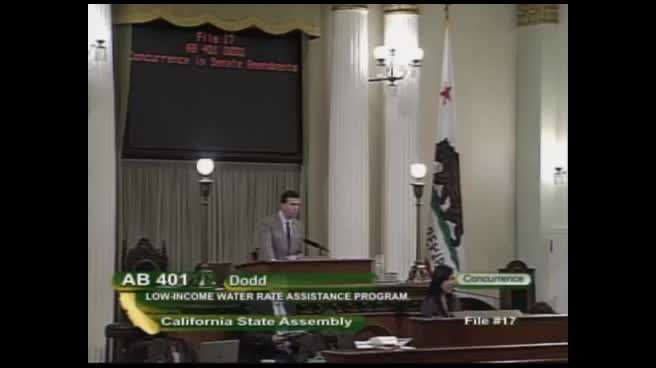 57SEC
Assembly Floor
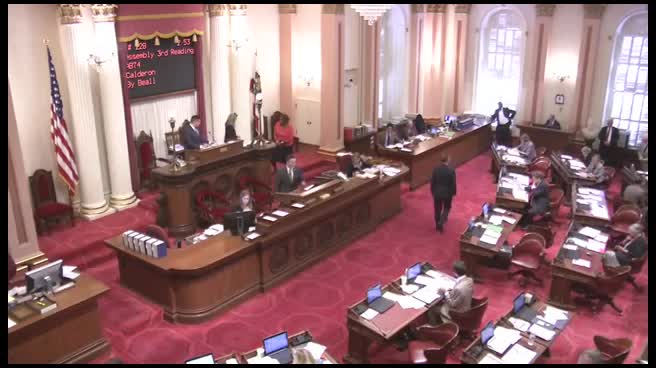 1MIN
Senate Floor
 38SEC
Senate Standing Committee on Appropriations
 1MIN
Assembly Floor
 4MIN
Assembly Standing Committee on Judiciary
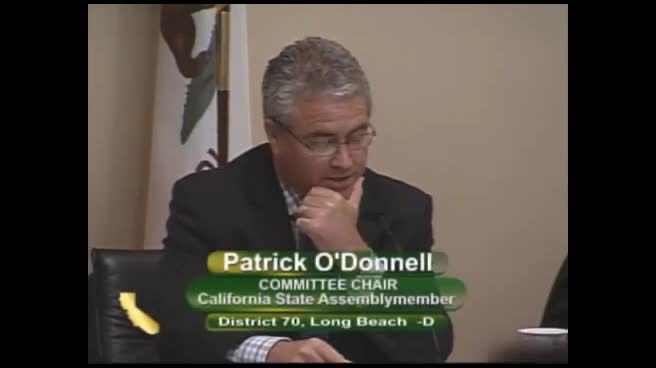 15MIN