AB 147: Postsecondary education: animal research.
- Session Year: 2015-2016
- House: Assembly
- Latest Version Date: 2015-10-07
Existing law establishes a state policy that no adoptable animal should be euthanized if it can be adopted into a suitable home.
Existing law authorizes the State Department of Public Health to prescribe rules under which approval shall be granted to persons who wish to keep or use animals for diagnostic purposes, education, or research. Existing law authorizes the State Department of Public Health to make, promulgate, modify, amend, or rescind reasonable rules and regulations relating to the use of animals in diagnostic procedures and medical research. A person who violates these provisions is guilty of a misdemeanor.
Under existing law, the segments of postsecondary education in this state include the University of California, the California State University, the California Community Colleges, and independent institutions of higher education, as defined.
This bill would require a campus of the University of California, the California State University, or the California Community Colleges, or an independent institution of higher education, as defined, or an employee or student thereof, that confines dogs or cats for science or research purposes, if the institution assesses the health of an animal and determines, after the completion of any testing or research, that the animal is suitable for adoption, the animals destruction is not required, and the animal is no longer needed, and if the institutions existing procedures for adopting the animal do not result in an adoption, to offer the dog or cat to an animal adoption organization or animal rescue organization, as defined, prior to euthanizing the animal. The bill would not apply to animals suffering from a serious illness or severe injury, or to newborn animals that need maternal care and have been impounded without their mothers.
Existing law establishes a state policy that no adoptable animal should be euthanized if it can be adopted into a suitable home.
Existing law authorizes the State Department of Public Health to prescribe rules under which approval shall be granted to persons who wish to keep or use animals for diagnostic purposes, education, or research. Existing law authorizes the State Department of Public Health to make, promulgate, modify, amend, or rescind reasonable rules and regulations relating to the use of animals in diagnostic procedures and medical research. A person who violates these provisions is guilty of a misdemeanor.
Under existing law, the segments of postsecondary education in this state include the University of California, the California State University, the California Community Colleges, and independent institutions of higher education, as defined.
This bill would require a campus of the University of California, the California State University, or the California Community Colleges, or an independent institution of higher education, as defined, or an employee or student thereof, that confines dogs or cats for science or research purposes, if the institution assesses the health of an animal and determines, after the completion of any testing or research, that an the animal is suitable for adoption, the animals destruction is not required required, and the animal is no longer needed needed, and if the institutions existing procedures for adopting the animal do not result in an adoption, to offer the dog or cat to an animal adoption organization or animal rescue organization, as defined, prior to euthanizing the animal. The bill would not apply to animals suffering from a serious illness or severe injury, or to newborn animals that need maternal care and have been impounded without their mothers.
Existing law establishes a state policy that no adoptable animal should be euthanized if it can be adopted into a suitable home.
Existing law authorizes the State Department of Public Health to prescribe rules under which approval shall be granted to persons who wish to keep or use animals for diagnostic purposes, education, or research. Existing law authorizes the State Department of Public Health to make, promulgate, modify, amend, or rescind reasonable rules and regulations relating to the use of animals in diagnostic procedures and medical research. A person who violates these provisions is guilty of a misdemeanor.
Under existing law, the segments of postsecondary education in this state include the University of California, the California State University, the California Community Colleges, and independent institutions of higher education, as defined.
This bill would require any a campus of the University of California, the California State University, or the California Community Colleges, or an independent institution of higher education, as defined, or an employee or student thereof, that confines dogs or cats for science or research purposes, if the institution determines, after the completion of any testing or research, that an animals destruction is not required and the animal is no longer needed and if the institutions existing procedures for adopting the animal do not result in an adoption, to offer the dog or cat to an animal adoption organization or animal rescue organization, as defined, prior to euthanizing the animal. The bill would not apply to animals suffering from a serious illness or severe injury, or to newborn animals that need maternal care and have been impounded without their mothers.
Existing law establishes a state policy that no adoptable animal should be euthanized if it can be adopted into a suitable home.
Existing law authorizes the State Department of Public Health to prescribe rules under which approval shall be granted to persons who wish to keep or use animals for diagnostic purposes, education, or research. Existing law authorizes the State Department of Public Health to make, promulgate, modify, amend, or rescind reasonable rules and regulations relating to the use of animals in diagnostic procedures and medical research. A person who violates these provisions is guilty of a misdemeanor.
Existing law establishes
Under existing law, the segments of postsecondary education in this state include the University of California, the California State University, the California Community Colleges, and independent institutions of higher education, as defined, as the 4 segments of postsecondary education in this state defined.
This bill would require any public postsecondary educational institution, as defined to include any campus of the University of California, the California State University, or the California Community Colleges, or an independent institution of higher education, as defined, or an employee or student thereof, that confines dogs or cats for science or research purposes and intends to destroy the dog or cat used for those purposes purposes, if the institution determines, after the completion of any testing or research, that an animals destruction is not required and the animal is no longer needed and if the institutions existing procedures for adopting the animal do not result in an adoption, to first offer the dog or cat to an animal adoption organization or animal rescue organization, as defined. defined, prior to euthanizing the animal. The bill would not apply to animals suffering from a serious illness or severe injury, or to newborn animals that need maternal care and have been impounded without their mothers.
Existing law establishes a state policy that no adoptable animal should be euthanized if it can be adopted into a suitable home.
Existing law authorizes the State Department of Public Health to prescribe rules under which approval shall be granted to persons who wish to keep or use animals for diagnostic purposes, education, or research. Existing law authorizes the State Department of Public Health to make, promulgate, modify, amend, or rescind reasonable rules and regulations relating to the use of animals in diagnostic procedures and medical research. A person who violates these provisions is guilty of a misdemeanor.
Existing law establishes the University of California, the California State University, the California Community Colleges, and independent institutions of higher education, as defined, as the 4 segments of postsecondary education in this state.
This bill would require any public postsecondary educational institution, as defined to include any campus of the University of California, the California State University, or the California Community Colleges, or an independent institution of higher education, as defined, or employee or student thereof, that confines dogs or cats for science or research purposes and intends to destroy the dog or cat used for those purposes to first offer the dog or cat to an animal adoption organization or animal rescue organization, as defined. The bill would not apply to animals suffering from a serious illness or severe injury, or to newborn animals that need maternal care and have been impounded without their mothers.
(a)A public postsecondary educational institution or independent institution of higher education, or employee or student thereof, that confines dogs or cats for the purposes set forth in Section 1650 of the Health and Safety Code, if the institution assesses the health of an animal and determines, after the completion of any testing or research, that the animal is suitable for adoption, the animals destruction is not required, and the animal is no longer needed, and if the institutions existing procedures for adopting the animal do not result in an adoption, shall offer the dogs or cats to an animal adoption organization or animal rescue organization for adoption prior to euthanizing those animals. A public postsecondary educational institution or independent institution of higher education that is required to offer dogs or cats to an animal adoption organization or animal rescue organization under this section may enter into an agreement with an animal adoption organization or animal rescue organization for the implementation of this section.
(b)For purposes of this section, the following definitions shall apply:
(1)Animal adoption organization or animal rescue organization means a not-for-profit entity that is exempt from taxation pursuant to Section 501(c)(3) of the Internal Revenue Code established for purposes of rescuing animals in need and finding permanent, adoptive homes for those animals and that maintain records pursuant to Section 32003 of the Food and Agriculture Code.
(2)Independent institution of higher education means a nonpublic educational institution as defined in subdivision (b) of Section 66010.
(3)Public postsecondary educational institution means any campus of the University of California, the California State University, or the California Community Colleges.
(c)This section does not apply to animals within the meaning of Section 17006 of the Food and Agricultural Code.
(a)A public postsecondary educational institution or independent institution of higher education, or employee or student thereof, that confines dogs or cats for the purposes set forth in Section 1650 of the Health and Safety Code, if the institution assesses the health of an animal and determines, after the completion of any testing or research, that an the animal is suitable for adoption, the animals destruction is not required required, and the animal is no longer needed, and if the institutions existing procedures for adopting the animal do not result in an adoption, shall offer the dogs or cats to an animal adoption organization or animal rescue organization for adoption prior to euthanizing those animals. A public postsecondary educational institution or independent institution of higher education that is required to offer dogs or cats to an animal adoption organization or animal rescue organization under this section may enter into an agreement with an animal adoption organization or animal rescue organization for the implementation of this section.
(b)For purposes of this section, the following definitions shall apply:
(1)Animal adoption organization or animal rescue organization means a not-for-profit entity that is exempt from taxation pursuant to Section 501(c)(3) of the Internal Revenue Code or a collaboration of individuals, with at least one of its purposes being the sale or placement of animals that have been removed from a public animal control agency or shelter, society for the prevention of cruelty to animals shelter, or humane shelter, or that have been previously owned by any person. established for purposes of rescuing animals in need and finding permanent, adoptive homes for those animals and that maintain records pursuant to Section 32003 of the Food and Agriculture Code.
(2)Independent institution of higher education means a nonpublic educational institution as defined in subdivision (b) of Section 66010.
(3)Public postsecondary educational institution means any campus of the University of California, the California State University, or the California Community Colleges.
(c)This section does not apply to animals within the meaning of Section 17006 of the Food and Agricultural Code.
(a)Any A public postsecondary educational institution or independent institution of higher education, or employee or student thereof, that confines dogs or cats for the purposes set forth in Section 1650 of the Health and Safety Code, if the institution determines, after the completion of any testing or research, that an animals destruction is not required and the animal is no longer needed, and if the institutions existing procedures for adopting the animal do not result in an adoption, shall offer the dogs or cats to an animal adoption organization or animal rescue organization for adoption prior to euthanizing those animals. A public postsecondary educational institution or independent institution of higher education that is required to offer dogs or cats to an animal adoption organization or animal rescue organization under this section may enter into an agreement with an animal adoption organization or animal rescue organization for the implementation of this section.
(b)For purposes of this section, the following definitions shall apply:
(1)Animal adoption organization or animal rescue organization means a not-for-profit entity that is exempt from taxation pursuant to Section 501(c)(3) of the Internal Revenue Code or a collaboration of individuals, with at least one of its purposes being the sale or placement of animals that have been removed from a public animal control agency or shelter, society for the prevention of cruelty to animals shelter, or humane shelter, or that have been previously owned by any person.
(2)Independent institution of higher education means a nonpublic educational institution as defined in subdivision (b) of Section 66010.
(3)Public postsecondary educational institution means any campus of the University of California, the California State University, or the California Community Colleges.
(c)This section does not apply to animals within the meaning of Section 17006 of the Food and Agricultural Code.
(a)Any public postsecondary educational institution or independent institution of higher education, or employee or student thereof, that confines dogs or cats for the purposes set forth in Section 1650 of the Health and Safety Code, if the institution determines, after the completion of any testing or research, that an animals destruction is not required and the animal is no longer needed, and if the institutions existing procedures for adopting the animal do not result in an adoption, shall offer the dogs or cats to an animal adoption organization or animal rescue organization for adoption prior to euthanizing those animals, after the completion of any testing or research where the animals destruction is not required and the animal is no longer needed. animals. A public postsecondary educational institution or independent institution of higher education that is required to offer dogs or cats to an animal adoption organization or animal rescue organization under this section may enter into an agreement with an animal adoption organization or animal rescue organization for the implementation of this section.
(b)For purposes of this section, the following definitions shall apply:
(1)Animal adoption organization or animal rescue organization means a not-for-profit entity that is exempt from taxation pursuant to Section 501(c)(3) of the Internal Revenue Code or a collaboration of individuals, with at least one of its purposes being the sale or placement of animals that have been removed from a public animal control agency or shelter, society for the prevention of cruelty to animals shelter, or humane shelter, or that have been previously owned by any person.
(2)Independent institution of higher education means a nonpublic educational institution as defined in subdivision (b) of Section 66010.
(3)Public postsecondary educational institution means any campus of the University of California, the California State University, or the California Community Colleges.
(c)This section does not apply to animals within the meaning of Section 17006 of the Food and Agricultural Code.
(a)Any public postsecondary educational institution or independent institution of higher education, or employee or student thereof, that confines dogs or cats for the purposes set forth in Section 1650 of the Health and Safety Code, shall offer the dogs or cats to an animal adoption organization or animal rescue organization for adoption prior to euthanizing those animals, after the completion of any testing or research where the animals destruction is not required and the animal is no longer needed. A public postsecondary educational institution or independent institution of higher education that is required to offer dogs or cats to an animal adoption organization or animal rescue organization under this section may enter into an agreement with an animal adoption organization or animal rescue organization for the implementation of this section.
(b)For purposes of this section, the following definitions shall apply:
(1)Animal adoption organization or animal rescue organization means a not-for-profit entity that is exempt from taxation pursuant to Section 501(c)(3) of the Internal Revenue Code or a collaboration of individuals, with at least one of its purposes being the sale or placement of animals that have been removed from a public animal control agency or shelter, society for the prevention of cruelty to animals shelter, or humane shelter, or that have been previously owned by any person.
(2)Independent institution of higher education means a nonpublic educational institution as defined in subdivision (b) of Section 66010.
(3)Public postsecondary educational institution means any campus of the University of California, the California State University, or the California Community Colleges.
(c)This section does not apply to animals within the meaning of Section 17006 of the Food and Agricultural Code.
|
Date
|
Status
|
|---|---|
| Oct 7, 2015 | Chaptered by Secretary of State - Chapter 551, Statutes of 2015. |
| Oct 7, 2015 | Approved by the Governor. |
| Sep 3, 2015 | Enrolled and presented to the Governor at 4 p.m. |
| Aug 27, 2015 | Senate amendments concurred in. To Engrossing and Enrolling. (Ayes 78. Noes 1. Page 2602.). |
| Aug 27, 2015 | Senate amendments concurred in. To Engrossing and Enrolling. (Ayes 78. Noes 1.). |
| Aug 20, 2015 | Read third time. Passed. Ordered to the Assembly. (Ayes 36. Noes 0. Page 2109.). |
| Aug 20, 2015 | In Assembly. Concurrence in Senate amendments pending. May be considered on or after August 22 pursuant to Assembly Rule 77. |
| Jun 30, 2015 | Read second time. Ordered to third reading. |
| Jun 29, 2015 | From committee: Be placed on second reading file pursuant to Senate Rule 28.8. |
| Jun 18, 2015 | Read second time and amended. Re-referred to Com. on APPR. |
| Jun 17, 2015 | From committee: Amend, and do pass as amended and re-refer to Com. on APPR. (Ayes 7. Noes 1.) (June 17). |
| Jun 10, 2015 | In committee: Hearing postponed by committee. |
| May 12, 2015 | From committee chair, with author's amendments: Amend, and re-refer to committee. Read second time, amended, and re-referred to Com. on ED. |
| May 7, 2015 | Referred to Com. on ED. |
| Apr 9, 2015 | Read third time. Passed. Ordered to the Senate. (Ayes 76. Noes 1. Page 850.) |
| Apr 9, 2015 | In Senate. Read first time. To Com. on RLS. for assignment. |
| Mar 26, 2015 | Read second time. Ordered to third reading. |
| Mar 25, 2015 | From committee: Do pass. (Ayes 16. Noes 0.) (March 25). |
| Mar 17, 2015 | Re-referred to Com. on APPR. |
| Mar 16, 2015 | From committee chair, with author's amendments: Amend, and re-refer to Com. on APPR. Read second time and amended. |
| Mar 4, 2015 | From committee: Do pass and re-refer to Com. on APPR. (Ayes 11. Noes 1.) (March 3). Re-referred to Com. on APPR. |
| Jan 26, 2015 | Referred to Com. on HIGHER ED. |
| Jan 16, 2015 | From printer. May be heard in committee February 15. |
| Jan 15, 2015 | Read first time. To print. |
|
Date
|
Description
|
Location
|
Votes
|
|
|---|---|---|---|---|
| Aug 27, 2015 | AB 147 DABABNEH Concurrence in Senate Amendments | Assembly Floor |
Passed |
|
| Aug 20, 2015 | Assembly 3rd Reading AB147 Dababneh By Leno | Senate Floor |
Passed |
|
| Jun 17, 2015 | Do pass as amended, but first amend, and re-refer to the Committee on [Appropriations] | Senate Standing Committee on Education |
Passed |
|
| Apr 9, 2015 | AB 147 DABABNEH Assembly Third Reading | Assembly Floor |
Passed |
|
| Mar 25, 2015 | Do pass. | Assembly Standing Committee on Appropriations |
Passed |
|
| Mar 3, 2015 | Do pass and be re-referred to the Committee on [Appropriations] | Assembly Standing Committee on Higher Education |
Passed |
This list shows positions taken on this bill by organizations on the date displayed, which is linked to the original source.
Positions by individuals are not included.
AB 147
Page 3
CONCURRENCE IN SENATE AMENDMENTS
AB 147
(Dababneh)
As Amended June 18, 2015
Majority vote
ASSEMBLY: |
76-1 |
(April 9, 2015) |
SENATE: |
36-0 |
(August 20, 2015) |
Original Committee Reference: HIGHER ED.
SUMMARY: Requires any public postsecondary educational institution, or independent institution of higher education as defined, that confines dogs or cats for science or research purposes and intends to destroy the dog or cat used for those purposes, to first offer the dog or cat to an animal adoption or rescue organization, as defined.
The Senate amendments:
Specify that the postsecondary educational institution will need to assess the health of an animal before determining if the animal is suitable for adoption.
Define "animal adoption organization" or "animal rescue organization" to mean a not-for-profit entity that is exempt from taxation pursuant to Internal Revenue Code Section (c)(3) established for purposes of rescuing animals in need and finding permanent, adoptive homes for those animals and that maintain records pursuant to Food and Agriculture Code (FAC) Section 32003.
EXISTING LAW: Specifies that public health and welfare depend on the humane use of animals for scientific advancement in the diagnosis and treatment of human and animal diseases, for education, for research in the advancement of veterinary, dental, medical and biologic sciences, for research in animal and human nutrition, and improvement and standardization of laboratory procedures of biologic products, pharmaceuticals, and drugs (Health and Safety Code Section 1650).
Declares the following policies of the state:
No adoptable animal should be euthanized if it can be adopted into a suitable home. Adoptable animals include only those animals eight weeks of age or older that, at or subsequent to the time the animal is impounded or otherwise taken into possession, have manifested no sign of a behavioral or temperamental defect that could pose a health or safety risk or otherwise make the animal unsuitable for placement as a pet, and have manifested no sign of disease, injury, or congenital or hereditary condition that adversely affects the health of the animal or that is likely to adversely affect the animal's health in the future; and,
No treatable animal should be euthanized. A treatable animal shall include any animal that is not adoptable but that could become adoptable with reasonable efforts (Civil Code Section 1834.4 and FAC Section 17005).
Specifies that animals that are irremediably suffering from a serious illness or severe injury shall not be held for owner redemption or adoption (FAC Section 17006).
FISCAL EFFECT:
According to the Senate Appropriations Committee, pursuant to Senate Rule 28.8, negligible state costs.
COMMENTS:
Background. The Animal Welfare Act ((AWA); 7 United States Code 2131 et seq.) is intended to ensure the humane treatment of animals that are intended for research, bred for commercial sale, exhibited to the public, or commercially transported. Under the AWA, businesses and others with animals covered by the law must be licensed or registered, and they must adhere to minimum standards of care. The United States Department of Agriculture’s (USDA's) Animal and Plant Health Inspection Service (APHIS) administers the AWA.
The AWA applies to any live or dead dog, cat, nonhuman primate, guinea pig, hamster, rabbit, or other warm-blooded animal determined by the Secretary of Agriculture to be for research or exhibition, or used as a pet. Additionally, the AWA mandates that all research facilities must be registered with the USDA's APHIS. To note, research facilities include state and local government-run research institutions, drug firms, universities, diagnostic laboratories, and facilities that study marine mammals. Lastly, all research universities in the state, (public and private), are accredited by the Association for Assessment and Accreditation of Laboratory Animal Care International (AAALAC) and are subject to additional standards that go above the regulatory requirements.
Purpose of this bill. According to the author, this measure seeks to provide an opportunity for Californians to adopt dogs and cats from tax-payer funded research, teaching, and veterinary research laboratories in California's postsecondary institutions of higher learning. The author contends that, "Current federal, state, and most educational-institutional policies and regulations covering animals in research provide for every aspect of the animals life from bedding, water access, enrichment, food, pain management, and method of euthanasia, but there exists no guidelines on what to do with the animals once the research has ended. When the research test, procedure, or teaching exercise is over it is up to the discretion of the individual laboratory as to whether they will attempt to place the animal up for public adoption. Current law provides for no standard in identifying opportunities to provide for a humane post-research life and the mechanism to do so."
Research institutions' adoption policies. University of California (UC). On August 21, 2014, the UC issued systemwide guidance on the adoption of research dogs and cats that each UC campus has adopted as their individual campus policy for animal adoption. The UC Guidance Memo specifies, among others, that each UC campus should adopt locally appropriate procedures under which research dogs and cats that are property of the UC Regents may be transferred from the campus to individuals or organizations for non-research purposes.
California State University (CSU). To note, the CSU does not currently have any research activities involving dogs and cats on any of its campuses, but several of its campuses have adoption policies in place.
California Community Colleges (CCC). Most of the 112 CCCs that have animals on its campuses are used for teaching, not researching purposes and have adoption policies in place. The few CCCs that are involved in animal research also have adoption policies in place and adhere to the strict USDA guidelines.
Association of Independent California Colleges and Universities. The independent California institutions of higher learning that have research dogs and cats (e.g., Loma Linda University and University of Southern California, etc.) have individual adoption policies in place and have been successful in their adoptions of approved dogs and cats. To note, though Stanford University has no research projects that use cats, and over the last decade, has had very few dogs, it also has a very specific and followed adoption protocol.
Efforts by other states. Minnesota House File 3172 (Carlson), Chapter 312, Statutes of 2014, which sunsets on July 1, 2015; and, Nevada SB 261 (Manendo), Chapter 323, Statutes of 2015, are similar in nature to this measure. Additionally, Connecticut House Bill 5707, (Urban) of 2015, which, as of June 25, 2015, is awaiting action by the Governor, would ensure adoptable research animals find permanent homes.
Previous legislation. AB 2431 (Dababneh) of 2014, which died in the Assembly Appropriations Committee, was very similar to this bill.
Analysis Prepared by: Jeanice Warden / HIGHER ED. / (916) 319-3960 FN: 0001132
AB 147
Page 6
|
Office of Senate Floor Analyses (916) 651-1520 Fax: (916) 327-4478 |
THIRD READING
Bill No: AB 147
Amended: 6/18/15 in Senate
SENATE EDUCATION COMMITTEE: 7-1, 6/17/15
AYES: Liu, Block, Hancock, Leyva, Monning, Pan, Vidak
NOES: Runner
NO VOTE RECORDED: Mendoza
SENATE APPROPRIATIONS COMMITTEE: Senate Rule 28.8
ASSEMBLY FLOOR: 76-1, 4/9/15 - See last page for vote
SUBJECT: Postsecondary education: animal research
DIGEST: This bill requires a public and independent postsecondary institution, as defined, that confines dogs or cats for research purposes, to first offer the dogs or cats to an animal adoption or rescue organization prior to being euthanized, if an institution’s existing procedures for adopting the animal have failed and the animal’s destruction is not required, as specified.
Existing law:
Specifies that public health and welfare depend on the humane use of animals for scientific advancement in the diagnosis and treatment of human and animal diseases, for education, for research in the advancement of veterinary, dental, medical and biologic sciences, for research in animal and human nutrition, and improvement and standardization of laboratory procedures of biologic products, pharmaceuticals, and drugs. (Health and Safety Code §1650)
Declares that no adoptable animal should be euthanized if it can be adopted into a suitable home. Adoptable animals include only those animals eight weeks of age or older or have manifested no sign of a behavioral or temperamental defect that could pose a health or safety risk and have manifested no sign of disease, injury, or congenital or hereditary condition that adversely affects the health of the animal, as specified. (Civil Code § 1834.4)
Specifies, that no treatable animal should be euthanized. A treatable animal includes any animal that is not adoptable but that could become adoptable with reasonable efforts. (Food and Agricultural Code § 17005)
Specifies that animals that are irremediably suffering from a serious illness or severe injury shall not be held for owner redemption or adoption. (FAC § 17006)
This bill:
Requires a campus of the University of California (UC), California State University (CSU) and California Community Colleges (CCC), an independent institution of higher education, employee or student that confines dogs or cats for research purposes, as specified, to offer the dogs or cats to an animal adoption or rescue organization prior to euthanasia, provided that the institution assesses the health of the animal and determines that the animal is suitable for adoption, the animal's destruction is not required, the animal is no longer needed, and the institutions existing procedures for adoption have failed.
Authorizes institutions to enter into agreement with an animal adoption or rescue organization, as specified.
Specifies, that this bill does not apply to animals that are suffering from serious illness or severe injury and newborn animals that need maternal care and have been impounded without their mothers, as specified in Section 17006 of the Food and Agricultural Code.
Defines various terms for the purposes of this bill including:
“Animal adoption organization” or “animal rescue organization” means a not-for-profit entity that is exempt from taxation pursuant to Section 501(c)(3) of the Internal Revenue Code established for purposes of rescuing animals in need and finding permanent, adoptive homes for those animals and that maintain records pursuant to Section 32003 of the Food and Agricultural Code.
Comments
Need for the bill: According to the author current federal and state law, provide regulations concerning a research animal’s, bedding, food, water access, enrichment devices, and pain management yet standards regarding how to care for the animal after research and testing are complete remain unaddressed. This bill attempts to establish state standards for adopting research dogs and cats once research is complete by facilitating relationships between university research laboratories and nonprofit animal rescue organizations or a group of individuals with similar experience, as specified.
How big is the problem? According to the National Institutes of Health (NIH), in 2014, California received 7,731 grants, more grant funding from NIH (for animal research), than any other state. California was awarded grants totaling more than $3.4 billion. To note, four of the top 15 U.S.-wide NIH awardees in 2014 were California universities: UC, Stanford University, University of Southern California, and California Institute of Technology. Specifically, at the UC of the 101 dogs utilized in 2014, 28 dogs used in research were euthanized per the pre-approved research protocol and two dogs remained in research. Of the remaining dogs, 30 were returned to the staff or faculty owner and 41 were placed in permanent adopted homes. According to UC, all of the dogs otherwise covered under this measure were adopted out. This bill would permit institutions to continue using internal procedures for adopting an animal however should those efforts fail the institutions are subsequently required to offer the dogs or cats to the specified third party organizations.
Existing University Policies. UC’s systemwide “Guidance Memo,” on adoption of research dogs and cats specifies that dogs and cats used in research or teaching may be adopted as companion animals, if the animals are in good health, have an expectation for a normal quality of life, and have suitable temperaments. Additionally, the memo directs the Campus Attending Veterinarian to adopt locally appropriate procedures including the suitability of animal for placement outside the University, the suitability of the organization or individual adopting the animal, the entity that will bear the costs related to the adoption and conformance with applicable state and federal laws, as specified.
According to CSU, they do not have any research activities involving dogs and cats on its campuses, but several campuses have policies. Similarly, CCCs that use animals for teaching purposes have adoption policies in place.
According to the Association of Independent California Colleges and Universities all of its institutions covered by this bill have policies and practices in place regarding animal care, research, euthanasia and the adoption of health dogs and cats.
Similar Legislation in Other States. Similar to this bill, Minnesota House File 3172 (Chapter 3123, Statutes of 2014) which sunsets July 1, 2015, requires a higher education research facility that receives public money that confines dogs or cats for science, education, or research purposes and plans on euthanizing a dog or cat for other than science, education, or research purposes must first offer the dog or cat to a nonprofit organization incorporated for the purpose of rescuing animals in need and finding permanent, adoptive homes for the animals. Further, authorizes a facility to enter into agreement with the animal rescue organization and for the purposes of protecting the facility specifies that the facility is immune from any civil liability that otherwise might result from its actions. Two other states Nevada (SB 261, 2015) and Connecticut (H.B. 5707, 2015) introduced similar legislation to ensure adoptable research animals find permanent homes.
Federal Animal Welfare Act (AWA). The federal Animal Welfare Act (AWA; 7 U.S.C. 2131 et seq.) establishes a regulatory framework for the use and role of animals in research. AWA was signed into law in 1966 seeks to ensure the humane treatment of animals that are intended for research, bred for commercial sale, exhibited to the public, or commercially transported.
Under the AWA, public and private research facilities using animals for research, testing, teaching, or experimentation must be registered with the U.S. Department of Agriculture as a “research facility,” and must adhere to minimum standards of care. Among other things the act requires each facility to have an attending veterinarian to provide adequate veterinary care to the animals. Additionally, these facilities must submit an annual report identifying the number of regulated animals used and if any painful experiments were conducted. All research universities in the state, (public and private), are accredited by the Association for Assessment and Accreditation of Laboratory Animal Care International and are subject to additional standards that go above the regulatory requirements.
Prior Legislation
AB 2431 (Dababneh, 2014), similar to this measure, required any postsecondary educational institution that confines dogs or cats for research purposes and intends to destroy the dog or cat to first offer the dog or cat to an animal adoption or animal rescue organization. AB 2431 did not include language related to the institutions determining if the animal is no longer needed or exhausting its existing procedures. AB 2431 died in Assembly Appropriations Committee.
FISCAL EFFECT: Appropriation: No Fiscal Com.: Yes Local: No
AFSCME
American Society for the Prevention of Cruelty to Animals
Animal Human Society of Minnesota
Barks of Love
Best Friends Animal Society
Humane Society Veterinary Medical Association
Molly’s Mutts and Meows
Numerous Individuals
Pasadena Humane Society & SPCA
Pine Animal Hospital, Inc.
Priceless Pets
Red Rover
Sacramento SPCA
San Francisco SPCA
Sonoma Humane Society
State Humane Association of California
Tails of the City Animal Rescue
The Amanda Foundation
The Humane Society of the United States
The Rescue Train
OPPOSITION: (Verified 6/30/15)
Association of Independent California Colleges and Universities
California Biomedical Research Association
Stanford University
ASSEMBLY FLOOR: 76-1, 4/9/15
AYES: Achadjian, Alejo, Travis Allen, Baker, Bigelow, Bloom, Bonilla, Bonta, Brough, Brown, Burke, Campos, Chang, Chau, Chávez, Chiu, Chu, Cooley, Cooper, Dababneh, Dahle, Daly, Dodd, Eggman, Frazier, Beth Gaines, Gallagher, Cristina Garcia, Eduardo Garcia, Gatto, Gipson, Gomez, Gonzalez, Gordon, Gray, Grove, Hadley, Roger Hernández, Holden, Irwin, Jones, Jones-Sawyer, Kim, Lackey, Levine, Linder, Lopez, Low, Maienschein, Mathis, Mayes, McCarty, Melendez, Mullin, Nazarian, Obernolte, Olsen, Patterson, Perea, Quirk, Rendon, Ridley-Thomas, Rodriguez, Salas, Santiago, Steinorth, Mark Stone, Thurmond, Ting, Wagner, Waldron, Weber, Wilk, Williams, Wood, Atkins
NOES: Harper
NO VOTE RECORDED: Calderon, Medina, O'Donnell
Prepared by: Olgalilia Ramirez / ED. / (916) 651-4105
7/1/15 14:22:45
**** END ****
AB 147 (Dababneh) Page 5 of 5
SENATE COMMITTEE ON EDUCATION
Senator Carol Liu, Chair
2015 - 2016 Regular
Bill No: AB 147
Author: |
Dababneh |
||
Version: |
May 12, 2015 Hearing Date: June 17, 2015 |
||
Urgency: |
No |
Fiscal: |
Yes |
Consultant: |
Olgalilia Ramirez |
||
Subject: Postsecondary education: animal research
SUMMARY
This bill requires a public and independent postsecondary institution, as defined, that confines dogs or cats for research purposes, to first offer the dogs or cats to an animal adoption or rescue organization prior to being euthanized, if an institution’s existing procedures for adopting the animal have failed and the animal’s destruction is not required, as specified.
BACKGROUND
Existing law:
Specifies that public health and welfare depend on the humane use of animals for scientific advancement in the diagnosis and treatment of human and animal diseases, for education, for research in the advancement of veterinary, dental, medical and biologic sciences, for research in animal and human nutrition, and improvement and standardization of laboratory procedures of biologic products, pharmaceuticals, and drugs. (Health and Safety Code §1650)
Declares that no adoptable animal should be euthanized if it can be adopted into a suitable home. Adoptable animals include only those animals eight weeks of age or older or have manifested no sign of a behavioral or temperamental defect that could pose a health or safety risk and have manifested no sign of disease, injury, or congenital or hereditary condition that adversely affects the health of the animal, as specified. (Civil Code § 1834.4)
Specifies, that no treatable animal should be euthanized. A treatable animal includes any animal that is not adoptable but that could become adoptable with reasonable efforts. (Food and Agricultural Code § 17005)
Specifies that animals that are irremediably suffering from a serious illness or severe injury shall not be held for owner redemption or adoption. (FAC § 17006)
ANALYSIS
This bill:
Requires a campus of the University of California (UC), California State University (CSU) and California Community Colleges (CCC), an independent institution of higher education, employee or student that confines dogs or cats for research purposes, as specified, to offer the dogs or cats to an animal adoption or rescue organization prior to euthanasia, provided that the institution determines the animal's destruction is not required, the animal is no longer needed, and the institutions existing procedures for adoption have failed.
Authorizes institutions to enter into agreement with an animal adoption or rescue organization, as specified.
Specifies, that this bill does not apply to animals that are suffering from serious illness or severe injury and newborn animals that need maternal care and have been impounded without their mothers, as specified in Section 17006 of the Food and Agricultural Code.
Defines various terms for the purposes of this bill including:
Animal adoption organization or animal rescue organization to mean, “a not-for-profit entity that is tax exempt per Section 501(c)(3) of the Internal Revenue Code or a collaboration of individuals, with at least one of its purposes being the sale or placement of animals that have been removed from a public animal control agency or shelter, society for the prevention of cruelty to animals shelter, or humane shelter or that have been previously owned by any person.”
STAFF
COMMENTS
Need for the bill: According to the author current federal and state law, provide regulations concerning a research animal’s, bedding, food, water access, enrichment devices, and pain management yet standards regarding how to care for the animal after research and testing are complete remain unaddressed. This bill attempts to establish state standards for adopting research dogs and cats once research is complete by facilitating relationships between university research laboratories and nonprofit animal rescue organizations or a group of individuals with similar experience, as specified.
How big is the problem? According to the National Institutes of Health (NIH), in 2014, California received 7,731 grants, more grant funding from NIH (for animal research), than any other state. California was awarded grants totaling more than $3.4 billion. To note, four of the top 15 U.S.-wide NIH awardees in 2014 were California universities: UC, Stanford University, University of Southern California, and California Institute of Technology. Specifically, at the UC of the 101 dogs utilized in 2014, 28 dogs used in research were euthanized per the pre-approved research protocol and two dogs remained in research. Of the remaining dogs, 30 were returned to the staff or faculty owner and 41 were placed in permanent adopted homes. According to UC, all of the dogs otherwise covered under this measure were adopted out. This bill would permit institutions to continue using internal procedures for adopting an animal however should those efforts fail the institutions are subsequently required to offer the dogs or cats to the specified third party organizations.
Existing University Policies. UC’s systemwide “Guidance Memo,” on adoption of research dogs and cats specifies that dogs and cats used in research or teaching may be adopted as companion animals, if the animals are in good health, have an expectation for a normal quality of life, and have suitable temperaments. Additionally, the memo directs the Campus Attending Veterinarian to adopt locally appropriate procedures including the suitability of animal for placement outside the University, the suitability of the organization or individual adopting the animal, the entity that will bear the costs related to the adoption and conformance with applicable state and federal laws, as specified.
According to CSU, they do not have any research activities involving dogs and cats on its campuses, but several campuses have policies. Similarly, CCCs that use animals for teaching purposes have adoption policies in place.
According to the Association of Independent California Colleges and Universities all of its institutions covered by this bill have policies and practices in place regarding animal care, research, euthanasia and the adoption of health dogs and cats.
This bill specifies that prior to offering the dogs or cats for adoption; the institutions must first determine if the animal’s destruction is required and whether the animal is no longer needed. For purposes of clarifying, that the animal is suitable for adoption staff recommends the bill be amended to specify that it is the role of the institutions to also determine if the animal is appropriate for adoption.
Similar Legislation in Other States. Similar to this bill, Minnesota House File 3172 (chapter 3123, Statutes of 2014) which sunsets July 1, 2015, requires a higher education research facility that receives public money that confines dogs or cats for science, education, or research purposes and plans on euthanizing a dog or cat for other than science, education, or research purposes must first offer the dog or cat to a nonprofit organization incorporated for the purpose of rescuing animals in need and finding permanent, adoptive homes for the animals. Further, authorizes a facility to enter into agreement with the animal rescue organization and for the purposes of protecting the facility specifies that the facility is immune from any civil liability that otherwise might result from its actions. Two other states Nevada (SB 261, 2015) and Connecticut (H.B. 5707, 2015) introduced similar legislation to ensure adoptable research animals find permanent homes.
Federal Animal Welfare Act (AWA). The federal Animal Welfare Act (AWA; 7 U.S.C. 2131 et seq.) establishes a regulatory framework for the use and role of animals in research. AWA was signed into law in 1966 seeks to ensure the humane treatment of animals that are intended for research, bred for commercial sale, exhibited to the public, or commercially transported.
Under the Act, public and private research facilities using animals for research, testing, teaching, or experimentation must be registered with the U.S. Department of Agriculture (USDA) as a “research facility,” and must adhere to minimum standards of care. Among other things the act requires each facility to have an attending veterinarian to provide adequate veterinary care to the animals. Additionally, these facilities must submit an annual report identifying the number of regulated animals used and if any painful experiments were conducted. All research universities in the state, (public and private), are accredited by the Association for Assessment and Accreditation of Laboratory Animal Care International (AAALAC) and are subject to additional standards that go above the regulatory requirements.
This bill defines animal adoption or rescue organization as a registered nonprofit organization; however, it also loosely defines these organizations to mean a “collaboration of individuals.” For purposes of ensuring the dogs and cats are offered to organizations focused on placing animals in permanent adoptive homes staff recommends the bill be amended as follows:
“Animal adoption organization,” or “animal rescue organization,” means a not for profit entity that is exempt from taxation pursuant to Section 501 (c)(3) of the Internal Revenue code
or a collaboration of individuals, with at least one of its purposes being the sale or placement of animals that have been removed from a public animal control agency or shelter, society for the prevention of cruelty to animals shelter, or humane shelter, or that have been previously owned by any person.established for the purpose of rescuing animals in need and finding permanent, adoptive homes for such animals and maintain records pursuant to Food and Agricultural Code Section 32003.
PRIOR LEGISLATION
AB 2431 (Dababneh, 2014), similar to this measure, required any postsecondary educational institution that confines dogs or cats for research purposes and intends to destroy the dog or cat to first offer the dog or cat to an animal adoption or animal rescue organization. AB 2431 did not include language related to the institutions determining if the animal is no longer needed or exhausting its existing procedures. AB 2431 died in Assembly Appropriations Committee.
SUPPORT
American Society for the Prevention of Cruelty to Animals (ASPCA)
Animal Human Society of Minnesota
Barks of Love
Best Friends Animal Society
Molly’s Mutts and Meows
Numerous Individuals
Pasadena Humane Society & SPCA
Pine Animal Hospital, Inc.
Priceless Pets
Sacramento SPCA
San Francisco SPCA
Sonoma Humane Society
Tails of the City Animal Rescue
The Amanda Foundation
The Rescue Train
OPPOSITION
Association of Independent California Colleges and Universities (AICCU)
California Biomedical Research Association
Stanford University
University of California
University of Southern California
-- END --
AB 147 (Dababneh) Page 5 of 5
SENATE COMMITTEE ON EDUCATION
Senator Carol Liu, Chair
2015 - 2016 Regular
Bill No: AB 147
Author: |
Dababneh |
||
Version: |
May 12, 2015 Hearing Date: June 10, 2015 |
||
Urgency: |
No |
Fiscal: |
Yes |
Consultant: |
Olgalilia Ramirez |
||
Subject: Postsecondary education: animal research
SUMMARY
This bill requires a public and independent postsecondary institution, as defined, that confines dogs or cats for research purposes, to first offer the dogs or cats to an animal adoption or rescue organization prior to being euthanized, if an institution’s existing procedures for adopting the animal have failed and the animal’s destruction is not required, as specified.
BACKGROUND
Existing law:
Specifies that public health and welfare depend on the humane use of animals for scientific advancement in the diagnosis and treatment of human and animal diseases, for education, for research in the advancement of veterinary, dental, medical and biologic sciences, for research in animal and human nutrition, and improvement and standardization of laboratory procedures of biologic products, pharmaceuticals, and drugs. (Health and Safety Code §1650)
Declares that no adoptable animal should be euthanized if it can be adopted into a suitable home. Adoptable animals include only those animals eight weeks of age or older or have manifested no sign of a behavioral or temperamental defect that could pose a health or safety risk and have manifested no sign of disease, injury, or congenital or hereditary condition that adversely affects the health of the animal, as specified. (Civil Code § 1834.4)
Specifies, that no treatable animal should be euthanized. A treatable animal includes any animal that is not adoptable but that could become adoptable with reasonable efforts. (Food and Agricultural Code § 17005)
Specifies that animals that are irremediably suffering from a serious illness or severe injury shall not be held for owner redemption or adoption (FAC § 17006).
ANALYSIS
This bill:
Requires a campus of the University of California (UC), California State University (CSU) and California Community Colleges (CCC), an independent institution of higher education, employee or student that confines dogs or cats for research purposes, as specified, to offer the dogs or cats to an animal adoption or rescue organization prior to euthanasia, provided that the institution determines the animal's destruction is not required, the animal is no longer needed, and the institutions existing procedures for adoption have failed.
Authorizes institutions to enter into agreement with an animal adoption or rescue organization, as specified.
Specifies, that this bill does not apply to animals that are suffering from serious illness or severe injury and newborn animals that need maternal care and have been impounded without their mothers, as specified in Section 17006 of the Food and Agricultural Code.
Defines various terms for the purposes of this bill including:
Animal adoption organization or animal rescue organization to mean, “a not-for-profit entity that is tax exempt per Section 501(c)(3) of the Internal Revenue Code or a collaboration of individuals, with at least one of its purposes being the sale or placement of animals that have been removed from a public animal control agency or shelter, society for the prevention of cruelty to animals shelter, or humane shelter or that have been previously owned by any person.”
STAFF
COMMENTS
Need for the bill: According to the author current federal and state law, provide regulations concerning a research animal’s, bedding, food, water access, enrichment devices, and pain management yet standards regarding how to care for the animal after research and testing are complete remain unaddressed. This bill attempts to establish state standards for adopting research dogs and cats once research is complete by facilitating relationships between university research laboratories and nonprofit animal rescue organizations or a group of individuals with similar experience, as specified.
How big is the problem? According to the National Institutes of Health (NIH), in 2014, California received 7,731 grants, more grant funding from NIH (for animal research), than any other state. California was awarded grants totaling more than $3.4 billion. To note, four of the top 15 U.S.-wide NIH awardees in 2014 were California universities: UC, Stanford University, University of Southern California, and California Institute of Technology. Specifically, at the UC of the 101 dogs utilized in 2014, 28 dogs used in research were euthanized per the pre-approved research protocol and two dogs remained in research. Of the remaining dogs, 30 were returned to the staff or faculty owner and 41 were placed in permanent adopted homes. According to UC, all of the dogs otherwise covered under this measure were adopted out. This bill would permit institutions to continue using internal procedures for adopting an animal however should those efforts fail the institutions are subsequently required to offer the dogs or cats to the specified third party organizations.
Existing University Policies. UC’s systemwide “Guidance Memo,” on adoption of research dogs and cats specifies that dogs and cats used in research or teaching may be adopted as companion animals, if the animals are in good health, have an expectation for a normal quality of life, and have suitable temperaments. Additionally, the memo directs the Campus Attending Veterinarian to adopt locally appropriate procedures including the suitability of animal for placement outside the University, the suitability of the organization or individual adopting the animal, the entity that will bear the costs related to the adoption and conformance with applicable state and federal laws, as specified.
According to CSU, they do not have any research activities involving dogs and cats on its campuses, but several campuses have policies. Similarly, CCCs that use animals for teaching purposes have adoption policies in place.
According to the Association of Independent California Colleges and Universities all of its institutions covered by this bill have policies and practices in place regarding animal care, research, euthanasia and the adoption of health dogs and cats.
This bill specifies that prior to offering the dogs or cats for adoption; the institutions must first determine if the animal’s destruction is required and whether the animal is no longer needed. For purposes of clarifying, that the animal is suitable for adoption staff recommends the bill be amended to specify that it is the role of the institutions to also determine if the animal is appropriate for adoption.
Similar Legislation in Other States. Similar to this bill, Minnesota House File 3172 (chapter 3123, Statutes of 2014) which sunsets July 1, 2015, requires a higher education research facility that receives public money that confines dogs or cats for science, education, or research purposes and plans on euthanizing a dog or cat for other than science, education, or research purposes must first offer the dog or cat to a nonprofit organization incorporated for the purpose of rescuing animals in need and finding permanent, adoptive homes for the animals. Further, authorizes a facility to enter into agreement with the animal rescue organization and for the purposes of protecting the facility specifies that the facility is immune from any civil liability that otherwise might result from its actions. Two other states Nevada (SB 261, 2015) and Connecticut (HB 5707, 2015) introduced similar legislation to ensure adoptable research animals find permanent homes.
Federal Animal Welfare Act (AWA). The federal Animal Welfare Act (AWA; 7 USC 2131 et seq.) establishes a regulatory framework for the use and role of animals in research. AWA was signed into law in 1966 seeks to ensure the humane treatment of animals that are intended for research, bred for commercial sale, exhibited to the public, or commercially transported.
Under the Act, public and private research facilities using animals for research, testing, teaching, or experimentation must be registered with the U.S. Department of Agriculture (USDA) as a “research facility,” and must adhere to minimum standards of care. Among other things the act requires each facility to have an attending veterinarian to provide adequate veterinary care to the animals. Additionally, these facilities must submit an annual report identifying the number of regulated animals used and if any painful experiments were conducted. All research universities in the state, (public and private), are accredited by the Association for Assessment and Accreditation of Laboratory Animal Care International (AAALAC) and are subject to additional standards that go above the regulatory requirements.
This bill defines animal adoption or rescue organization as a registered nonprofit organization; however, it also loosely defines these organizations to mean a “collaboration of individuals.” For purposes of ensuring the dogs and cats are offered to organizations focused on placing animals in permanent adoptive homes staff recommends the bill be amended as follows:
“Animal adoption organization,” or “animal rescue organization,” means a not for profit entity that is exempt from taxation pursuant to Section 501 (c)(3) of the Internal Revenue code
or a collaboration of individuals, with at least one of its purposes being the sale or placement of animals that have been removed from a public animal control agency or shelter, society for the prevention of cruelty to animals shelter, or humane shelter, or that have been previously owned by any person.established for the purpose of rescuing animals in need and finding permanent, adoptive homes for such animals and maintain records pursuant to Food and Agricultural Code Section 32003.
PRIOR LEGISLATION
AB 2431 (Dababneh, 2014), similar to this measure, required any postsecondary educational institution that confines dogs or cats for research purposes and intends to destroy the dog or cat to first offer the dog or cat to an animal adoption or animal rescue organization. AB 2431 did not include language related to the institutions determining if the animal is no longer needed or exhausting its existing procedures. AB 2431 died in Assembly Appropriations Committee.
SUPPORT
American Society for the Prevention of Cruelty to Animals (ASPCA)
Animal Human Society of Minnesota
Barks of Love
Best Friends Animal Society
Molly’s Mutts and Meows
Numerous Individuals
Pasadena Humane Society & SPCA
Pine Animal Hospital, Inc.
Priceless Pets
Sacramento SPCA
San Francisco SPCA
Sonoma Humane Society
Tails of the City Animal Rescue
The Amanda Foundation
The Rescue Train
OPPOSITION
Association of Independent California Colleges and Universities (AICCU)
California Biomedical Research Association
Stanford University
University of California
University of Southern California
-- END --
AB 147
Page 3
ASSEMBLY THIRD READING
AB 147
(Dababneh)
As Amended March 16, 2015
Majority vote
Committee |
Votes |
Ayes |
Noes |
Higher Education |
11-1 |
Baker, Bloom, Chávez, Irwin, Jones-Sawyer, Levine, Linder, Low, Santiago, Weber, Williams |
Harper |
Appropriations |
16-0 |
Gomez, Bigelow, Bonilla, Bonta, Calderon, Chang, Daly, Eduardo Garcia, Eggman, Gallagher, Holden, Quirk, Rendon, Wagner, Weber, Wood |
|
SUMMARY:
Requires any public postsecondary educational institution, or independent institution of higher education as defined, that confines dogs or cats for science or research purposes and intends to destroy the dog or cat used for those purposes, to first offer the dog or cat to an animal adoption or rescue organization, as defined. Specifically, this bill:
Requires any public postsecondary educational institution or independent institution of higher education (institution) that confines dogs or cats for the purposes of research, if the institution determines, after the completion of any testing or research, that an animal's destruction is not required and the animal is no longer needed, and if the institution's existing procedures for adopting the animal do not result in adoption, to offer the animal to an animal adoption organization or animal rescue organization prior to euthanasia.
Authorizes an institution that is required to offer dogs or cats to an animal adoption organization or animal rescue organization to enter into an agreement with these entities, as specified.
Specifies that the requirements in 1) above do not apply to animals irremediably suffering from a serious illness or severe injury and newborn animals that need maternal care and have been impounded without their mothers.
EXISTING LAW:
Specifies that public health and welfare depend on the humane use of animals for scientific advancement in the diagnosis and treatment of human and animal diseases, for education, for research in the advancement of veterinary, dental, medical and biologic sciences, for research in animal and human nutrition, and improvement and standardization of laboratory procedures of biologic products, pharmaceuticals, and drugs (Health and Safety Code Section 1650).
Declares the following policies of the state:
No adoptable animal should be euthanized if it can be adopted into a suitable home. Adoptable animals include only those animals eight weeks of age or older that, at or subsequent to the time the animal is impounded or otherwise taken into possession, have manifested no sign of a behavioral or temperamental defect that could pose a health or safety risk or otherwise make the animal unsuitable for placement as a pet, and have manifested no sign of disease, injury, or congenital or hereditary condition that adversely affects the health of the animal or that is likely to adversely affect the animal’s health in the future; and,
No treatable animal should be euthanized. A treatable animal shall include any animal that is not adoptable but that could become adoptable with reasonable efforts (Civil Code Section 1834.4 and Food and Agricultural Code (FAC) Section 17005).
Specifies that animals that are irremediably suffering from a serious illness or severe injury shall not be held for owner redemption or adoption (FAC Section 17006).
FISCAL EFFECT:
According to the Assembly Appropriations Committee, since all universities affected by the bill appear to have existing policies and procedures in place for adoption of research animals, costs to offer animals to an adoption or rescue organization are likely minor.
COMMENTS:
Background. The Animal Welfare Act ((AWA); 7 United States Code 2131 et seq.) is intended to ensure the humane treatment of animals that are intended for research, bred for commercial sale, exhibited to the public, or commercially transported. Under the AWA, businesses and others with animals covered by the law must be licensed or registered, and they must adhere to minimum standards of care. The United States Department of Agriculture’s (USDA’s) Animal and Plant Health Inspection Service (APHIS) administers the AWA.
The AWA applies to any live or dead dog, cat, nonhuman primate, guinea pig, hamster, rabbit, or other warm-blooded animal determined by the Secretary of Agriculture to be for research or exhibition, or used as a pet. Additionally, the AWA mandates that all research facilities must be registered with the USDA's APHIS. To note, research facilities include state and local government-run research institutions, drug firms, universities, diagnostic laboratories, and facilities that study marine mammals. Lastly, all research universities in the state, (public and private), are accredited by the Association for Assessment and Accreditation of Laboratory Animal Care International (AAALAC) and are subject to additional standards that go above the regulatory requirements.
Purpose of this bill. According to the author, this measure seeks to provide an opportunity for Californians to adopt dogs and cats from tax-payer funded research, teaching, and veterinary research laboratories in California's postsecondary institutions of higher learning. The author contends that, "Current federal, state, and most educational-institutional policies and regulations covering animals in research provide for every aspect of the animals life from bedding, water access, enrichment, food, pain management, and method of euthanasia, but there exists no guidelines on what to do with the animals once the research has ended. When the research test, procedure, or teaching exercise is over it is up to the discretion of the individual laboratory as to whether they will attempt to place the animal up for public adoption. Current law provides for no standard in identifying opportunities to provide for a humane post-research life and the mechanism to do so."
Research institutions' adoption policies. University of California (UC). On August 21, 2014, the UC issued systemwide guidance on the adoption of research dogs and cats that each UC campus has adopted as their individual campus policy for animal adoption. The UC Guidance Memo, found here, http://www.ucop.edu/raohome/cgmemos/14-06.pdf specifies, among others, that each UC campus should adopt locally appropriate procedures under which research dogs and cats that are property of the UC Regents may be transferred from the campus to individuals or organizations for non-research purposes.
California State University (CSU). To note, the CSU does not currently have any research activities involving dogs and cats on any of its campuses, but several of its campuses have adoption policies in place.
California Community Colleges (CCC). Most of the 112 CCCs that have animals on its campuses are used for teaching, not researching purposes and have adoption policies in place. The few CCCs that are involved in animal research also have adoption policies in place and adhere to the strict USDA guidelines.
Association of Independent California Colleges and Universities. The independent California institutions of higher learning that have research dogs and cats (e.g., Loma Linda University and University of Southern California, etc.) have individual adoption policies in place and have been successful in their adoptions of approved dogs and cats. To note, though Stanford University has no research projects that use cats, and over the last decade, has had very few dogs, it also has a very specific and followed adoption protocol.
Efforts by other states. House File 3172 (Carlson), Chapter 312, Statutes of 2014, is similar in nature to this measure. Additionally, the States of Nevada and Connecticut introduced legislation similar to this measure during their 2014 legislative sessions and the State of New York may potentially introduce similar legislation this year.
Previous legislation. AB 2431 (Dababneh) of 2014, which died in the Assembly Appropriations Committee, was very similar to this measure.
Analysis Prepared by: Jeanice Warden / HIGHER ED. / (916) 319-3960 FN: 0000085
AB 147
Page 2
Date of Hearing: March 25, 2015
ASSEMBLY COMMITTEE ON APPROPRIATIONS
Jimmy Gomez, Chair
AB 147
(Dababneh) – As Amended March 16, 2015
Policy Committee: |
Higher Education |
Vote: |
11 - 1 |
|
|
|
|
|
|
|
|
Urgency: No State Mandated Local Program: No Reimbursable: No
SUMMARY:
This bill:
Requires any public postsecondary educational institution or independent institution of higher education (institution) that confines dogs or cats for the purposes of research, if the institution determines, after the completion of any testing or research, that an animal's destruction is not required and the animal is no longer needed, and if the institution's existing procedures for adopting the animal do not result in adoption, to offer the animal to an animal adoption organization or animal rescue organization prior to euthanasia.
Authorizes an institution that is required to offer dogs or cats to an animal adoption organization or animal rescue organization to enter into an agreement with these entities, as specified.
Specifies that the requirements in (1) do not apply to animals irremediably suffering from a serious illness or severe injury and newborn animals that need maternal care and have been impounded without their mothers.
FISCAL EFFECT: Since all universities affected by the bill appear to have existing policies and procedures in place for adoption of research animals, costs to offer animals to an adoption or rescue organization are likely minor.
COMMENTS:
Purpose. According to the author, current federal, state, and educational-institutional policies and regulations covering animals in research provide for every aspect of the animals life from bedding, water access, enrichment, food, pain management, and method of euthanasia, but there exists no guidelines on what to do with the animals once the research has ended. This bill is intended to facilitate a relationship between universities and non-profit animal rescue organizations so that when a dog or cat is no longer needed by the laboratory and need not be euthanized to fulfill the objects of the research, that animal be given a chance at adoption instead of being summarily euthanized.
Background. The federal Animal Welfare Act (AWA) is intended to ensure the humane treatment of animals intended for research, bred for commercial sale, exhibited to the public, or commercially transported. Under the AWA, businesses and others with animals covered by the law must be licensed or registered, and they must adhere to minimum standards of care. In addition, all research universities in the state, (public and private), are accredited by the Association for Assessment and Accreditation of Laboratory Animal Care International (AAALAC) and are subject to additional standards.
The majority of institutions of higher education appear to have policies and procedures in place with regard to the adoption of research animals. The University of California (UC) issued systemwide guidance on the adoption of research dogs and cats in August of 2014. The UC notes that several campuses also have "direct adoption" policies where the individual campus manages the adoption process. The California State University (CSU) does not currently have any research activities involving dogs and cats on any of its campuses, but several of its campuses have adoption policies in place. Most of the 112 California Community Colleges (CCCs) that have animals on its campuses are used for teaching, not research purposes and have adoption policies in place. The few CCCs that are involved in animal research also have adoption policies in place and adhere to the strict USDA guidelines. The Association of Independent California Colleges and Universities (AICCU) indicates independent California institutions of higher learning that have research dogs and cats have individual adoption policies in place and have been successful in their adoptions of approved dogs and cats.
Opposition. The AICCU, the California Biomedical Research Association, Stanford University, and the University of Southern California (USC) oppose the bill and note the federal government has established an extensive regulatory framework, administered by the USDA, that highly regulates the use and role of animals in research.
The University of California also raises concerns of legal cause of action against scientists, veterinarians and UC if determinations of adoptability are later disputed. It should be noted, however, that the bill's only mandate – to contact an adoption organization if an institution's existing procedures fail to result in adoption – is in effect following the institution's determination that euthanasia is not required.
Prior Legislation. AB 2431 (Dababneh) of 2014 was similar to this bill. AB 2431 was never heard by this committee.
Analysis Prepared by: Misty Feusahrens / APPR. / (916) 319-2081
AB 147
Page 6
Date of Hearing: March 3, 2015
ASSEMBLY COMMITTEE ON HIGHER EDUCATION
Medina, Chair
AB 147
(Dababneh) – As Introduced January 15, 2015
SUBJECT:
Postsecondary education: animal research
SUMMARY:
Requires any public postsecondary educational institution, or independent institution of higher education as defined, that confines dogs or cats for science or research purposes and intends to destroy the dog or cat used for those purposes, to first offer the dog or cat to an animal adoption or rescue organization, as defined. Specifically, this bill:
Requires any public postsecondary educational institution or independent institution of higher education, or employee or student thereof, that confines dogs or cats for the purposes of research (as defined in the Health and Safety Code Section 1650), to offer the dogs or cats to an animal adoption organization or animal rescue organization for adoption prior to euthanizing those animals, after the completion of any testing or research where the animal's destruction is not required and the animal is no longer needed.
Specifies that a public or independent institution of higher education that is required to offer dogs or cats to an animal adoption organization or animal rescue organization may enter into an agreement with said entities.
Defines the following terms:
"Animal adoption organization" or "animal rescue organization" to mean a not-for-profit entity that is exempt from taxation pursuant to the Internal Revenue Code Section 501(c)(3), or a collaboration of individuals with at least one of its purposes being the sale or placement of animals that have been removed from a public animal control agency or shelter, society for the prevention of cruelty to animals shelter, or humane shelter, or that have been previously owned by any person;
"Independent institution of higher education" to mean a nonpublic educational institution as defined; and,
"Public postsecondary educational institution" to mean any campus of the University of California (UC), the California State University (CSU), or the California Community Colleges (CCC).
Specifies that animals that are irremediably suffering from a serious illness or severe injury shall not be held for owner redemption or adoption and that newborn animals that need maternal care and have been impounded without their mothers may be euthanized without being held for owner redemption or adoption.
EXISTING LAW:
Specifies that public health and welfare depend on the humane use of animals for scientific advancement in the diagnosis and treatment of human and animal diseases, for education, for research in the advancement of veterinary, dental, medical and biologic sciences, for research in animal and human nutrition, and improvement and standardization of laboratory procedures of biologic products, pharmaceuticals, and drugs (Health and Safety Code Section 1650).
Declares the following policies of the state:
No adoptable animal should be euthanized if it can be adopted into a suitable home. Adoptable animals include only those animals eight weeks of age or older that, at or subsequent to the time the animal is impounded or otherwise taken into possession, have manifested no sign of a behavioral or temperamental defect that could pose a health or safety risk or otherwise make the animal unsuitable for placement as a pet, and have manifested no sign of disease, injury, or congenital or hereditary condition that adversely affects the health of the animal or that is likely to adversely affect the animal’s health in the future; and,
No treatable animal should be euthanized. A treatable animal shall include any animal that is not adoptable but that could become adoptable with reasonable efforts (Civil Code Section 1834.4 and Food and Agricultural Code (FAC) Section 17005).
Specifies that animals that are irremediably suffering from a serious illness or severe injury shall not be held for owner redemption or adoption (FAC § 17006).
FISCAL EFFECT:
Unknown
COMMENTS:
Background. The Animal Welfare Act (AWA; 7 U.S.C. 2131 et seq.) is intended to ensure the humane treatment of animals that are intended for research, bred for commercial sale, exhibited to the public, or commercially transported. Under the AWA, businesses and others with animals covered by the law must be licensed or registered, and they must adhere to minimum standards of care. The U.S. Department of Agriculture’s (USDA’s) Animal and Plant Health Inspection Service (APHIS) administers the AWA.
The Act applies to any live or dead dog, cat, nonhuman primate, guinea pig, hamster, rabbit, or other warm-blooded animal determined by the Secretary of Agriculture to be for research or exhibition, or used as a pet. Additionally, the AWA mandates that all research facilities must be registered with the USDA's APHIS. To note, research facilities include state and local government-run research institutions, drug firms, universities, diagnostic laboratories, and facilities that study marine mammals. Lastly, all research universities in the state, (public and private), are accredited by the Association for Assessment and Accreditation of Laboratory Animal Care International (AAALAC) and are subject to additional standards that go above the regulatory requirements.
Purpose of this bill. According to the author, this measure seeks to provide an opportunity for Californians to adopt dogs and cats from tax-payer funded research, teaching, and veterinary research laboratories in California's postsecondary institutions of higher learning. The author contends that, "Current federal, state, and most educational-institutional policies and regulations covering animals in research provide for every aspect of the animals life from bedding, water access, enrichment, food, pain management, and method of euthanasia, but there exists no guidelines on what to do with the animals once the research has ended. When the research test, procedure, or teaching exercise is over it is up to the discretion of the individual laboratory as to whether they will attempt to place the animal up for public adoption. Current law provides for no standard in identifying opportunities to provide for a humane post-research life and the mechanism to do so."
Research institutions' adoption policies. UC. On August 21, 2014, the UC issued systemwide guidance on the adoption of research dogs and cats that each UC campus has adopted as their individual campus policy for animal adoption. The UC Guidance Memo, found here, http://www.ucop.edu/raohome/cgmemos/14-06.pdf specifies, among others, that each UC campus should adopt locally appropriate procedures under which research dogs and cats that are property of the UC Regents may be transferred from the campus to individuals or organizations for non-research purposes.
CSU. To note, the CSU does not currently have any research activities involving dogs and cats on any of its campuses, but several of its campuses have adoption policies in place.
CCC. Most of the 112 CCCs that have animals on its campuses are used for teaching, not researching purposes and have adoption policies in place. The few CCCs that are involved in animal research also have adoption policies in place and adhere to the strict USDA guidelines.
Association of Independent California Colleges and Universities (AICCU). The independent California institutions of higher learning that have research dogs and cats (e. g. Loma Linda University and University of Southern California (USC), etc.) have individual adoption policies in place and have been successful in their adoptions of approved dogs and cats. To note, though Stanford University has no research projects that use cats, and over the last decade, has had very few dogs, it also has a very specific and followed adoption protocol.
California statistics. Based on 2014 data from the USDA's APHIS, presently, 97 percent of the dogs and 72 percent of the cats involved in medical research in California would be covered by this measure. According to the National Institutes of Health (NIH), in 2014, California received 7,731 grants, more grant funding from NIH (for animal research), than any other state. California was awarded grants totaling more than $3.4 billion. To note, four of the top 15 U.S.-wide NIH awardees in 2014 were California universities: University of California, Stanford University, USC, and Cal Tech.
Only 1.5 percent of dogs and 7 percent of cats involved in medical research and teaching at California's institutions of higher learning were euthanized in 2013 and 2014, as required by the research protocol for scientific reasons.
According to the NIH, in 2014, 4,976 dogs and 1,946 cats were involved in medical research in California. 1,583 (or 32 percent) dogs and 590 (or 30 percent) cats were located at corporations, hospitals, and private research facilities and therefore not covered under this measure. However, 3,393 (or 68 percent) dogs and 1,356 (or 70 percent) cats would be covered under this measure.
To note, of the dogs and cats covered under this measure, 3,333 (or 98 percent) dogs and 1,071 (or 79 percent) cats were adopted out after involvement in a medical research program in 2014; 3,280 of the dogs and 1,059 of the cats were involved in active adoption programs by existing and on-going arrangements with local animal shelters. Additionally, 53 dogs and 12 cats were adopted out by universities after the conclusion of scientific protocols via their adoption programs. Eighteen dogs and 219 cats remained at the research facility in on-going protocols, and were not eligible for adoption. Forty-five dogs and 64 cats were euthanized as a required and scientifically necessary part of the research protocol. A full tabulation of the 2014 numbers shows that of all the dogs and cats covered under this measure, one dog and four cats were euthanized after the conclusion of a research protocol whereby the research protocol did not require euthanasia. Said animals were euthanized because they were determined to be unadoptable for health and behavioral reasons by trained laboratory animal veterinarians.
Efforts by other states. House File 3172 (State of Minnesota) (Chapter 312, Statutes of 2014) is similar in nature to this measure. Additionally, the states of Nevada and Connecticut introduced legislation similar to this measure during their 2014 Legislative Sessions and the state of New York may potentially introduce similar legislation this year.
Arguments in support. According to the Beagle Freedom Project, "Giving dogs and cats, if healthy and no longer needed for research or post-research purposes, a chance at a family life, should not be discretionary for tax-payer funded institutions. The fact that some of these research facilities state that they have an internal policy in place does not negate the need for a unified, standard and permanent model."
According to the Sacramento SPCA, this measure demonstrates California's commitment to a high standard for the humane treatment of animals.
Arguments in opposition. According to the AICCU, the California Biomedical Research Association, Stanford University, and the USC, "The federal government has established an extensive regulatory framework, administered by the USDA that highly regulates the use and role of animals in research. Furthermore, all the institutions covered by this bill have policies and practices in place regarding animal care, research, euthanasia, and the adoption of healthy dogs and cats when appropriate and after an expert evaluation."
Committee considerations. Who adopts? According to many of the California universities that conduct research on dogs and cats, a standard process for faculty, staff, and students to adopt approved research dogs and cats exists; however, as drafted, it is unclear if this measure will prevent faculty, staff, and students from adopting these animals.
Should this measure pass of out this Committee, the author may wish to amend the bill to clarify that public postsecondary research educational institutions may allow for faculty, staff, and students to adopt approved research dogs and cats.
Civil liability? California universities that conduct research on dogs and cats have researchers and laboratory veterinarians that use their best judgment in determining if a dog or cat is adoptable. If the research universities are required to adopt research dogs and cats, that may take away the institutions' ability to use their best judgment, and, therefore create a liability risk for their researchers and universities.
Should this measure pass out of this Committee, staff recommends that the author consider amending the measure to address liability concerns. The author may wish to specify in the measure that a research university that is required to attempt to adopt out research dogs or cats to an animal adoption or rescue organization, shall be immune from any civil liability that otherwise might result from its actions, provided that the institution is acting in good faith.
Previous legislation. AB 2431 (Dababneh, 2014), which died in Assembly Appropriations Committee, was very similar to this measure.
REGISTERED SUPPORT / OPPOSITION:
Support
American Federation of State, County and Municipal Employees, AFL-CIO
American Society for the Prevention of Cruelty to Animals
Animal Humane Society of Minnesota
Barks of Love Animal Rescue
Beagle Freedom Bill
Best Friends Animal Society
Molly's Mutts & Meows
Pasadena Humane Society & Society for the Prevention of Cruelty to Animals
Pine Animal Hospital, Inc.
Priceless Pets
RedRover
Sacramento Society for the Prevention of Cruelty to Animals
San Francisco Society for the Prevention of Cruelty to Animals
Sonoma Humane Society
Tails of the City Animal Rescue
The Amanda Foundation
The Rescue Train
7922 Individuals
Opposition
Association of Independent California Colleges and Universities
California Biomedical Research Association
Stanford University
University of California
University of Southern California
Analysis Prepared by:
Jeanice Warden/HIGHER ED./(916) 319-3960
Discussed in Hearing
 49SEC
Assembly Floor
 2MIN
Senate Floor
 22MIN
Senate Standing Committee on Education
 4MIN
Assembly Floor
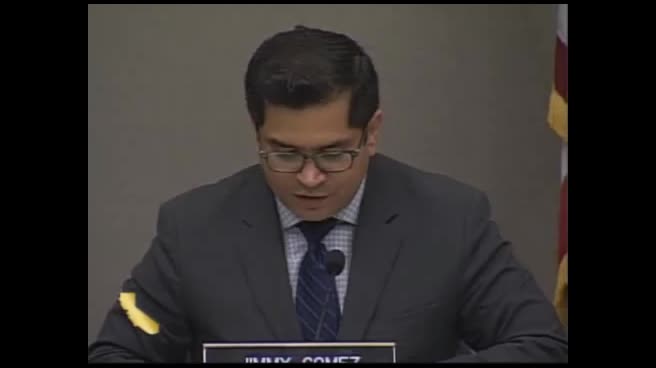 16MIN
Assembly Standing Committee on Appropriations
 57MIN
Assembly Standing Committee on Higher Education
Bill Author

Bill Co-Author(s):