AB 1954: Health care coverage: reproductive health care services.
- Session Year: 2015-2016
- House: Assembly
- Latest Version Date: 2016-09-23
Existing law, the Knox-Keene Health Care Service Plan Act of 1975, provides for the licensure and regulation of health care service plans by the Department of Managed Health Care and makes a willful violation of the act a crime. Existing law provides for the regulation of health insurers by the Department of Insurance.
This bill would prohibit every health care service plan contract or health insurance policy issued, amended, renewed, or delivered on or after January 1, 2017, with exceptions, from requiring an enrollee or insured to receive a referral in order to receive reproductive or sexual health care services, as provided. Because a willful violation of these provisions by a health care service plan would be a crime, the bill would impose a state-mandated local program.
The California Constitution requires the state to reimburse local agencies and school districts for certain costs mandated by the state. Statutory provisions establish procedures for making that reimbursement.
This bill would provide that no reimbursement is required by this act for a specified reason.
Existing law, the Knox-Keene Health Care Service Plan Act of 1975, provides for the licensure and regulation of health care service plans by the Department of Managed Health Care and makes a willful violation of the act a crime. Existing law provides for the regulation of health insurers by the Department of Insurance.
This bill would prohibit every health care service plan contract or health insurance policy issued, amended, renewed, or delivered on or after January 1, 2017, with exceptions, from requiring an enrollee or insured to receive a referral in order to receive reproductive or sexual health care services, as defined. services, as provided. Because a willful violation of these provisions by a health care service plan would be a crime, the bill would impose a state-mandated local program.
The California Constitution requires the state to reimburse local agencies and school districts for certain costs mandated by the state. Statutory provisions establish procedures for making that reimbursement.
This bill would provide that no reimbursement is required by this act for a specified reason.
Existing law, the Knox-Keene Health Care Service Plan Act of 1975, provides for the licensure and regulation of health care service plans by the Department of Managed Health Care and makes a willful violation of the act a crime. Existing law provides for the regulation of health insurers by the Department of Insurance.
This bill would prohibit every health care service plan contract or health insurance policy issued, amended, renewed, or delivered on or after January 1, 2017, with exceptions, from requiring an enrollee or insured to receive a referral in order to receive reproductive or sexual health care services, as defined. Because a willful violation of these provisions by a health care service plan would be a crime, the bill would impose a state-mandated local program.
The California Constitution requires the state to reimburse local agencies and school districts for certain costs mandated by the state. Statutory provisions establish procedures for making that reimbursement.
This bill would provide that no reimbursement is required by this act for a specified reason.
Existing law, the Knox-Keene Health Care Service Plan Act of 1975, provides for the licensure and regulation of health care service plans by the Department of Managed Health Care and makes a willful violation of the act a crime. Existing law provides for the regulation of health insurers by the Department of Insurance.
This bill would require prohibit every health care service plan contract or health insurance policy issued, amended, renewed, or delivered on or after January 1, 2017, to provide coverage for reproductive and sexual health care services, as defined, through out-of-network providers under specified circumstances. The bill would prohibit those plan contracts or insurance policies with exceptions, from requiring an enrollee or insured to receive a referral in order to receive reproductive or sexual health care services. services, as defined. Because a willful violation of these provisions by a health care service plan would be a crime, the bill would impose a state-mandated local program.
The California Constitution requires the state to reimburse local agencies and school districts for certain costs mandated by the state. Statutory provisions establish procedures for making that reimbursement.
This bill would provide that no reimbursement is required by this act for a specified reason.
Existing law, the Knox-Keene Health Care Service Plan Act of 1975, provides for the licensure and regulation of health care service plans by the Department of Managed Health Care and makes a willful violation of the act a crime. Existing law provides for the regulation of health insurers by the Department of Insurance.
This bill would require every health care service plan contract or health insurance policy issued, amended, renewed, or delivered on or after January 1, 2017, to provide coverage for reproductive and sexual health care services, as defined, through out-of-network providers under specified circumstances. The bill would prohibit those plan contracts or insurance policies from requiring an enrollee or insured to receive a referral in order to receive reproductive or sexual health care services. Because a willful violation of these provisions by a health care service plan would be a crime, the bill would impose a state-mandated local program.
The California Constitution requires the state to reimburse local agencies and school districts for certain costs mandated by the state. Statutory provisions establish procedures for making that reimbursement.
This bill would provide that no reimbursement is required by this act for a specified reason.
This act shall be known and may be cited as the Direct Access to Reproductive Health Care Act.
SEC. 2.(a)The Legislature hereby finds and declares all of the following:
(1)For many women, reproductive health care may be the only contact they have with the health care system.
(2)According to the Guttmacher Institute, one-half of all pregnancies in the United States each year, more than three million pregnancies, are unintended. By 45 years of age, more than one-half of all women in the United States will have experienced an unintended pregnancy, and 3 in 10 will have had an abortion.
(3)The inability to access comprehensive reproductive health care in a timely manner can lead to negative health outcomes, including increased risk for unintended pregnancy, sexually transmitted diseases, and delayed care for critical and time-sensitive reproductive health services.
(4)Providing timely access to comprehensive reproductive health services is cost effective.
(5)California has a long history of, and commitment to, expanding access to services that aim to reduce the risk of unintended pregnancies, improve reproductive and sexual health outcomes, and reduce costs.
(6)Recognizing the importance of timely access to comprehensive reproductive and sexual health care services, the Legislature and the United States Congress passed measures to enable women to access care provided by an obstetrician and gynecologist without a referral. Despite these advances, there are wide variances in health benefit plans regarding referral requirements for reproductive and sexual health care services, and women across the state are obtaining these vital services from other licensed provider types, including family practice physicians, nurse practitioners, physician assistants, and certified nurse-midwives.
(b)It is hereby the intent of the Legislature in enacting this act to build on current state and federal law to increase timely, equal, and direct access to time-sensitive and comprehensive reproductive and sexual health care services for enrollees in health care service plans or insureds under health insurance policies by prohibiting health care service plans or insurers from requiring an enrollee or insured to secure a referral from a primary care provider prior to receiving in-network reproductive and sexual health care services.
SEC. 3.Section 1367.31 is added to the Health and Safety Code, to read:1367.31.(a)Every health care service plan contract issued, amended, renewed, or delivered on or after January 1, 2017, shall be prohibited from requiring an enrollee to receive a referral prior to receiving coverage or services for reproductive and sexual health care.
(b)(1)For the purposes of this section, reproductive and sexual health care services are all reproductive and sexual health services described in Sections 6925, 6926, 6927, and 6928 of the Family Code, or Section 121020 of the Health and Safety Code, obtained by a patient.
(2)For the purposes of this section, reproductive and sexual health care services do not include the services subject to a health care service plans referral procedures as required by subdivisions (a) and (b) of Section 1374.16.
(3)This section applies whether or not the patient is a minor.
(c)In implementing this section, a health care service plan may establish reasonable provisions governing utilization protocols for obtaining reproductive and sexual health care services, as provided for in subdivision (a), from health care providers participating in, or contracting with, the plan network, medical group, or independent practice association, provided that these provisions shall be consistent with the intent of this section and shall be those customarily applied to other health care providers, such as primary care physicians and surgeons, to whom the enrollee has direct access, and shall not be more restrictive for the provision of reproductive and sexual health care services. An enrollee shall not be required to obtain prior approval from another physician, another provider, or the health care service plan prior to obtaining direct access to reproductive and sexual health care services. A health care service plan may establish reasonable provisions governing communication with the enrollees primary care physician and surgeon regarding the enrollees condition, treatment, and any need for followup care.
(d)This section shall not apply to a health care service plan contract that does not require enrollees to obtain a referral from their primary care physician prior to seeking covered health care services from a specialist.
(e)A health care service plan shall not impose utilization protocols related to contraceptive drugs, supplies, and devices beyond the provisions outlined in Section 1367.25 of this code or Section 14132 of the Welfare and Institutions Code.
(f)This section shall not apply to specialized health care service plan contracts or any health care service plan that is governed by Section 14131 of the Welfare and Institutions Code.
SEC. 4.Section 10123.202 is added to the Insurance Code, to read:10123.202.(a)Every health insurance policy issued, amended, renewed, or delivered on or after January 1, 2017, excluding specialized health insurance policies, shall be prohibited from requiring an insured to receive a referral prior to receiving coverage or services for reproductive and sexual health care.
(b)(1)For the purposes of this section, reproductive and sexual health care services are all reproductive and sexual health services described in Sections 6925, 6926, 6927, and 6928 of the Family Code, or Section 121020 of the Health and Safety Code, obtained by a patient.
(2)This section applies whether or not the patient is a minor.
(c)In implementing this section, a health insurer may establish reasonable provisions governing utilization protocols for obtaining reproductive and sexual health care services, as provided for in subdivision (a), provided that these provisions shall be consistent with the intent of this section and shall be those customarily applied to other health care providers, such as primary care physicians and surgeons, to whom the insured has direct access, and shall not be more restrictive for the provision of reproductive and sexual health care services. An insured shall not be required to obtain prior approval from another physician, another provider, or the insurer prior to obtaining direct access to reproductive and sexual health care services. An insurer may establish reasonable provisions governing communication with the insureds primary care physician and surgeon regarding the insureds condition, treatment, and any need for followup care.
(d)This section shall not apply to a health insurance policy that does not require insureds to obtain a referral from their primary care physician prior to seeking covered health care services from a specialist.
(e)A health insurer shall not impose utilization protocols related to contraceptive drugs, supplies, and devices beyond the provisions outlined in Section 10123.196.
(f)This section shall not apply to specialized health insurance, Medicare supplement insurance, short-term limited duration health insurance, CHAMPUS supplement insurance, or TRICARE supplement insurance, or to hospital indemnity, accident-only, or specified disease insurance.
SEC. 5.No reimbursement is required by this act pursuant to Section 6 of Article XIIIB of the California Constitution because the only costs that may be incurred by a local agency or school district will be incurred because this act creates a new crime or infraction, eliminates a crime or infraction, or changes the penalty for a crime or infraction, within the meaning of Section 17556 of the Government Code, or changes the definition of a crime within the meaning of Section 6 of Article XIIIB of the California Constitution.
This act shall be known and may be cited as the Direct Access to Reproductive Health Care Act.
SEC. 2.(a)The Legislature hereby finds and declares all of the following:
(1)For many women, reproductive health care may be the only contact they have with the health care system.
(2)According to the Guttmacher Institute, one-half of all pregnancies in the United States each year, more than three million pregnancies, are unintended. By 45 years of age, more than one-half of all women in the United States will have experienced an unintended pregnancy, and 3 in 10 will have had an abortion.
(3)The inability to access comprehensive reproductive health care in a timely manner can lead to negative health outcomes, including increased risk for unintended pregnancy, sexually transmitted diseases, and delayed care for critical and time-sensitive reproductive health services.
(4)Providing timely access to comprehensive reproductive health services is cost effective.
(5)California has a long history of, and commitment to, expanding access to services that aim to reduce the risk of unintended pregnancies, improve reproductive and sexual health outcomes, and reduce costs.
(6)Recognizing the importance of timely access to comprehensive reproductive and sexual health care services, the Legislature and the United States Congress passed measures to enable women to access care provided by an obstetrician and gynecologist without a referral. Despite these advances, there are wide variances in health benefit plans regarding referral requirements for reproductive and sexual health care services, and women across the state are obtaining these vital services from other licensed provider types, including family practice physicians, nurse practitioners, physician assistants, and certified nurse-midwives.
(b)It is hereby the intent of the Legislature in enacting this act to build on current state and federal law to increase timely, equal, and direct access to time-sensitive and comprehensive reproductive and sexual health care services for enrollees in health care service plans or insureds under health insurance policies by prohibiting health care service plans or insurers from requiring an enrollee or insured to secure a referral from a primary care provider prior to receiving in-network reproductive and sexual health care services.
SEC. 3.Section 1367.31 is added to the Health and Safety Code, to read:1367.31.(a)Every health care service plan contract issued, amended, renewed, or delivered on or after January 1, 2017, shall be prohibited from requiring an enrollee to receive a referral prior to receiving coverage or services for reproductive and sexual health care.
(b)(1)For the purposes of this section, reproductive and sexual health care services are all reproductive and sexual health services described in Sections 6925, 6926, 6927, and 6928 of the Family Code, or Section 121020 of the Health and Safety Code, obtained by a patient.
(2)For the purposes of this section, reproductive and sexual health care services do not include the services subject to a health care service plans referral procedures as required by subdivisions (a) and (b) of Section 1374.16.
(2)
(3)This section applies whether or not the patient is a minor.
(c)In implementing this section, a health care service plan may establish reasonable provisions governing utilization protocols for obtaining reproductive and sexual health care services, as provided for in subdivision (a), from health care providers participating in, or contracting with, the plan network, medical group, or independent practice association, provided that these provisions shall be consistent with the intent of this section and shall be those customarily applied to other health care providers, such as primary care physicians and surgeons, to whom the enrollee has direct access, and shall not be more restrictive for the provision of reproductive and sexual health care services. An enrollee shall not be required to obtain prior approval from another physician, another provider, or the health care service plan prior to obtaining direct access to reproductive and sexual health care services. A health care service plan may establish reasonable provisions governing communication with the enrollees primary care physician and surgeon regarding the enrollees condition, treatment, and any need for follow-up followup care.
(d)This section shall not apply to a health care service plan contract that does not require enrollees to obtain a referral from their primary care physician prior to seeking covered health care services from a specialist.
(e)A health care service plan shall not impose utilization protocols related to contraceptive drugs, supplies, and devices beyond the provisions outlined in Section 1367.25 of this code or Section 14132 of the Welfare and Institutions Code.
(f)This section shall not apply to specialized health care service plan contracts or any health care service plan that is governed by Section 14131 of the Welfare and Institutions Code.
SEC. 4.Section 10123.202 is added to the Insurance Code, to read:10123.202.(a)Every health insurance policy issued, amended, renewed, or delivered on or after January 1, 2017, excluding specialized health insurance policies, shall be prohibited from requiring an insured to receive a referral prior to receiving coverage or services for reproductive and sexual health care.
(b)(1)For the purposes of this section, reproductive and sexual health care services are all reproductive and sexual health services described in Sections 6925, 6926, 6927, and 6928 of the Family Code, or Section 121020 of the Health and Safety Code, obtained by a patient.
(2)This section applies whether or not the patient is a minor.
(c)In implementing this section, a health insurer may establish reasonable provisions governing utilization protocols for obtaining reproductive and sexual health care services, as provided for in subdivision (a), provided that these provisions shall be consistent with the intent of this section and shall be those customarily applied to other health care providers, such as primary care physicians and surgeons, to whom the insured has direct access, and shall not be more restrictive for the provision of reproductive and sexual health care services. An insured shall not be required to obtain prior approval from another physician, another provider, or the insurer prior to obtaining direct access to reproductive and sexual health care services. An insurer may establish reasonable provisions governing communication with the insureds primary care physician and surgeon regarding the insureds condition, treatment, and any need for followup care.
(d)This section shall not apply to a health insurance policy that does not require insureds to obtain a referral from their primary care physician prior to seeking covered health care services from a specialist.
(e)A health insurer shall not impose utilization protocols related to contraceptive drugs, supplies, and devices beyond the provisions outlined in Section 10123.196.
(f)This section shall not apply to specialized health insurance, Medicare supplement insurance, short-term limited duration health insurance, CHAMPUS supplement insurance, or TRI-CARE TRICARE supplement insurance, or to hospital indemnity, accident-only, or specified disease insurance.
SEC. 5.No reimbursement is required by this act pursuant to Section 6 of Article XIIIB of the California Constitution because the only costs that may be incurred by a local agency or school district will be incurred because this act creates a new crime or infraction, eliminates a crime or infraction, or changes the penalty for a crime or infraction, within the meaning of Section 17556 of the Government Code, or changes the definition of a crime within the meaning of Section 6 of Article XIIIB of the California Constitution.
This act shall be known and may be cited as the Direct Access to Reproductive Health Care Act.
SEC. 2.(a)The Legislature hereby finds and declares all of the following:
(1)For many women, reproductive health care may be the only contact they have with the health care system.
(2)According to the Guttmacher Institute, one-half of all pregnancies in the United States each year, more than three million pregnancies, are unintended. By 45 years of age, more than one-half of all women in the United States will have experienced an unintended pregnancy, and 3 in 10 will have had an abortion.
(3)The inability to access comprehensive reproductive health care in a timely manner can lead to negative health outcomes, including increased risk for unintended pregnancy, sexually transmitted diseases, and delayed care for critical and time-sensitive reproductive health services.
(4)Providing timely access to comprehensive reproductive health services is cost effective.
(5)California has a long history of, and commitment to, expanding access to services that aim to reduce the risk of unintended pregnancies, improve reproductive and sexual health outcomes, and reduce costs.
(6)Recognizing the importance of timely access to comprehensive reproductive and sexual health care services, the Legislature and the United States Congress passed measures to enable women to access care provided by an obstetrician and gynecologist without a referral. Despite these advances, there are wide variances in health benefit plans regarding referral requirements for reproductive and sexual health care services, and women across the state are obtaining these vital services from other licensed provider types, including family practice physicians, nurse practitioners, physician assistants, and certified nurse-midwives.
(b)It is hereby the intent of the Legislature in enacting this act to build on current state and federal law to increase timely, equal, and direct access to time-sensitive and comprehensive reproductive and sexual health care services for enrollees in health care service plans or insureds under health insurance policies by prohibiting health care service plans or insurers from requiring an enrollee or insured to secure a referral from a primary care provider prior to receiving in-network reproductive and sexual health care services.
SEC. 3.Section 1367.31 is added to the Health and Safety Code, to read:1367.31.(a)Every health care service plan contract issued, amended, renewed, or delivered on or after January 1, 2017, shall be prohibited from requiring an enrollee to receive a referral prior to receiving coverage or services for reproductive and sexual health care.
(b)(1)For the purposes of this section, reproductive and sexual health care services are all reproductive and sexual health services described in Sections 6925, 6926, 6927, and 6928 of the Family Code, or Section 121020 of the Health and Safety Code, obtained by a patient.
(2)This section applies whether or not the patient is a minor.
(c)In implementing this section, a health care service plan may establish reasonable provisions governing utilization protocols for obtaining reproductive and sexual health care services, as provided for in subdivision (a), from health care providers participating in, or contracting with, the plan network, medical group, or independent practice association, provided that these provisions shall be consistent with the intent of this section and shall be those customarily applied to other health care providers, such as primary care physicians and surgeons, to whom the enrollee has direct access, and shall not be more restrictive for the provision of reproductive and sexual health care services. An enrollee shall not be required to obtain prior approval from another physician, another provider, or the health care service plan prior to obtaining direct access to reproductive and sexual health care services. A health care service plan may establish reasonable provisions governing communication with the enrollees primary care physician and surgeon regarding the enrollees condition, treatment, and any need for follow-up care.
(d)This section shall not apply to a health care service plan contract that does not require enrollees to obtain a referral from their primary care physician prior to seeking covered health care services from a specialist.
(d)
(e)A health care service plan subject to this section shall not impose utilization protocols related to contraceptive drugs, supplies, and devices beyond the provisions outlined in Section 1367.25 of this code or Section 14132 of the Welfare and Institutions Code.
(e)
(f)This section shall not apply to specialized health care service plan contracts or any health care service plan that is governed by Section 14131 of the Welfare and Institutions Code.
SEC. 4.Section 10123.202 is added to the Insurance Code, to read:10123.202.(a)Every health insurance policy issued, amended, renewed, or delivered on or after January 1, 2017, excluding specialized health insurance policies, shall be prohibited from requiring an insured to receive a referral prior to receiving coverage or services for reproductive and sexual health care.
(b)(1)For the purposes of this section, reproductive and sexual health care services are all reproductive and sexual health services described in Sections 6925, 6926, 6927, and 6928 of the Family Code, or Section 121020 of the Health and Safety Code, obtained by a patient.
(2)This section applies whether or not the patient is a minor.
(c)In implementing this section, a health insurer may establish reasonable provisions governing utilization protocols for obtaining reproductive and sexual health care services, as provided for in subdivision (a), provided that these provisions shall be consistent with the intent of this section and shall be those customarily applied to other health care providers, such as primary care physicians and surgeons, to whom the insured has direct access, and shall not be more restrictive for the provision of reproductive and sexual health care services. An insured shall not be required to obtain prior approval from another physician, another provider, or the insurer prior to obtaining direct access to reproductive and sexual health care services. An insurer may establish reasonable provisions governing communication with the insureds primary care physician and surgeon regarding the insureds condition, treatment, and any need for followup care.
(d)This section shall not apply to a health insurance policy that does not require insureds to obtain a referral from their primary care physician prior to seeking covered health care services from a specialist.
(d)
(e)A health insurer subject to this section shall not impose utilization protocols related to contraceptive drugs, supplies, and devices beyond the provisions outlined in Section 10123.196.
(e)
(f)This section shall not apply to specialized health insurance, Medicare supplement insurance, short-term limited duration health insurance, CHAMPUS supplement insurance, or TRI-CARE supplement insurance, or to hospital indemnity, accident-only, or specified disease insurance.
SEC. 5.No reimbursement is required by this act pursuant to Section 6 of Article XIIIB of the California Constitution because the only costs that may be incurred by a local agency or school district will be incurred because this act creates a new crime or infraction, eliminates a crime or infraction, or changes the penalty for a crime or infraction, within the meaning of Section 17556 of the Government Code, or changes the definition of a crime within the meaning of Section 6 of Article XIIIB of the California Constitution.
This act shall be known and may be cited as the Direct Access to Reproductive Health Care Act.
SEC. 2.(a)The Legislature hereby finds and declares all of the following:
(1)For many women, reproductive health care is primary health care. may be the only contact they have with the health care system.
(2)According to the Guttmacher Institute, one-half of all pregnancies in the United States each year, more than three million pregnancies, are unintended. By 45 years of age, more than one-half of all women in the United States will have experienced an unintended pregnancy, and three 3 in 10 will have had an abortion.
(3)The inability to access comprehensive reproductive health care in a timely manner can lead to negative health outcomes, including increased risk for unintended pregnancy, sexually transmitted diseases, and delayed care for critical and time-sensitive reproductive health services.
(4)Providing timely access to comprehensive reproductive health services is cost effective.
(5)California has a long history of, and commitment to, expanding access to services that aim to reduce the risk of unintended pregnancies, improve reproductive and sexual health outcomes, and reduce costs.
(6)The Legislature has also passed measures to help health plan enrollees and insureds access timely health care by setting standards and policies regarding wait times for an appointment.
(6)Recognizing the importance of timely access to comprehensive reproductive and sexual health care services, the Legislature and the United States Congress passed measures to enable women to access care provided by an obstetrician and gynecologist without a referral. Despite these advances, there are wide variances in health benefit plans regarding referral requirements for reproductive and sexual health care services, and women across the state are obtaining these vital services from other licensed provider types, including family practice physicians, nurse practitioners, physician assistants, and certified nurse-midwives.
(b)It is hereby the intent of the Legislature in enacting this act to build on current state and federal law to increase timely, equal, and direct access to time-sensitive and comprehensive reproductive and sexual health care services for enrollees in health care service plans or insureds under health insurance policies by prohibiting health care service plans or insurers from requiring an enrollee or insured to secure a referral from a primary care provider prior to receiving in-network reproductive and sexual health care services.
SEC. 3.Section 1367.31 is added to the Health and Safety Code, to read:1367.31.(a)Every health care service plan contract issued, amended, renewed, or delivered on or after January 1, 2017, shall be prohibited from requiring an enrollee to receive a referral prior to receiving coverage or services for reproductive and sexual health care.
(b)(1)For the purposes of this section, reproductive and sexual health care services are all reproductive and sexual health services described in Sections 6925, 6926, 6927, and 6928 of the Family Code, or Section 121020 of the Health and Safety Code, obtained by a patient.
(2)This section applies whether or not the patient is a minor.
(c)In implementing this section, a health care service plan may establish reasonable provisions governing utilization protocols for obtaining reproductive and sexual health care services, as provided for in subdivision (a), from health care providers participating in, or contracting with, the plan network, medical group, or independent practice association, provided that these provisions shall be consistent with the intent of this section and shall be those customarily applied to other health care providers, such as primary care physicians and surgeons, to whom the enrollee has direct access, and shall not be more restrictive for the provision of reproductive and sexual health care services. An enrollee shall not be required to obtain prior approval from another physician, another provider, or the health care service plan prior to obtaining direct access to reproductive and sexual health care services. A health care service plan may establish provisions governing communication with the enrollees primary care physician and surgeon regarding the enrollees condition, treatment, and any need for follow-up care.
(d)A health care service plan subject to this section shall not impose utilization protocols related to contraceptive drugs, supplies, and devices beyond the provisions outlined in Section 1367.25 of this code or Section 14132 of the Welfare and Institutions Code.
(c)
(e)This section shall not apply to specialized health care service plan contracts or any health care service plan that is governed by Section 14131 of the Welfare and Institutions Code.
SEC. 4.Section 10123.202 is added to the Insurance Code, to read:10123.202.(a)Every health insurance policy issued, amended, renewed, or delivered on or after January 1, 2017, excluding specialized health insurance policies, shall be prohibited from requiring an insured to receive a referral prior to receiving coverage or services for reproductive and sexual health care.
(b)(1)For the purposes of this section, reproductive and sexual health care services are all reproductive and sexual health services described in Sections 6925, 6926, 6927, and 6928 of the Family Code, or Section 121020 of the Health and Safety Code, obtained by a patient.
(2)This section applies whether or not the patient is a minor.
(c)In implementing this section, a health insurer may establish reasonable provisions governing utilization protocols for obtaining reproductive and sexual health care services, as provided for in subdivision (a), provided that these provisions shall be consistent with the intent of this section and shall be those customarily applied to other health care providers, such as primary care physicians and surgeons, to whom the insured has direct access, and shall not be more restrictive for the provision of reproductive and sexual health care services. An insured shall not be required to obtain prior approval from another physician, another provider, or the insurer prior to obtaining direct access to reproductive and sexual health care services. An insurer may establish provisions governing communication with the insureds primary care physician and surgeon regarding the insureds condition, treatment, and any need for followup care.
(d)A health insurer subject to this section shall not impose utilization protocols related to contraceptive drugs, supplies, and devices beyond the provisions outlined in Section 10123.196.
(e)This section shall not apply to specialized health insurance, Medicare supplement insurance, short-term limited duration health insurance, CHAMPUS supplement insurance, or TRI-CARE supplement insurance, or to hospital indemnity, accident-only, or specified disease insurance.
SEC. 5.No reimbursement is required by this act pursuant to Section 6 of Article XIIIB of the California Constitution because the only costs that may be incurred by a local agency or school district will be incurred because this act creates a new crime or infraction, eliminates a crime or infraction, or changes the penalty for a crime or infraction, within the meaning of Section 17556 of the Government Code, or changes the definition of a crime within the meaning of Section 6 of Article XIIIB of the California Constitution.
This act shall be known and may be cited as the Direct Access to Reproductive Health Care Act.
SEC. 2.(a)The Legislature hereby finds and declares all of the following:
(1)For many women, reproductive health care is primary health care.
(2)According to the Guttmacher Institute, one-half of all pregnancies in the United States each year, more than three million pregnancies, are unintended. By 45 years of age, more than one-half of all women in the United States will have experienced an unintended pregnancy, and three in 10 will have had an abortion.
(3)The inability to access comprehensive reproductive health care in a timely manner can lead to negative health outcomes, including increased risk for unintended pregnancy, sexually transmitted diseases, and delayed care for critical and time-sensitive reproductive health services.
(4)Providing timely access to comprehensive reproductive health services is cost effective.
(5)California has a long history of, and commitment to, expanding access to services that aim to reduce the risk of unintended pregnancies, improve reproductive and sexual health outcomes, and reduce costs.
(6)The Legislature has also passed measures to help health plan enrollees and insureds access timely health care by setting standards and policies regarding wait times for an appointment.
(b)It is hereby the intent of the Legislature in enacting this act to build on current state and federal law to increase timely, equal, and direct access to time-sensitive and comprehensive reproductive and sexual health care services for enrollees in health care service plans or insureds under health insurance policies by prohibiting health care service plans or insurers from requiring an enrollee or insured to secure a referral from a primary care provider prior to receiving in-network reproductive and sexual health care services.
SEC. 3.Section 1367.31 is added to the Health and Safety Code, to read:1367.31.(a)Every health care service plan contract issued, amended, renewed, or delivered on or after January 1, 2017, shall be prohibited from requiring an enrollee to receive a referral prior to receiving coverage or services for reproductive and sexual health care.
(b)(1)For the purposes of this section, reproductive and sexual health care services are all reproductive and sexual health services described in Sections 6924, 6925, 6926, 6927, 6928, and 6929 and 6928 of the Family Code, or Sections 121020 and 124260 Section 121020 of the Health and Safety Code, obtained by a patient.
(2)This section applies whether or not the patient is a minor.
(c)This section shall not apply to specialized health care service plan contracts or any health care service plan that is governed by Section 14131 of the Welfare and Institutions Code.
SEC. 4.Section 10123.202 is added to the Insurance Code, to read:10123.202.(a)Every health insurance policy issued, amended, renewed, or delivered on or after January 1, 2017, excluding specialized health insurance policies, shall be prohibited from requiring an insured to receive a referral prior to receiving coverage or services for reproductive and sexual health care.
(b)(1)For the purposes of this section, reproductive and sexual health care services are all reproductive and sexual health services described in Sections 6924, 6925, 6926, 6927, 6928, and 6929 and 6928 of the Family Code, or Sections 121020 and 124260 Section 121020 of the Health and Safety Code, obtained by a patient.
(2)This section applies whether or not the patient is a minor.
SEC. 5.No reimbursement is required by this act pursuant to Section 6 of Article XIIIB of the California Constitution because the only costs that may be incurred by a local agency or school district will be incurred because this act creates a new crime or infraction, eliminates a crime or infraction, or changes the penalty for a crime or infraction, within the meaning of Section 17556 of the Government Code, or changes the definition of a crime within the meaning of Section 6 of Article XIIIB of the California Constitution.
This act shall be known and may be cited as the Direct Access to Reproductive Health Care Act.
SEC. 2.(a)The Legislature hereby finds and declares all of the following:
(1)For many women, reproductive health care is primary health care.
(2)According to the Guttmacher Institute, one-half of all pregnancies in the United States each year, more than three million pregnancies, are unintended. By 45 years of age, more than one-half of all women in the United States will have experienced an unintended pregnancy, and three in 10 will have had an abortion.
(3)The inability to access comprehensive reproductive health care in a timely manner can lead to negative health outcomes outcomes, including increased risk for unintended pregnancy, sexually transmitted diseases, and delayed care for critical and time-sensitive reproductive health services.
(4)Providing timely access to comprehensive reproductive health services is cost effective.
(5)California has a long history of, and commitment to, expanding access to services that aim to reduce the risk of unintended pregnancies, improve reproductive and sexual health outcomes, and reduce costs.
(6)The Legislature has also passed measures to help health plan enrollees and insureds access timely health care by setting standards and policies regarding wait times for an appointment.
(b)It is hereby the intent of the Legislature in enacting this act to build on current state and federal law to increase timely, equal, and direct access to time-sensitive and comprehensive reproductive and sexual health care services for enrollees in health care service plans or insureds under health insurance policies by prohibiting health care service plans or insurers from requiring an enrollee or insured to secure a referral from a primary care provider prior to receiving in-network reproductive and sexual health care services.
SEC. 3.Section 1367.31 is added to the Health and Safety Code, to read:1367.31.(a)Every health care service plan contract issued, amended, renewed, or delivered on or after January 1, 2017, shall be prohibited from requiring an enrollee to receive a referral prior to receiving coverage or services for reproductive and sexual health care.
(b)(1)For the purposes of this section, reproductive and sexual health care services are all reproductive and sexual health services described in Sections 6924, 6925, 6926, 6927, 6928, and 6929 of the Family Code, or Sections 121020 and 124260 of the Health and Safety Code, obtained by a patient at or above the minimum age specified in that section. patient.
(2)This section applies whether or not the patient is a minor.
(c)This section shall not apply to specialized health care service plan contracts or any health care service plan that is governed by Section 14131 of the Welfare and Institutions Code.
SEC. 4.Section 10123.202 is added to the Insurance Code, to read:10123.202.(a)Every health insurance policy issued, amended, renewed, or delivered on or after January 1, 2017, excluding specialized health insurance policies, shall be prohibited from requiring an insured to receive a referral prior to receiving coverage or services for reproductive and sexual health care.
(b)(1)For the purposes of this section, reproductive and sexual health care services are all reproductive and sexual health services described in Sections 6924, 6925, 6926, 6927, 6928, and 6929 of the Family Code, or Sections 121020 and 124260 of the Health and Safety Code, obtained by a patient at or above the minimum age specified in that section. patient.
(2)This section applies whether or not the patient is a minor.
SEC. 5.No reimbursement is required by this act pursuant to Section 6 of Article XIIIB of the California Constitution because the only costs that may be incurred by a local agency or school district will be incurred because this act creates a new crime or infraction, eliminates a crime or infraction, or changes the penalty for a crime or infraction, within the meaning of Section 17556 of the Government Code, or changes the definition of a crime within the meaning of Section 6 of Article XIIIB of the California Constitution.
This act shall be known and may be cited as the Direct Access to Reproductive Health Care Act.
SEC. 2.(a)The Legislature hereby finds and declares all of the following:
(1)For many women, reproductive health care is primary health care.
(2)According to the Guttmacher Institute, one-half of all pregnancies in the United States each year, more than three million pregnancies, are unintended. By 45 years of age, more than one-half of all women in the United States will have experienced an unintended pregnancy, and three in 10 will have had an abortion.
(3)The inability to access comprehensive reproductive health care in a timely manner can lead to negative health outcomes including increased risk for unintended pregnancy, sexually transmitted diseases, and delayed care for critical and time-sensitive reproductive health services.
(4)Providing timely access to comprehensive reproductive health services is cost effective.
(5)California has a long history of, and commitment to, expanding access to services that aim to reduce the risk of unintended pregnancies, improve reproductive and sexual health outcomes, and reduce costs.
(6)Recognizing the importance of timely access to comprehensive reproductive health services, the Legislature and the United States Congress passed measures to allow Medi-Cal enrollees to go out-of-network for sensitive services and enable women to access care provided by an obstetrician/gynecologist (OB/GYN) without a referral.
(7)
(6)The Legislature has also passed measures to help health plan enrollees and insureds access timely health care by setting standards and policies regarding wait times for an appointment.
(8)Despite these advances, there are wide variances in network adequacy and health care service plan contracts and health insurance policies regarding referral requirements for reproductive and sexual health care services.
(b)It is hereby the intent of the Legislature in enacting this act to build on current state and federal law to increase timely, equal, and direct access to time-sensitive and comprehensive reproductive and sexual health care services for enrollees in health care service plans or insureds under health insurance policies by doing both of the following: prohibiting health care service plans or insurers from requiring an enrollee or insured to secure a referral from a primary care provider prior to receiving in-network reproductive and sexual health care services.
(1)Allowing enrollees or insureds to seek care from an out-of-network provider if access to an appropriate reproductive and sexual health provider is unavailable in-network in a timely manner.
(2)Prohibiting health care service plans or insurers from requiring an enrollee or insured to secure a referral from a primary care provider prior to receiving reproductive and sexual health care services.
SEC. 3.Section 1367.31 is added to the Health and Safety Code, to read:1367.31.(a)Every health care service plan contract issued, amended, renewed, or delivered on or after January 1, 2017, shall provide coverage for reproductive and sexual health care services provided by an out-of-network provider in an enrollees service region under either of the following circumstances:
(1)Access to an appropriate provider is unavailable in-network in the enrollees service region within 10 days after the enrollees initial request for reproductive and sexual health care services, or sooner if a medical provider indicates an earlier appointment is medically necessary.
(2)An in-network provider is not available within a reasonable distance of the enrollees work or home address.
(b)
1367.31.(a)Every health care service plan contract issued, amended, renewed, or delivered on or after January 1, 2017, shall be prohibited from requiring an enrollee to receive a referral prior to receiving coverage or services for reproductive and sexual health care.
(c)For the purposes of this section:
(1)Appropriate provider means either of the following:
(A)A provider with the training and licensure necessary to ably provide the covered time-sensitive reproductive and sexual health care services, treatment, and devices requested by the enrollee in the clinical setting in which he or she practices.
(B)A provider that meets the standards set forth in subparagraph (A), and is selected by an enrollee based on the providers gender and the enrollees preference to be treated by a provider of that gender.
(2)Reasonable distance is the distance defined by the Department of Managed Health Care.
(3)Reproductive and sexual health care services are all reproductive and sexual health services described in Sections 6924, 6925, 6926, 6927, 6928, and 6929 of the Family Code, or Sections 121020 and 124260 of the Health and Safety Code, obtained by a patient at or above the minimum age specified in that section.
(b)For the purposes of this section, reproductive and sexual health care services are all reproductive and sexual health services described in Sections 6924, 6925, 6926, 6927, 6928, and 6929 of the Family Code, or Sections 121020 and 124260 of the Health and Safety Code, obtained by a patient at or above the minimum age specified in that section.
(d)
(c)This section shall not apply to specialized health care service plan contracts or any health care service plan that is governed by Section 14131 of the Welfare and Institutions Code.
SEC. 4.Section 10123.202 is added to the Insurance Code, to read:10123.202.(a)Every health insurance policy issued, amended, renewed, or delivered on or after January 1, 2017, shall provide coverage for reproductive and sexual health care services provided by an out-of-network provider in an insureds service region under either of the following circumstances:
(1)Access to an appropriate provider is unavailable in-network in the insureds service region within 10 days after the insureds initial request for reproductive and sexual health care services, or sooner if a medical provider indicates an earlier appointment is medically necessary.
(2)An in-network provider is not available within a reasonable distance of the insureds work or home address.
(b)
10123.202.(a)Every health insurance policy issued, amended, renewed, or delivered on or after January 1, 2017, excluding specialized health insurance policies, shall be prohibited from requiring an insured to receive a referral prior to receiving coverage or services for reproductive and sexual health care.
(c)For the purposes of this section:
(1)Appropriate provider means either of the following:
(A)A provider with the training and licensure necessary to ably provide the covered time-sensitive reproductive and sexual health care services, treatment, and devices requested by the insured in the clinical setting in which he or she practices.
(B)A provider that meets the standards set forth in subparagraph (A), and is selected by an insured based on the providers gender and the insureds preference to be treated by a provider of that gender.
(2)Reasonable distance is the distance defined by the Department of Insurance.
(3)Reproductive and sexual health care services are all reproductive and sexual health services described in Sections 6924, 6925, 6926, 6927, 6928, and 6929 of the Family Code, or Sections 121020 and 124260 of the Health and Safety Code, obtained by a patient at or above the minimum age specified in that section.
(b)For the purposes of this section, reproductive and sexual health care services are all reproductive and sexual health services described in Sections 6924, 6925, 6926, 6927, 6928, and 6929 of the Family Code, or Sections 121020 and 124260 of the Health and Safety Code, obtained by a patient at or above the minimum age specified in that section.
SEC. 5.No reimbursement is required by this act pursuant to Section 6 of Article XIIIB of the California Constitution because the only costs that may be incurred by a local agency or school district will be incurred because this act creates a new crime or infraction, eliminates a crime or infraction, or changes the penalty for a crime or infraction, within the meaning of Section 17556 of the Government Code, or changes the definition of a crime within the meaning of Section 6 of Article XIIIB of the California Constitution.
This act shall be known and may be cited as the Direct Access to Reproductive Health Care Act.
SEC. 2.(a)The Legislature hereby finds and declares all of the following:
(1)For many women, reproductive health care is primary health care.
(2)According to the Guttmacher Institute, one-half of all pregnancies in the United States each year, more than three million pregnancies, are unintended. By 45 years of age, more than one-half of all women in the United States will have experienced an unintended pregnancy, and three in 10 will have had an abortion.
(3)The inability to access comprehensive reproductive health care in a timely manner can lead to negative health outcomes including increased risk for unintended pregnancy, sexually transmitted diseases, and delayed care for critical and time-sensitive reproductive health services.
(4)Providing timely access to comprehensive reproductive health services is cost effective.
(5)California has a long history of, and commitment to, expanding access to services that aim to reduce the risk of unintended pregnancies, improve reproductive and sexual health outcomes, and reduce costs.
(6)Recognizing the importance of timely access to comprehensive reproductive health services, the Legislature and the United States Congress passed measures to allow Medi-Cal enrollees to go out-of-network for sensitive services and enable women to access care provided by an obstetrician/gynecologist (OB/GYN) without a referral.
(7)The Legislature has also passed measures to help health plan enrollees and insureds access timely health care by setting standards and policies regarding wait times for an appointment.
(8)Despite these advances, there are wide variances in network adequacy and health care service plan contracts and health insurance policies regarding referral requirements for reproductive and sexual health care services.
(b)It is hereby the intent of the Legislature in enacting this act to build on current state and federal law to increase timely, equal, and direct access to time-sensitive and comprehensive reproductive and sexual health care services for enrollees in health care service plans or insureds under health insurance policies by doing both of the following:
(1)Allowing enrollees or insureds to seek care from an out-of-network provider if access to an appropriate reproductive and sexual health provider is unavailable in-network in a timely manner.
(2)Prohibiting health care service plans or insurers from requiring an enrollee or insured to secure a referral from a primary care provider prior to receiving reproductive and sexual health care services.
SEC. 3.Section 1367.31 is added to the Health and Safety Code, to read:1367.31.(a)Every health care service plan contract issued, amended, renewed, or delivered on or after January 1, 2017, shall provide coverage for reproductive and sexual health care services provided by an out-of-network provider in an enrollees service region under either of the following circumstances:
(1)Access to an appropriate provider is unavailable in-network in the enrollees service region within 10 days after the enrollees initial request for reproductive and sexual health care services, or sooner if a medical provider indicates an earlier appointment is medically necessary.
(2)An in-network provider is not available within a reasonable distance of the enrollees work or home address.
(b)Every health care service plan contract issued, amended, renewed, or delivered on or after January 1, 2017, shall be prohibited from requiring an enrollee to receive a referral prior to receiving coverage or services for reproductive and sexual health care.
(c)For the purposes of this section:
(1)Appropriate provider means either of the following:
(A)A provider with the training and licensure necessary to ably provide the covered time-sensitive reproductive and sexual health care services, treatment, and devices requested by the enrollee in the clinical setting in which he or she practices.
(B)A provider that meets the standards set forth in subparagraph (A), and is selected by an enrollee based on the providers gender and the enrollees preference to be treated by a provider of that gender.
(2)Reasonable distance is the distance defined by the Department of Managed Health Care.
(3)Reproductive and sexual health care services are all reproductive and sexual health services described in Sections 6924, 6925, 6926, 6927, 6928, and 6929 of the Family Code, or Sections 121020 and 124260 of the Health and Safety Code, obtained by a patient at or above the minimum age specified in that section.
(d)This section shall not apply to any health care service plan that is governed by Section 14131 of the Welfare and Institutions Code.
SEC. 4.Section 10123.202 is added to the Insurance Code, to read:10123.202.(a)Every health insurance policy issued, amended, renewed, or delivered on or after January 1, 2017, shall provide coverage for reproductive and sexual health care services provided by an out-of-network provider in an insureds service region under either of the following circumstances:
(1)Access to an appropriate provider is unavailable in-network in the insureds service region within 10 days after the insureds initial request for reproductive and sexual health care services, or sooner if a medical provider indicates an earlier appointment is medically necessary.
(2)An in-network provider is not available within a reasonable distance of the insureds work or home address.
(b)Every health insurance policy issued, amended, renewed, or delivered on or after January 1, 2017, shall be prohibited from requiring an insured to receive a referral prior to receiving coverage or services for reproductive and sexual health care.
(c)For the purposes of this section:
(1)Appropriate provider means either of the following:
(A)A provider with the training and licensure necessary to ably provide the covered time-sensitive reproductive and sexual health care services, treatment, and devices requested by the insured in the clinical setting in which he or she practices.
(B)A provider that meets the standards set forth in subparagraph (A), and is selected by an insured based on the providers gender and the insureds preference to be treated by a provider of that gender.
(2)Reasonable distance is the distance defined by the Department of Insurance.
(3)Reproductive and sexual health care services are all reproductive and sexual health services described in Sections 6924, 6925, 6926, 6927, 6928, and 6929 of the Family Code, or Sections 121020 and 124260 of the Health and Safety Code, obtained by a patient at or above the minimum age specified in that section.
SEC. 5.No reimbursement is required by this act pursuant to Section 6 of Article XIIIB of the California Constitution because the only costs that may be incurred by a local agency or school district will be incurred because this act creates a new crime or infraction, eliminates a crime or infraction, or changes the penalty for a crime or infraction, within the meaning of Section 17556 of the Government Code, or changes the definition of a crime within the meaning of Section 6 of Article XIIIB of the California Constitution.
|
Date
|
Status
|
|---|---|
| Jun 9, 2016 | Referred to Com. on HEALTH. |
| Sep 6, 2016 | Enrolled and presented to the Governor at 5:30 p.m. |
| Aug 29, 2016 | Senate amendments concurred in. To Engrossing and Enrolling. (Ayes 59. Noes 19. Page 6341.). |
| Aug 29, 2016 | Senate amendments concurred in. To Engrossing and Enrolling. |
| Aug 24, 2016 | In Assembly. Concurrence in Senate amendments pending. May be considered on or after August 26 pursuant to Assembly Rule 77. |
| Aug 22, 2016 | Read third time. Passed. Ordered to the Assembly. (Ayes 28. Noes 11. Page 5253.). |
| Aug 22, 2016 | Read third time. Passed. Ordered to the Assembly. |
| Aug 18, 2016 | Read second time. Ordered to third reading. |
| Aug 17, 2016 | Read third time and amended. Ordered to second reading. |
| Aug 15, 2016 | Read second time. Ordered to third reading. |
| Aug 11, 2016 | From committee: Do pass. (Ayes 5. Noes 2.) (August 11). |
| Aug 1, 2016 | In committee: Referred to APPR. suspense file. |
| Jun 27, 2016 | Read second time and amended. Re-referred to Com. on APPR. |
| Jun 23, 2016 | From committee: Amend, and do pass as amended and re-refer to Com. on APPR. (Ayes 7. Noes 2.) (June 22). |
| Jun 13, 2016 | From committee chair, with author's amendments: Amend, and re-refer to committee. Read second time, amended, and re-referred to Com. on HEALTH. |
| Feb 12, 2016 | Read first time. To print. |
| May 23, 2016 | Read third time. Passed. Ordered to the Senate. (Ayes 53. Noes 23.) |
| May 23, 2016 | Read third time. Passed. Ordered to the Senate. (Ayes 53. Noes 23. Page 4894.) |
| May 23, 2016 | Read third time. Passed. Ordered to the Senate. |
| May 23, 2016 | In Senate. Read first time. To Com. on RLS. for assignment. |
| May 10, 2016 | Read second time. Ordered to third reading. |
| May 9, 2016 | Read second time and amended. Ordered returned to second reading. |
| May 5, 2016 | From committee: Amend, and do pass as amended. (Ayes 15. Noes 5.) (May 4). |
| Apr 26, 2016 | Re-referred to Com. on APPR. |
| Apr 25, 2016 | Read second time and amended. |
| Apr 21, 2016 | From committee: Amend, and do pass as amended and re-refer to Com. on APPR. (Ayes 14. Noes 4.) (April 19). |
| Apr 14, 2016 | Re-referred to Com. on HEALTH. |
| Apr 13, 2016 | From committee chair, with author's amendments: Amend, and re-refer to Com. on HEALTH. Read second time and amended. |
| Feb 25, 2016 | Referred to Com. on HEALTH. |
| Feb 16, 2016 | From printer. May be heard in committee March 17. |
|
Date
|
Description
|
Location
|
Votes
|
|
|---|---|---|---|---|
| Aug 29, 2016 | AB 1954 BURKE Concurrence in Senate Amendments | Assembly Floor |
Passed |
|
| Aug 22, 2016 | Assembly 3rd Reading AB1954 Burke By Mitchell | Senate Floor |
Passed |
|
| Aug 11, 2016 | Do pass | Senate Standing Committee on Appropriations |
Passed |
|
| Aug 1, 2016 | Placed on suspense file | Senate Standing Committee on Appropriations |
Passed |
|
| Jun 22, 2016 | Do pass as amended, but first amend, and re-refer to the Committee on [Appropriations] | Senate Standing Committee on Health |
Passed |
|
| May 23, 2016 | AB 1954 BURKE Assembly Third Reading | Assembly Floor |
Passed |
|
| May 4, 2016 | Do pass as amended. | Assembly Standing Committee on Appropriations |
Passed |
|
| Apr 19, 2016 | Do pass as amended and be re-referred to the Committee on [Appropriations] | Assembly Standing Committee on Health |
Passed |
This list shows positions taken on this bill by organizations on the date displayed, which is linked to the original source.
Positions by individuals are not included.
|
Organization
|
Position
|
Date
|
|---|---|---|
| ACT for Women | ** Support | Aug 22, 2016 |
| Act for Women and Girls | ** Support | Apr 19, 2016 |
| American Congress of Obstetricians and Gynecologists District IX | ** Support | Aug 22, 2016 |
| American Health Insurance Plans | * Against Unless Amend | Jun 22, 2016 |
| Anti-Defamation League | ** Support | Aug 22, 2016 |
| Association Of California Life & Health Insurance Companies | * Against Unless Amend | Jun 22, 2016 |
| Bauer | * Support | Jun 22, 2016 |
| Bayer | ** Support | Aug 22, 2016 |
| black women for wellness | ** Support | Aug 22, 2016 |
| California Academy Of Family Physicians | ** Support | Aug 22, 2016 |
| California Academy of Physician Assistants | * Support | Jun 22, 2016 |
| California Association Health Plans | * Against Unless Amend | Jun 22, 2016 |
| California Association Of Health Plans | * Against | Apr 19, 2016 |
| California Catholic Conference | ** Against | Aug 22, 2016 |
| California Family Alliance | * Against | Apr 19, 2016 |
| California Family Health Council Inc. | ** Support | Aug 22, 2016 |
| California Health Control | * Support | Apr 19, 2016 |
| California Health+Advocates | ** Support | Aug 22, 2016 |
| California Immigrant Policy Center | ** Support | Apr 19, 2016 |
| California Latinas for Reproductive Justice | ** Support | Aug 22, 2016 |
| California National Organization For Women | ** Support | Aug 22, 2016 |
| California Primary Care Association | ** Support | Aug 22, 2016 |
| Community Clinic Association of Los Angeles County | ** Support | Aug 22, 2016 |
| Community Clinic Consortium | ** Support | Aug 22, 2016 |
| Forward Together | ** Support | Aug 22, 2016 |
| HIVE | ** Support | Aug 22, 2016 |
| Latino Coalition for a Healthy California | ** Support | Aug 22, 2016 |
| Law Students for Reproductive Justice | ** Support | Aug 22, 2016 |
| Los Angeles LGBT Center | ** Support | Aug 22, 2016 |
| Maternal and Child Health Access | ** Support | Aug 22, 2016 |
| NARAL Pro-Choice California | ** Support | Aug 22, 2016 |
| National Association of Social Workers | ** Support | Aug 22, 2016 |
| National Association Of Social Workers, California Chapter | * Support | Jun 22, 2016 |
| National Health Law Program | ** Support | Aug 22, 2016 |
| Nevada County Citizens for Choice | ** Support | Aug 22, 2016 |
| Northeast Valley Health Corporation | ** Support | Aug 22, 2016 |
| Physicians for Reproductive Health | ** Support | Aug 22, 2016 |
| Planned Parenthood Affiliates Of California | ** Support | Aug 22, 2016 |
| Secular Coalition for California | ** Support | Aug 22, 2016 |
| South Sacramento Saint Rose Catholic Parish | * Against | Apr 19, 2016 |
| URGE: Unite for Reproductive & Gender Equity | ** Support | Aug 22, 2016 |
| Women's Community Clinic | ** Support | Aug 22, 2016 |
| Women's Health Specialists of California | ** Support | Aug 22, 2016 |
CONCURRENCE IN SENATE AMENDMENTS
CSA1 Bill Id:AB 1954
Author:(Burke)
As Amended Ver:August 17, 2016
Majority vote
ASSEMBLY: | 53-23 | (May 23, 2016) | SENATE: | 28-11 | (August 22, 2016) |
Original Committee Reference: HEALTH
SUMMARY: Establishes the Direct Access to Reproductive Health Care Act, which prohibits health care service plans (health plans) and health insurers from requiring an enrollee to receive a referral prior to receiving coverage or services for reproductive and sexual health care.
The Senate amendments:
- Add intent language indicating there are wide variances in health benefit plans regarding referral requirements for reproductive and sexual health care services, and women across the state are obtaining these vital services from other licensed provider types, including family practice physicians, nurse practitioners, physician assistants, and certified nurse-midwives.
- Add language specifying that reproductive and sexual health care services do not include the services subject to a health plan's referral procedures as required by standing referral to specialist provisions in existing law.
- Add language permitting a health plan and health insurer to establish reasonable provisions governing utilization protocols for obtaining reproductive and sexual health care services provided that these provisions are consistent with the intent of this bill; are customarily applied to other health care providers to whom the enrollee or insured has direct access; and, are not more restrictive.
- Add language permitting a health plan and health insurer to establish provisions governing communication with the enrollee or insured's primary care physician and surgeon regarding the enrollee or insured's condition, treatment, and any need for follow-up care.
- Add language prohibiting health plans and health insurers from imposing utilization protocols related to contraceptive drugs, supplies, and devices beyond the provisions in existing law.
- Add language specifying that this bill does not apply to a health plan contract or insurance policy that does not require enrollees or insureds to obtain a referral from their primary care physician prior to seeking covered health care services from a specialist.
FISCAL EFFECT: According to the Senate Appropriations Committee,
- One-time costs of $150,000 and ongoing costs of $20,000 per year for the adoption of regulations and the review of plan filings by the Department of Managed Health Care (DMHC Managed Care Fund).
- Ongoing costs of about $10,000 per year for review of health insurer filings by the California Department of Insurance (CDI Insurance Fund).
- No impact to the Medi-Cal program is anticipated, as the bill specifically excludes health plans that contract with the Medi-Cal program from the requirements in the bill.
- No significant cost impact is anticipated for health care coverage paid for by the California Public Employees' Retirement System (CalPERS). According to an analysis of a prior version of this bill (which would have also required health insurers and health plans to provide access to out-of-network providers of reproductive and sexual health care services), the California Health Benefits Review Program (CHBRP) projected that there would not be a significant overall increase in utilization of services. Therefore, CHBRP projects that this bill will not result in an increase in health care premiums for CalPERS.
- No state cost to subsidize health care coverage through Covered California is anticipated. Under federal law, any new mandated health benefit that exceeds the benefits in the state's essential health benefits benchmark plan would be a state responsibility. In other words, to the extent that the state imposes a new benefit mandate that exceeds the essential health benefits benchmark, the state would be responsible for paying for the cost to subsidize that benefit for those individuals who are receiving subsidized coverage through Covered California. Because this bill does not mandate a new benefit, but only change the terms of an existing benefit (access to reproductive and sexual health care services), this bill is not expected to result in the state being responsible for subsidizing coverage.
COMMENTS: According to the author, for many women, reproductive health care is primary care. Nearly three-quarters of women of reproductive age in the nation receive at least one sexual or reproductive health service each year. While we've taken some steps to improve access to care, including the allowance through the Affordable Care Act which enables women to access obstetrician-gynecologist (OB-GYN) care without a referral, there is still more to be done to ensure that Californians have timely access to the care they need without unnecessary barriers. This bill eliminates the patchwork of referral policies for in-network providers for enrollees seeking reproductive and sexual health care services. By removing the unnecessary administrative burdens that cause delays in care, this bill levels the playing field across health plans, creating more equitable access to care for all enrollees.
CHBRP analysis. AB 1996 (Thomson), Chapter 795, Statutes of 2002, requests the University of California to assess legislation proposing a mandated benefit or service and prepare a written analysis with relevant data on the medical, economic, and public health impacts of proposed health plan and health insurance benefit mandate legislation. CHBRP was created in response to AB 1996. CHBRP reviewed an earlier version of this bill which mandated coverage for out-of-network reproductive and sexual health care. Although the CHBRP analysis is not entirely relevant based on the current version of this bill, the CHBRP report provides background information. For example, according to CHBRB, it is estimated that among the insured population in California aged 12 and older, 21% get tested for a sexually transmitted disease (STD) each year. Access to timely screening and treatment for STDs and human immunodeficiency virus (HIV) testing is critical to preventing further spread of these diseases and limiting the health impacts of infected individuals.
Analysis Prepared by: Kristene Mapile / HEALTH / (916) 319-2097 FN: 0004544
Office of Senate Floor Analyses (916) 651-1520 Fax: (916) 327-4478 | AB |
THIRD READING
Bill No: AB 1954
:
SENATE HEALTH COMMITTEE: 7-2, 6/22/16
AYES: Hernandez, Hall, Mitchell, Monning, Pan, Roth, Wolk
NOES: Nguyen, Nielsen
SENATE APPROPRIATIONS COMMITTEE: 5-2, 8/11/16
AYES: Lara, Beall, Hill, McGuire, Mendoza
NOES: Bates, Nielsen
ASSEMBLY FLOOR: 53-23, 5/23/16 - See last page for vote
SOURCE: California Family Health Council
California Latinas for Reproductive Justice
NARAL Pro-Choice California
DIGEST: This bill establishes the Direct Access to Reproductive Health Care Act, which prohibits health plans and health insurers from requiring an enrollee to receive a referral prior to receiving coverage or services for reproductive and sexual health care services.
Senate Floor Amendments of 8/17/16 clarify that for health plans, ‘reproductive and sexual health care services” do not include the services subject to standing referral by a specialist, as specified, and make other technical revisions.
Existing law:
- Establishes the Department of Managed Health Care (DMHC), which regulates health care service plans (health plans), and the California Department of Insurance (CDI), which regulates insurers.
- Requires a health plan contract, or group or individual disability insurance policy, except as specified, that is issued, amended, renewed, or delivered on or after January 1, 2016, to provide coverage for specified services and contraceptive methods for women.
- Requires every health plan contract, as specified, to allow an enrollee the option to seek obstetrical and gynecological physician services directly from a participating obstetrician and gynecologist (OB-GYN) or directly from a participating family practice physician and surgeon designated by the plan as providing those services.
- Permits a health plan or insurer to establish reasonable provisions governing utilization protocols and the use of OB-GYN, or family practice physicians and surgeons participating in the plan network, medical group, or independent practice association, consistent with the law, those customarily applied to other physicians and surgeons, such as primary care physicians and surgeons, to whom the enrollee has direct access, and not more restrictive for the provision of obstetrical and gynecological physician services. Prohibits an enrollee from being required to obtain prior approval from another physician, another provider, or the health plan prior to obtaining direct access to obstetrical and gynecological physician services. Permits the plan to establish reasonable requirements for the participating OB-GYN or family practice physician and surgeon to communicate with the enrollee’s primary care physician and surgeon regarding the enrollee’s condition, treatment, and any need for follow-up care.
This bill:
- Requires every health plan contract or health insurance policy issued, amended, renewed, or delivered on or after January 1, 2017, to be prohibited from requiring an enrollee to receive a referral prior to receiving coverage or services for reproductive and sexual health care services.
- Defines “reproductive and sexual health care services” as all reproductive and sexual health services described in existing law related to minor consent for HIV testing, pregnancy prevention, sexual transmitted disease (STD) treatment and medical treatment after rape and sexual assault, as specified. Indicates that this bill applies whether or not the patient is a minor.
- Permits a health plan or health insurer to establish reasonable provisions governing utilization protocols for obtaining reproductive and sexual health care services from health care providers participating in, or contracting with, the plan network, medical group, or independent practice association, provided that these provisions are consistent with the intent of this bill and those customarily applied to other health care providers, such as primary care physicians and surgeons, to whom the enrollee has direct access, and not more restrictive for the provision of reproductive and sexual health care services.
- Prohibits an enrollee or insured from being required to obtain prior approval from another physician, another provider, the health plan or health insurer prior to obtaining direct access to reproductive and sexual health care services. Permits a plan or insurer to establish provisions governing communication with the enrollee’s primary care physician and surgeon regarding the enrollee’s or insured’s condition, treatment, and any need for follow-up care.
- Prohibits a health plan or health insurer from imposing utilization protocols related to contraceptive drugs, supplies, and devices, as specified.
- Exempts specialized health plans, specialized health insurance, health plans governed by Medi-Cal, Medicare supplement insurance, short-term limited duration health insurance, CHAMPUS supplement insurance, or TRICARE supplement insurance, or to hospital indemnity, accident-only, and specified disease insurance; and a health plan or insurance policy that does not require insureds to obtain a referral prior to seeking covered services from a specialist.
- States legislative intent that there are wide variances in health benefit plans regarding referral requirements for reproductive and sexual health care services, and women across the state are obtaining these vital services from other licensed provider types, including family practice physicians, nurse practitioners, physician assistants, and certified nurse-midwives; and this bill is intended to increase timely, equal, and direct access to time-sensitive and comprehensive reproductive and sexual health care services.
Comments
- Author’s statement. According to the author, for many women, reproductive health care is primary care. Nearly three-quarters of women of reproductive age in the nation receive at least one sexual or reproductive health service each year. While we’ve taken some steps to improve access to care, including the allowance through the Affordable Care Act which enables women to access OB-GYN care without a referral, there is still more to be done to ensure that Californians have timely access to the care they need without unnecessary barriers. AB 1954 eliminates the patchwork of referral policies for in-network providers for enrollees seeking reproductive and sexual health care services. By removing the unnecessary administrative burdens that cause delays in care, this bill levels the playing field across plans, creating more equitable access to care for all enrollees.
- Use and access to services. The California Health Benefits Review Program (CHBRP) reviewed an earlier version of AB 1954 which mandated coverage for out-of-network reproductive and sexual health care. CHBRP resulted from the passage of AB 1996 (Thomson, Chapter 795, Statutes of 2002), which requested the University of California to assess legislation proposing a mandated benefit or service and prepare a written analysis with relevant data on the medical, economic, and public health impacts of proposed health plan and health insurance benefit mandate legislation. Although the CHBRP analysis is not entirely relevant based on the current version of AB 1954, the CHBRP report provides some helpful background information. For example, according to CHBRB, it is estimated that among the insured population in California aged 12 and older, 21% get tested for an STD each year. Access to timely screening and treatment for STDs and HIV testing is critical to preventing further spread of these diseases and limiting the health impacts of infected individuals. Timely access to care has been cited by patients of specialized STD testing and reproductive health clinics as a major reason for seeking services there instead of at their usual places of care, even among those patients who have health insurance (Hoover et al., 2015). Unmet need for prevention and treatment of pregnancy services among the insured population may be underestimated due to their use of specialized publicly-funded family planning clinics.
FISCAL EFFECT: Appropriation: Fiscal Com.: Local:
According to the Senate Committee of Appropriations:
- One-time costs of $150,000 and ongoing costs of $20,000 per year for the adoption of regulations and the review of plan filings by the Department of Managed Health Care (Managed Care Fund).
- Ongoing costs of about $10,000 per year for review of health insurer filings by the Department of Insurance (Insurance Fund).
- No impact to the Medi-Cal program is anticipated, as the bill specifically excludes health plans that contract with the Medi-Cal program from the requirements in the bill.
- No significant cost impact is anticipated for health care coverage paid for by CalPERS. According to an analysis of a prior version of this bill (which would have also required health insurers and health plans to provide access to out-of-network providers of reproductive and sexual health care services), the California Health Benefits Review Program projected that there would not be a significant overall increase in utilization of services. Therefore, the Program projects that the bill will not result in an increase in health care premiums for CalPERS.
- No state cost to subsidize health care coverage through Covered California is anticipated. Under federal law, any new mandated health benefit that exceeds the benefits in the state’s essential health benefits benchmark plan would be a state responsibility. In other words, to the extent that the state imposes a new benefit mandate that exceeds the essential health benefits benchmark, the state would be responsible for paying for the cost to subsidize that benefit for those individuals who are receiving subsidized coverage through Covered California. Because this bill does not mandate a new benefit, but only change the terms of an existing benefit (access to reproductive and sexual health care services), the bill is not expected to result in the state being responsible for subsidizing coverage.
California Family Health Council (co-source)
California Latinas for Reproductive Justice (co-source)
NARAL Pro-Choice California (co-source)
ACT for Women
American Congress of Obstetricians and Gynecologists District IX
Anti-Defamation League
Bayer
Black Women for Wellness
California Academy of Family Physicians
California Health+Advocates
California National Organization for Women
California Primary Care Association
Community Clinic Association of Los Angeles County
Community Clinic Consortium
Forward Together
HIVE
Latino Coalition for a Healthy California
Law Students for Reproductive Justice
Los Angeles LGBT Center
Maternal and Child Health Access
NARAL Pro-Choice California
National Association of Social Workers
National Health Law Program
Nevada County Citizens for Choice
Northeast Valley Health Corporation
Physicians for Reproductive Health
Planned Parenthood Affiliates of California
Secular Coalition for California
URGE: Unite for Reproductive & Gender Equity
Women’s Community Clinic
Women’s Health Specialists of California
OPPOSITION: (Verified 8/17/16)
California Catholic Conference
California Right to Life Committee, INC
ARGUMENTS IN SUPPORT: The California Family Health Council writes that nearly three-quarters of women of reproductive age in the nation receive at least one sexual or reproductive health service each year. Commercial health plans operating in California currently widely vary in terms of referral policies. Variances in these policies have created a patchwork of coverage and access to time sensitive-reproductive health services. NARAL Pro-Choice California indicates that requiring referrals also triggers potential confidentiality concerns that lead to further delays in obtaining care. ACT for Women writes that this bill would remove unnecessary administrative burdens that cause delays in care, and level the playing field to create greater, more equitable access to sexual and reproductive health care services by allowing access without referrals. The American Congress of Obstetricians and Gynecologists District IX writes that this bill builds on the Affordable Care Act by allowing patients in commercial health plans to obtain family planning and sexual health services without referrals from other providers including advanced practice clinicians, like nurse practitioners and certified nurse midwives.
ARGUMENTS IN OPPOSITION: The California Catholic Conference, Inc., believes this bill reduces the standard of care for women and girls because it would bypass the referral process in our health care system. AB 1954 would not be in the best interest of women, nonetheless young girls who are generally much less informed about their own reproductive and sexual health care. The California Right to Life Committee, INC, finds this bill to be detrimental to women’s and children’s health, irresponsible spending of health care dollars and an actual barrier to betterment of lives in general.
ASSEMBLY FLOOR: 53-23, 5/23/16
AYES: Alejo, Atkins, Baker, Bloom, Bonilla, Bonta, Brown, Burke, Calderon, Campos, Chang, Chau, Chiu, Chu, Cooper, Dababneh, Daly, Dodd, Frazier, Cristina Garcia, Eduardo Garcia, Gatto, Gipson, Gomez, Gonzalez, Gordon, Gray, Hadley, Roger Hernández, Holden, Irwin, Jones-Sawyer, Levine, Lopez, Low, Maienschein, McCarty, Medina, Mullin, Nazarian, O'Donnell, Olsen, Quirk, Ridley-Thomas, Rodriguez, Santiago, Mark Stone, Thurmond, Ting, Weber, Williams, Wood, Rendon
NOES: Achadjian, Travis Allen, Bigelow, Brough, Chávez, Dahle, Beth Gaines, Gallagher, Grove, Harper, Jones, Kim, Lackey, Linder, Mathis, Mayes, Melendez, Obernolte, Salas, Steinorth, Wagner, Waldron, Wilk
NO VOTE RECORDED: Arambula, Cooley, Eggman, Patterson
8/22/16 9:47:52
**** END ****
Office of Senate Floor Analyses (916) 651-1520 Fax: (916) 327-4478 | AB |
THIRD READING
Bill No: AB 1954
:
SENATE HEALTH COMMITTEE: 7-2, 6/22/16
AYES: Hernandez, Hall, Mitchell, Monning, Pan, Roth, Wolk
NOES: Nguyen, Nielsen
SENATE APPROPRIATIONS COMMITTEE: 5-2, 8/11/16
AYES: Lara, Beall, Hill, McGuire, Mendoza
NOES: Bates, Nielsen
ASSEMBLY FLOOR: 53-23, 5/23/16 - See last page for vote
SOURCE: Author California Family Health Council
California Latinas for Reproductive Justice
NARAL Pro-Choice California
DIGEST: This bill establishes the Direct Access to Reproductive Health Care Act, which prohibits health plans and health insurers from requiring an enrollee to receive a referral prior to obtaining reproductive and sexual health care services.
Existing law:
- Establishes the Department of Managed Health Care (DMHC), which regulates health care service plans (health plans), and the California Department of Insurance (CDI), which regulates insurers.
- Requires a health plan contract, or group or individual disability insurance policy, except as specified, that is issued, amended, renewed, or delivered on or after January 1, 2016, to provide coverage for specified services and contraceptive methods for women.
- Requires every health plan contract, as specified, to allow an enrollee the option to seek obstetrical and gynecological physician services directly from a participating obstetrician and gynecologist (OB-GYN) or directly from a participating family practice physician and surgeon designated by the plan as providing those services.
- Permits a health plan or insurer to establish reasonable provisions governing utilization protocols and the use of OB-GYN, or family practice physicians and surgeons participating in the plan network, medical group, or independent practice association, consistent with the law, those customarily applied to other physicians and surgeons, such as primary care physicians and surgeons, to whom the enrollee has direct access, and not more restrictive for the provision of obstetrical and gynecological physician services. Prohibits an enrollee from being required to obtain prior approval from another physician, another provider, or the health plan prior to obtaining direct access to obstetrical and gynecological physician services. Permits the plan to establish reasonable requirements for the participating OB-GYN or family practice physician and surgeon to communicate with the enrollee’s primary care physician and surgeon regarding the enrollee’s condition, treatment, and any need for follow-up care.
This bill:
- Requires every health plan contract or health insurance policy issued, amended, renewed, or delivered on or after January 1, 2017, to be prohibited from requiring an enrollee to receive a referral prior to obtaining reproductive and sexual health care services.
- Defines “reproductive and sexual health care services” as the prevention or treatment of pregnancy, including birth control, emergency contraceptive services, pregnancy tests, prenatal care, abortion, and abortion-related procedures; the screening, prevention, testing, diagnosis, and treatment of sexually transmitted infections and sexually transmitted diseases; the diagnosis and treatment of sexual assault or rape, including the collection of medical evidence with regard to the alleged rape or sexual assault; and the screening, prevention, testing, diagnosis, and treatment of the human immunodeficiency virus (HIV).
- Permits a health plan or health insurer to establish reasonable provisions governing utilization protocols for obtaining reproductive and sexual health care services from health care providers participating in, or contracting with, the plan network, medical group, or independent practice association, provided that these provisions are consistent with the intent of this bill and those customarily applied to other health care providers, such as primary care physicians and surgeons, to whom the enrollee has direct access, and not more restrictive for the provision of reproductive and sexual health care services.
- Prohibits an enrollee or insured from being required to obtain prior approval from another physician, another provider, the health plan or health insurer prior to obtaining direct access to reproductive and sexual health care services. Permits a plan or insurer to establish provisions governing communication with the enrollee’s primary care physician and surgeon regarding the enrollee’s or insured’s condition, treatment, and any need for follow-up care.
- Prohibits a health plan or health insurer from imposing utilization protocols related to contraceptive drugs, supplies, and devices, as specified.
- Exempts specialized health plans, specialized health insurance, health plans governed by Medi-Cal, Medicare supplement insurance, short-term limited duration health insurance, CHAMPUS supplement insurance, or TRICARE supplement insurance, or to hospital indemnity, accident-only, and specified disease insurance; and a health plan or insurance policy that does not require insureds to obtain a referral prior to seeking covered services from a specialist.
- States legislative intent that there are wide variances in health benefit plans regarding referral requirements for reproductive and sexual health care services, and women across the state are obtaining these vital services from other licensed provider types, including family practice physicians, nurse practitioners, physician assistants, and certified nurse-midwives; and this bill is intended to increase timely, equal, and direct access to time-sensitive and comprehensive reproductive and sexual health care services.
Comments
- Author’s statement. According to the author, for many women, reproductive health care is primary care. Nearly three-quarters of women of reproductive age in the nation receive at least one sexual or reproductive health service each year. While we’ve taken some steps to improve access to care, including the allowance through the Affordable Care Act which enables women to access OB-GYN care without a referral, there is still more to be done to ensure that Californians have timely access to the care they need without unnecessary barriers. AB 1954 eliminates the patchwork of referral policies for in-network providers for enrollees seeking reproductive and sexual health care services. By removing the unnecessary administrative burdens that cause delays in care, this bill levels the playing field across plans, creating more equitable access to care for all enrollees.
- Use and access to services. The California Health Benefits Review Program (CHBRP) reviewed an earlier version of AB 1954 which mandated coverage for out-of-network reproductive and sexual health care. CHBRP resulted from the passage of AB 1996 (Thomson, Chapter 795, Statutes of 2002), which requested the University of California to assess legislation proposing a mandated benefit or service and prepare a written analysis with relevant data on the medical, economic, and public health impacts of proposed health plan and health insurance benefit mandate legislation. Although the CHBRP analysis is not entirely relevant based on the current version of AB 1954, the CHBRP report provides some helpful background information. For example, according to CHBRB, it is estimated that among the insured population in California aged 12 and older, 21% get tested for an STD each year. Access to timely screening and treatment for STDs and HIV testing is critical to preventing further spread of these diseases and limiting the health impacts of infected individuals. Timely access to care has been cited by patients of specialized STD testing and reproductive health clinics as a major reason for seeking services there instead of at their usual places of care, even among those patients who have health insurance (Hoover et al., 2015). Unmet need for prevention and treatment of pregnancy services among the insured population may be underestimated due to their use of specialized publicly-funded family planning clinics.
FISCAL EFFECT: Appropriation: Fiscal Com.: Local:
According to the Senate Committee of Appropriations:
- One-time costs of $150,000 and ongoing costs of $20,000 per year for the adoption of regulations and the review of plan filings by the Department of Managed Health Care (Managed Care Fund).
- Ongoing costs of about $10,000 per year for review of health insurer filings by the Department of Insurance (Insurance Fund).
- No impact to the Medi-Cal program is anticipated, as the bill specifically excludes health plans that contract with the Medi-Cal program from the requirements in the bill.
- No significant cost impact is anticipated for health care coverage paid for by CalPERS. According to an analysis of a prior version of this bill (which would have also required health insurers and health plans to provide access to out-of-network providers of reproductive and sexual health care services), the California Health Benefits Review Program projected that there would not be a significant overall increase in utilization of services. Therefore, the Program projects that the bill will not result in an increase in health care premiums for CalPERS.
- No state cost to subsidize health care coverage through Covered California is anticipated. Under federal law, any new mandated health benefit that exceeds the benefits in the state’s essential health benefits benchmark plan would be a state responsibility. In other words, to the extent that the state imposes a new benefit mandate that exceeds the essential health benefits benchmark, the state would be responsible for paying for the cost to subsidize that benefit for those individuals who are receiving subsidized coverage through Covered California. Because this bill does not mandate a new benefit, but only change the terms of an existing benefit (access to reproductive and sexual health care services), the bill is not expected to result in the state being responsible for subsidizing coverage.
California Family Health Council (co-source)
California Latinas for Reproductive Justice (co-source)
NARAL Pro-Choice California (co-source)
ACT for Women
American Congress of Obstetricians and Gynecologists District IX
Anti-Defamation League
Bayer
Black Women for Wellness
California Academy of Family Physicians
California Health+Advocates
California National Organization for Women
California Primary Care Association
Community Clinic Association of Los Angeles County
Community Clinic Consortium
Forward Together
HIVE
Latino Coalition for a Healthy California
Law Students for Reproductive Justice
Los Angeles LGBT Center
Maternal and Child Health Access
NARAL Pro-Choice California
National Association of Social Workers
National Health Law Program
Nevada County Citizens for Choice
Northeast Valley Health Corporation
Physicians for Reproductive Health
Planned Parenthood Affiliates of California
Secular Coalition for California
URGE: Unite for Reproductive & Gender Equity
Women’s Community Clinic
Women’s Health Specialists of California
California Catholic Conference
California Right to Life Committee, INC
ARGUMENTS IN SUPPORT: The California Family Health Council writes that nearly three-quarters of women of reproductive age in the nation receive at least one sexual or reproductive health service each year. Commercial health plans operating in California currently widely vary in terms of referral policies. Variances in these policies have created a patchwork of coverage and access to time sensitive-reproductive health services. NARAL Pro-Choice California indicates that requiring referrals also triggers potential confidentiality concerns that lead to further delays in obtaining care. ACT for Women writes that this bill would remove unnecessary administrative burdens that cause delays in care, and level the playing field to create greater, more equitable access to sexual and reproductive health care services by allowing access without referrals. The American Congress of Obstetricians and Gynecologists District IX writes that this bill builds on the Affordable Care Act by allowing patients in commercial health plans to obtain family planning and sexual health services without referrals from other providers including advanced practice clinicians, like nurse practitioners and certified nurse midwives.
ARGUMENTS IN OPPOSITION: The California Catholic Conference, Inc., believes this bill reduces the standard of care for women and girls because it would bypass the referral process in our health care system. AB 1954 would not be in the best interest of women, nonetheless young girls who are generally much less informed about their own reproductive and sexual health care. The California Right to Life Committee, INC, finds this bill to be detrimental to women’s and children’s health, irresponsible spending of health care dollars and an actual barrier to betterment of lives in general.
ASSEMBLY FLOOR: 53-23, 5/23/16
AYES: Alejo, Atkins, Baker, Bloom, Bonilla, Bonta, Brown, Burke, Calderon, Campos, Chang, Chau, Chiu, Chu, Cooper, Dababneh, Daly, Dodd, Frazier, Cristina Garcia, Eduardo Garcia, Gatto, Gipson, Gomez, Gonzalez, Gordon, Gray, Hadley, Roger Hernández, Holden, Irwin, Jones-Sawyer, Levine, Lopez, Low, Maienschein, McCarty, Medina, Mullin, Nazarian, O'Donnell, Olsen, Quirk, Ridley-Thomas, Rodriguez, Santiago, Mark Stone, Thurmond, Ting, Weber, Williams, Wood, Rendon
NOES: Achadjian, Travis Allen, Bigelow, Brough, Chávez, Dahle, Beth Gaines, Gallagher, Grove, Harper, Jones, Kim, Lackey, Linder, Mathis, Mayes, Melendez, Obernolte, Salas, Steinorth, Wagner, Waldron, Wilk
NO VOTE RECORDED: Arambula, Cooley, Eggman, Patterson
8/15/16 19:36:12
**** END ****
SENATE COMMITTEE ON APPROPRIATIONS
Senator Ricardo Lara, Chair
2015 - 2016 Regular Session
AB 1954 (Burke) - Health care coverage: reproductive health care services
Version: June 27, 2016 | Policy Vote: HEALTH 7 - 2 |
Urgency: No | Mandate: Yes |
Hearing Date: August 1, 2016 | Consultant: Brendan McCarthy |
This bill meets the criteria for referral to the Suspense File.
Bill Summary:
AB 1954 would prohibit health insurers and health plans from requiring an enrollee to receive a referral before accessing services for reproductive and sexual health care.
Fiscal Impact:
- One-time costs of $150,000 and ongoing costs of $20,000 per year for the adoption of regulations and the review of plan filings by the Department of Managed Health Care (Managed Care Fund).
- Ongoing costs of about $10,000 per year for review of health insurer filings by the Department of Insurance (Insurance Fund).
- No impact to the Medi-Cal program is anticipated, as the bill specifically excludes health plans that contract with the Medi-Cal program from the requirements in the bill.
- No significant cost impact is anticipated for health care coverage paid for by CalPERS. According to an analysis of a prior version of this bill (which would have also required health insurers and health plans to provide access to out-of-network providers of reproductive and sexual health care services), the California Health Benefits Review Program projected that there would not be a significant overall increase in utilization of services. Therefore, the Program projects that the bill will not result in an increase in health care premiums for CalPERS.
- No state cost to subsidize health care coverage through Covered California is anticipated. Under federal law, any new mandated health benefit that exceeds the benefits in the state’s essential health benefits benchmark plan would be a state responsibility. In other words, to the extent that the state imposes a new benefit mandate that exceeds the essential health benefits benchmark, the state would be responsible for paying for the cost to subsidize that benefit for those individuals who are receiving subsidized coverage through Covered California. Because this bill does not mandate a new benefit, but only change the terms of an existing benefit (access to reproductive and sexual health care services), the bill is not expected to result in the state being responsible for subsidizing coverage.
Background:
Under current law, health insurers are regulated by the Department of Insurance and health plans are regulated by the Department of Managed Health Care.
Under current law, reproductive and sexual health care services are covered benefits and must be provided by health insurers and health plans. Current law specifies that health insurers and health plans must provide coverage for approved contraceptive drugs and devices, voluntary sterilization, patient education relating to contraception, and follow up services.
Current law requires health insurers and health plans to allow enrollees to seek obstetrical and gynecological services directly from providers in a health insurance or health plan network, without receiving a prior referral for those services.
Proposed Law:
AB 1954 would prohibit health insurers and health plans from requiring an enrollee to receive a referral before accessing services for reproductive and sexual health care.
Specific provisions of the bill would:
- Prohibit health insurance policies and health plans from requiring an enrollee to receive a referral prior to receiving coverage or services for reproductive and sexual health care;
- Define reproductive and sexual health care services by reference to existing law;
- Specify that the requirements of the bill apply to minors;
- Authorize health insurers and health plans to establish reasonable utilization protocols for providers in the health insurance or health plan network;
- Authorize health insurers and health plans to establish reasonable provisions governing communication with the enrollee’s primary care physician;
- Prohibit health insurers and health plans from imposing utilization controls for contraceptive drugs or devices beyond what is currently authorized in law;
- Exempt specialized health plans, Medi-Cal managed care plans, Medicare plans, and several other specialty health insurance products.
Staff Comments:
According to an analysis of a prior version of this bill, there are some potential public health benefits associated with providing quicker access to reproductive and sexual health care services. For example, there is evidence that access to emergency contraception, sexually transmitted disease testing and treatment, and the collection of forensic evidence and/or emergency contraception following sexual assault or rape all have public health benefits when provided quickly. Whether or not this bill substantially increases access to those services in a timely way is unclear, therefore the Program was not able to quantify benefits to public health.
The only costs that may be incurred by a local agency relate to crimes and infractions. Under the California Constitution, such costs are not reimbursable by the state.
-- END --
SENATE COMMITTEE ON HEALTH
Senator Ed Hernandez, O.D., Chair
BILL NO: AB 1954
AUTHOR: | Burke | ||
VERSION: | June 13, 2016 | ||
HEARING DATE: | June 22, 2016 | ||
CONSULTANT: | Teri Boughton | ||
SUBJECT: Health care coverage: reproductive health care services
SUMMARY:
Establishes the Direct Access to Reproductive Health Care Act, which prohibits health plans and health insurers from requiring an enrollee to receive a referral prior to receiving coverage or services for reproductive and sexual health care.
Existing law:
- Establishes the Department of Managed Health Care (DMHC), which regulates health care service plans (health plans), and the California Department of Insurance (CDI), which regulates insurers.
- Requires a health plan contract, or group or individual disability insurance policy, except as specified, that is issued, amended, renewed, or delivered on or after January 1, 2016, to provide coverage for all of the following services and contraceptive methods for women:
- All United States Food and Drug Administration (FDA)-approved contraceptive drugs, devices, and other products for women, including all FDA-approved contraceptive drugs, devices, and products available over the counter, as prescribed by the enrollee’s provider;
- Voluntary sterilization procedures;
- Patient education and counseling on contraception; and,
- Follow-up services related to the drugs, devices, products, and procedures, including, but not limited to, management of side effects, counseling for continued adherence, and device insertion and removal.
- Prohibits a health plan or insurer from imposing a deductible, coinsurance, copayment, or any other cost-sharing requirement on the coverage provided pursuant to 2) above. Prohibits cost-sharing from being imposed on any Medi-Cal beneficiary.
- Exempts, if the FDA has approved one or more therapeutic equivalents of a contraceptive drug, device, or product, a health plan or insurer from covering all therapeutically equivalent versions as long as at least one is covered without cost sharing.
- Requires, if a covered therapeutic equivalent of a drug, device, or product is not available, or is deemed medically inadvisable by the enrollee’s provider, a health plan or insurer to provide coverage, subject to a plan’s utilization management procedures, for the prescribed contraceptive drug, device, or product without cost sharing.
- Prohibits a health plan or insurer from imposing any restrictions or delays on the coverage described in 2), except as specified.
- Requires every health plan contract, as specified, to allow an enrollee the option to seek obstetrical and gynecological physician services directly from a participating obstetrician and gynecologist (OB-GYN) or directly from a participating family practice physician and surgeon designated by the plan as providing those services.
- Permits a health plan or insurer to establish reasonable provisions governing utilization protocols and the use of OB-GYN, or family practice physicians and surgeons participating in the plan network, medical group, or independent practice association, consistent with the law, those customarily applied to other physicians and surgeons, such as primary care physicians and surgeons, to whom the enrollee has direct access, and not more restrictive for the provision of obstetrical and gynecological physician services. Prohibits an enrollee from being required to obtain prior approval from another physician, another provider, or the health plan prior to obtaining direct access to obstetrical and gynecological physician services. Permits the plan to establish reasonable requirements for the participating OB-GYN or family practice physician and surgeon to communicate with the enrollee’s primary care physician and surgeon regarding the enrollee’s condition, treatment, and any need for follow-up care.
This bill:
- Requires every health plan contract or health insurance policy issued, amended, renewed, or delivered on or after January 1, 2017, to be prohibited from requiring an enrollee to receive a referral prior to receiving coverage or services for reproductive and sexual health care.
- Defines “reproductive and sexual health care services” as all reproductive and sexual health services described in existing law related to minor consent for HIV testing, pregnancy prevention, sexual transmitted disease (STD) treatment and medical treatment after rape and sexual assault, as specified. Indicates that this bill applies whether or not the patient is a minor.
- Permits a health plan or health insurer to establish reasonable provisions governing utilization protocols for obtaining reproductive and sexual health care services from health care providers participating in, or contracting with, the plan network, medical group, or independent practice association, provided that these provisions are consistent with the intent of this bill and those customarily applied to other health care providers, such as primary care physicians and surgeons, to whom the enrollee has direct access, and not more restrictive for the provision of reproductive and sexual health care services.
- Prohibits an enrollee or insured from being required to obtain prior approval from another physician, another provider, the health plan or health insurer prior to obtaining direct access to reproductive and sexual health care services. Permits a plan or insurer to establish provisions governing communication with the enrollee’s primary care physician and surgeon regarding the enrollee’s or insured’s condition, treatment, and any need for follow-up care.
- Prohibits a health plan or health insurer subject to this bill from imposing utilization protocols related to contraceptive drugs, supplies, and devices, as specified.
- Exempts specialized health plans, specialized health insurance, health plans governed by Medi-Cal, Medicare supplement insurance, short-term limited duration health insurance, CHAMPUS supplement insurance, or TRI-CARE supplement insurance, or to hospital indemnity, accident-only, and specified disease insurance.
- States legislative intent that there are wide variances in health benefit plans regarding referral requirements for reproductive and sexual health care services, and women across the state are obtaining these vital services from other licensed provider types, including family practice physicians, nurse practitioners, physician assistants, and certified nurse-midwives; and this bill is intended to increase timely, equal, and direct access to time-sensitive and comprehensive reproductive and sexual health care services.
FISCAL EFFECT:
According to the Assembly Appropriations Committee, costs in the range of $50,000 per year to DMHC and minor costs to CDI for ensuring and enforcing compliance. While this bill could slightly increase utilization of reproductive and sexual health care in the private health care market, it does not appear to result in a noticeable premium impact. Although access to some of these services without a referral varies by plan, the services are covered under current law.
PRIOR VOTES:
Assembly Floor: | 53 - 23 |
Assembly Appropriations Committee: | 15 - 5 |
Assembly Health Committee: | 14 - 4 |
COMMENTS:
- Author’s statement. According to the author, for many women, reproductive health care is primary care. Nearly three-quarters of women of reproductive age in the nation receive at least one sexual or reproductive health service each year. While we’ve taken some steps to improve access to care, including the allowance through the Affordable Care Act which enables women to access OB-GYN care without a referral, there is still more to be done to ensure that Californians have timely access to the care they need without unnecessary barriers. AB 1954 eliminates the patchwork of referral policies for in-network providers for enrollees seeking reproductive and sexual health care services. By removing the unnecessary administrative burdens that cause delays in care, this bill levels the playing field across plans, creating more equitable access to care for all enrollees.
- Use and access to services. The California Health Benefits Review Program (CHBRP) reviewed an earlier version of AB 1954 which mandated coverage for out-of-network reproductive and sexual health care. CHBRP resulted from the passage of AB 1996 (Thomson, Chapter 795, Statutes of 2002), which requests the University of California to assess legislation proposing a mandated benefit or service and prepare a written analysis with relevant data on the medical, economic, and public health impacts of proposed health plan and health insurance benefit mandate legislation. Although the CHBRP analysis is not entirely relevant based on the current version of AB 1954, the CHBRP report provides some helpful background information. For example, according to CHBRB, it is estimated that among the insured population in California aged 12 and older, 21% get tested for an STD each year. Access to timely screening and treatment for STDs and HIV testing is critical to preventing further spread of these diseases and limiting the health impacts of infected individuals. Timely access to care has been cited by patients of specialized STD testing and reproductive health clinics as a major reason for seeking services there instead of at their usual places of care, even among those patients who have health insurance (Hoover et al., 2015). Unmet need for prevention and treatment of pregnancy services among the insured population may be underestimated due to their use of specialized publicly-funded family planning clinics.
- Related legislation. SB 999 (Pavley), authorizes a pharmacist to dispense a 12-month supply of FDA-approved, self-administered hormonal contraceptives and requires health plans and insurers to cover the cost. SB 999 is pending in Assembly Business and Professions Committee.
- Prior legislation. SB 1053 (Mitchell, Chapter 576, Statutes of 2014), required health plans and insurers to provide coverage for all FDA-approved contraceptive drugs, devices, and products.
AB 12 (Davis, Chapter 22, Statutes of 1998), requires health plans to allow enrollees to seek obstetrical and gynecological physician services directly from either an OB-GYN or a family practice physician.
AB 2493 (Speier, Chapter 759, Statutes of 1994), and AB 396 (Speier, Chapter 353, Statutes of 1995), require health plans to include OB-GYNs as primary care physicians, provided they meet the plan's eligibility criteria for all specialists seeking primary care physician status.
- Support. The California Family Health Council writes that nearly three-quarters of women of reproductive age in the nation receive at least one sexual or reproductive health service each year. Commercial health plans operating in California currently widely vary in terms of referral policies. Variances in these policies have created a patchwork of coverage and access to time sensitive-reproductive health services. NARAL Pro-Choice California indicates that requiring referrals also triggers potential confidentiality concerns that lead to further delays in obtaining care. ACT for Women writes that this bill would remove unnecessary administrative burdens that cause delays in care, and level the playing field to create greater, more equitable access to sexual and reproductive health care services by allowing access without referrals. The American Congress of Obstetricians and Gynecologists District IX writes that this bill builds on the Affordable Care Act by allowing patients in commercial health plans to obtain family planning and sexual health services without referrals from other providers including advanced practice clinicians, like nurse practitioners and certified nurse midwives.
- Opposition. The California Catholic Conference, Inc., believes this bill reduces the standard of care for women and girls because it would bypass the referral process in our health care system. AB 1954 would not be in the best interest of women, nonetheless young girls who are generally much less informed about their own reproductive and sexual health care. The California Right to Life Committee, INC, finds this bill to be detrimental to women’s and children’s health, irresponsible spending of health care dollars and an actual barrier to betterment of lives in general.
- Policy Comment. A question has been raised about whether or not it is appropriate to apply this bill’s provisions to preferred provider organizations (PPOs), which generally do not require referrals for health care services. However, existing law related to direct access to OB-GYNs has been applied to PPOs, and since it has been practice to establish parallel provisions for both regulators it is reasonable to continue to do so. It is unclear if there are ever occasions under which PPOs might not allow direct access to providers. Without the PPO provisions in this bill there would not be a prohibition on insurers requiring a referral for these reproductive and sexual health care services. Therefore, the committee may wish to maintain those provisions in this bill.
- Amendments. It is recommended that these amendments should be made in both sections of this bill.
- In order to make the provisions of this bill consistent with existing law the author may wish to amend this bill to add “reasonable” in the last sentence in subdivision (c) as follows:
A health care service plan may establish reasonable provisions governing communication with the enrollee’s primary care physician and surgeon regarding the enrollee’s condition, treatment, and any need for follow-up care.
- Subdivision (d) should be amended as follows:
A health care service plansubject to this sectionshall not impose utilization protocols related to contraceptive drugs, supplies, and devices beyond the provisions outlined in Section 1367.25 of this code or Section 14132 of the Welfare and Institutions Code.
- Subdivision (d) should be amended as follows:
SUPPORT AND OPPOSITION:
Support: California Family Health Council (cosponsor)
California Latinas for Reproductive Justice (cosponsor)
NARAL Pro-Choice California (cosponsor)
ACT for Women
American Congress of Obstetricians and Gynecologists District IX
Anti-Defamation League (prior version)
Bayer (prior version)
Black Women for Wellness
California Academy of Family Physicians
California Health+Advocates
California National Organization for Women
California Primary Care Association (prior version)
Community Clinic Association of Los Angeles County
Community Clinic Consortium (prior version)
Forward Together (prior version)
HIVE (prior version)
Latino Coalition for a Healthy California
Law Students for Reproductive Justice
Los Angeles LGBT Center
Maternal and Child Health Access (prior version)
NARAL Pro-Choice California
National Association of Social Workers (prior version)
National Health Law Program
Nevada County Citizens for Choice (prior version)
Northeast Valley Health Corporation
Physicians for Reproductive Health
Planned Parenthood Affiliates of California
Secular Coalition for California
URGE: Unite for Reproductive & Gender Equity
Women’s Community Clinic
Women’s Health Specialists of California
Oppose: America’s Health Insurance Plan (prior version)
California Catholic Conference
California Right to Life Committee, INC
-- END --
ASSEMBLY THIRD READING
ATR Bill Id:AB 1954
Author:(Burke)
As Amended Ver:
Majority vote
Committee | Votes | Ayes | Noes |
Health | 14-4 | Wood, Maienschein, Bonilla, Burke, Campos, Chiu, Dababneh, Gomez, Roger Hernández, Nazarian, Olsen, Rodriguez, Santiago, Thurmond | Lackey, Patterson, Steinorth, Waldron |
Appropriations | 15-5 | Gonzalez, Bloom, Bonilla, Bonta, Calderon, Chang, Daly, Eggman, Eduardo Garcia, McCarty, Holden, Quirk, Santiago, Weber, Wood | Bigelow, Gallagher, Jones, Obernolte, Wagner |
SUMMARY: Creates the Direct Access to Reproductive Health Care Act which prohibits health care service plans or health insurance policies from requiring an enrollee or insured to receive a referral before receiving coverage of services for reproductive or sexual health care. Defines reproductive and sexual health care by reference to existing law as specified. Exempts specialized health care service plan contracts or any health care service plan that is governed by the Medi-Cal Benefits Program.
FISCAL EFFECT: According to the Assembly Appropriations Committee, costs in the range of $50,000 per year to the Department of Managed Health Care and minor costs to the California Department of Insurance for ensuring and enforcing compliance. The Assembly Appropriations Committee also notes that while this bill could slightly increase utilization of reproductive and sexual health care in the private health care market, it does not appear to result in a noticeable premium impact. Although access to some of these services without a referral varies by plan, the services are covered under current law.
COMMENTS: California has a long history of, and commitment to, expanding access to services that aim to reduce the risk of unintended pregnancies, improve reproductive and sexual health outcomes, and reduce costs. The Legislature has also passed measures to help health plan enrollees and insureds access to timely health care by setting standards and policies regarding wait times for an appointment. This bill allows patients in commercial health plans to obtain family planning and sexual health services without referrals from other providers, including advanced practice clinicians, like nurse practitioners and certified nurse-midwives. It is hereby the intent of the Legislature in enacting this act to build on current state and federal law to increase timely, equal, and direct access to time-sensitive and comprehensive reproductive and sexual health care services for enrollees in health care service plans or insureds under health insurance policies.
The California Family Health Council (CFHC), sponsor of this bill, writes that commercial plans operating in California vary in terms of referral policies and this variance has created a patchwork of coverage and access to time-sensitive reproductive health services. The CFHC also states that requiring referrals triggers potential confidentiality concerns that lead to further delays in obtaining care and for women seeking abortion services, delays in referrals can delay them from receiving time-sensitive information and services. Finally, CFHC notes that this bill would remove unnecessary administrative burdens that cause delays in care, and level the playing field to create greater, more equitable access to services without referrals.
This bill is co-sponsored by CFHC and the California Latinas for Reproductive Justice and is supported by other groups.
The California Association of Health Plans, the Association of California Life and Health Insurance Companies, and America's Health Insurance Plans (AHIP) were opposed to a prior version of this bill and contended that health insurance mandates threaten efforts of all health care stakeholders to provide consumers with meaningful health care choices and affordable coverage options. Additionally, AHIP writes that California already requires direct access to obstetricians and gynecologists for all women's health care services, including reproductive and sexual health care services.
The California Catholic Conference (CCC) states that this bill goes a step further than current law in reducing the standard of health care for women and girls because it would bypass the referral process in the health care system. The CCC states that this bill would not be in the best interest of women, nonetheless young girls who are generally less informed about their own reproductive and sexual health care. The California Right to Life Committee, Inc. states that this bill appears to be an attempt to secure a prominent position for Planned Parenthood and is detrimental to women's and children's health, irresponsible spending of health care dollars and an actual barrier to the betterment of lives.
Analysis Prepared by: Kristene Mapile / HEALTH / (916) 319-2097 FN: 0002872
Date of Hearing: May 4, 2016
ASSEMBLY COMMITTEE ON APPROPRIATIONS
Lorena Gonzalez, Chair
ABPCA Bill Id:AB 1954
Author:(Burke) – As Amended Ver:April 25, 2016
Policy Committee: | Health | Vote: | 14 - 4 |
Urgency: No State Mandated Local Program: Yes Reimbursable: No
SUMMARY:
This bill prohibits health plans and insurers from requiring an enrollee to receive a referral prior to receiving coverage or services for reproductive and sexual health care. It also:
- Defines "reproductive and sexual health care" by reference to existing Family Code and Health and Safety Code sections.
- Exempts specialized health care plans and Medi-Cal managed care plans.
FISCAL EFFECT:
- Costs in the range of $50,000 per year to the Department of Managed Health Care (Managed Care Fund) and minor costs to California Department of Insurance (Insurance Fund) for ensuring and enforcing compliance.
- Although this bill could slightly increase utilization of reproductive and sexual health care in the private health care market, to the extent it removes barriers to care, eliminating referrals does not appear likely to result in a noticeable premium impact. These services are often available without a referral now and, although access to some of these services without a referral varies by plan, the services are all covered under current law.
COMMENTS:
- Purpose. The purpose of this bill is to eliminate any requirement for a referral before an enrollee can access critical reproductive and sexual health care services.
- Background. The inability to access comprehensive reproductive health care in a timely manner can lead to negative health outcomes including increased risk for unintended pregnancy, increased spread of sexually transmitted diseases, and delayed care for critical and time-sensitive reproductive health services. A requirement for a referral may delay access to needed care.
- Support and Opposition. A prior version of this bill required plans and insurers to reimburse out-of-network providers for reproductive and sexual health care services, which was objectionable to plans. This bill has been amended to only address referrals; thus current opposition is unknown. This bill is co-sponsored by California Family Health Council, California Latinas for Reproductive Justice, NARAL Pro-Choice California, and Black Women for Wellness, and supported by other groups.
- Suggested amendment. The bill defines "reproductive and sexual health care" as all reproductive and sexual health services described in certain sections of code, including sections that do not mention reproductive health care. The committee may wish to consider removing references to sections not relevant to reproductive and sexual health.
Analysis Prepared by: Lisa Murawski / APPR. / (916) 319-2081
Date of Hearing: April 19, 2016
ASSEMBLY COMMITTEE ON HEALTH
Jim Wood, Chair
ABPCA Bill Id:AB 1954
Author:Burke – As Amended Ver:April 13, 2016
SUBJECT: Health care coverage: reproductive health care services.
SUMMARY: Creates the Direct Access to Reproductive Health Care Act which prohibits health care service plans or health insurance policies from requiring an enrollee or insured to receive a referral before receiving coverage of services for reproductive or sexual health care. Specifically, this bill:
- Prohibits health care service plans (health plans) or health insurance policies from requiring an enrollee or insured to receive a referral prior to receiving coverage of services for reproductive and sexual health care.
- Defines reproductive and sexual health care as all reproductive and sexual health services for minors as specified, including the prevention and treatment of pregnancy, and the diagnosis and treatment of an infectious, contagious, or communicable disease, and obtained by a patient at or above the minimum age as specified.
- Exempts specialized health care service plan contracts or any health care service plan that is governed by the Medi-Cal Benefits Program.
EXISTING LAW:
- Establishes the Department of Managed Care (DMHC) to regulate health plans under the Knox-Keene Health Care Service Plan Act of 1975, the Department of Insurance (CDI) to regulate health insurers under the Insurance Code.
- Requires DMHC to develop and adopt regulations for timeliness of access to care, and requires contracts between health care service plans and providers ensure compliance with those standards.
- Requires health plans to include obstetrician-gynecologists as eligible primary care physicians, provided they meet the health plan's eligibility criteria for all specialists seeking primary care physician status.
- Provides an enrollee the option to seek obstetrical and gynecological physician services directly from a participating obstetrician and gynecologist or directly from a participating family practice physician and surgeon designated by the health plan as providing obstetrical and gynecological services.
- Establishes the Medi-Cal program, which is administered by the State Department of Health Care Services (DHCS), under which qualified low-income persons receive health care benefits and, in part, governed and funded by federal Medicaid program provisions.
FISCAL EFFECT: This bill has not yet been analyzed by a fiscal committee.
COMMENTS:
- PURPOSE OF THIS BILL. According to the sponsor, California Family Health Council (CFHC), this bill seeks to prohibit health plans from requiring a referral prior to patient accessing essential sexual and reproductive health care services. CFHC states that for many women, reproductive health care is primary care and the inability to access comprehensive reproductive and sexual health services in a timely manner can lead to negative health outcomes including increased risk for unintended pregnancy, sexually transmitted diseases and delayed care. CFHC state that nearly three-quarters of women of reproductive age in the nation receive at least one sexual or reproductive service each year. This bill allows patients in commercial health plans to obtain family planning and sexual health services without referrals from other providers, including advanced practice clinicians, like nurse practitioners and certified nurse-midwives. It is hereby the intent of the Legislature in enacting this act to build on current state and federal law to increase timely, equal, and direct access to time-sensitive and comprehensive reproductive and sexual health care services for enrollees in health care service plans or insureds under health insurance policies
- BACKGROUND. California has a long history of, and commitment to, expanding access to services that aim to reduce the risk of unintended pregnancies, improve reproductive and sexual health outcomes, and reduce costs. The Legislature has also passed measures to help health plan enrollees and insureds access timely health care by setting standards and policies regarding wait times for an appointment. According to the Guttmacher Institute, one-half of all pregnancies in the United States each year, more than three million pregnancies, are unintended. By 45 years of age, more than one-half of all women in the United States will have experienced an unintended pregnancy, and three in 10 will have had an abortion. The inability to access comprehensive reproductive health care in a timely manner can lead to negative health outcomes including increased risk for unintended pregnancy, sexually transmitted diseases, and delayed care for critical and time-sensitive reproductive health services. Providing timely access to comprehensive reproductive health services is cost effective.
California Health Benefits Review Program (CHBRP) analysis. AB 1996 (Thomson), Chapter 795, Statutes of 2002, requests the University of California to assess legislation proposing a mandated benefit or service and prepare a written analysis with relevant data on the medical, economic, and public health impacts of proposed health plan and health insurance benefit mandate legislation. CHBRP was created in response to AB 1996. SB 125 (Hernandez), Chapter 9, Statutes of 2015, added an impact assessment on essential health benefits, and legislation that impacts health insurance benefit designs, cost sharing, premiums, and other health insurance topics. The Committee requested a CHBRP analysis on this bill without the most recent amendments; therefore the findings of CHBRP are not relevant to this bill.
- SUPPORT. CFHC, sponsor of this bill, writes that commercial plans operating in California vary in terms of referral policies and this variance has created a patchwork of coverage and access to time-sensitive reproductive health services. The CFHC also states that requiring referrals triggers potential confidentiality concerns that lead to further delays in obtaining care and for women seeking abortion services, delays in referrals can delay them from receiving time-sensitive information and services. Finally, CFHC notes that this bill would remove unnecessary administrative burdens that cause delays in care, and level the playing field to create greater, more equitable access to services without referrals. California Primary Care Association writes that for many women, reproductive health care is primary care. The Community Clinic Association of Los Angeles County states that this bill would build upon current state and federal law to increase timely and direct access to comprehensive reproductive and sexual health care services. The National Association of Social Workers states that the inability to access high quality, comprehensive reproductive health care in a timely manner can lead to negative outcomes.
- OPPOSITION. California Association of Health Plans, the Association of California Life and Health Insurance Companies, and America’s Health Insurance Plans (AHIP) contend that health insurance mandates threaten efforts of all health care stakeholders to provide consumers with meaningful health care choices and affordable coverage options. They state that the Patient Protection and Affordable Care Act requires the state to pay for the increased costs associated with the mandate for those enrollees who purchase health insurance on the Exchange. They also state that benefit mandates eliminate the ability of health insurers and HMOs to provide unique benefit packages aimed at the needs of consumers by requiring individuals and employers to purchase benefits prescribed by the Legislature, not driven by consumer choice. Finally, they note that health benefit mandates stifle the use of innovative, evidence based medicine. Additionally, AHIP writes that California already requires direct access to obstetricians and gynecologists for all women’s health care services, including reproductive and sexual health care services.
The California Catholic Conference (CCC) states that this bill goes a step further than current law in reducing the standard of health care for women and girls because it would bypass the referral process in the health care system. The CCC states that this bill would not be in the best interest of women, nonetheless young girls who are generally less informed about their own reproductive and sexual health care. The California Right to Life Committee, Inc. states that this bill appears to be an attempt to secure a prominent position for Planned Parenthood and is detrimental to women’s and children’s health, irresponsible spending of health care dollars and an actual barrier to the betterment of lives.
- RELATED LEGISLATION. SB 999 (Pavley) would require DMHC-regulated plans or CDI-regulated policies issued, amended, renewed or delivered on or after January 1, 2017, to cover a 12-month supply of Food and Drug Administration (FDA)-approved, self-administered hormonal contraceptives dispensed at one time to an enrollee. SB 999 is pending in the Senate Appropriations Committee.
- PREVIOUS LEGISLATION.
- SB 1053 (Mitchell), Chapter 576, Statutes of 2014, requires a health care service plan contract or health insurance policy issued, amended, or renewed on or after January 1, 2016, to provide coverage for women for all prescribed and FDA-approved female contraceptive drugs, devices, and products, as well as voluntary sterilization procedures, contraceptive education and counseling, and related follow-up services. Prohibits a nongrandfathered plan contract or health insurance policy from imposing any cost-sharing requirements or other restrictions or delays with respect to this coverage, as specified.
- SB 493 (Hernandez), Chapter, 469, Statutes of 2013, authorizes advanced practice pharmacists to perform other functions, including, among other things, furnishing self-administered hormonal contraceptives, nicotine replacement products, and prescription medications not requiring a diagnosis that are recommended for international travelers, as specified.
- APPLICATION OF THIS BILL. As currently drafted, this bill appears to only apply to minors, however, reproductive and sexual health care services is a concern for all. The Committee may wish to ask the author on whether she intends to broaden the application of this bill.
REGISTERED SUPPORT / OPPOSITION:
Support
California Family Health Council (co-sponsor)
California Latinas for Reproductive Justice (co-sponsor)
ACT for Women and Girls
Anti-Defamation League
Bayer
Black Women for Wellness
California Immigrant Policy Center
California Primary Care Association
Community Clinic Association of Los Angeles County
Forward Together
HIVE
Latino Coalition for a Healthy California
Law Students for Reproductive Justice
Maternal and Child Health Access
NARAL Pro-Choice California
National Association of Social Workers, California Chapter
Northeast Valley Health Corporation
Physicians for Reproductive Health
URGE: Unite for Reproductive & Gender Equity
Women's Health Specialists of California
Opposition
America’s Health Insurance Plans
Association of California Life and Health Insurance Companies
California Association of Health Plans
California Catholic Conference
Analysis Prepared by: Kristene Mapile / HEALTH / (916) 319-2097
Discussed in Hearing
 1MIN
Assembly Floor
 2MIN
Senate Floor
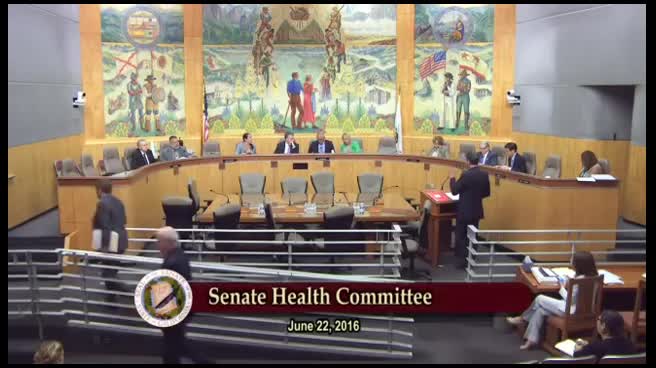 7MIN
Senate Standing Committee on Health
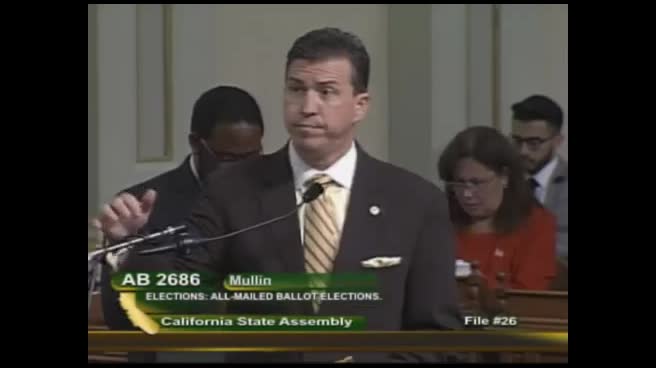 1MIN
Assembly Floor
 2MIN
Assembly Standing Committee on Appropriations
 9MIN
Assembly Standing Committee on Health
Bill Author

Bill Co-Author(s):