AB 590: Greenhouse Gas Reduction Fund.
- Session Year: 2015-2016
- House: Assembly
- Latest Version Date: 2015-07-09
The California Global Warming Solutions Act of 2006 designates the State Air Resources Board as the state agency charged with monitoring and regulating sources of emissions of greenhouse gases. The act authorizes the state board to include the use of market-based compliance mechanisms. Existing law requires all moneys, except for fines and penalties, collected by the state board from the auction or sale of allowances as part of a market-based compliance mechanism to be deposited in the Greenhouse Gas Reduction Fund.
This bill would provide that moneys in the Greenhouse Gas Reduction Fund, upon appropriation, may be made available for expenditure by the State Energy Resources Conservation and Development Commission for the purposes of maintaining the current level of biomass power generation or geothermal energy generation in the state and revitalizing currently idle facilities in strategically located regions. The bill would establish requirements for an applicant to receive available funding for a facilitys eligible electrical generation.
The California Global Warming Solutions Act of 2006 designates the State Air Resources Board as the state agency charged with monitoring and regulating sources of emissions of greenhouse gases. The act authorizes the state board to include the use of market-based compliance mechanisms. Existing law requires all moneys, except for fines and penalties, collected by the state board from the auction or sale of allowances as part of a market-based compliance mechanism to be deposited in the Greenhouse Gas Reduction Fund.
This bill would provide that moneys in the Greenhouse Gas Reduction Fund, upon appropriation, may be made available for expenditure by the State Energy Resources Conservation and Development Commission for the purposes of maintaining the current level of biomass power generation in the state and revitalizing currently idle facilities in strategically located regions. The bill would establish requirements for an applicant to receive available funding for a facilitys eligible electrical generation.
The California Global Warming Solutions Act of 2006 designates the State Air Resources Board as the state agency charged with monitoring and regulating sources of emissions of greenhouse gases. The act authorizes the state board to include the use of market-based compliance mechanisms. Existing law requires all moneys, except for fines and penalties, collected by the state board from the auction or sale of allowances as part of a market-based compliance mechanism to be deposited in the Greenhouse Gas Reduction Fund.
This bill would create the Biomass State Cost Share Account within the Greenhouse Gas Reduction Fund. The bill would require certain amounts to be transferred from the Greenhouse Gas Reduction Fund to the Biomass State Cost Share Account for the 201516 through 201920 fiscal years. The provide that moneys in the account Greenhouse Gas Reduction Fund, upon appropriation, would may be made available for expenditure by the State Energy Resources Conservation and Development Commission for the purposes of maintaining the current level of biomass power generation in the state and revitalizing currently idle facilities in strategically located regions. The bill would establish requirements for an applicant to receive available funding from the account for a facilitys eligible electrical generation.
The California Global Warming Solutions Act of 2006 designates the State Air Resources Board as the state agency charged with monitoring and regulating sources of emissions of greenhouse gases. The act authorizes the state board to include the use of market-based compliance mechanisms. Existing law requires all moneys, except for fines and penalties, collected by the state board from the auction or sale of allowances as part of a market-based compliance mechanism to be deposited in the Greenhouse Gas Reduction Fund.
This bill would create the Biomass State Cost Share Account within the Greenhouse Gas Reduction Fund. The bill would require certain amounts to be transferred from the Greenhouse Gas Reduction Fund to the Biomass State Cost Share Account for the 201516 through 201920 fiscal years. The moneys in the account, upon appropriation, would be available for expenditure by the State Energy Resources Conservation and Development Commission for the purposes of maintaining the current level of biomass power generation in the state and revitalizing currently idle facilities in strategically located regions. The bill would establish requirements for an applicant to receive funding from the account for a facilitys eligible electrical generation.
The California Global Warming Solutions Act of 2006 designates the State Air Resources Board as the state agency charged with monitoring and regulating sources of emissions of greenhouse gases. The act authorizes the state board to include the use of market-based compliance mechanisms. Existing law requires all moneys, except for fines and penalties, collected by the state board from the auction or sale of allowances as part of a market-based compliance mechanism to be deposited in the Greenhouse Gas Reduction Fund.
This bill would create the Biomass State Cost Share Account within the Greenhouse Gas Reduction Fund. The bill would require an unspecified amount of moneys certain amounts to be transferred from the Greenhouse Gas Reduction Fund to the Biomass State Cost Share Account for the 201516 through 201920 fiscal years. Moneys The moneys in the account, upon appropriation, would be available for expenditure by the State Energy Resources Conservation and Development Commission for the purposes of maintaining the current level of biomass power generation in the state and revitalizing currently idle facilities in strategically located regions. The bill would establish requirements for an applicant to receive funding from the account for a facilitys eligible electrical generation.
The California Global Warming Solutions Act of 2006 designates the State Air Resources Board as the state agency charged with monitoring and regulating sources of emissions of greenhouse gases. The act authorizes the state board to include the use of market-based compliance mechanisms. Existing law requires all moneys, except for fines and penalties, collected by the state board from the auction or sale of allowances as part of a market-based compliance mechanism to be deposited in the Greenhouse Gas Reduction Fund.
This bill would create the Biomass State Cost Share Account within the Greenhouse Gas Reduction Fund. The bill would require an unspecified amount of moneys to be transferred from the Greenhouse Gas Reduction Fund to the Biomass State Cost Share Account. Moneys in the account, upon appropriation, would be available for expenditure by the State Energy Resources Conservation and Development Commission for the purposes of maintaining the current level of biomass power generation in the state and revitalizing currently idle facilities in strategically located regions.
The Legislature finds and declares all of the following:
(a)California leads the nation in bioenergy production, with one-half of the industry located in this state, which has an abundant supply of bioenergy resources.
(b)Biomass power generation provides and geothermal energy generation provide electric ratepayers with clean, renewable energy that supplies the grid 24 hours a day, seven days a week regardless of atmospheric conditions. These benefits are paid for through contracts with the states electric utilities.
(c)Biomass power generation also provides valuable, environmentally preferred wood waste disposal service for the disposal of 7.5 to 8 million tons of Californias annual solid waste stream and the avoidance of 1.5 to 3.5 million tons annually of biogenic CO2 emissions. By diverting biomass residues away from open burning, landfill burial, and accumulation in forests, the state benefits from reduced criteria air pollutants and greenhouse gas emissions, landfill capacity use, forest and watershed improvement, rural employment and economic development, and energy diversity and security. These services have been provided without compensation in the past, as the electricity market was able to fully underwrite the cost.
(d)Numerous studies have shown a link between particulate matter (PM) exposure and asthma morbidity outcomes in children, and between exposure to ambient PM and increased heart and lung disease and death and health effects on the central nervous system. The latest study was provided by scientists at the California Environmental Protection Agencys Office of Environmental Health Hazard Assessment. Diverting wood material from open burning to biomass power production is an essential PM reduction strategy for many air districts around the state.
(e)The environmental services provided by biomass power production are clearly valuable to society and therefore provide the rationale for a state policy to pay for biomass power generation commensurate with its provision of waste disposal services.
(f)Biomass power generation fits in the Cap and Trade Auction Proceeds Investment Plan in the categories of forest and ecosystem management, agricultural management, and waste diversion, and is identified as a recommended investment.
SEC. 2.Section 16428.81 is added to the Government Code, to read:16428.81.(a)Moneys from the Greenhouse Gas Reduction Fund, upon appropriation by the Legislature, may be made available to the State Energy Resources Conservation and Development Commission for expenditure for the purposes of maintaining the current level of biomass power generation and geothermal energy generation in the state and revitalizing currently idle facilities in strategically located regions. Protecting these existing resources will help the state meet its goals to reduce greenhouse gas emissions, protect existing jobs, and provide waste disposal benefits.
(b)To be eligible for funding, a facilitys solid fuel biomass electrical generation generation facility shall satisfy all of the following requirements:
(1)The energy is generated on and after January 1, 2016.
(2)The energy is generated using biomass wood wastes and residues, residues or geothermal resources, and is sold to a load-serving entity.
(3)The energy is generated at a facility with a generation capacity of over three megawatts.
(4)The energy is generated within the state and sold to customers within the state.
(c)In prioritizing projects eligible for grants pursuant to this section, the State Energy Resources Conservation and Development Commission shall maximize the reduction of greenhouse gas emissions achieved by a project for each dollar awarded.
(d)The State Energy Resources Conservation and Development Commission, working in consultation with the State Air Resources Board, shall ensure that projects receiving funding pursuant to this section achieve net reduction in greenhouse gas emissions.
(c)
(e)A facility seeking available funding shall submit an application to the commission that demonstrates that it is a solid fuel biomass facility or a geothermal energy facility and is California Renewables Portfolio Standard (RPS) Program certified. An applicant shall submit monthly invoices to the commission to document eligible generation. The commission shall review the submitted invoices and make monthly incentive payments to each applicant based on the eligible generation and the applicable production incentive rate.
The Legislature finds and declares all of the following:
(a)California leads the nation in bioenergy production, with one-half of the industry located in this state, which has an abundant supply of bioenergy resources.
(b)Biomass power generation provides electric ratepayers with clean, renewable energy that supplies the grid 24 hours a day, seven days a week regardless of atmospheric conditions. These benefits are paid for through contracts with the states electric utilities.
(c)Biomass power generation also provides valuable, environmentally preferred wood waste disposal service for the disposal of 7.5 to 8 million tons of Californias annual solid waste stream and the avoidance of 1.5 to 3.5 million tons annually of biogenic CO2 emissions. By diverting biomass residues away from open burning, landfill burial, and accumulation in forests, the state benefits from reduced criteria air pollutants and greenhouse gas emissions, landfill capacity use, forest and watershed improvement, rural employment and economic development, and energy diversity and security. These services have been provided without compensation in the past, as the electricity market was able to fully underwrite the cost.
(d)Numerous studies have shown a link between particulate matter (PM) exposure and asthma morbidity outcomes in children, and between exposure to ambient PM and increased heart and lung disease and death and health effects on the central nervous system. The latest study was provided by scientists at the California Environmental Protection Agencys Office of Environmental Health Hazard Assessment. Diverting wood material from open burning to biomass power production is an essential PM reduction strategy for many air districts around the state.
(e)The environmental services provided by biomass power production are clearly valuable to society and therefore provide the rationale for a state policy to pay for biomass power generation commensurate with its provision of waste disposal services.
(f)Biomass power generation fits in the Cap and Trade Auction Proceeds Investment Plan in the categories of forest and ecosystem management, agricultural management, and waste diversion, and is identified as a recommended investment.
SEC. 2.Section 16428.81 is added to the Government Code, to read:16428.81.(a)Moneys from the Greenhouse Gas Reduction Fund, upon appropriation by the Legislature, may be made available to the State Energy Resources Conservation and Development Commission for expenditure for the purposes of maintaining the current level of biomass power generation in the state and revitalizing currently idle facilities in strategically located regions. Protecting these existing resources will help the state meet its goals to reduce greenhouse gas emissions, protect existing jobs, and provide waste disposal benefits.
(b)To be eligible for funding, a facilitys solid fuel biomass electrical generation shall satisfy both all of the following requirements:
(1)The energy is generated on and after January 1, 2016.
(2)The energy is generated using biomass wood wastes and residues, and is sold to a load-serving entity.
(3)The energy is generated at a facility with a generation capacity of over three megawatts.
(2)
(4)The energy is generated within the state and sold to customers within the state.
(c)A facility seeking available funding shall submit an application to the commission that demonstrates that it is a solid fuel biomass facility and is California Renewables Portfolio Standard (RPS) Program certified. An applicant shall submit monthly invoices to the commission to document eligible generation and the fuel used for that generation. The commission shall review the submitted invoices and make monthly incentive payments to each applicant based on the eligible generation and the applicable production incentive rate.
The Legislature finds and declares all of the following:
(a)California leads the nation in bioenergy production, with one-half of the industry located in this state, which has an abundant supply of bioenergy resources.
(b)Biomass power generation provides electric ratepayers with clean, renewable energy that supplies the grid 24 hours a day, seven days a week regardless of atmospheric conditions. These benefits are paid for through contracts with the states electric utilities.
(c)Biomass power generation also provides valuable, environmentally preferred wood waste disposal service for the disposal of 7.5 to 8 million tons of Californias annual solid waste stream and the avoidance of 1.5 to 3.5 million tons annually of biogenic CO2 emissions. By diverting biomass residues away from open burning, landfill burial, and accumulation in forests, the state benefits from reduced criteria air pollutants and greenhouse gas emissions, landfill capacity use, forest and watershed improvement, rural employment and economic development, and energy diversity and security. These services have been provided without compensation in the past, as the electricity market was able to fully underwrite the cost.
(d)Numerous studies have shown a link between particulate matter (PM) exposure and asthma morbidity outcomes in children, and between exposure to ambient PM and increased heart and lung disease and death and health effects on the central nervous system. The latest study was provided by scientists at the California Environmental Protection Agencys Office of Environmental Health Hazard Assessment. Diverting wood material from open burning to biomass power production is an essential PM reduction strategy for many air districts around the state.
(e)The environmental services provided by biomass power production are clearly valuable to society and therefore provide the rationale for a state policy to pay for biomass power generation commensurate with its provision of waste disposal services.
(f)Biomass power generation fits in the Cap and Trade Auction Proceeds Investment Plan in the categories of forest and ecosystem management, agricultural management, and waste diversion, and is identified as a recommended investment.
SEC. 2.Section 16428.81 is added to the Government Code, to read:16428.81.(a)There is hereby created the Biomass State Cost Share Account within the Greenhouse Gas Reduction Fund established pursuant to Section 16428.8.
(b)The following amounts shall be transferred from the Greenhouse Gas Reduction Fund to the Biomass State Cost Share Account:
(1)In the 201516 fiscal year, seventy-four million dollars ($74,000,000).
(2)In the 201617 fiscal year, one hundred eighteen million dollars ($118,000,000).
(3)In the 201718, 201819, and 201920 fiscal years, one hundred twenty million dollars ($120,000,000) in each of those fiscal years.
(c)The moneys in the Biomass State Cost Share Account
16428.81.(a)Moneys from the Greenhouse Gas Reduction Fund, upon appropriation by the Legislature, shall may be made available to the State Energy Resources Conservation and Development Commission for expenditure for the purposes of maintaining the current level of biomass power generation in the state and revitalizing currently idle facilities in strategically located regions. Protecting these existing resources will help the state meet its goals to reduce greenhouse gas emissions, protect existing jobs, and provide waste disposal benefits.
(d)
(b)To be eligible for funding from the Biomass State Cost Share Account funding, a facilitys solid fuel biomass electrical generation shall satisfy both of the following requirements:
(1)The energy is generated on and after January 1, 2016.
(2)The energy is generated within the state and sold to customers within the state.
(e)
(c)A facility seeking available funding from the Biomass State Cost Share Account shall submit an application to the commission that demonstrates that it is a solid fuel biomass facility and is California Renewables Portfolio Standard (RPS) Program certified. An applicant shall submit monthly invoices to the commission to document eligible generation and the fuel used for that generation. The commission shall review the submitted invoices and make monthly incentive payments to each applicant based on the eligible generation and the applicable production incentive rate.
The Legislature finds and declares all of the following:
(a)California leads the nation in bioenergy production, with one-half of the industry located in this state, which has an abundant supply of bioenergy resources.
(b)Biomass power generation provides electric ratepayers with clean, renewable energy that supplies the grid 24 hours a day, seven days a week regardless of atmospheric conditions. These benefits are paid for through contracts with the states electric utilities.
(c)Biomass power generation also provides valuable, environmentally preferred wood waste disposal service for the disposal of 7.5 to 8 million tons of Californias annual solid waste stream and the avoidance of 1.5 to 3.5 million tons annually of biogenic CO2 emissions. By diverting biomass residues away from open burning, landfill burial, and accumulation in forests, the state benefits from reduced criteria air pollutants and greenhouse gas emissions, landfill capacity use, forest and watershed improvement, rural employment and economic development, and energy diversity and security. These services have been provided without compensation in the past, as the electricity market was able to fully underwrite the cost.
(d)Numerous studies have shown a link between particulate matter (PM) exposure and asthma morbidity outcomes in children, and between exposure to ambient PM and increased heart and lung disease and death and health effects on the central nervous system. The latest study was provided by scientists at the California Environmental Protection Agencys Office of Environmental Health Hazard Assessment. Diverting wood material from open burning to biomass power production is an essential PM reduction strategy for many air districts around the state.
(e)The environmental services provided by biomass power production are clearly valuable to society and therefore provide the rationale for a state policy to pay for biomass power generation commensurate with its provision of waste disposal services.
(f)Biomass power generation fits in the Cap and Trade Auction Proceeds Investment Plan in the categories of forest and ecosystem management, agricultural management, and waste diversion, and is identified as a recommended investment.
SEC. 2.Section 16428.81 is added to the Government Code, to read:16428.81.(a)There is hereby created the Biomass State Cost Share Account within the Greenhouse Gas Reduction Fund established pursuant to Section 16428.8.
(b)The following amounts shall be transferred from the Greenhouse Gas Reduction Fund to the Biomass State Cost Share Account:
(1)In the 201516 fiscal year, seventy-four million dollars ($74,000,000).
(2)In the 201617 fiscal year, one hundred eighteen million dollars ($118,000,000).
(3)In the 201718, 201819, and 201920 fiscal years, one hundred twenty million dollars ($120,000,000) in each of those fiscal years.
(c)The moneys in the Biomass State Cost Share Account, upon appropriation by the Legislature, shall be available to the State Energy Resources Conservation and Development Commission for expenditure for the purposes of maintaining the current level of biomass power generation in the state and revitalizing currently idle facilities in strategically located regions. Protecting these existing resources will help the state meet its goals to reduce greenhouse gas emissions, protect existing jobs, and provide waste disposal benefits.
(d)To be eligible for funding from the Biomass State Cost Share Account, a facilitys solid fuel biomass electrical generation shall satisfy all both of the following requirements:
(1)The energy is generated on and after January 1, 2016.
(2)The energy is generated within the state and sold to customers within the state.
(3)The energy is net-metered generation. Net-metered generation for purposes of this section means energy that is sold to the grid and is not used onsite for the facilitys own electrical demand.
(e)A facility seeking funding from the Biomass State Cost Share Account shall submit an application to the commission that demonstrates that it is a solid fuel biomass facility and is California Renewables Portfolio Standard (RPS) Program certified. An applicant shall submit monthly invoices to the commission to document eligible generation and the fuel used for that generation. The commission shall review the submitted invoices and make monthly incentive payments to each applicant based on the eligible generation and the applicable production incentive rate.
The Legislature finds and declares all of the following:
(a)California leads the nation in bioenergy production, with one-half of the industry located in this state, which has an abundant supply of bioenergy resources.
(b)Biomass power generation provides electric ratepayers with clean, renewable energy that supplies the grid 24 hours a day, seven days a week regardless of atmospheric conditions. These benefits are paid for through contracts with the states electric utilities.
(c)Biomass power generation also provides valuable, environmentally preferred wood waste disposal service for the disposal of 7.5 to 8 million tons of Californias annual solid waste stream and the avoidance of 1.5 to 3.5 million tons annually of biogenic CO2 emissions. By diverting biomass residues away from open burning, landfill burial, and accumulation in forests, the state benefits from reduced criteria air pollutants and greenhouse gas emissions, landfill capacity use, forest and watershed improvement, rural employment and economic development, and energy diversity and security. These services have been provided without compensation in the past, as the electricity market was able to fully underwrite the cost.
(d)Numerous studies have shown a link between particulate matter (PM) exposure and asthma morbidity outcomes in children, and between exposure to ambient PM and increased heart and lung disease and death and health effects on the central nervous system. The latest study was provided by scientists at the California Environmental Protection Agencys Office of Environmental Health Hazard Assessment. Diverting wood material from open burning to biomass power production is an essential PM reduction strategy for many air districts around the state.
(d)
(e)The environmental services provided by biomass power production are clearly valuable to society and therefore provide the rationale for a state policy to pay for biomass power generation commensurate with its provision of waste disposal services.
(e)Protecting these existing resources will help the state meet its goals to reduce greenhouse gas emissions, protect existing jobs, and provide waste disposal benefits.
(f)Biomass power generation fits in the Cap and Trade Auction Proceeds Investment Plan in the categories of forest and ecosystem management, agricultural management, and waste diversion, and is identified as a recommended investment.
SEC. 2.Section 16428.81 is added to the Government Code, to read:16428.81.(a)There is hereby created the Biomass State Cost Share Account within the Greenhouse Gas Reduction Fund established pursuant to Section 16428.8. Moneys in the amount of ____ dollars ($____) shall be transferred annually from the fund to the account. Moneys in the account, upon appropriation, shall be available for expenditure by the State Energy Resources Conservation and Development Commission for the purposes of maintaining the current level of biomass power generation in the state and revitalizing currently idle facilities in strategically located regions.
(b)The following amounts shall be transferred from the Greenhouse Gas Reduction Fund to the Biomass State Cost Share Account:
(1)In the 201516 fiscal year, seventy-four million dollars ($74,000,000).
(2)In the 201617 fiscal year, one hundred eighteen million dollars ($118,000,000).
(3)In the 201718, 201819, and 201920 fiscal years, one hundred twenty million dollars ($120,000,000) in each of those fiscal years.
(c)The moneys in the Biomass State Cost Share Account, upon appropriation by the Legislature, shall be available to the State Energy Resources Conservation and Development Commission for expenditure for the purposes of maintaining the current level of biomass power generation in the state and revitalizing currently idle facilities in strategically located regions. Protecting these existing resources will help the state meet its goals to reduce greenhouse gas emissions, protect existing jobs, and provide waste disposal benefits.
(d)To be eligible for funding from the Biomass State Cost Share Account, a facilitys solid fuel biomass electrical generation shall satisfy all of the following requirements:
(1)The energy is generated on and after January 1, 2016.
(2)The energy is generated within the state and sold to customers within the state.
(3)The energy is net-metered generation. Net-metered generation for purposes of this section means energy that is sold to the grid and is not used onsite for the facilitys own electrical demand.
(e)A facility seeking funding from the Biomass State Cost Share Account shall submit an application to the commission that demonstrates that it is a solid fuel biomass facility and is California Renewables Portfolio Standard (RPS) Program certified. An applicant shall submit monthly invoices to the commission to document eligible generation and the fuel used for that generation. The commission shall review the submitted invoices and make monthly incentive payments to each applicant based on the eligible generation and the applicable production incentive rate.
The Legislature finds and declares all of the following:
(a)California leads the nation in bioenergy production, with one-half of the industry located in this state, which has an abundant supply of bioenergy resources.
(b)Biomass power generation provides electric ratepayers with clean, renewable energy that supplies the grid 24 hours a day, seven days a week regardless of atmospheric conditions. These benefits are paid for through contracts with the states electric utilities.
(c)Biomass power generation also provides valuable, environmentally preferred wood waste disposal service for the disposal of 7.5 to 8 million tons of Californias annual solid waste stream and the avoidance of 1.5 to 3.5 million tons annually of biogenic CO2 emissions. By diverting biomass residues away from open burning, landfill burial, and accumulation in forests, the state benefits from reduced criteria air pollutants and greenhouse gas emissions, landfill capacity use, forest and watershed improvement, rural employment and economic development, and energy diversity and security. These services have been provided without compensation in the past, as the electricity market was able to fully underwrite the cost.
(d)The environmental services provided by biomass power production are clearly valuable to society and therefore provide the rationale for a state policy to pay for biomass power generation commensurate with its provision of waste disposal services.
(e)Protecting these existing resources will help the state meet its goals to reduce greenhouse gas emissions, protect existing jobs, and provide waste disposal benefits.
SEC. 2.Section 16428.81 is added to the Government Code, to read:16428.81.There is hereby created the Biomass State Cost Share Account within the Greenhouse Gas Reduction Fund established pursuant to Section 16428.8. Moneys in the amount of ____ dollars ($____) shall be transferred annually from the fund to the account. Moneys in the account, upon appropriation, shall be available for expenditure by the State Energy Resources Conservation and Development Commission for the purposes of maintaining the current level of biomass power generation in the state and revitalizing currently idle facilities in strategically located regions.
|
Date
|
Status
|
|---|---|
| May 28, 2015 | Read second time and amended. Ordered returned to second reading. |
| Aug 27, 2015 | In committee: Held under submission. |
| Aug 17, 2015 | In committee: Referred to APPR. suspense file. |
| Jul 16, 2015 | From committee: Do pass and re-refer to Com. on APPR. (Ayes 7. Noes 0.) (July 15). Re-referred to Com. on APPR. |
| Jul 9, 2015 | Read second time and amended. Re-referred to Com. on E.Q. |
| Jul 8, 2015 | From committee: Amend, and do pass as amended and re-refer to Com. on E.Q. (Ayes 10. Noes 0.) (June 30). |
| Jun 16, 2015 | From committee chair, with author's amendments: Amend, and re-refer to committee. Read second time, amended, and re-referred to Com. on E., U., & C. |
| Jun 11, 2015 | Referred to Coms. on E., U., & C. and E.Q. |
| Jun 2, 2015 | Read third time. Passed. Ordered to the Senate. (Ayes 78. Noes 0. Page 1806.) |
| Jun 2, 2015 | Read third time. Passed. Ordered to the Senate. |
| Jun 2, 2015 | In Senate. Read first time. To Com. on RLS. for assignment. |
| Jun 1, 2015 | Read second time. Ordered to third reading. |
| Feb 24, 2015 | Read first time. To print. |
| May 28, 2015 | From committee: Amend, and do pass as amended. (Ayes 17. Noes 0.) (May 28). |
| May 13, 2015 | In committee: Set, first hearing. Referred to APPR. suspense file. |
| May 5, 2015 | Re-referred to Com. on APPR. |
| May 4, 2015 | Read second time and amended. |
| Apr 30, 2015 | From committee: Amend, and do pass as amended and re-refer to Com. on APPR. (Ayes 15. Noes 0.) (April 27). |
| Apr 22, 2015 | Re-referred to Com. on U. & C. |
| Apr 21, 2015 | From committee chair, with author's amendments: Amend, and re-refer to Com. on U. & C. Read second time and amended. |
| Apr 20, 2015 | From committee: Do pass and re-refer to Com. on U. & C. (Ayes 9. Noes 0.) (April 13). Re-referred to Com. on U. & C. |
| Mar 9, 2015 | Referred to Coms. on NAT. RES. and U. & C. |
| Feb 25, 2015 | From printer. May be heard in committee March 27. |
|
Date
|
Description
|
Location
|
Votes
|
|
|---|---|---|---|---|
| Aug 17, 2015 | Placed on suspense file | Senate Standing Committee on Appropriations |
Passed |
|
| Jul 15, 2015 | Do pass, but first be re-referred to the Committee on [Appropriations] | Senate Standing Committee on Environmental Quality |
Passed |
|
| Jun 30, 2015 | Do pass as amended, but first amend, and re-refer to the Committee on [Environmental Quality] | Senate Standing Committee on Energy, Utilities and Communications |
Passed |
|
| Jun 2, 2015 | AB 590 DAHLE Assembly Third Reading | Assembly Floor |
Passed |
|
| May 28, 2015 | Do pass as amended. | Assembly Standing Committee on Appropriations |
Passed |
|
| Apr 27, 2015 | Do pass as amended and be re-referred to the Committee on [Appropriations] | Assembly Standing Committee on Utilities and Commerce |
Passed |
|
| Apr 13, 2015 | Do pass and be re-referred to the Committee on [Utilities and Commerce] | Assembly Standing Committee on Natural Resources |
Passed |
This list shows positions taken on this bill by organizations on the date displayed, which is linked to the original source.
Positions by individuals are not included.
|
Organization
|
Position
|
Date
|
|---|---|---|
| A&M Organic Solutions | * Support | Jun 30, 2015 |
| Agra Marketing | ** Support | Aug 17, 2015 |
| Almond Hullers And Processors Association | ** Support | Aug 17, 2015 |
| ALW Enterprises, Inc. | ** Support | Aug 17, 2015 |
| Ampersand Chowchilla Biomass | ** Support | Aug 17, 2015 |
| Associated Builders And Contractors Of California | ** Support | Aug 17, 2015 |
| Associated California Loggers | ** Support | Aug 17, 2015 |
| Association of Irritated Residents | ** Against | Aug 17, 2015 |
| Basic Logging | ** Support | Aug 17, 2015 |
| Beneficial Ag Services | ** Support | Aug 17, 2015 |
| Biofuelwatch | ** Against | Aug 17, 2015 |
| Brahma Group, Inc. | ** Support | Aug 17, 2015 |
| Burney Forest Products | ** Support | Aug 17, 2015 |
| C & S Waste Solutions of Lassen County | ** Support | Aug 17, 2015 |
| Cal Ag Recovery | ** Support | Aug 17, 2015 |
| California Biomass Energy Alliance | ** Support | Aug 17, 2015 |
| California Chamber Of Commerce | ** Against | Aug 17, 2015 |
| California Communities Against Toxics | ** Against | Aug 17, 2015 |
| California Environmental Justice Alliance | ** Against | Aug 17, 2015 |
| California Farm Bureau Federation | ** Support | Aug 17, 2015 |
| California Forestry Association | ** Support | Aug 17, 2015 |
| California Grain and Feed Association | ** Support | Aug 17, 2015 |
| California Licensed Foresters Association | ** Support | Aug 17, 2015 |
| California Pear Growers Association | ** Support | Aug 17, 2015 |
| California State Association Of Counties | ** Support | Aug 17, 2015 |
| California Tax Foundation | ** Against | Jun 30, 2015 |
| California Taxpayers' Association | ** Against | Aug 17, 2015 |
| Cascade Resource Consultants | ** Support | Aug 17, 2015 |
| Center For Biological Diversity, Inc. | ** Against | Aug 17, 2015 |
| Center on Race, Poverty & the Environment | ** Against | Aug 17, 2015 |
| Central Coast Forest Association | ** Support | Aug 17, 2015 |
| City of Bakersfield Mayor, Harvey L. Hall | ** Support | Aug 17, 2015 |
| Clean Harbors Environmental Service, Inc. | ** Support | Aug 17, 2015 |
| Clean Water Action | ** Against | Aug 17, 2015 |
| County Of Del Norte | ** Support | Aug 17, 2015 |
| County of Humboldt | ** Support | Aug 17, 2015 |
| County Of Kern | ** Support | Aug 17, 2015 |
| County of Lassen | ** Support | Aug 17, 2015 |
| County of Sierra | ** Support | Aug 17, 2015 |
| Covanta Delano, Inc. | ** Support | Aug 17, 2015 |
| Covanta Energy | ** Support | Aug 17, 2015 |
| CR&R Incorporated | ** Support | Aug 17, 2015 |
| CT Bioenergy Consulting LLC | ** Support | Aug 17, 2015 |
| Del Logging, Inc. | ** Support | Aug 17, 2015 |
| Del Monte Foods | ** Support | Aug 17, 2015 |
| DPS Inc. | ** Support | Aug 17, 2015 |
| Ecology Auto Parts, Inc. | ** Support | Aug 17, 2015 |
| Ecology Recycling and Transportation Services | ** Support | Aug 17, 2015 |
| Ecoology Auto Parts, Inc. | ** Support | Jun 30, 2015 |
| EWP Renewable Corporation | ** Support | Aug 17, 2015 |
| Fondest Farms Trucking, LLC | ** Support | Aug 17, 2015 |
| Fondse Farms Trucking, LLC | ** Support | Aug 17, 2015 |
| G & F Agricultural Service Inc. | ** Support | Aug 17, 2015 |
| Galton Solid Waste Management, Inc. | ** Support | Aug 17, 2015 |
| Gardiner Farms, LLC | ** Support | Aug 17, 2015 |
| Gilton Solid Waste Management, Inc. | ** Support | Aug 17, 2015 |
| Green Diamond Resource Company Humboldt County | * Support | Jun 30, 2015 |
| Green Waste Recovery, Inc. | ** Support | Aug 17, 2015 |
| Greenleaf Power | ** Support | Aug 17, 2015 |
| Greenwaste Recovery, Inc. | ** Support | Aug 17, 2015 |
| Headrick Logging | ** Support | Aug 17, 2015 |
| Hedrick Logging | ** Support | Aug 17, 2015 |
| Humboldt Redwood Company, LLC | ** Support | Aug 17, 2015 |
| Ihi Power Services Corp. | ** Support | Aug 17, 2015 |
| IHI Power Services Corporation | ** Support | Aug 17, 2015 |
| Independent Energy Producers Association | ** Support | Aug 17, 2015 |
| Integrated | ** Support | Jun 30, 2015 |
| Integrated u | ** Support | Aug 17, 2015 |
| J.T. Thorpe & Son, Inc. | ** Support | Aug 17, 2015 |
| Karuk Tribe | ** Support | Aug 17, 2015 |
| Kochergen Farms Composting, Inc. | ** Support | Aug 17, 2015 |
| Kochergen Frams Composting | ** Support | Apr 13, 2015 |
| Lake County Waste Solutions | ** Support | Aug 17, 2015 |
| Lassen County Fire Safe Council | ** Support | Aug 17, 2015 |
| Lassen Forest Products | ** Support | Aug 17, 2015 |
| Lopez Ag Service, Inc | * Support | Jun 30, 2015 |
| Los Angeles County Solid Waste Management Committee | ** Support | Aug 17, 2015 |
| Management Task Force | ** Support | Aug 17, 2015 |
| Mendocino Redwood Company | * Support | Jun 30, 2015 |
| Merced Power, LLC | ** Support | Aug 17, 2015 |
| Nortech Waste LLC | ** Support | Aug 17, 2015 |
| North of the River chamber of Commerce | ** Support | Aug 17, 2015 |
| Old Durham Wood, Inc. | ** Support | Aug 17, 2015 |
| Orange County Business Council | ** Support | Apr 13, 2015 |
| Pacific Gas & Electric Company | * Support | Jun 30, 2015 |
| Pacific Recycling Solutions | ** Support | Aug 17, 2015 |
| Pacific Ultrapower Chinese Station | ** Support | Aug 17, 2015 |
| Pacific-Ultrapower Chinese Station | ** Support | Aug 17, 2015 |
| Propel AG Services LLC | ** Support | Aug 17, 2015 |
| Quincy Library Group | ** Support | Aug 17, 2015 |
| Rio Bravo Fresno | ** Support | Aug 17, 2015 |
| Rio Bravo Partnership | * Support | Jun 30, 2015 |
| Rosedale Ranch | ** Support | Aug 17, 2015 |
| Rural County Representatives of California | ** Support | Aug 17, 2015 |
| San Francisco County | * Support | Apr 13, 2015 |
| San Joaquin Valley Air Pollution Control District | ** Support | Aug 17, 2015 |
| Shadd Trucking | ** Support | Aug 17, 2015 |
| Sierra Club California | ** Against | Aug 17, 2015 |
| Sierra County | * Support | Jun 30, 2015 |
| Sierra Land & Farming, LLC | ** Support | Aug 17, 2015 |
| Sierra Pacific Industries | ** Support | Aug 17, 2015 |
| Sonoma Compost | ** Support | Aug 17, 2015 |
| Sustainable Forest Action Coalition | ** Support | Aug 17, 2015 |
| Tri Co Welding Supplies, Inc. | ** Support | Aug 17, 2015 |
| TriCo Welding Supplies, Inc. | ** Support | Aug 17, 2015 |
| Trinity Construction Company | ** Support | Aug 17, 2015 |
| Tuolumne County Board of Supervisors Natural Resources Committee | ** Support | Aug 17, 2015 |
| Tuolumne County Economic Development Authority | ** Support | Aug 17, 2015 |
| Ukiah Waste Solutions | ** Support | Aug 17, 2015 |
| Visera Ag | * Support | Jun 30, 2015 |
| Vision Recycling | ** Support | Aug 17, 2015 |
| Wadham Energy LP | ** Support | Aug 17, 2015 |
| Wasco Real Properties I, LLC | ** Support | Aug 17, 2015 |
| Waste | ** Support | Aug 17, 2015 |
| Wegis & Young | ** Support | Aug 17, 2015 |
| Western AG Chipping, LLC | ** Support | Aug 17, 2015 |
| Wheelabrator Shasta | ** Support | Aug 17, 2015 |
| Wilson Ag | ** Support | Aug 17, 2015 |
| Z-Best | ** Support | Aug 17, 2015 |
| Z-Best Composting Facility | ** Support | Aug 17, 2015 |
AB 590 (Dahle) Page 3 of 3
SENATE COMMITTEE ON APPROPRIATIONS
Senator Ricardo Lara, Chair
2015 - 2016 Regular Session
AB 590 (Dahle) - Greenhouse Gas Reduction Fund.
|
|
Version: July 9, 2015 |
Policy Vote: E., U., & C. 10 - 0, E.Q. 7 - 0 |
Urgency: No |
Mandate: No |
Hearing Date: August 17, 2015 |
Consultant: Marie Liu |
This bill meets the criteria for referral to the Suspense File.
Bill Summary:
AB 590 would allow moneys from the Greenhouse Gas Reduction Fund (GGRF) to be used by the California Energy Commission (CEC) to maintain the current level of biomass power generation and geothermal energy generation in the state and to revitalize currently idle facilities in strategically located regions.
Fiscal Impact:
Annual costs of $580,000 to the GGRF (special) for every $10 million appropriated to this program for the CEC’s administrative costs.
Potential initial costs of up to $316,000 annually for two years then up to $175,000 annually thereafter to the GGRF (special) for ARB to collaborate with CEC on developing quantification methodologies, report on program and project status, and evaluate disadvantaged community benefits. These costs may result in a decrease in CEC administrative costs.
Ongoing cost pressures of approximately $330 million to the GGRF (special) for operations and maintenance costs of biomass facilities in California.
Ongoing cost pressures of approximately $410 million to the GGRF (special) for operations and maintenance costs of geothermal facilities in California.
Background:
The California Global Warming Solutions Act of 2006 (referred to as AB 32, HSC §38500 et seq.) requires the ARB to determine the 1990 statewide greenhouse gas (GHG) emissions level, to approve a statewide GHG emissions limit equivalent to that level that will be achieved by 2020, and to adopt GHG emissions reductions measures by regulation. ARB is authorized to include the use of market-based mechanisms to comply with the regulations. All monies, except for fines and penalties, collected pursuant to a market-based mechanism are deposited in the Greenhouse Gas Reduction Fund (GGRF) (Government Code §16428.8).
Existing law requires that the GGRF only be used to facilitate the achievement of reductions of GHG emissions consistent with AB 32 (HSC §39710 et seq.). To this end, the Department of Finance, in consultation with the ARB and any other relevant state agencies, is required to develop, as specified, a three-year investment plan for the moneys deposited in the GGRF. The investment plan must allocate a minimum of 25% of the funds to projects that benefit disadvantaged communities and to allocate 10% of the funds to projects located within disadvantaged communities. Additionally, the ARB, in consultation with CalEPA, is required to develop funding guidelines for administering agencies receiving allocations of GGRF funds that include a component for how agencies should maximize benefits to disadvantaged communities.
“Biomass” refers to animal and plant organic residues, primarily including those residues from agricultural and forestry practices. There are various ways in which biomass can be converted into usable forms of energy including heat, steam, electricity, natural gas, and liquid fuels. According to the CEC, the state’s generation of solid-fuel biomass electricity peaked at 800 MW during 1990-93 with 66 facilities in operation; thereafter, production diminished with the expiration of the Biomass Demonstration Program, which provided $10.5 million in loans to 19 biomass projects. The Public Goods Charge also supported biomass operation costs, though this program has also expired.
According to the California Biomass Energy Alliance (CBEA), the sponsors of the bill,, there are currently 25 biomass electric generation plans producing 565 MW. In the last twelve months, five facilities have closed and the CBEA believes that more closures are likely as half of the remaining plants have expiring contracts.
Proposed Law:
This bill would direct the CEC to make expenditures to maintain the current level of biomass power generation and geothermal energy generation and to revitalize idle facilities in “strategically located regions.”
To be eligible for funding, the generation facility must meet the following:
Generate “energy” on or after January 1, 2016,
Generate “energy” using wood wastes, residues, or geothermal resources and be sold to a load serving entity.
Have a generation capacity of over three megawatts.
Generate “energy” within the state and sold to customers within the state.
Be certified under the California Renewable Portfolio Standard Program.
The CEC grants must be prioritized to maximize the reduction of greenhouse gas (GHG) emissions achieved for each dollar granted. The CEC would be required to work with the ARB to ensure projects would achieve a net reduction in GHG emissions.
Staff Comments:
To implement this subsidy program, the CEC would incur ongoing administrative costs of approximately $580,000 for every $10 million appropriated to the program. These costs account for a public process to determine the baseline GHG emissions in order to calculate the net benefit of the grants, which is anticipated to be a very contentious issue especially for biomass projects.
The ARB would also likely incur costs in order to verify GHG emission reductions from the projects. Under existing law, the ARB is required to develop reporting and quantification guidelines for all state agencies that receive GGRF funds. ARB notes that development of quantification guidelines for biomass projects are particularly complex and therefore estimates that it would need two positions at an annual costs of $316,000 for two years then $175,000 ongoing to first develop quantification methodologies, and then to report and oversee ongoing GHG emission reductions. These costs are based on a $50 million grant program. Staff notes that it is unclear whether at least some of ARB’s costs are duplicative of CEC administrative cost. As such, to the extent that ARB might be appropriated costs associated with this bill, there may be a corresponding reduction in CEC’s costs.
This bill would create cost pressures for the support of the existing biomass and geothermal electricity generation facilities in the hundreds of millions of dollars annually. The CEC estimates that the biomass industry has roughly $330,000 million in annual operation and maintenance costs and the geothermal industry has roughly $408 million in costs based on 2013 data. As there is no limit to the subsidies that could be offered in the program established in this bill, the cost pressures of this bill would be the total annual operating costs of both industries.
Staff notes that many incentive programs are structured to help with expanding and developing new capacity. This bill on the other hand, would support existing operations. According to the author’s office, such support is necessary to prevent further biomass facilities from closing. However, staff questions whether state subsidies of existing operations could be a disincentive to improve cost efficiency within the industry.
Staff notes that there are multiple bills being considered by both houses of the Legislature that propose projects that would be eligible to receive GGRF funds. It is unclear how these bills will interact with each other. Staff notes that a discussion on the spending of GGRF is anticipated in August as part of a budget discussion.
Proposed Author Amendments:
The author intends to make several technical amendments to this bill including that biomass includes wood waste and agricultural waste and that the requirement that the energy be sold to a load-serving entity could also be fulfilled by selling through the Independent System.
Staff further recommends that the author amend the bill so that the bill discusses the generation of “electricity” rather than “energy.”
-- END --
AB 590
Page 6
Date of Hearing: April 27, 2015
ASSEMBLY COMMITTEE ON UTILITIES AND COMMERCE
Anthony Rendon, Chair
AB 590
(Dahle) – As Amended April 21, 2015
SUBJECT: Greenhouse Gas Reduction Fund
SUMMARY: This bill creates the Biomass State Cost Share Account within the Greenhouse Gas Reduction Fund (GGRF) and requires a specified amount to be transferred annually from the GGRF to the Account to be available for purposes, as specified. Specifically, this bill:
Creates the Biomass State Cost Share Account within the GGRF.
Requires the following amount of moneys to be transferred from the GGRF to the Biomass State Cost Share Account:
In 2015-16 fiscal year, $74 million,
In 2016-17 fiscal year, $118 million, and
In 2017-18, 2018-19, 2019-20 fiscal years, $120 million in each of those fiscal years.
Requires that moneys in the account, upon appropriation, be available for expenditures by the California Energy Commission (CEC) for the purposes of maintaining the current level of biomass power generation in the state and revitalizing currently idle facilities in strategically located regions.
Specifies that to be eligible for funding from the Biomass State Cost Share Account, a facility’s solid fuel biomass electrical generation must satisfy all of the following:
The energy is generated on or after January 1, 2016,
The energy is generated within the state and sold to customers within the state, and
The energy is net-metered generation.
Defines “net metered generation” to mean energy that is sold to the grid and is not used onsite for the facility’s own electrical demand.
Requires a facility seeking funds from the Biomass State Cost Share Account to submit an application to the CEC that demonstrates that it is a solid fuel biomass facility and is California Renewables Portfolio Standards Program Certified, and submit monthly invoices to the CEC to document eligible generation and the fuel used for that generation.
Requires the CEC to review each submitted invoice and make monthly incentive payments to each applicant based on the eligible generation and the applicable production incentive rate.
EXISTING LAW:
Requires the Air Resources Board (ARB), pursuant to the California Global Warming Solutions Act of 2006, to adopt rules and regulations that would reduce greenhouse gas (GHG) emissions in the state to 1990 levels by 2020. (Health and Safety Code Sections 38500 to 38599)
Establishes the GGRF, and requires all moneys collected by the ARB from the auction or sales of allowances, pursuant to a market-based compliance mechanism, be deposited in the fund and made available for appropriation by the Legislature. (Government Code Section 16428.8)
Establishes the GGRF Investment Plan and Communities Revitalization Act to set procedures for the investment of regulatory fee revenues derived from the auction of GHG allowances. (Health and Safety Code Sections 39710 to 39720)
Requires the GGRF Investment Plan to allocate: 1) a minimum of 25% of the available moneys in the fund to projects that provide benefits to identified disadvantaged communities, and, 2) a minimum of 10% of those available moneys in the fund to projects located within identified disadvantaged communities. (Health and Safety Code Sections 39711 to 39723)
FISCAL EFFECT: Unknown.
COMMENTS:
Author’s Statement: “California is in danger of losing the one asset it has to divert forest fuel reduction residues and other wood waste materials today. In the last 12 months alone California has closed five biomass facilities due to expired contracts and poor economics. That’s a loss of 108 MWs of baseload renewable power and hundreds of jobs, both at the plants and in the fuel supply infrastructure. California’s RPS program is failing to provide any incentive to procure biomass power for a more balanced portfolio of renewables. Despite the call for environmental and economic benefit considerations in the RPS program, the only growth that is occurring in the renewable industry is coming from solar and wind. By 2020, when the state is mandated to procure 33 percent of its electricity supply from renewables, intermittents could account for some three-quarters of total renewables while half of the biomass plants in the state will be closed. Without these biomass resources, the health, environmental and economic well-being of these regions which rely on them are damaged. Cost sharing strategies are essential to resolving this problem.”
Background: The California Global Warming Solutions Act of 2006, enacted by AB 32 (Nunez, 2006, Chapter 488, Statutes of 2006), tasked the ARB to adopt rules and regulations that would reduce GHG emissions in the state to 1990 levels by 2020. With it, the Legislature acknowledged the adverse impacts and threat global warming poses to the economic wellbeing, public health, natural resources, and environment of California, and took an active step towards mitigating its effect.
In 2012, the State Budget Act of 2012 created the GGRF as a special fund in the State Treasury and required that any money collected by the state board from the auction or sale of allowances pursuant to a market-based compliance mechanism to be deposited into the fund and available for appropriation by the Legislature. The bill required the funds to only be used for projects that would reduce the emissions of GHGs and further the regulatory purpose of AB 32. In addition, in 2012, the legislature passed AB 1532 (John A. Perez, 2012, Chapter 807, Statutes of 2012), which created the GGRF Investment Plan and Communities Revitalization Act to set procedures for the investment of regulatory fee revenues derived from the auction of GHG allowances. Furthermore, the legislature also passed SB 535 (De Leon, 2012, Chapter 830, Statues of 2012), which required the investment plan to allocated specific funds to projects that provide benefits and are located in identified disadvantaged communities.
The 2014-15 Budget Act allocates cap and trade revenues for the 2014-15 fiscal year and establishes a long-term plan for the allocation of cap and trade revenues beginning in fiscal year 2015-16. The Budget continuously appropriates 25 percent of cap and trade funds for investments in transit, affordable housing, and sustainable communities. Forty percent will be appropriated annually for investments in programs that include low-carbon transportation, energy efficiency and renewable energy, and natural resources and waste diversion. No funds have been specifically appropriated for biomass power generation.
Biomass Energy in California: Biomass is a waste and byproduct consisting of organic residues from plants and animals which are obtained primarily from harvesting and processing agricultural and forestry crops, and can be utilized as fuels for producing energy. Examples of biomass include, forest slash, urban wood waste, lumber waste, agricultural wastes, etc.
At its peak, California’s biomass industry produced 800 megawatts (MW) of electricity from 66 direct combustion biomass facilities. By 1996, the energy production from biomass had dwindled to about 590 MW. Currently there are still about 30 direct combustion biomass facility operations with a capacity of 640 MW. The reduction in biomass energy produced was a result of the expiration of price support and incentives provided to the biomass industry from the state.
This bill would establish the Biomass State Cost Share Account within the GGRF, and require a specified amount to be transferred annually from the GGRF to the account to be made available for the purposes of maintaining the current level of biomass power generation in the state and revitalizing currently idle faculties in strategically located regions.
Arguments in Support: According to the California Biomass Energy Alliance, the sponsor of the bill, “Biomass … is an important tool in helping California meet mandated GHG reductions. Diverting wood residues/byproducts/wastes into fuel provides a net reduction of over 3.5 million tons of biogenic GHG emissions per year. An additional 1.5 - 3.5 million tons of avoided GHG emissions per year results from the biomass industry’s displacement of fossil-fueled generation by the electric utilities. This doesn’t even take into account the emissions reductions potential if further investments were made to avoid catastrophic wildfire such as the 2013 Rim Fire. … GGRF funds are an appropriate use of funds because using waste and residue forms of biomass – forest products manufacturing residues, in-forest residues, agriculture residues and urban wood residues and wastes – in the production of electricity reduces GHG emissions. In the absence of this energy conversation, the bulk of these materials would otherwise be open burned, buried in landfills, or allowed to remain in the forest as overgrowth material that diminishes forest health, and poses increased risks of devastating wild fires and insect and disease outbreaks.”
Arguments in Opposition: According to the California Chamber of Commerce (CalChamber), “CARB’s decision to arbitrarily withhold and sell (auction) allowances will raise billions of dollars at the expense of California businesses and consumers. This approach runs contrary to expressed goals of AB 32, which is maximizing benefits and minimizing leakage risks and costs. As CalChamber has long held, CARB lacks authority to raise revenue through the auction of allowances. Given the substantial legal uncertainties surrounding CARB’s authority to impose an auction, expending the proceeds is premature.”
Proposed amendment. AB 590 includes a provision that defines net metered generation to mean energy sold to the grid and not used onside for the facility's own electricity demand. This is inconsistent with the current statutory definition of net metering in Public Utilities Code Section 2827.
The author may wish to strike the definition of net metered generation.
Suggested amendments:
16428.81.(a) There is hereby created the Biomass State Cost Share Account within the Greenhouse Gas Reduction Fund established pursuant to Section 16428.8.
(b) The following amounts shall be transferred from the Greenhouse Gas Reduction Fund to the Biomass State Cost Share Account:
(1) In the 2015–16 fiscal year, seventy-four million dollars ($74,000,000).
(2) In the 2016–17 fiscal year, one hundred eighteen million dollars ($118,000,000).
(3) In the 2017–18, 2018–19, and 2019–20 fiscal years, one hundred twenty million dollars ($120,000,000) in each of those fiscal years.
(c) The moneys in the Biomass State Cost Share Account, upon appropriation by the Legislature, shall be available to the State Energy Resources Conservation and Development Commission for expenditure for the purposes of maintaining the current level of biomass power generation in the state and revitalizing currently idle facilities in strategically located regions. Protecting these existing resources will help the state meet its goals to reduce greenhouse gas emissions, protect existing jobs, and provide waste disposal benefits.
(d) To be eligible for funding from the Biomass State Cost Share Account, a facility’s solid fuel biomass electrical generation shall satisfy all of the following requirements:
(1) The energy is generated on and after January 1, 2016.
(2) The energy is generated within the state and sold to customers within the state.
(3) The energy is net-metered generation. “Net-metered
generation” for purposes of this section means energy that is sold
to the grid and is not used onsite for the facility’s own
electrical demand.
(e) A facility seeking funding from the Biomass State Cost Share Account shall submit an application to the commission that demonstrates that it is a solid fuel biomass facility and is California Renewables Portfolio Standard (RPS) Program certified. An applicant shall submit monthly invoices to the commission to document eligible generation and the fuel used for that generation. The commission shall review the submitted invoices and make monthly incentive payments to each applicant based on the eligible generation and the applicable production incentive rate.
Prior Legislation:
AB 1532 (John A Perez) 2012: Creates the GGRF Investment Plan and Communities Revitalization Act to set procedures for the investment of regulatory fee revenues derived from the auction of GHG allowances pursuant to the cap and trade program adopted by the ARB under the California Global Warming Solutions Act of 2006. Chaptered by the Secretary of State – Chapter 807, Statutes of 2012.
SB 1122 (Rubio) 2012: Requires statewide procurement of up to 250 MW of renewable energy from small biomass or biogas technologies that utilize low emission technologies. Chaptered by the Secretary of State – Chapter 612, Statutes of 2012.
SB 535 (De Leon) 2012: Requires the GGRF Investment plan to allocate specific funds to projects that provide benefits to identified disadvantaged communities, and to projects located within identified disadvantaged communities. Chaptered by the Secretary of State – Chapter 830, Statutes of 2012.
AB 32 (Nunez) 2006: Enacts the Global Warming Act of 2006, which creates a statewide GHG emission limit that would reduce emissions by 25% by 2020. Chaptered by the Secretary of State – Chapter 488, Statutes of 2006.
REGISTERED SUPPORT / OPPOSITION:
Support
California Biomass Energy Alliance (Sponsor)
Agra Marketing
ALW Enterprises, Inc.
Associated Builders and Contractors of California
Associated California Loggers
Basic Logging
Beneficial Ag Services
Brahma Group, Inc.
Burney Forest Products
C & S Waste Solutions of Lassen County
Cal Ag Recovery
California Biomass Energy Alliance
California Farm Bureau Federation
California Forestry Association
Cascade Resource Consultants
County of Kern
County of Lassen
County of Sierra
Covanta Energy
Clean Harbors Environmental Services
CR&R Incorporated
CT Bioenergy Consulting LLC
Del Logging, Inc.
DPS Inc.
Ecology Recycling and Transportation Services
EWP Renewable Corporation
Fondse Farms Trucking, LLC
G & F Agricultural Service Inc.
Gilton Solid Waste Management, Inc.
Greenleaf Power
Headrick Logging
IHI Power Services Corp.
Independent Energy Producers Association
J.T. Thorpe & Son, Inc.
Green Waste Recovery, Inc.
Greenleaf Power, LLC
Kochergen Farms Composting, Inc.
Lake County Waste Solutions
Lassen County Fire Safe Council
Lassen Forest Products
Nortech Waste LLC
Old Durham Wood, Inc.
Propel AG Services LLC
Pacific Recycling Solutions
Pacific Ultrapower Chinese Station
Rural County Representatives of California
Rio Bravo Fresno
San Joaquin Valley Air Pollution Control District
Selma Disposal & Recycling
Shadd Trucking
Sierra Pacific Industries
Solid Waste Association of North America – California Chapter
Sonoma Compost
Sustainable Forest Action Coalition
TriCo Welding Supplies, Inc.
Ukiah Waste Solutions
Vision Recycling
Wadham Energy LP
Wegis & Young
Western AG Chipping, LLC
Wheelabrator Shasta
Wilson Ag
Z-Best
Numerous Individuals
Opposition
California Chamber of Commerce
California Taxpayers Association
Analysis Prepared by: Edmond Cheung / U. & C. / (916) 319-2083
AB 590 (Dahle) Page 16 of 16
SENATE COMMITTEE ON ENVIRONMENTAL QUALITY
Senator Wieckowski, Chair
2015 - 2016 Regular
Bill No: AB 590
Author: |
Dahle |
||
Version: |
7/9/2015 |
Hearing Date: |
7/15/2015 |
Urgency: |
No |
Fiscal: |
Yes |
Consultant: |
Rebecca Newhouse |
||
SUBJECT: Greenhouse Gas Reduction Fund.
ANALYSIS:
Existing law:
Under the California Global Warming Solutions Act (AB 32), requires the Air Resources Board (ARB) to adopt a statewide greenhouse gas (GHG) emissions limit equivalent to 1990 levels by 2020 and to adopt rules and regulations to achieve maximum technologically feasible and cost-effective GHG emission reductions. ARB is authorized to adopt a regulation that establishes a market-based compliance mechanism for sources that emit GHGs. (Health and Safety Code (HSC) §35800 et seq.)
Establishes the Greenhouse Gas Reduction Fund (GGRF) in the State Treasury, requires all moneys, except for fines and penalties, collected pursuant to a market-based mechanism be deposited in the fund and requires the Department of Finance, in consultation with the state board and any other relevant state agency, to develop, as specified, a three-year investment plan for the moneys deposited in the GGRF. (Government Code §16428.8)
Prohibits the state from approving allocations for a measure or program using GGRF moneys except after determining that the use of those moneys furthers the regulatory purposes of AB 32, and requires moneys from the GGRF be used to facilitate the achievement of reductions of GHG emissions in California. (HSC §39712)
Authorizes expenditures from the GGRF for investments that reduce GHG emissions through, among other things, clean energy and renewable energy generation and advanced biofuels. (HSC §39712).
Requires at least 25% of available moneys in the GGRF to go toward projects that provide benefits to disadvantaged communities, and at least 10% to projects located within disadvantaged communities. (HSC §39713)
Under the Renewable Portfolio Standard (RPS) requires investor-owned utilities (IOUs), publicly owned utilities (POUs) and certain other retail sellers of electricity, to achieve 33% of their energy sales from an eligible renewable electrical generation facility by December 31, 2020. (Public Utilities Code §399.11 et seq.)
Provides that eligible renewable electrical generation facilities must use biomass, solar thermal, photovoltaic, wind, geothermal, renewable fuel cells, small hydroelectric, digester gas, limited non-combustion municipal solid waste conversion, landfill gas, ocean wave, ocean thermal, and tidal current to generate electricity, and requires that renewable electrical generation facilities must meet certain requirements, as specified (Public Resources Code §25741).
This bill:
Authorizes the use of GGRF moneys, upon appropriation, to the State Energy Resources Conservation and Development Commission (CEC) for monthly incentive payments to maintain the current level of biomass power generation and geothermal energy generation in the state and to revitalize currently idle facilities in certain regions.
Specifies that solid-fuel biomass electrical generation facilities are eligible for incentive funding if the energy is generated:
On and after January 1, 2016.
Using biomass wood wastes and residues, or geothermal resources, and is sold to a load-serving entity.
At a facility with generation capacity of over three megawatts (MW).
In state and sold to customers in state.
Requires CEC, in prioritizing projects eligible for grants, to maximize the reduction of GHG emissions achieved for each dollar awarded.
Requires CEC, in consultation with ARB, to ensure that projects receiving funding achieve net GHG emission reductions.
Requires facilities seeking funding to demonstrate to CEC that the facility is a solid-fuel biomass facility and is RPS certified and requires the applicant to submit monthly invoices to CEC to document eligible generation.
Requires CEC to review the submitted invoices and make monthly incentive payments based on eligible generation and incentive rate.
Background
Cap and trade auction revenue. ARB has conducted 11 cap-and-trade auctions. The first 10 have generated almost $1.6 billion in proceeds to the state.
Several bills in 2012, and one in 2014, provided legislative direction for the expenditure of auction proceeds including:
SB 535 (de León, Chapter 830, Statutes of 2012) requires that 25% of auction revenue be used to benefit disadvantaged communities and requires that 10% of auction revenue be invested in disadvantaged communities.
AB 1532 (J. Pérez, Chapter 807, Statutes of 2012) directs the Department of Finance to develop and periodically update a three-year investment plan that identifies feasible and cost-effective GHG emission reduction investments to be funded with cap-and-trade auction revenues. AB 1532 specifies that GGRF moneys may be allocated to reduce GHG emissions through investments including, but not limited to, energy efficiency, and clean and renewable energy generation.
SB 1018 (Budget and Fiscal Review Committee, Chapter 39, Statutes of 2012) created the GGRF, into which all auction revenue is to be deposited. The legislation requires that before departments can spend moneys from the GGRF, they must prepare a record specifying, among other things, how the expenditures will be used, and how the expenditures will further the purposes of AB 32.
SB 862 (Budget and Fiscal Review Committee, Chapter 36, Statutes of 2014) requires the ARB to develop guidelines on maximizing benefits for agencies administering GGRF funds and guidance for administering agencies on GHG emission reduction reporting and quantification methods.
Legal consideration of cap-and-trade auction revenues. The 2012-13 budget analysis of cap-and-trade auction revenue by the Legislative Analyst’s Office noted that, based on an opinion from the Office of Legislative Counsel, the auction revenues should be considered mitigation fee revenues, and their use requires that a clear nexus exist between an activity for which a mitigation fee is used and the adverse effects related to the activity on which that fee is levied. Therefore, in order for their use to be valid as mitigation fees, revenues from the cap-and-trade auction must be used to mitigate GHG emissions or the harms caused by GHG emissions.
In 2012, the California Chamber of Commerce filed a lawsuit against the ARB claiming that cap-and-trade auction revenues constitute illegal tax revenue. In November 2013, the superior court ruling declined to hold the auction a tax, concluding that it’s more akin to a regulatory fee. The plaintiffs filed an appeal with the 3rd District Court of Appeal in Sacramento in February of last year.
AB 32 auction revenue investment plan. The first three-year investment plan for cap-and-trade auction proceeds, submitted by Department of Finance, in consultation with ARB and other state agencies in May of 2013, identified sustainable communities and clean transportation, energy efficiency and clean energy, and natural resources and waste diversion as the three sectors that provide the best opportunities, in that order, for achieving the legislative goals and supporting the purposes of AB 32.
Budget allocations. The 2014-15 Budget allocates $832 million in GGRF revenues to a variety of transportation, energy, and resources programs aimed at reducing GHG emissions. Various agencies are in the process of implementing this funding. SB 862 (Budget and Fiscal Review Committee), the 2014 budget trailer bill, established a long-term cap-and-trade expenditure plan by continuously appropriating portions of the funds for designated programs or purposes. The legislation appropriates 25% for the state’s high-speed rail project, 20% for affordable housing and sustainable communities grants, 10% to the Transit and Intercity Rail Capital Program, and 5% for low-carbon transit operations. The remaining 40% is available for annual appropriation by the Legislature.
Biomass and energy generation. There are various ways in which biomass, or organic material, can be converted into usable forms of energy including heat, steam, electricity, natural gas, and liquid fuels. For example, the decomposition of food wastes in anaerobic environments generates renewable gas, or biomethane, and other feedstocks, such as tallow, that can be processed to produce renewable diesel fuel.
Solid biomass can be converted to electricity through non-combustion processes, termed “gassification” or “pyrolosis” which decompose the material at very high heat in low-oxygen atmospheres. There are relatively few of these types of conversion facilities in California, and most are small scale research or demonstration units that generate or plan to generate anywhere from a fraction of a megawatt to several megawatts using biomass.
The oldest and simplest known method of creating energy from biomass, however, is the combustion of solid organic feedstock, such as wood and agricultural wastes, to generate electricity.
Biomass electrical generation in California. According to the bill’s sponsor, California Biomass Energy Alliance (CBEA), there are 25 solid-fuel biomass electric generating facilities in California, distributed across 18 counties. CBEA also states that the California biomass industry uses approximately 8 million tons of the state’s solid wastes and residues annually, and produces around 565 MW of electricity.
Biomass and RPS. Current law identifies biomass as a renewable resource, which can be used by electrical generation facilities to generate electricity that qualifies as RPS-eligible, following CEC certification. This electricity can then be purchased by utilities to meet the RPS requirement that 33% of their energy sales come from renewable energy by 2020.
The California Energy Commission defines biomass as any organic material not derived from fossil fuels, including agricultural crops, agricultural wastes and residues, waste pallets, crates, dunnage, manufacturing, and construction wood wastes, landscape and right-of-way tree trimmings, mill residues that result from milling lumber, rangeland maintenance residues, sludge derived from organic matter, and wood and wood waste from timbering operations.
Biomass conversion and GHGs. Although biofuels are carbon-based fuels, the carbon in biofuels is already part of the active global carbon cycle in which carbon exchanges rapidly between the atmosphere and plant matter. This is in contrast to fossil fuels, that, when extracted and burned, remove carbon from permanent geologic stores and add it as net new carbon to the atmosphere. For this reason, biofuels combusted for electricity are broadly considered carbon neutral. Additionally, like all renewable energy generation, bioenergy production avoids the production of an equivalent amount of energy from fossil fuels.
Alternative fates. In assessing other GHG emission reduction benefits of using biomass for energy production, alternative fates of that biomass, such as open burning, landfilling, accumulation, mulching, and composting, must also be considered.
The alternative fates of biomass residue can result in higher emissions of more potent GHGs emitted, in addition to toxic and criteria air pollutants. Specifically, open burning of biomass leads to significantly higher release of methane and black carbon due to the inefficient combustion; anaerobic decomposition of biomass in landfills results in methane; and accumulation of forest residues can provide fuel for severe wildfires, destroying huge swaths of forests and eliminating their GHG sequestration potential. For composting, although methane emissions can be largely avoided with well aerated operations, new research suggests that the amount of GHGs and types of other gasses produced appears to be highly variable, and is influenced by feedstocks, management practices, and climate.
However, the use of compost can potentially provide net GHG emission reduction benefits. Composting transforms organic materials into a nutrient-rich soil amendment capable of improving depleted or disturbed soil environments, reducing the need for external fertilizers, thereby reducing GHGs from the use and production of those fertilizers. Additionally, compost application also improves water retention in soils, reducing water demand in agricultural applications, reducing energy use associated with transporting and distributing water. Recent studies have also shown that the application of compost can improve sequestration of atmospheric carbon in soils.
Not all biomass, though, can be composted. For instance, whereas some agricultural wastes may decompose efficiently through a composting operation, wood wastes are not readily compostable.
Composting and mulching biomass. The controlled aerobic decomposition of organic material such as leaves, twigs, grass clippings, and food scraps results in compost, which can be used a nutrient rich soil amendment. Mulch is the soil covering used to control weeds or erosion, retain moisture in soil, and insulate soil from cold weather. Organic materials commonly used for mulch include wood chips, ground up landscape trimmings, shredded bark, coarse compost material, straw, and shredded paper. According to the 2010 CalRecycle survey of composting and mulch infrastructure in the state, composters and processors receive a wide array of feedstocks in California, and process an estimated total of over 9 million tons of organic material per year. Specifically, the survey reported that 72% of all respondents process some quantity of green material and another 52% of all respondents process wood waste (which technically, as defined by CalRecycle regulations, is a subset of green material). However, some of this green material ends up in landfills. In 2003, approximately 2.1 million tons of the total tons processed were comprised of green material used as landfill alternative daily cover.
MSW thermal conversion. Municipal solid waste (MSW), according to CalRecycle, is composed of primarily food and greenwaste (e.g., lumber, leaves, etc.) at about 47%, with the next highest contributors being paper, plastic and metal waste comprising 17.3%, 9.6%, and 4.6%, respectively. There are currently three commercial facilities in the state that use combustion technology to combust unprocessed or minimally processed MSW. Collectively, they have the capacity to process 2,500 tons per day of MSW and produce about 68 MW of electrical power. Only one of the three existing power plants using MSW feedstock, Covanta Stanislaus, is certified as an RPS-eligible electrical generating facility.
Geothermal energy. Due to its location on the Pacific's "ring of fire" and because of tectonic plate conjunctions, California contains the largest amount of geothermal electric generation capacity in the United States. According to CEC, in 2014, geothermal energy in California produced 12,183 gigawatt-hours (GWh) of electricity. Combined with another 700 GWh of imported geothermal power, geothermal energy produced over 6.18% of the state's total system power. There are a total of 43 operating geothermal power plants in California with an installed capacity of 2,689 MW.
The largest concentration of geothermal plants is located north of San Francisco in the Geysers Geothermal Resource Area in Lake and Sonoma Counties.
According to the CEC, “geothermal energy is a significant source of renewable energy in California. The [CEC] promotes development of geothermal energy resources and technologies through research, development and demonstration partnerships and consultant contracts, as well as through financial assistance to eligible applicants via competitive project solicitations. Funding is provided through the Energy Commission's Geothermal Grant and Loan Program and the Public Interest Energy Research Program.”
Geothermal amendments taken in Senate Energy Committee. Amendments taken in the Senate Energy, Utilities and Communications Committee add geothermal energy facilities as eligible facilities to receive the incentive payments established through this bill, if the facilities meet specified requirements. According to the staff analysis for that committee in outlining the rationale and proposed amendment, “The author and sponsor want to subsidize the operation of biomass facilities in danger of closing in order to enable the achievement of environmental and economic benefits, as described above. However, biomass facilities are not the only type of in-state renewable energy facilities in danger of closing and with the potential to provide broad environmental and economic benefits. Therefore, the author and committee may wish to consider broadening the scope of the program created by this bill to make eligible for funding other types of existing renewable energy resources that have the potential to provide environmental and economic benefits in addition to net GHG emissions reductions.”
Comments
Purpose of Bill. According to the author, “Wildfire suppression costs are an increasing drain on the state budget. In 2014-15, CalFire burned through its $209 million wildfire budget by the end of the September – just three months into the fiscal year. In the summer of 2014, federal fire-fighting costs were $175 million in Siskiyou County alone. The costs of suppressing fires far exceed what we pay for prevention and fuel reduction. CalFire’s statewide budget for fuel reduction projects under its existing grant program is roughly $30 million.
“California is in danger of losing the one asset it has to divert forest fuel reduction residues and other wood waste materials today. In the last 12 months alone California has closed five biomass facilities due to expiring contracts and poor economics. That’s a loss of 108 MWs of baseload renewable power and hundreds of jobs, both at the plants and in the fuel supply infrastructure. California’s RPS program is failing to provide any incentive to procure biomass power for a more balanced portfolio of renewables. Despite the call for environmental and economic benefit considerations in the RPS program, the only growth that is occurring in the renewable industry is coming from solar and wind. By 2020, when the state is mandated to procure 33 percent of its electricity supply from renewables, intermittents could account for some three-quarters of total renewables while half of the biomass plants in the state will be closed.
“Without these biomass resources, the health, environmental and economic well-being of these regions which rely on them are damaged. Cost sharing strategies are essential to resolving this.”
Alternatives to biomass combustion. The sponsor of the bill argues that compared with open burning, decomposing biomass in landfills, and accumulated forest residue, biomass combustion for electrical generation provides GHG emissions reductions, and a whole host of environmental and economic benefits.
The question then arises: Is the only other option for managing forest and agriculture biomass waste to avoid those negative environmental and public health impacts to use it as feedstock in a solid biomass power plant?
In fact, certain biomass wastes can also be mulched and used for ground cover, and composted to produce healthy soils, with numerous other cobenefits. If mulching or composting is considered as the alternative fate for the material, it is not as clear that biomass combustion to produce electricity generation is environmentally preferred.
However, as previously noted, some biomass feedstocks, such as wood wastes, are not readily composted, and for those wastes, composting may not be a feasible alternative fate. In contrast, agricultural wastes, currently used as feedstock for a dozen or so biomass powerplants in the central valley, can be composted. However, in many areas of the central valley, composting is not a viable option due to the lack of sufficient composting infrastructure.
With 2014-15 GGRF funds, CalRecycle recently awarded about $5.5 million from the GGRF for two composting operations in the San Joaquin and South Coast air districts.
Still emits criteria air pollutants. Of the 25 solid-biomass powerplants, 13 are located in the central valley and primarily use agricultural wastes as their biomass feedstock. The Central Valley has some of the worse air pollution in the country and is an extreme (highest designation) nonattainment area for the federal ozone standard. Ozone is regulated at the federal and state level because it is a primary contributor to smog formation and has a number of negative health effects including irritated respiratory system, reduced lung function, aggravated asthma and inflammation and damage of the lining of the lung. Active children are the group at highest risk from ozone exposure.
NOx and volatile organic compounds (VOCs) react in sunlight to form ozone and are regulated by the local air district in order to meet the federal and state ozone standard.
Because biomass powerplants are all permitted through a local air district, and are required to have emissions control equipment to reduce emissions of NOx, VOCs and other air pollutants, based on local air district requirements, there are substantially fewer emissions when biomass is used as a feedstock for electricity generation, than when that same biomass is burned in the open. However, as discussed above, burning the biomass or leaving it to accumulate are not the only options for biomass disposal. Certain biomass feedstocks can be processed through chipping, mulching, and composting, which may provide significant air quality benefits, especially in regard to the emission of ozone precursors and other criteria air pollutants. However, as previously noted, some biomass feedstocks are not well suited for these alternative management options. In other cases, the composting facilities or mulching operations may not be available or sufficient to take in the quantity of biomass waste generated in an area.
A low bar. AB 590 authorizes every medium to large RPS-certified biomass plant operating and selling electricity in California to receive incentive funding from the GGRF. Recent amendments to AB 590 require the CEC to prioritize funding based on GHG emissions reductions, as those can vary significantly depending on the feedstock, transportation, facility and other factors. However, nothing in the bill requires facilities to reduce criteria air emissions, or operate with some threshold efficiency. Under AB 590, all of these RPS-certified facilities would receive an incentive no matter the inefficiencies of the plant, how old, or polluting the technology, or how long it has been since the facility invested in upgraded emissions control technology.
Additional GHG emissions reductions? Under AB 590, biomass power plants and geothermal plants qualify for a subsidy funded through GGRF if they meet several specified requirements. If those powerplants are already in operation, ostensibly already providing GHG and other benefits over certain alternative fates of the biomass, those GGRF incentive payments would not necessarily be going toward any additional GHG emissions reductions. The author notes that GHG emissions reductions from the biomass powerplant component of the bill are achieved primarily through avoided shutdowns of plants, or idled plants that are put back on line, since this avoids alternative fates of the biomass material that could emit substantially more GHG and criteria air emissions. However, how does the bill ensure that moneys from the GGRF for this program only go toward achieving GHG emissions reductions that wouldn’t have occurred on the natural?
Displacing fossil fuels and what else? All renewable energy potentially displaces energy produced from fossil fuels. However, the proponents argue that, for biomass powerplants, there are additional and significant reductions of GHG emissions, and criteria and toxic air emissions from biomass powerplants when compared to the alternative fates of that material (such as decomposing to methane, allowing it to accumulate as fuel for large-scale wildfires, or open burning of the material). The author and proponents also note that many biomass powerplants are in danger of closing and that these alternative fates of biomass will occur, and result in significant emissions increases, unless their industry is provided incentive payments to support their operations in the near term. According to the author and proponents, this provides ample justification for the use of GGRF moneys.
Is this also the case for geothermal resources? Are there any GHG emission reduction benefits from geothermal resources, other than potentially displacing some quantity of fossil fuel-based energy, which provide a similar rationale or justification of GGRF subsidies?
Could be many reasons for a shutdown or an idled plant. According to the sponsor, GHG emissions reductions would be primarily achieved through this program through the avoidance of biomass plant shutdowns, and revitalizing idle biomass power plants. However, there is no recognition in the bill of the variety of reasons plants may need to shut down, or why they remain idle. This could be due to a whole host of factors, many of which that may not necessarily warrant state subsidies to keep the plant in operation, or subsidize the start up and running of the plant.
Treated wood waste and biomass? Treated wood contains hazardous chemicals that pose a risk to human health and the environment. Arsenic, chromium, copper, creosote, chromated copper arsenate (CCA) and pentachlorophenol are among the chemicals used to preserved wood and are known to be toxic or carcinogenic. Treated wood is commonly used to build telephone poles, road signs and marine pilings as well as decks, play structures and raised garden beds. Insects and mold can damage wood over time. To prevent that damage, wood is often treated with these pesticides and preservatives. Treated wood waste (TWW) has its own statute directing the Department of Toxic Substances Control to develop regulations managing this waste stream. However, concern has been raised that these regulations rely almost exclusively on self-enforcement on the part of the generator, and therefore do not ensure adequate tracking of the waste, or ensure that the waste generators or hauler are complying with proper handling requirements.
According to DTSC, the agricultural and construction sectors are among the largest generators of TWW. Additionally, the author notes that biomass power plants process roughly 3.7 million tons of urban wood wastes each year. Due to lax regulations regarding the tracking of TWW, and the fact that in many cases it is not possible to know by examining the wood waste whether it is treated or not, there are questions as to whether TWW could be ending up as solid-biomass powerplant feedstock.
Not just biomass conversion, MSW may count as well. AB 590 would establish incentive payments for RPS-eligible biomass powerplants. RPS-eligible biomass powerplant facilities are limited to CEC approved biomass feedstocks, which is broadly defined as organic matter not derived from fossil fuels. However, one powerplant, Covanta Stanislaus, was grandfathered into the RPS program, and in an RPS-eligible facility, despite the fact that its feedstock is municipal solid waste (some significant fraction of which is biomass). Based on the language of the bill, Covanta Stanislaus may also eligible to receive GGRF subsidies under AB 590.
To what end? The author states the subsidies under AB 590 are needed to protect current biomass resources to ensure the health, environmental, and economic well-being of these regions which rely on them are not damaged. However, subsidies from the GGRF will not be available in perpetuity. What is being done to ensure that the biomass industry will be competitive and self-sustaining in the future? When will subsidies from the GGRF no longer be needed?
Expanded to geothermal powerplants. Recent amendments have expanded the bill beyond biomass powerplants to geothermal resources as well. As noted earlier, there are 43 operating geothermal power plants in California. This addition significantly expands the bill, in terms of potential cost pressures on the GGRF.
Piece by piece. GGRF investments must facilitate the achievement of GHG emissions reductions. However, after that requirement is fulfilled, there are a number of other policy goals that should be considered, including benefits to environmental quality, resource protection, public health and the economy, as well as benefits to disadvantaged communities. And although the fund is growing, it is still a limited source of revenue. In order to create an optimized investment strategy from GGRF moneys, proposals should not be considered in isolation, but be assessed in aggregate to determine what suite of measures best meets the requirements of the fund, uses resources most efficiently, and maximizes policy objectives.
As budget discussions on a cap-and-trade investment strategy have been pushed to later this session, an opportunity exists to have a comprehensive discussion on the universe of GGRF proposals currently in the Legislature, during budget negotiations this summer. If the Legislature feels that the program established through AB 590 is an appropriate expenditure of GGRF moneys, then this measure should also be considered through the budget process for cap-and-trade expenditures, along with all other measures proposing to expend, or authorize for expenditure, GGRF moneys.
DOUBLE REFERRAL:
This
measure was heard in Senate Energy, Utilities and Communications
Committee on June 30, 2015, and passed out of committee with a vote
of 10-0.
SOURCE:
California Biomass Energy Alliance
SUPPORT:
(As listed in the Senate Energy, Utilities and Communications analysis from 6/30/2015)
California Biomass Energy Alliance (source)
ALW Enterprises, Inc.
Agra Marketing
Almond Hullers and Processors Association
Ampersand Chowchilla Biomass
Associated Builders and Contractors of California
Associated California Loggers
Basic Logging
Beneficial Ag Services
Brahma Group, Inc.
Burney Forest Products
C & S Waste Solutions of Lassen County
CR&R Incorporated
CT Bioenergy Consulting, LLC
Cal Ag Recovery
California Chapters of the Solid Waste Association of North America
California Farm Bureau Federation
California Forestry Association
California Grain and Feed Association
California Licensed Foresters Association
California Pear Growers Association
California Licensed Foresters Association
California State Association of Counties
Cascade Resource Consultants
Central Coast Forest Association
City of Bakersfield Mayor, Harvey L. Hall
Clean Harbors Environmental Service, Inc.
County of Del Norte
County of Humboldt
County of Kern
County of Lassen
County of Riverside Supervisor of the 4th District, John J. Benoit
County of Sierra
Covanta Delano, Inc.
DPS Inc.
Del Logging, Inc.
Del Monte Foods, Inc.
EWP Renewable Corporation
Ecology Auto Parts, Inc.
Fondest Farms Trucking, LLC
G & F Agricultural Service, Inc.
Gardiner Farms, LLC
Galton Solid Waste Management, Inc.
Greenleaf Power, LLC
Greenwaste Recovery, Inc.
Hedrick Logging
Humboldt Redwood Company
IHI Power Services Corporation
Independent Energy Producers Association
J.T. Thorpe & Son, Inc.
Karuk Tribe
Kochergen Farms Composting, Inc.
Lake County Waste Solutions
Lassen County Fire Safe Council
Lassen Forest Products, Inc.
Los Angeles County Solid Waste Management Committee/Integrated Waste
Management Task Force
Merced Power, LLC
Nortech Waste LLC
North of the River chamber of Commerce
Old Durham Wood, Inc.
Pacific Gas and Electric Company
Pacific Recycling Solutions
Pacific-Ultrapower Chinese Station
Propel AG Services, LLC
Quincy Library Group
Rio Bravo Fresno
Rosedale Ranch
Rural County Representatives of California
San Joaquin Valley Air Pollution Control District
Selma Disposal & Recycling
Shadd Trucking
Sierra Land & Farming, LLC
Sierra Pacific Industries
Sonoma Compost
Sustainable Forest Action Coalition
Tri Co Welding Supplies, Inc.
Trinity Construction Company
Tuolumne County Board of Supervisors Natural Resources Committee
Tuolumne County Economic Development Authority
Ukiah Waste Solutions
Vision Recycling
Wadham Energy LP
Wasco Real Properties I, LLC
Wegis & Young
Western Ag Chipping, LLC
Wheelabrator Shasta
Wilson Ag
Z-Best Composting Facility
Several Individuals
OPPOSITION:
Association of Irritated Residents
Biofuelwatch
California Communities Against Toxics
California Environmental Justice Alliance
Center for Biological Diversity
Center on Race, Poverty & the Environment
Clean Water Action
Sierra Club California
West Berkeley Alliance for Clean Air and Safe Jobs
ARGUMENTS IN SUPPORT: Proponents contend the state needs to subsidize operation of the state’s biomass facilities to ensure their continued operation so that the state may continue to realize numerous benefits, including reduction in GHGs and criteria pollutants, production of renewable energy, diversion from landfill, and economic activity, especially in some of the most economically depressed areas of the state.
ARGUMENTS IN OPPOSITION:
Opponents state that AB 590 will hurt
disadvantaged communities already overly burdened by pollution; it will further
degrade air quality in the Central Valley and around the state from emissions of
high levels of criteria air pollutants due to biomass incineration; and it will
increase, rather than decrease GHG emissions, thereby violating requirements for
the use of cap-and-trade moneys.
-- END --
AB 590 (Dahle) Page 8 of 8
SENATE COMMITTEE ON ENERGY, UTILITIES AND COMMUNICATIONS
Senator Ben Hueso, Chair
2015 - 2016 Regular
Bill No: AB 590 Hearing Date: 6/30/2015
Author: |
Dahle |
||
Version: |
6/16/2015 As Amended |
||
Urgency: |
No |
Fiscal: |
Yes |
Consultant: |
Jay Dickenson |
||
SUBJECT: Greenhouse Gas Reduction Fund
DIGEST: This bill authorizes a program to subsidize the generation of electricity at existing in-state biomass facilities three megawatts and larger. The program would be funded from the Greenhouse Gas Reduction Fund, upon appropriation.
ANALYSIS:
Existing law:
Requires the California Air Resources Board (ARB), pursuant to the California Global Warming Solutions Act of 2006, to adopt rules and regulations that would reduce greenhouse gas (GHG) emissions in the state to 1990 levels by 2020. (Health and Safety Code §§38500 to 38599)
Establishes the Greenhouse Gas Reduction Fund (GGRF), and requires all moneys collected by the ARB from the auction or sales of allowances, pursuant to a market-based compliance mechanism, be deposited in the fund and made available for appropriation. (Government Code §16428.8)
Establishes the GGRF Investment Plan and Communities Revitalization Act to set procedures for the investment of regulatory fee revenues derived from the auction of GHG allowances. (Health and Safety Code §§39710 to 39720)
Requires the GGRF Investment Plan to allocate: (a) at least 25 percent of the available moneys in the fund to projects that provide benefits to disadvantaged communities, and (b) at least 10 percent of moneys in the fund to projects located within disadvantaged communities. (Health and Safety Code §§39711 to 39723)
Requires each of California’s three large investor-owned utilities to procure a share of 250 megawatts (MW) of bioenergy from smaller facilities as follows: (a) 110 MW from biogas from wastewater treatment, municipal organic waste diversion, food processing, and codigestion; 90 MW from dairy and other agricultural bioenergy; and (c) 50 MW from bioenergy using byproducts of sustainable forest management.
This bill:
Makes available monies in the GGRF, upon appropriation, to the California Energy Commission (CEC) to make monthly incentive payments to maintain the current level of biomass power generation in the state and to revitalize idle biomass facilities in certain regions.
Limits funding eligibility to solid-fuel biomass electrical generation facilities if the energy is generated:
On and after January 1, 2016.
Using biomass wood wastes and residues, and is sold to a load-serving entity.
At a facility with generation capacity of over three MW.
In state and sold to customers in state.
Requires facilities seeking funding to (a) demonstrate to CEC that the facility is a solid-fuel biomass facility and is certified for the Renewable Portfolio Standard (RPS) and to (b) submit monthly invoices to CEC.
Background
Energy generation from biomass. “Biomass” refers to animal and plant residues that result from agricultural and forestry practices. Such residues include forest slash, urban wood waste, lumber waste, and agricultural waste.
Biomass has been used in California as a fuel to produce energy. According to CEC, the state’s generation of solid-fuel biomass electricity peaked at 800 MW installed capacity during the period 1990-93; thereafter, production diminished with the expiration of price supports.1 According to the bill’s sponsor (the California Biomass Energy Alliance (CBEA)), there are 25 solid-fuel biomass electric generating plants in state using wood wastes and residues. Combined, these 25 plants produce more than 565 MW of electricity. According to CEC, these facilities may be RPS eligible if they generate electricity using a biomass fuel.2
The CBEA reports trouble for the state’s biomass industry. According to CBEA, in the past year, five solid-fuel plants have closed because of an inability to cover costs. Half the remaining plants face expiring contracts. When those contracts expire, the biomass plants will likely be unable to compete on costs with either conventional natural-gas-fired power plants or with other renewable energy resources, such as solar power or wind. The plants, therefore, are likely to close.
The bill’s proponents contend that such an outcome is counter to the public interest. This is because, the proponents note, solid-fuel biomass facilities provide numerous benefits, in addition to electric power. Specifically, proponents contend the generation of electricity from biomass reduces pollution – both GHGs and criteria air pollutants – by diverting waste from landfills or open burns and by displacing fossil fuel use. Proponents also cite the economic benefits associated with biomass facilities, including nearly 1,000 direct jobs, many of them located in the state’s most economically depressed areas. These environmental and economic benefits, proponents note, are not valued in the price paid by electric utilities for biomass-generated electricity.
Biomass facilities can reduce pollution. As described in the preceding paragraph, electricity generation using biomass has the potential to reduce pollution, both GHGs and criteria pollutants. This potential is well established. However, the ARB cautions that whether a specific biomass facility actually reduces net GHG emissions or other pollutants depends upon a number of factors, including pollution associated with transportation of the biomass to the facility, the source of the feedstock used by the facility, and the operating practices of the facility itself. In fact, the ARB’s Short-lived Climate Pollutant Reduction Strategy Concept Paper identifies biomass facilities as a source of very small particulates, which are contaminants that harm human health and which contain “black carbon,” a climate pollutant.3
Uses of GGRF must reduce GHGs. This bill seeks to subsidize the operation of biomass facilities larger than 3 MW with monies in the GGRF. Yet, this bill appropriates no funds for this purpose. Nor does the 2015-16 Budget, as of yet, though negotiations over use of those funds are pending. Rather, the bill authorizes CEC to establish a funding program for biomass facilities. Funding for the program would come from the GGRF, upon appropriation by the Legislature.
The Legislature established the GGRF to govern the investment of regulatory fee revenues derived from the auction of GHG allowances pursuant to the cap-and-trade program adopted by ARB under the California Global Warming Solutions Act of 2006 (AB 32 (Nuñez/Pavley), Chapter 488, Statutes of 2006). In doing so, the Legislature established parameters for uses of money in the fund, paramount among them that it be used to facilitate the reduction of GHGs in California. The program established by the bill must reduce GHGs to be in compliance with the law. Therefore, the author and committee may wish to amend this bill to, at a minimum, limit eligibility for funding to a facility that demonstrates to ARB that generation of electricity by the facility using solid-fuel biomass results in net reduction of GHG emissions. In addition, the author and committee may wish to amend the bill to direct CEC, in prioritizing projects eligible for program grants, to maximize the reduction of GHG emissions achieved by a project for each dollar awarded.
Broader than biomass. The author and sponsor want to subsidize the operation of biomass facilities in danger of closing in order to enable the achievement of environmental and economic benefits, as described above. However, biomass facilities are not the only type of in-state renewable energy facilities in danger of closing and with the potential to provide broad environmental and economic benefits. Therefore, the author and committee may wish to consider broadening the scope of the program created by this bill to make eligible for funding other types of existing renewable energy resources that have the potential to provide environmental and economic benefits in addition to net GHG emissions reductions.
Better in the budget. While this bill establishes a program by which CEC is to make grants for biomass facilities, the bill makes no appropriation of funds. Such an appropriation, should one occur, will likely result from the budget process. In addition, the Legislature may attach control language to any such appropriation, which would govern uses of the money and its administration. The Legislature has deferred action on appropriations from the GGRF for this budget cycle and will likely take action on such appropriations later this summer. The committee may wish to defer action on this bill in deference to the budget process.
Double Referral. Should this bill be approved by this committee, it will be re-referred to the Senate Committee on Environmental Quality for its consideration.
Prior/Related Legislation
AB 577 (Bonilla) bill establishes a grant program, funded by the GGRF, for biomethane projects. The bill is currently under consideration by this committee.
AB 1532 (John A. Perez, Chapter 807, Statutes of 2012) created the GGRF Investment Plan and Communities Revitalization Act to set procedures for the investment of regulatory fee revenues derived from the auction of GHG allowances pursuant to the cap-and-trade program adopted by the ARB under the California Global Warming Solutions Act of 2006.
SB 1122 (Rubio, Chapter 612, Statutes of 2012) required statewide procurement of up to 250 MW of renewable energy from small biomass or biogas technologies that utilize low emission technologies.
SB 535 (De León, Chapter 830, Statutes of 2012) required the GGRF Investment plan to allocate specific funds to projects that provide benefits to identified disadvantaged communities, and to projects located within identified disadvantaged communities.
AB 32 (Nuñez/Pavley, Chapter 488, Statutes of 2006) enacted the Global Warming Solutions Act of 2006, which created a statewide GHG emission limit that would reduce emissions to 1990 levels by 2020.
FISCAL EFFECT: Appropriation: No Fiscal Com.: Yes Local: No
ASSEMBLY VOTES:
Assembly Floor (80-0)
Assembly Appropriations Committee (17-0)
Assembly Governmental Organization Committee (21-0)
SUPPORT:
California Biomass Energy Alliance (source)
ALW Enterprises, Inc.
Agra Marketing
Almond Hullers and Processors Association
Ampersand Chowchilla Biomass
Associated Builders and Contractors of California
Associated California Loggers
Basic Logging
Beneficial Ag Services
Brahma Group, Inc.
Burney Forest Products
C & S Waste Solutions of Lassen County
CR&R Incorporated
CT Bioenergy Consulting, LLC
Cal Ag Recovery
California Chapters of the Solid Waste Association of North America
California Farm Bureau Federation
California Forestry Association
California Grain and Feed Association
California Licensed Foresters Association
California Pear Growers Association
California Licensed Foresters Association
California State Association of Counties
Cascade Resource Consultants
Central Coast Forest Association
City of Bakersfield Mayor, Harvey L. Hall
Clean Harbors Environmental Service, Inc.
County of Del Norte
County of Humboldt
County of Kern
County of Lassen
County of Riverside Supervisor of the 4th District, John J. Benoit
County of Sierra
Covanta Delano, Inc.
DPS Inc.
Del Logging, Inc.
Del Monte Foods, Inc.
EWP Renewable Corporation
Ecoology Auto Parts, Inc.
Fondse Farms Trucking, LLC
G & F Agricultural Service, Inc.
Gardiner Farms, LLC
Gilton Solid Waste Management, Inc.
Greenleaf Power, LLC
GreenWaste Recovery, Inc.
Headrick Logging
Humboldt Redwood Company
IHI Power Services Corporation
Independent Energy Producers Association
J.T. Thorpe & Son, Inc.
Karuk Tribe
Kochergen Farms Composting, Inc.
Lake County Waste Solutions
Lassen County Fire Safe Council
Lassen Forest Products, Inc.
Los Angeles County Solid Waste Management Committee/Integrated Waste
Management Task Force
Merced
Power, LLC
Nortech Waste LLC
North of the River chamber of Commerce
Old Durham Wood, Inc.
Pacific Gas and Electric Company
Pacific Recycling Solutions
Pacific-Ultrapower Chinese Station
Propel AG Services, LLC
Quincy Library Group
Rio Bravo Fresno
Rosedale Ranch
Rural County Representatives of California
San Joaquin Valley Air Pollution Control District
Selma Disposal & Recycling
Shadd Trucking
Sierra
Land & Farming, LLC
Sierra Pacific Industries
Sonoma Compost
Sustainable Forest Action Coalition
Tri Co Welding Supplies, Inc.
Trinity Construction Company
Tuolumne County Board of Supervisors Natural Resources Committee
Tuolumne County Economic Development Authority
Ukiah Waste Solutions
Vision Recycling
Wadham Energy LP
Wasco Real Properties I, LLC
Wegis & Young
Western Ag Chipping, LLC
Wheelabrator Shasta
Wilson Ag
Z-Best Composting Facility
Several Individuals
OPPOSITION:
Association of Irritated Residents
Biofuelwatch
California Communities Against Toxics
California Environmental Justice Alliance
California Tax Foundation
Center for Biological Diversity
Center on Race, Poverty & the Environment
Clean Water Action
Sierra Club California
West Berkeley Alliance for Clean Air and Safe Jobs
ARGUMENTS IN SUPPORT: Proponents contend the state needs to subsidize operation of the state’s biomass facilities to ensure their continued operation so that the state may continue to realize numerous benefits, including reduction in GHGs and criteria pollutants, production of renewable energy, diversion from landfill, and economic activity, especially in some of the most economically depressed areas of the state.
ARGUMENTS IN OPPOSITION: Opponents argue that biomass facilities have the potential to increase the net emission of GHG and criteria pollutants that harm human health, particularly in areas of the state suffering from the worst air pollution and environmental harm. Still other opponents question the legality of collection of cap-and-trade regulatory fees and, therefore, oppose the creation of programs to disperse revenues derived from those fees.
-- END --
1 http://www.energy.ca.gov/biomass/biomass.html
2 http://www.energy.ca.gov/2013publications/CEC-300-2013-005/CEC-300-2013-005-ED7-CMF-REV.pdf
3 http://www.arb.ca.gov/cc/shortlived/concept_paper.pdf
AB 590
Page 2
ASSEMBLY THIRD READING
AB 590
(Dahle and Salas)
As Amended May 28, 2015
Majority vote
Committee |
Votes |
Ayes |
Noes |
Natural Resources |
9-0 |
Williams, Dahle, Cristina Garcia, Hadley, Harper, McCarty, Rendon, Mark Stone, Wood |
|
Utilities |
15-0 |
Rendon, Patterson, Achadjian, Bonilla, Burke, Dahle, Eggman, Cristina Garcia, Hadley, Roger Hernández, Obernolte, Quirk, Santiago, Ting, Williams |
|
Appropriations |
17-0 |
Gomez, Bigelow, Bonta, Calderon, Chang, Daly, Eggman, Gallagher, Eduardo Garcia, Gordon, Holden, Jones, Quirk, Rendon, Wagner, Weber, Wood |
|
SUMMARY: Provides that moneys in the Greenhouse Gas Reduction Fund (GGRF) may be made available, upon appropriation by the Legislature, to the California Energy Commission (CEC) for purposes of maintaining the current level of biomass power generation in the state and revitalizing currently idle facilities in strategically located regions.
EXISTING LAW:
Requires the Air Resources Board (ARB), pursuant to California Global Warming Solutions Act of 2006 [AB 32 (Núñez), Chapter 488, Statutes of 2006], to adopt a statewide greenhouse gas (GHG) emissions limit equivalent to 1990 levels by 2020 and adopt regulations to achieve maximum technologically feasible and cost-effective GHG emission reductions.
Authorizes ARB to permit the use of market-based compliance mechanisms to comply with GHG reduction regulations, once specified conditions are met.
Establishes the GGRF and requires all moneys, except for fines and penalties, collected by ARB from the auction or sale of allowances pursuant to a market-based compliance mechanism (i.e., the cap-and-trade program adopted by ARB under AB 32) to be deposited in the Fund and available for appropriation by the Legislature.
Establishes the GGRF Investment Plan and Communities Revitalization Act [AB 1532 (John A. Pérez), Chapter 807, Statutes of 2012] to set procedures for the investment of GHG allowance auction revenues. AB 1532 authorizes a range of GHG reduction investments and establishes several additional policy objectives.
Requires the investment plan to allocate: 1) a minimum of 25% of the available moneys in the fund to projects that provide benefits to identified disadvantaged communities; and, 2) a minimum of 10% of the available moneys in the fund to projects located within identified disadvantaged communities [SB 535 (De León), Chapter 830, Statutes of 2012].
FISCAL EFFECT: According to the Assembly Appropriations Committee:
Unknown cost pressures (GGRF).
Annual CEC administrative costs between $1.8 and $2.3 million (GGRF) for the duration of the program.
Annual costs between $175,000 and $316,000 (GGRF) for ARB to coordinate with CEC on program development, implementation and the quantification of GHG reductions to establish the legal nexus for the use of cap and trade revenue funds.
COMMENTS: Biomass is a waste and byproduct consisting of organic residues from plants and animals which are obtained primarily from harvesting and processing agricultural and forestry crops, and can be utilized as fuels for producing energy. Examples of biomass include, forest slash, urban wood waste, lumber waste, agricultural wastes, etc.
At its peak, California’s biomass industry produced 800 megawatts (MW) of electricity from 66 direct combustion biomass facilities. By 1996, the energy production from biomass had dwindled to about 590 MW. Currently there are still about 30 direct combustion biomass facility operations with a capacity of 640 MW. The reduction in biomass energy produced was a result of the expiration of price support and incentives provided to the biomass industry from the state.
According to the author, California is in danger of losing the one asset it has to divert forest fuel reduction residues and other wood waste materials today. In the last 12 months alone California has closed five biomass facilities due to expired contracts and poor economics. This bill provides cost sharing strategies essential for resolving this problem.
The 2014-15 Budget Act allocates cap-and-trade revenues for the 2014-15 Fiscal Fear and establishes a long-term plan for the allocation of cap-and-trade revenues beginning in Fiscal Year 2015-16. The Budget continuously appropriates 35% of cap-and-trade funds for investments in transit, affordable housing, and sustainable communities. Twenty-five percent of the revenues are continuously appropriated to continue the construction of high-speed rail. The remaining 40% will be appropriated annually by the Legislature for investments in programs that include low-carbon transportation, energy efficiency and renewable energy, and natural resources and waste diversion. No funds have been specifically appropriated for biomass power generation.
Analysis Prepared by: Lawrence Lingbloom / NAT. RES. / (916) 319-2092 FN: 0000870
AB 590
Page 2
Date of Hearing: May 13, 2015
ASSEMBLY COMMITTEE ON APPROPRIATIONS
Jimmy Gomez, Chair
AB 590
(Dahle) – As Amended May 4, 2015
Policy Committee: |
Natural Resources |
Vote: |
9 - 0 |
|
Utilities and Commerce |
|
15 - 0 |
|
|
|
|
Urgency: No State Mandated Local Program: No Reimbursable: No
SUMMARY:
This bill creates the Biomass State Cost Share Account within the Greenhouse Gas Reduction Fund (GGRF) for expenditures by the California Energy Commission (CEC) to provide monthly incentives to maintain the current level of biomass power generation in the state and revitalize idle facilities in strategically located regions.
FISCAL EFFECT:
Transfers $552 million from the GGRF to the Biomass Cost Share Account (created by this bill) over five years as follows:
In 2015-15 fiscal year, $74 million,
In 2016-17 fiscal year, $118 million, and
In 2017-18, 2018-19, 2019-20 fiscal years, $120 million annually.
Funds transferred to the Biomass Cost Share Account would require appropriation by the Legislature.
Annual CEC administrative costs between $1.8 and $2.3 million (GGRF) for the duration of the program.
Annual costs between $175,000 and $316,000 (GGRF) for the Air Resources Board to coordinate with CEC on program development, implementation and the quantification of GHG reductions to establish the legal nexus for the use of cap and trade revenue funds.
COMMENTS:
Purpose. According to the author, California is in danger of losing the one asset it has to divert forest fuel reduction residues and other wood waste materials today. In the last 12 months alone California has closed five biomass facilities due to expired contracts and poor economics. This bill provides cost sharing strategies essential for resolving this problem.
Background. Biomass is a waste and byproduct consisting of organic residues from plants and animals which are obtained primarily from harvesting and processing agricultural and forestry crops, and can be utilized as fuels for producing energy. Examples of biomass include, forest slash, urban wood waste, lumber waste, agricultural wastes, etc.
At its peak, California’s biomass industry produced 800 megawatts (MW) of electricity from 66 direct combustion biomass facilities. By 1996, the energy production from biomass had dwindled to about 590 MW. Currently there are still about 30 direct combustion biomass facility operations with a capacity of 640 MW. The reduction in biomass energy produced was a result of the expiration of price support and incentives provided to the biomass industry from the state.
AB 32 Cap and Trade Revenues. The California Global Warming Solutions Act of 2006 (AB 32) requires ARB to adopt: a) statewide GHG emissions limit equivalent to 1990 levels by 2020; and b) regulations, including market-based compliance mechanisms, to achieve maximum technologically feasible and cost-effective GHG emission reductions.
As part of the implementation of AB 32 market-based compliance measures, ARB adopted a cap-and-trade program that caps the allowable statewide emissions and provides for the auctioning of emission credits, the proceeds of which are quarterly deposited into the GGRF available for appropriation by the Legislature.
The 2014-15 Budget Act allocates cap-and-trade revenues for the 2014-15 fiscal year and establishes a long-term plan for the allocation of cap-and-trade revenues beginning in fiscal year 2015-16.
The Budget continuously appropriates 35% of cap-and-trade funds for investments in transit, affordable housing, and sustainable communities. Twenty-five percent of the revenues are continuously appropriated to continue the construction of high-speed rail. The remaining 40% will be appropriated annually by the Legislature for investments in programs that include low-carbon transportation, energy efficiency and renewable energy, and natural resources and waste diversion. No funds have been specifically appropriated for biomass power generation.
Analysis Prepared by: Jennifer Galehouse / APPR. / (916) 319-2081
AB 590
Page 3
Date of Hearing: April 13, 2015
ASSEMBLY COMMITTEE ON NATURAL RESOURCES
Das Williams, Chair
AB 590
(Dahle) – As Introduced February 24, 2015
SUBJECT: Greenhouse Gas Reduction Fund
SUMMARY: Establishes the Biomass State Cost Share Account (Account) within the Greenhouse Gas Reduction Fund (GGRF) and requires an unspecified amount to be transferred annually from the GGRF to the Account, to be available upon appropriation to the California Energy Commission (CEC) for purposes of maintaining the current level of biomass power generation in the state and revitalizing currently idle facilities in strategically located regions.
EXISTING LAW:
Requires the Air Resources Board (ARB), pursuant to California Global Warming Solutions Act of 2006 [AB 32 (Núñez), Chapter 488, Statutes of 2006], to adopt a statewide GHG emissions limit equivalent to 1990 levels by 2020 and adopt regulations to achieve maximum technologically feasible and cost-effective GHG emission reductions.
Authorizes ARB to permit the use of market-based compliance mechanisms to comply with GHG reduction regulations, once specified conditions are met.
Establishes the GGRF and requires all moneys, except for fines and penalties, collected by ARB from the auction or sale of allowances pursuant to a market-based compliance mechanism (i.e., the cap-and-trade program adopted by ARB under AB 32) to be deposited in the Fund and available for appropriation by the Legislature.
Establishes the GGRF Investment Plan and Communities Revitalization Act [AB 1532 (John A. Pérez), Chapter 807, Statutes of 2012] to set procedures for the investment of GHG allowance auction revenues. AB 1532 authorizes a range of GHG reduction investments and establishes several additional policy objectives.
Requires the investment plan to allocate: 1) a minimum of 25% of the available moneys in the fund to projects that provide benefits to identified disadvantaged communities; and, 2) a minimum of 10% of the available moneys in the fund to projects located within identified disadvantaged communities [SB 535 (De Leon), Chapter 830, Statutes of 2012].
FISCAL EFFECT: Unknown
COMMENTS:
Background. The 2014-15 Budget Act allocates cap-and-trade revenues for the 2014-15 fiscal year and establishes a long-term plan for the allocation of cap-and-trade revenues beginning in fiscal year 2015-16. The Budget continuously appropriates 35 percent of cap-and-trade funds for investments in transit, affordable housing, and sustainable communities. Twenty-five percent of the revenues are continuously appropriated to continue the construction of high-speed rail. The remaining 40 percent will be appropriated annually by the Legislature for investments in programs that include low-carbon transportation, energy efficiency and renewable energy, and natural resources and waste diversion. No funds have been specifically appropriated for biomass power generation.
Author's statement:
California is in danger of losing the one asset it has to divert forest fuel reduction residues and other wood waste materials today. In the last 12 months alone California has closed five biomass facilities due to expiring contracts and poor economics. That’s a loss of 108 MWs of baseload renewable power and hundreds of jobs, both at the plants and in the fuel supply infrastructure. California’s RPS program is failing to provide any incentive to procure biomass power for a more balanced portfolio of renewables. Despite the call for environmental and economic benefit considerations in the RPS program, the only growth that is occurring in the renewable industry is coming from solar and wind. By 2020, when the state is mandated to procure 33 percent of its electricity supply from renewables, intermittents could account for some three-quarters of total renewables while half of the biomass plants in the state will be closed.
Double referral. This bill has been double referred to the Utilities and Commerce Committee.
REGISTERED SUPPORT / OPPOSITION:
Support
California Biomass Energy Alliance (sponsor)
Associated Builders and Contractors of California
AGRA Marketing
Brahma Group
C & S Waste Solutions of Lassen County
CR&R Incorporated
CT Bioenergy Consulting
California Chapters of the Solid Waste Association of North America (SWANA)
California Forestry Association
Covanta Energy
EWP Renewable Corporation
IHI Power Services
Independent Energy Producers Association
Kochergen Frams Composting
Lake County Waste Solutions
Nortech Waste
Old Durham Wood
Orange County Business Council
Pacific Recycling Solutions
Pacific-Ultra Power Chinese Station
Rio Bravo Fresno
Rural County Representatives of California
Sierra County
Sierra Pacific Industries
Sustainable Forest Action Coalition
TriCo Welding Supplies
Ukiah Waste Solutions
Wilson Ag
55 individuals
Opposition
California Chamber of Commerce
Center for Biological Diversity
Analysis Prepared by: Lawrence Lingbloom / NAT. RES. / (916) 319-2092
Discussed in Hearing
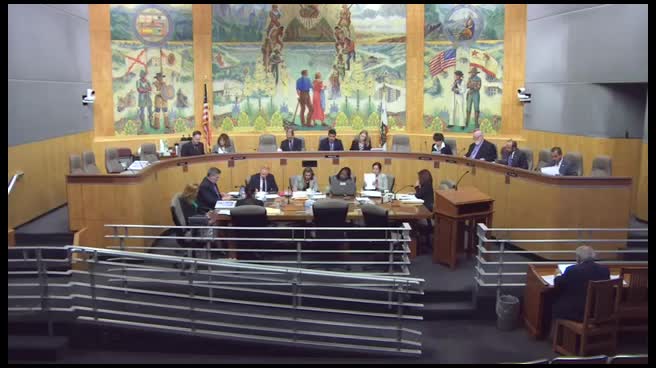 1MIN
Senate Standing Committee on Appropriations
 29MIN
Senate Standing Committee on Energy, Utilities and Communications
 2MIN
Assembly Floor
 8MIN
Assembly Standing Committee on Appropriations
 16MIN
Assembly Standing Committee on Natural Resources


Bill Co-Author(s):