AB 1192: Firearms: retired peace officers.
- Session Year: 2017-2018
- House: Assembly
- Latest Version Date: 2018-07-09
Existing law defines honorably retired for purposes of certain exceptions to the law involving the carrying of firearms by a retired peace officer.
The existing Safety For All Act of 2016, approved as an initiative statute at the November 8, 2016, statewide general election, makes it a crime for a person, commencing July 1, 2017, to possess a large-capacity magazine. Proposition 63 exempts from that prohibition the possession of a large-capacity magazine by honorably retired sworn peace officers. The existing act authorizes the Legislature to amend its provisions by statute approved by a 55% vote of each house if the amendments are consistent with, and further the intent of, the initiative statute.
This bill would amend that act by redefining the definition of honorably retired to include a retired reserve officer who has met specified length of service requirements.
This bill would declare that it is to take effect immediately as an urgency statute.Existing law defines honorably retired for purposes of certain exceptions to the law involving the carrying of firearms by a retired peace officer.
The existing Safety For All Act of 2016, approved as an initiative statute at the November 8, 2016, statewide general election, makes it a crime for a person, commencing July 1, 2017, to possess a large-capacity magazine. Proposition 63 exempts from that prohibition the possession of a large-capacity magazine by honorably retired sworn peace officers. The existing act authorizes the Legislature to amend its provisions by statute approved by a 55% vote of each house if the amendments are consistent with, and further the intent of, the initiative statute.
This bill would amend that act by redefining the definition of honorably retired to include a retired reserve officer who has met specified length of service requirements.
This bill would declare that it is to take effect immediately as an urgency statute.
Existing law defines honorably retired for purposes of certain exceptions to the law involving the carrying of firearms by a retired peace officer.
The existing Safety For All Act of 2016, approved as an initiative statute at the November 8, 2016, statewide general election, makes it a crime for a person, commencing July 1, 2017, to possess a large-capacity magazine. Proposition 63 exempts from that prohibition the possession of a large-capacity magazine by honorably retired sworn peace officers. The existing act authorizes the Legislature to amend its provisions by statute approved by a 55% vote of each house if the amendments are consistent with, and further the intent of, the initiative statute.
This bill would make a technical, nonsubstantive change to this provision. amend that act by redefining the definition of honorably retired to include a retired reserve officer who has met specified length of service requirements.
Existing law defines honorably retired for purposes of certain exceptions to the law involving the carrying of firearms by a retired peace officer.
This bill would make a technical, nonsubstantive change to this provision.
(a)As used in Sections 25650 and 26020, Article 2 (commencing with Section 25450) of Chapter 2 of Division 5 of Title 4, Article 3 (commencing with Section 25900) of Chapter 3 of Division 5 of Title 4, and Section 32406, as added by Chapter 58 of the Statutes of 2016 and as added by Proposition 63, honorably retired includes:
(1)A peace officer who has qualified for, and has accepted, a service or disability retirement.
(2)A retired level I reserve officer who meets the requirements specified in paragraph (2) of subdivision (c) of Section 26300.
(b)As used in this section, honorably retired does not include an officer who has agreed to a service retirement in lieu of termination.
SEC. 2.This act is an urgency statute necessary for the immediate preservation of the public peace, health, or safety within the meaning of Article IV of the California Constitution and shall go into immediate effect. The facts constituting the necessity are:In order to ensure that all honorably retired peace officers, including reserve officers, are properly equipped to defend themselves, their families, and the public, it is necessary for this act to take effect immediately.(a)As used in Sections 25650 and 26020, Article 2 (commencing with Section 25450) of Chapter 2 of Division 5 of Title 4, Article 3 (commencing with Section 25900) of Chapter 3 of Division 5 of Title 4, and Section 32406, as added by Chapter 58 of the Statutes of 2016 and as added by Proposition 63, honorably retired includes:
(1)A peace officer who has qualified for, and has accepted, a service or disability retirement.
(2)A retired level I reserve officer who meets the requirements specified in paragraph (2) of subdivision (c) of Section 26300.
(b)As used in this section, honorably retired does not include an officer who has agreed to a service retirement in lieu of termination.
SEC. 2.This act is an urgency statute necessary for the immediate preservation of the public peace, health, or safety within the meaning of Article IV of the California Constitution and shall go into immediate effect. The facts constituting the necessity are:
In order to ensure that all honorably retired peace officers, including reserve officers, are properly equipped to defend themselves, their families, and the public, it is necessary for this act to take effect immediately.
(a)As used in Sections 25650 and 26020, Article 2 (commencing with Section 25450) of Chapter 2 of Division 5 of Title 4, and Article 3 (commencing with Section 25900) of Chapter 3 of Division 5 of Title 4, and Section 32406, as added by Chapter 58 of the Statutes of 2016 and as added by Proposition 63, honorably retired includes a includes:
(1)A peace officer who has qualified for, and has accepted, a service or disability retirement. As used in those provisions, honorably retired does not include an officer who has agreed to a service retirement in lieu of termination.
(2)A retired level I reserve officer who meets the requirements specified in paragraph (2) of subdivision (c) of Section 26300.
(b)As used in this section, honorably retired does not include an officer who has agreed to a service retirement in lieu of termination.
As used in Sections 25650 and 26020, Article 2 (commencing with Section 25450) of Chapter 2 of Division 5 of Title 4, and Article 3 (commencing with Section 25900) of Chapter 3 of Division 5 of Title 4, honorably retired includes any a peace officer who has qualified for, and has accepted, a service or disability retirement. As used in those provisions, honorably retired does not include an officer who has agreed to a service retirement in lieu of termination.
|
Date
|
Status
|
|---|---|
| Jul 9, 2018 | Chaptered by Secretary of State - Chapter 63, Statutes of 2018. |
| Jul 9, 2018 | Approved by the Governor. |
| Jun 26, 2018 | Enrolled and presented to the Governor at 3 p.m. |
| Jun 21, 2018 | Senate amendments concurred in. To Engrossing and Enrolling. |
| Jun 14, 2018 | In Assembly. Concurrence in Senate amendments pending. May be considered on or after June 16 pursuant to Assembly Rule 77. |
| Jun 14, 2018 | Read third time. Passed. Ordered to the Assembly. |
| May 16, 2018 | Read second time. Ordered to third reading. |
| May 15, 2018 | From committee: Do pass. (Ayes 6. Noes 0.) (May 15). |
| May 7, 2018 | From committee chair, with author's amendments: Amend, and re-refer to committee. Read second time, amended, and re-referred to Com. on PUB. S. |
| Jul 11, 2017 | In committee: Set, second hearing. Hearing canceled at the request of author. |
| Jun 13, 2017 | In committee: Set, first hearing. Hearing canceled at the request of author. |
| May 24, 2017 | Referred to Com. on PUB. S. |
| May 11, 2017 | In Senate. Read first time. To Com. on RLS. for assignment. |
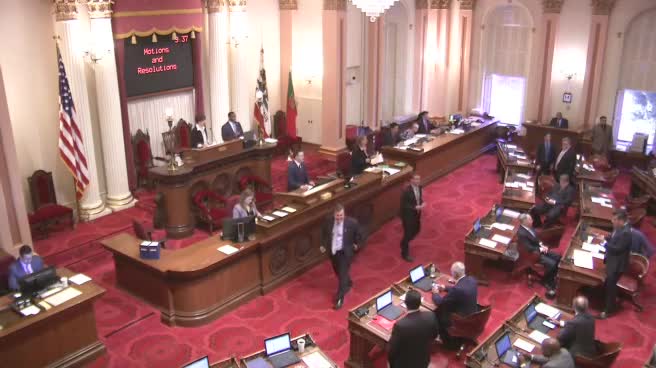
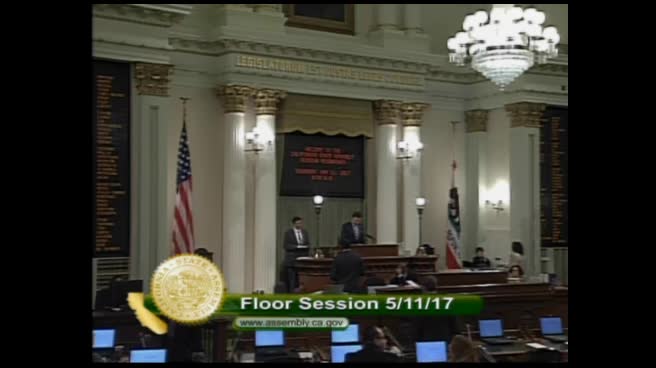
| May 11, 2017 | Read third time. Urgency clause adopted. Passed. Ordered to the Senate. (Ayes 70. Noes 1. Page 1469.). |
| Apr 24, 2017 | Read second time. Ordered to third reading. |
| Apr 20, 2017 | Read second time and amended. Ordered returned to second reading. |
| Apr 19, 2017 | From committee: Amend, and do pass as amended. (Ayes 7. Noes 0.) (April 18). |
| Apr 3, 2017 | Re-referred to Com. on PUB. S. |
| Mar 30, 2017 | From committee chair, with author's amendments: Amend, and re-refer to Com. on PUB. S. Read second time and amended. |
| Mar 30, 2017 | Referred to Com. on PUB. S. |
| Feb 19, 2017 | From printer. May be heard in committee March 21. |
| Feb 17, 2017 | Read first time. To print. |
|
Date
|
Description
|
Location
|
Votes
|
|
|---|---|---|---|---|
| Jun 21, 2018 | AB 1192 LACKEY Concurrence in Senate Amendments | Assembly Floor |
Passed |
|
| Jun 14, 2018 | Assembly 3rd Reading AB1192 Lackey By Anderson | Senate Floor |
Passed |
|
| May 15, 2018 | Do pass | Senate Standing Committee on Public Safety |
Passed |
|
| May 11, 2017 | AB 1192 LACKEY Third Reading Urgency | Assembly Floor |
Passed |
|
| Apr 18, 2017 | Do pass as amended. | Assembly Standing Committee on Public Safety |
Passed |
This list shows positions taken on this bill by organizations on the date displayed, which is linked to the original source.
Positions by individuals are not included.
|
Organization
|
Position
|
Date
|
|---|---|---|
| Association For Los Angeles Deputy Sheriffs | ** Support | May 16, 2018 |
| Association of Deputy District Attorneys | ** Support | May 16, 2018 |
| California Association Of Code Enforcement Officers | ** Support | May 16, 2018 |
| California College And University Police Chiefs Association | ** Support | May 16, 2018 |
| California Narcotic Officers Association | ** Support | May 16, 2018 |
| California Peace Officers Association | ** Support | May 16, 2018 |
| California Reserve Peace Officers Association | * Support | May 15, 2018 |
| Local 685 | ** Support | May 16, 2018 |
| Los Angeles County Professional Peace Officers Association | ** Support | May 16, 2018 |
| Los Angeles Police Protective League | ** Support | May 16, 2018 |
| One private individual | ** Support | May 16, 2018 |
| Peace Officers Research Association Of California | ** Support | May 16, 2018 |
| Riverside Sheriffs' Association | ** Support | May 16, 2018 |
CONCURRENCE IN SENATE AMENDMENTS
CSA1 Bill Id:AB 1192
Author:(Lackey)
As Amended Ver:May 7, 2018
55%
ASSEMBLY: | 70-1 | (May 11, 2017) | SENATE: | 34-0 | (June 14, 2018) |
Original Committee Reference: PUB. S.
SUMMARY: Exempts retired Level I reserve peace officers who meet specified length of service requirements from the ban on possessing high-capacity magazines.
The Senate amendments delete the urgency clause.
EXISTING LAW:
- Mandates that a person who, prior to July 1, 2017, legally possessed a large-capacity magazine shall dispose of that magazine by any of the following means:
- Remove the large-capacity magazine from the state.
- Sell the large-capacity magazine to a licensed firearms dealer.
- Destroy the large-capacity magazine.
- Surrender the large-capacity magazine to a law enforcement agency for destruction.
- Exempts "honorably retired sworn peace officers" from the mandate to dispose of high capacity magazines.
- Defines "honorably retired" includes any peace officer who has qualified for, and has accepted, a service or disability retirement. As used in those provisions, "honorably retired" does not include an officer who has agreed to a service retirement in lieu of termination.
- Defines a "Level I reserve peace officer" as a reserve officer deputized or appointed pursuant to specified sections and assigned to the prevention and detection of crime and the general enforcement of the laws of California, whether or not working alone, and the person has completed the basic training course for deputy sheriffs and police officers prescribed by the Commission on Peace Officer Standards and Training.
- States that the authority of a reserve peace officer extends only for the duration of the person's specific assignment.
- Provide that a retired Level I reserve peace officer is entitled to an endorsement for a concealed weapons (CCW) permit if he or she carried a firearm during the course and scope of his or her appointment and he or she served in the aggregate the minimum amount of time specified by the retiree's agency's policy. This policy may not set an aggregate term requirement that is less than 10 years or more than 20 years.
AS PASSED BY THE ASSEMBLY, this bill exempted retired Level I reserve peace officers who meet specified length of service requirements from the ban on possessing high-capacity magazines
FISCAL EFFECT: Unknown. This bill is keyed non-fiscal by the Legislative Counsel.
COMMENTS: According to the author, "The California Reserve Peace Officers Association and the author, consider the omission of honorably separated Level 1 reserve peace officers from the availability of the exemption for fulltime honorably retired officers to be a technical error with an easy fix.
"AB 1192 offers a proposed amendment to [Penal Code] section 16690 on an urgency basis, to become effective prior to July 1, 2017. Absent language amending [Penal Code] section 16690 to include honorably separated Level 1 prior to July 1, 2017, there would be no provision for those affected officers to retain presently owned high-capacity magazines for the firearms they have been authorized by law to carry as honorably separated Level 1 reserve peace officers."
Analysis Prepared by: Gregory Pagan/ PUB. S. / (916) 319-3744 FN: 0002971
Office of Senate Floor Analyses (916) 651-1520 Fax: (916) 327-4478 | AB |
THIRD READING
Bill No: AB 1192
:
SENATE PUBLIC SAFETY COMMITTEE: 6-0, 5/15/18
AYES: Skinner, Anderson, Bradford, Mitchell, Stone, Wiener
NO VOTE RECORDED: Jackson
ASSEMBLY FLOOR: 70-1, 5/11/17 - See last page for vote
DIGEST:
This bill exempts retired Level I reserve peace officers who meet specified length of service requirements from the ban on possessing high-capacity magazines.
Existing law:
- Mandates that a person who, prior to July 1, 2017, legally possessed a large-capacity magazine shall dispose of that magazine by any of the following means: (Pen. Code, § 32310, subd. (c).)
- Remove the large-capacity magazine from the state.
- Sell the large-capacity magazine to a licensed firearms dealer.
- Destroy the large-capacity magazine.
- Surrender the large-capacity magazine to a law enforcement agency for destruction.
- Exempts "honorably retired sworn peace officers" from the mandate to dispose of high capacity magazines. (Pen. Code, § 32406.)
- Defines "honorably retired" includes any peace officer who has qualified for, and has accepted, a service or disability retirement. As used in those provisions, "honorably retired" does not include an officer who has agreed to a service retirement in lieu of termination. (Pen. Code, § 11690.)
- Defines a "Level I reserve peace officer" as a reserve officer deputized or appointed pursuant to specified sections and assigned to the prevention and detection of crime and the general enforcement of the laws of California, whether or not working alone, and the person has completed the basic training course for deputy sheriffs and police officers prescribed by the Commission on Peace Officer Standards and Training. (Penal Code, § 832.6, subd. (a)(1).)
- States that the authority of a reserve peace officer extends only for the duration of the person's specific assignment. (Penal Code, § 830.6, subd. (a).)
- Provides that a retired Level I reserve peace officer is entitled to an endorsement for a concealed weapons (CCW) permit if he or she carried a firearm during the course and scope of his or her appointment and he or she served in the aggregate the minimum amount of time specified by the retiree's agency's policy. This policy may not set an aggregate term requirement that is less than 10 years or more than 20 years. (Pen. Code, § 26300.)
This bill exempts retired Level I reserve peace officers who meet specified length of service requirements from the ban on possessing high-capacity magazines.
Background
On November 8, 2016, California voters approved Proposition 63 by more than a 63% majority. The proposition was titled "Background Checks for Ammunition Purchases and Large-Capacity Ammunition Magazine Ban Initiative."
Proposition 63 required individuals who wish to purchase ammunition to first obtain a permit. The measure mandated dealers to check this permit before selling ammunition. The measure also eliminated several exemptions to the large-capacity magazines ban and increased the penalty for possessing them. Proposition 63 enacted a court process that attempts to ensure prohibited individuals do not continue to have firearms. Proposition 47 of 2014 made stealing an item that is valued at less than $950 a misdemeanor. Therefore, stealing a gun valued at less than $950 is a misdemeanor. Proposition 63 made stealing a gun, including one valued at less than $950, a felony punishable by up to three years in prison.
California banned large-capacity magazines for most individuals in 2000. Individuals who had large-capacity magazines before 2000 were allowed to keep the magazines. Proposition 63 removed the ownership exemption for pre-2000 owners of large-capacity magazines. The measure provided for charging individuals who do not comply with it with an infraction.
Specifically, Proposition 63 stated that all persons who lawfully possessed a high capacity magazine prior to January 1, 2017 had to dispose of the magazine by one of four specified options. However, the proposition exempted "honorably retired sworn peace officers" from the mandate to dispose of high capacity magazines. The definition of "honorably retired" was taken from Pen. Code, § 11690 which requires that an honorably retired peace officer take a pension. However, honorably retired reserve peace officers are not generally offered a pension.
On June 29, 2017 U.S. Circuit Court Judge Roger T. Benitez of the Southern District of California blocked the high-capacity magazine ban from going into effect in California[1] by granting a preliminary injunction. The merits of the underlying case must still be heard and determined by the District Court, and will most certainly make its way through the appellate process.
Under current law, we permit Level I retired reserve peace officers to carry concealed weapons if they meet specified time of service requirements. A "Level I reserve peace officer" is a reserve officer deputized or appointed and assigned to the prevention and detection of crime and the general enforcement of the laws of California, whether or not working alone, and the person has completed the basic training course for deputy sheriffs and police officers prescribed by the Commission on Peace Officer Standards and Training. AB 703 (Hall, Chapter 267, Statutes of 2013) provided that a retired Level I reserve peace officer is entitled to an endorsement for a concealed weapons (CCW) permit if he/she carried a firearm during the course and scope of his/her appointment and he/she served in the aggregate the minimum amount of time specified by the retiree’s agency’s policy. Under current law a retired Level I reserve peace officer is entitled to an endorsement for a concealed weapons (CCW) permit if he or she carried a firearm during the course and scope of his or her appointment and he or she served in the aggregate the minimum amount of time specified by the retiree's agency's policy. This policy may not set an aggregate term requirement that is less than 10 years or more than 20 years. Under this bill, similarly situated retired reserve peace officers would be permitted to additionally possess large capacity magazines.
FISCAL EFFECT: Appropriation: Fiscal Com.: Local:
Association for Los Angeles Deputy Sheriffs
Association of Deputy District Attorneys
California Association of Code Enforcement Officers
California College and University Police Chiefs Association
California Narcotic Officers Association
California Peace Officers Association
Los Angeles County Probation California Peace Officers Union AFSCME
Local 685
Los Angeles County Professional Peace Officers Association
Los Angeles Police Protective League
Peace Officers Research Association of California
Riverside Sheriffs’ Association
one private individual
OPPOSITION: (Verified 5/15/18)
None received
ASSEMBLY FLOOR: 70-1, 5/11/17
AYES: Acosta, Aguiar-Curry, Travis Allen, Arambula, Baker, Bigelow, Bloom, Bocanegra, Bonta, Brough, Burke, Caballero, Calderon, Cervantes, Chau, Chávez, Chen, Chiu, Choi, Chu, Cooley, Cooper, Cunningham, Dababneh, Daly, Eggman, Flora, Fong, Frazier, Friedman, Gallagher, Eduardo Garcia, Gipson, Gomez, Gonzalez Fletcher, Gray, Grayson, Harper, Holden, Irwin, Jones-Sawyer, Kalra, Kiley, Lackey, Levine, Low, Maienschein, Mathis, Mayes, McCarty, Medina, Melendez, Mullin, Muratsuchi, Nazarian, Obernolte, Quirk, Quirk-Silva, Ridley-Thomas, Rodriguez, Rubio, Salas, Santiago, Steinorth, Thurmond, Voepel, Waldron, Weber, Wood, Rendon
NOES: Mark Stone
NO VOTE RECORDED: Berman, Dahle, Cristina Garcia, Gloria, Limón, O'Donnell, Patterson, Reyes, Ting
5/16/18 16:52:31
**** END ****
http://www.courthousenews.com/wp-content/uploads/2017/06/Calif.Guns_.pdf ↑
SENATE COMMITTEE ON PUBLIC SAFETY
Senator Nancy Skinner, Chair
2017 - 2018 Regular
Bill No: AB 1192 Hearing Date: May 15, 2018
Author: | Lackey | ||
Version: | April 20, 2017 | ||
Urgency: | Yes | Fiscal: | No |
Consultant: | GC | ||
Subject: Firearms: Retired Peace Officers
HISTORY
Source: California Reserve Peace Officers Association
Prior Legislation: AB 703 (Hall), Chapter 267, Statutes of 2013
Support: Association for Los Angeles Deputy Sheriffs; Association of Deputy District Attorneys; California Association of Code Enforcement Officers; California College and University Police Chiefs Association; California Narcotic Officers Association; California Peace Officers Association; Los Angeles County Probation California Peace Officers Union AFSCME Local 685; Los Angeles County Professional Peace Officers Association; Los Angeles Police Protective League; Peace Officers Research Association of California; Riverside Sheriffs’ Association; one private individual
Opposition: None known
Assembly Floor Vote: 70 - 1
PURPOSE
The purpose of this bill is to exempt retired Level I reserve peace officers who meet specified length of service requirements from the ban on possessing high-capacity magazines.
Existing law mandates that a person who, prior to July 1, 2017, legally possessed a large-capacity magazine shall dispose of that magazine by any of the following means: (Pen. Code, § 32310, subd. (c).)
- Remove the large-capacity magazine from the state.
- Sell the large-capacity magazine to a licensed firearms dealer.
- Destroy the large-capacity magazine.
- Surrender the large-capacity magazine to a law enforcement agency for destruction.
Existing law exempts "honorably retired sworn peace officers" from the mandate to dispose of high capacity magazines. (Pen. Code, § 32406.)
Existing law defines "honorably retired" includes any peace officer who has qualified for, and has accepted, a service or disability retirement. As used in those provisions, "honorably retired" does not include an officer who has agreed to a service retirement in lieu of termination. (Pen. Code, § 11690.)
Existing law defines a "Level I reserve peace officer" as a reserve officer deputized or appointed pursuant to specified sections and assigned to the prevention and detection of crime and the general enforcement of the laws of California, whether or not working alone, and the person has completed the basic training course for deputy sheriffs and police officers prescribed by the Commission on Peace Officer Standards and Training. (Penal Code, § 832.6, subd. (a)(1).)
Existing law states that the authority of a reserve peace officer extends only for the duration of the person's specific assignment. (Penal Code, § 830.6, subd. (a).)
Existing law provide that a retired Level I reserve peace officer is entitled to an endorsement for a concealed weapons (CCW) permit if he or she carried a firearm during the course and scope of his or her appointment and he or she served in the aggregate the minimum amount of time specified by the retiree's agency's policy. This policy may not set an aggregate term requirement that is less than 10 years or more than 20 years. (Pen. Code, § 26300.)
This bill exempts retired Level I reserve peace officers who meet specified length of service requirements from the ban on possessing high-capacity magazines.
COMMENTS
1. Need for This Bill
According to the author:
In 2013, the California Legislature passed and the Governor signed into law Assembly Bill 703 to enable honorably separated Level 1 reserve peace officers to carry a concealed firearm by requiring agencies to issue CCW-endorsed ID cards to them upon separation on the same basis as honorably retired full-time peace officers. The law became effective on January 1, 2014.
At the time the law became effective, the California Penal Code allowed the acquisition and possession of high-capacity magazines by currently sworn full-time and reserve peace officers. It also allowed the continued possession of high-capacity magazines by California residents who lawfully acquired them prior to the year 2000 and by retired peace officers who acquired them during the course of their active duty.
In 2016, a bill was signed and an initiative was passed both requiring all persons, with few exceptions, to divest themselves of high-capacity magazines by July 1, 2017. Both the bill and the initiative were amended before they were passed pursuant to which an exemption was added for “honorably retired peace officers” to continue to possess high capacity magazines notwithstanding the foregoing prohibitions. The term “honorably retired peace officers” is defined in California Penal Code section 16690 and requires that the retired officer receive a pension.
Due to a technical oversight, the amendments to the bill and initiative referred to above did not consider that most honorably separated Level 1 reserve peace officers do not receive a pension and thus they will not meet the definition of “honorably retired” peace officers when the bill and the initiative become effective July 1, 2017. They would therefore be forced to dispose of any high-capacity magazines possessed by them on or prior to July 1, 2017, despite the fact that they possess CCW-endorsed ID cards issued to them upon honorable separation from their agencies. Absent language amending section 16690 to include honorably separated Level 1 prior to July 1, 2017, there would be no provision for those affected officers to reacquire high-capacity magazines for the firearms they have been authorized by law to carry as honorably separated Level 1 reserve peace officers.
2. Proposition 63 Banned Possession of Large-Capacity Magazines by Retired Reserve Peace Officers
On November 8, 2016, California voters approved Proposition 63 by more than a 63% majority. The proposition was titled "Background Checks for Ammunition Purchases and Large-Capacity Ammunition Magazine Ban Initiative."
Proposition 63 required individuals who wish to purchase ammunition to first obtain a permit. The measure mandated dealers to check this permit before selling ammunition. The measure also eliminated several exemptions to the large-capacity magazines ban and increased the penalty for possessing them. Proposition 63 enacted a court process that attempts to ensure prohibited individuals do not continue to have firearms. Proposition 47 of 2014 made stealing an item that is valued at less than $950 a misdemeanor. Therefore, stealing a gun valued at less than $950 is a misdemeanor. Proposition 63 made stealing a gun, including one valued at less than $950, a felony punishable by up to three years in prison.
California banned large-capacity magazines for most individuals in 2000. Individuals who had large-capacity magazines before 2000 were allowed to keep the magazines. Proposition 63 removed the ownership exemption for pre-2000 owners of large-capacity magazines. The measure provided for charging individuals who do not comply with it with an infraction.
Specifically, Proposition 63 stated that all persons who lawfully possessed a high capacity magazine prior to January 1, 2017 had to dispose of the magazine by one of four specified options. However, the proposition exempted "honorably retired sworn peace officers" from the mandate to dispose of high capacity magazines. The definition of "honorably retired" was taken from Pen. Code, § 11690 which requires that an honorably retired peace officer take a pension. However, honorably retired reserve peace officers are not generally offered a pension.
On June 29, 2017 U.S. Circuit Court Judge Roger T. Benitez of the Southern District of California blocked the high-capacity magazine ban from going into effect in California[1] by granting a preliminary injunction. The merits of the underlying case must still be heard and determined by the District Court, and will most certainly make its way through the appellate process.
3. This Bill Would Permit Level I Retired Reserve Peace Officers to Possess Large
Capacity Magazines
Under current law, we permit Level I retired reserve peace officers to carry concealed weapons if they meet specified time of service requirements. A "Level I reserve peace officer" is a reserve officer deputized or appointed and assigned to the prevention and detection of crime and the general enforcement of the laws of California, whether or not working alone, and the person has completed the basic training course for deputy sheriffs and police officers prescribed by the Commission on Peace Officer Standards and Training. AB 703 (Hall), Chapter 267, Statutes of 2013, provided that a retired Level I reserve peace officer is entitled to an endorsement for a concealed weapons (CCW) permit if he/she carried a firearm during the course and scope of his/her appointment and he/she served in the aggregate the minimum amount of time specified by the retiree’s agency’s policy. Under current law a retired Level I reserve peace officer is entitled to an endorsement for a concealed weapons (CCW) permit if he or she carried a firearm during the course and scope of his or her appointment and he or she served in the aggregate the minimum amount of time specified by the retiree's agency's policy. This policy may not set an aggregate term requirement that is less than 10 years or more than 20 years. Under this bill, similarly situated retired reserve peace officers would be permitted to additionally possess large capacity magazines.
4. Argument in Support
According to the California Peace Officers Association:
The passage of Proposition 63 last November altered certain provisions for retired officers' ability to carry firearms and ammunition. By expanding the category of honorably retired officers to include those who have given a specified amount of service, training, and acceptance to their issuing agency. Wisely, Mr. Lackey's bill also keeps in place provisions to keep 'honorably retired' to preclude an officer who has accepted service retirement in place of termination.
-- END –
http://www.courthousenews.com/wp-content/uploads/2017/06/Calif.Guns_.pdf ↑
SENATE COMMITTEE ON PUBLIC SAFETY
Senator Nancy Skinner, Chair
2017 - 2018 Regular
Bill No: AB 1192 Hearing Date: May 15, 2018
Author: | Lackey | ||
Version: | May 7, 2018 | ||
Urgency: | No | Fiscal: | No |
Consultant: | GC | ||
Subject: Firearms: Retired Peace Officers
HISTORY
Source: California Reserve Peace Officers Association
Prior Legislation: AB 703 (Hall), Chapter 267, Statutes of 2013
Support: Association for Los Angeles Deputy Sheriffs; Association of Deputy District Attorneys; California Association of Code Enforcement Officers; California College and University Police Chiefs Association; California Narcotic Officers Association; California Peace Officers Association; Los Angeles County Probation California Peace Officers Union AFSCME Local 685; Los Angeles County Professional Peace Officers Association; Los Angeles Police Protective League; Peace Officers Research Association of California; Riverside Sheriffs’ Association; one private individual
Opposition: None known
Assembly Floor Vote: 70 - 1
PURPOSE
The purpose of this bill is to exempt retired Level I reserve peace officers who meet specified length of service requirements from the ban on possessing high-capacity magazines.
Existing law mandates that a person who, prior to July 1, 2017, legally possessed a large-capacity magazine shall dispose of that magazine by any of the following means: (Pen. Code, § 32310, subd. (c).)
- Remove the large-capacity magazine from the state.
- Sell the large-capacity magazine to a licensed firearms dealer.
- Destroy the large-capacity magazine.
- Surrender the large-capacity magazine to a law enforcement agency for destruction.
Existing law exempts "honorably retired sworn peace officers" from the mandate to dispose of high capacity magazines. (Pen. Code, § 32406.)
Existing law defines "honorably retired" includes any peace officer who has qualified for, and has accepted, a service or disability retirement. As used in those provisions, "honorably retired" does not include an officer who has agreed to a service retirement in lieu of termination. (Pen. Code, § 11690.)
Existing law defines a "Level I reserve peace officer" as a reserve officer deputized or appointed pursuant to specified sections and assigned to the prevention and detection of crime and the general enforcement of the laws of California, whether or not working alone, and the person has completed the basic training course for deputy sheriffs and police officers prescribed by the Commission on Peace Officer Standards and Training. (Penal Code, § 832.6, subd. (a)(1).)
Existing law states that the authority of a reserve peace officer extends only for the duration of the person's specific assignment. (Penal Code, § 830.6, subd. (a).)
Existing law provide that a retired Level I reserve peace officer is entitled to an endorsement for a concealed weapons (CCW) permit if he or she carried a firearm during the course and scope of his or her appointment and he or she served in the aggregate the minimum amount of time specified by the retiree's agency's policy. This policy may not set an aggregate term requirement that is less than 10 years or more than 20 years. (Pen. Code, § 26300.)
This bill exempts retired Level I reserve peace officers who meet specified length of service requirements from the ban on possessing high-capacity magazines.
COMMENTS
1. Need for This Bill
According to the author:
In 2013, the California Legislature passed and the Governor signed into law Assembly Bill 703 to enable honorably separated Level 1 reserve peace officers to carry a concealed firearm by requiring agencies to issue CCW-endorsed ID cards to them upon separation on the same basis as honorably retired full-time peace officers. The law became effective on January 1, 2014.
At the time the law became effective, the California Penal Code allowed the acquisition and possession of high-capacity magazines by currently sworn full-time and reserve peace officers. It also allowed the continued possession of high-capacity magazines by California residents who lawfully acquired them prior to the year 2000 and by retired peace officers who acquired them during the course of their active duty.
In 2016, a bill was signed and an initiative was passed both requiring all persons, with few exceptions, to divest themselves of high-capacity magazines by July 1, 2017. Both the bill and the initiative were amended before they were passed pursuant to which an exemption was added for “honorably retired peace officers” to continue to possess high capacity magazines notwithstanding the foregoing prohibitions. The term “honorably retired peace officers” is defined in California Penal Code section 16690 and requires that the retired officer receive a pension.
Due to a technical oversight, the amendments to the bill and initiative referred to above did not consider that most honorably separated Level 1 reserve peace officers do not receive a pension and thus they will not meet the definition of “honorably retired” peace officers when the bill and the initiative become effective July 1, 2017. They would therefore be forced to dispose of any high-capacity magazines possessed by them on or prior to July 1, 2017, despite the fact that they possess CCW-endorsed ID cards issued to them upon honorable separation from their agencies. Absent language amending section 16690 to include honorably separated Level 1 prior to July 1, 2017, there would be no provision for those affected officers to reacquire high-capacity magazines for the firearms they have been authorized by law to carry as honorably separated Level 1 reserve peace officers.
2. Proposition 63 Banned Possession of Large-Capacity Magazines by Retired Reserve Peace Officers
On November 8, 2016, California voters approved Proposition 63 by more than a 63% majority. The proposition was titled "Background Checks for Ammunition Purchases and Large-Capacity Ammunition Magazine Ban Initiative."
Proposition 63 required individuals who wish to purchase ammunition to first obtain a permit. The measure mandated dealers to check this permit before selling ammunition. The measure also eliminated several exemptions to the large-capacity magazines ban and increased the penalty for possessing them. Proposition 63 enacted a court process that attempts to ensure prohibited individuals do not continue to have firearms. Proposition 47 of 2014 made stealing an item that is valued at less than $950 a misdemeanor. Therefore, stealing a gun valued at less than $950 is a misdemeanor. Proposition 63 made stealing a gun, including one valued at less than $950, a felony punishable by up to three years in prison.
California banned large-capacity magazines for most individuals in 2000. Individuals who had large-capacity magazines before 2000 were allowed to keep the magazines. Proposition 63 removed the ownership exemption for pre-2000 owners of large-capacity magazines. The measure provided for charging individuals who do not comply with it with an infraction.
Specifically, Proposition 63 stated that all persons who lawfully possessed a high capacity magazine prior to January 1, 2017 had to dispose of the magazine by one of four specified options. However, the proposition exempted "honorably retired sworn peace officers" from the mandate to dispose of high capacity magazines. The definition of "honorably retired" was taken from Pen. Code, § 11690 which requires that an honorably retired peace officer take a pension. However, honorably retired reserve peace officers are not generally offered a pension.
On June 29, 2017 U.S. Circuit Court Judge Roger T. Benitez of the Southern District of California blocked the high-capacity magazine ban from going into effect in California[1] by granting a preliminary injunction. The merits of the underlying case must still be heard and determined by the District Court, and will most certainly make its way through the appellate process.
3. This Bill Would Permit Level I Retired Reserve Peace Officers to Possess Large
Capacity Magazines
Under current law, we permit Level I retired reserve peace officers to carry concealed weapons if they meet specified time of service requirements. A "Level I reserve peace officer" is a reserve officer deputized or appointed and assigned to the prevention and detection of crime and the general enforcement of the laws of California, whether or not working alone, and the person has completed the basic training course for deputy sheriffs and police officers prescribed by the Commission on Peace Officer Standards and Training. AB 703 (Hall), Chapter 267, Statutes of 2013, provided that a retired Level I reserve peace officer is entitled to an endorsement for a concealed weapons (CCW) permit if he/she carried a firearm during the course and scope of his/her appointment and he/she served in the aggregate the minimum amount of time specified by the retiree’s agency’s policy. Under current law a retired Level I reserve peace officer is entitled to an endorsement for a concealed weapons (CCW) permit if he or she carried a firearm during the course and scope of his or her appointment and he or she served in the aggregate the minimum amount of time specified by the retiree's agency's policy. This policy may not set an aggregate term requirement that is less than 10 years or more than 20 years. Under this bill, similarly situated retired reserve peace officers would be permitted to additionally possess large capacity magazines.
4. Argument in Support
According to the California Peace Officers Association:
The passage of Proposition 63 last November altered certain provisions for retired officers' ability to carry firearms and ammunition. By expanding the category of honorably retired officers to include those who have given a specified amount of service, training, and acceptance to their issuing agency. Wisely, Mr. Lackey's bill also keeps in place provisions to keep 'honorably retired' to preclude an officer who has accepted service retirement in place of termination.
-- END –
http://www.courthousenews.com/wp-content/uploads/2017/06/Calif.Guns_.pdf ↑
SENATE COMMITTEE ON PUBLIC SAFETY
Senator Nancy Skinner, Chair
2017 - 2018 Regular
Bill No: AB 1192 Hearing Date: July 11, 2017
Author: | Lackey | ||
Version: | April 20, 2017 | ||
Urgency: | Yes | Fiscal: | No |
Consultant: | GC | ||
Subject: Firearms: Retired Peace Officers
HISTORY
Source: California Reserve Peace Officers Association
Prior Legislation: AB 703 (Hall), Chapter 267, Statutes of 2013
Support: Association for Los Angeles Deputy Sheriffs; Association of Deputy District Attorneys; California Association of Code Enforcement Officers; California College and University Police Chiefs Association; California Narcotic Officers Association; California Peace Officers Association; Los Angeles County Probation California Peace Officers Union AFSCME Local 685; Los Angeles County Professional Peace Officers Association; Los Angeles Police Protective League; Peace Officers Research Association of California; one private individual
Opposition: None
Assembly Floor Vote: 70 - 1
PURPOSE
The purpose of this bill is to exempt retired Level I reserve peace officers who meet specified length of service requirements from the ban on possessing high-capacity magazines.
Existing law mandates that a person who, prior to July 1, 2017, legally possessed a large-capacity magazine shall dispose of that magazine by any of the following means: (Pen. Code, § 32310, subd. (c).)
- Remove the large-capacity magazine from the state.
- Sell the large-capacity magazine to a licensed firearms dealer.
- Destroy the large-capacity magazine.
- Surrender the large-capacity magazine to a law enforcement agency for destruction.
Existing law exempts "honorably retired sworn peace officers" from the mandate to dispose of high capacity magazines. (Pen. Code, § 32406.)
Existing law defines "honorably retired" includes any peace officer who has qualified for, and has accepted, a service or disability retirement. As used in those provisions, "honorably retired" does not include an officer who has agreed to a service retirement in lieu of termination. (Pen. Code, § 11690.)
Existing law defines a "Level I reserve peace officer" as a reserve officer deputized or appointed pursuant to specified sections and assigned to the prevention and detection of crime and the general enforcement of the laws of California, whether or not working alone, and the person has completed the basic training course for deputy sheriffs and police officers prescribed by the Commission on Peace Officer Standards and Training. (Penal Code, § 832.6, subd. (a)(1).)
Existing law states that the authority of a reserve peace officer extends only for the duration of the person's specific assignment. (Penal Code, § 830.6, subd. (a).)
Existing law provide that a retired Level I reserve peace officer is entitled to an endorsement for a concealed weapons (CCW) permit if he or she carried a firearm during the course and scope of his or her appointment and he or she served in the aggregate the minimum amount of time specified by the retiree's agency's policy. This policy may not set an aggregate term requirement that is less than 10 years or more than 20 years. (Pen. Code, § 26300.)
This bill exempts retired Level I reserve peace officers who meet specified length of service requirements from the ban on possessing high-capacity magazines.
COMMENTS
1. Need for This Bill
According to the author:
In 2013, the California Legislature passed and the Governor signed into law Assembly Bill 703 to enable honorably separated Level 1 reserve peace officers to carry a concealed firearm by requiring agencies to issue CCW-endorsed ID cards to them upon separation on the same basis as honorably retired full-time peace officers. The law became effective on January 1, 2014.
At the time the law became effective, the California Penal Code allowed the acquisition and possession of high-capacity magazines by currently sworn full-time and reserve peace officers. It also allowed the continued possession of high-capacity magazines by California residents who lawfully acquired them prior to the year 2000 and by retired peace officers who acquired them during the course of their active duty.
In 2016, a bill was signed and an initiative was passed both requiring all persons, with few exceptions, to divest themselves of high-capacity magazines by July 1, 2017. Both the bill and the initiative were amended before they were passed pursuant to which an exemption was added for “honorably retired peace officers” to continue to possess high capacity magazines notwithstanding the foregoing prohibitions. The term “honorably retired peace officers” is defined in California Penal Code section 16690 and requires that the retired officer receive a pension.
Due to a technical oversight, the amendments to the bill and initiative referred to above did not consider that most honorably separated Level 1 reserve peace officers do not receive a pension and thus they will not meet the definition of “honorably retired” peace officers when the bill and the initiative become effective July 1, 2017. They would therefore be forced to dispose of any high-capacity magazines possessed by them on or prior to July 1, 2017, despite the fact that they possess CCW-endorsed ID cards issued to them upon honorable separation from their agencies. Absent language amending section 16690 to include honorably separated Level 1 prior to July 1, 2017, there would be no provision for those affected officers to reacquire high-capacity magazines for the firearms they have been authorized by law to carry as honorably separated Level 1 reserve peace officers.
2. Proposition 63 Banned Possession of Large-Capacity Magazines by Retired Reserve Peace Officers
On November 8, 2016, California voters approved Proposition 63 by more than a 63% majority. The proposition was titled "Background Checks for Ammunition Purchases and Large-Capacity Ammunition Magazine Ban Initiative."
Proposition 63 required individuals who wish to purchase ammunition to first obtain a permit. The measure mandated dealers to check this permit before selling ammunition. The measure also eliminated several exemptions to the large-capacity magazines ban and increased the penalty for possessing them. Proposition 63 enacted a court process that attempts to ensure prohibited individuals do not continue to have firearms. Proposition 47 of 2014 made stealing an item that is valued at less than $950 a misdemeanor. Therefore, stealing a gun valued at less than $950 is a misdemeanor. Proposition 63 made stealing a gun, including one valued at less than $950, a felony punishable by up to three years in prison.
California banned large-capacity magazines for most individuals in 2000. Individuals who had large-capacity magazines before 2000 were allowed to keep the magazines. Proposition 63 removed the ownership exemption for pre-2000 owners of large-capacity magazines. The measure provided for charging individuals who do not comply with it with an infraction.
Specifically, Proposition 63 stated that all persons who lawfully possessed a high capacity magazine prior to January 1, 2017 had to dispose of the magazine by one of four specified options. However, the proposition exempted "honorably retired sworn peace officers" from the mandate to dispose of high capacity magazines. The definition of "honorably retired" was taken from Pen. Code, § 11690 which requires that an honorably retired peace officer take a pension. However, honorably retired reserve peace officers are not generally offered a pension.
On June 29, 2017 U.S. Circuit Court Judge Roger T. Benitez of the Southern District of California blocked the high-capacity magazine ban from going into effect in California[1] by granting a preliminary injunction. The merits of the underlying case must still be heard and determined by the District Court, and will most certainly make its way through the appellate process.
3. This Bill Would Permit Level I Retired Reserve Peace Officers to Possess Large
Capacity Magazines
Under current law, we permit Level I retired reserve peace officers to carry concealed weapons if they meet specified time of service requirements. A "Level I reserve peace officer" is a reserve officer deputized or appointed and assigned to the prevention and detection of crime and the general enforcement of the laws of California, whether or not working alone, and the person has completed the basic training course for deputy sheriffs and police officers prescribed by the Commission on Peace Officer Standards and Training. AB 703 (Hall), Chapter 267, Statutes of 2013, provided that a retired Level I reserve peace officer is entitled to an endorsement for a concealed weapons (CCW) permit if he/she carried a firearm during the course and scope of his/her appointment and he/she served in the aggregate the minimum amount of time specified by the retiree’s agency’s policy. Under current law a retired Level I reserve peace officer is entitled to an endorsement for a concealed weapons (CCW) permit if he or she carried a firearm during the course and scope of his or her appointment and he or she served in the aggregate the minimum amount of time specified by the retiree's agency's policy. This policy may not set an aggregate term requirement that is less than 10 years or more than 20 years. Under this bill, similarly situated retired reserve peace officers would be permitted to additionally possess large capacity magazines.
4. Argument in Support
According to the California Peace Officers Association:
The passage of Proposition 63 last November altered certain provisions for retired officers' ability to carry firearms and ammunition. By expanding the category of honorably retired officers to include those who have given a specified amount of service, training, and acceptance to their issuing agency. Wisely, Mr. Lackey's bill also keeps in place provisions to keep 'honorably retired' to preclude an officer who has accepted service retirement in place of termination.
-- END –
http://www.courthousenews.com/wp-content/uploads/2017/06/Calif.Guns_.pdf ↑
SENATE COMMITTEE ON PUBLIC SAFETY
Senator Nancy Skinner, Chair
2017 - 2018 Regular
Bill No: AB 1192 Hearing Date: June 13, 2017
Author: | Lackey | ||
Version: | April 20, 2017 | ||
Urgency: | Yes | Fiscal: | No |
Consultant: | GC | ||
Subject: Firearms: Retired Peace Officers
HISTORY
Source: California Reserve Peace Officers Association
Prior Legislation: AB 703 (Hall), Chapter 267, Statutes of 2013
Support: Association for Los Angeles Deputy Sheriffs; Association of Deputy District Attorneys; California Association of Code Enforcement Officers; California College and University Police Chiefs Association; California Narcotic Officers Association; California Peace Officers Association; Los Angeles County Probation California Peace Officers Union AFSCME Local 685; Los Angeles County Professional Peace Officers Association; Los Angeles Police Protective League; Peace Officers Research Association of California; one private individual
Opposition: None
Assembly Floor Vote: 70 - 1
PURPOSE
The purpose of this bill is to exempt retired Level I reserve peace officers who meet specified length of service requirements from the ban on possessing high-capacity magazines.
Existing law mandates that a person who, prior to July 1, 2017, legally possessed a large-capacity magazine shall dispose of that magazine by any of the following means: (Pen. Code, § 32310, subd. (c).)
- Remove the large-capacity magazine from the state.
- Sell the large-capacity magazine to a licensed firearms dealer.
- Destroy the large-capacity magazine.
- Surrender the large-capacity magazine to a law enforcement agency for destruction.
Existing law exempts "honorably retired sworn peace officers" from the mandate to dispose of high capacity magazines. (Pen. Code, § 32406.)
Existing law defines "honorably retired" includes any peace officer who has qualified for, and has accepted, a service or disability retirement. As used in those provisions, "honorably retired" does not include an officer who has agreed to a service retirement in lieu of termination. (Pen. Code, § 11690.)
Existing law defines a "Level I reserve peace officer" as a reserve officer deputized or appointed pursuant to specified sections and assigned to the prevention and detection of crime and the general enforcement of the laws of California, whether or not working alone, and the person has completed the basic training course for deputy sheriffs and police officers prescribed by the Commission on Peace Officer Standards and Training. (Penal Code, § 832.6, subd. (a)(1).)
Existing law states that the authority of a reserve peace officer extends only for the duration of the person's specific assignment. (Penal Code, § 830.6, subd. (a).)
Existing law provide that a retired Level I reserve peace officer is entitled to an endorsement for a concealed weapons (CCW) permit if he or she carried a firearm during the course and scope of his or her appointment and he or she served in the aggregate the minimum amount of time specified by the retiree's agency's policy. This policy may not set an aggregate term requirement that is less than 10 years or more than 20 years. (Pen. Code, § 26300.)
This bill exempts retired Level I reserve peace officers who meet specified length of service requirements from the ban on possessing high-capacity magazines.
COMMENTS
1. Need for This Bill
According to the author:
In 2013, the California Legislature passed and the Governor signed into law Assembly Bill 703 to enable honorably separated Level 1 reserve peace officers to carry a concealed firearm by requiring agencies to issue CCW-endorsed ID cards to them upon separation on the same basis as honorably retired full-time peace officers. The law became effective on January 1, 2014.
At the time the law became effective, the California Penal Code allowed the acquisition and possession of high-capacity magazines by currently sworn full-time and reserve peace officers. It also allowed the continued possession of high-capacity magazines by California residents who lawfully acquired them prior to the year 2000 and by retired peace officers who acquired them during the course of their active duty.
In 2016, a bill was signed and an initiative was passed both requiring all persons, with few exceptions, to divest themselves of high-capacity magazines by July 1, 2017. Both the bill and the initiative were amended before they were passed pursuant to which an exemption was added for “honorably retired peace officers” to continue to possess high capacity magazines notwithstanding the foregoing prohibitions. The term “honorably retired peace officers” is defined in California Penal Code section 16690 and requires that the retired officer receive a pension.
Due to a technical oversight, the amendments to the bill and initiative referred to above did not consider that most honorably separated Level 1 reserve peace officers do not receive a pension and thus they will not meet the definition of “honorably retired” peace officers when the bill and the initiative become effective July 1, 2017. They would therefore be forced to dispose of any high-capacity magazines possessed by them on or prior to July 1, 2017, despite the fact that they possess CCW-endorsed ID cards issued to them upon honorable separation from their agencies. Absent language amending section 16690 to include honorably separated Level 1 prior to July 1, 2017, there would be no provision for those affected officers to reacquire high-capacity magazines for the firearms they have been authorized by law to carry as honorably separated Level 1 reserve peace officers.
2. Proposition 63 Banned Possession of Large-Capacity Magazines by Retired Reserve Peace Officers
On November 8, 2016, California voters approved Proposition 63 by more than a 63% majority. The proposition was titled "Background Checks for Ammunition Purchases and Large-Capacity Ammunition Magazine Ban Initiative."
Proposition 63 required individuals who wish to purchase ammunition to first obtain a permit. The measure mandated dealers to check this permit before selling ammunition. The measure also eliminated several exemptions to the large-capacity magazines ban and increased the penalty for possessing them. Proposition 63 enacted a court process that attempts to ensure prohibited individuals do not continue to have firearms. Proposition 47 of 2014 made stealing an item that is valued at less than $950 a misdemeanor. Therefore, stealing a gun valued at less than $950 is a misdemeanor. Proposition 63 made stealing a gun, including one valued at less than $950, a felony punishable by up to three years in prison.
California banned large-capacity magazines for most individuals in 2000. Individuals who had large-capacity magazines before 2000 were allowed to keep the magazines. Proposition 63 removed the ownership exemption for pre-2000 owners of large-capacity magazines. The measure provided for charging individuals who do not comply with it with an infraction.
Specifically, Proposition 63 stated that all persons who lawfully possessed a high capacity magazine prior to January 1, 2017 had to dispose of the magazine by one of four specified options. However, the proposition exempted "honorably retired sworn peace officers" from the mandate to dispose of high capacity magazines. The definition of "honorably retired" was taken from Pen. Code, § 11690 which requires that an honorably retired peace officer take a pension. However, honorably retired reserve peace officers are not generally offered a pension.
3. This Bill Would Permit Level I Retired Reserve Peace Officers to Possess Large
Capacity Magazines
Under current law, we permit Level I retired reserve peace officers to carry concealed weapons if they meet specified time of service requirements. A "Level I reserve peace officer" is a reserve officer deputized or appointed and assigned to the prevention and detection of crime and the general enforcement of the laws of California, whether or not working alone, and the person has completed the basic training course for deputy sheriffs and police officers prescribed by the Commission on Peace Officer Standards and Training. AB 703 (Hall), Chapter 267, Statutes of 2013, provided that a retired Level I reserve peace officer is entitled to an endorsement for a concealed weapons (CCW) permit if he/she carried a firearm during the course and scope of his/her appointment and he/she served in the aggregate the minimum amount of time specified by the retiree’s agency’s policy. Under current law a retired Level I reserve peace officer is entitled to an endorsement for a concealed weapons (CCW) permit if he or she carried a firearm during the course and scope of his or her appointment and he or she served in the aggregate the minimum amount of time specified by the retiree's agency's policy. This policy may not set an aggregate term requirement that is less than 10 years or more than 20 years. Under this bill, similarly situated retired reserve peace officers would be permitted to additionally possess large capacity magazines.
4. Argument in Support
According to the California Peace Officers Association:
The passage of Proposition 63 last November altered certain provisions for retired officers' ability to carry firearms and ammunition. By expanding the category of honorably retired officers to include those who have given a specified amount of service, training, and acceptance to their issuing agency. Wisely, Mr. Lackey's bill also keeps in place provisions to keep 'honorably retired' to preclude an officer who has accepted service retirement in place of termination.
-- END –
ASSEMBLY THIRD READING
ATR Bill Id:AB 1192
Author:(Lackey)
As Amended Ver:April 20, 2017
55% vote
Committee | Votes | Ayes | Noes |
Public Safety | 7-0 | Jones-Sawyer, Lackey, Flora, Gonzalez Fletcher, Quirk, Rubio, Santiago |
SUMMARY: Exempts retired Level I reserve peace officers who meet specified length of service requirements from the ban on possessing high-capacity magazines.
EXISTING LAW:
- Mandates that a person who, prior to July 1, 2017, legally possessed a large-capacity magazine shall dispose of that magazine by any of the following means:
- Remove the large-capacity magazine from the state.
- Sell the large-capacity magazine to a licensed firearms dealer.
- Destroy the large-capacity magazine.
- Surrender the large-capacity magazine to a law enforcement agency for destruction.
- Exempts "honorably retired sworn peace officers" from the mandate to dispose of high capacity magazines.
- Defines "honorably retired" includes any peace officer who has qualified for, and has accepted, a service or disability retirement. As used in those provisions, "honorably retired" does not include an officer who has agreed to a service retirement in lieu of termination.
- Defines a "Level I reserve peace officer" as a reserve officer deputized or appointed pursuant to specified sections and assigned to the prevention and detection of crime and the general enforcement of the laws of California, whether or not working alone, and the person has completed the basic training course for deputy sheriffs and police officers prescribed by the Commission on Peace Officer Standards and Training.
- States that the authority of a reserve peace officer extends only for the duration of the person's specific assignment.
- Provide that a retired Level I reserve peace officer is entitled to an endorsement for a concealed weapons (CCW) permit if he or she carried a firearm during the course and scope of his or her appointment and he or she served in the aggregate the minimum amount of time specified by the retiree's agency's policy. This policy may not set an aggregate term requirement that is less than 10 years or more than 20 years.
FISCAL EFFECT: Unknown. This bill is keyed non-fiscal by the Legislative Counsel.
COMMENTS:
According to the author, "The California Reserve Peace Officers Association and the author, consider the omission of honorably separated Level 1 reserve peace officers from the availability of the exemption for fulltime honorably retired officers to be a technical error with an easy fix.
"AB 1192 offers a proposed amendment to section 16690 on an urgency basis, to become effective prior to July 1, 2017. Absent language amending section 16690 to include honorably separated Level 1 prior to July 1, 2017, there would be no provision for those affected officers to retain presently owned high-capacity magazines for the firearms they have been authorized by law to carry as honorably separated Level 1 reserve peace officers."
Analysis Prepared by: Gabriel Caswell / PUB. S. / (916) 319-3744 FN: 0000134
Date of Hearing:
Counsel: Gabriel Caswell
ASSEMBLY COMMITTEE ON PUBLIC SAFETY
Reginald Byron Jones-Sawyer, Sr., Chair
ABPCA Bill Id:AB 1192
Author:(Lackey) – As Amended Ver:March 30, 2017
As Proposed to be Amended in Committee
SUMMARY:
Exempts retired Level I reserve peace officers who meet specified length of service requirements from the ban on possessing high-capacity magazines.
EXISTING LAW:
- Mandates that a person who, prior to July 1, 2017, legally possessed a large-capacity magazine shall dispose of that magazine by any of the following means: (Pen. Code, § 32310, subd. (c).)
- Remove the large-capacity magazine from the state.
- Sell the large-capacity magazine to a licensed firearms dealer.
- Destroy the large-capacity magazine.
- Surrender the large-capacity magazine to a law enforcement agency for destruction.
- Remove the large-capacity magazine from the state.
- Exempts "honorably retired sworn peace officers" from the mandate to dispose of high capacity magazines. (Pen. Code, § 32406.)
- Defines "honorably retired" includes any peace officer who has qualified for, and has accepted, a service or disability retirement. As used in those provisions, "honorably retired" does not include an officer who has agreed to a service retirement in lieu of termination. (Pen. Code, § 11690.)
- Defines a "Level I reserve peace officer" as a reserve officer deputized or appointed pursuant to specified sections and assigned to the prevention and detection of crime and the general enforcement of the laws of California, whether or not working alone, and the person has completed the basic training course for deputy sheriffs and police officers prescribed by the Commission on Peace Officer Standards and Training. (Penal Code, § 832.6, subd. (a)(1).)
- States that the authority of a reserve peace officer extends only for the duration of the person's specific assignment. (Penal Code, § 830.6, subd. (a).)
- Provide that a retired Level I reserve peace officer is entitled to an endorsement for a concealed weapons (CCW) permit if he or she carried a firearm during the course and scope of his or her appointment and he or she served in the aggregate the minimum amount of time specified by the retiree's agency's policy. This policy may not set an aggregate term requirement that is less than 10 years or more than 20 years. (Pen. Code, § 26300.)
FISCAL EFFECT:
Unknown
COMMENTS:
- Author's Statement: According to the author, "The California Reserve Peace Officers Association and the author, consider the omission of honorably separated Level 1 reserve peace officers from the availability of the exemption for fulltime honorably retired officers to be a technical error with an easy fix.
"AB 1192 offers a proposed amendment to section 16690 on an urgency basis, to become effective prior to July 1, 2017. Absent language amending section 16690 to include honorably separated Level 1 prior to July 1, 2017, there would be no provision for those affected officers to retain presently owned high-capacity magazines for the firearms they have been authorized by law to carry as honorably separated Level 1 reserve peace officers."
- Proposition 63 Banned Possession of Large-Capacity Magazines by Retired Reserve Peace Officers: On November 8, 2016, California voters approved Proposition 63 by more than a 63% majority. The proposition was titled "Background Checks for Ammunition Purchases and Large-Capacity Ammunition Magazine Ban Initiative."
Proposition 63 required individuals who wish to purchase ammunition to first obtain a permit. The measure mandated dealers to check this permit before selling ammunition. The measure also eliminated several exemptions to the large-capacity magazines ban and increased the penalty for possessing them. Proposition 63 enacted a court process that attempts to ensure prohibited individuals do not continue to have firearms. Proposition 47 of 2014 made stealing an item that is valued at less than $950 a misdemeanor. Therefore, stealing a gun valued at less than $950 is a misdemeanor. Proposition 63 made stealing a gun, including one valued at less than $950, a felony punishable by up to three years in prison.
California banned large-capacity magazines for most individuals in 2000. Individuals who had large-capacity magazines before 2000 were allowed to keep the magazines. Proposition 63 removed the ownership exemption for pre-2000 owners of large-capacity magazines. The measure provided for charging individuals who do not comply with it with an infraction.
Specifically, Proposition 63 stated that all persons who lawfully possessed a high capacity magazine prior to January 1, 2017 had to dispose of the magazine by one of four specified options. However, the proposition exempted "honorably retired sworn peace officers" from the mandate to dispose of high capacity magazines. The definition of "honorably retired" was taken from Pen. Code, § 11690 which requires that an honorably retired peace officer take a pension. However, honorably retired reserve peace officers are not generally offered a pension.
- This Bill Would Permit Level I Retired Reserve Peace Officers to Possess Large Capacity Magazines: Under current law, we permit Level I retired reserve peace officers to carry concealed weapons if they meet specified time of service requirements. A "Level I reserve peace officer" is a reserve officer deputized or appointed and assigned to the prevention and detection of crime and the general enforcement of the laws of California, whether or not working alone, and the person has completed the basic training course for deputy sheriffs and police officers prescribed by the Commission on Peace Officer Standards and Training. Under current law a retired Level I reserve peace officer is entitled to an endorsement for a concealed weapons (CCW) permit if he or she carried a firearm during the course and scope of his or her appointment and he or she served in the aggregate the minimum amount of time specified by the retiree's agency's policy. This policy may not set an aggregate term requirement that is less than 10 years or more than 20 years. Under this bill, similarly situated retired reserve peace officers would be permitted to additionally possess large capacity magazines.
- Argument in Support: According to the California Peace Officers' Association, "The passage of Proposition 63 last November altered certain provisions for retired officers' ability to carry firearms and ammunition. By expanding the category of honorably retired officers to include those who have given a specified amount of service, training, and acceptance to their issuing agency. Wisely, Mr. Lackey's bill also keeps in place provisions to keep 'honorably retired' to preclude an officer who has accepted service retirement in place of termination."
- Prior Legislation: AB 703 (Hall), Chapter 267, Statutes of 2013, provided that a retired Level I reserve peace officer is entitled to an endorsement for a concealed weapons (CCW) permit if he/she carried a firearm during the course and scope of his/her appointment and he/she served in the aggregate the minimum amount of time specified by the retiree’s agency’s policy.
REGISTERED SUPPORT / OPPOSITION:
Support
Association for Los Angeles Deputy Sheriffs
Association of Deputy District Attorneys
California Association of Code Enforcement Officers
California College and University Police Chiefs Association
California Narcotics Officers Association
California Peace Officers Association
Los Angeles County Professional Peace Officers Association
Los Angeles Police Protective League
Riverside Sheriffs Association
Opposition
None
Analysis Prepared by:
Gabriel Caswell / PUB. S. /
Bill Author

Bill Co-Author(s):