AB 1858: Student financial aid: Financial Aid Shopping Sheet.
- Session Year: 2017-2018
- House: Assembly
- Latest Version Date: 2018-09-22
(1)Existing law, the Donahoe Higher Education Act, sets forth the missions and functions of the segments of postsecondary education in this state. As defined in the act, these segments include the University of California, the California State University, the California Community Colleges, and independent institutions of higher education as defined in the act, and private postsecondary educational institutions as defined in the California Private Postsecondary Education Act of 2009. Provisions of the Donahoe Higher Education Act apply to the University of California only to the extent that the Regents of the University of California act by resolution to make them applicable.
This bill would add to the Donahoe Higher Education Act a provision that would require, by January 1, 2020, and permanently thereafter, each campus of the University of California, the California State University, and the California Community Colleges, and each independent institution of higher education to provide students with the Financial Aid Shopping Sheet as developed by the United States Department of Education to inform students or individuals who have been offered admission about financial aid award packages. The bill would also require these institutions to provide the completed Financial Aid Shopping Sheet when they provide in print or electronically financial aid award packages to individuals who are offered admission to the institution. The bill would declare that this provision would apply to the University of California irrespective of any action taken by the regents to make it applicable. To the extent that this bill would add to the duties of community college districts, it would constitute a state-mandated local program.
(2)Existing law establishes the Student Aid Commission in state government for, among other duties, the administration of student financial aid programs and the dissemination of information about all institutional, state, and federal student aid programs to potential applicants.
This bill would require the commission, in the event that the Financial Aid Shopping Sheet developed by the United States Department of Education is no longer available, to develop, in consultation with the Bureau for Private Postsecondary Education, a similar form that a postsecondary educational institution subject to the requirements of this bill will use.
(3)The existing California Private Postsecondary Education Act of 2009 provides for the regulation of private postsecondary educational institutions by the Bureau for Private Postsecondary Education in the Department of Consumer Affairs. The act is repealed by its own provisions as of January 1, 2021.
This bill would add to the California Private Postsecondary Education Act of 2009 a provision that would require, by January 1, 2020, and permanently thereafter, as applicable, each private postsecondary educational institution subject to its provisions that participates in federal student financial aid programs or specified veterans financial aid programs to provide students with the Financial Aid Shopping Sheet as developed by the United States Department of Education to inform students or potential students about financial aid award packages prior to enrollment, as specified.
(4)The California Constitution requires the state to reimburse local agencies and school districts for certain costs mandated by the state. Statutory provisions establish procedures for making that reimbursement.
This bill would provide that, if the Commission on State Mandates determines that the bill contains costs mandated by the state, reimbursement for those costs shall be made pursuant to the statutory provisions noted above.
(1)Existing law, the Donahoe Higher Education Act, sets forth the missions and functions of the segments of postsecondary education in this state. As defined in the act, these segments include the University of California, the California State University, the California Community Colleges, and independent institutions of higher education as defined in the act, and private postsecondary educational institutions as defined in the California Private Postsecondary Education Act of 2009. Provisions of the Donahoe Higher Education Act apply to the University of California only to the extent that the Regents of the University of California act by resolution to make them applicable.
This bill would add to the Donahoe Higher Education Act a provision that would require, by January 1, 2020, and permanently thereafter, each campus of the University of California, the California State University, and the California Community Colleges, and each independent institution of higher education to provide students with the Financial Aid Shopping Sheet as developed by the United States Department of Education to inform students or potential students individuals who have been offered admission about financial aid award packages. The bill would also require these institutions to include provide the completed Financial Aid Shopping Sheet when they send out provide in print or electronically financial aid award packages to potential or admitted students. individuals who are offered admission to the institution. The bill would declare that this provision would apply to the University of California irrespective of any action taken by the regents to make it applicable. To the extent that this bill would add to the duties of community college districts, it would constitute a state-mandated local program.
(2)Existing law establishes the Student Aid Commission in state government for, among other duties, the administration of student financial aid programs and the dissemination of information about all institutional, state, and federal student aid programs to potential applicants.
This bill would require the commission, in the event that the Financial Aid Shopping Sheet developed by the United States Department of Education is no longer available, to develop, in consultation with the Bureau for Private Postsecondary Education, a similar form that a postsecondary educational institution subject to the requirements of this bill will use.
(3)The existing California Private Postsecondary Education Act of 2009 provides for the regulation of private postsecondary educational institutions by the Bureau for Private Postsecondary Education in the Department of Consumer Affairs. The act is repealed by its own provisions as of January 1, 2021.
This bill would add to the California Private Postsecondary Education Act of 2009 a provision that would require, by January 1, 2020, and permanently thereafter, each private postsecondary educational institution subject to its provisions that participates in federal student financial aid programs or specified veterans financial aid programs to provide students with the Financial Aid Shopping Sheet as developed by the United States Department of Education to inform students or potential students about financial aid award packages prior to enrollment, as specified.
(4)The California Constitution requires the state to reimburse local agencies and school districts for certain costs mandated by the state. Statutory provisions establish procedures for making that reimbursement.
This bill would provide that, if the Commission on State Mandates determines that the bill contains costs mandated by the state, reimbursement for those costs shall be made pursuant to the statutory provisions noted above.
(1)Existing law, the Donahoe Higher Education Act, sets forth the missions and functions of the segments of postsecondary education in this state. As defined in the act, these segments include the University of California, the California State University, the California Community Colleges, and independent institutions of higher education as defined in the act, and private postsecondary educational institutions as defined in the California Private Postsecondary Education Act of 2009. Provisions of the Donahoe Higher Education Act apply to the University of California only to the extent that the Regents of the University of California act by resolution to make them applicable.
This bill would add to the Donahoe Higher Education Act a provision that would require, by January 1, 2020, and permanently thereafter, each campus of the University of California, the California State University, and the California Community Colleges, and each independent institution of higher education to use provide students with the Financial Aid Shopping Sheet as developed by the United States Department of Education or a successor document identified by the Student Aid Commission to inform students or potential students about financial aid award packages. The bill would also require these institutions to include the completed Financial Aid Shopping Sheet when they send out acceptance letters to prospective financial aid award packages to potential or admitted students. The bill would declare that this provision would apply to the University of California irrespective of any action taken by the regents to make it applicable. To the extent that this bill would add to the duties of community college districts, it would constitute a state-mandated local program.
(2)Existing law establishes the Student Aid Commission in state government for, among other duties, the administration of student financial aid programs and the dissemination of information about all institutional, state, and federal student aid programs to potential applicants.
This bill would require the commission, in the event that the Financial Aid Shopping Sheet developed by the United States Department of Education is no longer available, to develop, in consultation with the Bureau for Private Postsecondary Education, a similar form that a postsecondary educational institution subject to the requirements of this bill will use.
(2)(3)The existing California Private Postsecondary Education Act of 2009 provides for the regulation of private postsecondary educational institutions by the Bureau for Private Postsecondary Education in the Department of Consumer Affairs. The act is repealed by its own provisions as of January 1, 2021.
This bill would add to the California Private Postsecondary Education Act of 2009 a provision that would require, by January 1, 2020, and permanently thereafter, each private postsecondary educational institution subject to its provisions to use that participates in federal student financial aid programs or specified veterans financial aid programs to provide students with the Financial Aid Shopping Sheet as developed by the United States Department of Education or a successor document identified by the Student Aid Commission to inform students or potential students about financial aid award packages. The bill would also require these institutions to include the completed Financial Aid Shopping Sheet when they send out acceptance letters to prospective students. packages prior to enrollment, as specified.
(3)(4)The California Constitution requires the state to reimburse local agencies and school districts for certain costs mandated by the state. Statutory provisions establish procedures for making that reimbursement.
This bill would provide that, if the Commission on State Mandates determines that the bill contains costs mandated by the state, reimbursement for those costs shall be made pursuant to the statutory provisions noted above.
(1)Existing law, the Donahoe Higher Education Act, sets forth the missions and functions of the segments of postsecondary education in this state. As defined in the act, these segments include the University of California, the California State University, the California Community Colleges, and independent institutions of higher education as defined in the act, and private postsecondary educational institutions as defined in the California Private Postsecondary Education Act of 2009. Provisions of the Donahoe Higher Education Act apply to the University of California only to the extent that the Regents of the University of California act by resolution to make them applicable.
This bill would add to the Donahoe Higher Education Act a provision that would require, by January 1, 2020, and permanently thereafter, each campus of the University of California, the California State University, and the California Community Colleges, and each independent institution of higher education to use the Financial Aid Shopping Sheet as developed by the United States Department of Education or a successor document identified by the Student Aid Commission to inform students or potential students about financial aid award packages. The bill would also require these institutions to include the completed Financial Aid Shopping Sheet when they send out acceptance letters to prospective students. The bill would declare that this provision would apply to the University of California irrespective of any action taken by the regents to make it applicable. To the extent that this bill would add to the duties of community college districts, it would constitute a state-mandated local program.
(2)The existing California Private Postsecondary Education Act of 2009 provides for the regulation of private postsecondary educational institutions by the Bureau for Private Postsecondary Education in the Department of Consumer Affairs. The act is repealed by its own provisions as of January 1, 2021.
This bill would add to the California Private Postsecondary Education Act of 2009 a provision that would require, by January 1, 2020, and permanently thereafter, each institution subject to its provisions to use the Financial Aid Shopping Sheet as developed by the United States Department of Education or a successor document identified by the Student Aid Commission to inform students or potential students about financial aid award packages. The bill would also require these institutions to include the completed Financial Aid Shopping Sheet when they send out acceptance letters to prospective students.
(3)The California Constitution requires the state to reimburse local agencies and school districts for certain costs mandated by the state. Statutory provisions establish procedures for making that reimbursement.
This bill would provide that, if the Commission on State Mandates determines that the bill contains costs mandated by the state, reimbursement for those costs shall be made pursuant to the statutory provisions noted above.
(1)Existing law, the Donahoe Higher Education Act, sets forth the missions and functions of the segments of postsecondary education in this state. As defined in the act, these segments include the University of California, the California State University, the California Community Colleges, and independent institutions of higher education as defined in the act, and private postsecondary educational institutions as defined in the California Private Postsecondary Education Act of 2009. Provisions of the Donahoe Higher Education Act apply to the University of California only to the extent that the Regents of the University of California act by resolution to make them applicable.
This bill would add to the Donahoe Higher Education Act a provision that would require, by January 1, 2020, and permanently thereafter, each campus of the University of California, the California State University, and the California Community Colleges, and each independent institution of higher education to use the Financial Aid Shopping Sheet as developed by the United States Department of Education or a successor document identified by the Student Aid Commission to inform students or potential students about financial aid award packages. The bill would declare that this provision would apply to the University of California irrespective of any action taken by the regents to make it applicable. To the extent that this bill would add to the duties of community college districts, it would constitute a state-mandated local program.
(2)The existing California Private Postsecondary Education Act of 2009 provides for the regulation of private postsecondary educational institutions by the Bureau for Private Postsecondary Education in the Department of Consumer Affairs. The act is repealed by its own provisions as of January 1, 2021.
This bill would add to the California Private Postsecondary Education Act of 2009 a provision that would require, by January 1, 2020, and permanently thereafter, each institution subject to its provisions to use the Financial Aid Shopping Sheet as developed by the United States Department of Education or a successor document identified by the Student Aid Commission to inform students or potential students about financial aid award packages.
(3)The California Constitution requires the state to reimburse local agencies and school districts for certain costs mandated by the state. Statutory provisions establish procedures for making that reimbursement.
This bill would provide that, if the Commission on State Mandates determines that the bill contains costs mandated by the state, reimbursement for those costs shall be made pursuant to the statutory provisions noted above.
(a)Notwithstanding Section 67400, by January 1, 2020, and permanently thereafter, each campus of the University of California, the California State University, and the California Community Colleges, and each independent institution of higher education as defined in Section 66010, shall provide students with the Financial Aid Shopping Sheet as developed by the United States Department of Education to inform students or individuals who have been offered admission about financial aid award packages. An institution subject to this section shall provide the completed Financial Aid Shopping Sheet when it provides in print or electronically a financial aid award package to an individual who is offered admission to his or her institution.
(b)In implementing this section, the institutions of higher education identified in this section may seek guidance as needed from the United States Department of Education.
SEC. 2.Section 69514 of the Education Code is amended to read:69514.The commission shall do all of the following:
(a)Report, on or before April 1 of each year, statistical data examining the impact and effectiveness of state-funded programs. The commission shall utilize common criteria in determining the impact of these programs, and shall have the authority to obtain any data from postsecondary educational institutions necessary for the reports. To the extent practicable, this report shall specifically note the number and the demographic characteristics of the students who qualify for a Cal Grant award based on obtaining high school graduation or its equivalent pursuant to paragraph (2) of subdivision (e) of Section 69433.9.
(b)Collect and disseminate data concerning the financial resources and needs of students and potential students, and the scope and impact of existing state, federal, and institutional student aid programs.
(c)Report, on or before April 1 of each year, the aggregate financial need of individuals seeking access to postsecondary education and the degree to which current student aid programs meet this legitimate financial need.
(d)Develop and report annually the distribution of funds and awards among income groups, ethnic groups, grade point average levels, and postsecondary education segments.
(e)Prepare and disseminate information regarding the criteria utilized in distributing available student aid funds.
(f)Be authorized to expend funds for the purpose of disseminating information about all institutional, state, and federal student aid programs to potential applicants. This distribution of information shall primarily focus on potential applicants with the greatest financial need.
(g)In the event that the Financial Aid Shopping Sheet developed by the United States Department of Education is no longer available, develop, in consultation with the Bureau for Private Postsecondary Education, a similar form that a postsecondary educational institution subject to the requirements of either Section 66021.3 or 94912.5 shall use. The form shall provide students and their families with information including, but not necessarily limited to, grant and scholarship opportunities and net costs associated with attendance at an institution.
SEC. 3.Section 94912.5 is added to the Education Code, to read:94912.5.(a)By January 1, 2020, and permanently thereafter, each institution subject to this chapter that participates in federal student financial aid programs, including, but not necessarily limited to, those programs authorized by Title IV of the federal Higher Education Act of 1965 or veterans financial aid programs authorized pursuant to Section 21.4253 of Title 38 of the Code of Federal Regulations, shall provide students with the Financial Aid Shopping Sheet as developed by the United States Department of Education to inform students or potential students about financial aid award packages prior to enrollment.
(b)In implementing this section, an institution that is subject to this chapter that participates in federal student financial aid programs, including, but not necessarily limited to, those programs authorized by Title IV of the federal Higher Education Act of 1965 or veterans financial aid programs authorized pursuant to Section 21.4253 of Title 38 of the Code of Federal Regulations, may seek guidance as needed from the United States Department of Education.
SEC. 4.If the Commission on State Mandates determines that this act contains costs mandated by the state, reimbursement to local agencies and school districts for those costs shall be made pursuant to Part 7 (commencing with Section 17500) of Division 4 of Title 2 of the Government Code.
(a)Notwithstanding Section 67400, by January 1, 2020, and permanently thereafter, each campus of the University of California, the California State University, and the California Community Colleges, and each independent institution of higher education as defined in Section 66010, shall provide students with the Financial Aid Shopping Sheet as developed by the United States Department of Education to inform students or potential students individuals who have been offered admission about financial aid award packages. An institution subject to this section shall include provide the completed Financial Aid Shopping Sheet when it sends out provides in print or electronically a financial aid award package to a potential or admitted student. an individual who is offered admission to his or her institution.
(b)In implementing this section, the institutions of higher education identified in this section may seek guidance as needed from the United States Department of Education.
SEC. 2.Section 69514 of the Education Code is amended to read:69514.The commission shall do all of the following:
(a)Report, on or before April 1 of each year, statistical data examining the impact and effectiveness of state-funded programs. The commission shall utilize common criteria in determining the impact of these programs, and shall have the authority to obtain any data from postsecondary educational institutions necessary for the reports. To the extent practicable, this report shall specifically note the number and the demographic characteristics of the students who qualify for a Cal Grant award based on obtaining high school graduation or its equivalent pursuant to paragraph (2) of subdivision (e) of Section 69433.9.
(b)Collect and disseminate data concerning the financial resources and needs of students and potential students, and the scope and impact of existing state, federal, and institutional student aid programs.
(c)Report, on or before April 1 of each year, the aggregate financial need of individuals seeking access to postsecondary education and the degree to which current student aid programs meet this legitimate financial need.
(d)Develop and report annually the distribution of funds and awards among income groups, ethnic groups, grade point average levels, and postsecondary education segments.
(e)Prepare and disseminate information regarding the criteria utilized in distributing available student aid funds.
(f)Be authorized to expend funds for the purpose of disseminating information about all institutional, state, and federal student aid programs to potential applicants. This distribution of information shall primarily focus on potential applicants with the greatest financial need.
(g)In the event that the Financial Aid Shopping Sheet developed by the United States Department of Education is no longer available, develop, in consultation with the Bureau for Private Postsecondary Education, a similar form that a postsecondary educational institution subject to the requirements of either Section 66021.3 or 94912.5 shall use. The form shall provide students and their families with information including, but not necessarily limited to, grant and scholarship opportunities and net costs associated with attendance at an institution.
SEC. 3.Section 94912.5 is added to the Education Code, to read:94912.5.(a)By January 1, 2020, and permanently thereafter, each institution subject to this chapter that participates in federal student financial aid programs, including, but not necessarily limited to, those programs authorized by Title IV of the federal Higher Education Act of 1965 or veterans financial aid programs authorized pursuant to Section 21.4253 of Title 38 of the Code of Federal Regulations, shall provide students with the Financial Aid Shopping Sheet as developed by the United States Department of Education to inform students or potential students about financial aid award packages prior to enrollment.
(b)In implementing this section, an institution that is subject to this chapter that participates in federal student financial aid programs, including, but not necessarily limited to, those programs authorized by Title IV of the federal Higher Education Act of 1965 or veterans financial aid programs authorized pursuant to Section 21.4253 of Title 38 of the Code of Federal Regulations, may seek guidance as needed from the United States Department of Education.
SEC. 4.If the Commission on State Mandates determines that this act contains costs mandated by the state, reimbursement to local agencies and school districts for those costs shall be made pursuant to Part 7 (commencing with Section 17500) of Division 4 of Title 2 of the Government Code.
(a)Notwithstanding Section 67400, by January 1, 2020, and permanently thereafter, each campus of the University of California, the California State University, and the California Community Colleges, and each independent institution of higher education as defined in Section 66010, shall use provide students with the Financial Aid Shopping Sheet as developed by the United States Department of Education or a successor document identified by the Student Aid Commission to inform students or potential students about financial aid award packages. An institution subject to this section shall include the completed Financial Aid Shopping Sheet when it sends out an acceptance letter to a prospective a financial aid award package to a potential or admitted student.
(b)In implementing this section, the institutions of higher education identified in this section shall may seek guidance as needed from the United States Department of Education.
SEC. 2.Section 69514 of the Education Code is amended to read:69514.The commission shall do all of the following:
(a)Report, on or before April 1 of each year, statistical data examining the impact and effectiveness of state-funded programs. The commission shall utilize common criteria in determining the impact of these programs, and shall have the authority to obtain any data from postsecondary educational institutions necessary for the reports. To the extent practicable, this report shall specifically note the number and the demographic characteristics of the students who qualify for a Cal Grant award based on obtaining high school graduation or its equivalent pursuant to paragraph (2) of subdivision (e) of Section 69433.9.
(b)Collect and disseminate data concerning the financial resources and needs of students and potential students, and the scope and impact of existing state, federal, and institutional student aid programs.
(c)Report, on or before April 1 of each year, the aggregate financial need of individuals seeking access to postsecondary education and the degree to which current student aid programs meet this legitimate financial need.
(d)Develop and report annually the distribution of funds and awards among income groups, ethnic groups, grade point average levels, and postsecondary education segments.
(e)Prepare and disseminate information regarding the criteria utilized in distributing available student aid funds.
(f)Be authorized to expend funds for the purpose of disseminating information about all institutional, state, and federal student aid programs to potential applicants. This distribution of information shall primarily focus on potential applicants with the greatest financial need.
(g)In the event that the Financial Aid Shopping Sheet developed by the United States Department of Education is no longer available, develop, in consultation with the Bureau for Private Postsecondary Education, a similar form that a postsecondary educational institution subject to the requirements of either Section 66021.3 or 94912.5 shall use. The form shall provide students and their families with information including, but not necessarily limited to, grant and scholarship opportunities and net costs associated with attendance at an institution.
SEC. 2.SEC. 3.Section 94912.5 is added to the Education Code, to read:94912.5.(a)By January 1, 2020, and permanently thereafter, each institution subject to this chapter shall use that participates in federal student financial aid programs, including, but not necessarily limited to, those programs authorized by Title IV of the federal Higher Education Act of 1965 or veterans financial aid programs authorized pursuant to Section 21.4253 of Title 38 of the Code of Federal Regulations, shall provide students with the Financial Aid Shopping Sheet as developed by the United States Department of Education or a successor document identified by the Student Aid Commission to inform students or potential students about financial aid award packages. An institution subject to this chapter shall include the completed Financial Aid Shopping Sheet when it sends out an acceptance letter to a prospective student. packages prior to enrollment.
(b)In implementing this section, an institution that is subject to this chapter shall that participates in federal student financial aid programs, including, but not necessarily limited to, those programs authorized by Title IV of the federal Higher Education Act of 1965 or veterans financial aid programs authorized pursuant to Section 21.4253 of Title 38 of the Code of Federal Regulations, may seek guidance as needed from the United States Department of Education.
SEC. 3.SEC. 4.If the Commission on State Mandates determines that this act contains costs mandated by the state, reimbursement to local agencies and school districts for those costs shall be made pursuant to Part 7 (commencing with Section 17500) of Division 4 of Title 2 of the Government Code.
(a)Notwithstanding Section 67400, by January 1, 2020, and permanently thereafter, each campus of the University of California, the California State University, and the California Community Colleges, and each independent institution of higher education as defined in Section 66010, shall use the Financial Aid Shopping Sheet as developed by the United States Department of Education or a successor document identified by the Student Aid Commission to inform students or potential students about financial aid award packages. In An institution subject to this section shall include the completed Financial Aid Shopping Sheet when it sends out an acceptance letter to a prospective student.
(b)In implementing this section, the institutions of higher education identified in this section shall seek guidance as needed from the United States Department of Education.
SEC. 2.Section 94912.5 is added to the Education Code, to read:94912.5.(a)By January 1, 2020, and permanently thereafter, each institution subject to this chapter shall use the Financial Aid Shopping Sheet as developed by the United States Department of Education, Education or a successor document identified by the Student Aid Commission, Commission to inform students or potential students about financial aid award packages. In An institution subject to this chapter shall include the completed Financial Aid Shopping Sheet when it sends out an acceptance letter to a prospective student.
(b)In implementing this section, an institution that is subject to this section chapter shall seek guidance as needed from the United States Department of Education.
SEC. 3.If the Commission on State Mandates determines that this act contains costs mandated by the state, reimbursement to local agencies and school districts for those costs shall be made pursuant to Part 7 (commencing with Section 17500) of Division 4 of Title 2 of the Government Code.
Notwithstanding Section 67400, by January 1, 2020, and permanently thereafter, each campus of the University of California, the California State University, and the California Community Colleges, and each independent institution of higher education as defined in 66010, shall use the Financial Aid Shopping Sheet as developed by the United States Department of Education or a successor document identified by the Student Aid Commission to inform students or potential students about financial aid award packages. In implementing this section, the institutions of higher education identified in this section shall seek guidance as needed from the United States Department of Education.
SEC. 2.Section 94912.5 is added to the Education Code, to read:94912.5.By January 1, 2020, and permanently thereafter, each institution subject to this chapter shall use the Financial Aid Shopping Sheet as developed by the United States Department of Education, or a successor document identified by the Student Aid Commission, to inform students or potential students about financial aid award packages. In implementing this section, an institution that is subject to this section shall seek guidance as needed from the United States Department of Education.
SEC. 3.If the Commission on State Mandates determines that this act contains costs mandated by the state, reimbursement to local agencies and school districts for those costs shall be made pursuant to Part 7 (commencing with Section 17500) of Division 4 of Title 2 of the Government Code.
REVISIONS: HeadingLine 2.|
Date
|
Status
|
|---|---|
| Sep 22, 2018 | Chaptered by Secretary of State - Chapter 671, Statutes of 2018. |
| Sep 22, 2018 | Approved by the Governor. |
| Sep 10, 2018 | Enrolled and presented to the Governor at 3:30 p.m. |
| Aug 29, 2018 | Assembly Rule 77 suspended. |
| Aug 28, 2018 | In Assembly. Concurrence in Senate amendments pending. May be considered on or after August 30 pursuant to Assembly Rule 77. |
| Aug 28, 2018 | Read third time. Passed. Ordered to the Assembly. |
| Aug 27, 2018 | Read second time. Ordered to third reading. |
| Aug 24, 2018 | Read third time and amended. Ordered to second reading. |
| Aug 7, 2018 | Read second time. Ordered to third reading. |
| Aug 6, 2018 | From committee: Be ordered to second reading pursuant to Senate Rule 28.8. |
| Jul 3, 2018 | Read second time and amended. Re-referred to Com. on APPR. |
| Jul 2, 2018 | From committee: Amend, and do pass as amended and re-refer to Com. on APPR. (Ayes 7. Noes 0.) (June 27). |
| Jun 19, 2018 | From committee: Do pass and re-refer to Com. on ED. (Ayes 8. Noes 0.) (June 18). Re-referred to Com. on ED. |
| Jun 7, 2018 | Referred to Coms. on B., P. & E.D. and ED. |
| May 31, 2018 | In Senate. Read first time. To Com. on RLS. for assignment. |
| May 30, 2018 | Read third time. Passed. Ordered to the Senate. |
| May 29, 2018 | Read second time. Ordered to third reading. |
| May 25, 2018 | From committee: Amend, and do pass as amended. (Ayes 12. Noes 0.) (May 25). |
| Apr 4, 2018 | In committee: Set, first hearing. Referred to suspense file. |
| Mar 14, 2018 | From committee: Do pass and re-refer to Com. on APPR. (Ayes 13. Noes 0.) (March 13). Re-referred to Com. on APPR. |
| Mar 6, 2018 | Coauthors revised. |
| Jan 29, 2018 | Referred to Com. on HIGHER ED. |
| Jan 11, 2018 | From printer. May be heard in committee February 10. |
| Jan 10, 2018 | Read first time. To print. |
|
Date
|
Description
|
Location
|
Votes
|
|
|---|---|---|---|---|
| Aug 29, 2018 | AB 1858 CALDERON Concurrence in Senate Amendments | Assembly Floor |
Passed |
|
| Aug 28, 2018 | Assembly 3rd Reading AB1858 Calderon et al. By Allen | Senate Floor |
Passed |
|
| Jun 27, 2018 | Do pass as amended, but first amend, and re-refer to the Committee on [Appropriations] | Senate Standing Committee on Education |
Passed |
|
| Jun 18, 2018 | Do pass, but first be re-referred to the Committee on [Education] | Senate Standing Committee on Business, Professions and Economic Development |
Passed |
|
| May 30, 2018 | AB 1858 CALDERON Assembly Third Reading | Assembly Floor |
Passed |
|
| May 25, 2018 | Do pass as amended. | Assembly Standing Committee on Appropriations |
Passed |
|
| Mar 13, 2018 | Do pass and be re-referred to the Committee on [Appropriations] | Assembly Standing Committee on Higher Education |
Passed |
This list shows positions taken on this bill by organizations on the date displayed, which is linked to the original source.
Positions by individuals are not included.
|
Organization
|
Position
|
Date
|
|---|---|---|
| Cal State Student Association | * Support | Mar 13, 2018 |
| California Asian Pacific Islander Chamber of Commerce | ** Support | Aug 27, 2018 |
| California Association Of Private Postsecondary Schools | ** Against | Jun 15, 2018 |
| Double-Referral To Senate Committee On Education, Second. | ** Support | Jun 15, 2018 |
| Faculty Association Of California Community Colleges | * Support | Mar 13, 2018 |
| Hispanas Organized for Political Equality | ** Support | Aug 27, 2018 |
| Letter To A Prospective Student. | ** Support | Jun 15, 2018 |
| Note: | ** Support | Jun 15, 2018 |
| Or Work-Study Together With Grants And Scholarships. | ** Support | Jun 15, 2018 |
| Silicon Valley Leadership Group | ** Support | Aug 27, 2018 |
| Student Aid Commission, Commission To Inform Students Or | ** Support | Jun 15, 2018 |
| Support And Opposition: | ** Support | Jun 15, 2018 |
| The Following Reflects The Suggested Amendments: | ** Support | Jun 15, 2018 |
| The Institute for College Access & Success | ** Support | Aug 27, 2018 |
| University of Phoenix | ** Against | Jun 15, 2018 |
| University of Phoenix | * Against | Jun 18, 2018 |
| Western Association for College Admission Counseling | ** Support | Aug 27, 2018 |
CONCURRENCE IN SENATE AMENDMENTS
CSA1 Bill Id:AB 1858
Author:(Calderon)
As Amended ugust Ver:August 24, 2018
Majority vote
ASSEMBLY: | 75-0 | (May 30, 2018) | SENATE: | 38-0 | (August 28, 2018) |
Original Committee Reference: HIGHER ED.
SUMMARY: Requires, by January 1, 2020, each University of California (UC), California State University (CSU), California Community Colleges (CCC) campus, each independent institution of higher education, and each private postsecondary educational institution subject to the California Private Postsecondary Education Act of 2009 (Act) that participates in federal financial aid or veterans financial aid programs to provide students with the Financial Aid Shopping Sheet developed by the United States Department of Education (USDE) to inform admitted students or individuals who have been offered admission about financial aid award packages.
The Senate amendments:
- Require, the California Student Aid Commission (CSAC), in the event that the Financial Aid Shopping Sheet developed by the USDE is no longer available, to develop, in consultation with the Bureau for Private Postsecondary Education (BPPE), a similar form that a postsecondary educational institution subject to the requirements, as specified, shall use.
- Specify that the form in (1) above, shall provide students and their families with information including, but not necessarily limited to, grant and scholarship opportunities and net costs associated with attendance at an institution
- Make technical and clarifying changes intended to address implementation concerns.
EXISTING LAW:
Under federal law:
- Requires, that in order to be eligible for funding under the federal Higher Education Act Title IV student assistance programs, an educational program must lead to a degree at a nonprofit or public institution or it must prepare students for gainful employment in a recognized occupation (20 United States Code Section 1001, et seq.).
- Establishes debt-to-earnings rates to determine whether a gainful employment program prepares students for gainful employment in a recognized occupation (34 Code of Federal Regulations Part 668, et seq.).
Under state law:
- Establishes the Donahoe Higher Education Act, setting forth the mission of the UC, the CSU, and CCC; and, defines "independent institutions of higher education" as nonpublic higher education institutions that grant undergraduate degrees, graduate degrees, or both, and that are formed as nonprofit corporations in California and are accredited by an agency recognized by the United States Department of Education (Education Code (EC) Section 66010, et seq.).
- Establishes the Cal Grant Program under the administration of the CSAC, and establishes eligibility requirements for awards under the program for participating students attending qualifying institutions. As a condition for participation in the program, existing law requires each Cal Grant participating institution to annually report specified information to CSAC, which CSAC is required to provide on its Internet Web site in a searchable database. Current law also requires the CSAC to provide other information and links useful to students and parents who are in the process of selecting a college or university (EC Section 69433.2).
- Requires public, private or independent postsecondary educational institutions (other than the CCCs who are requested to comply) to state in all printed and online financial aid materials issued or distributed by the institution that federal student loans are required by law to provide a range of flexible repayment options, including, but not limited to, income-based repayment and income-contingent repayment plans, and loan forgiveness benefits, which other student loans are not required to provide that federal direct loans are available to students regardless of income. Requires these institutions to clearly distinguish private loans from federal loans in individual financial aid awards by providing specified information. Requires these institutions to make available to the public upon request and in a prominent location on its Web site information concerning graduates and student loan debt. Requires all private, independent, and public institutions, prior to certifying a borrower’s eligibility for a private student loan to inform the student of all unused state and federal financial assistance. Requires an institution that does not participate in federal student loan programs to inform the students of such and that the student may be eligible for federal loans at a participating institution. The institution is required to provide the student with information regarding the Cal Grants and Federal Student Aid Web sites (EC Section 69800).
- Establishes the Act, until January 1, 2021, and requires the BPPE, within the Department of Consumer Affairs (DCA) to, among other things, review, investigate and approve private postsecondary institutions (or institutions), programs and courses of instruction pursuant to the Act, and authorizes BPPE to take formal actions against an institution/school to ensure compliance with the Act and even seek closure of an institution/school if determined necessary. The Act requires unaccredited degree granting institutions to be accredited by an accrediting agency recognized by the USDE by 2020. The Act also provides for specified disclosures and enrollment agreements for students, requirements for cancellations, withdrawals and refunds, and that the BPPE shall administer the Student Tuition Recovery Fund (STRF) to provide refunds to students affected by the possible closure of an institution/school (EC Section 94800, et seq.).
FISCAL EFFECT: According to the Senate Appropriations Committee, pursuant to Senate Rule 28.8, negligible state costs.
COMMENTS: Need for the measure. According to the author, "There is no existing law that requires higher education institutions use a standardized financial aid award letter to communicate financial aid in a user-friendly, easily comparable format." The author argues that postsecondary education institutions are not statutorily required to "accurately provide the net cost, as defined as the cost of attending an institution minus financial aid" and that, the "lack of accuracy and transparency leads to students wasting time comparing the cost to attend multiple institutions or basing their decision to attend an institution on inaccurate financial expectations".
Additionally, the author contends that, "by requiring uniform disclosures of information, we can ensure students can easily compare institutions and, deceptive tactics are not used to hide the true cost of attending a higher education institution".
Federal Shopping Sheet. The Financial Aid Shopping Sheet, found here - https://www2.ed.gov/policy/highered/guid/aid-offer/shoppingsheet20182019.pdf - which became available for use beginning in the 2013-14 award year, is a consumer tool that participating institutions use to notify students about their financial aid package. The Shopping Sheet is a standardized form designed to simplify the information that prospective students receive about costs and financial aid; allowing them to easily compare institutions and make informed decisions about where to attend school.
The Shopping Sheet includes information about each college’s estimated cost of attendance, as well as the median borrowing, repayment and graduation rates. Additionally, the Shopping Sheet details each student’s personalized information on net cost to attend each college or university, their grants and scholarships, and other available options to pay for college including work study and loans.
Current financial aid award letters. According to The Institute for College Access and Success (TICAS) December 2017 Issue Brief, "Cost in Translation: How Financial Aid Award Letters Fall Short", an examination of almost 200 award letters from public and private nonprofit colleges found that the overwhelming majority of the award letters fell far short of effectively communicating critical information to prospective students.
The brief contends that students need to be able to fully understand the total costs associated with their college education and the real value of financial aid offers prior to their determining where they will enroll.
To note, the TICAS brief found that only 23% (fewer than one-quarter) of the award letters reviewed, utilize the standardized Financial Aid Shopping Sheet format.
This measure seeks to address the lack of comparability and transparency in financial aid award letters that higher education institutions send to students.
Current loan debt averages. According to the September 2017 report by TICAS, "Student Debt and the Class of 2016", average student debt at graduation in 2016 ranged from $20,000 in Utah to $36,350 in New Hampshire, and new graduates’ likelihood of having debt ranged from 43% in Utah to 77% in West Virginia. Average debt varies even more across colleges, from a low of $4,600 to a high of $59,100, and the share of students graduating with loans ranges from six to 98%.
Additionally, the TICAS report finds that the burden of student debt is not just about overall debt levels, but also about the types of loans students take out. Federal student loans come with crucial consumer protections and repayment options not guaranteed by private, nonfederal loans.
To note, the TICAS report finds that the average debt in California is $22,744 at public and private non-profit colleges and that about 53% of students graduate with debt, ranking California 48th and 37th lowest nationally, respectively.
This measure seeks to address some of the unnecessary debt students may take on when going to college because of not receiving the most transparent and accurate total cost-of-attendance figures via their financial aid award letters.
Related legislation. AB 3213 (Bonta) of 2018, which was held on the Assembly Appropriations Suspense File, would, in part, require the CSU and 4-year private postsecondary educational institutions and independent institutions of higher education to, and would request the UC to, include at minimum, specified items, including tuition and fees, in a calculation of a full-time student’s cost of attendance at that institution.
Prior legislation. AB 1178 (Calderon), Chapter 448, Statutes of 2017, required, commencing with the 2018-19 award year, that each higher education institution, except for the CCCs, to the extent possible, send an individualized letter to their students regarding information on their student loans.
Analysis Prepared by: Jeanice Warden / HIGHER ED. / (916) 319-3960 FN: 0005114
Office of Senate Floor Analyses (916) 651-1520 Fax: (916) 327-4478 | AB |
THIRD READING
Bill No: AB 1858
:
SENATE BUS., PROF. & ECON. DEV. COMMITTEE: 8-0, 6/18/18
AYES: Hill, Allen, Dodd, Galgiani, Glazer, Hernandez, Pan, Wilk
NO VOTE RECORDED: Fuller
SENATE EDUCATION COMMITTEE: 7-0, 6/27/18
AYES: Allen, Wilk, Galgiani, Leyva, McGuire, Pan, Vidak
SENATE APPROPRIATIONS COMMITTEE: Senate Rule 28.8
ASSEMBLY FLOOR: 75-0, 5/30/18 - See last page for vote
DIGEST:
This bill requires each University of California (UC), California State University (CSU), California Community College (CCC) campus, each independent institution of higher education and each private postsecondary education subject to the California Private Postsecondary Education Act of 2009 (Act) that participates in federal financial aid or veterans financial aid programs to provide students with the Financial Aid Shopping Sheet (Shopping Sheet) developed by the United States Department of Education (USDE) to inform admitted or potential students about financial aid award packages.
Senate Floor Amendments of 8/24/18 make clarifying changes intended to address implementation concerns.
Existing federal law:
- Requires, that in order to be eligible for funding under the federal Higher Education Act Title IV student assistance programs, an educational program must lead to a degree at a nonprofit or public institution or it must prepare students for gainful employment in a recognized occupation. (20 U.S.C. 1001 et seq.)
- Establishes debt-to-earnings rates to determine whether a gainful employment program prepares students for gainful employment in a recognized occupation. (34 CFR Part 668 et seq.)
Existing state law:
- Establishes the Act until January 1, 2021, and requires the Bureau for Private Postsecondary Education (BPPE or Bureau) within the Department of Consumer Affairs (DCA) to, among other things, review, investigate and approve private postsecondary institutions, programs and courses of instruction pursuant to the California Private Postsecondary Education Act (Act) and authorizes BPPE to take formal actions against an institution/school to ensure compliance with the Act to include closure of an institution/school, if determined necessary. The Act provides for specified disclosures and enrollment agreements for students, requirements for cancellations, withdrawals and refunds, and the BPPE is required to administer the Student Tuition Recovery Fund (STRF) to provide refunds to students affected by the possible closure of an institution/school. (Education Code (EC) § 94800 et seq.)
- Specifies various disclosure and reporting requirements around completion, placement, licensure and salary of students/graduates and establishes various definitions for this purpose. (EC §§ 94928 and 94929.5)
- Establishes the Cal Grant Program under the administration of the California Student Aid Commission (CSAC), and establishes eligibility requirements for awards under the program for participating students attending qualifying institutions. As a condition for participation in the program, existing law requires each Cal Grant participating institution to annually report specified information to CSAC, which CSAC is required to provide on its Internet Web site in a searchable database. Current law also requires the CSAC to provide other information and links useful to students and parents who are in the process of selecting a college or university. (EC § 69433.2)
- Requires public, private or independent postsecondary educational institutions (other than the CCCs who are requested to comply) to state in all printed and online financial aid materials issued or distributed by the institution that federal student loans are required by law to provide a range of flexible repayment options, including, but not limited to, income-based repayment and income-contingent repayment plans, and loan forgiveness benefits, which other student loans are not required to provide that federal direct loans are available to students regardless of income. Requires these institutions to clearly distinguish private loans from federal loans in individual financial aid awards by providing specified information. Requires these institutions to make available to the public upon request and in a prominent location on its Web site information concerning graduates and student loan debt. Requires all private, independent, and public institutions, prior to certifying a borrower’s eligibility for a private student loan to inform the student of all unused state and federal financial assistance. Requires an institution that does not participate in federal student loan programs to inform the students of such and that the student may be eligible for federal loans at a participating institution. The institution is required to provide the student with information regarding the Cal Grants and Federal Student Aid Web sites. (EC § 69800)
This bill:
- Requires, by January 1, 2020, each UC, CSU, CCC campus, each independent institution of higher education and each private postsecondary education subject to the Act that participates in federal financial aid or veterans financial aid programs to provide students with the Shopping Sheet developed by the USDE to inform individuals who have been offered admission about financial aid award packages.
- Requires CSAC, in the event that the Shopping Sheet is no longer available, to develop, in consultation with BPPE, a similar form that provides students and their families with information including, but not necessarily limited to, grant and scholarship opportunities and net costs associated with attendance at an institution.
Background
Tools Aimed At Assisting Students. In 2012, USDE partnered with the Consumer Financial Protection Bureau to develop the Shopping Sheet as a means of promoting transparency in student financial disclosures. The Shopping Sheet is designed to help students better understand the amount of grants and scholarships they would receive from a given institution, and the amount of loans an institution recommends a student take out to cover out-of-pocket costs. According to information provided to financial aid professionals by USDE, the Shopping Sheet (previously referred to as “Know Before You Owe” and the “Model Financial Aid Offer Form”) may be used in place of or as a supplemental cover sheet to an institution’s existing financial aid award letter, with the goal of ensuring that families have an easy-to-read form that enables them to compare institutions in terms of grant and scholarship amounts, net costs, graduation rates, loan default rates, median borrowing, and estimated monthly loan payments after graduation. Institutions that have agreed to comply with the Principles of Excellence outlined in Executive Order 13607 are expected to use the Shopping Sheet to provide financial aid information for undergraduate and graduate service members, veterans, military spouses, and other military family members covered by this Order. While the Shopping Sheet is not mandatory for other students, institutions were asked to voluntarily adopt the Shopping Sheet beginning with the 2013-14 academic year. UC and CSU campuses use the Shopping Sheet for newly admitted prospective students.
In February 2013, the USDE College Affordability and Transparency Center released an interactive College Scorecard, intended to provide information on a college’s affordability and value to enable parents and prospective students to make informed decisions about which college to attend. According to the USDE, the Scorecard highlights key indicators about the cost and value of institutions across the country to help students choose a school that is well-suited to meet their needs, priced affordably, and is consistent with their educational and career goals. Each Scorecard includes five key pieces of data about a college: costs, graduation rate, loan default rate, average amount borrowed, and employment.
Federal law requires any college that participates in Title IV financial aid programs to post on-line “net price calculators” to help parents and students determine the potential cost of different colleges before they apply. This calculator allows students to calculate an estimated net price of attendance at an institution (defined as cost of attendance minus grant and scholarship aid) based on what similar students paid in a previous year. The net price calculator is required for all Title IV institutions that enroll full-time, first-time degree- or certificate-seeking undergraduate students. The USDE College Affordability and Transparency Center provides a link to the net-price calculator for individual colleges nationally.
In California, the Salary Surfer allows students and the public to see salaries associated with degrees or certificates in specific disciplines. Salary Surfer provides wage data for CCC students who earned an associate’s degree or a credit certificate by using the aggregated earnings of graduates from a five year period. Wage information comes from an agreement between the CCC Chancellor's Office and the California Employment Development Department. The system is a useful tool for students to estimate their potential earnings after receiving a certificate or degree in certain areas.
Student Debt. As the number of students served by private postsecondary institutions has increased, so has the focus on fraudulent practices and low academic standards. There have been numerous high-profile federal investigations into the practices of for-profit institutions in recent years. Among the most notable are the United States Government Accountability Office (GAO) series of investigations raising concerns regarding the amount of federal student aid dollars directed to for-profit institutions, the misleading and deceptive recruitment practices at certain institutions, and substandard academic performance expectations in some for-profit programs.
Federal data also raises important questions about program cost and student outcomes within the sector. Students from for-profit institutions have higher default rates on federal student loans than in other sectors, accounting for nearly half of all defaults. According to data from the National Bureau of Economic Research (NBER), for-profit student defaults are 8.7 percent higher than four-year public institutions and nonprofits and 5.7 percent higher than for community colleges. Student satisfaction information shows for-profit students are less likely to believe their education was worth the price paid. While NEBR data, which attempts to adjust for student population differences, indicates for-profit students have higher probability of staying with a program through the first year and are somewhat more likely than community college students to obtain an AA degree, they are less likely to continue to higher-level college courses and to gain a BA degree. Further, NEBR indicates that for-profit students are more likely to be idle (not working and no longer enrolled in school) six years after starting college, and are more likely to have experienced substantial unemployment since leaving school.
According to a recent report, Student Debt and the Class of 2017, issued by The Institute for College Access & Success (TICAS), nationally, average student debt at graduation in 2016 ranged from $20,000 in Utah to $36,350 in New Hampshire, and new graduates’ likelihood of having debt ranged from 43 percent in Utah to 77 percent in West Virginia. The report stated that average debt varies even more across colleges, from a low of $4,600 to a high of $59,100, and the share of students graduating with loans ranges from six to 98 percent. Additionally, the TICAS report found that the burden of student debt is not just about overall debt levels, but also about the types of loans students take out. TICAS asserts that federal student loans come with crucial consumer protections and repayment options not guaranteed by private, nonfederal loans, noting that the average debt in California is $22,744 at public and private non-profit colleges. According to the report, about 53 percent of students graduate with debt, ranking California 48th and 37th lowest nationally.
Comments
According to the author, “There is no existing state law requiring higher education institutions use a standardized financial aid award letter to communicate financial aid in a user-friendly, easily comparable format. Institutions are not even statutorily required to accurately provide the net cost, as defined as the cost of attending an institution minus financial aid in a student’s financial aid award letter. This lack of accuracy and transparency leads to students wasting time comparing the cost to attend multiple institutions or basing their decision to attend an institution on inaccurate financial expectations.”
According to the author, this bill address the lack of comparability and transparency in financial aid award letters higher education institutions send to students. Without legislative action, institutions are not taking required to take the proactive steps to advertise the true cost of receiving a degree from their institution at the detriment of student financial success. The author states that “Students and families agonize over funding higher education. According to the New America College Decision Survey, 88% of prospective students ranked the availability of financial aid and the cost of college are “important” or “very important” to their college selection process.
FISCAL EFFECT: Appropriation: Fiscal Com.: Local:
California Asian Pacific Islander Chamber of Commerce
Hispanas Organized for Political Equality
Silicon Valley Leadership Group
The Institute for College Access & Success
Western Association for College Admission Counseling
OPPOSITION: (Verified 8/24/18)
None received
ARGUMENTS IN SUPPORT: Supporters believe that this bill will simplify the information students receive about costs and financial aid so that they can easily compare institutions and make informed decisions about where to attend school.
TICAS writes that “the only way to ensure that students have the information they need to understand and compare financial aid award letters is to standardize their key elements.” TICAS cites its recent report, Cost in Translation: How Financial Aid Award Letters Fall Short (cited above by the Author) in noting that the “Shopping Sheet is a voluntary standard format for college financial aid offers, already used by more than 3,000 institutions nationally, explicitly designed to make it easy for students to understand and compare the real cost of attending the colleges where they have been accepted.”
The Western Association for College Admission Counseling supports this bill, noting that the lack of accuracy and transparency forces students to do multiple cost comparisons between institutions or risk basing their decision to attend an institution on inaccurate financial expectations.
ASSEMBLY FLOOR: 75-0, 5/30/18
AYES: Acosta, Aguiar-Curry, Travis Allen, Arambula, Baker, Berman, Bloom, Bonta, Brough, Burke, Caballero, Calderon, Carrillo, Cervantes, Chau, Chávez, Chen, Chiu, Choi, Chu, Cooley, Cunningham, Dahle, Daly, Eggman, Flora, Fong, Frazier, Friedman, Gallagher, Cristina Garcia, Eduardo Garcia, Gipson, Gloria, Gonzalez Fletcher, Gray, Grayson, Harper, Holden, Irwin, Jones-Sawyer, Kalra, Kamlager-Dove, Kiley, Lackey, Levine, Limón, Low, Maienschein, Mathis, Mayes, McCarty, Medina, Melendez, Mullin, Muratsuchi, Nazarian, Obernolte, O'Donnell, Patterson, Quirk, Quirk-Silva, Reyes, Rodriguez, Rubio, Salas, Santiago, Steinorth, Mark Stone, Thurmond, Ting, Waldron, Weber, Wood, Rendon
NO VOTE RECORDED: Bigelow, Cooper, Voepel
8/27/18 11:41:15
**** END ****
Office of Senate Floor Analyses (916) 651-1520 Fax: (916) 327-4478 | AB |
THIRD READING
Bill No: AB 1858
:
SENATE BUS., PROF. & ECON. DEV. COMMITTEE: 8-0, 6/18/18
AYES: Hill, Allen, Dodd, Galgiani, Glazer, Hernandez, Pan, Wilk
NO VOTE RECORDED: Fuller
SENATE EDUCATION COMMITTEE: 7-0, 6/27/18
AYES: Allen, Wilk, Galgiani, Leyva, McGuire, Pan, Vidak
SENATE APPROPRIATIONS COMMITTEE: Senate Rule 28.8
ASSEMBLY FLOOR: 75-0, 5/30/18 - See last page for vote
DIGEST:
This bill requires each University of California (UC), California State University (CSU), California Community College (CCC) campus, each independent institution of higher education and each private postsecondary education subject to the California Private Postsecondary Education Act of 2009 (Act) that participates in federal financial aid or veterans financial aid programs to provide students with the Financial Aid Shopping Sheet (Shopping Sheet) developed by the United States Department of Education (USDE) to inform admitted or potential students about financial aid award packages.
Existing federal law:
- Requires, that in order to be eligible for funding under the federal Higher Education Act Title IV student assistance programs, an educational program must lead to a degree at a nonprofit or public institution or it must prepare students for gainful employment in a recognized occupation. (20 U.S.C. 1001 et seq.)
- Establishes debt-to-earnings rates to determine whether a gainful employment program prepares students for gainful employment in a recognized occupation. (34 CFR Part 668 et seq.)
Existing state law:
- Establishes the Act until January 1, 2021, and requires the Bureau for Private Postsecondary Education (BPPE or Bureau) within the Department of Consumer Affairs (DCA) to, among other things, review, investigate and approve private postsecondary institutions, programs and courses of instruction pursuant to the California Private Postsecondary Education Act (Act) and authorizes BPPE to take formal actions against an institution/school to ensure compliance with the Act to include closure of an institution/school, if determined necessary. The Act provides for specified disclosures and enrollment agreements for students, requirements for cancellations, withdrawals and refunds, and the BPPE is required to administer the Student Tuition Recovery Fund (STRF) to provide refunds to students affected by the possible closure of an institution/school. (Education Code (EC) § 94800 et seq.)
- Specifies various disclosure and reporting requirements around completion, placement, licensure and salary of students/graduates and establishes various definitions for this purpose. (EC §§ 94928 and 94929.5)
- Establishes the Cal Grant Program under the administration of the California Student Aid Commission (CSAC), and establishes eligibility requirements for awards under the program for participating students attending qualifying institutions. As a condition for participation in the program, existing law requires each Cal Grant participating institution to annually report specified information to CSAC, which CSAC is required to provide on its Internet Web site in a searchable database. Current law also requires the CSAC to provide other information and links useful to students and parents who are in the process of selecting a college or university. (EC § 69433.2)
- Requires public, private or independent postsecondary educational institutions (other than the CCCs who are requested to comply) to state in all printed and online financial aid materials issued or distributed by the institution that federal student loans are required by law to provide a range of flexible repayment options, including, but not limited to, income-based repayment and income-contingent repayment plans, and loan forgiveness benefits, which other student loans are not required to provide that federal direct loans are available to students regardless of income. Requires these institutions to clearly distinguish private loans from federal loans in individual financial aid awards by providing specified information. Requires these institutions to make available to the public upon request and in a prominent location on its Web site information concerning graduates and student loan debt. Requires all private, independent, and public institutions, prior to certifying a borrower’s eligibility for a private student loan to inform the student of all unused state and federal financial assistance. Requires an institution that does not participate in federal student loan programs to inform the students of such and that the student may be eligible for federal loans at a participating institution. The institution is required to provide the student with information regarding the Cal Grants and Federal Student Aid Web sites. (EC § 69800)
This bill:
- Requires, by January 1, 2020, each UC, CSU, CCC campus, each independent institution of higher education and each private postsecondary education subject to the Act that participates in federal financial aid or veterans financial aid programs to provide students with the Shopping Sheet developed by the USDE to inform admitted or potential students about financial aid award packages.
- Requires CSAC, in the event that the Shopping Sheet is no longer available, to develop, in consultation with BPPE, a similar form that provides students and their families with information including, but not necessarily limited to, grant and scholarship opportunities and net costs associated with attendance at an institution.
Background
Tools Aimed At Assisting Students. In 2012, USDE partnered with the Consumer Financial Protection Bureau to develop the Shopping Sheet as a means of promoting transparency in student financial disclosures. The Shopping Sheet is designed to help students better understand the amount of grants and scholarships they would receive from a given institution, and the amount of loans an institution recommends a student take out to cover out-of-pocket costs. According to information provided to financial aid professionals by USDE, the Shopping Sheet (previously referred to as “Know Before You Owe” and the “Model Financial Aid Offer Form”) may be used in place of or as a supplemental cover sheet to an institution’s existing financial aid award letter, with the goal of ensuring that families have an easy-to-read form that enables them to compare institutions in terms of grant and scholarship amounts, net costs, graduation rates, loan default rates, median borrowing, and estimated monthly loan payments after graduation. Institutions that have agreed to comply with the Principles of Excellence outlined in Executive Order 13607 are expected to use the Shopping Sheet to provide financial aid information for undergraduate and graduate service members, veterans, military spouses, and other military family members covered by this Order. While the Shopping Sheet is not mandatory for other students, institutions were asked to voluntarily adopt the Shopping Sheet beginning with the 2013-14 academic year. UC and CSU campuses use the Shopping Sheet for newly admitted prospective students.
In February 2013, the USDE College Affordability and Transparency Center released an interactive College Scorecard, intended to provide information on a college’s affordability and value to enable parents and prospective students to make informed decisions about which college to attend. According to the USDE, the Scorecard highlights key indicators about the cost and value of institutions across the country to help students choose a school that is well-suited to meet their needs, priced affordably, and is consistent with their educational and career goals. Each Scorecard includes five key pieces of data about a college: costs, graduation rate, loan default rate, average amount borrowed, and employment.
Federal law requires any college that participates in Title IV financial aid programs to post on-line “net price calculators” to help parents and students determine the potential cost of different colleges before they apply. This calculator allows students to calculate an estimated net price of attendance at an institution (defined as cost of attendance minus grant and scholarship aid) based on what similar students paid in a previous year. The net price calculator is required for all Title IV institutions that enroll full-time, first-time degree- or certificate-seeking undergraduate students. The USDE College Affordability and Transparency Center provides a link to the net-price calculator for individual colleges nationally.
In California, the Salary Surfer allows students and the public to see salaries associated with degrees or certificates in specific disciplines. Salary Surfer provides wage data for CCC students who earned an associate’s degree or a credit certificate by using the aggregated earnings of graduates from a five year period. Wage information comes from an agreement between the CCC Chancellor's Office and the California Employment Development Department. The system is a useful tool for students to estimate their potential earnings after receiving a certificate or degree in certain areas.
Student Debt. As the number of students served by private postsecondary institutions has increased, so has the focus on fraudulent practices and low academic standards. There have been numerous high-profile federal investigations into the practices of for-profit institutions in recent years. Among the most notable are the United States Government Accountability Office (GAO) series of investigations raising concerns regarding the amount of federal student aid dollars directed to for-profit institutions, the misleading and deceptive recruitment practices at certain institutions, and substandard academic performance expectations in some for-profit programs.
Federal data also raises important questions about program cost and student outcomes within the sector. Students from for-profit institutions have higher default rates on federal student loans than in other sectors, accounting for nearly half of all defaults. According to data from the National Bureau of Economic Research (NBER), for-profit student defaults are 8.7 percent higher than four-year public institutions and nonprofits and 5.7 percent higher than for community colleges. Student satisfaction information shows for-profit students are less likely to believe their education was worth the price paid. While NEBR data, which attempts to adjust for student population differences, indicates for-profit students have higher probability of staying with a program through the first year and are somewhat more likely than community college students to obtain an AA degree, they are less likely to continue to higher-level college courses and to gain a BA degree. Further, NEBR indicates that for-profit students are more likely to be idle (not working and no longer enrolled in school) six years after starting college, and are more likely to have experienced substantial unemployment since leaving school.
According to a recent report, Student Debt and the Class of 2017, issued by The Institute for College Access & Success (TICAS), nationally, average student debt at graduation in 2016 ranged from $20,000 in Utah to $36,350 in New Hampshire, and new graduates’ likelihood of having debt ranged from 43 percent in Utah to 77 percent in West Virginia. The report stated that average debt varies even more across colleges, from a low of $4,600 to a high of $59,100, and the share of students graduating with loans ranges from six to 98 percent. Additionally, the TICAS report found that the burden of student debt is not just about overall debt levels, but also about the types of loans students take out. TICAS asserts that federal student loans come with crucial consumer protections and repayment options not guaranteed by private, nonfederal loans, noting that the average debt in California is $22,744 at public and private non-profit colleges. According to the report, about 53 percent of students graduate with debt, ranking California 48th and 37th lowest nationally.
Comments
According to the author, “There is no existing state law requiring higher education institutions use a standardized financial aid award letter to communicate financial aid in a user-friendly, easily comparable format. Institutions are not even statutorily required to accurately provide the net cost, as defined as the cost of attending an institution minus financial aid in a student’s financial aid award letter. This lack of accuracy and transparency leads to students wasting time comparing the cost to attend multiple institutions or basing their decision to attend an institution on inaccurate financial expectations.”
According to the author, this bill address the lack of comparability and transparency in financial aid award letters higher education institutions send to students. Without legislative action, institutions are not taking required to take the proactive steps to advertise the true cost of receiving a degree from their institution at the detriment of student financial success. The author states that “Students and families agonize over funding higher education. According to the New America College Decision Survey, 88% of prospective students ranked the availability of financial aid and the cost of college are “important” or “very important” to their college selection process.
FISCAL EFFECT: Appropriation: Fiscal Com.: Local:
California Asian Pacific Islander Chamber of Commerce
Hispanas Organized for Political Equality
Silicon Valley Leadership Group
The Institute for College Access & Success
Western Association for College Admission Counseling
None received
ARGUMENTS IN SUPPORT: Supporters believe that this bill will simplify the information students receive about costs and financial aid so that they can easily compare institutions and make informed decisions about where to attend school.
TICAS writes that “the only way to ensure that students have the information they need to understand and compare financial aid award letters is to standardize their key elements.” TICAS cites its recent report, Cost in Translation: How Financial Aid Award Letters Fall Short (cited above by the Author) in noting that the “Shopping Sheet is a voluntary standard format for college financial aid offers, already used by more than 3,000 institutions nationally, explicitly designed to make it easy for students to understand and compare the real cost of attending the colleges where they have been accepted.”
The Western Association for College Admission Counseling supports this bill, noting that the lack of accuracy and transparency forces students to do multiple cost comparisons between institutions or risk basing their decision to attend an institution on inaccurate financial expectations.
ASSEMBLY FLOOR: 75-0, 5/30/18
AYES: Acosta, Aguiar-Curry, Travis Allen, Arambula, Baker, Berman, Bloom, Bonta, Brough, Burke, Caballero, Calderon, Carrillo, Cervantes, Chau, Chávez, Chen, Chiu, Choi, Chu, Cooley, Cunningham, Dahle, Daly, Eggman, Flora, Fong, Frazier, Friedman, Gallagher, Cristina Garcia, Eduardo Garcia, Gipson, Gloria, Gonzalez Fletcher, Gray, Grayson, Harper, Holden, Irwin, Jones-Sawyer, Kalra, Kamlager-Dove, Kiley, Lackey, Levine, Limón, Low, Maienschein, Mathis, Mayes, McCarty, Medina, Melendez, Mullin, Muratsuchi, Nazarian, Obernolte, O'Donnell, Patterson, Quirk, Quirk-Silva, Reyes, Rodriguez, Rubio, Salas, Santiago, Steinorth, Mark Stone, Thurmond, Ting, Waldron, Weber, Wood, Rendon
NO VOTE RECORDED: Bigelow, Cooper, Voepel
8/8/18 18:26:04
**** END ****
SENATE COMMITTEE ON EDUCATION
Senator Benjamin Allen, Chair
2017 - 2018 Regular
Bill No: Hearing Date: June 27, 2018
Author: | Calderon | ||
Version: |
| ||
Urgency: | Fiscal: | ||
Consultant: | |||
Subject:
SUMMARY
This bill requires, by January 1, 2020, each public, private and independent postsecondary institution use the federal Financial Aid Shopping Sheet or a successor document identified by the California Student Aid Commission (CSAC), to inform students about financial aid award packages.
BACKGROUND
Existing law:
- Establishes the Donahoe Higher Education Act, setting forth the mission of the University of California (UC), the California State University (CSU), and the California Community College (CCC); and, defines "independent institutions of higher education" as nonpublic higher education institutions that grant undergraduate degrees, graduate degrees, or both, and that are formed as nonprofit corporations in California and are accredited by an agency recognized by the United States Department of Education. (Education Code § 66010, et seq.)
- Provides that statutes related to UC (and most other aspects of the governance
and operation of UC) are applicable only to the extent that the Regents of UC make such provisions applicable. (EC § 67400 and 68134)
- Establishes the California Private Postsecondary Education Act of 2009, until January 1, 2021, and requires the Bureau for Private Postsecondary Education (BPPE), within the Department of Consumer Affairs (DCA) to, among other things, review, investigate and approve private postsecondary institutions (or institutions), programs and courses of instruction pursuant to the Act, and authorizes BPPE to take formal actions against an institution/school to ensure compliance with the Act and even seek closure of an institution/school if determined necessary. The Act requires unaccredited degree granting institutions to be accredited by an accrediting agency recognized by the United States Department of Education by 2020. The Act also provides for specified disclosures and enrollment agreements for students, requirements for cancellations, withdrawals and refunds, and that the BPPE shall administer the Student Tuition Recovery Fund to provide refunds to students affected by the possible closure of an institution/school. (EC § 94800, et seq.)
- Under the California Private Postsecondary Education Act of 2009, defines “institution,” to mean any private postsecondary educational institutions, including its branch campuses and satellite locations. (EC § 9484)
- Establishes the California Student Aid Commission (CSAC) is the primary state agency for the administration of state-authorized student financial aid programs available to students attending all segments of postsecondary education. These programs include grant, work study, and loan programs supported by the state and the federal government. (EC § 66010.6.(b))
ANALYSIS
This bill:
- Requires, by January 1, 2020, each campus of the University of California (UC), the California State University (CSU), and the California Community Colleges (CCC), each independent “nonprofit” institution and each private postsecondary educational institution, to use the Financial Aid Shopping Sheet as developed by the United States Department of Education (USDE) or a successor document identified by the CSAC to inform students or potential students about financial aid award packages. The bill notwithstands provisions that prohibit statutes related to UC from being applied.
- Requires, the specified public, private and independent institutions to include the completed Financial Aid Shopping Sheet or a successor document, when it sends out an acceptance letter to prospective students.
- Provides that in the implementation of the provisions in this bill, the specified public, private and independent institutions are to seek guidance as needed from the USDE.
- Establishes if the Commission on State Mandates determines that this act contains costs mandated by the state, the state shall reimburse the applicable entities.
STAFF COMMENTS
- Need for the bill. According to the Author, “There is no existing state law requiring higher education institutions use a standardized financial aid award letter to communicate financial aid in a user-friendly, easily comparable format. Institutions are not even statutorily required to accurately provide the net cost, as defined as the cost of attending an institution minus financial aid in a student’s financial aid award letter. This lack of accuracy and transparency leads to students wasting time comparing the cost to attend multiple institutions or basing their decision to attend an institution on inaccurate financial expectations.”
According to the Author, this bill addresses the lack of comparability and transparency in financial aid award letters higher education institutions send to students. Without legislative action, institutions are not taking required to take the proactive steps to advertise the true cost of receiving a degree from their institution at the detriment of student financial success. The Author states that “Students and families agonize over funding higher education. According to the New America College Decision Survey, 88% of prospective students ranked the availability of financial aid and the cost of college are “important” or “very important” to their college selection process. The Author cites a recent study by The Institute for College Access and Success (TICAS) which found that when comparing 195 award letters from public and private nonprofit colleges, 23 percent of the letters were identified as the Shopping Sheets and only seven percent met criteria for being consumer-friendly award letters for capturing the full cost of attendance, including tuition and fees, room and board, books and supplies, and transportation/personal expenses, separating aid that needs to be earned or repaid from aid that doesn’t and finally, calculate the net price, which is the remaining amount that a student would have to save, earn, or borrow to attend the school. The Author states that 66 percent of the letters analyzed letters deceivingly grouped aid a student paid back with aid a student did not have to pay back, while 22 percent of the award letters highlighted a remaining cost figure that understated college costs by using direct costs rather than the total cost of attendance, or overstating aid availability by adding loans and/or work-study together with grants and scholarships.”
According to the Author, “these distinctions confuse students about their financial responsibility. Without a uniform financial aid letter, students and their families waste time attempting to understand and compare financial aid offers received from different institutions. More detrimentally, this confusing process leads to bad actor institutions deceitfully structuring award letters to hide the true cost of completing a degree program. Students need a uniform financial aid letter to ensure their decision to attend a college is based on easily comparable, transparent and accurate information. AB 1858 does this by requiring all higher education institutions in California adopt the [Shopping Sheet] when communicating financial aid packages to students.”
- Several online tools available to help inform students. Several federal online tools exist to assist prospective college students in making informed decisions about their postsecondary education options. These include the following:
- The College Scorecards. In February 2013, the U.S. Department of Education’s (USDE) College Affordability and Transparency Center released an interactive college scorecard, intended to provide information on a college’s affordability and value to enable parents and prospective students to make informed decisions about which college to attend. According to the USDE, the Scorecard highlights key indicators about the cost and value of institutions across the country to help students choose a school that is well-suited to meet their needs, priced affordably, and is consistent with their educational and career goals. Each Scorecard includes five key pieces of data about a college: costs, graduation rate, loan default rate, average amount borrowed, and employment. USDE reports that this data will be updated periodically, and that they plan to publish information on average earnings in the coming year.
- Net Price Calculators. Federal law requires any college that participates in Title IV financial aid programs to post on-line “net price calculators” to help parents and students determine the potential cost of different colleges before they apply. This calculator allows students to calculate an estimated net price of attendance at an institution (defined as cost of attendance minus grant and scholarship aid) based on what similar students paid in a previous year. The net price calculator is required for all Title IV institutions that enroll full-time, first-time degree- or certificate seeking undergraduate students. The U.S. Department of Education’s (USDE) College Affordability and Transparency Center provides a link to the net-price calculator for individual colleges nationally.
- Financial Aid Shopping Sheet. In 2012, the USDE partnered with the Consumer Financial Protection Bureau to develop the Financial Aid Shopping Sheet to promote transparency in student financial disclosures. The Shopping Sheet is designed to help students better understand the amount of grants and scholarships they would receive from a given institution, and the amount of loans an institution recommends a student take to cover out-of-pocket costs. The Shopping Sheet is not mandatory, but the federal government encouraged institutions to voluntarily adopt the Shopping Sheet beginning with the 2013-14 academic year. Many California public, private and independent institutions including all University of California (UC), most California State University (CSU) campuses and some California Community Colleges (CCC) have adopted the tool.
- The College Navigator: The National Center for Higher Education Management Statistics (located within the U.S. Department of Education and the Institute of Education Sciences) is the primary federal entity for collecting and analyzing data related to education in the U.S. and other nations. College Navigator provides comprehensive information to compare colleges on criteria that includes costs, majors offered, size of a school, campus safety, and graduation rates.
- Salary Surfer. In California Salary Surfer allows students and the public to see salaries associated with degrees or certificates in specific disciplines. Salary Surfer provides wage data for CCC students who earned an associate’s degree or a credit certificate by using the aggregated earnings of graduates from a five year period. Wage information comes from an agreement between the CCC Chancellor's Office and the California Employment Development Department. The system is a useful tool for students to estimate their potential earnings after receiving a certificate or degree in certain areas.
This bill requires California institutions use the Shopping Sheet for prospective students.
- Student debt report. According to The Institute for College Access and Success (TICAS) and its Project on Student Debt, 68 percent of seniors who graduated from public and nonprofit colleges in 2016 had student loan debt, with an average nationally of $30,100 per borrower. TICAS reports that the share of graduates with debt rose modestly over the last decade (from 65 percent to 69 percent). TICAS also reports that average debt in California is $22,744 at public and private non-profit colleges and that about 53 percent of students graduate with debt, ranking California 48th and 37th lowest nationally, respectively. The highest ranking state is New Hampshire with an average debt of $36,367 and 74 percent of students graduating with debt. Over California falls well below the national average for student loan debt.
- Double referral. This bill was previously heard by the Senate Business, Professions and Economic Development Committee which has jurisdiction over bills relating to business and professional practices and periodically conducts sunset review of various boards and licensing agencies, including the Bureau for Private Postsecondary Education. The following amendments were approved by the Senate Business, Professions and Economic Development Committee and are to be adopted in the Senate Education Committee:
- Clarify that the provisions apply to institutions that participate in federal student financial aid programs, including those authorized by Title IV of the Higher Education Act of 1965 or veterans’ financial aid programs pursuant to Section 21.4253 of Title 38.
- Clearly require institutions to provide the Shopping Sheet to students.
- Require Bureau for Private Postsecondary Education (BPPE) schools to provide the Shopping Sheet prior to enrollment.
- Make the requirement to “seek guidance” from U.S. Department of Education’s (USDE) “as needed” permissive.
- Add, In the event that the Financial Aid Shopping Sheet developed by the United States Department of Education is no longer available, develop, in consultation with the Bureau for Private Postsecondary Education, a similar form that institutions subject to the requirements of Sections 66021.3 and 94912.5 shall use. The form shall provide students and their families information including but not limited to grant and scholarship opportunities and net costs associated with attendance at an institution.
For purposes of being consistent with changes approved by in the previous committee Senate Education committee staff additionally recommends the bill be amended as follows:
66021.3.(a) Notwithstanding Section 67400, by January 1, 2020, and permanently thereafter, each campus of the University of California, the California State University, and the California Community Colleges, and each independent institution of higher education as defined in Section 66010, shall provide students with use the Financial Aid Shopping Sheet as developed by the United States Department of Education or a successor document identified by the Student Aid Commission to inform students or potential students about financial aid award packages. In An institution subject to this section shall include the completed Financial Aid Shopping Sheet when it sends out an acceptance letter to a prospective student. a financial aid award package to a potential or admitted student
(b) In implementing this section, the institutions of higher education identified in this section shall may seek guidance as needed from the United States Department of Education.
- Prior and related legislation. AB 1619 (Berman, 2017) would have required Bureau for Private Postsecondary Education to prohibit an institution subject to the Act from enrolling new students in an educational program that receives a fail rating or a combination of zone and fail ratings, based on the federal debt-to-earnings rates specified under federal gainful employment regulations. AB 1619 was amended to deal with a different subject.
AB 721 (Medina, Chapter 632, Statutes of 2015) established requirements on institutions related to disclosure of student loan data and disclosure of information to students seeking private loans.
SUPPORT
None received
OPPOSITION
None received
-- END --
SENATE COMMITTEE ON
BUSINESS, PROFESSIONS AND ECONOMIC DEVELOPMENT
Senator Jerry Hill, Chair
2017 - 2018 Regular
Bill No: Hearing Date: June 18, 2018
Author: | |||
Version: | May 25, 2018 | ||
Urgency: | No | Fiscal: | Yes |
Consultant: | Sarah Mason | ||
Subject:
SUMMARY: Requires each UC, CSU, CCC campus, each independent institution of higher education and each private postsecondary education subject to the California Private Postsecondary Education Act of 2009 (Act) to use the Financial Aid Shopping Sheet developed by the United States Department of Education (USDE), or a successor document identified by the California Student Aid Commission (CSAC), to inform students or potential students about financial aid award packages.
Existing law:
- Establishes the Act until January 1, 2021, and requires the Bureau for Private Postsecondary Education (BPPE or Bureau) within the Department of Consumer Affairs (DCA) to, among other things, review, investigate and approve private postsecondary institutions, programs and courses of instruction pursuant to the Act and authorizes BPPE to take formal actions against an institution/school to ensure compliance with the Act to include closure of an institution/school, if determined necessary. The Act provides for specified disclosures and enrollment agreements for students, requirements for cancellations, withdrawals and refunds, and the BPPE is required to administer the Student Tuition Recovery Fund (STRF) to provide refunds to students affected by the possible closure of an institution/school. (Education Code (EC) § 94800 et seq.)
- Establishes an Office of Student Assistance and Relief (Office) for the purpose of advancing and promoting the rights of prospective students, current students, or past students of private postsecondary educational institutions. Tasks the Office with: conducting outreach and providing information and assistance to students who have been affected by the unlawful activities or closure of an institution; serving as a primary point of contact to address the needs of private postsecondary education students and working in consultation with state and federal agencies, including, but not limited to, CSAC, the Office of the Chancellor of the California Community Colleges, the Department of Veterans Affairs, the federal Consumer Financial Protection Bureau, and the United States Department of Education. Authorizes the Office to provide outreach to students and prospective students to provide them with, among other information, information on making informed decisions in selecting postsecondary educational institutions, student rights regarding school performance disclosures, enrollment agreements, and cancellation and refund policies, how to contact the office and the bureau for assistance, student loan rights and assistance, and free nonprofit community based resources. (EC §§ 94949.7 - 94949.73)
- Specifies requirements regarding enrollment agreements and disclosures including that a student enroll solely by executing an enrollment agreement and that prospective students be provided with a school catalog and a School Performance Fact Sheet (Fact Sheet). The Act establishes minimum requirements and disclosures to be made in these documents. (EC §§ 94902-94912)
- Specifies various disclosure and reporting requirements around completion, placement, licensure and salary of students/graduates and establishes various definitions for this purpose. Requires an institution to annually report to the Bureau, as part of the annual report, and publish in its Fact Sheet, the completion rate for each program. Requires reporting of an institution’s job placement rate, license examination passage rates for the immediately preceding two years for programs leading to employment for which passage of a state licensing examination is required, salary and wage information, if applicable, the most recent official three-year cohort default rate reported by the United States Department of Education (USDE) for the institution and the percentage of enrolled students receiving federal student loans. States that the Bureau is not limited from being authorized to collect information from an institution to ensure that the information is useful to students, useful to policymakers, based upon the most credible and verifiable data available and that does not impose undue compliance burdens on an institution.
(EC §§ 94928 and 94929.5) - Establishes the Cal Grant Program under the administration of CSAC, and establishes eligibility requirements for awards under the program for participating students attending qualifying institutions. As a condition for participation in the program, existing law requires each Cal Grant participating institution to annually report specified information to CSAC, which CSAC is required to provide on its Internet Website in a searchable database. Current law also requires the CSAC to provide other information and links useful to students and parents who are in the process of selecting a college or university. (EC § 69433.2)
- Requires public, private or independent postsecondary educational institutions (other than the California Community Colleges who are requested to comply) to state in all printed and online financial aid materials issued or distributed by the institution that federal student loans are required by law to provide a range of flexible repayment options, including, but not limited to, income-based repayment and income-contingent repayment plans, and loan forgiveness benefits, which other student loans are not required to provide that federal direct loans are available to students regardless of income. Requires these institutions to clearly distinguish private loans from federal loans in individual financial aid awards by providing specified information. Requires these institutions to make available to the public upon request and in a prominent location on its website information concerning graduates and student loan debt. Requires all private, independent, and public institutions, prior to certifying a borrower’s eligibility for a private student loan to inform the student of all unused state and federal financial assistance. Requires an institution that does not participate in federal student loan programs to inform the students of such and that the student may be eligible for federal loans at a participating institution. The institution is required to provide the student with information regarding the Cal Grants and Federal Student Aid websites. (EC § 69800)
- Federal law requires, that in order to be eligible for funding under the federal Higher Education Act Title IV student assistance programs, an educational program must lead to a degree at a nonprofit or public institution or it must prepare students for gainful employment in a recognized occupation. (20 U.S.C. 1001 et seq.)
- Federal law establishes debt-to-earnings rates to determine whether a gainful employment program prepares students for gainful employment in a recognized occupation. (34 CFR Part 668 et seq.)
This bill:
- Requires, by January 1, 2020, and permanently thereafter, each UC, CSU, CCC campus, each independent institution of higher education and each private postsecondary education subject to the Act, to use the Financial Aid Shopping Sheet (Shopping Sheet) developed by the United States Department of Education (USDE) or a successor document identified by the CSAC to inform students or potential students about financial aid award packages.
- Requires institutions to include the completed Financial Aid Shopping Sheet when it sends out an acceptance letter to a prospective student.
- Requires institutions to seek guidance as needed from the USDE.
FISCAL EFFECT: This bill is keyed fiscal by Legislative Counsel. According to the Assembly Committee on Appropriations analysis dated April 4, 2018, this bill will not result in new costs to UC or CSU campuses because they already have incurred one-time costs to switch to using the Financial Aid Shopping Sheet as their award letter. The analysis notes that the bill may result in potentially reimbursable one-time state mandate costs of $560,000 Proposition 98 General Fund for about 70 CCC campuses that do not currently use the Financial Aid Shopping Sheet to make this switch.
COMMENTS:
- Purpose. The Author is the Sponsor of this bill. According to the Author, “There is no existing state law requiring higher education institutions use a standardized financial aid award letter to communicate financial aid in a user-friendly, easily comparable format. Institutions are not even statutorily required to accurately provide the net cost, as defined as the cost of attending an institution minus financial aid in a student’s financial aid award letter. This lack of accuracy and transparency leads to students wasting time comparing the cost to attend multiple institutions or basing their decision to attend an institution on inaccurate financial expectations.”
According to the Author, this bill address the lack of comparability and transparency in financial aid award letters higher education institutions send to students. Without legislative action, institutions are not taking required to take the proactive steps to advertise the true cost of receiving a degree from their institution at the detriment of student financial success. The Author states that “Students and families agonize over funding higher education. According to the New America College Decision Survey, 88% of prospective students ranked the availability of financial aid and the cost of college are “important” or “very important” to their college selection process. The Author cites a recent study by The Institute for College Access and Success (TICAS) which found that when comparing 195 award letters from public and private nonprofit colleges, 23 percent of the letters were identified as the Shopping Sheets and only seven percent met criteria for being consumer-friendly award letters for capturing the full cost of attendance, including tuition and fees, room and board, books and supplies, and transportation/personal expenses, separating aid that needs to be earned or repaid from aid that doesn’t and finally, calculate the net price, which is the remaining amount that a student would have to save, earn, or borrow to attend the school. The Author states that 66 percent of the letters analyzed letters deceivingly grouped aid a student paid back with aid a student did not have to pay back, while 22 percent of the award letters highlighted a remaining cost figure that understated college costs by using direct costs rather than the total cost of attendance, or overstating aid availability by adding loans and/or work-study together with grants and scholarships.
According to the Author, “these distinctions confuse students about their financial responsibility. Without a uniform financial aid letter, students and their families waste time attempting to understand and compare financial aid offers received from different institutions. More detrimentally, this confusing process leads to bad actor institutions deceitfully structuring award letters to hide the true cost of completing a degree program. Students need a uniform financial aid letter to ensure their decision to attend a college is based on easily comparable, transparent and accurate information. AB 1858 does this by requiring all higher education institutions in California adopt the [Shopping Sheet] when communicating financial aid packages to students.”
- Background.
BPPE. BPPE is generally responsible for protecting consumers and students against fraud, misrepresentation, or other business practices at private postsecondary institutions that may lead to loss of students’ tuition and related educational funds; establishing and enforcing minimum standards for ethical business practices and the health and safety and fiscal integrity of postsecondary education institutions; and establishing and enforcing minimum standards for instructional quality and institutional stability for all students in all types of private postsecondary educational and vocational institutions.
The USDE establishes that states are responsible for providing primary protection of consumers and students attending postsecondary educational institutions. BPPE approval not only authorizes institutions to operate and serve students in California but also enables institutions to receive public funds through the federal Title IV financial aid programs.
Tools Aimed At Assisting Students. In 2012, USDE partnered with the Consumer Financial Protection Bureau to develop the Shopping Sheet as a means of promoting transparency in student financial disclosures. The Shopping Sheet is designed to help students better understand the amount of grants and scholarships they would receive from a given institution, and the amount of loans an institution recommends a student take out to cover out-of-pocket costs. According to information provided to financial aid professionals by USDE, the Shopping Sheet (previously referred to as “Know Before You Owe” and the “Model Financial Aid Offer Form”) may be used in place of or as a supplemental cover sheet to an institution’s existing financial aid award letter, with the goal of ensuring that families have an easy-to-read form that enables them to compare institutions in terms of grant and scholarship amounts, net costs, graduation rates, loan default rates, median borrowing, and estimated monthly loan payments after graduation. Institutions that have agreed to comply with the Principles of Excellence outlined in
Executive Order 13607 are expected to use the Shopping Sheet to provide financial aid information for undergraduate and graduate service members, veterans, military spouses, and other military family members covered by this Order. While the Shopping Sheet is not mandatory for other students, institutions were asked to voluntarily adopt the Shopping Sheet beginning with the 2013-14 academic year. UC and CSU campuses use the Shopping Sheet for newly admitted prospective students.
In February 2013, the USDE College Affordability and Transparency Center released an interactive College Scorecard, intended to provide information on a college’s affordability and value to enable parents and prospective students to make informed decisions about which college to attend. According to the USDE, the Scorecard highlights key indicators about the cost and value of institutions across the country to help students choose a school that is well-suited to meet their needs, priced affordably, and is consistent with their educational and career goals. Each Scorecard includes five key pieces of data about a college: costs, graduation rate, loan default rate, average amount borrowed, and employment.
Federal law requires any college that participates in Title IV financial aid programs to post on-line “net price calculators” to help parents and students determine the potential cost of different colleges before they apply. This calculator allows students to calculate an estimated net price of attendance at an institution (defined as cost of attendance minus grant and scholarship aid) based on what similar students paid in a previous year. The net price calculator is required for all Title IV institutions that enroll full-time, first-time degree- or certificate-seeking undergraduate students. The USDE College Affordability and Transparency Center provides a link to the net-price calculator for individual colleges nationally.
In California, the Salary Surfer allows students and the public to see salaries associated with degrees or certificates in specific disciplines. Salary Surfer provides wage data for CCC students who earned an associate’s degree or a credit certificate by using the aggregated earnings of graduates from a five year period. Wage information comes from an agreement between the CCC Chancellor's Office and the California Employment Development Department. The system is a useful tool for students to estimate their potential earnings after receiving a certificate or degree in certain areas.
- Student Debt. As the number of students served by private postsecondary institutions has increased, so has the focus on fraudulent practices and low academic standards. There have been numerous high-profile federal investigations into the practices of for-profit institutions in recent years. Among the most notable are the United States Government Accountability Office (GAO) series of investigations raising concerns regarding the amount of federal student aid dollars directed to for-profit institutions, the misleading and deceptive recruitment practices at certain institutions, and substandard academic performance expectations in some for-profit programs.
Federal data also raises important questions about program cost and student outcomes within the sector. Students from for-profit institutions have higher default rates on federal student loans than in other sectors, accounting for nearly half of all defaults. According to data from the National Bureau of Economic Research (NBER), for-profit student defaults are 8.7 percent higher than four-year public institutions and nonprofits and 5.7 percent higher than for community colleges. Student satisfaction information shows for-profit students are less likely to believe their education was worth the price paid. While NEBR data, which attempts to adjust for student population differences, indicates for-profit students have higher probability of staying with a program through the first year and are somewhat more likely than community college students to obtain an AA degree, they are less likely to continue to higher-level college courses and to gain a BA degree. Further, NEBR indicates that for-profit students are more likely to be idle (not working and no longer enrolled in school) six years after starting college, and are more likely to have experienced substantial unemployment since leaving school.
According to a recent report, Student Debt and the Class of 2017, issued by TICAS, nationally, average student debt at graduation in 2016 ranged from $20,000 in Utah to $36,350 in New Hampshire, and new graduates’ likelihood of having debt ranged from 43 percent in Utah to 77 percent in West Virginia. The report stated that average debt varies even more across colleges, from a low of $4,600 to a high of $59,100, and the share of students graduating with loans ranges from six to 98 percent. Additionally, the TICAS report found that the burden of student debt is not just about overall debt levels, but also about the types of loans students take out. TICAS asserts that federal student loans come with crucial consumer protections and repayment options not guaranteed by private, nonfederal loans, noting that the average debt in California is $22,744 at public and private non-profit colleges. According to the report, about 53 percent of students graduate with debt, ranking California 48th and 37th lowest nationally.
- Prior Related Legislation. AB 1619 (Berman) of 2016 would have required BPPE to prohibit an institution subject to the Act from enrolling new students in an educational program that receives a fail rating or a combination of zone and fail ratings, based on the federal debt-to-earnings rates specified under federal gainful employment regulations. (Status: The bill was amended to deal with a different subject.)
AB 721 (Medina, Chapter 632, Statutes of 2015) established requirements on institutions related to disclosure of student loan data and disclosure of information to students seeking private loans.
AB 330 (Chau) of 2013 would have required CSAC and BPPE to post additional links on their websites to provide information such as net cost, financial aid, and student loan debt for students and families to evaluate their college choices. (Status: This bill died on the Senate Inactive File.)
AB 534 (Wieckowski) of 2013 would have required public and private postsecondary educational institutions to provide entrance and exit counseling, as specified, for students enrolled at their institutions regarding student loans offered by the institution or a private lender, and prohibits a lender from accepting an application for a private student loan without first receiving certification that the counseling was conducted by the appropriate postsecondary institution, which may charge a fee to the lender for this service. (Status: This bill was held in the Assembly Committee on Appropriations.)
- Arguments in Support. Supporters believe that this bill will simplify the information students receive about costs and financial aid so that they can easily compare institutions and make informed decisions about where to attend school.
TICAS writes that “the only way to ensure that students have the information they need to understand and compare financial aid award letters is to standardize their key elements.” TICAS cites its recent report, Cost in Translation: How Financial Aid Award Letters Fall Short (cited above by the Author) in noting that the “Shopping Sheet is a voluntary standard format for college financial aid offers, already used by more than 3,000 institutions nationally, explicitly designed to make it easy for students to understand and compare the real cost of attending the colleges where they have been accepted.”
The Western Association for College Admission Counseling supports this bill, noting that the lack of accuracy and transparency forces students to do multiple cost comparisons between institutions or risk basing their decision to attend an institution on inaccurate financial expectations.
- Arguments in Opposition. Both the California Association of Private Postsecondary Schools (CAPPS) and the University of Phoenix are opposed to this bill unless it is amended, stating that the bill lacks key details, including failure to specify what triggers the selection of a successor document, silence on who develops the successor document, silence on the process CSAC must use in selecting the successor document.
- Proposed Author’s Amendments. The Author has indicated that in order to capture the intent of ensuring a letter is sent “at first availability of information, while allowing for flexibility if institutions do not have the information prior to admitting a student”, he is proposing language clarifying that the Shopping Sheet shall be included in financial aid award packages sent to a potential or admitted student.
On page 3, in lines 7, strike “an acceptance letter to a prospective student” and replace with “a financial aid award package to a potential or admitted student.”
- Policy Concerns and Suggested Amendments.
- As the requirement for use of the Shopping Sheet is built upon a document currently being utilized at the federal level, and currently required to be provided to military and veteran students, it appears premature for this bill to identify a “successor document.” The addition of language related to a successor document presumes that the Shopping Sheet will no longer be available for California schools to utilize. Naming a specific item in statute, to be potentially replaced by an unidentified replacement, while still mandating use of something that may one day go away may cause confusion among institutions subject to the requirement. While CSAC is uniquely and appropriately positioned to create a template to provide financial aid cost comparison information to California students, this bill does not go so far as to require CSAC to actually create a replacement for the Shopping Sheet in the event it is eliminated and/or no longer available. As such, the bill should be amended to remove reference to a successor document.
- There are a number of BPPE approved schools that do not participate in federal financial aid programs and do not participate in federal veterans’ financial aid programs, nor do their students utilize aid as this bill appears to intend to capture. As such, the bill should be amended to clarify that the provisions apply to institutions that participate in federal student financial aid programs, including those authorized by Title IV of the Higher Education Act of 1965 or veterans’ financial aid programs pursuant to Section 21.4253 of Title 38.
- As currently drafted, the bill states that institutions “shall use” the Shopping Sheet “to inform” students about financial aid award packages. If the intent is for students to be provided this document, the bill should be amended to clearly require institutions to provide this to students.
- Most BPPE approved schools do not send acceptance letters but rather enroll students in a different manner than the process by which applicants to UC or CSU campuses apply and receive confirmation of acceptance. In keeping with efforts by the Committee to ensure that students receive valid, timely information about the costs of, and potential salary earned after completing, a program at a particular institution the bill should be amended to instead require BPPE schools to provide the Shopping Sheet prior to enrollment.
- The bill requires institutions to “seek guidance” from USDE “as needed”. Who determines they need guidance and what happens if they don’t seek it? While nothing currently prevents an institution from seeking guidance as needed from USDE, this action should be permissive to ensure that BPPE doesn’t have to potentially determine that an institution did in fact need guidance (a very difficult determination to make) and potentially have to take enforcement action for an institution that violates the mandate to seek guidance.
- The following reflects the suggested amendments:
94912.5. (a) By January 1, 2020, and permanently thereafter,
each institution subject to this chapter that participates in federal student financial aid programs, including those authorized by Title IV of the Higher Education Act of 1965 or veterans’ financial aid programs pursuant to Section 21.4253 of Title 38 shall provide students with use the Financial Aid
Shopping Sheet as developed by the United States Department of
Education, Education or a successor document identified by the
Student Aid Commission, Commission to inform students or
potential students about financial aid award packages prior to enrollment . In An institution subject to this chapter shall include the completed
Financial Aid Shopping Sheet when it sends out an acceptance
letter to a prospective student.
(b) In implementing this section, an institution that is subject to this section chapter that participates in federal student financial aid programs, including those authorized by Title IV of the Higher Education Act of 1965 or veterans’ financial aid programs pursuant to Section 21.4253 of Title 38 shall may seek guidance as needed from the United States Department of Education.
NOTE:
Double-referral to Senate Committee on Education, second.
SUPPORT AND OPPOSITION:
Support:
The California Asian Pacific Islander Chamber of Commerce
Hispanas Organized for Political Equality
The Institute for College Access and Success
Silicon Valley Leadership Group
Western Association for College Admission Counseling
Opposition:
California Association of Private Postsecondary Schools
University of Phoenix
-- END --
ASSEMBLY THIRD READING
ATR Bill Id:AB 1858
Author:(Calderon)
As Amended Ver:
Majority vote
Committee | Votes | Ayes | Noes |
Higher Education | 13-0 | Medina, Baker, Arambula, Bloom, Chávez, Irwin, Kiley, Levine, Low, Patterson, Quirk-Silva, Santiago, Weber | |
Appropriations | 12-0 | Gonzalez Fletcher, Bloom, Bonta, Calderon, Carrillo, Chau, Eggman, Friedman, Eduardo Garcia, Nazarian, Quirk, Reyes |
|
SUMMARY: Requires each campus of the University of California (UC), the California State University (CSU), and the California Community Colleges (CCC), and each independent institution of higher education to use the Financial Aid Shopping Sheet, as developed by the United States Department of Education (USDE) or a successor document identified by the California Student Aid Commission (CSAC), to inform students or potential students about financial aid award packages; and, requires institutions to provide the Shopping Sheet when admitting students.
EXISTING LAW:
- Establishes the Donahoe Higher Education Act, setting forth the mission of the UC, the CSU, and CCC; and, defines "independent institutions of higher education" as nonpublic higher education institutions that grant undergraduate degrees, graduate degrees, or both, and that are formed as nonprofit corporations in California and are accredited by an agency recognized by the United States Department of Education (Education Code (EC) Section 66010, et seq.).
- Establishes the California Private Postsecondary Education Act of 2009, until January 1, 2021, and requires the Bureau for Private Postsecondary Education (BPPE), within the Department of Consumer Affairs (DCA) to, among other things, review, investigate and approve private postsecondary institutions (or institutions), programs and courses of instruction pursuant to the Act, and authorizes BPPE to take formal actions against an institution/school to ensure compliance with the Act and even seek closure of an institution/school if determined necessary. The Act requires unaccredited degree granting institutions to be accredited by an accrediting agency recognized by the USDE by 2020. The Act also provides for specified disclosures and enrollment agreements for students, requirements for cancellations, withdrawals and refunds, and that the BPPE shall administer the Student Tuition Recovery Fund (STRF) to provide refunds to students affected by the possible closure of an institution/school (EC Section 94800, et seq.).
FISCAL EFFECT: According to the Assembly Appropriations Committee:
- No new costs to UC or CSU campuses because they already have incurred one-time costs to switch to using the Financial Aid Shopping Sheet as their award letter.
- Potentially reimbursable one-time state mandate costs of $560,000 Proposition 98 General Fund for about 70 CCC campuses that do not currently use the Financial Aid Shopping Sheet to switch to the Sheet. This includes costs to integrate existing data systems into the Sheet's format and to modify software campuses currently use to produce their financial aid award letters.
- Unknown costs to independent institutions. Some independent institutions already use the Sheet. The state would not be required to reimburse these costs.
COMMENTS: Need for the measure. According to the author, "There is no existing law that requires higher education institutions use a standardized financial aid award letter to communicate financial aid in a user-friendly, easily comparable format." The author argues that postsecondary education institutions are not statutorily required to "accurately provide the net cost, as defined as the cost of attending an institution minus financial aid" and that, the "lack of accuracy and transparency leads to students wasting time comparing the cost to attend multiple institutions or basing their decision to attend an institution on inaccurate financial expectations".
Additionally, the author contends that, "by requiring uniform disclosures of information, we can ensure students can easily compare institutions and, deceptive tactics are not used to hide the true cost of attending a higher education institution".
Federal Shopping Sheet. The Financial Aid Shopping Sheet, found here - https://www2.ed.gov/policy/highered/guid/aid-offer/shoppingsheet20182019.pdf - which became available for use beginning in the 2013-14 award year, is a consumer tool that participating institutions use to notify students about their financial aid package. The Shopping Sheet is a standardized form designed to simplify the information that prospective students receive about costs and financial aid; allowing them to easily compare institutions and make informed decisions about where to attend school.
The Shopping Sheet includes information about each college’s estimated cost of attendance, as well as the median borrowing, repayment and graduation rates. Additionally, the Shopping Sheet details each student’s personalized information on net cost to attend each college or university, their grants and scholarships, and other available options to pay for college including work study and loans.
Current financial aid award letters. According to The Institute for College Access and Success (TICAS) December 2017 Issue Brief, "Cost in Translation: How Financial Aid Award Letters Fall Short", an examination of almost 200 award letters from public and private nonprofit colleges found that the overwhelming majority of the award letters fell far short of effectively communicating critical information to prospective students.
The brief contends that students need to be able to fully understand the total costs associated with their college education and the real value of financial aid offers prior to their determining where they will enroll.
To note, the TICAS brief found that only 23% (fewer than one-quarter) of the award letters reviewed, utilize the standardized Financial Aid Shopping Sheet format.
This measure seeks to address the lack of comparability and transparency in financial aid award letters that higher education institutions send to students.
Current loan debt averages. According to the September 2017 report by TICAS, "Student Debt and the Class of 2016", average student debt at graduation in 2016 ranged from $20,000 in Utah to $36,350 in New Hampshire, and new graduates’ likelihood of having debt ranged from 43% in Utah to 77% in West Virginia. Average debt varies even more across colleges, from a low of $4,600 to a high of $59,100, and the share of students graduating with loans ranges from six to 98%.
Additionally, the TICAS report finds that the burden of student debt is not just about overall debt levels, but also about the types of loans students take out. Federal student loans come with crucial consumer protections and repayment options not guaranteed by private, nonfederal loans.
To note, the TICAS report finds that the average debt in California is $22,744 at public and private non-profit colleges and that about 53% of students graduate with debt, ranking California 48th and 37th lowest nationally, respectively.
This measure seeks to address some of the unnecessary debt students may take on when going to college because of not receiving the most transparent and accurate total cost-of-attendance figures via their financial aid award letters.
Related legislation. AB 3213 (Bonta) of 2018, which was held on the Assembly Appropriations Suspense File, would, in part, require the CSU and 4-year private postsecondary educational institutions and independent institutions of higher education to, and would request the UC to, include at minimum, specified items, including tuition and fees, in a calculation of a full-time student’s cost of attendance at that institution.
Prior legislation. AB 1178 (Calderon), Chapter 448, Statutes of 2017, required, commencing with the 2018-19 award year, that each higher education institution, except for the CCCs, to the extent possible, send an individualized letter to their students regarding information on their student loans.
Analysis Prepared by: Jeanice Warden / HIGHER ED. / (916) 319-3960 FN: 0003321
Date of Hearing: April 4, 2018
ASSEMBLY COMMITTEE ON APPROPRIATIONS
Lorena Gonzalez Fletcher, Chair
ABPCA Bill Id:AB 1858
Author:(Calderon) – As Introduced Ver:January 10, 2018
Policy Committee: | Higher Education | Vote: | 13 - 0 |
|
| ||
|
|
Urgency: No State Mandated Local Program: Yes Reimbursable: Yes
SUMMARY: This bill requires each campus of the University of California (UC), the California State University (CSU), and the California Community Colleges (CCC), and each independent institution of higher education to use the United States Department of Education’s Financial Aid Shopping Sheet as the letter campuses send current and potential students to inform them of their financial aid award packages.
FISCAL EFFECT:
- No new costs to UC or CSU campuses because they already have incurred one-time costs to switch to using the Financial Aid Shopping Sheet as their award letter.
- Potentially reimbursable one-time state mandate costs of $560,000 Proposition 98 General Fund for about 70 CCC campuses that do not currently use the Financial Aid Shopping Sheet to switch to the Sheet. This includes costs to integrate existing data systems into the Sheet’s format and to modify software campuses currently use to produce their financial aid award letters.
- Unknown costs to independent institutions. Some independent institutions already use the Sheet. The state would not be required to reimburse these costs, for reasons described below.
COMMENTS:
- Purpose. While higher education institutions provide students and potential students with financial aid award letters when informing them of their financial aid award packages, they are in general not required to use a standard letter. The author indicates a standardized letter could help students more easily compare between institutions and improve transparency.
- Staff Comments. The Financial Aid Shopping Sheet 1) estimates total cost of attendance, 2) provides information about grants and scholarship awards, 3) estimates what a student will pay for college after applying aid, and 4) provides work-study and loan options.
- Reimbursable State Mandate for Independent Institutions? This bill might create costs for some independent institutions to switch to the new sheet. However, this would not create a reimbursable state mandate for these entities because the state does not reimburse costs for private institutions.
Analysis Prepared by: Natasha Collins / APPR. / (916) 319-2081
Date of Hearing: March 13, 2018
ASSEMBLY COMMITTEE ON HIGHER EDUCATION
Jose Medina, Chair
ABPCA Bill Id:AB 1858 (
Author:Calderon) – As Introduced Ver:January 10, 2018
SUBJECT: Student financial aid: Financial Aid Shopping Sheet.
SUMMARY: Requires each campus of the University of California (UC), the California State University (CSU), and the California Community Colleges (CCC), and each independent institution of higher education to use the Financial Aid Shopping Sheet, as developed by the United States Department of Education (USDE) or a successor document identified by the California Student Aid Commission (CSAC), to inform students or potential students about financial aid award packages. Specifically, this bill:
- Requires, by January 1, 2020, and permanently thereafter, each UC, CSU, and CCC campus, and each independent institution of higher education, as defined, to use the Financial Aid Shopping Sheet as developed by the USDE or a successor document identified by the CSAC to inform students or potential students about financial aid award packages.
- Stipulates that, as the identified institutions of higher education seek to implement this measure, they seek guidance as needed from the USDE.
- Requires postsecondary institutions that fall under the California Private Postsecondary Education Act of 2009, to adhere to (1) and (2) above.
EXISTING LAW:
- Establishes the Donahoe Higher Education Act, setting forth the mission of the UC, the CSU, and CCC; and, defines "independent institutions of higher education" as nonpublic higher education institutions that grant undergraduate degrees, graduate degrees, or both, and that are formed as nonprofit corporations in California and are accredited by an agency recognized by the United States Department of Education (Education Code (EC) Section 66010, et seq.).
- Establishes the California Private Postsecondary Education Act of 2009, until January 1, 2021, and requires the Bureau for Private Postsecondary Education (BPPE), within the Department of Consumer Affairs (DCA) to, among other things, review, investigate and approve private postsecondary institutions (or institutions), programs and courses of instruction pursuant to the Act, and authorizes BPPE to take formal actions against an institution/school to ensure compliance with the Act and even seek closure of an institution/school if determined necessary. The Act requires unaccredited degree granting institutions to be accredited by an accrediting agency recognized by the USDE by 2020. The Act also provides for specified disclosures and enrollment agreements for students, requirements for cancellations, withdrawals and refunds, and that the BPPE shall administer the Student Tuition Recovery Fund (STRF) to provide refunds to students affected by the possible closure of an institution/school (EC Section 94800, et seq.).
FISCAL EFFECT: Unknown
COMMENTS: Need for the measure. According to the author, "There is no existing law that requires higher education institutions use a standardized financial aid award letter to communicate financial aid in a user-friendly, easily comparable format." The author argues that postsecondary education institutions are not statutorily required to "accurately provide the net cost, as defined as the cost of attending an institution minus financial aid" and that, the "lack of accuracy and transparency leads to students wasting time comparing the cost to attend multiple institutions or basing their decision to attend an institution on inaccurate financial expectations".
Additionally, the author contends that, "by requiring uniform disclosures of information, we can ensure students can easily compare institutions and, deceptive tactics are not used to hide the true cost of attending a higher education institution".
Federal Shopping Sheet. The Financial Aid Shopping Sheet, found here - https://www2.ed.gov/policy/highered/guid/aid-offer/shoppingsheet20182019.pdf - which became available for use beginning in the 2013-14 award year, is a consumer tool that participating institutions use to notify students about their financial aid package. The Shopping Sheet is a standardized form designed to simplify the information that prospective students receive about costs and financial aid; allowing them to easily compare institutions and make informed decisions about where to attend school.
The Shopping Sheet includes information about each college’s estimated cost of attendance, as well as the median borrowing, repayment and graduation rates. Additionally, the Shopping Sheet details each student’s personalized information on net cost to attend each college or university, their grants and scholarships, and other available options to pay for college including work study and loans.
Current financial aid award letters. According to The Institute for College Access and Success (TICAS) December 2017 Issue Brief, "Cost in Translation: How Financial Aid Award Letters Fall Short", an examination of almost 200 award letters from public and private nonprofit colleges found that the overwhelming majority of the award letters fell far short of effectively communicating critical information to prospective students.
The brief contends that students need to be able to fully understand the total costs associated with their college education and the real value of financial aid offers prior to their determining where they will enroll.
To note, the TICAS brief found that only 23 percent (fewer than one-quarter) of the award letters reviewed, utilize the standardized Financial Aid Shopping Sheet format.
This measure seeks to address the lack of comparability and transparency in financial aid award letters that higher education institutions send to students.
Current loan debt averages. According to the September 2017 report by TICAS, "Student Debt and the Class of 2016", average student debt at graduation in 2016 ranged from $20,000 in Utah to $36,350 in New Hampshire, and new graduates’ likelihood of having debt ranged from 43 percent in Utah to 77 percent in West Virginia. Average debt varies even more across colleges, from a low of $4,600 to a high of $59,100, and the share of students graduating with loans ranges from six to 98 percent.
Additionally, the TICAS report finds that the burden of student debt is not just about overall debt levels, but also about the types of loans students take out. Federal student loans come with crucial consumer protections and repayment options not guaranteed by private, nonfederal loans.
To note, the TICAS report finds that the average debt in California is $22,744 at public and private non-profit colleges and that about 53 percent of students graduate with debt, ranking California 48th and 37th lowest nationally, respectively.
This measure seeks to address some of the unnecessary debt students may take on when going to college because of not receiving the most transparent and accurate total cost-of-attendance figures via their financial aid award letters.
Committee comment. As presently drafted, this measure requires postsecondary education institutions to use the Shopping Sheet as developed by the USDE or a successor document identified by the CSAC. Committee staff understands that the intent is not to have CSAC create a new Shopping Sheet, but rather authorize CSAC to identify a successor document that may be developed by USDE or another entity.
Related legislation. AB 3213 (Bonta) of 2018, which is pending referral, would, in part, require the CSU and 4-year private postsecondary educational institutions and independent institutions of higher education to, and would request the UC to, include at minimum, specified items, including tuition and fees, in a calculation of a full-time student’s cost of attendance at that institution.
Prior legislation. AB 1178 (Calderon), Chapter 448, Statutes of 2017, required, commencing with the 2018-19 award year, that each higher education institution, except for the CCCs, to the extent possible, send an individualized letter to their students regarding information on their student loans.
REGISTERED SUPPORT / OPPOSITION:
Support
The Institute for College Access & Success
Opposition
None on file.
Analysis Prepared by: Jeanice Warden / HIGHER ED. / (916) 319-3960
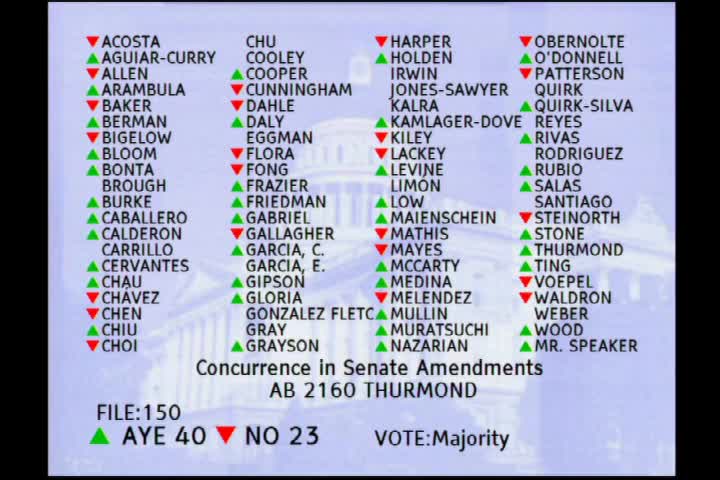
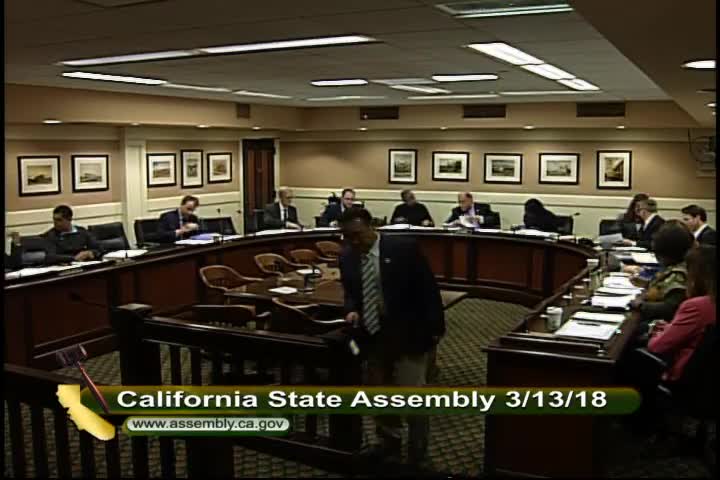
Bill Author

Bill Co-Author(s):
